Atrium Nursing and Rehabilitation
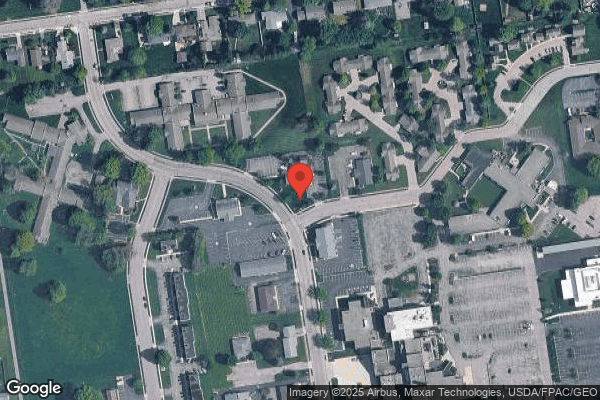

1301 NORTH MONROE DRIVE, XENIA, OH 45385 (937) 372-4495
For profit - Limited Liability company 99 Beds HILLSTONE HEALTHCARE Data: November 2025 3 Immediate Jeopardy citations
Trust Grade
0/100
Last Inspection: February 2025

Within standard 12-15 month inspection cycle. Federal law requires annual inspections.

Overview

Atrium Nursing and Rehabilitation in Xenia, Ohio, has received a Trust Grade of F, indicating significant concerns about the facility's quality and safety. They rank last among nursing homes in the state and county, suggesting a lack of competitive options for families. The trend is improving, with issues decreasing from 26 in 2024 to 7 in 2025, which is a positive sign. However, staffing is a major concern with a high turnover rate of 75%, compared to the Ohio average of 49%, which may affect continuity of care. The facility has faced serious issues, including a resident eloping unsupervised and instances of critical medical monitoring failures that have resulted in life-threatening situations. While they have good RN coverage, with more than 99% of facilities, the concerning fines of $221,617 and multiple serious incidents highlight the need for families to carefully consider their options.

Trust Score
F
0/100
In Ohio
#112/223
Top 50%
Safety Record
High Risk
Review needed
Inspections
Getting Better
26 → 7 violations
Staff Stability
⚠ Watch
75% turnover. Very high, 27 points above average. Constant new faces learning your loved one's needs.
Penalties
✓ Good
$221,617 in fines. Lower than most Ohio facilities. Relatively clean record.
Skilled Nurses
✓ Good
Each resident gets 87 minutes of Registered Nurse (RN) attention daily — more than 97% of Ohio nursing homes. RNs are the most trained staff who catch health problems before they become serious.
Violations
⚠ Watch
67 deficiencies on record. Higher than average. Multiple issues found across inspections.
☆☆☆☆☆
0.0
Overall Rating
☆☆☆☆☆
0.0
Staff Levels
☆☆☆☆☆
0.0
Care Quality
☆☆☆☆☆
0.0
Inspection Score
Stable
2024: 26 issues
2025: 7 issues

The Good

  • Full Sprinkler Coverage · Fire safety systems throughout facility
  • No fines on record

Facility shows strength in fire safety.

The Bad

Staff Turnover: 75%

28pts above Ohio avg (46%)

Frequent staff changes - ask about care continuity

Federal Fines: $221,617

Well above median ($33,413)

Significant penalties indicating serious issues

Chain: HILLSTONE HEALTHCARE

Part of a multi-facility chain

Ask about local staffing decisions and management

Staff turnover is very high (75%)

27 points above Ohio average of 48%

The Ugly 67 deficiencies on record

3 life-threatening 2 actual harm
Feb 2025 7 deficiencies
CONCERN (D) 📢 Someone Reported This

A family member, employee, or ombudsman was alarmed enough to file a formal complaint

Potential for Harm - no one hurt, but risky conditions existed

Deficiency F0569 (Tag F0569)

Could have caused harm · This affected 1 resident

**NOTE- TERMS IN BRACKETS HAVE BEEN EDITED TO PROTECT CONFIDENTIALITY** Based on staff interviews and record review, the facility failed to convey resident funds within 30 days of residents being disc...

Read full inspector narrative →
**NOTE- TERMS IN BRACKETS HAVE BEEN EDITED TO PROTECT CONFIDENTIALITY** Based on staff interviews and record review, the facility failed to convey resident funds within 30 days of residents being discharged from the facility. This affected three Residents (#87, #88 and #89) out of the five residents reviewed for conveyance of personal funds. The facility census was 18. Findings include: 1) Review of the medical record for Resident #87 revealed the resident was admitted to the facility on [DATE]. Diagnoses included gout, congestive heart failure, generalized anxiety disorder, paranoid schizophrenia, major depressive disorder, muscle weakness, and hypothyroidism. Resident #87 discharged from the facility on 08/30/24. Review of a Resident Funds Authorization, for Resident #87 dated 03/20/23, revealed the authorization was signed by Resident #87's responsible party. The authorization was also witnessed by a non-employee. Review of the quarterly Minimum Data Set (MDS) assessment dated [DATE], revealed Resident #87 was cognitively intact. Review of a progress note for Resident #87 dated 08/30/24 at 2:00 P.M., revealed the resident was picked up from the facility by an ambulance service to go to a new facility. Review of a check dated 10/04/24, revealed the check was written to Resident #87 on 10/04/24 for $1,151.00 dollars. Review of a check dated 12/05/24, revealed the check was written to Resident #87 on 12/05/24 for $1,151.00 dollars. Review of the Resident Funds Statement, for Resident #87 dated 12/31/24, revealed the resident had a balance of $1,151.00 on 12/05/24 when the account was closed. Interview with the Administrator on 02/05/25 at 2:32 P.M., verified Resident #87 was discharged from the facility on 08/30/24 and Resident #87's funds were not conveyed to the resident until 10/04/24. The Administrator stated a second check was made on 12/05/24 due to the first check on 10/04/24 not being processed. The Administrator confirmed that Resident #87's funds were not conveyed within 30 days of Resident #87 discharging from the facility. 2) Review of the medical record for Resident #88 revealed the resident was admitted to the facility on [DATE] with diagnoses including insomnia, other seizures, vascular dementia unspecified severity without behavioral disturbance, psychotic disturbance, mood disturbance and anxiety, acute posthemorrhagic anemia, fistula of vagina to large intestine, anemia, respiratory disorder and bipolar disorder. Resident #88 was discharged from the facility on 04/04/24. Review of the Resident Funds Authorization, for Resident #88 dated 08/24/20, revealed the authorization was signed by Resident #88. The authorization was also witnessed by a non-employee. Review of a progress note for Resident #88 dated 04/04/24 at 8:00 A.M., revealed the resident was discharged home with her medications and personal belongings. Review of the discharge MDS assessment dated [DATE], revealed Resident #88 was cognitively intact. Review of a check dated 10/04/24, revealed the check was written out to Resident #88 on 10/04/24 for the amount of $458.00 dollars. Review of the Resident Funds Statement, dated 12/31/24, revealed Resident #88 had a balance of $458.00 dollars on 11/05/24 when the account was closed. Interview with the Administrator on 02/05/25 at 2:32 P.M., verified Resident #88 was discharged from the facility on 04/04/24 and Resident #88's funds were not conveyed to her within 30 days of Resident #88 discharged from the facility. 3) Review of the medical record for Resident #89 revealed the resident was admitted to the facility on [DATE]. Diagnoses including low back pain, major depressive disorder, vascular dementia unspecified severity without behavioral disturbance, psychotic disturbance, mood disturbance and anxiety, hypertension, hypothyroidism and generalized anxiety disorder. Resident #89 discharged from the facility on 11/30/24. Review of the quarterly MDS assessment dated [DATE], revealed Resident #89 was had impaired cognition. Review of a progress note for Resident #89 dated 11/30/24 at 7:45 A.M., revealed the resident's body was released to the funeral home. Resident #89's daughter and hospice were present. Review of the Resident Funds Statement, dated 12/31/24, revealed Resident #89 had a balance of $551.29 dollars on 12/18/24 when the account was closed. Review of the facility's Resident Account Information from 10/01/24 to 02/05/25, revealed Resident #89 did not have any checks to show the conveyance of Resident #89's funds in the amount of $551.29 dollars. There was also no documentation that Resident #89 or Resident #89's resident representative signed a resident funds authorization. Interview with the Administrator on 02/05/25 at 2:32 P.M., verified Resident #89 discharged from the facility on 11/30/24 and the facility did not have any proof of a check or Resident #89's funds being conveyed to their estate. Review of email correspondence from the Administrator on 02/06/25 at 8:44 A.M., verified the facility did not have a signed resident funds authorization to manage Resident #89's funds. This deficiency represents non-compliance investigated under Complaint Number OH00161817.
CONCERN (D) 📢 Someone Reported This

A family member, employee, or ombudsman was alarmed enough to file a formal complaint

Potential for Harm - no one hurt, but risky conditions existed

Deficiency F0578 (Tag F0578)

Could have caused harm · This affected 1 resident

**NOTE- TERMS IN BRACKETS HAVE BEEN EDITED TO PROTECT CONFIDENTIALITY** Based on record review, and staff interview, the facility failed to ensure residents' advanced directives were updated and accur...

Read full inspector narrative →
**NOTE- TERMS IN BRACKETS HAVE BEEN EDITED TO PROTECT CONFIDENTIALITY** Based on record review, and staff interview, the facility failed to ensure residents' advanced directives were updated and accurate in the medical record. This affected one Resident (#30) out of the two residents reviewed for advanced directives. The facility census was 18. Findings include: Review of the medical record for Resident #30 revealed the resident was admitted to the facility on [DATE]. Diagnoses included schizoaffective disorder, hemiplegia, bipolar disorder, gastro-esophageal reflux disease (GERD), bipolar disorder, essential primary hypertension, hyperlipidemia, anxiety disorder, hypothyroidism, diabetes mellitus (DM), insomnia, schizoaffective disorder, anxiety disorder, and chronic obstructive pulmonary disease (COPD). Review of a physician order dated 11/19/24 for Resident #30, revealed the resident was ordered to be Do Not Resuscitate Comfort Care (DNR-CC). Review of an DNR-CC paper form dated 11/19/24 and signed by the physician, revealed Resident #30 was marked as a DNR-CC. Review of the Minimum Data Set (MDS) assessment for Resident #30, dated 11/20/24, revealed the resident was cognitively intact. Review of Resident #30's paper chart at the nurse's desk, revealed a plain white paper with bold print indicating Resident #30 was a full code. Interview with the Director of Nursing (DON) on 02/03/25 at 12:06 P.M., verified Resident #30's advanced directives didn't match in the paper chart and the electronic medical record (EMR). The DON stated she was not aware of Resident #30 having had a change in his advanced directives. The DON stated Resident #30 should be listed as a DNR-CC.
CONCERN (D)

Potential for Harm - no one hurt, but risky conditions existed

Safe Environment (Tag F0584)

Could have caused harm · This affected 1 resident

**NOTE- TERMS IN BRACKETS HAVE BEEN EDITED TO PROTECT CONFIDENTIALITY** 3) Observation of Resident #29's room on 02/03/25 at 10:20 A.M., revealed the floor had food debris scattered throughout the flo...

Read full inspector narrative →
**NOTE- TERMS IN BRACKETS HAVE BEEN EDITED TO PROTECT CONFIDENTIALITY** 3) Observation of Resident #29's room on 02/03/25 at 10:20 A.M., revealed the floor had food debris scattered throughout the floor, black scuff marks and yellow sticky substance near the door. Interview with Resident #29 at the same time, stated he was not sure when the floor was last cleaned. Interview with Licensed Practical Nurse (LPN) #112 on 02/03/25 at 11:15 A.M., verified the condition of Resident #29's room and stated she had not seen the housekeeper today. LPN #112 stated the floor needed to be cleaned. Review of the facility policy titled, Safe, Clean, Comfortable, Homelike Environment, undated, confirmed the Resident has the right to a safe, clean, comfortable, and homelike environment. This included the physical layout of the facility maximizes resident independence and does not pose a safety risk. Further review of the policy confirmed housekeeping and maintenance services necessary to maintain a sanitary, orderly, and comfortable environment. Based on observations, staff interviews, record review, and review of facility policy, the facility failed to provide a comfortable, safe, and homelike environment. This affected three Residents (#25, #30 and #29) of three residents reviewed for environment. The facility census was 18. Findings include: 1) Review of the medical record for Resident #25 revealed the resident was admitted to the facility on [DATE]. Diagnoses included anxiety disorder, anemia, schizoaffective disorder bipolar type, homicidal ideations, auditory hallucinations, psychotic disorder with delusions due to a known physiological condition, hyperlipidemia, hypertension and mood disorder. Review of the annual Minimum Data Set (MDS) assessment for Resident #25 dated 10/26/24, revealed Resident #25 was cognitively intact, and required supervision for activities of daily living (ADLs). Observation of Resident #25's bathroom on 02/03/25 at 9:51 A.M., revealed Resident #25's bathroom had an approximately one foot in length by one foot in width area where the paint was chipping off the tile next to the sink. Interview with Resident #25 at the same time stated the wall had been in that condition since she moved into the room on 01/15/25. Observation of Resident #25's bathroom on 02/05/25 at 10:17 A.M. with the Director of Nursing (DON), revealed Resident #25's bathroom had an approximately one foot in length by one foot in width area where the paint was chipping off the tile next to the sink. Interview with the DON at the same time, verified Resident #25's bathroom had paint chipping off the tile next to the sink. 2) Review of the medical record for Resident #30 revealed the resident was admitted to the facility on [DATE]. Diagnoses included schizoaffective disorder, hemiplegia, bipolar disorder, gastro-esophageal reflux disease (GERD), bipolar disorder, essential primary hypertension, hyperlipidemia, anxiety disorder, hypothyroidism, diabetes mellitus (DM), insomnia, schizoaffective disorder, anxiety disorder, and chronic obstructive pulmonary disease. Review of the MDS assessment for Resident #30, dated 11/20/24, revealed the resident was cognitively intact and required supervision for ADLs. Observation of Resident #30's room on 02/06/25 at 8:08 A.M. with Registered Nurse (RN) #127, revealed the wallpaper was very soiled and peeling from the entire length of the wall. The cove base was chipped and peeling away from the wall. Interview with RN #27 at the same time verified the condition of Resident #30's room.
CONCERN (D)

Potential for Harm - no one hurt, but risky conditions existed

Deficiency F0657 (Tag F0657)

Could have caused harm · This affected 1 resident

**NOTE- TERMS IN BRACKETS HAVE BEEN EDITED TO PROTECT CONFIDENTIALITY** Based on record reviews, staff interviews, and review of facility policy, the facility failed to ensure residents, and their rep...

Read full inspector narrative →
**NOTE- TERMS IN BRACKETS HAVE BEEN EDITED TO PROTECT CONFIDENTIALITY** Based on record reviews, staff interviews, and review of facility policy, the facility failed to ensure residents, and their representatives were offered and received care conferences or the ability to participate in care planning. This affected two Residents (#18 and #19) out of the two residents reviewed for participation in care planning and care conferences. The facility census was 18. Findings include: 1) Review of the medical record for Resident #18 revealed the resident was admitted to the facility on [DATE]. Diagnoses included psychotic disorder with delusions due to known physiological condition, major depressive disorder, generalized anxiety disorder, schizoaffective disorder and insomnia. Review of medical record from 08/22/24 to 02/04/25 revealed there was no documentation that Resident #18 or her guardian were offered or received a care conference. Review of the annual Minimum Data Set (MDS) assessment dated [DATE]. revealed Resident #18 was cognitively intact and required supervision for Activities of Daily Living (ADLs). Interview with Resident #18 on 02/03/25 at 10:01 A.M., revealed the resident had not been offered a care conference or the opportunity to participate in her care planning. Interview with the Administrator on 02/04/25 at 9:19 A.M., verified there was no documentation that Resident #18 or her guardian were offered or received a care conference from 08/22/24 to 02/04/25. The Administrator stated care conferences should be held upon admission and quarterly. 2) Review of the medical record for Resident #19 revealed the resident was admitted to the facility on [DATE]. Diagnoses included Bechet's disease, cerebral infarction, insomnia, paranoid schizophrenia, generalized anxiety disorder, muscle weakness, bipolar disorder and major depressive disorder. Review of the medical record for Resident #19's from 12/16/24 to 02/04/25, revealed there was no documentation that Resident #18 or her guardian were offered or received a care conferences. Review of the admission MDS assessment dated [DATE], revealed Resident #19 was cognitively intact, and required supervision for ADLs. Interview with Resident #19 on 02/03/25 at 10:57 A.M., revealed Resident #19 had not been offered a care conference or opportunity to participate in care planning. Interview with the Administrator on 02/04/25 at 3:19 P.M., verified there was no documentation that Resident #19 or her guardian were offered or received a care conference from 12/16/24 to 02/04/25. The Administrator stated care conferences should be held upon admission and quarterly. Review of the facility's policy titled Resident Participation in Resident Assessments and Care Plans dated December 2016, revealed the resident and his or her representative are encouraged to participate in the resident's assessment and in the development and implementation of the resident's care plan. The Social Services Director (SSD) or designee is responsible for notifying the residents and representatives and for maintaining records of such notices.
CONCERN (D)

Potential for Harm - no one hurt, but risky conditions existed

Deficiency F0883 (Tag F0883)

Could have caused harm · This affected 1 resident

**NOTE- TERMS IN BRACKETS HAVE BEEN EDITED TO PROTECT CONFIDENTIALITY** Based on medical record review, staff interview, and policy review, the facility failed to obtain signed refusal forms for vacci...

Read full inspector narrative →
**NOTE- TERMS IN BRACKETS HAVE BEEN EDITED TO PROTECT CONFIDENTIALITY** Based on medical record review, staff interview, and policy review, the facility failed to obtain signed refusal forms for vaccinations and failed to obtain any information related to prior immunizations and vaccinations for newly admitted residents. This affected two Residents (#08, and #13) out of five Residents reviewed for immunizations and vaccinations. The facility census was 18. Findings Include: 1) Review of the medical record for Resident #08 revealed the resident was admitted to the facility on [DATE]. Diagnoses included schizoaffective disorder, schizophrenia, hyperlipidemia, diabetes mellitus (DM), gastro-esophageal reflux disease (GERD), and anxiety disorder. Review of the Minimum Data Set (MDS) assessment, dated 01/09/25, revealed Resident #08 had impaired cognition. Review of Resident #08's vaccination record, revealed the resident was documented as refusing an influenza vaccine on 11/07/24, the respiratory syncytial virus (RSV) vaccination on 03/07/24 and the pneumococcal bacteria vaccination on 10/02/24. Review of the Vaccination Authorization Forms for Resident #08, revealed the facility failed to obtain Resident #08's signature for the refusals of the influenza vaccine, RSV vaccine, and the pneumococcal bacteria vaccine. Interview with the Registered Nurse (RN) #127 on 02/05/25 at 2:32 P.M., verified the facility did not obtain Resident #08's refusal for an influenza vaccine, RSV vaccine, and the pneumococcal bacteria vaccination. RN #127 stated it was a resident's right to refuse vaccinations, however, the facility still needed to obtain a refusal consent signed by the resident or their authorized representative. 2) Review of the medical record for Resident #13 revealed he was admitted to the facility on [DATE]. Diagnoses included Diabetes Mellitus (DM), heart failure, anemia, hypothyroidism, hyperlipidemia, dementia, schizoaffective disorder, anxiety disorder, insomnia, essential primary hypertension, congestive heart failure, chronic kidney disease, and respiratory failure. Review of the MDS assessment for Resident #13 dated 12/16/24, revealed the resident had mild cognitive impairment. Review of Resident #13's immunization and vaccinations records in the electronic medical record (EMR) were blank. Interview with the RN #127 on 02/05/25 at 2:32 P.M., verified the facility failed to obtain any information related to Resident #13's prior immunizations and vaccinations. RN #127 stated Resident #13 was a newly admitted resident on 12/16/24 which was why the facility had not obtained the immunizations and vaccinations records. RN #127 stated the facility reviewed the residents' vaccinations and immunizations status when the residents were newly admitted . RN #127 stated the facility would educate the residents on vaccinations and immunizations and obtain consent to provide the residents with immunizations and vaccinations upon admission. Review of the facility policy titled, Vaccination of Resident, undated, confirmed all Residents will be offered vaccines that aid in the prevention of infectious disease. Further review of the policy confirmed prior to receiving the vaccinations, the resident or legal representative will be provided with information and education regarding the benefits and potential side effects of the vaccinations. Provisions of such education shall be documented on the residents' medical chart. All new admissions shall be assessed for current vacations upon admission.
CONCERN (F)

Potential for Harm - no one hurt, but risky conditions existed

Infection Control (Tag F0880)

Could have caused harm · This affected most or all residents

Based on record review, staff interview, review of the Legionella Environmental Risk Assessment, review of the Water Management Plan, review of the Legionella Control measures and Monitoring, review o...

Read full inspector narrative →
Based on record review, staff interview, review of the Legionella Environmental Risk Assessment, review of the Water Management Plan, review of the Legionella Control measures and Monitoring, review of water temperature logs, review of weekly monitoring logs, review of the online resources from the Centers for Disease Control and Prevention (CDC), and review of facility policy, the facility failed to follow their Water Management Plan and Legionella Risk Assessment. This had the potential to affect all 18 residents who resided in the facility. The facility census was 18. Findings include: Review of the Water Management Plan-Legionella, dated 11/2021, revealed the facility would establish water management plans for reducing the risk of Legionella and other opportunistic pathogens in the facility's water system by having proactive endeavors to establish and maintain a healthy, infection free environment for the residents, staff and visitors. The facility would develop, implement and maintain an infection prevention and control program in order to prevent, recognize, and control the spread of infections within the facility by performing surveillance, investigation to prevent, prevent and control outbreaks, and use records to improve its infection control procedures. The facility will use a standard approach to risk assessment, implement mechanical, operation and chemical control measures that originate from the Legionella Risk Assessment Review of a facility document titled Legionella Environmental Assessment of Water Systems dated 10/09/24, revealed the facility developed a risk assessment and plan to aid in the prevention of Legionella. The assessment noted areas of concern such as the hot/cold water storage tanks, pipes, valves, shower heads, faucets, water filters, ice machines, and medical devices such as a Continuous Positive Airway Pressure (CPAP) machine. The assessment revealed the facility would complete the following control measures, monitoring and interventions: 1) For rooms taken out of service or resident occupancy changes, water and showers will be turned on for five minutes in each room, and toilets flushed. 2) Hot water temperatures will be measured. 3) The recirculation system for the hot water (a system which water flows continuously through the piping to ensure hot water to all endpoints) would have delivery temperatures at 115 degrees Fahrenheit to 120 degrees Fahrenheit and the return temperatures would be 104 degrees Fahrenheit to 110 degrees Fahrenheit. The hot water temperatures will be monitored regularly. There was no documented evidence that the facility was following their Legionella Risk Assessment Pan for the prevention of Legionella. Review of an undated facility document titled Control Measures and Monitoring, revealed the facility would complete the following procedures: 1) The incoming water supply will be tested as necessary. 2) The hot water tanks, circulating pumps, and tempering valves will be tested weekly throughout all areas of the facility to ensure proper hot water temperatures are maintained. 3) The facility will disinfect sinks and basins at hot and cold-water outlets. 4) All water outlets in vacant resident rooms, resident shower rooms and any other water distribution outlets in areas not in use, will have the hot and cold water ran in all water outlets for five minutes once weekly and flush all toilets. 5) The facility will disinfect all showers and shower heads weekly. 6) The ice machines will be cleaned every six months and visually inspected monthly. 7) Resident medical equipment including oxygen concentrators, Bilevel Positive Airway Pressure (BIPAP) and CPAP machines will be inspected during resident use. The masks and tubing must be disinfected and thoroughly dried and stored in a clean environment when not in use. 8) The air conditioning and air handling units will be routinely serviced, have semi-annual inspections and regular maintenance. Review of an undated facility document titled Legionella Areas of Concerns revealed the following were listed as areas of concern: 1) Hot and cold-water storage tanks. 2) Water heaters. 3) Pipes, valves and fittings. 4) Water filters. 5) Electrical and manual faucets. 6) Faucets and flow restrictors. 7) Showerheads and hoses. 8) Non-steam aerosol humidifiers. 9) Eye wash stations. 10) Ice machines. 11) Medical devices (CPAP, BIPAP, ventilators and humidifiers). Review of the facility documents titled Water Temps - A Unit Audit, revealed a purpose of the document was to confirm that water temperatures in resident's room and showers met the requirements. Numerous rooms were checked on 11/16/24 and 12/09/24. There was no additional documented evidence A unit had any additional water temperatures checked after 12/09/24. Review of facility documents titled Water Temps - B Unit Audit revealed a purpose of the document was to confirm that water temperatures in resident room and showers met the requirements. Numerous rooms were checked on 11/25/24 and 12/02/24. There was no additional documented evidence B unit had any additional water temperatures checked after 12/02/24. Review of the facility document titled, Legionella Program Weekly Report, revealed various rooms were marked as being completed for running water in the sinks and flushing the toilet. The last documentation on the report was dated 11/20/24. There was no documented evidence of the weekly program being followed after 11/20/24. Interview with the Maintenance Supervisor (MS) #150 on 02/05/25 at 1:49 P.M., revealed he had only been working in the facility for approximately three weeks and since being hired, he hasn't done anything with the Legionella policies or procedures or familiar with them. Maintenance Supervisor (MS) #150 stated the only occupied portion of the building is Unit -B which is the secured behavioral unit. Maintenance Supervisor (MS) #150 stated Unit-A is not being utilized by residents and the last left the unit on the 01/20/25. Maintenance Supervisor (MS) #150 verified the facility wasn't following their Legionella Risk Assessment and Water Management Plan. Maintenance Supervisor (MS) #150 verified the last water temperatures were completed on 12/09/24 and the last room checks for running water were completed on 11/20/24. Maintenance Supervisor (MS) #150 stated he wasn't aware of any documentation related to the Legionella procedures. Interview with the Administrator on 02/06/25 at 11:56 A.M., verified the facility wasn't following their Legionella Risk Assessment and Water Management Plan. Review of the online resources from the CDC titled, Water Management in Healthcare Facilities, dated 03/15/24, recommends that healthcare facilities develop and implement comprehensive water management programs to reduce the risk of Legionella growth and transmission. Review of the facility titled, Policy and Procedure: Water Management Plan-Legionella, dated November 2021, revealed the facility establish a water management plan for reducing the risk for Legionella and other opportunistic pathogens in the facility's water system. The facility shall do the following procedures: Complete a facility risk assessment conducted by the water management team to identify where Legionella could grow and spread in the facility' water systems, have a water system schematic/description, complete a Legionella environmental assessment, have rounding observation data , and maintain water temperature logs.
CONCERN (F)

Potential for Harm - no one hurt, but risky conditions existed

Safe Environment (Tag F0921)

Could have caused harm · This affected most or all residents

Based on observation, staff interview, and review of facility policy, the facility failed to provide a clean and homelike environment. This had the potential to affect all 18 residents residing on the...

Read full inspector narrative →
Based on observation, staff interview, and review of facility policy, the facility failed to provide a clean and homelike environment. This had the potential to affect all 18 residents residing on the secured behavioral unit. The facility census was 18. Findings included: Observation of the common areas of the secured behavioral unit on 02/03/25 at 10:15 A.M., revealed a fur like material and dirt hanging off of the large heat register/vents affixed to the walls. The floors throughout the unit were soiled and appeared dirty. Observation of the secured behavioral unit on 02/05/25 at 8:22 A.M. with the Registered Nurse (RN) #127, revealed an unlocked, unoccupied resident room with multiple stacks of supplies that ran the entire length of the room and numerous boxes were stacked to the ceiling. There were multiple trash bags of unopened incontinence briefs, trash and various debris scattered throughout the floor, and large metal rails leaned up against the walls. Interview with RN #127 at same time, verified the condition of the room. RN #127 stated the unoccupied, resident's room was being used as a storage room and should be secured since it was on a behavioral unit. Observation of the common areas of the secured behavioral unit on 02/05/25 at 8:57 A.M. with RN #127, revealed a fur like material and dirt hanging from the large heat register/vents affixed to the walls. The floors throughout the unit were soiled and appeared dirty. Interview with RN #127 at the same time verified the conditions of the common areas of the secured unit. Review of the facility policy titled, Safe, Clean, Comfortable, Homelike Environment, undated, confirmed the Resident has the right to a safe, clean, comfortable, and homelike environment. This included the physical layout of the facility maximizes resident independence and does not pose a safety risk. Further review of the policy confirmed housekeeping and maintenance services necessary to maintain a sanitary, orderly, and comfortable environment.
Sept 2024 9 deficiencies
CONCERN (D)

Potential for Harm - no one hurt, but risky conditions existed

PASARR Coordination (Tag F0644)

Could have caused harm · This affected 1 resident

Based on medical record review and staff interview, the facility failed to ensure all resident Pre-admission Screening and Resident Review (PASARR) documents were accurate to resident current conditio...

Read full inspector narrative →
Based on medical record review and staff interview, the facility failed to ensure all resident Pre-admission Screening and Resident Review (PASARR) documents were accurate to resident current conditions and diagnoses. This affected two (#25 and #7) of three residents reviewed for PASARR documents. The census was 40. Findings include: 1. Review of Resident #25's medical record revealed an admission date of 11/13/20. Her diagnoses were chronic respiratory failure, asthma, chronic obstructive pulmonary disease, osteoarthritis, heart failure, anemia, hypertension, congestive heart failure, anxiety disorder, panic disorder, psychosis, psychotic disorder with delusions, major depressive disorder, and sciatica. Review of her Minimum Data Set (MDS) assessment, dated 10/26/22, revealed she was cognitively intact. Review of Resident #25's PASARR document, dated 12/08/20, revealed under Section D, the diagnoses listed were mood disorder, panic or other severe anxiety disorder, depression, and insomnia. But review of her diagnoses list, she also had the following diagnoses that should have been indicated/updated on her PASARR document: unspecified psychosis, which was added on 07/27/22, and psychotic disorders, which was added on 04/26/22. Dementia should have been added on the original PASARR screening. Review of physician order start date of 03/15/23 revealed Resident #25 receives Prozac oral capsule for depression and on 05/07/24 Invega oral tablet was prescribed for bipolar type schizoaffective disorder. Review of the care plan dated 08/03/21 revealed that Resident #25 takes psychotropic medication for antidepressant and antipsychotic purposes due to diagnoses of depression, schizoaffective disorder, and psychosis. The care plan from 02/09/22 indicated impaired cognition linked to cognitive impairment and dementia. Most recently, the care plan dated 07/23/24 highlighted that Resident #25 is experiences changes in mood, behavior, and psychosocial well-being related to anxiety and depression. Interview with MDS Nurse #167 on 09/19/24 at 9:23 A.M., confirmed the PASARR documents provided were the most up to date. She confirmed through review on 09/18/24 of Resident #25's diagnoses of dementia, anxiety, depression and insomnia were not included in an updated PASARR document. 2. Review of Resident #7's medical record revealed an admission date of 11/16/15. Her diagnoses were nausea, schizoaffective disorder, generalized anxiety disorder, primary insomnia, major depressive disorder, heart failure, atrial fibrillation, bradycardia, polyneuropathy, osteoarthritis, peripheral vascular disease, spinal stenosis, mood disorder, anorexia, hallucinations, bipolar disorder, anemia, altered mental status, hypertension, hyperlipidemia, and hypothyroidism. Review of her Minimum Data Set (MDS) assessment, dated 07/02/24, revealed she was cognitively intact. Review of Resident #7 PASARR document, dated 11/11/16, revealed under Section D, the document indicated she had the following mental health diagnoses documented: Mood disorder and panic or other anxiety disorder. But review of her diagnoses list, she had the following diagnoses that should have been indicated/updated on her PASRR document: schizoaffective disorder, which was added on 07/13/17, hallucinations and bipolar disorder, which were added on 05/27/16, and altered mental status, which was added on 11/16/15. Interview with MDS Coordinator #167 on 09/19/24 at 9:28 A.M. and 12:34 P.M., confirmed the PASARR documents provided were the most up to date. She confirmed Resident #7 PASARR was not up to date with the most current mental health diagnoses. She confirmed PASRR documents are to be updated when there are new mental health diagnoses added.
CONCERN (D)

Potential for Harm - no one hurt, but risky conditions existed

Deficiency F0646 (Tag F0646)

Could have caused harm · This affected 1 resident

Based on medical record review and staff interview, the facility failed to ensure all significant mental health changes were communicated to the state mental health agency. This affected two (Resident...

Read full inspector narrative →
Based on medical record review and staff interview, the facility failed to ensure all significant mental health changes were communicated to the state mental health agency. This affected two (Resident #25 and Resident #7) of three residents reviewed for PASARR documents. The census was 40. Findings include: 1. Review of Resident #25's medical record revealed a admission date 11/13/20. Her diagnoses were chronic respiratory failure, asthma, chronic obstructive pulmonary disease, osteoarthritis, heart failure, anemia, hypertension, congestive heart failure, anxiety disorder, panic disorder, psychosis, psychotic disorder with delusions, major depressive disorder, and sciatica. Review of her Minimum Data Set (MDS) assessment, dated 10/26/22, revealed she was cognitively intact. Review of Resident #25 PASARR document, dated 12/08/20, revealed under Section D, the diagnoses listed were mood disorder, panic or other severe anxiety disorder, depression, and insomnia. But review of her diagnoses list, she also had the following diagnoses that should have been indicated/updated on her PASARR document: unspecified psychosis, which was added on 07/27/22, and psychotic disorders, which was added on 04/26/22. Dementia should have been added on the original PASARR screening. There was no documentation to support these significant mental health changes were communicated to the state mental health agency. Review of physician order start date of 03/15/23 revealed Resident #25 receives Prozac oral capsule for depression and on 05/07/24 Invega oral tablet was prescribed for bipolar type schizoaffective disorder. Review of the care plan dated 08/03/21 revealed that Resident #25 takes psychotropic medication for antidepressant and antipsychotic purposes due to diagnoses of depression, schizoaffective disorder, and psychosis. The care plan from 02/09/22 indicated impaired cognition linked to cognitive impairment and dementia. Most recently, the care plan dated 07/23/24 highlighted that Resident #25 is experiences changes in mood, behavior, and psychosocial well-being related to anxiety and depression. Interview with MDS nurse #167 on 09/19/24 at 9:23 A.M. confirmed the PASARR documents provided were the most up to date. She Resident #25 diagnoses of dementia, anxiety, depression and insomnia were not included in an updated PASARR document. She also communicated she did not notify the state mental health agency when the significant mental health changes were identified. 2. Review of Resident #7's medical record revealed an admission date of 11/16/15. Her diagnoses were nausea, schizoaffective disorder, generalized anxiety disorder, primary insomnia, major depressive disorder, heart failure, atrial fibrillation, bradycardia, polyneuropathy, osteoarthritis, peripheral vascular disease, spinal stenosis, mood disorder, anorexia, hallucinations, bipolar disorder, anemia, altered mental status, hypertension, hyperlipidemia, and hypothyroidism. Review of her Minimum Data Set (MDS) assessment, dated 07/02/24, revealed she was cognitively intact. Review of Resident #7 PASARR document, dated 11/11/16, revealed under Section D, the document indicated she had the following mental health diagnoses documented: Mood disorder and panic or other anxiety disorder. But review of her diagnoses list, she had the following diagnoses that should have been indicated/updated on her PASARR document: schizoaffective disorder, which was added on 07/13/17, hallucinations and bipolar disorder, which were added on 05/27/16, and altered mental status, which was added on 11/16/15. There was no documentation to support these significant mental health changes were communicated to the state mental health agency. Interview with MDS Coordinator #167 on 09/19/24 at 9:28 A.M. and 12:34 P.M. confirmed the PASARR documents provided were the most up to date. She confirmed Resident #7 PASARR was not up to date with the most current mental health diagnoses. She confirmed PASARR documents are to be updated when there are new mental health diagnoses added. She also communicated she did not notify the state mental health agency when the significant mental health changes were identified.
CONCERN (D)

Potential for Harm - no one hurt, but risky conditions existed

Deficiency F0697 (Tag F0697)

Could have caused harm · This affected 1 resident

Based on record review, observation, resident and staff interviews and review of policy, the facility failed to adequately assess and treat pain for Resident #19. This affected one (#19) of two reside...

Read full inspector narrative →
Based on record review, observation, resident and staff interviews and review of policy, the facility failed to adequately assess and treat pain for Resident #19. This affected one (#19) of two residents reviewed for pain management. The facility policy was 40. Findings include: Review of Resident #19's medical record revealed an admission date of 02/01/24, with diagnoses included: bipolar disorder with current episode manic, anxiety disorder, malingerer, psychoactive substance abuse, osteomyelitis, peripheral vascular disease, acquired absence right below knee, and depression. Review of Resident #19's care plan initiated on 02/02/24 revealed that Resident #19 was at risk for pain related to Peripheral Vascular Disease. Resident #19's goal was that he would verbalize adequate relief of pain or the ability to cope with incompletely relieved pain through the care plan review date. The interventions included to administer medication as ordered by nursing, and to ask resident if he was having pain using a scale of 1-10 and to notify the physician as needed. Review of Resident #19's medical record revealed there was no active orders for pain relievers orally or topically. Review of Resident #19's July Medication Administration Record (MAR) revealed Resident #19 received Tylenol (Acetaminophen) one gram by mouth two times daily for pain, starting on 07/02/24. On 07/10/24, Tylenol was discontinued because Resident #19 was discharged to the psychiatric hospital. Review of physician visit note on 07/30/24 revealed Resident #19 requested to be sent to the Emergency Department related to pain. At the Emergency Department, he was treated with Norco, Toradol, and Tylenol and returned to facility. The assessment was that there were concerns for drug seeking behaviors. The plan from the physician was to continue the Tylenol; however, Resident #19 did not have active Tylenol orders. Review of physician visit note on 08/06/24 revealed that Resident #19's chief complaint was a complaint of knee to his right stump. The plan included to continue the Tylenol order; however, record review revealed that Tylenol was not an active order for Resident #19 on 08/06/24. Review of Resident #19's August MAR revealed Resident #19 received Voltaren External Gel 1% to his right knee and stump topically two times daily for pain starting on 08/06/24 and discontinued on 08/20/24. Review of the August and September MARs and the vitals for Resident #19 revealed Resident #19 had not been monitored for pain since 08/21/24. Observation on 09/19/24 at 9:10 A.M., revealed Resident #19 was observed telling Assistant Director of Nursing #157, the nursing staff was not doing anything for his pain. Resident #19 was observed telling Assistant Director of Nursing #157, he was in pain. Interview on 09/17/24 at 9:21 A.M., with Resident #19 revealed he was experiencing right amputation stump pain and he has no pain medications ordered. Interview on 09/17/24 at 9:52 A.M., with Resident #19 revealed he classified his stump pain as an 8 on a scale of 1-10 (10 being the worst pain felt). Interview on 09/18/24 at 2:34 P.M. with Resident #19, revealed that no staff members have asked him about his pain levels, and that his right amputation stump pain was an 8 on a scale of 1-10. Interview on 09/18/24 at 11:39 A.M., with Director of Nursing (DON) revealed Resident #19 used to have orders for Oxycodone, but the physician will not prescribe him narcotics any longer due to Resident #19's history of drug-seeking behaviors. Interview on 09/18/24 at 1:51 P.M., with DON verified Resident #19 has not been on Tylenol since 07/10/24, when Resident #19 was admitted to the psychiatric hospital. DON confirmed that she could not locate evidence of Resident #19 was being assessed for his pain levels since 08/20/24. Interview on 09/18/24 at 2:47 P.M., with Licensed Practical Nurse (LPN) #127 revealed if Resident #19 was in pain, LPN #127 would give him a pain medication, if he had one prescribed. LPN #127 stated she would alert the physician if he needed medication. LPN #127 verified Resident #19's record had no evidence of being assessed for his pain levels since 08/20/24. Review of the undated policy titled, Assessment, Intervention of and Management of Pain, stated when assessing, providing intervention and administering a PRN (as needed) medication for effective pain management, you must identify the specific area and type of pain with an assessment to determine if an intervention or medication is indicated, attempt to determine the root cause of the pain, and report assessment findings to the physician to obtain appropriate orders to manage pain such as routine medication, referral to therapy, or referral to pain management.
CONCERN (D)

Potential for Harm - no one hurt, but risky conditions existed

Deficiency F0699 (Tag F0699)

Could have caused harm · This affected 1 resident

Based on record review, resident and staff interviews, and policy review, the facility failed to identify post-traumatic stress disorder (PTSD) triggers and develop a trauma care plan for Resident #19...

Read full inspector narrative →
Based on record review, resident and staff interviews, and policy review, the facility failed to identify post-traumatic stress disorder (PTSD) triggers and develop a trauma care plan for Resident #19. This affected one (#19) resident of two residents reviewed for behaviors. The facility census was 40. Findings include: Review of the medical record for Resident #19 revealed an admission date on 02/01/24 with diagnoses that included bipolar disorder with current episode manic, post-traumatic stress disorder, anxiety disorder, malingerer, psychoactive substance abuse, osteomyelitis, peripheral vascular disease, acquired absence right below knee, and depression. Review of the Resident #19's admission comprehensive Minimum Data Set (MDS) assessment on 02/08/24 indicated Resident #19 had a diagnosis of PTSD. Review of Resident #19's psychiatric practitioner notes dated 05/06/24, 06/10/24, 07/22/24, and 08/23/24 documented Resident #19 had a diagnosis of PTSD. No triggers for PTSD were identified. Review of the care plans for Resident #19 revealed there was no trauma informed care plan. Interview on 09/19/24 at 12:02 P.M., with Assistant Director of Nursing (ADON) #157 revealed she was unable to identify PTSD triggers for Resident #19 and verified Resident #19 did not have a care plan for trauma informed care. Interview on 09/19/24 at 12:20 P.M., with Licensed Practical Nurse (LPN) #14 revealed she was unable to identify PTSD triggers for Resident #19. Interview on 09/19/24 at 12:31 P.M., with Director of Nursing (DON) verified Resident #19 does not have a trauma informed care plan. Interview on 09/19/24 at 2:04 P.M., with DON revealed the facility does not have a screening tool or assessment to identify newly identified residents for past trauma history. Review of the policy titled, Trauma Informed Care Policy, dated revision March 2019, revealed nursing staff are trained on screening tools, trauma assessment and how to identify triggers associated with re-traumatize. The nursing staff will implement universal screening of residents for trauma. As part of the comprehensive assessment, identify history of trauma or interpersonal violence when possible. Identifying past trauma or adverse experiences may involve record review or the use of screening tools.
CONCERN (D)

Potential for Harm - no one hurt, but risky conditions existed

Deficiency F0757 (Tag F0757)

Could have caused harm · This affected 1 resident

Based on medical record review and staff interview, the facility failed to follow medication parameters prior to administering medications. This affected one (#41) of five residents reviewed for unnec...

Read full inspector narrative →
Based on medical record review and staff interview, the facility failed to follow medication parameters prior to administering medications. This affected one (#41) of five residents reviewed for unnecessary medications. The census was 40. Findings Include: Review of Resident #41's medical record revealed an admission date of 03/01/24. Her diagnoses were major depressive disorder, hypertension, myalgia, atrial fibrillation, and dementia. Review of the Minimum Data Set (MDS) assessment, dated 08/30/24, revealed she had a severe cognitive impairment. Review of Resident #41's current physician orders revealed an order for Metoprolol Tartrate Oral Tablet 25 milligrams to be given twice daily. The medication also had the following parameters: hold for systolic blood pressure less than 110 and/or heart rate less than 50. Review of Resident #41's Medication Administration Records (MAR), dated July 2024, revealed Metoprolol was administered when her vital signs were outside the parameters on 07/14/24 and 07/28/24 in the evening and on 07/31/24 in the morning. Review of Resident #41's MAR, dated June 2024, revealed Metoprolol was administered when her vital signs were outside the parameters on 06/26/24 and 06/29/24 in the evening and on 06/03/24, 06/10/24, and 06/29/24 in the morning. Review of Resident #41's MAR, dated May 2024, revealed Metoprolol was administered when her vital signs were outside the parameters on 05/01/24 and 05/10/24 in the evening and on 05/01/24 in the morning. Interview with Director of Nursing (DON) on 09/19/24 at 1:30 P.M., verified the medications should have been held, given Resident #41 vital signs were outside the ordered parameters. DON verified the medications were given when they should not have been.
CONCERN (D)

Potential for Harm - no one hurt, but risky conditions existed

Deficiency F0761 (Tag F0761)

Could have caused harm · This affected 1 resident

Based on resident record review, observations, staff interviews, and policy review, the facility failed to ensure medications were stored properly for Resident #7. This affected one (#7) of five resid...

Read full inspector narrative →
Based on resident record review, observations, staff interviews, and policy review, the facility failed to ensure medications were stored properly for Resident #7. This affected one (#7) of five residents reviewed for medication storage. The facility census was 40. Findings include: Review of Resident #7's medical record revealed an admission date of 08/22/16, with diagnoses that included: chronic obstructive pulmonary disease (COPD) with acute exacerbation, major depressive disorder, schizoaffective disorder, paroxysmal atrial fibrillation, and presence of a cardiac pacemaker. Review of Resident #7's active physician orders included: Anoro Ellipta Enhalation Aerosol Powder Activated 62.5-25 micrograms per actuation (MCG/ACT) one puff orally one time daily, Albuterol Sulfate HFA Inhalation Solution two puffs inhale orally every four hours as needed for shortness of breath, and Flonase Allergy Relief Suspension 50 MCG/ACT two sprays in each nostril one time a day for allergies- may keep at bedside and self-administer. Review of Resident #7's assessments revealed no assessment for self-administration of medications. Review of Resident #7's care plan, initiated on 04/17/20 and updated on 06/27/24, stated that Resident #7 was at risk for altered respiratory status related to COPD. Resident #7's care plan intervention was to administer medications as ordered by nursing. Observations on 09/16/24 at 9:40 A.M. and on 09/16/24 at 12:00 P.M., revealed that Anoro Ellipta, Flonase, Albuterol, and Calcium Carbonate were left at Resident #7's bedside on her bedside table. Interview on 09/16/24 at 12:00 P.M., with Registered Nurse (RN) #148 verified Anoro Ellipta, Flonase, Albuterol, and Calcium Carbonate were left unattended by a nurse on Resident #7's bedside table. RN #148 verified Resident #7 does not have an active order for Calcium Carbonate. Interview on 09/16/24 at 12:53 P.M., with the Director of Nursing (DON) verified Resident #7 does not have active orders for Calcium Carbonate, and that there were no orders for the Albuterol nor the Anoro Ellipta to be kept at bedside for self-administration. Interview on 09/16/24 at 12:54 P.M., with Clinical Manager #400 confirmed Resident #7 does not have a medication self-administration assessment in her medical chart. Review of the policy titled, Medication Storage in the Facility, dated with revision of January 2018, stated that only licensed nurses, pharmacy personnel, and those lawfully authorized to administer medication are permitted to access medications. Medications labeled for individual residents are stored separately from floor stock medication when not in the medication cart.
CONCERN (F)

Potential for Harm - no one hurt, but risky conditions existed

Deficiency F0679 (Tag F0679)

Could have caused harm · This affected most or all residents

**NOTE- TERMS IN BRACKETS HAVE BEEN EDITED TO PROTECT CONFIDENTIALITY** 3. Review of Resident #13's medical record revealed an admission date of 09/14/18. His diagnoses were dry eye syndrome, benign p...

Read full inspector narrative →
**NOTE- TERMS IN BRACKETS HAVE BEEN EDITED TO PROTECT CONFIDENTIALITY** 3. Review of Resident #13's medical record revealed an admission date of 09/14/18. His diagnoses were dry eye syndrome, benign prostatic hyperplasia, hypokalemia, insomnia, major depressive disorder, anxiety disorder, encopresis, congestive heart failure, hyperlipidemia, muscle weakness, hypertension, and anxiety disorder. Review of his MDS assessment, dated 07/01/24, revealed he had no cognitive impairment. Review of Resident #13's current activities care plan revealed he has a potential for activity deficit related to behavior problems, decreased mobility, and mood problems. The interventions for this deficit area included: assist resident to activities as needed, encourage resident to come to group activities, provide resident access to activity calendar, and staff to provide one on one as needed. Review of Resident #13's activity assessment, dated 05/14/24, revealed it was somewhat important to listen to music, keep up with the news, outside and get fresh air. Review of Resident #13's activity logs, dated May 2024 to September 2024, revealed the following activities were offered/attempted: In September 2024, active activities of TV/Video/Movie (15 times), Family/Friend visits (two times), 1:1 visits (seven times), and socializing (10 times). In August 2024, active activities of TV/Movie/Video (31 times), socializing (six times), out of room (once), 1:1 visits (four times), and bingo/bingo store (one time), in July 2024, active activities of refreshments/coffee (nine times), exercise (one time), out of room (four times), socializing (17 times), TV/Movie/Video (30 times), friends/family visit (one time), and bingo (one time), in June 2024, active activities of communicates (27 times), 1:1 bedside (six times), television (26 times), eats in dining room (four times), games (five times), music (two times), leisure walks (six times), and outside (five times), and in May 2024, active activities of 1:1 bedside (22 times), television (29 times), games (five times), leisure walks (three times), and outside (three times). Interview on 09/16/24 at 1:45 P.M., with Resident #13 confirmed the facility does not perform or ask him to participate in any activities; he stays in his bed primarily. Based on observation, medical record review, personnel file review, activity calendar review, staff and resident interviews, and review of the policy, the facility failed to ensure activities met the needs of the residents. This affected three (#13, #17, and #22) residents reviewed for individualized activities and affected all 40 residents residing in the facility when planned group activities were not offered. The faciliy census was 40. Findings include: Review of the September 2024 activity calendar revealed on 09/16/24 at 1:00 P.M., listed an activity called 1, 2, 3, A, B, C; on 09/18/24 at 9:00 A.M., listed Coffee activity; and on 09/19/24 at 1:00 P.M., listed Tic Tac Toe. Observation on 09/16/24 from 1:00 P.M. to 1:30 P.M., revealed no organized group activities were occurring on the unit or out in the main facility Observation on 09/18/24 from 9:00 A.M. to 9:30 A.M., revealed no organized group activities were occurring on the unit or out in the main facility Observation on 09/19/24 from 1:00 P.M. to 1:30 P.M., revealed no organized group activities were occurring on the unit or out in the main facility Interview on 09/19/24 at 10:15 A.M., with Activity Assistant (AA) #135 revealed no one had offered the coffee activity for the day. A few residents had been offered coffee but not all. AA #135 described the news activity as the residents watching the news on television. AA #135 stated if a resident is noted to be in the therapy room, that is counted as an activity. AA #135 stated the department does not indicate anywhere if the activity deviates from the schedule. AA #135 stated he talks with residents on a daily basis to determine their preferences of activities. 1. Review of the medical record of Resident #17 revealed an admission date of 11/07/23. Diagnoses included malingerer, cerebrovascular disease, bipolar disorder, and psychosis, to name a few. Review of the significant change minimum data set (MDS) assessment dated [DATE] revealed Resident #17 was cognitively intact. The assessment further revealed her to enjoy some games and computer activities. Interview on 09/16/24 at 9:30 A.M., with Resident #17 revealed she would enjoy playing Tic-Tac-Toe and computer games. Review of the Daily Individual Resident Activity document revealed in the months of May 2024 to 09/18/24, Resident #17 participated in four games and the computer documentation was silent. Seven refusals were indicated in the games section in the 141 days reviewed. Review of the activity calendars for May 2024 to 09/18/24 revealed Wii games (a computer game) was only offered a total of 18 times. Tic-Tac-Toe was only offered twice. Of the 18 times Wii game was offered Resident #17 refused five times and participated once. The other times were not indicated as participation or refusal. Of the two times Tic-Tac-Toe was offered one refusal and one uninitiated. 2. Review of the medical record of Resident #22 revealed an admission date of 11/30/22. Diagnoses include personal history of non-suicidal self-harm, psychotic disorder with delusions, major depression, and anxiety disorder. Review of the annual MDS assessment dated [DATE] revealed Resident #22 was cognitively intact and it was very important for her to have choices. The assessment indicated it was very important to Resident #17 to have choices and she enjoys spending time outdoors, to keep up with the news, and to do her favorite activity. Resident #22 stated her favorite activities included gardening, just being outdoors, and keeping up with the news. Interview on 09/16/24 at 9:46 A.M., with Resident #22 revealed her to comment I'm bored, there is nothing to do here. The interview was held in Resident #22's room and no television or radio were noted. When asked to elaborate, Resident #22 stated she would like to go to a local grocery store, two blocks away. She also would like to be able to go outside more often. Review of the Daily Individual Resident Activity document revealed in the months of 05/24, 08/24, and 09/24 (141 days), Resident #22 participated in only one nature/outside/gardening activity, and few news activity. The document indicated minimal participation in the offered activities. Resident #22 had refused cards, games and bingo generally each time it was documented. Review of the activity calendars for May 2024 to 09/18/24 revealed News was offered only 35 times in those 141 days. Gardening/Outdoors was offered only nine days. Interview on 09/16/24 at 3:59 P.M., with Activity Aide #111 revealed some of the residents from the locked unit can come out to the activities in the main area but is not sure of who those all are. Interview on 09/18/24 at 10:20 A.M., with Activity Aide (AA) #168 revealed they go room to room to invite residents to participate in the activities. They have asked the residents, generally twice a month, what other activities they would prefer to do and has gotten little response. AA #168 was unable to verbalize any activities Resident #17 nor Resident #22 particularly enjoys. AA #168 added the television is on most of the day and the staff mark that as an activity. AA #168 stated they do not actually sit and talk with residents about the news. Interview on 09/18/24 at 11:00 A.M., with Resident #22 revealed her to be sitting in a chair in the common area of the secured unit. Resident #22 voiced a desire to go to the local grocery store, two blocks away. Interview on 09/18/24 at 2:24 P.M., with Licensed Practical Nurse #164 revealed Resident #22 goes out every morning, with a staff member, to feed her cat Biscuit. She enjoys sweeping the patio, and gardening. All residents on the secure unit require supervision when out of doors, even in the enclosed patio area as there is a generator there. Resident #22 also enjoys bouncing a large ball with staff and/or other residents. Interview on 09/19/24 at 10:15 A.M., with Activity Assistant (AA) #135 revealed no one had offered the coffee activity for the day. A few residents had been offered coffee but not all. AA #135 described the news activity as the residents watching the news on television. AA #135 was evasive to answers and would readily agree with any positive responses offered by surveyor. AA #135 stated if a resident is noted to be in the therapy room, that is counted as an activity. AA #135 stated the department does not indicate anywhere if the activity deviates from the schedule. AA #135 stated he talks with residents on a daily basis to determine their preferences of activities. Interview on 09/25/24 at 8:15 A.M., with Regional Director of Operations #170 revealed the person suspended on 09/13/24 was the Assistant Activity Director. The facility was going to send her for training; however, her performance was substandard and the facility felt it best to end her employment. Interview on 09/25/24 at 8:45 A.M. with HRD #183 revealed she was hired as Human Resource Director and was given the responsibility of Activity Director. Her main role at the facility is HRD. HRD #183 stated she had delegated the checks to the Assistant Activity Director (AAD) but had recently discovered those were not being completed. The Former AAD had made out the calendars and the participation logs. HRD #183 stated she had approved them, but now sees the error. HRD #183 stated she is now tasked with reviewing all resident care plans ad ensuring activities meet the needs of residents. HRD #183 stated one on one activities are expected to be completed for 30 to 45 minutes, as long as residents comply. Some one-to-one activities include card games, coloring, word search, or merely conversing with the resident. There is one resident, #33, who does not participate in any activity. There are quite a few on the behavioral unit that it is difficult to entice them to participate. The activities are to be documented on the Daily Activity Log which is reviewed every one to two weeks. Interview on 09/25/24 at 11:30 A.M., with (Human Resource Director) HRD #183 and AA #168 revealed the activity slated for 09/16/24 at 1:00 P.M., was 123-ABC. This activity had been slated by the Ex-AAD and no one knew how to do it. HRD #183 was unaware if AA #135 substituted the activity. The Coffee activity slated for 09/18/24 was not completed as no AA was on the clock at that time. AA #168 stated she came in at 10:00 that morning, as scheduled. HRD #183 stated the activity hours had been cut recently related to low census. Review of the personnel file of Human Resource Director #183 revealed a hire date of 05/22/23. A copy of the job description titled Activity Director was signed by HRD #183 on 05/22/23. The job description included a summary which read The primary purpose of your job is to plan, organize, develop, and supervise the overall operation of the Activities Department in accordance with current federal, state, and local standards, guidelines, and regulations, or establish policies and procedures governing the facility, and as may be directed by the Administrator and/or Activity Consultant to assure that an on-going program of activities is designed to meet, in accordance with the comprehensive assessment, the interests and the physical, mental, and psychosocial well-being of each resident. All required background checks were performed. A copy of the Certificate of Completion for National Activity Professional Training Course dated 06/06/24 was included in the file. Review of the personnel file of Activity Assistant (AA) #135 revealed a hire date of 11/28/22. A copy of the job description for Activity Assistant was signed by AA #135 on 11/28/22. The job description included a summary which read The primary purpose of your job is to assist in the planning, implementation, and evaluation of recreational, social, intellectual and spiritual programs, in accordance with the residents' s assessment and care pan, and as may be directed by your supervisor. All required background checks were performed. Review of the personnel file of Activity Assistant #168 revealed a hire date of 04/24/24. A copy of the job description for Activity Assistant was signed by AA #168 on 04/24/24. All required background checks were performed. Review of the policy titled Activities, dated August 2019, revealed the faciity will provide an ongoing activity program based on the comprehensive assess and preferences of each resident.
CONCERN (F)

Potential for Harm - no one hurt, but risky conditions existed

Food Safety (Tag F0812)

Could have caused harm · This affected most or all residents

Based on observations, staff interviews and policy review, the facility failed to ensure the kitchen was maintained in a clean and sanitary manner. This had the potential to affect 39 of 39 residents ...

Read full inspector narrative →
Based on observations, staff interviews and policy review, the facility failed to ensure the kitchen was maintained in a clean and sanitary manner. This had the potential to affect 39 of 39 residents who receive food from the kitchen. (Resident #23 was nothing by mouth) The facility census was 40 residents. Findings include: Observation of the kitchen on 09/16/24 at 8:23 A.M. to 8:37 A.M., revealed a clear square container containing a yellow liquid was unlabeled and undated, and a clear square container containing light brown granules was unlabeled and undated; a fifty pound bag of white sugar was two thirds empty was opened and undated in the food preparation area; the vent behind the ice machine had a thick fuzzy gray substance build-up; and the reach in cooler had two chocolate milks, expired on 09/14/24 and three chocolate milks expired on 09/02/24 stored in the same milk crate with unexpired chocolate milks. Interview on 09/16/24 during the observation, with Dietary Aide #175 verified the two clear square containers were unlabeled and undated, and contained cooking oil and brown sugar; the fifty pound bag of white sugar did not have an open date or a use-by date on the bag; the thick fuzzy gray substance was on the vent; and the expired milks were stored in the same crate as the unexpired milks. Observation on 09/16/24 at 11:08 A.M. and on 09/19/24 at 9:41 A.M., of the sprinkler head above the food preparation area revealed a string was hanging down off of the sprinkler head and over the area where macaroni salad was being prepared for the lunch meal on 09/16/24. Interview on 09/16/24 at 11:08 A.M., with District Manager #171 and Dietary Manager #172 verified the presence of a thick fuzzy gray substance on the vent and verified the presence of a string hanging down off of the sprinkler head and onto the area where food was being prepared. Interview on 09/17/24/24 at 12:11 P.M., verified the presence of the string remained on the sprinkler head. Observation on 09/17/24 at 12:11 P.M. and 09/19/24 at 9:41 A.M., revealed the hood lights above the stove have a gray fuzzy substance on them, over the food preparation area. Interview with District Manager #172 on 09/16/24 at 12:11 P.M. verified the presence of a gray fuzzy substance on the hood lights over the stove. Review of a policy titled, Sanitation, revised October 2008, revealed all kitchens, kitchen areas and dining areas shall be kept clean. For fixed equipment, equipment will be disassembled as necessary to allow access of the detergent/ solution to all parts. Kitchen and dining room surfaces not in contact with food shall be cleaned on a regular schedule and frequently enough to prevent accumulation of grime. This deficiency is an example of the continued non compliance from the complaint survey completed on 08/14/24.
CONCERN (F)

Potential for Harm - no one hurt, but risky conditions existed

Infection Control (Tag F0880)

Could have caused harm · This affected most or all residents

2. Observation of medication administration on 09/17/24 at 8:36 A.M., with Registered Nurse (RN) #148 revealed the nurse began by removing several medication cards for Resident #18, from the cart, and...

Read full inspector narrative →
2. Observation of medication administration on 09/17/24 at 8:36 A.M., with Registered Nurse (RN) #148 revealed the nurse began by removing several medication cards for Resident #18, from the cart, and directly popping the pills into a medication cup. No hand hygiene was observed prior to the start of this observation. After placing the pills in a medication cup, she retrieved a bottled liquid medication from the cart but had questions about the dosage. Consequently, she returned the bottled medication to the medication cart, locked it, and took her laptop and the prepared medication cup with pills to the nursing station to seek assistance. During this time, she touched the countertop and Resident #18's binder. Once the dosage issue was resolved, RN #148 returned to the cart to continue preparing medications. She added additional pills to the medication cup. Additionally, RN #148 gathered a stock bottles of two medications and added a pill from each to the cup. After collecting all the medications, RN #148 placed the pills into a plastic sleeve for crushing. The crushed tablets were then mixed with chocolate pudding in the medication cup. She donned gloves and added the contents of four capsules that could not be crushed into the mixture. Following this, she disposed of the used spoon and gloves by touching the top of the trash can with bare hands. RN #148 retrieved a packet of powder oral medication, a transdermal patch, topical medicated powder and the bottle of liquid medication. RN #148 measured 45 milliliters of the liquid medication and placed it into a plastic cup, then dispensed the packet of powdered medication into a spare cup, and added water from a water pitcher. RN #148 closed the laptop and locked the cart, she took a new spoon as she entered Resident #18's room with the medication cup, water cups with medication, transdermal patch, and topical powder medication. Upon entering, RN #148 introduced herself and informed the resident that she would be administering his medications. RN #148 spoon fed Resident #18's medication, he took the liquid medication and powdered medication mixed with water without assistance. RN #148 donned gloves and removed the transdermal medication patch from its packaging and applied it to the resident's right knee. RN #148 then used the topical medicated powder for wound care in the groin and armpit areas, ensuring the resident's privacy was maintained throughout the process by closing the privacy curtain. After completing medication administration RN #148 discarded the medication cups and gloves in the trash, exited the room without performing hand hygiene, and returned to the medication cart. The medication was documented as being provided after administration. 3. Observation on 09/17/24 at 8:52 A.M., with RN #148 revealed after preparing and administering Resident #18's medication, hand hygiene was not performed. RN #148 unlocked the medication cart and started preparing medications for Resident #35. She removed all necessary medication cards for administration from the cart. RN #148 removed a pill form a card and dispensed it directly into a clean medication cup. RN #148 then proceeded to opened the drawer and removed three stock medication bottles from the cart and placed one tablet from each bottle into the cup. RN #148 then removed a bottle of powdered medication from the cart and placed it into a water cup. RN #148 the dispensed three additional pills from medication cards directly into the medication cup. RN #148 put water into the a cup with the powdered medication, returned all medication cards and bottles back to the cart, locked it and entered Resident #18's room. RN #148 handed Resident #18 his medication, which he took without issue. After completing the medication administration RN #148 discarded the medication cup in the trash, exited the room without performing hand hygiene, and returned to the medication cart. The medication was documented as being provided after administration. Interview on 09/17/24 at 8:55 A.M., with RN #148 verified hand hygiene was not conducted before and after preparing and administering Resident #18 and #35 medications. RN #148 verified hand hygiene should have been conducted before and after preparing medication and when coming in contact with residents. Interview on 09/18/24 at 1:22 P.M., with Assistant Director of Nursing #157 verified hand hygiene should be performed before and after medication preparation and administration, as well as when coming into contact with soiled surfaces and interacting with residents. Review of the undated policy titled Hand Washing Guidelines, revealed staff should wash hands before and after providing care for a resident, after contact with residents skin, after contact with inanimate objects, before and after removing gloves, Review of the policy titled, Medication Administration, dated November 2018, revealed the person administering medications should maintain good hand hygiene before beginning a medication pass, prior to handling any medication and after coming into direct contact with a resident. Based on record review, observations, staff interview, and policy review, the facility failed to ensure a risk assessment had been completed to identify potential areas of concern related to any waterborne pathogen growth. Furthermore the facility failed to initiate a water management program. This had the potential to affect all 40 residents residing in the facility. The facility failed to completed hand hygiene during medication administration. The affected two (#18 and #35) of three residents observed for medication administration. The facility census was 40. Findings include: 1. Review of the facility Legionella documents revealed the facility had no evidence of a risk assessment or a water management program. Interview on 09/19/24 at 2:00 P.M.,with the Administrator revealed the facility does not have a risk assessment to identify where Legionella and other opportunistic waterborne pathogens could grow and spread. Furthermore, the facility has not implemented any water management programs. Review of the policy titled Water Management Plan-Legionella dated November 2021, revealed the facility will establish a water management plan for reducing the risk of Legionella and other opportunistic pathogens in the facility's water system.
Aug 2024 5 deficiencies
CONCERN (F) 📢 Someone Reported This

A family member, employee, or ombudsman was alarmed enough to file a formal complaint

Potential for Harm - no one hurt, but risky conditions existed

Deficiency F0727 (Tag F0727)

Could have caused harm · This affected most or all residents

Based on record review and staff interview, the facility failed to ensure there was a Registered Nurse (RN) scheduled for at least eight consecutive hours daily. This had the potential to affect all 4...

Read full inspector narrative →
Based on record review and staff interview, the facility failed to ensure there was a Registered Nurse (RN) scheduled for at least eight consecutive hours daily. This had the potential to affect all 41 residents residing in the facility. Findings include: Review of the staffing schedules revealed there was no RN scheduled on the following dates: 07/07/24, 07/11/24, 07/15/24, 07/16/24, 07/20/24, 07/21/24, 07/25/24, 07/26/24, 07/29/24, 07/31/24, 08/03/24, and 08/04/24. Interview on 08/08/24 at 3:56 P.M., the Director of Nursing (DON) confirmed the facility did not have an RN working for eight consecutive hours on the following dates: 07/07/24, 07/11/24, 07/15/24, 07/16/24, 07/20/24, 07/21/24, 07/25/24, 07/26/24, 07/29/24, 07/31/24, 08/03/24, and 08/04/24.
CONCERN (F) 📢 Someone Reported This

A family member, employee, or ombudsman was alarmed enough to file a formal complaint

Potential for Harm - no one hurt, but risky conditions existed

Food Safety (Tag F0812)

Could have caused harm · This affected most or all residents

Based on observation, staff interview, and policy review, the facility failed to ensure the kitchen was maintained in a clean and sanitary manner. This had the potential to affect all 41 residents who...

Read full inspector narrative →
Based on observation, staff interview, and policy review, the facility failed to ensure the kitchen was maintained in a clean and sanitary manner. This had the potential to affect all 41 residents who resided in the facility. Findings include: 1) Observation on 08/08/24 at 10:48 A.M., revealed a fly swatter on a cart next to the oven. Interview at the same time, District Dietary Manager (DDM) #400 verified the fly swatter was on the cart next to the oven. Observation on 08/08/24 at 12:07 P.M. revealed three flies continuously flying above and around the steam table. Interview on 08/08/24 at 12:08 P.M., [NAME] #405 verified the flies were present and stated flies were always in kitchen. 2) Observation on 08/08/24 at 10:49 A.M., revealed a puddle of water, measuring approximately one foot by four feet below the three-compartment sink. Dietary Manager (DM) #410 took a mop and cleaned up the water from the floor. Interview on 08/08/24 at 10:51 A.M., [NAME] #405 verified the puddle below the three -compartment sink and stated every time he washed dishes, the sink leaked. [NAME] #405 stated he had reported the leak to management several times; however, nothing had been done to fix it. [NAME] #405 stated the sink had leaked since he started two years ago. 3) Observation on 08/08/24 at 10:50 A.M., revealed the floor between the cover to the grease trap and the wall was caked with a thick, dark brown substance. The area measured approximately one foot squared. Interview at the same time, DDM #400 verified the substance on the floor and stated it was probably grease. DDM #400 stated the grease trap had last been cleaned two or three months ago and stated that must not have gotten that cleaned up. Interview on 08/08/24 at 11:02 A.M., [NAME] #405 stated the grease trap had always been a problem. [NAME] #405 stated the grease trap overflows every time he empties the three-compartment sink. Observation on 08/08/24 at 12:22 P.M. revealed a puddle of water below the 3-compartment sink, measuring approximately one foot by four feet. 4) Observation on 08/08/24 at 10:54 A.M., revealed several dead bugs on the floor in the dish room near the door to the hallway of the A-unit. Interview on 08/08/24 at 10:56 A.M., DM #415 verified the bugs on the floor in the dish room. DM #410 stated one of the bugs appeared to be a beetle. 5) Observation on 08/08/24 at 10:55 A.M., revealed an area on the wall and ceiling above the reach-in cooler, measuring approximately three feet by one foot of a grey fuzzy substance. Interview at the same time, DDM #400 verified the presence of a grey fuzzy substance and stated it was probably dust stuck to the area due to condensation released by the cooler. 6) Observation on 08/08/24 at 12:02 P.M., revealed Dietary Aids (DA) #415 and #420 were plating food for the lunch meal. Both DAs were observed wearing hair nets that covered their ponytails; however, did not cover the rest of their hair. Both DAs had approximately four to five inches of hair that was not covered by any hair restraint. Interview at the same time, DM #410 verified DA #415 and DA #420 were not wearing their hair nets appropriately. Review of the facility policy titled, Staff Attire, dated 10/2023, revealed all staff would have hair confined to a hair net or cap. 7) Observation on 08/08/24 at 12:04 P.M. revealed the vents to a window air conditioning unit was coated in a grey and fuzzy substance. The air conditioning unit was on and blowing into the food service area, directly towards the beverage station and the holding cart, which was being loaded with lunch trays. Further observation revealed a grey and fuzzy substance coating around the windows of the kitchen and all around the area for a large fan which was blowing toward outside of the building. Additionally, a string, measuring approximately six inches long, of a grey fuzzy substance was hanging from the top corner of the window, blowing in the breeze of the air flow into the kitchen. Interview at the same time, DDM #400 verified the grey and fuzzy substance was dust. 8) Observation on 08/08/24 at 12:11 P.M., revealed the window below the large fan which was blowing towards the outside of the kitchen had several streaks of a dried unidentified substance. The streaks of the unidentified substance contained numerous dead insects, which were stuck to the dried substance. Interview at the same time, DDM #400, verified the streaks of unidentified substance on the window and the dead bugs sticking to it. 9) Observation on 08/08/24 at 12:15 P.M., revealed a string, measuring approximately three inches of a grey and fuzzy substance dangling from a sprinkler head above the food preparation counter and blowing in the breeze of the kitchen. [NAME] #405 was actively preparing pizza for the lunch meal. Interview on 08/08/24 at 12:18 P.M., DM #410 verified the string of grey and fuzzy substance on the sprinkler head and stated she had submitted work orders for cleaning the sprinkler head. Review of facility work orders dated 05/01/24 through 08/08/24, revealed no work orders associated with the cleaning of the sprinkler heads in the kitchen. Review of the facility policy titled, Equipment, dated 09/2017, revealed all food service equipment would be in proper working order. Review of the facility policy titled, Environment, dated 09/2017, revealed all food preparation areas and food service areas would be maintained in a clean and sanitary manner, including floors, walls, ceiling, and ventilation. This deficiency represents non-compliance investigated under Complaint Numbers OH00156510 and OH00155553.
CONCERN (F) 📢 Someone Reported This

A family member, employee, or ombudsman was alarmed enough to file a formal complaint

Potential for Harm - no one hurt, but risky conditions existed

Administration (Tag F0835)

Could have caused harm · This affected most or all residents

**NOTE- TERMS IN BRACKETS HAVE BEEN EDITED TO PROTECT CONFIDENTIALITY** Based on review of facility's mold testing results, physician interview, review of Quality Assurance and Performance Improvement...

Read full inspector narrative →
**NOTE- TERMS IN BRACKETS HAVE BEEN EDITED TO PROTECT CONFIDENTIALITY** Based on review of facility's mold testing results, physician interview, review of Quality Assurance and Performance Improvement (QAPI) documentation, and staff interview, the facility failed to inform Medical Director (MD) #500 of high levels of mold discovered in the facility. This had the potential to affect all the residents of the facility. The census was 41. Findings include: Review of an Environmental and Residential Microbial Inspection Report dated 05/13/24, revealed the facility was inspected for mold on 05/08/24 by a mold testing speciality company. The areas tested for mold revealed the following areas: a) room [ROOM NUMBER] (unoccupied). b) 200 Hall shower room. c) 300 hallway. d) Therapy room. e) A common area. f) The main dining room. The mold readings in these areas were compared to readings from outside the facility. The results in the tested areas revealed higher levels of mold than outside of the facility and mold remediation was required to be completed. Review of QAPI meeting documents dated 05/21/24 revealed no documented evidence of MD #500 being informed of mold testing results dated 05/13/24. Phone interview with MD #500 on 08/14/24 at 9:40 A.M., revealed she was not made aware of the mold testing results dated 05/13/24. MD #500 stated she should have been informed of the results. Interview with the Administrator on 08/14/24 at 2:15 P.M. confirmed MD #500 was not informed of the mold testing results dated 05/13/24.
CONCERN (F) 📢 Someone Reported This

A family member, employee, or ombudsman was alarmed enough to file a formal complaint

Potential for Harm - no one hurt, but risky conditions existed

Room Equipment (Tag F0908)

Could have caused harm · This affected most or all residents

Based on observation, staff interview, review of facility audits, and review of operation manuals, the facility failed to ensure essential equipment was maintained in a safe and properly functioning m...

Read full inspector narrative →
Based on observation, staff interview, review of facility audits, and review of operation manuals, the facility failed to ensure essential equipment was maintained in a safe and properly functioning manner. This had the potential to affect all residents in the facility. The facility census was 41. Findings include: 1) Observation on 08/08/24 at 10:36 A.M., revealed an ice machine at the entrance to the 200 hall, had a wet blanket laying under it with a puddle of water, which extended beyond the area of the blanket. Water was observed dripping onto the floor from the bottom of the machine. Interview at the same time, State Tested Nursing Assistant (STNA) #308 verified the wet blanket over the puddle of water. STNA #308 picked up the wet blanket and walked away from the area. Observation on 08/08/24 at 12:33 P.M., revealed another puddle of water had formed below the ice machine. Interview at the same time with Licensed Practical Nurse (LPN) #317, verified the presence of the puddle of water below the ice machine. LPN #317 verified the ice machine was leaking from the bottom. 2) Observation on 08/08/24 at 10:45 A.M., revealed the stove in the kitchen was not in use. The stove had six burners and an oven below, which was also not in use. Interview at the same time, District Dietary Manager (DDM) #400 stated two of the six burners did not work and the oven also did not work. Interview on 08/08/24 at 10:46 A.M., [NAME] #405 stated the oven had not worked in a long time. [NAME] #405 stated a new oven was ordered awhile back but it did not fit, and they never got another one. Review of the Unit Inspection Food Report, dated 06/28/24, revealed DDM #400 completed an audit on the kitchen and indicated only one burner on the stove was functioning properly. 3) Observation on 08/08/24 at 10:49 A.M., revealed a puddle of water, measuring approximately one foot by four feet below the three-compartment sink. Dietary Manager (DM) #410 take a mop and clean up the water from the floor. Interview on 08/08/24 at 10:51 A.M., [NAME] #405, verified the puddle below the three-compartment sink. [NAME] #405 stated every time he washed dishes, the sink leaked. [NAME] #405 stated he had reported the sink leaking to management several times and nothing had been done to fix it. [NAME] #405 stated the sink had leaked since he started two years ago. Additionally, [NAME] #405 stated the grease trap overflows every time he empties the three-compartment sink. Observation on 08/08/24 at 12:22 P.M., revealed a puddle of water below the three-compartment sink, measuring approximately one foot by four feet. 4) Interview on 08/08/24 at 11:05 A.M., [NAME] #405 stated the top oven of the double oven runs hot so he has to be careful not to overcook and/or burn the food cooked in it. [NAME] #405 stated he cooked the food by watching it closely; however, when asked about following the cooking time on a recipe, [NAME] #405 stated, Good luck, stating the food would not be cooked properly. Observations on 08/08/24 between 12:00 P.M. and 12:20 P.M., revealed [NAME] #405 was only using the lower oven of the double oven in the kitchen. Review of the facility policy titled, Equipment, dated 09/2017, revealed all food service equipment would be maintained in proper working order.
CONCERN (F) 📢 Someone Reported This

A family member, employee, or ombudsman was alarmed enough to file a formal complaint

Potential for Harm - no one hurt, but risky conditions existed

Safe Environment (Tag F0921)

Could have caused harm · This affected most or all residents

**NOTE- TERMS IN BRACKETS HAVE BEEN EDITED TO PROTECT CONFIDENTIALITY** Based on observation, resident interview, mold testing company interview, staff interview, and review of the facility's mold tes...

Read full inspector narrative →
**NOTE- TERMS IN BRACKETS HAVE BEEN EDITED TO PROTECT CONFIDENTIALITY** Based on observation, resident interview, mold testing company interview, staff interview, and review of the facility's mold testing results, the facility failed to abate and remediate the presence of mold in the facility and the facility failed to ensure residents were provided with a clean, safe, homelike environment. This had the potential to affect all 41 residents residing in the facility. Findings include: Review of an Environmental and Residential Microbial Inspection Report dated 05/13/24, revealed the facility was inspected for mold on 05/08/24 by a specialty mold testing company. The areas tested in the facility for mold were room [ROOM NUMBER], the shower room on the 200-hall, the 300-hallway, the therapy room, a common area, and the main dining room. The mold readings in these areas were compared to mold readings from outside the facility. The results in the tested areas revealed higher levels of mold than outside of the facility and mold remediation was required. The following remediation was recommended to properly abate the mold: a) Treat the heating, ventilation, and air condition (HVAC) units, all HVAC ductwork, all HVAC ventilation, and all HVAC air returns with an Environmental Protection Agency (EPA) registered antimicrobial chemical. b) Remove and replace all air filters with Minimum Efficiency Reporting Value (MERV) seven or higher. c) Sanitize any visibly water-damaged areas with a direct application of antimicrobial chemical. d) Sanitize the kitchen, including all wood surfaces, with antimicrobial chemicals and follow up with an air scrubber (a device that attaches directly to the ductwork of a HVAC system and removes air contaminants). e) Sanitize the bathrooms, including all wood surfaces, with antimicrobial and follow up with an air scrubber. f) Sanitize the interior of the structure, including all rooms, all closets, and all doors with antimicrobial chemicals and follow up with an air scrubber. Observation on 08/08/24 at 10:03 A.M., revealed a pad behind the fire door to the 600-hall. The pad appeared to have a sticky component and there were approximately 20 dead black insects of varying size stuck to it. Interview on 08/08/24 at 10:06 A.M. with Maintenance Assistant (MA) #333, verified the sticky pad with dead insects. MA #333 stated the pest control company may have set it up there. Observation on 08/08/24 at 10:07 A.M., revealed an area approximately five feet by four feet with a pile of wet blankets on the floor in front of Resident #11's air conditioner (AC) unit. There was additional water observed, which spread beyond the coverage of the blankets. Interview with Resident #11 at the same time, stated the puddle of water had been present for approximately three days. Interview on 08/08/24 at 10:13 A.M. with State Tested Nursing Assistant (STNA) #322, verified the water and blankets on the floor and stated the air conditioning unit appeared to be leaking. Observation at the entrance of the 200-hall on 08/08/24 at 10:38 A.M., revealed the wood flooring was peeled, cracked, jagged, and raised. Observation on 08/08/24 at 10:40 A.M. at the entrance of the 100-hall with STNA #323, revealed the wood floor was cracked, peeling, and broken with jagged edges. Interview at the same time with STNA #323, verified the condition of the floor. Interview on 08/08/24 at 3:20 P.M. with Maintenance Supervisor (MS) #332, verified the wood floor was cracked, peeling, and raised in the 200-hall. MS #332 stated he had worked at the facility since March 2024, and it had been that way since he had started working there. Interview with the Administrator on 08/13/24 at 7:50 A.M., revealed the facility's mold was not properly addressed according to the mold testing specialist company's recommendations. Observation on 08/13/24 at 8:35 A.M., revealed room [ROOM NUMBER] (unoccupied) had mold under the wallpaper. Interview with the Administrator and MS #332 at the same time, stated the wallpaper was removed and the walls were cleaned with three parts water and one part of household bleach. The walls were then painted over with Kilz (a primer that is mold and mildew-resistant paint). The Administrator was unsure what chemical was recommended by the mold testing company to get rid of the mold. Observation on 08/13/24 at 8:38 A.M., revealed room [ROOM NUMBER] (unoccupied) had mold around the AC wall unit. Interview at the same time with MS #332, stated the wallpaper was removed and the walls were cleaned with three parts water and one part of household bleach. Observation of a storage room located at the end of the 200-hall on 08/13/24 at 8:50 A.M. with MS #332, revealed a black substance to the right of the AC window unit. Resident supplies, paper hand towels, and linens were present in the room. MS #332 identified the black substance as mold. Observations on 08/13/24 at 9:18 A.M., revealed room [ROOM NUMBER] (unoccupied) had a black substance throughout the room with appearance consistent with mold. The right corner of the room appeared to have been repaired. Interview at the same time with MS #332, revealed the insulation and drywall was removed. MS #332 stated no water and bleach solution, or any other chemical was used to disinfect the walls. MS #332 stated the cause of the mold was from a water leak from an adjacent custodial room that also had walls repaired due to the mold. Observation of a beauty salon room on 08/13/24 at 9:22 A.M., revealed some drywall had been partially removed exposing the inside of the wall. Black and white substances were inside the wall cavity. MS #332 confirmed the substances were mold and the he was in the process of repairing the damage. MS #332 stated the adjacent Director of Nursing (DON's) office wall would have to be repaired too. Further observation revealed the room was not isolated or contained and there was not ventilation to the outside occurring. Interview with the Administrator on 08/13/24 at 10:48 A.M., confirmed mold remediation was not completed as recommended by the mold testing specialty company. The Administrator confirmed HVAC vents were not properly disinfected as recommended and air scrubbers were not used in the facility. Interview via telephone with Mold Testing Company Staff (MTCS) #550 on 08/14/24 at 9:23 A.M., revealed the facility's testing results dated 05/13/24 were positive for high levels of microtoxin producing molds that could have adverse health effects. MTCS #550 reported that household bleach and water would not be an adequate treatment for the molds and the levels of mold found in the facility required an EPA registered chemical to properly get rid of the mold. MTCS #550 stated during removal of mold and repair of the mold damage, the mold needed to be contained which included proper containment, a proper cleaning product, and signs posted about the mold clean-up would be required. Air scrubbers should be used in the facility to clean the air circulating. MTCS #550 confirmed that staff at his company would have not recommended household bleach as a mold treatment. This deficiency represents non-compliance investigated under Complaint Numbers OH00156510 and OH00155553.
Jun 2024 1 deficiency 1 IJ
CRITICAL (J) 📢 Someone Reported This

A family member, employee, or ombudsman was alarmed enough to file a formal complaint

Immediate Jeopardy (IJ) - the most serious Medicare violation

Accident Prevention (Tag F0689)

Someone could have died · This affected 1 resident

**NOTE- TERMS IN BRACKETS HAVE BEEN EDITED TO PROTECT CONFIDENTIALITY** THE FOLLOWING DEFICIENCY REPRESENTS AN INCIDENT OF PAST NONCOMPLIANCE THAT WAS SUBSEQUENTLY CORRECTED PRIOR TO THIS SURVEY. Base...

Read full inspector narrative →
**NOTE- TERMS IN BRACKETS HAVE BEEN EDITED TO PROTECT CONFIDENTIALITY** THE FOLLOWING DEFICIENCY REPRESENTS AN INCIDENT OF PAST NONCOMPLIANCE THAT WAS SUBSEQUENTLY CORRECTED PRIOR TO THIS SURVEY. Based on review of the medical record, review of a facility self-reported incident (SRI), observations, resident and staff interviews, and policy review, the facility failed to provide supervision and intervention to prevent Resident #31, who had impaired cognition, was at risk for elopement and resided on a secured behavioral unit, from leaving the facility unsupervised. This resulted in Immediate Jeopardy when one resident (Resident #31) was placed at potential risk for serious life-threatening harm and/or injury when the resident eloped from his bedroom window without staff knowledge and was found 2.6 miles from the facility pushing a shopping cart in a shopping center parking lot. This affected one (#31) of five residents reviewed for risk for elopement. The facility identified a total of 11 residents who were at risk for elopement. The facility census was 45. On 06/20/24 at 2:01 P.M., the Administrator, Director of Nursing (DON), Regional Registered Nurse (RRN) #20, and Regional Director of Operations (RDO) #25 were notified Immediate Jeopardy began on 06/04/24 at approximately 4:14 A.M. when Laboratory (Lab) Technician #09 reported to Licensed Practical Nurse (LPN) #154 that she was unable to locate Resident #31 in his room to draw his blood for labs. LPN #154 accompanied Lab Technician #09 to Resident #31's room and discovered the bedroom window was open and both the screen and the resident were missing. Staff on duty searched the building and the building perimeter and discovered Resident #31 was missing from the facility. Staff contacted the DON on 06/04/24 at 4:54 A.M. and the DON contacted the police at 5:07 A.M. Police located Resident #31 on 06/04/24 at 12:49 P.M. approximately 2.6 miles from the facility pushing a shopping cart in a shopping center parking lot. Resident #31 was sent to the hospital via emergency medical services (EMS) for evaluation before returning to the facility on [DATE] at approximately 3:50 P.M. with no injuries. Upon returning to the facility, Resident #31 was placed on one-on-one supervision and voiced concerns thought someone was trying to kill him and he stated he was trying to return home to Columbus, Ohio. The Immediate Jeopardy was removed on 06/04/24 when the resident returned to the facility and was placed on one-on-one supervision and all resident windows were secured with special hardware to ensure they were not able to be opened greater than six inches. The deficiency remained at Severity Level 2 (no actual harm with potential for more than minimal harm that is not Immediate Jeopardy) until the deficiency was corrected on 06/11/24, when the facility implemented the following corrective actions: • On 06/04/24 at approximately 4:14 A.M., LPN #154 identified Resident #31 was not in his room and the facility began searching for the resident. • On 06/04/24 at 12:49 P.M., police located Resident #31 at a local shopping center parking lot. Resident #31 was transferred to the hospital for evaluation. Upon returning to the facility on [DATE] at approximately 3:50 P.M., Resident #31 was placed on one-on-one supervision. • On 06/04/24, maintenance staff completed audits of all doors and windows for functionality and security. All resident windows were secured with special hardware to ensure they were not able to be opened greater than six inches. • On 06/04/24, the DON assessed all residents for elopement risk and care plans were revised as indicated. There were no concerns identified regarding elopements. • On 06/04/24, the Administrator educated all maintenance staff regarding door and window security. • On 06/04/24, the DON/designee educated all current staff in person about policies and procedures related to elopement, missing residents, supervision of residents, and abuse/neglect. Assistant Director of Nursing (ADON) #85 and Human Resources (HR) #92 assisted in educating all remaining staff via telephone. The education was completed on 06/04/24. • On 06/05/24 at 5:00 A.M. and again at 8:00 A.M., the Administrator/designee conducted elopement drills with staff scheduled to work on night shift on 06/04/24 and staff scheduled to work dayshift on 06/05/24. • On 06/05/24, the facility-initiated audits of all windows to be performed by maintenance personnel. All windows on the B-Unit were audited five times a week for one week, and a minimum of five windows on the A-unit five times a week for one week. All variances will be corrected upon discovery and education/follow-up will be provided as deemed necessary. Further continued ongoing compliance will be further maintained through audits as dictated by the facility quality assurance committee. • On 06/07/24, the facility-initiated audits of exit doors to be performed by maintenance personnel three times a week for one week. All variances will be corrected upon discovery and education/follow-up will be provided as deemed necessary. Further continued ongoing compliance will be further maintained through audits as dictated by the facility quality assurance committee. • On 06/07/24, the facility held a Quality Assessment and Performance Improvement (QAPI) meeting with the Administrator, DON, Medical Director, and RRN #20 to review the elopement investigation and approve the plan of correction. All protocols were followed and there were no issues noted. • On 06/11/24, the facility held a QAPI meeting with the Administrator, DON, Medical Director, ADON #85, ADON #94, and RRN #20. Elopement audits were reviewed, and there were no new issues identified. • On 06/20/24 from 3:00 P.M. to 3:55 P.M., interviews with Scheduler #110, LPN #153, STNA #133, STNA #121, and Human Resources #93 confirmed they received education after Resident #31's elopement on 06/04/24 regarding policies for elopement, missing resident, supervision, and abuse. The staff were knowledgeable regarding the training. Findings include: Review of the medical record for Resident #31 revealed the resident was originally admitted to the facility on [DATE] and recently readmitted on [DATE]. Diagnoses included unspecified hypothyroidism, type II diabetes, unspecified schizophrenia, unspecified psychosis, unspecified extrapyramidal and movement disorder, and schizoaffective disorder bipolar type. Review of the care plan dated 01/12/24 revealed Resident #31 resided on a secured unit related to schizoaffective disorder and was at risk for elopement. Interventions included quarterly assessments related to secured unit placement, provide diversional activities, allow resident to express feelings related to being on a secured unit, and refer to psychiatric services as needed. Review of the most recent quarterly Minimum Data Set (MDS) 3.0 assessment dated [DATE] revealed the resident had a Brief Interview for Mental Status (BIMS) score of eight out of 15 indicating the resident had moderate cognitive impairment. Resident #31 had self-directed behaviors, occasionally rejected care, and did not wander. Resident #31 was independent with activities of daily living (ADL's) and required staff supervision and setup assistance as needed. Review of the admission Skilled Unit Assessment completed on 01/12/24 revealed Resident #31 had history of psychiatric hospitalization with recent medication adjustments to stabilize psychiatric conditions. Review of the medical record revealed Resident #31 was screened for elopement risk on 01/12/24, 04/13/24, and 05/13/24 and scored a low risk for elopement. Review of the Quarterly Secured Unit assessment dated [DATE] revealed Resident #31 had a history of psychiatric hospitalization and received psychiatric services. Resident #31 had auditory and visual hallucinations, and occasionally displayed aggressive and combative behaviors towards other residents and staff. Resident #31 also expressed the belief that staff was trying to poison him. Resident #31 was at risk for elopement and did not want to live on a secured unit but was considered unsafe to live alone. Review of progress note dated 06/04/24 at 8:04 A.M. revealed Resident #31 was last observed on the unit on 06/03/24 between 9:00 P.M. and 10:00 P.M. Resident #31 wore a black short-sleeved T-shirt, and black sweatpants. The lab technician went to Resident #31's room to draw labs on 06/04/24 at 4:00 A.M. Resident #31's window was open, and the window screen was missing. Resident #31 was not in his room. The nurse and State Tested Nursing Assistant (STNA) searched the unit, perimeter, and areas surrounding the facility and did not locate Resident #31. The nurse called the DON, police, Resident #31's guardian, and the physician. All other residents were accounted for in the facility. The DON collected witness statements. Review of progress note dated 06/04/24 at 1:22 P.M. revealed Resident #31 was located, and the physician, guardian, and family were notified. Review of an SRI titled Neglect/Mistreatment revealed on 06/04/24 at approximately 4:20 A.M. a lab technician went to draw labs on Resident #31, and the resident was unable to be located. Staff searched the facility and grounds but were unable to locate Resident #31. The physician, guardian, and local police were notified. Staff continued to search the community. Witness statements from staff revealed Resident #31 was at his baseline behavior and was last seen on 06/03/24 around 10:00 P.M. in the hallway wearing black pants, black shoes, and a black T-shirt. Police located Resident 31 on 06/04/24 at around 12:10 P.M. Staff responded to the location, and EMS were on scene transporting Resident #31 to the local hospital for evaluation where the resident was found to be without injury. Upon return to the facility, Resident #31 was assessed and was noted to be at baseline with delusions. Resident #31 was placed on one-on-one supervision. Upon interview, Resident #31 stated he had crawled out the window and was searching for his home. The facility assessed Resident #31 for elopement risk and updated his care plan. During an interview on 06/17/24 at 9:25 A.M., the Administrator stated Resident #31 went out his window in the middle of the night sometime on 06/03/24 into 06/04/24. The Administrator confirmed Resident #31 resided on the facilities secured behavioral unit. The Administrator stated prior to the elopement, all resident windows could be opened completely. The Administrator confirmed Resident #31 was discovered missing on 06/04/24 around 5:00 A.M. The Administrator confirmed Resident #31 was located on 06/04/24 in the afternoon in a local shopping center parking lot near the local Bureau of Motor Vehicles (BMV). Police found Resident #31 with a shopping cart. The Administrator stated Resident #31 was transferred to the hospital for evaluation before returning to the facility. During an interview on 06/17/24 at 9:49 A.M., RRN #20 stated the facility had no suspicions before Resident #31's elopement. RRN #20 stated Resident #31 had made statements infrequently about wanting to visit his mother in Columbus, Ohio but it was unsure if his mother was still living. RRN #20 confirmed Resident #31 had schizophrenia and exhibited typical behaviors. RRN #20 stated Resident #31 was a loner who stayed in his room mostly and had no prior exit-seeking behaviors. RRN #20 stated when Resident #31 returned to the facility, he was responding to internal stimuli and was fixated on wanting to go back to Columbus, Ohio and also stated someone was trying to kill him. Resident #31 made statements that his family was crazy, and they were doing crazy things to his mom. RRN #20 stated Resident #31 was placed on one-on-one supervision for agitation and exit seeking upon return to the facility on [DATE]. During an interview on 06/17/24 at 1:53 P.M., Maintenance Director #93 confirmed prior to 06/04/24 all resident windows including resident windows in the secured behavioral unit could be opened completely and a resident could exit from a window if they desired. During an interview on 06/18/24 at 3:18 P.M., RRN #20 stated the facility did not have a policy for supervision; however, staff are expected to observe and supervise every resident for safety at a minimum of once every two to three hours. RRN #20 confirmed per witness statements staff had last visualized Resident #31 on 06/03/24 at approximately 10:00 P.M. and no staff observed the resident again before he was discovered missing on 06/04/24 at around 4:00 A.M. Observations on 06/20/24 at 8:26 A.M. revealed Resident #31 approached the medication cart and was dancing and giggling while talking to LPN #155. Resident #31 was observed dancing and singing to himself. Attempts to interview Resident #31 revealed he was not interviewable. Review of the facility policy titled Elopement: Missing Resident Policy and Procedure dated 01/01/2016 revealed residents were assessed to identify risk for elopement, and care plans were implemented as indicated. If a resident was found to be missing, the facility would take prompt action to locate the resident and bring them back to safety. This deficiency represents non-compliance investigated under Complaint Numbers OH00154874 and OH00154600.
Apr 2024 1 deficiency
CONCERN (E) 📢 Someone Reported This

A family member, employee, or ombudsman was alarmed enough to file a formal complaint

Potential for Harm - no one hurt, but risky conditions existed

Safe Environment (Tag F0584)

Could have caused harm · This affected multiple residents

**NOTE- TERMS IN BRACKETS HAVE BEEN EDITED TO PROTECT CONFIDENTIALITY** Based on record reviews, observations, resident and staff interviews, review of the facility policy, the facility failed to prov...

Read full inspector narrative →
**NOTE- TERMS IN BRACKETS HAVE BEEN EDITED TO PROTECT CONFIDENTIALITY** Based on record reviews, observations, resident and staff interviews, review of the facility policy, the facility failed to provide a clean and safe environment for residents. This affected 12 (#28, #69, #32, #33, #35, #36, #17, #02, #03, #05, #06 and #07) residents out of 12 residents reviewed. The facility census was 71. Findings include: Record review for Resident #28 revealed the resident was admitted to the facility on [DATE]. Diagnoses included cellulitis, hypothyroidism, chronic obstructive pulmonary disease (COPD), diabetes mellitus, anxiety disorder, morbid obesity, post-traumatic stress disorder (PTSD), and chronic respiratory failure. Resident #28 was cognitively intact. Record review for Resident #69 revealed the resident was admitted to the facility on [DATE]. Diagnoses included cerebral infarction (stroke), anxiety disorder, depression, hyperlipidemia, essential primary hypertension, obesity, and bipolar disorder. Resident #69 was cognitively intact. Record review for Resident #32 revealed the resident was admitted to the facility on [DATE]. Diagnoses included congestive heart failure (CHF), hyperlipidemia, major depressive disorder, essential primary hypertension, bilirubin metabolism, and hypokalemia. Resident #32 was cognitively intact. Record review for Resident #33 revealed the resident was admitted to the facility on [DATE]. Diagnoses included major depressive disorder, scoliosis, essential primary hypertension, anorexia, COPD, dysphagia, and insomnia. Resident #33 had impaired cognition. Record review for Resident #17 revealed the resident was admitted to the facility on [DATE]. Diagnoses included hemiplegia and hemiparesis, anxiety disorder, heart failure, gastro-esophageal reflux disease (GERD), and ulcer of the esophagus. Resident #17 was cognitively intact. Record review for Resident #03 revealed the resident was admitted to the facility on [DATE]. Diagnoses included acute and chronic respiratory failure, COPD, essential primary hypertension, hallucinations, schizoaffective disorder, bipolar disorder, and major depressive disorder. Resident #03 was cognitively intact. Record review for Resident #06 revealed the resident was admitted to the facility on [DATE]. Diagnoses included metabolic encephalopathy, disorganized schizophrenia, alcohol abuse, and hyponatremia. Resident #06 was cognitively intact. Observation of the facility during the initial tour on 04/02/24 at 8:10 A.M. revealed the wood-looking floor tiles were missing in an area approximately three feet by five feet and near the entrance to Unit-A nurses' station. The area where the missing floor tiles were located had exposed concrete extending past the door frame to the wall. There was standing water on the floor near the main entrance doors and wet bath blankets soaking up the water. Interview with Physical Therapy Assistant (PTA) #213 on 04/02/24 at 8:11 A.M. confirmed the large area of the missing floor tiles and the exposed concrete. PTA #213 confirmed the standing water and the large amount of soaked bath blankets lying in the floor with water all around them. PTA #213 stated the water was coming from exterior door where the staff clocked in. Observation of Resident #28 and #69s' room on 04/02/24 at 8:14 A.M. with State Tested Nursing Assistant (STNA) #175 revealed a strong smell of urine in the resident's bathroom, a black unknown substance along the walls and on the floor around the toilet, peeling paint hanging from the bathroom wall tiles and cobwebs throughout the corners of their bathroom. Observation also revealed a rolled-up bath towel stuffed around the window and on the windowsill. Resident #28 stated she rolled up the towel up to help eliminate the cold draft where the window was not sealed. Resident #28 stated her roommate's electric bed did not work and their shared bathroom always had a strong smell of urine that did not go away. Resident #69 was observed to be lying in a bed and the bed was in a low and flat position. Resident #69 stated her bed was not working. Observation at the same revealed STNA #175 was trying to move Resident #69's bed position using the remote attached to the bed and the bed would not move. Interview with STNA #175 at the same time verified the condition of Resident #28 and #69's room and verified Resident #69's bed was not working properly. Observation of Resident #32's room on 04/02/24 at 8:47 A.M. with STNA #219 revealed numerous rips in the wallpaper behind the resident's bed, crumbling plaster throughout the ripped wallpaper and a black unknown fuzzy substance in the plaster and behind the wallpaper that was pulled away from the walls. There was an unknown black fuzzy substance on the wall under the sink and around the toilet, unknown type of brown debris around the toilet and along the bathroom wall. Interview with STNA #219 at the same time, verified the condition of Resident #32's room. Observation of an area across from Unit-A nurse's station on 04/02/24 at 8:53 A.M. with Housekeeper Laundry Supervisor (HLS) #151 revealed there was a corner of the wall where the plaster was crumbling with metal exposed. Interview with HLS#151 at the same time confirmed the corner wall had crumbling plaster with metal exposed. Observation of the 200-hall resident shower room on 04/02/24 at 8:55 A.M. with HLS #151 revealed the shower room had a strong unknown odor, a blackish color throughout the floor near the sink and the toilet and a black fuzzy substance along the walls Interview with HLS#151 at the same time verified the condition of the 200-hall shower room. HLS#151 stated the smell was coming from the trash can under the sink which contained an unbagged, soiled incontinence briefs with feces in it. Observation of Resident #33, #35 and #36s' room on 04/02/24 at 8:56 A.M. with HLS #151 revealed the following concerns: an electric outlet was hanging out the wall, there were numerous holes in the walls, a large area of the wall had been painted white over the wall paper with large brown stains coming through the white painted area, the wallpaper was ripped in areas with crumbling plaster around the rips and in other areas, the wallpaper was peeled away from the walls with a black fuzzy substance on the walls and behind the rips and peeling wallpaper, the resident's bathroom had peeling paint hanging from the wall tiles. Interview with HLS #151 at the same time verified the condition of the resident's room. Observation of Resident #17's room [ROOM NUMBER]/02/24 at 8:58 A.M. with HLS #151 revealed the following concerns: Numerous rips in the wallpaper, broken crumbling plaster, an unknown black fuzzy substance on the wall, black stains on the bathroom wall and floor, numerous dead bugs in the bathroom light fixture, and gnats were flying around the bathroom. Interview with HLS #151 at the same time verified the condition of Resident #17's room. Observation of Resident #02 and #03s' room on 04/02/24 at 9:00 A.M. with STNA #178 revealed the room was designed to house three residents. The area where the third resident would be housed had two empty beds pushed together and various items that were being stored on the two empty beds. The room was cluttered, and debris was scattered across the floor. There was torn wallpaper with crumbling plaster around the tears and an unknown black fuzzy substance on the walls around the torn wallpaper. Interview with STNA #178 at the same time confirmed the condition of the residents' room. STNA #178 stated the two beds being stored were broken and she did not know why the residents' room was being used for storage. Observation of Resident #05, #06, and #07s' room on 04/02/24 at 9:02 A.M. with Registered Nurse (RN) #164 revealed a large swarm of gnats crawling all over Resident #06's bed and gnats were flying all around the room. The residents' toilet had a large black ring around the inside of the toilet bowl, the bathroom had numerous black stains along the wall and on the floor under and around the toilet. The residents' room was cluttered with debris on the floor and a sock was rolled up and stuffed underneath one leg of Resident #06's bed. Interview with RN #164 at the same time verified the condition of the residents' room. Observation of the Unit-B dining room on 04/02/24 at 9:14 A.M. with Licensed Practical Nurse (LPN) #167 revealed on the patio directly outside the sliding glass doors there was a large pile of trash which included refuse, pieces of wood, and pieces of siding. The ceiling tiles had large brown stains directly over the residents' dining tables. Interview with LPN #167 at the same time confirmed the large pile of trash on the patio outside the patio doors and the large brown stains on the white ceiling tiles over the dining room tables. Review of the facility policy titled, Resident Rights, undated, stated it was the duty of all members of the nursing staff to ensure every resident under their care is accorded all rights. This deficiency represents noncompliance investigated under Complaint Number OH00152368. This deficiency is an example of continued noncompliance from the surveys dated 03/04/24 and 03/14/24.
Mar 2024 3 deficiencies 1 Harm
SERIOUS (G) 📢 Someone Reported This

A family member, employee, or ombudsman was alarmed enough to file a formal complaint

Actual Harm - a resident was hurt due to facility failures

Accident Prevention (Tag F0689)

A resident was harmed · This affected 1 resident

**NOTE- TERMS IN BRACKETS HAVE BEEN EDITED TO PROTECT CONFIDENTIALITY** Based on medical record review, review of hospital records, review of a fall investigation, observations, staff interview, and r...

Read full inspector narrative →
**NOTE- TERMS IN BRACKETS HAVE BEEN EDITED TO PROTECT CONFIDENTIALITY** Based on medical record review, review of hospital records, review of a fall investigation, observations, staff interview, and review of facility policy, the facility failed to ensure fall interventions were in place for a resident identified at high risk for falls and failed to conduct a thorough investigation to determine root cause analysis to identify potential hazards and resident-specific interventions to reduce and/or eliminate falls and falls with injury. This resulted in Actual Harm when Resident #07 fell from the bed that was not in the lowest position and sustained a leg fracture requiring surgical intervention. This affected one (#07) of three residents reviewed for falls. The census was 72. Findings include: Review of Resident #07's medical record revealed an admission date of 07/20/20. Diagnoses included schizoaffective disorder, dementia, muscle wasting and atrophy, hypertension, anxiety disorder, and epilepsy. Review of a significant change Minimum Data Set (MDS) assessment dated [DATE], revealed Resident #07 was significantly cognitively impaired with an brief interview for mental status (BIMS) score of zero out of 15 and was receiving Hospice services. Review of a care plan initiated 07/24/20 revealed Resident #07 was at risk for falls related to schizoaffective disorder, bipolar disorder, history of depression with psychotic symptoms, and shortness of breath. An intervention for Resident #07's bed in the lowest position was added to the care plan on 08/08/20. An intervention of educating staff on keeping bed in the lowest position when not providing Resident #07 care was added on 03/08/24. Resident #07 had activities of daily living (ADL) self-care performance deficit related to nicotine dependence, history of restlessness and/or agitation, shortness of breath, and verbal and or physical aggression. An intervention of mechanical aid of Hoyer (mechanical lift) for transfers with two staff participation and two staff participation for bed mobility to reposition up and turn in bed were added 07/24/20. Review of progress notes revealed Resident #07 had a history of falling from the bed. Resident #07 fell from his bed on 02/27/24, 03/04/24, and 03/08/24. Review of progress notes dated 03/08/24 revealed Resident #07 was heard yelling from his room and when the nurse entered the room, the resident was observed laying on the floor on his left side. Resident #07 complained of pain and was unable to move his left leg. Resident #07 was alert with confusion. The physician was notified, and orders were received to send Resident #07 to the emergency room (ER). Review of ER documentation dated 03/08/24 revealed Resident #07 was negative for fracture to the left leg. Review of progress notes dated 03/12/24 revealed when the nurse went to do wound treatment Resident #07 complained of pain when moved and touched. The nurse went with the physician to assess Resident #07 and an x-radiation (x-ray) to the left pelvis, left hip, left femur, left knee, left tibula, and left fibula were ordered. Review of Resident #07's x-ray results dated 03/13/24 revealed a subacute left introchanteric femoral fracture with various malalignment. Review of progress note dated 03/13/24 revealed Resident #07 was transferred to the ER due to x-ray findings of left femur fracture. Review of hospital documentation dated 03/13/24 revealed Resident #07 had a left introchanteric femoral fracture and was scheduled to have surgical repair on 03/14/24 with a left hip intramedullary nail. Review of Post-Fall Investigation revealed Resident #07 had an unwitnessed fall from bed on 03/08/24. A new intervention of staff to keep bed in the lowest position when providing care was added. State Tested Nursing Assistants (STNA's) were educated on 03/11/24. The Director of Nursing (DON), Regional Nurse #100, and Assisted Director of Nursing (ADON) #150 were interviewed on 03/14/24 at 11:30 A.M. ADON #150 stated that the agency nurse on duty 03/08/24 told her that Resident #07's bed was not in the lowest position when he was found on the floor. The DON and Regional Nurse #100 confirmed Resident #07's bed was not in the lowest position when he fell on [DATE]. The DON and Regional Nurse #100 confirmed Resident #07 sustained a leg fracture from a fall on 03/08/24. The DON and Regional Nurse #100 confirmed STNA's were educated on keeping Resident #07's bed in the lowest positions; however, no nurses were educated. There were no further interviews and/or further investigation as to who left the bed above the lowest position. Beds that go lower to the floor than Resident #07's bed were available in the facility. Resident #07 had fallen from bed on 02/27/24, 03/04/24, and 03/08/24. Observation of Resident #07's bed on 03/14/24 at 11:57 A.M. revealed bed controls were located at the foot of the bed. Review of the facility's Fall Response & Procedure dated 11/04/22 revealed it is the policy of this facility to ensure to the best of its ability the safety and well-being of residents who are at risk for falls and implement action steps post fall. A fall is considered a change in plane, an incident where if staff had not intervened i.e. lowering to the floor the resident would have fallen. If a resident is found down on the floor and was not witnessed, it will be investigated and treated as a fall. Nursing staff will initiate an investigation by observing the immediate environment for potential causes, obtain statement from resident as indicated, staff on duty, make note of position of residents, equipment, footwear, and evidence of action resident prior/at time of fall. Intervention will be added to guard against another fall of the same type. This deficiency represents non-compliance investigated under Complaint Number OH00152013.
CONCERN (E) 📢 Someone Reported This

A family member, employee, or ombudsman was alarmed enough to file a formal complaint

Potential for Harm - no one hurt, but risky conditions existed

Safe Environment (Tag F0584)

Could have caused harm · This affected multiple residents

Based on record review, observations and resident and staff interviews, the facility failed to provide a safe environment for residents. This affected three (#39, #40, and #41) out of four residents s...

Read full inspector narrative →
Based on record review, observations and resident and staff interviews, the facility failed to provide a safe environment for residents. This affected three (#39, #40, and #41) out of four residents sampled for the physical environment and the potential to affect all independently ambulatory residents 100 hallway (#04, #05, #06, #07, #08, #11, #12, and #13). The census was 72. Findings include: 1. Observations on 03/11/24 at 1:46 P.M. revealed a wooden pallet leaning against the wall and hand railing in the 100 hall. A deflated bed air mattress was sitting on the floor beside the pallet. Observation and interview with the Director of Nursing (DON) on 03/11/24 at 2:42 P.M. confirmed the wooden pallet and deflated bed air mattress in the 100 hall. The DON stated it was unacceptable and would be a hazard to ambulatory residents. Review of facility provided documentation revealed 100 hall Residents (#04, #05, #06, #07, #08, #11, #12, and #13) were independent with ambulation. 2. Review of Resident #39's medical record revealed an admission date of 10/31/22. Diagnoses listed included schizoaffective disorder, major depressive disorder, pseudobulbar affect, and Alzheimer's disease. Review of Resident #40's medical record revealed an admission date of 10/31/22. Diagnoses listed included paranoid schizophrenia, major depressive disorder, anxiety disorder, and dysphagia. Review of Resident #41 medical record revealed an admission date of 12/21/23. Diagnoses listed included schizoaffective disorder, paraplegia, bipolar disorder, post-traumatic stress disorder, and hypertension. Observation of Residents' (#39, #40, and #41) room on 03/12/24 at 2:00 P.M. revealed a cover was missing from the electric closure mechanism located above the door. Electric wires were exposed. Wires to an electric outlet beside Resident #41's bed were exposed. Interview with Resident #41 during the observation revealed he had previously told staff about the missing cover on the electric closure mechanism. Resident #41 stated a state tested nursing assistant (STNA) had been shocked by the wires beside his bed in the past. Observation and interview with the Administrator on 03/12/24 at 2:25 P.M. confirmed the missing door closure mechanism cover and exposed wires. The Administrator also confirmed the exposed wired beside Resident #41's bed. This deficiency represents non-compliance investigated under Complaint Number OH00151988, Complaint Number OH00151983, Complaint Number OH00151974, Complaint Number OH00151928, Complaint Number OH00151922, and Complaint Number OH00151919. This deficiency represents ongoing non-compliance from the survey dated 03/04/24.
CONCERN (E) 📢 Someone Reported This

A family member, employee, or ombudsman was alarmed enough to file a formal complaint

Potential for Harm - no one hurt, but risky conditions existed

Deficiency F0925 (Tag F0925)

Could have caused harm · This affected multiple residents

Based on record review, observation, staff interview, and review of facility policy, the facility failed to have an effective pest control program. This affected four (#05, #06, #07, and #08) out of f...

Read full inspector narrative →
Based on record review, observation, staff interview, and review of facility policy, the facility failed to have an effective pest control program. This affected four (#05, #06, #07, and #08) out of four residents reviewed for pest control. The census was 72. Findings include: Review of Resident #05's medical record revealed an admission date of 04/19/23. Diagnoses listed included major depressive disorder, paranoid schizophrenia, bipolar disorder, and psychotic substance abuse disorder. Review of Resident #06's medical record revealed an admission date of 01/20/23. Diagnoses listed included disorganized schizophrenia, metabolic encephalopathy, and alcohol abuse. Review of Resident #07's medical record revealed an admission date of 07/20/20. Diagnoses listed included schizoaffective disorder, dementia, muscle wasting and atrophy, hypertension, anxiety disorder, and epilepsy. Review of Resident #08's medical record revealed an admission date of 01/25/23. Diagnoses listed included Parkinson's disease, schizophrenia, dementia, anxiety disorder, and hypertension. Observation on 03/11/24 at 1:55 P.M. revealed gnats in Resident #05, #06, #07, and #08's room. Gnats were observed on ceiling, on resident divider curtains, and on bathroom walls. Observation and interview with the Director of Nursing (DON) on 03/11/24 at 2:42 P.M. confirmed the gnats in Resident #05, #06, #07, and #08's room. Observation on 03/12/24 at 2:42 P.M. revealed gnats in Resident #05, #06, #07, and #08's room. Gnats were observed on ceiling, on resident divider curtains, and on bathroom walls. Observation on 03/13/24 at 8:40 A.M. revealed gnats in Resident #05, #06, #07, and #08's room. Gnats were observed on Resident #07's blankets while he was in bed. Gnats were also observed on the ceiling, on resident divider curtains, and on bathroom walls. During an interview on 03/13/24 at 8:40 A.M. Regional Nurse #150 stated Resident #05, #06, #07, and #08's room was sprayed for gnats by the facility in 03/12/24. Regional Nurse #150 was unsure if a local pest control company had came to spray on 03/12/24. Observation and interview with the Administrator on 03/13/24 at 8:45 A.M. confirmed the gnats in Resident #05, #06, #07, and #08's room. The Administrator confirmed gnats on Resident #07's blankets while he was in bed. Review of the facility policy titled Pest Control dated revised May 2008 revealed the facility will maintain an effective pest control program to ensure that the building is kept free of insects and rodents. This deficiency represents non-compliance investigated under Complaint Number OH00151988, Complaint Number OH00151983, Complaint Number OH00151974, Complaint Number OH00151928, Complaint Number OH00151922, and Complaint Number OH00151919.
Mar 2024 3 deficiencies
CONCERN (E) 📢 Someone Reported This

A family member, employee, or ombudsman was alarmed enough to file a formal complaint

Potential for Harm - no one hurt, but risky conditions existed

Safe Environment (Tag F0584)

Could have caused harm · This affected multiple residents

Based on observation, record review and staff interview, the facility failed to provide a comfortable, safe, and homelike environment by ensuring the residents had hot water. This affected 33 resident...

Read full inspector narrative →
Based on observation, record review and staff interview, the facility failed to provide a comfortable, safe, and homelike environment by ensuring the residents had hot water. This affected 33 residents (#41, #42, #43, #44, #45, #46, #47, #48, #49, #50, #51, #52, #53, #54, #55, #56, #57, #58, #59, #60, #61, #62, #63, #64, #65, #66, #67, #68, #69, #70, #71, #72, and #73) out of 72 residents at the facility. The facility census was 72. Finding include: Review of the plumbing contractor proposal dated 01/18/24 revealed the facility was quoted $15,243.00 to replace a water heater. Review of a second plumbing contractor proposal dated 01/24/24 revealed the facility was quoted $12,500.00 to replace a water heater. Review of facility's water temperature documentation dated 02/15/24 revealed the water temperature on the secured unit ranged from 75 degrees Fahrenheit to 98 degrees Fahrenheit. Review of facility's water temperature documentation dated 02/28/24 revealed the water temperature on the secured unit ranged from 80 degrees Fahrenheit to 98 degrees Fahrenheit. Review of facility's water temperature documentation dated 02/28/24 revealed the water temperature on the secured unit ranged from 85 degrees Fahrenheit to 96 degrees Fahrenheit. Review of the receipt for a water heater dated 03/01/24 revealed a water heater was purchased for $6302.08 on 03/01/24. Interview on 03/04/24 at 7:45 A.M. with Registered Nurse (RN) #803 revealed there was no hot water on the secured behavioral unit. Interview on 03/04/24 at 7:46 A.M. with State Tested Nurse Aide (STNA) #804 revealed there was no hot water on the secured unit. Interview on 03/04/24 at 7:47 A.M. with STNA #801 revealed the facility did not always have hot water on the secured unit. Interview on 03/04/24 at 7:50 A.M. with Resident #48 revealed the facility did not have any hot water. Interview on 03/04/24 at 7:50 A.M. with Resident #59 revealed the facility did not have any hot water. Interview on 03/04/24 at 7:52 A.M. with STNA #15 revealed the facility did not have hot water in all rooms on the secured unit. Interview on 03/04/24 at 7:53 A.M. with STNA #18 revealed the facility did not have hot water in all rooms on the secured unit. Interview on 03/04/24 at 7:55 A.M. with Licensed Practical Nurse (LPN) #802 revealed the facility did not have hot water in all rooms on the secured unit. Observation of Maintenance Director #800 taking water temperatures on the secured unit on 03/04/24 at 9:07 A.M. revealed the water temperature was 100 degrees Fahrenheit in Resident #44, #48, #49, #53, #58, #62, #63 and #66's rooms, the water temperature was 95 degrees Fahrenheit in Resident #57's room and in the 500-hallway shower room, and the water temperature was 98 degrees Fahrenheit in Resident #60, Resident #71, and Resident #72's rooms. Interview with Maintenance Director #800 on 03/04/24 at 9:07 A.M. verified all the rooms and the shower room on the secured unit were serviced by the same water heater and all the water temperatures on the secured unit did not get above 100 degrees Fahrenheit due to the water heater not working properly. Interview on 03/04/24 at 9:30 A.M. with Resident #60 revealed the facility's water did not have hot and the water in the shower was cold. Interview with the Administrator and Maintenance Director #800 on 03/04/24 at 3:11 P.M. revealed the hot water heater on the secured unit malfunctioned on 01/18/24 and the facility had received multiple estimates to replace the water heater, but a new water heater was not purchased by the facility until 03/01/24. Maintenance Director #800 confirmed the water heater purchased on 03/01/24 had not been installed at the facility and the facility had not had hot water above 100 degrees Fahrenheit on the secured unit since 01/18/24. The Administrator and Maintenance Director #800 stated the facility did not have any documentation regarding routine maintenance on the water heater. The Administrator stated the facility only had water temperatures documentation on 02/15/24, 02/28/24 and 02/28/24 for the past 90 days. Review of the facility's water temperature policy dated 01/01/18 revealed the facility will maintain water temperatures within an acceptable range. This deficiency represents non-compliance investigated under Complaint Number OH00151569.
CONCERN (E) 📢 Someone Reported This

A family member, employee, or ombudsman was alarmed enough to file a formal complaint

Potential for Harm - no one hurt, but risky conditions existed

Room Equipment (Tag F0908)

Could have caused harm · This affected multiple residents

Based on observations, resident and staff interviews and review of facility policy, the facility failed to maintain essential equipment to provide hot water to the residents. This affected 33 resident...

Read full inspector narrative →
Based on observations, resident and staff interviews and review of facility policy, the facility failed to maintain essential equipment to provide hot water to the residents. This affected 33 residents (#41, #42, #43, #44, #45, #46, #47, #48, #49, #50, #51, #52, #53, #54, #55, #56, #57, #58, #59, #60, #61, #62, #63, #64, #65, #66, #67, #68, #69, #70, #71, #72, and #73) out of 72 residents at the facility. The facility census was 72. Finding include: Review of the plumbing contractor proposal dated 01/18/24 revealed the facility was quoted $15,243 to replace a water heater. Review of a second plumbing contractor proposal dated 01/24/24 revealed the facility was quoted $12,500 to replace a water heater. Review of facility's water temperature documentation log dated 02/15/24 revealed the water temperature on the secured unit ranged from 75 degrees Fahrenheit to 98 degrees Fahrenheit. Review of facility's water temperature documentation log dated 02/28/24 revealed the water temperature on the secured unit ranged from 80 degrees Fahrenheit to 98 degrees Fahrenheit. Review of facility's water temperature documentation log dated 02/28/24 revealed the water temperature on the secured unit ranged from 85 degrees Fahrenheit to 96 degrees Fahrenheit. Review of the receipt for a water heater dated 03/01/24 revealed a water heater was purchased for $6302.08 on 03/01/24. Review of the facility's water temperature policy dated 01/01/18 revealed the facility will maintain water temperatures within an acceptable range. Interview on 03/04/24 at 7:45 A.M. with Registered Nurse (RN) #803 revealed there was no hot water on the secured behavioral unit. Interview on 03/04/24 at 7:46 A.M. with State Tested Nurse Aide (STNA) #804 revealed there was no hot water on the secured unit. Interview on 03/04/24 at 7:50 A.M. with Resident #48 revealed the facility did not have any hot water. Interview on 03/04/24 at 7:50 A.M. with Resident #59 revealed the facility did not have any hot water. Interview on 03/04/24 at 7:52 A.M. with STNA #15 revealed the facility did not have hot water in all rooms on the secured unit. Interview on 03/04/24 at 7:55 A.M. with Licensed Practical Nurse (LPN) #802 revealed the facility did not have hot water in all rooms on the secured unit. Observation of Maintenance Director #800 taking water temperatures on the secured unit on 03/04/24 at 9:07 A.M. revealed the water temperature was 100 degrees Fahrenheit in Resident #44, #48, #49, #53, #58, #62, #63 and #66's rooms, the water temperature was 95 degrees Fahrenheit in Resident #57's room and in the 500-hallway shower room, and the water temperature was 98 degrees Fahrenheit in Resident #60, Resident #71, and Resident #72's rooms. Interview with Maintenance Director #800 on 03/04/24 at 9:07 A.M. verified all rooms and the shower room on the secured unit were serviced by the same water heater and all the water temperatures on the secured unit did not get above 100 degrees Fahrenheit due to the water heater not working properly. Interview on 03/04/24 at 9:30 A.M. with Resident #60 revealed the facility's water in the shower was cold. Interview with the Administrator and Maintenance Director #800 on 03/04/24 at 3:11 P.M. revealed the hot water heater on the secured unit malfunctioned on 01/18/24 and the facility had received multiple estimates to replace the water heater, but a new water heater was not purchased by the facility until 03/01/24. Maintenance Director #800 confirmed the water heater purchased on 03/01/24 had not been installed at the facility and the facility had not had hot water above 100 degrees Fahrenheit on the secured unit since 01/18/24. The Administrator and Maintenance Director #800 stated the facility did not have any documentation regarding routine maintenance on the water heater. The Administrator stated the facility only had documentation of water temperatures on 02/15/24, 02/28/24 and 02/28/24, for the past 90 days. This deficiency represents non-compliance investigated under Complaint Number OH00151569.
CONCERN (E) 📢 Someone Reported This

A family member, employee, or ombudsman was alarmed enough to file a formal complaint

Potential for Harm - no one hurt, but risky conditions existed

Safe Environment (Tag F0921)

Could have caused harm · This affected multiple residents

Based on observation, record review and staff interview, the facility failed to ensure an egress door's push bar was maintained and working properly on the secured behavioral unit. This affected 33 re...

Read full inspector narrative →
Based on observation, record review and staff interview, the facility failed to ensure an egress door's push bar was maintained and working properly on the secured behavioral unit. This affected 33 residents (#41, #42, #43, #44, #45, #46, #47, #48, #49, #50, #51, #52, #53, #54, #55, #56, #57, #58, #59, #60, #61, #62, #63, #64, #65, #66, #67, #68, #69, #70, #71, #72, and #73) out of 72 residents at the facility. The facility census was 72. Findings include: Observation of the secured unit's interior egress right side door on 03/04/24 at 7:47 A.M. revealed the door had a sign which indicated Push until alarm sounds - Door can be opened in 15 seconds. The door did not have a push bar to exit the unit to the main common area of the facility, but the door was noted to have two gold pieces attached to the right door where the push bar had previously been attached to the door. Further observation of secured unit revealed State Tested Nurse Aide (STNA) #801 was pulling the metal lip open on the left door to exit the unit instead of pressing on the right door that had the missing push bar. Interview with STNA #801 on 03/04/24 at 7:47 A.M. verified the right door's push bar was missing from the inside of the interior secured unit egress door. STNA #801 stated she had to pull apart the doors by pulling the metal lip of the left door. STNA #801 reported the door could not be opened by pushing on the door because the door's push bar to exit the unit was missing. Interview with STNA #15 on 03/04/24 at 7:52 A.M. verified the door's push bar used to exit the secured unit had broken and was taken off the door. STNA #15 stated she did not know when the push bar was broken. Interview with STNA #18 on 03/04/24 at 7:53 A.M. verified the door's push bar used to exit the secured unit had broken and was taken off the door. STNA #18 stated she did not know when the door push bar was broken but stated it had been a long time. Observation on 03/04/24 at 7:55 A.M. revealed LPN #802 entered the code on the keypad and opened the interior door by having to pull the metal lip open on the left door to exit the unit instead of pressing on the door on the right side that had the missing door push bar. The door's alarm function was still operational. Interview with Licensed Practical Nurse (LPN) #802 on 03/04/24 at 7:55 A.M. verified the door's push bar used to exit the secured unit had broken and was taken off the door. LPN #802 stated she did not know when the door push bar was broken. Interview with Maintenance Director #800 on 03/04/24 at 9:07 A.M. verified the door's push bar used to exit the secured unit had broken and was taken off the door. Maintenance Director #800 stated that the Administrator was going to try to find someone that could weld the door's push bar piece back together. Interview with the Administrator on 03/04/24 at 3:11 P.M. revealed the interior secured unit egress door's push bar broke and was removed from the door approximately two weeks ago. The Administrator stated that the door's push bar had not been on the door in two weeks and that the facility was attempting to find someone to weld the broken piece or buying a new push bar. The Administrator confirmed the facility was not able to produce any documentation that a door push bar was purchased or any inquiries from companies that could replace or fix the push bar. This deficiency represents non-compliance investigated under Complaint Number OH00151094.
Jan 2024 4 deficiencies 1 IJ
CRITICAL (J) 📢 Someone Reported This

A family member, employee, or ombudsman was alarmed enough to file a formal complaint

Immediate Jeopardy (IJ) - the most serious Medicare violation

Deficiency F0757 (Tag F0757)

Someone could have died · This affected 1 resident

**NOTE- TERMS IN BRACKETS HAVE BEEN EDITED TO PROTECT CONFIDENTIALITY** THE FOLLOWING DEFICIENCY REPRESENTS AN INCIDENT OF PAST NONCOMPLIANCE THAT WAS SUBSEQUENTLY CORRECTED PRIOR TO THIS SURVEY. Bas...

Read full inspector narrative →
**NOTE- TERMS IN BRACKETS HAVE BEEN EDITED TO PROTECT CONFIDENTIALITY** THE FOLLOWING DEFICIENCY REPRESENTS AN INCIDENT OF PAST NONCOMPLIANCE THAT WAS SUBSEQUENTLY CORRECTED PRIOR TO THIS SURVEY. Based on closed record review, hospital record review, laboratory results review, staff and physician interview, and policy review, the facility failed to properly monitor Coumadin (an anticoagulant medication) use for Resident #20. Resident #20 had a high Prothrombin Time/International Normalized Ratio (PT/INR) (a laboratory test to measure how long it takes for blood to clot) of 52.4 seconds (PT) and 4.9 (INR) that was drawn on [DATE] and was not reported to the physician until [DATE]. Resident #20 was to have the next PT/INR drawn on [DATE]; however, it was not obtained. This resulted in Immediate Jeopardy and the potential for serious life-threatening harm, negative health outcomes, and/or death when Resident #20 was having nausea, vomiting, and diarrhea on [DATE] and was hospitalized where she received seven units of Packed Red Blood Cells (PRBC) via transfusion and KCentra (a Coumadin reversal agent medication) and had visible bleeding in the emergency room (ER). Resident #20 subsequently expired in the hospital on [DATE]. This affected one (Resident #20) of seven residents reviewed who received anticoagulant (blood thinning) medication. The facility census was 59. On [DATE] at 3:10 P.M., the Administrator, Regional Director of Clinical Operations (RDCO) #150, and Chief Clinical Officer #103 were notified Immediate Jeopardy began on [DATE] when the facility failed to timely notify the physician that Resident #20 had an elevated PT level of 52.4 (normal reference range of 11-13 seconds) and INR lab value of 4.9 (normal therapeutic range of 2.0 to 3.0). The resident continued to receive Coumadin 3 milligrams (mg) until it was reported to the Physician on [DATE]. Resident #20 was hospitalized on [DATE] and expired on [DATE]. The Immediate Jeopardy was removed, and the deficient practice corrected on [DATE] when the facility implemented the following corrective actions: • On [DATE] at approximately 10:00 A.M., the facility identified an issue with results of PT/INR not being reported in a timely manner for Resident #20. • On [DATE] at approximately 11:00 A.M., the Regional Director of Clinical Operations (RDCO) # 150 educated the Director of Nursing (DON) #102, on morning clinical follow up to include results, physician notification of labs and new admission/re-admission chart reviews. • On [DATE] at approximately 11:00 A.M., the Chief Clinical Officer #103 reviewed and revised the policy for coumadin monitoring as well as anticoagulant policy. • On [DATE] at approximately 12:00 P.M., the RDCO #150 completed a whole house audit for all lab orders. Any missing orders were added to emed lab. There were seven (Resident #20, #31, #37, #45, #51, #120, and #60) residents that were identified as having missed lab orders. There were eight (Resident #9, #23, #24, #30, #31, #41, #62, and #120) residents identified on anticoagulants. All eight identified residents were assessed for signs and symptoms of bleeding as well as educated to report to the nurse if they have any signs or symptoms of bleeding. There were no other residents on coumadin. There were no negative outcomes. RDCO #150 ensured all eight residents on anticoagulants had orders to monitor for signs and symptoms of bleeding. • On [DATE] at approximately 4:00 P.M., the DON #102 completed education with all (14) nurses on the process for labs and identifying a change in condition and when to notify the physician. 14 nurses were educated on entering labs into Point Click Care (PCC) ( facilities electronic medical system) and emed lab ( electronic lab system) , notifying the physician as soon as the results are in, entering new orders in PCC, educating and re-educating the residents on reporting signs and symptoms of bleeding, follow orders to monitor for signs and symptoms of bleeding daily, updating the coumadin log and always checking the INR results before administering coumadin. The nurses were also educated on what the signs and symptoms of bleeding are: dark stools, bloody nose, coffee ground emesis, bright red blood in stools, bloody urine, clots in urine. Red sclera, complaints of abdominal pain, bleeding from wounds, any unexpected bleeding, discomfort that is sudden onset or bruises that cannot be explained. • On [DATE] by 4:00 P.M., all eight residents on anticoagulants were educated by Assistant Director of Nursing/Licensed Practical Nurse (ADON/LPN) #104 on informing the nurse if they have any signs or symptoms of bleeding. • On [DATE] by 4:00 P.M., 64 in-house residents were assessed for change of condition by DON #102. Any abnormalities were reported to the physician. • On [DATE] by approximately 4:00 P.M. a Quality Assurance and Performance Improvement (QAPI) was done with the Medical Director (MD) #100, RDCO #150, Chief Clinical Officer #103, Administrator, and DON #102. Discussed the steps that were being taken to ensure this does not happen again in the future. Discussed the whole house audit, staff education, resident assessments as well as resident education. • On [DATE], every morning (Monday through Friday), all new orders will be reviewed by the Intradisciplinary Team and will ensure that all orders are in the emed system. This practice will be ongoing. • On [DATE] at 9:30 A.M., the new clinical meeting process was updated, including auditing all labs that were due and ensuring they were drawn as well as follow up on the results. DON #102, RDCO #150, ADON/LPN #104, and Administrator was present for the meeting. Audits are completed every Wednesday and Friday morning. Routine labs are drawn on Tuesday and Thursdays. If it is discovered that lab orders were not entered into the emed lab, reeducation will be provided to the nurse that did not follow through with the process. • On [DATE], QAPI meeting was held with RDCO #150, DON #102, ADON/LPN #102, and the Administrator to discuss the plan of care put in place and all the steps being followed: new morning clinical process, lab monitoring, ongoing audits, and weekly review of the audits. Ongoing lab audit to be completed by DON #102. • On [DATE], six residents (excluding Resident #20) that were identified by the facility as having missed labs were reviewed with no negative findings. • On [DATE] from 11:17 A.M. to 11:20 A.M., interviews with LPN #215, LPN #256, and LPN #205 verified they were educated and trained on coumadin monitoring, signs and symptoms of bleeding, checking INR results before administering Coumadin, notifying the physician when lab results are in, putting lab orders in the electronic system, and keeping log updated. Findings include: Closed record review of Resident #20 revealed an admission date of [DATE] and a discharge to hospital on [DATE] and she passed away on [DATE] with pertinent diagnosis of: dementia, history of covid-19, insomnia, disorder of peripheral nervous system, altered mental status, history of venous thrombosis and embolism, schizophrenia, bipolar disorder, bacterial infection, chronic obstructive pulmonary disease, congestive heart failure, urinary tract infection, encephalopathy, peripheral vascular disease, acquired absence of left leg below knee, seizures, cardiac murmur, congenital renal artery stenosis, atherosclerotic heart disease of native coronary artery without angina pectoris, hypertension, hyperlipidemia, gastroesophageal reflux disease, major depressive disorder, anxiety disorder, nicotine dependence, muscle wasting and atrophy, and need for assistance with personal care. Review of the [DATE] quarterly Minimum Data Set (MDS) assessment revealed the resident is cognitively intact and used a wheelchair to aid in mobility, required supervision for toilet transfer, and she was always continent of bladder and bowel. Review of a Physician Order dated [DATE] revealed Coumadin Oral Tablet three milligrams (Warfarin Sodium). Give three milligrams (mgs) by mouth one time a day related to personal history of other venous thrombosis and embolism. Review of a Physician Order dated [DATE] revealed Clopidogrel Bisulfate Oral Tablet 75 mgs (Clopidogrel Bisulfate). Give 75 mgs by mouth one time a day related to personal history of other venous thrombosis and embolism. Review of a Physician Order dated [DATE] revealed to draw PT/INR weekly every shift every Tuesday for long term anticoagulant use. Contact Physician with results before giving 5:00 P.M. dose. Review of laboratory value report dated [DATE] revealed an INR value of 3.7 which was high. Review of the [DATE] Medication Administration Record (MAR) revealed Coumadin was held on [DATE]. Review of laboratory value report dated [DATE] revealed an INR lab value of 3.0 which was high. Review of PT/INR Coumadin Flow Sheet revealed the last entry for Resident #20's lab results were on [DATE]. Review of laboratory value report dated [DATE] revealed there were no results for the INR. Review of laboratory value report dated [DATE] revealed an INR of 4.9 which was high. Review of the [DATE] MAR from [DATE] to [DATE] revealed Resident #20 received three milligrams of coumadin from [DATE] to [DATE] at 5:00 P.M. Review of Resident #20's medical record revealed no evidence of monitoring for signs and symptoms of bleeding for Coumadin use. Review of MD #100 Progress Notes dated [DATE] revealed Resident #20 was seen for reports of a nosebleed that lasted a couple minutes and fatigue. Reports mild nausea earlier today but denied any diarrhea of abdominal pain. Of note nursing reports INR elevated at 4.9 on [DATE] just reported today thus patient continued to receive coumadin. INR to be redrawn today and will recheck again on [DATE], hold coumadin until resulted. Nurse to call with INR result today. Review of the medical record for a laboratory report dated [DATE] revealed there was no evidence the lab was drawn. Review of a Progress Note dated [DATE] at 9:00 A.M. revealed Resident #20 complained of not feeling well, complained of nausea, vomiting, and diarrhea, and body aches. Blood Pressure was 98/64 manually, pulse 86 beats per minute, respirations 24 a minute, temperature 97.3 degrees Fahrenheit, oxygen saturation 95% on room air. MD #100 made aware with new order for Zofran as needed, complete blood count and basic metabolic panel next lab day. Review of a Progress Note dated [DATE] at 5:51 P.M. revealed called to residents' room by State Tested Nurse Aide (STNA), resident complained of shortness of breath, resident cool, clammy, and pale. MD #100 notified with new order to send to emergency room for evaluation and treatment. 911 notified and daughter made aware. Review of a Progress Note dated [DATE] at 3:32 A.M., nurse called Hospital to check the status of the resident. The Intensive Care Unit (ICU) nurse stated that the patient was being admitted to another hospital and was given 6 liters of blood for low hemoglobin level. ICU nurse also said a CT scan was done, to check for a possible bleed. Review of the Hospital Record admission dated [DATE] revealed complaints of shortness of breath. Resident #20 was confused and partially awake upon arrival and then became bradycardic with a low blood pressure and pulseless electrical activity arrest ensued. Advanced cardiac life support was started and return of spontaneous circulation was achieved. She was intubated there was concern at that time for hemorrhagic shock with a hemoglobin of 3. She was given two units of emergency release blood in route upon arrival to hospital. Review of Hospital emergency room records dated [DATE] revealed Resident #20 arrived at 6:02 P.M. a complete blood count lab was drawn at 8:30 P.M. the lab value records revealed a hemoglobin lab value of 3.1 grams per deciliter (g/dl) with normal ranges being 12.1 to 15.8 g/dl. An elevated white blood cell count of 59.9 and elevated Platelets of 459. Review of hospital records dated [DATE] revealed Resident #20 coded at 8:52 P.M. and was revived at 8:56 P.M Review of Hospital Records dated [DATE] at 9:46 P.M. revealed the Resident #20 received Kcentra human PCC 4-factor prothrombin complex (a warfarin/coumadin reversal agent) 1021 units. Review of hospital records dated [DATE] revealed the Resident #20 INR value was 3.9 on [DATE] at 11:32 P.M and Resident #20 received three units packed red blood cells (PRBC) and Kcentra in the emergency room and given four additional units of PRBC in the intensive care unit for persistent shock. Review of hospital gastroenterology records dated [DATE] revealed Resident #20 was admitted four days ago. Resident #20 had severe low hemoglobin of 3.1 and there was melena (black, tarry stool that comes from bleeding in your upper gastrointestinal tract) on digital rectal exam in the emergency department on [DATE]. On [DATE] at 10:27 A.M., interview with the RDCO #150 verified there was no INR drawn on [DATE] due to a staff member did not print off the lab slips for the lab company to draw the lab. RDCO #150 also stated the INR lab draw from [DATE] had hemolyzed (breakdown of red blood cells from mishandling of blood samples during routine blood collection and transport) and was not redrawn. On [DATE] at 12:54 P.M., the interview with MD #100 verified no one reported the elevated INR values for Resident #20 for the [DATE] lab until [DATE]. She stated she would expect the high INR value to be called into her and that she would have held the coumadin and redrawn the labs. MD #100 stated she was unaware that the INR lab value had not been drawn for Resident #20 on the morning of [DATE]. Physician #100 verified that critical high lab values for INR usually start at 5.0. On [DATE] at 2:40 P.M., an interview with RDCO #150 verified there was no evidence of monitoring of bleeding in Resident #20 medical record. RDCO #150 stated monitoring for bleeding was usually documented in the medication administration records. Review of an undated facility policy titled lab results revealed the staff will process test requisitions and arrange for tests. If a test was obtained to monitor the blood level of a medication and the level is reported as high (above therapeutic range) the nurse will notify the physician promptly and will not give the next dose until the situation had been reviewed with the physician. This deficiency represents non-compliance investigated under Complaint Number OH00149140.
CONCERN (D) 📢 Someone Reported This

A family member, employee, or ombudsman was alarmed enough to file a formal complaint

Potential for Harm - no one hurt, but risky conditions existed

Deficiency F0687 (Tag F0687)

Could have caused harm · This affected 1 resident

Based on medical record review, staff and resident interviews, and interview with receptionist at wound clinic, the facility failed to ensure resident was seen by the wound clinic physician as schedul...

Read full inspector narrative →
Based on medical record review, staff and resident interviews, and interview with receptionist at wound clinic, the facility failed to ensure resident was seen by the wound clinic physician as scheduled. This affected one resident (#34) out of the three residents reviewed for wound care. The facility census was 59. Findings included: Review of the medical record for Resident # 34 revealed an admission date of 02/27/23 with medical diagnoses of insomnia, post-traumatic stress disorder (PTSD), diabetes mellitus (DM) with foot ulcer, hypertension, and anxiety. Review of the medical record for Resident #34 revealed a quarterly Minimum Data Set (MDS) 3.0, dated 10/07/23, which indicated Resident #34 was cognitively intact and required set-up assistance with eating and toilet hygiene and was independent with bed mobility and transfers. The MDS indicated Resident #34 had a diabetic foot ulcer with dressing changes noted. Review of the medical record for Resident #34 revealed a physician order, dated 08/29/23, to refer to wound clinic related to non-healing chronic diabetic foot ulcer. Review of the medical record for Resident #34 revealed a physician order dated 11/11/23, which stated treatment for right outer foot to be done at wound clinic. If dressing becomes saturated cleanse area with soap and water and pat dry. Apply protective barrier around the wound and pack with Aquacel rope triple rolled drawtex, Kermax, and abdominal dressing, cotton compression 20-30 millimeters of mercury (mmHg) two-layer wrap. Wound clinic to change weekly unless dressing becomes saturated. Review of the medical record revealed a physician order, dated 12/22/23, to cleanse wound with soap and water. Pat dry, apply protective barrier around the wound. Pack with Aquacel rope, Kermax, cotton compression, wrap with two layers. Daily and as needed until seen by wound doctor. Review of the medical record for Resident #34's treatment administration record (TAR) for October 2023, November 2023, and December 2023 revealed no concerns related to dressing changes completed as ordered. Review of the medical record for Resident #34 revealed a non-pressure wound assessment, dated 02/28/23, which indicated Resident #34 had a diabetic wound ulcer to right heel which measured 2.9 centimeters (cm) by 0.9 cm by 0.6 cm and was present upon admission. Review of the medical record revealed a non-pressure wound assessment, dated 12/26/23, for diabetic ulcer to right heel which measured 0.5 cm by 0.5 cm by 0.5 cm and the wound was healing. Further review of the medical record for Resident #34 revealed the facility completed weekly skin assessment and measurements for diabetic ulcer to right heel from 02/29/23 to 12/26/23. Review of medical record for Resident #34 revealed a nurse progress note, dated 09/21/23 at 8:30 A.M. which stated the appointment with wound center was re-scheduled to 09/28/23 at 9:00 A.M. and resident was aware. Review of the medical record revealed no documentation to support Resident #34 was seen at the wound clinic on 09/28/23. Further review of the medical record revealed no documentation in October 2023 related to Resident #34's wound clinic appointments. Review of the medical record for Resident #34 revealed a nurse progress note, dated 12/12/23 at 11:23 A.M., which stated Resident #34 was scheduled for an appointment at the wound clinic 12/20/23. Review of the medical record for Resident #34 revealed no documentation to support Resident #34 was seen at the wound clinic on 12/20/23. Review of the medical record for Resident #34 revealed the facility wound certified nurse practitioner (CNP) note, dated 12/12/23, which stated the resident was to follow up with the wound clinic on 12/20/23. Interview on 01/03/24 at 11:30 A.M. with receptionist #155 at wound clinic stated Resident #34 was first seen in the wound clinic on 10/24/23 and was to be seen weekly by the wound doctor at the clinic. Receptionist #155 stated Resident #34's appointment on 09/28/23 was rescheduled to 10/06/23, Resident #34 was a no show for the appointment on 10/06/23, and Resident #34 was a no show for the appointment on 12/20/23. Receptionist #155 stated Resident #34 was last seen in the wound clinic on 11/15/23. Interview on 01/03/24 at 12:55 P.M. with Resident #34 stated she was aware she had missed several appointments at the wound clinic but was told by staff that the appointments were missed due to transportation issues. Interview on 01/03/24 at 2:00 P.M. with mobile Director of Nursing (DON) #190 confirmed the medical record for Resident #34 did not contain documentation to support the reason why Resident #34 did not go to her appointments at the wound clinic on 09/28/23, 10/06/23, and 12/20/23. DON stated Resident #34 had been seen weekly by the facility CNP and the wound to her right heel was healing. This deficiency represents non-compliance investigated under Complaint Number OH00149140.
CONCERN (E) 📢 Someone Reported This

A family member, employee, or ombudsman was alarmed enough to file a formal complaint

Potential for Harm - no one hurt, but risky conditions existed

Accident Prevention (Tag F0689)

Could have caused harm · This affected multiple residents

Based on observation and staff interview, the facility failed to ensure portable space heaters were not used in resident accessible areas. This had the potential to affect 28 Residents (#2, #4, #5, #7...

Read full inspector narrative →
Based on observation and staff interview, the facility failed to ensure portable space heaters were not used in resident accessible areas. This had the potential to affect 28 Residents (#2, #4, #5, #7, #8, #9, #10, #11, #12, #13. #14, #15, #16, #17, #18, #19, #20, #21, #23, #24, #25, #26, #28, #29, #32, #33, #34, and #35) who were able to access a common/dining area. The census was 59. Findings include: Entrance conference interview with the Administrator, Director of Nursing (DON), and Regional Director of Clinical Operations (RDCO) #150 on 12/13/23 at 1:45 P.M. revealed the facility's central heating was not operating adequately. Portable electric space heaters were being used in some resident areas. Observation during tour the facility with the Administrator, DON, and Maintenance Supervisor (MS) #100 on 12/13/23 from 1:55 P.M. to 2:10 P.M. revealed two portable electric space heaters being used in the common/dining area located between resident halls. Observation and interview with MS #100 on 12/13/23 at 2:58 P.M. revealed one portable electric space heater in the common/dining area was placed within three inches of a small Christmas tree and four inches of a wooden rocking chair with fabric padded seat. MS #100 checked temperature of heat vent below heater with a portable infrared thermometer. Temperature was 275 degrees Fahrenheit (F). The electric space heater was connected to an electric extension cord. MS #100 confirmed that the electric space heater was in close proximity to combustible materials and was connected to an electric extension cord. Observation and interview with MS #100 on 12/13/23 at 3:00 P.M. revealed another portable electric space heater in the common/dining area was placed within four inches of a small wooden table. MS #100 checked temperature of heat vent below heater with a portable infrared thermometer. Temperature was 180 F. MS #100 confirmed that the electric space heater was in close proximity to a combustible material. During an interview on 12/13/23 at 3:45 P.M. the Administrator, DON, and Regional Director of Clinical Operations (RDCO) #150 confirmed potable electric space heaters should not be in used in resident accessible areas. The DON provided a list of residents that would have access to the common/dining area. Residents on the list were (#2, #4, #5, #7, #8, #9, #10, #11, #12, #13. #14, #15, #16, #17, #18, #19, #20, #21, #23, #24, #25, #26, #28, #29, #32, #33, #34, and #35). This deficiency represents non-compliance investigated under Complaint Number OH00149140.
CONCERN (E) 📢 Someone Reported This

A family member, employee, or ombudsman was alarmed enough to file a formal complaint

Potential for Harm - no one hurt, but risky conditions existed

Food Safety (Tag F0812)

Could have caused harm · This affected multiple residents

Based on observation, staff interviews, and review of a plumbing company repair estimate, the facility failed to ensure a clean and sanitary kitchen due to a substance backing up through a drain in a ...

Read full inspector narrative →
Based on observation, staff interviews, and review of a plumbing company repair estimate, the facility failed to ensure a clean and sanitary kitchen due to a substance backing up through a drain in a kitchen closet. This had the potential to affect all the residents in the facility except one resident (#70) who did not receive food from the kitchen. The facility census was 59. Findings included: Observation on 01/02/24 at 12:15 P.M. of the facility kitchen revealed a closet located in the kitchen which contained roasters, baking pans, and other dishes on shelves. The observation revealed 75% of the closet floor was coated in a tarnish-orange substance that was about one-inch thick in width. The substance was noted to have large clumps of debris and a foul odor. Interview on 01/02/24 at 12:16 P.M. with Dietary Manager #175 stated she had been with the facility since October 2023 and the substance in the closet had been coming up through a drain weekly since she started at the facility. Dietary Manager #175 stated the kitchen staff would clean up the substance with towels as time allowed. Dietary Manager #175 confirmed 75% of the closet floor contained a tarnish-orange substance with large clumps of debris and had a foul odor. Dietary Manager #175 also confirmed the closet contained roasters, baking pans, and other dishes on the shelves used by the kitchen staff. Interview on 01/02/24 at 1:15 P.M. with Administrator confirmed the facility had issues with substances backing up through a drain into the closet in the kitchen for several months. Administrator confirmed 75% of the kitchen closet floor was covered in a tarnish-orange substance with large clumps of debris and had a foul odor. Administrator stated a large pipe in the main hallway had collapsed several months ago and the facility has the pipe scheduled to be fixed on 01/08/24. Interview on 01/03/24 at 10:15 A.M. with Maintenance #130 stated he was aware of the issue with a substance backing up through a drain in the kitchen closet for several months and it was determined the cause of the back-up was due to a collapsed pipe in the main hallway. Maintenance #130 stated the facility first received an estimate to clean the drain on 11/11/23 but did not accept the offer due to the cost of the service. Maintenance #130 stated another estimate was given by a different company on 11/29/23 after a video scope was done and determined the pipe in the main hallway had collapsed and that was the reason for the backup of the substance into the kitchen closet. Maintenance #130 stated the pipe is scheduled to be repaired on 01/08/24. Review of documentation from a sanitation company, dated 11/11/23, revealed an estimate to clean the grease trap in the closet in the kitchen. Further review of documentation dated 11/29/23, from a plumbing company stated a video scope was done on 12/07/23 and an estimate was provided to the facility administration on 12/08/23. The documentation stated the pipe is scheduled to be fixed on 01/08/24. This deficiency represents non-compliance investigated under Complaint Number OH00149140.
Oct 2023 1 deficiency
CONCERN (D) 📢 Someone Reported This

A family member, employee, or ombudsman was alarmed enough to file a formal complaint

Potential for Harm - no one hurt, but risky conditions existed

Accident Prevention (Tag F0689)

Could have caused harm · This affected 1 resident

**NOTE- TERMS IN BRACKETS HAVE BEEN EDITED TO PROTECT CONFIDENTIALITY** Based on clinical record review, staff interviews, observations, and policy review, the facility failed to provide adequate supe...

Read full inspector narrative →
**NOTE- TERMS IN BRACKETS HAVE BEEN EDITED TO PROTECT CONFIDENTIALITY** Based on clinical record review, staff interviews, observations, and policy review, the facility failed to provide adequate supervision to prevent a resident's elopement and failed to timely identify the root cause of the resident's elopement. This affected one (Resident #1) of three residents reviewed for elopement. The facility identified 29 residents residing on the secured unit. The facility census was 63. Findings include: Clinical record review for Resident #1 revealed an admission date of 09/14/23 with diagnoses including schizophrenia, bipolar disorder, non-insulin diabetes mellitus, and obesity. Resident #1 was responsible for himself and had a brother listed as a contact person. Resident #1 resided on the secured unit during his stay from 09/14/23 to 10/11/23. Review of an elopement assessment dated [DATE] revealed Resident #1 was not an elopement risk. Review of the care plan initiated 09/15/23 revealed Resident #1 refused bathing, hygiene, blood sugar monitoring, and medications at times. He had impaired communications and thought process related to schizoaffective disorder. Review of the Minimum Data Set (MDS) assessment dated [DATE] revealed Resident #1 had intact cognition with a Brief Interview for Mental Status (BIMS) score of 14 out of 15. Resident #1 ambulated with supervision from staff and received psychoactive medications twice per day. Review of the physician orders revealed to monitor Resident #1 for behaviors such as picking at the skin, agitation, hitting, biting kicking spitting cussing, racial slurs, elopement, stealing, delusions, hallucinations and aggression. There was no physician order for Resident #1's placement on the secured unit. Review of the progress notes revealed on 10/11/23, Resident #1 was administered his evening medication around 5:00 P.M. and the staff received a call around 5:17 P.M. that Resident #1 was at his father's home. The resident's physician and police were notified. Resident #1 was found and picked up by the police at 5:45 P.M. and had a warrant for his arrest related to a prior theft and was taken to jail. On 10/12/23, the progress note revealed Resident #1 was released from jail with his family. Review of the hospital continuity dated 10/13/23 revealed Resident #1 had an inability to care for himself related to schizoaffective disorder bipolar type. Resident #1 refused to return back to the facility and the hospital was finding him an alternate choice. Interview with Director of Operations #80 on 10/17/23 at 12:15 P.M. verified Resident #1 was placed on the secured unit on his admission day (09/14/23). Telephone interview with the Administrator on 10/16/23 at 4:08 P.M. revealed the staff did not determine how or when Resident #1 walked away from the facility to his father's home around 5:00 P.M. on 10/11/23. The staff did not observe him leaving. The resident's father said he exited out the door to the smoking area and Resident #1 walked to his father's home. At that time, the resident's father encouraged Resident #1 to walk back to the facility; however, the resident started walking away towards the golf course and his father contacted the Administrator. The physician and police were immediately called and staff started searching the area until they were informed by the police the resident was in their custody. Interview with Director of Operations #80 on 10/16/23 at 4:50 P.M. revealed none of the staff observed the resident leaving the facility on 10/11/23 and did not see Resident #1 walk to his father's home who lived in a home behind the facility. Resident #1 was transported by his brother from the jail to the hospital on [DATE] where he was currently. They considered the incident an unauthorized leave of absence because Resident #1 did not sign himself out or tell any staff where he was going prior to leaving the facility. The Director of Operations #80 stated no staff were counseled or considered to be at fault for the resident leaving and going to his father's home. After the incident, the staff immediately checked the function of all the exit doors and found no concerns, reviewed the elopement screens and secured unit assessments for all residents, and conducted all staff training to prevent elopements and an elopement drill both completed on 10/12/23. The staff did not find the resident leaving when the camera footage was reviewed. The resident had no prior history of exit seeking or elopement, and was homeless then hospitalized prior to admission. Observation of the secured unit on 10/16/23 at 5:00 P.M. revealed there was a door that required a code that went into the smoking area and parking lot. The door had a 28 second locking delay. Resident #1's private room was near this secured unit exit door. Interview with Director of Operations #80 on 10/17/23 at 10:45 A.M. revealed when reviewing the camera footage of the secured unit exit door to the smoking area, she discovered that a power outage had caused a three hour discrepancy. Director of Operations #80 stated she discovered last night (10/16/23) on camera footage, Resident #1 exited out the door to the smoking area on 10/11/23 at 4:55 P.M. during the 28 second locking delay after Activity Staff #90 put in the code and exited. No interview or statement from Activity Staff #90 had occurred at that time. Interview with the Administrator, Director of Operations #80, and Activities Staff #90 on 10/17/23 at 12:31 P.M. revealed Activities Staff #90 reported he was not aware Resident #1 exited the secured unit door after he went out the smoking area on 10/11/12 at 4:55 P.M. during the 28 second delay as seen on camera. Review of the policy titled Elopement: Missing Resident Policy and Procedure, dated 01/16/16, revealed the staff were aware of the whereabouts of all residents. If a resident was found missing, prompt action was taken to locate the resident and return to safety. Following an elopement, an incident form was initiated by the Director of Nursing or designee with appropriate interventions initiated. This deficiency represents non-compliance investigated under Complaint Number OH00147368.
Oct 2023 6 deficiencies
CONCERN (D) 📢 Someone Reported This

A family member, employee, or ombudsman was alarmed enough to file a formal complaint

Potential for Harm - no one hurt, but risky conditions existed

Safe Environment (Tag F0584)

Could have caused harm · This affected 1 resident

Based on observations, resident and staff interviews, the facility failed to maintain air conditioning equipment to keep resident rooms at a comfortable temperature. This affected one (#17) out of thr...

Read full inspector narrative →
Based on observations, resident and staff interviews, the facility failed to maintain air conditioning equipment to keep resident rooms at a comfortable temperature. This affected one (#17) out of three residents sampled for comfortable room temperatures. Facility census was 68. Findings include: Interview and observation on 10/04/23 at 10:29 A.M. with Resident #17 revealed the wall unit air conditioner in the room was not on and there was a small (approximately three feet by 1.5 feet) portable air conditioning unit in front of it. A four-foot oscillating fan was beside the bed across from Resident #17 and her room mate who were sitting in their wheelchairs. The room was noticeably warmer than the hall and other resident rooms. Resident #17 shared the wall unit air conditioner had been broken all summer, and she had purchased the fan to help keep her cool. Resident #17 acknowledged she found it hard to sleep some nights because of the heat. Observation on 10/04/23 at 10:34 A.M. revealed Maintenance Staff #38 checked the temperature of Resident #17's room with a digital thermometer and side A read 77.5 degrees Fahrenheit (F), while side B read 81.5 degrees F. These same readings were replicated three times. Maintenance Staff #38 stated the wall unit had been broken since he started two months ago, and he shared there were three other wall units in need of repair. [NAME] President of Operations entered the room during this observation, and the residents were moved to another location to await repair of the wall unit. This deficiency represents non-compliance investigated under Complaint Number OH00146834 and OH00146570.
CONCERN (D) 📢 Someone Reported This

A family member, employee, or ombudsman was alarmed enough to file a formal complaint

Potential for Harm - no one hurt, but risky conditions existed

Deficiency F0919 (Tag F0919)

Could have caused harm · This affected 1 resident

Based on observation, staff and resident interviews, the facility failed to ensure resident call lights were working correctly. This affected three (#17, #21 and #22) out of three residents residents ...

Read full inspector narrative →
Based on observation, staff and resident interviews, the facility failed to ensure resident call lights were working correctly. This affected three (#17, #21 and #22) out of three residents residents sampled for functioning call lights. Facility census was 68. Findings included: Interview and observation on 10/03/23 at 8:18 A.M. with Resident #22 revealed his call light did not work. Resident #22 pressed the call button and no light was observed on the call box, and the light on top of the room door did not light. Resident #22 was unsure how long it had been broken. Interview on 10/03/23 at 9:26 A.M. with Maintenance Staff #38 revealed he was aware of several call lights that were not working, and the facility had contacted an outside company to provide the repairs. Interview on 10/03/23 at 10:42 A.M. with the Maintenance Manager #57 revealed he was aware several call lights were not working. Maintenance Manager #57 explained the facility was an old building, with an old system and an outside company had been contacted for repairs. Maintenance Manager #57 stated the rooms affected were either empty, or the resident was given a bell. Maintenance Manager #57 did acknowledge Resident #22's was not one of them provided with a bell or a room move, and went to the room and inspected the call box on the wall, he believed it was not attached properly and reattached it. Resident #22 then activated the call button, the red light on the call box lit up as well as the call light above the door. Interview and observation on 10/04/23 at 2:10 P.M. revealed the call light box for Resident #21 was not on the wall but on her bedside table. Resident #21 was unsure how long it had been that way. Resident #21's roommate (Resident #17) stated if either resident needed anything, she would press her call light. Resident #17 stated when activated, the red light would show up on the call box, but the light above the door would not light up. Resident #17 was told it did sound at the nurses station. Observation on 10/04/23 at 10:33 A.M. at the nurses station call light display revealed the sound for the call light was activated, however the display was dark for Resident #17 and #21's room. State Tested Nursing Assistant (STNA) #45 verified the display should show the room number for the activated call bell, and it was not working as it should. STNA #45 immediately alerted Maintenance Staff #38 who was painting a door frame. Maintenance Staff #38 did adjust the call light box to the wall and fixed Resident #17's call system as well and both call lights were then observed to work. This deficiency represents non-compliance investigated under Complaint Number OH00146570.
CONCERN (F) 📢 Someone Reported This

A family member, employee, or ombudsman was alarmed enough to file a formal complaint

Potential for Harm - no one hurt, but risky conditions existed

Deficiency F0576 (Tag F0576)

Could have caused harm · This affected most or all residents

Based on observation and staff interviews, the facility failed to ensure the phone system was working properly. This had the potential to affect all 68 residents residing in the facility. The facility...

Read full inspector narrative →
Based on observation and staff interviews, the facility failed to ensure the phone system was working properly. This had the potential to affect all 68 residents residing in the facility. The facility census was 68. Findings include: Observation on 10/02/23 revealed when calling the facility, an automated message answered and gave the option to press one for admissions, two for nursing, three for the Administrator, and zero for immediate assistance. At 2:04 P.M. option one was chosen, with no answer and they automated message stated extension 110 was unavailable and the mailbox was full. A second call was placed at 2:06 P.M. the automated message answered and option two was chosen, the message stated extension 110 was unavailable and the mailbox was full. A third call was placed at 2:21 P.M. and the automated message answered and option zero was chosen, the message stated extension 110 was unavailable and the mailbox was full. At 2:23 P.M. the automated message answered and option three was chosen, the message stated extension 110 was unavailable and the mailbox was full. At 2:24 P.M. the automated message answered and option four was chosen, the message stated extension 110 was unavailable and the mailbox was full. Interview on 10/03/23 at 11:13 A.M. with Human Resource #42 revealed the facility had issues with the phone system and police have made well checks to the facility because families were unable to get through when calling. Interview on 10/03/23 at 2:24 P.M. with the Assistant Director of Nursing (ADON) #49 revealed families had voiced concerns they had been unable to contact the facility by phone, and for that reason police have come to the facility for well checks. The facility confirmed all residents had the ability/right to use the phone to either receive or make calls. Interview on 10/05/23 at 11:12 A.M. with Corporate Operating Officer (COO) #54 revealed a new phone service was added 10/22 and 01/23 because the pipes burst and damaged the Information Technology (IT) services. COO #54 stated they had been struggling to get the system working, acknowledged the phone system did not work on a routine basis and the company was in the process of moving phone services to another company all together. COO #54 stated there was a landline number for family members, and added they had submitted permits to install fiber and were awaiting approval. This deficiency represents non-compliance investigated under Complaint Number OH00146253 and OH00146128.
CONCERN (F) 📢 Someone Reported This

A family member, employee, or ombudsman was alarmed enough to file a formal complaint

Potential for Harm - no one hurt, but risky conditions existed

Deficiency F0801 (Tag F0801)

Could have caused harm · This affected most or all residents

Based on staff interview and review of personnel files, the facility failed to ensure dietary staff were trained and competent to perform the job duties prior to beginning employment. This had the pot...

Read full inspector narrative →
Based on staff interview and review of personnel files, the facility failed to ensure dietary staff were trained and competent to perform the job duties prior to beginning employment. This had the potential to affect all 68 residents residing in the facility. Facility census was 68. Findings include: Interview on 10/03/23 at 9:12 A.M. with Kitchen Staff #37 revealed the first time he worked at the facility was on 09/22/23 he had his Tuberculosis (TB) testing and background checks prior to working. Kitchen Staff #37 confirmed when he worked on 09/22/23 he did not fully complete the facility orientation to work in the kitchen. The facility confirmed all 68 residents receive their meals from the kitchen. Interview on 10/03/23 at 11:13 A.M. with Human Resources (HR) #42 revealed Kitchen Staff #37 was hired on 09/07/23 and went through the entire process of TB testing, background check, physical and then we never heard from the staff member. HR #42 stated the facility thought Kitchen Staff #37 decided not to take the dietary position he was hired for, and then on 09/22/23 he just showed up to work. HR #37 revealed she was on vacation during that time frame when she realized he had been put to work. HR #37 confirmed Kitchen Staff #37 did not complete his onboarding or orientation to the dietary department requirement until 09/26/23. Interview on 10/05/23 at 10:12 A.M. with [NAME] President of Operations revealed the previous Administrator had given the approval for Kitchen Staff #37 to work prior to completing the onboarding process and acknowledged his paperwork was not completed timely as required. Review of personnel file for Kitchen Staff #37 revealed a hire date of 09/07/23, nurse aid registry check was completed on 09/07/23, physical was completed on 09/12/23 and the Bureau of Criminal Investigation envelope was present. However, further review of Kitchen Staff #37's personnel file revealed the staff member worked on 09/22/23; however, the onboarding and dietary orientation documentation was signed as completed on 09/26/23. This deficiency represents non-compliance investigated under Complaint Number OH00146832. This deficiency represents ongoing noncompliance from the survey dated 08/28/23.
CONCERN (F) 📢 Someone Reported This

A family member, employee, or ombudsman was alarmed enough to file a formal complaint

Potential for Harm - no one hurt, but risky conditions existed

Menu Adequacy (Tag F0803)

Could have caused harm · This affected most or all residents

Based on observations and staff interviews, the facility failed to ensure recipes were followed. This had the potential to affect all 68 residents residing in the facility. The facility census was 68....

Read full inspector narrative →
Based on observations and staff interviews, the facility failed to ensure recipes were followed. This had the potential to affect all 68 residents residing in the facility. The facility census was 68. Findings include: Interview on 10/03/23 at 8:32 A.M. with Kitchen Staff #31 revealed for breakfast she prepared an egg, sausage and cheese casserole. Kitchen Staff #31 stated she could not find the egg and sausage strata recipe, nor the serving size or scoop size, as she pointed to four large binders on the counter, so she Googled the recipe. Kitchen Staff #31 added the recipe called for bread, and since they were already serving wheat toast, she altered the recipe to keep the bread out. Interview and observation on 10/03/23 at 1:17 P.M. with Dietary Manager (DM) #32 revealed after some effort she was able to find the egg and strata recipe in the large binder she brought along. DM #32 verified the proper recipe and proper utensil was not used for serving. DM #32 shared her company would provide production sheets with recipes adjusted for required servings. The egg and strata sheet had ingredient amounts for 48, 72, 96, 120 and 168 servings. Phone interview on 10/04/23 at 3:09 A.M. with Kitchen Staff #52 on speaker with District Manager (DM) #58 present revealed Kitchen Staff #52 shared there was a binder in the kitchen which contained the recipes. The egg and sausage strata recipe was used for the interview. Kitchen Staff #52 agreed there were 68 residents at the facility and when asked which serving size he would choose, he chose 72. Kitchen Staff #52 also agreed there were several residents who required double portions and given that added an additional 11 servings and admitted he would be unable to calculate the correct ingredients to meet the needs of the residents. The facility confirmed all 68 residents residing in the facility receive their meals from the kitchen. This deficiency represents non-compliance investigated under Complaint Number OH00146832. This deficiency represents ongoing noncompliance from the survey dated 08/28/23.
CONCERN (F) 📢 Someone Reported This

A family member, employee, or ombudsman was alarmed enough to file a formal complaint

Potential for Harm - no one hurt, but risky conditions existed

Safe Environment (Tag F0921)

Could have caused harm · This affected most or all residents

Based on observation and staff interviews, the facility failed to ensure a physical environment was maintained in a safe and sanitary manner regarding the presence of a black substance on the wall in ...

Read full inspector narrative →
Based on observation and staff interviews, the facility failed to ensure a physical environment was maintained in a safe and sanitary manner regarding the presence of a black substance on the wall in the laundry room. This had the potential to affect all 68 residents residing in the facility. Additionally, the facility also failed to ensure a homelike environment was maintained regarding a sticky substance on the floors and a towel around a toilet to catch urine. This affected three residents (#18, #19 and #20) out of three residents sampled for comfortable living environment. Facility census was 68. Findings include: 1. Interview on 10/02/23 at 1:48 P.M. with Laundry Staff #36 verified awareness of mold in the laundry area. At 2:08 P.M. observation of the laundry area revealed an approximate four foot by six-foot area behind the washing machines of multiple, scattered, splotchy blackened areas. Laundry Staff #36 revealed the area had been repaired in the past and added the workers did not do a very good job. Interview and observation on 10/04/23 at 11:12 A.M. with Maintenance Staff #38 and Laundry Staff #56 of an approximately four foot by six foot area on the wall behind the washers with scattered, splotchy blacked areas. Laundry Staff #56 and Maintenance Staff #38 verified mold had either bled through or had grown on the previously replaced wall behind the washers in the laundry room. Also, observations of the adjoining wall in the maintenance room, under the work bench of similar, more blackened area. Laundry Staff #56 shared there was a cavity in between the walls and only the laundry wall was fixed originally. Laundry Staff #56 stated because the maintenance wall was not fixed, the mold was able to spread back to the laundry area. Interview on 10/04/23 at 2:32 P.M. with Maintenance Manager #57 revealed he was informed of the mold in the laundry room and the area was bleached. The facility confirmed all residents at the facility receive laundry services from the laundry room. Interview on 10/05/23 at 10:12 A.M. with [NAME] President of Operations revealed she had not been previously aware of the mold concern in the laundry room and had instructed Kilz (interior primer) be applied to cover the area after it had been bleached in the interim until the area could be assessed/repaired. 2. Observation on 10/03/23 at 7:54 A.M. revealed the hall floor, along the wall where the kitchen carts were gathered were sticky. Kitchen Staff #33 verified and stated the floor was so sticky, it was about to make her walk out of her shoes. Interview and observation on 10/03/23 at 9:57 A.M. with State Tested Nursing Assistant (STNA) #39 of Resident #18, #19, #20's room revealed the floors were sticky, with scattered dried fluid areas both in the middle and aside two beds at the far end of the room. There was also a towel laid at the base of the toilet, the smell of urine was evident. STNA #39 shared staff were not supposed to, but some did place a towel under the toilet to catch missed urine. STNA #39 put on gloves and bagged the towel and requested housekeeping to mop the floor. This deficiency represents non-compliance investigated under Complaint Number OH00146920, OH00146834 and OH00146570.
Aug 2023 4 deficiencies
CONCERN (F) 📢 Someone Reported This

A family member, employee, or ombudsman was alarmed enough to file a formal complaint

Potential for Harm - no one hurt, but risky conditions existed

Deficiency F0801 (Tag F0801)

Could have caused harm · This affected most or all residents

Based on personnel file review, review of the job description, and staff interview, the facility failed to ensure the Dietary Manager met the qualifications to be a dietary manager. This had the poten...

Read full inspector narrative →
Based on personnel file review, review of the job description, and staff interview, the facility failed to ensure the Dietary Manager met the qualifications to be a dietary manager. This had the potential to affect 72 of 72 residents who receive meals from the kitchen. The facility census was 72. Findings include: Review of the personnel file for Dietary Manager (DM) #282 revealed he was promoted from [NAME] to Dietary Manager on 07/05/23. There was no documentation in DM #282's employee file that indicated he met one of the qualifications to be a dietary manager. Interview on 08/24/23 at 10:55 A.M., with DM #282 confirmed he did not have the certification required for the Dietary Manager position. Interview on 08/23/23 at 2:26 P.M., with the Registered Dietician (RD) #300 confirmed she was a contracted employee who was scheduled to work one day per week at the facility. Interview on 08/24/23 at 4:29 P.M. with the Administrator confirmed she was not aware that DM #282 did not have certification for the Dietary Manager position. Review of the facility undated job description titled Dietary Manager, revealed the primary purpose of your job description is to ensure food is prepared in accordance with current applicable federal, state, and local standards, guidelines, and recommendations, with our established policies and procedures. This deficiency represents an incidential finding investigated under Master Complaint Number OH00145768 and Complaint Numbers OH00145747 and OH00145761.
CONCERN (F) 📢 Someone Reported This

A family member, employee, or ombudsman was alarmed enough to file a formal complaint

Potential for Harm - no one hurt, but risky conditions existed

Menu Adequacy (Tag F0803)

Could have caused harm · This affected most or all residents

Based on observations, menu review, record review of Registered Dietitian (RD) reports, policy review, RD interview and staff interview, the facility failed to follow the facility menus to ensure the ...

Read full inspector narrative →
Based on observations, menu review, record review of Registered Dietitian (RD) reports, policy review, RD interview and staff interview, the facility failed to follow the facility menus to ensure the residents received nutritional meals to meet their needs as approved by the RD. This had the potential to affect 72 of 72 residents who received food from the kitchen. The facility census was 72. Findings include: Review of the Food Preparation, Meal Service and Dining Observation dated 07/31/23 revealed Registered Dietitian (RD) #300 noted menus, recipes, and spreadsheets were not available for therapeutic diets. Review of the Dietitian Quality Assurance Report dated 07/31/23, revealed RD #300 reported concerns with menus, dietary recommendations, and modified diets. Comments included the kitchen did not have access to menus or knowledge of options for therapeutic diets (i.e., carbohydrate controlled, renal, reduced sodium, etc.). Review of the facility's RD approved menu dated 08/23/23 revealed the facility lunch meal revealed the following was to be served: 3/4 cup of Korean barbeque (BBQ) beef with vegetables, half cup white rice, choice of roll, one pudding and cookie parfait, one each margarine, and six ounces (oz) of coffee/tea. Interview on 08/23/23 at 11:30 A.M. with Dietary [NAME] (DC) #254 confirmed he was a new employee at the facility and has worked there for about a month. DC #254 stated he has not had a menu to follow in weeks. DC #254 confirmed he does not follow a menu or spreadsheet when he was piecing together meals to serve the residents. DC#254 confirmed the facility does not contact RD #300 for meal substitutions because he does not follow a menu. DC #254 stated he does not have enough food items to follow the menu, that was why he must piece the meals together. He confirmed he does not have a menu or spreadsheet in the kitchen. Observation and interview on 08/23/23 at 12:15 P.M., during the observation of the lunch tray line, a manager provided Dietary Aide (DA) #251, with a grocery bag that contained several cartons of a supplemental drink. DA #251 stated the facility has been out of the supplement for weeks. DA #251 stated the management team provided the nutritional drink today because the survey team was present. DA #251 confirmed the facility has not followed a menu or spreadsheet in at least the past three months. Interview on 08/23/23 at 12:20 P.M. with DA #250 confirmed the small frozen containers of food blocks in the steam table were pureed diet lunches. DA #250 confirmed they do not know what each food block item was given on a pureed diet. DA #250 explained that the brown substance was a meat with gravy (could be pork, beef, or chicken), the green item was a vegetable (i.e., green beans, peas) and the orange item was a vegetable (i.e., sweet potato, squash). DA #250 stated the pureed meals arrive in a box they keep in the freezer and the staff just pull them for each meal. DA #250 stated the facility has not had milk to serve the residents since 08/21/23. Observation on 08/23/23 at 12:40 P.M., during the observation of the lunch tray line revealed the facility served a grilled cheese sandwich, 1/2 cup of broccoli and cauliflower medley, 1/4 cup of coleslaw, and a small, prepackaged oatmeal cookie. Observation of the pureed meal revealed a prepackaged unknown brown substance, a prepackaged green substance, and a prepackaged orange substance. DC #254 stated he served the pre-made blocks of frozen pureed food. DC #254 stated he was not sure what meal should be provided for the residents on pureed diets; however, he was aware that it was meat, vegetable, and applesauce for dessert. Interview on 08/23/23 at 2:26 P.M., with RD #300 revealed she did not create the facility menus or spreadsheets. RD #300 stated she believed the facility corporate office approves the menus. RD #300 stated she was at the facility at least once per week and will complete a monthly sanitation audit. RD #300 stated she could approve the menu substitutions. However, she has been contracted for the facility since April 2023 and has never once been asked to approve a substitution or substitution log. RD #300 confirmed she was not aware the facility did not have milk. RD #300 confirmed the lunch provided to the Residents on 08/23/23 was not a sufficient lunch and she would like to see the residents offered more protein in a meal. RD #300 confirmed the facility should utilize spreadsheets and menus approved by a RD. Interview on 08/23/23 at 4:15 P.M., with Licensed Practical Nurse (LPN) #256 stated she had serious concerns related to the meals the facility provides to the residents. LPN #256 stated she felt the facility did not provide enough protein to aid residents in healing. LPN #256 stated she also felt bad for the residents because they have such a limited diet and food choices at the facility. Subsequent review of the facility's approved dinner menu dated 08/23/23 revealed the following was to be served: three oz. baked glazed ham, 1/2 cup of au Gratin potatoes, 1/2 cup of green peas, choice of roll, banana, margarine, eight oz of 2% milk, and six oz. coffee/tea. Subsequent observation of the tray line for dinner on 08/23/23 revealed the facility served two egg rolls, 1/4 cup of rice, 1/2 cup of peas, and a peanut butter sandwich, with small dish of pineapples. Interview at the time of the dinner observation, DC #254 verified he was serving food that the facility had and not following any approved menu. Review of the undated policy titled, Dietary: Substitutions, revealed the Dietary Manager may make food substitutions as appropriate or necessary, should there be any doubts about a substitution, the Dietary Manager shall consult with the Dietitian prior to the substitution being made, resident's likes and dislikes are considered when making substitutions, and all substitutions are noted on the menu and filed in accordance with established dietary policies. Review of the undated policy titled, Dietary: Therapeutic Diets, revealed prescribed therapeutic diets are reviewed regularly along with other orders, a tray identification system is established to ensure each resident receives their diet as ordered, and mechanically altered diets are considered therapeutic diets. This deficiency represents an incidential finding investigated under Master Complaint Number OH00145768 and Complaint Numbers OH00145747 and OH00145761.
CONCERN (F) 📢 Someone Reported This

A family member, employee, or ombudsman was alarmed enough to file a formal complaint

Potential for Harm - no one hurt, but risky conditions existed

Deficiency F0804 (Tag F0804)

Could have caused harm · This affected most or all residents

Based on observation, record review of menus, resident interviews, staff interviews, resident council minute review, policy review, the facility failed to ensure food was served at an appetizing and s...

Read full inspector narrative →
Based on observation, record review of menus, resident interviews, staff interviews, resident council minute review, policy review, the facility failed to ensure food was served at an appetizing and safe temperature and acceptable palatability. This had the potential to affect 72 of 72 residents who received meals in the facility. The facility census was 72. Findings include: Review of the facility's Resident Council Meeting Notes, dated 05/03/23, revealed there were multiple concerns regarding food temperatures and hot food items delivered cold. On 06/26/23, the notes revealed the food was being sent out cold and on 08/01/23, the residents requested better food options, a request for fried chicken, and more salads. Observation on 08/23/23 of the tray line for the lunch meal from 12:25 P.M. to 12:50 P.M., revealed Dietary [NAME] (DC) #254 served one grilled cheese, broccoli, and cauliflower medley, coleslaw, and an oatmeal cookie. DC #254 stated he was unable to take the temperatures of the food items for the lunch meal because he does not have a working food thermometer. Interview and observation on 08/23/23 at 1:10 P.M., revealed Resident #37 had his meal in his lap in the hallway. Resident # 37 took the grilled cheese and hit it on the handrail of the hallway. Resident #37 asked if the surveyor could hear how hard the grilled cheese was. Resident #37 inquired how he was supposed to eat something that was hard as a rock. Interview and observation on 4:40 P.M. with Resident #34 revealed he was not happy with the food choices at the facility. Resident #34 stated the grilled cheese was so hard at lunch, he threw the crust from the sandwiches on the floor out of anger. The bread crust was observed lying on the floor. Resident #34 stated one night they had him one egg roll with a small scoop of rice. Resident #34 stated the facility will serve the same style of frozen scrambled eggs every morning. Resident #34 stated the staff have told him the facility has been out of milk for the past three days. Interview on 08/23/23 at 4:45 P.M., with Resident #40 stated he has concerns with the kitchen at the facility because they will bring him a nutritional shake, however, it is never the same one. Resident #40 held up three different types of nutritional shakes and stated each one has a different caloric value and nutritional value. Resident #40 stated he had told staff about this concern multiple times. Interview on 08/23/23 at 4:50 P.M. with Resident #59 stated she has concerns with her meals at the facility. Resident #59 stated there were days they forget to give her tray. Resident #59 stated she is supposed to get a nutritional shake with her meals, but she does not get them very often. Resident #59 stated when the nutritional shake is on her tray it will be chocolate and it was written on her meal ticket that she does not like chocolate. Observation on 08/23/23 at 4:45 P.M. of the dinner tray line revealed DC #254 lifted all the plates form the plate warmer and placed them on the counter prior to tray line starting. DC #254 confirmed he was unable to take the temperature of the food on the tray line because he did not have a working food thermometer. DC #254 confirmed the meal he was serving on the tray line consisted of two egg rolls, rice, peas, a peanut butter sandwich, and a small dish of pineapples. Interview and observation on 08/23/23 at 5:50 P.M., at the time of eating food prepared from the kitchen on the test tray revealed the facility served the test tray on a divided plate because they did not have enough plates to serve the test tray. The meal consisted of two eggs rolls, a scoop of rice, and a scoop of peas. The test tray did not contain a peanut butter sandwich or pineapples. DA #250 confirmed the missing items from the tray and the reason for the divided plate. The test tray tested was the last tray served on the final hallway revealed the hot food items including, the egg roll, rice, and peas were a tepid temperature. DA #250 confirmed the test tray food was not hot. DA #250 confirmed the juice was not cold and was not served with ice or on ice to keep cool. DA #250 confirmed the facility did not serve milk with the meal because the facility did not have milk for the last three days. Interview on 08/24/23 at 12:55 P.M. with State Tested Nurse Aide (STNA) #276 confirmed the facility lunch cart contained a gallon of milk sitting in a large gray tube. Staff were serving the milk from the empty tub (without ice) to the residents. STNA #276 confirmed the facility did not have milk for the past three days, however, they now have gallons purchased from the store to pour into cups. STNA #276 confirmed the gallon of milk was sitting in an empty tub and usually the tub was filled with ice. Interview on 08/24/23 at 10:55 A.M. with Dietary Manager (DM) #272 confirmed he has not followed a menu or spreadsheet approved by a Registered Dietitian. DM #272 in at least three months. DM #272 confirmed the kitchen has not tested the temperatures of the food served to the residents prior to the meal service in over one month. DM #272 was unable to provide any food temperature logs for any months in the year 2023. Review of the undated policy titled Dietary Food Storage revealed the facility requires food to be at 140 degrees Fahrenheit or higher prior to leaving the kitchen. This deficiency represents an incidential finding investigated under Master Complaint Number OH00145768 and Complaint Numbers OH00145747 and OH00145761.
CONCERN (F) 📢 Someone Reported This

A family member, employee, or ombudsman was alarmed enough to file a formal complaint

Potential for Harm - no one hurt, but risky conditions existed

Food Safety (Tag F0812)

Could have caused harm · This affected most or all residents

Based on observation, policy review, public health department inspector interview and staff interview, the facility failed to prepare and store food to prevent food born illness and maintain a clean a...

Read full inspector narrative →
Based on observation, policy review, public health department inspector interview and staff interview, the facility failed to prepare and store food to prevent food born illness and maintain a clean and sanitary kitchen area. This had the potential to affect 72 of 72 residents who receive meals from the facility. The facility census was 72. Findings include: Observations on 08/23/23 from 10:00 A.M. to 11:00 A.M., during tour of the kitchen, with Dietary Aide (DA) #250 and DA #251, revealed the standing refrigerator (refrigerator #01) contained a large clear container with an unknown type of meat salad (i.e., chicken, tuna) with no label or date. DA #250 confirmed the large container of unknown meat salad was not labeled or dated. Review of the second refrigerator (refrigerator #02) revealed a thermometer on the outside of the refrigerator reading over 60 degrees Fahrenheit and did not contain a second thermometer on the outside of the refrigerator. DA #250 stated the public health advised the facility to throw out all the milk because the refrigerator #02 was not working on 08/21/23. Refrigerator #02 did contain twelve plastic pitchers of various juices with no label and no date. The refrigerator also contained two large boxes of boost, a single pizza pocket, and a half-eaten chocolate bar. DA #250 confirmed the pizza pocket and chocolate bar belonged to kitchen staff and verified the observation. The kitchen tour continued with DA #250 to the refrigerator #03 containing a can of soda and a bottle of water. DA #250 confirmed the items belonged to the kitchen staff. Refrigerator #03 also contained a large round item of unknown deli meat, and it did not contain a label or date. Observed a large clear gallon of unknown brown and green items, with a large amount of grease sitting on the top of the unknown substance, covered with foil and no label or date. Refrigerator #03 contained a plastic bag opened with unknown brown round shaped meat no label or date. Observed a large bag of fish with a label that had an expiration date of 08/03/23. A large metal pan with an unknown green substance was located on the bottom shelf of Refrigerator #03 with no label or date. Observed two large gallon bags of an unknown breakfast item it was not labeled, large clear plastic container of creamed corn with an expired date, large gallon container of what appeared to be a green vegetable with no label, a large metal pan with a foil over an unknown item with no label, a large container of unknown gravy with a foil covers no label, a plastic container with sausage gravy labeled with an expired date. Refrigerator #03 also contained a seven-pound metal can of chocolate pudding with metal lid cut in half and sticking up with no label, a large gallon container of grapes no label, a large plastic container of cottage cheese with no label and a manufactured expiration date of 08/21/23, and a large bag of bacon bits with no label. DA #250 verified the observation. DA #250 confirmed the empty ice machine was not working and has been out of order or an unknown amount of time. DA #250 confirmed the kitchen floor was dirty, black stains, sticky, and had food debris all over. DA #250 confirmed the counters and stove had unknown food particles and debris. DA #250 confirmed the trash cans were overflowing with no lids, food debris all over, and dried splatter substance running down the sides. DA #250 confirmed the dishwasher had brown dirt and various food debris all over the top of the dishwasher. DA #250 confirmed the wall above the three-compartment sink was stained with brown splatter, debris, and dirt all over the wall. DA #250 confirmed the closet contained the grease trap with large black, brown, and chunky debris all around it. DA #250 confirmed the counter had coffee grounds, food debris, and dirt all around it. DA #250 confirmed a large container by the sink contained four-gallon size bags of cereal with no labels or dates. DA #250 confirmed the unmarked cereal was served to the residents at the facility. DA #250 confirmed the facility does not log the temperature of the food prepared, dishwashers, refrigerators, and freezers. DA #250 confirmed the dish washer was working at proper temperature. DA #250 and #251 confirmed they do not log the dishwasher temperatures. The tour of the kitchen continued to freezer #01, and it contained a large open bag of cornbread with no label or date, a large bag of opened chicken enchiladas with no label, large and an open container of what appeared to be a large open bag of what appeared to be veal patties. Further review of the facility freezers revealed freezer #02 contained an open bag of English muffins with no label. Freezer #03 was a large white home kitchen style freezer with a large cracked open hole in the front. Freezer #03 did not contain any thermometers. DA #250 confirmed the observations for freezers #01, #02, and #03 contained pre-made frozen pureed food and frozen vegetables. Observation and interview on 08/23/23 at 12:15 P.M., during preparation for lunch tray line with DA #251 confirmed the facility served eggs for breakfast. DA #251 confirmed the egg debris scattered all around the stove and near the steam table while preparing the lunch were from breakfast. Observation and interview on 08/23/23 at 12:16 P.M., revealed Registered Nurse (RN) #260 walked into the kitchen where food was being prepared for tray line with no hair net. RN #260 had his long hair pulled back and he confirmed he was not wearing a hair net. Observation and interview during the tray line on 08/23/23 at 12:30 P.M., revealed DC #254 was unable to take the temperature of the lunch meal because he did not have a working thermometer. DC #254 stated he did not feel right serving the diced potatoes because he did not think they were done, and he could not confirm because he did have a food thermometer. Observed DA #151 reach over and take a potato from the pan and stated, it is hot, you should go ahead and serve them. DC #254 removed three large containers of coleslaw and placed them on the counter. DC #254 served the coleslaw sitting on the counter the entire meal preparation time without placed the coleslaw on ice. Observation and interview on 08/28/23 at 10:00 A.M., with the Public Health Department Inspector (PHI) #500 and #501 during the tour of the kitchen, revealed the kitchen remained dirty with food and debris on the ground. PHI #500 pointed to the black smudge, brown debris, unknown substances piled up underneath the cabinets, refrigerators, and food preparation areas. PHI #500 pointed out the dish sink had water continuously leaking from the sink, food debris all over the counter, and all over the top of the dishwasher. PHI #500 pointed out the overflowing trash cans with no lids, and dried liquid splatter running down the sides. PHI #500 pointed out the large white freezer was missing a large chunk from the front of the freezer. Review of the undated policy titled, Dietary: Food Preparation Area, revealed the facility will maintain a clean, sanitary, and safe food preparation area. Review of the undated policy titled, Dietary: Food Storage, revealed all food storage areas shall be clean at all times, and soaps, detergents, and cleaning compounds or similar substances are stored in separate storage areas. This deficiency represents the noncompliance investigated under Complaint Number OH00145747.
Aug 2023 1 deficiency 1 IJ
CRITICAL (J) 📢 Someone Reported This

A family member, employee, or ombudsman was alarmed enough to file a formal complaint

Immediate Jeopardy (IJ) - the most serious Medicare violation

Abuse Prevention Policies (Tag F0607)

Someone could have died · This affected 1 resident

**NOTE- TERMS IN BRACKETS HAVE BEEN EDITED TO PROTECT CONFIDENTIALITY** Based on observations, medical record review, staff interview, review of the facility's self-reported incidents (SRIs), review o...

Read full inspector narrative →
**NOTE- TERMS IN BRACKETS HAVE BEEN EDITED TO PROTECT CONFIDENTIALITY** Based on observations, medical record review, staff interview, review of the facility's self-reported incidents (SRIs), review of personnel records, review of the facility investigation, review of a police report, and review of facility policy, the facility failed to implement their abuse policy, recognize sexual abuse of a resident by a staff member, thoroughly investigate an allegation sexual abuse and failed to protect one resident (#28) from continued sexual abuse and exploitation due to staff failing to intervene when they learned of Housekeeper #100 having a sexual encounter with Resident #28 in his room. This resulted in Immediate Jeopardy on 07/28/23 at approximately 5:13 P.M., when Resident #28 who had a history of anoxic brain damage, psychoactive substance abuse with psychoactive substance induced mood disorder, encephalopathy, and paranoid schizophrenia was found having a sexual encounter with Housekeeper #100 in his room. This affected one (#28) of three residents reviewed for abuse in the facility. The facility census was 70. On 08/07/23 at 5:34 P.M., the Administrator, the Director of Nursing (DON), Regional Director of Clinical Operations (RDCO) #800, and Chief Clinical Officer (CCO) #801 were notified Immediate Jeopardy began on 07/28/23 at approximately 5:13 P.M., when State Tested Nursing Assistant (STNA) #503 entered Resident #28's room to deliver a food tray and became aware of the sexual encounter between Resident #28 and Housekeeper #100, then left the room and failed to protect the resident by leaving Resident #28 and Housekeeper #100 unsupervised in order to summon STNA #504 and to call the Assistant Director of Nursing (ADON)/Licensed Practical Nurse (LPN) #21. STNAs #503 and #504 reentered Resident #28's room and heard the resident and Housekeeper #100 involved in a sexual encounter and again failed to protect the resident by leaving the room to summon the on-duty nurses. When LPNs #505 and #35 reentered Resident #28's room, they observed the resident and Housekeeper #100 engaged in sexual activity on the residents' bed and Housekeeper #100 was instructed to get dressed and leave the facility. The Immediate Jeopardy was removed on 08/10/23 when the facility implemented the following corrective actions: • On 07/28/23 at approximately 5:17 P.M., LPNs #35 and #72 and STNAs #503 and #504 responded to Resident #28's room. STNA #503 and LPN #505 instructed Housekeeper #100 to get dressed and leave the premises. STNAs #503 and #504 and LPNs #72 and #35 proceeded to observe Housekeeper #100 get dressed. Housekeeper #100 assisted Resident #28 with transferring into a wheelchair and Resident #28 attempted to leave with Housekeeper #100. The staff intervened and prevented Resident #28 from leaving. Housekeeper #100 left the premises at approximately 5:30 P.M. • On 07/28/23 at 5:37 P.M., STNA#503 contacted the Xenia Police Department and Police Officers #600 and #506 arrived on scene at 5:40 P.M. Police Officers #600 and #506 got statements from the five staff members on duty at the time of the alleged incident. Resident #28 informed the Police Officers that he was in a relationship with Housekeeper #100, and they had been dating for several weeks. Housekeeper #100 was no longer on scene for a statement. A report was created, and no further action was taken by the Police Officers. • On 07/28/23 at approximately 5:40 P.M., ADON/LPN #21 got statements from the five staff members on duty at the time of the alleged incident. • On 07/28/23 at approximately 5:50 P.M., Resident #28 was interviewed by ADON/LPN #21 and the statement was recorded on paper. Resident #28 reported to ADON/LPN #21 that the sexual contact was consensual, and he was not harmed. Resident #28 reported he was in a relationship with Housekeeper #100. Resident #28 refused to be assessed by ADON/LPN #21. • On 07/28/23 at approximately 6:00 P.M., Medical Director #610 was notified by LPN #505 of the incident. No new orders or directions were given. • On 07/28/23 at 6:02 P.M., an SRI was created by the Administrator. The SRI was marked completed on 08/02/23 at 4:54 P.M. and was unsubstantiated. • On 07/28/23 at 11:37 P.M., Housekeeper#100 returned to the building to retrieve an automated teller machine (ATM) card. The staff told her to leave the premises and she left the premises within two to three minutes. • On 07/31/23 between 8:00 A.M. and 1:00 P.M., those residents on the unit who were interviewable, were interviewed by Social Services Designee (SSD) #28 regarding abuse and there were no negative findings. • On 07/31/23 between 9:00 A.M. and 2:30 P.M., those residents on the unit who were not interviewable, had skin checks completed by Registered Nurse (RN) #53 with no negative findings. • On 07/31/23 at approximately 9:30 A.M., the front door alarm/keypad was examined by Regional Maintenance Director #601. The panel was found in need of repair and the replacement part was ordered on this date. On 08/08/23, the panel was replaced, and the door code was updated. All of the facility staff were aware and observant to the fact that Housekeeper #100 was not to be on the property or in the building. Housekeeper #100 has not returned. • On 07/31/23 between 11:00 A.M. and 2:00 P.M., multiple calls were made to Housekeeper #100 by the Administrator and the calls were not returned. • On 07/31/23 at 12:33 P.M., SSD #28 completed a Brief Interview for Mental Status (BIMS) assessment on Resident #28 and scored a 15, which indicated the resident had intact cognition. • On 07/31/23 at 12:37 P.M., SSD #28 completed a psychosocial assessment on Resident #28 with no negative affect. • On 08/04/23, a written statement by Housekeeper #100 was obtained by the Administrator. • On 08/07/23 at 6:30 P.M., CCO # 801 educated RDCO #800, the DON and the Administrator on completing a thorough investigation of allegations of abuse specifically sexual abuse. The education included safeguarding of the residents, and provision of education. • On 08/07/23 at 7:00 P.M., an Ad Hoc Quality Assurance and Performance Improvement (QAPI) committee meeting was conducted. Participants included: Medical Director #610, CCO #801, RDCO #800, the Administrator and DON. • On 08/07/23 at 7:30 P.M., the DON and the Administrator reviewed the other residents in house for the potential for sexual activity. There were four residents identified and their care plans were reviewed and updated if indicated. • On 08/07/23 at 8:00 P.M., staff education on the abuse policy was initiated by the DON and the Administrator. The education included the safeguarding of residents. The education also included that staff will not engage in any sexual relations with any resident. As of 08/07/23 at 8:30 P.M., all facility staff had received education on the abuse policy. • On 08/07/23 at 8:00 P.M., the Guardian Angels rounds (originally implemented on 05/30/23) was reviewed and the assignments and the accountability for completion were revised. The facility is monitoring for ongoing abuse via Guardian Angel rounds being conducted by the facility leadership Monday through Friday. The Guardian Angel rounds include the on-duty staff completing direct observation of their assigned resident's environment, evidence of care completion and questioning residents regarding concerns and care and this is documented on Guardian Angel forms. • On 08/07/23 at 8:30 P.M., those residents who were interviewable, were interviewed by SSD #28 for any concerns with potential for abuse and the non-interviewable residents had skin assessments completed by ADON/LPN #21 with no negative findings. • On 08/07/23 at 8:45 P.M., CCO #801 reviewed other SRI reports that occurred in the past week to ensure investigations were completed. There was one variance identified which included getting a witness statement. The statement was obtained and added to the investigation packet. • On 08/08/23, ongoing, the agency staff will be educated on the facility's abuse policy upon arrival for their scheduled shift. A facility charge nurse will be assigned to each shift to ensure the education is completed. The DON/Designee will monitor the ongoing education five times a week for four weeks then weekly for four additional weeks. • On 08/08/23, to monitor ongoing compliance, the facility's Interdisciplinary Team (IDT) will monitor staff understanding of the abuse policy via completion of a minimum of three abuse quizzes, three times a week for four weeks then weekly for two additional weeks. An Ad Hoc education will occur with any incorrect answers. • On 08/08/23, to monitor ongoing compliance, SSD #28/Designee will complete a minimum of three resident abuse questionnaires three times a week for four weeks then weekly for two additional weeks. • On 8/10/23 at 9:00 A.M., CCO #801 updated the abuse policy to include language that states staff will not engage in any sexual relations with any resident. • On 08/10/23, to monitor ongoing compliance, CCO #801/Designee will review all investigations of abuse, neglect, and mistreatment weekly for six weeks to ensure investigations are complete and thorough. • On 08/10/23, to monitor ongoing compliance, the QAPI committee will review results of the audits, quizzes, and questionnaires weekly and will make recommendations for any adjustments to the quizzes and questionnaires or need for further education as needed. • On 08/10/23 at 10:40 A.M., the Administrator added an addendum to the SRI noting the investigation revealed that prior relationship status between resident and housekeeper could not be confirmed or disputed therefore the facility has substantiated the inappropriate sexual activity. • On 08/14/23, RDCO #800 added an addendum to the SRI noting the investigation concluded that Housekeeper #100 did in fact engage in consensual sexual activity with Resident #28 on 07/28/2023 and as an employee, this activity would substantiate the allegation of sexual abuse. Although the Immediate Jeopardy was removed on 08/10/23, the facility remained out of compliance at a Severity Level 2 (no actual harm with potential for more than minimal harm that is not Immediate Jeopardy) as the facility was in the process of implementing their corrective action plan and monitoring to ensure on-going compliance. Findings include: Review of the medical record for Resident #28, revealed the resident was admitted to the facility on [DATE] with diagnoses including paranoid schizophrenia, anoxic brain damage, other psychoactive substance abuse with psychoactive substance induced mood disorder, encephalopathy, severe sepsis with septic shock, rhabdomyolysis, acute metabolic acidosis, and respiratory failure with hypoxia. Review of the mood, behavior and psychosocial well-being care plan dated 04/20/23 for Resident #28, revealed the resident had a history of psychoactive substance abuse with psychoactive substance induced mood disorder. Interventions included administer medications as ordered, attempt to identify what triggers behaviors, offer activities which resident has shown interest and observe and report any changes in mental status. Review of the personnel file for Housekeeper #100, revealed Housekeeper #100 was hired at the facility on 06/30/23 as Environmental Services. Housekeeper #100 was tasked with assuring the facility is maintained in a clean, safe, and comfortable manner. Housekeeper #100's Bureau of Criminal Investigations (BCI) was requested on 06/30/23 and received on 07/05/23 and the research results indicted she was cleared. Housekeeper #100 was educated on the abuse policy, acknowledged the policy, and electronically signed the statement on 07/03/23. Housekeeper #100's STNA licensure expired on 11/09/19 and the last known employer was listed as this same facility. Review of the staff schedules dated 07/01/23 through 07/31/23, revealed Housekeeper #100 worked in the facility on 07/28/23. Review of the nurse's progress note dated 07/14/23 at 3:32 P.M. for Resident #28, revealed a referral was faxed to a brain and spine specialist for the resident's anoxic brain injury. Review of the Minimum Data Set (MDS) assessment 3.0 dated 07/14/23 for Resident #28, revealed the resident to be cognitively intact with a BIMS score of 13 and Resident #28 required limited assistance with bed mobility and transfers. Resident #28 also required supervision with eating, dressing, toileting, and personal hygiene. Review of Housekeeper #100's time punch dated 07/28/23, revealed Housekeeper #100 worked on 07/28/23 from 10:00 A.M. to 2:29 P.M. Review of the police report dated 07/28/23 at 5:37 P.M., revealed the police were dispatched to the facility on [DATE] at 5:37 P.M. and arrived at the facility on 07/28/23 at 5:40 P.M. The police report stated officers responded to the facility in reference to an incident. Upon arrival, the officers spoke with staff that worked at the facility. The staff advised Housekeeper #100 was caught having sexual intercourse with Resident #28 at the facility by the staff. Housekeeper #100 worked in housekeeping. Housekeeper #100 was behind the curtain with Resident #28, and they could hear the bed squeaking. Housekeeper #100 and Resident #28 were confronted, and Housekeeper #100 left the facility. Housekeeper #100's daughter was also in the facility visiting the housekeeper's grandmother (daughters great-grand mother) in another room. The staff had Housekeeper #100's daughter with her when the officers arrived. Housekeeper #100's daughter contacted her father who responded to the facility and took custody of her. The officers spoke with ADON/LPN #21, who advised Resident #28 had a brain injury; however, he scored a 13 out of 15 on the BIMs on 07/14/23. ADON/LPN #21 advised that Resident #28 was capable of making his own decisions and made his own decisions. The officers spoke with Resident #28 in his room. Resident #28 was alert and stated that he and Housekeeper #100 were in a relationship, and they had been dating for several weeks. Review of the facility's SRI, created on 07/28/23 at 6:02 P.M., revealed an allegation of sexual abuse between Housekeeper #100/alleged perpetrator and Resident #28 (resident/victim). The summary indicated Resident #28 had a BIMs of 13 and was observed in in his bed with Housekeeper #100. Housekeeper #100 was suspended, and the physician was notified. There were no injuries noted. The conclusion indicated the allegation of sexual abuse was unsubstantiated, evidence indicates abuse or neglect did not occur. Prior to Housekeeper #100's employment at the facility, the housekeeper had a family member that was also a resident at the facility who she frequently visited, which was how Housekeeper #100 and Resident #28 met and began their relationship. Managerial staff were unaware of their relationship when Housekeeper #100 obtained employment at the facility. Housekeeper #100 was unaware that it would be a conflict. The relations they shared were consensual for both individuals. Resident #28 did not have any adverse effects from the incident. Law enforcement was notified and was made aware of the incident. The SRI was unsubstantiated by the facility and marked completed on 08/02/23 at 4:54 P.M. On 08/10/23, the facility created addendum information which noted ongoing investigation revealed that prior relationship status between resident and housekeeper, could not be confirmed or disputed, therefore the facility has substantiated the inappropriate sexual activity. On 08/14/23, the facility created an addendum which noted ongoing investigation revealed Housekeeper #100 engaged in consensual sexual activity with Resident #28 on 07/28/23 and as an employee, this would substantiate the allegation of sexual abuse. Review of the nurse's progress note dated 07/28/23 at 6:49 P.M. for Resident #28 and authored by LPN #505, revealed at approximately 5:00 P.M. an aide came to the nurse's station to report Resident #28 was having sex in his room. Two nurses and several STNAs went to the room and found Resident #28 dressing with a woman also dressing. The female was asked to leave the premises. The STNA asked if she was an employee and the female stated no. Another STNA stated the woman was an employee and often comes to work and brings her daughter with her to visit her grandmother who was a resident across the hallway. The woman dressed and left the premises but left her underage daughter. The daughter stated she called her father, and he was on the way to pick her up. The nurse sat down to chart about the incident but was interrupted when the police arrived to attend to the minor child. The police took witness statements. The other nurse on the hall attempted to obtain a urine sample from the resident to perform a drug screen but the resident refused. The nurse notified the Administrator and was told to obtain witness statements. The police obtained witness statements and the DON arrived on scene by 6:00 P.M. to obtain copies. Resident #28 stated the sexual encounter was consensual. Resident #28 was listed as his own power of attorney (POA) in the chart and was designated as responsible for himself. Review of the nurse's progress note dated 07/28/23 at 7:15 P.M. for Resident #28 and authored by LPN #505, revealed Resident #28's physician was called, and a message was left notifying the on call of the incident. Review of a witness statement dated 07/28/23 by STNA #503, revealed she walked into Resident #28's room to pass dinner trays and the curtain was closed and she heard them having sex. STNA #503 walked out and went to get the other STNA (#504). STNA #503 called ADON/LPN #21. ADON/LPN #21 told her to tell the nurse and the nurse walked in and they were both naked. Housekeeper #100 stated that Resident #28 was her husband but stated earlier while she was checking him out of the facility to take him to the store that Resident #28 was her brother. Housekeeper #100 got dressed and got Resident #28 dressed and wheeled him out. Housekeeper #100 left her daughter, and her daughter was screaming. The staff told Housekeeper #100 that she could not take Resident #28 out without signing him out and they told Resident #28 to come back in, and Housekeeper #100 drove off leaving her daughter. Housekeeper #100's daughter was crying so they called the police and were able to get the father to pick her up. Review of a written statement dated 07/28/23 by STNA #504, revealed she was approached by STNA #503 that one of the residents had the housekeeper in the bed. STNA #504 heard the bed squeaking and walked out and stated they sound like they were having sex. Staff walked back into the room and pulled the curtain back and Housekeeper #100 was naked from the back, and he was humping her. Staff proceeded to tell her to leave the premises and she proceeded to get dressed and pushed Resident #28 upfront and out the doors. In doing so, she left her child and staff called the police and notified the child's father. Review of a witness statement dated 07/28/23 by LPN #72, revealed one of her coworkers informed her that an employee was having sex with a resident. She went to the room and saw Resident #28 with no pants on and Housekeeper #100 with her breast exposed and her pants off. They all went and informed the nurse of what they saw. Review of a witness statement dated 07/28/23 by LPN #505, revealed at approximately 5:00 P.M. an STNA came to the nurse and reported that Resident #28 was having sexual relations in his room. LPN #505 went to Resident #28's room with another nurse and several STNAs. Resident #28 was dressing and so was Housekeeper #100. Housekeeper #100 stated it was okay and Resident #28 did not say anything. Housekeeper #100 was asked to leave the premises. Housekeeper #100 had been visiting her grandmother across the hall with her underage daughter. An STNA asked the women as she was getting dressed if she was an employee and she stated no. Housekeeper #100 eventually left but left her underage daughter on the premises. The daughter stated she had called her father to come and pick her up. LPN #505 went to the computer to chart on the incident but was interrupted before finished by the arrival of the police. The police took a statement from the daughter and the father arrived. Another nurse attempted to obtain a urine sample from the resident, but Resident #28 refused. ADON/LPN #21 arrived about 6:00 P.M. The nurse attempted to call the DON, but the mailbox was full. The nurse then called the Administrator and was able to get the Administrator on the phone. Review of a witness statement dated 07/28/23 by LPN #35, revealed she was called to Resident #28's room and when she entered the room, she observed three staff members standing at the foot of the bed and she observed Resident #28 sitting up on the side of the bed with his shirt off and shorts on. At the head of the bed, Housekeeper #100 was sitting on the bed facing the male resident. Housekeeper #100 had a bra on and was putting her shirt on. Housekeeper #100 was asked to leave the room and Housekeeper #100 stated they were married. LPN #35 asked Housekeeper #100 if she was employed by the facility and she stated no. LPN #35 and the other nurse left the room to call Administration. Housekeeper #100 was observed putting Resident #28 in the wheelchair. Review of a witness statement dated 07/28/23 by RN #42, revealed she was told to ask Housekeeper #100 to leave Resident #28's room. RN #42 entered Resident #28's room and asked Housekeeper #100 to leave Resident #28's room and she did but when RN #42 was on her way back to the secured unit, Housekeeper #100 was wheeling Resident #28 outside and placing him in her red minivan. RN #42 went outside and said to Resident #28 let's go back inside and again asked Housekeeper #100 to leave the property to which she backed up her van and left the property. RN #42 wheeled Resident #28 back to his room and then she returned to the secured unit. Review of a written statement dated 07/28/23 by Resident #28 and recorded by ADON/LPN #21, revealed the resident stated he was okay; he was not hurt, and he was not forced to do anything with Housekeeper #100. Resident #28 stated he was just doing what boys and girls do and Resident #28 stated the contact was consensual. Review of the nurse's progress dated 07/29/23 at 6:04 A.M. for Resident #28 authored by RN #33, revealed on 07/28/23 Resident #28 had his night medications at 8:30 P.M. Resident #28 took his roommate's walker and stated he was going out to a hotel room for the lady (Housekeeper #100) he had intercourse with that day. Staff stopped him and took the walker out of the room. Around 11:37 P.M., the lady (Housekeeper #100) walked in and went directly into Resident #28's room. Resident #28 was outside smoking, so the lady (Housekeeper #100) went out and met him. ADON/LPN #21 was notified, and she stated staff should ask her to leave the building. The staff told her to leave, and she did. On her way out she stated she just came in to get her bank card. Resident #28 put himself to bed around 1:00 A.M. on 07/29/23 and only got up once to smoke. No other issues were observed or reported. Review of the nurse's progress note dated 07/31/23 at 12:36 P.M. for Resident #28 authored by the DON, revealed Resident #28's grandmother was called and notified of the incident that occurred on 07/28/23. Review of the BIMS assessment dated [DATE] for Resident #28, revealed the resident had a BIMs of 15 indicating he was cognitively intact. Review of the personnel file for Housekeeper #100, revealed a corrective action form dated 07/31/23 indicating Housekeeper #100 was terminated on 07/28/23 for inappropriate conduct. The form indicated Resident #28, and Housekeeper #100 were in the resident's room together. Review of a statement dated 07/31/23 by the Administrator, revealed under no circumstances should any staff member have any type of sexual relationship with a resident in any manner. Review of a statement dated 08/04/23 by Housekeeper #100, revealed a question at the top stating please write out when did relationship start. Housekeeper #100's statement indicated relationship status - friends/partners known and been affiliated with each other for many years. Housekeeper #100 was helping Resident #28 change and out of nowhere staff did not knock, they did not state who they were and started to say insane things, so she left. Interview on 08/07/23 at 7:39 A.M. with Housekeeper #60, revealed she had heard that a staff member was having sexual intercourse with a resident, but she did not know the names of the staff or any details. Interview on 08/07/23 at 7:44 A.M. with SSD #28, revealed she was aware of a sexual encounter between a resident and a former employee, but she was not aware of any details of the incident. Observation of Resident #28 on 08/07/23 at 8:36 A.M., revealed the resident was lying in bed. Resident #28 was clean and dressed appropriately. Interview with Resident #28 on 08/07/23 at 8:36 A.M., revealed the resident denied any type of sexual relationship with any current or prior staff member at the facility including having a sexual relationship with a staff member prior to them becoming employed at the facility. Resident #28 denied ever having sexual intercourse or performing any sexual acts at the facility and Resident #28 denied being abused or sexually abused at the facility. Interview with the Administrator and DON on 08/07/23 at 9:27 A.M., revealed the facility did not have any camera footage of the incident between Housekeeper #100 and Resident #28 on 07/28/23 and Resident #28 was not sent to the hospital after the incident. Attempted to call Housekeeper #100 on 08/07/23 at 9:59 A.M. with no response to the attempt. Attempted to call LPN #35 on 08/07/23 at 10:02 A.M. with no response. Telephone interview with STNA #503 on 08/07/23 at 10:03 A.M., revealed STNA #503 was working at the facility on 07/28/23. STNA #503 stated Housekeeper #100 tried to take Resident #28 out of the facility to the store earlier in the day and staff stated it was unprofessional for Housekeeper #100 to take Resident #28 out of the facility since she was employed by the facility. STNA #503 reported Housekeeper #100 stated Resident #28 was her brother and staff allowed her to take him out of the facility because they did not know the protocol for employees that were family members of residents. STNA #503 stated Resident #28 and Housekeeper #100 returned from the store, and she was passing trays on Resident #28's hallway. STNA #503 reported she took Resident #28's roommate (Resident #24) his dinner tray on 07/28/23 around 5:00 P.M. when she heard Resident #28's bed squeaking. STNA #503 stated Resident #24 told her that Resident #28 and Housekeeper #100 were having sex. STNA #503 reported she left the room and called ADON/LPN #21 on her phone and went and got STNA #504. STNA #503 stated ADON/LPN #21 told her to get the nurse and she, LPN #35, LPN #505, and STNA #504 knocked on Resident #28's door, announced themselves and found Housekeeper #100 against the back board of Resident #28's bed and Resident #28 sitting on the side of his bed. STNA #503 stated Housekeeper #100 was undressed and was trying to cover herself up with the sheet and STNA #503 stated it was obvious that Resident #28 and Housekeeper #100 were having sexual intercourse in Resident #28's bed. STNA #503 reported Housekeeper #100 then stated her and Resident #28 were married, and Resident #28 would be discharging on Friday. STNA #503 stated Housekeeper #100 appeared under the influence of a substance because she was sweaty, and her eyes were blood shot. STNA #503 reported staff confronted Housekeeper #100 about working at the facility and Housekeeper #100 stated she no longer worked at the facility. STNA #503 also stated that staff confronted Housekeeper #100 about stating that Resident #28 was her brother earlier that day. STNA #503 reported Housekeeper #100 stated she was going across the hallway to her grandmother's room and staff left Resident #28 and Housekeeper #100 in the room again despite STNA #503 telling the nurse that they could not be left alone. STNA #503 stated Housekeeper #100 was told she had to leave the facility, but she continued to stay in the room and got Resident #28 dressed. STNA #503 reported she went back to passing trays and Housekeeper #100 attempted to wheel Resident #28 out of his room and towards the exit door. STNA #503 stated nursing staff stopped Housekeeper #100 from leaving the facility with Resident #28 and stated that the police were called. Housekeeper #100 then left the facility and left her [AGE] year-old daughter at the facility. STNA #503 reported Housekeeper #100 had a history of bringing her daughter to work with her and that she had left her daughter at the facility in Housekeeper #100's grandmother's room while Housekeeper #100 took Resident #28 to the store and had sexual intercourse with Resident #28. STNA #503 stated Housekeeper #100's daughter was upset and was saying my mom is over there having sex with that man. Telephone interview with STNA #504 on 08/07/23 at 10:18 A.M., revealed STNA #504 was working on the facility on 07/28/23. STNA #504 reported Resident #28 had signed himself out of the facility several times that day and he had been talking to and smoking with Housekeeper #100. STNA #504 stated she was passing food trays when STNA #503 came to her, and stated Housekeeper #100 was in the room with Resident #28 and the door was closed and the curtain was pulled. STNA #504 stated she had Resident #28's roommate (Resident #18's) tray so she knocked on Resident #28's door and announced herself. STNA #504 reported she dropped off Resident #18's food tray and she heard the bed rocking. STNA #504 stated she and STNA #503 went to get LPN #505 and she, STNA #503, LPN #505 and LPN #35 went to Resident #28's room, opened the door, and found Housekeeper #100 was undressed and was only wearing a sports bra and Resident #28 was undressed from the waist down and was only wearing a white t-shirt without sleeves. STNA #504 reported Resident #28 and Housekeeper #100 were surprised when they walked in, and the staff asked what they were doing and confronted Housekeeper #100 about having sexual intercourse with a resident with other residents in the room. STNA #504 stated Housekeeper #100 was told that she had to leave, and she was not sure what happened after that because she let the nurse handle the situation. STNA #504 reported Housekeeper #100's g[TRUNCATED]
Apr 2023 3 deficiencies 1 Harm
SERIOUS (G) 📢 Someone Reported This

A family member, employee, or ombudsman was alarmed enough to file a formal complaint

Actual Harm - a resident was hurt due to facility failures

Quality of Care (Tag F0684)

A resident was harmed · This affected 1 resident

**NOTE- TERMS IN BRACKETS HAVE BEEN EDITED TO PROTECT CONFIDENTIALITY** Based on medical record review, staff interviews, and facility policy review, the facility failed to ensure residents attended o...

Read full inspector narrative →
**NOTE- TERMS IN BRACKETS HAVE BEEN EDITED TO PROTECT CONFIDENTIALITY** Based on medical record review, staff interviews, and facility policy review, the facility failed to ensure residents attended outside medical appointments as ordered. This resulted in actual harm when the facility failed to ensure Resident #53 was transported to a follow-up appointment on 03/09/23 with a vascular surgeon for treatment/assessment of a vascular wound to Resident #53's left lower leg. The appointment was rescheduled for 03/23/23 (two weeks later) and Resident #53's wound was found to have worsened with necrotic tissue present during that timeframe. This affected two (Resident #53 and #66) out of three residents reviewed for transportation. Additionally, the facility also failed to ensure residents were assessed for placement on a secured unit. This affected one (Resident #95) out of three residents reviewed for secured unit assessments. The facility census was 68. Findings include: 1. Review of the medical record for Resident #53 revealed an admission date of 02/15/23 to the secured unit. Resident #53 was transferred to the hospital on [DATE] and had not returned. Resident #53's diagnoses included unspecified open wound left lower leg, heart failure, peripheral vascular disease (PVD), chronic obstructive pulmonary disease, and cellulitis. Review of the care plan for Resident #53 revealed Resident #53 had an actual wound related to a vascular wound to left lower extremity. Interventions included administer medications as ordered, administer treatment as ordered, measure wounds weekly as ordered, observe for signs of infection, and obtain lab work as ordered. Attending outside appointments was not addressed in the resident's care plan. Review of the admission Minimum Data Set (MDS) 3.0 assessment, dated 02/22/23, revealed Resident #53 had intact cognition. Resident #53 had one venous/arterial ulcer noted on the assessment. Review of Resident #53's progress notes dated 02/23/23 at 8:46 A.M., revealed Resident #53 was seen by the wound physician who ordered a wound culture and sensitivity (C & S) and a Doppler study. Resident #53 also needed to be referred to the vascular clinic in order to check Resident #53's left leg circulation. Review of Resident #53's physician order, dated 02/28/23, revealed Resident #53 had an appointment with the vascular surgeon at the local hospital and would need transportation. The order was discontinued on 03/09/23. Review of Resident #53's physician order, dated 02/28/23, revealed transportation was set up for 03/09/23 with a pick up time of 12:15 P.M. The order was discontinued on 03/10/23 due to the appointment being rescheduled. Review of Resident #53's progress notes, dated 02/28/23 at 11:08 A.M., revealed Resident #53 had an appointment on 03/09/23 at 1:15 P.M. with the vascular surgeon. Transportation needed to be scheduled. Review of Resident #53's progress notes, dated 02/28/23 at 5:10 P.M., revealed Resident #53's transportation for 03/09/23 was scheduled with a pick up time of 12:15 P.M. Review of Resident #53's progress notes, dated 03/07/23 at 11:11 A.M., revealed the transportation company was contacted to verify they received the facility's promise to pay. Transportation was set for 03/09/23 at 12:15 P.M. Review of the Skin Grid Non-Pressure assessment, dated 03/09/23, revealed Resident #53 had a venous wound which was acquired on 02/16/23. The wound was on the front of Resident #53's left lower leg and measured 6.1 centimeters (cm) long by 3.4 cm wide by 0.2 cm deep with moderate drainage. The periwound was discolored. Review of the Wound Physician (WP) #400 note, dated 03/09/23, revealed Resident #53 was seen for a left lower leg venous ulcer which was complicated by a localized wound infection. The tissue bed was 50 percent (%) slough and 50% granular non-pressure wound full thickness. The wound was clean with healthy granulation tissue and moderate wound slough. The slough was yellow and soft with a moderate amount of serous drainage. The wound measurements were 6.1 cm long by 3.4 cm wide by 0.2 cm deep. The wound status had declined. The wound was debrided and bleeding was within normal limits. A dressing was applied. The plan included a recommendation for an assessment of the left lower extremity at the vascular clinic and intervention if necessary for his PVD. Review of Resident #53's physician order, dated 03/10/23, revealed Resident #53 had an appointment with the vascular surgeon on 03/23/23 at 1:15 P.M. and would need transportation. Review of the WP #400 note, dated 03/16/23, revealed Resident #53's left lower leg venous ulcer was assessed by WP #400. The tissue bed was 50% granular, 25% slough, and 25% necrotic non-pressure wound full thickness. The wound was covered by necrotic tissue and moderate wound slough which was debrided to expose some areas of granulation tissue. The measurements were 6.7 cm long by 4.3 cm wide by 0.2 cm deep. The wound status had declined. The recommendation was for an assessment of the left lower extremity at the vascular clinic and intervention if necessary for PVD. Review of Resident #53's progress notes dated 03/20/23 at 2:01 P.M., revealed a medical transportation company was contacted to schedule transportation to a vascular appointment on 03/23/23 at 1:15 P.M. and was waiting for a return call. Review of the WP #400 note, dated 03/23/23, revealed Resident #53's left lower leg venous ulcer was assessed by WP #400. The tissue bed remained the same as 03/16/23 with necrotic tissue covering the wound and moderate wound slough. The wound measurements were 7.9 cm long by 4.7 cm wide by 0.3 cm deep. The wound status was declined. The wound was debrided and a dressing was applied. The recommendation was for an assessment of the left lower extremity at the vascular clinic and intervention if necessary for PVD. Review of the Vascular Surgeon note, dated 03/23/23, revealed Resident #53 was seen for a post operation appointment status post left lower extremity wound debridement with puraply graft. A aortobifemoral bypass with possible left femoropopliteal bypass graft was discussed with Resident #53 and Resident #53 was to be scheduled for an aortobifemoral bypass with left femoral popliteal bypass graft. Review of the Skin Grid Non-Pressure assessment, dated 03/24/23, revealed Resident #53's left lower leg wound had measurements of 7.9 cm long by 4.7 cm wide by 0.3 cm deep with moderate amount of serous drainage. The periwound was discolored, erythematous (redness) with edema (swollen), and the status had declined. Review of the WP #400 note, dated 03/30/23, revealed Resident #53's left lower leg venous ulcer was assessed by WP #400. The tissue bed remained the same as 03/16/23 and 03/23/23. The wound measurements were 12.2 cm long by 6.3 cm wide by 0.3 cm deep. The wound status was declined. The wound was debrided and a dressing was applied. Review of the Skin Grid Non-Pressure assessment, dated 03/31/23, revealed Resident #53's left lower leg wound had measurements of 12.2 long by 6.3 wide by 0.3 deep with a moderate amount of serous drainage. The periwound was discolored and the status was declined. Interview on 04/12/23 at 3:15 P.M. with Licensed Practical Nurse (LPN) #291 revealed the medical transportation company the facility utilized for outside appointments was absolutely horrible. LPN #291 stated the transportation company cancelled scheduled transportation at the last minute due to not having enough drivers. LPN #291 confirmed Resident #53 missed a scheduled follow up appointment following surgery. The appointment was originally scheduled for 03/09/23 and was rescheduled in 03/23/23. LPN #291 confirmed the Director of Nursing (DON) and Administrator were aware of the transportation issues with outside appointments. Interview on 04/12/23 at 5:15 P.M. with Regional Nurse (RGN) #303 confirmed Resident #53 missed medical appointments due to not having medical transportation and the appointments needed to be rescheduled. RGN #303 stated the facility did not have a medical transportation contract in place and had been completing Google searches in order to try to find available medical transportation for outside appointments. Interview on 04/13/23 at 1:26 P.M. via telephone with Wound Physician (WP) #400 revealed delayed intervention due to Resident #53 missing the appointment with the vascular surgeon on 03/09/23 was definitely a contributing factor to the resident's wound declining. There is no doubt about that. Interviews on 04/13/23 at 2:23 P.M. with State Tested Nurse Aide (STNA) #326 and STNA #341 confirmed medical transportation for outside medical appointments had been an issue for the facility for the last three to four months and residents had missed scheduled outside appointments due to medical transportation issues. 2. Review of the medical record for Resident #66 revealed an admission date of 10/31/22. Resident #66's diagnoses included traumatic brain injury (TBI), dementia, bipolar disorder, anoxic brain damage, and encephalopathy. Review of the quarterly MDS 3.0 assessment, dated 03/10/23, revealed Resident #66 had impaired cognition. Review of Resident #66's physician order dated 02/08/23 revealed Resident #66 had a Gynecology consult for pap smear. Review of Resident #66's physician orders revealed Resident #66 had a Gynecology appointment on 03/10/23 at 10:30 A.M. The order was discontinued on 03/10/23 due to needing rescheduled. Review of Resident #66's physician orders revealed Resident #66 had a Gynecology appointment scheduled on 04/05/23 at 2:00 P.M. The order was discontinued on 04/05/23 due to transportation cancelling and the appointment needing rescheduled. Review of Resident #66's physician orders revealed Resident #66 had a Gynecology appointment scheduled on 05/03/23 at 2:00 P.M. Review of the progress notes dated from 02/04/23 to 04/11/23 revealed there were no notes related to Resident #66's missed Gynecology appointments. Review of Resident #66's progress note dated 04/12/23 at 12:30 P.M., revealed transportation was scheduled for the Gynecology appointment on 05/03/23. Interview on 04/12/23 at 3:15 P.M. with LPN #291 confirmed Resident #66 missed a scheduled gynecologist appointment three times due to transportation issues. Resident #66 was sexually active and was scheduled for a regular pap smear examination. Resident #66 was not experiencing any pain or other symptoms. The appointment was originally scheduled in February 2023 and was now scheduled in May 2023. LPN #291 stated when the appointment was scheduled, Resident #66 was rescheduled the following month because Resident #66 was a new patient. Interview on 04/12/23 at 5:15 P.M. with RGN #303 confirmed Resident #66 missed scheduled Gynecology appointments due to transportation issues. RGN #303 confirmed the facility did not have a current medical transportation contract in place for outside medical appointments. Interviews on 04/13/23 at 2:23 P.M. with STNA #326 and STNA #341 confirmed residents had missed outside medical appointments due to transportation issues for the last three to four months. Review of the facility policy titled Transportation Policy and Procedure, dated 08/01/18, revealed the policy stated, it is the policy of the facility to arrange and ensure transportation is provided for doctors and specialist appointments. 3. Review of the medical record for Resident #95 revealed an original admission date of 03/07/23 and a readmission date of 04/04/23. Resident #95 had diagnoses which included affective disorder, delusional disorder, violent behaviors, anxiety disorder, bipolar disorder, auditory hallucinations, and schizoaffective disorder. Review of the admission MDS 3.0 assessment revealed Resident #95 had intact cognition. Resident #95 required supervision without assistance from staff to complete Activities of Daily Living (ADLs). Resident #95 displayed delusions, physical behavioral symptoms toward others, and verbal behaviors toward others. Resident #95's behaviors significantly interfered with the resident's care and social interactions. Review of the physician orders dated April 2023 revealed Resident #95 had an order to be admitted to the secured unit. Review of the Resident #95's assessments completed since 03/07/23 revealed no secure unit assessments were completed for Resident #95. Interview on 04/17/23 at 3:52 P.M. with RGN #303 confirmed secured unit assessment was not completed for Resident #95 who resided on the secured unit and should be completed upon admission to the secured unit, quarterly, and annually. Interview on 04/18/23 at 4:30 P.M. with RGN #303 confirmed it was expected that staff complete the secured unit assessment for all residents who resided on the secured unit. Review of the facility policy titled Secure Environment Guidelines, undated, revealed the policy stated, although some residents in the facility exhibit inappropriate or non-typical behaviors, the facility determines if the resident will benefit from a secured environment. Furthermore, except in an emergency situation to meet the safety needs of a resident, they are not placed in a secured environment without the completion of the appropriate assessments. Review of the facility policy titled Assessment Types Policy & Procedure, undated, revealed the policy stated, each facility will designate who is responsible for the completion of each assessment type: Secured Unit Assessment: at admission to the secured unit, quarterly, and annually. This deficiency represents non-compliance investigated under Complaint Number OH00141206 and OH00142043.
CONCERN (D) 📢 Someone Reported This

A family member, employee, or ombudsman was alarmed enough to file a formal complaint

Potential for Harm - no one hurt, but risky conditions existed

Deficiency F0760 (Tag F0760)

Could have caused harm · This affected 1 resident

**NOTE- TERMS IN BRACKETS HAVE BEEN EDITED TO PROTECT CONFIDENTIALITY** Based on medical record review, staff interview, and facility policy review, the facility failed to ensure residents were free f...

Read full inspector narrative →
**NOTE- TERMS IN BRACKETS HAVE BEEN EDITED TO PROTECT CONFIDENTIALITY** Based on medical record review, staff interview, and facility policy review, the facility failed to ensure residents were free from significant medication errors. This affected one (Resident #53) of three residents reviewed for medication administration. The facility census was 68. Findings include: Review of the medical record for Resident #53 revealed an admission date on 02/15/23 to the secured unit. Resident #53 was transported out to the hospital on [DATE] and had not returned. Diagnoses included unspecified open wound left lower leg, heart failure, peripheral vascular disease, chronic obstructive pulmonary disease, and cellulitis. Review of the admission Minimum Data Set (MDS) 3.0 assessment, dated 02/22/23, revealed Resident #53 had intact cognition. Review of the Medication Administration Record (MAR), dated February 2023, revealed Resident #53 received aspirin 81 milligrams (mg) daily administered from 02/16/23 through 02/20/23 (five doses), atorvastatin calcium 40 mg daily administered from 02/16/23 through 02/20/23 (five doses), doxazosin mesylate four milligrams (mg) daily administered from 02/15/23 through 02/19/23 (five doses), multivitamin daily administered from 02/16/23 through 02/20/23 (five doses), nicotine step one transdermal patch 24 hour 21 mg per hour (Nicotine) apply daily and remove per schedule administered on 02/20/23 (one patch), gabapentin 100 mg twice daily administered from 02/16/23 through 02/20/23 (nine doses), metformin hydrochloride 500 mg twice daily with meals administered from 02/16/23 through 02/20/23 (nine doses), metoprolol tartrate 25 mg twice daily administered from 02/16/23 through 02/20/23 (nine doses), esomeprazole magnesium delayed release 40 mg before meals administered from 02/16/23 through 02/20/23 (15 doses), and lorazepam tablet 0.5 mg every hours for anxiety administered from 02/16/23 through 02/20/23 (six doses). Resident #53 did not experience a decline in condition as a result of the medication errors. Interview on 04/17/23 at 5:40 P.M. with Regional Nurse (RGN) #303 confirmed Resident #53 was administered the incorrect medications upon admission from the hospital for five days until the nurse completed an admission audit and found the error. The hospital mixed another patient's paperwork in with Resident #53's paperwork which included another patient's medication list. The nurse failed to confirm the paperwork matched Resident #53 prior to ordering the medications. The medications administered to Resident #53 in error included: aspirin 81 mg, atorvastatin calcium (medication used to treat high cholesterol) 40 mg, doxazosin mesylate (medication used to treat the symptoms of an enlarged prostate) four mg, multivitamin, nicotine step one transdermal patch, gabapentin (anticonvulsant medication) 100 mg, metformin (diabetic medication) 500 mg, metoprolol (medication used to treat high blood pressure) 25 mg, esomeprazole magnesium 40 mg (medication used to treat symptoms of gastro-esophageal reflux disease), and lorazepam 0.5 mg (medication used to relieve anxiety). Interview on 04/18/23 at 1:38 P.M. with Licensed Practical Nurse (LPN) #291 confirmed she completed the admission audit for Resident #53 and found the hospital sent another patient's information mixed in with Resident #53's discharge paperwork, including the wrong patient's medication list. LPN #291 confirmed she did not notice the medication list was for another patient until she completed the audit checklist. LPN #291 confirmed the admission audit was not completed for five days and were usually completed within 24 to 48 hours of admission. Review of the facility policy titled Medication Administration-General Guidelines, revised 11/2018, revealed the policy stated, medications are administered as prescribed in accordance with good nursing principles and practices and only by persons legally authorized to do so. Furthermore, five rights-right resident, right drug, right dose, right route and right time, are applied for each medication being administered. A triple check of these 5 rights is recommended at three steps in the process of preparation of a medication for administration: 1) when the medication is selected 2) when the dose is removed from the container, and finally 3) just after the dose is prepared and the medication put away. This deficiency represents non-compliance investigated under Complaint Number OH00142043 and Complaint Number OH00142169.
CONCERN (F) 📢 Someone Reported This

A family member, employee, or ombudsman was alarmed enough to file a formal complaint

Potential for Harm - no one hurt, but risky conditions existed

Deficiency F0804 (Tag F0804)

Could have caused harm · This affected most or all residents

Based on staff and resident interviews, observation, and facility policy review, the facility failed to ensure meals were palatable and served at an appetizing temperature. The deficient practice had ...

Read full inspector narrative →
Based on staff and resident interviews, observation, and facility policy review, the facility failed to ensure meals were palatable and served at an appetizing temperature. The deficient practice had the potential to affect all 68 residents in the facility who received meals from the kitchen. The census was 68. Findings include: Interview on 04/12/23 at 4:28 P.M. with Resident #15 revealed the facility food was frequently served cold. The resident stated the food would probably taste better if it was served hotter. Interview on 04/13/23 at 12:12 P.M. with Resident #24 revealed the french fries served at lunch were cold and really hard. Resident #24 stated the rest of the meal was warm but not hot. Review of the menu for the lunch meal on 04/13/23 revealed the meal was to consist of fried fish, french fries, creamy cole slaw, cornbread, black forest parfait, ketchup, margarine, and coffee/tea. Observation and completion of a test tray for the lunch meal on 04/13/23 revealed at 12:17 P.M., the last meal tray cart was delivered to the 300 hall. At 12:21 P.M., the test tray was served. Completion of the test tray on 04/13/23 at 12:21 P.M. with Licensed Practical Nurse (LPN) #300 revealed the fish patty sandwich was 127.4 degrees Fahrenheit, the french fries were 108 degrees Fahrenheit, the cole slaw was 45 degrees Fahrenheit, the butterscotch pudding was served at room temperature, and the orange juice was 46.8 degrees Fahrenheit. The french fries appeared overcooked and were hard on the plate. The orange juice was observed to be a dark orange color and was thick. The meal was tasted by the state surveyor and LPN #300. The fish patty was a luke warm temperature on the outside and cold in the center. The french fries were overcooked and hard. The orange juice had a bitter flavor and a thick texture. Interview on 04/13/23 at 12:25 P.M. with LPN #300 confirmed the lunch meal on 04/13/23 was not served at a palatable temperature and did not taste good. LPN #300 stated the fish sandwich was barely warm in the center and overcooked on the outside. The nurse stated, the fries look hard. LPN #300 picked up a french fry and slammed it against the meal tray and the french fry remained intact and made a thumping noise. LPN #300 stated I would not eat that. The nurse confirmed the french fries were cold. LPN #300 confirmed the orange juice tasted a little funky. Interview on 04/13/23 at 12:30 P.M. with Regional Nurse (RGN) #303 revealed the lunch meal on 04/13/23 did not appear palatable. RGN #303 stated the kitchen staff were new. Review of the facility policy titled Know Your Temperatures, undated, revealed the policy stated, minimum internal hot holding temperature was 135 degrees Fahrenheit and maximum internal cold holding temperature was 41 degrees Fahrenheit. This deficiency represents non-compliance investigated under Complaint Number OH00141206.
Feb 2023 3 deficiencies
CONCERN (D) 📢 Someone Reported This

A family member, employee, or ombudsman was alarmed enough to file a formal complaint

Potential for Harm - no one hurt, but risky conditions existed

Report Alleged Abuse (Tag F0609)

Could have caused harm · This affected 1 resident

**NOTE- TERMS IN BRACKETS HAVE BEEN EDITED TO PROTECT CONFIDENTIALITY** Based on medical record review, staff interview, review of the self-reported incidents (SRI), and policy review, the facility fa...

Read full inspector narrative →
**NOTE- TERMS IN BRACKETS HAVE BEEN EDITED TO PROTECT CONFIDENTIALITY** Based on medical record review, staff interview, review of the self-reported incidents (SRI), and policy review, the facility failed to ensure an allegation of verbal abuse was timely reported to the state agency. This affected one resident (#02) out of three residents reviewed for abuse. The facility census was 76. Findings include: Review of the medical record of Resident #02 revealed an admission date of 11/10/20. Diagnoses included nicotine dependence, wernicke's encephalopathy, anxiety disorder, bipolar type schizoaffective disorder, unspecified intracranial injury, disorientation, alcohol dependence with alcohol-induced persisting amnestic disorder, epilepsy, manic episodes, and delusional disorders. Review of the quarterly minimum data set (MDS) assessment dated [DATE] revealed Resident #02 had moderately impaired cognition. The resident exhibited physical behavioral symptoms directed toward others, verbal behavioral symptoms directed toward others, and other behavioral symptoms not directed toward others during the assessment period. The resident required supervision for bed mobility, transfers, ambulation, eating, and toilet use. Review of the plan of care dated 07/28/22 revealed Resident #02 had a potential for changes in mood/behaviors related to history of anxiety, depression, and manic episodes. The resident had a history of throwing furniture, room items, physical abuse toward staff, verbal abuse, and refusing care. Interventions included to administer medications as ordered, allow the resident to discuss feelings, approach/speak to resident in a calm voice, and staff to redirect resident as able. Review of a nursing progress note dated 01/21/23 at 6:01 P.M. revealed Resident #02 and a State Tested Nursing Assistant (STNA) were in a verbal confrontation in the dining room area. Both parties were yelling and cursing at each other. The STNA was asked to walk away from the situation. As she was walking away, she continued to talk about the verbal altercation and curse. The STNA was asked to leave the building. Review of a nursing progress note dated 01/25/23 at 1:12 P.M. (linked to note dated 1/21/23 at 6:01 P.M.) revealed the nurse was interviewed and stated she was sitting in the kitchenette and heard the resident yelling. The nurse stated she went out to the common area and witnessed the aid and resident yelling at each other. Review of the SRI dated 01/22/23 at 9:47 P.M. The DON received a call from Licensed Practical Nurse (LPN) #380 stating Resident #02 was mad because she did not have any cigarettes and began yelling and swearing at STNA #375. STNA #375 walked away swearing quietly to herself and left the building after calling her agency. Resident #02 accused STNA #375 of calling her an expletive. Interview on 02/09/23 at 1:00 P.M., the DON stated LPN #380 told her on the phone the aid said something under her breath and the resident got mad. The DON stated Resident #02 has frequent behaviors, including yelling, so at that time, she took it as something that happens frequently. The DON stated reading the progress note the next day, she and the administrator felt there was more to the situation, than they were previously made aware of, and reported the incident to the state agency. The DON verified no other staff on the unit were interviewed and not all residents on the unit were interviewed or assessed. The DON stated the facility does not normally interview all residents on the unit and just choose a sample of residents to interview. The DON further stated the facility does not normally do skin checks with verbal abuse allegations. When asked about the delay in completing interviews, the DON stated the incident happened on a weekend. Review of the facility policy titled Abuse, Neglect, Exploitation, and Misappropriation of Resident Property, dated 2016 revealed the Administrator or designee will notify the state agency of all alleged violations involving abuse as soon as possible, but no later than 24 hours from the time the incident/allegation was made known to the staff member. Once the Administrator and state agency are notified, an investigation of the allegation violation will be conducted and completed within five working days. The person investigating the incident should interview the resident, the accused, and all witnesses, included anyone who witnessed or heard the incident, came in close contact with the resident the day of the incident (including other residents) and employees who worked closely with the accused employee and/or alleged victim the day of the incident. This deficiency is based on incidental findings discovered during the course of this complaint investigation.
CONCERN (D) 📢 Someone Reported This

A family member, employee, or ombudsman was alarmed enough to file a formal complaint

Potential for Harm - no one hurt, but risky conditions existed

Investigate Abuse (Tag F0610)

Could have caused harm · This affected 1 resident

**NOTE- TERMS IN BRACKETS HAVE BEEN EDITED TO PROTECT CONFIDENTIALITY** Based on medical record review, staff interview, review of the self-reported incidents, review of the facility investigation, an...

Read full inspector narrative →
**NOTE- TERMS IN BRACKETS HAVE BEEN EDITED TO PROTECT CONFIDENTIALITY** Based on medical record review, staff interview, review of the self-reported incidents, review of the facility investigation, and policy review, the facility failed to ensure a thorough investigation of abuse allegations. This affected two residents (#02 and #81) out of three residents reviewed for abuse. The facility census was 76. Findings include: 1. Review of the medical record of Resident #02 revealed an admission date of 11/10/20. Diagnoses included nicotine dependence, wernicke's encephalopathy, anxiety disorder, bipolar type schizoaffective disorder, unspecified intracranial injury, disorientation, alcohol dependence with alcohol-induced persisting amnestic disorder, epilepsy, manic episodes, and delusional disorders. Review of the quarterly minimum data set (MDS) assessment dated [DATE] revealed Resident #02 had moderately impaired cognition. The resident exhibited physical behavioral symptoms directed toward others, verbal behavioral symptoms directed toward others, and other behavioral symptoms not directed toward others during the assessment period. The resident required supervision for bed mobility, transfers, ambulation, eating, and toilet use. Review of the plan of care dated 07/28/22 revealed Resident #02 had a potential for changes in mood/behaviors related to history of anxiety, depression, and manic episodes. The resident had a history of throwing furniture, room items, physical abuse toward staff, verbal abuse, and refusing care. Interventions included to administer medications as ordered, allow the resident to discuss feelings, approach/speak to resident in a calm voice, and staff to redirect resident as able. Review of a nursing progress note dated 01/21/23 at 6:01 P.M. revealed Resident #02 and a State Tested Nursing Assistant (STNA) were in a verbal confrontation in the dining room area. Both parties were yelling and cursing at each other. The STNA was asked to walk away from the situation. As she was walking away, she continued to talk about the verbal altercation and curse. The STNA was asked to leave the building. Review of a nursing progress note dated 01/25/23 at 1:12 P.M. (linked to note dated 1/21/23 at 6:01 P.M.) revealed the nurse was interviewed and stated she was sitting in the kitchenette and heard the resident yelling. The nurse stated she went out to the common area and witnessed the aid and resident yelling at each other. Review of the SRI dated 01/22/23 at 9:47 P.M. The DON received a call from Licensed Practical Nurse (LPN) #380 stating Resident #02 was mad because she did not have any cigarettes and began yelling and swearing at STNA #375. STNA #375 walked away swearing quietly to herself and left the building after calling her agency. Resident #02 accused STNA #375 of calling her an expletive. Review of the facility investigation revealed nine residents (#26, #29, #51, #50 #80, #62, #21, #68, #08) were interviewed on 01/25/23, four days after the incident had occurred. Further review of those residents interviewed revealed only five of the nine residents (#80, #62, #21, #68, and #08) resided on the same unit as Resident #02 (A-unit) at the time of the incident and interviews. The other residents (#26, #29, #51, and #50) resided on the facility's locked unit. The investigation did not contain any assessment of any other residents on the A-unit. The investigation included witness statements from LPN #380 and STNA #375 and did not contain any additional staff interviews for staff working at the time of the incident. Interview on 02/09/23 at 1:00 P.M., the DON verified no other staff on the unit were interviewed and not all residents on the unit were interviewed or assessed. The DON stated the facility does not normally interview all residents on the unit and just choose a sample of residents to interview. The DON further stated the facility does not normally do skin checks with verbal abuse allegations. When asked about the delay in completing interviews, the DON stated the incident happened on a weekend. 2. Review of the medical record of Resident #81 revealed an admission date of 01/18/23. The resident transferred to the hospital on [DATE] and did not return. Diagnoses included left femur fracture, type 2 diabetes mellitus, anxiety disorder, depression, post-traumatic stress disorder, human immunodeficiency virus (HIV), malignant neoplasm of the bronchus or lung, and secondary malignant neoplasm of bone. Review of the comprehensive MDS assessment dated [DATE] revealed Resident #81 had intact cognition. The resident was assessed as not exhibiting any behaviors during the assessment period. The resident required extensive assistance of two staff for bed mobility, transfers, and toilet use. Review of the SRI dated 01/28/23 at 5:59 P.M. revealed, at 5:30 P.M., Resident #81 alleged physical abuse by STNA #390. Resident #81 called the police and stated he felt the STNA was too rough on his bottom while cleaning. The SRI was investigated and determined the STNA did not physically harm the resident and the resident just did not want to be cleaned. The allegation was unsubstantiated. Review of the facility investigation revealed STNA #390 wrote a statement before leaving the facility on 01/28/23. Further review revealed no skin checks were completed on non-interviewable residents, no other staff were interviewed or completed statements, and five resident interviews (#19, #17, #14, #11, #21) were conducted on 02/08/23. Interview on 02/09/23 at 1:21 P.M., Social Services (SS) #395 verified she completed the interviews with the five residents on 02/08/23. SS #395 stated she interviewed Resident #81's two roommates on the day of the incident, however stated she did not know she was supposed to interview other residents on the hall until yesterday (02/08/23). SS #395 said she had not attempted interviews with other residents on the unit. Interview on 02/09/23 at 1:25 P.M., the DON stated she was not aware she should have completed skin sweeps on all residents on the unit. The DON stated STNA #390 (an agency employee) was scheduled to work 3:00 P.M. to 7:00 P.M. that day and, upon being notified of the allegation, wrote a statement and left the building. The DON and Administrator verified STNA #390 worked for two hours and could have provided care or interacted with any resident on that unit. Interview on 02/09/23 at 1:23 P.M., the Administrator verified the resident interviews should have been completed before closing the investigation. The Administrator stated she was off-site and talked with the DON regarding the completion of the investigation and was told it had been completed. The Administrator verified the investigation was not thorough. Review of facility policy titled Abuse, Neglect, Exploitation, and Misappropriation of Resident Property, dated 2016 revealed the Administrator or designee will notify the state agency of all alleged violations involving abuse as soon as possible, but no later than 24 hours from the time the incident/allegation was made known to the staff member. Once the Administrator and state agency are notified, an investigation of the allegation violation will be conducted and completed within five working days. The person investigating the incident should interview the resident, the accused, and all witnesses, included anyone who witnessed or heard the incident, came in close contact with the resident the day of the incident (including other residents) and employees who worked closely with the accused employee and/or alleged victim the day of the incident. This deficiency is based on incidental findings discovered during the course of this complaint investigation.
CONCERN (E) 📢 Someone Reported This

A family member, employee, or ombudsman was alarmed enough to file a formal complaint

Potential for Harm - no one hurt, but risky conditions existed

Safe Environment (Tag F0921)

Could have caused harm · This affected multiple residents

**NOTE- TERMS IN BRACKETS HAVE BEEN EDITED TO PROTECT CONFIDENTIALITY** Based on observation and staff interview, the facility failed to ensure fire doors were not propped open. This had the potential...

Read full inspector narrative →
**NOTE- TERMS IN BRACKETS HAVE BEEN EDITED TO PROTECT CONFIDENTIALITY** Based on observation and staff interview, the facility failed to ensure fire doors were not propped open. This had the potential to affect all 16 residents on the 200 hall (#68, #69, #70, #71, #72, #73, #74, #75, #01, #02, #03, #04, #05, #06, #07, and #08) and seven residents (#53, #54, #62, #66, #55, #58, and #59) out of 15 residents who reside on the 100 hall. The facility census was 76. Findings include: Observation on 02/08/23 at 9:50 A.M. revealed the double doors at the beginning of the facility's 200-hall were held open with string, tied to the hand rail in the hallway. Further observation of the 200-hall revealed the following: a) The door to room [ROOM NUMBER] was held open with a yellow wet floor sign, which was folded and on its side, shoved under the door b) The door to room [ROOM NUMBER] had a grey plastic basin stuck in the door, holding it open approximately 4 inches c) The doors to rooms 209, 207, 205, and 203 were held open with chairs d) The door to room [ROOM NUMBER] was held open with a wheelchair e) The door to room [ROOM NUMBER] was held open with a night stand Interview on 02/08/23 at 9:54 A.M., Maintenance #315 verified the double doors and all resident doors were fire doors and should not ever be propped open. Maintenance #315 verified the double doors at the beginning of the 200 hall were being held open with string and doors to rooms 206, 208, 209, 207, 205, 204, 203, and 201 were all propped open. Further observation on 02/08/23 at 9:57 A.M. revealed doors on the 100-hall propped in the following manner: a) The doors to rooms [ROOM NUMBER] were held open with the door knob to the bathroom, located adjacently. b) The door to room [ROOM NUMBER] was held open with a door stop. c) The door to room [ROOM NUMBER] was held open with a wheelchair. Observation on 02/09/23 at 9:59 A.M. revealed an unidentified staff member take a scissors and cut the strings which were holding the two doors to the 200 hall open. Interview on 02/08/23 at 3:01 P.M. Regional Maintenance (RM) #325 stated he was aware the doors at the beginning of the 200 hall were propped and stated they had probably been that way for a long time. RM #325 stated a company was coming to repair the doors on 02/15/23. Observation on 02/09/23 at 12:50 P.M. revealed one of the double doors at the beginning of the facility's 200-hall was held open with two plastic bags tied together and secured to the hand rail in the hallway. Interview at the same time, Licensed Practical Nurse (LPN) #380 verified the door was being held open with two plastic bags tied together and secured to the hand rail in the hallway. This deficiency is based on incidental findings discovered during the course of this complaint investigation.
Dec 2022 7 deficiencies
CONCERN (D) 📢 Someone Reported This

A family member, employee, or ombudsman was alarmed enough to file a formal complaint

Potential for Harm - no one hurt, but risky conditions existed

Notification of Changes (Tag F0580)

Could have caused harm · This affected 1 resident

**NOTE- TERMS IN BRACKETS HAVE BEEN EDITED TO PROTECT CONFIDENTIALITY** Based on medical record review, staff interview, and review of facility policy, the facility failed to notify a physician a resi...

Read full inspector narrative →
**NOTE- TERMS IN BRACKETS HAVE BEEN EDITED TO PROTECT CONFIDENTIALITY** Based on medical record review, staff interview, and review of facility policy, the facility failed to notify a physician a resident was positive for Norovirus and Escherichia coli (E. Coli). This affected one (#12) of three residents reviewed for notification of change. The census was 77. Finding include: Review of Resident #12's medical record revealed and admission date of 10/07/22. Diagnoses listed included cerebral infarction, hypertension, type two diabetes mellitus, weakness and depression. Resident #12 was assessed as being cognitively intact and requiring limited to extensive assistance with activities of daily living (ADL's) in an admission Minimum Data Set (MDS) assessment dated [DATE]. Review of progress notes dated 11/23/22 at 6:57 P.M. revealed Resident #12 complained of gas reflux. One tablet of Tums (antacid) was given. Resident #12 had dinner and went to his room. At approximately 5:30 P.M. Resident #12 vomited. Review of progress notes dated 11/23/22 at 8:07 P.M. revealed Resident #12 called emergency services phone number (911) from his cell phone. Emergency medical services (EMS) arrived and Resident #12 requested to go to the emergency room (ER) due to having a bowel movement, staff were not giving him care, and he had gastroesophageal reflux disease (GERD). Resident #12 was transferred to a local hospital. Review of progress notes dated 11/23/22 at 11:42 P.M. revealed report was received form local hospital at 11:18 P.M. Laboratory values were drawn and noted as normal. Resident #12 was seen for nausea and vomiting and given one liter of Lactated Ringers and Zofran (nausea medication). Review of progress notes dated 11/25/22 at 6:07 P.M. Resident #12 told the nurse that he received a phone call form a local hospital at 5:00 A.M. that he had blood drawn and had E. Coli form eating food at the facility. The nurse contacted the local hospital and talked to the ER charge nurse. The ER charge nurse informed that a stool culture just came back this afternoon and Resident #12 had Norovirus. No blood had been drawn during the visit. No mention of E.coli and the ER charge nurse stated that a call would not be place at 5:00 A.M. to give test results. Discharge paperwork was faxed to nurse and Resident #12 was informed of the clarified diagnosis. Review of ER laboratory results dated as signed by physician on 11/25/22 at 3:47 A.M. revealed a stool sample collected on 11/23/22 at 11:28 P. M was positive for E.coli and Norovirus. Further review of Resident #12's medical record revealed no orders for any contact precautions. There was no documentation of Resident #12's physician being notified of Resident #12 being positive for E. coli or Norovirus was found. During an interview on 11/29/22 at 2:14 P.M. Assistant Director of Nursing (ADON) #249 stated she was not aware that Resident #12 was positive for E.coli or Norovirus. Resident #12 was not on any contact precautions. ADON #249 confirmed that if Resident #12 was positive for Norovirus he should have been on contact precautions. During an interview on 11/29/22 at 2:55 P.M. ADON #249 and Regional Director of Clinical Operations (RDCO) #285 confined Resident #12 was positive for E.coli and Norovirus form results dated 11/25/22. Both ADON #249 and RDCO #285 confirmed Resident #12 should have been on contact precautions. Both ADON #249 and RDCO #285 confirmed Resident #12's physician was not notified of the results on 11/25/22. Review of the facility's Infection Control and Prevention Policy and Guidelines date revised August 2019 revealed the physician will be notified of a resident exhibiting signs and symptoms of infection and kept aware of status until the resident is back to baseline. The physician will be consulted for direction if there is a need for isolation to determine the type and length of the isolation. isolation precautions will be st up per physician direction according to the type of organism and special equipment required, relating to preventing spread of infection. Residents will maintain contact isolation while symptomatic (generally 48-72 hours) for Norovirus. This deficiency is based on incidental findings discovered during the course of this complaint investigation.
CONCERN (D) 📢 Someone Reported This

A family member, employee, or ombudsman was alarmed enough to file a formal complaint

Potential for Harm - no one hurt, but risky conditions existed

Safe Environment (Tag F0584)

Could have caused harm · This affected 1 resident

Based on observation staff and resident interview and policy review, facility failed to maintain a homelike environment. This affected two (#12 and #51) of three residents reviewed for the physical en...

Read full inspector narrative →
Based on observation staff and resident interview and policy review, facility failed to maintain a homelike environment. This affected two (#12 and #51) of three residents reviewed for the physical environment. Facility census was 77. Findings include Interview and observation on 11/29/22 at 9:31 A.M. with Resident #51 revealed ripped wallpaper and some drywall ripped off the walls, the main room ceiling light does not work. Resident #51 revealed he has asked for the overhead light to be fixed several times with no luck and revealed he had to buy his own light bulbs for the light above the sink. Interview on 11/29/22 at 10:15 A.M. with Resident #12 confirmed wallpaper was ripping in his room with damage to the walls from the bed hitting the wall. Interview on 11/29/22 at 11:30 A.M. with Maintenance Director #231 and Administrator confirmed several Packaged Terminal Air Conditioner (PTAC) heating and air conditioning units have been replaced over the last few weeks. They confirmed concerns about resident rooms and hallway's having torn wallpaper and issues and damage to walls from resident beds and also confirmed this affected Resident #12 and #51's rooms. Maintenance also confirmed the ceiling light for Resident #51 room was not working. Review of facility policy titled Environment, undated, revealed facility would provide a safe clean and comfortable homelike environment and the facility should have adequate lighting in all areas. This deficiency represents non-compliance investigated under Complaint Number OH00137505.
CONCERN (E) 📢 Someone Reported This

A family member, employee, or ombudsman was alarmed enough to file a formal complaint

Potential for Harm - no one hurt, but risky conditions existed

Deficiency F0800 (Tag F0800)

Could have caused harm · This affected multiple residents

Based on medical record review, observations, interviews with staff and residents, review of Resident Council Meeting Minutes and policy review, the facility failed to provide residents with specialty...

Read full inspector narrative →
Based on medical record review, observations, interviews with staff and residents, review of Resident Council Meeting Minutes and policy review, the facility failed to provide residents with specialty diets and honor dietary preferences and requirements. This affected one (#60) of three residents reviewed for specialty diets and had the potential to affect 45 (#1, #2, #3, #4, #7, #8, #9, #12, #14, #15, #16, #17, #18, #23, #26, #27, #28, #29, #30, #33, #34, #37, #38, #40, #44, #48, #51, #52, #53, #54, #56, #57, #59, #60, #61, #62, #63, #64, #66, #69, #70, #71, #72, #73 and #74) residents who have specialized diets including texture and therapeutic diets. Facility census was 77. Findings include Review of the medical record for the Resident #60 revealed an admission date of 10/31/22. Diagnoses included history of self-harm, psychotic disorder with delusions, depression, anxiety, muscle weakness and schizoaffective disorder bipolar type. Review of physician order for Resident #60 dated 11/01/22 revealed resident had an order for regular texture diet with directions for a vegan diet with exception of milk products (no meat, fish, eggs, or honey). Interview and observation on 11/29/22 at 9:31 A.M. with Resident #52 revealed many times he gets the incorrect diet and gets chicken or eggs which he was allergic too. Interview on 11/29/22 9:40 A.M. with State Tested Nursing Assistant (STNA) #250 revealed many times the kitchen staff did not follow the meal recommendations and restrictions. STNA #250 revealed facility had a resident with a chicken allergy (Resident #52) who gets eggs about four days per week for breakfast and the STNA's have to scrape off his plate and another Resident (#60) who was vegetarian who gets meat fairly regularly on her plate on gets only part of a meal. STNA #250 also voiced concerns about residents getting incorrect texture of food but revealed typically the STNA's catch the issues and fix them before taking the trays to the residents. Interview on 11/29/22 at 9:50 A.M. with [NAME] #276 revealed the facility does not have a kitchen manager and the Administrator was supposed to be in charge of the kitchen. [NAME] #276 revealed typically the kitchen has two to three staff per day and reported receiving limited training in the kitchen. Interview and observation on 11/29/22 at 11:58 A.M. revealed cooks making up lunch trays. [NAME] #276 revealed they were making sloppy joe's on white bread with pasta salad and german potato salad for all residents. [NAME] #276 revealed they ran out of the german potato salad and were then giving everyone pasta salad. Observation and interview on 11/29/22 at 12:02 P.M. with Resident #60 and STNA #250 revealed Resident #60 was given a plate with pasta salad and german potato salad on it, there was no protein or main dish was served. Interview on 11/29/22 at 1:47 P.M. with Dietician #280 revealed she comes on site to the facility on Monday's and Thursday's. Dietician #280 revealed residents have made complaints about the food quality and temperature. Dietician #280 revealed a couple recent incidences about getting incorrect food related to texture, allergies and diet orders. Dietician #280 revealed the facility does not serve diets according to physician orders (cardiac, renal, carb control ect) and all residents receive the same food regardless of dietary needs due to low staffing in the kitchen. Dietician #280 revealed facility should be serving vegetarian residents a protein source with their food and revealed getting side dishes only was not acceptable. Dietician #280 revealed she has seen a vegetarian resident get a half (½) plate of broccoli and a ½ plate of mashed potatoes. Dietician #280 revealed having numerous concerns related to the food and resident diets but revealed having no person to report concerns to for follow up. The facility confirmed there are 45 (#1, #2, #3, #4, #7, #8, #9, #12, #14, #15, #16, #17, #18, #23, #26, #27, #28, #29, #30, #33, #34, #37, #38, #40, #44, #48, #51, #52, #53, #54, #56, #57, #59, #60, #61, #62, #63, #64, #66, #69, #70, #71, #72, #73 and #74) residents who have specialized diets including texture and therapeutic diets that could potentially be affected. Interview on 11/29/22 at 4:00 P.M. with Administrator revealed he assisted in placing diet orders in the resident's medical record but reported being unaware the kitchen was not providing various diets. Review of Resident Council Meeting Minutes dated 10/17/22 and 11/28/22 revealed resident expressed concerns related to dietary services that food was not desirable, was not coming timely and items promised were not being provided by the kitchen. Review of facility policy titled Dietary food likes and dislikes, undated, revealed the facility failed to implement the policy in regards to the allegation. The policy revealed presidents would be assessed upon admission for dietary preferences and texture. The policy revealed the Dietary Manager shall investigate complaints to determine if substitutions can be made. Review of facility policy titled dietary menus, undated, revealed menus should be completed in advance and be approved by the dietician. If any meal varies from the planned menu, the change and reason for change shall be noted on the posted kitchen menu. Menus shall provide a variety of food and indicate standard portions for each meal. Menus should be created with planned with consideration of cultural background and food habits. This deficiency represents non-compliance investigated under Complaint Number OH00137678.
CONCERN (E) 📢 Someone Reported This

A family member, employee, or ombudsman was alarmed enough to file a formal complaint

Potential for Harm - no one hurt, but risky conditions existed

Infection Control (Tag F0880)

Could have caused harm · This affected multiple residents

**NOTE- TERMS IN BRACKETS HAVE BEEN EDITED TO PROTECT CONFIDENTIALITY** Based on medical record review, staff and resident interview, observation, review of facility policy, and review of Centers for ...

Read full inspector narrative →
**NOTE- TERMS IN BRACKETS HAVE BEEN EDITED TO PROTECT CONFIDENTIALITY** Based on medical record review, staff and resident interview, observation, review of facility policy, and review of Centers for Disease Control and Prevention (CDC) guidance, the facility failed to implement infection control precautions for a resident positive for Norovirus. This affected one (#12) of three reviewed and had the potential to affect all 12 (#1, #2, #3, #4, #5, #6, #7, #8, #9, #10, #11, and #13) residents who resided in the same hall as Resident #12. The census was 77. Finding include: Review of Resident #12's medical record revealed and admission date of 10/07/22. Diagnoses listed included cerebral infarction, hypertension, type two diabetes mellitus, weakness and depression. Resident #12 was assessed as being cognitively intact and requiring limited to extensive assistance with activities of daily living (ADL's) in an admission Minimum Data Set (MDS) assessment dated [DATE]. Review of progress notes dated 11/23/22 at 6:57 P.M. revealed Resident #12 complained of gas reflux. One tablet of Tums (antacid) was given. Resident #12 had dinner and went to his room. At approximately 5:30 P.M. Resident #12 vomited. Review of progress notes dated 11/23/22 at 8:07 P.M. revealed Resident #12 called emergency services phone number (911) from his cell phone. Emergency medical services (EMS) arrived and Resident #12 requested to go to the emergency room (ER) due to having a bowel movement, staff were not giving him care, and he had gastroesophageal reflux disease (GERD). Resident #12 was transferred to a local hospital. Review of progress notes dated 11/23/22 at 11:42 P.M. revealed report was received form local hospital at 11:18 P.M. Laboratory values were drawn and noted as normal. Resident #12 was seen for nausea and vomiting and given one liter of Lactated Ringers and Zofran (nausea medication). Review of progress notes dated 11/25/22 at 6:07 P.M. Resident #12 told the nurse that he received a phone call form a local hospital at 5:00 A.M. that he had blood drawn and had Escherichia coli (E.coli) form eating food at the facility. The nurse contacted the local hospital and talked to the ER charge nurse. The ER charge nurse informed the facility nurse that a stool culture just came back this afternoon and Resident #12 had Norovirus. No blood had been drawn during the visit. No mention of E.coli and the ER charge nurse stated that a call would not be place at 5:00 A.M. to give test results. Discharge paperwork was faxed to nurse and Resident #12 was informed of the clarified diagnosis. Review of ER laboratory results dated as signed by physician on 11/25/22 at 3:47 A.M. revealed a stool sample collected on 11/23/22 at 11:28 P. M was positive for E.coli and Norovirus. Further review of Resident #12's medical record revealed no orders for any contact precautions. No documentation of Resident #12's physician being notified of Resident #12 being positive for E. coli or Norovirus was found. Observation of Resident #12 on 11/29/22 at 12:01 P.M. revealed he was eating in the dining room and was not observed in isolation. Resident #12 was seated in a wheelchair at a table with another resident. During an interview on 11/29/22 at 2:14 P.M. Assistant Director of Nursing (ADON) #249 stated she was not aware that Resident #12 was positive for E.coli or Norovirus. ADON #249 confirmed Resident #12 was not on any contact precautions. ADON #249 confirmed that if Resident #12 was positive for Norovirus he should have been on contact precautions. Observation of Resident #12 on 11/29/22 at 2:30 P.M. revealed he was seated in a wheelchair in the dining room with other residents. Interview with State Tested Nursing Assistant (STNA) #264 and STNA #268 on 11/29/22 at 2:31 P.M. revealed Resident #12 was not currently on any contact precautions. Interview with Resident #12 on 11/29/22 at 2:32 P.M. revealed he had received a phone call on morning from the hospital reporting that he was positive for E.coli. Resident #12 had been suffering from gastrointestinal (GI) discomfort. During an interview on 11/29/22 at 2:55 P.M. ADON #249 and Regional Director of Clinical Operations (RDCO) #285 confined Resident #12 was positive for E.coli and Norovirus form results dated 11/25/22. Both ADON #249 and RDCO #285 confirmed Resident #12 should have been on contact precautions. Both ADON #249 and RDCO #285 confirmed Resident #12's physician was not notified of the results on 11/25/22. The facility confirmed there are 12 (#1, #2, #3, #4, #5, #6, #7, #8, #9, #10, #11, and #13) residents residing on the same hall as Resident #12 that could potentially be affected. Review of the facility's Infection Control and Prevention Policy and Guidelines date revised August 2019 revealed the physician will be notified of a resident exhibiting signs and symptoms of infection and kept aware of status until the resident is back to baseline. The physician will be consulted for direction if there is a need for isolation to determine the type and length of the isolation. Isolation precautions will be st up per physician direction according to the type of organism and special equipment required, relating to preventing spread of infection. Residents will maintain contact isolation while symptomatic (generally 48-72 hours) for Norovirus. Review of the CDC's Norovirus Guidelines for Healthcare Settings revealed exposure to vomitus or diarrhea should be avoided. Place patients on contact precautions in a single occupancy room if they have symptoms consistent with Norovirus gastroenteritis. If a Norovirus infection is suspected, adherence to personal protective equipment (PPE) use according to contact and standard precautions is recommended for individuals entering the patient care area (i.e., gowns and gloves upon entry) to reduce the likelihood of exposure to infectious vomitus or fecal material. Use a surgical or procedure mask and eye protection or a full face shield if there is an anticipated risk of splashes to the face during the care of patients, particularly among those who are vomiting. This deficiency is based on incidental findings discovered during the course of this complaint investigation.
CONCERN (F) 📢 Someone Reported This

A family member, employee, or ombudsman was alarmed enough to file a formal complaint

Potential for Harm - no one hurt, but risky conditions existed

Deficiency F0801 (Tag F0801)

Could have caused harm · This affected most or all residents

Based on observations, staff and resident interviews, review of Resident Council Meeting Minutes and policy review, facility failed to ensure qualified personnel were running the kitchen. Additionally...

Read full inspector narrative →
Based on observations, staff and resident interviews, review of Resident Council Meeting Minutes and policy review, facility failed to ensure qualified personnel were running the kitchen. Additionally, the facility failed to employ a full-time dietician or qualified dietary manager as required. This had the potential to affect all 77 residents residing in the facility who received their meals from the kitchen. Facility census was 77. Findings include Interview and observation on 11/29/22 at 9:31 A.M. with Resident #52 revealed many times he gets the incorrect diet and gets chicken or eggs which he was allergic too. Interview on 11/29/22 9:40 A.M. with State Tested Nursing Assistant (STNA) #250 revealed meals consistently come late and many times were incorrect without following recommendations and restrictions. Interview on 11/29/22 at 9:50 A.M. with [NAME] #276 revealed the facility does not have a kitchen manager and the Administrator was supposed to be in charge of the kitchen. [NAME] #276 revealed typically the kitchen has two to three staff per day and revealed meals were late and incorrect due to lack of staff and lack of training. [NAME] #276 reported limited training in the kitchen, even after facility was trialing her in a kitchen manager role. Interview and observation on 11/29/22 at 11:58 A.M. revealed cooks making up lunch trays. [NAME] #276 revealed they did not take temperatures of the food and revealed they were unsure where the thermometer and temperature logs were located. Observation and interview confirmation on 11/29/22 at 12:02 P.M. with Resident #60 and STNA #250 revealed resident was given a plate with only side dishes on it with a vegetarian ticket. Interview on 11/29/22 at 12:17 P.M. with [NAME] #276 revealed facility tries to follow the menu but revealed they have had to improvise based on what they have on hand. [NAME] #276 revealed no training or knowledge of the process with making changes to the menu and the kitchen staff make it up as we go. Observation on 11/29/22 for test tray revealed the food thermometer was obtained by maintenance due to kitchen staffing having no knowledge of food temperatures or the location of the thermometer. Interview on 11/29/22 at 1:47 P.M. with Dietician #280 revealed she comes on site to the facility on Monday's and Thursday's. Dietician #280 revealed resident's have made complaints about the food quality and temperature. Dietician #280 revealed a couple recent incidents about getting incorrect food related to texture, allergies and diet orders. Dietician #280 revealed having numerous concerns related to the food and resident diets, but revealed having no full time person to report concerns to for follow up. The facility confirmed all 77 residents receive their meals from the kitchen. Interview on 11/29/22 at 4:00 P.M. with Administrator revealed he assists in placing diet orders in the resident's medical record but reported being unaware the kitchen was not providing various diets. Administrator also revealed he was not aware of a requirement to speak with the dietician regarding alternatives and changes in the menu. The Administrator revealed the facility was working without a kitchen manager and revealed being unsure if any staff had a serve safe certificate or training to manage the kitchen. The facility was unable to provide evidence of employing sufficient staff with the appropriate competencies and skills sets to carry out the functions of the food and nutrition service. The facility was unable to provide evidence of employing a certified dietary manager, certified food service manager, a staff member with national certification for food service management and safety from a national certifying body, an associate's or higher degree in food service management or in hospitality, or two or more years of experience in the position of director of food and nutrition services in a nursing facility setting and had completed a course of study in food safety and management. Review of Resident Council Meeting Minutes dated 10/17/22 and 11/28/22 revealed resident expressed concerns that food was not desirable, was not coming timely and items promised were not being provided. Review of facility policy titled Dietary food likes and dislikes, undated, revealed residents would be assessed upon admission for dietary preferences and texture. The policy revealed the Dietary Manager shall investigate complaints to determine if substitutions can be made. Review of facility policy titled Dietary Substitutions, undated, revealed the dietary manager can make substitutions and should consult with the dietician. This deficiency represents non-compliance investigated under Complaint Number OH00137678.
CONCERN (F) 📢 Someone Reported This

A family member, employee, or ombudsman was alarmed enough to file a formal complaint

Potential for Harm - no one hurt, but risky conditions existed

Menu Adequacy (Tag F0803)

Could have caused harm · This affected most or all residents

Based on observation, staff interviews, review of the facility menu, review of Resident Council Meeting Minutes and policy review, facility failed to ensure the menu was followed and failed to ensure ...

Read full inspector narrative →
Based on observation, staff interviews, review of the facility menu, review of Resident Council Meeting Minutes and policy review, facility failed to ensure the menu was followed and failed to ensure the dietician was informed of significant changes to the menu. This had the potential to affect all 77 residents residing in the facility who receive their meals from the kitchen. Facility census was 77. Findings include: Interview on 11/29/22 at 9:50 A.M. with [NAME] #276 revealed the facility does not have a kitchen manager and the Administrator was supposed to be in charge of the kitchen. Interview and observation on 11/29/22 at 11:58 A.M. and 12:17 P.M. with [NAME] #276 revealed the cooks were making sloppy joe's on white bread with pasta salad and german potato salad. [NAME] #276 revealed they ran out of the german potato salad and were then giving everyone pasta salad. [NAME] #276 revealed the facility tries to follow the menu but revealed they have had to improvise based on what they have on hand. [NAME] #276 revealed they were supposed to have chicken fettuccini alfredo but instead had to switch to sloppy joe sandwiches. [NAME] #276 revealed she did not discuss changing the meal with the dietician or complete a substitution log. Interview on 11/29/22 at 1:47 P.M. with Dietician #280 revealed she would expect facility to discuss menu changes with her and have her sign off on a form related to alternatives and revealed this had not been happening. Dietician #280 revealed this was expected in order to ensure the changes have similar nutritive values and were appropriate alternatives. The facility confirmed all 77 residents receive their meals from the kitchen. Interview on 11/29/22 at 4:00 P.M. with Administrator revealed he was not aware staff should speak with the dietician regarding alternatives and changes in the menu. Review of the menu for Fall/Winter 2022 revealed lunch meal on 11/29/22 should be chicken fettuccine alfredo, tossed salad, roll and cake. Review of Resident Council meeting minutes dated 10/17/22 and 11/28/22 revealed resident expressed concerns that food was not desirable and the items promised were not being provided. The facility did not complete concern or follow up forms related to these concerns. Review of facility policy titled Dietary Substitutions, undated, revealed the dietary manager can make substitutions and should consult with the dietician. Resident likes and dislikes should be taken into account regarding substitutions. All substitutions were to be noted on the menu and filed in accordance with established dietary policies. Review of facility policy titled dietary menus, undated, revealed the facility failed to implement the policy in regards to the allegation. The policy revealed menus should be completed in advance and be approved by the dietician. If any meal varies from the planned menu, the change and reason for change shall be noted on the posted kitchen menu. Menus shall provide a variety of food and indicate standard portions for each meal. Menus should be created with planned with consideration of cultural background and food habits. This deficiency represents non-compliance investigated under Complaint Number OH00137678.
CONCERN (F) 📢 Someone Reported This

A family member, employee, or ombudsman was alarmed enough to file a formal complaint

Potential for Harm - no one hurt, but risky conditions existed

Food Safety (Tag F0812)

Could have caused harm · This affected most or all residents

Based on observations, staff and resident interviews, review of Resident Council Meeting Minutes, review of kitchen logs and review of facility policy, the facility failed to ensure a safe and sanitar...

Read full inspector narrative →
Based on observations, staff and resident interviews, review of Resident Council Meeting Minutes, review of kitchen logs and review of facility policy, the facility failed to ensure a safe and sanitary environment during dietary services, specifically including staff not taking food temperatures, staff not accurately using a three sink sanitation, staff not logging dishwasher temperatures, and staff not having knowledge of safe dietary practices. This had the potential to affect all 77 residents residing in the facility who receive their meals from the kitchen. Facility census was 77. Findings include: 1. Interview and observation on 11/29/22 at 9:31 A.M. with Resident #52 revealed his food comes cold at times. Interview on 11/29/22 9:40 A.M. with Stated Tested Nursing Assistant (STNA) #250 revealed meals consistently come late and residents regularly complain the food comes cold. Interview on 11/29/22 at 9:50 A.M. with [NAME] #276 revealed the facility does not have a kitchen manager and the Administrator was supposed to be in charge of the kitchen. [NAME] #276 revealed typically the kitchen has two to three staff per day. [NAME] #276 revealed facility does not take temperatures of the food prior to service and reported limited training for her in the kitchen. Interview and observation on 11/29/22 at 11:58 A.M. revealed cooks making up lunch trays. [NAME] #276 revealed they did not take temperatures of the food and revealed they were unsure where the thermometer and temperature logs were located. [NAME] #276 revealed they were making sloppy joe's on white bread with pasta salad and german potato salad. [NAME] #276 revealed they ran out of the german potato salad and were then giving everyone pasta salad. Observation on 11/29/22 for test tray revealed the food thermometer needed to be obtained from maintenance as kitchen staff could not locate it. Interview on 11/29/22 at 1:47 P.M. with Dietician #280 revealed she was not aware of kitchen staff not taking food temperatures, but revealed residents have made regular complaints about the food quality and temperature. The facility confirmed all 77 residents residing in the facility receive their meals from the kitchen. Interview on 11/29/22 at 4:00 P.M. with Administrator revealed he was unaware staff were not taking temperatures of food prior to service. Review of Resident Council meeting minutes dated 10/17/22 and 11/28/22 revealed resident expressed concerns related to food being undesirable. Facility did not compete concern forms related to concerns about the kitchen. Facility had no policy related to cooking of resident food and safe temperatures. 2. Observation of the three compartment sink area of the kitchen on 11/29/22 at 2:35 P.M. revealed the third sink (sanitizer) drain would not hold water. The first sink had soapy water and the hoses running the detergent dispenser and sanitizer dispenser were in that sink were in that sink. Various pot and pan were stacked to the right of the third sink on the counter. Review of a Three-Compartment Sink Log dated November 2022 revealed there was not entries on the log. The log was posted above the three compartment sink. During an interview on 11/29/22 at 2:35 P.M. [NAME] #276 confirmed the third (sanitizer) sink would not hold water and the drain would not close. [NAME] #276 also confirmed the Three-Compartment Sink Log dated November 2022 had no entries for November 2022. [NAME] #276 stated she did not have the proper supplies to check any sanitation levels and had not been trained how to do so. Observation of Dish Machine Log dated November 2022 on 11/29/22 at 2:45 P.M. revealed there was no entries on the log. The log was posted above counter to the left of the dish machine. The dish machine was observed to be a high temperature machine. During an interview on 11/29/22 at 2:45 P.M. [NAME] #276 confirmed the Dish Machine Log dated November 2022 had no entries for November 2022. [NAME] #276 stated she did not know how to check the dish machine temperature and was unsure if it was a high temperature or sanitizing dish machine. [NAME] #276 stated she had not been trained how to do so. Review of the facility's policy titled Sanitation dated October 2008 revealed that manual washing and sanitizing will employ a three-step process for washing, rinsing, and sanitizing. This will include the following: • Scrape food particles and wash using hot water and detergent. • Rinse with hot water to remove soap residue. • Sanitize with ot water or chemical sanitizing solution. Chemical sanitizer solutions may consist of chlorine 50 parts per million (PPM) for 10 seconds, iodine at 12.5 PPM for 30 seconds, or quaternary ammonium compound at 150-200 PPM for a time designated by the manufacturer. This deficiency represents non-compliance investigated under Complaint Number OH00137678.
Jun 2022 9 deficiencies
CONCERN (D)

Potential for Harm - no one hurt, but risky conditions existed

Deficiency F0576 (Tag F0576)

Could have caused harm · This affected 1 resident

Based on observation and interview, the facility failed to provide privacy for residents making personal phone calls. This affected two residents (Resident #44 and #29) of 24 residents reviewed. The f...

Read full inspector narrative →
Based on observation and interview, the facility failed to provide privacy for residents making personal phone calls. This affected two residents (Resident #44 and #29) of 24 residents reviewed. The facility census was 61. Findings include: During observation on 06/27/22 from 11:15 AM to 11:25 A.M., Resident #29 was sitting in a wheelchair at the nursing station attempting to dial the phone. The phone was located on the counter, within two feet from Licensed Practical Nurse, (LPN) #184 sitting within the nurse station and three residents sitting in common area within five feet of Resident #29. During interview on 06/28/22 at 8:25 A.M. Resident a #44 revealed the only phone she has access to make a personal call is at the nursing station. She said she does not call her family due to lack of telephone privacy. She stated if she made a personal phone call, other staff and residents would hear her conversation. She stated she had a private phone in her room one month ago. During observation on 06/30/22 at 9:45 AM, Resident #29 was at the nursing station attempting to dial the phone. The phone was two feet above the resident's head. This required him to extend his right arm above his head and he was unable to clearly see the phone to dial the phone number. There were three random residents in the common area, and random staff walking through the adjacent common area at this time. Resident #17 attempted to assist Resident #29 to dial the phone. LPN #152 was at the nursing station and did not assist Resident #29 in dialing the phone. During interview on 06/30/22 at 9:50 A.M., Resident #29 stated he did not like to make calls at the nursing station because other residents and staff could hear him talk and he had difficulty getting staff to assist him while making the call. During interview on 06/30/22 at 2:10 P.M., Social Service Designee (SSD) #135 stated resident had access to the phone at the nursing station and in the hall. They could have a private phone if they pay a private phone charge. The facility had provided a government sponsored phone for residents who had requested a phone. Review of list of residents provided by SSD #135 identified residents who needed a government sponsored phone. Resident #29 was on this list.
CONCERN (D)

Potential for Harm - no one hurt, but risky conditions existed

Safe Environment (Tag F0584)

Could have caused harm · This affected 1 resident

Based on observation and interview, the facility failed to maintain a resident wheelchairs in good repair. This affected three (Residents #15, #21 and #48) of 24 residents reviewed for safe and homeli...

Read full inspector narrative →
Based on observation and interview, the facility failed to maintain a resident wheelchairs in good repair. This affected three (Residents #15, #21 and #48) of 24 residents reviewed for safe and homelike environment. The facility census was 61. Findings include: During observation on 06/27/22 at 11:00 A.M., Resident #21 was in a wheelchair propelling themselves in the hall. The covering on the arm rests of the wheelchair was cracked with partially missing padding. During observation on 06/28/22 at 10:58 A.M., Resident#15 was in their room in a wheelchair. revealed Resident #15 up in wheelchair in room attempting to propel in room. The covering on the arm rests of the wheelchair was cracked with partially missing padding and rough edges. During interview on 06/28/22 at 11:00 A.M , Licensed Practical Nurse #184 verified the covering on the arm rests of the wheelchair was in disrepair. During interview on 06/28/22 at 9:45 AM, State tested Nursing Assistant (STNA) #144 verified Resident #15 self-propels the wheelchair and stated the wheelchair arms had missing padding and in disrepair. STNA # 144 verified Resident #15 had frail skin. During observation on 06/28/22 at 9:45 A.M. Resident #48 was in a wheelchair in the common area. The covering of the arm rests of the wheelchair was cracked and had partially missing padding. During interview on 06/28/22 at 10:00 AM, LPN #184 verified Resident #48's wheelchair arm rest padding was in disrepair.
CONCERN (D)

Potential for Harm - no one hurt, but risky conditions existed

Deficiency F0685 (Tag F0685)

Could have caused harm · This affected 1 resident

**NOTE- TERMS IN BRACKETS HAVE BEEN EDITED TO PROTECT CONFIDENTIALITY** Based on record review and interview, the facility failed to offer timely access to vision and hearing services. This affected o...

Read full inspector narrative →
**NOTE- TERMS IN BRACKETS HAVE BEEN EDITED TO PROTECT CONFIDENTIALITY** Based on record review and interview, the facility failed to offer timely access to vision and hearing services. This affected one (Resident #24) of 24 residents reviewed for ancillary services. The facility census was 61. Findings include: Review of the medical record revealed Resident #24 admitted to the facility on [DATE] with diagnoses including unspecified protein malnutrition, hypertension, and unspecified acute and chronic respiratory failure. Review of care plan, dated 03/14/22, revealed Resident #24 was at risk for communication problems related to Hard of hearing and impaired cognition. Interventions included allow resident time to finish sentences, ask simple questions, audiologist consult as needed, speech therapy as needed, and anticipate needs. Resident #24 was at risk for impaired vision related to the resident wore glasses. Interventions included assist with glasses as needed, remind to wear glasses, and arrange consults with eye practitioner as needed. Review of the most recent quarterly Minimum Data Set (MDS) assessment, dated 04/22/22, revealed Resident #24 had moderately impaired cognition, adequate hearing with no hearing aides and adequate vision with no glasses. During an interview on 06/28/22 at 9:25 A.M., Resident #24 stated he needed glasses and hearing aides because he couldn't hardly hear or see. Resident #24 stated neither his vision nor hearing had been checked since he had been admitted to the facility. During an interview on 06/29/22 at 10:51 A.M., Social Services Designee (SSD) #135 stated Resident #24 was not seen by the vision practitioner on 06/07/2022 when the company that provided ancillary services came because Resident #24 was not in their system. SSD #135 stated this was the first time vision services had been offered in the facility since Resident #24 was admitted . SSD #135 stated she had told the former Director of Nursing (DON), whose last day was in March 2022, to include Resident #24 to be seen because the resident had stated to SSD #135 prior to March 2022 that he needed glasses. SSD #135 verified that Resident #24 did not have hearing aides and was hard of hearing.
CONCERN (D)

Potential for Harm - no one hurt, but risky conditions existed

Dental Services (Tag F0791)

Could have caused harm · This affected 1 resident

**NOTE- TERMS IN BRACKETS HAVE BEEN EDITED TO PROTECT CONFIDENTIALITY** Based on record review and interview, the facility failed to provide routine dental services for one (Resident # 19) of 24 resid...

Read full inspector narrative →
**NOTE- TERMS IN BRACKETS HAVE BEEN EDITED TO PROTECT CONFIDENTIALITY** Based on record review and interview, the facility failed to provide routine dental services for one (Resident # 19) of 24 residents reviewed for dental services. The facility census was 61. Findings include: Record review revealed Resident #19 was admitted on [DATE] with a diagnosis of chronic obstructive pulmonary disease, chronic respiratory failure, and underweight status. The resident received a mechanical soft diet. Review of the plan of care dated 11/23/21 identified Resident #19 at risk for dental problem due to missing teeth. The intervention was to coordinate arrangements for dental care and to observe oral cavity for cavities and chewing problems. During interview on 06/27/22 at 9:00 A.M., Resident #19 revealed he had broken teeth and tooth decay with pain when chewing food. The resident stated he received a mechanical soft diet which assists with swallowing the food. He stated he had not had a dental visit since admission on [DATE]. During interview on 06/28/22 at 3:35 P.M., Social Service Designee (SSD) #135 verified Resident #19 had not been visited and had not refused dental consults since admission on [DATE]. SSD #135 stated the resident should have had a dental visit within six months of admission.
CONCERN (E)

Potential for Harm - no one hurt, but risky conditions existed

Deficiency F0657 (Tag F0657)

Could have caused harm · This affected multiple residents

**NOTE- TERMS IN BRACKETS HAVE BEEN EDITED TO PROTECT CONFIDENTIALITY** 6. Review of medical record of Resident #44 revealed admission date of 05/27/21 with a diagnoses including major depression, hyp...

Read full inspector narrative →
**NOTE- TERMS IN BRACKETS HAVE BEEN EDITED TO PROTECT CONFIDENTIALITY** 6. Review of medical record of Resident #44 revealed admission date of 05/27/21 with a diagnoses including major depression, hypothyroidism, and edema. The resident had intact cognition and required limited assistance of one staff. During interview on 06/27/22 at 8:25 A.M., Resident #44 stated the facility had not provided a care conference with herself and or family representative since admission. She stated she did not know the plans for her care and did not have participation into her goals. She stated the importance to her to have input into her activities of daily living while at the facility. During interview on 06/28/22 at 1:44 P.M., SSD #135 verified there was no documentation of a care conference for Resident #44 from 05/24/21 through 06/28/22. SSD #135 revealed care conferences should be scheduled, and family representatives invited, if the resident chooses every three months. Based on record review, interview and policy review, the facility failed to include residents and/or their representatives in quarterly care planning meetings. This affected six (Residents #9, #24, #38, #44, #45, and #53) of 24 residents reviewed for care conferences. The facility census was 61. Findings include: 1. Review of the medical record revealed Resident #9 admitted on [DATE] with diagnoses including unspecified quadriplegia, dementia without behavioral disturbances, unspecified psychosis, chemical induced diabetes with hyperglycemia, morbid obesity, and unspecified severe protein calorie malnutrition. Review of most recent Minimum Data Set (MDS) assessment, dated 04/08/22, revealed the resident had severely impaired cognition, had verbal behaviors, did not wander, and did not reject care. Resident #9 was a two-person assist and required total assistance with bed mobility, transfers, locomotion, dressing, toileting, and personal hygiene, and limited assistance with eating. Review of the progress note dated 08/19/20 stated Resident #9 had a scheduled care conference. Review of progress notes revealed the next care conference was held on 06/27/22 with Social Services Designee (SSD) #135. There were no care conferences documented between 08/19/20 and 06/27/22. During an interview on 06/27/22 at 12:02 P.M., Resident #9 stated he could not remember the last care conferences he had. During an interview on 06/28/22 at 2:28 P.M., Human Resources Staff (HR) #177 stated she was the social service designee from 10/19/21 to 12/12/221 and did not complete many care conferences. HR#177 reviewed Resident #9's medical record and confirmed Resident #9 had no documented care conferences between 08/19/20 and 06/27/22. 2. Review of the medical record revealed Resident #24 admitted to the facility on [DATE] with diagnoses including unspecified protein malnutrition, hypertension, and unspecified acute and chronic respiratory failure. Review of the most recent quarterly MDS assessment, dated 04/22/22, revealed Resident #24 had moderately impaired cognition, had no behaviors, did not wander, and did not refuse care. Resident #24 was a one-person assist and required supervision with eating, extensive assistance with bed mobility, transfers, dressing, and toileting, and limited assistance with locomotion and personal hygiene. Review of the care conference binder revealed Resident #24 had a Care Planning Summary dated 03/30/22 a for care conference attended by social services, the Assistant Director of Nursing (ADON), and Resident #24. Review of the medical record revealed Resident #24 had a care conference held on 03/30/22 during which he stated he wanted to see if he could stay with his nephew. There was no other evidence of care conferences documented in the medical record. During an interview on 06/28/22 at 9:22 A.M. Resident #24 stated they didn't have time to complete care conferences right now. During an interview on 06/28/22 at 2:27 P.M., HR#177 stated she was the social service designee from 10/19/21 to 12/12/2021 and did not complete any care conferences during that time for Resident #24. 3. Review of the medical record revealed Resident #38 admitted to the facility on [DATE] with diagnoses including unspecified sepsis, COVID, unspecified constipation, type II diabetes, non-pressure chronic ulcer of left heel, contracture left hand, and unspecified anxiety disorder. Review of the most recent quarterly MDS assessment, dated 05/13/22, revealed Resident #38 was cognitively intact, had occasional verbal and self-directed behaviors, frequently rejected care, and did not wander. Resident #38 was a two-person assist and required extensive assistance with bed mobility, Total assistance with transfers, toileting, locomotion, and dressing, and supervision for eating and personal hygiene. Review of the medical record revealed Resident #38 had care conferences documented between 08/20/20 and 05/17/2022. During an interview on 06/27/22 at 9:58 A.M. Resident #38 stated he hadn't had a care conference since he was hospitalized in February 2022 to have part of his big toe amputated. During an interview on 06/28/22 at 2:02 P.M. SSD #135 verified Resident #38 had no care conferences documented for 2021. During an interview on 06/28/22 at 2:23 P.M. HR #177 verified Resident #38 had no care conferences documented for all of 2020. 4. Review of the medical record revealed Resident #45 admitted to the facility on [DATE] with diagnoses including Chronic Obstructive Pulmonary Disease (COPD), schizoaffective - bipolar type, type II diabetes, unspecified psychosis, and unspecified major depressive disorder. Review of the most recent MDS assessment, dated 05/26/22, revealed Resident #45 had moderately impaired cognition, had no behaviors, did not wander, and did not reject care. Resident #45 was a two-person assist, required extensive assistance with locomotion, and required total assistance with bed mobility, transfers, dressing, eating, toileting, and personal hygiene. Review of the medical record revealed Resident #45 had care conferences completed on 04/13/20, 7/30/20, and 05/10/22 . Review of Care conference binder revealed the calendar for January 2022 had care conference via telephone scheduled with Resident #45's daughter, but there was no care planning summary paper provided. During a telephone interview on 06/27/22 at 2:02 P.M. Resident #45's family stated the facility does not call her. They had not scheduled a care conference since May 2021. She did have one recently with SSD #135 but could not remember the date. They did not go over Resident #45's medications or physician orders. During an interview on 06/28/22 at 1:31 P.M., SSD#135 stated the care conference scheduled on 01/18/22 did not occur because she was out that week. Care conferences were scheduled on Tuesdays, Wednesdays, and Thursdays, every other week, and every resident should have a care conference once every three months. Staff who usually attended include SSD #135, ADON, activities and/or therapy if they received therapy. SSD #135 stated she did not hold any care conferences in December 2021. SSD #135 verified there were no care conferences documented in the medical record for Resident #45 in all of 2021. During an interview on 06/28/22 at 2:25 P.M., HR #177 verified Resident # 45 had no documented care conferences in all of 2021. 5. Review of the medical record revealed Resident #53 admitted on [DATE] with diagnoses including unspecified cerebrovascular disease, unspecified major depressive disorder, unspecified scoliosis, hypertension, unspecified anxiety disorder, and chronic obstructive pulmonary disease. Review of the most recent MDS assessment, dated 06/09/22, revealed Resident #53 had moderately impaired cognition, had no behaviors, did not wander, and did not reject care. Resident #53 was a one-person assist and required extensive assistance with all activities of daily living. Review of the medical record revealed Resident #53 had one care conference completed on 05/05/22. During an interview on 06/28/22 at 2:04 P.M., SSD #135 verified Resident #53 had no documented care conferences from admission in October 2021 through April 2022. During an interview on 06/28/22 at 2:16 P.M. HR #177 stated she was the social service designee from 10/19/21 to 12/12/2021 and did not complete any care conferences in 2021 for Resident #53. Review of policy titled Resident Participation - Assessment/Care Plans, revised 2016, revealed resident/representatives had the right to participate in the care planning process including having access to the care plan, being informed of significant changes to the care plan, and being provided a seven-day advance notice of the care planning conference by mail or telephone.
CONCERN (E)

Potential for Harm - no one hurt, but risky conditions existed

Safe Environment (Tag F0921)

Could have caused harm · This affected multiple residents

Based on observations and interviews, the facility failed to provide and maintain a clean resident smoking area. This affected 26 of 26 facility identified residents who smoke, (Residents #46, #25, #5...

Read full inspector narrative →
Based on observations and interviews, the facility failed to provide and maintain a clean resident smoking area. This affected 26 of 26 facility identified residents who smoke, (Residents #46, #25, #53, #31, #59, #2, #48, #40, #26, #39, #17, #29, #11, #36, #13, #1, #20, #8, #28, #14, #51, #44, #27, #23, #7 and #49. The facility census was 61. Findings include: During observation on 06/29/22 at 8:30 A.M., Residents #48 and #44 were sitting in the resident smoke patio. There was a five gallon bucket filled to the top with empty cigarette packages, and cigarette butts. There were two flowerpots with 10 extinguished cigarettes. There were greater than 50 cigarette butts littered throughout the patio area. During interview on 06/29/22 at 8:35 A.M, Housekeeper #169 revealed she did not know who was to clean the patio area of cigarette butts. She verified cigarette butts were littered on the patio and were inside the flowerpots. During interview on 06/29/22 at 11:30 A.M., Maintenance Director, (MD) # 167 verified the resident smoking patio had over 50 extinguished cigarette butts in the patio area and in flower boxes. MD #167 stated the five gallon bucket should not be used as a cigarette waste container. He verified two red fire extinguisher cans were located on the patio for waste. Review of policy titled Smoking Policy, dated 08/22/19, revealed the facility will maintain a safe resident smoke area and appropriate containers and receptacles must be used in the smoking areas.
CONCERN (F)

Potential for Harm - no one hurt, but risky conditions existed

Deficiency F0801 (Tag F0801)

Could have caused harm · This affected most or all residents

Based on observation and interview, the facility failed to provide qualified staff to ensure meals were provided as ordered by the physician. This had the potential to affect 60 residents who receive ...

Read full inspector narrative →
Based on observation and interview, the facility failed to provide qualified staff to ensure meals were provided as ordered by the physician. This had the potential to affect 60 residents who receive food from the kitchen. The facility census was 61. Findings include: Review of the lunch menu spreadsheet, dated 06/27/22, revealed the regular diet meal consisted of one portion of chicken caesar salad and the mechanical soft diet consisted of one ground chicken sandwich. Puree diets dessert portion referred to the recipe. During observation on 06/27/22 at 11:15 A.M., [NAME] #188 served chicken caesar salad with tongs onto a regular diet plate with a four ounce measure of cut chicken. [NAME] #181 served a four ounce scoop of ground meat onto a mechanical soft diet plate. During interview on 06/27/22 at 11:15 A.M., Diet Manager #191 stated she did not know the measurement of the portion size listed on the spread sheet for the chicken caesar salad, the mechanical soft meat portion or the puree dessert portion, as she did not have recipes for any spreadsheets and menu plans. She stated she instructed the cook to give a four ounce portion of meat to the regular diets and four ounce portion of meat to the mechanical soft diet. She stated she did not know who to contact to clarify the correct portions of meals. She verified the Registered Dietitian visits the facility one time a month, a diet tech visits one time a week and there was no certified diet manager at the facility. DM #191 verified she is not a certified diet manager and is not enrolled in a certified diet manager course. During interview on 06/28/22 at 11:00 A.M., DM #191 revealed recipes, obtained on 06/28/22, clarified the chicken caesar salad portion should have been one and a half cups of lettuce and two ounces of chicken for regular diets and two slices of bread with two ounces of ground chicken for the mechanical soft diets. DM #191 verified the lunch meal of 06/27/22 was in incorrect portions for all diets. During observation through the survey from 06/27/22 through 06/30/22, no certified diet manager or a full time Registered Dietitian were seen in the facility. Review of the personnel file for DM #191 revealed she was hired on 03/29/22 and was not a certified diet manager. During interview on 06/30/22 at 11:00 A.M., the Administrator verified the facility did not have a qualified certified diet manager or full time Registered Dietitian, and the current diet manager was not enrolled in a certified diet manager course.
CONCERN (F)

Potential for Harm - no one hurt, but risky conditions existed

Menu Adequacy (Tag F0803)

Could have caused harm · This affected most or all residents

Based on record review, observation and interview, the facility failed to provide food portions as planned by a Registered Dietitian. This had the potential to affect all 60 residents who received foo...

Read full inspector narrative →
Based on record review, observation and interview, the facility failed to provide food portions as planned by a Registered Dietitian. This had the potential to affect all 60 residents who received food from the kitchen. The facility census was 61. Findings Include: Review of lunch menu spreadsheet, dated 06/27/22, revealed the regular diet meal consisted of one portion of chicken caesar salad and the mechanical soft diet consisted of one ground chicken sandwich During observation on 06/27/22 at 11:15 A.M., [NAME] #188 served chicken caesar salad with tongs onto a regular diet plate with a four ounce measure of cut chicken. [NAME] #181 served a four ounce size scoop of ground meat onto a mechanical soft diet plate. During interview on 06/27/22 at 11:15 A.M., Diet Manager (DM) #191 revealed she did not know the measurement of the portion size listed on the spread sheet for the chicken caesar salad , the mechanical soft meat portion or the puree dessert portion, as she did not have recipes for any spreadsheets and menu plans. She stated she instructed the cook to give a four ounce portion of meat to the regular diets and four ounce portion of meat to the mechanical soft diet. She stated she did not know who to contact to clarify the correct portions of meals. During interview on 06/28/22 at 11:00 A.M., DM #191 verified the recipes, obtained on 06/28/22, clarified the chicken caesar salad portion should have been one and a half cups of lettuce and two ounces of chicken for regular diets and two slices of bread with two ounces of ground chicken for the mechanical soft diets. DM #191 verified the lunch meal of 06/27/22 was in incorrect portions for all diets. During observation on 06/29/22 at 11:17 P.M., [NAME] #188 served mechanical soft meat with a #16 scoop and the spreadsheet listed a #6 scoop. The puree bread was served with a #12 scoop and the spreadsheet listed a #16 scoop. DM #191 and [NAME] #18 were unaware of how to read and determine the measurement listed on the scoop equipment. During interview on 06/29/22 at 11:18 A.M., DM #191 verified the scoop sizes for the mechanical soft meat and puree bread were incorrect. The DM #191 verified there was no reference scoop measurement conversion information to convert ounces to scoop size.
CONCERN (F)

Potential for Harm - no one hurt, but risky conditions existed

Food Safety (Tag F0812)

Could have caused harm · This affected most or all residents

Based on record review, observation and interview, the facility failed to store foods, discard expired foods and maintain food equipment in good repair. This had the potential to affect 60 residents w...

Read full inspector narrative →
Based on record review, observation and interview, the facility failed to store foods, discard expired foods and maintain food equipment in good repair. This had the potential to affect 60 residents who received food from the kitchen. The facility census was 61. Findings include: Observation on 06/27/22 at 8:45 A.M. revealed the following: 1. On the floor below the stove, there was a 6-foot white blanket soiled with a greasy substance. There was a greasy substance lining the inside of the oven door. 2. There was a 8 inch by 24 inch section of missing floor tile covered by a blanket in front of the beverage dispenser. The blanket was covered with red liquid substance. 3. The exhaust 24-inch wall fan in the food preparation area was covered with gray film of matted debris. 4. The waste cans in the dishwashing room were uncovered and flies were inside the waste can. There were approximately 10 flies within the food preparation area, dish room and food service area. 5. Three reach- in refrigerators and two reach- in freezers had food debris build up on the bottom shelves. All had sticky food debris on the exterior doors. 6. The milk refrigerator outside temperature read 48 degrees Fahrenheit and there was no inside thermometer. There were no temperature logs for any refrigerator and freezer. 7. An opened box of uncooked potatoes were stored directly on the storage room floor. 8. The screen door into the food preparation area had a 24 inch by 24-inch screen detached from the door on three sides. The screen was blowing inward, and flies were entering the area. Observation on 06/28/222 at 3:40 P. M. revealed the following: 1. Unit A Licensed Practical Nurse, (LPN) # 153, verified the resident refrigerator had two bowls of red substance with no date or label, and the shelves of the refrigerator had built up food debris. 2. Unit B LPN #152 verified the resident refrigerator had a plate of unidentifiable food undated and unlabeled, eight opened thickened liquid containers undated, two expired milk containers dated 06/19/22, the ice scoop for resident ice pass was not in a covered draining container, and a open bagged meat dated 06/20/22. Observation on 06/29/22 at 11:00 A.M. revealed the following: 1. On the bread storage racks, five wrapped undated bread loaves had green mold. 2. In the dry storage area, there was a container of cleaning chemical on top of a box of crackers and a five gallon container of chemical stored on the floor. During interview on 06/29/22 at 11:00 A.M, DM #191 verified the sanitation issues in the dry storage area, the food preparation area and the food service area. DM #191 verified the stove and beverage station equipment was not working correctly and needed repaired to prevent the use of floor blankets. She verified the screen door needed repaired to prevent entry of pests. DM #191 verified the bread was moldy due to the high humidity in the kitchen and needed discarded. During interview on 06/29/22 at 11:30 A.M., Maintenance Director #167 revealed notification the stove needed repaired on 06/27/22. He further verified the screen door was in disrepair and had no knowledge of the screen needing repaired. Review of the policy titled Sanitation, dated October 2008, revealed kitchen areas will be free from pests, including flies, and equipment will be kept clean and in good repair.
Understanding Severity Codes (click to expand)
Life-Threatening (Immediate Jeopardy)
J - Isolated K - Pattern L - Widespread
Actual Harm
G - Isolated H - Pattern I - Widespread
Potential for Harm
D - Isolated E - Pattern F - Widespread
No Harm (Minor)
A - Isolated B - Pattern C - Widespread

Questions to Ask on Your Visit

  • "What changes have you made since the serious inspection findings?"
  • "Why is there high staff turnover? How do you retain staff?"
  • "Can I speak with families of current residents?"
  • "What's your RN coverage like on weekends and overnight?"

Our Honest Assessment

Strengths
  • • Licensed and certified facility. Meets minimum state requirements.
Concerns
  • • Multiple safety concerns identified: 3 life-threatening violation(s), Special Focus Facility, 2 harm violation(s), $221,617 in fines, Payment denial on record. Review inspection reports carefully.
  • • 67 deficiencies on record, including 3 critical (life-threatening) violations. These warrant careful review before choosing this facility.
  • • $221,617 in fines. Extremely high, among the most fined facilities in Ohio. Major compliance failures.
  • • Grade F (0/100). Below average facility with significant concerns.
Bottom line: This facility is on CMS's Special Focus list for poor performance. Consider alternatives strongly.

About This Facility

What is Atrium Nursing And Rehabilitation's CMS Rating?

Atrium Nursing and Rehabilitation does not currently have a CMS star rating on record.

How is Atrium Nursing And Rehabilitation Staffed?

Staff turnover is 75%, which is 28 percentage points above the Ohio average of 46%. High turnover can affect care consistency as new staff learn residents' individual needs. RN turnover specifically is 64%, which is notably high. RNs provide skilled clinical oversight, so turnover in this role can affect medical care quality.

What Have Inspectors Found at Atrium Nursing And Rehabilitation?

State health inspectors documented 67 deficiencies at Atrium Nursing and Rehabilitation during 2022 to 2025. These included: 3 Immediate Jeopardy (the most serious level, indicating potential for serious harm or death), 2 that caused actual resident harm, and 62 with potential for harm. Immediate Jeopardy findings are rare and represent the most serious regulatory concerns. They require immediate corrective action.

Who Owns and Operates Atrium Nursing And Rehabilitation?

Atrium Nursing and Rehabilitation is owned by a for-profit company. For-profit facilities operate as businesses with obligations to shareholders or private owners. The facility is operated by HILLSTONE HEALTHCARE, a chain that manages multiple nursing homes. With 99 certified beds and approximately 18 residents (about 18% occupancy), it is a smaller facility located in XENIA, Ohio.

How Does Atrium Nursing And Rehabilitation Compare to Other Ohio Nursing Homes?

Compared to the 100 nursing homes in Ohio, Atrium Nursing and Rehabilitation's staff turnover (75%) is significantly higher than the state average of 46%.

What Should Families Ask When Visiting Atrium Nursing And Rehabilitation?

Based on this facility's data, families visiting should ask: "What changes have been made since the serious inspection findings, and how are you preventing similar issues?" "How do you ensure continuity of care given staff turnover, and what is your staff retention strategy?" "Can I visit during a mealtime to observe dining assistance and food quality?" "How do you handle medical emergencies, and what is your hospital transfer rate?" These questions are particularly relevant given the facility's Immediate Jeopardy citations and the facility's high staff turnover rate.

Is Atrium Nursing And Rehabilitation Safe?

Based on CMS inspection data, Atrium Nursing and Rehabilitation has documented safety concerns. Inspectors have issued 3 Immediate Jeopardy citations (the most serious violation level indicating risk of serious injury or death). The facility is currently on the Special Focus Facility watch list (a federal program monitoring the lowest-performing 1% of nursing homes nationwide). The facility has a 0-star overall rating and ranks #100 of 100 nursing homes in Ohio. Families considering this facility should ask detailed questions about what corrective actions have been taken since these incidents.

Do Nurses at Atrium Nursing And Rehabilitation Stick Around?

Staff turnover at Atrium Nursing and Rehabilitation is high. At 75%, the facility is 28 percentage points above the Ohio average of 46%. Registered Nurse turnover is particularly concerning at 64%. RNs handle complex medical decisions and coordinate care — frequent RN changes can directly impact care quality. High turnover means new staff may not know residents' individual needs, medications, or preferences. It can also be disorienting for residents, especially those with dementia who rely on familiar faces. Families should ask: What is causing the turnover? What retention programs are in place? How do you ensure care continuity during staff transitions?

Was Atrium Nursing And Rehabilitation Ever Fined?

Atrium Nursing and Rehabilitation has been fined $221,617 across 9 penalty actions. This is 6.3x the Ohio average of $35,295. Fines at this level are uncommon and typically indicate a pattern of serious deficiencies, repeated violations, or failure to correct problems promptly. CMS reserves penalties of this magnitude for facilities that pose significant, documented risk to resident health or safety. Families should request specific documentation of what issues led to these fines and what systemic changes have been implemented.

Is Atrium Nursing And Rehabilitation on Any Federal Watch List?

Atrium Nursing and Rehabilitation is currently on the Special Focus Facility (SFF) watch list. This federal program identifies the roughly 1% of nursing homes nationally with the most serious and persistent quality problems. SFF facilities receive inspections roughly twice as often as typical nursing homes. Factors in this facility's record include 3 Immediate Jeopardy findings and $221,617 in federal fines. Facilities that fail to improve face escalating consequences, potentially including termination from Medicare and Medicaid. Families considering this facility should ask for documentation of recent improvements and what specific changes have been made since the designation.