XENIA HEALTH AND REHAB
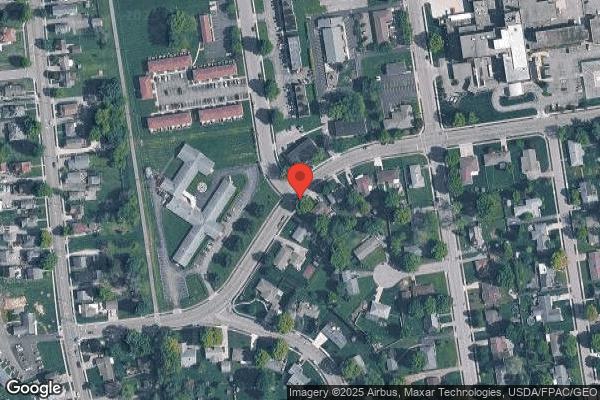
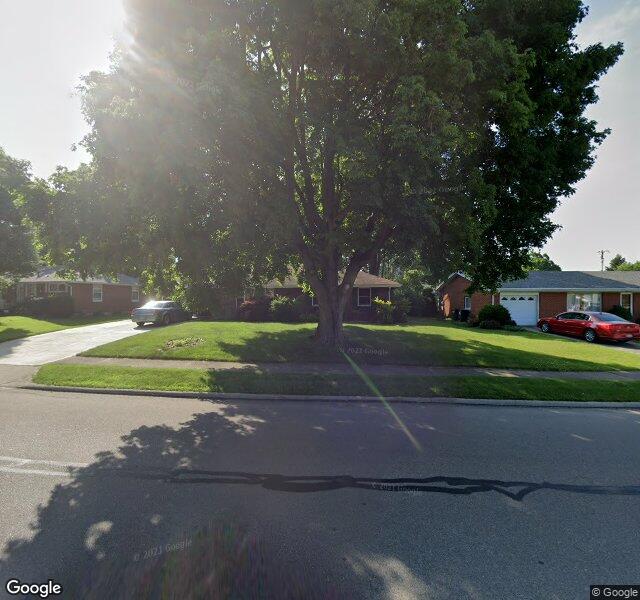
126 WILSON DRIVE, XENIA, OH 45385 (937) 376-2121
For profit - Limited Liability company 51 Beds SIMCHA HYMAN & NAFTALI ZANZIPER Data: November 2025
Trust Grade
30/100
#913 of 913 in OH
Last Inspection: July 2025

Inspected within the last 6 months. Data reflects current conditions.

Overview

Xenia Health and Rehab has received a Trust Grade of F, indicating significant concerns about the quality of care provided. Ranking #913 out of 913 facilities in Ohio and #10 out of 10 in Greene County places them in the bottom tier, suggesting that there are many better options available. The trend is worsening, with issues increasing from 2 in 2024 to 16 in 2025, highlighting ongoing problems. Staffing is a notable weakness, with a poor 1 out of 5 rating and a high turnover of 60%, which is concerning compared to the state average of 49%. While the facility has no fines on record, there were serious incidents, including a resident suffering a shoulder fracture due to improper transfer by staff and failures in ensuring food safety that could lead to foodborne illness for all residents. Overall, families should weigh these significant concerns against the facility's strengths carefully.

Trust Score
F
30/100
In Ohio
#913/913
Bottom 1%
Safety Record
Moderate
Needs review
Inspections
Getting Worse
2 → 16 violations
Staff Stability
⚠ Watch
60% turnover. Above average. Higher turnover means staff may not know residents' routines.
Penalties
✓ Good
No fines on record. Clean compliance history, better than most Ohio facilities.
Skilled Nurses
⚠ Watch
Each resident gets only 29 minutes of Registered Nurse (RN) attention daily — below average for Ohio. Fewer RN minutes means fewer trained eyes watching for problems.
Violations
⚠ Watch
32 deficiencies on record. Higher than average. Multiple issues found across inspections.
★☆☆☆☆
1.0
Overall Rating
★☆☆☆☆
1.0
Staff Levels
★★★★☆
4.0
Care Quality
★★☆☆☆
2.0
Inspection Score
Stable
2024: 2 issues
2025: 16 issues

The Good

  • 4-Star Quality Measures · Strong clinical quality outcomes
  • Full Sprinkler Coverage · Fire safety systems throughout facility
  • No fines on record

Facility shows strength in quality measures, fire safety.

The Bad

1-Star Overall Rating

Below Ohio average (3.2)

Significant quality concerns identified by CMS

Staff Turnover: 60%

14pts above Ohio avg (46%)

Frequent staff changes - ask about care continuity

Chain: SIMCHA HYMAN & NAFTALI ZANZIPER

Part of a multi-facility chain

Ask about local staffing decisions and management

Staff turnover is elevated (60%)

12 points above Ohio average of 48%

The Ugly 32 deficiencies on record

1 actual harm
Jul 2025 14 deficiencies
CONCERN (D)

Potential for Harm - no one hurt, but risky conditions existed

Deficiency F0567 (Tag F0567)

Could have caused harm · This affected 1 resident

**NOTE- TERMS IN BRACKETS HAVE BEEN EDITED TO PROTECT CONFIDENTIALITY** Based on interview and record review, the facility failed to ensure Resident Funds Authorizations were signed and witnessed for ...

Read full inspector narrative →
**NOTE- TERMS IN BRACKETS HAVE BEEN EDITED TO PROTECT CONFIDENTIALITY** Based on interview and record review, the facility failed to ensure Resident Funds Authorizations were signed and witnessed for residents that had deposited funds in resident funds accounts at the facility. This affected three (#03, #10 and #34) out of the five residents reviewed for resident funds accounts. The facility census was 34. 1) Review of the medical record for Resident #34 revealed an admission date of 10/19/19. Diagnoses included chronic obstructive pulmonary disease (COPD), dementia, and type II diabetes mellitus (DM II). Review of the Quarterly Minimum Data Set (MDS) assessment dated [DATE] revealed Resident #34 had intact cognition as evidenced by a Brief Interview for Mental Status (BIMS) score of 14. Review of the facility's Resident Funds Accounts Balance Sheet dated 07/30/25 revealed Resident #34 had $1552.74 dollars in her resident funds account. Review of Resident 34's record revealed Resident #34 did not have a Resident Funds Authorization on file at the facility. Interview with Regional Support #804 on 07/31/25 at 7:31 A.M. verified Resident #34 did not have a Resident Funds Authorization on file at the facility. 2) Review of Resident #03's chart revealed Resident #03 admitted to the facility on [DATE] with sepsis, type two diabetes mellitus with diabetic neuropathy, heart failure, type two diabetes mellitus with hypoglycemia without coma, sleep apnea, muscle weakness and progressive supranuclear ophthalmoplegia. Review of Resident #03's quarterly MDS assessment dated [DATE] revealed the resident was cognitively intact. Review of the facility's Resident Funds Accounts Balance Sheet dated 07/30/25 revealed Resident #03 had $50.00 dollars in her resident funds account. Review of Resident #03's Resident Funds Authorization dated 07/16/25 revealed Resident #03 signed the Resident Funds Authorization. Further review of Resident #03's Resident Funds Authorization revealed Resident #03's Resident Funds Authorization was not witnessed. Interview with Regional Support #804 on 07/31/25 at 7:31 A.M. verified Resident #03's Resident Funds Authorization was not witnessed. 3) Review of the medical record for Resident #10 revealed an admission date of 08/22/22. Diagnoses included cerebral infarction, chronic obstructive pulmonary disease (COPD), and major depressive disorder. Review of the Quarterly MDS assessment dated [DATE] revealed Resident #10 had moderate cognitive impairment as evidenced by a BIMS score of 10. Review of the facility's Resident Funds Accounts Balance Sheet dated 07/30/25 revealed Resident #10 had $3,475.54 in her resident funds account. Review of Resident #10's Resident Funds Authorization dated 06/11/25 revealed Resident #10 signed the Resident Funds Authorization. Further review of Resident #10's Resident Funds Authorization revealed Resident #10's Resident Funds Authorization was not witnessed. Interview with Regional Support #804 on 07/31/25 at 7:31 A.M. verified Resident #10's Resident Funds Authorization was not witnessed.
CONCERN (D)

Potential for Harm - no one hurt, but risky conditions existed

Deficiency F0569 (Tag F0569)

Could have caused harm · This affected 1 resident

**NOTE- TERMS IN BRACKETS HAVE BEEN EDITED TO PROTECT CONFIDENTIALITY** Based on staff interview and record review, the facility failed to ensure a resident on Medicaid was notified when their account...

Read full inspector narrative →
**NOTE- TERMS IN BRACKETS HAVE BEEN EDITED TO PROTECT CONFIDENTIALITY** Based on staff interview and record review, the facility failed to ensure a resident on Medicaid was notified when their account reached $200.00 dollars less than that supplemental security income (SSI) resource limit for one person and the facility failed to ensure a resident's personal funds held in a resident's funds account were conveyed within 30 days of discharge. This affected two (#31 and #48) out of the five residents reviewed for resident funds accounts. The facility census was 34. 1)Review of the medical record for Resident #31 revealed an admission date of 07/30/24. Diagnoses included cerebral infarction, hepatitis B, type II diabetes mellitus (DM II), and depression. Review of the Significant Change Minimum Data Set (MDS) assessment dated [DATE] revealed Resident #31 had moderate cognitive impairment as evidenced by a Brief Interview for Mental Status (BIMS) score of 10. This resident was assessed to require setup with eating, dependent with toileting, bathing, dressing, and transfers. Review of Resident #31's census information dated 07/31/25 revealed Resident #31's payer source was Medicaid. Review of Resident #31's Resident Funds Statement dated 07/31/25 revealed Resident #31 had $2,901.50 in his resident funds account. Further review of Resident #31's resident funds account revealed no documentation that Resident #31 was notified that his account reached $200.00 dollars less than the supplemental security income (SSI) resource limit for one person. Interview with Regional Support #804 on 07/31/25 at 7:31 A.M. verified there was no documentation that Resident #31 was notified that his account reached $200.00 dollars less than the SSI resource limit for one person. 2)Review of the medical record for Resident #48 revealed an admission date of 11/21/22 with a discharge date of 11/21/24. Diagnoses included cerebral infarction, hepatitis B, type II diabetes mellitus (DM II), and depression. Review of the Annual MDS assessment dated [DATE] revealed Resident #48 had intact cognition as evidenced by a BIMS score of 15. This resident was assessed to require setup with eating, toileting, bathing, dressing, and transfers. Review of the facility's check to the Attorney General's office dated 06/11/25 revealed Resident #48's account balance of $1,218.14 was paid to the Attorney General's office on 06/11/25. Interview with the Administrator on 07/31/25 at 1:38 P.M. verified Resident #48's account balance of $1,218.14 was not conveyed to the Attorney General's office until 06/11/25. The Administrator verified Resident #48 discharged from the facility on 11/21/24.
CONCERN (D)

Potential for Harm - no one hurt, but risky conditions existed

Deficiency F0578 (Tag F0578)

Could have caused harm · This affected 1 resident

**NOTE- TERMS IN BRACKETS HAVE BEEN EDITED TO PROTECT CONFIDENTIALITY** Based on interview and record review, the facility failed to ensure a resident's code status matched in the separate paper chart...

Read full inspector narrative →
**NOTE- TERMS IN BRACKETS HAVE BEEN EDITED TO PROTECT CONFIDENTIALITY** Based on interview and record review, the facility failed to ensure a resident's code status matched in the separate paper chart and a resident's Do Not Resuscitate (DNR) order form was signed by the physician in the paper chart. This affected one (#03) of the 16 residents reviewed for code status. The facility census was 34. Review of Resident #03's chart revealed Resident #03 was admitted to the facility on [DATE] with sepsis, type two diabetes mellitus with diabetic neuropathy, heart failure, type two diabetes mellitus with hypoglycemia without coma, sleep apnea, muscle weakness and progressive supranuclear ophthalmoplegia. Review of Resident #03's quarterly Minimum Data Set (MDS) assessment dated [DATE] revealed the resident was cognitively intact. Review of Resident #03's paper chart revealed Resident #03 did not have a DNR order form signed by a physician in the paper chart. Review of Resident #03's Code Status Consent Form located in the paper chart dated 10/30/24 revealed Resident #03 signed a consent indicating that Resident #03 consented to a Do Not Resuscitate Comfort Care Arrest (DNRCCA) code status. The form was not signed by Resident #03's physician. Review of Resident #03's Advanced Directive Discussion Form located in the paper chart dated 02/05/24 revealed Resident #03 was a Full Code. The Advanced Directive Discussion Form was located behind Resident #03's Code Status Consent in the paper chart. There was also a paper that stated Full Code in large letters located behind the Advanced Directive Discussion Form in the paper chart. Review of Resident #03's electronic medical record (EMR) revealed a physician order dated 02/05/25 which indicated Resident #03's code status was a DNRCCA. The order was electronically signed by Physician #802 on 02/06/25. Interview with Licensed Practical Nurse (LPN) #30 on 07/28/25 at 2:09 P.M. verified Resident #03 did not have a DNR order form signed by a physician in the paper chart indicating that Resident #03's code status was changed to a DNRCCA after Resident #03 consented to changing her code status on 10/30/24. LPN #30 stated that the facility should have a DNR order form signed by the physician on file in the paper chart, but the facility could not find a DNR order form indicating Resident #03 was a DNRCCA. LPN #30 also confirmed Resident #03 had Advanced Directive Discussion Form and a sign that stated Full Code in large letters in the paper chart behind Resident #03's Code Status Consent Form. LPN #30 verified the Code Status Consent Form was not signed by the physician. Review of the facility's advanced directives policy dated September 2022 revealed the resident had the right to formulate an advanced directive.
CONCERN (D)

Potential for Harm - no one hurt, but risky conditions existed

Deficiency F0582 (Tag F0582)

Could have caused harm · This affected 1 resident

**NOTE- TERMS IN BRACKETS HAVE BEEN EDITED TO PROTECT CONFIDENTIALITY** Based on interview and record review, the facility failed to ensure residents received beneficiary notices to inform them of the...

Read full inspector narrative →
**NOTE- TERMS IN BRACKETS HAVE BEEN EDITED TO PROTECT CONFIDENTIALITY** Based on interview and record review, the facility failed to ensure residents received beneficiary notices to inform them of the right to an expedited review or about the potential non-coverage and the option to continue services with the beneficiary accepting financial liability for the services. This affected two (#46 and #47) of the three residents reviewed for beneficiary notices. The facility census was 34. 1) Review of Resident #46's chart revealed Resident #46 was admitted to the facility on [DATE] with cellulitis, other asthma, acute embolism and thrombosis of right femoral vein, rheumatoid arthritis, unspecified macular degeneration, Parkinson's disease with dyskinesia, and other intervertebral disc displacement lumbar region.Review of Resident #46's census information from 02/26/25 to 04/03/25 revealed Resident #46's payer source was Medicare Part-A from 02/26/25 to 04/03/25. Resident #46 discharged from the facility on 04/03/25.Review of Resident #46's progress notes from 02/26/25 to 04/03/25 revealed no documentation that Resident #46 received a Notice of Medicare Non Coverage (NOMNC) to inform Resident #46 of the right to an expedited review upon Resident #46's discharged from Medicare Part-A services on 04/03/25. Review of Resident #46's discharge Minimum Data Set (MDS) assessment dated [DATE] revealed the resident was moderately cognitively impaired. Interview with Regional Support #804 on 07/31/25 at 7:31 A.M. verified Resident #46 did not receive a NOMNC upon discharge from Medicare Part-A services on 04/03/25. 2) Review of Resident #47's chart revealed Resident #47 admitted to the facility on [DATE] with cardiac arrest, chronic obstructive pulmonary disease, maxillary fracture right side subsequent encounter for fracture with routine healing, presence of cardiac pacemaker, hypothyroidism and hyperlipidemia. Review of Resident #47's discharge MDS assessment dated [DATE] revealed the resident was cognitively intact. Review of Resident #47's census information from 11/01/24 to 01/01/25 revealed Resident #47's payer source was Medicare Part- A from 11/01/24 to 12/17/24. Resident #47's payer source changed to private pay on 12/18/24. Resident #47's payer source remained private pay from 12/18/24 to 01/01/25. Review of Resident #47's progress notes from 11/01/24 to 01/01/25 revealed no documentation that Resident #47 received a NOMNC to inform Resident #47 of the right to an expedited review or a Skilled Nursing Facility Advanced Beneficiary Notice of Non Coverage (SNFABN) to inform Resident #47 about the potential non-coverage and the option to continue services with the beneficiary accepting financial liability for the services upon Resident #47's discharged from Medicare Part-A services on 12/17/24. Interview with Regional Support #804 on 07/31/25 at 7:31 A.M. verified Resident #47 did not receive a NOMNC or SNFABN upon discharge from Medicare Part A services on 12/17/24. This deficiency represents non-compliance investigated under Complaint Number OH001374492.
CONCERN (D)

Potential for Harm - no one hurt, but risky conditions existed

Deficiency F0628 (Tag F0628)

Could have caused harm · This affected 1 resident

**NOTE- TERMS IN BRACKETS HAVE BEEN EDITED TO PROTECT CONFIDENTIALITY** Based on interview and record review, the facility failed to ensure a resident received bed hold notices for transfers to the ho...

Read full inspector narrative →
**NOTE- TERMS IN BRACKETS HAVE BEEN EDITED TO PROTECT CONFIDENTIALITY** Based on interview and record review, the facility failed to ensure a resident received bed hold notices for transfers to the hospital. The facility also failed to notify the Ombudsman of a resident's transfer to the hospital. This affected one (#03) of the one resident reviewed for hospitalization. The facility census was 34. Review of Resident #03's chart revealed Resident #03 was admitted to the facility on [DATE] with sepsis, type two diabetes mellitus with diabetic neuropathy, heart failure, type two diabetes mellitus with hypoglycemia without coma, sleep apnea, muscle weakness and progressive supranuclear ophthalmoplegia. Review of Resident #03's chart from 02/02/24 to 07/30/25 revealed there was no documentation that Resident #03 received a bed hold notice for her 03/25/25 and 05/17/25 discharges to the hospital. Further review of Resident #03's chart revealed no documentation that the Ombudsman was notified of Resident #03's discharge to the hospital on [DATE]. Review of Resident #03's quarterly Minimum Data Set (MDS) assessment dated [DATE] revealed the resident was cognitively intact and Resident #03 required set up assistance with eating, oral hygiene, and personal hygiene. Resident #03 was dependent with toileting, showering, upper body dressing, lower body dressing, putting on and taking off footwear, rolling left and right, chair transfers, and tub transfers. Review of Resident #03's progress note dated 03/25/25 at 3:51 P.M. revealed Resident #03 was noted with a red rash on chest neck, and abdomen. Resident #03 was slurring her words and was confused. The Nurse Practitioner (NP) was notified, and Resident #03 was sent to the emergency room (ER) for evaluation for a possible allergic reaction. Resident #03's brother was notified. Review of Resident #03's progress note dated 03/31/25 at 11:32 P.M. revealed Resident #03 returned from the hospital. Review of Resident #03's progress note dated 05/17/25 at 5:45 P.M. revealed Resident #03 was noted with a temporal temperature of 105.0 degrees Fahrenheit and a temperature of 104.3 degrees Fahrenheit upon recheck. The nurse administered Tylenol per order and rechecked Resident #03's temperature which was 103.9 degrees Fahrenheit. The nurse contacted the on call physician regarding Resident #03's change in condition. The on call physician ordered multiple diagnostic studies, laboratory (lab) studies, and imaging. The nurse discussed the new orders with Resident #03 and Resident #03 stated she wanted to go to the hospital. The nurse contacted the on call physician to update them and the on call physician gave an order to send Resident #03 out to the ER. Resident #03 and Resident #03's family was updated. The nurse called Emergency Medical Services (EMS). Review of Resident #03's census information dated 05/23/25 revealed Resident #03 returned from the hospital on [DATE]. Interview with the Administrator on 7/31/25 at 9:14 A.M. revealed Resident #03 was not given a bed hold notice for her 03/25/25 and 05/17/25 discharges to the hospital. The Administrator also verified that the Ombudsman was not notified of Resident #03's discharge to the hospital on [DATE].
CONCERN (D)

Potential for Harm - no one hurt, but risky conditions existed

Deficiency F0637 (Tag F0637)

Could have caused harm · This affected 1 resident

**NOTE- TERMS IN BRACKETS HAVE BEEN EDITED TO PROTECT CONFIDENTIALITY** Based on interview and record review, the facility failed to ensure a significant change Minimum Data Set (MDSs) assessment was ...

Read full inspector narrative →
**NOTE- TERMS IN BRACKETS HAVE BEEN EDITED TO PROTECT CONFIDENTIALITY** Based on interview and record review, the facility failed to ensure a significant change Minimum Data Set (MDSs) assessment was completed for a resident that admitted to hospice. This affected one (#43) of 15 residents reviewed for MDS accuracy. The facility census was 34. Review of Resident #43's chart revealed Resident #43 was admitted to the facility on [DATE] with malignant neoplasm of bladder, unspecified protein calorie malnutrition, chronic obstructive pulmonary disease, anemia, atrial fibrillation, hyperlipidemia, history of falling, muscle weakness, hypokalemia, retention of urine, hydroureter and sepsis. Resident #43 was discharged from the facility on 07/05/25. Review of Resident #43's MDS assessments from 06/16/25 to 07/05/25 revealed Resident #43 did not have a significant change MDS assessment transmitted or completed upon Resident #43's admission to hospice services on 06/19/25. Review of Resident #43's quarterly MDS assessment dated [DATE] revealed the resident was moderately cognitively impaired. Review of Resident #43's Hospice Election Form dated 06/18/25 revealed Resident #43 signed the consent to be admitted to Hospice services. Review of Resident #43's physician order dated 06/19/25 revealed Resident #43 was admitted to Hospice #800 on 06/19/25 with a diagnosis of Atherosclerosis. Interview with the Administrator on 7/30/25 at 11:54 A.M. verified Resident #43 did not have a significant change MDS assessment transmitted or completed upon Resident #43's admission to Hospice services on 06/19/25.
CONCERN (D)

Potential for Harm - no one hurt, but risky conditions existed

PASARR Coordination (Tag F0644)

Could have caused harm · This affected 1 resident

**NOTE- TERMS IN BRACKETS HAVE BEEN EDITED TO PROTECT CONFIDENTIALITY** Based on record review and staff interview, the facility failed to ensure a significant change in status Pre-admission Screening...

Read full inspector narrative →
**NOTE- TERMS IN BRACKETS HAVE BEEN EDITED TO PROTECT CONFIDENTIALITY** Based on record review and staff interview, the facility failed to ensure a significant change in status Pre-admission Screening and Resident Review (PASARR) was completed for a resident with a new mental health diagnosis. This affected one (#23) of the two residents reviewed for PASARRs. The facility census was 34. Review of Resident #23's medical record revealed that he was admitted to the facility on [DATE] with diagnoses that included cerebral vascular accident, dysphagia, diabetes mellitus type 2, blindness in the right eye, congestive heart failure, bipolar disorder, anxiety, depression, malnutrition and dementia. Review of Resident #23's facility assessments from March 2025 to July 2025 revealed Resident #23 did not have a significant change PASARR completed for diagnosis of bipolar disorder. Review of Resident #23's quarterly Minimum Data Set (MDS) assessment, dated 04/30/25, revealed the resident had cognitive impairment as evidenced by a Brief Interview for Mental Status (BIMS) score of three. Review of Resident #23's diagnosis list dated 05/07/25, revealed Resident #23 had a diagnosis of bipolar disorder, added on 12/17/23.Review of Resident #23's PASARR, dated 07/29/25, revealed that the only indication marked under serious mental illness was other psychotic disorder(s). Further review of Resident #23's medical record revealed that there was no updated PASARR completed when diagnoses for a bipolar disorder was added on 12/17/23. Interview on 07/31/25 at 11:12 A.M. with Director of Nursing (DON) revealed that the facilities process for completing PASARRs was to complete them on admission and with any significant changes. The DON stated examples for significant change would be if the resident has a hospital stay for mental health or if the resident got a new psychological diagnosis added. The DON also verified that Resident #23's PASARR dated 07/29/25 did not have mood disorder, depression or anxiety as an indication marked under serious mental illness.
CONCERN (D)

Potential for Harm - no one hurt, but risky conditions existed

ADL Care (Tag F0677)

Could have caused harm · This affected 1 resident

**NOTE- TERMS IN BRACKETS HAVE BEEN EDITED TO PROTECT CONFIDENTIALITY** Based on review of the medical record, interviews, observations, and policy review, the facility failed to ensure residents, who...

Read full inspector narrative →
**NOTE- TERMS IN BRACKETS HAVE BEEN EDITED TO PROTECT CONFIDENTIALITY** Based on review of the medical record, interviews, observations, and policy review, the facility failed to ensure residents, who were unable to carry out activities of daily living (ADLs) were provided grooming for facial hair. This affected one (#38) resident of three reviewed for ADLs. The facility census was 34.Review of the medical record for Resident #38 revealed an admission date of 01/02/25. Diagnoses included type II diabetes mellitus (DM II), altered mental status, and schizophrenia. Review of the care plan dated 01/08/25 revealed Resident #38 had an ADL self-care performance deficit related to weakness, history of being a victim of physical abuse by a family member, and trauma. Interventions included assistance with bathing/showering, setup with bed mobility, dressing, and eating, encouraged to use call light for assistance, and used walker to maximize independence with transferring.Review of the Quarterly Minimum Data Set (MDS) assessment dated [DATE] revealed Resident #38 had severe cognitive impairment as evidenced by a Brief Interview for Mental Status (BIMS) score of six. This resident was assessed to require setup with eating, toileting, dressing, and transfers, and substantial assistance with bathing.Observation on 07/28/25 at 3:44 P.M. revealed Resident #38 was noted to have approximately six chin hairs noted on face that were about a half an inch in length.Observation on 07/30/25 at 3:32 P.M. revealed Resident #38 was noted to have approximately six chin hairs noted on face that were about a half an inch in length.Interview on 07/30/25 at 3:35 P.M. with Resident #38 reported that her chin hairs bothered her and would like them to be groomed. Resident #38 reported no staff had offered to shave them on shower days.Interview on 07/30/25 at 3:40 P.M. with Licensed Practical Nurse (LPN) #803 verified Resident #38 had chin hairs noted. LPN #803 stated she would take care of chin hairs for Resident #38 per request.Review of the facility policy titled, Activities of Daily Living, Supporting, dated 2001 revealed residents would be provided with care, treatment and services as appropriate to maintain or improve their ability to carry out activities of daily living. Residents who were unable to carry out ADLs independently would receive the services necessary to maintain good nutrition, grooming, personal, and oral hygiene.
CONCERN (D)

Potential for Harm - no one hurt, but risky conditions existed

Deficiency F0761 (Tag F0761)

Could have caused harm · This affected 1 resident

**NOTE- TERMS IN BRACKETS HAVE BEEN EDITED TO PROTECT CONFIDENTIALITY** Based on observations, interviews, and policy review, the facility failed to ensure medications were within expiration date in t...

Read full inspector narrative →
**NOTE- TERMS IN BRACKETS HAVE BEEN EDITED TO PROTECT CONFIDENTIALITY** Based on observations, interviews, and policy review, the facility failed to ensure medications were within expiration date in the medication cart. This had the potential to affect three (#02, #06, and #15) of the three residents who were administered Pro-Stat. The facility census was 34. Observation on [DATE] at 3:11 P.M. with Licensed Practical Nurse (LPN) #803, revealed the [NAME] Hall medication cart had a Pro-Stat (albuterol) inhaler opened and was expired. The manufacturer's expiration date was marked as [DATE]. Interview with LPN #803 at the same time, verified the Pro-Stat inhaler had expired and needed to be discarded.Observation on [DATE] at 3:23 P.M. with LPN #30, revealed the Emerald Hall medication cart had a Pro-Stat inhaler that was opened and expired. The manufacturer's expiration date was marked as [DATE]. Interview with LPN #30 at the same time, verified the Pro-Stat inhaler had expired and needed to be discarded.Review of the facility policy titled, Medication Storage and Labeling, dated February 2017 revealed all medications were in order and an account of all controlled medications were maintained and periodically reconciled. Medications were in accordance with currently accepted professional principles and include appropriate accessory and cautionary instructions and expiration date.
CONCERN (D)

Potential for Harm - no one hurt, but risky conditions existed

Deficiency F0847 (Tag F0847)

Could have caused harm · This affected 1 resident

**NOTE- TERMS IN BRACKETS HAVE BEEN EDITED TO PROTECT CONFIDENTIALITY** Based on interview and record review, the facility failed to ensure a cognitively impaired resident was explained or understood ...

Read full inspector narrative →
**NOTE- TERMS IN BRACKETS HAVE BEEN EDITED TO PROTECT CONFIDENTIALITY** Based on interview and record review, the facility failed to ensure a cognitively impaired resident was explained or understood an Arbitration Agreement prior to signing the agreement. This affected one (#38) of the three residents reviewed for arbitration agreements. The facility census was 34. Review of Resident #38's chart revealed Resident #38 was admitted to the facility on [DATE] with adult physical abuse confirmed subsequent encounter, rectal prolapse, hypertension, schizophrenia, and altered mental status.Review of Resident #38's Brief Interview for Mental Status (BIMS) assessment dated [DATE] revealed Resident #38 had a BIMS score of a one indicating Resident #38 was severely cognitively impaired. Review of Resident #38's quarterly Minimum Data Set (MDS) assessment dated [DATE] revealed the resident was severely cognitively impaired. Review of Resident #38's undated arbitration agreement revealed Resident #38 signed the arbitration agreement that stated she was agreeing to arbitration and waving her right to a trial by jury and the possibility of an appeal. Interview with Social Services (SS) #43 on 07/29/25 at 1:34 P.M. revealed Resident #38 signed an Arbitration Agreement on 03/28/25 with her admission packet. SS #43 stated that she explained the arbitration agreement to the resident but reported the resident was cognitively impaired. SS #43 verified Resident #38 had a BIMS of a one on 04/14/25 indicating she was severely cognitively impaired at the time the agreement was signed, and Resident #38 was not able to understand an Arbitration Agreement. SS #43 stated Resident #38 did not have a guardian or power of attorney (POA). Interview with Resident #38 on 07/30/25 at 3:35 P.M. revealed Resident #38 did not recall signing an Arbitration Agreement. Resident #38 was not aware of the meaning of an arbitration agreement. Review of the facility's Binding Arbitration Agreements policy dated November 2023 revealed the terms and conditions of binding arbitration agreements are explained to the resident or representative in a way that ensures his or her understanding of the agreement including that the resident may be giving up his or her right to have a dispute decided in a court proceeding. Interview with Resident #38 on 07/30/25 at 3:35 P.M. revealed Resident #38 did not recall signing an Arbitration Agreement. Resident #38 was not aware of the meaning of an arbitration agreement. Review of the facility's Binding Arbitration Agreements policy dated November 2023 revealed the terms and conditions of binding arbitration agreements are explained to the resident or representative in a way that ensures his or her understanding of the agreement including that the resident may be giving up his or her right to have a dispute decided in a court proceeding.
CONCERN (F)

Potential for Harm - no one hurt, but risky conditions existed

Deficiency F0730 (Tag F0730)

Could have caused harm · This affected most or all residents

Based on interview and record review, the facility failed to ensure Certified Nursing Assistants (CNAs) received 90-day and annual performance evaluations and CNAs received at least twelve hours of in...

Read full inspector narrative →
Based on interview and record review, the facility failed to ensure Certified Nursing Assistants (CNAs) received 90-day and annual performance evaluations and CNAs received at least twelve hours of in-services annually. This affected three (CNA #32, CNA #36 and CNA #45) of the three CNAs reviewed for performance evaluations and annual in-services. The facility census was 34.1) Review of CNA #32's personnel file revealed CNA #32 was hired at the facility on 05/22/24. Further review of CNA #32's personnel file revealed CNA #32 did not have an annual performance evaluation from 05/22/24 to 07/30/25 and CNA #32 did not have any documented in-service education from 05/22/24 to 07/30/25. Interview with Regional Support #804 on 07/31/25 at 7:31 A.M. verified CNA #32 did not have an annual performance evaluation from 05/22/24 to 07/30/25 and CNA #32 did not have any documented in service education from 05/22/24 to 07/30/25. 2) Review of CNA #36's personnel file revealed CNA #36 was hired at the facility on 01/22/25. Further review of CNA #36's personnel file revealed CNA #36 did not have a 90-day performance evaluation completed from 01/22/25 to 07/30/25. Interview with Regional Support #804 on 07/31/25 at 7:33 A.M. verified CNA #36 did not have a 90-day performance evaluation completed from 01/22/25 to 07/30/25. 3) Review of CNA #45's personnel file revealed CNA #45 was hired at the facility on 09/12/23. Further review of CNA #45's personnel file revealed CNA #45 did not have any documented in service education from 09/12/24 to 07/30/25. Interview with Regional Support #804 on 07/31/25 at 7:35 A.M. verified CNA #45 did not have any documented in-service education from 09/12/24 to 07/30/25. Review of the facility's performance evaluations policy dated September 2020 revealed the job performance of each employee shall be reviewed and evaluated at least annually. A performance evaluation will also be completed on each employee at the conclusion of their 90-day probationary period. Review of the facility's undated all staff in service training revealed all staff are required to participate in regular in service education.
CONCERN (F)

Potential for Harm - no one hurt, but risky conditions existed

Food Safety (Tag F0812)

Could have caused harm · This affected most or all residents

Based on observation, interview and record review, the facility failed to ensure food temperatures were maintained in a manner to prevent foodborne illness. This affected all 34 residents residing in ...

Read full inspector narrative →
Based on observation, interview and record review, the facility failed to ensure food temperatures were maintained in a manner to prevent foodborne illness. This affected all 34 residents residing in the facility as the facility indicated all residents receive food from the kitchen. The facility census was 34. Observation of the facility's kitchen on 07/29/25 at 7:30 A.M. revealed [NAME] #43 was serving food from the stove and placing the made plates on the food cart that was not insulated. [NAME] #43 took the temperature of the food items on the stove and again while on the food cart. The gravy was 128.3 degrees Fahrenheit, the boiled eggs were 73.4 degrees Fahrenheit, and the scrambled eggs were 87 degrees Fahrenheit. The gravy, boiled eggs and scrambled eggs were located on the stove. The pureed scrambled eggs were 102.4 degrees Fahrenheit, the pureed oatmeal was 127.1 degrees Fahrenheit, and the pureed biscuits and gravy were 94.8 degrees Fahrenheit. The pureed scrambled eggs, the pureed oatmeal and the pureed biscuits and gravy were located on the food cart. [NAME] #43 continued to plate meals after taking the food temperatures. Interview with [NAME] #43 on 07/29/25 at 7:30 A.M. verified the gravy on the stove was 128.3 degrees Fahrenheit, the boiled eggs were 73.4 degrees Fahrenheit, and the scrambled eggs were 87 degrees Fahrenheit. [NAME] #43 also verified the pureed scrambled eggs on the food cart were 102.4 degrees Fahrenheit, the pureed oatmeal was 127.1 degrees Fahrenheit, and the pureed biscuits and gravy were 94.8 degrees Fahrenheit. [NAME] #43 stated the facility did not have a steam table to maintain the temperature of the food items.
CONCERN (F)

Potential for Harm - no one hurt, but risky conditions existed

Deficiency F0868 (Tag F0868)

Could have caused harm · This affected most or all residents

Based on interview and record review, the facility failed to ensure the Medical Director or his or her designee attended quarterly Quality Assessment and Assurance (QAA) committee meetings. This affec...

Read full inspector narrative →
Based on interview and record review, the facility failed to ensure the Medical Director or his or her designee attended quarterly Quality Assessment and Assurance (QAA) committee meetings. This affected 34 out of 34 residents residing in the facility. The facility census was 34. Review of the facility's QAA meeting sign in sheets from 09/18/24 to 02/18/25 revealed the Medical Director or their designee did not attend the QAA meetings held from 09/19/24 to 02/17/25. Interview with the Administrator on 07/31/25 at 1:38 P.M. verified the Medical Director or their designee did not attend the QAA meetings held from 09/19/24 to 02/17/25.
CONCERN (F)

Potential for Harm - no one hurt, but risky conditions existed

Infection Control (Tag F0880)

Could have caused harm · This affected most or all residents

Based on interview and record review, the facility failed to implement their tuberculosis control plan for tuberculosis testing of newly hired employees. This affected four (The Administrator, License...

Read full inspector narrative →
Based on interview and record review, the facility failed to implement their tuberculosis control plan for tuberculosis testing of newly hired employees. This affected four (The Administrator, Licensed Practical Nurse (LPN) #30, Certified Nursing Assistant (CNA) #36 and CNA #41) out of eight newly hired employees reviewed for tuberculosis testing. This also affected 34 out of 34 residents residing in the facility. The facility census was 34. 1) Review of the Administrator's personnel file revealed the Administrator was hired at the facility on 03/06/25. Further review of the Administrator's personnel file revealed the Administrator did not have a tuberculin skin test or other test to rule out TB completed upon hire. Interview with Regional Support #804 on 07/31/25 at 7:31 A.M. verified the facility had no documentation that the Administrator received a TB test or interferon gamma release assay test upon hire. 2) Review of the LPN #30's personnel file revealed LPN #30 was hired at the facility on 05/08/24. Further review of LPN #30's personnel file revealed LPN #30 did not have a tuberculin skin test or other test to rule out TB completed upon hire. Interview with Regional Support #804 on 07/31/25 at 7:33 A.M. verified the facility had no documentation that LPN #30 received a TB test or interferon gamma release assay test upon hire. 3) Review of CNA #36's personnel file revealed CNA #36 was hired at the facility on 01/22/25. Further review of CNA #36's personnel file revealed CNA #36 did not have a tuberculin skin test or other test to rule out TB completed upon hire. Interview with Regional Support #804 on 07/31/25 at 7:35 A.M. verified the facility had no documentation that CNA #36 received a TB test or interferon gamma release assay test upon hire. 4) Review of CNA #41's personnel file revealed CNA #41 was hired at the facility on 02/19/25. Further review of CNA #41's personnel file revealed CNA #41 did not have a tuberculin skin test or other test to rule out TB completed upon hire. Interview with Regional Support #804 on 07/31/25 at 7:36 A.M. verified the facility had no documentation that CNA #41 received a TB test or interferon gamma release assay test upon hire. Review of the facility's employee screening for tuberculosis policy dated March 2021 revealed each newly hired employee is screened for latent tuberculosis infection and active tuberculosis infection after an employment offer has been made but prior to the employee's duty assignment. Screening includes a baseline test for latent tuberculosis infection either using a tuberculosis skin test or interferon gamma release assay, an individual assessment and a symptom evaluation. If the baseline test is negative and the individual risk assessment indicates no risk factors for acquiring TB, then no additional screening is indicated. If the baseline testing is positive, but the individual risk assessment is negative and the individual is asymptomatic, a second test with either a tuberculosis skin test or interferon gamma release assay is conducted.
May 2025 1 deficiency
CONCERN (E) 📢 Someone Reported This

A family member, employee, or ombudsman was alarmed enough to file a formal complaint

Potential for Harm - no one hurt, but risky conditions existed

Safe Environment (Tag F0921)

Could have caused harm · This affected multiple residents

Based on medical record review, observations, and staff interviews, the facility failed to ensure a resident room was free from holes in wall, free from broken drywall, and free from black debris on t...

Read full inspector narrative →
Based on medical record review, observations, and staff interviews, the facility failed to ensure a resident room was free from holes in wall, free from broken drywall, and free from black debris on the wall. This affected one (#16) out of the three residents reviewed for cleanliness of rooms. Additionally, the facility also failed to ensure the shower rooms were free from black substance along the flooring near the walls. This had the potential to affect 19 (#17, #18, #19, #20, #21, #22, #23, #24, #25, #26, #27, #28, #29, #30, #31, #32, #33, #34, and #35) residents who use the shower room on the Emerald and [NAME] Halls. The facility census was 35. Findings include: 1. Review of the medical record for Resident #16 revealed an admission date of 12/12/23 with medical diagnoses of diabetes mellitus, chronic obstructive pulmonary disease, Intellectual Disabilities, and hypertension. Review of the medical record for Resident #16 revealed a quarterly Minimum Data Set (MDS) assessment, dated 03/14/25, which indicated Resident #16 had severely impaired cognition and required set-up assistance for eating and was dependent upon staff for bed mobility, toileting, and bathing. Observation on 05/23/25 at 8:35 A.M. of Resident #16's room revealed a large (around 12 inch) circular hole in the wall behind Resident #16's bedside dresser. The observation revealed the drywall behind the bedside dresser was broken and crumbling and an electrical outlet was located next to the hole in the wall. The observation also revealed broken drywall behind Resident #16's bed with several large cracks noted to the drywall and black debris noted to be scattered on the wall underneath the window. Interviews on 05/23/25 at 8:37 A.M. with Certified Nursing Assistant (CNA) #100 and Licensed Practical Nurse (LPN) #101 confirmed Resident #16's room had a large hole in the drywall near an electrical outlet behind the bedside dresser, broken drywall behind Resident #16's bed, and black debris noted to be scattered on Resident #16's wall underneath her window. Interview with CNA #100 stated the hole in Resident #16's wall had been there for quite some time. 2. Observation with interview on 05/23/25 at 9:03 A.M. with CNA #102 of the Emerald Hall shower room revealed black substance scattered on the flooring by the walls. CNA #102 confirmed the shower room revealed black substance on the flooring by the walls. Observation with interview on 05/23/25 at 10:40 A.M. with Housekeeper #115 of the [NAME] Hall shower room revealed a black substance scattered on the flooring by the walls. Housekeeper #115 confirmed the shower room revealed black substance on the flooring by the walls. The facility confirmed there are 19 (#17, #18, #19, #20, #21, #22, #23, #24, #25, #26, #27, #28, #29, #30, #31, #32, #33, #34, and #35) residents who use the shower room on the Emerald and [NAME] Halls This deficiency represents non-compliance investigated under Complaint Number OH00163998.
Feb 2025 1 deficiency
CONCERN (F) 📢 Someone Reported This

A family member, employee, or ombudsman was alarmed enough to file a formal complaint

Potential for Harm - no one hurt, but risky conditions existed

Infection Control (Tag F0880)

Could have caused harm · This affected most or all residents

**NOTE- TERMS IN BRACKETS HAVE BEEN EDITED TO PROTECT CONFIDENTIALITY** Based on review of Legionella Water Management Plan, review of Water Management Evaluation Tool, interviews, and policy review, ...

Read full inspector narrative →
**NOTE- TERMS IN BRACKETS HAVE BEEN EDITED TO PROTECT CONFIDENTIALITY** Based on review of Legionella Water Management Plan, review of Water Management Evaluation Tool, interviews, and policy review, the facility failed to follow public health authority recommendations to revise the Water Management Plan in a timely manner and failed to monitor pH levels of water sources. This had the potential to affect all residents. The facility census was 40: Findings include: Review of Legionella Water Management Plan dated [DATE] revealed the facility identified members of the Water Management Team with the exception of naming the Maintenance Director; described the buildings water systems including circulation of water, number of mixing valves and hot water tanks, absence of holding tanks, points of recirculation, and location of tees; and listed the verification process including weekly checks and documentation of pH levels and water temperatures and flushing unused sinks and showers. There were no parameters listed for how long unused sinks and showers were flushed and no parameters for pH and temperature levels. Review of Water Management Evaluation Tool dated [DATE] revealed Bureau of Infections Disease (BID) Specialist #50 assessed the facility's Water Management Program (WMP) and provided 37 comments with recommendations for improvements: • It was unclear whether the facility had recirculation loops or circulatory pumps. • It was unclear what types of water system components/devices were present (shower wands, hoses, bathtubs, drinking fountains). • The WMP did not identify which team members were responsible for implementing the WMP and direct corrective action as needed; maintaining working knowledge of the facility water system(s); identifying system control locations and control limits; and monitoring and documenting program performance. • The WMP did not provide any information regarding description of the type of piping material, age, cold water storage; the number and location of cold-water outlets in the facility; or identification of any flow restrictors, aerators, showerheads, wand attachments, drinking fountains, etc. • The WMP did not provide any information which indicated if hot water was recirculated nor was there a description of the type of piping material, age; type and extent of any insulation used to help maintain temperature; the number of hot water outlets and location of any thermal mixing valves within the facility. • Water conditioning equipment is not identified. • The WMP mentions that sinks and showers could have stagnation but does not mention why (vacancies) or identify any of the other items mentioned including dead legs in water piping; wings or rooms that are vacant temporarily unused or have been repurposed, and/or areas with variable temperature; or disinfectant level indicating increased water age. • The WMP did not identify areas with consistently low or no residual disinfectant. • The WMP did not specify control point locations; parameter to be measured (e.g., temperature, pH, disinfectant level); and acceptable level or range of each parameter. • The WMP did not specify control limits (quantitative or qualitative) for each control location • The WMP did not contain information about legionella monitoring including frequency of tests; indicate what events, in addition to routine testing, trigger additional testing (e.g., water service disruptions, before returning unoccupied areas to service, associated cases of legionellosis); or contain context for interpreting results both from the percentage of positive samples found, location(s) of Legionella detection, the quantified number of Legionella in each sample, the trends over time, and the type of Legionella detected. • The WMP is not embodied in a written document that provides all the key elements of the program in a clear and concise manner so that it can be communicated and followed by WMP team. Review of weekly monitoring sheets titled, Logbook Documentation: Testing and Monitoring of Water Management Plan for Legionella, dated [DATE] to [DATE] revealed the facility did not document pH levels of water samples. During an interview on [DATE] at 12:16 P.M. Maintenance Director #51 state the facility's Water Management Plan included weekly monitoring of water pH levels and verified there was no documentation of pH levels from weekly monitoring. During an interview on [DATE] at 2:43 P.M. the Administrator stated she received an email [DATE] from the local health department with attachments. The Administrator acknowledged one of the attachments included the Water Management Evaluation Tool from the Bureau of Infectious Diseases dated [DATE] recommending changes; however, she did not open the attachment and was unaware of the recommendations. The Administrator stated she was unaware the recommendations were requirements and not merely suggestions for improvement and stated she believed since the local health department had lifted water restrictions in [DATE], there was no urgency to revise the plan. This deficiency represents non-compliance investigated under Complaint Number OH00162813.
Jul 2024 1 deficiency
CONCERN (D) 📢 Someone Reported This

A family member, employee, or ombudsman was alarmed enough to file a formal complaint

Potential for Harm - no one hurt, but risky conditions existed

Accident Prevention (Tag F0689)

Could have caused harm · This affected 1 resident

**NOTE- TERMS IN BRACKETS HAVE BEEN EDITED TO PROTECT CONFIDENTIALITY** Based on record review, interview, and review of policy, the facility failed to assess residents identified prior to admission a...

Read full inspector narrative →
**NOTE- TERMS IN BRACKETS HAVE BEEN EDITED TO PROTECT CONFIDENTIALITY** Based on record review, interview, and review of policy, the facility failed to assess residents identified prior to admission as a fall risk and failed to thoroughly investigate a fall. This affected two (Residents #38 and #43) of three residents reviewed for falls. The facility census was 42. Findings include: 1. Record review for Resident #38 revealed he was admitted to the facility on [DATE]. His diagnoses included hypertensive crisis, essential primary hypertension, hemiplegia, gout, spinal stenosis, and syncope. Review of the most recent Minimum Data Set (MDS) assessment dated [DATE] revealed Resident #38 was cognitively impaired. Resident #38 was dependent on staff for medication administration, bathing, and toileting. He required assistance from staff with eating, oral hygiene, and personal hygiene. Review of Resident #38's hospital referral prior to entering the facility stated Resident #38 was a high fall risk. Review of Resident #38's assessment titled, Fall Risk Assessment, dated 06/12/24 revealed the facility failed to complete the fall risk assessment. Interview on 07/18/24 at 4:45 P.M. with Regional Nurse (RN) #500 confirmed Resident #38 should have been marked a fall risk related to his hospital paperwork and the fall assessment was not completed. 2. Record review for Resident #43 revealed he was admitted to the facility on [DATE]. He discharged to the hospital on [DATE] related to a fall with head injury. His diagnoses included, hemiplegia, hemiparesis, schizoaffective disorder, acute respiratory failure with hypoxia, dysphagia, essential primary hypertension, sepsis, pneumonia, major depressive disorder, anxiety disorder, gastro-esophageal reflux disease (GERD), hyperlipidemia, heart failure, and insomnia. Review of Resident #43's most recent MDS assessment dated [DATE] revealed he was severely cognitively impaired. Further review of the MDS assessment revealed he was dependent on staff for medication administration, bathing, transfers, lower body dressing, walking, and taking/off shoes. Resident #43 required maximum assistance from staff with eating, oral hygiene, upper body dressing, sit to lying, and sit to standing, Resident #43 needed partial assistance from staff to roll back and forth. Record review for Resident#43's preadmission hospital stay revealed he was admitted to the hospital on [DATE] with dizziness and frequent falls for the previous five days. Resident #43's hospital record revealed a diagnosis of acute infarct in the left frontal lobe. Review of Resident #43's nurse progress notes revealed on a late entry dated 06/27/24 for 06/26/24 revealed Resident #43 was found on the floor next to the bed at 8:30 P.M. on 06/26/24. The resident was agitated and tried to get himself off the floor. The nurse assessed Resident#43's skin and took his vitals. Resident #43 was assisted by the nurse and two nurse aides back into bed. Further review of the nursing progress notes revealed Resident #43 had a fall on 06/28/24 at 11:56 P.M. in the dining room and the fall was witnessed by staff and residents. The progress notes stated Resident #43 slid out of his wheelchair. The nurse notified a family member of the fall with laceration to Resident #43's side of his head. Resident was sent to the hospital for evaluation and was admitted to the hospital. Review of the facility report titled, Neurological Assessment Flow Sheet, with a start date of 06/26/24 at 8:30 P.M. for Resident #43 revealed the last neurological assessment was completed on 06/17/24 at 2:20 P.M. Further review of the Neurological Assessment form confirmed the instructions included neurological check every 16 minutes for the first hour, every hour for the next four hours, and every four hours for the next 19 hours. Review of Resident #43's assessment titled, Fall Risk Assessment, dated 06/24/24, revealed the assessment was started upon entry to the facility, however, it was not completed and signed. Further review of the initial Fall Risk Assessment revealed the facility staff marked Resident #43 had no falls in the past three months and was alert and oriented to person, place, and time. Review of the facility report titled, Incident and Accident Log, for the past ninety days, revealed Resident #43 had a fall incorrectly dated for 06/27/24 (should have read 06/26/24) and nothing listed related to Resident #43's fall on 06/28/24. Review of Resident #43's fall investigation dated 06/27/24, revealed Resident #43 was found on the floor next to his bed on 06/26/24 at 8:30 P.M. Resident #43 was agitated and tried to get himself off the floor. Review of Resident #43's fall investigation dated 06/28/24, revealed the facility failed to complete a fall investigation and did not gather any investigative information related to the fall. However, the facility did provide a report taken at the initial time of the fall. The report was titled, Fall Triage, dated 06/28/24, confirmed Resident #43 fell in the dining room on 06/28/24. Further review of the Fall Triage reported for Resident #43 revealed there were no witnesses to the fall in the dining room before lunch. Resident #43 was lifted from the floor by three members with a gait belt and sent to the emergency room. An interview on 07/18/24 at 3:27 P.M. with the RN #500 confirmed Resident #43's admission hospital paperwork confirmed Resident #43 was a fall risk. RN #500 confirmed the facility failed to accurately fill out and complete Resident #43's fall risk assessment. A subsequent interview on 07/22/24 at 10:48 A.M. with RN #500 confirmed the facility failed to provide a thorough investigation related to Resident #43's fall on 06/28/24. RN #500 confirmed the Triage Report, and the Nursing Fall report gave conflicting information related to witnesses to the fall. RN #50 confirmed the facility failed to provide statements or a complete investigation related to Resident #43's fall. Review of the facility policy titled, Fall Prevention Program, dated 09/22/22, confirmed the facility will utilize a standardized risk assessment to determine the resident's fall risk. Further review of the policy revealed the Fall Risk Assessment will be completed upon admission to determine the level of fall risk. Review of the facility policy titled, Maintenance of Medical Records, dated 2023, confirmed the facility will maintain medical records for each resident in accordance with acceptable standard of practice. The policy stated, a complete and accurate medical record will be maintained. This deficiency represents non-compliance investigated under Complaint Number OH00155726.
Mar 2024 1 deficiency 1 Harm
SERIOUS (G) 📢 Someone Reported This

A family member, employee, or ombudsman was alarmed enough to file a formal complaint

Actual Harm - a resident was hurt due to facility failures

Accident Prevention (Tag F0689)

A resident was harmed · This affected 1 resident

**NOTE- TERMS IN BRACKETS HAVE BEEN EDITED TO PROTECT CONFIDENTIALITY** THE FOLLOWING DEFICIENCY REPRESENTS AN INCIDENT OF PAST NONCOMPLIANCE THAT WAS SUBSEQUENTLY CORRECTED PRIOR TO THIS SURVEY Based...

Read full inspector narrative →
**NOTE- TERMS IN BRACKETS HAVE BEEN EDITED TO PROTECT CONFIDENTIALITY** THE FOLLOWING DEFICIENCY REPRESENTS AN INCIDENT OF PAST NONCOMPLIANCE THAT WAS SUBSEQUENTLY CORRECTED PRIOR TO THIS SURVEY Based on medical record review, staff interview, review of the fall investigation, review of witness statements, and review of the hospital records, the facility failed to ensure residents were safely transferred in a manner to prevent an avoidable major injury as care planned and per facility policy. This resulted in Actual Harm on 02/27/24 when State Tested Nurse Aide (STNA) #500 transferred Resident #28 from the bed to the wheelchair without assistance as required by Resident #28's plan of care resulting in Resident #28 sliding down in the front of the wheelchair and her left shoulder making contact with the wheelchair. Subsequently, Resident #28 was sent to the local hospital where she was diagnosed with a closed fracture of the left shoulder. This affected one (#28) of three residents reviewed for accident hazards. The facility identified one( #28) resident who required a mechanical lift for transfers. The facility census was 36. Findings include: Review of the Resident #28's medical record revealed an admission date of 01/30/22. Diagnoses included fracture of left shoulder girdle part subsequent encounter for fracture with routine healing, hemiplegia and hemiparesis following cerebral infarction affecting left non-dominant side, chronic atrial fibrillation, hypokalemia, muscle weakness, hypertension, pain in right shoulder, difficulty in walking, and gout. Review of Resident #28's activities of daily living (ADL) care plan revised 10/11/22 revealed Resident #28 had a physical functioning deficit related to mobility impairment, self-care impairment and fluctuating ADLs. Interventions included Resident #28 was totally dependent on two staff members with mechanical lift transfers. Review of Resident #28's annual Minimum Data Set (MDS) assessment dated [DATE], revealed the resident was cognitively intact, and Resident #28 was dependent on two-person physical assistance of staff for bed mobility, and all transfers. No prior falls in the last three months were listed on the MDS. Review of Resident #28's physical therapy discharge note dated 02/21/24, revealed Resident #28 required maximal assistance with bed to chair transfers. Review of Resident #28's progress note dated 02/27/24 at 11:29 A.M., revealed Resident #28 complained of left shoulder pain of a 10 (a pain scale where zero is no pain and 10 is severe pain). Licensed Practical Nurse (LPN) #35 obtained an order from the Nurse Practitioner (NP) for a left shoulder stat (immediate) Xray. The order was placed, and Resident #28's daughter was made aware. The Director of Nursing (DON) was made aware. Review of Resident #28's progress note dated 02/27/24 at 4:07 P.M., revealed Resident #28's family requested Resident #28 be sent to the emergency room (ER) for evaluation and treatment of the shoulder. Emergency medical services (EMS) were called, and the appropriate paperwork was sent with the resident. Resident #28 was resting comfortably in her room while waiting for mobile Xray. Resident #28 was given Tylenol for pain and an order was obtained for as needed (PRN) pain medication. Review of Resident #28's progress note dated 02/27/24 at 10:35 P.M., revealed Resident #28 returned from the hospital with a diagnosis of closed fracture of the left shoulder. A sling was placed. The physician and DON were notified. Resident #28 denied pain and was resting. Review of Resident #28's hospital after visit summary dated 02/27/24, revealed Resident #28 was seen for a shoulder injury and had a diagnosis of closed fracture of left shoulder initial encounter. Further review of Resident #28's after visit summary, revealed Resident #28 complained of left shoulder pain after ambulating with an STNA at the facility. Resident #28 was getting up and the STNA assisted under her arm and Resident #28 felt a pop and pain. Resident #28 was administered Fentanyl citrate (narcotic pain medication) injectable syringe 50 micrograms (mcg) on 02/27/24 at 4:49 P.M. and Norco 5-325 milligrams (mgs) at 6:21 P.M. at the hospital. Review of STNA #500's investigation witness statement dated 02/28/24, revealed STNA #500 was assisting Resident #28 with getting out of bed for the day and to her wheelchair at approximately 10:30 A.M. STNA #500 was transferring Resident #28 out of bed by herself using a gait belt to stand and pivot her to her wheelchair. Resident #28's wheelchair was to the right side of the bed and the wheelchair locks were in the back of the wheelchair. When STNA #500 went to put the break down it must not have been all the way locked. When STNA #500 went to transfer Resident #28, the wheelchair slid backwards, and the resident started to slide down. STNA #500's gait belt slid upwards, and Resident #28 had her arms over STNA #500's arms. Due to the Resident #28's left sided weakness; the resident did not have much control over her left side. Resident #28's shoulder made contact with her wheelchair, and Resident #28 complained of pain in her left shoulder. After the resident was securely in her wheelchair, STNA #500 went to notify her nurse of the resident's complaint of pain. STNA #500 saw Physical Therapist (PT) #900 who was standing at the nurse's station and asked him to come see Resident #28. PT #900 came to look at her and evaluated her arm. PT #900 moved her arm in which she had some mild complaints of pain but not tearful, grimacing, or displaying any other symptoms of pain with movement. STNA #500 then took Resident #28 out to the nurse's station and notified LPN #35 who also evaluated Resident #28's arm. At no point was Resident #28 on the floor and STNA #500 would not have been able to get her off the floor by herself if she had fallen. STNA #500 would not have transferred her off the floor if she did fall and she would have immediately notified the nurse prior to moving her. Upon the nurse completing Resident #28's evaluation, the resident went to the dining room and ate lunch and stayed and played bingo. The interview was signed by STNA #500. Review of Resident #28's February 2024 Medication Administration Record (MAR) dated 02/28/24, revealed Resident #28 was ordered Norco oral tablet 5-325 mgs give on tablet by mouth every six hours PRN (as needed) for left shoulder pain for five days. Resident #28 received her PRN Norco oral tablet 5-325 mgs on 02/28/24 at 4:15 A.M. with a pain level of a five, on 02/28/24 at 12:21 P.M. with a pain level of a four, and on 02/29/24 at 8:20 P.M. with a pain level of a seven. There was no documentation on the MAR indicating that Resident #28 was administered Tylenol 325 mg on 02/27/24. Review of the facility's February 2024 incident and accident log revealed Resident #28 fell on [DATE]. Review of Resident #28's March 2024 Medication Administration Record (MAR) revealed Resident #28 received her PRN Norco oral tablet 5-325 mgs on 03/01/24 at 5:55 P.M. with a pain level of a five, and on 03/03/24 at 5:30 P.M. with a pain level of a five. Further review of the MAR dated 02/27/24, revealed Resident #28 was ordered Tramadol oral tablet 50 mg every six hours PRN for left shoulder pain. Resident #28 received her Tramadol 50 mgs on 03/06/24 at 10:13 P.M. with a pain level of an eight. Interview with LPN #35 on 03/07/24 at 8:50 A.M., revealed she was at the facility passing medications in the morning on 02/27/24 when STNA #500 came up to her medication cart with Resident #28. LPN #35 reported STNA #500 informed her that she was getting Resident #28 dressed when she heard her shoulder pop. LPN #35 stated Resident #28 had pain in her shoulder and LPN #35 informed the physician and got an order for pain medication and an Xray. LPN #35 reported Resident #28 was sent out to the hospital because the Xray company did not come to the facility by 3:00 P.M. LPN #35 stated Resident #28 was up in her wheelchair and went to activities prior to going out to the hospital and the Tylenol that was given seemed to help Resident #28 with her pain. LPN #35 stated Resident #28 informed her after she returned from the hospital, that STNA #500 dropped her while transferring her without any assistance. LPN #35 also reported Resident #28 informed her that STNA #500 was not using a required Hoyer lift or gait belt at the time of the fall. LPN #35 stated Resident #28 required a Hoyer or mechanical lift and two-person assistance for transfers at the time of the incident. Interview with Resident #28 on 03/07/24 at 9:06 A.M., revealed she broke her left shoulder when a nurse dropped her on the floor. Resident #28 stated she could not remember the nurse's name but stated the incident occurred approximately four weeks ago around 10:00 A.M. Resident #28 stated the nurse was trying to transfer her from the bed to the wheelchair when she was dropped to the floor. Resident #28 stated the nurse was not using a Hoyer lift or gait belt and there were not any additional staff members present with the nurse at the time of the incident. Resident #28 reported the nurse tried to lift her again after the fall and she fell again, hitting her head. Resident #28 stated that she had terrible pain in her left shoulder after the incident and she was sent out to the hospital that night. Resident #28 reported she had always used a Hoyer lift with two-person assistance for transfers. Interview with the Administrator and Regional Registered Nurse (RN) #950 on 03/07/24 at 11:03 A.M., revealed Resident #28 fractured her left shoulder after STNA #500 transferred Resident #28 using one person assistance on 02/27/24. Regional RN #950 verified Resident #28 required a Hoyer lift with two-person assistance for transfers. Regional RN #950 also confirmed she was care planned to use a Hoyer lift with two-person assistance on 02/27/24. Attempted to call STNA #500 on 03/07/24 at 11:27 A.M. with no response. Interview with Regional RN #950 on 03/07/24 at 11:58 A.M. revealed she was not able to locate STNA #500's initial education on transfers provided upon hire. Interview with [NAME] President of Clinical Services (VPCS) #700 on 03/07/24 at 12:14 P.M. revealed VPCS #700 interviewed STNA #500 regarding the incident on 02/28/24. STNA #500 stated she went into Resident #28's room and was getting Resident #28 up for lunch. VPCS #700 reported STNA #500 told her she used a gait belt and went to transfer Resident #28 into her wheelchair when the wheelchair moved backwards. VPCS #700 stated STNA #500 informed her that she pulled upon Resident #28 to put her into the wheelchair and Resident #28's left shoulder made contact with the wheelchair and she heard a pop. VPCS #700 reported Resident #28 stated she had pain after the transfer and STNA #500 asked PT #900 to come into the room to assess Resident #28. After PT #900 assessed Resident #28, STNA #500 told LPN #35 about the incident. VPCS #700 also stated she interviewed Resident #28 on 02/28/24 and Resident #28 stated that she was dropped on 02/27/24. Resident #28 stated an STNA with red hair which matched the description of STNA #500 who was transferring her from the bed to the wheelchair when she fell on the ground. VPCS #700 stated she asked Resident #28 how she got up and she stated STNA #500 used all her strength to get her up and in the wheelchair but then she later stated that someone with long blonde hair with white pants helped her get up. VPCS #700 reported Resident #28 stated she felt her arm crack at the time of the incident but later stated she heard a pop. Resident #28 told VPCS #700 that she did not receive any pain medication but later stated she was given Tylenol. VPCS #700 stated Resident #28 told her that she went to dining room for lunch but did not stay for activities because she was in too much pain, but activities staff told VPCS #700 that Resident #28 stayed for activities and did not appear in pain, but she was talking about the incident. VPCS #700 confirmed Resident #28's Tylenol received on 02/27/24 was not marked as given on the MAR. Telephone interview with PT #900 on 03/07/24 at 12:23 P.M., revealed he was at the nurse's station on 02/27/24 when STNA #500 stuck her head out of Resident #28's room and stated she needed PT #900 to come to Resident #28's room immediately. PT #900 stated STNA #500 told her that she was doing a transfer with Resident #28 when her shoulder popped, and the resident was complaining of a lot of pain. PT #900 reported Resident #28 was in her wheelchair when he entered the room. PT #900 stated he left the room and went back to the nurse's station and STNA #500 took Resident #28 out to the nurse's station and again stated Resident #28 was in a lot of pain. PT #900 stated Resident #28 had a lot of pain in her left arm and she reported her pain level was a nine out of ten which was not Resident #28's baseline. PT #900 reported LPN #35 offered Resident #28 Tylenol and PT #900 placed a blanket under the resident's elbow to assist with relieving Resident #28's pain. PT #900 stated Resident #28 was taken down to the dining room by staff and LPN #35 called the physician and an Xray was ordered. PT #900 reported he had not worked with Resident #28 in two months, and he was not sure what level of assistance she required on her care plan for transfers. Review of STNA #500's personnel file revealed STNA #500 was hired by the facility on 11/11/23. Further review of STNA #500's personnel file revealed no documentation that STNA #500 was educated on resident transfers upon hire. Review of the undated facility's safe resident handling and transfers policy revealed the facility will ensure that residents are handled and transferred safely to prevent or minimize risks for injury. The policy also stated resident lifting and transferring will be performed according to the resident's individual plan of care. As a result of the incident, the facility took the following actions to correct the deficient practice as of 03/01/24: • On 02/28/24, STNA #500 was educated on referring to the [NAME] (care plan) to verify the appropriate method and number of staff required to transfer a resident prior to transferring a resident and the safe handling and transfers policy by the DON. • On 02/28/24, all STNAs were educated on referring to the [NAME] to verify the appropriate method and number of staff required to transfer a resident prior to transferring a resident and the safe handling and transfers policy by the DON. • On 02/28/24, the VPCS #700 completed a care plan transfer audit of all residents and their transfer status. No issues were discovered. • On 02/28/24, the facility-initiated audits on the appropriate number of staff used for transfers and the appropriate transfer method. The audits were to occur daily for 14 days and then three days per week for 14 days. Audits were completed 02/28/24, 02/29/24, 03/04/24 and 03/06/24 with no issues discovered. • On 02/28/23, an ad hoc Quality Assurance and Performance Improvement (QAPI) meeting was held regarding direct care staff not following the plan of care for transfers. The Administrator, Regional Director of Operations (RDO) #600, VPCS #700, the DON and Medical Director #860 were present at the meeting. • On 03/01/24, all nurses were educated on referring to the [NAME] to verify the appropriate method and number of staff required to transfer a resident prior to transferring a resident and the safe handling and transfers policy by VPCS #700. • On 03/07/24, a review of the Inservice records revealed all staff members were in-serviced referring to the [NAME] to verify the appropriate method and number of staff required to transfer a resident prior to transferring a resident and the safe handling and transfers policy. • A review of the audits of resident transfers completed on 02/28/24, 02/29/24, 03/04/24 and 03/06/24, revealed all transfers were completed using the appropriate level of assistance with no resident injuries noted. There were no other residents who sustained injuries from transfers. This deficiency represents non-compliance investigated under Complaint Number OH00151717.
Nov 2023 4 deficiencies
CONCERN (D) 📢 Someone Reported This

A family member, employee, or ombudsman was alarmed enough to file a formal complaint

Potential for Harm - no one hurt, but risky conditions existed

Safe Environment (Tag F0584)

Could have caused harm · This affected 1 resident

**NOTE- TERMS IN BRACKETS HAVE BEEN EDITED TO PROTECT CONFIDENTIALITY** Based on resident, family, and staff interviews, policy and procedure review, observations, and record review, the facility fail...

Read full inspector narrative →
**NOTE- TERMS IN BRACKETS HAVE BEEN EDITED TO PROTECT CONFIDENTIALITY** Based on resident, family, and staff interviews, policy and procedure review, observations, and record review, the facility failed to provide a safe, clean homelike environment for Resident #12. This affected one (Resident #12) of three residents reviewed for a clean and homelike environment. The facility census was 37. Findings include: Review of Resident #12's medical record revealed an admission date of 10/24/23 with diagnosis including major depressive disorder. Review of the admission Minimum Data Set (MDS) assessment dated [DATE], revealed Resident #12 had intact cognition and no rejection of care. Review of Resident # 12's plan of care dated 10/31/23 revealed it was silent for refusal of cleaning services, preferences of not utilizing trash receptacles, or requests of personal item placement for utilization. Observation of Resident #12's room on 11/19/23 at 8:52 A.M. revealed the resident was lying in bed with her eyes closed. The floor under Resident #12's bed and surrounding floor area had a red dried substance, four food wrappers under the bed and surrounding areas, and a towel on the window ledge. There were two bedside tables in her room and one of the table housed a radio, a cup, and a flat screen television lying screen side down, with two dried brown plants with plant type debris surrounding the plants. Interview on 11/20/23 at 3:20 P.M. with the Administrator stated the window air conditioning units in resident rooms had not been winterized or covers placed on them. Subsequent interview on 11/21/23 at 8:30 A.M. with the Administrator stated housekeeping of patient rooms was performed daily along with spot cleaning from floor staff as needed. Observation of Resident #12's room and interview with Resident #12 on 11/21/23 at 3:24 P.M. revealed Resident #12's room continued to not be clean and homelike. The pathway from the door to Resident #12's bed revealed there was a television that was lying screen side down on top of a small ill-fitting stand. On top the television, there were two plants with brown leaves and brown plant debris surrounding the pots. In the corner of the room, there were multiple cobwebs hanging in the corner midway to the ceiling. On the window ledge, there was a white and brown stained towel that stretched across the length of the window ledge and a window unit air conditioner with vents in the open position. Under Resident #12's bed, the red dried substance remained from previous observation (11/19/23 at 8:52 A.M.), multiple food wrappers under her bed and surrounding under the empty bed in the room and food debris throughout the floor of the room. Resident #12 stated she had requested the towel be placed at the window ledge because of the air leaking into the room from the window and the window air conditioner caused her to be cold at times. Resident #12 stated she was told the television was broken and it had been there since she came to the facility. Resident #12 stated the television was not her personal property. Resident #12 stated that she had requested multiple times to have her room cleaned especially since she spilled the juice on the floor, and it had been days since the spill. Resident #12 stated she has on multiple occasions requested the trash can be placed within her reach so she could dispose of her wrappers and personal items on bedside table be returned to a place where they were accessible when staff moves the table. Interview on 11/21/23 at 3:45 P.M. with Resident #12's family member stated that family visits with Resident #12 consisted of picking up trash off the floor because Resident #12's trash can was not placed within Resident #12's reach. The family members and Resident #12 have brought up the issues of Resident #12's environment to staff many times to no avail. The family member pointed out the dried red juice on the floor and stated it had been there for days, cobwebs throughout corner of the room, and the broken television with dead plants. The family member stated another issue was the availability of personal items within reach for Resident #12's use and the family member proceeded to point toward the bedside table at the end of the bed with personal care items on top that were not accessible to the resident. Interview on 11/21/23 at 3:50 P.M. with Housekeeping Staff #365 in Resident #12's room verified the cobwebs in the corner of the room, the multiple food wrappers on the floor, the red dried residue on the floor, and the dead plants on top the television. Housekeeping Staff #365 stated the placement of the television on such a small stand posed a hazard while attempting to exit the door because of the position of the television could fall off the stand. Interview on 11/21/23 at 4:15 P.M. with License Practical Nurse (LPN) #318 verified the bedside table with personal items was inaccessible to Resident #12 when placed at the end of the bed. Review of the undated facility's procedure for Cleaning Resident Rooms - Daily revealed the daily cleaning tasks included dusting the ceiling and corners (cobwebs), dry mop floors, empty trash, and wet mop floors - bathroom, closet, and resident room. Review of the facility's Resident admission Policy packet, dated 2020, states resident rooms, bathrooms and halls are cleaned daily by our housekeeping staff with a more thorough cleaning conducted weekly. This deficiency represents non-compliance investigated under Master Complaint Number Master OH00148410 and Complaint Number OH00147840.
CONCERN (D) 📢 Someone Reported This

A family member, employee, or ombudsman was alarmed enough to file a formal complaint

Potential for Harm - no one hurt, but risky conditions existed

Quality of Care (Tag F0684)

Could have caused harm · This affected 1 resident

**NOTE- TERMS IN BRACKETS HAVE BEEN EDITED TO PROTECT CONFIDENTIALITY** Based on record review, facility policy review, and staff interview, the facility failed to administer a resident's wound treatm...

Read full inspector narrative →
**NOTE- TERMS IN BRACKETS HAVE BEEN EDITED TO PROTECT CONFIDENTIALITY** Based on record review, facility policy review, and staff interview, the facility failed to administer a resident's wound treatments per physician orders. This affected one (Resident #3) of three residents reviewed for wounds. The facility census was 37. Findings include: Closed record review for Resident #3 revealed an admission date of 10/02/23. Diagnoses included peripheral vascular disease, obesity, type two diabetes mellitus, polyneuropathy, and wounds to left lower extremity and right great toe. Review of the Minimum Data Set (MDS) assessment dated [DATE] revealed Resident #3 had intact cognition and had no behaviors and no rejection of care. Review of Resident #3's physician orders dated 10/03/23 and discontinued on 10/08/23 revealed an order to cleanse the left lower extremity with wound cleanser or normal saline, apply double layer of xeroform abdominal pads, and wrap with cling every night shift. Review of Resident #3's Treatment Administration Record (TAR) dated October 2023 revealed there was no treatment administered on 10/06/23 to the left lower extremity. Review of Resident #3's physician orders dated 10/04/23 revealed an order to cleanse the right big toe with normal saline or wound wash, pat dry and apply betadine daily every shift for wound care. Review of Resident #3's TAR dated October 2023 revealed there were treatments not administered on 10/07/23, 10/08/23, and 10/13/23. Review of Resident #3's physician order dated 10/11/23 and discontinued on 10/20/23 revealed an order to cleanse the left lower extremity with wound cleanser or normal saline, apply double layer of xeroform abdominal pads and wrap with cling every night shift. Review of Resident #3's TAR dated October 2023 revealed the treatment was not administered on 10/13/23. Review of Resident #3's physician order dated 10/20/23 revealed an order to cleanse left the lower extremity with wound cleanser or normal saline, apply double layer of xeroform and abdominal pads and wrap with cling every-day shift and night shift. Review of Resident #3's TAR revealed the treatment was not administered on 10/21/23. Review of Resident #3's plan of care dated 10/29/23 revealed Resident #3 was at risk for altered skin integrity for non-pressure with interventions including to provided Resident #3 with treatments as ordered by the physician. Interview on 11/27/23 at 3:35 P.M. with the Director of Nursing (DON) verified Resident #3's treatments were not completed as physician ordered for the left lower leg and/or right big toe on 10/06/23, 10/07/23, 10/08/23, 10/13/23, and 10/21/23. Review of facility's admission Packet Policy dated 2020, revealed staff (nurses) are assigned to provide reasonable nursing and personal care as is customary in a nursing home. This deficiency represents non-compliance investigated under Complaint Number OH00147840.
CONCERN (D) 📢 Someone Reported This

A family member, employee, or ombudsman was alarmed enough to file a formal complaint

Potential for Harm - no one hurt, but risky conditions existed

Deficiency F0919 (Tag F0919)

Could have caused harm · This affected 1 resident

**NOTE- TERMS IN BRACKETS HAVE BEEN EDITED TO PROTECT CONFIDENTIALITY** Based on medical record review, observations, and resident and staff interviews, the failed to provide a functional, and accessi...

Read full inspector narrative →
**NOTE- TERMS IN BRACKETS HAVE BEEN EDITED TO PROTECT CONFIDENTIALITY** Based on medical record review, observations, and resident and staff interviews, the failed to provide a functional, and accessible call system for the residents. This affected two (Residents #12 and #16) of three residents reviewed for call light accessibility and functioning. The facility census was 37. Findings include: 1. Review of Resident #12's medical record revealed an admission date of 10/24/23. Diagnoses included cellulitis of right lower limb, chronic kidney disease, venous insufficiency, lymphedema, acute respiratory failure with hypoxia, and major depressive disorder. Review of the admission Minimum Data Set (MDS) assessment dated [DATE], revealed Resident #12 had intact cognition and had no rejection of care. Resident #12 was dependent on staff for bathing and required substantial or maximal assistance from staff with toileting and hygiene. Interview and observation on 11/27/23 at 9:05 A.M. revealed Resident #12 was sitting in a wheelchair with a towel covering her head and a short-sleeved shirt. Resident #12 stated she had just had a shower; her hair was wet motioning to the towel on her head, and stated she was freezing. Resident #12 stated the staff moves her call light out of reach all the time, so there was no way for her to get help when she needed. Resident #12 was observed in her wheelchair near the end of her bed with the call light not in reach. The call light was behind Resident #12 hanging off the side rail, not accessible to the resident. Interview and observation with License Practical Nurse (LPN) #315 on 11/27/23 at 9:08 A.M. verified Resident #12 should always have a call light accessible because Resident #12 was dependent on staff for care needs. Observation at 9:09 A.M. revealed LPN #315 placed the call light onto Resident #12's wheelchair and Resident #12 asked LPN #315 for assistance for a warmer attire. 2. Review of Resident #16's medical record revealed an admission date of 07/03/18. Diagnoses included chronic kidney disease, heart failure, weakness, constipation, vascular dementia, hypertension, and muscle weakness. Review of the quarterly Minimum Data Set (MDS) assessment dated [DATE] revealed Resident #16 had cognition impairment and required extensive assistance from staff for bed mobility, transfers, and dressing. Review of Resident #16's revised plan of care dated 11/21/23 revealed Resident #16 was at risk for falls related to history of falls, weakness, osteoarthritis, vascular dementia, anemia, and basal cell carcinoma. Interventions included the call light and personal items available and in easy reach at all times. Interview and observation on 11/19/23 at 10:03 A.M. revealed Resident #16 stated he needed help because was cold. Observation of Resident #16's call light chord and button revealed it was clipped to itself hanging from the call light reset box at the wall insertion area located in middle of Resident #16's room. The actual call button/handle contained wires hanging from the end with the handle with the button freely hanging from the internal wires protruding out of the handle. Interview and observation on 11/19/23 at 10:09 A.M. with State Tested Nurses Aid (STNA) #328 stated Resident #16's call light has been broken for days and she would go obtain one from an empty resident room. STNA #328 proceeded to remove the broken call light and replaced it with a new one. STNA #328 placed the new call light in Resident #16's hand and requested him to push the button, while STNA #328 observed the light on the outside of the room for functioning. STNA #328 then placed a blanket on Resident #16 per his request. Interview on 11/27/23 at 9:55 A.M. with the Administrator stated the facility does not have a call light policy. This deficiency represents non-compliance investigated under Complaint Number OH00148410.
CONCERN (F) 📢 Someone Reported This

A family member, employee, or ombudsman was alarmed enough to file a formal complaint

Potential for Harm - no one hurt, but risky conditions existed

Food Safety (Tag F0812)

Could have caused harm · This affected most or all residents

Based on observations, staff interview, and facility policy review, the facility failed to properly store food in the dry storage area. This had the potential to affect all 37 residents who received f...

Read full inspector narrative →
Based on observations, staff interview, and facility policy review, the facility failed to properly store food in the dry storage area. This had the potential to affect all 37 residents who received food from the kitchen. The facility census was 37. Findings include: Observations of the kitchen on 11/19/23 at 9:40 A.M. with Kitchen Staff #320 revealed the dry storage area had seven unopened 12-ounce (oz) cans of carnation evaporated milk with the manufacturer's use by date of 06/13/22. One unopened 32-oz box of buttermilk pancake mix with manufactures use by date of 07/08/23. There were four one-gallon jugs of honey mustard with facility received date marked 06/20/no year. Upon opening on of the lids of the honey mustard revealed an unsealed manufacturer's top leaking onto the plastic lid causing it to ooze onto the side of the jar. Interview with Kitchen Staff #320 on 11/19/23 at 9:45 A.M. verified the seven cans of evaporated milk, pancake mix, and honey mustard were expired and all of it needed to be disposed of. Interview on 11/27/23 at 9:55 A.M. with the Administrator stated all residents eat from the facility kitchen and there were no residents who were nothing by mouth. Review of the facility's undated policy titled Dry Storage and Supplies revealed dry goods shall be stored for a period that does not exceed one year or past the manufacturers recommended used by date. This deficiency represents non-compliance investigated under Complaint Number OH00147840.
Aug 2023 2 deficiencies
CONCERN (E) 📢 Someone Reported This

A family member, employee, or ombudsman was alarmed enough to file a formal complaint

Potential for Harm - no one hurt, but risky conditions existed

Safe Environment (Tag F0584)

Could have caused harm · This affected multiple residents

Based on staff interview, document review, and observation the facility failed to have a safe homelike environment when they failed to have properly functioning hot water in the back part of the build...

Read full inspector narrative →
Based on staff interview, document review, and observation the facility failed to have a safe homelike environment when they failed to have properly functioning hot water in the back part of the building. This affected 18 residents living in rooms 27-46 (Resident #1, #2, #3, #4, #5, #6, #7, #8, #9, #10, #11, #12, #13, #14, #15, #16, #17, and #18). The facility census was 42. Findings include: Observation on 08/02/23 at 11:05 A.M. revealed there was no hot water in the resident shower room on the back hall. Interview on 08/02/23 at 11:07 A.M. with State Tested Nurse Aide (STNA) #10 verified there was no hot water on the back hall in the resident rooms or in the shower room. STNA #10 stated the water has been out for a month. Interview with a confidential resident on 08/02/23 at 11:10 A.M. revealed the resident stated they did not want their name used but there is no hot water in part of the building. Interview with a confidential resident on 08/02/23 at 1:15 P.M. revealed the resident did not want her name used, but they do not have hot water in their room. Interview on 08/02/23 at 2:15 P.M. with Regional Maintenance Director (RMD) #15 verified the hot water was not functioning properly in the back hall. RMD #15 stated there was a leak and after about 20 minutes of running hot water it is back to cold. The hot water tank is 120 gallons tank and after 20 minutes of giving a shower, it is out of hot water and then it takes probably takes 90 minutes for it to fill back up. So we shut the hot water valve back off. The floor is concrete and the pipes are under the floor and we have dug up two places and can not find the leak. We have someone coming out on 08/03/23 to fix a leaky water valve then we have another company who is going to come put compressed air through the pipes so they can find the location of the leak. Review of maintenance documents on 08/03/23 revealed there was invoices for plumbing work on 06/02/23, 06/29/23, 07/05/23, and 07/20/23 where work was done on the water lines including leak detection.
CONCERN (F) 📢 Someone Reported This

A family member, employee, or ombudsman was alarmed enough to file a formal complaint

Potential for Harm - no one hurt, but risky conditions existed

Safe Environment (Tag F0921)

Could have caused harm · This affected most or all residents

Based on observation, and staff interview the facility failed to maintain a safe comfortable environment when the ceiling was missing tiles by the nursing station. This had the potential to affect all...

Read full inspector narrative →
Based on observation, and staff interview the facility failed to maintain a safe comfortable environment when the ceiling was missing tiles by the nursing station. This had the potential to affect all 42 Residents in the facility. Findings include: Observation on 08/02/23 at 2:00 P.M. revealed the front hall ceiling was missing approximately 16 tiles above the nurses station. Interview on 08/02/23 at 2:15 P.M. with Regional Maintenance Director #15 verified the front hall ceiling was missing approximately 16 tiles above the nurses station. This deficiency represents noncompliance investigated under Complaint Number OH00144785.
Apr 2022 5 deficiencies
CONCERN (D)

Potential for Harm - no one hurt, but risky conditions existed

Deficiency F0569 (Tag F0569)

Could have caused harm · This affected 1 resident

**NOTE- TERMS IN BRACKETS HAVE BEEN EDITED TO PROTECT CONFIDENTIALITY** Based on review of the resident fund accounts, staff interviews and policy review, the facility failed to timely close one disch...

Read full inspector narrative →
**NOTE- TERMS IN BRACKETS HAVE BEEN EDITED TO PROTECT CONFIDENTIALITY** Based on review of the resident fund accounts, staff interviews and policy review, the facility failed to timely close one discharged resident's (#93) fund account. This affected one (#93) of five resident personal funds accounts reviewed. The census was 33. Findings include: Review of the resident funds for discharged residents revealed Resident #93 expired on [DATE]. Review of Resident #93's personal funds account. revealed the account was not closed and had a current balance of 490.02 dollars with a Medicaid payer. Interview with Business Office Manager (BOM) #75 and the Administrator on [DATE] at 2:05 P.M., verified the 490.02 dollars in Resident #93's fund account was not sent to Medicaid state recovery. Resident #93 was the only expired resident with an account the past year. At that time, the Administrator added they were not successful when they attempted to find the resident's family after his death six months ago. Review of the policy titled Patient Resident Trust Fund Policy dated 05/2018, revealed when a resident with Medicaid payor source expired, the account was closed within 30 days.
CONCERN (D)

Potential for Harm - no one hurt, but risky conditions existed

Deficiency F0646 (Tag F0646)

Could have caused harm · This affected 1 resident

Based on medical record review and staff interview, the facility failed to notify the state mental health authority of a change in resident's mental health status. This affected one (#22) of one resid...

Read full inspector narrative →
Based on medical record review and staff interview, the facility failed to notify the state mental health authority of a change in resident's mental health status. This affected one (#22) of one resident reviewed for Pre-admission Screening and Resident Review (PASARR) during the annual survey. The facility census was 33. Findings include: Review of Resident #22's PASARR dated 07/25/18 was silent in section D indicating Resident #22 did not have any indications of serious mental illness. Review of Resident #22's medical record revealed an admission date of 07/26/18. Diagnoses included but were not limited to the following: cerebral infarction, acute and post procedural respiratory failure, left hand contracture, left elbow contracture, difficulty in walking, cognitive communication deficit, major depressive disorder, and unspecified psychosis. Review of Resident #22's psychiatric follow up evaluation, dated 04/22/21, revealed Resident #22 had a history of depression, psychosis, sexually inappropriate behaviors, and personality disorder. The notes indicated Resident #22's issues started after the cerebral vascular accident in 2018. Further review of Resident #22's medical record revealed additional diagnoses of anxiety, personality disorder, and delusional disorder were added on 04/23/21. Further review of Resident #22's medical record revealed Resident #22 had additional psychiatric visits on 07/21/21, 08/31/21, and 09/28/21. Resident #22 had been receiving weekly individual therapy sessions with a psychologist that began 11/23/21 and continued to have weekly therapy sessions through the annual survey conducted in April of 2022. Additional review of Resident #22's medical record revealed no additional PASARR assessments. During interview on 04/20/22 at 8:59 A.M., Social Worker #406 stated if a resident developed a new psychiatric diagnosis, new behaviors, or requires psychiatric services, a new PASARR would need completed. Social Worker #406 confirmed Resident #22 had developed anxiety, personality disorder, and delusional disorder in 2021 and required psychiatric services starting in November 2021 and continuing through present.
CONCERN (D)

Potential for Harm - no one hurt, but risky conditions existed

Deficiency F0657 (Tag F0657)

Could have caused harm · This affected 1 resident

**NOTE- TERMS IN BRACKETS HAVE BEEN EDITED TO PROTECT CONFIDENTIALITY** Based on resident interview, staff interview, record review, and policy review, the facility failed to include residents and/or ...

Read full inspector narrative →
**NOTE- TERMS IN BRACKETS HAVE BEEN EDITED TO PROTECT CONFIDENTIALITY** Based on resident interview, staff interview, record review, and policy review, the facility failed to include residents and/or their representatives in care planning meetings and conduct quarterly care plan meetings. This affected three (#3, #8, and #29)of four residents reviewed for Care Planning during the annual survey. The facility census was 33. Findings include: 1. Review of Resident #8's medical record revealed an admission date of 03/19/18, with diagnoses including: Alzheimer's disease, cognitive communication deficit, muscle weakness, dysphagia, Post-Traumatic Stress Disorder, Hypertension, Acute necrotizing hemorrhagic encephalopathy, and altered mental status. Review of Resident #8's medical record was silent for Care Conference notes. Review of Resident #8's profile contained three contacts with phone numbers, two of which were designated as a Care Conference Person. Interview with Registered Nurse (RN) #550 on 04/20/22 at 11:31 A.M., revealed no evidence of Care Conference for Resident #8 for the prior 12 months. 2. Review for Resident #3's medical record revealed an admission date of 07/15/21, with diagnoses including: traumatic hemorrhage of left cerebrum with loss of consciousness, cellulitis and abscess of the mouth, major depressive disorder, and hemiplegia and hemiparesis following cerebral infarction affecting right dominant side. Review of the Quarterly Minimum Data Set (MDS) assessment, dated 01/22/22, revealed this resident was not able to complete a Brief Interview for Mental Status (BIMS). This resident was assessed to require two-person extensive assistance with transfers, dressing, and toileting, one-person extensive assistance with eating, and two-person total dependence with bathing. Review of the care conference records for Resident #3 revealed only one care conference was completed, which was on 07/19/21. Review of the progress notes from 07/15/21 through 04/21/22 revealed Resident #3 didn't have documentation regarding care conference minutes. Interview on 04/19/22 at 1:36 P.M. with the Administrator revealed Resident #3 had a care conference on 07/19/21 and had not had any care conferences since. Interview on 04/20/22 10:10 A.M. with the Director of Nursing (DON) confirmed Resident #3 had only had one care conference on 07/19/21 since his admission. 3. Review of Resident #29's medical record revealed an admission date of 10/21/21, with diagnoses including: chronic pain, anxiety, major depression, vascular dementia and hemiplegia. Review of the Minimum Data Set (MDS) assessment dated [DATE] revealed the resident had moderately impaired cognition. The resident had a daughter involved with her care. Review of a telephone care conference notes dated 11/01/21 revealed the Director of Nursing (DON) discussed care with the resident's daughter who expressed concerns about the resident's depression. There was no evidence of a care conference after 11/01/21. Interview with the Director of Nursing on 04/20/22 at 12:43 P.M., verified last care conference for Resident #29 was conducted on 11/01/21 with no additional quarterly care conferences. Review of the facility policy title, Family Involvement in Resident Care, dated November 2020 revealed residents and their representatives will be provided with an opportunity to participate in the care planning process and be included in decisions, changes of care, treatment, and/or interventions. The social services department will send an invite to the resident's family for the quarterly care plan meeting via mail two weeks prior to the meeting.
CONCERN (D)

Potential for Harm - no one hurt, but risky conditions existed

Unnecessary Medications (Tag F0759)

Could have caused harm · This affected 1 resident

**NOTE- TERMS IN BRACKETS HAVE BEEN EDITED TO PROTECT CONFIDENTIALITY** Based on observation, staff interview, and policy review, the facility failed to ensure the medication error rate was less than ...

Read full inspector narrative →
**NOTE- TERMS IN BRACKETS HAVE BEEN EDITED TO PROTECT CONFIDENTIALITY** Based on observation, staff interview, and policy review, the facility failed to ensure the medication error rate was less than five percent. The facility had two errors of 27 opportunities resulting in a 7.41% error rate. This affected one (#36) of six residents observed during medication pass. The facility census was 33. Findings include: Review of the medical record revealed Resident #36 admitted on [DATE], with diagnoses of right lower limb cellulitis, mild primary open-angle glaucoma, age-related bilateral nuclear cataract, type II diabetes, and Stage III chronic kidney disease. Review of Resident #36's physician orders for Latanoprost Solution 0.005% instill one drop in both eyes at bedtime and Timolol Maleate Solution 0.5% instill one drop in both eyes at bedtime related to primary open-angle bilateral mild stage glaucoma. Observation on 04/18/22 at 9:05 P.M., Licensed Practical Nurse (LPN) #140, looked in the medication cart and medication room but did not locate Resident #36's Latanoprost or Timolol eye drops. Interview on 04/18/2022 at 9:11 P.M., LPN #140 verified Resident #36's eye drops were not available and stated both medications had been re-ordered but had not been sent from the pharmacy. Review of policy titled Medication Administration: General Guidelines dated 05/2016, revealed medications were administered according to physician orders.
CONCERN (D)

Potential for Harm - no one hurt, but risky conditions existed

Deficiency F0773 (Tag F0773)

Could have caused harm · This affected 1 resident

Based on medical record review, physician and staff interviews, the facility failed to timely notify the physician of critical lab results. This affected one (#25) of three residents reviewed for hosp...

Read full inspector narrative →
Based on medical record review, physician and staff interviews, the facility failed to timely notify the physician of critical lab results. This affected one (#25) of three residents reviewed for hospitalization. The facility census was 33. Findings include: Review of the medical record of Resident #25 revealed an admission date of 01/20/22. Diagnoses included breast cancer, acute kidney failure, constipation, major depressive disorder, history of COVID-19, paroxysmal atrial fibrillation, morbid obesity, anemia, history of displaced intertrochanteric fracture of right femur, hyperlipidemia, congestive heart failure, seizures, cerebral aneurysm, and essential hypertension. Review of the comprehensive Minimum Data Set (MDS) assessment, dated 03/22/22, revealed the resident had moderately impaired cognition. The resident did not exhibit any behaviors during the assessment period. The resident was dependent on two staff for bed mobility, transfers, and toileting and extensive assistance of one staff for eating. Review of a progress note dated 02/21/22 at 8:35 A.M., Resident #25 presented with increased fatigue, poor skin turgor with tenting, and was unable to hold a cup of water without assistance. Stat labs were ordered. Review of laboratory blood work dated 02/21/22 revealed Resident #25's calcium level was critically high at 14.5. Review of progress notes dated 02/21/22 through 02/23/22 revealed no evidence of the physician being notified of Resident #25's critically high calcium level. Review of a progress note dated 02/24/22 at 6:20 P.M., revealed Registered Nurse (RN) #105 spoke with the physician regarding Resident #25's abnormal labs and decreased oral intake. Orders were received to start 2 liters of clysis. Interview on 04/20/22 at 1:35 P.M., the Director of Nursing (DON), stated the expectation is to call the physician and notify of critical labs in a timely manner. The DON affirmed there was no documentation of the physician being notified of Resident #25's critical calcium level until 02/24/22. Interview on 04/21/22 at 10:35 A.M., with Physician #650 stated he ordered the clysis in the facility, upon being notified of Resident #25's critical calcium level. Interview on 04/21/22 at 11:04 A.M., the DON stated the facility did not have a written notification policy regarding physician notification.
Apr 2019 3 deficiencies
CONCERN (D)

Potential for Harm - no one hurt, but risky conditions existed

Unnecessary Medications (Tag F0759)

Could have caused harm · This affected 1 resident

Based on observation, staff interview, review of manufacture's instructions and facility policy, the facility failed to ensure the medication error rate was less than five percent. The facility had a ...

Read full inspector narrative →
Based on observation, staff interview, review of manufacture's instructions and facility policy, the facility failed to ensure the medication error rate was less than five percent. The facility had a an error rate of two of 27 opportunities resulting in a 7.41%. This affected one (#29) of six residents observed during medication pass. The facility census was 33. Findings include: Record review for Resident #29 revealed an admission date of 03/07/19, with diagnoses including: acquired absence of right leg above knee, muscle weakness, anxiety, depression, type two diabetes, and peripheral vascular disease. Review of Resident #29's physician orders revealed an order for Humalog (fast acting insulin) 100 unit / milliliter (ml) per sliding scale subcutaneous with meals related to type two diabetes. a. Observation on 04/16/19 at 4:56 P.M., with Licensed Practical Nurse (LPN) #37, during medication administration revealed LPN #37 to obtain a Humalog Kwik pen labeled 100 unit / ml. LPN #37 visually viewed the liquid in the Humalog Kwik pen, applied a new needle, then proceeded to dial to 10 units necessary to cover Resident #29's blood sugar reading according to the physician's orders. LPN #37 was observed not to prime the Humalog Kwik pen with the necessary two units to remove air that may have collected during normal use, to ensure the pen was working properly prior to dialing the required dose and prime the needle. Interview on 04/16/19 at 4:56 P.M., with LPN #37 stated she didn't prime the Kwik pen with two units as you can see the cartridge had liquid in it and it did not have bubbles. b. Observation on 04/17/19 at 11:20 A.M., with LPN #1, during medication administration revealed LPN #1 to obtain a Humalog Kwik pen labeled 100 unit / ml. LPN #1 visually viewed the liquid in the Humalog Kwik pen, applied a new needle, then proceeded to dial eight units necessary to cover Resident #29's blood sugar reading according to the physician's orders. LPN #1 was observed not to prime the Humalog Kwik pen with the necessary two units. Interview on 04/17/19 at 11:20 A.M., with LPN #1, stated nursing visually looked at the Kwik pen cartridge for air bubbles and they did not dial the two units to waste or prime the Kwik pen. LPN #1 stated when she first obtains a Kwikpen from the refrigerator and used it the first time, she primed it, but, after that, she only visualized it and she did not dial the two units. LPN #1 further stated, it shouldn't be necessary to dial two units. Review of a facility policy titled Medication Administration Subcutaneous Insulin dated 05/16 page four of six stated always perform the safety test before each injection. Performing the safety test ensures that you get an accurate dose by: ensuring that the pen and needle work properly, removing air bubbles. Review of the manufacture's instructions for use titled Humalog Kwik Pen dated December 2018, revealed under the section titled Priming you pen states: Prime before each injection. a. Priming your Pen means removing the air from the Needle and Cartridge that may collect during normal use and ensures that the Pen is working correctly. b. If you do not prime before each injection, you may get too much or too little insulin.
CONCERN (D)

Potential for Harm - no one hurt, but risky conditions existed

Deficiency F0760 (Tag F0760)

Could have caused harm · This affected 1 resident

Based on observation, staff interview, review of manufacture's instructions and facility policy, the facility failed ensure a resident was free from a significant medication error by not priming an in...

Read full inspector narrative →
Based on observation, staff interview, review of manufacture's instructions and facility policy, the facility failed ensure a resident was free from a significant medication error by not priming an insulin pen prior to preparing ordered dose. This affected one (#29) of six residents observed during medication pass. The facility identified two residents (#29 and #181) who used insulin pens. The facility census was 33. Findings include: Record review for Resident #29 revealed an admission date of 03/07/19, with diagnoses including: acquired absence of right leg above knee, muscle weakness, anxiety, depression, type two diabetes, and peripheral vascular disease. Review of Resident #29's physician orders revealed an order for Humalog (fast acting insulin) 100 unit / milliliter (ml) per sliding scale subcutaneous with meals related to type two diabetes. a. Observation on 04/16/19 at 4:56 P.M., with Licensed Practical Nurse (LPN) #37, during medication administration revealed LPN #37 to obtain a Humalog Kwik pen labeled 100 unit / ml. LPN #37 visually viewed the liquid in the Humalog Kwik pen, applied a new needle, then proceeded to dial to 10 units necessary to cover Resident #29's blood sugar reading according to the physician's orders. LPN #37 was observed not to prime the Humalog Kwik pen with the necessary two units to remove air that may have collected during normal use, to ensure the pen was working properly prior to dialing the required dose and prime the needle. Interview on 04/16/19 at 4:56 P.M., with LPN #37 stated she didn't prime the Kwik pen with two units as you can see the cartridge had liquid in it and it did not have bubbles. b. Observation on 04/17/19 at 11:20 A.M., with LPN #1, during medication administration revealed LPN #1 to obtain a Humalog Kwik pen labeled 100 unit / ml. LPN #1 visually viewed the liquid in the Humalog Kwik pen, applied a new needle, then proceeded to dial eight units necessary to cover Resident #29's blood sugar reading according to the physician's orders. LPN #1 was observed not to prime the Humalog Kwik pen with the necessary two units. Interview on 04/17/19 at 11:20 A.M., with LPN #1, stated nursing visually looked at the Kwik pen cartridge for air bubbles and they did not dial the two units to waste or prime the Kwik pen. LPN #1 stated when she first obtains a Kwikpen from the refrigerator and used it the first time, she primed it, but, after that, she only visualized it and she did not dial the two units. LPN #1 further stated, it shouldn't be necessary to dial two units. Review of a facility policy titled Medication Administration Subcutaneous Insulin dated 05/16 page four of six stated always perform the safety test before each injection. Performing the safety test ensures that you get an accurate dose by: ensuring that the pen and needle work properly, removing air bubbles. Review of the manufacture's instructions for use titled Humalog Kwik Pen dated December 2018, revealed under the section titled Priming you pen states: Prime before each injection. a. Priming your Pen means removing the air from the Needle and Cartridge that may collect during normal use and ensures that the Pen is working correctly. b. If you do not prime before each injection, you may get too much or too little insulin.
CONCERN (F)

Potential for Harm - no one hurt, but risky conditions existed

Menu Adequacy (Tag F0803)

Could have caused harm · This affected most or all residents

**NOTE- TERMS IN BRACKETS HAVE BEEN EDITED TO PROTECT CONFIDENTIALITY** Based on observations, medical record review, menu review, resident and staff interviews, the facility failed to provide meal pr...

Read full inspector narrative →
**NOTE- TERMS IN BRACKETS HAVE BEEN EDITED TO PROTECT CONFIDENTIALITY** Based on observations, medical record review, menu review, resident and staff interviews, the facility failed to provide meal preferences for residents and failed to follow prepared menus for the residents. This affected one (#8) of two residents reviewed for food preferences. The facility failed to update the menus when substituting equally nutritious food and notifying residents of the changes. This affected all 33 of 33 residents who received meals form the kitchen. The facility census was 33. Findings include: 1. Review of the medical record revealed Resident #8 was admitted [DATE], with diagnoses including: adult failure to thrive, anemia hereditary and idiopathic neuropathy, nausea with vomiting unspecified, cough, osteo arthritis of knee, diabetes mellitus without complications, difficulty in walking, muscle weakness, heart failure and chronic obstructive pulmonary disease. Review of the annual Minimum Data Set (MDS) assessment dated [DATE] documented the resident had intact cognition for decisions. Further review revealed Resident #8 required extensive assistance with two persons assist for bed mobility, toileting and transfer. Interview on 04/15/19 at 9:58 A.M., with Resident #8 indicated she had reported concerns to the dietary manager about foods she dislikes. Resident #8 reported she is tired of receiving foods she does not like. Resident #8 reported she does not like tomatoes, rice, peas, and Brussels sprouts. Resident #8 reported of not eating any breakfast due to the facility serving the same thing for breakfast. 2. Observation on 04/15/19 at 5:08 P.M., revealed the facility served sweet and sour meatballs, rice, glazed peas, diced pears, bread, margarine, milk and coffee or tea. Resident #8 reported she was hungry, so she has eaten some of the rice with the sweet and sour sauce but did not eat the peas. Resident #8 reported of not being aware of the substitution menu. Resident #8 was observed to not eat her entire lunch and stated she had some other things in her room she could eat. Interview on 04/16/19 at 10:00 A.M., revealed Dietary Manager (DM) #38 reported she had spoken with Resident #8 regarding foods she dislikes. DM #38 stated she will make sure Resident #8's meals are substituted to her preferences. DM #38 reported the facility does not provide meal tickets during mealtimes but keep an index card box which is highlighted and categorize by the name of the dislike food and a plastic index card. Residents names are placed on a paper index card behind the plastic tab to remind the cook of dislikes. The cook uses the index box as trays are being served. Residents' names are placed on the lids. Observation on 04/16/19 at 10:50 A.M., revealed tray line was being served. Dietary Aide (DA) #26 served the tray line and did not use the index card box of dislikes. The meal consisted of turkey a la king, peas, carrots, biscuit, cake and coffee or tea. Observation on 04/16/19 11:30 A.M., revealed Resident #8 received her meal which consisted of peas. Resident #8 picked the peas out of her meal. Interview on 04/16/19 at 11:35 A.M., revealed Licensed Practical Nurse (LPN) #1 verified Resident #8 had peas on her tray. LPN #1 suggested a substitution but Resident #8 declined due to having that substitution the day before for the lunch meal. Observation on 04/16/19 at 5:30 P.M., revealed Resident #8 did not eat the tomatoes that was in her chili. 3. Observation on 04/15/19 at 12:25 P.M., revealed the facility served baked spaghetti, green beans, garlic toast, milk, coffee or tea and vanilla pudding for lunch to all residents. Review of the facility menu for lunch for 04/15/19 revealed the facility was to served spaghetti, tossed salad, garlic toast, chocolate pudding, choice of dressing, margarine coffee or tea. Interview on 04/15/19 5:15 P.M., revealed Dietary Manager (DM) #36 reported the meals scheduled from 04/15/19 to 04/18/19 were correct; therefore, meals will be served as described in the menu. DM #38 reported of no alternative meal list, but reported residents are aware of the substitutions. DM #38 wrote out an alternative list for surveyor. 4. Observation on 04/16/19 at 5:00 P.M., revealed State Tested Nursing Assistant (STNA) #11 and STNA #17 passing out nine hall trays to Residents #1, #6, #8, #18, #22, #25, #29, and #131. These residents were given chili with beans, saltines, tossed salad, peanut butter and jelly, orange wedges dressing, milk, coffee or tea. There was another resident that was admitted but was not in the room; however, received the meal. Observation on 04/16/19 at 5:25 P.M., revealed residents in the dining room was eating something differently than the residents who ate in their rooms. Residents in the dining room had corn muffins instead of peanut butter and jelly sandwiches. Review of the facility menu for dinner for 04/16/19 revealed the facility was to serve chili with beans, saltines, tossed salad, corn muffin, orange wedges, choice of dressing, margarine, 2% milk, and coffee or tea. Interview on 04/16/19 at 5:45 P.M., revealed Residents #8 and #131 requested peanut butter and sandwiches with their meal. However, Residents #1, #6, #18, #22, #25, and #29 did not request peanut butter and jelly but would preferred corn muffins. Interview on 04/16/19 at 5:50 P.M., revealed DM #38 reported she has new help in the kitchen and who put peanut butter and jelly sandwiches on the hall trays. DM #38 walked around the rooms and verified with residents that they received sandwiches instead of corn muffin. 5. Observation on 04/17/19 at 12:30 P.M., revealed the facility served Salisbury steak, potatoes, broccoli, dinner roll, vanilla cupcake with no frosting, margarine, coffee or tea. Review of the facility menu for lunch on 04/17/19 revealed the facility was to serve Salisbury steak, company potatoes, garden seasoned broccoli, dinner roll, chocolate cupcake, margarine, coffee or tea. Interview on 04/17/19 at 1:00 P.M., revealed DM #38 reported she did not have enough of chocolate cake mix so she served vanilla. DM #38 could not answer why cupcakes had no frosting. 6. Observation on 04/17/19 at 5:00 P.M., revealed the facility served tuna casserole, vegetable blend, buttered bread, peaches, margarine 2% milk, coffee and tea. Review of the facility menu for dinner for 04/17/19 revealed the facility was to serve tuna casserole, vegetable blend, buttered bread, apricots, margarine 2% milk, coffee and tea. Interview on 04/17/19 at 5:30 P.M., revealed DM #38 reported the dietician changed the meal menu earlier in the day from apricots to peaches. DM #38 reported she did not inform residents about the change.
Understanding Severity Codes (click to expand)
Life-Threatening (Immediate Jeopardy)
J - Isolated K - Pattern L - Widespread
Actual Harm
G - Isolated H - Pattern I - Widespread
Potential for Harm
D - Isolated E - Pattern F - Widespread
No Harm (Minor)
A - Isolated B - Pattern C - Widespread

Questions to Ask on Your Visit

  • "Why is there high staff turnover? How do you retain staff?"
  • "Can I speak with families of current residents?"
  • "What's your RN coverage like on weekends and overnight?"

Our Honest Assessment

Strengths
  • • No fines on record. Clean compliance history, better than most Ohio facilities.
Concerns
  • • 32 deficiencies on record, including 1 serious (caused harm) violation. Ask about corrective actions taken.
  • • Grade F (30/100). Below average facility with significant concerns.
  • • 60% turnover. Above average. Higher turnover means staff may not know residents' routines.
Bottom line: Trust Score of 30/100 indicates significant concerns. Thoroughly evaluate alternatives.

About This Facility

What is Xenia Health And Rehab's CMS Rating?

CMS assigns XENIA HEALTH AND REHAB an overall rating of 1 out of 5 stars, which is considered much below average nationally. Within Ohio, this rating places the facility higher than 0% of the state's 100 nursing homes. A rating at this level reflects concerns identified through health inspections, staffing assessments, or quality measures that families should carefully consider.

How is Xenia Health And Rehab Staffed?

CMS rates XENIA HEALTH AND REHAB's staffing level at 1 out of 5 stars, which is much below average compared to other nursing homes. Staff turnover is 60%, which is 14 percentage points above the Ohio average of 46%. High turnover can affect care consistency as new staff learn residents' individual needs. RN turnover specifically is 62%, which is notably high. RNs provide skilled clinical oversight, so turnover in this role can affect medical care quality.

What Have Inspectors Found at Xenia Health And Rehab?

State health inspectors documented 32 deficiencies at XENIA HEALTH AND REHAB during 2019 to 2025. These included: 1 that caused actual resident harm and 31 with potential for harm. Deficiencies causing actual harm indicate documented cases where residents experienced negative health consequences.

Who Owns and Operates Xenia Health And Rehab?

XENIA HEALTH AND REHAB is owned by a for-profit company. For-profit facilities operate as businesses with obligations to shareholders or private owners. The facility is operated by SIMCHA HYMAN & NAFTALI ZANZIPER, a chain that manages multiple nursing homes. With 51 certified beds and approximately 35 residents (about 69% occupancy), it is a smaller facility located in XENIA, Ohio.

How Does Xenia Health And Rehab Compare to Other Ohio Nursing Homes?

Compared to the 100 nursing homes in Ohio, XENIA HEALTH AND REHAB's overall rating (1 stars) is below the state average of 3.2, staff turnover (60%) is significantly higher than the state average of 46%, and health inspection rating (2 stars) is below the national benchmark.

What Should Families Ask When Visiting Xenia Health And Rehab?

Based on this facility's data, families visiting should ask: "How do you ensure continuity of care given staff turnover, and what is your staff retention strategy?" "Can you walk me through typical staffing levels on day, evening, and night shifts?" "Can I visit during a mealtime to observe dining assistance and food quality?" "How do you handle medical emergencies, and what is your hospital transfer rate?" These questions are particularly relevant given the facility's high staff turnover rate and the below-average staffing rating.

Is Xenia Health And Rehab Safe?

Based on CMS inspection data, XENIA HEALTH AND REHAB has a clean safety record: no substantiated abuse findings (meaning no confirmed cases of resident harm), no Immediate Jeopardy citations (the most serious violation level indicating risk of serious injury or death), and is not on the Special Focus Facility watch list (a federal program monitoring the lowest-performing 1% of nursing homes). The facility has a 1-star overall rating and ranks #100 of 100 nursing homes in Ohio. While no facility is perfect, families should still ask about staff-to-resident ratios and recent inspection results during their visit.

Do Nurses at Xenia Health And Rehab Stick Around?

Staff turnover at XENIA HEALTH AND REHAB is high. At 60%, the facility is 14 percentage points above the Ohio average of 46%. Registered Nurse turnover is particularly concerning at 62%. RNs handle complex medical decisions and coordinate care — frequent RN changes can directly impact care quality. High turnover means new staff may not know residents' individual needs, medications, or preferences. It can also be disorienting for residents, especially those with dementia who rely on familiar faces. Families should ask: What is causing the turnover? What retention programs are in place? How do you ensure care continuity during staff transitions?

Was Xenia Health And Rehab Ever Fined?

XENIA HEALTH AND REHAB has no federal fines on record. CMS issues fines when nursing homes fail to meet care standards or don't correct problems found during inspections. The absence of fines suggests the facility has either maintained compliance or corrected any issues before penalties were assessed. This is a positive indicator, though families should still review recent inspection reports for the full picture.

Is Xenia Health And Rehab on Any Federal Watch List?

XENIA HEALTH AND REHAB is not on any federal watch list. The most significant is the Special Focus Facility (SFF) program, which identifies the bottom 1% of nursing homes nationally based on persistent, serious quality problems. Not being on this list means the facility has avoided the pattern of deficiencies that triggers enhanced federal oversight. This is a positive indicator, though families should still review the facility's inspection history directly.