BRIARFIELD AT ASHLEY CIRCLE
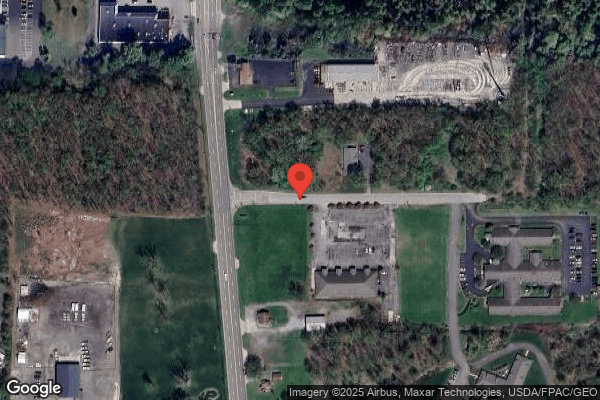

5291 ASHLEY CIRCLE, YOUNGSTOWN, OH 44515 (330) 793-3010
For profit - Partnership 74 Beds Independent Data: November 2025
Trust Grade
85/100
#33 of 913 in OH
Last Inspection: March 2023

Over 2 years since last inspection. Current conditions may differ from available data.

Overview

Briarfield at Ashley Circle in Youngstown, Ohio, has a Trust Grade of B+, which means it is above average and recommended for care. It ranks #33 out of 913 facilities in Ohio, placing it in the top half, and #2 out of 29 facilities in Mahoning County, indicating that only one local option is better. However, the facility is currently worsening, with issues increasing from 1 in 2022 to 3 in 2023. Staffing is a mixed bag; while the turnover rate is a low 39%, which is better than the 49% state average, the nursing home has less RN coverage than 83% of Ohio facilities, potentially impacting care quality. Notably, there were incidents where the Administrator did not have a valid license for most of 2023, and there were concerns about insufficient nursing staff to provide necessary restorative programs for residents, raising questions about compliance and care standards. Overall, while there are strengths, such as good staffing stability and no fines, families should consider these concerns carefully.

Trust Score
B+
85/100
In Ohio
#33/913
Top 3%
Safety Record
Low Risk
No red flags
Inspections
Getting Worse
1 → 3 violations
Staff Stability
○ Average
39% turnover. Near Ohio's 48% average. Typical for the industry.
Penalties
✓ Good
No fines on record. Clean compliance history, better than most Ohio facilities.
Skilled Nurses
⚠ Watch
Each resident gets only 26 minutes of Registered Nurse (RN) attention daily — below average for Ohio. Fewer RN minutes means fewer trained eyes watching for problems.
Violations
⚠ Watch
13 deficiencies on record. Higher than average. Multiple issues found across inspections.
★★★★★
5.0
Overall Rating
★★★☆☆
3.0
Staff Levels
★★☆☆☆
2.0
Care Quality
★★★★★
5.0
Inspection Score
Stable
2022: 1 issues
2023: 3 issues

The Good

  • Full Sprinkler Coverage · Fire safety systems throughout facility
  • No fines on record
  • Staff turnover below average (39%)

    9 points below Ohio average of 48%

Facility shows strength in fire safety.

The Bad

Staff Turnover: 39%

Near Ohio avg (46%)

Typical for the industry

The Ugly 13 deficiencies on record

Dec 2023 1 deficiency
CONCERN (F) 📢 Someone Reported This

A family member, employee, or ombudsman was alarmed enough to file a formal complaint

Potential for Harm - no one hurt, but risky conditions existed

Deficiency F0837 (Tag F0837)

Could have caused harm · This affected most or all residents

**NOTE- TERMS IN BRACKETS HAVE BEEN EDITED TO PROTECT CONFIDENTIALITY** THE FOLLOWING DEFICIENCY REPRESENTS AN INCIDENT OF PAST NON-COMPLIANCE THAT WAS SUBSEQUENTLY CORRECTED PRIOR TO THIS SURVEY. Bas...

Read full inspector narrative →
**NOTE- TERMS IN BRACKETS HAVE BEEN EDITED TO PROTECT CONFIDENTIALITY** THE FOLLOWING DEFICIENCY REPRESENTS AN INCIDENT OF PAST NON-COMPLIANCE THAT WAS SUBSEQUENTLY CORRECTED PRIOR TO THIS SURVEY. Based on review of personnel files, review of Board of Executives of Long-Term Services and Support (BELTSS) documentation, and staff interview the facility failed to ensure the Administrator had a valid license. This had the potential to affect all 61 residents residing in the facility. Findings included: Review of the Administrator's personnel file revealed no evidence the Administrator had a valid license from 01/01/23 to 11/22/23. Review of facility documentation revealed on 11/22/23 at 12:26 P.M., BELTSS Employee #100 called and reported the Administrator had not had a valid Long Term Healthcare Administrator license since 01/01/23. On 12/09/23 at 11:40 A.M., surveyor interview with the Administrator confirmed BELTSS arrived to the facility on [DATE] and reported she did not have a valid Long-Term Nursing Home Administration license. Per the Administrator, mid- December 2022 she had submitted her continuing education (CE) and $300.00 payment and one of her CE's was rejected because she entered it incorrectly. The Administrator reported she had corrected the CE, however there was a late fee of $50.00 she was not aware of. When she looked in the BELTSS system it showed she had a zero balance. She was not aware of the $50 late fee and after so long the agency will keep adding late fees if not paid. The representative from BELTSS informed her she owed $100.00 and her license had not been valid since 01/01/23 and she needed to find coverage for the building. She immediately went online and paid the fines and BELTSS called her and told her that her license was then valid. Per the Administrator, all this happened on 11/22/23 within hours and they facility did not have to find an Administrator to cover the building. The Administrator reported she had no evidence to provide she had a zero balance or a valid license from 01/01/23 to 11/22/23. This deficiency represents non-compliance investigated under Complaint Number OH00148587. The deficient practice was corrected on 06/30/23 when the facility implemented the following corrective action: On 06/30/23 the Administrator paid her late fees and subsequently her license was active on this day.
Jul 2023 1 deficiency
CONCERN (D) 📢 Someone Reported This

A family member, employee, or ombudsman was alarmed enough to file a formal complaint

Potential for Harm - no one hurt, but risky conditions existed

Resident Rights (Tag F0550)

Could have caused harm · This affected 1 resident

Based on observation, record review, and interview the facility failed to treat residents with dignity and respect by not providing privacy for urinary catheter drainage bags. This affected two reside...

Read full inspector narrative →
Based on observation, record review, and interview the facility failed to treat residents with dignity and respect by not providing privacy for urinary catheter drainage bags. This affected two residents (#51 and #54) of twelve residents with urinary catheters. The facility census was 66. Findings include: Review of the medical record for Resident #51 revealed an initial admission date of 04/25/18. Diagnoses included multiple sclerosis, neuromuscular dysfunction of the bladder, and paraplegia. Review of physician orders effective July 2023 revealed Resident #51 required urinary catheter care twice daily and as needed. Review of the medical record for Resident #54 revealed an initial admission date of 05/01/23. Diagnoses included cerebral infarction with hemiplegia, and obstructive and reflux uropathy. Review of physician orders effective July 2023 revealed Resident #54 required urinary catheter care every shift. Observation on 07/21/23 at 9:50 A.M. revealed both Residents #51 and #54 lying in their beds with uncovered urinary catheter drainage bags hanging on the bed frames facing the doorway which were visible from the hallway outside of the rooms. Interview at the time of the observation with State Tested Nursing Assistants (STNAs) #326 and #343 verified Residents #51 and #54 did not have their urinary catheter bags covered with privacy bags or were not hanging on the opposite side of the beds out of public view. This deficiency represents non-compliance investigated under Complaint Number OH00144200.
Mar 2023 1 deficiency
CONCERN (D)

Potential for Harm - no one hurt, but risky conditions existed

Incontinence Care (Tag F0690)

Could have caused harm · This affected 1 resident

Based on medical record review, policy review and staff interview, the facility failed to ensure indwelling urinary catheter care was ordered by the physician and completed as indicated. This affected...

Read full inspector narrative →
Based on medical record review, policy review and staff interview, the facility failed to ensure indwelling urinary catheter care was ordered by the physician and completed as indicated. This affected one (Resident #43) of one residents reviewed for indwelling urinary catheter use. The facility census was 59. Findings include: Review of Resident #43's medical record revealed an admission date of 04/29/20 with diagnosis that included obstructive and reflux uropathy, cerebrovascular accident and epilepsy. Review of the medical record including physician's orders identified the use of an indwelling urinary catheter (foley catheter) due to obstruction. Further review of the physician's orders revealed no evidence of orders for foley catheter care or cleaning. Review of the Treatment Administration Record (TAR) and State Tested Nurse Aide (STNA) Activities of Daily Living (ADL) Tasks found no evidence of foley catheter care documented as provided. Review of Resident #43's plan of care revealed an care plan in place related to the foley catheter with interventions indicating catheter care to be provided per facility policy and/or physician order. Review of the facility policy titled Indwelling Foley Catheters Changes and Care with a revision date of 04/16/21 indicated to clean urinary meatus with soap and water and dry every shift. Interview with STNA #355 on 02/28/23 at 10:01 A.M. revealed catheter care is completed at least once per shift, but STNAs do not document in the medical record as being completed. Interview with the Director of Nursing on 02/28/23 at 3:05 P.M. verified there was no physician's order for catheter care and no evidence of documentation of catheter care provided for Resident #43.
Nov 2022 1 deficiency
CONCERN (D) 📢 Someone Reported This

A family member, employee, or ombudsman was alarmed enough to file a formal complaint

Potential for Harm - no one hurt, but risky conditions existed

Deficiency F0676 (Tag F0676)

Could have caused harm · This affected 1 resident

**NOTE- TERMS IN BRACKETS HAVE BEEN EDITED TO PROTECT CONFIDENTIALITY** Based on record review, resident interview, staff interview, and facility policy review the facility failed to ensure Resident #...

Read full inspector narrative →
**NOTE- TERMS IN BRACKETS HAVE BEEN EDITED TO PROTECT CONFIDENTIALITY** Based on record review, resident interview, staff interview, and facility policy review the facility failed to ensure Resident #16 received showers routinely per resident preference. This affected one (Resident #16) of three residents reviewed for showers. The facility census was 67. Findings include: Review of the medical record for Resident #16 revealed an admission date of 10/07/22 with diagnoses including depression, cellulitis, morbid obesity, congestive heart failure, and hypertension. Review of the comprehensive Minimum Data Set (MDS) 3.0 assessment dated [DATE] revealed Resident #16 had no cognitive impairment. Resident #16 required total dependence for transfers, extensive assistance of two staff for bed mobility and toilet use, and extensive assistance of one staff for personal hygiene and bathing. Review of the facility shower schedule revealed Resident #16 was scheduled for bed baths three times per week on Monday, Wednesday, and Friday. Review of the October and November 2022 shower records for Resident #16 revealed a tub bath was provided on 10/26/22 and bed baths were provided on 10/27/22, 10/31/22, 11/01/22, and 11/06/22. There was no other documented evidence of showers or bathing for Resident #16. On 11/22/22 at 9:07 A.M., interview with Resident #16 stated she did not receive showers or bed baths when she wanted. She stated facility staff would give her a bed bath occasionally. On 11/22/22 at 2:52 P.M., interview with the Director of Nursing (DON) verified there was no additional documented evidence to show Resident #16 received showers and bathing as scheduled. Review of the facility policy titled Showers, dated 09/10/18, revealed residents would be scheduled to receive at least two showers per week. This deficiency substantiates Complaint Number OH00131267.
Feb 2020 4 deficiencies
CONCERN (D)

Potential for Harm - no one hurt, but risky conditions existed

Safe Environment (Tag F0584)

Could have caused harm · This affected 1 resident

**NOTE- TERMS IN BRACKETS HAVE BEEN EDITED TO PROTECT CONFIDENTIALITY** Based on observation and interview, the facility failed to ensure Resident #7's wheelchair was maintained. This affected one res...

Read full inspector narrative →
**NOTE- TERMS IN BRACKETS HAVE BEEN EDITED TO PROTECT CONFIDENTIALITY** Based on observation and interview, the facility failed to ensure Resident #7's wheelchair was maintained. This affected one resident (Resident #7) of 35 residents reviewed for wheelchair maintenance residing in the facility. The facility census was 85. Findings include: Review of medical record for Resident #7 revealed an admission date of 09/19/19 with diagnoses including Alzheimer's disease, hemiplegia, cerebrovascular disease and dependence on his wheelchair. Review of the Minimum Data Set (MDS) 3.0 assessment dated [DATE] revealed severe cognitive impairment. Observation on 02/05/20 at 1:32 P.M. revealed the front part of the right armrest on Resident #7's wheelchair was missing a four inch piece of plastic, bare metal was visualized with a screw sticking up in the middle of it. The metal area was rough to the touch. Interview on 02/05/20 at 1:44 P.M. with the Director of Nursing (DON) confirmed wheelchair was missing part of the right armrest cover. Observation on 02/06/20 at 9:31 A.M. revealed Resident #7's right armrest was covered with a white material and wrapped with tape. Interview on 02/06/20 at 9:32 A.M. with the DON indicated the part for Resident #7's wheelchair was ordered, and the wheelchair would be fixed as soon as the part arrived to the facility. Interview on 02/06/20 at 3:40 P.M. with Licensed Practical Nurse (LPN) #805 verified the wheelchair was missing part of the right armrest on 02/01/20. LPN #805 called Resident #7's wife and was told the wheelchair had been missing part of the right armrest for at least two weeks.
CONCERN (D)

Potential for Harm - no one hurt, but risky conditions existed

Deficiency F0726 (Tag F0726)

Could have caused harm · This affected 1 resident

**NOTE- TERMS IN BRACKETS HAVE BEEN EDITED TO PROTECT CONFIDENTIALITY** Based on interview, observation and record review, the facility failed to ensure Resident #50's pacemaker check was completed ac...

Read full inspector narrative →
**NOTE- TERMS IN BRACKETS HAVE BEEN EDITED TO PROTECT CONFIDENTIALITY** Based on interview, observation and record review, the facility failed to ensure Resident #50's pacemaker check was completed accurately and sent to the physician's office and did not ensure nurse aides did not disconnect tube feeding for Resident #53. This affected one resident (Resident #50) of one resident reviewed for pacemaker checks and one resident (Resident #53) of four residents (Resident #6, Resident #28, Resident #39 and Resident #53) reviewed for tube feedings. The facility census was 85. Findings include: 1. Review of the medical record for Resident #50 revealed an admission date of 04/10/18 with diagnoses including congestive heart failure, hypertensive heart disease with heart failure, left ventricular failure and a cardiac defibrillator placement 04/21/14. Review of the Minimum Data Set (MDS) 3.0 assessment dated [DATE] indicated the resident had moderate cognitive impairment. Review of the physician's orders for Resident #50 dated 12/12/19 revealed a pacemaker check every three months. Make sure the resident is in her room near the machine and it is turned on, then press the heart button and follow the prompts; to start 12/18/19. Observation on 02/03/20 at 1:22 P.M. revealed a white box with the words Boston Scientific Latitude sitting on Resident #50's bedside stand with a heart shaped button in the middle of it with a blinking green light. Interview on 02/03/20 at 1:22 P.M. with Resident #50 indicated I have been waiting for parts for my heart monitor for a couple weeks. Interview on 02/05/20 at 8:05 A.M. with the Director of Nursing (DON) revealed the information from Resident #50's pacemaker did not get sent to the physician's office on 12/18/19 as ordered by the physician. The facility did not find out the information was not sent to the physician's office until Insurance Representative (IR) #807 called the physician's office on 01/23/20 and was told the information did not get transmitted. Interview on 02/05/20 at 8:15 A.M. with Licensed Practical Nurse (LPN) #806 revealed on 12/18/19 she took Resident #50 to her room and had her sit in front of the machine and pushed the button on the heart monitor. An orange light started flashing from the monitor and did not change to a different color. The lights stopped flashing and nothing else happened. LPN #806 did not know if the information had been sent but thought the physician's office would call if they did not receive it. Interview on 02/05/20 at 8:37 A.M. with IR #807 revealed he contacted Resident #50's daughter via telephone on 01/23/20 and was told the physician's office had contacted her because the pacemaker information had not been received from the facility on 12/18/19. Resident #50's daughter did not call the facility about the missing information. IR #807 then called the physician's office and was told they did not receive the pacemaker information from Resident #50. IR #807 contacted the manufacturer of the pacemaker home monitor and was informed that a cellular adapter was needed to send the data. The cellular adapter was ordered and mailed to the facility on [DATE] and had not been received yet. Interview on 02/05/20 at 9:01 A.M. with the DON revealed the facility did not have an in-service on the operation of Resident #50's home heart monitor. Interview on 02/05/19 at 12:50 P.M. with the DON revealed Resident #50 had an appointment with her cardiologist on 05/08/19 and was given the heart home monitor at that time. At an appointment on 09/18/19, Resident #50 was told that the heart home monitor would be used for the next data check. Interview on 02/07/20 at 2:08 P.M. with Manufacturer Representative (MR) #810 revealed the cellular adapter was received and signed for by the facility on 01/27/20 at 10:48 A.M. Review of information provided by the facility titled Latitude Communicator, dated 03/2015, revealed connection method using cellular data network required an adapter kit which was available separately. Further review revealed the Communicator can perform a patient initiated Interrogation by pressing the heart button located in the middle of the Communicator. The Interrogation was complete and had been sent to Latitude when all the waves were lit green. 2. Review of the medical record for Resident #53 revealed an admission date of 12/17/18 with diagnoses including intracranial injury without loss of consciousness, acute respiratory failure with hypoxia, paraplegia and the resident had a percutaneous endoscopic gastrostomy (peg) tube. Review of the MDS 3.0 assessment revealed a Brief Interview for Mental Status (BIMS) was unable to be conducted because resident was rarely/never understood. Review of Resident #53's physician's orders revealed enteral feeding every day and night shift, Isosource HN (tube feeding) running continuously at 62 milliliters (ml) per hour. Observation on 02/03/20 at 1:50 P.M. revealed Resident #53 lying in bed with his side rails up and tube feeding running continuously at 62 ml per hour via peg tube. Interview on 02/03/20 at 1:58 P.M. with Resident #53's mother revealed two days ago when the State Tested Nursing Assistants (STNAs) were putting Resident #53 back to bed from his chair, the back of his gown and pants were saturated with tube feeding. She stated this had happened eight times recently when the STNAs disconnected the tube feeding from the peg tube when they moved Resident #53 from bed to chair and chair to bed. The STNAs stop the tube feeding, disconnect the tube feeding from the peg tube, place a plastic cap on the end of it and hang the tubing on the tube feeding pump. When they are finished moving Resident #53, they take the tubing with the plastic end on it, connect it to the peg tube without removing the plastic cap and turn the pump back on. The tube feeding begins to run, but cannot flow into the peg tube because of the plastic cap. Instead the tube feeding backs up and flows onto the resident and saturates his clothing. Resident #53's mother stated that she told the staff this was happening and they got mad at me and will not talk to me. Interview on 02/06/20 at 11:15 A.M. with STNA #804 revealed STNA #804 will re-connect Resident #53's tube feeding if she cannot find a nurse, and turn it back on. When I turn the tube feeding on I make sure the tube feeding bag is full and the rate is 62 ml per hour. STNA #804 further stated she makes sure the lighted circle is on and working that shows the pump is infusing the tube feeding. Review of facility policy titled Job title: State Tested Nursing Assistant, undated, revealed no instruction for administration of tube feeding to the residents. Review of facility policy titled IIB12: Enteral Tube Medication Administration, revised 01/2018, revealed no documentation that STNA's are able to administer tube feedings to residents.
CONCERN (D)

Potential for Harm - no one hurt, but risky conditions existed

Medical Records (Tag F0842)

Could have caused harm · This affected 1 resident

**NOTE- TERMS IN BRACKETS HAVE BEEN EDITED TO PROTECT CONFIDENTIALITY** Based on record review and interview, the facility failed to ensure Resident #33's medical record accurately coded the medicatio...

Read full inspector narrative →
**NOTE- TERMS IN BRACKETS HAVE BEEN EDITED TO PROTECT CONFIDENTIALITY** Based on record review and interview, the facility failed to ensure Resident #33's medical record accurately coded the medications administered to the resident. This finding affected one (Resident #33) of one resident reviewed for dialysis. Findings include: Review of Resident #33's medical record revealed the resident was re-admitted to the facility on [DATE] with diagnoses including dependence on renal dialysis and end stage renal disease. Review of Resident #33's Minimum Data Set (MDS) 3.0 assessment dated [DATE] indicated the resident exhibited intact cognition. Review of Resident #33's physician orders revealed an order dated 12/06/18 for aspirin enteric coated give 81 mg (milligrams) by mouth one time a day related to atherosclerotic heart disease, an order dated 04/14/17 for fish oil capsule 1000 mg give one time a day related to cardiomyopathies, an order dated 12/26/18 for Neurontin capsules give 200 mg by mouth in the morning for neuropathy, an order dated 04/19/17 for renal capsule one mg give by mouth one time a day for vitamin supplement, an order dated 04/14/17 for vitamin D give 4000 units by mouth one time a day for a vitamin supplement, and an order dated 10/01/19 for Eliquis five mg give one tablet by mouth two times a day for atrial fibrillation. Review of Resident #33's medication administration records (MAR) from 01/01/20 to 02/05/20 revealed the aspirin, fish oil, Neurontin, renal capsule, vitamin D and Eliquis were documented on the MAR dated 01/10/20, 01/13/20, 01/15/20, 01/22/20, 02/03/20 and 02/05/20 as away from home with medications (Code #1). Interview on 02/04/20 at 1:50 P.M. with Corporate Registered Nurse (RN) #803 confirmed the nursing staff inaccurately signed medications were given to the resident to be administered when she was away from the facility. Corporate Registered RN #803 stated the facility investigation verified the staff actually administered the resident's medications but coded it inaccurately in the resident's record.
MINOR (B)

Minor Issue - procedural, no safety impact

Transfer Notice (Tag F0623)

Minor procedural issue · This affected multiple residents

**NOTE- TERMS IN BRACKETS HAVE BEEN EDITED TO PROTECT CONFIDENTIALITY** 6. Review of Resident #39's medical record revealed an admission date of 08/13/18 with diagnoses including multiple sclerosis, p...

Read full inspector narrative →
**NOTE- TERMS IN BRACKETS HAVE BEEN EDITED TO PROTECT CONFIDENTIALITY** 6. Review of Resident #39's medical record revealed an admission date of 08/13/18 with diagnoses including multiple sclerosis, partial small bowel obstruction and paraplegia. Review of Resident #39's MDS 3.0 assessment dated [DATE] indicated resident was cognitively intact. Review of Resident #39's progress notes dated 11/30/19 at 4:53 P.M. revealed the resident was admitted to the hospital with a diagnosis of small bowel obstruction. Interview on 02/05/20 at 9:18 A.M. with the Administrator confirmed the facility did not provide Resident #39 and/or the resident's representative written notification of the reason for the discharge at the time of the discharge to the hospital or within twenty four hours in a easily understood language. 3. Review of Resident #82's medical record revealed the resident was admitted to the facility on [DATE] with diagnoses including chronic heart disease, hemiplegia, schizophrenia, bipolar disorder and Alzheimer's Dementia. Review of Resident #25's MDS 3.0 assessment dated [DATE] indicated the resident's memory was impaired. Review of Resident #82's progress note dated 12/19/19 at 11:12 P.M. indicated the resident was admitted to the hospital with an diagnosis of acute mental status change. Interview on 02/05/20 on 9:18 A.M. with the Administrator confirmed the facility did not provide Resident #82 and/or the resident's representative written notification of the reason for the discharge at the time of the discharge to the hospital or within twenty-four hours as appropriate in an easily understood language. 4. Review of Resident #89's medical record revealed the resident was admitted to the facility on [DATE] with diagnoses including cancer of the colon, cancer of the liver and type two diabetes. Review of Resident #89's progress note dated 11/11/19 at 9:03 A .M. indicated resident was sent to the hospital due to labored breathing and generalized weakness and was admitted . Interview on 02/05/20 at 9:18 A.M. with the Administrator confirmed the facility did not provide Resident #1 or the resident's representative written notification of the reason of the discharge to the hospital at the time of the discharge or within twenty-four hours as appropriate in an easily understood language. 5. Review of Resident #83's medical record revealed the resident was admitted to the facility on [DATE]. Review of Resident #83's MDS 3.0 assessment dated [DATE] indicated the resident's memory was intact. Review of Resident #83's progress note dated 01/25/20 at 8:45 P.M. indicated the resident was admitted to the hospital with respiratory distress . Interview on 02/05/20 on 9:18 A.M. with the Administrator confirmed the facility did not provide Resident #83 and/or the resident's representative written notification of the reason for the discharge at the time of the discharge to the hospital or within twenty-four hours as appropriate in an easily understood language. Based on record review and interview, the facility failed to ensure residents and/or resident representatives received written notification for the reason for the discharge to the hospital in an easily understood language at the time of the discharge or within twenty-four hours as appropriate. This finding affected six (Residents #1, #25, #39, #82, #83 and #89) of six resident records reviewed for hospitalization. The facility census was 85. Findings include: 1. Review of Resident #25's medical record revealed the resident was admitted to the facility on [DATE] with diagnoses including major depressive disorder, type two diabetes and muscle weakness. Review of Resident #25's Minimum Data Set (MDS) 3.0 assessment dated [DATE] indicated the resident was cognitively intact. Review of Resident #25's progress note dated 12/02/19 at 11:59 P.M. indicated the resident was admitted to the hospital with a diagnosis of intractable vomiting. Interview on 02/05/20 on 9:18 A.M. with the Administrator confirmed the facility did not provide Resident #25 and/or the resident's representative written notification of the reason for the discharge at the time of the discharge to the hospital or within twenty-four hours as appropriate in an easily understood language. 2. Review of Resident #1's medical record revealed the resident was admitted to the facility on [DATE] with diagnoses including chronic obstructive pulmonary disease, overactive bladder, mixed hyperlipidemia and other Alzheimer's disease. Review of Resident #1's MDS 3.0 assessment dated [DATE] indicated the resident was cognitively intact. Review of Resident #1's progress note dated 01/13/20 at 5:37 P.M. indicated the nurse was called to the dining room due to the resident shaking and not feeling well. The resident had a small emesis and complained of cough and congestion. The resident sent to the emergency room and the guardian was notified. Interview on 02/05/20 at 9:18 A.M. with the Administrator confirmed the facility did not provide Resident #1 or the resident's representative written notification of the reason of the discharge to the hospital at the time of the discharge or within twenty-four hours as appropriate in an easily understood language.
Jan 2019 5 deficiencies
CONCERN (D)

Potential for Harm - no one hurt, but risky conditions existed

Accident Prevention (Tag F0689)

Could have caused harm · This affected 1 resident

**NOTE- TERMS IN BRACKETS HAVE BEEN EDITED TO PROTECT CONFIDENTIALITY** Based on observation, interview and record review, the facility failed to ensure fall prevention devices were in place for Resid...

Read full inspector narrative →
**NOTE- TERMS IN BRACKETS HAVE BEEN EDITED TO PROTECT CONFIDENTIALITY** Based on observation, interview and record review, the facility failed to ensure fall prevention devices were in place for Resident #27. This affected one of five residents reviewed for accidents. The facility census was 76. Findings include: Resident #27 was admitted [DATE] with diagnoses including Alzheimer's disease, a history of falls, macular degeneration, depression with psychosis and arthritis. Review of a Brief Interview for Mental Status (BIMS), dated 10/24/18, revealed Resident #27 had severe cognitive impairment. Review of a Minimum Data Set (MDS) 3.0 assessment, dated 10/24/18, revealed Resident #27 was unable to walk and required a mechanical lift for transfers. Review of a Fall Risk assessment, dated 12/02/18, revealed Resident #27 was at a high risk for falls. Interventions to prevent falls included bed and chair alarms to alert staff of unassisted transfers. Review of fall investigations from 12/01/18 through 01/13/19 revealed Resident #27 had three falls. The falls occurred on 12/03/18, 12/27/18, and 01/02/19. Review of the fall investigation, dated 12/03/18, revealed Resident #27 was found sitting on his buttocks in the hallway at 6:46 P.M. The same investigation revealed no alarm was sounding. Resident #27 was observed on 01/14/19 at 3:14 P.M. Resident #27 was awake in his room, in a wheelchair next to his bed. A chair alarm was observed on the back of the wheelchair. However, the green light on the back of the alarm was not flashing. The flashing green light is an indicator the alarm was functional. An interview was completed with Licensed Practical Nurse (LPN) #40 at the time of the observation. LPN #40 verified the alarm was not flashing. LPN #40 checked the on/off switch and verified the alarm was not activated.
CONCERN (D)

Potential for Harm - no one hurt, but risky conditions existed

Deficiency F0757 (Tag F0757)

Could have caused harm · This affected 1 resident

Based on medical record review and staff interview, the facility failed to administer medications in accordance with parameters set in physician's orders. This affected one (Resident #29) of five resi...

Read full inspector narrative →
Based on medical record review and staff interview, the facility failed to administer medications in accordance with parameters set in physician's orders. This affected one (Resident #29) of five residents reviewed for medication use. The facility census was 76. Findings include: Review of Resident #29's medical record revealed diagnoses including anxiety disorder, dementia, heart disease, and hypertension. Resident #29 had a physician's order for Lopressor (medication used to treat hypertension) 25 milligrams (mg) twice a day. The order included instructions to hold the Lopressor if the top number of the blood pressure was less than 100 or the heart rate was less than 60. Review of the December 2018 Medication Administration Record (MAR) indicated Resident #29 had Lopressor administered although the heart rate was less than 60 beats per minute nine times. On 01/15/19 at 10:05 A.M., Registered Nurse (RN) #60 verified the MAR indicated the Lopressor was administered outside the parameters defined by the physician.
CONCERN (D)

Potential for Harm - no one hurt, but risky conditions existed

Infection Control (Tag F0880)

Could have caused harm · This affected 1 resident

**NOTE- TERMS IN BRACKETS HAVE BEEN EDITED TO PROTECT CONFIDENTIALITY** Based on observation, interview and record review, the facility failed to ensure adequate infection control practice during the ...

Read full inspector narrative →
**NOTE- TERMS IN BRACKETS HAVE BEEN EDITED TO PROTECT CONFIDENTIALITY** Based on observation, interview and record review, the facility failed to ensure adequate infection control practice during the insertion of a urinary catheter for Resident #34. This affected one of three residents reviewed for urinary catheters. The facility census was 76. Findings include: Resident #34 was admitted [DATE] with diagnoses including diabetes mellitus, dementia, a urinary tract infection with urinary retention and cystitis. Cystitis is defined as inflammation of the urinary bladder. It is often caused by infection and is usually accompanied by painful urination. Resident #34 was observed in bed on 01/14/19 at 07:06 A.M. Resident #34 was heard crying out, Oh, it hurts. It hurts. Licensed Practical Nurse (LPN) #42 responded. Resident #34 complained of pain and burning at the urinary catheter insertion site. LPN #42 reassured Resident #34 she would get her something for the pain. Resident #34 responded, It doesn't help. An interview with Resident #34 was completed at 7:54 A.M. Resident #34 revealed the nurse put some medicine (cream) on down there. Resident #34 verified the medicated cream relieved some of the pain. Resident #34 also revealed she knew she should drink more water, but the water was cold and makes it burn worse. The same day 01/14/19 at 01:41 P.M., Resident #34 was observed shaking her side rail, and again complaining of the same pain. Staff responded. An interview was completed with LPN #42 at the time of the observation. LPN #42 revealed Resident #34 completed 10 days of antibiotic therapy on the previous evening of 01/13/19. The antibiotic was given to treat a urinary tract infection. The original order included changing the urinary catheter at the end of the antibiotic therapy. The catheter change was scheduled for the evening shift of the same day. However, since Resident #34 was uncomfortable LPN #42 planned to change the catheter the same afternoon. An observation of the urinary catheter change was completed on 01/14/18 at 2:30 P.M. LPN #40 and LPN #42 entered the resident's room. LPN #40 applied clean gloves and went to the resident's bedside. LPN #40 revealed she would be assisting LPN #42, as needed. LPN #40 did not wash or sanitize her hands before applying the gloves. LPN #42 washed her hands and applied clean gloves. LPN #42 removed and discarded Resident #34's urinary catheter. LPN #42 washed her hands and applied clean gloves. LPN #42 placed the packaged catheter supplies on the resident's bedside table. LPN #42 opened the catheter package revealing the sterile supplies. These included gloves, cotton balls, tweezers, a package of lubricant, a package of betadine liquid (a topical, antibiotic cleanser) and a urinary catheter. LPN #42 washed her hands and applied clean, but not sterile, gloves. LPN #42 picked-up and opened the packaged lubricant. LPN #42 squeezed the lubricant onto the sterile field and discarded the package. LPN #42 picked-up, opened, and poured the betadine over the cotton balls. LPN #42 discarded the package. LPN #42 picked-up the sterile tweezers to grasp the betadine soaked cotton balls. With the same gloves, LPN #42 opened the resident's outer labia with her thumb and index finger. LPN #42 cleansed the outer labia by swiping the cotton ball up and down several times. LPN #42 discarded the cotton ball. LPN #42 cleansed the inner labia by swiping the cotton ball up and down several times. LPN #42 discarded the cotton ball. LPN #42 grasped a clean cotton ball. Then, LPN #40 instructed LPN #42 to swipe the meatus (direct opening to the urinary tract) in one downward stroke, rather than the up/down motion. LPN #42 corrected the swipe motion as instructed. After cleansing Resident #34, LPN #42 removed and discarded the gloves. LPN #42 washed her hands and applied sterile gloves. LPN #42 lubricated the tip of the catheter, spread the labia and inserted the catheter. LPN #42 attempted to inflate the inner catheter balloon but met resistance. Wearing the same gloves, LPN #42 readjusted the exposed tubing several times and the resistance resolved. However, upon completion, LPN #42 did not remove her gloves and wash her hands. Wearing the same gloves, LPN #42 picked-up the bedside drainage bag, straightened the tubing and placed the bag into a privacy bag suspended from the bed. LPN #42 gathered and discarded the soiled supplies. LPN #42 removed and discarded the gloves and washed her hands. An interview was completed with LPN #40 and LPN #42 immediately following the observation. LPN #40 and LPN #42 verified the infection control concerns. Resident #34 was observed on 01/16/19 at 09:41 A.M. Resident #34 was in a wheelchair waiting transport to the urologist. The urine observed in the catheter tubing was orange due to a side effect of a medication. The same urine was blood tinged. Resident #34 returned from the urologist with the following physician orders: Irrigate the urinary catheter, as needed. Send Resident #34 to the hospital if the bleeding continues. The antibiotic medication was re-started and ordered to continue twice a day for 14 days. Review of the undated Catheter Insertion Procedure revealed: GENERAL INFECTION CONTROL GUIDELINES Wash your hands before and after all procedures. Step #4. Open sterile wrap to create a sterile field. Step #5. Put on sterile gloves. Step #8. Cleanse outer labia using one stroke downward and discarding the cotton ball. Clean the inner labia in the using a clean cotton ball. Step #11. Insert the catheter and place the open end into a sterile container.
CONCERN (E)

Potential for Harm - no one hurt, but risky conditions existed

Deficiency F0688 (Tag F0688)

Could have caused harm · This affected multiple residents

**NOTE- TERMS IN BRACKETS HAVE BEEN EDITED TO PROTECT CONFIDENTIALITY** #2. Resident #19 was admitted [DATE] with diagnoses including multiple sclerosis, paraplegia and abnormalities of gait and mobil...

Read full inspector narrative →
**NOTE- TERMS IN BRACKETS HAVE BEEN EDITED TO PROTECT CONFIDENTIALITY** #2. Resident #19 was admitted [DATE] with diagnoses including multiple sclerosis, paraplegia and abnormalities of gait and mobility. Review of a physician's order, dated 05/29/18, revealed restorative nursing therapy for active and passive range of motion to the bilateral upper extremities, active and passive range of motion to the bilateral lower extremities and cognitive brainstorming five to seven times each week. Each of the three programs was to be 15 to 30 minutes. Review of the Restorative Care Plan revealed a goal to maintain current strength with range of motion and brainstorming. The treatment plan included bilateral range of motion of the upper extremities for 15 to 30 minutes, bilateral range of motion of the lower extremities for 15 to 30 minutes and brainstorming for 15 to 30 minutes. The program was to be provided five to seven days each week. Review of a Restorative Care Flow Record dated 11/01/18 through 11/30/18 revealed each program was provided 13 of the minimum 20 days. The same flow record revealed Resident #19 refused the program one of the 20 minimum days. Review of a Restorative Care Flow Record dated 12/01/18 through 12/31/18 revealed each program was provided seven of the minimum 20 days. The same flow record revealed no evidence Resident #19 refused the program. On 01/16/19 at 1:20 P.M., LPN #100 verified Resident #38 did not receive restorative nursing programs as ordered. #3. Resident #53 was admitted [DATE] with diagnoses including osteoarthritis, chronic back pain, bipolar disorder, cardiomyopathy, and chronic kidney disease with dialysis services. Review of the Restorative Care Plan revealed a goal to maintain strength, range of motion, and ambulation. The treatment plan included ambulating 400 to 600 feet with a rollator walker, and bilateral range of motion of the upper and lower extremities. The program was to be provided five to seven days each week for 15 to 30 minutes. Review of a Restorative Care Flow Record dated 10/01/18 through 10/31/18 revealed the program was provided 14 of the minimum 20 days. The same flow record revealed no evidence Resident #53 refused the program. Review of a Restorative Care Flow Record dated 11/01/18 through 11/30/18 revealed the program was provided 16 of the minimum 20 days. The same flow record revealed no evidence Resident #53 refused the program. Review of a Restorative Care Flow Record dated 12/01/18 through 12/31/18 revealed the program was provided six of the minimum 20 days. The same flow record revealed no evidence Resident #53 refused the program. On 01/16/19 at 1:20 P.M., LPN #100 verified Resident #38 did not receive restorative nursing programs as ordered. Based on observation, medical record review and interview, the facility failed to ensure restorative programs were provided in accordance with physician's orders. This affected two of three residents reviewed for range of motion and one additional resident (Residents #19, #38, and #53). The facility identified 40 residents on restorative programs. The facility census was 76. Findings include: 1. On 01/13/19 at 10:45 A.M., Resident #38 was observed with a left hand contracture without any assistive devices. Resident #38 stated she did not receive range of motion services. Review of Resident #38's medical record revealed diagnoses including stroke and flaccid paralysis affecting the left side. A physician's order dated 11/01/16 revealed an order for restorative nursing therapy for active range of motion (AROM) and passive range of motion (PROM) to both upper extremities and both lower extremities five to seven days a week for 15 to 30 minutes each. Review of the October 2018 to December 2018 Restorative Care Flow Record revealed the weeks of 10/07/18 - 10/13/18, 10/21/18 - 10/27/18, 10/28/18 - 11/03/18, and 11/25/18 - 12/01/18 restorative programs were provided four times. The weeks of 12/02/18 - 12/08/18 and 12/09/18 - 12/15/18 restorative programs were provided three times. The weeks of 12/16/18 - 12/22/18 and 12/23/18 - 12/29/18 restorative programs were provided twice. On 01/16/19 at 1:20 P.M., Licensed Practical Nurse (LPN) #100 verified Resident #38 did not receive restorative nursing programs as ordered.
CONCERN (E)

Potential for Harm - no one hurt, but risky conditions existed

Deficiency F0725 (Tag F0725)

Could have caused harm · This affected multiple residents

**NOTE- TERMS IN BRACKETS HAVE BEEN EDITED TO PROTECT CONFIDENTIALITY** Based on observation, medical record review and staff interview, the facility failed to ensure there was sufficient nursing staf...

Read full inspector narrative →
**NOTE- TERMS IN BRACKETS HAVE BEEN EDITED TO PROTECT CONFIDENTIALITY** Based on observation, medical record review and staff interview, the facility failed to ensure there was sufficient nursing staff to provide restorative programs for two of three residents reviewed for range of motion and one additional resident (Residents #19, #38, and #53) . The facility identified 40 residents on restorative programs. The facility census was 76. Findings include: 1. On 01/13/19 at 10:45 A.M., Resident #38 was observed with a left hand contracture without any assistive devices. Resident #38 stated she did not receive range of motion services. Review of Resident #38's medical record revealed diagnoses including stroke and flaccid paralysis affecting the left side. A physician's order, dated 11/01/16, revealed an order for restorative nursing therapy for active range of motion (AROM) and passive range of motion (PROM) to both upper extremities and both lower extremities five to seven days a week for 15 to 30 minutes each. Review of the October 2018 to December 2018 Restorative Care Flow Record revealed the weeks of 10/07/18 - 10/13/18, 10/21/18 - 10/27/18, 10/28/18 - 11/03/18, and 11/25/18 - 12/01/18 restorative programs were provided four times. The weeks of 12/02/18 - 12/08/18 and 12/09/18 - 12/15/18 restorative programs were provided three times. The weeks of 12/16/18 - 12/22/18 and 12/23/18 - 12/29/18 restorative programs were provided twice. #2. Resident #19 was admitted [DATE] with diagnoses including multiple sclerosis, paraplegia and abnormalities of gait and mobility. Review of a physician's order, dated 05/29/18, revealed restorative nursing therapy for active and passive range of motion to the bilateral upper extremities, active and passive range of motion to the bilateral lower extremities and cognitive brainstorming five to seven times each week. Each of the three programs was to be 15 to 30 minutes. Review of the Restorative Care Plan revealed a goal to maintain current strength with range of motion and brainstorming. The treatment plan included bilateral range of motion of the upper extremities for 15 to 30 minutes, bilateral range of motion of the lower extremities for 15 to 30 minutes and brainstorming for 15 to 30 minutes. The program was to be provided five to seven days each week. Review of a Restorative Care Flow Record dated 11/01/18 through 11/30/18 revealed each program was provided 13 of the minimum 20 days. The same flow record revealed Resident #19 refused the program one of the 20 minimum days. Review of a Restorative Care Flow Record dated 12/01/18 through 12/31/18 revealed each program was provided seven of the minimum 20 days. The same flow record revealed no evidence Resident #19 refused the program. On 01/16/19 at 1:20 P.M., LPN #100 verified Resident #38 did not receive restorative nursing programs as ordered. #3. Resident #53 was admitted [DATE] with diagnoses including osteoarthritis, chronic back pain, bipolar disorder, cardiomyopathy, and chronic kidney disease with dialysis services. Review of the Restorative Care Plan revealed a goal to maintain strength, range of motion, and ambulation. The treatment plan included ambulating 400 to 600 feet with a rollator walker, and bilateral range of motion of the upper and lower extremities. The program was to be provided five to seven days each week for 15 to 30 minutes. Review of a Restorative Care Flow Record dated 10/01/18 through 10/31/18 revealed the program was provided 14 of the minimum 20 days. The same flow record revealed no evidence Resident #53 refused the program. Review of a Restorative Care Flow Record dated 11/01/18 through 11/30/18 revealed the program was provided 16 of the minimum 20 days. The same flow record revealed no evidence Resident #53 refused the program. Review of a Restorative Care Flow Record dated 12/01/18 through 12/31/18 revealed the program was provided six of the minimum 20 days. The same flow record revealed no evidence Resident #53 refused the program. On 01/16/19 at 1:20 P.M., LPN #100 verified Resident #38 did not receive restorative nursing programs as ordered. On 01/14/19 at 9:20 A.M., restorative State Tested Nursing Assistant (STNA) #80 stated she was working the unit that day because of staffing needs. When pulled to the floor, she was not always able to provide restorative programs as ordered. On 01/16/19 at 1:20 P.M., Licensed Practical Nurse (LPN) #100 verified Resident #38 did not receive restorative nursing programs as ordered. LPN #100 stated two to three days each week both restorative aides were pulled to work the unit and provide care to residents at least part of their shift. There were a total of 40 residents on restorative programs. On 01/16/19 at 2:00 P.M., Registered Nurse (RN) #60 stated at the end of December 2018 she began reviewing the restorative program for staffing issues and found there were 70 residents on restorative programs. There was no way two restorative aides could deliver all the restorative programs as ordered. The programs were re-evaluated to determine who truly needed the programs. On 01/16/19 at 2:06 P.M., restorative STNA #80 verified the reason restorative programs were not completed in accordance with plans at times was related to staffing On 01/16/19 at 2:14 P.M., restorative STNA #120 stated the amount of residents on restorative case load in December 2018 was overwhelming. There were too many programs to be able to be delivered as written. In addition, she was pulled from delivering restorative programs to work an assigned unit frequently.
Understanding Severity Codes (click to expand)
Life-Threatening (Immediate Jeopardy)
J - Isolated K - Pattern L - Widespread
Actual Harm
G - Isolated H - Pattern I - Widespread
Potential for Harm
D - Isolated E - Pattern F - Widespread
No Harm (Minor)
A - Isolated B - Pattern C - Widespread

Questions to Ask on Your Visit

  • "Can I speak with families of current residents?"
  • "What's your RN coverage like on weekends and overnight?"

Our Honest Assessment

Strengths
  • • Grade B+ (85/100). Above average facility, better than most options in Ohio.
  • • No major safety red flags. No abuse findings, life-threatening violations, or SFF status.
  • • No fines on record. Clean compliance history, better than most Ohio facilities.
  • • 39% turnover. Below Ohio's 48% average. Good staff retention means consistent care.
Concerns
  • • 13 deficiencies on record. Higher than average. Multiple issues found across inspections.
Bottom line: Generally positive indicators. Standard due diligence and a personal visit recommended.

About This Facility

What is Briarfield At Ashley Circle's CMS Rating?

CMS assigns BRIARFIELD AT ASHLEY CIRCLE an overall rating of 5 out of 5 stars, which is considered much above average nationally. Within Ohio, this rating places the facility higher than 99% of the state's 100 nursing homes. This rating reflects solid performance across the metrics CMS uses to evaluate nursing home quality.

How is Briarfield At Ashley Circle Staffed?

CMS rates BRIARFIELD AT ASHLEY CIRCLE's staffing level at 3 out of 5 stars, which is average compared to other nursing homes. Staff turnover is 39%, compared to the Ohio average of 46%. This relatively stable workforce can support continuity of care.

What Have Inspectors Found at Briarfield At Ashley Circle?

State health inspectors documented 13 deficiencies at BRIARFIELD AT ASHLEY CIRCLE during 2019 to 2023. These included: 12 with potential for harm and 1 minor or isolated issues.

Who Owns and Operates Briarfield At Ashley Circle?

BRIARFIELD AT ASHLEY CIRCLE is owned by a for-profit company. For-profit facilities operate as businesses with obligations to shareholders or private owners. The facility operates independently rather than as part of a larger chain. With 74 certified beds and approximately 60 residents (about 81% occupancy), it is a smaller facility located in YOUNGSTOWN, Ohio.

How Does Briarfield At Ashley Circle Compare to Other Ohio Nursing Homes?

Compared to the 100 nursing homes in Ohio, BRIARFIELD AT ASHLEY CIRCLE's overall rating (5 stars) is above the state average of 3.2, staff turnover (39%) is near the state average of 46%, and health inspection rating (5 stars) is much above the national benchmark.

What Should Families Ask When Visiting Briarfield At Ashley Circle?

Based on this facility's data, families visiting should ask: "Can I visit during a mealtime to observe dining assistance and food quality?" "How do you handle medical emergencies, and what is your hospital transfer rate?" "Can I speak with family members of current residents about their experience?"

Is Briarfield At Ashley Circle Safe?

Based on CMS inspection data, BRIARFIELD AT ASHLEY CIRCLE has a clean safety record: no substantiated abuse findings (meaning no confirmed cases of resident harm), no Immediate Jeopardy citations (the most serious violation level indicating risk of serious injury or death), and is not on the Special Focus Facility watch list (a federal program monitoring the lowest-performing 1% of nursing homes). The facility has a 5-star overall rating and ranks #1 of 100 nursing homes in Ohio. While no facility is perfect, families should still ask about staff-to-resident ratios and recent inspection results during their visit.

Do Nurses at Briarfield At Ashley Circle Stick Around?

BRIARFIELD AT ASHLEY CIRCLE has a staff turnover rate of 39%, which is about average for Ohio nursing homes (state average: 46%). Moderate turnover is common in nursing homes, but families should still ask about staff tenure and how the facility maintains care continuity when employees leave.

Was Briarfield At Ashley Circle Ever Fined?

BRIARFIELD AT ASHLEY CIRCLE has no federal fines on record. CMS issues fines when nursing homes fail to meet care standards or don't correct problems found during inspections. The absence of fines suggests the facility has either maintained compliance or corrected any issues before penalties were assessed. This is a positive indicator, though families should still review recent inspection reports for the full picture.

Is Briarfield At Ashley Circle on Any Federal Watch List?

BRIARFIELD AT ASHLEY CIRCLE is not on any federal watch list. The most significant is the Special Focus Facility (SFF) program, which identifies the bottom 1% of nursing homes nationally based on persistent, serious quality problems. Not being on this list means the facility has avoided the pattern of deficiencies that triggers enhanced federal oversight. This is a positive indicator, though families should still review the facility's inspection history directly.