HERITAGE MANOR JEWISH HM FOR
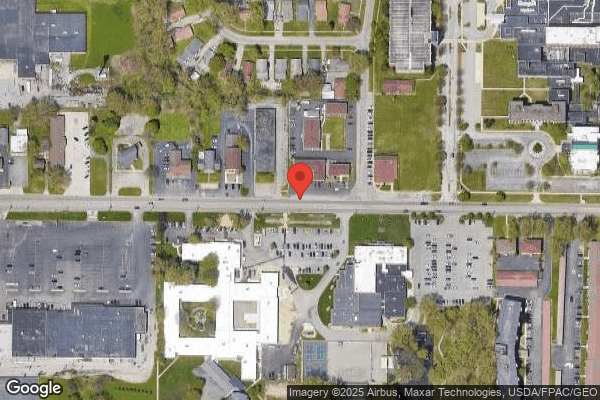
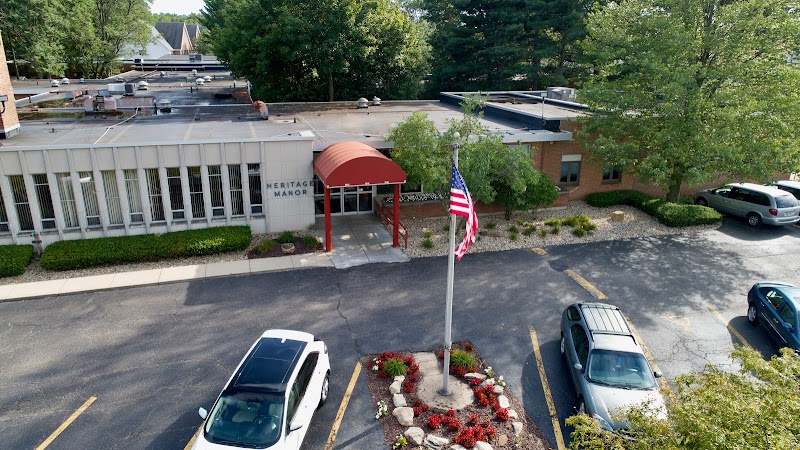
517 GYPSY LANE, YOUNGSTOWN, OH 44504 (330) 746-1076
Non profit - Corporation 72 Beds Independent Data: November 2025
Trust Grade
90/100
#79 of 913 in OH
Last Inspection: November 2024

Within standard 12-15 month inspection cycle. Federal law requires annual inspections.

Overview

Heritage Manor Jewish Home in Youngstown, Ohio, has received an excellent Trust Grade of A, indicating that it is highly recommended among nursing facilities. It ranks #79 out of 913 in Ohio, placing it in the top half of facilities statewide, and #7 out of 29 in Mahoning County, meaning only six local options are better. However, the facility is experiencing a worsening trend, with the number of issues increasing from 2 in 2019 to 6 in 2024. Staffing is a strong point here, with a perfect 5/5 star rating and a turnover rate of 39%, which is below the state average, indicating that staff tend to stay and know the residents well. On the downside, there were some concerning findings, such as food being served at inadequate temperatures, a failure to maintain appropriate surety bonds for resident funds affecting 20 residents, and a lack of care plans for high-risk medications for one resident, which highlights some areas needing improvement. Overall, while Heritage Manor shows strong staffing and quality ratings, families should be aware of the recent issues reported.

Trust Score
A
90/100
In Ohio
#79/913
Top 8%
Safety Record
Low Risk
No red flags
Inspections
Getting Worse
2 → 6 violations
Staff Stability
○ Average
39% turnover. Near Ohio's 48% average. Typical for the industry.
Penalties
✓ Good
No fines on record. Clean compliance history, better than most Ohio facilities.
Skilled Nurses
✓ Good
Each resident gets 44 minutes of Registered Nurse (RN) attention daily — more than average for Ohio. RNs are trained to catch health problems early.
Violations
○ Average
8 deficiencies on record. Average for a facility this size. Mostly minor or procedural issues.
★★★★★
5.0
Overall Rating
★★★★★
5.0
Staff Levels
★★★★★
5.0
Care Quality
★★★★☆
4.0
Inspection Score
Stable
2019: 2 issues
2024: 6 issues

The Good

  • 5-Star Staffing Rating · Excellent nurse staffing levels
  • 5-Star Quality Measures · Strong clinical quality outcomes
  • Full Sprinkler Coverage · Fire safety systems throughout facility
  • No fines on record
  • Staff turnover below average (39%)

    9 points below Ohio average of 48%

Facility shows strength in staffing levels, quality measures, fire safety.

The Bad

Staff Turnover: 39%

Near Ohio avg (46%)

Typical for the industry

The Ugly 8 deficiencies on record

Nov 2024 6 deficiencies
CONCERN (D)

Potential for Harm - no one hurt, but risky conditions existed

Comprehensive Care Plan (Tag F0656)

Could have caused harm · This affected 1 resident

**NOTE- TERMS IN BRACKETS HAVE BEEN EDITED TO PROTECT CONFIDENTIALITY** Based on record review and interview, the facility failed to ensure care plans were in place for high risk medications. This aff...

Read full inspector narrative →
**NOTE- TERMS IN BRACKETS HAVE BEEN EDITED TO PROTECT CONFIDENTIALITY** Based on record review and interview, the facility failed to ensure care plans were in place for high risk medications. This affected one resident (#31) out of five residents reviewed for unnecessary medications. Facility census was 68. Findings include: Review of Resident #31's medical record revealed an admission date of 09/11/20 and diagnoses including type two diabetes, epilepsy, COVID-19, depression, sepsis, hypertension, other pulmonary embolism without acute cor pulmonale and hyperlipidemia. Review of a quarterly minimum data set (MDS) 3.0 assessment dated [DATE] revealed Resident #31 had severe cognitive impairment and received antipsychotic, antidepressant, anticoagulant, antibiotic, hypoglycemic and anticonvulsant medications. Review of Resident #31's physicians' orders revealed an order dated 06/10/24 for rivaroxaban (Xarelto) oral tablet 20 milligrams, give one tablet by mouth in the evening related to other pulmonary embolism without acute cor pulmonale. Review of Resident #31's plan of care revealed no evidence she received an anticoagulant. Interview on 11/21/24 at 1:12 P.M. with the Director of Nursing (DON) verified Resident #31 was currently on an anticoagulant medication. Interview on 11/21/24 at 1:15 P.M. with MDS/Licensed Practical Nurse (LPN) #369 revealed Resident #31's previous anticoagulation care plan was resolved in July 2021 and verified Resident #31 did not have a current care plan in place for anticoagulation since her Xarelto was started on 06/10/24.
CONCERN (D)

Potential for Harm - no one hurt, but risky conditions existed

Quality of Care (Tag F0684)

Could have caused harm · This affected 1 resident

**NOTE- TERMS IN BRACKETS HAVE BEEN EDITED TO PROTECT CONFIDENTIALITY** Based on observation, interviews, medical records review, and review of facility policy the facility failed to provide appropria...

Read full inspector narrative →
**NOTE- TERMS IN BRACKETS HAVE BEEN EDITED TO PROTECT CONFIDENTIALITY** Based on observation, interviews, medical records review, and review of facility policy the facility failed to provide appropriate incontinence care resulting in shearing and a new open skin alteration to Resident #36. This affected one resident (Resident #36) of two residents who were reviewed for activities of daily living. The facility census was 68. Findings include: Review of the medical record for Resident #36 revealed an admission date of 08/20/20 with diagnoses including unspecified dementia, chronic obstructive pulmonary disease (COPD), chronic respiratory failure with hypoxia, paroxysmal atrial fibrillation, ulcerative colitis, hypertension, peripheral vascular disease, and anemia. Review of the quarterly Minimum Data Set (MDS) 3.0 assessment completed on 10/18/24 revealed Resident #36 had severe cognitive impairment, was always incontinent of bowel and bladder, and dependent for toileting and personal hygiene. Further review of the MDS revealed Resident #36 was at risk for developing pressure ulcers, had no unhealed pressure ulcers, had two venous or arterial ulcers, and no other ulcers, wounds, or skin problems. Review of the care plan dated 10/18/24 revealed Resident #36 experienced urinary incontinence and urinary accidents and required assistance with toileting hygiene to keep clean and dry and maintain skin integrity. Further review of the care plan revealed Resident #36 was at risk for Impairment of skin integrity related to impaired mobility, incontinence, refusal of ROHO cushion (a wheelchair cushion that distributes pressure to minimize shear forces and prevent skin breakdown), refusals to lay down to be changed, refusal for perineal care, and thin fragile skin. Interventions included turning and repositioning every two hours when in bed, ROHO cushion to wheelchair when out of bed, reporting any reddened areas to the charge nurse, and application of barrier cream after each incontinent episode. Review of the last weekly skin assessment completed on 11/18/24 revealed Resident #36 had no new skin areas. Review of the two Weekly Non-Pressure Ulcer Reports dated 11/18/24 revealed resident #36 had two ulcers, one on his right shin and one on the medial aspect of his right shin. There were no non-pressure wounds or pressure wounds noted on the buttocks, upper thighs, or ischium on the skin and wound assessments completed on 11/18/24. Observation on 11/19/24 from 1:02 P.M. to 1:10 P.M. of Resident #36 receiving incontinence care from Certified Nursing Assistant (CNA) #396 and CNA #397 revealed CNA #396 pulled the soiled incontinence brief out from under Resident #36 while he was lying on his right side, causing friction and shearing to the skin beneath the brief. CNA #396 was observed tugging at the brief intermittently with short pauses whenever she met resistance, then resumed pulling. Further observation revealed when Resident #36 was rolled off his right side to fasten the new brief, a speck of bright red blood was noted on the new brief. CNA #397, with the assistance of CNA #396, assisted Resident #36 to roll to his left side which revealed an open area with a scant amount of fresh blood. During this observation, CNA #397 confirmed the open area was new and she left the room to notify the nurse. Interview on 11/19/24 at 1:18 P.M. with Registered Nurse (RN) #351 confirmed Resident #36 had a newly opened wound on his right ischium which measured 1.5 centimeters (cm) by 2.5 cm by 0.1 cm. During this interview, RN #351 confirmed the wound appeared to be the result of friction or shearing. Interview on 11/19/24 at 1:25 P.M. with CNA #396 confirmed she met some resistance when pulling the soiled brief from under Resident #36 and that she kept pulling, a little at a time, without attempting to roll Resident #36 to reposition or roll and tuck the brief for ease of removal. CNA #396 also confirmed she had not seen the open area prior to performing his incontinence care. Interview on 11/19/24 at 1:28 P.M. with CNA #397 confirmed the soiled brief was pulled out from under Resident #36 and that he should have been rolled back and forth to prevent any sheering during brief removal. During follow-up review of the Weekly Non-Pressure Ulcer Reports revealed a new assessment dated [DATE] of a new skin area to the right ischium which measured 1. 5cm x 2.5 cm x 0.1 cm, noted as a new area with an onset of 11/19/24 from shearing described as pink tissue with edges rolling away from wound bed. Review of the progress note dated 11/19/24 at 5:06 P.M. revealed Resident #36 was evaluated for a new skin area consisting of peeling and shearing, new wound care orders were obtained, and notification to the providers and the power of attorney were notified of the new skin concern. At 2:20 P.M. on 11/21/24, Director of Operations #300 presented wound notes regarding a skin alteration described as a deroofed blister to the right rear thigh with an onset date of 05/22/24 which was resolved on 07/02/24. At that time, Director of Operations #300 confirmed this evidence was presented to support Resident #36 already had fragile skin on the right posterior thigh area prior to the observed shearing motion observed during incontinence care on 11/19/24. Review of the policy titled Check and Change dated 09/29/21 revealed incontinence checks and incontinence care were to be performed in a manner that promoted the dignity, comfort, hygiene, and skin integrity of the resident.
CONCERN (D)

Potential for Harm - no one hurt, but risky conditions existed

Drug Regimen Review (Tag F0756)

Could have caused harm · This affected 1 resident

**NOTE- TERMS IN BRACKETS HAVE BEEN EDITED TO PROTECT CONFIDENTIALITY** Based on medical record review, interviews, and review of facility policy the facility, the facility failed to ensure pharmacist...

Read full inspector narrative →
**NOTE- TERMS IN BRACKETS HAVE BEEN EDITED TO PROTECT CONFIDENTIALITY** Based on medical record review, interviews, and review of facility policy the facility, the facility failed to ensure pharmacist recommendations were acted upon timely. This affected one resident (Resident #3) of five residents who were reviewed for unnecessary medications. The facility census was 68. Findings include: Review of the medical record for Resident #3 revealed an admission date of 01/25/21 with diagnoses including unspecified dementia with agitation, type two diabetes mellitus, anorexia, atrial fibrillation, anxiety, major depressive disorder, unspecified symptoms involving cognitive functions and awareness, stage three chronic kidney disease, oropharyngeal phase dysphagia, and adult failure to thrive. Review of the quarterly Minimum Data Set (MDS) 3.0 assessment completed on 09/27/24 revealed Resident #3 had severe cognitive impairment with continuous display of inattention and fluctuating patterns of disorganized thinking. Further review if the MDS revealed Resident #3 required substantial assistance with bathing, was dependent for toileting hygiene and bed and tub transfers, and was receiving Hospice services. Review of the physician orders for Resident #3 revealed an order dated 06/16/22 for Multivitamin Gummies Adult chewable tablets (a multiple vitamin with minerals), one tablet by mouth two times a day as a supplement. Further review of the orders also revealed an order dated 10/05/22 for PreserVision age-related eye disease study two (AREDS2) (a multiple Vitamin with minerals), one capsule by mouth one time a day related to macular degeneration. Review of the pharmacy consultant's Note To Attending Physician/Prescriber dated 03/29/24 revealed the monthly medication regimen review found duplication of multivitamins orders, the order for Multivitamin Gummy twice a day and the PreserVision daily vitamin. Further review of this note revealed it was recommended by the pharmacist for the prescribing provider to review the need for this [AGE] year-old resident to receive both vitamins and to consider discontinuing one of them. Review of the Physician/Prescriber Response section at the bottom of the Note To Attending Physician/Prescriber dated 03/29/24 revealed the provider reviewed the pharmacist's recommendation on 04/30/24, agreed with the pharmacy consultant's recommendation , and provide documentation to discontinue the Multivitamin Gummy. Further review of the document revealed the providers okay to discontinue the Multivitamin Gummy signed on 04/30/24 was noted on 05/06/24 by Registered Nurse (RN) #347. Review of the progress note dated 05/06/24 at 4:12 P.M. revealed RN #347 noted the new order to discontinue the Multivitamin Gummy and provided notification of the medication update to Resident #3's family representative. Review of the Medication Administration Record (MAR) from April 2024 and May 2024 revealed Resident #3 continued to receive both ordered multivitamins (Multivitamin Gummy twice a day and the PreserVision daily ) until after the morning dose of the Multivitamin Gummy on 05/06/24. Interview on 11/21/24 at 12:43 P.M. with Consulting Pharmacist #446 confirmed when a pharmacy recommendation was made or an irregularity was found during monthly medication regimen reviews, the recommendation was sent to the Director of Nursing (DON) via email once the review was finished. Interview on 11/21/24 at 12:49 P.M. with the DON confirmed she received emails from the Consulting Pharmacist with recommendations and it was the charge nurse's responsibility to contact Physician #343, unless he rounds that week, in which case the recommendation would be handed to Physician #343 during rounds. Further interview with the DON confirmed the prescribing providers response time to pharmacist recommendations should be a day or two at the most. During the interview, the DON confirmed Resident # 3 received both ordered multivitamins through the month of April 2024 through 05/05/24 and that the Multivitamin Gummy was discontinued after the morning dose was administered on 05/06/24. Review of the policy titled Medication Regimen Review dated February 2023 revealed the pharmacist was to communicate any recommendations and irregularities of their monthly drug regimen review via email within 10 working days of the review and the facility was to act upon all recommendations per attending physician's orders.
CONCERN (E)

Potential for Harm - no one hurt, but risky conditions existed

Deficiency F0570 (Tag F0570)

Could have caused harm · This affected multiple residents

Based on review of resident funds accounts, review of surety bond, interview and review of facility policy, the facility failed to provide a surety bond large enough to cover the total amount of money...

Read full inspector narrative →
Based on review of resident funds accounts, review of surety bond, interview and review of facility policy, the facility failed to provide a surety bond large enough to cover the total amount of money in all resident personal funds accounts. This affected 20 residents (Resident #1, #2, #4, #5, #8, #9, #18, #21, #24, #25, #26, #27, #31, #36, #43, #47, #53, #55, #65, #99) of 20 residents with personal funds accounts. Findings include: A review of resident fund account for the facility dated as of 10/31/24 revealed a total amount of $35,221.26 dollars. Resident #1, #2, #4, #5, #8, #9, #18, #21, #24, #25, #26, #27, #31, #36, #43, #47, #53, #55, #65, #99 had personal funds accounts with the facility. A review of resident fund accounts revealed Resident #5 had a current total of $32,805 in their account. A review of the document by Selective Insurance Company of America, bond number B 400737, revealed an effective date of 07/10/24. The document revealed the surety bond was for $25,000 dollars. Interview on 11/19/24 at 10:08 A.M. with Director of Operations (DO) #300 revealed Resident #5 received a large amount of money each month. DO #300 verified the surety bond did not cover resident funds and asked Resident #5's guardian to wire the money into the guardianship account. Review of facility policy titled Resident Personal Funds dated January 2024, revealed the facility would purchase a surety bond to assure the security of all personal funds of residents deposited with the facility.
CONCERN (F)

Potential for Harm - no one hurt, but risky conditions existed

Deficiency F0804 (Tag F0804)

Could have caused harm · This affected most or all residents

Based on record review, observation and interview, the facility failed to ensure food was served at palatable temperatures. This had the potential to affect all 68 of 68 residents that resided in the ...

Read full inspector narrative →
Based on record review, observation and interview, the facility failed to ensure food was served at palatable temperatures. This had the potential to affect all 68 of 68 residents that resided in the facility who received meals from the kitchen. Findings include: Observation of tray line on 11/19/24 from 11:44 A.M. to 12:25 P.M. revealed food was above 165 degrees Fahrenheit ( F) . A test tray was requested as the last resident's food was plated. The food cart left the kitchen at 12:25 P.M. and arrived to at the central unit at 12:29 P.M. When the last tray on the cart was delivered on 11/19/24 at 12:37 P.M., the test tray was removed from the cart where food temperatures were taken. The Dietary Manager ( DM) #316 took the temperature of the food and stated that the temperature for the pasta was 120 degrees F and the fruit cup was 52.1 degrees F. DM #316 stated pasta should be hotter. Upon tasting the pasta, it was tepid. Interview on 11/19/24 at 5:36 P.M. with Resident #61 revealed the food was always cold especially after 5:00 P.M. Interview on 11/20/24 at 12:44 P.M. with Resident #57 revealed the food was always cold. Review of facility policy titled Record of Food Temperatures dated February 2023, revealed hot foods would be held at 135 degrees F or greater and hot foods would be stirred during holding to redistribute heat throughout the food. Potentially hazardous cold food temperatures would be kept at or below 41 degrees F.
MINOR (C)

Minor Issue - procedural, no safety impact

Deficiency F0838 (Tag F0838)

Minor procedural issue · This affected most or all residents

**NOTE- TERMS IN BRACKETS HAVE BEEN EDITED TO PROTECT CONFIDENTIALITY** Based on facility assessment review and interview, the facility failed to ensure the facility assessment was complete and accura...

Read full inspector narrative →
**NOTE- TERMS IN BRACKETS HAVE BEEN EDITED TO PROTECT CONFIDENTIALITY** Based on facility assessment review and interview, the facility failed to ensure the facility assessment was complete and accurate. This finding had the potential to affect all 68 residents who reside in the facility. Findings include: Review of the facility assessment dated [DATE] revealed under 'Part 3: Facility Resources Needed to Provide Competent Support and Care for our Resident Population Every Day and During Emergencies' section 3.1 Staff Type indicated necessary staff members are listed on our organizational chart (attached) to care for our resident population. The Infection Preventionist role was not marked on the organizational chart. Continued review of the assessment revealed under section 3.2, Staff Plan, revealed the following information: Our staffing levels will never fall below the minimum needed for each resident per day. We will never fall below the required minimum of 3.48 Nurse Hours per Resident Day (NHRD). We strive to maintain 4.0 nurse hours per resident day but adjust based on resident needs. If we are unable to meet this requirement we will enlist the support of our contracted staffing agencies partners. We will also use these contracted staffing agency partners as our contingent/emergency staff after all internal facility staff has been deployed. No specific amount of hours or number of staff needed per day were listed for any staff type including the Infection Preventionist. Interview on 11/21/24 at 12:11 P.M. with Director of Operations (DO) #300 confirmed the facility assessment provided did not list the Infection Preventionist role under the Staff Type or Staff Plan to determine the amount of hours required of the infection preventionist to assess, develop, implement, monitor, and manage the facility infection control program. DO #300 also confirmed the assessment lacked specific staffing information such as numbers or hours of various staff types per shift and per day.
Jun 2019 2 deficiencies
CONCERN (D)

Potential for Harm - no one hurt, but risky conditions existed

Resident Rights (Tag F0550)

Could have caused harm · This affected 1 resident

**NOTE- TERMS IN BRACKETS HAVE BEEN EDITED TO PROTECT CONFIDENTIALITY** Based on observation and interview, the facility failed to ensure one (Resident #2) of a in-facility census of 65 residents was ...

Read full inspector narrative →
**NOTE- TERMS IN BRACKETS HAVE BEEN EDITED TO PROTECT CONFIDENTIALITY** Based on observation and interview, the facility failed to ensure one (Resident #2) of a in-facility census of 65 residents was treated with dignity and respect. Findings include: During an interview on 06/03/19 at 10:09 A.M., Resident #2 stated staff were very rude sometimes and did not listen to what she had to say. Review of Resident #2's medical record revealed diagnoses including adult failure to thrive and generalized anxiety disorder. A quarterly Minimum Data Set (MDS) assessment dated [DATE] indicated Resident #2 was able to make herself understood and was usually able to understand others. Resident #2 was assessed as moderately cognitively impaired and required supervision for eating. On 06/03/19 at 12:18 P.M., Resident #2 arrived in the dining room. Resident #2 was served baked fish with lemon and a side of butter, watermelon, and a broccoli/cheese/rice casserole. Resident #2 attempted to get attention of staff several time by waving her hand before State Tested Nursing Assistant (STNA) #100 asked what was wrong. Resident #2 responded the fish was just stringy. STNA #100 offered Resident #2 a peanut butter and jelly sandwich. When STNA #100 asked dietary staff about an alternate, someone (not seen but heard) replied the fish was what Resident #2 requested. Resident #2 stated she did not like that kind of fish. Resident #2 complained, see when you don't like something you can't get anything else. STNA #100 asked Resident #2 if she wanted breaded fish and Resident #2 agreed stating maybe it would be better. At 12:27 P.M., Resident #2 was provided a piece of breaded fish and Resident #2 stated no and reported she did not like the cod, stating staff should know that. At 12:32 P.M., Resident #2 continued to complain about the fish crumbling but ate her watermelon. At 12:34 P.M., Dietary Staff #101 approached Resident #2 and asked Resident #2 what she wanted to eat. Resident #2 responded she did not like the cod but liked other kinds of fish. Resident #2 asked if salmon was available and Dietary staff #101 stated the salmon was frozen. Dietary staff #101 stated it would take a long time to defrost salmon and she would see what she could do. Resident #2 agreed to wait. On 06/03/19 at 12:41 P.M., Dietary Manager #102 approached Resident #2 and sat down beside her. Resident #2 voiced her concerns about the food she had been served. Dietary Manager #102 stated he had sent the cook down to talk to Resident #2 that morning and fixed the fish the way she wanted. Resident #2 stated she had told staff previously she did not like cod. Dietary Manager #102 stated cod was what was on the menu. Dietary Manager #102 informed Resident #2 he had taken sole fish out and and it would take 15-20 minutes to thaw in cold water. Resident #2 stated she just wanted a piece of fried fish with no breading. On 06/03/19 at 12:49 P.M., while Dietary Manager #102 and Resident #2 sat talking, Clinical Social Worker #103 approached, leaning over the table, and asked, in what sounded like accusatory manner, if Resident #2 was having a scene. Clinical Social Worker #103 stated staff spent a long time in Resident #2's room earlier that day talking about the fish. Clinical Social Worker #103 stated to Resident #2 if staff was fixing cod for everybody else they could not fix salmon just for her. Resident #2 stated when she filled out her menu she crossed out cod and wrote in salmon. At 12:55 P.M., Dietary Manager #102 stated he would provide Resident #2's fish when it was done. At 12:57 P.M., Dietary Staff #101 arrived with a piece of fish and Resident #2 stated it looked better. Resident #2 stated she appreciated it although she did make the statement the fish was soft but not crisp. Dietary Manager #102 stated he was going to leave and stated Resident #2 was not always going to get everything she wanted all the time. Resident #2 asked if fish was the only thing she got and if it was considered a meal. Dietary Staff #101 asked if Resident #2 wanted the broccoli and cheese casserole like she had been served earlier but had not eaten and asked if Resident #2 wanted noodles. Clinical Social Worker #103 stated those were her two options. Resident #2 agreed to try noodles. Dietary Manager #102 excused himself. As Dietary Staff #101 walked away, she stated here I go again. Resident #2 complained she did not believe the fish was cooked thoroughly and Clinical Social Worker #103 disagreed, stating there were too many people to cook for to cook everything exactly as everyone wanted. Resident #2 responded, stating maybe she was in the wrong place as there were too many people to provide food according to her preference. At 1:07 P.M., Dietary Staff #101 delivered the noodles. At 1:08 P.M., Resident #2 stated to Dietary Staff #101 that now she would remember she did not like cod fish and Dietary Staff #101 stated she already knew that. Resident #2 stated she liked the noodles. At 1:10 P.M., STNA #100 had approached and sat at the table with Resident #2 and Clinical Social Worker #103. Clinical Social Worker #103 stated it was impossible to please everyone. On 06/03/19 at 1:11 P.M., Clinical Social Worker #103 was interviewed and stated Resident #2 was never going to be pleased. Clinical Social Worker #103 stated she worked for Jewish Family Services and has visited with Resident #2 since her admission focusing on the appropriate way to interact with others. Clinical Social Worker #103 stated she was walking down the hall when someone told her Dietary Manager #102 was in the dining room because Resident #2 was having a hissy fit. Clinical Social Worker #2 verified after she had approached Resident #2 and asked about her creating a scene (without taking the time to observe what was happening) she discovered Resident #2 was actually calm. Clinical Social Worker #103 stated maybe it was an assumption on her part when she heard Dietary Manager #102 was speaking with Resident #2 as he was not usually in the dining room. Clinical Social Worker #103 was informed eye rolling had been noted between staff during the conversations with Resident #2 and the statement from Dietary Staff #101 regarding Here I go again when she left to prepare noodles. Clinical Social Worker #103 agreed interactions could have been more respectful. Clinical Social Worker #103 stated she had spoken to Resident #2 about showing more appreciation or if she was more pleasant when asking for things staff would be happy to do things for her. Clinical Social Worker #103 agreed regardless of Resident #103's behavior, staff were expected to show respect and consideration. Clinical Social Worker #103 repeated stated Resident #2 could not be pleased.
CONCERN (D)

Potential for Harm - no one hurt, but risky conditions existed

Medication Errors (Tag F0758)

Could have caused harm · This affected 1 resident

**NOTE- TERMS IN BRACKETS HAVE BEEN EDITED TO PROTECT CONFIDENTIALITY** 2. Review of Resident #26's medical record revealed diagnoses including Alzheimer's disease and organic mental syndromes with as...

Read full inspector narrative →
**NOTE- TERMS IN BRACKETS HAVE BEEN EDITED TO PROTECT CONFIDENTIALITY** 2. Review of Resident #26's medical record revealed diagnoses including Alzheimer's disease and organic mental syndromes with associated psychotic and/or agitated features. A quarterly Minimum Data Set (MDS) assessment dated [DATE] indicated Resident #26 had short and long term memory problems and severely impaired cognitive skills for daily decision making. The MDS also indicated Resident #26 had delusions. On 05/10/19, a physician's order was written for Ativan (anti-anxiety medication) 1 milligram (mg) to be administered by mouth every four hours as needed for agitation with personal care. There was no limitation in the number of days the Ativan could be used. Review of May 2019 and June 2019 Medication Administration Records (MAR) revealed the Ativan ordered on an as necessary basis was administered 13 times with the most recent dose being administered 06/03/19. Documentation regarding the administration of Ativan did not consistently revealed staff attempted non-pharmacological interventions prior to its administration. On 06/06/19 at 11:43 A.M., the DON verified Resident #26 had an order to administer Ativan on an as necessary basis without a limit to the number of days the order could be used. On 06/06/19 at 12:15 P.M., the DON was informed a spot check of documentation regarding the administration of Ativan ordered on an as necessary basis during May and June 2019 was performed and revealed a lack of documentation regarding interventions attempted prior to the Ativan use. The DON stated the computerized charting system should prompt the staff to enter interventions and would see if could find additional information. On 06/06/19 at 1:20 P.M., Registered Nurse (RN) #104 provided three Behavior Monitoring assessments stating they were in a system not accessible to surveyors. RN #104 verified the three assessments did not correspond with dates/times the Ativan was administered. RN #104 stated nurses filled the behavior monitoring out each shift and verified some of the interventions listed such as offering toileting and food/fluids would be interventions provided to every resident every shift and not specifically geared toward behaviors. Review of the facility's Anti-Psychotic Drug Use policy, effective April 2018, revealed as needed orders for psychotropic drugs were limited to 14 days, except as provided if the attending physician or prescribing practitioner believed that it was appropriate for the as needed order to be extended beyond 14 days. He or she should document their rationale in the resident's medical record and indicate the duration for the as needed order. As needed orders for antipsychotic drugs were limited to 14 days and could not be renewed unless the attending physician or prescribing practitioner evaluated the resident for the appropriateness of that medication Based on record review and interview the facility failed to limit the use of as needed psychotropic medications as required for Resident #59 and Resident #26 and failed to attempt non-pharmacological interventions prior to the administration of anti-anxiety medication for Resident #26. This affected one of five residents reviewed for unnecessary medications and one of three residents reviewed for Hospice care. The in-house facility census was 65. Findings include: 1. Resident #59 was admitted to the facility on [DATE] with diagnoses including chronic kidney disease and Alzheimer's disease. She received Hospice services. The resident had an order dated 05/04/19 for Haloperidol lactate concentrate (an antipsychotic medication) 2 milligrams (mg) orally every six hours as needed for agitation for an indefinite time period. There was no evidence the physician examined the resident and determined the need to continue the as needed antipsychotic medication after 14 days. On 06/06/19 at 11:43 A.M. interview with the Director of Nursing (DON) verified the order for the antipsychotic medication exceeded the 14 day limit.
Understanding Severity Codes (click to expand)
Life-Threatening (Immediate Jeopardy)
J - Isolated K - Pattern L - Widespread
Actual Harm
G - Isolated H - Pattern I - Widespread
Potential for Harm
D - Isolated E - Pattern F - Widespread
No Harm (Minor)
A - Isolated B - Pattern C - Widespread

Questions to Ask on Your Visit

  • "Can I speak with families of current residents?"
  • "What's your RN coverage like on weekends and overnight?"

Our Honest Assessment

Strengths
  • • Grade A (90/100). Above average facility, better than most options in Ohio.
  • • No major safety red flags. No abuse findings, life-threatening violations, or SFF status.
  • • No fines on record. Clean compliance history, better than most Ohio facilities.
  • • 39% turnover. Below Ohio's 48% average. Good staff retention means consistent care.
Concerns
  • • No significant concerns identified. This facility shows no red flags across CMS ratings, staff turnover, or federal penalties.
Bottom line: Generally positive indicators. Standard due diligence and a personal visit recommended.

About This Facility

What is Heritage Manor Jewish Hm For's CMS Rating?

CMS assigns HERITAGE MANOR JEWISH HM FOR an overall rating of 5 out of 5 stars, which is considered much above average nationally. Within Ohio, this rating places the facility higher than 99% of the state's 100 nursing homes. This rating reflects solid performance across the metrics CMS uses to evaluate nursing home quality.

How is Heritage Manor Jewish Hm For Staffed?

CMS rates HERITAGE MANOR JEWISH HM FOR's staffing level at 5 out of 5 stars, which is much above average compared to other nursing homes. Staff turnover is 39%, compared to the Ohio average of 46%. This relatively stable workforce can support continuity of care.

What Have Inspectors Found at Heritage Manor Jewish Hm For?

State health inspectors documented 8 deficiencies at HERITAGE MANOR JEWISH HM FOR during 2019 to 2024. These included: 7 with potential for harm and 1 minor or isolated issues.
Who Owns and Operates Heritage Manor Jewish Hm For?

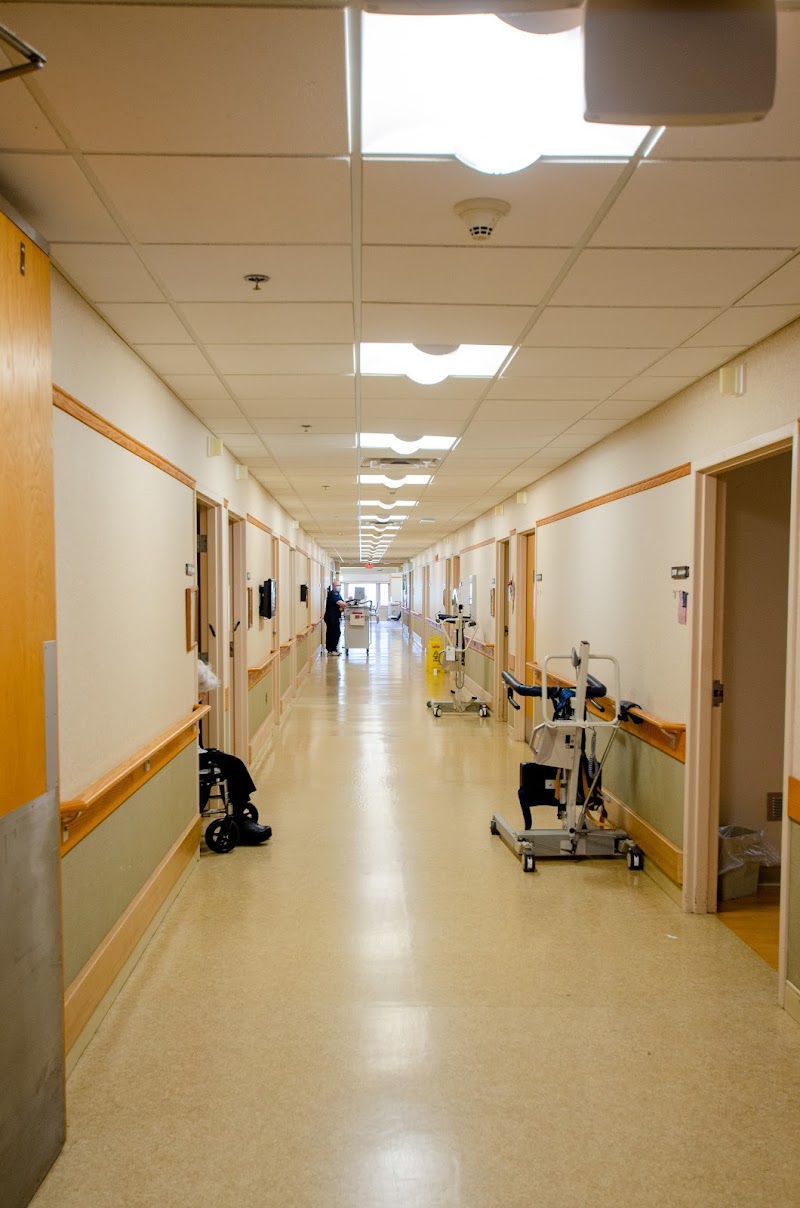
HERITAGE MANOR JEWISH HM FOR is owned by a non-profit organization. Non-profit facilities reinvest revenue into operations rather than distributing to shareholders. The facility operates independently rather than as part of a larger chain. With 72 certified beds and approximately 69 residents (about 96% occupancy), it is a smaller facility located in YOUNGSTOWN, Ohio.
How Does Heritage Manor Jewish Hm For Compare to Other Ohio Nursing Homes?

Compared to the 100 nursing homes in Ohio, HERITAGE MANOR JEWISH HM FOR's overall rating (5 stars) is above the state average of 3.2, staff turnover (39%) is near the state average of 46%, and health inspection rating (4 stars) is above the national benchmark.

What Should Families Ask When Visiting Heritage Manor Jewish Hm For?

Based on this facility's data, families visiting should ask: "Can I visit during a mealtime to observe dining assistance and food quality?" "How do you handle medical emergencies, and what is your hospital transfer rate?" "Can I speak with family members of current residents about their experience?"

Is Heritage Manor Jewish Hm For Safe?

Based on CMS inspection data, HERITAGE MANOR JEWISH HM FOR has a clean safety record: no substantiated abuse findings (meaning no confirmed cases of resident harm), no Immediate Jeopardy citations (the most serious violation level indicating risk of serious injury or death), and is not on the Special Focus Facility watch list (a federal program monitoring the lowest-performing 1% of nursing homes). The facility has a 5-star overall rating and ranks #1 of 100 nursing homes in Ohio. While no facility is perfect, families should still ask about staff-to-resident ratios and recent inspection results during their visit.

Do Nurses at Heritage Manor Jewish Hm For Stick Around?

HERITAGE MANOR JEWISH HM FOR has a staff turnover rate of 39%, which is about average for Ohio nursing homes (state average: 46%). Moderate turnover is common in nursing homes, but families should still ask about staff tenure and how the facility maintains care continuity when employees leave.

Was Heritage Manor Jewish Hm For Ever Fined?

HERITAGE MANOR JEWISH HM FOR has no federal fines on record. CMS issues fines when nursing homes fail to meet care standards or don't correct problems found during inspections. The absence of fines suggests the facility has either maintained compliance or corrected any issues before penalties were assessed. This is a positive indicator, though families should still review recent inspection reports for the full picture.

Is Heritage Manor Jewish Hm For on Any Federal Watch List?

HERITAGE MANOR JEWISH HM FOR is not on any federal watch list. The most significant is the Special Focus Facility (SFF) program, which identifies the bottom 1% of nursing homes nationally based on persistent, serious quality problems. Not being on this list means the facility has avoided the pattern of deficiencies that triggers enhanced federal oversight. This is a positive indicator, though families should still review the facility's inspection history directly.