LIBERTY HEALTH CARE CENTER INC
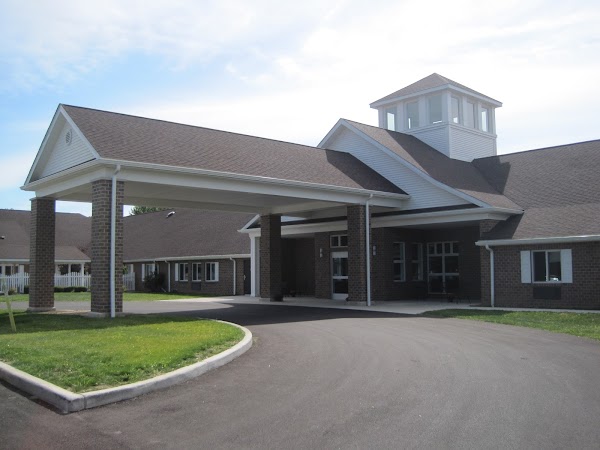
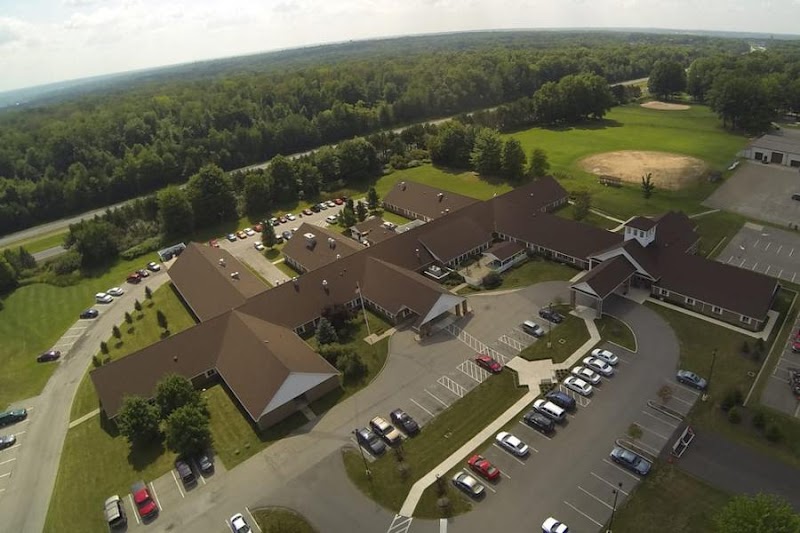
1355 CHURCHILL HUBBARD RD, YOUNGSTOWN, OH 44505 (330) 759-7858
For profit - Corporation 110 Beds WINDSOR HOUSE, INC. Data: November 2025
Trust Grade
28/100
#716 of 913 in OH
Last Inspection: May 2024

Within standard 12-15 month inspection cycle. Federal law requires annual inspections.

Overview

Liberty Health Care Center Inc has a Trust Grade of F, indicating significant concerns about the quality of care provided. It ranks #716 out of 913 facilities in Ohio, placing it in the bottom half of nursing homes statewide, and #12 of 17 in Trumbull County, meaning only a few local options are worse. Although the facility is improving, with issues decreasing from 20 in 2024 to 2 in 2025, there are still serious problems, including incidents of inadequate pressure ulcer care and staff mistreatment of residents. Staffing is a relative strength with a turnover rate of 43%, which is better than the state average, but the facility has lower RN coverage than 80% of Ohio facilities, raising concerns about the quality of medical oversight. Fines of $16,801 are average, but the facility has faced serious deficiencies, including a resident suffering a severe pressure ulcer due to lack of proper monitoring and another experiencing a burn from improper handling during transfers.

Trust Score
F
28/100
In Ohio
#716/913
Bottom 22%
Safety Record
High Risk
Review needed
Inspections
Getting Better
20 → 2 violations
Staff Stability
○ Average
43% turnover. Near Ohio's 48% average. Typical for the industry.
Penalties
○ Average
$16,801 in fines. Higher than 66% of Ohio facilities. Some compliance issues.
Skilled Nurses
⚠ Watch
Each resident gets only 26 minutes of Registered Nurse (RN) attention daily — below average for Ohio. Fewer RN minutes means fewer trained eyes watching for problems.
Violations
⚠ Watch
45 deficiencies on record. Higher than average. Multiple issues found across inspections.
★★☆☆☆
2.0
Overall Rating
★★☆☆☆
2.0
Staff Levels
★★★★☆
4.0
Care Quality
★★☆☆☆
2.0
Inspection Score
Stable
2024: 20 issues
2025: 2 issues

The Good

  • 4-Star Quality Measures · Strong clinical quality outcomes
  • Full Sprinkler Coverage · Fire safety systems throughout facility
  • No fines on record
  • Staff turnover below average (43%)

    5 points below Ohio average of 48%

Facility shows strength in quality measures, fire safety.

The Bad

2-Star Overall Rating

Below Ohio average (3.2)

Below average - review inspection findings carefully

Staff Turnover: 43%

Near Ohio avg (46%)

Typical for the industry

Federal Fines: $16,801

Below median ($33,413)

Minor penalties assessed

Chain: WINDSOR HOUSE, INC.

Part of a multi-facility chain

Ask about local staffing decisions and management

The Ugly 45 deficiencies on record

4 actual harm
Sept 2025 2 deficiencies 1 Harm
SERIOUS (G) 📢 Someone Reported This

A family member, employee, or ombudsman was alarmed enough to file a formal complaint

Actual Harm - a resident was hurt due to facility failures

Pressure Ulcer Prevention (Tag F0686)

A resident was harmed · This affected 1 resident

**NOTE- TERMS IN BRACKETS HAVE BEEN EDITED TO PROTECT CONFIDENTIALITY** Based on closed record review, interview and facility policy review, the facility failed to develop and implement a comprehensiv...

Read full inspector narrative →
**NOTE- TERMS IN BRACKETS HAVE BEEN EDITED TO PROTECT CONFIDENTIALITY** Based on closed record review, interview and facility policy review, the facility failed to develop and implement a comprehensive and individualized pressure ulcer prevention program to prevent, accurately and timely assess, promote healing and prevent pressure ulcer/wound infection from occurring. This affected one (Resident #95) of three residents reviewed for pressure ulcers. The facility census was 93. Actual Harm occurred on 07/03/25 when Resident #95 was assessed to have an acute change in condition requiring hospitalization. Upon hospital assessment, the resident was assessed to have a Stage II pressure ulcer to the sacrum with extensive gas forming soft tissue infection at the lower back extending to the tip of the coccyx measuring 9.0 centimeters (cm) by 2.3 cm by 16.1 cm. Prior to the development of the pressure ulcer infection, the facility failed to ensure effective ongoing monitoring and adequate interventions were in place to prevent the wound infection and subsequent hospitalization for treatment. Findings include:A review of Resident #95's closed clinical record revealed an admission date of 05/08/25 with diagnoses including left above the knee amputation, severe protein-calorie malnutrition, acute respiratory failure with hypoxia, pleural effusion, necrotizing fasciitis (Bacterial infection that rapidly destroys the skin, fat, and soft tissues surrounding muscles.), diabetes mellitus, hypothyroidism, high blood pressure, and gastroesophageal reflux disease. Resident #95 was discharged from the facility on 07/25/25. A review of the admission Minimum Data Set (MDS) 3.0 assessment dated [DATE] revealed Resident #95 was cognitively intact. The assessment revealed the resident had no behaviors and she was assessed to be dependent on staff for toileting hygiene, transfers, and showers. The assessment revealed the resident required partial to moderate assistance with bed mobility, was always incontinent of urine and frequently incontinent of bowel. The resident was assessed to be at risk for pressure ulcer development, had no pressure ulcers, and had moisture associated skin damage (MASD). The assessment included the resident had pressure reducing devices to the bed and chair. A review of Resident #95's plan of care initiated on 05/19/25 revealed Resident #95 was at risk for the development of pressure ulcers related to limited mobility, left below the knee amputation with noted episodes of refusing boots to offload pressure to the heels and moisture associated buttocks/sacrum, thin fragile skin, and multiple bony prominences. The plan of care indicated on 05/20/25 Resident #95 frequently chose not to be repositioned, removed pillows when used to assist with side positioning, removed pressure reduction boots and informed the staff I move around plenty. The goal of the plan of care was for Resident #95 to have intact skin, free of redness, blisters or discoloration. Interventions on the plan of care included administering medications/treatments as ordered by the physician and monitor for side effects and effectiveness. Follow the facility policies/protocols for the prevention of skin breakdown, including the use of pressure reducing mattress to the bed, inform family/caregivers of any new area of skin breakdown, monitor nutritional status, serve diet as ordered, monitor food intake and record, monitor/document/report as needed any changes in skin appearance, color, wound healing, signs and symptoms of infection, wound size measurements and stage of wound, obtain and monitor laboratory/diagnostic work as ordered and report results to the physician, and treat pain as per orders prior to treatment/turning etc. to ensure the resident's comfort. A review of Resident #95's physician's orders revealed an ordered dated 05/19/25 to cleanse coccyx with normal saline, pat dry, apply Allevyn Life dressing (dressing for the prevention and treatment of pressure injuries and other wounds) to the coccyx to pad and protect the area every other day and as needed for preventative treatment every night shift (11:00 P.M. to 7:00 A.M.). The order was noted due to the resident's history of a healed pressure ulcer to this area. The order indicated to sign and date the dressing when completed. A review of Resident #95's medical record revealed a skin evaluation assessment dated [DATE]. The assessment included the area was cleaned with normal saline, pat dried and a dry dressing was applied as ordered to pad and protect. The assessment note included the resident's skin was intact and the dressing remained dry and intact. A review of Resident #95's weekly skin evaluation/assessment dated [DATE], completed by Licensed Practical Nurse (LPN) #100, documented the resident had no new areas of skin breakdown identified, and dressing was intact to the coccyx. The evaluation included the resident's skin was intact with no new issues. The assessment indicated Resident #95 was at risk for the development of pressure ulcers. (However, there was no evidence the dressing that was in place at the time of the assessment on this date (used to pad and protect) was actually removed during this skin evaluation to determine if the resident had skin breakdown to the coccyx). This was the last weekly skin evaluation documented prior to the resident being transferred 07/03/25 hospitalization. A review of Resident #95's progress note dated 07/03/25 revealed at 9:06 A.M. the nurse found Resident #95 moaning in pain and lethargic. Resident #95's blood sugar was obtained, and the result was 36 milligrams/diluent (mg/dL). Orange juice was provided, blood sugar was re-checked, and the reading was 27 mg/dL. Glucagon was administered, the blood sugar was checked and the glucometer read low. The physician was notified and 911 was called. While waiting for emergency medical services (EMS) Resident #95's blood sugar was checked, and the result was 51 mg/dL and moments later was 24 mg/dL. Resident #95 was transferred to the hospital. A review of Resident #95's hospital emergency room documentation dated 07/03/25 revealed the resident had a Stage II pressure ulcer (the top layer of skin (epidermis) is broken; it looks like a shallow open sore. There may be mild swelling, oozing or pus.) the size of a quarter with surrounding erythema (redness), warmth, induration (a hardening or thickening of the tissue surrounding the wound.). A computerized tomography (CT) scan with contrast was obtained which revealed the presence of extensive gas forming soft tissue infection at the lower back extending to the tip of the coccyx measuring 9.0 centimeters (cm) by 2.3 cm by 16.1 cm pressure ulcer at the sacrum with no definitive osteomyelitis. Resident #95's blood sugar continued to drop, and she was administered dextrose 10 percent, antibiotics were started, and the hospital nurse informed the facility Resident #95 would be admitted to the hospital with diagnoses of sepsis with acute hypoxic respiratory failure without septic shock, necrotizing soft tissue infection, acute respiratory failure with hypoxia, pneumonia of the right lower lobe due to infectious organism, acute cystitis without hematuria. The hospital documentation did not state if there was a dressing to Resident #95's sacrum/coccyx upon arrival to the hospital. Resident #95 was hospitalized until 07/12/25, at which time she returned to the facility. The resident was discharged to the hospital again on 07/25/25 due to a low hemoglobin level with no active sign of bleeding and did not return to the facility. An interview with Wound Registered Nurse (WRN) #103, the facility wound nurse, on 09/09/25 at 1:41 P.M. revealed she had assessed the resident upon admission and the resident did not have any pressure ulcers. WRN revealed the floor nurses were then responsible to complete weekly skin assessments/evaluations and should notify her if a resident developed or had a pressure ulcer develop following admission. During the interview, WRN #103 verified the skin evaluation/assessments dated 06/16/25 and 06/30/25 were incomplete as they failed to include evidence the staff completed the assessments had actually looked at the resident's skin under the dressing that was in place. WRN #103 was unable to provide any information as to when the pressure ulcer had actually developed. WRN #103 agreed the weekly skin assessment dated [DATE] indicated the coccyx dressing was intact but there was no actual skin assessment of the area underneath the dressing documented in Resident #95's medical record. WRN #103 verified on 07/03/25 the resident was admitted to the hospital and the hospital first identified the resident had an infected Stage II pressure area. She stated the nurses should have removed the dressing to assess the resident's skin prior to have identified this ulcer sooner. WRN #103 revealed staff were documenting they were changing the resident's dressing every other day as ordered; however, there was no documentation of an actual description of the resident's coccyx under the pad and protect dressing during the resident's stay in the facility. During the interview, WRN #103 revealed she did not personally see Resident #95 for wound care because the facility staff had not identified the resident had a Stage II pressure ulcer or that the ulcer was infected prior to the resident being transferred to the hospital on [DATE]. An interview with Physician #102 (Infectious Disease Physician) on 09/09/25 at 4:05 P.M. revealed Resident #95 had a pressure ulcer located on the coccyx upon her arrival to the hospital. Surgery was performed to debride the coccyx area. The physician revealed the pressure ulcer had become infected during the resident's stay at the extended care facility. An interview with LPN #100 on 09/09/25 at 4:25 P.M. revealed she had completed the most recent weekly skin evaluation on 06/30/25 prior to Resident #95's admission to the hospital on [DATE]. During the interview, LPN #100 stated she did not actually remove the pad and protect dressing to Resident #95's coccyx to inspect the area for skin breakdown. LPN #100 stated she was unable to say if Resident #95's coccyx area had developed a pressure ulcer at the time the assessment was completed. An interview with LPN #101 on 09/11/25 at 7:40 A.M. revealed he had completed Resident #95's preventative wound treatment on 06/30/25. During the interview, LPN #101 stated he was unable to remember what the resident's coccyx area looked like at the time. An interview with Quality Assurance Nurse (QAN) #104 on 09/09/25 at 3:00 P.M. verified the above findings and agreed the facility staff failed to ensure adequate and ongoing assessments were being completed for Resident #95. QAN #104 also verified the assessment/evaluation documented on 06/30/25 was not comprehensive or complete to ensure the resident's skin had actually be assessed under the pad and protect dressing that was in place. The facility policy and procedure titled Pressure Ulcer Prevention and Care Protocol revised 1/2025 revealed the licensed nursing staff would use the following criteria as part of the resident's comprehensive assessment to determine risk of pressure ulcer development and development of the resident's plan of care. Risks and complications unique to the resident would be documented on the resident's individualized plan of care. The prevention and care interventions developed through the assessment would be noted on the plan of care and followed by the direct care staff. The risk assessment criteria included: A head-to-toe examination of the skin for Stage I or greater pressure ulcer, scar over a bony prominence (healed pressure ulcers), or non-removable dressing/device and any alteration in skin condition. Review of medical history/medical record for co-morbid conditions Assessment of oxygen transport/tissue perfusion and BP Advanced Age Ability to move, turn, transfer and ambulate Presence of Trauma, Tremors, Spasticity Incontinence/skin moisture Medication review Treatments such as Chemotherapy, Radiation, Dialysis Nutritional status and hydration Hygiene Review laboratory data Cognitive status Psychosocial status Behaviors Refusal of care This deficient practice represents noncompliance investigated under Master Complaint Number 2608745 and Complaint Numbers 2604131 and 1334558 (OH00167327).
CONCERN (D) 📢 Someone Reported This

A family member, employee, or ombudsman was alarmed enough to file a formal complaint

Potential for Harm - no one hurt, but risky conditions existed

Infection Control (Tag F0880)

Could have caused harm · This affected 1 resident

Based on record review, observation, interview and facility policy review, the facility failed to ensure staff performed hand hygiene to prevent the cross contamination of germs during Resident #61 an...

Read full inspector narrative →
Based on record review, observation, interview and facility policy review, the facility failed to ensure staff performed hand hygiene to prevent the cross contamination of germs during Resident #61 and Resident #44's medication administration and Resident #58's incontinence care. This affected two (Residents #61 and #44) out of seven residents observed for medication administration and one (Resident #58) out of three residents reviewed for incontinence care. The facility census was 93. Findings include:1. A review of Resident #61's medical record revealed an admission date of 01/22/25 with diagnoses including dementia, chronic kidney disease, anxiety, gastroesophageal reflux disease, depression, high blood pressure, cerebral vascular disease with stroke, influenza, encephalopathy, high cholesterol, and urinary tract infection. Resident #61's Medication Administration Record (MAR) dated 09/01/25 to 09/30/25 indicated to administer the following medications orally during the evening: Multivitamin one tablet (supplement) Cyproheptadine hydrochloride 4 milligrams (mg) (antihistamine) 2. A review of Resident #44's medical record revealed an admission date of 07/19/25 with diagnoses including atherosclerotic heart disease, aortocoronary bypass graft, cerebral vascular disease with stroke, heart disease with heart failure, heart arrhythmias, prosthetic heart valve, kidney disease, chronic obstructive pulmonary disease, diabetes mellitus, bone, digestive organ and prostate cancer, anemia, high blood pressure and cholesterol, gastroesophageal reflux disease, vitamin D deficiency, obesity, sleep apnea, reflex uropathy with urinary tract infection. A review of Resident #44's MAR dated 09/01/25 to 09/30/25 indicated to administer the following medications in the evening orally: Tamsulosin 0.4 mg (medication to treat benign prostatic hypertrophy) An observation on 09/08/25 between 3:30 P.M. and 4:00 P.M. of Licensed Practical Nurse (LPN) #100 administer medications to Resident #61 and Resident #44 revealed a failure to perform hand hygiene to prevent the spread of germs. LPN #100 administered medications to Resident #81 and did not perform hand hygiene and approached the medication cart. LPN #100 proceeded to obtain and dispense Resident #61's medications from the medication cart into a medication cup. LPN #100 then entered Resident #61's room and administered the cup of medications to Resident #61. LPN #100 exited Resident #44's room and did not perform hand hygiene and proceeded to obtain Resident #44's medications from the medication cart. LPN #100 was stopped and asked to perform hand hygiene before obtaining the medications from the medication cart. An interview with LPN #100 on 09/08/25 at 4:00 P.M. verified she had failed to perform hand hygiene between Resident #81's, Resident #61's and Resident #44's medication administration task. 3. A review of Resident #97's medical record revealed an admission date of 09/05/25 with diagnoses including heart attack, respiratory failure, obstructive sleep apnea, morbid obesity, venous insufficiency, constipation, heart failure, chronic right/left calf ulcers, dermatophytosis, soft tissue disorder, lymphedema, and plasma-protein disorder. Resident #97's immediate needs plan of care initiated on 09/05/25 indicated Resident #97 had bowel and bladder incontinence, needed two staff to assist her with toileting needs. An observation on 09/10/25 at 7:35 A.M. of Certified Nursing Assistant (CNA) #104 and CNA Supervisor (CNAS) #105 assist Resident #97 with incontinence care revealed a failure to perform hand hygiene to prevent the spread of germs. CNA #104 gathered the supplies needed for the task and placed the items on the over-the-bed table. CNA #104 donned a pair of gloves and proceeded to clean Resident #97's perineal area and buttocks of feces using several wet disposable wipes. CNA #104 did not remove her soiled gloves and perform hand hygiene upon completing the incontinence care task. CNA #104 then proceeded to assist the resident with donning heel protector boots, a pair of pants and placed the Hoyer (mechanical lift) pad under Resident #97 preparing to transfer Resident #97 to her wheelchair using the same soiled gloved hands she used for the incontinence care task. An interview with CNA #104 on 09/10/25 at 8:00 A.M. verified the above findings and agreed she should have removed her soiled gloves and performed hand hygiene after completing Resident #97's incontinence care. The facility policy and procedure titled Handwashing/Hand Hygiene dated 11/2024 indicated the policy was all personnel shall follow our established handwashing/hand hygiene procedures to prevent the spread of infection and disease to other residents, personnel and visitors. This policy is based on Centers for Disease Control and Prevention (CDC) guidance for healthcare providers. Employees must perform appropriate fifteen (15) second handwashing using antimicrobial or non-antimicrobial soap and water under the following conditions: a. When hands are visibly dirty or soiled with blood or other body fluids.b. After caring for a person with known or suspected infectious diarrhea.c. After known or suspected exposure to spores, e.g. B. anthracis, c. difficile outbreaks.d. Before eating and after using a restroom If hands are not visibly soiled, use of an alcohol-based hand rub containing 60-95% ethanol or isopropanol is acceptable for all the following situations: a. Before contact with residents.b. Before preparing or handling medications.c. Before handling clean dressings/treatment items. d. Before performing an aseptic task (placing an indwelling catheter or handling invasive medical devices);e. After contact with resident's intact skin. f. After contact with blood, body fluids, secretions, mucous membranes, or contaminated surfaces; (if hands are not visibly soiled). g. After contact with inanimate objects in the immediate vicinity of the resident; and h. Before handling food trays, between trays if touching the resident or other objects other than setting up the meal tray and before feeding the residenti. Immediately after glove removal. J. Before moving from work on a soiled body site to a clean site on the same resident. The purpose of the policy was to reduce the incidence of healthcare associated infections. This deficient practice represents noncompliance investigated under Master Complaint Number 2608745 and Complaint Number 2604131.
Aug 2024 1 deficiency 1 Harm
SERIOUS (G) 📢 Someone Reported This

A family member, employee, or ombudsman was alarmed enough to file a formal complaint

Actual Harm - a resident was hurt due to facility failures

Free from Abuse/Neglect (Tag F0600)

A resident was harmed · This affected 1 resident

**NOTE- TERMS IN BRACKETS HAVE BEEN EDITED TO PROTECT CONFIDENTIALITY** THE FOLLWING DEFICIENCY REPRESENTS AN INCIDENT OF PAST NON-COMPLIANCE THAT WAS SUBSEQUENTLY CORRECTED PRIOR TO THIS SURVEY. Bas...

Read full inspector narrative →
**NOTE- TERMS IN BRACKETS HAVE BEEN EDITED TO PROTECT CONFIDENTIALITY** THE FOLLWING DEFICIENCY REPRESENTS AN INCIDENT OF PAST NON-COMPLIANCE THAT WAS SUBSEQUENTLY CORRECTED PRIOR TO THIS SURVEY. Based on record review, review of video recorded evidence, review of the facility self-reported incident, review of facility policy, observation and interview, the facility failed to ensure Resident #16 was free from humiliation, intimidation and verbal and physical abuse by staff. Using the reasonable person concept, actual harm occurred on 07/14/24 when Resident #16, who was cognitively impaired and dependent on staff for all activities of daily living (ADL), was forcefully rolled onto his right side for incontinence care by State Tested Nursing Assistant (STNA) #434 causing Resident #16's face to go into a pillow requiring him to move his head to yell let me breathe. STNA #434 repeatedly poked him in his ear with his dirty gloves he used to provide incontinence care causing Resident #16 to become agitated and yell get out of here. STNA #435 and #436 were present in the room and did not stop the abuse nor report it. This affected one resident ( Resident #16) of the three residents reviewed for abuse. The total census was 103. Findings include: Review of the medical record for Resident #16 revealed an admission date of 06/29/23 with diagnoses including hemiplegia and hemiparesis following cerebral infarction affecting non-dominant side, dysphagia, anxiety, obstructive hydrocephalus, palmar fascial fibromatosis, muscle wasting, difficulty walking, transient cerebral ischemic attack, epileptic seizure, major depression, and chronic obstructive pulmonary disease. The resident was receiving hospice services. Review of the Minimum Data Set (MDS) 3.0 annual assessment dated [DATE] revealed Resident #16 was cognitively impaired , hearing impaired and needed a hearing aid. Resident #16 had clear speech and was able to make self-understood and sometimes understood others. Physical and verbal behavior symptoms were present one to three days but did not interfere with resident care, and there was no behavior impact on others. Rejection of care occurred one to three days. Resident #16 was dependent for feeding, oral hygiene, toilet hygiene, bathing and dressing. Resident #16 was dependent on staff to roll left to right in bed, sit on side of the bed, lay back in bed and did not sit to stand. Resident #16 was dependent of staff for transfers and was always incontinent of urine and bowel. Review of the plan of care dated 07/05/24 revealed Resident #16 could be verbally aggressive. Interventions included administer medication, anticipate resident needs, assess resident coping skills, assess understanding of the situation, allow time for resident to express self and feelings towards situation, give resident choices, positive feedback for good behavior, engage calmly in conversation, and staff to walk away calmly and approach later. Review of a progress note dated 07/15/24 at 12:45 P.M. authored by the Administrator revealed Resident #16's Power of Attorney (POA) was notified by the Administrator that the Ombudsman's office had sent the Administrator a video (date sent was not in this note) and it was reviewed. The employees in the video were suspended, the Ohio Department of Health ( ODH) was notified, a head-to-toe assessment was done on Resident #16, the Nurse Practitioner ( NP) and Hospice were notified. The NP assessed the resident, and a full staff education was completed. Review of the facility SRI and related investigation dated 07/15/24 revealed on 07/15/24 at 12:06 P.M. the Ombudsman office called the Administrator and said the family of Resident #16 had sent them a video showing abuse. The Ombudsman office sent the video to the Administrator and the video was seven minutes long and time stamped for 07/14/24 at 3:30 P.M. The video showed events that would be investigated as verbal/emotional abuse. Three State Tested Nurse Assistants (STNA) #434, #435 and #436 were immediately suspended from work pending investigation. The facility immediately completed a head-to-toe assessment of the resident, notified the physician and the resident would be seen by the NP on 07/15/24. The Administrator and Director of Nursing (DON) spoke to the family about the allegation. The DON attempted to ask the resident about the events of the allegation, and he was unable to articulate how he felt or answer questions which was in line with his usual state of mind. Review of the video showed STNA #434 roll the resident on his side in a way that caused the resident to groan and become upset. STNA #434 was shown touching the resident's face repeatedly causing the resident to become agitated. One of the other STNA in the room stated where the (expletive) is his hearing aid and the third STNA in the room was a witness to the incident and did not report it. STNA #434 was heard making statement you know I don't play with him, (expletive) and speaking disrespectfully to the resident. The facility substantiated abuse and terminated the employment of all three STNA on 07/17/24. Further review of the facility investigation revealed a statement written by the DON dated 07/15/24 indicating Hospice was notified on 07/15/24 at 3:30 P.M., of the incident and that the investigation process was explained to Hospice. Review of a Weekly Skin Evaluation dated 07/15/24 at 1:01 P.M. revealed Resident #16 had no new skin areas identified, and no new open areas identified. Review of a progress note dated 07/15/24 authored by Nurse Practitioner (NP) #438 revealed Resident #16 did not appear to be in any acute distress, his behaviors had been stable and Resident #16 denied pain. Review of a written statement dated 07/17/24 obtained from STNA #434 revealed STNA #434 stated he did not need to see the video, as the facility already fired him. STNA #434 gave his badge to the Administrator. Review of a written statement from STNA #436 on 07/17/24 revealed on 07/14/24 she entered Resident #16's room with a Hoyer lift. STNA #436 confirmed she stated, where the (expletive) is his hearing aid. STNA #436 indicated she was not aware verbal or emotional abuse had happened. Review of a witness statement by STNA #435 on 07/17/24 revealed she confirmed she worked on 07/14/24 with Resident #16 and made no further comment after watching the video of care Resident #16 received that day of the incident. Interview on 08/22/24 at 9:30 A.M. with Ombudsman #429 revealed Resident #16's family contacted the Ombudsman office on 07/15/24 regarding video footage they witnessed on 07/14/24. The Ombudsman stated Resident #16 was upset when STNA # 434 continued to poke the resident in the ear. STNA # 435 laughed when STNA #434 poked his finger in the resident's ear. The Ombudsman stated STNA # 434 cleaned Resident #16's peri area with a gloved hand and used the same gloved hand to poke the resident's nose and ear. The Ombudsman state the female aids in the room dismissed the behavior of STNA #434. The Ombudsman stated a reasonable person would be upset by the actions of the staff members. The Ombudsman also stated during the video a female aid stood in front of the camera and it was possible, but not certain, a slap sound was heard, and after that Resident #16 went quiet. Interview on 08/22/24 at 10:14 A.M. with Resident #16's POA revealed the family had a camera in the resident's room because Resident #16 was too cognitively impaired to speak up for himself. The POA stated Resident #16 was visibly upset STNA #434 was rough with changing Resident #16 diaper and STNA #434 put his fingers in resident's ear to get the resident's attention. The POA stated it looked like Resident #16 was visibly upset and did not like how rough STNA # 434 was after changing his brief. POA stated she observed STNA #434 use the same gloved hand to wipe the resident's peri-area then put his finger in the resident's ear and by the mouth. POA stated they heard a smack at the end of the video. The POA stated other staff that entered the room did not stop STNA #434's treatment of the resident. Interview on 08/22/24 at 10:37 A.M. with Resident # 16's family member #432 revealed it appeared STNA #434 antagonized her brother by putting their finger in the resident's ear twelve to thirteen times. Family member # 432 stated Resident #16 was uncomfortable with his care. Interview on 08/22/24 at 11:38 A.M. with STNA #435 confirmed they watched the video of STNA #434 poke Resident #16 in the ear and the care Resident #16 received and realized it was abuse. STNA #435 stated they regretted not reporting the incident. Observation on 08/22/24 at 12:45 P.M. with The Administrator and the DON of the video submitted by the Ombudsman revealed camera footage of Resident #16 in his room and the video captured footage on 07/14/24. The Administrator and the DON confirmed STNA #434 poked Resident #16 in the ear twelve times. Resident #16 would yell get out of here when poked in the ear. STNA #434 put his finger in Resident #16's left ear multiple times for unknown reasons which appeared to upset Resident #16. STNA #434 did not explain care that was done. STNA #434 opened Resident #16's brief and provided peri area care and continued to poke Resident #16 in the ear with the same gloved hand. It was verified by The Administrator STNA #434 forcefully rolled Resident #16 onto his right side with his face in a pillow. Resident #16 had to move his head to speak. STNA #434 made a comment to Resident #16 I ain't playing with you, you know that. and you want to be real? Guess what. Resident #16 yelled out let me breath. STNA #434 stated you breath with your mouth not with your back and made a comment you ain't gonna be rude to me. S*** Resident #16 asked STNA #434 not be tough when rolling him, STNA stated I am tough A female STNA entered Resident #16 room ( STNA # 435 ) and stated, we have to be though when you don't listen STNA #435 laughed when STNA # 434 would stick his finger in Resident #16's ear and face. Another female STNA # 436 entered Resident #16 room with a Hoyer lift. Female STNA #436 was in front of the camera when more yelling continued by Resident #16, the resident went quiet after STNA # 434 stated don't play with me the video ended. There was no slapping noise evidenced in the video as was reported by Resident #16's family and the Ombudsman. Interview with The Administrator on 08/22/24 at 12:45 P.M. revealed the facility was notified by the Ombudsman on 07/15/24 at 12:09 P.M. regarding an incident that happened 07/14/24. STNA # 434 was immediately suspended and after review of the video submitted by the Ombudsman STNA # 435 and # 436 were suspended. The Administrator stated this was not appropriate treatment towards a resident and verified because of the investigation the abuse was substantiated. Interview on 08/22/24 at 2:21 P.M. with Resident #16 was conducted to determine if he remembered anything about the incident on 07/14/24. Resident #16 stated he did remember and said he felt shaky and stated, I never know what he was going to do and stated he did not like to be poked in the ear. Observation of the room at the time of the interview revealed a camera was fixed to the wall. Resident #16 was resting in his bed and had no behaviors at the time of the observation. Interview on 08/22/24 at 2:40 P.M. with STNA #434 confirmed he worked 07/14/24 with Resident #16. STNA #434 verified his behavior was not appropriate towards Resident #16. STNA #434 stated he had no reason to poke Resident #16's ear as much as they did. STNA #434 also stated he was frustrated with Resident #16 on 07/14/24. Interview was attempted with STNA #436 on 08/22/24 at 11:07 A.M. and 5:00 P.M. but the phone was no longer in service. Review of the facility policy titled Resident Abuse Prevention Practices, dated 11/2023, revealed abuse was defined as knowingly causing physical harm to the resident and included the willful infliction of intimidation and mental anguish by a caretaker. Physical abuse included hitting, slapping, pinching or kicking and rough corporal punishment. Verbal abuse included any use of oral disparaging and/or derogatory terms to the residents regardless of their ability to comprehend or their disability. Mental abuse included but was not limited to humiliation, harassment, threats of punishment or deprivation. Mistreatment was defined as to inappropriately treat or exploit a resident. Staff must report suspicion of abuse immediately to a supervisor. The deficient practice was corrected on 07/15/24 when the facility implemented the following corrective actions: • Protection of immediate resident safety by suspending STNA # 434, # 435 and #436 following appropriate abuse prohibition on 07/15/24. Termination of employment on 07/17/24. • The Physician and Nurse Practitioner (NP) were notified. The NP was in the facility and performed a bedside evaluation on Resident #16 and the Registered Nurse performed a physical assessment on 07/15/24 without any findings of physical injuries. • All residents with a Brief Interview for Mental Status (BIMS) score of eight or less were assessed for signs of abuse without findings on 07/15/24. • All residents with a BIMS of nine for greater were interviewed for concerns of abuse without findings on 07/15/24. • Staff re-education by the Administrator for abuse prevention and reporting was completed on 07/15/24 or prior to next working shift for all 164 staff. • The facility Director of Nursing held an Ad Hoc Quality Assurance Performance Improvement (QAPI) meeting with QAPI members to develop a plan on 07/15/24. • The facility filed an SRI with ODH on 07/15/24. • Hospice was notified of the findings on 07/15/24 for coordination of care. • Additional re-education for behaviors and combative care was initiated on 07/17/24 with all staff and will be completed on 07/24/24. • The facility Director of Nursing/Designee began random staff competencies on 07/17/24 and will continue twice weekly for three weeks. Findings will be reviewed in scheduled QAPI meetings. • The facility Director of Nursing/Designee began random observations of staff to resident interactions on 07/17/24 to ensure dignity and respect was provided and will continue twice weekly for three weeks. Findings will be reviewed in scheduled QAPI meetings. • Weekly ongoing audits on staff abuse competencies began on 07/17/24 and would continue twice weekly for three weeks. Findings would be reviewed in scheduled QAPI meeting. • Random observation by the DON/designee of all staff to resident interactions began on 07/17/24 to ensure dignity and respect and abuse prohibition and would continue twice weekly for three weeks. Findings would be reviewed in scheduled QAPI meetings. As of the date of the survey on 08/29/24 no other instances of abuse had been identified. This deficiency represents noncompliance investigated under Complaint Number OH00156377
Jul 2024 1 deficiency
CONCERN (D) 📢 Someone Reported This

A family member, employee, or ombudsman was alarmed enough to file a formal complaint

Potential for Harm - no one hurt, but risky conditions existed

Safe Transfer (Tag F0626)

Could have caused harm · This affected 1 resident

**NOTE- TERMS IN BRACKETS HAVE BEEN EDITED TO PROTECT CONFIDENTIALITY** Based on record review, interviews, and the Centers for Medicare & Medicaid Services (CMS) website, the facility failed to allow...

Read full inspector narrative →
**NOTE- TERMS IN BRACKETS HAVE BEEN EDITED TO PROTECT CONFIDENTIALITY** Based on record review, interviews, and the Centers for Medicare & Medicaid Services (CMS) website, the facility failed to allow Resident #95 to return to the facility after being sent out to the hospital. This affected one resident (#95) out of three residents reviewed for discharge. The facility census was 94. Findings include: Review of the closed medical record for Resident #95 revealed an admission date 06/20/24 and a discharge date of 07/17/24. Diagnoses included displaced fracture of medial condyle of left femur, delusional disorders, unspecified disorder due to known physiological condition, unspecified mental disorder due to known physiological condition, and bipolar disorder. Review of the discharge return not anticipated Minimum Data Set (MDS) assessment dated [DATE] revealed Resident #95 was cognitively intact. The resident required set up or clean up assistance for eating and oral hygiene; supervision or touch assistance for upper body dressing and personal hygiene; and was dependent on staff for toileting, shower/bathe self, lower body dressing, and putting on and taking off footwear. For mobility, the resident required partial/moderate assistance for sitting to lying and lying to sitting and was dependent on staff for chair/bed to chair transfer and tub/shower transfer. Review of the progress note dated 07/17/24 and time stamped at 12:55 P.M. for Resident #95 revealed on 07/17/24 with physician at bedside, the resident requested to go to the hospital and be evaluated because she felt the physician was an [expletive] idiot and had the worst cramps of her life. The resident stated she didn't wish to return to the facility at that time. Resident Rights were reviewed with the resident, and she was assured that the choice of placement was her right. Review of the late entry progress noted dated 07/18/24 and time stamped at 2:30 A.M. revealed Resident #95 was returning via stretcher from hospital. Transportation staff stated the resident did not get admitted to the hospital and it was our responsibility to still 'house' the resident. Resident #95 stated she had no idea she was not allowed to return to the facility. The Director of Nurse (DON) was called and confirmed Resident #95 was not to return. The transportation staff left the facility with the resident and stated the facility would be hearing from the hospital and from their transportation company. Interview on 07/30/24 at 10:47 A.M. and 3:46 P.M. with Ombudsman # 500 revealed Resident #95 called the Ombudsman's office on Friday, 07/19/24, from the hospital emergency room stating on Wednesday, 07/17/24, she had been sent out to the hospital for constipation. The ambulance brought her back to the facility at three in the morning (on 07/18/24), and the facility wouldn't take her back. The resident stated the emergency room didn't know what to do with her. The ombudsman asked if she wanted her to call the Administrator, the resident said yes. When the ombudsman spoke with the Administrator, the Administrator stated the resident was problematic, hadn't wanted to come back to the facility, and had signed something stating she didn't want to come back. The ombudsman stated she didn't think the facility had done the right thing, felt the facility should have taken her back and helped the resident find alternate placement. The ombudsman confirmed the facility had never reached out to her about not bringing the resident back until she had reached out to the Administrator on Friday, 07/19/24. Interview on 07/30/24 at 1:00 P.M. with Resident #95 revealed they (the hospital) discharged me at three o'clock in the morning (on 07/18/24). They (the facility) said I signed something that I didn't want to come back to the facility. They (the facility) are full of [expletive]. Review of the resident progress notes in the medical record and interview with Corporate Quality Assurance Registered Nurse (RN) #501 on 07/30/24 at 3:41 P.M. and at 4:35 P.M. confirmed that even though Resident #95 stated she hadn't wanted to come back to the facility when she went to the hospital, she had the right to change her mind. There was nothing noted in the resident's progress notes indicating the facility couldn't meet the welfare, health, or safety of the resident or others if the resident did return to the facility. There was no proof the facility had been collaborating with the hospital on alternate placement or the resident had signed a document stating she didn't want to return to the facility. Corporate Quality Assurance RN #501 confirmed the facility did have open beds on 07/18/24. Review of Your Rights and Protection as a Nursing Home Resident located at Your Resident Rights and Protections (cms.gov) revealed as a nursing home resident, the resident had a right to participate in the decisions that affect care. The nursing home must provide discharge planning, and the nursing home couldn't make a resident leave the nursing home unless any of the following were true: It's necessary for the welfare, health, or safety of the resident or others. • The resident's health had improved to the point that nursing home care was no longer necessary. • The nursing home hadn't been paid for services the resident received. • The nursing home closed. This deficiency represents non-compliance investigated under Complaint Number OH00155720.
May 2024 13 deficiencies
CONCERN (D) 📢 Someone Reported This

A family member, employee, or ombudsman was alarmed enough to file a formal complaint

Potential for Harm - no one hurt, but risky conditions existed

Resident Rights (Tag F0550)

Could have caused harm · This affected 1 resident

**NOTE- TERMS IN BRACKETS HAVE BEEN EDITED TO PROTECT CONFIDENTIALITY** Based on observation, interview and facility policy review, the facility failed to ensure staff spoke to Resident #15 in a digni...

Read full inspector narrative →
**NOTE- TERMS IN BRACKETS HAVE BEEN EDITED TO PROTECT CONFIDENTIALITY** Based on observation, interview and facility policy review, the facility failed to ensure staff spoke to Resident #15 in a dignified manner. This affected one resident (#15) of three residents reviewed for dignity had the potential to affect all residents in the facility. The facility census was 101. Findings include: Review of the medical record revealed Resident #15 was admitted on [DATE] with diagnoses including chronic respiratory failure, congestive heart failure, diabetes mellitus type two, depression, anxiety, hypertension, and morbid obesity. Resident #15 was also on Enhanced Barrier Precautions (EBP). Review of the annual Minimum Data Set (MDS) assessment dated [DATE] revealed Resident #15 was cognitively intact and had occasional bladder incontinence and frequent bowel incontinence. On 04/30/24 at 9:15 A.M. an observation revealed State Tested Nurse Aide (STNA) #561 standing at the doorway of Resident #15 and hollering into the room asking the resident what was needed. Resident #15 was requesting different incontinence briefs and asked STNA #561 to come into the room. STNA #561 then hollered into the room that she was not coming in because she did not want to put on an isolation gown just to walk back out again and again asked Resident #15 what she wanted from the doorway. Licensed Practical Nurse (LPN) #578 was standing in the hallway and verified that STNA was hollering into the room of Resident #15 regarding her briefs at the time of the observation. On 04/30/24 at 9:15 A.M. observation of Resident #15's door revealed an EBP sign that stated gowns needed to be worn only when providing direct personal care. A review of the policy titled, Enhanced Barrier Precautions, dated March 2024, revealed personal protective equipment (gowns, gloves, and masks) was only necessary when performing high contact care activities. Personal protective equipment was not needed if entering the resident's room to talk. A review of the policy titled, Dignity, Respect and Privacy, dated June 2016, revealed all residents in the facility will be treated with kindness, dignity, and respect whenever talked with, cared for, or talked about. This deficiency represents noncompliance investigated under Complaint Number OH00152199.
CONCERN (D)

Potential for Harm - no one hurt, but risky conditions existed

Abuse Prevention Policies (Tag F0607)

Could have caused harm · This affected 1 resident

**NOTE- TERMS IN BRACKETS HAVE BEEN EDITED TO PROTECT CONFIDENTIALITY** Based on record review, interview, facility self-reported incident (SRI) review and facility policy review, the facility failed ...

Read full inspector narrative →
**NOTE- TERMS IN BRACKETS HAVE BEEN EDITED TO PROTECT CONFIDENTIALITY** Based on record review, interview, facility self-reported incident (SRI) review and facility policy review, the facility failed to implement their abuse policy regarding thoroughly investigating an injury of unknown origin for Resident #8 and an allegation of staff-to-resident abuse for Resident #77. This affected two residents (#8 and #77) of three residents reviewed for abuse and had the potential to affect all 101 residents residing in the facility. Findings include: 1. Review of the medical record revealed Resident #8 was admitted to the facility on [DATE] with diagnoses including dementia, acute kidney failure, anxiety disorder, and adult failure to thrive. Review of the Quarterly Minimum Data Set (MDS) assessment dated [DATE] revealed Resident #8 was severely cognitively impaired. She required limited assistance of one person for transfers, dressing, eating, toilet use, and hygiene. Review of the facility SRI tracking number 241607 dated 11/29/23 revealed on the afternoon of 11/29/24 a bruise was noted under Resident #8's right eye and brought to the attention of the nurse. An SRI was submitted at that time. The investigation revealed the resident had severe cognitive impairment and had been getting suppositories and often tried to self-transfer to use the restroom. On 11/28/23 at 2:30 P.M. the resident was found in her bathroom with her head against the wall after trying to clean herself up from an uncontrolled bowel movement on her way there. She did not complain of any pain or discomfort and there were no witnesses to the incident. In the following days the bruise spread to under the resident's left eye and a tooth in her lower jaw fell out. The investigation concluded the resident bumped her face in the bathroom on the wall or handrail while toileting herself. The investigation did not include signed and dated witness statements of staff working at the time the injury, interviews or skin assessments of other residents, an assessment of Resident #8 or any education regarding injuries of unknown origin. Review of the nursing progress notes dated 12/01/23 revealed Resident #8 was missing most of a tooth on the bottom of her mouth. The resident had no information about the cause of the broken tooth. She had no pain and no problem eating. The physician and family were notified. Interview on 05/02/24 at 9:28 A.M. with the Administrator revealed the bruise was discovered in the common area. He confirmed the investigation revealed Resident #8 was found in her bathroom but had no written witness statements to attest to either of the above. He also confirmed he had no witness statements signed or dated by staff interviewed regarding the incident. He had no documented evidence other residents were interviewed or assessed for potential abuse. Interview on 5/02/24 at 9:31 A.M. with Registered Nurse (RN) #648 confirmed there were no witness statements from staff working at the time the injury was found and no assessment of Resident #8. 2. Review of the medical record revealed Resident #77 was admitted to the facility on [DATE] with diagnoses including amyotrophic lateral sclerosis (ALS), major depressive disorder, anxiety, and muscle weakness. Review of the facility SRI tracking number 244231 dated 02/15/24 revealed an allegation of staff-to-resident abuse was made by Resident #77. She stated on 02/08/24 at 7:15 P.M. State Tested Nurse Aide (STNA) #608 purposely pulled her hair while removing her glasses strap stating it hurt because it was the hair behind her ear. The Administrator tried to call STNA #608 multiple times, and she had not answered her phone. The Administrator came to the facility on [DATE] and 02/18/24 to meet with STNA #608 before she started her scheduled shift. On 02/17/24, STNA #608 did not show up for work, and on 02/18/24, STNA #608 she came to the facility and told a nurse she was sick and left before the Administrator arrived. Her next scheduled day was 02/20/24, and again she did not show up for work. After interviewing other staff and residents, there were no other complaints regarding STNA #608's care practices. Through the investigation with Resident #77, who had been in contact with the ombudsman's office, she mentioned the incident to the ombudsman, but said she apologized to STNA #608, and they had worked it out. The resident has a diagnosis of ALS, and the Administrator was talking to her about an upcoming meeting when the incident was brought to his attention. Due to Resident #77's condition, she wears a glasses strap to keep her glasses from falling down. The strap has rubber rings on both ends that go around the bow of the glasses. Her hair had allegedly been pulled by the rubber when STNA #608 tried to remove the glasses. Due to STNA #608's avoidance of the Administrator, the facility terminated her employment. The facility's investigative documentation consisted of the SRI report form, one typed page with a statement from Resident #77, and one handwritten page with partial documentation of staff interviews. No other documentation was provided regarding the investigation of the alleged staff-to-resident physical abuse. On 05/02/24 at 12:28 P.M., interview with the Administrator verified the lack of documentation included in the facility's investigation of the SRI involving Resident #77. On 05/02/24 at 1:06 P.M., interview with Nurse Aide Supervisor #534 verified the documentation of the facility's investigation of the SRI involving Resident #77. She confirmed that no skin assessments were completed for Resident #77 regarding this incident. Review of the facility's policy titled Resident Abuse Prevention Practices, dated 09/2019, revealed alleged, suspected, or observed abuse, neglect, and/or mistreatment of a resident would be thoroughly investigated by the Administrator and Director of Nursing or designee. The investigation would begin immediately, the resident would be examined for injury at the time of complaint, appropriate medical attention would be given as necessary, and written statements would be taken and interviews conducted with anyone involved or witnessing the event (including alleged victim, alleged perpetrator, and witnesses who may have knowledge of the allegation).
CONCERN (D)

Potential for Harm - no one hurt, but risky conditions existed

Investigate Abuse (Tag F0610)

Could have caused harm · This affected 1 resident

**NOTE- TERMS IN BRACKETS HAVE BEEN EDITED TO PROTECT CONFIDENTIALITY** Based on record review, interview, facility self-reported incident (SRI) review and facility policy review, the facility failed ...

Read full inspector narrative →
**NOTE- TERMS IN BRACKETS HAVE BEEN EDITED TO PROTECT CONFIDENTIALITY** Based on record review, interview, facility self-reported incident (SRI) review and facility policy review, the facility failed to thoroughly investigate an injury of unknown origin for Resident #8 and an allegation of staff-to-resident abuse for Resident #77. This affected two residents (#8 and #77) of three residents reviewed for abuse and had the potential to affect all 101 residents residing in the facility. Findings include: 1. Review of the medical record revealed Resident #8 was admitted to the facility on [DATE] with diagnoses including dementia, acute kidney failure, anxiety disorder, and adult failure to thrive. Review of the Quarterly Minimum Data Set (MDS) assessment dated [DATE] revealed Resident #8 was severely cognitively impaired. She required limited assistance of one person for transfers, dressing, eating, toilet use, and hygiene. Review of the facility SRI tracking number 241607 dated 11/29/23 revealed on the afternoon of 11/29/24 a bruise was noted under Resident #8's right eye and brought to the attention of the nurse. An SRI was submitted at that time. The investigation revealed the resident had severe cognitive impairment and had been getting suppositories and often tried to self-transfer to use the restroom. On 11/28/23 at 2:30 P.M. the resident was found in her bathroom with her head against the wall after trying to clean herself up from an uncontrolled bowel movement on her way there. She did not complain of any pain or discomfort and there were no witnesses to the incident. In the following days the bruise spread to under the resident's left eye and a tooth in her lower jaw fell out. The investigation concluded the resident bumped her face in the bathroom on the wall or handrail while toileting herself. The investigation did not include signed and dated witness statements of staff working at the time the injury, interviews or skin assessments of other residents, an assessment of Resident #8 or any education regarding injuries of unknown origin. Review of the nursing progress notes dated 12/01/23 revealed Resident #8 was missing most of a tooth on the bottom of her mouth. The resident had no information about the cause of the broken tooth. She had no pain and no problem eating. The physician and family were notified. Interview on 05/02/24 at 9:28 A.M. with the Administrator revealed the bruise was discovered in the common area. He confirmed the investigation revealed Resident #8 was found in her bathroom but had no written witness statements to attest to either of the above. He also confirmed he had no witness statements signed or dated by staff interviewed regarding the incident. He had no documented evidence other residents were interviewed or assessed for potential abuse. Interview on 5/02/24 at 9:31 A.M. with Registered Nurse (RN) #648 confirmed there were no witness statements from staff working at the time the injury was found and no assessment of Resident #8. 2. Review of the medical record revealed Resident #77 was admitted to the facility on [DATE] with diagnoses including amyotrophic lateral sclerosis (ALS), major depressive disorder, anxiety, and muscle weakness. Review of the facility SRI tracking number 244231 dated 02/15/24 revealed an allegation of staff-to-resident abuse was made by Resident #77. She stated on 02/08/24 at 7:15 P.M. State Tested Nurse Aide (STNA) #608 purposely pulled her hair while removing her glasses strap stating it hurt because it was the hair behind her ear. The Administrator tried to call STNA #608 multiple times, and she had not answered her phone. The Administrator came to the facility on [DATE] and 02/18/24 to meet with STNA #608 before she started her scheduled shift. On 02/17/24, STNA #608 did not show up for work, and on 02/18/24, STNA #608 she came to the facility and told a nurse she was sick and left before the Administrator arrived. Her next scheduled day was 02/20/24, and again she did not show up for work. After interviewing other staff and residents, there were no other complaints regarding STNA #608's care practices. Through the investigation with Resident #77, who had been in contact with the ombudsman's office, she mentioned the incident to the ombudsman, but said she apologized to STNA #608, and they had worked it out. The resident has a diagnosis of ALS, and the Administrator was talking to her about an upcoming meeting when the incident was brought to his attention. Due to Resident #77's condition, she wears a glasses strap to keep her glasses from falling down. The strap has rubber rings on both ends that go around the bow of the glasses. Her hair had allegedly been pulled by the rubber when STNA #608 tried to remove the glasses. Due to STNA #608's avoidance of the Administrator, the facility terminated her employment. The facility's investigative documentation consisted of the SRI report form, one typed page with a statement from Resident #77, and one handwritten page with partial documentation of staff interviews. No other documentation was provided regarding the investigation of the alleged staff-to-resident physical abuse. On 05/02/24 at 12:28 P.M., interview with the Administrator verified the lack of documentation included in the facility's investigation of the SRI involving Resident #77. On 05/02/24 at 1:06 P.M., interview with Nurse Aide Supervisor #534 verified the documentation of the facility's investigation of the SRI involving Resident #77. She confirmed that no skin assessments were completed for Resident #77 regarding this incident. Review of the facility's policy titled Resident Abuse Prevention Practices, dated 09/2019, revealed alleged, suspected, or observed abuse, neglect, and/or mistreatment of a resident would be thoroughly investigated by the Administrator and Director of Nursing or designee. The investigation would begin immediately, the resident would be examined for injury at the time of complaint, appropriate medical attention would be given as necessary, and written statements would be taken and interviews conducted with anyone involved or witnessing the event (including alleged victim, alleged perpetrator, and witnesses who may have knowledge of the allegation).
CONCERN (D)

Potential for Harm - no one hurt, but risky conditions existed

Comprehensive Care Plan (Tag F0656)

Could have caused harm · This affected 1 resident

**NOTE- TERMS IN BRACKETS HAVE BEEN EDITED TO PROTECT CONFIDENTIALITY** Based on record review and interview, the facility failed to develop a comprehensive care plan for the care and maintenance of a...

Read full inspector narrative →
**NOTE- TERMS IN BRACKETS HAVE BEEN EDITED TO PROTECT CONFIDENTIALITY** Based on record review and interview, the facility failed to develop a comprehensive care plan for the care and maintenance of an enteral feeding tube for Resident #92. This affected one resident (#92) of two residents reviewed for enteral feedings. The facility census was 101. Findings include: Review of the medical record for Resident #92 revealed an admission date of 10/20/23 with diagnoses including muscle wasting and atrophy, dysphagia, dementia, and chronic kidney disease. Review of the Quarterly Minimum Data Set (MDS) assessment dated [DATE] revealed Resident #92 received 51% or more calories per day and 501 ml or more fluid per day from tube feeding. Review of the order history for Resident #92 revealed she had consistently had physician's orders for enteral feedings or flushes since 12/18/23. Current physician's orders included nothing by mouth (NPO) effective 04/09/24, check enteral tube placement every eight hours effective 04/25/24, cleanse enteral feeding site with soap and water every night shift effective 04/25/24, change syringe every night shift effective 04/25/24, observe for signs of dehydration, nausea, vomiting, distention, diarrhea, reflux, constipation, and breath sounds every shift effective 04/25/24, change enteral feeding tube as needed effective 04/25/24, auto water flush enteral tube at 50 milliliters (ml) per hour effective 04/29/24, and continuous enteral feeding of Fibersource HN at 55 ml per hour effective 04/29/24. Review of the comprehensive care plan revised 04/25/24 revealed there was no care plan in place for Resident #92's enteral feeding tube. On 05/01/24 at 4:41 P.M., interview with Corporate Quality Assurance (QA) Nurse #648 verified there was no care plan developed for the enteral feeding tube for Resident #92.
CONCERN (D) 📢 Someone Reported This

A family member, employee, or ombudsman was alarmed enough to file a formal complaint

Potential for Harm - no one hurt, but risky conditions existed

ADL Care (Tag F0677)

Could have caused harm · This affected 1 resident

**NOTE- TERMS IN BRACKETS HAVE BEEN EDITED TO PROTECT CONFIDENTIALITY** Based on observation, interview, record review and facility policy review the facility failed to provide oral care for Resident ...

Read full inspector narrative →
**NOTE- TERMS IN BRACKETS HAVE BEEN EDITED TO PROTECT CONFIDENTIALITY** Based on observation, interview, record review and facility policy review the facility failed to provide oral care for Resident #23 and fingernail care for Resident #50. This affected two residents (#23 and #50) of 83 residents observed for assistance with personal care. The facility census was 101. Findings include: 1. Review of the medical record revealed Resident #23 was admitted on [DATE] with diagnoses including chronic kidney disease, acute kidney failure, diabetes mellitus type two, cerebral infarct, and muscle wasting. Review of the Medicare Five-Day Minimum Data Set (MDS) assessment dated [DATE] revealed Resident #23 was cognitively intact. A care plan dated 03/01/24 revealed Resident #23 needed the assistance of two people for bathing, grooming, and hygiene. A review of Resident #23 shower sheets revealed the most recent shower was 04/24/24. On 04/29/24 at 9:42 A.M. an observation and interview of Resident #23 revealed a white buildup between his lower teeth. Resident #23 stated staff had not assisted him to brush his teeth that day. On 04/30/24 at 1:00 P.M. an interview and observation of Resident #23 revealed a white buildup between his lower teeth. Resident #23 stated he had not had his teeth brushed again. On 04/30/24 at 2:15 PM interview with Corporate Quality Assurance Registered Nurse (QARN) #648 revealed tooth brushing was to be done in the morning and evening. QARN #648 verified there was no documented evidence in Resident #23's medical record to support oral care that had been completed or refused by Resident #23. Review of the facility policy titled, A.M. Care (Morning Care) and P.M. Care (Bedtime Care), both dated January 2022, revealed staff were to assist with oral hygiene. 2. Review of the medical record revealed Resident #50 was admitted [DATE] with diagnoses including unspecified dementia, depression, weakness, hypertension, and diabetes mellitus type two. Review of the admission MDS assessment dated [DATE] revealed Resident #50 had moderate cognitive impairment. Review of the care plan dated 02/12/24 revealed Resident #50 needed the assistance of one person for bathing and hygiene. On 04/29/24 at 8:45 A.M. an observation of Resident #50 revealed the resident lying in bed. Resident #50 had long fingernails that were curling at the ends. There was a black substance underneath her fingernails. On 04/30/24 at 8:15 A.M. an observation of Resident #50 revealed fingernails ungroomed with a black substance underneath. On 04/30/24 at 1:45 PM. an observation during incontinence care revealed Resident #50 continued to have fingernails that were long and dirty. State Tested Nurse Aide (STNA) #635 verified the unkept fingernails at the time of the observation. STNA #635 stated nail care was to be done with bathing and as needed. Review of the facility policy titled, Nails, Care of Fingernails, dated November 2021, revealed fingernail care will be done for the non-diabetic residents by the STNA during or after the resident's shower/bath and as needed. The STNA will examine the nails of the diabetic resident during their shower and inform the nurse of any issues with the resident's fingernails. The purpose of the policy is to promote cleanliness, prevent infection, injury, and odors and to improve appearance, promote self-esteem and contribute to a sense of wellbeing. This deficiency represents noncompliance investigated under Complaint Number OH00152199.
CONCERN (D)

Potential for Harm - no one hurt, but risky conditions existed

Quality of Care (Tag F0684)

Could have caused harm · This affected 1 resident

**NOTE- TERMS IN BRACKETS HAVE BEEN EDITED TO PROTECT CONFIDENTIALITY** Based on observation, interview, record review and facility policy review the facility failed to provide proper positioning in a...

Read full inspector narrative →
**NOTE- TERMS IN BRACKETS HAVE BEEN EDITED TO PROTECT CONFIDENTIALITY** Based on observation, interview, record review and facility policy review the facility failed to provide proper positioning in a wheelchair as ordered for Resident #10. This affected one resident (#10) of 34 residents reviewed for positioning. The facility census was 101. Findings include: Review of the medical record revealed Resident #10 was admitted on [DATE] with diagnoses including hemiplegia following a cerebral infarction (a weakening of one side of the body following a stroke), epileptic seizures, depression, and chronic obstructive pulmonary disease. Significant orders included Hoyer lift (a mechanical lift used to transfer due to inability to transfer independently) for transfers, check residents left arm placement while in wheelchair to prevent being pinched inside of chair, and left arm to be elevated on pillow while in the wheelchair. Review of the Quarterly Minimum Data Set (MDS) assessment dated [DATE] revealed Resident #10 had severe cognitive impairment. Review of the plan of care dated 04/05/24 revealed Resident #10 was to have his left arm elevated on a pillow while in the wheelchair. On 04/29/24 at 12:40 P.M. an observation of Resident #10 revealed him sitting in the East common area in his wheelchair. Resident #10's left arm was wedged between his body and the wheelchair. On 04/30/24 at 7:30 A.M. an observation of Resident #10 revealed him in the main dining room for breakfast. Resident #10's left arm was resting on his lap. There was not a pillow present for positioning of the left arm as ordered. Interview with Licensed Practical Nurse (LPN) #572 verified there was no pillow for positioning as ordered at the time of the observation. Review of the facility policy titled, Wheelchair, Use Of, dated 02/2024, revealed, in point #8, to make sure all positioning devices were in place as ordered.
CONCERN (D)

Potential for Harm - no one hurt, but risky conditions existed

Deficiency F0685 (Tag F0685)

Could have caused harm · This affected 1 resident

**NOTE- TERMS IN BRACKETS HAVE BEEN EDITED TO PROTECT CONFIDENTIALITY** Based on observation, record review, interview and facility policy review, the facility failed to ensure hearing aides were orde...

Read full inspector narrative →
**NOTE- TERMS IN BRACKETS HAVE BEEN EDITED TO PROTECT CONFIDENTIALITY** Based on observation, record review, interview and facility policy review, the facility failed to ensure hearing aides were ordered and available as needed for Residents #3 and #13). This affected two residents (#3 and #13) of three residents reviewed for communication concerns. The facility census was 101. Findings include: 1. Review of the medical record for Resident #3 revealed an admission date of 12/11/22 with diagnoses including Alzheimer's disease, chronic pain, depression, end stage renal disease, hypertension, and unspecified hearing loss. Review of the audiology visit dated 09/18/23 for Resident #3 revealed the resident was referred by the facility for decreased hearing. She was recommended for hearing aids with follow up in one to three months. Review of the Quarterly Minimum Data Set (MDS) assessment dated [DATE] revealed Resident #3 was cognitively intact. She was independent with eating, required supervision for toileting, set up help for oral hygiene and personal hygiene and partial to moderate assistance for showering. She had minimal difficulty hearing and did not have hearing aids. Review of the care plan dated 01/28/24 revealed Resident #3 had a communication problem due to a hearing deficit. Interventions included anticipating the resident's needs, allowing adequate time to respond, repeating as necessary, using alternative communication tools as needed and referrals to audiology for hearing consults as needed. Review of the audiology visit dated 04/19/24 revealed Resident #3 was upset that she had never been fitted for hearing aids. Interview on 04/29/24 at 10:06 A.M. with Resident #3 revealed she was supposed to have hearing aids one year ago. She revealed she asked the Administrator about them a few months ago, and she was told they had not been ordered yet. The resident was tearful when discussing the matter. Interview on 05/01/24 at 12:53 P.M. with Registered Nurse (RN) #648 confirmed Resident #3's audiology report from 09/18/23 recommended the resident be fitting for hearing aids. RN #648 also confirmed this recommendation was never followed up on by the facility. 2. Review of the medical record for Resident #13 revealed an admission date of 04/28/23 with diagnoses including chronic obstructive pulmonary disease (COPD), muscle weakness, and anemia. Review of the comprehensive MDS assessment dated [DATE] revealed Resident #13 was severely cognitively impaired. She required set up help for eating, oral hygiene, and personal hygiene and partial to moderate assistance for toileting and showering. She had minimal difficulty hearing and used a hearing aide. Review of the physician's orders for April 2024 revealed an order for the Resident #13 to have hearing aids in during the day. They were to be removed at night and placed on the charger. The order began 04/28/23. Review of the care plan dated 03/13/24 revealed Resident #13 would receive person centered care based on the physician's orders and the resident's choices. Interventions included bilateral hearing aids. Observation and interview on 04/29/24 at 8:56 A.M. with Resident #13 revealed she was very hard of hearing. She reported she used to have two hearing aids but now only had one and did not know where it was. Interview on 05/01/24 at 12:53 P.M. with RN #648 confirmed Resident #13 lost one of her hearing aids in August 2023, and the facility had not yet followed up with the resident or her family to see how they wanted to proceed with replacing the device. Review of the undated facility policy titled Vision and Hearing: Making Appointments, Transportation revealed the facility would ensure all residents received the proper treatment and assistive devices to maintain hearing abilities.
CONCERN (D)

Potential for Harm - no one hurt, but risky conditions existed

Deficiency F0698 (Tag F0698)

Could have caused harm · This affected 1 resident

Based on medical record review, review of the dialysis agreements, staff interviews and review of the facility policy, the facility failed to complete dialysis assessments according to the physician's...

Read full inspector narrative →
Based on medical record review, review of the dialysis agreements, staff interviews and review of the facility policy, the facility failed to complete dialysis assessments according to the physician's orders and failed to ensure residents had reliable transportation to and from the dialysis center. This affected two residents (#35 and #406) of two residents reviewed for dialysis treatments. The facility census was 101. Findings include: 1. Review of the medical record for Resident #35 revealed an admission date of 11/10/22 and readmission date of 11/05/23. Diagnoses included end stage renal disease, dependence on renal dialysis, type two diabetes mellitus, and anemia in chronic kidney disease. Review of the physician's orders for April 2024 identified orders for dialysis on Monday, Wednesday, and Friday at 11:30 A.M. (ordered 01/04/24), pre-dialysis assessment on dialysis days every day shift on Monday, Wednesday, Friday (ordered 05/17/23), and post-dialysis assessment on dialysis days every evening shift on Monday, Wednesday, Friday (ordered 05/15/23). Review of the progress notes for October 2023 through April 2024 revealed concerns regarding the contracted transportation company arriving on time or at all to transport Resident #35 to and from his dialysis appointments on 10/11/23, 10/27/23, 10/28/23, 11/15/23, 11/21/23, 11/29/23, 01/10/24, 01/11/24, and 01/12/24. Review of the facility's dialysis assessments for March 2024 through April 2024 for Resident #35 revealed the following: • No pre-dialysis assessment was completed on 03/06/24, 03/13/24, 03/25/24, 04/03/24, 04/07/24, 04/10/24, 04/12/24, and 04/15/24. • No post-dialysis assessment was completed on 03/01/24, 04/24/24, 04/26/24, and 04/29/24. • No pre-dialysis or post-dialysis assessments were completed on 03/22/24, 03/27/24, 03/29/24, and 04/19/24. On 04/30/24 at 1:55 P.M., interview with Clinical Quality Assurance (QA) Nurse #647 verified there were issues with transportation. She also confirmed dialysis assessments were not completed as ordered. Review of the facility's agreement with Resident #35's dialysis center revealed the facility would assume full responsibility for obtaining services that meet professional standards and principles that apply to professionals providing such services and the timeliness of the services. Review of the facility's policy titled Transportation Policy, dated 01/2023, revealed the facility would work with the resident representative and contracted transport companies to schedule transportation for outside appointments (physician office, dialysis, dental appointments, etc.). The policy also indicated the facility had access to a company wheelchair accessible van that could be called for transportation that was unable to be accommodated by the local transportation provider and the company's transport would need to be scheduled in advance as availability was limited. 2. Review of the medical record for Resident #406 revealed an admission date of 03/26/24 and re-admission date of 04/01/24. Diagnoses included end stage renal disease, dependence on renal dialysis, and congestive heart failure. Review of the physician's orders for April 2024 identified orders for dialysis on Tuesday, Thursday, and Saturday at 11:45 A.M. (ordered 04/02/24), pre-dialysis assessment to be completed every day shift on Tuesday, Thursday, and Saturday (ordered 03/26/24), and post-dialysis assessment to be completed every evening shift Tuesday, Thursday, and Saturday (ordered 03/26/24). Review of the progress note dated 03/30/24 at 2:23 P.M. revealed Resident #406 was sent to the emergency room for dialysis treatments because the contracted transportation company did not arrive to transport Resident #406 to the dialysis center for his scheduled dialysis appointment. Review of the progress note dated 04/02/24 at 11:48 A.M. revealed the contracted transportation company arrived at the facility with a vehicle that was not equipped to transport Resident #406. Resident #406's dialysis appointment had to be rescheduled. Review of the dialysis missed or shortened treatments report for 03/26/24 through 04/29/24 revealed Resident #406 did not receive dialysis at the dialysis center on 03/30/24 and arrived late with the inability to extend treatment on 04/03/24, 04/06/24, 04/09/24, and 04/18/24. The report indicated Resident #406 had missed five hours and 21 minutes of the ordered dialysis run time due to missed appointments and late start times. Review of the care plan, initiated 04/04/24, revealed Resident #406 required dialysis related to renal failure. Interventions included encouraging Resident #406 to attend dialysis appointments, monitor for signs or symptoms of infection to the dialysis port site, changes in level of consciousness, changes in skin turgor, changes in oral mucosa, and changes in heart and lung sounds. Review of the facility's dialysis assessments for March 2024 through April 2024 for Resident #406 revealed the following: • No pre-dialysis assessment was completed on 04/06/24, 04/11/24, and 04/20/24. • No post-dialysis assessment was completed on 04/23/24 and 04/27/24. • No pre-dialysis or post-dialysis assessments were completed on 04/04/24, 04/09/24, 04/13/24, 04/25/24, and 04/29/24. On 04/30/24 at 1:55 P.M., interview with Clinical QA Nurse #647 verified there were issues with transportation. She also confirmed dialysis assessments were not completed as ordered. On 04/30/24 at 3:40 P.M., interview with Corporate QA Nurse #648 stated the facility had no control over the contracted transportation company not showing up as scheduled and that timely arrangements were made for Resident #406 to get his dialysis treatment at the emergency room. She stated the facility's company did have transportation vehicles, but they did not have enough to transport residents at all of their facilities. Review of the facility's agreement with Resident #406's dialysis center revealed the facility would be responsible for the development and implementation of the plan of care. Review of the facility's policy titled Transportation Policy, dated 01/2023, revealed the facility would work with the resident representative and contracted transport companies to schedule transportation for outside appointments (physician office, dialysis, dental appointments, etc.). The policy also indicated the facility had access to a company wheelchair accessible van that could be called for transportation that was unable to be accommodated by the local transportation provider and the company's transport would need to be scheduled in advance as availability was limited.
CONCERN (D)

Potential for Harm - no one hurt, but risky conditions existed

Deficiency F0757 (Tag F0757)

Could have caused harm · This affected 1 resident

**NOTE- TERMS IN BRACKETS HAVE BEEN EDITED TO PROTECT CONFIDENTIALITY** Based on record review, interview, and facility policy review, the facility failed to ensure clear instructions were in place fo...

Read full inspector narrative →
**NOTE- TERMS IN BRACKETS HAVE BEEN EDITED TO PROTECT CONFIDENTIALITY** Based on record review, interview, and facility policy review, the facility failed to ensure clear instructions were in place for the use of narcotic pain medication and did not ensure non-pharmacological interventions were attempted prior to the administration of pain medication. This affected two residents (#53 and #64) of five residents reviewed for unnecessary medications. The facility census was 101. Findings include: 1. Review of the medical record for Resident #53 revealed an admission date of 06/16/23 with diagnoses including heart failure, muscle wasting, hypertension, diabetes, depression, and insomnia. Review of the Quarterly Minimum Data Set (MDS) assessment dated [DATE] revealed Resident #53 was cognitively intact. She required partial to moderate assistance for eating and oral hygiene and was dependent for toileting, showering, and personal hygiene. Review of the physician's orders for April 2024 revealed an order for Acetaminophen 325 milligrams (mg) (analgesic) every four hours as needed (prn) for general discomfort and Hydrocodone (a narcotic pain medication) 325 mg every six hours prn for pain. Review of the medication administration record (MAR) for February 2024 revealed Resident #53 received one dose of Hydrocodone for a pain level of eight on 02/01/24, one dose for a pain level of six on 02/02/24, one dose for a pain level of six on 02/06/24, one dose for a pain level of four on 02/06/24, one dose for a pain level of four on 02/08/24, one dose for a pain level of five on 02/08/24, one dose for a pain level of four on 02/09/24, one dose for a pain level of five on 02/10/24, one dose for a pain level of six on 02/10/24, two doses for a pain level of four on 02/12/24, one dose for a pain level of four on 02/21/24, one dose for a pain level of four on 02/22/24, one dose for a pain level of five on 02/23/24, one dose for a pain level of eight on 02/24/24, one dose for a pain level of four on 02/25/24, one dose for a pain level of five on 02/26/24, one dose for a pain level of four on 02/27/24, one dose for a pain level of five on 02/28/24, and one dose on seven on 02/29/24. She received one dose of Acetaminophen for a pain level of four on 02/08/24, one dose for a pain level of four on 02/15/24, one dose for a pain level of two on 02/16/24, one dose for a pain level of zero on 02/18/24, and one dose for a pain level of five on 02/28/24. Review of the MAR for March 2024 revealed Resident #53 received one dose of Hydrocodone for a pain level of two on 03/01/24, one dose for a pain level of four on 03/01/24, one dose for a pain level of five on 03/03/24, one dose for a pain level of five on 03/04/24, one dose for a pain level of eight on 03/05/24, one dose for a pain level of four on 03/07/24, one dose for a pain level of six on 03/07/24, one dose for a pain level of four on 03/08/24, one dose for a pain level of five on 03/09/24, one dose for a pain level of eight on 03/10/24, one dose for a pain level of four on 03/10/24, one dose for a pain level of five on 03/11/24, one dose for a pain level of eight on 03/12/24, one dose for a pain level of six on 03/13/24, one dose for a pain level of four on 03/13/24, one dose for a pain level of four on 03/15/24, one dose for a pain level of four on 03/16/24, one dose for a pain level of one on 03/16/24, one dose for a pain level of seven on 03/17/24, one dose for a pain level of six on 03/19/24, one dose for a pain level of four on 03/19/24, one dose for a pain level of eight on 03/21/24, one dose for a pain level of six on 03/21/24, one dose for a pain level of five on 03/22/24, two doses for a pain level of five on 03/26/24, one dose for a pain level of five on 03/27/24, one dose for a pain level of eight on 03/28/24, one dose for a pain level of four on 03/30/24, one dose for a pain level of five on 03/30/24, and two doses for a pain level of four on 03/31/24. Review of the MAR for April 2024 revealed Resident #53 received one dose of Hydrocodone for a pain level of four on 04/02/24, one dose for a pain level of five on 04/03/24, one dose for a pain level of five on 04/04/24, one dose for a pain level of nine on 04/06/24, two doses for a pain level of four on 04/08/24, two doses for a pain level of five on 04/09/24, one dose for a pain level of six on 04/11/24, one dose for a pain level of five on 04/11/24, one dose for a pain level of four on 04/12/24, one dose for a pain level of seven on 04/13/24, one dose for a pain level of four on 04/13/24, one dose for a pain level of five on 03/13/24, one dose for a pain level of four on 04/14/24, one dose for a pain level of five on 03/15/24, one dose for a pain level of four on 03/16/24, one dose for a pain level of six on 04/17/24, one dose for a pain level of four on 04/17/24, one dose for a pain level of four of 04/18/24, one dose for a pain level of four on 04/19/24, one dose for a pain level of four on 04/20/24, one dose for a pain level of six on 04/21/24, one dose for a pain level of four on 04/22/24, one dose for a pain level of five on 04/22/24, one dose for a pain level of four on 04/23/24, one dose for a pain level of five on 04/24/24, one dose for a pain level of seven on 04/25/24, one dose for a pain level of three on 03/27/24, one dose for a pain level of four on 04/28/24, and one dose for a pain level of four on 04/29/24. Review of the MAR for April 2024 revealed resident #53 received one dose of Acetaminophen for a pain level of four on 04/01/24, one dose for a pain level of two on 04/04/24, one dose for a pain level of five on 04/05/24, one dose for a pain level of four on 04/08/24, one dose for a pain level of four on 04/17/24, one dose for a pain level of three on 04/18/24, one dose for a pain level of two on 04/19/24, one dose for a pain level of four on 04/21/24, and one dose for a pain level of here on 04/22/24. Review of the progress notes dated 02/01/24 through 04/30/24 revealed no documented evidence non-pharmacological interventions were attempted prior to the administration of pain medications on 03/02/24, 03/07/24, 03/11/24, 03/16/24, 03/28/24, 03/30/24, 03/31/24, 04/08/24, 04/12/24, 04/16/24, and 04/29/24. Interview on 04/30/24 at 10:52 A.M. with Licensed Practical Nurse (LPN) #593 revealed non-pharmacological interventions should be attempted and documented in the progress notes prior to administering prn pain medications. She revealed she used her nursing judgement to determine whether to administer Acetaminophen or narcotic pain medicine; there was no guidance or scale used to reference when to administer narcotic pain medications. 2. Review of the medical record for Resident #64 revealed an admission date 11/03/23 with diagnoses including congestive heart failure (CHF), muscle weakness, depression, anxiety, chronic kidney disease, and dementia. Review of the quarterly MDS assessment dated [DATE] revealed Resident #64 was severely cognitively impaired. She required supervision for eating, partial to moderate assistance for oral care and substantial to maximum assistance for toileting, showering, and personal hygiene. Review of physician's orders for April 2024 revealed an order for Tramadol (a narcotic pain medication) 50 mg every four hours prn for pain and Acetaminophen 325 mg every four hours prn for pain, to be given with Tramadol. Review of the MAR for February 2024 revealed Resident #64 received one dose of Tramadol for a pain level of four on 02/09/24, one dose for a pain level of six on 02/10/24, one dose for a pain level of two on 02/11/24, one dose for a pain level of four on 02/12/24, one dose for a pain level of three on 02/14/24, one dose for a pain level of three on 02/16/24, one dose for a pain level of seven on 02/19/24, one dose for a pain level of three on 02/20/24, one dose for a pain level of four on 02/20/24, two doses for a pain level of three on 02/21/24, one dose for a pain level of four on 02/22/24, one dose for a pain level of five on 02/22/24, one dose for a pain level of three on 02/23/24, one dose for a pain level of zero on 02/24/24, one dose for a pain level of eight on 02/28/24. The resident received one dose of Acetaminophen for a pain level of five on 02/18/24, one dose for a pain level of five on 02/19/24, one dose for a pain level of five on 02/21/24, one dose for a pain level of five on 02/22/24, one dose for a pain level of zero on 02/23/24, one dose for a pain level of three on 02/24/24, and one dose for a pain level of zero on 02/28/24. Review of the MAR for March 2024 revealed Resident #64 received one dose of Tramadol for a pain level of four on 03/02/24, one dose for a pain level of zero on 03/04/24, one dose for a pain level of three on 03/05/24, one dose for a pain level of three on 03/07/24, one dose for a pain level of four on 03/08/24, one dose for a pain level of six on 03/09/24, one dose for a pain level of six on 03/15/24, one dose for a pain level of six on 03/07/24, one dose for a pain level of two on 03/24/24 and one dose for a pain level of zero on 03/28/24. The resident received one dose of Acetaminophen for a pain level of zero on 03/04/24, one dose for a pain level of five on 03/08/24, one dose for a pain level of two on 03/09/24, one dose for a pain level of three on 03/09/24, one dose for a pain level of two on 03/10/24, one dose for a pain level of zero on 03/10/24, one dose for a pain level of two on 03/11/24, one dose for a pain level of four on 03/11/24, one dose for a pain level of five on 03/15/24, one dose for a pain level of two on 03/08/24, one dose for a pain level of two on 03/24/24 ,and one dose for a pain level of two on 03/25/24. Review of the progress notes dated 02/01/24 through 03/31/24 revealed no documented evidence non-pharmacological interventions were attempted prior to the administration of pain medications on 02/08/24, 02/09/24, 02/10/24, 02/14/24, 02/19/24, 03/26/24, and 03/27/24. Interview on 04/30/24 at 10:52 A.M. with Licensed Practical Nurse (LPN) #593 revealed non-pharmacological interventions should be attempted and documented in the progress notes prior to administering prn pain medications. She revealed she used her nursing judgement to determine whether to administer Acetaminophen or narcotic pain medicine; there was no guidance or scale used to reference when to administer narcotic pain medications. Review of the facility policy titled Pain Management, dated August 2018, revealed the facility would use a 1-10 scale with 10 being the worst, to determine the intensity of pain. In addition, the facility would attempt non-pharmacological pain reduction techniques prior to administering pain medications in an attempt to lower doses of medications and risk of adverse consequences.
CONCERN (D)

Potential for Harm - no one hurt, but risky conditions existed

Medication Errors (Tag F0758)

Could have caused harm · This affected 1 resident

**NOTE- TERMS IN BRACKETS HAVE BEEN EDITED TO PROTECT CONFIDENTIALITY** Based on record review, interview and facility policy review, the facility failed to ensure appropriate diagnoses and rationale ...

Read full inspector narrative →
**NOTE- TERMS IN BRACKETS HAVE BEEN EDITED TO PROTECT CONFIDENTIALITY** Based on record review, interview and facility policy review, the facility failed to ensure appropriate diagnoses and rationale for prescribed medications. This affected two residents (#22 and #53) of five reviewed for unnecessary medications. The facility census was 101. Findings include: 1. Review of the medical record for Resident #22 revealed an admission date of 07/24/18 with diagnoses including dementia, depression, diabetes, breast cancer, and Parkinson's disease. Review of the Quarterly Minimum Data Set (MDS) assessment dated [DATE] revealed Resident #22 was moderately cognitively impaired. She required set up help for eating, supervision for oral hygiene and personal hygiene, and substantial assistance for toileting and showering. Review of the physician's orders for April 2024 revealed an order for Klonopin (a sedative used to treat seizures, panic disorder, and anxiety) 0.5 milligrams (mg) two times per day (BID) for dementia. The order began on 09/25/23. Interview on 05/01/24 at 12:53 P.M. with Registered Nurse (RN) #648 verified Klonopin was not approved for the use of dementia and was contraindicated for Resident #22. 2. Review of the medical record for Resident #53 revealed an admission date of 06/16/23 with diagnoses including heart failure, muscle wasting, hypertension, diabetes, depression, and insomnia. Review of the Quarterly MDS assessment dated [DATE] revealed Resident #53 was cognitively intact. She required partial to moderate assistance for eating and oral hygiene and was dependent for toileting, showering, and personal hygiene. Review of the physician's orders for April 2024 revealed an order for Ativan (antianxiety) 0.5 mg one tablet by mouth at bedtime for restlessness or anxiety. The order began on 02/27/24. Interview on 05/01/24 at 12:37 P.M. with RN #648 Revealed there was no diagnosis for the use of Ativan for Resident #53. Review of the facility policy titled Psychotropic Medications, dated October 2022, revealed the facility would ensure residents received only medications to treat assessed and documented medical conditions.
CONCERN (D)

Potential for Harm - no one hurt, but risky conditions existed

Deficiency F0883 (Tag F0883)

Could have caused harm · This affected 1 resident

Based on medical record review and staff interview, the facility failed to provide a pneumococcal vaccination after consent was provided for Resident #77. This affected one resident (#77) of five revi...

Read full inspector narrative →
Based on medical record review and staff interview, the facility failed to provide a pneumococcal vaccination after consent was provided for Resident #77. This affected one resident (#77) of five reviewed for immunizations. The facility census was 101. Findings include: Review of the medical record for Resident #77 revealed an admission date of 02/20/23 with diagnoses including major depressive disorder, anxiety, and muscle weakness. Review of Resident #77's pneumococcal polysaccharide vaccine (PPSV 23) consent form revealed Resident #77 agreed to receive the vaccination on 03/07/23. Further review of the medical record for Resident #77 revealed there was no documentation that the vaccination had been administered. On 05/02/24 at 11:04 A.M., interview with Corporate Quality Assurance (QA) Nurse #648 verified there was no evidence Resident #77 received the pneumococcal polysaccharide vaccine.
CONCERN (E)

Potential for Harm - no one hurt, but risky conditions existed

Infection Control (Tag F0880)

Could have caused harm · This affected multiple residents

**NOTE- TERMS IN BRACKETS HAVE BEEN EDITED TO PROTECT CONFIDENTIALITY** Based on observation, record review, interview, facility policy review and Centers for Disease Control and Prevention (CDC) guid...

Read full inspector narrative →
**NOTE- TERMS IN BRACKETS HAVE BEEN EDITED TO PROTECT CONFIDENTIALITY** Based on observation, record review, interview, facility policy review and Centers for Disease Control and Prevention (CDC) guidance review, the facility failed to ensure Contact Precautions were implemented as ordered for Resident #22. This affected one resident (#22) of five residents reviewed for infection control and had the potential to affect all 50 additional residents (#3, #4, #7, #8, #10, #11, #13, #14, #16, #17, #19, #23, #24, #26 #29, #30, #31, #33, #37, #39, #41, #42, #43, #48, #50, #53, #55, #56, #58, #59, #60, #62, #63, #65, #68, # 69, #71, #75, #76, #79, #80, #85, #88, #96, #255, #256, #257, #305, #307 and #405) residing on the East Wing. The facility census was 101. Findings include: Review of the medical record for Resident #22 revealed an admission date of 07/24/18 with diagnoses including dementia, depression, diabetes, breast cancer, and Parkinson's disease. Review of the Quarterly Minimum Data Set (MDS) assessment dated [DATE] revealed Resident #22 was moderately cognitively impaired. She required set up help for eating, supervision for oral hygiene and personal hygiene, and substantial assistance for toileting and showering. The resident was always incontinent of bowel and bladder. Review of the physician's orders for April 2023 revealed Resident #22 was on Contact Precautions for Escherichia coli (E. coli), a bacteria found in the environment, foods, and intestines, and extended-spectrum beta-lactamases (ESBLs), enzymes produced by some bacteria that make them resistant to many antibiotics in the urine. The order began on 04/23/24. Observation on 04/30/24 at 11:01 A.M. revealed a sign on Resident #22's door that states enhanced barrier precautions (EBP) were in place. Resident #22's roommate was on EBP. There was no sign on Resident #22's door for Contact Precautions. Observation on 04/30/24 at 10:16 AM revealed Resident #22 was up in a wheelchair in the common area resting. Interview on 04/30/24 at 11:01 A.M. with Licensed Practical Nurse (LPN) #601 confirmed Resident #22 was on Contact Precautions for ESBL and E. coli. She confirmed Resident #22 was not in her room and believed it was because the isolation had ended. She confirmed the order for Contact Precautions was still active. Review of the facility policy titled Contact Precautions, dated March 2020, revealed the facility would use contact precautions for residents known or suspected to have infectious diseases transmitted by direct resident contact or contact with items in the resident's environment. Contact Precautions will be used in addition to standard precautions for residents with specific infections that could be transmitted by direct or indirect contact. Review of the CDC guidance revealed Contact Precautions require the use of gown and gloves on every entry into the resident's room, regardless of the level of care being provided to the resident. The resident is given dedicated equipment and placed in a private room. When private rooms are not available, some residents (e.g., residents with the same pathogen) may be roomed together. Residents on Contact Precautions are recommended to be restricted to their rooms except for medially necessary care, including restriction from participation in group activity. Contact Precautions are generally intended to be limited and, when implemented, should include a plan for discontinuation or de-escalation. EBP requires the use of gowns and gloves only for high-contact resident care activities. Residents are not restricted to their rooms and do not require placement in a private room. EBP also allows residents to participate in group activities. EBP do not impose the same activity and room placement restrictions as Contact Precautions, they are intended to be in place for the duration of the residents stay in the facility or until resolution of a wound or discontinuation of the indwelling medical device that placed them at higher risk.
CONCERN (F)

Potential for Harm - no one hurt, but risky conditions existed

Deficiency F0727 (Tag F0727)

Could have caused harm · This affected most or all residents

Based on interview, schedule review, Payroll Based Journal (PBJ) review and Facility Annual Assessment review, that facility failed to ensure there was adequate Registered Nurse (RN) coverage for at l...

Read full inspector narrative →
Based on interview, schedule review, Payroll Based Journal (PBJ) review and Facility Annual Assessment review, that facility failed to ensure there was adequate Registered Nurse (RN) coverage for at least eight consecutive hours a day, seven days a week as required. This had the potential to affect all 101 residents residing in the facility. Findings include: Review of the PBJ Staffing Data Report CASPER Report 1705D 10/01/23 though 12/31/23 revealed the facility had four or more days within the quarter with no RN coverage and had a one-star staffing rating. Review of the Nursing Assignment forms for 10/15/23, 10/29/23, 11/05/23, 11/11/23, 11/12/23, 11/22/23, 11/23/24, 11/25/23, 11/26/23, 12/02/24, 12/03/23, 12/10/23, and 01/20/24, revealed there were no RN's present working in the facility. Review of the Facility Annual Assessment, dated 03/01/24, revealed under licensed nurses the facility would have one full time Director of Nursing, two full time Clinical Directors and under the area of RN they would have two full time Minimum Data Set (MDS) RNs plus 200-336 hours of a RN per two weeks. The facility assessment did not reference that they would have at least eight consecutive hours a day seven days a week as required. On 04/30/24 at 3:50 P.M., and on 05/01/24 at 10:38 A.M. an interview with Regional Administrator #650 verified the facility was without a RN on the days listed above and verified the PBJ Report was accurate.
Feb 2024 5 deficiencies 1 Harm
SERIOUS (G) 📢 Someone Reported This

A family member, employee, or ombudsman was alarmed enough to file a formal complaint

Actual Harm - a resident was hurt due to facility failures

Accident Prevention (Tag F0689)

A resident was harmed · This affected 1 resident

**NOTE- TERMS IN BRACKETS HAVE BEEN EDITED TO PROTECT CONFIDENTIALITY** Based on observation, record review, interview, and facility policy review the facility failed to ensure Resident #77 was free o...

Read full inspector narrative →
**NOTE- TERMS IN BRACKETS HAVE BEEN EDITED TO PROTECT CONFIDENTIALITY** Based on observation, record review, interview, and facility policy review the facility failed to ensure Resident #77 was free of an accident hazard during a staff assisted transfer. Actual Harm occurred on 01/30/24 when Resident #77 suffered a second-degree burn (a burn that involves the first two layers of skin which may present as deep reddening of the skin, pain, blisters, glossy appearance from leaking fluid, and possible loss of some skin) that measured 15 centimeters (cm) in length by 7.5 cm width to her left lower leg from a portable oxygen tank that had been placed on her bed while staff were transporting the resident from her room to the shower room. The improper transport of the oxygen caused the tank to freeze to the resident's leg causing pain/discomfort and the burn. The burn required treatment with Silvadene cream (medication used to help prevent and treat wound infections for serious burns) and Kerlix gauze to the area daily. This affected one resident (#77) of three residents reviewed for accidents. The facility census was 97. Findings include: Review of the medical record for Resident #77 revealed an admission date of 04/07/23. Diagnoses included Amyotrophic Lateral Sclerosis (ALS) a progressive neurodegenerative disease that affects nerve cells in the brain and spinal cord, arthritis, depression, and hypertension. Review of the quarterly Minimum Data Set (MDS) assessment dated [DATE] revealed Resident #77 was cognitively intact. She required set up help for eating, oral hygiene, and personal hygiene, substantial or maximum assistance for showing or bathing, and was dependent on staff for toileting. Review of the progress note dated 01/30/24 at 3:03 P.M. revealed a State Tested Nursing Assistant (STNA) informed the nurse that another STNA mistakenly left Resident #77's portable oxygen lying on its side next to Resident #77's left lower leg. The resident obtained a burn that measured 15 centimeters (cm) in length by 7.5 cm in width. The resident reported some discomfort and was medicated with Tylenol (analgesic). The area was slightly pink with no open areas or drainage. The nurse aide supervisor was notified and educated staff on proper handling of portable oxygen tanks. The physician, power of attorney (POA), and clinical director were notified. Review of the facility incident report dated 01/30/24 at 4:08 P.M. revealed the oxygen tank was removed from Resident #77 after discovery of the injury. Two witnesses were noted to have been involved; however, there were no witness statements included on the investigation. Review of the physician's orders for February 2023 revealed an order to cleanse the left lower leg burn and apply Silvadene cream (medication used to help prevent and treat wound infections for serious burns) and Kerlix gauze to the left lower calf daily. Review of a facility provided document titled Wound Tracking Grid - Initial assessment dated 02/05/24 revealed the resident's calf wound measured 6.0 cm in length by 2.0 cm in width. The skin tone was normal with an intact scab. Interview on 02/06/24 at 10:28 A.M. with the Administrator revealed on 01/30/24 an oxygen tank was placed on the bed while Resident #77 was being transported to the shower. The oxygen tank collected ice and froze to the resident's leg. The Administrator reported the tank was immediately disconnected and staff were in-serviced on safe transport of portable oxygen. He confirmed there should have been a hook for caddy available for transporting the oxygen. The Administrator revealed the nurse assessed the injury, and the resident's mother was notified. STNA #203 did not sign the in-service sign in sheet. Interview on 02/06/24 at 10:51 A.M. with Resident #77 revealed she told STNA #203 her leg hurt while being transported to the shower, but STNA #203 told her they were almost there and did not stop to look at the source of the pain. Interview on 02/06/24 at 12:40 P.M. with STNA #202 revealed on 01/30/24 STNA #203 placed the resident's oxygen tank on its side on the bed and it had ice on the outside. She confirmed oxygen should always be upright and never on its side. She revealed Resident #77 suffered a burn on her leg as a result of the oxygen tank touching her leg. Interview on 02/06/24 at 12:49 P.M. with STNA #203 revealed on 01/30/24 she was transporting Resident #77 to the shower and needed to take the resident's oxygen with her. She revealed the tank was hooked to the bed and stated she did not know it was touching her leg. She stated Resident #77 said her leg felt warm, but she did not see anything at the time. After the residents' shower she saw a burn on the resident's leg. She could not describe the size, shape, or color. She stated she let the nurse know immediately. Observation on 02/07/24 at 8:05 A.M. of wound care for Resident #77 revealed Licensed Practical Nurse (LPN) #207 provided appropriate care and treatment to Resident #77's left lower leg. The wound was scabbed over with no odor or drainage observed. Interview at the time of the observation with both LPN #207 and the resident confirmed the wound looked better and was healing well. The resident denied any pain as of this time. Review of the in-service titled OSHA - Environmental Safety dated 07/01/23 revealed staff were educated prior to the incident on proper oxygen use including oxygen tanks were to be stored in a stand or cart to prevent tipping or falling, portable tanks were to be kept in an upright position, and any frosted parts or connections were not to be touched. STNA #203 did not sign the in-service sign in sheet (hire date was 03/14/23). Review of the facility policy titled Oxygen, liquid dated January 2023 revealed portable oxygen tanks were to be kept in an upright position and should be carried by a shoulder strap, hung on the back of a wheelchair, or placed in a wheeled cart. No frosted parts or connectors were to be touched. This deficiency represents noncompliance investigated under Complaint Number OH00150765.
CONCERN (D) 📢 Someone Reported This

A family member, employee, or ombudsman was alarmed enough to file a formal complaint

Potential for Harm - no one hurt, but risky conditions existed

Abuse Prevention Policies (Tag F0607)

Could have caused harm · This affected 1 resident

**NOTE- TERMS IN BRACKETS HAVE BEEN EDITED TO PROTECT CONFIDENTIALITY** Based on record review, interview, and facility policy review the facility failed to implement their abuse policy regarding an a...

Read full inspector narrative →
**NOTE- TERMS IN BRACKETS HAVE BEEN EDITED TO PROTECT CONFIDENTIALITY** Based on record review, interview, and facility policy review the facility failed to implement their abuse policy regarding an allegation of potential staff-to-resident abuse for Resident #77. This affected one resident (#77) of seven residents reviewed for abuse. The facility census was 97. Findings include: Review of the medical record for Resident #77 revealed an admission date of 04/07/23 with diagnoses including Amyotrophic Lateral Sclerosis (ALS) a progressive neurodegenerative disease that affects nerve cells in the brain and spinal cord, arthritis, depression, and hypertension. Review of the quarterly Minimum Data Set (MDS) assessment dated [DATE] revealed Resident #77 was cognitively intact. She required set up help for eating, oral hygiene, and personal hygiene, substantial or maximum assistance for showing or bathing, and was dependent on staff for toileting. Interview on 02/06/24 at 11:35 A.M. with Resident #77 revealed State Tested Nurse's Aide (STNA) #203 had been rough with her twice on 01/30/24. She revealed STNA #203 attempted to move the Hoyer pad (universal full body lift sling, used for bed positioning bathing assistance and transfers for disabled or dependent residents) from underneath her, causing her left arm to be pulled along with the pad. She reported her arm still hurt as a result. She revealed she told the nurse of the incident. Interview on 02/06/24 at 12:40 P.M. with STNA #202 revealed she worked with Resident #77 on 01/30/24. She revealed Resident #77 told her she did not want STNA #203 to give her a shower because she was rough with her. STNA #202 revealed she told Registered Nurse (RN) #206 about Resident #77's concerns. STNA #202 revealed many residents told her STNA #203 was rough with care. STNA #202 revealed she overheard Resident #77 tell STNA #203 she was hurting her during her shower on 01/30/24. Interview on 02/06/24 at 12:49 P.M. with STNA #203 revealed Resident #77 did not report any concerns to her regarding the care or services she provided on 01/30/24. Interview on 02/06/24 at 2:34 P.M. with RN #205 revealed she received a call from Resident #77's friend on 01/31/24 in which the resident's friend told her Resident #77 said her arm was caught underneath her and rolled behind her during care the prior day. RN #205 revealed she spoke to Resident #77 but did not specifically ask her about this incident. Interview on 02/07/24 at 8:56 A.M. with the Administrator revealed the facility was aware of Resident #77's friends' concern regarding potentially rough care for the resident on 01/30/24, but there was no investigation completed of the concern. Review of the facility policy titled Resident Abuse Prevention Practices dated October 2022 revealed the facilities' policy was to protect all residents from mistreatment, neglect, and abuse. This included protecting residents from any situation that would be harmful. Alleged suspected or observed abuse, neglect, and mistreatment of a resident would be thoroughly investigated by the Administrator and the Director of Nursing (DON). The investigation would begin immediately after receiving the complaint. The resident would be examined for injury at the time of the complaint and appropriate medical attention given as necessary. Witness statements would be taken, and interviews conducted with anyone involved or witnessing the incident. Staff would immediately report the suspicion of or witnessed incident that may be abuse to the facility Administrator and/or designee. This deficiency represents noncompliance investigated under Complaint Number OH00150765.
CONCERN (D) 📢 Someone Reported This

A family member, employee, or ombudsman was alarmed enough to file a formal complaint

Potential for Harm - no one hurt, but risky conditions existed

Report Alleged Abuse (Tag F0609)

Could have caused harm · This affected 1 resident

**NOTE- TERMS IN BRACKETS HAVE BEEN EDITED TO PROTECT CONFIDENTIALITY** Based on record review, interview, and facility policy review the facility failed to report an allegation of staff-to-resident a...

Read full inspector narrative →
**NOTE- TERMS IN BRACKETS HAVE BEEN EDITED TO PROTECT CONFIDENTIALITY** Based on record review, interview, and facility policy review the facility failed to report an allegation of staff-to-resident abuse to the state agency as required. This affected one resident (#77) of seven residents reviewed for abuse. The facility census was 97. Findings include: Review of the medical record for Resident #77 revealed an admission date of 04/07/23. Diagnoses included Amyotrophic Lateral Sclerosis (ALS) a progressive neurodegenerative disease that affects nerve cells in the brain and spinal cord, arthritis, depression, and hypertension. Review of the quarterly Minimum Data Set (MDS) assessment dated [DATE] revealed Resident #77 was cognitively intact. She required set up help for eating, oral hygiene, and personal hygiene, substantial or maximum assistance for showing or bathing, and was dependent on staff for toileting. Interview on 02/06/24 at 11:35 A.M. with Resident #77 revealed State Tested Nurse's Aide (STNA) #203 was rough with her twice on 01/30/234. She revealed STNA #203 attempted to move the Hoyer pad (universal full body lift sling, used for bed positioning bathing assistance and transfers for disabled or dependent residents) from underneath her, causing her left arm to be pulled along with the pad. She reported her arm still hurt as a result. She revealed she told the nurse of the incident. Interview on 02/06/24 at 12:40 P.M. with STNA #202 revealed she worked with Resident #77 on 01/30/23. She revealed Resident #77 told her she did not want STNA #203 to give her a shower because she was rough with her. STNA #202 revealed she told Registered Nurse (RN) #206 about Resident #77's concerns. STNA #202 revealed many residents told her STNA #203 was rough with care. STNA #202 revealed she overheard Resident #77 tell STNA #203 she was hurting her during her shower on 01/30/24. Interview on 02/06/24 at 12:49 P.M. with STNA #203 revealed Resident #77 did not report any concerns to her regarding the care or services she provided on 01/30/24. Interview on 02/06/24 at 2:34 P.M. with RN #205 revealed she received a call from Resident #77's friend on 01/31/24 in which the resident's friend told her Resident #77 said her arm was caught underneath her and rolled behind her during care prior day. RN #205 revealed she spoke to Resident #77 but did not specifically ask her about this incident. Interview on 02/07/24 at 8:56 A.M. with the Administrator revealed the facility was aware of Resident #77's friends' concern regarding potentially rough care for the resident on 01/30/24, but there was no self-reported incident to the state agency or investigation completed regarding the concern. Review of the facility policy titled Resident Abuse Prevention Practices dated October 2022 revealed the facilities' policy was to protect all residents from mistreatment, neglect, and abuse. This included protecting residents from any situation that would be harmful. Staff would immediately report the suspicion of or witnessed incident that may be abuse to the facility Administrator and/or designee and alleged or suspected violations would be reported to the Ohio Department of Health immediately. This deficiency represents noncompliance investigated under Complaint Number OH00150765.
CONCERN (D) 📢 Someone Reported This

A family member, employee, or ombudsman was alarmed enough to file a formal complaint

Potential for Harm - no one hurt, but risky conditions existed

Investigate Abuse (Tag F0610)

Could have caused harm · This affected 1 resident

**NOTE- TERMS IN BRACKETS HAVE BEEN EDITED TO PROTECT CONFIDENTIALITY** Based on record review, interview, and facility policy review the facility failed to investigate an allegation of staff-to-resid...

Read full inspector narrative →
**NOTE- TERMS IN BRACKETS HAVE BEEN EDITED TO PROTECT CONFIDENTIALITY** Based on record review, interview, and facility policy review the facility failed to investigate an allegation of staff-to-resident abuse as required. This affected one resident (#77) of seven residents reviewed for abuse. The facility census was 97. Findings include: Review of the medical record for Resident #77 revealed an admission date of 04/07/23. Diagnoses included Amyotrophic Lateral Sclerosis (ALS) a progressive neurodegenerative disease that affects nerve cells in the brain and spinal cord, arthritis, depression, and hypertension. Review of the quarterly Minimum Data Set (MDS) assessment dated [DATE] revealed Resident #77 was cognitively intact. She required set up help for eating, oral hygiene, and personal hygiene, substantial or maximum assistance for showing or bathing, and was dependent on staff for toileting. Interview on 02/06/24 at 11:35 A.M. with Resident #77 revealed State Tested Nurse's Aide (STNA) #203 was rough with her twice on 01/30/234. She revealed STNA #203 attempted to move the Hoyer pad (universal full body lift sling, used for bed positioning bathing assistance and transfers for disabled or dependent residents) from underneath her, causing her left arm to be pulled along with the pad. She reported her arm still hurt as a result. She revealed she told the nurse of the incident. Interview on 02/06/24 at 12:40 P.M. with STNA #202 revealed she worked with Resident #77 on 01/30/23. She revealed Resident #77 told her she did not want STNA #203 to give her a shower because she was rough with her. STNA #202 revealed she told Registered Nurse (RN) #206 about Resident #77's concerns. STNA #202 revealed many residents told her STNA #203 was rough with care. STNA #202 revealed she overheard Resident #77 tell STNA #203 she was hurting her during her shower on 01/30/24. Interview on 02/06/24 at 12:49 P.M. with STNA #203 revealed Resident #77 did not report any concerns to her regarding the care or services she provided on 01/30/24. Interview on 02/06/24 at 2:34 P.M. with RN #205 revealed she received a call from Resident #77's friend on 01/31/24 in which the resident's friend told her Resident #77 said her arm was caught underneath her and rolled behind her during care prior day. RN #205 revealed she spoke to Resident #77 but did not specifically ask her about this incident. Interview on 02/07/24 at 8:56 A.M. with the Administrator revealed the facility was aware of Resident #77's friends' concern regarding potentially rough care for the resident on 01/30/24, but there was no investigation completed regarding the concern. Review of the facility policy titled Resident Abuse Prevention Practices dated October 2022 revealed the facilities' policy was to protect all residents from mistreatment, neglect, and abuse. This included protecting residents from any situation that would be harmful. Alleged suspected or observed abuse, neglect and mistreatment of a resident would be thoroughly investigated by the Administrator and the Director of Nursing (DON). Witness statements would be taken and interviews conducted with anyone involved or witnessing the incident. This deficiency represents noncompliance investigated under Complaint Number OH00150765.
CONCERN (D) 📢 Someone Reported This

A family member, employee, or ombudsman was alarmed enough to file a formal complaint

Potential for Harm - no one hurt, but risky conditions existed

ADL Care (Tag F0677)

Could have caused harm · This affected 1 resident

**NOTE- TERMS IN BRACKETS HAVE BEEN EDITED TO PROTECT CONFIDENTIALITY** Based on record review, interview, and facility policy review the facility failed to ensure residents received showers according...

Read full inspector narrative →
**NOTE- TERMS IN BRACKETS HAVE BEEN EDITED TO PROTECT CONFIDENTIALITY** Based on record review, interview, and facility policy review the facility failed to ensure residents received showers according to their preference. This affected three residents (#41, #70 and #77) of six residents reviewed for showers. This had the potential to affect all residents residing in the facility as the facility identified all residents require assistance with showers. The facility census was 97. Findings include: 1. Review of the medical record for Resident #41 revealed an admission date of 03/11/20 with diagnoses including heart disease, left eye blindness, hyperlipidemia, stroke, and urinary retention. Review of the comprehensive Minimum Data Set (MDS) assessment dated [DATE] revealed Resident #41 was cognitively intact. He required set up assistance for oral hygiene and personal hygiene and supervision for toileting, showering, and bathing. It was very important to him to choose between a tub bath, shower, bed bath, or a sponge bath. Review of the shower schedule revealed Resident #41 was supposed to receive a shower twice a week on Sundays and Wednesdays. Review of the state tested nurse aide (STNA) tasks dated 01/06/24 through 02/06/24 revealed Resident #41 had a shower on 01/09/24 and 01/17/24. Review of the shower sheets revealed Resident #41 had a shower on 12/06/23, 12/13/23, 12/20/23, 12/31/23, 01/01/24, 01/03/24, 01/09/24, 01/14/24, 01/16/24, 01/17/24, 01/29/24, and 02/04/24. The resident only received one shower a week in December 2023 and did not consistently receive two showers a week in January 2024. Interview on 02/06/24 at 8:40 A.M. with Resident #41 revealed he did not have a shower at all last week. 2. Review of the medical record for Resident #70 revealed an admission date of 01/17/23 with diagnoses including hypertension, hallucinations, muscle weakness, diabetes, and difficulty walking. Review of the quarterly MDS assessment dated [DATE] revealed Resident #70 was cognitively intact. He required partial moderate assistance for toileting, showering or bathing, set up help for oral hygiene, and supervision for personal hygiene. It was very important for him to choose between a tub bath, shower, bed bath, or sponge bath. Review of the shower schedule revealed Resident #70 was supposed to receive a shower twice a week on Mondays and Thursdays. Review of the STNA tasks dated 01/06/24 through 02/06/24 revealed Resident #70 had a shower on 01/09/24 and 01/29/24. There was no documented evidence of any additional showers. Interview on 02/06/24 at 8:42 A.M. with Resident #70 revealed he does not get showers twice a week like he wants. He was told by staff they would not be able to give him a shower this week. 3. Review of the medical record for Resident #76 revealed an admission date of 04/08/22 with diagnoses including stroke affecting the left non dominant side, narcolepsy, hypertension, anxiety, unspecified convulsions, and obesity. Review of the quarterly MDS assessment dated [DATE] revealed Resident #76 was cognitively intact. She required total dependence on staff for toileting, showering or bathing and partial to moderate assistance for oral and personal hygiene. It was very important to her to choose between a tub bath, shower, bed bath, or sponge bath. Review of the care plan dated 02/02/24 revealed Resident #76 had a behavior problem related to refusing care and stating it had not been provided. Interventions included anticipating the resident's needs, administering medications as ordered, praising progress or improvements in behavior, and monitoring behaviors to attempt to determine an underlying cause. Review of the shower schedule revealed Resident #76 was supposed to receive a shower twice a week on Sundays and Wednesdays. Review of the STNA tasks dated 01/06/24 through 02/06/24 revealed no evidence Resident #76 had a shower or refused at any time. Interview on 02/06/24 at 8:47 A.M. with STNA #201 revealed the facility had a hard time getting showers done and at times they could not be completed. Interview with the Administrator on 02/07/24 at 8:56 A.M. verified resident preferences for type and frequency of showers were assessed on admission. He confirmed no further information was available to confirm showers had been provided to Residents #41, #70 and #77. Review of the facility policy titled Bathing Preferences dated January 2023 revealed residents were interviewed during the admission process regarding the frequency and type of shower/bath as well as time of day preferred. Preferences would be reviewed quarterly and modified as needed. This deficiency is an incidental finding discovered during the complaint investigation.
Dec 2023 1 deficiency
CONCERN (D) 📢 Someone Reported This

A family member, employee, or ombudsman was alarmed enough to file a formal complaint

Potential for Harm - no one hurt, but risky conditions existed

Comprehensive Care Plan (Tag F0656)

Could have caused harm · This affected 1 resident

**NOTE- TERMS IN BRACKETS HAVE BEEN EDITED TO PROTECT CONFIDENTIALITY** Based on observation, interview, record review, and facility policy review the facility failed to complete an accurate plan of c...

Read full inspector narrative →
**NOTE- TERMS IN BRACKETS HAVE BEEN EDITED TO PROTECT CONFIDENTIALITY** Based on observation, interview, record review, and facility policy review the facility failed to complete an accurate plan of care for Resident #52. This affected one resident (#52) of three residents reviewed for care planning. The facility census was 95. Findings include: Review of the medical record for Resident #52 revealed an admission date of 03/30/23 and a readmission date of 06/21/23. Diagnoses included aneurysm of unspecified site, benign prostatic hypertension, and diabetes mellitus. Review of the physician's order dated 06/21/23 for Resident #52 revealed an order for him to have an indwelling urinary catheter due to urinary retention until he followed up with urology. Review of physician's order dated 07/12/23 for Resident #52 revealed an order for an indwelling urinary catheter for him and to change monthly and as needed for blockage. Review of the quarterly Minimum Data Set (MDS) assessment dated [DATE] revealed Resident #52 had mild cognitive impairment. Resident #52 had an indwelling urinary catheter. Review of the care plan dated 09/20/23 for Resident #52 revealed he was incontinent of urine and interventions included to provide incontinence care as needed and to apply barrier cream as needed. The care plan had no interventions related to indwelling urinary catheter care. Interview and observation on 12/11/23 at 7:52 A.M. with Resident #52 revealed he had an indwelling urinary catheter in place. The drainage bag was observed covered with a privacy bag and hanging from the side rail of his bed. Resident #52 reported the staff is caring for his catheter. Interview on 12/11/23 at 2:05 P.M. with MDS Nurse/Registered Nurse (RN) #632 confirmed there was no focus of catheter care on Resident #52's care plan. She reported she just simply missed it. Review of the facility policy for care plans, revised November 2023, revealed the care plan will be reviewed, evaluated, and updated with any significant change and at a minimum every 90 days. Care plans will outline residents care needs based on resident assessment, preferences, physicians orders, and input from the interdisciplinary team. This deficiency substantiates Master Complaint Number OH00148842 and Complaint Number OH00148725.
Aug 2023 2 deficiencies
CONCERN (D) 📢 Someone Reported This

A family member, employee, or ombudsman was alarmed enough to file a formal complaint

Potential for Harm - no one hurt, but risky conditions existed

Unnecessary Medications (Tag F0759)

Could have caused harm · This affected 1 resident

**NOTE- TERMS IN BRACKETS HAVE BEEN EDITED TO PROTECT CONFIDENTIALITY** Based on record review and interview the facility failed to ensure medications were timely administered upon admission to the fa...

Read full inspector narrative →
**NOTE- TERMS IN BRACKETS HAVE BEEN EDITED TO PROTECT CONFIDENTIALITY** Based on record review and interview the facility failed to ensure medications were timely administered upon admission to the facility. This affected one resident (#35) of three residents reviewed for new admissions. The facility census was 97. Findings include: Review of the medical record for Resident #35 revealed an admission date of 07/11/23, diagnoses included rhabdomyolysis, acute kidney failure, chronic heart failure, and Parkinson's disease. Review of the admission Minimum Data Set (MDS) assessment dated [DATE] revealed Resident #35 was cognitively intact, required total dependence of two staff for toilet use, extensive assistance of one staff for locomotion, dressing, and personal hygiene and required limited assistance of two staff for bed mobility and transfers. Review of the physician orders for Resident #35 revealed orders for allopurinol (uric acid reducer) 300 milligrams (mg) daily, aspirin (blood thinner) 81 mg daily, benazepril (anti-hypertensive) 10 mg daily, clopidogrel (anti-platelet) 75 mg daily, famotidine (antacid) 20 mg daily, fenofibrate (lowers cholesterol) 160 mg daily, fluticasone (antihistamine) 2 spray each nostril daily, tamsulosin (urinary retention) 0.4mg daily, vitamin B-12 (supplement) 1000 micrograms (mcg) daily, pregabalin (anti nerve pain) 100 mg twice daily, carbidopa-levodopa (treats Parkinsons) 48.75-195 mg three times daily. Review of July 2023 Medication Administration Record (MAR) for Resident #35 revealed the MAR was marked as not administered for 07/12/23 and 07/13/23 for daily doses of allopurinol, aspirin, benazepril, clopidogrel, famotidine, fluticasone, tamsulosin, vitamin B-12. Pregabalin was marked as not administered for 07/12/23 and 07/13/23 A.M. doses and 07/12/23 P.M. dose. Carbidopa-Levodopa was not administered 07/12/23 for A.M. and lunch doses. Review of progress notes for Resident #35 revealed a note dated 07/12/23 at 3:00 P.M. that stated pharmacy was called to ensure medications were sent for Resident #35. Progress note revealed pharmacy will send them that night and that the pharmacy stated they did not receive a medication list on 07/11/23. Interview on 08/29/23 at 1:05 P.M. with Director of Nursing (DON) revealed the physician was informed that the facility was not able to obtain Resident #35's medications when he rounded on 07/12/23 and no new orders were obtained at that time. The DON stated that the facility does not keep fax confirmations. The DON stated that the only medication that Resident #35 received prior to 07/13/23 was carbidopa-levodopa as the family provided the medication until the pharmacy supplied it. The DON further stated that the starter box was not utilized as it did not have the medications needed for Resident #35. This deficiency represents noncompliance investigated under Complaint Number OH00145599.
CONCERN (E) 📢 Someone Reported This

A family member, employee, or ombudsman was alarmed enough to file a formal complaint

Potential for Harm - no one hurt, but risky conditions existed

Infection Control (Tag F0880)

Could have caused harm · This affected multiple residents

**NOTE- TERMS IN BRACKETS HAVE BEEN EDITED TO PROTECT CONFIDENTIALITY** Based on observation, record review, interview, and policy review the facility failed to maintain acceptable infection control p...

Read full inspector narrative →
**NOTE- TERMS IN BRACKETS HAVE BEEN EDITED TO PROTECT CONFIDENTIALITY** Based on observation, record review, interview, and policy review the facility failed to maintain acceptable infection control practices during blood glucose monitoring and medication administration to prevent the spread of infection. This affected five residents (#22, #26, #34, #56 and #68) out of five residents observed for medication administration. The facility census was 97. Findings include: 1. Review of medical record for Resident #26 revealed an admission date of 02/10/22 with diagnoses including Alzheimer's disease, peripheral vascular disease, and type two diabetes mellitus. Review of the quarterly Minimum Data Set (MDS) 3.0 assessment dated [DATE] revealed Resident #26's cognition was moderately impaired. Review of the physician orders for August 2023 revealed Resident #26 was ordered Novolog injection (insulin Aspart) per sliding scale as follows: if 200 to 250 inject two units, if 251 to 300 inject four units, if 301 to 350 inject six units, if 351 to 400 inject eight units, if greater than 400 call primary care physician, to be given subcutaneously before meals and at bedtime for type two diabetes mellitus. On 08/28/23 at 11:05 A.M. Licensed Practical Nurse (LPN) #260 was observed while gathering supplies to check Resident #26's blood sugar. LPN #260 placed the glucometer and lancet device on top of medication cart without placing a barrier prior to putting the items down. Without performing hand hygiene, LPN #260 donned gloves, cleansed Resident #26's finger with an alcohol prep pad and performed a finger stick. LPN #260 then placed used lancet device on medication cart with no barrier and picked up glucometer to get a blood sugar reading. While waiting for the glucometer to result, LPN #260 placed the glucometer with no barrier underneath, on a notebook on top of the medication cart. With the same gloves on, LPN #260 proceeded to prepare insulin pen and administered Novolog per physician orders. LPN #260 threw supplies away in sharps container. LPN #260 doffed gloves and did not perform hand hygiene. LPN #260 then cleansed glucometer with an alcohol wipe before putting glucometer in designated drawer in medication cart. 2. Observation on 08/28/23 at 11:10 A.M. of medication administration for Resident #22 with LPN #260 revealed LPN #260 prepared medications without performing hand hygiene. LPN #260 entered Resident #22's room and watched while Resident #22 then took all the medications. LPN #260 then exited room without performing hand hygiene. Interview on 08/28/23 at 11:13 A.M. with LPN #260 confirmed the glucometer and lancet devices were placed on top of medication cart without a barrier underneath. LPN #260 also confirmed at this time that hand hygiene was not performed during blood sugar check for Resident #26 and medication administration for Resident #22. LPN #260 stated that she cleansed the glucometer with an alcohol prep pad because she thought she could. 3. Observation on 08/29/23 at 7:37 A.M. of medication administration for Resident #34 with LPN #208 revealed LPN #208 prepared medications without performing hand hygiene. LPN #208 entered Resident #34's room and gave Resident #34 the medication. LPN #208 observed to ensure all medications were taken, then exited the room without performing hand hygiene. Interview on 08/29/23 at 7:35 A.M. with LPN #208 confirmed no hand hygiene was performed before medication preparation, or before or after medication administration. 4. Observation on 08/29/23 7:37 A.M. of medication administration for Resident #68 with LPN #245 revealed LPN #245 began preparation of medications without performing hand hygiene. LPN #245 entered Resident #68's room and gave medications to resident. LPN #245 observed the resident take all medications prior to exiting room. LPN #245 then exited resident room and went to the medication cart to sign off given medications. No observation of hand hygiene was made after medication administration. 5. Observation on 08/29/23 7:48 A.M. of medication administration for Resident #56 with LPN #245 revealed LPN #245 began preparation of medications without performing hand hygiene. LPN #245 entered Resident #68's room and gave medications to resident. LPN #245 observed the resident take all medications prior to exiting room. LPN #245 then exited resident room and went to the medication cart to sign off given medications. No observation of hand hygiene was made after medication administration. Interview on 08/29/23 at 7:59 A.M. with LPN #245 confirmed no hand hygiene was performed before medication preparation, or before or after mediation administration for Residents #56 and #68. Review of the policy titled Medication Administration, dated 07/23, revealed staff are to use a sanitizing solution between residents. For oral medications staff are to wash hands with soap and water every three to five residents and if soiled. Hands are to be washed with soap and water after removal of gloves for injectable medications. Review of the policy titled Blood Glucose Monitoring, dated 07/23, revealed the glucometer is to be cleaned with and disinfected between each resident tested using EPA approved germicidal disinfectant effective against Blood Borne Pathogens. The glucometer will be visibly wet per EPA approved germicidal recommendations for Blood Borne Pathogens. The glucometer is to have a one-minute contact time with Oxivir wipe. This deficiency is an incidental finding discovered during the complaint investigation.
Jun 2023 3 deficiencies
CONCERN (D) 📢 Someone Reported This

A family member, employee, or ombudsman was alarmed enough to file a formal complaint

Potential for Harm - no one hurt, but risky conditions existed

Notification of Changes (Tag F0580)

Could have caused harm · This affected 1 resident

**NOTE- TERMS IN BRACKETS HAVE BEEN EDITED TO PROTECT CONFIDENTIALITY** Based on record review and interview, the facility failed to ensure Resident #102's physician was notified timely of a family re...

Read full inspector narrative →
**NOTE- TERMS IN BRACKETS HAVE BEEN EDITED TO PROTECT CONFIDENTIALITY** Based on record review and interview, the facility failed to ensure Resident #102's physician was notified timely of a family request to send the resident to the emergency department (ED) and the facility failed to ensure emergency transport (ET) services were called timely to provide Resident #102 transportation to the ED per family request. This finding affected one (Resident #102) of three residents reviewed for changes in condition. Findings include: Review of Resident #102's medical record revealed an admission date of 05/20/23 and a discharge date of 06/01/23 with diagnoses including fracture of the left femur, muscle weakness and peripheral vascular disease. Review of Resident #102's Minimum Data Set (MDS) 3.0 assessment dated [DATE] revealed the resident exhibited intact cognition. Review of Resident #102's progress note authored by Licensed Practical Nurse (LPN) #802 dated 05/27/23 at 5:16 P.M. revealed the nurse spoke with the daughter who requested a print out of the medications. The daughter requested the blood pressure to be obtained which was 116/76 with a pulse of 76. The daughter indicated she would like for Resident #102 to be checked for a urinary tract infection (UTI) and she was informed the urinalysis (UA) results could take a day or two to get the results. The daughter was informed if she felt the need to call ET services, she had the right but the nurse could not call ET services to pick up the resident because she was sleeping and her vitals were stable. The daughter called ET services and the resident was sent out to the ED. Review of Resident #102's progress note dated 05/28/23 at 2:55 A.M. indicated the resident returned from ED in stable condition with a diagnosis of acute cystitis without hematuria and dehydration. A new order for Omnicef (antibiotic) 300 mg (milligrams) one tablet twice daily for ten days was obtained. Interview on 06/22/23 at 11:05 A.M. with LPN #802 indicated Resident #102's daughter had requested the resident go to the ED and the nurse told the daughter the resident was stable and if she wanted the resident sent out to the ED she had to call ET services herself. LPN #802 did not update Resident #102's physician of the family request to send the resident to the ED. Review of the Change in Condition policy dated 05/2020 indicated it was the policy of the facility to inform the resident, consult with the physician and the representative when there was an accident involving the resident which resulted in an injury and may require physician/medical intervention, a significant change in the resident's physical, mental or psychosocial status, a need to alter treatment significantly or a decision to transfer/discharge the resident. Review of the Residents' Rights policy dated 05/2001 revealed residents/family had the right to participate in decisions that affect the resident's life, including the right to communicate with the physician and employees of the home in planning the resident's treatment or care and obtain from the attending physician the complete and current information concerning the medical condition, prognosis, and treatment plan into terms the resident/representative can reasonably be expected to understand. This deficiency represents non-compliance investigated under Complaint Number OH00143515 and OH00143473.
CONCERN (D) 📢 Someone Reported This

A family member, employee, or ombudsman was alarmed enough to file a formal complaint

Potential for Harm - no one hurt, but risky conditions existed

Deficiency F0624 (Tag F0624)

Could have caused harm · This affected 1 resident

Based on record review and interview, the facility failed to ensure Resident #104's medications were sent with the resident upon discharge to the receiving facility for a safe and orderly discharge. T...

Read full inspector narrative →
Based on record review and interview, the facility failed to ensure Resident #104's medications were sent with the resident upon discharge to the receiving facility for a safe and orderly discharge. This finding affected one (Resident #104) of three residents reviewed for discharges. Findings include: Review of Resident #104's medical record revealed an admission date of 07/20/22 and discharged on 05/04/23 with diagnoses including Alzheimer's disease, peripheral vascular disease and major depressive disorder. Review of Resident #104's physician orders revealed an order dated 03/16/23 for Xtandi 40 mg (milligrams) tablet give four tablets by mouth one time a day related to malignant neoplasm of the prostate. The physician order indicated the medication was in the narcotic drawer and provide the correct count of the medication. Review of Resident #104's progress note dated 05/04/23 at 3:29 P.M. indicated the resident was discharged to another facility via their facility van with all medications and belongings. Review of Resident #104's progress note dated 05/06/23 at 2:37 P.M. indicated the resident's sister called the facility about the Xtandi medication. The sister was notified the Xtandi was sent back to the pharmacy and the receiving facility would obtain the medication. Review of Resident #104's Prescription Manifest form dated 05/06/23 revealed 100 tablets of the Xtandi 40 mg medication were returned to the pharmacy. A handwritten note on the bottom of the form indicated Resident #104's sister and power-of-attorney (POA) picked up the medication at the pharmacy on 05/06/23 at 3:40 P.M. Interview on 06/22/23 at 9:56 A.M. with Registered Nurse (RN) Clinical Director #901 confirmed she sent 100 tablets of Resident #104's Xtandi medication back to the pharmacy instead of sending the medication with the resident to the receiving facility. Interview on 06/26/23 at 2:30 P.M. with the Administrator confirmed two tablets of Resident #104's Xtandi medication were sent to the receiving facility with the resident and the remaining Xtandi was returned to the pharmacy instead of transferring the medication to the receiving facility for a safe and orderly discharge. Review of the facility Discharge Procedure form dated 2008 indicated medications were released to the resident or responsible party as per the instructions of the attending physician. Review of the facility, Transfer to Other Facility policy, dated 10/2022 indicated the arrangement for medications (disposition of medications or prescriptions) would be made in cooperation with the physician and the resident's representative. This deficiency represents non-compliance investigated under Complaint Number OH00143473 and OH00142700.
CONCERN (D) 📢 Someone Reported This

A family member, employee, or ombudsman was alarmed enough to file a formal complaint

Potential for Harm - no one hurt, but risky conditions existed

Quality of Care (Tag F0684)

Could have caused harm · This affected 1 resident

Based on observation, record review and interview, the facility failed to ensure Resident #21's left foot wound care was completed as ordered and Resident #21's peripherally inserted central catheter ...

Read full inspector narrative →
Based on observation, record review and interview, the facility failed to ensure Resident #21's left foot wound care was completed as ordered and Resident #21's peripherally inserted central catheter (PICC) was maintained per the facility policy. This finding affected one (Resident #21) of three residents reviewed for wound care. Findings include: 1. Review of Resident 21's medical record revealed an admission date of 06/15/23 with diagnoses including osteomyelitis of the left foot and ankle, essential hypertension and depression. Review of Resident #21's progress note dated 06/15/23 at 10:51 P.M. indicated to clean the left foot second digit with normal saline, pack with durafiber, apply a dry dressing and wrap with Kerlix and an ace wrap daily and as needed one time a day for amputation site and as needed for a soiled dressing. Review of Resident #21's physician orders revealed an order dated 06/16/23 and discontinued 06/19/23 to cleanse the left foot second digit with normal saline, pack with durafiber, apply a dry dressing, wrap with Kerlix and ace wrap daily and as needed; and an order dated 06/20/23 to cleanse the left foot second digit with normal saline, pack with durafiber, apply a dry dressing, wrap with Kerlix and ace wrap daily and as needed. Review of Resident #21's treatment administration records (TARS) from 06/15/23 to 06/23/23 revealed no documentation or evidence the wound care to the left foot was completed on 06/18/23. Interview on 06/22/23 at 1:15 P.M. with Resident #21's wife confirmed the staff did not complete the left foot wound care on 06/18/23 as ordered. She stated she was in the building and waited for them to do the wound care and no staff did the wound care on this date. Interview on 06/22/23 at 1:30 P.M. with the Director of Nursing (DON) confirmed Resident #21's left foot surgical wound care was not completed on 06/18/23 as ordered. 2. Review of Resident 21's medical record revealed an admission date of 06/15/23 with diagnoses including osteomyelitis of the left foot and ankle, essential hypertension and depression. Review of Resident #21's physician orders revealed an order dated 06/16/23 to administer Daptomycin intravenous antibiotic 500 mg (milligrams) in the afternoon for an infection related to other acute osteomyelitis of the left ankle and foot. The medical record did not reveal orders to maintain the PICC line in the resident's right arm. Observation on 06/22/23 at 2:15 P.M. revealed Registered Nurse (RN) Clinical Director #901 placed Resident #21's Daptomycin antibiotic and tubing on the infusion pump, wiped the PICC line cap with an alcohol swab and then connected the tubing to the PICC cap. She then turned the infusion pump on to infuse the antibiotic. Interview on 06/22/23 at 2:26 P.M. with RN Clinical Director #901 confirmed she did not check placement or flush the PICC line prior to hooking up and infusing the Daptomycin intravenous antibiotic per the facility policy. Review of the undated PICC and Midline Catheter Care and Maintenance policy revealed midlines and PICC lines need to be flushed with normal saline five to 10 cubic centimeters (cc's), followed by HepLock 3 cc, after each intermittent infusion, after discontinuing a continuous IV or every shift when not in use. If flushing a PICC, inject a small amount of normal saline to establish patency, pause and gently pull back to check for a blood return then continue with the flush protocol. When infusing intermittent drugs or antibiotics, use the SASH method (saline, antibiotic/medication, saline and HepLock). This deficiency represents non-compliance investigated under Complaint Number OH00143364.
Apr 2023 9 deficiencies 1 Harm
SERIOUS (G) 📢 Someone Reported This

A family member, employee, or ombudsman was alarmed enough to file a formal complaint

Actual Harm - a resident was hurt due to facility failures

Deficiency F0688 (Tag F0688)

A resident was harmed · This affected 1 resident

**NOTE- TERMS IN BRACKETS HAVE BEEN EDITED TO PROTECT CONFIDENTIALITY** Based on medical record review and interview the facility failed to ensure therapy discharge recommendations were implemented in...

Read full inspector narrative →
**NOTE- TERMS IN BRACKETS HAVE BEEN EDITED TO PROTECT CONFIDENTIALITY** Based on medical record review and interview the facility failed to ensure therapy discharge recommendations were implemented in order to maintain a resident's mobility and range of motion (ROM) capabilities. This affected one (Resident #5) of 24 residents observed for limitations in range of motion. Actual harm occurred on 01/31/23 when Resident #5 presented with limitations in ROM after the facility failed to implement therapy recommendations for restorative nursing programs. Prior to 01/31/23, no ROM impairment had been identified and the resident was noted to be able to ambulate. On 01/31/23 an assessment noted a decrease in range of motion to the resident's right knee and bilateral ankles. An Occupational Therapy (OT) note, on 03/21/23 revealed Resident #5 had a significant decline in mobility and participation with activities of daily living with significant bilateral lower extremity contractures. Findings include: Review of Resident #5's medical record revealed diagnoses including Alzheimer's disease, peripheral vascular disease, and generalized muscle weakness. A nursing admission assessment dated [DATE] indicated Resident #5 ambulated with two or more assistants. No impairment in ROM was noted. Resident #5 received OT from 07/21/22 to 08/31/22. An OT Discharge summary dated [DATE] did not reveal limitations in ROM. The discharge summary indicated recommendation for a restorative nursing program (RNP) for upper extremity strengthening and ROM. Resident #5 received Physical Therapy (PT) from 07/21/22 to 08/31/22. A PT Discharge summary dated [DATE] indicated at the time of discharge Resident #5 was able to ambulate 75 feet with a wheeled walker with contact guard assistance but not consistently. A restorative ambulation program was established with the restorative nursing program for upper extremity exercises using a two pound dowel/fine motor tasks and gait training with a wheeled walker inconsistent for 75 feet with contact guard assistance. Resident #5 received OT from 11/01/22 to 12/02/22. The discharge summary indicated Resident #5 was trained on strategies and positioning maneuvers to improve independence with mobility, training on upper extremity strengthening to improve upper extremity strength needed for functional activities and transfers and training on wheelchair mobility to improve participation within environment. Resident #5 had self-limiting behaviors at times and required maximal encouragement for participation in therapy. Resident #5 was discharged to the restorative nursing program for upper extremity strengthening. Resident #5 received PT from 11/04/22 to 12/02/22. Resident #5 was discharged with a recommendation for a restorative ROM program including bilateral upper extremity therapeutic exercise using two pound dowel in all functional directions and wheelchair mobility. Resident #5 received PT from 01/31/23 to 03/06/23. When PT was started on 01/31/23 it was noted there had been a decrease in ROM to the right knee and both ankles compared to prior function. The discharge summary indicated Resident #5 was making consistent progress before being sent to the hospital. Resident #5 was evaluated by OT on 03/21/23 after being admitted to the hospital on [DATE] after a fall out of bed. The evaluation indicated Resident #5 had a significant decline in mobility and participation with activities of daily living with significant bilateral lower extremity contractures. Resident #5 was evaluated by PT on 03/17/23 with contractures of bilateral lower extremities more prominent due to prolonged bed rest. On 03/30/23 at 12:31 P.M., interview with Corporate Quality Assurance (QA) Nurse #577 revealed Resident #5 never had a restorative nursing program initiated. On 03/30/23 at 12:33 P.M., interview with Therapy Manager #598 indicated therapists made recommendations for restorative nursing programs when residents were discharged from therapy. Restorative recommendations were written on a restorative form and provided to the restorative nurse. On 03/30/23 at 1:54 P.M., interview with Licensed Practical Nurse (LPN) #812 (the facility restorative nurse) verified once residents were discharged from therapy she was provided with a referral form for restorative programs. LPN #812 verified Resident #5 never had a restorative nursing program initiated. LPN #812 indicated the reason the programs were not initiated was due to the number of residents already receiving programs and lack of enough staff to complete the recommended programs. Restorative aides would get reassigned to take an assignment on the unit or to provide showers. While reviewing the history of Resident #5 receiving therapy services then being discharged with no restorative programs initiated, Resident #5 had a history of experiencing declines and having to be added back to therapy caseload, LPN #5 reiterated the programs could not be initiated due to staffing and stated she had a list of resident on a waiting list for restorative programs. LPN #5 stated when she decided not to initiate restorative programs she would sometimes initiate a program for aides on the floor to complete. At 2:29 P.M., LPN #812 verified she had not initiated a program for floor aides to complete to prevent declines for Resident #5 between therapy sessions. This deficiency represents non-compliance investigated under Complaint Number OH00141011.
CONCERN (D)

Potential for Harm - no one hurt, but risky conditions existed

ADL Care (Tag F0677)

Could have caused harm · This affected 1 resident

**NOTE- TERMS IN BRACKETS HAVE BEEN EDITED TO PROTECT CONFIDENTIALITY** Based on record review and interview, the facility failed to ensure showers were completed for Resident #2 per the resident's pr...

Read full inspector narrative →
**NOTE- TERMS IN BRACKETS HAVE BEEN EDITED TO PROTECT CONFIDENTIALITY** Based on record review and interview, the facility failed to ensure showers were completed for Resident #2 per the resident's preferences and shower schedule. This finding affected one (Resident #2) of three residents reviewed for showers and activities of daily living (ADL's). Findings include: Review of Resident #2's medical record revealed diagnoses including heart failure, end stage renal disease, generalized muscle weakness, spinal stenosis and chronic pain syndrome. A quarterly Minimum Data Set (MDS) assessment dated [DATE] indicated Resident #2 was able to make herself understood, was able to understand others and was cognitively intact. The MDS indicated Resident #2 did not walk and required physical help in part of the bathing activity. On 03/29/23 at 10:34 A.M., Resident #2 was observed lying in bed. Resident #2 stated she had not had a shower for three weeks and she was crying that morning because she felt so dirty and kept digging at her head. One of the aides asked her why she was crying and when told she promised her she would make sure she got a shower. Resident #2's hair appeared oily. Review of bathing records revealed Resident #2 was scheduled to receive showers on Tuesday and Friday. When bathing records were requested for the period between 02/04/23 and 03/28/23, skin assessment reports were provided. Instructions on the reports indicated they were to be completed during each bath every week. During the requested time frame, there was no evidence of baths being provided 02/07/23, 02/10/23, 02/17/23, 02/28/23 or 03/28/23. The records did not indicate if Resident #2 was provided showers or a bed bath. On 03/30/23 at 12:24 P.M., Corporate Quality Assurance (QA) nurse #577 verified she was unable to find any additional documentation regarding showers. Staff should mark BB on the skin assessment reports if bed baths were provided. On 03/30/23 at 9:28 A.M., State Tested Nursing Assistant (STNA) #851 stated there was not always sufficient staff to provide showers. If she could not provide a resident a shower she provided a bed bath. STNA #851 stated the last time she definitively recalled Resident #2 received a shower was 03/14/23 because it was Resident #2's birthday.
CONCERN (D) 📢 Someone Reported This

A family member, employee, or ombudsman was alarmed enough to file a formal complaint

Potential for Harm - no one hurt, but risky conditions existed

Quality of Care (Tag F0684)

Could have caused harm · This affected 1 resident

**NOTE- TERMS IN BRACKETS HAVE BEEN EDITED TO PROTECT CONFIDENTIALITY** Based on observation, record review and interview, the facility failed to ensure Resident #5's wound prevention intervention was...

Read full inspector narrative →
**NOTE- TERMS IN BRACKETS HAVE BEEN EDITED TO PROTECT CONFIDENTIALITY** Based on observation, record review and interview, the facility failed to ensure Resident #5's wound prevention intervention was implemented per the physician's orders. This finding affected one (Resident #5) of two residents reviewed for wounds. Findings include: Review of Resident #5's medical record revealed he was admitted on [DATE] with diagnoses including Alzheimer's disease, peripheral vascular disease and major depressive disorder. Review of Resident #5's Quarterly Minimum Data Set (MDS) 3.0 assessment dated [DATE] revealed he exhibited moderate cognitive impairment. Review of Resident #5's physician orders revealed an order dated 03/15/23 for Allevyn life dressing (foam dressing) to the right lateral ankle as a preventive intervention and the dressing was to be changed every Wednesday and Saturday. Observation on 03/27/23 at 12:50 P.M. with Licensed Practical Nurse (LPN) #802 revealed Resident #5 was lying in bed with his bilateral lower legs on pillows. The resident's right ankle area did not have an Allevyn life dressing implemented per the order. Interview on 03/27/23 at 12:54 P.M. with LPN #802 confirmed Resident #5's right lateral ankle dressing was not implemented per the physician's order. This deficiency represents non-compliance investigated under Complaint Number OH00141011.
CONCERN (D) 📢 Someone Reported This

A family member, employee, or ombudsman was alarmed enough to file a formal complaint

Potential for Harm - no one hurt, but risky conditions existed

Accident Prevention (Tag F0689)

Could have caused harm · This affected 1 resident

**NOTE- TERMS IN BRACKETS HAVE BEEN EDITED TO PROTECT CONFIDENTIALITY** Based on observations, medical record review, and review of manufacturer information and interview, the facility failed to ensur...

Read full inspector narrative →
**NOTE- TERMS IN BRACKETS HAVE BEEN EDITED TO PROTECT CONFIDENTIALITY** Based on observations, medical record review, and review of manufacturer information and interview, the facility failed to ensure fall interventions were implemented for one (Resident #146) of five residents reviewed for falls. Findings include: Review of Resident #146's medical record revealed diagnoses including stage 3 chronic kidney disease, anemia, type two diabetes mellitus, and history of a malignant neoplasm of the brain. A care plan initiated [DATE] indicated Resident #146 was at risk for falls related to gait/balance problems and a history of falls. The goal was to be free of falls. Interventions initiated [DATE] included taking and/or assisting Resident #146 to a supervised area when/if he was noted to have increased confusion or agitation. A fall risk assessment dated [DATE] indicated Resident #146 was at high risk for falls. Risk factors included intermittent confusion, need for assistance with elimination, vision impairment, inability to rise without assistance, medication use and predisposing diseases. An Admission/Medicare five day Minimum Data Set (MDS) assessment indicated Resident #146 had short and long term memory problems with severely impaired cognitive skills for daily decision making. Resident #146 required extensive assistance of two for transfers and did not walk in the room or corridor. The MDS indicated Resident #146 was unsteady and only able to stabilize with assistance when moving from a seated to standing position, when moving on and off the toilet, and during surface to surface transfers. Resident #146 had two falls with injuries (not major) since admission. On [DATE] at 10:46 A.M., Resident #146 was observed sitting in a broda chair in the common area with staff speaking to him. After staff walked away Resident #146 was observed attempting to get out of the chair. A pressure alarm pad was observed under Resident #146. Resident #146 was wearing regular socks. Resident #146 got toward the edge of the chair when two staff standing nearby were informed of his actions/risk for falling. The alarm was not sounding although Resident #146 was sitting at the edge of the chair. Certified Occupational Therapy Assistant (COTA) #999 assisted Resident #146 to sit back in the chair. COTA #999 verified the alarm had not sounded stating he would ask the restorative aide to check it. COTA #999 then walked down the hall. At 10:55 A.M., State Tested Nursing Assistant (STNA) #851 propelled Resident #146 to the bathroom in his room. Prior to assisting Resident #146 to a standing physician another STNA who accompanied them stated she needed to get gripper socks for Resident #146. STNA #851 stated the staff tried to put grippy socks on residents when they got up in the chairs. Resident #146's family provided regular socks but did not have an issue with grippy socks being put on instead. STNA #851 verified the pressure alarm did not sound when Resident #146 stood. STNA #851 tested the alarm after Resident #146 was assisted to the commode and confirmed it was not functioning. STNA #851 stated the chair alarm was sounding frequently the day before even when Resident #146 was not moving. Review of manufacturer information for the Smart standard chair sensor pad indicated the change pad indicator would not alert when the sensor pad warranty had expired. The manufacturer part number (PPC-WI) was a one year pad. The system was not designed to replace good care-giving practices including, but not limited to, direct patient supervision, adequate training for staff for fall prevention and elopement, and testing of the system before each use. On [DATE] at 8:30 A.M., Corporate Quality Assurance (QA) nurse #577 indicated she was unsure if the facility tracked how long alarms were in use. The alarms might be disinfected and re-used for another resident. Corporate QA nurse #577 indicated she did not believe the alarms lasted a full year. Corporate QA nurse #577 provided no evidence of facility monitoring of how long alarms were in use. This deficiency represents non-compliance investigated under Complaint Number OH00141011.
CONCERN (D)

Potential for Harm - no one hurt, but risky conditions existed

Deficiency F0757 (Tag F0757)

Could have caused harm · This affected 1 resident

**NOTE- TERMS IN BRACKETS HAVE BEEN EDITED TO PROTECT CONFIDENTIALITY** Based on record review and interview, the facility failed to ensure non-pharmacological interventions were attempted prior to th...

Read full inspector narrative →
**NOTE- TERMS IN BRACKETS HAVE BEEN EDITED TO PROTECT CONFIDENTIALITY** Based on record review and interview, the facility failed to ensure non-pharmacological interventions were attempted prior to the administration of anti-pain medication. This affected one resident (Resident #4) of five residents reviewed for unnecessary medication. Findings include: Review of the medical record for Resident #4 revealed an admission date of 03/08/23 with diagnoses including depression, sleep apnea, bilateral above the knee amputation, congestive heart failure (CHF) and chronic obstructive pulmonary disease (COPD). Review of Resident #4's comprehensive Minimum Data Set (MDS) assessment dated [DATE] revealed the resident was moderately cognitively impaired. She required extensive assistance of two people for bed mobility and toilet use, limited assistance of two people for transfers, extensive assistance of one person for dressing, and supervision of one person for hygiene. Review of Resident #4's physician's orders revealed an order for Oxycodone, a medication used to treat pain, 5 milligrams (mg) every six hours as needed (prn) for pain to be discontinued 03/22/23 and an order for Oxycodone 5 mg every four hours prn for pain which began 03/23/23. Review of Resident #4's medical record revealed no evidence a comprehensive care plan for pain was developed to include non-pharamacological intervention to attempt prior to as needed pain relief medications. Review of the Medication Administration Record (MAR) for March 2023 revealed she received Oxycodone one time on 03/08/23, one time on 03/09/23, two times on 03/10/23, one time on 03/11/23, three times on 03/12/23, two times on 03/13/23, two times on 03/14/23, two times on 03/15/23, three times on 03/16/23, two times on 03/17/23, two times on 03/18/23, two times on 03/19/23, three times on 03/20/23, two times on 03/21/23, one time on 03/22/23, three times on 03/23/23, three times on 03/24/23, four times on 03/25/23, two times on 03/26/23, three times on 03/27/23 and to times on 03/28/23. There was no evidence non-pharmacological interventions were attempted prior to these medications being administered. Interview on 03/29/23 at 9:17 A.M. with Registered Nurse (RN) #577 confirmed non-pharmacological interventions were not attempted each time prior to Oxycodone being administered. Review of the policy titled Pain management dated August 2018, revealed non-pharmacological pain interventions would be attempted prior to medication administration.
CONCERN (D)

Potential for Harm - no one hurt, but risky conditions existed

Medication Errors (Tag F0758)

Could have caused harm · This affected 1 resident

**NOTE- TERMS IN BRACKETS HAVE BEEN EDITED TO PROTECT CONFIDENTIALITY** Based on record review and interview, the facility failed to ensure as needed (prn) medication orders for anti-anxiety medicatio...

Read full inspector narrative →
**NOTE- TERMS IN BRACKETS HAVE BEEN EDITED TO PROTECT CONFIDENTIALITY** Based on record review and interview, the facility failed to ensure as needed (prn) medication orders for anti-anxiety medications were limited to 14 days and failed to ensure non-pharmacological interventions were attempted prior to the administration of anti-anxiety medication. This affected one resident (Resident #4) of five reviewed for unnecessary medications. Findings include: Review of the medical record for Resident #4 revealed an admission date of 03/08/23 with diagnoses including depression, sleep apnea, bilateral above the knee amputation, congestive heart failure (CHF) and chronic obstructive pulmonary disease (COPD). Review of the comprehensive Minimum Data Set (MDS) assessment dated [DATE] revealed the resident was moderately cognitively impaired. She required extensive assistance of two people for bed mobility and toilet use, limited assistance of two people for transfers, extensive assistance of one person for dressing, and supervision of one person for hygiene. Review of the physician's orders revealed an order on 03/08/23 for Xanax, a medication used to treat anxiety, 0.25 milligrams (mg) every eight hours prn for anxiety. Review of Resident #4's care plan dated 03/08/23 for anti-anxiety medications revealed the facility did not identify non-pharmacological interventions prior to administering as needed anti-anxiety medications. Review of the Medication Administration Record (MAR) for March 2023 revealed she received Xanax one time on 03/09/23, two times on 03/10/23, two times on 03/11/23, two times on 03/12/23, one time on 03/13/23, two times on 03/14/23, one time on 03/15/23, two times on 03/16/23, two times on 03/17/23, two times on 03/18/23, two times on 03/19/23, two times on 03/20/23, one time on 03/21/23, two times on 03/22/23, two times on 03/23/23, two times on 03/24/23, two times on 03/25/23, one time on 03/26/23, three times on 03/27/23 and one time on 03/28/23. There was no evidence non-pharmocological interventions were attempted prior to Xanax being administered. Interview on 03/29/23 at 10:10 A.M. with Registered Nurse (RN) #577 confirmed there was no evidence the physician evaluated the continued use of Xanax in 14 days and evidence non-pharmocological interventions were attempted prior to Xanax being administered. Review of the facility policy titled Psychotropic medications dated October 2017, revealed psychotropic medications that were not antipsychotics were limited to 14 days and the physician would document the rationale for continued use and non-pharmocological interventions would be attempted prior to administration.
CONCERN (D)

Potential for Harm - no one hurt, but risky conditions existed

Laboratory Services (Tag F0770)

Could have caused harm · This affected 1 resident

**NOTE- TERMS IN BRACKETS HAVE BEEN EDITED TO PROTECT CONFIDENTIALITY** Based on medical record review and interview, the facility failed to ensure laboratory tests were obtained in accordance with ph...

Read full inspector narrative →
**NOTE- TERMS IN BRACKETS HAVE BEEN EDITED TO PROTECT CONFIDENTIALITY** Based on medical record review and interview, the facility failed to ensure laboratory tests were obtained in accordance with physician orders. This affected one (Resident #74) of five residents reviewed for medication use. Findings include: Review of Resident #74's medical record revealed diagnoses including dementia and moderate intellectual disabilities. Resident #74 returned to the facility on [DATE] after a hospitalization. A Complete Blood Count (CBC) with differential and Basal Metabolic Panel (BMP) were ordered every Wednesday for two weeks then every three months. Results were unable to be located. On 03/30/23 at 10:17 A.M., Corporate Quality Assurance (QA) Nurse #577 verified the laboratory tests were not obtained as ordered.
CONCERN (E)

Potential for Harm - no one hurt, but risky conditions existed

Deficiency F0725 (Tag F0725)

Could have caused harm · This affected multiple residents

**NOTE- TERMS IN BRACKETS HAVE BEEN EDITED TO PROTECT CONFIDENTIALITY** Based on medical record review, observation, and interview, the facility failed to ensure there were sufficient staff to impleme...

Read full inspector narrative →
**NOTE- TERMS IN BRACKETS HAVE BEEN EDITED TO PROTECT CONFIDENTIALITY** Based on medical record review, observation, and interview, the facility failed to ensure there were sufficient staff to implement restorative nursing programs as recommendeded by therapy and to ensure showers were received as scheduled. This affected two residents (Resident #2 and Resident #5) of four residents reviewed for staffing, with the potential to affect all 89 residents in the facility eligible for restorative services. Findings include: 1. Review of Resident #5's medical record revealed diagnoses including Alzheimer's disease, peripheral vascular disease, and generalized muscle weakness. A nursing admission assessment dated [DATE] indicated Resident #5 ambulated with two or more assistants. No impairment in ROM was noted. Resident #5 received Occupational Therapy (OT) from 07/21/23 to 08/31/22. An OT Discharge summary dated [DATE] did not reveal limitations in ROM. The discharge summary indicated recommendation for a restorative nursing program (RNP) for upper extremity strengthening and ROM. Resident #5 received Physical Therapy (PT) from 07/21/22 to 08/31/22. A PT Discharge summary dated [DATE] indicated at the time of discharge Resident #5 was able to ambulate 75 feet with a wheeled walker with contact guard assistance but not consistently. A restorative ambulation program was established with the restorative nursing program. Resident #5 received OT from 11/01/22 to 12/02/22. The discharge summary indicated Resident #5 was trained on strategies and positioning maneuvers to improve independence with mobility, training on upper extremity strengthening to improve upper extremity strength needed for functional activities and transfers and training on wheelchair mobility to improve participation within environment. Resident #5 had self-limiting behaviors at times and required maximal encouragement for participation in therapy. Resident #5 was discharged to the restorative nursing program for upper extremity strengthening. Resident #5 received PT from 11/04/22 to 12/02/22. Resident #5 was discharged with a recommendation for a restorative ROM program. Resident #5 received PT from 01/31/23 to 03/06/23. When PT was started on 01/31/23 it was noted there had been a decrease in ROM to the right knee and both ankles compared to prior function. The discharge summary indicated Resident #5 was making consistent progress before being sent to the hospital. Resident #5 was evaluated by OT on 03/21/23 after being admitted to the hospital on [DATE] after a fall out of bed. The evaluation indicated Resident #5 had a significant decline in mobility and participation with activities of daily living with significant bilateral lower extremity contractures. Resident #5 was evaluated by PT on 03/17/23 with contractures of bilateral lower extremities more prominent due to prolonged bed rest. On 03/30/23 at 12:31 P.M., interview with Corporate Quality Assurance (QA) Nurse #577 revealed Resident #5 never had a restorative nursing program initiated. On 03/30/23 at 12:33 P.M. interview with Therapy Manager #598 indicated therapists made recommendations for restorative nursing programs when residents were discharged from therapy. Restorative recommendations were written on a restorative form and provided to the restorative nurse. On 03/30/23 at 1:54 P.M., interview with Licensed Practical Nurse (LPN) #812 (the facility restorative nurse) revealed once residents were discharged from therapy she was provided with a referral form for restorative programs. LPN #812 verified Resident #5 never had a restorative nursing program initiated. LPN #812 indicated the reason the programs were not initiated was due to the number of residents already receiving programs and lack of enough staff to complete the recommended programs. Restorative aides would get reassigned to take an assignment on the unit or to provide showers affecting their ability to implement programs. While reviewing the history of Resident #5 receiving therapy services then being discharged with no restorative programs initiated, Resident #5 had a history of experiencing declines and having to be added back to therapy caseload, LPN #5 reiterated the programs could not be initiated due to staffing and stated she had a list of resident on a waiting list for restorative programs. 2. Review of Resident #2's medical record revealed diagnoses including heart failure, end stage renal disease, generalized muscle weakness, spinal stenosis and chronic pain syndrome. A quarterly Minimum Data Set (MDS) assessment dated [DATE] indicated Resident #2 was able to make herself understood, was able to understand others and was cognitively intact. The MDS indicated Resident #2 did not walk and required physical help in part of the bathing activity. On 03/29/23 at 10:34 A.M., Resident #2 was observed lying in bed. Resident #2 stated she had not had a shower for three weeks and she was crying that morning because she felt so dirty and kept digging at her head. One of the aides asked her why she was crying and when told she promised her she would make sure she got a shower. Resident #2's hair appeared oily. Review of bathing records revealed Resident #2 was scheduled to receive showers on Tuesday and Friday. When bathing records were requested for the period between 02/04/23 and 03/28/23, skin assessment reports were provided. Instructions on the reports indicated they were to be completed during each bath every week. During the requested time frame, there was no evidence of baths being provided 02/07/23, 02/10/23, 02/17/23, 02/28/23 or 03/28/23. The records did not indicate if Resident #2 was provided showers or a bed bath. On 03/30/23 at 12:24 P.M., Corporate Quality Assurance (QA) nurse #577 verified she was unable to find any additional documentation regarding showers. Staff should mark BB on the skin assessment reports if bed baths were provided. On 03/30/23 at 9:28 A.M., State Tested Nursing Assistant (STNA) #851 stated there was not always sufficient staff to provide showers. If she could not provide a resident a shower she provided a bed bath. STNA #851 stated the last time she definitively recalled Resident #2 received a shower was 03/14/23 because it was Resident #2's birthday.
CONCERN (F)

Potential for Harm - no one hurt, but risky conditions existed

Infection Control (Tag F0880)

Could have caused harm · This affected most or all residents

**NOTE- TERMS IN BRACKETS HAVE BEEN EDITED TO PROTECT CONFIDENTIALITY** Based on record review, observation and interview, the facility failed to ensure proper infection control practices and procedur...

Read full inspector narrative →
**NOTE- TERMS IN BRACKETS HAVE BEEN EDITED TO PROTECT CONFIDENTIALITY** Based on record review, observation and interview, the facility failed to ensure proper infection control practices and procedures were in place to prevent the spread of COVID-19. This affected six residents (#2, #5, #21, #44, #67, and #73) and had to potential to affect all residents. The facility census was 89. Findings include: 1. Review of the medical record for the Resident #5 revealed an admission date of 07/20/22. Diagnoses included Alzheimer's, depression, anemia and muscle weakness. Review of the quarterly Minimum Data Set (MDS) assessment, dated 03/04/23, revealed the resident had impaired cognition. The resident required limited assistance of two people for bed mobility, extensive assistance of two people for transfers and extensive assistance of one person for dressing and hygiene. Review of the lab results revealed a COVID-19 was administered and sent out 03/16/23. The test came back positive on 03/17/23. Review of the physician's orders dated 03/20/23 revealed the resident was to be placed in isolation for 10 days from the date of the positive COVID-19 test. Review of the nursing progress notes dated 03/20/23 revealed Resident #5 tested positive for COVID-19 and was placed in isolation. Interview on 03/29/23 at 10:56 A.M. with Registered Nurse (RN) #577 confirmed Resident's #5's COVID 19 test came back positive for COVID 19 on 03/17/23 but he was not placed in isolation until 03/20/23. Interview on 03/30/23 at 11:13 A.M, with the Administrator confirmed no one was routinely checking the lab results and Resident #5 was not placed in isolation until 03/20/23. 2. Review of the medical record for Resident #67 revealed an admission date of 02/27/23. Diagnoses included Alzheimer's, glaucoma and hypertension. Review of the comprehensive MDS assessment dated [DATE] revealed the resident was cognitively intact. She required limited assistance of one person for bed mobility, dressing and hygiene, extensive assistance of one person for transfers and toilet use, and was independent with set up help for eating. Review of the lab results revealed a COVID-19 test was administered and sent out 03/16/23. The test came back positive on 03/17/23. Review of the physician's orders dated 03/20/23 revealed the resident was to be placed in isolation for 10 days from the date of the positive COVID-19 test. Review of the physician's orders dated 03/20/23 revealed the resident was to be screened for COVID 19 symptoms each shift during the isolation period. Review of the Medication Administration Record (MAR) for March revealed the resident was not assessed for symptoms of COVID 19 on the 7:00 A.M. through 3:00 P.M. shift on 03/22/23 and 03/24/23, or on the 3:00 P.M. through 11:00 P.M. shift on 03/25/23 and 03/26/23. Interview on 03/29/23 at 9:17 A.M. with RN #577 confirmed Resident #67 was not assessed each shift for symptoms of COVID 19. Interview on 03/29/23 at 10:56 A.M. with RN #577 confirmed Residents #67 was not placed isolation when their COVID 19 tests came back positive. 3. Review of the medical record for Resident #73 revealed an admission date of 08/24/22. Diagnoses included anemia and breast cancer. Review of the quarterly MDS assessment dated [DATE] revealed the resident was moderately cognitively impaired. She required extensive assistance of two people for bed mobility and transfers, extensive assistance of one person for toilet use, limited assistance of one person for hygiene and was independent with set up help for eating. Review of the lab results revealed a COVID-19 test was administered and sent out 03/16/23. The test came back positive on 03/17/23. Review of the physician's orders dated 03/20/23 revealed the resident was to be placed in isolation for 10 days from the date of the positive COVID-19 test. Review of the physician's orders dated 03/20/23 revealed the resident was to be screened for COVID 19 symptoms each shift during the isolation period. Review of the Medication Administration Record (MAR) for March revealed the resident was not assessed for symptoms of COVID 19 on the 7:00 A.M. through 3:00 P.M. shift on 03/22/23 and 03/24/23, or on the 3:00 P.M. through 11:00 P.M. shift on 03/26/23. Interview on 03/29/23 at 9:17 A.M. with RN #577 confirmed Resident #73 was not assessed each shift for symptoms of COVID 19. Interview on 03/29/23 at 10:56 A.M. with RN #577 confirmed Residents #73 was not placed isolation when their COVID 19 tests came back positive. 4. Observation on 03/27/23 at 12:05 P.M. revealed State Tested Nursing Assistant (STNA) #836 entered Resident #44's room with her meal tray. The resident's room had signage placed on the front of the door for droplet isolation precautions and what type of personal protective equipment (PPE) to use while in the resident's room including an N95 respirator mask, isolation gown, goggles or face shield and gloves. STNA #836 had implemented an isolation gown, N95 respirator mask with a surgical mask on top the N95 respirator mask and goggles. Upon exiting the room, she had removed her surgical mask and isolation gown. She sprayed her shoes with disinfectant and was observed walking down the hall toward the meal cart. STNA #836 picked up Resident #21's meal tray and entered his room to deliver the meal tray. Interview on 03/27/23 at 12:15 P.M. with STNA #836 confirmed Resident #44 was in droplet isolation precautions due to a COVID-19 diagnosis and she was required to implement full PPE including gown, N95 respirator mask and face shield. She stated she placed a surgical mask over her N95 respirator mask and discarded the surgical mask when leaving the room instead of changing the N95 respirator mask in between COVID-19 positive and COVID-19 negative residents as required per the facility COVID-19 policy She also confirmed she did not disinfect her goggles to prevent the possible cross contamination of COVID-19 to other residents who were COVID-19 negative when leaving Resident #44's resident room. Review of the undated facility Line List form confirmed Resident #44 tested COVID-19 positive on 03/20/23 and she was required to isolate in place until 03/31/23. Resident #21 was COVID-19 negative. Review of the COVID-19 Infection Prevention and Control Measures Management policy revised 10/19/22 indicated health care providers (HCP) who enters the room of a resident with suspected or confirmed COVID-19 infection should adhere to standard precautions and follow transmission based precautions (TBP) including the use of a approved N95 respirator mask, gown, gloves and eye protection (goggles or face shield). The HCP will remove and dispose of the gloves, gown and mask when exiting the resident's room following CDC guidance and facility policy and will sanitize the eye protection unless the eye protection was disposable. Staff would complete daily screening for symptoms of COVID 19 and residents with confirmed COVID 19 should be placed on transmission based precautions to include isolation. 5. Review of Resident #2's medical record revealed diagnoses including heart failure, end stage renal disease and vitamin D deficiency. COVID 19 was added to the diagnosis list with a date of 03/16/23. Review of a PCR laboratory test indicated the sample was obtained 03/16/23 and positive COVID results were reported on 03/17/23. Isolation was initiated on 03/20/23 until 03/27/23. On 03/30/23 at 11:15 A.M., the Administrator verified Resident #2 was tested for COVID on 03/16/23. On 03/17/23, the Administrator and two other administrative nurses were working as nursing assistants. Results of the COVID tests were not checked and the positive results was not identified until 03/20/23. Resident #2's roommate had remained negative for COVID and the facility did not see an increase in COVID.
Nov 2022 1 deficiency
CONCERN (D) 📢 Someone Reported This

A family member, employee, or ombudsman was alarmed enough to file a formal complaint

Potential for Harm - no one hurt, but risky conditions existed

Deficiency F0849 (Tag F0849)

Could have caused harm · This affected 1 resident

Based on medical record review, hospice staff interview, hospice record review and staff interview, the facility failed to ensure hospice medication orders were entered in the medical record and provi...

Read full inspector narrative →
Based on medical record review, hospice staff interview, hospice record review and staff interview, the facility failed to ensure hospice medication orders were entered in the medical record and provided timely as ordered by hospice staff. This affected one (Resident #89) of three residents reviewed for hospice medication orders. Findings include: Review of Resident #89's medical record revealed an admission date of 09/27/22 with admission diagnoses that included malignant lung cancer with metastasis to the brain and chronic obstructive pulmonary disease. Further review of the medical record identified a decline in physical condition leading to a referral for hospice services on 10/20/22. On 10/20/22 Resident #89 was evaluated by hospice and placed under the care of hospice services. A Client Coordination Note, dated 10/20/22 indicated at the time of the visit by the evaluating hospice nurse recommendations were made for Dilaudid (opioid analgesic) liquid one milligram (mg) per one milliliter (ml), give 0.5 mg every three hours as needed for pain. The nurse noted Resident #89 had no complaints of pain at the time of the visit. Further review of the medical record found new medication orders on 10/21/22 at 3:45 P.M. for Dilaudid one mg per one ml, give one half ml every three hours as needed for pain or air hunger. Phone interview with Hospice Registered Nurse (HRN) #117 on 11/18/22 at 10:45 A.M. revealed Resident #89 was evaluated by a hospice nurse and placed under hospice services on 10/20/22. Medications were adjusted with recommendations made to initiate Dilaudid one mg per one ml, one half ml every three hours as needed for pain or air hunger. RN #117 indicated the admission RN wrote an intake admission note on 10/20/22 at 5:54 P.M. after assessing the resident and providing the facility with medication changes. Interview with the Administrator and Director of Nursing on 11/28/22 at 10:55 A. M. verified hospice medication orders were not entered into the medical record for Resident #89 at the time of the hospice admission visit on 10/20/22. They further indicated the hospice medication orders were not entered into the medical record until the following day 10/21/22 at 3:45 P.M This deficiency represents non-compliance investigated under Complaint Number OH00137194.
Nov 2022 1 deficiency
CONCERN (D) 📢 Someone Reported This

A family member, employee, or ombudsman was alarmed enough to file a formal complaint

Potential for Harm - no one hurt, but risky conditions existed

Grievances (Tag F0585)

Could have caused harm · This affected 1 resident

**NOTE- TERMS IN BRACKETS HAVE BEEN EDITED TO PROTECT CONFIDENTIALITY** Based on medical record review, staff interview, and facility policy review, the facility failed to address resident grievances ...

Read full inspector narrative →
**NOTE- TERMS IN BRACKETS HAVE BEEN EDITED TO PROTECT CONFIDENTIALITY** Based on medical record review, staff interview, and facility policy review, the facility failed to address resident grievances in a timely manner. This affected two (Resident #1 and Resident #13) of three residents reviewed for missing items. The census was 92. Findings Include: 1. Resident #1 was admitted to the facility on [DATE]. Her diagnoses were Alzheimer's disease, hypothyroidism, congestive heart failure, hypotension, hypertension, peripheral vascular disease, pericardial effusion, atrial fibrillation, dysphagia, muscle weakness, difficulty walking, osteoarthritis, lymphedema, autoimmune thyroiditis, and abdominal pain. Review of her Minimum Data Set (MDS) 3.0 assessment, dated 10/14/22, revealed she was cognitively intact. Review of Resident #1 medical documentation revealed she was to have a partial denture. Review of facility Missing Article Report, dated 02/02/22, revealed Resident #1 partial denture was missing, and the last time it was known to be seen was 02/01/22. Review of Resident #1 medical records revealed no investigation or follow up with Resident #1 or family/guardian as to the outcome of any investigation that was done. There was no follow up or formal investigation completed once it was determined the partial denture could not be found. 2. Resident #13 was admitted to the facility on [DATE]. His diagnoses were hyperlipidemia, osteoarthritis, athropathy, acute mycardial infarction, and dysphagia. Review of his MDS 3.0 assessment, dated 09/26/22, revealed he was cognitively intact. Review of Resident #13 medical records revealed he was to have a partial denture. Review of facility Missing Article Report, dated 08/03/22, revealed Resident #13 dentures were missing, and the last time it was known to be seen was 08/03/22. Review of Resident #13 medical records revealed no investigation or follow up with Resident #13 or family/guardian as to the outcome of any investigation that was done. There was no follow up or formal investigation completed once it was determined the dentures could not be found. Interview State Tested Nursing Aide (STNA)/Housekeeping Director #103 and Social Services Director #107 on 11/05/22 at 1:03 P.M. revealed they were aware #1 and Resident #13 reported their dentures were missing. They acknowledged they immediately added the missing dentures to the lost item reports, but also acknowledged they did not document anything regarding an investigation for their missing items. There also was no evidence to support the process for replacement dentures for Resident #13. They confirmed it would have been better to document where they looked for the missing dentures and anything else they did to try to find them. They also confirmed they did not start the grievance process to complete an investigation with the missing items as well. Interview with Administrator on 11/05/22 at 2:15 P.M. confirmed that when they can not locate an item, it will turn into a grievance and a formal investigation should be completed. Review of facility Missing Items policy, undated, revealed upon admission, each resident and/or family is encouraged to leave valuables at home. The residents are also encouraged to keep money in the business office. Residents are encouraged to report missing items immediately. The facility will document the missing items on the lost items report. The facility will begin an investigation of the missing items; interviews, observations, document reviews. The facility will determine the findings after the investigation and report back to the resident/representative. Review of facility Grievance Policy, dated November 2016, revealed a resident has a right to voice a grievance regarding resident rights. Without discrimination, or reprisal, of voicing the grievances, prompt efforts by the facility will be furnished to resolve grievances the resident may have, including those with respect to the behavior of other residents. The resident has the right to file grievances anonymously, orally or in writing to the grievance official, or the social service director. The grievance official will be responsible for overseeing the grievance process by receiving and tracking grievances through to their conclusion leading necessary investigations and maintaining confidentiality of all information associated with grievances such as the identity of the resident. Immediate action will be taken, as necessary, to prevent further potential violations of any resident right while the alleged violation is being investigated. Initial complaints will be taken to the appropriate department head. If unresolved, the grievance official will take grievances to the grievance committee within one business day. The grievance committee will make a reasonable effort to complete the review of the grievance within five business days. The grievance decision will be completed in writing and include: the date the grievance was received, a summary statement of the resident's grievance, the steps taken to investigate the grievance, a summary of the pertinent findings or conclusions regarding the resident's concerns, a statement as to whether the grievance was confirmed or not, any corrective action taken, or to be taken by the facility as a result of the grievance, and the date the written decision was issued. The written decision will be given to the resident, if known. This deficiency substantiated complaint number OH00134510.
Oct 2019 6 deficiencies
CONCERN (D)

Potential for Harm - no one hurt, but risky conditions existed

Notification of Changes (Tag F0580)

Could have caused harm · This affected 1 resident

**NOTE- TERMS IN BRACKETS HAVE BEEN EDITED TO PROTECT CONFIDENTIALITY** Based on record review and interview the facility failed to ensure Resident #5 and Resident #87's physicians' were promptly noti...

Read full inspector narrative →
**NOTE- TERMS IN BRACKETS HAVE BEEN EDITED TO PROTECT CONFIDENTIALITY** Based on record review and interview the facility failed to ensure Resident #5 and Resident #87's physicians' were promptly notified following a significant change in the resident's condition. This affected two residents (#5 and #44) of three residents reviewed for a change in condition. Findings include: 1. Resident #87 was admitted to the facility on [DATE] with diagnoses including chronic atrial fibrillation, chronic obstructive pulmonary disease, acute respiratory failure with hypoxia, chronic kidney disease and heart failure. The resident was a do not resuscitate-comfort care code (DNRCC). Review of the Minimum Date Set (MDS) 3.0 assessment, dated 07/01/19 revealed the resident was moderately cognitively impaired, required total dependence of two staff for transfers, toileting and bathing and received as needed pain medication and oxygen therapy. Review of the current care plans revealed care plans were developed for oxygen therapy and altered respiratory status with interventions including monitoring for signs/symptoms of respiratory distress, pulse oximetry and to report to the physician as needed. Review of the nursing progress note, dated 09/21/19 at 3:22 P.M. revealed Resident #87 was lethargic throughout the day, rested quietly with no intake and all medications were held. Multiple attempts made to arouse the resident with sternal rub. The resident woke periodically and then fell back to sleep. Review of the nursing note, dated 09/21/19 at 8:03 P.M. revealed during evening med pass Resident #87's pulse oxygen level was 70(%) despite receiving oxygen. State Tested Nursing Assistants joined the nurse at the bedside to monitor the resident and observe the resident's last breath. After verification of the absence of vital signs, the family and physician were notified. Interview on 10/29/19 at 11:00 A.M. with Registered Nurse (RN) #100 verified Resident #87 experienced a significant change in condition on 09/21/19 (as evidenced by the 3:22 P.M. note) and the physician should have been notified. The facility was unable to provide any evidence the physician was notified of Resident #87's decline on 09/21/19, prior to her expiration. Interview on 10/30/19 at 11:19 A.M. with the medical director verified Resident #87 was a DNRCC and care was palliative. The medical director was unable to verify being contacted prior the Resident #98's expiration on 09/21/19, but stated no additional interventions would have been given other than to make the resident comfortable. Review of Change of Condition policy of September 2019 revealed it was the facility policy to inform the resident, consult with the resident's physician/health care practitioner and the resident's representative when there was a significant change in the the resident's physical, mental or psychosocial status. The procedure included to assess the resident's condition, including vital signs, review the medical record including advance directives, notify the attending physician or their practitioner and document the assessment, notification and any new orders. 2. Resident #5 was admitted to the facility on [DATE] with diagnoses including atrial fibrillation, respiratory failure, diabetes, occlusion or stenosis of right carotid arteries, and hemiplegia and hemiparesis following cerebral infarction affecting left dominant side. Review of care plan dated 04/19/18 revealed Resident #5 had hypertension. Interventions included to monitor and document abnormalities for urinary output and report significant changes to the physician. Review of quarterly MDS 3.0 assessment, dated 10/12/19 revealed Residents #5 had impaired cognition. Review of the nursing note, dated 10/17/19 at 6:47 P.M. written by Licensed Practical Nurse (LPN) #604 revealed Resident #5 told another staff member he was having chest pain. The nurse assessed Resident #5 and his blood pressure was 120/78, pulse rate 62, respirations 16 and oxygen saturation rate was 98 percent on room air. Resident #5 stated to the nurse that she should be able to see where it hurts because it felt like a bruise in the middle of his chest. She revealed he stated palpation changed the discomfort. The nurse revealed there was no discoloration or bruising noted and she would continue to monitor. There was no documentation of the physician being notified. Review of nursing notes, dated from 10/17/19 to 10/20/19 revealed no further nursing note entries of follow up nursing assessments. Interview on 10/30/19 at 10:52 A.M. with the Director of Nursing verified the physician was not contacted on 10/17/19 after Resident #5 complained of chest pain. She verified chest pain was considered a change in condition and the physician should have been contacted. Review of facility policy titled, Change of Condition dated September 2019 revealed it was the policy of the facility to inform the resident, consult with the resident's physician or health care practitioner and the resident's representative when there was a significant change in the resident's physical, mental, or psychosocial status. The facility was to assure appropriate care and documentation occurred when residents experienced a change in condition. A change in condition was described in the policy as the development of a new symptom such as new pain. The policy revealed the nurse was to notify the attending physician or their practitioner of the change in condition. The policy revealed the nurse was to document what, where, symptoms, assessment, physician orders, treatments and notifications. The policy also revealed the nurse was to have follow up nursing assessments and monitor until the condition stabilized.
CONCERN (D)

Potential for Harm - no one hurt, but risky conditions existed

Quality of Care (Tag F0684)

Could have caused harm · This affected 1 resident

**NOTE- TERMS IN BRACKETS HAVE BEEN EDITED TO PROTECT CONFIDENTIALITY** Based on observation, record review and interview the facility failed to ensure Resident #73 was provided two caregivers for all...

Read full inspector narrative →
**NOTE- TERMS IN BRACKETS HAVE BEEN EDITED TO PROTECT CONFIDENTIALITY** Based on observation, record review and interview the facility failed to ensure Resident #73 was provided two caregivers for all care as ordered by the physician and per the resident's plan of care. This affected one resident (#73) of one resident reviewed for abuse. Findings include: Review of Resident #73's medical record revealed an admission date of 11/27/13 and diagnoses including hemiplegia and hemiparesis following cerebrovascular disease affecting left non-dominant side, congestive heart failure and dementia without behavioral disturbances. Review of form titled, Plan of Care Record, dated 10/17/17 for Resident #73 revealed she was to have two staff members for all hands-on care. Review of annual Minimum Data Set (MDS) 3.0 assessment, dated 10/03/19 revealed Resident #73 had impaired cognition. The assessment revealed she required extensive assist of two persons with bed mobility, dressing and personal hygiene. She required total dependence from two persons with transfers and toileting. She was unable to ambulate. Review of care plan with a revision date of 10/12/19 for Resident #73 revealed she had an activities of daily living self-care deficit related to hemiplegia on the left side. Interventions included she was always to have two caregivers with care. Review of Resident #73's physician orders for October 2019 revealed an order, dated 10/22/19 indicating the resident was to have two caregivers with her at all times while providing any type of care. Observation on 10/29/19 at 10:11 A.M. revealed State Tested Nursing Assistant (STNA) #612 provided personal care including incontinence care and dressing of Resident #73 without any other staff present to provide assistance. Interview on 10/29/19 at 10:20 A.M. with STNA #612 revealed she worked for an agency and she verified she completed Resident #73's personal hygiene, incontinence care, and dressing without any other staff assistance. The STNA revealed she was unaware the resident required two staff for hands on care. Interview on 10/29/19 at 12:21 P.M. with Licensed Practical Nurse #613 revealed she was the nurse for Resident #73. She revealed she was not sure how many caregivers were required for Resident #78 for hands on care. Interview on 10/29/19 at 1:49 P.M. with the Administrator revealed any time staff provided care with Resident #73 they were to have two staff present in the room. She revealed this was an intervention the facility had implemented as a result of a recent allegation of abuse involving Resident #73 made by Resident #73's husband. She revealed Resident #73's husband was pleased with this intervention and in agreement as he felt more comfortable having two staff at all times providing hands on care with his wife. She verified Resident #73's physician was aware and ordered, on 10/22/19 Resident #73 was to have two caregivers at all times during care. She verified STNA #612 should have had a second staff present during hands on care with Resident #73 earlier this morning on 10/29/19. Interview on 10/31/19 at 9:48 A.M. with STNA #611 revealed she provided personal hygiene and incontinence care for Resident #73 this morning without any other staff in the room with her. She revealed she only would get staff assistance to assist with Resident #73 when she was going to transfer Resident #73 with the mechanical lift. She verified she was not aware Resident #73 was to have two staff present during all care. She verified she had been off work for several days and did not receive in report or read the plan of care record that the resident required two staff for all care prior to her assisting Resident #73 with hands on care. Interview on 10/31/19 at 10:26 A.M. with Administrator verified STNA #611 was off the last few days. The Administrator revealed when the [NAME] returned to work, she should have read the [NAME] (Plan of Care Record) to know she needed two staff present with hands on care for Resident #73.
CONCERN (D)

Potential for Harm - no one hurt, but risky conditions existed

Deficiency F0688 (Tag F0688)

Could have caused harm · This affected 1 resident

**NOTE- TERMS IN BRACKETS HAVE BEEN EDITED TO PROTECT CONFIDENTIALITY** Based on record review and interview the facility failed to ensure Resident #5 received range of motion to his left upper extrem...

Read full inspector narrative →
**NOTE- TERMS IN BRACKETS HAVE BEEN EDITED TO PROTECT CONFIDENTIALITY** Based on record review and interview the facility failed to ensure Resident #5 received range of motion to his left upper extremity and his left palm protector as per his restorative nursing program and/or occupational therapy recommendations. This affected one resident (#5) of one resident reviewed for mobility/range of motion. Findings include: Resident #5 had an admission date of 02/08/16 and diagnoses including atrial fibrillation, respiratory failure, diabetes, occlusion or stenosis of right carotid arteries, hemiplegia and hemiparesis following cerebral infarction affecting left dominant side, displaced fracture of head of right radius and muscle wasting and atrophy. Review of the care plan, dated 05/24/18 revealed Resident #5 had limited physical mobility related to contractures, neurological deficits, stroke, and weakness. Interventions included provide gentle range of motion as tolerated with daily care, and occupational therapy referrals as ordered. Review of the care plan, dated 10/05/18 revealed Resident #5 required a restorative program. Interventions included nursing rehabilitation restorative passive range of motion program to left upper extremity for 15 or more minutes per day for six to seven days weekly. Staff were to perform two sets of ten repetitions using gentle stretching and perform flexion and extension to each joint. Staff were to complete before and after splint application and allow for periods of rest. Staff were to monitor for signs and symptoms of pain. Review of occupational evaluation and plan of treatment dated 08/19/19 by Occupational Therapist #606 revealed Resident #5's goal included to tolerate gentle stretching to left upper extremity in order to prevent contractures. Review of occupational Discharge summary dated [DATE] by Occupational Therapist #605 revealed discharge from therapy with restorative nursing program. Restorative program established and (staff) trained. Splint and brace program established and (staff) trained to continue palm protector for four hours as tolerated and discontinue all other splints until fracture completely healed. Review of Restorative Nursing Documentation from 10/01/19 to 10/30/19 revealed Resident #5 received passive range of motion to left upper extremity on 10/03/19 for 15 minutes and on 10/30/19 for 15 minutes. There was no documentation of Resident #5 having his left palm protector applied. Review of physician orders for October 2019 revealed Resident #5 had an order dated 03/28/19 for left resting hand and elbow splint four to six hours daily. There was no physician order for left palm protector. Review of Medication Administration Record for October 2019 revealed the nurses signed off Resident #5 had his left resting hand and elbow splint applied every day for four to six hours. Review of quarterly Minimum Data Set (MDS) 3.0 dated 10/12/19 revealed Residents #5 had impaired cognition. The assessment revealed the resident required extensive assist of two persons with bed mobility and dressing. He required total assistance of two persons with transfers and was unable to ambulate. The MDS revealed he did not receive restorative range of motion or splinting. Interview on 10/30/19 at 10:52 A.M. with the Director of Nursing revealed the Restorative State Tested Nursing Assistants (STNA) did get pulled to work the floor and verified the restorative programs did not get completed as recommended at times. Interview on 10/30/19 at 9:48 A.M. with Restorative State Tested Nursing Assistant (STNA) #608 revealed she did get pulled to work the floor and at times the restorative programs did not get completed including Resident #5's range of motion and splinting. She revealed she was unsure if his program was on hold because of his fracture as she had not been completing his range of motion program or applying a left palm protector. Interview on 10/30/19 at 10:19 A.M. with Restorative STNA #609 revealed she did get pulled to the floor and at times restorative programs cannot be completed. She revealed she had not completed Resident #5's range of motion program because she thought the program was on hold per therapy. Interview on 10/30/19 at 10:27 A.M. with Restorative Registered Nurse (RN) #610 revealed the restorative aides did get pulled to the floor and at times the restorative programs did not get completed as recommended. She verified Resident #5's restorative program was only completed twice in the last thirty days per documentation. Interview on 10/30/19 at 2:31 P.M. with Rehabilitation Director #607 revealed Resident #5 did have a displaced fracture of the head of the left radius and he was seen by Occupational Therapy from 08/12/19 to 09/08/19. He was discharged to restorative nursing to continue gentle range of motion to left upper extremity. She revealed his hand elbow splint was placed on hold per the physician, but he was to continue to have a left palm protector applied for four hours per the occupational discharge summary. Interview on 10/30/19 at 3:52 P.M. with Administrator revealed she did not have any other documentation for Resident #5 receiving range of motion to his left upper extremity other than on 10/03/19 and on 10/30/19 for September 2019 and October 2019. She verified the left resting hand and elbow splint order was to be on hold and the nurses should not have been applying the splint or documenting that it was applied. She verified the resident should have had only a left hand palm protector order per occupational therapy recommendations. She verified she had no documentation the left hand palm protector had been applied. Interview on 10/31/19 at 8:46 A.M. with Occupational Therapist #605 verified Resident #5 was to continue to receive nursing rehabilitation restorative passive range of motion program to left upper extremity for 15 or more minutes per day for six to seven days weekly. She revealed staff were to perform two sets of ten repetitions using gentle stretching and perform flexion and extension to each joint. She revealed staff were to complete this before and after application of the palm protector. She revealed the other splints were on hold as she stated in the discharge summary on 09/19/19.
CONCERN (D)

Potential for Harm - no one hurt, but risky conditions existed

Deficiency F0692 (Tag F0692)

Could have caused harm · This affected 1 resident

Based on record review and interview the facility failed to obtain weekly weights after Resident #32 had significant weight loss per physician order. This affected one resident (#32) of five residents...

Read full inspector narrative →
Based on record review and interview the facility failed to obtain weekly weights after Resident #32 had significant weight loss per physician order. This affected one resident (#32) of five residents reviewed for nutrition. Findings include: Resident #32 had an admission date of 03/01/19 and diagnoses including hemiplegia and hemiparesis following cerebral infarction affecting left non-dominant side, gastro-esophageal reflux disease, lack of coordination, diabetes, chronic obstructive pulmonary disease, and facial weakness following cerebral infarction. Review of the weights and vitals summary for Resident #32 revealed the following weights: On 06/06/19 the resident's weight was 223.3 pounds, her weight on 07/04/19 was 216 pounds, her weight on 08/02/19 was 219, her weight on 09/16/19 was 208.6 pounds, her weight on 09/26/19 was 206.4 pounds, and her weight on 10/22/19 was 193.6 pounds. Review of the care plan, dated 07/23/19 revealed the resident had a nutritional problem or potential for nutritional problem related to cerebral infarction, diabetes and chronic obstructive pulmonary disease. Interventions included monitor weight as ordered and nutritional supplement as ordered. Review of quarterly Minimum Date Set (MDS) 3.0 assessment, dated 08/16/19 revealed Resident #32 had impaired cognition and required supervision with set up help for eating. She had no weight loss per the MDS assessment. Review of form titled, Physician Significant Weight Notification, written by Dietician Technician #600 dated 09/17/19 revealed Resident #32 had a significant weight loss of 12.92 percent over the last six months and the weight loss was not expected. Resident #32 had variable food intakes. Dietician Technician #600 recommended to begin weekly weights for four weeks. Resident #32's Primary Care Physician #601 signed the notification on 09/23/19 and agreed with the weekly weights. Review of physician order dated 09/23/19 revealed Resident #32 was ordered to have weekly weights. Review of form titled, Physician Significant Weight Notification, written by Dietician Technician #600 dated 10/23/19 revealed Resident #32 continued to have significant weight loss that was not expected of 7.18 percent over the last month, 10.19 percent over the last three months, and 15.65 percent over the last six months. Dietician Technician #600 recommended to continue weekly weights for four more weeks. Resident #32's Primary Care Physician #601 signed the notification on 10/24/19 and agreed with the weekly weights to continue. Interview on 10/30/19 at 11:59 A.M. with Dietician #602 and Corporate Dietician #603 revealed weekly weights were ordered on 09/23/19 for Resident #32 as she had a significant weight loss. They revealed Resident #32 had a weight recorded per her medical record for 09/26/19 of 206.4 pounds and on 10/22/19 of 193.6 pounds. They verified weekly weights were not completed per physician order. Review of facility policy titled, Weight Protocol, dated May 2018 revealed weights would be done by the nursing staff or nursing assistants. The weights would be recorded on a weight log sheet by the responsible person doing the weighing and then recorded by the nursing staff into the medical record. The physician would be notified by nursing staff of any resident's refusals of the ordered weights.
CONCERN (D)

Potential for Harm - no one hurt, but risky conditions existed

Medical Records (Tag F0842)

Could have caused harm · This affected 1 resident

**NOTE- TERMS IN BRACKETS HAVE BEEN EDITED TO PROTECT CONFIDENTIALITY** Based on record review and interview the facility failed to ensure Resident #25's medical record was maintained in a complete an...

Read full inspector narrative →
**NOTE- TERMS IN BRACKETS HAVE BEEN EDITED TO PROTECT CONFIDENTIALITY** Based on record review and interview the facility failed to ensure Resident #25's medical record was maintained in a complete and accurate manner related to medication administration. This affected one resident (#25) of six residents reviewed for unnecessary medication use. Findings include: Resident #25 was admitted on [DATE] with diagnoses including quadriplegia, history of a pulmonary embolism and orthostatic hypotension. Review of the care plans, dated 05/19/19 revealed plans had been developed related to Activity of Daily Living (ADL) self care performance deficit, risk of falls, chronic pain, and asthma/chronic obstructive pulmonary disease. The Minimum Data Set (MDS) 3.0 assessment, dated 08/04/19 revealed the resident was cognitively intact, had no behaviors and required total dependence of one staff for transfer and toileting. Review of the physician medication orders revealed the resident had orders for Mildorine HCL 5 milligrams (mg) for hypotension to be administered if the diastolic blood pressure was lower than 90 or the systolic blood pressure was below 60. On 10/31/19 at 2:13 P.M. interview and review of the medication administration record (MAR) from 05/01/19 to 10/30/19 with Registered Nurse (RN) #100 and RN #102 revealed the MAR indicated Resident #25 received the Mildorine when outside the parameters of the physician order for the following dates and blood pressure readings: 05/10/19 A.M. 98/76 05/21/19 A.M. 102/76 07/09/19 A.M. 98/64 08/26/19 A.M. 102/68 08/26/19 P.M. 116/70 09/08/19 A.M. 112/64 10/01/19 A.M. 98/66 10/04/19 A.M. 122/82 10/21/19 A.M. 108/64 10/23/19 A.M. 118/66 10/26/19 P.M. 112/68 Additionally the medication was signed off as administered with no blood pressure reading entered for: 05/10/19 P.M., 05/17/19 P.M., 05/22/19 P.M. and 09/04/19 P.M. Review of the medication in stock for Resident #25 and reconciliation from the pharmacy of the returned medications for May 2019 through September 2019 revealed no doses were administered outside of the order parameters. Interview on 10/31/19 at 3:19 P.M. with RN #100 revealed the doses outside of the order parameters were not administered and there was a documentation error on the MAR for Resident #25.
CONCERN (F)

Potential for Harm - no one hurt, but risky conditions existed

Deficiency F0839 (Tag F0839)

Could have caused harm · This affected most or all residents

Based on record review and interview the facility failed to ensure the Director of Nursing had a valid and active Ohio nursing license at the time of hire. This had the potential to affect all 93 resi...

Read full inspector narrative →
Based on record review and interview the facility failed to ensure the Director of Nursing had a valid and active Ohio nursing license at the time of hire. This had the potential to affect all 93 residents residing in the facility. Findings include: Review of the personnel file for the Director of Nursing (DON) revealed a start date of 06/06/19. Review of the DON's Ohio nursing license verification revealed at the time of hire the DON did not have an active, valid nursing license. Record review revealed the DON's nursing license became active again 07/22/19. Review of the DON's job description revealed a job title of Director of Nursing Services which included a job summary to organize, develop and direct nursing services and to maintain standards of good nursing practice. The job description revealed the DON must be a Registered Nurse with a current license for the State in which services are rendered. Further review of the DON's job description revealed a signature with registered nurse (RN) credentials made by the DON and a date of 06/01/19. Interview on 10/29/19 at 1:10 P.M. with RN #500 verified the DON was hired without an active/valid Ohio license with a start date of 06/06/19. RN #500 revealed the DON remained with her as a trainee until the employee's nursing license became active. Interview on 10/29/19 at 2:45 P.M. with the DON revealed she started Corporate orientation on 06/01/19 in order to begin benefits. The DON verified at the time she was hired and started work, she did not have an active Ohio license. She further verified she started work in the facility around 07/01/19 orienting and training with RN #500 until her license became active. Interview on 10/29/19 at 2:52 P.M. with Administrator verified the DON was hired on 06/01/19 without an active Ohio nursing license and worked in the facility as a trainee with a job description for a Director of Nursing prior to receiving an active Ohio nursing license on 07/22/19. The Administrator further verified the DON received a DON salary and was paid as a DON beginning 06/01/19. Review of the Ohio Revised Code 4723.03(A) Unlicensed practice, http://codes.ohio.gov/ORC/4723.03 revealed no person shall engage in the practice of nursing as a registered nurse, represent the person as being a registered nurse, or use the title registered nurse, the initials R.N. or any other title implying that the person is a registered nurse, for a fee, salary, or other consideration, or as a volunteer, without holding a current, valid license as a registered nurse under this chapter.
Understanding Severity Codes (click to expand)
Life-Threatening (Immediate Jeopardy)
J - Isolated K - Pattern L - Widespread
Actual Harm
G - Isolated H - Pattern I - Widespread
Potential for Harm
D - Isolated E - Pattern F - Widespread
No Harm (Minor)
A - Isolated B - Pattern C - Widespread

Questions to Ask on Your Visit

  • "Can I speak with families of current residents?"
  • "What's your RN coverage like on weekends and overnight?"

Our Honest Assessment

Strengths
  • • 43% turnover. Below Ohio's 48% average. Good staff retention means consistent care.
Concerns
  • • Multiple safety concerns identified: 4 harm violation(s). Review inspection reports carefully.
  • • 45 deficiencies on record, including 4 serious (caused harm) violations. Ask about corrective actions taken.
  • • $16,801 in fines. Above average for Ohio. Some compliance problems on record.
  • • Grade F (28/100). Below average facility with significant concerns.
Bottom line: Trust Score of 28/100 indicates significant concerns. Thoroughly evaluate alternatives.

About This Facility

What is Liberty Health Inc's CMS Rating?

CMS assigns LIBERTY HEALTH CARE CENTER INC an overall rating of 2 out of 5 stars, which is considered below average nationally. Within Ohio, this rating places the facility higher than 0% of the state's 100 nursing homes. A rating at this level reflects concerns identified through health inspections, staffing assessments, or quality measures that families should carefully consider.
How is Liberty Health Inc Staffed?

CMS rates LIBERTY HEALTH CARE CENTER INC's staffing level at 2 out of 5 stars, which is below average compared to other nursing homes. Staff turnover is 43%, compared to the Ohio average of 46%. This relatively stable workforce can support continuity of care.

What Have Inspectors Found at Liberty Health Inc?

State health inspectors documented 45 deficiencies at LIBERTY HEALTH CARE CENTER INC during 2019 to 2025. These included: 4 that caused actual resident harm and 41 with potential for harm. Deficiencies causing actual harm indicate documented cases where residents experienced negative health consequences.
Who Owns and Operates Liberty Health Inc?

LIBERTY HEALTH CARE CENTER INC is owned by a for-profit company. For-profit facilities operate as businesses with obligations to shareholders or private owners. The facility is operated by WINDSOR HOUSE, INC., a chain that manages multiple nursing homes. With 110 certified beds and approximately 91 residents (about 83% occupancy), it is a mid-sized facility located in YOUNGSTOWN, Ohio.
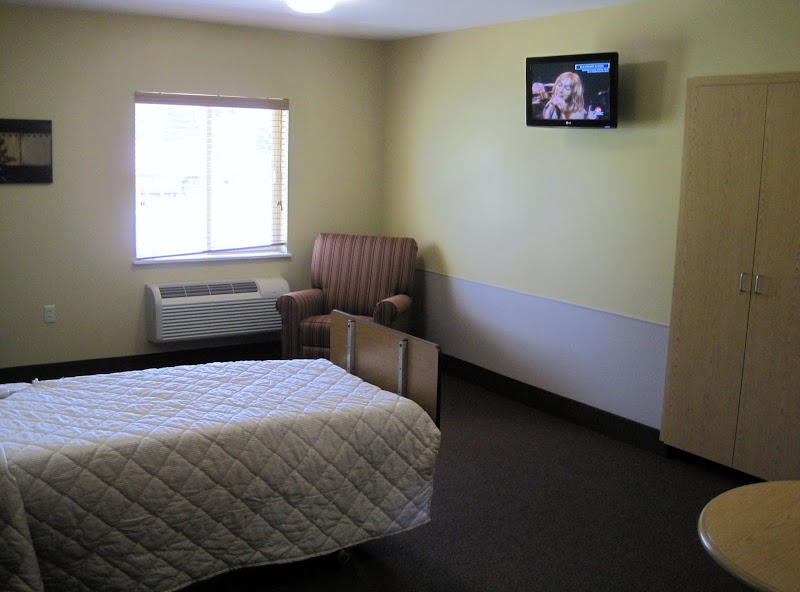
How Does Liberty Health Inc Compare to Other Ohio Nursing Homes?

Compared to the 100 nursing homes in Ohio, LIBERTY HEALTH CARE CENTER INC's overall rating (2 stars) is below the state average of 3.2, staff turnover (43%) is near the state average of 46%, and health inspection rating (2 stars) is below the national benchmark.

What Should Families Ask When Visiting Liberty Health Inc?

Based on this facility's data, families visiting should ask: "Can you walk me through typical staffing levels on day, evening, and night shifts?" "Can I visit during a mealtime to observe dining assistance and food quality?" "How do you handle medical emergencies, and what is your hospital transfer rate?" "Can I speak with family members of current residents about their experience?" These questions are particularly relevant given the below-average staffing rating.

Is Liberty Health Inc Safe?

Based on CMS inspection data, LIBERTY HEALTH CARE CENTER INC has a clean safety record: no substantiated abuse findings (meaning no confirmed cases of resident harm), no Immediate Jeopardy citations (the most serious violation level indicating risk of serious injury or death), and is not on the Special Focus Facility watch list (a federal program monitoring the lowest-performing 1% of nursing homes). The facility has a 2-star overall rating and ranks #100 of 100 nursing homes in Ohio. While no facility is perfect, families should still ask about staff-to-resident ratios and recent inspection results during their visit.

Do Nurses at Liberty Health Inc Stick Around?

LIBERTY HEALTH CARE CENTER INC has a staff turnover rate of 43%, which is about average for Ohio nursing homes (state average: 46%). Moderate turnover is common in nursing homes, but families should still ask about staff tenure and how the facility maintains care continuity when employees leave.

Was Liberty Health Inc Ever Fined?

LIBERTY HEALTH CARE CENTER INC has been fined $16,801 across 1 penalty action. This is below the Ohio average of $33,247. While any fine indicates a compliance issue, fines under $50,000 are relatively common and typically reflect isolated problems that were subsequently corrected. Families should ask what specific issues led to these fines and confirm they've been resolved.

Is Liberty Health Inc on Any Federal Watch List?

LIBERTY HEALTH CARE CENTER INC is not on any federal watch list. The most significant is the Special Focus Facility (SFF) program, which identifies the bottom 1% of nursing homes nationally based on persistent, serious quality problems. Not being on this list means the facility has avoided the pattern of deficiencies that triggers enhanced federal oversight. This is a positive indicator, though families should still review the facility's inspection history directly.