ALTERCARE ZANESVILLE INC.
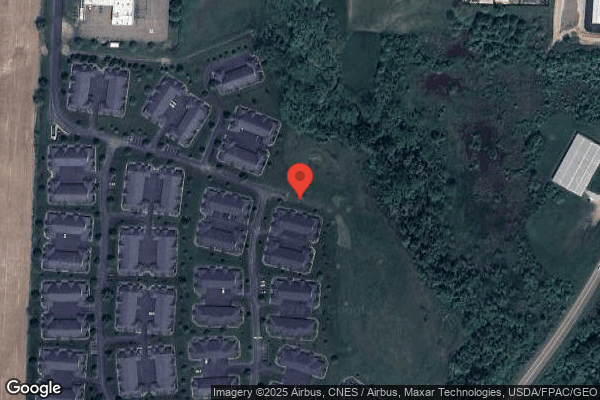
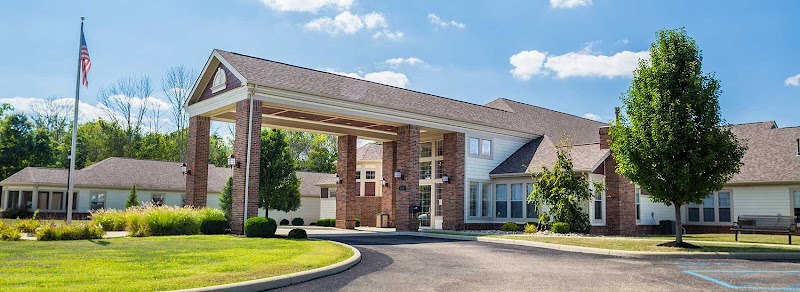
4200 HARRINGTON DRIVE, ZANESVILLE, OH 43701 (740) 452-4351
For profit - Corporation 99 Beds ALTERCARE Data: November 2025 2 Immediate Jeopardy citations
Trust Grade
0/100
#591 of 913 in OH
Last Inspection: May 2025

Inspected within the last 6 months. Data reflects current conditions.

Overview

Altercare Zanesville Inc. has received a Trust Grade of F, indicating significant concerns about the facility's quality and care. With a state rank of #591 out of 913, they are in the bottom half of nursing homes in Ohio, and only one other facility in Muskingum County ranks lower. Although the facility is showing improvement in overall issues, having reduced the number of problems from 19 to 7, they still face serious concerns, including over $198,156 in fines, which is higher than 96% of Ohio facilities. While staffing is considered average with a turnover rate of 57%, there are critical incidents noted, such as the failure to provide timely treatment for a resident with a urinary tract infection, which contributed to a resident's death, and inadequate pain management for residents experiencing severe pain. Overall, while there are some positive aspects, the facility has significant weaknesses that families should carefully consider.

Trust Score
F
0/100
In Ohio
#591/913
Bottom 36%
Safety Record
High Risk
Review needed
Inspections
Getting Better
19 → 7 violations
Staff Stability
⚠ Watch
57% turnover. Above average. Higher turnover means staff may not know residents' routines.
Penalties
⚠ Watch
$198,156 in fines. Higher than 93% of Ohio facilities. Major compliance failures.
Skilled Nurses
○ Average
Each resident gets 40 minutes of Registered Nurse (RN) attention daily — about average for Ohio. RNs are the most trained staff who monitor for health changes.
Violations
⚠ Watch
55 deficiencies on record. Higher than average. Multiple issues found across inspections.
★★☆☆☆
2.0
Overall Rating
★★☆☆☆
2.0
Staff Levels
★★★★★
5.0
Care Quality
★☆☆☆☆
1.0
Inspection Score
Stable
2024: 19 issues
2025: 7 issues

The Good

  • 5-Star Quality Measures · Strong clinical quality outcomes
  • Full Sprinkler Coverage · Fire safety systems throughout facility
  • No fines on record

Facility shows strength in quality measures, fire safety.

The Bad

2-Star Overall Rating

Below Ohio average (3.2)

Below average - review inspection findings carefully

Staff Turnover: 57%

11pts above Ohio avg (46%)

Frequent staff changes - ask about care continuity

Federal Fines: $198,156

Well above median ($33,413)

Significant penalties indicating serious issues

Chain: ALTERCARE

Part of a multi-facility chain

Ask about local staffing decisions and management

Staff turnover is elevated (57%)

9 points above Ohio average of 48%

The Ugly 55 deficiencies on record

2 life-threatening 3 actual harm
May 2025 2 deficiencies
CONCERN (D)

Potential for Harm - no one hurt, but risky conditions existed

Quality of Care (Tag F0684)

Could have caused harm · This affected 1 resident

**NOTE- TERMS IN BRACKETS HAVE BEEN EDITED TO PROTECT CONFIDENTIALITY** Based on observation, medical record review and interview, the facility failed to follow insulin administration and blood glucos...

Read full inspector narrative →
**NOTE- TERMS IN BRACKETS HAVE BEEN EDITED TO PROTECT CONFIDENTIALITY** Based on observation, medical record review and interview, the facility failed to follow insulin administration and blood glucose monitoring per physician orders. This affected one resident (Resident #79) of three residents reviewed for insulin use. The facility census was 82. Findings Include: Review of the medical record for Resident #79 revealed an admission date of 03/03/25. Diagnosis included type 2 diabetes, atherosclerotic heart disease of native coronary artery without angina pectoris and presence of aortocoronary bypass graft. Review of orders for March 2025 revealed Lantus (long acting insulin) insulin 42 units subcutaneous once a day started on 03/03/25, Insulin Lispro seven units three times a day before meals and per sliding scale dated 03/03/25. Review of the Minimum data Set (MDS) dated [DATE] revealed intact cognition. Resident #79 received insulin injections seven days during the assessment period. Review of medical record revealed Resident #79 was out of the facility to an endocrinology appointment on 03/26/25 at 9:00 AM. Review of the provider note dated 03/26/25 revealed continue lispro seven units before meals, two units for 50 points above 150 and lantus 42 units daily, will order freestyle libre. Review of the physician orders revealed Freestyle Libre 3 plus sensor (blood-glucose sensor) device apply once every 14 days started on 03/26/25. In addition, on 03/26/25 Insulin Lispro was discontinued, and blood sugars were not obtained. Review of the March and April 2025 Medication Administration Records (MAR) revealed Resident #79 stopped receiving Insulin Lispro routinely and as needed on 03/26/25 and monitoring blood sugars were not continued since 03/26/25. Resident #79 started the blood glucose monitor device on 03/28/25. Interview and observation on 04/28/25 at 12:07 PM with Resident #79 revealed her Freestyle Libre 3 plus sensor (glucose monitoring disc) came off and she stated she had to wait two weeks to get a new one. Resident #79 also stated staff have not been monitoring her blood sugars for some time. Observation at that time revealed Resident #79 did not have her glucose monitoring disc on. Interview on 04/30/25 at 11:42 A.M. with RN #300 from the endocrinologist's office revealed Resident #79 was seen in the office on 03/26/25 for diabetes management. RN #300 verified Resident #79 had orders for Lantus 42 units once daily and insulin Lispro seven units three times a day before meals and sliding scale two units for every 50 points above 150 (blood glucose level). Resident #79 also started on a blood sugar monitor device at that time. RN #300 stated the facility should have called and verified the orders if they did not understand them. Resident #79's blood sugar should be checked at least three times a day. RN #300 stated on the physician note, it said to continue to check blood sugars and continue insulin as ordered. Interview on 04/30/25 at 2:00 P.M. with the DON and Regional Nurse #439 verified the nurse that received the orders should have verified the orders with the physician. The DON verified Resident #79 did not receive monitoring of blood sugars from 03/26/25 through 04/30/25 except when she had a blood draw. DON verified on 03/26/25 Resident #79's fast acting insulin was discontinued and was not given per physician orders.
CONCERN (E)

Potential for Harm - no one hurt, but risky conditions existed

Infection Control (Tag F0880)

Could have caused harm · This affected multiple residents

Based on observation, medical record review and interview and policy review the facility failed to ensure personal protective equipment (PPE) was worn in Resident #6's room during meal delivery. This ...

Read full inspector narrative →
Based on observation, medical record review and interview and policy review the facility failed to ensure personal protective equipment (PPE) was worn in Resident #6's room during meal delivery. This had the potential to affect the remaining 26 residents who resided on the 300-hall. (Resident #2, #5, #9, #12, #20, #21, #29, #31, #35, #39, #43, #44, #45, #47, #48, #49, #54, #59, #62, #63, #65, #67, #70, #76, #184 and #185). The facility census was 82. Findings Include: Review of Resident #6's medical record revealed an admission date of 03/04/25 with diagnoses including infection following a procedure, acquired absence of right leg above knee, muscle weakness, and Methicillin Resistant Staphylococcus Aureus infection (MRSA) (a bacterial infection resistant to many antibiotics that is spread by skin to skin contact or contact with contaminated surfaces). Review of physician orders indicated Resident #6 required contact transmission-based precautions due to MRSA. Observation on 04/30/25 at 4:18 P.M. revealed the Director of Nutrition Services #425 entered a contact isolation room for Resident #6 during the evening meal tray delivery. A sign was posted outside of Resident #6's room indicating she was on contact precautions and a cart containing personal protective supplies was noted below the sign and outside the resident's room door. The Director of Nutrition Services #425 was not wearing PPE and did not wash/sanitize hands prior to entering or exiting the room. The Director of Nutrition Services #425 obtained a Styrofoam cup from another area in the hall and poured hot water in the cup for hot tea and took the hot tea into Resident #6's room. Interview on 04/30/25 at 4:22 PM with the Director of Nutrition Services #425 verified he did not follow the guidance for contact isolation and should have donned PPE before entering Resident #6's room and washed his hands after exiting the resident's room. Review of facility policy titled Isolation-Categories of Transmission Based Precautions, updated 11/2020 revealed Gloves and handwashing- In additional to wearing gloves, as outlined under standard precautions, wear gloves when entering room. Remove gloves before leaving room and wash hands immediately with an Antimicrobial agent or a waterless antiseptic agent. Gown- In addition to wearing a gown as outlined under standard precautions, wear a gown (clean, nonsterile) when entering the room.
Mar 2025 2 deficiencies 1 IJ
CRITICAL (J) 📢 Someone Reported This

A family member, employee, or ombudsman was alarmed enough to file a formal complaint

Immediate Jeopardy (IJ) - the most serious Medicare violation

Incontinence Care (Tag F0690)

Someone could have died · This affected 1 resident

**NOTE- TERMS IN BRACKETS HAVE BEEN EDITED TO PROTECT CONFIDENTIALITY** Based on closed medical record review, review of a resident communication log, review of visiting healthcare service orders, rev...

Read full inspector narrative →
**NOTE- TERMS IN BRACKETS HAVE BEEN EDITED TO PROTECT CONFIDENTIALITY** Based on closed medical record review, review of a resident communication log, review of visiting healthcare service orders, review of a customer alert form, hospital notes, policy review, medication instructions, and death certificate, and interview with family and facility staff the facility failed to ensure comprehensive monitoring and timely identification of a change in condition for Resident #94, who was incontinent of bladder with a diagnosis of Stage 3 chronic kidney disease. In addition, the facility failed to ensure Resident #94 received timely, necessary and appropriate treatment and services of a urinary tract infection (UTI). This resulted in Immediate Jeopardy, actual harm, and subsequent death beginning on [DATE] when Resident #94's daughter requested a urinalysis to be performed due to changes in the resident's cognition that was not completed by the facility. Resident #94's daughter again requested on [DATE] a urinalysis be performed as Resident #94 had increased confusion including visual hallucinations and two falls on [DATE]. On [DATE] the nurse practitioner (NP) was in the facility and ordered a urinalysis with culture and sensitivity for Resident #94, however, did not assess the resident. On [DATE] the physician ordered additional laboratory testing (a basic metabolic panel (BMP) and complete blood count (CBC). The urinalysis order was not entered into the computer system until [DATE]. The lab collected the BMP and CBC on [DATE] at 8:25 A.M., however the urine was not collected for the urinalysis. The urine specimen was finally collected and sent to the hospital lab on [DATE] for testing. On [DATE] the culture results were received indicating that the resident had Escherichia coli (E. Coli) (bacterial infection). The E. Coli infection had antibiotic susceptibility and was sensitive to Trimethoprim/Sulfa (antibiotic). The resident was started on Bactrim (antibiotic medication) orally. On [DATE] Resident #94's daughter requested the resident be transferred to the hospital due to her confusion. The resident was admitted to the hospital on [DATE] with diagnoses including sepsis secondary to UTI and met sepsis criteria. On [DATE] the resident expired at the hospital. The resident's death certificate dated [DATE] revealed the resident 's immediate cause of death was acute renal failure due to acute cystitis with an onset of days. This affected one resident (#94) of three residents reviewed for infections. The current census was 92. On [DATE] at 9:05 A.M., the Administrator and Director of Nursing (DON) were notified Immediate Jeopardy began on [DATE] when Resident #94 had a change in condition including confusion with visual hallucinations and increased episodes of falling, whereas the resident's family requested urinalysis twice due to the resident's change in condition, and the facility failed to complete the requested testing and failed to notify the medical provider of the family's concerns. In addition, the resident's urinalysis with culture and sensitivity was not collected timely, therefore delaying treatment for the UTI. Resident #94 was transferred and admitted to the hospital on [DATE] per the family's request due to increased confusion. The resident expired at the hospital on [DATE] due to acute renal failure due to acute cystitis. The Immediate Jeopardy was removed on [DATE] when the facility implemented the following corrective actions: • On [DATE] at 10:53 A.M. all 87 current in-house residents (continent and incontinent) medical records from [DATE] to [DATE] were reviewed by the DON and Regional Nurse, for any significant change in conditions and documented signs and symptoms of urinary tract infections and appropriate notifications have been made to obtain appropriate treatment for significant change in condition if needed. This was completed [DATE] at 1:29 P.M. • On [DATE] the facility laboratory testing practice of completing labs per physician's orders on Monday, Wednesday, and Friday each week unless a STAT lab was ordered by a physician was reviewed with Medical Director (MD) #301 and approved. The facility was also in contact with a local hospital regarding the possibility of initiating a contract with them for labs, to increase available lab days, which was MD #301's preference when available to begin. It was the providers preference for facility nurses to be able to communicate scheduled lab days and facility lab capabilities upon on call physician notification. On call physician would then determine if STAT labs were a necessity or if lab could be ordered for next scheduled lab day. Scheduled lab days were posted for all nurses to reference at each unit's nurse's station. Nurses were aware of where to locate reference information regarding scheduled lab days and their responsibility to communicate lab capabilities and scheduled lab days to on call physician as needed. • On [DATE] the facility implemented a plan in the event of a family request for medical intervention, in that nurses need to complete a comprehensive assessment of the resident to determine if there was a necessity for emergent care or treatment rendered. The comprehensive assessment would include new onset symptoms, vitals, mental status, respiratory status, pain status, and skin assessment. After assessment if it was deemed necessary for emergent care or treatment, then the nurse would immediately notify the resident; consult with the resident's attending physician, on call physician, nurse practitioner, physician assistant or clinical nurse specialist and notify the resident's authorized representative or interested family member. The following circumstances would constitute immediate notification as outlined above: a) An accident or incident involving the resident, which results in an injury and has the potential for requiring physician intervention b) A significant change in the resident's physical, mental, or psychosocial status (i.e. a deterioration in health, mental, or psychosocial status in either life-threatening condition or clinical complications) c) Lab, radiology, or other diagnostic testing results that fall outside of clinical reference ranges d) A need to alter the resident's medical treatment significantly (i.e. need to discontinue medication), or to commence a new form of treatment (e.g. refusal of treatment/medications (2) or more consecutive times) e) A need or family/resident request for transfer or discharge of the resident from the facility to a hospital/treatment center (this includes transfers to the hospital as well as discharges against medical advice) f) Beginning [DATE], the facility MedOne provider would receive immediate notification regardless of nurse's comprehensive assessments regarding family requests for medical treatment. • The facility plan included, if upon assessment, a necessity for emergent care or treatment was not identified, nurses would add the concern to the Resident Communication Log. The Resident Communication Log would then be reviewed for needed follow up by the Medical Director, attending physician, or Nurse Practitioner on their next rounding day. • On [DATE] at 12:06 P.M. the DON provided nurses education (either in person or by phone) on proper notification of significant changes in residents' conditions as outlined above. As of 5:34 P.M. on [DATE], 21 of 21 facility nurses have been educated on the above topics. No new nurses would be permitted to work until they have received education on the above topics. • On [DATE] at 1:28 P.M. the DON provided nurses education (either in person or by phone) on signs and symptoms of UTIs per McGeer's criteria. • On [DATE] at 1:30 P.M. an Ad hoc Quality Assessment Performance Improvement (QAPI) meeting was held with the Administrator, DON, Assistant Director of Nursing (ADON), Medical Director (MD) #301 and Regional Nurse in regard to proper notification of significant changes in residents' conditions and signs and symptoms of UTIs per McGeer's criteria. Review of Notifications of Change in Condition policy was completed at this time. MD #301 was in agreement with procedure for Notifications of Changes as outlined in this policy. • Beginning [DATE] the DON or designee would conduct daily audits of all in-house resident records including the Resident Communication Log to ensure any significant change of condition has been reported to the appropriate personnel and treatment was obtained if deemed necessary by physician/CNP/On-Call service, for two weeks, then three times per week for two weeks, then weekly for two weeks and then as needed (PRN). • Beginning [DATE], the DON or designee would conduct daily audits of all in-house resident records including Resident Communication Log to ensure documented signs and symptoms of urinary tract infections and the appropriate notifications have been made to obtain appropriate treatment if ordered daily for two weeks, then three times per week for two weeks, then weekly for two weeks and then as needed (PRN). • Surveyor interviews completed on [DATE] at 9:32 A.M. and 10:02 A.M., with Licensed Practical Nurse (LPN) #190 and Registered Nurse (RN) #203 confirmed they were educated yesterday [DATE] on change of condition, documentation, and signs and symptoms of UTI. Although the Immediate Jeopardy was removed on [DATE], the facility remains out of compliance at Severity Level 2 (no actual harm with potential for more than minimal harm that is not Immediate Jeopardy) as the facility is still in the process of implementing their corrective action plan and monitoring to ensure on-going compliance. Findings include: Review of Resident #94's closed medical record revealed the resident was admitted to the facility on [DATE] following a hospitalization from [DATE] to [DATE] where the resident had back surgery. The resident's diagnoses included fusion of the spine, lumbar region, spinal stenosis, history of transient ischemic attack, atrial fibrillation, chronic diastolic heart failure, hypertension, type 2 diabetes, Stage 3 chronic kidney disease (mild to moderate loss of kidney function), anemia, depression, anxiety, sleep apnea, nonalcoholic steatohepatitis, tremor, hyperlipemia, and gastro-esophageal reflux. The resident was discharged to the hospital on [DATE] and did not return to the facility. The resident passed away at the hospital on [DATE]. Review of Resident #94's admission assessment dated [DATE] and completed [DATE] revealed the resident had short- and long-term memory impairment and was alert to self only. The resident was able to make needs known, understand others, and her speech was clear. The assessment revealed the resident was incontinent of urine at times. A baseline care plan indicated staff would observe (urine) for burning, odor, complaints of pressure, increase confusion, abdominal pain, fever and notify the provider as warranted. The resident's plan was to return home following her stay at the facility. Review of Resident #94's skilled note authored by Licensed Practical Nurse (LPN) #190 dated [DATE] revealed the resident was restless, confused/disoriented, only alert to self, incontinent of urine, and had mild pain (this was a check box on a form and did not describe the pain or specify the location of the pain). Review of Resident #94's history and physical note authored by Physician #301 dated [DATE] revealed the resident was seen for diabetes, diabetic fibrosis, and lumbar spinal stenosis post-surgery. The resident had a posterior lumbar interbody fusion that was performed on [DATE] and was stabilized and transferred to the skilled nursing facility for ongoing care and therapy. The resident was alert and oriented times three with mentation slightly slow. There were no new concerns per nursing staff. The resident stated her lumbar pain and leg pain was much improved since decompression. The note revealed the resident was incontinent and had no suprapubic tenderness. Staff reported the resident's memory was poor. Review of an incident reassessment summary (unauthored) dated [DATE] revealed the resident had fallen ambulating back from the bathroom. The resident was assisted times two (staff) to her feet and to the bathroom. No injuries noted. Immediate intervention was to encourage resident to use call light for transfers/ambulation assistance and therapy to screen for treatment as indicated. Review of Resident #94's orders dated [DATE] revealed laboratory testing orders for a Basic Metabolic Panel (BMP) (includes glucose, sodium, potassium. Chloride, carbon dioxide, creatinine, blood urea nitrogen (BUN), and calcium) and Complete Blood Count (CBC) (red blood cells, hemoglobin, hematocrit, white blood cells (also measure differentials which is the breakdown of different types of white blood cells, and platelets). However, there was no evidence the BMP or CBC were collected as ordered at this time. Review of Resident #94's skilled note authored by Registered Nurse (RN) #195 dated [DATE] revealed the resident was alert and oriented time three, no urine difficulties, however had severe pain. There was no additional information at this time related to the resident's severe pain, etiology of the pain and/or interventions to address the complaints of pain. Review of Resident #94's progress note dated [DATE] authored by Registered Nurse (RN) #195 revealed at 12:42 A.M. the resident was having general discomfort and non-pharmacological interventions (NPI) were ineffective. Medicated with two Norco's (schedule II opioid narcotic). At 6:43 A.M., resident complained of general discomfort and headache. NPI's not effective and medicated with two Norco's at 5:37 A.M. There was no evidence that the physician and/or nurse practitioner were notified at this time. Review of Resident #94's skilled note authored by RN #195 dated [DATE] revealed the resident was alert and oriented times three, no urine difficulties, or pain. Review of Resident #94's skilled note authored by RN #196 dated [DATE] revealed the resident was alert and oriented times three, no urine difficulties, or pain. Review of Resident #94's skilled note authored by RN #195 dated [DATE] revealed the resident was alert and oriented times three, no urine difficulties, or pain. Review of Resident #94's incident reassessment summary (unauthored) dated [DATE] at 2:45 P.M., revealed the resident had fallen in her room. Resident reported she was getting up to go to the bathroom and fell. The resident had no injuries noted and was assisted up times three to the bed and then to the bathroom. Intervention identified non-skid socks applied and the resident was educated to wear non-skid socks as tolerated. Review of Resident #94's progress note dated [DATE] authored by RN #195 revealed resident had complaints of back discomfort. NPI's ineffective. Resident was medicated at 8:43 P.M., with Norco. There was no evidence the physician and/or nurse practitioner were notified at this time. Review of Resident #94's incident reassessment summary (unauthored) dated [DATE] at 11:06 P.M., revealed the resident was found lying on the right side of the recliner. No injuries noted. The resident was assisted up times two (staff) and assisted to bed. New interventions implemented were bed in lowest position when in bed and bed against wall to promote spaciousness. (This fall is the second fall on this date). Review of a Resident Communication Log (log was to be used for non-emergent issues that could be addressed at next provider rounds) dated [DATE] to [DATE] revealed on [DATE] Resident #94's name was on the top of log and the concern indicated the resident's daughter wanted the resident checked for a urinary tract infection (UTI). On [DATE] Resident #94's name was listed again and the concern indicated resident was showing signs of restlessness. Resident noted getting out of bed/chair without assistance. Daughter wants a urinalysis (UA). At the bottom of the form there was a typed note (in all capital letters) ANY NEW ONSET SYMPTOMS OF COUGH, BLEEDING, CHANGE IN MENTAL STATUS, ABNORMAL VITALS, AND CRITICAL LABS NEED CALLED IMMEDIATELY! Review of Resident #94's skilled note authored by Licensed Practical Nurse (LPN) #165 dated [DATE] revealed the resident was restless, confused/disoriented, alert to self only, no urinary difficulties, or pain. Review of Resident #94's progress notes dated [DATE] and [DATE] revealed no evidence the resident's medical provider was updated on the family's request to have urine (UA) checked. In addition, there was no evidence the resident had been assessed by a medical provider since [DATE] when Physician #301 completed the resident's history and physical. Review of Resident #94's admission Minimum Data Set (MDS) 3.0 dated [DATE] revealed the resident's brief mental status (BIMS) score was 11, reflecting she was moderately cognitively impaired. The assessment revealed the resident required partial/moderate (staff) assistance with toileting hygiene, dressing, putting on and taking off footwear, and personal hygiene. The resident had no impairment with range of motion. The assessment revealed the resident was occasionally incontinent of urine and not on a toileting program. Review of Resident #94's orders dated [DATE] revealed an order for laboratory testing for a Basic Metabolic Panel (BMP) and Complete Blood Count (CBC). However, there was no evidence that BMP or CBC was collected as ordered on this date. Review of Resident #94's skilled note authored by RN #195 dated [DATE] revealed the resident was alert to self, no urine difficulties, or pain. Review of Resident #94's progress note dated [DATE] at 6:40 A.M., authored by RN #195 revealed the resident had complaints of back pain. NPI's were ineffective and Norco was administered at 1:11 A.M. There was no evidence the physician and/or nurse practitioner were notified at this time and/or evidence the facility investigated to determine the etiology of the back pain. Review of a visiting healthcare service order sheet dated [DATE] revealed Nurse Practitioner (NP) #302 ordered Resident #94 to have a urinalysis (UA) with culture and sensitivity (C&S). (This is a note written by the medical provider to include the resident's name and orders which are then later entered into the electronic medical record) Review of Resident #94's orders dated [DATE] revealed an order for a Basic Metabolic Panel (BMP) and Complete Blood Count (CBC). However, there was no evidence that the BMP or CBC was collected and there was no evidence there was an order written for UA C&S. Review of Resident #94's skilled note authored by RN #196 dated [DATE] revealed the resident was alert and place, heart rate was irregular, no urine difficulties, and pain was rated six out of 10 (1-10 pain scale). There was no evidence the physician and/or nurse practitioner were notified at this time and/or evidence the facility investigated to determine the etiology of the resident's pain or irregular heart rate at this time. Review of a communication log from the on-call physician services dated [DATE] authored by NP #302 revealed the resident had chest pain with stable vital signs, pain seen left lateral (side) with deep breaths. Orders were provided for the medication, Maalox twice today and daily for three days and a chest x-ray. In addition, NP #302 order inhalation medication, DuoNeb every eight hours for 10 days. Review of Resident #94's physician orders dated [DATE] revealed NP #302 ordered a urine culture to be obtained (there was no diagnosis for the test). In addition, Physician #301 ordered a straight cath to obtain urine for culture and sensitivity with no indication or diagnosis listed, DuoNeb every eight hours with no diagnoses or indication noted, Maalox 30 milliliters (ml) now and 30 ml twice daily with no indication for use, and a STAT chest x-ray to rule out infection for symptoms of left side pain, decreased oxygen saturation levels, and increased confusion. Further review revealed no evidence Resident #94 was actually seen or assessed by a medical provider (physician or nurse practitioner from [DATE] through [DATE]. Review of Resident #94's medication administration record dated [DATE] to [DATE] revealed the resident received two doses of Maalox on [DATE], [DATE], and [DATE] which was different from the order on the communication log. The DuoNeb was started every eight hours on [DATE] at 8:00 A.M. (ordered on [DATE]). There was no indication for use/diagnoses. Review of Resident #94's BMP and CBC results dated [DATE] revealed the resident's blood was collected at 8:25 A.M., however the urine was not collected. The resident's sodium was 135 low (136-145 milliequivalents/liter (mEq/L)), chloride was 95 low (98-110 mEq/L)), red blood cells 3.76 low (3.90-5.40 million cells/microliter (mL), hemoglobin 11.4 low (12-16 grams/deciliter (g/dL) and hematocrit was 33.9 low (36-48 percentage (%)). (There was no documented evidence a medical provider was notified of the abnormal lab results until a resident progress note dated [DATE] at 2:45 P.M. authored by the DON which included the final lab results and chest x-ray results were reviewed by NP #302, there were no new orders at this time.) Review of Resident #94's progress note dated [DATE] at 12:15 P.M. (after labs were already obtained at 8:25 A.M., that morning) authored by RN #109 revealed he attempted to collect urine sample on resident via straight cath and was not able to collect. The resident was unable to follow directions for clean catch specimen. Other unit nurse to attempt urine collection when resident's daughter arrives to alleviate mental strain on resident. Review of Resident #94's skilled note authored by RN #195 dated [DATE] revealed the resident was alert and oriented times three, no urine difficulties, or pain. There was no documented evidence the resident had chest pain or low oxygen at this time. Review of Resident #94's chest x-ray dated [DATE] revealed no evidence of acute cardiopulmonary disease. Review of Resident #94's treatment administration record dated [DATE] to [DATE] revealed the resident's oxygen saturation via pulse oximetry was 93% to 99%. On [DATE] Resident #94 pulse ox was 95% and 97% (this note did not include if this was on room air or if the resident was receiving supplemental oxygen). Review of Resident #94's urinary incontinence plan of care dated [DATE] revealed the resident was incontinent of bladder and was at risk for altered dignity, skin breakdown, and urinary tract infections (UTI). Interventions included to observe/report any signs and symptoms of UTI such as resident complaints of pain or burning with urination, complaints of pressure, odor, discoloration of urine, and mood/behavior changes. Review of Resident #94's progress note dated [DATE] at 8:27 A.M. authored by Licensed Practical Nurse (LPN) #150 revealed Resident #94's urine was collected and sent to lab. (Five days after the resident's daughter had first requested the specimen be obtained). Review of Resident #94's skilled note authored by LPN #150 dated [DATE] revealed the resident was confused/disoriented, alert to self and place only, had frequent urination, and no pain. Review of Resident #94's skilled note authored by RN #196 dated [DATE] revealed the resident was alert and oriented time three, no urine difficulties, or pain. Review of a customer alert notice authored by the DON dated [DATE] revealed Resident #94's daughter had voiced concerns regarding the timeframe for lab testing at the facility. Preliminary lab results reviewed, and the daughter was informed the UA takes 72 hours to process per the lab. The resident's daughter was educated that lab draws and specimens were completed on Monday, Wednesday, and Fridays per the facility's services, but that the facility would send any cultures to the local lab as needed. A copy of the resident communication log and visiting healthcare service order sheet was attached to the notice. Review of Resident #94's UA results dated [DATE] revealed the urine was collected on [DATE] at 6:00 P.M., and received on [DATE] at 12:29 P.M. The diagnosis listed was dysuria (discomfort, pain or burning when urinating). The urine culture grew greater than 100,000 milliliters (ml) of Escherichia coli (E. Coli). The bacteria was sensitive to Trimethoprim/Sulfa. Review of Resident #94's progress note dated [DATE] authored by LPN #150 revealed final (urine) report received. New orders for antibiotic for urinary tract infection (UTI). Give first dose now and encourage fluids. Review of Resident #94's skilled note authored by LPN #150 dated [DATE] revealed the resident was alert to self and place, incontinent of urine and had no pain. Review of Resident #94's infection tracker with McGeer's criteria dated [DATE] revealed the resident had UTI that was a healthcare-associated infection. The resident had no indwelling catheter. The resident had acute dysuria or acute pain, swelling, or tenderness of the testes, epididymis, or prostate and had at least 100,000 cfu/ml of no more than two species of microorganisms in a voided urine sample. The resident met criteria for McGeer's for non-catheter UTI. The resident had history of signs and symptoms of UTI including cloudy or dark urine, pain or burning, pain or burning during urination, and low-grade fever. The urine culture showed greater than 100,000 cfu/ml of E.Coli. Note- this information contained in Resident #94's infection tracker related to the resident's dysuria and cloudy dark urine was not included in the resident's medical record. Review of Resident #94's orders and medication administration records dated [DATE] revealed the resident was ordered Bactrim (sulfa antibiotic) 800 milligrams (mg) twice daily orally. The resident received one dose of Bactrim 800 milligrams (mg) on [DATE], two doses on [DATE], and one dose on [DATE]. Review of Resident #94's skilled note authored by LPN #140 dated [DATE] revealed the resident was alert and oriented time three, no urine difficulties, or pain. Review of Resident #94's skilled note authored by RN #196 dated [DATE] revealed the resident was confused/disoriented, alert to self only, incontinent of urine and denied shortness of breath and chest pain. Review of Resident #94's skilled note authored by RN #116 dated [DATE] revealed the resident was restless/confuses/delusional, alert to self, had irregular heart rate, and was incontinent of urine. Review of Resident #94's progress note authored by RN #116 dated [DATE] revealed at 1:45 P.M., the resident's family member requested the resident be sent to the hospital, for evaluation for confusion. This nurse educated the family that confusion was an expected symptom of urinary tract infection. The note revealed the family member insisted the resident be sent out to the hospital. At 1:50 P.M., NP #302 was notified, and an order was received to transfer the resident to the hospital per family's request. Review of Resident #94's medical provider notes revealed no evidence the resident had been seen by a medical provider from [DATE] to [DATE]. Review of Resident #94's observation report (transfer form) dated [DATE] and closed [DATE] revealed the resident's daughter was present at time of transfer. The daughter requested that the resident be sent to hospital. The observation report documented the resident's baseline mental status was confused and the resident was continent of bladder. However, review of medical record notes prior to this date included the resident had been alert and oriented times three and incontinent on various occasions. Review of Resident #94's progress note dated [DATE] at 8:46 A.M., revealed the resident was admitted to the hospital with sepsis (life threatening complication of an infection) secondary to UTI and met sepsis criteria. Review of Resident #94's hospital notes authored by Emergency Physician #401 dated [DATE] revealed the resident was in the emergency room for UTI. The resident had started Bactrim on Saturday after being diagnosed with UTI. Symptoms were worsening. Shaking possible rigors, chills, fever, back pain, and altered mental status. Review of Resident #94's hospital note authored by Hospitalist #402 dated [DATE] revealed the resident had acute cystitis and had tested positive on [DATE] for E. coli in the urine. The resident started on Bactrim on [DATE] with reported increased confusion. The resident was transitioned to the antibiotic Levaquin. The resident had acute kidney injury likely secondary to hypovolemia (low blood volume due to injury, illness, or underlying condition) and recent Bactrim. The note included the resident had acute metabolic encephalopathy in the setting of acute cystitis which was likely worsening due to Bactrim and hypovolemia. Review of Resident #94's discharge hospital note authored by Hospitalist #400 dated [DATE] revealed on [DATE] the resident presented to the hospital with altered mental status. She was admitted with a heart rate of 104, respirations were 24, lactate level 2.2, and positive UA. The resident was assessed to have acute cystitis and acute kidney injury (AKI) on chronic kidney disease 3. The AKI was likely secondary to hypovolemia and recent Bactrim use. Sepsis was secondary to acute cystitis. Although the acute metabolic encephalopathy etiology was unclear, the note included in the setting of acute cystitis complicated with Bactrim administration versus hypovolemia, versus polypharmacy, versus hypoglycemia. The resident was made comfort care only on [DATE] and expired on [DATE]. Review of Resident #94's death certificate dated [DATE] revealed the resident's immediate cause of death was acute renal failure due to acute cystitis and the onset was days. Interview on [DATE] at 2:27 P.M., with the DON, Administrator, and Corporate Nurse #300 confirmed the family had requested a urinalysis (UA) be obtained on [DATE] and [DATE], however nursing staff believed collecting a UA was not urgent and wrote the request on the resident communication log (for the practitioner to see when next in the building as opposed to contacting the provider at that time). The administrative staff verified the communication log was used for non-emergent issues that could be addressed at next rounds by the provider and indicated the nurse practitioner comes (to the facility) three days a week and the physician visits once a week. On Thursday, Saturday, and Sundays there are no medical providers in the facility. After 6:00 P.M. and on weekends the staff can call the on-call service to reach a covering medical provider. The DON confirmed there was no documentation that a medical provider was notified on [DATE] or [DATE] the family wanted a UA checked nor was there documented evidence the resident's urine was checked at the facility. The DON reported staff could have obtained a urine specimen (onsite) to check for infection prior to sending a urine to[TRUNCATED]
CONCERN (D) 📢 Someone Reported This

A family member, employee, or ombudsman was alarmed enough to file a formal complaint

Potential for Harm - no one hurt, but risky conditions existed

Laboratory Services (Tag F0770)

Could have caused harm · This affected 1 resident

**NOTE- TERMS IN BRACKETS HAVE BEEN EDITED TO PROTECT CONFIDENTIALITY** Based on medical record review and interview the facility failed to ensure a resident received laboratory services per physician...

Read full inspector narrative →
**NOTE- TERMS IN BRACKETS HAVE BEEN EDITED TO PROTECT CONFIDENTIALITY** Based on medical record review and interview the facility failed to ensure a resident received laboratory services per physician orders. This affected one resident (#65) of four residents reviewed. Findings included: Review of Resident #65's medical record revealed the resident was admitted to the facility on [DATE] with diagnoses including encephalopathy, atrial fibrillation (new onset), sleep apnea, hypertension, chronic kidney disease, Stage 4, bradycardia, transient cerebral ischemic attack, and bladder-neck obstruction. Review of Resident #65's orders dated 02/26/25 revealed the resident was to have a basic metabolic panel (BMP) every Friday until 03/15/25. There were no diagnoses or indications why the BMP was ordered. Review of Resident #65's treatment administration records (TAR) dated 02/22/25 to 03/13/25 revealed staff signed off the BMP was collected on 02/28/25 and 03/07/25. Review of Resident #65's medical record revealed no evidence a BMP was obtained on 02/28/25 or 03/07/25 per order. Review of Resident #65's physician note dated 02/25/25 revealed the resident had chronic kidney disease Stage 4 and coronary arteriosclerosis and to check BMP periodically. Interview on 03/13/25 at 2:27 P.M., with the Director of Nursing (DON), Administrator, and Corporate Nurse #300 confirmed there was no evidence the BMP was obtained on 02/28/25 or 03/07/25 per order for Resident #65. The DON confirmed there was no documented evidence why the BMP was not collected on 02/28/25 or 03/07/25. The surveyor asked the facility to provide additional information about why the BMP was ordered every Friday until 03/15/25. Interview on 03/13/25 at 4:58 P.M., with the DON revealed on 02/25/25 the physician had documented in the history and physical to check BMP periodically for coronary arteriosclerosis. Interview on 03/13/25 at 5:00 P.M., with the Administrator revealed the facility did not have a policy on laboratory services and the facility would just follow physician orders. This deficiency represents incidental findings of non-compliance investigated under Complaint Number OH00163321.
Feb 2025 1 deficiency 1 IJ
CRITICAL (J) 📢 Someone Reported This

A family member, employee, or ombudsman was alarmed enough to file a formal complaint

Immediate Jeopardy (IJ) - the most serious Medicare violation

Incontinence Care (Tag F0690)

Someone could have died · This affected 1 resident

**NOTE- TERMS IN BRACKETS HAVE BEEN EDITED TO PROTECT CONFIDENTIALITY** Based on observation, medical record review, policy review, national library glove use review guidance and interview, the facili...

Read full inspector narrative →
**NOTE- TERMS IN BRACKETS HAVE BEEN EDITED TO PROTECT CONFIDENTIALITY** Based on observation, medical record review, policy review, national library glove use review guidance and interview, the facility failed to ensure a resident with an indwelling urinary catheter was provided appropriate care and services. This affected one resident (#2) of three residents reviewed for indwelling catheter use. The facility identified six residents with indwelling urinary catheters. The census was 93. Findings include: Medical record review revealed Resident #2 was admitted on [DATE] with diagnoses including nontraumatic intracerebral hemorrhage, dementia, aphasia, congestive heart failure, urinary tract infection, hydroureteronephrosis, bladder outlet obstruction, pyelonephritis, ureteral stent, use of an indwelling urinary catheter, and Kennedy ulcer (a rapidly developing skin wound that appears in some people during their final weeks of life). Review of the quarterly Minimum Data Set 3.0 assessment dated [DATE] revealed Resident #2 was severely impaired for daily decision-making, had no behavioral or rejection of care, bilateral impaired upper and lower extremity functional range of motion limitation, was dependent on staff for self-care, was always incontinent of urine and did not have an indwelling urinary catheter. Review of the hospital Infectious Diseases Progress Note dated 02/06/25 and hospitalist Inpatient Progress Note dated 02/06/25 revealed diagnoses included Escherichia coli (e. coli) cystitis with chronic retained right ureteral stent with greater than 100,000 col/mL urine culture for e. coli (a gram-negative bacteria commonly found in the lower intestine). Further review of the hospital records revealed a Discharge summary dated [DATE] revealed the resident was admitted to the hospital on [DATE] with diagnoses including a urinary tract infection requiring treatment with antibiotics and discharged back to the facility on [DATE]. Review of the electronic Physician Orders dated 02/10/25 revealed the resident was ordered a 16 french indwelling catheter to straight drain. Review of the undated Baseline care plan revealed pain approaches included the following: encourage resident to report any pain; note pain by utilizing intensity, location and pain type; note verbal (vocal) complaints of pain and non verbal restless, grimacing, withdrawal; and to medicate for pain per order and indication by the resident verbal or non verbal. Coccyx wound approaches included to monitor for pain. On 02/18/25 between 10:42 A.M. and 11:03 A.M., observation of Resident #2's indwelling catheter care revealed the following: Certified Nurse Assistant (CNA) #222, CNA #224 and Registered Nurse (RN)#266 donned personal protective equipment, gathered supplies and entered Resident #2's room to perform catheter care. CNA #222 washed her hands at the sink, donned gloves after filling a single water basin with warm water and took soap and the single wash basin to the resident's bedside. CNA #222 informed the resident she was going to perform catheter care and CNA #224 was going to roll her onto her left side. Observation of the resident laying on her back in bed revealed the indwelling catheter tubing was positioned under her left leg and was pressed against the mattress. CNA #222 grasped a washcloth and placed it into the wash basin, applied soap to the wash cloth. The indwelling catheter shaft tubing from the external urethral orifice to the urine drainage port was cleansed in a downward motion while CNA #222 was securing the catheter at the resident's urethral opening and labia. CNA #222's gloved fingers and hand was observed pressing against the external urethra and labia while the indwelling catheter tubing was cleaned. The washcloth was placed into a trash bag being held by RN #266. CNA #222 grasped a new clean washcloth without changing her gloves and placed both the wash cloth and gloved hands in the washbasin CNA #222's gloved hands were observed and moved the washcloth around the washbasin to wet it and then wrung out the excess water. CNA #222 proceeded to rinse the indwelling catheter tubing and then placed the washcloth used to rinse the tubing into the trashbag. Using the same gloves, CNA #222 then grasped a clean dry washcloth, dried the catheter tubing and then placed the washcloth in the trashbag. CNA #222 went to the resident's bathroom, dumped the washbasin water into the toilet, removed her gloves and washed her hands at the sink. CNA #222 verified the above observation and she had not changed her gloves during the procedure. On 02/18/25 between 12:25 P.M. and 12:37 P.M., interview with RN #226 verified CNA #222 did not change her gloves during catheter care and were placed in the washbasin after used to clean and then rinse/dry the resident's indwelling catheter tubing. RN #226 stated the resident had been hospitalized recently for diagnoses including a urinary tract infection and residents with indwelling catheters were at higher risk for infections. On 02/18/25 between 12:43 P.M. to 12:46 P.M., interview with CNA #222 verified the above observation. Review of the undated Policy: Catheter Care, Urinary revealed it was the facility policy to prevent infection of the resident's urinary tract. Review of the National Library of Medicine, National Institutes of Health: Glove Use dated March 2010 revealed change gloves between tasks and procedures on the same patient, and after contact with material that may contain high concentration of microorganisms. This deficiency represents non-compliance investigated under Complaint Number OH00162399.
Jan 2025 2 deficiencies 1 Harm
SERIOUS (G) 📢 Someone Reported This

A family member, employee, or ombudsman was alarmed enough to file a formal complaint

Actual Harm - a resident was hurt due to facility failures

Deficiency F0697 (Tag F0697)

A resident was harmed · This affected 1 resident

**NOTE- TERMS IN BRACKETS HAVE BEEN EDITED TO PROTECT CONFIDENTIALITY** Based on observation, medical record review, policy review and interview, the facility failed to ensure Resident #74 and #87 wer...

Read full inspector narrative →
**NOTE- TERMS IN BRACKETS HAVE BEEN EDITED TO PROTECT CONFIDENTIALITY** Based on observation, medical record review, policy review and interview, the facility failed to ensure Resident #74 and #87 were provided an individualized and comprehensive pain management program to adequately control pain. This affected two residents (#74 and #87) of three residents reviewed for pain management. The census was 94. Actual Harm occurred on [DATE] when Resident #87, who had an order for scheduled narcotic pain medication twice a day, was observed lying in bed, turning his head side to side, moaning and he verbalized his pain was a 10 out of 10 (a 0-10 pain scale is a way to measure pain intensity, where 0 represents no pain and 10 represents the worst possible pain imagined). The resident reported he had not received his scheduled pain medication and due to not receiving the medication timely, his pain level rating was severe. Findings include: 1.Medical record review revealed Resident #87 was admitted on [DATE] with diagnoses including end stage renal disease, non-pressure chronic ulcer of the right heel and midfoot with fat layer exposed, non-pressure chronic ulcer of left heel and midfoot with necrosis of muscle, neoplasm of unspecified behavior of the bone, soft tissue and skin, dependence on renal dialysis, type 2 diabetes mellitus without complications, history of transient ischemic attack and cerebral infarction without residual deficits and Hodgkin lymphoma. Review of the care plan: Pain Actual, Alteration in Comfort related to ischemic feet, wounds, diabetes mellitus and decreased mobility dated [DATE] revealed goals to maintain a daily routine and verbalize comfort daily. Interventions included to administer pain medications as ordered/observe for effectiveness, Coordinate with therapy as needed to provide medications as ordered and as needed by resident, to promote comfort and encourage participation with therapy. Observe for episodes of breakthrough pain and medicate as ordered, or contact physician as needed. Offer additional non-pharmacological interventions: dim lights, soft music, position changes, music, TV, conversation, distraction. Remind resident that reporting pain early may improve effectiveness of pain medication, i.e., level 4 or less on pain scale or before pain becomes moderate. Review of the care plan: Resident has a Pressure Injury to the urinary meatus, diabetic ulcers to the left lower extremity, right calf and right heel; cellulitis to the right lower extremity; chronic ulcers of both the left and right foot and heel, and had Actual Wound pain (dated [DATE]) revealed interventions including to administer pain medication per physician's order, observe/report any adverse side effects, report/document if pain was noted or suspected and wound nurse/nursing work together to support resident. Provide support and encouragement during care and treatments, try non-medication relief measures such as repositioning, pillows, pad, support, diversion, if indicated and remind resident that reporting pain early may improve effectiveness of pain medication. Review of the admission Minimum Data Set 3.0 assessment dated [DATE] revealed Resident #87 was cognitively intact for daily decision-making and had received as needed pain medications and non-pharmacological interventions. The resident stated his pain was almost constant with an intensity of a 10 out of 10 that frequently affected his sleep and day-to-day activities. The resident had one unstageable pressure ulcer, diabetic foot ulcers and an infection of the foot. Review of the electronic physician orders revealed Resident #87 was ordered the following scheduled medications for pain management: OxyContin (opioid to treat moderate to severe pain) 10 mg extended release every 12 hours at 10:00 A.M. and 10:00 P.M. and Diclofenac cream (nonsteroidal anti-inflammatory) to affected joints as ordered every six hours. The last dose of Oxycontin was administered on [DATE] at 10:00 P.M. and the last dose of Diclofenac cream on [DATE] at 6:00 A.M. Further review of the resident's current electronic physician orders, dated [DATE], revealed Resident #87 had the following as needed (PRN) medications for pain management: acetaminophen (Tylenol) every six hours prn for complaints of pain rated 1-10 on a 0-10 pain rating scale and Oxycodone-acetaminophen (opioid) 5/325 mg one tablet every four hours prn for complaints of pain rated 1-10. The resident received one dose of Oxycodone on [DATE] at 5:21 P.M. Pain assessments were ordered to be completed once a shift and with the administration of PRN medications. Review of the Wound Management assessment dated [DATE] revealed Resident #87 had six diabetic ulcers, a sacrum and a penile pressure ulcer. On [DATE] at 9:12 A.M. Registered Nurse (RN) #202 was observed to administer scheduled morning medications to Resident #87. At that time, a pain assessment was completed and the resident denied complaints of pain. The medications administered to Resident #87 did not include his scheduled Oxycontin. No additional information was provided from RN #202 during the investigation. On [DATE] at 11:30 A.M., while the surveyor was making observations on Resident #87's unit, a loud moaning sound could be heard and got louder when the surveyor walked toward Resident #87's room. Resident #87 was observed, lying in his bed, with his right hand pressed against his forehead with facial grimacing. He was moving his head side to side and moaning. Resident #87 complained of severe pain described as a radiating, constant, burning/aching/throbbing pain of both legs (the right was worse than the left leg), sacrum and feet. Resident #87 rated his pain a 10 out of 10 and stated he receives routine pain medicine because he has a lot of pain from his wounds but was not sure when he last received the medication. On [DATE] at 11:35 A.M. the surveyor reported to RN #201 that Resident #87 had complaints of severe pain and asked if the resident had received his scheduled 10:00 A.M. dose of Oxycontin. RN #201 reviewed the electronic Medication Administration Record (eMAR) and the controlled drug record for Resident #87 and verified the resident had not received his scheduled 10:00 A.M. dose of Oxycontin. RN #201 stated she arrived to work around 10:00 A.M. and was assigned to Unit 300 (Resident #87s unit) and began her assignment, which consisted of medication administration, around 10:10 A.M. RN #201 verified the resident had not received his Oxycontin because she was administering medications to other residents who had not received medications and they were late too (over an hour past the scheduled medication administration time and were indicated by red color coding in the computer system). Further observation at 11:39 A.M. revealed RN #201 dispensed OxyContin 10 mg into a medication cup, locked the medication cart and walked to Resident #87's room. Upon entrance to Resident #87's room, the resident was observed with facial grimacing and RN #201 asked the resident how he was doing. Resident #87 stated I am hurting and RN #201 replied good thing I brought this and handed the resident the medication cup containing the OxyContin 10 mg and a four-ounce glass of water. The resident took the medication and moaned. RN #201 told Resident #87 it would take 35 to 45 minutes for the pain medication to take effect, asked him if he wanted to keep the rest of the water provided with the medication and then exited his room. RN #201 did not assess the resident's pain and did not offer to reposition the resident or provide any non-pharmacological interventions to alleviate the resident's pain. Review of the electronic Medication Administration Record (eMAR) dated [DATE] revealed RN #201 documented Resident #87's 10:00 A.M. dose of OxyContin 10 mg was administered at 11:39 A.M. with comments including late administration: charted late with comment res (resident) care. On [DATE] at 12:07 P.M., observation of Resident #87 revealed he was in bed with his eyes closed. No moaning was heard coming from his room and he opened his eyes after obtaining permission to enter his room. Resident #87 stated that his pain lasts, once it starts, until the pain medicine starts to work. Resident #87 stated he still had pain in his legs, rated a six out of 10 and hoped the nurse would be returning to do the treatments to his legs. Review of the progress note dated [DATE] at 12:09 P.M. revealed pain medication administered at 11:35 A.M. and signed out at 11:39 A.M. Nurse Practitioner #200 notified of the late administration due to resident care. Interview with RN #201 on [DATE] at 4:15 P.M. for clarification as to why she documented 'charted late' when the medication administration was observed to be administered at 11:39 A.M. RN #201 stated that 'charted late' was just one option they have to document under. The RN verified Resident #87's OxyContin was administered greater than one hour after the scheduled administration time (considered late) and documented res care because she was providing care to other residents during the scheduled administration time (not that Resident #87 was receiving resident care to cause the late administration). The RN verified the resident did not receive his Oxycontin as scheduled, resulting in the resident moaning and complaining of severe pain. Review of the medical record revealed no evidence a comprehensive pain assessment was completed on [DATE] related to the late dose of scheduled pain medication. 2. Closed medical record review revealed Resident #74 was admitted on [DATE] with diagnoses including generalized osteoarthritis, spinal stenosis, lumbar region without neurogenic claudication, wedge compression fracture of T9-T10 vertebra, sequela-chronic T9 fracture, chronic pain syndrome, difficulty in walking, abnormal posture, need for assistance with personal care, displaced bimalleolar fracture of right lower leg, subsequent encounter for closed fracture with routine healing, congestive heart failure and peripheral vascular disease. Review of the care plan: Pain (dated [DATE]) revealed potential for pain related to odontoid fracture, right ankle fracture, osteoarthritis, lumbar spinal stenosis, chronic T9 fracture, chronic pain syndrome, muscle spasms, and restless leg syndrome. Interventions included to administer pain medications as ordered. Review of the care plan: Hospice (dated [DATE]) revealed Resident #74 was receiving hospice benefits for diagnoses including end stage congestive heart failure, pain, respiratory, dying process and coping/lifestyle/grieving. Goals included to promote comfort with care and daily routine. Pain was to be assessed for location and intensity, medicate per physician order and coordinate with hospice for pain control measures and consult with hospice for changes in resident's pain. Review of the significant change MDS 3.0 assessment (dated [DATE]) revealed Resident #74 was moderately impaired for daily decision-making, required assistance from staff at various levels to complete self-care, received scheduled, PRN (as needed) and non-pharmacological interventions for pain, complained of frequent pain that occasionally interfered with sleep and activities of daily living, described his pain as severe rated an eight out of 10 and had a life expectancy of less than six months. Review of Registered Nurse (RN) #205's hospice Progress Note dated [DATE] revealed Resident #74 was lying in bed upon arrival (between 9:05 A.M. and 10:00 A.M.) and was noted to be moving their arms/legs, grimacing and voiced pain to legs when asked. Nursing was notified and it was noted that Resident #74 had not received any PRN morphine since RN #205's visit on [DATE] but had received scheduled morphine. RN #205 documented concern for pain that was not being reported or recognized by staff, the resident has voiced pain to this nurse yesterday and today with visits. Morphine 10 mg every four hours schedule and prn to be ordered if family agrees. Nursing was encouraged to monitor closely for signs and symptoms of pain. Review of RN #205's hospice Progress Note dated [DATE] revealed (between 9:00 A.M. and 10:00 A.M.) Resident #74 was lying in bed with eyes closed, noted to be moving arms and legs frequently, moaning and moving mouth as if trying to speak, and appeared to be grimacing. Care coordinated with facility nurse who stated the resident had received two PRN doses of morphine in addition to his scheduled morphine in the last 24 hours. RN #205 updated family who stated Resident #74 was not comfortable when he was visited the previous night and would like morphine increased. Nurse Practitioner #206 was notified and agreed to increase morphine to 10 mg every four hours scheduled and to continue the PRN morphine dose as well. Review of the hospice RN #207 Progress Note dated [DATE] revealed (between 12:24 P.M. and 1:19 P.M.) facility nurse stated resident has been comfortable and family at bedside felt he was comfortable with current medications at this time. Resident #74 was unresponsive at the visit. Review of the Controlled Drug Receipt/Proof of Use/Disposition Form (dated [DATE] through [DATE]) and the Medication Administration Record dated [DATE] revealed the morphine sulfate was not administered as ordered at 8:00 P.M. on [DATE]. Review of Resident #74's progress notes date [DATE] at 10:00 P.M. [Recorded as Late Entry on [DATE] at 5:34 A.M.] revealed the resident was not breathing when the nurse walked into the room and the resident was without a pulse or heart rhythm. Review of LPN #204's Personnel Action Form and attached written Director of Nursing (DON) Statement dated [DATE] revealed the LPN #204 was issued a Disciplinary addressing non-compliance related to failure to comply with facility written policies & procedures and failure of time management techniques to complete assignments. Efficiently & effectively exhibits competent ability to perform job duties according to department specific job description. This violation was labeled as a medication error on [DATE] and was LPN #204's second offense. Review of the typed DON Statement revealed she interviewed LPN #204 via telephone on [DATE] regarding Resident #74's medication administration on [DATE]. LPN #204 stated that she was in a resident's room that required her attention early in the shift, after completing count and report. The outgoing nurse stated Resident #74 was stable and had been resting comfortably. LPN #204 was pulled over to another unit to help a charge nurse with an enteral feeding tube and when she returned, continued her medication pass. At that time, she was summoned to Resident #74's room, and he had expired. Attempts were made during the onsite survey to reach LPN #204 however; no return calls were provided. On [DATE] at 3:21 P.M., the Administrator verified Resident #74's dose of morphine sulfate was not given as scheduled on [DATE] at 8:00 P.M. Review of the policy: IIA2: Medication Administration-General Guidelines (dated [DATE]) revealed medications were administered within 60 minutes of scheduled time, except before, with, or after meal orders, which are administered based on standard, facility mealtimes. The individual who administered the medication dose records the administration on the resident's MAR/eMAR directly after the medication is given. Review of the undated policy: Pain Medication Administration revealed it was the facility's policy to provide guidelines for assessing the resident's level of pain prior to administering non-narcotic or narcotic analgesics. General guidelines the resident's experience of pain is highly individual and subjective. Pain was whatever the resident said it was. Intense pain could result from even minor procedures or surgery. Residents were not at risk for addiction to narcotic analgesics if used as prescribed for moderate to severe pain. Be familiar with the physiologic and behavioral signs of pain. (Note: Visible physiologic and/or behavioral signs of pain do not always accompany the experience of pain.) Residents may be reluctant to report pain due to the belief that pain is a normal part of the aging process or because of a reluctance to bother busy staff members. Acute pain should be assessed every 30 to 60 minutes after the onset and reassessed as indicated after analgesic relief is obtained. The pain assessment consists of gathering both subjective and objective data. Pain assessment tools, as indicated per facility protocol included the use of a one to 10-point pain intensity scale with word modifiers. Procedures included to provide resident privacy, explain the purpose of the assessment to the resident, and obtain subjective information from the resident including the following: a. Location. Ask the resident to point to the site(s) of pain. Utilize a drawing of a human body to assist in identifying the location(s) of pain. Pain Intensity. Provide the resident with 1-10-point Pain Intensity Scale and ask the resident to choose the best description of his/her pain experience. Use the Wong-Baker FACES Pain Rating Scale with residents who are cognitively impaired, non-verbal, or who do not speak English. Encourage the resident to use adjectives to describe the quality of pain (sharp, piercing, dull, aching, shooting, burning, intense, agonizing, unbearable, etc.). Onset and Duration. Ask the resident about the time of onset and periods of relief {if any). Ask the resident if there are circumstances or activities that make the pain worse. Ask the resident if there are circumstances or activities that help reduce the pain. Ask the resident if there are accompanying symptoms such as nausea, vomiting, and sensitivity to light and sounds. Obtain objective information through assessment including behavioral responses to (acute) pain included facial wrinkling/grimacing and crying or moaning; evidence of depression, anxiety, fear or hopelessness; effect of pain on activities of daily living; and/or the condition of the site of pain, if appropriate. Evaluate the effectiveness of non-pharmacologic interventions (e.g., repositioning, warm or cold compresses, etc.), administer pain medications as ordered and place the call light within easy reach of the resident. If the resident desires, return the door and curtains to the open position and if visitors are waiting, tell them that they may now enter the room. Follow documentation guidelines in the procedure entitled Documentation of Medication Administration. This deficiency represents non-compliance investigated under Complaint Number OH00161035.
CONCERN (D) 📢 Someone Reported This

A family member, employee, or ombudsman was alarmed enough to file a formal complaint

Potential for Harm - no one hurt, but risky conditions existed

Pharmacy Services (Tag F0755)

Could have caused harm · This affected 1 resident

**NOTE- TERMS IN BRACKETS HAVE BEEN EDITED TO PROTECT CONFIDENTIALITY** Based on observation, medical record review, controlled drug receipt review, policy review, and interview, the facility failed t...

Read full inspector narrative →
**NOTE- TERMS IN BRACKETS HAVE BEEN EDITED TO PROTECT CONFIDENTIALITY** Based on observation, medical record review, controlled drug receipt review, policy review, and interview, the facility failed to ensure controlled medications were documented accurately to account for all controlled drugs. This affected two residents (#74, #87) of three residents reviewed for pain management. The census was 94. Findings include: 1. Closed medical record review revealed Resident #74 was admitted on [DATE] with diagnoses including congestive heart failure, wedge compression fracture of T9-T10 vertebra, displaced bimalleolar fracture of right lower leg, and subsequent encounter for closed fracture with routine healing. Resident #74 expired at the facility on [DATE]. Review of the care plan: Hospice (dated [DATE]) revealed Resident #74 was receiving hospice benefits for diagnoses including end stage congestive heart failure, pain, respiratory, dying process and coping/lifestyle/grieving. Goals included to promote comfort with care and daily routine. Interventions included to medicate per physician order, assess pain for location and intensity, and consult for changes with pain. Review of the significant change MDS 3.0 assessment (dated [DATE]) revealed Resident #74 was moderately impaired for daily decision-making, received scheduled, PRN (as needed) and non-pharmacological interventions for pain, complained of frequent pain that occasionally interfered with sleep and activities of daily living, described his pain as severe rated an eight out of 10, was receiving hospice services and had a life expectancy of less than six months. Review of Resident #74's Physician Order dated [DATE] revealed to administer hydrocodone acetaminophen (APAP) 5/325 milligrams (mg) every eight hours at 12:00 A.M., 8:00 A.M. and 4:00 P.M Review of Resident #74's electronic Medication Administration Record (dated [DATE] and [DATE]) and Resident #74's Controlled Drug Receipt/Proof-Of-Use/Disposition (Controlled Drug Form) labeled Hydrocodone/APAP 5-325 (mg) one tablet every eight hours (dated [DATE] through [DATE]) revealed the following: a. On [DATE], the electronic Medication Administration Record (eMAR) revealed one hydrocodone 5/325 tablet was administered at 4:00 P.M.;however, the entry on the Controlled Drug Form dated [DATE] did not reflect a dose of hydrocodone 5/325 (mg) was removed from the controlled drug card and administered at 4:00 P.M Further review of the Controlled Drug Forms revealed no documentation a dose was removed from the Controlled Drug card and given on [DATE] at 4:00 P.M. and the amount left in the drug card remained the same amount between the [DATE] dose at 8:00 A.M. and the next dose administered at 8:11 P.M b. On [DATE], the eMAR revealed one hydrocodone was administered at 12:00 A.M.; however, the entry on the Controlled Drug Form dated [DATE] at 12:00 A.M. entry was struck through and initialed by the nurse as an error. Further review of the Controlled Drug Forms revealed the drug count remained the same between the dose administered on [DATE] at 10:10 P.M. and the next dose given on [DATE] at 5:53 A.M c. On [DATE], the eMAR revealed one hydrocodone was administered at 4:00 P.M.; however, the entry on the Controlled Drug Form dated [DATE] did not reflect a dose of hydrocodone 5/325 (mg) was removed from the controlled drug card and administered at 4:00 P.M Further review of the Controlled Drug Forms revealed the drug count remained the same between the dose administered on [DATE] at 2:00 P.M. and the next dose administered at 4:00 P.M. on [DATE]. On [DATE] at 2:54 P.M. an electronic request was made to the Administrator and Director of Nursing (DON) for any additional information regarding the above controlled drug administration and documentation. On [DATE] at 4:08 P.M., an electronic interview with the Administrator referred to a performance improvement plan (dated [DATE]) for a relative facility-identified issue regarding Resident #74 not receiving pain medication as scheduled on [DATE] for an 8:00 P.M. dose and implemented this QAPI to correct. On [DATE] at 4:11 P.M., a second electronic request was sent to the Administrator and the DON to clarify the questions requested regarding the administration of oxycodone and the discrepancies found between documentation on the eMAR and the Controlled Drug Forms. On [DATE] at 4:22 P.M., the Administrator responded to the request stating the performance improvement plan encompassed the facility's previous failure to administer scheduled dose of pain medication as ordered, not any one specific pain medication. An education on timed medication administration and 5 rights to medication administration was initiated on [DATE] as part of this. The education included documentation of medication administration. As of [DATE] at 5:01 P.M., there was no additional information provided regarding the accuracy of the Controlled Drug Forms and documentation on the eMAR for the above examples found in Resident #74's medical record. 2. Medical record review revealed Resident #87 was admitted on [DATE] with diagnoses including end stage renal disease, paroxysmal atrial fibrillation, non-pressure chronic ulcer of right heel and midfoot with fat layer exposed, non-pressure chronic ulcer of left heel and midfoot with necrosis of muscle, neoplasm of unspecified behavior of bone, soft tissue and skin, dependence on renal dialysis, type 2 diabetes mellitus without complications, and Hodgkin lymphoma. Review of the admission Minimum Data Set 3.0 assessment dated [DATE] revealed Resident #87 was cognitively intact for daily decision-making, received as needed pain medications and non-pharmacological interventions. The resident stated his pain was almost constant with an intensity of a 10 out of 10 that frequently affected his sleep and day-to-day activities. The resident had one unstageable pressure ulcer, diabetic foot ulcers and an infection of the foot. Review of the electronic Physician Orders (dated [DATE]) revealed Resident #87 was ordered OxyContin (opioid to treat moderate to severe pain) 10 milligrams (mg) extended release every 12 hours at 10:00 A.M. and 10:00 P.M On [DATE] at 11:39 A.M., observation revealed Registered Nurse (RN) #201 dispensed OxyContin 10 (mg) into a medication cup, locked the medication cart and started walking to the opposite side of the 300 unit to deliver the pain medication to Resident #87. The resident took the OxyContin at 11:41 A.M. RN #201 was not observed signing the Controlled Drug Form at the time the medication was dispensed or immediately after administration. On [DATE] at 11:48 A.M., observation of Resident #87's OxyContin 10 (mg) Controlled Drug Form with RN #202 verified RN #201 had not documented the removal of the OxyContin or administration of the medication. (RN #201 was administering medications to another resident during this observation). RN #202 verified controlled substances were to be signed out at the time dispensed on both the eMAR and the Controlled Drug Sheets. On [DATE] at 12:07 P.M., interview with RN #201 verified she had not documented the OxyContin on the Controlled Drug Form at the time of administration, stating she forgot. This deficiency represents non-compliance investigated under Complaint Number OH00161035.
Dec 2024 2 deficiencies
CONCERN (D) 📢 Someone Reported This

A family member, employee, or ombudsman was alarmed enough to file a formal complaint

Potential for Harm - no one hurt, but risky conditions existed

Pressure Ulcer Prevention (Tag F0686)

Could have caused harm · This affected 1 resident

**NOTE- TERMS IN BRACKETS HAVE BEEN EDITED TO PROTECT CONFIDENTIALITY** Based on observation, medical record review, policy review and interview, the facility failed to maintain care and services for ...

Read full inspector narrative →
**NOTE- TERMS IN BRACKETS HAVE BEEN EDITED TO PROTECT CONFIDENTIALITY** Based on observation, medical record review, policy review and interview, the facility failed to maintain care and services for pressure ulcers. This affected one (#38) resident observed for a pressure ulcer dressing change. The facility identified five residents with pressure ulcers. The census was 92. Findings include: Medical record review revealed Resident #38 was admitted on [DATE] with diagnoses including paraplegia and Stage IV (Full-thickness skin and tissue loss with exposed or directly palpable fascia, muscle, tendon, ligament, cartilage or bone in the ulcer) pressure ulcer to the left ischium. Review of the Minimum Data Set 3.0 assessment dated [DATE] revealed Resident #38 was cognitively intact for daily decision-making and had a Stage IV pressure ulcer. Review of the care plan: Pressure Injury (revised 10/10/24) revealed to complete treatments as ordered. Review of the electronic Physician Orders dated December 2024 revealed left gluteal cleft cleanse with Dakin's, apply Dakin's soaked kerlix gauze and cover with dressing. The treatment was to be completed daily. On 12/09/24 between 2:53 P.M. and 3:12 P.M. observation of Resident #38's left ischium pressure ulcer dressing change revealed the following: Registered Nurse (RN) #398 entered Resident #38's room with gathered pressure ulcer dressing change supplies. RN #398 prepared a clean field on the overbed table with prepoured Dakin's Solution 0.125%, kerlix, gauze, hand sanitizer and gloves. RN #398 removed a pair of bandage scissors from his scrub top pocket and cleaned the scissors with an alcohol swab. RN #398 used the bandage scissors to cut the kerlix and returned the bandage scissors to his scrub top pocket. Resident #38 was laying in bed and was assisted to his right side to expose the left ischium. The left ischium was not covered with a dressing, wound packing could be observed coming from the wound and a drainage collection bag with yellow urine was observed under the resident. RN #398 verified a dressing was ordered to cover the wound to absorb drainage, protect the wound and the resident should not have been laying on the drainage collection bag. RN #398 looked in the bed and through the linens and no dressing was found. RN #398 removed the packing from the wound and cleaned the wound. RN #398 removed his soiled gloves, used hand sanitizer, and applied new gloves. RN #398 soaked the cut kerlix roll in a cup of Dakin's solution and then packed the wound; however, there was an excess of Dakin's soaked gauze extending from the wound. RN #398 put his gloved hand into his scrub shirt pocket, removed the bandage scissors and used the scissors to cut the kerlix. At the time of the observation Assistant Director of Nursing #404 asked RN #398 if those were clean and he stated yes. RN #398 did not removed his gloves/hand wash after putting his gloved hand in his scrub shirt pocket to obtain the bandage scissors. RN #398 covered the wound with a dermaright dressing, assisted the resident in bed, moved the table next to the bed and gathered supplies with the same gloved hands. On 12/09/24 at 3:12 P.M., interview with RN #398 verified the above. On 12/09/24 at 3:25 P.M., interview with RN #400 verified RN #398 informed her no dressing was covering the wound and no dressing was found in the resident's bed. RN #400 verified nurse's bandage scissors were contaminated once he put them in his scrubs pocket and should have been cleaned prior to use. Review of the undated policy: Wound Care revealed the facility policy was to provide guidelines for the care of wounds to promote healing. Procedure included establishing a clean field and placing all items to be used during the procedure on the clean field, position the resident, cleanse hands, put on exam gloves, remove old dressing, discard old dressing, wash hands, put on gloves, cleanse wound per orders. wash hands, apply gloves, apply dressing per order, discard disposable items, and wash hands. This deficiency represents non-compliance investigated under Complaint Number OH00160319.
CONCERN (D) 📢 Someone Reported This

A family member, employee, or ombudsman was alarmed enough to file a formal complaint

Potential for Harm - no one hurt, but risky conditions existed

Unnecessary Medications (Tag F0759)

Could have caused harm · This affected 1 resident

**NOTE- TERMS IN BRACKETS HAVE BEEN EDITED TO PROTECT CONFIDENTIALITY** Based on observation, medical record review, policy review, manufacturer guideline review and interview, the facility failed to ...

Read full inspector narrative →
**NOTE- TERMS IN BRACKETS HAVE BEEN EDITED TO PROTECT CONFIDENTIALITY** Based on observation, medical record review, policy review, manufacturer guideline review and interview, the facility failed to administer medications as ordered. This affected three (#30, #64 and #270) of three residents observed for medication administration with five errors out of 33 opportunities resulting in an error rate of 15.15%. The census was 92. Findings include: 1. Medical record review revealed Resident #30 was admitted with diagnoses including glaucoma, chronic iridocyclitis left eye, and dry eye syndrome of bilateral lacrimal glands. Review of the careplan: Visual Function (revised 11/22/24) revealed impaired vision related to hypertension, diabetes, glaucoma, chronic iritis left eye and dry eyes. Interventions included to administer medications as ordered. Review of the electronic Physician Orders dated December 2024 included to administer brimonidine 0.2% one drop and dorzolamide-timolol drops 22.3-6.8 mg/mL to the left eye twice a day. On 12/09/24 between 9:29 A.M. and 9:45 A.M., observation revealed Licensed Practical Nurse (LPN) #401 prepared Resident #30's morning medications including brimonidine and forzolamide-timolol. LPN #401 was observed administering one drop of brimonidine to the left eye at 9:43 A.M. and one drop of dorzolamide-timolol to the left eye at 9:45 A.M On 12/09/24 at 10:18 A.M., interview with LPN #401 verified the above observation. Review of the Merative Drug Information: Dorzolamide and Timolol revised 02/01/24 revealed administration instructions including if your doctor ordered two different eye drops to be used together, wait at least five or 10 minutes between the times you apply the medicines. This will help to keep the second medicine from washing out the first one. 2. Medical record review revealed Resident #64 was readmitted on [DATE] with diagnoses including chronic atrial fibrillation, pneumonia and dry eye syndrome of bilateral lacrimal glands. Review of the careplan: At Risk for Impaired Vision (revised 11/04/24) related to aging and dry eye syndrome revealed interventions including to administer medications as ordered. Review of the electronic Physician Orders dated 12/10/24 revealed to administer Refresh Optive (carboxymethyl cellulose-glycern) 0.5-0.9 % one drop to left eye and GenTeal tears 0.1-0.3% one drop to both eyes four times a day. On 12/10/24 between 7:49 A.M. and 8:09 A.M., observation revealed Registered Nurse (RN) #402 prepared Resident #64's morning medications including systane ultra 0.4-0 3% and GenTeal tears 0.1-0.3% to the resident's bedside. RN #402 informed the resident of the eye drops and Resident #64 stated she took systane ultra to both eyes and Genteal Tears to the left eye only. RN #402 administered the eye drops per resident instructions versus the current physician order. Pressure was not observed being applied to the inner tear duct during the above observation. On 12/10/24 at 9:25 A.M., interview with RN #402 verified the above observation and administered what the resident told her instead of following or clarifying the physician order for Resident #64's ordered eye drops. Review of the Specific Medication Administration Procedures: IIB5: Eye Drop Administration (revised May 2020) revealed if multiple medications were prescribed for administration in the same eye at the same time, wait five minutes or the specified length of time recommended per manufacturer's instructions or pharmacy labeling, then repeat procedure. If administering medications to both eyes, use a different gloved finger to apply pressure to the inner tear duct. 3. Medical record review revealed Resident #270 was readmitted on [DATE] with diagnoses including Parkinson's disease, reduced mobility and unspecified constipation. Review of the careplan: Potential for Constipation related to use/side effects of medications, impaired mobility, and history of constipation revised 11/08/24 revealed interventions included to administer medications as ordered. Review of the electronic Physician Orders dated 12/10/24 revealed to administer Senna-S (laxative) two 8.6-50 (mg) tablets twice a day. On 12/10/24 between 8:15 A.M. and 8:27 A.M., observation revealed LPN #403 prepared Resident #270's morning medications including one tablet of Senna-S 8.6-50 (mg). On 12/10/24 at 8:27 A.M., interview with LPN #403 verified the above observation. This deficiency substantiates Complaint Number OH00160307.
Nov 2024 1 deficiency
CONCERN (D) 📢 Someone Reported This

A family member, employee, or ombudsman was alarmed enough to file a formal complaint

Potential for Harm - no one hurt, but risky conditions existed

Pressure Ulcer Prevention (Tag F0686)

Could have caused harm · This affected 1 resident

**NOTE- TERMS IN BRACKETS HAVE BEEN EDITED TO PROTECT CONFIDENTIALITY** Based on observations, review of the medical record and interview with staff the facility failed to ensure the air mattress for ...

Read full inspector narrative →
**NOTE- TERMS IN BRACKETS HAVE BEEN EDITED TO PROTECT CONFIDENTIALITY** Based on observations, review of the medical record and interview with staff the facility failed to ensure the air mattress for Resident #26 was set at the proper setting for her weight and the treatment for Resident #55 was completed as ordered. This affected two residents ( #26 and #55) of four residents reviewed for wounds. The facility census was 99. Findings included: 1. Review of the medical record revealed Resident #26 was admitted to the facility on [DATE]. Diagnoses included Parkinson's disease, muscle weakness, chronic obstructive pulmonary disease (COPD), congestive heart failure (CHF), hypertension, stage four pressure ulcer of sacral region, neuromuscular dysfunction of bladder, arthritis, diabetes, (DM) hypothyroidism, moderate protein-calorie malnutrition, bladder-neck obstruction, dysphagia, pruritus, peripheral vascular disease (PVD), generalized anxiety disorder, anemia, bipolar disorder, major depressive disorder, restless leg syndrome, breast cancer and gastro-esophageal reflux disease (GERD). Review of the care plan dated 06/05/23 revealed Resident #26 had a pressure injury to her coccyx related to impaired mobility, PVD, diabetes, bowel incontinent, COPD, breast cancer, poor nutrition, friction concerns, and shearing concerns. Interventions included an air mattress to her bed. Review of the physician's order dated 07/07/24 revealed Resident #26 had on order for an air mattress to the bed, check the placement and function every shift. Review of the quarterly Minimum Data Set (MDS) assessment dated [DATE] revealed Resident #26 had intact cognition. Review of Resident #26's weight dated 11/12/24 revealed a weight of 118.6 pounds. Review of the operations manual for the Drive alternating pressure low air loss mattress revealed on page seven, step six of the operation instruction revealed the resident's weight must be determined and to set the control knob to the weight setting on the control unit. Observation of the air mattress setting for Resident #26 on 11/12/24 at 2:40 P.M. revealed the air mattress was set at 300 pounds. During an interview at the time of the observations, Registered Nurse #504 confirmed the settings were incorrect and Resident #26 did not weigh 300 pounds. On 11/13/24 at 2:42 P.M. an interview with Resident #26 revealed she weighed 118 pounds the last time they weighed her. 2. Review of the medical record revealed Resident #55 was admitted to the facility on [DATE]. Diagnoses included encephalopathy, displaced fracture of base of neck of left femur, dementia, osteoarthritis, tremors, hypertension, abdominal aortic aneurysm, benign prostatic hyperplasia, and chronic kidney disease. Review of the September 2024 physician's orders revealed Resident #55 had an order dated 08/28/24 to cleanse the buttocks with soap and water, pat dry, apply Venelex ointment (wound healing ointment) twice daily, cleanse coccyx with saline, an order dated 09/17/24 to apply Venelex ointment to the coccyx and apply a foam dressing once daily, an order dated 09/17/24 to clean the left hip with normal saline and apply a dry dressing once daily, and an order dated 09/17/24 to cleanse the right forearm with normal saline, pat dry and apply border foam every three days ( not due until 09/20/24). Review of the Customer Alert Notice dated 09/20/24 revealed the family of Resident #55 was concerned his treatments were not being completed as ordered. The resolution to the concern revealed an employee performance evaluation was completed per the facility policy. Review of the Personal Action Form dated 09/20/24 revealed Registered Nurse (RN) #520 was suspended pending investigation as of 09/20/24. The employee stated she got busy with a fall and forgot to complete Resident #55's treatments. The employer statement revealed RN #520 confirmed to the Director of Nursing she did not complete a treatment for Resident #55 and upon reviewing the Treatment Administration Record (TAR) for 09/19/24, RN #520 had signed off she had completed the treatments for Resident #55. Review of the September 2024 TAR revealed RN #520 had signed off Resident #55's treatments for 09/19/24 as being completed. Review of the Quarterly MDS dated [DATE] revealed Resident #55 has moderately impaired cognition. On 11/13/24 at 4:47 P.M. an interview with the Director of Nursing revealed on 09/20/24 she received a complaint from the family of Resident #55 that his treatments were not completed as ordered on 09/19/24. The Director of Nursing spoke to RN #55 and confirmed RN #55 had not completed the treatments for Resident #55 on 09/19/24. RN #55 said there had been a resident fall and another incident and she ran out of time. The Director of Nursing confirmed RN #55 signed the treatments off on the TAR as completed. This deficiency represents non-compliance investigated under Complaint Number OH00159414.
Oct 2024 2 deficiencies
CONCERN (D) 📢 Someone Reported This

A family member, employee, or ombudsman was alarmed enough to file a formal complaint

Potential for Harm - no one hurt, but risky conditions existed

Tube Feeding (Tag F0693)

Could have caused harm · This affected 1 resident

**NOTE- TERMS IN BRACKETS HAVE BEEN EDITED TO PROTECT CONFIDENTIALITY** Based on record review, family interview, and staff interview, the facility failed to ensure a resident, who was known to have m...

Read full inspector narrative →
**NOTE- TERMS IN BRACKETS HAVE BEEN EDITED TO PROTECT CONFIDENTIALITY** Based on record review, family interview, and staff interview, the facility failed to ensure a resident, who was known to have multiple dislodgements of his Percutaneous Endoscopic Gastrostomy (Peg) tube, had an abdominal binder in place as ordered to prevent any accidental dislodgements. This affected one resident (#4) of three residents reviewed for feeding tubes. Findings include: Review of Resident #4's medical record revealed he was admitted to the facility on [DATE] with the diagnoses of a traumatic brain injury due to a fall, cognitive communication deficit, hemiplegia (paralysis) and hemiparesis (weakness) following a stroke affecting the left non-dominant side, dysphagia, and gastrostomy status (surgical placement of a tube through the abdominal wall into the stomach for the purposes of providing nutritional supplements). Review of Resident #4's quarterly Minimum Data Set (MDS) assessment dated [DATE] revealed the resident had severely impaired cognition. He was not noted to have displayed any behaviors, nor was he known to reject care during the seven day assessment period. He had a functional limitation in his range of motion on one side of his upper and lower extremities. He was coded on the MDS as having the use of a feeding tube and received 51% or more of his calories through his feeding tube. Review of Resident #4's active care plans revealed he had a care plan in place for having the use of a tube feeding for the primary source of nutrition due to dysphagia. The interventions included the need for an abdominal binder to be in place related to frequent tube displacements. The intervention had been in place since 09/30/24. Review of Resident #4's progress notes revealed a nurse's note dated 09/26/24 at 1:00 P.M. that indicated the nurse entered the resident's room to administer his afternoon meds. His Peg-tube was noted to be dislodged and was lying on the resident's abdomen with the balloon deflated. The nurse attempted to reinsert a new Peg-tube unsuccessfully. The physician was notified and a new order was obtained to send the resident to the emergency room to replace his Peg-tube. He returned to the facility on [DATE] at 4:31 P.M., after his Peg-tube had been replaced. Review of Resident #4's progress notes revealed a nurse's note dated 09/28/24 at 2:35 P.M. that indicated the nurse went into the resident's room to administer medication to resident and flush his Peg-tube. The nurse noticed that the Peg-tube was not secured in place and was found out of placement. The physician was contacted and gave an order to transfer the resident to the emergency room. The resident returned to the facility on [DATE] at 9:00 P.M. with a new Peg-tube placed and an abdominal binder on. Further review of Resident #4's progress note revealed a nurse's note dated 10/13/24 at 6:17 A.M. that indicated the nurse was called into the resident's room by a nursing assistant and was notified that the resident's Peg-tube was not in place and was leaking all over his bed. The nurse assessed the resident's abdomen and noted the Peg-tube to be out of place. The nurse unsuccessfully attempted to place a sterile Foley catheter into the Peg stoma in an effort to maintain patency. A new order was received to send the resident out to the hospital. He did not return to the facility until 10/16/24 at 11:00 A.M. Review of the treatment administration records (TAR's) for October 2024 revealed the nurses were initialing to indicate the abdominal binder was in place every shift. The nurse working 10/13/24, when the Peg-tube was dislodged for the third time, indicated the abdominal binder was in place during the evening shift. On 10/22/24 at 10:08 A.M., an interview with Resident #4's representative revealed the resident has had his Peg-tube dislodged several times while in the facility. She stated they were supposed to use an abdominal binder, but she was told it had been misplaced when the Peg-tube was dislodged for the third time. On 10/22/24 at 1:25 P.M., an interview with Licensed Practical Nurse (LPN) #100 confirmed she was the nurse working the night of 10/13/24, when Resident #4's Peg-tube was dislodged for the third time. She stated, when she attached him to his enteral feeding that night at 8:00 P.M. and when she did most of her flushes through the night, everything was fine. It was not until she went in to do the last flush for the night that she noted it (Peg-tube) was out and the enteral feeding had leaked everywhere. She reported the Peg-tube was completely dislodged at that time and was not in place. She was asked what they did to try to prevent the Peg-tube from being dislodged. She stated they were supposed to have an abdominal binder on the resident, but he did not have one on that night. The abdominal binder was not in place when she started her shift. They could not find the abdominal binder anywhere in his room and she was not aware they had any others in the central supply room that could have been used. She just found out a couple of days ago that there were extra abdominal binders in the central supply room if needed. She reported the abdominal binder was effective when used to prevent an accidental dislodgement. She felt the resident's peg tube likely became dislodged due to him getting it caught under his arm when moving in bed. She did not feel it was intentional on the resident's part to pull it out. This deficiency represents non-compliance investigated under Master Complaint Number OH00158726.
CONCERN (D) 📢 Someone Reported This

A family member, employee, or ombudsman was alarmed enough to file a formal complaint

Potential for Harm - no one hurt, but risky conditions existed

Deficiency F0810 (Tag F0810)

Could have caused harm · This affected 1 resident

**NOTE- TERMS IN BRACKETS HAVE BEEN EDITED TO PROTECT CONFIDENTIALITY** Based on record review, observation, and staff interview, the facility failed to ensure a resident received the appropriate eati...

Read full inspector narrative →
**NOTE- TERMS IN BRACKETS HAVE BEEN EDITED TO PROTECT CONFIDENTIALITY** Based on record review, observation, and staff interview, the facility failed to ensure a resident received the appropriate eating equipment and utensils as ordered during a meal to aid the resident in being able to feed himself. This affected one resident (#4) of three residents observed for eating/ feeding assistance. Findings include: Review of Resident #4's medical record revealed he was admitted to the facility on [DATE]. His diagnoses included a traumatic brain injury secondary to a fall, hemiplegia (paralysis) and hemiplegia (weakness) affecting his left non-dominant side, dysphagia, cognitive communication deficit, muscle weakness, and need for assistance with personal care. Review of Resident #4's quarterly Minimum Data Set (MDS) assessment dated [DATE] revealed the resident had unclear speech and was usually able to make himself understood and was usually able to understand others. He had moderately impaired vision without the use of corrective lenses. His cognition was severely impaired and he was not known to display any behaviors or reject care. He had a functional limitation in his range of motion on one side of his upper and lower extremities. Review of Resident #4's active care plans revealed he had a care plan in place for an impaired ability to perform or participate in daily activities of daily living (ADL) care related to a stroke, traumatic brain injury, left hemiparesis, dysphagia, and dysarthria. The goal was for the resident to participate with ADL's as much as possible and for him to be neat in appearance daily. He was also to maintain his current level of ADL's every day, without a decline by the target date. The interventions included the use of built-up foam utensils and a sip cup with handles for all meals. Review of Resident #4's physician's orders revealed he was on a low concentrated sweet diet at a pureed consistency with honey thick liquids. He was to receive a tray from the kitchen for lunch and supper. The orders also specified the use of built-up foam handled utensils and sip cups with handles for all meals. That order originated on 10/17/24. On 10/21/24 at 5:20 P.M., an observation of Resident #4 noted him to be sitting up in bed with his supper tray on the bedside table in front of him. He was served a pureed diet as ordered and had thickened liquids in two separate cups. He drank the liquids, but had not touched his food. He was noted to have regular eating utensils on his tray and not the built-up foam handled utensils as ordered. He was also noted to have been served his thickened liquids in regular cups and not two handled sip cups as ordered. His meal ticket on his tray specified he was to have black foam handled utensils and a two handed sip cup during for his meals. Findings were verified by Licensed Practical Nurse (LPN) #150. On 10/21/24 at 5:26 P.M., an interview with LPN #150 revealed Resident #4 was to be on a pureed diet with honey thickened liquids. He stated the resident received a tube feeding at night that ran from 8:00 PM to 8:00 AM. He was asked how much assistance the resident needed for eating and the nurse replied it was mixed. They encouraged him to do it himself, but the aides would help as needed. He has seen him eat and indicated the resident did have trouble getting food to his mouth and would make a mess. He also indicated the resident was supposed to have the use of heavy thick grip utensils, but stated the resident used regular cups. He was not aware that two handled sip cups were to be used for all his meals. He verified the resident's orders did include the need for built-up utensils and a two handed sip cup with meals. He had known the resident to not have received built-up utensils or a two handed cup at times in the past depending on who was working in the kitchen. He acknowledged the resident's meal ticket clearly specified the resident was to receive built-up utensils and a two handed sip cup for his meals. He further acknowledged the staff member passing the trays should be reviewing the meal ticket when the tray was delivered to ensure the resident received the appropriate diet and eating/ equipment and utensils were provided as needed. This deficiency represents incidental findings of non-compliance investigated under Master Complaint Number OH00158726.
Sept 2024 2 deficiencies
CONCERN (E) 📢 Someone Reported This

A family member, employee, or ombudsman was alarmed enough to file a formal complaint

Potential for Harm - no one hurt, but risky conditions existed

Report Alleged Abuse (Tag F0609)

Could have caused harm · This affected multiple residents

Based on self-reported incident review, fire drill review, policy review and interview, the facility failed to submit a self-reported incident (SRI) for possible neglect after staff were observed slee...

Read full inspector narrative →
Based on self-reported incident review, fire drill review, policy review and interview, the facility failed to submit a self-reported incident (SRI) for possible neglect after staff were observed sleeping on the night shift. This affected 27 residents (#65, #66, #67, #68, #69, #70, #71, #72, #73, #74, #75, #76, #77, #78, #79, #80, #81, #82, #83, #84, #85, #86, #87, #88, #89, #90, #230) residing on Unit 3. The census was 91. Findings include: Review of the facility Self-Reported Incidents (SRIs) revealed no allegations of abuse, neglect or misappropriation had been reported to the Ohio Department of Health (ODH) since 08/20/24. On 09/19/24 at 5:07 A.M., interview with State Tested Nurse Aide (STNA) #203 revealed she was not aware of staff sleeping while at work. On 09/19/24 at 5:09 A.M., interview with Licensed Practical Nurse (LPN) #200 (agency staff) stated she had discovered a STNA sleeping and had handled the situation stating she educated the staff member. The STNA stated she just had her eyes closed so she told the STNA not to close their eyes like that again. LPN #200 stated she did not remember the name of the STNA and did not report this to the nursing supervisor or the Administrator. LPN #200 stated this occurred about a month ago and she was not aware of staff sleeping since that time. On 09/19/24 at 5:29 A.M., interview with STNA #216 stated about a month or two ago she observed STNA #204 sitting in a chair on the night shift with her eyes closed and asleep. STNA #216 informed her nurse of the observation and the nurse also observed STNA #204 sleeping. On 09/19/24 at 7:10 A.M., interview with the Administrator revealed staff were not to be sleeping while on duty. The Administrator stated there had been an incident a few days earlier of staff reportedly sleeping. The Director of Nursing (DON) was notified and she had the nurses check the units and they reported to the DON that no staff were asleep. Review of a Facility Investigation Packet (undated) revealed the following: a. All Staff Meeting (STNAs) dated 09/17/24 included topics of sleeping on a shift. b. Two electronically written statements (undated) signed by the DON of interviews with LPN #200 and LPN #202 that stated at 1:00 A.M. it was reported that STNA's were sleeping on a unit but when they responded to the hallway, they did not see anyone sleeping. c. Review of the Fire Drill Form dated 09/17/24 at 2:00 A.M. revealed a silent fire drill was conducted. The simulation situation was smoke coming out of an outlet in the hallway on Unit 1. A head count was completed and resident doors were closed. No problems were noted on the Drill Overview. d. Review of the Event Statement Form - QAA Document (09/17/24) revealed Maintenance Assistant #205 was conducting a silent fire drill on 09/17/24 at 2:00 A.M. when he came on the 300 hall, STNA #203, STNA #204 and LPN #201 were asleep on the couch and he had to wake them up to sign the Fire Drill Form. Maintenance Assistant #205 stated there was also a resident still up walking around at the time of the observation. The statement did not indicate the name of the resident. e. There were no written staff statements including LPN #201, STNA #203 or STNA #204 in the packet for review. f. There was no documentation regarding residents residing on Unit 3 for any signs/symptoms of neglect after the discovery of staff sleeping. On 09/19/24 at 8:50 A.M., interview with the DON revealed Maintenance Assistant #205 had called off for today. At 9:05 A.M., a phone call was made to Maintenance Assistant #205; however, there was no answer. At 9:13 A.M., a phone call was made to STNA #204; however, there was no answer. On 09/19/24 at 8:59 A.M., interview with Maintenance Coordinator (MC) #208 revealed Maintenance Assistant #205 was stripping and waxing the floor in the therapy room on the night shift and was asked to complete a silent fire drill. Maintenance Assistant #205 had informed him that he had found staff sleeping at the time of the drill and that it had been reported to the DON. On 09/19/24 at 9:20 A.M., interview with the Administrator stated she interviewed Maintenance Assistant #205 since the incident but had not documented the interview but he stated the same story as in his written statement. He did add that LPN #201 and STNA #203 were asleep on one couch and STNA #204 was asleep on another couch and he had to wake them up to sign the fire drill sheet. The Administrator stated when staff went back to check on the Unit 3 (after Maintenance Assistant #205 observed the above staff sleeping), no staff were observed to be asleep; however, the Administrator did verify they had already been awakened by Maintenance Assistant #205 to sign the training sheet. The Administrator stated she had not filed a Self-Reported Incident (SRI) for the above incident because she felt this was an Employee Conduct concern and did not rise to the level of neglect. The Administrator verified she did not have her investigation completed to date and was unaware of other staff sleeping on the job. The Administrator verified the time of the DON's written statements was an hour prior to staff being found sleeping by Maintenance Assistant #205 and if staff were sleeping, they were not providing the care and services to residents. On 09/19/24 at 10:57 A.M., interview with the Administrator stated Maintenance Assistant #205 did not allege neglect of care or services and the facility had not received any complaints from family regarding neglect; therefore, she did not feel it needed to be reported as a SRI. Review of the policy: Abuse, Mistreatment, Neglect, Misappropriation of Resident Property and Exploitation (11/01/26) revealed to investigate all allegations, suspicions and incidents of Abuse, Neglect, Misappropriation of Resident Property and Exploitation, and injuries sustained by its residents. Facility staff should immediately report all such allegations to the Administrator and the ODH in accordance with the procedures in this policy. This deficiency represents incidental findings of non-compliance investigated under Complaint Number OH 00157767.
CONCERN (E) 📢 Someone Reported This

A family member, employee, or ombudsman was alarmed enough to file a formal complaint

Potential for Harm - no one hurt, but risky conditions existed

Infection Control (Tag F0880)

Could have caused harm · This affected multiple residents

**NOTE- TERMS IN BRACKETS HAVE BEEN EDITED TO PROTECT CONFIDENTIALITY** Based on observation, medical record review, policy review and interview, the facility failed to maintain infection control prac...

Read full inspector narrative →
**NOTE- TERMS IN BRACKETS HAVE BEEN EDITED TO PROTECT CONFIDENTIALITY** Based on observation, medical record review, policy review and interview, the facility failed to maintain infection control practices during incontinence care and failed to ensure staff wore face masks during a COVID-19 outbreak. This affected one resident (#70) of two residents observed for incontinence care and had the potential to affect 31 residents (#1, #2, #3, #4, #5, #6, #7, #8, #9, #10, #11, #12, #13, #14, #15, #16, #17, #18, #19, #20, #21, #22, #23, #24, #25, #26, #27, #28, #29, #30 and #31) residing on Unit 1 during the COVID-19 outbreak. The census was 91. Findings include: 1. On 09/19/24 at 4:58 A.M., observation of the facility front entrance door revealed a sign indicating the facility was currently under a COVID-19 Outbreak and masks should be worn. A box of face masks was available to use at the receptionist window. On 09/19/24 at 5:05 A.M., observation of Unit 1 revealed two licensed practical nurses (LPN's) (#200, #202) sitting at the nurses' desk and STNA (#203) walking down the hallway. Licensed Practical Nurse (LPN) #200 and #202 did not have a face mask on or within arms reach, State Tested Nurses Aide (STNA) #203 was observed with a face mask looped around her ears; however the mask itself was positioned down around her neck. At the time of the observation, LPN #200, LPN #202 and STNA #203 verified staff were to be wearing face masks due to the current COVID-19 outbreak. On 09/19/24 at 7:10 A.M., interview with the Administrator verified staff should have been wearing face masks due to the current COVID-19 outbreak. 2. Medical record review revealed Resident #70 was admitted to the facility on [DATE] with diagnoses including diabetes mellitus and heart failure. Review of the admission Minimum Data Set (MDS) 3.0 assessment dated [DATE] revealed Resident #70 was frequently incontinent of urine. On 09/19/24 between 5:34 A.M. and 6:02 A.M., observation of Resident #70's incontinence care revealed STNA #215 gathered supplies, washed her hands, and applied gloves. Resident #70's incontinence product was removed, observed to be urine soaked and STNA #215 put the incontinence product on the bare floor without a barrier. STNA #215 cleansed the resident with three disposable incontinence wipes and then placed them on the floor with the soiled incontinence product. STNA #215 placed a clean incontinence product on the resident, covered the resident with a blanket, picked up the soiled incontinence product and wipes off the floor and placed them into a trash bag. STNA #215 left the room with the trash bag, walked the trash to the central bath and removed her gloves. On 09/19/24 at 6:02 A.M., interview with STNA #215 verified she placed the urine soiled incontinence products on the floor without a barrier, did not change her gloves during incontinence care, and did not remove her soiled gloves prior to leaving the resident's room to dispose of the trash. On 09/19/24 at 7:10 A.M., interview with the Administrator verified soiled incontinent products should not be placed directly on the floor without a barrier. Review of the undated policy: Hand Washing/Hand Hygiene revealed the policy was to ensure proper and appropriate hand washing and hygiene techniques that will aid in the prevention of the transmission of infection. Hand washing was to occur after contact with blood, body fluids, secretions, mucous membranes, or non-intact skin and the use of gloves does not replace hand washing. This deficiency represents incidental findings of non-compliance investigated under Complaint Number OH00157767. This deficiency is evidence of continued non-compliance from the survey completed 09/13/24.
Sept 2024 2 deficiencies
CONCERN (D) 📢 Someone Reported This

A family member, employee, or ombudsman was alarmed enough to file a formal complaint

Potential for Harm - no one hurt, but risky conditions existed

Respiratory Care (Tag F0695)

Could have caused harm · This affected 1 resident

**NOTE- TERMS IN BRACKETS HAVE BEEN EDITED TO PROTECT CONFIDENTIALITY** Based on review of the medical record, review of hospital discharge orders, policy review, and interview, the facility failed to...

Read full inspector narrative →
**NOTE- TERMS IN BRACKETS HAVE BEEN EDITED TO PROTECT CONFIDENTIALITY** Based on review of the medical record, review of hospital discharge orders, policy review, and interview, the facility failed to ensure special respiratory equipment was available for resident use. This affected one resident (#94) of four residents reviewed for admission rights. The facility census was 93. Findings include: Closed record review revealed Resident #94 was admitted to the facility on [DATE] with diagnoses including congestive heart failure, pulmonary fibrosis, and hyperlipidemia. Review of hospital records revealed Resident #94 had been identified as having significant risk for obstructive sleep apnea and discharge orders included but were not limited to CPAP machine with adult mask and tubing while sleeping. The order stated another medication with the same name was removed, continue taking this medication and follow the directions you see here. Review of an admission minimum data set (MDS)assessment completed on 08/13/24 revealed Resident #94's cognitive status remained intact. The resident had no behaviors, and had shortness of breath or trouble breathing with exertion and when lying flat. Review of the resident's medical record revealed Resident #94 received the CPAP on 08/19/24 although it was originally ordered on 08/06/24 at the time of the resident's admission to the facility. Review of orders revealed Resident #94 had an order in place (dated 08/19/24) to encourage her to wear CPAP when sleeping and during naps with CPAP settings of 10cm H2O and a full mask. The resident had an order dated 08/19/24 for prior to putting on, to check CPAP reservoir and fill with distilled water to max fill line, after removing in the morning cleanse mask and tubing with soap and water then allow to air dry. Review of the medical record revealed Resident #94 discharged to home from the facility on 08/22/24. Interview on 09/05/24 at 11:41 A.M. with Resident #94's family revealed early in her stay, they had informed Licensed Practical Nurse (LPN) #107 that Resident #94 required a CPAP and asked if they could bring her personal CPAP in from home, which was declined due to infection control concerns. Resident #94's family stated LPN #107 stated she would take care of it but Resident #94 did not receive a CPAP until she was about to go home. Interview on 09/10/24 at 2:04 P.M. with Director of Nursing (DON) revealed the referrals from the hospital are reviewed at the corporate level, then the information from the referral staff will need emailed to the DON to ensure items are ordered for residents. The DON stated in the email she received from corporate, there was not a request for Resident #94 to receive a CPAP. The DON stated once residents have been admitted from the hospital, she reviews the hospital after visit summary to ensure all items are in place. The DON confirmed the after visit summary had an order for Resident #94 to have a CPAP but the DON stated it was inaccurate and there was another after visit summary in the medical record somewhere and she would find it. The DON confirmed she was not able to locate the correct after visit summary. Review of an undated policy titled Admissions to the Facility revealed prior to the time of the admission, the resident's attending physician must provide the facility with the information needed for the immediate care of the resident, including orders for diet type, medication orders, and routine care orders to maintain or improve the resident's function until the physician and care planning team can conduct a comprehensive assessment and develop a more detailed interdisciplinary care plan. This deficiency represents non-compliance investigated under Complaint Number OH00157065, Complaint Number OH00157063, Complaint Number OH00157053.
CONCERN (D) 📢 Someone Reported This

A family member, employee, or ombudsman was alarmed enough to file a formal complaint

Potential for Harm - no one hurt, but risky conditions existed

Infection Control (Tag F0880)

Could have caused harm · This affected 1 resident

**NOTE- TERMS IN BRACKETS HAVE BEEN EDITED TO PROTECT CONFIDENTIALITY** Based on medical record review, observation, staff interview, and facility policy and procedure review, the facility failed to e...

Read full inspector narrative →
**NOTE- TERMS IN BRACKETS HAVE BEEN EDITED TO PROTECT CONFIDENTIALITY** Based on medical record review, observation, staff interview, and facility policy and procedure review, the facility failed to ensure proper infection control techniques were followed during pressure ulcer wound care. This affected one resident (#23) of three residents reviewed for pressure ulcers. The census was 93. Findings include: Review of Resident #23's medical record revealed she was admitted to the facility on [DATE]. Diagnoses included Parkinson's Disease, chronic obstructive pulmonary disease (COPD), congestive heart failure (CHF), high blood pressure and diabetes. Review of the quarterly MDS dated [DATE] revealed her cognition was intact, she had an indwelling urinary catheter and was incontinent of bowel. A Stage IV pressure ulcer was identified. Review of the Physicians orders dated 01/30/24 revealed an order to cleanse the wound with 1/4 strength Dakin's solution, pat dry, apply hydrofiber with silver, and cover with clean dry dressing once a day and when needed (PRN). On 09/09/24 at 11:05 A.M. observation of a dressing change to Resident #23 by Licensed Practical Nurse (LPN) #153 revealed the LPN washed his hands and put on gloves, he removed the old dressing with a small amount of serosanguineous drainage. LPN #153 them removed his gloves and washed his hands and put on new gloves. LPN #153 cleansed the wound with Dakins (a diluted bleach solution used to prevent and treat skin and tissue infections) soaked gauze, then patted dry with a clean gauze. LPN #153 then removed his gloves and without washing his hands put on new gloves. LPN #153 cleaned his scissors with an alcohol pad and cut the hydrofiber (absorbent material that transforms into a gel on contact with wound fluid. It locks in exudate, traps bacteria, contours to wound bed, and maintains moisture balance in the wound bed) and placed in the wound and covered with a foam dressing. LPN #153 then removed his gloves and gathered supplies and left the room. Interview with LPN #153 at 11:12 A.M. verified he had not washed his hands in between glove changes. Review of the Wound Care policy and procedure (not dated) revealed after cleansing the wound wash your hands and put on exam gloves prior to applying ointment/dressing per physician orders. This deficiency represents incidental findings of non-compliance investigated under Complaint Number OH00157065, Complaint Number OH00157063, and Complaint Number OH00157053.
Aug 2024 3 deficiencies
CONCERN (D) 📢 Someone Reported This

A family member, employee, or ombudsman was alarmed enough to file a formal complaint

Potential for Harm - no one hurt, but risky conditions existed

Deficiency F0602 (Tag F0602)

Could have caused harm · This affected 1 resident

**NOTE- TERMS IN BRACKETS HAVE BEEN EDITED TO PROTECT CONFIDENTIALITY** Based on review of the medical record, review of the Self-Reported Incident (SRI), interview with staff, and review of the facil...

Read full inspector narrative →
**NOTE- TERMS IN BRACKETS HAVE BEEN EDITED TO PROTECT CONFIDENTIALITY** Based on review of the medical record, review of the Self-Reported Incident (SRI), interview with staff, and review of the facility policy the facility failed to prevent the misappropriation of medication for Resident #66 by facility staff. This affected one resident ( Resident #66) of three reviewed for medications. The facility census was 96. Findings included: Review of the medical record revealed Resident #66 was admitted to the facility on [DATE]. Diagnoses included dementia, chronic obstructive pulmonary disease, cerebral infarction, atrial fibrillation, polymyalgia, bipolar disorder, personality disorder, opioid disorder, generalized anxiety disorder, restless leg syndrome, Crohn's disease, malignant neoplasm of the colon, migraines, and xerosis cutis. Review of the quarterly Minimum Data Set 3.0 assessment dated [DATE] revealed Resident #66 had moderately impaired cognition. Review of the August 2024 physician orders revealed Resident #66 had an order for sumatriptan 100 milligrams as needed for migraines. The original order was from 11/30/23. Review of the SRI date 05/01/24 revealed Staff Coordinator #310, reported an allegation of possible misappropriation of resident medication by a facility nurse. The Administrator was notified and the allegation was reported to the Ohio Department of Health. The alleged perpetrator was immediately suspended and another alleged perpetrator identified through interviews was suspended immediately upon discovery. The alleged victim was interviewed, her documents and records were reviewed with no concerns identified. Resident #66 remained at her baseline. The in-house residents were interviewed with no concerns identified. All staff were educated on Abuse, Neglect and Misappropriation policy. All nurses were required to complete education on how to prevent medication errors and ethics/corporate compliance. Review of the signed witness statement from Staff Coordinator #310 dated 05/01/24 revealed Registered Nurse (RN) #311 came into her office around 7:30 A.M. regarding another issue. Staff Coordinator #310 asked RN #311 how her headache was from the day before and RN #311 told her she still had it. RN #311 indicted to her she thought about calling off due to the headache but did not want to short the facility a nurse on night shift. RN #311 stated a resident had a medication that helped her and she had a prescription for the same medication so she took one of her pills. RN #311 left her office and clocked out for the day and she notified the Administrator immediately. Review of the typed unsigned statement dated 05/01/24 conducted by the Director of Nursing and Administrator revealed they interviewed RN #311. RN #311 stated she had a headache for the past few days and was unsuccessful in getting it to subside. She stated she came to work on 04/30/24 with a headache and as the night went, she stated it got worse, She stated she tried multiple ways to relieve it. The Administrator asked RN #311 if headaches were common for her and RN #311 stated they used to be but not currently. She stated she could usually get them to go away with Excedrin. The Administrator asked RN #311 if she had a prescription for migraine medication and RN #311 stated she had a prescription for sumatriptan but she did not have any at the moment. RN #311 went on to say she had been overwhelmed and could not get any relief and it was suggested to her that there was Imitrex (sumatriptan) in Unit 2. She stated she did not want to do it but she could not function. RN #311 stated she went over to Unit 2 and asked the nurse working if there was Imitrex she could take and she gave her one and she took it. RN #311 stated it did not occur to her it would be misappropriation because it was not a narcotic. RN #311 clarified the staff member who suggested there was Imitrex on Unit 2 did not state it was a resident's medication and did not state a resident's name. She also clarified the staff member was the nurse she would have relieved on 04/30/24 Licensed Practical Nurse (LPN) #312. She stated she was telling LPN #312 how she had a migraine and was feeling really bad and nothing was working. She verified at this time she knew it was a resident's medication she was taking. She stated the nurse on Unit 2 did not have to look the medication up she just got it out of the medication cart and gave it to her. She stated she thought the nurse was aware she gave her and resident's medication. RN #311 expressed deep remorse for her actions. RN #311 was informed she was suspended pending investigation. Review of the typed unsigned statement dated 05/01/24 conducted by the Director of Nursing and Administrator revealed they interviewed RN #313. RN #313 was informed it was reported RN #311 had come over to Unit 2 the night before and asked for a medication from her medic cart and if she had any recollection of it. RN #313 stated RN #311 had asked her for Imitrex. RN #313 stated she assumed it was for a resident because you needed a prescription for it. She stated RN #311 never really stated who it was for but she never seen her ingest it either. She believed it was for another resident. Review of a letter from the pharmacy dated 05/03/24 revealed the pharmacy replaced the dose of sumatriptan 100 milligrams at no cost to the resident. Review of the Ohio Board of Nursing (OBN) complaint form dated 05/08/24 revealed the facility filed a complaint concerning the incident with the OBN against RN #311. On 08/07/24 at 11:18 A.M. an interview with the Administrator verified RN #311 took medication from Resident #66 and she was terminated for misappropriation. She stated reports were filed with the OBN and police. Review of the facility policy titled, Abuse, Mistreatment, Neglect, Misappropriation of Resident Property, and Exploitation, dated 11/01/16 revealed the facility would not tolerate mistreatment, abuse, neglect. Misappropriation of resident property, or exploitation of its residents. Misappropriation of resident property was the deliberate misplacement, exploitation, or wrongful temporary or permanent use of a resident's belongings or money without the resident's consent. This deficiency represents noncompliance as an incidental finding during the investigation of Master Complaint Number OH00156251.
CONCERN (D) 📢 Someone Reported This

A family member, employee, or ombudsman was alarmed enough to file a formal complaint

Potential for Harm - no one hurt, but risky conditions existed

Quality of Care (Tag F0684)

Could have caused harm · This affected 1 resident

**NOTE- TERMS IN BRACKETS HAVE BEEN EDITED TO PROTECT CONFIDENTIALITY** Based on review of the medical record and interview with the staff the facility failed to ensure a wound vacuum (vac) for Reside...

Read full inspector narrative →
**NOTE- TERMS IN BRACKETS HAVE BEEN EDITED TO PROTECT CONFIDENTIALITY** Based on review of the medical record and interview with the staff the facility failed to ensure a wound vacuum (vac) for Resident #58 was changed as ordered, and medications were administered in a timely manner for Resident #96. This affected one resident ( Resident #58) of three reviewed for wounds and one resident ( Resident #96) of three reviewed for medications. The facility census was 96. Findings included: 1. Review of the medical record revealed Resident #58 was admitted to the facility on [DATE]. Diagnoses included acute osteomyelitis to the left ankle and foot, left foot fracture, thoracic aortic aneurysm, diabetes, right foot amputation, and Charcot [NAME] Tooth Disease. Review of the Five-Day Minimum Data Set (MDS) 3.0 assessment dated [DATE] revealed Resident #58 had intact cognition. Review of the August 2024 physician's order revealed Resident #58 had an order to cleanse the left heel. Apply black foam as primary dressing, apply the wound vac at 125 millimeters of mercury (mmHg) as the outer dressing once a day on Tuesday, Thursday and Saturday from 7:30 A.M. to 7:30 P.M. dated 07/13/24. Review of the August 2024 treatment administration record revealed on 08/01/24 Resident #58's wound vac to his left heel was not change as scheduled. The comment note indicated the previous shift was to complete. Review of the progress notes from 07/31/24 to 08/02/24 revealed no documentation as to why the wound vac of Resident #58 was not completed as ordered on 08/01/24. On 08/05/24 at 2:50 P.M. an interview with Resident #58 revealed this was the second time he had been at the facility. He stated the first time the facility was great, very attentive. He stated this time he cannot get any care. He stated they are supposed to change his wound vacuum on Tuesday, Thursday and Saturday but they did not change it on Thursday. He stated he asked first shift three times to change it and they did not. He stated the day shift nurse told him he would be in later to do it but then he came in and stated he would not have time and he would let the second shift know they needed to do it. He stated the second shift nurse came into give him medication and he asked her if they told her she needed to change his wound vac and she stated they did and she would be back later to completed it but she never did. He stated he was leaving today because he was not staying at the facility another day. On 08/06/24 at 10:16 A.M. an interview with Registered Nurse #305 confirmed on 08/01/24 he did not get the wound vac for Resident #58 changed due to running out of time. He stated he was training a new hire, had two new admissions, and did not anticipate how long it was going to take to complete the dressing change for a different resident, which it took almost an hour to complete. He stated he spoke to Resident #58 and he was okay with second shift changing his wound vacuum. He stated when he came in the next day his wound vacuum still had not been changed so he changed it. He verified he ran out of time 08/01/24 to change it and there was no documentation he had changed it on 08/02/24. 2. Review of the medical record revealed Resident #96 was admitted to the facility on [DATE]. Diagnoses include fracture of the left femur, heart failure, hypertension, polyneuropathy, chronic pain, osteoporosis, major depressive disorder, hypothyroidism, hyperlipidemia, gout, cognitive communication deficit, and muscle weakness. She was discharged to home on [DATE]. Review of the admission MDS 3.0 assessment dated [DATE] revealed Resident #96 had intact cognition and received scheduled pain medications. Review of the daily pain assessments from 05/25/24 to 06/15/24 revealed Resident #97's pain level ranged from zero to eight. Review of the physician's orders revealed Resident #96 had an order for oxycodone-acetaminophen 3/325 milligrams every six hours at 8:00 A.M., 2:00 P.M., 8:00 P.M., and 2:00 A.M. dated 05/25/24. Review of the June 2024 Medication Administration record revealed the oxycodone-acetaminophen 3/325 milligrams (mg) every six hours was administered late on 05/26/24 3:05 P.M. for 2:00 P.M. and on 05/30/24 at 3:27 A.M. for 2:00 A.M. Review of the July 2024 Medication Administration record revealed the oxycodone-acetaminophen 3/325 mg every six hours was administered late on 06/05/24 at 9:57 P.M. for 8:00 P.M., on 06/06/24 at 3:02 A.M. for 2:00 A.M., at 06/07/24 at 12:57 A.M. for 06/06/24 at 8:00 P.M. (almost five hours late), on 06/07/24 at 3:03 A.M. for 2:00 A.M., on 06/07/24 at 9:56 P.M. for 8:00 P.M., on 06/08/24 at 3:23 A.M. for 2:00 A.M., and on 06/15/24 at 3:42 A.M. for 2:00 A.M. On 08/06/24 at 8:45 A.M. an interview with the Director of Nursing confirmed the oxycodone-acetaminophen 3/325 mg for Resident #96 was documented as administered late of several days. This deficiency represents non-compliance investigated under Complaint Number OH00155452 and OH00156251.
CONCERN (E) 📢 Someone Reported This

A family member, employee, or ombudsman was alarmed enough to file a formal complaint

Potential for Harm - no one hurt, but risky conditions existed

Deficiency F0800 (Tag F0800)

Could have caused harm · This affected multiple residents

Based on observations, review of the facility meal spreadsheet, interview with staff and review of the facility policy the facility failed to ensure the residents were served the proper portion size o...

Read full inspector narrative →
Based on observations, review of the facility meal spreadsheet, interview with staff and review of the facility policy the facility failed to ensure the residents were served the proper portion size of meat. This had potential to affect all residents receiving meals from the kitchen except for nine residents (Resident #1, #5, #14, #51, #61, #80, #81, #86 and #88) the facility had identified as nothing by mouth, mechanical soft or pureed diets. The facility census was 96. Findings included: Review the spreadsheet for 08/05/24 revealed the residents were to receive a three-ounce slice of teriyaki pork. Observation of meal service on 08/05/24 from 11:15 A.M. to 12:00 P.M. revealed the facility was serving precooked teriyaki pork however the sliced pieces for the regular texture diets (diets that were not mechanical soft or pureed) looked smaller than a three ounce portion. Dietary Coordinator #300 weighed a piece of pork and it only weighed 1.5 ounces. She verified at this time the pork was not three ounces. [NAME] #301 checked all the meal trays on the already filled Unit 3 food cart and the pork slices only weighted between one ounce to 2.5 ounces. [NAME] #301 placed more teriyaki pork on the plates. Review of the facility policy titled, Therapeutic Diet Spreadsheet, dated 01/15 revealed a therapeutic diet spreadsheet would be available and followed at all meals. This would be used as a guideline for accurately serving all therapeutic and texture modified diets that havephysician's orders for the same. This deficiency represents non-compliance investigated under Complaint Number OH00154938 and OH00155452.
Feb 2024 7 deficiencies 1 Harm
SERIOUS (G) 📢 Someone Reported This

A family member, employee, or ombudsman was alarmed enough to file a formal complaint

Actual Harm - a resident was hurt due to facility failures

Quality of Care (Tag F0684)

A resident was harmed · This affected 1 resident

**NOTE- TERMS IN BRACKETS HAVE BEEN EDITED TO PROTECT CONFIDENTIALITY** Based on closed record review, review of a fall investigation, review of hospital records, facility policy review and interview,...

Read full inspector narrative →
**NOTE- TERMS IN BRACKETS HAVE BEEN EDITED TO PROTECT CONFIDENTIALITY** Based on closed record review, review of a fall investigation, review of hospital records, facility policy review and interview, the facility failed to ensure timely identification of changes in resident condition status post fall. Actual Harm occurred on 01/25/24 at 12:15 A.M. when Resident #288, who had confusion/ dementia and was admitted status-post left hip replacement sustained an unwitnessed fall in her bathroom/shower room with complaints of pain and signs of injury to the right hip that were not timely addressed. Following the fall, facility staff failed to complete a timely and appropriate assessment of the resident and failed to implement effective interventions. The resident was transported to the emergency room (per family request) on 01/24/25 at 2:58 P.M. due to leg pain and deformity. The resident was subsequently diagnosed with a right hip fracture requiring intravenous Morphine for severe pain and surgical intervention. This affected one resident (#288) of three residents reviewed for falls. The facility census was 84. Findings include: Review of the discharge hospital documentation dated 01/23/24 revealed Resident #288 presented with early signs of dementia with multiple assessments of pain. A verbal assessment (of pain) was not an accurate assessment due to the resident's level of confusion at the time of the examination. Review of the closed medical record for Resident #288, revealed an admission date of 01/23/24 with diagnoses including displaced mid cervical fracture of the left femur, subsequent encounter for closed fracture with routine healing, fall on same level from slipping, tripping, and stumbling without subsequent striking against the object, subsequent encounter, after care following joint replacement surgery (left hip), unsteady on feet, muscle weakness and unspecified dementia, unspecified severity, with anxiety. Resident #288 was transferred to the emergency room on [DATE] and did not return to the facility. Review of a fall without injury event note dated 01/25/24 revealed Resident #288 had fallen on 01/25/24 at 12:15 A.M. The note indicated the resident was found in her bathroom/showroom and had ambulated to the restroom (all unwitnessed). The resident was found to be alert and wakeful. There were no nonverbal symptoms of pain assessment completed. The circumstances of the incident revealed the resident was found by a State Tested Nursing Assistant (STNA) #132 on the floor in the bathroom and the STNA alerted the nurse on duty, Licensed Practical Nurse (LPN) #888 of the resident's fall. Two staff transferred the resident to a wheelchair. The note revealed the resident had no complaints of pain noted. Further review of the medical record revealed there was no objective assessment of the resident's pain completed after the fall. Further review of the medical record revealed the resident had a physician's order for Tylenol (acetaminophen) 650 milligrams (mg) every eight hours as needed for pain (on a) 1-10 (pain scale) (1 represents the least pain and 10 being the worst pain), offer nonpharmacological interventions (interventions that were non-medication such as food, fluid, a back rub etc.) prior to administration. Review of the Medication Administration Record (MAR) revealed Tylenol was administered on 01/25/24 at 6:09 A.M. for pain rated a five (out of 10) that was generalized, with distraction being ineffective and the follow up result being somewhat effective. Further review of the physician orders revealed an order for the anti-anxiety medication, Ativan 0.5 mg twice a day as needed for restlessness. Review of the January 2024 MAR revealed on 01/25/24, the Ativan was administered at 6:18 A.M. for restlessness. Follow-up indicated the medication was somewhat effective. Further review of the medical record revealed there was no documentation of the resident's restlessness to support the use of the Atvian. Further review of the physician orders revealed an order for Oxycodone (narcotic pain medication) 5 mg every four hours as needed for pain 1-10; offer non-pharmacological interventions prior to administration. The medication was administered on 01/25/24 at 7:55 A.M. with no assessment of the resident's pain (subjective or objective) and no evaluation of the medication's effectiveness after administration. Review of physician orders for Resident #288 revealed an x-ray was ordered on 01/25/24 at 10:13 A.M. The order was for post-fall and complaints of pain. The order did not indicate it was to be completed stat. Further review of the medical record revealed a progress note dated 01/25/24 at 10:14 A.M. stating the resident complained of right hip pain with repositioning and rest was ineffective. Pain medication given. The nurse called the Nurse Practitioner (NP), and the NP ordered an x-ray of the resident's right hip. A progress note dated 01/25/24 at 10:40 A.M., authored by the DON revealed the orthopedics office called to move up the resident's appointment due to concern for the resident's left leg turning in. A progress note dated 01/25/24 at 12:25 P.M. revealed the resident was complaining of right hip pain and an x-ray was ordered- pending arrival (from the mobile x-ray company). The facility was concerned about the resident's right hip pain. The family and orthopedics office were worried about the left leg turn. Review of a Physical Therapy note dated 01/25/23 at 1:12 P.M. revealed Resident #288 arrived at therapy at this time in a wheelchair with a wet gown. Therapy assisted the resident into a night gown from home and stated when asked patient to lean forward to allow gown to be pulled down (the patient) was grimacing some. Physical therapy assistant (PTA) asked if the resident was hurting, and she said yes and pointed onto right femur. The resident was assisted back to bed with posterior hip precautions to left hip and notified the staff of the resident's complaint of right hip pain. The nurse indicated, an x-ray was ordered already today. Further review of the medical record revealed a nurse progress note dated 01/25/24 at 2:22 P.M. and authored by the DON revealed the DON was notified by the charge nurse that the resident's daughter was updated that mobile x-ray had not arrived and the resident is resting comfortably at bedside with husband and grandson. A progress note dated 01/25/24 at 2:45 P.M. and authored by the DON revealed the charge nurse notified the DON that the daughter called and reported she (the daughter) had called transportation to take the resident to the emergency department (ED). A progress note dated 01/25/24 at 3:28 P.M. revealed the resident left the facility at 2:58 P.M. An interview on 01/30/24 at 3:49 P.M. with the DON revealed Resident #288 did have a dementia diagnosis but felt at the time of the facility admission, the resident was alert and oriented. The DON stated she believed cognition in residents with dementia could vary. The DON verified the facility staff did not complete a non-verbal (objective) pain assessment when the resident fell or after the fall according to the post fall documentation in the progress notes. The DON verified the resident's discharge documentation from the hospital indicated a non-verbal pain approach would need to be conducted due to the resident's cognitive impairment. The DON also verified the resident's family was not notified of the fall until the early morning due to the facility's notification policy. Further interview revealed the x-ray was not ordered stat (immediately) and the DON stated it was a fall without injury, so it was not needed as stat. The DON verified the MAR did not reflect administration of pain medication as indicated in the progress note on 01/25/24 at 10:14 A.M. The DON also verified there was no pain medication administered after therapy reported the resident's complaints of pain as indicated in the therapy documentation. Interview on 01/31/23 at 10:45 A.M. with Family Member #244 revealed the facility notified her of Resident #288's fall that occurred on 01/25/24 at 12:15 A.M. around 6:30 A.M. The DON informed her that per facility policy, the notification of the fall does not need to occur until the morning as there were no injuries noted. Family Member #244 stated she notified the Orthopedics Department of (named hospital) around 11:00 A.M. (on her lunch break) that the resident had fallen and there were concerns from the facility about the resident's left leg turning in. A return call to her from the orthopedics office stated that they had told the facility the resident needed to get to the emergency room for evaluation of the right hip and pain. When she called the facility, she was informed by a nurse (unable to remember name), that the facility was to keep the resident until the x-ray was completed and results known. She stated she asked to speak to the Administrator and the DON and was told both were busy at the time and could not speak with her. The DON did call her back and informed her that the Orthopedic office told her to use her nursing judgment on if the resident needed sent out and that they were waiting on a stat x-ray for the resident, and it was easier to keep her at the facility than moving her to the emergency room in case there was nothing wrong with her right hip. Her son (the grandson in the progress notes) and the resident's husband arrived at the facility shortly before the resident was transferred out and she spoke to them on the phone while they were there. Family Member #244 reported they told her the resident was in active pain with her non-verbal (cues) and verbally telling them. She stated she then called the facility back after she called for transportation to the emergency room for the resident with the DON explaining that she could not help that the (company name) who completes the x-rays was not there yet and that they run on their own time as well as mentioning the politics between their facility and the (hospital name) system. When she spoke to the hospital staff in the emergency room at the hospital the resident was given Morphine due to her severe pain in the right hip and had been actively shouting out with the amount of pain she was in. The family member went on to explain the resident did have dementia with some moments of confusion and the Ativan was rarely taken, only when the resident was restless. The family member reported the resident had only taken maybe a dose or two of the medication in the past six months. Review of a progress note dated 01/25/24 at 2:53 A.M. (identified as an incorrect time entry) and authored by the Director of Nursing (DON) revealed Resident's daughter calls this nurse to report that due to x ray examination is still pending at this time, that she contacted a transport to (named) emergency department (ED) for evaluation, daughter reports that Ortho stated they told us to send her the ED, but when we had spoke with them and reported that we would like to see if we could get her appointment moved up per daughters request . but if we felt she needed seen prior to that we could send her to (named) ED and informed we had already ordered an x-ray and (named mobile X-ray company) arrival is pending. Review of the emergency room documentation dated 01/25/24 revealed Resident #288 arrived at the emergency room with right hip pain with cognitive impairment. On assessment, the resident had pain in the right hip and pain with range of motion. The right leg was foreshortened compared to the contralateral hip. On x-ray it was found the resident had a femoral neck fracture to the right leg and was administered intravenous Morphine for pain. Multiple attempts to reach LPN #888 for interview were unsuccessful. Interview on 01/31/24 at 1:11 P.M. with an orthopedics office front desk staff member revealed Resident #288 was a patient of theirs and sent the nursing staff a message regarding events that occurred with the resident on 01/25/24. On 01/31/24 at 1:11 P.M. interview with the orthopedic office staff verified Resident #288 was under their care and verified they sent an email regarding the timeline of events as the information received in their office on 01/25/24. Review of the timeline for 01/25/24 with Orthopedics from Resident #288's chart (in their office) revealed the following: 10:43 A.M. the facility called the Ortho office to report family/therapy concern regarding leg turning in and hip being rotated (no mention of laterality), wanted appt moved up. 11:08 A.M. daughter called the Ortho office to report concerns of right hip pain and reports the fall. Also issues with left foot and leg turning in. 11:41 A.M. ortho communicates to the facility (after learning about the fall) to transport patient to the ER. Interview on 02/01/24 at 2:21 P.M. with STNA #132 revealed Resident #288 was found on the floor in the bathroom. Rounds were just completed, and Resident #288 told LPN #888 she had no pain but stated the resident was really shaken up and upset she had fallen, it was late too so she seemed stunned. Interview on 02/05/24 at 4:02 P.M. with the DON revealed the orthopedics office never told her to send out Resident #288 and the facility is at the ancillary services timeframe for orders such as x-ray and the daughter was unrealistic about how orders take time and the x-ray was ordered, it was just not fast enough. The DON confirmed the resident's daughter had called for transportation for the resident to be sent to the emergency room and the facility did not initiate the transfer. The DON also verified the entry for the progress note was 2:53 A.M. and was an inaccurate time. She stated she knew it was early morning, but she did not speak with the family at 2:53 A.M. as they were not notified of the fall until after 6:00 A.M. Review of the facility undated policy titled Pain Assessment and Management Protocol revealed when assessing a resident for pain, the nurse would evaluate resident's verbal expression of a pain/score level as well as non-verbal signs and symptoms that could reflect pain. This deficiency represents non-compliance investigated under Complaint Number OH00150514.
CONCERN (D)

Potential for Harm - no one hurt, but risky conditions existed

Deficiency F0559 (Tag F0559)

Could have caused harm · This affected 1 resident

**NOTE- TERMS IN BRACKETS HAVE BEEN EDITED TO PROTECT CONFIDENTIALITY** Based on observation, interview, and record review the facility failed to obtain written notice before relocating Resident #27 t...

Read full inspector narrative →
**NOTE- TERMS IN BRACKETS HAVE BEEN EDITED TO PROTECT CONFIDENTIALITY** Based on observation, interview, and record review the facility failed to obtain written notice before relocating Resident #27 to a different room. This affected one resident (Resident #27) of one residents reviewed for room transfers. The facility census was 84. Findings include: Review of Resident #27's medical record revealed an admission date of 03/31/2023. Diagnoses included cerebral infarction, muscle weakness, need for assistance with personal care, and emphysema. Continued review revealed Resident #27 changed rooms on 01/25/24. Review of Resident #27 quarterly minimum data set assessment dated [DATE] revealed the resident was cognitively intact. Review of Resident #27 progress notes for January 2024 revealed there was no evidence the facility discussed the room change with the resident. Observation on 01/29/24 at 8:49 A.M. revealed Resident #27 was laying in bed. He was in a semi-private room and had a roommate. He utilized a trapeze to reposition himself. Interview on 01/29/24 at 8:49 A.M. with Resident #27 revealed last week he went to a doctors appointment and when he came home they had moved all his things to another room with out asking him. He stated he preferred the old room where he had more privacy and was upset they just surprised him with the move. He went on to say the facility did not ask him for permission before moving all my belongings to this new room. Interview on 01/30/24 at 7:21 A.M. with Social Service Coordinator (SSC) #303 revealed she was told by administration that Resident #27 needed to move to a semi private room from his private room. She stated the therapy manager is a relative of Resident #27's brother and made sure the change of room was fine. SSC #303 stated after talking to the therapy manger she signed Resident #27's brother name to the room change paperwork and housekeeping began to move the resident's belongings. She confirmed that she did not talk to Resident #27 about the room change because he was at an appointment and was already told by the therapy manger that his brother was fine with the move. Review of the facility policy, Room to Room Transfer dated 10/2016 revealed unless medically necessary or for the safety and well-being, the resident and/or the authorized representative will be provided, in writing, information concerning the decision to make a room transfer. Prior to the room transfer the resident, his roommate, and/or the authorized representative will be provided, in writing, information concerning the decision to make the room transfer.
CONCERN (D)

Potential for Harm - no one hurt, but risky conditions existed

Accident Prevention (Tag F0689)

Could have caused harm · This affected 1 resident

**NOTE- TERMS IN BRACKETS HAVE BEEN EDITED TO PROTECT CONFIDENTIALITY** 2. Review of the medical record for Resident #39, revealed an admission date of 01/26/2023. Diagnoses included repeated falls, d...

Read full inspector narrative →
**NOTE- TERMS IN BRACKETS HAVE BEEN EDITED TO PROTECT CONFIDENTIALITY** 2. Review of the medical record for Resident #39, revealed an admission date of 01/26/2023. Diagnoses included repeated falls, difficulty walking, muscle weakness and vascular dementia, unspecified severity, without behavioral disturbance, psychotic disturbance, mood disturbance and anxiety. Review of the most recent Minimum Data Set (MDS) 3.0 assessment dated [DATE] revealed a Brief Interview for Mental Status (BIMS) of 11 which indicates moderate cogitation impairment. Review of fall events with injuries for the resident dated 04/09/23 and 05/12/23 revealed no neurological assessments after the falls with the 04/09/23 resulting in an injury that caused swelling to the back of the head and the 05/12/23 resulting in a laceration to the back of the head. Interview on 01/30/24 at 10:13 A.M. with the Director of Nursing verified the neurological assessments were not completed after falls with injuries on 04/09/23 and 05/12/23. Review of the facility policy titled Neurological Assessment, not dated, revealed it is the facility's policy to assess the neurological status of a patient when any of the following conditions apply subsequent to a fall/non-fall incident with a suspected head injury. Based on interview, record review and policy review the facility failed to investigate a fall with injury and failed to complete neurological assessments after a fall with head injuries. This affected two residents (Resident #39 and #278) of four residents reviewed for falls. The census was 84. Findings include: Review of Resident #298's medical record revealed an admission date of 05/12/23 and a discharge date of 12/04/23. Diagnosis included unspecified dementia, muscle weakness, hypertension, and bipolar disorder. The medical record indicated that the resident was cognitively intact and independent for bed mobility toilet use, and transfers. Review of Residents #298's care plan for falls dated 5/15/23 revealed the resident was at risk for falls or injury related to confusion and altered mental status, history of falls, laxatives, and she is impaired. Review of the nursing progress note recorded on 12/04/23 at 4:45 A.M. by Licensed Practical Nurse (LPN) #112 revealed Resident #298 transferred to the emergency department via an ambulance on a stretcher at 4:45 A.M. The resident came ambulating without a walker quickly and was unstable. The resident was diaphoretic and confused with a nosebleed and only saying she felt dizzy. The nurse obtained vitals signs with a blood pressure of 173/112.(normal is 120/60) The resident's speech became slurred and unable to understand with her left eye closing. She started drooling, was cold and diaphoretic. Med One (on call doctor) was notified at 3:52 A.M. with the order to recheck the resident's blood pressure in an hour and if it was over 180/110 to call back. The resident's nosebleed ended at 3:50 A.M. The nurse was concerned with the order and went to charge nurse because of the resident not communicating, not participating in neurological checks, and due to her current symptoms. The charge nurse was unable to get the resident to obey commands. In the second set of neurological checks a blood pressure was obtained at 138/80. Med one called again at 4:20 A.M. with the order for her to be sent out due to stroke like symptoms. At 4:25 A.M. As emergency medical services arrived the signs of a possible fall began to show as a bump appeared on her head, and her left eye opened but it was discolored around the eye socket. Some bruising was on her left hand. Review of Resident #298 hospital record dated 02/04/23 revealed the resident had a subdural hemorrhage, subarachnoid hemorrhage, encephalopathy, and elevated troponin. The note stated the resident was a [AGE] year-old female who presented with altered mental status, and had noted trauma to the left side of head and left eye. Review of the computerized tomography (CT) scan shows right subdural and subarachnoid hemorrhage (SAH) (bleeding in the brain). CT of the head showed a right sided subdural hematoma with midline shift to the left and extensive bilateral subarachnoid hemorrhage. CT of spine showed a nondisplaced dens fracture and a stable mild grade one subluxation at C3-C4 (the cervical spine of the neck). Also noted on left side of her head a contusion and abrasion and a periorbital ecchymosis to left eye (bruising around the left eye). Phone interview on 01/30/24 at 2:58 P.M. State Tested Nurses Aide (STNA) #142 revealed she was the STNA assigned to Resident #298 the night she went to the hospital. She continued that the resident was alert and oriented prior to the incident. She could independently ambulate to the bathroom or common areas. She stated she would occasionally forget her walker and need to be reminded. She was checked on every two hours. She stated she had been sick recently and was needing some additional assistance. She went on to say on the night the resident was sent out she did not know she had fallen until the bruising started. She was limping coming down the hall and had vomit and blood on her shirt. We started to notice that she had a black eye and a knot on her head. The charge nurse and two other STNAs kept asking her if she fell and she could not talk. STNA #142 shared when we saw the bruising, we (the staff present) knew she definitely fell. The STNA stated that the resident was very confused, continued to vomit and her nose was bleeding. She was also trying to exit the building. The EMS came and took her to the hospital. STNA #142 continued that she went into the resident's room and found blood by the bottom of the toilet and on her bed rail. She confirmed that no one in the facility interviewed her regarding the incident. Interview on 01/30/24 at 1:59 P.M. with the facility's Director of Nursing (DON) revealed the facility did not obtain witness statements or investigate the incident with Resident #298. The DON stated she spoke to LPN #112 who felt like the incident was not related to a fall so an investigation was not completed into the resident's facial bruising and knot on her head. Review of the facility policy Fall Investigation dated 06/03/19 revealed in the section for fall investigation an Immediate safety intervention should be implemented, root cause analysis will be conducted by a member of the interdisciplinary team, and implementation of witness statements should be done.
CONCERN (D) 📢 Someone Reported This

A family member, employee, or ombudsman was alarmed enough to file a formal complaint

Potential for Harm - no one hurt, but risky conditions existed

Deficiency F0697 (Tag F0697)

Could have caused harm · This affected 1 resident

**NOTE- TERMS IN BRACKETS HAVE BEEN EDITED TO PROTECT CONFIDENTIALITY** Based on record review, interview and policy review the facility failed to ensure pain was addressed post-fall and pain assessme...

Read full inspector narrative →
**NOTE- TERMS IN BRACKETS HAVE BEEN EDITED TO PROTECT CONFIDENTIALITY** Based on record review, interview and policy review the facility failed to ensure pain was addressed post-fall and pain assessments were completed post-fall per policy. This affected one resident (Resident #19) of four residents reviewed for falls. Findings include: Review of the medical record for Resident #19 revealed an admission date of 06/17/23. Diagnoses included Alzheimer's disease with late onset, difficulty walking, fracture of superior rim left pubis, subsequent encounter fracture with routine healing, unsteady of feet and cognitive communication deficit. Review of the most recent Minimum Data Set (MDS) 3.0 assessment dated [DATE] revealed a Brief Interview for Mental Status (BIMS) of 1 which indicated cognitively impaired. Review of fall events with injuries for Resident #19 dated 06/21/23 and 12/02/23 revealed non-verbal assessments were not completed for pain despite the resident's impaired cognition. For the fall event with injuries on 10/01/23, the resident sustained a skin tear to the left top of the wrist and left elbow, bruising to bilateral knees and a hematoma to the left side of her forehead. The resident verbally indicated pain of a 3 on a 0-10 pain scale, with no documentation of either non-pharmacological or pharmacological intervention for the pain. Review of the progress notes for Resident #19, after the fall with injuries on 10/01/23, revealed no post fall documentation from the nursing staff for the dates of 10/02/23 and 10/03/23 despite sustaining injuries and having pain due to the fall. Review of the physician's orders dated 06/19/23 for the resident revealed Tylenol (acetaminophen) 325 milligrams (mg) tablet-amount to administer 650 mg every four hours as needed and offer non-pharmacological interventions prior to administration. Review of the medication administration record for Resident #19 for the pain rated a level three on a 0-10 pain scale (0 representing no pain and 10 representing the worst pain) after the fall on 10/01/23 revealed no documentation of administration of pain medication or non-pharmacological pain relieving interventions attempted. Interview on 02/05/24 at 2:58 P.M. with the Regional Nurse verified Resident #19 did not receive either non-pharmacological pain relieving interventions or medication administration for pain management after a fall with injuries on 10/01/23. Further interview revealed the facility fall with injury documentation. Lastly, the Regional Nurse verified the nursing staff did not document for 72 hours post fall related to the fall or pain on 10/02/23 and 10/23/23. Review of the facility policy titled Pain Assessment and Management Protocol, not dated, revealed when assessing a resident for pain, the nurse will evaluate resident's verbal expression of a pain/score level as well as non-verbal signs and symptoms that could reflect pain. This deficiency demonstrates non-compliance investigated under Complaint Number OH00150514.
CONCERN (D)

Potential for Harm - no one hurt, but risky conditions existed

Medical Records (Tag F0842)

Could have caused harm · This affected 1 resident

**NOTE- TERMS IN BRACKETS HAVE BEEN EDITED TO PROTECT CONFIDENTIALITY** Based on interview, record review and policy review the facility failed to maintain accurate medical records. This affected one ...

Read full inspector narrative →
**NOTE- TERMS IN BRACKETS HAVE BEEN EDITED TO PROTECT CONFIDENTIALITY** Based on interview, record review and policy review the facility failed to maintain accurate medical records. This affected one resident (Resident #13) of one residents reviewed for fluid restrictions. The census was 84. Findings include: Review of the medical record for Resident #13 revealed an admission date of 05/03/23 with diagnoses of: chronic systolic (congestive) heart failure, chronic kidney disease, stage 3 and chronic respiratory failure with hypoxia. Review of the most recent Minimum Data Set (MDS) 3.0 assessment dated [DATE] revealed a Brief Interview for Mental Status (BIMS) of 15 indicating cognitive intactness. Review of the physician's orders both dated for 05/03/23 for the resident revealed an order for 2000 milliliters (ml) fluid restriction for every shift with special instructions: 1200 ml-dietary, 800 ml-nursing (400 ml-for day shift and 400 ml for night shift). Review of the treatments administration record (TAR) for the months of November 2023, December 2023 and January 2024 for Resident #13 revealed daily documentation of intake totals for each nursing shift as well as dietary related to the 2000 ml fluid restriction order. Upon further review, most of the total amount of daily mils of fluid intake were incorrect for all three months. The amount of milliliters consumed daily for most of the dietary documentation were exactly 1200 ml. Review of the Vitals Results for Resident #13 for November 2023 to January 2024 revealed State Tested Nurse Aide (STNA) documentation of fluids for dietary intake where missing multiple days, entries for meals, and the amounts were not matching what is documented on the treatment administration record. Interview on 02/05/24 at 11:23 A.M. with Licensed Practical Nurse (LPN) Supervisor #105 revealed the STNA's keep track of the intake for the residents for meals in the electronic health record that appears on the vitals area. Then they verbally let the nurses know what the amount is and the nurses documented the amount on the TAR. The LPN verified the staff do not compare the amount for accuracy as the nurses are verbally told by the STNAs. Interview on 02/05/24 at 11:25 A.M. with STNA #158 verified the amount of fluid intake for dietary are put in the electronic health record and can be seen on the vitals area, that is how they keep track of the amount for the day for the meals. It was also revealed for water passes in between meals the nurses are verbally told the amount and it is added to their nursing total for the shift. The STNAs then verbally tell the nurses at the end of the shift the amount of fluid intake for the meals for dietary documentation. Interview on 02/05/24 at 3:10 P.M. with the Regional Nurse revealed Resident #13 had discrepancies in her fluid documentation for the months of November 2023 to January 2024 and was unable to provide additional information to support the discrepancies in the documentation. Interview on 02/05/24 at 3:27 P.M. with the Director of Nursing (DON) revealed the nurses document the fluid intake for the entire shift on the TAR, with the STNAs keeping track of the dietary intake and verbally reporting to the nurse, and the amounts for the day are totaled up at the end of the shift. Review of the intake amounts for the months of November 2023 to January 2024 on the TARs, with the DON, revealed most totals had discrepancies. The DON was not aware the STNAs document the resident's dietary intake amount for meals and stated, I thought it was just percent amount and was unaware of the inconsistencies with the information provided for fluid intakes. The DON was unable to provide additional information regarding the inaccurate/inconsistent fluid restriction documentation.
CONCERN (D)

Potential for Harm - no one hurt, but risky conditions existed

Deficiency F0887 (Tag F0887)

Could have caused harm · This affected 1 resident

**NOTE- TERMS IN BRACKETS HAVE BEEN EDITED TO PROTECT CONFIDENTIALITY** Based on interview, record review, policy review and Centers for Disease Control and Prevention (CDC) immunization guidance the ...

Read full inspector narrative →
**NOTE- TERMS IN BRACKETS HAVE BEEN EDITED TO PROTECT CONFIDENTIALITY** Based on interview, record review, policy review and Centers for Disease Control and Prevention (CDC) immunization guidance the facility failed to offer timely Covid-19 vaccine information and the option to get updated Covid-19 vaccines. This affected three (Resident #27, Resident #32, and Resident #77) of five residents reviewed for Covid-19 Vaccinations. The facility census was 84. Findings include: 1. Review of the medical record for Resident #27 revealed an admission date of 03/31/23. Continued reviewed revealed the facility had not offered him information regarding Covid-19 vaccine. Review of Resident #27 immunization record revealed his last Covid vaccines were completed on 3/5/21 and 4/26/21. Interview on 02/05/24 at 3:19 P.M. the Director of Nursing (DON) revealed the facility did not offer Resident #27 the opportunity to receive information regarding the Covid-19 vaccine. 2. Review of the medical record for Resident #32 revealed an admission date for 08/24/23. Continued review revealed the facility had not offered her information regarding Covid-19 vaccine. Review of Resident #32's immunization record revealed she had never received the Covid-19 vaccine. Interview on 02/05/24 at 3:16 P.M. The DON confirmed Resident #32 was not offered the Covid-19 vaccine or information regarding the vaccine. 3. Review of the medical record for Resident #77 revealed an admission date of 06/02/23. Continued review revealed the facility had not offered her information on receiving the Covid-19 vaccination. Review of Resident #77 immunization record revealed she last received the Covid-19 vaccine n 04/07/22 and 05/25/22. Interview on 02/05/24 at 3:12 P.M. The DON confirmed Resident #77 was not offered the Covid-19 vaccine or information regarding the vaccine. Review of the CDC Adult Immunization Schedule Notes Recommendations for Ages 19 Years or Older, United States updated on December 6, 2023, revealed adults aged 19 and over age [AGE] years or older who are unvaccinated should receive one dose of updated (2023-2024 Formula) Moderna or Pfizer-BioTech vaccine or two-dose series of updated (2023-2024 Formula) Novavax at 0 and then three to eight weeks. Previously vaccinated with one or more doses of any COVID-19 vaccine should receive one dose of any updated (2023-2024 Formula) COVID-19 vaccine administered at least 8 weeks after the most recent COVID-19 vaccine dose. Review of the facility policy, COVID-19 Vaccination dated 10/1/23 revealed residents will be educated on the Covid-19 vaccine they are offered, including information on the benefits and risks.
CONCERN (F)

Potential for Harm - no one hurt, but risky conditions existed

Infection Control (Tag F0880)

Could have caused harm · This affected most or all residents

Based on interview, record review, and review of the infection control logs the facility failed to maintain a comprehensive infection control log to include antibiotic use. This had the potential to a...

Read full inspector narrative →
Based on interview, record review, and review of the infection control logs the facility failed to maintain a comprehensive infection control log to include antibiotic use. This had the potential to affect all residents in the facility. The facility census was 84. Findings include: a. Review of Resident #27 medical record revealed an admission date of 03/31/2023. Diagnoses included cerebral infarction, muscle weakness, need for assistance with personal care, and emphysema. Continued review of the medical record revealed the resident was prescribed antibiotics in August and September 2023. Review of the Infection Control Logs for August 2023 revealed on 08/31/23 Resident #27 had a wound infection with redness, swelling, and drainage. The log indicated a culture was obtained showing Methicillin-resistant Staphylococcus aureus (MRSA). The log did not indicate what medication was prescribed, the dose of the medication, the frequency of the medication, or if the medication needed to be changed. Review of Resident #27's August and September 2023 physician orders revealed an order dated 08/31/23 for Doxycycline 100 milligrams (mg) twice daily for 10 days for a wound infection. Review of the 09/05/23 physician order revealed the order was changed to Bactrim DS 800-160 mg twice daily for 10 days due to wound culture results. Review of Resident #27's Wound Culture, which was finalized 09/04/23, revealed the resiant was positive for MRSA and was sensitive to Bactrim. b. Continued review of the Infection Control Logs revealed no medication information was documented for the residents listed on the monthly tracking logs. Interview on 02/05/24 at 11:08 A.M. with Assistant Director of Nursing #124 who identified herself as the infection control nurse revealed the logs the facility currently uses does not allow them to include the treatment or antibiotic that is prescribed. She confirmed when reviewing the logs she has to look back in the orders, progress notes, and cultures to see what antibiotics the Residents were taking. She confirmed the logs were not comprehensive due to the lack of information provided.
Dec 2023 8 deficiencies
CONCERN (D) 📢 Someone Reported This

A family member, employee, or ombudsman was alarmed enough to file a formal complaint

Potential for Harm - no one hurt, but risky conditions existed

Resident Rights (Tag F0550)

Could have caused harm · This affected 1 resident

**NOTE- TERMS IN BRACKETS HAVE BEEN EDITED TO PROTECT CONFIDENTIALITY** Based on observation, medical record review, and interview, the facility failed to maintain resident dignity with use of an indw...

Read full inspector narrative →
**NOTE- TERMS IN BRACKETS HAVE BEEN EDITED TO PROTECT CONFIDENTIALITY** Based on observation, medical record review, and interview, the facility failed to maintain resident dignity with use of an indwelling urinary catheter. This affected one resident (#54) of three residents reviewed for activities of daily living. The facility identified four residents with indwelling catheters. The facility census was 93. Findings include: Medical record review revealed Resident #54 was admitted on [DATE] with diagnoses including diabetes mellitus, urinary retention with bilateral hydronephrosis and cerebral infarction. Review of the Nursing Admission- Clinical admission Documentation dated 12/02/23 revealed Resident #54's primary diagnosis was urinary retention, was cognitively intact for daily-decision making and had an indwelling urinary catheter. Review of the Baseline Care Plan dated 12/02/23 revealed Resident #54 had an internal urinary catheter with goals including the resident's dignity was not to be altered related to the catheter use. Interventions included the internal urinary catheter was to be covered per policy, below catheter, and off floor. On 12/02/23 at 7:46 A.M., observation revealed Resident #54 was laying in bed with her eyes closed and privacy curtain open. An urinary collection bag was observed uncovered, secured to the metal bedframe containing yellow urine. The urinary collection bag was observed from the hallway. On 12/02/23 at 7:47 A.M., interview with Activity Assistant #5 verified the above observation. This deficiency is cited as an incidental finding under Complaint Number OH00148151.
CONCERN (D) 📢 Someone Reported This

A family member, employee, or ombudsman was alarmed enough to file a formal complaint

Potential for Harm - no one hurt, but risky conditions existed

Deficiency F0558 (Tag F0558)

Could have caused harm · This affected 1 resident

Based on observation and interview, the facility failed to ensure residents had access to their call lights. This affected two residents (#23, #81) of three residents reviewed for activities of daily ...

Read full inspector narrative →
Based on observation and interview, the facility failed to ensure residents had access to their call lights. This affected two residents (#23, #81) of three residents reviewed for activities of daily living. The facility census was 93. Findings include: On 12/04/23 at 7:55 A.M., 8:08 A.M., and 8:19 A.M., observations revealed Resident #23's call light was rolled up in a circle and looped on the corner of the head board. The call light was not within reach of Resident #23. On 12/04/23 at 8:19 A.M., interview with Licensed Practical Nurse (LPN) #6 verified Resident #23's call light was not in reach of the resident and LPN #6 was observed moving the head board of the bed away from the wall to unloop the call light to put it within reach of the resident. On 12/04/23 at 8:41 A.M., interview with the Director of Nursing verified resident call lights were to be within reach at all times and stated the facility did not have a policy for call lights. On 12/04/23 at 3:35 P.M., observation revealed Resident #23's call light was located on the floor under the resident's bed out of reach. On 12/04/23 at 3:40 P.M., interview with LPN #6 verified the observation. On 12/07/23 at 8:22 A.M., observation revealed Resident #81 was laying in bed with a blanket covering her up to her chest. Resident #81's call light was observed off the side of the bed and was not within reach. The facility did not have a policy for review regarding call lights. This deficiency represents non-compliance investigated under Complaint Number OH00148151.
CONCERN (D) 📢 Someone Reported This

A family member, employee, or ombudsman was alarmed enough to file a formal complaint

Potential for Harm - no one hurt, but risky conditions existed

Deficiency F0583 (Tag F0583)

Could have caused harm · This affected 1 resident

Based on observation, medical record review, policy review and interview, the facility failed to ensure resident information remained confidential. This affected one resident (#90) of 93 residents res...

Read full inspector narrative →
Based on observation, medical record review, policy review and interview, the facility failed to ensure resident information remained confidential. This affected one resident (#90) of 93 residents residing in the facility. Findings include: On 12/07/23 at 1:05 P.M., observation of the 300 unit revealed a medication cart was positioned across from the nursing station against the wall next to the television/lounge area. Residents were being assisted in the dining room and no nurse was observed. Further observation revealed a laptop computer was sitting on top of the cart with the screen raised. The laptop was on and the screen revealed a picture and personal information regarding Resident #90 including her date of birth , age, allergies, diagnoses and diet. There were also a picture of Resident #90 on the screen. On 12/07/23 at 1:07 P.M., interview with Registered Nurse #8 verified the above observation and confidential resident information was visible. Review of the undated policy: HIPAA (Health Insurance Portability and Accountability Act) revealed not to leave written documents with patient health information in a location that can be seen by unauthorized individuals. This deficiency is cited as an incidental finding under Complaint Number OH00148151.
CONCERN (D) 📢 Someone Reported This

A family member, employee, or ombudsman was alarmed enough to file a formal complaint

Potential for Harm - no one hurt, but risky conditions existed

Deficiency F0676 (Tag F0676)

Could have caused harm · This affected 1 resident

**NOTE- TERMS IN BRACKETS HAVE BEEN EDITED TO PROTECT CONFIDENTIALITY** Based on observation, medical record review and interview, the facility failed to provide assistance as needed with dining. This...

Read full inspector narrative →
**NOTE- TERMS IN BRACKETS HAVE BEEN EDITED TO PROTECT CONFIDENTIALITY** Based on observation, medical record review and interview, the facility failed to provide assistance as needed with dining. This affected two residents (#68, #81) of three residents reviewed for activities of daily living (ADL). The facility census was 93. Findings include: 1. Medical record review revealed Resident #68 was admitted on [DATE] with diagnoses including but not limited to Alzheimer's disease, coronary disease and anxiety disorder. Review of the quarterly Minimum Data Set 3.0 (MDS) assessment dated [DATE] revealed Resident #68 was moderately impaired for daily decision-making and required set-up and clean up assistance with eating. 2. Medical record review revealed Resident #81 was admitted on [DATE] with diagnoses including syncope and collapse, repeated falls, unspecified dementia, osteopenia (bone loss), and Parkinson's disease. Review of the discharge return-anticipated MDS assessment dated [DATE] revealed Resident #81 was moderately impaired for daily decision-making and required set-up and clean up assistance with eating. On 12/07/23 between 8:21 A.M. and 9:20 A.M., observations revealed the following: Resident #68 and Resident #81's door was closed to their room and upon knocking and announcing entry, both Resident #68 and #81 were observed to be in bed with their eyes closed, heads lowered towards their chest and their breakfast meals were uncovered. Resident #68's breakfast tray was placed in front on her on an over-the-bed table and consisted of a croissant with egg, hashbrown patty, grape juice in a lidded cup with straw and ketchup packet. The food was uncovered and not cut up. Resident #81's breakfast meal consisted of two cooked eggs, two sausage patties, a hashbrown patty, juice and ketchup packet. The meal was uncovered and the food was not cut up. The over-bed-table was higher than Resident #81's bed and the call light and the elevated table were off to the side and not within reach. Observation of the room between 8:21 A.M. and 9:18 A.M. revealed no staff entered the room to assist the Resident #68 or Resident #81 with their breakfast meal; however, State Tested Nurse Aide (STNA) #13, STNA #14, Dietary Coordinator #15, Registered Nurse #8 and Housekeeper #16 were all observed going by or within the vicinity of the residents' room. On 12/07/23 at 9:17 A.M., a meal cart could be heard coming down the hallway. STNA #13 and STNA #14 began entering resident rooms to remove breakfast trays. At 9:18 A.M., STNA #13 was observed entering Resident #68 and #81's room, retrieved Resident #68's meal tray and returned it to the cart. None of Resident #68's breakfast meal was eaten and a substitute was not heard to be offered. STNA #13 then returned to the residents' room and asked if Resident #81 was done with her breakfast. The resident stated maybe she would eat later and STNA left the room. STNA #13 verified Resident #81's meal tray and call light were not within reach, none of the breakfast meal had been eaten and she did not offer the resident a substitute. STNA #13 verified she did not cue or assist the resident because Resident #81 has behaviors and throws things from what she was told in report. STNA #13 further stated it would just ruin the resident's day and she was not going to eat the meal anyway. This deficiency represents non-compliance investigated under Master Complaint Number OH00148341 and Complaint Number OH00148151.
CONCERN (D) 📢 Someone Reported This

A family member, employee, or ombudsman was alarmed enough to file a formal complaint

Potential for Harm - no one hurt, but risky conditions existed

Accident Prevention (Tag F0689)

Could have caused harm · This affected 1 resident

**NOTE- TERMS IN BRACKETS HAVE BEEN EDITED TO PROTECT CONFIDENTIALITY** Based on observation, medical record review, policy review, and interview, the facility failed to ensure fall interventions were...

Read full inspector narrative →
**NOTE- TERMS IN BRACKETS HAVE BEEN EDITED TO PROTECT CONFIDENTIALITY** Based on observation, medical record review, policy review, and interview, the facility failed to ensure fall interventions were in place and interventions were immediately implemented to maintain resident safety after a fall. This affected one resident (#81) of three residents reviewed for accidents/incidents. The facility census was 93. Findings include: Review of the medical record revealed Resident #81 was admitted on [DATE] with diagnoses including syncope and collapse, repeated falls, unspecified dementia, osteopenia (bone loss), and Parkinson's disease. Review of the discharge return anticipated Minimum Data Set 3.0 (MDS) assessment dated [DATE] revealed Resident #81 had one fall with a major injury since the last assessment. Review of the Physician Progress Note dated 10/10/23 revealed Resident #81 had poor insight, confusion and severe spinal deformity due to kyphoscoliosis. The physician's impression was degenerative changes and osteopenia. The Fall Assessment & Plan was to continue fall precautions, safety measures and therapy as indicated. Review of the Safety Events Fall with Injury Event Report dated 10/19/23 revealed at 12:00 P.M. redness on the right side of the resident's forehead was observed. The resident was in her room and was ambulating just prior to the fall. Neurochecks were completed and the physician and family were notified. No complaints of pain or deficits in range of motion were noted. Immediate safety measures taken was a PT (physical therapy) evaluation. There was no evidence an intervention was implemented immediately to prevent further incidents. Review of the Fall Risk assessment dated [DATE] revealed the resident was a high risk for falls. The resident was disoriented, had three or more falls in the past three months, was regularly incontinent, and had contributing factors including impaired functional, cognition and perception. Review of the care plan: Risk for Pathological Injury/Falls and Pain revised 11/28/23 revealed interventions included to keep call light within reach at all times. On 12/04/23 at 8:41 A.M., interview with the Director of Nursing stated call lights were to be within reach of the residents. On 12/07/23 at 8:22 A.M., observation revealed Resident #81 was laying in bed with a blanket covering her up to her chest. Resident #81's call light was observed off the side of the bed and was not within reach. On 12/07/23 at 3:26 P.M., interview with Regional Registered Nurse (RN) #11 stated the investigation was unclear and once she read the record she was able to piece together what happened. RN #11 stated the nurse noticed a red mark on the resident's forehead and asked the resident what happened. The resident stated she fell during the night but did not report it, was unable to tell the nurse the circumstances of the fall, what she was doing prior to the fall or what she was doing at the time of the fall. At the time of discovery, RN #11 stated because the facility could not determine when the resident fell, an immediate intervention was not implemented. The facility did not have a policy regarding call lights. This deficiency is cited as an incidental finding under Complaint Number OH00148151.
CONCERN (D) 📢 Someone Reported This

A family member, employee, or ombudsman was alarmed enough to file a formal complaint

Potential for Harm - no one hurt, but risky conditions existed

Incontinence Care (Tag F0690)

Could have caused harm · This affected 1 resident

**NOTE- TERMS IN BRACKETS HAVE BEEN EDITED TO PROTECT CONFIDENTIALITY** Based on observation, medical record review, policy review and interview, the facility failed to provide adequate incontinence c...

Read full inspector narrative →
**NOTE- TERMS IN BRACKETS HAVE BEEN EDITED TO PROTECT CONFIDENTIALITY** Based on observation, medical record review, policy review and interview, the facility failed to provide adequate incontinence care to dependent residents. This affected one resident (#8) of three residents reviewed for urinary incontinence. The facility census was 93. Findings include: Medical record review revealed Resident #8 was admitted on [DATE] with diagnoses including irritable bowel syndrome, overactive bladder, heart failure, Alzheimer's disease and seizure disorder. Review of the quarterly Minimum Data Set 3.0 assessment dated [DATE] revealed Resident #8 was cognitively intact for daily decision-making and was frequently incontinent of bowel and bladder. Review of the Progress Notes dated 11/03/23 revealed an urine culture was obtained via straight catheterization and the urine was cloudy yellow with a strong odor. An urine culture results were received from the laboratory on 11/06/23 indicating Escherichia coli (bacteria) greater than 100,000 CFU per milliliter. Review of the Physician Orders dated 11/06/23 revealed an order for doxycycline 100 milligrams twice a day for a urinary tract infection (UTI). Review of the care plan: Impaired Ability To Perform or Participate in Daily ADL (activities of daily living) Care dated 10/27/23 revealed interventions including to provide incontinence care as needed and apply moisture barrier cream after each incontinent episode. Review of the care plan: Incontinent of Bladder and At Risk for Altered Dignity, Skin Breakdown and UTI revised 10/27/23 revealed interventions including to administer medications as ordered, monitor for symptoms of infection and maintain resident dignity while providing incontinence care. On 12/06/23 between 3:32 P.M. and 3:51 P.M., observation of incontinence care revealed State Tested Nurse Aide (STNA) #12 gathered supplies and removed Resident #8's incontinence product. STNA #12 removed and donned new gloves without washing her hands, used a washcloth with soap to wash the residents outer groin, labia majora, and outer aspect of the labia minora and the urethral opening. STNA #12 used the same gloves and water to wash and rinse the resident. Gloves were then removed, hands were not washed and new gloves donned. STNA #12 placed an incontinence product on the resident without applying barrier cream and changed the bed linens. STNA #12 removed her gloves and used hand sanitizer. Review of the policy: Perineal Care undated included the facility was to prevent infections and provide cleanliness and comfort to residents. Hands were to be washed and gloves donned. The perineal are was to be washed moving from inside outward to and including thighs alternating from side to side, using downward strokes. Do not reuse the same washcloth or water to clean the urethra or labia. The perineum was to be rinsed in the same direction using fresh water and a clean washcloth. Remove gloves and wash and dry hands thoroughly. This deficiency represents non-compliance investigated under Master Complaint Number OH00148341 and Complaint Number OH00148151.
CONCERN (D) 📢 Someone Reported This

A family member, employee, or ombudsman was alarmed enough to file a formal complaint

Potential for Harm - no one hurt, but risky conditions existed

Medical Records (Tag F0842)

Could have caused harm · This affected 1 resident

**NOTE- TERMS IN BRACKETS HAVE BEEN EDITED TO PROTECT CONFIDENTIALITY** Based on medical record review and interview, the facility failed to ensure medical records were accurate. This affected one res...

Read full inspector narrative →
**NOTE- TERMS IN BRACKETS HAVE BEEN EDITED TO PROTECT CONFIDENTIALITY** Based on medical record review and interview, the facility failed to ensure medical records were accurate. This affected one resident (#81) of three residents reviewed for incidents and one resident(#67) of three residents reviewed for pressure ulcers. The facility census was 93. Findings include: 1. Medical record review revealed Resident #81 was admitted on [DATE] with diagnoses including syncope and collapse, repeated falls, unspecified dementia, osteopenia (bone loss), and Parkinson's disease. Review of the Event Report dated 10/19/23 revealed Resident #81 had an incident at 12:00 P.M. resulting in redness to the right side of the forehead. A fall occurred in the resident room and Resident #81 was ambulating just prior to the fall. Review of Resident #81's undated Incident Reassessment Summary revealed there were witnesses to the above incident and immediate safety approaches included a PT (Physical Therapy) evaluation, treatment as indicated and a TLSO (a back brace used to limit motion in the thoracic, lumbar and sacral regions of the spine) at all times while out of bed. Review of the record revealed Resident #81 did not have a PT evaluation until the following day and the facility was unaware of the thoracic fracture until after the CT scan was completed on 10/20/23. The summary did not indicate the date the TLSO brace was ordered. On 12/07/23 at 3:26 P.M., interview with Regional Registered Nurse (RN) #11 verified Resident #81's Event Report and Incident Reassessment Summary were inaccurate regarding immediate implementation of safety interventions, witnesses, location of fall and activity prior to the fall. 2. Medical record review revealed Resident #67 was admitted on [DATE] with diagnoses including diabetes mellitus and pressure ulcers. Review of the quarterly Minimum Data Set 3.0 assessment dated [DATE] revealed Resident #67 had two Stage III pressure ulcers (full thickness tissue loss), one Stage IV pressure ulcer (full thickness tissue loss with exposed bone, tendon or muscle) and three Unstageable - Slough and/or Eschar covered wounds. Review of the Dietary Recommendation dated 11/08/23 revealed to administer Juven (nutritional supplement) one packet mixed with water twice a day for wound healing. Check percentage consumed. Review of the monthly Physician Orders dated 11/09/23 revealed to administer Juven one packet twice a day and report % consumed. Review of the Medication Administration Record (MAR) dated November 2023 and December 2023 revealed Juven was administered; however, there was no evidence of the amount consumed. On 12/06/23 at 2:44 P.M., interview with RN #11 verified there was no documented evidence of how much Juven was consumed was not added to the electronic physician order; therefore, this was not completed. Review of the undated policy: Pressure Injuries: Assessment, Prevention & Treatment revealed protein supplements were to be administered in accordance with physician orders. This deficiency is cited as an incidental finding under Complaint Number OH00148151.
CONCERN (F) 📢 Someone Reported This

A family member, employee, or ombudsman was alarmed enough to file a formal complaint

Potential for Harm - no one hurt, but risky conditions existed

Staffing Data (Tag F0851)

Could have caused harm · This affected most or all residents

Based on payroll based journal review, email correspondence review, and interview, the facility failed to timely submit federally required staffing information to the Centers of Medicare and Medicaid ...

Read full inspector narrative →
Based on payroll based journal review, email correspondence review, and interview, the facility failed to timely submit federally required staffing information to the Centers of Medicare and Medicaid Services (CMS). This had the potential to affect all 93 residents residing in the facility. Findings include: Review of the Payroll Based Journal (PBJ) for the 2nd quarter timeframe dated 04/01/23 to 06/30/23 revealed the facility had low weekend staffing and a high number of days with no registered nurse. Review of the email correspondence with CMS dated 08/15/23 revealed Staff #17 informed CMS that due to a technical issue on their end, their hours reported by the deadline of midnight on 08/14/23 was not submitted. CMS responded that unfortunately it was not possible and providers were given 45 days from the end of the quarter to submit their data and CMS had cautioned providers that they should not be waiting until the last few days before the deadline to begin their submissions as there needs to be time allowed to deal with any issues that may occur. On 12/04/23 at 9:55 A.M., interview with the Administrator verified the PBJ was not submitted timely and that caused a low staff rating. This deficiency is cited as an incidental finding under Master Complaint Number OH00148341 and Complaint Number OH00148151.
Aug 2023 1 deficiency
CONCERN (D) 📢 Someone Reported This

A family member, employee, or ombudsman was alarmed enough to file a formal complaint

Potential for Harm - no one hurt, but risky conditions existed

Pressure Ulcer Prevention (Tag F0686)

Could have caused harm · This affected 1 resident

**NOTE- TERMS IN BRACKETS HAVE BEEN EDITED TO PROTECT CONFIDENTIALITY** Based on record review, observation, and interview, the facility failed to ensure pressure relieving devices were in place for R...

Read full inspector narrative →
**NOTE- TERMS IN BRACKETS HAVE BEEN EDITED TO PROTECT CONFIDENTIALITY** Based on record review, observation, and interview, the facility failed to ensure pressure relieving devices were in place for Resident #3 and Resident #4. This affected two residents (#3 and #4) of three residents reviewed for pressure ulcers. Facility census was 96. Findings include: 1. Review of the medical record revealed Resident #3 was admitted on [DATE] with diagnoses that included but not limited to acute cholecystitis, sepsis, chronic obstructive pulmonary disease, type 2 diabetes mellitus, and Parkinson's disease. Review of Clinical admission Documentation dated 06/02/23 at 2:40 P.M. revealed Resident #3 was at high risk for skin breakdown. Review of a progress note dated 06/03/23 at 1:31 A.M. revealed Resident #3 arrived at the facility and had a wound vac to coccyx and non-blanchable soft heels. Plan of care dated 06/05/23 revealed Resident #3 had a pressure injury to coccyx, right heel, and left heel. Interventions included an air mattress and Pro Heel X Boots to be worn in bed. Review of wound grid documentation dated 06/19/23 at 9:17 P.M. revealed Resident #3 had an in-house acquired deep tissue injury (DTI) pressure ulcer to left heel. A DTI is a purple or maroon localized area of discolored intact skin or blood-filled blister due to damage of underlying soft tissue from pressure and/or shearing. The area measured 3.4 centimeters (cm) long and 4.2 cm wide. Review of the quarterly Minimum Data Set, dated [DATE] revealed Resident #3 had cognitive impairment. Resident #3 required extensive assistance of one for bed mobility. The MDS also revealed Resident #3 was admitted with one Stage IV (full-thickness skin loss extending through the fascia with considerable tissue loss with the possibility of involvement of the muscle, bone, tendon, or joint) pressure ulcer to the coccyx and one unstageable (full-thickness pressure injuries in which the base is obscured by slough and/or eschar) pressure ulcer to the right heel. Review of the wound grid documentation dated 07/04/23 revealed the DTI to Resident #3's left heel was now classified as a Stage III (full-thickness loss of skin, in which fat is visible in the ulcer and granulation tissue and rolled wound edge are often present. Slough and/or eschar may be visible.) pressure ulcer that measured 3.4 cm long, 4.2 cm wide, and 0.2 cm deep. Wound physician documentation dated 08/01/23 revealed Resident #3 had a Stage III pressure ulcer to left heel that measured 2 cm long, 1.5 cm wide, and 0.1 cm deep. Observation on 07/31/23 at 1:16 P.M. revealed Resident #3 was lying in bed. Resident #3's left foot was wrapped with gauze and the left heel was lying on the bed. Resident #3 was not wearing any pressure relieving boots. Resident #3 stated they had not been wearing any boots and her heels hurt on Saturday when she was lying in bed. A visitor in Resident #3's room stated they saw boots in Resident #3's closet. Interview on 07/31/23 at 1:30 P.M. Licensed Practical Nurse (LPN) #203 verified Resident #3 was not wearing boots and Resident #3's left heel was resting on the bed. LPN #203 verified Resident #3's boots were in the closet. LPN #203 removed the boots from the closet and put them on Resident #3. 2. Review of the medical record revealed Resident #4 was admitted on [DATE] with diagnoses that included but not limited to history of transient ischemic attack, atrial fibrillation, congestive heart failure, and type 2 diabetes mellitus. Review of Clinical admission Documentation dated 06/08/23 revealed Resident #4 was at risk for skin impairment. Plan of care dated 06/08/23 revealed Resident #4 had pressure ulcer injury to coccyx and left heel. Interventions included air mattress and Pro Heel X Boots to be worn while in bed. Review of the quarterly MDS dated [DATE] revealed Resident #4 was cognitively intact. Resident #4 required extensive assistance of two for bed mobility and transfers. Resident #4 had a Stage II (partial-thickness skin loss involving the epidermis and dermis) that was present upon admission and unstageable pressure wound that was in-house acquired. Review of wound grid documentation dated 07/04/23 revealed Resident #4 had an in-house acquired DTI pressure wound to left heel that measured 3.4 cm long and 4.2 cm wide. Treatment included skin prep to left heel twice a day, heel protectors and air mattress. Wound grid documentation dated 07/25/23 revealed Resident #4 had a DTI pressure wound to left heel that measured 3.2 cm long and 2.3 cm wide. Observation and interview with Resident #4 on 07/31/23 at 1:21 PM revealed Resident #4 did not have an air mattress to the bed. Resident #4 was sitting in her room in a wheelchair. Resident #4 stated they did not have boots that they wore when in bed. Resident #4 stated sometimes the staff put pillows under her heels. Interview on 07/31/23 at 2:30 PM with LPN #204 verified Resident #4 did not have an air mattress to the bed and no Pro Heel X Boots could be located in Resident #4's room. This deficiency represents non-compliance investigated under Complaint Number OH00144766 and is an example of continued noncompliance from the survey dated 06/16/23.
Jul 2023 1 deficiency
CONCERN (D) 📢 Someone Reported This

A family member, employee, or ombudsman was alarmed enough to file a formal complaint

Potential for Harm - no one hurt, but risky conditions existed

Quality of Care (Tag F0684)

Could have caused harm · This affected 1 resident

**NOTE- TERMS IN BRACKETS HAVE BEEN EDITED TO PROTECT CONFIDENTIALITY** Based on record review, review of the facility's timeline of events, review of hospital records, family interview, resident inte...

Read full inspector narrative →
**NOTE- TERMS IN BRACKETS HAVE BEEN EDITED TO PROTECT CONFIDENTIALITY** Based on record review, review of the facility's timeline of events, review of hospital records, family interview, resident interview, staff interview, and policy review, the facility failed to ensure a resident's change in condition (complaints of pain and discoloration to her right foot) was timely assessed and the physician was timely notified. This affected one (Resident #18) of three residents reviewed. Findings include: A review of Resident #18's medical record revealed the resident was admitted to the facility on [DATE]. Her diagnoses included end stage renal disease, congestive heart failure, atrial fibrillation, cardiomyopathy, presence of a cardiac pacemaker, adult onset diabetes mellitus, thrombocytopenia (low platelet count), disease of the blood and blood-forming organs, and osteoarthritis. A review of Resident #18's significant change Minimum Data Set (MDS) assessment dated [DATE] revealed the resident did not have any communication issues and was cognitively intact. She did not display any behaviors nor was she known to reject care. She required the extensive assist of one for bed mobility, transfers, dressing , and personal hygiene. She required the extensive assist of two for toilet use. A review of Resident #18's care plans revealed she had a care plan in place for being at risk for bleeding/ bruising related to anticoagulant and Aspirin use. Interventions included administering medication per physician's order, observe/report any adverse side effects such as easily bruising/unexplained bruising, bleeding, bloating/stomach pain, or chest pain/tightness, note any skin discolorations, paleness, bruising, or changes in condition of skin during routine daily care, encourage the resident to report any bumping or bruising of extremities, and report to nurse if any bruising or bleeding was noted. A review of Resident #18's physician's orders revealed she was receiving Aspirin 81 milligrams (mg) every day. She also had an order to receive Eliquis (blood thinning medication) 2.5 mg by mouth twice daily. Staff were to complete weekly skin checks and to document any new findings. If the resident was on anticoagulation therapy, staff were to monitor for bruising/ bleeding and notify the physician of any concerns. A review of Resident #18's weekly skin assessments revealed her skin was last assessed on 07/02/23. No new skin issues were noted to include bruising. A review of Resident #18's progress notes revealed a nurse's note dated 07/03/23 at 7:40 P.M. by Registered Nurse (RN) #7 that indicated the resident's family called the facility concerned about the resident complaining of foot pain, black discoloration, and swelling of the right foot. Upon the nurse's assessment, the right foot was noted to have dark purple discoloration to the dorsal toe area, distal side, and bottom of her foot. Non-pitting edema was also noted and her foot was warm to touch when palpated. The family expressed concern of a possible blood clot. The on-call physician service was called and new orders were received (stat venous Doppler). A nurse's progress note dated 07/03/23 at 10:20 P.M. revealed Resident #18's family was concerned about discoloration and edema in the resident's feet. On-call physician service was contacted again and gave a new order for the resident to go to the emergency room for an evaluation per the family's request. The resident was transported at 10:35 P.M. She was admitted to the hospital and did not return to the facility until 07/06/23 at 12:30 A.M. A review of Resident #18's hospital records revealed she presented at the emergency room (ER) with foot pain and discoloration. The ER was evaluating the resident for possible fracture, contusion, arterial insufficiency, and claudication (pain commonly in the legs caused by too little blood flow). During her evaluation, the hospital staff reviewed previous vascular studies and obtained x-rays of the right foot/ ankle, arterial and venous studies of the lower extremities. The x-rays were negative for any fractures but did show osteoarthritis primarily involving the midfoot. The arterial studies showed she had mild to moderate peripheral vascular disease. The venous studies showed no indication of a deep vein thrombosis in the right lower extremity. A review of the facility's timeline of events for the discoloration to Resident #18's right lower extremity revealed the resident went out to dialysis that morning (07/03/23) and returned at 9:57 A.M. with no skin issues noted per Licensed Practical Nurse (LPN) #13. On 07/03/23 at 7:40 P.M., Resident #18's family called the facility and was concerned as the resident complained of her right lower extremity being black and swollen. The nurse on duty at the time (RN #7) assessed her right lower extremity and noted dark purple discoloration to the dorsal, distal side, and plantar side of the right foot. Non-pitting edema was noted and her foot was warm to touch. The family expressed concerns of a possible blood clot. The nurse notified the medical provider and obtained an order for Doppler testing. The mobile x-ray company contracted by the facility was notified. On 07/03/23 at 10:20 P.M., the family was still concerned with the discoloration and did not want to wait for the mobile x-ray company to complete the Doppler testing. The family requested that the resident be sent to the ER and the medical provider was notified giving an order for the transfer. Resident #18 left the facility in route to the ER at 10:35 P.M. On 07/10/23 at 2:30 P.M., an observation of Resident #18 revealed she was lying in bed in a supine position. Her right leg was hanging off the end of the bed and her right foot was visible from under the blanket. She was noted to have light purplish discoloration to the dorsal aspect of the right foot extending to the base of her toes. The discoloration was also to the distal side of the foot. On 07/10/23 at 1:41 P.M., an interview with Resident #18's daughter revealed the discoloration to the resident's right foot started on 07/03/23. They called the facility to inquire about the problems the resident was having with her foot and was told the staff was aware and monitoring it. She spoke to the Director of Nursing about it later and was told if the staff were aware and monitoring, there was nothing documented to evidence such. She had pictures taken by her niece the evening of 07/03/23 around 8:00 P.M. that showed the discoloration the resident had. The facility allowed them to have the resident sent to the ER to be evaluated. The resident could not tell them what caused the discoloration because her memory comes and goes. She confirmed x-rays and other testing had been done at the hospital and did not show anything that would be the cause of the discoloration. The initial concern the family had was that the resident may have had some sort of infection that was causing the right foot to be discolored. She did not feel the resident should wait a couple days for the house doctor to see her at the facility, as she was told an infection could become septic in a 48 hour period and they did not want to wait. On 07/10/23 at 2:30 P.M., an interview with Resident #18 revealed she was not sure what happened to cause the bruising to her right foot. She denied any recent injuries to the foot. She reported it was a little sore. She was sent out to the hospital and had x-rays and other tests but nothing was found. They initially thought she may have had a blood clot, but that was found not to be the case. She felt it was getting better as the bruise was fading. On 07/11/23 at 11:13 A.M., an interview with State Tested Nursing Assistant (STNA) #25 revealed she was familiar with Resident #18 as she worked the unit the resident resided on. She worked on 07/03/23 and had looked at the resident's foot when the resident returned from dialysis and complained of her foot hurting. Her right foot was purplish in color when she looked at it. Both feet were off-colored but the right was worse than the left. She believed it was around noon when she would have looked at it. She told the nurse (LPN #13) about it and the nurse went and looked at them. She reported Resident #18 was sent out to the hospital for that and did not return until sometime after the Fourth of July. On 07/12/23 at 11:21 A.M., a follow up interview with Resident #18's daughter revealed the family first became aware of the resident's concerns with her right foot when the resident called them on 07/03/23 around 4:00 P.M. She told them she was having problems with her right foot and it was turning black. The resident had to go to the bathroom so she called her back around 6:00 P.M. and had a conference call with the resident and other family members. The daughter then called into the facility at 6:15 P.M. to 6:30 P.M. and tried to reach the nurse to see what was going on with the resident's foot. An aide answered the phone and told them the nurse was on Unit 2, but the staff were aware of the resident's issue with her right foot and was monitoring it. LPN #13 was the nurse on duty that day and was supposed to look at it. She reported LPN #13 did not look at it, as she got sidetracked yelling at the resident about her pain medications, while the family was on the conference call with her. That is how they knew the nurse did not look at the foot. It was not until the night shift nurse was in that they called back into the facility to voice concerns and request that the physician be called to address the resident's problem with her foot at 7:40 P.M. The family had a care conference with the facility on 07/05/23 to further discuss their concerns. At that meeting, the DON informed them again that LPN #13 did not document anything about the resident's right foot, if staff had been aware and was monitoring it, as was indicated by the aide that answered the phone earlier in the evening of 07/03/23. On 07/12/23 at 2:31 P.M., an interview with the DON revealed the facility's first knowledge of Resident #18 having an issue of her right foot was on 07/03/23. She stated she was notified of the issue on 07/03/23 at 7:45 P.M. by RN #20 due to the resident being sent to the hospital. The nursing staff had to notify her anytime someone was transferred out of the facility. She was asked how the facility became aware of the issue the resident was having with her right foot. The DON stated the family notified RN #7. The DON confirmed the night shift nurse was the first to assess Resident #18's right foot. The physician was not notified until that evening when RN #7 had called them and got the order for a Doppler study. The DON was not aware that a day shift aide had been told by the resident that her foot was hurting and the aide noted the top of her foot to be purplish in color. The DON stated the aide would have been expected to notify the nurse and the nurse would have been expected to assess the resident's foot, if that was made known. The DON stated she was not sure why the nurse would not have assessed the resident's foot and documented her findings in the progress notes, if it was reported to her. The DON stated all she had to go by was the documentation that was available, as LPN #13 no longer worked in the facility. A review of the facility's policy on change in condition revealed it was the policy of the facility to ensure the resident's attending physician and the resident's authorized representative or interested family member were notified of changes in the resident's physical, mental or psychosocial issues. A significant change in condition was defined as 1) will not normally resolve itself without intervention by staff or by implementing standard disease related clinical interventions. 2) Impacts more than one area of the resident's health status. 3) Required interdisciplinary review and or revision to the plan of care. For purposes of notification, immediately was defined to be as soon as practicable after the resident has been adequately assessed, necessary emergent care or treatment is rendered, and the residence safety has been secured. Procedure for notification of change indicated the nurses will immediately notify the resident; Consult with the residents attending physician, on call physician, nurse practitioner, physician assistant or clinical nurse specialist and notify the resident's authorized representative or interested family member when there is a significant change in the residence physical, mental, or psychosocial status (i.e. a deterioration in health, mental, or psychosocial status in either life threatening condition or clinical complications; need to alter the resident's medical treatment significantly; i.e. a need to discontinue an existing form of treatment due to adverse consequences, or to commence a new form of treatment; a need to transfer or discharge the resident from the facility to a hospital slash treatment center (this includes transfers to the hospital as well as discharges against medical advice). This deficiency represents non-compliance investigated under Complaint Number OH00144141.
Jun 2023 4 deficiencies 1 Harm
SERIOUS (G) 📢 Someone Reported This

A family member, employee, or ombudsman was alarmed enough to file a formal complaint

Actual Harm - a resident was hurt due to facility failures

Pressure Ulcer Prevention (Tag F0686)

A resident was harmed · This affected 1 resident

**NOTE- TERMS IN BRACKETS HAVE BEEN EDITED TO PROTECT CONFIDENTIALITY** Based on closed medical record review, facility policy review, hospital record review, and interview, the facility failed to pro...

Read full inspector narrative →
**NOTE- TERMS IN BRACKETS HAVE BEEN EDITED TO PROTECT CONFIDENTIALITY** Based on closed medical record review, facility policy review, hospital record review, and interview, the facility failed to provide comprehensive wound assessment and wound care. Actual Harm occurred on 05/16/23 when the facility failed to provide adequate care/interventions and notify the physician of Resident #93's newly identified open areas to both heels and again on 05/29/23 when a skin alteration was identified to the resident's right buttock. In addition, the facility failed to ensure appropriate pressure ulcer treatments were provided, failed to implement additional pressure relieving interventions to promote healing, failed to obtain weekly wound measurements and complete comprehensive assessments to ensure the resident received optimal care. Resident #93 was discharged home on [DATE]. Within 24 hours of his discharge, the resident was admitted to the hospital intensive care unit for treatment of sepsis (a life-threatening complication of an infection that occurs when chemicals released into the bloodstream to fight an infection trigger inflammation throughout the body. This can cause a cascade of changes that damage multiple organ systems, leading them to fail, sometimes even resulting in death) related to pressures ulcers that had developed in the facility. This affected one (Resident #93) of four residents reviewed for pressure ulcers. Findings include: Review of Resident #93' hospital history and physical (prior to the resident's admission to the facility), dated 05/12/23 revealed Resident #93 had one Stage II (partial-thickness loss of skin with exposed dermis, presenting as a shallow open ulcer) pressure ulcer located on the right, dorsal foot (top of the foot). The resident was discharged from the hospital with orders dermagran (hydrophilic wound dressing for open wounds) to the right dorsal foot (top of foot) every day. Review of Resident #93's closed medical record revealed an admission date of 05/15/23 with diagnoses that included coronavirus (COVID-19) infection, lactic acidosis, hypertension, and diabetes mellitus. The resident was discharged to his home on [DATE]. Review of the admission orders dated 05/15/23 revealed the use of dermagran to the right dorsal foot (top of foot) every day. Review of the admission nursing assessment, dated 05/15/23, revealed the resident did not have any pressure ulcers. This assessment was noted to be inaccurate as the resident was admitted with and had orders for treatment of a pressure ulcer to the right dorsal foot. Review of an Illustration of Documentation and Measurements of Skin Areas, dated 05/15/23, revealed there were no open skin issues identified for Resident #93. This document was also inaccurate as the resident had an ulcer to the right dorsal foot on admission. Review of the Braden Skin Risk assessment dated [DATE] revealed a score of 19, which indicated the resident was at a low risk for the development of pressure ulcers despite the presence of a pressure ulcer on admission to the facility, the resident having bowel and bladder incontinence, requiring staff assistance with bed mobility and co-morbidities including diabetes. Review of the resident is at risk for skin breakdown related to impaired mobility, diabetes, lymphedema, and urinary and bowel incontinence plan of care, dated 05/16/23 revealed interventions including to assist the resident as needed with turning and repositioning, encourage resident to float heels, provide nutritional support as ordered, and utilize a pressure redistribution mattress. Review of the registered dietician progress note, dated 05/16/23, revealed the resident had no skin concerns noted and no recommendations were given. However, the dietician failed to acknowledge the ulcer to the resident's right dorsal foot to implement nutritional interventions to promote wound healing. Review of a Weekly Nursing Skin Tool dated 05/16/23 revealed Resident #93 had dressings on bilateral heels to open areas. Discoloration was noted on lower legs and feet. In addition, the skin tool noted the resident's buttocks were red with skin intact. Record review revealed no additional assessment, staging or interventions to address these identified skin areas. Review of a nurse practitioner (NP) progress note, dated 05/17/23, revealed the resident had an open wound located on the right foot with an order to continue walking boot when out of bed and to continue wound care. The progress note revealed no additional wounds were present. The note did not include any type of wound assessment such as measurements or staging of the ulcer to the right foot at that time. Review of the physician's orders, dated 05/17/23, revealed to complete a weekly skin check, document any new findings, and notify the physician of any concerns. Review of the Minimum Data Set (MDS) 3.0 admission assessment, dated 05/22/23, revealed the resident had intact cognition. The assessment indicated the resident required extensive, two-person physical assistance for bed mobility, transfers, dressing, personal hygiene, and toileting. Further review indicated the resident had two, Stage I pressure ulcers and one, Stage II pressure ulcer upon admission to the facility. The assessment revealed the resident was always incontinent of bowel and bladder. Review of Resident #93's history and physical completed by the physician on 05/23/23 indicated the resident had a Stage II wound to the right foot. No further information regarding the wound was provided. Review of Resident #93's physician's orders revealed a new wound care order, dated 05/29/23 to cleanse the right buttock and apply a dry, clean dressing daily. There was no additional documentation in the medical record regarding the right buttock including an assessment (staging, location, appearance of the buttock area) and/or information as to how or why the pressure ulcer developed. Review of a nursing progress note, dated 05/31/23 at 3:44 A.M., revealed new skin abnormality located on the left heel, wound nurse and physician notified (method of notification not provided). The progress note did not include any type of additional assessment or staging of this new area to the left heel as this time. In addition, no assessment, description, or staging had been completed for the area to the resident's right foot as of this time. Review of physician order, dated 05/31/23, revealed an order to cleanse the left heel with normal saline (NS) and apply skin prep and dry dressing once a day and as needed (PRN). Further review of the resident's medical record found no evidence of any comprehensive wound assessments for Resident #93 during his admission to the facility which included pressure ulcers to the right dorsal foot, left heel and right buttock. In addition, there were no updates to the resident's plan of care or new skin prevention interventions to address the development and presence of pressure ulcers. Review of the medical record revealed no recapitulation of the resident's stay was provided (at the time of the resident's discharge on [DATE]) to the home health agency scheduled to provide home care to the resident following his discharge. The only information provided to the agency from the facility related to the resident's skin was the copy of the resident's physician's orders during his stay at the facility. No wound assessments could be provided due to the absence of wound/skin assessments while a resident in the facility. Review of the resident's discharge documentation revealed the resident was discharged home on [DATE]. The facility documented the resident's skin was intact (no wounds). However, the resident was discharged with a printed copy of the facility physician's orders which included wound care orders for the resident's right dorsal foot, left heel and right buttock. There was no evidence the resident or family education was given regarding how to provide the wound care, no evidence wound care supplies were provided and no evidence the resident or resident's family were made aware of the status of the resident's ulcers at the time of discharge. Review of a hospital history and physical, dated 06/05/23 at 3:47 P.M. (the day after the resident was discharged from the facility with orders for a treatment to the right buttock but no assessment or description of the wound location other than right buttock), revealed the resident had a Stage II decubitus ulcer located on the sacrum with surrounding erythema (redness) and purulent drainage (thick drainage usually indicative of infection and is generally white, yellow or brown and made of white blood cells trying to fight infection) noted. Infection with wound culture ordered and broad-spectrum antibiotics initiated. The resident was admitted to the intensive care unit initially with concerns for septic shock related to decubitus ulcers. The resident's systolic blood pressure was in the 70's upon arrival at the emergency room and the resident received intravenous fluids to correct the blood pressure. On 06/12/23 at 2:28 P.M. telephone interview with Resident #93's son revealed the resident remains in the hospital as of this time and would transfer to a rehabilitation facility once he was strong enough to discharge from the hospital. The son stated the resident had numerous open areas which included his left thigh and calf, his buttock, and bilateral heels and the family was unaware of these wounds during his stay at the facility and were not made aware upon the resident's discharge to his home on [DATE]. Further interview revealed the hospital diagnosed Resident #93 with sepsis and felt it was from a wound. The son was unable to recall exactly which wound it was and stated it may have been the right foot wound, but he wasn't sure. The resident's son indicated his father was admitted to the hospital with severe dehydration, renal failure, sepsis due to bedsores, deep vein thrombosis (DVT/blood clots) and a pulmonary embolus (blood clot in the lung). The son also added the resident was sent to the emergency room the day after his discharge from the facility because the resident's wife had issues with the resident not transferring well and just not acting himself. The resident was taken to the emergency room on [DATE] and remained in the hospital at the time of the interview. Further review of the surgery consult documentation dated 06/13/23 revealed the resident was initially admitted to the intensive care unit with concerns of septic shock related to decubitus ulcers. The resident had a wound culture completed during admission and it grew Methicillin-Sensitive Staphylococcus Aureus (MSSA) (a skin infection that was not resistant to certain antibiotics and can cause serious skin infections). Infectious disease was consulted, and the resident received antibiotics Vancomycin and Cefepime. The resident recently had a pelvic MRI which showed osteomyelitis (infection of the bone), however no mention of underlying abscess. The surgery team was consulted for co-management of the sacral wound. On 06/15/23 at 1:07 P.M. interview with the Director of Nursing (DON) confirmed there were no comprehensive wound assessments completed for Resident #93's noted to the right dorsal foot, left heel, right heel, or right buttock at any time during the resident's admission. The DON further confirmed the nursing admission assessment, dated 05/15/23, incorrectly revealed there were no pressure ulcers, and that the resident's skin was intact. The DON confirmed Resident #93 did not receive any type of nutritional interventions/supplementation to promote wound healing during his stay as the dietician was unaware of any skin alterations due to the lack of documentation in the medical record. A follow-up interview with the DON at 4:05 P.M. revealed the wound nurse was still training for his position and she had been off work and an interim DON was covering her position during her leave. The DON verified there was a lack of follow-up and communication regarding the resident's wounds and wound care. The DON also stated the resident's family signed the discharge instructions which would indicate they were aware of the treatments to the resident's wounds; however, there was no evidence education or supplies were provided to the family upon discharge. The DON stated the facility does not routinely provide wound care supplies when the resident was going home and would receive home health services even when the facility does not know when home health would begin visits and home health was unaware of skin alterations because they did not receive a recapitulation of the resident's stay describing the resident's wounds. The DON stated she believed the resident was non-compliant with care (bathing, showering turning and repositioning); however, the facility was unable to provide evidence through documentation and education of the resident's non-compliant behaviors. On 06/15/23 at 4:05 P.M. interview with Corporate Registered Nurse (CRN) #102 confirmed there were no comprehensive wound assessments completed for Resident #93's wounds to the right dorsal foot, left heel, right heel, or right buttock and confirmed the order to apply skin prep to the left heel would not be an appropriate treatment order for an open wound to the heel. Further interview revealed new pressure relieving interventions should be added to the resident's plan of care and the dietician should also be notified regarding wounds to ensure the resident is receiving adequate nutrition to promote wound healing. CRN #102 also verified the facility wound nurse would be notified of new wounds to complete the appropriate wound assessments and to ensure the appropriate treatment plan was in place by making rounds with the visiting wound team/physician. CRN #102 also verified the facility did not have any evidence to support the status of the resident's wounds upon his discharge home and verified there was no evidence wound care education provided to the family or resident upon discharge especially with the resident's skin being documented as intact upon his discharge. CRN #102 also verified the wounds should have had a weekly assessment. On 06/15/23 at 4:55 P.M. interview with Assistant Director of Nursing (ADON)/Wound Nurse #99 revealed he recalled examining Resident #93 the day after the resident's admission, after being informed of a problem with the right heel. Wound Nurse #99 stated he found some bogginess and felt the resident had a deep tissue injury (DTI) (purple or maroon localized skin or blood-filled blister due to damage of underlying soft tissue from pressure and/or shear) of the right heel. Wound Nurse #99 confirmed he did not obtain measurements of the wound nor complete a comprehensive assessment of the right heel. Wound Nurse #99 further confirmed there were no wound measurements or comprehensive assessments of the right heel, left heel, right buttock, or Stage II decubitus ulcer of the right dorsal foot during Resident #93's stay in facility and the resident was not referred to the facility's wound care physician. ADON #99 verified the resident did have a skin alteration present on admission to the facility and he should have initiated wound assessments at that time. The ADON verified the facility received several admissions on the date the resident was admitted and, despite it not being an excuse, the staff were very busy that day. The ADON denied knowledge of additional skin alterations/pressure wounds that developed during the resident's stay and stated had he been made aware, he and the wound physician would have followed the resident weekly to ensure appropriate wound care and a comprehensive approach would have been provided. On 06/15/23 at 5:35 P.M. interview with Nurse Practitioner (NP) #103 revealed she was not notified of any open wounds or newly identified skin alterations following Resident #93's admission to the facility. NP #103 had knowledge of only one wound, the Stage II decubitus ulcer located on the resident's dorsal right foot, which was present upon admission. NP #103 stated it was her expectation that any open wound or potential pressure wound should be comprehensively assessed. The NP also verified wound assessments are necessary to determine if a wound is healing or deteriorating. NP #103 verified the dorsal part of the foot is the top of the foot. Review of the facility undated policy titled, Pressure Injuries: Assessment, Prevention, and Treatment, revealed it was the facility policy to identify residents at risk for developing pressure injuries, implement interventions to prevent the development of pressure injuries, and provide care for existing pressure injuries. This deficiency represents non-compliance investigated under Complaint Number OH00143507.
CONCERN (D) 📢 Someone Reported This

A family member, employee, or ombudsman was alarmed enough to file a formal complaint

Potential for Harm - no one hurt, but risky conditions existed

Notification of Changes (Tag F0580)

Could have caused harm · This affected 1 resident

Based on medical record review, staff interview and policy review, the facility failed to ensure residents and/or resident representatives were notified of new wounds developed while the resident was ...

Read full inspector narrative →
Based on medical record review, staff interview and policy review, the facility failed to ensure residents and/or resident representatives were notified of new wounds developed while the resident was in the facility. This affected one resident (Resident #93) of three residents reviewed for wounds. The facility census was 92. Findings include: Review of Resident #93's closed medical record revealed an admission date of 05/15/23 with diagnoses that included COVID-19 infection, lactic acidosis, hypertension and diabetes mellitus. Further review of the medical record including the Minimum Data Set (MDS) 3.0 admission assessment with a reference date of 05/22/23 indicated Resident #93 had an independent and intact cognition level. Review of progress notes for Resident #93 revealed on 05/29/23 a new wound was identified to the resident's right buttock and on 05/31/23 the resident was found with a new wound to the left heel, the progress note revealed no evidence of documentation the resident or the resident representative was informed of the new wounds or changes to the resident's treatment plan. On 06/16/23 at 4:20 P.M. interview with the Director of Nursing verified no notification of new wounds acquired in the facility were made to Resident #93 and/or the resident's representative. The DON also stated had the facility completed the wound assessments, this information is part of the wound assessment documentation and would have been completed with the documentation. Review of the Change in the Resident's Condition or Status policy dated 11/16 revealed it is the facility's policy to ensure the resident's attending physician and the resident's authorized representative or interested family members are notified of changes in the resident's physical, mental or psychosocial status. Regardless of the resident's current mental status or physical condition, the nurse will inform the resident of any changes in his/her medical care or nursing treatments. The nurse will record in the resident's medical record information relative to changes in the resident's medical/mental condition or status (e.g. assessment, appropriate notifications, interventions, and responses). This deficiency represents non-compliance investigated under Complaint Number OH00143507.
CONCERN (D) 📢 Someone Reported This

A family member, employee, or ombudsman was alarmed enough to file a formal complaint

Potential for Harm - no one hurt, but risky conditions existed

Deficiency F0624 (Tag F0624)

Could have caused harm · This affected 1 resident

**NOTE- TERMS IN BRACKETS HAVE BEEN EDITED TO PROTECT CONFIDENTIALITY** Based on medical record review and staff interview, the facility failed to ensure residents and representatives were provided pr...

Read full inspector narrative →
**NOTE- TERMS IN BRACKETS HAVE BEEN EDITED TO PROTECT CONFIDENTIALITY** Based on medical record review and staff interview, the facility failed to ensure residents and representatives were provided proper discharge instructions including wound care and provided wound care supplies. This affected one resident (Resident #93) of three residents reviewed for wounds and discharge. The facility census was 92. Findings include: Review of Resident #93's closed medical record revealed an admission date of 05/15/23 with diagnoses that included COVID-19 infection, lactic acidosis, hypertension and diabetes mellitus. Further review of the medical record including the Minimum Data Set (MDS) 3.0 admission assessment with a reference date of 05/22/23 indicated Resident #93 had an independent and intact cognition level. Physician's orders upon admission revealed the use of dermagran (hydrophilic wound dressing for open wounds) to the right dorsal foot (top of foot) every day. Resident #93's history and physical completed by the physician on 05/23/23 indicated a stage two wound (partial thickness loss of dermis presenting as a shallow open ulcer with a red-pink wound bed, without slough) to the right foot. Review of Resident #93's physician's orders revealed new wound care orders dated 05/29/23 for a wound to the right buttock, no evidence of a nursing note related to the wound or notification of resident's family was found. Review of progress notes for Resident #93 revealed on 05/31/23 the resident was found with a new wound to the left heel, the progress note revealed no evidence of documentation the resident's representative was informed of the new wound. Review of the Discharge summary dated [DATE] revealed Resident #93 discharged home and had intact skin with no evidence of any wounds. Review of the discharge medication list identified current wound care orders for wounds to the right foot, left heel and right buttock. No evidence of wound care supplies provided to Resident #93 or the representative was found at the time of discharge. On 06/04/23 at 11:30 A.M. interview with the Director of Nursing (DON) and Administrator verified Resident #93's discharge summary incorrectly indicated Resident #93's skin was intact and did not indicate any current wounds despite the resident having wounds to the right dorsal foot, right buttock and left heel. The DON and Administrator further verified that Resident #93 or the representative were not provided current wound care supplies as ordered by the physician at the time of discharge. This deficiency represents non-compliance investigated under Complaint Number OH00143507.
CONCERN (D) 📢 Someone Reported This

A family member, employee, or ombudsman was alarmed enough to file a formal complaint

Potential for Harm - no one hurt, but risky conditions existed

Deficiency F0661 (Tag F0661)

Could have caused harm · This affected 1 resident

**NOTE- TERMS IN BRACKETS HAVE BEEN EDITED TO PROTECT CONFIDENTIALITY** Based on record review, policy review, and interview, the facility failed to ensure a discharge summary included a recapitulatio...

Read full inspector narrative →
**NOTE- TERMS IN BRACKETS HAVE BEEN EDITED TO PROTECT CONFIDENTIALITY** Based on record review, policy review, and interview, the facility failed to ensure a discharge summary included a recapitulation (concise summary) of the resident's stay at the facility. This affected one resident (Resident #93) of three residents reviewed for discharge. The facility census was 94. Review of Resident #93's closed medical record revealed an admission date of 05/15/23 with diagnoses that included coronavirus (COVID-19) infection, lactic acidosis, hypertension, and diabetes mellitus. The resident was discharged to his home on [DATE]. Review of the Minimum Data Set (MDS) admission assessment, dated 05/22/23, revealed the resident had intact cognition. The assessment indicated the resident required extensive, two-person physical assistance for bed mobility, transfer, dressing, personal hygiene, and toileting. Further review indicated the resident had two, stage 1 pressure ulcers and one, stage 2 pressure ulcer upon admission to the facility and was always incontinent of urine and bowel. Review of the Resident Discharge Observation/Discharge summary, dated [DATE], revealed no concise overview or recapitulation of the resident's stay in the facility. During interview on 06/15/23 at 4:02 P.M., the DON confirmed Resident #93's Discharge summary, dated [DATE], did not include an overview or comprehensive recapitulation of Resident #93's stay in the facility. The DON confirmed that a Continuity of Care Document was given to the home health agency at discharge, however, this form was not provided to Resident #93 or to his family representative at discharge and did not include a recapitulation of the resident's stay and no evidence the resident had pressure ulcers and their location while a resident at the facility. Review of facility policy Documentation of Transfers/Discharges dated 10/18 revealed all documentation concerning the transfer or discharge of a resident must be recorded in the resident's medical record. Documentation from the care planning team concerning all transfers or discharges must include, as a minimum, and as they may apply: a summary of the resident's overall medical, physical, and mental condition This deficiency represents non-compliance investigated under Complaint Number OH00143507.
May 2023 1 deficiency
CONCERN (D) 📢 Someone Reported This

A family member, employee, or ombudsman was alarmed enough to file a formal complaint

Potential for Harm - no one hurt, but risky conditions existed

Accident Prevention (Tag F0689)

Could have caused harm · This affected 1 resident

**NOTE- TERMS IN BRACKETS HAVE BEEN EDITED TO PROTECT CONFIDENTIALITY** Based on observation, record review and interview the facility failed to ensure a resident had appropriate footwear on at the ti...

Read full inspector narrative →
**NOTE- TERMS IN BRACKETS HAVE BEEN EDITED TO PROTECT CONFIDENTIALITY** Based on observation, record review and interview the facility failed to ensure a resident had appropriate footwear on at the time of a staff assisted transfer and also failed to ensure residents' fall prevention interventions were implemented as per the plan of care. This affected three residents (#1, #2, and #18) of three residents reviewed for accidents/supervision. Findings include: 1. A review of Resident #18's medical record revealed the resident was admitted to the facility on [DATE] with diagnoses including unspecified dementia, congestive heart failure, syncope and collapse, seizures, osteoporosis, and vertigo (dizziness). A review of Resident #18's quarterly Minimum Data Set (MDS) 3.0 assessment completed 04/01/23 revealed the resident's cognition was moderately impaired. She required an extensive assist of two for transfers. Locomotion and ambulation did not occur during the seven day assessment period. She was known to have balance issues when moving from a seated to standing position and surface to surface transfers requiring staff assistance to stabilize. She had a functional limitation in range of motion in her upper extremities bilaterally. No mobility devices were used and she was not known to have any falls since her last assessment. A review of Resident #18's care plans revealed she was at risk for falls related to confusion, poor vision, incontinence, impaired gait and medications that increased her risk for falls. The care plan was initiated on 03/19/23. Her interventions included the use of non-slip socks during transfers (05/16/23). A care plan for being at risk for pathological injury/ falls related to osteoporosis. That care plan originated on 03/19/23. The interventions included providing proper, well-maintained footwear. That intervention had been in place since 03/19/23. A review of Resident #18's progress notes revealed a nurse's note dated 05/16/23 at 3:23 P.M. that indicated an aide was transferring the resident when her feet slid causing the aide to lower the residents down to the floor. She did not sustain any injuries as a result of the fall. A new order was implemented to have non-skid socks on her feet for transfers. The resident's daughter was indicated to be present at the time the fall occurred. On 05/24/23 at 3:31 P.M., an interview with Resident #18's daughter revealed she was present at the time the resident was lowered to the floor on 05/16/23. She stated she assisted the aide with the resident's transfer. She denied the resident had proper footwear on at the time of her fall as she was only wearing regular socks despite the resident having a tiled floor. They were transferring the resident from bed into a shower chair when her feet slipped and she was lowered to the floor. The daughter stated she did not even think about what the resident was wearing on her feet at the time of the transfer. She was informed that it was the staff's responsibility to ensure the resident had proper footwear on at the time of a transfer as per her plan of care and was not the responsibility of the family who was only assisting in the care. On 05/24/23 at 4:00 P.M., an interview with the Director of Nursing (DON) confirmed the facility added the use of non-slip socks as a fall prevention intervention, after the fall occurred on 05/16/23. She acknowledged the staff should have ensured the resident was wearing appropriate footwear at the time of her fall as per her plan of care. 2. A review of Resident #1's medical record revealed the resident was admitted to the facility on [DATE] with diagnoses including unspecified dementia, reduced mobility, abnormal posture, history of falling, heart failure, glaucoma, overactive bladder, need for assistance with personal care, difficulty walking, muscle weakness, and morbid obesity. A review of Resident #1's annual MDS 3.0 assessment dated [DATE] revealed the resident did not have any communication issues and her vision was adequate with the use of corrective lenses. She was cognitively intact and did not display any behaviors, nor was she known to reject care. Supervision with set up help was needed for transfers and she required supervision with the assist of one for toilet use. Ambulation in her room only occurred once and she did not need any set up help. Balance issues were noted during transfers, but she was able to stabilize herself without staff assistance. A functional limitation in ROM was noted to her upper extremities bilaterally. A wheelchair was the only mobility device used. She had one fall since her last assessment without injury. A review of Resident #1's care plans revealed the resident was at risk for falls related to confusion, history of falls, incontinence of urine, impaired gait, and use of medications that increased her risk for falls. The care plan was initiated on 05/03/18. The interventions included the use of non-skid strips on the floor in front of her recliner chair. The intervention had been in place since 09/27/22. A review of Resident #1's progress notes revealed her last fall occurred on 02/03/23 at 5:01 P.M. The resident was found on the floor in front of her recliner facing her window. The resident reported she was trying to transfer herself into the wheelchair. No injuries were noted as a result of her fall. On 05/24/23 at 2:43 P.M., an observation of Resident #1's room revealed she did not have non-skid strips on the floor in front of her recliner as per her plan of care. Findings were verified by the DON. On 05/24/23 at 3:20 P.M., an interview with the DON revealed Resident #1 should have non-skid strips on her floor in front of the recliner. She confirmed that was still an active fall prevention intervention in her plan of care. She was not sure what happened to the non-skid strips as the resident has not had any room changes since that intervention was added. She would let the maintenance department know they needed to add the non-skid strips on her floor. 3. A review of Resident #2's medical record revealed the resident was admitted to the facility on [DATE] with diagnoses including encephalopathy, end stage renal disease, congestive heart failure, atrial fibrillation, cardiomyopathy, presence of a pacemaker, adult onset diabetes mellitus, dizziness and giddiness, need for assistance with personal care, difficulty walking, muscle weakness, and abnormal posture. A review of Resident #2's significant change MDS 3.0 assessment dated [DATE] revealed the resident did not have any communication issues and her vision was adequate with the use of corrective lenses. She was cognitively intact and did not display any behaviors. She required an extensive assist of one for bed mobility, transfers, and locomotion. Ambulation did not occur. She required an extensive assist of two for toilet use. She had a functional limitation in her range of motion of the bilateral upper extremities. Balance issues were noted requiring staff assistance to stabilize. A wheelchair was the only mobility device used. No falls had occurred since her prior assessment on 05/08/23. A review of Resident #2's care plans revealed the resident was at risk for falls related to history of falls, impaired gait, and medications that increased her risk for falls. The care plan was initiated on 07/28/20. The interventions included the use of a call don't fall sign in room to remind the resident to call for assistance. The intervention was added on 05/03/23. A review of Resident #2's progress notes revealed a nurse's note dated 05/03/23 at 12:49 A.M. that indicated the aide alerted the nurse that the resident was on the floor. She was found sitting on the floor next to the bed facing the head of the bed with her wheelchair on her left side. The resident reported she wanted to see if it was time for her to go to dialysis and as she was transferring to the bed, her legs gave out and she sat down on the floor. No injuries were noted as a result of the fall. On 05/24/23 at 2:43 P.M., an observation of Resident #2 noted her to be sitting on the side of her bed soaking her feet in a wash basin of water. Her room was checked to ensure fall prevention interventions were in place. There was no call don't fall sign posted in her room to remind the resident to call for assistance as per the plan of care. Findings were verified by the DON. On 05/24/23 at 3:20 P.M., the DON observed Resident #2's room and confirmed the call don't fall sign was not hanging in the resident's room as per the resident's plan of care. Interview with the DON at the time of the observation revealed it should be on a bulletin board hanging on the resident's wall near the foot of her bed. The resident denied she had done anything with the sign when the DON was searching for it. The DON reported she would get a sign posted as per the plan of care. This deficiency represents non-compliance investigated under Complaint Number OH00142786.
Mar 2023 2 deficiencies
CONCERN (F) 📢 Someone Reported This

A family member, employee, or ombudsman was alarmed enough to file a formal complaint

Potential for Harm - no one hurt, but risky conditions existed

Grievances (Tag F0585)

Could have caused harm · This affected most or all residents

Based on observation, interview, review of meal times, review of grievance/concern log and forms, and policy review the facility failed to ensure resident concerns/grievances were resolved timely by t...

Read full inspector narrative →
Based on observation, interview, review of meal times, review of grievance/concern log and forms, and policy review the facility failed to ensure resident concerns/grievances were resolved timely by the facility. This had the potential to affect all 94 residents residing in the building. Findings included: 1. Observation on 03/27/23 during initial tour from 10:51 A.M. to 11:03 A.M., revealed Resident #57's call light had been activated for 22 minutes. Licensed Practical Nurse (LPN) #125 was sitting at the nurse's station and confirmed the resident's call light had been activated for 22 minutes, however never responded to the call light. Interview on 03/27/23 at 11:02 A.M., with Resident #57 confirmed staff had not responded to his call light. The resident reported he was supposed to go somewhere to have his dressing change and asked if the surveyor could find a staff member to help him. Observation on 03/27/23 at 11:03 A.M., revealed a staff member answered Resident #57's call light after the call light had been activated for 25 minutes. 2. Review of the Meal times posting (undated) revealed lunch dining times were: Unit 3 at 11:40 A.M., Unit 1 at 11:55 AM, Unit 2 at 12:10 P.M., and Main Dining Room at 12:20 P.M. Observation of Unit 3 on 03/27/23 at 11:39 A.M., revealed there was three meal trays sitting on an open tray table for Residents #68, #74, and #78. Two staff were in the dining room assisting residents and the nurse (LPN) #156 was sitting at the nurse's station. Interview with LPN #156 at this time revealed the meal trays arrived around 11:30 A.M. and they were for residents that required assistance. Resident #74's meal tray was not delivered until 11:43 A.M., Resident #68's meal tray was delivered at 11:45 A.M., and Resident #78's meal tray was delivered to her room at 11:48 A.M. Observation of lunch meal service on 03/27/23 revealed Unit 3 meal trays were delivered to the unit at 12:03 P.M. (23 minutes late), Unit 1 trays arrived to the unit at 12:31 P.M. (36 minutes late), and Unit 2's lunch trays arrived to the unit at 12:48 P.M. (38 minutes late). Review of the facility concern/grievance log dated 01/2023 to 03/2023 revealed: • On 01/09/23 a former resident (Resident #100) had filed a concern form that call lights times were too long. The resolution was the call light response time only happened one time. Call light audits were completed on 01/10/23 with response times of four to 13 minutes and 01/11/23 with call light response times ranging from 2-14 minutes. There was no evidence the audits were reviewed or any further action was taken. There was no evidence the facility had followed up with the resident and had the resident sign the concern form. • On 01/12/23 Resident #41 filed a concern form that staff were rude and call light times were long. The resolution was the resident had a urinary tract infection and was not herself and did not feel the staff did anything wrong. Call light audits were completed on 01/13/23 and ranged from five to 14 minutes and 01/16/23 and ranged from four to 16 minutes. There was no evidence the call light audits were reviewed or any further action was taken. There was no evidence the facility had followed up with the resident and had the resident sign the concern form. • On 01/13/23 a former resident (Resident #101) reported staff were rude and wanted call light answered under five minutes. The resolution was call light audits. There was no evidence the concern with staff being rude was addressed and the call light audits were the same call light audits completed for the call light complaint reported on 01/12/23. Call light audits were completed on 01/13/23 and ranged from five to 14 minutes and 01/16/23 and ranged from four to 16 minutes. There was no evidence the call light audits were reviewed or any further action was taken. There was no evidence the facility had followed up with the resident and had the resident sign the concern form. • On 01/20/23 former resident (Resident #102) reported concerns that food was late and not receiving items on the menu. The resolution was food was late a few days and the menu was changed. The concern form was not signed or evidence the concern the food was late was addressed, except a note stating the ovens were down. There was no evidence the facility followed up with the resident and had the resident sign the concern form. • On 01/20/23 Resident #65 reported concerns with call light response time. The response was call lights were longer due to isolation and call light audits completed. The call light audit on 01/23/23 indicated the response time was from 3 minutes to 12 minutes and 01/24/23 the response time was 2 to 11 minutes. There was no evidence the call light audits were reviewed or evidence the facility had followed up with the resident and had the resident sign the concern form. • On 01/26/23 a former resident (Resident #103) had reported concerns she was not receiving a menu. The resolution was social service would monitor menus. There was no evidence of the monitoring or evidence the facility followed up with the resident and had the resident sign the concern form. • On 01/27/23 a former resident (Resident #104) had reported he was not receiving what he ordered (meal tray). The resolution was social service would monitor menus. There was no evidence of the monitoring or evidence the facility followed up with the resident and had the resident sign the concern form. • On 02/13/23 Resident #70's daughter had concerns with the menu and meal times. The resident had no concerns, and the wife reported the daughter had concerns, but she could not talk due to she was in line at the pharmacy. The Administrator reported to the wife she was the power of attorney and he would call her back. The resolution was the resident's wife did not contact the administrator and the resident had no concerns. (The resident was noted to have cognition impairment). There was no evidence the concern was investigated or evidence the facility followed up with the resident's daughter and had anyone sign the concern form. • On 02/17/23 Resident #15 had a concern with meal times. The resident wanted her meal sooner. The resolution was the resident was moved to Unit one. There was no evidence the facility followed up with the resident or had the resident sign the concern form. • On 03/17/23 Resident #63 reported meals were late, not receiving items she ordered, lack of condiments, and taste. The resolution was a performance improvement plan (PIP). There was no evidence the facility followed up with the resident or had the resident sign the concern form. • On 03/20/23 former resident (Resident #107) concern was breakfast was always late and she was not receiving the correct diet. The resolution was a PIP. There was no evidence the facility followed up with the resident or had the resident sign the concern form. • On 03/21/23 Resident #27 had concerns with mealtimes. The resolution was a PIP. There was no evidence the facility followed up with the resident or had the resident sign the concern form. • On 03/21/23 former resident (Resident #108) had concerns with late meals. The resolution was a PIP. There was no evidence the facility followed up with the resident or had the resident sign the concern form. Interview on 03/27/23 at 1:52 P.M., with the Administrator revealed he was aware of the cold food and meal times concerns and had started a PIP on 03/23/23 due to the amount of concerns reported. The Administrator verified the PIP had not been implemented at this time. The Administrator stated staff education would be provided on 04/10/23 and the meal schedule will be changed to start in the dining room first and the units on 04/10/23 as well. Interview on 03/27/23 at 4:45 P.M., with the Administrator confirmed he had not been having the follow up section of the grievance form signed by residents/representatives. He thought the call light audits were good enough and did not review them to determine compliance. His expectation included to answer the call lights within 10 minutes, but that was not realistic. The Administrator confirmed he did not have evidence Social Services were monitoring meals per the resolution on the concern forms. The Administrator reported Resident #15 (had submitted a concern on 02/17/23) was going to be moved anyway due to she was on the skilled unit and she was going to be moved to the long term unit. Interview on 03/28/23 at 8:50 A.M., with Resident #15 confirmed she still had issues with meals and she could not recall anyone following up with her after she voiced concerns. The staff are still giving her large portion sizes, meals were not delivered timely, and she was diabetic and needs meals delivered on a schedule. The food was sometimes cold due to the meals were delivered late, however staff would warm the tray up if she requested. She has lost weight due to the quality of the food. She usually doesn't get condiments on the trays and it takes staff forever to find salt and pepper. She has wrote her concerns on the printed meal tickets and sends them back to the kitchen. The facility also serves water in foam cups which she thinks is a hazard and she has asked staff to use her own cups she provided. They do not always bring ice and water. Call lights are answered depending on how much staff was scheduled. Usually, she waits 15 minutes to 1 hour for her call light to be answered. Interview on 03/28/23 at 9:14 A.M., with Resident #41 confirmed meals were not delivered on time and were sometimes cold. Interview on 03/28/23 from 9:32 A.M. to 9:39 A.M., with State Tested Nurse's Aide (STNA) #174, #201, and Licensed Practical Nurse (LPN) #100 revealed residents have voiced concerns with meals being delivered late. Interview on 03/28/23 at 11:28 A.M., with former resident (Resident #98)'s wife confirmed her husband's call light was not answered timely. The resident's wife reported one time he had waited over 20 minutes and he was incontinent of urine as a result of staff not answering his call light timely. The resident had a stroke and was not able to use his left side of his body and required staff to help him with the urinal. When staff answered the call light they were upset with him and made rude comments because he got the bed wet. The resident had lost weight due to the quality of the food. One day she could not cut the chicken with a knife. The food was always cold and not served at the scheduled times. Resident #98 was only there a week and they had him transferred to another facility. Review of the facility policy titled Call Light- Answering dated 06/28/10 revealed the facility policy for all facility personnel to follow the guidelines below to respond to the resident's request and needs. The call lights should be answered timely (no specific time frame). Review of the facility policy titled Dietary Manager Responsibility dated 01/2021 revealed food is held at appropriate temperatures for service. Monitors dining rooms and hall tray pass regularly to ensure service is starting on time and that proper staff is available throughout the meal. Meets with individual residents with concerns about their meals. Review of the facility policy titled Resident Grievance dated 10/2016 revealed it is the policy of the facility that all complaints and grievances shall be investigated and the result of the investigation shall be reported back to the individual registering the concern within a reasonable time period. Individuals may express complaints to staff or administration verbally or in writing at any time. A complaint is defined as an expression of dissatisfaction with a committed or omitted action interpreted by the complainant as a violation of the resident's rights. A response will be given in a timely manner, as well as any subsequent follow up. Resident complaints/concerns will be documented and logged as part of the facility's Quality Assurance Program. If the complainant is not satisfied with the response, a formal written grievance may be submitted to the grievance committee. This deficiency represents non-compliance investigated under Complaint Number OH00141012.
CONCERN (F) 📢 Someone Reported This

A family member, employee, or ombudsman was alarmed enough to file a formal complaint

Potential for Harm - no one hurt, but risky conditions existed

Deficiency F0804 (Tag F0804)

Could have caused harm · This affected most or all residents

Based on observation, review of concern/grievance log, review of meal times, interviews and policy review the facility failed to ensure food was served on time and was palatable. This had the potentia...

Read full inspector narrative →
Based on observation, review of concern/grievance log, review of meal times, interviews and policy review the facility failed to ensure food was served on time and was palatable. This had the potential to affect all 94 resident residing in the facility. Findings included: Review of the Meal times posting (undated) revealed lunch dining times were: Unit 3 at 11:40 A.M., Unit 1 at 11:55 A.M., Unit 2 at 12:10 P.M., and Main Dining Room at 12:20 P.M. Observation of Unit 3 on 03/27/23 at 11:39 A.M., revealed there was three meal trays sitting on an open tray table for Residents #68, #74, and #78. Two staff were in the dining room assisting residents and the nurse (LPN) #156 was sitting at the nurse's station. Interview with LPN #156 at this time revealed the meal trays arrived around 11:30 A.M. and they were for residents that required assistance. Resident #74's meal tray was not delivered until 11:43 A.M., Resident #68's meal tray was delivered at 11:45 A.M., and Resident #78's meal tray was delivered to her room at 11:48 A.M. Observation of lunch meal service on 03/27/23 revealed Unit 3 meal trays were delivered to the unit at 12:03 P.M. (23 minutes late), Unit 1 trays arrived to the unit at 12:31 P.M. (36 minutes late), and Unit 2's lunch trays arrived to the unit at 12:48 P.M. (38 minutes late). Review of the facility concern/grievance log dated 01/2023 to 03/2023 revealed multiple resident concerns related to meal trays being late, cold, and unappetizing food: • On 01/20/23 former resident (Resident #102) reported concerns that food was late and not receiving items on the menu. The resolution was food was late a few days and the menu was changed. • On 01/26/23 a former resident (Resident #103) had reported concerns she was not receiving a menu. The resolution was social service would monitor menus. • On 01/27/23 a former resident (Resident #104) had reported he was not receiving what he ordered (meal tray). The resolution was social service would monitor menus. • On 02/13/23 Resident #70's daughter had concerns with the menu and meal times. • On 02/17/23 Resident #15 had a concern with meal times. • On 03/17/23 Resident #63 reported meals were late, not receiving items she ordered, lack of condiments, and taste. • On 03/20/23 former resident (Resident #107) concern was breakfast was always late and she was not receiving the correct diet. • On 03/21/23 Resident #27 had concerns with mealtimes. • On 03/21/23 former resident (Resident #108) had concerns with late meals. Interview on 03/27/23 at 1:52 P.M., with the Administrator revealed he was aware of the cold food and meal times concerns and had started a PIP on 03/23/23 due to the amount of concerns reported. The Administrator verified the PIP had not been implemented at this time. The Administrator stated staff education would be provided on 04/10/23 and the meal schedule will be changed to start in the dining room first and the units on 04/10/23 as well. Interview on 03/28/23 at 8:50 A.M., with Resident #15 confirmed she still had issues with meals and she could not recall anyone following up with her after she voiced concerns. The staff are still giving her large portion sizes, meals were not delivered timely, and she was diabetic and needs meals delivered on a schedule. The food was sometimes cold due to the meals were delivered late, however staff would warm the tray up if she requested. She has lost weight due to the quality of the food. She usually doesn't get condiments on the trays and it takes staff forever to find salt and pepper. Interview on 03/28/23 at 9:14 A.M., with Resident #41 confirmed meals were not delivered on time and were sometimes cold. Interview on 03/28/23 from 9:32 A.M. to 9:39 A.M., with State Tested Nurse's Aide (STNA) #174, #201, and Licensed Practical Nurse (LPN) #100 revealed residents have voiced concerns with meals being delivered late. Interview on 03/28/23 at 11:28 A.M., with former resident (Resident #98)'s wife confirmed the resident had lost weight due to the quality of the food. One day she could not cut the chicken with a knife. The food was always cold and not served at the scheduled times. Resident #98 was only there a week and they had him transferred to another facility. Review of the facility policy titled Dietary Manager Responsibility dated 01/2021 revealed food is held at appropriate temperatures for service. Monitors dining rooms and hall tray pass regularly to ensure service is starting on time and that proper staff is available throughout the meal. Meets with individual residents with concerns about their meals. This deficiency represents non-compliance investigated under Complaint Number OH00141012.
Jan 2022 12 deficiencies
CONCERN (D)

Potential for Harm - no one hurt, but risky conditions existed

Resident Rights (Tag F0550)

Could have caused harm · This affected 1 resident

**NOTE- TERMS IN BRACKETS HAVE BEEN EDITED TO PROTECT CONFIDENTIALITY** Based on observation, record review, facility policy and procedure review and interview the facility failed to ensure Resident #...

Read full inspector narrative →
**NOTE- TERMS IN BRACKETS HAVE BEEN EDITED TO PROTECT CONFIDENTIALITY** Based on observation, record review, facility policy and procedure review and interview the facility failed to ensure Resident #45's urinary catheter drainage bag was covered to promote the resident's dignity. This affected one resident (#45) of five residents identified to have indwelling urinary (Foley) catheters. Findings include: Review of Resident #45's medical record revealed an original admission date of 08/15/21, with a re-admission from the hospital on [DATE]. Resident #45 had diagnoses including metabolic encephalopathy, pressure ulcer of sacral region, cerebral infarction with left sided hemiplegia, chronic kidney disease and urinary retention. Review of the quarterly Minimum Data Set (MDS) 3.0 assessment, dated 01/11/22 revealed the resident was moderately cognitively impaired, required staff assistance to complete activities of daily living, had a Foley catheter for urinary drainage and an ostomy for bowel movement. Review of the physician's orders for January 2022 revealed an order for 16 French Foley catheter to bedside drainage. The order indicated to keep bag below the level of the bladder and off the floor. Review of Resident #45's plan of care related to the Foley catheter revealed no approach or intervention(s) regarding dignity associated with the use of the catheter. On 01/10/22 at 2:10 P.M. at 3:55 P.M. Resident #45 was observed with a urinary catheter drainage bag hanging on the right side of the resident's bed, facing the doorway. The collection bag was not covered and was visible with urine in it from the doorway. On 01/12/22 at 4:59 P.M. Resident #45 was observed in bed. The resident's urinary catheter drainage bag was observed hanging on the right side of the bed, facing the doorway, with no cover over the bag. The collection bag with urine was visible to visitors and others in the room or in the hallway. On 01/12/22 at 4:59 P.M. an interview with Resident #45 was attempted, however the resident did not want to talk to the surveyor. On 01/12/22 at 5:06 P.M. interview with Licensed Practical Nurse (LPN) #172 confirmed Resident #45's urinary catheter drainage collection bag was not covered and visible to staff, visitors, other residents from the hallway. The collection bag was not covered to promote the resident's dignity. Review of the facility Foley catheter policy, dated 11/2019 revealed the policy did not address dignity associated with urinary catheters and/or urine collection bags.
CONCERN (D)

Potential for Harm - no one hurt, but risky conditions existed

Quality of Care (Tag F0684)

Could have caused harm · This affected 1 resident

**NOTE- TERMS IN BRACKETS HAVE BEEN EDITED TO PROTECT CONFIDENTIALITY** 2. Review of the medical record for Resident #55 revealed an admission date of 12/01/21 with diagnoses including displaced commu...

Read full inspector narrative →
**NOTE- TERMS IN BRACKETS HAVE BEEN EDITED TO PROTECT CONFIDENTIALITY** 2. Review of the medical record for Resident #55 revealed an admission date of 12/01/21 with diagnoses including displaced communicated fracture of right femur aftercare, displaced fracture of right radial styloid process, atrial fibrillation, peripheral vascular disease and dementia. Review of the quarterly Minimum Data Set (MDS) 3.0 assessment, dated 01/07/22 revealed the resident was cognitively intact, required extensive assistance from two persons for bed mobility and walking in her room. Resident #55 required extensive assistance from one one person for transfers, toileting and personal hygiene. The assessment revealed the resident had unsteady balance with impaired range of motion to the upper and lower right side extremities with no recent falls. No skin issues were noted on the assessment. Review of the physician's orders for 01/2022 revealed Resident #55 was receiving the anti-coagulant medication, Eliquis 2.5 milligrams (mg) by mouth daily. Review of the progress notes, dated 01/01/22 through 01/13/22 revealed no documentation related to bruising, edema or dry skin to the resident's bilateral lower extremities. Review of the bath sheets for Resident #55, dated 12/30/21, 0/01/22, 01/04/22 and 01/10/22 revealed no skin areas (i.e. bruises, rash, skin tears or open areas) were noted. Review of the plan of care for Resident #55 revealed the resident was at risk for bruising and or bleeding related to anticoagulant and aspirin use. The approaches included to administer medications as ordered and observe and report any adverse effects such as bruising, bleeding, bloating stomach pain or chest pain. Interventions included to note any skin discolorations, paleness, bruising or changes in condition of skin during routine daily care to the nurse. Observe and report to the physician any signs of active bleeding such as nose bleed, bleeding gums, petechiae, purpura, ecchymotic areas, hematoma, blood in urine or sputum, black/tarry stool, elevated temperature, pain in joints, abdominal pain or coffee ground emesis. On 01/10/22 at 5:24 P.M. and on 01/12/22 at 5:13 P.M. Resident #55 was observed to have multiple purple bruises to the bilateral lower extremities with edema and dry skin noted. On 01/12/22 at 5:13 P.M. an interview was attempted with Resident #55. However, the resident was cognitively impaired and unable to answer questions appropriately. On 01/12/22 at 5:18 P.M. interview with Licensed Practical Nurse (LPN) #172 revealed the state tested nursing assistant (STNA) staff were to observe the resident's skin with care and report to the nurse any changes. At the time of the interview, LPN #172 revealed she was not aware of the bruising to Resident #55 bilateral lower extremities. LPN #172 said the resident was taking a blood thinner and had peripheral vascular disease. LPN #172 verified there was no evidence to support the bruising had been identified and was being monitored. There was no documentation completed of the bruised areas. On 01/12/22 at 5:22 P.M. interview with the Director of Nursing (DON) revealed the nurses would document any skin changes or concerns in the progress notes. The medication administration records did not have a section for monitoring for bruising/bleeding when taking an anticoagulant/blood thinner as the DON indicated this (monitoring) should be standard nursing care. The DON said she did not feel the areas to Resident #55 bilateral lower extremities were an injury of unknown origin, she felt the areas were related to the anticoagulant use and resident's diagnosis of peripheral vascular disease. The DON said the resident had a recent fall and could have bumped her legs. The DON said she would evaluate Resident #55's bilateral lower extremities and document the findings. On 01/18/22 at 1:48 P.M. a follow up interview with the DON confirmed there was no documentation in the progress notes of Resident #55 related to the resident's bruising, edema or dry skin as of this time. Review of the facility policy on Skin conditions/pressure ulcers revealed any changes in skin condition would be reported to the nurse and documented in the progress notes as well as the skin grid used for open area. Based on observation, record review, facility policy and procedure review and interview the facility failed to ensure Resident #55, who was receiving anticoagulant medication was monitored for bruising and also failed to monitor/ record Resident #70's gastric residual amounts emptied from a gastrostomy tube as ordered by the physician. This affected one resident (#55) of one resident reviewed for anticoagulant medication side effects and one resident (#70) of one resident reviewed for tube feedings. Findings include: 1. A review of Resident #70's medical record revealed the resident was admitted to the facility on [DATE] and re-admitted to the facility on [DATE] following a hospitalization for a dislodgement of her gastrostomy tube (feeding tube). Resident #70 had diagnoses including a neoplasm of the trachea/ bronchus and the upper lobe of the right lung and dysphagia. A review of Resident #70's hospital records for her stay between 11/27/21 and 12/06/21 revealed the resident was suspected as having aspiration pneumonia due to the dislodgement/ malfunctioning of her gastrostomy tube with possible regurgitation with aspiration. Abdominal x-rays were completed with a contrast medium (dye) that showed significant reflux and emesis of the contrast medium. She was known to have a history of pyloric stenosis and there were concerns with obstructive physiology and misplacement during that admission. The gastrostomy tube was replaced by the emergency department physician and an upper gastrointestinal (GI) series showed no evidence of an obstruction. Surgical follow up recommended a soft, oral diet and the gastrostomy tube was to be draining to gravity drain only. She was not to receive any enteral feedings through her gastrostomy tube. A review of Resident #70's physician's orders revealed an order for her gastrostomy tube to be connected to a straight drain daily. The physician's orders also included the need to record the gastrostomy tubes drainage bag output every shift. The order had been in place since 12/09/21. A review of Resident #70's quarterly Minimum Data Set (MDS) assessment dated [DATE] revealed the resident did not have any communication issues and she was cognitively intact. The resident was not known to display any behaviors nor was she known to reject care. A review of Resident #70's active care plans revealed she had a care plan in place for receiving enteral tube feedings. The care plan was revised to reflect the resident was receiving a oral diet. The interventions included the gastrostomy tube being connected to a straight drain. The care plan interventions did not include the need to record the gastrostomy tube drainage bag output every shift as ordered by the physician. A review of Resident #70's medication and treatment administration records (MAR's/ TAR's) for December 2021 through January 2022 revealed the nurses were not required to document evidence of the resident's gastrostomy tube to be connected to a straight drain by use of a urinary catheter drainage bag. There was also no documented evidence the amount of drainage that was emptied from the collection bag was being recorded every shift to provide evidence they were monitoring the output as ordered. Findings were verified by the Director of Nursing (DON). On 01/10/22 at 2:42 P.M., an interview with Resident #70 revealed her gastrostomy tube was not always connected to straight drain as it should be. She reported the facility did not have the proper connector that they had at the hospital and it would come apart at times or leak. Observations of the resident, at the time of the interview, confirmed the drainage tube at the end of the urinary drainage bag was not connected to the gastrostomy tube as ordered. Additional observations during the survey process noted the tube was connected to a drainage bag but the junction point was heavily taped with a paper tape product. On 01/13/22 at 11:10 A.M., an interview with the DON revealed Resident #70 was not using her feeding tube to receive any nutritional support at that time. She confirmed the resident was having problems with her stomach and they were using the urinary drainage bag connected to her feeding tube in an effort to decompress her stomach. The DON reported the amounts that were drained from the drainage bag were to be documented in the kiosk and indicated she would provide those amounts. On 01/13/22 at 1:40 P.M., a follow up interview with the DON revealed she did not have any documentation to show the amounts that were emptied from Resident #70's drainage bag connected to her feeding tube. She stated the STNA staff were emptying and recording the amount in the kiosk but it was being added to the resident's fluid intakes. She stated their kiosk system did not allow staff to record an output of anything other than urine. She stated the amounts being recorded under the fluid intake also included fluids the resident was taking by mouth and not just what they were emptying from her drainage bag. She acknowledged with the manner in which they were documenting her drainage output from the feeding tube, they were not able to provide a clear picture of the actual amount of drainage the resident was having from her feeding tube. She also acknowledged the physician's orders wanted that drainage emptied and recorded every shift as a means to monitor the resident's gastric residuals. She stated this was her fault as she was the one who set up the order but did not know how else to do it. She was asked if she had considered putting in on the TAR for the nurses to empty and record every shift as ordered. She stated she had not considered using the TAR as a means to record until it was brought to her attention. She had since added it to the resident's TAR so the staff could empty it every shift and record the amount of the drainage that was emptied.
CONCERN (D)

Potential for Harm - no one hurt, but risky conditions existed

Incontinence Care (Tag F0690)

Could have caused harm · This affected 1 resident

**NOTE- TERMS IN BRACKETS HAVE BEEN EDITED TO PROTECT CONFIDENTIALITY** Based on observation, record review, facility policy and procedure review, review of a Nursing Assistant Candidate handbook and ...

Read full inspector narrative →
**NOTE- TERMS IN BRACKETS HAVE BEEN EDITED TO PROTECT CONFIDENTIALITY** Based on observation, record review, facility policy and procedure review, review of a Nursing Assistant Candidate handbook and interview the facility failed to provide adequate and complete perineal care for Resident #67 to prevent the risk of infection. The facility also failed to ensure Resident #52 was assessed timely for the removal of an indwelling urinary catheter and failed to ensure proper placement of the resident's catheter to prevent contamination/infection. This affected one resident (#67) of one resident observed for perineal care and one resident (#52) of one resident reviewed for indwelling urinary catheter use. Findings include: 1. Review of Resident #67's medical record revealed the resident was admitted to the facility on [DATE] with diagnoses including overactive bladder, hemiplegia, cerebral infarction and dermatitis. Review of Resident #67's quarterly Minimum Date Set (MDS) 3.0 assessment, dated 12/12/21 revealed the resident was always incontinent of bowel and bladder and was not on a toileting program. Review of Resident #67's plan of care for urinary incontinence, revised on 12/21/21 revealed the resident had urinary incontinence and was at risk for skin breakdown and urinary tract infections. The interventions included to check and provide incontinence care as needed. On 01/18/22 at 2:20 P.M. State Tested Nursing Assistant (STNA) #11 was observed providing perineal care for Resident #67. The STNA had applied soap to a washcloth and then cleansed the right outer thigh/groin area of the resident. The STNA then used a clean portion of the washcloth and cleansed the resident's left inner thigh/groin area. STNA #11 then spread open the resident's labia and with another clean part of the washcloth she made one single stroke down the middle. The STNA rinsed and dried the resident in the same manner. The STNA did not clean the two outer portions of the labia or the resident's rectal area. STNA #11 removed her gloves and washed her hands. She then applied new gloves and re-applied the same incontinence (Depends) brief she had removed from the resident at the beginning of the observation, pulled up resident's sheet and put the supplies away. The above findings were verified during the observation with STNA #11. On 01/18/22 at 2:55 P.M. interview with the Director of Nursing (DON) revealed the facility policy indicated to clean the middle of the labia first and then move outwards. Staff should be cleaning both sides of the labia and the middle. The facility policy also included rectal care as part of the perineal care. On 01/18/22 at 4:40 P.M. interview with Registered Nurse (RN) #300 revealed there was a discrepancy with the facility policy and competency related to the cleaning a female resident (labia area). The RN reported staff should clean both sides of labia and then down the middle of the labia per their nurse aide training. Review of the Ohio Nursing Assistant Candidate Handbook, dated 10/01/20 revealed to clean both sides of the labia and the middle of labia from top to bottom with a clean portion of the washcloth for each stroke. Assist the resident to the side and clean the rectal area from the vagina to rectum using at least two single strokes with a clean portion of the washcloth for each single stroke. Review of the facility undated perineal care competency skills check off revealed to clean both sides of the labia and then the middle of labia from top to bottom with a clean portion of the washcloth for each stroke. Rinse and pat dry with a towel. Review of the facility policy titled Perineal Care, dated 11/2019 revealed to clean the perineal area, wiping from front to back. First separate the labia and wash downward from front to back. Continue to wash the perineum moving from inside outward to and including thighs, alternating from side to side, and using a downward stroke. Do not reuse the same washcloth or water to clean the urethra or labia. Rinse perineum thoroughly in the same direction, using fresh water and clean washcloth. Gently dry perineum. Wash the rectal area thoroughly, wiping from the base of the labia towards and extending over the buttocks. Do not reuse the same washcloth or water to clean the labia. Rinse thoroughly using the same technique. After completion of perineal care, soiled linen was to be bagged and discarded in the designated container. Remove gloves and discard into designated containers. Wash and dry hands thoroughly. Reposition the bed covers. Make the resident comfortable. 2. Review of Resident #52's medical record revealed the resident was admitted to the facility on [DATE] with diagnoses including Alzheimer's disease with late onset, acute respiratory failure with hypoxia, spinal stenosis, scoliosis, bladder neck obstruction and constipation. Review of Resident #52's progress notes revealed on 11/19/21 the resident was admitted to the hospital. When Resident #52 left the facility she did not have an indwelling catheter. Resident #52 returned to the facility on [DATE] with an indwelling catheter in place. Review of Resident #52's hospital Discharge summary, dated [DATE] recommended a trial removal of the catheter for three to five days after discharge as catheter placement was possibly due to acute cystitis. Review of Resident #52's significant change Minimum Data Set (MDS) 3.0 assessment, dated 12/07/21 revealed Resident #52's speech was clear, she usually was understood, usually understands others and her decision making was severely impaired. Resident #52 had no behaviors, rejected care four to six days and wandered daily. Resident #52's required extensive assistance of two staff for bed mobility, transfers and for toilet use. The assessment revealed Resident #52 had an indwelling catheter. Review of Resident #52's physician's orders revealed an order for a 16 French indwelling straight drain catheter due to bladder outlet obstruction. The order included catheter care every shift and as needed and change catheter as needed. There was no assessment for the potential removal of the catheter. On 01/12/22 at 10:13 A.M. interview with Resident #52's family revealed Resident #52 had urinary tract infections all her life. The family member stated when Resident #52 went to the hospital the catheter was placed. The family stated she did not want the catheter unless it was actually needed. On 01/12/22 at 3:00 P.M. Resident #52 was observed seated in a wheelchair self propelling in the hallway. The resident's catheter bag and tubing were observed dragging on the floor. At 3:40 P.M. the catheter bag and tubing continued to be dragging on the floor. Registered Nurse (RN) #28 walked by Resident #52 and did not adjust the catheter bag or tubing. On 01/12/22 at 3:42 P.M. interview with RN #28 confirmed the catheter bag and tubing were dragging on the floor. The RN revealed they were probably not supposed to touch the floor. On 01/18/22 at 10:35 A.M. Resident #52's catheter tubing and bag were again observed dragging on the floor. The resident was observed seated in a wheelchair at the time of the observation. On 01/18/22 at 2:20 P.M. interview with Licensed Practical Nurse (LPN) #103 revealed Resident #52 had returned from the hospital with the indwelling catheter (in November 2021) and no attempts to remove the catheter had been made as of this date. LPN #103 revealed Resident #52 had not seen a urologist about the catheter and she thought Resident #52's daughter wanted the resident to have a catheter.
CONCERN (D)

Potential for Harm - no one hurt, but risky conditions existed

Deficiency F0692 (Tag F0692)

Could have caused harm · This affected 1 resident

**NOTE- TERMS IN BRACKETS HAVE BEEN EDITED TO PROTECT CONFIDENTIALITY** 2. Review of the medical record for Resident #45 revealed an admission date of 08/15/21 and re-admission following a hospitaliza...

Read full inspector narrative →
**NOTE- TERMS IN BRACKETS HAVE BEEN EDITED TO PROTECT CONFIDENTIALITY** 2. Review of the medical record for Resident #45 revealed an admission date of 08/15/21 and re-admission following a hospitalization on 12/22/21. Resident #45 had diagnoses including metabolic encephalopathy, local skin infection and subcutaneous tissue, pressure ulcer to sacral region and cerebral infarction with left sided hemiplegia. Review of Resident #45's weights revealed an admission weight on 08/16/21 of 207 pounds, a weight on 09/13/21 of 198 pounds, a weight on 10/12/21 of 188 pounds and a weight of 171 pounds on 12/06/21. This reflected a 36 pound weight loss for the resident from admission [DATE] through 12/06/21. Review of the quarterly Minimum Data Set (MDS) 3.0 assessment, dated 01/11/22 revealed the resident was moderately cognitively impaired. Resident #45 required extensive assistance from one person for eating and had no issues with chewing or swallowing. The assessment revealed Resident #45 had weight loss without a prescribed diet and a current weight of 157 pounds. Range of motion was impaired to the left side upper and lower extremities and the resident had no pain or falls. The resident had surgery during recent hospital stay. The resident received speech therapy services from 12/23/21 through 01/05/22 and occupational and physical therapies from 12/23/21 through 01/07/22. The weight on this assessment reflected an additional 14 pound weight loss from the weight obtained on 12/06/21. Review of Resident #45's current plan of care revealed Resident #45 was at risk for altered nutrition related to hospitalization due to stroke, dysphagia and receiving a mechanical soft diet. Review of the physician's orders for January 2022 revealed Resident #45 was on a regular diet, mechanical soft texture, thin liquids and fortified cereal with breakfast. The resident received eight ounces of the supplement, Ensure three times daily and 30 milliliters (ml) of no carb-prosource three times daily. Review of the Medication Administrator Record (MAR) for 11/2021, 12/2021 and 01/2022 revealed the resident accepted the Ensure with an average intake of 50 percent. Review of the meal and fluid intake sheets for the corresponding time period revealed Resident #45 had poor oral intake of 50 percent or less of meals. Review of the nutrition note, dated 01/06/22 revealed the registered dietitian noted Resident #45 triggered for a significant weight change at one and three months with an overall 27.7 percent (%) weight change in 143 days. The note revealed currently, the resident's oral intakes were minimal and nutritional status had not improved since return from hospital. Discussed extensively with speech therapy and nursing staff. Ensure and prosource (supplements) were in place and acceptance was poor at times. The medication Remeron (antidepressant used as appetite stimulant) was added in October 2021 and had not improved the resident's appetite. Recommendation at this time included family conversation regarding alternative means of nutrition and further goals of care due to continued significant weight change, wounds and poor appetite/oral intake despite interventions. On 01/11/21 at 8:30 A.M. Resident #45 was observed eating breakfast with STNA #48 providing assistance to the resident at that time. Resident #45 ate 30 percent of the breakfast after much encouragement and being offered different foods. The STNA indicated the resident had eaten some yogurt and a piece of sausage. Review of the progress notes revealed on 01/12/22 at 9:01 A.M. new dietary recommendations were approved by the Certified Nurse Practitioner . The resident and family were aware of the same. However, there was no further documentation regarding a discussion with the family and physician about alternative means of nutrition and goals. On 01/12/22 at 12:33 P.M. observation of the lunch meal revealed STNA #48 was assisting the resident. However, the resident was not eating and was turning her head away despite the STNA offering encouragement and alternate foods. On 01/12/22 at 3:11 P.M. interview with STNA #48 revealed Resident #45's family would bring in food but the resident rarely ate much at all. On 01/12/22 at 4:59 P.M. an interview with Resident #45 was attempted. However, the resident would not respond to any questions about eating or food. On 01/18/22 at 9:50 A.M. interview with the Director of Nursing (DON) revealed the dietitian recommendations on 01/06/22 for alternate means of nutrition had not been addressed as of this date despite the resident's poor oral intake and continued weight loss. Based on observation, record review and interview the facility failed to ensure Resident #56, who had a history of weight loss received the appropriate diet as ordered and assistance with meals to meet her nutritional needs and failed to ensure dietary recommendations to address Resident #45's significant weight loss were followed up timely. This affected two residents (#45 and #56) of six residents reviewed for nutrition. Findings include: 1. Review of Resident #56's medical record revealed the resident was admitted to the facility on [DATE] with diagnoses including dysphagia, osteoarthritis, needs assistance with personal care, type two diabetes, and age-related physical debility. Review of Resident #56's current plan of care revealed to offer and/or provide food substitute of equal nutritive value if intake was less than 50% at meals and to honor food preferences as available and reasonable. Further review of the nutritional plan of care revealed the resident was noted to have significant weight loss from 07/28/21 until 12/22/21. The resident received speech and occupational therapy in November 2021 and December 2021. Review of a speech therapy discharge note, dated 12/10/21 revealed recommendations for a soft diet and bite sized food items, cut items into small portions and to encourage alternating solid and liquids. The note revealed a prognosis to maintain current function included consistent staff support. Review of Resident #56 current dental plan of care revealed the resident was edentulous and wore a full plate (upper and lower denture). The resident was at risk for complications such as choking, aspiration, swallowing and chewing problems. Review of Resident #56's MDS 3.0 assessment, dated 12/08/21 revealed Resident #56's speech was clear, she made herself understood, she understands others and her cognition was moderately impaired. Resident #56 did not reject care and had no behaviors. The assessment revealed Resident #56 required extensive assistance from two staff for bed mobility and transfers, extensive assistance from one staff for personal hygiene and required supervision from one staff for eating. The assessment revealed Resident #56 had no swallowing problems, was 60 inches tall, weighed 110 pounds and she had significant unplanned weight loss. Review of Resident #56's January 2022 monthly physician orders revealed four ounces of a house nutritional supplement four times a day and a mechanical soft diet with a frozen nutritional treat at lunch. There was no evidence of encouraging alternating solid and liquids, staff support, or cutting food items into small portions. Review of Resident #56's dietary ticket, dated 01/13/22 revealed only that the resident was on mechanical soft diet with thin liquids. There was no evidence of encouraging alternating solid and liquids, staff support or cutting food items into small portions. On 01/12/22 at 7:40 A.M. observation of the breakfast meal in the common area revealed Resident #56 was seated at a table with two other residents. At 8:08 A.M. Resident #56 was served breakfast which included a cheese omelet, sausage, cold cereal, milk and juice. At 8:20 A.M. the resident tried to scoop food onto her spoon and into her mouth, however there was nothing on her spoon. At 8:34 A.M. Resident #56 drank the nutritional supplement the nurse gave her with her medications. Resident #56 was not eating her breakfast meal and staff did not encourage her to eat at that time. At 8:48 A.M. Resident #56 drank some juice. By 8:51 A.M. Resident #56 was not eating and STNA #14 encouraged her to eat. However, the resident made no attempt to eat at that time. At 8:54 A.M. STNA #63 picked up Resident #56's meal tray, leaving the milk. However, Resident #56 had not eaten any of the food items on the meal tray. Interview of STNA #63 at the time of the observation confirmed Resident #56 had not eaten her breakfast, adequate assistance had not been provided and and no substitute was offered. On 01/12/22 at 12:19 P.M. observation of the lunch meal revealed Resident #56 was sitting at a table by herself in the dining room waiting on lunch. A staff member approached the resident and told the resident she needed to take her on a ride and started to put on her coat. The resident had not received a lunch tray as of this time. A staff member then told another staff member to hold the resident's meal tray as the resident had to leave for an appointment. There was no evidence plans had been made to provide the resident her lunch meal tray prior to needing to leave for the appointment. On 01/13/22 at 10:00 A.M. observation revealed Resident #56 was still sitting in the dining room with her breakfast meal tray that had been delivered around 7:45 A.M. (based on scheduled meal delivery times). The resident's meal ticket on the tray indicated the resident was to receive a mechanical soft diet. The resident had a whole sausage patty that she was trying to dip in her soggy raisin brand cereal. The resident did not have her dentures in place and was not able to chew the sausage patty. She had not touched her cereal or the whole English muffin, which had not been cut into pieces and was hard. There were no staff present or assisting the resident at the time of the observation. On 01/13/22 at 10:05 A.M., interview with State Tested Nursing Assistant (STNA) #11 confirmed the resident was still eating breakfast at 10:00 A.M., which was almost two hours after it was served. The STNA verified the resident should have had a mechanical soft sausage patty per her meal ticket. The STNA asked the resident if she would like her to get her some oatmeal and a mechanical soft sausage patty. The resident responded she would like that. The STNA did not know why the resident did not have her dentures in place at that time. On 01/13/22 at 10:08 A.M., interview with [NAME] #91 and Dietary Manager (DM) #12 confirmed Resident #56 received the wrong diet this morning for breakfast and it was just missed (an oversight). During the interview the [NAME] and DM revealed direct floor staff had never asked for alternate or substitutions for Resident #56.
CONCERN (D)

Potential for Harm - no one hurt, but risky conditions existed

Respiratory Care (Tag F0695)

Could have caused harm · This affected 1 resident

**NOTE- TERMS IN BRACKETS HAVE BEEN EDITED TO PROTECT CONFIDENTIALITY** Based on observation, record review, facility policy and procedure review and interview the facility failed to ensure Resident #...

Read full inspector narrative →
**NOTE- TERMS IN BRACKETS HAVE BEEN EDITED TO PROTECT CONFIDENTIALITY** Based on observation, record review, facility policy and procedure review and interview the facility failed to ensure Resident #18's oxygen tubing was changed weekly as per facility policy. This affected one resident (#18) of two residents reviewed for respiratory care. Findings include: A review of Resident #18's medical record revealed the resident was admitted to the facility on [DATE] with diagnoses including congestive heart failure and obstructive sleep apnea. A review of Resident #18's physician's orders revealed the resident had an order to receive continuous oxygen at two liters per minute (LPM) per nasal cannula. The orders did not provide any instruction on how often the oxygen tubing was to be changed. A review of Resident #18's admission Minimum Data Set (MDS) 3.0 assessment, dated 10/13/21 revealed the resident did not have any communication issues and was cognitively intact. She was not noted to display any behaviors nor was she known to reject care. Oxygen therapy was coded on the MDS as having been provided while a resident in the facility. A review of Resident #18's care plans revealed the resident had a care plan in place for the potential for impaired gas exchange. The interventions included administering oxygen as ordered by the physician. The interventions did not include the need to change the resident's oxygen tubing on a regular basis. A review of Resident #18's treatment administration record (TAR's) for January 2022 revealed the nurses were initialing the TAR to reflect the resident was receiving continuous oxygen at two LPM. The TAR did not include the need to change the oxygen tubing on a routine basis. On 01/10/22 at 3:56 P.M., an interview with Resident #18 confirmed she wore oxygen on a continuous basis. An observation of the resident's oxygen tubing at the time of the interview revealed the oxygen tubing was not dated to reflect when it was last changed. The resident reported it should have been changed that day but was not. On 01/18/22 at 2:05 P.M., a follow up observation of Resident #18 revealed her oxygen tubing remained without a date to show when it was last changed. The oxygen tubing was cloudy, as opposed to being clear, around her neck area. The resident reported at that time that she did not think her oxygen tubing had been changed any in the past three weeks. Findings were verified by Licensed Practical Nurse (LPN) #350. On 01/18/22 at 2:05 P.M., an interview with LPN #350 at the time of the observation revealed their oxygen supply company changed the oxygen tubing weekly but she was not for certain if they were entering the isolation/ quarantine rooms of residents (including Resident #18). A review of the facility Respiratory Treatment Oxygen policy, updated 05/19/21 revealed it was the facility's policy to provide supplementary oxygen to the respiratory system through oxygen therapy while maintaining appropriate infection control measures to reduce the risk of transmission infectious agents. Oxygen tubing (as well as nasal cannula's, masks, humidification bottles and plastic storage bags) were to be changed every seven days and as needed.
CONCERN (D)

Potential for Harm - no one hurt, but risky conditions existed

Medication Errors (Tag F0758)

Could have caused harm · This affected 1 resident

**NOTE- TERMS IN BRACKETS HAVE BEEN EDITED TO PROTECT CONFIDENTIALITY** Based on record review and interview the facility failed to ensure an accurate diagnosis and monitoring of a psychoactive (benzo...

Read full inspector narrative →
**NOTE- TERMS IN BRACKETS HAVE BEEN EDITED TO PROTECT CONFIDENTIALITY** Based on record review and interview the facility failed to ensure an accurate diagnosis and monitoring of a psychoactive (benzodiazepine) medication for Resident #73. This affected one resident (#73) of five residents reviewed for unnecessary medication use. Findings include: Record review revealed Resident #73 was admitted to the facility on [DATE] with diagnoses including left shoulder pain, Parkinson's disease, fibromyalgia, neuropathy, chronic pain, migraines, dementia, anxiety and major depression. Review of Resident #73's physician's orders and medication administration records (MAR) dated 12/13/21 to 01/11/22 revealed the resident was ordered the benzodiazepine, Diazepam two milligrams (mg) in the morning and four mg in the evening for restlessness on 12/14/21. The resident's pain was monitored each shift and with no pain noted except for on four occasions during the time period when the pain ranged from a two to five on a scale of one to ten with ten being the most severe pain. Further review of Resident #73's medical record from 12/13/21 to 01/11/22 and the resident's plan of care revealed no evidence the resident was having restlessness or muscle spasms. Review of Resident #73's physician's note, dated 12/14/21 revealed no evidence the resident was having muscle spasms or that the Diazepam was ordered. On 01/18/22 at 11:28 A.M., interview with Registered Nurse (RN) #300 revealed the diagnoses for the Diazepam was inaccurate and it was actually ordered for muscle spasms. On 01/18/22 at 1:14 P.M., interview with Physician #301 revealed he did not order the Diazepam for restlessness, however it was ordered for muscle spasms. The physician verified his progress note from 12/14/21 did not include the new orders or muscle spasms, however he did document the resident was having moderately to severe pain in the scalp temples, neck, and upper back.
CONCERN (E)

Potential for Harm - no one hurt, but risky conditions existed

Deficiency F0655 (Tag F0655)

Could have caused harm · This affected multiple residents

**NOTE- TERMS IN BRACKETS HAVE BEEN EDITED TO PROTECT CONFIDENTIALITY** 4. Review of Resident #75's medical record revealed the resident was admitted to the facility on [DATE] with diagnoses including...

Read full inspector narrative →
**NOTE- TERMS IN BRACKETS HAVE BEEN EDITED TO PROTECT CONFIDENTIALITY** 4. Review of Resident #75's medical record revealed the resident was admitted to the facility on [DATE] with diagnoses including disorder of the brain, malignant neoplasm of meninges, dysphagia, muscle weakness, difficulty walking, dementia with behavioral disturbance, hypertension, mood disorder, psychotic disorder with delusions, anxiety, insomnia, visual hallucinations, restlessness and agitation, neoplasm of endocrine glands and other parts of nervous system-pituitary microadenoma, severe protein-calorie malnutrition and disorder of bone density and structure. Resident #75 had a baseline care plan developed 06/11/21. However, there was no evidence it was provided to Resident #75 and/or her representative. On 01/18/22 at 3:39 P.M. interview with RN #300 confirmed there was no evidence Resident #75 and/or her representative were provided a baseline care plan as required at the time of the resident's admission. 5. Review of Resident #226's medical record revealed the resident was admitted to the facility on [DATE] with diagnoses including displaced comminuted fracture of shaft of right femur, muscle weakness (generalized), difficulty in walking, abnormal posture needs for assistance with personal care, disorders of prostate (prostatomegaly), unspecified hydronephrosis (calculus of kidney) hypertension, atherosclerotic heart disease of native coronary artery without angina pectoris, old myocardial infarction, abdominal aortic aneurysm, without rupture, presence of cardiac pacemaker, Parkinson's disease, cervical disc degeneration, unspecified cervical region, peripheral vascular disease, chronic kidney disease, inflammatory diseases of central nervous system, hyperlipidemia, benign prostatic hyperplasia with lower urinary tract symptoms, bladder-neck obstruction, constipation, history of COVID-19 and nausea. Resident #226 had a baseline care plan developed 12/28/21. However, there was no evidence it was provided to Resident #226 and/or her representative. On 01/12/22 at 10:31 A.M. interview with the Administrator and Social Service (SS) #66 revealed they were unable to find evidence Resident #226 and/or the resident's representative had received a copy of the baseline plan of care. On 01/18/22 at 3:39 P.M. interview with RN #300 confirmed there was no evidence Resident #226 and/or his representative were provided a baseline care plan as required at the time of the resident's admission. Review of the facility policy titled Care/Plans/Assessment-Resident/Family Participation, dated 10/2016 revealed the baseline care plan would be completed within 48 hours of admission. The summary of the baseline care plan would be provided to the resident and/or representative. Based on record review, facility policy and procedure review and interview the facility failed to ensure a summary of the initial (baseline) care plan was provided to each resident and/or their representative at the time of admission. This affected five residents (#10, #11, #50, #75 and #226) of 18 sampled residents reviewed for baseline care planning. Findings include: 1. Review of Resident #10's medical record revealed the resident was admitted to the facility on [DATE] with diagnoses including amyotrophic lateral sclerosis (ALS), benign neoplasm of cerebral meninges, chronic respiratory failure, dysphagia, anorexia, essential hypertension, hyperlipidemia and localized right hand edema. Resident #10 had a baseline care plan developed 09/11/2021. However, there was no evidence it was provided to Resident #10 and/or her representative. On 01/10/22 at 3:00 P.M. interview with Resident #10 revealed she was not provided an initial care plan. On 01/18/22 at 3:41 P.M. interview with Registered Nurse (RN) #300 confirmed there was no evidence Resident #10 and/or her representative were provided a baseline care plan as required at the time of the resident's admission. 2. Review of Resident #11's medical record revealed the resident was admitted to the facility on [DATE] with diagnoses including cerebral infarction, flaccid hemiplegia affecting the left side, feeding difficulties, hypertension, type II diabetes, bipolar disorder, major depressive disorder, anxiety disorder, restless legs syndrome and constipation. Resident #11 had a baseline care plan developed 10/10/2021. However, there was no evidence it was provided to Resident #11 and/or her representative. On 01/18/22 at 3:41 P.M. interview with RN #300 confirmed there was no evidence Resident #11 and/or her representative were provided a baseline care plan as required at the time of the resident's admission. 3. Review of Resident #50's medical record revealed the resident had diagnoses including rheumatoid arthritis, muscle weakness, abnormal posture, chronic atrial fibrillation, chronic diastolic heart failure, essential hypertension, atherosclerotic heart disease, type II diabetes, peripheral vascular disease, anemia, hyperlipidemia, neuromuscular dysfunction and gastro-esophageal reflux disease. Resident #50 had a baseline care plan developed 10/10/2021. However, there was no evidence it was provided to Resident #50 and/or her representative. On 01/18/22 at 3:41 P.M. interview with RN #300 confirmed there was no evidence Resident #50 and/or her representative were provided a baseline care plan as required at the time of the resident's admission.
CONCERN (E)

Potential for Harm - no one hurt, but risky conditions existed

Deficiency F0657 (Tag F0657)

Could have caused harm · This affected multiple residents

**NOTE- TERMS IN BRACKETS HAVE BEEN EDITED TO PROTECT CONFIDENTIALITY** 4. Review of Resident #226's medical record revealed the resident was admitted to the facility on [DATE] with diagnoses includin...

Read full inspector narrative →
**NOTE- TERMS IN BRACKETS HAVE BEEN EDITED TO PROTECT CONFIDENTIALITY** 4. Review of Resident #226's medical record revealed the resident was admitted to the facility on [DATE] with diagnoses including displaced comminuted fracture of shaft of right femur, muscle weakness (generalized), difficulty in walking, abnormal posture needs for assistance with personal care, disorders of prostate (prostatomegaly), unspecified hydronephrosis (calculus of kidney) hypertension, atherosclerotic heart disease of native coronary artery without angina pectoris, old myocardial infarction, abdominal aortic aneurysm, without rupture, presence of cardiac pacemaker, Parkinson's disease, cervical disc degeneration, unspecified cervical region, peripheral vascular disease, chronic kidney disease, inflammatory diseases of central nervous system, hyperlipidemia, benign prostatic hyperplasia with lower urinary tract symptoms, bladder-neck obstruction, constipation, history of COVID-19 and nausea. Review of Resident #226's admission MDS 3.0 assessment, dated 12/29/21 revealed the resident rarely/never understood, therefore A Brief Interview for Mental Status (BIMS) could not be conducted. Review of Resident #226's EHR revealed no evidence of an admission care planning conference being held for the resident. Review of Resident #226's paper (hard chart) medical record revealed no evidence of an admission care planning conference being held. On 01/12/22 at 9:26 A.M. and 10:31 A.M., interview with State Tested Nursing Assistant (STNA) /admission Assistant (AA) #11 revealed she was covering for social service the week Resident #226 was admitted . AA #11 reported she didn't have access to the EHR so she documented on a piece of paper which was not part of the resident's medical record. AA #11 provided the surveyor with a piece of paper, dated 01/05/22 that indicated herself (AA #11) and Agency Licensed Practical Nurse (LPN) #400 had completed a care planning conference for the resident. There were additional handwritten notes on the bottom of the paper that indicated the resident was alert and oriented and had a BIMS score of nine. The note indicated the resident's son was called and would come in when able. The resident needed prompted to eat and there were no concerns with nursing or meals. The resident did not want the COVID-19 vaccine or flu shot. On 01/05/22 a voice mail was left with the resident's son. On 01/10/22 the son reported he would be in later this week. During the interview AA #11 revealed she was not aware she could hold a care conference via phone or video with the son. She thought the care conference had to be in person. AA #11 revealed she was not aware of the regulatory requirement as to who should attend a resident care conference. AA #11 confirmed the physician, registered nurse, food/nutrition staff and the resident's representative had not attended the conference. AA #11 revealed she spoke to the resident regarding concerns with nursing and meals. On 01/11/22 at 3:05 P.M. and on 01/12/22 at 10:59 A.M. attempts to interview Resident #226 were unsuccessful as the resident was unable to respond to questions appropriately. A review of the facility current policy titled Care Plans/ Assessments- Resident/ Family Participation revealed it was the facility policy that each resident and his/her family members were encouraged to participate in the development of the resident's comprehensive assessment and care plan. The procedure revealed the resident and his/her family, and/ or the authorized representative, were invited to attend and participate in the resident's assessment and care planning conference. The resident may exercise his/her right to participate in the care planning process including but not limited to development and implementation of his or her person centered care plan, participation in the planning process, participation in establishing goals and determining the effectiveness of the plan of care, and participation in changes to the plan of care. Advance notice of the care planning conference was provided to the resident and authorized representative. Such notice would be provided in writing. The social service director or designee was responsible for contacting the resident's family and for maintaining records of such notices. Documentation was to include date and time the resident and the authorized representative were provided notification of the conference, the method of contacting the resident and the authorized representative, reason the resident and/or authorized representatives were unable to attend, the date and signature of the individual providing notification of the conference to the resident and the authorized representative. Based on record review, facility policy and procedure review and interview the facility failed to ensure admission/quarterly care planning conferences were held on behalf of the residents with all required disciplines in attendance. This affected four residents (#18, #64, #70 and #226) of four sampled residents reviewed for care plans conferences Findings include: 1. A review of Resident #18's medical record revealed the resident was admitted to the facility on [DATE] with diagnoses including muscle weakness, unsteadiness on her feet, end stage renal disease, dependence on renal dialysis, congestive heart failure, hypertension, adult onset diabetes mellitus, major depressive disorder, and anxiety disorder. The resident's emergency contact included her son, who was her resident representative. A review of Resident #18's Minimum Data Set (MDS) 3.0 assessments revealed the resident had an admission MDS 3.0 assessment completed on 10/13/21. The assessment revealed the resident did not have any communication issues and she was cognitively intact. No behaviors or rejection of care were noted. The assessment revealed the resident required an extensive assist of two staff for transfers. Ambulation and locomotion on and off the unit did not occur during the assessment reference period. Resident #18's electronic health record (EHR) was absent for any documented evidence of an admission care planning conference being completed for the resident since her admission to the facility on [DATE]. Findings were verified by the Administrator. On 01/10/22 at 3:42 P.M., an interview with Resident #18 revealed she had not been invited to attend any care planning conferences since being at the facility. She denied any meetings had been held in her room with multiple disciplines in attendance to discuss her care or her goals. On 01/13/22 at 8:45 A.M., an interview with the Administrator revealed the facility was not able to find any documented evidence of Resident #18 having an admission care planning conference since she had been in the facility on 10/06/21. 2. A review of Resident #64's medical record revealed the resident was admitted to the facility on [DATE] with diagnoses including muscle weakness, difficulty in walking, need for assistance with personal care, chronic obstructive pulmonary disease, congestive heart failure, hypertension, adult onset diabetes mellitus, anxiety disorder, chronic kidney disease and peripheral vascular disease. A review of Resident #64's MDS 3.0 assessments revealed he had an admission MDS 3.0 assessment completed on 12/12/21. The resident did not have any communication issues and was cognitively intact. The assessment revealed the resident was not known to display any behaviors or reject care. A review of Resident #64's progress notes revealed a social service note, dated 12/13/21 at 12:36 P.M. that revealed an admission care planning conference was scheduled for 12/16/21 at 11:00 A.M. The note indicated a voicemail was left with the family informing them of the same. Resident #64's EHR was absent for any documented evidence of a care planning conference being held on 12/16/21 at 11:00 A.M. as scheduled. The facility provided a hand written observation detail list report that was just the last signature page of a five page report. The form indicated the resident had signed he attended a care planning conference on that date with a nurse, the social worker and a therapist in attendance. There was not a physician/ advanced level provider in attendance nor was there an aide, someone from activities or someone from the dietary department present who were involved in the development of the resident's care plans. On 01/12/22 at 10:20 A.M., an interview with Social Service (SS) #66 confirmed the only disciplines present during Resident #64's care planning conference were a nurse and a therapist in addition to herself. She denied they had anyone from the dietary or activity department involved in the meeting nor did they have an aide familiar with the resident's care part of that meeting. 3. A review of Resident #70's medical record revealed she was admitted to the facility on [DATE] with diagnoses including muscle weakness, difficulty walking, need for assistance with personal care, chronic obstructive pulmonary disease, neoplasm of the trachea/ bronchus and lung, hypertension, peripheral vascular disease, chronic Hepatitis C, bipolar disorder, major depressive disorder and generalized anxiety disorder. A review of Resident #70's MDS 3.0 assessments revealed she had a quarterly MDS assessment completed on 12/13/21. The assessment revealed the resident did not have any communication issues and she was cognitively intact. A review of Resident #70's EHR revealed no documented evidence of a care planning conference being held for the resident since her admission on [DATE]. Nursing progress notes reviewed back to 10/01/21 revealed no documentation of any attempts being made to coordinate or set up an admission or a quarterly care planning conference since the resident's admission. Findings were verified by the Administrator. On 01/10/22 at 2:37 P.M., an interview with Resident #70 revealed she was not aware of any care planning conferences being held on her behalf since she had been admitted to the facility. She denied anyone had ever met in her room to discuss her care or her goals. On 01/13/22 at 8:45 A.M., an interview with the Administrator revealed the facility did not have any documented evidence of any care planning conferences being held for Resident #70 since her admission on [DATE]. The Administrator denied there was evidence of an admission care planning conference or a quarterly care planning conference being held for the resident for her current stay.
CONCERN (E)

Potential for Harm - no one hurt, but risky conditions existed

Deficiency F0676 (Tag F0676)

Could have caused harm · This affected multiple residents

**NOTE- TERMS IN BRACKETS HAVE BEEN EDITED TO PROTECT CONFIDENTIALITY** 4. A review of Resident #18's medical record revealed the resident was admitted to the facility on [DATE] with diagnoses includi...

Read full inspector narrative →
**NOTE- TERMS IN BRACKETS HAVE BEEN EDITED TO PROTECT CONFIDENTIALITY** 4. A review of Resident #18's medical record revealed the resident was admitted to the facility on [DATE] with diagnoses including muscle weakness, unsteadiness on her feet, end stage renal disease, dependence on renal dialysis, congestive heart failure, adult onset diabetes mellitus, major depressive disorder, osteoarthritis and morbid obesity. A review of Resident #18's admission MDS 3.0 assessment, dated 10/13/21 revealed the resident did not have any communication issues and was cognitively intact. She was not known to have any behaviors nor was she known to reject care. She required an extensive assist of two staff for transfers and personal hygiene. The assessment revealed ambulation and locomotion on or off the unit did not occur. A review of Resident #18's active care plans revealed she had the potential for an alteration in dental/ oral status related to having her own natural teeth. The interventions included encouraging and assisting the resident with oral care twice daily and as needed. A review of Resident #18's shower sheets revealed she was being provided bed baths as her bathing activity that was provided. The shower sheets did not provide any documentation of the resident receiving oral care as part of her bathing activity. Resident #18's electronic health record (EHR) was absent for any documentation to support oral care was being provided twice daily as per her plan of care. On 01/10/22 at 3:48 P.M. an interview with Resident #18 revealed she did not routinely receive assistance with mouth care and had to ask for it in order to receive it. She stated she had gone weeks without receiving mouth care. On 01/18/22 at 10:10 A.M., an observation revealed Resident #18 did have oral care supplies in her room which included an electric toothbrush and a tube of toothpaste that had been used. There was also a regular toothbrush and another tube of toothpaste that had not been used yet. The resident reported she had not been assisted with her oral care since last week and indicated she was in the process of changing rooms. On 01/18/22 at 2:05 P.M., a follow up observation revealed the oral care supplies Resident #18 had in her previous room had not been moved to her new room. Resident #18 denied being provided any assistance with her oral care that morning. On 01/18/22 at 2:19 P.M., an interview with STNA #47 revealed he did not provide care to Resident #18 that morning due to her already being moved to the facility COVID-19 unit. The STNA revealed the resident would receive oral care at least once a day but was not specific as to when. The STNA revealed he had never known the resident to refuse oral care when offered. During the annual survey process a request to review a facility policy and procedure was made. The facility Administrator denied the facility had an activities of daily living (ADL) policy or any other policy that directed staff on the need to provide oral care as part of a bathing activity. Based on observation, record review, facility policy and procedure review and interview the facility failed to ensure Resident #15, Resident #52 and Resident #56 were provided the necessary care and services to maintain/promote optimal nutrition and the ability to eat and failed to ensure Resident #18 received the necessary care and services to maintain optimal oral hygiene. This affected four residents (#15, #18, #52 and #56) of seven residents review for activities of daily living (ADL) care. Findings include: 1. Review of Resident #15's medical record revealed the resident was admitted to the facility on [DATE] with diagnoses including dementia, major depressive disorder, anxiety, abnormal weight loss, restlessness and agitation. Review of Resident #15's plan of care, dated 04/16/18 revealed offer resident verbal cues if needed for chewing and swallowing or to finish eating. The care plan also revealed to offer assistance with feeding if needed. Review of Resident #15's quarterly Minimum Data Set (MDS) 3.0 assessment, dated 10/20/2021 revealed Resident #15 had clear speech, she usually understood others, usually understands and her decision making was moderately impaired. Resident #15 had no behaviors and did not reject care. The assessment revealed Resident #15 required extensive assistance of two staff for bed mobility and transfers and supervision from one staff to eat. Resident #15 had no swallowing problems, was 62 inches tall and weighed 87 pounds. Review of Resident #15's January 2022 monthly physician's orders revealed an order for a puree diet, frozen nutritional treat at lunch and dinner and 120 cubic centimeters (cc's) of a nutritional supplement four times a day. On 01/12/22 at 7:40 A.M. observation of the breakfast meal in the common area revealed Resident #15 was seated at a table by herself. At 8:08 A.M. Resident #15 was served her meal tray which included pureed meat, cooked cereal, pureed eggs, yogurt and chocolate milk. As of 8:13 A.M. Resident #15 was not observed to be eating and no staff had encouraged or given verbal prompts/cues to the resident. At 8:21 A.M. State Tested Nursing Assistant (STNA) #63 approached Resident #15 and stated, you are not touching your food. STNA #63 did not encourage Resident #15 to eat at that time. At 8:26 A.M., STNA #49 encouraged Resident #15 to eat and placed her spoon into the bowl of cereal and told Resident #15 where her food was. Resident #15 dropped cereal onto her lap, picked up the cereal with her fingers and scraped it with a spoon but did not eat. At 8:43 A.M. Resident #15 took a bite of cooked cereal using a fork to eat it. At 8:47 A.M. Resident #15 was not eating and no staff were encouraging her to eat. At 8:50 A.M. Resident #15's tray was removed from the area. Resident #15 had eaten less than 10% of the meal tray. On 01/12/22 observation of the lunch meal revealed at 12:37 P.M. Resident #15 was served and her meal tray and the tray was set up by staff. Resident #15 received a frozen nutritional treat, pureed meat, pureed noodles, pureed sauerkraut, pureed apple cobbler and lemon drink. At 1:05 P.M. Resident #15 was observed to eat the puree apple cobbler and frozen nutritional treat. Resident #15 made no attempt to eat the pureed pork, pureed sauerkraut or pureed noodles. Between 12:37 P.M. and 1:05 P.M. no staff were observed to encourage Resident #15 to eat and no meal substitute was offered to the resident. At 1:19 P.M. STNA #63 encouraged Resident #15 to eat. However, the resident did not eat any more of the meal and her meal tray was removed and returned to the kitchen. 2. Review of Resident #52's medical record revealed the resident was admitted to the facility on [DATE] with diagnoses including Alzheimer's disease with late onset, acute respiratory failure with hypoxia, spinal stenosis, scoliosis, bladder neck obstruction and constipation. Review of Resident #52's plan of care, dated 08/30/19 revealed to honor food preferences as available and reasonable. Review of Resident #52's significant change MDS 3.0 assessment, dated 12/07/21 revealed Resident #52's speech was clear, she usually was understood, usually understands others and her decision making was severely impaired. Resident #52 had no behaviors, rejected care four to six days and wandered daily. Resident #52 required extensive assistance from two staff for bed mobility and transfers and supervision with set up help to eat. Resident #52 was 60 inches tall, weighed 109 pounds with significant unplanned weight loss identified and no swallowing problems. Review of Resident #52's January 2022 monthly physician's orders revealed the resident had an order for a regular diet, frozen nutritional treat with lunch and dinner, fortified cereal with breakfast and a house supplement four ounces four times daily. On 01/12/22 at 7:40 A.M. observation of the breakfast meal revealed Resident #52 was in her room seated in a wheelchair. Resident #52 was served her breakfast at 8:18 A.M. and received a cheese omelet, bacon, cooked cereal with brown sugar, juice and milk. At 8:22 A.M. STNA #14 was observed to set up Resident #52's meal tray. The resident was observed to eat slowly without any staff encouragement to eat. At 8:39 A.M. Resident #52 had eaten all of her cereal, juice and milk, 75% of the bacon and none of the cheese omelet. STNA #49 picked up Resident #52's meal tray at 8:40 A.M. without offering any substitute to the cheese omelet or cueing the resident to finish the meal. On 01/12/22 at 10:09 A.M. interview with Resident #52's family revealed Resident #52 required encouragement to eat and if staff handed food to her she would eat it. On 01/12/22 at 12:34 P.M. observation of the lunch meal revealed Resident #52 was served lunch in the common area. Resident #52 received roast pork, sauerkraut, mashed potatoes, apple cobbler, tea and frozen nutritional treat. STNA #63 cut Resident #52's food but did not provide the resident any verbal prompts/cues or encouragement to eat. At 12:59 P.M. Resident #52 wheeled herself away from the table. STNA #63 then encouraged Resident #52 to eat her lunch. At 1:03 P.M. Resident #52 again stopped eating and wheeled herself away from the common area. STNA #63 gave Resident #52 her coffee as she left the dining area. Resident #52 had not eaten any of the lunch meal provided nor was she offered an alternate/substitute. On 01/18/22 at 2:16 P.M. interview with STNA #50 revealed Resident #52 had no behaviors and did not resist care. Resident #52 required staff encouragement to eat, required a lot of supervision at meals and required staff to redirect her as she wandered from the dining area. STNA #50 revealed the resident's daughter brings in food for the resident and she had treats in her room which she thought might contribute to the resident not eating facility meals. On 01/18/22 at 2:20 P.M. interview with Licensed Practical Nurse (LPN) #103 revealed Resident #52 required one person to assist with eating because she has to be redirected from leaving the dining room. 3. Review of Resident #56's medical record revealed the resident was admitted to the facility on [DATE] with diagnoses including dysphagia, osteoarthritis, needs assistance with personal care, type two diabetes, and age-related physical debility. Review of Resident #56's current plan of care revealed to offer and/or provide food substitute of equal nutritive value if intake was less than 50% at meals and to honor food preferences as available and reasonable. Further review of the nutritional plan of care revealed the resident was noted to have significant weight loss from 07/28/21 until 12/22/21. The resident received speech and occupational therapy in November 2021 and December 2021. Review of a speech therapy discharge note, dated 12/10/21 revealed recommendations for a soft diet and bite sized food items, cut items into small portions and to encourage alternating solid and liquids. The note revealed a prognosis to maintain current function included consistent staff support. Review of Resident #56 current dental plan of care revealed the resident was edentulous and wore a full plate (upper and lower denture). The resident was at risk for complications such as choking, aspiration, swallowing and chewing problems. Review of Resident #56's MDS 3.0 assessment, dated 12/08/21 revealed Resident #56's speech was clear, she made herself understood, she understands others and her cognition was moderately impaired. Resident #56 did not reject care and had no behaviors. The assessment revealed Resident #56 required extensive assistance from two staff for bed mobility and transfers, extensive assistance from one staff for personal hygiene and required supervision from one staff for eating. The assessment revealed Resident #56 had no swallowing problems, was 60 inches tall, weighed 110 pounds and she had significant unplanned weight loss. Review of Resident #56's January 2022 monthly physician orders revealed four ounces of a house nutritional supplement four times a day and a mechanical soft diet with a frozen nutritional treat at lunch. There was no evidence of encouraging alternating solid and liquids, staff support, or cutting food items into small portions. Review of Resident #56's dietary ticket, dated 01/13/22 revealed only that the resident was on mechanical soft diet with thin liquids. There was no evidence of encouraging alternating solid and liquids, staff support or cutting food items into small portions. On 01/12/22 at 7:40 A.M. observation of the breakfast meal in the common area revealed Resident #56 was seated at a table with two other residents. At 8:08 A.M. Resident #56 was served breakfast which included a cheese omelet, sausage, cold cereal, milk and juice. At 8:20 A.M. the resident tried to scoop food onto her spoon and into her mouth, however there was nothing on her spoon. At 8:34 A.M. Resident #56 drank the nutritional supplement the nurse gave her with her medications. Resident #56 was not eating her breakfast meal and staff did not encourage her to eat at that time. At 8:48 A.M. Resident #56 drank some juice. By 8:51 A.M. Resident #56 was not eating and STNA #14 encouraged her to eat. However, the resident made no attempt to eat at that time. At 8:54 A.M. STNA #63 picked up Resident #56's meal tray, leaving the milk. However, Resident #56 had not eaten any of the food items on the meal tray. Interview of STNA #63 at the time of the observation confirmed Resident #56 had not eaten her breakfast, adequate assistance had not been provided and and no substitute was offered. On 01/13/22 at 10:00 A.M. observation revealed Resident #56 was still sitting in the dining room with her breakfast meal tray that had been delivered around 7:45 A.M. (based on scheduled meal delivery times). The resident's meal ticket on the tray indicated the resident was to receive a mechanical soft diet. The resident had a whole sausage patty that she was trying to dip in her soggy raisin brand cereal. The resident did not have her dentures in place and was not able to chew the sausage patty. She had not touched her cereal or the whole English muffin, which had not been cut into pieces and was hard. There were no staff present or assisting the resident at the time of the observation. On 01/13/22 at 10:08 A.M., interview with [NAME] #91 and Dietary Manager (DM) #12 confirmed Resident #56 received the wrong diet this morning for breakfast and it was just missed (an oversight). During the interview the [NAME] and DM revealed direct floor staff had never asked for alternate or substitutions for Resident #56.
CONCERN (E)

Potential for Harm - no one hurt, but risky conditions existed

Menu Adequacy (Tag F0803)

Could have caused harm · This affected multiple residents

Based on observation, record review and interview the facility failed to ensure residents ordered a low concentrated sweets diet were provided the diet/dessert as ordered during the lunch meal on 01/1...

Read full inspector narrative →
Based on observation, record review and interview the facility failed to ensure residents ordered a low concentrated sweets diet were provided the diet/dessert as ordered during the lunch meal on 01/12/22. This affected 26 residents (22, #40, #8, #400, #11, #14, #26, #38, #7, #36, #18, #228, #23, #20, #42, #9, #29, #1, #48, #41, #71, #229, #53, #47, #25, and #376) of 26 residents who had an order for a low concentrated sweets diet. The facility census was 80. Findings include: On 01/12/22 at 11:30 A.M. observation of lunch meal tray line revealed all residents who had orders for a low concentrated sweets diet received apple cobbler. Review of the menu for the lunch meal on 01/12/22 revealed the low concentrated sweets diet included fruit for the dessert on this date. On 01/13/22 at 4:04 P.M. interview with Dietary Manager (DM) #16 confirmed the residents ordered a low concentrated sweets diet were not provided the proper dessert during the lunch meal on 01/12/22. DM #16 confirmed the residents should have been provided fruit and not apple cobbler. The facility identified Resident #22, #40, #8, #400, #11, #14, #26, #38, #7, #36, #18, #228, #23, #20, #42, #9, #29, #1, #48, #41, #71, #229, #53, #47, #25 and #376 who were prescribed a low concentrated sweets diet.
CONCERN (E)

Potential for Harm - no one hurt, but risky conditions existed

Infection Control (Tag F0880)

Could have caused harm · This affected multiple residents

4. On 01/13/22 at 2:01 P.M. interview with the Administrator revealed the staff working on the COVID unit come off the unit to provide care for the COVID positive residents at the end of the hallway i...

Read full inspector narrative →
4. On 01/13/22 at 2:01 P.M. interview with the Administrator revealed the staff working on the COVID unit come off the unit to provide care for the COVID positive residents at the end of the hallway in the cove. The Administrator revealed staff should change their N95 mask, hand sanitize and clean their goggles after exiting the unit and before walking down the hallway to the other COVID positive resident rooms. The Administrator revealed staff should practice social distancing and not interact with the residents off the COVID unit who were negative for COVID-19. On 01/13/22 at 2:41 P.M. Registered Nurse (RN) #89 was observed exiting the facility COVID-19 unit. RN #89 failed to change her N95 mask or clean her goggles upon exiting the unit. The RN walked through the doors, behind the nursing desk and to a resident room at the end of the hallway in the cove. The RN proceeded to enter the room of a resident who was positive for COVID-19 but who was not on the COVID unit. On 01/13/22 at 2:52 P.M. interview with RN #89 confirmed she did not change her N95 mask or clean her goggles after exiting the COVID unit before going to a resident room off the COVID unit. The facility did not have a policy addressing staff going between the COVID and non-COVID units of the facility. Based on observation, facility policy and procedure review, review of Centers for Disease Control and Prevention (CDC) guidelines and interview the facility failed to ensure adequate and proper infection practices were followed to prevent the spread of COVID-19. This had to the potential to affect 42 of 42 resident residing in the facility who had not tested positive for COVID-19 in the previous 90 days. The facility identified 38 residents (#74, #41, #42, #28, #227, #327, #226, #326, #33, #56, #38, #30, #35, #46, #49, #51, #40, #70, #52, #39, #50, #31, #57, #45, #32, #75, #47, #328, #55, #29, #48, #66, #13, #72, #73, #44, #9 and #20) who had tested positive for COVID-19 in the last 90 days. The facility census was 80. Finding include: During the annual survey the facility identified 38 residents, Resident #74, #41, #42, #28, #227, #327, #226, #326, #33, #56, #38, #30, #35, #46, #49, #51, #40, #70, #52, #39, #50, #31, #57, #45, #32, #75, #47, #328, #55, #29, #48, #66, #13, #72, #73, #44, #9 and #20 who had tested positive for COVID-19 in the last 90 days. The remaining 42 residents were currently negative for COVID-19. The facility had been in outbreak status since the beginning of November 2021. 1. On 01/18/22 at 9:56 A.M. observation and interview with State Tested Nursing Assistant (STNA) #87 revealed Resident #18 had just been moved to the facility COVID-19 unit because she had tested positive for COVID-19 earlier that morning. At the time of the observation, housekeeping staff were in the process of moving the resident's personal items to the new room on the COVID unit, however as of this time, they had just moved the resident's bed. A new/clean bed was observed in Resident #18's room. The STNA indicated staff had just swapped beds because it was easier to do it that way. STNA #87 revealed this resulted in a clean bed being placed in Resident #18's dirty room. There was no signage or personnel protective equipment (PPE) observed around the room. STNA #87 confirmed there should be signs to alert staff and PPE available for staff to use when entering Resident #18's room on the non-COVID unit because the resident had resided in the room and was positive for COVID-19. During the interview, Housekeeper #33 was observed to enter the room without applying any additional PPE (i.e. gown) and then exited the room with items from the room without cleaning her eye protection. On 01/18/22 at 6:00 P.M. and 01/20/22 at 9:00 A.M., interview with the Administrator revealed the housekeeper should have worn full PPE when entering the resident's room as the resident had been positive for COVID-19. A review of the facility policy on Isolation- Categories of Transmission Based Precautions, updated November 2020 revealed it was the facility policy that appropriate precautions be used for individuals who were documented or suspected to have infections or communicable diseases that could be transmitted to others. Transmission based precautions would be used whenever measures were more stringent than standard precautions were needed to prevent the spread of infection. Contact precautions required staff to wear gloves and a gown when entering the room. Droplet precautions, in addition to the gloves and gown, required the use of a mask. 2. On 01/11/22 at 3:05 P.M. STNA #47 was observed to enter Resident #226's room. Resident #226 was in quarantine (contact and droplet precautions) for COVID-19. The STNA placed a surgical mask over top of his N95 mask prior to entering the room. Upon exiting, interview with STNA #47 revealed he would continue to use the same N95 mask to enter other resident rooms (both COVID positive and negative), but would discard the surgical mask. On 01/18/22 at 10:10 A.M. interview with Administrator revealed when staff/visitors enter the COVID unit they are not required to wear additional PPE, however if you enter one of the positive COVID-19 rooms you must wear full PPE and also cover an N95 mask with a surgical mask. When you exit the room, you must discard everything except the N95 mask and clean your eye protection. The Administrator revealed the facility was not in crisis mode for PPE. However, he indicated the facility policy required staff to cover N95 masks with a surgical mask. The Administrator revealed the facility had been in a COVID-19 outbreak since the beginning of 11/2021. Review of the CDC recommendation titled, Consideration for Covering N95's to Extend Use, dated 06/16/20 revealed when protection against surface contamination was needed, CDC recommended wearing a cleanable face shield over an N95 FFR. Wearing a surgical mask or cloth covering over an FFR, such as an N95, was not approved or recommended by NIOSH because it was not consistent with the conditions of the approval, therefore voiding the certification, however this was a strategy that could be used in a (PPE) crisis. 3. On 01/11/22 at 9:00 A.M. STNA #47 was observed in Resident #64's room. Resident #64 was in contact/ droplet isolation precautions as evidenced by signs on the resident's door indicating such and a personal protective equipment (PPE) cart outside of his room. STNA #47 was observed to be standing next to the bed where Resident #64 was lying in. STNA #47 was within a few feet of the resident and was observed to be taking the resident's meal order. STNA #47 placed the select menu on the resident's bedside table as he recorded the resident's responses for what he wanted to eat for an upcoming meal. STNA #47 was not noted to be wearing a gown or gloves when in the resident's room. The STNA was observed wearing goggles and an N95 mask as the facility staff were wearing throughout the building as they had a Covid-19 outbreak occurring. STNA #47 was observed to go to the bathroom to wash his hands before leaving the resident's room. He was stopped several feet down the hall as he left the resident's room and was heading in the direction of the nurses' station. On 01/11/22 at 9:07 A.M., an interview with STNA #47 revealed Resident #64's room did identify the resident as being in contact/ droplet precautions (for COVID-19). When asked if the precautions were for Resident #64 or his roommate, he stated he thought it was for the roommate. He was then asked if he was required to put on additional PPE when entering the room regardless of who he thought the transmission based precautions were for. He stated he should have had additional PPE on to include a gown and gloves in addition to the eye goggles and N95 mask he was wearing. STNA #47 revealed he had all that on but when leaving the resident's room, the resident called him back in to take his meal order. He stated he should have donned additional PPE before going back into the room. STNA #47 acknowledged he was observed to be standing within a couple feet of resident and was also noted to come into contact with environmental surfaces in the resident's room. He denied he had changed his N95 mask when leaving the room before he was noted to be making his way down the hall. On 01/11/22 at 9:10 A.M., an interview with Licensed Practical Nurse (LPN) #355 revealed Resident #64 was in contact/ droplet isolation precautions following an exposure to a COVID-19 positive person. LPN #355 confirmed Resident #64's roommate (Resident #226) was also in droplet isolation precautions because of being exposed as well. She denied either resident was vaccinated for COVID-19 and indicated Resident #64's roommate was a recent admission into the facility and was likely in quarantine for that as well. A review of the facility policy on Isolation- Categories of Transmission Based Precautions, updated November 2020 revealed it was the facility policy that appropriate precautions be used for individuals who were documented or suspected to have infections or communicable diseases that could be transmitted to others. Transmission based precautions would be used whenever measures were more stringent than standard precautions were needed to prevent the spread of infection. Contact precautions required staff to wear gloves and a gown when entering the room. Droplet precautions, in addition to the gloves and gown, required the use of a mask.
CONCERN (F)

Potential for Harm - no one hurt, but risky conditions existed

Food Safety (Tag F0812)

Could have caused harm · This affected most or all residents

Based on observation and staff interview the facility failed to ensure food preparation and serving areas were clean and sanitary. This had the potential to affect 79 of 79 residents who received meal...

Read full inspector narrative →
Based on observation and staff interview the facility failed to ensure food preparation and serving areas were clean and sanitary. This had the potential to affect 79 of 79 residents who received meal trays from the kitchen. The facility identified one resident (#10) who received nothing by mouth. The facility census was 80. Findings include: On 01/12/22 at 11:30 A.M. observation of the lunch meal tray line revealed the food items had been prepared and the tray line was set up for meal service. At the time of the observation, the metal cover on the noodles was observed to have dried bread crumbs on it. The metal cover on the roast pork was observed to have dried cheese on it. The steam table had dried food debris on it. The steamer and oven had grease encrusted dust and food debris on it. The plate warmer had a build-up of food debris on the top of it. On 01/13/22 at 4:40 P.M. during an interview with Dietary Manager (DM) #16, the DM verified the condition of the tray line service items, steamer, oven and plate warmer.
Understanding Severity Codes (click to expand)
Life-Threatening (Immediate Jeopardy)
J - Isolated K - Pattern L - Widespread
Actual Harm
G - Isolated H - Pattern I - Widespread
Potential for Harm
D - Isolated E - Pattern F - Widespread
No Harm (Minor)
A - Isolated B - Pattern C - Widespread

Questions to Ask on Your Visit

  • "What changes have you made since the serious inspection findings?"
  • "Why is there high staff turnover? How do you retain staff?"
  • "Can I speak with families of current residents?"
  • "What's your RN coverage like on weekends and overnight?"

Our Honest Assessment

Strengths
  • • Licensed and certified facility. Meets minimum state requirements.
Concerns
  • • Multiple safety concerns identified: 2 life-threatening violation(s), 3 harm violation(s), $198,156 in fines, Payment denial on record. Review inspection reports carefully.
  • • 55 deficiencies on record, including 2 critical (life-threatening) violations. These warrant careful review before choosing this facility.
  • • $198,156 in fines. Extremely high, among the most fined facilities in Ohio. Major compliance failures.
  • • Grade F (0/100). Below average facility with significant concerns.
Bottom line: Trust Score of 0/100 indicates significant concerns. Thoroughly evaluate alternatives.

About This Facility

What is Altercare Zanesville Inc.'s CMS Rating?

CMS assigns ALTERCARE ZANESVILLE INC. an overall rating of 2 out of 5 stars, which is considered below average nationally. Within Ohio, this rating places the facility higher than 0% of the state's 100 nursing homes. A rating at this level reflects concerns identified through health inspections, staffing assessments, or quality measures that families should carefully consider.
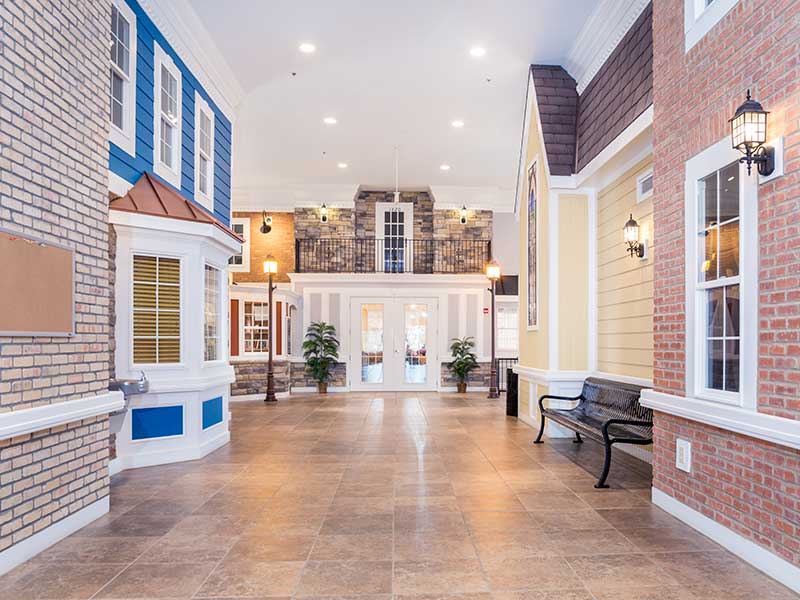
How is Altercare Zanesville Inc. Staffed?

CMS rates ALTERCARE ZANESVILLE INC.'s staffing level at 2 out of 5 stars, which is below average compared to other nursing homes. Staff turnover is 57%, which is 11 percentage points above the Ohio average of 46%. High turnover can affect care consistency as new staff learn residents' individual needs.

What Have Inspectors Found at Altercare Zanesville Inc.?

State health inspectors documented 55 deficiencies at ALTERCARE ZANESVILLE INC. during 2022 to 2025. These included: 2 Immediate Jeopardy (the most serious level, indicating potential for serious harm or death), 3 that caused actual resident harm, and 50 with potential for harm. Immediate Jeopardy findings are rare and represent the most serious regulatory concerns. They require immediate corrective action.
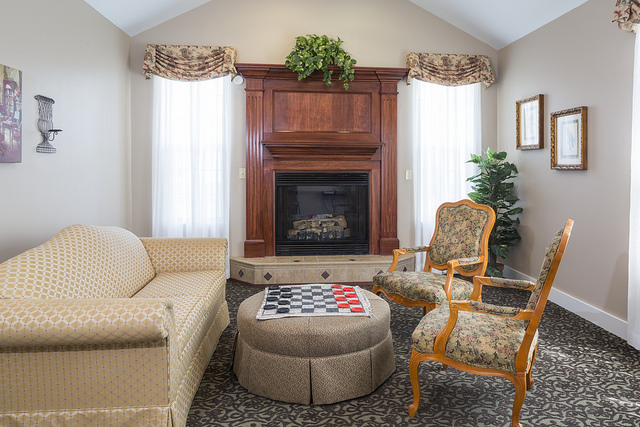
Who Owns and Operates Altercare Zanesville Inc.?

ALTERCARE ZANESVILLE INC. is owned by a for-profit company. For-profit facilities operate as businesses with obligations to shareholders or private owners. The facility is operated by ALTERCARE, a chain that manages multiple nursing homes. With 99 certified beds and approximately 86 residents (about 87% occupancy), it is a smaller facility located in ZANESVILLE, Ohio.
How Does Altercare Zanesville Inc. Compare to Other Ohio Nursing Homes?

Compared to the 100 nursing homes in Ohio, ALTERCARE ZANESVILLE INC.'s overall rating (2 stars) is below the state average of 3.2, staff turnover (57%) is significantly higher than the state average of 46%, and health inspection rating (1 stars) is much below the national benchmark.

What Should Families Ask When Visiting Altercare Zanesville Inc.?

Based on this facility's data, families visiting should ask: "What changes have been made since the serious inspection findings, and how are you preventing similar issues?" "How do you ensure continuity of care given staff turnover, and what is your staff retention strategy?" "Can you walk me through typical staffing levels on day, evening, and night shifts?" "Can I visit during a mealtime to observe dining assistance and food quality?" These questions are particularly relevant given the facility's Immediate Jeopardy citations, the facility's high staff turnover rate, and the below-average staffing rating.

Is Altercare Zanesville Inc. Safe?

Based on CMS inspection data, ALTERCARE ZANESVILLE INC. has documented safety concerns. Inspectors have issued 2 Immediate Jeopardy citations (the most serious violation level indicating risk of serious injury or death). The facility has a 2-star overall rating and ranks #100 of 100 nursing homes in Ohio. Families considering this facility should ask detailed questions about what corrective actions have been taken since these incidents.

Do Nurses at Altercare Zanesville Inc. Stick Around?

Staff turnover at ALTERCARE ZANESVILLE INC. is high. At 57%, the facility is 11 percentage points above the Ohio average of 46%. High turnover means new staff may not know residents' individual needs, medications, or preferences. It can also be disorienting for residents, especially those with dementia who rely on familiar faces. Families should ask: What is causing the turnover? What retention programs are in place? How do you ensure care continuity during staff transitions?

Was Altercare Zanesville Inc. Ever Fined?

ALTERCARE ZANESVILLE INC. has been fined $198,156 across 2 penalty actions. This is 5.7x the Ohio average of $35,060. Fines at this level are uncommon and typically indicate a pattern of serious deficiencies, repeated violations, or failure to correct problems promptly. CMS reserves penalties of this magnitude for facilities that pose significant, documented risk to resident health or safety. Families should request specific documentation of what issues led to these fines and what systemic changes have been implemented.

Is Altercare Zanesville Inc. on Any Federal Watch List?

ALTERCARE ZANESVILLE INC. is not on any federal watch list. The most significant is the Special Focus Facility (SFF) program, which identifies the bottom 1% of nursing homes nationally based on persistent, serious quality problems. Not being on this list means the facility has avoided the pattern of deficiencies that triggers enhanced federal oversight. This is a positive indicator, though families should still review the facility's inspection history directly.