OAKS AT BETHESDA THE

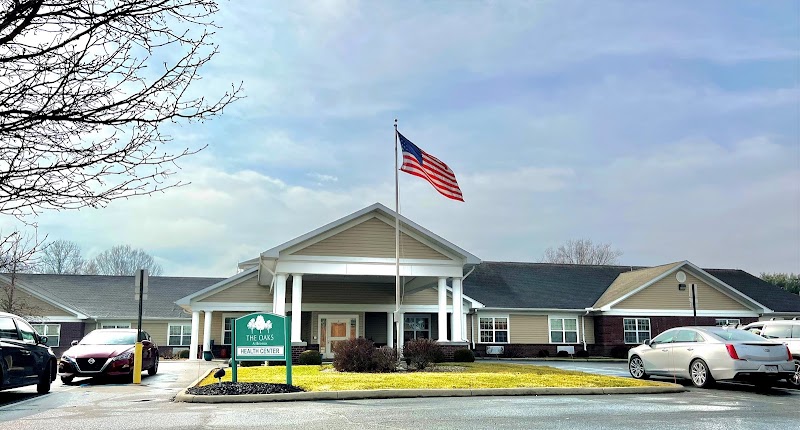
2971 MAPLE AVENUE, ZANESVILLE, OH 43701 (740) 452-3800
For profit - Corporation 55 Beds TRILOGY HEALTH SERVICES Data: November 2025
Trust Grade
55/100
#518 of 913 in OH
Last Inspection: January 2025

Within standard 12-15 month inspection cycle. Federal law requires annual inspections.

Overview

Oaks at Bethesda has a Trust Grade of C, which means it is average compared to other nursing homes. It ranks #518 out of 913 facilities in Ohio, placing it in the bottom half, but it is the top-rated option in Muskingum County, ranking #1 out of 7. The facility is improving, with the number of issues decreasing from 8 in 2024 to 7 in 2025. Staffing is a strength here, with a 4 out of 5-star rating and a turnover rate of only 20%, which is well below the state average. However, there are some concerns, including serious incidents where a resident developed a pressure ulcer due to delayed treatment and significant weight loss that was not addressed in a timely manner. Additionally, there were issues with infection control procedures that could affect all residents, indicating areas that need attention despite the overall strengths of the facility.

Trust Score
C
55/100
In Ohio
#518/913
Bottom 44%
Safety Record
Moderate
Needs review
Inspections
Getting Better
8 → 7 violations
Staff Stability
✓ Good
20% annual turnover. Excellent stability, 28 points below Ohio's 48% average. Staff who stay learn residents' needs.
Penalties
✓ Good
No fines on record. Clean compliance history, better than most Ohio facilities.
Skilled Nurses
✓ Good
Each resident gets 47 minutes of Registered Nurse (RN) attention daily — more than average for Ohio. RNs are trained to catch health problems early.
Violations
⚠ Watch
26 deficiencies on record. Higher than average. Multiple issues found across inspections.
★★★☆☆
3.0
Overall Rating
★★★★☆
4.0
Staff Levels
★★★★☆
4.0
Care Quality
★★★☆☆
3.0
Inspection Score
Stable
2024: 8 issues
2025: 7 issues

The Good

  • 4-Star Staffing Rating · Above-average nurse staffing levels
  • 4-Star Quality Measures · Strong clinical quality outcomes
  • Low Staff Turnover (20%) · Staff stability means consistent care
  • Full Sprinkler Coverage · Fire safety systems throughout facility
  • No fines on record
  • Staff turnover is low (20%)

    28 points below Ohio average of 48%

Facility shows strength in staffing levels, quality measures, staff retention, fire safety.

The Bad

3-Star Overall Rating

Near Ohio average (3.2)

Meets federal standards, typical of most facilities

Chain: TRILOGY HEALTH SERVICES

Part of a multi-facility chain

Ask about local staffing decisions and management

The Ugly 26 deficiencies on record

2 actual harm
Jul 2025 1 deficiency
CONCERN (D) 📢 Someone Reported This

A family member, employee, or ombudsman was alarmed enough to file a formal complaint

Potential for Harm - no one hurt, but risky conditions existed

Pressure Ulcer Prevention (Tag F0686)

Could have caused harm · This affected 1 resident

**NOTE- TERMS IN BRACKETS HAVE BEEN EDITED TO PROTECT CONFIDENTIALITY** Based on review of the medical record and interview with staff, the facility failed to ensure wound treatment orders were in pla...

Read full inspector narrative →
**NOTE- TERMS IN BRACKETS HAVE BEEN EDITED TO PROTECT CONFIDENTIALITY** Based on review of the medical record and interview with staff, the facility failed to ensure wound treatment orders were in place for Resident #56. This affected one resident (Resident #56) of three reviewed for wounds.Findings included:Review of the medial record revealed Resident #56 was admitted to the facility on [DATE]. Diagnoses included surgical aftercare, presence of an aortocoronary bypass graft, cardiogenic shock, atherosclerotic heart disease, respiratory failure, pulmonary fibrosis, chronic kidney disease, diabetes, tremor, macular degeneration, obstructive sleep apnea, chest pain, bipolar disorder, depression, diverticulosis, atelectasis and thrombocytopenia. He was discharged to the hospital on [DATE].Review of the progress note dated 04/17/25 at 5:41 P.M. revealed Resident #56 had a deep tissue injury to his bilateral buttocks. The right buttock measured 4.0 centimeters (cm) by 3.5 cm and was a dark reddish purple in color and hard. The left buttock measured 4.9 cm by 5.1 cm, was dark reddish purple in color and hard. Calazine was applied to both areas.Review of the Plan of Care dated 04/18/25 revealed Resident #56 had an approach under his Profile Care Guide on his care plan to apply barrier cream after each incontinent episode.Review of the physician's orders revealed Resident #56 had orders dated 04/17/25 to encourage the resident to float heels while in bed as tolerated, encourage turning and repositioning, a pressure reducing mattress to the bed, and a pressure reducing cushion in the wheelchair. Review of the Treatment Administration Record for Resident #56 from 04/17/25 to 04/20/25 revealed no documented evidence of protective cream to the resident's bilateral buttocks.Review of the occurrence note dated 04/21/25 at 12:15 P.M. revealed Resident #56 had Moisture Associated Skin Damage (MASD) (skin condition caused by prolonged exposure to moisture causing inflammation) to the buttocks. There were no measurements documented. Further review of the physician's order revealed Resident #56 had an order for protective cream to bilateral buttock twice daily and as needed, dated 04/21/25.Review of the Five-Day Minimum Data Set assessment dated [DATE] revealed Resident #56 had intact cognition. Resident #56 was dependent for toilet hygiene, required substantial assistance with rolling in bed, was occasionally incontinent for bladder and bowel, was at risk for pressure ulcers, and had two deep tissue injuries and surgical wounds.Interview on 07/12/25 at 9:55 A.M. with the Director of Nursing revealed the buttocks of Resident #56 were not open, they were just a Deep Tissue Injury (DTI) and would not require anything other than barrier cream and she had documented that she had put the barrier cream on him upon admission, however she did verify there was no other documentation of barrier cream being applied or an order for barrier cream until 04/21/25, after he was identified with MASD.Review of the facility policy titled, Guidelines for Pressure Prevention, dated 12/01/21 revealed the purpose was to maintain good skin integrity and avoid the development of pressure ulcers. This deficiency represents non-compliance investigated under Complaint Number OH00166207.
Jan 2025 6 deficiencies
CONCERN (D)

Potential for Harm - no one hurt, but risky conditions existed

Quality of Care (Tag F0684)

Could have caused harm · This affected 1 resident

**NOTE- TERMS IN BRACKETS HAVE BEEN EDITED TO PROTECT CONFIDENTIALITY** 2. Review of Resident #9's medical record revealed Record review revealed an admission date of 11/29/24 with diagnoses including...

Read full inspector narrative →
**NOTE- TERMS IN BRACKETS HAVE BEEN EDITED TO PROTECT CONFIDENTIALITY** 2. Review of Resident #9's medical record revealed Record review revealed an admission date of 11/29/24 with diagnoses including venous insufficiency, congestive heart failure, hypotension, dementia, diabetes (type 2), retention of urine, and cardiomyopathy. Resident #9 was hospitalized and readmitted to the facility on [DATE]. Review of Resident #9's peripheral vascular disease plan of care dated 12/06/24 revealed no evidence of compression stockings or unna boot treatments. Review of Resident #9's skin integrity plan of care dated 12/06/24 revealed treatments and preventative treatments were to be applied when ordered. Review of Resident #9's orders dated 12/09/24 and 12/27/24 (re-admission) revealed orders for compression socks to be applied in the morning and removed at night. Review of Resident #9's hospital discharge records dated 12/27/24 revealed orders for unna-flex elastic unna boot (compression gauze bandage impregnated with thick creamy mixture of zinc oxide and calamine used to treatment of venous insufficiencies of the leg and venous status ulcers) to be apply topically daily for three days and knee-high anti-embolism (compression) stockings with 20-30 millimeter of mercury (mm Hg) of compression to be worn daily. Review of Resident #9's orders dated 12/28/24 for the unna boot dressing application revealed to apply a unna boot daily for three days to right pretibial (shin area of the leg) area. Special instructions included to change as needed if the dressing becomes dislodged or soiled. On 12/30/24, the orders were changed to cleanse right lower extremity with normal saline or wound cleanser, apply an unna boot, and cover with kling wrap and tubigrip three times a week and as needed. On 12/31/24, the order was changed again to cleanse the wound with wound cleanser or normal saline, pat dry, apply unna wrap to right lower leg and cover with gauze wrap daily and as needed until healed. Review of Resident #9's progress note dated 12/31/24 revealed the resident had a peripheral vascular wound that was present on admission that measured 0.7 centimeters (cm) length by 1.8 cm width, by 0.1cm depth. The right lower leg was red/purple which was indicative of severe peripheral vascular disease (PVD). The listed treatment included cleansing the area with wound cleanser/normal saline. Apply unna wrap daily and cover with gauze wrap. The physician was recorded as being in agreement with the wound treatment, and the resident was informed of treatment orders and reported he would inform his spouse. Nursing would treat, monitor areas and notify the physician if the resident's condition worsened. Review of Resident #9's Medication Administration Record (MAR) and Treatment Administration Record (TAR) for December 2024 revealed no evidence the unna boot was applied from 12/27/24 to 12/30/24 per orders. Observation of Resident #9 on 01/06/25 at 11:20 A.M., revealed the resident didn't have compression stocking or unna boot in-place. The resident had reported staff had been putting the compression hose/stocking on, but he didn't know where they went. Two surveyors looked around the room and was not able to locate the compression stockings. The resident had a piece of gauze wrapped around a small area below his knee, however most of his lower right leg was exposed. Both lower extremities were red and swollen. A subsequent observation on 01/08/25 at 8:02 A.M. revealed the resident was sitting up in his recliner. The resident did not have compression hose/stocking or an unna boot dressing in-place. The resident reported he still had not found his compression hose/stocking. The resident's lower extremities remained red and swollen. The resident has a gauze dressing in-tact to a small area below the right knee. Interview and observation of Resident #9 on 01/08/25 at 8:10 A.M., with the Director of Nursing (DON) and Assistant Director of Nursing (ADON) confirmed the resident did not have compression hose/stocking or the unna boot in-place to the right lower leg per his current orders. The ADON removed the gauze dressing and there was an open area noted on the right lower leg below the knee. Interview on 01/09/25 at 7:47 A.M., with the DON and ADON confirmed the resident was ordered compression hose on 12/09/24 and the compression hose were re-ordered upon the resident's re-admission on [DATE]. The DON confirmed the resident was ordered unna boots daily for three days when he returned from the hospital on [DATE], however the order was entered in the computer but for some reason did not transfer over the medication or treatment record. The DON confirmed there was no evidence the unna boot treatments were completed from 12/28/24 to 12/30/24. The DON reported she had started education with staff on how to correctly apply unna boots. Review of facility policy titled General Wound and Skin Care dated 05/10/17 and revised 12/17/24 revealed the facility provides measures that will promote and maintain good skin integrity. Based on observation, interview, medical record review, and review of policies, the facility failed to notify the physician and address a change in Resident #11's ability to chew and swallow and failed to implement compression stockings or unna boot dressings per order for Resident #9. This affected two residents (#9 and #11) of 15 residents reviewed for quality of care and treatment. The facility census was 52. Findings include: 1. Review of Resident #11's medical record revealed an admission date of 10/08/24 with diagnoses including hemiplegia and hemiparesis following cerebral infarction affecting left non-dominant side, pulmonary fibrosis, heart failure, depression, anxiety disorder, hypotension, benign neoplasm of parotid gland, altered mental status, and age-related physical debility. Review of Resident #11's Minimum Data Set (MDS) 3.0 assessment dated [DATE] revealed she was cognitively intact. She had no chewing or swallowing concerns. Review of Resident #11's diet orders from 12/04/24 to 01/06/25 revealed an order for a regular texture diet. Review of Resident #11's plan of care dated 12/29/24 revealed the resident had no concerns related to chewing, swallowing, or dentition. Review of Resident #11's progress note dated 11/04/24 revealed the resident was holding pills in her mouth and not swallowing them. The note indicated Resident #11 also held pills crushed in pudding in her mouth. There was no indication the physician or family was notified. Review of Resident #11's admission assessment dated [DATE] revealed the resident had no swallowing problems and no dental problems. Review of Resident #11's nutrition assessment dated [DATE] revealed no indication the resident had problems chewing or swallowing. Review of Resident #11's medical record from 11/05/24 to 12/29/24 revealed no further documentation related to Resident #11's difficulty swallowing. Review of Resident #11's progress note dated 12/30/24 revealed an unnamed Certified Nursing Assistant (CNA) had reported the resident was coughing and gagging with meals and drinks. The nurse noted the resident spit out the medication into her hand and rubbed them on the side of her face. Resident #11 also tried to hold medications in her mouth and then gagged and coughed. There was no indication the physician or family was notified. Review of Resident #11's progress note dated 12/31/24 revealed the resident was admitted to hospice related to physical debilities, and several of her routine medications and laboratory testing had been discontinued. The resident's daughter was in agreement with this. Review of Resident #11's nutrition assessment dated [DATE] revealed the resident had a recent episode of coughing and gagging with oral intake. There were no recommendations related to this and no indication the dietitian had discussed the concerns with the resident, family, or physician. Review of Resident #11's progress note dated 01/06/25 revealed the resident asked for a pureed diet after breakfast. She reported she could not chew her food well enough to swallow it. She received a puree diet for lunch and ate it well. Review of Resident #11's diet order dated 01/06/25 revealed an order for puree texture per the residents request as she could not chew the food well enough to swallow. Interview on 01/08/25 at 2:00 P.M. with Regional Dietitian #100 revealed the facility's dietitian was unavailable. He reported if he became aware of a resident having swallowing problems he would discuss it with nursing to ensure the proper steps were taken, whether that was downgrading a diet or referring a resident for a speech therapy evaluation. Interview on 01/08/25 at 4:01 P.M. with the Director of Nursing (DON) verified there was no evidence the physician or power of attorney (POA) was notified of Resident #11's swallowing problems on 12/30/24. She additionally verified there was no evidence this issue was followed up on or discussed with the resident. The DON reported she had discussed this concern with the resident today who reported that she only had a problem chewing due to poor dentition and she refused the dentist. Interview on 01/08/25 at 4:10 P.M. with Licensed Practical Nurse (LPN) #144 revealed she worked the morning of 12/31/24 and it had not been communicated to her that Resident #11 had problems swallowing and she had not notified the POA or physician. LPN #144 reported Resident #11 had always had problems chewing so she was sure the POA was aware. Interview on 01/09/25 at 7:51 A.M. and 8:25 A.M. with the DON verified prior to 12/30/24 the only indication Resident #11 had chewing or swallowing problems was the progress note on 11/04/24. The resident was not assessed or care planned to have problems chewing or swallowing. She additionally verified she would expect a nurse to notify appropriate parties of changes in a residents abilities to chew or swallow. The DON verified there was insufficient documentation to show anyone followed up or notified the physician or POA after Resident #11's 11/04/24 and 12/30/24 incident. Review of the policy 'Notification of Change of Condition' dated 12/17/24, revealed the facility must inform the resident, consult with the physician, and notify the resident's legal representative of an accident involving the resident and has the potential for requiring physician intervention, when there is a significant change in the resident's physical, mental, or psychosocial status, or a need to alter treatment significantly.
CONCERN (D)

Potential for Harm - no one hurt, but risky conditions existed

Incontinence Care (Tag F0690)

Could have caused harm · This affected 1 resident

**NOTE- TERMS IN BRACKETS HAVE BEEN EDITED TO PROTECT CONFIDENTIALITY** Based on observation, interview, and medical record review, the facility failed to ensure an order was in place and care was doc...

Read full inspector narrative →
**NOTE- TERMS IN BRACKETS HAVE BEEN EDITED TO PROTECT CONFIDENTIALITY** Based on observation, interview, and medical record review, the facility failed to ensure an order was in place and care was documented for Resident #154 who had a catheter. This affected one resident (#154) of two residents reviewed for catheters. The facility identified four residents with indwelling urinary catheters. The facility census was 52. Findings include: Review of Resident #154's medical record revealed an admission date of 12/20/24 with diagnoses including cerebral infarction due to embolism of cerebellar arteries, dysphagia, adult failure to thrive, severe protein-calorie malnutrition, depression, and gastro-esophageal reflux disease. Review of Resident #154's comprehensive Minimum Data Set (MDS) 3.0 assessment dated [DATE] revealed he had moderately impaired cognition. Review of Resident #154's progress note dated 12/24/24 at 4:45 A.M. revealed the resident's abdomen was distended and a bladder scan showed urine present. He was unable to be straight cathed and he was sent to the emergency room to have a urinary catheter placed. Review of Resident #154's progress note dated 12/24/24 at 3:20 P.M. revealed the resident returned from the hospital with a new foley (indwelling urinary) catheter in place. Review of Resident #154's plan of care and physician orders on 01/07/25 at 8:30 A.M. revealed there was nothing related to a urinary catheter. Resident #154's record revealed no care was documented for Resident #154's catheter. Observation on 01/06/25 at 10:25 A.M. revealed Resident #154 had a urinary catheter in place. Interview on 01/07/25 at 8:32 A.M. with Registered Nurse #109 and and LPN #163 verified Resident #154 had a indwelling urinary catheter in place but had no orders or care plan for the catheter. Resident #154 went to the hospital and came back with the catheter. LPN #163 reported she would check the catheter size and put in the orders.
CONCERN (D)

Potential for Harm - no one hurt, but risky conditions existed

Drug Regimen Review (Tag F0756)

Could have caused harm · This affected 1 resident

**NOTE- TERMS IN BRACKETS HAVE BEEN EDITED TO PROTECT CONFIDENTIALITY** Based on record review, pharmacy recommendations, and staff interview, the facility failed to implement pharmacy recommendations...

Read full inspector narrative →
**NOTE- TERMS IN BRACKETS HAVE BEEN EDITED TO PROTECT CONFIDENTIALITY** Based on record review, pharmacy recommendations, and staff interview, the facility failed to implement pharmacy recommendations in a timely manner for Resident #15. This affected one (Resident #15) out of five residents reviewed for unnecessary medications. The facility census was 52. Findings include: Review of the medical record revealed Resident #15 was admitted on [DATE] with diagnoses that included bipolar II, type 2 diabetes, anxiety disorder, and major depressive disorder. The quarterly Minimum Data Set (MDS) dated [DATE] revealed Resident #15 was cognitively intact. The MDS also revealed Resident #15 received antipsychotic and anticonvulsant medication. A pharmacy recommendation dated 10/10/24 revealed Resident #15 had an order for Estring (vaginal ring that reduces the symptoms of menopause) to be replaced every three months at the doctors office. A recommendation was made to add the month the Estring was to be replaced for better monitoring. The recommendation was marked as accepted. Review of the physician orders and Medication Administration Records (MAR) after the 10/10/24 recommendation revealed the month the Estring was to be replaced had not been added. A pharmacy recommendation dated 11/22/24 revealed Resident #15 was ordered Gabapentin (anticonvulsant and to treat nerve pain). A recommendation was made to consider adding a side effect monitoring order set for anticonvulsant's. On 12/19/24, monitoring for anticonvulsant medication was added to observe Resident #15 closely for significant side effects such as drowsiness, Ataxia, Nystagmus, dizziness, blurred vision, nausea, rash, gum enlargement, and jaundice. A pharmacy recommendation dated 12/30/24 revealed Resident #15 received aripiprazole (antipsychotic) medication. An abnormal involuntary movement (AIMS) assessment should be performed at baseline and at least every 6 months. The last AIMS assessment in the medical record was completed on 05/15/24. The pharmacy recommendation was marked as completed with a note the AIMS assessment was completed in October 2024. Review of the quarterly Observation and Data Collection form dated 10/05/24 revealed Resident #15 was not receiving an antipsychotic medication and the AIMS assessment did not need to be completed. Interview on 01/09/24 at 9:45 A.M. Director of Health Services (DHS) verified the recommendation to add the month Resident #15's Estring was to be replaced was not completed. DHS also verified the side effect monitoring for Gabapentin was not addressed until 27 days after the recommendation had been received. DHS verified the last AIMS assessment had been completed on 05/15/24 and an AIMS assessment for Resident #15 was not completed until 01/09/24 after being made aware pharmacy had made an AIMS assessment recommendation. Review of the policy Consultant Pharmacist Reports revised 11/18 revealed the medical regimen review (MRR) includes evaluating the residents response to medication therapy to determine that the resident maintains the highest practicable level of functioning and preventing or minimizing adverse consequences related to medication therapy. Recommendations are acted upon and documented by the facility personnel and/or the prescriber. The prescriber accepts and acts upon the suggestion or rejects and provides an explanation for disagreeing. The director of nursing or designated licensed nurse addresses and documents recommendations that do not require a physician intervention. Review of the Guidelines for: Abnormal Involuntary Movement Scale (AIMS) revised 05/22/18 revealed a licensed nurse will complete an AIMS assessment on all residents on antipsychotic medications and/or other medications know to cause tardive dyskinesia. The AIMS assessment will be completed if possible prior to the resident beginning this type of medication, or at the earliest possible time; either after admission, after medications are prescribed, and with dosage changes. The AIMS assessment will be repeated for every resident taking antipsychotic medications every six months or as needed for displaying symptoms of tardive dyskinesia.
CONCERN (D)

Potential for Harm - no one hurt, but risky conditions existed

Deficiency F0757 (Tag F0757)

Could have caused harm · This affected 1 resident

**NOTE- TERMS IN BRACKETS HAVE BEEN EDITED TO PROTECT CONFIDENTIALITY** Based on interview and record review the facility failed to monitor pain severity, location, and nonpharmacological intervention...

Read full inspector narrative →
**NOTE- TERMS IN BRACKETS HAVE BEEN EDITED TO PROTECT CONFIDENTIALITY** Based on interview and record review the facility failed to monitor pain severity, location, and nonpharmacological interventions for Resident #37 who received as-needed pain medication. This affected one resident (#37) of two residents reviewed for pain management. The facility census was 52. Findings include: Review of Resident #37's medical record revealed an admission date of 06/04/24 with diagnoses including unspecified dementia, chronic obstructive pulmonary disease, anxiety disorder, esophageal obstruction, depression, anxiety, dysphagia,and mixed receptive expressive language disorder. Review of Resident #37's comprehensive Minimum Data Set (MDS) 3.0 assessment dated [DATE] revealed the resident had moderately impaired cognition. Review of Resident #37's plan of care dated 11/13/24 revealed she was at risk for pain related to diagnoses and impaired mobility. Interventions included observing and recording verbal and nonverbal signs of pain, notifying the physician of increased pain, administering medications as ordered, and attempting non-pharmacological interventions. Review of Resident #37's physician order dated 12/19/24 revealed an order for Hydrocodone-Acetaminophen (narcotic pain medication) 5-325 milligrams (mg) every four hours as needed. Review of Resident #37's Medication Administration Record (MAR) from 12/19/24 to 01/06/25 revealed as-needed Hydrocodone was administered on 12/21/24 at 9:56 A.M. and 2:26 P.M., on 12/22/24 at 9:10 A.M. and 1:16 P.M., on 12/23/24 at 2:21 A.M. and 10:54 A.M., on 12/24/24 at 10:57 A.M. on 12/25/24 at 8:48 A.M., on 12/26/24 at 5:37 A.M., 9:43 A.M., 3:12 P.M., and 7:33 P.M., on 12/27/24 at 10:14 A.M. and 2:12 P.M., on 12/28/24 at 10:53 A.M., 12/30/24 at 3:42 P.M., and on 01/01/25 at 12:47 P.M. Review of the MAR notes revealed the medication was administered on 12/23/24 for knee pain of six out of 10. There were no additional notes or documentation related to the administration of the as-needed pain medication. There was no further rating of pain, description of pain, or indication of nonpharmacological interventions attempted. Review of Resident #37's progress notes from 12/19/24 to 01/06/25 revealed no further documentation related to the resident's reports of pain or the as-needed administration of Hydrocodone on the above days. Interview on 01/09/25 at 8:25 A.M. with the Director of Nursing (DON) verified there was no documentation of pain level, description of pain, or nonpharmacological interventions. Review of the policy 'Guidelines for pain observation and management' dated 12/17/24, revealed each resident's pain including its origin, location, severity, alleviating and exacerbating factors, current treatment and response to treatment will be observed and documented according to the needs of each individual.
CONCERN (D)

Potential for Harm - no one hurt, but risky conditions existed

Antibiotic Stewardship (Tag F0881)

Could have caused harm · This affected 1 resident

Based on medical record review, staff interview, and review of facility policy, the facility failed to have justification for prophylactic antibiotics for Resident #38. This affected one resident (#38...

Read full inspector narrative →
Based on medical record review, staff interview, and review of facility policy, the facility failed to have justification for prophylactic antibiotics for Resident #38. This affected one resident (#38) of two residents reviewed for antibiotic stewardship. The facility census was 52. Findings included: Review of the medical record for Resident #38 revealed an admission date of 12/22/23. Diagnoses included sepsis, acute cystitis with hematuria, polyneuropathy, and history of prostate cancer. Review of the physicians' orders dated 07/15/24 for Resident #38 revealed orders from a urologist for levofloxacin (an antibiotic) 500 milligrams (mg) by mouth daily for three days, prophylactic due to cystoscopy. On 07/15/24, macrobid (an antibiotic) 100 mg by mouth once daily was ordered prophylactic starting on 07/18/24, continuously for a year's duration. Review of the Plan of Care dated 08/22/24 revealed Resident #38 received long-term prophylactic antibiotic medication related to recurrent urinary tract infections. A listed goal included the resident will not exhibit signs of complications associated with prophylactic antibiotic use. Listed interventions included to encourage fluid intake, observe for signs and symptoms of adverse effects/complications associated with prophylactic antibiotic use and report to medical doctor (MD), observe for sign and symptoms antimicrobial resistant organisms and report to MD, and to obtain labs as/when ordered, reporting results to MD. Interview on 01/09/25 at 11:54 A.M. with Director of Health Service (DHS) and Infection Control Nurse #165 revealed that Resident #38's levofloxacin and macrobid did not meet the criteria for antibiotic use, and there is not a statement by the physician justifying the use of the prophylactic antibiotic and did not meet McGeer criteria for antibiotic use. Review of the policy Infection Prevention and Control Program (IPCP) revised 11/15/21 revealed the IPCP designee will work with campus pharmacy provider regarding an antibiotic stewardship program and campus Medical Director as needed. Outcome surveillance should be reviewed by the IPCP designee. Documentation shall be reviewed within the resident's Electronic Health Record (EHR) to assist in identify if the infection meets the McGeer Criteria.
CONCERN (F)

Potential for Harm - no one hurt, but risky conditions existed

Infection Control (Tag F0880)

Could have caused harm · This affected most or all residents

Based on review of the infection control logs, review Center of Disease Control and Prevention (CDC) guidelines, observation, interview, and policy review, the facility failed to ensure policy and pro...

Read full inspector narrative →
Based on review of the infection control logs, review Center of Disease Control and Prevention (CDC) guidelines, observation, interview, and policy review, the facility failed to ensure policy and procedures were in place for laundering isolation linens and clothing and failed to ensure staff were knowledgeable on the process to prevent infection transmission throughout the facility. This had the potential to affect all 52 resident residing in the facility. Findings include: Review of the infection control log dated 11/2024 to 01/09/24 revealed in November 2024 there were three cases of Clostridium difficile (C-diff, a highly contagious bacterium that causes diarrhea and colitis). In December 2024 there were four cases of C-diff, and in January 2025 (through 01/09/25) there was one case of C-diff recorded. Observation and interview on 01/08/24 at 11:30 A.M., with the Director of Environmental Service (DES) #149 revealed if a resident had C-diff infection, the floor staff would take the laundry from the resident's room to the soiled linen rooms on the hallway. The facility treats all laundry items as contaminated, so the staff don't label or place contaminated linens in any special bag or container. The laundry staff would then go to the soiled linen rooms with a barrel to collect the laundry to transport to the laundry room. The laundry staff would enter on the dirty side of the laundry room and apply gloves, gowns, and goggles and proceed to sort all the laundry. The staff do not separate the contaminated (C-diff) laundry from the non-contaminated laundry due to the facility washing machine being a high-temperature machine. DES #149 reported the hot water temperatures for the washer range from 140-145 and to her understanding the hot water would kill all organisms, including C-diff. DES #149 reported staff would use the wash cycle that was on a chart on the wall to wash the linens or clothing. DES #149 referenced the chart and stated #1 was a pre-set cycle for sheets, #2 was a pre-set cycle for towels, #3 was a pre-set cycle for incontinence pads, #4 was a pre-set cycle for residents' personal clothing items which did not contain bleach, and #5 was a pre-set cycle for blankets or bed sheets. DES #149 confirmed there was an isolation cycle, however it was not used as the hot water temperatures were effective and the isolation cycle contained bleach which would ruin colored items. DES #149 did not know what products or formula was used in which cycle and would have to call the supply company. Interview on 01/09/25 at 9:20 A.M., and 10:36 AM with DES #149 revealed the supply company came out last night to determine what products were used in each cycle. Cycle #1 was for sheets and contained 3.5 ounces of bleach, Cycle #2 was for towels and had 3.5 ounces of bleach. Cycle #3 was for incontinence pads and had 4.5 ounces of bleach. Cycle #4 was for personal items and had no bleach. Cycle #5 was for blankets/bedspreads and had no bleach. Cycle #11 was for isolation and had 4.5 ounces of bleach. DES #149 confirmed resident personal items, including residents infected with C-diff's personal items, would be washed in Cycle #4 with the formula which did not contain bleach. DES #149 confirmed the facility did not have a policy on washing isolation linen or clothing, however she was going to reach out to her corporate office. Interview on 01/09/25 at 10:53 A.M., with DES #149 revealed the only thing she could find regarding the laundry procedure dated 06/14/12 indicated infection linen would be double bag with two can liners. The procedure called for staff to bring the can liners to the central soiled utility room and place in a tub. The procedure recommended to wash personal laundry at the campus for infection control and not allow residents to take clothing or linens home to wash. Interview on 01/09/25 at 2:49 P.M., with Supplier #500 confirmed he had visited the facility last night to ensure which products were used in each formula/cycle. Supplier #500 reported destainer was the bleach, and if used would kill most of the common organisms. The supplier confirmed personal item cycle, and the blankets/bedspread formula/cycles do not contain bleach (destainer). Review of the facility policy Infection Prevention and Control Program (IPCP) revised 11/15/21 revealed the infection prevention and control program was designed to provide a safe, sanitary, and comfortable environment and to help prevent the development and transmission of communicable diseases and infections. The policy stated a member of the clinical team shall be designated to monitor the campus IPCP program to perform surveillance to identify, investigate, control, and prevent the spread of infection and reporting for the IPCP. The policy included responsibilities which included to review each department's policies and procedures annually for their adherence to infection control principles. The policy stated this included nursing, dietary, housekeeping, laundry, maintenance, and others as required. The policy additionally listed for a review of in-use disinfectants when evidence of continuing transmission of an infectious agent (such as rotavirus, C. diff, norovirus, etc) are reviewed and changed to a more effective disinfectant as indicated. Review of the CDC Guide to Preventing Clostridium difficile Infections dated 12/18/24 revealed although many EPA registered germicides kill the vegetative C. difficile, only chlorine-based disinfectants and high concentration hydrogen peroxide formulations kill spores. According to the CDC, the risk of disease transmission from soiled linen is negligible, and common-sense hygienic practices for processing and storage of linen are recommended. Policies and procedures should be in place to ensure that soiled linen is handled as little as possible to prevent microbial contamination of the air and of persons handling the linen. Soiled linen should be bagged or placed in containers at the location where it was used and should not be sorted or rinsed at that location. Heavily soiled or contaminated linen should be placed into containers that will prevent leakage. Soiled linen is usually sorted in the laundry before washing. Policies and procedures for appropriate protective apparel to be worn by laundry personnel should be in place and enforced at the laundering facility. The soiled textiles area must be functionally separated from the clean textiles processing area. Functional separation may be obtained by any one or more of the following methods: a physical barrier, negative air pressure in the soiled textiles area, and/or positive air flow from the clean textiles area through the soiled textiles area with venting directly to the outside. To remove significant quantities of microorganisms from grossly contaminated linen commercial laundry facilities, use water temperatures of at least 160°F, and may use 50 to 150 parts per million (ppm) of chlorine bleach as well. Satisfactory reduction of microbial contamination can be achieved at water temperatures lower than 160 degrees Fahrenheit (F) if chemicals suitable for low temperature washing are used. The facility was not able to provide evidence the hot water temperature in the facility's washing machine was greater than 160 degrees F by the conclusion of the survey on 01/09/25.
Jan 2024 8 deficiencies 2 Harm
SERIOUS (G)

Actual Harm - a resident was hurt due to facility failures

Pressure Ulcer Prevention (Tag F0686)

A resident was harmed · This affected 1 resident

**NOTE- TERMS IN BRACKETS HAVE BEEN EDITED TO PROTECT CONFIDENTIALITY** Based on observation, record review, resident and staff interviews, review of skin assessments, and facility policy review, the ...

Read full inspector narrative →
**NOTE- TERMS IN BRACKETS HAVE BEEN EDITED TO PROTECT CONFIDENTIALITY** Based on observation, record review, resident and staff interviews, review of skin assessments, and facility policy review, the facility failed to prevent, comprehensively assess and timely treat a pressure ulcer and failed to prevent the pressure ulcer from worsening for Resident #298. This affected one resident (#298) of three residents reviewed for skin impairments. The facility census was 51. Actual Harm occurred on 01/05/24 when a new, facility-acquired, skin area was identified on Resident #298's left heel that developed within 30 days of the resident's admission. The area was assessed as a purple-black bruise without swelling and measured 3.5 centimeters (cm) long by 2.5 cm wide. The facility failed to notify the physician or implement any treatment to the left heel until 01/09/24 (five days after the skin injury was identified) resulting in the wound worsening to an unstageable (full thickness tissue loss in which actual depth of the ulcer is completely obscured by slough and/or eschar in the wound bed) deep tissue injury (purple or maroon localized area of discolored intact skin due to damage of underlying soft tissue from pressure and/or shear) measuring four cm long and three cm wide and covered by necrotic (dead) tissue. Findings Include: Review of the medical record for Resident #298 revealed an admission date on 12/22/23. Medical diagnoses included displaced intertrochanteric fracture of left femur, polymyalgia rheumatica, and Type II Diabetes mellitus without complications. Review of the admission Minimum Data Set (MDS) 3.0 assessment dated [DATE] revealed Resident #298 had intact cognition and scored a 15 out of 15 on the Brief Interview for Mental Status (BIMS) assessment. Resident #298 had an impairment to her lower extremity and used a walker or wheelchair for mobility. Resident #298 required substantial/maximal assistance from staff to complete bed mobility and partial/moderate assistance with transfers. Resident #298 did not have any unhealed pressure ulcers or injuries. Skin treatments included a pressure reducing device for chair and bed. Review of the physician orders revealed Resident #298 had the following orders in place: Oxycodone 5 milligrams (mg) every six hours as needed (PRN) for pain dated 12/22/23 and a Wound Care (WC) order for left heel to cleanse wound with wound cleanser or normal saline, apply Betadine, and cover with foam (gentle or life) dressing every five days dated 01/09/24 (four days after the wound was identified). Review of progress notes dated from 12/22/23 through 01/18/24 revealed on 01/05/24 at 10:25 P.M., Licensed Practical Nurse (LPN) #61 noted the aide reported Resident #298 was requesting pain medication. LPN #61 spoke with Resident #298 who reported left heel pain rated a seven (out of ten) and stated, it usually only hurts at night. LPN #61 looked at bilateral heels and a dark, boggy, intact area with no drainage, approximately 3.5 cm long by 2.5 cm wide was noted to her left heel. LPN #61 assisted to reposition and elevated her feet on a pillow to help with reducing pressure. Resident #298 was educated on the importance of elevating her feet as much as possible. PRN pain medication was given. On 01/09/24 at 10:53 A.M. (four days later), the physician was notified of a left heel deep tissue injury (DTI) and new order was received to apply Betadine and cover with foam daily. Review of the Medication Administration Record (MAR) dated January 2024 revealed Resident #298 received PRN Oxycodone on 01/05/24 at 9:56 P.M. for pain to her left heel. The pain level was an eight out of ten where ten was the worst possible pain. Review of the Treatment Administration Record (TAR) dated January 2024 revealed Resident #298 received a weekly skin assessment on 01/02/24, 01/09/24, and 01/16/24. None of the assessments noted a 1 for a new impairment. Review of the care plan, dated 12/22/23, revealed Resident #298 had a pressure ulcer to left heel with a start date of 01/12/24. Interventions included assess and record the condition of the skin surrounding the pressure ulcer, observe for and report signs of pain related to the pressure ulcer, treatment per physician order and notify physician if treatment was not effective, and weekly skin assessment, measurement, and observation of the pressure ulcer and record. Review of the Skin Integrity Event - Bruise Event, created on 01/05/24 at 10:34 P.M. and completed at 10:36 P.M. by LPN #61 revealed Resident #298 had facility-acquired bruise on her left heel, approximately 3.5 cm long by 2.5 cm wide. The bruise was purple-black without swelling. Resident #298 reported a pain level of seven out of ten (where ten is the worse possible pain), and described as severe, horrible, intense pain. The immediate intervention was to make sure the resident had an appropriate treatment implemented. The physician and resident representative were notified. This event was invalidated by LPN #61 on 01/09/24 at 10:41 A.M. with a reason of incorrect data. However, the progress note was not invalid. Review of the Skin Integrity Event - Pressure, Stasis, Diabetic Wound Event, created on 01/05/24 at 10:25 P.M. (nine minutes prior to the Bruise Event was opened) but not completed until 01/09/24 at 10:43 A.M. (four days after the event was initially created) by LPN #61 revealed Resident #298 had a facility-acquired left heel wound measuring approximately 3.5 cm long by 2.5 cm wide. The wound was not staged and did not include a comprehensive assessment of the wound bed or the surrounding skin of the area. New interventions included to utilize transfer/draw sheets/trapeze to decrease friction and avoid positioning resident directly on skin breakdown. Treatment orders was marked yes. Physician and resident representative were noted to be notified on 01/09/24 at 10:44 A.M. Review of the Wound Management Detail Report dated 01/12/24 at 10:00 A.M. and completed by LPN #50 revealed Resident #298 had a facility acquired pressure ulcer to her left heel that measured four cm long by three cm wide. The wound was staged as an unstageable, deep tissue injury with necrotic tissue. The wound was 100% covered by eschar tissue (dead tissue that sheds or falls off from the skin, typically tan, brown, or black, and may be crusty. When a wound has eschar on top of it, the wound cannot be classified because it makes it difficult to see the wound underneath). The surrounding skin had redness and was blanchable (can make it go away by pressing on it). Interview on 01/17/24 at 5:10 P.M. with Resident #298 revealed the resident's left heel was still sore. Resident #298 stated she thought she caused the wound while trying to turn over in bed one night. The resident stated the wound was not seeping and she thought it was closed. Resident #298 stated the physician looked at the wound yesterday, 01/16/24. Resident #298 stated the wound was being covered with a dressing. A request to interview LPN #61 was made however according to the Administrator, the nurse was attending a funeral and unavailable to be interviewed. An interview with Medical Director (MD) #47 was attempted via telephone however no return contact was received. Interview on 01/18/24 at 9:08 A.M. with LPN #96 revealed she was not wound certified but based off of her nursing experience and education, if a wound had necrotic tissue, it would typically be staged at least as an unstageable pressure ulcer, not a deep tissue injury, because the professional would not be able to see the wound bed to determine an appropriate stage. Observation and interview on 01/18/24 at 9:12 A.M. of Resident #298 in her room with LPN #96 revealed the resident was laying in bed at the time of the observation with a blanket covering her. Resident #298 agreed to allow this surveyor and LPN #96 to look at her feet. LPN #96 raised the blanket and confirmed the resident's heels were not elevated off the mattress. Both heels were laying directly on the mattress. Resident #298's left heel was observed with a clean dressing in place dated 01/14/24. LPN #96 offered to place a pillow under the resident's heels. Resident #298 stated, there is supposed to be one under my heels but the aide had been busy and must have forgotten. Resident #298 was observed with facial grimacing when LPN #96 raised her left heel off the mattress and placed it on the pillow. Resident #298 confirmed her left heel hurts a little bit. Interview on 01/18/24 at 10:13 A.M. with Assistant [NAME] President (AVP) #101 confirmed a wound treatment for Resident #298's left heel wound that was identified on 01/05/24 was not initiated until 01/09/24 (four days later). AVP #101 confirmed a treatment should have been implemented immediately upon identification of a new skin area. AVP #101 stated the information included in the Bruise Event by LPN #61 was accurate as far as the description of the area. LPN #61 was not wound certified so she was unable to officially stage the area. Interview on 01/18/24 at 10:35 A.M. with LPN #50 revealed she had completed the wound assessment on 01/12/24 (seven days after the wound was first identified) for Resident #298 and had staged the wound as an unstageable, deep tissue injury. LPN #50 confirmed Resident #298's left heel wound had not been officially staged prior to 01/12/24. LPN #50 stated she did not know why the area was documented as a deep tissue injury on 01/09/24 because the area had not been officially staged yet. LPN #50 confirmed she was not wound certified but had some experience with wounds from a previous job. LPN #50 stated LPN #61 requested she look at the resident's left heel wound. LPN #50 stated the area was small and may heal fairly quickly if Resident #298's heels were off-loaded. Interviews on 01/18/24 at 10:43 A.M. and 11:37 A.M. with Assistant Director of Health Services (ADHS) #84 confirmed she was the facility's designated wound nurse and she completed wound rounds weekly. ADHS #84 stated Resident #289's left heel wound was identified while she was off from work due to COVID-19 on 01/05/24 but she was just informed of the wound yesterday, 01/17/24 (12 days after the wound was identified). ADHS #84 stated she returned to work on 01/11/24 and she did not know why she was not notified of the new wound area upon her return or why another nurse completed the wound assessment on 01/12/24. ADHS #84 stated she assessed Resident #289's left heel wound for the first time on 01/17/24 but had not entered the assessment into the resident's record yet. ADHS #84 confirmed the wound was unstageable because it was covered with necrotic tissue and she could not see the wound bed. ADHS #84 also stated it appeared to be a deep tissue injury, not a bruise. ADHS #84 confirmed the area should have been comprehensive assessed and staged by a wound certified nurse prior to 01/12/24 (seven days later). ADHS #84 stated the facility did not have a wound physician who made rounds on the resident and if a resident needed more extensive wound care the facility would need to refer them to a local wound clinic. Review of the facility policy, Guidelines for General Wound and Skin Care, date 05/10/17, revealed the policy stated, the following general wound and skin care guidelines should be followed for all residents with potential and/or actual impairment in skin integrity. Use pillows or wedges for positioning to avoid skin on skin contact. Evaluate the need for heel floats/boots. Document type of wound, location, stage (if applicable), length, width, depth in centimeters, base, drainage, periwound tissue, and treatment of the wound weekly using the wound/skin treatment flow sheet. Notify the wound care nurse/nurse supervisor for all new stage II-IV pressure ulcers or if you have any questions.
SERIOUS (G)

Actual Harm - a resident was hurt due to facility failures

Deficiency F0692 (Tag F0692)

A resident was harmed · This affected 1 resident

**NOTE- TERMS IN BRACKETS HAVE BEEN EDITED TO PROTECT CONFIDENTIALITY** Based on observation, record review, resident and staff interviews, and facility policy review, the facility failed to timely ad...

Read full inspector narrative →
**NOTE- TERMS IN BRACKETS HAVE BEEN EDITED TO PROTECT CONFIDENTIALITY** Based on observation, record review, resident and staff interviews, and facility policy review, the facility failed to timely address or implement effective nutritional interventions for Resident #298 who experienced a significant weight loss. This affected one resident (#298) of three residents reviewed for nutrition. The facility census was 51. Actual Harm occurred on 01/05/24 when Resident #298's weight revealed a significant weight loss of 5% in less than 30 days. The Registered Dietitian (RD) was not notified and did not address the significant weight loss until 01/10/24 (five days later) to make nutritional recommendations. The facility did not implement the nutritional recommendations from the RD that were made on 01/10/24 until 01/12/24 (seven days after the significant weight loss was identified). The nutritional interventions were not properly monitored by the facility staff for effectiveness. Resident #298 was weighed again on 01/15/24 (ten days following the initial identification of a significant weight loss) which showed an additional 4% weight loss. Resident #298's total weight loss was 9% in less than 30 days. Findings Include: Review of the medical record for Resident #298 revealed an admission date on 12/22/23. Medical diagnoses included displaced intertrochanteric fracture of left femur, polymyalgia rheumatica, and Type II Diabetes mellitus without complications. Review of the admission Minimum Data Set (MDS) 3.0 assessment dated [DATE] revealed Resident #298 had intact cognition and scored a 15 out of 15 on the Brief Interview for Mental Status (BIMS) assessment. Resident #298 had an impairment to her lower extremity and used a walker or wheelchair for mobility. Resident #298 required substantial/maximal assistance from staff to complete bed mobility and partial/moderate assistance with transfers. Resident #298 weighed 123 pounds (lbs) with no noted weight loss or gain in the last month or six months. Resident #298 was on a therapeutic diet. Resident #298 did not have any unhealed pressure ulcers or injuries. Review of weights dated from 12/22/23 to 01/15/24 revealed Resident #298 weighed 123 lbs on 12/22/23 at 10:15 P.M., 116 lbs on 01/05/24 at 3:53 P.M. (a seven lb weight loss), and 111 lbs on 01/15/24 at 9:57 A.M. (an additional five lb weight loss and a total weight loss of 12 lbs in less than 30 days). Review of meal intakes dated from 12/22/23 through 01/18/24 revealed Resident #298's intakes varied from 1-25% to 76-100%. From 12/22/23 to 01/05/23 (15 days), the resident's intake was documented as 50% or less 13 times. Review of the care plan dated 12/22/23 revealed Resident #298's Profile Care Guide included a regular diet, regular texture, thin liquids, and fortified foods. The care plan noted Resident #298 did not like cottage cheese. Review of the progress notes dated from 12/22/23 through 12/27/23 revealed on 12/22/23 at 5:37 P.M., Resident #298 was admitted to the facility. Vital signs were within normal limits. The resident had three surgical incisions to her lower left extremity from hip fracture surgery. Resident #298's abdomen was noted to be distended (bloating or swelling in the belly area) was noted. On 12/23/23 at 10:54 A.M., Resident #298 was noted to have non-pitting (does not indent when pressure is applied) swelling to her left lower leg as well as abdominal distension. On 12/24/23 at 11:54 P.M., 12/25/23 at 11:26 A.M., and 12/27/23 at 11:48 P.M., Resident #298 was noted without any swelling to either leg and abdominal distension was noted. Review of the admission Nutrition assessment dated [DATE] at 8:13 A.M., revealed Resident #298's current body weight on 12/22/23 was 123 lbs. with a hospital weight of 124 lbs. The resident was noted for a risk of weight/fluid variances post surgery and post intravenous fluids (IVF) at hospital. Monitor weights as available. Increased metabolic demands related to hip fracture and surgery. Edema (swelling) noted per nursing masking actual weight and/or potential weight changes. Malnutrition risk related to edema masking actual weight and/or potential weight changes. Diet: Controlled Carbohydrate (CCHO). The diet was adequate to meet Resident #298's calculated needs. Intakes ranged from 26% to 100%. No dietary recommendations were made. Monitor weights, labs, physical parameters to evaluate diet and intakes meet actual needs with current interventions. Honor food preferences within ordered diet. Review of progress notes dated from 12/28/23 through 01/01/24, 01/03/24 through 01/05/24 through 01/09/24 revealed Resident #298 did not have any edema or abdominal distension noted. Review of the progress notes dated 01/02/24 at 7:35 A.M. and 01/09/24 at 7:10 A.M. by Medical Director (MD) #47 revealed there was no edema noted in the physician's assessments. Review of the progress note dated 01/05/24 at 10:25 P.M. revealed Licensed Practical Nurse (LPN) #61 identified a new dark, boggy intact area with no drainage measuring approximately 3.5 centimeters (cm) long by 2.5 cm wide to Resident #298's left heel. There was no documentation of the identified significant weight loss when Resident #298's weight was 116 lbs on 01/05/24. There was no documentation the Registered Dietitian (RD), physician, or resident representative were notified of the significant weight loss. There was no documentation a re-weight had been completed. Review of the Nutrition - Weight/Wound Note, dated 01/10/24 at 11:13 A.M. revealed Resident #298's current weight was 116 lbs taken on 01/05/24 (five days earlier). A significant weight loss of seven lbs or 5.7% in two weeks was noted. Recommended weekly weights for four weeks. Increased metabolic demands related to skin impairment. Loss may be related to recent acute care events. Consider diet liberalization to maximize nutritional support in advanced age setting. Intakes were 51-100%. Recommend changing diet to Fortified diet, regular texture, thin liquids to offer additional calories and protein. Monitor weights with nutritional interventions as recommended. Review of the Metabolic/Nutrition Event dated 01/10/24 and completed by Registered Dietitian (RD) #102 revealed the dietitian recommended to change diet to fortified diet, regular texture, thin liquids (discontinue controlled carbohydrate diet) and weekly weights for four weeks. The physician and resident representative were notified on 01/12/24 (seven days after a significant weight loss was identified). Review of the care plan for Resident #298 revealed the care plan had been revised on 01/10/24 and indicated the resident had experienced a significant weight loss within 30 days. Interventions included offer encouragement and assistance with eating as needed (PRN), provide diet, supplements, medications, adaptive equipment, and snacks as ordered, and weigh as ordered. Additionally, Resident #298 required increased caloric, protein, and/or nutrient needs related to presence of impaired skin integrity. Interventions included encourage fluids, obtain weight as ordered or as needed, provide diet as ordered, and provide supplements, vitamins, and/or minerals as ordered. Review of an Interdisciplinary Team Note (IDT) dated 01/12/24 at 4:51 P.M. (two days after recommendations were made and seven days after a significant weight loss was initially identified) revealed the dietitian recommends to add fortified foods to diet. MD #47 notified and agreed. Review of the physician's orders revealed Resident #298 had the following diet order: Controlled Carbohydrate, regular texture, fortified food, and thin liquids dated 01/12/23. An order for weekly weights had not been implemented as recommended. Review of the progress note dated 01/16/24 at 6:45 A.M. by MD #47 noted Resident #298's weight on 01/15/24 at 9:57 A.M. was 111 lbs (an additional five lb loss). Review of the Nutrition - Weight Note, dated 01/17/24 at 10:29 A.M., revealed Resident #298's current weight on 01/15/24 was 111 lbs. An additional weight loss of five lbs in ten days was noted and a significant weight loss of 12 lbs in 24 days or 9.5% weight loss was noted with decreased meal intakes. Monitor weights as available. Fortified diet as ordered. Recommend to discontinue CCHO diet in advanced age setting with poor meal intakes. Intakes ranged from 26-75%. May benefit from an appetite stimulant. Consider consulting with the physician for an appetite stimulant such as Remeron. Monitor oral intakes and weight trends with recommended interventions. Review of the Fortified Foods List revealed the options included: yogurt parfait, power shake, cheese and cracker plate, peanut butter crackers, and cottage cheese plate. Observation and interview on 01/17/24 at 1:00 P.M. with Resident #298 in her room revealed the resident had the lunch meal in front of her. The meal consisted of baked chicken, mashed potatoes, peas, Jello dessert, a chef's salad, and grapes. There was not a fortified food noted on the resident's meal tray. Interview on 01/17/24 at 2:41 P.M. with RD #102 revealed she was on-site at the facility one time per week to review resident weights. RD #102 stated if a resident was weighed after she was on-site that week and revealed a significant weight change, she would not know until the following week unless the facility staff notified her of the change. RD #102 confirmed she had not been notified of Resident #298's significant weight loss identified on 01/05/24 until 01/10/24 when she was on-site at the facility and reviewed the weights (five days later). RD #102 stated she made recommendations to add fortified foods and weekly weights as interventions on 01/10/24 and informed the staff. RD #102 stated a re-weight would be suggested when a significant weight loss or gain was indicated to confirm the weights are accurate. RD #102 confirmed the diet recommendation was not implemented until 01/12/24 (two days later and seven days following the identification of a significant weight loss). RD #102 confirmed an order for weekly weights had not been implemented by the facility. Resident #298 was weighed again on 01/15/24 and revealed an additional five lb weight loss. The most recent weight was just reviewed by RD #102 today, 01/17/24, with additional recommendations made. Observations and interviews on 01/17/24 at 5:10 P.M. and 5:25 P.M. with Resident #298 in her room. During the interview, discussion with the resident included the list of fortified foods. Resident #298 stated she did not like yogurt or cottage cheese. Observed the resident's dinner tray had been placed in front of her and included: a Ritz cracker and cottage cheese plate, turkey, dressing, green beans, mashed potatoes, and a piece of cake with fruit topping. Resident #298 stated she would not eat the cottage cheese. Review of the meal ticket for the dinner meal on 01/17/24 revealed the meal ticket stated fortified food, no sweets, wants small portions, and decaf coffee. There were not any dislikes listed. Interview on 01/17/24 at 5:45 P.M. and 5:57 P.M. with the Director of Food Services (DFS) #86 confirmed the fortified food offered with the dinner meal was a cracker and cottage cheese plate. DFS #86 stated the list of fortified foods was not reviewed with the residents for preferences. DFS #86 stated the kitchen staff picked a fortified food for the meal and if a resident requested another option, the kitchen would provide it. DFS #86 stated she was not aware Resident #298 did not like yogurt or cottage cheese. DFS #86 stated she did not know who was responsible for monitoring the acceptance of the fortified food. DFS #86 stated the kitchen staff did not provide education to the residents regarding the importance of eating the additional fortified food and did not explain to the resident why the additional fortified food was added to the meal trays. DFS #86 offered Resident #298 another fortified food option following surveyor intervention and the resident accepted peanut butter crackers. Interview on 01/17/24 at 6:20 P.M. with the Administrator and Assistant [NAME] President (AVP) #101 confirmed the facility had not been monitoring the acceptance of the fortified food options and had only been monitoring resident intakes of the whole meal tray. The Administrator and AVP #101 confirmed the fortified foods list did not meet the selection indicated in the facility's policy. The Administrator and AVP #101 confirmed resident preferences should have been addressed with the residents related to the fortified food options. Review of the facility policy, Nutrition Recommendation Guideline, reviewed 12/01/21, revealed the policy stated, the dietitian reviews recommendations with the Director of Health Services (DHS) and Director of Food Services (DFS) if possible or a copy of the recommendations is provided for the Executive Director (ED), DHS, and DFS to review. Suggested discipline follows up on recommendations in a timely manner. Review of the facility policy, Guidelines for Weight Tracking, reviewed on 12/31/22, revealed the policy stated, residents who have a weight that seem out of normal range shall be re-weighed to determine the accuracy of the original weight. The physician, resident representative, and dietitian shall be notified of a weight variance of 5% in 30 days. Review of the facility policy, Fortified Foods, reviewed 10/02/23, revealed the policy stated, The Fortified Foods program focuses on provided a greater variety of food choices to better meet the unique nutritional needs and preferences of each resident. The Fortified Foods selection includes shakes, desserts, breakfast items, soups, and savory foods. When placed on Fortified Foods, a resident will receive a fortified food item of choice in addition to the regular menu meal. The Director of Food Services (DFS) will talk with residents to decide on what fortified food is preferred. At least two fortified food options should be available per meal, with one option to always be a fortified shake.
CONCERN (D)

Potential for Harm - no one hurt, but risky conditions existed

Deficiency F0561 (Tag F0561)

Could have caused harm · This affected 1 resident

**NOTE- TERMS IN BRACKETS HAVE BEEN EDITED TO PROTECT CONFIDENTIALITY** Based on record review, resident interview, staff interview, and policy review, the facility failed to ensure a resident receive...

Read full inspector narrative →
**NOTE- TERMS IN BRACKETS HAVE BEEN EDITED TO PROTECT CONFIDENTIALITY** Based on record review, resident interview, staff interview, and policy review, the facility failed to ensure a resident received the type of bathing activity she preferred on her scheduled shower days. This affected one resident (#5) of one resident reviewed for choices. Findings include: A review of Resident #5's medical record revealed she was admitted to the facility on [DATE]. Her diagnoses included adult onset diabetes mellitus, congestive heart failure, chronic obstructive pulmonary disease, polyosteoarthritis, chronic pain in her bilateral shoulders, morbid obesity, lymphedema, syncope and collapse, repeated falls, muscle weakness, difficulty walking, unsteadiness on her feet, abnormalities of gait and mobility, lack of coordination, reduced mobility, and anxiety disorder. A review of Resident #5's Preferences for Everyday Living (PELI) assessment dated [DATE] revealed it was very important to the resident to be able to choose how often and the time she bathed. The resident preferred to be bathed in the evening and wanted to be bathed twice a week. It was also very important to the resident to choose the type of bathing activity she received. The resident specified that a shower was the type of bathing activity that she preferred. A review of Resident #5's annual minimum data set (MDS) assessment dated [DATE] revealed the resident did not have any communication issues and was cognitively intact. She was not known to have any behaviors nor was she known to reject care. The resident indicated in the assessment that it was very important to the resident to choose the type of bathing activity she received. A review of Resident #5's care plans revealed they included a profile care guide that was initiated on 04/15/22. The interventions specified she was to receive showers Tuesdays and Fridays in the evening. Her activities of daily living (ADL's) care plan indicated the resident required staff assistance to complete ADL tasks completely and safely. That care plan originated on 03/22/21. The goal was for the resident to have ADL needs met safely by staff. Interventions included to encourage the resident to do as much as safely possible for herself. A review of Resident #5's physician's orders included the need for her to receive showers twice a week, but the days specified as her shower days was Mondays and Thursdays (which was different than the days specified on her PELI). That order had been in place since 02/03/23. A review of the facility's shower schedule for the hall Resident #5 resided on revealed revealed showers/ bathing activities were scheduled based on a resident's room number. Resident #5 was to be showered on the evening shift every Tuesday and Friday. A review of Resident #5's Point of Care History report from 12/12/23 to 01/18/23 revealed the resident's bathing activities were being documented when they occurred. It documented the date/ time the activity was provided and the type of bathing activity that was received. The resident was documented as not receiving any showers during the week of 12/17/23 through 12/23/23. Partial bed baths were provided daily with one complete bed bath being provided on 12/20/23. The week of 12/24/23 through 12/30/23 the resident was provided only one shower on 12/25/23. A complete bed bath was documented as having been provided on 12/28/23. They other bathing activities provided during that week were partial bed baths. The week of 01/07/24 through 01/13/24 revealed the resident was not documented as having received any showers during that week. There was one bathing activity marked as other bath that occurred on 01/09/24 and the others were partial bed baths. A review of Resident #5's nurses' progress notes did not reveal any evidence of the resident refusing to be showered on her scheduled shower days to explain when a shower had not been provided. There was also no explanations given as to why a complete bed bath or other bath were given in place of a shower. On 01/16/24 at 1:52 P.M., an initial interview with Resident #5 revealed she did not always get her showers twice a week as per her preference. She felt twice a week would be adequate for her if she received them. On 01/18/24 at 8:58 A.M., an interview with State Tested Nursing Assistant (STNA) #73 revealed Resident #5 required total assistance with her ADL's and believed the resident's preference was to receive showers. She indicated the showers were done on the evening shift. She had not known the resident to refuse any showers when offered. On 01/18/24 at 12:42 P.M., further interview with Resident #5 confirmed it was her preference to get a shower on her scheduled shower days. She denied she had ever refused to be showered on her scheduled shower day or requested a different type of bathing activity to be provided on her scheduled shower days. She stated she liked to be showered and did not feel a complete or partial bed bath was enough. She indicated the staff would just come in and do a bed bath without offering her a shower on her scheduled shower days. On 01/18/24 at 1:05 P.M., findings were verified by the facility's Administrator. She was asked to provide any additional evidence to support Resident #5 was being provided two showers a week per her preference. No additional information was provided. A review of the facility's policy on Guidelines for Bathing Preference revised 05/11/16 revealed the purpose of the policy was to establish a personal preference bathing routine. The procedures included advising the resident of the facility's guidelines for them to self-determine their plan of care and schedule during their stay in the facility. The residents should determine their preference for bathing upon admission to include the day of the week, time of the day, and type of bathing (tub bath, bed bath, or shower). Bathing shall occur at least twice a week unless the resident's preference stated otherwise.
CONCERN (D)

Potential for Harm - no one hurt, but risky conditions existed

Notification of Changes (Tag F0580)

Could have caused harm · This affected 1 resident

**NOTE- TERMS IN BRACKETS HAVE BEEN EDITED TO PROTECT CONFIDENTIALITY** Based on record review, staff interviews, and facility policy review, the facility failed to timely notify the registered dietit...

Read full inspector narrative →
**NOTE- TERMS IN BRACKETS HAVE BEEN EDITED TO PROTECT CONFIDENTIALITY** Based on record review, staff interviews, and facility policy review, the facility failed to timely notify the registered dietitian, physician, or resident representative of one resident's (#298) significant weight loss. The affected one resident (#298) of one resident reviewed for notification of change. The facility census was 51. Findings Include: Review of the medical record for Resident #298 revealed an admission date on 12/22/23. Medical diagnoses included displaced intertrochanteric fracture of right femur, polymyalgia rheumatica, and Type II Diabetes mellitus without complications. Review of the admission Minimum Data Set (MDS) 3.0 assessment dated [DATE] revealed Resident #298 had intact cognition and scored a 15 out of 15 on the Brief Interview for Mental Status (BIMS) assessment. Resident #298 had an impairment to her lower extremity and used a walker or wheelchair for mobility. Resident #298 required substantial/maximal assistance from staff to complete bed mobility and partial/moderate assistance with transfers. Resident #298 weighed 123 pounds (lbs) with no noted weight loss or gain in the last month or six months. Resident #298 was on a therapeutic diet. Resident #298 did not have any unhealed pressure ulcers or injuries. Review of weights dated from 12/22/23 to 01/15/24 revealed Resident #298 weighed 123 lbs on 12/22/23 at 10:15 P.M., 116 lbs on 01/05/24 at 3:53 P.M. (a seven lb weight loss), and 111 lbs on 01/15/24 at 9:57 A.M. (an additional five lb weight loss and a total weight loss of 12 lbs in less than 30 days). Review of the Nutrition - Weight/Wound Note, dated 01/10/24 at 11:13 A.M. revealed Resident #298's current weight was 116 lbs taken on 01/05/24 (five days earlier). A significant weight loss of seven lbs or 5.7% in two weeks was noted. Recommended weekly weights for four weeks. Increased metabolic demands related to skin impairment. Loss may be related to recent acute care events. Consider diet liberalization to maximize nutritional support in advanced age setting. Intakes were 51-100%. Recommend changing diet to Fortified diet, regular texture, thin liquids to offer additional calories and protein. Monitor weights with nutritional interventions as recommended. There was no documentation the Registered Dietitian (RD), physician, or resident representative were notified of the significant weight loss. Interview on 01/17/24 at 2:41 P.M. with RD #102 revealed she was on-site at the facility one time per week to review resident weights. RD #102 stated if a resident was weighed after she was on-site that week and revealed a significant weight change, she would not know until the following week unless the facility staff notified her of the change. RD #102 confirmed she had not been notified of Resident #298's significant weight loss identified on 01/05/24 until 01/10/24 when she was on-site at the facility and reviewed the weights (five days later). Interview on 01/18/24 at 3:51 P.M. with the Administrator confirmed there was no evidence Resident #298's physician, registered dietitian, or resident representative were notified of the resident's significant weight loss when it was identified on 01/05/24. Review of the facility policy, Physician-Provider Notification Guidelines, reviewed 12/31/22, revealed the policy stated, The purpose of the policy was to ensure the resident's physician or practitioner is aware of a change in condition in a timely manner to evaluate condition for need of provision of appropriate interventions for care. Resident assessments for change in condition, suspected injury, event of unknown origin or ordered lab and/or other diagnostic tests should be completed in a timely manner. Review of the facility policy, Guidelines for Responsible Party Notification, reviewed 12/31/22, revealed the policy stated, the purpose of the policy was to ensure the resident's responsible party is aware of all diagnostic testing results or change in condition in a timely manner. The responsible party should be notified of change in condition or diagnostic testing results immediately. Documentation of notification attempts should be recorded in the Electronic Health Record (EHR). Review of the facility policy, Guidelines for Weight Tracking, reviewed 12/31/22, revealed the policy stated, the physician, resident representative and dietitian shall be notified of a weight variance of 5% in 30 days, 7.5% in 90 days, and 10% in 180 days.
CONCERN (D)

Potential for Harm - no one hurt, but risky conditions existed

Quality of Care (Tag F0684)

Could have caused harm · This affected 1 resident

**NOTE- TERMS IN BRACKETS HAVE BEEN EDITED TO PROTECT CONFIDENTIALITY** Based on record review and staff interview, the facility failed to ensure a resident's oral hypoglycemic medication that was put...

Read full inspector narrative →
**NOTE- TERMS IN BRACKETS HAVE BEEN EDITED TO PROTECT CONFIDENTIALITY** Based on record review and staff interview, the facility failed to ensure a resident's oral hypoglycemic medication that was put on hold per physician's orders was evaluated or resumed timely, after the resident started eating, in accordance with the physician's orders. This affected one resident (#12) of five residents reviewed for unnecessary medications. Findings include: A review of Resident #12's medical record revealed she was admitted to the facility on [DATE]. Her diagnoses included Type 2 (adult onset) diabetes mellitus. A review of Resident #12's physician's orders revealed she had an order for the use of Metformin (an oral hypoglycemic used to lower blood glucose levels) 1,000 milligrams (mg) by mouth twice a day for diabetes mellitus. The order originated on 10/24/23. The physician's orders also included an order to hold the Metformin until the resident started eating. That order was given on 10/30/23 and was an open ended order. A review of Resident #12's medication administration record (MAR) for December 2023 and January 2024 revealed the nurses were holding the resident's Metformin 1,000 mg that was ordered by mouth twice a day. The MAR indicated the order remained on hold from 10/30/23. The MAR also included the order to hold the Metformin until the resident started eating. A review of Resident #12's laboratory test results in her electronic medical record (EMR) revealed she had not had a Hemoglobin A1C ( a blood test that calculates the average blood glucose level over a three month period) test performed since 08/31/23. That Hemoglobin A1C result was elevated at 7.4% (normal levels below 5.7%). A review of Resident #12's meal intakes for the past 30 days (12/17/23 to 01/17/24) revealed the resident had a fair appetite. She was noted to have only refused meals five times during that 30 day period. She ate between 1-25% 24 times, 26-50% 27 times, 51-75% 10 times, and 76-100% 20 times. Further review of Resident #12's EMR revealed it was absent for any documented evidence that the facility staff had followed up with Resident #12's physician regarding the order to hold her Metformin as previously ordered when Resident #12 was documented on the meal intake records as having consumed some of all of her meals. Furthermore, there was no evidence of the facility staff clarifying the previous order to hold the Metformin until the resident started eating to determine if there was any certain percentage amount the resident needed to consistently eat for the Metformin to be resumed. Findings were verified by the Director of Nursing (DON). On 01/17/24 at 3:40 P.M., an interview with the DON confirmed Resident #12's Metformin remained on hold, as per the physician's order given on 10/30/23. She acknowledged the order was to hold the Metformin until the resident was eating and her meal intakes for the past 30 days revealed she had been eating. She further acknowledged the order was not clear on how much the resident needed to be eating before the Metformin could be resumed. She confirmed the last time the resident had her Hemoglobin A1C checked was on 08/31/23 and her Hemoglobin A1C was elevated at that time. She stated the physician would be in the facility in the morning and she would clarify the order to hold the Metformin until the resident was eating to see if it should have been resumed when the resident had been known to be eating. Further review of Resident #12's nurses' progress notes revealed a nurse's note dated 01/17/24 at 4:05 P.M. that indicated the resident's physician was contacted and ordered for a complete metabolic panel (CMP) and a Hemoglobin A1C to be drawn. The lab tests were obtained and sent to the lab for processing. A review of the lab results for the CMP that had been collected on 01/17/24 at 6:02 P.M. and results reported on 01/17/24 at 7:06 P.M. revealed Resident #12's glucose level was elevated at 160 milligrams/ deciliter (mg/dl). The normal range for glucose was 65-100 mg/dl. The Hemoglobin A1C was still pending at that time. The physician was notified of the lab results when she visited the facility the morning of 01/18/24. The physician did not give any new orders at that time and was awaiting the results of the Hemoglobin A1C.
CONCERN (D)

Potential for Harm - no one hurt, but risky conditions existed

Deficiency F0698 (Tag F0698)

Could have caused harm · This affected 1 resident

**NOTE- TERMS IN BRACKETS HAVE BEEN EDITED TO PROTECT CONFIDENTIALITY** Based on record review, resident and staff interviews, review of the dialysis contract, and review of the facility policy, the f...

Read full inspector narrative →
**NOTE- TERMS IN BRACKETS HAVE BEEN EDITED TO PROTECT CONFIDENTIALITY** Based on record review, resident and staff interviews, review of the dialysis contract, and review of the facility policy, the facility failed to adequately communicate with the dialysis center to ensure proper coordination of care for one resident (#42). This affected one resident (#42) of one resident reviewed for dialysis services. The facility census was 51. Findings Include: Review of the medical record for Resident #42 revealed an admission date on 10/25/23. Medical diagnoses included chronic kidney disease-Stage 3, congestive heart failure, and cognitive communication deficit. Review of the physician orders revealed Resident #42 had the following orders: Dialysis port: monitor for signs and symptoms of infection dated 11/25/23 and To Davita dialysis on Monday, Wednesday, and Friday at 2:45 P.M. Complete Dialysis Center Communication Observation under Other Clinical Observation and send with resident dated 01/12/24. Review of the quarterly Minimum Data Set (MDS) 3.0 assessment dated [DATE] revealed Resident #42 had intact cognition and scored a 15 out of 15 on the Brief Interview for Mental Status (BIMS) assessment. Resident #42 required set up or clean up assistance to supervision or touching assistance to complete Activities of Daily Living (ADLs). The resident did not have a significant weight loss or gain. Resident #42 received dialysis services. Review of the Dialysis Center Communication Forms dated from 11/27/23 to 01/15/24 revealed the communication forms were consistently not fully completed by either the facility, the dialysis center, or both providers. The communications from the dialysis center to the facility section was not completed. The facility did not monitor Resident #42's vital signs upon returning to the facility from the dialysis center. There were not any additional dialysis communications included in the resident's record. Review of the progress notes dated from 10/25/23 through 01/18/24 revealed on 01/17/24 at 8:04 A.M., Licensed Practical Nurse (LPN) #61 spoke with the dialysis center who stated a new order for Resident #42 to only go to dialysis twice a week and would not need to go today. On 01/17/24 at 2:23 P.M., Registered Dietitian (RD) #102 noted an attempt to contact the dialysis RD but was unavailable at the dialysis clinic. Requested lab work. Dialysis unit stated will send labs to the facility. Interventions included to coordinate with dialysis RD for nutritional interventions as needed. There was not an updated dialysis order for Resident #42 indicating the resident only needed to attend dialysis Mondays and Fridays. Observation and interview on Wednesday, 01/17/24 at 10:52 A.M. with Resident #42 in her room revealed she had a recent change in her dialysis schedule and only needed to go to dialysis on Mondays and Fridays from 10:30 A.M. to 2:15 P.M. now instead of Mondays, Wednesdays, and Fridays. Resident #42 stated she just started dialysis a couple of months ago. Resident #42 stated the facility sent a form with her to dialysis. The resident gave the form to the dialysis center and then the dialysis center sent the form back with her to the facility. Resident #42 then gave the forms to the nurse. Resident #42 stated, I don't know why they give it to me because it doesn't get filled out. Interview on 01/17/24 at 2:41 P.M. with Registered Dietitian (RD) #102 revealed she had not been able to reach the RD at the dialysis center yet to discuss Resident #42's nutritional status and any recommendations the dialysis dietitian may have. RD #102 stated she attempted to reach the RD at the dialysis today, 01/17/24, and was unsuccessful but the dialysis center had agreed to fax lab results to the facility. RD #102 stated she had not received any lab results for Resident #42 at all from the dialysis center since the resident started attending the dialysis center. Interview on 01/18/24 at 5:07 P.M. with Licensed Practical Nurse (LPN) #43 revealed the dialysis communication forms were documented under the observation tab in Resident #42's electronic health record. LPN #43 stated the forms were sent to the dialysis center via email, however, the facility did not usually receive the completed forms back from the dialysis center. LPN #43 was not aware of a change in Resident #42's dialysis schedule and would need to follow up with the dialysis center to confirm the change. LPN #43 confirmed the communication forms for Resident #42 were not completed and the resident's vital signs were not being documented upon returning to the facility from the dialysis center. Interview on 01/18/24 at 5:23 P.M. with LPN #50 revealed the dialysis center just faxed dialysis running sheets to the facility on [DATE]. The running sheets were dated from 12/18/23 to 01/15/24. LPN #50 confirmed none of the running sheets had been uploaded to the resident's medical record. Interview on 01/18/24 at 5:28 P.M. with the Administrator confirmed the facility and the dialysis center had not been in regular communication to coordinate Resident #42's care. The Administrator stated the dialysis center had not been responsive to the facility's attempted contacts. Review of the dialysis contract dated 10/29/13 revealed the contract stated, the dialysis center would provide to Care Facility from time to time all appropriate information and guidance regarding the renal condition of Residents who are patients of Dialysis Center, including administration of medications, directions for handling medical and nonmedical emergencies such as bleeding or hemorrhage, bacterial infection, and septic shock, and the care of shunts and fistulas. The Care Facility will provide to Dialysis Center, upon initial referral and from time to time thereafter, the same information relating to any Resident accepted for dialysis services which is necessary or useful in connection with the provision of dialysis services to such Resident. Review of the facility policy, Guidelines for Dialysis, reviewed 12/31/22, revealed the policy stated, the purpose of the policy was to provide communication to Dialysis Providers and monitoring of resident receiving dialysis. A report (may be written or verbal) shall be requested from the Dialysis that will alert the facility regarding: tolerance to procedure, vital signs, medications administered, and other information deemed necessary for the ongoing provision of care. Upon return from the Dialysis Provider the facility shall: provide ongoing monitoring of the shunt site for signs of complications and review the Dialysis Provider paperwork for any necessary follow up requirements. Notify attending physician, dialysis center and responsible party of adverse findings are noted. Document notifications in medical records.
CONCERN (D)

Potential for Harm - no one hurt, but risky conditions existed

Deficiency F0809 (Tag F0809)

Could have caused harm · This affected 1 resident

**NOTE- TERMS IN BRACKETS HAVE BEEN EDITED TO PROTECT CONFIDENTIALITY** Based on observations, resident and staff interviews, record review, and facility policy review, the facility failed to ensure a...

Read full inspector narrative →
**NOTE- TERMS IN BRACKETS HAVE BEEN EDITED TO PROTECT CONFIDENTIALITY** Based on observations, resident and staff interviews, record review, and facility policy review, the facility failed to ensure a lunch meal was delivered timely to one resident (#42). This affected one resident (#42) of three residents reviewed for nutrition. The facility census was 51. Findings Include: Review of the medical record for Resident #42 revealed an admission date on 10/25/23. Medical diagnoses included chronic kidney disease-Stage 3, congestive heart failure, and cognitive communication deficit. Review of the physician orders revealed Resident #42 had the following order: To Davita dialysis on Monday, Wednesday, and Friday at 2:45 P.M. Review of the meal times revealed lunch meal was open dining in the dining room from 11:30 A.M. to 1:00 P.M. and the nursing facility hall trays were delivered starting at 12:00 P.M. Observation and interview on Wednesday, 01/17/24 at 10:52 A.M. with Resident #42 in her room revealed she had a recent change in her dialysis schedule and only needed to go to dialysis on Mondays and Fridays from 10:30 A.M. to 2:15 P.M. now instead of Mondays, Wednesdays, and Fridays. Resident #42 stated the facility usually provided a lunch to take with her to the dialysis center. Today, the kitchen staff provided chicken strips in a container for the resident to take with her this morning. Resident #42 stated she informed the dietary aide that she did not have to go to dialysis today because her schedule changed and requested chicken noodle soup for lunch instead. The dietary aide informed Resident #42 the kitchen staff were preparing the regular lunch meal for the day but would provide Resident #42 with chicken noodle soup as requested when the lunch meal was delivered in approximately an hour. The resident stated she spoke with the dietary aide at approximately 10:00 A.M. Interview on 01/17/24 at 12:45 P.M. and 1:49 P.M. with Resident #42 in her room revealed the resident stated she had not received any chicken noodle soup yet as requested. The resident could not recall the name of the dietary aide she spoke to this morning. Resident #42 stated she would still like to have chicken noodle soup because she was hungry. The resident stated she had not eaten anything since breakfast that morning. Interview on 01/17/24 at 1:53 P.M. with [NAME] #93 revealed she was aware Resident #42 requested chicken noodle soup but she thought the kitchen had followed up with her because the kitchen only had the kind of soup that had carrots in it and the resident typically did not like it. [NAME] #93 asked if Resident #42 had just returned from dialysis and was not aware of Resident #42's dialysis schedule change. Observation and interview on 01/17/24 at 1:55 P.M. with Resident #42 and [NAME] #93 in the resident's room revealed [NAME] #93 explained the kind of chicken noodle soup the kitchen had in stock to the resident and offered to make it for her if the resident still wanted it. Resident #42 accepted the chicken noodle soup and requested it be made for her again. [NAME] #93 informed the resident the soup was in small cans and offered two cans of the soup to the resident. Resident #42 agreed. Observation on 01/17/24 at 2:01 P.M. of [NAME] #93 with a meal tray and a bowl of soup walking towards Resident #42's room to deliver the soup to the resident (two hours after the regularly scheduled lunch meal time). Interview on 01/17/24 at 2:04 P.M. with [NAME] #93 confirmed she delivered the chicken noodle soup to the resident and the resident accepted it. Review of the facility policy, Meal Service, revised 01/2023, revealed the policy stated, meals will be served at the following hours Lunch Dining room [ROOM NUMBER]:30 A.M. and Tray Service after dining rooms have been served.
CONCERN (F)

Potential for Harm - no one hurt, but risky conditions existed

Food Safety (Tag F0812)

Could have caused harm · This affected most or all residents

Based on observation, staff interview, and record review, the facility failed to properly store and date foods, dispose of expired foods, and complete proper hand hygiene during lunch meal service. Th...

Read full inspector narrative →
Based on observation, staff interview, and record review, the facility failed to properly store and date foods, dispose of expired foods, and complete proper hand hygiene during lunch meal service. This had the potential to affect 51 residents who received meals from the kitchen. The census was 51. Findings include: 1. The following concerns were noted during the main initial kitchen tour conducted on 01/16/24 between 9:38 A.M. and 10:07 A.M. Observation of the main fridge revealed 12 undated containers of moldy strawberries, 13 undated containers of moldy blackberries, an undated opened bag of fresh carrots and an opened large package of cream cheese with a use by date of 12/26/23. Observation of main dry storage area revealed an open container of vinegar with an open date of 03/08/23 with a best by date of 12/23/23. Interview on 01/16/24 between 9:42 A.M. and 9:48 A.M., Dietary Manager (DM) #86 verified there were 12 undated moldy containers of strawberries, 13 undated containers of moldy blackberries, an undated opened bag of fresh carrots and a large opened package of cream cheese with a use by date of 12/26/23 in the kitchens main refrigerator. Interview on 01/16/24 at 10:00 A.M., DM #86 confirmed an opened container of vinegar with an open date of 03/08/23 and a best by date of 12/23/23 was in the main kitchens' dry storage area. Review of the undated document titled Food labeling and Dating Policy states food removed from its original container, has a broken seal, has been processed in any way must have .Item Name, Date and Time the food was labeled, and Use by date. 2. The following observations were noted during meal service on 1/17/24 between 11:45 A.M. and 11:53 A.M. Observation of meal preparation on 01/17/24 at 11:45 A.M. revealed [NAME] #93 touched the outside of a plastic bag of hamburger buns with bare hands, then plated a hamburger for a resident. [NAME] #93 inserted their right hand under the chef's coat, walked around the kitchen, and then put on clean gloves without handwashing. Observation on 1/17/24 at 11:50 A.M. revealed [NAME] #93 exited the cooler with bare hands, carrying empty cardboard boxes and an unopened package of French fries; after laying them down, [NAME] #93 put on clean gloves without handwashing. [NAME] #93 walked to the fryer to plate meal items, touching fries with the contaminated gloved hands before placing the food on the plate. Observation on 01/17/24 at 11:53 A.M. revealed [NAME] #93 straightened their apron with bare hands before returning to the stove to check the soup's temperature with a thermometer. [NAME] #93 put on clean gloves without hand hygiene after taking food temperatures. [NAME] #93 walked to the grill to serve a hamburger, where staff handled a resident's bun with the contaminated gloved hands. Interview on 01/17/24 at 12:56 A.M. with DM #86 verified that staff are expected to wash their hands before putting on gloves. Interview on 01/17/24 at 1:00 P.M. with Executive Director #54 verified that staff are expected to wash their hands before putting on gloves. Interview on 01/17/24 at 1:10 P.M. with [NAME] #93 confirmed observations to be accurate, stated they forgot to wash hands before putting on gloves. Review of the Single- Use Gloves policy dated 01/23 revealed staff should wash hands before putting on gloves and after discarding gloves.
Jul 2023 2 deficiencies
CONCERN (D) 📢 Someone Reported This

A family member, employee, or ombudsman was alarmed enough to file a formal complaint

Potential for Harm - no one hurt, but risky conditions existed

Infection Control (Tag F0880)

Could have caused harm · This affected 1 resident

**NOTE- TERMS IN BRACKETS HAVE BEEN EDITED TO PROTECT CONFIDENTIALITY** Based on observation, interview and facility policy review, the facility failed to ensure hand hygiene practices were conducted ...

Read full inspector narrative →
**NOTE- TERMS IN BRACKETS HAVE BEEN EDITED TO PROTECT CONFIDENTIALITY** Based on observation, interview and facility policy review, the facility failed to ensure hand hygiene practices were conducted following incontinence care. This affected one Resident (#1) of three residents reviewed for incontinence care. The facility census was 45. Findings included: Review of Resident #1's medical record revealed she was admitted to the facility on [DATE] with diagnosis including left femur fracture, chronic obstructive pulmonary disease, type two diabetes, and hyperlipidemia. Review of Resident #1's significant change Minimum Data Set (MDS), dated [DATE], revealed she was severely cognitively impaired and was always incontinent of bladder and frequently incontinent of bowel. Observation on 07/03/23 at 1:30 P.M. of incontinence care for Resident #1 with State Tested Nursing Assistant (STNA) #131 and STNA #110 revealed a concern. STNA #131 provided the incontinence care while STNA #110 helped with positioning of Resident #1. After STNA #131 was done providing the incontinence care and Resident #1 had her brief on, STNA #131 proceeded to touch the call light, bed controls, body wash container and incontinence skin protectant cream container with her gloved hands prior to removing her gloves and doing hand hygiene. An interview with STNA #131 following incontinence care verified she did not remove her gloves and perform hand hygiene prior to touching multiple surfaces in the room and Resident #1's items. She verified germs could be spread with touching these items with the gloves she wore while providing incontinence care. Interview on 07/05/23 at 2:00 P.M. with the Director of Health Services verified the gloves should have been removed and hand hygiene should have been performed prior to touch multiple items in the room. Review of the facility policy titled Guideline for Handwashing/Hand Hygiene, revised 02/09/17, revealed handwashing is the single most important factor in preventing transmission of infections. Hand hygiene is a general term that applies to either handwashing or the use of an antiseptic hand rub, also known as alcohol-based hand rub (ABHR). Further review revealed health care workers shall use hand hygiene at times such as before/after having direct physical contact with residents and after removing gloves, worn per Standard Precautions for direct contact with excretions or secretions, mucous membranes, specimens, resident equipment, grossly soiled linens, etc. This deficiency represents an incident finding investigated under Complaint Number OH00135648.
CONCERN (F) 📢 Someone Reported This

A family member, employee, or ombudsman was alarmed enough to file a formal complaint

Potential for Harm - no one hurt, but risky conditions existed

Food Safety (Tag F0812)

Could have caused harm · This affected most or all residents

Based on observation, interview, record review and facility policy review the facility failed to have staff wear proper hair restraint, record food temperatures to conform safe serving temperatures, k...

Read full inspector narrative →
Based on observation, interview, record review and facility policy review the facility failed to have staff wear proper hair restraint, record food temperatures to conform safe serving temperatures, keep equipment clean, and keep prepared food covered and dated. This had the potential to all affect all 45 residents residing in the facility who were receiving food from the kitchen. Findings included: 1. a. Observation on 07/03/23 at 8:30 A.M. of Dining Services Assistant Director (DSAD) #159 walking through the kitchen past the yellow line on the floor requiring hair covering wearing a ball cap. His hair was extruding from the bottom of the ball cap approximately 3 inches over the collar of his shirt. He did not have a hair net covering or retaining the hair extruding from the bottom of the ball cap while reviewing the meal temperature log in the food preparation area. Observation on 07/03/23 at 9:30 A.M. of the DSAD #159 with the Licensed Nursing Home Administrator (LNHA) #159 wearing a hair net under his ball cap to retain the hair extruding from the bottom of the ball cap. An interview at the time with DSAD #159 revealed he was not wearing the hair net covering earlier and after reviewing the policy realized he should be. DSAD #159 removed his ball cap and hair net and replaced his ball cap. LNHA #159 verified DSAD #159's hair extruded from the bottom of the ball cap and down over the collar of his shirt. 1. b. Observation on 07/03/23 at 12:07 P.M. of State Testing Nursing Assistant (STNA) #131 walking into the kitchen past the yellow line on the floor requiring hair covering while lunch was being served. STNA #131 was directed to put on a hair net by another staff member. STNA #131 put on a hair net that only covered the top half of her head. Her hair was hanging out of the hair net on the back of her head from her ear level down. She entered the walk-in refrigerator where there was food on trays uncovered. An interview at the time with DSAD #159 verified she entered the kitchen without any covering and entered the walk-in refrigerator without her hair fully covered. Review of the facility policy titled, Hair Restraint, effective date 05/31/16, revealed the facility has chosen a baseball or beanie style cap for the restraint policy to meet the designed uniform code. This had will be worn to effectively keep hair from contacting exposed food. Those employees that have hair that extrudes out of the cap will be required to have hair wrapped into a bun style or tucked under the hat. Food Service employees will wear hair restraints while in all food preparation areas. 2. Review of food temperature logs for June 2023 revealed temperatures were not logged on 06/02/23 for dinner, 06/03/23 for dinner, and 06/26/23 for lunch to confirm food items were cooked to safe temperatures and held at appropriate minimum temperatures during service . Interview on 07/03/23 at 8:30 A.M. with DSAD #159 verified if the food temperatures were not documented and there was no way to confirm the food was cooked to a safe temperature for consumption and held at a safe temperature. Review of facility policy titled, Food Temp Serving Line, effective 03/30/18, revealed the standing operating procedure is to ensure the organization is providing quality food using safe food temperature guidelines. Further review revealed the temperatures of all foods on the serving line will be measured and record at every meal and at every service point. 3. Observation on 07/03/23 at 11:08 A.M. of the bench can opener (large can opener attached to table) blade with dark, crusted substance. An interview at the time with Dining Services Assistant #129 verified the can opener was dirty with dried black substance. She verified the can opener had been used earlier in the day and that the substance on the can opener blade appeared older than from use earlier in the day. Review of the facility policy titled, Manual Sanitation, revised 01/2023, revealed manual sanitation is the process where al microorganisms (bacteria, spores, fungi, viruses) contained in a liquid or solid or on equipment and utensils are completely destroyed. Further review revealed clean and sanitize food-contact surfaces anytime contamination as occurred. 4. Observation on 07/03/23 at 12:15 P.M. of the walk-in refrigerator revealed the following items on a tray not covered and no documentation to support preparation date: side salads (20), butterscotch brownie parfait (seven), strawberry cake (three pieces), baked apples (eight), and corn salad (twelve). The corn salad was noted to be very dry on the surface. An interview on 07/03/23 at 12:20 P.M. with DSAD #159 verified the items were in the refrigerator and not covered, labeled, or dated. He reported the cart usually had one large bag down over it for protection which was removed when lunch service started. He was not able to confirm when the items were prepared. Review of the facility policy titled, Food Labeling and Dating Policy, revised 04/26/22, revealed any food item must have a received-on label/received-on date, and or a label that indicates the production date and the use by date for the product. Further review revealed all food items must be properly covered (not exposed to air) prior to being labels and dated. This deficiency represents non-compliance investigated under Complaint Number OH00135648.
May 2022 9 deficiencies
CONCERN (D)

Potential for Harm - no one hurt, but risky conditions existed

Deficiency F0582 (Tag F0582)

Could have caused harm · This affected 1 resident

Based on record review, facility policy and procedure review and interview the facility failed to ensure Resident #54 and Resident #55 were provided proper notice when cut from skilled nursing care an...

Read full inspector narrative →
Based on record review, facility policy and procedure review and interview the facility failed to ensure Resident #54 and Resident #55 were provided proper notice when cut from skilled nursing care and remained in the facility. This affected two residents (#54 and #55) of the three residents reviewed for liability notices. Findings include: 1. Review of Resident #54's medical record revealed an admission date of 12/22/21 with diagnoses including abdominal aortic aneurysm, ruptured, pulmonary hypertension, cardiomegaly, and pleural effusion. Review of the physician's orders revealed the resident received skilled nursing services from 12/22/21 through 12/27/21. Further record review revealed the facility provided the resident a Notice of Medicare Non-Coverage (NOMNC) on 12/22/21 and there was no appeal for the decision to end the resident's services. The resident remained in the facility for long term care. Review of the medical record revealed the facility failed to provide the resident a Skilled Nursing Facility Advanced Beneficiary Notice (SNFABN) form as required to allow the resident to choose to continue the services when she did not discharge from the facility. On 04/27/22 at 3:22 P.M., interview with the Director of Nursing (DON verified the resident did not receive the correct SNFABN form at the time services were cut. 2. Review of Resident #55's medical record revealed an admission date of 10/22/21 with diagnoses including type 2 diabetes mellitus, diverticulosis of intestine, hyperlipidemia, wheezing, and difficulty in walking. Review of the physician's orders revealed the resident received skilled nursing services from 10/22/21 through 02/10/22. Further record review revealed the facility provided the resident a Notice of Medicare Non-Coverage (NOMNC) on 11/14/21 and there was no appeal for the decision to end the resident's services. The resident remained in the facility for long term care. Review of the medical record revealed the facility failed to provide the resident a Skilled Nursing Facility Advanced Beneficiary Notice (SNFABN) form as required to allow the resident to choose to continue the services when she did not discharge from the facility. On 04/27/22 at 3:22 P.M., interview with the Director of Nursing (DON verified the resident did not receive the correct SNFABN form at the time services were cut. On 04/28/22 at 1:02 P.M. interview with the DON revealed the facility does not have a specific policy for ABN. Review of the facility policy titled, NOMNC Completion SOP, dated 06/22/21 revealed in the Beneficiary requirement table from CMS (on pages 3 and 4), there were clear guidelines for when a NOMNC was issued for a Medicare recipient. The guidelines further revealed if a resident had a three day stay but required only custodial care, the facility should issue an SNFABN (Skilled Nursing Facility Advanced Beneficiary Notice) when services were cut/discontinued.
CONCERN (D)

Potential for Harm - no one hurt, but risky conditions existed

PASARR Coordination (Tag F0644)

Could have caused harm · This affected 1 resident

**NOTE- TERMS IN BRACKETS HAVE BEEN EDITED TO PROTECT CONFIDENTIALITY** Based on record review, facility policy and procedure review and interview the facility failed to ensure Resident #40, who had a...

Read full inspector narrative →
**NOTE- TERMS IN BRACKETS HAVE BEEN EDITED TO PROTECT CONFIDENTIALITY** Based on record review, facility policy and procedure review and interview the facility failed to ensure Resident #40, who had a diagnosis of bipolar disorder, had a Pre-admission Screening and Resident Review (PASARR) completed to reflect the mental health diagnosis to determine whether the resident qualified for Level II services. This affected one resident (#40) of one resident reviewed for PASARR. Findings include: Record review revealed Resident #40 was admitted to the facility on [DATE] with diagnoses including Parkinson's disease, chronic respiratory failure with hypoxia, bipolar disorder, anxiety disorder, major depressive disorder and retention of urine. Review of the PASARR screening form revealed the resident had depression and personality disorder. The PASARR failed to reflect the resident's diagnosis of bipolar disorder Review of the progress notes, dated 04/12/22 revealed resident's son called into facility and spoke with resident's nurse and received an update on the resident's behaviors and was informed the resident was planning to discharge today to a local hospital behavioral unit for a period of time in an attempt to stabilize the resident's mood and assist with resident's medication refusals. Review of the discharge Minimum Data Set (MDS) 3.0 assessment, dated 04/13/22 revealed the resident had mild cognitive impairment evidenced by a Brief Interview for Mental Status (BIMS) score of 10. This resident was assessed to require extensive assist from staff for toileting, mobility and transfers. Review of the care plan, dated 04/25/22 revealed Resident #40 presented with a diagnosis of bipolar disorder and demonstrated mood swings, irritability and elevated mood. Interventions included medication per orders, observe mood, affect, and behaviors with all hands on care and contact and psychological services per orders/as needed. Review of physician's orders for Resident #40, dated 04/25/22 revealed an order for the medication, Lamictal 150 milligrams for bipolar affective disorder, Risperdone tablet 0.5 mg for bipolar effective disorder day and night and Trazodone 25 mg for anxiety and depression at bedtime. The resident received the medications as ordered. On 04/26/22 at 1:14 P.M. interview with the Director of Nursing verified the resident's PASARR form did not include the resident's diagnosis of bipolar disorder. Review of the facility undated policy titled PASARR Quick Sheet revealed if an individual had a severe mental illness/behavioral health (BH) diagnosis (example schizophrenia, bipolar disorder, major depression disorder and anxiety disorder) complete a significant change form (MAP 4095) and contact PASARR office.
CONCERN (D)

Potential for Harm - no one hurt, but risky conditions existed

Comprehensive Care Plan (Tag F0656)

Could have caused harm · This affected 1 resident

**NOTE- TERMS IN BRACKETS HAVE BEEN EDITED TO PROTECT CONFIDENTIALITY** Based on observation, record review, facility policy and procedure review and interview the facility failed to develop a respira...

Read full inspector narrative →
**NOTE- TERMS IN BRACKETS HAVE BEEN EDITED TO PROTECT CONFIDENTIALITY** Based on observation, record review, facility policy and procedure review and interview the facility failed to develop a respiratory care plan for Resident #41 who had respiratory diagnoses and the use of supplemental oxygen. The facility also failed to ensure fall prevention interventions were implemented as per the resident's plan of care. This affected one resident (#41) of 15 residents reviewed for care plans. Findings include: A review of Resident #41's medical record revealed the resident was admitted to the facility on [DATE] with diagnoses including pneumonitis due to the inhalation of food and emesis, acute and chronic respiratory failure with hypoxia, congestive heart failure, chronic obstructive pulmonary disease (COPD), Alzheimer's disease, dementia, difficulty walking, unsteadiness on his feet, muscle weakness, dizziness and giddiness, macular degeneration, overactive bladder, anxiety and insomnia. a. A review of Resident #41's physician's orders revealed the resident had an order in place to receive oxygen at two liters per minute (LPM) per nasal cannula on a continuous basis. The resident also had an order for the use of Albuterol Sulfate 0.083%/ 0.5 milliliters (ml) per inhalation via a nebulizer twice a day for the diagnoses of wheezing and shortness of breath. The order for the Albuterol Sulfate had been in place since 03/01/22 and the order for the supplemental oxygen was initiated on 04/23/22. A review of Resident #41's active care plans revealed the resident did not have a care plan in place to address his respiratory diagnoses, use of oxygen or his use of Albuterol Sulfate twice a day per inhalation via a nebulizer. On 04/26/22 at 9:37 A.M. an observation of Resident #41 noted him to be lying in his bed with his eyes closed. The resident was noted to have an oxygen concentrator in his room as well as a nebulizer machine. He was not wearing the oxygen at the time of the observation. On 04/27/22 at 10:35 A.M. an interview with the Director of Nursing (DON) confirmed Resident #41 did not have a care plan in place to address his use of supplemental oxygen or nebulizer treatments. She agreed the resident should have had a care plan in place for his respiratory diagnoses and respiratory treatments received. b. A review of Resident #41's physician's orders revealed the resident was supposed to have a non-slip material to his recliner at all times. The order originated on 01/13/22. The resident also had an order for the use of non-slip material to his wheelchair as the resident would allow (order originated on 03/14/22). A review of Resident #41's care plans revealed the resident was at risk for falling related to recent falls and decreased mobility. The goal was to remain free of falls with major injury. The interventions on the care plan included the use of non-slip material to his wheelchair and recliner. A review of Resident #41's progress notes revealed a fall occurred on 01/10/22 at 10:56 P.M. when the resident was noted in front of his recliner. A new intervention was added for the use of Dycem (non-slip) material to the recliner. A progress note dated 03/12/22 at 6:45 P.M. revealed Resident #41 was observed lying on his back next to his bed. The resident stated he was trying to get into bed from his wheelchair and slid out of his wheelchair onto the floor. A new intervention was added to keep a Dycem pad to his wheelchair seat. On 04/27/22 at 8:55 A.M. an observation of Resident #41 was done with Registered Nurse (RN) #314 to ensure fall prevention interventions were in place. At the time of the observation, Resident #41's recliner chair and wheelchair were checked with no evidence of a non-slip material being present in either chair. RN #314 searched the resident's room and was not able to find any evidence of the non-slip material being in his room. The RN confirmed the resident should have the non-slip material in his recliner at all times and in his wheelchair that was positioned next to his bed. She also confirmed the use of the non-slip material in his recliner and wheelchair were fall prevention interventions implemented following previous falls. A review of the facility Fall Management Program Guidelines, revised 05/31/17 revealed the facility strived to maintain a hazard free environment, mitigate fall risk factors and implement preventative measures. The fall risk assessment was included as part of the admission and Quarterly Nursing Observation and other events/ observations in the electronic health record. Identified risk factors should be evaluated for the contribution they may have to the resident's likelihood of falling. Care plan interventions should be implemented that address the resident's risk factors.
CONCERN (D)

Potential for Harm - no one hurt, but risky conditions existed

ADL Care (Tag F0677)

Could have caused harm · This affected 1 resident

**NOTE- TERMS IN BRACKETS HAVE BEEN EDITED TO PROTECT CONFIDENTIALITY** Based on observation, record review and interview the facility failed to ensure Resident #41, who was dependent on staff for per...

Read full inspector narrative →
**NOTE- TERMS IN BRACKETS HAVE BEEN EDITED TO PROTECT CONFIDENTIALITY** Based on observation, record review and interview the facility failed to ensure Resident #41, who was dependent on staff for personal care received timely and adequate assistance to keep his fingernails clean and trimmed. This affected one resident (#41) of one resident reviewed for activities of daily living (ADL) care. Findings include: A review of Resident #41's medical record revealed the resident was admitted to the facility on [DATE] with diagnoses including Alzheimer's disease, dementia, adult onset diabetes mellitus and macular degeneration. A review of Resident #41's quarterly Minimum Data Set (MDS) 3.0 assessment, dated 04/04/22 revealed the resident did not have any communication issues and his cognition was moderately impaired. No behaviors or rejection of care was noted to have occurred during the seven day assessment period. The assessment revealed the resident required an extensive assist of two staff for transfers and personal hygiene and was totally dependent on two staff for bathing. A review of Resident #41's care plans revealed he required staff assistance to complete activities of daily living (ADL's) tasks completely and safely. The goal was for the resident to have ADL needs met safely by staff. The interventions included observing for deterioration in ADL abilities and report if occurs and allow resident sufficient time to complete all or part of task. There was nothing on the care plan about assisting the resident with cleaning and trimming his fingernails. On 04/26/22 at 9:32 A.M. an observation of Resident #41 revealed he had long fingernails with a black colored substance under the end of the nails. Subsequent observations on 04/27/22 at 2:30 P.M. revealed the resident's fingernails remained long and dirty. Findings were verified by Registered Nurse (RN) #314. On 04/27/22 at 8:55 A.M. an interview with RN #314 verified Resident #41's fingernails were long and had a black substance under the end of some of his fingernails. She confirmed the staff should be cleaning and trimming the resident's fingernails as needed. RN #314 informed the resident that she would come back and trim his fingernails. The resident responded I wish you would.
CONCERN (D)

Potential for Harm - no one hurt, but risky conditions existed

Accident Prevention (Tag F0689)

Could have caused harm · This affected 1 resident

**NOTE- TERMS IN BRACKETS HAVE BEEN EDITED TO PROTECT CONFIDENTIALITY** Based on observation, record review, facility policy and procedure review and interview the facility failed to ensure fall preve...

Read full inspector narrative →
**NOTE- TERMS IN BRACKETS HAVE BEEN EDITED TO PROTECT CONFIDENTIALITY** Based on observation, record review, facility policy and procedure review and interview the facility failed to ensure fall prevention interventions were in place for Resident #41 who was at risk for and had a history of falls. This affected one resident (#41) of three residents reviewed for falls. Findings include: A review of Resident #41's medical record revealed the resident was admitted to the facility on [DATE] with diagnoses including Alzheimer's disease, dementia, difficulty walking, unsteadiness on his feet, muscle weakness, dizziness and giddiness, macular degeneration, overactive bladder, anxiety and insomnia. A review of Resident #41's physician's orders revealed the resident was to have a non-slip material to his recliner at all times. The order originated on 01/13/22. The orders also included the use of non-slip material to his wheelchair as the resident would allow (order originated on 03/14/22). A review of Resident #41's quarterly Minimum Data Set (MDS) 3.0 assessment, dated 04/04/22 revealed the resident did not have any communication issues and his cognition was moderately impaired. No behaviors or rejection of care were noted during the seven days of the assessment period. The resident required an extensive assist of two staff for transfers and toilet use and required an extensive assist of one staff for ambulation in his room and locomotion on and off the unit. Balance issues were noted with all types of transfers requiring staff assistance to stabilize. A walker and wheelchair were mobility devices used. The MDS assessment noted the resident had two falls without injury since his prior assessment. A review of Resident #41's care plans revealed the resident was at risk for falling related to recent falls and decreased mobility. The goal was to remain free of falls with major injury. The interventions on the care plan included the use of non-slip material to his wheelchair and recliner. A review of Resident #41's progress notes revealed a fall occurred on 01/10/22 at 10:56 P.M. when the resident was noted in front of his recliner. A new intervention was added for the use of Dycem (non-slip) material to the recliner. A progress note dated 03/12/22 at 6:45 P.M. revealed Resident #41 was observed lying on his back next to his bed. The resident stated he was trying to get into bed from his wheelchair and slid out of his wheelchair onto the floor. A new intervention was added to keep a Dycem pad to his wheelchair seat. On 04/27/22 at 8:55 A.M. an observation of Resident #41 with Registered Nurse (RN) #314 was completed to ensure fall prevention interventions were in place. Resident #41's recliner chair and wheelchair were checked with no evidence of a non-slip material being present in either chair. RN #314 searched the resident's room and was not able to find any evidence of the non-slip material being in his room. RN #314 confirmed the resident should have the non-slip material in his recliner at all times and in his wheelchair that was positioned next to his bed. She also confirmed the use of the non-slip material in his recliner and wheelchair were fall prevention interventions implemented following previous falls. A review of the facility Fall Management Program Guidelines, revised 05/31/17 revealed the facility strived to maintain a hazard free environment, mitigate fall risk factors and implement preventative measures. The fall risk assessment was included as part of the admission and Quarterly Nursing Observation and other events/ observations in the electronic health record. Identified risk factors should be evaluated for the contribution they may have to the resident's likelihood of falling. Care plan interventions should be implemented that address the resident's risk factors.
CONCERN (D)

Potential for Harm - no one hurt, but risky conditions existed

Respiratory Care (Tag F0695)

Could have caused harm · This affected 1 resident

**NOTE- TERMS IN BRACKETS HAVE BEEN EDITED TO PROTECT CONFIDENTIALITY** Based on observation, record review, facility policy and procedure review and interview the the facility failed to ensure Reside...

Read full inspector narrative →
**NOTE- TERMS IN BRACKETS HAVE BEEN EDITED TO PROTECT CONFIDENTIALITY** Based on observation, record review, facility policy and procedure review and interview the the facility failed to ensure Resident #204 had tracheostomy orders for care and respiratory equipment (oxygen, trach and suction) available in the resident's room and failed to ensure respiratory equipment (oxygen and nebulizer) were dated and stored properly for Resident #41 when not in use. This affected two residents (#41 and #204) of two residents reviewed for respiratory care. Findings include: 1. Record review revealed Resident #204 was admitted to the facility on [DATE] with diagnoses including chronic obstructive pulmonary disease, tracheostomy, and sleep apnea. Review of Resident #204's hospital records (prior to admission) revealed the resident had a tracheostomy placed in 2005 after complications from a carotid endarterectomy. The resident leaves the tracheostomy tube capped in the daytime and unplugs her tracheotomy tube at night. The resident had #5 [NAME] tracheostomy tube replaced and was to return to the hospital in three months for continued tracheostomy care. Review of Resident #204's admission observation note, dated 04/19/22 revealed the resident had a capped trach and indicated to refer physician's orders for trach size and type. Review of Resident #204's 48-hour plan of care for respiratory treatment revealed the resident had a trach and interventions included oxygen per orders and to follow protocols for care of trach and trach site. Review of Resident #204's orders, dated 04/19/22 to 04/26/22 revealed no evidence of any physician's orders for tracheostomy care, type or size of trach, suction or oxygen. Review of the completed facility CMS Matrix Form, dated 04/25/22 revealed no evidence the facility identified Resident #204 as having a tracheostomy. The box for tracheostomy was blank for the resident. On 04/26/22 at 11:43 A.M. Resident #204 was observed to have a tracheostomy. The tracheostomy dressing was undated and appeared to be discolored (off white) and gathered up under the trach. On 04/26/22 at 2:21 P.M. observation, interview and review of the resident's orders with the Director of Nursing (DON) revealed the resident did not have any physician's orders for the trach size/style, care, oxygen or suction. The resident did not have a suction machine in the room or extra supplies including an extra trach or oxygen in her room. The resident reported she had changed the trach dressing herself about two days ago after obtaining the supplies to change the dressing from the facility staff. The resident reported she would change the trach dressing at home herself and every six weeks she would go the doctor's office to have the trach replaced. The resident indicated she had the trach since 2006. On 04/26/22 at 3:34 P.M. interview with the DON revealed the facility had obtained the resident's hospital records to find out which style and size trach the resident had and was waiting on a courier to deliver the supplies. Review of the facility policy titled Tracheostomy Care, dated 12/01/21 revealed to provide tracheostomy care to maintain patency of the tracheostomy tube and reduce the risk of infection. Care would be provided as needed or as ordered. 2. A review of Resident #41's medical record revealed the resident was admitted to the facility on [DATE] with diagnoses including chronic obstructive pulmonary disease, acute and chronic respiratory failure with hypoxia, congestive heart failure, Alzheimer's disease, dementia and anxiety. A review of Resident #41's physician's orders revealed the resident was to receive oxygen at two liters per minute (LPN) per nasal cannula on a continuous basis. The resident also had an order to receive Albuterol Sulfate 0.083% (0.5 milliliters) per inhalation via a nebulizer twice a day. A review of Resident #41's care plans revealed the resident did not have a respiratory care plan in place to address his respiratory diagnoses or the use of oxygen and nebulizer treatments. The resident did have a care plan for being at risk for complications related to sleep apnea but it did not identify him as wearing oxygen as part of his interventions. On 04/26/22 at 9:37 A.M. an observation of Resident #41 revealed he had an oxygen concentrator in his room that was not in use. There was a nasal cannula attached to the concentrator that was lying across the top of the concentrator. The oxygen tubing was not properly stored while not in use nor was it dated to show when it was last changed. The resident had a nebulizer machine sitting on the top of his night stand that had the mask lying on top of it and was also not stored properly or dated. Subsequent observations on 04/27/22 at 8:51 A.M. revealed the oxygen tubing and nebulizer mask to remain stored in the same manner as previously observed without being stored inside a plastic bag or with a date to show when it was last changed. Findings were verified by Registered Nurse (RN) #314. On 04/27/22 at 8:51 A.M. an interview with RN #314 confirmed Resident #41's oxygen was not on as ordered by the physician. She acknowledged the physician's orders were for the resident to wear the oxygen on a continuous basis. RN #314 also confirmed the oxygen tubing and the nebulizer equipment was not dated or stored properly while not in use. A review of the facility policy on Administration of Oxygen, revised May 2018 revealed the staff were to date the tubing for the date it was initiated. Tubing should be changed monthly and as needed.
CONCERN (D)

Potential for Harm - no one hurt, but risky conditions existed

Deficiency F0698 (Tag F0698)

Could have caused harm · This affected 1 resident

**NOTE- TERMS IN BRACKETS HAVE BEEN EDITED TO PROTECT CONFIDENTIALITY** Based on record review, facility policy and procedure review and interview the facility failed to ensure verbal/written communic...

Read full inspector narrative →
**NOTE- TERMS IN BRACKETS HAVE BEEN EDITED TO PROTECT CONFIDENTIALITY** Based on record review, facility policy and procedure review and interview the facility failed to ensure verbal/written communication was maintained for Resident #202 with the hemodialysis center to ensure continuity of resident care. This affected one resident (#202) of one resident reviewed for hemodialysis. Findings include: Record review revealed Resident #202 was admitted to the facility on [DATE] with diagnoses including stage three chronic kidney disease. On 04/26/22 at 2:41 P.M. interview with Resident #202, the resident's niece and the Director of Nursing (DON) revealed the resident just started hemodialysis last Monday and had dialysis treatments three times a week. The resident reported she was confused about her fluid restriction due to the dialysis center doctor telling her to only drink three small glasses of fluids, but today she had to go to the emergency room (ER) because she had an episode of hypotension (low blood pressure) and the doctor in the ER told her to drink more fluids. The resident revealed she had a dialysis treatment tomorrow and she planned to ask the doctor what she needed to do regarding her fluid intakes. Further review of Resident #202's medical record documentation revealed no evidence of any verbal or written communication notes from the hemodialysis center to the facility following the resident's treatments. Communication forms, dated 04/18/22, 04/20/22, 04/22/22 and 04/25/22 revealed the section for the dialysis center to complete was blank. The dialysis center section included the resident pre and post weight, labs drawn, concerns with dialysis, nutrition and fluids consumed, medication received, medication changes, diet/fluid order, new orders and dialysis vital signs. Review of Resident #202's nursing progress note, dated 04/26/22 revealed the resident was sent to the emergency room from an outside appointment because she had low blood pressure. Review of Resident #202's plan of care, dated 04/25/22 revealed the resident attended dialysis Monday, Wednesday and Friday. On 04/26/22 at 3:04 P.M. interview with the DON confirmed there was no evidence of communication notes from the dialysis center, and she would have to call the dialysis center and have them fax over the notes and she would call and clarify fluid restriction orders due to the resident currently did not have any orders for fluid restrictions. Review of the facility policy titled Guidelines for Dialysis, dated 12/02/21 revealed a report (may be written or verbal) shall be requested from the dialysis provider that would alert the campus regarding the resident's vital signs, tolerance to procedure, medication administered and other information deemed necessary for the ongoing provision of care. Upon return from the dialysis center the facility shall continue ongoing monitoring and review the dialysis providers paperwork for any necessary follow up requirements.
CONCERN (F)

Potential for Harm - no one hurt, but risky conditions existed

Menu Adequacy (Tag F0803)

Could have caused harm · This affected most or all residents

Based on observation, review of facility spread sheets, facility policy and procedure review and interview the facility failed to ensure residents were served proper serving sizes as per the spread sh...

Read full inspector narrative →
Based on observation, review of facility spread sheets, facility policy and procedure review and interview the facility failed to ensure residents were served proper serving sizes as per the spread sheet during the breakfast meal on 04/27/22. This had the potential to affect all 49 residents residing in the facility. Findings include: On 04/27/22 at 7:01 A.M. observation of breakfast meal tray line and review of the spread sheets with [NAME] #312 and Dietary Manager (DM) #346 revealed the breakfast menu was changed because the menu items were not available through the distributor. The menu was changed to toast, bacon/sausage and scrambled eggs. Further observation of the purred sausage revealed there was a #24 (1 1/3 ounces) scoop and the spread sheet called for a #30 (one ounces) scoop. However the DM reported residents should receive two ounces and she did not have another #16 scoop and instructed [NAME] #312 to give two #30 scoops. The pureed eggs had a #12 (2 2/3 ounce) scoop and the spread sheet called for a #16 (two ounce) scoop. The scrambled eggs had a #12 (2 2/3 ounce) scoop and should have had a #16 (two ounce) scoop and the mechanical sausage had #24 (1 1/3 ounce) scoop and the spread sheet called for a #16 (two ounce) scoop. Findings confirmed with the DM and cook during the observation. On 04/27/22 at 9:39 A.M. interview with DM #346 verified she was incorrect and residents receiving the pureed sausage should have only received one #30 scoop and residents who received the mechanical sausage would have not received enough as the cook had a #24 (1 1/3 ounce) scoop and the spread sheet called for a #16 (two ounce) scoop. The other items the scoop sizes were over the recommended amount per the spread sheet. The DM reported she had started all staff education on pulling the spread sheet for each meal to ensure adequate serving sizes to ensure adequate nutrition. Review of the facility undated portion control policy revealed dining service staff would portion to individuals based on planned menus that list the portion size for each food. Proper serving utensils would be used to assure accurate portions were served. If an individual requested small or double, portions, the request should be ordered by the physician, documented in the medical record, sent to dining services as a diet order and documented on the resident's tray card.
CONCERN (F)

Potential for Harm - no one hurt, but risky conditions existed

Antibiotic Stewardship (Tag F0881)

Could have caused harm · This affected most or all residents

**NOTE- TERMS IN BRACKETS HAVE BEEN EDITED TO PROTECT CONFIDENTIALITY** 4. Record review for Resident #47 revealed the resident was admitted to the facility on [DATE] with diagnoses including malignan...

Read full inspector narrative →
**NOTE- TERMS IN BRACKETS HAVE BEEN EDITED TO PROTECT CONFIDENTIALITY** 4. Record review for Resident #47 revealed the resident was admitted to the facility on [DATE] with diagnoses including malignant neoplasm of colon, squamous cell carcinoma of anal skin, moderate protein-calorie malnutrition, and anemia. Review of the quarterly Minimum Data Set (MDS) assessment, dated 04/05/22 revealed the resident had no impaired cognition evidenced by a Brief Interview for Mental Status (BIMS) score 15. This resident was assessed to require extensive one to two person assist with toileting, transfers and mobility. Review of laboratory urinalysis testing results, dated 04/12/22 revealed the resident was negative for a UTI. Review of the nurse's progress notes, dated 04/14/22 revealed the physician was notified of a urine culture with new orders received to start the antibiotic, Levofloxacin 500 mg twice a day for seven days for UTI. Review of the progress notes, dated 04/14/22 revealed the resident was noted to have hematuria (blood) in the catheter. A urinalysis showed positive pseudomonas; less than 100,000. New orders for Levaquin 500 mg for seven days. The progress note revealed negative for McGeer. Review of medication administration record revealed the resident received Levofloxacin 500 mg from 04/14/22 through 04/16/22. Review of the care plan, dated 04/18/22 revealed the resident had an indwelling Foley (urinary) catheter for wound healing, presence of Stage IV pressure injury to coccyx with incontinence and at risk for urinary tract infection (UTI). On 04/28/22 between 12:24 P.M. and 1:55 P.M. interview with Director of Health Services (DHS) #322 verified the physician acknowledged the resident did not meet the McGeer criteria for treatment of an infection/UTI, but ordered an antibiotic to be administered to the resident. 5. Further review of the facility infection control logs from February 2022 through April 2022 revealed Resident #8, #16, #27, #30, #44, #45, #51, #52, #53 and #201 had received antibiotics during this time period without evidence of meeting McGeer criteria. On 04/28/22 between 12:24 P.M. and 1:55 P.M. interview with Director of Health Services (DHS) #322 confirmed the physician ordered antibiotics for the residents identified above even though the residents had no evidence of meeting the McGeer criteria for infections. 3. Record review revealed Resident #46 was admitted to the facility on [DATE] with diagnoses including retention of urine, urinary incontinence/overactive bladder, dementia, diabetes and cognitive communication deficit. Review of Resident #46's pharmacy recommendation, dated 11/27/21 revealed the pharmacist recommended discontinuing Oxybutynin 10 milligrams (mg) for incontinence or overactive bladder due to the medication was not recommended for residents over [AGE] years old. The physician agreed to discontinue medication. Review of Resident #46's orders and medication administration records dated 02/12/22 to 02/18/22 revealed Resident #46's was ordered and received the antibiotic, Macrobid 100 milligrams (mg) twice daily for urinary tract infection (UTI). Review of Resident #46's urinalysis results dated 02/09/22 and 02/12/22 revealed the physician had written a note to await culture results on 02/10/22. The culture was rejected, and a new urinalysis was collected on 02/12/22 which indicated the urine was negative and no culture was indicated. There was a note, dated 02/12/22 to continue Macrobid, however the Macrobid was not started until 02/12/22. Review of Resident #46's McGeer Criteria form, dated 02/09/22 and reviewed on 02/17/22 revealed the resident did not meet criteria for antibiotic treatment. An additional note indicated treatment was necessary as the resident had new urinary incontinence. The urinalysis was negative, and no culture was indicated. Review of Resident #46's bladder documentation dated 02/01/22 to 02/28/22 revealed the resident had ten episodes of urinary incontinence from 02/01/22 to 02/11/22 (prior to treatment) eight episodes of urinary incontinence from 02/12/22 to 02/18/22 (during treatment), and fifteen episodes of urinary incontinence from 02/19/22 to 02/28/22 (after treatment). Review of Resident #46's Minimum Data Set (MDS) 3.0 assessments, dated 11/16/21, 02/14/22 and 03/22/22 revealed on 11/16/21 the resident had no cognition impairment (Brief Interview for Mental Status (BIMS) score of 14) and was occasionally incontinent of urine. On 02/14/21 the resident now had cognitive impairment (BIMS of 9) and frequent urinary incontinence and on 03/22/22 the MDS reflected the resident had a BIMS score of 9 and occasional incontinence of urine. On 04/28/22 at 1:53 P.M. interview with the Director of Nursing (DON) verified Resident #46 did not meet criteria for antibiotic treatment, the resident had urinary incontinence prior to and continued to have urinary incontinence after the antibiotic treatment, even though the rational for antibiotic treatment was new urinary incontinence. Based on record review, review of the facility infection control logs, facility policy and procedure review and interview the facility failed to implement an effective antibiotic stewardship program to ensure antibiotics were not used unless residents met the criteria to treat an infection. This affected four residents (#33, #41, #46 and #47) of four sampled residents, ten additional residents (#8, #16, #27, #30, #44, #45, #51, #52, #53 and #201) identified on facility infection control logs to receive antibiotics without evidence of meeting any type of criteria for antibiotic use and had the potential to affect all 49 residents residing in the facility. Findings include: 1. A review of Resident #33's medical record revealed the resident was admitted to the facility on [DATE] from home. Resident #33 had diagnoses including urinary tract infection (UTI) and dementia with behavioral disturbances. A review of Resident #33's medication administration history revealed the resident had an order to receive the antibiotic, Macrobid 100 milligrams (mg) twice a day for treatment of a UTI. She received the antibiotic from 03/14/22 and 03/17/22. A review of Resident #33's urinalysis (U/A) that was collected on 03/08/22, prior to her admission, revealed the U/A showed no growth of any organisms that could cause a UTI in the preliminary report. The final culture report showed mixed skin flora and no organisms present to show she had a UTI in which an antibiotic would be needed to treat an infection. A review of Resident #33's progress notes revealed an interdisciplinary team (IDT) note, dated 03/17/22 at 3:36 P.M. that revealed the resident was noted with antibiotic therapy on admission for a UTI. Urine culture was indicated to have been collected on 03/08/22 with no growth, mixed skin flora present. The resident previously had new urinary incontinence and urinary frequency. She was negative for McGeer criteria. On 04/28/22 at 1:15 P.M. findings were verified by the Director of Nursing (DON). The DON acknowledged Resident #33 was admitted to the facility with orders to receive the antibiotic, Macrobid for the treatment of a UTI. However, the U/A that was collected on 03/08/22 only showed mixed skin flora on the culture report. The DON acknowledged the antibiotic should have been discontinued upon admission as the resident's U/A results did not support she had a UTI that needed to be treated with an antibiotic. The DON initially reported the prior DON indicated the resident was admitted on a Thursday and her medications were not reviewed by her until the following Monday when the antibiotic treatment had already been completed. It was later determined the resident was admitted to the facility on a Monday and not a Thursday as reported by the prior DON. The prior DON then explained they were dealing with COVID-19 in the building at the time of the resident's admission, which was why she did not get to review the resident's medications upon her admission. She acknowledged the nurse (who admitted the resident) should have had access to her U/A results, at the time of the resident's admission, and notice she was being treated with an antibiotic for an infection she did not have. A review of the facility policy on Antibiotic Stewardship, effective 11/10/17 revealed the purpose of the policy was to optimize the treatment of infections by ensuring residents who required an antibiotic, were prescribed the appropriate antibiotic. The purpose also was to reduce the risk of adverse events, including the development of antibiotic resistant organisms, from unnecessary or inappropriate antibiotic use. It was also to encompass a facility-wide system to monitor the use of antibiotics. Procedures included reviewing infections and monitor antibiotic usage patterns. New orders for antibiotic usage would be reviewed during the facility's Clinical Care Meetings on regular business days. They were to obtain and review laboratory reports for facility trends of resistance. They were to report on the number of antibiotics prescribed, per physician, and the number of residents treated each month. They were to include a separate report for the number of residents on antibiotics that did not meet criteria (McGeer Criteria) for active infection. 2. A review of Resident #41's medical record revealed the resident was admitted to the facility on [DATE] with diagnoses including recurrent UTI's, Alzheimer's disease and dementia. A review of Resident #41's physician's orders revealed the resident was receiving the antibiotic, Macrodantin 50 mg by mouth every night at bedtime for three months. He also had an order to receive Levofloxacin (Levaquin) 500 mg by mouth once daily from 04/23/22 to 04/30/22. A review of Resident #41's progress notes revealed a nurse's note, dated 04/22/22 that indicated the resident's spouse had requested a urine sample be collected and sent to the lab. She did not want the resident straight catheterized (insertion of an indwelling urinary catheter to collect a urine sample). The staff was not able to get the resident to void in a hat to obtain a clean catch specimen as he had been incontinent all shift and was not able to inform the staff when he needed to void. A nurse's note dated 04/23/22 revealed the urine specimen had been obtained and the nurse practitioner from palliative care was notified of the resident's preliminary urine results. A new order was received to give the resident the antibiotic, Levaquin 500 mg by mouth daily for seven days. A review of a progress note dated 04/25/22 at 4:06 P.M. revealed the resident denied having any urinary symptoms. A review of Resident #41's U/A that was collected on 04/22/22 at 2:00 P.M. revealed a culture was also completed. The results of the final culture were received on 04/24/22 at 10:08 A.M. and showed mixed skin and fecal flora. There were no organisms identified to provide any evidence of the resident having an active UTI. A review of the facility infection control log for April 2022 revealed Resident #41 was identified as having received Levaquin 500 mg twice daily with a start date of 04/23/22 and an end date of 04/30/22. The culture date was on 04/22/22 and the diagnosis/ organism identified included mixed skin flora. The infection control log indicated the resident did not meet the McGeer's Criteria for the treatment of a UTI. On 04/27/22 at 1:48 P.M., an interview with the DON confirmed Resident #41 received an antibiotic (Levaquin) for the treatment of a UTI despite the U/A not supporting he had an active infection/UTI. The DON confirmed the urine culture results showed mixed skin flora and fecal flora indicating the sample was contaminated. There were no organisms identified that warranted the resident being treated for a UTI with an antibiotic. She acknowledged the resident was already receiving one antibiotic (Macrodantin) for prophylaxis for recurrent UTI's. The DON verified an additional antibiotic should not have been started until the U/A results confirmed he had a UTI or at least discontinued when it was determined through lab testing that he did not have one.
Understanding Severity Codes (click to expand)
Life-Threatening (Immediate Jeopardy)
J - Isolated K - Pattern L - Widespread
Actual Harm
G - Isolated H - Pattern I - Widespread
Potential for Harm
D - Isolated E - Pattern F - Widespread
No Harm (Minor)
A - Isolated B - Pattern C - Widespread

Questions to Ask on Your Visit

  • "Can I speak with families of current residents?"
  • "What's your RN coverage like on weekends and overnight?"

Our Honest Assessment

Strengths
  • • No fines on record. Clean compliance history, better than most Ohio facilities.
  • • 20% annual turnover. Excellent stability, 28 points below Ohio's 48% average. Staff who stay learn residents' needs.
Concerns
  • • 26 deficiencies on record, including 2 serious (caused harm) violations. Ask about corrective actions taken.
  • • Grade C (55/100). Below average facility with significant concerns.
Bottom line: Mixed indicators with Trust Score of 55/100. Visit in person and ask pointed questions.

About This Facility

What is Oaks At Bethesda The's CMS Rating?

CMS assigns OAKS AT BETHESDA THE an overall rating of 3 out of 5 stars, which is considered average nationally. Within Ohio, this rating places the facility higher than 0% of the state's 100 nursing homes. This mid-range rating indicates the facility meets federal standards but may have areas for improvement.

How is Oaks At Bethesda The Staffed?

CMS rates OAKS AT BETHESDA THE's staffing level at 4 out of 5 stars, which is above average compared to other nursing homes. Staff turnover is 20%, compared to the Ohio average of 46%. This relatively stable workforce can support continuity of care.

What Have Inspectors Found at Oaks At Bethesda The?

State health inspectors documented 26 deficiencies at OAKS AT BETHESDA THE during 2022 to 2025. These included: 2 that caused actual resident harm and 24 with potential for harm. Deficiencies causing actual harm indicate documented cases where residents experienced negative health consequences.

Who Owns and Operates Oaks At Bethesda The?

OAKS AT BETHESDA THE is owned by a for-profit company. For-profit facilities operate as businesses with obligations to shareholders or private owners. The facility is operated by TRILOGY HEALTH SERVICES, a chain that manages multiple nursing homes. With 55 certified beds and approximately 49 residents (about 89% occupancy), it is a smaller facility located in ZANESVILLE, Ohio.
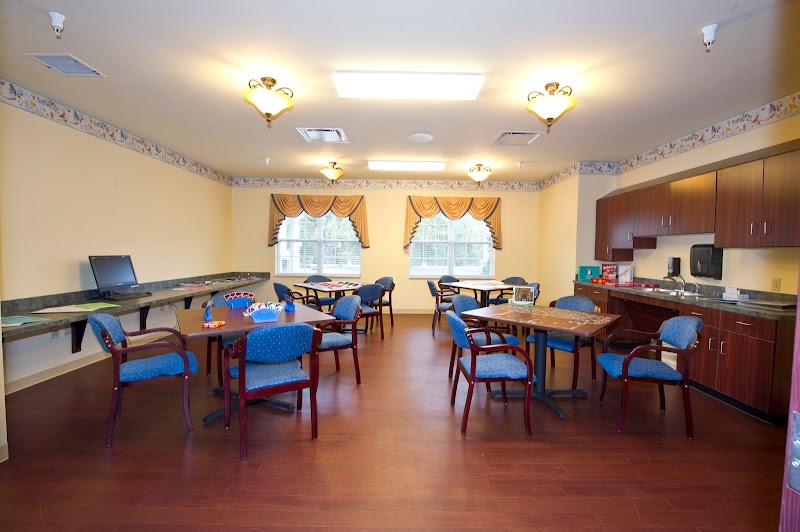
How Does Oaks At Bethesda The Compare to Other Ohio Nursing Homes?

Compared to the 100 nursing homes in Ohio, OAKS AT BETHESDA THE's overall rating (3 stars) is below the state average of 3.2, staff turnover (20%) is significantly lower than the state average of 46%, and health inspection rating (3 stars) is at the national benchmark.

What Should Families Ask When Visiting Oaks At Bethesda The?

Based on this facility's data, families visiting should ask: "Can I visit during a mealtime to observe dining assistance and food quality?" "How do you handle medical emergencies, and what is your hospital transfer rate?" "Can I speak with family members of current residents about their experience?"

Is Oaks At Bethesda The Safe?

Based on CMS inspection data, OAKS AT BETHESDA THE has a clean safety record: no substantiated abuse findings (meaning no confirmed cases of resident harm), no Immediate Jeopardy citations (the most serious violation level indicating risk of serious injury or death), and is not on the Special Focus Facility watch list (a federal program monitoring the lowest-performing 1% of nursing homes). The facility has a 3-star overall rating and ranks #100 of 100 nursing homes in Ohio. While no facility is perfect, families should still ask about staff-to-resident ratios and recent inspection results during their visit.

Do Nurses at Oaks At Bethesda The Stick Around?

Staff at OAKS AT BETHESDA THE tend to stick around. With a turnover rate of 20%, the facility is 26 percentage points below the Ohio average of 46%. Low turnover is a positive sign. It means caregivers have time to learn each resident's needs, medications, and personal preferences. Consistent staff also notice subtle changes in a resident's condition more quickly. Registered Nurse turnover is also low at 29%, meaning experienced RNs are available to handle complex medical needs.

Was Oaks At Bethesda The Ever Fined?

OAKS AT BETHESDA THE has no federal fines on record. CMS issues fines when nursing homes fail to meet care standards or don't correct problems found during inspections. The absence of fines suggests the facility has either maintained compliance or corrected any issues before penalties were assessed. This is a positive indicator, though families should still review recent inspection reports for the full picture.

Is Oaks At Bethesda The on Any Federal Watch List?

OAKS AT BETHESDA THE is not on any federal watch list. The most significant is the Special Focus Facility (SFF) program, which identifies the bottom 1% of nursing homes nationally based on persistent, serious quality problems. Not being on this list means the facility has avoided the pattern of deficiencies that triggers enhanced federal oversight. This is a positive indicator, though families should still review the facility's inspection history directly.