CONTINUING HEALTHCARE AT ADAMS LANE
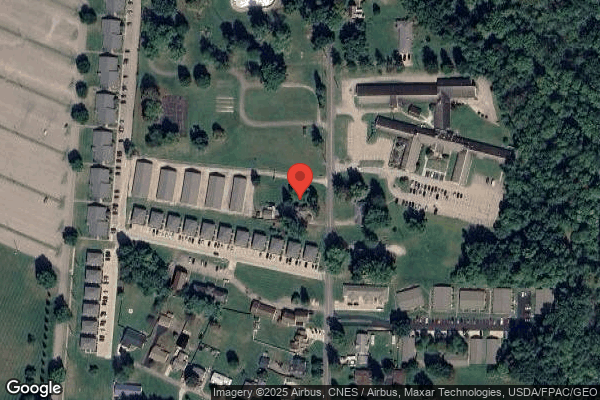
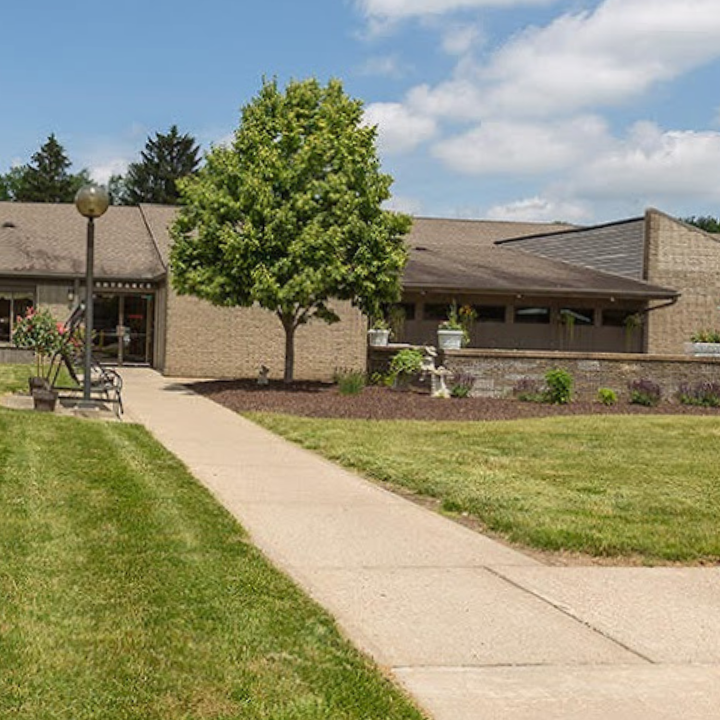
1856 ADAMS LANE, ZANESVILLE, OH 43701 (740) 454-9769
For profit - Corporation 114 Beds CERTUS HEALTHCARE Data: November 2025 3 Immediate Jeopardy citations
Trust Grade
0/100
#851 of 913 in OH
Last Inspection: February 2025

Within standard 12-15 month inspection cycle. Federal law requires annual inspections.

Overview

Continuing Healthcare at Adams Lane has received a Trust Grade of F, indicating significant concerns about the quality of care provided. They rank #851 out of 913 facilities in Ohio, placing them in the bottom half, and #7 out of 7 in Muskingum County, meaning there are no better local options available. Although the facility is improving, having reduced their issues from 20 in 2023 to 8 in 2025, the current staffing situation is below average with a rating of 2 out of 5 stars and a turnover rate of 48%. There are serious concerns regarding safety, as the facility has faced $172,227 in fines, indicating repeated compliance issues and a troubling history of critical incidents, including failures to protect residents from abuse and a lack of timely medical response that resulted in a resident's death. While the facility does have good quality measures rated at 4 out of 5 stars, families should weigh these strengths against the significant weaknesses noted in the inspection findings.

Trust Score
F
0/100
In Ohio
#851/913
Bottom 7%
Safety Record
High Risk
Review needed
Inspections
Getting Better
20 → 8 violations
Staff Stability
⚠ Watch
48% turnover. Above average. Higher turnover means staff may not know residents' routines.
Penalties
✓ Good
$172,227 in fines. Lower than most Ohio facilities. Relatively clean record.
Skilled Nurses
⚠ Watch
Each resident gets only 20 minutes of Registered Nurse (RN) attention daily — below average for Ohio. Fewer RN minutes means fewer trained eyes watching for problems.
Violations
⚠ Watch
44 deficiencies on record. Higher than average. Multiple issues found across inspections.
★☆☆☆☆
1.0
Overall Rating
★★☆☆☆
2.0
Staff Levels
★★★★☆
4.0
Care Quality
★☆☆☆☆
1.0
Inspection Score
Stable
2023: 20 issues
2025: 8 issues

The Good

  • 4-Star Quality Measures · Strong clinical quality outcomes
  • Full Sprinkler Coverage · Fire safety systems throughout facility
  • No fines on record

Facility shows strength in quality measures, fire safety.

The Bad

1-Star Overall Rating

Below Ohio average (3.2)

Significant quality concerns identified by CMS

Staff Turnover: 48%

Near Ohio avg (46%)

Higher turnover may affect care consistency

Federal Fines: $172,227

Well above median ($33,413)

Significant penalties indicating serious issues

Chain: CERTUS HEALTHCARE

Part of a multi-facility chain

Ask about local staffing decisions and management

The Ugly 44 deficiencies on record

3 life-threatening 2 actual harm
May 2025 1 deficiency
CONCERN (D) 📢 Someone Reported This

A family member, employee, or ombudsman was alarmed enough to file a formal complaint

Potential for Harm - no one hurt, but risky conditions existed

Deficiency F0745 (Tag F0745)

Could have caused harm · This affected 1 resident

**NOTE- TERMS IN BRACKETS HAVE BEEN EDITED TO PROTECT CONFIDENTIALITY** Based on medical record review, staff interview, resident interview, vendor staff interview, and facility policy review, the fac...

Read full inspector narrative →
**NOTE- TERMS IN BRACKETS HAVE BEEN EDITED TO PROTECT CONFIDENTIALITY** Based on medical record review, staff interview, resident interview, vendor staff interview, and facility policy review, the facility failed to provide medically necessary social services regarding discharge processes. This affected one (Resident #11) of three residents reviewed for discharge. The census was 108. Findings Include: Resident #11 was admitted to the facility on [DATE]. Her diagnoses were congestive heart failure, chronic respiratory failure with hypoxia, hypo-osmolality and hyponatremia, atrial fibrillation, gout, anemia, hypertension, anxiety disorder, glaucoma, bipolar disorder, fibromyalgia, COPD, and depression. Review of her minimum data set (MDS) assessment, dated 03/14/25, revealed she was cognitively intact. Review of Resident #11's quarterly care conference notes, dated 11/04/24, 01/27/25, and 04/21/25 revealed the facility addressed on-going discharge questions. It stated, she was undecided as to whether she wanted to discharge, but she wanted to be asked at each care conference if she still wanted to be discharged from the facility. Review of Resident #11's current care plan revealed a care area of, discharge plan: uncertain resident/family have not confirmed a discharge plan at this time. Interventions included staff will assist resident/family with all available information/resources for decision, and staff will assist to meet all needs. Review of Resident #11 entirety of medical/discharge records, dated 04/21/25 to 05/20/25, revealed no records about assisting the resident with a discharge plan/process. There was no documentation about her selling an already owned house, there was no documentation about her visiting another apartment with the intent of discharging, there was no documentation about her desire to purchase a new home with the intent of discharging, and there was no documentation about the facility assisting her with any of the discharge process. Interview with Social Services #101 on 05/20/25 at 11:45 A.M. and 3:15 P.M. revealed she spoke with Resident #11 on a quarterly basis about her discharge status and desires. Confirmed each quarterly meeting, from November 2024 to April 2025, revealed she was undecided but wanted to continue to discuss it. She confirmed she knew about the resident setting up appointments with a home health agency to visit apartments within the last three to four weeks. She confirmed she has not spoke to Resident #11 about finding other apartments or the process of purchasing a house. She confirmed that her signing an apartment application and attempting to find a house to purchase would indicate a resident was actively looking to discharge. Interview with Resident #11 on 05/20/25 at 12:10 P.M. revealed she was looking to purchase a new house after selling hers and paying off old debt. She confirmed she made appointments to see an apartment and had a home health agency staff take her to see it. She confirmed she has taken the lead on all actions related to purchasing a new house. She stated she had thought about the cost of home health and the cost of a new home, and she feels she could afford it. She confirmed the facility had not discussed the process or finances with her; they had told her she could not afford both without going through the details with her. She confirmed the facility had not done anything to help her move out of the facility, even though she has an active desire to move out. Interview with Director of Nursing (DON) and Administrator on 05/20/25 at 1:15 P.M. and 3:40 P.M. confirmed there was no documentation to support the facility had provided any help with Resident #11's active desire for discharge. She confirmed there should have been documentation about any discussion or actions/inactions that Resident #11 would allow. They knew that after she declined the apartment about three to four weeks ago, she was actively looking to discharge from the facility but there was nothing to support they were assisting her with the discharge process. Review of facility Transfer or Discharge Policy, dated March 2025, revealed when a resident is on therapeutic leave, transferred, discharged , or transferred to a hospital, details of the transfer/discharge will be documented in the medical record and appropriate information will be communicated to the receiving facility or provider. This is an incidental finding related to complaint number OH00165631.
Feb 2025 7 deficiencies
CONCERN (D)

Potential for Harm - no one hurt, but risky conditions existed

Deficiency F0558 (Tag F0558)

Could have caused harm · This affected 1 resident

Based on observation, staff and resident interviews, and record review the facility failed to provide reasonable accommodation of needs and preferences when a bedside chair, a bedside nightstand, and ...

Read full inspector narrative →
Based on observation, staff and resident interviews, and record review the facility failed to provide reasonable accommodation of needs and preferences when a bedside chair, a bedside nightstand, and a call light were not within reach. This affected one of 108 residents (#26). The facility census was 108. Findings Include: Record review revealed Resident #26 had an admission date of 05/19/23 with diagnoses including: Type two diabetes, displaced intertrochanteric fracture of left femur, cervical disc degeneration, coronary artery bypass graft without angina, chronic atrial fibrillation, systolic congestive heart failure, muscle wasting multiple sites, posthemorrhagic anemia, Alzheimer's disease, major depressive disorder, dementia without behavioral disturbance, unsteadiness on feet, abnormalities of gait and mobility, hyperlipidemia, hypertension, venous insufficiency, cognitive communication deficit, wrist drop left wrist, lymphedema, hypertension, urinary tract infection, full incontinence of feces, urinary incontinence, retention of urine, cardiac pacemaker, and history of covid-19. Interview and observation on 02/10/25 at 7:39 P.M. with Resident #26 confirmed that he would prefer to get out of bed and sit in a chair to watch television, and would like to be able to access his personal belongings without requiring staff assistance to do so. At the time of the interview, observation revealed no bedside chair or bedside nightstand in the room for Resident #26. A bedside table was observed on the wall opposite of the foot of the bed and out of reach. Personal belongings were on the floor beside the bed stored in shopping bags and were out of reach. Observation on 02/11/25 at 9:13 A.M. revealed the call light for Resident #26 hanging off the right side of the bed out of his reach. Resident #26 attempted to retrieve the call light unassisted and was unable to do so. Interview on 02/11/25 at 9:18 A.M. with Licensed Practical Nurse (LPN) #280 confirmed that the call light for Resident #26 was hanging off the right side of the bed out of reach. LPN #280 confirmed that Resident #26 was unable to retrieve the call light, and required staff assistance to do so. Interview on 02/13/25 at 8:37 A.M. with Staff #305 confirmed that the facility did not provide bedside chairs for residents and if residents wanted a bedside chair, resident's families were responsible to provide them. Interview on 02/18/25 at 9:16 A.M. with Activities Staff #246 confirmed that Resident #26 enjoyed watching television in his room and in the common areas as one of his independent activities. Activities Staff #246 confirmed that Resident #26 did not have access to a bedside chair in his room. Review of the activities care plan for Resident #26 with a revision date of 02/11/24 revealed Resident #26 enjoyed Independent, self- directed leisure time activities, and functioned at an independent level in his leisure pursuits. Resident #26 was alert and oriented and able to express his needs, desires and opinions, and frequently engaged in the following leisure pursuits: Watching TV, listening to music, reading magazines, and visits with staff and other residents. Review of the activities of daily living (ADL) care plan for Resident #26 with a revision date of 02/11/24 revealed the resident requires extensive to total assist for most all care due to impaired mobility, impaired cognition, impaired balance and overall decline in functional status.
CONCERN (D)

Potential for Harm - no one hurt, but risky conditions existed

Safe Environment (Tag F0584)

Could have caused harm · This affected 1 resident

**NOTE- TERMS IN BRACKETS HAVE BEEN EDITED TO PROTECT CONFIDENTIALITY** Based on record review, observation, staff and resident interviews, the facility failed to provide a safe, clean, comfortable an...

Read full inspector narrative →
**NOTE- TERMS IN BRACKETS HAVE BEEN EDITED TO PROTECT CONFIDENTIALITY** Based on record review, observation, staff and resident interviews, the facility failed to provide a safe, clean, comfortable and homelike environment for two residents which allowed them to use their personal belongings to the extent possible This affected three residents (#33, #40, #75) of 108 residents residing in the facility. The census was 108. Findings Include: 1. Record review revealed Resident #40 had an admission date of 03/30/18 with diagnoses including: Cerebral infarction, dysphagia, influenza, chronic obstructive pulmonary disease, morbid obesity, diverticulosis, muscle wasting and atrophy, intervertebral disc degeneration of the lumbar region, type two diabetes mellitus, chronic respiratory failure with hypoxia, major depressive disorder, cardiac pacemaker, voice and resonance disorder, low back pain, abnormalities of gait and mobility, anemia, hyperlipidemia, anxiety disorder, left bundle branch block, constipation, gastroesophageal reflux disease, difficulty in walking, history of covid-19, urge incontinence, venous thrombosis and embolism, hypertension, abnormal posture, and unsteadiness on feet. Observation on 02/11/25 at 9:26 A.M. revealed the following items on the bathroom sink: Mouthwash, shampoo, toothbrush, toothpaste, shave cream, surgical mask, comb, disposable razors, denture cup, and denture adhesive. None of the items were labeled for ownership. Interview with Resident #40 on 02/11/25 at 9:26 A.M. confirmed that the bathroom is shared between three residents and the sink was always a big mess. Resident #40 confirmed that she didn't store or use her personal toiletries in the bathroom, she used her toiletries at her bedside table each day because the sink was not clean. Interview on 02/11/25 at 9:59 A.M. with Certified Nurse Aide (CNA) #295 confirmed the bathroom is shared between two resident rooms or three residents, and that the items on the bathroom sink were unlabeled for ownership and should not be laying out on the bathroom sink. CNA #295 was unable to confirm which items belonged to which of the three residents who shared the bathroom. 2. Record review revealed Resident #75 had an admission date of 09/13/24 with diagnoses including: Chronic Kidney Disease stage three, sacrolitis, major depressive disorder, exudative age-related macular degeneration left eye, atherosclerosis of aorta, spondylosis without myelopathy or radiculopathy, pruritus, hypertension, anxiety disorder, osteoporosis, hypercholesterolemia, bilateral primary osteoarthritis of knee, and neuralgia and neuritis unspecified. Observation on 02/11/25 at 10:21 A.M. revealed the following items on the bathroom sink: Body wash, lotion, a basin with a toothbrush, toothpaste, a loose toothbrush, dentures in a cup covered with water and without a lid, body spray, deodorant, an electric toothbrush (uncovered) and plugged in. None of the items were labeled for ownership. A pair of pants and a pair of underwear with a soiled incontinence pad in them were on the bathroom floor, and the pants appeared to be wet. Also on the floor was a bag of incontinence briefs unlabeled for ownership with another pair of pants sitting on top of it. Interview on 02/11/25 at 10:21 A.M. with Resident #75 confirmed the bathroom was shared between two resident rooms, for a total of four residents and stated the other residents in the next room were disrespectful for leaving their things on the sink. Resident #75 confirmed that she kept her personal toiletries in a basket and used the toiletries in her room because the bathroom and the bathroom sink were not clean. Interview on 02/11/25 at 10:40 A.M. with Licensed Practical Nurse (LPN) #270 confirmed that the bathroom was shared between two resident rooms, or four residents and that soiled clothing shouldn't be on the bathroom floor, and unlabeled items shouldn't be on the bathroom sink. LPN #270 was unable to confirm which items on the sink belonged to which of the four residents who shared the bathroom. 3. Review of Resident #33's medical record revealed an admission date of 11/04/21 and diagnoses including chronic obstructive pulmonary disease, diabetes, peripheral vascular disease, and hypertension. Review of Resident #33's quarterly minimum data set (MDS) dated [DATE] revealed a brief interview for mental status (BIMS) score of 13, indicating the resident was cognitively intact. further review of the MDS revealed Resident #33 was independent with toileting tasks and was occasionally incontinent of urine. An observation made on 02/11/25 at 11:29 A.M. revealed Resident #33's bathroom had a strong odor and dirty linen was noted to be on the floor around the front of the toilet. A second observation made on 02/13/25 at 4:20 P.M. revealed the odor continued and a towel was on the floor in front of the toilet. In an interview on 02/13/25 at 4:20 P.M. Licensed Practical Nurse (LPN) #206 verified there was an odor in the bathroom and removed the towel from the floor in front of the toilet. LPN #206 stated the Certified Nurses Aides had put the towel down to soak up urine from the floor but the should have removed the towel after the task was completed.
CONCERN (D)

Potential for Harm - no one hurt, but risky conditions existed

PASARR Coordination (Tag F0644)

Could have caused harm · This affected 1 resident

**NOTE- TERMS IN BRACKETS HAVE BEEN EDITED TO PROTECT CONFIDENTIALITY** Based on medical record review and staff interview, the facility failed to ensure pre-admission screening and resident reviews (...

Read full inspector narrative →
**NOTE- TERMS IN BRACKETS HAVE BEEN EDITED TO PROTECT CONFIDENTIALITY** Based on medical record review and staff interview, the facility failed to ensure pre-admission screening and resident reviews (PASSAR) were accurately completed. This affected one resident (#43) of two review for PASSAR accuracy. The census was 108. Findings include: Review of Resident #43's medical record revealed he was admitted to the facility on [DATE]. Diagnoses included Ogilvie syndrome ( acute colonic pseudo-obstruction, is the acute dilatation of the colon in the absence of any mechanical obstruction), colostomy, gastrostomy, nausea and vomiting, schizoaffective disorder , depression and anxiety. Review of the quarterly minimum data set (MDS) assessment dated [DATE] revealed his cognition was intact. He required partial/moderate assistance for oral hygiene, personal hygiene, and turning and repositioning, dependent for toileting and substantial/maximal assist for showers/bathing, lower body dressing and application of footwear. Resident #43 had an indwelling catheter and a colostomy. Receives antipsychotic's and antidepressants. Review of the PASSAR dated 07/28/24 failed to identify Schizoaffective disorder, depression and anxiety. Mood disorder was the only thing identified under indication of serious mental illness. On 02/13/25 3:26 P.M. interview with Social Worker Designee #311 verified the depression, schizoaffective disorder and anxiety were not included on the PASSAR and a new one had not been completed.
CONCERN (D)

Potential for Harm - no one hurt, but risky conditions existed

Comprehensive Care Plan (Tag F0656)

Could have caused harm · This affected 1 resident

**NOTE- TERMS IN BRACKETS HAVE BEEN EDITED TO PROTECT CONFIDENTIALITY** Based on record review and interview the facility failed to develop and implement a comprehensive person centered care plan for ...

Read full inspector narrative →
**NOTE- TERMS IN BRACKETS HAVE BEEN EDITED TO PROTECT CONFIDENTIALITY** Based on record review and interview the facility failed to develop and implement a comprehensive person centered care plan for diuretic medication for Resident #60. This affected one resident (#60) of five residents sampled for unnecessary medications. The facility census was 108. Findings include: Review of Resident #60's medical record revealed an admission date of 10/03/20 and a reentry date of 01/13/22. Further review revealed diagnoses including malignant neoplasm of overlapping sites of rectum, anus and anal canal, secondary malignant neoplasm of large intestine and rectum, diabetes, chronic respiratory failure, morbid obesity, heart failure, and hypertension. Review of Resident #60's quarterly minimum data set (MDS) dated [DATE] revealed the resident had a brief interview for mental status (BIMS) score of 15 indicating that she is cognitively intact. Further review of the MDS revealed Resident #60 was receiving diuretic medication. Review of Resident #60's physician's orders revealed an order with a start date of 04/02/24 for furosemide 40 mg give one tablet in the morning for heart failure. Review of Resident #60's plan of care revealed no care plan for diuretic medication. In an interview on 02/18/25 at 4:34 P.M. MDS nurse Licensed Practical Nurse (LPN) #350 verified there was not a diuretic medication care plan in Resident #60's plan of care.
CONCERN (D)

Potential for Harm - no one hurt, but risky conditions existed

Deficiency F0761 (Tag F0761)

Could have caused harm · This affected 1 resident

**NOTE- TERMS IN BRACKETS HAVE BEEN EDITED TO PROTECT CONFIDENTIALITY** Based on observation, staff interview and review of facility policy and procedure, the facility failed to ensure medications wer...

Read full inspector narrative →
**NOTE- TERMS IN BRACKETS HAVE BEEN EDITED TO PROTECT CONFIDENTIALITY** Based on observation, staff interview and review of facility policy and procedure, the facility failed to ensure medications were locked against unauthorized access. This had the potential to affect one resident (#97) of 10 residents on the 200 hallway identified as cognitively impaired and independently mobile. The census was 108. Findings include: Observation on 02/12/25 at 10:39 A.M. revealed the medication cart in the hallway unlocked outside of room [ROOM NUMBER]-A with the door closed and no nurse in attendance of the cart. At 10:41 A.M. Registered Nurse #251 came out from the room and verified during interview she had left the medication cart unlocked and unattended in the hallway. Review of the facility Medication Storage policy and procedure (dated 04/18 and updated 01/03/25) revealed compartment (including, but not limited to, drawers, cabinets, rooms, refrigerators, carts and boxes) containing drugs and biological's shall be locked when not in use, and trays or carts used to transport such items shall not be left unattended if open or otherwise potentially available to others.
CONCERN (D)

Potential for Harm - no one hurt, but risky conditions existed

Infection Control (Tag F0880)

Could have caused harm · This affected 1 resident

**NOTE- TERMS IN BRACKETS HAVE BEEN EDITED TO PROTECT CONFIDENTIALITY** Based on observation, medical record review, and staff interview the facility failed to maintain infection control with urinary ...

Read full inspector narrative →
**NOTE- TERMS IN BRACKETS HAVE BEEN EDITED TO PROTECT CONFIDENTIALITY** Based on observation, medical record review, and staff interview the facility failed to maintain infection control with urinary catheters. This affected one resident (#3) of four residents reviewed for urinary catheters. The census was 108. Findings include Review of Resident #3's medical record revealed she was admitted to the facility on [DATE]. Diagnoses included metabolic encephalopathy, morbid obesity, heart failure, diabetes, atrial fibrillation, major depression, chronic kidney disease and anxiety. Review of the admission minimum data set (MDS) dated [DATE] revealed her cognition was intact. She required set up or clean-up assistance for eating, oral hygiene, is dependent for toileting, and substantial/maximal assistance with shower/bathing, partial/moderate assistance for personal hygiene, dressing and turning and repositioning. The resident had a urinary catheter and was frequently incontinent of bowel. On 02/11/25 at 11:47 A.M. observation revealed the urinary catheter tubing was observed on the floor. At 12:05 P.M. the urinary catheter tubing remained on the floor. At 12:07 P.M. interview with Registered Nurse (RN) #251 verified the urinary catheter tubing was on the floor. On 02/11/25 at 12:41 P.M. Licensed Practical Nurse (LPN) Supervisor #277 revealed she had changed the resident's urinary catheter bag and tubing. On 02/12/25 at 10:38 A.M. observation revealed Resident #3 revealed she was up in the wheelchair with therapy staff in her room. The resident's urinary catheter tubing was observed on floor and the bag was in a wash basin. On 02/13/25 at 2:57 P.M. Resident #3 was observed up in her wheelchair, with her urinary catheter tubing on the floor, red colored sediment in tubing . On 02/13/25 at 3:03 P.M. interview with LPN #233 verified the urinary catheter tubing was on the floor
MINOR (B)

Minor Issue - procedural, no safety impact

Deficiency F0625 (Tag F0625)

Minor procedural issue · This affected multiple residents

**NOTE- TERMS IN BRACKETS HAVE BEEN EDITED TO PROTECT CONFIDENTIALITY** Based on medical record review and staff interview, the facility failed to ensure written information prior to transfer to the h...

Read full inspector narrative →
**NOTE- TERMS IN BRACKETS HAVE BEEN EDITED TO PROTECT CONFIDENTIALITY** Based on medical record review and staff interview, the facility failed to ensure written information prior to transfer to the hospital of the bed hold notice. This affected three residents (#61, #71 and #106) of three residents reviewed for hospitalization. The census was 108. Findings included: 1. Review of Resident #71's medical record revealed he was admitted to the facility on [DATE]. Diagnoses included diabetes, encephalopathy, Down's syndrome, dysphagia, chronic kidney disease, and high blood pressure. Review of the quarterly minimum data set assessment (MDS) dated [DATE] revealed his cognition was not intact (BIM's-3). He required setup or clean-up assistance with oral hygiene, is dependent upon staff for toileting, dressing and personal hygiene and substantial/maximal assistance for shower bathing. The resident has an indwelling urinary catheter and is frequently incontinent of bowel. Review of the nursing progress notes revealed on 12/26/24 at 11:54 P.M. Resident #71 was mouth breathing, and an oxygen face mask was put on the resident. Monitored oxygen, it was at 70% again. Increased oxygen to 4 liters (L), and his oxygen would not go above 88% on 4L. Resident #71 was sent to the hospital and admitted on [DATE]. On 12/29/24 at 1:39 P.M. Resident #71 was readmitted to the facility from the hospital. Further review revealed Resident #71 has a Guardian/Resident Representative. Review of the bed hold notice revealed it was was not signed until after Resident #71 returned to the facility on [DATE]. This was verified during interview with the Director of Nursing on 02/18/25 at 3:38 P.M. 2. Review of Resident #61's medical record revealed an admission date of 03/09/21 and a reentry date of 12/02/24. Further review revealed diagnoses including chronic obstructive pulmonary disease, diabetes, obstructive uropathy, anxiety, paranoid schizophrenia, major depressive disorder, and extrapyramidal and movement disorder. Review of the annual minimum data set (MDS) dated [DATE] revealed Resident #61 had a brief interview for mental status (BIMS) score of 13 indicating the resident was cognitively intact. Further review of the MDS revealed Resident #61 wore a hearing aide, was able to understand person to person communication and was able to make himself understood during person to person communication. Review of Resident # 61's progress note dated 11/28/24 at 1:17 PM revealed Resident #61 was having pain and swelling to his lower extremities. Further review of Resident #61's progress notes on 11/28/24 at 2:28 PM revealed Resident #61 requested to go to the emergency room because of the pain. Review of Resident #61's progress note dated 12/02/24 at 3:07 PM revealed Resident #61 returned to the facility after completing his hospital course of treatment. Review of the facility Notice of Bed Hold Policy revealed the notice, given to the resident to allow him to decide if he wanted to hold his bed so that he could return from the hospital to the same room and bed, was to cover Resident #61's hospital stay that started on 11/28/24 and ended on 12/02/24. Further review of the Notice of Bed Hold Policy revealed it was signed by Resident #61 on 12/03/24. In an interview on 02/18/25 at 3:38 P.M. the Director of Nursing (DON) verified the Notice of Bed Hold Policy was signed on 12/03/24 after Resident #61's return to the facility. Review of the Notice of Bed Hold Policy (undated) revealed it was to be signed by the resident upon discharge to the hospital or if the resident was unable to sign verbal notification from the resident or resident's representative was to be documented. 3. Review of the medical record for Resident #106 revealed an admission date of 09/12/24. Diagnoses include acute on chronic respiratory failure, chronic diastolic heart failure, chronic obstructive pulmonary disease, bacterial pneumonia, depression, diabetes mellitus, type two, diabetic peripheral neuropathy, acute on chronic anemia and Upper GI bleed. Review of the Minimum Data Set (MDS) 3.0 assessment dated [DATE] revealed a Brief Interview for Mental Status (BIMS) of 14 out of 15 indicating intact cognition. The resident required minimal assistance for all activities of daily living. Review of the transfer form dated 11/06/24 revealed Resident #106 had a change in condition and was sent to the hospital. Review of the notice of bed hold letter revealed the letter was not signed by the resident until 11/19/24 on her return to facility. On 02/19/25 at 7:40 A.M., interview with Assistant Director of Nursing (ADON) #283 verified the bed hold letter dated 11/06/24 was not signed by the resident until 11/19/24. Further interview verified the letters are to be signed acknowledging the facility bed hold policy.
Sept 2023 6 deficiencies 1 IJ
CRITICAL (J)

Immediate Jeopardy (IJ) - the most serious Medicare violation

Deficiency F0678 (Tag F0678)

Someone could have died · This affected 1 resident

**NOTE- TERMS IN BRACKETS HAVE BEEN EDITED TO PROTECT CONFIDENTIALITY** THE FOLLOWING DEFICIENCY REPRESENTS AN INCIDENT OF PAST NONCOMPLIANCE THAT WAS SUBSEQUENTLY CORRECTED PRIOR TO THIS SURVEY. Base...

Read full inspector narrative →
**NOTE- TERMS IN BRACKETS HAVE BEEN EDITED TO PROTECT CONFIDENTIALITY** THE FOLLOWING DEFICIENCY REPRESENTS AN INCIDENT OF PAST NONCOMPLIANCE THAT WAS SUBSEQUENTLY CORRECTED PRIOR TO THIS SURVEY. Based on closed medical record review, review of an emergency medical services (EMS) report, interviews with facility staff and review of facility Code Status policy the facility failed to immediately initiate cardiopulmonary resuscitation (CPR) for Resident #94. This resulted in Immediate Jeopardy and the actual serious life-threatening harm and death on [DATE] beginning at 5:22 A.M. when Resident #94, who had advance directives for cardiopulmonary resuscitation/full code status, was found unresponsive, without a pulse, and was not provided CPR. The facility notified EMS for hospital transport without completing a comprehensive assessment of the resident ' s status. Resident #94 was assessed to be deceased by EMS without evidence of having received life saving measures. This affected one resident (#94) of two residents reviewed for an emergent change in condition and death. The facility identified 51 residents with a full code status. The facility census was 100. On [DATE] at 3:50 P.M., the Administrator, Regional Director of Clinical Operations #300, Regional Registered Nurses (RN) (#206, #207, and #208), and the Director of Nursing (DON) were notified Immediate Jeopardy began on [DATE] at 5:22 A.M. when State Tested Nursing Assistant (STNA) #100 found Resident #94 unresponsive. STNA #100 notified Licensed Practical Nurse (LPN) #101 of the resident ' s status, however LPN #101 failed to complete a comprehensive assessment of the resident and failed to immediately initiate CPR despite the resident ' s wishes for a full code status. LPN #101 notified EMS of the need to transport the resident to the hospital however the resident was pronounced deceased upon EMS arrival (exact time unknown but EMS arrived at the facility at 5:38 A.M.). The Immediate Jeopardy was removed, and the deficiency corrected on [DATE] when the facility implemented the following corrective actions. • On [DATE], Resident #94 expired in the facility. • On [DATE] at 6:25 A.M., the DON immediately educated Licensed Practical Nurse (LPN) #101 on the facility's Code Status Policy. • On [DATE] at 10:00 A.M., Human Resources Manager #194 audited employee files for all licensed nurses to ensure they had valid, active CPR certification. • On [DATE] at 11:17 A.M., the facility completed an ad hoc Quality Assurance and Performance Improvement (QAPI) plan related to the abatement. The Administrator, Medical Director #301, and the DON were in attendance. The plan was approved by the committee including ongoing compliance. • On [DATE] at 12:00 P.M., the DON, RN #160 and LPNs (#115 and #171) audited all hard copies of advanced directives in current resident's medical records to ensure they were present, appropriately signed and had a physician's order in place. • On [DATE] from 8:30 A.M. to 4:33 P.M., the DON educated all 31 licensed nursing staff on the facility CPR policy and steps to take when finding a resident without vital signs. • Beginning [DATE] the facility implemented a plan for the DON/designee to ensure nursing staff understood the Code Status Policy and when finding a resident without vitals to ensure adherence to Code Status Policy. Audits were completed three times per week for two weeks, then two times per week for two weeks, and then weekly for two weeks, then as determined necessary. Audits were completed ongoing every two weeks since original schedule completion. • Between [DATE] and [DATE] no additional resident concerns were identified related to CPR. • On [DATE] between 10:45 A.M. and 11:20 A.M. interviews with the Administrator, DON, RN (#160 and #304), LPN (#124, #171, #191, and #192), STNA (#122, #190, and #209) verified they were educated on the facility CPR policy. Findings include: Review of Resident #94's closed medical record revealed the resident was admitted to the facility on [DATE] with diagnoses including anxiety disorder, dementia, fibromyalgia, osteoarthritis, muscle weakness, and repeated falls. Review of a physician order, dated [DATE], revealed Resident #94 was a full code. Review of Resident #94's medical record from [DATE] through [DATE] revealed no documentation of Resident #94 or Resident #94's physician changing Resident #94's code status from a full code. Review of Resident #94 ' s care plan, dated [DATE], revealed Resident #94 desired to be a full code with cardiopulmonary resuscitation (CPR) initiated with the absence of pulse, respirations, and/or blood pressure. Interventions included supporting Resident #94/family with their decision and to honor their preference. Review of Resident #94's quarterly Minimum Data Set (MDS) 3.0 assessment, dated [DATE], revealed the resident had severe cognitive impairment. The assessment revealed the resident required extensive, one-person physical assistance from staff for bed mobility. The resident required supervision from staff for eating, transfers, toileting, and personal hygiene. Review of Resident #94 ' s nursing progress note, dated [DATE] at 5:22 A.M. and authored by LPN #101, revealed State Tested Nursing Assistant (STNA) #100 called LPN #101 into Resident #94 ' s room, the resident was without vital signs by verification of two nurses (identified as LPN #101 and LPN #102) (the progress note did not provide additional details regarding how this was verified). The progress note indicated EMS was notified. EMS arrived and the resident was with vital signs on electrocardiogram (EKG). The deputy was called due to the inability to reach the medical doctor. Resident #94 ' s sister was notified by the deputy. The note also indicated the coroner ' s office would be en route after the notification. Review of an emergency medical services (EMS) report, dated [DATE], revealed EMS were dispatched to the facility on [DATE] at 5:26 A.M., were reroute at 5:31 A.M., and at the scene at 5:38 A.M. Upon arrival, Resident #94 was found lying in bed, unresponsive and apneic (not breathing). The resident was cold to the touch with lividity and the initial stages of rigor. Facility nurse stated the resident was a full code, was found this way just prior to the call to EMS, and CPR was not performed due to the resident ' s obvious death. The resident was last seen approximately two hours prior. The facility was unable to reach their medical director. An EKG was obtained and revealed asystole (cessation of electrical activity of the heart) in three leads. The communication center notified the county sheriff ' s office and a deputy arrived on scene, took over, and contacted the coroner. Review of Resident #94's nursing progress note, dated [DATE] at 7:40 A.M. and authored by the Director of Nursing (DON), revealed there was an order to release the body to the funeral home as requested by the family. Review of LPN #101's witness statement, dated [DATE], revealed her last rounds were at 3:00 A.M. At 5:20 A.M., STNA #100 called her to the memory care unit for a resident without vital signs. EMS was called at 5:22 A.M. A second nurse, (identified as LPN #102), verified there were no vital signs. Review of STNA #100 ' s witness statement, dated [DATE], revealed Resident #94 went to bed at 10:45 P.M. During rounds, STNA #100 checked on the resident at 1:00 A.M. and observed her in bed, lying on her side and sleeping. STNA #100 checked on the resident again at 3:05 A.M. and the resident was still on her side and sleeping. During STNA #100 ' s last round at 5:15 A.M., the resident was lying on her back in bed. STNA #100 attempted to wake the resident with no response and notified the nurse (identified as LPN #101). During interview on [DATE] at 11:24 A.M., LPN #101 stated she was working on Hallway 100 or 200 (on [DATE]) when STNA #100 alerted her that Resident #94 was cold and unresponsive. LPN #101 stated she tapped on the resident ' s shoulder and called her name and there was no response. LPN #101 stated the only vital sign that she obtained was a radial pulse, which was absent, she then left the resident ' s room to get help and called EMS from the nursing station. During this time, LPN #101 stated she asked LPN #102 to check on Resident #94 to verify there was no pulse. LPN #101 stated she did not administer oxygen or start CPR because as soon as she started back into the room, EMS had arrived. LPN #101 stated that she was unsure of how many minutes passed from the time she was notified by STNA #100 of Resident #94 being unresponsive until EMS arrived, but that it felt like a matter of minutes. LPN #101 verified Resident #94 was a full code and CPR should have been administered. An additional interview on [DATE] at 2:23 P.M. with LPN #101 verified her nursing progress note, dated [DATE] at 5:22 A.M., contained a documentation error. LPN #101 indicated Resident #94 did not have any vital signs on EKG as indicated in the progress note. During interview on [DATE] at 11:51 A.M., STNA #100 stated she was doing her morning rounds and getting residents up when she noticed, from the doorway, that Resident #94 was uncovered. STNA #100 stated she walked into the room to check on the resident and noticed the resident was not moving, and her hand was cold. STNA #100 attempted to contact LPN #101 on her handheld, two-way radio, without success, and then went to get her on the 100 Hallway. STNA #100 revealed she did not return to Resident #94 ' s room because she stayed at the door awaiting EMS. During interview on [DATE] at 12:18 P.M., Regional RN #207 revealed the facility knew this incident was an issue and stated they identified it immediately after CPR was not initiated on Resident #94 who was a full code. During interview on [DATE] at 6:08 P.M., LPN #102 stated Resident #94 was not provided CPR and that she did not obtain any vital signs because the resident was unresponsive and cold. This surveyor asked LPN #102 if CPR should have been initiated for Resident #94 after being found unresponsive and without a pulse. LPN #102 stated yes, CPR should have been started and that she knows that now, after receiving the facility in-service education on CPR. During interview on [DATE] at 11:22 A.M., Physician #301 stated that although he was unsure if Resident #94 would have survived CPR efforts, it was unfortunate the staff did not follow the resident's advanced directive order. Review of the facility undated policy titled, Code Status, revealed in accordance with the State of Ohio Do Not Resuscitate (DNR) Comfort Care Protocol the facility would ensure a resident ' s wishes were carried out as they desire. Every effort to maintain a resident ' s wishes and dignity would be carried out as requested by the resident/or resident representative or family. Full Code was when a resident was identified as a full code and the facility staff would provide emergent measures in attempt to resuscitate the patient. This may involve chest compressions, electric shocks, and emergency medications that act to temporarily keep blood moving to essential organs such as the brain. All measures would be attempted to maintain the resident.
CONCERN (D)

Potential for Harm - no one hurt, but risky conditions existed

Deficiency F0578 (Tag F0578)

Could have caused harm · This affected 1 resident

Based on medical record review and staff interview, the facility failed to ensure advance directive orders and documents were consistent in the medical record and reflective of the resident/resident r...

Read full inspector narrative →
Based on medical record review and staff interview, the facility failed to ensure advance directive orders and documents were consistent in the medical record and reflective of the resident/resident representative wishes. This affected one (Resident #348) of 24 residents reviewed for advance directives. The facility census was 100. Findings include: Review of Resident #348's medical record revealed an admission date of 08/08/23 with diagnoses that included Alzheimer's disease with dementia, congestive heart failure and atherosclerotic heart disease. Further review of Resident #348's physician's orders revealed the resident's code status was full code (cardiopulmonary resuscitation). Review of the paper chart revealed an advance directive form which indicated do not resuscitate comfort care (DNR-CC) measures (comfort measures in the event of cardiac/respiratory arrest) chosen by Resident #348's responsible party and signed by the physician on 08/09/23. The paper chart also contained a full code paper which indicated to staff the resident was a full code in case of emergency. Interview with Licensed Practical Nurse (LPN) #171 on 08/28/23 at 11:23 A.M. revealed the electronic medical record and the full code form contained in the paper chart were not accurate and did not reflect Resident #348's advance directive form which indicated a DNR-CC status.
CONCERN (D)

Potential for Harm - no one hurt, but risky conditions existed

Deficiency F0637 (Tag F0637)

Could have caused harm · This affected 1 resident

Based on medical record review and interview, the facility failed to ensure a significant change assessment was initiated when a resident was admitted to hospice services. This affected one (Resident ...

Read full inspector narrative →
Based on medical record review and interview, the facility failed to ensure a significant change assessment was initiated when a resident was admitted to hospice services. This affected one (Resident #91) of 21 residents who were reviewed regarding requirements for significant change assessments. The census was 100. Findings include: Review of Resident #91's medical record revealed diagnoses including malignant neoplasm of the prostate, secondary malignant neoplasm of the bone, abnormal weight loss, and depression. Review of hospice notes revealed an initial visit was made on 08/02/23. On 08/03/23 an order was written to admit Resident #91 to hospice. There was no evidence the facility initiated a significant change Minimum Data Set (MDS) assessment. On 08/29/23 at 8:57 A.M., Regional Nurse #206 verified Resident #91 had an order admitting him to hospice dated 08/03/23 and a significant change MDS had not been initiated but should have been.
CONCERN (D)

Potential for Harm - no one hurt, but risky conditions existed

Deficiency F0745 (Tag F0745)

Could have caused harm · This affected 1 resident

**NOTE- TERMS IN BRACKETS HAVE BEEN EDITED TO PROTECT CONFIDENTIALITY** Based on medical record review, financial record review, and staff interview, the facility failed to provide an adequate plan to...

Read full inspector narrative →
**NOTE- TERMS IN BRACKETS HAVE BEEN EDITED TO PROTECT CONFIDENTIALITY** Based on medical record review, financial record review, and staff interview, the facility failed to provide an adequate plan to spend down resident finances when funds were above the Medicaid allowable limit. This affected three (Residents #19, #23, and #37) of six resident financial information reviewed. The census was 100. Findings Include: 1. Resident #19 was admitted to the facility on [DATE]. Her diagnoses included atherosclerotic heart disease, major depressive disorder, anxiety disorder, and cognitive communication deficit. Review of her Minimum Data Set (MDS) assessment, dated 07/16/23, revealed she had a significant cognitive impairment. Review of Resident #19's quarterly financial statements, dated 07/01/22 to 06/30/23, revealed her total amount in her resident account varied between $2986.96 and $7191.37; it was never below $2000. Review of Resident #19's medical records, which included progress notes, social service notes, and care plans, revealed no documentation to support the facility had a plan in place to assist Resident #19 with spending her money in hopes of not losing her Medicaid insurance benefits, due to her resident financial account being more than $2000. Review of Resident #19's spend down notices revealed the facility sent notices to Resident #39 on 08/25/22, 09/26/22, 10/27/22, 11/29/22, 12/28/22, 01/24/23, 03/29/23, 04/45/23, 05/22/23, and 06/27/23. On each spend down notice, it stated, this letter is to notify you that your current Resident Fund balance is within $200 or exceeding what is allowable under Medical Assistance. Please contact your social worker within the next seven days to discuss ways to assure continuance of Medicaid benefits. There was no evidence the facility followed up to create a spend down plan. 2. Resident #23 was admitted to the facility on [DATE]. His diagnoses included atherosclerotic heart disease, atrial fibrillation, major depression, cognitive communication deficit, psychosis, and hypertension. Review of his MDS Assessment, dated 05/23/23, revealed he was cognitively intact. Review of Resident #23's quarterly financial statements, dated 10/01/22 to 03/31/23, revealed his total amount in his resident account varied between $3419.47 and $8141.47; it was never below $2000. Review of Resident #23's medical records, which included progress notes, social service notes, and care plans, revealed no documentation to support the facility had a plan in place to assist Resident #23 with spending his money in hopes of not losing his Medicaid insurance benefits, due to his resident financial account being more than $2000. Review of Resident #23 spend down notices revealed the facility drafted the notice form for Resident #23 on 08/25/22, 09/26/22, 10/27/22, 11/29/22, 12/28/22, and 03/29/23. On each spend down notice, it stated, this letter is to notify you that your current Resident Fund balance is within $200 or exceeding what is allowable under Medical Assistance. Please contact your social worker within the next seven days to discuss ways to assure continuance of Medicaid benefits. There was no evidence the facility followed up to create a spend down plan. 3. Resident #37 was admitted to the facility on [DATE]. His diagnoses included chronic obstructive pulmonary disease, peripheral vascular disease, cerebral infarction, hypertension, and anxiety disorder. Review of his MDS assessment, dated 08/01/23, revealed he was cognitively intact. Review of Resident #37's quarterly financial statements, dated 07/01/22 to 06/30/23, revealed his total amount in his resident account varied between $3971.83 and $9574.78; it was never below $2000. Review of Resident #37's medical records, which included progress notes, social service notes, and care plans, revealed no documentation to support the facility had a plan in place to assist Resident #37 with spending his money in hopes of not losing his Medicaid insurance benefits, due to his resident financial account being more than $2000. Review of Resident #37 spend down notices revealed the facility drafted the notice form for Resident #37 on 08/25/22, 09/26/22, 10/27/22, 11/29/22, 12/28/22, 03/29/23, 04/24/23, 05/22/23, 06/27/23, and 07/20/23. On each spend down notice, it stated, this letter is to notify you that your current Resident Fund balance is within $200 or exceeding what is allowable under Medical Assistance. Please contact your social worker within the next seven days to discuss ways to assure continuance of Medicaid benefits. There was no evidence the facility followed up to create a spend down plan. Interview with Social Worker Designee #174 on 08/30/23 at 12:20 P.M. confirmed she was not aware that she was to help with a spend down plan until not long ago when a family member called her and asked what to do. She has helped residents and families look through magazines and web sites to spend money as needed, but she was not aware she was the primary person to help with spend downs. Interview with Regional Nurse #206, Regional Nurse #207, and Regional Nurse #208 on 08/30/23 at 12:24 P.M. confirmed they are not completely sure what the policy/procedures are for spending down resident finances. They also confirmed resident finances should not be above $2000 when the resident utilized Medicaid. Interview with Administrator on 08/30/23 at 12:46 P.M. confirmed all three residents had a personal funds account that was above $2000. She confirmed they will be enforcing their policy of having the social work designee take lead on developing a plan and implementing a spend down process for any resident having more than $2000 in their funds account.
CONCERN (D)

Potential for Harm - no one hurt, but risky conditions existed

Deficiency F0761 (Tag F0761)

Could have caused harm · This affected 1 resident

**NOTE- TERMS IN BRACKETS HAVE BEEN EDITED TO PROTECT CONFIDENTIALITY** Based on observations, policy review, review of drug reference information and interview, the facility failed to ensure medicati...

Read full inspector narrative →
**NOTE- TERMS IN BRACKETS HAVE BEEN EDITED TO PROTECT CONFIDENTIALITY** Based on observations, policy review, review of drug reference information and interview, the facility failed to ensure medications were appropriately labeled and stored. This affected six residents (Resident #21, #29, #65, #67, #89 and #93) of 100 residents residing in the facility. Findings include: 1. On [DATE] at 8:54 A.M., Licensed Practical Nurse (LPN) #124 was observed preparing and administering medication to Resident #67. There was no expiration date on the bottle of enteric coated aspirin 81 milligram (mg) dose. LPN #124 verified she was unable to locate an expiration date on the aspirin bottle at the time of preparation/administration. 2. On [DATE] at 10:16 A.M., observation of the 400 hall medication cart revealed there was an open/used insulin pen for Resident #65 which was not dated. There was a box with an open vial of Humulin 70/30 insulin which was undated with no name. On [DATE] at 10:16 A.M., LPN #157 verified Resident #65's insulin pen did not contain a date when it was opened. LPN #157 stated the Humulin 70/30 was being used for Resident #21, stating his name must have gotten torn off the box. LPN #157 verified the Humulin 70/30 vial did not contain information regarding the date it was opened. 3. On [DATE] at 10:25 A.M., observation of 200 hall medication cart revealed Resident #93 had an opened insulin glargine dated [DATE]. Resident #89 had an open vial of insulin glargine with two dates on it ([DATE] and [DATE]) and an open vial of insulin aspart dated [DATE]. Resident #29 had insulin glargine and novolog pens which were not dated and had expired and had an open lantus pen with no date indicating the date it was opened. On [DATE] at 10:25 A.M., Registered Nurse (RN) #156 verified the dates Resident #89's and #93's insulin was opened and verified Resident #29 had two insulin pens which were not dated but expired and one insulin pen without the date indicating when it was opened. Review of the Medscape web site revealed the insulin could be stored for a maximum of 28 days at room temperature when opened or unrefrigerated. Review of the facility's Storage of Medications policy, dated [DATE], revealed the facility should not use discontinued, outdated, or deteriorated drugs or biologicals. All such drugs should be returned to the dispensing pharmacy or destroyed.
CONCERN (D)

Potential for Harm - no one hurt, but risky conditions existed

Antibiotic Stewardship (Tag F0881)

Could have caused harm · This affected 1 resident

**NOTE- TERMS IN BRACKETS HAVE BEEN EDITED TO PROTECT CONFIDENTIALITY** Based on medical record review, staff interview, and facility policy review, the facility failed to ensure antibiotic stewardshi...

Read full inspector narrative →
**NOTE- TERMS IN BRACKETS HAVE BEEN EDITED TO PROTECT CONFIDENTIALITY** Based on medical record review, staff interview, and facility policy review, the facility failed to ensure antibiotic stewardship guidelines were followed prior to antibiotic use. This affected one (Resident #299) of one resident reviewed for antibiotic stewardship. The census was 100. Findings Include: Resident #299 was admitted to the facility on [DATE]. Her diagnoses were sepsis, rectal abscess, difficulty walking, type II diabetes, muscle weakness, chest pain, obesity, anemia, vitamin D deficiency, tobacco use, hypertension, major depressive disorder, osteoarthritis, fibromyalgia, and headache. Review of her Minimum Data Set (MDS) assessment, dated 08/14/23, revealed she was cognitively intact. Review of Resident #299 physician orders revealed she was prescribed Doxycycline Hyclate Oral Tablet 100 milligrams, twice daily for seven days. Initially, this medication justification was for infection, but then it was clarified to be for an abscess to her buttocks. Review of Resident #299 medication administration record (MAR), dated August 2023, confirmed she was administered the Doxycycline twice daily as ordered. Review of Resident #299 and facility infection control documentation and progress notes, dated 08/25/23 to 08/29/23, revealed Resident #299 had a McGeer's assessment completed on 08/29/23. According to facility documentation, she did not meet criteria for an antibiotic, which was relayed to the nurse practitioner on that same day. The nurse practitioner decided to keep her on this medication for the remainder of the order. There was no documentation prior to 08/29/23 to determine if or what type of antibiotic should be used for her infection. Interview with Regional Nurse #206 and Regional Nurse #207 on 08/30/23 at 9:35 A.M. both stated they have to follow the antibiotic stewardship policy prior to ordering/administering an antibiotic. They both agreed that doxycycline was ordered prior to McGeer's assessment being completed for Resident #299. Interview with Registered Nurse (RN) #160 on 08/30/23 at 11:13 A.M. confirmed McGeer's was not completed prior to the ordered/administering of Doxycycline for Resident #299. She confirmed she is the person who does the McGeer's assessment and was not in the building during the time it was initially ordered/administered. Review of facility Antibiotic Stewardship policy, dated December 2017, revealed the CDC has reported that antibiotic resistance is one of the major threats to human health, especially because some bacteria have developed resistance to all known classes of antibiotics. The antibiotic stewardship team will review infections and monitor antibiotic usage patterns on a quarterly basis, obtain and review various reports from pharmacy for institutional trends, monitor antibiotic resistance patterns and report on number of antibiotics prescribed and the number of residents treated each month. Facility will evaluate and communicate clinical signs and symptoms when a resident is first suspected of having an infection. Use of diagnostic testing to optimize tracking and treatment of infections. A method of flagging residents with multidrug-resistant organisms will be instituted by the laboratory. Review of facility Antibiotic Stewardship Plan, dated 10/19/18, revealed standardized practices to address care for suspected infections and the use of standardized definitions and criteria. This facility will utilize McGeer's criteria for monitoring, and reporting infections for surveillance and treatment.
Jul 2023 1 deficiency
CONCERN (D) 📢 Someone Reported This

A family member, employee, or ombudsman was alarmed enough to file a formal complaint

Potential for Harm - no one hurt, but risky conditions existed

Accident Prevention (Tag F0689)

Could have caused harm · This affected 1 resident

Based on observation, record review, and interview, the facility failed to ensure resident fall safety measures were in place as ordered. This affected two (Residents #30 and #65) of three residents r...

Read full inspector narrative →
Based on observation, record review, and interview, the facility failed to ensure resident fall safety measures were in place as ordered. This affected two (Residents #30 and #65) of three residents reviewed for falls. Findings include: 1. Review of Resident #65's medical record revealed a 06/06/23 admission with diagnoses including encephalopathy, acute kidney failure, diverticulitis, severe morbid obesity, altered mental state, paroxysmal atrial fibrillation, protein calorie malnutrition, essential tremor, depressive disorder, anxiety disorder, bipolar disorder, dementia, and hypertension. Review of a 06/06/23 admission fall assessment revealed the resident was assessed as a high fall risk with one to two falls in the last three months, inadequate vision, sometimes forgetful, frequently incontinent, confined to a chair and oriented, unable to independently come to a standing position, exhibits loss of balance while standing, strays off the straight path of walking, requires hands-on assistance to move from place to place and agitated behavior daily. Resident #65 had a risk for falls plan of care that indicated the resident was a moderate risk for falls related to gait/balance problems, incontinence, psychoactive drug use, and unaware of safety needs. Interventions included dycem to bed and chair. Review of the 06/26/23 quarterly Minimum Data Set Assessment (MDS) included the resident was severely impaired for daily decision making, required limited assist of one for bed mobility, extensive assist of one for transfers, supervision for walking in room and hall and toileting. The resident had occasional incontinence and no behaviors. The resident had one fall without injury. Review of the physician orders included an order dated 07/02/23 for dycem to side of bed and an order dated 07/03/23 for dycem to recliner. Review of the resident record revealed the resident had three falls since admission. Review of the medical record revealed on 06/22/23 at 7:00 A.M. Resident #65 was found to be lying on the floor in the middle of her room in the prone position. The resident was noted without non-skid shoes or socks on and stated, I slid out of bed and then just rolled and rolled and laid here because it's hard to get up. Resident #65 was assisted up to a standing position with two staff and transferred to a recliner. A new intervention was implemented for a bright colored sign hung on the resident's walker to remind resident to wear slipper socks or proper footwear. Review of a nurse note dated 06/29/23 at 7:41 P.M. revealed Resident #65 was found on floor sitting with her back against the foot of the chair. Resident #65 stated, I just slid out of my chair and ended up on the floor. Resident #65 was assisted up off the floor by three staff members. A new intervention was implemented to put dycem on the resident's recliner. Review of the medical record revealed on 07/01/23 at 11:30 P.M. Resident #65 was found laying on her back on the middle of the floor. Neurological tests were started due to the resident slid out of bed. The new intervention was dycem to bed. Observation on 07/12/23 at 6:15 P.M. with the Director of Nursing (DON) revealed Resident #65 was sitting in her recliner. The resident stood up with assist of the DON and holding onto the walker handles. There was no dycem on her recliner. The DON lifted the blanket that was on the recliner. There was no dycem under the blanket. The DON checked the resident's bed. There was no dycem on the fitted mattress sheet, under the fitted mattress, under the waffle padding on the top of the mattress nor on either side of the mattress. There was one blue dycem in the closet. The DON verified the dycem was not in place as ordered. 2. Review of Resident #30's medical record revealed a 06/02/23 admission with diagnoses including Parkinson's disease, type 2 diabetes, hallucinations, mild protein calorie malnutrition, paroxysmal atrial fibrillation, ,atherosclerotic heart disease, myocardial infarction, bipolar disorder, depression, Alzheimer's disease, muscle weakness, dementia with psychotic disturbance, malignant neoplasm of prostate, hypertension, repeated falls, transient ischemic attack and obstructive sleep apnea. Review of the medical record revealed the resident had a high risk for falls plan of care on admission related to deconditioning, gait/balance problems, incontinence, and unaware of safety needs. Interventions included Dycem to wheelchair seat when occupied. Review of the 06/08/23 admission MDS included the resident was independent for daily decision making with no behaviors. The resident required extensive assist of two for bed mobility, transfers, toileting, limited assist of one for walking in room, always incontinent of urine and frequently incontinent of bowel movement. Review of the resident record revealed the resident had three falls since admission. Review of a 6/20/23 at 12:10 A.M. progress note included when making rounds the resident was found sitting on the floor beside his bed. Resident #30 state, I slid off. New interventions included to move bed against wall and get a physical therapy evaluation. Review of the medical record revealed on 06/27/23 at 6:31 P.M. Resident #30 was heard yelling out, found sitting on floor in between bed and wheelchair. Resident #30 stated he forgot to lock his wheelchair brakes before sitting. Staff reminded the resident to ask for assistance and put brightly colored sign within view to remind resident to pull call light for assistance. Review of the record revealed on 07/05/23 at 3:30 P.M. Resident #30 was noted laying on the floor in front of his wheelchair beside his recliner chair. Resident #30 stated he was getting up. A new order was implemented for dycem to wheelchair seat. Review of the physician orders revealed an order dated 07/06/23 for dycem to wheelchair when occupied. Observation on 07/12/23 at 6:23 P.M. with the DON revealed Resident #30 was sitting in his wheelchair at the dining table in the common area. The resident stood up with the assist of the DON. There was no dycem on his wheelchair seat above or under the pressure reducing cushion. The DON and Licensed Practical Nurse (LPN) #221 verified there was no dycem on the wheelchair as ordered. This deficiency represents non-compliance investigated under Complaint Number OH00144345
Jun 2023 8 deficiencies
CONCERN (D) 📢 Someone Reported This

A family member, employee, or ombudsman was alarmed enough to file a formal complaint

Potential for Harm - no one hurt, but risky conditions existed

Resident Rights (Tag F0550)

Could have caused harm · This affected 1 resident

**NOTE- TERMS IN BRACKETS HAVE BEEN EDITED TO PROTECT CONFIDENTIALITY** 2. Review of Resident #53's medical record revealed he was admitted to the facility on [DATE] with diagnoses including type two ...

Read full inspector narrative →
**NOTE- TERMS IN BRACKETS HAVE BEEN EDITED TO PROTECT CONFIDENTIALITY** 2. Review of Resident #53's medical record revealed he was admitted to the facility on [DATE] with diagnoses including type two diabetes mellitus without complications, muscle wasting and atrophy, Down syndrome, chronic kidney disease, obstructive and reflux uropathy, and bladder disorder, unspecified. Review of Resident #53's physician order, dated 09/20/22, identified he was to have a #18 French Foley catheter to straight drain due to obstructive uropathy and the facility may change it as needed if encrustation occurs. Review of Resident #53's quarterly Minimum Data Set (MDS) 3.0 Assessment, dated 06/20/23 revealed he was cognitively impaired and had an indwelling catheter. Observation on 06/27/23 at 8:05 A.M. and at 8:24 A.M. of Resident #53's urinary catheter bag revealed the bag was not covered exposing the urine collected in the drainage bag and this was visible from the resident's doorway. Interview on 06/27/23 at 8:24 A.M. with Registered Nurse (RN) #261 verified the urine in Resident #53's urinary catheter bag was visible from the doorway. She verified the urine in the urinary catheter bag should not be visible for the respect and dignity of Resident #53. Review of the facility policy titled, Dignity, Respect, & Privacy, undated, revealed the facility was to provide care to residents while maintaining their dignity and privacy. Residents are to always be treated with respect and cared for in a manner that protects their privacy. This deficiency represents non-compliance investigated under Complaint Number OH00143590 and OH00143268. Based on observation, record review, interview and policy review the facility failed to ensure residents were provided a dignified dining experience and failed to ensure urinary catheter drainage bags were discreet to promote resident dignity. This affected two residents (Resident #53 and #67) of eight residents reviewed for dignity. The census was 96. Findings include: 1. Review of Resident #67's medical record revealed an admission date of 06/16/23. Diagnoses included sepsis, encephalopathy, diabetes, Alzheimer's dementia, and mild protein calorie malnutrition. Review of the five-day Minimum Data Set 3.0 assessment dated [DATE] revealed the resident was not cognitively intact. She required extensive assistance to being dependent of two staff members for activities of daily living. On 06/27/23 at 11:05 A.M. an observation of the lunch meal revealed State Tested Nursing Assistant (STNA) #322 was standing at Resident #67's bedside, feeding the resident her lunch meal. The STNA was not at eye level with the resident but was standing over the resident while assisting her with the meal. On 06/27/23 at 11:09 A.M. interview with STNA #322 verified she was standing while feeding Resident #67 her lunch meal and she should be seated, placing herself at eye level, with the resident. Review of the facility policy and procedure Dignity, Respect and Privacy not dated revealed to provide care to residents while maintaining their dignity and privacy staff should be at eye level.
CONCERN (D) 📢 Someone Reported This

A family member, employee, or ombudsman was alarmed enough to file a formal complaint

Potential for Harm - no one hurt, but risky conditions existed

Deficiency F0567 (Tag F0567)

Could have caused harm · This affected 1 resident

Based on record review, interview and facility policy and procedure review the facility failed to ensure resident funds were appropriately managed. This affected one resident (Resident #70) of three r...

Read full inspector narrative →
Based on record review, interview and facility policy and procedure review the facility failed to ensure resident funds were appropriately managed. This affected one resident (Resident #70) of three residents reviewed for funds. The facility census was 96. Findings included: Review of Resident #70's medical record revealed an admission date of 12/08/20 with diagnoses including type II diabetes mellitus with other specified complications, chronic obstructive pulmonary disease with acute exacerbation, morbid (severe) obesity due to excessive calories, and generalized muscle weakness. Review of Resident #70's Resident Fund Manager Service form revealed she authorized the facility to manage her funds on 01/19/21 and she would receive a $50.00 monthly allowance after her care costs were paid to the facility (directly transferred from her account to the facility). Review of Resident #70 quarterly Minimum Data Set (MDS) 3.0 assessment, dated 06/06/23, revealed the resident was cognitively intact. Review of Resident #70's financial statements, dated 02/03/21 to 06/07/23, revealed she had 14 monthly deductions starting 04/04/23 for insurance premiums. A monthly deposit from Social Security of $519.00, a monthly deduction of $264.00 for care costs and a monthly deduction of $255.00 for insurance premium, totaled $519.00. Further review of the statements revealed starting 10/12/22 through 06/07/23, Resident #70 had a monthly balance of one dollar and 33 cents. Record review revealed no evidence the resident was receiving a monthly allowance ($50.00 per month) to use for needed personal purposes. Interview on 06/27/23 at 3:05 P.M. with Resident #70 revealed the facility was taking all of her money for ancillary services insurance premiums and she would like to have her money back. She verified she was a Medicaid recipient and would like to have the $50.00 per month she was permitted to have for personal purposes. Interview on 06/28/23 at 9:40 A.M. with Receptionist #228 revealed residents who receive Medicaid were to get anywhere from $30.00 to $50.00 per month, depending on the resident. She reported the money was for residents to purchase personal items needed. Receptionist #228 reported she was directed by former Business Office Manager #341 to take the insurance premium for ancillary services out of residents' accounts who signed up for ancillary services. She reported Corporate Accounts Receivable Director (CARD) #337 was now her supervisor and overseeing the resident accounts. Telephone interview on 06/29/23 at 11:08 A.M. with CARD #337 revealed upon review of Resident #70's account, there was a deduction taken out of her funds by Social Security. Since the facility was not the resident's representative payee, the Social Security office would not release any information to the corporation regarding the reason for the Social Security deduction. CARD #337 indicated Resident #70 did not permit the facility to be the representative payee and therefore, the resident needed to contact the Social Security office to inquire about the garnishing of her monies. Interview on 06/29/23 at 11:30 A.M. with Receptionist #228 verified Resident #70 has had 14 deductions from her account for Insurance Premiums (for ancillary care) starting on 04/04/22. Telephone interview on 06/29/23 at 11:39 A.M. with CARD #337 revealed she had spoken to her supervisor and the resident would be provided back pay with interest. She reported she would look at Resident #70's account and calculate since the insurance premiums started being taken out, 04/04/22, and when Social Security started garnishing her monies, what her interest would be. She verified Resident #70 should have been left with $50.00 monthly in her account for personal purposes and that the additional deductions should not have been taken. Interview on 06/29/23 at 1:00 P.M. with the Administrator revealed she had been attempting to correct Resident #70's funds concern since 04/11/23 and would be upset if she had a banking error that was not resolved timely. Review of the facility policy titled, Managing Resident Personal Funds, revised 01/20/21, revealed nursing homes residents supported by Medicaid were entitled to maintain a small personal funds account, to be used for personal preference items. A Medicaid resident had the right to a small personal allowance each month, usually from his/her Social Security income, to use for personal purposes. The resident may entrust the funds to the facility but was not required to do so. The facility was required to accept and serve as fiduciary for those residents. This deficiency is an incidental finding during investigation of Master Complaint Number OH00144114, Complaint Number OH00143590 and OH00143268.
CONCERN (D) 📢 Someone Reported This

A family member, employee, or ombudsman was alarmed enough to file a formal complaint

Potential for Harm - no one hurt, but risky conditions existed

Deficiency F0602 (Tag F0602)

Could have caused harm · This affected 1 resident

**NOTE- TERMS IN BRACKETS HAVE BEEN EDITED TO PROTECT CONFIDENTIALITY** Based on Self-Reported Incident (SRI) review, medical record review, interview and facility policy review the facility failed to...

Read full inspector narrative →
**NOTE- TERMS IN BRACKETS HAVE BEEN EDITED TO PROTECT CONFIDENTIALITY** Based on Self-Reported Incident (SRI) review, medical record review, interview and facility policy review the facility failed to prevent misappropriation of narcotics. This affected one resident (Resident #73) of three residents reviewed for abuse/neglect/misappropriation. The facility census was 96. Findings included: Review of Resident #73's medical record revealed diagnosis including fibromyalgia. Review of the resident's medication orders revealed the resident had an order for Norco 5-325 milligrams (mg) four times a day. Review of facility self-reported incident (SRI), tracking number 234072 revealed on 04/15/23 at 3:34 A.M. the outside pharmacy delivered medications to the facility. Per Licensed Practical Nurse (LPN) #300's statement, she checked the medications in and then gave three narcotic medications (each contained in a medication card, unit dose for 30 tablets) to Registered Nurse (RN) #339 which included a 30 count card of Norco (narcotic pain medication) 5-325 milligrams (mg), Ativan (anti-anxiety medication) and tramadol (pain medication). Per LPN #340's statement, when RN #339 delivered the medications to LPN #340, only two narcotic medication cards were provided to him for the hall he was working which did not include the Norco for Resident #73. During the day shift medication administration, it was identified the Norco was missing when the last Norco was used from the previous card (for Resident #73). Pharmacy was contacted to have the medication refilled and confirmed the medication had been delivered on 04/15/23 at 3:34 A.M. and signed as received by LPN #300. Statements were obtained from LPN #300 and #340 and RN #339. RN #339 stated she believed there were only two cards of medication given to her and she gave them to LPN #340. The facility determined the allegation of misappropriation was inconclusive as they were unable to determine if medications were misappropriated by the alleged perpetrator (RN #339). It was suspected but the facility was unable to make the determination that this had occurred through witness statements. Not only was the (narcotic) card missing but also the sheet (used to sign each dose removed from the medication card) that goes with the card. Review of the investigation file revealed the facility became aware of the missing controlled narcotic (Norco) during day shift on 04/15/23 when the floor nurse (current Director of Nursing (DON)) was using the last of Resident #73's narcotic medication and reached out to the pharmacy to send the next card. Per the current DON's signed statement, the pharmacy reported the medication was delivered during night shift on 04/15/23 at 3:40 A.M. There were three nurses working and on the schedule during the time of the delivery. LPN #300, Registered Nurse (RN) #339 and LPN #340. Review of the statements revealed LPN #300 signed for Resident #73's controlled narcotic (Norco), with two other controlled substances (Ativan and tramadol) and then handed them off to RN #339 who then handed the medications off to LPN #340. RN #339's statement by telephone revealed she believed she was only handed the Ativan and tramadol by LPN #300. LPN #340's statement by email revealed he was only handed the Ativan and tramadol by RN #339. Interview on 06/29/23 at 1:42 P.M. with the DON revealed she was the nurse on duty who was working and discovered Resident #73's controlled narcotic (Norco) was missing. She reported she reached out to the pharmacy to send the next card of Norco for Resident #73 because she was using the last dose in the current card of medication. The pharmacy reported to her the Norco was delivered to the facility at 3:40 A.M. on 04/15/23. The DON and Licensed Practical Nurse (LPN) Supervisor #99 completed a whole house audit of controlled substances and Resident #73's controlled narcotic (Norco) was not found. Review of the investigation file revealed LPN #300 was urine tested on [DATE] and the results were negative, RN #339 was urine tested on [DATE] and the results were positive for cannabinoids on 04/27/23, and LPN #340 was urine tested on [DATE] and the results were negative. RN #339 was terminated on 05/02/23 related to her urine drug screen results. On 06/29/23 at 4:10 P.M. interview with the DON and Administrator verified the Norco was delivered to the facility on [DATE] and the facility was unable to locate the Norco for Resident #73. Review of the facility policy titled, Abuse, Mistreatment, Neglect, Exploitation and Misappropriation of Resident Property, dated 10/2022, revealed misappropriation of resident property was the deliberate misplacement, exploitation, or wrongful temporary or permanent use of a resident's belongings or money without the resident's consent. This deficiency represents non-compliance investigated under Complaint Number OH00143268.
CONCERN (D) 📢 Someone Reported This

A family member, employee, or ombudsman was alarmed enough to file a formal complaint

Potential for Harm - no one hurt, but risky conditions existed

Respiratory Care (Tag F0695)

Could have caused harm · This affected 1 resident

**NOTE- TERMS IN BRACKETS HAVE BEEN EDITED TO PROTECT CONFIDENTIALITY** Based on observation, medical record review, staff interview and facility policy and procedure review, the facility failed to en...

Read full inspector narrative →
**NOTE- TERMS IN BRACKETS HAVE BEEN EDITED TO PROTECT CONFIDENTIALITY** Based on observation, medical record review, staff interview and facility policy and procedure review, the facility failed to ensure oxygen tubing was dated and stored properly. This affected one resident (Resident #87) of seven residents reviewed for oxygen use. The census was 96 Findings include: Review of Resident #87's medical record revealed he was admitted to the facility on [DATE]. Diagnoses included chronic obstructive pulmonary disease, diabetes, and mild protein calorie malnutrition. Review of the quarterly Minimum Data Set (MDS) 3.0 assessment dated [DATE] revealed his cognition was intact. He required extensive assistance of two or more staff members for bed mobility, transfers and extensive assistance of one staff member for dressing, toilet use and personal hygiene. Review of the physicians orders for June 2023 revealed orders for oxygen two to four liters by nasal cannula at night time and Xopenex (a bronchodilator) every four hours via nebulizer for shortness of breath. Review of the treatment record for June 2023 revealed to change oxygen supplies every week on Sunday. On 06/27/23 at 3:00 P.M. and 3:25 P.M. observation revealed Resident #87's oxygen tubing was dated 06/18/23 and the nasal cannula was tied to the resident's bed rail. The resident's nebulizer tubing was also not dated and the nebulizer mouthpiece was laying on a chair in the resident's room, not covered or stored to prevent possible contamination. Review of the policy and procedure Oxygen Handling revised 01/21 revealed Oxygen tubing and other equipment will be changed routinely. This deficiency is an incidental finding during investigation of Master Complaint Number OH00144114, Complaint Number OH00143590 and OH00143268.
CONCERN (D) 📢 Someone Reported This

A family member, employee, or ombudsman was alarmed enough to file a formal complaint

Potential for Harm - no one hurt, but risky conditions existed

Deficiency F0697 (Tag F0697)

Could have caused harm · This affected 1 resident

**NOTE- TERMS IN BRACKETS HAVE BEEN EDITED TO PROTECT CONFIDENTIALITY** Based on observation, medical record review and staff interview, the facility failed to identify and treat potential incidents o...

Read full inspector narrative →
**NOTE- TERMS IN BRACKETS HAVE BEEN EDITED TO PROTECT CONFIDENTIALITY** Based on observation, medical record review and staff interview, the facility failed to identify and treat potential incidents of pain and implement a comprehensive and individualized pain management plan for Resident #67 who was observed to experience discomfort/possible pain during care. This affected one resident Resident (Resident #67) of three residents reviewed for urinary catheters. The census was 96. Findings include: Review of Resident #67's medical record revealed she was admitted to the facility on [DATE] with diagnoses including sepsis, encephalopathy, diabetes, Alzheimer's dementia, and mild protein calorie malnutrition. Review of the pain assessment dated [DATE] revealed the no evidence staff identified the resident had any type of pain. The resident did not have a care plan for pain. Review of the admission physician orders revealed a #16 French indwelling urinary catheter with the balloon inflated to 10 milliliters due to a neurogenic bladder, catheter care every shift, and monitor for pain (with numerical scale of 1-10) every shift. There was no order for scheduled or as needed (PRN) pain medication. Review of the five-day Minimum Data Set (MDS) 3.0 assessment dated [DATE] revealed the resident was cognitively impaired. The assessment revealed the resident required extensive assistance from two or more staff members for bed mobility and total dependence from two or more staff members for transfers, dressing, and toilet use. On 06/27/23 at 11:10 A.M. State Tested Nursing Assistant (STNA) #242 was observed providing urinary catheter care to the resident. The STNA closed the blind and explained to Resident #67 she was going to provide the resident with catheter care. At this time, Resident #67 was heard stating, no-no-no-no. The STNA proceeded to provide care and told the resident, I know it hurts (while lowering the head of the resident's bed) but we have to lower it so care can be completed. STNA #242 provided the resident catheter care and then turned Resident #67 onto her left side at which time the resident moaned and called out. The STNA continued with the resident's care, washing the resident's buttocks, and changing the disposable incontinence pad that was underneath the resident. While replacing the pad underneath the resident and turning the resident, she again yelled out and appeared to be in pain. STNA #242 explained the need to replace the resident's bed linens. The STNA then placed a pillow between the resident's legs and the resident again moaned and yelled out; the resident appeared to be in distress during the procedure. On 06/27/23 at 11:35 A.M. interview with STNA #242 revealed she was unaware whether the resident received anything for pain. Following the surveyor's observation, review of a progress note, dated 06/27/23 at 12:09 P.M. revealed the nurse practitioner was updated of the resident yelling out during peri-care and at times throughout the shift. A new order was given for Tylenol 650 milligrams (mg) for general pain/discomfort. Review of the physician's orders revealed an order for Tylenol 650 mg every four hours as needed for general discomfort. On 06/27/23 at 2:30 PM. interview with the Director of Nursing (DON) and the Administrator revealed staff had reported the resident had been moaning and calling out with care but they were told this was a behavior when staff touched the resident and not necessarily pain related. The DON stated a new pain assessment had since been completed and the resident's primary care provider ordered Tylenol 650 milligrams (mg) every four hours as needed for pain. Review of the June 2023 Medication Administration Record and progress notes revealed on 06/27/23 at 12:12 P.M. the resident received Tylenol 650 milligrams (mg) for a pain rating of five on a 0-10 pain scale (with ten being the most severe pain) and the medication was determined to be effective; on 06/28/23 at 8:00 A.M. the resident received Tylenol 650 mg (no pain rating provided) and the medication was determined to be effective; on 06/29/23 at 5:37 A.M. the resident received Tylenol 650 mg for a pain rating of 8 on a 0-10 scale and the medication was determined to be effective. On 06/29/23 at 1:24 P.M. interview with STNA #242 revealed she felt Resident #67 had been more comfortable with positioning since 06/27/23 when the Tylenol order was added and stated if the resident doesn't feel good, she called out in pain. STNA #242 reported if a resident was having pain or complains of pain, she was to stop whatever she was doing with that resident and report the resident's complaints to the nurse. She reported if the resident had pain medications ordered, the nurse could administer the medication. The STNA stated she had noticed that if Resident #67 called out, it could be time for her pain medication. On 06/29/23 at 1:24 P.M. interview with Registered Nurse (RN) #309 revealed she felt Resident #67's pain management plan was currently effective. She reported she worked with Resident #67 last week and noted she winced in pain in her shoulder. RN #309 reported she notified the physician, and an x-ray was ordered, but the physician did not want to order any pain medications until he knew what the cause was of the pain. RN #309 reported the x-ray was negative, and the physician still did not order any pain medication because he wanted to assess her for a rotator cuff injury. RN #309 reported she knows when a cognitively impaired resident is experiencing pain by signs (of pain). She reported she looks for guarding, wincing, or other facial expressions. RN #309 reported sometimes it was very difficult to determine if a resident was having pain or if it was a behavior but in these cases you do right by the resident and notify the physician of your findings. RN #309 reported the physician makes the ultimate decision of whether a resident's presentation was pain or behavioral. She reported the nurse on duty needed to provide the physician with his or her findings. The RN verified the resident currently had an order for Tylenol for pain management. The facility did not have a policy regarding pain management. This deficiency represents non-compliance investigated under Complaint Number OH00143268.
CONCERN (D) 📢 Someone Reported This

A family member, employee, or ombudsman was alarmed enough to file a formal complaint

Potential for Harm - no one hurt, but risky conditions existed

Infection Control (Tag F0880)

Could have caused harm · This affected 1 resident

**NOTE- TERMS IN BRACKETS HAVE BEEN EDITED TO PROTECT CONFIDENTIALITY** Based on medical record review, staff interview, observation and facility policy and procedure, the facility failed to follow pr...

Read full inspector narrative →
**NOTE- TERMS IN BRACKETS HAVE BEEN EDITED TO PROTECT CONFIDENTIALITY** Based on medical record review, staff interview, observation and facility policy and procedure, the facility failed to follow proper infection control procedure related to indwelling catheter care and medication administration. This affected one resident (Resident #67) of three residents reviewed for urinary catheters and one resident (Resident #88) of three residents observed for medication administration. The census was 96. Findings include: 1. Review of Resident #67's medical record revealed she was admitted to the facility on [DATE]. Diagnoses included sepsis, encephalopathy, diabetes, Alzheimer's dementia, and mild protein calorie malnutrition. Review of the five-day Minimum Data Set (MDS) 3.0 assessment dated [DATE] revealed her cognition was not intact. She required extensive assistance of two or more staff members for bed mobility, total dependence of two or more staff members for transfers, dressing, and toilet use. On 06/27/23 at 11:10 A.M. observation revealed State Tested Nursing Assistant (STNA) #242 applied gloves, closed the window blind and explained to Resident #67 the care to be provided. STNA #242 closed the curtain around the resident's bed, removed her gloves and applied a new pair of gloves without washing her hands. STNA #242 then removed the old catheter anchor that was on the resident's right leg. The STNA then removed her gloves and applied a new pair without washing her hands. STNA #242 removed her gloves, applied new gloves without washing her hands. STNA #242 washed the resident's buttocks and then removed her gloves and applied new gloves without washing her hands. On 06/27/23 at 11:35 A.M. interview with STNA #242 verified she had not washed her hands between glove changes 2. On 06/28/23 at 7:50 A.M. during observation of medication administration for Resident #88 by Licensed Practical Nurse (LPN) #230 revealed Resident #88 dropped a pill in her bed and LPN #230 picked up the pill with her ungloved hand and gave the pill to Resident #88 to take. Then LPN #230 placed the resident's hearing aides into both ears, exited the resident's room and went back to the medication cart without washing her hands. LPN #230 then began to prepare medications for the next resident. On 06/28/23 at 8:20 A.M. interview with LPN #230 verified she had not washed her hands after providing resident care and returning to the medication cart to prepare medications Review of the policy and procedure for Hand washing dated 03/19 revealed hands should be washed after touching a resident or handling his/her belongings. This deficiency represents non-compliance investigated under Complaint Number OH00143268.
CONCERN (E) 📢 Someone Reported This

A family member, employee, or ombudsman was alarmed enough to file a formal complaint

Potential for Harm - no one hurt, but risky conditions existed

Safe Environment (Tag F0921)

Could have caused harm · This affected multiple residents

Based on observation and interview the facility failed to ensure a safe environment for the residents, staff and the public. This had the potential to affect all 13 ambulatory residents (#8, #15, #19,...

Read full inspector narrative →
Based on observation and interview the facility failed to ensure a safe environment for the residents, staff and the public. This had the potential to affect all 13 ambulatory residents (#8, #15, #19, #22, #24, #35, #50, #52, #56, #83, #88, #89, and #100) identified by the facility. The facility census was 96. Findings included: 1. Observation on 06/27/23 at 7:55 A.M. of a large hole in the asphalt in the visitor parking lot. There was a drain noted in the center of the hole. On the lowest corner of the drain was an orange safety cone which had been flattened, cracked, and was lying flat in the hole. Resident #15 was walking around the visitor parking lot at the time of the observation. Interview on 06/27/23 at 3:30 P.M. with Receptionist #228 revealed the large hole has been present since she started working in the facility September 2022. Observation on 06/27/23 at 3:40 P.M. with the Maintenance Supervisor #214 revealed the large hole in the visitor parking lot measured four feet by three-and-one-half feet by six inches deep. The asphalt at the edge of the hole was crumbly and in the center was a drain. An interview at the time with Maintenance Supervisor #214 revealed the drain had been sinking for a long time but was unable to specifically recall when it began. He verified the area was a driving and walking hazard. 2. Observation on 06/27/23 at 3:15 P.M. of a metal cap in the floor at the beginning of the 200- hall moving and spinning as this surveyor walked on it. This surveyor tripped due to the unstable metal cap. STNA #317 verified it was a safety hazard and didn't know how long the cap had been loose. The unit was the skilled rehabilitation unit where residents had therapy to prepare to return home. Observation on 06/27/23 at 3:27 P.M. revealed Maintenance Supervisor #214 was leaning over the drain with the drain cap in his hand. He had a drill and screws to secure the cap to the floor. An interview at the time revealed the screws were taken out of the drain cap around 11:30 A.M. on 06/27/23 because he needed to put chemicals down the drain. He reported he got busy and didn't come back to put the screws back in. Further interview verified the cap not being properly secured was a safety issue. This deficiency is an incidental finding during investigation of Master Complaint Number OH00144114, Complaint Number OH00143590 and OH00143268.
CONCERN (F) 📢 Someone Reported This

A family member, employee, or ombudsman was alarmed enough to file a formal complaint

Potential for Harm - no one hurt, but risky conditions existed

Food Safety (Tag F0812)

Could have caused harm · This affected most or all residents

Based on observation, interview, record review and policy review the facility failed to store and prepare food in a sanitary manner. This has the potential to affect 95 residents in the facility. The ...

Read full inspector narrative →
Based on observation, interview, record review and policy review the facility failed to store and prepare food in a sanitary manner. This has the potential to affect 95 residents in the facility. The facility identified one resident (Resident #63) did not receive food by mouth from the kitchen The facility census was 96. Findings included: 1. Review of food temperature logs for May 2023 revealed food temperatures were not taken during preparation, and during holding for the dinner meal hot items on 05/09/23, breakfast meal and lunch meal cold items on 05/13/23, lunch meal hot items on 05/13/23, dinner meal hot items on 05/18/23, lunch meal cold items on 05/25/23, dinner meal cold items on 05/27/23, dinner meal cold items on 05/28/23, breakfast, lunch and dinner meal hot items on 05/30/23, and dinner cold items on 06/07/23. Interview on 06/27/23 at 9:25 A.M. with Dietary Manger #251 verified there was missing documentation to verify food temperatures were obtained. 2. Observation on 06/27/23 at 10:15 A.M. of the prep refrigerator revealed a partially used bag of spinach which was left open to air. An interview at the time of the observation with Dietary [NAME] #287 verified items in the refrigerator should be closed to keep food protected. 3. Observation on 06/27/23 at 10:51 A.M. of Dietary [NAME] #284 pulling tongs from overhead storage and entering the walk-in cooler to obtain hotdogs and sausage to cook for residents. Dietary [NAME] #284 placed seven hotdogs from a container in the refrigerator into a container in her hand. Observation revealed the tongs had a dried, crusty, white substance inside the arm and serving part of the tong. The Dietary [NAME] #284 verified the substance and stated, These are dirty. She then left the walk-in cooler to obtain another tong which were clean. Dietary [NAME] #284 then reentered the walk-in cooler and obtained a sausage and placed it in the container with the hotdogs. Interview on 06/27/23 at 12:15 P.M. with Dietary [NAME] #284 verified she cooked one of the hotdogs she obtained with the dirty tongs for Resident #64 and the sausage for Resident #91. Interview on 06/27/23 at 12:20 P.M. with Regional Culinary Director #333 verified the hotdogs should have been discarded after being handled with the dirty tongs and if he had known they had been touched by the dirty tongs, he would have had Dietary [NAME] #284 discard them. 4. Observation on 06/27/23 at 10:52 A.M. of Speech Therapist #302 walking into the kitchen near a food preparation table with her hair not properly contained in a hair net. She had her hair in a loose ponytail and only the upper part of her hair was contained inside a hair net. An interview at the time with Regional Culinary Director #333 verified Speech Therapist #302 was not wearing her hair net appropriately and her hair was not contained in it. 5. Observation on 06/27/23 at 10:54 A.M. of the bench can opener (large can opener attached to a counter) blade with dark, crusted substance. An interview at the time with Regional Culinary Director #333 verified the can opener was dirty. Interview on 06/27/23 at 12:30 P.M. with Dietary Manager #251 verified the bench can opener was dirty, and the dirt did not appear to be from use of the can opener today. Review of the facility policy titled, Cleaning Bench Can Opener, created and revised 09/08/21, revealed the bench can opener will be cleaned and sanitized after each use and as needed. Review of the facility policy titled, General Cleaning of Equipment, created 10/01/21 and revised 10/01/21, revealed basic cleaning equipment will be maintained in a clean and sanitary condition after every yes to ensure food safety. This deficiency represents non-compliance investigated under Complaint Number OH00143268.
Feb 2023 5 deficiencies 2 IJ (1 facility-wide)
CRITICAL (J) 📢 Someone Reported This

A family member, employee, or ombudsman was alarmed enough to file a formal complaint

Immediate Jeopardy (IJ) - the most serious Medicare violation

Free from Abuse/Neglect (Tag F0600)

Someone could have died · This affected 1 resident

**NOTE- TERMS IN BRACKETS HAVE BEEN EDITED TO PROTECT CONFIDENTIALITY** Based on record review, review of facility self-reported incident (SRI) tracking number 231321, review of the facility's investi...

Read full inspector narrative →
**NOTE- TERMS IN BRACKETS HAVE BEEN EDITED TO PROTECT CONFIDENTIALITY** Based on record review, review of facility self-reported incident (SRI) tracking number 231321, review of the facility's investigation related to the SRI, review of law enforcement reports, staff interview, and review of the facility Abuse and Visitation policy and procedures, the facility failed to ensure Resident #76, who was cognitively impaired and resided on the secured memory care unit was free from verbal, mental, physical, and potential sexual abuse following admission to the facility on [DATE]. Between 01/02/23 and 01/21/23, the facility's staff identified and/or observed at least five incidents of interactions reflective of abuse toward Resident #76, by her husband, while he was visiting in the facility. This resulted in Immediate Jeopardy beginning on 01/07/23, after Resident #76's husband was observed to be verbally/mentally abusive to the resident while he was assisting her with personal care. The incident was reported to the unit manager with no interventions initiated. Four additional incidents of actual/suspected abuse occurred (after the initial incident of abuse by the husband) to Resident #76 that were not prevented and either not reported or not investigated by the facility. As a result, the facility failed to ensure Resident #76 was free from situations of abuse, failed to timely implement effective interventions to prevent the incidents from occurring and allowed the resident's husband to continue to visit the resident unsupervised. Resident #76's husband continued to visit Resident #76 until an incident of alleged sexual abuse occurred on 01/21/23, which resulted in the husband being restricted from visiting pending the facility and local law enforcement investigations. Actual/potential physical and psychosocial harm occurred to Resident #76 as a result of the incidents of ongoing abuse including the incident on 01/21/23 when staff heard the resident crying, yelling out no and found the resident to be visibly upset. This affected one resident (#76) of one resident reviewed for abuse. The facility census was 103. On 01/26/23 at 10:36 A.M., the Administrator was notified Immediate Jeopardy began on 01/07/23 when Resident #76 was observed to be verbally/ mentally abused by her husband while he was visiting in the facility and initial reporting of the abuse was not then reported to the facility's Administrator resulting in no investigation being completed. Resident #76 endured four other incidents of actual/ suspected/potential abuse at the hands of her husband with no intervention from the facility to prevent the incidents or further abuse from occurring. It was not until the last incident of suspected sexual abuse (on 01/21/23), that an investigation was completed, and Resident #76's husband was restricted from visiting at the direction of local law enforcement pending their criminal investigation. The Immediate Jeopardy was removed on 01/26/23 when the facility implemented the following corrective actions: • On 01/21/23 at 3:00 P.M. State Tested Nursing Assistant (STNA) #120 witnessed an incident between Resident #76 and her husband. STNA #120 told the resident's husband to leave and Licensed Practical Nurse (LPN) #88 called the local sheriff's department. At 3:30 P.M. the Muskingum County Sheriff Department arrived at the facility and interviewed the LPN #88, two STNAs, Resident #76, and Resident #76's husband and removed him from the facility. • On 01/21/23 at 4:00 P.M. the Director of Nursing and Administrator were notified by LPN #79 of the incident by phone. • On 01/21/23 at 4:15 P.M. the LPN #88 completed the skin assessment on Resident #76 and relayed the findings to the Nurse Practitioner (NP) #400, who gave the order to be sent to the emergency room (ER) for evaluation. The resident returned to the facility on [DATE] at 1:09 A.M. in stable condition. • On 01/23/23 at 10:30 A.M. the Administrator met with a detective from the Muskingum County Sheriff's Department and went over the incident with him. The detective took pictures of the room and spoke with Resident #76. Also, at this time a dog leash was retrieved from Resident #76 dresser drawer and given to the detective. The detective stated he would keep in contact with the Administrator as to what the next steps for the case would be. • On 01/23/23 at 4:47 P.M. Social Service Designee (SSD) #200 contacted the probate court to inquire about getting emergency guardianship for Resident #76. SSD #200 also left a message for the Ombudsman for guidance related to the incident. • On 01/24/23, at 9:30 A.M. the Administrator spoke with the detective from the Muskingum County Sheriff's department. The detective stated Resident #76's husband had been instructed that if he arrived on the premises of the facility he would be arrested. • On 01/24/23 at 10:00 A.M. one on one education for staff present and via phone call for staff not present was provided related to the facility abuse policy, which included what abuse was and reporting requirements was initiated by the DON/Designee and the Human Resource Director for all 117 staff members which included eight RNs, 22 LPNs, three Medical Assistants, 23, STNAs, one Activity Director, three Activity Aides, one Physical Therapist, one Occupational Therapist, three Speech Therapists, two COTAs, three PTAs, one Dietary Supervisor, one Dietary Manager, four Dietary Aides, 14 Cooks, one Human Resource Manager, one Medical Records Manager, one Central Supply/EVS Supervisor, two Receptionists, two Resident Assessment Coordinators, one Social Service Designee, one Admissions Director, one Transportation Coordinator, seven Housekeepers, five Laundry Staff, and three Maintenance staff. A plan for any staff member not educated to not work until education was completed was implemented. • On 01/25/23 at 11:03 A.M. Social Service Designee #200 spoke with Resident #76's husband and informed him Resident #76 would not be discharging from the facility (the resident had initially been admitted for short term rehabilitation). • On 01/25/23 at 3:38 P.M. Social Service Designee #200 spoke with the Ombudsman regarding emergency guardianship for Resident #76. The Ombudsman gave Social Service Designee #200 information. SSD #200 made a call to the county Social Worker (SW) who does guardianships and message left. • On 01/25/23 at 4:00 P.M. the facility Medical Director completed an expert evaluation for Resident #76 and deemed that she was incompetent. This information will assist in establishing guardianship for the resident. • On 01/26/23 at 10:40 A.M. interviews were started by Management staff comprised of the Activity Director, Central Supply Manager, Medical Records Director, Social Service Designee, Admissions Director, and Activity Assistant for 46 residents with a Brief Interview for Mental Status (BIMS) score greater than 13 using the facility Resident Abuse Questionnaire with questions consisting of: Has anyone made you feel afraid or humiliated degraded, said mean things to you, hurt you, made you feel uncomfortable? Have you seen or heard of any residents being treated in any of these ways? If so, did you tell anyone about what happened? No new concerns were identified by the facility following these interviews. • On 01/26/23 at 10:40 A.M. education was started by the Human Resource Manager to all staff regarding the fact Resident #76's husband was not permitted at the facility and facility visitation policy, which included restricting visitation if a visitor was intoxicated and/or belligerent. As of 01/26/23 at 117 staff members had completed the education. The facility implemented a plan that any staff member who had not been educated would be educated prior to their next worked shift. • On 01/26/23 at 10:50 A.M. a Facility Quality Assessment and Assurance Committee ADHOC meeting was held by phone with the Facility Medical Director, Administrator, and RN, and Certus Clinical Support Nurse #415 regarding incidents of abuse involving Resident #76 which occurred on 01/07/23, 01/12/23, an unknown date, 01/20/23, and 01/21/23 and what corrective action measures were being taken. • On 01/26/23 at 11:00 A.M. RN, Certus Clinical Support Nurse #420 completed re-education regarding the facility abuse policy, including reporting and that even spouses could be abusers. Education was also provided related to the facility visitation policy that included restricting visitation to anyone who was intoxicated and/or belligerent with the Administrator, Director of Nursing via phone, LPN Unit Manager for halls 500, 600, and 700 and LPN Unit Manager for halls 100, 200, and secured unit. • On 01/26/23 from 11:15 A.M. to 12:24 P.M. skin inspections were performed by LPN #250 Unit Manager for 500, 600, 700 halls and LPN Unit Manager 100, 200, and secured unit for 45 residents with a BIMS score less than 13. No abnormalities were found by the staff completing the inspections. • On 01/26/23 at 12:30 P.M. Administrator, spoke with Social Worker regarding emergency guardianship of Resident #76. Social Worker emailed a Supplement for Emergency Guardian of Person to Administrator for Medical Director to complete. Medical Director completed at 1:15 P.M. • On 01/26/23 at 1:00 P.M. RN Clinical Support Nurse #415 and Transportation Coordinator initiated employee interviews related to staff witnessing abuse or potential abuse for all staff. A plan for any staff not interviewed during this time to be interviewed prior to their next scheduled shift was implemented following the interviews. • On 01/26/23 at 2:37 P.M. the Administrator emailed the Social Worker a signed service agreement and the completed supplement for emergency guardian of person forms for Resident #76. • On 01/26/23 at 3:10 P.M. RN, Certus Clinical Support Nurse completed an audit of 37 residents with frequent visitors. Of the list, none were identified as potential resident abusers or ones who could cause harm. • On 01/27/23 at 2:16 P.M. emergency guardianship was granted by the Probate Court of Muskingum County for Resident #76. • Beginning 01/27/23, during the morning interdisciplinary team (IDT) meeting the facility would discuss if any new allegations or concerns of abuse had been brought to anyone staff members attention as well as reviewing 24-hour report. The facility indicated any/all allegations would be thoroughly investigated, and actions would be taken to ensure the facility was following the abuse policy. The facility identified the deficient practice occurred related to a failure to address and report suspicious behavior of Resident #76's husband per facility abuse policy. • Beginning 01/30/23 the Director of Nursing or her designee would conduct an audit of 10 employees using the Staff Abuse questionnaire. The audit would be completed twice a week for four weeks and then as determined necessary. Findings will be referred to the Quality Assurance and Performance Committee for ongoing compliance. • Beginning 01/30/23 the Director of Nursing or her designee would conduct an audit of 10 residents using the Resident Abuse Interview Tool and the skin assessment. The audit would be completed twice a week for four weeks and then as determined necessary. Findings will be referred to the Quality assurance and Performance Committee for ongoing compliance. • On 01/30/23 from 9:01 A.M. to 9:28 A.M. interviews were conducted by the surveyor with one housekeeper, three STNAs, and two LPNs to confirm they received training on the facility's abuse and visitation policy. All staff interviewed confirmed receiving the training and exhibited an understanding of the training received. Although the Immediate Jeopardy was removed on 01/26/23, the facility remained out of compliance at Severity Level 2 (no actual harm with potential for more than minimal harm that is not Immediate Jeopardy) as the facility is still in the process of implementing their corrective actions and monitoring to ensure on-going compliance. Findings Include: A review of Resident #76's medical record revealed the resident was admitted to the facility on [DATE] with diagnoses including dementia and major depressive disorder. the resident was admitted to the facility secured dementia unit at the time of her admission. A review of Resident #76's profile in the electronic health record (EHR) identified her spouse as her emergency contact #1. No other family members were identified as an emergency contact. A review of Resident #76's admission Minimum Data Set (MDS) 3.0 assessment dated [DATE] revealed the resident had adequate hearing without the use of a hearing aid. Her vision was adequate without the use of any corrective lenses. Her speech was clear, and she was able to make herself understood and was able to understand others. The assessment noted the resident had severely impaired cognition. She was not known to display any behaviors, nor was she known to reject care during the seven days of her assessment period. The assessment revealed the resident required extensive assist from two staff for transfers, extensive assist from one staff for locomotion on and off the unit, dressing and toilet use and limited assistance from one staff for ambulation in her room. The assessment revealed the resident required staff supervision with set up help only for eating and was always continent of her bladder and bowel. A review of Resident #76's active care plans revealed the resident was admitted for a short term stay with the desire to return to the community and/or determination for long term stay not approved. Her care plans indicated she had impaired cognitive function/ dementia or impaired thought processes related to dementia and impaired decision making. Interventions indicated the resident needed assistance with all decision making. A review of Resident #76's progress notes revealed a nurse's note dated 01/07/23 at 11:14 A.M. by Licensed Practical Nurse (LPN) #47 that indicated the resident's husband was noted to be in her room, by an unidentified employee of the activity department, and smelled like alcohol. The nurse informed the activity employee the husband was not allowed in the resident's room. The nurse and a trainer (LPN #190) went to the resident's room and saw the husband toileting the resident. The nurse informed the husband staff were to toilet and change the resident. The resident's husband became belligerent and told the nurse the only problem he had with the staff was her. The unit manager (LPN #79) informed the nurse to let the husband do care if he wanted to; he was permitted to be in the resident's room, but the door needed to be open. On 01/25/23 at 10:06 A.M., an interview with LPN #47 revealed there was conversations over the weekend following Resident #76's admission about resident's husband being allowed in the room and providing care to the resident. A housekeeping supervisor was there providing her with the instructions that he was not to be in her room nor was he to provide care to her. The housekeeping supervisor was the weekend supervisor working that weekend and she had talked with someone in authority that was medically trained. She was not sure who that person may have been. She was also present when they received report from the hospital, and it was made known to them to watch Resident #76's husband. The hospital reported they had problems with him while the resident was in the hospital and the husband had been arrested. She reported the hospital had cameras in the room that showed the husband give Resident #76 medications and was also observed to be verbally/ physically abusive towards the resident while there. LPN #47 confirmed it was decided the husband was permitted in Resident #76's room if the door was open and could provide her with care. LPN #47 claimed her trainer was scolded by the facility's Admissions Director and was told since Resident #76 was married her husband had rights and could do whatever he wanted. Further review of Resident #76's progress notes revealed additional documented incidents in which verbal/mental/physical/sexual abuse was indicated to have occurred or was suspected as having occurred. The incidents are as follows: a. A review of a nurse's progress note for Resident #76 dated 01/07/23 at 7:00 P.M. by LPN #55 revealed the nurse and the aides (nursing assistants) were standing in the dining area when they heard Resident #76 scream. The door to her room was open and the resident's husband had the resident on the toilet changing her clothes. The nurse and aides were in the hallway when the husband yelled at Resident #76 to keep her hands on her F****** head and not to touch anything. The nurse began to enter the room when the husband saw her reflection in the mirror. He then changed how he was talking to the resident and apologized. The documentation did not indicate the situation of verbal/mental abuse was reported to anyone in management. On 01/25/23 at 1:25 P.M., an interview with LPN #55 revealed she did consider what she heard on 01/07/23 at 7:00 P.M. to be verbal/ mental abuse. She stated she reported the incident to the unit manager (LPN #250) who was on call at the time. The unit manager told her in response that was Resident #76's husband and he could talk to Resident #76 how he wanted to. LPN #55 was not sure if the unit manager reported the incident to the Director of Nursing (DON) or the facility Administrator. LPN #55 did not feel it was passed on to the upper management based on what the unit manager's response was to her. On 01/25/23 at 2:13 P.M., an interview with the Administrator revealed she had worked at the facility for two months. The Administrator was asked about the incident that was documented in Resident #76's progress notes for 01/07/23 at 7:00 P.M. The Administrator stated that behavior from the husband was inappropriate, but she would not say it was verbal abuse. The Administrator was asked what she would consider to be verbal abuse and indicated screaming and yelling. The nurse's progress note was reviewed with the Administrator again and she confirmed that should have been considered verbal abuse. The Administrator denied the incident was reported to her but did confirm they had a unit manager by the first name (LPN #250) who was identified by LPN #55 as having reported the incident to. The Administrator reported alleged perpetrators in abuse allegations can be a resident's family member. Being married to someone did not exclude them from being able to abuse that person verbally or physically. The Administrator confirmed the unit manager should have made her of and the DON aware of the incident so it could have been reported and investigated. b. A review of Resident #76's progress notes revealed a nurse's note by LPN #61 on 01/12/23 at 7:58 A.M. that indicated the nurse, and the aides were in the dining room area during breakfast and the morning medication pass. An unidentified aide came to the nurse and reported Resident #76's husband told the resident to straighten the F*** up and grabbed her hand throwing it down on the table. The aide also heard him asking Resident #76 to keep eating even though the resident said she was done. He then told Resident #76 to put the F****** food in her mouth and he started spooning the food into her mouth. The nurse indicated she heard the husband tell Resident #76 that she needed to stop being a F****** B**** and use her God D*** walker. The husband said all those things in a hushed tone and acted totally different and nice to Resident #76 when he noticed staff were watching him. A late entry note by LPN #61 dated 01/12/23 at 7:30 A.M. revealed the nurse assessed Resident #76 for injuries after the previous incident. No injuries were noted, and the resident did not show signs of distress at that time. The nurse redirected the husband and told him that he could not touch residents like that, regardless of whether they were their spouse or not. On 01/25/23 at 10:30 A.M., an interview with LPN #61 revealed she was not sure if what she witnessed on 01/12/23 was abuse or not. She stated it was not okay to do to someone that was not of sound mind. LPN #61 indicated she did report the incident to the DON and the DON came back to talk to her about her documentation. LPN #61 alleged the secured unit's unit manager (LPN #79) was there at the time she talked to the DON. The DON reviewed the nurse's note and told staff to intervene and redirect. Then and only then were they able to escort the husband off the property or to call the local law enforcement if he did not change his behavior. LPN #61 then said the DON told her they do not use the word abuse. LPN #61 felt the situation met the definition of verbal and physical abuse. LPN #61 felt the husband was willful in his intent and changed his tone when the staff were present. On 01/25/23 at 12:02 P.M., an interview with LPN #79 revealed he was the unit manager for both the secured unit and the rehabilitation unit. He stated he was aware of the incident that occurred on 01/12/23 between Resident #76 and her husband. LPN #61 told him about it and he told the DON. LPN #79 confirmed the DON kept telling staff to redirect and if they felt the husband was a threat then they could call the local law enforcement. LPN #79 reported he would consider the incident that occurred on 01/12/23 between Resident #76 and her husband to be abuse. LPN #79 was not sure why that incident on 01/12/23 was not reported to the State agency or further investigated. LPN #79 denied he heard the DON tell LPN #61 they did not use the word abuse there. On 01/25/23 at 2:13 P.M., an interview with the Administrator revealed she was not made aware of the incident that occurred with Resident #76 and her husband on 01/12/23 at 7:58 A.M. The Administrator had reviewed the note and indicated the staff intervened during that incident between the husband and Resident #76. The Administrator indicated Resident #76 did not show any signs of being in distress nor did she have any signs or symptoms of any injuries. c. A review of the local law enforcement's report for a suspicion of sexual abuse on 01/21/23 involving Resident #76, as perpetrated by her husband, revealed the Sheriff's Deputy had interviewed LPN #88 about an incident that occurred that afternoon at 3:00 P.M. During LPN #88's interview, it was determined there had been other issues that had come up of a sexual nature between Resident #76 and her husband. The incident mentioned was indicated to have happened last night (01/20/23) and involved Resident #76's husband being caught lying in the resident's bed while naked. The statement provided by the nurse identified Medical Assistant #95 as the employee who witnessed that incident along with STNA 100. None of those prior incidents determined by staff had been reported to local law enforcement and staff had only documented them in the husband's visitors notes. A review of Resident #76's progress notes revealed it was absent for any documentation of an incident occurring the night of 01/20/23. The last progress note written on 01/20/23 was a social service note at 4:42 P.M. The next note was the nurse's note that documented the incident on 01/21/23 at 3:00 P.M. when sexual abuse was suspected. On 01/25/23 at 12:27 P.M., an interview with LPN #88 confirmed she indicated in her statement to the local law enforcement when interviewed about the sexual abuse suspicion that occurred on 01/21/23 that there had been a prior incident the night before. LPN #88 had been told earlier that day by a night shift aide (STNA #100) (before the sexual abuse incident occurred on 01/21/23 at 3:00 P.M.) that Resident #76's husband had been in bed with the resident the previous night naked. After that, the husband was asked to leave. LPN #88 stated that incident had been reported (to unidentified management staff) and what was told to staff was that was her (Resident #76's) husband and she was allowed to have sex with him. LPN #88 was not sure who said that but the person who did was management staff. Medical Assistant #95 was the one who relayed the information to her and STNA #100 was also a witness to that incident. LPN #88 stated she would not consider Resident #76 to be one who could consent to sex, and anything done would not be consensual. On 01/25/23 at 2:13 P.M., an interview with the Administrator revealed she did see in the local law enforcement report an incident was alleged to have occurred the night of 01/20/23. She confirmed it was reported Resident #76's husband was found in bed naked with her. The Administrator also confirmed there was no documentation in the progress notes to reflect an incident had occurred the night of 01/20/23. The Administrator denied they had a visitor's log for the resident's husband that would have recorded any notes. The Administrator stated she saw the same when reviewing the report and asked staff if there was such a thing and was told there was not. The Administrator denied being made aware of any inappropriate incidents that had occurred between Resident #76 and her husband on 01/20/23. On 01/25/23 at 2:58 P.M., an interview with Medical Assistant #95 confirmed he had witnessed an incident between Resident #76 and her husband the evening of 01/20/23. He stated he was on the unit to pass medications when STNA #100 asked him to stop by and tell Resident #76's husband what time it was and that visiting hours were going to be over. Medical Assistant #95 observed Resident #76's husband to be lying in bed with her without a shirt on and snuggling with the resident. Medical Assistant #95 could not see at that time if the husband was clothed from the waist down as he had a blanket over him. Medical Assistant #95's first thought was to provide them privacy, so he moved his cart across the hall to another resident's room. Medical Assistant #95 was still able to see into Resident #76's room and then observed the husband to get out of bed. Resident #76's husband exited the side of the bed closest to the window and furthest from the door. Medical Assistant #95 was able to see at that time the husband was completely naked. Medical Assistant #95 did not look close enough to see if the husband had an erection or not when he got out of the bed. Medical Assistant #95 reported Resident #76 was dressed in a gown, but he could not tell if she had a pull up incontinent brief on or not. Medical Assistant #95 was not concerned at that moment of abuse occurring. It was not until the resident began to cough that he felt abuse occurred. Resident #76's husband began to scream at the resident when she started coughing. He told the resident to shut the F*** up, you're being too loud. Resident #76 continued to cough, and the husband said, Oh my God, you are being so loud, why are you being so F****** loud. Medical Assistant #95 then recalled there had been many incidents with the husband. Medical Assistant #95 had seen the husband in his car with the window down as he was reporting to work and coming into the building. Medical Assistant #95 said the smoke reeked of marijuana and he saw the husband drinking beer. Medical Assistant #95 was not sure why the facility was allowing Resident #76's husband to come and go as he pleased. The husband even had the code to the secured unit to be able to enter and exit at will. Medical Assistant #95 felt what he witnessed of the husband screaming at the resident was abuse. Medical Assistant #95 indicated he informed the nurse (RN #550) who was on duty at the time but was not sure if she passed it along. Medical Assistant #95 stated that nurse was good about reporting things when needed. Medical Assistant #95 stated he told the nurse word for word what he had heard and saw. d. A review of Resident #76's progress notes revealed a late entry nurse's note dated 01/22/23 at 11:55 A.M. by LPN #88. The late entry was for 01/21/23. The nurse indicated, upon entering Resident #76's room to complete a skin assessment following the incident that involved suspected sexual abuse on 01/21/23, a metal chained leash with a collar attached was seen on the resident's bedside table. The nurse indicated in her note, to the knowledge of the staff that were on duty, no dog had been brought to the facility by Resident #76's husband. It was removed from the room and secured at the nurse's station. On 01/25/23 at 8:59 A.M., an interview with STNA #120 revealed Resident #76's husband was known to make gross sexual comments to the resident when he visited. STNA #120 reported having knowledge of Resident #76's husband having a dog chain with a collar on at one time. He placed the collar around his neck and had Resident #76 hold the metal chained leash part and acted like she was walking him around. He did that in the dining room on the secured unit in front of staff and other residents. STNA #120 recalled the husband making a comment for everyone to look at him saying I'm her B****. STNA #120 felt his behavior was inappropriate but did not report it as potential abuse. On 01/25/23 at 12:02 P.M., an interview with LPN #79 revealed he was the unit manager for the secured unit. LPN #79 denied he had been made aware of any incident occurring with Resident #76's husband that involved a dog collar. LPN #79 saw the progress note that mentioned the dog collar but was not aware of it being used in a sexual manner. LPN #79 stated, if the leash and dog collar was used in the manner that STNA #120 described it to be, that would not be appropriate. LPN #79 stated if he had been made aware he would have shut that down and would have asked Resident #76's husband to leave. LPN #79 felt it would be humiliating and upsetting to the resident if that occurred. LPN #79 stated he was aware there were times the resident's husband would be in the building smelling of alcohol. LPN #79 stated Resident #76's husband admitted to drinking one or two beers before coming into the facility and smoking marijuana. If the husband was doing those things and was belligerent, he would ask him to leave or call local law enforcement. LPN #79 revealed he considered Resident #76's husband to be disruptive when there. On 01/25/23 at 12:27 P.M., an interview with LPN #88 confirmed she wrote the late entry nurse's note on 01/22/23 at 11:55 A.M. about the leash and dog collar. When she asked the aides about that, STNA #120 had told her the husband put it on himself and had Resident #76 hold the leash part. The husband would then say see she's not my B****, I'm her B****. LPN #88 felt the incident with the dog collar was inappropriate. LPN #88 stated that behavior would be upsetting and humiliating using the reasonable person concept. On 01/25/23 at 2:13 P.M., an interview with the Administrator reve[TRUNCATED]
CRITICAL (L) 📢 Someone Reported This

A family member, employee, or ombudsman was alarmed enough to file a formal complaint

Immediate Jeopardy (IJ) - the most serious Medicare violation

Investigate Abuse (Tag F0610)

Someone could have died · This affected most or all residents

⚠️ Facility-wide issue

**NOTE- TERMS IN BRACKETS HAVE BEEN EDITED TO PROTECT CONFIDENTIALITY** Based on record review, review of a local law enforcement investigation into an incident of suspected sexual abuse related to fa...

Read full inspector narrative →
**NOTE- TERMS IN BRACKETS HAVE BEEN EDITED TO PROTECT CONFIDENTIALITY** Based on record review, review of a local law enforcement investigation into an incident of suspected sexual abuse related to facility self-reporting incident (SRI) tracking number 231321, staff interview, and review of the facility Abuse policy and procedure, the facility failed to ensure actual, suspected, or potential incidents of verbal, mental, physical and sexual abuse were timely identified, reported, and investigated when they occurred to Resident #76, a cognitively impaired resident who resided on the facility secured memory care unit. Between 01/02/23 and 01/21/23, facility staff identified and/or observed incidents of interactions reflective of abuse towards Resident #76 by her husband, while he was visiting in the facility. This resulted in Immediate Jeopardy on 01/07/23, after Resident #76's husband was observed to be verbally/ mentally abusive to the resident while he was assisting her with personal care with no immediate protection of the resident, investigation of the incident or report of the incident to the State agency. Additional incidents reflective of actual/suspected/potential abuse occurred (after the initial incident of abuse by the husband) that were either not reported and/or not investigated by the facility. As a result, the facility failed to timely implement effective interventions to prevent those incidents of abuse from occurring and allowed Resident #76's husband to continue to visit the resident unsupervised until 01/21/23 at which time an alleged incident of sexual abuse occurred and the police were called. The lack of timely identification, reporting and investigation of incidents of abuse placed Resident #76 and all 103 facility residents at risk for actual/potential physical, emotional, psychosocial harm. The facility's census was 103. On 01/26/23 at 10:36 A.M. the Administrator was notified Immediate Jeopardy began on 01/07/23 when Resident #76 was observed to be verbally and mentally abused by her husband while he was visiting in the facility and initial reporting of the abuse was not made to the Administrator resulting in no investigation being completed. Resident #76 endured additional incidents of actual/suspected/potential abuse at the hands of her husband with no protection, effective intervention, reporting or investigation from the facility to prevent further abuse from occurring until 01/21/23 following an alleged incident of suspected sexual abuse when the police were contacted and Resident #76's husband was restricted from visiting at the direction of local law enforcement pending a criminal investigation. The Immediate Jeopardy was removed on 01/26/23 when the facility implemented the following corrective actions: • On 01/21/23 at 3:00 P.M. State Tested Nursing Assistant (STNA) #120 witnessed an incident between Resident #76 and her husband. STNA #120 told the resident's husband to leave and Licensed Practical Nurse (LPN) #88 called the local sheriff's department. At 3:30 P.M. the Muskingum County Sheriff Department arrived at the facility and interviewed the LPN #88, two STNAs, Resident #76, and Resident #76's husband and removed him from the facility. • On 01/21/23 at 4:00 P.M. the Director of Nursing and Administrator were notified by LPN #79 of the incident by phone. • On 01/21/23 at 4:15 P.M. the LPN #88 completed the skin assessment on Resident #76 and relayed the findings to the Nurse Practitioner (NP) #400, who gave the order to be sent to the emergency room (ER) for evaluation. The resident returned to the facility on [DATE] at 1:09 A.M. in stable condition. • On 01/23/23 at 10:30 A.M. the Administrator met with a detective from the Muskingum County Sheriff's Department and went over the incident with him. The detective took pictures of the room and spoke with Resident #76. Also, at this time a dog leash was retrieved from Resident #76 dresser drawer and given to the detective. The detective stated he would keep in contact with the Administrator as to what the next steps for the case would be. • On 01/24/23, at 9:30 A.M. the Administrator spoke with the detective from the Muskingum County Sheriff's department. The detective stated Resident #76's husband had been instructed that if he arrived on the premises of the facility he would be arrested. • On 01/24/23 at 10:00 A.M. one on one education for staff present and via phone call for staff not present was provided related to the facility abuse policy, which included what abuse was and reporting requirements was initiated by the DON/Designee and the Human Resource Director for all 117 staff members which included eight RNs, 22 LPNs, three Medical Assistants, 23, STNAs, one Activity Director, three Activity Aides, one Physical Therapist, one Occupational Therapist, three Speech Therapists, two COTAs, three PTAs, one Dietary Supervisor, one Dietary Manager, four Dietary Aides, 14 Cooks, one Human Resource Manager, one Medical Records Manager, one Central Supply/EVS Supervisor, two Receptionists, two Resident Assessment Coordinators, one Social Service Designee, one Admissions Director, one Transportation Coordinator, seven Housekeepers, five Laundry Staff, and three Maintenance staff. A plan for any staff member not educated to not work until education was completed was implemented. • On 01/25/23 at 11:03 A.M. Social Service Designee #200 spoke with Resident #76's husband and informed him Resident #76 would not be discharging from the facility (the resident had initially been admitted for short term rehabilitation). • On 01/25/23 at 1:30 P.M. the Administrator received a statement from the Medical Assistant #95 regarding an incident (alleged sexual abuse) that occurred on 01/20/23 with Resident #76 and her husband. The Administrator initiated an investigation on 01/25/23 at 1:30 P.M. and an initial SRI was submitted to the State agency on 01/26/23. • On 01/25/23 at 3:15 P.M. it was discovered that other alleged incidents of abuse occurred on 01/07/23, 01/12/23, unknown date, and 01/20/23. This information was given to the Administrator by the surveyor as discovered during the onsite complaint investigation. The Administrator started an investigation on 01/26/23 at 11:06 A.M. and submitted an initial SRI on 01/26/23. • On 01/25/23 at 3:38 P.M. Social Service Designee #200 spoke with the Ombudsman regarding emergency guardianship for Resident #76. The Ombudsman gave Social Service Designee #200 information. SSD #200 made a call to the county Social Worker (SW) who does guardianships and message left. • On 01/25/23 at 4:00 P.M. the facility Medical Director completed an expert evaluation for Resident #76 and deemed that she was incompetent. This information will assist in establishing guardianship for the resident. • On 01/25/23 at 4:28 P.M. SRI with tracking number 231321 for the incident related to the 01/21/23 incident involving Resident #76 was completed and submitted to the State agency by the Administrator. • On 01/26/23 at 10:15 A.M. the Administrator interviewed STNA #120 by phone regarding an incident involving a collar and leash that happened a week or so ago. This alleged incident was never reported and there was no documentation to support the incident in Resident #76 medical record. • On 01/26/23 at 10:40 A.M. interviews were started by Management staff comprised of the Activity Director, Central Supply Manager, Medical Records Director, Social Service Designee, Admissions Director, and Activity Assistant for 46 residents with a Brief Interview for Mental Status (BIMS) score greater than 13 using the facility Resident Abuse Questionnaire with questions consisting of: Has anyone made you feel afraid or humiliated degraded, said mean things to you, hurt you, made you feel uncomfortable? Have you seen or heard of any residents being treated in any of these ways? If so, did you tell anyone about what happened? No new concerns were identified by the facility following these interviews. • On 01/26/23 at 10:40 A.M. education was started by the Human Resource Manager to all staff regarding the fact Resident #76's husband was not permitted at the facility and facility visitation policy, which included restricting visitation if a visitor was intoxicated and/or belligerent. As of 01/26/23 at 117 staff members had completed the education. The facility implemented a plan that any staff member who had not been educated would be educated prior to their next worked shift. • On 01/26/23 at 10:50 A.M. a Facility Quality Assessment and Assurance Committee ADHOC meeting was held by phone with the Facility Medical Director, Administrator, and RN, and Certus Clinical Support Nurse #415 regarding incidents of abuse involving Resident #76 which occurred on 01/07/23, 01/12/23, an unknown date, 01/20/23, and 01/21/23 and what corrective action measures were being taken. • On 01/26/23 at 11:00 A.M. RN, Certus Clinical Support Nurse #420 completed re-education regarding the facility abuse policy, including reporting and that even spouses could be abusers. Education was also provided related to the facility visitation policy that included restricting visitation to anyone who was intoxicated and/or belligerent with the Administrator, Director of Nursing via phone, LPN Unit Manager for halls 500, 600, and 700 and LPN Unit Manager for halls 100, 200, and secured unit. • On 01/26/23 at 11:06 A.M. the Administrator received a statement from STNA #120 on the secured unit regarding an incident on an unknown date when Resident #76's husband had a collar around his neck with Resident #76. • On 01/26/23 from 11:15 A.M. to 12:24 P.M. skin inspections were performed by LPN #250 Unit Manager for 500, 600, 700 halls and LPN Unit Manager 100, 200, and secured unit for 45 residents with a BIMS score less than 13. No abnormalities were found by the staff completing the inspections. • On 01/26/23 at 12:30 P.M. Administrator, spoke with Social Worker regarding emergency guardianship of Resident #76. Social Worker emailed a Supplement for Emergency Guardian of Person to Administrator for Medical Director to complete. Medical Director completed at 1:15 P.M. • On 01/26/23 at 1:00 P.M. RN Clinical Support Nurse #415 and Transportation Coordinator initiated employee interviews related to staff witnessing abuse or potential abuse for all staff. A plan for any staff not interviewed during this time to be interviewed prior to their next scheduled shift was implemented following the interviews. • On 01/26/23 at 2:37 P.M. the Administrator emailed the Social Worker a signed service agreement and the completed supplement for emergency guardian of person forms for Resident #76. • On 01/26/23 at 2:46 P.M. Administrator submitted an initial SRI for incidents that were found to have occurred on 01/07/23, 01/12/23, unknown date, and 01/20/23 involving Resident #76. • On 01/26/23 at 3:10 P.M. RN, Certus Clinical Support Nurse completed an audit of 37 residents with frequent visitors. Of the list, none were identified as potential resident abusers or ones who could cause harm. • On 01/27/23 at 2:16 P.M. emergency guardianship was granted by the Probate Court of Muskingum County for Resident #76. • Beginning 01/27/23, during the morning interdisciplinary team (IDT) meeting the facility would discuss if any new allegations or concerns of abuse had been brought to anyone staff members attention as well as reviewing 24-hour report. The facility indicated any/all allegations would be thoroughly investigated, and actions would be taken to ensure the facility was following the abuse policy. The facility identified the deficient practice occurred related to a failure to address and report suspicious behavior of Resident #76's husband per facility abuse policy. • Beginning 01/30/23 the Director of Nursing or her designee would conduct an audit of 10 employees using the Staff Abuse questionnaire. The audit would be completed twice a week for four weeks and then as determined necessary. Findings will be referred to the Quality Assurance and Performance Committee for ongoing compliance. • Beginning 01/30/23 the Director of Nursing or her designee would conduct an audit of 10 residents using the Resident Abuse Interview Tool and the skin assessment. The audit would be completed twice a week for four weeks and then as determined necessary. Findings will be referred to the Quality assurance and Performance Committee for ongoing compliance. • On 01/30/23 from 9:01 A.M. to 9:28 A.M. interviews were conducted by the surveyor with one housekeeper, three STNAs, and two LPNs to confirm they received training on the facility's abuse and visitation policy. All staff interviewed confirmed receiving the training and exhibited an understanding of the training received. Although the Immediate Jeopardy was removed on 01/26/23, the facility remained out of compliance at Severity Level 2 (no actual harm with potential for more than minimal harm that is not Immediate Jeopardy) as the facility is still in the process of implementing their corrective actions and monitoring to ensure on-going compliance. Findings Include: A review of Resident #76's medical record revealed the resident was admitted to the facility on [DATE] with diagnoses including dementia and major depressive disorder. the resident was admitted to the facility secured dementia unit at the time of her admission. A review of Resident #76's profile in the electronic health record (EHR) identified her spouse as her emergency contact #1. No other family members were identified as an emergency contact. A review of Resident #76's admission Minimum Data Set (MDS) 3.0 assessment dated [DATE] revealed the resident had adequate hearing without the use of a hearing aid. Her vision was adequate without the use of any corrective lenses. Her speech was clear, and she was able to make herself understood and was able to understand others. The assessment noted the resident had severely impaired cognition. She was not known to display any behaviors, nor was she known to reject care during the seven days of her assessment period. The assessment revealed the resident required extensive assist from two staff for transfers, extensive assist from one staff for locomotion on and off the unit, dressing and toilet use and limited assistance from one staff for ambulation in her room. The assessment revealed the resident required staff supervision with set up help only for eating and was always continent of her bladder and bowel. A review of Resident #76's active care plans revealed the resident was admitted for a short term stay with the desire to return to the community and/or determination for long term stay not approved. Her care plans indicated she had impaired cognitive function/ dementia or impaired thought processes related to dementia and impaired decision making. Interventions indicated the resident needed assistance with all decision making. A review of Resident #76's progress notes revealed a nurse's note dated 01/07/23 at 11:14 A.M. by Licensed Practical Nurse (LPN) #47 that indicated the resident's husband was noted to be in her room, by an unidentified employee of the activity department, and smelled like alcohol. The nurse informed the activity employee the husband was not allowed in the resident's room. The nurse and a trainer (LPN #190) went to the resident's room and saw the husband toileting the resident. The nurse informed the husband staff were to toilet and change the resident. The resident's husband became belligerent and told the nurse the only problem he had with the staff was her. The unit manager (LPN #79) informed the nurse to let the husband do care if he wanted to; he was permitted to be in the resident's room, but the door needed to be open. On 01/25/23 at 10:06 A.M., an interview with LPN #47 revealed there was conversations over the weekend following Resident #76's admission about resident's husband being allowed in the room and providing care to the resident. A housekeeping supervisor was there providing her with the instructions that he was not to be in her room nor was he to provide care to her. The housekeeping supervisor was the weekend supervisor working that weekend and she had talked with someone in authority that was medically trained. She was not sure who that person may have been. She was also present when they received report from the hospital, and it was made known to them to watch Resident #76's husband. The hospital reported they had problems with him while the resident was in the hospital and the husband had been arrested. She reported the hospital had cameras in the room that showed the husband give Resident #76 medications and was also observed to be verbally/ physically abusive towards the resident while there. LPN #47 confirmed it was decided the husband was permitted in Resident #76's room if the door was open and could provide her with care. LPN #47 claimed her trainer was scolded by the facility's Admissions Director and was told since Resident #76 was married her husband had rights and could do whatever he wanted. Further review of Resident #76's progress notes revealed additional documented incidents in which verbal/mental/physical/sexual abuse was indicated to have occurred or was suspected as having occurred. The incidents are as follows: a. A review of a nurse's progress note for Resident #76 dated 01/07/23 at 7:00 P.M. by LPN #55 revealed the nurse and the aides (nursing assistants) were standing in the dining area when they heard Resident #76 scream. The door to her room was open and the husband had the resident on the toilet changing her clothes. The nurse and aides were in the hallway when the husband yelled at her to keep her hands on her F****** head and not to touch anything. The nurse began to enter the room when the husband saw her reflection in the mirror. He then changed how he was talking to the resident and apologized. The documentation did not indicate that the situation of verbal/ mental abuse was reported to anyone in management. On 01/25/23 at 1:25 P.M., an interview with LPN #55 revealed she did consider what she heard on 01/07/23 at 7:00 P.M. to be verbal/ mental abuse. She stated she reported the incident to the unit manager who was on call at the time. The unit manager told her in response that was Resident #76's husband and he could talk to how he wanted to. She was not sure if the unit manager reported it to the Director of Nursing (DON) or the facility Administrator. She did not feel it was passed on to the upper management based on what the unit manager's response was to her. On 01/25/23 at 2:13 P.M., an interview with the Administrator revealed she had worked at the facility for two months as the Administrator. She was asked about the incident that was documented in Resident #76's progress notes for 01/07/23 at 7:00 P.M. The Administrator stated that behavior from the husband was inappropriate, but she would not say it was verbal abuse. The Administrator was asked what she would consider to be verbal abuse and indicated screaming and yelling. The nurse's progress note was reviewed with Administrator again and she confirmed the incident should have been considered verbal abuse. She denied that incident was reported to her but did confirm they had a unit manager by the first name (LPN #250) who was identified by LPN #55 as having reported the incident to. She reported alleged perpetrators in abuse allegations can be a resident's family member. Being married to someone did not exclude them from being able to abuse that person verbally or physically. She confirmed the unit manager should have made her and the DON aware of the incident so it could have been reported and investigated. b. A review of Resident #76's progress notes revealed a nurse's note by LPN #61 on 01/12/23 at 7:58 A.M. that indicated the nurse, and the aides were in the dining room area during breakfast and the morning medication pass. An aide came to the nurse and reported Resident #76's husband told the resident to straighten the F*** up and grabbed her hand throwing it down on the table. The aide also heard him asking her to keep eating even though the resident said she was done. He then told her to put the F****** food in her mouth and started spooning the food into her mouth. The nurse indicated she heard the husband tell the resident that she needed to stop being a F****** B**** and use her God D*** walker. The husband said all those things in a hushed tone and acted totally different and nice to the resident when he noticed staff were watching him. A late entry note, by LPN #61 dated 01/12/23 at 7:30 A.M. revealed the nurse assessed Resident #76 for injuries after the previous incident. No injuries were noted, and the resident did not show signs of distress at that time. The nurse redirected the husband and told him that he could not touch residents like that, regardless of whether they were their spouse or not. On 01/25/23 at 10:30 A.M., an interview with LPN #61 revealed she was not sure if what she witnessed on 01/12/23 was abuse or not. She stated it was not okay to do to someone that was not of sound mind. She indicated she did report the incident to the DON and the DON came back to talk to her about her documentation. She alleged the secured unit manager was there at the time she talked to the DON. The DON reviewed the nurse's note and told them to intervene and redirect. Then and only then were they able to escort the husband off the property or to call the local law enforcement if he did not change his behavior. She then said the DON told her they do not use the word abuse. She felt it met the definition of verbal and physical abuse. She felt the husband was willful in his intent and changed his tone when the staff were present. On 01/25/23 at 12:02 P.M., an interview with LPN #79 revealed he was the unit manager for both the secured unit and the rehabilitation unit. He stated he was aware of the incident that occurred on 01/12/23 between Resident #76 and her husband. LPN #61 told him about it, and he told the DON. He confirmed the DON kept telling staff to redirect and if they felt the husband was a threat then they could call the local law enforcement. He reported he would consider the incident that occurred on 01/12/23 between Resident #76 and her husband to be abuse. He was not sure why that incident on 01/12/23 was not reported to the State agency or investigated. He denied that he heard the DON tell LPN #61 that they did not use the word abuse there. On 01/25/23 at 2:13 P.M., an interview with the Administrator revealed she was not made aware of the incident that occurred with Resident #76 and her husband on 01/12/23 at 7:58 A.M. She had reviewed the note and indicated the staff intervened during that incident between the husband and the resident. She indicated the resident did not show any signs of being in distress nor did she have any signs or symptoms of any injuries. She revealed she did not consider the incident a situation in which an SRI was warranted. c. A review of the local law enforcement's report for a suspicion of sexual abuse on 01/21/23 involving Resident #76, as perpetrated by her husband, revealed the sheriff's deputy had interviewed LPN #88 about the incident that occurred that afternoon at 3:00 P.M. During LPN #88's interview, it was determined there had been other issues that had come up of a sexual nature between the resident and her husband. The report noted an incident that had happened last night (01/20/23) and involved Resident #76's husband being caught lying in the resident's bed while naked. The statement provided by the nurse identified Medical Assistant #95 as the employee who witnessed that incident along with State Tested Nursing Assistant #100. None of the prior incidents discussed had been reported to local law enforcement and staff had only documented them in the husband's visitors notes. A review of Resident #76's progress notes revealed it was absent for any documentation of an incident occurring the night of 01/20/23. The last progress note written on 01/20/23 was a social service note at 4:42 P.M. The next note what the nurse's note that documented the incident on 01/21/23 at 3:00 P.M. when sexual abuse was suspected. On 01/25/23 at 12:27 P.M., an interview with LPN #88 confirmed she indicated in her statement to the local law enforcement when interviewed about the sexual abuse suspicion that occurred on 01/21/23 that there had been a prior incident the night before. She had been told earlier that day by a night shift aide (before the sexual abuse incident occurred on 01/21/23 at 3:00 P.M.) that Resident #76's husband had been in bed with the resident the previous night naked. After that, the husband was asked to leave. She stated that incident had been reported and what was told to staff was that was her (Resident #76's) husband and she was allowed to have sex with him. She was not sure who said that but the person that did was management staff. Medical Assistant #95 was the one who relayed the information to her and STNA #100 was also a witness to that incident. She would not consider Resident #76 to be one who could consent to sex, and anything done would not be consensual. On 01/25/23 at 2:13 P.M., an interview with the Administrator revealed she did see in the local law enforcement's report that an incident was alleged to have occurred the night of 01/20/23. She confirmed it was reported Resident #76's husband was found in bed naked with her. She also confirmed there was no documentation in the progress notes to reflect an incident had occurred the night of 01/20/23. She denied they had a visitor's log for the resident's husband that would have recorded any notes. She stated she saw the same when reviewing the report and asked staff if there was such a thing and was told there was not. She denied being made aware of any inappropriate incidents that had occurred between Resident #76 and her husband on 01/20/23. On 01/25/23 at 2:58 P.M., an interview with Medical Assistant #95 confirmed he had witnessed an incident between Resident #76 and her husband the evening of 01/20/23. He stated he was on the unit to pass medications when STNA #100 asked him to stop by and tell Resident #76 what time it was and that visiting hours were going to be over. He observed Resident #76's husband to be lying in bed with her without a shirt on and snuggling with the resident. He could not see at that time if the husband was clothed from the waist down as he had a blanket over him. His first thought was to provide them privacy, so he moved his cart across the hall to another resident's room. He was still able to see into Resident #76's room and then observed the husband to get out of bed. He exited the side of the bed closest to the window and furthest from the door. He was able to see at that time the husband was completely naked. He did not look close enough to see if the husband had an erection or not when he got out of the bed. He reported the resident was dressed in a gown, but he could not tell if she had a pull up incontinent brief on or not. He was not concerned at that moment of abuse occurring. It was not until the resident began to cough that he felt abuse occurred. The husband began to scream at the resident when she started coughing. He told her to shut the F*** up, you're being too loud. She continued to cough, and the husband said, Oh my God, you are being so loud, why are you being so F****** loud. He recalled there had been many incidents with the husband. He had seen the husband in his car with the window down as he was reporting to work and coming into the building. He said the smoke reeked of marijuana and he saw the husband drinking beer. He was not sure why the facility was allowing him to come and go as he pleased. The husband even had the code to the secured unit to be able to enter and exit at will. He felt what he witnessed of the husband screaming at the resident was abuse. He indicated he informed the nurse (RN #550) that was on duty at the time but was not sure if she passed it along. He stated that nurse was good about reporting things when needed. He stated he told the nurse word for word what he had heard and saw. d. A review of Resident #76's progress notes revealed a late entry nurse's note dated 01/22/23 at 11:55 A.M. by LPN #88. The late entry was for 01/21/23. The nurse indicated, upon entering Resident #76's room to complete a skin assessment following the incident that involved suspected sexual abuse on 01/21/23, a metal chained leash with a collar attached was seen on the resident's bedside table. The nurse indicated in her note, to the knowledge of the staff that were on duty, no dog had been brought to the facility by the resident's husband. It was removed from the room and secured at the nurse's station. On 01/25/23 at 8:59 A.M., an interview with STNA #120 revealed Resident #76's husband was known to make gross sexual comments to the resident when he visited. She reported having knowledge of him having a dog chain with a collar on at one time. He placed the collar around his neck and had the resident hold the metal chained leash part and acted like she was walking him around. He did that in the dining room on the secured unit in front of staff and other residents. She recalled him making a comment for everyone to look at him saying I'm her B****. She felt his behavior was inappropriate but did not report it as potential abuse. On 01/25/23 at 12:02 P.M., an interview with LPN #79 revealed he was the unit manager for the secured unit. He denied he had been made aware of any incident occurring with Resident #76's husband that involved a dog collar. He saw the progress note that mentioned the dog collar but was not aware of it being used in a sexual manner. He stated, if the leash and dog collar was used in the manner that STNA #120 described it to be, that would not be appropriate. He stated if he had been made aware he would have shut that down and would have asked him to leave. He felt it would be humiliating and upsetting to the resident if that occurred. He was aware there were times the resident's husband would be in the building smelling of alcohol. He stated the husband admitted to drinking one or two beers before coming into the facility and smoking marijuana. If the husband was doing those things and was belligerent, he would ask him to leave or call local law enforcement. He would consider the resident's husband to be disruptive when there. On 01/25/23 at[TRUNCATED]
CONCERN (F) 📢 Someone Reported This

A family member, employee, or ombudsman was alarmed enough to file a formal complaint

Potential for Harm - no one hurt, but risky conditions existed

Report Alleged Abuse (Tag F0609)

Could have caused harm · This affected most or all residents

**NOTE- TERMS IN BRACKETS HAVE BEEN EDITED TO PROTECT CONFIDENTIALITY** Based on record review, review of the local law enforcement's investigation into an incident of suspected sexual abuse related t...

Read full inspector narrative →
**NOTE- TERMS IN BRACKETS HAVE BEEN EDITED TO PROTECT CONFIDENTIALITY** Based on record review, review of the local law enforcement's investigation into an incident of suspected sexual abuse related to self-reporting incident (SRI) #231321, staff interview, and policy review, the facility failed to ensure actual/ suspected/ or potential incidents of verbal, mental, physical and sexual abuse were reported to the Ohio Department of Health when they occurred. This affected one (#76) of one resident reviewed in one of one SRI. This had the potential to affect all residents residing in the facility. The facility's census was 103. Findings included A review of Resident #76's medical record revealed she was admitted to the facility on [DATE]. Her diagnoses included dementia and major depressive disorder. She was placed on the facility's secured dementia unit upon her admission. A review of Resident #76's profile in the electronic health record (EHR) identified her spouse and her emergency contact #1. No other family members were identified as an emergency contact. A review of Resident #76's admission Minimum Data Set (MDS) assessment dated [DATE] revealed the resident had adequate hearing without the use of a hearing aid. Her vision was adequate without the use of any corrective lenses. Her speech was clear, and she was able to make herself understood and was able to understand others. Her cognition was indicated to be severely impaired. She was not known to display any behaviors, nor was she known to reject care during the seven days of her assessment period. She required an extensive assist of two for transfers. She required an extensive assist of one for locomotion on and off the unit, dressing and toilet use. She required a limited assist of one for ambulation in her room. She required supervision with set up help only for eating. She was always continent of her bladder and bowel. A review of Resident #76's active care plans revealed she was short term stay with the desire to return to the community and/ or determination for long term stay was not approved. Her care plans indicated she had impaired cognitive function/ dementia or impaired thought processes related to dementia and impaired decision making. The interventions for that care plan indicated she needed assistance with all decision making. A review of Resident #76's progress notes revealed a nurse's note dated 01/07/23 at 11:14 A.M. by LPN #47 that indicated the resident's husband was noted to be in her room by an employee of the activity department and smelled like alcohol. The nurse informed the activity employee that the husband was not allowed in the resident's room. The nurse and a trainer went to the resident's room and saw him toileting the resident. The nurse informed the husband that staff were to toilet and change the resident. The resident's husband became belligerent and told the nurse the only problem he had with the staff was her. The unit manager informed the nurse to let the husband do care if he wanted to. He was permitted to be in her room, but the door needed to be open. On 01/25/23 at 10:06 A.M., an interview with Licensed Practical Nurse (LPN) #47 revealed there was conversations over the weekend following Resident #76's admission about the husband being allowed in the room and providing care to the resident. A housekeeping supervisor was there providing her with the instructions that he was not to be in her room nor was he to provide care to her. The housekeeping supervisor was the weekend supervisor working that weekend and she had talked with someone in authority that was medically trained. She was not sure who that person may have been. She was also present when they received report from the hospital, and it was made known to them to watch Resident #76's husband. The hospital reported they had problems with him while the resident was in the hospital and the husband had been arrested. She reported the hospital had cameras in the room that showed the husband give her medications and was also observed to be verbally/ physically abusive towards the resident while there. She confirmed it was decided that the husband was permitted in the resident's room as long as the door was open and could provide her with care. She claimed her trainer was scolded by the facility's Admissions Director and was told since Resident #76 was married her husband had rights and could do whatever he wanted. Further review of Resident #76's progress notes revealed three documented incidents in which verbal/ mental/ physical/ sexual abuse was indicated to have occurred or was suspected as having occurred. The facility's related investigation into the alleged sexual abuse for one of those three incidents identified two additional incidents in which sexual/ mental abuse potentially and/ or actually occurred. The four incidents are as followed: 1 a.) A review of a nurse's progress note for Resident #76 dated 01/07/23 at 7:00 P.M. by LPN #55 revealed the nurse and the aides (nursing assistants) were standing in the dining area when they heard Resident #76 scream. The door to her room was open and the husband had the resident on the toilet changing her clothes. The nurse and aides were in the hallway when the husband yelled at her to keep her hands on her F****** head and not to touch anything. The nurse began to enter the room when the husband saw her reflection in the mirror. He then changed how he was talking to the resident and apologized. The documentation did not indicate that the situation of verbal/ mental abuse was reported to anyone in management. On 01/25/23 at 1:25 P.M., an interview with LPN #55 revealed she did consider what she heard on 01/07/23 at 7:00 P.M. to be verbal/ mental abuse. She stated she reported the incident to the unit manager who was on call at the time. The unit manager told her in response that was Resident #76's husband and he could talk to how he wanted to. She was not sure if the unit manager reported it to the Director of Nursing (DON) or the facility's Administrator. She did not feel it was passed on to the upper management based on what the unit manager's response was to her. On 01/25/23 at 2:13 P.M., an interview with the Administrator revealed she had worked at the facility for two months now. She was asked about the incident that was documented in Resident #76's progress notes for 01/07/23 at 7:00 P.M. She stated that behavior from the husband was inappropriate, but she would not say it was verbal abuse. She was asked what she would consider to be verbal abuse and indicated screaming and yelling. The nurse's progress note was reviewed with her again and she confirmed that should have been considered verbal abuse. She denied that incident was reported to her but did confirm they had a unit manager by the first name that was identified by LPN #55 as having reported the incident to. She reported alleged perpetrators in abuse allegations can be a resident's family member. Being married to someone did not exclude them from being able to abuse that person verbally or physically. She confirmed the unit manager should have made her of the DON aware of the incident so it could have been investigated and reported to the state survey agency as required. 1 b.) A review of Resident #76's progress notes revealed a nurse's note by LPN #61 on 01/12/23 at 7:58 A.M. that indicated the nurse, and the aides were in the dining room area during breakfast and the morning medication pass. An aide came to the nurse and reported Resident #76's husband told the resident to straighten the F*** up and grabbed her hand throwing it down on the table. The aide also heard him asking her to keep eating even though the resident said she was done. He then told her to put the F****** food in her mouth and started spooning the food into her mouth. The nurse indicated she heard the husband tell the resident that she needed to stop being a F****** B**** and use her God D*** walker. The husband said all those things in a hushed tone and acted totally different and nice to the resident when he noticed staff was watching him. A late entry note by LPN #61 dated 01/12/23 at 7:30 A.M. revealed the nurse assessed Resident #76 for injuries after the previous incident. No injuries were noted, and the resident did not show signs of distress at that time. The nurse redirected the husband and told him that they could not touch residents like that, regardless of whether they were their spouse or not. On 01/25/23 at 10:30 A.M., an interview with LPN #61 revealed she was not sure if what she witnessed on 01/12/23 was abuse or not. She stated it was not okay to do to someone that was not of sound mind. She indicated she did report the incident to the DON and the DON came back to talk to her about her documentation. She alleged the secured unit's unit manager was there at the time she talked to the DON. The DON reviewed the nurse's note and told them to intervene and redirect. Then and only then were they able to escort the husband off the property or to call the local law enforcement if he did not change his behavior. She then said the DON told her they do not use the word abuse. She felt it met the definition of verbal and physical abuse. She felt the husband was willful in his intent and changed his tone when the staff were present. On 01/25/23 at 12:02 P.M., an interview with LPN #79 revealed he was the unit manager for both the secured unit and the rehabilitation unit. He stated he was aware of the incident that occurred on 01/12/23 between Resident #76 and her husband. LPN #61 told him about it and he told the DON. He confirmed the DON kept telling them to redirect and if they felt the husband was a threat then they could call the local law enforcement. He reported he would consider the incident that occurred on 01/12/23 between Resident #76 and her husband to be abuse. He was not sure why that incident on 01/12/23 was not reported to the State agency or investigated. He denied that he heard the DON tell LPN #61 that they did not use the word abuse there. On 01/25/23 at 2:13 P.M., an interview with the Administrator revealed she was not made aware of the incident that occurred with Resident #76 and her husband on 01/13/23 at 7:58 A.M. She had reviewed the note and indicated the staff intervened during that incident between the husband and the resident. She indicated the resident did not show any signs of being in distress nor did she have any signs or symptoms of any injuries. She revealed she did not consider that a situation in which a SRI was warranted and the incident was not reported as required. 1 c.) A review of the local law enforcement's report for a suspicion of sexual abuse on 01/21/23 involving Resident #76, as perpetrated by her husband, revealed the Sheriff's Deputy had interviewed LPN #88 about the incident that occurred that afternoon at 3:00 P.M. During LPN #88's interview, it was determined that there had been other issues that had come up of a sexual nature between the resident and her husband. The incident mentioned was indicated to have happened last night (01/20/23) and involved her husband being caught lying in the resident's bed while naked. The statement provided by the nurse identified Medical Assistant #95 as the employee who witnessed that incident along with State Tested Nursing Assistant (STNA) #100. None of those prior incidents discussed had been reported to local law enforcement and staff had only documented them in the husband's visitors notes. A review of Resident #76's progress notes revealed it was absent for any documentation of an incident occurring the night of 01/20/23. The last progress note written on 01/20/23 was a social service note at 4:42 P.M. The next note what the nurse's note that documented the incident on 01/21/23 at 3:00 P.M. when sexual abuse was suspected. On 01/25/23 at 12:27 P.M., an interview with LPN #88 confirmed she indicated in her statement to the local law enforcement when interviewed about the sexual abuse suspicion that occurred on 01/21/23 that there had been a prior incident the night before. She had been told earlier that day by a night shift aide (before the sexual abuse incident occurred on 01/21/23 at 3:00 P.M.) that Resident #76's husband had been in bed with the resident the previous night naked. After that, the husband was asked to leave. She stated that incident had been reported and what was told to them was that was her (Resident #76) husband and she was allowed to have sex with him. She was not sure who said that but the person that did was management staff. Medical Assistant #95 was the one that relayed that information to her and STNA #100 was also a witness to that incident. She would not consider Resident #76 to be one who could consent to sex, and anything done would not be consensual. On 01/25/23 at 2:13 P.M., an interview with the Administrator revealed she did see in the local law enforcement's report that an incident was alleged to have occurred the night of 01/20/23. She confirmed it was reported that Resident #76's husband was found in bed naked with her. She also confirmed there was no documentation in the progress notes to reflect an incident had occurred the night of 01/20/23. She denied that they had a visitor's log for the resident's husband that would have recorded any notes. She stated she saw the same when reviewing the report and asked staff if there was such a thing and was told there was not. She denied being made aware of any inappropriate incident that had occurred between Resident #76 and her husband on 01/20/23. On 01/25/23 at 2:58 P.M., an interview with Medical Assistant #95 confirmed he had witnessed an incident between Resident #76 and her husband the evening of 01/20/23. He stated he was on the unit to pass medications when STNA #100 asked him to stop by and tell Resident #76 what time it was and that visiting hours were going to be over. He observed Resident #76's husband to be lying in bed with her without a shirt on and snuggling with the resident. He could not see at that time if the husband was clothed from the waist down as he had a blanket over him. His first thought was to provide them privacy so he moved his cart across the hall to another resident's room. He was still able to see into Resident #76's room and then observed the husband to get out of bed. He exited the side of the bed closest to the window and furthest from the door. He was able to see at that time the husband was completely naked. He did not look close enough to see if the husband had an erection or not when he got out of the bed. He reported the resident was dressed in a gown, but he could not tell if she had a pull up incontinent brief on or not. He was not concerned at that moment of abuse occurring. It was not until the resident began to cough that he felt abuse occurred. The husband began to scream at the resident when she started coughing. He told her to shut the F*** up, you're being too loud. She continued to cough and the husband said, Oh my God, you are being so loud, why are you being so F****** loud. He recalled there had been many incidents with the husband. He had seen the husband in his car with the window down as he was reporting to work and coming into the building. He said the smoke reeked of marijuana and he saw the husband drinking beer. He was not sure why the facility was allowing him to come and go as he pleased. The husband even had the code to the secured unit to be able to enter and exit at will. He felt what he witnessed of the husband screaming at the resident was abuse. He indicated that he informed the nurse that was on duty at the time but was not sure if she passed it along. He stated that nurse was good about reporting things when needed. He stated he told the nurse word for word what he had heard and saw. 1 d.) A review of Resident #76's progress notes revealed a late entry nurse's note dated 01/22/23 at 11:55 A.M. by LPN #88. The late entry was for 01/21/23. The nurse indicated, upon entering Resident #76's room to complete a skin assessment following the incident that involved suspected sexual abuse on 01/21/23, a metal chained leash with a collar attached was seen on the resident's bedside table. The nurse indicated in her note, to the knowledge of the staff that were on duty, no dog had been brought to the facility by the resident's husband. It was removed from the room and secured at the nurse's station. On 01/25/23 at 8:59 A.M., an interview with STNA #120 revealed Resident #76's husband was known to make gross sexual comments to the resident when he visited. She reported having knowledge of him having a dog chain with a collar on at one time. He placed the collar around his neck and had the resident hold the metal chained leash part and acted like she was walking him around. He did that in the dining room on the secured unit in front of staff and other residents. She recalled him making a comment for everyone to look at him saying I'm her B****. She felt his behavior was inappropriate but did not report it as potential abuse. On 01/25/23 at 12:02 P.M., an interview with LPN #79 revealed he was the unit manager for the secured unit. He denied he had been made aware of any incident occurring with Resident #76's husband that involved a dog collar. He saw the progress note that mentioned the dog collar but was not aware of it being used in a sexual manner. He stated, if the leash and dog collar was used in the manner that STNA #120 described it to be, that would not be appropriate. He stated if he had been made aware he would have shut that down and would have asked him to leave. He felt it would be humiliating and upsetting to the resident if that occurred. He was aware there were times the resident's husband would be in the building smelling of alcohol. He stated the husband admitted to drinking one or two beers before coming into the facility and smoking marijuana. If the husband was doing those things and was belligerent, he would ask him to leave or call local law enforcement. He would consider the resident's husband to be disruptive when there. On 01/25/23 at 12:27 P.M., an interview with LPN #88 confirmed she wrote the late entry nurse's note on 01/22/23 at 11:55 A.M. about the leash and dog collar. When she asked the aides about that, STNA #120 had told her the husband put it on himself and had Resident #76 hold the leash part. The husband would then say see she's not my B****, I'm her B****. She felt the incident with the dog collar was inappropriate. She stated that behavior would be upsetting and humiliating using the reasonable person concept. On 01/25/23 at 2:13 P.M., an interview with the Administrator revealed she had not been notified of there being any incident involving a leash and a dog collar. She stated if she would have been made of that incident she would have made Resident #76's husband leave. She reported that type of behavior would be inappropriate in front of anyone. She then stated what people do at home was their own business but in a living community it was inappropriate. She indicated she could not say if the resident would have been humiliated or upset by that. She was then asked, if her husband had done that to her in front of others, would it be humiliating and upsetting to her. She replied that it would be. She denied they had any evidence of an SRI being submitted for any of these four incidents. The only SRI that had been submitted involving Resident #76 was SRI 231321 pertaining to the allegation of sexual abuse on 01/21/23. A review of the facility's policy on Abuse, Mistreatment, Neglect, Exploitation, and Misappropriation of Resident Property dated October 2022 revealed residents had the right to be free from abuse. It was the facility's policy to investigate all alleged violations involving abuse. Facility staff should immediately report all such allegations to the Administrator and to the Ohio Department of Health (ODH) in accordance with the procedures in that policy. In cases where a crime was suspected, the Administrator would report the same to the local law enforcement in accordance with the facility's crime reporting policy. Abuse was defined in the policy as being the willful infliction of injury with resulting physical harm, pain, or mental anguish. Instances of abuse of all residents, irrespective of any mental or physical condition, cause physical harm, pain, or mental anguish. It included verbal abuse, sexual abuse, physical abuse, and mental abuse. An alleged violation was defined as a situation or occurrence that was observed or reported by staff, resident, relative visitor, or others but has not yet been investigated and, if verified, could be noncompliance with federal requirements related to mistreatment, exploitation, neglect, or abuse. Sexual abuse was defined as non-consensual sexual contact of any type with a resident. Criminal sexual abuse was serious bodily injury/ harm, shall be considered to have occurred if the conduct causing the injury constitutes aggravated sexual abuse or sexual abuse under federal law or any similar offense under state law e.g., it included sexual intercourse with a resident by force or incapacitation or through threats of harm to the resident or others. It also included sexual intercourse with a resident who was incapable of declining to participate in the sexual act or lacked the ability to understand the nature of the sexual act. Willful meant the individual must have acted deliberately, not that the individual must have intended to inflict injury or harm. Under Prevention and Identification, the facility's procedures included establishing a safe environment that supported, to the extent possible, a resident's consensual sexual relationship, including a process for determining the resident's capacity to consent. Identifying, correcting, and intervening in situations in which abuse was more likely to occur in accordance with the facility's Quality Assurance and Performance Improvement Plan. They were also to ensure residents were safe from family members or representatives who visit in accordance with the facility's Visitation policy. Prevention and Identification also included ensuring staff knew how to identify abuse, including the types of abuse, and ensuring all staff were aware they needed to report all incidents and allegations of abuse. Under Protecting the Resident, staff should report all incidents/ allegations immediately to the Administrator or Designee. Under Ensuring Resident or Other Residents were protected, if a third party was accused or suspected (non-staff person e.g., visitor, family member etc.) was accused or suspected, the facility would take action to protect the resident in including, but not limited to, contacting the third party, and addressing the issue directly with him/ her, preventing access to the resident during the investigation, removing them from the premises, and/ or referring the matter to the appropriate authorities. Under Initial Report, all incidents and allegations of abuse must be reported immediately to the Administrator/ designee. If abuse was alleged, the Administrator or his/ her designee would notify ODH immediately, but no later than two hours after the allegation was made. This deficiency is cited as an incidental finding to Complaint Number OH00139646.
CONCERN (F) 📢 Someone Reported This

A family member, employee, or ombudsman was alarmed enough to file a formal complaint

Potential for Harm - no one hurt, but risky conditions existed

Administration (Tag F0835)

Could have caused harm · This affected most or all residents

**NOTE- TERMS IN BRACKETS HAVE BEEN EDITED TO PROTECT CONFIDENTIALITY** Based on record review, facility policy and procedure review and interview the facility failed to be administered in a manner th...

Read full inspector narrative →
**NOTE- TERMS IN BRACKETS HAVE BEEN EDITED TO PROTECT CONFIDENTIALITY** Based on record review, facility policy and procedure review and interview the facility failed to be administered in a manner that allowed all residents to reach their highest practical well-being when the Administrator did not promptly identify situations of abuse and staff failed to immediately report actual/potential situations of abuse consistent with the facility abuse policy and procedure. This affected one (#76) of one resident reviewed for abuse but had the potential to affect all residents in the facility. The facility's census was 103. Findings include: A review of Resident #76's medical record revealed she was admitted to the facility on [DATE]. Her diagnoses included dementia and major depressive disorder. Her profile under the electronic health record (EHR) identified her husband as her only emergency contact. A review of Resident #76's active care plans revealed the resident was admitted for a short term stay with the desire to return to the community and/or determination for long term stay not approved. Her care plans indicated she had impaired cognitive function/ dementia or impaired thought processes related to dementia and impaired decision making. Interventions indicated the resident needed assistance with all decision making. A review of Resident #76's progress notes revealed a nurse's note dated 01/07/23 at 11:14 A.M. by Licensed Practical Nurse (LPN) #47 that indicated the resident's husband was noted to be in her room, by an unidentified employee of the activity department, and smelled like alcohol. The nurse informed the activity employee the husband was not allowed in the resident's room. The nurse and a trainer (LPN #190) went to the resident's room and saw the husband toileting the resident. The nurse informed the husband staff were to toilet and change the resident. The resident's husband became belligerent and told the nurse the only problem he had with the staff was her. The unit manager (LPN #79) informed the nurse to let the husband do care if he wanted to; he was permitted to be in the resident's room, but the door needed to be open. Further review of Resident #76's progress notes revealed additional documented incidents in which verbal/mental/physical/sexual abuse was indicated to have occurred or was suspected as having occurred. The incidents are as follows: a. A review of a nurse's progress note for Resident #76 dated 01/07/23 at 7:00 P.M. by LPN #55 revealed the nurse and the aides (nursing assistants) were standing in the dining area when they heard Resident #76 scream. The door to her room was open and the resident's husband had the resident on the toilet changing her clothes. The nurse and aides were in the hallway when the husband yelled at Resident #76 to keep her hands on her F****** head and not to touch anything. The nurse began to enter the room when the husband saw her reflection in the mirror. He then changed how he was talking to the resident and apologized. The documentation did not indicate the situation of verbal/mental abuse was reported to anyone in management. On 01/25/23 at 2:13 P.M., an interview with the Administrator revealed she had worked at the facility for two months. The Administrator was asked about the incident that was documented in Resident #76's progress notes for 01/07/23 at 7:00 P.M. The Administrator stated that behavior from the husband was inappropriate, but she would not say it was verbal abuse. The Administrator was asked what she would consider to be verbal abuse and indicated screaming and yelling. The nurse's progress note was reviewed with the Administrator again and she confirmed that should have been considered verbal abuse. The Administrator denied the incident was reported to her but did confirm they had a unit manager by the first name (LPN #250) who was identified by LPN #55 as having reported the incident to. The Administrator reported alleged perpetrators in abuse allegations can be a resident's family member. Being married to someone did not exclude them from being able to abuse that person verbally or physically. The Administrator confirmed the unit manager should have made her of and the DON aware of the incident so it could have been reported and investigated. b. A review of Resident #76's progress notes revealed a nurse's note by LPN #61 on 01/12/23 at 7:58 A.M. that indicated the nurse, and the aides were in the dining room area during breakfast and the morning medication pass. An unidentified aide came to the nurse and reported Resident #76's husband told the resident to straighten the F*** up and grabbed her hand throwing it down on the table. The aide also heard him asking Resident #76 to keep eating even though the resident said she was done. He then told Resident #76 to put the F****** food in her mouth and he started spooning the food into her mouth. The nurse indicated she heard the husband tell Resident #76 that she needed to stop being a F****** B**** and use her God D*** walker. The husband said all those things in a hushed tone and acted totally different and nice to Resident #76 when he noticed staff were watching him. On 01/25/23 at 2:13 P.M., an interview with the Administrator revealed she was not made aware of the incident that occurred with Resident #76 and her husband on 01/12/23 at 7:58 A.M. The Administrator had reviewed the note and indicated the staff intervened during that incident between the husband and Resident #76. The Administrator indicated Resident #76 did not show any signs of being in distress nor did she have any signs or symptoms of any injuries. She did not view that incident to be a reportable event since the staff intervened and the resident showed no effect from the incident. c. A review of the local law enforcement's report for a suspicion of sexual abuse on 01/21/23 involving Resident #76, as perpetrated by her husband, revealed the Sheriff's Deputy had interviewed LPN #88 about an incident that occurred that afternoon at 3:00 P.M. During LPN #88's interview, it was determined there had been other issues that had come up of a sexual nature between Resident #76 and her husband. The incident mentioned was indicated to have happened last night (01/20/23) and involved Resident #76's husband being caught lying in the resident's bed while naked. The statement provided by the nurse identified Medical Assistant #95 as the employee who witnessed that incident along with STNA 100. None of those prior incidents determined by staff had been reported to local law enforcement and staff had only documented them in the husband's visitors notes. A review of Resident #76's progress notes revealed it was absent for any documentation of an incident occurring the night of 01/20/23. On 01/25/23 at 2:13 P.M., an interview with the Administrator revealed she did see in the local law enforcement report an incident was alleged to have occurred the night of 01/20/23. She confirmed it was reported Resident #76's husband was found in bed naked with her. The Administrator also confirmed there was no documentation in the progress notes to reflect an incident had occurred the night of 01/20/23. The Administrator denied they had a visitor's log for the resident's husband that would have recorded any notes. The Administrator stated she saw the same when reviewing the report and asked staff if there was such a thing and was told there was not. The Administrator denied being made aware of any inappropriate incidents that had occurred between Resident #76 and her husband on 01/20/23. d. A review of Resident #76's progress notes revealed a late entry nurse's note dated 01/22/23 at 11:55 A.M. by LPN #88. The late entry was for 01/21/23. The nurse indicated, upon entering Resident #76's room to complete a skin assessment following the incident that involved suspected sexual abuse on 01/21/23, a metal chained leash with a collar attached was seen on the resident's bedside table. The nurse indicated in her note, to the knowledge of the staff that were on duty, no dog had been brought to the facility by Resident #76's husband. It was removed from the room and secured at the nurse's station. On 01/25/23 at 8:59 A.M., an interview with STNA #120 revealed Resident #76's husband was known to make gross sexual comments to the resident when he visited. STNA #120 reported having knowledge of Resident #76's husband having a dog chain with a collar on at one time. He placed the collar around his neck and had Resident #76 hold the metal chained leash part and acted like she was walking him around. He did that in the dining room on the secured unit in front of staff and other residents. STNA #120 recalled the husband making a comment for everyone to look at him saying I'm her B****. STNA #120 felt his behavior was inappropriate but did not report it as potential abuse. On 01/25/23 at 2:13 P.M., an interview with the Administrator revealed she had not been notified of there being any incident involving a leash and a dog collar. The Administrator stated if she would have been made aware of that incident, she would have made Resident #76's husband leave. The Administrator reported that type of behavior would be inappropriate in front of anyone. The Administrator then stated what people do at home was their own business but in a living community it was inappropriate. The Administrator indicated she could not say if the resident would have been humiliated or upset by the incident. The Administrator was then asked, if her husband had done that to her in front of others, would it be humiliating and upsetting to her. The Administrator replied that it would be. A review of the facility policy on Abuse, Mistreatment, Neglect, Exploitation, and Misappropriation of Resident Property dated October 2022 revealed residents had the right to be free from abuse. It was the facility policy to investigate all alleged violations involving abuse. Facility staff should immediately report all such allegations to the Administrator and to the Ohio Department of Health (ODH) in accordance with the procedures in that policy. In cases where a crime was suspected, the Administrator would report the same to the local law enforcement in accordance with the facility's crime reporting policy. Under Protecting the Resident, staff should report all incidents/ allegations immediately to the Administrator or Designee. Under Initial Report, all incidents and allegations of abuse must be reported immediately to the Administrator/ designee. If abuse was alleged, the Administrator or his/ her designee would notify ODH immediately, but no later than two hours after the allegation was made. This deficiency is cited as an incidental finding to Complaint Number OH00139646.
CONCERN (F) 📢 Someone Reported This

A family member, employee, or ombudsman was alarmed enough to file a formal complaint

Potential for Harm - no one hurt, but risky conditions existed

Deficiency F0836 (Tag F0836)

Could have caused harm · This affected most or all residents

**NOTE- TERMS IN BRACKETS HAVE BEEN EDITED TO PROTECT CONFIDENTIALITY** Based on record review, staff interview, review of the facility's job description for Medical Assistants, employee file review, ...

Read full inspector narrative →
**NOTE- TERMS IN BRACKETS HAVE BEEN EDITED TO PROTECT CONFIDENTIALITY** Based on record review, staff interview, review of the facility's job description for Medical Assistants, employee file review, and information regarding professional standards, the facility failed to ensure medications were administered to residents by qualified employees who were licensed/ approved to pass medications in long term care settings by state/federal laws. This affected three residents (#27, #35, and #75) of three residents reviewed for medications but had the potential to affect all residents residing in the facility. The facility census was 103. Findings include: A review of Resident #27's medical record revealed she was admitted to the facility on [DATE]. Her diagnoses included adult onset diabetes mellitus, unspecified dementia. hypertension, and seizure disorder. A review of Resident #27's medication administration record (MAR) for January 2023 revealed she received medications by four staff members who were medical assistants. Medical Assistant #95 administered medications to the resident that included insulin injections on 01/01/23, 01/02/23, 01/19/23- 01/21/23, and 01/23/23- 01/25/23. Medical Assistant #500 administered medications to the resident on 01/07/23. Medical Assistant #515 administered medications to the resident on 01/08/23 and 01/16/23. Medical Assistant #530 administered medications to the resident on 01/14/23 and 01/15/23. A review of Resident #35's medical record revealed she was admitted to the facility on [DATE]. Her diagnoses included chronic obstructive pulmonary disease, adult onset diabetes mellitus, stage 3 chronic kidney disease, bipolar disorder, intellectual disability, seizure disorder, and hypertension. A review of Resident #35's MAR's for January 2023 revealed the resident received medications from three staff members who were medical assistants. Medical Assistant #500 administered medications to the resident on 01/15/23. Medical Assistant #515 administered medications to the resident on 01/01/23, 01/21/23, and 01/22/23. Medical Assistant #530 administered medications to the resident on 01/02/23, 01/11/23, 01/20/23, and 01/25/23. A review of Resident #75's medical record revealed she was admitted to the facility on [DATE]. Her diagnoses included adult onset diabetes mellitus, chronic obstructive pulmonary disease, history of a stroke, hypertension and chronic pain syndrome. A review of Resident #75's MAR for January 2023 revealed she received medications from three staff members who were medical assistants. Medical Assistant #500 administered medications to the resident to include insulin injections on 01/15/23. Medical Assistant #515 administered medications to the resident on 01/01/23, 01/21/23, and 01/22/23. Medical Assistant #530 administered medications to the resident on 01/02/23, 01/11/23, 01/20/23 and 01/25/23. The facility identified they had four staff members who were medication techs/medical assistants that were being permitted to administer medications to the residents in the nursing facility. Medical Assistant #95, #500, #515 and #530 were the four medical assistants being used to administer medications to the facility's 103 residents. A review of the undated job description for Medical Assistants revealed the medical assistants primary purpose was to assist the nurse in meeting clinical needs of the residents in accordance with federal and state guidelines, as well as in accordance with their established policies and procedures. Job functions included administering medications as ordered including intramuscular, intradermal, and subcutaneous injections. Job functions that could not be performed included not administering intravenous medications and performing any duties beyond their scope of practice. A review of the employee file for Medical Assistant #95 revealed he had a hire date of 10/05/22. His position/ job title was a Med Tech. He was hired full time working between 36 and 40 hours per week. A review of his application for employment revealed his work experience indicated he was a certified clinical medical assistant (CCMA). His past work experience was in physician's offices and working for a school district. He performed injections in the physician's office and gave daily medication when working for a school district in another state. His employee file included a copy of his certification from National Healthcare Association (NHA) and was indicated to have completed the requirements set forth by the NHA as a certified clinical medical assistant. There was no evidence in his employee file of him being a State Tested Nursing Assistant (STNA) with certification as a medication aide in the State of Ohio. A review of the employee file for Medical Assistant #500 revealed she had a hire date of 11/22/22. Her position/ job title was a Med Tech. She reported to the Director of Nursing (DON) and was indicated to be a full time employee. Her application for employment revealed she had worked as a STNA and also had experience as a phlebotomist. She also completed the Certified Medical Assistant (CMA) course on 04/19/21 and worked in a physician's family practice office. A review of her certification from NHA revealed she had successfully completed the requirements set forth by the NHA as a CCMA on 04/19/21 and had an expiration date of 04/19/23. There was no evidence that she completed any training or was certified as a medication aide by the State of Ohio. A review of Medical Assistant #515's employee file revealed she had a hire date of 11/19/22. Her position/ job title was a Med Tech. She reported to the DON and was a full time employee. A review of the employee's application for employment revealed she had experience as a medical assistant in physician's offices. Her work experience indicated that she filled injections and performed dressing changes. There was no evidence she had experience in administering medications as part of her work history. A review of her certification from NHA revealed she successfully completed the requirements set forth by NHA as a CCMA. The effective date of that certification was on 04/25/22 and did not expire until 04/25/24. There was no evidence in her employee file of her being a STNA or receiving any certification as a medication aide in the State of Ohio. A review of Medical Assistant #530's employee file revealed she had a hire date of 10/05/22. Her position/ job title was Med Tech working full time hours and reporting to the DON. Her application for employment indicated she had work experience as a CMA in a physician's family practice and behavioral health services. She had experience with injections but none of work experiences listed indicated she had administered medications to clients. Her certification from American Association of Medical Assistants (AAMA) was a copy and was so small further information was unobtainable. Her employee file did not show evidence of her being a STNA or receiving any certification as a medication aide in the State of Ohio. The facility denied having a medication administration policy that addressed the use of medical assistants to administer medications. The only information they provided was the job description that they recently developed for Medical Assistants and information they were able to obtain from Ohio State Society of Medical Assistants. A review of the Ohio State Society of Medical Assistants Scope of Practice revealed in the specialized world of healthcare, one versatile professional stood out- the CMA (AAMA). That credential represented a medical assistant who had been certified by the Certifying Board of the American Association of Medical Assistants (AAMA). Medical assistants were multi-skilled who assumed a wide range of roles in physician's offices and other health care settings. Clinical duties they could perform included preparing and administering medications, including by intramuscular, intradermal, and subcutaneous injections as directed by a physician or other licensed provider. They could also perform phlebotomy and wound care/ dressing changes. It referenced seven different Ohio Administrative Codes to include OAC 4730.203 (Delegation of administration of drug), OAC 4723.489 (Delegated Authority to Administer Drugs), and OAC 4723.48 (Delegation of Authority to Administer Certain Drugs). Additional information obtained from the Ohio State Society of Medical Assistants for Scope of Practice for Medical Assistants under Ohio Law revealed medical assisting scope of practice was determined primarily by state law. This paper would explain the scope of practice for medical assistants under Ohio Law. Ohio law classified medical assistants as unlicensed persons. The following was an excerpt from the Ohio Administrative Code (OAC) (State Medical Board of Ohio) addressing physician delegation to unlicensed persons such as medical assistants. Definitions under Rule 4731-23-01 revealed on-site supervision meant that the physical presence of the physician was required in the same location (e.g., the physician's office suite) as the unlicensed person to whom the medical task had been delegated while the medical task was being performed. On-site supervision did not require the physician's presence in the same room. Tasks included but was not limited to a routine medical service not requiring the special skills of a licensed provider. Unlicensed person was defined as an individual who was not authorized or otherwise specifically authorized by the Revised Code to perform the delegated medical task. When a physician delegated the administration of drugs, that physician should provide on-site supervision. Ohio law permitted Advanced Practice Nurses, including nurse practitioners to delegate to knowledgeable and competent unlicensed personnel such as medical assistants the administration of medications as long as certain conditions were met. A person not otherwise authorized to administer drugs may administer a drug to a specified patient if all of the following conditions were met: the advanced practice registered nurse was physically present at the location where the drug was administered. Other information provided by the facility were search results for Medical Assistant programs including information from local community colleges about the role of medical assistants in different setting. The information provided for review asked if Medical Assistants work in nursing homes. It indicated the typical nursing home did not hire for the position of medical assistant. The type of position they most often needed to fill was that of a CNA (Certified Nursing Assistant), Nurse Aide, PCW or a medication aide. That meant their job title would likely not be a medical assistant. If you completed a medical assistant program and wanted to work in a nursing home, then it may be required that they gain additional training such as with Alzheimer's/ Dementia. Some states, or with certain employers, they may be required to obtain your CNA license. In a nursing home, their responsibilities would likely revolve around feeding, bathing, changing, repositioning and giving medication. One thing to note, they may see a job listing for nursing homes hiring MA's but that was often times referring to a Medication Aide not a Medical Assistant. Information on Job Placement for Different Types of Medical Assistants/ Medical Assistants Job Placement dated 05/13/20 revealed under Clinical Medical Assistant the clinical medical assistant worked directly alongside doctors, nurses and other healthcare professionals, providing patient care. The duties of a clinical medical assistant were regulated by state laws and could differ from state to state. Some typical duties may include performing basic tests and dressing wounds. Under Where I Can Work as a Medical Assistant included long term care facilities (nursing homes, assisted living facilities). They were identified as another popular choice for medical assistants looking for job placement. Under a website for [NAME] University, Where Do Medical Assistants Work? 7 Settings Beyond the Clinic dated 04/06/17 revealed nursing care facilities were #7. It indicated if they had a passion for senior citizens, assisted living and nursing homes also offered opportunities for medical assistants. With the aging baby [NAME] generation, there was a growing demand for senior living services. Medical assistants in that environment typically helped residents with daily living tasks, take vital signs and maintain medical records. On 01/25/23 at 12:27 P.M., an interview with a nurse that wanted to remain anonymous revealed she did have concerns with the facility utilizing aides to administer medications and perform treatments to residents that was outside their scope of practice. She stated medication aides were not allowed to give insulin, narcotics, cardiovascular medications and blood thinners. She reported she was told the facility had a new policy from the corporate office that allowed the medication aides to administer those things. She stated she searched their names in the nurse aide registry and on the Ohio Board of Nursing site and none of the four names she searched came back to show they were qualified to pass medications. She looked at the Ohio Administrative/ Revised Codes and they still were not permitted to administer those types of medications. She knew for a fact they were giving those medications. She identified the four employees by name and indicated they were Medical Assistant #95, #500, #515, and #530. She confirmed they had given medications to Resident #27, #35 and #75, along with other residents. On 01/25/23 at 1:25 P.M., an interview with Licensed Practical Nurse (LPN) #55 confirmed the facility was using medication techs/ medical assistants to pass medications. She denied she was aware of them practicing outside their scope. She reported they could give injections, narcotics based on their job description. What they were qualified to do was very gray. On 01/25/23 at 2:58 P.M., an interview with Medical Assistant #95 revealed he did work in the facility as a medication tech. He stated he was a CCMA. He did medication passes/administration to include insulin injections, blood sugar checks, collecting blood/ urine/ sputum specimens. He also signed receipt of medications from the pharmacy. There were no medications they were not allowed to administer. They could give narcotics, administer enteral feeding and medications via a gastrostomy tube, and perform trach care. He reported the certification he had allowed him to do more than the normal medication techs could. On 01/30/23 at 2:20 P.M., an interview with Regional Nurse Consultant #700 revealed the facility just started using medical assistants to pass medications to the residents in the facility on 10/05/22. They were having staffing issues and had a medical assistant apply. With the review of his application and certification, it indicated they were permitted to administer medications. They reached out to the Ohio Board of Medicine and was informed that they do not oversee the practice of aides and referred them to the Ohio Department of Health. She reached out to the American Association of Medical Assistants by email and did not receive a response. She was having difficulty finding any guidance on what medical assistants could do in the long term care setting. She did read information under the Ohio State Society of Medical Assistants regarding the need for medical assistants to work directly under a physician or an advanced level provider. She reported that was a little gray to her on what they meant by working directly under a physician. She did not know if that meant they had to work in a physician's office with the physician or advanced level provider being on site or if it meant they could work in the long term care facility with the physician providing oversight. What they read from different sites they searched was that the medical assistants could find employment in nursing homes. They developed the Job Description for a Medical Assistant off the information they got from the Ohio State Society of Medical Assistants on what medical assistants can do. She could not find anything under the state and federal laws/ regulations providing guidance to the use of medical assistants in the long term care facility setting. This deficiency represents non-compliance investigated under Complaint Number OH00139672.
Sept 2021 16 deficiencies 2 Harm
SERIOUS (G)

Actual Harm - a resident was hurt due to facility failures

Quality of Care (Tag F0684)

A resident was harmed · This affected 1 resident

**NOTE- TERMS IN BRACKETS HAVE BEEN EDITED TO PROTECT CONFIDENTIALITY** Based on record review, facility policy and procedure review and interview the facility failed to provide timely and adequate tr...

Read full inspector narrative →
**NOTE- TERMS IN BRACKETS HAVE BEEN EDITED TO PROTECT CONFIDENTIALITY** Based on record review, facility policy and procedure review and interview the facility failed to provide timely and adequate treatment for Resident #75 following a fall with injury. Actual harm occurred on 07/02/21 when Resident #75, who was severely cognitively impaired and required staff assistance for bed mobility and transfers, sustained a fall which resulted in bruising and swelling to her hip but was not immediately sent to the hospital for evaluation/treatment. From 07/02/21 to 07/09/21 the resident exhibited increased pain and agitation, yelling out for help and rated her pain up to a nine on a scale of one to 10 (with 10 being the worst pain). The resident was transferred to the hospital on [DATE] (seven days after the fall) and diagnosed with an acute closed communicated displaced right femoral interochanteric fracture requiring surgical repair and a severe displaced subacute fracture of left hemipelvis. The resident was hospitalized from [DATE] to 07/12/21. This affected one resident (#75) of four residents reviewed for falls. Findings include: Review of the medical record for Resident #75 revealed an admission date of 02/26/21 with diagnoses including Alzheimer's disease, chronic obstructive pulmonary disease, fracture of unspecified part of neck of right femur, anxiety disorder, gastro-esophageal reflux disease, depression and hypertension. Review of the comprehensive Minimum Data Set (MDS) 3.0 assessment, dated 07/19/21 revealed Resident #75 had severely impaired cognition. The assessment revealed the resident required extensive assistance from two staff members for bed mobility and was totally dependent on staff for transfers. Review of a progress note, revealed on 07/02/21 at 1:30 P.M. Resident #75 was found lying on the floor beside her bed. Range of motion was completed for all four extremities and found to be at baseline. The resident reported discomfort in her legs and feet, which the nurse noted was the resident's baseline for transfers and turning. Notifications occurred appropriately. On 07/02/21 at 1:44 P.M. the resident was given Morphine for generalized discomfort, at 3:00 P.M. Following the administration of pain medication, the resident's pain decreased to a two on a scale of one to 10. On 07/02/21 at 4:41 P.M. the resident was administered Buspirone for increased anxiety and at 4:44 P.M. she was given Ultram for pain to bilateral legs and feet, the note indicated staff were unable to rate her pain at that time due to her cognitive impairment. On 07/02/21 at 5:53 P.M. the resident was administered Morphine as the Tramadol (Ultram) was ineffective and the resident was noted to have more pain than baseline. The resident was assessed to have pink and purple bruising to the top anterior right thigh with slight swelling, however, the note indicated range of motion remained at baseline. The physician was notified of the new findings. The physician indicated to continue with as needed pain meds and stated the resident would be seen on Monday 07/05/21. The physician advised staff to call for increased pain or pain medication being ineffective. Review of Certified Nurse Practitioner #422's notes, with a date of service on 07/02/21 and signed 07/05/21 revealed nothing related to the resident's fall, pain or injury. Further review of the progress notes revealed on 07/05/21 the resident received Ultram at 8:05 A.M. for generalized pain and pain in buttocks, she received Morphine at 10:20 A.M. after yelling out about pain all over, and at 3:33 P.M. she received Morphine for generalized discomfort. Review of the hospice nurse's note, dated 07/07/21 revealed the hospice aide reported the resident had a new bruise on her right thing. When discussed with the nurse it was indicated this was the result a recent fall in the previous week and the nurse reported the resident's pain and anxiety mediations were adequate at the time. In an addendum dated 07/13/21 the hospice nurse documented the hospice aide reported the fall was on 07/05/21 and not the previous week. Review of the hospice nurse's notes dated 07/08/21 revealed the resident was experiencing severe pain intermittently in her right leg, she stated the duration was unable to be determined and the pain was assessed using the Face, Legs, Activity, Cry, Consolability (FLACC) tool. On 07/08/21 at 12:23 P.M. the resident was assessed to have continued purple and yellow bruising to the right hip, thigh, and lower leg into the ankle which was noted from her previous fall. On 07/08/21 at 1:32 P.M. the resident was administered Ultram for generalized and bilateral leg pain, she was also given Morphine at that time. In addition, the note revealed the facility called Buckeye Hospice to update them on the resident's bruising. Hospice staff indicated a nurse would be sent to see the resident. On 07/08/21 at 3:40 P.M. the Hospice nurse arrived to see the resident regarding her right lower extremity and increased pain. New orders from hospice were received to increase Morphine dose and the POA was updated. The resident received Morphine at 4:33 P.M. for generalized discomfort. On 07/09/21 at 11:44 A.M. the CNP assessed the resident and recommended an x-ray of the right leg. X-ray staff arrived at 4:58 P.M. The progress note on 07/09/21 at 6:00 P.M. indicated the resident was ordered an x-ray to the right hip due to increased bruising to her right lower extremity on that day, and it was discovered she had a right hip fracture. Hospice and Physician #424 were notified and the physician gave an order to send the resident to the emergency room. A note on 07/09/21 at 6:03 P.M. revealed Hospice Registered Nurse #427 notified the facility and the resident's power of attorney (POA) agreed to the resident being sent to the hospital. Review of CNP #423's note, dated 07/09/21 revealed Resident #75 was seen for swelling an ecchymosis to the right leg. The nurse documented the resident fell on [DATE], ecchymosis and worsening edema to right hip and leg. CNP #423 documented the resident denied pain upon examination. An x-ray of the right leg was ordered. However, review of the Medication Administration Record (MAR) revealed the resident was administered Morphine Sulfate for pain on 07/09/21 at 1:00 P.M. for pain rated a nine out of 10, at 3:10 P.M. for a pain rated a seven out of 10 and at 6:30 P.M. for a pain rated an eight out of 10. Review of the hospice nurse's note, dated 07/09/21 revealed the floor nurse notified hospice the bruise and knot on the resident's right leg from a fall on Monday had progressed to bruising and swelling of the whole right leg. A visit was made to the facility to evaluate and the floor nurse stated the resident was just put into bed and was difficult to get settled due to pain. The hospice physician was consulted and Morphine was increased. An addendum dated 07/13/21 revealed the hospice nurse had asked the facility nurse if an x-ray had been performed following the fall. The facility nurse revealed one had not been done as the resident was a hospice patient and had originally admitted with a fractured pelvis and comfort care. The hospice nurse's note, dated 07/10/21 revealed the facility called to notify them an x-ray was performed and the resident had a fractured hip. The physician had recommended the resident be sent to the hospital. The resident's power of attorney was notified of the results of the x-ray and asked if he wanted to send her to the hospital, he agreed Review of the hospice aide note, dated 07/09/21 revealed the resident had been complaining of leg and bottom pain, her right leg was very swollen and bruised. The hospice aide said the facility aides reported they had kept the resident in the recliner because they were afraid to put her in bed. Review of the Medication Administration Record for June 2021 revealed the resident received Tramadol HCl 50 milligrams (mg) three times a day for pain. Further review revealed she received Morphine Sulfate Solution 20 mg per milliliter (ml) for pain as needed eight times throughout the month (once on 06/08/21, twice on 06/16/21, twice on 06/19/21, once on 06/24/21, once on 06/29/21, and once on 06/30/21). Additionally, Resident #75 received Ultram 50 mg as needed for pain rated six to ten on seven occasions in June (once on 06/01/21, twice on 06/06/21, once on 06/09/21, once on 06/10/21, once on 06/16/21, and once on 06/22/21). Review of the Medication Administration Record (MAR) for July 2021 revealed the resident received Tramadol Hcl 50 mg three times a day for pain, she did not receive Tylenol Tablet 325 mg as needed for general discomfort rated one to five. She received Morphine sulfate 20 mg/ml on 07/02/21 at 1:44 P.M. and 5:53 P.M. for a pain level of four, 07/03/21 at 10:30 A.M. for a pain of eight, 07/04/21 at 2:04 P.M. for a pain of nine and at 6:41 P.M. for a pain of nine, 07/05/21 at 10:20 A.M. for a pain of five and at 3:33 P.M. for a pain of three, 07/06/21 at 10:00 P.M. for a pain of five, 07/07/21 at 10:20 A.M. for a pain of nine and at 2:45 P.M. for a pain of seven, 07/08/21 at 9:32 A.M. for a pain of four, 1:32 P.M., for a pain of five and 4:33 P.M. for a pain of three, and on 07/09/21 at 1:00 P.M. for a pain of nine, 3:10 P.M. for a pain of seven, and 6:30 P.M. for a pain of eight. The resident received Ultram 50 mg on: 07/02/21 at 4:44 P.M. for a pain of five, on 07/05/21 at 8:05 A.M. for a pain of three, on 07/06/21 at 1:58 P.M. for a pain of six, and on 07/08/21 at 1:32 P.M. for a pain of five. Review of the care of plan, updated 07/22/21 revealed the resident was at risk for alteration in comfort related to fracture of the superior rim pubis and right femur fracture. Interventions included providing medications as ordered to manage pain, monitoring for adverse effects of pain medications, monitoring the effectiveness of interventions, monitoring for increased pain and notifying the physician as needed and repositioning the resident for comfort. Review of the physician progress note, dated 07/29/21 revealed Resident #75 was admitted to the hospital from [DATE] to 07/12/21 after her fall. She was found to have an acute closed communicated displaced right femoral interochanteric fracture, she had an open reduction and internal fixation (ORIF) surgical repair. Additionally, the resident was assessed to have a severe displaced subacute fracture of left hemipelvis with no surgical intervention provided. The physician note documented the resident was found to have a right hip fracture shortly after her fall. The physician documented the resident had little pain initially that increased after several days and she developed ecchymosis. On 09/22/21 at 3:07 P.M. interview with Buckeye Hospice Registered Nurse (RN) #388 revealed she had been unaware of Resident #75's fall until a hospice aide notified her of a bruise. Buckeye Hospice RN #388 said hospice was not made aware of the fall when it occurred, and stated the facility was not great at notifying them of changes. She was under the impression the fall occurred on 07/05/21. Buckeye Hospice RN #388 said she saw the resident once a week but went in to evaluate the resident after learning of the bruise. Upon visiting the facility, she was informed of the fall, she stated on her original visit the facility had not reported a concern with pain. Buckeye Hospice RN #388 said she had asked the facility about an x-ray, but they said they did not get one because she was hospice. Buckeye Hospice RN #388 reported she told them that was not an appropriate reason not to get an x-ray and the facility then stated there were not enough signs to order one. On 09/21/21 at 3:41 P.M. an attempted interview with Resident #75 revealed the resident said she hurt. However, the resident was unable to identify where or how much she hurt and was quickly distracted. Before the end of the conversation the resident again began saying she hurt. On 09/21/21 at 3:43 P.M. interview with Licensed Practical Nurse (LPN) #382 revealed Resident #75 was unable to tell staff where her pain was at or how severe it was. LPN #382 revealed staff use observations to assess when the resident was in pain such as yelling out, and then used a pain scale (FLACC) from the electronic medical record to number her pain based on the signs. LPN #382 reported she had recently given Resident #75 some pain medications because she had been yelling out. On 09/22/21 at 4:10 P.M. interview with the Director of Nursing (DON) verified Resident #75 had sustained a fall on 07/02/21. The DON agreed the resident's as needed pain medications were used more from 07/02/21 to 07/09/21 when comparing her use in June 2021. She stated she knew Resident #75 must have been in pain and that was why she had been advocating for the CNP to see her. In further interviews with the DON on 09/23/21 at 10:43 A.M. and 2:10 P.M. she reported the resident reported pain of eight and nine multiple times in June, so she did not think there was really an increase following her fall. However, she agreed the resident received Tramadol three times a day in June and July and seemingly needed less Morphine and Ultram in June to cover this pain. The DON then stated the increase in as needed: pain medications were because they were being used as a preventative measure, as staff figured the resident would be in pain from her fall. The DON confirmed the progress note on 07/02/21 revealed Physician #424 wanted to be notified if the resident experienced increased pain. She additionally confirmed the hospice nurse saw Resident #75 on 07/08/21 for increased pain and there was nothing to indicate the physician was notified. The DON indicated that due to the new Morphine order, the hospice nurse would have notified the hospice physician. She confirmed there was nothing to indicate the resident's physician, Physician #424, was notified. On 09/22/21 at 4:47 P.M. interview with Physician #424 revealed he had been on vacation when he was initially notified of Resident #75's fall. He stated he originally planned on seeing her the Monday after the fall (07/05/21) but did not realize he would still be on vacation. He would have expected the facility to ask one of the CNP's to see the resident when she started bruising. Physician #424 denied knowing the resident experienced bruising and swelling beginning hours after the fall. He stated if he had been aware of that he would have ordered an x-ray immediately. The physician thought that this case had been an example of poor communication with the involved parties. Physician #424 stated on 07/09/21 the nurses told him the resident began complaining of pain in the middle of the week. He stated Resident #75 had been receiving Morphine, so she probably had not been in too much pain until the fracture displaced. The physician denied ever speaking to the resident's family. On 09/21/21 at 5:21 P.M. interview with Resident #75's POA revealed he was notified of the fall originally and was called a few days later about getting an x-ray. The POA reported when the results came back, he agreed to send the resident to the hospital. Review of the FLACC scoring table revealed resident's behaviors are scored based on the severity to determine a pain score. Behaviors included breathing, negative vocalization, facial expression, body language, and consolability. Review of the policy undated Status Change in Resident Condition- Notification policy revealed the facility nurse was to notify the resident's attending physician when there was a significant change in resident's physical, mental, or psychosocial status, when there was a need to alter the resident's treatment significantly, or when deemed necessary or appropriate in the best interest of the resident.
SERIOUS (G)

Actual Harm - a resident was hurt due to facility failures

Deficiency F0692 (Tag F0692)

A resident was harmed · This affected 1 resident

**NOTE- TERMS IN BRACKETS HAVE BEEN EDITED TO PROTECT CONFIDENTIALITY** 3. Review of Resident #29's medical record revealed an admission date of 12/19/2018 with diagnoses including end stage renal dis...

Read full inspector narrative →
**NOTE- TERMS IN BRACKETS HAVE BEEN EDITED TO PROTECT CONFIDENTIALITY** 3. Review of Resident #29's medical record revealed an admission date of 12/19/2018 with diagnoses including end stage renal disease, severe protein calorie malnutrition and dementia. Review of Resident #29's September 2021 physician's orders revealed an order for a house supplement to be given four times a day as a renal supplement. On 09/21/21 at 4:00 P.M. Resident #29 was observed to return from dialysis. The resident did not received the house supplement as ordered at that time. Review of Resident #29's September 2021 medication administration record revealed every Tuesday, Thursday and Saturday Resident #29's noon house supplement was not given as ordered. The supplement was not given as ordered on 09/02/21, 09/04/21, 09/07/21, 09/09/21, 09/11/21, 09/14/21, 09/16/21, 09/18/21 or 09/21/21. On 09/22/21 at 9:31 A.M. interview with Licensed Practical Nurse (LPN) #383 revealed Resident #29 does not receive her noon nutritional supplement on Tuesdays, Thursdays or Saturdays when she goes to dialysis. On 09/22/21 at 11:32 A.M. interview with RDN #389 revealed she was not aware Resident #29 was not receiving her noon nutritional supplement on Tuesdays, Thursdays or Saturdays. RDN #389 confirmed the resident should still be receiving the nutritional supplement four times a day even on the days she received dialysis. On 09/22/21 at 11:41 A.M. interview with the Director of Nursing confirmed the facility was not giving Resident #29 the nutritional supplement as it was ordered. Based on observation, record review, facility policy and procedure review and interview the facility failed to implement individualized and comprehensive nutritional interventions to ensure residents maintained acceptable parameters of nutrition, failed to ensure re-weights were obtained to identify actual weight changes and/or failed to ensure nutritional supplements were provided as ordered. Actual harm occurred when Resident #73, who had diagnoses of Parkinson's disease and dementia sustained an unplanned weight loss of 18.8 pounds/10% over three months and 29.8 pound/15.88% severe weight loss from admission [DATE]) through 09/07/21 (less than a six month time period) related to inadequate intakes without evidence of individualized and comprehensive interventions to prevent the weight loss and/or promote weight gain for the resident. This affected three residents (#73, #63 and #29) of five residents reviewed for weight loss and nutrition. Findings include: 1. Review of the medical record for Resident #73 revealed an admission date of 04/15/21 with diagnosis including Parkinson's disease, unspecified dementia, severe protein calorie malnutrition and type two diabetes mellitus. Record review revealed the resident was on a regular diet with regular texture and thin liquids. Review of the weight record for Resident #73 revealed on 04/15/21 (admission) the resident weighed 187.6 pounds. On 07/07/21 the resident weighed 173.8 pounds, on 08/10/21 the resident weighed 170.6 pounds, on 08/17/21 the resident weighed 163.8 pounds which demonstrated a continued weight loss following admission. On 08/30/21 the resident weighed 167.8 pounds. Review of the quarterly Minimum Data Set (MDS) 3.0 assessment, dated 08/30/21 revealed Resident #73 was cognitively impaired and required supervision and set up assistance from staff for meals. The assessment revealed the resident had weight loss and no problems with teeth, chewing or swallowing. Review of the progress note, dated 09/01/21 at 2:17 P.M. by Registered Dietitian Nutritionist (RDN) #389 revealed Resident #73's current body weight was 161.8 pounds indicating a continued undesired weight loss of six pounds or three percent in one week related to inadequate oral intake. Resident #73's intake was 0-100% with refused meals noted. The note indicated the resident was accepting current supplement. The dietitian recommended the physician consider adding the medication Mirtazapine (anti-depressant medication also used for appetite stimulant) for augmentation of appetite. There was no evidence the physician was aware or addressed the recommendation for appetite stimulant at this time. On 09/02/21 the resident weighed 162.4 pounds and on 09/07/21 the resident weighed 157.8 pounds. Resident #73 sustained a 29.8 pound/15.88% severe weight loss from admission through 09/07/21. Review of the progress note, dated 09/06/21 at 2:20 P.M. by RDN #389 revealed Resident #73 had a significant weight change. The current body weight was 162.4 pounds on 09/02/21, 165.6 pounds on 08/04/21 and 181.2 pounds on 06/02/21 indicating a significant unplanned weight loss of 18.8 pounds or 10 percent over three months related to inadequate intakes. At this time the resident was on a house supplement of 237 milliliter (ml) two times daily. Current meal intake was 0-100% but noted the resident was taking 100% of the supplement and adequate fluids. The dietitian recommended an appetite stimulant and noted the physician was aware of the weight loss and recommendations. However, there was no evidence the physician addressed the recommendation for the appetite stimulant. Record review revealed on 09/16/21 supplements for weight loss and nutrition included eight ounces of super coffee every evening with dinner and 237 milliliters (ml) of house supplement three times daily were ordered. Review of the progress note, dated 09/16/21 at 8:00 A.M. revealed the physician was notified of a significant weekly weight change of eight pounds. A note by Registered Dietitian Nutritionist (RDN) #389, dated 09/15/21 at 3:28 P.M. revealed the resident's current body weight on 09/15/21 was 149.8 pounds indicating a continued, significant and unplanned weight loss of eight pounds or five percent in one week related to poor oral intake. The note indicated the resident continued to have agitation at meals and refusals but was taking house supplement decently well. The dietitian recommended an appetite stimulant, super coffee at breakfast, and to increase the house supplement plus 237 ml to three times daily to augment intake. The note revealed to continue to monitor weight weekly. There was no evidence the physician addressed the recommendation for the appetite stimulant. Review of the progress notes from 08/01/21 through 09/22/21 revealed no IDT note addressing Resident #73 significant weight loss, continued weight loss or evidence of the implementation of individualized and comprehensive interventions to prevent additional weight loss and/or to promote weight gain for the resident. Review of the physician progress notes, dated 06/21/21, 08/06/21 and 08/12/21 revealed no documentation addressing weight loss or dietitian recommendations for adding an appetite stimulant. Review of the resident's meal intakes from 08/24/21 through 09/22/21 revealed intakes were recorded by State Tested Nursing Assistant (STNA) staff. The intake records revealed the resident's intakes varied from 0-100% with multiple refusals for an average of less than 50% of meals eaten. Observations made from 09/20/21 through 09/24/21 of meal times revealed Resident #73 was not up in the dining room for breakfast on any date and was observed only up for lunch on 09/23/21 and 09/24/21. During the meal observations, the resident was observed to only pick at his food and not eat. There was no evidence of staff supervision being provided for the duration of each meal observed. On 09/22/21 at 8:17 A.M. interview with STNA #331 revealed the resident was not a morning person and rarely ate breakfast. The STNA revealed the resident was usually up out of bed between 10:30 A.M. and 11:00 A.M. but was not offered a breakfast meal at that time as lunch was at 11:00 A.M. On 09/22/21 at 11:22 A.M. interview with RDN #389 revealed nutritional recommendations were written and given to the Director of Nursing (DON) and the Assistant Director of Nursing (ADON) and then the ADON contacted the physician to get orders for the recommendation(s) and documents any changes. RDN #289 confirmed there was no documentation the physician addressed the appetite stimulant recommendation and no evidence of comprehensive and individualized nutritional interventions to prevent additional weight loss for Resident #73 and/or to promote weight gain. In addition, RDN #389 revealed she had not spoken with Resident #73's family in regards to nutritional interventions or alternative methods of feeding to address the resident's continued unplanned severe weight loss. On 09/22/21 at 3:43 P.M. interview with STNA #340 revealed Resident #73 ate depending on his mood. The STNA indicated in her opinion the resident had not been eating well since his wife had not been in the facility to visit. On 09/23/21 at 2:33 P.M. interview with the ADON confirmed the physician did not address the recommendation for an appetite stimulant as recommended by RDN #389 in September 2021. In addition, there was no evidence the physician provided any other individualized interventions to prevent additional weight loss for the resident and/or to promote weight gain. 2. Review of Resident #63's medical record revealed the resident was admitted to the facility on [DATE] with diagnoses including type two diabetes mellitus, morbid obesity, history of COVID-19, essential hypertension, anxiety disorder, depressive episodes, schizophrenia, dysphagia, psychosis, hyperlipidemia, osteoarthritis and mild intellectual disabilities. Review of Resident #63's monthly physician orders revealed an order for consistent carbohydrate no added salt diet, with two oranges daily and a house pudding supplement in the evening. Review of Resident #63's annual MDS 3.0 assessment, dated 01/05/2021 revealed the resident's speech was clear, she made herself understood, understands others, her vision was adequate with corrective lens and her cognition was intact. Resident #63 had minimal depression, no indicators of psychosis or behaviors and did not reject care. Resident #63 was assessed to require supervision with set up assistance from staff for meals. The assessment revealed the resident was 63 inches tall, weighed 220 pounds, had no weight changes and was not on a planned diet for weight change. Review of Resident #63's weight record revealed on 01/05/2021 she weighed 219.6 pounds. On 02/03/2021 she weighed 211.9 pounds. On 03/02/2021 she weighed 208 pounds. On 04/06/2021 the resident's weight was 198 and there was no re-weight obtained, following a 10 pound weight loss in one month. Review of Resident #63's current plan of care for nutrition revealed Resident #63 was at risk for malnutrition and/or dehydration. Resident #63 was obese, received superfoods, was on a therapeutic diet and received insulin. The care plan revealed on 04/08/21 Resident #63 has a significant weight loss in the past three to six months and superfoods were added. Continued review of the resident's weights revealed on 05/03/2021 she weighed 201 pounds. On 06/01/2021 she weighed 203.2 pounds and on 07/02/2021 her weight was 197.3 with no evidence a re-weight was obtained. On 08/02/2021 the resident weighed 187.4 and no re-weight was obtained. On 08/02/21 the resident's plan of care was updated to reflect the resident had again experienced a significant weight loss in the past one and six months. Review of Resident #63's nutritional assessment, dated 08/02/2021 revealed Resident #63 had an unplanned weight loss. The note indicated with the resident's intake and nutritional supplement her weight should stabilize and no recommendations were made at that time. Review of Resident #63's quarterly MDS 3.0 assessment, dated 08/20/2021 revealed the resident had an unplanned weight loss and weighed 187 pounds. On 09/08/2021 Resident #63 weighed 195.4 pounds, which was an eight pound weight gain since August 2021. No re-weight was obtained to verify the accuracy of the weight or identify actual weight changes for the resident. On 09/22/21 at 10:49 A.M. interview with the Director of Nursing (DON) revealed Resident #63 wanted to lose weight and had lost about 30 pounds. However, this was not reflected in the resident's plan of care or dietary notes. The DON revealed Resident #63 would only eat one chicken strip as the resident was very concerned about her blood sugars. On 09/22/21 at 11:39 A.M. interview with RDN #389 revealed she was not notified (dates not provided) that Resident #63 wanted to lose weight and was trying to lose weight. RDN #389 confirmed there was no evidence Resident #63 had re-weights obtained when she gained or lost five pounds or more. In addition, RDN #389 was unable to provide evidence Resident #63 had received education about safe weight loss and balanced diets. Review of the facility undated Weight Policy revealed re-weights would be completed on any weight change of five pounds or more. Re-weights would be done immediately (within 72 hours).
CONCERN (D)

Potential for Harm - no one hurt, but risky conditions existed

Resident Rights (Tag F0550)

Could have caused harm · This affected 1 resident

Based on observation, medical record review and interview the facility failed to ensure Resident #89 was provided a dignified dining experience during the lunch meal on 09/20/21. This affected one res...

Read full inspector narrative →
Based on observation, medical record review and interview the facility failed to ensure Resident #89 was provided a dignified dining experience during the lunch meal on 09/20/21. This affected one resident (#89) of two residents reviewed for dignity. Findings include: Review of the medical record for Resident #89 revealed an admission date of 11/21/19 with diagnoses including Alzheimer's disease, anxiety disorder, depression, repeated falls, cognitive communication disorder and dementia with behavioral disturbance. Review of the quarterly Minimum Data Set (MDS) 3.0 assessment, dated 09/07/21 revealed the resident was rarely or never understood and required extensive assistance from one staff for eating. Review of the care plan, dated 09/10/21 revealed Resident #89 was at risk for malnutrition and dehydration related to diagnoses, need for mechanically altered diet, being overweight, using psychoactive medication, and being totally dependent (from staff) at meals. Interventions included providing assistance with meals as needed, honoring food preferences, providing diet as ordered, monitoring for any decrease in appetite and weighing according to facility policy. On 09/20/21 at 11:35 A.M. State Tested Nursing Assistant (STNA) #335 was observed beginning to feed Resident #89. Immediately upon sitting down STNA #335 mixed the resident's meat and mashed potatoes. She was observed feeding Resident #89 bites of mixed meat and mashed potatoes at 11:38 A.M., 11:40 A.M., 11:42 A.M., and 11:44 A.M. She fed her a spoonful of mixed meat, mashed potatoes, and green beans at 11:43 A.M., and a bite of mixed green beans and mashed potatoes at 11:45 A.M. During the lunch meal starting at 11:42 A.M. STNA #335 was observed using the spoon to wipe food off Resident #89's lips and chin and putting the spoon back in her mouth three bites in a row. On 09/20/21 at 12:19 P.M. interview with STNA #335 confirmed the above observations. She reported Resident #89 liked her food mixed and that using the spoon in that manner was habit for her. Review of the policy titled Feeding a Resident, dated October 2018 revealed residents should be fed in a dignified manner that promotes independence, self-esteem and a sense of well-being.
CONCERN (D)

Potential for Harm - no one hurt, but risky conditions existed

Deficiency F0661 (Tag F0661)

Could have caused harm · This affected 1 resident

Based on closed record review and interview the facility failed to complete a discharge summary including a recapitulation of the resident's stay for Resident #95. This affected one resident (#95) of ...

Read full inspector narrative →
Based on closed record review and interview the facility failed to complete a discharge summary including a recapitulation of the resident's stay for Resident #95. This affected one resident (#95) of two residents reviewed for discharge. Findings include: Review of the closed medical record for Resident #95 revealed an admission date of 06/24/21 and discharge date of 07/01/21. The resident had diagnoses including malignant neoplasm of the brain, severe protein calorie malnutrition, failure to thrive and seizure disorder. Record review revealed the resident was cognitively impaired and required limited to extensive assistance from one staff for activities of daily living. Review of the progress note, dated 07/01/21 at 2:41 P.M. revealed Resident #95 went for a follow up visit with the surgeon who indicated the resident could be discharged home from the facility on this date. The facility physician gave the verbal order for the resident to discharge home with family. Record review revealed the facility failed to complete a discharge summary that included a recapitulation of the resident's stay. On 09/22/21 at 1:50 P.M. interview with the Social Service Designee confirmed there was not a recapitulation of stay completed for Resident #95 following the resident's discharge from the facility.
CONCERN (D)

Potential for Harm - no one hurt, but risky conditions existed

Pressure Ulcer Prevention (Tag F0686)

Could have caused harm · This affected 1 resident

**NOTE- TERMS IN BRACKETS HAVE BEEN EDITED TO PROTECT CONFIDENTIALITY** Based on observation, record review and interview the facility failed to ensure pressure relieving devices were in place as plan...

Read full inspector narrative →
**NOTE- TERMS IN BRACKETS HAVE BEEN EDITED TO PROTECT CONFIDENTIALITY** Based on observation, record review and interview the facility failed to ensure pressure relieving devices were in place as planned and failed to include documentation of interventions for Resident #75 who developed a pressure ulcer to the right knee. This affected one resident (#75) of two residents reviewed for pressure ulcers. Findings include: Review of the medical record for Resident #75 revealed an admission date of 02/26/21 with diagnoses including Alzheimer's disease, chronic obstructive pulmonary disease, fracture of unspecified part of neck of right femur, anxiety disorder, gastro-esophageal reflux disease, depression and hypertension. Record review revealed the resident received Hospice services. Review of the comprehensive Minimum Data Set (MDS) 3.0 assessment, dated 07/19/21 revealed the resident had severely impaired cognition and required the extensive assistance of two staff for bed mobility. Record review revealed the resident was at risk for skin breakdown with a care plan and interventions in place for skin assessments, a pressure relieving mattress, turing and repositioning and to be up in the chair often. The plan of care was updated on 08/06/21 when Resident #75 was assessed to have a pressure injury to her right inner knee. A new intervention at that time included encouraging the resident to allow staff to place a pillow between her knees while in bed, routine wound rounds with the nurse practitioner and monitoring for changes. Review of the progress note, dated 08/06/21 revealed the resident had a new area to her left knee, it was reported as being circular. A skin assessment was done, the area was cleansed and a border foam dressing was applied. A pillow was put between the resident's knees to keep pressure off the area at that time. An additional note on 08/06/21 revealed the area was actually to the resident's right knee measuring 1.5 centimeters (cm) by 1.5 cm with no depth documented. The intervention to use a pillow between the legs was deemed appropriate to continue and treatment ordered (skin prep to right inner knee every shift). A further note indicated the power of attorney was notified of the new order for skin prep to the right inner knee every shift and to encourage a pillow between the resident's knees. Review of an unavoidable pressure injury assessment document, dated 08/06/21 revealed an intervention to place a pillow between the resident's legs in relation to Resident #75's pressure area was noted. Review of wound assessments revealed from 08/06/21 through 09/21/21 the area to the right knee continued to show signs of improvement/healing. Review of the physician's orders and treatment administration record (TAR) for August and September 2021 revealed no evidence of staff applying or monitoring the use of a pillow between the resident's knees. Observations on 09/21/21 at 3:41 P.M., 4:08 P.M. and 4:17 P.M. revealed Resident #75 was in bed lying on her left side with her legs curled up with the right leg on top of the left. It was apparent based on the location of her knees under the blanket there was nothing keeping them apart (no pillow in place). At 4:17 P.M. State Tested Nursing Assistant (STNA) #334 lifted the resident's blanket and confirmed her right knee was resting on top of her left knee with no pillow or wedge observed. At the time of the observation, interview with STNA #334 revealed she was unsure if there was supposed to be something in place. On 09/21/21 at 4:48 P.M. interview with Licensed Practical Nurse (LPN) #383 revealed Resident #75 repositioned herself onto her lift side often. LPN #383 reported Resident #75 had a cushion to go between her knees and indicated it must have moved when the resident repositioned. During the interview, LPN #383 reported there was not a location to document this intervention being implemented and stated it was just something nurses usually did when a resident had a similar area. On 09/22/21 at 3:07 P.M. interview with Buckeye Hospice Registered Nurse (RN) #388 revealed there should have been an order in place for offloading pressure to the resident's knees. On 09/23/21 at 2:10 P.M. interview with the Director of Nursing (DON) and Regional Quality Assurance Nurse #426 revealed there was not a location in the medical record where nurses or STNA staff would document a pillow/wedge being in place between Resident #75's legs. Regional Quality Assurance Nurse #426 revealed the intervention was included in the [NAME] for the nurses to see. The DON reported the resident did not move around a lot and indicated the STNA staff should be checking and changing the resident every two hours at which time they should ensure a pillow/wedge was in place and felt this was sufficient for the resident. Review of the policy titled Pressure Ulcer Prevention and Risk Identification revealed interventions for pressure areas were to be implemented as indicated by the physician and as determined by the interdisciplinary team.
CONCERN (D)

Potential for Harm - no one hurt, but risky conditions existed

Deficiency F0688 (Tag F0688)

Could have caused harm · This affected 1 resident

**NOTE- TERMS IN BRACKETS HAVE BEEN EDITED TO PROTECT CONFIDENTIALITY** Based on record review, facility policy and procedure review and interview the facility failed to ensure Resident #57 received r...

Read full inspector narrative →
**NOTE- TERMS IN BRACKETS HAVE BEEN EDITED TO PROTECT CONFIDENTIALITY** Based on record review, facility policy and procedure review and interview the facility failed to ensure Resident #57 received restorative therapy and splinting/brace use per plan of care and therapy recommendations. This affected one resident (#57) of two residents reviewed for range of motion. Findings include: Record review revealed Resident #57 was admitted to the facility on [DATE] with diagnoses including quadriplegia, multiple sclerosis, muscle weakness, diplopia and muscle spasms. Review of Resident #57's restorative order from therapy dated 07/22/21 revealed the State Tested Nursing Assistants (STNA) were trained and instructed on passive range of motion (PROM). A recommendation for PROM to bilateral lower extremities times 30 reps in all directions and planes was provided at that time. Review of Resident #57's electronic TASK documentation revealed the resident was to receive PROM daily for 15 minutes including 15 reps' times two to all four extremities and for staff to assist with applying a splint to right elbow for up to eight hours during the night as tolerated. The documentation also included provisions for removal and monitoring the resident's skin related to the splint. Review of the TASK documentation revealed no evidence restorative PROM had been performed in the last 30 days and the splint had only been applied for five minutes once in the last 30 days. Resident #57 had a plan of care that identified the resident was at risk for further contractures related to multiple sclerosis (MS), impaired mobility, no voluntary movement in the bilateral lower extremity and quadriplegia. The goal developed was for the resident to maintain or have no decline in functional range of motion and tolerate program. Interventions included restorative aides would provide passive range of motion (PROM) daily for 15 minutes to 15 reps times two to all four extremities. Further review of Resident #57's plan of care revealed no evidence of a plan of care for splint/brace devices. Review of Resident #57's Minimum Data Set (MDS) 3.0 assessment, dated 09/10/21 revealed the resident was dependent on staff for all activities daily of living (ADL). Further review of the assessment revealed the resident was not receiving any type of restorative nursing program or splint or brace assistance. On 09/20/21 at 10:43 A.M. and on 09/23/21 at 10:50 A.M. interview with Resident #57 revealed staff had not offered or been performing restorative services or applying his splint/brace. The resident reported he believed he had experienced a decline in range of motion in his hands. On 09/23/21 at 10:37 A.M. interview with Registered Nurse (RN) #403 confirmed there was no documented evidence the resident received PROM per plan of care and therapy recommendation in the past 30 days. The RN also confirmed staff had only applied the splint once in the last 30 days. Review of the facility undated policy titled Restorative Nursing Program revealed the facility strived toward achieving the resident's highest functional level and maintained communication between nursing, restorative nursing and therapy. Referrals were received after discontinuation of rehabilitation services. Documentation of care was performed daily and as needed. A progress note would be documented at minimum quarterly by a registered nurse. A licensed registered nurse would evaluate the process and continued need of services quarterly.
CONCERN (D)

Potential for Harm - no one hurt, but risky conditions existed

Accident Prevention (Tag F0689)

Could have caused harm · This affected 1 resident

Based on record review and interview the facility failed to ensure fall interventions were implemented for Resident #49 and failed to monitor the delivery/effectiveness of interventions to prevent add...

Read full inspector narrative →
Based on record review and interview the facility failed to ensure fall interventions were implemented for Resident #49 and failed to monitor the delivery/effectiveness of interventions to prevent additional falls. This affected one resident (#49) of four residents reviewed for falls. Findings include: Review of the medical record for Resident #49 revealed an admission date of 07/23/17 with diagnoses including dementia, type two diabetes mellitus with neuropathy, bipolar disorder, major depression, metabolic encephalopathy, delusional disorders and epilepsy. Review of the plan of care (initiated 02/08/19) and updated 08/08/21 revealed Resident #49 was at risk for falls and potential injury related to dementia, psychoactive medications, seizures, unsteady gait, recent decline in activities of daily living and recent falls. Interventions included keeping the call light in reach, using bright colored sign on walker to visually remind resident to take walker with her, encouraging the resident to use non-skid shoes or socks when up, a low bed, motion sensor when in bed, non-skid strips on floor to side of bed, toileting and assisting to bed after dinner. Review of the comprehensive Minimum Data Set (MDS) 3.0 assessment, dated 08/10/21 revealed the resident had significantly impaired cognition. The resident required extensive assistance of two staff for bed mobility and transfers and was dependent on two staff for locomotion on and off the unit. The resident had two falls since admission or prior assessment, with one fall resulting in injury. Review of the resident fall history revealed the following: Review of the progress note, dated 07/25/21 at 1:38 P.M. revealed the nurse was brought to Resident #49's hallway where the resident was found lying on her back in the hallway. Assessments for range of motion, skin, and pain were all done appropriately. However, there was nothing to indicate what fall interventions were in place at the time of the fall. A fall investigation, dated 07/25/21 revealed Resident #49 fell while carrying her purse and using rotary rollator. No additional fall interventions were documented as having been in place at the time of the fall. Review of the progress note, dated 09/09/21 at 2:45 P.M. revealed the resident was found lying beside a bed in a room that was not hers. She stated she was trying to get into bed. Assessments for range of motion and pain were done appropriately. However, there was nothing to indicate what fall interventions were in place at the time of the fall. A fall investigation, dated 09/09/21 revealed the resident fell while trying to get into bed. No additional fall interventions were documented as having been in place at the time of the fall. Review of the progress note, dated 09/10/21 at 6:30 P.M. revealed the resident was found lying on her back in her room with her head towards the toilet and her feet towards her bed. Assessments for range of motion, skin, and pain were all done appropriately. The note indicated the resident did not have non-skid socks on at the time of the fall, a new intervention to toilet the resident between 6:00 P.M. and 7:00 P.M. was implemented following this fall. A fall investigation, dated 09/10/21 revealed the resident fell while trying to go to the bathroom. Review of the bladder continence task, the bowel continence task, and the restorative toileting program documentation, dated 09/10/21, revealed the resident was taken to the toilet at 10:15 P.M. There was no documentation to indicate she had been taken to the bathroom after her dinner. Review of the progress note, dated 09/13/21 revealed a falls team meeting was held and the immediate intervention of toileting the resident between 6:00 P.M. and 7:00 P.M. was deemed appropriate. The note indicated the resident was to be toileted often throughout the shift and staff education for proper footwear was to occur. Review of the progress note, dated 09/19/21 at 2:32 A.M. revealed the aide called the nurse to the room due to a fall. The resident was found laying on the floor with her legs extended. Assessments for range of motion, pain, and skin, were done appropriately. However, there was nothing to indicate what fall interventions were in place at the time of the fall. A fall investigation, dated 09/19/21 revealed the resident fell while going to the restroom. No additional fall interventions were documented as having been in place at the time of the fall. Review of the medical record revealed no evidence that staff monitored or documented the use of non-skid shoes or socks for the resident. On 09/22/21 at 4:10 P.M. interview with the Director of Nursing (DON) confirmed fall interventions were not documented as having been in place for the above falls. The DON revealed this was a consistent problem with the nurses that did not seem to change with education. The DON revealed it was likely related to the nurses not really getting into the care plans, out of fear of messing them up and not knowing what interventions to document. She confirmed fall interventions were something the nurses should be aware of. The DON additionally confirmed there was no documentation to indicate Resident #49 was taken to the toilet on 09/10/21 after the dinner meal, despite this being a care planned fall intervention. She stated non-skid socks were difficult to keep on the residents in the memory care unit in general as they frequently took them off. She stated the interventions were to encourage them to be in place.
CONCERN (D)

Potential for Harm - no one hurt, but risky conditions existed

Deficiency F0742 (Tag F0742)

Could have caused harm · This affected 1 resident

**NOTE- TERMS IN BRACKETS HAVE BEEN EDITED TO PROTECT CONFIDENTIALITY** Based on observation, record review and interview the facility failed to implement an individualized and comprehensive treatment...

Read full inspector narrative →
**NOTE- TERMS IN BRACKETS HAVE BEEN EDITED TO PROTECT CONFIDENTIALITY** Based on observation, record review and interview the facility failed to implement an individualized and comprehensive treatment plan, including the delivery of anti-depressant medication as ordered for Resident #17 to assist the resident to maintain her highest practicable mental and psychosocial well-being. This affected one resident (#17) of three residents observed during medication administration. Findings include: Record review revealed Resident #17 was admitted to the facility on [DATE] with a diagnoses including major depressive disorder. Review of Resident #17's Minimum Data Set (MDS) 3.0 assessment, dated 07/08/21 revealed the resident had little pleasure, had trouble falling or staying asleep, poor appetite and felt bad about herself 7-11 times a day in the previous 14 days. The assessment revealed the resident felt down, depressed of hopeless 12-14 times in the previous 14 days. A plan of care revealed the resident had an alteration in mood due to diagnoses of stroke, major depression and sleep disorder. The resident was referred for weekly counseling. Record review revealed on 09/15/21 the resident's order for the anti-depressant medication, Celexa was decreased from 40 milligrams (mg) to 30 mg. The medication was ordered to be administered by mouth once a day in the morning. Review of Resident #17's Medication Administration Records (MAR) for 09/2021 revealed the resident was ordered Celexa 40 mg one tablet in the morning for depression. Target behaviors for the medication were lack of pleasure, lack of interest, hopelessness, tearfulness and sadness. Review of the MAR revealed the medication was discontinued 09/15/21. However, the MAR did not include in the new order for Celexa 30 mg that was obtained on 09/15/21. The new order was not entered in the electronic medical record or recorded on the MAR for continued administration as ordered. On 09/22/21 at 8:27 A.M. observation of medication administration for Resident #17 revealed the nurse did not administer Celexa to the resident. On 09/22/21 on 8:44 A.M. interview with Licensed Practical Nurse (LPN) #381 and LPN #400 revealed staff had canceled the order for Celexa 40 mg on 09/15/21 but did not enter the new order for Celexa 30 mg at that time. The LPN staff verified the resident had not received the Celexa medication since it 09/15/21 as ordered. On 09/22/21 at 9:43 A.M. interview with Resident #17 with LPN #400 present revealed the resident reported she was currently having symptoms and depression including sadness and anxiety. On 09/22/21 at 10:01 A.M. interview with Registered Nurse (RN) #358 revealed she had contacted the physician and received a new order to restart the Celexa at 30 mg on this date.
CONCERN (E)

Potential for Harm - no one hurt, but risky conditions existed

ADL Care (Tag F0677)

Could have caused harm · This affected multiple residents

**NOTE- TERMS IN BRACKETS HAVE BEEN EDITED TO PROTECT CONFIDENTIALITY** 3. Review of the medical record for Resident #92 revealed an admission date of 05/18/21 with diagnoses including encephalopathy,...

Read full inspector narrative →
**NOTE- TERMS IN BRACKETS HAVE BEEN EDITED TO PROTECT CONFIDENTIALITY** 3. Review of the medical record for Resident #92 revealed an admission date of 05/18/21 with diagnoses including encephalopathy, unspecified severe protein-calorie malnutrition, anxiety disorder, dementia without behavioral disturbance, hypothyroidism and major depressive disorder. Review of the plan of care, dated 09/06/21 revealed Resident #92 was at risk for malnutrition and dehydration related to need for supplementation, psychoactive medications, requiring assistance at meals, history of severely poor intakes, and diagnoses including anxiety, depression and dementia. Interventions included using adaptive equipment as ordered, providing medications as ordered, offering meal alternates when the resident refused, providing the diet as ordered, and providing assistance with meals and snacks as needed. Review of the quarterly Minimum Data Set (MDS) 3.0 assessment dated [DATE] revealed the resident was rarely or never understood and required extensive assistance from one person for eating. On 09/20/21 from 11:03 A.M. to 12:15 P.M. observation of the lunch meal revealed the first lunch cart arrived to the unit at 11:03 A.M. and the second arrived at 11:05 A.M. Resident #92 was observed sitting on the couch in the living room from 11:03 A.M. until 11:35 A.M. when staff brought her to the dining room. Resident #92's meal was set up and the staff walked away from her. The resident had meatloaf, mashed potatoes, french fries and green beans. Resident #92 was not observed touching her tray until 11:50 A.M. when she put her fingers in the mashed potatoes and licked it off. She was again observed doing this at 11:58 A.M. and 12:00 P.M. At 12:11 P.M. State Tested Nursing Assistant (STNA) #335 approached the resident and put her sandwich in her hand to prompt her to eat. She additionally fed her a bite of food and walked away at 12:14 P.M. At 12:15 P.M. an STNA sat down finished assisting the resident with her meal. On 09/20/21 at 12:19 P.M. interview with STNA #335 revealed she believed Resident #92 was able to feed herself. The STNA confirmed the resident had stuck her fingers in the mashed potatoes but stated Resident #92 was able to feed herself finger foods. STNA #335 revealed they usually gave the resident time to feed herself and then provided assistance. The STNA confirmed it had been over an hour since the meal had arrived to the unit when staff began to assist the resident and the resident had not consumed much of the meal independently in that time period. Review of the policy titled Feeding a Resident, dated October 2018 revealed it was the responsibility of nursing staff to provide assistance to residents who were not able to feed themselves. Residents should be fed in a manner that promoted independence, self-esteem and a sense of well being. 4. Review of the medical record for Resident #89 revealed an admission date of 11/21/19 and diagnoses including Alzheimer's disease, anxiety disorder, depression, repeated falls, cognitive communication disorder and dementia with behavioral disturbance Review of the quarterly Minimum Data Set (MDS) 3.0 assessment, dated 09/07/21 revealed the resident was rarely or never understood and required extensive assistance from one staff for eating. Review of the care plan, dated 09/10/21 revealed Resident #89 was at risk for malnutrition and dehydration related to diagnoses, need for mechanically altered diet, being overweight, using psychoactive medication and being totally dependent (on staff) for meals. Interventions included providing assistance with meals as needed, honoring food preferences, providing diet as ordered, monitoring for any decrease in appetite and weighing according to facility policy. On 09/20/21 at 4:00 P.M. observation of the dinner meal revealed the trays arrived on the unit. At that time, Resident #89 was observed sitting at the same table as another resident. At 4:22 P.M. an STNA began feeding the second resident at the table. Resident #89 sat at the table until 4:43 P.M. when Housekeeping Supervisor #360 asked the STNA if Resident #89 had eaten. Upon receiving a negative response Housekeeping Supervisor #360 warmed up the resident's food and began feeding her at 4:46 P.M. On 09/20/21 at 4:33 P.M. interview with Housekeeping Supervisor #360 revealed she was an STNA and was helping to feed the residents on the memory care unit. The supervisor revealed there was only one nurse and one STNA on the unit and she knew they had a lot of residents to feed. On 09/20/21 at 4:50 P.M. interview with Licensed Practical Nurse (LPN) #379 confirmed Resident #89 had been waiting 45 minutes after the meal had been brought to the unit to eat. She additionally confirmed she had been sitting at the table while another resident was fed. Review of the policy titled Feeding a Resident, dated October 2018 revealed it was the responsibility of nursing staff to provide assistance to residents who were not able to feed themselves. Residents should be fed in a manner that promoted independence, self-esteem and a sense of well being. Based on observation, record review, facility policy and procedure review and interview the facility failed to ensure residents, who required staff assistance for personal care/showers and/or meals received adequate and timely assistance to maintain proper hygiene and oral intake. This affected two residents (#11 and #22) of four residents reviewed for shower/bathing and two residents (#89 and #92) of seven residents observed for dining. Findings include: 1. Record review revealed Resident #11 was admitted to the facility on [DATE] with diagnoses including need for assistance with personal care, epilepsy, pain in right wrist and hand, unsteadiness on feet, abnormal posture, muscle weakness, chronic pain and neurofibromatosis. Review of Resident #11's Minimal Data Set (MDS) 3.0 assessment, dated 07/02/21 revealed Resident #11 required physical help from one staff for bathing. A current plan of care revealed the resident was at risk for decline in activities of daily living (ADL) function related to impaired mobility, mild intellectual and developmental disabilities. Interventions indicated the resident preferred to shower in the evening and preferred female staff to provide personal care. A plan of care related to fall risk revealed staff were to use lower seating shower chair for showers. On 09/20/21 at 2:51 P.M. interview with Resident #11 revealed concerns related to showers. The resident revealed she was unable to shower by herself and required staff to assist her with showers. The resident revealed she was supposed to be offered a shower every night, however she had not been receiving or being offered showers and staff were refusing to help her. Review of Resident #11's electronic medical records/staff TASK documentation revealed the resident was to receive a shower on night shift. Review of the electronic shower records from 08/24/21 to 09/22/21 revealed no evidence the resident was provided or refused a shower on 08/30/21, 08/31/21, 09/01/21, 09/03/21, 09/09/21, 09/11/21, 09/16/21 or 09/19/21. On 09/23/21 at 10:40 A.M. interview with the Director of Nursing (DON) verified the resident was to receive a shower every night on night shift. Initially, the DON indicated she believed staff had just forgotten to document the showers in the electronic medical record and indicated there could be paper shower sheets completed. However, the DON was only able to find one paper shower sheet, dated 09/06/21 that indicated the resident received a shower. The DON verified there was no documented evidence the resident received a shower on 08/30/21, 08/31/21, 09/01/21, 09/03/21, 09/09/21, 09/11/21, 09/16/21 or 09/19/21 as planned and per the resident's preference. 2. Review of Resident #22's medical record revealed the resident was admitted to the facility on [DATE] with diagnoses that included chronic obstructive pulmonary disease, type two diabetes with neuropathy, chronic kidney disease, severe protein calorie malnutrition, history of COVID-19, anxiety disorder, traumatic amputation at knee left lower leg, dementia without behavioral disturbance, peripheral vascular disease and hypothyroidism. Review of Resident #22's annual Minimum Data Set (MDS) 3.0 assessment, dated 07/20/21 revealed the resident's speech was clear, she made herself understood, she understands others and her cognition was intact. The assessment revealed the resident had no behaviors and did not reject care. Resident #22 required extensive assistance of one staff for bed mobility, was totally dependent on two staff to transfers, required extensive assistance of one staff for personal hygiene. The resident had had limited range of motion of both lower extremities and used a wheelchair. The MDS assessment revealed it was somewhat important for the resident to choose between a tub bath, bed bath and shower. Review of Resident # 22's plan of care revealed she preferred showers in the morning, but on 03/07/19 Resident #22 changed her mind and now preferred showers in the evening. Review of Resident #22's shower documentation revealed between 09/01/2021 and 09/21/2021 staff documented two showers were provided. On 09/17/2021 Resident #22 refused a shower due to not feeling well, she was diagnosed and treated for pneumonia. On 09/20/21 at 11:18 A.M. interview with Resident #22 revealed concerns she did not receive showers twice a week as she wanted. During the interview the resident revealed she was not sure when she had last received a shower. Resident #22 revealed she preferred a morning shower, but since she was not getting one in the morning regularly she changed her preference to evenings. On 09/22/21 at 8:16 A.M. interview with State Tested Nursing Assistant (STNA) #353 revealed Resident #22 preferred a shower twice a week. On 09/22/21 at 2:54 P.M. interview with the DON revealed Resident #22 had not received any showers from 09/01/2021 to 09/20/2021 and that staff were completing bed baths instead. The DON revealed there was no reason why Resident #22 received bed baths and not showers as per the resident's plan and preference.
CONCERN (F)

Potential for Harm - no one hurt, but risky conditions existed

Employment Screening (Tag F0606)

Could have caused harm · This affected most or all residents

Based on record review, facility policy and procedure review and interview the facility failed to ensure all staff were checked against the Nurse Aide Registry to ensure no staff member had a finding ...

Read full inspector narrative →
Based on record review, facility policy and procedure review and interview the facility failed to ensure all staff were checked against the Nurse Aide Registry to ensure no staff member had a finding entered into the State Nurse Aide registry concerning abuse, neglect, exploitation, mistreatment of residents or misappropriation of their property. This had the potential to affect all 95 residents residing in the facility. Findings include: Review of the facility personnel files on 09/22/21 revealed no evidence any of the facility contracted rehabilitation staff were checked against the Nurse Aide Registry to ensure no staff member had a finding entered into the State Nurse Aide registry concerning abuse, neglect, exploitation, mistreatment of residents or misappropriation of their property. This included Rehab Director #390, Physical Therapist #391, Physical Therapy Assistant (PTA) #392, PTA #393, PTA#394, Certified Occupational Therapy Assistant (COTA) #395, COTA #396, Occupational Therapist #397 and Speech-Language Pathologist #398. On 09/22/21 at 1:30 P.M. interview with the Administrator confirmed the facility was not checking contracted staff against the Nurse Aide Registry. On 09/22/21 at 2:36 P.M. interview with Human Resource Manger #363 revealed the facility does not check any of their contracted employees, which included the above therapy staff against the Nurse Aide Registry prior to working in the facility. For purposes of the guidance related to this Centers for Medicare and Medicaid (CMS) requirement staff includes employees, the medical director, consultants, contractors and volunteers. In addition to the facility not checking these contracted staff against the Nurse Aide Registry prior to working in the facility, there was no evidence the employees had been checked by the contracted company who they were hired by. Review of the facility policy titled Abuse, Neglect, Exploitation, and Misappropriation, dated 09/2020 revealed all employees were to be checked against the Nurse Aide Registry.
CONCERN (F)

Potential for Harm - no one hurt, but risky conditions existed

Pharmacy Services (Tag F0755)

Could have caused harm · This affected most or all residents

Based on observation, facility policy and procedure review and interview the facility failed to ensure contingency narcotics were reconciled every shift and failed to ensure an accurate accounting of ...

Read full inspector narrative →
Based on observation, facility policy and procedure review and interview the facility failed to ensure contingency narcotics were reconciled every shift and failed to ensure an accurate accounting of narcotics were maintained. This affected two residents (#69 and #298) and had the potential to affect all 95 residents residing in the facility. Findings include: On 09/23/21 at 3:15 P.M. observation of 100 unit medication cart with Registered Nurse (RN) #387 revealed the facility contingency narcotic box was locked in bottom of the 100 medication cart. The narcotic box was a plastic box that had four green zip ties with a different number on each corner of the box. The RN reported during shift change the nurses usually verify the numbers on the box with a reconciliation sheet that was in the binder. However, the nurse was not able to find a current reconciliation sheet in the binder. The last sheet available for review was dated 07/02/2021. The RN reported she knew there was a more recent sheet because she worked Sunday and verified the number, however a new box had been delivered since she worked on Sunday. RN #387 verified she did not reconcile the narcotic box with the previous shift nurse on this date to ensure the numbers were accurate. Further observation of the medication cart revealed Resident #69's Lyrica 75 milligrams (mg) count did not match the reconciliation sheet. The blister card had 25 capsules in the package, however the reconciliation sheet indicated there was 26. Resident #298's as needed Hydrocodone/APAP 5/325 mg blister card was empty, however the reconciliation sheet indicated there should have been one remaining pill. During the observation RN #387 confirmed Resident #69's and #298's narcotic counts did not match the reconciliation sheets. The RN reported she had given both medications this morning around 8:00 A.M. and she must have forgotten to sign them out when she had administered them. On 09/23/21 at an unknown time the facility had pharmacy fax over of the emergency box delivery slip dated 09/02/21 to confirm the numbers on the narcotic contingency box. The RN reported the facility had run out of the reconciliation sheets and no one started a new sheet when the box was delivered on 09/20/21. The facility was not able to locate the reconciliation sheets from July 2021 to present. Review of the undated contingency narcotic box medication list revealed the box contained 120 controlled narcotics. On 09/23/21 at 3:38 P.M. interview with Licensed Practical Nurse (LPN) #337 revealed narcotics were to be signed out upon administration of the medication. Review of the facility policy titled Control Substance, dated 07/2016 revealed nursing staff must count controlled drugs at the end of each shift. The nurse coming on duty and the nurse going off duty must make the count together. They must document and report any discrepancies to the Director of Nursing. Review of the facility policy titled Medication Administration, dated 2007 revealed the individual who administers the mediation dose, records the administration immediately following the medication being given.
CONCERN (F)

Potential for Harm - no one hurt, but risky conditions existed

Deficiency F0761 (Tag F0761)

Could have caused harm · This affected most or all residents

**NOTE- TERMS IN BRACKETS HAVE BEEN EDITED TO PROTECT CONFIDENTIALITY** 4. Review of the medical record revealed Resident #1 admitted on [DATE] with a diagnosis including diabetes mellitus. Review of...

Read full inspector narrative →
**NOTE- TERMS IN BRACKETS HAVE BEEN EDITED TO PROTECT CONFIDENTIALITY** 4. Review of the medical record revealed Resident #1 admitted on [DATE] with a diagnosis including diabetes mellitus. Review of the physician's orders for September 2021 revealed Resident #1 was ordered Novolog Solution 100 units per milliliter (ml) to be administered five units before meals and according to a sliding scale before meals and at bedtime. Additional review revealed an order for Tresiba Solution 100 units per ml, 36 units to be injected in the morning. Observation on 09/23/21 at 3:43 P.M. with RN #425 revealed one opened vial of Novolog Solution and one open vial of Tresiba Solution for Resident #1. Neither bottle was labeled with an open date. Interview with RN #405 at the time of the observation revealed insulin was usually good for 28 days after opening. The RN confirmed the two vials of insulin had been used and there was nothing to indicate what day they had been opened. Review of the instructions for Novolog, provided by the facility revealed Novolog vials were good for 28 days after first use. Review of the instructions for Tresiba revealed it could be stored for 56 days after being opened. 5. Review of the medical record revealed Resident #49 was admitted on [DATE] with a diagnosis including type two diabetes mellitus. Review of Resident #49's physician's orders for September 2021 revealed orders for Basaglar KwikPen Solution Pen-Injector 100 units per ml with 30 ml to be injected in the morning, Novolog Solution 100 units per ml to be injected according to a sliding scale four times a day, and Trulicity 1.5 mg per 0.5 ml to be injected every Saturday morning. Review of the medical record revealed Resident #60 was admitted on [DATE] with a diagnosis including type two diabetes. Review of Resident #60's physician's orders for September 2021 revealed an order for Insulin Novolog FlexPen to be injected according to a sliding scale four times a day. Observation on 09/23/21 at 4:00 P.M. of the refrigerator in the medication room of the memory care unit (hall 300 and 400) with Licensed Practical Nurse (LPN) #372 revealed two thermometers indicating a temperature of 20 degrees Fahrenheit. The refrigerator contained:one vial of tuberculosis solution with packaging information that recommended temperature for storage was between 36 and 46 degrees Fahrenheit, three Novolog pens for Resident #60, two Basaglar KwikPens, two vials of Novolog and three Trulicity pens with packaging information indicating the medications should be stored between 36 to 46 degrees for Resident #49. Additional review of the temperature log for September 2021 revealed there were 26 occasions from 09/01/21 to the morning of 09/23/21 the refrigerators temperature had been below 36 degrees Fahrenheit. These observations were confirmed by LPN #372, who agreed the refrigerator was below the temperature requirements listed on the two boxes, and confirmed it was likely the rest of the medication required a similar temperature range. Review of the instructions for the Basaglar KwikPen, provided by the facility revealed unused pens were to be kept between 36 and 46 degrees Fahrenheit. Review of the instructions for Novolog pens and vials, provided by the facility revealed unopened refrigerated vials should be kept between 36 and 46 degrees Fahrenheit. Review of the facility policy titled Medication Storage, dated 2007 revealed medications were to be stored properly, following manufacturer's or provider pharmacy recommendations, to maintain their integrity and to support safe effective drug administration. Medication requiring refrigeration or temperatures between 36 degrees Fahrenheit(F) (2 degrees Celsius (C)) and 46 F (8 C) were kept in a refrigerator with a thermometer to allow temperatures monitoring. Insulin products should be stored in the refrigerator until opened. The date should be noted on the label for insulin vials and pens when first used. The opened insulin vial may be stored in refrigerator or at room temperature. Opened insulin pens must be stored at room temperatures. Insulin should not be frozen and if frozen do not use. Outdated, contaminated, discontinued, or deteriorated medication and those in containers that are cracked, soiled, or without secure closures are immediately removed from stock, disposed of according to procedures for medication disposal, and reordered from the pharmacy, if a current order exists. Review of the facility policy titled Medication Administration, dated 2007 revealed drugs were dispensed in the manufacturer's original container with the labeled manufacturer's expiration date. The nurse shall place a date opened sticker on the mediation if one was not provided by the dispensing pharmacy and enter the date opened. Once a medication was removed form the package/container, unused medications doses shall be disposed of accruing to the nursing care centers policy. Based on observation, record review, facility policy and procedure review and interview the facility failed to ensure medications were stored in original packaging, insulin was stored at appropriate temperatures and dated upon opening and controlled drugs were stored in a fixed compartment in the refrigerator. This affected three residents (#1, #49, and #60) identified as receiving insulin on 300, 400 and 600 units, one resident (#34) of one resident who had a narcotic stored in the refrigerator on the 500/600 unit, one resident (#13) who had narcotics stored in the top of the 600 medication cart and had the potential to affect all 95 residents residing in the facility. Findings include: 1. Record review revealed Resident #13 was admitted to the facility on [DATE] with a diagnosis including diarrhea. Review of Resident #13's orders and medication administration records dated 08/2021 to 09/22/21 revealed the resident was ordered Lomotil 2.5-0.025 milligrams (mg) give two tablets by mouth every six hours as needed for diarrhea from 08/04/21 until it was discontinued on 08/19/21. Observation of narcotic reconciliation count of the top of 600 cart on 09/22/21 at 7:26 A.M., with Licensed Practical Nurses (LPN's) #369 and #372 revealed Resident #13 had 20 Lomotil tablets in a blister packaging still in the narcotic box in the medication cart. Further observation revealed the foil backing on pill 20 had been broken and a piece of clear tape had been placed over the back of the foil to keep the pill in the blister packaging. LPN #369 and #372 confirmed findings during observation. LPN #372 reported once the foil backing had been broken and the pill was not administered the pill should have been destroyed and not placed back into the package and taped. 2. Record review revealed Resident #34 was admitted to the facility on [DATE] with diagnoses including respiratory failure, fracture of right femur, severe protein-calorie malnutrition, malignant neoplasm of the upper lobe of lung, anemia, cerebral infarction, hemiplegia, pain in leg and uterus disorder. Review of Resident #34's orders revealed an order for Marinol (a control narcotic) 2.5 milligrams (mg) twice daily. Observation of the 500 and 600 medication storage room on 09/23/21 at 3:47 P.M. with the Director of Nursing (DON) revealed Resident #34's Marinol blister packet containing one Marinol was stored in a non-fixed plastic box that was able to be easily removable from the dorm size refrigerator. The DON confirmed findings and reported the plastic boxes used to be glued inside the refrigerators the plastic box could not be removed. 3. Observation of 700 medication cart on 09/23/21 at 3:50 P.M. with Registered Nurse (RN) #385 revealed there were 14 loose, unpackaged and unidentifiable pills noted throughout the cart. RN #385 confirmed findings during the observation. Review of the facility policy titled Medication Storage, dated 2007 revealed medications were to be stored properly, following manufacturer or provider pharmacy recommendations, to maintain their integrity and to support safe effective drug administration. Schedule II mediation and preparation must be stored in a separately locked permanently fixed compartment. Outdated, contaminated, discontinued, or deteriorated medication and those in containers that are cracked, soiled, or without secure closures are immediately removed from stock, disposed of according to procedures for medication disposal, and reordered from the pharmacy, if a current order exists. Review of the facility policy titled Medication Administration, dated 2007 revealed drugs were dispensed in the manufacturer's original container with the labeled manufacturer's expiration date. Once a medication was removed from the package/container, unused medication doses shall be disposed of according to the nursing care centers policy.
CONCERN (F)

Potential for Harm - no one hurt, but risky conditions existed

Deficiency F0801 (Tag F0801)

Could have caused harm · This affected most or all residents

Based on record review and interview the facility failed to ensure the dietary manager was qualified to perform the job duties of the manager. This had the potential to affect all 95 residents residin...

Read full inspector narrative →
Based on record review and interview the facility failed to ensure the dietary manager was qualified to perform the job duties of the manager. This had the potential to affect all 95 residents residing in the facility. Findings include: Review of Dietary Manager #315's personnel file revealed on 02/23/2020 she was promoted to the position of Dietary Manager. Review of the employee's personnel file revealed no evidence Dietary Manager #315 was a certified dietary manager, certified food service manager, had similar national certification for food service management and safety from a national certifying body or had an associate's or higher degree in food service management or in hospitality, if the course study included food service or restaurant management, from an accredited institution of higher learning. On 09/23/21 at 2:49 P.M. interview with Dietary Manager #315 revealed she had not completed a Certified Dietary Manager certification training course as of this date. On 09/23/21 at 3:24 P.M. interview with the Administrator verified Dietary Manager #315 did not met the education/training requirements of a Dietary Manager.
CONCERN (F)

Potential for Harm - no one hurt, but risky conditions existed

Food Safety (Tag F0812)

Could have caused harm · This affected most or all residents

Based on observation, staff interview and facility policy and procedure review the facility failed to store and distribute food under sanitary conditions to prevent contamination, spoilage and/or food...

Read full inspector narrative →
Based on observation, staff interview and facility policy and procedure review the facility failed to store and distribute food under sanitary conditions to prevent contamination, spoilage and/or food borne illness. The affected 92 of 92 residents residing in the facility who received meal trays from the kitchen. The facility identified three residents (#39, #294 and #65) who received nothing by mouth. The facility census was 95. Findings include: On 09/22/21 at 3:10 P.M. observation of the kitchen during tray line revealed the following: a. The tray line service area had dried food debris on the food serving line and dried pieces of food on the line. Observation of three food carts, with food to be served, tray cards and beverages for the evening meal on them had dried food on them and were soiled with dried food debris. The sprinkler heads over the fryer and the grill were covered with grease encrusted dust. Two additional meal carts had dried food debris on them. The reach in refrigerator had dried food debris on the outside of it. The reach in freezer had dried strawberry ice cream on it. The pellet and plate warmer had dried food on them. On 09/22/21 at 3:45 P.M. interview with Dietary Manager #315 confirmed the above observations. b. On 09/23/21 at 10:29 A.M. observation of the kitchen revealed the steam table controls and surrounding area had dried food on it. Observation of the floor under the fryer revealed there was grease buildup and under the griddle there was dried food debris under it. In excess of 10 pans were observed stored wet and/or dirty at the time of the observation. Interview with Dietary Manager #315 at the time of the observations confirmed the above findings. c. On 09/23/21 at 11:11 A.M. observation of the 500 unit resident refrigerator revealed an open avocado dip with no date as to when it was opened and a container of opened undated cottage cheese with no resident name on it. Tartar Sauce was observed in a takeout container with no date on it. An open potato salad container was observed with no resident name and no date when opened. Interview with Licensed Practical Nurse (LPN) #337 at the time of the observations confirmed the above findings. Review of the facility Storage of Food Brought in by Outside Sources for Residents, dated 11/2016 revealed any perishable food brought in by an outside source which was not to be eaten right away shall be stored a clean, sealed container. The container shall be labeled, dated and placed in an appropriate non-dietary refrigerator. all items lacking proper labeling would be discarded. All resident foods stored in non-dietary refrigerators shall be discarded after three days.
CONCERN (F)

Potential for Harm - no one hurt, but risky conditions existed

Infection Control (Tag F0880)

Could have caused harm · This affected most or all residents

Based on record review and interview the facility failed to establish an infection prevention and control program (IPCP) that included a comprehensive tracking system for preventing, identifying, repo...

Read full inspector narrative →
Based on record review and interview the facility failed to establish an infection prevention and control program (IPCP) that included a comprehensive tracking system for preventing, identifying, reporting, investigating, and controlling infections and communicable diseases for all residents. This had the potential to affect all 95 residents residing in the facility. Findings include: Review of the facility infection control logs from July 2021 to September 2021 revealed the log was not comprehensive and was incomplete. Review of the infection control log, dated 07/2021 revealed a total of 18 documented infections. There were six urinary tract infections (UTI), two of which had no identified organism and one that did not meet antibiotic criteria. There was one pneumonia and one upper respiratory infection (URI) that did not meet criteria. Of the three identified wound infections, one did not have an identified organism and did not meet criteria. The blood/sepsis infection had no identified organism. The infection identified as other did not meet criteria. There were two prophylactic antibiotics prescribed with no reason why. The facility mapping was not completed for tracking trends or patterns and did not include all organisms causing the infections. Review of the infection control log, dated 08/2021 revealed a total of 16 documented infections. There were two URIs, one with no identified organism and did not meet criteria. There were three UTIs, all three had no identified organism and one did not meet criteria. The two blood/sepsis infections did not have identified organisms. Of the three wound infections two did not meet criteria. The one prophylactic antibiotic prescribed had no reason why. The facility mapping was not completed for tracking trends or patterns and did not include the organisms causing the infections. Review of the infection control log, dated 09/2021 revealed three documented infections, however the facility identified six total infections in September 2021. The infection control log had one skin infection with no identified organism and criteria not met, one UTI with no identified organism, and one pneumonia. The undocumented infections included two UTIs and one blood infection with no identified organisms. The facility mapping was not completed for tracking trends or patterns and did not include the organism causing the infections. An interview on 09/23/21 at 3:05 P.M. with the Assistant Director of Nursing (ADON) who was also the Infection Control Preventionist confirmed the infection control logs for 07/2021, 08/2021 and 09/2021 were not comprehensive and complete. The ADON revealed she was training another nurse how to complete the logs and that nurse was not present in the facility or available during the survey. Review of the facility policy titled Infection Control, dated 11/23/16 and Antibiotic Stewardship Program, dated 11/2016 revealed infection control logs should be completed to track, record and analyze infections.
MINOR (C)

Minor Issue - procedural, no safety impact

Safe Environment (Tag F0921)

Minor procedural issue · This affected most or all residents

Based on observation, interview and facility policy and procedure review the facility failed to provide a clean resident environment. The carpet throughout the facility was observed soiled with large ...

Read full inspector narrative →
Based on observation, interview and facility policy and procedure review the facility failed to provide a clean resident environment. The carpet throughout the facility was observed soiled with large brown and black stains. This had the potential to affect all 95 residents residing in the facility. Findings include: On 09/20/21, 09/21/21 and 09/22/21 observations conducted during the annual survey revealed the carpeting throughout the facility had large brown and black stains in multiple areas of the building. On 09/21/21 at 2:57 P.M. interview with Maintenance Director #310 confirmed the carpet was soiled throughout the facility with large brown and black stains and needed cleaned. Review of the facility policy titled Infection Control-housekeeping, dated 12/28/13 revealed the workplace would be maintained in a clean and sanitary condition.
Understanding Severity Codes (click to expand)
Life-Threatening (Immediate Jeopardy)
J - Isolated K - Pattern L - Widespread
Actual Harm
G - Isolated H - Pattern I - Widespread
Potential for Harm
D - Isolated E - Pattern F - Widespread
No Harm (Minor)
A - Isolated B - Pattern C - Widespread

Questions to Ask on Your Visit

  • "What changes have you made since the serious inspection findings?"
  • "What safeguards are in place to prevent abuse and neglect?"
  • "Can I speak with families of current residents?"
  • "What's your RN coverage like on weekends and overnight?"

Our Honest Assessment

Strengths
  • • Licensed and certified facility. Meets minimum state requirements.
Concerns
  • • Multiple safety concerns identified: Federal abuse finding, 3 life-threatening violation(s), 2 harm violation(s), $172,227 in fines. Review inspection reports carefully.
  • • 44 deficiencies on record, including 3 critical (life-threatening) violations. These warrant careful review before choosing this facility.
  • • $172,227 in fines. Extremely high, among the most fined facilities in Ohio. Major compliance failures.
  • • Grade F (0/100). Below average facility with significant concerns.
Bottom line: This facility has a substantiated abuse finding. Extreme caution advised. Explore alternatives.

About This Facility

What is Continuing Healthcare At Adams Lane's CMS Rating?

CMS assigns CONTINUING HEALTHCARE AT ADAMS LANE an overall rating of 1 out of 5 stars, which is considered much below average nationally. Within Ohio, this rating places the facility higher than 0% of the state's 100 nursing homes. A rating at this level reflects concerns identified through health inspections, staffing assessments, or quality measures that families should carefully consider.
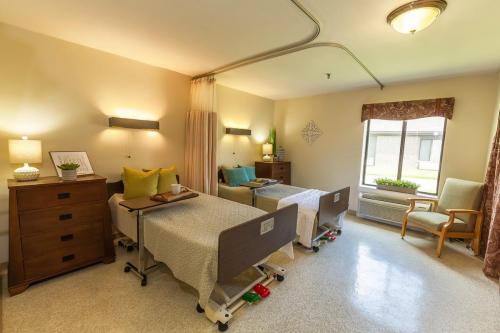
How is Continuing Healthcare At Adams Lane Staffed?

CMS rates CONTINUING HEALTHCARE AT ADAMS LANE's staffing level at 2 out of 5 stars, which is below average compared to other nursing homes. Staff turnover is 48%, compared to the Ohio average of 46%.

What Have Inspectors Found at Continuing Healthcare At Adams Lane?

State health inspectors documented 44 deficiencies at CONTINUING HEALTHCARE AT ADAMS LANE during 2021 to 2025. These included: 3 Immediate Jeopardy (the most serious level, indicating potential for serious harm or death), 2 that caused actual resident harm, 37 with potential for harm, and 2 minor or isolated issues. Immediate Jeopardy findings are rare and represent the most serious regulatory concerns. They require immediate corrective action.
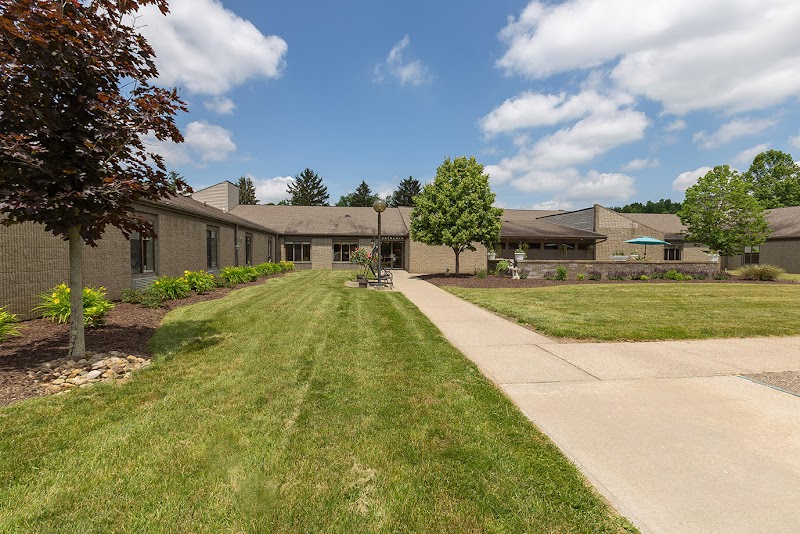
Who Owns and Operates Continuing Healthcare At Adams Lane?

CONTINUING HEALTHCARE AT ADAMS LANE is owned by a for-profit company. For-profit facilities operate as businesses with obligations to shareholders or private owners. The facility is operated by CERTUS HEALTHCARE, a chain that manages multiple nursing homes. With 114 certified beds and approximately 104 residents (about 91% occupancy), it is a mid-sized facility located in ZANESVILLE, Ohio.
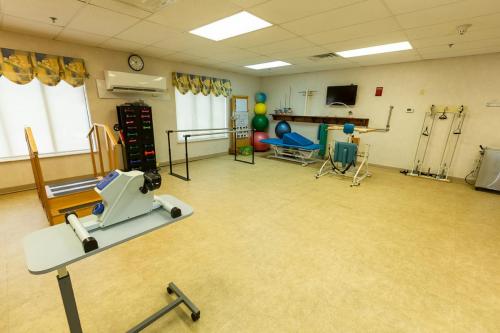
How Does Continuing Healthcare At Adams Lane Compare to Other Ohio Nursing Homes?

Compared to the 100 nursing homes in Ohio, CONTINUING HEALTHCARE AT ADAMS LANE's overall rating (1 stars) is below the state average of 3.2, staff turnover (48%) is near the state average of 46%, and health inspection rating (1 stars) is much below the national benchmark.

What Should Families Ask When Visiting Continuing Healthcare At Adams Lane?

Based on this facility's data, families visiting should ask: "What changes have been made since the serious inspection findings, and how are you preventing similar issues?" "What safeguards and monitoring systems are in place to protect residents from abuse or neglect?" "Can you walk me through typical staffing levels on day, evening, and night shifts?" "Can I visit during a mealtime to observe dining assistance and food quality?" These questions are particularly relevant given the facility's Immediate Jeopardy citations, the substantiated abuse finding on record, and the below-average staffing rating.

Is Continuing Healthcare At Adams Lane Safe?

Based on CMS inspection data, CONTINUING HEALTHCARE AT ADAMS LANE has documented safety concerns. The facility has 1 substantiated abuse finding (meaning confirmed case of resident harm by staff or other residents). Inspectors have issued 3 Immediate Jeopardy citations (the most serious violation level indicating risk of serious injury or death). The facility has a 1-star overall rating and ranks #100 of 100 nursing homes in Ohio. Families considering this facility should ask detailed questions about what corrective actions have been taken since these incidents.

Do Nurses at Continuing Healthcare At Adams Lane Stick Around?

CONTINUING HEALTHCARE AT ADAMS LANE has a staff turnover rate of 48%, which is about average for Ohio nursing homes (state average: 46%). Moderate turnover is common in nursing homes, but families should still ask about staff tenure and how the facility maintains care continuity when employees leave.

Was Continuing Healthcare At Adams Lane Ever Fined?

CONTINUING HEALTHCARE AT ADAMS LANE has been fined $172,227 across 2 penalty actions. This is 4.9x the Ohio average of $34,801. Fines at this level are uncommon and typically indicate a pattern of serious deficiencies, repeated violations, or failure to correct problems promptly. CMS reserves penalties of this magnitude for facilities that pose significant, documented risk to resident health or safety. Families should request specific documentation of what issues led to these fines and what systemic changes have been implemented.

Is Continuing Healthcare At Adams Lane on Any Federal Watch List?

CONTINUING HEALTHCARE AT ADAMS LANE is not on any federal watch list. The most significant is the Special Focus Facility (SFF) program, which identifies the bottom 1% of nursing homes nationally based on persistent, serious quality problems. Not being on this list means the facility has avoided the pattern of deficiencies that triggers enhanced federal oversight. This is a positive indicator, though families should still review the facility's inspection history directly.