CONTINUING HEALTHCARE AT CEDAR HILL
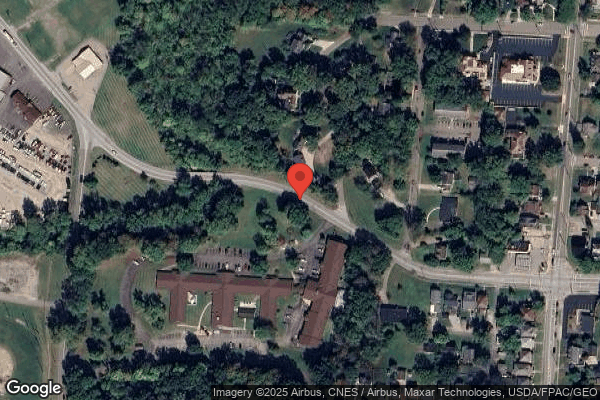
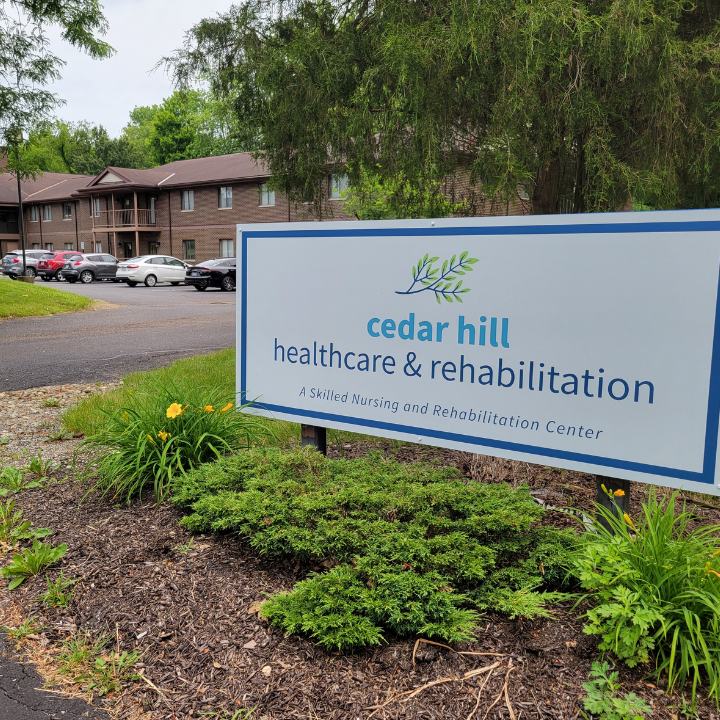
1136 ADAIR AVENUE, ZANESVILLE, OH 43701 (740) 454-6823
For profit - Corporation 90 Beds CERTUS HEALTHCARE Data: November 2025 1 Immediate Jeopardy citation
Trust Grade
28/100
#642 of 913 in OH
Last Inspection: January 2025

Within standard 12-15 month inspection cycle. Federal law requires annual inspections.

Overview

Families considering Continuing Healthcare at Cedar Hill should be aware that the facility has received a Trust Grade of F, indicating significant concerns and a poor overall performance. It ranks #642 out of 913 nursing homes in Ohio, placing it in the bottom half of facilities statewide, and #4 out of 7 in Muskingum County, meaning there are only three local options that are better. The trend is worsening, with the number of issues identified increasing from 4 in 2024 to 7 in 2025. Staffing is a relative strength, with a turnover rate of 44%, which is below the Ohio average, but they only have average RN coverage, meaning there might not be enough registered nurses available to catch potential problems. However, the facility has incurred $30,227 in fines, which is concerning since it is higher than 79% of Ohio facilities, suggesting ongoing compliance issues. Specific incidents that highlight the facility's weaknesses include a critical failure to provide adequate assistance to a resident, who suffered a fall that resulted in a serious injury and an above-the-knee amputation. Another incident involved a resident falling and fracturing their hip after being hit by a dietary cart, indicating issues with resident safety. Additionally, there were concerns about the storage of perishable items in unsanitary conditions, which could affect all residents. Overall, while there are some strengths in staffing, the significant safety incidents and compliance issues raise serious concerns for families considering this facility for their loved ones.

Trust Score
F
28/100
In Ohio
#642/913
Bottom 30%
Safety Record
High Risk
Review needed
Inspections
Getting Worse
4 → 7 violations
Staff Stability
○ Average
44% turnover. Near Ohio's 48% average. Typical for the industry.
Penalties
⚠ Watch
$30,227 in fines. Higher than 80% of Ohio facilities, suggesting repeated compliance issues.
Skilled Nurses
○ Average
Each resident gets 36 minutes of Registered Nurse (RN) attention daily — about average for Ohio. RNs are the most trained staff who monitor for health changes.
Violations
⚠ Watch
39 deficiencies on record. Higher than average. Multiple issues found across inspections.
★★☆☆☆
2.0
Overall Rating
★★☆☆☆
2.0
Staff Levels
★★★★☆
4.0
Care Quality
★★☆☆☆
2.0
Inspection Score
Stable
2024: 4 issues
2025: 7 issues

The Good

  • 4-Star Quality Measures · Strong clinical quality outcomes
  • Full Sprinkler Coverage · Fire safety systems throughout facility
  • No fines on record
  • Staff turnover below average (44%)

    4 points below Ohio average of 48%

Facility shows strength in quality measures, fire safety.

The Bad

2-Star Overall Rating

Below Ohio average (3.2)

Below average - review inspection findings carefully

Staff Turnover: 44%

Near Ohio avg (46%)

Typical for the industry

Federal Fines: $30,227

Below median ($33,413)

Moderate penalties - review what triggered them

Chain: CERTUS HEALTHCARE

Part of a multi-facility chain

Ask about local staffing decisions and management

The Ugly 39 deficiencies on record

1 life-threatening 1 actual harm
Sept 2025 1 deficiency
CONCERN (E) 📢 Someone Reported This

A family member, employee, or ombudsman was alarmed enough to file a formal complaint

Potential for Harm - no one hurt, but risky conditions existed

Safe Environment (Tag F0584)

Could have caused harm · This affected multiple residents

**NOTE- TERMS IN BRACKETS HAVE BEEN EDITED TO PROTECT CONFIDENTIALITY** Based on observation and staff interview, the facility failed to maintain the facility in good repair and maintain a home like e...

Read full inspector narrative →
**NOTE- TERMS IN BRACKETS HAVE BEEN EDITED TO PROTECT CONFIDENTIALITY** Based on observation and staff interview, the facility failed to maintain the facility in good repair and maintain a home like environment. This affected 12 of 41 resident rooms currently occupied by residents in the facility. The resident census was 70.Findings Include: On 09/18/25 tour of the facility between 9:50 A.M. and 10:20 A.M. the following environmental issues were observed: 1. room [ROOM NUMBER] behind the bed by the window, the wall was gouged and the paint peeling.2. room [ROOM NUMBER] the wall was patched and not painted in multiple places.3. room [ROOM NUMBER], 105 and 201 the ceiling was peeling and hanging down.4. room [ROOM NUMBER] by the bathroom door and corner by the dresser was gouged and scraped.5. The wallpaper was torn on both sides of the door by room [ROOM NUMBER].6. Between room [ROOM NUMBER] and room [ROOM NUMBER] the wallpaper was torn.7. room [ROOM NUMBER] the wall behind and beside the bed had gouges in multiple places.8. Baseboard was missing in the hallway by room [ROOM NUMBER] and lounge area.9. The wallpaper was off the wall in the hallway by the TV lounge in the hallway.10. The wall across from room [ROOM NUMBER] in the hallway was patched in multiple places and not painted.11. room [ROOM NUMBER] the wall was gouged behind the bed by the window. The cover was off of the metal heating unit and blinds on the window were broken12. The wallpaper was torn in the hallway by room [ROOM NUMBER]. This was verified during interview with the Director of Nursing on 09/18/25 at 1:24 P.M. This deficiency represents non-compliance investigated under Complaint Number 2614300.
Jan 2025 6 deficiencies
CONCERN (D) 📢 Someone Reported This

A family member, employee, or ombudsman was alarmed enough to file a formal complaint

Potential for Harm - no one hurt, but risky conditions existed

Deficiency F0583 (Tag F0583)

Could have caused harm · This affected 1 resident

**NOTE- TERMS IN BRACKETS HAVE BEEN EDITED TO PROTECT CONFIDENTIALITY** Based on resident interview, staff interviews, and record review, the facility failed to provide unopened mail for Resident #41....

Read full inspector narrative →
**NOTE- TERMS IN BRACKETS HAVE BEEN EDITED TO PROTECT CONFIDENTIALITY** Based on resident interview, staff interviews, and record review, the facility failed to provide unopened mail for Resident #41. This affected one resident (#41) out of one resident reviewed for privacy. Findings included: Review of the medical record revealed Resident #41 was re-admitted on [DATE] with diagnoses that included type two diabetes mellitus with diabetic neuropathy, heart disease, obstructive and reflux uropathy, conduct disorder, chronic osteomyelitis, heart failure, major depressive disorder, dementia, suicidal ideation, depression, and hypertension. Review of the annual minimum data set (MDS) 3.0 dated 09/06/24 revealed Resident #41 was cognitively intact with a Brief Interview for Mental Status (BIMS) score of 15/15. Resident #41 had no impairment of functional range of motion in upper or lower extremities and reported no pain and received no pain medication. Review of Resident #41's admission agreement dated 02/20/19 revealed he wished to receive his mail unopened. Interview on 01/21/25 at 11:00 A.M. with Resident #41 revealed Resident #41 received a package and it was open. Resident #41 felt it should have been opened in front of him. Interview on 01/21/25 at 1:44 P.M. with Receptionist #211 revealed she worked Monday through Friday. Receptionist #211 stated that she was to go through the mail and sort it out. If the item came in a box, she would use a box cutter to slice the top open, but she would not look inside. Receptionist #211 stated she then would give the items to activities to deliver the open boxes. Interview on 01/23/25 at 10:42 A.M. with the Administrator confirmed that packages delivered to the facility should go directly to the residents, unopened. This deficiency represents non-compliance investigated under Complaint Number OH00161280.
CONCERN (D)

Potential for Harm - no one hurt, but risky conditions existed

PASARR Coordination (Tag F0644)

Could have caused harm · This affected 1 resident

Based on record review and staff interview, the facility failed to correctly identify Resident #52's psychotropic diagnosis on a significant change Preadmission Screening and Resident Review (PASRR) f...

Read full inspector narrative →
Based on record review and staff interview, the facility failed to correctly identify Resident #52's psychotropic diagnosis on a significant change Preadmission Screening and Resident Review (PASRR) form. This affected one resident (#52) out of one resident sampled for PASRR. The facility census was 85. Findings include: Review of Resident #52's medical record revealed an admission date of 09/29/23 and diagnoses including traumatic subdural hemorrhage with loss of consciousness of unspecified duration, bipolar disorder, major depressive disorder, and anxiety. Review of Resident #52's physician orders revealed the resident was ordered Celexa 40 milligrams (mg) in the morning for yelling out/restlessness, Depakote Delayed Release 125 mg three times daily for bipolar disorder, and Lorazepam 2 mg/milliliter (ml) with instructions to administer 0.5 ml every four hours as needed for anxiety/agitation for 90 days. Review of Resident #52's care plan dated 10/13/23 revealed the resident utilized psychotropic medications related to bipolar disorder with interventions to monitor for target behavior symptoms such as agitation and delusions and to administer psychotropic medications as ordered. The care plan also revealed the resident utilized antianxiety medications related to agitation with interventions to monitor target behaviors of yelling out, restlessness and statements of anxiety and to administer antianxiety medications as ordered. Review of Resident #52's PASRR form completed on 01/20/25 revealed Section E: Indications of Serious Mental Illness, question one, asked Does the individual have a diagnosis(es) of any of the mental disorders listed below? The prompt stated to check all that apply, giving diagnoses choices of schizophrenia, mood disorder(s), delusional disorder(s), panic or other severe anxiety disorder(s), somatic symptom disorder(s), personality disorder(s), other psychotic disorder(s) or another mental disorder that may lead to a chronic disability. The answer to question one was no. Interview on 01/22/25 at 1:55 P.M. Social Worker Designee #100 verified the question Does the individual have a diagnosis(es) of any of the mental disorders listed below? was answered no. She confirmed Resident #52 had diagnoses of major depressive disorder and bipolar disorder and these diagnoses should have been marked on the PASRR form. Interview on 01/23/25 at 2:58 P.M. the Administrator indicated the facility did not have a policy for PASRR completion, the facility simply followed the regulations regarding completion of the PASRR.
CONCERN (D)

Potential for Harm - no one hurt, but risky conditions existed

Deficiency F0657 (Tag F0657)

Could have caused harm · This affected 1 resident

**NOTE- TERMS IN BRACKETS HAVE BEEN EDITED TO PROTECT CONFIDENTIALITY** Based on staff interview, resident interview, record review, and policy review, the facility failed to ensure Resident #32 was p...

Read full inspector narrative →
**NOTE- TERMS IN BRACKETS HAVE BEEN EDITED TO PROTECT CONFIDENTIALITY** Based on staff interview, resident interview, record review, and policy review, the facility failed to ensure Resident #32 was provided the opportunity to participate in and attend his quarterly care conference meeting. This affected one (Resident #32) out of six residents reviewed for care planning. The facility census was 85. Findings include: Review of the medical record for Resident #32 revealed an admission date for 03/27/24. Diagnoses included diabetes mellitus type two, retention of urine, and major depressive disorder. Review of Resident #32's Interdisciplinary Care Conference Summary dated 12/16/24 revealed no signatures were present on the form, indicating the interdisciplinary team (IDT) members and the resident were not present for the meeting. Review of Resident #32's quarterly Minimum Data Set assessment dated [DATE] revealed the resident was cognitively intact. Interview on 01/21/25 at 1:02 P.M. Resident #32 revealed he had not had a care plan meeting since his admission to the facility (March 2024). He indicated he would like to meet with his team to discuss his plan of care. Interview on 01/23/25 at 1:42 P.M. Social Worker Designee #100 verified she did not have a sign-in sheet to confirm who all attended Resident #32's last care plan meeting. She verified members who attend the meetings, signed the form to indicate they were present for the meeting. Review of the facility policy titled Care Conference Guidelines Policy dated February 2022 revealed care conferences offered an opportunity for the centers interdisciplinary team to review and discuss the plan of care with the resident, resident representative, and any family members. Each center would establish a routine schedule for care conferences with each resident at least quarterly and more often when necessary. Care conference attendees may include the resident, representative, guardian, and IDT members (social services, nursing, activities, dietary, therapy, administrator, direct care, physician, and ancillary services).
CONCERN (D)

Potential for Harm - no one hurt, but risky conditions existed

Deficiency F0692 (Tag F0692)

Could have caused harm · This affected 1 resident

**NOTE- TERMS IN BRACKETS HAVE BEEN EDITED TO PROTECT CONFIDENTIALITY** Based on review of resident medical records, staff interviews, and review of facility policy, the facility failed to provide app...

Read full inspector narrative →
**NOTE- TERMS IN BRACKETS HAVE BEEN EDITED TO PROTECT CONFIDENTIALITY** Based on review of resident medical records, staff interviews, and review of facility policy, the facility failed to provide appropriate care and services related to a significant weight loss for Resident #17. This affected one (Resident #17) of six residents (Resident #1, #12, #17, #32, #57, and #134) reviewed for nutrition. The facility census was 85 residents. Findings include: Review of the medical record revealed Resident #17 was admitted on [DATE] with diagnoses that included chronic obstructive pulmonary disease, unspecified dementia, and anxiety disorder. Review of the care plan dated 07/30/24 revealed Resident #17's had a nutritional problem or a potential nutritional problem related to chronic disease, was at risk for malnutrition, and was using a mechanically altered diet and thickened liquids. The interventions included to monitor and record signs and symptoms of malnutrition, including significant weight loss of over five percent (%) in one month, the dietitian was to evaluate and make diet change recommendations as needed, and weights were to be obtained as ordered. Review of the nutrition assessment dated [DATE], revealed Resident #17 was at risk of malnutrition related to chronic disease, being on a mechanically altered diet, and having a body mass index over 25 (which is indicative of overweight status). Review of Resident #17's weights revealed that from 07/29/24 to 10/08/24, Resident #17's weight remained stable. On 10/08/24, Resident #17 weighed 240 pounds (lbs). On 10/24/24, Resident #17 weighed 227.8 lbs (a 5.1% significant weight loss in 30 days). Review of the progress notes for Resident #17 revealed on 10/25/24 there was a note from the dietitian requesting a re-weigh and it stated that the nurse practitioner had been notified of Resident #17's weight loss. The medical record did not note possible reasons for weight loss, a nutrition assessment, or interventions related to Resident #17's significant weight loss. Review of Resident #17's weights after the 10/24/24 weight loss, revealed a re-weigh was not obtained for Resident #17. The next weight for Resident #17 was obtained on 11/20/24, and Resident #17 weighed 230.8 pounds. Review of Resident #17's nutrition progress note revealed that on 11/18/24, the dietitian recommended a house supplement eight ounces (oz) daily. The house supplement order was initiated on 11/18/24 as recommended, 25 days after Resident #17 had a significant weight loss of 5.1% of his body weight in 30 days. Interview with Dietitian #225 on 01/23/25 at 10:30 A.M. confirmed that she did not evaluate Resident #17's weight loss on 10/25/24 and that no intervention was put into effect until 11/18/24. Further interview revealed that she would request a re-weigh for residents when they had a difference of five pounds or greater from their previous weight and that no re-weigh was obtained on Resident #17. Interview with the Director of Nursing on 01/23/25 at 10:47 A.M. revealed that if there was a significant weight loss, she would expect the dietitian to evaluate and document the weight loss in the medical record. She confirmed that no interventions were put into place from 10/25/24 until 11/18/24 for Resident #17's significant weight loss. Review of a facility policy named Weight Policy updated on 01/03/25 revealed that weights would be completed monthly unless the Interdisciplinary Team, physician or dietician/diet tech recommended it to be done more often. It also stated weights would be obtained in a timely and accurate manner, documented, and responded to in an appropriate manner. Re-weighs should occur within a reasonable amount of time for weights varying 5% or more from the previous month. The dietitian would review and establish the re-weigh list to be completed by the next visit. Re-weighs should occur in a reasonable amount of time for weights varying 3% or more from the previous weight and be available for review by the next weekly scheduled visit. The dietitian would be notified of routine weights, significant changes in weights, insidious weight loss and other concerns related to diet and intake. Acute or chronic weight changes would be documented, and recommendations would be provided by the dietitian as appropriate.
CONCERN (E) 📢 Someone Reported This

A family member, employee, or ombudsman was alarmed enough to file a formal complaint

Potential for Harm - no one hurt, but risky conditions existed

Safe Environment (Tag F0584)

Could have caused harm · This affected multiple residents

Based on observation, staff interview, and review of the shower cleaning sheets, the facility failed to maintain a clean and sanitary shower room. This affected all 45 residents (#3, #7, #11, #13, #14...

Read full inspector narrative →
Based on observation, staff interview, and review of the shower cleaning sheets, the facility failed to maintain a clean and sanitary shower room. This affected all 45 residents (#3, #7, #11, #13, #14, #15, #18, #19, #20, #22, #23, #25, #26, #27, #30, #35, #36, #40, #41, #42, #43, #45, #46, #47, #49, #52, #59, #61, #62, #63, #64, #67, #69, #72, #73, #75, #79, #232, #233, #234, #236, #237, #282, #332, and #334) residing on the east wing of the facility who utilized the facility's shower room. The facility census was 85. Findings include: Observation on 01/21/25 at 11:40 A.M. of the facility's East Wing shower room revealed the room hosted two shower stalls. One stall was clear while the other stall hosted several shower chairs. Along the shower wall of the second shower stall was a moderate amount of green residue. Review of the Shower Cleaning Sheet revealed housekeeping staff were to clean shower rooms on Mondays, Wednesdays, and Fridays. The cleaning involved cleaning the sink, stocking soap and paper towels, disinfecting the tub, sweeping and mopping the floors, cleaning the toilets, checking the trash, and disinfecting showers and shower chairs. Housekeeper #208 signed off that she cleaned the shower room on 01/17/25 and 01/20/25. Interview on 01/21/25 at 11:40 A.M. revealed Certified Nursing Assistant (CNA) #129 reported the green mildew had been present for a couple of months. CNA #129 went on to say she had made maintenance aware that it needed removed awhile ago, but they had not done it. Interview on 01/21/25 at 1:48 P.M. Regional Maintenance Director #220 confirmed the environmental findings and reported it appeared to be algae. He stated they recently lost their maintenance director, and several issues had been missed. Interview on 01/22/25 at 12:11 P.M. Housekeeper #208 reported she was responsible for cleaning the showers three times a week on Mondays, Wednesdays, and Fridays. She reported that since the shower stall had shower chairs present, she has not been cleaning that stall. She went on to say she expected the facility CNAs to clean it after each shower. This deficiency represents non-compliance investigated under Complaint Number OH00161280.
CONCERN (F)

Potential for Harm - no one hurt, but risky conditions existed

Food Safety (Tag F0812)

Could have caused harm · This affected most or all residents

Based on observation, staff interviews, and review of facility policy, the facility failed to store perishable items under sanitary conditions. This had the potential to affect all 85 residents residi...

Read full inspector narrative →
Based on observation, staff interviews, and review of facility policy, the facility failed to store perishable items under sanitary conditions. This had the potential to affect all 85 residents residing in the facility. All residents were identified as receiving meals from the kitchen. Findings include: Observations of the walk in freezer on 01/21/25 at 8:18 A.M. revealed several undated/unlabeled items which were later identified by Dietary [NAME] #205 as follows: four bags of hash browns removed from their original packaging and now stored in a two-gallon plastic storage bags, a bag of tater tots removed from their original packaging which had been opened and were now stored in a two-gallon plastic storage bag, one bag of chicken tenders removed from their original packaging and now stored in a two-gallon plastic storage bag, three bags of frozen drumsticks removed from their original packaging and now stored in two-gallon plastic storage bags, five bags of Hawaiian rolls and two of which had been previously opened, one previously opened bag of cinnamon rolls which were stuck together and now stored in a two gallon plastic storage bag, one pan of lasagna that had been removed from its original packaging and now stored in a two-gallon plastic storage bag, and one two-gallon bag of hot dogs that had been previously opened and were stuck together and had ice crystals on them. Interview with Dietary [NAME] #205 on 01/21/25 at 8:27 A.M. confirmed the presence of the above listed unlabeled and undated items which had either been previously opened, removed from their original packaging without labels and dates, and/or had evidence of being re-frozen or stuck together. Review of the facility policy titled Sanitation and Food Safety: Labeling and Dating revised in January 2025 revealed that all food items in the freezers must be clearly labeled and dated to ensure food safety and quality. This included leftovers, opened foods and sealed packages removed from their original shipping box/case. All food items must be labeled with the date that they were received or opened. Sealed packages removed from their original shipping box/case must be labeled with the date that they were received. When food was transferred to a zip top bag or sealed container, the new container must be labeled with the date the food was opened or transferred.
Jul 2024 1 deficiency 1 Harm
SERIOUS (G) 📢 Someone Reported This

A family member, employee, or ombudsman was alarmed enough to file a formal complaint

Actual Harm - a resident was hurt due to facility failures

Accident Prevention (Tag F0689)

A resident was harmed · This affected 1 resident

**NOTE- TERMS IN BRACKETS HAVE BEEN EDITED TO PROTECT CONFIDENTIALITY** THE FOLLOWING DEFICIENCY REPRESENTS AN INCIDENT OF PAST NON-COMPLIANCE THAT WAS SUBSEQUENTLY CORRECTED PRIOR TO THIS SURVEY. Bas...

Read full inspector narrative →
**NOTE- TERMS IN BRACKETS HAVE BEEN EDITED TO PROTECT CONFIDENTIALITY** THE FOLLOWING DEFICIENCY REPRESENTS AN INCIDENT OF PAST NON-COMPLIANCE THAT WAS SUBSEQUENTLY CORRECTED PRIOR TO THIS SURVEY. Based on medical record review, policy review, facility investigation review and staff interview, the facility failed to prevent a resident fall with major injury. Actual Harm occurred on 06/24/24 when Resident #14, who was identified as a fall risk, was hit by a dietary cart (used to transport resident meal trays) that was being steered by Dietary [NAME] #20, causing the resident to fall and sustain a right hip fracture. The resident was emergently transported to the hospital and admitted for surgical intervention to repair the right hip fracture. This affected one resident (#14) of three residents reviewed for falls. The facility census was 70. Findings include: Record review revealed Resident #14 was admitted to the facility on [DATE] with diagnoses that included femur fracture, metabolic encephalopathy, dementia, Alzheimer's disease, and anxiety disorder. Review of the Care Plan, dated 10/13/23, revealed Resident #14 was at risk for falls related to gait/balance problems, unsteady gait, history of falls, and the use of psychotropic medications and the resident used a walker. Review of the Minimum Data Set (MDS) assessment, dated 03/08/24, revealed Resident #14 was moderately cognitively impaired and had a diagnosis of Alzheimer's disease. The assessment indicated the resident was independent with most activities of daily living (ADLs) and his mobility device was a walker. Review of a Fall Risk Assessment, dated 06/10/24, revealed the resident was at risk for falls. Review of the nursing progress note, dated 06/24/24 at 11:45 A.M., revealed Resident #14 was found lying on the floor, on his back, in the lobby. Resident #14's walker was across the lobby. Resident #14 stated he was trying to get a puzzle out of the bookshelf. A skin tear to right elbow and left hand were noted. Resident #14 complained of right leg pain. The assistant director of nursing called emergency medical services (EMS); EMS arrived at approximately 11:55 A.M. Resident #14's granddaughter was notified, and a voice mail was left for Resident #14's son. Resident #14's son called back at 12:40 P.M. and was notified. Resident #14's physician was notified at 12:15 P.M. The progress note revealed an immediate intervention was to place a bright colored sign on Resident #14's walker to remind the resident to use his walker when ambulating. Resident #14 was alert and oriented and educated to always use his walker. Review of the Incident and Accident Investigation, dated 06/24/24, (authored by Licensed Practical Nurse (LPN) #34) revealed Resident #14 sustained a fall on 06/24/24 at 11:48 A.M. when he was hit with a dietary cart by staff who could not see the resident while pushing the cart, resulting in a fall. The resident sustained a fractured right hip and multiple skin tears. The investigation further revealed the incident occurred in the hallway and the immediate actions taken following the fall was the assessment of range of motion and vital signs. The resident was unable to straighten his right, lower extremity and rotation was noted. The resident was sent to the emergency room for evaluation and treatment. A bright colored sign was placed on the walker to remind the resident to use the walker. Review of the Emergency Department (ED) Provider Note, dated 06/24/24 at 12:52 P.M., revealed Resident #14 presented with a chief complaint of a fall and stated a staff member at the nursing home accidentally struck him with a dinner cart and he fell, landing on his right hip. The resident sustained skin tears to his left hand and right arm. Review of the right hip revealed deformity, tenderness, and decreased range of motion. Minor skin tears to the left, third and fourth digits and right elbow, forearm, and hand were noted. Review of a Hospital History and Physical (H and P) report, dated 06/24/24 at 2:01 P.M., revealed Resident #14 had diagnoses including Alzheimer's disease, who presented to the emergency room on [DATE] with right hip pain following a mechanical fall. The resident stated that he was at his nursing home facility, and someone was walking by with a cart that hit him and he lost his balance and fell on his right side. The resident was found to have a right hip fracture and was admitted for an orthopedic evaluation. The pre-operative evaluation determined the resident had a moderate risk for surgery, but the final decision to take the resident to the operating room was left to the surgical and anesthesia teams. Review of a progress note, dated 06/25/24 at 9:54 A.M., revealed the interdisciplinary team met to discuss Resident #14's fall on 6/24/24. All proper notifications were made. Immediate intervention was put in place and education was provided to all staff about using two staff to move the tall dietary cart. The interdisciplinary team agreed with interventions and plan. Review of a nurse practitioner progress note, dated 07/01/24, revealed Resident #14 was seen for a hospital follow-up. The resident was hospitalized from [DATE] through 06/28/24 due to a right hip fracture. His hospital course included surgical repair of a closed fracture of the right hip on 06/25/24, intravenous (IV) iron therapy, and aggressive bowel regimen for constipation. The resident's pain was controlled with narcotic pain medication. Interview on 07/16/24 at 9:15 A.M. with the Administrator verified Resident #14 had a fall on 06/24/24. The Administrator revealed the resident was walking in the main lobby without his walker when Dietary [NAME] #20, who was pushing the large dietary cart, accidentally bumped into the resident with the dietary cart. The Administrator stated the facility investigation revealed the staff member only looked around one side of the dietary cart and not both sides of the cart prior to pushing the dietary cart. The Administrator stated the staff member never saw Resident #14 and when the dietary cart bumped the resident, it caused him to lose his balance and fall. The Administrator confirmed the fall caused the resident to fracture his hip/femur which required a surgical repair. The Administrator stated the facility now requires two staff to move the large dietary cart to ensure residents are not bumped by the cart. Interview on 07/30/24 at 8:39 A.M. with Dietary [NAME] #20 revealed on 06/24/24 she was transporting the food cart through the corridor between the dining room and therapy area when she made a sharp turn. Resident #10 was located by the wall on the right side of the cart and Resident #14 was standing near the puzzles on the left side of the cart. Dietary [NAME] #20 stated that she was trying to avoid bumping into Resident #10 and did not see Resident #14 at the time. Dietary [NAME] #20 stated that she felt something, stopped pushing the cart, and then heard Resident #14 yelling. Dietary [NAME] #20 stated she looked around the cart and observed Resident #14 lying on the ground, grabbing the metal cart, and he must have hit something sharp which resulted in bleeding from one of his hands. Dietary [NAME] #20 stated a nurse came and assessed the resident immediately after the incident. Dietary [NAME] #20 confirmed she could not see over the tall, metal cart while pushing it from behind. The Dietary [NAME] verified she only looked around the right side of the cart but not the left side of the cart before she hit Resident #14. On 07/30/24 at 9:50 A.M., an interview with Regional Administrator #120 revealed she was unaware of any facility policy regarding safe transportation of dietary carts prior to the incident involving Resident #14. Review of facility policy and procedures revealed the facility did not have any type of policy in place related to moving the dietary carts prior to Resident #14's fall, nor did the facility have specific education for staff regarding the movement of dietary carts prior to Resident #14's fall. The deficient practice was corrected on 06/24/24 when the facility implemented the following corrective actions: • On 06/24/24 the facility initiated a Facility Self-Imposed Action Plan which included the following: • On 06/24/24, Resident #14 was immediately assessed by LPN #34 on 06/28/24 at 11:45 A.M. and sent to the emergency department for evaluation. The resident was admitted and his right hip was surgically repaired. • On 06/24/24, one-on-one education was provided by the Administrator to Dietary [NAME] #20 that moving forward, all tall meal carts need to be taken to/from the unit/kitchen by two staff members to ensure the hallway is clear for the cart. • On 06/24/24, 46 nursing, dietary, and housekeeping staff were educated by the Administrator via in-person or over the phone, that all tall meal carts will be transported to/from kitchen by two staff members (one in front and one in back). • On 06/24/24, an initial audit was completed by the DON during the supper meal, to ensure the tall meal carts were being transported to/from the kitchen/unit with two staff members. • On 06/24/24, the DON initiated an audit by observation to ensure tall meal carts are being transported to/from the unit/kitchen by two staff members. Audits will be completed twice weekly for four weeks then as determined by the DON or designee. The audits began on 06/28/24. • All audits will be reviewed by Quality Assessment and Performance Improvement (QAPI) during meetings held monthly and any concerns will be addressed. • Two new dietary carts, shorter in design and permit visibility over the cart during transport, were approved by corporate and ordered. The new carts will replace the current tall dietary carts. • No further injuries have resulted from the dietary carts since 06/24/24. This deficiency represents non-compliance investigated under Complaint Number OH00155268.
May 2024 1 deficiency
CONCERN (D) 📢 Someone Reported This

A family member, employee, or ombudsman was alarmed enough to file a formal complaint

Potential for Harm - no one hurt, but risky conditions existed

Safe Environment (Tag F0921)

Could have caused harm · This affected 1 resident

Based on observations, medical record review, resident interview, staff interview, and facility policy/procedure review, the facility failed to maintain a sanitary living environment. This affected on...

Read full inspector narrative →
Based on observations, medical record review, resident interview, staff interview, and facility policy/procedure review, the facility failed to maintain a sanitary living environment. This affected one resident (#68) of three residents reviewed for a sanitary living environment. The facility census was 75. Findings include: Observations on 05/29/24 at 10:30 A.M. and 10:45 A.M. revealed mouse droppings in a basket in Resident #68's bedroom. The basket had personal items in it, as well as a box of snack cakes (each individual cake was sealed). Resident #68 was admitted to the facility 11/24/22 with diagnoses including type II diabetes, chronic obstructive pulmonary disease, vascular dementia, need for assistance with personal care, difficulty walking, dysphagia, cerebral aneurysm, autonomic neuropathy, insomnia, ventral hernia, hyperlipidemia, depression, obesity, atrial fibrillation, hypothyroidism, and hypertension. Review of the Minimum Data Set (MDS) assessment, dated 03/01/24, revealed Resident #68 was cognitively intact. Interview with Resident #68 on 05/29/24 at 10:35 A.M. confirmed she had seen mice in her room, but it had been a couple weeks since this has occurred. She confirmed there were mice droppings in her basket, which was located on top of her mini fridge. She keeps snacks and other personal items in that basket, which she can reach and get things out of it when she wants. Interview with State Tested Nursing Aide (STNA) #101 on 05/29/24 at 10:45 A.M. confirmed the mice droppings in Resident #68's basket in her room. She confirmed that should be cleaned and personal items should not have mice droppings in them. Interview with the Administrator on 05/29/24 at 11:16 A.M. confirmed he was told about the mice droppings found in Resident #68's room. He confirmed there was documentation that Resident #68 room was deep cleaned on 05/15/24, so he was not sure if the mice droppings were missed at that time, or if it occurred after the deep cleaning. Review of the facility Room Cleaning Checklist revealed each day, the following items will be cleaned by the housekeeping staff: within resident rooms, furniture, blinds, windows/sills, mattress, doors/knobs, privacy curtains, empty trash, floors, make bed, ensure supplies in bathroom are refilled, toilet, mirrors, sinks, and any handrails. This deficiency represents non-compliance investigated under Complaint Number OH00153908.
May 2024 1 deficiency
CONCERN (D) 📢 Someone Reported This

A family member, employee, or ombudsman was alarmed enough to file a formal complaint

Potential for Harm - no one hurt, but risky conditions existed

Accident Prevention (Tag F0689)

Could have caused harm · This affected 1 resident

**NOTE- TERMS IN BRACKETS HAVE BEEN EDITED TO PROTECT CONFIDENTIALITY** THE FOLLOWING DEFICIENCY REPRESENTS AN INCIDENT OF PAST NON-COMPLIANCE THAT WAS SUBSEQUENTLY CORRECTED PRIOR TO THIS SURVEY. Bas...

Read full inspector narrative →
**NOTE- TERMS IN BRACKETS HAVE BEEN EDITED TO PROTECT CONFIDENTIALITY** THE FOLLOWING DEFICIENCY REPRESENTS AN INCIDENT OF PAST NON-COMPLIANCE THAT WAS SUBSEQUENTLY CORRECTED PRIOR TO THIS SURVEY. Based on observation, interview, record review and facility investigation review the facility failed to prevent Resident #20 from exiting the facility without staff assistance. This affected one resident (Resident #20) of three residents reviewed for accidents. The facility census was 80. Finding include: Review of the medical record for Resident #20 revealed an admission date on 06/09/23. Diagnosis included unspecified dementia, anxiety, and encephalopathy. Review of Resident #20's physician order dated 06/26/23 revealed the resident had a wanderguard (a magnetized fob that is placed on the wrist or ankle to alert staff when a resident is exiting an alarmed door) placed on her ankle and for placement to be checked every shift. Review of Resident #20's Care Plan revealed the resident was a risk for elopement related to impaired cognition, wandering, a history of attempting to leave the building, and decreased safety awareness. Interventions included to complete an elopement risk assessment quarterly, notify physician and family of behavior changes, and a wanderguard to her ankle. Review of Resident #20's quarterly Minimum Data Set (MDS) dated [DATE] revealed the resident had a severe cognitive impairment and had a wander/elopement alarm that she utilized daily. Review of Resident #20's elopement evaluation dated 04/22/24 revealed the resident was at risk for elopement due to having a history of elopement or attempted leaving the facility without informing staff. Review of Resident #20's progress note dated 05/07/24 revealed the nurse was on the east unit when another resident (Resident #48) yelled down the hall that Resident #20 was outside. The nurse immediately responded and noted the resident walking along the front parking lot. The resident was redirected back into the facility. No injuries were noted, and the resident denied any concerns at the time. Review of the facility investigation dated 05/07/24 revealed on 05/07/24 at 6:15 P.M. staff were notified that Resident #20 was in the parking lot. Staff members LPN #100 and State Tested Nurses Aide (STNA) #101 responded and, with redirection, Resident #20 was brought back inside at 6:16 P.M. A head-to-toe assessment was completed on the resident with no injuries noted. All wanderguards were checked and determined to be working. Resident #20 was placed with a one-on-one supervision until 05/08/24 at 8:00 A.M. when a maintenance worker was able to remove the sensor from the door and replace it with a button (requiring the exiting person to press the button, located in the area between the two doors, to gain access outside and not automatically opened by a sensor). Review of LPN #100 and STNA #101 witness statements dated 05/07/24 revealed they heard another resident yell that Resident #20 got outside and they responded immediately redirecting her back inside. Review of STNA #102's witness statement dated 05/07/24 revealed she had let a family member out the front door and shut the door causing the alarm to turn red (indicating it was locked). Resident #20 was in the lobby sitting on the couch. STNA #102 noted Dietary [NAME] #103 was about to leave. STNA #102 stated she responded to a call light and when she came out LPN #100 ran outside because Resident #48 reported that Resident #20 got outside. Review of Dietary [NAME] (DC) #103's witness statement dated 05/07/24 revealed she went out the front door. She heard the door lock behind her. She reported she was out there for five minutes and saw Resident #20 with staff following her. Observations on 05/14/24, during the onsite survey, revealed the resident walked independently. Facility staff encouraged her to participate in activities and frequently interacted with her. The resident appeared confused at times. Observation of her head, neck, arms, legs, and ankles revealed no signs of injury and a wanderguard was observed on her left ankle. Interview on 05/14/24 at 12:25 P.M. with the Administrator revealed on 05/07/24 at 6:30 P.M. Resident #20 was able to exit the facility by following Dietary [NAME] #103. He stated to exit the facility you must enter a code into the front door which unlocks the door. He then stated that you walk through this door into a short breezeway where you must exit through another door. He continued the way the doors were set up, after DC #103 exited the first door by entering a code, walked through the breezeway and opened the second door, it happened to trigger the sensor causing the locked door to momentary unlock. He reported by activating the sensor it also deactivated the wanderguard for a brief minute. This allowed for Resident #20 to open the coded door without triggering her wanderguard. He stated he did not realize that the second door could trigger the sensor (the sensor is hung high on the wall situated directly in front of the coded door and is used to unlock the coded door when entering the facility). He continued that the resident was only outside for approximately one minute and brought back inside without any issues. She was found approximately 10 feet away from the front door in the parking lot, looking for her daughter's car. He reported the resident was assessed, notifications were made, the resident was placed on a one on one supervision, all wanderguards were assessed and noted to be working appropriately, and the sensor was removed on 05/08/24 at 8:00 A.M. Phone interview on 05/14/24 at 2:35 P.M. with STNA #101 revealed she was working with Resident #20 on 05/07/24 when she heard another resident yell that Resident #20 went outside. She responded right away with LPN # 100. She reported the resident was redirected inside, and she did not have any injuries. Attempts were made during the onsite investigation to reach DC #103 but no return call was provided. The deficient practice was corrected on 05/08/24 when the facility implemented the following corrective actions: • On 05/07/24 at 6:16 P.M. a head-to-toe assessment was completed on Resident #20 by LPN #100 and no injuries were noted. • On 05/07/24 at 6:16 P.M. the Director of Nursing (DON) was notified of the incident by LPN #100. • On 05/07/24 at 6:16 P.M. through 05/08/24 at 8:00 A.M. (when the front door sensor was replaced with a push button release) Resident #20 was placed on a one-on-one supervision. • On 05/07/24 the DON checked all wanderguards against all doors to ensure they were functioning appropriately. The residents with wanderguards in place were identified as Resident #20, Resident #29, Resident #47, Resident #51. • On 05/07/24 at 6:30 P.M. Resident #20's family and the Nurse Practitioner were notified of the incident by LPN #100. • On 05/07/24 all residents received an elopement assessment. Resident #20's care plan was updated, and the elopement book was updated with the new care plan. This was completed by the DON. • On 05/07/24 through 05/08/24 all staff were educated on the elopement policy by the DON. • On 05/08/24 elopement drills were conducted on both shifts by the DON and no concerns were noted. • On 05/08/24 a Quality Assurance and Performance Improvement (QAPI) meeting was held to discuss the incident and plan put in place. Members included the Medical Director, DON, Maintenance Director, and Administrator. • On 05/08/24 at 8:00 A.M. the facility removed the sensor and replaced it with a push button to exit the facility. • Wanderguard assessments will be completed weekly for four weeks to ensure proper functioning for all residents who have a wanderguard by the DON or designee. This will be done by ensuring the alarm system is functioning correctly with the wanderguards in place. • No further elopements have occurred between 05/08/24 and 05/15/24. This deficiency represents non-compliance investigated under Master Complaint Number OH00153835
Jan 2024 1 deficiency 1 IJ
CRITICAL (J) 📢 Someone Reported This

A family member, employee, or ombudsman was alarmed enough to file a formal complaint

Immediate Jeopardy (IJ) - the most serious Medicare violation

Accident Prevention (Tag F0689)

Someone could have died · This affected 1 resident

**NOTE- TERMS IN BRACKETS HAVE BEEN EDITED TO PROTECT CONFIDENTIALITY** Based on closed medical record review, review of a facility fall investigation, hospital record review, review of the facility F...

Read full inspector narrative →
**NOTE- TERMS IN BRACKETS HAVE BEEN EDITED TO PROTECT CONFIDENTIALITY** Based on closed medical record review, review of a facility fall investigation, hospital record review, review of the facility Fall policy and interviews, the facility failed to provide Resident #78 adequate assistance for transferring/ambulation with toileting to prevent a fall with major injury. This resulted in Immediate Jeopardy and Actual Harm on [DATE] when Resident #78, who was admitted to the facility for rehabilitation status post hospitalization for a left total knee replacement (on [DATE]) and who was assessed to be at moderate risk for falls sustained a fall while being assisted by one State Tested Nursing Assistant, (STNA) #176 to walk from her bed to the bathroom. The resident was subsequently assessed to have dislocation to her knee (replacement) and a popliteal artery injury (an injury mainly associated with high energy injury, including knee dislocation with causes including falls and crush injuries) requiring a left above the knee amputation. The resident did not return to the facility following the incident. This affected one resident (#78) of three residents reviewed for falls. The facility census was 77. On [DATE] at 11:16 A.M. the Administrator, Regional [NAME] President of Operations #402, Director of Clinical Services #404 and Regional Clinical Support #406 were notified Immediate Jeopardy began on [DATE] when staff failed to provide adequate assistance for toileting to Resident #78 resulting in a fall with major injury. The Immediate Jeopardy was removed on [DATE] when the facility implemented the following corrective actions: • On [DATE] at 7:20 P.M., Licensed Practical Nurse (LPN) #100 responded to the State Tested Nurse Aide (STNA) #176 yelling for help. The resident had sustained a fall and was subsequently transported to the hospital on [DATE] at 7:45 P.M. • On [DATE] at 11:46 A.M., all 33 facility STNA staff, 18 Licensed Practical Nurses (LPNs), and four Registered Nurses (RN) were educated by Onshift (e-mail or text) by the Director of Clinical Services #404 on the following topics: 1. All new admissions should use a gait belt and staff assistance of two with transfer/ambulation until evaluated or screened by therapy or a nurse. 2. Residents care plans would be updated after evaluation/screen with the level of assistance needed. 3. Any staff who does not answer/not working on [DATE] would be educated prior to their next shift by Director of Clinical Services #404. • On [DATE] by 2:15 P.M., an audit was completed for all in house residents by therapy staff to ensure the correct transfer status. • On [DATE] at 2:15 P.M., the Director of Clinical Services #404 and Regional Clinical Support #406 updated all resident care plans related to transfer status. • The facility developed a plan for the Director of Nursing/Designee to audit five times a week for four weeks on new admissions that their interview and/or observations notes support two-person assist and gait belt use were provided until the resident was evaluated by a therapist/nurse. • On [DATE] a Quality Assurance (QA) meeting was held with the following staff members in attendance: Medical Director #414, the Administrator, Regional [NAME] President of Operations #402, the Director of Nursing (DON), Director of Clinical Services #404, and Regional Clinical Support #406. • The facility developed a plan for the QA committee to review audit results weekly for four weeks. • On [DATE] from 9:01 A.M. to 10:05 A.M., interviews with Activity Director #104, Activity Aide #110, and STNA #170, revealed they had received education to use a gait belt and the assistance of two staff members for any new admission until the resident was evaluated by therapy. • On [DATE] from 9:01 A.M. to 10:05 A.M., interviews with LPN #200 and LPN #121 revealed they received education to ensure staff used a gait belt and the assistance of two staff members for all new admissions until the resident was evaluated by therapy and new interventions were to be added to the plan of care by the nurses when implemented. Although the Immediate Jeopardy was removed on [DATE], the facility remained out of compliance at Severity Level 2 (no actual harm with potential for more than minimal harm that is not Immediate Jeopardy) as the facility was still in the process of implementing their corrective action plan and monitoring to ensure on-going compliance. Findings include: Review of Resident #78's closed medical record revealed Resident #78 was admitted to the facility on [DATE] with diagnoses including left total knee replacement, diabetes with diabetic polyneuropathy, severe obesity, chronic venous insufficiency, chronic diastolic heart failure, and chronic venous hypertension with inflammation of bilateral lower extremities. The resident was admitted to the facility from the hospital for rehabilitation status post total left knee replacement (on [DATE]). The resident's height was noted to be four feet 11 inches with a weight of 207 pounds per medical record information from [NAME] Hospital. Review of the hospital physician assistant note dated [DATE] at 8:15 A.M. revealed Resident #78 had not yet been seen by physical therapy. Nursing reports Resident #78 wanted to get up to use the restroom and Resident #78 took a couple steps then requested a bedside commode due to pain. Resident #78 then required staff assistance and use of a [NAME] steady (a manual sit-to-stand transfer aid that enables one caregiver to transfer safely) to get back into bed. Review of a hospital rehabilitation therapy progress notes, written by the physical therapist dated [DATE] at 12:54 P.M., revealed the resident's transfer level of assistance required was moderate assistance: two-person assist. Resident #78 could stand with minimum of two-person assist. Resident #78 did not put weight on the left lower extremity and was unable to pick up the right lower extremity to take steps due to putting all her weight on that side. The note indicated the physical therapist was unable to assess ambulation. Review of a hospital therapy note dated [DATE] revealed Resident #78 was weight bearing as tolerated, had decreased lower extremity range of motion, decreased lower extremity strength, decreased functional mobility, impaired gait, increased fall risk, and balance deficits with pain limiting mobility. Review of a Hospital Discharge Examination, printed on [DATE] at 9:27 A.M. revealed Resident #78 was alert and in no apparent distress while sitting up in bed eating breakfast. The resident was doing fair postop day #2 from a left total knee arthroplasty. The resident's pain was controlled with the current pain regimen. She has been up with physical therapy but has not been moving very well. Review of the hospital Orthopedic Discharge Instructions dated [DATE] revealed Resident #78 had a total left knee arthroplasty on [DATE] (left) and activity was weight bearing as tolerated on operative leg and use of cane/walker during ambulation. The resident was noted to have a follow-up appointment with the surgeon in two weeks (no specific date provided). Review of the hospital Ambulance Transfer form (form provided from the hospital to ambulance company for continuity of care during transport) dated [DATE] at 12:02 P.M. revealed mobility level of assistance: Activity: in chair and the level of assistance required was four assists; at a moderate fall risk. Review of a handwritten admission report form dated [DATE] and completed by LPN #116 (report from the hospital staff to the nursing home staff) revealed Resident #78 had a left total knee replacement, left lower extremity weakness, was alert and oriented to person, place, time, and event, required 1-2 assist, and knee brace to be worn when up. Review of the facility admission assessment dated [DATE] and completed by LPN #116 revealed Resident #78 was admitted with left lower extremity weakness following a left total knee replacement. Resident #78 required limited assistance for transfers, toileting, and walking in room. Resident #78 was assessed as having unsteady gait. Review of baseline care plan dated [DATE] at 5:19 P.M. revealed Resident #78 was admitted on [DATE] for aftercare following joint replacement surgery with an anticipated short term stay at the facility. The baseline plan of care addressed activities of daily living (ADL's) indicating the resident was at risk for decline related to recent need for nursing home placement. The goal was to assist the resident to achieve desired level of ADL assist or independence. The intervention noted was therapy screen. The baseline plan of care revealed the resident was a Fall Risk/Safety Risk with a goal to minimize risk for falls. The intervention revealed to encourage call light use. The baseline plan of care also noted the resident was having current pain with an intervention to administer medication as ordered and note effectiveness. Lastly, the baseline plan of care included Therapy with a goal to identify therapy needs to maintain/improve functional status. A section for weight-bearing status was blank. Interventions under this section were also blank. Review of a nursing progress note, dated [DATE] at 4:41 P.M. and authored by LPN #116 included the resident arrived via cot at 3:30 P.M. Family was not at bedside but on the phone (did not specify which family was on the phone). Resident arrived alert and oriented (x4). The note revealed the resident denied pain. Foley catheter in place, but resident verbalizes continence of bladder before placement. Resident verbalizes continence of bowel. Resident is oriented to call light, bed alarm. No complaints or problems verbalized at this time. The note failed to contain any evidence the resident was assisted to stand/ambulate at the time of this note or that her ambulation/transfer ability was assessed. Review of a #716 Fall electronic note dated [DATE] at 7:20 P.M. and completed by LPN #100 revealed this nurse was administering medication to another resident when she heard STNA #176 yelling for help. When the nurse entered Resident #78's room, the resident was lying face down in front of the bathroom with her legs stretched out. Blood was coming from the incision to the left knee. Resident #78 stated STNA #176 was assisting her to the bathroom with her walker when her left leg gave out. The ambulance was called at 7:24 P.M. and arrived at the facility at 7:30 P.M. Resident #78 left the facility at 7:45 P.M. A corresponding nursing progress note, dated [DATE] at 11:04 P.M. and authored by LPN #100 included the same information as the #716 Fall electronic document. Review of a facility fall investigation dated [DATE] at 7:30 P.M., completed by LPN #100 and signed by the DON revealed the resident stated she was walking to the bathroom when her left leg gave out on her. The fall investigation noted the cause of the fall was the resident was ambulating to the bathroom with one assist with walker when her left leg gave out on her. A witness statement written by STNA #176 dated [DATE] at 7:20 P.M. revealed the STNA answered Resident #78's call light and Resident #78 asked for help to the bathroom. STNA #176 started to assist Resident #78 and when Resident #78 got to the bathroom door she stated honey, I can't it hurts and then Resident #78 began to fall. STNA #176 stated she had a hold of one of Resident #78's arms and helped guide her to the floor. Review of fall risk assessment dated [DATE] at 11:06 P.M. revealed Resident #78 was at moderate risk for falls. Review of the resident's medical record revealed prior to the fall that occurred on [DATE] at 7:20 P.M. she had not been assessed or physically seen by a facility physician or by staff from the facility therapy department. Review of a local hospital report (Genesis Hospital) dated [DATE] revealed Resident #78 had a knee arthroplasty completed on [DATE]. The resident had a bit of difficult recovery with therapy and moving after her surgery. She was transferred to the (skilled nursing) facility this afternoon and apparently while trying to be transferred to the bathroom she sustained a fall and the inability to ambulate. She landed directly on this knee. She was evaluated in the emergency department and identified to have dislocated total knee arthroplasty. Commuted tomography (CT) angiogram (procedure to visualize blood vessels) was obtained which revealed a popliteal injury. Physician #254 was of course called as this was my patient and again patient was two days post-op. She presents with close dislocation of the total knee arthroplasty. The CT scan reveals disarticulation of the knee with anterior translation of the tibia on the femur. There is also a popliteal artery injury and suspected also neurologic injury. After the knee was reduced a light wrap was placed on the knee as this did cause some bleeding of the incision, however there was no recovery of the pulses when assessed with the doppler. There is no recovery of the neurologic function of the foot. The resident was transferred to Ohio State University ([NAME]) Hospital as the neurovascular injury was concerning and felt to be more than what could be handled here by our vascular team. From the total knee standpoint this was something that could be dealt with in the future and revision may be necessary as obviously there was ligamentous integrity issue with this knee at this point. The neurovascular status of the lower extremity however takes precedence at this time. Post-reduction films were obtained. The knee was located and joint concentric. No obvious fractures were noted. Review of the CT ANGIO of the left lower extremity dated [DATE] revealed Clinical Indications: Popliteal entrapment syndrome suspected. (a rare condition that affects the main artery behind the knee, called the popliteal artery. In this condition, the calf muscle is in the wrong position or it's larger than usual. The muscle presses on the artery, making it harder for blood to flow to the lower leg). The left lower extremity was reduced prior to transfer to [NAME]. Post reduction x-rays were obtained showing a successfully reduced concentric knee. On presentation to the trauma bay she presented with cold left lower extremity without left popliteal, posterior tibial and dorsalis pulse signals. Compartments feel tight and there was loss of motor and sensation to the extremity. Resident #78 consented for possible fasciotomy, possible bypass, possible left lower extremity amputation, we will proceed to the operating room. A left above knee amputation was deemed necessary. Review of an [NAME] social worker progress note dated [DATE] revealed Resident #78 stated that the accident (fall) occurred because she had slipped on the floor while an aide was helping her to ambulate at the skilled nursing facility. She reported that she told the aide that she would need two people to help her, but the aide insisted that she would be able to help lift her. Review of [NAME] Discharge summary dated [DATE] revealed Resident #78 was status post above left knee amputation on [DATE] and was being discharged to an in-patient rehabilitation facility. On [DATE] at 11:01 A.M., during an interview with the DON, the DON revealed STNA #176 had not been using a gait belt when assisting Resident #78 on [DATE] prior to the fall and that the facility doesn't have a policy for use of a gait belt. However, the DON indicated gait belts were available for use. When asked if a gait belt should have been used, the DON again indicated they were available for use. The DON reported Resident #78 did have a knee brace in place at the time of the incident. On [DATE] at 11:08 A.M., telephone interview with STNA #176 revealed on [DATE] she had answered Resident #78's call light and then assisted the resident to get up (to go to the bathroom). The STNA revealed the resident had her knee brace on and her walker. The STNA stated they got to the bathroom door, and the resident said her leg was hurting so she put on the resident's call light and then the resident said I can't and started going down. The STNA stated she was standing on the resident's weak side, so she assisted her to the floor and then ran out and yelled for help. The STNA verified she was not using a date belt at the time of the transfer/ambulation with the resident. There were no other staff in the room assisting with the resident's care at the time of the incident. Interviews conducted on [DATE] and [DATE] at various times during the onsite investigation with STNA #134, #148, #157, #170 and #181 all indicated gait belts should be used with all residents when transferring unless directed otherwise. On [DATE] at 3:15 P.M., a telephone interview with Physical Therapy Assistant (PTA) #212 (from Genesis Hospital therapy department) revealed following the total knee replacement on [DATE], Resident #78 required a two person assist to get from the bed to the chair and stated that was all Resident #78 really did while she was in the hospital. On [DATE] at 4:48 P.M., a telephone interview with Resident #78 revealed she had been admitted to the facility for therapy to gain additional strength to be able to go home. The resident revealed on the d. The resident stated the STNA told her, I got you, but my leg was still numb. The resident indicated the STNA didn't have a gait belt; she grabbed the back of my gown. I told her I wasn't going to make it and tried to sit back down on the bed and the walker went one way and I went the other. I fell face down and onto my knee, the STNA did not lower me to the floor. I was told to stay the way I was until the ambulance arrived and they got me onto the cot. On [DATE] at 8:25 A.M., interview with Resident #18, (Resident #78's roommate at the time of the fall on [DATE]) revealed STNA #176 had stood Resident #78 up to go to the bathroom. Resident #78 was bent over and leaning forward, and her knee brace looked loose and then dropped down. When STNA #176 bent to pull it up, Resident #78 fell forward. On [DATE] at 9:06 A.M., a telephone interview with Physician #258, the vascular surgeon from [NAME] revealed Resident #78 had a blocked artery from the fall and dislocation of the knee which probably precipitated this event (the amputation). Physician #258 revealed his intention was to try and save the extremity, however the duration of time from the injury, and it was in such bad condition and the muscle had already died, he could not. On [DATE] at 1:21 P.M., a telephone interview with Physician #254, the orthopedic surgeon who completed Resident #78's left total knee replacement (on [DATE]) revealed the injury she sustained would not have happened if she had not had the fall. When she fell it dislocated the knee causing the injury. He also revealed she was having a hard time with even ambulating before she left the hospital, that was why she was sent to the facility. The physician stated most patients go home the next day. During the interview, the physician indicated the resident required at least two persons for transfer/ambulation. On [DATE] at 2:15 P.M., during a telephone interview with LPN #116, the LPN who completed the admission assessment for Resident #78, the LPN was asked how she determined Resident #78 required limited assistance for toilet use and transfers. The LPN stated she completed an interview with the family and resident, and also conducted an observation. She stated she had Resident #78 stand, and she used a walker and a gait belt, and she took a couple steps. She revealed she also had two STNAs present in the room with her at the time. The LPN stated she felt the resident required one to two staff to assist, but at the time she evaluated her, she only needed one. There was no indication during the interview as to how it would be determined or who would determine what level of assistance the resident would need to transfer/ambulate (one or two staff) until the time she was evaluated/assessed by therapy staff. On [DATE] at 10:05 A.M. a telephone interview with One [NAME] RN/Clinical Coordinator #214 from Genesis Hospital revealed at the time of discharge from the hospital on [DATE], Resident #78 required a forward wheeled walker and the assistance of two staff for transfers/ambulation. On [DATE] the facility provided a written statement from LPN #116, dated [DATE]. The statement indicated I received report from Genesis hospital, during that report I was told by the nurse overseeing [Resident #78's] care that she was a x1 assist. I was also told by the same nurse that the nursing staff at Genesis had had her up and ambulating and she performed well. This statement did not address why the same nurse documented on the handwritten hospital admission report the resident was a one to two assist. There was no statement from LPN #116 on [DATE] at the time of the incident. On [DATE] from 4:51 P.M. to 5:11 P.M. telephone interview with Resident #78's daughter revealed she was not present with the resident at the time she arrived to the facility on [DATE] from the hospital, however she did get to the facility at approximately 4:30-4:45 P.M. The daughter indicated she stayed at the facility for approximately an hour to an hour and 45 minutes and during that time period, three staff members had come into the resident's room to weigh the resident. The daughter indicated the resident was weighed in bed and did not get out of bed during the weighing process. Resident #78, was also present during this call and was asked if she had been out of bed or if she had stood/taken steps/walked with staff following her admission prior to the incident when she fell. The resident denied being out of bed prior to when she fell. The resident again reported she fell while being helped to the bathroom by one STNA and the STNA didn't have a gait belt. When asked what the resident's ambulation status had been in the hospital prior to admission, the resident's daughter indicated she was not aware the resident had been walking in the hospital prior to the nursing home admission and stated that was part of the reason why she was being transferred to the nursing home (for therapy). The daughter revealed staff had reported to her during her visit that no one from therapy was in the facility at that time, stating he had already left for the day so the resident would not been seen on this date. The daughter indicated she was unaware when therapy would start for the resident. The resident's daughter indicated she had left the facility to go home and hadn't been gone very long when she got a call that there had been an incident (the daughter indicated she was still driving at the time the call came to her). The daughter stated the call had come on [DATE] at 7:36 P.M. She stated she turned around and went straight to the hospital, arriving there between 7:40 P.M. and 7:45 P.M. and indicated the resident was in x-ray when she arrived to the hospital. Review of the Fall Policy dated 02/2018 and revised 04/2021 revealed it was the policy of the facility to assure proper fall risk and implementation of interventions to attempt to prevent or reduce falls/accidents and injuries related falls. Facility staff worked with the resident/resident representative to determine risk factors for falls and appropriate interventions that promote independence while reducing the risk of falls/injuries from falls. This deficiency represents non-compliance investigated under Compliant Number OH00149311.
Jul 2023 8 deficiencies
CONCERN (D) 📢 Someone Reported This

A family member, employee, or ombudsman was alarmed enough to file a formal complaint

Potential for Harm - no one hurt, but risky conditions existed

Resident Rights (Tag F0550)

Could have caused harm · This affected 1 resident

**NOTE- TERMS IN BRACKETS HAVE BEEN EDITED TO PROTECT CONFIDENTIALITY** Based on observation, record review, interview and facility policy review, the facility failed to ensure Resident #42 was treate...

Read full inspector narrative →
**NOTE- TERMS IN BRACKETS HAVE BEEN EDITED TO PROTECT CONFIDENTIALITY** Based on observation, record review, interview and facility policy review, the facility failed to ensure Resident #42 was treated with dignity and respect. This affected one resident (#42) of two residents reviewed for dignity. The facility census was 77. Findings included: Review of Resident #42's medical record revealed she was admitted to the facility on [DATE] with diagnoses including Alzheimer's disease, type two diabetes mellitus without complications, lymphedema, and essential hypertension. Review of Resident #42's quarterly Minimum Data Set (MDS) 3.0 assessment, dated 04/02/23, revealed she was cognitively independent. Observation on 07/10/23 at 11:06 A.M. and 3:30 P.M. and 07/11/23 at 8:11 A.M. revealed a paper sign on Resident #42's door stating, (resident's proper name) has right arm lymphedema and cannot have blood pressure taken or blood drawn from this arm! (Resident's proper name) also has a port in her chest from previous chemotherapy. Please be careful not to bump! Thank you!. Observation of the same signage was noted above the bed. An interview at the time with the resident revealed she did not put the sign on the door, and she did not know who put the sign on the door. Interview on 07/11/23 at 8:30 A.M. with State Tested Nursing Assistant (STNA) #337, verified for resident dignity and privacy there should not be a sign outside Resident #42's door revealing she had lymphedema in her right arm and a history of chemotherapy. STNA #337 reported to inform staff of the restriction of blood pressures and blood draws from the right arm and of port placement, the sign should be in the resident's room by her bed. Interview on 07/11/23 at 8:51 A.M. with Licensed Practical Nurse (LPN) #310 revealed she was not sure how long the sign was on the outside of the door and believed it was Resident #42's daughter who put it on the outside of the door. She verified there was personal health information on the sign for everyone to read. Review of the facility policy titled, Dignity, Respect & Privacy, undated, revealed the facility was to provide care to residents while maintaining their dignity and privacy. Residents were to always be treated with respect and cared for in a manner that protects their privacy. Their individual preferences are to be evaluated and reasonable accommodations made, and care and treatment are to be delivered in a way that maintains their dignity at all times. This deficiency represents non-compliance investigated under Complaint Number OH00144328.
CONCERN (D)

Potential for Harm - no one hurt, but risky conditions existed

Assessment Accuracy (Tag F0641)

Could have caused harm · This affected 1 resident

**NOTE- TERMS IN BRACKETS HAVE BEEN EDITED TO PROTECT CONFIDENTIALITY** Based on medical record review, and staff interview, the facility failed to ensure each residents Minimum Data Set (MDS) accurat...

Read full inspector narrative →
**NOTE- TERMS IN BRACKETS HAVE BEEN EDITED TO PROTECT CONFIDENTIALITY** Based on medical record review, and staff interview, the facility failed to ensure each residents Minimum Data Set (MDS) accurately reflected the use of antipsychotic medication or reflected the contraindication for a gradual dose reduction (GDR) for that antipsychotic. This affected two residents (Resident #42, and #50) of the 20 residents reviewed for accurate MDS. The facility census was 77. Findings include: 1. Review of the medical record for Resident #42 revealed an admission date of 12/22/2020. Diagnosis included Alzheimer disease, bipolar disorder, major depressive disorder, dementia with behavioral disturbances, and mood affective disorder. Review of Resident #42's physician orders revealed a order dated 12/2020 for Perphenazine (antipsychotic) 2 milligrams (mg) twice a day for bipolar disorder. Review of the plan of care dated 01/03/2021 and revised 10/31/2022 revealed Resident #42 was at risk of adverse reactions related to depression, the use of psychoactive medications, and an affective mood disorder diagnosis. Interventions included to administer medication as ordered. Review of Resident #42's quarterly MDS 3.0 assessment dated [DATE] revealed the resident was not receiving antipsychotic medication on a regular basis. Review of Resident #42's quarterly MDS 3.0 assessment dated [DATE] revealed the resident was not receiving antipsychotic medication on a regular basis. Review of Resident #42's quarterly MDS 3.0 assessment dated [DATE] revealed the resident was receiving antipsychotic medication 7 days a week or on a regular basis with no GDR attempted. Review of the pharmacy monthly review for 08/25/2022 revealed a recommendation for a GDR for the medication Perphenazine. This recommendation was reviewed on 08/30/2022 and noted for the resident to continue with this medication at the current dosage due to the resident continuing to have episodes of agitation and depression. Interview on 07/11/23 at 1:21 P.M. with Registered Nurse (RN) #426 confirmed the MDS dated [DATE] and 12/31/22 should have antipsychotic medication noted as being received on a daily basis and the MDS 09/30/22 should have reflected that a GDR had been attempted and contraindicated per physician. 2. Review of the medical record for Resident #50 revealed an admission date of 05/06/2022. Diagnoses included schizoaffective disorder, anxiety disorder, and major depressive disorder. Review of Resident #50's quarterly MDS 3.0 assessment dated [DATE] revealed the resident was receiving antipsychotic medication 7 days a week. Continued review of the MDS revealed under antipsychotic review indicated Resident #50 was not receiving antipsychotic medication. Review of Resident #50's physician orders for July 2023 revealed an order for Invega Sustenna (antipsychotic) suspension pre-filled syringe 234 mg per 1.5 milliliters (ml) intramuscularly (im) in the morning every 28 days for schizoaffective disorder, target behaviors, and paranoia delusions. Interview on 07/11/2023 at 11:26 A.M. with RN #426 revealed a mistake was made when this MDS was completed and the section regarding the use of antipsychotic medication was not checked and should have been.
CONCERN (D)

Potential for Harm - no one hurt, but risky conditions existed

PASARR Coordination (Tag F0644)

Could have caused harm · This affected 1 resident

**NOTE- TERMS IN BRACKETS HAVE BEEN EDITED TO PROTECT CONFIDENTIALITY** Based on medical record review, staff interview, and review of facility policy for preadmission screening and resident review (P...

Read full inspector narrative →
**NOTE- TERMS IN BRACKETS HAVE BEEN EDITED TO PROTECT CONFIDENTIALITY** Based on medical record review, staff interview, and review of facility policy for preadmission screening and resident review (PASRR), the facility failed to ensure a new PASRR was submitted for residents with a new mental health diagnosis. This affected two residents (Resident #38, and #23) of the two residents reviewed for accurate PASRR assessments. The facility census was 77. Findings include: 1. Review of the medical record for Resident #38 revealed an admission date of 05/22/2019. Diagnoses included anxiety disorder, depressive disorder, protein-calorie malnutrition, and schizoaffective disorder. Review of Resident #38's quarterly Minimum Data Set (MDS) 3.0 assessment dated [DATE] revealed a Brief Interview for Mental Status (BIMS) score of 15 indicating an intact cognition for daily decision making abilities. Review of Resident #38's most recently completed PASRR dated 06/17/2019 revealed under Section D, indications of serious mental illness, the diagnosis schizophrenia was the only diagnosis marked for this resident. Interview on 07/11/23 at 12:30 P.M. with the Administrator confirmed anxiety and depression had been added to Resident #38's medical diagnoses and a new/updated PASRR needed to be completed so these diagnoses could be added. The Administrator confirmed a new PASRR had not been completed. Review of the facility's policy titled PASRR/Level of Care (LOC) memo, no date noted revealed under section titled Social Services Responsible to get the PASRR completed for residents coming in on 7000 by day 29 or earlier if no longer meet 7000 criteria. They are also responsible for any significant change to the PASRR. 2. Review of Resident #23's medical record revealed an admission date of 01/19/22 with diagnoses that included cerebrovascular accident with hemiplegia, obstructive and reflux uropathy and delusional disorder. Further review of the medical record revealed additional diagnoses of major depression added on 02/22/22, major depression severe with psychotic symptoms added on 06/08/23 and bipolar disorder added on 07/06/23. Review of Resident #23's Preadmission Screening And Resident Review (PASRR) revealed the PASRR was completed on 01/19/22 prior to admission to the facility. The PASRR indicated no evidence of any serious mental illness or diagnosis including delusional disorder. Further review of the medical record found no evidence of any resubmission of the PASRR for additional and new mental health diagnoses added during admission in the facility. On 07/12/23 at 11:40 A.M., interview with Licensed Practical Nurse (LPN) #328 verified Resident #23's PASRR upon admission did not identify the diagnosis of delusional disorder and no resubmission of the PASRR was completed after additional and new mental health diagnoses were made during admission to the facility.
CONCERN (D)

Potential for Harm - no one hurt, but risky conditions existed

Deficiency F0692 (Tag F0692)

Could have caused harm · This affected 1 resident

**NOTE- TERMS IN BRACKETS HAVE BEEN EDITED TO PROTECT CONFIDENTIALITY** Based on interview, record review, and facility policy review, the facility failed to ensure a resident who was on fluid restric...

Read full inspector narrative →
**NOTE- TERMS IN BRACKETS HAVE BEEN EDITED TO PROTECT CONFIDENTIALITY** Based on interview, record review, and facility policy review, the facility failed to ensure a resident who was on fluid restriction had fluid intake monitored and documented. This affected one Resident (#24) of one resident reviewed for nutrition. The facility census was 77. Findings included: Review of Resident #24's medical record revealed she was initially admitted to the facility on [DATE] and readmitted to the facility on [DATE] with diagnoses including end stage renal disease, type two diabetes mellitus with diabetic chronic kidney disease, dependence on renal dialysis, essential hypertension, and generalized muscle weakness. Review of Resident #24's quarterly Minimum Data Set (MDS) 3.0 assessment, dated 06/10/23, revealed she was slightly cognitively impaired and had active diagnoses of renal insufficiency, renal failure and end stage renal disease. Further review revealed she was independent with setup help only for eating. Review of Resident #24's MDS timeline revealed she was out of the facility from 05/31/23 to 06/03/23. Review of Resident #24's physician order, dated 09/23/22, identified she was to have a fluid restriction of 1500 milliliters (ml) per day 1080 ml from diet trays (360 ml breakfast, 360 ml lunch, 360 ml dinner) and 420 ml from nursing or snacks. Review of Resident #24's plan of care, dated 03/25/22, revealed she had nutritional problem or potential nutritional problem related to dialysis, history of significant weight changes, Body Mass Index (BMI) overweight, therapeutic diet and fluid restriction. Interventions included monitor intake and record every meal. Review of Resident #24's fluid intake with meals documented by the State Tested Nursing Assistants (STNAs), dated 06/13/23 to 07/11/23, revealed fluid intake was documented for only two meals on 06/20/23, 06/22/23, 06/25/23, 06/27/23, 06/29/23, 06/30/23, 07/01/23, 07/02/23 and 07/06/23, for only one meal on 07/03/23 and 07/07/23, and there was no documentation for fluid intake with all meals on 07/08/23, 07/09/23, and 07/10/23. There was no documentation revealing Resident #24 was not in the building during the times meal fluid intake was not documented. Review of Resident #24's Treatment Administration Record (TAR) dated June 2023 revealed the twenty-four hour total fluid intake was documented NA (Not Applicable) for 06/04/23, 06/07/23, 06/09/23, 06/10/23, 06/14/23,06/16/23, 06/17/23, 06/21/23, 06/23/23, 06/24/23, and 06/30/23. Review of Resident #24's TAR dated July 2023 revealed the twenty-four hour total fluid intake was documented NA (Not Applicable) on 07/01/23, 07/05/23, 07/06/23, 07/07/23, and 07/07/23 and on 07/09/23 she received a total fluid intake of 1600 ml. Interview on 07/11/23 at 11:58 A.M. with State Tested Nursing Assistant (STNA) #356, revealed that the STNAs are to document the amount of fluid taken in with each meal. Interview on 07/11/23 at 12:14 P.M. with Licensed Practical Nurse (LPN) #310 verified there was only documentation of fluid intake for two meals on 06/20/23, 06/22/23, 06/25/23, 06/27/23, 06/29/23, 06/30/23, 07/01/23, 07/02/23 and 07/06/23, for only one meal on 07/03/23 and 07/07/23, and there was no documentation for fluid intake with all three meals on 07/08/23, 07/09/23, and 07/10/23. LPN #310 verified there should have been documentation of fluid intake during each meal or that the resident was not in the building for the meal. Additionally, LPN #310 verified that NA (Not Applicable) was not acceptable documentation on the of fluid intake for a twenty-four hour period on the TAR for a resident who had a fluid restriction and there should have been actual documentation of the total amount of fluids ingested in the twenty-four hour period. LPN #310 verified on 07/09/23 Resident #24 received 1600 ml of fluid (100 ml over her fluid restriction). She verified that based on the information documented in the STNA's task documentation and the nursing TARs there was no way to know if the resident stayed within her fluid restriction of 1500 milliliters (ml). Review of the facility policy titled, Hydration Policy, dated 04/2018, revealed each resident shall be provided with sufficient fluids to maintain acceptable parameters of electrolyte balance. Further review revealed residents on fluid restrictions and/or thickened liquids shall receive fluids per their diet order.
CONCERN (D)

Potential for Harm - no one hurt, but risky conditions existed

Deficiency F0698 (Tag F0698)

Could have caused harm · This affected 1 resident

**NOTE- TERMS IN BRACKETS HAVE BEEN EDITED TO PROTECT CONFIDENTIALITY** Based on interview, record review, and facility policy review, the facility failed to ensure a resident who was receiving hemodi...

Read full inspector narrative →
**NOTE- TERMS IN BRACKETS HAVE BEEN EDITED TO PROTECT CONFIDENTIALITY** Based on interview, record review, and facility policy review, the facility failed to ensure a resident who was receiving hemodialysis was assessed prior to and upon return from dialysis and there was communication between the facility and the dialysis center. This affected one resident (#24) of one resident reviewed for dialysis. The facility census was 77. Findings included: Review of Resident #24's medical record revealed she was initially admitted to the facility on [DATE] and readmitted to the facility on [DATE] with diagnoses including end stage renal disease, type two diabetes mellitus with diabetic chronic kidney disease, dependence on renal dialysis, essential hypertension, and generalized muscle weakness. Review of Resident #24's quarterly Minimum Data Set (MDS) 3.0 assessment, dated 06/10/23, revealed she was slightly cognitively impaired and had active diagnoses of renal insufficiency, renal failure and end stage renal disease. Further review revealed she received dialysis prior to and while being a resident in the facility. Review of Resident #24's MDS timeline revealed she was out of the facility from 05/31/23 to 06/03/23. Review of Resident #24's physician order, dated 10/31/22, identified she was to receive hemodialysis at her usual chair time on Monday, Wednesday and Friday at 11:00 A.M. Review of Resident #24's care plan, dated 04/15/22, revealed she needed hemodialysis on Monday, Wednesday and Friday's related to renal failure and her fistula (connection or passageway between two blood vessels) was in her left arm. Interventions included monitor, document, and report to medical doctor as needed for signs and symptoms of the following: bleeding, hemorrhage, bacteremia, and septic shock, and obtain vital signs and weight per protocol. Report significant changes in pulse, respirations, and blood pressure immediately. Review of Resident #24's pre (before) and post (after) dialysis documentation for the months of May, June, and July of 2023 revealed she did not receive the pre or post assessments on 05/03/23, 05/05/23, 05/08/23, 05/10/23, 05/12,23, 05/15/23, 05/17/23, 05/19/23, 05/22/23, 05/24/23, 05/26;/23, 05/29/23, 06/05/23, 06/07/23, 06/12/23, 06/14/23, 06/16/23, 06/19/23, 06/21/23, 06/23/23, 06/26/23, 06/28/23, 06/30/23, 07/03/23, and 07/05/23. Review of her pre (before) and post (after) dialysis documentation for the months of May, June, and July of 2023 revealed she did not receive the pre assessment on 07/07/23. Interview on 07/11/23 at 11:28 A.M. with Licensed Practical Nurse (LPN) #310 revealed there was no communication sent to or received from the dialysis center when residents go for treatment. She verified that staff are to complete a resident assessment prior to leaving for dialysis and upon returning from dialysis. Interview on 07/11/23 at 1:15 P.M. with Resident #24 revealed she didn't think she was assessed before leaving for dialysis or upon returning from dialysis. Interview on 07/11/23 at 2:00 P.M. with Registered Nurse #427 verified residents should be assessed prior to and after dialysis. She also verified Resident #24 did not have the assessments completed before or after dialysis for the dates noted above. Review of the facility policy titled, End-Stage Renal Disease, Care of a Resident with, revised 09/2010, revealed residents with end-stage renal disease (ESRD) will be cared for according to currently recognized standards of care. Further review revealed staff caring for residents with ESRD, including residents receiving dialysis outside the facility, shall be trained in the care and special needs of these residents. Education and training of staff includes, specifically: the nature and clinical management of ESRD (including infection prevention and nutritional needs and type of assessment data that is to be gathered about the resident's condition on a daily or per shift basis. The policy also revealed agreements between this facility and the contracted ESRD facility include all aspects of how the resident's care will be managed, including how information will be exchanged between the facilities.
CONCERN (D)

Potential for Harm - no one hurt, but risky conditions existed

Antibiotic Stewardship (Tag F0881)

Could have caused harm · This affected 1 resident

**NOTE- TERMS IN BRACKETS HAVE BEEN EDITED TO PROTECT CONFIDENTIALITY** Based on medical record review and staff interview, the facility failed to ensure antibiotics were not prescribed prior to recei...

Read full inspector narrative →
**NOTE- TERMS IN BRACKETS HAVE BEEN EDITED TO PROTECT CONFIDENTIALITY** Based on medical record review and staff interview, the facility failed to ensure antibiotics were not prescribed prior to receiving lab testing results and prescribed appropriately according to lab testing results. This affected one (Resident #23) of five residents reviewed for antibiotic use. The facility census was 77. Findings include: Review of Resident #23's medical record revealed an admission date of 01/19/23 with diagnoses that included cerebrovascular accident with hemiplegia and obstructive and reflux uropathy. Review of Resident #23's progress notes revealed on 04/27/23 the resident was transferred to the local emergency room (ER) for evaluation. Resident #23 returned to the facility on [DATE] after ER evaluation with a diagnosis of urinary tract infection (UTI) and new orders for cefdinir (antibiotic) 300 milligrams (mg) twice daily for seven days. A urinalysis with culture and sensitivity was obtained at the ER during evaluation. The urinalysis with culture and sensitivity was completed and returned on 04/29/23. Review of the Medication Administration Record (MAR) revealed the cefdinir was administered by the ER physician from 04/27/23 until 05/04/23. Additional review of Resident #23's medical record revealed on 06/22/23 the resident was found with dark and cloudy urine output. The resident was evaluated by his physician who ordered a urinalysis with culture and sensitivity. Review of the urinalysis with culture and sensitivity report revealed the specimen was collected on 06/23/23 and the testing and report was completed on 06/26/23 at 1:43 P.M The Certified Nurse Practitioner was notified of the results on 06/26/23 at 2:45 P.M. and prescribed ciprofloxacin 250 mg twice daily for seven days for a UTI. Review of the urinalysis with culture and sensitivity revealed the UTI organism was resistant to ciprofloxacin. Review of the MAR revealed one dose of ciprofloxacin was administered on the evening of 06/26/23. On 06/27/23 a new physician's order discontinued the ciprofloxacin and initiated the use of clindamycin which was susceptible and appropriate for use. On 07/13/23 at 10:50 A.M. interview with Licensed Practical Nurse (LPN) #416 verified Resident #23 was prescribed antibiotics on 04/27/23 two days prior to having results of the urinalysis with culture and sensitivity. LPN #416 also verified on 06/26/23 Resident #23 was prescribed ciprofloxacin, which was resistant according to the urinalysis with culture and sensitivity results, with Resident #23 receiving one dose of ciprofloxacin prior to being discontinued and initiated on an appropriate antibiotic.
CONCERN (F)

Potential for Harm - no one hurt, but risky conditions existed

Food Safety (Tag F0812)

Could have caused harm · This affected most or all residents

Based on observation, staff interview, and facility policy review for food storage and hand hygiene, the facility failed to ensure food was properly stored and meal trays were prepared in a sanitary m...

Read full inspector narrative →
Based on observation, staff interview, and facility policy review for food storage and hand hygiene, the facility failed to ensure food was properly stored and meal trays were prepared in a sanitary manner. This affected all residents residing in the facility at this time. The facility census was 77. Findings include: Observation on 07/10/23 at 8:11 A.M. revealed during initial tour of the kitchen, there were bags of food located in the walk-in freezer that was not properly sealed. There was one bag of breaded chicken tenders, one bag of tater tots, and one bag of french fries. All three bags were noted to be open with the food exposed to the open air. Interview on 07/10/23 at 8:50 A.M. with Dietary Manager #342 confirmed the three open bags of food. Dietary Manager #342 also confirmed any food stored in the freezer needed to be properly sealed to protect the food from the freezer air. Review of facility's policy titled Food Storage, revised 09/08/2021 revealed, all food stock and products are stored in NSF approved sanitary storage container, of food quality plastic bags, covered, labeled as to contents, and dated. Observation on 07/12/23 at 11:30 A.M. revealed [NAME] #338 checking food temperatures without gloves on. After checking the temperature of the chicken and dumplings, [NAME] #338 proceeded to clean off the thermometer probe, then walked over to the trash can, grabbed the trash can with her bare hands to pull it out from under the counter and used her foot to step on the lever to open the lid and throw away the cleaning cloth away. After all of the food temperature was checked, [NAME] #338 proceeded to put gloves on without washing her hands, and started to prepare meal trays. Next to the stove cook top was a cart with two handles on it holding two loaves of bread, hamburger buns, and four plastic containers with lids containing sliced cheese and salad mix. A black plastic tong was noted to be placed on the handle part of the cart. Under the black tong was two areas of red dried liquid. [NAME] #338 was observed using the black tongs to grab two slices of bread out of the bag and then place the tongs back on the handle of the cart. Then she picked up a bottle of liquid butter and squirted some on the stove top and placed each slices of bread on it. Then using her gloved had that she had used to touch the bag of bread and the bottle of liquid butter, [NAME] #338 took the lid off the container of sliced cheese and proceeded to reach in with her hand and remove two slices of cheese and place them on the bread on the stove top. [NAME] #338 was observed grabbing a bag of tater tots with gloved hands and placing them into the deep fryer followed by grabbing the handle of the frying basket and lowered the basket into the hot oil, with the same gloves proceeded to grab the black tongs and repeated the same steps for making another grilled cheese. Observation on 07/12/23 at 11:46 A.M., revealed [NAME] #338 standing near the meal prep station while wearing gloves and was noted to be holding her hands down below her waist line allowing her gloved hands to touch her pants multiple times during meal preparation. Also noted during meal preparation, [NAME] #338 was observed using her gloved hand to touch each plate while placing food on it. Interview on 07/12/23 at 11:50 A.M. with Dietary Manager #342 confirmed these findings. Dietary Manager #342 claimed the facility usually has a set of tongs they use to get the sliced cheese out with and they use to have a suction cup tool they would use to grab the plates with so they were not handled. Review of facility's policy titled Hand Hygiene, revised 07/12/2023 revealed employees will wash hands frequently after any one of these duties or practices: touching hair, face, body, clothing, touching unclean equipment or work surfaces, and removing or changing food handling gloves.
CONCERN (F)

Potential for Harm - no one hurt, but risky conditions existed

Safe Environment (Tag F0921)

Could have caused harm · This affected most or all residents

Based on observation, interview, and facility record review, the facility failed to ensure the clean laundry room, which had a gas powered dryer, had a carbon monoxide detector. This had the potential...

Read full inspector narrative →
Based on observation, interview, and facility record review, the facility failed to ensure the clean laundry room, which had a gas powered dryer, had a carbon monoxide detector. This had the potential to affect all 77 residents residing in the facility. Findings included: Observation on 07/13/23 at 8:30 A.M. of the clean laundry room revealed there were two dryers, one electric powered and one gas powered. Further observation revealed no carbon monoxide detector in the laundry room. Interview on 07/13/23 at 8:40 A.M. with Housekeeping Staff #347 revealed she had never seen a carbon monoxide detector in the clean laundry room with the gas dryer. Interview on 07/13/23 at 9:00 A.M. with Maintenance Staff #418 verified the UniMac dryer was a gas powered dryer and there was no carbon monoxide detector in the room. He also verified there should be a carbon monoxide detector in the room, and he didn't know how he missed it. Review of the facility Carbon Monoxide Detector Monitoring Log revealed there was no carbon monoxide detector in the laundry room with the gas dryer.
May 2021 20 deficiencies
CONCERN (D)

Potential for Harm - no one hurt, but risky conditions existed

Resident Rights (Tag F0550)

Could have caused harm · This affected 1 resident

**NOTE- TERMS IN BRACKETS HAVE BEEN EDITED TO PROTECT CONFIDENTIALITY** Based on observation, medical record review and interview, the facility failed to maintain resident dignity during dining. This ...

Read full inspector narrative →
**NOTE- TERMS IN BRACKETS HAVE BEEN EDITED TO PROTECT CONFIDENTIALITY** Based on observation, medical record review and interview, the facility failed to maintain resident dignity during dining. This affected one (Resident #25) of three residents observed in the East lobby. Findings include: Medical record review revealed Resident #25 was admitted on [DATE] with diagnoses including Cerebral vascular accident and dementia. Review of the annual Minimum Data Set 3.0 assessment dated [DATE] revealed Resident #25 was severely impaired for daily decision-making and was dependent on staff for eating. On 05/10/21 at 11:56 A.M., observation of the lunch meal revealed Resident #25 was at the nurses station seated in a specialized wheelchair while State Tested Nurse Aide (STNA) #47 stood next to her and fed the resident her lunch. On 05/10/21 at 12:03 P.M., the Administrator walked onto the unit and asked STNA #47 to sit in a chair while feeding residents. The Administrator approached the surveyor and stated she would start educating staff not to stand while feeding residents.
CONCERN (D)

Potential for Harm - no one hurt, but risky conditions existed

Notification of Changes (Tag F0580)

Could have caused harm · This affected 1 resident

**NOTE- TERMS IN BRACKETS HAVE BEEN EDITED TO PROTECT CONFIDENTIALITY** Based on medical record review and staff interview, the facility failed to notify the family of a significant weight loss. This ...

Read full inspector narrative →
**NOTE- TERMS IN BRACKETS HAVE BEEN EDITED TO PROTECT CONFIDENTIALITY** Based on medical record review and staff interview, the facility failed to notify the family of a significant weight loss. This affected one (Resident #4) of one resident investigated for notification of change. The census was 75. Findings include: Review of Resident #4's medical record revealed he was admitted on [DATE] with diagnoses that included Alzheimer's dementia, anxiety, protein calorie malnutrition, hallucinations and insomnia. Further review of the minimum data set (MDS) assessment dated [DATE] revealed his cognition was not intact, he required extensive assistance of one staff member for bed mobility and personal hygiene, and extensive assistance of two or more staff members for toileting and dressing. Review of the medical record revealed Resident #4 on 01//08/21 weighed 153.8 pounds. On 02/23/21 weight was 132.2 pounds. On 04/14/21 weight was 126.6 pounds and on 05/03/21 128 pounds. Resident #4 received a regular diet with ice cream for lunch and dinner, house supplement three times a day, house supplement juice drink twice a day. There was no documentation the family was notified of the significant weight loss. On 05/13/21 at 2:05 P.M. interview with Registered Nurse #96 verified there was no documented evidence the family was ever notified of Resident #4's significant weight loss. .
CONCERN (D)

Potential for Harm - no one hurt, but risky conditions existed

Deficiency F0582 (Tag F0582)

Could have caused harm · This affected 1 resident

**NOTE- TERMS IN BRACKETS HAVE BEEN EDITED TO PROTECT CONFIDENTIALITY** Based on record review, review of liability notices, and staff interview, the facility failed to ensure residents who were disch...

Read full inspector narrative →
**NOTE- TERMS IN BRACKETS HAVE BEEN EDITED TO PROTECT CONFIDENTIALITY** Based on record review, review of liability notices, and staff interview, the facility failed to ensure residents who were discharged from Medicare (MCR) Part A services and remained in the facility received the appropriate notices to inform them of their right to appeal the decision and continue to receive the skilled service. They also failed to ensure another resident was given the appropriate 48 hour notice prior to the end of his skilled service. This affected three (Resident #39, #64 and #169) of three residents reviewed for liability notices. Findings include: 1. A review of Resident #39's medical record revealed she was admitted to the facility on [DATE]. Her diagnoses included a history of a stroke, chronic obstructive pulmonary disease, chronic kidney disease, adult onset diabetes mellitus, dementia, major depressive disorder, and schizophrenia. A review of Resident #39's Skilled Nursing Facility (SNF) Beneficiary Protection Notification Review form revealed the start date for the resident's MCR Part A skilled service was on 03/02/21. The last covered day of her Part A service was on 03/14/21. The form indicated the facility/ provider initiated the discharge from MCR Part A services when benefit days were not exhausted. The form indicated a Centers for Medicare and Medicaid Services (CMS) form 10123 was provided to the resident. The form did not indicate a CMS form 10055 was provided to the resident as required despite her remaining in the facility after her skilled service had ended. A review of Resident #39's Notice of MCR Non-Coverage (CMS form 10123) confirmed her skilled nursing service would end on 03/14/21. The form did not identify what that skilled nursing service was that would be ending. The notice was provided to the resident on 03/12/21. 2. A review of Resident #64's medical record revealed he was admitted to the facility on [DATE]. His diagnoses included diabetes mellitus, spinal stenosis, muscle spasms, chronic kidney disease, hypertension, seizure disorder, and anxiety disorder. A review of Resident #64's SNF Beneficiary Protection Notification Review form revealed the start date for the resident's MCR Part A skilled service was on 04/19/21. The last covered day of his Part A service was on 05/07/21. The form indicated the facility/ provider initiated the discharge from MCR Part A services when benefit days were not exhausted. The form indicated a CMS form 10123 was provided to the resident. The form did not indicate a CMS form 10055 was provided to the resident, as required, despite him remaining in the facility after his skilled service had ended. A review of Resident #64's Notice of MCR Non-Coverage (CMS form 10123) confirmed his skilled nursing service would end on 05/07/21. The form did not identify what that skilled nursing service was that would be ending. The notice was provided to the resident on 05/05/21. 3. A review of Resident #169's medical record revealed he was admitted to the facility on [DATE]. His diagnoses included hypertension, history of a myocardial infarction (heart attack), osteoarthritis of the left knee and protein calorie malnutrition. A review of a SNF Beneficiary Protection Notification Review form revealed the resident's MCR Part A skilled service had a start date of 12/09/20. The last covered day of his Part A service was on 12/21/20. The form indicated a CMS form 10123 was not provided to the resident when his skilled service ended. The form indicated the resident left prior to signing it. A review of the Notice of MCR Non-Coverage (CMS 10123 form) revealed the resident's skilled nursing services would end on 12/21/20. Additional information added on the back of the form revealed the resident would be discharged home on [DATE] with home health. The form was not signed by the resident to provide evidence of him receiving a 48 hour notice prior to his skilled nursing service ending. A review of Resident #169's nurses' progress notes confirmed he was discharged from the facility on 12/22/20. Findings were confirmed by Social Service Designee (SSD) #37. On 05/17/21 at 10:00 A.M., an interview with SSD #37 revealed she was not aware of what the CMS form 10055 was or that she was supposed to provide it to those residents cut from MCR Part A services who remained in the facility. She stated she was not told that when she took over the role as the facility's SSD. She also confirmed that Resident #169 last covered MCR Part A service date was 12/21/20. She stated he was discharged home on [DATE] and had left the facility prior to her having him sign the form. She acknowledged she was supposed to give the residents a 48 hour notice before their skilled service ended and confirmed he did not get a Notice of MCR Non-Coverage by 12/19/20, when it was required. She had been in that role for about 12 months now and did not receive much in the way of training. She was filling an open vacancy at the time and did not have the opportunity to shadow the person she was replacing. She stated any training she received was from their sister facility next door.
CONCERN (D)

Potential for Harm - no one hurt, but risky conditions existed

Comprehensive Care Plan (Tag F0656)

Could have caused harm · This affected 1 resident

**NOTE- TERMS IN BRACKETS HAVE BEEN EDITED TO PROTECT CONFIDENTIALITY** Based on record review, resident and staff interview, the facility failed to ensure comprehensive care plans for residents inclu...

Read full inspector narrative →
**NOTE- TERMS IN BRACKETS HAVE BEEN EDITED TO PROTECT CONFIDENTIALITY** Based on record review, resident and staff interview, the facility failed to ensure comprehensive care plans for residents included care plans to address urinary incontinence, hearing impairment and pressure ulcers. This affected three (Resident #12, #26 and #39) of 21 residents reviewed for care plans. Findings include: 1. A review of Resident #12's medical record revealed she was admitted to the facility on [DATE]. Her diagnoses included a history of a stroke, dementia, abnormalities of gait and mobility, hypertension and hypertensive chronic kidney disease with end stage renal disease. A review of Resident #12's last continence assessment completed 04/30/20 revealed the resident was known to be occasionally incontinent of her bladder. She was determined to have functional incontinence as a result of the assessment and was on a toileting program in which she was to be toileted upon rising, before meals, at bedtime and as needed. A review of Resident #12's quarterly Minimum Data Set (MDS) assessment dated [DATE] revealed the resident did not have any communication issues. She was able to make herself understood and was able to understand others. Her cognition was moderately impaired but no behaviors or rejection of care was noted. She required a limited assist of one for transfers and was an extensive assist of one for toileting. She was marked as being frequently incontinent of her bladder. A review of Resident #12's bladder continence report that was under the task tab of the electronic health record (EHR) revealed the resident was incontinent of her bladder 46 times during the last 30 days and was only continent five times. A review of Resident #12's complete comprehensive care plans revealed she did not have a care plan in place for urinary incontinence. Without a care plan, it was not clear if the resident was to be on any type of toileting schedule or was to be checked for incontinence every two hours and provided incontinence care as needed. Her care plan for being at risk for a decline in activities of daily living function did not identify the assistance the resident needed for toileting. The only relevant intervention was for staff to anticipate her needs and assist her as needed. Her at risk for skin impairment care plan revealed she was at risk related to incontinence and barrier cream was to be applied after each incontinent episode as needed. On 05/11/21 9:11 A.M., an interview with Resident #12 revealed she was incontinent of her bladder at times. She stated she felt the urge to void and would put on her call light but they did not always answer it timely for her to make it to the bathroom on time. On 05/17/21 at 1:21 P.M., an interview Registered Nurse (RN) #26 revealed Resident #12 was continent of her bladder for the most part. At nights she was known to have accidents though. She stated they recently made a therapy referral for her as she was not wanting to do much for herself as she used to. She also was not wanting to walk to the bathroom. On 05/17/21 at 1:28 P.M., an interview with Licensed Practical Nurse (LPN) #32 revealed she worked on the night shift at times. She denied Resident #12 would use her call light for assistance to the bathroom. She stated the aides just had to go in and check and change her during that time. On 05/17/21 at 3:02 P.M., a follow up interview with RN #26 confirmed Resident #12 was continent most of the day as she was up and would ask for help when needed. She was usually out of her room during the day in the lobby or attending activities and would yell at the staff if she needed to go to the bathroom. She was not able to explain why the bladder continence report under the task tab of the EHR had her as being incontinent of her bladder 46 times and only continent five times during the last 30 days. On 05/17/21 at 3:11 P.M., an interview with State Tested Nursing Assistant (STNA) #59 revealed Resident #12 was incontinent of both her bowel and bladder at night but during the day she was continent of her bladder 99% of the time. She denied that the resident was on any type of toileting program as they just waited until the resident asked for help to the bathroom before taking her. She checked the kiosk and confirmed there was no toileting plan as part of her plan of care. They just documented when she was continent or incontinent but she did not have set times they offered to toilet her. She reviewed other residents as an example to show their information in the computer did show they were to be toileted at designated times for those on a bladder program. One resident she reviewed was to be toileted every two hours and his information reflected that. Another resident's information showed she was to be toileted upon rising, before meals and at bedtime, as Resident #12 used to be on when her last continence assessment was completed in April 2020. On 05/17/21 at 3:17 P.M., an interview with the Director of Nursing (DON) confirmed Resident #12's care plans did not include a care plan specific to her having urinary incontinence. The only care plan that mentioned she was known to be incontinent was her at risk for impaired skin integrity care plan that mentioned occasional incontinence and the need to use barrier cream after incontinence. There was no care plan that mentioned the need to complete quarterly continence assessments, evaluate her for the need for a toileting program or the implementation of any scheduled toileting as a means to reduce incontinence episodes. 2. A review of Resident #39's medical record revealed she was admitted to the facility on [DATE]. Her diagnoses included schizophrenia, dementia, bipolar disorder, major depressive disorder, history of a stroke, and adult onset diabetes mellitus. A review of Resident #39's quarterly Minimum Data Set (MDS) assessment dated [DATE] revealed her hearing was adequate and she did not have the use of any hearing aids. She was able to make herself understood and was also able to understand others. Her cognition was moderately impaired. A review of Resident #39's complete comprehensive care plans revealed she did not have a care plan in place for her being hard of hearing or having the use of a hearing aid. A review of Resident #39's audiology consults revealed the resident had been seen on 05/10/21 by the facility's contracted audiologist for hearing loss and an ear care exam. The resident was indicated to have the use of hearing aids in both ears but was not wearing them at the time of the encounter. On 05/10/21 at 3:20 P.M., an observation of Resident #39 noted her to be hard of hearing as she asked for things to be repeated several times and responded to volume levels above normal conversational tone. An interview with the resident at the time of the observation confirmed she was hard of hearing and had the use of hearing aids. She denied she had them and reported a nurse had taken them from her to put in new batteries but never brought them back. On 05/13/21 at 1:30 P.M., an interview with Licensed Practical Nurse (LPN) #24 confirmed Resident #39 was hard of hearing and had the use of hearing aids. She reported they kept them in the medication administration cart until the resident asked for them. She confirmed she was noted earlier that morning to be adjusting the volume on the hearing aids for the resident when she reported they were too loud. The nurse stated she had previously put new batteries in the hearing aids for the resident earlier that same morning. On 05/13/21 at 1:57 P.M., an interview with SSD #37 revealed she was not aware of Resident #39 having any hearing problems or problems with her hearing aids. She reported she was responsible for coding section (B.) of the MDS, which coded the resident's hearing status and the use of any hearing aids. She acknowledged the quarterly MDS dated [DATE] was not properly coded to reflect the resident was hard of hearing or had the use of hearing aids. She stated she must have missed it and should have coded her that way. On 05/13/21 at 1:58 P.M., an interview with RN #31 revealed she was the one responsible for the development of the residents' care plans. She confirmed Resident #39 did not have a care plan in place to address her hearing impairment or the use of hearing aids. 3. Medical record review revealed Resident #26 was admitted on [DATE] with diagnoses including Alzheimer's disease, bipolar disease, anxiety disorder and schizophrenia. Review of the electronic Physician Orders revealed treatment orders included an order to treat pressure ulcers to Resident #26's left hip and heel. Review of the Pressure ulcer assessments dated 05/12/21 revealed Resident #26 had a Stage III (Full thickness tissue loss with no bone, tendon or muscle exposed) left trochanter facility-acquired pressure ulcer on 03/12/21 and a facility-acquired unstageable left heel pressure ulcer on 05/12/21. Review of the record revealed no evidence of an actual pressure ulcer care plan. On 05/11/21 between 1:42 P.M. and 1:50 P.M., observation revealed a Stage III pressure ulcer to Resident #26's left trochanter and an unstageable left heel pressure ulcer. On 05/13/21 at 11:56 A.M., electronic interview with the the DON verified there was no actual pressure ulcer care plan for Resident #26.
CONCERN (D)

Potential for Harm - no one hurt, but risky conditions existed

Deficiency F0661 (Tag F0661)

Could have caused harm · This affected 1 resident

**NOTE- TERMS IN BRACKETS HAVE BEEN EDITED TO PROTECT CONFIDENTIALITY** Based on medical record review and staff interview, the facility failed to complete a discharge summary for a resident who was d...

Read full inspector narrative →
**NOTE- TERMS IN BRACKETS HAVE BEEN EDITED TO PROTECT CONFIDENTIALITY** Based on medical record review and staff interview, the facility failed to complete a discharge summary for a resident who was discharged from the facility. This affected one resident (Resident #69) of two closed records reviewed for discharge. The census was 75. Findings include: Review of Resident #69's medical record revealed she was admitted to the facility on [DATE] with diagnoses that included cancer of the brain, major depression, epilepsy, anxiety and adult failure to thrive. Review of her quarterly minimum data set (MDS) assessment revealed her cognition was moderately impaired. She required supervision for bed mobility, transfers, toilet use and personal hygiene and supervision with set up help for dressing. Further review revealed Resident #69 was discharged from the facility on 04/06/21 to another facility. There was no documented evidence the facility had completed a discharge summary that reflected the residents's stay at the facility. On 05/17/21 at 11:28 A.M. interview with Registered Nurse #31 verified a discharge summary was not completed, they were not aware they needed to complete one.
CONCERN (D)

Potential for Harm - no one hurt, but risky conditions existed

Deficiency F0676 (Tag F0676)

Could have caused harm · This affected 1 resident

**NOTE- TERMS IN BRACKETS HAVE BEEN EDITED TO PROTECT CONFIDENTIALITY** Based on record review, observation, resident and staff interview, the facility failed to ensure a resident received set up help...

Read full inspector narrative →
**NOTE- TERMS IN BRACKETS HAVE BEEN EDITED TO PROTECT CONFIDENTIALITY** Based on record review, observation, resident and staff interview, the facility failed to ensure a resident received set up help and had the necessary supplies to perform his own oral hygiene care. This affected one (Resident #16) of six residents reviewed for activities of daily living (adl's). Findings include: A review of Resident #16's medical record revealed he was admitted to the facility on [DATE]. His diagnoses included chronic obstructive pulmonary disease, adult onset diabetes mellitus, abnormalities of his gait and mobility, weakness, major depressive disorder, generalized anxiety disorder and congestive heart failure. A review of Resident #16's quarterly Minimum Data Set (MDS) assessment dated [DATE] revealed the resident did not have any communication issues. He was able to make himself understood and was able to understand others. He was not noted to have any behaviors nor was he known to reject care. He required supervision with no set up help for transfers. Supervision with set up help only was needed for ambulation. The resident required supervision with set up help for personal hygiene to include oral care. No mouth or facial pain was noted to be present on the MDS. A review of Resident #16's comprehensive care plans revealed he had a care plan in place for being at risk for a decline in adl function related to an alteration in adl performance/ participation due to a recent Covid-19 infection and overall decline in self functioning, adl task and mobility. The goal was for his needs to be met with regards to his adl's. Interventions included breaking down tasks so adl's were easier to perform, encourage the resident's participation while performing adl's, and staff to anticipate needs and assist as needed. He also had a care plan for being at risk for oral/ dental health problems related to having his own natural teeth. The goal was for him to remain free of any oral/ dental complications. Interventions included coordinating arrangements for dental care, monitor/ document/ report signs of oral/ dental problems needing attention and provide mouth care as per adl personal hygiene. On 05/10/21 at 2:44 P.M., an observation of Resident #16 noted him to have a significant amount of plaque buildup along his gum line of his lower teeth. An interview conducted at the time of the observation revealed he did not receive set up help from staff to be able to perform his own oral hygiene care. He denied he even had the supplies to include a toothbrush to be able to do so. On 05/13/21 at 8:45 A.M., an interview with State Tested Nursing Assistant (STNA) #60 revealed Resident #16 took care of his own personal hygiene needs to include oral care. She denied he required any type of set up help to be able to do so. She stated she would have to find out for sure as she did not always work on that hall. She confirmed with another aide (STNA #51) they did not have to do anything for the resident. He was considered self care except on his scheduled shower days when they assisted him on those days. On 05/13/21 at 8:47 A.M., an interview with STNA #51 revealed Resident #16 brushed his own teeth and they did not provide any type of set up help to ensure he had his supplies available to be able to brush his own teeth. She stated he often told them he could do it himself. She was not sure if he had his own teeth or had the use of dentures. She was asked to check the resident to see if he had his own teeth or dentures and the resident informed her he had his own teeth. She was then asked to check if the resident had a toothbrush or toothpaste available to be able to do his own oral care. She asked the resident where he kept his toothbrush and toothpaste. He denied that he had any. She checked his drawers in the two different night stands and could not locate a toothbrush. He did not have a wash basin either where those type of supplies could be stored. She found a tube of toothpaste in the medicine cabinet in the bathroom he shared with his roommate but it was not marked with a name. The resident denied that it was his. She verified the resident had some plaque buildup along the gum line of his lower teeth.
CONCERN (D)

Potential for Harm - no one hurt, but risky conditions existed

ADL Care (Tag F0677)

Could have caused harm · This affected 1 resident

**NOTE- TERMS IN BRACKETS HAVE BEEN EDITED TO PROTECT CONFIDENTIALITY** 3. Medical record review revealed Resident #26 was admitted on [DATE] with diagnoses including Alzheimer's disease, bipolar dise...

Read full inspector narrative →
**NOTE- TERMS IN BRACKETS HAVE BEEN EDITED TO PROTECT CONFIDENTIALITY** 3. Medical record review revealed Resident #26 was admitted on [DATE] with diagnoses including Alzheimer's disease, bipolar disease, anxiety disorder and schizophrenia. Review of the annual MDS assessment dated [DATE] revealed resident was severely impaired for daily decision-making, required extensive assist of staff for personal hygiene, activity preferences included listening to music and participating in religious activities and receiving snacks. Review of the quarterly MDS assessment dated [DATE] revealed Resident #26 was severely impaired for daily decision making, required extensive assist of staff for personal hygiene. Review of the care plan: At risk for decline ADL function dated 04/28/19 revealed resident needs were to be met in regards to ADL's. On 05/12/21 at 2:27 P.M., observation of Resident #26 revealed the resident had long fingernails approximately 0.5 inches long and heavy facial hair growth. Interview with State Tested Nurse Aide #48 at the time of the observation verified the resident had long nails and was unshaven. STNA #48 stated hospice was to cut the nails and if hospice did not come in today, she would cut at least the right thumb nail which was approximately 1/2 inch long. Based on observation, medical record review and staff interview, the facility failed to provide activity of daily living services for residents unable to do for themselves. This affected three (Residents #10, #26 and #268) of six residents reviewed for activities of daily living. The census was 75. Findings include: 1. Review of Resident #10's medical record revealed he was admitted to the facility on [DATE] with diagnoses of paranoid schizophrenia, anxiety, anemia and nicotine abuse. Review of the quarterly minimum data set (MDS) assessment dated [DATE] revealed his cognition is severely impaired. He requires supervision with personal hygiene. Review of the plan of care dated 11/06/20 revealed he is non-compliant with refusing personal care. On 05/11/21 1:30 P.M. observation revealed long fingernails with a dark substance caked under them. On 05/12/21 at 12:09 P.M. the fingernails remain long with dark substance caked under them. There was no documentation of refusal of care for these days. This was verified with State Tested Nurses Aide #49 (STNA) at the time of the observation. 2. Review of Resident #268's medical record revealed he was admitted to the facility on [DATE] with diagnoses that included dementia with behavioral disturbances, anxiety and high blood pressure. Resident has not had a minimum data set assessment complete due to a recent admission. Observations on 05/11/21 at 1:31 P.M. and 4:08 P.M. revealed approximately over a days growth of whiskers. On 05/12/21 at 7:03 A.M. and 10:05 A.M. revealed he was still unshaven. On 05/13/21 at 9:42 A.M. Resident #268 was still unshaven. This was verified at the time with Licensed Practical Nurse (LPN) #120. When asked why he had not been shaved LPN #120 replied probably because he refused and there was no documentation to support the refusal of care.
CONCERN (D)

Potential for Harm - no one hurt, but risky conditions existed

Quality of Care (Tag F0684)

Could have caused harm · This affected 1 resident

**NOTE- TERMS IN BRACKETS HAVE BEEN EDITED TO PROTECT CONFIDENTIALITY** Based on observation, medical record review, and staff interview the facility failed to provide evidence that bruising to a resi...

Read full inspector narrative →
**NOTE- TERMS IN BRACKETS HAVE BEEN EDITED TO PROTECT CONFIDENTIALITY** Based on observation, medical record review, and staff interview the facility failed to provide evidence that bruising to a resident's hands were assessed and care provided. This affected one (Resident #4) of one resident reviewed for skin conditions. The census was 75. Findings include: Review of Resident #4's medical record revealed he was admitted on [DATE] with diagnoses that included Alzheimer's dementia, anxiety, protein calorie malnutrition, hallucinations and insomnia. Further review of the minimum data set (MDS) assessment dated [DATE] revealed his cognition was not intact, he required extensive assistance of one staff member for bed mobility and personal hygiene, and extensive assistance of two or more staff members for toileting and dressing. Observation on 05/11/21 at 9:19 A.M. revealed bruising to the bilateral top of his hands. On 05/12/21 at 10:10 A.M. interview with Licensed Practical Nurse (LPN) #120 verified the lack of documentation for the bruising in the medical record and she was not aware of the bruising on his hands.
CONCERN (D)

Potential for Harm - no one hurt, but risky conditions existed

Deficiency F0685 (Tag F0685)

Could have caused harm · This affected 1 resident

**NOTE- TERMS IN BRACKETS HAVE BEEN EDITED TO PROTECT CONFIDENTIALITY** Based on record review, observation, resident and staff interview, the facility failed to ensure a resident was routinely offere...

Read full inspector narrative →
**NOTE- TERMS IN BRACKETS HAVE BEEN EDITED TO PROTECT CONFIDENTIALITY** Based on record review, observation, resident and staff interview, the facility failed to ensure a resident was routinely offered her hearing aids to improve her hearing ability. This affected one (Resident #39) of two residents reviewed for vision/ hearing. Findings include: A review of Resident #39's medical record revealed she was admitted to the facility on [DATE]. Her diagnoses included a history of a stroke, chronic obstructive pulmonary disease, bipolar disorder, dementia and schizophrenia. Record review revealed she had an audiogram completed on 08/03/17 from [NAME] Hearing Aid Center. Puretone average right was 50 and left was 53. A certificate of medical necessity/ prescription for hearing aids revealed the hearing aid evaluation supported the consumer's need for a hearing aid. Digital/ programmable hearing aid would offer superior performance over a conventional hearing aid for the specific consumer. A review of a certificate of medical necessity/ prescription for hearing aids revealed Resident #39 had been seen on 08/03/17 for an audiogram as part of a determination for the need for hearing aides. The evaluation supported the resident's need for hearing aides. The resident was indicated to require functions that were not found in a conventional hearing aid. A review of Resident #39's quarterly Minimum Data Set (MDS) assessment dated [DATE] revealed the resident did not have any communication issues. Her hearing was indicated to be adequate without the use of any hearing aides. Her cognition was moderately impaired and she was not known to display any behaviors nor was she known during the seven day assessment period to reject care. A review of Resident #39's comprehensive care plans revealed the resident did not have a care plan in place to address any hearing impairment or the use of hearing aids. The facility did not initiate a care plan for the alteration in communication related to a hearing deficit until 05/13/21, after it had been brought to the facility's attention that she did not have one. A review of an audiology consultation report dated 05/03/21 revealed Resident #39 was seen on that date for hearing loss and an ear care exam. She was indicated to have the use of hearing aids/ amplifiers in both ears, but was not wearing them at the time of the encounter. A review of Resident #39's treatment administration records (TAR's) for May 2021 revealed the facility's nursing staff were not documenting the resident's use of hearing aids or offering of the hearing aids to the resident on a daily basis. The TAR's did not include any information at all in regards to the use of hearing aids. On 05/10/21 at 3:20 P.M., an interview with Resident #39 revealed she was hard of hearing (HOH). She reported a nurse took her hearing aides to replace the batteries and she never got them back. She denied that she had them available to her to wear. An observation at the time of the interview confirmed the resident was HOH and required things to be repeated to her for her to be able to hear and understand. You had to get close to the resident and speak at a volume louder than normal conversational tone. On 05/13/21 at 1:30 P.M., an interview with Licensed Practical Nurse (LPN) #24 revealed they have hearing aides for Resident #39 that they kept in the top drawer of the medication cart. She confirmed she was observed earlier that day adjusting the volume on the resident's hearing aids after she had replaced the batteries. She reported they kept them in the medication cart until the resident would ask for them. On 05/13/21 at 1:57 P.M., an interview with Social Service Designee (SSD) #37 revealed she was not aware of Resident #39 having any hearing problems or the use of hearing aids. She reported she was responsible for coding section (B.) of the MDS, which coded the resident's hearing status and the use of any hearing aids. She acknowledged the quarterly MDS dated [DATE] was not properly coded to reflect the resident was hard of hearing or had the use of hearing aids. She stated she must have missed it and should have coded her that way. On 05/13/21 at 1:59 P.M., an interview with Registered Nurse (RN) #31 revealed she was responsible for developing the resident's care plans. She verified they did not have a care plan in place that indicated the resident was hard or hearing or had the use of hearing aids. She stated she should have one and would initiate one to reflect her hearing impairment and use of hearing appliances.
CONCERN (D)

Potential for Harm - no one hurt, but risky conditions existed

Accident Prevention (Tag F0689)

Could have caused harm · This affected 1 resident

**NOTE- TERMS IN BRACKETS HAVE BEEN EDITED TO PROTECT CONFIDENTIALITY** Based on medical record review, observation and staff interview, the facility failed to ensure interventions were in place to pr...

Read full inspector narrative →
**NOTE- TERMS IN BRACKETS HAVE BEEN EDITED TO PROTECT CONFIDENTIALITY** Based on medical record review, observation and staff interview, the facility failed to ensure interventions were in place to prevent falls. This affected one (Resident #4) of two residents reviewed for accidents. The census was 75. Findings include: Review of Resident #4's medical record revealed he was admitted on [DATE] with diagnoses that included Alzheimer's dementia, anxiety, protein calorie malnutrition, hallucinations and insomnia. Further review of the minimum data set (MDS) assessment dated [DATE] revealed his cognition was not intact, he required extensive assistance of one staff member for bed mobility and personal hygiene, and extensive assistance of two or more staff members for toileting and dressing. Review of the physicians orders revealed bed by the wall, review of the plan of care dated 02/08/21 revealed bed stabilizers, lock bed, grip strips bedside bed, non-skid socks , offer activities when sitting in the lounge. Resident #4's fall assessment completed 05/01/21 revealed he was at high risk for falls. Observation on 05/11/21 at 2:45 P.M. revealed no grip strips to the bedsides and the bed was not against the wall. This was verified during interview with Licensed Practical Nurse (LPN) #120 on 05/11/21 at 2:45 P.M.
CONCERN (D)

Potential for Harm - no one hurt, but risky conditions existed

Incontinence Care (Tag F0690)

Could have caused harm · This affected 1 resident

**NOTE- TERMS IN BRACKETS HAVE BEEN EDITED TO PROTECT CONFIDENTIALITY** Based on record review, resident and staff interview, the facility failed to ensure a resident was routinely assessed and evalua...

Read full inspector narrative →
**NOTE- TERMS IN BRACKETS HAVE BEEN EDITED TO PROTECT CONFIDENTIALITY** Based on record review, resident and staff interview, the facility failed to ensure a resident was routinely assessed and evaluated for the need for a toileting program to help restore as much normal bladder function as possible to reduce incontinence episodes. This affected one (Resident #12) of one residents reviewed for bladder incontinence. Findings include: A review of Resident #12's medical record revealed she was admitted to the facility on [DATE]. Her diagnoses included dementia without behaviors, major depressive disorder, anxiety disorder, hypertension, chronic obstructive pulmonary disease, history of a stroke, chronic kidney disease and abnormalities of gait and mobility. A review of Resident #12's physician's orders revealed no evidence of the resident being on any scheduled toileting plan. She was not on any diuretics or medications for the treatment of an overactive bladder. A review of Resident #12's continence assessment dated [DATE] revealed the resident did use the toilet but was also known to be occasionally incontinent at times. She was motivated to participate in a bowel and bladder plan. A trial toileting program had been attempted and her response to the trial toileting program was decreased wetness. A toileting program was indicated to be in place at the time of the assessment. She was identified as having functional incontinence and a scheduled voiding program was implemented to maintain function. She was to be toileted upon arising, before meals and at bedtime as needed. The EHR did not include evidence of a more recent continence assessment being completed since the assessment on 04/30/20. A review of Resident #12's quarterly Minimum Data Set (MDS) assessment dated [DATE] revealed the resident did not have any communication issues. Her cognition was indicated to be moderately impaired. She did not have any behaviors nor was she known to reject care. She required a limited assist of one for transfers and was an extensive assist of one for toileting. She was frequently incontinent of her bladder but was not indicated to have moisture associated skin dermatitis (MASD). A review of Resident #12's comprehensive care plans revealed she was at risk for impaired skin integrity related to occasional incontinence. The interventions included the use of a barrier cream after each incontinent episode as needed. She did not have a care plan specific to urinary incontinence to indicate how often she was incontinent, whether or not she was on a scheduled toileting program, or if she was on a check and change schedule due to incontinence. A review of Resident #12's bladder continence history in the task tab of the EHR from 04/18/21 through 05/16/21 revealed the resident was only continent five times during the past 30 days. She was marked as being incontinent a total of 46 times. On 05/11/21 at 9:11 A.M., an interview with Resident #12 revealed she was incontinent of her bladder at times. She stated she felt the urge to void and would use her call light for assistance. She stated her call light was not always answered timely enough which caused her to be incontinent at times. On 05/17/21 at 1:21 P.M., an interview with Registered Nurse (RN) #26 revealed Resident #12 was continent of her bladder for the most part. She stated at night she was known to have accidents. She reported they recently done a therapy referral for the resident as she was not wanting to do much for herself as she previously done. She also stated she was not wanting to walk to the bathroom. On 05/17/21 at 1:28 P.M., an interview with Licensed Practical Nurse (LPN) #32 revealed she worked on the night shift at times. She denied Resident #12 used her call light at night and the aides just had to go in and check and change her during that time. On 05/17/21 at 3:02 P.M., a follow up interview with RN #26 confirmed Resident #12 was continent most of the day as she was up and would ask for help. During the day she was either up in the lobby or attending an activity and would let the staff know if she needed help to the bathroom. At nights, she was more incontinent of her bladder. She was not able to explain why the bladder continence report for the past 30 days had her as being incontinent of her bladder 46 times and only continent five times during that 30 day period. On 05/17/21 at 3:11 P.M., an interview with State Tested Nursing Assistant (STNA) #59 revealed Resident #12 was incontinent of both her bowel and bladder at night but during the day she was continent of her bladder 99% of the time. She denied that the resident was on any type of toileting program, as they just waited until the resident asked for help to the bathroom before taking her. She checked the kiosk and confirmed there was no indication of a toileting plan as part of her plan of care. They just documented when she was continent or incontinent but she did not have set times they offered to toilet her. She reviewed other residents as an example to show their information in the computer did show they were to be toileted at designated times for those on a bladder program. One resident she reviewed was to be toileted every two hours and his information reflected that. Another resident's information in the computer showed she was to be toileted upon rising, before meals and at bedtime, as Resident #12 used to be on when her last continence assessment was completed in April 2020. On 05/17/21 at 3:17 P.M., an interview with the Director of Nursing (DON) confirmed they do not have a more recent bladder assessment for Resident #12 since the one that was completed on 04/30/20. She stated they should be completed quarterly and reviewed for the need of a toileting program. She stated they would complete a new assessment for the resident. She also acknowledged the resident's care plans did not include a care plan specific to her being incontinent of her bladder. There was no care plan initiated that mentioned the need to complete quarterly continence assessments, evaluate the resident for the need for a toileting program, or the implementation of any scheduled toileting program as a means to reduce her bladder incontinence episodes. The facility denied having a policy on bowel and bladder incontinence or toileting programs.
CONCERN (D)

Potential for Harm - no one hurt, but risky conditions existed

Respiratory Care (Tag F0695)

Could have caused harm · This affected 1 resident

**NOTE- TERMS IN BRACKETS HAVE BEEN EDITED TO PROTECT CONFIDENTIALITY** Based on record review, observation, resident and staff interview, and policy review, the facility failed to ensure residents ox...

Read full inspector narrative →
**NOTE- TERMS IN BRACKETS HAVE BEEN EDITED TO PROTECT CONFIDENTIALITY** Based on record review, observation, resident and staff interview, and policy review, the facility failed to ensure residents oxygen tubing was being changed weekly in accordance with orders/ facility policy and failed to ensure a resident received humidified oxygen as ordered. This affected two (Resident #16 and #41) of two residents reviewed for respiratory care. Findings include: 1. A review of Resident #16's medical record revealed he was admitted to the facility on [DATE]. His diagnoses included chronic obstructive pulmonary disease, acute and chronic respiratory failure with hypoxia (low oxygen level in the blood), idiopathic pulmonary fibrosis, sleep apnea and congestive heart failure. A review of Resident #16's physician's orders included the use of oxygen at 2 to 4 liters per minute per nasal cannula as needed for shortness of breath. The orders also included the need to change the oxygen tubing every night shift on Thursdays. A review of Resident #16's quarterly Minimum Data Set (MDS) assessment dated [DATE] revealed the resident did not have any vision or hearing problems. His speech was clear and he was able to make himself understood and was able to understand others. The resident was cognitively intact and was not known to have any behaviors nor was he known to reject care. A review of Resident #16's comprehensive care plans revealed he had a care plan in place for the resident being at risk for an alteration in oxygen exchange/ perfusion status post Covid-19 infection, pulmonary fibrosis and respiratory failure. The interventions included providing oxygen as ordered but did not include the need to change oxygen tubing weekly as per the physician's orders. A review of Resident #16's treatment administration record (TAR) for May 2021 revealed the nurse signed the TAR to reflect the resident's oxygen tubing was last changed on 05/06/21. On 05/11/21 at 1:49 P.M., an observation of Resident #16 noted him to be up in his recliner with oxygen being administered via a nasal cannula. There was no date on the oxygen tubing to indicate when it had last been changed. On 05/11/21 ay 2:50 P.M., an interview with Resident #16 revealed his oxygen tubing does not get changed weekly as it was supposed to. He stated the last time it was changed was about a month ago. On 05/11/21 at 1:48 P.M., an interview with Registered Nurse (RN) #26 revealed oxygen tubing was supposed to be changed weekly. She stated it was a night shift responsibility and they typically dated the tubing when it was changed using a piece of tape and a marker. She verified there was no date on Resident #16's oxygen tubing to show evidence of when it was last changed. She mentioned again that it was supposed to be changed weekly and the resident informed her it had been about a month ago when it was last changed. She stated she would change the tubing now. A review the facility's policy on Respiratory Equipment Exchange undated revealed all disposable respiratory related equipment would be changed at a consistent interval dictated by appropriate clinical practice guidelines and/ or expert consensus. Nasal cannulas for oxygen was to be changed weekly. 2. Medical record review revealed Resident #41 was admitted on [DATE] with diagnoses including coronary artery disease, chronic obstructive pulmonary disease and non-Alzheimer's dementia. Review of the electronic Physician Orders revealed Resident #41 was ordered oxygen as needed. There was no order for tubing changes or humidification. Review of the Treatment and Medication Administration Records dated May 2021 revealed there was no evidence Resident #41 had been receiving oxygen via nasal cannula and no evidence of when the tubing had been changed or initiated. On 05/11/21 at 9:30 A.M., 1:21 P.M. and 1:30 P.M., observation revealed Resident #41 was in bed wearing oxygen via nasal cannula. The oxygen concentrator was set to two liters and there was no humidification or date observed on the tubing. Interview with Resident #41 revealed his nose and sinuses were dry. On 05/11/21 at 1:27 P.M., interview with State Tested Nurse Aide (STNA) #58 stated she was unable to comment on the use of oxygen but did verify the oxygen tubing did not appear to be dated or have any humidification. On 05/11/21 at 1:37 P.M. observation with Licensed Practical Nurse (LPN) #120 verified Resident #41 was wearing oxygen at two liters per minute, did not have humidification on the oxygen, and the tubing was not dated. LPN #120 stated sometimes residents remove the date, it was unknown when the tubing was last changed due to the lack of a date and humidification was dependent on the resident as some feel like they are 'drowning'. Resident #41 verified his nose was dry with LPN #120 and she stated she would notify hospice. Review of the At Risk for Alteration in Oxygen Exchange/Perfusion dated 04/21/21 revealed interventions included to provide oxygen per physician orders. Review of the undated policy: Respiratory Equipment Exchange revealed nasal cannula and oxygen masks were to be changed weekly. Review of the undated policy: Oxygen Therapy revealed it did not address the use of humidification with oxygen.
CONCERN (D)

Potential for Harm - no one hurt, but risky conditions existed

Deficiency F0745 (Tag F0745)

Could have caused harm · This affected 1 resident

**NOTE- TERMS IN BRACKETS HAVE BEEN EDITED TO PROTECT CONFIDENTIALITY** Based on medical record review, family and staff interview, the facility failed to assist with obtaining guardianship. This affe...

Read full inspector narrative →
**NOTE- TERMS IN BRACKETS HAVE BEEN EDITED TO PROTECT CONFIDENTIALITY** Based on medical record review, family and staff interview, the facility failed to assist with obtaining guardianship. This affected one (Resident #4) of one reviewed for medically related social services. The census was 75. Findings include: Review of Resident #4's medical record revealed he was admitted on [DATE] with diagnoses that included Alzheimer's dementia, anxiety, protein calorie malnutrition, hallucinations and insomnia. Further review of the minimum data set (MDS) assessment dated [DATE] revealed his cognition was not intact, he required extensive assistance of one staff member for bed mobility and personal hygiene, and extensive assistance of two or more staff members for toileting and dressing. On 05/12/21 at 5:01 P.M. interview with family revealed they have asked the facility and they are not helping with guardianship. No family member wants the responsibility and family have asked them and the facility have him as his own responsible party. On 05/13/21 at 10:18 A.M. interview with Social Service Designee (SSD)#37 revealed the family had asked about getting someone to have guardianship, however SSD #37 don't know if they do that or we do that. SSD #37 stated they haven't heard back from them. Also verified there was no documentation in regard to communication with the family. On 05/13/21 at 10:40 A.M. SSD #37 revealed she will be calling a sister facility to ask them what she needs to do for Guardianship because she doesn't know what to do.
CONCERN (D)

Potential for Harm - no one hurt, but risky conditions existed

Medication Errors (Tag F0758)

Could have caused harm · This affected 1 resident

**NOTE- TERMS IN BRACKETS HAVE BEEN EDITED TO PROTECT CONFIDENTIALITY** Based on medical record review and staff interview, the facility failed to ensure non-pharmacological intervention were attempte...

Read full inspector narrative →
**NOTE- TERMS IN BRACKETS HAVE BEEN EDITED TO PROTECT CONFIDENTIALITY** Based on medical record review and staff interview, the facility failed to ensure non-pharmacological intervention were attempted prior to administering psychotropic medications. This affected one (Resident #4) of five residents reviewed for unnecessary medications. The census was 75. Findings include: Review of Resident #4's medical record revealed he was admitted on [DATE] with diagnoses that included Alzheimer's dementia, anxiety, protein calorie malnutrition, hallucinations and insomnia. Further review of the minimum data set (MDS) assessment dated [DATE] revealed his cognition was not intact, he required extensive assistance of one staff member for bed mobility and personal hygiene, and extensive assistance of two or more staff members for toileting and dressing. Review of the physician's orders revealed orders dated for Ativan 2 milligrams (mg) every 12 hours when needed for agitation and Haldol 5 mg IM (intramuscularly) every four hours as needed not to exceed 20 mg in 24 hour period related to manic episodes. Review of the medication administration record (MAR) for 02/21 revealed he received Ativan 2 mg on 02/07, 02/08 and 02/25/21 and received Haldol 5 mg IM on 02/23/21 and 02/25/21 without attempting nonpharmocological interventions prior to administration. Review of the medication administration record (MAR) for 03/21 revealed he received Ativan 2 mg on 03/13, 03/14, 03/22, 03/23 and 03/28/21 without attempting nonpharmocological interventions prior to administration. Review of the medication administration record (MAR) for 04/21 revealed he received Ativan 2 mg on 04/02, 04/03, 04/04, 04/07, 04/08, 04/11/21 and received Haldol 5 mg IM on 04/14/21 and 04/19/21 without attempting nonpharmocological interventions prior to administration. Review of the medication administration record (MAR) for 05/21 revealed he received Ativan 2 mg on 05/09/21 without attempting nonpharmocological interventions prior to administration. On 05/12/21 at 9:18 A.M. interview with the Director of Nursing verified the missing documentation of non pharmacological interventions prior to administration of the medications.
CONCERN (D)

Potential for Harm - no one hurt, but risky conditions existed

Infection Control (Tag F0880)

Could have caused harm · This affected 1 resident

**NOTE- TERMS IN BRACKETS HAVE BEEN EDITED TO PROTECT CONFIDENTIALITY** Based on record review, observation, staff interview, and policy review, the facility failed to ensure acceptable infection cont...

Read full inspector narrative →
**NOTE- TERMS IN BRACKETS HAVE BEEN EDITED TO PROTECT CONFIDENTIALITY** Based on record review, observation, staff interview, and policy review, the facility failed to ensure acceptable infection control practices were followed in regard to hand washing between glove changes during a dressing change. This affected one (Resident #26) of one residents observed for dressing changes. Findings include: Medical record review revealed Resident #26 was admitted on [DATE] with diagnoses including Alzheimer's disease, bipolar disease, anxiety disorder and schizophrenia. Review of the Pressure ulcer assessment dated [DATE] revealed Resident #26 had a Stage III left trochanter facility-acquired pressure ulcer with treatment orders to cleanse the left hip wound with normal saline, pat dry, apply Dakins moist gauze, lightly pack and cover with an ABD pad. On 05/11/21 between 1:42 P.M. and 1:50 P.M., Resident #26's left trochanter pressure ulcer treatment was observed. Licensed Practical Nurse (LPN) #120 opened the dressing change supplies and placed them on the mattress at the end of the bed and during the dressing change LPN #120 did not wash her hands between glove changes. This was verified with LPN #120 at the time of the observation. Review of the undated policy: Dressing Change-Clean revealed the purpose was to provide guidelines for the proper application of a dry, clean dressing. The procedure included to adjust bedside stand to waist level, clean bedside stand and establish a clean field. Equipment was to be placed on the bedside stand and arranged so they can be easily reached. Hands were to be washed and dried thoroughly prior to application of clean gloves and after removal of soiled dressing.
CONCERN (E)

Potential for Harm - no one hurt, but risky conditions existed

Assessment Accuracy (Tag F0641)

Could have caused harm · This affected multiple residents

**NOTE- TERMS IN BRACKETS HAVE BEEN EDITED TO PROTECT CONFIDENTIALITY** Based on record review, observation, resident interview, and staff interview, the facility failed to ensure Minimum Data Set (MD...

Read full inspector narrative →
**NOTE- TERMS IN BRACKETS HAVE BEEN EDITED TO PROTECT CONFIDENTIALITY** Based on record review, observation, resident interview, and staff interview, the facility failed to ensure Minimum Data Set (MDS) assessments were completed accurately in the areas of Preadmission Screening and Resident Review (PASRR), hearing, activities and skin/ ulcer treatments. This affected five (Resident #39, #41, #44, #46 and #51) of 21 residents reviewed for assessments. Findings include: 1 (a.). A review of Resident #39's medical record revealed she was admitted to the facility on [DATE]. Her diagnoses included schizophrenia, dementia, bipolar disorder, and major depressive disorder. A review of Resident #39's PASRR review dated 09/09/16 revealed the resident did not have any indications of a serious mental illness as of the date the PASRR was completed. The PASRR identification screen for Section (D.), which was for marking diagnoses for indications of serious mental illness revealed schizophrenia was not marked at that time as a diagnosis the resident was known to have. There was no evidence of a new PASRR being completed after the resident was diagnosed with schizophrenia on 12/27/18. A review of Resident #39's annual MDS assessment dated [DATE] revealed Section (A.) under A1500 revealed the resident was not currently considered by the state level II PASRR process to have a serious mental illness despite her having the diagnoses of schizophrenia at the time the assessment was completed. A1510, the assessor was to mark the box if the resident had a serious mental illness. The box was left unchecked. 1 (b.). A review of Resident #39's medical record revealed she was admitted to the facility on [DATE]. Her diagnoses included schizophrenia, dementia, bipolar disorder, major depressive disorder, history of a stroke, and adult onset diabetes mellitus. A review of Resident #39's quarterly MDS assessment dated [DATE] revealed her hearing was adequate and she did not have the use of any hearing aids. She was able to make herself understood and was also able to understand others. Her cognition was moderately impaired. A review of Resident #39's audiology consults revealed the resident had been seen on 05/10/21 by the facility's contracted audiologist for hearing loss and an ear care exam. The resident was indicated to have the use of hearing aids in both ears but was not wearing them at the time of the encounter. On 05/10/21 at 3:20 P.M., an observation of Resident #39 noted her to be hard of hearing as she asked for things to be repeated several times and responded to volume levels above normal conversational tone. An interview with the resident at the time of the observation revealed she was hard of hearing and had the use of hearing aids. She denied she had them and reported a nurse had taken them from her to put in new batteries but never brought them back. On 05/13/21 at 1:30 P.M., an interview with Licensed Practical Nurse (LPN) #24 confirmed Resident #39 was hard of hearing and had the use of hearing aids. She reported they kept them in the medication administration cart until the resident asked for them. She confirmed she was noted earlier to be adjusting the volume for the resident when she reported they were too loud and had previously put new batteries in them that morning for the resident. On 05/13/21 at 1:57 P.M., an interview with SSD #37 revealed she was not aware of Resident #39 having any hearing problems or problems with her hearing aids. She reported she was responsible for coding section (B.) of the MDS, which coded the resident's hearing status and the use of any hearing aids. She acknowledged the quarterly MDS dated [DATE] was not properly coded to reflect the resident was hard of hearing or had the use of hearing aids. She stated she must have missed it and should have coded her that way. On 05/13/21 at 3:27 P.M., a follow up interview with SSD #37 confirmed Resident #39 had not had a new PASRR completed since 2016. She acknowledged the diagnosis of schizophrenia was added 12/27/18 and a new PASRR should have been completed. On 05/13/21 at 3:28 P.M., an interview with Registered Nurse (RN) #31 confirmed Resident #39's annual MDS dated [DATE] was not coded accurately for section A1500, as it did not identify her as currently being considered by the state level II PASRR process to have a serious mental illness. She acknowledged the resident had the diagnosis of schizophrenia added after her initial PASRR was completed in September of 2016. 2. A review of Resident #51's medical record revealed she was admitted to the facility on [DATE]. Her diagnoses included Alzheimer's disease, polyosteoarthritis, stiffness and pain in the knees, and a contracture of the right hand. She developed an in house unsteageable pressure ulcer to the right buttock. A review of Resident #51's physician's orders revealed the use of a house liquid protein 30 milliliters twice a day for wound healing. The order had been in place since 03/01/21. A review of Resident #51's medication administration record for March 2021 confirmed the resident had received the house liquid protein twice daily as ordered. The nurses were initialing the house liquid protein was given twice daily through the entire month. A review of Resident #51's significant change MDS assessment dated [DATE] revealed the resident was identified as being at risk for pressure ulcers and was known to have an unhealed pressure ulcer. She was coded on the MDS as having had an unsteageable pressure ulcer. Section M1200 (Skin and Ulcer Treatments) was to code all skin and ulcer treatments in place. The use of nutrition interventions to manage skin problems was not checked despite the resident receiving house liquid protein twice a day for wound healing. Findings were confirmed with RN #31. On 05/12/21 at 2:20 P.M., an interview with RN #31 confirmed section M1200 was not coded accurately to reflect the the resident was receiving nutritional interventions for wound healing. She acknowledged the resident was receiving house liquid protein for wounds at the time the MDS was completed. 5. Medical record review revealed Resident #41 was admitted on [DATE] with diagnoses including diabetes mellitus, coronary artery disease and non-Alzheimer's dementia. Review of the significant change MDS 3.0 assessment dated [DATE] revealed Resident #41 was severely impaired for daily decision-making, staff assessment of daily and activity preferences included family or significant other involvement in care discussions and reading books, newspapers or magazines. Review of the Preferences for Customary Routine and Activities assessment dated [DATE] revealed the resident preferred choosing his own clothes to wear, loved snack foods, his son was involved in care discussions, loved to look at magazines and listening to music, and somewhat enjoyed keeping up with the news. Review of the Activity Participation Review dated 03/04/21 revealed information was provided by both the resident and his son. Resident loves sweets but is limited due to condition, receives regular monthly magazines in mail and enjoys looking at them. Loves old movies on television, Activity dept provides one-on-one visits, assistance with TV channels and country music. On 05/12/21 at 3:35 P.M., interview with Registered Nurse #31 verified the resident's significant change MDS was not accurate for activities, source of information or preferences. 3. Review of Resident #44's medical record revealed he was admitted to the facility on [DATE] with diagnoses that include schizophrenia, bipolar disorder, diabetes, major depression, anxiety and insomnia. Review of the minimum data set (MDS) assessment dated [DATE] revealed his cognition was moderately impaired. Requires supervision of bed mobility, transfers, dressing, toilet use and personal hygiene. Review of the activity documentation log for 02/21 revealed independent activities five times and 1:1 visits three times for the month, 03/21 revealed independent activity three times, 1:1 once and group activity three times for the month, 04/21 independent activity seven times, and group activity once for the month, 05/21 up till 05/12/21 one independent activity, one 1:1, and one group activity for the month. Review of Resident #44's minimum data set (MDS) assessment dated [DATE] activity preferences revealed participating in religious activities, going outside for fresh air when the weather was good, doing a favorite activity, keeping up with the news, being around animals such as pets, was very important to him. Having books, newspapers, and magazines, listening to music and doing things in groups is somewhat important. Observations of Resident #44 on 05/11/21 at 7:25 A.M., 1:25 P.M. and 4:11 P.M. no activities were observed. On 05/12/21 at 10:05 A.M. and 1:48 P.M. no activities were observed and on 05/13/21 at 10:04 A.M. no activities were observed. The facility failed to offer activities of the residents preference that was reflected on the assessment. This was verified during interview on 05/12/21 at 3:10 P.M. with Activity Director #10. A review of the resident's most recent complete comprehensive MDS assessment (annual) dated 10/26/20 revealed the resident was not currently considered by the state level II PASRR process to have a serious mental illness. There was no condition of a serious mental illness listed despite the resident having the diagnosis of schizophrenia. Review of the Preadmission Screening and Resident Review (PASSAR) dated 06/19/15 revealed no diagnosis of mental illness. On 02/06/19 Resident #44 had a diagnosis of schizophrenia added. On 05/12/21 at 3:15 P.M., an interview with Social service Designee #37 verified the resident had not had a new PASRR completed since 2015. She acknowledged the diagnosis of schizophrenia was added 02/06/19 and a new PASRR should have been completed. On 05/13/21 at 3:00 P.M., an interview with Registered Nurse #31 confirmed the resident's annual MDS dated [DATE] was not coded accurately for section A1500 as it did not identify him as currently being considered by the state level II PASRR process to have a serious mental illness. 4. Review of Resident #46's medical record revealed he was admitted to the facility on [DATE] with diagnoses that included diabetes, major depression, psychosis with delusions, paranoid schizophrenia and anxiety disorder. Review of the quarterly minimum data set assessment dated [DATE] revealed his cognition was moderately impaired. He required supervision for bed mobility, transfers, dressing, toilet use and personal hygiene. Review of the activity documentation log for 02/21 revealed independent activities five times, and 1:1 visits three times for the month, 03/21 revealed independent activities three times, and group activities three times for the month, 04/21 revealed independent activities five times and one group activity for the month, and 05/21 as of 05/12/21 one group activity. Review of the MDS dated [DATE] activity preferences identified participating in religious activities, going outside for fresh air when the weather was good, doing a favorite activity, keeping up with the news, books, newspapers, and magazines, listening to music and doing things in groups was very important to him. Observations on 05/11/21 at 1:33 P.M., 1:50 P.M., 4:07 P.M., on 05/12/21 at 10:05 A.M., 1:53 P.M. no activities observed. This was verified during interview on 05/12/21 at 3:10 P.M. with Activity Director #10. Review of the Preadmission Screening and Resident Review (PASRR) dated 02/15/19 revealed no diagnosis of mental illness. On 06/05/20 Resident #46 had a diagnosis of paranoid schizophrenia added. Review of the Preadmission Screening and Resident Review (PASRR) dated 02/15/19 revealed no diagnosis of mental illness. On 06/05/20 Resident #46 had a diagnosis of paranoid schizophrenia added. A review of the resident's most recent complete comprehensive MDS assessment (significant change) dated 10/20/20 revealed the resident was not currently considered by the state level II PASRR process to have a serious mental illness. There was no condition of a serious mental illness listed despite the resident having the diagnosis of schizophrenia. On 05/12/21 at 3:15 P.M., an interview with Social service Designee #37 verified the resident had not had a new PASRR completed since 2019. She acknowledged the diagnosis of schizophrenia was added 06/05/20 and a new PASRR should have been completed. On 05/13/21 at 3:00 P.M., an interview with Registered Nurse #31 confirmed the resident's significant change MDS dated [DATE] was not coded accurately for section A1500 as it did not identify him as currently being considered by the state level II PASRR process to have a serious mental illness.
CONCERN (E)

Potential for Harm - no one hurt, but risky conditions existed

PASARR Coordination (Tag F0644)

Could have caused harm · This affected multiple residents

**NOTE- TERMS IN BRACKETS HAVE BEEN EDITED TO PROTECT CONFIDENTIALITY** Based on record review and staff interview, the facility failed to ensure new Preadmission Screening and Resident Reviews (PASRR...

Read full inspector narrative →
**NOTE- TERMS IN BRACKETS HAVE BEEN EDITED TO PROTECT CONFIDENTIALITY** Based on record review and staff interview, the facility failed to ensure new Preadmission Screening and Resident Reviews (PASRR) were completed for residents who had a newly diagnosed serious mental illness added to their diagnoses. This affected five (Resident #39, #41, #44, #46 and #54) of five residents reviewed for PASRR's. Findings include: 1. A review of Resident #39's medical record revealed she was admitted to the facility on [DATE]. Her diagnoses included bipolar disorder, major depressive disorder, dementia and schizophrenia. The diagnosis of schizophrenia was added on 12/27/18. A review of Resident #39's PASRR dated 09/09/16 revealed the resident did not have any indications of a serious mental illness at the time the PASRR was completed. A PASRR identification screen that was completed as part of the PASRR revealed the assessor was to check any indications of a serious mental illness under Section (D.) A mood disorder was marked as the only diagnosis the resident had at the time the screen was completed. Resident #39's medical record was absent for any evidence of a new PASRR being completed on or after 12/27/18, when the resident was newly diagnosed with schizophrenia. Findings were verified by Social Service Designee (SSD) #37. On 05/13/21 at 3:27 P.M., an interview with SSD #37 confirmed Resident #39 had not had a new PASRR completed since 2016. She acknowledged the diagnosis of schizophrenia was added 12/27/18 and a new PASRR should have been completed. 4. Medical record review revealed Resident #41 was admitted on [DATE] with diagnoses including non-Alzheimer's dementia. Review of the Medical Diagnosis list revealed major depressive disorder was added on 08/12/2020 and schizophrenia was added on 09/01/2020. Review of the significant change MDS 3.0 assessment dated [DATE] revealed Resident #41 was severely impaired for daily decision-making with diagnoses including depression and schizophrenia. The MDS indicated the resident did not have a serious mental illness. Further review of the record revealed no level 2 service assessment was completed after the resident was diagnosed with history of major depressive disorder and schizophrenia . On 05/12/21 at 1:57 P.M., interview with the Director of Nursing verified a new PASRR was not completed after the resident was diagnosed with unspecified schizophrenia and history of major depressive disorder. 5. Medical record review revealed Resident #54 was admitted on [DATE] with diagnoses including cerebral infarction and dementia without behavioral disturbance. Review of the record revealed a PASRR completed on 09/12/19 did not include psychotic disorder despite the resident having diagnosis of unspecified psychosis since 08/13/19. Further review revealed no new PASRR had been submitted for Resident #54 since diagnosed with unspecified psychosis since 08/13/19. On 05/12/21 at 3:35 P.M., interview with Registered Nurse #31 verified the above. 2. Review of Resident #44's medical record revealed he was admitted to the facility on [DATE] with diagnoses that include schizophrenia, bipolar disorder, diabetes, major depression, anxiety and insomnia. Review of the minimum data set (MDS) assessment dated [DATE] revealed his cognition was moderately impaired. Requires supervision of bed mobility, transfers, dressing, toilet use and personal hygiene. A review of the resident's most recent complete comprehensive MDS assessment (annual) dated 10/26/20 revealed the resident was not currently considered by the state level II PASRR process to have a serious mental illness. There was no condition of a serious mental illness listed despite the resident having the diagnosis of schizophrenia. Review of the Preadmission Screening and Resident Review (PASRR) dated 06/19/15 revealed no diagnosis of mental illness. On 02/06/19 Resident #44 had a diagnosis of schizophrenia added. On 05/12/21 at 3:15 P.M., an interview with Social service Designee #37 verified the resident had not had a new PASRR completed since 2015. She acknowledged the diagnosis of schizophrenia was added 02/06/19 and a new PASRR should have been completed. On 05/13/21 at 3:00 P.M., an interview with Registered Nurse #31 confirmed the resident's annual MDS dated [DATE] was not coded accurately for section A1500 as it did not identify him as currently being considered by the state level II PASRR process to have a serious mental illness. 3. Review of Resident #46's medical record revealed he was admitted to the facility on [DATE] with diagnoses that included diabetes, major depression, psychosis with delusions, paranoid schizophrenia and anxiety disorder. Review of the quarterly minimum data set assessment dated [DATE] revealed his cognition was moderately impaired. He required supervision for bed mobility, transfers, dressing, toilet use and personal hygiene. Review of the Preadmission Screening and Resident Review (PASRR) dated 02/15/19 revealed no diagnosis of mental illness. On 06/05/20 Resident #46 had a diagnosis of paranoid schizophrenia added. A review of the resident's most recent complete comprehensive MDS assessment (significant change) dated 10/20/20 revealed the resident was not currently considered by the state level II PASRR process to have a serious mental illness. There was no condition of a serious mental illness listed despite the resident having the diagnosis of schizophrenia. On 05/12/21 at 3:15 P.M., an interview with Social service Designee #37 verified the resident had not had a new PASRR completed since 2019. She acknowledged the diagnosis of schizophrenia was added 06/05/20 and a new PASRR should have been completed. On 05/13/21 at 3:00 P.M., an interview with Registered Nurse #31 confirmed the resident's significant change MDS dated [DATE] was not coded accurately for section A1500 as it did not identify him as currently being considered by the state level II PASRR process to have a serious mental illness.
CONCERN (E)

Potential for Harm - no one hurt, but risky conditions existed

Deficiency F0657 (Tag F0657)

Could have caused harm · This affected multiple residents

**NOTE- TERMS IN BRACKETS HAVE BEEN EDITED TO PROTECT CONFIDENTIALITY** Based on record review, resident interview, family interview, staff interview and policy review, the facility failed to ensure f...

Read full inspector narrative →
**NOTE- TERMS IN BRACKETS HAVE BEEN EDITED TO PROTECT CONFIDENTIALITY** Based on record review, resident interview, family interview, staff interview and policy review, the facility failed to ensure four residents (Resident #16, #39, #51 and #53) received quarterly care conferences as required and care plans were revised for two residents (Resident #26 and #41) in the area of activities. Four residents were reviewed for care conferences and 21 residents were reviewed for care plan revision. Findings include: 1. A review of Resident #16's medical record revealed he was admitted to the facility on [DATE]. His diagnoses included chronic obstructive pulmonary disease, history of a CVA (stroke), adult onset diabetes mellitus, major depressive disorder, generalized anxiety disorder, hypertension and congestive heart failure. A review of Resident #16's quarterly Minimum Data Set (MDS) assessment completed on 02/05/21 revealed the resident did not have any communication issues. He was able to make himself understood and was able to understand others. He was cognitively intact and was not known to display any behaviors or known to reject care. Resident #16's medical record was absent for any evidence of him having a care conference held on his behalf since his admission. On 05/10/21 at 2:39 P.M., an interview with Resident #16 revealed he had not had any care conferences held since he had been admitted to the facility on [DATE]. He was not sure what that was. When explained it would have been a meeting held to discuss his care, treatment and goals with himself, family and the facility's department heads, he denied any such meeting had ever taken place. On 05/11/21 at 2:47 P.M., an interview with Social Service Designee (SSD) #37 revealed she was the staff member responsible for the coordination of care conferences. She reported, with everything going on with Covid-19, they were usually doing phone conferences. She stated she called the families with quarterly updates. She was asked how she included the residents in their care conferences and replied, if the resident wanted to attend, she would bring them in during the phone conversation. She indicated she was behind for the longest time trying to do both buildings (the facility's attached sister facility) so she was no longer doing the other building. She reported she did everyone in February and was finally caught up doing the quarterly care conferences as they were scheduled. She indicated she was documenting the care conferences in the social service progress notes. She recently was informed they had an assessment for multidisciplinary care conferences that was to be used to document them when they occurred. She checked the resident's social service progress notes and his assessments and was not able to find evidence of any care conferences being held for the resident since his admission to the facility on [DATE]. A review of the facility's policy on Plan of Care Meetings undated revealed plan of care meetings would be held on each resident upon admission, quarterly and as needed. Participants would include residents and/ or their representatives, nursing, dietary, social services, activities and therapy as needed. The meeting minutes would be recorded in the EHR during or after the plan of care meeting. Families requesting a meeting would schedule it with the appropriate social worker or designee. Family conferences would be held separate from the plan of care meetings. The social worker was responsible for letting all team members know when family conferences were scheduled. 2. A review of Resident #39's medical record revealed she was admitted to the facility on [DATE]. Her diagnoses included a history of a CVA (stroke), chronic obstructive pulmonary disease, chronic kidney disease, bipolar disorder, adult onset diabetes mellitus, major depressive disorder, dementia without behavioral disturbances, hypertension and schizophrenia. A review of Resident #39's quarterly MDS assessment dated [DATE] revealed the resident did not have any communication issues and was able to make herself understood and was able to understand others. Her cognition was moderately impaired. She was not known to display any behaviors nor was she known to reject care. A review of Resident #39's multidisciplinary care conference assessments in the electronic health record (EHR) revealed her last documented care conference was held on 06/05/19. The social worker and the resident were the only two indicated to be a part of that meeting. The medical record was absent for evidence of any additional care conferences being held on the resident's behalf since 06/05/19. The facility provided a social service progress note with the date of 03/25/20 that indicated the resident was reviewed in the areas of nursing, activities, therapy and dietary but it was not clear what the review was for. It did not mention a care conference was held on that date or who may have been in attendance if a care conference had been held at all. On 05/10/21 at 3:16 P.M., an interview with Resident #39 revealed she did not get invited to attend any care conferences. She was not sure what they were and could not recall the last time she had one if she had at all. On 05/11/21 at 2:47 P.M., an interview with SSD #37 revealed she was responsible for the coordination of care conferences. She reported with everything going on with Covid-19 they were usually doing phone conferences. She stated she called the families with quarterly updates. She was asked how she included the residents in their care conference and replied, if the resident wanted to attend, she would bring them in during the phone conversation. She stated she was behind for the longest time as she was doing both buildings (indicating the sister facility that was attached to this building) so she was not doing the other building any longer. She reported she did everyone in February and was finally caught up doing the quarterly care conferences as they were scheduled. She indicated she was documenting the care conferences in the social service progress notes. She was recently informed they had an assessment for multidisciplinary care conferences that was to be used to document them when they occurred. She confirmed the last documented care conference they had with the resident and/ or her family was on 06/05/19. 3. A review of Resident #51's medical record revealed she was admitted to the facility on [DATE]. Her diagnoses included Alzheimer's disease, major depressive disorder, anxiety disorder, hypertension and osteoarthritis. A review of Resident #51's significant change MDS assessment dated [DATE] revealed the resident had unclear speech. She was rarely or never able to make herself understood and rarely/ never was able to understand others. She had both short and long term memory impairment and her cognitive skills for daily decision making was severely impaired. She was not known to have any behaviors or rejection of care. A review of Resident #51's medical record revealed the last documented care conference held for the resident was held on 04/09/20. There was no evidence of her having any additional care conference more recent than the one held a little over a year ago. There was a social service progress note that indicated the SSD attempted to contact the resident's son to initiate a care conference but no answer was received. A message was left with a call back number but there was no evidence of the son calling them back or the facility making any additional attempts to contact the resident's family. On 05/11/21 at 10:03 A.M., an interview with Resident #51's family revealed they had not been invited to attend any care conferences for the resident that they could recall. The family member indicated they would have liked to attend to discuss the resident's care. On 05/11/21 at 2:47 P.M., an interview with SSD #37 revealed she was responsible for the coordination of care conferences. She reported with everything going on with Covid-19 they were usually doing phone conferences. She stated she called the families with quarterly updates. She had been behind for the longest time doing trying to do both buildings (sister facility attached to the building) so she no longer was doing the other building. She reported she did everyone in February and was finally caught up doing the quarterly' care conferences as they were scheduled. She indicated she was documenting the care conferences in the social service progress notes. She was recently informed they had an assessment for multidisciplinary care conferences that was to be used to document them when they occurred. She denied she had any evidence that a care conference was held on the resident's behalf with her family since 04/09/20. She stated she was calling the residents' families and giving them updates quarterly but was not sure why that was not documented in her progress notes. 4. A review of Resident #53's medical record revealed he was admitted to the facility on [DATE]. His diagnoses included multiple sclerosis, heart failure, history of a CVA, chronic obstructive pulmonary disease, dementia, major depressive disorder, and anxiety disorder. A review of Resident #53's annual MDS assessment dated [DATE] revealed the resident did not have any communication issues and he was cognitively intact. He was not known to display and behaviors nor was he known to reject care. A review of Resident #53's multidisciplinary care conference forms revealed the last documented care conference for the resident was held on 04/08/19. His brother was indicated to be present for that conference. There was no documented evidence in the EHR of any additional care conferences being held for the resident since 04/08/19 as documented on a multidisciplinary care conference form. Findings were verified by SSD #37. The facility provided a social service note with a date added of 03/27/20 that showed evidence of Resident #53 being reviewed in the areas of nursing, activities, therapy and dietary. It was not clear that this was a care conference meeting or who had attended. There was a note written on the aide of the progress note to shave him more often and to tell him his dad said so. Another social service note documented in the progress note section of the EHR revealed the SSD contacted the resident's father to conduct a care conference on that date. The father was updated on his weights, vitals, orders and meal intakes. The father voiced concerns about getting the resident's teeth fixed. There was no documented evidence of a care conference being held after 11/04/20, when it would have been due around the time of the annual MDS assessment completed in April 2021. On 05/10/21 at 4:01 P.M., an interview with Resident #53 revealed he does not get invited to attend any care conferences. On 05/11/21 at 2:47 P.M., an interview with SSD #37 revealed she was responsible for the coordination of care conferences. She reported with everything going on with Covid-19 they were usually doing phone conferences. She stated she called the families with quarterly updates. She was asked how she included the residents in their care conference and replied if the resident wanted to attend she would bring them in during the phone conversation. She stated she was behind for the longest time doing both buildings (referring to the facility's sister facility attached to the building) so she was not doing the other building any longer. She reported she did everyone in February and was finally caught up doing the quarterly care conferences as they were scheduled. She indicated she was documenting the care conferences in the social service progress notes. She recently was informed they had an assessment for multidisciplinary care conferences that was to be used to document them when they occurred. She denied she had any evidence that a care conference was held on the resident's behalf with him or his family since 11/04/20. She stated she was calling the residents' families and giving them updates quarterly but was not sure why that was not documented in her progress notes. 5. Medical record review revealed Resident #26 was admitted on [DATE] with diagnoses including Alzheimer's disease, bipolar disease, anxiety disorder and schizophrenia. Review of the Activity Documentation Survey Report v2 revealed the following activities offered to Resident #26: -Dated February 2021, independent activity on 02/11/21 and 02/19/21; One-on-one visits on 02/12/21 and 02/23/21. -Dated March 2021, group activity on 03/11/21. -Dated April 2021, independent activity on 04/01/21 and 04/14/21. -Dated May 2021, no activities had been offered between 05/01/21 and 05/12/21. Review of the care plan: Alteration in Activity Participation revised 01/10/2020 revealed no evidence the care plan was individualized to reflect resident activity preferences. On 05/12/21 at 3:12 P.M., interview with Activity Director #10 verified the above. 6. Medical record review revealed Resident #41 was admitted on [DATE] with diagnoses including schizophrenia and non-Alzheimer's dementia. Review of Resident #41's Activity Participation Reports revealed the following activities were provided: -Dated February 2021, independent activity on 02/05/21 and had one-on-one visits on 02/03/21 and 02/23/21. No other activities were documented as being provided. -Dated March 2021, independent activity on 03/10/21, 03/25/21 and 03/26/21. One-on-one visits 03/25/21 and 03/26/21; Group activity 03/11/21, 03/17/21 and 03/26/21; Current events 03/26/21 and food related activity on 03/26/21. No other activities were documented as being provided. -Dated April 2021, independent activity on 04/01/21, 04/04/21, 04/14/21 and 04/15/21. Visits on 04/08/21 and 04/14/21 and group activity on 04/22/21. No other activities were documented as being provided. -Dated May 2021, Visit on 05/01/21 and Group activity on 05/11/21. No other activities were documented as being provided. Review of the Preferences for Customary Routine and Activities assessment dated [DATE] revealed the resident preferred choosing clothes to wear, family provides; loves snack foods, son is involved in care discussions, loves to look at magazines, receives on a regular basis, listening to music, somewhat keeping up with the news. Review of the Activity Participation Review dated 03/04/21 revealed information provided by son and resident. Resident loves sweets but is limited due to condition, receives regular monthly magazines in mail and enjoys looking at them. Loves old movies on television, Activity dept provides one-on-one visits, assistance with TV channels and country music. Review of the care plan: Alteration in activity participation revised 03/15/21 revealed no evidence the care plan was revised to reflect preferred activities. On 05/12/21 at 3:12 P.M., interview with Activity Director #10 verified the above.
CONCERN (E)

Potential for Harm - no one hurt, but risky conditions existed

Deficiency F0679 (Tag F0679)

Could have caused harm · This affected multiple residents

**NOTE- TERMS IN BRACKETS HAVE BEEN EDITED TO PROTECT CONFIDENTIALITY** 5. Medical record review revealed Resident #26 was admitted on [DATE] with diagnoses including Alzheimer's disease, bipolar dise...

Read full inspector narrative →
**NOTE- TERMS IN BRACKETS HAVE BEEN EDITED TO PROTECT CONFIDENTIALITY** 5. Medical record review revealed Resident #26 was admitted on [DATE] with diagnoses including Alzheimer's disease, bipolar disease, anxiety disorder and schizophrenia. Review of the annual MDS assessment dated [DATE] revealed Resident #26 was severely impaired for daily decision-making, activity preferences included listening to music, participating in religious activities and receiving snacks. Review of the Activity Documentation Survey Report v2 revealed the following activities offered to Resident #26: -Dated February 2021, independent activity on 02/11/21 and 02/19/21; One-on-one visits on 02/12/21 and 02/23/21. -Dated March 2021, group activity on 03/11/21. -Dated April 2021, independent activity on 04/01/21 and 04/14/21. -Dated May 2021, no activities had been offered between 05/01/21 and 05/12/21. Review of the Alteration in Activity Participation revised 01/10/2020 revealed the resident spends time in his room watching TV, the resident stated that he does not want to get up as much and staff was to provide more social visits and catholic services. Activity staff was to visit two to three times per week for social visits, sensory stimulization, comfort and solace. There was no evidence the care plan was individualized to reflect resident activity preferences. Review of the Activity calendar revealed no activities were offered after 2:00 P.M Observations between 05/10/21 through 05/13/21 revealed no evidence of organized activities or activities offered per resident preference. On 05/12/21 at 3:12 P.M., interview with Activity Director #10 verified activities were not being provided to Resident #26 on the unit as they should be. 6. Medical record review revealed Resident #41 was admitted on [DATE] with diagnoses including schizophrenia and non-Alzheimer's dementia. Review of the significant change MDS 3.0 assessment dated [DATE] revealed resident was severely impaired for daily decision-making, staff assessment of daily and activity preferences included family or significant other involvement in care discussions and reading books, newspapers or magazines. Review of Resident #41's Activity Participation Reports revealed the following activities were provided: -Dated February 2021, independent activity on 02/05/21 and had one-on-one visits on 02/03/21 and 02/23/21. No other activities were documented as being provided. -Dated March 2021, independent activity on 03/10/21, 03/25/21 and 03/26/21. One-on-one visits 03/25/21 and 03/26/21; Group activity 03/11/21, 03/17/21 and 03/26/21; Current events 03/26/21 and food related activity on 03/26/21. No other activities were documented as being provided. -Dated April 2021, independent activity on 04/01/21, 04/04/21, 04/14/21 and 04/15/21. Visits on 04/08/21 and 04/14/21 and group activity on 04/22/21. No other activities were documented as being provided. -Dated May 2021, Visit on 05/01/21 and Group activity on 05/11/21. No other activities were documented as being provided. Review of the Preferences for Customary Routine and Activities assessment dated [DATE] revealed the resident preferred choosing clothes to wear, family provides; loves snack foods, son is involved in care discussions, loves to look at magazines, receives on a regular basis, listening to music, somewhat keeping up with the news. Review of the Activity Participation Review dated 03/04/21 revealed information provided by son and resident. Resident loves sweets but is limited due to condition, receives regular monthly magazines in mail and enjoys looking at them. Loves old movies on television, Activity dept provides one-on-one visits, assistance with TV channels and country music. Review of the care plan: Alteration in activity participation revised 03/15/21 revealed the resident needed assistance to activities, declines to participate in activities per his choice and the facility was to arrange for an activity aide to visit and encourage the resident, coordinate care with hospice services, establish daily routine with same activity personnel/volunteer. On 05/12/21 at 2:30 P.M., observation revealed the resident was observed in bed wearing oxygen with no television, music or magazine available for resident. On 05/12/21 at 3:12 P.M., interview with Activity Director #10 verified there was no evidence activities were being provided per preference or daily to Resident #41. Based on observation, medical record review, and staff interview, the facility failed to provide each resident an ongoing activity program to support their preferences and choices. This affected six (Residents #4, #14, #26, #41, #44, and #46) of seven resident investigated for activities. The census was 75. Findings include: 1. Review of Resident #4's medical record revealed he was admitted on [DATE] with diagnoses that included Alzheimer's dementia, anxiety, protein calorie malnutrition, hallucinations and insomnia. Further review of the minimum data set (MDS) assessment dated [DATE] revealed his cognition was not intact, he required extensive assistance of one staff member for bed mobility and personal hygiene, and extensive assistance of two or more staff members for toileting and dressing. Review of the activity documentation log revealed for 02/21 two independent activities and two one to one activities, 03/21 two group activities, 04/21 two independent and one group activity, and 05/21 as of 05/12/21 one group activity. Observations revealed on 05/10/21 at 3:55 P.M. he was sleeping, On 05/11/21 at he was observed in another resident's room in his recliner, at 4:06 P.M. he was up walking in the hallway. On 05/12/21 at 7:01 A.M. he was up walking the hallways, at 1:15 P.M. he was observed in the activity room sleeping. On 05/13/21 at 10:08 A.M. he was observed in the hallway by the nurses station. No activities were observed at these times. Review of the plan of care dated 04/15/21 for activities revealed he likes to tinker. He likes to move things around on the desks, med carts, etc. Will move furniture, trash cans, equipment, push carts. Interview with Activity Director #10 on 05/12/21 at 3:10 P.M. verified the lack of activities. 2. Review of Resident #14's medical record revealed an admission date of 10/23/20 with diagnoses that included schizophrenia, diabetes, chronic obstructive pulmonary disease (COPD), depression and heart failure. Further review revealed a quarterly minimum data set (MDS) assessment dated [DATE] which revealed his cognition was moderately impaired, he required supervision with no set help needed for bed mobility, transfers, supervision with one person physical assistance with dressing and personal hygiene. Review of the monthly activity log revealed for 02/21 four times he was involved in independent activity, and three times one to one visits, 03/21 one independent activity and three group activity., 04/21 three independent activities and one group activity and 05/21 as of 05/12/21 one independent activity and group activity. Review of activity participation review dated 10/30/20 he has interest in games, bingo, television, and hot rod magazines. Observations on 05/11/21 at 10:22 A.M. revealed no activities observed on the unit, at 1:36 P.M. he is observed in bed, and at 4:09 P.M. he is observed in his recliner with eyes closed. On 05/12/21 at 10:07 A.M. he is observed in bed, at 1:45 P.M. he is up in the hallway in he wheelchair. On 05/13/21 at 10:05 A.M. he remains in bed and at 2:38 P.M. observed up in his recliner. Interview on 05/12/21 at 3:10 P.M. with Activity Director #10 verified the lack of activities on the unit. 3. Review of Resident #44's medical record revealed he was admitted to the facility on [DATE] with diagnoses that include schizophrenia, bipolar disorder, diabetes, major depression, anxiety and insomnia. Review of the minimum data set (MDS) assessment dated [DATE] revealed his cognition was moderately impaired. Requires supervision of bed mobility, transfers, dressing, toilet use and personal hygiene. Review of the activity documentation log for 02/21 revealed independent activities five times and 1:1 visits three times for the month, 03/21 revealed independent activity three times, 1:1 once and group activity three times for the month, 04/21 independent activity seven times, and group activity once for the month, 05/21 up till 05/12/21 one independent activity, one 1:1, and one group activity for the month. Observation on 05/11/21 at 1:25 P.M. and 4:11 P.M. revealed no participation in actives, he remains in his room. On 05/12/21 at 10:05 A.M. and 1:48 A.M. revealed he remained in his room watching television and on 05/13/21 at 10:04 A.M. he remained in his room watching television. No activities were observed . Interview on 05/12/21 at 3:10 P.M. with Activity Director #10 verified the lack of activities on the unit. 4. Review of Resident #46's medical record revealed he was admitted to the facility on [DATE] with diagnoses that included diabetes, major depression, psychosis with delusions, paranoid schizophrenia and anxiety disorder. Review of the quarterly minimum data set assessment dated [DATE] revealed his cognition was moderately impaired. He required supervision for bed mobility, transfers, dressing, toilet use and personal hygiene. Review of the activity documentation log for 02/21 revealed independent activities five times, and 1:1 visits three times for the month, 03/21 revealed independent activities three times, and group activities three times for the month, 04/21 revealed independent activities five times and one group activity for the month, and 05/21 as of 05/12/21 one group activity. Review of the MDS dated [DATE] activity preferences identified participating in religious activities, going outside for fresh air when the weather was good, doing a favorite activity, keeping up with the news, books, newspapers, and magazines, listening to music and doing things in groups was very important to him. Observations on 05/11/21 at 1:33 P.M., 1:50 P.M., 4:07 P.M., on 05/12/21 at 10:05 A.M., 1:53 A.M. no activities observed. Interview on 05/12/21 at 3:10 P.M. with Activity Director #10 verified the lack of activities on the unit.
CONCERN (F)

Potential for Harm - no one hurt, but risky conditions existed

Food Safety (Tag F0812)

Could have caused harm · This affected most or all residents

Based on observation and staff interview, the facility failed to prepare and serve food under sanitary conditions. This had the potential to affect all 75 of 75 residents who received their meals from...

Read full inspector narrative →
Based on observation and staff interview, the facility failed to prepare and serve food under sanitary conditions. This had the potential to affect all 75 of 75 residents who received their meals from the kitchen. Findings include: 1. On 05/10/21 9:45 A.M. initial tour revealed the deep fryer with fried food particles on outside of fryer. 2. On 05/12/21 at 10:29 A.M. upon entering the kitchen to observe puree, [NAME] #7 removed her gloves, put on new gloves without washing her hands and then pulled up her uniform pants. [NAME] #7 used her gloved hands to place chicken in blender. After pureeing, she took the dirty dishes to dirty side and removed her gloves and put on new ones without washing her hands and pureed the noodles. Again, [NAME] #7 took dirty dishes over and placed on a cart, removed her gloves and again put on new ones without washing her hands. [NAME] #7 again touched her uniform pulling top down. [NAME] #7 then placed mixed vegetables in blender and used gloved hand to scrape out vegetables left in pan after dumping. On 05/12/21 at 10:55 A.M. this was verified during interview with the [NAME] #7 and Dietary Supervisor #17. 3. On 05/13/21 at 9:17 A.M. finished tour of kitchen, observed the mixer with dried food particles on the arm of the mixer, convection oven with dried food particles and grease build up on outside of it. An egg crate with trash bag was being used as a trash can by the stove. This was verified at the time of the observations with Dietary Supervisor #17.
Understanding Severity Codes (click to expand)
Life-Threatening (Immediate Jeopardy)
J - Isolated K - Pattern L - Widespread
Actual Harm
G - Isolated H - Pattern I - Widespread
Potential for Harm
D - Isolated E - Pattern F - Widespread
No Harm (Minor)
A - Isolated B - Pattern C - Widespread

Questions to Ask on Your Visit

  • "What changes have you made since the serious inspection findings?"
  • "Can I speak with families of current residents?"
  • "What's your RN coverage like on weekends and overnight?"

Our Honest Assessment

Strengths
  • • 44% turnover. Below Ohio's 48% average. Good staff retention means consistent care.
Concerns
  • • Multiple safety concerns identified: 1 life-threatening violation(s), 1 harm violation(s), $30,227 in fines. Review inspection reports carefully.
  • • 39 deficiencies on record, including 1 critical (life-threatening) violation. These warrant careful review before choosing this facility.
  • • $30,227 in fines. Higher than 94% of Ohio facilities, suggesting repeated compliance issues.
  • • Grade F (28/100). Below average facility with significant concerns.
Bottom line: Trust Score of 28/100 indicates significant concerns. Thoroughly evaluate alternatives.

About This Facility

What is Continuing Healthcare At Cedar Hill's CMS Rating?

CMS assigns CONTINUING HEALTHCARE AT CEDAR HILL an overall rating of 2 out of 5 stars, which is considered below average nationally. Within Ohio, this rating places the facility higher than 0% of the state's 100 nursing homes. A rating at this level reflects concerns identified through health inspections, staffing assessments, or quality measures that families should carefully consider.
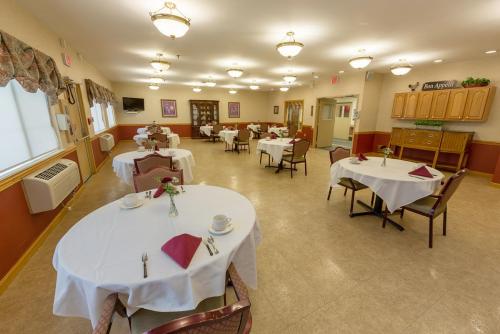
How is Continuing Healthcare At Cedar Hill Staffed?

CMS rates CONTINUING HEALTHCARE AT CEDAR HILL's staffing level at 2 out of 5 stars, which is below average compared to other nursing homes. Staff turnover is 44%, compared to the Ohio average of 46%. This relatively stable workforce can support continuity of care.

What Have Inspectors Found at Continuing Healthcare At Cedar Hill?

State health inspectors documented 39 deficiencies at CONTINUING HEALTHCARE AT CEDAR HILL during 2021 to 2025. These included: 1 Immediate Jeopardy (the most serious level, indicating potential for serious harm or death), 1 that caused actual resident harm, and 37 with potential for harm. Immediate Jeopardy findings are rare and represent the most serious regulatory concerns. They require immediate corrective action.
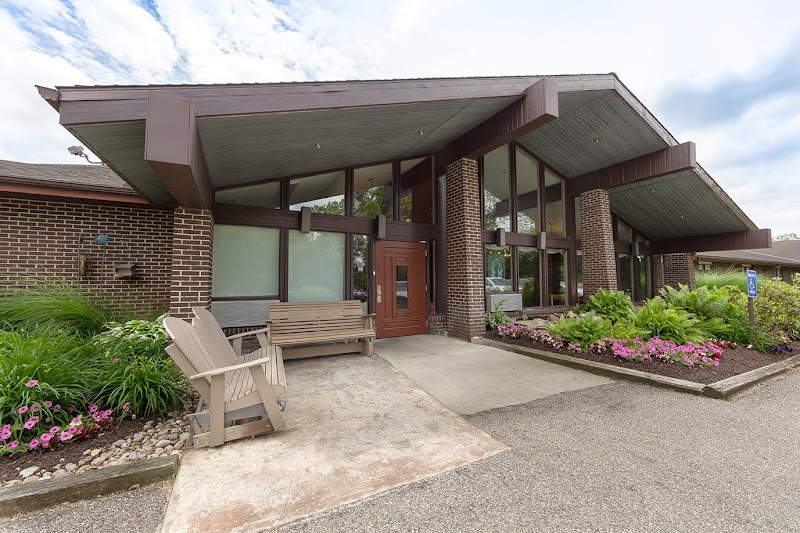
Who Owns and Operates Continuing Healthcare At Cedar Hill?

CONTINUING HEALTHCARE AT CEDAR HILL is owned by a for-profit company. For-profit facilities operate as businesses with obligations to shareholders or private owners. The facility is operated by CERTUS HEALTHCARE, a chain that manages multiple nursing homes. With 90 certified beds and approximately 78 residents (about 87% occupancy), it is a smaller facility located in ZANESVILLE, Ohio.
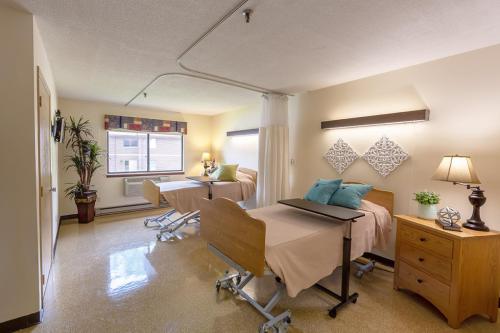
How Does Continuing Healthcare At Cedar Hill Compare to Other Ohio Nursing Homes?

Compared to the 100 nursing homes in Ohio, CONTINUING HEALTHCARE AT CEDAR HILL's overall rating (2 stars) is below the state average of 3.2, staff turnover (44%) is near the state average of 46%, and health inspection rating (2 stars) is below the national benchmark.

What Should Families Ask When Visiting Continuing Healthcare At Cedar Hill?

Based on this facility's data, families visiting should ask: "What changes have been made since the serious inspection findings, and how are you preventing similar issues?" "Can you walk me through typical staffing levels on day, evening, and night shifts?" "Can I visit during a mealtime to observe dining assistance and food quality?" "How do you handle medical emergencies, and what is your hospital transfer rate?" These questions are particularly relevant given the facility's Immediate Jeopardy citations and the below-average staffing rating.

Is Continuing Healthcare At Cedar Hill Safe?

Based on CMS inspection data, CONTINUING HEALTHCARE AT CEDAR HILL has documented safety concerns. Inspectors have issued 1 Immediate Jeopardy citation (the most serious violation level indicating risk of serious injury or death). The facility has a 2-star overall rating and ranks #100 of 100 nursing homes in Ohio. Families considering this facility should ask detailed questions about what corrective actions have been taken since these incidents.

Do Nurses at Continuing Healthcare At Cedar Hill Stick Around?

CONTINUING HEALTHCARE AT CEDAR HILL has a staff turnover rate of 44%, which is about average for Ohio nursing homes (state average: 46%). Moderate turnover is common in nursing homes, but families should still ask about staff tenure and how the facility maintains care continuity when employees leave.

Was Continuing Healthcare At Cedar Hill Ever Fined?

CONTINUING HEALTHCARE AT CEDAR HILL has been fined $30,227 across 2 penalty actions. This is below the Ohio average of $33,381. While any fine indicates a compliance issue, fines under $50,000 are relatively common and typically reflect isolated problems that were subsequently corrected. Families should ask what specific issues led to these fines and confirm they've been resolved.

Is Continuing Healthcare At Cedar Hill on Any Federal Watch List?

CONTINUING HEALTHCARE AT CEDAR HILL is not on any federal watch list. The most significant is the Special Focus Facility (SFF) program, which identifies the bottom 1% of nursing homes nationally based on persistent, serious quality problems. Not being on this list means the facility has avoided the pattern of deficiencies that triggers enhanced federal oversight. This is a positive indicator, though families should still review the facility's inspection history directly.