CONTINUING HEALTHCARE AT WILLOW HAVEN
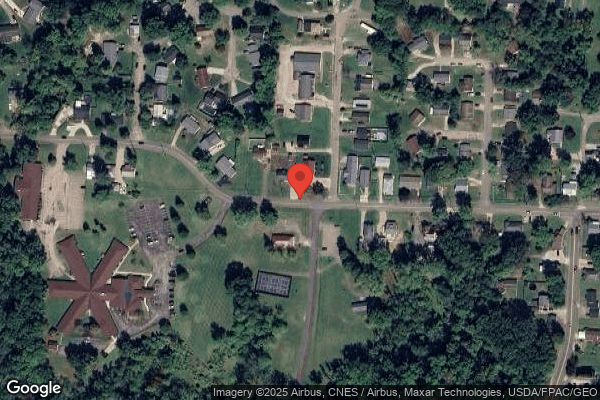
1020 TAYLOR STREET, ZANESVILLE, OH 43701 (740) 454-9747
For profit - Corporation 81 Beds CERTUS HEALTHCARE Data: November 2025
Trust Grade
35/100
#643 of 913 in OH
Last Inspection: March 2024

Within standard 12-15 month inspection cycle. Federal law requires annual inspections.

Overview

Continuing Healthcare at Willow Haven in Zanesville, Ohio, has a Trust Grade of F, which indicates significant concerns and poor overall performance. Ranking #643 out of 913 in Ohio, they are in the bottom half of facilities, and #5 out of 7 in Muskingum County, meaning only two local options are worse. The facility is showing improvement, with issues decreasing from 16 in 2024 to 11 in 2025. Staffing is a weakness, with a rating of 1/5 stars and higher turnover at 46%, although this is slightly better than the state average. They have faced fines totaling $40,000, which is concerning as it is higher than 83% of Ohio facilities. RN coverage is low, being less than 94% of state facilities, which may limit the ability to catch issues early. Specific incidents include a resident not receiving necessary referrals for an infected wound, leading to complications, and another resident being instructed to transfer without assistance, resulting in a serious fall and injury. Overall, while there are some signs of progress, the facility has significant weaknesses that families should carefully consider.

Trust Score
F
35/100
In Ohio
#643/913
Bottom 30%
Safety Record
Moderate
Needs review
Inspections
Getting Better
16 → 11 violations
Staff Stability
⚠ Watch
46% turnover. Above average. Higher turnover means staff may not know residents' routines.
Penalties
⚠ Watch
$40,000 in fines. Higher than 76% of Ohio facilities, suggesting repeated compliance issues.
Skilled Nurses
⚠ Watch
Each resident gets only 19 minutes of Registered Nurse (RN) attention daily — below average for Ohio. Fewer RN minutes means fewer trained eyes watching for problems.
Violations
⚠ Watch
60 deficiencies on record. Higher than average. Multiple issues found across inspections.
★★☆☆☆
2.0
Overall Rating
★☆☆☆☆
1.0
Staff Levels
★★★★★
5.0
Care Quality
★☆☆☆☆
1.0
Inspection Score
Stable
2024: 16 issues
2025: 11 issues

The Good

  • 5-Star Quality Measures · Strong clinical quality outcomes
  • Full Sprinkler Coverage · Fire safety systems throughout facility
  • No fines on record

Facility shows strength in quality measures, fire safety.

The Bad

2-Star Overall Rating

Below Ohio average (3.2)

Below average - review inspection findings carefully

Staff Turnover: 46%

Near Ohio avg (46%)

Higher turnover may affect care consistency

Federal Fines: $40,000

Above median ($33,413)

Moderate penalties - review what triggered them

Chain: CERTUS HEALTHCARE

Part of a multi-facility chain

Ask about local staffing decisions and management

The Ugly 60 deficiencies on record

2 actual harm
Aug 2025 8 deficiencies
CONCERN (D) 📢 Someone Reported This

A family member, employee, or ombudsman was alarmed enough to file a formal complaint

Potential for Harm - no one hurt, but risky conditions existed

Deficiency F0676 (Tag F0676)

Could have caused harm · This affected 1 resident

**NOTE- TERMS IN BRACKETS HAVE BEEN EDITED TO PROTECT CONFIDENTIALITY** Based on observation, medical record review and interview, the facility failed to ensure residents maintained activities of dail...

Read full inspector narrative →
**NOTE- TERMS IN BRACKETS HAVE BEEN EDITED TO PROTECT CONFIDENTIALITY** Based on observation, medical record review and interview, the facility failed to ensure residents maintained activities of daily living including range of motion and ambulation. This affected one resident (#59) of six residents reviewed for activities of daily living (ADL). The census was 68.Findings include: Medical record review revealed Resident #59 was admitted on [DATE] with diagnoses including heart failure, unspecified dementia, muscle weakness and cognitive communication deficit. The resident had been receiving hospice services in 2024; however, Resident #59 was discharged from hospice on 01/01/25. Review of the OT (occupational therapy) Discharge summary dated [DATE] revealed therapy recommended ADL assist as needed with no restorative or functional program indicated at that time. Review of the BCRS Scoring Worksheet dated 06/23/23 through 08/15/24 revealed Resident #59 required no assistance with ambulation. There was no therapy screens completed in 2024; however, a therapy screen was completed after the resident slid out of her wheelchair for better positioning. There was no evidence the resident was screened or received therapy/restorative/maintenance services for range of motion (ROM) or her ability to ambulate in 2024 or 2025. Review of the quarterly Minimum Data Set 3.0 assessment dated [DATE] revealed Resident #59 was moderately impaired for daily decision-making, had no impairment of the upper or lower extremities, used a wheelchair for mobility and had received no therapy or restorative programs. Review of the medical record revealed no evidence of a restorative or maintenance program for ambulation or other ADL's. Review of Resident #59's Tasks revealed the following: On 08/02/25, ambulated 50 feet with two turns and walking 10 feet on uneven surfaces with supervision/touch assist.On 08/06/25, ambulated 10 feet with partial/moderate assistance.On 08/07/25, ambulated 50 feet with two turns with substantial/maximum assistance. On 08/09/25, ambulated 10 feet independent On 08/17/25, ambulated 10 feet and ambulated 50 feet with two turns with substantial/maximum assistance. Review of the care plan: ADL deficits related to impaired mobility, dementia and heart failure revised 07/23/25 revealed the resident gets up in her wheelchair, will propel self, often refuses to lay down and stays in her chair even when sleeping. The resident will occasionally refuse care (nail care and shaving facial hair), may need tasks explained/repeated related to diagnoses and hearing impairment. Interventions included to encourage participation with ADL's, break down tasks so ADL's are easier for her and observe for decline in care and report. On 08/11/25 between 11:28 A.M. and 11:35 A.M., observation revealed Resident #59 was sitting in a wheelchair in her room looking out the window. Interview with the resident revealed she wanted to walk again with her walker. The resident stated she had not received any therapy, restorative or range of motion recently and does walk some in the bathroom. Review of the PT Evaluation & Plan of Treatment dated 08/19/25 revealed Resident #59's baseline included the following: the left knee lacked 30 degrees and the right knee extension lacked 10 degrees, dynamic sitting baseline was fair.; however, the wheelchair was too large for her. The resident had not been seen by occupational therapy at this time. On 08/18/25 at 4:55 P.M., interview with Registered Nurse (RN) #193 verified the resident was discharged from hospice on 01/01/25 and the resident had not been screened by therapy in 2024 or 2025 except after a fall. RN #193 verified residents were normally screened by therapy at least every three months. RN #193 was unaware the resident was wanting to ambulate, stated the resident did transfer herself and she would inform therapy. On 08/21/25 at 11:23 A.M., interview with certified nurse aide (CNA) #105 and CNA #107 revealed Resident #59 had been observed self-transferring and taking steps when toileting. Both CNA #105 and CNA #107 stated they had not seen the resident walk in her room independently or in the hallway since they started at the facility several months ago. On 08/21/25 at 1:40 P.M., interview with Rehab Manager (RM) #203 stated residents should be screened quarterly and she was trying to implement this at this building. RM #203 stated Resident #59 had impaired limitations in ROM at this time and needed to improve her ROM. RM #203 verified Resident #59 did transfer herself and take steps but it was unknown what her previous ROM status was as she had not been screened or received any ROM services since being discharged from hospice in January 2025.
CONCERN (E) 📢 Someone Reported This

A family member, employee, or ombudsman was alarmed enough to file a formal complaint

Potential for Harm - no one hurt, but risky conditions existed

Safe Environment (Tag F0584)

Could have caused harm · This affected multiple residents

**NOTE- TERMS IN BRACKETS HAVE BEEN EDITED TO PROTECT CONFIDENTIALITY** Based on observation, policy review and interview, the facility failed to maintain a clean and sanitary physical environment, fa...

Read full inspector narrative →
**NOTE- TERMS IN BRACKETS HAVE BEEN EDITED TO PROTECT CONFIDENTIALITY** Based on observation, policy review and interview, the facility failed to maintain a clean and sanitary physical environment, failed to ensure a homelike dining experience and failed to ensure adequate supplies/linens were available for resident use. This affected 16 residents observed eating in the main dining room (Resident #2, #3, #6, #8, #15, #18, #19, #20, #25, #28, #29, #31, #44, #45, #47, and #52), three resident's (#9, #69 and #80) air conditioner unit, nine resident rooms (Resident's #2, #6, #8, #18, #19, #45, #47, #65 and #80) and had the potential to affect all 68 residents residing within the facility. 1.On 08/11/25 between 11:28 A.M. and 11:35 A.M., observation and interview with Resident #59 revealed upon entering the room the floor was sticky causing your shoes to make a snapping noise as you walked across the floor. Interview with Resident #59 at the time of the observation revealed she was unaware what was on the floor that made the entire floor sticky and she said it had been that way for a day or so. The resident's waste paper basket was overflowing with trash and the resident's privacy curtain was observed to have a brown and white substance scattered on it. Observation of the resident's bathroom revealed the floor was sticky and the caulking around the base of the toilet was stained with a brown/black substance. The above was verified by Certified Nurse Assistant (CNA) #132 and Housekeeping #137 at the time of the observation. Review of the Housekeeping Log revealed staff check marked rooms as they were cleaned/floors mopped/etc. Review of the Housekeeping Log dated 08/09/25 and 08/10/25 revealed Resident #59's room had not been cleaned/floors mopped/trash emptied. On 08/19/25 at 9:56 A.M., interview with Housekeeping Manager #113 revealed housekeeping was not able to get everything done on the weekends due to only having one housekeeper. The Housekeeping Log was to help keep track of what rooms were cleaned and what rooms still needed to be cleaned. Housekeeping Manager #113 stated during the week she helps out but she does not work weekends normally. The facility was currently looking for another housekeeper to hire. 2. On 08/11/25 between 12:30 P.M. and 12:41 P.M., observation of the main dining room lunch meal revealed a contracted pest control employee (Orkin) was observed entering the main dining room while Resident #2, #3, #6, #8, #15, #18, #20, #25, #28, #29, #31, #44 and #52 were eating lunch. Pest Control Employee #197 was observed spraying a chemical substance along the base of two doors in the activity/dining room. Pest Control Employee #197 then walked over to the sink area, opened the cabinet beneath the sink, removed a used glue mouse trap and discarded the trap. Pest Control Employee #197 removed a new glue trap and placed it under the sink. Pest Control Employee #197 then entered the kitchen and was observed entering the kitchen without a hairnet. At the time of the observation, Regional Culinary Manager (RCM) #195 was informed of the observation and entered the kitchen. RCM #195 verified the Pest Control Employee was in the kitchen without a hairnet during meal service. RCM #195 verified it was not appropriate or homelike to spray pest chemicals during the resident meal service. Review of the pest control Invoice/Service Ticket dated 08/11/25 revealed no activity was detected and preventative treatment for target pests was performed. Treatment included PT Fendona Pressurized Insecticide. Review of the material Safety Data Sheet for PT Fendona Pressurized Insecticide dated 03/16/21 revealed aspiration hazards included the insecticide may be fatal if swallowed and entered the airways. General safety and hygiene measures included to keep away from food, drink and animal feeding stuff. 3. Medical record review revealed Resident #9 was admitted on [DATE] with diagnoses including Parkinson's disease, dystonia and cachexia. On 08/12/25 at 9:20 A.M., observation of Resident #9's room (209-B) revealed the fall mat was cracked and not a cleanable surface, the air conditioning unit (AC unit) was dripping water from the AC unit vent onto a bath blanket placed on the floor. The AC unit was observed with black debris/mildew pooling on the vents and dripping onto the floor. The resident's upper portion of the bed was positioned away from the wall and a bath mat was observed on the floor below the AC unit. The resident had a cork board hanging on the wall below the AC unit that had cards and pictures pinned to it. The cork board was observed to have dried black stains extending from the top to the bottom on bilateral sides of the cork board approximately one to three inches in width. At the time of the observation, interview with Family #204 revealed the facility was notified of the leaking air conditioner unit at the beginning of summer and it was still leaking. Family #204 stated he had come in to visit and Resident #8's pillow was soaked from the AC unit above her bed dripping onto the bed and black debris/mold was on the slats of the AC unit and on her bed linens. Family #204 stated it has not been fixed and pointed to the cork board hanging beneath the AC unit and the black stained areas on both sides from the AC unit. There was also a bath blanket on the floor between the wall and the resident's bed that had dried water stains and grey/black splattered areas. The drywall and baseboard along the floor was observed to be black and the baseboard was pulling away from the drywall. Family #204 stated he was concerned that the black mold would make Resident #9 sick. 4. Observation of the environment on 08/11/25 between 10:36 A.M. and 1:27 P.M. revealed the following: - room [ROOM NUMBER] with Resident #2 had the left side of the bed against the wall. There was paint scraped off in an approximate eight foot area of the wall exposing the drywall. The floor of the resident's room had was dark and dirty with paper and debris on the floor. The floor had no shine. - room [ROOM NUMBER] with Resident #45 the floor was dull, dirty with dark streaks on the floor. - room [ROOM NUMBER] Resident #19 one third of his headboard was broken off. Interview 08/11/25 at 11:05 A.M. with Resident #19 revealed his headboard sounded like a gun went off when it broke a couple weeks ago. It was still not replaced. -room [ROOM NUMBER] with Resident #6 the back wall of his room was scraped up in an approximate eight foot section. His floor was darken and dull. -room [ROOM NUMBER] with Resident #47 the floor was dull and soiled. - room [ROOM NUMBER] with Resident #18 his bed was against the wall. There was an approximately three by two foot area, on the wall he would be looking at if he rolled on his right side, where the paint was scraped off exposing the drywall. - room [ROOM NUMBER] with Resident #8 the floor was dirty. There was also a cup, a [NAME] box, mail, and pencil sharpener on the floor. On 08/11/25 between 2:43 P.M. and 2:54 P.M. Licensed Practical Nurse #179 verified the dirty floors, damaged walls and headboard. Interview on 08/19/25 at 10:08 A.M. with Housekeeping Staff #113 said on the weekends there is only one housekeeper. We are down a person. She said not every room gets cleaned on the weekends. Review of the list of rooms cleaned over the weekend of 08/09/25 and 08/10/25 revealed rooms [ROOM NUMBERS] were described on the list of observation and not cleaned by housekeeping on 08/09/25 or 08/10/25. In addition rooms 205, 302, 413, 501, 502, 503, 504, 505, 506, 507, 508, 509, 510, 511, and 512 were not cleaned over the weekend due to one housekeeper only working. 5. Observations included: - On 08/11/25 at 10:36 A.M. Resident #2 had a pillow behind her head without a pillow case on it. - On 08/11/25 at 11:07 A.M. it was noted Resident #19 had a heel boot on the floor that was heavily soiled with dry drainage. He was on a special air mattress. The blue cover of the air mattress was heavily soiled with white flakes and dried debris. He had a pillow under his head without a pillow case on it. Verified at the time of the observations with Licensed Practical Nurse (LPN) #179. Interview on 08/12/25 at 10:39 A.M. with Central Supply/Medical Records #127 staff they run out of supplies at times such as medium and large gloves. The corporation likes them to use Tri-State because their prices are lower on some things. However, they are not reliable for delivery. Sometime they come on Monday, Tuesday, or Wednesday. She orders three cases each of medium, large and extra large gloves and usually only have extra large left. She tried to keep two cases of wet wipes in the office for emergencies. She does not put them in the central supply room so they are not used daily. Wipes are not kept in rooms. She came in on a Saturday and bought gloves locally and brought them in. She bought three or four boxes at Walmart. We were not out of gloves completely. There were still extra large gloves in the building. They can also borrow from sister facilities. There may be ten (10) boxes floating around in the halls for the 68 residents. Staff will put a medium box on one side of the hall and a box of large on the other side of the hall. The supply room had one box of extra large in the supply room. She had eleven boxes in her office, of extra large. There are no wet wipes on the shelf. She has one full box of 50 wipes and a partial box in her office. She thinks a nurse has a key to get in her office if she needs to get the wet wipes or the extra large gloves. They are not put on the shelf. She manages the supplies like the person taught her who she took the job over from a few months ago. Interview on 08/13/25 at 12:46 P.M. with Licensed Practical Nurse (LPN) #108 and Central Supply #127 revealed there were two boxes of tissues left in the facility until the next shipment next Tuesday, in six days). There were no medium or large gloves. There was one box of extra large gloves in the supply room. They indicated they ran out of laundry even before the fire. On 08/13/25 at 1:04 P.M. observation revealed Resident #2 had no gloves in her room and needed assistance with a large bowel movement. Interview on 08/13/25 at 1:10 P.M. Housekeeping #137 revealed they have run out of toilet paper and paper towels. She had no tissues left to place in rooms. She indicated there is a new person in the central supply position. They have not had enough supplies gloves, toilet paper, Kleenex, paper towels, and linens the last three months. On 08/13/25 at 1:14 P.M. it was noted Resident #18 wanted a tissue and there were no tissues in his room. Observation of seven rooms on 400 hall on 08/13/25 at 4:12 P.M. revealed two of seven rooms had a box of gloves. Some almost empty. Rooms 403, 404, 408, 409, and 412 did not have a box of gloves. Interview with CNA #185 on 08/12/25 at 6:34 A.M. stated the facility does not stock gloves or incontinence products in the rooms. States most nights only have maybe one box per hallway. No longer can get to extra supplies including linen. Hall 2 had no gloves when she started her shift last night (08/11/25). Cant take the one box in and out of rooms so what are you supposed to do. On 08/12/25 at 6:59 A.M., interview with CNA #112 stated the facility runs short of help frequently and depending on who is working determines if things all get done or not. Management does not come in to help and try to do the required checks every two hours but sometimes they are late. States the facility runs out of linens and gloves and never have large briefs. The briefs they provide the residents do not always fit them so they just lay them out on the bed because it would cut into their skin if they closed the tabs. Interview on 08/13/25 at 4:22 P.M. with LPN #108 revealed they are encouraged to use soap and water for pericare. They keep wet wipes in the office for emergencies. If they are on the shelf they would use them instead of soap and water. We have run out of gloves that are not extra large. The good sizes are gone. She has had complaints from aides that there are no gloves. The rooms have glove holders with them but no gloves in the holders. They complain frequently about the lack of gloves. 6. Tour of the linen cart and four linen rooms on 08/12/25 between 4:10 P.M. and 4:35 P.M. revealed: Hall 1 linen closet had three washcloths and no bath towels, Hall 2 linen closet had 1 washcloth. Hall 3 linen cart had three towels and two washcloths. Hall 4 linen closet had four washcloths and three towels. Hall 5 linen closet had seven washcloths and no towels. Licensed Practical Nurse (LPN) #179 accompanied the surveyor on the tour and verified the linen count of 17 clean wash clothes and six clean towels in the facility for 68 residents. Interview on 08/12/25 at 4:38 P.M. with Certified Nurse Aides (CNA) #105 and #132 revealed they do run out of washcloths and towels The facility wants them to use soap and water and wash clothes for pericare not wet wipes. They do have wet wipes in housekeeping office for emergency. They do not keep wet wipes in central supply. They also do not have enough gloves in medium and large. They run out. Also, verified they run out of gloves in medium and large and spend a lot of time hunting for gloves because boxes of gloves are not kept in rooms. Interview on 08/12/25 at 4:19 P.M. with Housekeeping/Laundry Supervisor #113 revealed the linens are being washed and dried at a sister facility. She will drop off the soiled linen and personals when she leaves work and pick them up clean in the morning between 7:30 A.M. and 8:00 A.M. What linen is out is what they have until after 8:00 A.M. in the morning. She said she does have some washcloths and hand towels in her office that have not been put out. She included she asks for more linens and they get removed from requisitions due to budget. There were blankets, towels and washcloths approved last week due to the laundry dryer fire and loss of items in the dryer. 7. Interview on 08/12/25 at 12:15 P.M. with Laundry #140 included she was told they did not have enough washcloths and towels. On Monday and Tuesday morning especially there are not enough towels and washcloths. If the stains do not come out of linen they take the linen out of circulation. They tally the linen they take out of production, make a list and requisition more. They have to wash and dry linens and personals. It takes an hour in the washer and a half hour in the dryer. The wash load is split in two and dried half at a time since there was only one functioning dryer. The linen is then folded and brought out to the floor. She will put nothing but towels and washcloths in the washer first thing Monday and Tuesday morning because they are always short those mornings maybe due to less production on the weekends. Since the laundry fire they are sending everything to a sister facility. Facility staff are working after hours there to wash the linens. The clean is then brought back to the facility sorted and distributed. Interview on 08/13/25 at 8:52 A.M. with Laundry/Housekeeping #113 revealed the company formula/par level for washcloths was three washcloths per resident per day, She calculated that with a 67 census she should have 201 washcloths per day. When she did inventory she had nine clean washcloths in the facility. She received 350 washcloths on 08/05/25 and so she put those in circulation on 08/12/25. She did not know where the washcloths for peri care would come from. The facility identified 43 current incontinent residents. Incontinence care is to be provided every two hours. Incontinence care requires three washcloths at a minimum. Three washcloths times 12 incontinence care a day would require 36 washcloths per incontinent resident. Forty three incontinent resident receiving pericare every two hours would need 36 washcloths for pericare a day. Multiply by 43 residents would equal 1548 needed per day for incontinence care. If the 67 residents Laundry #113 identified as a current census used two wash clothes a day for bathing, face washing, etc. that would be a total of 134 washcloths for bathing for a total 1682 washcloths needed a day. Using the facility formula of three washcloths per resident per day the total would be 1759 washcloths need per day instead of the 201 washcloths the corporation identified as a par level. On 08/14/25 at 1:54 P.M. interview with the Administrator, Licensed Practical Nurse (LPN) #179, Registered Nurses (RN) #193 and #194, the Director of Nursing, and Culinary Director #195 verified the corporation wants staff to cleanse residents with washcloths for pericare. They verified the facility would not have enough washcloths to provide care for incontinent residents utilizing washcloths as the corporation prefers. They verified they did not have enough linen, gloves and tissues on hand to provide resident care. 8. a. Interview on 08/11/25 at 11:34 A.M. with Resident #65 included she asked to have her television mounted. She reported it and was told it was on the list. Review of the TELLS maintenance requisitions revealed a request on 04/23/25 to mount Resident #65's television. b. Review of Resident #80's record revealed a 08/04/25 admission with diagnoses including fracture fifth vertebrae T-11 to T-12, end stage renal disease, dependence on renal dialysis (hemodialysis), Chronic Obstructive Pulmonary Disease, Diabetes Mellitus, dysphagia, hypertension, hypocalcemia, and depression. Interview on 08/12/25 at 8:46 A.M. with Resident #80 revealed the television did not work when she arrived, 08/04/25. They did not give her a new one until 08/11/25. Her air conditioner is dirty and smells musty. She said maintenance came in and cleaned it 08/11/25. Observation revealed the front half of the air vents appear to have been wiped off. The back half of the air conditioner vents were soiled dark with dirt/dust. The air conditioner did smell musty when blowing air. Interview on 08/12/25 at 12:13 P.M. with Maintenance #173 verified the TELLS report revealed an entry on 08/05/25 that the resident needed a television. He indicated he was focusing on the fire and then had to find a television so she did not receive a working television until 08/11/25. He also looked at her air conditioner and swept the debris out of the vents of debris. He verified the vents were not clean on the air conditioner and he said he will need to teach housekeeping how to pop out the vents and clean them. Interview on 08/19/25 at 12:06 P.M. with the Administrator revealed they buy televisions for skilled. She thinks residents are taking facility televisions home. She just bought two this weekend. The Administrator revealed maintenance told her he did not know about the air conditioner not working until 08/11/25. 9. Observation on 08/20/25 at 2:17 P.M. revealed Resident #69's air conditioner had visible whitish clumps of lint/dust in the air conditioner vents. There was a puddle of water on the floor under the air conditioner. There was a steady drip coming out of the air conditioner onto the floor. On 08/20/25 at 2:20 P.M. Licensed Practical Nurse #179 verified the air conditioner was dirty and leaking. The deficiency substantiates Complaint Numbers 2588814, 2584767, 2583878, and 2569206.
CONCERN (E) 📢 Someone Reported This

A family member, employee, or ombudsman was alarmed enough to file a formal complaint

Potential for Harm - no one hurt, but risky conditions existed

ADL Care (Tag F0677)

Could have caused harm · This affected multiple residents

Based on medical record review, observation, interview, and policy review, the facility failed to ensure dependent residents were assisted with nailcare and shaving. This affected four residents (#2, ...

Read full inspector narrative →
Based on medical record review, observation, interview, and policy review, the facility failed to ensure dependent residents were assisted with nailcare and shaving. This affected four residents (#2, #5, #10 and #19) of seven residents reviewed for activities of daily living. The census was 68. Findings Include:1. Review of Resident #2's medical record revealed a 07/12/25 admission with diagnoses including fracture of left femur, vascular dementia, hypertensive heart disease, congested heart failure, depression, muscle wasting and atrophy, abnormalities of gait and mobility, weakness, history of falling, anxiety disorder, Vitamin B deficiency, chronic stage III kidney disease, gastroesophageal reflux disease, disorientation, hypertension, spondylolisthesis lumbar region, and cardiac murmur.Review of a 07/19/25 Quarterly Minimum Data Set (MDS) Assessment revealed the resident was severely impaired for daily decision making and needed substantial/maximum assist for personal hygiene.Review of the resident record included a plan of care dated 08/05/25 activity of daily living self-care performance deficit related to the resident's confusion, dementia, femur fracture, weakness, and recent surgery.Observation on 08/11/25 at 10:36 A.M. of Resident #2 revealed the resident was sitting in her room in a recliner. Resident #2's fingernails on her right hand were long all with dark debris except for the pinky finger. Her left hand, her thumb, and middle finger had long nails with dark debris under the nailbeds.Interview on 08/11/25 at 2:39 P.M. with Licensed Practical Nurse (LPN) #179 verified the resident had long fingernails with debris under the nailbeds.Review of the facility Activities of Daily Living (ADL) policy (updated 02/2024 and approved 05/2025) included activity of daily living services are directed toward the goal of promoting the highest practicable physical, mental and psychosocial functioning of the resident. Activity of Daily Living plans of care may be implemented as appropriate. 2. Review of Resident #10's medical record revealed a 08/24/23 admission and 05/08/25 readmission admission with diagnoses including chronic obstructive pulmonary disease, cervical disk degeneration, chronic peripheral venous insufficiency, need for assistance with personal care, lack of coordination, type 2 diabetes mellitus, intervertebral disc degeneration, lower extremity pain, polyneuropathy, cramps and spasm, hypotension, contracture of muscle multiple sites, insomnia, chronic pain, hyperlipidemia, vitamin D deficiency, deaf nonspeaking, obstructive and reflux uropathy, peripheral vascular disease , benign neoplasm of right adrenal gland, full incontinence of stool, seasonal allergies, open angle glaucoma, anxiety disorder, hypertension and dysphagia.Physician orders did not include any orders related to activities of daily living or positioning. Review of Certified Nurse Aide (CNA) TASK documentation revealed no mention of nail care.Review of the 07/16/25 Annual MDS revealed the resident was independent for daily decision making, had bilateral upper extremity impairment, utilized a wheelchair, and was dependent for personal hygiene. The resident had a plan of care dated 07/23/25 Activity of Daily Living Self Care Performance Deficit related to Chronic Obstructive Pulmonary Disease, disc degeneration, contractures, weakness, and impaired mobility. He will remain free of complications related to immobility, including contractures, thrombus formation, skin-breakdown, fall related injury through the next review date. The resident has limited physical mobility related to contractures of bilateral upper extremities. Requires moderate to maximum assistance with most functional mobility and ADL performance. Declines any splinting or formal range of motion. Will allow staff to perform cleaning and nail trimming only.Observation on 08/11/25 at 1:27 P.M. of Resident #10 revealed bilateral hand contractures. The fingernails on his left hand were long with debris under the nailbeds He did not have a mechanism in place to protect the palms of his hands from the fingernails of his contracted fingers. The fingernails were making and indentation on his palm.On 08/11/25 at 2:48 P.M. interview with LPN #179 verified the resident's contracted fingers, positioned his fingernails to dig into his palm. Further verified the fingernails were long and soiled.3. Review of Resident #19's medical record revealed a 07/17/24 readmission with diagnoses including lymphedema, dysphasia, anemia, proximal atrial fibrillation, acquired absence of left toes, chronic kidney disease stage three, venous insufficiency, chronic diastolic congestive heart failure, hyponatremia, hyperlipidemia, benign prostate hyperplasia, bladder neck obstruction, type two diabetes, severe protein calorie malnutrition, vitamin D deficiency, chronic respiratory failure, chronic kidney disease and disorder, Parkinson's disease and major depressive disorder. The resident had a plan of care dated 03/25/24 Activity of Daily Living (ADL) self care deficit related to impaired mobility, impaired balance, chronic abdominal wound, diabetic mellitus, morbid obesity, Parkinson's, chronic respiratory failure and Bell's Palsy.Review of the 06/10/25 Quarterly Minimum Data Set Assessment revealed the resident was independent for daily decision making, had bilateral lower extremity functional impairment, was dependent for personal hygiene, did not walk or transfer, and needed substantial/maximum assistance to roll left and right. The resident was at risk for developing pressure ulcers, had pressure reducing devices, and ointments applied other than feet. The resident received insulin, antianxiety, antidepressant, anticoagulant and hypoglycemic medications. Observation on 08/11/25 at 11:07 A.M. revealed the resident was unshaven. He had long fingernails bilaterally that were heavily soiled with dark debris bilaterally.Interview on 08/11/25 at 11:08 A.M. with the resident revealed they do not offer to shave him. His sister shaved him last. Further, learned the staff does not trim or clean his fingernails. Observation and interview on 08/11/25 at 11:09 A.M. with LPN #179 verified Resident #19 was unkept and unshaved. His fingernails were long bilaterally with dark debris under the nailbeds.4. Review of Resident #5's medical record revealed a 07/14/25 readmission with diagnosis including metabolic encephalopathy, chronic respiratory failure with hypoxia, chronic obstructive pulmonary disease, major depressive disorder, bipolar disorder, constipation, muscle weakness and atrophy, sepsis, vitamin D deficiency, pain, cyst of kidney, osteoarthritis of hip, irritable bowel syndrome with diarrhea, hypertension, retention of urine, dysphagia, anxiety, and hypercholesterolemia. A 12/06/21 plan of care had the resident at risk for declines/fluctuations in activity of daily living ability related to impaired mobility, metabolic encephalopathy, anxiety, bipolar disease, dyspnea, chronic obstructive pulmonary disease, weakness, chronic respiratory failure, and needs encouraged to get out of bed.Review of the 07/20/25 Minimum Data Set Assessment included the resident was moderately impaired for daily decision making. The resident needed some help with self care. The resident was set up for eating, and oral hygiene. Resident #5 received continuous oxygen therapy. Observation and interview on 08/11/25 at 12:05 P.M. with Resident #5 revealed her fingernails were long and dirty. The resident said she doesn't get her nails cleaned or cut. All fingers on her right hand had debris under the nailbeds. Her left hand had debris under her index finger and thumb. Interview on 08/11/25 at 2:54 P.M. with LPN #179 verified the resident's fingernails were long and soiled.This deficiency represents non-compliance investigated under Complaint Numbers 2588814, 2569206.
CONCERN (E) 📢 Someone Reported This

A family member, employee, or ombudsman was alarmed enough to file a formal complaint

Potential for Harm - no one hurt, but risky conditions existed

Infection Control (Tag F0880)

Could have caused harm · This affected multiple residents

**NOTE- TERMS IN BRACKETS HAVE BEEN EDITED TO PROTECT CONFIDENTIALITY** Based on medical record review, observation, interviews, and policy reviews the facility failed to ensure enhanced barrier preca...

Read full inspector narrative →
**NOTE- TERMS IN BRACKETS HAVE BEEN EDITED TO PROTECT CONFIDENTIALITY** Based on medical record review, observation, interviews, and policy reviews the facility failed to ensure enhanced barrier precaution (EBP) were implemented/maintained and infection control practices were maintained during incontinence care. This affected three residents (#1, #32, and #42) of four residents observed on 100-unit for EBP and two residents (#20 and #77) of two residents observed for incontinence care. Findings Include: 1. Medical record review revealed Resident #32 was admitted to the facility on [DATE] with diagnoses including gastrostomy tube. Review of Resident #32' EBP plan of care dated 07/23/25 revealed to use appropriate EPB when performing the following care: dressing, bathing, showering, transferring, hygiene care, changing linen, toileting, and peri care. Dispose of EBP in the appropriate containers. Review of Resident #32 current orders revealed no evidence of orders for EBP. Interview and observation on 08/11/25 at 10:32 A.M., of Resident #32 revealed the resident had a gastrostomy tube. The resident reported staff flush the tube, however they do not wear gowns when providing direct care or flushing the tube. There was no evidence of EBP sign in the room or personal protective equipment (PPE) outside the room. Interview and observation on 08/11/25 at 11:09 A.M., with Licensed Practical Nurse (LPN) #108 confirmed resident #32 should have been on EBP for her gastrostomy tube. The LPN confirmed if a resident was in EBP there should be a sign in the room above the resident bed, a PPE basket hanging outside the room on the wall, and a signed order for resident on EBP. LPN #108 confirmed Resident #32 did not have a sign or a basket outside the room to alert staff that the resident was in EBP or a signed order. 2. Observation and interview on 08/11/25 at 11:11 A.M., with LPN #108 revealed Resident #42 was in EBP because he had a urinary foley catheter. The LPN confirmed there was no evidence of a sign above the residents' bed nor a basket outside the door. LPN #108 reported the sign was hung above the roommate's bed in error instead of Resident #42's bed and the basket had broken and she had requested a new basket. 3. Medical record review revealed Resident #1 was admitted to the facility on [DATE] with diagnoses including osteomyelitis, diabetes, bacteremia, and skin alterations. Review of Resident #1's EPB plan of care dated 06/26/25 and revised 08/12/25 revealed to dispose of EBP in the appropriate container, do not use EBP outside resident rooms such as hallways, common areas, and dining rooms, use appropriate EPB when performing the following care: dressing, bathing, showering, transferring, hygiene care, changing linen, toileting, and peri care. Treatment for wounds and utilize proper hand hygiene. Observation on 08/11/25 at 11:10 A.M., with LPN #108 revealed two Certified Nursing Assistants (CNA's) were providing care to Resident #1 with no PPE in place. Dirty linens were noted on the floor not in a bag. The two CNAs reported to LPN #108 they didn't think they were required to wear PPE since they were not providing wound care. LPN #108 provided education to the CNAs. Interview on 08/11/25 at 11:22 A.M., with LPN/infection preventionist (IP) #179 confirmed resident with EBP should have a sign above the bed, orders, and a basket outside the room with PPE equipment. Review of the facility's policy and procedure titled Enhanced Barrier Precautions (EBP) dated 04/2018 and revised 01/2025 revealed EBP are indicated for residents with any of the following: Infections or colonization with a CDC-targeted MDRO when contact precautions do not otherwise apply or wound and indwelling medical devices even if the resident is not known to be infected or colonized with MDRO. Indwelling medical device examples include central lines, urinary catheters, feeding tubes, and tracheostomies. For residents who EBP are indicated, EBP is employed when performing the following high-contact resident care activities: dressing, bathing/showering, transferring, hygiene care, changing linens, changing briefs or assisting with toileting, device care, and/or wound care. The gown and gloves used for each resident during high-contact resident care activities should be removed and discarded after each resident care encounter and hand hygiene should be performed. An EBP isolation sign would be placed near the resident's room identifying the PPE required during high contact care activities. 4. Observation on 08/19/25 at 2:00 P.M., of incontinence care with CNA's #100 and #132 for Resident #20 revealed staff had already had the supplies ready and the resident positioned for incontinence care. Staff explained procedure to the residents. The two CNAs unfastened the resident's brief and rolled the brief down between her legs. CNA #100 placed soap on a washcloth and wiped down the middle of labia and then changed positions on the washcloth and then wiped the right outer thigh crease and then the left outer thigh crease. She repeated the procedure for the rinse and dry. The CNA confirmed she did not cleanse the right and left side of the inner labia. CNA #100 reported she was not trained to spread the labia apart and wash both sides of the labia just to cleanse down the center. Review of the skills checklist undated for perineal care revealed to use a soapy washcloth to wash the front perineum to include the genital and skin fold areas of the groin. There were no instructions on how to cleanse the perineal area. Review of the incontinence care policy 04/18 and revised 01/06/25 revealed to clean area with perineal wash or with mild cleanser and pat dry. There were no instructions on how to cleanse the perineal area. Interview on 08/19/25 at 3:11 AM with the LPN/IP #179 reported the perineal care skilled checklist did not include detail instruction on how to cleanse the perineum area. Interview on 08/20/25 at7:22 A.M. with the Director of Nursing (DON) confirmed the policy and competency did not include specific instructions on how to cleanse the perineal area. The DON reported her expectation would be the labia should have been cleansed in the middle and then the labia should have been spread apart and cleansed right and then left. 5. Medical record review revealed Resident #77 had multiple admissions to the facility and was most recently admitted on [DATE] with diagnoses including peripheral arterial disease, diabetes mellitus, bilateral below the knee amputations (BKA) and multiple wounds. Review of the census revealed the resident was discharged to the hospital on [DATE] with a diagnosis of encephalopathy and returned to the facility on [DATE]. Review of the Wound Care re-consultation visit for wound care services dated 08/14/25 revealed multiple wounds including a Stage III pressure ulcer to the coccyx present on admission measuring 3.5 (cm) in (l) by 4.9 (cm) in (w) by 0.2 (cm) in depth (d). The wound bed was 100% granulation with scant serous drainage. Education was provided on the importance of offloading to promote wound healing and maintaining proper hygiene to support wound healing including to keep the wound site clean and dry, avoiding contamination and the importance of adhering to prescribed treatments and dressing changes to prevent infection was emphasized. On 08/19/25 between 4:15 P.M. and 5:01 P.M., observation of incontinence care revealed licensed practical nurse (LPN) #131 and certified nursing aide (CNA) #107 were observed washing their hands and applied gloves. CNA #107 gathered incontinence supplies, positioned the resident in bed and removed the tape from the incontinence brief. The resident was observed to have been incontinent of urine and CNA #107 washed the resident's penis, groin and up under the scrotum. LPN #131 and CNA #107 rolled the resident onto his left side exposing the buttock and coccyx. An unstageable pressure ulcer irregular in shape was observed to be 75% covered with slough with scant drainage. CNA #107 proceeded to cleanse the groin under the scrotum, and wiped across the rectum and over the lower aspect of the Stage III pressure ulcer. CNA #107 then using the same gloved hands grasped a clean wash cloth and rinsed the resident in the same order. CNA #107 and LPN #131 rolled the resident over onto his right side and LPN #131 using the same gloved hands placed her thumb on various areas of the peri-wound and wound center then applied triad cream around the wound perimeter but not the wound bed. The resident was then repositioned on his back, incontinence brief applied and head of bed raised to 30 degrees. LPN #131 removed her gloves, washed her hands and stated she was going to notify the physician of the wound due to a change in the appearance of the wound. CNA #107 changed the linens on the resident's bed and then removed her gloves and washed her hands. CNA #107 verified the above observation on 08/19/25 at 4:45 P.M. and LPN #131 verified the above observation on 08/19/25 at 5:01 P.M. and stated she had messaged the physician and was awaiting a response. This deficiency represents non-compliance investigated under Complaint Number 2583878, 2588814, 2569206.
CONCERN (E) 📢 Someone Reported This

A family member, employee, or ombudsman was alarmed enough to file a formal complaint

Potential for Harm - no one hurt, but risky conditions existed

Room Equipment (Tag F0908)

Could have caused harm · This affected multiple residents

Based on observation, record review, review of manufacturer guidelines and interview, the facility failed to ensure an exit door, clothes dryer, air conditioner and refrigerator were maintained. This ...

Read full inspector narrative →
Based on observation, record review, review of manufacturer guidelines and interview, the facility failed to ensure an exit door, clothes dryer, air conditioner and refrigerator were maintained. This had the potential to affect all 68 residents in the facility. The census was 68.Findings Include:1.Review of an elopement investigation dated 05/19/25 revealed the facility determined the 100 hall door was not locked as the key panel indicated.Interview on 08/21/25 at 8:51 A.M. with Maintenance Staff #173 revealed the 100 hall exit door is an Advantage 500 DE System. It was not connected to a Wanderguard system. The door at the end of the 100 hall had a key pad. The door was hardwired with a battery back up. The doors had a red and green light on the keypad. Red means locked and green open. The door was pushed to see if it opened during weekly door checks. Prior to the elopement the door was last checked on 05/15/25. Maintenance Staff #173 said the day of the elopement the door keypad was showing red. However, when the door was pushed, it opened. He said they looked and the back up battery was corroded. (The battery was last changed 11/20/24). It must have still had enough power to make the light red but not enough for the magnet to lock the door. Also, the electricity to the door failed. They had been trying to find out why the door wasn't consistently working. They were getting another used part in this Friday, three months and three days since the elopement. They had been conducting daily door checks since the elopement.Review of the Installation Manual for Advantage 500 DE System dated 05/16/11 revealed on page 6 only a Qualified Service Technician should work on Secure Care System. Secure Care does not authorize, and strongly recommends against, any installation or field replacement of software, parts or products by untrained contractors or facility staff. Such work can be hazardous, can render the system ineffective and will void any Secure Care warranty or liability that might otherwise relate to the system. Page seven included Warning: even slight modifications to the system or changes in the operating environment may cause secure care's system to malfunction, The only way to assure that secure care's system has been installed, set up, tested, supported, maintained and repaired correctly is to have a qualified service technician do the work.Interview on 08/21/25 at 12:21 P.M. with Regional Maintenance #200 revealed initially the corroded battery was replaced on 05/19/25. The door alarmed and locked. On 05/22/25 the door opened when checked even though the red light was on. Maintenance #200 said he had a transformer for the magnetic box on top of the door. He replaced the transformer and the door locked for about a month (06/20/25) and then the door was found to open again even though it indicated alarmed with a red light on the door. He then replaced a transformer in the ceiling with a stronger one that went to the key box. The door had been locked since. The door was in emergency mode. It runs off the 9 volt battery and converts it to a 12 volt. The doors were also on a generator. It was riding on the battery temporary. When staff did the checks it was operating off of the battery. He had changed two transformers because they were getting weak. He was getting in a used Printed Circuit Board (PCB ) part coming this Friday. He verified he was not a Qualified Secure Care Technician. He said he could call a technician but believed he knew how to fix the door even though if had been over three months since the incident. He had not had an outside entity come in to check the door. 2.Interview on 08/12/25 at 12:15 P.M. with Laundry/Housekeeping #140 revealed the laundry only had one functioning dryer prior to the fire. She stated a load of laundry was dried half at a time. So, the wash was not able to be dried all at once. She indicated if the air conditioning worked in the laundry it was very little.Interview on 08/21/25 at 11:32 A.M. with Maintenance #173 included the second dryer in the laundry had been broken since October 2024. He looked at it to see what was wrong with it. The dryer was not getting power. The dryer was so old that Regional Maintenance #200 told him they could not find the part. He did not know why the facility hadn't bought another. He verified the air conditioning had not been working since he arrived two years prior. It was set up for central air and the system was too old to get a new part.Interview on 08/21/25 at 1:55 P.M. with the Administrator revealed she thought they were trying to get parts for the clothes dryer. She included she thought the second dryer and air conditioner had not worked since she started a couple years ago. She included she had not tried to order a new dryer. 3.On 08/11/25 between 8:20 A.M. and 8:45 A.M., observation of the reach-in refrigerator revealed water was leaking in the same reach-in refrigerator that included a gallon of whole milk, 13 glasses of chocolate milk and three additional cafeteria-style trays each containing glasses of apple juice, cranberry juice and fruit punch. The chocolate milk and juice glasses were covered with plastic lids and saran wrap. Water was observed on top of the chocolate milk lids and the glasses were sitting in water that filled the cafeteria-style trays. A metal serving pan was observed sitting on top of the chocolate milk glasses without any water in it. At the time of the observation, Dietary [NAME] #128 verified the observation and Dietary Aide #111 stated the reach-in refrigerator had been not working correctly for several weeks and had been leaking water. Dietary Aide #111 positioned the metal serving pan to the back of the shelf stating the pan should catch the leaking water now.Review of the TELLS maintenance request revealed no request to fix a leaking refrigerator in the kitchen.Interview on 08/21/25 at 11:22 A.M. with Maintenance Staff #173 revealed a lot of the work he does not get on a TELLS request. He is told in the halls things that need completed. He included he had known the refrigerator was leaking for a couple weeks. He needs to clean/fix the condensation drain and has not gotten to it yet. When asked, he confirmed he was the only maintenance man for the facility. He does have a regional maintenance staff that will assist.This deficiency represents non-compliance investigated under Complaint Numbers 2588814, 2584767, 2583878, and 2569206.
CONCERN (F) 📢 Someone Reported This

A family member, employee, or ombudsman was alarmed enough to file a formal complaint

Potential for Harm - no one hurt, but risky conditions existed

Deficiency F0725 (Tag F0725)

Could have caused harm · This affected most or all residents

Based on staff schedule review, payroll-based journal review, facility assessment review, policy review and interview, the facility failed to ensure adequate staffing to meet the needs and staffing as...

Read full inspector narrative →
Based on staff schedule review, payroll-based journal review, facility assessment review, policy review and interview, the facility failed to ensure adequate staffing to meet the needs and staffing as identified in the facility assessment. This had the potential to affect all residents residing within the facility. The census was 68. Findings Include: Review of the Facility Assessment Tool revised 03/24/25 revealed the facility average daily census was 69 to 78 residents. The facility staffing plan was based on the resident population and their varying needs for care and services, the general approach to help the facility gauge sufficient staff to assist in meeting the needs of the residents at any given time involves various factors including: The range of facility staff that may be needed to gauge sufficient qualified staff available to meet each resident's needs may be based on resident AOL acuity, medical complexities, behavioral/psychosocial needs of the residents, and the ebb and flow of day/night routine needs to name a few. This data can be obtained from sources such as the MOS, clinical observations, chart/physician order review, various facility reports, collaboration with other vendors/services such as therapy, behavioral/mental health, and direct care staff input to name a few. The facility may adjust positions and staffing needs as necessary to meet the needs of an aggregate of residents or the overall resident population at any time. Estimated range of licensed nurses providing direct care staff was three to four on day shift and two to three on night shift. Nurse Aides required was five to eight on day shift and four to six on night shift. Other licensed nursing personnel (e.g. those with administrative duties included the DON, ADON and unit manager). Determination of staff assignments can involve many factors such as the number of residents on each hall/unit/community, AOL acuity, medical complexities, specialty community, load of medication/treatment administration, behavioral/psychosocial needs, observations, and staff input. The facility encourages direct care staff to work in one or two areas of the facility for continuity of care and services. Those staff that float throughout the facility tend to desire a change in routine and are more flexible with care and services. Review of staff assignments is an ongoing process as resident conditions change, admissions, discharges, and changes in overall resident population. Changes may occur by shift, day, week or month as the resident population can change very quickly. Review of the second quarter (2025) Payroll-Based Journal revealed the facility had low weekend staffing, did not meet the criteria for registered nurses daily for eight consecutive hours and had a one-star rating for staffing. Review of the Staffing Schedules and Detailed Hour/Time Punch Detail reports dated January 2025 through August 2025 for the below dates revealed the following licensed staffing shift needs were not met: a. No fourth Certified Nurse Aide (CNA) on 02/09/25 between 11:00 P.M. and 3:00 A.M.b. No fourth CNA on 03/08/25 between 7:00 P.M. and 3:00 A.M.c. No third Licensed Nurse on 03/29/25 between 3:00 P.M. and 7:00 P.M.d. No fourth CNA on 04/20/25 between 7:00 P.M. and 5:00 A.M.d. No third Licensed Nurse on 06/16/25 between 3:30 P.M. and 7:00 P.M b. No second Licensed Nurse on 06/22/25 between 7:00 P.M. and 11:00 P.M.c. No fourth CNA on 08/06/25 between 12:00 A.M. and 3:00 A.M. During the course of the survey between 08/11/25 and 08/21/25, interview with five employees who wish to remain anonymous stated there was not enough staff to meet the needs of the residents timely. On 08/11/2025 between 1:54 P.M. to 2:04 P.M., interview with Resident #46 revealed the facility does not have enough staff on the weekends of both nurses and nurse aides. Resident #46 stated she used to be a Certified Nurse Aide (CNA) and knows what they should be doing. Resident #46 stated she can do most things for herself but there are those at the facility that cannot. On 08/12/25 at 6:34 A.M., interview with CNA #185 stated the facility does not always have adequate staffing and if someone call offs, management does not come in to cover. The staff working just does the best they can. There is not always a housekeeper on the weekends and rooms do not get cleaned. On 08/12/25 at 6:59 A.M., interview with CNA #112 stated the facility runs short of help frequently and depending on who is working determines if things all get done or not. Management does not come in to help and staff try to do room checks every two hours but sometimes they are late. On 08/12/25 between 9:05 A.M. and 9:24 A.M., interview with Family #204 revealed the facility does not have enough staff to ensure residents are checked frequently. Family #204 stated concerns have been brought to members of the management team and nothing is done. Sometimes call lights are on for 30 minutes without being answered because they are all busy. Rooms are not cleaned and items that need fixed are reported but not fixed timely. Family #204 stated in June 2025 a concern was reported regarding an air conditioner and it was still leaking and had not been fixed. On 08/12/25 at 12:13 P.M., interview with Maintenance Director (MD) #173 revealed the electronic work order system included a 08/05/25 request to hook up a television for Resident #80. MD #173 stated he had been focusing on the fire and did not get to it until 08/11/25 as he was the only maintenance man for the facility. On 08/19/25 at 10:08 A.M., interview with Housekeeping/Laundry Manager #113 revealed on the weekends there was only one housekeeper. The facility was down a person so all the rooms do not get cleaned. On 08/21/25 between 10:29 A.M. and 10:41 A.M., interview with the Director of Nursing (DON) verified the facility assessment staffing range of staff needed to provide adequate care and services for residents residing within the facility included licensed nurses providing direct care three to four on day shift and two to three night shift and the nurse aides (CNA) five to eight (CNA) for day shift and four to six CNA on the night shift for the facility. The DON stated they should never be under the minimum number of staff needed and it was her expectation on-call nursing management staff should come it to cover any part of the shift that was needed. The DON verified the above listed shifts with staffing concerns. On 08/21/25 between 8:32 A.M. and 8:50 A.M. interview with the DON stated the following: the facility currently does not have a nursing waiver. Staffing is based on resident care needs and census. Two of the five halls have higher acuity due to the residents require more assistance e.g. hoyer lifts, feeding, two person assists, etc. If the staffing numbers exceed the needs and census, nursing staff was sent home. The DON stated the minimum staffing for direct care nursing day shift was three nurses and night shift was two nurses for the full 12 hour shift (7a-7p/7p-7a). The minimum CNA's were five on day shift and four on night shift. The DON stated it should 'never' go below the above numbers and if it did, it would be her expectation that management staff or the on-call nursing manager would come in to cover that shift. On 08/21/25 at 1:47 P.M., interview with the Administrator revealed the facility continued to be hiring to fill vacant positions. The Administrator stated the facility did not have a Staffing Policy as they use their budget to determine staffing levels. This deficiency represents non-compliance investigated under Complaint Number 2569206.
CONCERN (F) 📢 Someone Reported This

A family member, employee, or ombudsman was alarmed enough to file a formal complaint

Potential for Harm - no one hurt, but risky conditions existed

Deficiency F0727 (Tag F0727)

Could have caused harm · This affected most or all residents

Based on payroll-based journal review, staffing schedule review, policy review and interview, the facility failed to provide eight hours of consecutive registered nurse (RN) hours per day. This had th...

Read full inspector narrative →
Based on payroll-based journal review, staffing schedule review, policy review and interview, the facility failed to provide eight hours of consecutive registered nurse (RN) hours per day. This had the potential to affect all 68 residents residing within the facility. Findings include: Review of the Payroll-Based Journal second quarter 2025 revealed the facility did not meet the requirement of having a RN for eight consecutive hours daily. Review of the Facility Assessment Tool revised 03/24/25 revealed the facility average daily census was 69 to 78 residents. The facility staffing plan was based on the resident population and their varying needs for care and services, the general approach to help the facility gauge sufficient staff to assist in meeting the needs of the residents at any given time involves various factors. Review of the Staffing Schedules dated January 2025 through July 2025 revealed there was no consecutive eight hour RN coverage on the following dates: 01/18/25, 01/19/25, 02/01/25, 02/02/25, 03/16/25, 04/12/25, 04/13/25, 04/19/25, 04/20/25, 04/26/25, 05/04/25, 05/10/25, 05/11/25, 05/18/25, 05/25/25, 06/07/25, 06/08/25, 06/14/25, 06/15/25, 06/22/25, 06/29/25, 07/20/25 and 07/27/25. On 08/13/25 at 8:35 A.M., interview with the Director of Nursing (DON) stated the facility was not able to accept residents with central lines, TPN or orders for IV therapy more than twice a day due to the availability of a RN and/or an IV trained Licensed Practical Nurse. The DON verified the facility currently had the following direct care RN's: one on nights and 2 PRN (as needed) and the facility wound nurse: however, she was currently on a medical leave of absence. On 08/18/25 at 10:05 A.M. interview with the Assistant Director of Nursing (ADON) verified there was no RN coverage for eight consecutive hours on the following dates: 01/18/25, 01/19/25, 02/01/25, 02/02/25, 03/16/25, 04/13/25, 04/19/25, 04/26/25, 05/10/25, 06/07/25, 06/08/25, 06/14/25, 06/15/25, 07/20/25 and 07/27/25. On 08/19/25 at 8:25 A.M., interview with ADON verified there was no RN coverage for eight consecutive hours on 04/12/25, 04/20/25, 05/04/25, 05/11/25, 05/18/25, 05/25/25, 06/22/25 and 06/29/25. On 08/21/25 between 8:32 A.M. and 8:50 A.M. interview with the DON stated there has been a shortage of RN coverage in the past, as well as, currently and the concern was primarily on the weekends. On 08/21/25 at 9:59 A.M., interview with the DON verified the facility continued to be unable to meet the requirement of having a RN for eight consecutive hours per day/seven days a week. The DON stated the facility had done the following trying to find RN's: a facility self-initiated action plan through their quality assurance program to address the need of RN staff earlier this year and had hired two of four RN's interviewed between 01/09/25 and 08/06/25. One Certified Nurse Aide transitioned to an RN position after passing her nursing boards and was scheduled to start on the schedule in September 2025. The facility had posted the RN positions on the company website, social media (unsure which one) and job fairs but have not been able to fill the positions. The DON stated RN's do not want to work in long term care facilities anymore since COVID-19. On 08/21/25 at 1:47 P.M., interview with the Administrator stated the facility did not have a Staffing Policy and the facility uses their budget to determine staffing.
CONCERN (F) 📢 Someone Reported This

A family member, employee, or ombudsman was alarmed enough to file a formal complaint

Potential for Harm - no one hurt, but risky conditions existed

Food Safety (Tag F0812)

Could have caused harm · This affected most or all residents

Based on observation, manufacturer review, policy review and interview, the facility failed to maintain a safe and sanitary kitchen. This had the potential to affect all 68 residents that received foo...

Read full inspector narrative →
Based on observation, manufacturer review, policy review and interview, the facility failed to maintain a safe and sanitary kitchen. This had the potential to affect all 68 residents that received food from the kitchen. Findings include: 1.On 08/11/25 between 8:20 A.M. and 8:45 A.M., initial observation of the kitchen revealed Dietary Aide #111 and Dietary [NAME] #128 were preparing and serving breakfast meals. Dietary [NAME] #128 was observed serving an omelet that was dark brown and overcooked. Dietary [NAME] #128's hairnet did not encase all of her hair in the front and both sides. Dietary [NAME] #128 verified the above and she stated she was new to the position. Observation of the reach-in refrigerator revealed no temperature was displayed on the thermometer. Water was observed leaking in the same reach-in refrigerator. The reach-in refrigerator contained a gallon of whole milk, 13 glasses of chocolate milk and three additional cafeteria-style trays each containing glasses of apple juice, cranberry juice and fruit punch. The chocolate milk and juice glasses were covered with plastic lids and saran wrap. Water was leaking from the top portion of the reach-in refrigerator onto beverages ready for meal service. The chocolate milk glasses were sitting in water that filled the cafeteria-style trays. A metal serving pan was observed sitting on top of the chocolate milk glasses without any water in it. At the time of the observation, Dietary [NAME] #128 verified the observation and Dietary Aide #111 stated the reach-in refrigerator had been not working correctly for several weeks and had been leaking water. Dietary Aide #111 also verified the thermometer was not working, stated she would let someone know and then positioned the metal serving pan to the back of the shelf stating the pan should catch the leaking water now. Further observations of the kitchen revealed the stove and kitchen hood had heavy grease build-up and dust trendils along the hood, metal piping and fan screening. The dust trendils were long and were observed moving back and forth as the cook was cooking. There was also heavy food debris along the gas pipes, outlets and serving cart beside and behind the stove. The above was verified by Dietary Aide #111 at the time of the observation. On 08/13/25 at 9:25 A.M., interview with Regional Culinary Director #195 verified the stove and kitchen hood grease and dust trendils remained stating it was to be cleaned on today. 2.On 08/11/25 at 12:40 P.M., observation revealed Pest Control Employee (PCE) #197 entered the kitchen without a hat or hairnet. Regional Culinary Director #195 was in the dietary office next to the kitchen entrance doors and was informed of the observation. RCD #195 verified the observation on 08/11/25 at 12:44 P.M. and stated PCE #197 was going to the dry storage room which was on the other side of the kitchen. 3. On 08/14/25 between 7:00 A.M. and 7:52 A.M., observation with Dietary [NAME] #180 of the prep and steam table revealed a red bucket containing water and cloth on the lower shelf of the steam table. Dietary [NAME] #180 tested the quaternary solution in the red bucket and it tested at 150 ppm (parts per million). Observation of the GFS poster labeled Sanitizer Test Procedure that was posted above the prep station revealed the Quaternary should be a 200 ppm test paper reading and test results must be within the range shown. Observation of the dishwash station revealed an 4-plug size electrical box with electrical wires with two sets of red wire nuts/cap remained with one corner resting on the floor under the dishwashing station. There was no cover protecting the electrical wires except for the wire nuts. The above was verified by Dietary [NAME] #180 at the time of the observations and stated maintenance had informed him the electrical wires were no longer in use or connected to electricity. Review of the undated policy: Cleaning Standards revealed food contact surfaces, non-food contact surfaces, equipment, pans and utensils must be kept clean at all times. This includes but not limited to free of grease deposits, food residue, dust and other soil accumulation/debris. Sanitizer buckets to maintain clean equipment and work areas include: sanitizer solution is in appropriate concentration (use test strip to determine this and solution is changed at least every four hours. Production, storage and service equipment to be cleaned and sanitized as required as recommended by the manufacturer. Review of the undated policy: Use and Storage of Digital and Unit Thermometers revealed all thermometers must be used, stored, calibrated and maintained in a manner that ensures accuracy, hygiene, and compliance with safety standards. Faulty or uncalibrated thermometers must be discarded or repaired promptly to prevent risks to resident health and safety. This deficiency represents non-compliance investigated under Complaint Number 2569206.
Mar 2025 1 deficiency
CONCERN (D) 📢 Someone Reported This

A family member, employee, or ombudsman was alarmed enough to file a formal complaint

Potential for Harm - no one hurt, but risky conditions existed

Deficiency F0576 (Tag F0576)

Could have caused harm · This affected 1 resident

**NOTE- TERMS IN BRACKETS HAVE BEEN EDITED TO PROTECT CONFIDENTIALITY** Based on record review, review of the facility's Resident Welcome Packet, resident interview, and staff interview, the facility ...

Read full inspector narrative →
**NOTE- TERMS IN BRACKETS HAVE BEEN EDITED TO PROTECT CONFIDENTIALITY** Based on record review, review of the facility's Resident Welcome Packet, resident interview, and staff interview, the facility failed to ensure residents were afforded the right to have their mail delivered to them unopened. This affected two residents (#19 and #69) of three residents reviewed. Findings include: 1. Review of Resident #19's medical record revealed he was admitted to the facility on [DATE]. His diagnoses included hemiplegia (paralysis) and hemiparesis (weakness) following a stroke affecting his left, non-dominant side and cognitive communication deficit. Review of Resident #19's quarterly Minimum Data Set (MDS) assessment dated [DATE] revealed the resident did not have any communication issues and was cognitively intact. On 03/14/25 at 10:12 A.M., an interview with Resident #19 revealed he had concerns with his mail being delivered to him already opened by the facility staff. He reported the incident occurred about two to three weeks ago and he denied that he had given the facility staff permission to open his mail. The letter that was opened was addressed to him and was sent by the Ohio Department of Jobs and Family Service (ODJFS). When asked how it made him feel when the facility opened his mail, he replied it (expletive word) him off. He felt his resident right to receive mail unopened had been violated. He reported the concern to the facility's administrative staff. He was told by the facility that he had given consent for them to open his mail. When he was told that, he immediately revoked any prior consent the facility staff thought he had given. Review of Resident #19's Mail and Package Consent Agreement provided by the facility upon request revealed the resident electronically signed consent on 12/03/24 at 11:36 A.M. granting permission to the facility to open any mail and packages that arrived at the facility as a safety precaution. The agreement was also electronically signed by a facility employee on 12/03/24 at 11:35 A.M. (a minute before it was indicated to have been signed by the resident). A second Mail and Package Consent Agreement dated 02/05/25 was provided as evidence of the resident revoking his prior consent. The second agreement was hard to follow as the facility filled out the top portion of the agreement to include the resident's name indicating he hereby granted permission to the facility to open any mail and packages that arrived at the facility as a safety precaution. Instead of the second agreement being electronically signed by the resident, the word refused was written under where his signature was to be. It was unclear with the manner in which the form was completed, if the resident was consenting to allow the facility to open his mail and just refused to sign or if it was a revocation of a prior consent. On 03/14/25 at 10:32 A.M., an interview with Receptionist #100 revealed she was responsible for sorting the mail that was delivered by the United States Postal Service (USPS). She separated the facility's mail from the residents' mail. The residents' mail was given to the activity department for it to be delivered. She was asked if they opened any of the mail that was addressed to the residents. She stated they would open any residents' mail that was from the ODJFS or addressed to the facility in care of a resident, but only if that resident was a Medicaid (MCD) recipient. When she first started working there in January 2025, she was instructed by the corporate office to open all resident mail that was from insurance companies or from ODJFS. She stated now, some residents wanted to open their own mail that came from their insurance company, so those residents now received theirs unopened. When asked why they were opening mail addressed to residents that were sent by the ODJFS, she stated again she was instructed to do so by the corporate office. The corporate office wanted them to scan a copy of the letter that was received from ODJFS or an insurance provider and send to them. They currently had a small list of residents (who they managed their MCD for) that did not want their mail opened. Resident #19 was one of them and there were two other residents that wanted that as well. She identified the other two residents as Resident #69 and #70. She recalled Resident #19 told them he did not remember consenting to allow the facility to open his mail when he voiced the concern about his mail being opened before he received it. That incident happened towards the end of January or beginning of February 2025. He came to the front desk of the facility to complain. She was asked what the facility's process was with getting the residents' consents for allowing the facility to open mail for them. She stated every resident that came in signed a form granting the facility permission to open mail, excluding cards and packages addressed to the residents. The resident had the option to refuse to sign that form, if they did not want to give consent. Most of the residents did not want to deal with insurance companies. As a result of Resident #19's incident, the resident signed a new form revoking that consent. She indicated most of the admission paperwork was done by E-Sign (electronic signature). The Admissions Director reviewed those forms (Mail and Package Consent Agreement) with them and obtained the consent. She stated the Admissions Director that electronically signed Resident #19's consent allowing the facility to open his mail no longer worked there. On 03/14/25 at 10:44 A.M., an interview with Activity Director #125 revealed the activity department was responsible for passing mail to the residents, after it had been sorted by the receptionist. They delivered mail every day but Sunday. The activity staff did not open the residents' mail, unless a resident requested them to do so. They would often be asked to open the letters and read them to the resident it was delivered to. She confirmed there were times they would deliver mail to residents that had already been opened by the office staff. That tended to be mail that looked like it was from business type stuff. Some of the residents did voice concern when they delivered mail to the resident that had already been opened. She had heard Resident #19 complain about his mail being opened before he got it. On 03/14/25 at 11:15 A.M., a follow up interview with Resident #19 revealed he did not recall ever giving the facility consent to open his mail. He was shown what the Mail and Package Consent Agreement looked like and the one the facility provided that he allegedly signed on 12/03/24. He was not sure why he would have even been given that to sign on 12/03/24, as he was admitted to the facility in July of 2024. He was told the consent agreement showed he E-Signed the consent, which would have required him to push the button on a computer screen to signify he was signing or a staff member would have done it with his permission. He denied he had ever pushed any button on a computer to electronically sign any form. He denied knowledge of any staff being in his room reviewing any consent forms on a computer. He had not ever seen that consent agreement, until he complained of his mail being opened in February 2025 and that form was showed to him. On 03/14/25 at 11:30 A.M., an interview with the facility's Administrator revealed the Mail and Package Consent Agreement was part of the facility's Welcome Packet and not part of the admission packet. She was not sure if the facility's Admissions Coordinator at the time just missed having Resident #19 fill out that form upon his admission explaining why it was obtained on 12/03/24. She denied the facility had done a whole house audit and obtained new Mail and Package Consent Agreements on all the residents in December 2024 for any reason, which would have explained why one was completed for Resident #19, five months after he was admitted . She confirmed the corporate office instructed their receptionist to open mail for resident safety and when letters were sent from insurance companies or ODJFS. The purpose of the corporate office asking them to do so was to make sure that information got up to the corporate business office for their MCD residents. The Administrator stated she and the corporate nurse that was there that morning were reviewing the mail delivery process and how they may handle it in the future. They were thinking about taking those letters to the residents to have them open them with staff present to make sure those letters sent from the ODJFS and insurance companies got to the facility and the corporate office for billing purposes. She acknowledged one of the Resident's Rights was to receive mail unopened. Review of the facility's Welcome Packet provided to residents upon their admission to the facility revealed it included a copy of the Resident's Rights. Resident Right #28 indicated each resident had the right to send and receive unopened mail. Also included in the Welcome Packet was information on mail. The information provided informed the resident that a facility staff member would deliver their mail to their room. If they required assistance with any of the items their staff would be happy to assist them. The Welcome Packet did include a copy of the Mail and Package Consent Agreement for the resident to complete. 2. Review of Resident #69's medical record revealed she was admitted to the facility on [DATE]. Her diagnoses included major depressive disorder, anxiety disorder, bipolar disorder, and adult onset diabetes mellitus. She did not have any diagnoses that involved cognitive impairment. Review of Resident #69's quarterly MDS assessment dated [DATE] revealed the resident did not have any communication issues. She was able to make herself understood and was able to understand others. She was also noted to be cognitively intact. Review of Resident #69's Mail and Package Consent Agreement dated 10/18/23 revealed the resident granted permission to the facility to open any mail and packages that arrived at the facility as a safety precaution. She was indicated to have electronically signed the consent on 10/18/23 at 3:01 P.M. A facility employee electronically signed the form as well on 10/18/23 at 3:03 P.M. On 03/14/25 at 11:20 A.M., an interview with Resident #69 revealed she handled her and her husband's mail when it was delivered to them. She denied her husband, who shared same room with her, received much in the way of mail. She confirmed she has also had some of her mail opened before it was given to her. It had happened on a couple of occasions. One of the letters that had been opened was her insurance card. The other letter that had been opened came in a letter the facility thought was junk mail. She denied that she had given consent for the facility to open her mail. She did not like the fact that they opened her mail before giving it to her. The receptionist apologized to her for opening her mail and told her it was done by accident. She recalled the issue with her mail being opened occurred sometime in January 2025. The letter that was opened was addressed to her and not the facility. This deficiency represents non-compliance investigated under Complaint Number OH00162374.
Jan 2025 2 deficiencies
CONCERN (D) 📢 Someone Reported This

A family member, employee, or ombudsman was alarmed enough to file a formal complaint

Potential for Harm - no one hurt, but risky conditions existed

Grievances (Tag F0585)

Could have caused harm · This affected 1 resident

**NOTE- TERMS IN BRACKETS HAVE BEEN EDITED TO PROTECT CONFIDENTIALITY** Based on record review, policy review, and interview, the facility failed to ensure timely resolution of a concern regarding mis...

Read full inspector narrative →
**NOTE- TERMS IN BRACKETS HAVE BEEN EDITED TO PROTECT CONFIDENTIALITY** Based on record review, policy review, and interview, the facility failed to ensure timely resolution of a concern regarding missing resident property. This affected one (Resident #10) of three residents reviewed for misappropriation. The facility census was 74. Findings include: Review of the medical record revealed Resident #10 was admitted to the facility on [DATE] with diagnoses including Alzheimer's disease, diabetes mellitus, anxiety disorder, depression, and personal history of malignant neoplasm of the lip, oral cavity, and pharynx. The resident expired and was discharged on [DATE]. Review of the Quarterly Minimum Data Set (MDS) assessment, dated [DATE], revealed the resident had moderately impaired cognition. Review of a Concern Report, dated [DATE], revealed Resident #10's power-of-attorney (POA) filed a concern regarding Resident #10's missing rollator walker, dentures, and glasses following a hospitalization on [DATE]. The Concern Report revealed the Administrator called the inpatient psychiatric hospital on [DATE] and left a message, with no response received. Interview on [DATE] at 9:35 A.M. with Social Services Designee (SSD) #64 revealed Resident #10 left the building with his walker when he was transferred to the hospital on [DATE], however, upon his return, the walker was not received. Interview on [DATE] at 10:55 A.M. with the Administrator confirmed the last phone call or attempt to provide a resolution for Resident #10's POA's concern regarding missing dentures, glasses, and walker was made on [DATE]. The Administrator further confirmed the resident did have dentures, glasses, and a walker upon admission to the facility. Review of the facility's policy, titled Resident Rights, dated [DATE], revealed each resident has the right to retain and use personal possessions including furnishings and clothing, as space permits. This deficiency is an incidental finding discovered during the complaint investigation.
CONCERN (D) 📢 Someone Reported This

A family member, employee, or ombudsman was alarmed enough to file a formal complaint

Potential for Harm - no one hurt, but risky conditions existed

Transfer Requirements (Tag F0622)

Could have caused harm · This affected 1 resident

**NOTE- TERMS IN BRACKETS HAVE BEEN EDITED TO PROTECT CONFIDENTIALITY** Based on closed medical record review and interview, the facility failed to ensure comprehensive resident information was provid...

Read full inspector narrative →
**NOTE- TERMS IN BRACKETS HAVE BEEN EDITED TO PROTECT CONFIDENTIALITY** Based on closed medical record review and interview, the facility failed to ensure comprehensive resident information was provided to the receiving facility regarding a transfer. This affected one (Resident #10) of three residents reviewed for death. The facility census was 74. Findings include: Review of the closed medical record revealed Resident #10 was admitted to the facility on [DATE] with diagnoses including Alzheimer's disease, diabetes mellitus, anxiety disorder, depression, and personal history of malignant neoplasm of the lip, oral cavity, and pharynx. The resident expired in the facility and was discharged on [DATE]. Review of the Quarterly Minimum Data Set (MDS) assessment, dated [DATE], revealed the resident had moderately impaired cognition. The resident required supervision or touching assistance with ambulation, showering, and personal hygiene. Review of Resident #10's Transfer Form, dated [DATE], revealed under Section E: the facility failed to include accurate resident representative information. The resident's son was power-of-attorney (POA)/resident representative and this was not documented on the form. Interview on [DATE] at 12:21 P.M. with the Administrator confirmed Resident #10's Transfer Form did not reflect accurate resident representative information. This is an incidental finding discovered during the complaint investigation.
Dec 2024 1 deficiency
CONCERN (D) 📢 Someone Reported This

A family member, employee, or ombudsman was alarmed enough to file a formal complaint

Potential for Harm - no one hurt, but risky conditions existed

Quality of Care (Tag F0684)

Could have caused harm · This affected 1 resident

**NOTE- TERMS IN BRACKETS HAVE BEEN EDITED TO PROTECT CONFIDENTIALITY** THE FOLLOWING DEFICIENCY REPRESENTS AN INCIDENT OF PAST NON-COMPLIANCE THAT WAS SUBSEQUENTLY CORRECTED PRIOR TO THIS SURVEY. Bas...

Read full inspector narrative →
**NOTE- TERMS IN BRACKETS HAVE BEEN EDITED TO PROTECT CONFIDENTIALITY** THE FOLLOWING DEFICIENCY REPRESENTS AN INCIDENT OF PAST NON-COMPLIANCE THAT WAS SUBSEQUENTLY CORRECTED PRIOR TO THIS SURVEY. Based on closed record review, review of a facility investigation and follow up, and staff interview the facility failed to ensure coordination of care for Resident #79 related to a gynecology appointment to timely address medical symptoms. This affected one resident (#79) of three residents reviewed for appointments. The facility census was 76. Findings include: Review of Resident #79's closed medical record revealed an admission date of 04/30/24 and a discharge date of 11/11/24. Resident #79 had diagnoses including multiple sclerosis, anxiety disorder, chronic kidney disease stage four, chronic diastolic heart failure, and anxiety. Review of Resident #79's quarterly Minimum Data Set (MDS) 3.0 assessment dated [DATE] revealed the resident had intact cognition. Review of Resident #79's progress note dated 10/23/24 revealed there was a new order for a referral to gynecology for post-menopausal bleeding. Review of Resident #79's physician order dated 10/24/24 revealed an order to refer to gynecology for post-menopausal bleeding. Review of Resident #79's medical record from 10/23/24 to 11/11/24 revealed no evidence a referral to gynecology had been made. Interview on 12/17/24 at 10:26 A.M. with the Administrator verified an appointment had not been scheduled with gynecology for Resident #79 as ordered by the physician. The Administrator reported the facility had addressed this issue with Scheduler #155 following the identification of the concern. The deficient practice was corrected on 11/18/24 when the facility implemented the following corrective actions: • Resident #79 was discharged on 11/11/24. • On 11/13/24 the Director of Nursing (DON) completed an audit of all resident records to ensure ordered appointments had been scheduled with no negative findings. • On 11/13/24 the DON completed education with Scheduler #155 regarding scheduling appointments and consults. • On 11/18/24 the DON/designee began weekly audits to ensure all ordered appointments and consults had been scheduled. All audit findings reviewed by the quality assurance and performance improvement committee. This continued for four weeks. • On 12/17/24, review of resident records and interviews with residents revealed no missing appointments between 11/18/24 and 12/17/24. This deficiency represents non-compliance investigated under Complaint Number OH00160722.
Dec 2024 1 deficiency
CONCERN (D) 📢 Someone Reported This

A family member, employee, or ombudsman was alarmed enough to file a formal complaint

Potential for Harm - no one hurt, but risky conditions existed

Grievances (Tag F0585)

Could have caused harm · This affected 1 resident

**NOTE- TERMS IN BRACKETS HAVE BEEN EDITED TO PROTECT CONFIDENTIALITY** Based on record review, review of concern reports, review of dental treatment plan quotes, email correspondence between facility...

Read full inspector narrative →
**NOTE- TERMS IN BRACKETS HAVE BEEN EDITED TO PROTECT CONFIDENTIALITY** Based on record review, review of concern reports, review of dental treatment plan quotes, email correspondence between facility staff and the corporate office, resident interview, family interview, staff interview, and policy review, the facility failed to ensure a resident's concern pertaining to missing upper dentures were addressed timely for a resolution. This affected one (Resident #17) of three residents reviewed for missing property. Findings include: Review of Resident #17's medical record revealed he was admitted to the facility on [DATE]. His diagnoses included hemiplegia and hemiparesis affecting his left non-dominant side, bipolar disorder, major depressive disorder, abnormalities of gait and mobility, and bilateral hearing loss. Review of Resident #17's profile revealed his payer status was Ohio Medicaid (MCD). The census tab in the electronic medical record revealed the resident resided on the 400 hall when he was first admitted and was moved to the 100 hall on 08/09/24. Review of Resident #17's Personal Effects Inventory assessment completed on 07/24/24 revealed he was known to have dentures. Both upper and lower dentures were indicated to be part of his inventory when he was admitted . Review of Resident #17's admission Minimum Data Set (MDS) assessment dated [DATE] revealed the resident was not known to have any communication issues. He was able to make himself understood and was able to understand others. He was also cognitively intact and was not known to display any behaviors or known to reject care. The resident was coded on the MDS as being edentulous (no natural teeth). It did not assess if the resident had the use of any dentures just that he did not have any broken or loosely fitting full or partial dentures. Review of Resident #17's care plans revealed he had a care plan in place for being at risk for oral/ dental health problems related to edentulous status. The resident had upper and lower dentures. The care plan originated on 07/29/24. The interventions included the need to monitor/document/report to nurse/MD/family as needed any signs or symptoms of oral/dental problems needing attention: pain (gums, toothache, palate), abscess, debris in the mouth, lips cracked or bleeding, teeth missing, loose, broken, eroded, decayed, tongue (black, coated, inflamed, white, smooth), ulcers in the mouth, lesions; obtain dental consults as needed; and coordinate arrangements for dental care/ transportation as needed/ as ordered. Review of the facility's Concern Reports for the past three months revealed there was a concern report that pertained to Resident #17 on 10/01/24. The Concern Report indicated he had reported his upper dentures were missing on that date. The person completing the form was Activities Director #100 and the investigator of the complaint was identified as Licensed Social Worker (LSW) #115. The investigation report indicated a dental appointment was scheduled for 11/04/24. Follow up on the investigation report indicated a cost quote was given to facility's Administration for approval and had been sent to corporate for review on 11/04/24. Review of a treatment plan for Resident #17 from the denture provider revealed an estimate was provided to the facility for the replacement of dentures for the resident on 11/04/24 (over a month after they were reported as missing). The cost for the replacement was quoted at $1,488.00. The cost was not going to be covered by insurance and the estimated patient cost was going to be for the full amount. Review of email correspondence from the facility's social worker on 11/04/24 at 8:54 A.M. to the contracted in-house dental company revealed the social worker reached out to them to inquire as to what a set of dentures cost out of pocket. The scheduling assistant from the dental company responded on 11/04/24 at 9:59 A.M. and informed the social worker that the cost would be $705.83 per arch. Review of email correspondence between the facility's social worker and the facility's Administrator on 11/04/24 at 12:41 P.M. revealed a new set of dentures for Resident #17 was going to cost $1,411.66 (705.83 for the top and 705.83 for the bottom). The Administrator replied to the email with a thank you. Review of an email correspondence from the facility's Administrator on 11/05/24 at 2:39 P.M. to the [NAME] President of Operations with the facility's corporate office revealed the Administrator notified the corporate office that they had a resident (Resident #17) that lost their dentures when they were not in the resident's mouth. The Administrator indicated she attached the quote to get them replaced. She then asked if they were good to continue. The Administrator also typed in her email that they had checked with (named) dental provider (which the resident had previously refused services with) and the cost was projected to be the same. A response was received from the [NAME] President of Operations on 11/05/24 at 2:45 P.M. with a couple of questions. She wanted to know, if they felt the staff lost them, and how the resident had been eating without them, inquiring as to if his diet had been changed. She further stated they typically did not pay for dentures, unless they knew their staff were at fault. The Administrator replied on 11/15/24 at 1:43 P.M. that the resident and the staff were saying they were there when he arrived. He (Resident #17) was very alert. The Administrator indicated she did feel like there was a possibility they were placed on his tray and got thrown away when trays were picked up. That was an assumption and they did not have any way of truly knowing. He (Resident #17) was asking for an update on the replacements. Review of the final email correspondence between the facility's Administrator and the [NAME] President of Operations from the corporate office was on 12/04/24. The Administrator sent her email at 11:02 A.M. asking if they had approval to order the dentures. The Ombudsman was indicated to be involved and was asking for an update on the denture replacement. The response from the corporate office was on 12/04/24 at 11:04 A.M. The email indicated the [NAME] President of Operations thought they could meet in the middle and they would pay half since they did not know what happened to them. She asked if everyone agreed (referring to the facility's Administrator, a sister facility's Administrator, and the corporate office's Chief Nursing Officer). The sister facility's Administrator replied on 12/04/24 at 11:23 A.M. that it sounded good to her and the facility's Administrator responded at 11:25 A.M. that she agreed, as well, and it sounded good. She thanked the [NAME] President of Operations when ending her communication with her. On 12/07/24 at 10:47 A.M., an interview with Certified Nursing Assistant (CNA) #144 revealed she had worked at the facility for about a year now and worked on Resident #17's hall (100 hall). She reported the resident had the use of dentures and had stated multiple times he came in on the 400 hall with full upper and lower dentures. Sometime around the time he was moved from the 400 hall to the 100 hall his upper dentures became missing. She reported the resident had talked with all the nurses about it, as well as the transportation aide and the administrator. They made him a dental appointment, but the resident was told his insurance was just not paying for it. She was not sure what was going on with the missing upper dentures now other than they were still missing. She verified he had lower dentures sitting in a cup in his bathroom, but she had not seen him have the upper dentures since she took care of him on the 100 hall. She reported the staff did have to assist the resident with his activities of daily living care that included the care of his dentures. She denied he was wearing his lower dentures due to not having the uppers and he could not keep the lowers in place without the uppers being in. On 12/07/24 at 11:00 A.M., an interview with LPN #155 revealed she generally worked the 400/ 500 hall mostly and had taken care of Resident #17 when he was on the rehabilitation hall. She confirmed the resident had full upper and lower dentures when he was on the 400 hall. She recalled they were brought in for the resident at the same time his wheelchair was brought in shortly after he was admitted . The staff did assist the resident with his oral/ denture care and helped him put them in a cup when not in use. She had not heard that the resident's dentures had come up missing. On 12/07/24 at 11:30 A.M., an interview with Resident #17 revealed he was admitted to the facility back in July of 2024. He was on the 400 hall at the time, but had since been moved to the 100 hall. He had full upper and lower dentures when he was first admitted . He confirmed staff had assisted him with his oral care and the care of his dentures. He indicated they were storing his dentures in an emesis/ spit basin, when he first came and not in a denture cup. His dentures were taken out every night when he went to bed and denied that he left them in when sleeping. He stated he woke up one morning, after they were removed and put in an emesis basin on the bedside table next to his bed, and they were gone. It had been so long ago he could not remember exactly if it was on the 400 hall or the 100 hall when that occurred. He was informed he was moved from the 400 hall to the 100 hall on 08/09/24. He stated it would have been when he was on the 100 hall then. They had been missing since August. He told people and claimed he had told them all multiple times. They would always just tell him they were waiting on corporate. He indicated his insurance would not cover a replacement pair of dentures, as they already covered them once. He was told he could only get a new set under MCD once every seven years or so. It had only been a couple years since had had gotten his last pair. He confirmed he was sent to an offsite denture provider in November 2024. After sitting there for a half hour, they informed him his insurance would not cover and they did not accept MCD. He denied that they took impressions or did anything else. The facility staff finally provided him with a denture cup the day he went to the outside dental provider. He stated up until then he was using a gray emesis/ spit basin to keep his dentures in. The denture cup was observed in the cabinet in his bathroom and was noted to only contain a lower denture. There was not an upper denture plate found in his cup. He was frustrated with how long it had taken to get anything done about the missing denture. He was not aware the facility was having any discussions with the corporate office or that it was decided they (corporate office) had approved to cover half the cost of the replacement. He was not good with them just offering to pay half the cost of replacement dentures. He stated he had no money to pitch in for the replacement. He thought the upper denture likely got mixed in with his bed linen when taken to laundry or were thrown away by mistake. The last time he got dentures made they cost him around $1,400.00 dollars. On 12/07/24 at 12:42 P.M., an interview with LSW #115 revealed she had been the facility's social worker for the past year and a half. She confirmed she was the assigned employee that did the investigation for Resident #17's reports of missing upper dentures that was made on 10/01/24. She started the investigation and then turned it over to the facility's Administrator. Her part involved checking to see if he had consented to receive dental services and talked with transportation to set up an appointment for him to be seen by an outside dentist. They opted for the outside dental appointment due to the resident not consenting to dental services from their in-house contracted dental company. When the resident returned with a cost from the outside dental provider, she went ahead and got a quote from the in-house dentist to see how much denture replacements would be. She was not sure of the exact cost but recalled they would be about $700.00 dollars per plate. She then forwarded the cost on to the Administrator and the Administrator forwarded it to the corporate office. She was not sure why it took so long to resolve the issue or to at least get approval to proceed with the replacement of the lost denture. She was told by the Administrator recently that the corporate office said they would pay half. She was not sure who would pay the other half as the resident was under MCD and had no money. She agreed that the facility should be responsible for replacing the lost denture since the resident was known to have full upper and lower dentures and the upper denture went missing while he was under the care of the facility. On 12/07/24 at 12:54 P.M., an interview with Activities Director #100 revealed she recalled completing a concern report for Resident #17's reports of a missing upper denture. She stated that was made known during a resident council meeting in October 2024. She completed a concern form for it and gave it to the facility's social worker. That was the first time she had heard the resident report his upper denture being missing. The resident brought the concern up again during their most recent resident council meeting held in December 2024. She remembered the resident saying in the October 2024 meeting that they had been missing for quite a while. She knew the resident was taken to the dentist and from what she heard he was not eligible to get another set made due to it being too soon since his last pair for his insurance to pay for it. She put the concern in again, after the December 2024 resident council meeting. On 12/07/24 at 1:02 P.M., an interview with Resident #17's son (emergency contact #1) revealed he was not aware the resident was missing his upper denture. He stated, if they had been misplaced while in the facility, then they needed to be replaced. He denied the resident had any money to be able to replace them. He felt, if they were lost while in the facility, then the facility should have to pay to replace them. On 12/07/24 at 1:10 P.M., an interview with the facility's Administrator revealed she was aware of Resident #17 having reported his upper denture was missing. She acknowledged the first concern report regarding the missing upper denture was completed on 10/01/24. She had been working with the corporate office and was awaiting their approval for replacement. She confirmed they received an email on 12/04/24 that the corporate office agreed to pay for half the cost of the replacement. She acknowledged the resident was under Ohio MCD and his last pair had been made about two years ago. He did not qualify to have another pair made under MCD, as they only provided them once every seven years. She further acknowledged the resident indicated he had no money to help cover the cost of the replacement and, since they were misplaced/ lost while in the facility they should be responsible to cover the cost to get them replaced. The facility's policy on Concern Procedure revised December 2021 revealed the facility believed the resident had the right to voice concerns to the facility or other agency or entity that heard concerns without fear of discrimination or fear of reprisal. When a resident voiced a concern, the following procedure would be followed: 1.) a resident concern report would be completed by the resident with the assistance as needed providing as much detail as possible. 2.) The resident concern report would then be taken to the Director of Social Services and logged onto the Resident Concern Report Log for tracking and trending. 3.) The Director of Social Services would notify the appropriate department manager involved in the concern and a follow up investigation would be initiated. 4.) The department manager would document the investigative findings on the report. 5.) The department manager and/ or the Director of Social Services would review the findings/ resolution with the resident and obtain the signature of the resident filing the concern. 6.) The Administrator would review and sign the Resident Concern Report. 7.) If the resident was not satisfied with the findings/ resolution, the resident may request the concern be transitioned to a grievance with the Director of Social Services serving as the facility's grievance officer. The facility was committed to working diligently to resolve each concern brought forward by their residents. Each Resident Concern Report was different and the time frame to reach a resolution would vary. The investigating department manager would periodically update the resident on the status of the investigation as they proceeded through the investigation. This deficiency represents non-compliance investigated under Complaint Number OH00160261.
Aug 2024 1 deficiency 1 Harm
SERIOUS (G) 📢 Someone Reported This

A family member, employee, or ombudsman was alarmed enough to file a formal complaint

Actual Harm - a resident was hurt due to facility failures

Quality of Care (Tag F0684)

A resident was harmed · This affected 1 resident

**NOTE- TERMS IN BRACKETS HAVE BEEN EDITED TO PROTECT CONFIDENTIALITY** Based on record review, review of the facility's timeline and related investigation, review of staff education records, resident...

Read full inspector narrative →
**NOTE- TERMS IN BRACKETS HAVE BEEN EDITED TO PROTECT CONFIDENTIALITY** Based on record review, review of the facility's timeline and related investigation, review of staff education records, resident interview, staff interview, and policy review, the facility failed to ensure nursing staff were adequately trained and knowledgeable on the use of Negative-Pressure Wound Therapy (NPWT) (wound vac) and were able to maintain, monitor, and intervene appropriately when complications arose. They also failed to implement a physician's order to obtain a CT scan and refer a resident to a surgeon when he showed signs of an infected abdominal wound. This affected one resident (#10) of one resident reviewed for wound vac therapy management. Harm occurred on 07/03/24 for Resident #10, who had a history of abdominal wall infections, when he displayed possible signs of infection in an abdominal wound, and the wound physician ordered a CT scan of his abdomen and a referral back to his surgeon. The facility failed to make the referrals as ordered. Resident #10 had complications related to the use of a wound vac and a facility nurse failed to adequately intervene or notify the wound physician of the complications they were having with his wound vac. His wound vac began to leak the evening of 07/07/24 and the wound drainage progressively increased through the night saturating draining from his abdominal wound. By morning, the area around his abdominal wound became red, hard, and warm to touch with complaints of mild to severe abdominal pain. Resident #10 was transferred to the hospital and hospitalized between 07/08/24 and 07/17/24 requiring two separate incisions and drainage to debride the abdominal abscess and to remove a foreign body. Findings include: Review of Resident #10's medical record revealed he was admitted to the facility with an initial admission date of 02/21/24. His diagnoses included a cutaneous abscess of the abdominal wall, sepsis, gastrostomy malfunction, morbid obesity, and an infection due to a bariatric procedure. Review of Resident #10's physician's orders revealed he had an order in place to maintain NPWT to the left flank at 125 mmHg continuous with the need to check the placement and function every shift. The order had been in place since 06/19/24. He also had an order to change the NPWT dressing to the left flank every Monday, Wednesday, and Friday. That order had been in place since 06/19/24. Review of Resident #10's wound visit note dated 07/03/24 revealed he was seen by Wound Physician #100 on 07/03/24 as a routine weekly visit. The wound physician assessed the resident's non-healing surgical wound of the left flank and indicated it had a large amount of exudate coming from the wound. His treatment order continued to include the implementation of NPWT every Monday, Wednesday, and Friday, while applying 125 mmHg on a continuous basis. Under the comments, the wound physician indicated only one piece of white foam was to be used. The comments also indicated the output of the wound vac had increased. He requested that the facility please get a CT scan of the abdomen to evaluate for an abscess at the left flank. He also wanted them to re-consult surgery regarding the left flank wound due to increased drainage. The order for both the CT scan and the re-consult with surgery order had been written on 07/03/24 at 5:01 P.M. Resident #10's medical record was absent for any evidence of the CT scan being ordered/ scheduled or that the surgeon had been contacted for a re-consult as was ordered by the wound physician. Review of Resident #10's nurses' progress notes revealed a nurse's note by Licensed Practical Nurse (LPN) #120 dated 07/08/24 at 10:29 A.M. that indicated the nurse went in to change the resident's wound vac and his wound vac was noted to be turned off and not intact. The resident was observed by the nurse to be lying in a puddle of drainage. When the nurse assessed the resident's left flank, it was noted to be very swollen, red, and warm to touch. The resident stated he had mild to severe pain to the surrounding area. Physician #135 was in the building and gave an order to send the resident to the emergency room (ER) for further evaluation. Review of a Discharge Summary note by Physician #135 revealed Resident #10 was discharged to the ER for an abdominal wall abscess. He had a history of a PEG tube dislodgement with necrotizing fasciitis, abscess of abdominal wall, and severe sepsis. The history of the present illness indicated the resident had a marked increase in abdominal wall edema and he was discontinued from the use of the wound vac. The wound of his abdomen was a non healing abdominal wound. Evidence of recurrence. Management was beyond the scope of the skilled nursing facility and would need imaging and possible incision and drainage (I&D). Review of an ER provider report dated 07/08/24 revealed Resident #10 was seen for an open wound of the abdominal wall. He presented for a wound check and had an abnormal CT of the abdomen. He had a non-healing wound to his upper abdomen and he had an increase of purulent bloody drainage. The ER report indicated the resident was supposed to be using a wound vac, but it was not applied yesterday evening per report from Emergency Medical Services (EMS) personnel. The resident reported persistent abdominal discomfort as a 7 on a scale of 0 to 10. Review of the hospital history and physical (H&P) dated 07/08/24 revealed Resident #10 had a history of necrotizing fasciitis and an abdominal wall abscess. He presented to the hospital with a small open wound in the left flank area with purulent drainage. CT scan showed a persistent gas fluid pocket in the superficial aspect of the left abdominal wall surrounding a non-radiopaque foreign body, such as a retained surgical sponge. He was admitted with a recurrent left flank abdominal wall abscess. Review of a surgical consult by Surgeon #150 dated 07/08/24 revealed he saw Resident #10 for a left flank wound being warm and firm with purulent drainage coming from a small open wound. CT scan obtained on 07/08/24 revealed concern for a retained foreign body in the abdominal wall. An abdominal assessment showed mild tenderness to the left flank with erythema and induration. A small wound to the left flank was present with malodorous drainage. The results of the CT scan obtained on 07/08/24 revealed a foreign body measuring 14 cm in length by 1 cm in width and a 10 cm cranio-caudal diameter. The impression from the CT scan was a persistent gas fluid pocket in the superficial aspect of the left abdominal wall surrounding the non-radiopaque foreign body, such as a retained sponge. The assessment/ plan indicated left flank/ abdominal wall abscess and small wound remained to the left flank though most of it was closed over. CT scan revealed what appeared to be a retained sponge from most likely a previous wound vac dressing. It would need to be removed and likely a debridement of the abdominal wound. The CT scan and abdominal exam revealed a foul smelling abscess, a healing wound that most likely had a retained sponge from his wound vac care near the undermined cavity that was grossly infected, needed to be removed and the area debrided. Review of the operative note by Surgeon #150 dated 07/09/24 revealed his pre and post operative diagnosis was a foreign body. A palpable cavity fluid collection was opened using a skin incision under general anesthesia with a large amount of purulent thick fluid that not entered, but cultures were obtained. A second incision was taken down to the large fibrous cavity where the foreign body was identified and removed. Findings of the foreign body revealed a retained large white vac sponge. Review of a skin grid non-pressure wound assessment, dated 07/17/24, revealed Resident #10's left flank wound was assessed upon his return to the facility. The wound that originated on 05/11/24 and was a surgical wound deteriorated from when it was last assessed (07/03/24) and measured 27 cm x 13 cm x 2 cm. Tunneling was not present, but undermining was noted between 6-12 o'clock and at 3 cm. A large amount of serosanguinous drainage was noted, was free of any odors and free of signs of infection. The decline in the wound was related to surgery while in the hospital. Review of the facility's timetable of the events pertaining to Resident #10's wound vac and it's related complications revealed the events began when the resident was seen by Wound Physician #100 on 07/03/24 and ordered a CT scan to be completed and to follow up with the resident's surgeon due to increased drainage in his wound vac. Due to it being a holiday, the CT scan was going to be scheduled on 07/08/24. On 07/08/24, the resident's dressing was noted to have come off with a large amount of drainage. The nurse went in to assess the drainage due to the wound vac dressing being scheduled to be changed. The nurse noted redness and excessive drainage. The nurse immediately notified the nurse practitioner and the physician of the concern. The physician (Physician #135) was in the facility, assessed the resident, and requested that the nurse place an ABD over the wound and to send the resident to the ER. The nurse sent the resident to the ER and the ER noted a foreign body in the wound via a CT scan. During the debridement of the wound, they discovered it was white foam from the wound vac dressing. An interview with the nurse revealed she did not remove the white foam before sending the resident to the hospital due to Physician #135 stating to place an ABD dressing over the wound and to send the resident out. As a result of the incident, all nurses were educated on timely treatment when a wound vac was leaking and completing a full assessment of the wound before sending to the ER. The transport scheduler was educated on pulling the order listing report and attempting to make appointments the next business day after the order was received. Review of email correspondence from the involved employees (obtained as part of the facility's related investigation that went along with their timeline) revealed accounts of the incident were provided by the nurse and the aide that were on duty for the night shift on 07/08/24, when Resident #10's issues with his wound vac started. An email from LPN #222 sent 07/10/24 at 9:52 A.M. revealed on the early morning of 07/08/24, she was notified of red drainage from Resident #10's wound vac site. The resident rolled to his right side and the nurse observed red drainage on a towel that the aide had placed under his dressing. She checked the tubing and pressed the edges of the dressing in an effort to check the seal. She claimed she saw red fluid in the tubing moving down towards the wound vac machine. The wound vac machine was on at that time. She checked the orders in the electronic medical record (EMR) and saw where thee dressing was to be changed on Monday. An email from LPN #245 sent 07/10/24 at 10:05 A.M. revealed on 07/08/24 around 9:00 A.M. to 9:30 A.M. she went into Resident #10's room to assist another nurse (LPN #120) with changing the resident's wound vac due to it getting changed every Monday, Wednesday, and Friday. When she entered the room to get the supplies ready, an aide showed her that it had been leaking for a while. LPN #120 entered the room and the two nurses assessed the wound. The wound was noted to be red/ pink, hot to touch, hard, and poured out with bloody drainage when touched or when they turned him. The nurses agreed it was not a good idea to put the wound vac back on and LPN #120 called the nurse practitioner (NP). The NP gave the orders to apply a wet to dry dressing, draw blood, and get a wound culture. Around 10:30 A.M., Physician #135 came in and examined the wound with LPN #120 present. The physician gave an order to send the resident to the hospital. An email from State Tested Nursing Assistant (STNA) #200 sent 07/10/24 at 10:31 A.M. revealed Resident #10's wound vac on his side was coming off and leaking everywhere. She placed a folded sheet under his side as that was all she had on hand when she noticed it. She told the nurse about it (dressing) being almost completely off and leaking everywhere. She told the nurse right after her last rounds when she noticed it coming off. She thought it was probably around 6:00 A.M. The nurse replied to her that the dressing was scheduled to be fixed that day. Review of in-service records revealed the facility provided education to their nursing staff on 07/10/24. The education provided included a directive that, if a wound vac was off or not functioning properly, wound vac needed to be reinforced or changed no matter the time. When changing the wound vac, it was best practice to assess the wound bed and properly clean prior to placing a new wound vac. An in-service record dated 07/10/24 revealed education was provided to the transportation aide regarding the need to run the order listing daily. All orders needing appointments were to be called and made within the following business day. On 08/07/24 at 2:27 P.M., an interview with Wound Physician #100 revealed he had been managing Resident #10's wounds for months now. He confirmed he had seen the resident on 07/03/24 and ordered a CT scan to be done and wanted a re-consult with the surgeon due to an increase in drainage noted in the resident's wound vac. He was not aware that the CT scan had not been scheduled and the consult with the surgeon had not been made by the facility prior to the resident being sent out to the hospital on [DATE]. He was told the consults were made but there was some issue getting them done around the holiday/ weekend. He did not order the CT scan to be done emergent, but he would have expected them to call to schedule the CT and make the appointment for the consult with the surgeon by at least Friday. He was not sure if the CT scan would have been able to be scheduled on the holiday and the ability to get him in for both would depend on staffing around the holiday and the schedules. He indicated the resident's wound had a small opening with a big tunnel under it between 06/19/24 and 07/08/24. He was not aware of there being any problem with the resident's wound vac leaking or it not being in place the evening of 07/07/24 going into 07/08/24. He stated it would have been his expectation for the facility's nurse to contact him if there was a problem with the resident's wound or his wound vac. The last time he saw the resident's wound on his left flank area was on 07/03/24, when he had increased drainage prompting him to order the CT scan and the consult with the surgeon. The resident's wound had looked like it always had the last time he saw it with the exception of the increase in drainage. He had not been told that the resident's wound vac had been left off for any length of time the early morning hours of 07/08/24. He indicated, even if the wound vac was just leaking and was not fully off as was indicated, there would not have been a proper seal and suction for it to be effective in removing the wound drainage. He was unaware of the foreign body that was removed from the resident's wound while he was in the hospital. He had not had the opportunity to see the surgeon's operative note or the consult that was done while the resident was in the hospital. He acknowledged that the foreign object ended up being a 14 cm x 1 cm piece of white foam that was used for his wound vac treatment. He indicated the white foam was less porous and, if it had been left in when they removed the wound vac when sending the resident to the hospital, it would have prevented the wound drainage from getting out of the tunneled area and increase the risk for infection. He also stated you could not leave the foam in a wound when the wound vac was not in place and functioning properly, as it would adhere to the wound bed rather quickly. He reported it would be speculation on his part to say if the problems he was having with the wound vac not being on and the dressing not being in place caused his infection he was found to have in the hospital. He stated the resident was known to have a history of getting infections quickly, so it was a possibility. On 08/07/24 at 5:05 P.M., an interview with LPN #222 revealed she had worked at the facility since February 2024. She denied having received any training on wound vacs prior to taking care of Resident #10 with his wound vac. She stated most of what she learned was on the job. It was not until after the incident on 07/08/24 that they received training on wound vacs. She was comfortable with checking the seal and reinforcing the wound vac dressing, but she did not feel comfortable changing the dressing. She had reinforced them in the past to get them to work properly without having to change it all. She was aware if the resident's wound vac was not working properly they could take it off and put a wet to dry dressing on it. She recalled the resident's wound vac dressing that was clear had red drainage under it. An aide came to her and told her about putting a towel under the resident because it was leaking. She claimed she checked it and the wound vac dressing was intact and sucking up drainage. It was sometime between 2:00 A.M. and 5:00 A.M. when she was made aware of the red drainage coming from the wound vac dressing. The machine was on when she checked it and the dressing was intact. She pressed around the edge of the dressing to verify it was intact. She denied she had to reinforce the dressing. The resident told her when she was in there the dressing was due to be changed that day. The aide had told her about the resident having drainage on his pad under him. She assumed the drainage was from his wound vac. There was a rolled up towel under his left side when she checked him. She reviewed the resident's EMR and saw something about drainage from the wound vac and the doctor already being aware. She recalled the order for the CT scan of his abdomen and the surgical consult so she thought it had been addressed. She did not feel the need to contact the physician since apparently the drainage he had was already known. She denied turning off the wound vac or removing his wound vac dressing. She assumed she would have notified the oncoming shift about an increase in the drainage in the canister, but could not recall specifically doing so. She denied going back into his room after that for any reason. She did not have to give him medications in the morning. She indicated she would contact Med One (an on-call physician service) if there was any problems with the resident's wound or wound vac. On 08/07/24 at 5:12 P.M., an interview with STNA #200 revealed she was the aide that worked on Resident #10's hall the night of 07/07/24 - 07/08/24, when he had the issues with his wound vac. She was told in report by the prior shift that the resident's wound vac had been leaking. She stated it was not that bad when she was in the resident's room earlier the time before she found him between 5:00 A.M. and 6:00 A.M. with a large amount of drainage leaking from his wound vac. The dressing to the wound vac was barely on at that time when she saw him. She informed the nurse about it, but could not recall the nurse's name that she worked with that night. She was not sure if the nurse had gone in and checked on the resident, after she reported that to her. She could not say for sure if the wound vac was on or not. She did not mess with that. She denied there was any drainage present in the tube when she was in there. The drainage she saw was leaking from under the dressing. She recalled, when she told the nurse about it, the nurse said she was not going to worry about it because day shift was due to change it. She changed the pad under the resident and put a folded sheet under him to catch the drainage prior to telling the nurse. She denied she showed the nurse what had leaked onto the pad, prior to disposing of it in the soiled utility room. On 08/08/24 at 8:55 A.M., an interview with Resident #10 confirmed he was having issues with the wound vac Sunday night (07/07/24) going into Monday (07/08/24). It had been leaking a little Sunday evening as was indicated by STNA #200. It was not until he woke up that morning that it was draining a lot and he had all that gunk from his wound drain out into his bed. He indicated the leaking from the wound was a lot heavier early in the morning. He could not recall if the nurse had been in to check him that night or not. He recalled the aide being in there and helping him change his bed. He has had problems with the wound vac in the past and that was the second one he was given. The first wound vac had stopped working during the night and just shut off. He was not sure if that was what may have happened this time as well. He did not recall anyone turning the wound vac off during the night and thinks it may have just done what the first one did and shut off on it's own. He thought the nursing staff had tried to patch it up the best they could. He denied that anyone had changed the wound vac dressing, after it was leaking, when it was ordered to be changed as needed (PRN) as well. He was not sure if the day shift nurses that came in found the wound vac off or not. They did find a lot of drainage in his bed though. He was aware of the order Wound Physician #100 gave on 07/03/24 for a CT scan of the abdomen and a referral to his surgeon. The wound physician told him he was going to order that when he was there Wednesday (07/03/24). He felt the facility staff dropped the ball with that as no one tried to schedule those for him before he ended up in the hospital on [DATE]. He referred to the large wound he came back from the hospital with as his [NAME] bite. He referred to it as that because that was what it looked like. He indicated his wound looked like a [NAME] bit him on his side and just ripped the tissue away. Physician #139 told him when he saw him on 07/08/24 that he likely had a worse infection than his last. He was worried if he did not get him to the hospital that things were not going to end well for him. On 08/08/24 at 10:32 A.M., an interview with LPN #245 confirmed she worked day shift on 07/08/24, when Resident #10 was found to have problems with his wound vac and was sent to the hospital. She entered the resident's room with LPN #120 to change his dressing around 9:00 or 9:30 A.M. They both entered the room around the same time. She was not aware there had been any problems with the resident's wound or his wound vac treatment. When they went into the room, they noted his wound vac was leaking. The bandage around the wound vac was wet from the drainage and was not sticking to his skin. The area around the wound was red, hard, and warm to touch. The dressing was still intact but was peeling off where it had gotten wet. She denied she looked at the wound vac to see if it was on or looked at the tubing to see if anything was being sucked up through the tubing. She was on the opposite side of the bed and not in view of either. LPN #120 was on that side of the bed. She did not hear any beeping of the wound vac machine that would have indicated there was an active problem with the seal or it suctioning. They both decided it would be best not to put the wound vac back on. LPN #120 called the NP and got orders for a wet to dry dressing to be applied and to stop using the wound vac. She was not sure if the wet to dry dressing got put on, but knew LPN #120 went to get the supplies. She was told by LPN #120 that she did not need help with the dressing change since they were not putting on a wound vac dressing. She was not in there to see if LPN #120 removed any foam when switching it over to a new dressing. Physician #135 was in there 30-35 minutes later and gave the order for the resident to be sent to the hospital, as he was concerned about him filling with fluid again and would need an I&D. She was aware of the order for the CT scan of the abdomen and a surgical consult that was ordered by Wound Physician #100. She was not sure if it was ever set up. The transportation aide was the one that set up appointments. The nurses put the orders into the computer and the transportation aide checked them daily when she was there to see if anything needed scheduled. She did not know if the transportation aide worked Thursday (July 4th), but knew she was there the day after. Review of the facility's policy on Negative Pressure Wound Therapy, Dressing Change from Long Term Care Clinical Procedures by [NAME] Healthcare 2015 revealed the documentation guidelines included in that policy/ procedure was to notify the physician when a change in wound condition was noted. Notification was also needed when the current treatment did not appear to be effective or no improvement in wound status was noted. This deficiency represents non-compliance investigated under Complaint Number OH00155961.
Jun 2024 2 deficiencies
CONCERN (E) 📢 Someone Reported This

A family member, employee, or ombudsman was alarmed enough to file a formal complaint

Potential for Harm - no one hurt, but risky conditions existed

Safe Environment (Tag F0584)

Could have caused harm · This affected multiple residents

Based on observation, maintenance log review, weather history review, policy review and interview, the facility failed to maintain a comfortable and safe living environment. This affected five residen...

Read full inspector narrative →
Based on observation, maintenance log review, weather history review, policy review and interview, the facility failed to maintain a comfortable and safe living environment. This affected five residents (#105, #108, #110, #111, and #114) in the facility. The census was 71. Findings include: 1. Review of the electronic 2024 AccuWeather History for June 2024 revealed the following air temperatures for Zanesville, Ohio between 06/17/24 and 06/22/24 during the excessive heat advisory that was issued. The below temperatures did not include humidity which had effects on the real feel temperature: On 06/17/24, 95 degrees (F). On 06/18/24, 93 degrees (F). On 06/19/24, 87 degrees (F). On 06/20/24, 92 degrees (F). On 06/21/24, 94 degrees (F). On 06/22/24, 94 degrees (F). Review of the facility Air Temperature Logbook Documentation dated 06/20/24 revealed the following temperatures: Hall 100, 74 degrees (F) Hall 200, 75 degrees (F) Hall 300, 72 degrees (F) Hall 400, 72 degrees (F) Hall 500, 75 degrees (F). The resident rooms all had individual AC units that were functioning. On 06/24/24 from 8:06 A.M. to 8:20 A.M., observation revealed large portable air conditioning units were being utilized on each hallway with dual vent coils extending up to the ceiling. Fans were observed sitting on the floor in the hallways including three freestanding 22 inch metal fans, one 25 inch high velocity fan, one box fan and two standup cylinder fans. Interview with Environmental Services Director (ESD) #5 at the time of the observation revealed the facility's main air conditioning (AC) units were not working properly, portable AC units were purchased last week and installed over the weekend to cool the facility common areas. ESD #5 verified the fans in the hallways were to keep the air circulating. Interview on 06/24/24 at 8:55 A.M., interview with Maintenance Supervisor #66 revealed the AC unit on both the 200 and 500 halls had not worked since last year and now none of the AC units were working. The facility had been using fans roughly for three weeks in an attempt to keep air circulating and keep it cool. The 100 hall AC unit was recharged with coolant but it did not last but a couple hours and then it quit again. Corporate had been working on ordering new units for the 100, 200 and 500 halls but in the meantime the facility purchased portable AC units on 06/20/24 and he installed the units on 06/22/24. Maintenance Supervisor #66 stated he checks air temperatures weekly but since the excessive heat, he had been checking the hall temperature daily but did not document these temperatures. He stated the common area temperatures including the hallways did not exceed 81 degrees (F) but he had no documentation of this. Interviews on 06/24/24 between 10:20 A.M. and 10:35 A.M. with Resident #108 and #111 revealed the facility temperatures outside of their rooms were uncomfortable last week, they did not know the exact temperature but it was hot stating the AC units were broken. Resident #108 stated she spoke to the Administrator twice about the hot temperatures in the hallway and was concerned for the staff working environment. Resident #108 and #111 stated since installing the portable AC units, temperatures outside of their rooms were now comfortable again. Interviews on 06/24/24 between 12:32 P.M. and 1:01 P.M. with Resident #110 at 12:32 P.M. revealed the facility AC units were not functioning last week and it was difficult for her to breath due to her asthma. Resident #110 stated she had to stay in her room most of the time last week because it was 'too hot' in the hallways and common areas making it difficult to breathe. Resident #114 stated the facility temperature was comfortable now but it was hot last week. On 06/24/24 at 2:30 P.M., interview with Resident #105 stated the facility AC units were not functioning and the hallways were hot until they installed the portable AC units but no residents had voiced complaints to her about it. On 06/24/24 interviews with the following staff verified the facility AC units had not been working properly during the excessive heat warnings between 06/17/24 and 06/22/24 resulting in the facility common areas being hotter than normal: at 8:06 A.M. with admission Director #17, at 8:13 A.M. with ESD #5, at 8:54 A.M. with Maintenance Supervisor #66, at 9:54 A.M. with State Tested Nurse Aide #57, at 1:47 P.M. with Licensed Practical Nurse, at 2:38 P.M. with both the Director of Nursing and the Assistant Director of Nursing, and at 2:55 P.M. with Laundry #92. Review of the policy: Temperature Extremes (dated June 2019) revealed the facility was to provide comfortable and safe temperature levels. Should the AC system fail, specific monitoring and safety measures should be activated and additional responses included maintaining a log of temperature monitoring. 2. On 06/24/24 at 8:54 A.M. and 9:22 A.M., observation of 100 hall shower room with Maintenance Supervisor #66 revealed the drywall was torn off the wall exposing water pipes leading to the shower head. Broken pieces of drywall, ceramic tile and tile grout was observed to be covered with black/gray speckled mold on the floor and shower stall tiles. At the time of the observation, Maintenance Supervisor #66 verified there was mold in the shower area and had was not notified of this. Maintenance Supervisor #66 verified the shower had a small leak when he first came in October 2023 and when they removed the drywall to fix the leak it was bigger than they thought and discovered that there was a leak inside the wall. Maintenance Supervisor #66 stated it was unknown if this area including area behind the intact drywall had been tested for the presence of black mold. He stated all the drywall in the shower area was going to be removed and replaced because it was not waterproof and that is how the mold probably developed. Maintenance Supervisor #66 stated the shower room was supposed to have a sign on the outside of the door indicating this room was not to be used; however, it did not have a sign. Equipment stored in the shower room included a sit-to-stand lift, hoyer lift, shower chair and a bariatric wheelchair ready for use. On 06/24/24 at 9:17 A.M., interview with Regional Administrator #93 verified the presence of mold that was black/gray colored on broken pieces of drywall, ceramic tiles and grout in the shower stall in the 100 hall shower room. Regional Administrator #93 verified this area had not been tested and did not know if it was black mold or not. Regional Administrator #93 stated she was instructing staff to clean-up the area. On 06/24/24 at 9:54 A.M., interview with State Tested Nurse Aide #57 stated staff did not use the 100 hall shower room because it was broke. Any resident can go to any available shower room on the 200, 400 or 500 halls to shower as it just depends which shower room is available. State Tested Nurse Aide #57 stated the 300 hall did not have a shower room. On 06/24/24 between 2:50 P.M. and 3:00 P.M., observation of the 200 hall shower room revealed Laundry #92 was coming out of the shower room holding the upper portion of her shirt over her mouth and nose and was coughing. A very strong bleach smell was coming from the shower room that made your eyes water. The door was closed at that time. Interview with Laundry #92 stated she was instructed to use the bleach in the 200 hall shower room to remove the mold from the shower stall. Observation of the 200 hall shower room revealed a continued strong smell of bleach and black mold was observed on the large and small ceramic tiles and grout in the shower room even in the areas that had been scrubbed with a brush and bleach per Laundry #92. Interview with the Administrator at the time of the observation verified the presence of mold and that she was not aware of this. The Administrator stated residents did use this shower room. Interview with ESD #5 on 06/24/24 at 3:00 P.M. stated she instructed Laundry #92 to clean the shower stall with bleach to remove the mold after she was told about it by the Director of Nursing and Assistant Director of Nursing. Review of the Maintenance Logs dated May and June 2024 revealed no evidence staff reported/documented AC unit failure or mold in the 100 and 200 hall shower rooms. This deficiency represents non-compliance investigated under Master Complaint Number OH00155048 and Complaint Number OH00155031.
CONCERN (E) 📢 Someone Reported This

A family member, employee, or ombudsman was alarmed enough to file a formal complaint

Potential for Harm - no one hurt, but risky conditions existed

Accident Prevention (Tag F0689)

Could have caused harm · This affected multiple residents

Based on observation, policy review and interview, the facility failed to maintain a safe and hazard free environment. This had affected 14 residents (#101, #109, #114, #115, #117, #119, #125, #130, #...

Read full inspector narrative →
Based on observation, policy review and interview, the facility failed to maintain a safe and hazard free environment. This had affected 14 residents (#101, #109, #114, #115, #117, #119, #125, #130, #138, #140, #156, #164, #166 and #171) identified by the facility as cognitively impaired and independent with mobility. The census was 71. Findings include: On 06/24/24 from 8:06 A.M. to 8:20 A.M., observation revealed large portable air conditioning units were being utilized on each hallway with dual vent coils extending up to the ceiling. Fans were observed sitting on the floor in the hallways including three freestanding 22 inch metal fans, one 25 inch high velocity fan, one box fan and two standup cylinder fans. Interview with Environmental Services Director (ESD) #5 at the time of the observation revealed the facility's main air conditioning (AC) units were not working, the fans in the hallways were to keep the air circulating and residents had unrestricted access to the fan blades through the slats on the fan cover. Interview on 06/24/24 at 8:55 A.M., with Maintenance Supervisor #66 revealed none of the AC units were working in the facility and they had been using fans for roughly three weeks in an attempt to keep air circulating and keep it cool. Observation on 06/24/24 at 9:07 A.M., during a follow-up tour of the facility, the Administrator verified the fans on the hallways posed an accident hazard due to the slats on the fan cover were big enough to stick objects (including fingers) into the fan, the cords were laying out into the hallway unsecured, and the AC unit and fans were positioned on both sides of the unit hallways along with wheelchairs, medication carts and other care equipment blocking access to the handrails. Also two fan plugs were partially hanging out of the outlet and were not securely plugged in. The Administrator verified the above was a potential hazard to cognitively impaired residents who were independently mobile. Observation on 06/24/24 at 10:35 A.M. revealed all the fans were removed from the hallways except two stand-up cylinder type fans. Interview with Maintenance Supervisor #66 at the time of the observation verified the fans were placed into a storage room on the 200 hall due to the fan cover slats were large enough to stick items in between them posing a hazard. On 06/24/24 at 2:40 P.M., interview with the Administrator stated the facility did not have a policy regarding accident hazards. The facility identified 14 residents 14 residents as cognitively impaired and independent with mobility (#101, #109, #114, #115, #117, #119, #125, #130, #138, #140, #156, #164, #166 and #171) . This deficiency represents non-compliance investigated under Complaint Number OH00155031.
Mar 2024 11 deficiencies
CONCERN (D)

Potential for Harm - no one hurt, but risky conditions existed

Safe Environment (Tag F0584)

Could have caused harm · This affected 1 resident

**NOTE- TERMS IN BRACKETS HAVE BEEN EDITED TO PROTECT CONFIDENTIALITY** Based on record review, observations, and interview, the facility failed to ensure residents had a homelike environment. This af...

Read full inspector narrative →
**NOTE- TERMS IN BRACKETS HAVE BEEN EDITED TO PROTECT CONFIDENTIALITY** Based on record review, observations, and interview, the facility failed to ensure residents had a homelike environment. This affected two (Residents #3 and #38) of five residents reviewed for physical environment. The facility census was 78. Findings included: 1. Record review revealed Resident #3 was admitted to the facility on [DATE] with diagnoses including chronic obstructive pulmonary disease, heart failure, and hypertension. Review of a quarterly minimum data set (MDS) completed on 03/11/24 revealed Resident #3 maintained cognitive function. Interview on 03/25/24 at 3:20 P.M. with Resident #3 revealed her room is not cleaned regularly, the carpet is stained and dirty, and the bucket of the bedside commode was broken and would fall out when she stood up from it. Observation on 03/25/24 at 3:32 P.M. revealed the carpet in Resident #3's room was stained heavily and was scattered with debris and a large amount of clutter in the room from clothes not being hung up or placed in drawers. 2. Record review revealed Resident #38 was admitted to the facility on [DATE] with diagnoses including chronic kidney disease, chronic obstructive pulmonary disease, and major depression. Review of a quarterly MDS completed on 03/06/24 revealed Resident #38 maintained cognitive function. Interview on 03/25/24 at 3:40 P.M. with Resident #38 revealed there was hardly ever a housekeeper in to clean her room. Resident #38 stated she could not recall the last time her room was dusted. Observation on 03/25/24 at 3:40 P.M. of Resident #38's room revealed a thick layer of dust on the surface of her dresser and wardrobe, and debris and crumbs were scattered across the floor of the room. Interview on 03/26/24 at 2:28 P.M. with Licensed Practical Nurse (LPN) #214 revealed she was unsure of how often there was a housekeeper assigned to Resident #3 and Resident #38's room. LPN #214 confirmed the stained carpet, crumbs and debris on the floor as well as the thick layer of dust. Interview on 03/26/24 at 2:36 P.M. with Environmental Services Director (ESD) #154 revealed the facility has three housekeepers and assignments vary. ESD #154 stated each room is deep cleaned once per month, rooms are vacuumed and dusted daily, and Resident #38 will often decline to allow staff to clean her room well. Interview on 03/27/24 at 10:02 A.M. with State Tested Nursing Assistant (STNA) #152 confirmed Resident #3's bedside commode does not work correctly, and the bucket would not stay in place because it was the wrong size. STNA #152 stated she first noticed this a couple weeks ago and she asked the nurse where to get a new bucket for a bedside commode, but the nurse was unsure as well. Review of the monthly deep clean schedule revealed Resident #3 and Resident #38's room was not on the schedule for a deep clean for March 2024.
CONCERN (D)

Potential for Harm - no one hurt, but risky conditions existed

Grievances (Tag F0585)

Could have caused harm · This affected 1 resident

**NOTE- TERMS IN BRACKETS HAVE BEEN EDITED TO PROTECT CONFIDENTIALITY** 2. Record review revealed Resident #38 was admitted to the facility on [DATE] with diagnoses including chronic kidney disease, m...

Read full inspector narrative →
**NOTE- TERMS IN BRACKETS HAVE BEEN EDITED TO PROTECT CONFIDENTIALITY** 2. Record review revealed Resident #38 was admitted to the facility on [DATE] with diagnoses including chronic kidney disease, major depression, and chronic obstructive pulmonary disease. Review of a quarterly MDS dated [DATE] revealed Resident #38 had intact cognition. Interview on 03/25/24 at 3:36 P.M. with Resident #38 revealed her laptop was knocked off her bed by a staff member, broke in half, and no longer worked. Observation was made at the time of the interview and revealed the laptop was broken in half. Review of concern form dated 03/14/24 revealed Resident #38 had reported a staff member knocked a laptop off her bed and broke it. Administrator went into Resident #38's room on 03/19/24 and indicated the laptop was not broken. An additional note was added by Licensed Social Worker (LSW) on 03/26/24 which stated the laptop was visibly broken in half and a new one would be ordered at that time. Interview on 03/27/24 at 12:30 P.M. with LSW revealed when she observed the laptop it was definitely broken and perhaps when Administrator went to Resident #38's room she saw another device and assumed the concern was in regard to a different device. LSW stated the timeframe to address grievances is 72 hours. Interview on 03/28/24 at 1:31 P.M. with Administrator revealed the facility has six to eight weeks to resolve concerns based on their policy. Review of a policy titled Concern Procedure (dated 12/2021) revealed the procedure to be followed when a resident has a concern includes filling out a grievance form, giving the form to the social worker to be added to the concern log, then to the appropriate manager for an investigation to be initiated. Investigative findings are to be documented on the concern report which is given to the administrator for review. Policy stated the timeframe for each concern varies due to some clothing items turning up six to eight weeks after initial reports of a missing item. Based on record review, review of the facility's resident concern log and related reports, resident interview, staff interview, and policy review, the facility failed to ensure resident grievances/ concerns were responded to timely. This affected two (Resident #10 and #38) of two residents reviewed for personal property. Findings include: 1. A review of Resident #10's medical record revealed she was admitted to the facility on [DATE]. Her diagnoses included macular degeneration, encephalopathy, and alcohol dependence. A review of Resident #10's admission Minimum Data Set (MDS) assessment dated [DATE] revealed the resident did not have any communication issues and was cognitively intact. She was not known to have displayed any behaviors and was not known to reject care during the seven days of the assessment period. On 03/25/24 at 10:47 A.M., an interview with Resident #10 revealed she has had some missing clothing in the recent past. She was not able to specify exactly what clothing items were missing. She indicated her Power of Attorney had been handling it. She did not think she had the missing clothing items returned to her or was re-imbursed for the amount of the missing clothing. A review of the facility's resident concern for February 2024 revealed Resident #10 had concerns of missing clothing on 02/09/24. The laundry department's manager was given a concern report on the date the clothing items were reported missing. The concern form was completed on 02/09/24 with a resolution achieved and the resolution being discussed with the resident with satisfaction. A review of a concern form dated 02/09/24 revealed Resident #10's family said she was missing a pink robe with white hearts on it and a big Christmas afghan that was on her bed. The concern form indicated Environmental Service Director #154 was the one who completed the concern form. She texted Laundry Aide #209, who informed her that she had not seen either. Environmental Service Director #154 looked in a couple closets of residents who also wore robes with no luck locating the missing robe. A note was added to the concern form by Social Worker #195 on 02/09/24 that indicated the afghan was found under the resident's bed. A review of the resident concern log for March 2024 revealed Resident #10 had reports of missing clothing again on 03/18/24. Environmental Service Director #154 was given the concern form on 03/19/24. The date the form was completed and returned was on 03/26/24. The log indicated a resolution had been achieved and the resolution was discussed with the resident to her satisfaction. A review of a concern form dated for 03/18/24 revealed Resident #10's Power of Attorney (POA) reported the resident had missing clothing. The clothing that was identified as being missing included three pants and a robe that was pink with white hearts and dots. Social Worker #195 was the person who filled out the concern report. The pants were indicated to have been located. The pink robe that had been missing since first reported on 02/09/24 was ordered so it could be replaced. The facility's Administrator signed her name on the concern report as being the investigator to the residents's POA's report of missing clothing on 03/26/24. On 03/26/24 at 3:20 P.M., an interview with the facility's Administrator confirmed Resident #10 had been missing her pink robe since 02/09/24. She confirmed it was included on the concern report dated 03/18/24 as well. She stated it was her fault that the initial report of a missing robe had not been timely resolved. She had seen that the Christmas afghan that was also reported as being missing on 02/09/24 had been found. She overlooked there had been a pink robe reported as being missing on that concern report as well. It was not until the 03/18/24 concern report was filed that she noticed the pink robe had been missing. They ordered the resident a new robe on 03/26/24 to replace the one she lost. A review of the facility's Concern Procedure policy (revised December 2021) revealed the facility believed the resident had the right to voice concerns to the facility. The center was committed to working diligently to resolve each concern brought forward by the residents.
CONCERN (D)

Potential for Harm - no one hurt, but risky conditions existed

Comprehensive Care Plan (Tag F0656)

Could have caused harm · This affected 1 resident

**NOTE- TERMS IN BRACKETS HAVE BEEN EDITED TO PROTECT CONFIDENTIALITY** Based on medical record review, observation, resident interview, and staff interview, the facility failed to implement a care pl...

Read full inspector narrative →
**NOTE- TERMS IN BRACKETS HAVE BEEN EDITED TO PROTECT CONFIDENTIALITY** Based on medical record review, observation, resident interview, and staff interview, the facility failed to implement a care plan related to refusal of pressure ulcer interventions. This affected one (Resident #15) of four residents reviewed for pressure ulcers. The census was 78. Findings Include: Record review revealed Resident #15 was admitted to the facility on [DATE]. Her diagnoses were encounter for other orthopedic aftercare, presence of right artificial hip joint, displaced fracture of posterior wall of right acetabulum, atrial fibrillation, hypo-osmolality and hyponatremia, post traumatic stress disorder, vitamin D deficiency, morbid obesity, insomnia, hypertension, bipolar disorder, hyperkalemia, major depressive disorder, acute kidney failure, hyperlipidemia, osteoporosis, anxiety disorder, dorsalgia, and osteoarthritis. Review of her Minimum Data Set (MDS) assessment, dated 02/02/24, revealed she was cognitively intact. Review of Resident #15's physician orders found that she had a suspected deep tissue injury (SDTI), which was facility acquired on 02/26/24. She had an order for offloading boots to be worn while she was in bed as tolerated, starting 02/27/24. Review of Resident #15's current care plan revealed she had a care area addressing her pressure injury to her right heel. One of the interventions was to offload her heels while in bed as tolerated. But there was no intervention or another care plan related to Resident #15 refusing to wear her offloading boots. Observations on 03/25/24 at 12:28 P.M. and 1:25 P.M. revealed Resident #15 lying in her bed without her offloading boots. Interview with Resident #15 on 03/25/24 at 1:25 P.M. revealed she doesn't want to wear the offloading boots while she is in bed. She stated they are not offered to her when she lays down in bed, but even if they were, she would not want to wear them. Interview with Regional Nurse #300 on 03/27/24 at 4:23 P.M. and 03/28/24 at 7:25 A.M. revealed she spoke with Licensed Practical Nurse (LPN) #199, who stated Resident #15 will wear her boots overnight, but then refuse to wear them again throughout the day. She confirmed they were aware that Resident #15 would refuse to wear her boots at times, but confirmed there was no care plan or documentation to support she would refuse them when offered.
CONCERN (D)

Potential for Harm - no one hurt, but risky conditions existed

ADL Care (Tag F0677)

Could have caused harm · This affected 1 resident

**NOTE- TERMS IN BRACKETS HAVE BEEN EDITED TO PROTECT CONFIDENTIALITY** Based on observation, interview, record review, and policy review, the facility failed to provide oral care to a resident depend...

Read full inspector narrative →
**NOTE- TERMS IN BRACKETS HAVE BEEN EDITED TO PROTECT CONFIDENTIALITY** Based on observation, interview, record review, and policy review, the facility failed to provide oral care to a resident dependent on staff for care. This affected one (Resident #43) out of four reviewed for activities of daily living. The facility census was 78. Findings Include: Review of the medical record revealed Resident #43 was admitted to the facility on [DATE] with diagnoses including dysphasia, cognitive communication deficit, and dementia. Review of the Minimum Data Set (MDS) 3.0 assessment dated [DATE] revealed Resident #43 was severely cognitively impaired and required staff assistance with oral care. Review of functional abilities and goals assessment dated [DATE] revealed Resident #43 required supervision or touch assistance with oral hygiene. Review of the self-care task, question #2 between 03/25/24 and 03/27/24 for Resident #43 revealed oral care was provided on: - 03/25/24 at 6:59 P.M. - 03/26/24 at 3:12 A.M. and 10:17 A.M. - 03/27/24 at 1:35 A.M., 3:24 P.M. and 9:52 P.M. Observations on 03/26/24 at 11:39 A.M., 1:30 P.M., and 4:28 P.M. revealed wet food build up in Resident #43's lower gum lines and right-side teeth area. Interview on 03/26/24 at 4:29 P.M. with State Tested Nursing Assistant (STNA) #194 confirmed oral care was not provided for Resident #43 this morning, STNA #194 confirmed morning shift facility staff are responsible for oral care. Interview on 03/26/24 at 10:30 A.M. with Regional Nurse #300 confirmed oral care was not provided per personal care policy. Review of Personal Care policy (revised 01/2021) revealed staff are required to assist residents with oral care including brushing teeth as needed.
CONCERN (D)

Potential for Harm - no one hurt, but risky conditions existed

Quality of Care (Tag F0684)

Could have caused harm · This affected 1 resident

**NOTE- TERMS IN BRACKETS HAVE BEEN EDITED TO PROTECT CONFIDENTIALITY** Based on record review, observation, and staff interview, the facility failed to ensure a resident's bruise was timely identifie...

Read full inspector narrative →
**NOTE- TERMS IN BRACKETS HAVE BEEN EDITED TO PROTECT CONFIDENTIALITY** Based on record review, observation, and staff interview, the facility failed to ensure a resident's bruise was timely identified and monitored as per his plan of care. This affected one (Resident #60) of two residents reviewed for non-pressure skin conditions. Findings include: A review of Resident #60's medical record revealed he was admitted to the facility on [DATE]. His diagnoses included atrial fibrillation, anemia, vascular dementia, muscle wasting and atrophy, and abnormalities of his gait and mobility. A review of Resident #60's physician's orders revealed he was on Aspirin 81 milligrams (mg) by mouth (po) every day and Apixaban (an anticoagulant) 5 mg po twice a day. A review of Resident #60's annual Minimum Data Set (MDS) assessment dated [DATE] revealed the resident did not have any communication issues, but his cognition was severely impaired. He was not known to have displayed any behaviors or was known to reject care during the seven days of the assessment period. He had a functional limitation in his range of motion on one side of his upper extremity. A review of Resident #60's care plans revealed he had a care plan for being at risk for abnormal bleeding or hemorrhage due to anti-coagulant and anti-platelet use. The interventions included the need to monitor for and report to the nurse any signs and symptoms of bleeding to include unusual bruising. A review of Resident #60's weekly skin assessments revealed his skin was last assessed on 03/22/24. No abnormal skin findings were noted to include bruising/ ecchymosis. A review of Resident #60's progress notes for the past 30 days revealed there was no documentation of the resident having any bruising present. There was no documentation that mentioned a bruise to his right elbow or any incidents that may have resulted in bruising. A review of Resident #60's skin and wound evaluations revealed he had not had a non-pressure skin grid completed since 11/08/23 that was for a skin tear he was noted to have. He did not have a non-pressure skin grid for any bruising to show it had been noted and was being monitored for. On 03/25/24 at 2:43 P.M., an observation of Resident #60 noted him lying in bed with a bruise noted to his right elbow. The bruise was the size of a fifty cent piece and was black and purple in color. It was showing signs of fading. Ongoing observations through 03/27/24 at 11:15 A.M. revealed the large bruise to Resident #60's right elbow continued. It was easily identifiable as he would have his arms out from under the blanket that he had covering him while in bed. On 03/27/24 at 11:20 A.M., an interview with Licensed Practical Nurse (LPN) #183 revealed she was not aware of Resident #60 having any skin issues to include bruising. She stated she was the day shift nurse for the resident's hall for the past three days and denied she noticed the resident having a bruise to his right elbow. She was asked to accompany the surveyor back to the resident's room and she confirmed the resident had a bruise to his right elbow. She acknowledged the bruise was showing signs of it fading. She asked the resident how he got the bruise and the resident replied that he did not know. He then told her he thought it may have occurred when a staff member was lifting him up in bed. The nurse was asked what the facility's practice was when identifying a bruise on a resident. She stated they would complete a risk assessment, measure the bruising, and try to determine the cause of the bruising. They would then continue to monitor the bruising until it resolved by documenting it on a non-pressure skin grid assessment in the electronic medical record.
CONCERN (D)

Potential for Harm - no one hurt, but risky conditions existed

Deficiency F0685 (Tag F0685)

Could have caused harm · This affected 1 resident

**NOTE- TERMS IN BRACKETS HAVE BEEN EDITED TO PROTECT CONFIDENTIALITY** 2. A review of Resident #35's medical record revealed she was admitted to the facility on [DATE]. Her diagnoses included muscle ...

Read full inspector narrative →
**NOTE- TERMS IN BRACKETS HAVE BEEN EDITED TO PROTECT CONFIDENTIALITY** 2. A review of Resident #35's medical record revealed she was admitted to the facility on [DATE]. Her diagnoses included muscle wasting and atrophy, cirrhosis of the liver, anemia, type 2 diabetes mellitus, morbid obesity, COPD, chronic kidney disease, GERD, vitamin d deficiency, anxiety disorder, and major depressive disorder. A review of Resident #35's admission Minimum Data Set (MDS) assessment dated [DATE] revealed the resident had clear speech and was able to make herself understood and was able to understand others. Her vision was adequate with the use of corrective lenses. Her hearing was adequate without the use of hearing aids. Her cognition was moderately impaired. Resident interview on 03/25/24 at 11:53 A.M. revealed that Resident #35 lost her prescription eyeglasses prior to admission and wanted a new pair. She said her hearing was bad and wanted to be evaluated for the need for hearing aids. On 03/27/24 at 2:40 P.M., an interview with SSD #195 revealed the ancillary services company the facility contracted with to provide optometry and audiology services did not have any ancillary service appointments in the facility since Resident #35's admission. SSD #195 verified the facility did not have a signed ancillary services consent form for Resident #35 to know if she wanted to receive optometry and audiology services in the facility while there. A review of the facility's Resident Healthcare Appointments/Ancillary service policy (dated 04/2018 revised 02/2022) revealed residents were to be offered ancillary services, and consent accepted or declined, upon admission or shortly thereafter. 3. Record review revealed Resident #66 was admitted to the facility on [DATE] with diagnoses including acute and chronic respiratory failure with hypoxia, end stage renal failure, and heart failure. Review of a quarterly MDS completed on 12/22/23 revealed Resident #66 had adequate hearing and her cognition remained intact. Interview on 03/27/24 at 9:48 A.M. with Resident #66 revealed she was having a hard time hearing from her right ear. Resident #66 stated the facility gave her ear drops for five days which helped a little but she could still hardly hear. Resident #66 stated she asked to see an audiologist but has not heard anything about it. Interview on 03/27/24 at 1:45 P.M. with Medical Records Coordinator (MRC) #200 revealed upon admission to the facility, Resident #66 declined ancillary services due to being private pay and worried about the cost. MRC #200 provided an email conversation with ancillary services provider dated 03/27/24 which revealed no consent or orders had been provided for Resident #66 to receive services. MRC #200 could provide no evidence services were offered. Based on medical record review, resident interview, staff interview, and facility policy review, the facility failed to provide options for vision and hearing services to all residents, and failed to timely schedule all vision/hearing appointments as desired by the residents. This affected three (Residents #49, #35, and #66) of three residents reviewed for ancillary services. The census was 78. Findings Include: 1. Record review revealed Resident #49 was admitted to the facility on [DATE]. His diagnoses were sepsis, cutaneous abscess of abdominal wall, necrotizing fasciitis, infection due to other bariatric procedure, type II diabetes, morbid obesity, dysphagia, anxiety disorder, Parkinson's disease, anemia, atrial fibrillation, chronic kidney disease (stage III), peripheral vascular disease, hypertensive heart and chronic kidney disease, congestive heart failure, hyperlipidemia, hypo-osmolality and hyponatremia, lymphedema, major depressive disorder, and hypertension. Review of his minimum data set (MDS) assessment, dated 02/27/24, revealed he was cognitively intact. Review of Resident #49's ancillary services consent form revealed it was signed on 03/27/24. There was no other documentation since admission to indicate the facility had asked or obtained consent from Resident #49 for ancillary services, including vision care. Review of facility vision schedule for March 2024 to June 2024, which was reviewed on 03/26/24, revealed Resident #49 was not on that list to be seen by an optometrist. Interview with Resident #49 on 03/25/24 at 1:07 P.M. revealed he had asked staff to see the eye doctor. He stated they (he could not remember who it was), told him he was placed on the list to see the eye doctor, but he had not heard anything else since then. He stated he made the initial request shortly after being admitted . He stated he needs to see the eye doctor because his glasses don't allow him to see things at a distance; they are not as sharp as they should be. Interview with Social Services Director (SSD) #195 on 03/28/24 at 8:25 A.M. revealed they started working with the new ancillary services company in September 2023. She stated their process was to wait for a resident or family to state they needed/wanted ancillary services, and then they would contact the company to come in and get a consent signed. Once they signed the consent, the resident would then be placed on the next appointment visit for those services. They did not discuss or obtain consents for ancillary services when residents were admitted . They have since changed the procedures and will now get a consent upon admission to determine if the resident needs/wants ancillary services. She confirmed she did not get consent until 03/27/24 when the ancillary service company came in and got consents. Review of facility Resident Healthcare Appointments/Ancillary Services policy, (dated February 2022), revealed upon admission or shortly thereafter, ancillary services such as optometry, dental, audiology, and psychological/mental health services will be offered and consent accepted or declined.
CONCERN (D)

Potential for Harm - no one hurt, but risky conditions existed

Deficiency F0691 (Tag F0691)

Could have caused harm · This affected 1 resident

**NOTE- TERMS IN BRACKETS HAVE BEEN EDITED TO PROTECT CONFIDENTIALITY** Based on record review, interview, and observation the facility failed to monitor and provide appropriate incontinence care for ...

Read full inspector narrative →
**NOTE- TERMS IN BRACKETS HAVE BEEN EDITED TO PROTECT CONFIDENTIALITY** Based on record review, interview, and observation the facility failed to monitor and provide appropriate incontinence care for Resident #8's urostomy. This affected one resident (Resident #48) out of one reviewed for bowel and bladder. The facility census was 78. Findings Include: Review of the medical record revealed Resident #48 was admitted to the facility on [DATE] due to Alzheimer's, chronic kidney disease, major depressive disorder, and cancer of the urinary tract system. The resident had an urostomy. Review of the Minimum Data Set (MDS) 3.0 completed on 03/12/24 revealed Resident #48 was severely cognitively impaired and required set up assistance for ADL's. Review of the Care Plan completed on 03/26/24 for Resident #48 revealed she was at risk for impaired skin integrity related to fragile skin and the ostomy or wound nurse were consulted for wound care. Resident #48 was at risk for UTI's and required staff assist with urostomy needs. Review of the care plan revealed staff are required to educate Resident #48 about proper skin care and factors to maintain skin integrity. Record review of Resident #48's progress notes revealed no documentation of education to Resident #48 for proper skin care and factors to maintain skin integrity, or increased rounding efforts. Interview on 03/28/24 at 9:54 A.M. with Licensed Practical Nurse (LPN) #158 confirmed resident intervention was education and frequent rounding on Resident #48 to prevent the unnecessary removal of her urostomy. Observation on 03/27/24 at 4:22 P.M. of Resident #48 revealed a large urine-soaked area of her shirt and pants, at this time the Resident confirmed she took off her urostomy bag and placed a bandana on it to keep it from leaking. Resident #48 stated she took it off a while ago and did not have supplies to change it. Observation on 03/27/24 at 4:33 P.M. revealed State Tested Nursing Assistant (STNA) #137 and #205 complete rounding on this resident. During this interaction STNA #137 and STNA #205 failed to recognize Resident #48 had a urine-soaked shirt and pants from removing her urostomy. Interview on 03/27/24 at 4:38 P.M. with STNA #137 and STNA #205 confirmed they did not recognize Resident #48 removed her urostomy. Observation of Resident #48 with STNA #137 and #205 confirmed the resident had removed her urostomy. Interview on 03/27/24 at 4:40 P.M. with Licensed Practical Nurse Supervision #214 confirmed STNA #137 and #205 should have informed a nurse immediately. Interview on 03/28/24 at 10:50 A.M. with the Director of Nursing confirmed current interventions were not adequate to prevent Resident #48 from removing her urostomy. Director of Nursing denied assessment for Resident #48 to complete urostomy care herself.
CONCERN (D)

Potential for Harm - no one hurt, but risky conditions existed

Deficiency F0698 (Tag F0698)

Could have caused harm · This affected 1 resident

**NOTE- TERMS IN BRACKETS HAVE BEEN EDITED TO PROTECT CONFIDENTIALITY** Based on record review and interview, the facility failed to effectively communicate with a dialysis provider for Resident #66. ...

Read full inspector narrative →
**NOTE- TERMS IN BRACKETS HAVE BEEN EDITED TO PROTECT CONFIDENTIALITY** Based on record review and interview, the facility failed to effectively communicate with a dialysis provider for Resident #66. This affected one of one resident reviewed for dialysis (#66). The facility census was 78. Findings included: Record review revealed Resident #66 was admitted to the facility on [DATE] with diagnoses including acute and chronic respiratory failure with hypoxia, end stage renal disease, and heart failure. Review of orders revealed Resident #66 attends dialysis on Monday, Wednesday, and Friday. Review of a quarterly minimum data set completed on 12/22/23 revealed Resident #66's cognition remains intact. Review of Resident #66's medical record revealed there were no communications sheets from the dialysis provider from June 2023 through December 2023. There was no evidence of additional communication with the dialysis provider during this time frame. Interview on 03/27/24 at 10:26 A.M. with Licensed Practical Nurse (LPN) #158 verified no evidence of communication from dialysis from June 2023 through December 2023. LPN #158 revealed if dialysis has concerns, they will call but there are no communication sheets. Interview on 03/27/24 at 2:48 P.M. with LPN # 214 revealed communication sheets are not completed with dialysis patients but the dialysis providers call the facility if any concerns are identified or new orders are given and the facility will call the dialysis provider if needed. LPN #214 stated the facility does not monitor resident weights pre or post dialysis.
CONCERN (D)

Potential for Harm - no one hurt, but risky conditions existed

Deficiency F0757 (Tag F0757)

Could have caused harm · This affected 1 resident

**NOTE- TERMS IN BRACKETS HAVE BEEN EDITED TO PROTECT CONFIDENTIALITY** Based on medical record review, staff interview, and facility policy review, the facility failed to provide pain parameters for ...

Read full inspector narrative →
**NOTE- TERMS IN BRACKETS HAVE BEEN EDITED TO PROTECT CONFIDENTIALITY** Based on medical record review, staff interview, and facility policy review, the facility failed to provide pain parameters for as needed pain medications, and administered as needed pain medications without pain parameters. This affected two (Residents #22 and #49) of five residents reviewed for unnecessary medications. The census was 78. Findings Include: 1. Record review revealed Resident #22 was admitted to the facility on [DATE]. Her diagnoses were unspecified fracture of shaft of left tibia and left fibula, cellulitis of right lower limb, chronic obstructive pulmonary disease (COPD), panlobular emphysema, type II diabetes, anxiety disorder, bipolar disorder, chronic kidney disease, atherosclerotic heart disease, post traumatic stress disorder (PTSD), celiac disease, fibromyalgia, schizoaffective disorder, polyosteoarthritis, congestive heart failure, hyperlipidemia, and hyperparathyroidism. Review of her minimum data set (MDS) assessment, dated 02/07/24, revealed she was cognitively intact. Review of Resident #22's physician orders revealed a current order for Norco 5-325 milligrams (mg) every six hours as needed for pain and acetaminophen 650 mg every six hours as needed for pain. Neither as needed order had pain parameters as to what pain level would be associated with a specific medication. Review of Resident #22's Medication Administration Records (MAR), dated January 2024 to March 2024, revealed there were 24 total administrations of Norco when the pain level was assessed as five or below. Also, there were five total administrations of acetaminophen when the pain level was assessed as six or above. 2. Record review revealed Resident #49 was admitted to the facility on [DATE]. His diagnoses were sepsis, cutaneous abscess of abdominal wall, necrotizing fasciitis, infection due to other bariatric procedure, type II diabetes, morbid obesity, dysphagia, anxiety disorder, Parkinson's disease, anemia, atrial fibrillation, chronic kidney disease (stage III), peripheral vascular disease, hypertensive heart and chronic kidney disease, congestive heart failure, hyperlipidemia, hypo-osmolality and hyponatremia, lymphedema, major depressive disorder, and hypertension. Review of his minimum data set (MDS) assessment, dated 02/27/24, revealed he was cognitively intact. Review of Resident #49's physician orders revealed a current order for Norco 5-325 mg every eight hours as needed for pain and acetaminophen 325 mg, two tablets every four hours as needed for pain. Neither as needed order had pain parameters as to what pain level would be associated with a specific medication. Review of Resident #49's MAR, dated February 2024 to March 2024, revealed there were four total administrations of Norco when the pain level was assessed as five or below. Interview with Licensed Practical Nurse (LPN) #191 on 03/25/24 at 2:15 P.M. confirmed if there are no pain level parameters documented for an as needed pain medication, they will contact the physician to get the pain level parameters in the order. She also stated that if a resident has an order for as needed acetaminophen, they will generally give it to a resident who has a pain level of one to five. And if a resident has an order for as needed Norco, they will generally give it to a resident who has a pain level of six to ten. Interview with the Director of Nursing (DON) on 03/27/24 at 3:48 P.M. confirmed there were no parameters for both resident's (#22, #49) as needed pain medications and should have been. She confirmed they are now contacting the physician to get parameters to add to the orders. Review of facility Pain Assessment and Management policy, (dated August 2022), revealed pain management is defined as the process of alleviating the resident's pain to a level that is acceptable to the resident and is based on his or her clinical condition and established treatment goals. Pain management is a multidisciplinary care process that includes the following: identifying and using specified strategies for different levels and sources of pain.
CONCERN (D)

Potential for Harm - no one hurt, but risky conditions existed

Dental Services (Tag F0791)

Could have caused harm · This affected 1 resident

**NOTE- TERMS IN BRACKETS HAVE BEEN EDITED TO PROTECT CONFIDENTIALITY** Based on record review, resident interview, staff interview, and policy review the facility failed to complete dental consents a...

Read full inspector narrative →
**NOTE- TERMS IN BRACKETS HAVE BEEN EDITED TO PROTECT CONFIDENTIALITY** Based on record review, resident interview, staff interview, and policy review the facility failed to complete dental consents and/or timely schedule dental appointments for a resident. This affected one resident (Resident #35.) The census was 78. Findings include: A review of Resident #35's medical record revealed she was admitted to the facility on [DATE]. Her diagnoses included muscle wasting and atrophy, cirrhosis of the liver, anemia, type 2 diabetes mellitus, morbid obesity, COPD, chronic kidney disease, GERD, vitamin d deficiency, anxiety disorder, and major depressive disorder. A review of Resident #35's admission Minimum Data Set (MDS) assessment dated [DATE] revealed the resident had clear speech and was able to make herself understood and was able to understand others. The resident was edentulous. Her cognition was moderately impaired. On 03/25/24 at 11:53 A.M., an interview with Resident #35 revealed she lost her dentures prior to admission and wanted a new set. On 03/27/24 at 2:40 P.M., an interview with Social Service Designee (SSD) #195 revealed the ancillary services company the facility contracted with to provide dental services did not have any ancillary service appointments in the facility since Resident #35's admission. The facility did not have a signed ancillary services consent form for Resident #35 to know if she wanted to receive dental services in the facility while there. A review of the facility's Resident Healthcare Appointments/Ancillary service policy (dated 04/2018 and revised 02/2022) revealed residents were to be offered ancillary services, and consent accepted or declined, upon admission or shortly thereafter.
CONCERN (D)

Potential for Harm - no one hurt, but risky conditions existed

Safe Environment (Tag F0921)

Could have caused harm · This affected 1 resident

Based on observation and staff interview, the facility failed to maintain resident care equipment and furnishings in a safe and sanitary condition. This affected two (Resident #10 and #26) of 24 resid...

Read full inspector narrative →
Based on observation and staff interview, the facility failed to maintain resident care equipment and furnishings in a safe and sanitary condition. This affected two (Resident #10 and #26) of 24 residents reviewed. Findings include: 1. On 03/25/24 at 11:00 A.M., an observation of Resident #10's bedside table revealed the walnut colored laminate on the tabletop was peeling back leaving rough, jagged edges that was a potential hazard that could cause skin tears. There was also a couple areas where the particle board that was under the laminate was exposed preventing the bedside table from being able to be adequately disinfected when cleaning. Resident #10 was legally blind with macular degeneration and was not able to see the condition in which her bedside table was in. On 03/26/24 at 12:00 P.M., ongoing observations of Resident #10's bedside table revealed it remained in disrepair. The bedside table was placed next to the resident's bed on the left side and had items on top of it within the resident's reach. Findings were verified by Licensed Practical Nurse (LPN) #183. On 03/26/24 at 12:02 P.M., an interview with LPN #183 confirmed Resident #10's bedside table posed a potential hazard to the resident that could result in a skin tear if the resident's skin came into contact with the areas of the bedside table where the laminate was peeling back. She also acknowledged the areas where the particle board was exposed could not be properly disinfected when cleaned. She had not noticed the bedside table being in disrepair, but would get her a new one to have at her bedside. 2. On 03/25/24 at 11:29 A.M., an observation of Resident #26's room noted her to have an enteral feeding pump on a pole next to her bed. The enteral feeding was not infusing at the time, but the bag and tubing used to infuse the enteral feeding was still hanging on the pole. The base of the pole was noted to have dried enteral feeding caked on the legs of the pole. Some of the feeding had run off one of the legs and had been dried in a drip that did not quite reach the floor. The resident was also noted to have a bi-fold floor mat on the floor to the left side of the bed that was being used as a fall prevention intervention. The floor mat was noted in disrepair as some of the corners had been worn away exposing the foam padding under the waterproof vinyl cover material. The floor mat was also noted to be dirty with dried stain marks on it. On 03/26/24 at 11:39 A.M., a follow up observation of Resident #26's room noted the pole her enteral feeding pump was attached to remained dirty with dried enteral feeding caked on the legs of the pole as was noted on 03/25/24. The same floor mat was in her room that was found in disrepair with the worn waterproof vinyl cover material. The bi-fold floor mat was folded up and placed in a leaning position against the night stand near her bathroom door. The bi-fold floor mat remained dirty as well. Findings were verified by LPN #183. On 03/26/24 at 11:40 A.M., an interview with LPN #183 revealed all staff should be cleaning up after themselves and should clean something if they noticed it was dirty. The poles used for holding enteral feeding pumps were the responsibility of the nurses to clean when dirty. She confirmed Resident #26's pole for her enteral feeding pump had dried enteral feeding caked on the legs of the pole. She also confirmed the fall mat that was used on the floor at the resident's bedside was dirty and also in disrepair. She acknowledged the fall mat could not be properly disinfected when cleaned as the waterproof vinyl cover material had been worn exposing the foam padding underneath it.
Nov 2023 1 deficiency
CONCERN (D) 📢 Someone Reported This

A family member, employee, or ombudsman was alarmed enough to file a formal complaint

Potential for Harm - no one hurt, but risky conditions existed

Deficiency F0572 (Tag F0572)

Could have caused harm · This affected 1 resident

**NOTE- TERMS IN BRACKETS HAVE BEEN EDITED TO PROTECT CONFIDENTIALITY** Based on record review and staff interview, the facility failed to ensure a resident's Power of Attorney (POA) was provided with...

Read full inspector narrative →
**NOTE- TERMS IN BRACKETS HAVE BEEN EDITED TO PROTECT CONFIDENTIALITY** Based on record review and staff interview, the facility failed to ensure a resident's Power of Attorney (POA) was provided with and signed an admission agreement upon the resident's admission into the facility that informed them of the resident's rights, services to the resident, and of the rules and regulations governing the resident's conduct and responsibilities during his stay in the facility. This affected one of one residents (#73) reviewed for the admission process. Findings include: A review of Resident #73's medical record revealed he was admitted to the facility on [DATE]. His diagnoses included pneumoconiosis due to asbestos and other mineral fibers and alcohol abuse. His census revealed he was private pay hospice. A review of Resident #73's progress notes revealed he was admitted to the facility on [DATE] at 2:00 P.M. from inpatient hospice. The hospice nurse was in prior to the resident's arrival in the facility and stated the resident's family would be in to sign paperwork. The resident was not alert at the time of his admission and his family had been made aware of his arrival. His progress notes indicated he remained in the facility until [DATE] when he expired in the facility at 10:29 A.M. A review of Resident #73's admission agreement revealed the agreement was made and entered this 26th day of [DATE] by and between the facility and the resident/ POA. The admission agreement covered general services provided, the daily rate for those services, charges and fees based on payment source, required notices (such as bed hold notice/ transfer and discharge notices), and authorizations pertaining to medical information. The admission agreement had other areas that were left blank and were not signed by the resident's POA. There was no inclusion of the rules and regulations governing the resident's conduct and responsibilities during his stay in the facility. On [DATE] at 1:15 P.M., an interview with Admission's Coordinator #105 revealed she has worked in the facility for nine years now and was there Mondays through Fridays from 8:00 A.M. until 5:00 P.M. She would do after hours and weekends as needed for new admissions. It was the facility's normal practice to complete the admission agreement/ paperwork within 24 hours of the resident's admission. The paperwork could be completed with the resident and/ or family depending on the situation. She did not recall there being any issue with Resident #73 and his admission paperwork. She remembered he was on hospice and thought they may have been waiting on his POA paperwork to come in before doing the admission agreement. She revealed the POA paperwork was provided on [DATE] (day after the resident expired in the facility), which was why the admission agreement had been reviewed and signed by the resident's POA. She was asked to review the resident's electronic medical record (EMR) to see when the POA paperwork was received. She checked the EMR and confirmed a Living Will had been uploaded in the computer on [DATE] that identified the resident's daughter as his POA. She then reported she was not sure why the admission agreement had not been reviewed and signed by the POA, prior to [DATE]. She confirmed the resident was admitted to the facility on Monday ([DATE]) at 2:00 P.M. She did not recall being off on that day to explain why the admission agreement was not reviewed with the POA on that date, or at least on the following day. She acknowledged the resident's family (including the POA) was in the facility on [DATE] and [DATE]. She stated she thought the prior management company allowed them 72 hours to complete the admission agreement, but their new management company required it to be completed within 24 hours in consideration of normal work days. On [DATE] at 2:31 P.M., an interview with the facility's Administrator revealed the facility's admission's director was responsible for completing the admission paperwork with the resident and/ or their family. She stated Resident #73's family did not come in to do the admission paperwork with the admission's director, when the admission's director was there. She too acknowledged the resident's family was present in the facility on [DATE] and [DATE], when the admission paperwork could have been completed. She reported she was the one that gave the resident's POA the admission papers on [DATE] and had her sign it the day after the resident expired in the facility. The Administrator denied the facility had a policy to direct them on the completion of the admission agreement. This deficiency represents non-compliance investigated under Complaint Number OH00147678.
May 2023 12 deficiencies 1 Harm
SERIOUS (G)

Actual Harm - a resident was hurt due to facility failures

Accident Prevention (Tag F0689)

A resident was harmed · This affected 1 resident

**NOTE- TERMS IN BRACKETS HAVE BEEN EDITED TO PROTECT CONFIDENTIALITY** Based on observation, record review, interview, and policy review, the facility failed to ensure fall interventions were impleme...

Read full inspector narrative →
**NOTE- TERMS IN BRACKETS HAVE BEEN EDITED TO PROTECT CONFIDENTIALITY** Based on observation, record review, interview, and policy review, the facility failed to ensure fall interventions were implemented and failed to complete a comprehensive fall investigation after a fall resulting in serious injury. Actual Harm occurred on 01/15/23 when Resident #28, who was assessed to have moderate cognitive impairment, required extensive assistance of one staff member for toilet use and transfers and was identified as a fall risk, was instructed by staff (while in the bathroom with the resident) to transfer from the sink to the toilet without staff assistance and while wearing improper footwear, resulting in a fall. The resident sustained a fractured left femur (thigh bone) and possible nondisplaced fracture of the left wrist. This affected one resident (Resident #28) of two residents reviewed for falls. The census was 71. Findings include: Review of the Resident #28's medical record revealed the resident was admitted to the facility on [DATE] with diagnoses including severe protein-calorie malnutrition, chronic obstructive pulmonary disease, diabetes mellitus, anemia, cirrhosis of the liver, chronic kidney disease, and a history of transient ischemic attacks and cerebral infarction. Review of the fall risk assessment, dated 01/06/23, revealed Resident #28 was a moderate risk for falls. Review of the admission Minimum Data Set (MDS) 3.0 assessment, dated 01/07/23, revealed the resident had moderate impaired cognition, required extensive, one-person physical assistance for bed mobility, transfers, dressing and toileting. The assessment indicated there was one fall with injury, and two or more falls without injury since admission or the prior assessment. Review of the Incident by Incident Type Report revealed Resident #28 sustained falls with injury on 09/06/22, 10/26/22, 01/15/23, and 05/05/23, and sustained falls without injury on 11/19/22, 12/15/22, and 04/01/23. This report was dated 05/18/23. Review of the plan of care revealed Resident #28 was at risk for further falls related to recent hospitalization after fall with fractures, which impeded her activities of daily living (ADL) ability, present condition, noted diagnoses, balance impairment, bowel and bladder incontinence with risk of the floor being wet, and taking medications which could cause dizziness. Interventions initiated on 04/09/21, included to assist with toileting and peri-care needs per request and as needed; to lock the bed, to have commonly used articles within easy reach implemented 04/09/21, grip strips to the bathroom floor implemented on 10/26/22 and revised on 11/18/22. The care plan was dated 02/08/23 however, interventions were dated prior to the plan of care initiated date. Review of a nursing progress note, dated 01/15/23 at 10:55 A.M., revealed State-Tested Nursing Assistant (STNA) told Licensed Practical Nurse (LPN) #201 that the resident was on the floor in her bathroom. The STNA stated that she answered the resident's bathroom light and the resident was standing at the sink washing her hands. The resident's bed was soaked so she (the STNA) asked the resident to sit back down on the toilet. The resident turned and lost her footing. Before the STNA could reach her, the resident fell onto the floor, onto her left side. Upon assessment, a small abrasion was noted to the left knee. The resident stated that her left leg hurt really badly. She was unable to move her left leg. The knee abrasion was cleaned, and a dressing was applied. The resident screamed when her leg was touched. She was unable to roll off her left hip. The left leg appeared shorter than the other leg. The left leg was turned outwards. The resident was advised to stay lying on the floor and to try not to move. 911 was called. Two paramedics and two staff members lifted the resident onto the stretcher using a sheet. The resident yelled out in pain. The resident left with the paramedics in route to the hospital. The physician and resident's daughter were notified. Review of the Fall Investigation, dated 01/15/23, revealed the resident was attempting to toilet herself and was washing her hands. The cause of the fall was documented as being due to the resident wearing large slippers and losing her footing when trying to turn. The new intervention, added to the plan of care and the STNA assignment sheet to prevent further falls, was documented as removing the large slippers. The weekly review by the falls committee/administration on 01/17/23 revealed the cause of the fall was accurately identified and the intervention seemed appropriate to prevent further falls. Review of the Emergency Department Provider Notes, dated 01/16/23 at 3:02 A.M., revealed the resident stated that she was ambulating with the assistance of her walker to the restroom when she accidentally slipped and fell landing on her left hip and left knee region. The resident stated that she is unsure if she hit her head. The resident was given Morphine 2 milligrams (mg) intravenously (IV) for analgesia. The x-ray of the left femur revealed a subcapital fracture of the left femur and the x-ray of the left wrist revealed mild cortical buckling at the scaphoid waist on one projection only, a possible nondisplaced fracture, and severe osteopenia. Review of a nursing progress note, dated 01/17/23 at 9:45 A.M., revealed the interdisciplinary team (IDT) met and in agreement to have the oversized slippers removed from room and to encourage the resident to wear non-slip slippers upon return from the hospital. Review of the Hospital Discharge summary, dated [DATE] at 3:33 P.M., revealed the resident presented to the emergency room after an accidental fall with left hip pain. X-ray revealed a subcapital fracture of the left femur and a suspected nondisplaced fracture of the left wrist. The resident underwent left hip hemiarthroplasty on 01/16/23 and a splint and brace were applied for the suspected nondisplaced fracture of the left wrist. The course was complicated by acute kidney injury and acute post-operative blood loss. Further review of Resident #28's medical record revealed a fall occurred on 05/05/23 without injury. Review of a nursing progress note, dated 05/05/23 at 5:15 P.M., revealed LPN #131 was alerted by Resident #28's roommate that the resident fell out of her bed and onto the floor. Upon entry, the resident was noted face down along the side of her bed with her head located at the head of the bed. The resident stated, I was reaching for that light thing. The resident was assessed for injuries, and she complained of pain in her right knee. The resident's knee was assessed further and range of motion was slightly limited with stiffness and bruising. LPN #131 and two others used a sheet to lift the resident onto the bed. The call light was placed within reach and usage encouraged. The resident had recently moved into a new room earlier in the shift. The resident was last seen sitting on the side of her bed during medication pass fifteen minutes prior. Management and the physician assistant were notified and family notification was attempted. Review of the Fall Investigation, dated 05/05/23 at 4:20 P.M., revealed the circumstance of the incident was a fall from the bed while the resident was reaching for the call light. The resident stated that she was reaching for the call light on the floor. The intervention implemented after the fall was to apply colored tape to the call light. Review of a nursing progress note, dated 05/06/23 at 11:33 A.M., revealed the x-ray results of the right knee were negative for fracture or dislocation. Review of a nursing progress note, dated 05/09/23, at 2:46 P.M., revealed the interdisciplinary team (IDT) met to review fall on 05/05/23 at 4:15 P.M., immediate intervention was to apply colored tape to the call light. IDT agreed with the intervention and the care plan was updated. New intervention in place at this time and will continue to monitor. During interview on 05/18/23 at 3:22 P.M., the Assistant Director of Nursing (ADON) verified Resident #28's fall investigation, dated 01/15/23, indicated the resident's slippers were too large and this was identified as the cause of the fall, and that the resident's slippers were removed from the room to prevent further falls. Observation on 05/17/23 at 9:04 A.M., revealed Resident #28 lying in bed with her eyes closed. The call light was not located within the resident's reach and was draped over the top and side of the bedside nightstand. The actual call light button was located on the side of the nightstand, facing way from the resident's bed. Observation and interview on 05/17/23 at 11:05 A.M., revealed Resident #28 was sitting in her wheelchair, in her room. The call light was draped over the top and side of the bedside nightstand, facing away from the resident's bed and not within reach of resident. The resident stated that she could not reach her call light. Interview with the resident at the time of the observation revealed she had experienced falls but was unable to recall details related to the fall with the femur fracture that resulted in surgical repair. During interview on 05/17/23 at 11:09 A.M., LPN #121 confirmed Resident #28's call light was draped over the top and side of her nightstand and was not within reach of the resident. LPN #121 stated the call light did not have a clip, but that she would get one, so that the call light could be clipped to the bed or within reach of the resident. Interview on 05/17/23 at 2:56 P.M. with STNA #202 revealed Resident #28 required extensive, one-person physical assistance for dressing and toilet use. Interview on 05/17/23 at 3:37 P.M. with Corporate Registered Nurse (CRN) #138 revealed the DON, LPN #201 and the involved STNA with the fall dated 01/15/23 were no longer employed in/with the facility (LPN #201 and the STNA were agency staff). CRN #138 verified the fall investigation lacked information such as staff interview/statements, the interventions that were in place at the time of the fall (non-skid strips to the bathroom floor). The CRN verified the investigation was not thorough and additional information should have been gathered, but the root cause analysis indicated the fall was related to the resident wearing too large of footwear. The CRN was unable to provide any information as to why the STNA did not assist the resident with sitting on the toilet as the resident required extensive assistance of one staff member with transfers and while wearing improper footwear, the resident fell and fractured her left femur. Review of the facility's policy titled, Fall Policy, revision date of 04/20/21, revealed it is the policy of this facility to assure proper review of resident fall risk and implementation of interventions to attempt to prevent or reduce falls/accidents and injuries related to falls. An intervention will be put in place after a fall unless the IDT determines all appropriated interventions are in place. An intervention put in place after a fall will be reviewed by the IDT to determine if the intervention put in place is the most appropriate or if it should be changed.
CONCERN (D)

Potential for Harm - no one hurt, but risky conditions existed

Deficiency F0582 (Tag F0582)

Could have caused harm · This affected 1 resident

**NOTE- TERMS IN BRACKETS HAVE BEEN EDITED TO PROTECT CONFIDENTIALITY** Based on medical record review and staff interview, the facility failed to adequately inform/specify in writing, the services th...

Read full inspector narrative →
**NOTE- TERMS IN BRACKETS HAVE BEEN EDITED TO PROTECT CONFIDENTIALITY** Based on medical record review and staff interview, the facility failed to adequately inform/specify in writing, the services that would be discontinued. This affected two residents (Resident #71 and Resident #72) of three resident beneficiary notices reviewed. The census was 71. Findings Include: 1. Resident #71 was admitted to the facility on [DATE]. His diagnoses were heart failure, cerebral infarction, type II diabetes, morbid obesity, obstructive sleep apnea, major depressive disorder, hypertension, atrial fibrillation, dementia, atherosclerotic heart disease, and facial weakness. Review of his minimum data set assessment, dated 04/18/23, revealed he had a significant cognitive impairment. Review of Resident #71 beneficiary notice form, dated 04/22/23, revealed a discontinuation of services would end on that day. But the form did not give specific information as to what services would be discontinued. The form stated, the effective date coverage of your current skilled nursing facility will end: 04/22/23. 2. Resident #72 was admitted to the facility on [DATE]. Her diagnoses were myocardial infarction, muscular dystrophy, peripheral vascular disease, cardiomyopathy, disorders of spinal cord, osteoporosis, hypertension, dysphagia, atherosclerotic heart disease, hyperlipidemia, hypothyroidism, chronic kidney disease, and pain in thoracic spine. Review of her MDS assessment, dated 04/04/23, revealed she was cognitively intact. Review of Resident #72 beneficiary notice form, dated 04/22/23, revealed a discontinuation of services would end on that day. But the form did not give specific information as to what services would be discontinued. The form stated, the effective date coverage of your current skilled nursing facility will end: 04/05/23. Interview with Administrator on 05/18/23 at 1:15 P.M. and 1:50 P.M. confirmed they could not find more written explanation for these two resident beneficiary notices. She also made the comment they may have to look at all of their issued beneficiary notices moving forward to ensure they have specific information listed on the form.
CONCERN (D)

Potential for Harm - no one hurt, but risky conditions existed

PASARR Coordination (Tag F0644)

Could have caused harm · This affected 1 resident

**NOTE- TERMS IN BRACKETS HAVE BEEN EDITED TO PROTECT CONFIDENTIALITY** Based on medical record review and staff interview, the facility failed to ensure all resident Pre-admission Screening and Resid...

Read full inspector narrative →
**NOTE- TERMS IN BRACKETS HAVE BEEN EDITED TO PROTECT CONFIDENTIALITY** Based on medical record review and staff interview, the facility failed to ensure all resident Pre-admission Screening and Resident Review (PASRR) documents were accurate to resident current conditions and diagnoses. This affected two residents (Resident #21 and Resident #24) of three residents reviewed for PASRR documents. The census was 71. Findings Include: 1. Resident #21 was admitted to the facility on [DATE]. Her diagnoses were chronic obstructive pulmonary disease, morbid obesity, nondisplaced fracture of greater trochanter of left femur, atrial fibrillation, major depressive disorder, atherosclerotic heart disease, hyperlipidemia, unspecified psychosis not due to a substance or known physiological condition, anxiety disorder (08/11/20), osteoarthritis, hypertension, and abnormal weight loss. Review of her Minimum Data Set (MDS) assessment, dated 02/06/23, revealed she was cognitively intact. Review of Resident #21 PASRR document, dated 07/07/21, revealed under Section D, the only diagnosis listed was mood disorder. But with review of her diagnoses list, she also had the following diagnoses that should have been indicated/updated on her PASRR document: major depressive disorder, which was added on 01/18/21, unspecified psychosis not due to a substance or known physiological condition, which was added on 10/14/19, and anxiety disorder, which was added on 08/11/20. 2. Resident #24 was most recently admitted to the facility on [DATE]. Her diagnoses were metabolic encephalopathy, cellulitis, chronic respiratory failure with hypoxia, anxiety disorder, bipolar disorder, major depressive disorder, pure hypercholesterolemia, schizoaffective disorder, osteroarthritis of hip, hypertension, and dysphagia. Review of her Minimum Data Set (MDS) assessment, dated 02/02/23, revealed she had a mild cognitive impairment. Review of Resident #24 PASRR document, dated 11/07/22, revealed under Section E, the only diagnosis listed was mood disorder. But review of her diagnoses list, he had the following diagnoses that should have been indicated/updated on his PASRR document: anxiety disorder and major depressive disorder, which were added on 05/06/20, and schizoaffective disorder, which was added on 11/03/22. Interview with Social Services Director (SSD) #250 on 05/17/23 at 2:07 P.M. and 2:35 P.M. confirmed she was not sure what the process was for nursing/clinical staff notifying her if there were any changes to a residents condition/diagnoses so she could update the PASRR. She confirmed she would update the PASRR document if there was a significant change. She confirmed both residents only had mood disorder listed on their most current PASRR document; she also confirmed she was not certain whether schizoaffective disorder should be listed as just a mood disorder, listed as both a mood and schizophrenia disorder, or listed under other as schizoaffective disorder for Resident #24. Overall, it was confirmed that both residents had anxiety disorder that should have been placed in the PASRR document as well. Interview with Regional Director #200 on 05/17/23 at 2:15 P.M. confirmed the social worker should be updated about significant changes in a resident's diagnoses or general change of condition, so they can update needed medical forms/documents, such as the PASRR form.
CONCERN (D)

Potential for Harm - no one hurt, but risky conditions existed

Deficiency F0646 (Tag F0646)

Could have caused harm · This affected 1 resident

**NOTE- TERMS IN BRACKETS HAVE BEEN EDITED TO PROTECT CONFIDENTIALITY** Based on medical record review and staff interview, the facility failed to ensure all significant mental health changes were com...

Read full inspector narrative →
**NOTE- TERMS IN BRACKETS HAVE BEEN EDITED TO PROTECT CONFIDENTIALITY** Based on medical record review and staff interview, the facility failed to ensure all significant mental health changes were communicated to the state mental health agency. This affected two residents (Resident #21 and Resident #24) of three residents reviewed for PASRR documents. The census was 71. Findings Include: 1. Resident #21 was admitted to the facility on [DATE]. Her diagnoses were chronic obstructive pulmonary disease, morbid obesity, nondisplaced fracture of greater trochanter of left femur, atrial fibrillation, major depressive disorder, atherosclerotic heart disease, hyperlipidemia, unspecified psychosis not due to a substance or known physiological condition, anxiety disorder (08/11/20), osteoarthritis, hypertension, and abnormal weight loss. Review of her Minimum Data Set (MDS) assessment, dated 02/06/23, revealed she was cognitively intact. Review of Resident #21 PASRR document, dated 07/07/21, revealed under Section D, the only diagnosis listed was mood disorder. But review of her diagnoses list, she also had the following diagnoses that should have been indicated/updated on her PASRR document: major depressive disorder, which was added on 01/18/21, unspecified psychosis not due to a substance or known physiological condition, which was added on 10/14/19, and anxiety disorder, which was added on 08/11/20. There was no documentation to support these significant mental health changes were communicated to the state mental health agency. 2. Resident #24 was most recently admitted to the facility on [DATE]. Her diagnoses were metabolic encephalopathy, cellulitis, chronic respiratory failure with hypoxia, anxiety disorder, bipolar disorder, major depressive disorder, pure hypercholesterolemia, schizoaffective disorder, osteroarthritis of hip, hypertension, and dysphagia. Review of her Minimum Data Set (MDS) assessment, dated 02/02/23, revealed she had a mild cognitive impairment. Review of Resident #24 PASRR document, dated 11/07/22, revealed under Section E, the only diagnosis listed was mood disorder. But review of her diagnoses list, he had the following diagnoses that should have been indicated/updated on his PASRR document: anxiety disorder and major depressive disorder, which were added on 05/06/20, and schizoaffective disorder, which was added on 11/03/22. There was no documentation to support these significant mental health changes were communicated to the state mental health agency. Interview with Social Services Director (SSD) #250 on 05/17/23 at 2:07 P.M. and 2:35 P.M. confirmed the state mental health agency(s) were not notified of significant changes in both resident's mental health. She confirmed the state mental health agency should be notified if there was a significant change.
CONCERN (D)

Potential for Harm - no one hurt, but risky conditions existed

ADL Care (Tag F0677)

Could have caused harm · This affected 1 resident

**NOTE- TERMS IN BRACKETS HAVE BEEN EDITED TO PROTECT CONFIDENTIALITY** Based on observation, record review, interview and policy review, the facility failed to ensure nail care was provided to Reside...

Read full inspector narrative →
**NOTE- TERMS IN BRACKETS HAVE BEEN EDITED TO PROTECT CONFIDENTIALITY** Based on observation, record review, interview and policy review, the facility failed to ensure nail care was provided to Resident #55, who was dependent on staff for personal hygiene. This affected one resident (Resident #55) of two residents reviewed for activities of daily living (ADLs). The facility census was 71. Findings included: Review of the medical record revealed Resident #55 was admitted to the facility on [DATE]. Diagnoses included chronic respiratory failure, chronic obstructive pulmonary disease, heart failure, anemia, chronic kidney disease, and diabetes mellitus. Review of the nursing progress notes, dated 01/26/23 through present, revealed no evidence that Resident #55 refused to have his finger nails trimmed. Review of the 5-Day Minimum Data Set (MDS) 3.0 assessment, dated 02/02/23 revealed Resident #55 had intact cognition and required extensive assistance of one staff for personal hygiene. The assessment indicated no behaviors or rejection of care. Review of the plan of care, dated 02/06/23, revealed Resident #55 had an ADL self-care deficit and required assistance with bathing and personal hygiene. Observation on 05/15/23 at 3:47 P.M. revealed Resident #55 had long, untrimmed fingernails, which extended beyond his fingertips. Observation and interview on 05/16/23 at 1:38 P.M. revealed Resident #55's fingernails were still long and untrimmed. The resident stated that his nails needed trimmed and that he did not like them long. During interview on 05/16/23 at 1:42 P.M., Licensed Practical Nurse (LPN) #131, confirmed Resident #55's fingernails were long and needed trimmed and that the nursing staff is responsible for trimming the resident's fingernails. During interview on 05/18/23 at 10:35 A. M. the Assistant Director of Nursing (ADON) revealed fingernails should be trimmed on shower days if needed. Review of the facility policy titled, Activities of Daily Living Policy, dated January 2022, revealed it is the policy of this facility that each resident will have their ADL needs determined within seven days of admission, then will have an individualized plan of care to guide staff in delivering the necessary ADL support and care. ADL care plans are developed by a nurse and may be delivered by designated staff members as part of their routine care.
CONCERN (D)

Potential for Harm - no one hurt, but risky conditions existed

Quality of Care (Tag F0684)

Could have caused harm · This affected 1 resident

**NOTE- TERMS IN BRACKETS HAVE BEEN EDITED TO PROTECT CONFIDENTIALITY** Based on closed record review, hospital record review, and interview the facility failed to timely provide intervention with a r...

Read full inspector narrative →
**NOTE- TERMS IN BRACKETS HAVE BEEN EDITED TO PROTECT CONFIDENTIALITY** Based on closed record review, hospital record review, and interview the facility failed to timely provide intervention with a resident condition change resulting in hospitalization. This affected one resident (Resident #69) of one residents reviewed for hospitalization. The census was 71. Findings include: Closed record review revealed Resident #69 was admitted [DATE] with diagnoses including chronic obstructive pulmonary disease, acute respiratory failure with hypoxia, diabetes, emphysema, atrial fibrillation, heart failure, hypertension, atherosclerotic heart disease, and peripheral vascular disease. The resident was treated for pneumonia with antibiotics during his hospitalization and had been intubated and placed on a ventilator related to the acute respiratory failure with hypoxia (prior to his admission to the facility). The resident was discharged to the hospital on [DATE]. Review of the admission physician orders revealed Cefdinir (antibiotic) 300 milligrams twice a day for five days and azithromycin (antibiotic) 500 mg daily in the afternoon for three days. Review of the Medication Administration record for February 2023 revealed the resident received the antibiotics per orders. Review of Resident #69's risk for infection plan of care dated 02/10/23 revealed to evaluate heart rate and source of infection. This was from the baseline care plan as the comprehensive care plan was not due for completion. Review of Resident #69's nursing progress note dated 02/17/23 at 6:55 P.M., revealed the resident was oriented to person, place, time, and situation. The resident's verbal speech was coherent. Review of Resident #69's nursing progress note dated 02/18/23 at 6:52 P.M., revealed the resident was confused and only oriented to person. The resident's verbal speech was incoherent. The resident's pulse was 76 beats per minute (bpm). Review of Resident #69's nursing progress note dated 02/18/23 at 10:41 P.M., revealed the resident was confused off and on. The resident called 911 this shift and said he wanted to go somewhere, and he thought the building was on fire. The oxygen saturation would not read on his fingers because they were cold, however was 99% on his toes on 2.5 liters of oxygen (normal oxygen saturation greater than 95%). His pulse had been low between 25-38 bpm according to the automatic reading (normal heart rate 60-100 bpm). Will check pulse manually. There was no documented evidence the pulse was re-checked manually. There was no documented evidence of what transpired with the resident from 10:41 P. M on 02/18/23, until 2:50 A.M. on 02/19/23, when the progress noted indicated the resident was sent to the hospital. Review of the late entry nursing progress note dated 02/19/23 at 2:50 A.M., revealed the resident was sent to the hospital at this time via 911. There was an additional note timed 2:50 A.M. that said checked, altered, hallucinations, and confusion. Review of Resident #69's squad transfer sheet dated 02/19/23 at 3:17 A.M. revealed the chief complaint was nonresponsive and Cheyne-Stokes respirations (abnormal pattern of breathing characterized by progressively deeper, and sometimes faster, breathing followed by a gradual decrease that results in a temporary stop in breathing called apnea). Review of the hospital record dated 02/23/23 revealed the resident arrived at the hospital at 3:22 A.M. The resident was found unresponsive at the nursing home. He was found to have septic shock with hypotension and acute respiratory failure requiring intubation. The resident was started on antibiotics for health care associated pneumonia. The resident has been accepted to another skilled nursing facility because he did not want to return to the skilled nursing facility he was previously residing at. The resident was discharged from the hospital on [DATE]. Interview on 05/18/23 at 10:14 A.M., with the Assistant Director of Nursing (ADON) revealed he as not employed with the facility at the time of the resident discharge, however after speaking to staff it was determined the resident called 911 but was not sent to the hospital at that time. Later in the evening the resident had abnormal vital signs and was sent out to the hospital. The nurse that was providing care to the resident that night is no longer employed by the facility. Interview on 05/18/23 at 10:45 A.M., with Licensed Practical Nurse (LPN) Unit Manger #126 revealed staff had reported to her the following morning (02/19/23) the resident called 911 for a fire and the fire department arrived and left after they determined there was no fire. The aides were doing their rounds later and found the resident unresponsive and the nurse called 911. Interview on 05/18/23 at 11:39 A.M. with the ADON confirmed at 10:41 P.M., the nurse charted the resident's pulse and it was between 25-38 bpm but there was not documented evidence the nurse followed up on the manual pulse check. The resident was not assessed again until 2:50 A.M. when he was found unresponsive by the aides and was sent out via squad to the hospital. The hospital records indicated he was admitted at 3:22 A.M. The ADON confirmed the nurse that was providing care to the resident that shift did not document the resident was found unresponsive and there was a delay in treatment from 10:41 A.M. until 2:50 A.M., when he was found unresponsive. The ADON verified there was a delay in identification/intervention of the resident's condition change requiring hospitalization.
CONCERN (D)

Potential for Harm - no one hurt, but risky conditions existed

Deficiency F0745 (Tag F0745)

Could have caused harm · This affected 1 resident

**NOTE- TERMS IN BRACKETS HAVE BEEN EDITED TO PROTECT CONFIDENTIALITY** Based on medical record review, financial record review, and staff interview, the facility failed to provide an adequate plan to...

Read full inspector narrative →
**NOTE- TERMS IN BRACKETS HAVE BEEN EDITED TO PROTECT CONFIDENTIALITY** Based on medical record review, financial record review, and staff interview, the facility failed to provide an adequate plan to spend down resident finances when it was above to Medicaid allowable limit. This affected three residents (Residents #39, #48, and #49) of six resident financial information reviewed. The census was 71. Findings Include: 1. Resident #39 was admitted to the facility on [DATE]. Her diagnoses were unspecified injury of head, type II diabetes, asthma, cerebral infarction, hypo-osmolality and hyponatremia, atherosclerotic heart disease, hyperlipidemia, major depressive disorder, hypertension, cerebral aneurysm, obesity, osteoarthritis, and repeated falls. Review of her Minimum Data Set (MDS) assessment, dated 03/06/23, revealed she mad a mild cognitive impairment. Review of Resident #39 quarterly financial statements, dated 07/01/22 to 03/31/23, revealed her total amount in her resident account varied between $3528.95 and $6526.46; it was never below $2000. Review of facility resident balance sheet, dated 05/18/23, revealed Resident #39 total balance was at $3522.55 Review of Resident #39 medical records, which included progress notes, social service notes, and care plans, revealed no documentation to support the facility had a plan in place to assist Resident #39 with spending her money in hopes of not losing her Medicaid insurance benefits, due to her resident financial account being more than $2000. Review of Resident #39 spend down notices revealed the facility sent notices to Resident #39 on 09/28/22, 10/27/22, 11/29/22, 01/26/23, 03/29/23, 04/19/23, and 05/01/23. The spend down notice was signed by Resident #39 each time to indicate she received a copy of it. On each spend down notice, it stated, this letter is to notify you that your current Resident Fund balance is within $200 or exceeding what is allowable under Medical Assistance. Please contact your social worker within the next seven days to discuss ways to assure continuance of Medicaid benefits. 2. Resident #48 was admitted to the facility on [DATE]. Her diagnoses were cerebral infarction, atrial fibrillation, Alzheimer's disease, type II diabetes, dysphagia, hypertension, major depressive disorder, hypothyroidism, alcohol use, and insomnia. Review of Resident #48 MDS assessment, dated 02/03/23, revealed she had a severe cognitive impairment. Review of Resident #48 quarterly financial statements, dated 09/02/22 to 03/31/23, revealed her total amount in her resident account varied between $2049.47 and $4041.13; it was never below $2000. Review of facility resident balance sheet, dated 05/18/23, revealed Resident #48 total balance was at $2992.53 Review of Resident #48 medical records, which included progress notes, social service notes, and care plans, revealed no documentation to support the facility had a plan in place to assist Resident #48 with spending her money in hopes of not losing her Medicaid insurance benefits, due to her resident financial account being more than $2000. Review of Resident #48 spend down notices revealed the facility drafted the notice form for Resident #48 on 09/28/22, 10/27/22, 11/29/22, 12/29/22, 01/26/23, 02/22/23, 04/19/23, and 05/01/23. The spend down notice varied between the resident signing for it, being mailed to her family, and no signature or indication of the letter being mailed. On each spend down notice, it stated, this letter is to notify you that your current Resident Fund balance is within $200 or exceeding what is allowable under Medical Assistance. Please contact your social worker within the next seven days to discuss ways to assure continuance of Medicaid benefits. 3. Resident #49 was admitted to the facility on [DATE]. Her diagnoses were pancytopenia, hypo-osmolality and hyponatremia, major depressive disorder, ataxia, dysphagia, muscle weakness, cognitive communication deficit, and hypertension. Review of her MDS assessment, dated 04/16/23, revealed she was cognitively intact. Review of Resident #49 quarterly financial statements, dated 07/01/22 to 03/31/23, revealed her total amount in her resident account varied between $2050.23 and $3750.36; it was never below $2000. Review of facility resident balance sheet, dated 05/18/23, revealed Resident #49 total balance was at $2448.35 Review of Resident #49 medical records, which included progress notes, social service notes, and care plans, revealed no documentation to support the facility had a plan in place to assist Resident #49 with spending her money in hopes of not losing her Medicaid insurance benefits, due to her resident financial account being more than $2000. Review of Resident #49 spend down notices revealed the facility drafted the notice form for Resident #49 on 09/28/22, 11/29/22, 12/29/22, 01/26/23, 03/29/23, 04/19/23, and 05/01/23. The spend down notice was signed by Resident #49 on every form except for 10/27/22; it was mailed but unknown to who. On each spend down notice, it stated, this letter is to notify you that your current Resident Fund balance is within $200 or exceeding what is allowable under Medical Assistance. Please contact your social worker within the next seven days to discuss ways to assure continuance of Medicaid benefits. Interview with Administrator on 05/18/23 at 1:50 P.M. confirmed there was no evidence the previous social worker or any other business office staff assisted with creating a plan together to spend down their money. Interview with Business Office Manager (BOM) on 05/18/23 at 2:04 P.M. confirmed she could not find any information or a plan to assist the above residents with a spend down plan to ensure their Medicaid benefits would not be in jeopardy. She confirmed the spend down notices were sent, but she can not find any evidence of a plan to spend down their money was implemented.
CONCERN (D)

Potential for Harm - no one hurt, but risky conditions existed

Unnecessary Medications (Tag F0759)

Could have caused harm · This affected 1 resident

Based on observation, medical record review, review of drug inserts instruction sheet, interview, and policy review the facility failed to ensure the medication administration error rate was not great...

Read full inspector narrative →
Based on observation, medical record review, review of drug inserts instruction sheet, interview, and policy review the facility failed to ensure the medication administration error rate was not greater than five percent. Two medication errors out of 32 opportunities were observed resulting in a 6.25% medication error rate. This affected two residents (Resident #24 and #31) of four residents observed for medication administration. Findings included: 1. Record review revealed Resident #24 was admitted to the facility with chronic respiratory failure. Review of Resident #24's orders dated 05/2023 revealed to administer one inhalation (puff) of Symbicort 90-4.5 micrograms (mcg) twice daily for chronic respiratory failure. Observation on 05/16/23 at 9:11 A.M., of medication administration with Licensed Practical Nurse (LPN) #131 revealed LPN #131 administered two inhalations of Symbicort to Resident #23 and then administered the resident her by mouth pills without having the resident rinse or spit after the administration of Symbicort. The label on the Symbicort indicated to administer one inhalation. Review of the Symbicort drug insert instruction sheet dated 12/2017 revealed after finishing taking Symbicort, rinse your mouth with water. Spit out the water. Do not swallow. Interview on 05/16/23 at 9:14 AM with LPN #131 confirmed the order and label for the Symbicort was to administer one inhalation and she had administered two inhalations and she did not have the resident rinse and spit after administering the Symbicort. Interview on 05/16/23 at 10:38 A.M., with Assistant Director of Nursing (ADON) confirmed the instruction was to rinse mouth after use. 2. Record review revealed Resident #31 was admitted to facility with diagnosis including dry eye syndrome of bilateral lacrimal glands. Review of Resident #31's orders dated 05/2023 revealed to administer Restasis Emulsion 0.05% one drop in each eye twice daily for dry eye syndrome of bilateral lacrimal glands. Observation on 05/18/23 at 9:46 A.M., of medication administration with LPN #131 revealed LPN #131 administered two drops of Restasis in both of the resident's eyes. Interview on 05/18/23 at 9:55 A.M. with LPN #131 confirmed the orders were for only one drop of Restasis in both eyes and she had administered two drops because she felt like it was a waste to administer one drop. Review of the facility policy titled Administration and Documentation of Medication dated 10/2022 revealed prior to and during administration, the nurse must observe the five rights of medication administration, including the right dose.
CONCERN (D)

Potential for Harm - no one hurt, but risky conditions existed

Infection Control (Tag F0880)

Could have caused harm · This affected 1 resident

Based on observation, interview, and policy review the facility failed to ensure medication and glucose monitoring were completed to maintain sanitary conditions to prevent the spread of infections. T...

Read full inspector narrative →
Based on observation, interview, and policy review the facility failed to ensure medication and glucose monitoring were completed to maintain sanitary conditions to prevent the spread of infections. This affected one resident (Resident #47) of four observed for medication administration. Findings include: 1. Observation on 05/16/23 at 8:23 A.M., with Licensed Practical Nurse (LPN) #123 revealed the nurse had a multi-use glucometer lying on the medication cart without a barrier. The nurse reported the glucometer was used for residents in 400 and 500 halls. The nurse picked up the glucometer and carried it into Resident #47 room without cleaning the glucometer and laid it on the residents table without a barrier. The nurse checked the resident blood sugar and then placed the used glucometer in her shirt pocket and left the resident's room. The LPN performed hand hygiene and then disposed of the lancets. She removed the glucometer and wiped it with a bleach wipe and placed the glucometer in a plastic disposable cup. She did not keep the glucometer wet. The nurse reported the glucometer wet time was three minutes. Interview on 05/16/23 at 8:53 A.M., with LPN #123 confirmed she did not clean the glucometer prior to taking into the resident's room, she did not lay a barrier down when she placed the glucometer on the resident's bedside table, and after she used the glucometer, and she had placed the used glucometer in her pocket. The LPN stated the glucometer surface was to remain wet per manufacturer guidance for contact time. Review of the cleaning and disinfecting glucose meter undated revealed shared glucometers must undergo cleaning and disinfection after each resident use. The glucometer would be disinfected with a high-level antimicrobial wipe for wet-contact time per the manufacture's recommendation. A suggested method to obtain proper disinfection times for wet contact is to wrap the machine in the wipe ensuring that all surfaces remain wet during the contact time period. Place the wrapped meter in a clean on the medication cart for the appropriate length of time. Allow meter to air dry prior to use. Other methods may be used as long as the required wet-contact time is observed. Review of the Clorox wipe nonporous surfaces wipe surface using enough wipes to treat the surface and to remain visibly wet for four minutes. Let the surface dry. Review of the blood sampling policy and procedure dated 09/2014 revealed the purpose of this procedure was to guide the safe handling of capillary-blood sampling devices to prevent transmission of bloodborne disease to residents and employees. Steps in the procedure include placing blood glucose monitoring device on clean field. Following the manufacturer's instruction, clean and disinfect reusable equipment, parts, and/or devices after each use. Replace blood glucose monitoring device in storage area after cleaning. 2. Observation of medication administration with Licensed Practical Nurse (LPN) #123 revealed the nurse had to obtain two 10 milliequivalent Potassium tablets for the stock for Resident #47. When LPN #123 was opening one of the capsules the capsule missed the medication cup and landed on the top of the unclean medication cart. The LPN picked up the Potassium capsule and placed it in the medication cup and administered the pills to Resident #47. Interview on 05/16/23 at 8:53 A.M. with LPN #123 revealed she had dropped the Potassium capsule on the medication cart, which was not clean and picked it up and placed it in the medication cup and administered it to Resident #47. The LPN confirmed she should have disposed of the Potassium tablet and pulled another tablet from the stock medication. Review of the facility policy titled Administration and Documentation of Medication dated 10/2022 revealed the facilities policy that resident receives medications by a licensed nurse as prescribed by the licensed physician or other healthcare provider legally permitted to prescribed medication, safely, properly and in a timely manner, and that medications shall be accurately and completely documented.
CONCERN (D)

Potential for Harm - no one hurt, but risky conditions existed

Antibiotic Stewardship (Tag F0881)

Could have caused harm · This affected 1 resident

**NOTE- TERMS IN BRACKETS HAVE BEEN EDITED TO PROTECT CONFIDENTIALITY** Based on medical record review, McGeer Criteria for Infection Surveillance Checklist review and interview, the facility failed t...

Read full inspector narrative →
**NOTE- TERMS IN BRACKETS HAVE BEEN EDITED TO PROTECT CONFIDENTIALITY** Based on medical record review, McGeer Criteria for Infection Surveillance Checklist review and interview, the facility failed to ensure antibiotics administered for a urinary tract infection (UTI) met criteria prior to the administration of the antibiotic. This affected one resident (Resident #28) of three residents reviewed for urinary tract infection. The facility census was 71. Findings include: Review of the Resident #28's medical record revealed the resident was admitted to the facility on [DATE] with diagnoses including severe protein-calorie malnutrition, chronic obstructive pulmonary disease, diabetes mellitus, anemia, cirrhosis of the liver, chronic kidney disease, and a history of transient ischemic attacks and cerebral infarction. Review of the admission Minimum Data Set (MDS) 3.0 assessment, dated 01/07/23, revealed the resident had moderately impaired cognition, required extensive, one-person physical assistance for bed mobility, transfers, dressing and toileting. The assessment indicated the resident was frequently incontinent of bladder. Review of a nursing progress note, dated 01/15/23 at 10:55 A.M., revealed Resident #28 was transferred to the emergency room following a fall with major injury. Review of a hospital history and physical, dated 01/15/23, revealed the resident had a possible UTI and was unable to elaborate on urinary symptoms given her confusion. The resident stated she's not sure if she's having urinary symptoms. A urinary catheter was in place following surgical intervention for a fractured hip. Review of a nursing progress note, dated 01/18/23, at 1:39 P.M. revealed the resident returned from the hospital on a stretcher with two attendants. The resident was alert and oriented to self with no signs or symptoms of pain or discomfort. Review of a nursing progress note, dated 01/19/23 at 4:15 P.M., revealed the hospital phoned the facility and stated the urine results came back and were positive for E. Coli and recommended Keflex 500 milligrams (mg) twice daily for seven days. Review of nursing progress note, dated 01/20/23, at 1:57 A.M., revealed no urinary complaints from the resident and no urinary catheter. Review of the Medication Administration Record (MAR), dated January 2023, revealed Keflex 500 mg was ordered and the first dose was administered on 01/20/23, in the morning. The resident received the antibiotic twice daily for seven days as ordered. Review of the Urine Culture and Sensitivity (UA C&S) collected on 01/17/23 (obtained when the resident had a urinary catheter) and resulted on 01/19/23, revealed Escherichia coli (E.coli) with greater than 100,000 colony forming units per milliliter of urine (cfu/ml). Review of the infection control log, dated January 2023, revealed no evidence Resident #28 met criteria for antibiotic treatments. The infection control log did not contain a McGeer Criteria for Infection Surveillance Checklist related to the UTI. Review of the McGeer Criteria for Infection Surveillance Checklist revealed a UTI with an indwelling catheter must fulfill both criteria 1 and 2. Criteria 1: at least one of the following signs or symptoms fever, rigors or new-onset hypotension with no alternate sight of infection; either acute change imental status or acute functional decline, with no alternate diagnosis or leukocytosis; new onset suprapubic pain or costovertebral angle pain or tenderness; purulent discharge from around catheter or acute pain, swelling, or tenderness at the testes, epididymis or prostate. Criteria 2: urinary catheter specimen culture with greater than or equal to 100,000 cfu/ml. During interview on 05/17/23 at 1:22 P.M., the Assistant Director of Nursing (ADON)/Infection Preventionist confirmed the UA C&S was positive for E. coli and the infection control log did not reveal a McGeer Criteria for Infection Surveillance Checklist. The ADON further verified there was no documentation of Resident #28 having met the criteria. The ADON stated that he consulted with corporate management and was told the resident would not have to meet McGeer's criteria as the UA C&S was obtained while the resident was hospitalized .
CONCERN (F)

Potential for Harm - no one hurt, but risky conditions existed

Pharmacy Services (Tag F0755)

Could have caused harm · This affected most or all residents

Based on observation, review of narcotic inventory sheet, interview, and policy review the facility failed to ensure contingency narcotics were reconciled every shift. This had the potential to affect...

Read full inspector narrative →
Based on observation, review of narcotic inventory sheet, interview, and policy review the facility failed to ensure contingency narcotics were reconciled every shift. This had the potential to affect all 71 residents residing in the facility. Findings included: Observation and interview on 05/16/23 at 8:27 A.M., with LPN #123 revealed the contingency narcotic box was not doubled lock. The lock on the cabinet door was broke and the narcotic box was not affixed to the cabinet. The box had not been reconciled since 05/12/23 when it was delivered from the pharmacy. LPN #123 revealed she was not sure who was responsible for reconciliation of the narcotic box in the cabinet, however the 100-hall nurse was responsible for the narcotics in the refrigerator. The LPN confirmed the narcotic box had not been reconciled since 05/12/23 and the narcotics were not doubled locked nor affixed to the cabinet. Observation and Interview on 05/16/23 at 9:27 A.M., with LPN #131 (100-unit nurse) confirmed the contingency narcotic box had not been reconciled since 05/12/23 when pharmacy had delivered the new box. Review of contingency box inventory sheet revealed the last time the box was reconciled was 05/12/23. There were 210 controlled narcotics in the box. Review of the facilities policy titled Controlled Medication Storage and Accountability dated 01/2022 revealed the director of nursing and the consultant pharmacist monitor for compliance with the federal and state laws and regulations in the handling for controlled medication. A control medication accountability record is prepared when receiving inventory of the Scheduled II medication. Accountability record necessary for Scheduled III, IV or V medications will depend on state regulation or a decision of the center. At each shift change or when keys are transferred, a physical inventory of the Schedule II, including refrigerated items, is conducted by two licensed nurses or per state regulation and is documented on the controlled substances accountability record or verification of controlled substance count report. The center may store some controlled medication in an emergency medication supply in accordance with state requirements. Review of the facility policy titled Administration and Documentation of Medication dated 10/2022 revealed controlled medications must be counted by the nurse ending a shift with the nurse starting a shift at each shift change. Medication must remain in the original packaging dispensed until they were administered.
CONCERN (F)

Potential for Harm - no one hurt, but risky conditions existed

Deficiency F0761 (Tag F0761)

Could have caused harm · This affected most or all residents

Based on observation, review of narcotic inventory sheet, review of control sheets, interview, and policy review the facility failed to ensure medications were properly stored and labeled. This affect...

Read full inspector narrative →
Based on observation, review of narcotic inventory sheet, review of control sheets, interview, and policy review the facility failed to ensure medications were properly stored and labeled. This affected one resident (Resident #63) but had the potential to affect all 71 residents residing in the facility. Findings include: 1. Observation and interview on 05/16/23 at 8:27 A.M., with LPN #123 revealed the contingency narcotic box was not doubled lock. The lock on the cabinet door was broke and the narcotic box was not affixed to the cabinet. The LPN confirmed the narcotics were not doubled locked nor affixed to the cabinet. Observation and Interview on 05/16/23 at 9:27 A.M., with LPN #131 (100-unit nurse) revealed the narcotic box in the refrigerator contained 22 Marinol capsules that belonged to Resident #63 and the narcotic box was unlocked. The LPN reported the key for the refrigerator narcotic lock box had been missing for some time and the box wasn't locked. The LPN confirmed the medications were not doubled locked. The LPN also confirmed the cabinet lock had been broken for about three weeks and the contingency narcotic box was not doubled locked and staff had not reconciled the narcotics since 05/12/23 when pharmacy delivered the new contingency box. Review of Resident #63's narcotic control sheet dated 05/09/23 revealed there were 22 Marinol capsules located in the refrigerator. Review of the contingency box inventory sheet revealed the last time the box was reconciled was 05/12/23. There were 210 controlled narcotics in the box. Review of the facilities policy titled Controlled Medication Storage and Accountability dated 01/2022 revealed the director of nursing and the consultant pharmacist monitor for compliance with the federal and state laws and regulations in the handling for controlled medication. Controlled medication requiring refrigeration were stored within a locked, permanently affixed box within the refrigerator. 2. Observation on 05/16/23 at 9:22 A.M., of 200 medication carts with LPN #121 revealed there were 11 loose (unpackaged) unidentified pills in the cart. The LPN confirmed during the observation. Review of the facility policy titled Administration and Documentation of Medication dated 10/2022 revealed the facilities policy that resident receives medications by a licensed nurse as prescribed by the licensed physician or other healthcare provider legally permitted to prescribed medication, safely, properly and in a timely manner, and that medications shall be accurately and completely documented. Medication must remain in the original packaging dispensed until they were administered.
Apr 2023 3 deficiencies
CONCERN (D) 📢 Someone Reported This

A family member, employee, or ombudsman was alarmed enough to file a formal complaint

Potential for Harm - no one hurt, but risky conditions existed

ADL Care (Tag F0677)

Could have caused harm · This affected 1 resident

**NOTE- TERMS IN BRACKETS HAVE BEEN EDITED TO PROTECT CONFIDENTIALITY** Based on record review, resident interview, staff interview, and policy review, the facility failed to ensure a resident was ass...

Read full inspector narrative →
**NOTE- TERMS IN BRACKETS HAVE BEEN EDITED TO PROTECT CONFIDENTIALITY** Based on record review, resident interview, staff interview, and policy review, the facility failed to ensure a resident was assisted with incontinence care when needed and residents, who were dependent on staff for personal care, received the assistance they needed to receive showers as scheduled/ per their preference. This affected one resident (#27) of three reviewed for incontinence and three residents (#12, #20, and #56) of four residents reviewed for activities of daily living assistance (ADL's). Findings include: 1. A review of Resident #12's electronic health record (EHR) revealed she was admitted to the facility on [DATE]. Her diagnoses included cerebral palsy, morbid obesity, asthma, adult onset diabetes mellitus, bipolar disorder, seizures, unspecified psychosis, anxiety disorder, and major depressive disorder. A review of Resident #12's quarterly Minimum Data Set (MDS) assessment completed on 03/13/23 revealed the resident did not have any communication issues and was cognitively intact. She was not indicated to have displayed any behaviors nor was she known to reject care during the seven day assessment period. She required supervision with set up help for transfers. She required physical help in part of bathing activity with a one person physical assist. A review of Resident #12's care plans revealed she had a care plan in place for being at risk for further fluctuations/declines in adl's related to her present condition, noted diagnoses, balance impairment, vision impairment, use of medications that could cause dizziness, and an extensive assist for bathing. The interventions included the resident's preference was to receive showers three times weekly on Mondays, Wednesdays, and Fridays on the day shift. A review of the shower schedule for the 100 hall revealed Resident #12 was to receive a shower every Monday, Wednesday, and Friday on the 7:00 A.M. to 7:00 P.M. shift as per her preference. A review of Resident #12's bathing documentation under the task tab of the EHR revealed the resident should have received 11 showers in the last 30 days (03/22/23 to 04/14/23). She was documented as only receiving four showers during that time and was indicated to have refused showers twice when offered on 04/07/23 and 04/14/23. No showers or documented refusals were indicated to have occurred on 03/27/23, 03/29/23, 03/31/23, 04/10/23, or 04/12/23. On 04/17/23 at 9:58 A.M., an interview with Resident #12 revealed she felt she was likely getting her showers when scheduled and they were just not getting marked when done. She was asked about the two times she was marked as refusing a shower on 04/07/23 and 04/14/23 (Fridays). She stated she only refused because the staff come to shower her at 1:30 P.M. and she has an appointment on Fridays. She did not want to leave the person transporting her to have to wait. If they would offer her a shower in the morning when she wanted one, she would not have to refuse. She had been just washing herself up on Fridays but her preference was still a shower in the morning. She would ask the staff to shower her after breakfast, but they would tell her they had other things to do. She did not feel they had enough help on Fridays if the aides did not have the time to shower her when she preferred. 2. A review of Resident #20's EHR revealed he was admitted to the facility on [DATE]. His diagnoses included bipolar disorder, adult failure to thrive, stroke (CVA) with hemiplegia/ hemiparesis affecting the left non-dominant side, adult onset diabetes mellitus, muscle weakness, difficulty walking, repeated falls, convulsions, major depressive disorder, and post traumatic stress disorder. A review of Resident #20's Preferences for Everyday Living Inventory (PELI) assessment completed 07/07/22 revealed the resident's preference was to receive showers in the afternoons. It did not specify how many times a week he wanted to be showered. A review of Resident #20's quarterly MDS assessment dated [DATE] revealed he did not have any communication issues, but his cognition was moderately impaired. No behaviors or rejection of care was noted. He required an extensive assist of two for transfers and required physical help in part of bathing activity with a two person physical assist. A review of Resident #20's care plans revealed he had a care plan in place for being at risk for further decline/fluctuations in ADL ability related to present condition, noted diagnoses, and noted behaviors. He wasn't ambulatory and was transferred via a Hoyer lift. He required an extensive assist to being totally dependent on one to two for bathing. The interventions included the resident would be able to choose the type of bathing activity he received and the frequency three times a week on Tuesdays, Thursdays, and Saturdays on the day shift. Staff was to provide the same. A review of the shower schedule for the 100 hall revealed Resident #20 was scheduled to receive showers every Tuesday, Thursday, and Saturday on the 7:00 P.M. to 7:00 A.M. shift. A review of Resident #20's shower documentation under the task tab of the EHR for the past 30 days (03/23/23 to 04/15/23) revealed he was not documented as having received any showers during that time despite showers being his bathing activity of preference. Out of 11 opportunities, when a shower was scheduled to be given, five bed baths were given on his scheduled shower days. He was indicated to have refused showers twice when offered on 03/23/23 and 04/15/23. No shower/ bathing documentation was noted on four of those scheduled days (03/28/23, 04/04/23, 04/08/23, and 04/11/23). A review of Resident #20's bathing activities documented on paper shower sheets that were found in a binder at the nurses' station revealed there was no additional documentation to show any bathing activities occurred on the four days the EHR was noted to not have any documented evidence of a bathing activity occurring on those days. 3. A review of Resident #56's EHR revealed she was admitted to the facility on [DATE]. Her diagnoses included morbid obesity, chronic obstructive pulmonary disease (COPD), adult onset diabetes mellitus, unsteadiness on her feet, hypertension, major depressive disorder, heart failure and osteoarthritis. A review of Resident #56's PELI assessment for 12/29/22 revealed it was the resident's preference to receive showers in the morning. The assessment did not specify what the resident's preference was on the number of times she received a shower per week. A review of Resident #56's annual MDS assessment dated [DATE] revealed the resident did not have any communication issues and was cognitively intact. She was not known to display any behaviors nor was she known to reject care during the seven days of the assessment period. She required an extensive assist of two for transfers. She required physical help in part of bathing activity and required the physical assist of two. A review of Resident #56's care plans revealed she had a care plan in place for being at risk for declines/fluctuations in adl ability related to her present condition, noted diagnoses, balance impairment only able to stabilize with staff assist, the use of medications that could cause dizziness, needing more assist at times and using Hoyer lift more frequently. She was an extensive assist to totally dependent on one or two for bathing. The interventions included the resident's preference for bath/showers three times weekly every Tuesday, Thursday, and Saturday on day shift. Staff to provide the same. A review of the 300 hall shower schedule revealed Resident #56 was to receive a shower every Tuesday, Thursday, and Saturday on the 7:00 A.M. to 7:00 P.M. shift. A review of Resident #56's bathing documentation under the task tab of the EHR for the past 30 days (03/20/23 to 04/14/23) revealed the resident should have received 12 showers during that 30 day period. Only five of the 12 showers were documented as having been received. No showers were indicated to have been provided to the resident on 03/21/23, 03/23/23, 03/28/23, 04/01/23, 04/06/23, 04/11/23, or 04/15/23. There was no indication of the resident refusing any of the showers when offered on her scheduled days. A review of Resident #56's shower documentation on paper shower sheets that were located in a binder at the nurses' station revealed Resident #56 was documented as having received a shower on 03/21/23 and 04/15/23 that was not documented under the task tab of the EHR. There were still no documented evidence of a shower being offered or given on 03/23/23, 03/28/23, 04/01/23 and 04/11/23. A bed bath was marked as having been given to the resident on 04/06/23, when it was her preference to receive showers. On 04/17/23 at 9:50 A.M., an interview with Resident #56 revealed she did not have any concerns now with getting showers when scheduled, but they were skimpy for a while. She reported she wasn't getting them due to there not being enough help. She was informed of her shower documentation in the past 30 days showing no documentation of showers being given seven of her 12 scheduled shower days. She did not think that was totally accurate and thought maybe they were just not documenting all the showers when given. She was asked how many showers she suspected was not given since 04/01/23 (with the shower documentation showing four missed showers). She stated probably only one or two was not given. On 04/17/23 at 11:00 A.M., an interview with RN #55 revealed the facility has had issues with showers not being completed as scheduled. She thought they had been doing a better job with that as of lately. She denied they had any additional documented evidence of showers being given other than what was documented under the task tab of the EHR or documented on shower sheets that were located in binders at the nurses' station. She acknowledged the staff and residents interviewed were saying showers were not being completed on scheduled shower days, when the facility was short staffed, working with three or less aides. The facility continued to work on increasing staffing and had a group of Resident Assistants that just completed their nurse aide training program last Friday. A review of the facility's policy on ADL's revised January 2022 revealed, when a resident was found to have an ADL need, the nurse or therapist would update an ADL care plan. Staff carrying out the ADL care tasks would follow the resident's ADL care plan, document on point of care (POC) for each ADL task. They were to inform the nurse if a resident refused ADL's. Resident bathing/ showers and other ADL preferences would be factored into daily activities as much as possible for each resident. 4. A review of Resident #27's EHR revealed she was admitted to the facility on [DATE]. Her diagnoses included morbid obesity, a non-displaced fracture of the lateral malleolus of the right fibula, adult onset diabetes mellitus, chronic venous insufficiency, lymphedema, osteoarthritis, and status post colostomy. The resident was hospitalized on [DATE] and was re-admitted to the facility on [DATE]. A review of Resident #27's nursing admission assessment dated [DATE] revealed the resident was admitted to the facility with patchy red areas on her bilateral buttocks. She was indicated to be incontinent of her bladder and would void large amounts once or more per shift throughout the day and night. She was continent of her bowel with the use of a colostomy. There was no indication of the resident having any moisture associated skin damage (MASD) to any areas on her body at the time of her admission. The patchy red areas mentioned on her bilateral buttocks were assessed to be Stage II pressure ulcers (partial thickness loss of dermis presenting as a shallow open ulcer with a red/ pink wound bed, without the presence of slough) upon admission. A review of Resident #27's admission MDS assessment dated [DATE] revealed she did not have any communication issues and was cognitively intact. She was not known to have any behaviors nor was she known to reject care during that assessment period. She was totally dependent on two for transfers and required an extensive assist of two for toilet use. She was always incontinent of her bladder and had the use of a colostomy. No MASD was indicated to be present when the assessment was completed. A review of Resident #27's quarterly MDS assessment completed on 03/13/23 revealed she did not have any changes in her communication ability, cognitive status, or behaviors. Her transfer ability and her toileting assistance needed remained the same. She was coded as being frequently incontinent of her bladder at that time and continued to have the use of a colostomy. She was not marked on the MDS as having any MASD. A review of Resident #27's care plans revealed she had a care plan in place for being at risk for impaired skin integrity related to her present condition, noted diagnoses, noted fracture with splint in place, assistance needed with bed mobility/ transfers, and chronic bilateral lymph edema. Her interventions included consulting wound, ostomy, and continence nurse (WOCN) as appropriate; evaluate her skin for redness or excoriation; keep skin clean and well lubricated; monitor for moisture, apply barrier product as needed (01/11/23); provide skin care per facility guidelines and as needed (prn). Her care plans were updated on 03/24/23 to include MASD noted to her left posterior thigh. Interventions included identifying/documenting potential causative factors and eliminate/resolve where possible; keep skin clean and dry, use lotion on dry skin; monitor/document location, size and treatment of skin injury; report abnormalities, failure to heal, signs/ symptoms of infection, maceration etc. to the physician. Her care plans did not include a care plan to specifically address her urinary incontinence. The care plans were updated to reflect the use of an indwelling urinary catheter when one was placed while hospitalized between 04/02/23 and 04/07/23. A review of Resident #27's progress notes revealed a nurse's note dated 03/24/23 that indicated during rounds with the physician, MASD was noted to the resident's left posterior thigh measuring 16 centimeters (cm) x 9 cm x <0.1 cm. The area was cleansed with normal saline and Triad paste applied. The nurse educated the staff and resident on the importance of keeping the area clean and dry to prevent further breakdown. The facility's wound physician was to follow with wound rounds. A review of Resident #27's physician's orders included a treatment to cleanse the left posterior thigh with normal saline, pat dry, apply Triad paste to the area every shift and prn until resolved. The order originated on 03/24/23. Her orders included the use of an indwelling urinary catheter to continuous drain for wound healing. The order for the use of the indwelling urinary catheter originated on 04/07/23. She also had the order for no brief to be used while in bed. That order also originated on 04/07/23, upon the resident's return from the hospital. Her orders did not include the use of any barrier creams to the buttocks every shift or as needed with incontinence care since her admission to the facility on [DATE]. A review of Resident #27's wound assessment from the facility's wound physician revealed he first saw the resident on 03/24/23 for the area to the left posterior thigh. The wound physician identified the area on the left posterior thigh to be MASD, with an onset date of 03/24/23. It measured 16 cm x 9 cm x <0.1 cm. He ordered Triad paste to be applied twice a day (BID) and prn. Additional notes provided included new MASD related to erosions to the left posterior thigh, likely from incontinence. He assessed it again on 03/31/23 and continued to identify the wound to the left posterior thigh as MASD. Periwound remained macerated and a moderate amount of exudate was noted. Treatment continued with the use of Triad paste BID and prn. Additional notes indicated the diagnosis of irritant contact dermatitis due to friction or contact with body fluids, unspecified area less moist. On 04/11/23 at 11:41 A.M., an interview with Resident #27 revealed she was incontinent of her bladder and had the use of a colostomy. She reported they placed an indwelling urinary catheter in her when she was hospitalized between 04/02/23 and 04/07/23, so she was not incontinent at the present time. She was asked if the facility staff provided her with appropriate incontinence care. She replied no. She denied she was always provided timely incontinent care when needed. She recalled one time using her call light to be changed and a staff member came in and told her they would be back to change her, but never returned. She went six hours with being incontinent of urine before she got changed. She reported her buttocks had skin breakdown and her inner thighs were red, due to not receiving appropriate incontinence care. She contributed the lack of incontinence care to staffing. She indicated some days they had one or two aides running the whole floor. Some of the aides had two halls to do. She was asked if they always had the incontinent care supplies (incontinent briefs) available for use. She reported one time (about a month or so ago) the facility ran out of the size she needed and gave her a smaller size. It was like wearing a thong. On 04/11/23 at 2:15 P.M., an interview with State Tested Nursing Assistant (STNA) #11 revealed she was aware of Resident #27 having wounds on her buttocks and inner thighs. She stated the resident was raw about everywhere. She was not certain of the cause, but stated the lack of incontinence supplies (briefs and wipes) did not help. She recalled the facility ran out of those supplies about a week or two ago. The resident wore a 4-5X and they had to squeeze her into a 2X. She confirmed the resident had an open area that was red and sore that they were putting Triad cream on it. They would find the SR heavily saturated in urine, when they came to work in the morning. She denied the resident was being changed during the night. She indicated they have been having problems when they followed a particular aide on night shift. Every time they followed her, the rooms were a mess and the beds would be soaked with brown urine rings. They have complained multiple times to the management staff about it, but nothing ever seems to get done about it. Resident #27 had told her she has went hours without being changed. She described the resident as being pleasant and not one to complain. She indicated they only had three aides on duty that day. When they work with three aides they were not able to get their rounds done every two hours as they should. It was usually every three to three and a half hours in between bed checks. Night shift ran with anywhere between two to four aides. On 04/11/23 at 2:28 P.M., an interview with STNA #22 revealed Resident #27 had wounds between her legs and her whole backside (buttocks). She described her skin as peeling skin, red, and irritated. She had a couple of open areas. She was not sure how she got them and they had been there for quite a few weeks. She reported the resident could be very wet soaked when they got to her in the morning around 8:00 A.M. to 8:30 A.M. She too had concerns with the prior shift not doing incontinent care at night. She stated, when they worked, they had to strip the beds on the entire hall the resident was on as well as on the other halls. The beds would have urine, feces, or both on the sheets. They would find brown urine rings on the sheets or pads laying over top of the brown urine rings. There would be a strong odor of urine present when they first came in and changed the residents. Rounds were normally to be done every two hours, but when they only worked with three, it would usually be between three to three and a half hours between bed checks. She reported, when they worked with four to six aides, they were able to get their work done. When only three aides were there, there was not enough there to get everything done that they needed to get done. On 04/11/23 at 2:57 P.M., an interview with STNA #33 revealed she was a day shift aide working from 7:00 A.M. to 7:00 P.M. She worked all halls and was familiar with Resident #27. She reported the resident had redness on her inner thighs and her bottom was open. She was not sure if the areas were bedsores or if they were excoriation. The resident told her she thought the areas were from urine and the brief itself. She had a catheter now and the redness was going away. She was pretty good about ringing her call light and telling them when she was wet. They check on her every couple of hours to see if she needed changed. She reported, when she came to work in the morning, the first round was pretty bad. The resident would tell her the night shift would change her brief, but don't use soap and water when performing incontinent care. Most of the time, barrier cream was not being used on the night shift either. She felt the facility was staffed pretty full now, but before, they had staffing issues. She reported the night shift staff was not there for the residents and were only there for the paycheck. She too reported, if they were not fully staffed, they did not get their rounds done. Sometimes there was only one or two aides there. She confirmed the resident had issues with running out of incontinent briefs of her size. It happened about three to four weeks ago when Resident #27 resided on the 500 hall. Resident #27 needed a 4 to 5X. All they had available was a 3X. The incontinent brief was too tight and could not be strapped. That only happened once. On 04/12/23 at 4:10 P.M., a follow up interview with Resident #27 revealed the night shift does not check on her every couple of hours as they should. She stated during the day she was able to tell when she was incontinent, but at night, she was a sound sleeper and did not wake up during the night when she was wet. She stated they check her maybe once or twice during the night and they usually just change her incontinent brief without washing her skin with soap and water or using a barrier cream to help protect her skin. A review of the facility's policy on Activities of Daily Living revised January 2022 revealed incontinence care would be delivered timely as necessary while attempting to anticipate the residents' needs. Standards of care for incontinence care of bowel and/ or bladder was recommended utilizing standard precautions and hand hygiene. Appropriate facility products for incontinence care may be utilized. Frequent rounding on the unit (recommended at least every hour) observe residents, needs, and unit atmosphere. This deficiency represents non-compliance investigated under Complaint Number OH00141254 and Complaint Number OH00139981.
CONCERN (D) 📢 Someone Reported This

A family member, employee, or ombudsman was alarmed enough to file a formal complaint

Potential for Harm - no one hurt, but risky conditions existed

Quality of Care (Tag F0684)

Could have caused harm · This affected 1 resident

**NOTE- TERMS IN BRACKETS HAVE BEEN EDITED TO PROTECT CONFIDENTIALITY** Based on record review, resident interview, staff interview, and policy review, the facility failed to ensure a resident's walki...

Read full inspector narrative →
**NOTE- TERMS IN BRACKETS HAVE BEEN EDITED TO PROTECT CONFIDENTIALITY** Based on record review, resident interview, staff interview, and policy review, the facility failed to ensure a resident's walking boot was removed every day to inspect the skin for breakdown as ordered by the physician. They facility also failed to ensure a resident received appropriate and timely incontinence care to prevent moisture associated skin damage from developing as a result of the skin's exposure to urine. This affected one (#27) of one reviewed for appliances and one (#27) of three residents observed for incontinence. Findings include: 1 a.) A review of Resident #27's medical record revealed she was admitted to the facility on [DATE]. Her diagnoses included a non-displaced fracture of the lateral malleolus of the right fibula and subsequent encounter for closed fracture with routine healing. A review of Resident #27's hospital records revealed a Discharge summary dated [DATE] that indicated the resident was known to have a right ankle fracture likely sustained in a fall she had at home on [DATE]. A complex fracture was reported by x-ray with follow up CT-scan showing acute fractures of the lateral malleolus and posterior malleolus. An acute appearing non-displaced fracture of the medial cortex of the sustentaculum tali was noted. Orthopedics was following and the plan was for non-operative management. A review of Resident #27's admission orders revealed she was admitted with an order for cast care per policy. The staff were to check circulation of the right lower extremity (RLE) every shift. They were not to get the cast wet, was instructed not to place anything inside the cast, was not to put powder or lotion in the cast, and could use alcohol by the cast edges every shift. The date of that order was on 01/11/23. A review of Resident #27's care plans revealed she had a care plan in place for having a lateral malleolus fracture with a splint in place. She was non-weight bearing (NWB) to the RLE related to the same. Interventions included maintaining a splint to the RLE per order and to maintain NWB to the RLE per orders. The care plan was initiated on 01/11/23. A review of Resident #27's After Visit Summary for an orthopedic appointment she went to on 02/15/23 revealed she was seen by a certified nurse practitioner (CNP) for follow up of a closed displaced trimalleolar fracture of the right ankle with routine healing. An x-ray was obtained of the right ankle during that appointment. The CNP ordered the resident's weight bearing to be increased to partial weight bearing (PWB) up to 25% maximum in a tall walking boot. She was placed in a splint during that visit as she needed fitted for a boot. She could begin partial weight bearing once she was placed in the walking boot. They were to monitor her skin for breakdown/ irritation under the boot daily. They were also to remove the boot daily for ankle range of motion and skin checks/ hygiene. They were to call the orthopedic office if any skin breakdown was noted. She was set up for a follow up appointment 03/01/23. A review of a delivery ticket from Capital Prosthetic and Orthotic Center Inc. revealed Resident #27 had been measured for a walking boot and it was delivered to the facility on [DATE]. She was placed in a large, gray colored walking boot. Resident #27's physician's orders were not updated to reflect the new order for the walking boot or the instructions that came from the orthopedic appointment on 02/15/23 regarding its use and the need to remove daily to inspect her skin for breakdown. A review of Resident #27's After Visit Summary for a follow up orthopedic appointment on 03/01/23 revealed the resident's weight bearing status was increased to PWB at 50% maximum in a tall walking boot. The instructions continued to include the need to monitor the resident's skin for breakdown/ irritation daily under the boot. They were to remove the boot daily for ankle range of motion and skin checks/ hygiene. They were to call the orthopedic office if skin breakdown was noted. She was to have a follow up appointment on 03/16/23. A review of a skin grid for a non-pressure skin issue dated 03/03/23 revealed Resident #27 was noted to develop an area to the right lower leg (shin). The wound was first observed on 03/03/23. They assessed the wound to be the result of lymphedema. It measured 6 centimeters (cm) x 7 cm x < 0.1 cm. The summary of the care and treatment indicated the resident reported the wound on her leg during wound rounds. The periwound area was macerated with a moderate amount of drainage. The area was cleansed with normal saline and mesalt was applied to the area. It was then covered with an ABD and wrapped with kerlix. A review of Resident #27's quarterly Minimum Data Set (MDS) assessment dated [DATE] revealed the resident did not have any communication issues and was cognitively intact. She was not known to have displayed any behaviors nor was she known to reject care during the seven days of the assessment period. She was dependent on two for transfers and required an extensive assist of two for dressing. A review of Resident #27's progress notes revealed her follow up orthopedic appointment scheduled for 03/16/23 was canceled due to the transportation company having staffing issues and was unable to transport the resident to that appointment. It was rescheduled for 03/29/23. A review of Resident #27's After Visit Summary for an orthopedic appointment on 03/29/23 revealed the resident was seen by the CNP for follow up of her right ankle fracture. Her weight bearing status was increased to weight bearing as tolerated in tall walking boot using pain as a guide. If pain was felt, she was to reduce the amount of weight she was bearing. The instructions continued the need to monitor skin for breakdown/ irritation daily under the boot. They were to remove the boot daily for ankle range of motion and skin checks/ hygiene. Resident #27's physician's orders were not updated to reflect a change in her initial order for cast care as per policy until 04/12/23, after it was brought to RN #55's attention. The orders did not include the use of a walking boot or the increases in the resident's weight bearing status that was ordered during her orthopedic follow up appointments on 02/15/23, 03/01/23 or 03/29/23. The order written on 04/12/23 indicated the resident was progressive weight bearing as tolerated in tall walking boot. Use pain as a guide, if painful at all, reduce the amount of weight every shift. On 04/11/23 at 11:41 A.M., an interview with Resident #27 revealed she did break her ankle before coming to the facility, but denied she had to have surgery on it. She stated she had a hard splint/ cast at one point that was made out of fiberglass. She reported that was changed to a walking boot, after she went to a follow up orthopedic appointment. The staff were not permitted to take off the hard splint/ cast, until after her orthopedic appointment and the new walking boot was used. The only area that she developed on her right lower extremity (where the boot was worn) was on the front area of her shin. She stated she thought that area was related to her lymphedema and not a pressure ulcer caused by the walking boot. On 04/12/23 at 4:10 P.M., a follow up interview with Resident #27 revealed, when her tall walking boot was applied to her RLE (after her splint had been removed), the staff did not remove it daily as it was ordered to be. She denied anyone was removing it to perform range of motion to her right ankle or to assess her skin under the boot for skin breakdown/ irritation or to perform skin hygiene. She stated they removed it maybe once every three or four days. She was asked about the area she developed to her right shin on 03/03/23 that she previously thought was caused by her lymphedema. She stated that area could have been caused by her walking boot. She had a similar wound in the same area (when she had her first cast removed on 02/15/23) at her orthopedic follow up appointment. They padded the area and applied a new splint. She was to continue to wear the splint until a walking boot was fitted and made available to her. She confirmed the second splint was eventually removed and a tall walking boot was placed. She wore the walking boot all the time initially. It was not until her last orthopedic appointment on 03/29/23, that they told her she did not need to wear the walking boot all the time. She was told she only had to wear it when she was up and bearing weight. On 04/12/23 at 4:30 P.M., an interview with RN #55 revealed they did not have any documented evidence of Resident #27's tall walking boot having been removed daily to inspect her skin as ordered by the orthopedic CNP. RN #55 reported she did not see anything added to the physician's orders about a walking boot, therefore they would not have any documented evidence on the treatment administration record (TAR) that the boot was being removed daily as ordered. She confirmed a walking boot was ordered at the 02/15/23 orthopedic follow up appointment. She believed the company that was to supply that walking boot came in that same day or the next to obtain measurements. She confirmed the delivery ticket from the orthotic company indicated the walking boot was made available to the resident on 02/17/23. She acknowledged the orders given at the orthopedic appointment beginning 02/15/23 included the need to remove the walking boot daily to inspect her skin. She indicated therapy would have removed to provide ROM to the right ankle, but they did not have much therapy notes to support the walking boot was being removed daily as ordered. She stated she would have to update the physician's orders to reflect the use of the walking boot and the care associated with it. 1 b.) A review of Resident #27's EHR revealed she was admitted to the facility on [DATE]. Her diagnoses included morbid obesity, a non-displaced fracture of the lateral malleolus of the right fibula, adult onset diabetes mellitus, chronic venous insufficiency, lymphedema, osteoarthritis, and status post colostomy. The resident was hospitalized on [DATE] and was re-admitted to the facility on [DATE]. A review of Resident #27's nursing admission assessment dated [DATE] revealed the resident was admitted to the facility with patchy red areas on her bilateral buttocks. She was indicated to be incontinent of her bladder and would void large amounts once or more per shift throughout the day and night. She was continent of her bowel with the use of a colostomy. There was no indication of the resident having any moisture associated skin damage (MASD) to any areas on her body at the time of her admission. The patchy red areas mentioned on her bilateral buttocks were assessed to be Stage II pressure ulcers (partial thickness loss of dermis presenting as a shallow open ulcer with a red/ pink wound bed, without the presence of slough) upon admission. A review of Resident #27's admission MDS assessment dated [DATE] revealed she did not have any communication issues and was cognitively intact. She was not known to have any behaviors nor was she known to reject care during that assessment period. She was totally dependent on two for transfers and required extensive assist of two for toilet use. She was always incontinent of her bladder and had the use of a colostomy. No MASD was indicated to be present when the assessment was completed. A review of Resident #27's quarterly MDS assessment completed on 03/13/23 revealed she did not have any changes in her communication ability, cognitive status, or behaviors. Her transfer ability and her toileting assistance needed remained the same. She was coded as being frequently incontinent of her bladder at that time and continued to have the use of a colostomy. She was not marked on the MDS as having any MASD. A review of Resident #27's care plans revealed she had a care plan in place for being at risk for impaired skin integrity related to her present condition, noted diagnoses, noted fracture with splint in place, assistance needed with bed mobility/ transfers, and chronic bilateral lymph edema. Her interventions included consulting wound, ostomy, and continence nurse (WOCN) as appropriate; evaluate her skin for redness or excoriation; keep skin clean and well lubricated; monitor for moisture, apply barrier product as needed (01/11/23); provide skin care per facility guidelines and as needed (prn). Her care plans were updated on 03/24/23 to include MASD noted to her left posterior thigh. Interventions included identifying/documenting potential causative factors and eliminate/resolve where possible; keep skin clean and dry, use lotion on dry skin; monitor/document location, size and treatment of skin injury; report abnormalities, failure to heal, signs/ symptoms of infection, maceration etc. to the physician. Her care plans did not include a care plan to specifically address her urinary incontinence. The care plans were updated to reflect the use of an indwelling urinary catheter when one was placed while hospitalized between 04/02/23 and 04/07/23. A review of Resident #27's progress notes revealed a nurse's note dated 03/24/23 that indicated during rounds with the physician, MASD was noted to the resident's left posterior thigh measuring 16 centimeters (cm) x 9 cm x <0.1 cm. The area was cleansed with normal saline and Triad paste applied. The nurse educated the staff and resident on the importance of keeping the area clean and dry to prevent further breakdown. The facility's wound physician was to follow with wound rounds. A review of Resident #27's physician's orders included a treatment to cleanse the left posterior thigh with normal saline, pat dry, apply Triad paste to the area every shift and prn until resolved. The order originated on 03/24/23. Her orders included the use of an indwelling urinary catheter to continuous drain for wound healing. The order for the use of the indwelling urinary catheter originated on 04/07/23. She also had the order for no brief to be used while in bed. That order also originated on 04/07/23, upon the resident's return from the hospital. Her orders did not include the use of any barrier creams to the buttocks every shift or as needed with incontinence care since her admission to the facility on [DATE]. A review of Resident #27's wound assessment from the facility's wound physician revealed he first saw the resident on 03/24/23 for the area to the left posterior thigh. The wound physician identified the area on the left posterior thigh to be MASD, with an onset date of 03/24/23. It measured 16 cm x 9 cm x <0.1 cm. He ordered Triad paste to be applied twice a day (BID) and prn. Additional notes provided included new MASD related to erosions to the left posterior thigh, likely from incontinence. He assessed it again on 03/31/23 and continued to identify the wound to the left posterior thigh as MASD. Periwound remained macerated and a moderate amount of exudate was noted. Treatment continued with the use of Triad paste BID and prn. Additional notes indicated the diagnosis of irritant contact dermatitis due to friction or contact with body fluids, unspecified area less moist. On 04/11/23 at 11:41 A.M., an interview with Resident #27 revealed she was incontinent of her bladder and had the use of a colostomy. She reported they placed an indwelling urinary catheter in her when she was hospitalized between 04/02/23 and 04/07/23, so she was not incontinent at the present time. She was asked if the facility staff provided her with appropriate incontinence care. She replied no. She denied she was always provided timely incontinent care when needed. She recalled one time using her call light to be changed and a staff member came in and told her they would be back to change her, but never returned. She went six hours being incontinent of urine before she got changed. She reported her buttocks had skin breakdown and her inner thighs were red due to not receiving appropriate incontinence care. She contributed the lack of incontinence care to staffing. She indicated some days they had one or two aides running the whole floor. Some of the aides had two halls to do. She was asked if they always had the incontinent care supplies (incontinent briefs) available for use. She reported one time (about a month or so ago) the facility ran out of the size she needed and gave her a smaller size. It was like wearing a thong. On 04/11/23 at 2:15 P.M., an interview with State Tested Nursing Assistant (STNA) #11 revealed she was aware of Resident #27 having wounds on her buttocks and inner thighs. She stated the resident was raw about everywhere. She was not certain of the cause, but stated the lack of incontinence supplies (briefs and wipes) did not help. She recalled the facility ran out of those supplies about a week or two ago. The resident wore a 4-5X and they had to squeeze her into a 2X. She confirmed the resident had an open area that was red and sore that they were putting Triad cream on it. They would find the SR heavily saturated in urine when they came to work in the morning. She denied the resident was being changed routinely during the night. She indicated they have been having problems when they followed a particular aide on night shift. Every time they followed her, the rooms were a mess and the beds would be soaked with brown urine rings. They have complained multiple times to the management staff about it, but nothing ever seems to get done about it. Resident #27 had told her she has went hours without being changed. She described the resident as being pleasant and not one to complain. She indicated they only had three aides on duty that day. When they work with three aides, they were not able to get their rounds done every two hours as they should. It was usually every three to three and a half hours in between bed checks. Night shift ran with anywhere between two to four aides. On 04/11/23 at 2:28 P.M., an interview with STNA #22 revealed she Resident #27 had wounds between her legs and her whole backside (buttocks). She described her skin as peeling skin, red, and irritated. She had a couple of open areas. She was not sure how she got them and they had been there for quite a few weeks. She reported the resident could be very wet soaked when they got to her in the morning around 8:00 A.M. to 8:30 A.M. She too had concerns with the prior shift not doing incontinent care at night. She stated, when they worked, they had to strip the beds on the entire hall the resident was on as well as on the other halls. The beds would have urine, feces, or both on the sheets. They would find brown urine rings on the sheets or pads laying over top of the brown urine rings. There would be a strong odor of urine present when they first came in and changed the residents. Rounds were normally to be done every two hours, but when they only worked with three, it would usually be between three to three and a half hours between bed checks. She reported, when they worked with four to six aides, they were able to get their work done. When only three aides were there, there was not enough there to get everything done that they needed to get done. On 04/11/23 at 2:57 P.M., an interview with STNA #33 revealed she was a day shift aide working from 7:00 A.M. to 7:00 P.M. She worked all halls and was familiar with Resident #27. She reported the resident had redness on her inner thighs and her bottom was open. She was not sure if the areas were bedsores or if they were excoriation. The resident told her she thought the areas were from urine and the brief itself. She had a catheter now and the redness was going away. She was pretty good about ringing her call light and telling them when she was wet. They check on her every couple of hours to see if she needed changed. She reported, when she came to work in the morning, the first round was pretty bad. The resident would tell her the night shift would change her brief, but don't use soap and water when performing incontinent care. Most of the time, barrier cream was not being used on the night shift either. She felt the facility was staffed pretty full now, but before, they had staffing issues. She reported the night shift staff was not there for the residents and were only there for the paycheck. She too reported, if they were not fully staffed, they did not get their rounds done. Sometimes there was only one or two aides there. She confirmed the resident had issues with running out of incontinent briefs of her size. It happened about three to four weeks ago when Resident #27 resided on the 500 hall. Resident #27 needed a 4 to 5X. All they had available was a 3X. The incontinent brief was too tight and could not be strapped. That only happened once. On 04/12/23 at 4:10 P.M., a follow up interview with Resident #27 revealed the night shift does not check on her every couple of hours as they should. She stated during the day she was able to tell when she was incontinent, but at night, she was a sound sleeper and did not wake up when she was wet. She stated they check her maybe once or twice during the night and they usually just change her incontinent brief without washing her skin with soap and water or using a barrier cream to help protect her skin. A review of the facility's policy on Activities of Daily Living revised January 2022 revealed incontinence care would be delivered timely as necessary while attempting to anticipate the residents' needs. Standards of care for incontinence care of bowel and/ or bladder was recommended utilizing standard precautions and hand hygiene. Appropriate facility products for incontinence care may be utilized. Frequent rounding on the unit (recommended at least every hour) observe residents, needs, and unit atmosphere. This deficiency represents non-compliance investigated under Master Complaint Number OH00141849 and Complaint Number OH00141254.
CONCERN (F) 📢 Someone Reported This

A family member, employee, or ombudsman was alarmed enough to file a formal complaint

Potential for Harm - no one hurt, but risky conditions existed

Deficiency F0725 (Tag F0725)

Could have caused harm · This affected most or all residents

**NOTE- TERMS IN BRACKETS HAVE BEEN EDITED TO PROTECT CONFIDENTIALITY** Based on observation, record review, review of Centers for Medicare and Medicaid Services (CMS) Census and Condition form 672, s...

Read full inspector narrative →
**NOTE- TERMS IN BRACKETS HAVE BEEN EDITED TO PROTECT CONFIDENTIALITY** Based on observation, record review, review of Centers for Medicare and Medicaid Services (CMS) Census and Condition form 672, staff interview, and resident interview, the facility failed to ensure there was adequate staffing on hand to provide bathing and incontinence care to residents as needed. This affected three residents (#12, #20, and #56) of four residents reviewed for activities of daily living (ADL's) and one resident (#27) of three residents reviewed for bladder and bowel incontinence with the potential to affect all residents residing in the facility. The facility's census was 64. Findings include: 1. On 04/11/23 from 10:00 A.M. to 10:30 A.M., a tour of the facility was completed as part of the complaint investigation. The facility layout, census and staffing on hand was obtained. Observation revealed the facility had four separate halls that were open to housing residents. There was a 100 hall, 200 hall, 300 hall and 500 hall. The 400 hall was closed off to the residents and was not housing any of the residents. The facility's census was 64. The 100 hall had 22 residents residing on it and was staffed with one nurse. The 200 hall had 26 residents residing on it and was staffed with one nurse. The 300 hall had 12 residents residing on it and the 500 hall had six residents residing on it. One nurse was assigned to cover both the 300 hall and the 500 hall. There was three nursing assistants assigned to work and were responsible for covering each of the four halls. A review of the facility completed CMS Census and Condition form 672 revealed the facility provided ADL information for 64 in house residents. The facility identified 58 residents who needed the assist of one or two staff for bathing. Six of the 64 residents were dependent on staff for bathing, with none of the residents being identified as independent with bathing activities. Fifty-eight (58) residents were identified as needing the assist of one or two staff for toilet use. Five residents were dependent on staff for toilet use and only one resident was identified as being independent with toilet use. The facility identified 31 residents as being occasionally or frequently incontinent of their bladder and 17 being occasionally or frequently incontinent of their bowel. 2. The following resident concerns were lodged during the complaint investigation related to facility staffing: a. On 04/11/23 at 11:41 A.M., an interview with Resident #27 revealed she had some concerns with staffing levels in the facility as some days they had one or two nursing assistants running the whole floor. Some of the nursing assistants had two halls to take care of. She reported her call light took 20 minutes or so to be answered at times. She recalled, once when she was incontinent of urine, she used her call light to ask for assistance to be cleaned. A staff member responded to her call light and turned if off. They told her they would be back but never returned. It was about six hours that she laid in bed incontinent of urine before she was changed. The night shift staff usually only checked her once or twice during the night. She described herself as a sound sleeper and would not know when she was incontinent and needing changed. When the night shift staff did change her, she reported they usually only changed her incontinent brief. She denied they took the time to cleanse her skin with soap and water or applied barrier cream to protect her skin. b. On 04/17/23 at 9:50 A.M., an interview with Resident #56 revealed she felt every once in a while staffing was alright. She reported showers were pretty skimpy for a while. She indicated she was not getting her showers as scheduled due to their not being enough help. Her call light could take up to 15 minutes or so before it was answered. c. On 04/17/23 at 9:58 A.M., an interview with Resident #12 revealed she was not being provided her showers on Fridays as scheduled. She stated she has appointments she goes out to on Fridays and the nursing assistants always want to give her a shower at 1:30 P.M. She indicated she would not take them at that time as she knew they were coming to pick her up for her appointment and she did not want them to have to wait on her. She asked the staff if they would give her a shower after breakfast, but they would tell her they had other things they had to do. She usually just washed herself up since they would not accommodate her time request for a shower. She denied she would refuse showers on Fridays if they provided them to her in the morning. She did not really have any concerns with call light response. She knew they were short staffed and she has to wait. The days where they were short on staff, her call light would go off for 10 minutes or so before being answered. 3. The following staff concerns were lodged during the complaint investigation related to facility staffing: a. On 04/11/23 at 2:15 P.M., an interview with State Tested Nursing Assistant (STNA) #11 confirmed there was only three nursing assistants working that day responsible for the care of the 64 residents. She reported, when they worked with three nursing assistants, showers did not get done as scheduled and their every two hour bed checks would run into every three to three and a half hours between each resident check. She identified three residents by name that she knew were not getting showers completed as scheduled due to staffing issues. She felt the nurses were better staffed, but did not assist with resident care. They did not typically assist with call lights unless a survey was in progress. Call light response depended on how many nursing assistants were there. She indicated they could take up to 10 minutes to be answered. She stated the night shift usually worked with two to four aides. They would find residents heavily saturated at times when they come in to work in the morning. She did not feel the night shift were doing their rounds and providing incontinence care as they should be. One particular aide that they follow, they would find rooms a mess and bed sheets would be soaked with brown urine rings on them. They have complained to management staff a couple of times, but nothing ever gets done about it. Resident #27 had complained to her that she went hours without being changed after an incontinence episode at night. b. On 04/11/23 at 2:28 P.M., an interview with STNA #22 revealed the day shift staff would find residents soaked with urine when they come in at the start of their shift. She confirmed concerns with night shift not doing incontinent rounds through the night. She stated they usually had to strip the beds every Tuesday when she worked on the entire halls. The beds would have urine and/ or feces on them. The sheets would have brown urine rings on them or have incontinent pads over top of brown rings. Strong urine odors were present when they did their first rounds. She did not feel the facility was adequately staffed. When they had between four and six aides on duty, they were able to get the work done. When they worked with only three, they did not have enough staff to get what they needed done. She reported, about every other Tuesday, they work with three aides. There were times they would just have two aides working on day shift. She reported residents did not receive showers when scheduled if working with three or less. She identified three residents she knew of who were recently not given a shower due to staffing challenges. She reported on the days they worked with less than four aides, it was due to not having enough to schedule or was the result of call offs. The nurses were not always good about trying to replace. They usually was not aware a call off occurred until the employee did not show up for their shift. c. On 04/11/23 at 2:57 P.M., an interview with STNA #33 revealed the facility had staffing issues, but she thought things were starting to improve. She felt the night shift were not there for the residents as much as they were a paycheck. She reported there were times they were not able to get their rounds done every two hours. If they were not fully staffed, the rounds did not get done. She denied call offs were usually replaced. She felt staffing was good if they had five aides working. They could still get the work done with four aides working. She felt the 100 hall needed two aides itself as it was a heavier workload hall. The remaining units could get by with just one aide. If less than four aides were working, it was hard to get showers done. They would often just give a bed bath instead. The 300 hall had residents that required a two person assist. The residents were not always able to get up if they were working short. She identified the same two residents as the other aide identified during their interview as ones who were not getting showers as scheduled. She reported call lights would be answered no later than within 10 minutes. 4. During the onsite complaint investigation concerns were identified residents were not provided routine showers/baths and not assisted with incontinence care. a. A review of Resident #12's electronic health record (EHR) revealed she was admitted to the facility on [DATE]. Her diagnoses included cerebral palsy, morbid obesity, asthma, adult onset diabetes mellitus, bipolar disorder, seizures, unspecified psychosis, anxiety disorder, and major depressive disorder. A review of Resident #12's quarterly Minimum Data Set (MDS) assessment completed on 03/13/23 revealed the resident did not have any communication issues and was cognitively intact. She was not indicated to have displayed any behaviors nor was she known to reject care during the seven day assessment period. She required supervision with set up help for transfers. She required physical help in part of bathing activity and was a one person physical assist. A review of Resident #12's care plans revealed she had a care plan in place for being at risk for further fluctuations/declines in adl's related to her present condition, noted diagnoses, balance impairment, vision impairment, use of medications that could cause dizziness, and an extensive assist for bathing. The interventions included the resident's preference was to receive showers three times weekly on Mondays, Wednesdays, and Fridays on the day shift. A review of the shower schedule for the 100 hall revealed Resident #12 was to receive a shower every Monday, Wednesday, and Friday on the 7:00 A.M. to 7:00 P.M. shift as per her preference. A review of Resident #12's bathing documentation under the task tab of the EHR revealed the resident should have received 11 showers in the last 30 days (03/22/23 to 04/14/23). She was documented as only receiving four showers during that time and was indicated to have refused showers twice when offered on 04/07/23 and 04/14/23. No showers or documented refusals were indicated to have occurred on 03/27/23, 03/29, 03/31, 04/10, or 04/12/23. b. A review of Resident #20's EHR revealed he was admitted to the facility on [DATE]. His diagnoses included bipolar disorder, adult failure to thrive, stroke (CVA) with hemiplegia/ hemiparesis affecting the left non-dominant side, adult onset diabetes mellitus, muscle weakness, difficulty walking, repeated falls, convulsions, major depressive disorder, and post traumatic stress disorder. A review of Resident #20's Preferences for Everyday Living Inventory (PELI) assessment completed 07/07/22 revealed the resident's preference was to receive showers in the afternoons. It did not specify how many times a week he wanted to be showered. A review of Resident #20's quarterly MDS assessment dated [DATE] revealed he did not have any communication issues, but his cognition was moderately impaired. No behaviors or rejection of care was noted. He required an extensive assist of two for transfers and required physical help in part of bathing activity with a two person physical assist. A review of Resident #20's care plans revealed he had a care plan in place for being at risk for further decline/fluctuations in adl ability related to present condition, noted diagnoses, and noted behaviors. He wasn't ambulatory and was transferred via a Hoyer lift. He required an extensive assist to being totally dependent on one to two for bathing. The interventions included the resident would be able to choose the type of bathing activity he received and the frequency three times a week on Tuesdays, Thursdays, and Saturdays on the day shift. Staff was to provide the same. A review of the shower schedule for the 100 hall revealed Resident #20 was scheduled to receive showers every Tuesday, Thursday, and Saturday on the 7:00 P.M. to 7:00 A.M. shift. A review of Resident #20's shower documentation under the task tab of the EHR for the past 30 days (03/23/23 to 04/15/23) revealed he was not documented as having received any showers during that time despite showers being his bathing activity of preference. Out of 11 opportunities (when a shower was scheduled to be given) five bed baths were given on his scheduled shower days. He was indicated to have refused showers twice when offered on 03/23/23 and 04/15/23. No shower/ bathing documentation was noted on four of those scheduled days (03/28/23, 04/04, 04/08, and 04/11/23). A review of Resident #20's bathing activities documented on paper shower sheets that were found in a binder at the nurses' station revealed there was no additional documentation to show any bathing activities occurred on the four days the EHR was noted to not have any documented evidence of a bathing activity occurring on those days. 3. A review of Resident #56's EHR revealed she was admitted to the facility on [DATE]. Her diagnoses included morbid obesity, chronic obstructive pulmonary disease (COPD), adult onset diabetes mellitus, unsteadiness on her feet, hypertension, major depressive disorder, heart failure and osteoarthritis. A review of Resident #56's PELI assessment for 12/29/22 revealed it was the resident's preference to receive showers in the morning. The assessment did not specify what the resident's preference was on the number of times she received a shower per week. A review of Resident #56's annual MDS assessment dated [DATE] revealed the resident did not have any communication issues and was cognitively intact. She was not known to display any behaviors nor was she known to reject care during the seven days of the assessment period. She required an extensive assist of two for transfers. She required physical help in part of bathing activity and required the physical assist of two. A review of Resident #56's care plans revealed she had a care plan in place for being at risk for declines/fluctuations in adl ability related to her present condition, noted diagnoses, balance impairment only able to stabilize with staff assist, the use of medications that could cause dizziness, needing more assist at times and using Hoyer lift more frequently. She was an extensive assist to totally dependent on one or two for bathing. The interventions included the resident's preference for bath/showers three times weekly every Tuesday, Thursday, and Saturday on day shift. Staff to provide the same. A review of the 300 hall shower schedule revealed Resident #56 was to receive a shower every Tuesday, Thursday, and Saturday on the 7:00 A.M. to 7:00 P.M. shift. A review of Resident #56's bathing documentation under the task tab of the EHR for the past 30 days (03/20/23 to 04/14/23) revealed the resident should have received 12 showers during that 30 day period. Only five of the 12 showers were documented as having been received. No showers were indicated to have been provided to the resident on 03/21/23, 03/23, 03/28, 04/01/23, 04/06, 04/11, or 04/15/23. There was no indication of the resident refusing any of the showers when offered on her scheduled days. A review of Resident #56's shower documentation on paper shower sheets that were located in a binder at the nurses' station revealed Resident #56 was documented as having received a shower on 03/21/23 and 04/15/23 that was not documented under the task tab of the EHR. There were still no documented evidence of a shower being offered or given on 03/23/23, 03/28/23, 04/01/23 and 04/11/23. A bed bath was marked as having been given to the resident on 04/06/23, when it was her preference to receive showers. d. A review of Resident #27's EHR revealed she was admitted to the facility on [DATE]. Her diagnoses included morbid obesity, a non-displaced fracture of the lateral malleolus of the right fibula, adult onset diabetes mellitus, chronic venous insufficiency, lymphedema, osteoarthritis, and status post colostomy. The resident was hospitalized on [DATE] and was re-admitted to the facility on [DATE]. A review of Resident #27's nursing admission assessment dated [DATE] revealed the resident was admitted to the facility with patchy red areas on her bilateral buttocks. She was indicated to be incontinent of her bladder and would void large amounts once or more per shift throughout the day and night. She was continent of her bowel with the use of a colostomy. There was no indication of the resident having any moisture associated skin damage (MASD) to any areas on her body at the time of her admission. The patchy red areas mentioned on her bilateral buttocks were assessed to be stage II pressure ulcers (partial thickness loss of dermis presenting as a shallow open ulcer with a red/ pink wound bed, without the presence of slough) upon admission. A review of Resident #27's admission MDS assessment dated [DATE] revealed she did not have any communication issues and was cognitively intact. She was not known to have any behaviors nor was she known to reject care during that assessment period. She was totally dependent on two for transfers and an extensive assist of two for toilet use. She was always incontinent of her bladder and had the use of a colostomy. No MASD was indicated to be present when the assessment was completed. A review of Resident #27's quarterly MDS assessment completed on 03/13/23 revealed she did not have any changes in her communication ability, cognitive status, or behaviors. Her transfer ability and her toileting assistance needed remained the same. She was coded as being frequently incontinent of her bladder at that time and continued to have the use of a colostomy. She was not marked on the MDS as having any MASD. A review of Resident #27's care plans revealed she had a care plan in place for being at risk for impaired skin integrity related to her present condition, noted diagnoses, noted fracture with splint in place, assistance needed with bed mobility/ transfers, and chronic bilateral lymph edema. Her interventions included consulting wound, ostomy, and continence nurse (WOCN) as appropriate; evaluate her skin for redness or excoriation; keep skin clean and well lubricated; monitor for moisture, apply barrier product as needed (01/11/23); provide skin care per facility guidelines and as needed (prn). Her care plans were updated on 03/24/23 to include MASD noted to her left posterior thigh. Interventions included identifying/documenting potential causative factors and eliminate/resolve where possible; keep skin clean and dry, use lotion on dry skin; monitor/document location, size and treatment of skin injury; report abnormalities, failure to heal, signs/ symptoms of infection, maceration etc. to the physician. Her prior care plans did not include a care plan to specifically address her urinary incontinence. The care plans were updated to reflect the use of an indwelling urinary catheter when one was placed while hospitalized between 04/02/23 and 04/07/23. A review of Resident #27's progress notes revealed a nurse's note dated 03/24/23 that indicated during rounds with the physician, MASD was noted to the resident's left posterior thigh measuring 16 centimeters (cm) x 9 cm x <0.1 cm. The area was cleansed with normal saline and Triad paste applied. The nurse educated the staff and resident on the importance of keeping the area clean and dry to prevent further breakdown. The facility's wound physician was to follow with wound rounds. A review of Resident #27's physician's orders included a treatment to cleanse the left posterior thigh with normal saline, pat dry, apply Triad paste to the area every shift and prn until resolved. The order originated on 03/24/23. Her orders included the use of an indwelling urinary catheter to continuous drain for wound healing. The order for the use of the indwelling urinary catheter originated on 04/07/23. She also had the order for no brief to be used while in bed. That order also originated on 04/07/23, upon the resident's return from the hospital. Her orders did not include the use of any barrier creams to the buttocks every shift or as needed with incontinence care since her admission to the facility on [DATE]. A review of Resident #27's wound assessment from the facility's wound physician revealed he first seen the resident on 03/24/23 for the area to the left posterior thigh. The wound physician identified the area on the left posterior thigh to be MASD, with an onset date of 03/24/23. It measured 16 cm x 9 cm x <0.1 cm. He ordered Triad paste to be applied twice a day (BID) and prn. Additional notes provided included new MASD related to erosions to the left posterior thigh, likely from incontinence. He assessed it again on 03/31/23 and continued to identify the wound to the left posterior thigh as MASD. Periwound remained macerated and a moderate amount of exudate was noted. Treatment continued with the use of Triad paste BID and prn. Additional notes indicated the diagnosis of irritant contact dermatitis due to friction or contact with body fluids, unspecified area less moist. This deficiency represents non-compliance investigated under Complaint Number OH00139981.
Jan 2023 3 deficiencies
CONCERN (D) 📢 Someone Reported This

A family member, employee, or ombudsman was alarmed enough to file a formal complaint

Potential for Harm - no one hurt, but risky conditions existed

ADL Care (Tag F0677)

Could have caused harm · This affected 1 resident

**NOTE- TERMS IN BRACKETS HAVE BEEN EDITED TO PROTECT CONFIDENTIALITY** Based on record review, review of resident concern logs, resident interview, and staff interview, the facility failed to ensure ...

Read full inspector narrative →
**NOTE- TERMS IN BRACKETS HAVE BEEN EDITED TO PROTECT CONFIDENTIALITY** Based on record review, review of resident concern logs, resident interview, and staff interview, the facility failed to ensure a resident that was dependent on staff for personal care received the assistance necessary to complete showers as scheduled and desired. This affected one (Resident #5) of five residents reviewed for activities of daily living (ADL's). Findings include: A review of Resident #5's medical record revealed she was admitted to the facility on [DATE]. Her diagnoses included morbid obesity, osteoarthritis, knee pain, muscle weakness, macular degeneration, cataracts, major depressive disorder, anxiety disorder, and an overactive bladder. A review of Resident #5's quarterly Minimum Data Set (MDS) assessment dated [DATE] revealed the resident did not have any communication issues and was cognitively intact. No behaviors or rejection of care was noted during the seven day assessment period. She required a limited assist of one with transfers. Supervision with set up help was needed for ambulation in her room and personal hygiene. She required physical help in part of bathing activity with one person physical assist. A review of Resident #5's active care plans revealed she was at risk for declines/ fluctuations in ADL ability related to needing extensive assist with bathing. The interventions included providing her with a shower three times a week on Sundays, Tuesdays, and Thursdays on the night shift during early morning hours. A review of Resident #5's Preferences for Everyday Living Inventory (PELI) assessment dated [DATE] revealed it was very important to the resident to choose between a tub bath, shower, bed bath or sponge bath. Her bathing preference was indicated to be a shower. A review of the facility's shower schedule for the 300 hall (where Resident #5 resided) revealed the resident was to receive showers Sundays, Tuesdays and Thursdays. The shower was to be done on the night shift during the early morning hours. A review of Resident #5's bathing documentation for the past 30 days (12/20/22- 01/17/23) revealed she was only documented as having received three showers during that 30 day period. The only showers documented as having been provided were on 01/06/23, 01/11/23 and 01/17/23. A bed bath was documented as having been provided on 01/13/23, when a shower was her preference. Out of the 13 opportunities (when a shower was scheduled to be given), the resident only received one shower on her scheduled shower days. Two showers were documented as having been given on days other than her scheduled shower days. Twelve showers were missed on her scheduled shower days. A review of the facility's resident concern log revealed Resident #5 voiced complaints of not getting her showers as scheduled. The concern was voiced on 12/27/22. The resolution to the concern was giving the resident a shower. On 01/18/23 at 1:16 P.M., an interview with Resident #5 revealed she did have issues with not getting her showers when scheduled but it was being straightened out now. She reported she received a shower that morning. She was supposed to get three a week but would be happy with two. She felt it was still an issue as she did not always get one when scheduled or when she asked. She stated the staff would tell her they were too busy to give her one. She felt they had enough staff scheduled but most of the time they did not show up. They were using staff from another facility. She felt it was due to the call offs as to why she did not receive her showers when scheduled. On 01/19/23 at 10:30 A.M., an interview with Registered Nurse (RN) #21 revealed they did not have any other documented evidence of Resident #5 receiving any additional showers that was not already documented on her bathing report in the electronic health record. She confirmed the resident voiced concerns about not getting her showers when scheduled. She reported the Ombudsman had been involved in discussions about that concern. She had reviewed the shower schedule to ensure residents were being offered showers as per their preference. Resident #5 wanted to be showered three times a week and she verified the documentation they had in the past 30 days did not show she was provided a shower as requested. This deficiency represents non-compliance investigated under Complaint Number OH00138984.
CONCERN (D) 📢 Someone Reported This

A family member, employee, or ombudsman was alarmed enough to file a formal complaint

Potential for Harm - no one hurt, but risky conditions existed

Deficiency F0692 (Tag F0692)

Could have caused harm · This affected 1 resident

**NOTE- TERMS IN BRACKETS HAVE BEEN EDITED TO PROTECT CONFIDENTIALITY** Based on record review and staff interview, the facility failed to ensure residents' meal intakes were consistently recorded to ...

Read full inspector narrative →
**NOTE- TERMS IN BRACKETS HAVE BEEN EDITED TO PROTECT CONFIDENTIALITY** Based on record review and staff interview, the facility failed to ensure residents' meal intakes were consistently recorded to show evidence of the residents' nutritional status being adequately monitored. This affected three (Resident #4, #59, and #60) of three residents reviewed for nutrition. Findings include: 1. A review of Resident #4's medical record revealed she was admitted to the facility on [DATE]. Her diagnoses included dementia, severe protein calorie malnutrition, iron deficiency anemia, intestinal malabsorption, psychosis, senile degeneration of the brain, and major depressive disorder. A review of Resident #4's physician's orders revealed she was on a regular mechanical soft diet. Speech therapy recommended close supervision with meals and to feed the resident as needed. The resident was receiving a house supplement twice a day as nutritional support. A review of Resident #4's quarterly Minimum Data Set (MDS) dated [DATE] revealed the resident had clear speech and adequate hearing. She was sometimes able to make herself understood and was sometimes able to understand others. Her vision was moderately impaired with the use of corrective lenses. Her cognition was severely impaired. Mood indicators were present and included a poor appetite. No behaviors or rejection of care was noted. She was supervision with the assist of one for eating. Her height was 67 inches and her weight was 114 pounds. She was identified as having had a significant weight loss without being on a physician prescribed weight loss regimen. A review of Resident #4's care plans revealed she had a care plan in place for being at risk for malnutrition. Her interventions included providing the assistance needed with meals, providing her diet as ordered, and offering a meal alternate if she refused a meal. A review Resident #4's meal intakes for the past 30 days (12/20/22- 01/17/23) revealed the facility was not consistently recording the amount of food the resident consumed for the three meals served each day. The only meals recorded was on 12/20/22 (three meals), 12/21/22 (two meals), 12/25/22 (two meals), 01/04/23 (one meal) and 01/17/23 (one meal). There were no meals recorded for 24 out of the 30 days reviewed to show how much of the meals the resident consumed. No meals were recorded at all on 12/20/22, 12/22, 12/23, 12/24, 12/26, 12/27, 12/28, 12/29, 12/30, 12/31/22, 01/01/23, 01/02, 01/03, 01/05 through 01/16/23. Findings were verified by RN #21. 2. A review of Resident #59's medical record revealed she was admitted to the facility on [DATE]. Her diagnoses included a history of a stroke, unspecified protein calorie malnutrition, psychosis, dysphagia, aphasia, depression, and congestive heart failure. A review of Resident #59's physician's orders revealed she was on a carbohydrate controlled, no added salt, mechanical soft diet with nectar liquids. She was also receiving a house supplement twice a day and a frozen nutritional treat twice a day with lunch and dinner. A review of Resident #51's quarterly MDS assessment dated [DATE] revealed she was sometimes able to make herself understood and sometimes was able to understand others. Her vision was impaired without the use of any corrective lenses. Her cognition was severely impaired. Mood indicators were present and included a poor appetite. No behaviors or rejection of care was noted. She was an extensive assist of one for eating. Her height was 65 inches and her weight was 134 pounds. She was identified as having had a significant weight loss while not being on a physician prescribed weight loss regimen. A review of Resident #51's care plans revealed she had a care plan in place for being at risk for malnutrition. They were to provide her with feeding and dining assistance as needed. They were to monitor/ evaluate the meal percentage intake via meal intake records and observation. Her ADL care plan revealed she required staff participation to eat. A review of Resident #51's meal intakes from 12/14/22 to 01/13/22 revealed there was only only five days during that 30 day period where her meal intakes were recorded. Three meals a day was recorded for 12/17/22, 12/20/22, and 12/21/22. Two meals were recorded for 12/25/22 and one meal was recorded for 01/04/23. No meal intakes were recorded for 12/14/22, 12/15/22, 12/16/22, 12/18/22, 12/19/22, 12/22/22, 12/23/22, 12/24/22, 12/26/22, 12/27/22, 12/28/22, 12/29/22, 12/30/22, 12/31/22, 01/01/23, 01/02/23, and 01/05/23 through 01/13/23. Findings were verified by RN #21. 3. A review of Resident #60's medical record revealed she was admitted to the facility on [DATE]. Her diagnoses included a fractured sacrum, fractured lumbar vertebra, pelvis fracture, COPD, and dementia. A review of Resident #60's physician's orders revealed she was on a regular pureed diet with nectar thick liquids. She was receiving a house supplement twice a day. A review of Resident #60's significant change MDS dated [DATE] revealed the resident had clear speech and adequate hearing. She was usually able to make herself understood and usually was able to understand others. Vision impairment was noted with the use of corrective lenses. Her cognition was severely impaired. Mood indicators included a poor appetite. No behaviors or rejection of care was noted. She was an extensive assist of one for eating. Her height was 60 inches and her weight was 122 pounds. She was identified as having had a significant weight loss without being on a physician prescribed weight loss regimen. A review of Resident #60's care plans revealed the resident was at risk for malnutrition related to dementia and hospice for terminal illness. She was on a pureed diet with limited assist at meals and was known to have a significant weight loss. Interventions included monitoring and evaluating meal percentage intakes via meal intake records and observation, provide meals per physician diet orders, and provide feeding assistance as needed. A review of Resident #60's meal intakes from 12/02/22 through 01/01/23 revealed meal intakes were not being recorded for all three meals each day. Some days did not have any intakes recorded at all. During the 30 days prior to her expiring in the facility, there were 19 days when meals were not recorded. Findings were verified by RN #21. On 01/19/23 at 10:30 A.M., an interview with RN #21 revealed she was not able to find any meals documented that were not already recorded in the electronic health record. She acknowledged, without documenting a resident's meal percentage consumed, it was hard to show they were adequately monitoring a resident's nutritional status. She stated meal percentages should be recorded for all meals served to the residents. They had noted documentation of meals and other things were not being completed as they should be. They were having staffing issues and documentation was not always getting done. This deficiency is cited as an incidental finding to Complaint Number OH00138984.
CONCERN (D) 📢 Someone Reported This

A family member, employee, or ombudsman was alarmed enough to file a formal complaint

Potential for Harm - no one hurt, but risky conditions existed

Medical Records (Tag F0842)

Could have caused harm · This affected 1 resident

**NOTE- TERMS IN BRACKETS HAVE BEEN EDITED TO PROTECT CONFIDENTIALITY** Based on record review and staff interview, the facility failed to ensure treatment administration records (TAR's) were complete...

Read full inspector narrative →
**NOTE- TERMS IN BRACKETS HAVE BEEN EDITED TO PROTECT CONFIDENTIALITY** Based on record review and staff interview, the facility failed to ensure treatment administration records (TAR's) were complete and accurate reflecting when pressure ulcer treatments were completed as ordered. This affected three (Resident #51, #59 and #60) of three residents reviewed for pressure ulcers. Findings include: 1. A review of Resident #51's medical record revealed she was admitted to the facility on [DATE]. Her diagnoses included a Stage II pressure ulcer (partial thickness loss of dermis presenting as a shallow open ulcer with a red pink wound bed, without slough) to her right posterior thigh. A review of Resident #51's physician's orders revealed the resident had an order in place to cleanse the area to her right posterior thigh with normal saline and apply Triad paste to the area every shift and as needed until resolved. The order had been in place since 12/07/22. A review of Resident #51's TAR for December 2022 revealed there were two days (12/23/22 and 12/30/22) where the treatment to the resident's right posterior leg was not documented as having been completed. Her TAR for January 2023 revealed there were 10 days (01/02/23, 01/04, 01/06/23, 01/07, 01/09, 01/12, 01/13, 01/14, 01/15, and 01/16/23) in which the resident's daily treatment to her right posterior leg was not documented as having been completed as ordered. On 01/19/23 at 11:35 A.M., an interview with Resident #51 revealed her treatment to her right posterior leg was being completed daily as ordered. She denied there were days when it did not get done as was indicated on the TAR's. Resident #51 would remind them to complete the treatment if they did not initiate the treatment on their own. It made her leg feel better to have the treatment done. 2. A review of Resident #59's medical record revealed she was admitted to the facility on [DATE]. Her diagnoses included a history of a stroke, peripheral vascular disease, unspecified protein calorie malnutrition, psychosis, and foot drop to the left foot. She developed deep tissue pressure injuries (purple or maroon localized area of discolored intact skin or blood-filled blister due to damage of underlying soft tissue from pressure and/ or shear) to the left great toe and second digit of the left foot on 12/20/22. A review of Resident #59's physician's orders revealed the resident had an order to apply skin prep and dry foam to the areas on her left great toe and second digit of left foot every shift for skin care. That treatment order originated on 12/20/22. A review of Resident #59's TAR's for December 2022 revealed there was no documented evidence of her treatments being performed to the DTPI's to her left great toe and the second digit of her left foot on the day shift 12/23/22 and 12/30/22 and on night shift on 12/28/22. 3. A review of Resident #60's medical record revealed she was admitted to the facility on [DATE]. Her diagnoses included a fractured sacrum, fractured lumbar vertebra, pelvis fracture, and dementia. She developed a DTPI to her left heel on 11/26/22 that progressed to a Stage III pressure ulcer (full thickness tissue loss where subcutaneous fat may be visible but bone, tendon, or muscle were not exposed; slough may be present but does not obscure the depth of tissue loss) on 12/16/22. She also developed a Stage II pressure ulcer to her coccyx on 12/12/22. A review of Resident #60's physician's orders revealed she was initiated a treatment to her left heel on 11/26/22. The initial treatment was for her to have skin prep applied to her left heel and to cover with foam dressing daily until resolved. They changed the treatment to the heel multiple times beginning 12/13/22 to cleanse it normal saline, pat dry, apply medihoney and to apply different types of dressings daily to promote wound healing. A foam dressing was used before switching to Alginate and an ABD dressing wrapped with kerlix beginning 12/16/22. A treatment was given for the stage II pressure ulcer to the coccyx on 12/12/22. The treatment ordered was to cleanse the area with normal saline, pat dry, apply medihoney, and cover with a foam dressing daily and prn until resolved. A review of Resident #60's TAR's for December 2022 revealed treatments to the left heel pressure ulcer was not signed off as having been completed daily as ordered on day shift on 12/21/22 and 12/23/22. Treatments to the Stage II pressure ulcer on resident's coccyx was not indicated to have been done daily as ordered on the day shift for 12/16/22, 12/21/22, and 12/23/22. On 01/19/23 at 12:08 P.M., an interview with Licensed Practical Nurse (LPN) #5 revealed the facility's wound nurse performed the treatments to all the residents wounds every Monday, Wednesday and Friday. It was reviewed with LPN #5 the days she was scheduled to work and treatments were not documented as having been completed for Resident #51, #59, and #60. It was determined the days she did not document completing those treatments as ordered were on days the facility's treatment nurse would have been there and done them. On 01/19/23 at 12:49 P.M., an interview with Registered Nurse (RN) #21 revealed she was the facility's wound nurse. She confirmed she did the residents' treatments on Mondays, Wednesdays and Fridays. She confirmed the days LPN #5 did not document treatments as having been done on Resident #51 and #60 would have been done by her. If for some reason she was not able to get the treatments completed, she would have passed it on to the nurse to let them know so they could complete the resident's treatment. She suspected the days she did not mark treatments being done for Resident #60's areas to her left heel and coccyx on 12/16/22 and 12/23/22 fell on a Friday, so she knew for a fact she did the treatments and just did not document it. She would also tell the nurses whose treatments she did do. She would have thought if she did not document the treatment when completed, the nurse on the floor would have signed it off on the TAR to reflect they had been completed. This deficiency is cited as an incidental finding to Complaint Number OH00138984.
Jul 2021 14 deficiencies
CONCERN (D)

Potential for Harm - no one hurt, but risky conditions existed

Resident Rights (Tag F0550)

Could have caused harm · This affected 1 resident

**NOTE- TERMS IN BRACKETS HAVE BEEN EDITED TO PROTECT CONFIDENTIALITY** Based on medical record review, observation and interview the facility failed to ensure residents were treated with respect and ...

Read full inspector narrative →
**NOTE- TERMS IN BRACKETS HAVE BEEN EDITED TO PROTECT CONFIDENTIALITY** Based on medical record review, observation and interview the facility failed to ensure residents were treated with respect and dignity when a resident's requests were unmet. This affected one (Resident #118) of 24 residents monitored and/or interviewed regarding dignity. Findings include: Review of Resident #118's medical record revealed an admission date of 06/24/21. Diagnoses included urinary tract infection, type 2 diabetes mellitus, morbid obesity, anxiety disorder, depression, and hemiplegia (paralysis of one side of the body) and hemiparesis (weakness or inability to move one side of the body) following a stroke affecting the right dominant side. An admission assessment dated [DATE] indicated Resident #118 was alert and oriented to person, place and time. Resident #118 spoke and understood English. Resident #118 was able to make herself understood and was able to understand others. The assessment indicated Resident #118 wanted a bath three times a week. An Occupational Therapy (OT) screen dated 06/25/21 indicated Resident #118 was dependent in all areas of self-care. During an interview on 06/28/21 at 10:43 A.M. Resident #118 reported she did not believe she was treated with respect and dignity because staff were not following through with requests. Among the requests she had made was for a bath. Resident #118 reported she had been at the facility four days and wanted a shower. Resident #118 stated she had spoken to aides about wanting a shower but nobody had assisted her. Resident #118 reported staff had spoken to her about her activity preferences but she did not feel comfortable attending group activities without being bathed. Resident #118 asked that staff be informed she would like a shower. The resident's hair appeared to be oily. On 06/28/21 at 11:15 A.M. State Tested Nursing Assistant (STNA) #244 was informed of Resident #118's request for a shower and to have her hair shampooed. On 06/29/21 at 11:04 A.M. Registered Nurse (RN) #218 verified Resident #118 was not provided a shower on 06/28/21 but was supposed to receive one 06/29/21. On 06/29/21 at 11:08 A.M. Licensed Practical Nurse (LPN) #204 stated Resident #118 had not been added to the shower list. On 06/30/21 at 8:45 A.M. Resident #118 was observed lying in bed. Resident #118's hair continued to appear oily. Resident #118 reported she had still not received a shower. She stated on 06/26/21 staff could not find a shower chair she could fit into comfortably. They found the chair she needed late in the afternoon on 06/29/21 but she was asked to wait until 07/01/21 to receive a shower because state was in the facility. Resident #118 requested the higher ups be spoken to about her getting a shower. On 06/30/21 at 8:50 A.M. the Administrator was informed of Resident #118's requests and she assured that Resident #118 would get a shower on 06/30/21. On 07/01/21 at 9:45 A.M. Resident #118 stated staff did wash her hair on 06/30/21 but she was told she had to wait until the afternoon on 07/01/21 to receive a shower.
CONCERN (D)

Potential for Harm - no one hurt, but risky conditions existed

Deficiency F0561 (Tag F0561)

Could have caused harm · This affected 1 resident

**NOTE- TERMS IN BRACKETS HAVE BEEN EDITED TO PROTECT CONFIDENTIALITY** Based on medical record review and interview the facility failed to ensure a resident's choices were honored. This affected one ...

Read full inspector narrative →
**NOTE- TERMS IN BRACKETS HAVE BEEN EDITED TO PROTECT CONFIDENTIALITY** Based on medical record review and interview the facility failed to ensure a resident's choices were honored. This affected one (Resident #15) of 14 residents interviewed regarding choices. Findings include: Review of Resident #15's medical record revealed diagnoses including cerebral palsy, transient cerebral ischemic attack, asthma, type 2 diabetes mellitus, and generalized muscle weakness. A quarterly Minimum Data Set (MDS) assessment dated [DATE] indicated Resident #15 had clear speech, was able to make herself understood, and was usually able to understand others. Resident #15 was assessed as cognitively intact, did not reject care and required physical help in part of her bathing activity. A plan of care, updated 05/26/21, indicated Resident #15 was at risk for fluctuations/declines in her activities of daily living. Resident #15 required extensive assistance with bathing. The updated information indicated Resident #15 fluctuated in her abilities. One of the interventions was for Resident #15 to be able to choose the type of bath and frequency with staff providing baths per resident choice. A Task bar in the electronic health record indicated Resident #15 preferred a shower five days a week on Monday, Tuesday, Wednesday, Thursday, and Saturday. Review of shower documentation since 05/24/21 revealed Resident #15 was given a shower on 05/24/21 (Monday), 05/28/21 (Friday), 05/29/21 (Saturday), 06/01/21 (Tuesday), 06/02/21 (Wednesday), 06/03/21 (Thursday), 06/06/21 (Sunday), 06/13/21 (Sunday), 06/16/21 (Wednesday), a bed bath on 06/20/21 (Sunday), 06/21/21 (Monday), 06/25/21 (Friday), and 06/29/21 (Tuesday). On 06/28/21 at 8:45 A.M. Resident #15 stated she was supposed to get five showers a week but they were not provided based on her preferences. On 06/30/21 at 9:08 A.M. Licensed Practical Nurse (LPN) #204 verified Resident #15 did not get showers according to her preferences.
CONCERN (D)

Potential for Harm - no one hurt, but risky conditions existed

Deficiency F0645 (Tag F0645)

Could have caused harm · This affected 1 resident

**NOTE- TERMS IN BRACKETS HAVE BEEN EDITED TO PROTECT CONFIDENTIALITY** Based on medical record review, staff interview, and policy review the facility failed to ensure the resident Pre-admission Scre...

Read full inspector narrative →
**NOTE- TERMS IN BRACKETS HAVE BEEN EDITED TO PROTECT CONFIDENTIALITY** Based on medical record review, staff interview, and policy review the facility failed to ensure the resident Pre-admission Screening and Resident Review (PASRR) assessment was completed accurately at the time of admission. This affected two (Resident #46 and Resident #56) of four residents reviewed for PASRR. The facility census was 69. Findings include: 1. Resident #46 was admitted to the facility on [DATE]. His diagnoses were cerebrovascular accident, anxiety, intellectual disability, right wrist drop, dysphagia, hypertension, depression, hyperlipidemia, psychosis, rhinitis, hypothyroidism, schizoaffective disorder, and glaucoma. His Brief Interview for Mental Status (BIMS) score was 12, which indicated he was cognitively intact. The assessment was completed on 04/02/21. Review of Resident #46 medical records revealed his PASRR application was completed with the reference date of his admission [DATE]); the actual application date completed was 01/09/20. On section D, titled Indications of Serious Mental Illness, the section was answered that he has no serious mental illness issues. According to his medical face sheet, he had the following diagnoses at the time the PASRR application was completed: anxiety (10/04/18), psychosis (10/03/18), and schizoaffective disorder (07/31/19). Also, under section E, titled Indications of MR (Mental Retardation) or Related Condition, it also indicated that Resident #46 did not have an associated diagnosis. But according to his medical face sheet, he had the diagnosis of Unspecified Intellectual Disabilities as of 10/04/18. 2. Resident #56 was admitted to the facility on [DATE]. Her diagnoses were unspecified dementia with behavioral disturbances, anxiety disorder, post traumatic stress disorder (PTSD), Delirium due to known physiological condition, and personal history of traumatic brain injury (TBI). Her BIMS score was not calculated due to her inability to answer the questions. This indicated that she had a severe cognitive impairment. The assessment was completed on 06/01/21. Review of Resident #56 medical records revealed his PASRR application was completed on 02/17/21. On section C, titled Medical Diagnosis, it indicated that she does not have a diagnosis of dementia. But according to her medical face sheet, she has the diagnosis of dementia with behavioral disturbances (01/19/21). On section D, titled Indications of Serious Mental Illness, the section was answered that she has no serious mental illness issues. According to her medical face sheet, she had the following diagnoses at the time the PASRR application was completed: anxiety disorder (01/19/21), PTSD (01/19/21), delirium due to known physiological condition (01/19/21), and personal history of TBI (01/19/21). Interview with Director of Nursing (DON) on 07/01/21 at 1:00 P.M. confirmed that the information provided on both PASRR applications was not accurate to their medical conditions. Review of facility PASRR policy (undated) revealed the admissions director or designee will complete the PASRR if the resident has found to need more than 30 days of nursing facility services. All level I and level II residents with newly diagnosed or possible serious mental disorder, intellectual disability, or a related condition for level II will be referred for resident review to the state department of aging or appropriate required organization upon significant change in status assessment.
CONCERN (D)

Potential for Harm - no one hurt, but risky conditions existed

Deficiency F0657 (Tag F0657)

Could have caused harm · This affected 1 resident

Based on observation, medical record review and staff interview the facility failed to ensure fall prevention interventions were included as care plan interventions. This affected one (Resident #51) o...

Read full inspector narrative →
Based on observation, medical record review and staff interview the facility failed to ensure fall prevention interventions were included as care plan interventions. This affected one (Resident #51) of two residents reviewed for accidents. The facility census was 69. Findings include: Observations on 06/29/21 at 10:35 A.M. identified a bed sensor alarm (alarm placed onto the mattress top to alert staff of any unassisted transfer from the bed) applied to Resident #51's mattress with an alarming device on her bedside stand. Review of Resident #51's medical record revealed an admission date of 09/26/17 with diagnoses that included Alzheimer's disease with dementia and history of falls. Further review of the medical record including physician's orders found no evidence of any physician's order for the use of a bed sensor alarm. Review of Resident #51's care plans revealed a fall risk care plan in place. No evidence was found indicating the use of a bed sensor alarm as an intervention to prevent falls. On 06/30/21 at 10:20 A.M. interview with the Director of Nursing verified no physician's order or care plan intervention for the use of the bed sensor alarm for Resident #51.
CONCERN (D)

Potential for Harm - no one hurt, but risky conditions existed

ADL Care (Tag F0677)

Could have caused harm · This affected 1 resident

**NOTE- TERMS IN BRACKETS HAVE BEEN EDITED TO PROTECT CONFIDENTIALITY** 2. Review of Resident #217's medical records revealed she was admitted to the facility on [DATE]. Her diagnoses were nondisplace...

Read full inspector narrative →
**NOTE- TERMS IN BRACKETS HAVE BEEN EDITED TO PROTECT CONFIDENTIALITY** 2. Review of Resident #217's medical records revealed she was admitted to the facility on [DATE]. Her diagnoses were nondisplaced fracture of fifth metatarsal bone in right foot, type II diabetes, chronic obstructive pulmonary disease (COPD) obstructive sleep apnea, atherosclerotic heart disease, hypertension, hyperlipidemia, bipolar disorder, hypothyroidism, anxiety disorder, Alzheimer's disease, major depressive disorder, and osteoarthritis. Her Brief Interview for Mental Status (BIMS) score had not been calculated yet, but according to initial screening interviews, she was capable of giving accurate information about her care. Review of Resident #217's ADL documentation regarding baths and showers, showed that she relayed to the facility that her preference was to have three showers weekly. But according to that same documentation, she did not receive her first shower until 07/01/21 (eight days after admission). Also, she went from 07/01/21 to 07/06/21 until she had her next shower (five days). Interview with Resident #217 and family on 06/30/21 at approximately 7:34 P.M. revealed that she had not received a shower since being admitted . They both confirmed that she had made requests to get this completed, but it had not been. Interview with LPN #204 on 06/30/21 at 8:00 P.M. confirmed there was no documentation to support Resident #217 had received a shower since admission. Based on medical record review and staff interview, the facility failed to ensure resident care including showers/bathing, were completed and failed to have documentation to support. This affected three (Resident #51, Resident #217, and Resident #118) of 23 residents reviewed for Activities of Daily Living. The facility census was 69. Findings include: 1. Review of Resident #51's medical record revealed an admission date of 09/26/17 with admission diagnosis that included Alzheimer's disease with dementia. Review of the Significant Change Minimum Data Set (MDS) 3.0 assessment revealed Resident #51 required extensive assist to total dependence upon staff members for assistance with (Activities of Daily Living) ADLs, including toileting, personal hygiene and meal assistance. Review of the State Tested Nurse Aide ADL Tasks documentation for the month of June 2021 revealed the following: -toileting assistance documented as provided only on 06/02/21 twice, 06/03/21 twice, 06/04/21 once, 06/05/21 once, 06/06/21 once, 06/08/21 twice, 06/09/21 once, 06/11/21 once, 06/12/21 once, 06/13/21 once, 06/14/21 once, 06/15/21 once, 06/16/21 once, 06/22/21 once and 06/29/21 once -personal hygiene assistance including oral care documented as provided only on 06/02/21 once, 06/03/21 twice, 06/04/21 once, 06/05/21 once, 06/06/21 once, 06/08/21 twice, 06/09/21 once, 06/11/21 once, 06/12/21 once, 06/13/21 once, 06/14/21 once, 06/15/21 once, 06/16/21 once, 06/19/21 once, 06/20/21 once, 06/22/21 once, 06/29/21 once -meal assistance documented as provided only on 06/02/21 A.M. and P.M., 06/03/21 AM, 06/04/21 P.M., 06/05/21 all meals, 06/06/21 A.M., 06/08/21 A.M. and P.M., 06/09/21 all meals, 06/10/21 A.M. and noon, 06/11/21 A.M. and noon, 06/12/21 AM and noon, 06/13/21 P.M., 06/14/21 A.M., 06/15/21 all, 06/16/21 noon, 06/22/21 P.M., 06/29/21 A.M. and noon On 06/30/21 at 11:00 A.M., interview with the Director of Nursing (DON) verified the lack of documentation for evidence of ADL assistance provided to Resident #51. 3. Review of Resident #118's medical record revealed an admission date of 06/24/21. Diagnoses included urinary tract infection, type 2 diabetes mellitus, morbid obesity, anxiety disorder, depression, and hemiplegia (paralysis of one side of the body) and hemiparesis (weakness or inability to move one side of the body) following a stroke affecting the right dominant side. An admission assessment dated [DATE] indicated Resident #118 was alert and oriented to person, place and time. Resident #118 spoke and understood English. Resident #118 was able to make herself understood and was able to understand others. The assessment indicated Resident #118 wanted a bath three times a week. An Occupational Therapy (OT) screen dated 06/25/21 indicated Resident #118 was dependent in all areas of self-care. During an interview on 06/28/21 at 10:43 A.M., Resident #118 reported she had requested a shower but nobody had provided one. Resident #118 asked that staff be informed she would like a shower. Resident #118's hair appeared oily and she reported she was unable to get her hair washed in the hospital and it had been two weeks since her hair was washed. On 06/28/21 at 11:15 A.M. State Tested Nursing Assistant (STNA) #244 was informed of Resident #118's request for a shower and to have her hair shampooed. On 06/29/21 at 10:44 A.M. Resident #118 was observed lying in bed and her hair continued to look oily. On 06/29/21 at 11:04 A.M. Registered Nurse (RN) #218 verified Resident #118 was not provided a shower on 06/28/21 but was supposed to receive one 06/29/21. On 06/29/21 at 11:08 A.M. Licensed Practical Nurse (LPN) #204 stated Resident #118 had not been added to the shower list. On 06/30/21 at 8:45 A.M. Resident #118 was observed lying in bed. Resident #118's hair continued to appear oily. Resident #118 reported she had still not received a shower. Resident #118 stated on 06/26/21 staff could not find a shower chair she could fit into comfortably. They found the chair she needed late in the afternoon on 06/29/21 but she was asked to wait until 07/01/21 to receive a shower because state was in the facility. Resident #118 requested the higher ups be spoken to about her getting a shower. On 06/30/21 at 8:50 A.M. the Administrator was informed of Resident #118's requests and she assured that Resident #118 would get a shower on 06/30/21. On 07/01/21 at 9:45 A.M. Resident #118 stated staff did wash her hair on 06/30/21 but she had to wait until the afternoon on 07/01/21 to receive a shower.
CONCERN (D)

Potential for Harm - no one hurt, but risky conditions existed

Quality of Care (Tag F0684)

Could have caused harm · This affected 1 resident

**NOTE- TERMS IN BRACKETS HAVE BEEN EDITED TO PROTECT CONFIDENTIALITY** Based on medical record review, staff interview, and policy review the facility failed to ensure physician orders were followed ...

Read full inspector narrative →
**NOTE- TERMS IN BRACKETS HAVE BEEN EDITED TO PROTECT CONFIDENTIALITY** Based on medical record review, staff interview, and policy review the facility failed to ensure physician orders were followed regarding weights. This affected one (Resident #66) of three residents reviewed for nutrition and one of one residents reviewed for dialysis. The census was 69. Findings include: Resident #66 was admitted to the facility on [DATE]. Her diagnoses were end stage renal disease, acute chronic systolic congestive heart failure, chronic obstructive pulmonary disease, dependence on renal dialysis, obstructive sleep apnea, diverticulosis, anxiety disorder, anemia, atrial fibrillation, hyperlipidemia, and lymphedema. Her Brief Interview for Mental Status (BIMS) score was 15, which indicated she was cognitively intact. The assessment was completed on 06/12/21. Review of Resident #66's medical records revealed she had an order for dialysis three days per week (Tuesdays, Thursdays, and Saturdays). She also had an order to have her weights taken weekly for four weeks (being a new admission). According to her weight documentation, she only had two weights taken since admission, on 06/09/21 and 06/25/21. Review of Resident #66's dietary note (dated 06/08/21), indicated that the dietary staff would monitor her weekly weights for her health and safety. Interview with Medical Records #241 on 06/30/21 at 9:38 A.M. confirmed the only weights recorded were 06/09/21 and 06/25/21. She confirmed that typically they weighed a resident once a week for four weeks upon admission, but only had evidence of two weights obtained in the record (she confirmed that she did the weights for the residents). Review of facility Weight policy (undated) revealed all newly admitted and readmitted residents shall be weighed weekly for four weeks to establish a baseline weight.
CONCERN (D)

Potential for Harm - no one hurt, but risky conditions existed

Pressure Ulcer Prevention (Tag F0686)

Could have caused harm · This affected 1 resident

Based on medical record review and staff interview the facility failed to ensure wound assessments included location of the wound and assessments were completed to indicate wounds were healed. This af...

Read full inspector narrative →
Based on medical record review and staff interview the facility failed to ensure wound assessments included location of the wound and assessments were completed to indicate wounds were healed. This affected one (Resident #16) of three residents reviewed for pressure ulcers. The facility census was 69. Findings include: Review of Resident #16's medical record revealed an admission date of 11/06/13 with diagnoses that included dementia and diabetes mellitus. Further review of the medical record including weekly skin grids/wound assessments found wound assessments completed on 04/12/21, 04/19/21, 04/26/21, 05/03/21 and 05/10/21 with no location of where the wound was located. The wound was identified as a stage two (partial thickness loss of dermis presenting as a shallow open ulcer with a red-pink wound bed, without slough). Additional skin grids/wound assessments revealed an unstageable pressure ulcer (depth unknown due to wound bed covered with eschar or slough) to the right buttock. The last wound assessment completed was on 06/09/21. Interview with Licensed Practical Nurse (LPN) #204 on 06/30/21 at 12:50 P.M. verified wound assessments were completed without identifying the location of the wound, which was the sacrum. Additionally, LPN #204 verified no wound assessment was completed to indicate the unstageable pressure ulcer to the right buttock was healed after 06/09/21. This deficiency is an example of continued non-complaint from the survey dated 06/10/21.
CONCERN (D)

Potential for Harm - no one hurt, but risky conditions existed

Deficiency F0688 (Tag F0688)

Could have caused harm · This affected 1 resident

Based on observation, medical record review, resident interview and staff interview the facility failed to ensure joint splinting devices were in place appropriately as ordered. This affected one (Res...

Read full inspector narrative →
Based on observation, medical record review, resident interview and staff interview the facility failed to ensure joint splinting devices were in place appropriately as ordered. This affected one (Resident #46) of one residents reviewed for joint limitation. The facility census was 69. Findings include: On 06/29/21 at 11:05 A.M. Resident #46 was observed sitting in his wheelchair outside on the patio, no splint device was noted to the right wrist. Additional observation at 12:10 P.M. revealed Resident #46 sitting in his wheelchair in his room. His right wrist had no splint device in place and he had limited use and weakness. One splint device was observed on the resident's night stand next to the bed. Interview with Resident #46 on 06/29/21 at 12:10 P.M. revealed he did not wear the splint because it was too long and uncomfortable, but he would wear a shorter splint. Review of Resident #46's medical record revealed an admission date of 10/03/18 with admission diagnoses that included cerebrovascular accident and right wrist drop. Further review of the medical record revealed physician orders for the use of a splinting device at night while sleeping and a different splinting device to be worn during the day. Resident #46 was to wear a resting hand orthotic while sleeping and a cock-up wrist splint during the day. Review of the Treatment Administration Record (TAR) for the month of June 2021 revealed staff applying and removing both splinting devices as ordered by the physician. No evidence of refusal to wear the splint by the resident was documented. On 06/30/21 at 9:30 A.M. Registered Nurse (RN) #203 verified Resident #46 had two splint devices ordered, staff were documenting the splint devices were in place and they were not in place as ordered.
CONCERN (D)

Potential for Harm - no one hurt, but risky conditions existed

Deficiency F0692 (Tag F0692)

Could have caused harm · This affected 1 resident

**NOTE- TERMS IN BRACKETS HAVE BEEN EDITED TO PROTECT CONFIDENTIALITY** Based on observation, medical record review and staff interview the facility failed to ensure residents were supervised as indic...

Read full inspector narrative →
**NOTE- TERMS IN BRACKETS HAVE BEEN EDITED TO PROTECT CONFIDENTIALITY** Based on observation, medical record review and staff interview the facility failed to ensure residents were supervised as indicated and meal intakes were monitored for each meal. This affected one (Resident #51) of two residents reviewed for nutritional services. The facility also failed to maintain the correct flush rate for a tube feed. This affected one (Resident #8) of one resident reviewed for tube feeding. The facility census was 69. Findings include: 1. Observation of the breakfast meal on 06/30/21 at 8:31 A.M. revealed Resident #51 was provided breakfast in her room. Staff assisted with meal set up and stayed with Resident #51. At 8:34 A.M. State Tested Nurse Aide (STNA) left Resident #51's room to assist other residents. Resident #51 continued to feed herself independently without supervision. Review of Resident #51's medical record revealed an admission date of 09/26/17 with diagnoses that included protein-calorie malnutrition and Alzheimer's disease with dementia. Further review of the medical record including STNA Tasks revealed Resident #51 was to have one on one supervision during all meals. Review of the documentation records for the month of June 2021 revealed no evidence of documentation for one on one supervision provided on: 06/03/21 noon and P.M., 06/06/21 noon and P.M., 06/07/21 all meals, 06/10/21 P.M., 06/12/21 P.M., 06/14/21 P.M., 06/17/21 all meals, 06/18/21 all meals, 06/19/21 all meals, 06/20/21 all meals, 06/21/21 all meals, 06/23/21 all meals, 06/24/21 all meals, 06/25/21 all meals, 06/26/21 all meals, 06/27/21 all meals, 06/28/21 all meals and 06/29/21 P.M. Additional review of the STNA Tasks for meal intake percentages for each meal revealed lack of documentation for monitoring completed on: 06/01/21 all meals, 06/02/21 P.M., 06/03/21 noon and P.M., 06/04/21 A.M., 06/06/21 noon and P.M., 06/07/21 all, 06/08 P.M., 06/10/21 P.M., 06/11/21 P.M., 06/12/21 P.M., 06/13/21 A.M., 06/14/21 noon and P.M., 06/16/21 P.M., 06/17/21 all, 06/18/21 all, 06/19/21 all, 06/20/21 all, 06/21/21 all, 06/23/21 all, 06/24/21 all, 06/25/21 all, 06/26/21 all, 06/27/21 all, 06/28/21 all, 06/28/21 P.M. and 06/30/21 all. On 06/30/21 at 8:35 A.M. interview with STNA #202 verified Resident #51 was to be supervised one on one during meals, adding that once Resident #51 got started feeding herself she was fine and staff will continue to check on her. On 06/30/21 at 9:45 A.M. interview with the Director of Nursing (DON) verified staff not providing one on one supervision during meals for Resident #51. On 07/01/21 at 8:45 A.M. interview with the DON verified staff not monitoring and documenting meal intake percentages for Resident #51. 2. Review of Resident #8's medical record revealed diagnoses including Parkinson's disease, severe protein-calorie malnutrition, and dysphagia (difficulty swallowing). A quarterly Minimum Data Set (MDS) assessment dated [DATE] indicated Resident #8 received an average of 501 milliliters/day (ml/d) or more fluids through a feeding tube. A dietary note dated 06/08/21 at 5:23 P.M. indicated the dietitian met with Resident #8 and her significant other to discuss tube feed concerns. Resident #8 indicated she was eating her tube feeding because she was hungry and thirsty. The dietitian discussed the risk of continued inadequate tube feed intakes and encouraged them to allow the tube feed to run as long as possible to optimize nutrition. The note indicated due to the feeding tube being disconnected by the significant other during daily visits for six hours or more plus intermittent disconnection at night, the dietitian estimated Resident #8 was receiving less than 75% of prescribed tube feed dosage. Due to a risk of dehydration, the dietitian recommended to increase the water flush to 240 milliliters every four hours to ensure adequate hydration. On 06/09/21 a physician's order was written for a flush of 240 milliliters of water every four hours per a gastrostomy tube (feeding tube). On 06/29/21 at 10:41 A.M. Resident #8 was receiving Isosource 1.5 at 60 cc/hr. The tube feed pump indicated a 175 cubic centimeters (cc) water flush every four hours. On 06/29/21 at 12:25 P.M. and 12:49 P.M., the pump remained set for a 175 cc water flush every four hours. On 06/29/21 at 1:40 P.M. Dietitian #250 stated she was aware Resident #8 liked to go outside and sit with her boyfriend for extended periods of time with her tube feeding being disconnected. Dietitian #250 stated she had increased tube feed solution rate and water flushes, stating her focus had been to increase water to prevent dehydration as she sat outside while it was hot. On 06/30/21 at 6:41 A.M. Resident #8's pump remained set for a 175 cc water flush every hour hours via the pump. On 06/30/21 at 7:50 A.M. Registered Nurse (RN) #218 verified Resident #8 only got water flushes through the pump and verified the pump was set at the incorrect rate. The ordered rate was 240 cc of water every four hours and the pump was set at 175 cc every four hours.
CONCERN (D)

Potential for Harm - no one hurt, but risky conditions existed

Deficiency F0697 (Tag F0697)

Could have caused harm · This affected 1 resident

**NOTE- TERMS IN BRACKETS HAVE BEEN EDITED TO PROTECT CONFIDENTIALITY** Based on medical record review, staff interview, and policy review the facility failed to administer pain medication as ordered....

Read full inspector narrative →
**NOTE- TERMS IN BRACKETS HAVE BEEN EDITED TO PROTECT CONFIDENTIALITY** Based on medical record review, staff interview, and policy review the facility failed to administer pain medication as ordered. This affected one (Resident #56) of five residents reviewed for unnecessary medications. The census was 69. Findings include: Resident #56 was admitted to the facility on [DATE]. Her diagnoses were unspecified dementia with behavioral disturbances, anxiety disorder, post traumatic stress disorder (PTSD), Delirium due to known physiological condition, and personal history of traumatic brain injury (TBI). Her Brief Interview for Mental Status (BIMS) score was not calculated due to her inability to answer the questions. This indicated that she had severe cognitive impairment. The assessment was completed on 06/01/21. Review of Resident #56's medication administration records and physician orders revealed she was ordered to receive oxycodone every six hours. On 07/01/21, it was discovered that she did not receive her 6:00 A.M. dose. Her pain was assessed at 10:00 A.M. and it was determined to be a six (scale of 1-10, 10 being the worst). Interviews with Licensed Practical Nurse (LPN) #251 on 07/01/21 at 12:20 P.M. and 12:50 P.M. confirmed that Resident #56's pain medication was not given at 6:00 A.M. She also confirmed that Resident #56 was not able to communicate verbally with them about her pain level, but they looked at her non-verbal communication (facial expressions, clenching of hands, etc) to determine her pain levels. Her typical pain level was between four and six, so at 10:00 A.M. when her pain was assessed, she was within her normal limits. Review of facility Pain Management policy (undated) revealed no specific language about administering scheduled pain medications, but general procedures on how to monitor and treat new pain that is found.
CONCERN (E)

Potential for Harm - no one hurt, but risky conditions existed

Deficiency F0761 (Tag F0761)

Could have caused harm · This affected multiple residents

Based on observations, staff interview, and facility policy the facility failed to secured medications as required. This had the potential to affect 18 (Residents #217, #54, #218, #62, #19, #219, #3, ...

Read full inspector narrative →
Based on observations, staff interview, and facility policy the facility failed to secured medications as required. This had the potential to affect 18 (Residents #217, #54, #218, #62, #19, #219, #3, #220, #221, #56, #50, #18, #27, #34, #6, #64, #21, and #222) of 69 residents in the facility. The census was 69. Findings Include: Observations on 07/01/21 between 12:15 P.M. and 12:50 P.M. revealed the medication carts for the 400 and 500 hallway had a total of eight loose pills in the drawers. They were not able to be identified or identified as to which resident they belonged to, so they were destroyed immediately. Interview with Director of Nursing (DON) and Licensed Practical Nurse (LPN) #251 on 07/01/21 at 12:30 P.M. confirmed the loose pills were in the medication carts and should not have been.
CONCERN (E)

Potential for Harm - no one hurt, but risky conditions existed

Infection Control (Tag F0880)

Could have caused harm · This affected multiple residents

**NOTE- TERMS IN BRACKETS HAVE BEEN EDITED TO PROTECT CONFIDENTIALITY** Based on observation, staff interview, medical record review, manufacturer's guidelines and policy review the facility failed to...

Read full inspector narrative →
**NOTE- TERMS IN BRACKETS HAVE BEEN EDITED TO PROTECT CONFIDENTIALITY** Based on observation, staff interview, medical record review, manufacturer's guidelines and policy review the facility failed to ensure a blood glucose monitoring device (glucometer) was properly sanitized between resident use. This affected one Resident (Resident #39) observed for glucometer use and had the potential to affect seven residents (Residents #09, #15, #25, #33, #40, #58 and #65) identified as using a glucometer from the 200 hall medication cart. The facility also failed to verify COVID-19 vaccination status and initiate isolation precautions for one (Resident #118) newly admitted resident who was assessed upon admission as requiring isolation precautions and failed to provide tuberculin skin tests in accordance with policy for four (Residents #3, #62, #66, and #118) of five residents reviewed for tuberculin skin tests. This had the potential to affect all 69 residents currently residing in the facility. Findings include: 1. Observation of Licensed Practical Nurse (LPN) #201 on 06/29/21 at 8:33 A.M. revealed LPN #201 obtained Resident #39's blood glucose level with a glucometer (equipment used to measure blood sugar levels). After obtaining the blood glucose level, LPN #201 returned from Resident #39's bedside to the 200 hall medication cart. LPN #201 then applied hand sanitizer onto a tissue and wiped the glucometer briefly for approximately three seconds, wrapped the glucometer in a clean tissue and placed the glucometer onto the top of the medication cart. Interview with LPN #201 at the time of the observation verified she used hand sanitizer to clean the glucometer because she did not have any bleach wipes and the facility was out of bleach wipes. Observation of the facility supply room revealed an adequate supply of bleach wipes and the 200 cart was supplied with new wipes at this time. Review of the facility Blood Glucose Meter Cleaning dated 04/16 indicated blood glucose monitors will be cleaned per manufacturer's guidelines. Review of the glucometer manufacturer's guidelines revealed the glucose monitor is to be cleaned with an appropriate disinfectant towelette and exterior surfaces are to remain wet for the corresponding contact times for each disinfectant. 2. Review of Resident #118's medical record revealed an admission date of 06/24/21. Diagnoses included sepsis and urinary tract infection. An admission assessment dated [DATE] indicated Resident #118 needed isolation for active infectious disease and identified the need for contact and droplet precautions. The assessment indicated Resident #118 had orders for antibiotics and had a urinary tract infection. A physician's order dated 06/24/21 revealed Resident #118 was to receive one gram of Invanz (antibiotic) every 24 hours for ten days for ESBL (ESBL is a type of enzyme or chemical produced by some bacteria and ESBL enzymes cause some antibiotics not to work for treating bacterial infections.) There was no documentation of COVID-19 vaccination. Immunization records indicated Resident #118 was administered the first step of a two-step tuberculin skin test on 06/26/21. Observations of Resident #118 on 06/28/21 at 9:32 A.M., 10:43 A.M. to 11:11 A.M., and 2:03 P.M. and on 06/29/21 at 7:56 A.M., 9:37 A.M., and 10:44 A.M. revealed no signs for isolation and no personal protective equipment set up outside her room. On 06/28/21 at 9:37 A.M. interview with Registered Nurse (RN) #218 indicated the facility did isolate residents for ESBL. RN #218 stated she would verify Resident #118 had ESBL and initiate isolation. At 10:58 A.M., RN #218 stated she had verified Resident #118 should be in isolation related to ESBL and staff were preparing to initiate isolation. On 06/29/21 at 12:22 P.M. RN #218 was asked if Resident #118 had received the COVID vaccination as she was not in quarantine and no documentation was able to be located. RN #218 called admission Director #214 over and inquired if she was aware of Resident #118's COVID-19 vaccination status. admission Director #214 verified the facility did not have documentation of when COVID vaccinations were administered and she would call the hospital and request records. On 07/06/21 at 12:45 P.M. Licensed Practical Nurse (LPN) #205 verified Resident #118's records reflected the first step of the two step tuberculin skin test was not administered until 06/26/21 but should have been administered the day of admission. Review of the facility's Tuberculosis Exposure Control plan, revised August 2020, revealed all residents would have a two-step Mantoux (tuberculin skin test) upon admission. If the test was positive, a chest x-ray would be done. 3. Review of Resident #62's medical record revealed an admission date of 06/04/21. There was no record of administration of a tuberculin skin test, history of positive tuberculin skin tests or a chest x-ray to rule out tuberculosis. On 07/06/21 at 12:45 P.M. LPN #205 verified there was no evidence of Resident #62 being offered/administered a tuberculin skin test, no record of a history of a positive tuberculin skin test or a chest x-ray. 4. Review of Resident #3's medical record revealed the first step of a two-step tuberculin skin test was administered on 02/26/21. There was no record of the second step being administered. On 07/06/21 at 12:45 P.M. LPN #205 verified Resident #3 did not receive the second step of the two-step tuberculin skin test. 5. Review of Resident #66's medical record revealed an admission date of 06/05/21. Records reflected Resident #66 had received a tuberculin skin test on 09/06/20 and 10/03/20. There was no record of a tuberculin skin test being administered after admission. On 07/06/21 at 12:45 P.M., LPN #205 stated because Resident #66 was admitted from another nursing facility and had record of a previous tuberculin skin test she was not required to have another one.
CONCERN (F)

Potential for Harm - no one hurt, but risky conditions existed

Deficiency F0725 (Tag F0725)

Could have caused harm · This affected most or all residents

Based on observation, review of schedules, and interview the facility failed to ensure sufficient staffing to meet residents' needs. This had the potential to affect all 69 residents. Findings include...

Read full inspector narrative →
Based on observation, review of schedules, and interview the facility failed to ensure sufficient staffing to meet residents' needs. This had the potential to affect all 69 residents. Findings include: 1. On 06/28/21 at 8:44 A.M. Resident #15 reported there was not enough staff to provide her showers five days a week. 2. On 06/28/21 at 10:55 A.M. Resident #118 reported she waited more than an hour at night to receive assistance. 3. On 06/28/21 at 9:05 A.M. Resident #31 stated there was not enough staff and it affected care. 4. On 06/28/21 at 11:26 A.M. Resident #4 stated there was not enough staff on weekends to assist her in getting bathed and getting out of bed. 5. On 06/28/21 at 11:45 A.M. Resident #32 stated there were times when there were only two nursing assistants at night. Resident #32 stated she was unable to ambulate to the bathroom independently and when there were two nursing assistants she was unable to get a bedpan in a timely manner and it led to incontinence. Review of staffing schedules for the week of 06/21/21 to 06/27/21 revealed there were two nights when only two nursing assistants worked. 6. On 06/28/21 at 4:52 P.M. Resident #51's family reported there was not enough staff and voiced care concerns. 7. On 06/30/21 at 10:11 A.M. Resident #50 stated he had waited up to two hours for call light response. Resident #50 stated he waited for staff to feed him for almost two hours one night and his food was stone cold so he ordered out. Resident #50 indicated he was dependent on staff for all his needs so he had to wait to get a drink of water and had to wait for assistance with incontinence care. 8. On 06/30/21 at 7:34 P.M. Resident #217's daughter stated she had witnessed Resident #217 wait 45 minutes for response to her call light. Resident #217 stated on one occasion she had asked two staff members for assistance to go to the bathroom but they never returned so she did so independently although she did not believe she was safe to do so. Resident #217 also reported she had requested a shower but had not received one after being at the facility for one week. On 06/30/21 at 9:00 P.M. Licensed Practical Nurse (LPN) #204 verified there was no documentation of showers for Resident #217. When asked for input into why she thought showers were not being provided, LPN #204 stated the facility had been using agency and staffing three aides and that was the only explanation she could think of. 9. A state tested nursing assistant, who requested anonymity, stated there was not enough staff. Care that was unable to be provided in a timely manner or provided at all included showers, response to call lights, and repositioning residents. Management was aware of staffing concerns and inability to provide care. 10. A licensed practical nurse, who requested anonymity, stated there was not enough staff. The nurses did a lot of nursing assistant related duties but all staff ran all night. There were usually two to three aides at night. Staff were usually able to provide care but call lights could not be responded to in a timely manner. 11. A licensed practical nurse, who requested anonymity, stated sometimes there was a lot of care that was unable to be provided. Resident care like showers, timely incontinence care and charting was left undone. Nurses attempted to help. Call lights took a long time to answer. 12. A state tested nursing assistant, who requested anonymity, indicated when there were two nursing assistants at night residents were unable to be provided incontinence care or checked for incontinence every two hours and residents were unable to be repositioned in accordance with their needs.
CONCERN (F)

Potential for Harm - no one hurt, but risky conditions existed

Deficiency F0727 (Tag F0727)

Could have caused harm · This affected most or all residents

Based on review of schedules and interview the facility failed to meet staffing requirements for a registered nurse. This had the potential to affected all 69 residents currently residing in the facil...

Read full inspector narrative →
Based on review of schedules and interview the facility failed to meet staffing requirements for a registered nurse. This had the potential to affected all 69 residents currently residing in the facility. Findings include: Review of staffing schedules for the week of 06/21/21 to 06/27/21 revealed no Registered Nurse (RN) coverage for 06/26/21 or 06/27/21. On 07/06/21 at 11:35 A.M. Licensed Practical Nurse (LPN) #234 verified the facility did not provide any RN coverage on 06/26/21 or 06/27/21.
Understanding Severity Codes (click to expand)
Life-Threatening (Immediate Jeopardy)
J - Isolated K - Pattern L - Widespread
Actual Harm
G - Isolated H - Pattern I - Widespread
Potential for Harm
D - Isolated E - Pattern F - Widespread
No Harm (Minor)
A - Isolated B - Pattern C - Widespread

Questions to Ask on Your Visit

  • "Can I speak with families of current residents?"
  • "What's your RN coverage like on weekends and overnight?"

Our Honest Assessment

Strengths
  • • Licensed and certified facility. Meets minimum state requirements.
Concerns
  • • 60 deficiencies on record, including 2 serious (caused harm) violations. Ask about corrective actions taken.
  • • $40,000 in fines. Higher than 94% of Ohio facilities, suggesting repeated compliance issues.
  • • Grade F (35/100). Below average facility with significant concerns.
Bottom line: Trust Score of 35/100 indicates significant concerns. Thoroughly evaluate alternatives.

About This Facility

What is Continuing Healthcare At Willow Haven's CMS Rating?

CMS assigns CONTINUING HEALTHCARE AT WILLOW HAVEN an overall rating of 2 out of 5 stars, which is considered below average nationally. Within Ohio, this rating places the facility higher than 0% of the state's 100 nursing homes. A rating at this level reflects concerns identified through health inspections, staffing assessments, or quality measures that families should carefully consider.
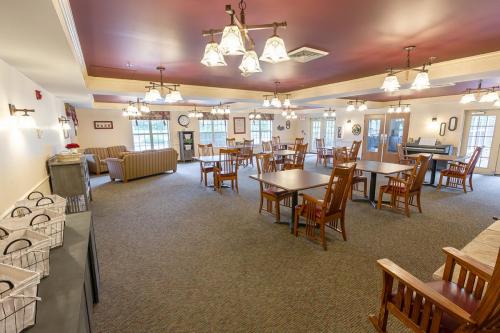
How is Continuing Healthcare At Willow Haven Staffed?

CMS rates CONTINUING HEALTHCARE AT WILLOW HAVEN's staffing level at 1 out of 5 stars, which is much below average compared to other nursing homes. Staff turnover is 46%, compared to the Ohio average of 46%. This relatively stable workforce can support continuity of care.

What Have Inspectors Found at Continuing Healthcare At Willow Haven?

State health inspectors documented 60 deficiencies at CONTINUING HEALTHCARE AT WILLOW HAVEN during 2021 to 2025. These included: 2 that caused actual resident harm and 58 with potential for harm. Deficiencies causing actual harm indicate documented cases where residents experienced negative health consequences.
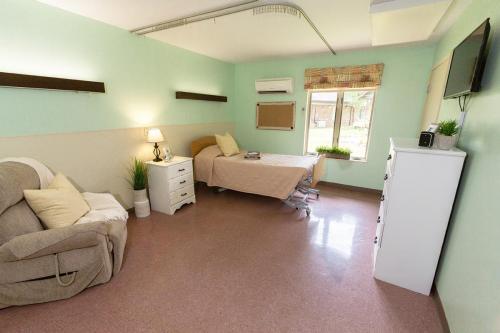
Who Owns and Operates Continuing Healthcare At Willow Haven?

CONTINUING HEALTHCARE AT WILLOW HAVEN is owned by a for-profit company. For-profit facilities operate as businesses with obligations to shareholders or private owners. The facility is operated by CERTUS HEALTHCARE, a chain that manages multiple nursing homes. With 81 certified beds and approximately 67 residents (about 83% occupancy), it is a smaller facility located in ZANESVILLE, Ohio.
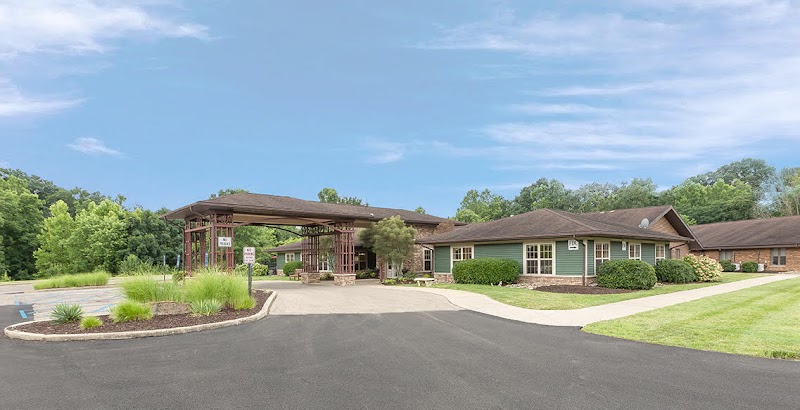
How Does Continuing Healthcare At Willow Haven Compare to Other Ohio Nursing Homes?

Compared to the 100 nursing homes in Ohio, CONTINUING HEALTHCARE AT WILLOW HAVEN's overall rating (2 stars) is below the state average of 3.2, staff turnover (46%) is near the state average of 46%, and health inspection rating (1 stars) is much below the national benchmark.

What Should Families Ask When Visiting Continuing Healthcare At Willow Haven?

Based on this facility's data, families visiting should ask: "Can you walk me through typical staffing levels on day, evening, and night shifts?" "Can I visit during a mealtime to observe dining assistance and food quality?" "How do you handle medical emergencies, and what is your hospital transfer rate?" "Can I speak with family members of current residents about their experience?" These questions are particularly relevant given the below-average staffing rating.

Is Continuing Healthcare At Willow Haven Safe?

Based on CMS inspection data, CONTINUING HEALTHCARE AT WILLOW HAVEN has a clean safety record: no substantiated abuse findings (meaning no confirmed cases of resident harm), no Immediate Jeopardy citations (the most serious violation level indicating risk of serious injury or death), and is not on the Special Focus Facility watch list (a federal program monitoring the lowest-performing 1% of nursing homes). The facility has a 2-star overall rating and ranks #100 of 100 nursing homes in Ohio. While no facility is perfect, families should still ask about staff-to-resident ratios and recent inspection results during their visit.

Do Nurses at Continuing Healthcare At Willow Haven Stick Around?

CONTINUING HEALTHCARE AT WILLOW HAVEN has a staff turnover rate of 46%, which is about average for Ohio nursing homes (state average: 46%). Moderate turnover is common in nursing homes, but families should still ask about staff tenure and how the facility maintains care continuity when employees leave.

Was Continuing Healthcare At Willow Haven Ever Fined?

CONTINUING HEALTHCARE AT WILLOW HAVEN has been fined $40,000 across 1 penalty action. The Ohio average is $33,479. While any fine indicates a compliance issue, fines under $50,000 are relatively common and typically reflect isolated problems that were subsequently corrected. Families should ask what specific issues led to these fines and confirm they've been resolved.

Is Continuing Healthcare At Willow Haven on Any Federal Watch List?

CONTINUING HEALTHCARE AT WILLOW HAVEN is not on any federal watch list. The most significant is the Special Focus Facility (SFF) program, which identifies the bottom 1% of nursing homes nationally based on persistent, serious quality problems. Not being on this list means the facility has avoided the pattern of deficiencies that triggers enhanced federal oversight. This is a positive indicator, though families should still review the facility's inspection history directly.