RIVERSIDE HEALTH SERVICES
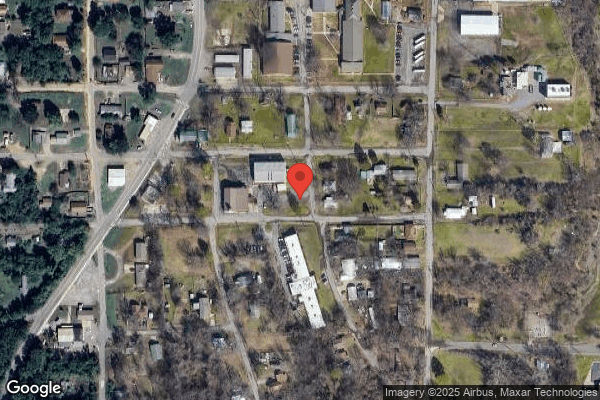
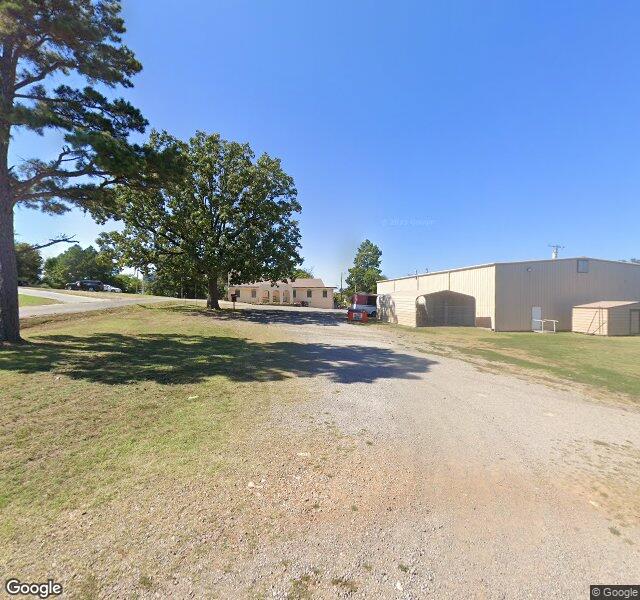
1008 ARKANSAS STREET, ARKOMA, OK 74901 (918) 875-3107
For profit - Limited Liability company 56 Beds Independent Data: November 2025 1 Immediate Jeopardy citation
Trust Grade
18/100
#258 of 282 in OK
Last Inspection: February 2025

Within standard 12-15 month inspection cycle. Federal law requires annual inspections.

Overview

Riverside Health Services has received a Trust Grade of F, indicating significant concerns about the facility's overall quality and care standards. It ranks #258 out of 282 nursing homes in Oklahoma, placing it in the bottom half of facilities statewide and #5 out of 6 in Le Flore County, meaning only one local option is better. While the number of health and safety issues has improved from 8 in 2022 to 5 in 2025, the overall situation remains troubling, with a total of 13 issues found during inspections, including a critical failure to properly reposition residents to prevent pressure ulcers. Staffing is a weakness, with a low rating of 1 out of 5 stars and a turnover rate of 65%, which is concerning as it suggests instability among staff. Additionally, fines totaling $65,230 are higher than 95% of other Oklahoma facilities, indicating repeated compliance problems.

Trust Score
F
18/100
In Oklahoma
#258/282
Bottom 9%
Safety Record
High Risk
Review needed
Inspections
Getting Better
8 → 5 violations
Staff Stability
⚠ Watch
65% turnover. Above average. Higher turnover means staff may not know residents' routines.
Penalties
✓ Good
$65,230 in fines. Lower than most Oklahoma facilities. Relatively clean record.
Skilled Nurses
⚠ Watch
Each resident gets only 10 minutes of Registered Nurse (RN) attention daily — below average for Oklahoma. Fewer RN minutes means fewer trained eyes watching for problems.
Violations
⚠ Watch
13 deficiencies on record. Higher than average. Multiple issues found across inspections.
★☆☆☆☆
1.0
Overall Rating
★☆☆☆☆
1.0
Staff Levels
★★☆☆☆
2.0
Care Quality
★★☆☆☆
2.0
Inspection Score
Stable
2022: 8 issues
2025: 5 issues

The Good

  • Full Sprinkler Coverage · Fire safety systems throughout facility
  • No fines on record

Facility shows strength in fire safety.

The Bad

1-Star Overall Rating

Below Oklahoma average (2.6)

Significant quality concerns identified by CMS

Staff Turnover: 65%

19pts above Oklahoma avg (46%)

Frequent staff changes - ask about care continuity

Federal Fines: $65,230

Above median ($33,413)

Moderate penalties - review what triggered them

Staff turnover is elevated (65%)

17 points above Oklahoma average of 48%

The Ugly 13 deficiencies on record

1 life-threatening
Jul 2025 1 deficiency
CONCERN (E) 📢 Someone Reported This

A family member, employee, or ombudsman was alarmed enough to file a formal complaint

Potential for Harm - no one hurt, but risky conditions existed

Deficiency F0657 (Tag F0657)

Could have caused harm · This affected multiple residents

Based on observation, record review, and interview, the facility failed to update behavior care plans for 3 (#1, 2, and #4) of 3 sampled residents whose care plans were reviewed for their intervention...

Read full inspector narrative →
Based on observation, record review, and interview, the facility failed to update behavior care plans for 3 (#1, 2, and #4) of 3 sampled residents whose care plans were reviewed for their interventions in the management of routinely displayed inappropriate behavior. The DON identified three residents routinely displayed inappropriate behavior. Findings: 1. On 07/27/25 at 3:15 p.m., Resident #1 was observed entering the dining room. Resident #2 was observed sitting at a table in the corner of the dining room, with windows located on both walls of the corner. Resident #1 stopped and stared in the direction of Resident #2 for several minutes while mumbling unintelligible words under their breath. When Resident #1 was asked what they were saying, the resident only smiled and shook their head no. Several seconds later, Resident #2 smiled and pointed out the window as an ambulance arrived with their emergency lights on. A nurse's progress note, dated 02/09/25, showed Resident #1 yelled at other residents, attempted to grab other residents, punched another resident, blocked doorways/staff access to other residents, entered other resident rooms and refused to leave, and maneuvered up and down the hallway and screamed and yelled at other residents. The progress notes showed Resident #1 could not be redirected. Resident #1 was sent to the hospital, received haloperidol (an antipsychotic with a sedative effect) and returned to the facility with a diagnosis of agitation. An incident report, dated 02/09/25, showed Resident #2 reported to staff that Resident #1 struck them in the chest. The report showed Resident #2 struck Resident #1 across the face in retaliation.A nurse's progress note, dated 02/11/25, read in part, Conferenced with [resident's physician name withheld] in regards to recent aggressive/combative behaviors. A care plan, dated 02/11/25, showed Resident #1 was at risk for behaviors, including verbal outbursts. The care plan showed the goal was to be free from negative behaviors over the next 90 days. The care plan interventions included staff interacting with Resident #1 in a calm manner, medication administered per orders, behaviors to be monitored daily, behavior to be reported to the physician, and social services to visit the resident weekly. The care plan did not address what signs/symptoms may indicate potential escalation in negative behaviors, what negative behaviors the resident exhibited/staff were to monitor, what staff were to do when the resident exhibited negative behaviors, and/or how the staff were to protect Resident #1 and other facility residents when Resident #1 exhibited negative behaviors. A nurse's progress note, dated 03/10/25, showed Resident #1 grabbed the wheelchair of Resident #2. In response, Resident #2 grabbed the arm of Resident #1 which resulted in a 1cm x .01cm abrasion to the left forearm of Resident #1. The progress note showed the residents were separated and Resident #1 received treatment for their abrasion and education to ask for help with moving other residents' wheelchairs. An incident report, dated 03/10/25, showed Resident #1 exchanged words with Resident #2, then reached out and grabbed the wheelchair Resident #2 occupied. Resident #2 then grabbed Resident #1 around the arm and when Resident #1 pulled their arm away, they received a small abrasion to their lower left arm. A quarterly assessment, dated 06/09/25, showed Resident #1's speech was usually understood, the resident usually understood others, was severely impaired in cognition with a BIMS score of 0, and exhibited no behaviors. The assessment showed the resident had profound intellectual disabilities, psychotic disorder, depression, and anxiety. A nurse's progress note, dated 06/15/25, showed Resident #1 had increased agitation during the shift, yelled at other residents, accused others of calling the police and/or trying to hit Resident #1, and attempted to enter other resident rooms without their permission. The note showed redirection was used without success. A physician's progress note, dated 06/18/25, read in part, This is a [resident's age omitted] year-old .with behavioral disorder. [They've] been more aggressive and attempting to hit other residents within the facility. [They] will not talk .Impression: Behavioral disorder .Plan: it was discussed with [them] about [their] behaviors. The note showed the resident shook their head in understanding of the discussion. Staff were to continue to monitor and report behaviors. The progress note did not address interventions for the behaviors. A nurse's note, dated 06/22/25, showed Resident #1 woke in an agitated state and attempted to physically attack other residents assembled in the dining room for breakfast. The note read the staff's attempt to redirect was unsuccessful. A nurse's progress note, dated 07/20/25, showed Resident #1 had multiple verbal behavioral outburst toward other residents and staff members. The note showed staff utilized redirection, snacks, diversional activities, one on one time with staff, and family intervention were unsuccessful. On 07/21/25 at 3:25 p.m., Resident #5 stated Resident #1 would be great one day and another day be very adversarial. The resident stated when Resident #1 was adversarial toward them, they did the same back to Resident #1. Resident #5 stated at times, the staff would intervene, but it was not consistent. On 07/21/25 at 3:50 p.m., Resident #2 stated Resident #1 was always staring at them and mumbling negative comments about Resident #2 under their breath. Resident #2 stated Resident #1 followed them around throughout the facility, interrupted Resident 2, and told Resident #2 to shut up. Resident #2 stated they had saw Resident #1 try to hit other residents. Resident #2 stated they were tired of Resident #1 constantly pestering them and felt it was their right to live in the facility without someone causing them constant grief. On 07/21/25 at 4:00 p.m., CNA #4 stated Resident #1 and Resident #2 would routinely antagonize one another. CNA #4 stated they felt Resident #1 initiated the altercations more than Resident #2. CNA #4 stated they felt Resident #1 started the altercations 80 percent of the time, while Resident #2 initiated the altercations the other 20% of the time. CNA #4 stated other than to try and redirect the residents, they had no idea what to do and would probably go to their nurse for guidance. On 07/27/25 at 3:40 p.m., the administrator stated Resident #1 liked ambulances. The administrator stated Resident #1 had the mentality of a small child. The administrator stated Resident #1 would tell on you if you made them mad. The administrator stated Resident #1 did not like to answer questions. The administrator stated it was common for staff to shake their head when Resident #1 exhibited humorous behavior. On 07/27/25 at 5:20 p.m., CMA #1 stated there were primarily three residents that exhibited negative behaviors. CMA #1 stated some days Resident #1 would be fine and other days they would argue with Resident #2 over anything that came to mind, like the placement of their chair in the dining room. On 07/31/25 at 11:50 a.m., CNA #1 stated Resident #1 exhibited behaviors toward other residents and staff. CNA #1 stated Resident #1 would antagonize other residents and when the other resident responded back to Resident #1, Resident #1 would go and tell the nurse what the other resident stated and then return to agitate the other resident further. CNA #1 stated they would attempt to redirect the resident and ask Resident #1 to leave the situation/other resident alone and allow the staff to take care of the situation. CNA #1 stated if that did not work, they would go to the nurse. CNA #1 stated the facility did not in-service/train them on what to do if Resident #1 displayed negative behaviors. On 07/31/25 at 12:00 p.m., CNA #2 stated Resident #1 would not talk with them and was not sure what to do if Resident #1 displayed negative behaviors. CNA #2 stated the facility did not in-service/train them on what to do if Resident #1 displayed negative behaviors. On 07/31/25 at 12:10 p.m., CNA #3 stated Resident #1 could be understanding toward others and could be adversarial. CNA #3 stated Resident #1 might call someone stupid or something similar. CNA #3 stated if Resident #1 displayed negative behavior, they would give Resident #1 their space and return later. CNA #3 stated when the resident acted in a negative manner, it was usually due to a lack of good sleep. CNA #3 stated they saw Resident #1 purposely slam their wheelchair into another resident's wheelchair, but usually Resident #1 just used words when they displayed negative behaviors. CNA #3 stated the negative words were often directed toward Resident #2 and would escalate until Resident #2 yelled curse words back at Resident #1. CNA #3 stated Resident #1 would continue to yell negative statements such as you are stupid or shut up/don't talk back at Resident #2. CNA #3 stated Resident #1 would block Resident #2 from leaving a room or exiting the building. CNA #3 stated they could not reason with Resident #1 so they relied on Resident #2 to de-escalate the situation and would ask Resident #2 to go somewhere else to allow Resident #1 to calm down.On 07/31/25 at 12:28 p.m., LPN #1 stated Resident #1 had their own consistent routine and loved to watch emergency medical services and watch other residents in therapy. LPN #1 stated Resident #1 often thought other people were talking about Resident #1 and got agitated at the staff if they called their family after they refused care. LPN #1 stated Resident #1 felt the staff were telling on them. LPN #1 stated it was easier to reason with Resident #2 so Resident #2 was often asked to stay out of the way of Resident #1, but sometimes Resident #1 would block the exit and not let Resident #2 pass out of their way. LPN #1 stated when that happened, they would try to separate the two residents, reason with Resident #2, and try to redirect Resident #1 into an activity like watching other residents in therapy. LPN #1 stated most of the time that the interventions were effective, but when it was not effective, they contacted the family of Resident #1 or spoke with the DON/administrator. On 07/31/25 at 12:50 p.m., RN #1 stated Resident #1 was childlike in mentation and did not understand the insults and comments directed toward them, but did get upset with the encounter. RN #1 stated Resident #1 did not redirect well. RN #1 stated if Resident #1 saw Resident #2 engaged in a conversation with someone and Resident #2 used curse words or jokingly flipped the other person off, Resident #1 would take those comments, curse words, and gestures personally and get upset/agitated which in turn made Resident #2 upset. RN #1 stated they tried to keep the two residents separated, but Resident #2 had few activities of interest to do to keep occupied and Resident #1's behaviors directed toward them would quickly agitate Resident #2.On 07/31/25 at 1:10 p.m., the DON stated they expected their staff to redirect residents who displayed negative behaviors and if that did not work, ensure the resident was safe and ask to come back later to assist when the resident was more receptive to care. The DON stated that approach allowed the resident time to de-escalate. The DON stated sometimes the approach worked and sometimes it did not. The DON stated they encouraged care in pairs when staff provided care to a resident who displayed negative behaviors. The DON stated Resident #1 argued a lot with Resident #2. The DON stated if the staff intervened and redirected early in the argument, the two residents were easier to redirect. The DON stated often, all the staff had to do was separate the two residents with some distance and the two residents were alright. The DON reviewed the care plan for Resident #1 and stated the care plan did not address Resident #1's behaviors or what staff were to do when Resident #1 displayed negative behaviors. 2. On 07/27/25 at 3:15 p.m., Resident #2 was in the corner of the dining room, engaged with activities on an electronic tablet when Resident #2 was observed to enter the dining room, stop and stare in the direction of Resident #1, and mumble unintelligible words under their breath. An annual assessment, dated 12/21/24, showed Resident #2 was cognitively intact in daily decision making, and exhibited no mood or behavior issues. A nurse's progress note, dated 02/09/25, showed Resident #2 was in a physical altercation with Resident #1 and punched one another in the chest and shoulder. A care plan, updated 02/11/25, showed Resident #2 often spoke with staff in an inappropriate manner and set a goal for the resident to be free from negative behaviors over the next 90 days. The staff were to speak to the resident in a calm and professional manner, monitor the resident for behaviors daily, notify the physician of any behaviors, and social services were to visit the resident weekly. The care plan did not address physical altercations, what negative behaviors were to be monitored and where such behaviors were to be charted, what staff were to do when the resident exhibited negative behaviors, and/or how the staff were to protect Resident #2 and other facility residents when Resident #2 exhibited negative behaviors toward other residents. A nurse's progress note, dated 07/25/25, showed the resident was upset with staff and engaged each staff member individually to cuss at each of them separately. A quarterly assessment, dated 07/25/25, showed Resident #2 was cognitively intact in daily decision making, and exhibited no mood or behavior issues. A nurse's progress note, dated 07/29/25, showed the nurse spoke with the resident regarding their behavior toward another staff member. The nurse documented the resident called another staff member on their personal phone and talked to them in an inappropriate manner. On 07/31/25 at 12:00 p.m., CNA #2 stated Resident #2 would talk with the DON/administrator about their concerns. CNA #2 stated they were recently hired and had not received in-services on what to do if Resident #2 displayed inappropriate behaviors.On 07/31/25 at 12:10 p.m., CNA #3 stated Resident #2 would usually try to stay out of Resident #1's way. CNA #3 stated Resident #1 followed Resident #2 around the building or tried to block Resident #1 from leaving the dining room or going outside. CNA #3 stated Resident #2 had the larger vocabulary and would cuss at Resident #1. CNA #3 stated when the two were in an argument, they would try to talk with Resident #2 and get them to leave and give Resident #1 their space to calm down. CNA #3 stated that sometimes Resident #1 would not let Resident #2 leave a room or area and staff would help Resident #2 leave another way. On 07/31/25 at 12:28 p.m., LPN #1 stated Resident #2 and Resident #1 were friends and cycled through days when they would spend time together in common areas or out on the front porch and then there were other times when they antagonized one another. LPN #1 stated Resident #2 usually went out of their way to stay away from Resident #1, but sometimes Resident #1 would not get out of the way for Resident #2 to leave an area. LPN #1 stated the staff would try to separate the residents and assist Resident #2 out another facility door to give each resident time to calm down. LPN #1 stated it was easier to reason with Resident #2 and Resident #2 accepted redirection easier. LPN #1 stated when they could not redirect the resident, they would tell the DON/Admin. On 07/31/25 at 12:50 p.m., RN #1 stated if Resident #2 cussed or gave the finger to another resident in a jest, Resident #1 would take that personally and act out, even if the jest was not directed toward Resident #1. RN #1 stated this in turn upset Resident #2. RN #1 stated they tried to keep the two residents separated, but Resident #2 did not have much to do for activities and the facility was small which made separation harder to accomplish. On 07/31/25 at 1:10 p.m., the DON stated they expected their staff to redirect residents who displayed negative behaviors and if that did not work, ensure the resident was safe and ask to come back later to assist when the resident was more receptive to care. The DON stated that approach allowed the resident time to de-escalate. The DON stated sometimes the approach worked and sometimes it did not. The DON stated they encouraged care in pairs when staff provided care to a resident who displayed negative behaviors. The DON stated Resident #2 argued a lot with Resident #1. The DON stated if the staff intervened and redirected early in the argument, the two residents were easier to redirect. The DON stated often, all the staff had to do was separate the two residents with some distance and the two residents were alright. The DON reviewed the care plan for Resident #2 and stated the care plan did not address Resident #2's behaviors or what staff were to do when Resident #2 displayed negative behaviors. 3. On 07/21/25 at 2:30 p.m., Resident #4 was heard to repeatedly yell out for help, pause, yell another resident's name, and say that the other resident was homosexual. Resident #4 stopped yelling for brief moments and then resumed the same statements throughout the day. On 07/27/25 at 12:29 p.m., Resident #4 was heard to repeatedly yell out for help, pause, yell another resident's name, that the other resident was homosexual, and performed certain sexual acts. Resident #4 stopped yelling for brief moments and then resumed the same statements throughout the day.A comprehensive assessment, dated 10/26/24, showed Resident #4 was moderately impaired in daily decision making with a BIMS score of 11, denied any concerns with mood, and displayed no behaviors. The assessment showed the resident's diagnoses included quadriplegia, seizure disorder, anxiety, and depression. A nurse's progress note, dated 01/02/25, showed Resident #4 observed another resident pass by the door to their room, immediately threw their hamburger into the hallway, and stated they hated 'that [explicit language].A nurse's progress note, dated 01/10/25, showed Resident #4 threw their cup toward a staff member and into the hallway, continuously used profanity and inappropriate language toward staff, stated they hated the facility and the people within it. The note showed Resident #4 threatened to throw their urine filled urinal at staff and threatened to throw their self out of their bed.A nurse's progress note, dated 02/15/25, showed Resident #4 used inappropriate language, profanity, and propositioned staff. The note showed Resident #4 was instructed their behavior and language was not appropriate and Resident #4 stated they did not care. A care plan, dated 02/19/25, showed Resident #4 had inappropriate behaviors and the goal was for Resident #4 to understand the need to control their inappropriate behaviors. The interventions listed were to make clear what the limitations were, assess resident's understanding of the situation, nursing staff were to monitor and record inappropriate behavior as it occurred, monitor frequently when there was an increase in behavior, and social services were to visit weekly. The care plan did not address what inappropriate behaviors Resident #4 displayed, how the staff were to ensure Resident #4 had a clear understanding of the need to control inappropriate behaviors, what limitations the staff were to make clear to Resident #4, who was responsible to address Resident #4 on the limitations, and how they were to address the limitations with Resident #4, what inappropriate behaviors the staff were to monitor/monitor frequently for, where staff were to document the monitored behaviors, how the staff were to protect Resident #4 and other facility residents when Resident #4 exhibited inappropriate behaviors, and what were staff to do/how were staff to provide care when the resident exhibited inappropriate behaviors. A nurse's progress note, dated 02/21/25, showed Resident #4 shouted inappropriate language and profanity towards staff members. A nurse's progress note, dated 03/10/25, showed Resident #4 said sexually inappropriate statements. A nurse's progress note, dated 03/19/25, showed Resident #4 exhibited socially inappropriate behavior, threw their urine filled urinal several times, which resulted in urine on the floor and walls. The note showed Resident #4 frequently yelled for staff instead of using the call light. A nurse's progress note, dated 03/16/25, showed Resident #4 shouted profanity and inappropriate language towards their roommate and staff members throughout the night. A nurse's progress note, dated 05/12/25, showed Resident #4 spit at staff and slapped the staff's buttocks. A nurse's progress note, dated 05/23/25, showed Resident #4 talked inappropriately toward a staff member and forcefully grabbed a part of the staff member's anatomy. The note showed the staff asked Resident #4 to stop and Resident #4 became angry and continued to make inappropriate comments toward the staff member. The progress note showed Resident #4 threw their full urinal against the bathroom door, which caused urine to splatter on the door, walls, window, and floor. When the staff approached Resident #4, Resident #4 stated, I don't [explicit language] care.A nurse's progress note, dated 05/26/25, showed Resident #4 was rude and inappropriate with staff during activities of daily living, cussed at staff, and used offensive gestures toward staff.A nurse's progress note, dated 06/10/25, showed Resident #4 used inappropriate language toward staff. A nurse's progress note, dated 06/30/25, showed Resident #4 squeezed a staff member's behind and when the staff removed the resident's hand, Resident #4 shouted they hated everyone in the facility and if they could acquire a gun Resident #4 would shoot everyone in the facility. A nurse's progress note, dated 07/01/25, showed Resident #4 exhibited multiple negative or socially inappropriate behaviors during their shift. No interventions were documented.A nurse's progress note, dated 07/11/25, showed Resident #4 continued to use sexually inappropriate language and gestures toward staff and resident redirection was attempted without success. A nurse's progress note, dated 07/17/25, showed Resident #4 continued to use sexually inappropriate and vulgar language toward staff. A nurse's progress note, dated 07/20/25, showed Resident #4 stated sexually inappropriate comments toward staff and residents. The note showed staff attempted to redirect Resident #4 several times without success. A nurse's progress note, dated 07/23/25, showed Resident #4 continued sexually inappropriate behaviors toward staff. The note showed staff attempted redirection and diversional activities with Resident #4, but there was no change in their behavior. The note showed Resident #4 yelled toward staff and other residents when they were seated in the common room.A nurse's progress note, dated 07/27/25, showed Resident #4 continued to use inappropriate language. A nurse's progress note, dated 07/28/25, showed Resident #4 used foul language towards staff.A quarterly assessment, dated 07/28/25, showed Resident #4 was severely impaired in daily decision making with a BIMS score of 6, denied any concerns with mood, and displayed verbal behaviors toward others. The assessment showed Resident #4 had diagnoses which included stroke, anxiety, depression, and other sexual disorders. A nurse's progress note, dated 07/30/25, showed Resident #4 had multiple negative or socially inappropriate behaviors during their shift. On 07/27/25 at 11:50 a.m., CNA #4 stated Resident #4 had no verbal filter and directed their remarks primarily toward staff but did yell out obscenities toward another resident as well, calling the other resident homosexual and such. On 07/31/25 at 11:50 a.m., CNA #1 stated Resident #4 was very vocal with what they were thinking. CNA #1 stated the resident was often inappropriate and addressed CNA #1 as their eight-year-old baby (boy/girl) in a derogatory tone/manner. CNA #1 stated when staff used the manual crank on the transfer lift to lift and transfer Resident #4 to/from their chair, Resident #4 would say things like pump it baby, pump it! CNA #1 stated their experience had taught them not to acknowledge the comment or respond to the comment. CNA #1 stated Resident #4 inappropriately touched another CNA while they assisted the resident. CNA #1 stated they were not in-serviced or trained on what to do when Resident #4 exhibited negative behaviors. On 07/31/25 at 12:00 p.m., CNA #2 stated Resident #4 was a character and said sexual things toward the staff but the staff did not respond to the resident's comments. CNA #2 stated Resident #4 grabbed their side and said something they were sure was rude, but they were too shocked from Resident #4 touching them to hear what Resident #4 said. CNA #2 stated they asked Resident #4 not to grab them and Resident #4 removed their hand from the CNA's side. CNA #2 stated they were not in-serviced on what to do when Resident #4 displayed negative behaviors. On 07/31/25 at 12:10 p.m., CNA #3 stated Resident #4 was very vulgar. CNA #3 stated they tried to talk with Resident #4 and asked that they not say such comments. CNA #3 stated Resident #4 would throw their full urinal across the room so the staff would have to clean the room and Resident #4 could talk with the staff. CNA #3 stated Resident #4 often made fun of another resident, calling the other resident a faggot. CNA #3 stated the other resident just ignored Resident #4 and did not appear to be disturbed by the outbursts. CNA #3 stated when they asked Resident #4 why they yelled such things toward the other resident, Resident #4 stated they did not like the other resident. CNA #3 stated they were not in-serviced on what to do when Resident #4 displayed negative behaviors. On 07/31/25 at 12:28 p.m., LPN #1 stated Resident #4 did not talk nicely to the CNAs. LPN #1 stated they instructed the CNAs to report the resident's behavior to the administration. LPN #1 stated they instructed their CNAs to ask the resident not to talk that way toward the CNAs and offer to step away until Resident #4 was ready to receive assistance. LPN #1 stated they expected the CNAs to make sure Resident #4 was safe and then go tell administration about the resident's behavior. LPN #1 stated sometimes redirection worked for Resident #4 and sometimes it did not. LPN #1 stated they were not aware of a behavior care plan for Resident #4. On 07/31/25 at 12:50 p.m., RN #1 stated Resident #4 did not treat the RN as Resident #4 treated other staff and did not make sexual remarks toward the RN. RN #1 stated they did not give Resident #4's behaviors much attention and felt that the lack of attention helped to curb Resident #4's negative behaviors. RN #1 stated Resident #4 stopped their inappropriate behavior when RN #1 asked it of them. RN #1 stated the staff were to provide all resident care with another staff member present. RN #1 stated they felt having a witness in the room helped some but it did not change Resident #4's behaviors. On 07/31/25 at 1:10 p.m., the DON stated they expected their staff to redirect residents who displayed negative behaviors and if that did not work, ensure the resident was safe and ask to come back later to assist the resident when the resident was more receptive to care. The DON stated that approach allowed the resident time to de-escalate. The DON stated sometimes the approach worked and sometimes it did not. The DON stated they encouraged care in pairs when staff provided care to a resident who displayed negative behaviors. The DON reviewed the care plan for Resident #4 and stated the care plan did not address Resident #4's behaviors or what staff were to do when Resident #4 displayed negative behaviors.
Mar 2025 2 deficiencies 1 IJ
CRITICAL (J) 📢 Someone Reported This

A family member, employee, or ombudsman was alarmed enough to file a formal complaint

Immediate Jeopardy (IJ) - the most serious Medicare violation

Pressure Ulcer Prevention (Tag F0686)

Someone could have died · This affected 1 resident

On 03/03/25, an Immediate Jeopardy (IJ) situation was determined to exist related to the facility's failure to have a system in place to ensure dependent residents were repositioned every two hours to...

Read full inspector narrative →
On 03/03/25, an Immediate Jeopardy (IJ) situation was determined to exist related to the facility's failure to have a system in place to ensure dependent residents were repositioned every two hours to prevent new and worsening pressure ulcers. On 03/03/25 at 6:00 pm, the OSDH was notified and verified the existence of the IJ situation. On 03/03/25 at 6:15 p.m., the facility administrator and DON were notified of the IJ situation and provided a copy of the IJ template. On 03/05/25 at 10:06 a.m., an acceptable plan of removal was submitted to the OSDH. The plan of removal, read in part, 1. DON/Designee Completed 100% Care Plan Audit to ensure Interventions are in place to prevent further Skin Breakdown on 3/3/25 and 3/4/25. 2. DON/Designee In-serviced Licensed Nursing Staff on 3/3/25 regarding: Facility Policy on Turn Schedule. Repositioning Policy and Procedure. Shift Documentation of ADL Care including Turning and Repositioning. 3. DON/ADON Completed 100% Skin Sweep with No New Skin Issues Identified on 3/3/25. 4. RNC [regional nurse consultant] In-serviced Admin [administrator]/DON/ADON and Provided Education on Interventions to prevent Skin Breakdown on 3/3/25. All In-services to Licensed Nursing Staff were completed on 3/3/25 by 2000 [8:00 p.m.]. 1. DON/Designee In-serviced CNA/CMA Staff on 3/3/25 regarding: Facility Policy on Turn Schedule. Repositioning Policy and Procedure. Shift Documentation of ADL Care including Turning and Repositioning 2. Resident #2 wound was assessed on 3/4/25 upon return from Hospital and noted to have declined with 3 New Non-Facility Acquired Wounds. 3. DON/Designee Verified Physician and Family are Aware with Appropriate Treatments in Place. 4. Resident #2 will be followed weekly by [name withheld] Wound Specialists. 5. Documented Turn and Repositioning Schedule initiated 3/3/35 at 2000 [8:00 p.m.]. All In-services to CNA/CMA completed on 3/3/24 by 2000. On 03/05/25 at 5:22 p.m., the IJ was removed when all components of the plan of removal had been verified. The deficiency remained as an isolated level with potential for more than minimal harm. Based on observation, record review and interview, the facility failed to have a system in place to ensure dependent residents were repositioned every two hours to prevent new and worsening pressure ulcers for 1 (#2) of 3 sampled residents reviewed for pressure ulcers. The DON identified five residents in the facility with pressure ulcers. Findings: On 3/03/25 at 5:15 p.m., a tour of the facility was conducted with the DON. The repositioning schedule in the ADL book showed dependent residents were be positioned on their right side from 4:00 p.m. until 6:00 p.m. Zero out of 32 dependent residents were observed to be positioned on their right side. An undated facility policy titled Repositioning read in part, A turning/repositioning program includes a continuous consistent program for changing the resident's position and realigning the body. A program is defined as a specific approach that is organized, planned, documented, monitored and evaluated .Residents who are in bed should be on at least every two hour ([every]2 hour) repositioning schedule. Resident #2 had diagnoses which included chronic respiratory failure. A skin assessment, dated 11/25/24, showed Resident #2 was at high risk for developing a pressure ulcer. A care plan, date initiated 11/25/24, showed Resident #2 was to be turned and repositioned every two hours. An admission minimum data set assessment, dated 12/02/24, showed Resident #2 was totally dependent on staff for repositioning and did not have any pressure ulcers upon admission. The assessment also showed Resident #2 was on a turning/repositioning program. A nurse note, dated 01/10/25 at 4:00 p.m., showed Resident #2 was found to have a fluid filled blister to the left buttock and an open area to the right buttock. The note also showed the physician was notified and wound care orders were received. A physician order, dated 01/10/25, showed Resident #2 was to receive daily wound care. The order showed the wound was to be cleaned with normal saline, patted dry, then Bactroban was to be applied, and the wound was to be covered with foam dressing. A physician order, dated 01/20/25, showed Resident #2 was to receive daily wound care. The order showed the wound was to be cleaned, patted dry, Hydrogel was to be applied, and the wound was to be covered with a padded dressing. A wound progress note, dated 01/27/25, showed Resident #2 had an unstageable pressure ulcer to the sacrum measuring 5.0 cm x 4.0 cm x 0.1 cm. The note also showed the wound had very little drainage and no odor. A wound progress note, dated 02/03/25, showed Resident #2 had an unstageable pressure ulcer to the sacrum measuring 7.0 cm x 5.0 cm x no depth documented. The note also showed the wound had very little drainage and no odor. A wound progress note, 02/10/25, showed Resident #2 had an unstageable pressure ulcer to the sacrum measuring 8.0 cm x 5.5 cm x no depth documented. The note also showed the wound had a moderate amount of drainage and a foul odor. A nurse note dated 02/10/25 at 4:07 p.m., showed Resident #2's wound was declining as evidenced by a foul odor, brown/yellow slough on the wound bed and moderate amounts of yellow/brown drainage. The note also showed the physician was notified and orders were received. A nurse note dated 02/17/25 at 11:00 a.m., showed Resident #2 was lethargic and would not arouse to a sternal rub, the note showed the physician was notified and the resident was being sent to the hospital. The note showed the wound to the sacrum now measured 6 cm x 8 cm x 1.5 cm with undermining from 6-12 o'clock. On 02/24/25 at 2:45 p.m., CNA #1 stated that dependent residents were turned every two hours and the ADL book at the nurse's desk told them what position the residents should be in at any given time. CNA #1 stated they did not document when residents were turned. On 02/24/25 at 2:47 p.m., CNA #2 stated the ADL book told them what position the residents needed to be in, but they did not document the residents had been repositioned. On 02/24/25 at 3:04 p.m., LPN #2 stated they made rounds to ensure residents were being turned. An After Visit Summary, dated 02/26/25, Showed Resident #1's primary hospital diagnosis was a pressure sore on the sacrum. The summary also showed additional diagnoses which included sepsis. A nurse note, dated 02/26/25 at 1:00 p.m., showed that Resident #2 had returned from the hospital with a diagnosis of pressure ulcer to the sacrum and VRE in the urine and wound. On 03/03/25 at 4:32 p.m., LPN #2 stated they did not have a list of residents that should be repositioned every two hours. On 03/03/25 at 4:33 p.m., CNA #8 stated the ADL book had a list of residents that required repositioning every two hours. CNA #8 reviewed the ADL book and stated that it did not contain a list of residents that required repositioning. CNA #8 then stated all dependent residents should be turned every two hours. CNA #8 stated they did not document when a resident was turned or if they refused to be turned. On 03/03/25 at 4:37 p.m., CNA #3 stated they did not have a list of who needed to be repositioned, and they did not document when a resident was turned or when a resident refused to be repositioned. On 03/03/25 at 4:45 p.m., the DON stated the CNAs documented in the ADL book when residents were repositioned. After reviewing the ADL book, the DON stated it was not being documented when residents were repositioned. They also stated that if a resident refused, the CNA should notify the charge nurse and document the resident refused. The DON stated the charge nurses and the DON should be monitoring to ensure the CNAs were repositioning residents as ordered and documenting when the residents were repositioned. On 03/03/25 at 5:20 p.m., the DON stated dependent residents should be on their right side until 6:00 p.m., but they were not. They also stated residents were not being repositioned appropriately.
CONCERN (D) 📢 Someone Reported This

A family member, employee, or ombudsman was alarmed enough to file a formal complaint

Potential for Harm - no one hurt, but risky conditions existed

Medical Records (Tag F0842)

Could have caused harm · This affected 1 resident

**NOTE- TERMS IN BRACKETS HAVE BEEN EDITED TO PROTECT CONFIDENTIALITY** Based on record review and interview, the facility failed to ensure complete and accurate documentation for 1 (#2) of 5 sampled ...

Read full inspector narrative →
**NOTE- TERMS IN BRACKETS HAVE BEEN EDITED TO PROTECT CONFIDENTIALITY** Based on record review and interview, the facility failed to ensure complete and accurate documentation for 1 (#2) of 5 sampled residents reviewed for complete and accurate medical records. The DON reported the facility census was 39. Findings: A facility policy titled Charting and Documentation, revised 07/2017, read in part, All services provided to the resident, progress toward the care plan goals, or any changes in the resident's medical, physical, functional or psychosocial condition, shall be documented in the resident's medical record. The medical record should facilitate communication between the interdisciplinary team regarding the resident's condition and response to care. Resident #2 was admitted on [DATE] and had diagnoses which included chronic respiratory failure. A review of Resident #2's medical records did not show any physician progress notes for Resident #2. On 03/03/25 at 1:17 p.m., physician #1 stated they had seen Resident #2 in person a couple of times since there was a wound noted on 01/10/25. They also stated they had documentation of these visits at the office. On 03/03/25 at 3:15 p.m., the DON stated physician #1 had seen Resident #2 in person on 01/15/25 and 02/12/25. They stated Resident #2's medical records did not contain documentation of these visits.
Feb 2025 2 deficiencies
CONCERN (D)

Potential for Harm - no one hurt, but risky conditions existed

PASARR Coordination (Tag F0644)

Could have caused harm · This affected 1 resident

Based on record review and interview, the facility failed to ensure a resident with a new diagnosis of a serious mental health condition had a PASARR updated for 1 (#7) of 1 sampled resident reviewed ...

Read full inspector narrative →
Based on record review and interview, the facility failed to ensure a resident with a new diagnosis of a serious mental health condition had a PASARR updated for 1 (#7) of 1 sampled resident reviewed for PASARR level ll. The DON identified nine residents with serious mental health diagnoses. Findings: Resident #7 had diagnoses which included pseudobulbar affect and a mood affective disorder. A PASARR level l, dated 10/26/18, showed the resident did not have a diagnosis of serious mental illness or other psychotic disorder. The annual assessment, dated 11/09/24, showed the resident currently was not considered by the state PASARR level II process to have serious mental illness and/or intellectual disability or a related condition. On 02/04/25 at 2:57 p.m., the DON reviewed the resident's clinical record and stated the resident had a diagnosis of mood affective disorder and a psychotic disorder. The DON stated a PASARR level ll referral should have been made to the Level of Care Evaluation Unit.
CONCERN (E) 📢 Someone Reported This

A family member, employee, or ombudsman was alarmed enough to file a formal complaint

Potential for Harm - no one hurt, but risky conditions existed

Deficiency F0727 (Tag F0727)

Could have caused harm · This affected multiple residents

Based on record review and interview, the facility failed to provide RN coverage for eight consecutive hours seven days per week during 2 (October 2024 and January 2025) of 4 months reviewed for havin...

Read full inspector narrative →
Based on record review and interview, the facility failed to provide RN coverage for eight consecutive hours seven days per week during 2 (October 2024 and January 2025) of 4 months reviewed for having RN coverage for eight consecutive hours seven days per week. The administrator identified 40 residents resided in the facility. Findings: The CASPER report for fisal year Quarter 4 2024 triggered for no RN coverage on four or more days within the quarter. A review of payroll documents for October 2024 and January 2025 showed there was no RN coverage on the following days since the last period covered on the CASPER report: October 5-6, 12-13, and 26-27 and January 5, 12, 19, and 26. On 02/05/25 at 4:44 p.m., the business office manager was asked if they had submitted all of the documents to verify RN coverage for October 2024 and January 2025. They stated that was all they could account for in their punch system. They stated the DON did not punch, but completed missed visit forms. They stated they gave all that they had. On 02/06/25 at 8:24 a.m., the DON acknowledged there was no RN coverage on the dates listed above.
Dec 2022 5 deficiencies
CONCERN (D) 📢 Someone Reported This

A family member, employee, or ombudsman was alarmed enough to file a formal complaint

Potential for Harm - no one hurt, but risky conditions existed

Deficiency F0642 (Tag F0642)

Could have caused harm · This affected 1 resident

Based on record review and interview, the facility failed to ensure the RN coordinated and signed the resident assessment within seven days of completion for six (#1, 5, 6, 7, 8 and # 9) of 40 residen...

Read full inspector narrative →
Based on record review and interview, the facility failed to ensure the RN coordinated and signed the resident assessment within seven days of completion for six (#1, 5, 6, 7, 8 and # 9) of 40 residents whose assessments were reviewed. The Resident Census and Conditions of Residents, dated 12/29/22, documented a census of 40 residents. Findings: The Certifying Accuracy of the Resident Assessment policy, dated November 2019, read in parts, .The resident assessment coordinator is responsible for ensuring that an MDS assessment has been completed for each resident. Each assessment is coordinated and certified as complete by the resident assessment coordinator, who is a registered nurse . The following assessments were not coordinated or signed by an RN within seven days of completion: 1. A quarterly resident assessment on 12/13/22 for Res #1 should have been signed by 12/20/22. 2. An annual resident assessment on 12/15/22 for Res #5 should have been signed by 12/22/22. 3. An annual resident assessment on 12/11/22 for Res #6 should have been signed by 12/18/22. 4. A quarterly resident assessment on 12/03/22 for Res #7 should have been signed by 12/10/22. 5. A quarterly resident assessment on 12/08/22 for Res #8 should have been signed by 12/15/22. 6. A quarterly resident assessment on 12/14/22 for Res #9 should have been signed by 12/21/22. On 12/30/22 at 4:15 p.m., the Administrator reported they have had a lot of turn over in the MDS department and the RN coordination and signature was overlooked.
CONCERN (D) 📢 Someone Reported This

A family member, employee, or ombudsman was alarmed enough to file a formal complaint

Potential for Harm - no one hurt, but risky conditions existed

Deficiency F0655 (Tag F0655)

Could have caused harm · This affected 1 resident

**NOTE- TERMS IN BRACKETS HAVE BEEN EDITED TO PROTECT CONFIDENTIALITY** Based on record review and interview, the facility failed to ensure a baseline care plan was developed within 48 hours of admiss...

Read full inspector narrative →
**NOTE- TERMS IN BRACKETS HAVE BEEN EDITED TO PROTECT CONFIDENTIALITY** Based on record review and interview, the facility failed to ensure a baseline care plan was developed within 48 hours of admissions for three (#1, 3 and #4) of three residents reviewed for baseline care plans. The Administrator reported there were nine new admissions from August to September 2022. Findings: The Care Plans - Baseline policy, dated March 2022, read in parts, A baseline plan of care to meet the resident's immediate health and safety needs is developed for each resident within forty-eight (48) hours of admission . Res #1 was admitted on [DATE]. There was no baseline care plan developed for Res #1. Res #3 was admitted on [DATE]. There was no baseline care plan developed for Res #3. Res #4 was admitted on [DATE]. There was no baseline care plan developed for Res. #4. On 12/30/22 at 4:00 p.m., the Administrator reported the charge nurses should have created baseline care plans when residents were admitted .
CONCERN (D) 📢 Someone Reported This

A family member, employee, or ombudsman was alarmed enough to file a formal complaint

Potential for Harm - no one hurt, but risky conditions existed

Comprehensive Care Plan (Tag F0656)

Could have caused harm · This affected 1 resident

**NOTE- TERMS IN BRACKETS HAVE BEEN EDITED TO PROTECT CONFIDENTIALITY** Based on record review and interview, the facility failed to ensure comprehensive care plans were developed within 21 days of ad...

Read full inspector narrative →
**NOTE- TERMS IN BRACKETS HAVE BEEN EDITED TO PROTECT CONFIDENTIALITY** Based on record review and interview, the facility failed to ensure comprehensive care plans were developed within 21 days of admission for three (#1, 3 and 4) of 40 residents reviewed for comprehensive care plans. The Administrator reported there were nine new admissions from August to September 2022. Findings: The Care Plans, Comprehensive Person-Centered policy, dated March 2022, read in parts, .The comprehensive, person-centered care plan is developed within seven days of the completion of the required MDS assessment .and no more than 21 days after admission . Res #1 was admitted on [DATE]. There was no comprehensive care plan developed for Res #1. Res #3 was admitted on [DATE]. There was no comprehensive care plan developed for Res #3. Res #4 was admitted on [DATE]. There was no comprehensive care plan developed for Res. #4. On 12/30/22 at 4:00 p.m., the Administrator reported every resident should have a comprehensive care plan.
CONCERN (F) 📢 Someone Reported This

A family member, employee, or ombudsman was alarmed enough to file a formal complaint

Potential for Harm - no one hurt, but risky conditions existed

MDS Data Transmission (Tag F0640)

Could have caused harm · This affected most or all residents

Based on record review and interview, the facility failed to ensure resident assessments were submitted to CMS within 14 days of completion for 40 of 40 residents. The Resident Census and Conditions o...

Read full inspector narrative →
Based on record review and interview, the facility failed to ensure resident assessments were submitted to CMS within 14 days of completion for 40 of 40 residents. The Resident Census and Conditions of Residents, dated 12/29/22, documented a census of 40 residents. Findings: The MDS Completion and Submission Timeframes policy, dated July 2017, read in parts, Our facility will conduct and submit resident assessments in accordance with current federal and state submission timeframes .The assessment coordinator .is responsible for ensuring that resident assessments are submitted to CMS' QIES Assessment Submission and Processing (ASAP) system in accordance with current federal and state guidelines . The facility did not provide Final Validation Reports to show resident assessments were submitted to CMS. A review of resident assessments for 40 of 40 residents was conducted which showed no resident assessments had been submitted from 08/09/22 to 12/30/22 at 1:36 a.m. On 12/30/22 at 3:28 p.m., the Administrator reported no one had log in credentials to submit resident assessments to CMS.
CONCERN (F) 📢 Someone Reported This

A family member, employee, or ombudsman was alarmed enough to file a formal complaint

Potential for Harm - no one hurt, but risky conditions existed

Deficiency F0888 (Tag F0888)

Could have caused harm · This affected most or all residents

**NOTE- TERMS IN BRACKETS HAVE BEEN EDITED TO PROTECT CONFIDENTIALITY** Based on record review and interview, the facility failed to ensure vaccination records for contract staff were kept and facilit...

Read full inspector narrative →
**NOTE- TERMS IN BRACKETS HAVE BEEN EDITED TO PROTECT CONFIDENTIALITY** Based on record review and interview, the facility failed to ensure vaccination records for contract staff were kept and facility staff were fully vaccinated, had been granted an exemption or were delayed from the COVID-19 vaccine for 16 of 61 facility staff members. This resulted in a facility staff vaccination rate of 57%. The COVID-19 Vaccination Status for Providers documented 61 facility staff members. The Administrator had no records of how many contracted staff worked in the facility. Findings: An undated Covid-19 Vaccine Policy read in parts, All employees of Riverside Health Services will have received at a minimum of one dose of the covid-19 vaccine (Moderna or Pfizer) or their one dose of [NAME] vaccine by February 14, 2022. All employees will receive their second dose of the Covid-19 vaccine by March 15th . The COVID-19 Vaccination Status for Providers documented three facility staff members were partially vaccinated and 13 facility staff members were not vaccinated without exemption/delay. There was no documentation of the vaccination status of contracted staff. On 12/30/22 at 4:40 p.m., the Administrator was not aware of what the facility vaccination rate was but planned on following up with the non-vaccinated facility staff members and contracted staff to reach compliance.
Jul 2022 3 deficiencies
CONCERN (D)

Potential for Harm - no one hurt, but risky conditions existed

Deficiency F0582 (Tag F0582)

Could have caused harm · This affected 1 resident

Based on record review and interview, the facility failed to provide an advanced beneficiary notice (ABN), describing charges for covered and non-covered services, for three (#31, #12, and #22) of thr...

Read full inspector narrative →
Based on record review and interview, the facility failed to provide an advanced beneficiary notice (ABN), describing charges for covered and non-covered services, for three (#31, #12, and #22) of three residents reviewed for Skilled Nursing Facility Advance Beneficiary Notice. The Administrator reported five residents were discharged from skilled services in the past six months. Findings: A review of the clinical records for residents #31, #12, and #22 contained no documentation an ABN had been provided to residents and/or their representative. 1. Resident #31 was admitted to skilled services on 01/19/22 and discharged from skilled services on 04/30/22. 2. Resident #12 was admitted to skilled services on 01/19/22 and discharged from skilled services on 04/03/22. 3. Resident #22 was admitted to skilled services on 01/10/22 and discharged from skilled services on 04/19/22. There was no documentation Resident #31, Resident #12 and Resident #22 recevied ABN when discharging from skilled services. On 07/11/22 at 4:02 p.m., the Business Office Manager reported she had been in the position since June 2022. She stated she and the admissions staff had started a new process for the ABN to be completed upon admission. She reported the forms had not been completed and signed by the residents when discharged from skilled services. She stated they were provided verbal notice of their remaining available skilled days but this was not documented. She stated the requested forms could not be provided because they were not done.
CONCERN (D)

Potential for Harm - no one hurt, but risky conditions existed

Food Safety (Tag F0812)

Could have caused harm · This affected 1 resident

Based on record review, observation, and interview, the facility failed to maintain a sanitary ice machine for storage of ice. The Administrator reported 30 residents resided in the facility. Finding...

Read full inspector narrative →
Based on record review, observation, and interview, the facility failed to maintain a sanitary ice machine for storage of ice. The Administrator reported 30 residents resided in the facility. Findings: On 07/11/22 at 11:53 a.m., the ice machine in the main dining room was observed to be unlocked. The ice guard was observed to have a black residue build-up along the lip of the guard, extending completely across the front of the guard. A Cleaning Log, posted on the front of the ice machine, showed a date of 03/06/22 as the last date the machine was cleaned. On 07/11/22 at 12:28 p.m., dietary staff #1 reported being the last to clean the ice machine and confirmed his initials and a cleaning date of 03/06/22. He was shown the black build-up and he stated it did not always come off. He obtained a clean cloth, wiped the black residue off, and stated he would be sure to clean it in the future. On 07/11/22 at 12:35 p.m., dietary staff reported residents did not access the ice machine themselves. The staff reported if a resident needed ice, staff would get it for them. The staff stated the ice machine was locked when the kitchen closed at 5:30 p.m. On 07/12/22 8:55 a.m., the Administrator provided an invoice, dated 04/28/22, for cleaning of the ice machine. The invoice documented in parts .the unit was taken apart, all internal parts cleaned, ran unit in clean cycle with cleaner over evaporator coil .rinsed and started back up .discarded the first batch of ice and the unit is back working . The Administrator stated kitchen or maintenance staff should clean the ice machine on a regular basis.
CONCERN (E)

Potential for Harm - no one hurt, but risky conditions existed

Deficiency F0726 (Tag F0726)

Could have caused harm · This affected multiple residents

Based on record review and interview, the facility failed to ensure nurse aides demonstrated competency in skills and techniques necessary to care for resident needs. The Administrator reported 30 res...

Read full inspector narrative →
Based on record review and interview, the facility failed to ensure nurse aides demonstrated competency in skills and techniques necessary to care for resident needs. The Administrator reported 30 residents resided in the facility. Findings: A sample of employee files were reviewed. No documentation was found related to demonstration of nurse aide competency and/or skills checklists. On 07/13/22 at 9:07 a.m., CNA #1 reported it had been a long time since the facility had an annual skills fair or competency check-off. The CNA stated the facility had an orientation checklist for new CNA's and the staff responsible for training would help with completing the orientation checklist. On 07/13/22 at 9:16 a.m., CNA #2 reported there was an orientation checklist for newly hired CNA's but she could not remember having an annual skills fair with competency check-off in a long time. On 07/13/22 at 9:26 a.m., CNA #3 reported she had worked at the facility for two years. She stated she had a skills check-off in November 2020 provided by the lead CNA. CNA #3 stated there had not been an annual skills fair or competency check-off since she was initially hired. On 07/13/22 at 9:39 a.m., CNA #4 reported she had worked at the facility for eight years. She stated she could not remember ever having an annual skills fair or competency checklist. The CNA stated she did have an orientation checklist upon hire and reported all new hires were required to complete an orientation competency checklist. On 07/14/22 at 9:43 a.m., the DON reported she had been in her position since 04/20/22. The DON stated she knew the CNA skills competency checks were a requirement and should have already been completed. The DON stated she would be implementing this soon.
Understanding Severity Codes (click to expand)
Life-Threatening (Immediate Jeopardy)
J - Isolated K - Pattern L - Widespread
Actual Harm
G - Isolated H - Pattern I - Widespread
Potential for Harm
D - Isolated E - Pattern F - Widespread
No Harm (Minor)
A - Isolated B - Pattern C - Widespread

Questions to Ask on Your Visit

  • "What changes have you made since the serious inspection findings?"
  • "Why is there high staff turnover? How do you retain staff?"
  • "Can I speak with families of current residents?"
  • "What's your RN coverage like on weekends and overnight?"

Our Honest Assessment

Strengths
  • • Licensed and certified facility. Meets minimum state requirements.
Concerns
  • • Multiple safety concerns identified: 1 life-threatening violation(s), $65,230 in fines. Review inspection reports carefully.
  • • 13 deficiencies on record, including 1 critical (life-threatening) violation. These warrant careful review before choosing this facility.
  • • $65,230 in fines. Extremely high, among the most fined facilities in Oklahoma. Major compliance failures.
  • • Grade F (18/100). Below average facility with significant concerns.
Bottom line: Trust Score of 18/100 indicates significant concerns. Thoroughly evaluate alternatives.

About This Facility

What is Riverside Health Services's CMS Rating?

CMS assigns RIVERSIDE HEALTH SERVICES an overall rating of 1 out of 5 stars, which is considered much below average nationally. Within Oklahoma, this rating places the facility higher than 0% of the state's 100 nursing homes. A rating at this level reflects concerns identified through health inspections, staffing assessments, or quality measures that families should carefully consider.

How is Riverside Health Services Staffed?

CMS rates RIVERSIDE HEALTH SERVICES's staffing level at 1 out of 5 stars, which is much below average compared to other nursing homes. Staff turnover is 65%, which is 19 percentage points above the Oklahoma average of 46%. High turnover can affect care consistency as new staff learn residents' individual needs.

What Have Inspectors Found at Riverside Health Services?

State health inspectors documented 13 deficiencies at RIVERSIDE HEALTH SERVICES during 2022 to 2025. These included: 1 Immediate Jeopardy (the most serious level, indicating potential for serious harm or death) and 12 with potential for harm. Immediate Jeopardy findings are rare and represent the most serious regulatory concerns. They require immediate corrective action.

Who Owns and Operates Riverside Health Services?

RIVERSIDE HEALTH SERVICES is owned by a for-profit company. For-profit facilities operate as businesses with obligations to shareholders or private owners. The facility operates independently rather than as part of a larger chain. With 56 certified beds and approximately 36 residents (about 64% occupancy), it is a smaller facility located in ARKOMA, Oklahoma.

How Does Riverside Health Services Compare to Other Oklahoma Nursing Homes?

Compared to the 100 nursing homes in Oklahoma, RIVERSIDE HEALTH SERVICES's overall rating (1 stars) is below the state average of 2.6, staff turnover (65%) is significantly higher than the state average of 46%, and health inspection rating (2 stars) is below the national benchmark.

What Should Families Ask When Visiting Riverside Health Services?

Based on this facility's data, families visiting should ask: "What changes have been made since the serious inspection findings, and how are you preventing similar issues?" "How do you ensure continuity of care given staff turnover, and what is your staff retention strategy?" "Can you walk me through typical staffing levels on day, evening, and night shifts?" "Can I visit during a mealtime to observe dining assistance and food quality?" These questions are particularly relevant given the facility's Immediate Jeopardy citations, the facility's high staff turnover rate, and the below-average staffing rating.

Is Riverside Health Services Safe?

Based on CMS inspection data, RIVERSIDE HEALTH SERVICES has documented safety concerns. Inspectors have issued 1 Immediate Jeopardy citation (the most serious violation level indicating risk of serious injury or death). The facility has a 1-star overall rating and ranks #100 of 100 nursing homes in Oklahoma. Families considering this facility should ask detailed questions about what corrective actions have been taken since these incidents.

Do Nurses at Riverside Health Services Stick Around?

Staff turnover at RIVERSIDE HEALTH SERVICES is high. At 65%, the facility is 19 percentage points above the Oklahoma average of 46%. High turnover means new staff may not know residents' individual needs, medications, or preferences. It can also be disorienting for residents, especially those with dementia who rely on familiar faces. Families should ask: What is causing the turnover? What retention programs are in place? How do you ensure care continuity during staff transitions?

Was Riverside Health Services Ever Fined?

RIVERSIDE HEALTH SERVICES has been fined $65,230 across 1 penalty action. This is above the Oklahoma average of $33,731. Fines in this range indicate compliance issues significant enough for CMS to impose meaningful financial consequences. Common causes include delayed correction of deficiencies, repeat violations, or care failures affecting resident safety. Families should ask facility leadership what changes have been made since these penalties.

Is Riverside Health Services on Any Federal Watch List?

RIVERSIDE HEALTH SERVICES is not on any federal watch list. The most significant is the Special Focus Facility (SFF) program, which identifies the bottom 1% of nursing homes nationally based on persistent, serious quality problems. Not being on this list means the facility has avoided the pattern of deficiencies that triggers enhanced federal oversight. This is a positive indicator, though families should still review the facility's inspection history directly.