BARNSDALL NURSING HOME
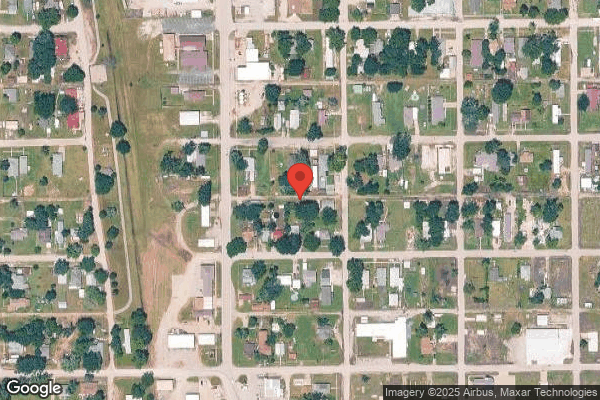
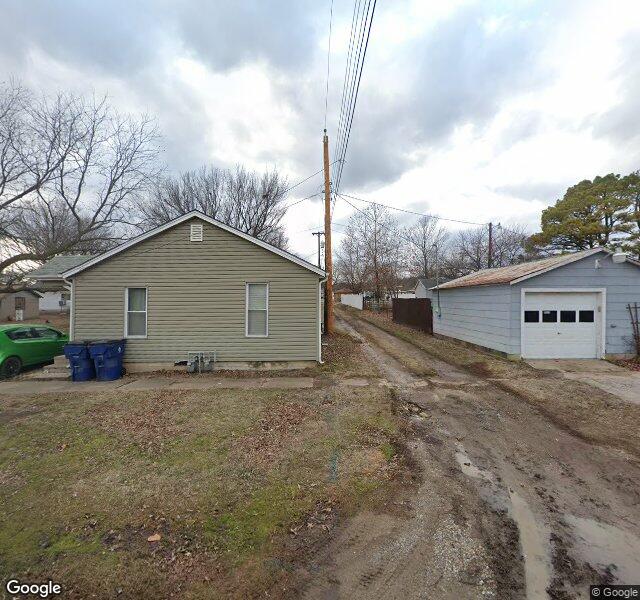
411 S 4TH STREET, BARNSDALL, OK 74002 (918) 847-2572
For profit - Limited Liability company 40 Beds Independent Data: November 2025
Trust Grade
50/100
#149 of 282 in OK
Last Inspection: August 2023

Over 2 years since last inspection. Current conditions may differ from available data.

Overview

Barnsdall Nursing Home has received a Trust Grade of C, indicating an average standing among nursing homes. With a state rank of #149 out of 282 in Oklahoma, they are in the bottom half, but they rank #2 out of 3 in Osage County, meaning only one local facility is rated higher. The facility is showing improvement, as issues reported have decreased from 9 in 2021 to 4 in 2023. Staffing is a notable strength, with a low turnover rate of 0%, which is well below the Oklahoma average of 55%. However, the home has faced concerns such as residents being too cold in their rooms, with one resident stating they had to wear a jacket indoors, and care plans not being updated after residents experienced falls, raising potential safety risks. Overall, while there are strengths in staffing and a lack of fines, attention to resident comfort and care planning needs improvement.

Trust Score
C
50/100
In Oklahoma
#149/282
Bottom 48%
Safety Record
Low Risk
No red flags
Inspections
Getting Better
9 → 4 violations
Staff Stability
○ Average
Turnover data not reported for this facility.
Penalties
✓ Good
No fines on record. Clean compliance history, better than most Oklahoma facilities.
Skilled Nurses
○ Average
RN staffing data not reported for this facility.
Violations
⚠ Watch
27 deficiencies on record. Higher than average. Multiple issues found across inspections.
★★☆☆☆
2.0
Overall Rating
★☆☆☆☆
1.0
Staff Levels
☆☆☆☆☆
0.0
Care Quality
★★★☆☆
3.0
Inspection Score
Stable
2021: 9 issues
2023: 4 issues

The Good

  • Full Sprinkler Coverage · Fire safety systems throughout facility
  • No fines on record

Facility shows strength in fire safety.

The Bad

2-Star Overall Rating

Below Oklahoma average (2.6)

Below average - review inspection findings carefully

The Ugly 27 deficiencies on record

Aug 2023 4 deficiencies
CONCERN (D)

Potential for Harm - no one hurt, but risky conditions existed

Pressure Ulcer Prevention (Tag F0686)

Could have caused harm · This affected 1 resident

Based on observation, record review, and interview, the facility failed to ensure pressure ulcer treatment was provided per physician orders for one ( #12) of one sampled resident reviewed for pressur...

Read full inspector narrative →
Based on observation, record review, and interview, the facility failed to ensure pressure ulcer treatment was provided per physician orders for one ( #12) of one sampled resident reviewed for pressure ulcers. The Resident Census and Conditions of Residents report, dated 08/15/23, documented one resident had a pressure ulcer. Findings: Resident #12 had diagnoses which included pressure ulcer to the right outer foot. A Physician's Order, dated 08/02/23, documented to apply medihoney to the right outer foot pressure ulcer. On 08/16/23 at 9:22 a.m., LPN #1 was observed to provide wound care to Resident #12's right outer foot pressure ulcer. LPN #1 applied hydrogel to the wound bed. On 08/17/23 at 10:29 p.m., LPN #2 was asked what the policy was for providing wound care. They stated, According to the orders. LPN #2 was asked how they ensured staff followed physician orders for wound care. They stated they read the orders every time before providing the treatment. LPN #2 was asked what Resident #12's order was for wound care to the right outer foot pressure ulcer. They stated it was for wound honey. LPN #2 was informed of the above wound care observation.
CONCERN (E)

Potential for Harm - no one hurt, but risky conditions existed

Safe Environment (Tag F0584)

Could have caused harm · This affected multiple residents

Based on observation and interview, the facility failed to ensure a safe, clean, comfortable, homelike environment for two ( #102 and #104) of three sampled residents reviewed for homelike environment...

Read full inspector narrative →
Based on observation and interview, the facility failed to ensure a safe, clean, comfortable, homelike environment for two ( #102 and #104) of three sampled residents reviewed for homelike environment. The Resident Census and Conditions of Residents report, dated 08/16/23, documented 28 residents resided in the facility. Findings: 1. On 08/15/23 at 2:55 p.m., Resident #102 was observed in their room. They stated, It's too cold. I am freezing in this room. Resident #102 stated they had to get under covers to nap. They were observed wearing a jacket. The thermostat across the hall from the residents room read 74 degrees. On 08/16/23 at 8:44 a.m., Resident #102 was observed in their room. They were observed wearing a jacket and stated it was freezing in the room. The ambient air temperature was measured at 67 degrees. On 08/16/23 at 8:54 a.m., the maintenance supervisor was asked what the policy was for maintaining comfortable air temperature. They stated they checked air temperatures daily and tried to keep them between 70 and 80 degrees. The maintenance supervisor was taken to Resident #102's room and informed the ambient air temperature was 67 degrees. They stated the thermostat read 74 degrees. The maintenance supervisor was asked if 67 degrees would be considered a comfortable air temperature for residents. They stated, No. 2. On 08/16/23 at 10:11 a.m., Resident #104's room was observed. There was an accumulation of dust and debris observed on the floor behind the door, under the bed, and on the baseboard. On 08/16/23 at 10:16 a.m., the housekeeper was asked what the policy was for ensuring a clean, comfortable, homelike environment. They stated they had schedules for cleaning rooms. The housekeeper stated they swept and mopped residents' rooms daily. The housekeeper was shown the dust and debris in Resident #104's room behind the door and behind the bed. They stated, Yes, we are working on deep cleaning rooms. The housekeeper was asked how often they pulled the beds out away from the wall to clean. They stated they cleaned under the beds daily. The housekeeper stated, As far as getting behind the bed, we do the best we can.
CONCERN (E)

Potential for Harm - no one hurt, but risky conditions existed

Deficiency F0657 (Tag F0657)

Could have caused harm · This affected multiple residents

Based on record review and interview, the facility failed to ensure care plan interventions were put in place after falls for one ( #21) of 14 sampled residents reviewed for care plans. The Resident ...

Read full inspector narrative →
Based on record review and interview, the facility failed to ensure care plan interventions were put in place after falls for one ( #21) of 14 sampled residents reviewed for care plans. The Resident Census and Conditions of Residents report, dated 08/15/23, documented 28 residents resided in the facility. Findings: A Falls policy, dated 05/26/21, read in part, .All falls are to be care planned .within 72 hours . Resident #21 had diagnoses which included chronic diastolic (congestive) heart failure, HTN, COPD, and anxiety. An annual assessment, dated 06/03/23, documented Resident #21 required extensive assistance of one for bed mobility and transfers. The assessment documented Resident #21 had one fall with injury. BIMS 08 A Care Plan, last revised 07/08/23, documented Resident #21 had seven falls from 01/22/23 through 07/08/23. The resident sustained injuries with three of the falls. There were no new interventions implemented after each fall. On 08/18/23 at 10:28 a.m., the DON was asked if Resident #21 was at risk for falls. They stated, Yes. The DON was asked what interventions had been put in place to prevent falls. They stated the resident was using a wheelchair and had a fall mat in their room. The DON was shown Resident #21's care plan and was asked what new interventions had been put in place after each of the seven falls. They stated, I don't see any. The DON was asked what the policy was for updating the care plan after falls. They stated after the incidents were reviewed, the MDS coordinator would update the care plan and put interventions in place.
CONCERN (E)

Potential for Harm - no one hurt, but risky conditions existed

Pharmacy Services (Tag F0755)

Could have caused harm · This affected multiple residents

Resident #22 FTag Initiation 08/16/23 12:47 PM DX: cerebral palsy, anxiety, recurrent depressive disorders, supraventricular tachycardia, palpitations, generalized osteoarthritis , obstructive sleep...

Read full inspector narrative →
Resident #22 FTag Initiation 08/16/23 12:47 PM DX: cerebral palsy, anxiety, recurrent depressive disorders, supraventricular tachycardia, palpitations, generalized osteoarthritis , obstructive sleep apnea, vit d deficiency, seasonal allergic rhinitis, GERD physicians orders: singulair tab 10 mg claritin cap 10 mg protonix tab 40mg vit d3 1000 unit carvedilol tab 12.5 mg naproxen tab 500 mg alprazolam tab 1 mg xananx tab 0.5 mg cephalexin 250mg give 1 cap daily for prophylaxis quarterly assessment BIMS 04 no behaviors bed mobility 4/2 transfers 4/2 walking 8/8 locomotion 1/1 dressing 4/4 eating 1/1 toilet use 4/2 personal hygiene bathing 4/2 always incontinent of bowel and bladder no antibiotic use significant change assessment 8/16/22 bed mobility 3/3 transfers 3/3 walking 8/8 transfers 3/2 dressing 3/2 eating 1/1 toilet use 3/3 personal hygiene 3/2 bathing 8/1 always incontinent of bowel and bladder no antibiotics June 2023 antibiotic orders: cephalexin 500 mg give 1 tablet po bidx7 days for UTI - 6/5/23 - 6/13/23 dc'd 6/8/23 cipro 500 mg q 12 hours po x 10 days 6/9/23 -6/18/23 for uti dc'd 6/9/23 ciprofloxacin hydrochloride 500mg give 1 tablet q 12 hours routinely for 10 days 6/9/23 - 6/19/23 for uti dc'd 6/19/23 amoxicillian/clavulanate potassium tab 875-125 mg administer one tab po q 12 hours times 5 days for pneumonia 6/19/23 - 6/23/23 dc date 6/25/23 azithromycin tab 250 mg administer one tab po q daily for 4 days dx upper respiratory infection levofloxacin 500 mg give 1 tab po daily for uti 6/24/23 - 6/30/23 dc'd 7/2/23 July and July 2023 antibiotic orders: cephalexin cap 250 mg give one cap daily for prophylaxis of UTI 7/1/23 no stop date Based on record review and interview, the facility failed to ensure medications were available and administered as orderered for three (#6, 12, and #22) of six sampled residents reviewed for medications. The Resident Census and Conditions of Residents report, dated 08/15/23, documented 28 residents resided in the facility. Findings: 1. Resident #6 had diagnoses which included pain and anxiety. A Resident Assessment, dated 05/18/23, documented Resident #6 had pain and facial grimacing. A Physician's Order, dated 03/08/22, documented hydrocodone/acetaminophen 7.5/325 mg one tablet daily at bedtime for pain. A Physician's Order, dated 04/11/23, documented Lorazepam intensol 2 mg/ml, give 0.5 ml daily at 3:00 p.m. for anxiety. A Physician's Order, dated 06/22/23, documented Lorazepam intensol 2 mg/ml, give 0.5 ml every two hours as needed for anxiety. A June MAR, documented the following: a. Hydrocodone/acetaminophen 7/5/325 mg had been circled on 06/20 and 06/21/23., and b. Lorazepam intensol 2 mg/ml had been circled twice on 06/19, twice on 06/20, twice on 06/21, and once on 06/22/23. The MAR documented the medications were unavailable and awaiting pharmacy. On 08/18/23 at 9:25 a.m., the DON was asked what the policy was for ensuring medications were available and administered as ordered. They stated staff checked the five rights, looked at the MAR to pull medications, did not pop a medication without clicking it in the MAR. and compared the MAR to the medication card incase there may be two different orders. The DON was made aware of Resident #6's Hydrocodone/Acetaminophen and Lorazepam intensol unavailable. They stated they had been aware of a problem with the company changing pharmacies. The DON stated, It was a mess. 2. Resident #12 had diagnoses which included atrial fibrillation, hyperlipidemia, insomnia, delusional disorder, htpertensiondry eyes, and pain. Physician's Orders, documented the following: a. Eliquis 2.5 mg tablet twice daily, 03/04/22, b. Atorvastatin 40 mg tablet once daily, 03/09/22, c. Melatonin 10 mg tablet daily, 04/05/22, d. Refresh eye drops one drop to each eye twice daily, 10/05/22, and e. Hydrocodone/Acetaminophen 7.5/325 mg one tablet three times daily, 12/01/22. A June MAR, documented the following: a. Eliquis was circled on 06/12, 06/18, and on 06/19/23 for the 9:00 p.m. dose, b. Atorvastatin was circled on 06/18/23, c. Melatonin was circled on 06/18/23, d. Refresh was circled on 06/18/23 for the 9:00 p.m. dose, and e. Hydrocodone/Acetaminophen was circled on 06/18/23 for the 9:00 p.m. dose. The MAR documented the medications were unavailable, waiting on pharmacy, or held by the nurse. On 08/17/23 at 10:29 a.m., LPN #2 was asked what the policy was for administering medications. They stated per physician orders. LPN #2 was asked how staff ensured residents received their medications as ordered by the physician. They stated staff would triple check names, medications, and dosage. On 08/17/23 at 10:35 a.m., CMA #1 was asked what the policy was for ordering and re-ordering medications. They stated most of the medications had a re-order sticker on them, they would put the sticker on the re-order sheet, and fax it to the pharmacy. CMA #1 was shown the June MAR and was asked if the medications had been administered as ordered. CMA #1 stated the hospice had switched pharmacies and that was likely what happened. 3. Resident #22 had diagnoses which included neuromuscular disfunction of the bladder, UTI, Cerebral Palsy, and anxiety disorder. Physician's Orders, documented the following: a. Xanax 0.5 mg tablet one at bedtime, 02/08/23, b. Baclofen 10 mg one tablet four times daily, 02/15/23, c. Pyridium 100 mg one table three times daily for seven days, 08/12/23, and d. Ciprofloxacin 500 mg one tablet every 12 hours for 10 days, 08/13/23. An August MAR, documented the following: a. Xanax was circled on 08/15/23, b. Baclofen was circled on 08/01, 08/02, 08/03, and 08/04/23 at the 11:00 p.m. dose, 08/10 and 08/14 at the 6:00 p.m. dose, c. Pyridium was circled three times on 08/01, once on 08/02, and twice on 08/14/23, and d. Ciprofloxacin was circled on 08/14/23 at 9:00 p.m. The MAR documented the medications were awaiting delivery from pharmacy, resident sleeping, and unknown if evening medication was given. On 08/17/23 at 10:35 a.m., CMA #1 was shown the August 2023 MARs. They stated they were waiting for hard script from the doctor for Xanax for the missed dose. CMA #1 stated, with the Baclofen, the CMA on the evening shift was new. They were asked if Resident #22 had a physician's order to hold medications if they were sleeping. CMA #1 stated, No. On 08/17/23 at 10:59 a.m., the DON was made aware of the above medications not administered or not available.
May 2021 9 deficiencies
CONCERN (E)

Potential for Harm - no one hurt, but risky conditions existed

Comprehensive Care Plan (Tag F0656)

Could have caused harm · This affected multiple residents

Based on interview and record review, it was determined the facility failed to ensure a comprehensive care plan had been developed for six (#6, #7, #10, #12, #17, #21) of 11 sampled residents whose ca...

Read full inspector narrative →
Based on interview and record review, it was determined the facility failed to ensure a comprehensive care plan had been developed for six (#6, #7, #10, #12, #17, #21) of 11 sampled residents whose care plans were reviewed. This had the potential to affect all 25 residents who resided in the facility. Findings: An undated facility policy titled, Care Plan Guidelines, documented: .In long ter [Sic] care facilities, the care plan is the basis of the work routine. When properly utilized, it provides a guideline for daily care which can be implemented by nursing, dietary, activity, social staffs .Approaches .Approaches are actions taken by the staff to achieve the foal [Sic] and resolve the problem. Approaches should be worded so that the staff knows the exact action to take . An undated facility policy titled, Implementation of Care Plan Policy, documented: .The interdisciplinary team shall assist in developing quantifiable objectives for the highest level of functioning that the resident may be expected to attain based on the comprehensive assessment . 1. Resident #6 was admitted with diagnoses which included delusional disorder, depression, and cerebral infarction. A quarterly assessment, dated 03/02/21, documented the resident was moderately impaired in cognition, rejected care one to three days during the seven day look back period, and required a walker for mobility. The assessment documented the resident was independent in most ADL but required extensive assistance with one person physical assist for personal hygiene and bathing. The assessment documented the resident had been administered an antipsychotic for seven days during the seven day look back period. The facility care plan, dated 03/23/21, documented, .Problem .taking Risperidone 0.25 mg po bid for mood. He is at risk for adverse side effects of this medication . Goal .I wish for my psychotropic medications to work properly without any side effects to their respective diagnosis in the next 90 days . Approach .Monitor me for adverse side effects using the monthly behavior monitoring flowsheet . A physician order, dated May 2021, documented, Risperidone Tab 0.25 mg Give one tab by mouth twice a day .Delusional disorders . The care plan had not included what side effects staff should be aware of when care was provided. 2. Resident #7 was admitted to the facility with diagnoses which included chronic obstructive pulmonary disease (COPD), chronic kidney disease stage 4, epilepsy, and anxiety disorder. A comprehensive assessment, dated 03/25/21, documented the resident's cognition was intact, utilized a wheelchair for mobility, and required supervision for ADLs. A physician order, dated 03/25/21, documented, Lorazepam 2 mg/ml give 0.25 ml sublingual (SL) every 2 hours as needed (PRN) for dyspnea and severe anxiety (review in 90 days). A care plan, dated 04/11/21, had not documented the resident's Lorazepam medication or list any side effects or interventions. 3. Resident #10 was admitted to the facility with diagnoses which included anxiety. A quarterly assessment, dated 05/02/21, documented the resident was moderately impaired in cognition, had no behaviors, required limited assistance with ADLs (activities of daily living), and required a walker for mobility. A physician order, dated May 2021, documented, .Buspirone Hydrochloride Tab(s) 5 MG Give 1 tablet PO BID .Anxiety disorder . A review of the MAR (Medication Administration Record), dated May 2021, revealed documentation of Buspirone 5mg administered twice daily. The undated care plan for psychoactive medication, documented, .Problem .started on Buspar 5mg BID r/t anxiety. Buspar has potential for adverse effects . Goal .Resident will not have side effects r/t taking Buspar . Interventions .Resident will be monitored for side effects via the behavior book charting . The care plan had not included what side effects staff should be aware of when providing care to the resident. 4. Resident #12 was admitted to the facility with diagnoses which included diabetes mellitus, anxiety disorder, major depressive disorder, congestive heart failure, and atrial fibrillation. An annual assessment, dated 02/05/21, documented the resident was cognitively intact, ambulatory, and independent in all ADLs. The assessment documented the resident had been administered an antidepressant seven days of the seven day look back period. The facility care plan, dated 03/09/21, documented, .Problem .taking Zoloft 100 mg daily .He is at risk of adverse side effects .Goal .I wish for my psychotropic medications to work properly without any side effects The possible adverse side effects staff should observe for had not been provided in the care plan. Physician orders, dated May 2021, documented the following: ~Sertraline HCL Tabs 50 mg administer one tab by mouth every day for anxiety disorder. On 05/10/21 at 3:00 p.m., the ADON was asked why the possible adverse side effects were not listed so staff would know what to observe for. She stated, Would you have to list them all. 5. Resident #17 had diagnoses which included depression. A quarterly assessment, dated 02/18/21, documented the resident was cognitively intact, independent with ADLs, utilized a walker for mobility, had no behaviors, and received an antidepressant medication seven days of the seven day look back period. The facility care plan, dated 03/09/21, documented, .Problem .currently taking .Duloxetine 60mg .Prozac 20mg .He is at risk for adverse side effects from these medications . Goal .I wish for my psychotropic medications to work properly without any side effects to their respective diagnosis . Approach .Monitor me for adverse side effects using the monthly behavior monitoring flowsheet . A physician order, dated May 2021, documented, .Fluoxetine Hydrochloride Cap(s) 10 MG Administer one tablet po once daily .Major depressive disorder . Duloxetine Hydrochloride Cap(s) 60 MG Administer one cap po BID .Major depressive disorder . The care plan had not included what side effects staff should be aware of when providing care to the resident. 6. Resident #21 was admitted to the facility with diagnoses which included chronic obstructive pulmonary disease, major depressive disorder, and chronic pain syndrome. A comprehensive assessment, dated 03/16/21, documented the resident's cognition was intact, utilized a walker for mobility, and required one person assist with ADLs. A physician order, dated 03/16/21, documented Diazepam 10 mg, administer one tablet every eight hours as needed for agitation and anxiousness. A care plan, dated 03/30/21, had not documented the resident's Lorazepam medication or list any side effects or interventions. On 05/10/21 at 3:48 p.m., the ADON was asked who was responsible for updating care plans. She stated she was. She was asked how often care plans were updated. She stated, Quarterly. She was asked what the process for updating care plans was if an event occurred before the quarterly update. She stated she wanted to train the LPNs to update the care plans as needed but had not had the opportunity to implement that training.
CONCERN (E)

Potential for Harm - no one hurt, but risky conditions existed

Deficiency F0657 (Tag F0657)

Could have caused harm · This affected multiple residents

Based on interview and record review, it was determined the facility failed to update/revise a care plan to reflect their current status related to pressure ulcers for one (#13) of one sampled residen...

Read full inspector narrative →
Based on interview and record review, it was determined the facility failed to update/revise a care plan to reflect their current status related to pressure ulcers for one (#13) of one sampled resident whose care plans were reviewed. The facility census and condition identified two residents with pressure ulcers who resided in the facility. Findings: Resident #13 was admitted with diagnoses which included chronic pulmonary embolism, acute embolism and thrombosis of other specified deep vein right lower extremity, anxiety disorder, and pain (unspecified). A quarterly assessment, dated 11/11/20, documented, the resident's cognition was severely impaired and required extensive assistance with bed mobility, transfers, personal hygiene and bathing. The assessment documented the resident was high risk for developing a pressure ulcer, utilized a wheelchair for mobility, and was incontinent of bowel and bladder. The care plan, dated 03/09/21, documented the resident required extensive assistance for activities of daily living, and was low risk for pressure wounds. Interventions included to turn and reposition every two hours and as needed, inspect skin during baths for any sign of breakdown and report immediately to the nurse. Physician orders, dated April 2021, documented, .Right second digit, soak daily, spray with wound cleanser, pat dry, apply Bactroban ointment, change daily . On 05/02/21 the wound measured 0.5 cm in length, 0.5 cm in width, and 0.25 cm in depth. No documentation was found to indicate the resident had acquired a pressure wound to the right second toe. On 05/10/21 at 3:45 p.m., the ADON was asked who was responsible for updating care plans. She stated she was. She was asked how often care plans were updated. She stated, Quarterly. She was asked what the process was for updating care plans if something occurred before the quarterly update was due. She stated she was planning to teach the licensed practical nurses to update the care plans. She stated when an event occurred that should be included on the care plans.
CONCERN (E)

Potential for Harm - no one hurt, but risky conditions existed

Deficiency F0725 (Tag F0725)

Could have caused harm · This affected multiple residents

Based on interview and record review, it was determined the facility failed to provide sufficient nurse staffing related to no full time DON and/or RN at least eight consecutive hours a day, seven day...

Read full inspector narrative →
Based on interview and record review, it was determined the facility failed to provide sufficient nurse staffing related to no full time DON and/or RN at least eight consecutive hours a day, seven days a week. The facility identified 25 residents who resided in the facility. Findings: On 05/03/21 at 10:10 a.m., during entrance conference the administrator was asked if the facility had a full time DON. He stated, No, not full time. He stated they have been without a full time RN since before March 2021. He was asked if the facility had an RN at least eight consecutive hours a day, seven days a week. He stated, Not everyday. He was asked if the facility had any nursing waivers. He stated no. Staffing was reviewed for March, April, and May 2021. The review revealed the facility had been without an RN on the following days: ~Sunday, 03/14/21; ~Friday and Saturday, 04/02/21 and 04/03/21; ~Sunday and Monday, 04/04/21 and 04/05/21; ~Friday and Saturday, 04/09/21 and 04/10/21; ~Monday, 04/12/21; ~Wednesday, 04/14/21; ~Monday, 04/19/21; ~Friday and Saturday, 04/30/21 and 05/01/21; ~Sunday, 05/02/21; and ~Friday and Saturday, 05/07/21 and 05/08/21. On 05/10/21 at 3:00 p.m., the ADON was asked if the facility had a full time DON. She stated no. She was asked if the facility had an RN eight consecutive hours a day, seven days a week. She stated no not everyday. She stated they were trying to hire an RN.
CONCERN (E)

Potential for Harm - no one hurt, but risky conditions existed

Deficiency F0727 (Tag F0727)

Could have caused harm · This affected multiple residents

Based on interview and record review, it was determined the facility failed to utilize a Registered Nurse at least eight consecutive hours a day, seven days a week. The facility identified 25 residen...

Read full inspector narrative →
Based on interview and record review, it was determined the facility failed to utilize a Registered Nurse at least eight consecutive hours a day, seven days a week. The facility identified 25 residents who resided in the facility. Findings: On 05/03/21 at 10:10 a.m., during entrance conference the administrator was asked if the facility had a full time DON. He stated, No, not full time. He stated they have been without a full time RN since before March 2021. He was asked if the facility had any nursing waivers. He stated no. Staffing was reviewed for March, April, and May 2021. The review revealed the facility had been without an RN on the following days: ~Sunday, 03/14/21; ~Friday and Saturday, 04/02/21 and 04/03/21; ~Sunday and Monday, 04/04/21 and 04/05/21; ~Friday and Saturday, 04/09/21 and 04/10/21; ~Monday, 04/12/21; ~Wednesday, 04/14/21; ~Monday, 04/19/21; ~Friday and Saturday, 04/30/21 and 05/01/21; ~Sunday, 05/02/21; and ~Friday and Saturday, 05/07/21 and 05/08/21. On 05/10/21 at 3:00 p.m., the ADON was asked if the facility had a full time DON. She stated no. She was asked if the facility had an RN eight consecutive hours a day, seven days a week. She stated no not everyday. She stated they were trying to hire an RN.
CONCERN (E)

Potential for Harm - no one hurt, but risky conditions existed

Drug Regimen Review (Tag F0756)

Could have caused harm · This affected multiple residents

Based on interview and record review, it was determined the facility failed to ensure a medication regimen review had been completed at least monthly by the consulting pharmacist for one (#12) of five...

Read full inspector narrative →
Based on interview and record review, it was determined the facility failed to ensure a medication regimen review had been completed at least monthly by the consulting pharmacist for one (#12) of five sampled residents whose records were reviewed for unnecessary medications. The facility census and condition identified 15 residents who were administered a psychoactive medication. Findings: Resident #12 was admitted to the facility with diagnoses which included diabetes mellitus, anxiety disorder, major depressive disorder, congestive heart failure, and atrial fibrillation. Monthly medication regimen review were as follows: ~05/2020 Not provided; ~06/2020 Not provided; ~07/13/20 Documented the resident was on Bupropion SR 150 mg by mouth twice daily. For moderate to severe hepatic function, a max of 100 mg SR or 150 mg SR QOD is recommended. Reminder that reordering a CMP could confirm if the elevations in liver enzymes were transient or persistent. The physician agreed and documented, Repeat Chem 14. No response from the physician regarding the medication dose change recommended; ~08/2020 Not provided; ~09/2020 Recommended Sertraline be decreased to 50 mg. The physician agreed; ~10/2020 Recommended to decrease Bupropion to SR 100 mg bid. The physician agreed; ~11/2020 Not provided; ~12/2020 Not provided; ~01/2021 No recommendations; ~02/2021 No recommendations; and ~03/2021 No recommendations. Medication regimen reviews for May, June, August, November, and December 2020 had not been provided by end of survey. An annual assessment, dated 02/05/21, documented the resident was cognitively intact, was ambulatory, and independent in all ADLs. The assessment documented the resident had been administered an antidepressant seven days of the seven day look back period. The physician orders, dated May 2021, documented the following: ~Sertraline HCL Tabs 50 mg administer one tab by mouth every day for anxiety disorder; and ~Bupropion Hydrochloride ER Tabs 150 mg give one tab by mouth twice daily for major depressive disorder. On 05/10/21 at 3:00 p.m., the ADON was asked to provide the missing medication regimen reviews. She returned and said she could not find any of the missing medication regimen reviews that had been requested for resident #12.
CONCERN (E)

Potential for Harm - no one hurt, but risky conditions existed

Medication Errors (Tag F0758)

Could have caused harm · This affected multiple residents

Based on interview and record review, it was determined the facility failed to: ~Ensure as needed anti-anxiety medications were not ordered for more than 14 days without documentation of a clinical ra...

Read full inspector narrative →
Based on interview and record review, it was determined the facility failed to: ~Ensure as needed anti-anxiety medications were not ordered for more than 14 days without documentation of a clinical rationale for two (#7 and #21) of five sampled residents whose records were reviewed for unnecessary medications; and ~Implement a dose reduction of a psychotropic medication as ordered by the physician for one (#17) of five sampled residents who were reviewed for unnecessary medications. The facility identified 15 residents who received psychotropic medication and four residents who had psychotropic medication ordered to be administered as needed. Findings: An undated facility policy titled, Anxiolytic/Sedative Drugs documented: .The reason for the medication is documented in the resident's medical record and included in the resident's care plan .The continued need for the anxiolytic/sedative medication shall be documented in the resident's medical record . A facility policy titled, Documentation and Communication of Consultant Pharmacist Recommendations, dated April 2018, documented: .The consultant pharmacist works with the facility to establish a system whereby the consultant pharmacist observations and recommendations regarding residents' medication therapies are communicated to those with authority and/or responsibility to implement the recommendations, and are responded to in an appropriate and timely fashion .Recommendations are acted upon and documented by the facility staff and/or the prescriber . 1. Resident #7 was admitted with diagnoses which included chronic obstructive pulmonary disease, major depressive disorder, recurrent, anxiety disorder and chronic pain. A physician order, dated 03/16/21, documented, Diazepam 10 milligram (mg) oral tablet give 1 tablet by mouth (po) every 8 hours as needed (PRN) agitation and anxiety A physician order, dated May 2021, documented, Diazepam tab(s) 10 mg give 1 tab po every (Q) 8 hours PRN agitation and anxiousness. Start (ST: 03/16/21). 2. Resident #21 was admitted with diagnoses which included chronic obstructive pulmonary disease, unspecified atrial fibrillation, anxiety disorder, epilepsy and stage 4 kidney disease. A physician's order, dated 03/29/21, documented, Lorazepam 2 mg/milliliter (ml) give 0.25 ml sublingual (SL) Q 2 hours PRN dyspnea/restlessness/anxiety. A physician's order, dated May 2021, documented, Lorazepam 2 mg/ml give 0.25 ml SL Q 2 hours PRN for dyspnea/restlessness/anxiety (review in 90 days) ST: 03/25/21. On 05/10/21 at 3:48 p.m., the assistant director of nursing (ADON) was asked who was responsible for ensuring PRN medications were not ordered longer than 14 days. She stated herself and the pharmacist. She was asked how often psychotropic medications were reviewed. She stated, Monthly. She was asked the facility policy regarding PRN psychotropic medications. She stated, PRN psychotropic medications are not used for longer than 14 days without an order from the physician specifying why it would be longer than 14 days. The ADON was asked what she did if she had a PRN psychotropic medication that was ordered for longer than 14 days. She stated, I contact the physician and ask if he wants to discontinue it or add an additional time period. I will then add the time frame and put in a specific end date. There was no documented stop time for this medication in the physician's orders. 3. Resident #17 had diagnoses which included depression. A review of the MRR (Medication Regimen Review), dated 06/08/20, documented a recommendation had been made by the consulting pharmacist to decrease the psychotropic medication Fluoxetine 20mg by mouth daily to 10mg daily. The physician agreed, dated 07/14/20. The physician order was noted 07/18/20. A review of the MAR (Medication Administration Record), dated July 2020, documented Fluoxetine 10mg daily had been entered on the MAR but not documented as administered. Fluoxetine 20mg had been administered daily through July 2020. A quarterly assessment, dated 2/18/21, documented the resident was cognitively intact, independent with ADLs, utilized a walker for mobility, had no behaviors, and received an antidepressant medication seven days of the seven day look back period. On 05/06/21 at 11:20 a.m., the ADON (assistant director of nursing) was asked what the procedure was for recommendations made by the pharmacist during the medication regimen review. She stated the pharmacist usually conducted the medication reviews by the fifth of each month. She stated the DON (director of nursing) or ADON would review them and mail them to the physician. She stated the DON or ADON would receive them from the physician and note any new orders. She stated the new orders would be faxed to the pharmacy, entered into the electronic record which updated the MAR, and filed in the resident's medical record. She was asked why the resident's dose of Fluoxetine had not been reduced to 10mg based on the order noted 07/18/20. She stated it appeared the order for 20mg had been reentered in the MAR. She was asked if there was a physician order to support the 20mg reentered in the MAR. She stated no. She was asked what dose of Fluoxetine the resident should have received starting 07/18/20. She stated, based on the order, 10mg daily. She was asked who was responsible for reviewing resident's medication. She stated the ADON would be responsible.
CONCERN (E)

Potential for Harm - no one hurt, but risky conditions existed

Deficiency F0761 (Tag F0761)

Could have caused harm · This affected multiple residents

Based on observation, interview, and record review, it was determined the facility failed to ensure medication labels were written to reflect a current physician order for two (#13, and #14) of five r...

Read full inspector narrative →
Based on observation, interview, and record review, it was determined the facility failed to ensure medication labels were written to reflect a current physician order for two (#13, and #14) of five residents whose medication labels were observed. The facility identified 25 residents who received medications. Findings: A facility policy titled, Medication Management, dated April 2018, documented, .In order to optimize the therapeutic benefit of medication therapy and minimize or prevent potential adverse consequences, facility staff, the attending physician/prescriber, and the consultant pharmacist perform ongoing monitoring for appropriate, effective, and safe medication use . 1. Resident #13 was admitted to the facility with diagnoses which included diarrhea. A physician order, dated May 2021, documented, .HM Fiber 28.3% administer 1 tbsp q am in liquid of choice .diarrhea, unspecified . On 05/04/21 at 8:00 a.m., during observation of medication administration, the medication label was observed to read, administer one tsp (teaspoon) po (by mouth) daily. Prior to administration of the medication, CMA #1 was asked what the physician order was for the HM fiber dosage. She stated one tablespoon daily. She was asked what the dosage was for HM Fiber documented on the medication label. She stated one teaspoon daily. She stated she needed to report the error to the charge nurse to have the medication label changed and attach a pink change sticker to the label. 2. Resident #14 was admitted to the facility with diagnoses which included anxiety and pain. A physician order, dated May 2021, documented the resident was to receive the following: ~Morphine 10mg (milligram) / 0.5ml (milliliter) sublingual TID (three times a day); ~Lorazepam 0.5mg (0.25ml) sublingual every four hours routinely for anxiety; and ~Lorazepam 0.25ml sublingual every four hours PRN (as needed) for anxiety. A MAR (Medication Administration Record), dated may 2021, documented the following: ~Morphine 10mg / 0.5ml sublingual TID; ~Lorazepam 0.5mg (0.25ml) sublingual every four hours routinely for anxiety; and ~Lorazepam 0.25ml sublingual every four hours PRN for anxiety. On 05/04/21, during observation of medication administration, the following medication labels were observed: ~Morphine 10mg / 0.5ml, take the contents of one syringe, by mouth, under tongue, twice daily, routine; and ~Lorazepam 0.5mg / 0.25ml, take the contents of one syringe, by mouth, under tongue, every four hours, as needed, for anxiety. On 05/10/21 at 1:30 p.m., CMA (certified medication aide) #2 was asked what the procedure was when a medication was received from the pharmacy. She stated the CMA would count the medication received, compare the medication label to the medication sheet included with the medication, and if the medication was a narcotic, complete a narcotic sheet. She was asked what documentation was used to complete a narcotic sheet. She stated the medication label was used. She was asked who was responsible for ensuring the medication label matched the physician order. She stated she was sure the medication aide would be responsible. She was asked if resident #14's physician order for Morphine matched the medication label. She stated no it needed to have a pink sticker indicating a change. At 1:40 p.m., the ADON (assistant director of nursing) was asked what the procedure was when medication was received from the pharmacy. She stated the medication would be checked in by the medication aide. She was asked who was responsible for clarifying the order. She stated the charge nurse was responsible. She was asked if resident #14's physician order for Morphine matched the medication label. She stated no. She was asked if resident #14's physician order for Lorazepam matched the medication label. She stated no. She was asked who was responsible for ensuring the medication label matched the physician order. She stated the mediation aide was responsible. She stated if the medication label did not match the physician order, the medication aide would notify a nurse, and attach a pink change sticker to the label. She stated the nurse would be responsible for clarifying the order, as needed.
CONCERN (E)

Potential for Harm - no one hurt, but risky conditions existed

Medical Records (Tag F0842)

Could have caused harm · This affected multiple residents

Based on record review and interview, it was determined the facility failed to: ~Ensure hospice records were accessible for two (#7 and #21) of two sampled residents whose records were reviewed for ho...

Read full inspector narrative →
Based on record review and interview, it was determined the facility failed to: ~Ensure hospice records were accessible for two (#7 and #21) of two sampled residents whose records were reviewed for hospice services. The facility identified four residents who received hospice services. Findings: 1. On 05/04/21 hospice records were requested for resident #7 and resident #21. The charge nurse stated the records were not in the facility and he would have to call hospice. At 12:35 p.m., the charge nurse stated hospice was going to bring the resident records back to the facility as soon as possible. The charge nurse was asked how hospice care was coordinated with the facility. He stated, through word of mouth and through the nurses. He was asked how staff knew what services they were to provide for the resident as opposed to what hospice was going to provide. He stated, We are all responsible for resident care no matter what. He was asked who was responsible to ensure hospice records remained in the facility. He stated, I guess I am. He was asked what the facility policy was regarding resident records. He stated he was not sure. On 05/10/21 at 3:48 p.m., the ADON was asked why hospice records were not kept in the facility. She stated, They usually are.
CONCERN (E)

Potential for Harm - no one hurt, but risky conditions existed

Safe Environment (Tag F0921)

Could have caused harm · This affected multiple residents

Based on observation, interview, and record review, it was determined the facility failed to ensure equipment was properly stored and the room locked for one of 12 resident rooms on the west hall. The...

Read full inspector narrative →
Based on observation, interview, and record review, it was determined the facility failed to ensure equipment was properly stored and the room locked for one of 12 resident rooms on the west hall. The facility identified 15 residents who resided on the west hall. Findings: An undated facility policy titled, Space and Equipment, documented, .areas will have space for storing and utilizing mobility devices, assistive technology, physical therapy or adaptive equipment . On 05/03/21 at 11:25 a.m., an unlocked and unoccupied resident room on the west hall was observed to contain the following: ~Five beds; ~One floor buffing machine; ~Three wheelchairs (one lying on top of a bed); ~Four walkers (two lying on top of a bed); ~One commode sitting on top of a bed; ~One chair sitting on top of a bed; ~One night stand sitting on top of a bed; ~Lamp and lamp shade sitting on top of a bed; and ~Pictures lying on top of a bed. At approximately 11:30 a.m., LPN (licensed practical nurse) #2 was asked how many residents wandered in the facility. He stated three. At 12:00 p.m., maintenance was asked how long the unoccupied resident room had been used for storage. He stated about one week. He stated they were working on floors, painting, and making repairs in other rooms. The maintenance supervisor was asked what kept residents from entering the resident room being used for storage. He stated they had placed a stop sign barrier across the door but it had been removed. He was asked if a resident entering the room was a potential accident hazard. He stated yes.
Feb 2019 14 deficiencies
CONCERN (D)

Potential for Harm - no one hurt, but risky conditions existed

Free from Abuse/Neglect (Tag F0600)

Could have caused harm · This affected 1 resident

Based on observation, interview, and record review, it was determined the facility failed to ensure a resident was free from abuse for one (#7) of one sampled residents whose records were reviewed for...

Read full inspector narrative →
Based on observation, interview, and record review, it was determined the facility failed to ensure a resident was free from abuse for one (#7) of one sampled residents whose records were reviewed for abuse. The facility identified 33 residents who resided in the facility. Findings: An undated policy titled, Barnsdall Nursing Home Policy and Procedure Reporting and Investigating, documented, Purpose .Each resident has the right to be free from verbal .and mental abuse .Policy Statement .Residents will not be subjected to abuse by anyone, including but not limited to, facility staff .Definitions: Abuse: The willful inflection [sic] of .intimidation .or mental anguish to a resident . The facility's undated policy on prevention of resident abuse, documented, The Barnsdall Nursing Home will be pro-active in the prevention of any type of abuse .Licensed and supervisory staff are available each shift and responsible for intervening if any inappropriate behavior from staff . The facility's undated policy for protection of a resident during an investigation for an allegation of abuse, documented, .Barnsdall Nursing Home will provide on-going safety to all residents during the investigation .Staff member(s) alleged to be in a potential abuse/neglect situation is removed immediately from resident areas .Staff member(s) alleged to be in a potential abuse/neglect situation will be suspended pending the results of that investigation . The facility's undated policy regarding training, documented, All employees will receive training, at orientation and trough [sic] on-going sessions, related to abuse prohibition practices .Every resident will be treated with respect and dignity . Resident #7 was admitted to the facility with diagnoses which included depression, anxiety, insomnia, and post traumatic stress disorder. A form titled, Problem Investigation/Resolution Report, documented, Date of Reported: 01/01/19 .Date Resolved: [left blank] .Name of person/persons presenting problem: [Resident #7] .Name of person taking report: [DON] . Issue: Conversation attached - [Resident #7] did not want to fill out a grievance report or 'get any one in trouble' . Discussion: Discussed the concerns [with] [LPN #2] - she is completing a statement .[LPN #2] wishes to talk to the administrator about her concerns she has [with] [Resident #7] . Resolution/Action Plan: Talk to [administrator] . On 01/01/19 at 5:50 p.m., a statement from resident #7 was documented by the DON (Director of Nursing). The statement documented the resident was crying. He reported he was upset over LPN (Licensed Practical Nurse) #2 and the way she does me. He reported LPN #2 always treated him bad since he had arrived at the facility. He stated she talked hateful and he was afraid of her. He stated LPN #2 did not know why he was in the facility and he was afraid she was going to call the bad people on him. He stated she almost makes him go into PSTD [sic] (post traumatic stress disorder) and he was trying to keep from it. He had stated LPN #2 took residents who smoked outside and he wanted to go. She had told him, well that figures. On 01/01/19, LPN #2 had written a statement and denied the allegations. A quarterly assessment, dated 01/30/19, documented the resident was cognitively intact, had verbal behavioral symptoms directed toward others, was independent in most ADLs (activities of daily living), and a current smoker. On 02/11/19 at 2:09 p.m., during an interview with the state surveyor resident #7 stated LPN #2 had not been nice to him since he had gotten to the facility. He stated he had reported it to administration. He stated he had asked her what her problem was with him and he had informed the administrator. He stated she makes him feel like dirt and had brought him to tears. He stated LPN #2 had come to his room and began to drum her fingers on his overbed table. She had asked him if the drumming of her fingers bothered him and he said yes. She continued to drum her fingers. At 02/12/19 at 9:30 a.m., the administrator was asked if resident #7 had reported to him that LPN #2 was not very nice to him. He stated the resident had spoke to him but did not want to get anyone in trouble. He was asked if he had completed an investigation. He stated he had and provided the paperwork of his investigation. There was no documentation that a incident report had been completed or the proper agencies notified of the allegation. A copy of the incident report and documentation of notification to the state agency was requested from the administrator. He stated, We did not do one. We couldn't determine if it was an allegation of abuse or not. He stated he was not at the facility the day of the incident. He stated when he came in he looked at the paperwork and did not think it was abuse. He stated the resident had always complained about staff and threatened to get them fired. He was asked if the employee had been suspended during the investigation the DON had conducted. He stated no. He stated, If I send staff home every time there is an investigation we would be short staffed. On 12/13/19 at 2:33 p.m., the DON was asked how she determined if a resident complaint was an allegation of abuse. She stated residents told them if something was not right. She was asked what the protocol was when there was an allegation of abuse. She stated the resident wrote a statement of the incident as well as the employee that the allegation was against. She stated administrative staff were notified. She was asked how the resident was protected during an investigation of abuse. She stated, we send the employee home. She was asked if LPN #2 had been sent home during her investigation of resident #7's allegation. She stated no. She was asked when the state agency was notified when there was an allegation of abuse. She stated within two hours. She was asked if staff received training regarding abuse. She stated they received training upon hire, twice annually, and more often if possible. On 02/13/19 at 3:25 p.m., the administrator was asked how he determined if a resident complaint was an allegation of abuse. He stated, Verbal, physical, if the resident thinks it is abuse. You read it and evaluate. He was asked what the facility protocol was when an allegation of abuse was reported. He stated a report would be sent to the state within two hours, suspend the employee, talk to cognitive residents, and staff then make a determination. He was asked if the employee had been suspended during the investigation of resident #7's allegation. He stated, No. He was asked how he had ensured the safety of resident #7. He stated, Other residents have not complained about her.
CONCERN (D)

Potential for Harm - no one hurt, but risky conditions existed

Abuse Prevention Policies (Tag F0607)

Could have caused harm · This affected 1 resident

Based on observation, interview, and record review, it was determined the facility failed to ensure their abuse policies and procedures were implemented to ensure: ~ thorough investigations of allegat...

Read full inspector narrative →
Based on observation, interview, and record review, it was determined the facility failed to ensure their abuse policies and procedures were implemented to ensure: ~ thorough investigations of allegations of abuse and intimidation were conducted; ~ residents were protected during an investigation of an allegation of abuse; and ~ allegations of intimidation and/or abuse were reported within the required timeframe to the OSDH (Oklahoma State Department of Health) for one (#7) of one allegation of abuse that were reviewed. The facility identified 33 residents who resided at the facility. Findings: An undated policy titled, Barnsdall Nursing Home Policy and Procedure Reporting and Investigating, documented, Purpose .Each resident has the right to be free from verbal .and mental abuse .Policy Statement .Residents will not be subjected to abuse by anyone, including but not limited to, facility staff .Definitions: Abuse: The willful inflection [sic] of .intimidation .or mental anguish to a resident . The facility's undated policy on prevention of resident abuse, documented, The Barnsdall Nursing Home will be pro-active in the prevention of any type of abuse .Licensed and supervisory staff are available each shift and responsible for intervening if any inappropriate behavior from staff . The facility's undated policy for protection of a resident during an investigation for an allegation of abuse, documented, .Barnsdall Nursing Home will provide on-going safety to all residents during the investigation .Staff member(s) alleged to be in a potential abuse/neglect situation is removed immediately from resident areas .Staff member(s) alleged to be in a potential abuse/neglect situation will be suspended pending the results of that investigation . The facility's undated policy for investigation and reporting, documented, .Barnsdall Nursing Home will complete a thorough investigation of an alleged incident .The facility administrator will provide proper notification of appropriate state and other regulatory agencies . A policy titled, Abuse P & P (policy and procedure), dated 12/04/17, documented, It is the policy of the Barnsdall Nursing Home to notify the OSDH within 2 hours of any abuse situation . Resident #7 was admitted to the facility with diagnoses which included depression, anxiety, insomnia, and post traumatic stress disorder. A form titled, Problem Investigation/Resolution Report, documented, Date of Reported: 01/01/19 .Date Resolved: [left blank] .Name of person/persons presenting problem: [Resident #7] .Name of person taking report: [DON] . Issue: Conversation attached - [Resident #7] did not want to fill out a grievance report or 'get any one in trouble' . Discussion: Discussed the concerns [with] [LPN #2] - she is completing a statement .[LPN #2] wishes to talk to the administrator about her concerns she has [with] [Resident #7] . Resolution/Action Plan: Talk to [administrator] . On 01/01/19 at 5:50 p.m., a statement from resident #7 was documented by the DON (Director of Nursing). The statement documented the resident was crying. He reported he was upset over LPN (Licensed Practical Nurse) #2 and the way she does me. He reported LPN #2 always treated him bad since he had arrived at the facility. He stated she talked hateful and he was afraid of her. He stated LPN #2 did not know why he was in the facility and he was afraid she was going to call the bad people on him. He stated she almost makes him go into PSTD (post traumatic stress disorder) and he was trying to keep from it. He had stated LPN #2 took residents who smoked outside and he wanted to go. She had told him, well that figures. On 01/01/19 LPN #2 had written a statement and denied the allegations. A quarterly assessment, dated 01/30/19, documented the resident was cognitively intact, had verbal behavioral symptoms directed toward others, was independent in most ADLs (activities of daily living), and a current smoker. On 02/11/19 at 2:09 p.m., during an interview with the state surveyor resident #7 stated LPN #2 had not been nice to him since he had gotten to the facility. He stated he had reported it to administration. He stated he had asked her what her problem was with him and he had informed the administrator. He stated she makes him feel like dirt and had brought him to tears. He stated LPN #2 had come to his room and began to drum her fingers on his overbed table. She had asked him if the drumming of her fingers bothered him and he said yes. She continued to drum her fingers. At 02/12/19 at 9:30 a.m., the administrator was asked if resident #7 had reported to him that LPN #2 was not very nice to him. He stated the resident had spoke to him but did not want to get anyone in trouble. He was asked if he had completed an investigation. He stated he had and provided the paperwork of his investigation. There was no documentation that a incident report had been completed or the proper agencies notified of the allegation. A copy of the incident report and documentation of notification to the state agency was requested from the administrator. He stated, We did not do one. We couldn't determine if it was an allegation of abuse or not. He stated he was not at the facility the day of the incident. He stated when he came in he looked at the paperwork and did not think it was abuse. He stated the resident had always complained about staff and threatened to get them fired. He was asked if the employee had been suspended during the investigation the DON had conducted. He stated no. He stated, If I send staff home every time there is an investigation we would be short staffed. On 12/13/19 at 2:33 p.m., the DON was asked how she determined if a resident complaint was an allegation of abuse. She stated residents told them if something was not right. She was asked what the protocol was when there was an allegation of abuse. She stated the resident wrote a statement of the incident as well as the employee that the allegation was against. She stated administrative staff were notified. She was asked how the resident was protected during an investigation of abuse. She stated, we send the employee home. She was asked if LPN #2 had been sent home during her investigation of resident #7's allegation. She stated no. She was asked when the state agency was notified when there was an allegation of abuse. She stated within two hours. She was asked if staff received training regarding abuse. She stated they received training upon hire, twice annually, and more often if possible. On 02/13/19 at 3:25 p.m., the administrator was asked how he determined if a resident complaint was an allegation of abuse. He stated, Verbal, physical, if the resident thinks it is abuse. You read it and evaluate. He was asked what the facility protocol was when an allegation of abuse was reported. He stated a report would be sent to the state within two hours, suspend the employee, talk to cognitive residents and staff, then make a determination. He was asked how he determined if an allegation was substantiated versus unsubstantiated. He stated he used his best judgement, through interviews, diagnoses and cognitive issues were also taken under consideration. He was asked if the employee had been suspended during the investigation of resident #7's allegation. He stated, No. He was asked how he had ensured the safety of resident #7. He stated, Other residents have not complained about her.
CONCERN (D)

Potential for Harm - no one hurt, but risky conditions existed

Report Alleged Abuse (Tag F0609)

Could have caused harm · This affected 1 resident

Based on record review and interviews, it was determined the facility failed to report allegations of abuse to the proper agencies for one (#7) of one sampled residents whose records were reviewed for...

Read full inspector narrative →
Based on record review and interviews, it was determined the facility failed to report allegations of abuse to the proper agencies for one (#7) of one sampled residents whose records were reviewed for an allegation of abuse. The facility identified 33 residents who resided at the facility. Findings: An undated policy titled, Barnsdall Nursing Home Policy and Procedure Reporting and Investigating, documented, Purpose .Each resident has the right to be free from verbal .and mental abuse .Policy Statement .Residents will not be subjected to abuse by anyone, including but not limited to, facility staff .Definitions: Abuse: The willful inflection [sic] of .intimidation .or mental anguish to a resident . The facility's undated policy for investigation and reporting, documented, .Barnsdall Nursing Home will complete a thorough investigation of an alleged incident .The facility administrator will provide proper notification of appropriate state and other regulatory agencies . A policy titled, Abuse P & P (policy and procedure), dated 12/04/17, documented, It is the policy of the Barnsdall Nursing Home to notify the OSDH (Oklahoma State Department of Health) within 2 hours of any abuse situation . Resident #7 was admitted to the facility with diagnoses which included depression, anxiety, insomnia, and post traumatic stress disorder. A form titled, Problem Investigation/Resolution Report, documented, Date of Reported: 01/01/19 .Date Resolved: [left blank] .Name of person/persons presenting problem: [Resident #7] .Name of person taking report: [DON] . Issue: Conversation attached - [Resident #7] did not want to fill out a grievance report or 'get any one in trouble' . Discussion: Discussed the concerns [with] [LPN #2] - she is completing a statement .[LPN #2] wishes to talk to the administrator about her concerns she has [with] [Resident #7] . Resolution/Action Plan: Talk to [administrator] . On 01/01/19 at 5:50 p.m., a statement from resident #7 was documented by the DON (Director of Nursing). The statement documented the resident was crying. He reported he was upset over LPN (Licensed Practical Nurse) #2 and the way she does me. He reported LPN #2 always treated him bad since he had arrived at the facility. He stated she talked hateful and he was afraid of her. He stated LPN #2 did not know why he was in the facility and he was afraid she was going to call the bad people on him. He stated she almost makes him go into PSTD [sic] (post traumatic stress disorder) and he was trying to keep from it. He stated LPN #2 had come to his room and began to drum her fingers on his overbed table. She had asked him if the drumming of her fingers bothered him and he said yes. She continued to drum her fingers. He had stated LPN #2 took residents who smoked outside and he wanted to go. She had told him, well that figures. On 01/01/19 LPN #2 had written a statement and denied the allegations. On 02/11/19 at 2:09 p.m., during an interview with the state surveyor resident #7 stated LPN #2 had not been nice to him since he had gotten to the facility. He stated he had reported it to administration. He stated he had asked her what her problem was with him and he had informed the administrator. He stated she makes him feel like dirt and had brought him to tears. At 02/12/19 at 9:30 a.m., the administrator was asked if resident #7 had reported to him that LPN #2 was not very nice to him. He stated the resident had spoke to him but did not want to get anyone in trouble. He was asked if he had completed an investigation. He stated he had and provided the paperwork of his investigation. There was no documentation that a incident report had been completed or the proper agencies notified of the allegation. A copy of the incident report and documentation of notification to the state agency was requested from the administrator. He stated, We did not do one. On 12/13/19 at 2:33 p.m., the DON was asked when the state agency was notified when there was an allegation of abuse. She stated within two hours. On 02/13/19 at 3:25 p.m., the administrator was asked what the facility protocol was when an allegation of abuse was reported. He stated a report would be sent to the state within two hours, suspend the employee, talk to cognitive residents and staff, then make a determination.
CONCERN (D)

Potential for Harm - no one hurt, but risky conditions existed

Investigate Abuse (Tag F0610)

Could have caused harm · This affected 1 resident

Based on observation, interview, and record review, it was determined the facility failed to conduct a thorough investigation of an allegation abuse for one (#7) of one residents whose records were re...

Read full inspector narrative →
Based on observation, interview, and record review, it was determined the facility failed to conduct a thorough investigation of an allegation abuse for one (#7) of one residents whose records were reviewed for abuse. The facility identified 33 residents who resided at the facility. Findings: An undated policy titled, Barnsdall Nursing Home Policy and Procedure Reporting and Investigating, documented, Purpose .Each resident has the right to be free from verbal .and mental abuse .Policy Statement .Residents will not be subjected to abuse by anyone, including but not limited to, facility staff .Definitions: Abuse: The willful inflection [sic] of .intimidation .or mental anguish to a resident . The facility's undated policy for protection of a resident during an investigation for an allegation of abuse, documented, .Barnsdall Nursing Home will provide on-going safety to all residents during the investigation .Staff member(s) alleged to be in a potential abuse/neglect situation is removed immediately from resident areas .Staff member(s) alleged to be in a potential abuse/neglect situation will be suspended pending the results of that investigation . The facility's undated policy for investigation and reporting, documented, .Barnsdall Nursing Home will complete a thorough investigation of an alleged incident .The facility administrator will provide proper notification of appropriate state and other regulatory agencies . Resident #7 was admitted to the facility with diagnoses which included depression, anxiety, insomnia, and post traumatic stress disorder. A form titled, Problem Investigation/Resolution Report, documented, Date of Reported: 01/01/19 .Date Resolved: [left blank] .Name of person/persons presenting problem: [Resident #7] .Name of person taking report: [DON] . Issue: Conversation attached - [Resident #7] did not want to fill out a grievance report or 'get any one in trouble' . Discussion: Discussed the concerns [with] [LPN #2] - she is completing a statement .[LPN #2] wishes to talk to the administrator about her concerns she has [with] [Resident #7] . Resolution/Action Plan: Talk to [administrator] . On 01/01/19 at 5:50 p.m., a statement from resident #7 was documented by the DON (Director of Nursing). The statement documented the resident was crying. He reported he was upset over LPN (Licensed Practical Nurse) #2 and the way she does me. He reported LPN #2 always treated him bad since he had arrived at the facility. He stated she talked hateful and he was afraid of her. He stated LPN #2 did not know why he was in the facility and he was afraid she was going to call the bad people on him. He stated she almost makes him go into PSTD (post traumatic stress disorder) [sic] and he was trying to keep from it. He had stated LPN #2 took residents who smoked outside and he wanted to go. She had told him, well that figures. On 01/01/19, LPN #2 had written a statement and denied the allegations. A quarterly assessment, dated 01/30/19, documented the resident was cognitively intact, had verbal behavioral symptoms directed toward others, was independent in most ADLs (activities of daily living), and a current smoker. On 02/11/19 at 2:09 p.m., during an interview with the state surveyor resident #7 stated LPN #2 had not been nice to him since he had gotten to the facility. He stated he had reported it to administration. He stated he had asked her what her problem was with him and he had informed the administrator. He stated she makes him feel like dirt and had brought him to tears. He stated LPN #2 had come to his room and began to drum her fingers on his overbed table. She had asked him if the drumming of her fingers bothered him and he said yes. She continued to drum her fingers. At 02/12/19 at 9:30 a.m., the administrator was asked if resident #7 had reported to him that LPN #2 was not very nice to him. He stated the resident had spoke to him but did not want to get anyone in trouble. He was asked if he had completed an investigation. He stated he had and provided the paperwork of his investigation. There was no documentation that a incident report had been completed or the proper agencies notified of the allegation. A copy of the incident report and documentation of notification to the state agency was requested from the administrator. He stated, We did not do one. We couldn't determine if it was an allegation or abuse or not. He stated he was not at the facility the day of the incident. He stated when he came in he looked at the paperwork and did not think it was abuse. He stated the resident had always complained about staff and threatened to get them fired. He was asked if the employee had been suspended during the investigation the DON had conducted. He stated no. He stated, If I send staff home every time there is an investigation we would be short staffed. On 12/13/19 at 2:33 p.m., the DON was asked how she determined if a resident complaint was an allegation of abuse. She stated residents told them if something was not right. She was asked what the protocol was when there was an allegation of abuse. She stated the resident wrote a statement of the incident as well as the employee that the allegation was against. She stated administrative staff were notified. She was asked how the resident was protected during an investigation of abuse. She stated, we send the employee home. She was asked if LPN #2 had been sent home during her investigation of resident #7's allegation. She stated no. She was asked when the state agency was notified when there was an allegation of abuse. She stated within two hours. She was asked if staff received training regarding abuse. She stated they received training upon hire, twice annually, and more often if possible. On 02/13/19 at 3:25 p.m., the administrator was asked how he determined if a resident complaint was an allegation of abuse. He stated, Verbal, physical, if the resident thinks it is abuse. You read it and evaluate. He was asked what the facility protocol was when an allegation of abuse was reported. He stated a report would be sent to the state within two hours, suspend the employee, talk to cognitive residents and staff, then make a determination. He was asked how he determined if an allegation was substantiated versus unsubstantiated. He stated he used his best judgement, through interviews, diagnoses and cognitive issues were also taken under consideration. He was asked if the employee had been suspended during the investigation of resident #7's allegation. He stated, No. He was asked how he had ensured the safety of resident #7. He stated, Other residents have not complained about her.
CONCERN (D)

Potential for Harm - no one hurt, but risky conditions existed

Deficiency F0727 (Tag F0727)

Could have caused harm · This affected 1 resident

Based on interview and record review, it was determined the facility failed to ensure RN (registered nurse) coverage for eight consecutive hours for one of 14 days of staffing schedules reviewed. This...

Read full inspector narrative →
Based on interview and record review, it was determined the facility failed to ensure RN (registered nurse) coverage for eight consecutive hours for one of 14 days of staffing schedules reviewed. This had the potential to affect all 33 residents who resided in the facility. Findings: Review of the facility employee time punch detail for 01/25/19 and 01/26/19 revealed the following: ~ 01/25/19 the RN worked from 2:03 p.m. and worked to 6:34 a.m. on 01/26/19; and ~ 01/26/19 the RN returned at 9:54 p.m and worked to 8:38 a.m. on 01/27/19. Which revealed the facility had 6.50 consecutive hours of RN coverage on 01/26/19. On 02/13/19 at 2:10 p.m., the administrator was asked why there was no RN coverage for eight consecutive hours on 01/26/19. He stated there was no reason, they just didn't. He was asked if they had a waiver for RN coverage. He stated no.
CONCERN (E)

Potential for Harm - no one hurt, but risky conditions existed

Deficiency F0565 (Tag F0565)

Could have caused harm · This affected multiple residents

Based on interview and record review, it was determined the facility failed to respond to suggestions/concerns brought forth from the resident council group. This had the potential to affect all 33 re...

Read full inspector narrative →
Based on interview and record review, it was determined the facility failed to respond to suggestions/concerns brought forth from the resident council group. This had the potential to affect all 33 residents who resided in the facility. Findings: On 02/11/19 at 1:30 p.m., a group meeting was held with ten alert and oriented residents. The group was asked if the facility acted upon grievances, concerns, and/or recommendations of the resident council group. They collectively stated no. They stated they never knew if the issue had been addressed by the facility. On 02/12/19 at 4:09 p.m., the social services director was asked how the facility addressed grievances, suggestions, and/or recommendations voiced during the resident council group meetings. She stated she shared the meeting notes with the DON (Director of Nursing) and administrator. She stated the concerns were discussed during QA (Quality Assurance) meetings. She was asked where it was documented the grievance, concern, and/or recommendation from the resident council group had been addressed by the facility. She stated on the resident council meeting minutes. Review of the resident council meeting minutes for the past six months did not reveal the resident council had been informed of the facility's response to their grievances, concerns, and/or recommendations. On 02/13/19 at 3:32 p.m., the administrator was asked how the resident council group was informed of the facility's response to their grievances, concerns, and/or recommendations. He stated he did not communicate to the group the response from the facility once the concern went to the QA committee. He stated, Someone needs to notify the residents of the solution.
CONCERN (E)

Potential for Harm - no one hurt, but risky conditions existed

Deficiency F0574 (Tag F0574)

Could have caused harm · This affected multiple residents

Based on observation and interview, it was determined the facility failed to ensure a statement was posted and available with contact information regarding a resident's right to file a complaint with ...

Read full inspector narrative →
Based on observation and interview, it was determined the facility failed to ensure a statement was posted and available with contact information regarding a resident's right to file a complaint with the state survey agency and the state Ombudsman contact information. This had the potential to affect all 33 residents who resided in the facility. Findings: An undated policy titled, Policy of Posting Ombudsman and State Contact Information, documented, .It is the policy of Barnsdall Nursing Home that information to contact the local Ombudsman and the State Department of Health be located on the bulletin board located outside of the dining room . On 02/11/19 at 10:20 a.m., the bulletin board across from the dining room was observed to have a medication cart that obstructed it's view which did not allow the Ombudsman information to be seen. The contact information for filing a complaint with the state agency was also obstructed. On 02/11/19 at 1:30 p.m., a group meeting was held with ten alert and oriented residents. The group was asked if they knew how to contact the state agency with complaints. They collectively stated no. They were asked if they knew how to contact their Ombudsman. Nine residents stated no. Resident #7 stated he knew where the Ombudsman information was posted. He stated it was on the bulletin board but could not be seen. He stated he was able to stand and read information at eye level but someone who utilized a wheelchair would not be able to see it, especially if the medication cart was parked in front of the bulletin board. Throughout the survey the medication cart was observed in front of the bulletin board and the contact information for the state agency and the Ombudsman were obstructed from view. On 02/13/19 at 10:07 a.m., the administrator was asked where the Ombudsman contact information was posted. He stated it was posted on the bulletin board across from the dining room. He was asked why the information was obstructed from view, and not accessible to the residents. He stated at one point the information was posted in the lobby but it had been moved. He was asked how residents were made aware of their right to file a complaint with the state survey agency. He stated they were informed upon admission to the facility and it was posted on the bulletin board but was not accessible. The administrator went to the bulletin board removed two pieces of paper which covered the contact information for the state survey agency but the Ombudsman information was still obstructed from view.
CONCERN (E)

Potential for Harm - no one hurt, but risky conditions existed

Safe Environment (Tag F0584)

Could have caused harm · This affected multiple residents

**NOTE- TERMS IN BRACKETS HAVE BEEN EDITED TO PROTECT CONFIDENTIALITY** Based on observation, interview, and record review, it was determined the facility failed to ensure resident bathrooms had hot w...

Read full inspector narrative →
**NOTE- TERMS IN BRACKETS HAVE BEEN EDITED TO PROTECT CONFIDENTIALITY** Based on observation, interview, and record review, it was determined the facility failed to ensure resident bathrooms had hot water for eight (rooms 102, 104, 105, 107, 106, 108, 110, and 112) of 12 rooms observed for homelike environment on the west hall. The facility identified six resident bathrooms on the west hall. Findings: An undated policy titled, Temperature Checks, documented, .If the water temperatures are above or below state recommended parameters the maintenance director will adjust the temperature accordingly . On 02/10/19 at 4:00 p.m., the following hot water temperatures were obtained from the residents' bathroom sinks: ~ room [ROOM NUMBER] and room [ROOM NUMBER] - 69.9 degrees F (Fahrenheit); ~ room [ROOM NUMBER] and room [ROOM NUMBER] - 88.7 degrees F; ~ room [ROOM NUMBER] and room [ROOM NUMBER] - 79.2 degrees F; and ~ room [ROOM NUMBER] and room [ROOM NUMBER] - 76.9 degrees F. On 02/10/19 at 4:08 p.m., resident #26 was asked how long it took for the water to get warm in her bathroom sink. She stated, It takes forever to heat up. She stated usually at least 15 minutes but it was still not very warm. At 4:09 p.m., resident #16 was asked if she had warm water in her bathroom sink. She stated, No. I'd sure like to have some. At 4:28 p.m., the administrator and the maintenance supervisor was informed of the water temperatures. They stated they would look into it and begin monitoring. On 02/11/19 at 1:30 p.m., the resident council group was asked if they had warm water in their bathrooms. The collectively stated no. They stated they utilized cold water. On 02/12/19 at 1:05 p.m., the following hot water temperatures were obtained: ~ room [ROOM NUMBER] and room [ROOM NUMBER] - 76.6 degrees F; ~ room [ROOM NUMBER] and room [ROOM NUMBER] - 72.6 degrees F; and ~ room [ROOM NUMBER] and room [ROOM NUMBER] - 71.4 degrees F. On 02/12/19 at 1:09 p.m., CNA (Certified Nurse Aide) #1 stated, A lot of them don't have any hot water. She was asked how long the residents had been without hot water in their bathrooms. She stated about a year. Review of the maintenance water temperature logs, dated 10/30/18-02/05/19, documented the water temperature for the residents' hot water ranged from 74.9 to 106.1 degrees F. On 02/13/19 at 12:36 p.m., the administrator was asked why the lack of hot water in the residents' bathrooms had not been addressed prior to the survey team identifying it, when the maintenance water temperature logs documented temperatures as low as 74.9 degrees F. He stated, I never looked at them. He was supposed to let me know if there was an issue.
CONCERN (E)

Potential for Harm - no one hurt, but risky conditions existed

ADL Care (Tag F0677)

Could have caused harm · This affected multiple residents

Based on interview and record review, it was determined the facility failed to ensure residents received their baths for two (#2 and #3) of three sampled residents who were reviewed for ADL (Activitie...

Read full inspector narrative →
Based on interview and record review, it was determined the facility failed to ensure residents received their baths for two (#2 and #3) of three sampled residents who were reviewed for ADL (Activities of Daily Living) care. The facility identified 30 residents who required assistance from staff for bathing. Findings: An untitled policy, dated 06/03/16, documented, .It is the responsibility of the dayshift charge nurse to oversee that all baths are given in a timely manner and to report to [sic] DON [Director of Nursing] or ADON [Assistant Director of Nursing] if a resident continues to refuse the baths or bath is omitted so that an alternate plan of care may be implemented . 1. Resident #2 had diagnoses which included osteoarthritis and pain. A quarterly assessment, dated 01/18/19, documented the resident was cognitively intact for daily decision making and required physical assistance for transfers with bathing. A care plan, updated 01/29/19, documented the resident required assistance from one staff member for bathing. On 02/10/19 at 2:58 p.m., resident #2 was asked if she received the assistance needed for her baths. She stated no. She stated they used to have a bath aide but now they did not have one. She stated she has gone eight to nine days before without being offered a bath. She stated she was scheduled to receive a bath every Monday, Wednesday, and Friday. Review of the resident's bath flow sheets revealed the following: ~ December 2018 she was offered nine baths out of 13 opportunities; ~ January 2019 she was offered ten baths out of 13 opportunities; and ~ February 2019 she was offered three baths out of five opportunities. 2. Resident #3 had diagnoses which included Parkinson's disease. A quarterly assessment, dated 01/02/19, documented the resident was cognitively intact for daily decision making and required physical assistance with transfers for bathing. A care plan, updated 01/29/19, documented the resident required assistance from one staff member for bathing. Review of the ADL book revealed the resident was scheduled to receive a bath on Tuesday, Thursday, and Saturday. Review of the resident's bath flow sheets revealed the following: ~ December 2018 she was offered 11 baths out of 13 opportunities; and ~ January 2019 she was offered eight baths out of 14 opportunities On 02/13/19 at 2:21 p.m., the DON was asked who was responsible to provide residents their baths. She stated the bath aide who was no longer employed at the facility. She was asked who was responsible to ensure the residents received their baths after the bath aide left. She stated, We try to have a CNA [Certified Nurse Aide] cover those. We have had some staffing issues which caused problems with baths. She stated if the bath was unable to be given the CNAs were to notify the charge nurse. She was asked why residents #2 and #3 had not been offered assistance with their baths as scheduled. She stated she had not been notified that the CNAs were not offering or providing baths. The DON was asked who monitored to ensure the charge nurses followed up when residents had not been offered or received their baths. She stated, That would fall back on [ADON] and I, but we are pulled to the floor. It's a staffing issue is what it is.
CONCERN (E)

Potential for Harm - no one hurt, but risky conditions existed

Accident Prevention (Tag F0689)

Could have caused harm · This affected multiple residents

**NOTE- TERMS IN BRACKETS HAVE BEEN EDITED TO PROTECT CONFIDENTIALITY** Based on observation, interview, and record review, it was determined the facility failed to ensure hot water was kept at a safe...

Read full inspector narrative →
**NOTE- TERMS IN BRACKETS HAVE BEEN EDITED TO PROTECT CONFIDENTIALITY** Based on observation, interview, and record review, it was determined the facility failed to ensure hot water was kept at a safe temperature for two (South and West) of two halls in which residents resided. This had the potential to affect seven residents who resided on the South hall and seven residents who resided on the [NAME] hall who utilized hot water in their bathrooms. Findings: An undated policy titled, Barnsdall Nursing Home Policy on Water Temperature Checks, documented, .If the water temperatures are above or below state recommended parameters the maintenance director will adjust the temperature accordingly . On 02/10/19 from 3:53 p.m. to 4:11 p.m., hot water temperatures were obtained in the following bathrooms: ~room [ROOM NUMBER]/103 at 127.5 degrees Fahrenheit (F); ~room [ROOM NUMBER]/111 at 125.2 degrees F; and ~room [ROOM NUMBER]/115 at 136.4 degrees F. Three months of the facility's weekly water temperature logs were reviewed. No unsafe hot water temperatures were documented in the temperature logs. On 02/10/19 at 4:28 p.m., the maintenance supervisor was asked how the laser thermometer that was utilized to obtain water temperatures was calibrated. He stated he did not calibrate it. He stated he just changed the batteries but never calibrated. He was asked if the mixing valves on the hot water tanks could be adjusted. He stated there were no mixing valves on the tanks. On 02/11/19 at 8:15 a.m., hot water temperatures were obtained in the following resident bathrooms: ~room [ROOM NUMBER]/103 at 130.4 degrees F; and ~room [ROOM NUMBER]/111 at 128.6 degrees F. At 8:55 a.m., the administrator was asked who was responsible to monitor hot water temperatures. He stated maintenance. He stated they were now using a probe thermometer to obtain water temperatures. On 02/11/19 at 3:40 p.m., the administrator presented a log of recent water temperatures and stated mixing valves would be ordered for the hot water tanks. He was asked who would be responsible to ensure water temperatures remained at a safe temperature until the mixing valves were installed. He stated he would. On 02/12/19 at 1:00 p.m., hot water temperatures were obtained in the following resident bathrooms: ~room [ROOM NUMBER]/115 at 121.9 degrees F; ~room [ROOM NUMBER] at 129.9 degrees F; and ~room [ROOM NUMBER] at 130.8 degrees F. On 02/12/19 at 1:15 p.m., the administrator stated the water had been turned off on the South hall due to high water temperature readings. A review of the facility's incident reports for the last 12 months did not reveal any incident related to hot water burns or scalding.
CONCERN (E)

Potential for Harm - no one hurt, but risky conditions existed

Drug Regimen Review (Tag F0756)

Could have caused harm · This affected multiple residents

2. Resident #22 had diagnoses which included delusional disorder. A pharmacy consultation report, dated 10/17/18, documented a request for a reduction in Risperidone 0.25 mg daily. The physician docum...

Read full inspector narrative →
2. Resident #22 had diagnoses which included delusional disorder. A pharmacy consultation report, dated 10/17/18, documented a request for a reduction in Risperidone 0.25 mg daily. The physician documented he disagreed with the recommendation and signed the form. There was no documentation of a clinical rationale for declining the recommendation. A care plan, updated 11/28/18, documented, .Pharmacy consultant to evaluate my medications monthly to evaluate for possibility of decreasing dosage or [discontinuing] medication. Forward all recommendations to HCP [health care provider] for review . A quarterly assessment, dated 11/28/18, documented the resident was severely impaired in cognition for daily decision making and received an antipsychotic for six days during the seven day look back period. On 02/13/19 at 2:13 p.m., the DON (Director of Nursing) was asked who was responsible to ensure pharmacy recommendations were addressed by the physician. She stated the ADON (Assistant Director of Nursing) or herself. She was asked why the physician had not provided a clinical rationale for the recommended dose reduction for resident #8. She stated she did not know why the physician did not address the GDR rationale. She was asked why there was no clinical rationale on the request to decrease the Risperidone for resident #22. She stated the physician generally provided a clinical rationale but they had missed the one for resident #22. Based on interview and record review, it was determined the facility failed to ensure a rationale was provided for continuance of a medication and/or dosage reduction for a consultant pharmacist recommendation for two (#8 and #22) of five sampled residents whose records were reviewed for unnecessary medications. Findings: A policy titled, Consultant Pharmacist Reports, dated April 2018, documented, .Recommendations are acted upon and documented by the facility staff and/or the prescriber .Prescriber accepts and acts upon suggestion or rejects and provides an explanation for disagreeing . 1. Resident #8 had diagnoses which included major depressive disorder, anxiety disorder, secondary Parkinsonism, and bipolar disorder. A pharmacist recommendation, dated 10/17/18, documented a request for reduction for the following medications; ~ Buspar 10 mg (milligram) three times daily for anxiety; ~ Wellbutrin XL 300 mg daily for depression; and ~ Hydroxyzine 25 mg three times daily for itching. On 11/01/18 the physician responded on the form by checking the disagree box. There was no rationale documented. A quarterly assessment, dated 01/04/19, documented the resident was independent in cognitive skills for daily decision making, had mild depression, no behaviors, received antipsychotic, antianxiety, antidepressant, anticoagulant, diuretic, and opioid medications seven days of the seven day look back period. A gradual dose reduction on antipsychotic medications was documented as not attempted. A pharmacist recommendation, dated 01/10/19, documented a request for dose reductions for the following medications; ~ Buspar 10 mg three times daily for anxiety; ~ Seroquel 50 mg at bedtime for bipolar; ~ Wellbutrin XL 300 mg daily for depression; ~ Hydroxyzine 25 mg three times daily for itching (consider discontinuation); ~ Risperdal 2 mg at bedtime for bipolar; and ~ Bentyl 20 mg three times daily for IBS (Irritable Bowel Syndrome). On 01/17/19, the physician responded on the form by checking the disagree box. There was no rationale documented.
CONCERN (E)

Potential for Harm - no one hurt, but risky conditions existed

Deficiency F0805 (Tag F0805)

Could have caused harm · This affected multiple residents

Based on observation, interview, and record review, it was determined the facility failed to provide a therapeutic diet of altered consistency of pureed for one (#9) of one sampled resident who receiv...

Read full inspector narrative →
Based on observation, interview, and record review, it was determined the facility failed to provide a therapeutic diet of altered consistency of pureed for one (#9) of one sampled resident who received a pureed diet. The facility identified one residents who received a pureed diet. Findings: A policy titled, Therapeutic Diets, dated 10/17, documented, .a 'therapeutic diet' is considered a diet ordered by a physician, practitioner, or dietitian as part of treatment for a disease or clinical condition, to modify specific nutrients in the diet, or to alter the texture of a diet . Resident #9 had diagnoses which included Alzheimer's disease. A care plan comment, dated 06/28/18, documented, Change diet back to pureed due to pocketing foods. A quarterly assessment, dated 01/10/19, documented she was severely impaired in cognitive skills for daily decision making, required assistance with eating, had swallowing difficulty with loss of liquids/solids from mouth, and held food in her mouth/cheeks. Current physician orders, dated February 2019, documented a diet order for puree/regular. On 02/10/19 at 12:43 p.m., resident #9 was observed at the assistance table. The plate served to the resident was observed to contain chunks of fish, non-pureed whole grain rice, and a small bowl of pureed green beans. CNA (Certified Nurse Aide) #3 was asked what type of diet the resident was ordered. She stated she did not know. She was asked if the resident had eaten any of the food. She stated no. At 12:46 p.m., the plate was returned to the kitchen. [NAME] #1 was asked what diet was ordered for the resident. She stated, Pureed. She was asked what the texture/consistency was of a puree diet. She stated, Smooth-creamy. She was asked why the rice was not pureed. She stated she was unable to puree the rice. She stated the regular blender was too big to effectively puree one serving. At 12:50 p.m., cook #1 was observed to puree a serving of rice with a mini chopper which had one set of blades. A sample of the pureed rice revealed chunks of rice and overall grainy texture. Cook #1 was asked if she ever sampled the puree to insure a smooth consistency. She stated she did not taste the pureed. At 12:58 p.m., on the third attempt, [NAME] #1 was observed to puree servings of fish and rice. A smooth texture consistency of the food items were observed. On 02/11/19 at 1:45 p.m., a family member stated the resident had been served a regular diet at the facility Christmas meal. On 02/13/19 at 8:52 a.m., the dietary manager was asked what the texture/consistency was of a puree diet. She stated creamy baby food texture. She was asked if she was aware resident #9 had been served a non-pureed portion of rice during a noon meal observation. She stated she had been made aware of it and the facility has addressed the need for a blender. She was asked what training the cook had received regarding puree diets. She stated cook #1 had been inexperienced with cooking and had been learning on the job. She was asked if the cooks sampled the pureed food to ensure texture/consistency. She stated not all the time but she had been encouraging them to.
CONCERN (E)

Potential for Harm - no one hurt, but risky conditions existed

Food Safety (Tag F0812)

Could have caused harm · This affected multiple residents

Based on observation, interview, and record review, it was determined the facility failed to: ~ have a functioning hand washing sink in the kitchen; ~ ensure a sanitary environment in the kitchen; ~ ...

Read full inspector narrative →
Based on observation, interview, and record review, it was determined the facility failed to: ~ have a functioning hand washing sink in the kitchen; ~ ensure a sanitary environment in the kitchen; ~ ensure kitchen staff followed appropriate glove use and handwashing during meal preparation and meal service; ~ ensure the dish washing machine operated per the manufacturer's specifications; ~ ensure there was adequate hot water in the kitchen for manual washing of dishes; The facility identified 33 residents who received nutrients from the kitchen. Findings: A policy titled, Sanitization, dated 10/08, documented, .All utensils, counter, shelves, and equipment shall be kept clean .All equipment, food contact surfaces and utensils shall be washed to remove or completely loosen soils by using the manual or mechanical means necessary and sanitized using hot water and/or chemical sanitizing solutions . Low-temperature dishwasher (Chemical Sanitization) Wash temperature 120 degrees F .Manual washing and sanitizing will employ a three-step process for washing, rinsing, and sanitizing . Kitchen and dining room surfaces not in contact with food shall be cleaned on a regular schedule and frequently enough to prevent accumulation of grime .Food service staff will be trained to maintain cleanliness throughout their work area during all tasks, and to clean after each task before proceeding to the next assignment . 1. On 02/10/19 at 10:53 a.m., the hand washing sink in the kitchen had no water. [NAME] #1 stated there had not been any water in the sink since 02/08/19. 2. At 10:54 a.m., observations of the kitchen were as follows: ~ the floor was observed with a black waxy substance formed around the base of the cabinets, behind the two compartment sink, and dish machine; ~ the stove vent hood was covered in grease with a thick fuzzy layer of dust; ~ the microwave was observed to have a brown discoloration on the interior sides and water stood in the right front portion under the plate; ~ two coffee pots in use were observed with brownish stains; ~ a plastic bin of coffee supplies were stored beneath a prep table and observed to have a layer of brown debris across the lid; and ~ the cabinets and legs of the sinks were observed to have areas of chipped paint. At 11:00 a.m., the purified water dispenser in the dining room was observed to have a pinkish brown residue in the drip pan. Next to the dispenser was a metal table with a three drawer container that sat on the table. Dust and debris had settled on the items. 3. At 11:56 a.m., dietary aide #2 was observed to don a pair of gloves and continued to touch items in the kitchen and continue with the same gloves to fill and cover plastic tumblers with drink to be served to residents. He was never observed to wash or sanitize his hands or change gloves. At 12:04 p.m., he was observed to return to the kitchen and remove his gloves and don a new pair. He continued the same activity of touching items in the kitchen and with the same gloves and prepare items to be served to the residents. He was never observed to wash or sanitize his hands or change gloves. At 12:21 p.m., cook #1 was observed to wear a pair of gloves. She was observed to reach into a chip bag, obtained a hand full of chips, and placed the chips onto a plate with a hot dog. She was observed not to change gloves or wash her hands. She continued the same activity throughout the meal service of not changing gloves, touching residents' food with the same gloves, and serving residents. She was not observed to change gloves or wash her hands. At 12:29 p.m., dietary aide #2 was observed to work from a cart serving resident drinks and allowed used serving trays to be placed on the bottom self of the cart he was serving from. On 02/10/19 at 12:32 p.m., during the noon meal service nursing staff were observed to serve residents with their fingers over the rims of the plates. Staff were not observed to sanitize their hands between residents. 4. On 02/10/19 at 4:33 p.m., the dish machine was observed to reach a temperature of 100 degrees F during the rinse cycle. The manufacturer's label documented minimum temperature for wash and rinse was 120 degrees F. At 4:45 p.m., the final rinse cycle temperature of the dish machine was observed at 80 degrees F. [NAME] #1 was informed dishes could not be utilized until dish machine water temperature reached 120 degrees F. The facility continued to utilize the dishes. 5. On 02/11/19 at 9:18 a.m., the temperature of the hot water in the two compartment sink was recorded at 106.4 degrees F. On 02/13/19 at 8:52 a.m., the dietary manager was asked when gloves were to be changed. She stated anytime tasks were changed, any contact with food, going in and out of the kitchen, or if they touched their uniform or hair. She was asked why the kitchen did not have a functional hand washing sink during the initial kitchen tour. She stated the hand washing sink had been repaired prior to survey and she had not been notified there had been another problem. She was asked how the facility ensured water temperatures were maintained at 120 degrees F for sanitizing dishes, utensils, and cookware. She stated she obtained the temperature every morning to ensure water temperatures were at required level. She was asked where that was documented. She stated she did not document the temperature readings for the dish machine. She was asked how often the coffle pots were cleaned. She stated everyday. She was asked how often routine cleaning was done on the floors, storage bins, containers, purified water dispenser. She stated the facility is aware of all the cleaning issues. On 02/13/19 at 10:48 a.m., the corporate kitchen administrator was asked what the facility did to ensure a clean and sanitary kitchen. She stated she was aware the kitchen was in poor condition and had not been taken care due to previous staff.
CONCERN (E)

Potential for Harm - no one hurt, but risky conditions existed

Infection Control (Tag F0880)

Could have caused harm · This affected multiple residents

3. On 02/11/19 at 8:40 a.m., the laundry room was observed with the laundry supervisor. The temperature of the hot water in the hand washing sink was 73.6 degrees F. The laundry supervisor was asked ...

Read full inspector narrative →
3. On 02/11/19 at 8:40 a.m., the laundry room was observed with the laundry supervisor. The temperature of the hot water in the hand washing sink was 73.6 degrees F. The laundry supervisor was asked why there was no hot water in the hand washing sink. She stated she did not know but it had not been hot for a while. On 02/11/19 at 8:59 a.m., the administrator was asked why there was no hot water in the handwashing sink in the laundry room. He stated, I didn't know they didn't have it. 4. On 02/11/19 at 8:40 a.m., the laundry supervisor was asked what type of sanitation was utilized when laundering. She stated, Right now we are out of it. I've been out a while. She was asked how long she had been out of the chemical sanitizer. She stated a couple of weeks. She was asked how she ensured the laundry was sanitized. She stated they utilized the store bought laundry detergent. On 02/11/19 at 8:59 a.m., the administrator was asked why the laundry department did not have a sanitizer. He stated they had experienced trouble with the company not placing their order due to unpaid invoices. He stated the bill had been paid and the order should arrive soon. 5. On 02/11/19 at 8:56 a.m., the temperature of the wash cycle water during laundering was obtained at 119.1 degrees F. The laundry supervisor stated, It usually gets hotter than this. She was asked where the washing machine temperature log was located. She stated she did not monitor the temperature. She stated the maintenance supervisor monitored it. On 02/11/19 at 8:59 a.m., the administrator was asked why there was no hot water in the laundry room during the wash cycle. He stated he did not know. At 9:53 a.m., the wash cycle water temperature was observed to be 119.9 degrees F. The laundry supervisor was asked what the temperature of the water during the wash cycle should be. She stated, I believe 160 degrees. On 02/12/19 at 8:20 a.m., the wash cycle water temperature was obtained at 146.8 degrees F. On 02/13/19 at 9:37 a.m., the adminstrator reported the laundry water temperature was 127 degrees F. He stated, It's pretty hot, it's 127. On 02/13/19 at 12:36 p.m., the maintenance supervisor was asked how often the wash cycle water temperature was obtained. He stated, Oh we don't check that, only the handwashing sink. He was asked what the temperature of the water during the wash cycle should be. He stated, 160. We checked it today and got 127 I think. On 02/13/19 at 3:08 p.m., the administrator was asked what the temperature of the water should be during the wash cycle. He stated, I believe 135. He stated the facility policy documented 160 degrees F. He was asked why there was no documentation or log of the wash cycle water temperatures. He stated, We have never monitored it. Based on observation, interview, and record review, it was determined the facility failed to: ~ maintain infection control practices during administration of insulin for three (#08, #20, and #26) of six residents whose insulin administration was observed. The facility identified eight residents who received insulin injections; ~ maintain infection control practices when completing a fingerstick blood sugar for four (#11, #19, #20, #27) of four fingerstick blood sugar observed. The facility identified eleven residents who received fingerstick blood sugars; ~provide hot water for the hand wash sink located in the laundry room; ~provide a sanitizing agent for laundering facility linen and resident clothing; and, ~provide hot water for use in laundering facility linen and resident clothing. The facility identifed 32 residents who utilized laundry services. Findings: An undated policy titled, Guidelines for Laundry at Barnsdall Nursing Home, documented, .Hot Water Washing .Laundry should be washed with a detergent in water at least (160 F) [Fahrenheit] for 25 minutes . 1. On 02/11/19 at 11:50 a.m., LPN #1 was observed administering insulin without the use of gloves for three residents who received insulin injections. 2. On 02/11/19 at 4:05 p.m., LPN #2 was observed while she obtained fingerstick blood sugars for four residents. She was not observed to wash or sanitize her hands prior donning gloves. After the fingerstick, before she removed her gloves, she was observed to turn on and off bedside lamps and overhead lights, touch resident's personal items, document on the facility computer, and open multiple drawers of the treatment cart. She repeated this pattern for three consecutive residents without washing or sanitizing her hands. On 02/13/19 at 2:22 p.m., she was asked what infection control practices were utilized when administering an injection. She stated you should wash your hands and put on gloves. She was asked why gloves would be utilized when giving an injection. She stated because there was a chance the resident might bleed from the injection. She was asked when gloves would be changed. She stated you should wash your hands and change gloves between residents and between tasks. On 02/13/19 at 2:52 p.m., the DON was asked how the facility ensured licensed staff followed infection control practices when completing a fingerstick blood sugar monitoring and giving an injection. She stated the facility performed competency evaluations on every nurse. She was asked if she observe staff administer an injection and complete a fingerstick. She stated yes. She was asked what the facility policy was regarding the use of gloves when administering an injection and completing a fingerstick. She stated she was not sure what the policy stated in regards to wearing gloves with injections.
Understanding Severity Codes (click to expand)
Life-Threatening (Immediate Jeopardy)
J - Isolated K - Pattern L - Widespread
Actual Harm
G - Isolated H - Pattern I - Widespread
Potential for Harm
D - Isolated E - Pattern F - Widespread
No Harm (Minor)
A - Isolated B - Pattern C - Widespread

Questions to Ask on Your Visit

  • "Can I speak with families of current residents?"
  • "What's your RN coverage like on weekends and overnight?"

Our Honest Assessment

Strengths
  • • No major safety red flags. No abuse findings, life-threatening violations, or SFF status.
  • • No fines on record. Clean compliance history, better than most Oklahoma facilities.
Concerns
  • • 27 deficiencies on record. Higher than average. Multiple issues found across inspections.
  • • Grade C (50/100). Below average facility with significant concerns.
Bottom line: Mixed indicators with Trust Score of 50/100. Visit in person and ask pointed questions.

About This Facility

What is Barnsdall's CMS Rating?

CMS assigns BARNSDALL NURSING HOME an overall rating of 2 out of 5 stars, which is considered below average nationally. Within Oklahoma, this rating places the facility higher than 0% of the state's 100 nursing homes. A rating at this level reflects concerns identified through health inspections, staffing assessments, or quality measures that families should carefully consider.

How is Barnsdall Staffed?

CMS rates BARNSDALL NURSING HOME's staffing level at 1 out of 5 stars, which is much below average compared to other nursing homes.

What Have Inspectors Found at Barnsdall?

State health inspectors documented 27 deficiencies at BARNSDALL NURSING HOME during 2019 to 2023. These included: 27 with potential for harm.

Who Owns and Operates Barnsdall?

BARNSDALL NURSING HOME is owned by a for-profit company. For-profit facilities operate as businesses with obligations to shareholders or private owners. The facility operates independently rather than as part of a larger chain. With 40 certified beds and approximately 0 residents (about 0% occupancy), it is a smaller facility located in BARNSDALL, Oklahoma.

How Does Barnsdall Compare to Other Oklahoma Nursing Homes?

Compared to the 100 nursing homes in Oklahoma, BARNSDALL NURSING HOME's overall rating (2 stars) is below the state average of 2.6 and health inspection rating (3 stars) is at the national benchmark.

What Should Families Ask When Visiting Barnsdall?

Based on this facility's data, families visiting should ask: "Can you walk me through typical staffing levels on day, evening, and night shifts?" "Can I visit during a mealtime to observe dining assistance and food quality?" "How do you handle medical emergencies, and what is your hospital transfer rate?" "Can I speak with family members of current residents about their experience?" These questions are particularly relevant given the below-average staffing rating.

Is Barnsdall Safe?

Based on CMS inspection data, BARNSDALL NURSING HOME has a clean safety record: no substantiated abuse findings (meaning no confirmed cases of resident harm), no Immediate Jeopardy citations (the most serious violation level indicating risk of serious injury or death), and is not on the Special Focus Facility watch list (a federal program monitoring the lowest-performing 1% of nursing homes). The facility has a 2-star overall rating and ranks #100 of 100 nursing homes in Oklahoma. While no facility is perfect, families should still ask about staff-to-resident ratios and recent inspection results during their visit.

Do Nurses at Barnsdall Stick Around?

BARNSDALL NURSING HOME has not reported staff turnover data to CMS. Staff turnover matters because consistent caregivers learn residents' individual needs, medications, and preferences. When staff frequently change, this institutional knowledge is lost. Families should ask the facility directly about their staff retention rates and average employee tenure.

Was Barnsdall Ever Fined?

BARNSDALL NURSING HOME has no federal fines on record. CMS issues fines when nursing homes fail to meet care standards or don't correct problems found during inspections. The absence of fines suggests the facility has either maintained compliance or corrected any issues before penalties were assessed. This is a positive indicator, though families should still review recent inspection reports for the full picture.

Is Barnsdall on Any Federal Watch List?

BARNSDALL NURSING HOME is not on any federal watch list. The most significant is the Special Focus Facility (SFF) program, which identifies the bottom 1% of nursing homes nationally based on persistent, serious quality problems. Not being on this list means the facility has avoided the pattern of deficiencies that triggers enhanced federal oversight. This is a positive indicator, though families should still review the facility's inspection history directly.