Fairfax Behavioral Health & Memory Care Community
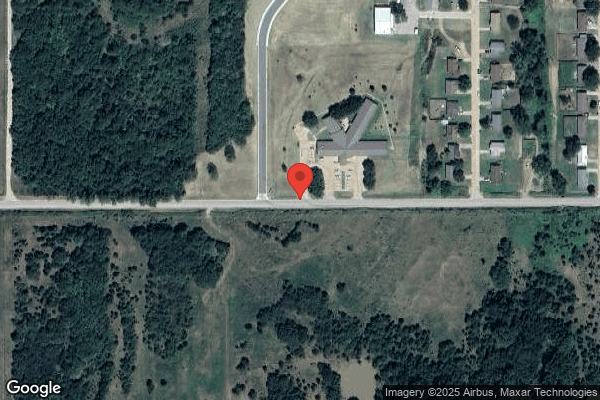
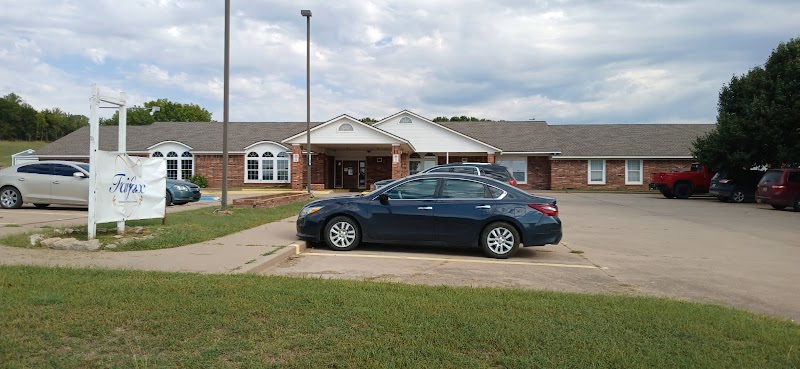
282 County Road 6300, Fairfax, OK 74637 (918) 642-3234
For profit - Corporation 60 Beds Independent Data: November 2025
Trust Grade
15/100
#225 of 282 in OK
Last Inspection: July 2025

Inspected within the last 6 months. Data reflects current conditions.

Overview

Fairfax Behavioral Health & Memory Care Community holds a Trust Grade of F, indicating significant concerns about the quality of care provided. Ranking #225 out of 282 facilities in Oklahoma places it in the bottom half, and it is the lowest-ranked facility in Osage County. Although the facility is showing some improvement, with reported issues decreasing from 14 in 2024 to 9 in 2025, it still has a lot of room for growth, particularly in staffing, which received a poor rating of 1 out of 5 stars. Specific incidents of concern include a failure to prevent resident-to-resident abuse, resulting in one resident being hospitalized, and issues with food safety and hygiene in the kitchen. While there have been no fines reported, indicating some compliance, the overall staffing situation is worrisome, with less RN coverage than 75% of Oklahoma facilities, which may impact resident safety and care quality.

Trust Score
F
15/100
In Oklahoma
#225/282
Bottom 21%
Safety Record
High Risk
Review needed
Inspections
Getting Better
14 → 9 violations
Staff Stability
⚠ Watch
56% turnover. Above average. Higher turnover means staff may not know residents' routines.
Penalties
✓ Good
No fines on record. Clean compliance history, better than most Oklahoma facilities.
Skilled Nurses
⚠ Watch
Each resident gets only 11 minutes of Registered Nurse (RN) attention daily — below average for Oklahoma. Fewer RN minutes means fewer trained eyes watching for problems.
Violations
⚠ Watch
32 deficiencies on record. Higher than average. Multiple issues found across inspections.
★☆☆☆☆
1.0
Overall Rating
★☆☆☆☆
1.0
Staff Levels
★☆☆☆☆
1.0
Care Quality
★★☆☆☆
2.0
Inspection Score
Stable
2024: 14 issues
2025: 9 issues

The Good

  • Full Sprinkler Coverage · Fire safety systems throughout facility
  • No fines on record

Facility shows strength in fire safety.

The Bad

1-Star Overall Rating

Below Oklahoma average (2.6)

Significant quality concerns identified by CMS

Staff Turnover: 56%

Near Oklahoma avg (46%)

Frequent staff changes - ask about care continuity

Staff turnover is elevated (56%)

8 points above Oklahoma average of 48%

The Ugly 32 deficiencies on record

1 actual harm
Jul 2025 9 deficiencies 1 Harm
SERIOUS (G) 📢 Someone Reported This

A family member, employee, or ombudsman was alarmed enough to file a formal complaint

Actual Harm - a resident was hurt due to facility failures

Free from Abuse/Neglect (Tag F0600)

A resident was harmed · This affected 1 resident

Based on observation, record review, and interview, the facility failed to prevent resident-to-resident abuse for 2 (#33 and #45) of 4 sampled residents reviewed for abuse, which resulted in Resident ...

Read full inspector narrative →
Based on observation, record review, and interview, the facility failed to prevent resident-to-resident abuse for 2 (#33 and #45) of 4 sampled residents reviewed for abuse, which resulted in Resident #45 being hospitalized . The administrator reported four incidents of resident-to-resident abuse in the past 90 days. Findings: An undated policy titled Abuse By A Resident To Other Residents, read in part, In the case of abuse from one resident to another resident, any employee observing the abuse, shall immediately intervene in an effort to protect the resident. If there is an actual physical altercation, the employee shall immediately gain the assistance of another employee to assist in separating the residents involved by moving one resident away from the other. The residents will be geographically separated and supervised until both are calm and not a risk to harm themselves or others, or until it can be determined that the incident is isolated, and no threat or harm exists. 1. On 07/17/25 at 11:57 a.m., Resident #33 was observed in the dining room with their family member who was feeding the resident. A care plan for Resident #33, dated 06/04/25, showed the resident had diagnoses which included Alzheimer's disease, vascular dementia, peripheral vascular disease, anorexia, and acute kidney failure. A quarterly MDS assessment for Resident #33, dated 06/11/25, showed the resident had a BIMS of 01, which indicated the resident was severely cognitively impaired. On 07/17/25 at 12:05 p.m., Resident #33's family member reported the resident had been to a psychiatric facility twice and had gradually declined over the past couple of months. On 07/21/25 at 2:19 p.m., CMA #1 reported Resident #33 had been known to wander in the past and they were aware of the incident with Resident #45. CMA #1 reported they were not aware of Resident #33 being aggressive with any other resident and did not know of any other incidents of resident-to-resident abuse. 2. On 07/15/25 at 3:29 p.m., during the resident group meeting, Resident #45 reported they had been beat up approximately three weeks previously and required hospitalization. The resident did not indicate if the incident occurred with a staff member or another resident. A care plan for Resident #45, dated 03/07/25, showed the resident had alteration in musculoskeletal status related to compression fracture of the L1, L2, L4, and T12 [thoracic] vertebras. The care plan showed the resident had acute and chronic pain related to wedge compression fractures. A nursing incident note, dated 06/04/25 at 5:47 a.m., showed an unidentified certified nursing assistant alerted the nurse Resident #45 was on the floor and was being punched and kicked by another resident. The note showed upon entering Resident #45's room, the other resident had already left, and Resident #45 was attempting to get back into bed. The note showed there was no visible injury noted, but the resident complained of left hip pain rated 9/10. The note showed the resident was assisted back to bed. The note showed Resident #45 stated the other resident attempted to get into their bed and then began punching and kicking the resident. The note showed Resident #45 was transported to the emergency room for evaluation and treatment. An Oklahoma State Department of Health incident report, dated 06/04/25, showed an incident occurred between Resident #45 and Resident #33. The report showed staff was alerted to a commotion in Resident #45's room where they found the two residents in an altercation. The report showed the residents were immediately separated. The report showed after the residents were assessed, Resident #45 was transferred to the emergency room for evaluation and treatment related to complaints of hip pain. The report showed an investigation was conducted and it was determined Resident #33 entered Resident #45's room and attempted to get in the resident's bed. Upon seeing the bed was already occupied, Resident #33 began yelling at which time a physical altercation occurred. The report showed Resident #45 suffered a sacral fracture. The report investigation showed staff members and residents were interviewed on 06/04/25 regarding other potential incidents of abuse. The report showed Resident #33 was placed on 1:1 observation until the resident was sent out for evaluation. The report showed Resident #33 had a diagnosis of Alzheimer's disease with severely impaired cognition. A nursing note for Resident #45, dated 06/10/25 at 4:40 p.m., showed the resident arrived back at the facility from the hospital with diagnoses of L4, L5 and sacral fractures. A quarterly MDS assessment, dated 06/20/25, showed Resident #45 had diagnoses which included alcohol abuse, fracture of the lumbar vertebrae and sacrum, encephalopathy, depression, and anxiety. The assessment showed the resident required substantial assistance with most activities of daily living. The assessment showed the resident had a BIMS score of 15 which indicated the resident was cognitively intact. On 07/17/25 at 1:45 p.m., the DON provided documentation, dated 06/04/25, related to the incident investigation. The documentation showed two staff members, and four residents were interviewed at the time of the incident between Resident #45 and Resident #33. The DON provided documentation which showed staff assignments for providing 1:1 observation of Resident # 33. Nursing progress notes documented 1:1 observation was being conducted after the incident and prior to the resident being sent out for a psychiatric evaluation. On 07/17/25 at 1:50 p.m., the DON reported Resident #33 had returned to the facility following a psychiatric evaluation, had declined significantly since the incident with Resident #45, and was currently on hospice. The DON reported the resident no longer required close supervision or observation and was not a threat to other residents. The DON reported no other incidents of abuse involving Resident #33 either before or after the incident involving Resident #45. On 07/21/25 at 10:08 a.m., Resident #45 was interviewed in the facility common room. During the interview, the resident stood up independently from their wheelchair without difficulty. The resident reported they did not have much pain and was comfortable. The resident reported they were not fearful of any resident and voiced no concerns related to abuse.
CONCERN (D)

Potential for Harm - no one hurt, but risky conditions existed

Deficiency F0605 (Tag F0605)

Could have caused harm · This affected 1 resident

Based on record review and interview, the facility failed to ensure side effect monitoring was completed for a resident receiving psychotropic medications for 1 (#40) of 5 sampled residents reviewed f...

Read full inspector narrative →
Based on record review and interview, the facility failed to ensure side effect monitoring was completed for a resident receiving psychotropic medications for 1 (#40) of 5 sampled residents reviewed for unnecessary medications.The administrator reported the facility census was 48.Findings:A facility policy titled Management of Routine Antipsychotic Medications in Long-Term Care, dated 11/01/23, read in part, 3. Monitoring and Documentation -Nursing staff must document: -the resident's response to the medication. -Any side effects, including extrapyramidal symptoms or sedation.An admission record, dated 03/28/25, showed Res #40 had diagnoses which included delusional disorders and unspecified anxiety disorder.A care plan, revised 04/03/25, showed the resident received psychotropic medications and that Res #40 was to be monitored every shift for side effects of the medication.An admission assessment, dated 04/10/25, showed Res # 40 had a BIMS score (a test of cognition) of 15 which was indicative of intact cognition. The assessment also showed Res #40 was receiving an antipsychotic medication.A physician's order, dated 06/27/25, showed Res #40 was to receive 10 milligrams of haloperidol (an antipsychotic medication) daily at bedtime.A review of Res #40's TAR for June 2025 and July 2025 did not show side effect monitoring.On 07/17/25 at 2:31 p.m., the DON stated residents on antipsychotics should be monitored every shift for side effects and the documentation should be in the TAR. They also stated if it was not documented on the TAR, it was not done.
CONCERN (D)

Potential for Harm - no one hurt, but risky conditions existed

MDS Data Transmission (Tag F0640)

Could have caused harm · This affected 1 resident

Based on record review and interview, the facility failed to transmit MDS assessment data within 14 days after completion of the resident assessment for 4 (#2, 19, 21, and #48) of 4 residents sampled ...

Read full inspector narrative →
Based on record review and interview, the facility failed to transmit MDS assessment data within 14 days after completion of the resident assessment for 4 (#2, 19, 21, and #48) of 4 residents sampled for transmitting resident assessments. The administrator reported 48 residents resided in the facility. Findings: An MDS Assessments policy, dated 11/01/23, read in part, The facility will complete MDS assessments for all residents in accordance with CMS requirements .All assessments must be accurate, reflect the resident's status during the designated observation period, and be submitted electronically to the Quality Improvement and Evaluation System (QIES) within mandated timelines .Completed MDS assessments will be locked and submitted to the QIES ASAP system with 14 days. On 07/16/25 at 1:00 p.m., a review of MDS assessments for sampled residents was conducted. MDS assessments were not transmitted within 14 days as required for Resident #2, 19, 21, and #48. On 07/17/25 at 1:46 p.m., the DON provided batch transmittal forms dated 05/24/25 and 06/25/25. The forms showed the following: a. Resident #2 had a discharge return anticipated assessment completed on 05/31/25 and was transmitted on 06/25/25,b. Resident #19 had a quarterly assessment completed on 06/10/25 and was transmitted on 06/25/25,c. Resident #21 had a quarterly assessment completed on 05/24/25 and was transmitted on 06/25/25, andd. Resident #48 had a quarterly assessment completed on 04/21/25 and was transmitted on 05/24/25. On 07/16/25 at 4:42 p.m., the ADON/MDS coordinator reported they had recently taken responsibility of MDS assessments. The ADON/MDS coordinator reported they had another person helping, but they were still behind in getting the assessments completed and submitted in the timeframe required.
CONCERN (D)

Potential for Harm - no one hurt, but risky conditions existed

Comprehensive Care Plan (Tag F0656)

Could have caused harm · This affected 1 resident

Based on record review and interview, the facility failed to ensure a care plan was developed to address the use of an indwelling urinary catheter for 1 (#40) of 13 sampled residents whose care plans ...

Read full inspector narrative →
Based on record review and interview, the facility failed to ensure a care plan was developed to address the use of an indwelling urinary catheter for 1 (#40) of 13 sampled residents whose care plans were reviewed.The administrator reported two residents had an indwelling urinary catheter.Findings:A facility policy titled Care Plans, dated 11/01/23, read in part, Each resident will have an individualized care plan that is developed and maintained by the interdisciplinary team (IDT). The plan will address the resident's identified needs, strengths, goals and risks, and it will guide consistent, coordinated care delivery by all staff.An admission record, dated 03/28/25, showed Res #40 had diagnoses which included unspecified retention of urine and dementia.An admission assessment, dated 04/10/25, showed Res #40 had a BIMS (a test of cognition) of 15, which was indicative of intact cognition. A physician's order, dated 06/27/25, showed Res #40 had a size 16 French indwelling urinary catheter for a diagnosis of unspecified retention of urine.A review of Res #40's care plan did not show the use of an indwelling urinary catheter was addressed on the care plan.On 07/21/25 at 10:08 a.m., ADON #2 stated catheter use should be addressed on the resident's plan of care.On 07/21/25 at 2:50 p.m., the acting DON stated the use of a catheter should be included on the care plan and they were usure why Res #40's care plan did not include the use of a catheter.
CONCERN (D)

Potential for Harm - no one hurt, but risky conditions existed

Infection Control (Tag F0880)

Could have caused harm · This affected 1 resident

**NOTE- TERMS IN BRACKETS HAVE BEEN EDITED TO PROTECT CONFIDENTIALITY** Based on observation, record review and interview, the facility failed to ensure EBP were in place during wound care for 1 (#55)...

Read full inspector narrative →
**NOTE- TERMS IN BRACKETS HAVE BEEN EDITED TO PROTECT CONFIDENTIALITY** Based on observation, record review and interview, the facility failed to ensure EBP were in place during wound care for 1 (#55) of 1 sampled resident reviewed for wound care.The Administrator reported one resident received routine wound care.Findings:On 07/17/25 at 9:30 a.m., ADON #1 was observed providing wound care to Res #55. ADON #1 was not observed to be wearing a gown. No signage was observed indicating Res #55 was on EBP.A facility policy titled Enhanced Barrier Precautions (EBP) Policy and Procedure, dated 11/01/23, read in part, [NAME] Behavioral Health & Memory Care Community shall implement Enhanced Barrier Precautions (EBP) for all residents known to be colonized or infected with MDROs [Multidrug-Resistant Organisms] and in accordance with CDC [Centers for Disease Control] guidance. This includes the use of personal protective equipment (PPE) for certain resident care activities even when residents are not in isolation or on contact precautions.An admission record, dated 04/08/25, showed Res #55 had diagnosis which included diabetes mellitus with foot ulcer.A quarterly assessment, dated 07/09/25, showed Res #55 had a BIMS score (a test for cognitive function) of 15 which was indicative of intact cognition. A physician's order, dated 07/16/25, read in part, WOUND CARE - Cleanse left great toe with NS [normal saline], pat dry, apply medihoney [gel wound and burn dressing] and dry dressing daily and PRN [as needed].On 07/15/25 at 1:00 p.m., Res #55 stated staff did not wear gowns while providing wound care.On 07/16/25 at 9:45 a.m., ADON #1 stated they did not use EBP during wound care.On 07/21/25 at 2:50 p.m., the acting DON stated they were not aware of the requirement to use EBP during wound care.
CONCERN (E)

Potential for Harm - no one hurt, but risky conditions existed

Quality of Care (Tag F0684)

Could have caused harm · This affected multiple residents

Based on record review and interview, the facility failed to follow physician orders for 1 (#4) of 13 sampled residents whose orders were reviewed.The administrator identified 48 residents resided in ...

Read full inspector narrative →
Based on record review and interview, the facility failed to follow physician orders for 1 (#4) of 13 sampled residents whose orders were reviewed.The administrator identified 48 residents resided in the facility. Findings: An admission assessment, dated 05/08/25, showed Resident #4 had diagnoses which include diabetes mellitus type 2 and acquired absence of right leg below the knee. The assessment showed Resident #4 had a BIMS score of 9, which indicated a moderate impairment of cognitive ability. A physician's order, dated 07/05/25, showed to cleanse the left great toe with normal saline, pat dry, apply Betadine (antiseptic) every shift and leave open to air two times a day for wound care.The TAR for July 2025 did not show any wound care completed for the left great toe as of 07/17/25. On 07/17/2025 at 1:34 p.m., Resident #4 stated no treatment was being done on their toe. On 07/17/2025 at 1:42 p.m. ADON #1 stated the order had been put in incorrectly and was triggering a task on the TAR. ADON #1 stated the wound care treatment was not being completed as ordered. On 07/17/2025 at 2:12 p.m., the DON stated the wound care had not been completed as ordered.
CONCERN (E) 📢 Someone Reported This

A family member, employee, or ombudsman was alarmed enough to file a formal complaint

Potential for Harm - no one hurt, but risky conditions existed

Menu Adequacy (Tag F0803)

Could have caused harm · This affected multiple residents

Based on observation, record review, and interview, the facility failed to follow the menu for 2 of 2 meal services observed.The administrator reported 48 residents received meals from the kitchen.Fin...

Read full inspector narrative →
Based on observation, record review, and interview, the facility failed to follow the menu for 2 of 2 meal services observed.The administrator reported 48 residents received meals from the kitchen.Findings:On 07/16/25 at 11:28 a.m., cook #1 was observed to plate one portion of meatloaf, one scoop of mixed vegetables, one scoop of au gratin potatoes, and one brownie.On 07/16/25 at 11:45 a.m., cook #1 was observed to plate a pureed diet plate with one scoop of pureed meatloaf, one portion of pureed corn, one portion of pureed bowtie pasta, and one portion of banana pudding.No bread was served with either meal.A spring/summer menu, dated 07/16/25, showed the menu for the day was meatloaf, au gratin potatoes, vegetable blend of the day, bread of choice, and dessert of the day.On 07/16/25 at 11:50 a.m., cook #2 stated they use frozen pureed food, and they tried to keep the pureed menu similar to the regular menu.On 07/17/25 at 1:51 p.m., the DM stated they had forgotten to prepare bread for the lunch service on 07/16/25. They stated the pureed meal served on 07/16/25 did not follow the menu. The DM stated that instead of using the frozen pureed meals they could have pureed the meal they had prepared, but they did not.
CONCERN (E)

Potential for Harm - no one hurt, but risky conditions existed

Deficiency F0804 (Tag F0804)

Could have caused harm · This affected multiple residents

Based on observation and interview, the facility failed to ensure food served from the kitchen was palatable and served at an appetizing temperature.The administrator reported 48 residents received me...

Read full inspector narrative →
Based on observation and interview, the facility failed to ensure food served from the kitchen was palatable and served at an appetizing temperature.The administrator reported 48 residents received meals from the kitchen.Findings:On 07/16/25 at 12:47 p.m., a test tray was delivered. The food was observed to not be hot, the meatloaf was dry and bland, the mixed vegetables were soggy, the potatoes were not well seasoned, and the brownie was undercooked. No bread was served with the meal.A quarterly assessment, dated 06/18/25, showed Res #7 had a BIMS score (a test of cognitive function) of 15, indicative of intact cognition.A quarterly assessment, dated 07/09/25, showed Res #55 had a BIMS score (a test of cognitive function) of 15, indicative of intact cognition.On 07/15/25 at 10:09 a.m., Res #7 stated the food was not hot when served in the room and it sometimes did not taste appealing.On 07/15/25 at 10:50 a.m., Res #55 stated the food was not good.On 07/15/25 at 3:30 p.m., during a resident council meeting, some residents in attendance voiced concerns regarding temperature and palatability of the food.On 07/17/25 at 1:51 p.m., the DM stated the facility tried to serve hot palatable food.
CONCERN (E)

Potential for Harm - no one hurt, but risky conditions existed

Food Safety (Tag F0812)

Could have caused harm · This affected multiple residents

Based on observation and interview, the facility failed to ensure lids to bulk containers were not broken and beard guards were worn in the kitchen.The administrator reported 48 residents received mea...

Read full inspector narrative →
Based on observation and interview, the facility failed to ensure lids to bulk containers were not broken and beard guards were worn in the kitchen.The administrator reported 48 residents received meals from the kitchen.Findings:On 07/15/25 at 10:35 a.m., an initial tour of the kitchen was conducted. Dietary Aide #1 was observed washing dishes without wearing a beard guard. A bulk sugar container with a broken lid was also observed.On 07/17/25 at 1:51 p.m., the DM stated staff should wear hair restraints while in the kitchen, and the broken lid for the bulk sugar container should have been replaced.
Oct 2024 2 deficiencies
CONCERN (D) 📢 Someone Reported This

A family member, employee, or ombudsman was alarmed enough to file a formal complaint

Potential for Harm - no one hurt, but risky conditions existed

Safe Environment (Tag F0584)

Could have caused harm · This affected 1 resident

Based on observation and interview, the facility failed to provide a safe, clean, comfortable, homelike environment. The DON identified 49 residents resided in the facility. Findings: Observations o...

Read full inspector narrative →
Based on observation and interview, the facility failed to provide a safe, clean, comfortable, homelike environment. The DON identified 49 residents resided in the facility. Findings: Observations of rooms on the 100 hall revealed the sinks did not have hot running water. On 10/16/24 at 2:00 p.m., Resident #4 stated they have not had hot water in their room for over a month. The resident stated they have arthritis in their hands and washing them in cold water causes pain. On 10/16/24 at 2:15 p.m., the maintenance supervisor stated the 100 hall has been without hot water due to a broken hot water tank. 10/16/24 at 2:44 p.m., the maintenance supervisor stated they had spoke with the administrator who told them they are to receive a government grant in March and that is when the hot water tank will be replaced. On 10/17/24 at 9:05 a.m., Resident #5 stated they have not had hot water in their room since they arrived on 09/05/24. On 10/17/24 at 9:06 a.m., Resident #6 stated they have not had hot water in their room for over a month. They stated it would be nice to have hot water for washing their hands and face.
CONCERN (D) 📢 Someone Reported This

A family member, employee, or ombudsman was alarmed enough to file a formal complaint

Potential for Harm - no one hurt, but risky conditions existed

Free from Abuse/Neglect (Tag F0600)

Could have caused harm · This affected 1 resident

**NOTE- TERMS IN BRACKETS HAVE BEEN EDITED TO PROTECT CONFIDENTIALITY** Based on record review and interview, the facility failed to ensure resident were free from abuse for one (#1) of three resident...

Read full inspector narrative →
**NOTE- TERMS IN BRACKETS HAVE BEEN EDITED TO PROTECT CONFIDENTIALITY** Based on record review and interview, the facility failed to ensure resident were free from abuse for one (#1) of three residents sampled for abuse. The DON reported 49 residents resided in the facility. Findings: An undated facility policy titled Abuse By a Resident To Other Residents, read in parts .abuse as used in this policy shall refer to all forms of abuse including, but not limited to physical, verbal, sexual and psychological . Resident #1 had diagnoses which included dementia with a BIMS of 5 Resident #2 had diagnoses which included dementia with a BIMS of 11. On 10/08/24 at 3:00 p.m., Resident #2 was observed by staff sitting beside Resident #1's bed with their left hand on Resident #1's pubic area. A nurse's note dated, 10/08/24 at 5:29 p.m., documented Residents #1 and #2 were immediately separated. A head to toe assessment was performed on Resident #1 with no signs or symptoms of trauma or injury. The physician, family and [NAME] Police Department were notified. On 10/15/24 at 2:30 p.m., the DON stated resident #2 was moved to a male segregated area after the incident. They were put on 1:1 observation until they could be sent out for psychological evaluation. The facility is currently trying to place Resident #2 at a different facility. The DON stated staff received training on identifying and reporting abuse upon hire and periodically.
Aug 2024 1 deficiency
CONCERN (D) 📢 Someone Reported This

A family member, employee, or ombudsman was alarmed enough to file a formal complaint

Potential for Harm - no one hurt, but risky conditions existed

Free from Abuse/Neglect (Tag F0600)

Could have caused harm · This affected 1 resident

Based on observations, record review, and interview, the facility failed to ensure residents were free from abuse for one (#8) of four residents sampled for abuse. The director of nurses reported the ...

Read full inspector narrative →
Based on observations, record review, and interview, the facility failed to ensure residents were free from abuse for one (#8) of four residents sampled for abuse. The director of nurses reported the census was 53. Findings: An undated facility policy, titled Abuse by a Resident to Other Residents, read in parts .Abuse as used in this policy shall refer to all forms of abuse including, but not limited to physical, verbal, sexual, and psychological . Resident #3 had diagnoses including diabetes mellitus and hypertension. Resident #8 had diagnoses including schizophrenia and convulsions. On 08/06/24 at 8:05 am, Res #3 was observed in the dining room propelling their wheelchair towards Res #8, who was seated in a wheelchair and stationary. Res #3 was shouting obscenities and threatening Res #8 with bodily harm. Res #3 was observed to bump their wheelchair into the leg of Res #8. The residents separated and Res #8 went out of the dining room to the nurse's desk. As Res #3 passed by Res #8 they were heard to yell more obscenities and threaten Res #8 again. A nurse note, dated 08/06/24 at 8:43 am, documented that Res #3 was in the dining room yelling at another resident and that they pushed their wheelchair into the other resident's foot. On 08/06/24 at 11:36 am, RN #2 stated that this type of behavior is common for Res #3. RN #2 was asked if the interaction between Res #3 and Res #8 was abusive they stated, I guess it was. On 08/06/24 at 12:45 am, the ADON stated that staff receive training on identifying and reporting abuse and neglect upon hire and periodically. They also stated that the interaction between Res #3 and Res #8 met the definition of abuse.
Jun 2024 11 deficiencies
CONCERN (D)

Potential for Harm - no one hurt, but risky conditions existed

Transfer Notice (Tag F0623)

Could have caused harm · This affected 1 resident

**NOTE- TERMS IN BRACKETS HAVE BEEN EDITED TO PROTECT CONFIDENTIALITY** Based on record review and interview, the facility failed to ensure a written notice of discharge was provided to a resident and...

Read full inspector narrative →
**NOTE- TERMS IN BRACKETS HAVE BEEN EDITED TO PROTECT CONFIDENTIALITY** Based on record review and interview, the facility failed to ensure a written notice of discharge was provided to a resident and the ombudsman office was notified when a resident was discharged from the facility to a hospital for one (#12) of two resident reviewed for discharges and hospitalizations. The director of nurses stated six residents had discharged in the previous six months. Findings: The Policy and Procedure for Transfer and Discharge, undated, read in part, The facility will notify the resident, resident's representative if authorized, the person responsible for payment of the resident's care, or legal representative of the resident, of the tranfers or discharge. The reason for the transfer or discharge will be documented in the resident's medical record. Notice will be made as soon as possible before transfer or discharge when an emergency exists. Resident #12 was admitted to the facility on [DATE]. A review of Resident #12's MDS section of their electronic medical records found the resident was discharge from the facility four times since admission. Progress notes dated, 05/07/24, 05/16/24, 05/24/24, and 05/31/24, documented the facility initiated transfers of Resident #12 to a hospital on each of the listed dates for medical reasons. On 06/05/24 at 9:42 a.m., the DON stated they had not given a notice of transfer to a resident when they had been discharged to a hospital and had not reported the discharges to the ombudsman office. They stated they should have given the notices and would create a new form to be given to residents prior to transfers or discharges in the future.
CONCERN (D)

Potential for Harm - no one hurt, but risky conditions existed

Comprehensive Assessments (Tag F0636)

Could have caused harm · This affected 1 resident

Based on observation, record review, and interview, the facility failed to accurately assess and code a pressure wound in Section M of a MDS quarterly assessment for one (#12) of one resident reviewed...

Read full inspector narrative →
Based on observation, record review, and interview, the facility failed to accurately assess and code a pressure wound in Section M of a MDS quarterly assessment for one (#12) of one resident reviewed for pressure wounds. A midnight census report, dated 06/02/24, documented 48 residents resided in the facility. The administrator stated that was the accurate census at the time the survey began. Findings: The Policy & Procedure for Assessment Review, undated, read in part, This facility will ensure that each resident's condition will be examined by the nursing facility at least once every three months, and if necessary, will change the resident's assessment to assure the continued accuracy of each resident's assessment. Resident #12 had diagnoses which included vascular dementia, acquired absence of right leg below the knee, and acquired absence of the left leg above the knee. A progress note, dated 05/13/24 at 7:56 p.m., documented Resident #12 had a new wound on the coccyx about 1 cm in length. A progress note, date 05/23/24 at 8:03 a.m., documented Resident #12's sacral wound was much larger than it had been seven days prior. The wound was documented as closed. A progress note, dated 05/28/24 at 2:00 p.m., documented an open area on Resident #12's coccyx was found when the resident had returned from hospital. A quarterly MDS assessment, dated 05/29/24, documented in Section M that Resident #12 was at risk for developing pressure ulcer. The assessment documented the resident had no pressure ulcers. On 06/05/24 at 10:28 a.m., the Resident #12's coccyx area was observed during wound care. An open wound approximately 5 cm X 2.5 cm was observed over the coccyx area. No wounds or scarring on the sacral area was observed. 06/07/24 07:58 a.m., the MDS Coordinator stated they had erred on the quarterly MDS assessment of 05/29/24. They stated they did not document the pressure wound on the coccyx because they were thinking of the Resident #12's surgical wounds at the time they filled out the assessment. They stated they get their information for the assessments from documentation in a resident's medical record and speaking to the floor nurses. On 06/07/24 at 11:01 a.m., the DON stated they were the ones who checked the work of the MDS nurses. They stated they look for things that jump out at them as being incorrect and inform the MDS coordinator. They stated the two MDS nurses do not check each others work. The stated Resident #12's quarterly MDS was incorrect and their expectation was that all assessment would be accurate and timely.
CONCERN (D)

Potential for Harm - no one hurt, but risky conditions existed

Deficiency F0637 (Tag F0637)

Could have caused harm · This affected 1 resident

**NOTE- TERMS IN BRACKETS HAVE BEEN EDITED TO PROTECT CONFIDENTIALITY** Based on observation, record review, and interview, the facility failed to ensure a significant change assessment was performed ...

Read full inspector narrative →
**NOTE- TERMS IN BRACKETS HAVE BEEN EDITED TO PROTECT CONFIDENTIALITY** Based on observation, record review, and interview, the facility failed to ensure a significant change assessment was performed following the development of a new pressure ulcer and partial amputation of a resident's leg for one (#12) of twelve resident reviewed for Minimum Data Set assessments. A midnight census report, dated 06/02/24, documented 48 residents resided in the facility. The administrator stated that was the accurate census at the time the survey began. Findings: The Policy & Procedure for MDS Frequency & Completion, undated, read in part, If a significant change in the resident's condition does occur, an assessment must be done within 14 days of when the change in condition was identified. Resident #12 had diagnoses which included vascular dementia, acquired absence of right leg below the knee, and acquired absence of the left leg above the knee. A progress note, dated 05/13/24 at 7:56 p.m., documented Resident #12 had a wound on their coccyx. A hospital Discharge summary, dated [DATE], documented Resident # 12 had an above the knee amputation while in the hospital. A progress note, dated 05/23/24 at 8:03 a.m., documented Resident #12 had a closed sacral wound. A progress note, dated 5/28/24 at 2:00 p.m., documented an open area on Resident #12's coccyx. On 06/05/24 at 10:28 a.m., the Resident #12's coccyx area was observed and an open wound approximately 5 cm by 2.5 cm was observed over the coccyx area. On 06/07/24 at 8:11 a.m., the MDS Coordinator stated because they have few skilled residents they employed a part time nurse who does the MDS assessments for the skilled residents. They stated with the amputation and new pressure wound a significant change assessment should have been done. They were asked who supervised the other MDS nurse to which the replied, no one. 06/07/24 at 11:01 a.m., the DON stated they were the ones who checked the work of the two MDS nurses. They stated with the two new issues Resident #12 had occur a significant change assessment would be appropriate. They stated they expected the assessments done at the facility to be done accurately and timely.
CONCERN (D)

Potential for Harm - no one hurt, but risky conditions existed

QAPI Program (Tag F0867)

Could have caused harm · This affected 1 resident

Based on record review and interview, the facility failed to have policy and procedures for obtaining and using feedback from staff, residents, and resident representatives. Findings: A review of the ...

Read full inspector narrative →
Based on record review and interview, the facility failed to have policy and procedures for obtaining and using feedback from staff, residents, and resident representatives. Findings: A review of the facility QAPI and QAA records did not find documentation of a program to obtain feedback from facility staff, residents, and resident representatives. On 06/07/24 at 12:05 p.m., the Administrator stated although the facility did have a grievance process for residents it did not have a feedback program or policy and procedures for a feedback program.
CONCERN (D)

Potential for Harm - no one hurt, but risky conditions existed

Deficiency F0919 (Tag F0919)

Could have caused harm · This affected 1 resident

Based on observation, record review, and interview, the facility failed to maintain a functioning call light system for one (#47) of 12 sampled residents reviewed for a functioning call light system. ...

Read full inspector narrative →
Based on observation, record review, and interview, the facility failed to maintain a functioning call light system for one (#47) of 12 sampled residents reviewed for a functioning call light system. The Administrator identified 48 residents resided in the facility. Findings: The Resident Call System policy, undated, read in part, .In the event of a call light malfunction, the facility will provide alternative methods of alerting staff of needs, ie: bell, buzzer, light. Facility staff will then immediately notify maintenance via verbal communication of call light malfunction for further intervention . Resident #47 had diagnoses which included vascular dementia, atherosclerotic heat disease, bipolar disorder. Resident #47's care plan, revised 04/21/24, documented to keep call light within reach and mark call light with bright tape. On 06/03/24 at 1:01 p.m., Resident #47's call light was out of reach of the resident. The call light was attached to privacy curtain. Resident #47 was sitting in her wheelchair. Resident #47 was unable to state if the call light was working properly. On 06/03/24 at 1:25 p.m., DON was asked if the call light for Resident #47 worked. They stated the call button is not ringing at the front desk. The DON was then asked what intervention had been put in place for the Resident #47 to use the call light when requiring assistance. They stated, Nothing yet, but will get something in place. On 06/05/24 at 9:55 a.m., the Administrator was asked what the policy was for repairs to a call light not working properly. They stated the maintenance man does round on call lights, if out, the facility has a box of hand bells. They were then asked was staff were aware of Resident #47 call light not sounding at the nurse's station when on. They stated they were told of the issue on 06/03/24 and maintenance looked at it and needed to order a part. They were then asked when a hand bell was provided to Resident #47, they stated a while after we discovered it was not ringing at nurse's station.
CONCERN (E)

Potential for Harm - no one hurt, but risky conditions existed

Resident Rights (Tag F0550)

Could have caused harm · This affected multiple residents

Based on observation and interview, the facility failed to ensure residents who require assistance with dressing were not left unclothed in their rooms and resident catheter bags were covered while in...

Read full inspector narrative →
Based on observation and interview, the facility failed to ensure residents who require assistance with dressing were not left unclothed in their rooms and resident catheter bags were covered while in public spaces for one (#12) of two residents reviewed for dignity. A midnight census report, dated 06/02/24, documented 48 residents resided in the facility. The administrator stated that was the accurate census at the time the survey began. Findings: The facility's Policy and Procedure for Exercising of Rights policy, undated, read in part, The resident has a right to a dignified existence and the facility will protect and promote the rights of each resident. Resident #12 had diagnoses which included vascular dementia, acquired absence of right leg below the knee, and acquired absence of the left leg above the knee. On 06/03/24 at 2:19 p.m., upon entrance to Resident #12's room they were observed lying sideways on their bed nude from the waist down. They stated they could not reposition themselves or reach the call light to ask for assistance. They stated they they had returned from the hospital earlier and were not happy the staff left them there without clothes on. They stated they could not recall how long they had been in that stated but thought it was not too long. On 06/04/24 at 7:47 a.m., Resident #12 was observed eating in the dining room. Their catheter bag was uncovered and half full of urine. On 06/05/24 at 7:54 a.m., Resident #12 was observed sitting in a wheelchair located in the hallway outside of their room. Their catheter bag was uncovered and one third full of urine. On 06/05/24 at 8:27 a.m., Resident #12 was observed eating a meal in the dining room. Their catheter bag was uncovered and half full of urine. On 06/05/24 at 9:27 a.m., Resident #12 was observed sitting in a wheelchair located in the hallway outside of their room. Their catheter bag was uncovered and half full of urine. On 06/05/24 at 10:28 a.m., Resident #12 was observed in their room during wound care. LPN #2 stated the facility does have dignity covers for catheter bags and they would instruct and the aides to keep one on the resident's bag. On 06/05/24 at 11:57 a.m., Resident #12 was observed in the dining room with their catheter bag uncovered and full of urine. On 06/06/24 at 7:35 a.m. Resident #12 was observed in the dining room. Their catheter bag had a dignity bag covering it. 06/07/24 at 11:01 a.m., the DON stated all resident rights must be respected in all situations. They stated Resident #12 should not have been left alone without clothes on and their catheter bag should be covered at all times. They stated they have a good supply of catheter bag covers.
CONCERN (E)

Potential for Harm - no one hurt, but risky conditions existed

Deficiency F0578 (Tag F0578)

Could have caused harm · This affected multiple residents

**NOTE- TERMS IN BRACKETS HAVE BEEN EDITED TO PROTECT CONFIDENTIALITY** Based on record review and interview, the facility failed to provide residents the opportunity to develop or refuse the creation...

Read full inspector narrative →
**NOTE- TERMS IN BRACKETS HAVE BEEN EDITED TO PROTECT CONFIDENTIALITY** Based on record review and interview, the facility failed to provide residents the opportunity to develop or refuse the creation of an advance directive or three (#15, 21 and #36) of five residents reviewed for advance directives. A midnight census report, dated 06/02/24, documented 48 residents resided in the facility. The administrator stated that was the accurate census at the time the survey began. Findings: The facility Policy and Procedure for Residents Rights Regardign (sic) Advance Directives for Health Care & Mental Health Treatment, undated, read in part, Every competent person has a right to determine whether he/she will receive life sustaining treatment , who will make the decisions concerning their health care if they cannot and provide their wishes concerning organ donation. 1. Resident #15 was admitted to the facility on [DATE]. 2. Resident #21 was admitted to the facility on [DATE]. 3. Resident #36 was admitted to the facility on [DATE]. On 06/04/24 at 12:57 p.m., LPN #1 stated the advance directive form for Resident #15 was signed on 06/04/24. Resident #15 admitted on [DATE]. On 06/04/24 at 12:59 p.m., LPN #1 stated Residents #21 and #36 stated there was no documentation that either resident was offered an opportunity to develop and advance directive. They stated the facility had a document used in the admission process for that task. 06/07/24 at 12:45 p.m., the DON stated that during the admission process advance directives were to be completed during the admission process. They stated they expect the documents to be done thoroughly on admission or before.
CONCERN (E)

Potential for Harm - no one hurt, but risky conditions existed

Deficiency F0657 (Tag F0657)

Could have caused harm · This affected multiple residents

**NOTE- TERMS IN BRACKETS HAVE BEEN EDITED TO PROTECT CONFIDENTIALITY** Based on record review and interview, the facility failed to ensure required interdisciplinary team members participated in the ...

Read full inspector narrative →
**NOTE- TERMS IN BRACKETS HAVE BEEN EDITED TO PROTECT CONFIDENTIALITY** Based on record review and interview, the facility failed to ensure required interdisciplinary team members participated in the planning process of resident care plans for six (#5, 12, 16, 21, 26, and #36) of twelve residents reviewed for care plans. A midnight census report, dated 06/02/24, documented 48 residents resided in the facility. The administrator stated that was the accurate census at the time the survey began. Findings: The facility Policy and Procedure Regarding Resident Care Plan, undated, read in part, The comprehensive care plan will be developed by the IDT which will include the attending physician, registered nurse with the responsibility for the resident, nurse aide with responsibility for the resident, dietary staff representative, the resident and/or resident representative if possible, and any other healthcare professional as identified by the resident's needs or as requested by the resident. 1. Resident #5 was admitted on [DATE]. 2. Resident #12 was admitted on [DATE]. 3. Resident #16 was admitted on [DATE]. 4. Resident #21 was admitted on [DATE]. 5. Resident #26 was admitted on [DATE]. 6. Resident #36 was admitted on [DATE]. A review of resident records (#5, 12, 16, 21, 26, and #36) found no documentation related to interdisciplinary team care plan meetings. On 06/06/24 at 12:35 p.m., the MDS Coordinator stated they were in charge of care plan meetings. They stated the meeting included the resident's representative and the resident as well if they are cognitive enough, and themselves. She stated the floor nurse, aid, dietary, social services director and DON should attend but do not. They stated the physician had never participated in the meetings or planning unless a concern was raised that required them to be contacted. They stated they had been doing the care plans at the facility since November 2023 and only had a handful of care plan meetings since starting. The MDS coordinator was given a list of resident names (#5, 12, 16, 21, 26, and #36) and asked to provide documentation care plan meeting had occurred. On 06/06/24 at 12:45 p.m., the DON stated they were the MDS Coordinator's supervisor and randomly checked their work. They stated the MDS Coordinator attended the care plan meetings with the resident and resident representative. The DON stated they attend the meetings when they are available and they believed the social services director attended. They stated the physician was made aware of what came up in the meetings so they could act on issues as required. They stated the care plan meetings should be documented. On 06/06/24 at 12:59 p.m., the MDS Coordinator stated there was no documentation for residents #5 and #12 that care plan meetings had occurred. They stated there were progress notes that family of residents #16, 21, 24, and #36 had been contacted. They stated they had never invited other care team members to the care plan meetings for the six reviewed residents. They stated they had no recollection of contacting the medical director of results from the six care plan meetings. On 06/07/24 at 11:01 a.m., the DON stated the care plan meetings should have occurred. They stated it was their expectation they would be done in the future and would create a system for ensuring that happened.
CONCERN (E)

Potential for Harm - no one hurt, but risky conditions existed

Deficiency F0700 (Tag F0700)

Could have caused harm · This affected multiple residents

**NOTE- TERMS IN BRACKETS HAVE BEEN EDITED TO PROTECT CONFIDENTIALITY** Based on observation, record review, and interview, the facility failed to ensure: a. a resident was educated on the risks and b...

Read full inspector narrative →
**NOTE- TERMS IN BRACKETS HAVE BEEN EDITED TO PROTECT CONFIDENTIALITY** Based on observation, record review, and interview, the facility failed to ensure: a. a resident was educated on the risks and benefits of using bedrails and obtained informed consent; b. bed frames and bed rails were inspected prior to the application of rails to the frame and use of bed rails by a resident; and c. alternatives to the use of bed rails were attempted prior to the use of bed rails for two (#12 and #36) of two sampled resident reviewed for bed rails. The DON reported eight residents had bed rails in use at the facility. Findings: When asked for the facility policy on the use of bed rails the DON offered the Policy and Procedure for the use of Alternative Measures to Restraints which was undated. The policy read in part, Positioning bars may be used by residents who request them as an aid to reposition in bed. Also, residents who are confused or disoriented to the point that they do not recognize the edge of the bed, but who would not attempt to climb over them, may use them to prevent falling from bed. 1. Resident #12 was admitted to the facility on [DATE] and had diagnoses which included vascular dementia, acquired absence of the right leg below the knee, and acquired absence of the left leg above the knee. 2. Resident #36 was admitted to the facility on [DATE] and had diagnoses which included dementia. A review of the medical records of Residents #12 and #36 did not find documentation of the residents having been education on the use of bed rails, that the beds had been inspected prior to the use of bed rails, or that alternatives to the use of bed rails had been tried prior to the use of bed rails. On 06/05/24 at 10:50 a.m., Resident #12's bed was observed to have positioning bars attached to both sides of their bed frame. The resident stated they used the positioning bars attached to the bed frame for positioning. They stated the bars had been attached since they were admitted . They did not recall having a discussion about the risks of using them or if they tried alternatives to the positioning bars. 06/06/24 at 10:15 a.m., the DON stated in regards to Resident #12, they were unable to find documentation that alternate interventions to bed rails had been attempted. They stated they were unable to provide documentation that bed frame and bed rail inspections had been performed. 06/06/24 at 11:47 a.m., Resident #36's bed was observed to have full bed rails attached to the frame of their bed. They stated the bed rails had been on the bed since they arrived at the facility. On 06/07/24 at 10:46 a.m., the DON stated, in regards to Residents #13 and #36, there had been no alternate interventions to the use of bed rails attempted prior to their use. They stated no documentation of bed frame or bed rail inspections having been done prior to the use of those bed rails and no documentation of informed consent for the rails were located. They stated they will correct their process for using bed rails at the facility.
CONCERN (E)

Potential for Harm - no one hurt, but risky conditions existed

Deficiency F0727 (Tag F0727)

Could have caused harm · This affected multiple residents

Based on record review and interview, the facility failed to maintain registered nurses on duty eight hours each day seven days every week. Findings: A Policy Regarding Facility Staffing, undated, rea...

Read full inspector narrative →
Based on record review and interview, the facility failed to maintain registered nurses on duty eight hours each day seven days every week. Findings: A Policy Regarding Facility Staffing, undated, read in part, It shall be the policy of this facility to employ sufficient, adequately trained staff, to be on duty 24 hours a day, to meet the needs of the residents residing in the facility, as determined by the Administrator and/or Director of Nursing. A Payroll Based Journal (PBJ) report for the first quarter of 2024 (October 1, 2023 through December 31, 2023) documented registered nurse hours were not submitted for 11/04/23, 11/05/23, 11/18/23, 11/23/23, 12/02/23, 12/03/23, 12/16/23, and 12/17/23. A facility staffing schedule for November 2023, did not document registered nurses as having worked on 11/04/23, 11/05/23, and 11/18/23. A facility staffing schedule for December 2023, did not document registered nurses as having worked on 12/02/23, 12/03/23, 12/16/23, and 12/17/23. A Payroll Based Journal (PBJ) report for the second quarter of 2024 (January 1, 2024 through March 31, 2024) documented registered nurse hours were not submitted for 01/01/24, 01/20/24, 01/21/24, and 02/24/24. A facility staffing schedule for February 2024, did not document a registered nurse as having worked on 02/24/24. On 06/07/24 at 11:01 a.m., the DON stated they were unaware of any dates where registered nurses were not on duty. They stated LPN #3 was in charge of staffing and finds replacements if someone calls in. They stated they expect all staffing holes to be covered by someone. On 06/07/24 at 11:22 a.m., HR #1 stated they were the person that inputted the facility data into the PBJ reporting system. They stated they get the staffing information from various sources including time sheets and agency staffing records directly from the staffing agencies. They stated all the information in the first and second quarter PBJ reports were accurate and they were confident the information was accurate. On 06/07/24 at 11:27 a.m., LPN #3 stated the process for finding replacements on the schedule was they contact staff on the on-call list, then staff who want to work overtime, then they contact staffing agencies, and finally they have an on-call person who would be expected to cover the hours. They stated if no one could be found to work the administrator or DON would be contacted.
CONCERN (E)

Potential for Harm - no one hurt, but risky conditions existed

Pharmacy Services (Tag F0755)

Could have caused harm · This affected multiple residents

Based on record review and interview, the facility failed to ensure medications were administered within the ordered time frame. A midnight census report, dated 06/02/24, documented 48 residents resi...

Read full inspector narrative →
Based on record review and interview, the facility failed to ensure medications were administered within the ordered time frame. A midnight census report, dated 06/02/24, documented 48 residents resided in the facility. The administrator stated that was the accurate census at the time the survey began. Findings: A facility Time of Administration policy, undated, read in part, The following schedule will be implemented for administration of medications, unless physician orders indicated otherwise .TID First dose within 2 hours of rising, second dose no sooner than 5 hours, third dose no sooner than 5 hours. A Medication Admin Audit Report, dated 06/04/24, documented 23 of 48 residents who had medications ordered to be administered at 7:00 a.m., were administered those medications after 12:00 p.m. A Medication Admin Audit Report, dated 06/05/24, documented 13 of 49 residents who had medications ordered to be administered at 7:00 a.m., were administered those medications after 12:00 p.m. On 06/05/24 at 1:17 p.m., CMA #2 stated they had not finished passing morning medications as of that time. On 06/05/24 at 1:24 p.m., CMA #2 stated they had then completed passing morning medications. On 06/06/24 at 7:07 a.m., LPN #2 stated they usually have two CMA's pass medications but two had quit suddenly in the last few days. On 06/06/24 at 9:01 a.m., CMA #1 stated they usually pass morning medications between 7:00 a.m. and 11:00 a.m. and the last few days were unusual because two CMA's suddenly quit. On 06/07/24 at 10:46 a.m., the DON stated that three days prior to the survey a CMA quit and then on the first day of the survey a second CMA quit their position. That resulted in two days without two CMA's to pass medications [06/04/24 and 06/05/24]. They stated that normally the administrative nurses would have assisted the CMA's but some of them were out for emergencies as well. They stated they understood there were other nurses in the building that could have passed medications but they were covering those out on emergencies that also occurred during the survey. They stated the medications should have been passed on time.
May 2023 9 deficiencies
CONCERN (D)

Potential for Harm - no one hurt, but risky conditions existed

Deficiency F0625 (Tag F0625)

Could have caused harm · This affected 1 resident

Based on record review and interview, the facility failed to provide written information for the bed hold policy for one (#5) of two residents reviewed for discharge. The Resident's Census and Condit...

Read full inspector narrative →
Based on record review and interview, the facility failed to provide written information for the bed hold policy for one (#5) of two residents reviewed for discharge. The Resident's Census and Conditions of Residents report, dated 05/09/23, documented the census was six. Findings: Resident #5 had diagnoses which included chronic kidney disease, type two diabetes mellitus, and hallucinations. A Discharge Assessment, dated 04/07/23, documented the resident had an unplanned discharge to an acute hospital. On 05/10/23 at 3:52 p.m., the MDS coordinator was asked if they provide the resident or resident representative with a copy of the bed hold policy when the resident was discharged to the hospital. They stated, No. There was no documentation Resident #5 had been provided a bed hold policy at the time of discharge.
CONCERN (E)

Potential for Harm - no one hurt, but risky conditions existed

Quality of Care (Tag F0684)

Could have caused harm · This affected multiple residents

Based on observation, record review and interview, the facility failed to ensure wound care was performed as ordered by the physician for one (#59) of three sampled residents reviewed for wound care. ...

Read full inspector narrative →
Based on observation, record review and interview, the facility failed to ensure wound care was performed as ordered by the physician for one (#59) of three sampled residents reviewed for wound care. The Resident's Census and Conditions of Residents report, dated 05/09/23, documented the census was six and three residents had wounds. Findings: Resident #59 had diagnoses which included muscle weakness, bilateral below the knee amputations, depression, and type two diabetes mellitus. A Nurses Progress Note, dated 05/07/23 at 2:57 a.m., read in parts, Resident put thumb through the side of [their] cup of noodles and the liquids caused an area on the outside of [their] right thigh approximately 1.5 cm x 3.9 cm. Obtained an order from PCP for Silvadene. Clean area with NS pat dry apply and cover with non-stick Telfa pad BID . A Treatment Administration Record, dated 05/07/23 through 05/08/23, documented the treatments had been completed. On 05/09/23 the resident refused the treatment. On 05/09/23 at 3:10 p.m., LPN #1 was asked what date was documented on Resident #58's dressing. They stated, 05/07/23. The dressing observed was a light tan bordered gauze with adhesive around the borders. The nurse informed the resident the dressing was on for two days and needed to be changed. Resident #59 was concerned because the dressing was a bordered gauze and had stuck to a blistered area. Resident #59 stated, it would hurt to have it changed. On 05/10/23 at 9:45 a.m., LPN #1 was observed to remove the bordered dressing. An area of skin peeled away from the wound that was stuck to the adhesive. There was an area observed under the dressing that was open with a loose piece of skin and a reddened wound bed. A Skin Observation Tool, dated 05/10/23, documented the following four measurements related to the burn wound 1.0 x 3.5, 1.0 x 6.5, 1.7 x 6.0 and 3.0 x 2.0. On 05/11/23 at 10:51 a.m., the DON was asked if they were aware the resident had refused their treatments because the dressing that had been applied was a bordered gauze and was stuck to the blisters. They stated, No. The DON was asked to review the physician order and was asked if the dressing was left on for over 48 hours was that following physician orders for the correct dressing changes. They stated, No.
CONCERN (E)

Potential for Harm - no one hurt, but risky conditions existed

Deficiency F0727 (Tag F0727)

Could have caused harm · This affected multiple residents

Based on record review and interview, the facility failed to ensure RN coverage for eight consecutive hours, seven days a week for October 2022, November 2022, December 2022, January 2023, February, 2...

Read full inspector narrative →
Based on record review and interview, the facility failed to ensure RN coverage for eight consecutive hours, seven days a week for October 2022, November 2022, December 2022, January 2023, February, 2023, March 2023, and May 2023. The Resident's Census and Conditions of Residents report, dated 05/09/23, documented the census was six. Findings: The Schedule Sheet, dated October 2022, did not contain documentation of RN coverage for 10/8, 10/15, 10/16, 10/21, 10/22, 10/25, 10/26, or 10/30/22. The Schedule Sheet, dated November 2022, did not contain documentation of RN coverage for 11/13, 11/18, or 11/20/22. The Schedule Sheet, dated December 2022, did not contain documentation of RN coverage for 12/1 or 12/21/22. The Schedule Sheet, dated January 2023, did not contain documentation of RN coverage for 01/21, 01/27, 01/28, or 01/29/23. The Schedule Sheet, dated February 2023, did not contain documentation of RN coverage for 02/12, 02/19, or 02/24/23. The Schedule Sheet, dated March 2023, did not contain documentation of RN coverage for 03/16, 03/24, or 03/25/23. The Schedule Sheet, dated May 2023, did not contain documentation of RN coverage for 05/05/23. On 05/11/23 at 10:10 a.m., the DON was asked who was in charge of scheduling for the nursing department. The DON stated they had since January 2023. The DON was asked if the facility had RN coverage for eight hours a day for January, February, March and May 2023. The DON stated they were not sure due to the DON does extra coverage, but does not clock in. The DON stated there was not enough RN's available for coverage everyday. They stated there was probably no RN coverage on the 03/16/23, but would have to look to see if there was RN coverage on 03/24 or 03/25/23. The DON was asked if there was RN coverage on 05/05/23. The DON stated there was no RN coverage. On 05/11/23, at 11:15 a.m., the Administrator was asked if the facility had RN coverage for October, November and December 2022. The Administrator reviewed the schedule sheet for those months and stated there was no RN coverage on the dates in question. No further information was provided.
CONCERN (E)

Potential for Harm - no one hurt, but risky conditions existed

Medication Errors (Tag F0758)

Could have caused harm · This affected multiple residents

**NOTE- TERMS IN BRACKETS HAVE BEEN EDITED TO PROTECT CONFIDENTIALITY** 3. Resident #4 was admitted to the facility on [DATE] and had diagnoses which included high blood pressure and depression. A Phy...

Read full inspector narrative →
**NOTE- TERMS IN BRACKETS HAVE BEEN EDITED TO PROTECT CONFIDENTIALITY** 3. Resident #4 was admitted to the facility on [DATE] and had diagnoses which included high blood pressure and depression. A Physician Order, dated 04/25/23, documented to administer Duloxetine 30 mg one capsule by mouth one time a day for depression. A Care Plan, dated 02/17/23, last revised 05/09/23, read in parts, Complete AIMS report upon admit and per policy . There was no documentation an AIMS assessment had been completed. On 05/10/23 at 12:36 p.m., the DON was asked if there had been an AIMS completed for Resident #4. They stated, No. They were asked if the AIMS had been completed according to the policy. They stated, No. Based on record review and interview, the facility failed to ensure side effect monitoring was completed for: 1. anti-anxiety medication for one (#1); 2. anti-depressant medications for three (#1, 3, and #4); and 3. anti-psychotic medication for one (#1) of five sampled residents reviewed for unnecessary medications. The Residents Census and Conditions of Residents report, dated 05/09/23, documented the census was six, six residents received psychoactive medications, one resident received an antipsychotic medication, two residents received an anti-anxiety medication, and six residents received an anti-depressant medication. Findings: An undated, PROCEDURES FOR MONITORING MEDICATION EFFICACY AND POTENTIAL SIDE EFFECTS policy, read in parts, .Individual monitoring of a specific drug regimen will be based on the physician's therapeutic goals .desired effect .Monitoring for potential side effects will be accomplished through data collection such as AIMS evaluation, non-movement side effects documentation, behavior documentation .other observations or statistical /measurable documentation . 1. Resident #1 had diagnoses to include: unspecified injury of the head with sequela; kidney failure; dehydration; dementia; psychotic disorder with hallucinations; Alzheimer's disease; mood disorder; neurocognitive disorder with Lewy bodies; alcohol dependence with alcohol induced persisting dementia; anxiety; and PTSD. A Physician Order, dated 10/04/22, documented Resident #1 was to be administered olanzapine [Zyprexa] 5 mg at bedtime for paranoia and nightmares. On 10/17/22, the dosage was increased to 10 mg at bedtime for paranoia and nightmares. A Care Plan, dated 11/30/22, read in parts, .psychotropic medications (Zyprexa) r/t PARANOIA/NIGHTMARES .Monitor for side effects and effectiveness Q-SHIFT .Complete AIMS report upon admin and per policy .Initiate non-movement side effects and behavior flow sheet upon admission. Assess and document every shift . A Physician Order, dated 02/02/23, documented Resident #1 was to be administered duloxetine, delayed release, 60 mg one time a day for depression. A Physician Order, dated 03/24/23, documented Resident #1 was to be administered trazodone, an antidepressant medication, 50 mg at bedtime for insomnia. On 04/24/23, the dosage was increased to 100 mg at bedtime for insomnia. A Physician Order, dated 04/10/23, documented Resident #1 was to be administered ativan one mg three times a day for anxiety. A Care Plan, last updated on 04/24/23, read in parts, .take CYMBALTA [duloxetine] .depression .Observe/document side effects and effectivness Q-SHIFT .Complete AIMS report upon admit and per policy .Trazodone .insomnia .Observe/document side effects and effectiveness Q-SHIFT .complete AIMS report upon admit and per policy .Observe/Document/Report .adverse effects of SEDATIVE/HYPNOTIC .Ativan .anxiety/PTSD .Observe for side effects and effectiveness Q-SHIFT .Complete AIMS report upon admit and per policy .Observe me q shift for safety .Observe/document/report .adverse reactions to ANTI-ANXIETY .Observe for side effects and effectiveness Q-SHIFT . The clinical record contained no documentation side effect monitoring or effectiveness had been completed for antipsychotic, antidepressants, insomnia or sleep patterns or anxiety medications. An AIMS report had not been completed since 12/18/20. On 05/10/23 at 02:09 p.m., the DON was asked how side effect and effectiveness was monitored and documented for antipshychotic, antidepressants, insomnia or sleep patterns or anxiety medications. The DON stated side effects and effectiveness were documented by exception and would be in the resident chart. The DON stated an AIMS report should be have been completed on admission and quarterly. The DON was asked when the last AIMS assessment had been completed for Resident #1. The DON reviewed the record and stated the resident had not had an AIMS report since 12/18/20. The DON was asked if Resident #1 had been monitored for side effects of anti-psychotic, anti-depressant, or anti-anxiety, medications. The DON stated the resident should have had additional monitoring. 2. Resident #3 had diagnoses to include restless legs and insomnia. A Physician's Order, dated 04/25/23, documented Resident #3 was to be administered amitriptyline, an antidepressant medication, 75 mg at bedtime for nerve pain and insomnia. A Care Plan, dated 03/03/23, read in parts, .takes Elavil [amitriptyline] .Pain/Depression .Monitor/document side effects and effectiveness Q-SHIFT .Complete AIMS report upon admit and per policy .Initiate non-movement side effects and behavior flow sheet upon admission . The clinical record contained no documentation side effect monitoring for the antidepressant medications had been initiated. The clinical record contained no documentation the resident sleep habits were monitored or documented. The clinical record contained no AIMS reports between 10/25/22 through 05/11/23. On 05/11/23 at 9:10 a.m., the DON was asked how are side effects monitored and documented every shift. The DON stated the nurses are to chart by exception for all medications. The DON was asked if Resident #3 had AIMS reports completed quarterly as indicated in the facility policy and care plan. The DON stated, No. One should have been completed in January, 23. The DON was asked how Resident #1 was monitored for the effectiveness of amitriptyline for insomnia. The DON stated there is no documentation.
CONCERN (E)

Potential for Harm - no one hurt, but risky conditions existed

Unnecessary Medications (Tag F0759)

Could have caused harm · This affected multiple residents

Based on observation, record review and interview the facility failed to ensure the medication error rate was not greater than 5% for two (#4 and #59) of three sampled residents observed during medica...

Read full inspector narrative →
Based on observation, record review and interview the facility failed to ensure the medication error rate was not greater than 5% for two (#4 and #59) of three sampled residents observed during medication administration. The medication error rate was 6.45%. The Resident's Census and Conditions of Residents report, dated 05/09/23, documented the census was six. Findings: An undated Policy & Procedure On Medication Errors, read in part, .It shall be the policy of this facility to insure that medications error rates are not greater than 5% and residents will be free of any significant medication errors . An undated Medication Card Identification and Administration System, read in parts .Remove the appropriate medication dosage, placing it in the souffle cup . 1. Resident #4 had diagnoses which included high blood pressure and depression. A Physician Order, dated 04/25/23, documented to administer Duloxetine 30 mg one capsule by mouth one time a day for depression. On 05/10/23 at 8:35 a.m., LPN #1 was observed to remove a card of Duloxetine from the medication cart, then return it to the cart without popping the pill into the medication cup. They continued to pop medications into the residents medication cup. On 05/10/23 at 8:40 a.m., LPN #1 was observed to start to walk toward Resident #4's room. They were asked if the Duloxetine had been punched into the medication cup. They counted the medications in the cup and looked at the Duloxetine card (blue pill) and stated, I thought I got that out. LPN #1 punched the Duloxetine into the cup then entered Resident #4's room. 2. Resident #59 had diagnoses which included, muscle weakness, bilateral below the knee amputations, depression, and type two diabetes mellitus. A Physician Order, dated 05/05/23, documented to administer Duloxetine 30 mg one capsule by mouth one time a day. On 05/10/23 at 8:47 p.m., LPN #1 was observed to prepare Resident #59's medications. A blue capsule was observed on top of the medication cart. LPN #1 continued to pop medications. On 05/10/23 at 8:57 a.m., a blue capsule was observed on the floor near the medication cart. On 05/10/23 at 9:00 a.m., after preparing the ordered medications, LPN #1 began to enter Resident #59's room to administer the medications. They were asked if the capsule on the floor was Residents #59's Duloxetine. They picked up the medication disposed of it and punched another Duloxetine in the medication cup. On 05/10/23 at 3:50 p.m., LPN #1 was asked if they would have passed the medications as they had been prepared if the surveyor had not intervened. They stated, Yes. During medication observation pass there were two omissions of 31 opportunities for a medication error rate of 6.45%.
CONCERN (E)

Potential for Harm - no one hurt, but risky conditions existed

Deficiency F0761 (Tag F0761)

Could have caused harm · This affected multiple residents

Based on observation and interview, the facility failed to ensure Tuberculin solution multi dose vials, were labeled when the seal was punctured and disposed of after 30 days. The Resident's Census a...

Read full inspector narrative →
Based on observation and interview, the facility failed to ensure Tuberculin solution multi dose vials, were labeled when the seal was punctured and disposed of after 30 days. The Resident's Census and Conditions of Residents report, dated 05/09/23, documented the census was six. Findings: On 05/11/23 at 8:30 a.m., the medication storage room was observed. There were two vials of Tuberculin Purified Protein Derivative solution that were in the medication refrigerator. One of the vials had been used and had no date on the box or the vial. The other vial had a date (03/28/23) written on the box. LPN #1 was asked how long TB solution was good for after the seal was punctured. They stated they were unsure, but everything should be dated when opened. They were asked who the TB solution was used for. They stated the tests are used on the residents and the staff. On 05/11/23 at 8:45 a.m., the DON was asked how long the TB medication is good for once the seal is broken. They stated they were unsure and would have to ask. On 5/11/23 at 12:01 p.m., the DON stated, We don't have an actual policy, but it should be discarded after thirty days, and should have a date when punched [seal broken].
CONCERN (E)

Potential for Harm - no one hurt, but risky conditions existed

Staffing Data (Tag F0851)

Could have caused harm · This affected multiple residents

Based on record review and interview, the facility failed to submit accurate data regarding direct care staffing information to CMS on October 2022, November 2022, and April 2023. The Resident's Cens...

Read full inspector narrative →
Based on record review and interview, the facility failed to submit accurate data regarding direct care staffing information to CMS on October 2022, November 2022, and April 2023. The Resident's Census and Conditions of Residents report, dated 05/09/23, documented the census was six. Findings: The PBJ Staffing Data Report, for Quarter 1, 2023 (October 1 - December 31), documented the facility failed to have Licensed Nursing Coverage 24 hours a day for 10/01, 10/02, 10/08, 10/09, 10/13, 10/16, 11/23, and 11/24/22. The Data Report of Nursing Home Information, dated April 2023, documented the following: 1. On 04/29/23, the census was three. The direct staff for day shift was 15.50 hours, evening shift hours was 15.75 hours, and night shift was 15.75 hours. 2. On 04/30/23, the census was three. The day shift was 15.50 hours. The facility should have had 16 hours each shift for direct care staffing. On 05/11/23 at 11:05 a.m., the DON was asked if the facility had issues with licensed coverage for 24 hours/day. The DON stated they had been there for a year and in charge of the nursing schedule since January, and the facility had always had licensed coverage 24 hours/day. The DON stated the licensed coverage is not correct on the PBJ reports. On 05/11/23 at 11:15 a.m., the Administrator was asked if the facility had any issues with not having licensed nursing coverage 24 hours a day for seven days a week and referred to the PBJ reports for October, and November 2022, and the Data Report, for April 2023. The Administrator stated the PBJ reports and Data Report are not accurate regarding licensed nurse coverage.
CONCERN (F)

Potential for Harm - no one hurt, but risky conditions existed

Food Safety (Tag F0812)

Could have caused harm · This affected most or all residents

Based on observation, record review, and interview the facility failed to ensure: a. foods were labeled and dated, and disposed of according to policy, and b. kitchen equipment, sinks and refrigerator...

Read full inspector narrative →
Based on observation, record review, and interview the facility failed to ensure: a. foods were labeled and dated, and disposed of according to policy, and b. kitchen equipment, sinks and refrigerators were cleaned and free from food debris and grime. The Resident's Census and Conditions of Residents report, dated 05/09/23, documented the census was six. Findings: An undated, Food Storage, Preparation and Distribution policy, read in parts, .Leftovers food items will be labeled, dated and stored under refrigeration .non-potentially hazardous leftovers will be used or disposed of within 48 hours .Leftover foods will be stored in covered containers or wrapped securely. Each item will be clearly labeled and dated before being stored . An undated, Sanitation and Infection Control policy, read in parts, .The following is a suggested cleaning schedule for kitchen and dining areas .All Appliances After each use .Sinks After each meal . On 05/09/23 at 8:30 a.m., the following was observed in the kitchen: a. the hand-washing sink was observed to have brown stains and grime in the sink, b. a pitcher of thick white liquid and a squeeze bottle of tartar sauce (both not in original packaging) was observed to be unlabeled and undated in the refrigerator, c. two rolling bins that contained flour and sugar were observed to have a thick sticky brownish film on the lids, and d. the large silver refrigerator was observed to have splashes of yellow debris on the air grills and the door handles were spotted with smudges of dried debris. On 05/09/23 at 8:30 a.m., the DA was asked what was the white liquid in the pitcher stored in the refrigerator. They stated She didn't label it, it's shakes we make them ourselves A squeeze bottle of tartar sauce was observed to be unlabeled. The DA was asked if that should be labeled. They stated, Yes. On 05/11/23 at 8:07 a.m., the DM was asked to observe the food in the large silver refrigerator. A pitcher of a red sauce was observed to be unlabeled. They were asked what the red sauce was and should it be labeled. They stated, it was ketchup and should have been labeled. There was a clear plastic tub with a yellow sauce, dated 04/23/23. They were asked what the yellow sauce was. They stated, It is uncooked cheese sauce. They were asked if the cheese sauce dated 04/23/23 should have still been in the refrigerator. They stated, No. The DM was asked if there was a cleaning schedule. They stated, Yes. The DM was asked to observe the flour and sugar bins and asked if they were clean. They stated, No, they need to be washed. The DM was asked how often the hand-washing sink was cleaned. They stated, I told them to clean it yesterday. The DM was asked to observe the refrigerator grills and asked what was the splashes of debris. The DM removed the grills and placed them in the sink and stated, It is food and juice.
CONCERN (F)

Potential for Harm - no one hurt, but risky conditions existed

Infection Control (Tag F0880)

Could have caused harm · This affected most or all residents

Based on observation and interview, the facility failed to ensure there was a system in place to monitor for Legionella and other waterborne diseases. The Resident's Census and Conditions of Resident...

Read full inspector narrative →
Based on observation and interview, the facility failed to ensure there was a system in place to monitor for Legionella and other waterborne diseases. The Resident's Census and Conditions of Residents report, dated 05/09/23, documented the census was six. Findings: An undated Water Management Program policy, read in part, .The facility can control the growth and spread of water-borne pathogens through a water management program . On 05/11/23 at 8:30 a.m., the medication storage room was observed. The double sink was observed to be used, the water was observed to back up from the other side of the drain. LPN #1 was asked how long had the sink not been draining. They stated, since the maintenance man had quit. They were asked how long was that. They stated about one to two weeks ago. On 05/11/23 at 10:35 a.m., the Administrator was asked if there was a system in place to monitor for Legionella or other waterborne diseases. They stated, No. They were asked if they were working on a system. They stated, we are hiring a new maintenance man, and they are familiar with all the requirements.
Understanding Severity Codes (click to expand)
Life-Threatening (Immediate Jeopardy)
J - Isolated K - Pattern L - Widespread
Actual Harm
G - Isolated H - Pattern I - Widespread
Potential for Harm
D - Isolated E - Pattern F - Widespread
No Harm (Minor)
A - Isolated B - Pattern C - Widespread

Questions to Ask on Your Visit

  • "What safeguards are in place to prevent abuse and neglect?"
  • "Why is there high staff turnover? How do you retain staff?"
  • "Can I speak with families of current residents?"
  • "What's your RN coverage like on weekends and overnight?"

Our Honest Assessment

Strengths
  • • No fines on record. Clean compliance history, better than most Oklahoma facilities.
Concerns
  • • Multiple safety concerns identified: Federal abuse finding, 1 harm violation(s). Review inspection reports carefully.
  • • 32 deficiencies on record, including 1 serious (caused harm) violation. Ask about corrective actions taken.
  • • Grade F (15/100). Below average facility with significant concerns.
  • • 56% turnover. Above average. Higher turnover means staff may not know residents' routines.
Bottom line: This facility has a substantiated abuse finding. Extreme caution advised. Explore alternatives.

About This Facility

What is Fairfax Behavioral Health & Memory Care Community's CMS Rating?

CMS assigns Fairfax Behavioral Health & Memory Care Community an overall rating of 1 out of 5 stars, which is considered much below average nationally. Within Oklahoma, this rating places the facility higher than 0% of the state's 100 nursing homes. A rating at this level reflects concerns identified through health inspections, staffing assessments, or quality measures that families should carefully consider.

How is Fairfax Behavioral Health & Memory Care Community Staffed?

CMS rates Fairfax Behavioral Health & Memory Care Community's staffing level at 1 out of 5 stars, which is much below average compared to other nursing homes. Staff turnover is 56%, which is 10 percentage points above the Oklahoma average of 46%. High turnover can affect care consistency as new staff learn residents' individual needs.

What Have Inspectors Found at Fairfax Behavioral Health & Memory Care Community?

State health inspectors documented 32 deficiencies at Fairfax Behavioral Health & Memory Care Community during 2023 to 2025. These included: 1 that caused actual resident harm and 31 with potential for harm. Deficiencies causing actual harm indicate documented cases where residents experienced negative health consequences.

Who Owns and Operates Fairfax Behavioral Health & Memory Care Community?

Fairfax Behavioral Health & Memory Care Community is owned by a for-profit company. For-profit facilities operate as businesses with obligations to shareholders or private owners. The facility operates independently rather than as part of a larger chain. With 60 certified beds and approximately 47 residents (about 78% occupancy), it is a smaller facility located in Fairfax, Oklahoma.

How Does Fairfax Behavioral Health & Memory Care Community Compare to Other Oklahoma Nursing Homes?

Compared to the 100 nursing homes in Oklahoma, Fairfax Behavioral Health & Memory Care Community's overall rating (1 stars) is below the state average of 2.6, staff turnover (56%) is near the state average of 46%, and health inspection rating (2 stars) is below the national benchmark.

What Should Families Ask When Visiting Fairfax Behavioral Health & Memory Care Community?

Based on this facility's data, families visiting should ask: "What safeguards and monitoring systems are in place to protect residents from abuse or neglect?" "How do you ensure continuity of care given staff turnover, and what is your staff retention strategy?" "Can you walk me through typical staffing levels on day, evening, and night shifts?" "Can I visit during a mealtime to observe dining assistance and food quality?" These questions are particularly relevant given the substantiated abuse finding on record, the facility's high staff turnover rate, and the below-average staffing rating.

Is Fairfax Behavioral Health & Memory Care Community Safe?

Based on CMS inspection data, Fairfax Behavioral Health & Memory Care Community has documented safety concerns. The facility has 1 substantiated abuse finding (meaning confirmed case of resident harm by staff or other residents). The facility has a 1-star overall rating and ranks #100 of 100 nursing homes in Oklahoma. Families considering this facility should ask detailed questions about what corrective actions have been taken since these incidents.

Do Nurses at Fairfax Behavioral Health & Memory Care Community Stick Around?

Staff turnover at Fairfax Behavioral Health & Memory Care Community is high. At 56%, the facility is 10 percentage points above the Oklahoma average of 46%. High turnover means new staff may not know residents' individual needs, medications, or preferences. It can also be disorienting for residents, especially those with dementia who rely on familiar faces. Families should ask: What is causing the turnover? What retention programs are in place? How do you ensure care continuity during staff transitions?

Was Fairfax Behavioral Health & Memory Care Community Ever Fined?

Fairfax Behavioral Health & Memory Care Community has no federal fines on record. CMS issues fines when nursing homes fail to meet care standards or don't correct problems found during inspections. The absence of fines suggests the facility has either maintained compliance or corrected any issues before penalties were assessed. This is a positive indicator, though families should still review recent inspection reports for the full picture.

Is Fairfax Behavioral Health & Memory Care Community on Any Federal Watch List?

Fairfax Behavioral Health & Memory Care Community is not on any federal watch list. The most significant is the Special Focus Facility (SFF) program, which identifies the bottom 1% of nursing homes nationally based on persistent, serious quality problems. Not being on this list means the facility has avoided the pattern of deficiencies that triggers enhanced federal oversight. This is a positive indicator, though families should still review the facility's inspection history directly.