BARTLESVILLE HEALTH AND REHABILITATION COMMUNITY
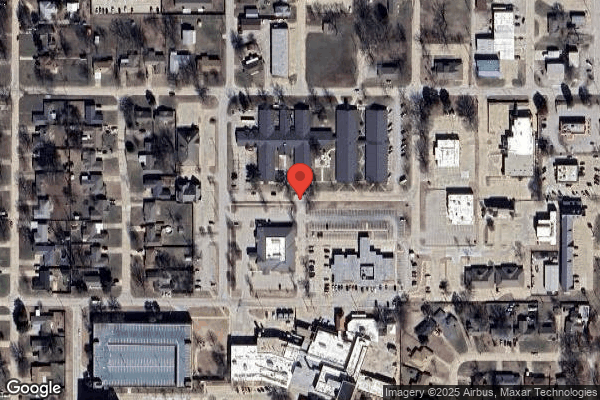
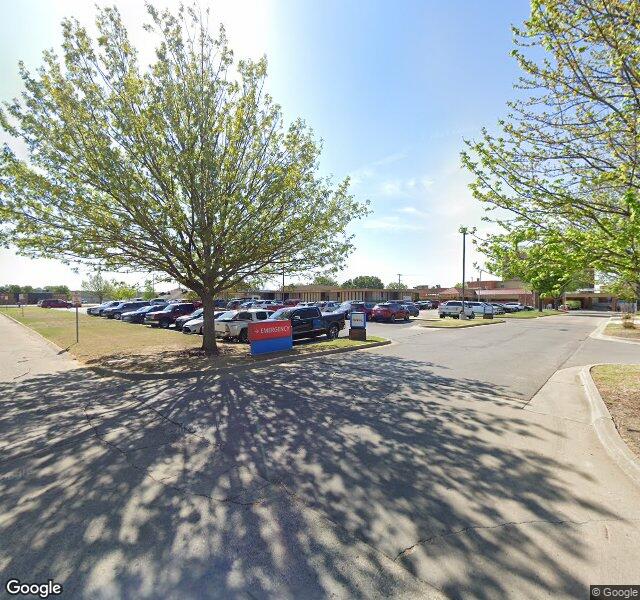
3434 KENTUCKY PLACE, BARTLESVILLE, OK 74006 (918) 333-9545
For profit - Corporation 119 Beds Independent Data: November 2025
Trust Grade
35/100
#150 of 282 in OK
Last Inspection: December 2024

Within standard 12-15 month inspection cycle. Federal law requires annual inspections.

Overview

Bartlesville Health and Rehabilitation Community has received a Trust Grade of F, indicating significant concerns about the quality of care provided. With a state ranking of #150 out of 282 facilities in Oklahoma, they are in the bottom half, and #3 out of 5 in Washington County means only two local options are worse. The facility's trend is stable, with 10 issues reported in both 2023 and 2024, showing no improvement. While staffing turnover is commendably low at 0%, the overall staffing rating is only 2 out of 5 stars, with concerning RN coverage that is less than 99% of state facilities. Additionally, the home has faced $61,796 in fines, which is higher than 85% of Oklahoma facilities, raising red flags about compliance issues. Specific incidents include a resident who experienced 15 falls and serious injuries, including a traumatic subdural hemorrhage, due to inadequate fall prevention measures and care plan updates. There were also significant concerns about food safety in the kitchen, with raw and precooked chicken improperly stored, and a lack of cleanliness observed. Lastly, there were issues with incomplete assessments for a resident receiving dialysis, which could jeopardize their care. While there are strengths such as low staff turnover, the facility has serious weaknesses that families should consider carefully.

Trust Score
F
35/100
In Oklahoma
#150/282
Bottom 47%
Safety Record
Moderate
Needs review
Inspections
Holding Steady
10 → 10 violations
Staff Stability
○ Average
Turnover data not reported for this facility.
Penalties
✓ Good
$61,796 in fines. Lower than most Oklahoma facilities. Relatively clean record.
Skilled Nurses
⚠ Watch
Each resident gets only 7 minutes of Registered Nurse (RN) attention daily — below average for Oklahoma. Fewer RN minutes means fewer trained eyes watching for problems.
Violations
⚠ Watch
24 deficiencies on record. Higher than average. Multiple issues found across inspections.
★★☆☆☆
2.0
Overall Rating
★★☆☆☆
2.0
Staff Levels
★★★☆☆
3.0
Care Quality
★★☆☆☆
2.0
Inspection Score
Stable
2023: 10 issues
2024: 10 issues

The Good

  • Full Sprinkler Coverage · Fire safety systems throughout facility
  • No fines on record

Facility shows strength in fire safety.

The Bad

2-Star Overall Rating

Below Oklahoma average (2.6)

Below average - review inspection findings carefully

Federal Fines: $61,796

Above median ($33,413)

Moderate penalties - review what triggered them

The Ugly 24 deficiencies on record

1 actual harm
Dec 2024 7 deficiencies
CONCERN (D)

Potential for Harm - no one hurt, but risky conditions existed

Notification of Changes (Tag F0580)

Could have caused harm · This affected 1 resident

Based on record review and interview, the facility failed to ensure a resident's representative was notified of a fall for one (#57) of one resident reviewed for notification of changes. The DON repor...

Read full inspector narrative →
Based on record review and interview, the facility failed to ensure a resident's representative was notified of a fall for one (#57) of one resident reviewed for notification of changes. The DON reported the facility census was 71. Findings: A facility policy titled Family Notification Policy, updated 01/2024, read in part, The facility should identify a primary contact person or POA to receive notification .Required notifications .Accidents or any injury including falls. Resident #57 had diagnoses which included dementia and weakness. A late entry nurse note, dated 09/13/24, documented Resident #57 had fallen. The note did not document the resident's representative had been contacted. On 12/04/24 at 9:37 am, LPN #1 stated they had spoken with Resident #57's representative on 09/18/24 and the representative was unaware the resident had fallen on 09/13/24. LPN #1 also stated that family should always be notified after a fall. On 12/04/24 at 1:19 p.m., the DON stated the family should have been notified of Resident #57's fall on 09/13/24.
CONCERN (D)

Potential for Harm - no one hurt, but risky conditions existed

Deficiency F0657 (Tag F0657)

Could have caused harm · This affected 1 resident

Based on record review and interview, the facility failed to ensure the medical director and/or their representative participated in care plan development for one (#45) of 18 sampled residents whose c...

Read full inspector narrative →
Based on record review and interview, the facility failed to ensure the medical director and/or their representative participated in care plan development for one (#45) of 18 sampled residents whose care plans were reviewed. A Facility Listing Report, dated 12/02/24, documented 71 residents resided at the facility. Findings: A facility policy and procedure titled Policy and Procedure: Care Plans for Resident Care, dated 11/06/24, read in part, A comprehensive care plan will be developed within 7 days after the MDS has been completed. It should include measurable objectives and time frames to meet the resident's medical, nursing, mental and psychosocial needs that are identified during the MDS process. All interdisciplinary team members will help prepare this and review and revise it quarterly if a change in condition is noted. A quarterly resident assessment, dated 09/25/24, documented Resident #45's cognition was intact. A facility document titled Care Plan Conference Summary, dated 09/26/24, documented the individuals who attended the care plan meeting. The documented attendees did not include the medical director and/or their representative. The document did not include any documentation the medical director and/or their representative had reviewed the results of the meeting. On 12/02/24 at 1:36 p.m., Resident #45 stated they were not sure if they had gone to a care plan meeting. On 12/03/24 at 11:22 a.m., MDS coordinator #1 stated they were responsible for planning the resident care plan meetings. They stated all members of the interdisciplinary team were contacted for Resident #45's meeting on 09/26/24. They stated the physician had been notified of that meeting, but had not attended. They stated the physician had not been given the results of that meeting to review. They stated they usually do not involve the medical director unless they required an order for something that came up in the meeting. On 12/04/24 at 1:14 p.m., the DON stated the physician should participate in care planning for each resident and review the care plans.
CONCERN (D)

Potential for Harm - no one hurt, but risky conditions existed

Quality of Care (Tag F0684)

Could have caused harm · This affected 1 resident

Based on record review and interview, the facility failed to monitor a resident after a fall for one (#57) of one resident reviewed for falls. The DON reported the facility census was 71. Findings: A ...

Read full inspector narrative →
Based on record review and interview, the facility failed to monitor a resident after a fall for one (#57) of one resident reviewed for falls. The DON reported the facility census was 71. Findings: A facility policy titled Fall Policy and Procedures, updated 11/06/24, read in part, If a fall does occur .Assess resident .Neuro checks as necessary .Provide treatment/immediate nursing interventions as needed .Notify the family .Notify the DON/ADON .Provide continuous documentation as follows: Observed fall without head injury V/S every shift x 24 hours. Unobserved fall without head injury V/S with neuro checks every shift X 48 hours .All falls must be documented on every shift for 72 hours along with the intervention and how it is working. Resident #57 had diagnoses which included dementia and weakness. A late entry nurse note, dated 09/13/24, documented Resident #57 had fallen. The note did not document the resident's representative or the DON/ADON had been notified. It did not document if the fall was witnessed or unwitnessed. The note did not document neuro checks had been initiated. No additional post-fall documentation was located in Resident #57's health record. On 12/04/24 at 9:37 a.m., LPN #1 stated after a fall a complete assessment should be completed, the physician, family and DON should be notified, and if the fall was unwitnessed by staff or the resident had a head injury that neuro checks should be implemented immediately. The LPN also stated the resident should be on priority charting for three days after the fall. On 12/04/24 at 1:19 p.m., the DON stated they did not know if the fall was witnessed or unwitnessed. They also stated facility policy had not been followed after Resident #57's fall on 09/13/24.
CONCERN (D)

Potential for Harm - no one hurt, but risky conditions existed

Medication Errors (Tag F0758)

Could have caused harm · This affected 1 resident

Based on record review and interview, the facility failed to ensure an antianxiety medication was not prescribed on an as needed basis without a 14-day limit or a physician's explanation why it should...

Read full inspector narrative →
Based on record review and interview, the facility failed to ensure an antianxiety medication was not prescribed on an as needed basis without a 14-day limit or a physician's explanation why it should be used beyond 14 days for one (#69) of five residents reviewed for unnecessary medications. The ADON reported 29 residents at the facility were prescribed psychotropic medications. Findings: A facility policy titled Antipsychotic P&P, dated 09/2014, read in part, Residents who receive antipsychotic, sedative, hypnotic, antidepressant, or any other medications prescribed to modify behavior are evaluated to determine the effectiveness of the medication for the identified problems .The use of antipsychotics should include .Use of the medication only for the duration needed, and at the lowest effective dose. Resident #69 had diagnoses which included anxiety disorder and depression. A physician order, dated 11/13/24, documented the resident was to receive alprazolam (an antianxiety medication) 0.25mg every 8 hours as needed. The physician's order did not have a stop date. A review of Resident #69's medical record did not document a rationale from the physician as to why the PRN order did not have a stop date of 14 days. On 12/04/24 at 9:06 a.m., the DON stated no rationale from the physician had been located. They also stated PRN psychotropic medications should be limited to 14 days without a rationale from the physician.
CONCERN (E)

Potential for Harm - no one hurt, but risky conditions existed

Deficiency F0698 (Tag F0698)

Could have caused harm · This affected multiple residents

**NOTE- TERMS IN BRACKETS HAVE BEEN EDITED TO PROTECT CONFIDENTIALITY** Based on record review and interview, the facility failed to ensure pre and post dialysis patient assessments were filled out co...

Read full inspector narrative →
**NOTE- TERMS IN BRACKETS HAVE BEEN EDITED TO PROTECT CONFIDENTIALITY** Based on record review and interview, the facility failed to ensure pre and post dialysis patient assessments were filled out completely and routinely by staff for one (#45) of one sampled resident reviewed for dialysis care. The DON identified one resident at the facility received dialysis services. Findings: The facility was unable to provide a policy for the care of residents that received dialysis services. An admission record for Resident #45 documented they had been readmitted to the facility on [DATE]. It further documented Resident #45 had diagnoses which included stage five chronic kidney disease and dependence on renal dialysis. A quarterly resident assessment, dated 09/25/24, documented Resident #45's cognition was intact. On 12/02/24 at 1:24 p.m., Resident #45 stated the nursing staff had not been doing their vitals as they were supposed to related to their dialysis care. On 12/03/24 at 9:46 a.m., LPN #2 stated there was a binder at the nurse station that held the dialysis assessment forms. They stated there was not pre and post dialysis assessment documentation for each treatment Resident #45 had received. They stated the resident was scheduled to have dialysis treatments three times weekly. A review of the binder found it contained 14 documents titled, Dialysis Communication, dated on and between 09/19/24 and 11/27/24. Of those documents, five were partially filled out, missing the return assessment data. A review of the resident medical record found the resident was documented as having been assessed on 14 of 28 days they had received dialysis. On 12/04/24 at 1:14 p.m., the DON stated they had been unaware the dialysis assessments had not been filled out and would retrain nursing staff on those procedures.
CONCERN (E)

Potential for Harm - no one hurt, but risky conditions existed

Food Safety (Tag F0812)

Could have caused harm · This affected multiple residents

Based on observation and interview, the facility failed to ensure dietary staff wore hair nets and beard guards while preparing food for the residents. The administrator identified 74 residents routi...

Read full inspector narrative →
Based on observation and interview, the facility failed to ensure dietary staff wore hair nets and beard guards while preparing food for the residents. The administrator identified 74 residents routinely ate meals provided by the facility kitchen. Findings: On 12/02/24 at 8:05 a.m., cook #1 was observed preparing food without wearing a hair net or beard guard. On 12/02/24 at 8:10 a.m., cook #1 stated they should be wearing a hair net and beard guard and that the facility was out of beard guards until the truck came in. On 12/02/24 at 8:30 a.m., the dietary manager stated the dietary staff should be wearing hair nets and beard guards. On 12/03/24 at 3:08 p.m., the administrator stated dietary staff should be wearing hair nets and beard guards.
CONCERN (E)

Potential for Harm - no one hurt, but risky conditions existed

Infection Control (Tag F0880)

Could have caused harm · This affected multiple residents

Based on observation, record review, and interview, the facility failed to ensure: a. a licensed practical nurse cleaned their hands during wound care and catheter care for one (#16) of two sampled re...

Read full inspector narrative →
Based on observation, record review, and interview, the facility failed to ensure: a. a licensed practical nurse cleaned their hands during wound care and catheter care for one (#16) of two sampled residents reviewed for wound care and catheter care; and b. failed to maintain a water management program to prevent the growth of Legionella and other opportunistic waterborne pathogens in the building water system. A resident matrix provided by the administrator documented seven residents had indwelling catheters. The DON stated 71 residents resided in the facility. Findings: A facility policy titled Water Management, dated 01/23, read in part, It is the policy of the facility to have a plan to reduce the risk of growth and spread of opportunistic pathogens including Legionnaires in the building water system .Procedure .Create the water management team .Identify and document the building description .Identify control measures .Document collection and transport methods. A facility policy titled Hand Hygiene, dated 01/31/24, read in part, Appropriate hand hygiene is essential in preventing transmission of infectious agents. 1. A physician's order, dated 03/29/24, documented Resident #16 was to receive care for their suprapubic urinary catheter daily on the day shift. On 12/02/24 at 12:57 p.m., Resident #16 stated they had been hospitalized multiple times for urinary tract infections. They stated they did have a suprapubic catheter at that time. On 12/04/24 at 9:30 a.m., LPN #3 was observed providing catheter care to Resident #16. LPN #3 was observed entering the resident's room and putting on gloves. LPN #3 was observed to uncover the resident then don gloves. They were observed cleaning the right posterior thigh with normal saline and a gauze. They discarded the dirty gauze and obtained a new gauze and dried the area. They discarded the gauze that gauze and picked up and applied xeroform to the wound. They then picked up a dressing and applied it to the wound. During the wound care portion of the care LPN #3 did not clean their hands or change gloves. LPN #3 then change their gloves. They then assisted the resident to roll onto their back. LPN #3 picked up gauze with a cleaning solution and cleaned around the area where the tubing entered the resident. They changed gloves. They dried the area they cleaned. They changed gloves. They then placed a section of gauze that had been slit and applied it around the catheter tubing. The LPN then threw away the last pair of gloves. LPN #3 did not clean their hands at any time during the wound and catheter care. Outside of the resident's room immediately following the care, LPN #3 was asked how they thought the care had gone. They stated they believed it went well. They were asked how many times they had changed their gloves during the care. They replied five or six times. They were asked how many times they cleaned their hands. They stated the had not cleaned their hands and had forgotten to do so. They stated they knew to clean their hands. On 12/04/24 at 1:14 p.m., the DON stated LPN #3 had made an error when the did not clean their hands between dirty and clean steps of providing care. They stated the staff get regular training in infection control, but they would go over it again with them. 2. On 12/04/24 at 11:45 a.m.,the maintenance supervisor stated they had a water management policy in place, but had not started monitoring yet.
Mar 2024 3 deficiencies
CONCERN (D) 📢 Someone Reported This

A family member, employee, or ombudsman was alarmed enough to file a formal complaint

Potential for Harm - no one hurt, but risky conditions existed

Report Alleged Abuse (Tag F0609)

Could have caused harm · This affected 1 resident

Based on record review and interview, the facility failed to ensure an allegation of abuse was reported to OSDH no later than two hours after the allegation was made for one (#1) of three sampled resi...

Read full inspector narrative →
Based on record review and interview, the facility failed to ensure an allegation of abuse was reported to OSDH no later than two hours after the allegation was made for one (#1) of three sampled residents reviewed for abuse. The administrator identified 64 residents resided in the facility. Findings: A facility policy and procedure titled Abuse, Neglect, and Exploitation, dated 10/2022, read in part, .Facility reporting .The facility will immediately report all alleged violations involving .abuse .as required by State law .Immediately .within two hours of occurrence . Res #1 had diagnoses which included vascular dementia, communication deficit, history of falls with injury, and cerebellar stroke syndrome. OSDH incident report forms, incident date 02/28/24, documented intital reports of an abuse allegation for Res #1 were made to OSDH on 02/29/24 at 12:32 p.m. and 1:01 p.m. It was documented suspected abuse by CNA #1 was visualized on a video monitoring device in Res #1's room on 02/28/24 at 3:30 a.m. It was documented LPN #3 reported the video appeared to show CNA #1 physically restraining Res #1. It was documented LPN #3 reported the incident to the ADON and was advised to meet the ADON on 02/29/24 at 7:00 a.m. to review the footage. It was documented the ADON reported the incident to the DON on 02/29/24 at 9:30 a.m. It was documented the video footage was reviewed by the DON and the administrator and the police department was called. It was documented Res #1 was assessed by the DON and the ADON for injuries. It was documented no injuries were noted. It was documented CNA #1 was placed on suspension pending further investigation. There was no documentation the initial incident report was reported to OSDH no later than two hours after the allegation was made. On 03/04/24 at 3:37 p.m., the DON was asked what was the protocol for reporting allegations of abuse. They stated they had two hours total to report the incident. They were asked when the initial incident report for Res #1 was submitted to OSDH. They stated the report was not submitted no later than two hours after the incident.
CONCERN (E) 📢 Someone Reported This

A family member, employee, or ombudsman was alarmed enough to file a formal complaint

Potential for Harm - no one hurt, but risky conditions existed

Abuse Prevention Policies (Tag F0607)

Could have caused harm · This affected multiple residents

Based on record review and interview, the facility failed to implement their abuse policy for screening potential employees for the prevention of abuse for three (CNA #1, CNA #7, and LPN #3) of five s...

Read full inspector narrative →
Based on record review and interview, the facility failed to implement their abuse policy for screening potential employees for the prevention of abuse for three (CNA #1, CNA #7, and LPN #3) of five sampled personnel files reviewed. The administrator identified 64 residents resided in the facility. Findings: A facility policy and procedure titled Abuse, Neglect, and Exploitation, dated 10/2022, read in part, .Abuse prevention activities for the prevention of resident abuse .screening of potential employees . 1. A Provisional Employment Form and Consent and Release Form, dated 09/27/23, documented CNA #1 affirmed the condition for provisional employment related to a background check. An undated background summary, documented CNA #1 was eligible for employment. There was no documentation when CNA #1 was hired, registry checks were completed, and CNA #1 enrolled for criminal history monitoring under the facility. 2. A Provisional Employment Form and Consent and Release Form, dated 11/02/23, documented CNA #7 affirmed the condition for provisional employment related to a background check. An undated background summary, documented CNA #7 was eligible for employment. An employee roster, dated 03/04/24, documented CNA #7 was hired on 11/02/23. There was no documentation when CNA #7 was hired, registry checks were completed and CNA #7 enrolled for criminal history monitoring under the facility. 3. A Provisional Employment Form and Consent and Release Form, dated 10/17/23, documented LPN #3 affirmed the condition for provisional employment related to a background check. An undated background summary, documented LPN #3 was eligible for employment. An employee roster, dated 03/04/24, documented LPN #3 was hired on 10/16/23. There was no documentation registry checks were completed and LPN #3 enrolled for criminal history monitoring under the facility. On 03/06/24 at 9:32 a.m., the administrative assistant was asked about the background checks for CNA #1, CNA #7, and LPN #3. They stated after they received their provisional employment forms and consent to release forms they entered their basic information into the background check system. They stated the system indicated they were eligible for employment so there were no further searches conducted. They stated new registry checks were not completed and the employees were not enrolled for criminal history monitoring with the facility.
CONCERN (E) 📢 Someone Reported This

A family member, employee, or ombudsman was alarmed enough to file a formal complaint

Potential for Harm - no one hurt, but risky conditions existed

Investigate Abuse (Tag F0610)

Could have caused harm · This affected multiple residents

Based on record review and interview, the facility failed to ensure allegations of abuse were thoroughly investigated for two (#1 and #2) of three sampled residents reviewed for abuse. The administrat...

Read full inspector narrative →
Based on record review and interview, the facility failed to ensure allegations of abuse were thoroughly investigated for two (#1 and #2) of three sampled residents reviewed for abuse. The administrator identified 64 residents resided in the facility. Findings: A facility policy and procedure titled Abuse, Neglect, and Exploitation, dated 10/2022, read in part, .Abuse allegation steps .Conduct a thorough investigation . 1. Res #1 had diagnoses which included vascular dementia, communication deficit, history of falls with injury, and cerebellar stroke syndrome. A significant change assessment, dated 02/27/24, documented the resident's cognition was severely impaired. OSDH incident report forms, incident date 02/28/24, documented intital reports of an abuse allegation for Res #1 were made to OSDH on 02/29/24 at 12:32 p.m. and 1:01 p.m. It was documented suspected abuse by CNA #1 was visualized on a video monitoring device in Res #1's room on 02/28/24 at 3:30 a.m. It was documented LPN #3 reported the video appeared to show CNA #1 physically restraining Res #1. It was documented LPN #3 reported the incident to the ADON and was advised to meet the ADON on 02/29/24 at 7:00 a.m. to review the footage. It was documented the ADON reported the incident to the DON on 02/29/24 at 9:30 a.m. It was documented the video footage was reviewed by the DON and the administrator and the police department was called. It was documented Res #1 was assessed by the DON and the ADON for injuries. It was documented no injuries were noted. It was documented CNA #1 was placed on suspension pending further investigation. An OSDH incident report, incident date 02/28/24, documented a final report of an abuse allegation for Res #1 was made to OSDH on 03/04/24. It was documented the police conducted an investigation. It was documented CNA #1 was terminated for violating policy. There was no documentation residents or additional staff were interviewed related to the incident. 2. Res #2 had diagnoses which included dementia, paranoid personality disorder, iron deficiency anemia, and brain stem stroke. A quarterly resident assessment, dated 12/08/23, documented the resident's cognition was moderately impaired. An OSDH incident report form, incident date 02/29/24, documented an initial report of certain injuries and an abuse allegation for Res #2 were made to OSDH on 02/29/24. It was documented LPN #2 reported scattered bruising to Res #2's chest and upper extremities. It was documented the DON and LPN #3 assessed Res #2 and Res #2 stated a boy had hit them. It was documented Res #2 was not able to state when the incident happened. It was documented the incident was reported to the police. An OSDH incident report, incident date 02/29/24, documented a final report of certain injuries and an abuse allegation for Res #2 was made to OSDH on 03/04/24. It was documented the police conducted an investigation. It was documented an employee was terminated for violating policy and there was no further action taken. There was no documentation of additional resident or staff interviews related to the incident. On 03/04/24 at 3:27 p.m., the DON was asked if there was additional documentation related to the investigations conducted for Res #1 and Res #2. They stated they did not have additional documentation of interviews conducted with residents or staff. They stated what they submitted to OSDH is what they had. They stated the incidents for Res #1 and Res #2 were discovered around the same time and both residents shared a room. They stated Res #2 stated a boy had hit them and CNA #1 was terminated for violating policy.
Aug 2023 10 deficiencies 1 Harm
SERIOUS (H)

Actual Harm - a resident was hurt due to facility failures

Accident Prevention (Tag F0689)

A resident was harmed · This affected multiple residents

Based on observation, record review, and interview, the facility failed to: a. implement interventions to prevent the reoccurrence of falls; b. complete incident reports and neurological checks accor...

Read full inspector narrative →
Based on observation, record review, and interview, the facility failed to: a. implement interventions to prevent the reoccurrence of falls; b. complete incident reports and neurological checks according to policy and procedure; and c. revise the care plan with new interventions to prevent falls for one (#23) of two sampled residents reviewed for accident hazards. Resident #23 experienced 15 falls between 08/18/22 and 07/27/23. On 09/06/22, Res #23 fell and sustained a traumatic subdural hemorrhage, laceration on the left side of their face, and left sided fifth and seventh rib fractures, resulting in the resident being admitted to the hospital ICU. On 06/12/23, the resident fell and sustained a left fractured shoulder. The Resident Census and Conditions of Residents form, dated 08/22/23, documented 60 residents resided in the facility. Findings: An undated facility policy, titled Fall Protocol, read in part, 1. Assess resident .2. Document in the nurses notes the entire incident and resident assessment in detail. 3. Notify family and physician .4. Notify DON/ADON .5. Obtain, transcribe, and implement any physician orders as necessary. 6. Complete the incident report and post fall assessment. 7. Provide continuous documentation as follows .Unobserved fall w/o head injury. VS w/neuro checks q shift x 48 hours. Fall with head injury. VS w/neuro checks q 15 minutes x one hour then hourly x next seven hours, then q two hours for next 16 hours. Then next 24 hour VS w/neuro checks q four hours. Then next 24 hours VS w/neuro checks q shift. 8. Complete a new intervention on the care plan. Res #23 had diagnoses which included Alzheimer's, dementia, traumatic subdural hemorrhage without loss of consciousness, fractured left shoulder, and history of falling. A care plan, initiated 08/13/20, documented the following interventions: a. Keep environment simple and uncluttered. b. Monitor for fatigue and other risk factors of tendency for falls. c. Respond promptly for request for toilet. d. Review resident fall assessment every three months and PRN occurrence. e. Supervise and assist resident with transfers. f. Provide activities for resident that minimize the potential for falls while providing diversion and distraction. g. Provide a safe environment with even floors; free from spills; clutter free; adequate glare-free lighting; and h. Provide working and reachable call light. i. Keep bed in low position at night and personal items within reach. j. Resident ambulates at lib without device. k. Anticipate and meet needs. An incident report, dated 8/18/22 at 11:00 p.m., documented Res #23 experienced an unobserved fall without injury in another resident's room by their bed on the floor. The incident report documented an intervention of resident needed better fitting shoes. There was no documentation the fall care plan had been updated with the intervention to prevent fall reoccurrence. An incident report, dated 08/24/22 at 3:20 p.m., documented Res #23 experienced an unobserved fall in the dining room resulting in a skin tear to their left forearm. There was no root cause analysis and no interventions documented on the incident report. There was no documentation the fall care plan had been updated with an intervention to prevent fall reoccurrence. A nurse note, dated 09/03/22 at 9:44 p.m., documented Res #23 experienced an unobserved fall without injury in the hallway. There was no documentation a neurological assessment was completed. There was no incident report, no root cause analysis, and the fall care plan was not updated with an intervention to prevent fall reoccurrence. An incident report, dated 09/05/22 at 5:25 a.m., documented Res #23 experienced an observed fall with no injury. The incident report documented the resident was ambulating in the dining room and lost balance and fell. The incident report documented an intervention to prevent reoccurrence of falls was to continue all previous interventions and to complete hourly checks for 48 hours. The hourly checks for 48 hours were not completed, a root cause analysis was not completed, and the fall care plan was not updated with an intervention to prevent falls. An incident report, dated 09/06/22 at 3:15 a.m., documented Res #23 experienced an unobserved fall resulting in a laceration to the left side of their face, left hematoma to their head, and left fifth and seventh rib fractures. Resident #23 was admitted to the hospital ICU. The fall care plan was not updated. A discharge return anticipated MDS assessment, dated 09/06/22, documented Res #23's cognition was severely impaired and required assistance ADLs. The assessment documented the resident had two falls with no injuries, one fall with injury except major, and one fall with major injury. A nurse note, dated 09/09/22 at 3:12 p.m., documented the resident returned from the hospital. The note documented the resident had been treated for a left subdural hematoma and left fifth and seventh rib fractures. A care plan, last updated 12/13/22, documented an intervention of encouraging the resident to participate in activities that promote exercise, physical activity for strengthening and improved mobility. An incident report, dated 01/04/23 at 5:20 p.m., documented Res #23 experienced an observed fall with no injury. The incident report documented the resident was holding a Styrofoam plate and stumbled and lost balance and fell on their left side. There was no root cause analysis, and no interventions documented on the incident report. The fall care plan was not updated with an intervention to prevent reoccurrence of falls. A nurse note, dated 01/06/23 at 4:20 a.m., documented Res #23 experienced an unobserved fall without injury in the dining room. There was no neurological assessment, no root cause analysis, no incident report, and no interventions documented on the fall care plan. A nurse note, dated 02/13/23 at 5:15 a.m., documented Res #23 experienced an unwitnessed fall without injury in the resident's room near her bed. There was no neurological assessment, no incident report, no root cause analysis, and the fall care plan was not updated with an intervention to prevent fall reoccurrence. A quarterly assessment, dated 03/22/23, documented the Res #23's cognition was severely impaired; required extensive assist with bed mobility; and limited assistance with transfers and walking. The assessment documented the resident had one fall with no injury. A nurse note, dated 04/25/23 at 1:12 a.m., documented Res #23 experienced a witnessed fall without injury. The nurse note documented the resident was standing at nurse station, then staggered backward and fell. There was no neurological assessment, no incident report, no root cause analysis, and the fall care plan were not updated with an intervention to prevent fall reoccurrence. An incident report, dated 05/07/23 at 4:00 a.m., documented Res #23 experienced a witnessed fall with no injury. The report documented the resident attempted to sit on pillow in the hallway and dropped to the floor. There were no interventions and root cause analysis documented on the incident report. The fall care plan was not updated with an intervention to prevent reoccurrence of falls. An incident report, dated 05/22/23 at 8:05 a.m., documented Res #23 experienced a witnessed fall. The incident report documented the resident was ambulating through the dining room and tripped over someone's oxygen tubing and fell face first onto the floor resulting in a laceration to the bridge of their nose. There were no interventions and root cause analysis documented on the incident report. The fall care plan was not updated with an intervention to prevent reoccurrence of falls. An incident report, dated 06/12/23 at 5:45 p.m., documented Res #23 experienced a witnessed fall while standing by the medication cart. The report documented the resident was carrying a long blanket, turned quickly, lost their balance, fell, and hit their shoulder on the floor. This fall resulted in a fractured left shoulder. The intervention on the incident report was for staff to monitor Res #23 when up and ambulating. When staff were interviewed about what monitoring meant, there was not a consistent answer. An annual assessment, dated 06/20/23, documented the Res #23's cognition was severely impaired and required extensive assist with most ADLs. The assessment documented the resident had two falls with no injuries, one fall with injury except major, and one fall with major injury. A nurse note, dated 07/27/23 at 1:29 a.m., documented Res #23 experienced an unobserved fall without injury. There was no neurological assessment, no root cause analysis, no incident report, and the fall care plan was not updated with an intervention to prevent fall reoccurrence. On 08/23/23 at 4:20 p.m., Res #23 was observed sitting at a table in the dining room. One CNA was observed in the dining room feeding another resident with their back to Res #23. No other staff were observed in the dining room. On 08/24/23 at 8:10 a.m., the resident was observed ambulating throughout the facility until 9:00 a.m. Res #23 had gray tennis shoes on with a two-inch gap at the back of the shoes. Res #23 was observed to ambulate without an assistive device. On 08/24/23 at 8:43 a.m. Res #23 was observed to open a linen storage closet door on hall 600. No staff were on the hallways during that time. On 08/24/23 at 8:54 a.m. Res #23 was observed to open another linen storage closet door on hall 600. No staff were on the hallways during that time. On 08/24/23 at 9:25 a.m., CNA #4 was asked how long they had worked for the facility. They stated almost five years. CNA #4 was asked what the process was for residents at risk for falls. CNA #4 stated the staff make sure the residents were wearing shoes or nonskid socks. They stated they did not place the overbed table too close to the resident's bed, fall mats were in place, and ensured the hallways were not cluttered. CNA #4 was asked if they provided care for Res #23. They stated, Yes. CNA #4 was asked what they did to prevent Res #23 from falls. They stated Res #23 was a hard one, but they made sure they had their shoes on, they keep an eye on the resident, redirect them, and tried to keep the door open to the resident's room. On 08/24/23 at 9:44 a.m., CNA #9 was asked how long they had worked for the facility. They stated three months. CNA #9 was asked what is the process for residents at risk for falls. They stated make sure their call light was within reach and frequent checks. CNA #9 was asked how they were aware of interventions in place for residents at risk for falls. They stated, they learned through caring for the resident, CNA change of shift report, and the nurses communication with them. CNA #9 was asked if Res #23 was ever assisted to activities. They stated, No. On 08/24/23 at 10:45 a.m., LPN #3 was asked what their process was when a resident experienced a fall. They stated they would complete an incident report, begin neuro checks, and follow the facility fall protocol. LPN #3 was asked who was responsible for updating care plans. They stated the MDS coordinator should update the care plan with each fall. LPN #3 was asked how do you know who was a fall risk. LPN #3 stated they know because of the residents' mental and mobility status, also certain diagnoses such as, fractures. LPN #3 was asked how do you prevent falls. They stated they keep their eyes constantly on the residents and try to keep the residents' door open. LPN #3 stated they ensure all residents' needs were met such as, keeping them clean and dry and keeping their most used items within reach. LPN #3 was asked what care do you provide for Res #23. They stated the resident redirects easily and the staff offer them snacks throughout the day. LPN #3 was asked how do you ensure the fall interventions on the care plan are implemented. LPN #3 stated the staff had fall meetings to discuss ideas for new interventions, but that stopped about a month ago. All the staff communicate with each other at shift change. On 08/24/23 at 11:05 a.m., the MDS coordinator was asked if they were responsible for updating care plans. They stated they were. They were asked how often they update care plans. They stated as needed. The MDS coordinator was asked if they updated the care plan when a fall occurred. They stated, Yes. The MDS coordinator was shown Res # 23's fall care plan and asked if it had been updated with any new interventions from Res #23's falls from the following dates: 08/18/22, 08/24/22, 09/03/22, 09/04/22, 09/05/22, 09/06/22, 09/09/22, 01/04/23, 01/06/23, 02/13/23, 04/25/23, 05/07/23, 05/22/23, 06/12/23, and 07/27/23. They stated, No. The MDS coordinator was asked whenever an incident report's intervention was to monitor the resident hourly for 48 hours or to monitor a resident while up and ambulating where would this be documented. The MDS coordinator stated it would be documented on the hourly check list form. The MDS coordinator was shown Res #23's hourly check list form from 09/05/22 through 09/06/22 and was asked what the blanks indicated. They stated the hourly check were not done. On 08/24/23 at 11:31 a.m., the ADON was asked what the process was when a resident experienced a fall. The ADON stated the nurse was to assess the resident, notify family and physician, notify the DON/or nurse on call, implement any physician orders, document in nursing notes, perform a post fall assessment, completed an incident report with an intervention, the care plan should be updated, monitor the resident, and document for 72 hours. The ADON was asked who was responsible for updating the care plan. They stated the MDS coordinator. The ADON was asked if Res #23's care plan had been updated with any new intervention to prevent fall reoccurrence. The ADON stated it was not and the care plan was the main framework that drives the resident's care. The ADON was asked if instructing staff to monitor Res #23 when up and ambulating was an appropriate intervention. The ADON stated it is not an appropriate intervention. We cannot even do that, it's not realistic. The ADON stated the intervention was not appropriate and not obtainable. The ADON stated the fall care plan was not updated with an appropriate intervention to prevent reoccurrence of falls. On 08/24/23 at 12:46 p.m., the PTA and the COTA were asked when Res #23 last received therapy. The COTA stated it was two years ago. On 08/24/23 at 1:42 p.m. the DON was asked what interventions were currently in place to prevent Res #23 from falls. The DON presented a list of the following fall interventions: a. anti-glare lights-initiated 03/31/2021 b. call light within reach-initiated 08/13/2020 c. proper footwear- initiated 08/13/2020 d. uncluttered environment initiated 03/31/2021 On 08/24/23 at 1:47 p.m., the DON was asked when there was a fall intervention to monitor a resident hourly for 48 hours what was their expectations of their staff. The DON stated the nurses should be documenting in the nurse notes because we need proof of the monitoring. The DON was asked if the care plan had been reviewed and revised after Res #23 had a fall. They stated it was not. On 08/24/23 at 2:14 p.m., CNA #8 was asked if the CNAs have access to the resident's care plan. CNA #8 stated we have chrome books and we can access the care plans on them. On 8/24/23 at 2:43 p.m. the DON was asked to review the intervention of hourly checks for the 48-hour documentation. The DON was asked if the intervention had been completed. She stated, No. On 8/24/22 at 2:54 p.m. the DON was asked if they saw the breakdown for the fall on 09/05/22. They stated, Yes absolutely. The DON was asked when should the nursing staff be completing neuro checks. The DON stated with a fall resulting in a head injury per facility protocol. The DON was shown Res #23s hourly check sheet from 09/05/23 and 09/06/23 and was asked what the blanks on the hourly check sheet indicated. The DON stated if there were blanks, it was not documented, then it was not done, the hourly check sheets were our proof. The DON was asked who was responsible for updating the care plans. The DON stated the MDS coordinator. The DON was asked should the care plan be updated with each fall. They stated, Yes. The DON was asked when should new fall interventions be implemented. The DON stated the incident report triggers the fall assessment which triggers the care plan to be updated. On 08/28/23 at 11:13 a.m., RN #1 was interviewed via phone. RN #1 was asked who was responsible for ensuring the intervention of performing hourly checks on a resident after a fall. RN #1 stated primarily the CNAs and CMAs, but all nursing staff can do it. RN #1 was asked who was responsible for ensuring the hourly checks were completed. RN #1 stated the charge nurse. RN #1 was asked if there were blanks on the hourly check list form, what did it indicate. RN #1 stated it meant the hourly check was not performed.
CONCERN (D)

Potential for Harm - no one hurt, but risky conditions existed

Deficiency F0700 (Tag F0700)

Could have caused harm · This affected 1 resident

Based on record review, observation, and interview, the facility failed to assess the resident for risk of entrapment from bed rails prior to installation, review the risks and benefits of bed rails w...

Read full inspector narrative →
Based on record review, observation, and interview, the facility failed to assess the resident for risk of entrapment from bed rails prior to installation, review the risks and benefits of bed rails with the resident or resident representative, and obtain an informed consent prior to installation for one (#18) of one sampled resident reviewed for side rails. The ADON identified three residents had grab bars and 17 residents had side rails. Findings: An undated policy, titled Non-restrictive Device Policy and Procedure, read in part, .a candidate for a non-restrictive device the charge nurse will: a. notify the physician and obtain orders .b.once the resident has been provided a non-restrictive device the ADON will monitor that the resident is still appropriate monthly . Res #18 had diagnoses which included depression, anxiety, chronic pain, and cerebrovascular disease. An admission MDS assessment, dated 08/01/23, documented Res #18 required extensive assistance with ADLs and was dependent on staff for mobility. A care plan, dated 08/10/23, documented the resident was a high risk for injury related to gait, balance problems, incontinence, muscle weakness, impaired mobility, and psychoactive drug use. On 08/22/23 at 10:31 a.m., Res #18 was observed in bed with the bed pushed against the wall. A half bed rail was raised on both sides of the head of the bed. An attempted interview with the resident was unsuccessful due to resident's cognition. On 08/22/23 at 10:38 a.m., Res #18 was observed trying to reach items on their bedside table located at the foot of their bed with a grabber. On 08/23/23 at 9:01 a.m., Res #18 was observed in bed with the bed pushed against the wall. A half bed rail was raised on both sides of the head of the bed. On 08/23/23 at 10:50 a.m., CNA #7 was asked the reason Res #18 had two half rails pulled up on their bed. CNA #7 stated for mobility. On 08/23/23 at 11:29 a.m., LPN #3 was asked the reason Res #18 had two half rails pulled up on their bed. LPN #3 stated for bed mobility. On 08/23/23 at 11:36 a.m., the ADON was asked the reason Res #18 had two half rails pulled up on their bed. The ADON stated they did not have Res #18's name on their residents with non-restrictive devices list. The ADON was asked to print the list prior to updating it. On 08/23/23 at 11:39 a.m., the ADON was asked if Res #18 had an order for the bed rails. The ADON stated they did not. On 08/23/23 at 11:41 a.m., the ADON was asked if Res #18 had a signed consent for the bed rails. The ADON stated they had not. On 08/23/23 at 11:43 a.m., the ADON was asked if Res #18 had been assessed for the need to have bed rails. The ADON stated, No.
CONCERN (E)

Potential for Harm - no one hurt, but risky conditions existed

Deficiency F0578 (Tag F0578)

Could have caused harm · This affected multiple residents

Based on record review and interview, the facility failed to ensure residents' code status was accurate for two (#41 and #43) of two sampled residents reviewed for advance directives. The Resident Ce...

Read full inspector narrative →
Based on record review and interview, the facility failed to ensure residents' code status was accurate for two (#41 and #43) of two sampled residents reviewed for advance directives. The Resident Census and Conditions of Residents report, dated 08/22/23, documented 60 residents resided in the facility. Findings: 1. Res #41 had diagnoses which included paraplegia, dementia, respiratory failure, paranoid schizophrenia, depression, anxiety, and pain. An admission record, dated 01/04/22, documented the resident was their own responsible party. There was no documentation the resident had a POA or a legal guardian. A DNR consent form, dated 01/11/23, documented consent for DNR was signed by administrator #2 and witnessed by the DON and SSD. A physician order, dated 01/11/23, documented a DNR status for the resident. A quarterly assessment, dated 01/24/23, documented the resident's cognition was moderately impaired. There was no documentation the resident gave consent for the DNR. On 08/23/23 at 10:01 a.m., CNA #3 was asked if the resident had a POA, legal guardian, or if they were their own responsible party. They looked in the resident's hard chart and stated the resident was their own responsible party. They stated they just recently signed a waiver for their food. On 08/23/23 at 12:50 p.m., the DON and ADON were asked if the resident had a POA, legal guardian, or if they were their own responsible party. They stated the resident was their own responsible party. They were asked about the resident's DNR. They stated the resident gave verbal consent to Administrator #2 to sign the form. They were asked to locate documentation consent was given by the resident. On 08/23/23 at 1:41 p.m., the ADON stated there was no documentation the resident gave verbal consent for the DNR form to be signed in their behalf. They stated the resident should be a full code. 2. Res #43 had diagnoses which included heart failure, depression, HTN, and macular degeneration. A DNR form, dated 05/12/21, was located in the resident's hard chart. A physician order, dated 01/12/23, documented a living will. There was no physician order for code status. The special instructions in the EHR under the care profile documented the resident was a full code. On 08/23/23 at 9:53 a.m., CNA #3 was asked how a resident's code status in case of an emergency was determined. They stated there were two ways to determine code status. They stated there was a code status book and they looked in the residents chart. They stated if there was not a DNR form the resident was a full code. They looked in the code status book and stated there was not a DNR form for the resident. They looked in the resident's hard chart and stated the resident was DNR status. They stated they needed to updated the code status book. On 08/23/23 at 10:06 a.m., LPN #2 was asked how a resident's code status was determined. They stated there was a code status book and they looked in the residents chart. They stated they could also look in the care profile in the EHR. They reviewed the resident's care profile and stated the resident was a full code. They were asked if the resident had a physician order for code status. They stated there should be one, but they did not see an order for the resident. They were made aware the resident had a signed DNR form in their hard chart. On 08/23/23 at 12:50 p.m., the DON and ADON were made aware of the above observations.
CONCERN (E)

Potential for Harm - no one hurt, but risky conditions existed

Safe Environment (Tag F0584)

Could have caused harm · This affected multiple residents

Based on observation, record review, and interview, the facility failed to ensure AAT was maintained below 81 degrees F. The Resident Census and Conditions of Residents report, dated 08/22/23, docume...

Read full inspector narrative →
Based on observation, record review, and interview, the facility failed to ensure AAT was maintained below 81 degrees F. The Resident Census and Conditions of Residents report, dated 08/22/23, documented 60 residents resided in the facility. Findings: Temperature reading logs were reviewed for 08/23/23. There were no documented AAT. On 08/23/23 at 4:50 p.m., a tour of hall 300 was conducted. There was a large floor fan on the hall blowing towards the nurses station. The AAT on the thermostat on the wall for was 84.6. degrees F. The AAT with a handheld thermometer was 85.2 degrees F. On 08/23/23 at 5:05 p.m., the AAT in Res #5 and Res #53's room was 85.1 degrees F. Res #53 was observed with a floor fan on their side of the room. Both residents were asked how the air temperature was in their room. Res #5 stated the temperature was good for them, but they could not have visitors due it being too hot. Res #53 stated they used a fan to circulate the air in their room. On 08/23/23 at 5:08 p.m., the AAT in Res #7 and Res #21's room was 87.6 degrees F. Res #7 was observed with a small fan on located on their over the bed table and Res #21 had a floor fan on. Both residents were asked how the air temperature was in their room. Res #7 stated they were hot. Res #21 stated it was hot in their room. On 08/23/23 at 5:11 p.m., the AAT in Res #36's room was 84.2 degrees F. They were asked how the air temperature was in their room. They stated it was too hot. On 08/23/23 at 5:13 p.m., the AAT in Res #24 and Res #63's room was 83.9 degrees F. They were asked how the air temperature was in their room. Res #24 stated it was too hot. Res #63 stated if their door was left open and they could feel the air from the fan in the hall, they were good. They stated if not, it was too hot. On 08/23/23 at 5:17 p.m., the facilities director was asked what was the protocol for monitoring air temperatures. They stated air temperatures were obtained daily and logged on Mondays and Fridays. They were asked what temperatures were to be maintained at in the facility. They stated 70 degrees F to 80 degrees F. The were asked if air temperatures were checked today. They stated they had another staff member check them. They were made aware of the AAT on hall 300 being above 81 degrees F.
CONCERN (E)

Potential for Harm - no one hurt, but risky conditions existed

Deficiency F0657 (Tag F0657)

Could have caused harm · This affected multiple residents

Based on record review, observation, and interview, the facility failed to ensure care plans were reviewed and revised after falls for one (#23) of 24 sampled residents whose care plans were reviewed....

Read full inspector narrative →
Based on record review, observation, and interview, the facility failed to ensure care plans were reviewed and revised after falls for one (#23) of 24 sampled residents whose care plans were reviewed. The Resident Census and Conditions of Residents form, dated 08/22/23, documented 60 residents resided in the facility. Findings: An undated facility policy titled Fall Protocol read in part: .8. Complete a new intervention on the care plan. Res #23 had diagnoses which included Alzheimer's, dementia, traumatic subdural hemorrhage, fractured left should, and history of falling. A care plan, initiated 08/13/20, documented the following interventions: a. Keep environment simple and uncluttered. b. Monitor for fatigue and other risk factors of tendency for falls. c. Respond promptly for request for toilet. d. Review resident fall assessment every three months and PRN occurrence. e. Supervise and assist resident with transfers. f. Provide activities for resident that minimize the potential for falls while providing diversion and distraction. g. Provide a safe environment with even floors; free from spills; clutter free; adequate glare-free lighting; and h. Provide working and reachable call light. i. Keep bed in low position at night and personal items within reach. j. Resident ambulates at lib without device. k. Anticipate and meet needs. An incident report, dated 8/18/22, documented Res #23 experienced an unobserved fall without injury. The incident report documented an intervention of resident needed better fitting shoes. There was no documentation Res #23's fall care plan had been updated with an intervention to prevent fall reoccurrence. An incident report, dated 08/24/22, documented Res #23 experienced an unobserved fall resulting in a skin tear to their left forearm. There were no interventions documented on the incident report. The was no documentation Res #23's fall care plan had been updated with an intervention to prevent fall reoccurrence. A nurse note, dated 09/03/22 at 9:44 p.m., documented Res #23 experienced an unobserved fall without injury. The fall care plan was not updated with an intervention to prevent fall reoccurrence. An incident report, dated 09/05/22, documented Res #23 experienced an observed fall with no injury. The incident report documented an intervention to prevent reoccurrence of falls was to continue all previous interventions and to complete hourly checks for 48 hours. There was no documentation the intervention was not carried out and the fall care plan was not updated with an intervention to prevent fall reoccurrence. An incident report, dated 09/06/22, documented Res #23 experienced an unobserved fall resulting in a laceration to the left side of their face and left hematoma to their head. and rib fractures. The fall care plan was not updated with interventions to help prevent reoccurrence of falls. A discharge return anticipated MDS assessment, dated 09/06/22, documented Res #23's cognition was severely impaired and required assistance ADLs. The assessment documented the resident had two falls with no injuries, one fall with injury except major, and one fall with major injury. A care plan, last updated 12/13/22, documented an intervention of encouraging the resident to participate in activities that promote exercise, physical activity for strengthening and improved mobility. An incident report, dated 01/04/23, documented Res #23 experienced an observed fall with no injury. There were no interventions documented on the incident report and the fall care plan was not updated with an intervention to prevent reoccurrence of falls. A nurse note, dated 01/06/23 at 4:20 a.m., documented Res #23 experienced an unobserved fall without injury and the fall care plan was not updated with an intervention to prevent fall reoccurrence. A nurse note, dated 02/13/23 at 5:15 a.m., documented Res #23 experienced an unwitnessed fall without injury. The fall care plan was not updated with an intervention to prevent fall reoccurrence. A quarterly assessment, dated 03/22/23, documented the Res #23's cognition was severely impaired; required extensive assist with bed mobility; and limited assistance with transfers and walking. The assessment documented the resident had one fall with no injury. A nurse note, dated 04/25/23 at 1:12 a.m., documented Res #23 experienced a witnessed fall without injury. The fall care plan was not updated with an intervention to prevent fall reoccurrence. An incident report, dated 05/07/23, documented Res #23 experienced an observed fall with no injury. The fall care plan was not updated to prevent reoccurrence of falls. An incident report, dated 05/22/23, documented Res #23 experienced an observed fall resulting in a laceration to the bridge of their nose. The fall care plan was not updated with an intervention to prevent reoccurrence of falls. An incident report, dated 06/12/23, documented Res #23 experienced an observed fall resulting in a fractured left shoulder. The intervention on the incident report to prevent fall reoccurrence was to instruct staff to monitor Res #23 when up and ambulating. The fall care plan was not updated with an intervention to prevent reoccurrence of falls. An annual assessment, dated 06/20/23, documented the Res #23's cognition was severely impaired and required extensive assist with most ADLs. The assessment documented the resident had two falls with no injuries, one fall with injury except major, and one fall with major injury. A nurse note, dated 07/27/23 at 1:29 a.m., documented Res #23 experienced an unobserved fall without injury. The fall care plan was not updated with an intervention to prevent fall reoccurrence. On 08/24/23 at 10:45 a.m., LPN #3 was asked what their process was when a resident experienced a fall. They stated they would complete an incident report, begin neuro checks, and follow the facility fall protocol. LPN #3 was asked who was responsible for updating care plans. They stated the MDS coordinator. On 08/24/23 at 11:05 a.m., the MDS coordinator was asked if they were responsible for updating care plans. They stated they were. They were asked how often they update care plans. They stated as needed. The MDS coordinator was asked if they would update the care plan with a fall. They stated, Yes. The MDS coordinator was shown Res # 23's fall care plan and asked if it had been updated with any new interventions related to the falls from the following dates: 08/18/22, 08/24/22, 09/03/22, 09/04/22, 09/05/22, 09/06/22, 09/09/22, 01/04/23, 01/06/23, 02/13/23, 04/25/23, 05/07/23, 05/22/23, 6/12/23, and 7/27/23. They stated there was no interventions related to the falls. On 08/24/23 at 11:31 a.m., the ADON was asked if Res #23s care plan had been updated with any new intervention to prevent fall reoccurrence. The ADON stated it was not and the care plan is the main framework that drives the resident's care. On 08/24/23 at 12:16 p.m., the MDS coordinator was shown Res #23's fall care plan and asked when was it last updated. The MDS coordinator stated 12/13/2022. On 08/24/23 at 1:42 p.m. the DON was asked what interventions from the care plan were currently in place to prevent Res #23 from falls. The DON presented the following list of fall interventions: a. anti-glare lights-initiated 03/31/2021 b. call light within reach-initiated 08/13/2020 c. proper footwear- initiated 08/13/2020 d. uncluttered environment initiated 03/31/2021 On 08/24/23 at 1:48 p.m. the DON was asked if the care plan had been reviewed and revised. They stated it was not.
CONCERN (E)

Potential for Harm - no one hurt, but risky conditions existed

Pharmacy Services (Tag F0755)

Could have caused harm · This affected multiple residents

Based on record review and interview, the facility failed to ensure a physician order for a blood pressure medication was accurately transcribed for one (#12) of five sampled residents reviewed for me...

Read full inspector narrative →
Based on record review and interview, the facility failed to ensure a physician order for a blood pressure medication was accurately transcribed for one (#12) of five sampled residents reviewed for medications. The DON identified seven residents who had physician orders for BP medications with parameters. Findings: Res #12 had diagnoses which included HTN. A physician order, dated 05/12/23, documented clonidine HCL (an antiphypertensive) 0.1 mg two times a day. Hold if SBP greater than 120. The June 2023 MAR was reviewed and documented clonidine HCL was administered 43 out of 43 opportunities when SBP was greater than 120. It was documented clonidine HCL was was held three out of nine opportunities when SBP was less than 120. The July 2023 MAR was reviewed and documented clonidine HCL was administered 52 out of 52 opportunities when SBP was greater than 120. It was documented clonidine HCL was held two out of seven opportunities when SBP was less than 120. The August 2023 MAR was reviewed and documented clonidine HCL was administered 37 out of 37 opportunities when SBP was greater than 120. It was documented clonidine HCL was held one out of three opportunities when SBP was less than 120. On 08/24/23 at 12:26 p.m., the ADON reviewed the resident's physician order for their clonidine HCL and verified the medication was to be held if the SBP was greater than 120. They stated the physician order documented the medication was to be held if the SBP was greater than 120. They were made aware the MARs documented the medication was administered when the SBP was greater than 120 and held when the SBP was less than 120. They stated the physician order should have read to hold the medication if the SBP was less than 120.
CONCERN (E)

Potential for Harm - no one hurt, but risky conditions existed

Deficiency F0757 (Tag F0757)

Could have caused harm · This affected multiple residents

Based on record review and interview, the facility failed to ensure residents were being monitored for side effects for the use of an anticoagulant and/or diuretic for two (#4 and #55) of five sampled...

Read full inspector narrative →
Based on record review and interview, the facility failed to ensure residents were being monitored for side effects for the use of an anticoagulant and/or diuretic for two (#4 and #55) of five sampled residents reviewed for medications. The DON identified 19 residents who had physician orders for an anticoagulant and 28 residents who had physician orders for a diuretic. Findings: 1. Res #4 had diagnoses which included atrial fibrillation. A care plan, revised 10/19/17, documented the resident was on anticoagulant therapy. It was documented to monitor for side effects and effectiveness every shift. A physician order, dated 12/03/21, documented Xarelto (an anticoagulant) 20 mg at bedtime. The order was discontinued on 08/02/23. A physician order, dated 06/02/23, documented to monitor for anticoagulant medication. A physician order, dated 08/02/23, documented Xarelto 15 mg in the evening. There was no documentation the resident was being monitored for side effects. On 08/24/23 at 8:15 a.m., the DON was asked to provide documentation the resident was being monitored for the use of Xarelto for for the months June through August 2023. On 08/24/23 at 9:15 a.m., the DON and MDS coordinator #1 stated there was no documentation the resident was being monitored for the use of an anticoagulant. They stated the order was not selected to be scheduled in the EHR, so it did not generate on the TAR to be monitored. 2. Res #55 had diagnoses which included edema and lymphedema. A physician order, dated 03/24/23, documented furosemide (diuretic) 20 mg in the morning. The order was discontinued on 07/12/23. A care plan, revised 04/07/23, documented the resident was on diuretic therapy. It was documented to monitor for side effects and effectiveness every shift. A physician order, dated 06/07/23, documented to monitor for diuretics. A physician order, dated 08/02/23, documented furosemide 20 mg one time a day. There was no documentation the resident was being monitored for side effects. On 08/28/23 at 9:46 a.m., the DON was asked to locate documentation the resident was being monitored for the use of furosemide. On 08/28/23 at 10:15 a.m., the DON stated there was no documentation the resident was being monitored. They stated there should have been documentation the resident was being monitored for taking a diuretic.
CONCERN (E)

Potential for Harm - no one hurt, but risky conditions existed

Medication Errors (Tag F0758)

Could have caused harm · This affected multiple residents

Based on record review and interview, the facility failed to ensure behaviors and/or side effects were monitored for the use of psychotropic medications for four (#4, 12, 17, and #55) of five sampled ...

Read full inspector narrative →
Based on record review and interview, the facility failed to ensure behaviors and/or side effects were monitored for the use of psychotropic medications for four (#4, 12, 17, and #55) of five sampled residents reviewed for unnecessary medications. The Resident Census and Conditions of Residents report, dated 08/22/23, documented 40 residents received psychoactive medications. Findings: 1. Res #4 had diagnoses which included bipolar disorder and depression. Physician orders, dated 12/03/21, documented Zoloft (an antidepressant) 50 mg in the morning, and mirtazapine (an antidepressant) 30 mg at bedtime. A care plan, revised 08/05/22, documented the resident received psychotropic medications. It was documented to monitor for side effects and effectiveness every shift. It was documented to monitor for targeted behaviors. A physician order, dated 06/02/23, documented to monitor for the use of a antipsychotic medication. A physician order, dated 06/12/23, documented to monitor for the use of antianxiety medications. A physician order, dated 08/02/23, documented Seroquel (an antipsychotic) 100 mg at bedtime. A physician order, dated 08/04/23, documented clonazepam (an antianxiety medication) 0.5 mg two times a a day. On 08/24/23 at 8:15 a.m., the DON was asked to provide documentation that behaviors and side effects had been monitored June through August 2023 for the resident's use of psychotropic medications. On 08/24/23 at 9:15 a.m., the DON and MDS Coordinator #1 stated behavior and side effect monitoring were documented on paper. They provided monitoring for June through July 2023. They stated there was no documentation monitoring had been conducted for August 2023. They stated it should have been completed. On 08/24/23 at 11:20 a.m., the DON was shown the behavior and side effect monitoring sheets they had provided. They were asked what the blanks indicated. They stated it indicated staff did not document they monitored for behaviors or side effects. 2. Res #12 had diagnoses which included major depressive disorder, anxiety, and insomnia. A physician order, dated 09/27/19, documented mirtazapine 15 mg at bedtime. A physician order, dated 11/23/22, documented buspirone (an antianxiety medication) HCL 5 mg give two tabs three times a day. A physician order, dated 12/03/22, documented duloxetine HCL (an antidepressant) 30 mg give three capsules by mouth one time a day. The June 2023 behavior and side effects monthly flow sheets were reviewed. It was documented 15 out of 270 opportunities behaviors were not monitored and one of out 180 opportunities side effects were not monitored. The July 2023 behavior and side effects monthly flow sheets were reviewed. It was documented 18 out of 270 opportunities behaviors were not monitored and 28 out of 186 opportunities side effects were not monitored. The August 2023 behavior and side effects monthly flow sheets were reviewed. It was documented 18 out of 270 opportunities behaviors were not monitored and 69 out of 138 opportunities side effects were not monitored. On 08/24/23 at 12:11 p.m., the DON was shown the blanks on the resident's behavior and side effects monthly flow sheets. They stated if it was not documented it was not done. 3. Res #17 had diagnoses which included anxiety and depression. Physician orders, dated 01/11/23, documented escitalopram oxalate (an antidepressant) 10 mg one time a day, and monitor for the use of antianxiety medications. A physician order, dated 01/18/23, documented alprazolam (an antidepressant) 0.5 mg give one tab by mouth two times a day. A care plan, initiated 01/27/23, documented the resident uses antidepressant medication. It was documented to monitor and document side effects and effectiveness every shift. The June 2023 behavior and side effects flow sheets were reviewed. It was documented 12 out of 270 opportunities the resident was not monitored for side effects. The July 2023 behavior and side effects flow sheets were reviewed. It was documented 21 out of 270 opportunities the resident was not monitored for side effects. The August 2023 behavior and side effects flow sheets were reviewed. It was documented 55 out of 138 opportunities the resident was not monitored for side effects. On 08/24/23 at 11:18 a.m., the DON was shown the behavior and side effects flow sheets and asked what the blanks indicated. They stated if it was not documented then it was not done. 4. Res #55 had diagnoses which included unspecified psychosis not sue to a substance or known physiological condition, insomnia, and anxiety. A physician order, dated 03/24/23, documented mirtazapine 15 mg at bedtime. The order was discontinued on 07/12/23. A care plan, dated 04/07/23, documented the resident uses psychotropic medications. It was documented to monitor for side effects and targeted behaviors. A physician order, dated 06/07/23, documented to monitor for the use an antipsychotic medication. A physician order, dated 06/16/23, documented trazadone HCL (an antidepressant) 100 mg at bedtime. The order was discontinued on 07/12/23. A physician order, dated 07/12/23, documented risperidone (an antipsychotic) 0.25 mg two times a day. The July 2023 behavior and side effect monthly flow sheets were reviewed. It was documented 276 out of 279 opportunities behaviors were not monitored and 32 out of 186 opportunities side effects were not monitored. The August 2023 behavior and side effect monthly flow sheets were reviewed. It was documented 37 out of 210 opportunities behaviors were not monitored and 30 out of 69 opportunities side effects were not monitored. On 08/24/23 at 3:15 p.m., the DON was shown the effects flow sheets and asked what the blanks indicated. They stated if it was not documented then it was not done.
CONCERN (E)

Potential for Harm - no one hurt, but risky conditions existed

Laboratory Services (Tag F0770)

Could have caused harm · This affected multiple residents

Based on record review and interview, the facility failed to ensure labs were collected as ordered by the physician for two (#4 and #12) of five sampled residents reviewed for lab services. The Reside...

Read full inspector narrative →
Based on record review and interview, the facility failed to ensure labs were collected as ordered by the physician for two (#4 and #12) of five sampled residents reviewed for lab services. The Resident Census and Conditions of Residents report, dated 08/22/23, documented 60 residents resided in the facility. Findings: 1. Res #4 had diagnoses which included DM and kidney failure. A physician order, dated 02/28/20, documented CBC, CMP, and fasting lipid every 12 months starting on 04/11/20. A physician order, dated 10/12/20, documented to draw A1C every six months starting on 11/11/20. The was no documentation an A1C was collected in November 2022. There was no documentation a CBC, CMP, and fasting lipid were collected in April 2023. A physician order, dated 08/02/23, documented BMP on 08/05/23 then weekly for 30 days every Saturday. There was no documentation a BMP was collected on 08/05/23 and on Saturday 08/12/23. On 08/24/23 at 9:15 a.m., MDS Coordinator #1 and the DON were asked for documentation a A1C was collected in November 2022, a CBC, CMP, and fasting lipid were collected in April 2023, and a BMP was collected on 08/05/23 and on 08/12/23. On 08/24/23 at 10:46 a.m., the DON stated the A1C was collected in November 2022, but the lab indicated it had been lost. They stated the lab was not collected and there was no documentation the rest of the labs had been collected as ordered. 2. Res #12 had diagnoses which included DM, chronic kidney disease, and hypothyroidism, A physician order, dated 01/17/23, documented to collect A1C, CMP, and thyroid profile per the request of the pharmacist. There was no documentation a thyroid profile was collected. On 08/24/23 at 12:11 p.m., the DON was asked asked to locate documentation a thyroid profile had been collected as ordered on 01/17/23. On 08/24/23 at 12:32 p.m., the DON stated a TSH was collected on 01/18/23. They stated they would verify what was to collected when a thyroid profile was to be collected. On 08/24/23 at 12:44 p.m., the DON stated a thyroid panel included a TSH, T3, T4, and T7. They stated the lab was not collected as ordered.
CONCERN (F) 📢 Someone Reported This

A family member, employee, or ombudsman was alarmed enough to file a formal complaint

Potential for Harm - no one hurt, but risky conditions existed

Food Safety (Tag F0812)

Could have caused harm · This affected most or all residents

Based on observation and interview, the facility failed to ensure the kitchen was maintained to promote food safety and sanitation. The Resident Census and Conditions of Residents report, dated 08/22...

Read full inspector narrative →
Based on observation and interview, the facility failed to ensure the kitchen was maintained to promote food safety and sanitation. The Resident Census and Conditions of Residents report, dated 08/22/23, documented 60 residents resided in the facility. The CDM identified all residents received services from the kitchen. Findings: On 08/22/23 at 10:18 a.m., a tour of the kitchen and dining area were conducted. The following observations were made: a. Multiple precooked pieces of chopped chicken in a plastic bag was stored in the two compartment sink. There was no water running over the bag. The meat was still partially frozen, b. Multiple pieces of raw of chicken breasts in a plastic bag were stored on the preparation surface of the Continental three door cold preparation cooler. The meat was still partially frozen. c. There was an accumulation of lint and grease on the oven hood and oven hood filters. d. There was an accumulation of grease and food on the floor and the wall behind the cook line. e. There was material peeling off of the wall behind the cook line. f. There was an accumulation of black residue and lint on the clean dish rack across from the stand mixer. g. There was an accumulation of white and black residue on the dish machine. h. There was an accumulation of black residue on the wall behind the dish machine. i. There was no date on an opened container of ready to eat hot dogs in the Continental three door reach in cooler. j. There was a container of raw hamburger patties stored on a shelf above containers of deli salads and ready to eat hot dogs in the Continental three door reach in cooler, k. There was accumulation of lint and grease on the electrical conduit on the walls. l. There was an accumulation of food on the conveyor belt on the toaster oven. m. There was an accumulation of lint on the fan guards in the walk in cooler. n. There was an accumulation of lint on the ceiling in the walk in cooler. o. There was an accumulation of black and brown residue on the floor and the walls in the walk in cooler. p. The condensation line from the condenser in the walk in cooler was draining into a five gallon bucket near the entrance to the walk in cooler. There was standing water in the bucket and the line was below the level of the water. q. There was an opened container of leftover chili dated 07/31/23 on a shelf in the walk in cooler. There was no use by date. r. There was an accumulation of white and black residue on the racks in the walk in cooler. s. There was standing water on the floor in the walk cooler near the entrance to the walk in freezer. There was ice buildup on the wall between the walk in cooler and walk in freezer. The base board was separating from the wall. t. A raw hamburger meat roll and package of raw chicken breasts were stored on top of ready to eat hot dogs in the walk in cooler. u. There was an accumulation of lint on the fan guards in the walk in freezer. v. There was ice and food debris on the floor in the walk in freezer. w. In-use cleaning cloths were laying on equipment and not stored in a sanitizer solution. x. An employee drink in a foam cup with no lid was stored on the table next to the stand mixer. y. Dietary [NAME] #1 was observed making deli sandwiches and was observed to place a metal lid over the hand sink blocking the hand sink from being accessible. z. There was an accumulation of pink and black residue inside of the ice machine. aa. There was an accumulation of brown residue inside of the ice shoot located on the ice dispenser. On 08/23/23 at 10:24 a.m., the CDM was asked how staff ensured the kitchen was kept clean and maintained in good repair. They stated staff cleaned daily and there was a maintenance book where they wrote what repairs were needed. They were asked what was the policy for date marking food products. They stated food products should be labeled and dated. They stated opened perishables could be held for 24 hours and non-perishables 48 hours. The CDM was asked what was the policy for thawing foods. They stated foods could be thawed in the cool or in the sink with running water. They were asked what was the policy for storing in use cleaning cloths. They stated they only used the cleaning cloth once for each task. They stated after use the cloth was to be put in the dirty tub near the restroom. They were asked how staff prevented cross-contamination. They stated raw meat was to be stored in the bottom shelf and employee drinks were to be stored in a designated area. They were asked how staff ensure the hand sink was accessible for hand washing. They stated the hand sink should not be blocked. The CDM was made aware of the above observations.
Dec 2021 4 deficiencies
CONCERN (E)

Potential for Harm - no one hurt, but risky conditions existed

Transfer Notice (Tag F0623)

Could have caused harm · This affected multiple residents

Based on interview and record review, the facility failed to provide a written notice of transfer to resident representatives for two (#34 and #44) of three residents who had transferred to acute care...

Read full inspector narrative →
Based on interview and record review, the facility failed to provide a written notice of transfer to resident representatives for two (#34 and #44) of three residents who had transferred to acute care facilities. The Director of Nursing identified 19 resident who had been transferred to acute care facilities in the past one year. Findings: 1. Resident #34 had diagnoses which included atherosclerotic heart disease. A review of the resident's medical records found the resident had been transferred to an acute care facility six times between the dates of 02/22/21 and 12/05/21. No documentation of the resident's representative having been given a written notice for each of the transfers was observed in the resident's medical record. 2. Resident #44 had diagnoses which included dementia and metabolic encephalopathy. A review of the resident's medical records found the resident had been transferred to an acute care facility on 07/28/21. No documentation of the resident's representative having been given a written notice of the transfer was observed in the resident's medical record. On 12/16/21 at 9:02 a.m., the Administrator was asked the process for notifying the resident representatives of transfers and discharges. She stated they had not been sending written notices to those individuals when their resident transferred transfered to an acute care facility. She stated such a statement was included with the packet sent with the resident when they transferred to an acute care facility or discharged .
CONCERN (E)

Potential for Harm - no one hurt, but risky conditions existed

Deficiency F0625 (Tag F0625)

Could have caused harm · This affected multiple residents

Based on interview and record review, the facility failed to provide a written notice of bed hold policy to resident representatives for two (#34 and #44) of three residents reviewed who had transferr...

Read full inspector narrative →
Based on interview and record review, the facility failed to provide a written notice of bed hold policy to resident representatives for two (#34 and #44) of three residents reviewed who had transferred to acute care facilities. The Director of Nursing identified 19 resident who had been transferred to acute care facilities in the past one year. Findings: 1. Resident #34 had diagnoses which included atherosclerotic heart disease. A review of the resident's medical records found the resident had been transferred to an acute care facility six times between the dates of 02/22/21 and 12/05/21. No documentation of the resident's representative having been given a written notice of the bed hold policy for each of the transfers was observed in the resident's medical records. 2. Resident #44 had diagnoses which included dementia and metabolic encephalopathy. A review of the resident's medical records found the resident had been transferred to an acute care facility on 07/28/21. No documentation of the resident's representative having been given a written notice of the bed hold policy was observed in the medical records. On 12/16/21 at 9:02 a.m., the Administrator was asked the process for notifying resident representatives of transfers and discharges. She stated they had not been sending written notices of the bed hold policy to those individuals when their residents transferred to an acute care facility. She stated such a notice was included with the packet sent with the resident when they transferred to an acute care facility or discharged .
CONCERN (E)

Potential for Harm - no one hurt, but risky conditions existed

Medication Errors (Tag F0758)

Could have caused harm · This affected multiple residents

Based on interview and record reviews the facility failed to prevent the use of unnecessary antipsychotic medications for one (#15) of five residents reviewed for the use on unnecessary medications. T...

Read full inspector narrative →
Based on interview and record reviews the facility failed to prevent the use of unnecessary antipsychotic medications for one (#15) of five residents reviewed for the use on unnecessary medications. The Director of Nursing identified 14 residents who were prescribed antipsychotic medications. Findings: Resident #15 had diagnoses which included dementia with behavioral disturbance. An order summary report, dated 12/15/21, documented the resident's active medication orders as of 12/15/21. The report documented a physician's order for the resident to be administered a single tablet of Risperdal 0.25mg twice a day for dementia with behaviors. A black box warning that displayed in the electronic medical record copy of this report along side the Risperdal order documented risperidone [the generic name for Risperdal] was not approved for elderly patients with dementia related psychosis and carried an increased risk of death in that population. The medication administration records for 09/01/21 through 12/15/21 were reviewed. Those records documented the resident had received 180 doses of Risperdal 0.25mg for dementia with behaviors during the time frame reviewed. On 12/16/21 at 7:47 a.m. the Director of Nursing was asked to confirm the resident had received Risperdal for dementia with behaviors. She stated the resident had that order. She was asked if antipsycotic medications and specifically Risperdal were approved for the diagnosis of dementia in elderly resident. She stated it was not.
CONCERN (E)

Potential for Harm - no one hurt, but risky conditions existed

Deficiency F0887 (Tag F0887)

Could have caused harm · This affected multiple residents

Based on interview and record reviews the facility failed to document if residents received education on the COVID-19 vaccines and their decision to accept or decline vaccine administration for three ...

Read full inspector narrative →
Based on interview and record reviews the facility failed to document if residents received education on the COVID-19 vaccines and their decision to accept or decline vaccine administration for three (#6, 12, and #54) of five residents reviewed for infection control. The Director of Nursing identified five unvaccinated residents at the facility. Findings: 1. Resident #6 had diagnoses which included dementia, atherosclerotic hear disease, and chronic kidney disease. The resident's medical record was reviewed for documentation of education given to the resident or resident representative related to COVID-19 vaccines and wether the resident did not receive the vaccine because of contraindication or refusal. No such documentation was found in the resident medical record. 2. Resident #12 had diagnoses which included Alzheimer's disease and chronic kidney disease. The resident's medical record was reviewed for documentation of education given to the resident or resident representative related to COVID-19 vaccines and wether the resident did not receive the vaccine because of contraindication or refusal. No such documentation was found in the resident medical record. 3. Resident #54 had diagnoses which included heart disease and chronic kidney disease. The resident's medical record was reviewed for documentation of education given to the resident or resident representative related to COVID-19 vaccines and wether the resident did not receive the vaccine because of contraindication or refusal. No such documentation was found in the resident medical record. On 12/16/21 at 11:35 a.m., the infection control nurse was asked to provide documentation of COVID-19 vaccination education and the reason identified residents had not been vaccinated which included #6, 12, and #54. She stated she had started in the position of infection control nurse in July of 2021. In that time she stated she had not documented the education given to residents about COVID-19 vaccines or the reason they did not receive a vaccination. She stated she had checked the notes of the previous infection control nurse and did not find any documentation of such education for those residents or the reason for them not having received a vaccination.
Understanding Severity Codes (click to expand)
Life-Threatening (Immediate Jeopardy)
J - Isolated K - Pattern L - Widespread
Actual Harm
G - Isolated H - Pattern I - Widespread
Potential for Harm
D - Isolated E - Pattern F - Widespread
No Harm (Minor)
A - Isolated B - Pattern C - Widespread

Questions to Ask on Your Visit

  • "Can I speak with families of current residents?"
  • "What's your RN coverage like on weekends and overnight?"

Our Honest Assessment

Strengths
  • • Licensed and certified facility. Meets minimum state requirements.
Concerns
  • • Multiple safety concerns identified: 1 harm violation(s), $61,796 in fines, Payment denial on record. Review inspection reports carefully.
  • • 24 deficiencies on record, including 1 serious (caused harm) violation. Ask about corrective actions taken.
  • • $61,796 in fines. Extremely high, among the most fined facilities in Oklahoma. Major compliance failures.
  • • Grade F (35/100). Below average facility with significant concerns.
Bottom line: Trust Score of 35/100 indicates significant concerns. Thoroughly evaluate alternatives.

About This Facility

What is Bartlesville Community's CMS Rating?

CMS assigns BARTLESVILLE HEALTH AND REHABILITATION COMMUNITY an overall rating of 2 out of 5 stars, which is considered below average nationally. Within Oklahoma, this rating places the facility higher than 0% of the state's 100 nursing homes. A rating at this level reflects concerns identified through health inspections, staffing assessments, or quality measures that families should carefully consider.

How is Bartlesville Community Staffed?

CMS rates BARTLESVILLE HEALTH AND REHABILITATION COMMUNITY's staffing level at 2 out of 5 stars, which is below average compared to other nursing homes.

What Have Inspectors Found at Bartlesville Community?

State health inspectors documented 24 deficiencies at BARTLESVILLE HEALTH AND REHABILITATION COMMUNITY during 2021 to 2024. These included: 1 that caused actual resident harm and 23 with potential for harm. Deficiencies causing actual harm indicate documented cases where residents experienced negative health consequences.

Who Owns and Operates Bartlesville Community?

BARTLESVILLE HEALTH AND REHABILITATION COMMUNITY is owned by a for-profit company. For-profit facilities operate as businesses with obligations to shareholders or private owners. The facility operates independently rather than as part of a larger chain. With 119 certified beds and approximately 81 residents (about 68% occupancy), it is a mid-sized facility located in BARTLESVILLE, Oklahoma.

How Does Bartlesville Community Compare to Other Oklahoma Nursing Homes?

Compared to the 100 nursing homes in Oklahoma, BARTLESVILLE HEALTH AND REHABILITATION COMMUNITY's overall rating (2 stars) is below the state average of 2.6 and health inspection rating (2 stars) is below the national benchmark.

What Should Families Ask When Visiting Bartlesville Community?

Based on this facility's data, families visiting should ask: "Can you walk me through typical staffing levels on day, evening, and night shifts?" "Can I visit during a mealtime to observe dining assistance and food quality?" "How do you handle medical emergencies, and what is your hospital transfer rate?" "Can I speak with family members of current residents about their experience?" These questions are particularly relevant given the below-average staffing rating.

Is Bartlesville Community Safe?

Based on CMS inspection data, BARTLESVILLE HEALTH AND REHABILITATION COMMUNITY has a clean safety record: no substantiated abuse findings (meaning no confirmed cases of resident harm), no Immediate Jeopardy citations (the most serious violation level indicating risk of serious injury or death), and is not on the Special Focus Facility watch list (a federal program monitoring the lowest-performing 1% of nursing homes). The facility has a 2-star overall rating and ranks #100 of 100 nursing homes in Oklahoma. While no facility is perfect, families should still ask about staff-to-resident ratios and recent inspection results during their visit.

Do Nurses at Bartlesville Community Stick Around?

BARTLESVILLE HEALTH AND REHABILITATION COMMUNITY has not reported staff turnover data to CMS. Staff turnover matters because consistent caregivers learn residents' individual needs, medications, and preferences. When staff frequently change, this institutional knowledge is lost. Families should ask the facility directly about their staff retention rates and average employee tenure.

Was Bartlesville Community Ever Fined?

BARTLESVILLE HEALTH AND REHABILITATION COMMUNITY has been fined $61,796 across 1 penalty action. This is above the Oklahoma average of $33,697. Fines in this range indicate compliance issues significant enough for CMS to impose meaningful financial consequences. Common causes include delayed correction of deficiencies, repeat violations, or care failures affecting resident safety. Families should ask facility leadership what changes have been made since these penalties.

Is Bartlesville Community on Any Federal Watch List?

BARTLESVILLE HEALTH AND REHABILITATION COMMUNITY is not on any federal watch list. The most significant is the Special Focus Facility (SFF) program, which identifies the bottom 1% of nursing homes nationally based on persistent, serious quality problems. Not being on this list means the facility has avoided the pattern of deficiencies that triggers enhanced federal oversight. This is a positive indicator, though families should still review the facility's inspection history directly.