HERITAGE VILLA CARE & REHAB CENTER
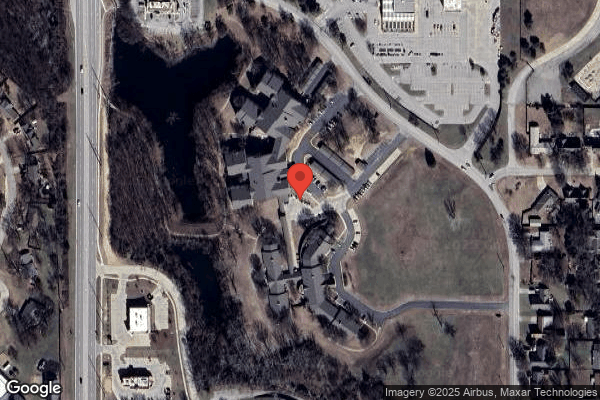
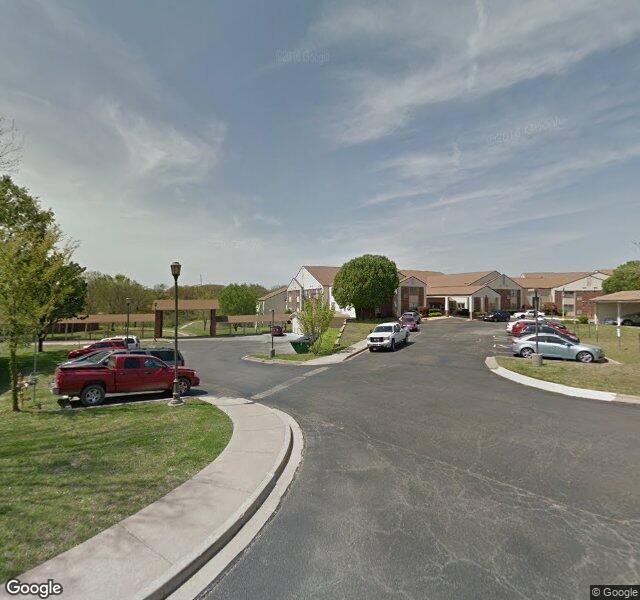
1244 WOODLAND LOOP DRIVE, BARTLESVILLE, OK 74006 (918) 335-3222
For profit - Limited Liability company 100 Beds MGM HEALTHCARE Data: November 2025
Trust Grade
43/100
#168 of 282 in OK
Last Inspection: January 2025

Within standard 12-15 month inspection cycle. Federal law requires annual inspections.

Overview

Heritage Villa Care & Rehab Center has a Trust Grade of D, indicating that it is below average with some concerning issues. It ranks #168 out of 282 facilities in Oklahoma, placing it in the bottom half statewide, and #4 out of 5 in Washington County, meaning only one nearby option is better. The facility is improving, as it reduced its issues from 14 in 2023 to 10 in 2025. Staffing is rated average with a turnover rate of 48%, which is better than the state average of 55%, but the overall star rating is only 2 out of 5, suggesting several areas for improvement. There have been some serious concerns, including a recent incident where a resident who required a two-person lift was transferred by a single staff member, increasing the risk of falls. Additionally, there was a finding regarding the cleanliness of the ice machine, which had not been properly maintained, posing a potential health risk. Despite these weaknesses, the facility shows some strengths in staffing retention and has no critical life-threatening issues reported.

Trust Score
D
43/100
In Oklahoma
#168/282
Bottom 41%
Safety Record
Moderate
Needs review
Inspections
Getting Better
14 → 10 violations
Staff Stability
⚠ Watch
48% turnover. Above average. Higher turnover means staff may not know residents' routines.
Penalties
✓ Good
$8,278 in fines. Lower than most Oklahoma facilities. Relatively clean record.
Skilled Nurses
⚠ Watch
Each resident gets only 14 minutes of Registered Nurse (RN) attention daily — below average for Oklahoma. Fewer RN minutes means fewer trained eyes watching for problems.
Violations
⚠ Watch
50 deficiencies on record. Higher than average. Multiple issues found across inspections.
★★☆☆☆
2.0
Overall Rating
★★★☆☆
3.0
Staff Levels
★★★★☆
4.0
Care Quality
★★☆☆☆
2.0
Inspection Score
Stable
2023: 14 issues
2025: 10 issues

The Good

  • 4-Star Quality Measures · Strong clinical quality outcomes
  • Full Sprinkler Coverage · Fire safety systems throughout facility
  • No fines on record

Facility shows strength in quality measures, fire safety.

The Bad

2-Star Overall Rating

Below Oklahoma average (2.6)

Below average - review inspection findings carefully

Staff Turnover: 48%

Near Oklahoma avg (46%)

Higher turnover may affect care consistency

Federal Fines: $8,278

Below median ($33,413)

Minor penalties assessed

Chain: MGM HEALTHCARE

Part of a multi-facility chain

Ask about local staffing decisions and management

The Ugly 50 deficiencies on record

1 actual harm
Aug 2025 5 deficiencies
CONCERN (D) 📢 Someone Reported This

A family member, employee, or ombudsman was alarmed enough to file a formal complaint

Potential for Harm - no one hurt, but risky conditions existed

Resident Rights (Tag F0550)

Could have caused harm · This affected 1 resident

Based on record review and interview, the facility failed to ensure staff announced their presence in a resident's room while the resident was using the bathroom for 1 (#2) of 3 sampled residents revi...

Read full inspector narrative →
Based on record review and interview, the facility failed to ensure staff announced their presence in a resident's room while the resident was using the bathroom for 1 (#2) of 3 sampled residents reviewed for dignity.The DON reported 77 residents resided at the facility.Findings:An undated facility policy titled Resident Rights, read in part, Prior to entering a resident room, always knock and identify yourself. CNA #1's signature was written on the bottom of the policy document under a statement of acknowledgment and agreement to comply with the policy. CNA #1's signature was dated 10/06/23.An undated facility training document titled Course Results Report showed CNA #1 had completed and passed a training course on resident rights on 02/25/25.A progress note for Res #2, dated 02/25/25 at 6:28 p.m., showed the resident had been angry about something that occurred in their bathroom and the resident threatened to contact the state about whatever had occurred. The note showed the resident repeatedly told staff members to leave them alone before they did so.On 08/14/25 at 7:27 a.m., CNA #1 was asked if they were aware of an incident regarding Res #2 and privacy issues. CNA #1 stated on 02/25/25 there had been an incident where they and two nurse aide students had entered the resident's room without alerting them the students were there. CNA #1 stated they had knocked on the resident's door and entered the room with the students. They stated they had said Hey to the resident and the resident replied back in the same manner. They stated the resident's bathroom door was open, and they went to the door. CNA #1 stated the resident was on the toilet and when they looked up the resident saw all of them and became angry. They stated the resident said they did not want them (the students) to watch them and that they did not want an audience. CNA #1 stated they repeatedly apologized to the resident and sent the students from the room. They stated the resident remained upset and angry about the incident the rest of the day. CNA #1 was asked their thought on how the resident would have felt about the incident. CNA #1 stated if they were in a nursing home they would be ok with the students being there. They stated at the time they thought they had provided the resident with privacy and treated them with dignity, but afterward they rethought about what had occurred. They stated they now know they did not provide the resident with privacy and had not treated the resident in a dignified manner.On 08/14/25 at 8:42 a.m., the DON was asked to describe the incident that had occurred regarding Res #2 and CNA #1 on 02/25/25. The DON stated CNA #1 had entered the resident's room without informing the resident who was coming into the room. They stated the resident was on the toilet at the time and was upset the CNA and students had seen them on the toilet. They then stated the nurse aides had been trained upon hire and during the year about resident rights. They had been instructed to knock on a resident's door and announce themselves before entering. The DON stated they had been told by CNA #1 they had entered Res #2's room without telling them the students were coming into the room. They stated CNA #1 and the students should have informed the resident they were all entering the room.
CONCERN (D) 📢 Someone Reported This

A family member, employee, or ombudsman was alarmed enough to file a formal complaint

Potential for Harm - no one hurt, but risky conditions existed

Investigate Abuse (Tag F0610)

Could have caused harm · This affected 1 resident

Based on record review and interview, the facility failed to ensure a thorough investigation was completed following the discovery of an injury of unknown origin for 1 (#3) of 3 sampled residents revi...

Read full inspector narrative →
Based on record review and interview, the facility failed to ensure a thorough investigation was completed following the discovery of an injury of unknown origin for 1 (#3) of 3 sampled residents reviewed for injuries of unknown origin.The administrator identified one resident with an injury of unknown in the past six months.Findings:Res #3's progress notes were reviewed for the period 04/01/25 through 04/31/25. The review showed no documentation of a bruise having been found on Res #3.A skin assessment for Res #3, dated 04/11/25, conducted by LPN #2, showed the resident did not have a bruise on their forehead at that time.An undated incident report showed Res #3 had been found to have a bruise on their forehead and the injury was of an unknown origin. A time stamp on the incident report showed the Oklahoma State Department of Health had received the incident report on 04/12/25.A facility policy titled Abuse, Neglect, and Exploitation, dated 04/29/25, read in part, The facility will initiate an investigation at the time of any finding of potential abuse or neglect to determine cause and effect and protection to any alleged victims to prevent harm during the continuance of the investigation.On 08/13/25 at 1:38 p.m., the administrator was asked about their investigation of Res #3's bruised forehead discovered on 04/12/25. They stated they could not interview residents in the case of Res #3 as they lived in a memory care unit. They stated they did interview staff, and they had written statements from two hospice employees that had worked with Res #3 and the facility nurse (LPN#1) who was on duty when the bruise was found. They were asked if they had spoken with any other facility staff who worked with the resident. They stated they had talked to some staff members, but had not documented any of those interviews. They stated they should have documented their investigation. They were asked if they had discovered when or how the resident's forehead was bruised. They stated they had not discovered what had occurred or when.On 08/14/25 at 11:24 a.m., LPN #2 was asked if they had worked with Res #3 around the time the resident had been found to have a bruised forehead. They stated they had, and they had performed a head-to-toe skin assessment of Res #3 on 04/11/25. They stated they did not observe any injury to the resident's forehead on that date. LPN #2 was asked if they had been interviewed about Res #3's bruised forehead. They stated no one had spoken to them about it. They were asked if the administrator or DON had talked to them about the injury after it was found. They stated they had not talked to them about it.On 08/14/25 at 12:41 a.m., the DON was asked if the facility had discovered what had happened to Res #3 that caused the bruise. They stated they had not. The DON stated they had not conducted a thorough investigation and should have interviewed and documented more interviews with the facility staff.
CONCERN (D) 📢 Someone Reported This

A family member, employee, or ombudsman was alarmed enough to file a formal complaint

Potential for Harm - no one hurt, but risky conditions existed

Quality of Care (Tag F0684)

Could have caused harm · This affected 1 resident

Based on record review and interview, the facility failed to ensure a resident received a head-to-toe physical assessment after being found to have an injury of unknown origin for 1 (#3) of 3 sampled ...

Read full inspector narrative →
Based on record review and interview, the facility failed to ensure a resident received a head-to-toe physical assessment after being found to have an injury of unknown origin for 1 (#3) of 3 sampled residents reviewed for injuries of unknown origin.The administrator identified one resident who was found to have an injury of unknown origin from 03/01/25 through 08/13/25.Findings:An addendum to a final incident report written by the facility administrator, dated 05/15/25, showed the administrator had become aware of Res #3's bruised forehead on 04/12/25, after a family member of the resident showed the bruise to them.On 08/14/25 at 10:35 a.m., the DON was asked for the progress notes related to the bruise found on Res #3's forehead on 04/12/25. They stated they did not know why, but there were no progress notes regarding the resident's bruise. They stated there were no skin assessments for that day in Res #3's medical record. The were asked who the nurse on duty was that day. The DON stated LPN #1 was on duty that day.On 08/14/25 at 10:40 a.m., LPN # 1 was asked if they had been on duty when the bruise on Res #3's head was found. They stated they were on duty on the day the bruise to Res #3's forehead was found. They were asked to describe what they saw and did when the bruise was discovered. They stated they did not recall exactly, but it was one of the resident's family members who pointed out the bruise. LPN #1 was asked if they could describe the bruise. They stated it was about nickel size and looked several days old. They were asked if they had found any other injuries that day. LPN #1 stated they had not assessed the rest of Res #3's body that day. They stated that at that time they were not aware they should have assessed the rest of the body when they discovered a new injury. They were asked where the documentation of the resident's forehead assessment. They stated at that time they had been unaware that they should have documented their assessment so, they had not documented their observations of Res #3 on that day. On 08/14/25 at 12:46 p.m., the DON stated LPN #1 had not followed their training and should have assessed Res #3 to ensure there were no other injuries.
CONCERN (D) 📢 Someone Reported This

A family member, employee, or ombudsman was alarmed enough to file a formal complaint

Potential for Harm - no one hurt, but risky conditions existed

Deficiency F0757 (Tag F0757)

Could have caused harm · This affected 1 resident

Based on record review and interview, the facility failed to ensure a resident received medications as prescribed by a nurse practitioner for 1 (#1) of 3 sampled residents reviewed for unnecessary med...

Read full inspector narrative →
Based on record review and interview, the facility failed to ensure a resident received medications as prescribed by a nurse practitioner for 1 (#1) of 3 sampled residents reviewed for unnecessary medications.The DON identified 77 residents were prescribed and administered medications in the facility.Findings:A facility policy titled Physician Orders, dated 09/28/22, read in part, To provide guidance and ensure Physician Orders are transcribed and implemented in accordance with Professional Standards, State and Federal Guideline, .Physician orders shall be provided by Licensed Practitioners (Physicians, Nurse Practitioners, and Physician's Assistants) authorized to prescribe Orders.A medication order written by NP#1, dated 03/20/25, showed Res #1's Seroquel (an antipsychotic medication) order was to be decreased to 25mg at bedtime and Trazadone (an antidepressant medication) 50mg at bedtime was to be started as a new medicine for the resident.A March 2025 MAR for Res #1 showed on 03/20/25, 03/21/25, and 03/22/25 the resident had been administered Seroquel 50mg once daily at bedtime although the medication was ordered to be reduced to 25mg at bedtime on 03/20/25 by NP #1. The MAR also did not have the medication Trazadone 50mg added to it although the medication had been ordered by NP #1 on 03/20/25. This resulted in Res #1 not receiving doses of the Trazadone on 03/20/25, 03/21/25, and 03/22/25.On 08/13/25 at 11:23 a.m., the DON was asked about Res #1's order for Seroquel that was prescribed for dementia. The DON stated they had an order to decrease the medication from 50mg to 25mg from a nurse practitioner, dated 03/20/25. They stated the resident arrived with that order and they intended to wean them off the medication. They stated they were off when the order came in, but the ADON was on duty.On 08/13/25 at 11:33 a.m., the DON was asked why Res #1's current MAR showed the resident had continued to receive Seroquel 50mg at bedtime when NP #1 had ordered it to be reduced to 25mg at bedtime. The DON stated that prior to taking some time off they had instructed the ADON to hold off implementing any psychotropic medications (medications use to treat various mental health disorders) while they were gone. They were asked why Trazadone 50mg at bedtime was not added to the resident's medication regimen when it had been ordered by NP#1. They stated they told the ADON they would take care of those orders when they returned. They stated by the time they had returned from their time off, Res #1 had been discharged from the facility.On 08/13/25 at 11:41 a.m., the ADON was asked why they had not implemented the medication orders from NP #1 for Res #1 on 03/20/35. The ADON stated they were told by the DON not to implement psychotropic medications while they were off work. They stated they put those in a folder for the DON to take care of when they returned. On 08/14/25 at 12:37 p.m., the DON stated they felt it was probably not in the best interest of the resident to hold those orders until they had returned from their time off.
CONCERN (E) 📢 Someone Reported This

A family member, employee, or ombudsman was alarmed enough to file a formal complaint

Potential for Harm - no one hurt, but risky conditions existed

Deficiency F0628 (Tag F0628)

Could have caused harm · This affected multiple residents

**NOTE- TERMS IN BRACKETS HAVE BEEN EDITED TO PROTECT CONFIDENTIALITY** Based on record review and interview, the facility failed to ensure residents and their representatives were provided with a wri...

Read full inspector narrative →
**NOTE- TERMS IN BRACKETS HAVE BEEN EDITED TO PROTECT CONFIDENTIALITY** Based on record review and interview, the facility failed to ensure residents and their representatives were provided with a written notice of transfer prior to transferring to an acute care hospital for 3 (#1, 4, and #7) of 3 sampled residents reviewed for discharges.The DON identified 64 residents had been transferred from the facility to a hospital on and between 02/14/25 and 08/14/25.Findings:A facility policy titled Discharge/Transfer-Involuntary, dated 11/01/18, read in part, If transferred to another health care facility upon order of the physician, a transfer form is completed, and a copy is sent with the resident.1.A progress note for Res #1, created date 03/27/25 at 4:39 p.m., written by the administrator, showed they were called to the facility on [DATE] at 10:55 a.m. by the ADON who reported Res #1 was being aggressive. The note showed Res #1 had been transferred to an acute care hospital on [DATE].On 08/13/25 at 9:30 a.m., the DON was asked what information was sent with a resident when they transferred to a hospital. They described the process for transferring and the forms that went with the resident. They did not mention a written letter of transfer. The DON was asked if Res #1 had received a written notice of transfer when they were transferred to a hospital on [DATE]. The DON stated the facility had not given Res #1 or their representative a written notice of transfer for that transfer.2.A progress note for Res #4, dated 07/25/25 at 11:24 a.m., showed Res #4 had been found with decreased blood oxygen saturation and decreased level of consciousness. The note showed the resident was transferred to an acute care hospital.3.A progress note for Res #7, dated 08/05/25 at 6:01 p.m., showed Res #7 had reported unusual physical discomfort and was found to have difficulty standing. The note showed the resident was transferred to an acute care hospital.On 08/13/25 at 9:50 a.m., the DON was asked if Res #4 or their representative had received a written notice of transfer when the resident was sent to an acute care hospital on [DATE], and if Res #7 or their representative had been given a written notice of transfer when the resident was sent to an acute care hospital on [DATE]. The DON stated there were no written notices of transfer given to any of those individuals.On 08/14/25 at 12:44 a.m. the DON was asked to explain when the facility would give a written notice of transfer to a resident. They explained they had been unaware they were required to give a written notice of transfer to residents or their representatives prior to being transferred to a hospital. They stated they had not been giving those statements at the facility.
Jan 2025 5 deficiencies 1 Harm
SERIOUS (G)

Actual Harm - a resident was hurt due to facility failures

Accident Prevention (Tag F0689)

A resident was harmed · This affected 1 resident

**NOTE- TERMS IN BRACKETS HAVE BEEN EDITED TO PROTECT CONFIDENTIALITY** Based on record review and interview, the facility failed to ensure a certified nurse aide did not attempt to transfer a residen...

Read full inspector narrative →
**NOTE- TERMS IN BRACKETS HAVE BEEN EDITED TO PROTECT CONFIDENTIALITY** Based on record review and interview, the facility failed to ensure a certified nurse aide did not attempt to transfer a resident from a bed to a wheelchair by themselves for a resident that required a two person lift for one (#16) of three sampled residents reviewed for falls. The DON stated there were 19 residents at the facility that required two staff members for transfers. Findings: A facility policy titled Fall Management, read in part, To provide an environment that remains as free of accident hazards as possible. The Facility will complete a Morse Fall Scale Evaluation on Residents to determine who are at risk for falling and to develop appropriate interventions to provide supervision and assistive devices to prevent to minimize further Falls and/or reduce injuries. Resident #16 had diagnoses which included hemiplegia and hemiparesis. A care plan intervention, dated 08/05/24, documented the resident required the assistance of two staff members when transferred. A quarterly MDS assessment, dated 10/11/24, documented the resident was dependent on staff for tranfers between their bed and a chair. A care plan intervention, dated 10/21/24, documented the resident required a mechanical lift for all transfers. An incident note, dated 12/16/24 at 7:30 p.m., documented CNA #1 had assisted the resident to transfer from a bed to a wheelchair and the resident's legs gave out and they had to be lowered to the floor. A nurses note, dated 12/18/24 at 10:45 a.m., documented Resident #16 had been seen by a physician and complained of left ankle pain and the ankle was swollen. The note further documented an order for an x-ray of the ankle. A nurses note, dated 12/20/24 at 1:04 p.m., documented the results of Resident #16's ankle x-ray was sent to the physician. A risk note, dated 12/23/24 at 3:46 p.m., documented interdisciplinary team met to discuss Resident #16's recent fall that had resulted in an ankle fracture. On 01/14/25 at 11:22 a.m., RN #1 was interviewed via telephone. They stated when Resident #16 fell on [DATE], CNA #1 attempted to transfer the resident from their bed to a wheelchair without assistance of other staff. RN #1 stated the resident required a two person assist with tranfers. On 01/14/25 at 11:27 a.m., the DON stated Resident #16 was not suppose to be transferred by one person. They stated CNA #1 needed to be educated on how to find the information on how to transfer particular residents. They stated the CNA had not followed facility policy on transferring residents.
CONCERN (D)

Potential for Harm - no one hurt, but risky conditions existed

MDS Data Transmission (Tag F0640)

Could have caused harm · This affected 1 resident

**NOTE- TERMS IN BRACKETS HAVE BEEN EDITED TO PROTECT CONFIDENTIALITY** Based on record review and interview, the facility failed to ensure a discharge MDS assessment was transmitted in the required t...

Read full inspector narrative →
**NOTE- TERMS IN BRACKETS HAVE BEEN EDITED TO PROTECT CONFIDENTIALITY** Based on record review and interview, the facility failed to ensure a discharge MDS assessment was transmitted in the required time frame for one (#76) of 27 sampled residents reviewed for MDS assessments. The administrator stated 82 residents resided at the facility at the time of entry. Findings: A facility policy titled MDS 3.0, dated 04/25/19, read in part, The Minimum Data Set (MDS) is a standardized comprehensive assessment of all residents in Medicare or Medicaid certified facilities mandated by federal law (P.L.100-203) to be completed and electronically transmitted to CMS in compliance with the guidelines provided in the MDS 3.0 RAI User's Manual. An admission record found in the electronic health record of Resident #76 documented the resident was admitted to the facility on [DATE]. A minimum data set discharge reporting form, dated 09/20/24, documented Resident #76 discharged from the facility on 09/20/24 and was not anticipated to return. A review of Resident #76's electronic health record revealed a discharge MDS was not transmitted in the required time frame. On 01/13/25 at 3:41 p.m., MDS coordinator #1 stated the discharge MDS for Resident #76 was transmitted late. They stated it had been transmitted on 01/11/25. They stated they believed they made an incorrect selection on the electronic form that gave the choice to sent or not send the document to CMS. They stated they discovered the error when they received a report from a regional employee and it documented the discharge record had not been submitted. They stated they also ran that particular report monthly and did so in December 2024, but did not see the error on that or previous reports.
CONCERN (D)

Potential for Harm - no one hurt, but risky conditions existed

Quality of Care (Tag F0684)

Could have caused harm · This affected 1 resident

Based on observation, record review, and interview, the facility failed to ensure physician orders were followed for insulin administration for one (#31) of one sampled resident reviewed for insulin a...

Read full inspector narrative →
Based on observation, record review, and interview, the facility failed to ensure physician orders were followed for insulin administration for one (#31) of one sampled resident reviewed for insulin administration. The DON reported 19 residents received insulin. Findings: Resident #31 had diagnoses which included diabetes mellitus and major depressive disorder. A physician order, dated 04/10/23, documented Resident #31 was to receive insulin aspart per a sliding scale. For a blood sugar between 150 and 175 the resident was to receive one unit of insulin. For a blood sugar between 176 and 200 the resident was to receive two units of insulin. For a blood sugar of 201 to 225 they were to receive three units of insulin. On 01/13/25 at 11:07 a.m., LPN #1 was observed performing a finger stick blood sugar on Resident #31. The residents blood sugar was 213 milligrams per deciliter. LPN # was then observed to inject two units of insulin subcutaneously into Resident #31's abdomen. On 01/13/25 at 11:20 a.m., LPN #1 stated according to the sliding scale order, the resident should have received three units of insulin, but they had only administered two units of insulin. On 01/13/25 at 11:40 a.m., the DON stated physician orders should be followed.
CONCERN (D)

Potential for Harm - no one hurt, but risky conditions existed

Deficiency F0700 (Tag F0700)

Could have caused harm · This affected 1 resident

Based on observation, record review, and interview, the facility failed to ensure a resident was provided education on the use of bed rails and given the option to consent or decline the use of bed ra...

Read full inspector narrative →
Based on observation, record review, and interview, the facility failed to ensure a resident was provided education on the use of bed rails and given the option to consent or decline the use of bed rails prior to their attachment to the bed for one (#72) four sampled residents reviewed for accident hazards. The DON identified 16 residents had bed rails attached to their assigned beds. Findings: Resident #72 had diagnoses which included muscle wasting and atrophy. A care plan focus for ADL self-care deficit, dated 06/07/24, documented an intervention on 09/15/24 was bilateral U rails were to be used to assist the resident with positioning. A Safety Device Evaluation Tool, dated 10/11/24, documented Resident #72 had an assist bar attached to their bed. A MDS five day assessment, dated 11/28/24, documented the resident was cognitively intact. On 01/12/25 at 10:03 a.m., Resident #72 was observed in bed. The bed was observed to have grab bar type rails (referred to as U rails) attached to each side of their bed about shoulder level. The resident stated they did not recall anyone discussing the pros or cons of using the rails and did not recall giving consent to use them. On 01/13/25 at 12:57 p.m., the DON stated they did not have documentation the resident had been educated on the dangers associated with the use of bed rails and did not have documentation the resident had given consent for the use of bed rails. They stated they would need to do better in this area and would go over it with the QAPI team. On 01/13/25 at 1:56 p.m., the regional nurse stated they did not have a facility policy regarding the use of bed rails, but they used the posted CMS guidelines for the use of assistive devices.
CONCERN (D)

Potential for Harm - no one hurt, but risky conditions existed

Medication Errors (Tag F0758)

Could have caused harm · This affected 1 resident

Based on record review and interview, the facility failed to ensure involuntary movement assessments were completed for a resident receiving an antipsychotic medication for one (#31) of five sampled r...

Read full inspector narrative →
Based on record review and interview, the facility failed to ensure involuntary movement assessments were completed for a resident receiving an antipsychotic medication for one (#31) of five sampled residents reviewed for unnecessary medications. The DON reported eight residents received antipsychotic medications. Findings: Resident #31 had diagnoses which included major depressive disorder and repeated falls. A care plan intervention, initiated 04/27/23, read in part, EPS: Assess for EPS, TD, psuedoparkinsonism. A quarterly assessment, dated 10/31/24, documented Resident #31 routinely received an antipsychotic medication. A physician order, dated 12/12/24, documented the resident was to receive aripiprazole (an antipsychotic medication) 2.5 mg by mouth every day. On 01/13/25 at 11:48 a.m., the DON stated they did not complete involuntary movement assessments for residents receiving antipsychotic medications.
Sept 2023 14 deficiencies
CONCERN (D) 📢 Someone Reported This

A family member, employee, or ombudsman was alarmed enough to file a formal complaint

Potential for Harm - no one hurt, but risky conditions existed

Deficiency F0557 (Tag F0557)

Could have caused harm · This affected 1 resident

Based on observation, record review and interview, the facility to ensure residents were assisted with dining in a dignified manner for one (#43) of four sampled residents reviewed for ADLs. The Resi...

Read full inspector narrative →
Based on observation, record review and interview, the facility to ensure residents were assisted with dining in a dignified manner for one (#43) of four sampled residents reviewed for ADLs. The Resident Census and Conditions of Residents report, dated 09/18/23, documented 23 residents were independent, 46 residents required the assistance of one or two staff members, and four residents were dependent on staff for the task of eating. Findings: A Nutrition and Foodservice policy, dated 10/01/18, read in part, .The facility believes that all residents would be treated with dignity and respect at all times. A respectful, positive dining experience is essential to the residents' quality of life and helps to identify residents' needs and improve their overall nutritional status . Resident #43 had diagnoses which included dementia. A Significant Change Resident Assessment, dated 07/31/23, documented the resident had severe cognitive impairment, and required supervision, setup help only for the task of eating. On 09/20/23 at 12:55 p.m., CNA #1 walked over to Resident #43 took a scoop of spaghetti on a fork and offered a bite to the resident, all while standing over the resident on their left side. On 09/20/23 at 12:57 p.m., CNA #1 placed a straw in the resident's shake and offered it to the resident. Resident #43 took several sips while CNA #1 stood over them. On 09/20/23 at 1:02 p.m., CNA #1 offered Resident #43 a drink of their shake while standing over the resident. On 09/20/23 at 1:04 p.m., CNA #1 continued to stand over the resident and gave them another drink of the shake, and attempted a bite of spaghetti which the resident declined. CNA #1 then gave Resident #43 a bite of ambrosia. CNA #1 continued to stand over the resident as they assisted them with their meal. On 09/20/23 at 1:09 p.m., CNA #1 grabbed a chair, sat it next to the resident, and finished assisting with the meal. On 09/20/23 at 1:17 p.m., CNA #1 was asked the policy for assisting residents with their meals. They stated usually staff would go off of the care plan and meal tickets to see who needed assistance. They stated it would identify who needed one on one feeding and who needed cued. On 09/20/23 at 1:18 p.m., CNA #1 was asked if there was a policy on where staff were to be located when assisting residents with their meals. They stated, Not that I've ever been told. On 09/20/23 at 1:37 p.m., LPN #3 was asked if there was a policy regarding where staff should be located when assisting residents with their meals. They stated, I honestly don't know if there is a policy. On 09/20/23 at 2:12 p.m., the DON was asked if the facility had a policy on where staff were to be located when assisting residents with meals. They stated staff were to be sitting when they were assisting a resident with eating.
CONCERN (D)

Potential for Harm - no one hurt, but risky conditions existed

Deficiency F0583 (Tag F0583)

Could have caused harm · This affected 1 resident

Based on observation, record review, and interview, the facility failed to ensure privacy was provided while performing a finger stick for blood sugar reading and while administering insulin to one (#...

Read full inspector narrative →
Based on observation, record review, and interview, the facility failed to ensure privacy was provided while performing a finger stick for blood sugar reading and while administering insulin to one (#50) of three sampled residents observed for insulin administration. The Resident Roster Matrix report, undated, documented 15 residents received insulin. Findings: An Administration Procedures For All Medications policy, dated 04/18, read in part, .Provide privacy for resident during administration of medication . Resident #50 had diagnoses which included Type 2 diabetes with diabetic neuropathy, and hyperglycemia. On 09/20/23 at 7:57 a.m., LPN #2 was observed to perform a FSBS on Resident #50 in the dining room. There were 11 other residents present in the dining room at the time. On 09/20/23 at 8:02 a.m., LPN #2 was observed administering Resident #50's insulin to their right arm in the dining room. On 09/02/23 at 8:04 a.m., LPN #2 was asked what the policy and procedure was for medication administration in the dining room. They stated to make sure they had the right patient, right medication, and right dose. They stated giving the insulin in the stomach was an invasion of privacy, so they gave it in the resident's arm. LPN #2 stated they would usually do it in the resident's room, but they were already out in the dining room. They stated they tried to keep it as private as possible. On 09/20/23 at 8:05 a.m., LPN #2 was asked if they had asked the Resident #50's permission to administer the treatment and medication in the dining room. They stated, No, I should have. They stated, I didn't think of that, I'm so use to doing it out here.
CONCERN (D) 📢 Someone Reported This

A family member, employee, or ombudsman was alarmed enough to file a formal complaint

Potential for Harm - no one hurt, but risky conditions existed

Transfer Requirements (Tag F0622)

Could have caused harm · This affected 1 resident

Based on record review and interview, the facility failed to ensure a resident was not involuntarily discharged while an appeal order was pending for one (#219) of one sampled residents reviewed for i...

Read full inspector narrative →
Based on record review and interview, the facility failed to ensure a resident was not involuntarily discharged while an appeal order was pending for one (#219) of one sampled residents reviewed for involuntary discharge. The Resident Census and Conditions of Residents report, dated 09/18/23, documented 73 residents resided in the facility. The Administrator identified one resident who had been given a 30-day discharge notice from the facility in the past 12 months. Findings: The DISCHARGE/TRANSFER-INVOLUNTARY policy, dated 11/01/18, read in part, .The facility must permit each resident to remain in the facility and not transfer or discharge the resident from the facility unless specific criteria, as outlined below, are met .The facility will provide sufficient orientation to residents to ensure safe and orderly transfer or discharge from the facility including an opportunity to participate in the decision of where to transfer .Involuntary discharge will be effected after the minimum notice requirements prescribed by applicable law and regulation, or thirty day notice if no state law or regulation is applicable (unless the health or safety of others in the facility is jeopardized), subject to any legal rights of appeal or challenge prescribed by law . Prior to a resident being transferred or discharged , the facility must provide a written notice to the resident .family member or legal representative of the resident. This must be issued at least 30 days before the resident is being transferred or discharged .If an appeal is generated .The facility may not transfer or discharge a resident while the appeal is pending when a resident exercises his or her right to appeal a transfer or discharge notice unless the failure to transfer or discharge would endanger the health or safety of the resident or other individuals in the facility . Resident #219 had diagnoses which included bipolar, anxiety, and major depressive disorder. A PASRR, dated 11/06/19, documented a level two was completed on 10/17/19 and Resident #219 was cleared for admit. A notice of transfer or discharge, dated 08/23/22, read in part, .Resident #219 would be discharged to .[facility name withheld] .Resident #219 is verbally abusive to and in front of other residents, has consumed drugs on several occasions without medical staff's knowledge that can interact with their medications, and puts other residents in danger by having unsecured, drugs in the building .[facility name withheld] can meet your needs by providing an environment for younger age group (40s-60s) that specializes in behaviors and offers policies that accept medical marijuana cards . A Summary Order Overruling Involuntary Discharge, dated 08/29/22, documented a hearing was set for 09/14/22. Resident #219's quarterly resident assessment, dated 09/08/22, documented the resident was cognitively intact, had impairment on both upper and lower extremities, and required extensive two person physical assistance with ADLs. A physician note, dated 09/29/22 at 5:28 p.m., documented Resident #219 had an episode of verbal and emotional abuse towards another resident. It documented Resident #219 had abusive outburst and was an immediate threat to other residents' mental and emotional well-being and safety. A nursing note, dated 10/17/22 at 9:08 a.m., read in part, Staff reported that resident had been disruptive at med cart, arguing, cursing, and sat nearby at a table with other residents talking very loudly about staff member negatively. Behavior interfering with med pass . A notice of transfer or discharge, dated 10/17/22, read in part, Resident #219 would be immediately discharged to [facility name withheld]. It documented .You are an immediate danger to other residents as documented in the medical record and the facility is not capable to manage your care. The reason for this action is for the safety of other residents . A nursing note, dated 10/17/22 at 11:08 a.m., read in part, SSD, DON, Admin present with POA on phone. Discussed [Resident #219's] immediate discharge. Resident aware or [sic] location and given copy of notice, behavior charting and physician note. Resident denied viewing website and watching facility informational video. Resident refused reading discharge notice, but did keep in backpack. POA received copy of notice. A Summary Order Overruling Involuntary Discharge, dated 10/19/22, documented the 09/14/22 hearing was continued twice with the latest continuance set for 10/13/22. The summary read in part, .the Facility may not discharge the Resident against [their] will until further order of the Department . Resident #219's POA filed an appeal for the 10/17/22 immediate notice of discharge. On 09/20/23 at 10:05 a.m., the prior Administrator was asked if Resident #219's discharge was involuntary. They stated, Yes. They stated it was difficult to find a place due to Resident #219's behavior. On 09/20/23 at 10:15 a.m., the prior Administrator was asked if Resident #219 filed an appeal for the discharge notice on 08/23/22. They stated, Yes. They stated they were not sure of the reason for the continuance on 10/13/22 appeal hearing. On 09/20/23 at 10:16 a.m., the prior Administrator was asked if Resident #219 was discharged while the appeal was pending. They stated, Yes. They stated they had to protect their residents.
CONCERN (D)

Potential for Harm - no one hurt, but risky conditions existed

Deficiency F0661 (Tag F0661)

Could have caused harm · This affected 1 resident

Based on record review and interview, the facility failed to ensure a discharge summary was completed after a discharge for one (#169) of three sampled resident reviewed for discharge. The Resident C...

Read full inspector narrative →
Based on record review and interview, the facility failed to ensure a discharge summary was completed after a discharge for one (#169) of three sampled resident reviewed for discharge. The Resident Census and Conditions of Residents report, dated 09/18/23, documented 73 residents resided in the facility. Findings: Resident #169 had diagnoses which included history of falls, dementia, anxiety, type two diabetes mellitus, and age related debility. An incomplete Oklahoma Human Services notification regarding a patient in a long term care facility form, signed on 11/04/22, documented Resident #169's Family transferred resident out. On 09/21/23 at 8:51 a.m., the DON was asked the reason the resident was discharged from the facility. They stated they had no idea. The DON was asked what the procedure was when a resident discharges from the facility. They stated, depending on the discharge, the nurses would complete a discharge summary, and then the social services director would complete their discharge summary. On 09/21/23 at 8:53 a.m., the DON was asked where Resident #169's discharge summary was located. They stated there was one scanned in, but that there were no notes listed in there, and it was not what they did now. The DON stated there was no nurse's note that they could see. On 09/21/23 at 8:55 a.m., the DON was asked where the documentation was regarding the resident's discharge. They stated, they did not see any and there was a scanned form that they were not familiar with and would have to read through it. There was no documentation provided of a recapitulation of Resident #169's stay, where they went, or when the resident left.
CONCERN (D) 📢 Someone Reported This

A family member, employee, or ombudsman was alarmed enough to file a formal complaint

Potential for Harm - no one hurt, but risky conditions existed

ADL Care (Tag F0677)

Could have caused harm · This affected 1 resident

2. Resident #169 had diagnoses which included hypertension, diabetes mellitus, hyperlipidemia, and dementia. An admission Resident Assessment, dated 07/17/22, documented Resident #169 required correct...

Read full inspector narrative →
2. Resident #169 had diagnoses which included hypertension, diabetes mellitus, hyperlipidemia, and dementia. An admission Resident Assessment, dated 07/17/22, documented Resident #169 required corrective lenses, had severely impaired cognition, fluctuating behavior of disorganized thinking, and the activity of eating did not occur, personal hygiene occurred once or twice with the assistance of one person for physical assistance, and the activity of bathing did not occur. Resident #169's ADLs documented they were to receive a bath on Monday, Wednesday and Friday evening. A review of the July 2022 ADL Documentation Survey Report documented the following: a. seven blanks out of seven opportunities for bathing. PRN bathing was performed one time; b. 48 shifts were blank out of 53 opportunities for oral care; c. 60 shifts were blank and eight documented NAs for personal hygiene out of 80 opportunities; d. 59 meals were blanks and nine documented NA's for eating assistance out of 79 opportunities; and e. 40 meals were blank for amount of meal eaten out of 49 opportunities. A review of the September 2022 ADL Documentation Survey Report documented the following: f. nine blanks and two NA's out of 13 opportunities for bathing. PRN bathing was performed two times; g. 36 shifts were blank for oral care out of 60 opportunities; h. 49 shifts were blank with one documented NA for personal hygiene out of 90 opportunities; i. 49 meals were blank and three documented NA's for eating assistance out of 89 opportunities; and j. 51 meals were blank for amount meal eaten out of 90 opportunities. On 09/21/23 at 8:00 a.m., CMA #1 was asked to explain Resident #169's abilities. They stated the resident did not get out of bed. They stated the resident would get up for meals and required a one person assist. CMA #1 stated the resident could not see the best and needed help with being guided with things like pulling up their pants and the direction of their walker. CMA #1 was asked how often Resident #169 received a bath or shower. They stated they were not sure. On 09/21/23 at 8:05 a.m., CMA #1 was asked what vision problems did the resident have. They stated they might have been borderline legally blind. They stated the resident would have to have all of the lights on, otherwise they would not be able to see much. They were asked if the resident needed help eating. They stated, just encouragement. CMA #1 stated they did not have any problem eating if staff would tell them where the food was. On 09/21/23 at 8:24 a.m., CMA #1 was asked to review Resident #169's ADL documentation for the month of July 2022. They were asked to count and state the blanks for oral care care, bathing, personal hygiene, eating assistance, and amount of meals eaten. They stated, it looked like there was no charting of baths given, eating assist had 21 blanks for day shift and 27 blanks for evening shift, and stated night shift had 12 blanks and nine NA's. They stated they did not know why, as the resident was diabetic and should have had snacks at night. They stated oral care had 21 blanks on day shift, 27 blanks on the evening shift, personal hygiene had 21 blanks on the day shift, 27 blanks on the evening shift, and 12 blanks with eight NA's. They stated they had 18 blanks for amount of meal eaten for breakfast, 25 blanks for lunch, and 27 blanks for dinner. On 09/21/23 at 8:30 a.m., CMA # 1 reviewed Resident #169's ADL documentation for the month of September 2022. They were asked to count and state the blanks for oral care, bathing, personal hygiene, eating assistance, and amount meals eaten. They stated, nine blanks for bathing, 49 blanks and three NA's for eating assistance, 36 blanks for oral care, 49 blanks for personal hygiene, 10 blanks for breakfast, 18 blanks for lunch, and 23 blanks for dinner. On 09/21/23 at 8:34 a.m., CMA #1 was asked if Resident #169 received their ADL care as per their plan of care. They stated, Based off of that documentation no, that's horrible. On 09/21/23 at 8:51 a.m., the DON was asked how often Resident #69 received a bath. They stated Monday, Wednesday, and Friday. The DON was asked to review Resident #169's ADL documentation for the month of July 2022. They were asked to count and state the blanks for oral care care, bathing, personal hygiene, eating assistance, and amount of meals eaten. They stated the bathing had no documentation and no numbers so it did not look like they had one. They stated eating assistance had 60 blanks, meaning not documented or not done, oral care had 44 blanks, personal hygiene had 60 blanks, and the amount of meal eaten had 70 blanks. On 09/21/23 at 8:54 a.m., the DON was asked to review Resident #169's ADL documentation for the month of September 2022. They were asked to count and state the blanks for oral care care, bathing, personal hygiene, eating assistance, and amount meals eaten. They stated nine blanks for bathing, 49 blanks for eating assistance, 37 blanks for oral care, 49 blanks for personal hygiene, and 112 blanks for amount meal eaten. On 09/21/23 at 9:00 a.m., the DON was asked if Resident #169 received their ADL care as per their plan of care. They stated, No. Based on observation, record review and interview, the facility failed to ensure: a. residents were provided assistance with eating in a timely manner for one (#43); and b. residents were provided assistance with hygiene, eating, and bathing for one (#169) of four sampled residents reviewed for ADLs. The Resident Census and Conditions of Residents report, dated 09/18/23, documented 73 residents resided in the facility. It documented 23 residents were independent, 46 residents required the assistance of one or two staff members, and four residents were dependent on staff for the task of eating. Findings: A Nutrition and Foodservice policy, dated 10/01/18, read in part, .Residents who require dining assistance will not have their trays delivered until a staff member is available to assist with dining .Residents eating in their rooms will be provided assistance as needed. Residents who require dining assistance will not be delivered a meal tray until a staff member is available to assist the resident with eating . 1. Resident #43 had diagnoses which included dementia. A Significant Change Resident Assessment, dated 07/31/23, documented the resident had severe cognitive impairment, and required supervision, setup help only for the task of eating. On 09/18/23 at 1:11 p.m., Resident #43 was observed seated at the large u-shaped assisted dining table with their eyes closed. There was a meal tray in front of them with mechanical texture food that appeared to be a meat, gravy, rice and veggies as well as a piece of white cake. The meal appeared to be untouched. There were no staff observed assisting the resident with their meal. On 09/18/23 at 1:24 p.m., Resident #43 had removed an item of food from their mouth. Their plate appeared to have a couple bites out of it, but most of their food was still present on the plate. There were no staff observed assisting the resident with their meal. On 09/18/23 at 3:11 p.m., Family Member #1 was asked what type of assistance Resident #43 required from staff. They stated for eating one person. They stated staff did not feed the resident, but did try to encourage the resident to eat. They stated staff did not encourage the resident enough. They stated they had been at the facility during meal service and no one came by and encouraged the resident to eat. On 09/19/23 at 8:23 a.m., Resident #43 was observed lying in their bed with the light off in their room. On 09/19/23 at 8:24 a.m., CNA #3 delivered a meal tray to Resident #43. They stated the resident's name several times, stated they had breakfast for them, placed the meal tray on the bedside table, turned on the light, and opened the tray. CNA #3 stated the resident wasn't feeling well this morning. The resident was observed facing the wall with their eyes open laying on their right side. The resident was observed moving their blanket and sheet around in their hand. CNA #3 left the room. On 09/19/23 at 8:29 a.m., Resident #43 was observed lying in bed with their head facing the wall, The food tray was observed untouched. On 09/19/23 at 8:30 a.m., CNA #3 returned and stated the resident was not feeling well and was running a fever. They stated the resident was not really a good meal eater. CNA #3 did not address the resident, and exited the room. The meal remained untouched. On 09/19/23 8:41 a.m., CNA #3 returned to the room, put pants on Resident #43, and attempted to sit the resident on the side of the bed. The resident was unable to remain seated, therefore the cna laid them back in bed and raised the head of the bed. On 09/19/23 at 8:46 a.m., CNA #3 tried to hand Resident #43 a cup of brown liquid. The resident was unable to give themselves a drink, so the cna held the cup to their mouth and they took several drinks. Resident #43's meal service was observed until they received the last bite of food at 10:14 a.m. The resident consumed 100 percent of the meal. The resident did not make one attempt to feed themselves. The CNA had to give the resident every bite of food. The CNA obtained a straw which was not present on the meal tray and used it to give the resident several drinks of their brown liquid throughout the meal. The resident did remove food items from their mouth at various times during the meal which the CNA cleaned up. On 09/19/23 at 10:19 a.m., CNA #3 was asked to explain Resident #43's cognition. They stated the resident had really bad dementia. They stated the resident would constantly tell staff no. On 09/19/23 at 10:20 a.m., CNA #3 was asked how they determined where a resident ate their meals. They stated usually MDS determined if they were to be assisted. They stated Resident #43 was to be assisted. They stated the resident was allowed to remain in their bed that day because they were running a fever. They were asked what the resident's fever was. They stated they did not know. On 09/19/23 at 10:21 a.m., CNA #3 was asked what type of assistance does the resident required for eating. They stated the resident didn't really eat in their room. They stated the resident preferred snacks. They stated the resident needed encouragement to eat meals. They stated the resident was able to feed themselves depending on their mood. On 09/19/23 at 10:22 a.m., CNA #3 was asked if Resident #43 had made any attempt to feed themselves the breakfast meal. They stated, No. On 09/20/23 at 12:40 p.m., Resident #43 was observed with a plate of food in front of him glancing around the dining room. The resident did not make an effort to eat their food and there was no staff observed encouraging the resident to eat. Spaghetti and a dinner roll was observed on the plate and stewed tomatoes were observed in a bowl next to the plate. On 09/20/23 at 12:43 p.m., Resident #43 was observed closing their eyes, then opened their eyes, looked around the room while their food remained in front of them. The resident did not make an attempted to feed themselves. On 09/20/23 at 12:47 p.m., Resident #43 was observed with their eyes closed, then opened them, then closed them again. They were seated at a large u-shaped table area where 15 other residents were seated for their meal. There were four staff members present, but no staff were observed assisting Resident #43. The resident made no attempt to feed themselves. On 09/20/23 at 12:50 p.m., Resident #43 lifted their left arm, sat their hand next to the plate, looked around, then moved their hand back off of the table. On 09/20/23 at 12:51 p.m., Resident #43 lifted their hand towards their plate again, then placed it back in their lap. The resident did not attempt to feed themselves. On 09/20/23 at 12:55 p.m., CNA #1 walked over to Resident #43 and began assisting them with their meal. The CNA remained with the resident until 1:15 p.m. Resident #43 did not attempt to feed themselves throughout the meal observation, and staff had to assist the resident with the straw each time they took a drink. On 09/20/23 at 1:17 p.m., CNA #1 was asked the policy for assisting residents with their meals. They stated usually staff would go off of the care plan and meal tickets to see who needed assistance. They stated it would identify who needed one on one feeding and who needed cued. On 09/20/23 at 1:18 p.m., CNA #1 was asked what type of assistance the resident required for eating. They stated the resident was now a one on one physical assistance for eating. They were asked when that started. They stated, Within the last two weeks I believe. On 09/20/23 at 1:20 p.m., CNA #1 was asked the reason Resident #43 received their meal tray several minutes before staff assisted them with the meal. They stated they usually tried to feed two residents at a time to get them fed while the food was warm. They stated the facility had recently enforced one on one feeding assistance only. They stated there were only three aides in the dining room so it was hard to get everyone fed. On 09/20/23 at 1:32 p.m., CNA #2 was asked what type of assistance Resident #43 required for eating. They stated sometimes the resident required actual assistance, and sometimes they could feed themselves if staff kept with them and encouraged them. On 09/20/23 at 1:33 p.m., CNA #2 was asked what they would do if a resident appeared to be sleeping in the dining room during meal time. They stated first they would try to wake them up. They stated if they could not, they would remove them from the dining room and ask the charge nurse for instructions. On 09/20/23 at 2:11 p.m., the DON was asked the policy for providing assistance to residents with meals. They stated staff would refer to the cardex and care plans to identify what the resident's needs were. On 09/20/23 at 2:20 p.m., the DON was asked what staff should do if a resident appeared to be sleeping in the dining room during meal time. They stated, Attempt to cue them.
CONCERN (D) 📢 Someone Reported This

A family member, employee, or ombudsman was alarmed enough to file a formal complaint

Potential for Harm - no one hurt, but risky conditions existed

Deficiency F0760 (Tag F0760)

Could have caused harm · This affected 1 resident

Based on observation, record review, and interview, the facility failed to ensure a resident did not experience a significant medication error when a long acting insulin was administered instead of th...

Read full inspector narrative →
Based on observation, record review, and interview, the facility failed to ensure a resident did not experience a significant medication error when a long acting insulin was administered instead of the short acting insulin ordered for one (#50) of three sampled residents observed for insulin administration. The Resident Roster Matrix, undated, documented 15 residents who received insulin resided in the faciilty. Findings: An Administration procedures for all medications policy, dated 04/18, read in part, .Review 5 rights (3) times: Prior to removing the medication package container from the cart/drawer, .Check MAR/TAR for order .Prior to removing the medication from the container .Check the label against the order on the MAR . Resident #50 had diagnoses which included type 2 diabetic neuropathy, type two diabetes mellitus, and hyperglycemia. A physician order, dated 03/21/23, documented to administer insulin detemir solution six units at bedtime. A physician order, dated, 07/17/23, documented to administer Humalog three units before meals. A physician order, dated 07/17/23, documented to administer Humalog per sliding scale before meals and at bedtime. On 09/20/23 at 08:02 a.m., LPN #2 was observed to administer insulin Levemir (detemir) pen of three units to Resident #50's right upper arm. On 09/20/23 at 10:13 a.m., LPN #2 was asked to locate the insulin given to Resident #50 at breakfast that morning. They opened the cart and pointed to insulin pen inside the zipped bag with the residents name on it. Located inside the bag was one bottle of Humalog and one Levemir insulin pen. On 09/20/23 at 10:14 a.m., the LPN was asked what was the name of the insulin pen in the bag with the residents name on it. They stated, Detemir. On 09/20/23 at 10:16 a.m., LPN #2 was asked when the order said to administer the detemir. They stated, they gave Levemir and had been giving it. They read the order they administered the insulin based on. The order read was the Humalog order. They stated they, It says Lispro Humalog. They stated they had been giving the Levemir based on the Humalog order. On 09/20/23 at 10:18 a.m., LPN #2 was asked what time they administered the insulin that required three units. They stated, At eight a.m. On 09/20/23 at 10:19 a.m., LPN #2 was asked when the insulin was to be given. They stated, for the lispro, (also known as Humalog), they thought the lispro was suppose to be given. They stated the lispro order stated before meals and at bedtime. The LPN was asked if the Humalog and Levemir were administered as ordered. They stated, No, it should have been the Humalog because the Levemir should not have been in there. LPN #2 stated they would get an order to be fixed immediately. The LPN was asked if they knew how long the wrong insulin had been given to the resident. They stated they would have to look and figure out what happened. On 09/20/23 at 10:54 a.m., the DON was asked what the policy and procedure was for insulin administration. They stated, to check the order, verify the resident, give the medication and chart after they administered the medication.
CONCERN (D)

Potential for Harm - no one hurt, but risky conditions existed

Medical Records (Tag F0842)

Could have caused harm · This affected 1 resident

Based on observation, record review and interview, the facility failed to ensure resident records were accurate for one (#43) of one sampled resident reviewed for nutrition. The Resident Census and Co...

Read full inspector narrative →
Based on observation, record review and interview, the facility failed to ensure resident records were accurate for one (#43) of one sampled resident reviewed for nutrition. The Resident Census and Conditions of Residents report, dated 09/18/23, documented 73 residents resided in the facility. Findings: Resident #43 had diagnoses which included dementia. A Physician Order, dated 08/23/23, documented health shakes with meals. The September 2023 MAR documented the resident received a health shake with their morning meal on 09/19/23. On 09/19/23 at 8:24 a.m., CNA #3 delivered a meal tray to Resident #43. They stated the resident's name several times, stated they had breakfast for them, placed the meal tray on the bedside table, turned on the light, and opened the tray. The only liquid observed on the tray was a brown liquid in a tall cup. There was no health shake observed on the tray. Resident #43's meal service was observed until they received the last bite of food at 10:14 a.m. No health shake was provided with the resident's meal. On 09/19/23 at 10:19 a.m., CNA #3 was asked to identify the brown liquid which was served with the resident's breakfast. They stated it was sweat tea. On 09/19/23 at 10:24 a.m., CNA #3 was asked if the resident received a health shake with their breakfast. They stated, No. On 09/20/23 at 1:41 p.m., LPN #3 was asked what interventions were in place to prevent weight loss for Resident #43. They stated they knew the resident had health shakes. On 09/20/23 at 1:50 p.m. LPN #3 stated the resident had an order for health shakes with meals and at bedtime as well as house supplement two times a day between meals. On 09/20/23 at 1:42 p.m., LPN #3 was asked if a resident had an order for house shake with meals, who provided it. They stated the kitchen would send them out. They were asked who was responsible for documenting it. On 09/20/23 at 1:44 p.m., LPN #3 reviewed the MAR and stated the CMAs were documenting it. On 09/20/23 at 1:59 p.m., CMA #2 was asked to explain the documentation of Resident #43 receiving their health shake with breakfast on 09/19/23. They stated they checked the drink cart and the shake was there with the resident's name on it. They stated because they knew kitchen had prepared it, they were charting it was prepared. They were asked to clarify if they were charting the health shake was received when they observed it in the bucket from the kitchen, not because they saw the resident receive it. They stated, Correct. On 09/20/23 at 2:22 p.m., the DON was asked if a resident had an order for a house shake with meals, how did staff ensure the resident received the supplement. They stated the CMA would sign off on it. On 09/20/23 at 2:24 p.m., the DON was asked what the check mark with initials on the MAR meant by the house shakes. They stated, That is was administered. On 09/20/23 at 2:25 p.m., the DON was asked the policy for ensuring resident records were complete and accurate. They stated on the clinical side, they completed audits and ran reports to ensure staff were documenting correctly.
CONCERN (D)

Potential for Harm - no one hurt, but risky conditions existed

Infection Control (Tag F0880)

Could have caused harm · This affected 1 resident

Based on observation, record review and interview, the facility failed to ensure used linens were not placed on the floor during incontinent care for one (#12) of three sampled residents observed for ...

Read full inspector narrative →
Based on observation, record review and interview, the facility failed to ensure used linens were not placed on the floor during incontinent care for one (#12) of three sampled residents observed for incontinent care. The Resident Census and Conditions of Residents report, dated 09/18/23, documented 40 residents were occasionally or frequently incontinent of bladder, and 31 residents were occasionally or frequently incontinent of bowel. Findings: A Handling of Linen policy, dated 09/19, read in part, .The facility strives to reduce the risk of infection to the resident/patient and employees .All soiled linen will be bagged and/or placed in containers at the location where it is used . Resident #12 had diagnoses which included Alzheimer disease and dementia, A Quarterly Resident Assessment, dated 08/02/23, documented Resident #12 was always incontinent of bowel and bladder. On 09/20/23 at 9:42 a.m., CNA #1 and CNA #2 were observed transferring Resident #12 to the bed from the geriatric chair using a mechanical lift. On 09/20/23 at 9:45 a.m., CNA #3 obtained a grey container with water and placed it on the bedside table. There was a stack of purple wash clothes, a container of no rinse foam cleanser, a blue disposable brief, and a package of gloves on the table. On 09/20/23 at 9:46 a.m., after removing Resident #12's blue pants, CNA #3 tossed them onto the floor next to the resident's bed and rolled the resident's wet brief under the resident. On 09/20/23 at 9:47 a.m., CNA #3 obtained a washcloth, wet it, put cleanser on it, wiped the front left side of the resident's peri area, then front right side, then tossed it onto the blue pants that were laying on the floor. On 09/20/23 at 9:48 a.m., CNA #3 used another wet washcloth with cleanser and wiped the center of the resident's peri area and tossed it onto the floor on top of the pants. On 09/20/23 at 9:49 a.m., CNA #2 rolled Resident #12 onto their left side, CNA #3 removed the brief, threw it in the trash, removed the sling used with the mechanical lift and threw it onto the ground, and used a wet washcloth with cleanser to clean the resident's back side and threw it on the floor. On 09/20/23 at 9:53 a.m., after completing incontinent care, CNA #3 removed the trash from the resident's trash can, obtained a trash bag, and placed the pants, washcloths and sling they had thrown onto the floor into the bag. They placed the trash in the grey bin and the clothing in the yellow bin which were located in a closet on the hall. On 09/20/23 at 9:55 a.m., CNA #3 was asked the policy for handling soiled linens. They stated staff were to put them in trash bags and place in the yellow laundry barrel. On 09/20/23 at 9:56 a.m., CNA #3 was asked to explain the reason they placed Resident #12's pants, washcloths and sling on the floor. They stated that was just where they put their dirty stuff. They stated they guessed they should be placing them in the trash sack immediately. On 09/20/23 at 10:15 a.m., CNA #2 was asked the policy for handling soiled items such as washcloths, linens and clothes. They stated when you removed the items, you were supposed to place them in a bag and take them to the linen bucket.
CONCERN (E) 📢 Someone Reported This

A family member, employee, or ombudsman was alarmed enough to file a formal complaint

Potential for Harm - no one hurt, but risky conditions existed

Safe Environment (Tag F0584)

Could have caused harm · This affected multiple residents

Based on observation, record review, and interview, the facility failed to maintain comfortable air temperatures in resident rooms for two (#3 and #8) of 24 sampled residents reviewed for air temperat...

Read full inspector narrative →
Based on observation, record review, and interview, the facility failed to maintain comfortable air temperatures in resident rooms for two (#3 and #8) of 24 sampled residents reviewed for air temperatures. The Resident Census and Conditions of Residents report, dated 09/18/23, documented 73 residents resided in the facility. Findings: A Homelike Environment policy, dated 02/01/16, read in part, .The facility staff and management shall maximize, to the extent possible, the characteristics of the facility that reflect a personalized, homelike setting. These characteristics include .Comfortable temperatures . 1. Resident #3 had diagnoses which included paraplegia, depression, and anxiety. A Quarterly Resident Assessment, dated 08/09/23, documented severe cognitive impairment. On 09/18/23 at 3:29 p.m., Resident #3 stated the room was too cold. They stated they hoped the room would be warm enough soon. The resident was observed with a sheet and three blankets on in bed. On 09/19/23 at 8:54 a.m., Resident #3's room temperature was observed to be 66 degrees Fahrenheit. The resident stated it was cold. There were no blankets observed on the resident. On 09/19/23 at 8:56 a.m., staff were observed covering the resident up with two blankets. On 09/18/23 at 4:25 p.m., Resident #3's room temperature was observed to be 70.4 degrees Fahrenheit. 2. Resident #8 had diagnoses which included anxiety disorder. An admission Resident Assessment, dated 08/11/23, documented Resident #8's cognition was intact. On 09/19/23 at 8:59 a.m., Resident #8 stated they wanted the room to be warmer. The ambient air temperature was observed to be 63.6 degrees Fahrenheit. They stated they had been at the facility a month and it had been cold. They stated they wore a sweater and used three blankets, but it wasn't enough. On 09/19/23 at 9:10 a.m., the Maintenance Supervisor was asked who was responsible for maintaining the temperatures in the building. They stated, I guess me. On 09/19/23 at 9:11 a.m., the Maintenance Supervisor was asked what was an acceptable temperature range. They stated they tried to stay around 72 degrees when it was hot. The stated the unit was set at 74 because the evenings were cooler now. They stated there was a control for each side of the hall. On 09/19/23 at 9:12 a.m., the Maintenance Supervisor was asked how they ensured the temperature was at an acceptable range in the facility. They stated it was hit and miss. They stated at the end of the hall, it could be an eight to ten degree difference than the beginning of the hall. They stated it was usually warmer at the end of the hall.
CONCERN (E) 📢 Someone Reported This

A family member, employee, or ombudsman was alarmed enough to file a formal complaint

Potential for Harm - no one hurt, but risky conditions existed

Deficiency F0692 (Tag F0692)

Could have caused harm · This affected multiple residents

Based on record review and interview, the facility failed to: a. monitor the amount of meals a resident who experienced weight loss consumed for one (#43); and b. provide a physician ordered health sh...

Read full inspector narrative →
Based on record review and interview, the facility failed to: a. monitor the amount of meals a resident who experienced weight loss consumed for one (#43); and b. provide a physician ordered health shake with breakfast for one (#43) of one sampled resident reviewed for nutrition. The Resident Census and Conditions of Residents report, dated 09/18/23, documented 73 residents resided in the facility. Findings: Resident #43 had diagnoses which included dementia. A Physician Order, dated 10/03/21, documented regular diet, mechanical soft texture, regular consistency with thin liquids. A Significant Change Resident Assessment, dated 07/31/23, documented the resident had severe cognitive impairment, and required supervision, setup help only for the task of eating. The July 2023 Amount of Meal Eaten record documented: a. blanks 48 out of 93 opportunities and b. na 18 out of 93 opportunities. A Nutrition/Dietary Note, dated 08/18/23, documented Resident #43 had experienced a significant weight loss of 11 percent over three months and 16 percent weight loss in six months. It documented a current weight of 151 pounds and the resident was on hospice. It documented the recommendation of health shakes four times a day with meals and at hour of sleep. The August 2023 Amount of Meal Eaten record documented: a. blanks 25 out of 93 opportunities and b. na 22 out of 93 opportunities. The September 2023 Amount of Meal Eaten record documented: a. 10 blanks out of 57 opportunities and b. na 17 out of 57 opportunities. Resident #43's weight summary documented: a. on 07/05/23 152.2 pounds; b. on 07/31/23 152.2 pounds; c. on 08/07/23 151 pounds; and d. on 09/08/23 140.2 pounds. On 09/18/23 at 3:11 p.m., Family Member #1 was asked what type of assistance Resident #43 required from staff. They stated for eating one person. They stated staff did not feed the resident, but did try to encourage the resident to eat. They stated staff did not encourage the resident enough. They stated they had been at the facility during meal service and no one came by and encouraged the resident to eat. They stated it seemed the resident had experienced weight loss but were unsure of how much. On 09/19/23 at 8:24 a.m., CNA #3 delivered a meal tray to Resident #43. They stated the resident's name several times, stated they had breakfast for them, placed the meal tray on the bedside table, turned on the light, and opened the tray. The only liquid observed on the tray was a brown liquid in a tall cup. There was no health shake observed on the tray. On 09/19/23 at 10:24 a.m., after the entire breakfast meal of Resident #43 was observed, CNA #3 was asked if the resident received a health shake with their breakfast. They stated, No. On 09/20/23 at 1:24 p.m., CNA #2 was asked the policy for monitoring residents for weight loss. They stated residents were weighed weekly, or everyday depending on how rapid they were losing weight. On 09/20/23 at 1:25 a.m., CNA #2 was asked if Resident #43 had experienced weight loss. They stated they had. They stated it was hard to get the resident to eat because they really enjoyed snacking. On 09/20/23 at 1:26 p.m. CNA #2 was asked what interventions were in place to prevent weight loss. They stated they were trying to ensure the resident was up for meals and awake. They stated if the resident did not go to the dining room, staff would be present in the room to ensure they ate. They stated the resident rarely refused to go to the dining room. On 09/20/23 at 1:27 p.m., CNA #2 was asked how staff monitored how much of a meal the resident consumed. They stated the aides in the dining room watched residents during the meal. They stated one aide from each hall would chart how much was eaten. On 09/20/23 at 1:28 p.m., CNA #2 was asked where the information was documented. They stated they would document it in the resident's clinical record. On 09/20/23 at 1:40 p.m., LPN #3 was asked if Resident #43 had experienced weight loss. They stated, Yes. They were asked what the resident's risk factors for weight loss were. They stated the resident had a poor appetite and only wanted to eat junk food. They stated another risk factor was the resident stayed in bed. On 09/20/23 at 1:41 p.m., LPN #3 was asked what interventions were in place to prevent weight loss. They stated the resident had an order for health shakes. On 09/20/23 at 1:51 p.m. LPN #3 was asked how staff monitored how much a resident consumed. They stated staff would put the amount in as a task. On 09/20/23 at 1:53 p.m., LPN #3 was asked to review Resident #43's July, August, and September 2023 amount eaten records and identify what the na and the blanks meant. They stated the facility had a high turn over for the Thursday, Friday, Saturday, and Sunday shift and they would not be the best person to ask that question to. They did not know the answer for the blanks and na documented on the Mondays, Tuesdays, and Wednesdays. On 09/20/23 at 2:14 p.m., the DON and Administrator were asked how staff knew how much of a meal a resident consumed. The DON stated staff would document the amount in the electronic record. They stated the CNA or whoever fed them was responsible for documenting it. On 09/20/23 at 2:14 p.m., the DON and Administrator were asked what it meant if the meal intake was blank or had an na. The DON stated either it hadn't been documented for the shift or not applicable if they didn't eat. The DON stated there was a zero option so they did not know what the na was. The Administrator stated it could be if family took the resident out. On 09/20/23 at 2:16 p.m., the DON was asked to review Resident #43's July, August, and September 2023 meal consumption record and was asked how staff would know how much the resident consumed when there were blanks and na documented. They stated, I don't think they would know if nothing is documented. On 09/20/23 at 2:19 p.m., the DON was asked if the resident had experienced weight loss. They stated, Yes. They were asked what risk factors the resident had for weight loss. The DON stated the resident was on hospice and had been sick. The DON stated the resident ate a lot of junk food that the family brought in. The Administrator stated the resident had also had Covid recently and had dementia.
CONCERN (E) 📢 Someone Reported This

A family member, employee, or ombudsman was alarmed enough to file a formal complaint

Potential for Harm - no one hurt, but risky conditions existed

Pharmacy Services (Tag F0755)

Could have caused harm · This affected multiple residents

Based on observation, record review, and interview, the facility failed to ensure an accurate account of controlled medications was maintained for three (#62, 175, and #176) of three sampled residents...

Read full inspector narrative →
Based on observation, record review, and interview, the facility failed to ensure an accurate account of controlled medications was maintained for three (#62, 175, and #176) of three sampled residents reviewed for medication storage. The Resident Census and Conditions of Residents report, dated 09/18/23, documented 73 residents resided in the facility. Findings: A Controlled Substance Disposal policy, dated 04/18, read in parts, Medications included in the Drug Enforcement Administration (DEA) classification as controlled substances are subject to special handling, storage, disposal and record keeping in the facility in accordance with federal, state and other applicable laws and regulations . On 09/20/23 at 10:04 a.m., CMA #2 was asked what the process was for removing a discontinued controlled medication from circulation. They stated they would pull the narcotic card and the narcotic sheet, take them to the DON, and log them into the double lock narcotic book. The CMA stated together they would drop it in the drop slot so there was always two people with it in the medication room. The discontinued controlled medications were observed to be located under a double locked cabinet that had a slot to drop things into. On 09/20/23 at 10: 35 a.m., the DON was asked what the process was for removing discontinued controlled medications from circulation. They stated, The staff will bring them to me, log it out, put it in the double lock box to be destroyed by myself and the pharmacist. The DON was asked if there were any signatures on the forms when they were put into the lock box. They stated, Yes, the staff who brings it in and myself sign to the correct count and that it was locked up in the box. The DON was asked what the process was to ensure an accurate disposition of controlled medications. They stated the pharmacist came in for their audit once a month. They stated they would sit together and use the count sheet and the medications to make sure the correct amount was there and destroyed. On 09/20/23 at 10:39 a.m., an observation was made with the DON present, of the discontinued controlled medications located under double lock in the medication room. The following medications were observed with no narcotic count sheet present: a. Resident #175's morphine 10 mg/25 ml RX# 224760, count of 18. The DON verified no count sheet present; b. Resident #176's Hydromorphone 4 mg/ml RX#2256415, count of 30. The DON verified no count sheet was present. Hydromorphone 1 mg/ml RX# 2257849, count of 13. The DON verified no count sheet was present. Lorazepam 2 mg/ml RX# 4298269, count of 11. The DON verified no count sheet was present; and c. Resident #62's Hydrocodone 7.5/325 RX#215070, count of 50 tabs. The DON verified no count sheet was present. On 09/20/23 at 10:50 a.m., the DON stated they did not know the named medications were in there. They stated the medications were placed there before they were hired. They stated the facility received pill punch cards now, not bottles. They stated they did not know how the medications go there. They stated they were the only person with access to both keys.
CONCERN (E) 📢 Someone Reported This

A family member, employee, or ombudsman was alarmed enough to file a formal complaint

Potential for Harm - no one hurt, but risky conditions existed

Medication Errors (Tag F0758)

Could have caused harm · This affected multiple residents

2. Resident #3 had diagnoses which included anxiety disorder, restlessness, and agitation. A Physician's order, dated 06/21/23, documented lorazepam oral concentrate 2 mg/ml, give 0.25 ml by mouth eve...

Read full inspector narrative →
2. Resident #3 had diagnoses which included anxiety disorder, restlessness, and agitation. A Physician's order, dated 06/21/23, documented lorazepam oral concentrate 2 mg/ml, give 0.25 ml by mouth every 6 hours as needed for anxiety/agitation. Resident #3's quarterly resident assessment, dated 08/09/23, documented the Resident was cognitively impaired and received psychotropic medication during the review period. A pharmacist MRR, dated 08/09/23, read in part, Please note CMS guidelines implemented in November 2017 advise against the use of an as needed or PRN psychotropic agents (i.e. anti-psychotics, anxiolytics .) for longer than 14 consecutive days without physician evaluation and justification for continued use .Our patient has the following such order: Give 0.25 ml by mouth every 6 hours as needed for anxiety/agitation .please consider and check one of the following . A physician's response, dated 08/15/23, documented disagree and read in part, .Resident is receiving hospice services and is terminal. Hospice team reviews every 14 to 15 days or more for appropriateness. Physician will review as appropriate and therapy should continue as ordered and renewed every 30 days .CMS does not provide an exception for hospice . On 09/21/23 at 7:47 a.m., the DON was asked the policy for residents who received prn psychotropics. They stated prn psychotropics should be prescribed for 14 days. On 09/21/23 at 7:49 a.m., the DON was asked if the lorazepam oral Concentrate 2 mg/ml, give 0.25 ml by mouth every 6 hours as needed for anxiety/agitation had an end date. The DON stated the ordered did not have an end date. On 09/21/23 at 7:50 a.m., the DON was asked how many times Resident #3 received the prn dose of lorazepam 0.25 ml in July. They stated the Resident received it twice. On 09/21/23 at 7:52 a.m., the DON was asked how many times Resident #3 received the prn dose of lorazepam 0.25 ml in August. They stated the Resident received it two times on the same day. On 09/21/23 at 7:53 a.m., the DON was asked how many times Resident #3 received the prn dose of lorazepam 0.25 ml in September. The DON and the Administrator stated, None. 3. Resident #15 had diagnoses which included generalized anxiety, hallucinations, and depression. A Physician Order, dated 03/04/19, documented buspirone hcl tablet 5 mg give 1 tablet by mouth two times a day for anxiety related to generalized anxiety disorder. Resident #15's annual resident assessment, dated 08/16/23, documented the Resident was cognitively impaired and received psychotropic medication during the review period. There was no documentation that a gradual dose reduction had been attempted for the buspirone hcl tablet 5 mg give 1 tablet by mouth two times a day in the past 12 months. On 09/21/23 at 12:41 p.m., the Administrator stated they were unable to locate a gradual dose reduction for Resident #15's buspirone hcl tablet 5 mg. Based on record review and interview, the facility failed to: a. ensure a physician provided a reason for disagreeing with a pharmacy GDR for one (#28); b. ensure a resident who received psychotropic medications received a gradual dose reduction in a timely manner for one (#15); and c. a prn psychotropic medication was limited to 14 days and had an end date for one (#3) of five sampled residents reviewed for unnecessary medications. The Resident Census and Conditions of Residents report, dated 09/18/23, documented 51 residents received psychoactive medications. Findings: The Psychotropic Management Guidelines policy, dated 07/26/23, read in part, .Residents who use Psychotropic Drugs receive a Gradual Dose Reduction (GDR) and Behavioral Interventions, unless clinically contraindicated, to discontinue these Drugs .PRN Orders Psychotropic Drugs are limited to 14 days and should not be renewed unless the Attending Physician/Prescriber evaluated the Resident for appropriateness of that Medication .Prescribers should document their rationale in the Resident's Medical Record and indicate the duration of the PRN Order .Facility should have the Physician's documentation justification in the Medical Record for dosages that exceed the recommended ranges for Psychotropic Drugs or when the Physician deems a GDR with rationale would be inappropriate . 1. Resident #28 had diagnoses which included depressive disorder, recurrent, severe with psychotic symptoms and mood disorder. A Physician Order, dated 06/24/21, documented Resident #28 was to receive Seroquel 300mg tablet one by mouth at bedtime for depression. A Physician Order, dated 10/31/22, documented Resident #28 was to receive Seroquel 50 mg tablet one by mouth in the morning related to major depressive disorder, recurrent, severe with psychotic symptoms and unspecified mood disorder. A Physician Order dated 06/15/23, documented behavior monitoring related to antidepressant, antipsychotic and antianxiety medication every shift. It documented the targeted behavior was agitated. A Pharmacy Note to Attending Physician/Prescriber, dated 07/14/23, documented Resident #28 was currently receiving Seroquel 50 mg in the morning and 300mg at bedtime for depression. It documented please reduce Seroquel to 50mg in the morning and 200mg at bedtime for depression. The note was signed by the Pharmacist. The note documented Physician #1 gave a response of disagreewith no clinical rationale given on 07/18/23. The August 2023 TAR documented Resident #28 did not experience the targeted behavior of agitated for the entire month. The September 2023 TAR documented Resident #28 experienced the targeted behavior of agitated one time for the month. On 09/21/23 at 9:45 a.m., LPN #3 was asked the policy for residents receiving antipsychotic medications. They stated, I don't know. On 09/21/23 at 9:46 a.m., LPN #3 was asked to identify any antipsychotic medication Resident #28 was receiving. They stated, Seroquel. On 09/21/23 at 9:47 a.m., LPN #3 was asked what behaviors, if any, the resident experienced. They stated the resident was often withdrawn and got in moods. They stated the resident wouldn't want to get up or leave the room. On 09/21/23 at 9:48 a.m., LPN #3 was asked when the last time the resident experienced these behaviors. They stated approximately two months ago when they were discussing hospice services. They stated since then, the resident had done well and had not had any negative behaviors. On 09/21/23 at 10:00 a.m., the DON was asked the policy for residents receiving antipsychotic medications, They stated the resident had to have a qualifying diagnoses. They stated a mental health provider would also see the resident. On 09/21/23 at 10:02 a.m., the DON was asked to identify any antipsychotic medication Resident #28 was receiving. They stated, Seroquel. On 09/21/23 at 10:04 a.m., the DON was asked what behaviors, if any, did the resident experience. They stated, Agitation. They were asked how many times the resident experienced the behavior in September 2023. They stated, One. On 09/21/23 at 10:06 a.m., they were asked how many times the resident experienced the behavior in August 2023. They stated, Zero. On 09/21/23 at 10:08 a.m., the DON was asked who was responsible for following up when the pharmacist requested a GDR. They stated, Myself. On 09/21/23 at 10:09 a.m., the DON was asked to explain the process. They stated the facility had two providers which they would discuss current behaviors with if they were exhibiting any. They stated GDRs would be requested to evaluate residents for possible reductions. On 09/21/23 at 10:10 a.m., the DON was asked to review Resident #28's GDR for Seroquel on 07/14/23 and identify the physician's response. They stated, Disagree, no rationale given. They were asked to identify what physician signed it. They stated Physician #1.
CONCERN (E) 📢 Someone Reported This

A family member, employee, or ombudsman was alarmed enough to file a formal complaint

Potential for Harm - no one hurt, but risky conditions existed

Deficiency F0804 (Tag F0804)

Could have caused harm · This affected multiple residents

5. Resident #19 had diagnoses which included neurogenic bladder, diabetes mellitus, Alzheimer's, and dementia. A Quarterly Resident Assessment, dated 08/30/23, documented Resident #19's cognition was...

Read full inspector narrative →
5. Resident #19 had diagnoses which included neurogenic bladder, diabetes mellitus, Alzheimer's, and dementia. A Quarterly Resident Assessment, dated 08/30/23, documented Resident #19's cognition was intact and they were independent with setup help only for the task of eating. On 09/18/23 at 2:42 p.m., Resident #19 was asked about the food at the facility. They stated it was worse than before. They stated it was cold, took too long to hand out, and sometimes came from the kitchen cold. 6. Resident #20 had diagnoses which included diabetes mellitus, vitamin deficiency, anxiety and depression. A Quarterly Resident Assessment, dated 09/06/23, documented Resident #20's cognition was intact and that they were independent with setup help only for the task of eating. On 09/18/23 at 12:42 p.m., Resident #20 was asked about the food at the facility. They stated it tasted like crap and was always cold. 7. Resident #65 had diagnoses which included diabetes mellitus, anemia, and hypertension. A Quarterly Resident Assessment, dated 09/13/23, documented Resident #65's cognition was intact and that they required supervision with setup help for the task of eating. On 09/18/23 at 12:14 p.m., Resident #65 was asked about the food at the facility. They stated that there was no variety and the potatoes were usually hard. Based on observation, record review, and interview, the facility failed to provide hot and palatable meals for six (#10, 19, 20, 31, 62, and #65) of six sampled residents reviewed for hot and palatable meals. The Administrator identified 70 residents who received their meals from the kitchen. Findings: The Food Holding and Service policy, revised 06/01/2019, read in part, .Serve all hot foods at a temperature of 135 degrees Fahrenheit or greater .Adjust the temperature to account for the time the food will be held prior to service on the steam table and on the tray carts . 1. On 09/18/23 at 11:03 a.m., [NAME] #1 provided extended lunch menu. The lunch menu for 09/18/23 had baked pork chop, mushroom rice, sliced zucchini, garlic cheese bread, margarine, salt and pepper packets, choice of beverage, and water. On 09/18/23 at 1:04 p.m., the last resident hall tray was served. On 09/18/23 at 1:06 p.m., a test tray was delivered with one piece of pork chop, a small bowl of Zucchini, rice, cheese biscuit, and 2 individual packets of butter. There was a slice of lemon cake on the side. On 09/18/23 at 1:08 p.m., the following food temperatures were taken: a. pork chop was 95.7 degrees Fahrenheit, b. Zucchini was 123 degrees Fahrenheit, c. [NAME] was 102 degrees Fahrenheit, and d. Cheese bread was 94 degrees Fahrenheit. On 09/18/23 at 1:14 p.m., the test ray was tasted by the survey team. The pork chop was very dry, the rice was bland, and the zucchini was mushy like soup. There was no salt or pepper condiments, and no liquids on the test tray. 2. Resident #10 had diagnoses which included anxiety disorder and depression. An Annual Resident Assessment, dated 08/09/23, documented Resident #10's cognition was intact and they required supervision, setup help for the task of eating. On 09/18/23 at 12:56 p.m., Resident #10 was asked about the food at the facility. They stated when a certain cook worked, the cauliflower and broccoli were overcooked, the green beans were ice cold, and the little pizzas were burnt. 3. Resident #31 had diagnoses which included depression and hyperlipidemia. A Quarterly Resident Assessment, dated 08/02/23, documented Resident #31's cognition was intact and they were independent with setup help only for the task of eating. On 09/18/23 at 2:19 p.m., Resident #31 was asked if they had any concerns with the food in the facility. They stated today they had pork. They stated they believed a car wheel would have been better to eat than the pork. 4. Resident #62 had diagnoses which included hypertension and diabetes mellitus. A Quarterly Resident Assessment, dated 08/16/23, documented Resident #62's cognition was intact and they required supervision, setup help for the task of eating. On 09/18/23 at 4:00 p.m., Resident #62 was asked about the food in the facility. They stated it was disappointing. They stated sometimes the food was ok, but lots of time it was icky. They stated the staff might make a mistake, and instead of fixing it, they send it out like slop. They stated the pork chop today was hard as a rock.
CONCERN (E)

Potential for Harm - no one hurt, but risky conditions existed

Food Safety (Tag F0812)

Could have caused harm · This affected multiple residents

2. On 09/18/23 at 11:32 a.m., during meal service observation, with blue gloves on, [NAME] #2 rested their hands on their waist. The back of their hands touched their purple scrubs. On 09/18/23 at 11...

Read full inspector narrative →
2. On 09/18/23 at 11:32 a.m., during meal service observation, with blue gloves on, [NAME] #2 rested their hands on their waist. The back of their hands touched their purple scrubs. On 09/18/23 at 11:33 a.m., with the same gloves on, [NAME] #2 plated food for an employee. They stated it was not for a resident. On 09/18/23 at 11:37 a.m., [NAME] #2 removed their gloves and threw them on a stainless steel table. The stainless steel table was next to the steam table. On 09/18/23 at 12:06 p.m., a second pair of used gloves were observed on the stainless steel table. The table had clean stacked plate covers, cup covers, and a cup holder with one clean cup placed right next to the second used gloves. There was an empty cup holder sitting on top of the used gloves [NAME] #2 threw on the table. On 09/18/23 at 12:16 p.m., [NAME] #1 donned gloves and plated food on a plate with a spoodle. [NAME] #1 proceeded to pick up a garlic cheese biscuit with the gloved hand and added it to the plate. On 09/18/23 at 12:17 p.m., [NAME] #1 plated food on a plate with a spoodle. [NAME] #1 proceeded to pick up a garlic cheese biscuit with the gloved hand and added it to the plate. On 09/18/23 at 12:18 p.m., [NAME] #1 was asked what the expectation was for serving the garlic cheese biscuit. [NAME] #1 stated they should have used tongs. [NAME] #1 removed their gloves and washed their hands. On 09/18/23 at 12:20 p.m., [NAME] #1 and [NAME] #2 were asked what the process was for used gloves. [NAME] #1 stated they should have been put in the trash. [NAME] #2 stated, I thought I put them in my pocket. [NAME] #1 picked up the two pairs of used gloves and discarded them in the trash. On 09/18/23 at 12:30 p.m., [NAME] #2 donned blue gloves and used a spatula to make a bowl of salad. [NAME] #2 picked up the bowl with gloved hands, the partial inner aspect of the hand and thumb were touching the lettuce, cheese, and tomatoes inside the bowl. With the same gloved hands, they put the salad bowl on a white plate. On 09/18/23 at 12:31 p.m., [NAME] #2 rested their gloved hands on the counter palms facing down. On 09/18/23 at 12:32 p.m., [NAME] #2 got ham out of a bag using the same gloves and cut the ham on a chopping board. [NAME] #2 grabbed the ham with their left gloved hand and made motion to put it in the salad bowl. On 09/18/23 at 12:32 p.m., [NAME] #2 was asked if it was acceptable to use the same pair of gloves for multiple tasks. They stated, No, it is not. [NAME] #2 removed their gloves and washed their hands. On 09/18/23 at 1:33 p.m., the CDM was asked what the expectation was of kitchen staff with the use of gloves for multiple tasks and touching food. The CDM stated they should have used tongs and changed gloves. Based on observation, record review and interview, the facility failed to: a. ensure food was prepared and served in a sanitary manner for one of one meal service observed; and b. failed to prevent bare hand contact with resident food for one (#43) of four sampled residents reviewed for ADLs. The Administrator identified 70 residents who received their meals from the kitchen. Findings: The Employee Sanitation policy, dated 10/01/18, read in part, .Cups, glasses and bowls must be handled so that fingers or thumbs do not contact inside surfaces or lip-contact outer surfaces . The FOOD HANDLING & USE OF GLOVES policy, revised 08/16/23, read in part, .When donning gloves, hands must be washed first. Once gloves are donned, one job should be completed. When changing jobs or major tasks, gloves should be removed and discarded. New gloves should be put on after hands are washed . 1. Resident #43 had diagnoses which included dementia. A Significant Change Resident Assessment, dated 07/31/23, documented the resident had severe cognitive impairment, and required supervision, setup help only for the task of eating. On 09/20/23 at 12:55 p.m., CNA #1 walked over to Resident #43 and offered them a bite of spaghetti. CNA #1 picked up the roll located on the resident's plate with their bare hands and offered a bite to the resident. The resident did not take a bite and CNA #1 placed the roll back onto the resident's plate. The CNA remained with the resident until 1:15 p.m. and the roll remained on the resident's plate. The resident never took a bite of the roll. On 09/20/23 at 1:17 p.m., CNA #1 was asked the policy for bare hand contact with food. They stated they were to always sanitize before and after each resident before they moved onto another resident. On 09/20/23 at 1:37 p.m., LPN #3 was asked the policy for bare hand contact with food. They stated staff were not supposed to touch resident food items with their bare hands.
Apr 2021 26 deficiencies
CONCERN (D)

Potential for Harm - no one hurt, but risky conditions existed

Assessment Accuracy (Tag F0641)

Could have caused harm · This affected 1 resident

Based on observation, interview, and record review, it was determined the facility failed to accurately complete an annual assessment for one (#57) of 24 sampled residents whose assessments were revie...

Read full inspector narrative →
Based on observation, interview, and record review, it was determined the facility failed to accurately complete an annual assessment for one (#57) of 24 sampled residents whose assessments were reviewed for accuracy. Findings: Resident #57 had diagnoses which included paraplegia and neurogenic bladder. An annual assessment, dated 06/10/20, documented the resident was cognitively intact, required a two person hoyer assist for most ADLs, had impairment on both sides of the lower extremities, used a wheelchair for mobility, and had an indwelling urinary catheter, urinary continence not rated. A care plan, dated 01/14/21, documented a care area of impaired mobility due to paraplegia with interventions of no ambulation, total assist with hoyer, and required assistance as needed. A quarterly assessment, dated 03/13/21, documented the resident was cognitively intact, required the assist of two for most ADLs; balance during transitions was not steady but able to stabilize with staff assistance for moving from seated to standing, walking, turning around and surface to surface transfer; had no impairment of extremities; did not use any mobility assists; had a indwelling urinary catheter; and was always incontinent of bladder. On 04/26/21 at 8:50 a.m., CNA #1 was asked if the resident was able to stand or help in any way during transfers. She stated the resident was completely paralyzed below the waist and was not able to bear any weight at all on her legs. She stated the resident transfers were always completed with a hoyer lift. She stated the resident never used the toilet, had an indwelling catheter, and was incontinent of bowel movements. On 04/27/21 at 5:30 p.m., the MDS nurse was asked by telephone if he was responsible for completing the MDS assessments. He stated yes. He was asked why he assessed the resident as not impaired on the lower extremities when she was a paraplegic and why she was marked as incontinent of urine when she had an indwelling urinary catheter. He stated he went off the ADL sheets the CNAs completed. He was asked how he managed the inaccuracies between the ADL sheets and the MDS. He stated he would have noticed if he had seen the resident, but he must not have been in the facility when he completed her MDS. He stated he did not always see the residents in person but relied on EMR documentation of the CNAs in completing the assessments.
CONCERN (D)

Potential for Harm - no one hurt, but risky conditions existed

Deficiency F0655 (Tag F0655)

Could have caused harm · This affected 1 resident

Based on interview and record review, it was determined the facility failed to address a resident's elopement risk in the baseline care plan for one (#114) of one newly admitted resident who was at ri...

Read full inspector narrative →
Based on interview and record review, it was determined the facility failed to address a resident's elopement risk in the baseline care plan for one (#114) of one newly admitted resident who was at risk for elopement whose baseline was reviewed. The facility identified two residents who were at risk for elopement. Findings: The facility's elopement prevention and management program, dated effective 07/2018, documented, .Develop individualized interventions . Review and revise Interdisciplinary Plan of Care (IPOC) as needed . The facility's elopement prevention procedure, dated effective 07/2018, documented, .Include resident/patient and family in development of the Plan of Care . The facility's elopement program algorithm, dated effective 07/2018, documented, if the resident is an elopement risk, evaluate the contributing factors, identify prevention interventions, and develop plan of care for elopement. The resident's baseline care plan, dated 12/22/20, documented the resident was an elopement risk, a wanderguard was in place, and to implement the elopement prevention protocol. The care plan documented the resident wandered. The care plan documented to implement the wandering protocol. No other specific elopement prevention interventions were developed and documented in the resident's baseline care plan. On 04/27/21 at 12:26 p.m., corporate RN #1 was asked why the resident who had been assessed on 12/22/21 to be an elopement risk did not have all the steps to prevent the resident's elopement on the resident's baseline care plan. She stated, elopement prevention should have been addressed on the resident's care plan.
CONCERN (D)

Potential for Harm - no one hurt, but risky conditions existed

Deficiency F0657 (Tag F0657)

Could have caused harm · This affected 1 resident

**NOTE- TERMS IN BRACKETS HAVE BEEN EDITED TO PROTECT CONFIDENTIALITY** Based on interview and record review, it was determined the facility failed to review/revise resident care plans for two (#11 an...

Read full inspector narrative →
**NOTE- TERMS IN BRACKETS HAVE BEEN EDITED TO PROTECT CONFIDENTIALITY** Based on interview and record review, it was determined the facility failed to review/revise resident care plans for two (#11 and #29) of 22 sampled residents whose care plans were reviewed. The facility identified 65 residents who resided at the facility. Findings: 1. Resident #11 was admitted to the facility on [DATE] with diagnoses included Alzheimer's Disease and need for assistance with personal care. A significant change assessment, dated 11/12/20, documented the resident was severely cognitively impaired, required assistance of staff with most ADLs, had a indwelling urinary catheter, had pain, and had lost 5% or more weight. The resident's care plan, dated 10/02/20, documented the next target (review) date was 02/28/21. The care plan had not been reviewed after the 11/12/20 significant change assessment. The resident's care plan did not address his weight loss. On 04/27/21 at 12:36 p.m., corporate RN #1 was asked if the resident's current care plan had been reviewed/revised. She reviewed the resident's clinical record and stated the last review was an update on 02/2018. When asked she stated the resident's weight loss had not been addressed on his care plan. 2. Resident #29 was admitted to the facility with diagnoses which included hypertension, Alzheimer's Disease, hemiplegia, and muscle weakness. A care plan, dated 08/22/19, documented the next review date was 04/08/21. The resident's clinical record contained a quarterly assessment dated [DATE]. On 04/27/21 at 12:29 p.m., the corporate RN #1 was asked to review the resident's care plan. When asked she stated the resident's next care plan review date was 04/08/21. She stated the resident's care plan should have been reviewed/revised on 04/08/21.
CONCERN (D)

Potential for Harm - no one hurt, but risky conditions existed

Deficiency F0679 (Tag F0679)

Could have caused harm · This affected 1 resident

Based on observation, interview, and record review, it was determined the facility failed to ensure an activity program that met residents preferences and/or needs for two (#20, and #29) of five sampl...

Read full inspector narrative →
Based on observation, interview, and record review, it was determined the facility failed to ensure an activity program that met residents preferences and/or needs for two (#20, and #29) of five sampled residents reviewed for activities. The facility identified 65 residents resided at the facility. Findings: 1. Resident #20 had diagnoses which included unspecified injury at C4 level of cervical spinal cord, hemiplegia and muscle wasting & atrophy. The resident's care plan, dated 03/07/19, did not document the resident's preferred activities. The care plan documented she would exercise her right to not participate in structured activities. The care plan goal for the resident was to verbalize satisfaction with the number and variety of structured and independent activities she had participated in. The care plan documented the resident would be provided a monthly calendar. A significant change assessment, dated 02/24/20, documented the resident was cognitively intact; the resident's activity preferences that were very important to her were for her to choose her clothes; take care of personal things; choose between shower, tub, or sponge bath; have snacks available between meals; choose your own bedtime; have family/friend in discussion about her care; have a place to lock things away; listen to music; do things with groups of people; do her favorite activity; and have fresh air when the weather was good. A quarterly assessment, dated 11/24/20, documented the resident was cognitively intact, required assistance with ADLs, and had limitation of ROM on both upper and lower extremities. On 04/20/21 at 10:58 a.m., the resident was asked how were the activities. She stated, they were pretty good until we lost our activity director about two and half weeks ago. Do you have an activity calendar for April. She stated, no. On 04/21/21 at 10:40 a.m., the resident was in her room watching TV. TV watching was not the resident's assessed preferred activity. No group activity going on. On 04/21/21 at 4:20 p.m., the resident was asked what she did that day. She stated, nothing. She stated, she was going to ask the DM when she got back from vacation (the next week) to call Bingo. The resident was asked what have they done for activities since then. The resident stated, nothing. She stated, they were supposed to do a mini pizza yesterday. She was asked why was it not done. She stated, they sent the staff member that was supposed to do the mini pizza activity out to take a resident to the eye doctor. On 04/22/21 at 10:15 a.m., the resident was in her room watching TV. No group activity going on. On 04/27/21 at 11:25 a.m., the administrator was asked how the staff was meeting the residents' activity needs. He stated, right now we are not as we do not have a AD. 2. Resident #29 had diagnoses which included anxiety disorder, depression, and Alzheimer's Disease. The resident's care plan, dated 08/22/19, did not document the resident's assessed preferred activities. The care plan documented she would exercise the right to not participate in structured activities. The care plan goal was for the resident to verbalize satisfaction with the number and variety of structured and independent activities she had participated in. The plan documented the resident's favorite event/activity was one-on-one with staff. An annual assessment, dated 08/25/20, documented the resident was severely cognitively impaired and the staff's assessment of the resident's activity preferences were to have family/significant other involved in care, reading, listening to music, being around animals, doing things with groups of people, participating in favorite activity, and participating in religious/practices. A quarterly assessment, dated 11/25/20, documented the resident was severely cognitively impaired and required assistance with ADLs. On 04/20/21 at 10:37 a.m., the resident was in the tv area with her eyes closed in her chair. No group activity was going on. On 04/21/21 at 9:50 a.m., the resident was in the tv area with eyes closed in chair. At 10:14 a.m. and 10:50 a.m., the resident remained with her eyes closed in the tv area. No activity group was going on. At 11:15 a.m., the resident was in the dining room. On 04/21/21 at 03:17 p.m., the resident was in her chair in her room watching tv. During the survey the large wall activity calendar was dated for March. On 04/27/21 at 11:28 a.m., the administrator was asked how the staff was meeting the residents' activity needs. He stated, right now not too much cause we don't have one [AD]. He stated, he had a couple of interviews to fill the need. He was asked how long it had been since the facility had a AD. He stated, three to four weeks. The administrator was asked how the facility was meeting resident #29's one-on-one activity preference. He stated, currently we are not meeting those d/t the situation (no AD).
CONCERN (D)

Potential for Harm - no one hurt, but risky conditions existed

Incontinence Care (Tag F0690)

Could have caused harm · This affected 1 resident

Based on observation, interview, and record review, it was determined the facility failed to ensure a resident with an indwelling urinary catheter received appropriate care and services for one (#11) ...

Read full inspector narrative →
Based on observation, interview, and record review, it was determined the facility failed to ensure a resident with an indwelling urinary catheter received appropriate care and services for one (#11) of seven sampled residents whose indwelling urinary catheters were reviewed. The facility identified seven residents with indwelling urinary catheters. Findings: The facility's catheter urinary care and maintenance procedure, dated effective 03/2019, r/t catheter care, documented, - To cleanse the entire perineal with soap and water or premoistened wipe. - For a male - cleanse from urethra outward. Retract foreskin of uncircumcised male, cleanse, and replace foreskin. - Hold and support catheter to avoid traction/unnecessary movement. - Gently cleanse the urethral/catheter junction. - Gently cleans about three inches of the catheter from the urethra outward avoiding traction. - Rinse thoroughly and gently dry. - Check that the catheter is attached to the thigh or abdomen (male) as ordered. Resident #11 had diagnoses which included BPH and Alzheimer's Disease. A care plan, dated 10/02/20, documented the resident's goal r/t his indwelling urinary catheter was he would be free from catheter related trauma. The plan documented he would be provided perineal care as needed. A significant change assessment, dated 11/12/20, documented the resident was severely cognitively impaired, required assistance with ADLs, and had a indwelling urinary catheter. On 04/22/21 at 10:25 a.m., after a wound treatment, catheter care was provided the resident with LPN #2, CNA #2 and CNA #4 present. CNA #4 wiped the end of the resident's penis with a disposable incontinent wipe. The CNAs began to close the resident's incontinent brief. The CNAs were asked if they were finished with catheter care. CNA #2 stated yes. She stated, they could not pull back his foreskin as his penis was swollen. There was no anchor on the resident's thigh to hold the resident's catheter tubing secure to prevent if from pulling on the resident's penis. After the catheter care observation LPN #2 was asked why the resident does not have an anchor on his thigh to prevent his catheter tubing from pulling. She stated she would have to ask to if they had one. The LPN was asked if the CNA provided catheter care correctly. She stated she would have wiped around the penis more, changed gloves, and wiped down the tube. On 04/28/21 at 9:35 a.m., CNA #4 was asked if she had received training on how to perform catheter care. She stated when she started at the facility the CNAs showed her how to do it. She stated, she never had a nurse show her how to perform the care. The CNA was asked on the day of the observation (04/22/21) if the nurse had spoken to her about the catheter care she had performed. The CNA stated, no. On 04/28/21 at 9:25 a.m., the DON was asked how the residents' catheters should be secured to prevent the tubing from pulling residents on the genital area/private parts. She stated, they need to have a 'stay' (anchor) on their leg. She was asked what the facility process was to ensure the staff provided catheter care correctly. She stated, the staff needed to be supervised and provided education at the time if needed.
CONCERN (D)

Potential for Harm - no one hurt, but risky conditions existed

Drug Regimen Review (Tag F0756)

Could have caused harm · This affected 1 resident

Based on interview and record review, it was determined the facility failed to ensure pharmacy consultations/recommendations were addressed by the physician for one (#1) of five sampled residents who ...

Read full inspector narrative →
Based on interview and record review, it was determined the facility failed to ensure pharmacy consultations/recommendations were addressed by the physician for one (#1) of five sampled residents who were reviewed for unnecessary medications. This had the potential to affect all 65 residents who resided in the facility. Findings: Resident #1 had diagnoses which included vascular dementia, generalized anxiety disorder, and major depressive disorder. A pharmacy consultation report, dated 02/09/21, documented, .Please note CMS guidelines implemented in November 2017 advise against the use of an 'as needed' or PRN psychotropic agents .for longer than 14 consecutive days without physician evaluation and justification for continued use .This patient has such an order: Ativan 0.5 mg every 4 hours as needed for anxiety. Unless clinically contraindicated, please consider discontinuing this medication and re-evaluating clinical necessity. If continued PRN use is of clinical necessity and the patient's condition would be compromised by discontinuing this order, please document as such below and indicate a specific duration of therapy . The pharmacy consultation was not addressed by the physician. A pharmacy consultation report, dated 03/10/21, documented, .Please note CMS guidelines implemented in November 2017 advise against the use of an 'as needed' or PRN psychotropic agents .for longer than 14 consecutive days without physician evaluation and justification for continued use .This patient has such an order: Ativan 0.5 mg every 4 hours as needed for anxiety. Unless clinically contraindicated, please consider discontinuing this medication and re-evaluating clinical necessity. If continued PRN use is of clinical necessity and the patient's condition would be compromised by discontinuing this order, please document as such below and indicate a specific duration of therapy . The pharmacy consultation was not addressed by the physician. Review of the MARs, dated February through April 2021, documented, .Ativan 2MG/ML [LORazepam] Give 0.25 mg/ml sublingually every 4 hours as needed for Anxiety -Start Date- 02/02/2021 1045 -D/C Date- 04/21/2021 1435 . On 04/27/21 at 3:16 p.m., the DON was asked what the facility's process was for pharmacy consultations/recommendations. She stated the pharmacist provided the consultation reports monthly and they were provided to the physician for review. She was asked what the time frame was for the physician to address the consultation/recommendation and return to the facility. She stated, Thirty days. She was asked who was responsible to ensure the pharmacy consultations/recommendations had been addressed by the physician. She stated she was responsible. She was asked why the pharmacy consultation/recommendations dated 02/09/21 and 03/10/21 had not been addressed by the physician. She stated the physician did not address pharmacy consultations/recommendations in a timely manner.
CONCERN (D)

Potential for Harm - no one hurt, but risky conditions existed

Deficiency F0757 (Tag F0757)

Could have caused harm · This affected 1 resident

Based on interview and record review, it was determined the facility failed to ensure laboratory monitoring for a medication was completed for one (#1) of five sampled residents who were reviewed for ...

Read full inspector narrative →
Based on interview and record review, it was determined the facility failed to ensure laboratory monitoring for a medication was completed for one (#1) of five sampled residents who were reviewed for unnecessary medications. The facility identified all 65 residents received medications. Findings: Resident #1 had diagnoses which included vascular dementia, generalized anxiety disorder, and major depressive disorder. A physician's order, dated 07/31/20, documented, .Obtain Depakote & CMP Level one time a day every 6 month[s] starting on the 1st .related to GENERALIZED ANXIETY DISORDER .MAJOR DEPRESSIVE DISORDER, RECURRENT, UNSPECIFIED . A physician's order, dated 01/23/21, documented the resident was ordered Depakote delayed release tablet 125mg by mouth three times a day. A treatment administration record, dated February 2021, documented the resident refused to have the Depakote and CMP levels completed on 02/01/21. On 04/27/21 at 3:16 p.m., the DON was asked who monitored to ensure labs were completed as ordered and reported to the physician. She stated the charge nurses. She was asked if the physician had been notified the resident had refused the laboratory monitoring of the Depakote and a CMP. She stated she would check. On 04/28/21 at 12:34 p.m., the DON stated the physician had not been notified the resident refused to have the labs obtained.
CONCERN (D)

Potential for Harm - no one hurt, but risky conditions existed

Medication Errors (Tag F0758)

Could have caused harm · This affected 1 resident

Based on interview and record review, it was determined the facility failed to ensure antianxiety medications were not ordered for more than 14 days for one (#1) of five sampled residents who were rev...

Read full inspector narrative →
Based on interview and record review, it was determined the facility failed to ensure antianxiety medications were not ordered for more than 14 days for one (#1) of five sampled residents who were reviewed for unnecessary medications. The facility identified ten residents who received antianxiety medications. Findings: Resident #1 had diagnoses which included vascular dementia, generalized anxiety disorder, and major depressive disorder. An annual assessment, dated 01/27/21, documented the resident had received an antianxiety medication for seven of seven days during the look back period. Review of the MARs, dated February through April 2021, documented, .Ativan 2MG/ML [LORazepam] Give 0.25 mg/ml sublingually every 4 hours as needed for Anxiety -Start Date- 02/02/2021 1045 -D/C Date- 04/21/2021 1435 . The MARs documented the resident had received the Ativan prn February through April 2021. Review of the clinical record did not reveal physician justification for continuing the Ativan on an as needed basis longer than 14 days. On 04/28/21 at 1:23 p.m., the DON was asked what the time frame was for as needed psychotropic medication. She stated she did not know. She was asked why the resident had been ordered Ativan prn from 02/02/21 until 04/21/21. She stated she would find out. At 1:42 p.m., the DON stated the residents were not to be on prn psychotropic medications for longer than 14 days. She stated the physician was to re-evaluate the need of the prn psychotropic medications. She was asked why resident #1's need for the continued use of the Ativan prn had not been addressed. She stated she did not know.
CONCERN (D)

Potential for Harm - no one hurt, but risky conditions existed

Deficiency F0776 (Tag F0776)

Could have caused harm · This affected 1 resident

Based on interview and record review, it was determined the facility failed to ensure a resident was provided radiology services as ordered by the physician for one (#11) of three sampled residents wh...

Read full inspector narrative →
Based on interview and record review, it was determined the facility failed to ensure a resident was provided radiology services as ordered by the physician for one (#11) of three sampled residents who were reviewed who had radiology services. The facility identified 65 residents resided at the facility. Findings: Resident #11 had diagnoses which included CVA and dysphagia. A significant change assessment, dated 11/12/20, documented the resident was severely cognitively impaired, required assistance with ADLs, and had lost 5% or more weight. A ST treatment encounter note, dated 01/07/21, documented, the ST had written a note to send to the resident's physician that the resident was having pain when swallowing. The ST documented the physician had responded with refer for EGD. A nurse's progress note, dated 01/07/21 at 6:55 a.m., documented the nurse had contacted the resident's physician about the ST requesting a gastric intestinal consult r/t weight loss and painful swallowing as well as gagging and vomiting. The physician gave a new order for a referral for an EGD. On 04/27/21 at 09:20 a.m., the DON was asked if there had been a follow-up r/t the 01/07/21 order for the EGD. She stated, she would have to check on it. On 04/27/21 at 11:36 a.m., the administrator was asked how he ensured the resident received the services that had been ordered. He stated, he had not been aware the resident had been referred to go to a GI doctor. He stated, he had just been told about it and had looked in the transport book but did not see the resident scheduled for a transport. On 04/27/21 at 12:38 p.m., the DON was asked if she had found anything r/t to the resident's follow-up for his EGD. She stated she was going to pull the order and was checking with the ST person to see what initiated the order.
CONCERN (E)

Potential for Harm - no one hurt, but risky conditions existed

Deficiency F0577 (Tag F0577)

Could have caused harm · This affected multiple residents

Based on observation, interview, and record review, it was determined the facility failed to ensure survey results were accessible to residents/visitors. This had the potential to affect all 65 reside...

Read full inspector narrative →
Based on observation, interview, and record review, it was determined the facility failed to ensure survey results were accessible to residents/visitors. This had the potential to affect all 65 residents who resided in the facility. Findings: On 04/20/21 at 10:48 a.m., a resident group meeting was conducted. The three residents in attendance were asked if they knew where survey results were located for their viewing if desired. They all three stated they did not know where the survey results were located. On 04/21/21 at 11:18 a.m., a sign on the counter at the nurses' station documented the survey results were available here. The survey results were not observed on the nurses' station counter. On 04/21/21 at 11:22 a.m., LPN #1 was asked where the survey results were located. She stated they were usually in a big, black book. She stated the book had been moved and she would try to locate it. At 11:25 a.m., the administrator was observed looking for the survey results behind the nurses' station. LPN #1 delivered the book to the surveyor at the nurses' station. She was asked where the book had been located. She stated the DON had the book. She was asked where the survey results were kept. She stated on the counter of the nurses' station and indicated the right side of the counter. Random observations throughout the survey revealed medication and treatment carts were parked around the nurses' station where the book of survey results were kept. The book was not accessible to residents/visitors. On 04/21/21 at 11:44 a.m., the administrator was asked where survey results were kept. He stated on the counter of the nurses' station. He was asked why the survey results were not accessible to residents/visitors. He stated he did not know. He was asked why the latest survey results were from an annual survey in 2019 and why surveys since 2019 had not been made accessible. He stated he thought only annual surveys were to be accessible to the residents/visitors.
CONCERN (E)

Potential for Harm - no one hurt, but risky conditions existed

Deficiency F0582 (Tag F0582)

Could have caused harm · This affected multiple residents

**NOTE- TERMS IN BRACKETS HAVE BEEN EDITED TO PROTECT CONFIDENTIALITY** Based on interview and record review, it was determined the facility failed to provide facility failed to provide liability and ...

Read full inspector narrative →
**NOTE- TERMS IN BRACKETS HAVE BEEN EDITED TO PROTECT CONFIDENTIALITY** Based on interview and record review, it was determined the facility failed to provide facility failed to provide liability and appeals notices as required for three (#25, #29, and #64) of three sampled residents for liability and appeals notices. The BOM identified 23 residents had been discharged from skilled services in the last six months. Findings: On 04/20/21 at 10:05 a.m., asked the SSD to complete the SNF beneficiary protection notification review form for the three sampled residents. The SSD was asked to provide the surveyor with the liability and appeals notices if provided for three residents. On 04/20/21 at 10:22 a.m., the SSD returned the SNF beneficiary protection notification review forms. The form for resident #64 documented the resident started Medicare Part A skilled services on 11/13/20 and ended on 12/21/20. The form documented the SNFABN and NOMNC had been provided. The Advance Beneficiary Notice of Non-coverage form documented the reason medicare may not pay for the Part A care as the resident met goals and the estimated cost. The form did not document choices r/t the payment and/or appeal choices. The form documented the family had been notified of the discharge date . The resident was discharged home on [DATE]. The SNF beneficiary protection notification form for resident #29 documented the resident started Medicare Part A skilled services on 12/30/20 and ended on 01/11/21. The form documented the SNFABN and NOMNC had been provided. The Advance Beneficiary Notice of Non-coverage form (CMS-R-131) documented the reason medicare may not pay for the Part A care as the resident met goals and the estimated cost. The form documented the facility/provider had initiated the discharge form Medicare Part A services. The form documented the family had been notified of the discharge date . The resident remained in the facility. The SNF beneficiary protection notification form for resident #25 documented the resident started Medicare Part A skilled services on 12/22/20 and ended on 02/19/21. The form documented the SNFABN and NOMNC had been provided. The Advance Beneficiary Notice of Non-coverage form (CMS-R-131) documented the reason medicare may not pay for the Part A care as the resident met goals and the estimated cost. The form documented the facility/provider had initiated the discharge form Medicare Part A services. The form was signed by the resident. The resident remained in the facility. On 04/26/21 at 12:44 p.m., the SSD was asked for the NOMNC forms that were provided for the residents. She stated the forms she gave the surveyor was the forms they had given her to provide to the surveyor. She was shown that she had documented the NOMNC forms had been provided. She asked the BOM for the NOMNC forms. The BOM picked up the Advance Beneficiary Notice of Non-coverage form (CMS-R-131) and stated that is all they told us to do.
CONCERN (E)

Potential for Harm - no one hurt, but risky conditions existed

Comprehensive Assessments (Tag F0636)

Could have caused harm · This affected multiple residents

**NOTE- TERMS IN BRACKETS HAVE BEEN EDITED TO PROTECT CONFIDENTIALITY** On 04/27/21 at 5:30 p.m., the MDS nurse was asked by phone interview if he was responsible for completing the assessments. He st...

Read full inspector narrative →
**NOTE- TERMS IN BRACKETS HAVE BEEN EDITED TO PROTECT CONFIDENTIALITY** On 04/27/21 at 5:30 p.m., the MDS nurse was asked by phone interview if he was responsible for completing the assessments. He stated yes. He stated he had not been able to get all the assessments done yet as the previous MDS nurse had quit in February (2021). Based on interview and record review, it was determined the facility failed to ensure comprehensive assessments were conducted in a timely manner for two (#23 and #33) of 24 sampled residents whose assessments were reviewed. This had the potential to affect all 65 residents who resided in the facility. Findings: 1. Resident #23 was admitted on [DATE]. Review of the electronic clinical record for resident #23 revealed the last completed comprehensive assessment was an admission assessment with an assessment reference date of 03/30/20. On 04/27/21 at 4:39 p.m., the electronic record revealed an annual assessment was in progress. The assessment reference date of the annual assessment was 03/31/21. 2. Resident #33 had diagnoses which included rheumatoid arthritis and spondylitis. The resident's clinical record contained a quarterly assessment, dated 12/20/20. The resident's next assessment to be completed, an annual assessment, dated 03/12/21, documented a status of pending.
CONCERN (E)

Potential for Harm - no one hurt, but risky conditions existed

Deficiency F0638 (Tag F0638)

Could have caused harm · This affected multiple residents

**NOTE- TERMS IN BRACKETS HAVE BEEN EDITED TO PROTECT CONFIDENTIALITY** 4. Resident #35 had diagnoses which included muscle weakness, pain, and osteoporosis. The resident's clinical record contained a...

Read full inspector narrative →
**NOTE- TERMS IN BRACKETS HAVE BEEN EDITED TO PROTECT CONFIDENTIALITY** 4. Resident #35 had diagnoses which included muscle weakness, pain, and osteoporosis. The resident's clinical record contained a quarterly assessment dated [DATE]. The resident's next assessment to be completed, a quarterly assessment, dated 03/20/21, documented a status of pending. On 04/27/21 at 4:18 p.m., a phone interview was conducted with the corporate MDS nurse. The nurse was asked if he was completing the facility's MDSs. He stated not full time. He stated, through COVID the facility had extreme staffing challenges. He stated, the MDS nurse left the first of 02/2021. He stated, he was working on the data of the late MDSs. Based on interview and record review, it was determined the facility failed to ensure quarterly assessments were completed every three months for four (#11, #20, #29, and #35) of 24 sampled residents whose assessments were reviewed. The facility identified 65 residents resided in the facility. Findings: 1. Resident #11 was admitted to the facility with diagnoses which included Alzheimer's Disease and need for assistance with personal care. The resident's clinical record contained a significant change assessment dated [DATE]. The resident's next assessment to be completed was a quarterly assessment. The resident's clinical record contained a quarterly assessment dated [DATE]. The quarterly assessment's status had a pending documented. 2. Resident #29 was admitted to the facility with diagnoses which included hypertension, Alzheimer's Disease, hemiplegia, and muscle weakness. The resident's clinical record contained the previous quarterly assessment dated [DATE]. The resident's next assessment to be completed was a quarterly assessment. The resident's clinical record contained a quarterly assessment dated [DATE]. The quarterly assessment's status had a pending documented. 3. Resident #20 was admitted to the facility with diagnoses which included hypertension, Alzheimer's Disease, hemiplegia, and muscle weakness. The resident's clinical record contained a quarterly assessment dated [DATE]. The resident's next assessment to be completed was a quarterly assessment. The resident's clinical record contained a quarterly assessment dated [DATE]. The quarterly assessment's status had a pending documented.
CONCERN (E)

Potential for Harm - no one hurt, but risky conditions existed

Comprehensive Care Plan (Tag F0656)

Could have caused harm · This affected multiple residents

**NOTE- TERMS IN BRACKETS HAVE BEEN EDITED TO PROTECT CONFIDENTIALITY** 3. Resident #23 had a diagnosis of traumatic brain injury. An admission assessment, dated 03/30/20, documented listening to musi...

Read full inspector narrative →
**NOTE- TERMS IN BRACKETS HAVE BEEN EDITED TO PROTECT CONFIDENTIALITY** 3. Resident #23 had a diagnosis of traumatic brain injury. An admission assessment, dated 03/30/20, documented listening to music was somewhat important to the resident. Review of the resident's care plan, revised on 04/02/20, documented a focus area that resident was admitted to the facility for long term care. An intervention on the care plan documented the resident wanted rock music played in her room. The review of the care plan did not reveal a comprehensive activity care plan with goals and interventions. On 04/27/21 at 12:42 p.m., corporate RN #1 was asked who developed activity care plans. She stated it was the responsibility of the interdisciplinary team since the facility did not currently employ an activity director. She was asked why resident #23 did not have an activity care plan with measurable goals. She stated the resident should have a care plan with measurable goals for activities. She was asked when the resident's care plan had been revised. She stated she had not had a comprehensive revision. 4. Resident #52 was admitted on [DATE] with diagnoses which included weakness and history of transient ischemic attack. Review of the care plan, dated 02/16/21, did not reveal a care plan for the resident's limited range of motion in the bilateral lower extremities. An admission assessment, dated 02/17/21, documented the resident was severely impaired in cognition for daily decision making and had lower extremity impairment in range of motion bilaterally. On 04/27/21 at 4:14 p.m., corporate RN #1 was asked why the resident's care plan did not include a care plan addressing her limited range of motion. She stated the resident should have had a care plan for limited range of motion. Based on interview and record review, it was determined the facility failed to develop comprehensive care plans to meet the needs of residents for four (#20, #23, #29, and #52) of 22 sampled residents whose comprehensive care plans were reviewed. The facility identified 65 residents who resided at the facility. Findings: 1. Resident #20 had diagnoses which included unspecified injury at C4 level of cervical spinal cord, hemiplegia, and muscle wasting and atrophy. The resident's care plan, dated 03/07/19, did not document the resident's preferred activities. The care plan documented she would exercise the right to not participate in structured activities. The care plan goal was for the resident to verbalize satisfaction with the number and variety of structured and independent activities she had participated in. The care plan documented the resident would be provided a monthly calendar. A significant change assessment, dated 02/24/20, documented the resident was cognitively intact; and the resident's activity preferences that were very important to her were for her to choose her clothes; take care of personal things; choose between shower, tub, or sponge bath; have snacks available between meals; choose her own bedtime; have family/friend in discussion about her care; have a place to lock things away; listen to music; do things with groups of people; do her favorite activity; and have fresh air when the weather was good. A quarterly assessment, dated 11/24/20, documented the resident was cognitively intact, required assistance with ADLs, and had limitation of ROM on both upper and lower extremities. On 04/21/21 at 4:20 p.m., the resident was asked what she did that day. She stated, nothing. She stated, she was going to ask the DM when she got back from vacation (the next week) to call Bingo. The resident was asked what have they done for activities since the AD left. The resident stated, nothing. She stated, they were supposed to do a mini pizza yesterday. She was asked why was it not done. She stated, they sent the staff member that was supposed to do the mini pizza activity out to take a resident to the eye doctor. On 04/27/21 at 12:32 p.m., corporate RN #1 was asked why the resident's care plan did not address the resident's assessed preferred activities. She stated it should. 2. Resident #29 had diagnoses which included anxiety disorder, depression, and Alzheimer's Disease. The resident's care plan, dated 08/22/19, did not document the resident's assessed preferred activities. The care plan documented she would exercise the right to not participate in structured activities. The care plan goal was for the resident to verbalize satisfaction with the number and variety of structured and independent activities she had participated in. The plan documented the resident's favorite event/activity was one-on-one with staff. A annual assessment, dated 08/25/20, documented the resident was severely cognitively impaired and the staff's assessment of the resident's activity preferences were to have family/significant other involved in care, reading, listening to music, being around animals, doing things with groups of people, participating in favorite activity, and participating in religious/practices. A quarterly assessment, dated 11/25/20, documented the resident was severely cognitively impaired and required assistance with ADLs. On 04/27/21 at 12:29 p.m., corporate RN #1 was asked why the resident's care plan did not address the resident's staff assessed preferred activities. She stated it should.
CONCERN (E)

Potential for Harm - no one hurt, but risky conditions existed

Deficiency F0680 (Tag F0680)

Could have caused harm · This affected multiple residents

Based on observation, interview, and record review, it was determined the facility failed to have a qualified activities director. This had the potential to affect all 65 residents who resided in the ...

Read full inspector narrative →
Based on observation, interview, and record review, it was determined the facility failed to have a qualified activities director. This had the potential to affect all 65 residents who resided in the facility. Findings: On 04/20/21 at 10:58 a.m., resident #20 was asked how the activities were at the facility. She stated they were pretty good until they lost their activity director approximately two and a half weeks ago. On 04/21/21 at 4:20 p.m., the resident was asked what activities she had done. She stated there had not been any activities. She stated she was going to ask the dietary manager (after her vacation) to call Bingo. Random observations throughout the survey did not reveal activities were provided. The activity calendar posted in the facility was dated for March 2021. On 04/26/21 at 10:51 a.m., CNA #1 was asked who provided activities. She stated no one because the facility did not have an activity director. She was asked how long the facility had been without an activity director. She stated approximately one month. On 04/27/21 at 11:28 a.m., the administrator was asked how the staff was meeting the residents' activity needs. He stated, right now not too much cause we don't have one [AD]. He stated, he had a couple of interviews to fill the need. He was asked how long it had been since the facility had a AD. He stated, three to four weeks.
CONCERN (E)

Potential for Harm - no one hurt, but risky conditions existed

Deficiency F0688 (Tag F0688)

Could have caused harm · This affected multiple residents

Based on observation, interview, and record review, it was determined the facility failed to ensure residents with limited ROM received treatment and services to prevent further decrease or maintain R...

Read full inspector narrative →
Based on observation, interview, and record review, it was determined the facility failed to ensure residents with limited ROM received treatment and services to prevent further decrease or maintain ROM for three (#20, #23, and #52) for three sampled residents reviewed for ROM/restorative services. The facility identified three residents with contractures. Findings: 1. Resident #23 had diagnoses which included hemiplegia; traumatic brain injury; and contractures of bilateral shoulders, elbows, wrists, hips, and knees. An admission assessment, dated 03/30/20, documented the resident required extensive assistance with ADLs and had range of motion impairment on both sides of her upper and lower extremities. A care plan, updated 01/17/21, documented, .I am on the restorative program and we work on wearing my splints . A restorative nursing flow sheet, dated February 2021, documented the last day restorative services had been provided was 02/25/21. A therapy to restorative nursing communication form, dated 03/05/21, documented, .PT/OT/ST Recommendations: PROM of upper & low body in all planes with gentle stretching. Positioning of upper extremity to [increase] elbow extension .Adaptive equipment .Elbow splints . Review of the electronic clinical record did not reveal the resident had received restorative services in March or April 2021. On 04/19/21 at 11:52 a.m., the resident was observed sitting in a chair in her room. Her hands were observed to be closed into fists. No devices, splints, or handrolls were observed. On 04/20/21 at 8:19 a.m., the resident was observed in bed. The resident's right hand was observed closed into a fist. No devices, splints, or handrolls were observed. On 04/21/21 at 9:48 a.m., the resident was observed in bed. The resident's left hand was observed closed into a fist. The resident's right hand was observed with her fingers in a more relaxed position and her thumb was in toward her palm. No devices, splints, or handrolls were observed. On 04/26/21 at 10:53 a.m., CNA #1 was asked what the resident's ROM status was. She stated the resident had very limited ROM and was very stiff. She was asked what interventions were in place for the resident's limited ROM. She stated the resident had elbow braces. She was asked how often the resident wore elbow braces. She stated every day or two they were applied. She was asked who was responsible to apply the elbow splints. She stated when the facility had a restorative aide they applied the braces. She was asked who applied the braces since there was not a restorative aide on staff. She stated she applied them when she remembered but sometimes she forgot. She was asked where she documented the use of elbow braces. She stated she did not document. She was asked if she applied handrolls or devices to the resident's hands. She stated they used hand rolls. She was asked if the resident was able to remove the handrolls. She stated no. On 04/27/21 at 11:33 a.m., CNA #1 and LPN #2 were observed in the resident's room after wound care. The resident was observed to be repositioned but was not observed to have any splints, devices, or handrolls in place. CNA #1 was asked where the resident's splints were located. CNA #1 looked in the closet and the resident's dresser and stated they were missing. She was asked when the last time was the splints were utilized. She stated, Last week sometime. LPN #2 was asked how often the splints were to be applied. CNA #1 stated, When we remember. I don't know the correct protocol. On 04/27/21 at 3:28 p.m., the DON was asked who was responsible to provide restorative services and apply splints. She stated the restorative aide but the facility did not have one employed. She was asked why resident #23 had not been observed with elbow splints or handrolls during observations throughout the survey. She stated the nurse should have applied the splints and handrolls since there was not a restorative aide. 2. Resident #52 had diagnoses which included weakness and congestive heart failure. An admission assessment, dated 02/17/21, documented the resident was severely impaired in cognition for daily decision making and had lower extremity impairment in range of motion bilaterally. On 04/20/21 at 8:49 a.m., resident #52 was observed in bed in her room. She was asked what type of assistance she required for mobility. She stated staff assisted her to her wheel chair because she had problems with her legs. She was asked if staff assisted her with range of motion. She stated the staff worked with her sometimes. On 04/26/21 at 10:41 a.m., CNA #1 was asked about the resident's range of motion. She stated the resident had attended physical therapy in the past but it had been discontinued. She stated she had limited range of motion in her legs. She was asked what type of assistance from staff the resident required. She stated the resident required extensive assistance with transfers and most ADLs. She was asked if the resident was on a restorative plan. She stated she had not been assigned to do any range of motion exercises with the resident. She was asked who performed range of motion exercises with the residents. She stated the CNAs did since there was not a restorative aide for the past couple of months. She was asked how she was made aware of who required range of motion exercises. She stated she asked the nurse. She was asked where they documented when range of motion had been performed. She stated in the electronic record. She stated they notified the nurse and the nurse documented. She stated resident #52 had not been provided range of motion exercises in a couple of weeks. On 04/27/21 at 3:00 p.m., the DON was asked what the facility had implemented for resident #52's decreased range of motion in the bilateral lower extremities to prevent a decline. She reviewed the electronic clinical record and stated, Unfortunately, I do not see anything. She was asked who was responsible to ensure residents who were admitted with or developed a decrease in their range of motion did not decline. She stated the charge nurses because they saw the residents on a daily basis and the CNAs were to report any change in residents' range of motion. She stated if the facility had a restorative aide the restorative aide would also monitor and report any changes in range of motion. 3. Resident #20 had diagnoses which included unspecified injury at C4 level of cervical spinal cord, hemiplegia, and muscle wasting and atrophy. The resident's care plan, dated 03/07/19, did not document the resident's need for restorative care or the restorative care that was to be provided. A quarterly assessment, dated 11/24/20, documented the resident was cognitively intact, required assistance with ADLs, and had limitation of ROM on both upper and lower extremities. A PT summary of daily skilled services note, dated 02/12/21, documented, the PT and PTA discussed discharge plans and plans to start a restorative program the next week. A therapy to restorative nursing communication form, dated 02/12/21, documented the PT/OT/ST recommendation were, Walk to meal (1x a day) Min/Mod A with Bil platform walker - watch for Rt ankle rolling and sitting rest breaks if needed. BLE bike, ROM to BLE, Rolling on mat, and sitting exercises. A restorative form, dated for the month of February, documented, the start of restorative was 02/16/21. The form documented on the following dates: 02/18/21 N/A, 02/19 as a line drawn through a 0, 02/20 & 02/21 lines were drawn through the squares on the form and an entry weekend was written, 02/22 a line drawn through the boxes and an entry PTO Day, and on 02/23/21 an entry documented worked the floor and N/As. There was no other restorative notes after this date. On 04/20/21 at 11:26 a.m., the resident stated she had three months of therapy and then no more treatment. She stated, CNA #9 did ROM at night. She stated CNA #9 only worked Monday through Friday, not weekends. She stated, therapy asked staff to walk her to the dining room every day and do ROM every day. She stated she was not being walked to the dining room and ROM was not being done on the weekends. She stated there was not enough staff. She stated she went to the administrator and he said he was going to fill the position. During the survey the resident was not observed to be walked to dine. On 04/26/21 at 11:17 a.m., CNA #1 was asked if the resident received restorative care. She stated not since the previous RA left. She was asked how long it had been since the facility had an RA. She stated a couple of months. On 04/26/21 at 3:35 p.m., CNA #5 was asked if the resident received restorative care. She stated she used to help the restorative aide walk the resident to the DR. She stated, the facility no longer had a RA. She was asked how long it had been since the facility had an RA. She stated the previous RA quit the week before the new DON started. She stated it took two staff members to walk the resident to the dining room and took 30 minutes. She stated, it was too hard to do two jobs, CNA and restorative. On 04/27/21 at 11:32 a.m., the administrator was asked why the resident had not received her restorative care. He stated, a CNA should be doing it and it was a communication thing. He stated, the aide should be told the resident was to be walked to the DR and the CNA should walk the resident. The administrator was asked why the facility did not have a restorative aide. He stated, they were going to make a plan to make a 2-10 CNA the RA. He was asked who was responsible to provide the restorative care for the resident. He stated, it should be a nursing collective, he would get with the DON, and the normal CNAs could handle that.
CONCERN (E)

Potential for Harm - no one hurt, but risky conditions existed

Deficiency F0698 (Tag F0698)

Could have caused harm · This affected multiple residents

Based on interview and record review, it was determined the facility failed to ensure pre and post dialysis assessments and physician's orders for dialysis were completed for one (#16) of one sampled ...

Read full inspector narrative →
Based on interview and record review, it was determined the facility failed to ensure pre and post dialysis assessments and physician's orders for dialysis were completed for one (#16) of one sampled resident who was reviewed for dialysis. The facility identified three residents who received dialysis. Findings: A policy titled Hemodialysis: Out of Facility Provider, dated October 2016, documented, .Responsibility of the Long Term Care Provider .The facility will maintain a medical record that includes documentation of dialysis treatments. The resident's nurse will be responsible for utilizing the dialysis communication form and/or receiving verbal report from the dialysis provider following a dialysis treatment .Predialysis Care .Assess vital signs .Document care in the medical record .Record weight .Assess the vascular access site to assess for thrill .Assess vascular access site for sign/symptom of infection .Document in medical record .Palpate vascular access site to assess for thrill .Document in the medical record .Postdialysis Care .Assess and document vital signs, weight, fluid status, vascular access site and pain level .Document care in medical record . Resident #16 had a diagnosis of end stage renal disease. Review of the pre/post dialysis communication forms, dated 01/01/21 through 01/31/21, documented the facility assessed the resident and documented on the communication forms for nine of 13 opportunities. Review of the nine pre/post dialysis communication forms, provided by the facility, revealed the facility failed to assess the resident's pre/post dialysis weight, the access site for signs/symptoms of infection, post dialysis vital signs, and/or the access site after dialysis. Review of the pre/post dialysis communication forms, dated 02/01/21 through 02/28/21, documented the facility assessed the resident and documented on the communication forms for ten of 12 opportunities. Review of the ten pre/post dialysis communication forms, provided by the facility, revealed the facility failed to assess the resident's pre/post dialysis weight, the access site for signs/symptoms of infection, post dialysis vital signs, and/or the access site after dialysis. Review of the pre/post dialysis communication forms, dated 03/01/21 through 03/31/21, documented the facility assessed the resident and documented on the communication form for seven of 14 opportunities. Review of the seven pre/post dialysis communication forms, provided by the facility, revealed the facility failed to assess the resident's pre/post dialysis weight, the access site for signs/symptoms of infection, post dialysis vital signs, and/or the access site after dialysis. A care plan, dated 03/07/21, documented, .Focus .I have Chronic renal disease and am on dialysis .Goal .I will attend dialysis .Interventions .Check bruit and thrill of my fistula every shift .Monitor fistula site for s/s of infection .My Dialysis days are Mon-Wed-Fri .Nurse to complete pre and post dialysis communication form and send with resident to all treatments . Review of the pre/post dialysis communication forms, dated 04/01/21 through 04/21/21, provided by the facility, documented the facility assessed the resident and documented on the communication form for four of nine opportunities. Review of the four pre/post dialysis communication forms, provided by the facility, revealed the facility failed to assess the resident's pre/post dialysis weight, the access site for signs/symptoms of infection, post dialysis vital signs, and/or the access site after dialysis. Review of the current physician orders did not reveal a physician's order for dialysis or the frequency of the dialysis treatments. On 04/26/21 at 2:50 p.m., LPN #3 was asked what days the resident attended dialysis. She stated Monday, Wednesday, and Friday. She was asked what type of assessment was completed before the resident went to dialysis. She stated she completed a dialysis assessment sheet. She was asked what assessment was completed when the resident returned from dialysis. She stated she did not complete a post dialysis assessment. She stated she checked on the resident to see if she needed anything. On 04/26/21 at 2:57 p.m., the DON was asked what the facility's protocol was for dialysis assessments. She stated they utilized the communication form for pre/post assessments. She was asked what the pre/post dialysis assessment consisted of. She stated they were to obtain the resident's weight before dialysis, obtain vital signs, and assess the access site. She was asked what days the resident attended dialysis. She stated Monday, Wednesday, and Friday. She was asked how often weights were obtained for a resident on dialysis. She stated before each treatment. She was asked if a weight was obtained after dialysis. She stated she did not know. The DON was asked how weight fluctuations were monitored for a dialysis resident if a post weight was not obtained. She stated they should obtain a post dialysis weight to monitor. She was asked where the physician's order was documented for dialysis. She stated she would need to check the clinical record but there should be an order in the record. She was asked who was responsible to complete the pre/post dialysis communication forms. She stated the charge nurses. She was asked how pre/post dialysis communication forms were monitored to ensure assessments were completed. She stated, We aren't right now. The DON was asked if there was any other pre/post communication forms or documentation related to resident #16's assessments related to dialysis. She stated she would check. On 04/27/21 at 3:31 p.m., the DON stated she was unable to locate and provide any further documentation related to dialysis assessments for resident #16.
CONCERN (E)

Potential for Harm - no one hurt, but risky conditions existed

Deficiency F0727 (Tag F0727)

Could have caused harm · This affected multiple residents

Based on interview and record review, it was determined the facility failed to ensure the DON did not work as a charge nurse when the resident census was 60 or greater. This had the potential to affec...

Read full inspector narrative →
Based on interview and record review, it was determined the facility failed to ensure the DON did not work as a charge nurse when the resident census was 60 or greater. This had the potential to affect all 65 residents who resided in the facility. Findings: Review of the 04/2021 detailed facility census report documented the resident daily census was as follows: ~ 04/14/21 the resident census was 68; ~ 04/15/21 the resident census was 66; ~ 04/17/21 the resident census was 66; and ~ 04/18/21 the resident census was 65. On 04/27/21 at 4:30 p.m., the DON reported she had worked as a charge nurse several days since becoming the DON. She stated herself and LPN #4 had worked together as charge nurses on those days. She stated she had done what she needed to do to take care of the residents. She stated she had been the DON for two weeks. She was asked what days she had worked as a charge nurse. She stated she would check. On 04/28/21 at 1:21 p.m., the DON stated she had worked as a charge nurse on 04/14/21, 04/15/21, 04/17/21, and 04/18/21. She was asked if she was the DON on the above dates which she worked as a charge nurse. She stated yes. She was asked what shift she had worked on the above listed dates. She stated she worked the day shift, from 6:00 a.m. until 6:00 p.m. She was asked if she worked the full 12 hour shift as a charge nurse. She stated yes.
CONCERN (E)

Potential for Harm - no one hurt, but risky conditions existed

Deficiency F0730 (Tag F0730)

Could have caused harm · This affected multiple residents

Based on interview and record review it was determined the facility failed to ensure CNAs had received performance/competency reviews yearly for five (CNA #2, #3, #4, #6, and CNA #7) of five employee ...

Read full inspector narrative →
Based on interview and record review it was determined the facility failed to ensure CNAs had received performance/competency reviews yearly for five (CNA #2, #3, #4, #6, and CNA #7) of five employee files reviewed for NA competency reviews. This had the potential to affect all 65 residents who resided in the facility. Findings: On 04/28/21 at 10:23 a.m., corporate RN #1 was asked if the facility had completed yearly CNA competency reviews. She stated they had a skills checklist. She was asked for the skills checklist for CNA #2, #3, #4, #6, and CNA #7. On 04/28/21 at 10:42 a.m., the administrator provided the surveyor a blank CNA annual skill evaluation form. He stated the yearly skills evaluation forms had not be completed for the CNAs.
CONCERN (E)

Potential for Harm - no one hurt, but risky conditions existed

Medical Records (Tag F0842)

Could have caused harm · This affected multiple residents

5. Resident #57 had diagnoses which included paraplegia, delusional disorders, and dementia with behavioral disturbance. Review of the social services notes in the EMR from 01/01/20 to 04/19/21 contai...

Read full inspector narrative →
5. Resident #57 had diagnoses which included paraplegia, delusional disorders, and dementia with behavioral disturbance. Review of the social services notes in the EMR from 01/01/20 to 04/19/21 contained no documentation concerning any problems with the resident's hearing aides or need for an ear care appointment. On 04/22/21 at 11:00 a.m., the social service director was asked if she had been asked about getting the resident's hearing aides working. She stated yes. She was asked if she kept any record of the requests or documented the request and who she informed, in the medical record. She stated no, she does not keep any records. She stated she gets too many calls to keep track of all of them. On 04/26/21 at 3:15 p.m., the DON was asked if she would expect a concern that the SSD had addressed to be documented in the medical record. She stated she would expect the concern and the steps that were taken to be documented in the chart. Based on interview and record review, it was determined the facility failed to ensure resident medical records were complete and accurate for five (#1, #10, #52, #57, and #60) of 24 sampled resident whose records were reviewed. The DON identified 65 residents in the facility with medical records. Findings: 1. Resident #1 had diagnoses which included vascular dementia, generalized anxiety disorder, and major depressive disorder. Review of the behavior and side effect monitoring flow sheets, dated February 2021, revealed the following: ~ Behavior and side effect monitoring was documented for 23 out of 28 opportunities for the day shift. Review of the behavior and side effect monitoring flow sheets, dated March 2021, revealed the following; ~ Behavior and side effect monitoring was documented for 12 out of 31 opportunities for the day shift. Review of the behavior and side effect monitoring flow sheets, 04/01/21 through 04/21/21, revealed the following: ~ Behavior and side effect monitoring was documented for two out of 21 opportunities for the day shift. 2. Resident #10 had diagnoses which included dementia and depressive disorder. Review of the behavior and side effect monitoring flow sheets, dated February 2021, revealed the following: ~ Behavior and side effect monitoring was documented for 21 out of 28 opportunities for day shift. Review of the behavior and side effect monitoring flow sheets, dated March 2021, revealed the following: ~ Behavior and side effect monitoring was documented for 26 out of 31 opportunities for day shift. Review of the behavior and side effect monitoring flow sheets, dated 04/01/21 through 04/21/21, revealed the following: ~ Behavior and side effect monitoring was documented for 18 out of 21 opportunities for day shift. 3. Resident #52 had diagnoses which included dementia and dysthymic disorder. Review of the behavior and side effect monitoring flow sheets, dated March 2021, revealed the following: ~ Behavior and side effect monitoring was documented for 26 out of 31 opportunities for day shift. Review of the behavior and side effect monitoring flow sheets, dated 04/01/21 through 04/20/21, revealed the following: ~ Behavior and side effect monitoring was documented for 16 out of 21 opportunities for day shift. 4. Resident #60 had diagnoses which included anxiety and depressive disorder. Review of the behavior flow sheet, dated April 2021, documented the resident was monitored for anxiety and being depressed/withdrawn. The behavior flow sheet documented the resident was monitored for behaviors for two out of 20 opportunities for the day shift. A nurse note, dated 04/04/21 at 3:04 p.m., documented, .Behavior Note Type: Outside urination .Interventions: Tell resident that he needs to use the bathroom in his room when he urinates . On 04/22/21 at 10:44 a.m., resident #12 reported to the surveyor a male resident would urinate on the wall in the smoking area. She stated she was concerned because sometimes he forgot to zip his pants and someone visiting may see him. She stated housekeeper #3 knew the resident's name. At 10:46 a.m., housekeeper #3 was asked if any residents urinated in the smoking area. She identified resident #60. She was asked what had been implemented to ensure the resident did not urinate on the side of the building. She stated she was told to clean the area frequently and encourage him not to urinate outside if she noticed him doing it. On 04/22/21 at 11:24 a.m., resident #60 was observed urinating on the wall of the facility in the smoking area. A social services note, dated 04/22/21 at 11:50 a.m., documented the social services director had been notified the resident was urinating in the smoking area. The note documented the social services director and the housekeeping supervisor spoke with the resident and he stated he would not urinate in the smoke area. On 04/27/21 at 10:00 a.m., the housekeeping supervisor was asked what interventions had been implemented for resident #60 urinating in the smoking area. She stated she and the social services director spoke with the administrator about the behavior. She stated they were cleaning the area more frequently and the behavior had been discussed with the resident two times. She was asked when the first time the resident had been talked with about urinating in the smoke area. She stated approximately one month ago. On 04/27/21 at 10:15 a.m., LPN #3 was asked what behaviors resident #60 was monitored for. She stated she did not know. She stated she did not document on behaviors. She was asked why she did not document residents' behaviors. She stated she was never told to document behaviors. On 04/27/21 at 10:17 a.m., the social services director was asked what had been implemented regarding the resident urinating in the smoke area. She stated she had talked with him about not urinating in the smoke area and he said he would stop. She was asked how many times she had talked with the resident about urinating in the smoke area. She stated twice. She was asked if the nursing department was notified of the behavior to ensure they were monitoring the resident. She stated the administrator was given a grievance but she was not sure if he notified the nursing department. On 04/27/21 at 3:04 p.m., the DON was asked why resident #1, #10, #52, and #60 did not have complete documentation regarding behavior and side effect monitoring. She stated the staff either had not monitored for behaviors and side effects, or monitored but did not document. On 04/27/21 at 3:23 p.m., the DON was asked what behaviors resident #60 was monitored for. She reviewed the resident's behavior flow sheet and stated anxiety and depression. She was asked who was responsible to update the behavior flow sheets. She stated she did not know. She was asked if she had been notified resident #60 had urinated in the smoke area. She stated she was notified last week. She was asked why the resident was not monitored for urinating in the smoke area on the behavior flow sheet. She stated she did not know.
CONCERN (E)

Potential for Harm - no one hurt, but risky conditions existed

QAPI Program (Tag F0867)

Could have caused harm · This affected multiple residents

Based on interview and record review, it was determined the facility failed to ensure the QAA committee developed and implemented appropriate plans of action to correct quality deficiencies. The facil...

Read full inspector narrative →
Based on interview and record review, it was determined the facility failed to ensure the QAA committee developed and implemented appropriate plans of action to correct quality deficiencies. The facility identified 65 residents who resided at the facility. Findings: On 04/26/21 at 10:33 a.m., the administrator was asked prior to the survey if the facility had identified and developed a QAA plan for the RAI process. He stated, no. He was asked prior to the survey if the facility had identified and developed a QAA plan for the restorative care. He stated, no. He was asked prior to the survey if the facility had identified and developed a QAA plan for elopement. He stated, no. He was asked prior to the survey if the facility had identified and developed a QAA plan for ADLs. He stated, no. He stated, currently they are working on that. He stated it was coming in place. He stated, the facility staff were getting the audits done right now, then they will collect the audits, and we will meet as a team and develop a plan. (The facility had F677 ADL care provided for dependent residents deficiency cited on a complaint survey dated 03/17/21. The 03/17/21 survey had a POC date of 04/19/21). At 10:59 a.m., the administrator was asked how did facility staff let the QAA committee know if the staff had concerns. He stated, he was not sure. He stated, from just suggestions during the month, the suggestions were not written down. He stated at his previous facility they had a suggestion box but it had not been started at this facility. The administrator was asked how long he had been at the current facility. He stated, two years in June. The administrator was asked how did the QAA committee let the facility staff know that a QAA plan has been developed and what the interventions were for the concern. He stated, they used to hang the pip (QA form) up so the staff could know what the committee was working on. The administrator was asked what the facility did now to let the staff know the QAA plan and interventions that were developed to correct the concern. He stated, Nothing, nothing is there that we used to hang up. He was asked, why did it change. He stated, we used to a QA nurse, she used to do all that, we just dropped the ball, and we haven't done that. He was asked if the QAA plans and interventions were communicated with staff members. He stated, no, if we go over it in inservice its not documented. The administrator was asked if the facility had any current QAA plans. He stated, we do them in PCC and most of them had a target date of 02/15/21 and 02/23/21. He stated the QAA committee had not met since then.
CONCERN (E)

Potential for Harm - no one hurt, but risky conditions existed

Infection Control (Tag F0880)

Could have caused harm · This affected multiple residents

**NOTE- TERMS IN BRACKETS HAVE BEEN EDITED TO PROTECT CONFIDENTIALITY** 4. Resident #55 had diagnoses which included MS, chronic kidney disease, UTI, and neurogenic bladder. A care plan, dated 01/18/...

Read full inspector narrative →
**NOTE- TERMS IN BRACKETS HAVE BEEN EDITED TO PROTECT CONFIDENTIALITY** 4. Resident #55 had diagnoses which included MS, chronic kidney disease, UTI, and neurogenic bladder. A care plan, dated 01/18/21, documented, the resident had an indwelling urinary catheter. A quarterly assessment, dated 03/21/21, documented the resident was cognitively intact, required assist with most ADL's, and impairment on bilateral lower extremities, On 04/20/21 at 11:31 a.m., the resident was in his wheelchair and the urinary catheter drainage privacy bag was touching the floor. On 04/21/21 at 10:53 a.m., the resident was sitting in his wheelchair outside of his room. The resident's urinary catheter bag was attached under his chair. The urinary catheter bag was touching the floor with the entire bottom of the bag. The privacy cover was only covering the top of the urinary catheter drainage bag. On 04/21/21 at 3:30 p.m., the resident was up in his wheelchair at the end of his hall. His urinary catheter drainage bag remained partially covered and was touching the floor under his wheelchair. On 04/22/21 at 10:30 a.m., the resident was up in his wheelchair with the urinary catheter drainage bag attached under the wheelchair and partially resting on the floor. On 04/27/21 at 3:30 p.m., CNA #9 was asked how a urinary catheter bag should be positioned. He stated it needed to be below the resident's waist and not touching the ground. He was asked what if the wheelchair hook allowed the bag to touch the ground. He stated he would reposition it so it would not touch the floor. On 04/27/21 at 3:35 p.m., LPN #1 was asked how a urinary drainage bag should be positioned to prevent infection. She stated it should be hung on the bed hook and there was also a hook under the wheelchair that it could be attached. She was asked what to do if the hook still allowed it to touch the ground. She stated it should be repositioned so it would not touch the ground. She stated a urinary drainage bag should never touch the ground. On 04/28/21 at 9:19 a.m., the DON was asked where indwelling urinary catheter drainage bags were to be hung. She stated on the loops provided on the bed and the wheelchair, as long as it did not touch the floor. She stated the urinary drainage bags should not touch the floor at any time. 3. Resident #1 had diagnoses which included vascular dementia, generalized anxiety disorder, and major depressive disorder. An annual assessment, dated 01/27/21, documented the resident had received an antianxiety medication for seven of seven days during the look back period. On 04/22/21 at 8:01 a.m., resident #1's catheter bag was in her bed. The catheter bag was inside a privacy bag. The catheter/privacy bag and tubing was laying on the fall mat beside the resident's bed. CNA #1 was observed to enter the resident's room. At 8:06 a.m., CNA #1 exited the resident's room. The catheter/privacy bag and tubing were observed to remain on the fall mat beside the resident's bed. 5. The facility's infection control log was reviewed. There was no documentation to show infections had been monitored, tracked, and trended for February 2021 and March 2021. On 04/28/21 at 11:19 a.m., the DON was asked about the monitoring of and tracking and trending of infections at the facility for February and March 2021. She stated she did not know. She stated the infection preventionist monitored the infections and she was currently off on leave. There was no documentation of the tracking/trending of infections provided by the end of the survey. Based on observation, interview, and record review, it was determined the facility failed to implement an effective infection control program to prevent potential infections for four (#1, #11, #29, and #55) of 21 sampled residents reviewed for infection control. The facility failed to: a. ensure catheter care was provided in a manner to prevent UTIs for resident #11, b. ensure indwelling urinary catheter bags(privacy bags) and tubing did not touch the floor for residents #1, #29, and #55, and c. ensure tracking and trending of infections were monitored and analyzed with steps taken to prevent further infections on a monthly basis. This had the potential to affect the 65 residents who resided at the facility. The facility identified 65 residents who resided at the facility. Findings: The facility's catheter urinary care and maintenance procedure, dated effective 03/2019, r/t catheter care, documented, - To cleanse the entire perineal with soap and water or premoistened wipe. - For a male - cleanse from urethra outward. Retract foreskin of uncircumcised male, cleanse, and replace foreskin. - Hold and support catheter to avoid traction/unnecessary movement. - Gently cleanse the urethral/catheter junction. - Gently cleans about three inches of the catheter from the urethra outward avoiding traction. - Rinse thoroughly and gently dry. - Check that the catheter is attached to the thigh or abdomen (male) as ordered. 1. Resident #11 had diagnoses which included BPH and Alzheimer's Disease. A care plan, dated 10/02/20, documented the resident's goal r/t his indwelling urinary catheter was he would be free from catheter related trauma. The plan documented he would be provided perineal care as needed. A significant change assessment, dated 11/12/20, documented the resident was severely cognitively impaired, required assistance with ADLs, and had a indwelling urinary catheter. On 04/22/21 at 10:25 a.m., after a wound treatment, catheter care was provided the resident with LPN #2, CNA #2 and CNA #4 present. CNA #4 wiped the end of the resident's penis with a disposable incontinent wipe. The CNAs began to close the resident's incontinent brief. The CNAs were asked if they were finished with catheter care. CNA #2 stated yes. She stated, they could not pull back his foreskin as his penis was swollen. After the catheter care observation LPN #2 was asked if the CNA provided catheter care correctly. She stated she would have wiped around the penis more, changed gloves, and wiped down the tube. On 04/28/21 at 9:35 a.m., CNA #4 was asked if she had received training on how to perform catheter care. She stated when she started at the facility the CNAs showed her how to do it. She stated, she never had a nurse show her how to perform the care. The CNA was asked on the day of the observation (04/22/21) if the nurse had spoken to her about the catheter care she had performed. The CNA stated, no. On 04/28/21 at 9:25 a.m., the DON was asked what the facility process was to ensure the staff provided catheter care correctly. She stated, the staff needed to be supervised and provided education at the time if needed. 2. Resident #29 had diagnoses which included hypertension, neurogenic bladder, and hemiplegia. A care plan, dated 08/22/19, documented, to keep the privacy bag over the bedside drainage (bag). A quarterly MDS, dated [DATE], documented the resident was severely cognitively impaired, required assistance with ADLs, and had a indwelling urinary catheter. On 04/19/21 at 2:50 p.m., the resident was in the dining room. The resident's indwelling urinary privacy bag was touching the floor. At 3:10 p.m., CNA #10 was observed propelling the resident in the Broad chair from the resident's room down the hall with the indwelling urinary privacy bag was touching the floor. On 04/20/21 at 02:23 p.m., the resident's urinary indwelling catheter tubing was dragging the floor while the resident was being propelled down the hallway. On 04/26/21 at 11:57 a.m., CNA #11 was asked where the resident's drainage bag should be when the resident was out of bed. The CNA stated, below her bladder and usually hang in under her geri chair. The CNA was asked if it should be touching the floor. She stated, no.
CONCERN (F)

Potential for Harm - no one hurt, but risky conditions existed

Food Safety (Tag F0812)

Could have caused harm · This affected most or all residents

Based on observation, interview, and record review, it was determined the facility failed to ensure the ice machine and scoop bucket were maintained in a sanitary manner. The dietary manager identifie...

Read full inspector narrative →
Based on observation, interview, and record review, it was determined the facility failed to ensure the ice machine and scoop bucket were maintained in a sanitary manner. The dietary manager identified 65 residents who received ice from the machine. Findings: The facility's procedure for the ice machine, dated 09/2018, documented, The ice machine, scoop, and storage container will be maintained in a clean and sanitary condition. The ice machine will be cleaned once per month or more often as needed. The scoop and storage container will be cleaned once per day. 1. On 04/19/21 at 10:24 a.m., cook #1 was asked to open the locked ice machine. The surveyor used a clean paper towel and wiped across the upper metal housing of the inside of the ice machine. Multiple black specks came off onto the paper towel. On 04/19/21 at 10:30 a.m., the dietary manager was asked who was responsible to clean the ice machine. She stated maintenance cleaned it. She was asked if they told her when they would clean it. She stated no. She was asked if they had a schedule to clean it. She stated she did not know. She was asked when it was last cleaned. She stated she did not know. 2. On 04/19/21 at 10:35 a.m., the ice scoop bucket was inspected. It appeared to have two separate flying insect wings, along with two other dark small substances, stuck on the bottom of the container. The dietary manager was asked to look into the bottom of the scoop container. She took it away and told the dishwasher to bleach the container. On 04/21/21 at 12:08 p.m., the ADM was asked if the maintenance person was available. He stated he had been off for several weeks. The ADM was asked if maintenance had a schedule for when the ice machine was cleaned and the last date it was cleaned. The ADM stated he would call him at home and ask him. On 04/22/21 at 8:04 a.m., the ADM produced a repair slip for the ice machine, dated 05/19/20. No regular cleaning schedule was produced. The ADM was asked if he had any other maintenance logs for the ice machine. He stated he did not. He stated he had called the ice machine repair company and had them set up a routine schedule to clean the machine. On 04/27/21 at 12:00 p.m., the ADM was asked what procedure was in place to ensure the ice machine was cleaned regularly. He stated there was none until now. He stated he had set it up now to trigger the ice machine to be cleaned monthly. On 04/27/21 at 12:02 p.m., the DM was asked how often the ice scoop bucket was cleaned. She stated it was being cleaned daily now.
CONCERN (F)

Potential for Harm - no one hurt, but risky conditions existed

Deficiency F0865 (Tag F0865)

Could have caused harm · This affected most or all residents

Based on interview and record review, it was determined the facility failed to ensure the QAPI program made good faith attempts to identify and correct quality deficiencies. The facility identified 65...

Read full inspector narrative →
Based on interview and record review, it was determined the facility failed to ensure the QAPI program made good faith attempts to identify and correct quality deficiencies. The facility identified 65 residents who resided at the facility. Findings: On 04/26/21 at 10:33 a.m., the administrator was asked prior to the survey if the facility had identified and developed a QAA plan for the RAI process. He stated, no. He was asked prior to the survey if the facility had identified and developed a QAA plan for the restorative care. He stated, no. He was asked prior to the survey if the facility had identified and developed a QAA plan for elopement. He stated, no. He was asked prior to the survey if the facility had identified and developed a QAA plan for ADLs. He stated, no. He stated, currently they are working on that. He stated it was coming in place. He stated, the facility staff were getting the audits done right now, then they will collect the audits, and we will meet as a team and develop a plan. (The facility had F677 ADL care provided for dependent residents deficiency cited on a complaint survey dated 03/17/21. The 03/17/21 survey had a POC date of 04/19/21). At 10:59 a.m., the administrator was asked how did facility staff let the QAA committee know if the staff had concerns. He stated, he was not sure. He stated, from just suggestions during the month, the suggestions were not written down. He stated at his previous facility they had a suggestion box but it had not been started at this facility. The administrator was asked how long he had been at the current facility. He stated, two years in June. The administrator was asked how did the QAA committee let the facility staff know that a QAA plan has been developed and what the interventions were for the concern. He stated, they used to hang the pip (QA form) up so the staff could know what the committee was working on. The administrator was asked what the facility did now to let the staff know the QAA plan and interventions that were developed to correct the concern. He stated, Nothing, nothing is there that we used to hang up. He was asked, why did it change. He stated, we used to a QA nurse, she used to do all that, we just dropped the ball, and we haven't done that. He was asked if the QAA plans and interventions were communicated with staff members. He stated, no, if we go over it in inservice its not documented. The administrator was asked if the facility had any current QAA plans. He stated, we do them in PCC and most of them had a target date of 02/15/21 and 02/23/21. He stated the QAA committee had not met since then.
CONCERN (F)

Potential for Harm - no one hurt, but risky conditions existed

Deficiency F0883 (Tag F0883)

Could have caused harm · This affected most or all residents

Based on interview and record review, it was determined the facility failed to have complete documentation of the seasonal influenza vaccine and the pneumococcal vaccine, for three (#11, #1, and #59) ...

Read full inspector narrative →
Based on interview and record review, it was determined the facility failed to have complete documentation of the seasonal influenza vaccine and the pneumococcal vaccine, for three (#11, #1, and #59) of five residents sampled for immunizations. The facility identified 65 residents resided at the facility. Findings: 1. An influenza vaccine consent form for resident #11 documented the POA refused the vaccine on 9/28/20. The form had a vaccine sticker with lot number TM72J attached to the form. The form included a nurse's signature with a date of 12/08/20. There was no documentation provided regarding the pneumococcal vaccine. 2. An influenza vaccine consent form for resident #15, dated 12/09/20, documented the influenza vaccine was given but had no documentation on the form indicating the screening questions were asked. The consent form had no documentation on the time the vaccine was given. The vaccine form contained no signature or date of the resident or POA consenting to the vaccine. A consent form for the pneumococcal vaccine was produced but had no documentation if the resident did not need it or refused it. 3. An influenza consent form for resident #59, dated 12/02/20, was produced with documentation the vaccine was given. The consent form contained no documentation of the resident's required screening questions, no area of injection site or time given, and no date or time of the resident's signature. A consent form for the pneumococcal vaccine was produced with the resident's and nurse's signatures. The form did not document the date(s) the form was signed by the resident or nurse. The form had no documentation if the vaccine was given or refused. On 04/28/21 at 11:16 a.m., the DON reviewed the immunization forms for residents #11, #15, and #59. She was asked if she could confirm if the vaccine had been given or refused. She stated she could not say with certainty if the vaccines had been given or refused. She stated the consent forms were not fully completed.
CONCERN (F)

Potential for Harm - no one hurt, but risky conditions existed

Deficiency F0886 (Tag F0886)

Could have caused harm · This affected most or all residents

Based on interview and record review, it was determined the facility failed to: ~ ensure all staff were routinely tested for COVID-19; and ~ ensure outbreak testing was conducted until 14 days of no n...

Read full inspector narrative →
Based on interview and record review, it was determined the facility failed to: ~ ensure all staff were routinely tested for COVID-19; and ~ ensure outbreak testing was conducted until 14 days of no new positive COVID-19 cases had been achieved. This had the potential to affect all 65 residents who resided in the facility. Findings: 1. Review of the COVID-19 employee testing log did not reveal documentation the administrator had been tested for COVID-19 since 03/29/21. On 04/27/21 at 2:38 p.m., the administrator was asked if he had any documentation of being tested for COVID-19 during April 2021. He stated he thought he had been tested. On 04/28/21 at 10:45 a.m., the DON stated she had not found documentation the administrator had been tested for COVID-19 for April 2021. 2. Resident #1 had diagnoses which included COVID-19. A nurse's note, dated 01/08/21, documented the resident was experiencing elevated temperature, urine frequency, pain, decreased appetite, and was sent to the hospital. A hospital laboratory report, dated 01/08/21, documented the resident was positive for COVID-19. A nurse's note, dated 01/22/21, documented the resident had returned to the facility and had been positive for COVID-19. On 04/28/21 at 11:51 a.m., the administrator was asked when the facility had stopped outbreak testing. He stated the last test date for residents and staff for outbreak testing was 01/18/21. He stated the last positive COVID-19 case was on 01/05/21. He was asked why the facility had not continued outbreak testing until 14 days of negative staff and resident results had been obtained after resident #1 had experienced symptoms, was sent to the hospital, and tested positive for COVID-19 on 01/08/21. He stated he was under the assumption that since the resident had tested positive at the hospital rather than at the facility they did not need to count it as a positive facility case in regards to outbreak testing.
Understanding Severity Codes (click to expand)
Life-Threatening (Immediate Jeopardy)
J - Isolated K - Pattern L - Widespread
Actual Harm
G - Isolated H - Pattern I - Widespread
Potential for Harm
D - Isolated E - Pattern F - Widespread
No Harm (Minor)
A - Isolated B - Pattern C - Widespread

Questions to Ask on Your Visit

  • "Can I speak with families of current residents?"
  • "What's your RN coverage like on weekends and overnight?"

Our Honest Assessment

Strengths
  • • Licensed and certified facility. Meets minimum state requirements.
Concerns
  • • 50 deficiencies on record, including 1 serious (caused harm) violation. Ask about corrective actions taken.
  • • Grade D (43/100). Below average facility with significant concerns.
Bottom line: Trust Score of 43/100 indicates significant concerns. Thoroughly evaluate alternatives.

About This Facility

What is Heritage Villa Care & Rehab Center's CMS Rating?

CMS assigns HERITAGE VILLA CARE & REHAB CENTER an overall rating of 2 out of 5 stars, which is considered below average nationally. Within Oklahoma, this rating places the facility higher than 0% of the state's 100 nursing homes. A rating at this level reflects concerns identified through health inspections, staffing assessments, or quality measures that families should carefully consider.

How is Heritage Villa Care & Rehab Center Staffed?

CMS rates HERITAGE VILLA CARE & REHAB CENTER's staffing level at 3 out of 5 stars, which is average compared to other nursing homes. Staff turnover is 48%, compared to the Oklahoma average of 46%.

What Have Inspectors Found at Heritage Villa Care & Rehab Center?

State health inspectors documented 50 deficiencies at HERITAGE VILLA CARE & REHAB CENTER during 2021 to 2025. These included: 1 that caused actual resident harm and 49 with potential for harm. Deficiencies causing actual harm indicate documented cases where residents experienced negative health consequences.

Who Owns and Operates Heritage Villa Care & Rehab Center?

HERITAGE VILLA CARE & REHAB CENTER is owned by a for-profit company. For-profit facilities operate as businesses with obligations to shareholders or private owners. The facility is operated by MGM HEALTHCARE, a chain that manages multiple nursing homes. With 100 certified beds and approximately 79 residents (about 79% occupancy), it is a mid-sized facility located in BARTLESVILLE, Oklahoma.

How Does Heritage Villa Care & Rehab Center Compare to Other Oklahoma Nursing Homes?

Compared to the 100 nursing homes in Oklahoma, HERITAGE VILLA CARE & REHAB CENTER's overall rating (2 stars) is below the state average of 2.6, staff turnover (48%) is near the state average of 46%, and health inspection rating (2 stars) is below the national benchmark.

What Should Families Ask When Visiting Heritage Villa Care & Rehab Center?

Based on this facility's data, families visiting should ask: "Can I visit during a mealtime to observe dining assistance and food quality?" "How do you handle medical emergencies, and what is your hospital transfer rate?" "Can I speak with family members of current residents about their experience?"

Is Heritage Villa Care & Rehab Center Safe?

Based on CMS inspection data, HERITAGE VILLA CARE & REHAB CENTER has a clean safety record: no substantiated abuse findings (meaning no confirmed cases of resident harm), no Immediate Jeopardy citations (the most serious violation level indicating risk of serious injury or death), and is not on the Special Focus Facility watch list (a federal program monitoring the lowest-performing 1% of nursing homes). The facility has a 2-star overall rating and ranks #100 of 100 nursing homes in Oklahoma. While no facility is perfect, families should still ask about staff-to-resident ratios and recent inspection results during their visit.

Do Nurses at Heritage Villa Care & Rehab Center Stick Around?

HERITAGE VILLA CARE & REHAB CENTER has a staff turnover rate of 48%, which is about average for Oklahoma nursing homes (state average: 46%). Moderate turnover is common in nursing homes, but families should still ask about staff tenure and how the facility maintains care continuity when employees leave.

Was Heritage Villa Care & Rehab Center Ever Fined?

HERITAGE VILLA CARE & REHAB CENTER has been fined $8,278 across 1 penalty action. This is below the Oklahoma average of $33,162. While any fine indicates a compliance issue, fines under $50,000 are relatively common and typically reflect isolated problems that were subsequently corrected. Families should ask what specific issues led to these fines and confirm they've been resolved.

Is Heritage Villa Care & Rehab Center on Any Federal Watch List?

HERITAGE VILLA CARE & REHAB CENTER is not on any federal watch list. The most significant is the Special Focus Facility (SFF) program, which identifies the bottom 1% of nursing homes nationally based on persistent, serious quality problems. Not being on this list means the facility has avoided the pattern of deficiencies that triggers enhanced federal oversight. This is a positive indicator, though families should still review the facility's inspection history directly.