BINGER NURSING AND REHABILITATION
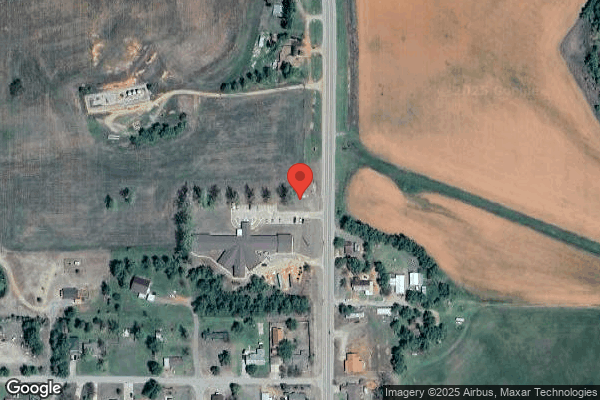
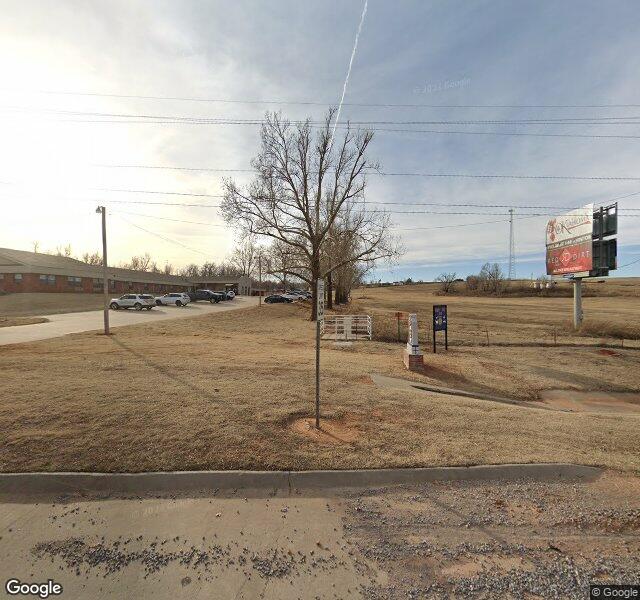
516 NORTH BROADWAY, BINGER, OK 73009 (405) 457-2302
For profit - Limited Liability company 65 Beds Independent Data: November 2025
Trust Grade
55/100
#151 of 282 in OK
Last Inspection: October 2024

Within standard 12-15 month inspection cycle. Federal law requires annual inspections.

Overview

Binger Nursing and Rehabilitation has a Trust Grade of C, which means it is average and sits in the middle of the pack among nursing homes. It ranks #151 out of 282 facilities in Oklahoma, placing it in the bottom half, and #3 out of 3 in Caddo County, indicating only one other local option is better. The facility's performance has been stable, with a consistent number of issues reported over the last two years. Staffing is a notable weakness, rated at only 1 out of 5 stars with a turnover of 56%, which is about average for the state. While there are no fines on record, which is a positive sign, there are concerns with RN coverage being lower than 93% of other facilities, suggesting limited nursing oversight. Specific incidents noted by inspectors include a failure to provide appropriate handwashing water temperatures for residents, which could affect their comfort and hygiene, and a lack of privacy during enteral nutrition administration for multiple residents, compromising their dignity. Additionally, routine laboratory tests were missed for a resident, potentially impacting their health management. Overall, while there are some strengths, such as no fines and decent health inspection ratings, the staffing issues and specific care concerns warrant careful consideration for families researching this facility.

Trust Score
C
55/100
In Oklahoma
#151/282
Bottom 47%
Safety Record
Low Risk
No red flags
Inspections
Holding Steady
2 → 2 violations
Staff Stability
⚠ Watch
56% turnover. Above average. Higher turnover means staff may not know residents' routines.
Penalties
✓ Good
No fines on record. Clean compliance history, better than most Oklahoma facilities.
Skilled Nurses
⚠ Watch
Each resident gets only 14 minutes of Registered Nurse (RN) attention daily — below average for Oklahoma. Fewer RN minutes means fewer trained eyes watching for problems.
Violations
○ Average
9 deficiencies on record. Average for a facility this size. Mostly minor or procedural issues.
★★☆☆☆
2.0
Overall Rating
★☆☆☆☆
1.0
Staff Levels
★☆☆☆☆
1.0
Care Quality
★★★★☆
4.0
Inspection Score
Stable
2024: 2 issues
2025: 2 issues

The Good

  • Full Sprinkler Coverage · Fire safety systems throughout facility
  • No fines on record

Facility shows strength in fire safety.

The Bad

2-Star Overall Rating

Below Oklahoma average (2.6)

Below average - review inspection findings carefully

Staff Turnover: 56%

10pts above Oklahoma avg (46%)

Frequent staff changes - ask about care continuity

Staff turnover is elevated (56%)

8 points above Oklahoma average of 48%

The Ugly 9 deficiencies on record

Apr 2025 1 deficiency
CONCERN (E) 📢 Someone Reported This

A family member, employee, or ombudsman was alarmed enough to file a formal complaint

Potential for Harm - no one hurt, but risky conditions existed

Deficiency F0558 (Tag F0558)

Could have caused harm · This affected multiple residents

Based on observation and interview, the facility failed to accommodate resident preferences of handwashing water temperatures for 1 (#10) of 4 resident sinks temped. The director of nursing identified...

Read full inspector narrative →
Based on observation and interview, the facility failed to accommodate resident preferences of handwashing water temperatures for 1 (#10) of 4 resident sinks temped. The director of nursing identified 33 residents resided in the facility. Findings: On 04/16/25 at 12:59 p.m., Resident #10's hot water faucet handle was turned on and the water temperature reached 105.9 degrees F. An annual resident assessment, dated 04/09/25, showed the cognition for Resident #10 was moderately impaired. On 04/16/ at 12:58 p.m., Resident #10 stated, It's as cold as can be. On 04/16/25 at 12:55 p.m., the maintenance director stated some rooms take longer to heat/warm than others. On 04/16/25 at 1:20 p.m., the maintenance director stated to wash their hands it didn't need to be too hot.
Jan 2025 1 deficiency
CONCERN (E) 📢 Someone Reported This

A family member, employee, or ombudsman was alarmed enough to file a formal complaint

Potential for Harm - no one hurt, but risky conditions existed

Deficiency F0583 (Tag F0583)

Could have caused harm · This affected multiple residents

Based on observation, record review, and interview, the facility failed to provide privacy curtains for three (#1, 3, and #4) of four sampled residents reviewed for enteral nutrition. The DON/RN repo...

Read full inspector narrative →
Based on observation, record review, and interview, the facility failed to provide privacy curtains for three (#1, 3, and #4) of four sampled residents reviewed for enteral nutrition. The DON/RN reported four residents resided in the facility with enteral nutrition. Findings: The Enteral Tube Feeding via Syringe (Bolus) policy, read in part, If the resident desires, return the door and curtains to the open position and if visitors are waiting, tell them they may now enter the room. On 01/22/25 at 1:45 p.m., LPN #1 was observed administering enteral nutrition to Resident #3 and did not provide privacy from their roommate Resident #4. LPN #1 was asked why they did not use privacy curtains and they stated they did not have a privacy curtain to separate the two residents. They were asked if Resident #1 had a privacy curtain. They stated they did not have a privacy curtain. On 01/22/25 at 2:05 p.m., DON/RN was asked about privacy curtains for Resident #1, 3, and #4. They observed the residents' rooms and agreed the rooms did not have privacy curtains. They reported it was the facility policy to have curtains.
Oct 2024 2 deficiencies
CONCERN (E)

Potential for Harm - no one hurt, but risky conditions existed

Laboratory Services (Tag F0770)

Could have caused harm · This affected multiple residents

Based on record review and interview, the facility failed to obtain routine laboratory values per physician orders for two (#14 and #25) of five sampled residents reviewed for laboratory results. The ...

Read full inspector narrative →
Based on record review and interview, the facility failed to obtain routine laboratory values per physician orders for two (#14 and #25) of five sampled residents reviewed for laboratory results. The administrator identified 37 residents resided in the facility. Findings: An undated Laboratory Services policy, read in part, Labs will only be obtained when ordered by the doctor, physician assistant, nurse practitioner, or clinical nurse specialist. 1. Resident #14 had diagnoses which included unspecified atrial fibrillation, essential hypertension, and unspecified dementia. A physician order, dated 04/17/23, documented to obtain labs every six months in May and November for CBC, CMP, lipids, and prealbumin. The resident's clinical record documented no lab results for May 2024. On 10/28/24 at 9:30 a.m., the DON reported it looked like the labs were missed in May 2024. On 10/28/24 at 9:50 a.m., the DON reported they did not have any labs in May. They reported the orders were in the laboratory system for Resident #14's labs to be drawn in November. 2. Resident #25 had diagnoses which included dementia with Lewy Bodies, Parkinson's, and essential hypertension. A physician order, dated 04/12/23, documented to obtain labs every six months in May and November for CBC, CMP, lipids, and PSA. The resident's clinical record documented no lab results for May 2024. On 10/28/24 at 11:44 a.m., the IP nurse reported Resident #25's labs for May 2024, were not in the clinical record and reported they thought after a year the order dropped out of the computer laboratory.
CONCERN (E) 📢 Someone Reported This

A family member, employee, or ombudsman was alarmed enough to file a formal complaint

Potential for Harm - no one hurt, but risky conditions existed

Garbage Disposal (Tag F0814)

Could have caused harm · This affected multiple residents

Based on observation and interview, the facility failed to ensure food and garbage from the kitchen were disposed of properly. The administrator identified 37 residents resided in the facility. Findin...

Read full inspector narrative →
Based on observation and interview, the facility failed to ensure food and garbage from the kitchen were disposed of properly. The administrator identified 37 residents resided in the facility. Findings: The administrator reported the facility had no policy regarding food and garbage disposal in the kitchen. On 10/22/24 at 7:25 a.m., three large trash cans without lids were observed in the kitchen and two plungers were observed under the dishwashing sink. On 10/28/24 at 11:13 a.m., flies were observed near the back door inside the kitchen area. The dietary manager reported the garbage disposal had been broken for several months which caused the sink to get plugged. They reported a plunger had to be used to unstop it. The dietary manager reported food was disposed of in trash cans which caused them to be very heavy and hard to empty. The dietary manager reported the food in the trash can attracted flies. On 10/28/24 at 11:50 a.m., the administrator reported corporate was aware the garbage disposal in the kitchen was broken and had chosen to not replace it at this time. On 10/28/24 at 1:00 p.m., two large gray uncovered trash cans were observed with filled black trash bags of garbage inside of both. The uncovered trash cans were swarmed with flies. The trash had not been transported to the facility's large metal garbage containers.
Aug 2023 2 deficiencies
CONCERN (D)

Potential for Harm - no one hurt, but risky conditions existed

MDS Data Transmission (Tag F0640)

Could have caused harm · This affected 1 resident

**NOTE- TERMS IN BRACKETS HAVE BEEN EDITED TO PROTECT CONFIDENTIALITY** Based on record review and interview, the facility failed to transmit an MDS discharge assessment, within 14 days following a di...

Read full inspector narrative →
**NOTE- TERMS IN BRACKETS HAVE BEEN EDITED TO PROTECT CONFIDENTIALITY** Based on record review and interview, the facility failed to transmit an MDS discharge assessment, within 14 days following a discharge, for one (#31) of two residents sampled for discharges. The Resident Census and Conditions of Residents form, dated 08/16/23, documented 37 residents resided in the facility. Findings: The MDS Assessment Coordinator policy, not dated, read in part, .A Registered Nurse (RN) shall be responsible for conducting and coordinating the development and completion of the resident assessment (MDS) . On 08/17/23 at 02:52 p.m., the assessment coordinator reported Resident #31 admitted on [DATE] and discharged on 03/08/23. The assessment coordinator reported they thought Resident #31 would stay in the facility for awhile, but the resident went back home on hospice shortly after admission. A document titled, MDS 3.0, not dated, read in part, .Record submitted Late: This submission date is more than 14 days after . On 08/17/23 at 03:54 p.m., the assessment coordinator reported they had re-submitted the discharge MDS assessment and it came back as accepted, but it was late. They reported it was accepted today on 08/17/23, but they had no documentation to indicate the assessment was accepted previously.
CONCERN (E)

Potential for Harm - no one hurt, but risky conditions existed

Deficiency F0919 (Tag F0919)

Could have caused harm · This affected multiple residents

Based on observation, record review, and interview, the facility failed to ensure an adequate call light system for 16 residents who resided on the 400 hall. The Resident Census and Conditions of Res...

Read full inspector narrative →
Based on observation, record review, and interview, the facility failed to ensure an adequate call light system for 16 residents who resided on the 400 hall. The Resident Census and Conditions of Residents form, dated 08/16/23, documented 37 residents resided in the facility. Findings: On 08/16/23 at 10:30 a.m., the 400 hall was toured. Numerous residents reported the call light system had been non-working since 07/30/23. Residents were observed to have small tins with some beads and a couple of pennies inside to use as rattles in place of call lights. The residents reported the rattles didn't work because the aides couldn't hear them and no one came when they rattled them. On 08/16/23 at 11:15 a.m., Resident #26 reported he shook the rattle all the time but no one ever came. On 08/16/23 at 11: 23 a.m., Resident #33 reported they didn't even use the rattle because the staff couldn't hear it. On 08/16/23 at 11:30 a.m., Resident #25 reported they used the rattle but staff couldn't hear it and it did no good to use it. On 08/16/23 at 11:35 a.m., Resident #21 reported staff couldn't hear it so they didn't get any help. On 08/16/23 at 11:39 a.m., Resident #13 reported they did not have a way to contact staff. On 08/16/23 at 11:43 a.m., Resident #15 reported they did not have a call device and stated they just yelled out for staff. On 08/16/23 at 11:00 a.m., LPN #1 reported they asked for bells but they got the tins instead. The LPN reported they were doing 15 minute rounds in the beginning but no one was doing that now. On 08/16/23, the surveyor observed hall 400 from 11:00 a.m. to 12:00 p.m. The surveyor did a continuous rattle for ten minutes with one of the resident's tins. No aides came to the hall until 11:57 a.m. On 08/16/23 at 12:00 p.m., CNA #1 reported they were doing two-hour rounding. On 08/16/23 at 12:30 p.m., the maintenance manager reported the call light system went down on 07/30/23. He reported they had to outsource it to be fixed and no one had come to make the repairs. He stated he texted the people who were expected to do the repairs and they replied it would be 08/24/23 before they could come to fix it. On 08/16/23 at 2:40 p.m., Resident #4 was observed to have a paddle-stick with a rattle taped to it on the bedside table. The resident reported staff couldn't hear it so they went around the corner to get help from staff. On 08/17/23, the DON provided the 15-minute rounding sheets for 07/30/23, 07/31/23, 08/01/23, 08/02/23, 08/04/23, and 08/07/23. There were none provided for 08/08/23 though 08/16/23. The DON reported the facility did not have a policy for call lights. The DON reported 11 of the 16 residents on the 400 hall were dependent residents. On 08/21/23 at 3:30 p.m., the DON reported they had ordered bells but they had not come in until that morning. She reported when the call lights went out they started the 15-minute rounding but it fell by the wayside. The DON stated they restarted the 15-minute rounding the day the surveyors arrived. The DON reported the tin rattles were not as effective for a call light system as they should have been.
Sept 2022 3 deficiencies
CONCERN (E)

Potential for Harm - no one hurt, but risky conditions existed

Notification of Changes (Tag F0580)

Could have caused harm · This affected multiple residents

Based on record review, observation, and interview the facility failed to notify the physician of a significant weight loss for one (# 36) of four residents reviewed for nutritional needs. The facili...

Read full inspector narrative →
Based on record review, observation, and interview the facility failed to notify the physician of a significant weight loss for one (# 36) of four residents reviewed for nutritional needs. The facility Resident Census and Conditions of Residents report documented two residents with unplanned weight loss. The Administrator reported a resident census of 37. Findings: Resident #36 was admitted with diagnoses which included heart disease and depression. An admission assessment, dated 07/15/22, documented the resident's cognition was intact and required supervision with eating and all activities of daily living. A care plan, dated 07/29/22, documented the resident received a regular diet and was able to feed self after tray was set up, and significant weight gain or loss > 5 lbs. would be reported to the physician. A dietician recommendation form dated 08/27/22 for Resident #36 documented weight loss of 10% (13 lbs.) and included interventions to be added to the resident's diet to prevent further weight loss. There was no documentaton located in Resident #36 chart to indicate the physician had been notified of the the 13 pound (10%) weight loss. On 08/31/22 at 10:47 a.m., LPN #1 reported the physician was in-house today, and is in agreement with the dietician's recommendations. The LPN provided the physician's new orders and reported no documentation was found where the physician had been previously notified of the resident's weight loss.
CONCERN (E)

Potential for Harm - no one hurt, but risky conditions existed

Quality of Care (Tag F0684)

Could have caused harm · This affected multiple residents

2. Resident # 22 had a diagnosis of chronic obstructive pulmonary disease. The resident's Physician Order, dated 02/01/22, documented, Oxygen - May have O2 at 2 liters via NC as needed to maintain sat...

Read full inspector narrative →
2. Resident # 22 had a diagnosis of chronic obstructive pulmonary disease. The resident's Physician Order, dated 02/01/22, documented, Oxygen - May have O2 at 2 liters via NC as needed to maintain sats above 90%. The resident's Care Plan, documented Oxygen at 2 liters via NC as needed to maintain sats above 90% . An MDS assessment, dated 06/19/22, documented the resident was cognitively intact. On 08/30/22 at 10:06 a.m., the resident was observed in bed, receiving O2 via nasal cannula. The O2 concentrator was set at 3 LPM. On 08/31/22 at 3:30 p.m., the resident was observed during wound care, receiving O2 via NC at a rate of 3 LPM. The resident reported she had not asked any staff to adjust the setting of her O2 and was unaware of what it was to be set on. On 08/31/22 at 3:40 p.m., the Charge Nurse reported resident #22's oxygen rate should be set at 2 liters and she had not adjusted the level on her shift. The charge nurse reported residents oxygen should be checked each shift. She reported in-service education would be done with staff to ensure only licensed nursing staff adjusted O2 flow rates. On 09/01/22 at 8:35 a.m., the resident was observed in bed, receiving O2 via NC at 3 LPM. At 08:45 a.m., an interview with CNA #1 and CNA #2 was conducted, both reported they check residents O2 sats and assist with putting on O2 tubing if needed. The CNA's reported they only turn the O2 concentrator on and off, they are not allowed to adjust the flow rate. At 09:40 a.m., LPN #2 reported that she does not check residents' oxygen flow rate on the day shift unless there is an order for a change. She reported the night shift nurse changes the tubing and checks the concentrators. At 10:10 a.m., LPN #1 reported the facility did not have an oxygen policy. Based on record review, observation, and interview, the facility failed to ensure oxygen was administered per the physician orders for two (#15 and #22) of two residents who required oxygen therapy. The Administrator reported 37 residents resided in the facility. Findings: 1. Resident #15 was admitted with diagnoses which included chronic obstructive pulmonary disease. An annual assessment documented the resident required oxygen therapy. The resident's care plan did not address oxygen therapy. A physician's order, dated 06/08/22, documented 02 at 2 lpm (liters per minute) via NC. On 08/30/22 at 9:31 a.m., the resident's oxygen was observed to be at 3 lpm per nasal cannula. On 08/30/22 at 1:28 p.m., the resident's oxygen was observed to be at 3.5 lpm per NC On 08/31/22 at 3:09 p.m., the oxygen was observed to be set on 4 lpm. The charge nurse observed the setting and reviewed the physician's order. She reported the oxygen should be set on 2 lpm per the physician's order.
CONCERN (E)

Potential for Harm - no one hurt, but risky conditions existed

Deficiency F0885 (Tag F0885)

Could have caused harm · This affected multiple residents

Based on record review and interview, the facility failed to inform resident families and/or representatives by 5:00 p.m. the next calendar day of testing positive for COVID-19 for five (#5, 10, 12, 2...

Read full inspector narrative →
Based on record review and interview, the facility failed to inform resident families and/or representatives by 5:00 p.m. the next calendar day of testing positive for COVID-19 for five (#5, 10, 12, 23, and #27) of five residents reviewed for notification. The Administrator reported 37 residents resided in the facility. Findings: The Monthly Infection Control Log, dated July 2022, documented five residents (#5, 10, 12, 23, and #27) tested positive for COVID-19 on 07-31-22. Review of the residents' clinical records documented no notification was made to families and/or representatives of the resident's positive COVID-19 test. On 08/31/22 at 12:04 p.m., the IP reported no documentation was found that the families and/or representatives of the residents that tested positive for COVID-19 on 07/31/22 had been notified by 5:00 p.m. the following day. On 08/31/22 at 3:30 p.m., the IP reported residents and their families and/or representatives are made aware the facility is in outbreak when the first resident or staff member tests positive for COVID-19. The IP reported resident families and/or representatives should be contacted again if the resident has a positive COVID-19 test and is put on isolation precautions.
Understanding Severity Codes (click to expand)
Life-Threatening (Immediate Jeopardy)
J - Isolated K - Pattern L - Widespread
Actual Harm
G - Isolated H - Pattern I - Widespread
Potential for Harm
D - Isolated E - Pattern F - Widespread
No Harm (Minor)
A - Isolated B - Pattern C - Widespread

Questions to Ask on Your Visit

  • "Why is there high staff turnover? How do you retain staff?"
  • "Can I speak with families of current residents?"
  • "What's your RN coverage like on weekends and overnight?"

Our Honest Assessment

Strengths
  • • No major safety red flags. No abuse findings, life-threatening violations, or SFF status.
  • • No fines on record. Clean compliance history, better than most Oklahoma facilities.
Concerns
  • • Grade C (55/100). Below average facility with significant concerns.
  • • 56% turnover. Above average. Higher turnover means staff may not know residents' routines.
Bottom line: Mixed indicators with Trust Score of 55/100. Visit in person and ask pointed questions.

About This Facility

What is Binger Nursing And Rehabilitation's CMS Rating?

CMS assigns BINGER NURSING AND REHABILITATION an overall rating of 2 out of 5 stars, which is considered below average nationally. Within Oklahoma, this rating places the facility higher than 0% of the state's 100 nursing homes. A rating at this level reflects concerns identified through health inspections, staffing assessments, or quality measures that families should carefully consider.

How is Binger Nursing And Rehabilitation Staffed?

CMS rates BINGER NURSING AND REHABILITATION's staffing level at 1 out of 5 stars, which is much below average compared to other nursing homes. Staff turnover is 56%, which is 10 percentage points above the Oklahoma average of 46%. High turnover can affect care consistency as new staff learn residents' individual needs. RN turnover specifically is 83%, which is notably high. RNs provide skilled clinical oversight, so turnover in this role can affect medical care quality.

What Have Inspectors Found at Binger Nursing And Rehabilitation?

State health inspectors documented 9 deficiencies at BINGER NURSING AND REHABILITATION during 2022 to 2025. These included: 9 with potential for harm.

Who Owns and Operates Binger Nursing And Rehabilitation?

BINGER NURSING AND REHABILITATION is owned by a for-profit company. For-profit facilities operate as businesses with obligations to shareholders or private owners. The facility operates independently rather than as part of a larger chain. With 65 certified beds and approximately 32 residents (about 49% occupancy), it is a smaller facility located in BINGER, Oklahoma.

How Does Binger Nursing And Rehabilitation Compare to Other Oklahoma Nursing Homes?

Compared to the 100 nursing homes in Oklahoma, BINGER NURSING AND REHABILITATION's overall rating (2 stars) is below the state average of 2.6, staff turnover (56%) is significantly higher than the state average of 46%, and health inspection rating (4 stars) is above the national benchmark.

What Should Families Ask When Visiting Binger Nursing And Rehabilitation?

Based on this facility's data, families visiting should ask: "How do you ensure continuity of care given staff turnover, and what is your staff retention strategy?" "Can you walk me through typical staffing levels on day, evening, and night shifts?" "Can I visit during a mealtime to observe dining assistance and food quality?" "How do you handle medical emergencies, and what is your hospital transfer rate?" These questions are particularly relevant given the facility's high staff turnover rate and the below-average staffing rating.

Is Binger Nursing And Rehabilitation Safe?

Based on CMS inspection data, BINGER NURSING AND REHABILITATION has a clean safety record: no substantiated abuse findings (meaning no confirmed cases of resident harm), no Immediate Jeopardy citations (the most serious violation level indicating risk of serious injury or death), and is not on the Special Focus Facility watch list (a federal program monitoring the lowest-performing 1% of nursing homes). The facility has a 2-star overall rating and ranks #100 of 100 nursing homes in Oklahoma. While no facility is perfect, families should still ask about staff-to-resident ratios and recent inspection results during their visit.

Do Nurses at Binger Nursing And Rehabilitation Stick Around?

Staff turnover at BINGER NURSING AND REHABILITATION is high. At 56%, the facility is 10 percentage points above the Oklahoma average of 46%. Registered Nurse turnover is particularly concerning at 83%. RNs handle complex medical decisions and coordinate care — frequent RN changes can directly impact care quality. High turnover means new staff may not know residents' individual needs, medications, or preferences. It can also be disorienting for residents, especially those with dementia who rely on familiar faces. Families should ask: What is causing the turnover? What retention programs are in place? How do you ensure care continuity during staff transitions?

Was Binger Nursing And Rehabilitation Ever Fined?

BINGER NURSING AND REHABILITATION has no federal fines on record. CMS issues fines when nursing homes fail to meet care standards or don't correct problems found during inspections. The absence of fines suggests the facility has either maintained compliance or corrected any issues before penalties were assessed. This is a positive indicator, though families should still review recent inspection reports for the full picture.

Is Binger Nursing And Rehabilitation on Any Federal Watch List?

BINGER NURSING AND REHABILITATION is not on any federal watch list. The most significant is the Special Focus Facility (SFF) program, which identifies the bottom 1% of nursing homes nationally based on persistent, serious quality problems. Not being on this list means the facility has avoided the pattern of deficiencies that triggers enhanced federal oversight. This is a positive indicator, though families should still review the facility's inspection history directly.