Hillcrest Manor Nursing Center
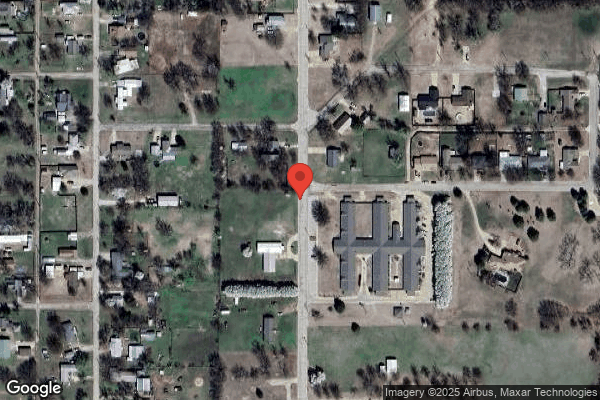
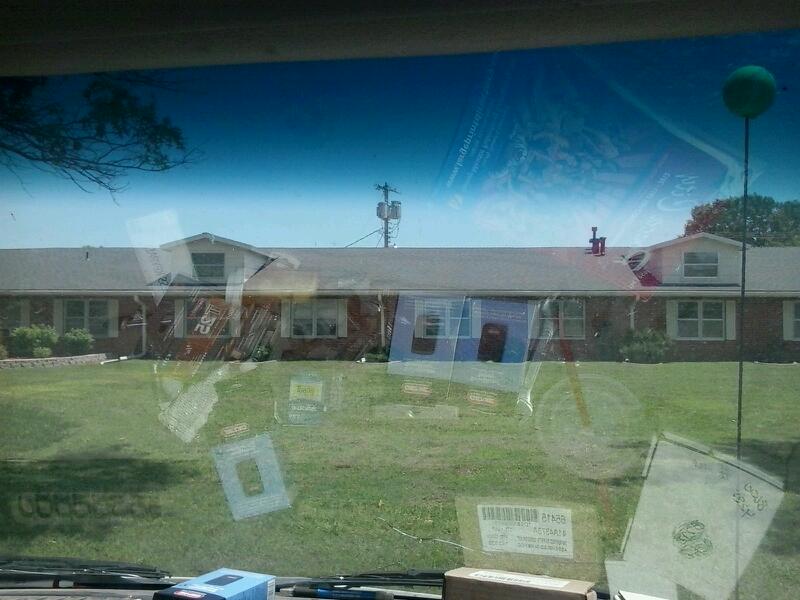
1210 South 6th Street, Blackwell, OK 74631 (580) 363-3244
For profit - Limited Liability company 137 Beds Independent Data: November 2025
Trust Grade
28/100
#234 of 282 in OK
Last Inspection: April 2025

Within standard 12-15 month inspection cycle. Federal law requires annual inspections.

Overview

Hillcrest Manor Nursing Center has received a Trust Grade of F, indicating significant concerns and a poor reputation in care quality. The facility ranks #234 out of 282 in Oklahoma, placing it in the bottom half of all state facilities, and it is the lowest-ranked option in Kay County. Unfortunately, the facility's performance is worsening, with the number of issues rising from 1 in 2024 to 11 in 2025. While staffing turnover is impressively at 0%, suggesting stability among staff, the overall staffing rating is poor at 1 out of 5 stars, which may affect the consistency of care. Additionally, there have been serious incidents, including a failure to update a resident's care plan which resulted in multiple falls and a fracture, as well as inadequate assessment of a resident's ability to self-administer medication safely. These findings highlight both critical weaknesses in care practices and the need for improvement at Hillcrest Manor.
Trust Score
F
28/100
In Oklahoma
#234/282
Bottom 18%
Safety Record
Moderate
Needs review
Inspections
Getting Worse
1 → 11 violations
Staff Stability
○ Average
Turnover data not reported for this facility.
Penalties
○ Average
$15,000 in fines. Higher than 50% of Oklahoma facilities. Some compliance issues.
Skilled Nurses
○ Average
RN staffing data not reported for this facility.
Violations
⚠ Watch
24 deficiencies on record. Higher than average. Multiple issues found across inspections.
★☆☆☆☆
1.0
Overall Rating
★☆☆☆☆
1.0
Staff Levels
★★☆☆☆
2.0
Care Quality
★★☆☆☆
2.0
Inspection Score
Stable
2024: 1 issues
2025: 11 issues

The Good

  • Full Sprinkler Coverage · Fire safety systems throughout facility
  • No fines on record

Facility shows strength in fire safety.

The Bad

1-Star Overall Rating

Below Oklahoma average (2.6)

Significant quality concerns identified by CMS

Federal Fines: $15,000

Below median ($33,413)

Minor penalties assessed

The Ugly 24 deficiencies on record

2 actual harm
May 2025 1 deficiency
CONCERN (D) 📢 Someone Reported This

A family member, employee, or ombudsman was alarmed enough to file a formal complaint

Potential for Harm - no one hurt, but risky conditions existed

Accident Prevention (Tag F0689)

Could have caused harm · This affected 1 resident

Based on record review and interview, the facility failed to ensure a CMA provided supervision to prevent a resident from falling for 1 (#2) of 3 sampled residents reviewed for falls. The ADON stated ...

Read full inspector narrative →
Based on record review and interview, the facility failed to ensure a CMA provided supervision to prevent a resident from falling for 1 (#2) of 3 sampled residents reviewed for falls. The ADON stated 55 residents resided in the facility. Findings: A facility policy titled Falls and Fall Risk, Managing, dated March 2018, read in part, Based on previous evaluations and current data, the staff will identify interventions related to the resident's specific risks and causes to try to prevent the resident from falling and to try to minimize complications from falling. A minimum date set 5-day scheduled assessment, dated 05/01/25, showed in Section C Res #2 had a brief interview for mental status score of 15 (score indicated the resident's cognition was intact). The assessment further showed in Section GG, Res #2 required the assistance of a staff member who would physically support the resident and perform more than half of the physical effort to transfer to and from toileting. A nursing progress note, dated 05/13/25 at 3:30 p.m., showed Res #2 had been found by registered nurse #2 sitting on their bedroom floor. The note showed CMA #2 was in the room as was three family members. The note showed CMA #2 was assisting the resident back from the bathroom when CMA #2 turned around to close the bathroom door Res #2 fell to the floor. The note further showed Res #2 complained of hip pain and was transferred to a local hospital for evaluation. A nursing progress note, dated 05/14/25 at 9:37 p.m., showed Res #2 had received no injuries from the fall on 05/13/25, had been elevated from a one person transfer to a two-person transfer, and had been prescribed the pain medication Tramadol (an opioid) for general pain described by the resident at a level of 7 on a 0 - 10 scale. The note showed the resident had reported their pain level as a 3 at the time of the note. On 05/19/25 at 10:53 a.m., CMA #2 was asked to describe the incident regarding Res #2 on 05/13/25. CMA #2 stated they were assisting Res #2 back from the bathroom in their room when they turned to close the bathroom door. They stated as the bathroom door latched closed, they heard a family member of Res #2 make a statement to catch the resident. CMA #2 stated when they turned to face the resident they were on the bedroom floor. They stated they contacted the nurse who assessed the resident and the resident was sent to a local hospital for evaluation. CMA #2 stated they believed Res #2 had been a one-person transfer at the time. They stated they should have completed the transfer before closing the bathroom door. On 05/19/25 at 2:40 p.m., anonymous #1 stated they had witnessed Res #2 fall on 05/13/25. They stated CMA #2 had completely let go of the resident to close the bathroom door and that was when the resident fell. On 05/19/25 at 3:47 p.m., CMA #2 was asked again to describe Res #2's fall on 05/13/25. They stated when they had turned to close the bathroom door they had completely let go of the resident and were not touching the resident when they fell. On 05/19/25 at 4:34 p.m., ADON stated CMA #2 should not have let go of the resident or tried to close the bathroom door while they transferred the resident. They stated by doing so they had not been following facility policy or best practice.
Apr 2025 10 deficiencies 2 Harm
SERIOUS (G)

Actual Harm - a resident was hurt due to facility failures

Deficiency F0657 (Tag F0657)

A resident was harmed · This affected 1 resident

**NOTE- TERMS IN BRACKETS HAVE BEEN EDITED TO PROTECT CONFIDENTIALITY** Based on record review and interview, the facility failed to ensure a resident's care plan was updated to include an interventio...

Read full inspector narrative →
**NOTE- TERMS IN BRACKETS HAVE BEEN EDITED TO PROTECT CONFIDENTIALITY** Based on record review and interview, the facility failed to ensure a resident's care plan was updated to include an intervention to prevent an identified pattern of falls for 1 (#39) of 2 sampled residents reviewed for accidents. The DON stated 54 residents at the facility had care plans. Findings: A facility policy titled Care Plans, Comprehensive Person-Centered, dated December 2016, read in part, The Interdisciplinary Team (IDT), in conjunction with the resident and/or their family or legal representative, develops and implements a comprehensive, person-centered care plan for each resident. A progress note, dated 08/12/24 at 2:30 a.m., showed Res #39 had fallen while attempting to go to their bathroom. A progress note, dated 09/25/24 at 11:34 p.m., showed Res #39 had fallen while attempting to go to their bathroom. A progress note, dated 11/06/24 at 3:26 a.m., showed Res #39 had fallen while attempting to go to their bathroom. A progress note, dated 12/20/24 at 3:35 a.m., showed Res #39 had fallen while attempting to go to their bathroom. A progress note, dated 12/25/24 at 3:55 a.m., showed Res #39 had fallen while attempting to go to their bathroom. The note further showed the resident suffered a laceration to their head from the fall. A progress note, dated 01/14/25 at 6:14 p.m., showed Res #39 had fallen on 01/14/25 but did not describe the incident. A progress note, dated 01/14/25 at 9:34 p.m., showed the resident had been uninjured during the fall on 01/14/25. A progress note, dated 01/17/25 at 1:10 a.m., showed Res #39 had fallen in the bathroom of their room. The note further showed the resident suffered a skin tear and abrasion on their left arm from the fall. An annual MDS assessment for Res #39, dated 01/31/25, showed in Section C they had a BIMS score of 13 which indicated normal cognition. The assessment also showed in Section GG the resident was able to use the toilet independently without any assistance. A care plan, revised date 02/06/25, showed Res #30 had fallen on 08/12/24, 09/24/24, 11/06/24, 12/20/24, 12/25/24, 01/14/25, 01/17/25, and 02/22/25. The care plan further showed the fall on 12/25/24 resulted in the resident suffering a laceration, the fall on 01/17/25 resulted in the resident suffering a skin tear and abrasion, and the fall on 02/22/25 resulted in the resident suffering a fracture. The care plan further showed the last care plan revision was on 02/22/25 which was for the resident to have therapy following surgery and for the resident's wheelchair to be kept out of the resident's walking path. There were no interventions to check on the resident for the need to toilet between 3:00 a.m. and 5:00 a.m. A progress note, dated 02/22/25 at 3:30 a.m., showed Res #39 had fallen in their room after tripping over their wheelchair. The note further showed when the staff stood Res #39 up, they cried out in pain and could not bear weight on their left side. An acute care hospital physician's note, dated 02/22/25, documented the resident had been seen for a hip fracture following a fall. The note further showed the resident had reported they had fallen while attempting to go to the bathroom. An acute care hospital physician's examination note, dated 02/23/25, showed the resident had undergone a left hip arthroplasty (a hip replacement surgery using artificial hardware) at the hospital. An acute care hospital Discharge summary, dated [DATE], showed the resident had been treated for a fracture of the left femoral neck (left hip) and had undergone hip replacement surgery. On 04/04/25 at 9:09 a.m., LPN #3 stated they had provided care to Res #39 during the resident's stay at the facility. When asked about falls LPN #3 stated the resident had time between 3:00 a.m., and 5:00 a.m. when they wanted to go to the bathroom and had some falls during that time. On 04/04/25 at 9:59 a.m., the resident's POA stated on three occasions in 2024 and 2025 they had been called by the facility between 3:00 a.m. and 5:00 a.m. about Res #39 having fell while going to the bathroom. They stated during each of those calls they had asked the staff to check on the resident between those times each day to see if the resident needed to go to the bathroom. The POA stated it was not difficult to figure out the resident was falling about the same time while trying to go to the bathroom. They stated they told the staff if they checked on the resident around those times it might prevent the falls. On 04/04/25 at 10:10 a.m., LPN #3 was asked if they had spoken to the resident's POA about the resident's falls sometime last year. They stated they had and the POA had asked them to check on the resident in the morning around the times the resident had been falling. They stated they had that converation sometime in the Fall of 2024, but they were not sure exactly when. LPN #3 stated they had not told the night shift about what the POA had told her but believed they knew. They stated they could not recall who they may have talked to about the conversations with the POA. On 04/04/25 at 10:20 a.m., the DON was asked about the care plan process at the facility. They stated they received information for the care plan from morning meetings. They stated they kept a book which included all the care plans so they could keep up with residents who were falling and add interventions. They stated they looked for patterns of the falls and possible interventions. They were asked about Res #39's falls and the POA's suggestion to LPN #3 about checking on the resident at a particular time. The DON stated in that situation the nurse should have informed management of the conversation with the POA as well as their own understanding the resident needed to be checked on between 3:00 a.m., and 5:00 a.m. They stated the information could have been acted on and placed in the care plan. They stated they used agency staff at the facility and such information needed to be passed on to them through the care plan. They stated the intervention should have been put into place once it was identified.
SERIOUS (G)

Actual Harm - a resident was hurt due to facility failures

Accident Prevention (Tag F0689)

A resident was harmed · This affected 1 resident

**NOTE- TERMS IN BRACKETS HAVE BEEN EDITED TO PROTECT CONFIDENTIALITY** Based on record review and interviews, the facility failed to ensure staff provided supervision to prevent falls which resulted ...

Read full inspector narrative →
**NOTE- TERMS IN BRACKETS HAVE BEEN EDITED TO PROTECT CONFIDENTIALITY** Based on record review and interviews, the facility failed to ensure staff provided supervision to prevent falls which resulted in a fracture for 1 (#39) of 2 sampled residents who were reviewed for accidents. The DON stated 54 residents resided at the facility. Findings: A facility policy titled, Fall and Fall Risk, Managing, dated March 2018, read in part, Based on previous evaluations and current data, the staff will identify interventions related to the resident's specific risks and causes to try to prevent the resident from falling and to try and minimize complications from falling. A progress note, dated 08/12/24 at 2:30 a.m., showed Res #39 had fallen while attempting to go to their bathroom. A progress note, dated 11/06/24 at 3:26 a.m., showed Res #39 had fallen while attempting to go to their bathroom. A progress note, dated 12/20/24 at 3:35 a.m., showed Res #39 had fallen while attempting to go to their bathroom. A progress note, dated 12/25/24 at 3:55 a.m., showed Res #39 had fallen while attempting to go to their bathroom. The note further showed the resident suffered a laceration to their head from the fall. A progress note, dated 02/22/25 at 3:30 a.m., showed Res #39 had fallen in their room after tripping over their wheelchair. The note further showed when the staff stood Res #39 up, they cried out in pain and could not bear weight on their left side. An acute care hospital physician's note, dated 02/22/25, showed the resident had been seen for a hip fracture following a fall. The note further showed the resident had reported they had fallen while attempting to go to the bathroom. An acute care hospital physician's examination note, dated 02/23/25, showed the resident had undergone a left hip arthroplasty (a hip replacement surgery using artificial hardware) at the hospital. An acute care hospital Discharge summary, dated [DATE], showed the resident had been treated for a fracture of the left femoral neck (left hip) and had undergone hip replacement surgery. On 04/04/25 at 9:09 a.m., LPN #3 stated they had provided care to Res #39 during the resident's stay at the facility. LPN#3 was asked about falls. LPN #3 stated the resident had a period of time between 3:00 a.m. and 5:00 a.m. when they wanted to go to the bathroom and had some falls during that time. On 04/04/25 at 9:59 a.m., the resident's POA (power of attorney) stated on three occasions in 2024 and 2025 they had been called by the facility between 3:00 a.m. and 5:00 a.m. about Res #39 having fell while going to the bathroom. They stated during each of those calls they had asked the staff to check on the resident between those times each day to see if the resident needed to go to the bathroom. The POA stated it was not difficult to figure out the resident was falling about the same time while trying to go to the bathroom. They stated they told the staff if they checked on the resident around those times it might prevent the falls. On 04/04/25 at 10:10 a.m., LPN #3 was asked if they had spoken to the resident's POA about the resident's falls. They stated they had and the POA had asked them to check on the resident in the morning around the times the resident had been falling. LPN #3 stated they thought that conversation took place in the Fall of 2024 but could not be certain. LPN #3 stated they had not told the night shift about what they had spoke about with the POA but believed they knew. They stated they could not recall who they may have talked to about the conversations with the POA. On 04/04/25 at 10:20 a.m., the DON was asked about Res #39's falls and the POA's suggestion to LPN #3 about checking on the resident at a particular time. The DON stated in that situation, the nurse should have informed management of the conversation with the POA as well as their own understanding the resident needed to be checked on between 3:00 a.m. and 5:00 a.m. The DON stated the information could have been acted on and placed in the care plan. They stated they used agency staff at the facility and such information needs to be passed on to them through the care plan. The DON stated the intervention should have been put into place once it was identified.
CONCERN (D)

Potential for Harm - no one hurt, but risky conditions existed

Comprehensive Assessments (Tag F0636)

Could have caused harm · This affected 1 resident

**NOTE- TERMS IN BRACKETS HAVE BEEN EDITED TO PROTECT CONFIDENTIALITY** Based on record review and interview, the facility failed to ensure a comprehensive assessment contained accurate health care in...

Read full inspector narrative →
**NOTE- TERMS IN BRACKETS HAVE BEEN EDITED TO PROTECT CONFIDENTIALITY** Based on record review and interview, the facility failed to ensure a comprehensive assessment contained accurate health care information for 1 (#4) of 24 sampled residents reviewed for comprehensive assessments. The DON stated 54 residents resided at the facility. Findings: A facility policy titled Certifying Accuracy of the Resident Assessment, dated November 2019, showed that each assessment must be accurate. An MDS annual assessment for Res #4, dated 01/08/25, showed in Section N0415 the resident was taking antipsychotic medications. Section N0450 of the same assessment showed the resident had not received antipsychotic medications. Res #4's medication administration record (MAR) for the month of January 2025, showed the resident had been administered the antipsychotic medication Latuda each of the seven days prior to the date of the MDS annual assessment, dated 01/08/25. On 04/03/25 at 8:07 a.m., Corp. VP #1 stated they had reviewed Res. #4's annual MDS assessment dated [DATE] and the resident's January 2025 MAR. They stated section N of the assessment showed the resident was both on and not on antipsychotic medication. They stated the resident's chart showed they were taking the antipsychotic medication Latuda now and at the time of the assessment. They stated they and the DON did spot checks of the MDS coordinator work, but do not review each assessment. On 04/03/25 at 8:46 a.m., the DON reviewed Res #4's annual MDS dated [DATE] and stated section N stated the resident was both taking and not taking antipsychotic medications. They stated the resident was taking an antipsychotic at that time. They stated the Corp. VP #1 checked the work of the MDS coordinator, but they did not. They stated the MDS was inaccurate.
CONCERN (D)

Potential for Harm - no one hurt, but risky conditions existed

MDS Data Transmission (Tag F0640)

Could have caused harm · This affected 1 resident

**NOTE- TERMS IN BRACKETS HAVE BEEN EDITED TO PROTECT CONFIDENTIALITY** Based on record review and interview, the facility failed to ensure resident assessments were completed and submitted to Centers...

Read full inspector narrative →
**NOTE- TERMS IN BRACKETS HAVE BEEN EDITED TO PROTECT CONFIDENTIALITY** Based on record review and interview, the facility failed to ensure resident assessments were completed and submitted to Centers for Medicare and Medicaid Services for 1 (#21) of 19 sampled residents who were reviewed for resident assessments. The DON identified 54 residents resided in the facility. Findings: A Discharge summary, dated [DATE] at 2:18 p.m., showed Resident #21 was discharged from the facility on 10/25/24. The electronic health record showed the last assessment completed was a quarterly assessment, dated 10/25/24. The electronic health record did not show a discharge assessment had been completed on 10/25/24. 04/02/25 at 1:31 p.m., Corporate Vice-President of Operations #1 stated a quarterly assessment had been completed instead of a discharge assessment by mistake.
CONCERN (D)

Potential for Harm - no one hurt, but risky conditions existed

ADL Care (Tag F0677)

Could have caused harm · This affected 1 resident

Based on record review and interview, the facility failed to ensure residents were bathed as scheduled for 1 (#1) of 3 residents reviewed for assistance with ADL's. The DON identified 54 residents who...

Read full inspector narrative →
Based on record review and interview, the facility failed to ensure residents were bathed as scheduled for 1 (#1) of 3 residents reviewed for assistance with ADL's. The DON identified 54 residents who resided in the facility. Findings: An undated policy titled Activities of Daily Living (ADLs), Supporting, read in part, Residents who are unable to carry out activities of daily living independently will receive the services necessary to maintain good nutrition, grooming and personal and oral hygiene. A quarterly assessment, dated 01/29/25, showed resident #1 had a BIMS score of 15 which is indicative of independence for daily decision making and they required moderate assistance with bathing. Shower sheets from 02/01/25 through 04/03/25 showed out of 18 opportunities, Resident #1 did not have a shower documented on 02/08/25, 02/18/25, 02/22/24, 02/25/25, 03/04/25, 03/08/25, or 04/01/25. On 04/03/25 at 10:18 a.m., Resident #1 stated they were supposed to receive a bath twice a week on Tuesday and Saturday, but sometimes they do not get a bath. Resident #1 also stated when they asked staff about getting a shower, they say they will do it later, but they do not always follow-up. On 04/04/25 at 8:10 a.m., CNA #1 stated the CNA working on hall was responsible for giving the showers to the residents on that hall. They stated shower sheets were filled out for every shower they completed, and the shower sheets were kept in a book at the nurse's desk. They also stated if a resident refused a shower it should be documented on a shower sheet. CNA #1 stated if they did not have a shower sheet, they could not say for sure if the resident had a shower or not.
CONCERN (D) 📢 Someone Reported This

A family member, employee, or ombudsman was alarmed enough to file a formal complaint

Potential for Harm - no one hurt, but risky conditions existed

Laboratory Services (Tag F0770)

Could have caused harm · This affected 1 resident

Based on record review and interview, the facility failed to ensure labs were completed as ordered by the physician for 1 (#24) of 6 sampled residents whose labs were reviewed. The DON reported 54 res...

Read full inspector narrative →
Based on record review and interview, the facility failed to ensure labs were completed as ordered by the physician for 1 (#24) of 6 sampled residents whose labs were reviewed. The DON reported 54 residents resided in the facility. Findings: A care plan, initiated 06/06/24 showed Resident #24 had diagnoses which included heart failure and hypertension. A quarterly assessment, dated 03/20/25, showed Resident #24 had a BIMS score of 13, which was indicative of no impairment for daily decision making. A health status note, dated 03/19/25 at 5:42 p.m., showed the physician was notified Resident #24 was complaining of a cough and congestion. The note also showed the physician ordered guaifenesin (an expectorant) 15 mg every four hours as needed and a test for RSV. A review of Resident #24's health record did not show a physician order for an RSV test on 03/19/25 or results of an RSV test collected on 03/19/25. On 04/03/25 at 4:02 p.m., LPN #1 stated when a nurse received an order for lab work they should collect the sample and put an order in the computer. They also stated if the lab was routine the lab company would come pick it up on Monday or Thursday. LPN #1 stated when the results were ready they would automatically go into the resident's electronic health record. On 04/04/25 at 8:28 a.m., the ADON stated the order for the RSV test was not put into the computer. They also stated they were out of swabs and the lab company was bringing more and the facility did not follow up to ensure the sample was collected.
CONCERN (D)

Potential for Harm - no one hurt, but risky conditions existed

Infection Control (Tag F0880)

Could have caused harm · This affected 1 resident

Based on observation, recored review, and interview, the facility failed to ensure enhanced barrier precautions were implemented for 1 (#7) of 3 sampled residents reviewed for enhanced barrier precaut...

Read full inspector narrative →
Based on observation, recored review, and interview, the facility failed to ensure enhanced barrier precautions were implemented for 1 (#7) of 3 sampled residents reviewed for enhanced barrier precautions. The DON reported 14 residents were on enhanced barrier precautions. Findings: On 04/02/25 at 2:19 p.m., RN #1 and CNA #2 were observed providing wound care to Resident #7. RN #1 was observed wearing a gown and CNA #2 was not observed wearing a gown. On 04/02/25 at 2:30 p.m., CNA #2 was observed providing incontinent care to resident #7. They were not wearing a gown. A medication administration record, dated 04/25, showed Resident #7 had diagnoses which included neuromuscular dysfunction of the bladder and stage IV pressure ulcer to the left heel. A quarterly assessment, dated 1/17/25, showed a staff assessment of Resident #7 was conducted. The staff assessment showed Resident #7 was severely impaired for daily decision making and was totally dependent on staff for care. On 04/02/25 at 2:39 p.m., CNA #2 stated they should have been wearing a gown. On 04/02/25 at 2:44 p.m., RN # 1 stated the facility used enhanced barrier precautions and CNA #2 should have been wearing a gown while providing direct care. On 04/04/25 at 8:30 a.m., the ADON stated gowns should be worn when providing care to residents on enhanced barrier precautions.
CONCERN (E) 📢 Someone Reported This

A family member, employee, or ombudsman was alarmed enough to file a formal complaint

Potential for Harm - no one hurt, but risky conditions existed

Transfer Notice (Tag F0623)

Could have caused harm · This affected multiple residents

Based on record review and interview, the facility failed to ensure a resident was provided a written notice of transfer prior to being transferred to a hospital for 1 (#33) of 2 sampled residents rev...

Read full inspector narrative →
Based on record review and interview, the facility failed to ensure a resident was provided a written notice of transfer prior to being transferred to a hospital for 1 (#33) of 2 sampled residents reviewed for hospitalizations. The DON stated 54 residents resided in the facility. Findings: A progress note, dated 02/15/25 at 9:51 a.m., showed the facility initiated a transfer to a hospital for Res #13. A progress note, dated 03/16/25 at 12:36 p.m., showed the facility initiated a transfer to a hospital for Res #13. On 04/04/25 at 11:58 a.m., LPN #3 stated they had been on duty on 02/15/25 and was the nurse who transferred Res #33 to a hospital that day. When asked about what documentation was sent with the resident they stated that such items as code status, orders and face sheet. LPN #3 stated they had not heard of a written notice of transfer or that it was required to be given to a resident when they go to a hospital. They stated they had never sent such a notice with a resident. On 04/04/25 at 12:01 p.m., the DON stated when they had sent residents to a hospital they would send the resident's face sheet, MAR, and code status. The DON stated they had not heard of a written notice of transfer. They stated they had not been doing that. The DON stated they did not have a policy or procedure that included a written notice of transfer.
CONCERN (E)

Potential for Harm - no one hurt, but risky conditions existed

Medication Errors (Tag F0758)

Could have caused harm · This affected multiple residents

Based on record review and interview, the facility failed to ensure: a. a psychotropic medication had an appropriate diagnosis for 1 (#50), and b. the physician addressed a GDR for 1 (#39) of 5 resid...

Read full inspector narrative →
Based on record review and interview, the facility failed to ensure: a. a psychotropic medication had an appropriate diagnosis for 1 (#50), and b. the physician addressed a GDR for 1 (#39) of 5 residents sampled for unnecessary medications. The DON reported nine residents received antipsychotic medications. Findings: A facility policy titled Antipsychotic Medication Use, dated December 2016, read in part, Residents will only receive antipsychotic medications when necessary to treat specific conditions for which they are indicated and effective. 1. A medication administration record for Res #50, dated 04/01/25 through 04/30/25, showed they had diagnoses which included dementia and delusional disorder. A Medicare five-day assessment, dated 02/14/25, showed Res #50 had a BIMS score of 12, which was indicative of a moderate impairment for daily decision making. The assessment also showed Resident #50 was receiving antipsychotic medication on a routine basis. A physician's order, dated 02/07/25, showed Res #50 was to receive risperidone (an antipsychotic medication) 0.5 mg by mouth daily for unspecified dementia. 2. A care plan for Res #39, dated 01/25/24, showed they had diagnoses which included depression and anxiety. A pharmaceutical consultation report, dated 02/10/25, showed a pharmacist suggested gradual dose reduction (GDR) of three psychotropic medications for Res. #39. Buspirone (antianxiety medications) 5mg administered twice daily, Celexa (antidepressant medication) 10 mg administered once daily, and Remeron (antidepressant medication) 15 mg administered at each bedtime, were listed on the consultation report as those suggested for reduction. The document showed the physician addressed a reduction of Celexa, but did not have any documentation addressing the two other psychotropic medications. On 04/03/25 at 10:39 a.m., the ADON stated they had reviewed the GDR for Res #39, dated 02/10/25. They stated the section for the physician to respond to the consultation only addressed the antidepressant medication, Celexa. They stated the physician did not address the two other medications. They stated there were also check boxes the physician could use to indicate whether they wanted to change or keep a medication as they were, but those boxes had not been used by the physician either. They stated because the medications were not addressed the staff could not know the physician's intentions for those medications. On 04/03/25 at 8:40 a.m., the DON stated the physician had not followed facility policy by not addressing each medication on the pharmacist's consultation for Res #39. On 04/04/25 at 10:33 a.m., the DON stated that dementia was not an appropriate diagnosis for an antipsychotic medication.
CONCERN (F) 📢 Someone Reported This

A family member, employee, or ombudsman was alarmed enough to file a formal complaint

Potential for Harm - no one hurt, but risky conditions existed

Deficiency F0554 (Tag F0554)

Could have caused harm · This affected most or all residents

Based on observation, records review, and interview, the facility failed to ensure a resident who self-administered their medication had been assessed for the ability to safely administer to do so for...

Read full inspector narrative →
Based on observation, records review, and interview, the facility failed to ensure a resident who self-administered their medication had been assessed for the ability to safely administer to do so for 1 (#13) of 9 sampled residents observed during medication administration observations. The DON stated one resident had self-administered medication at the facility. Findings: On 04/03/25 at 12:49 p.m., RN #1 was observed pre-setting an injector of insulin for Res #13. RN #1 was observed entering the resident's room and handing the insulin injector to the resident who raised their blouse, pushed the injector against their abdomen and pushed the button to release the insulin. The resident did not look to check the dose set on the injector prior to administering. The resident then handed the injector back to RN #1 and the RN departed the room. A policy titled Self-Administration of Medications, dated December 2016, read in part, As part of their overall evaluation, the staff and practitioner will assess each resident's mental and physical abilities to determine whether self-administering medications is clinically appropriate and safe for the resident. Res #13's medication administration records (MAR) from March 2024 through March 2025 were reviewed. Each month showed the resident had a physician's order for Novolog insulin ( a medication used in the mangement of diabetes mellitus and hyperglycemia) to be administered simultaneously with each meal. The records showed the resident had received 1,113 doses of the Novolog insulin during the reviewed months. An annual assessment, dated 02/02/25, showed Res #13 had a BIMS score of 15 which is considered normal cognitive functioning. Res #13's medical record was reviewed for an assessment to determine if Res #13 could safely self-administer medications. None were observed. On 04/03/25 at 1:03 p.m., Res #13 stated they had begun self-administering their insulin about one year ago. They stated they started doing it because they did not believe the staff kept the injector in long enough and not all the insulin was being injected. They stated their blood sugars were controlled better now that they injected the medication themselves. On 04/03/25 at 1:08 p.m., RN #1 stated they allowed Res #13 to administer their insulin the first time they attempted to administer it to them. They stated on that occasion the resident had told them they injected themselves so they allowed the resident to give the injection. On 04/03/25 at 1:11 p.m., LPN #1 was asked about Res #13 self-administering their insulin. LPN #1 stated the resident had been self-administering their insulin for about two years. LPN #1 stated they would set up the injector and hand it to the resident for administration. They stated they had been told the resident's doctor had written an order for the self-administration but could not recall by whom. They stated they were not sure if there was an order for the resident to self-administer their insulin. On 04/03/25 at 1:15 p.m., the DON was asked if they were aware of any residents that self-administered medications. The DON stated they were not aware of any. They were informed of the observation of Res #13 self-administering their insulin. The DON stated they were aware of that situation. They stated they did not know if the resident had been assessed for safety prior to them self-administering the insulin. On 04/03/25 at 1:19 p.m., the ADON stated they did not know if there was an order or assessment for Res #13 to self-administer but would look for them. The ADON stated they did have a policy on self-administering medications by residents. On 04/03/25 at 2:54 p.m., the ADON stated they had not found an order or assessment for the resident to self-administer insulin. They stated they were starting the process for getting Res #13 assessed to self-administer. The ADON stated they have alerted the nurses to wait for the process to be completed prior to allowing the resident to self-administer again. On 04/03/25 at 2:57 p.m., the DON stated the nurses would not allow the resident to administer until the process is complete. On 04/03/25 at 2:59 p.m., Corp VP #1 stated the facility had not been following their policy regarding resident self-administration but had now started the process for Res #13.
Aug 2024 1 deficiency
CONCERN (D) 📢 Someone Reported This

A family member, employee, or ombudsman was alarmed enough to file a formal complaint

Potential for Harm - no one hurt, but risky conditions existed

Accident Prevention (Tag F0689)

Could have caused harm · This affected 1 resident

Based on record review and interview, the facility failed to provide supervision to prevent elopement for one (#1) of three sampled residents who were reviewed for elopement. The administrator identi...

Read full inspector narrative →
Based on record review and interview, the facility failed to provide supervision to prevent elopement for one (#1) of three sampled residents who were reviewed for elopement. The administrator identified 12 residents who were high risk for elopement. Findings: The undated Wandering and Elopements policy, read in parts, .If a resident is missing initiate the 'Elopement/Missing Resident Emergency Procedure' .Determine if the resident is out on an authorized leave or pass .If the resident was not authorized to leave, initiate a search of the building(s) and premises; and .If the resident is not located notify the administrator and the DON, the resident's legal representative, the attending physician and law enforcement . Resident #1 had diagnoses which included dementia. The Wandering Risk Scale, dated 07/04/24, documented the resident was at risk to wander. The Care Plan, dated 07/22/24, documented the resident was an elopement risk/wanderer related to a history of attempts to leave the facility unattended and wandered aimlessly. A Form 283 Incident Report, dated 08/12/24, documented an employee found resident #1 walking beside the street in front of the facility. The incident report documented the employee brought the resident back into the facility and the southwest door was checked and the alarm did not sound. The incident report documented that upon investigation the administrator found that no Wander Guard alarms were on the Southwest or the Northwest doors. On 08/28/24 at 12:38 p.m., LPN #1 stated residents that wandered wore a Wander Guard bracelet on their ankle or wrist. The nurse stated they walked the residents to the door to make sure the alarm was working and documented on the resident's TAR. On 08/28/24 at 3:08 p.m., LPN #2 stated the residents that wandered had a Wander Guard on their ankle. LPN #2 stated if the resident got within 10-15 feet of the door the alarm sounded and the alarms were tested every Saturday. On 08/29/24 at 2:02 p.m., the administrator stated the maintenance supervisor was responsible for testing the Wander Guard every week and documented it in a log book. On 08/29/24 at 2:26 p.m., the ADON stated residents that were at risk for wandering were checked every 15 minutes during the day and hourly at night. Review of the maintenance log book, provided by the facility, revealed monitoring of the Wander Guard system had not been initiated until 08/12/24.
Dec 2023 5 deficiencies
CONCERN (E)

Potential for Harm - no one hurt, but risky conditions existed

Deficiency F0567 (Tag F0567)

Could have caused harm · This affected multiple residents

Based on record review and interview, the facility failed to post the accrued interest on three (#12, 23, and #28) of five residents whose funds were deposited in the facility trust. The DON documente...

Read full inspector narrative →
Based on record review and interview, the facility failed to post the accrued interest on three (#12, 23, and #28) of five residents whose funds were deposited in the facility trust. The DON documented 13 residents with funds in the trust. Facility census: 54 Findings: The facility's Deposit of Resident Funds policy, revised 12/2006, documented the deposited funds in excess of fifty dollars would be placed in an interest-bearing account maintained at a bank. 1. The ledger sheet for Resident #12 documented funds in excess of $100 dollars from 07/12/23 through 12/03/23. There was no documentation accrued interest was applied to the account. 2. The ledger sheet for Resident #23 documented funds in excess of $100 dollars from 05/08/23 through 12/14/23. There was no documentation accrued interest was applied to the account. 3. The ledger sheet for Resident #28 documented funds in excess of $100 dollars from 06/27/23 through 12/14/23. There was no documentation accrued interest was applied to the account. On 12/14/23 at 2:13 p.m., the accounts receivable manager stated the ledger sheets for Resident #12, Resident #23, and Resident #28 did not document the accrued interest and the facility would correct it.
CONCERN (E)

Potential for Harm - no one hurt, but risky conditions existed

Deficiency F0568 (Tag F0568)

Could have caused harm · This affected multiple residents

Based on record review and interview, the facility failed to maintain an accurate accounting of resident monies for one (#28) of five residents whose funds were managed in the facility trust and faile...

Read full inspector narrative →
Based on record review and interview, the facility failed to maintain an accurate accounting of resident monies for one (#28) of five residents whose funds were managed in the facility trust and failed to ensure the accuracy of vendor payments for two (#34 and #43) of five residents whose funds were managed in the facility trust. The DON documented 13 residents with funds in the trust. Facility census: 54 Findings: 1. The ledger sheet for Resident #28 documented in July 2023, the resident was charged for two vendor payments, leaving a net gain of $252.00 to their account. The ledger sheet documented in August 2023, the resident was charged one vendor payment, leaving a net gain of $411.00 to their account. The ledger sheet documented in September 2023, the resident was charged one vendor payment, leaving a net gain of $411.00 to their account. The ledger sheet documented in October 2023, the resident was charged one vendor payment, leaving a net gain of $365.00. On 12/14/23 at 1:40 p.m., the administrator was shown the ledger sheet for Resident #28. The administrator stated the resident should have $75.00 left for personal use after DHS approved monthly vendor payments were applied to their accounts. On 12/14/23 at 2:00 p.m., the accounts receivable manager stated the business office manager had thought the resident was not to be charged the additional vendor payments and they would contact those vendors to clarify the resident's account balance. 2. The ledger sheet for Resident #34 documented the monthly deposit for February 2023 through May 2023 was equal to the one monthly approved vendor payment for the four months, which left no additional funds for the resident's personal use. The ledger sheet for Resident #34 documented the monthly deposit for June 2023 and July 2023 was equal to the two monthly approved vendor payments for the two months, which left no additional funds for the resident's personal use. The ledger sheet for Resident #34 documented the monthly deposit for August 2023 through November 2023 was equal to the three monthly approved vendor payments for the four months, which left no additional funds for the resident's personal use. 3. The ledger sheet for Resident #43 documented the monthly deposit for October 2023 and November 2023 was equal to the three approved vendor payments for the two months, which left no additional funds for the resident's personal use. On 12/14/23 at 1:40 p.m., the administrator was shown the ledger sheet for Resident #28. The administrator stated the resident should have $75.00 left for personal use after DHS approved monthly vendor payments were applied to their accounts. On 12/14/23 at 2:00 p.m., the accounts receivable manager stated they would contact DHS to confirm the amount of their vendor payments for Resident #34 and Resident #43 and make adjustments accordingly.
CONCERN (E)

Potential for Harm - no one hurt, but risky conditions existed

Deficiency F0570 (Tag F0570)

Could have caused harm · This affected multiple residents

Based on record review and interview, the facility failed to maintain a bond greater than the balance of the facility managed residents' trust. The DON documented 13 residents with funds in the trust....

Read full inspector narrative →
Based on record review and interview, the facility failed to maintain a bond greater than the balance of the facility managed residents' trust. The DON documented 13 residents with funds in the trust. Facility census: 54 Findings: The facility bond, dated 09/21/08, documented an $8000.00 bond securing the residents' funds in the trust. The facility bond, dated 04/14/16, documented the bond was adjusted from $8,000.00 to $20,000. The facility trust bank statement balance, dated 09/06/23, documented a balance of $51,229.43. The facility trust bank statement balance, dated 10/05/23, documented a balance of $46,080.48. The facility trust bank statement balance, dated 11/08/23, documented a balance of $48,194.53. On 12/14/23 at 2:00 p.m., the accounts receivable manager stated the bond was not high enough to cover the resident trust and would be adjusted.
CONCERN (E)

Potential for Harm - no one hurt, but risky conditions existed

Deficiency F0760 (Tag F0760)

Could have caused harm · This affected multiple residents

**NOTE- TERMS IN BRACKETS HAVE BEEN EDITED TO PROTECT CONFIDENTIALITY** Based on observation, record review, and interview, the facility failed to ensure the correct dose of an ordered medication was ...

Read full inspector narrative →
**NOTE- TERMS IN BRACKETS HAVE BEEN EDITED TO PROTECT CONFIDENTIALITY** Based on observation, record review, and interview, the facility failed to ensure the correct dose of an ordered medication was administered for one (#9) of seven residents observed for medication administration. The DON stated 53 residents received medications. Facility census: 54 Findings: Resident #9 had diagnoses which included congestive heart failure, chronic kidney disease, atrial fibrillation, cellulitis, and venous stasis ulcers of the bilateral lower extremities. A physician's order, dated 11/10/23, increased the resident's furosemide, a diuretic, from 20mg twice daily to 40mg twice daily. A hospital Discharge summary, dated [DATE], documented the resident was hospitalized from [DATE] to 11/20/23 for pneumonia, cellulitis, and congestive heart failure. A prescription history report, dated 12/14/23, documented the pharmacy delivered 28 tablets of 40mg furosemide on 11/10/23 and again on 12/11/23. There were 31 days between fill dates and 28 tablets was enough medication to administer the twice daily dose for 14 days. On 12/13/23 at 4:20 p.m., CMA #1 was observed to administer one furosemide 20mg tablet to Resident #9. On 12/14/23 at 9:15 a.m., CMA #1 stated they had not noticed the dosage change and there should have been a change of direction sticker on the medication card for the resident's furosemide. The CMA stated they were to follow the five rights of medication administration to ensure the residents received the correct medication and dosage. On 12/14/23 at 12:20 p.m., the DON stated the CMA's were to read the medication administration record and check the prescription label to ensure the information matched before administering a medication.
CONCERN (E)

Potential for Harm - no one hurt, but risky conditions existed

Infection Control (Tag F0880)

Could have caused harm · This affected multiple residents

Based on observation, record review, and interview, the facility failed to ensure: a. CMA #1 dispensed an oral medication without touching the medication with their bare hands; b. the registered nurse...

Read full inspector narrative →
Based on observation, record review, and interview, the facility failed to ensure: a. CMA #1 dispensed an oral medication without touching the medication with their bare hands; b. the registered nurse rinsed a nebulizing mask clean after use; c. LPN #1 cleansed a wound in a manner to prevent contamination of the wound bed; and d. Paid Feeding Assistant #1 fed each spoonful of food to a resident in a manner which minimized the risk of infection. The DON stated 53 residents received medications. The DON documented four residents received nebulizing breathing treatments. The DON documented seven residents received wound care. The administrator stated there was one feeding assistant. Facility census: 54 Findings: 1. On 12/13/23 at 4:20 p.m., CMA #1 was observed to drop a Celebrex tablet onto the medication cart. With their bare hands, CMA #1 picked up the tablet and placed it in the souffle cup with the other medications to administer. CMA #1 was observed to administer the Celebrex to resident #9. On 12/14/23 at 9:15 a.m., CMA #1 stated handling the medication with their bare hands was an infection control issue. On 12/14/23 at 12:10 p.m., the DON stated medications were not to be touched with bare hands by anyone but the resident who received the medication. 2. On 12/14/23 at 8:30 a.m., RN #1 was observed to administer a nebulizing breathing treatment to resident #8. Afterward, the RN placed the nebulizing mask back into a storage bag. The nebulizing chamber was observed to have a small amount of clear liquid remaining in the chamber. On 12/14/23 at 9:08 a.m., RN #1 stated the masks were changed out weekly but were not rinsed clean unless visibly dirty. On 12/14/23 at 12:10 p.m., the infection preventionist stated they did not know nebulizing masks were to be rinsed after use. On 12/14/23 at 12:10 p.m., the DON stated the nurses were to rinse the nebulizing mask after each use. 3. On 12/14/23 at 10:10 a.m., LPN #1 and CNA #1 were observed to perform wound care for resident #7. The resident's left foot was resting on a towel. CNA #1 held the resident's left leg up and LPN #1 cleansed the wound bed with 4x4 gauze soaked in saline. The LPN used long brushing strokes across the wound bed, from edge to opposite edge, which had the potential to draw contaminates from the surface of the surrounding skin into the wound bed. After cleansing the wound, CNA #1 placed the resident's foot back down on the towel, potentially recontaminating the wound. LPN #1 stated they were ready and the CNA picked the resident's leg up again. LPN #1 used their gloved hands to remove small tabs of collagen to the wound bed, hold a foam pad over the wound site, and secure the dressing with a gauze wrap and tape. On 12/14/23 at 10:25 a.m., LPN #1 was asked what happened when the CNA placed the freshly cleaned foot back down on the same towel the foot was on prior to them cleaning the wound. The LPN stated the wound bed got dirty again. The LPN stated they were not taught any technique to clean a wound which might minimize the risk of contaminating the wound bed. 4. On 12/14/23 at 12:00 p.m., paid feeding assistant #1 was observed blowing on a resident's food before feeding it to the resident. On 12/14/23 at 12:15 p.m., paid feeding assistant #1 was asked if it was sanitary to blow on a resident's food. The feeding assistant stated no.
Nov 2022 7 deficiencies
CONCERN (D)

Potential for Harm - no one hurt, but risky conditions existed

Food Safety (Tag F0812)

Could have caused harm · This affected 1 resident

Based on record review, observation, and interview, the facility failed to ensure kitchen equipment was maintained clean for the deep fat fryer and the stove top. The DON identified 48 residents recei...

Read full inspector narrative →
Based on record review, observation, and interview, the facility failed to ensure kitchen equipment was maintained clean for the deep fat fryer and the stove top. The DON identified 48 residents received services from the kitchen. Findings: A Sanitization policy, dated October 2008, read in parts, .All equipment, food contact surfaces and utensils shall be washed to remove or completely loosen soils .All Equipment shall be kept clean, maintained in good repair .The food services manager will be responsible for scheduling staff for regular cleaning of kitchen and dining areas. Food service staff will be trained to maintain cleanliness throughout their work areas during all tasks, and clean after each task before proceeding to the next assignment. On 11/27/22 at 1:30 p.m., during a tour of the kitchen, the following observations were made: a. the deep fat fryer had grimy build up on it, the grease in it appeared dark and in need of being changed out, and b. the stove top had grimy build up and food crumbs on it, On 11/27/22 at 1:35 p.m., the CDM was asked how often the deep fat fryer was cleaned. They stated, Once a week on Sunday, so it will be cleaned today. They were asked about the stove top. They stated it should be cleaned after each use. On 11/29/22 at 3:03 p.m., the Administrator was made aware of the above findings. He stated, She is short staffed in the kitchen, so [CDM] is behind on cleaning.
CONCERN (D)

Potential for Harm - no one hurt, but risky conditions existed

Deficiency F0888 (Tag F0888)

Could have caused harm · This affected 1 resident

Based on record review and interview, the facility failed to ensure staff who were not fully vaccinated, had been granted an exemption or temporary delay from the COVID-19 vaccine for one (#4) of 33 s...

Read full inspector narrative →
Based on record review and interview, the facility failed to ensure staff who were not fully vaccinated, had been granted an exemption or temporary delay from the COVID-19 vaccine for one (#4) of 33 staff members reviewed for COVID-19 vaccination status. The COVID-19 Staff Vaccination Status report, undated, documented the facility had 33 staff members and one staff member was partially vaccinated. Findings: A COVID-19 Vaccination policy, undated, read in part, .staff will be considered fully vaccinated if it has been 2 weeks or more since they completed a primary series for COVID-19 . A COVID-19 Staff Vaccination Status report, undated, documented one staff member, CNA #4, was partially vaccinated. On 11/28/22 at 5:02 p.m., the IP was asked to explain why CNA #4 was partially vaccinated. They stated CNA #4 just hadn't gotten their second dose of the vaccine. The IP was asked when CNA #4 had been hired. They stated on 08/02/22. On 11/29/22 at 10:49 a.m., the IP was asked what the policy was for staff COVID-19 vaccinations. They stated the facility prefers them to be vaccinated. They stated if staff were not vaccinated, they had to have an exemption. The IP was asked if CNA #4 had an exemption. They stated no.
CONCERN (E)

Potential for Harm - no one hurt, but risky conditions existed

Deficiency F0582 (Tag F0582)

Could have caused harm · This affected multiple residents

Based on record review and interview, the facility failed to ensure that the proper SNF ABN or NOMNC for two (#100, and #101) of three sampled residents who where reviewed for SNF beneficiary notices....

Read full inspector narrative →
Based on record review and interview, the facility failed to ensure that the proper SNF ABN or NOMNC for two (#100, and #101) of three sampled residents who where reviewed for SNF beneficiary notices. A Beneficiary Notices form, undated, documented 15 residents had been discharged from skilled services with days remaining in the past six months. Findings: A Transfer or Discharge policy, dated December 2016, read in part, The business office is responsible for, informing the resident, of his or her representative of NOMNC and ABN per Medicare guidelines. 1. Resident #101 admitted to skilled services on 07/01/22 with a diagnosis of stage four pressure ulcer of the sacral region and was discharged from skilled services on 08/13/22 due to therapy goals being met. 2. Resident #100 admitted to skilled services on 08/01/22 with a diagnosis of surgical amputation due to gangrene. They were discharged from skilled services on 10/08/22 due to therapy goals being met. Residents #101 and #102 should have been provided a NOMNC. On 11/30/22 at 2:10 p.m., the Administrator was asked if Residents #100 and #101 had been provided with the NOMNC or ABN. He stated, It was just an oversight on our part.
CONCERN (E) 📢 Someone Reported This

A family member, employee, or ombudsman was alarmed enough to file a formal complaint

Potential for Harm - no one hurt, but risky conditions existed

ADL Care (Tag F0677)

Could have caused harm · This affected multiple residents

**NOTE- TERMS IN BRACKETS HAVE BEEN EDITED TO PROTECT CONFIDENTIALITY** Based on record review, observation, and interview, the facility failed to ensure bathing was provided to dependent residents fo...

Read full inspector narrative →
**NOTE- TERMS IN BRACKETS HAVE BEEN EDITED TO PROTECT CONFIDENTIALITY** Based on record review, observation, and interview, the facility failed to ensure bathing was provided to dependent residents for three (#1, 17, and #44) of three sampled residents reviewed for bathing and nail care had been provided to two (#1 and #17) of three sampled residents reviewed for ADLs. The Resident Census and Conditions of Residents report, dated 11/28/22, documented 48 residents resided in the facility, 37 residents required one to two person assistance for bathing, and 11 residents were dependent on staff for bathing. Findings: A Fingernails/Toenails policy, revised February 2018, read in parts, .Nail care includes daily cleaning and regular trimming .Documentation .The date and time that nail care was given . 1. Resident #1 admitted on [DATE] with diagnoses which included DM. An admission Assessment, dated 09/28/22, documented the resident required extensive assistance for bathing and personal hygiene. On 11/27/22 at 1:41 p.m., Resident #1 was asked if they had been receiving baths as often as they would like. They stated no. They stated they wanted bathed and their hair washed weekly. Resident #1 stated they had not been bathed or had their hair washed in over a week. Resident #1's hair was observed to be greasy and unbrushed. Their toenails were observed to be very long. Their fingernails were observed to have light brown residue under them. Resident #1 was asked if staff provided them with nail care. They stated they trimmed their own fingernails and that their toenails had not been trimmed since they admitted to the facility. Flow sheets, dated November 2022, did not document Resident #1 had been bathed from 11/01/22 through 11/11//22 and from 11/22/22 through 11/27/22. A Shower Check Off sheet, dated 11/13/22, documented nail care had been provided. There was no other documentation the resident had been provided nail care. On 11/28/22 at 11:00 a.m., RN #1 was observed providing wound care to Resident #1. They were asked who was responsible to provide nail care. RN #1 stated CNAs were, unless the resident was diabetic, then the nurse would be responsible. RN #1 was asked if Resident #1 was diabetic. They stated, Yes. On 11/28/22 at 11:05 a.m., Resident #1 was asked if anyone had trimmed their toenails or fingernails since they admitted . They stated no. Resident #1 was observed using their fingernails from each hand to clean light brown substance from underneath their fingernails. On 11/28/22 at 11:24 a.m., after RN #1 was asked if they had looked at Resident #1's fingernails and toenails. They stated, Yes, I will cut them this afternoon. 2. Resident #17 had diagnoses which included cerebral ataxia and dementia. A Resident Assessment, dated 09/22/22, documented the resident had long and short term memory problems, and required total assistance for bathing and personal hygiene. Bathing Flow Sheet records, dated 11/02/22 and 11/05/22, documented Resident #17 had been bathed, and on 11/12/22, the Resident refused a bath. An ADL Bathing task, dated 11/26/22, documented the Resident refused a bath. There was no documentation that showed Resident #17 had been bathed from 11/12/22 through 11/26/22. On 11/28/22 at 9:32 a.m., Resident #17 was observed sitting in the living area in a geri chair. Their fingernails were observed to be long with debris under them and their hair was observed to be greasy and unbrushed. On 11/29/22 2:29 p.m., CNA #3 was asked what type of assistance Resident #17 required for bathing and personal hygiene. They stated the Resident #17 required total assistance. CNA #3 was asked how frequently the resident was to be bathed. They stated twice weekly. CNA #3 was asked how they documented when a bath had been provided. They stated staff documented on a flow sheet and in the computer. On 11/30/22 at 8:25 a.m., Resident #17 was observed sitting in a geri chair in the dining room. Their hair was observed to be greasy. On 11/30/22 at 8:49 a.m., LPN #2 was asked what the policy was for providing bathing and shampoos. They stated residents get bathed and their hair washed two to three times a week. LPN #2 was asked to observe Resident #17's hair. They were asked if it looked greasy. They stated the Resident's hair gets oily. LPN #2 was made aware the bathing records did not document Resident #17 had been bathed from 11/12/22 through 11/26/22. On 11/30/22 at 3:28 p.m., the DON was asked the reason baths weren't getting provided as schedule. She stated they used a lot of agency staff and they don't always work together. 3. Resident #44 had diagnoses which included dementia. A Resident Assessment, dated 11/7/22, documented the resident's cognition was intact and required extensive assistance for bathing and personal hygiene. On 11/28/22 at 7:52 a.m., Resident #44 asked if they had been receiving baths as often as they would like. They stated, No, it's been about two weeks. They were asked how often they get their hair washed. Resident #44 stated it had been two weeks since their hair had been washed. Resident #44's hair was observed to be greasy. They were asked how often they would like to receive a bath and hair wash. They stated, When I'm dirty. Resident #44 was asked if they felt dirty. They stated, Oh, yes. There was no documentation to show Resident #44 had been bathed from 11/16/22 through 11/27/22. On 11/30/22 at 2:06 p.m., the DON was made aware of the findings.
CONCERN (E) 📢 Someone Reported This

A family member, employee, or ombudsman was alarmed enough to file a formal complaint

Potential for Harm - no one hurt, but risky conditions existed

Pressure Ulcer Prevention (Tag F0686)

Could have caused harm · This affected multiple residents

Based on record review, observation, and interview, the facility failed to ensure: a. a treatment was provided as ordered, b. staff washed their hands during wound care treatments, and c. pressure ...

Read full inspector narrative →
Based on record review, observation, and interview, the facility failed to ensure: a. a treatment was provided as ordered, b. staff washed their hands during wound care treatments, and c. pressure relieving boots were applied as ordered for one (#1) of one sampled resident reviewed for pressure ulcers. Findings: Resident #1 had diagnoses which included pressure ulcers. An admission Summary report, dated 09/21/22 at 3:45 p.m., read in part, .Arrived via ambulance .[11:50 a.m.] .Air mattress on bed .multiple wounds .Wound to coccyx, right heel, two wounds on left heel . Braden Scale assessments, dated 09/21/22, 09/28/22, and 10/12/22, documented Resident #1 was at high risk for pressure ulcers. An admission Resident Assessment, dated 09/28/22, documented Resident #1's cognition was intact, they required limited assistance with bed mobility, had unhealed pressure ulcers, three stage four pressure ulcers that were present on admit, and one unstageable pressure ulcer that was present on admit. A Care Plan, dated 10/16/22, documented Resident #1 required total dependence of two for repositioning and bed mobility, and required a mechanical lift with two staff for transfers. It documented Resident #1 had actual skin impairment and to provide wound care per physician's orders. A Health Status note, dated 10/26/22 at 11:06 a.m., read in part, .Resident [#1] returned to facility .Open area to coccyx, back of left calf, left heel and right heel. Bandages are CDI. Feet floated at this time to prevent further breakdown to heels . A Physician's Order, dated 1026/22, read in part, Prevalon boots to be worn at all times per wound care doctor every shift for heel breakdown/wounds . A Skin/Wound note, dated 11/14/22 at 2:22 p.m., read in part, .Dr .in facility this shift seeing residents wounds. Dressings to bilateral heels and left calf to remain the same. Verbal order received to change dressing cover to ABD pad on coccyx wound . A Physician's Order, dated 11/14/22, read in part, .Cleanse left heel, right heel and area to left lower calf with NS, pat dry, apply gentamycin to wound bed, then calcium alginate over, wrap with kerlix. DO NOT PLACE TELFA OVER ALGINATE every day shift for wound . A Physician's Order, dated 11/15/22, read in part, .Cleanse wound to coccyx with NS, pat dry, apply gentamycin ointment and calcium alginate, place ABD pad over wound. ONLY SECURE ABD WITH TAPE WHEN RESIDENT IS OUT OF BED. every day shift for wound . On 11/27/22 01:56 p.m., Resident #1 was observed sitting up in a chair. They were observed to have dressings to bilateral lower legs and feet. The dressings did not have a date on them. Resident #1 was asked if they had any pressure ulcers. They stated they had one on their left heel and left leg, one on their right heel, and stated staff was doing a treatment to their bottom. They were asked how frequently staff dressed the wounds to their heels. They stated staff usually did it daily, but had not done it today. A November TAR, dated 11/27/22, documented staff had provided the treatment to Resident #1's coccyx area and the prevalon boots were in place. On 11/28/22 at 2:10 p.m., Resident #1 was observed in bed. A pressure relieving boot was observed on the floor next to Resident #1's dresser. A November TAR, dated 11/28/22, documented the prevalon boots were in place. On 11/28/22 at 2:10 p.m., CNA #2 was asked if the resident utilized any type of boots for pressure ulcer relief. They stated no, just pillows and wraps. On 11/28/22 at 2:14 p.m., RN #1 was asked if Resident #1 utilized any type of pressure relieving boot. They stated, No, well yeah. They were observed looking at the EMR and stated, [Resident #1] has an order for prevalon [boot] to be worn at all times per the wound care doctor. RN #1 was asked if the Resident had the boots on at any time in the past few days. They stated, No. On 11/28/22 at 10:42 a.m., RN #1 was observed to provide wound care to Resident #1's coccyx and bilateral buttocks. RN #1 donned gloves, cleaned the areas with gauze and normal saline, and then applied gentamycin ointment and collagen powder to a large allevyn dressing. RN #1 applied the dressing to Resident #1's buttocks and secured it with tape. RN #1 then removed his gloves. RN #1 did not wash his hands prior to donning gloves, did not remove his gloves and sanitize his hands after cleaning the wounds, and did not sanitize or wash his hands after he finished the treatment. On 11/28/22 at 11:00 a.m., RN #1 entered Resident #1's room to provide wound care to Resident #1's bilateral heels and the back of the left calf. RN #1 donned gloves and was observed to remove a dressing from the left calf and heel. They were observed to clean the areas with NS and gauze, applied gentamycin to the areas, covered with an ABD pad and wrapped the lower leg and heel with kerlix. RN #1 did not wash his hands prior to donning gloves, he did not remove his gloves and sanitize his hands after removing the soiled bandage, he did not remove his gloves and sanitize his hands after cleaning the wound, and did not sanitize or wash his hands after he finished the treatment. RN #1 then removed a dressing from Resident #1's right heel. He then removed his gloves and donned another pair of gloves. He was observed to clean the area to the right heel, removed his gloves, donned gloves and applied gentamycin and an ABD pad, and wrapped the lower leg and heel with kerlix. RN #1 then removed their gloves. RN #1 was not observed to wash their hands before providing wound care, between glove changes, and did not change gloves and wash his hands between removing a soiled dressing and applying new dressings. RN #1 was not observed to wash their hand after the treatment had been provided. On 11/30/22 at 2:14 p.m., the DON was asked how the facility ensured residents were administered the correct treatments. The DON stated the treatments come off the TAR. The DON was inform of the above observation of RN #1 providing an incorrect wound treatment to Resident #1's coccyx area, and not having the prevalon boot in place as documented and ordered. The DON was asked what the policy was for handwashing during wound care. She stated to wash hands or use sanitizer every time gloves are changed. She was made aware of the wound care observation and RN #1 not washing their hands.
CONCERN (E)

Potential for Harm - no one hurt, but risky conditions existed

Staffing Data (Tag F0851)

Could have caused harm · This affected multiple residents

Based on record review, and interview, the facility failed to ensure RN coverage seven days a week, eight hours a day for the following: a. five out of 30 days in April 2022, b. five out of 31 days in...

Read full inspector narrative →
Based on record review, and interview, the facility failed to ensure RN coverage seven days a week, eight hours a day for the following: a. five out of 30 days in April 2022, b. five out of 31 days in May 2022, and c. two out of 30 days in June 2022. The Resident Census and Conditions of Residents report, dated 11/28/22, documented 48 residents resided in the facility. Findings: A PBJ Staffing report, dated April 1st through June 30th, 2022, read in parts, No RN Hours .Infraction Dates .04/09 .04/10 .04/16 .04/23 .04/24 .05/08 .05/12 .05/21 .05/22 .05/31 .06/18 .06/19 . FACILITY On 11/30/22 4:31 p.m., the CEO stated they could not verify RN coverage for the above dates.
CONCERN (E) 📢 Someone Reported This

A family member, employee, or ombudsman was alarmed enough to file a formal complaint

Potential for Harm - no one hurt, but risky conditions existed

Infection Control (Tag F0880)

Could have caused harm · This affected multiple residents

Based on record review, observation, and interview, the facility failed to ensure: a. staff were face masks in the facility during a COVID-19 outbreak and the facilities community transmission rate hi...

Read full inspector narrative →
Based on record review, observation, and interview, the facility failed to ensure: a. staff were face masks in the facility during a COVID-19 outbreak and the facilities community transmission rate high, and b. staff wore the appropriate PPE while providing care for one (#149) of one sampled resident reviewed for infection control. The Resident Census and Conditions of Residents report, dated 11/28/22, documented 48 residents resided in the facility. The DON identified one resident who was COVID-19 positive and they were in outbreak status. Findings: A Mask policy, dated 11/01/22, read in parts, .If the county transmission level is high .staff and visitors will wear face coverings .If the facility is in Outbreak for COVID-19 .staff and visitiors will wear isolation or sugical masks at all times .N95's or higher masks are to be worn in isolation/quarantine rooms . Resident #149 had diagnoses which included COVID-19. On 11/27/22 at 11:00 a.m., upon entrance to the facility, RN #1, RN #2, CNA #1, CNA #3, CNA #6, CNA #7. On 11/28/22 at 7:41 a.m., RN #1 was observed outside resident's room. He was observed to don a gown and entered the room with a surgical mask, and no eye protection, or gloves. RN #1 then took the resident's fsbs. He doffed the gown inside the resident's room, placed the glucometer on top of the treatment cart outside the room, and cleaned his hands with ABHR. RN #1 entered the Resident's room again, took off his facemask, placed it in the trash, asked the Resident if they wanted a cup of coffee, and then exited the room. On 11/28/22 at 3:30 p.m., the DON was asked what the policy was for staff wearing face masks during a COVID-19 outbreak. She stated, We have COVID and then 14 more days. She was asked what the policy was for staff utilizing PPE when providing care to a COVID-19 positive resident. She stated, Full PPE. She stated staff should use N95s, gowns, and gloves. She was asked if staff should be wearing goggles or faceshields. She stated they had not been doing that. The DON was informed of the above observations. On 11/29/22 at 10:49 a.m., the IP was asked what the policy was for staff wearing masks. They stated if they wer in outbreak, they had to wear masks all the time. They were asked what PPE staff used when caring for a COVID-19 positive resident. They stated gloves, gowns, N95s and faceshields. The IP was made aware of the above observations.
Understanding Severity Codes (click to expand)
Life-Threatening (Immediate Jeopardy)
J - Isolated K - Pattern L - Widespread
Actual Harm
G - Isolated H - Pattern I - Widespread
Potential for Harm
D - Isolated E - Pattern F - Widespread
No Harm (Minor)
A - Isolated B - Pattern C - Widespread

Questions to Ask on Your Visit

  • "Can I speak with families of current residents?"
  • "What's your RN coverage like on weekends and overnight?"

Our Honest Assessment

Strengths
  • • Licensed and certified facility. Meets minimum state requirements.
Concerns
  • • Multiple safety concerns identified: 2 harm violation(s), Payment denial on record. Review inspection reports carefully.
  • • 24 deficiencies on record, including 2 serious (caused harm) violations. Ask about corrective actions taken.
  • • $15,000 in fines. Above average for Oklahoma. Some compliance problems on record.
  • • Grade F (28/100). Below average facility with significant concerns.
Bottom line: Trust Score of 28/100 indicates significant concerns. Thoroughly evaluate alternatives.

About This Facility

What is Hillcrest Manor Nursing Center's CMS Rating?

CMS assigns Hillcrest Manor Nursing Center an overall rating of 1 out of 5 stars, which is considered much below average nationally. Within Oklahoma, this rating places the facility higher than 0% of the state's 100 nursing homes. A rating at this level reflects concerns identified through health inspections, staffing assessments, or quality measures that families should carefully consider.
How is Hillcrest Manor Nursing Center Staffed?
CMS rates Hillcrest Manor Nursing Center's staffing level at 1 out of 5 stars, which is much below average compared to other nursing homes.

What Have Inspectors Found at Hillcrest Manor Nursing Center?

State health inspectors documented 24 deficiencies at Hillcrest Manor Nursing Center during 2022 to 2025. These included: 2 that caused actual resident harm and 22 with potential for harm. Deficiencies causing actual harm indicate documented cases where residents experienced negative health consequences.

Who Owns and Operates Hillcrest Manor Nursing Center?

Hillcrest Manor Nursing Center is owned by a for-profit company. For-profit facilities operate as businesses with obligations to shareholders or private owners. The facility operates independently rather than as part of a larger chain. With 137 certified beds and approximately 57 residents (about 42% occupancy), it is a mid-sized facility located in Blackwell, Oklahoma.

How Does Hillcrest Manor Nursing Center Compare to Other Oklahoma Nursing Homes?

Compared to the 100 nursing homes in Oklahoma, Hillcrest Manor Nursing Center's overall rating (1 stars) is below the state average of 2.6 and health inspection rating (2 stars) is below the national benchmark.

What Should Families Ask When Visiting Hillcrest Manor Nursing Center?

Based on this facility's data, families visiting should ask: "Can you walk me through typical staffing levels on day, evening, and night shifts?" "Can I visit during a mealtime to observe dining assistance and food quality?" "How do you handle medical emergencies, and what is your hospital transfer rate?" "Can I speak with family members of current residents about their experience?" These questions are particularly relevant given the below-average staffing rating.

Is Hillcrest Manor Nursing Center Safe?

Based on CMS inspection data, Hillcrest Manor Nursing Center has a clean safety record: no substantiated abuse findings (meaning no confirmed cases of resident harm), no Immediate Jeopardy citations (the most serious violation level indicating risk of serious injury or death), and is not on the Special Focus Facility watch list (a federal program monitoring the lowest-performing 1% of nursing homes). The facility has a 1-star overall rating and ranks #100 of 100 nursing homes in Oklahoma. While no facility is perfect, families should still ask about staff-to-resident ratios and recent inspection results during their visit.

Do Nurses at Hillcrest Manor Nursing Center Stick Around?

Hillcrest Manor Nursing Center has not reported staff turnover data to CMS. Staff turnover matters because consistent caregivers learn residents' individual needs, medications, and preferences. When staff frequently change, this institutional knowledge is lost. Families should ask the facility directly about their staff retention rates and average employee tenure.

Was Hillcrest Manor Nursing Center Ever Fined?

Hillcrest Manor Nursing Center has been fined $15,000 across 1 penalty action. This is below the Oklahoma average of $33,229. While any fine indicates a compliance issue, fines under $50,000 are relatively common and typically reflect isolated problems that were subsequently corrected. Families should ask what specific issues led to these fines and confirm they've been resolved.

Is Hillcrest Manor Nursing Center on Any Federal Watch List?

Hillcrest Manor Nursing Center is not on any federal watch list. The most significant is the Special Focus Facility (SFF) program, which identifies the bottom 1% of nursing homes nationally based on persistent, serious quality problems. Not being on this list means the facility has avoided the pattern of deficiencies that triggers enhanced federal oversight. This is a positive indicator, though families should still review the facility's inspection history directly.