Aspen Health and Rehab
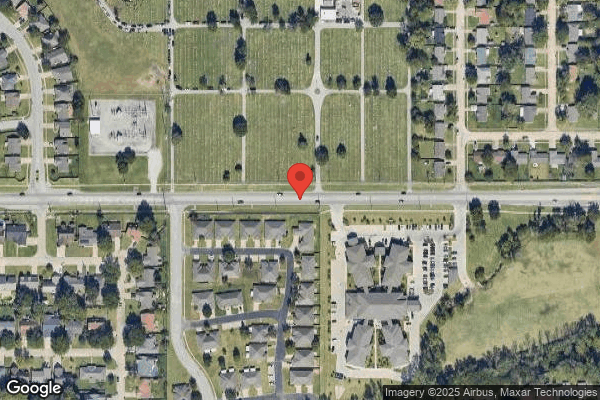

1251 West Houston, Broken Arrow, OK 74012 (539) 367-4500
For profit - Corporation 126 Beds CENTRAL ARKANSAS NURSING CENTERS Data: November 2025 1 Immediate Jeopardy citation
Trust Grade
0/100
#194 of 282 in OK
Last Inspection: July 2024

Within standard 12-15 month inspection cycle. Federal law requires annual inspections.

Overview

Aspen Health and Rehab in Broken Arrow, Oklahoma has received a Trust Grade of F, indicating significant concerns about the quality of care provided. They rank #194 out of 282 facilities in Oklahoma, placing them in the bottom half, and #28 out of 33 in Tulsa County, meaning there are only a few local options that are better. The facility is worsening, with issues increasing from 6 in 2024 to 8 in 2025. Staffing is a mixed bag; although they have an average rating of 3 out of 5 stars, the turnover rate is concerning at 72%, which is significantly higher than the state average of 55%. They have been fined $54,065, which is higher than 82% of Oklahoma facilities, raising concerns about their compliance with regulations. In terms of RN coverage, it is average, which may limit oversight of care. Specific incidents include a critical failure to protect residents from abuse, as one resident reported being hurt by a staff member repeatedly and expressed fear of further mistreatment. Additionally, the facility has struggled with maintaining proper medication administration, as one resident received a medication that was supposed to be discontinued. Overall, while there are some strengths in quality measures, the concerning deficiencies and fines suggest families should carefully consider their options before choosing this facility.

Trust Score
F
0/100
In Oklahoma
#194/282
Bottom 32%
Safety Record
High Risk
Review needed
Inspections
Getting Worse
6 → 8 violations
Staff Stability
⚠ Watch
72% turnover. Very high, 24 points above average. Constant new faces learning your loved one's needs.
Penalties
✓ Good
$54,065 in fines. Lower than most Oklahoma facilities. Relatively clean record.
Skilled Nurses
⚠ Watch
Each resident gets only 26 minutes of Registered Nurse (RN) attention daily — below average for Oklahoma. Fewer RN minutes means fewer trained eyes watching for problems.
Violations
⚠ Watch
18 deficiencies on record. Higher than average. Multiple issues found across inspections.
★☆☆☆☆
1.0
Overall Rating
★★★☆☆
3.0
Staff Levels
★★★★☆
4.0
Care Quality
★☆☆☆☆
1.0
Inspection Score
Stable
2024: 6 issues
2025: 8 issues

The Good

  • 4-Star Quality Measures · Strong clinical quality outcomes
  • Full Sprinkler Coverage · Fire safety systems throughout facility
  • No fines on record

Facility shows strength in quality measures, fire safety.

The Bad

1-Star Overall Rating

Below Oklahoma average (2.6)

Significant quality concerns identified by CMS

Staff Turnover: 72%

26pts above Oklahoma avg (46%)

Frequent staff changes - ask about care continuity

Federal Fines: $54,065

Above median ($33,413)

Moderate penalties - review what triggered them

Chain: CENTRAL ARKANSAS NURSING CENTERS

Part of a multi-facility chain

Ask about local staffing decisions and management

Staff turnover is very high (72%)

24 points above Oklahoma average of 48%

The Ugly 18 deficiencies on record

1 life-threatening
Jul 2025 1 deficiency
CONCERN (D) 📢 Someone Reported This

A family member, employee, or ombudsman was alarmed enough to file a formal complaint

Potential for Harm - no one hurt, but risky conditions existed

Grievances (Tag F0585)

Could have caused harm · This affected 1 resident

Based on record review and interview, the facility failed to ensure grievances were filed without fear of reprisal for 1 (#3) of 3 sampled residents who were reviewed for grievances. The administrator...

Read full inspector narrative →
Based on record review and interview, the facility failed to ensure grievances were filed without fear of reprisal for 1 (#3) of 3 sampled residents who were reviewed for grievances. The administrator identified 93 residents resided at the facility. Findings: A grievance form, dated 04/03/25, showed a concern for Resident #3 regarding a resident they did not like. The intervention showed the administrator, AD, and SSD spoke to the resident. A quarterly assessment, dated 04/21/25, showed Resident #3 had a BIMS of 15, which indicate their cognition was intact, and diagnoses which included hypertension, renal insufficiency, and diabetes. A grievance form, dated 06/30/25, showed a concern for Resident #3 as resident to resident. No intervention was provided on the grievance form. A social services/activities note, dated 06/30/25, showed the SSD and AD met with Resident #3 to address their complaints. The note showed the conversation included a question to Resident #3 about if the resident was happy living at the facility and if not, should they consider whether the facility was the right place or not. The note showed Resident #3 became very angry and gestured twisting their mouth and stated, So I'll just shut my mouth and not say a word ever again. The note showed Resident #3 asked the SSD to leave. On 07/03/25 at 2:32 p.m., Resident #3 stated they were told by social services if they kept complaining, there were other homes they could go to. Resident #3 stated they turned in complaints about the multiple staff's children being unsupervised at the facility. Resident #3 stated a couple of days ago, the SSD sort of threatened them when the SSD told them if they kept complaining, they would find them other placement. On 07/07/25 at 9:33 a.m., the representative for Resident #3 stated the SSD and AD had the conversation with Resident #3 on 06/30/25 on video with audio. The representative stated they would bring the video to the facility when they visited Resident #3. On 07/07/25 at 12:06 p.m., the representative informed the surveyor they were in the room of Resident #3 and had brought the recorded video segment in question. The video was observed. The video segment was dated 06/30/25 and showed the activities director in view but the social services director was not. A conversation was taking place. At 3:54 p.m. in the video, the AD was observed to stand and inform they had a call and left the room. The conversation continued with an unseen visitor. The visitor stated they Were working on the child thing. The visitor continued to say, You gotta be careful how much you complain about things that are not in your control. Resident #3 questioned Not in my control? The visitor responded, Yeah, like the children are not in your control, and that's okay, we are working on that. The puzzles are not in your control, [Resident #2] is not in your control and you complain constantly. After watching the video, Resident #3 was asked how that conversation made them feel. They stated It doesn't matter what I think. You really don't have a lot of rights here. The activities person says it is my home and to come to them with any issues, but when I do, this happens. Resident #3 began to cry. Resident #3 stated it has taken their joy of being around people. On 07/08/25 at 9:49 a.m., the AD stated a resident could not make too many grievances. The AD stated they would turn in anyone who told a resident to stop complaining. The AD stated on 06/30/25, they had to leave the conversation with Resident #3 to take a phone call, but had asked the SSD how the remainder of the discussion went and the SSD informed them it ended ok. The AD stated Resident #3 requested to speak to them several days later and when they followed up the surveyor was in the room. On 07/08/25 at 10:15 a.m., the SSD stated they were involved with resident concerns by providing comfort, education, listening, re-direction, and getting representative involvement when needed. The SSD stated if the concern was something problematic they became involved. They gave an example of what would be problematic, such as interfering with the care of a resident to the point of causing harm. The SSD stated the only reason a resident would be transferred would be if the resident was unhappy at the facility either with peers or conditions. They stated, Otherwise it's people who were unhappy with having rules. The social services director stated, There is a common thread, people start acting like a prisoner when they are consistently unhappy. The SSD was asked to react to the statement, You need to be careful how much you complain. The SSD stated they would not like that and it should not be said. The SSD stated if they had said that they would correct and clarify it. On 07/08/25 at 10:52 a.m., the administrator stated their policy for grievances was a resident could submit a grievance to any administrative staff member in person or in writing, and all grievances came to the administrator. The administrator stated a resident could submit as many grievances as they wished. The administrator stated they usually determined the root cause and either assigned it to the corresponding department or involved social services and activities. They stated they had reviewed cameras to verify if something happened or not in the past. The administrator was asked why a resident would be told to be careful how much you complain about things you have no control over. They stated they had not heard that and did not know what context that would be in.
Jun 2025 2 deficiencies
CONCERN (D) 📢 Someone Reported This

A family member, employee, or ombudsman was alarmed enough to file a formal complaint

Potential for Harm - no one hurt, but risky conditions existed

Deficiency F0659 (Tag F0659)

Could have caused harm · This affected 1 resident

Based on record review and interview, facility staff failed to follow the plan of care for 1 (#4) of 6 residents whose clinical records were reviewed. The facility alphabetical room roster showed ther...

Read full inspector narrative →
Based on record review and interview, facility staff failed to follow the plan of care for 1 (#4) of 6 residents whose clinical records were reviewed. The facility alphabetical room roster showed there were 100 residents. Findings: An undated Closet Care Plan, for resident #4 showed the resident was confused at times, had left side weakness, and transferred with a mechanical lift/sling and two person assistance. The history and physical, dated 05/02/25, showed the resident was recently hospitalized for a stroke as well as a history of stroke with subsequent left side weakness and numbness. The history and physical showed the resident also had a history of dementia and chronic right should pain. The Care Plan, dated 05/02/25, showed the resident had activities of daily living performance deficit related to impaired mobility secondary to a stroke. The interventions showed the resident required partial moderate assistance with upper body dressing and personal hygiene. The interventions showed the resident required substantial to maximal assistance with toileting, showering, lower body dressing, and rolling side to side in bed. The interventions showed the resident was dependent with all other care related to activities of daily living. The comprehensive assessment, dated 05/07/25, showed resident #4 usually could make themselves understood and usually understood others, was moderately impaired in daily decision making with a BIMS score of 10, had functional range of motion in both upper and lower extremities, and was able to wheel themselves 150 feet in a manual wheelchair. The comprehensive assessment documented the resident was 5'9 tall and 201 pounds. A progress note, dated 05/14/25, read in part, Resident family member states that resident [sic] knee was injured during a transfer on Saturday night. Family states that resident was transferred without [the use of a mechanical lift] and leg got caught in wheelchair. Family member refused to let this nurse ask resident or spouse due to dementia diagnosis. The progress note showed the resident's physician was aware of the allegation and an x-ray was ordered. A facility reported incident, dated 05/14/25, showed the facility initiated an allegation of abuse/mistreatment involving CNA #1, LPN #1, and Resident #4. The report showed the CNA and LPN came into the resident's room to transfer the resident from their wheelchair to their bed. The report showed CNA #1 held the back of the wheelchair and LPN #1 stood in front of the wheelchair. The LPN advised the resident to place their hands around the nurse's neck and LPN #1 proceeded to lift the resident from the wheelchair. The note showed the LPN could not lift the resident high enough to clear the arm of the wheelchair and attempted to do so a few times before lifting them over the armrest and onto the bed. The note read in part, In the interim, [family member] stated that (the resident's) feet were caught in the foot pedals and this was also preventing [the resident] from clearing the wheelchair. The note showed that once the resident was on the bed, the (family member) felt LPN #1 was too quick in straightening the resident in bed. The report showed the resident was to transfer with the assistance of two staff members and a mechanical lift. The report showed LPN #1 admitted to transferring the resident without the use of a mechanical lift, but stated there were no complaints of pain and that family was not in the room at the time of the transfer. The report showed CNA #1 denied being in the room at the time of the transfer. The report showed the administrator reviewed camera footage and determined the family, LPN #1, and CNA #1 were all present at the time of the transfer. The report read in part, [CNA #1] had retrieved the nurse for assistance and both went in the room and shut the door. The Hoyer lift was clearly visible, right outside the resident room. Both staff members walked past the Hoyer lift. The report showed both staff members were terminated and the remaining staff were in-serviced on following the closet care plan. A physician's progress note, dated 05/15/25, showed the x-ray to left knee was performed and the physician's impression of the x-ray was no acute fracture or dislocation present but there was moderate osteoarthritic changes notes. The note showed the resident had a left knee brace in place during the examination. On 06/04/25 at 5:00 p.m., family member #1 stated the resident was to be transferred by mechanical lift per the resident's closet care plan. The family member on a weekend afternoon, a CNA and nurse entered the room to transfer the resident from their wheelchair to their bed. The family member stated the two did not use a mechanical lift and instead transferred the resident by violently jerking the resident up out of the wheelchair. The family member stated the CNA was behind the wheelchair and the nurse was in front of the wheelchair. The family member stated the nurse jerked the resident upward and toward the bed but was unable to clear the left arm rest of the wheelchair. The family member stated the nurse attempted the transfer again and again, each time hitting the resident's hip into the hard arm rest. The family member stated the resident's feet were caught up in the foot pedals and front wheels of the wheelchair and did not have their feet planted for the transfer nor have the space to assist with the transfer. The family member stated the nurse sat the resident back down and then quickly jerked the resident up off their feet and with feet dangling, twisted and let go of the resident over the bed. The family member stated the resident was left with their head dangling off one side of the bed and their legs/feet off the other side of the bed. The family member stated the nurse then grabbed the resident by the arm and quickly reoriented the resident so their head was at the head of the bed. The family member stated this action was done too quickly for the resident. The family member stated this incident left the resident and family distraught. The family member stated after the incident, the resident complained of left knee pain and was unable to participate in physical therapy to the same level as before the transfer. On 06/05/25 at 2:00 p.m., Therapist #1 stated Resident #4 did complain of left knee pain and was not able to participate in therapy to the same level for a few days after the incident but was back to the same level as before the incident within the week. The therapist stated the resident would participate in therapy until the resident complained the left knee would dislocate and they could no longer bear weight on the joint. The therapist stated the resident would move the knee around to get the joint back in place. The therapist stated sometimes the knee joint would go back in place and the resident would resume therapy but most often it did not and any weight bearing therapy was halted for the day. The therapist stated the knee brace helped to some extent and so did the administration of pain medication an hour before therapy. The therapist stated the knee did limit the resident's ability to bear weight but felt it only delayed the resident's plateau in their level of function by a few days. The therapist stated they felt the transfer incident had little overall effect of the resident's course of therapy. On 06/06/25 at 11:20 a.m., the administrator stated when they were notified of the incident regarding the CNA and nurse not following the plan of care, they immediately reported the incident to the State and licensing agencies. The administrator stated they started their investigation of the incident but could only substantiate that the staff did not follow the plan of care. The administrator stated the closet care plan was one of their primary ways to communicate a resident's personalized care needs and Resident #4's closet care plan showed they were to transfer with a mechanical lift.
CONCERN (E) 📢 Someone Reported This

A family member, employee, or ombudsman was alarmed enough to file a formal complaint

Potential for Harm - no one hurt, but risky conditions existed

Safe Environment (Tag F0584)

Could have caused harm · This affected multiple residents

**NOTE- TERMS IN BRACKETS HAVE BEEN EDITED TO PROTECT CONFIDENTIALITY** Based on observation and interview, the facility failed to maintain comfortable sound levels in halls, by resident rooms, and re...

Read full inspector narrative →
**NOTE- TERMS IN BRACKETS HAVE BEEN EDITED TO PROTECT CONFIDENTIALITY** Based on observation and interview, the facility failed to maintain comfortable sound levels in halls, by resident rooms, and resident common areas of the facility. The facility alphabetical room roster showed there were 100 residents. On 06/04/25 at 4:30 p.m., several children were observed in the second floor billiard room, playing with the billiard balls on the billiard table by slamming the billiard balls against one another. The children's voices were loud. On 06/04/25 at 6:00 p.m., two children were observed entering the elevator. The children appeared to be under the age of 10 and each wore the walkie-talkie style headset the staff wore for inter-facility communication. On 06/04/25 at 6:15 p.m., a group of children stood in the first floor hallway, near an open office door. Another group of children were observed to access resident snacks off of the snack cart by the first floor nurses' station. On 06/06/25 at 1:00 p.m., Resident #A stated the administrator's child would come through and pass out activity calendars or other things. The resident stated this week, the administrator's child brought another child into the resident's and asked the resident if they wanted ice. On 06/06/25 at 1:17 p.m., Resident #B stated there were kids in the hallways and in the therapy department. The resident stated the children jumped on the trampoline and played on the therapy equipment. On 06/06/25 at 1:25 p.m., Resident #C stated there were kids everywhere. The resident stated the children would come into the billiard room, slap the billiard cues together like they were [NAME] fighting, throw the billiard balls around, and/or slam the billiard balls together on and off the billiard table. Resident #C stated they had to repeatedly tell the children to quiet down and/or stop and felt it was not their duty to supervise someone else's children. The resident stated a child followed the nurse into the resident's room and laid on the resident's bed. Resident #C stated the child did not belong to the nurse, was not known to the resident, and did not ask permission to enter the room or be on the bed. The resident stated the nurse told the child to get up and that they should not be in the resident's bed/room. Resident #C stated they understood the administrator brought their child to work as well. The resident stated they understood child care was expensive but felt the children should not be left for the residents to supervise. Resident #C stated they did not feel they could bring their concern to the administrator since the administrator also brought their child to work. The resident stated, It's disturbing. On 06/06/25 at 1:35 p.m., Staff #D stated there were kids in the building that were unsupervised. The staff member stated the children did not stay in one room or office, but would wander the halls, enter residents' rooms, enter common areas, slap billiard cues together, slam billiard balls together, and make a lot of noise. Staff #D stated the children had parents that worked in the building, but the parents did not supervise the children. On 06/06/25 at 2:00 p.m., the administrator stated the children were informed of their expected behavior prior to the children being allowed to go about the facility. The administrator stated there were lots of people around providing supervision for the children. The administrator stated they would accept the deficiency every time because the children's presence was therapeutic to the residents.
Apr 2025 1 deficiency 1 IJ
CRITICAL (J) 📢 Someone Reported This

A family member, employee, or ombudsman was alarmed enough to file a formal complaint

Immediate Jeopardy (IJ) - the most serious Medicare violation

Free from Abuse/Neglect (Tag F0600)

Someone could have died · This affected 1 resident

On 04/01/25 at 9:18 a.m., an Immediate Jeopardy (IJ) situation was determined to exist related to the facility's failure to ensure residents were free from abuse and neglect. A nurse's statement, date...

Read full inspector narrative →
On 04/01/25 at 9:18 a.m., an Immediate Jeopardy (IJ) situation was determined to exist related to the facility's failure to ensure residents were free from abuse and neglect. A nurse's statement, dated 03/27/25 at 11:15 p.m., showed Resident #1 reported to RN #1, CNA #1 on the evening shift was mean and hurt them. Resident #1 reported CNA #1 threw them on the bed hard enough to make the bed move and hurt them every time CNA #1 was their aide. Resident #1 reported CNA #1 had been hurting them for a while and they were afraid to report it because they were afraid CNA #1 would get meaner. RN #1 documented Resident #1 broke down into tears crying and asked to keep CNA #1 out of their room. On 03/31/25 at 11:39 a.m., Resident #1 stated the incident on 03/27/25 made them feel abused in a way. Resident #1 then stated to the surveyor, on 03/30/25 on the night shift, when they called for assistance to the restroom, CNA #2 told them to just go in your brief because they could not lift them to take them to the restroom due to having a bad back. Resident #1 stated CNA #2 changed their brief once, then did not check on them the rest of the night. Resident #1 stated they did not use their call light again because they knew CNA #1 would not assist them to the restroom. Resident #1 stated by the morning they were soaked through their brief, gown, and linens on the bed. On 04/01/25 at 4:44 p.m., the Oklahoma State Department of Health was notified and verified the existence of the IJ situation. On 04/01/25 at 4:49 p.m., the administrator was notified of the IJ situation and provided the IJ template. On 04/02/25 at 1:27 p.m., an acceptable plan of removal was approved by the Oklahoma State Department of Health. The plan of removal, read in part, Plan of Removal: 1. ALL STAFF will be inserviced in-person on the Abuse and Neglect policy PRIOR to their next shift by the ADMINISTRATOR, DON [director of nursing], OR ADON. ALL STAFF will be given a written competency exam on the Abuse and Neglect Policy. Anyone who is on leave for FMLA [The Family and Medical Leave Act] leave, vacation, or otherwise cannot physically come to the facility will be inserviced by phone. ALL STAFF will be inserviced by Wednesday 4/2/25. Any PRN[as needed] or Part-time staff who do not have a scheduled shift, and who do not respond to repeated phone calls, will be inserviced prior to their next scheduled shift. On 4/1/25 at 4pm, Department Head Staff was brought to conference room, inserviced on the Abuse and Neglect Policy by the Administrator and issued a competency exam on the Abuse and Neglect policy. Once they were inserviced and passed the exam, they were given a phone list to make immediate calls to inform ALL STAFF of the required IN PERSON inservice that they are required to attend prior to their next shift. All dates and times that phone calls were made was documented. Calls to ALL STAFF were completed by 5pm. Any staff who did not answer their phone were left a voicemail with instruction. After the Department Head Staff was inserviced on 4/1/25 at 4pm, ALL STAFF present in the building was relieved from their post one at a time, brought to the conference room, inserviced, and given a written competency exam. ADON will be at the facility at 9:30pm on 4/1/25 to inservice and give competency tests to all 10pm-6am staff. ADON will be at the facility at 5:30am on 4/2/25 to inservice and give competency tests to all 6am-2pm staff. ADMINISTRATOR will give all 2pm-10pm staff inservice and competency tests on 4/2/25. All remaining staff will be contacted by a member of the Department Team by phone to be inserviced and given the exam orally on 4/2/25. 2. ALL STAFF will take a written (oral if by phone) competency exam on the Abuse and Neglect Policy immediately following the inservice. The inservice will be conducted in small groups or one-on-one to ensure understanding. 3. ALL alert and oriented residents will be interviewed for potential abuse allegations by end of business day 4/2/25. 4. IJ will be resolved by 4pm on 4/2/25. The IJ was lifted, effective 04/02/25 at 4:34 p.m., when all components of the plan of removal had been verified as completed, with interviews and review of in-service documentation. The deficient practice remained at pattern level with the potential for more than minimal harm. Based on record review and interview, the facility failed to protect the resident's right to be free from physical abuse and neglect by staff for 3 (#1, 2 and #3) of 3 sampled residents who were reviewed for abuse and neglect. The administrator identified 103 residents who resided at the facility. Findings: 1. An Abuse, Neglect, Misappropriation and Exploitation Investigation & Reporting policy, revised 10/18/22, read in part, The Facility will endeavor to protect residents from abuse neglect and exploitation.It recognizes resident rights to be free from physical, verbal or mental abuse, corporal punishment, involuntary seclusion, and any chemical and physical restraints.Neglect. The failure to provide protection for a vulnerable adult who is unable to protect his or her own interest; the failure to provide a vulnerable adult with adequate shelter, nutrition, health care, .or negligent acts or omissions that result in harm or the unreasonable risk of harm to a vulnerable adult through the action, inaction, or lack of supervision by a caretaker providing direct services.Abuse. A caregiver causing or permitting: 1. the infliction of physical pain, injury, sexual abuse, sexual exploitation, unreasonable restraint or confinement, or mental anguish, or 2. the deprivation of nutrition, clothing, shelter, healthcare, or other care or services without which serious physical or mental injury is likely to occur to a vulnerable adult by a caretaker or other person providing services to a vulnerable adult. Resident #1 had diagnoses which included polyneuropathy, right knee osteoarthritis, constipation, hypertension, age related physical debility, and a history of transient ischemic attack (mini-stroke). Review of the January grievance log showed on 01/23/25, a resident had a concern with wait times and etiquette. The intervention was shown to be an inservice of floor staff on 01/23/25. No named staff were provided on the form. Review of the March grievance log showed on 03/17/25, a resident had a concern for not being changed when asked. The intervention was shown to be discipline by the ADON. No named staff were provided on the form. An admission assessment, dated 03/23/25, showed Resident #1 had a BIMS of 15, which indicated they were cognitive for daily decision making. Resident #1 required substantial/maximal assistance for toileting hygiene, lower body dressing, putting on/taking off footwear, and toilet transfers. The assessment showed Resident #1 required partial/moderate assistance with upper body dressing, lying to sitting on side of bed, sitting to standing and chair/bed-to-chair transfers. The assessment showed Resident #1 was frequently incontinent of bowel and bladder. A written nurse's statement, dated 03/28/25, showed RN #1 documented Resident #1 broke down into tears crying and asked to keep CNA #1 out of their room. Resident #1 stated it made them feel abused in a way. A care plan, initiated 03/31/25, showed Resident #1 had an ADL (activity of daily living) self-care deficit related to decreased mobility. The care plan showed interventions which included assist of one staff member with bed mobility, dressing, and to encourage the resident to participate to the fullest extent possible with each interaction. On 03/31/25 at 11:39 a.m., Resident #1 recounted the incident which occurred on 03/27/25 at 11:15 p.m. Resident #1 stated they reported to RN #1, CNA #1 on the evening shift, was mean and hurt them. Resident #1 stated CNA #1 threw them in the bed hard enough to make the bed move and hurts them every time CNA #1 was their aide. Resident #1 stated CNA #1 had been hurting them for a while and they were afraid to report it because they were afraid CNA #1 would get meaner. Resident #1 then stated to the surveyor on 03/30/25 on the night shift, when they called for assistance to the restroom, CNA #2 told them to just go in your brief because they could not lift on them to take them to the restroom due to having a bad back. Resident #1 stated CNA #2 changed their brief once, then did not check on them the rest of the night. Resident #1 stated they did not use their call light again because they knew CNA #1 would not assist them to the restroom. Resident #1 stated by the morning they were soaked through their brief, gown, and linens on the bed. The incident on 03/30/25 on the night shift was reported to the administrator by the surveyor on 03/31/25 at 11:54 a.m. On 03/31/25 at 3:05 p.m., the administrator stated they had suspended CNA #1. The administrator stated they had never received a complaint against CNA #1 before. The administrator stated CNA #1 had admitted to rushing Resident #1. The administrator stated CNA #1 had given them a two page statement. The administrator stated CNA #1 will not come back until 04/02/25. The administrator stated they had a conversation about bones, fragility of the elderly with CNA #1. The administrator stated to this point in their investigation they had not found any other residents who were affected by the care of CNA #1. The administrator stated CNA #1 would be shadowed for several weeks before working independently. The administrator stated they did not believe CNA #1 intentionally hurt Resident #1. On 03/31/25 at 3:40 p.m., CNA #1 was interviewed via phone. CNA #1 stated they had been employed by the facility twice for a total of two or three years and had been back approximately six months. CNA #1 stated for the past month they had worked D hall where Resident #1 lived. CNA #1 stated sometimes they felt rushed if they spent a lot of time with a resident and had a lot of call lights on. CNA #1 was asked about types of abuse and they stated forcing residents to do something they do not want to, screaming at residents and touching residents hard would be abuse. CNA #1 stated not providing care and services would be neglect. CNA #1 stated they had told Resident #1 they were too busy to help them and to just go in their brief because they did not have time. They stated it was neglect. On 03/31/25 at 4:10 p.m., staff #1 stated they worked the night shift. Staff #1 stated they had written a statement about CNA #1 being mean and hurting Resident #1 because Resident #1 had reported the incident to them. Staff #1 stated they had spoken to CNA #1 about the incident and CNA #1 admitted to them they were being mean because they were busy and stressed. Staff #1 stated they had reported it to the charge nurse. Staff #1 stated what was reported to them by Resident #1 would be an abuse allegation. On 04/01/25 at 9:30 a.m., the administrator was asked what measure had been implemented to ensure the safety of all residents. The administrator stated CNA #1 would return to work on 04/02/25 and would work with a shadow. The administrator stated they would review abuse/neglect with CNA #1 and reiterate what had been previously discussed before CNA #1 provided any care to the residents. 2. A quarterly assessment for Resident #2, dated 03/11/25, showed the resident's cognition was intact with a BIMS score of 15. On 03/31/25 at 12:05 p.m., Resident #2 stated CNA #1 would usually come in to turn off the call light, say they would return, but never would. 3. A quarterly assessment for Resident #3, dated 02/02/25, showed the resident's cognition was intact with a BIMS score of 15. On 03/31/25 at 12:42 p.m., Resident #3 stated they could not remember staff names, but a couple of the CNAs were just awful. Resident #3 stated one of them jerked them around in the bed. Resident #3 stated another aide would throw the call light at them when they were finished providing care. Resident #3 stated sometimes the aides would get anxious and turn them really quickly, and it made them feel like they were going to fall off the bed. Resident #3 stated they had been told to just pee in my brief once or twice because the staff did not have time. Resident #3 stated they had not reported the incidents because they did not want to cause problems.
Mar 2025 4 deficiencies
CONCERN (D) 📢 Someone Reported This

A family member, employee, or ombudsman was alarmed enough to file a formal complaint

Potential for Harm - no one hurt, but risky conditions existed

Report Alleged Abuse (Tag F0609)

Could have caused harm · This affected 1 resident

Based on record review and interview, the facility failed to ensure allegations of abuse were reported to the Oklahoma State Department of Health within 2 hours for 1 (#1) of 3 sampled residents who w...

Read full inspector narrative →
Based on record review and interview, the facility failed to ensure allegations of abuse were reported to the Oklahoma State Department of Health within 2 hours for 1 (#1) of 3 sampled residents who were reviewed for abuse. The administrator identified 113 residents who resided in the facility. Findings: Resident #1 had diagnoses which included unspecified dementia. The Abuse, Neglect, Misappropriation and Exploitation Investigation and Reporting policy, dated 10/18/22, read in part, All alleged violations will be reported immediately, but not later than two hours after the allegation is made, if the events that cause the allegation involve abuse or result in serious bodily injury, or not later than 24 hours if the events that cause the allegation do no involve abuse and do not result in serious bodily injury. The following persons or entities will be notified, as required by state law, by Facility personnel (Administrator or Administrator Designee): a. Administrator b. State Survey Agency. The ODH form 283 showed an initial report for allegation of abuse/mistreatment, for Resident #1, dated 02/16/25. The ODH form 283 showed on 02/17/25 at approximately 4:00 p.m., Resident #1 reported to the ADON, that sometime during the evening shift on 02/16/25, an unidentified person put their finger in Resident #1's vagina. The fax cover sheet showed the ODH form 283 initial report for the sexual abuse allegation for Resident #1 was not sent to the State Agency within 2 hours. The fax cover sheet showed the ODH form 283 was not sent until the next day, on 02/18/25 at 1:24 p.m. On 03/03/25 at 3:40 p.m., the ADON stated on 02/17/25 Resident #1 had reported an allegation of sexual abuse from 02/16/25 and they immediately notified the administrator and DON. On 03/03/25 at 3:42 p.m., the administrator stated the ADON reported the allegation of sexual abuse, for Resident #1, to them on 02/17/25. The administrator stated they were the abuse coordinator for the facility. The administrator stated they did not know they were to report allegations of abuse to the State Agency within 2 hours. They stated they thought they had 24 hours to report allegations of abuse to the State Agency.
CONCERN (D) 📢 Someone Reported This

A family member, employee, or ombudsman was alarmed enough to file a formal complaint

Potential for Harm - no one hurt, but risky conditions existed

Assessment Accuracy (Tag F0641)

Could have caused harm · This affected 1 resident

Based on observation, record review, and interview, the facility failed to ensure assessments were accurate for 1 (#3) of 7 sampled residents whose assessments were reviewed. The administrator identif...

Read full inspector narrative →
Based on observation, record review, and interview, the facility failed to ensure assessments were accurate for 1 (#3) of 7 sampled residents whose assessments were reviewed. The administrator identified 113 residents who resided in the facility. Findings: On 02/27/25 at 1:50 p.m., a BiPap was observed on Resident #3's nightstand. Resident #3 had diagnoses which included sleep apnea. A physician's order, dated 09/02/22, showed the resident was to wear a BiPap at bedtime. The quarterly assessment, dated 01/11/25, showed the resident did not utilize a non-invasive mechanical ventilator. On 03/03/25 at 8:51 a.m., Resident #3 stated they utilized their BiPap every night. On 03/03/25 at 1:34 p.m., MDS (minimum data set) coordinator #1 reviewed the quarterly assessment and stated the assessment was inaccurate for Resident #3. They stated the assessment should have shown the resident utilized a non-invasive mechanical ventilator.
CONCERN (E) 📢 Someone Reported This

A family member, employee, or ombudsman was alarmed enough to file a formal complaint

Potential for Harm - no one hurt, but risky conditions existed

Quality of Care (Tag F0684)

Could have caused harm · This affected multiple residents

Based on record review and interview, the facility failed to ensure medication orders from the physician were implemented for 2 (#2 and #4) and failed to ensure daily weights were obtained as ordered ...

Read full inspector narrative →
Based on record review and interview, the facility failed to ensure medication orders from the physician were implemented for 2 (#2 and #4) and failed to ensure daily weights were obtained as ordered by the physician for 1 (#4) of 3 sampled residents who were reviewed for quality of care. The ADON identified 113 residents who received medications and 20 residents who were ordered daily weights. Findings: 1. Resident #2 had diagnoses which included low back pain and chronic pain. A physician order, dated 02/23/24, showed Resident #2 had been ordered cyclobenzaprine (a muscle relaxer) 10 mg every 12 hours as needed. The progress note by the physician, dated 02/20/25 at 2:01 p.m., read in part, Discontinue cyclobenzaprine. Review of the February 2025 medication administration record showed Resident #2 had been administered cyclobenzaprine 10 mg on 02/20/25 at 7:01 p.m. and on 02/23/25 at 12:36 a.m. The February 2025 medication administration record did not show the cyclobenzaprine had been discontinued per the physician's order. On 02/27/25 at 4:19 p.m., the DON stated the nurses implemented the physician orders and the medical records staff reviewed the physician orders and progress notes every day to ensure orders had been implemented. On 02/27/25 at 4:22 p.m., medical records #1 stated they ran a report of the physician progress notes daily and ensured the physician orders were implemented. They stated they would need to check on the cyclobenzaprine order for Resident #2. On 02/27/25 at 4:48 p.m., medical records #1 stated the order to discontinue the cyclobenzaprine had been missed. On 03/03/25 at 1:53 p.m., the DON stated they did not know why the cyclobenzaprine had not been discontinued or how it was missed during the daily audits. 2. Resident #4 had diagnoses which included hypertension and generalized edema. The progress note by the physician, dated 02/18/25 at 10:16 a.m., read in part, Daily weights. Review of the February 2025 treatment administration record showed a daily weight for fluid retention had not been obtained on 02/24/25 or 02/25/25. The progress note by the physician, dated 02/26/25 at 1:43 p.m., read in part, DC [discontinue] losartan [a medication used for high blood pressure] due to low BP [blood pressure]. Review of the February 2025 medication administration record showed Resident #4 continued to have losartan 25 mg ordered and the medication had been held, due to vital signs outside of parameters, on 02/26/25 and 02/27/25. The Nsg [nursing] Discharge Instructions v5 form, dated 02/27/25, showed Resident #4 had been discharged home from the facility and medications had been given to the family or the resident. The form was signed by LPN #1. The Medications Released on Leave of Absence/Discharge form, dated 02/27/25, showed Resident #4 was discharged with five losartan 25 mg tablets. On 03/03/25 at 1:13 p.m., the DON stated the charge nurses were responsible to obtain daily weights. They stated they had recently had a staffing change and the daily weights for Resident #4 had not been obtained. The DON stated they monitored weights weekly, on Thursdays, to ensure daily weights were obtained per the physician orders. They stated Resident #4 had discharged , from the facility, before the weekly meeting so they had not identified weights were not obtained on 02/24/25 or 02/25/25. The DON stated they sent the medication administration record with residents upon discharge. They stated LPN #1 had discharged Resident #4 so they would need to ask them what medications were sent with the resident upon discharge to home. On 03/03/25 at 1:54 p.m., LPN #1 stated they provided residents who were discharging their medications, discharge instructions, and a list of medications they sent with them. LPN #1 reviewed the Medications Released on Leave of Absence/Discharge form for Resident #4 and stated they had sent the listed medications, including losartan 25 mg, with Resident #4 upon discharge from the facility. On 03/03/25 at 2:19 p.m., the DON stated they reviewed the clinical record for Resident #4. They stated the daily weights had not been obtained on 02/24/25 or 02/25/25 and the losartan had not been discontinued as ordered by the physician. The DON stated the nurses on the second floor of the facility were not aware they needed to review the physician progress notes for orders.
CONCERN (E) 📢 Someone Reported This

A family member, employee, or ombudsman was alarmed enough to file a formal complaint

Potential for Harm - no one hurt, but risky conditions existed

Laboratory Services (Tag F0770)

Could have caused harm · This affected multiple residents

Based on record review and interview, the facility failed to ensure labs were completed as ordered by the physician for 2 (#2 and #6) of 3 sampled residents whose labs were reviewed. The ADON identifi...

Read full inspector narrative →
Based on record review and interview, the facility failed to ensure labs were completed as ordered by the physician for 2 (#2 and #6) of 3 sampled residents whose labs were reviewed. The ADON identified 113 residents who resided in the facility. Findings: 1. Resident #2 had diagnoses which included chronic obstructive pulmonary disease. The progress note by the physician, dated 02/20/25 at 2:01 p.m., read in part, Please obtain readmit labs. Review of the clinical record did not show the readmission labs had been completed. On 02/27/25 at 4:19 p.m., the DON stated the charge nurses were responsible to ensure physician orders from the progress notes were implemented. They stated medical records staff reviewed the clinical record to ensure orders were implemented. On 02/27/25 at 4:22 p.m., medical records #1 stated they completed daily audits to ensure labs ordered by the physician had been implemented and ordered from the lab company. They stated they would look for the labs for Resident #2. On 02/27/25 at 4:48 p.m., medical records #2 stated they did not have any readmission labs for Resident #2. On 03/03/25 at 1:53 p.m., the DON stated they did not know why the readmission labs were not completed for Resident #2. 2. Resident #6 had diagnoses which included congestive heart failure. A progress note by the physician, dated 01/16/25 at 9:34 a.m., read in part, CBC [complete blood count], CHEM 8 [basic metabolic panel], A1c [glycated hemoglobin]. Review of the clinical record did not show the labs had been completed as ordered by the physician. On 03/03/25 at 1:50 p.m., the DON stated the labs the physician ordered on 01/16/25 had not been completed. They stated they did not know why the lab orders had not been implemented. They stated the medical records department monitored physician progress notes to ensure orders were implemented.
Jul 2024 6 deficiencies
CONCERN (D)

Potential for Harm - no one hurt, but risky conditions existed

Incontinence Care (Tag F0690)

Could have caused harm · This affected 1 resident

**NOTE- TERMS IN BRACKETS HAVE BEEN EDITED TO PROTECT CONFIDENTIALITY** Based on observation, record review, and interview, the facility failed to assess a resident for continued need of an indwelling...

Read full inspector narrative →
**NOTE- TERMS IN BRACKETS HAVE BEEN EDITED TO PROTECT CONFIDENTIALITY** Based on observation, record review, and interview, the facility failed to assess a resident for continued need of an indwelling urinary catheter for one (#312) of four residents who were reviewed for catheters. The Administrator identified 12 residents with indwelling urinary catheters. Findings: Resident #312 was admitted to the facility on [DATE] with an indwelling urinary catheter and diagnoses which included a displaced intertrochanteric fracture of the left femur. On 06/30/24 at 2:00 p.m., Resident #312 was observed with an indwelling urinary catheter bag draining at bedside. On 06/30/24 at 2:10 p.m., Resident #312 stated they had a urinary catheter since being in the hospital because they couldn't walk to the bathroom. The resident stated they can use a urinal if they had to. On 07/02/24 at 1:56 p.m., LPN # 1 reviewed the resident's medical record and stated they could not find a diagnosis for the indwelling urinary catheter and the Resident #312 should not have one. On 07/02/24 at 2:40 p.m., the DON stated there was not a diagnosis requiring the Resident #312 to have an indwelling urinary catheter.
CONCERN (D)

Potential for Harm - no one hurt, but risky conditions existed

Deficiency F0761 (Tag F0761)

Could have caused harm · This affected 1 resident

**NOTE- TERMS IN BRACKETS HAVE BEEN EDITED TO PROTECT CONFIDENTIALITY** Based on observation, interview and record review, the facility failed to ensure: a. The temperature of the second-floor medicat...

Read full inspector narrative →
**NOTE- TERMS IN BRACKETS HAVE BEEN EDITED TO PROTECT CONFIDENTIALITY** Based on observation, interview and record review, the facility failed to ensure: a. The temperature of the second-floor medication room was documented. b. The temperature of the second-floor medication refrigerator was documented. C. Treatment/medication carts were locked when unattended. The administrator reported the census was 120. Findings: A facility policy titled Medication Storage in the Facility dated 01/01/15, read in part, .The medication supply is accessible only to licensed nursing personnel, pharmacy personnel, or staff members lawfully authorized to administer medications . Medications and biologicals are stored at their appropriate temperatures and humidity .Room temperatures: 59 F - 77 F .Refrigeration 36 F - 46 F .the facility should maintain a temperature log in the storage area to record temperatures at least once a day . a. The upstairs medication room temperature log for June 2024 was reviewed, the temperature of the medication room was documented five times out of 30 opportunities. b. The upstairs refrigeration temperature log for June 2024 was reviewed, the temperature of the refrigerator was recorded six times out of 60 opportunities. c. On 07/03/24 at 8:24 am, an unlocked treatment cart was observed outside of room [ROOM NUMBER]. 07/03/24 at 8:43 am, CMA #3 stated medication and treatment carts should be locked when unattended. 07/03/24 at 9:15 am, LPN #1 stated they were unsure who was responsible for documenting the temperature of the medication room, they also stated medication carts and treatment carts should always be locked. 07/03/24 at 9:20 am, LPN #2 stated the lead CMA is responsible for temperature monitoring, they also stated it did not appear the temperature of the upstairs medication room or the temperature of the upstairs refrigerator had been documented since the first week of June. LPN #2 also stated medication and treatment carts should be locked when not in use. 07/03/24 at 10:25 am, the DON stated the lead CMA was responsible for documenting temperatures and that carts should be locked while staff is away.
CONCERN (D)

Potential for Harm - no one hurt, but risky conditions existed

Garbage Disposal (Tag F0814)

Could have caused harm · This affected 1 resident

Based on observation and interview, the facility failed to ensure garbage containers in the food preparation area were covered with lids. The DM identified 112 residents who received services from th...

Read full inspector narrative →
Based on observation and interview, the facility failed to ensure garbage containers in the food preparation area were covered with lids. The DM identified 112 residents who received services from the kitchen. Findings: On 06/30/24 at 8:04 a.m., a tour of the kitchen was conducted. A large garbage can without a lid was observed next to the metal food preparation table. The garbage can was filled with refuse including food waste from the breakfast meal. Three other large garbage containers without lids were observed beside a refrigerator. On 06/30/24 at 8:10 a.m., [NAME] #1 stated the garbage cans should be covered with lids. On 07/01/24 at 9:30 a.m., the DM stated they did not have a policy regarding refuse containers but, the garbage cans should always be covered with lids.
CONCERN (E)

Potential for Harm - no one hurt, but risky conditions existed

Deficiency F0583 (Tag F0583)

Could have caused harm · This affected multiple residents

Based on observation and interview, the facility failed to secure protected health information for six (Resident #206, #310, #315, #316, and Resident #318) of six residents whose protected health info...

Read full inspector narrative →
Based on observation and interview, the facility failed to secure protected health information for six (Resident #206, #310, #315, #316, and Resident #318) of six residents whose protected health information was observed in a bin secured to the wall outside of a social service office. The administrator identified 113 residents in the facility. Findings: On 06/30/24, during the initial tour, the protected health information for six (Resident #206, #310, #315, #316, and Resident #318) of six residents was observed hand written on six sheets of paper observed in a a wall bin just outside of an office for social services. Each sheet of paper listed a resident's name, room number, sex, diagnoses, insurance, number of skilled nursing days available, hospital admit date , therapy ordered, prior living environment, and the resident's goal for their discharge living environment. On 07/03/24 at 3:50 p.m., the administrator reviewed the documents and stated the records were not secured.
CONCERN (E)

Potential for Harm - no one hurt, but risky conditions existed

Deficiency F0688 (Tag F0688)

Could have caused harm · This affected multiple residents

Based on observation, record review, and interview, the facility failed to ensure interventions were developed to treat limited range of motion for one (#27) of one sampled residents who were reviewed...

Read full inspector narrative →
Based on observation, record review, and interview, the facility failed to ensure interventions were developed to treat limited range of motion for one (#27) of one sampled residents who were reviewed for limited range of motion. The DON identified 34 residents who had limited range of motion. Findings: Resident #27 had diagnoses which included paralytic syndrome affecting right dominant side. The Care Plan, revised 05/16/24, documented the resident had hemiplegia/hemiparesis of the right side and would remain free of complications through the review date. The quarterly assessment, dated 05/29/24, documented the resident was cognitively intact for daily decision making and had impairment on one side of the upper extremity. The Nsg Admit/Readmit/Quarterly Assessment, dated 06/24/24, documented the resident had limited range of motion to one hand. On 06/30/24 at 9:12 a.m., Resident #27 was observed in their room. Their right hand was observed to be closed with no splints or devices in place. Resident #27 stated they could not fully open their hand. On 07/02/24 at 3:42 p.m., the DON stated the Resident #27 had a contracture to their right hand since admission to the facility. The DON was asked what interventions were in place related to the contracture/limited range of motion for Resident #27. They stated they would need to review the care plan. On 07/02/24 at 3:49 p.m., the DON and MDS coordinator #1 stated Resident #27 had participated in the restorative program, in September 2023, for transfers. On 07/03/24 at 10:54 a.m., the DON stated they had not implemented/developed interventions for the limited range of motion/contracture for Resident #27. The DON stated the charge nurses performed weekly skin assessments and they would expect them to report any contractures or a change in a resident's range of motion.
CONCERN (E)

Potential for Harm - no one hurt, but risky conditions existed

Medication Errors (Tag F0758)

Could have caused harm · This affected multiple residents

3. Resident #86 had diagnoses which included bipolar disorder, schizoaffective disorder, depression, and anxiety. A Care Plan, dated 05/17/24, documented to administer medication as directed and moni...

Read full inspector narrative →
3. Resident #86 had diagnoses which included bipolar disorder, schizoaffective disorder, depression, and anxiety. A Care Plan, dated 05/17/24, documented to administer medication as directed and monitor/document for side effects and effectiveness. The Side Effects Monthly Flow Sheet, dated June 2024, documented side effect monitoring for antianxiety medication use was documented seven times out of 90 opportunities. The Side Effects Monthly Flow Sheet, dated June 2024, documented side effect monitoring for antipsychotic medication was documented six times out of 90 opportunities. The Side Effects Monthly Flow Sheet, dated June 2024, documented side effect monitoring for antidepressant medication was documented six times out of 90 opportunities. 4. Resident #39 had diagnoses which included anxiety disorder and depressive disorder. The Care Plan, dated 05/28/24, documented to administer antidepressant medications as ordered and to document side effects every shift. The five-day Medicare assessment documented the resident received antidepressant and antianxiety medications during the look back period. The Side Effects Monthly Flow Sheet, dated April 2024, documented side effects for antidepressant medication use was documented six times out of 90 opportunities. The Side Effects Monthly Flow Sheet, dated May 2024, documented side effects for antidepressant medication use was documented one time out of 93 opportunities. The Side Effects Monthly Flow Sheet, dated June 2024, documented side effects for antidepressant medication use were documented 51 times out of 90 opportunities. The Side Effects Monthly Flow Sheet, dated April 2024, documented side effects for antianxiety medication use was documented six times out of 90 opportunities. The Side Effects Monthly Flow Sheet, dated May 2024, documented side effects for antianxiety medication use was documented one time out of 93 opportunities. The Side Effects Monthly Flow Sheet, dated June 2024, documented side effects for antianxiety medication use was documented 51 times out of 90 opportunities. Based on record review and interview, the facility failed to ensure residents were monitored for side effects from psychotropic medications for five (#5, 27, 39, 52, and #86) of five sampled residents who were reviewed for unnecessary medications and failed to implement pharmacy recommendations as ordered by the physician for one (#5) of five sampled residents who were reviewed for unnecessary medications. The DON identified 50 residents who received psychotropic medications. Findings: 1. Resident #5 had diagnoses which included depression. The Ace 51 Anti-Depressant-Evaluation of Continued Need v2 form, from the pharmacist, dated 06/28/23, documented to evaluate the use of antidepressants and the resident was ordered Doxepin 50 mg at bedtime. The form read in part, .New Orders Decrease doxepin to 25mg 1 PO q HS . The form documented the physician had provided new orders and the resident's record had not been updated with the current physician orders. The Ace 50 Nurse See Previous Report form from the pharmacist, dated 07/30/23, read in parts, .June UDA indicated a new order to decrease to doxepin 25mg, 1 tab QHS. Nursing section on UDA acknowledges new order was given but indicates resident record was not updated with current physician orders-could not find any doc why reduction not done . The Medication Administration Record, dated August 2023, documented the resident was ordered Doxepin 50 mg at bedtime on 06/14/23 and it had not been discontinued until 08/05/23. The Side Effects Monthly Flow Sheet, dated April 2024, documented side effects for antidepressant medication use was documented six times out of 90 opportunities. The Side Effects Monthly Flow Sheet, dated May 2024, documented side effects for antidepressant medication use was documented two times out of 93 opportunities. The annual assessment, dated 05/23/24, documented an antidepressant medication was received during the look back period. The Side Effects Monthly Flow Sheet, dated June 2024, documented side effects for antidepressant medication use was documented 47 times out of 90 opportunities. The Care Plan, revised 06/05/24, documented the resident received antidepressant medication and staff were to monitor and document side effects/effectiveness every shift. The Progress Note from the nurse practitioner, dated 06/11/24, read in part, .Decrease Lexapro to 5mg PO q day x 14 days then DC . The Medication Administration Record, dated June 2024, documented Resident #5 had received Lexapro 10 mg one tablet daily from 06/01/24 through 06/24/24 and Lexapro 5 mg one tablet daily from 06/12/24 through 06/24/24. On 07/03/24 at 12:16 p.m., the DON reviewed the clinical record and stated the order to decrease the Doxepin for Resident #5 should have been implemented within five days of receiving the physician approved pharmacy recommendation. They stated they did not know why the medication order had not been changed until 08/05/23. The DON stated they did not know why the Lexapro 10 mg tablet had not been discontinued when the physician had ordered Lexapro 5 mg daily for 14 days then discontinue. On 07/03/24 at 3:11 p.m., the DON stated charge nurses were to monitor and document side effects of psychotropic medications every shift on the side effect monitoring flow sheets. They stated they did not know why side effects had not been documented as monitored each shift for Resident #5. 2. Resident #27 had diagnoses which included major depressive disorder and schizoaffective disorder. The Side Effects Monthly Flow Sheet, dated April 2024, documented side effects for antidepressant and antipsychotic medication use was documented six times each out of 90 opportunities. The Side Effects Monthly Flow Sheet, dated May 2024, documented side effects for antidepressant and antipsychotic medication use was documented one time each out of 90 opportunities. The Care Plan, revised 05/16/24, documented to monitor for side effects and effectiveness of psychotropic medications and document every shift. The quarterly assessment, dated 05/29/24, documented the resident had received an antidepressant medication and antipsychotic medication during the look back period. The Side Effects Monthly Flow Sheet, dated June 2024, documented side effects for antidepressant and antipsychotic medication use was documented 48 times each out of 90 opportunities. Review of the clinical record revealed Resident #27 had received an antidepressant and an antipsychotic medication in April, May, and June 2024. On 07/03/24 at 3:11 p.m., the DON stated charge nurses were to monitor and document side effects of psychotropic medications every shift on the side effect monitoring flow sheets. They stated they did not know why side effects had not been documented as monitored each shift for Resident #27. 5. Resident #52 had diagnoses which included recurrent depressive disorder, bipolar disorder, anxiety, dementia, and inappropriate sexual behaviors. The care plan, revised 02/24/23, documented the resident had diagnoses of bipolar disorder and anxiety and to administer medications as ordered and monitor/document side effects and effectiveness. The care plan, revised 08/25/23, documented the resident was to receive a psychotropic medication as ordered by the physician and to monitor for side effects and effectiveness every shift. The Side Effects Monthly Flow Sheet, dated April 2024, documented side effects for antidepressant and antipsychotic medication use was documented 22 of 90 opportunities for the antidepressant and 23 of 90 opportunities for the antipsychotic. The Side Effects Monthly Flow Sheet, dated May 2024, documented side effects for antidepressant and antipsychotic medication use was documented 21 of 93 opportunities for the antidepressant and 21 of 93 opportunities for the antipsychotic. The care plan, revised 05/31/24, documented the resident was to receive antidepressant medications as ordered by the physician and to monitor and document side effects and effectiveness every shift. On 07/03/24 at 3:11 p.m., the DON stated charge nurses were to monitor and document side effects of psychotropic medications every shift on the side effect monitoring flow sheets. The DON stated they did not know why side effect monitoring was not documented for resident #52.
Sept 2023 1 deficiency
CONCERN (D) 📢 Someone Reported This

A family member, employee, or ombudsman was alarmed enough to file a formal complaint

Potential for Harm - no one hurt, but risky conditions existed

Pharmacy Services (Tag F0755)

Could have caused harm · This affected 1 resident

Based on record review and interview, the facility failed to follow physician's orders when administering a medication for one (#1) of three sampled residents whose medication administration records w...

Read full inspector narrative →
Based on record review and interview, the facility failed to follow physician's orders when administering a medication for one (#1) of three sampled residents whose medication administration records were reviewed. The Detailed Census Report, dated 09/06/23, documented a census of 104 residents. Findings: Res #1 was admitted with diagnoses which included hypertension and atrial flutter. A physician's order, dated 03/17/23, read in part, Metoprolol (A drug for hypertension) 25mg, Give 1 tablet by mouth two times a day . Hold if SBP <120. The medication administration record for 03/17/23 through 03/31/23 documented Res #1's Metoprolol was administered four times when it should have been held: 03/17/23 at 7:00 a.m. - blood pressure was 110/70 03/18/23 at 7:00 a.m. - blood pressure was 118/63 03/20/23 at 7:00 a.m. - blood pressure was 110/79 03/22/23 at 7:00 p.m. - blood pressure was 112/57 The medication administration record for 04/01/23 through 04/30/23 documented Res #1's Metoprolol was administered 16 times when it should have been held: 04/04/23 at 7:00 p.m. - blood pressure was 114/65 04/12/23 at 7:00 p.m. - blood pressure was 117/71 04/13/23 at 7:00 p.m. - blood pressure was 113/71 04/15/23 at 7:00 p.m. - blood pressure was 115/66 04/16/23 at 7:00 p.m. - blood pressure was 117/75 04/18/23 at 7:00 p.m. - blood pressure was 111/58 04/19/23 at 7:00 p.m. - blood pressure was 104/65 04/22/23 at 7:00 p.m. - blood pressure was 108/70 04/23/23 at 7:00 a.m. - blood pressure was 109/77 04/23/23 at 7:00 p.m. - blood pressure was 93/65 04/26/23 at 7:00 p.m. - blood pressure was 110/59 04/27/23 at 7:00 p.m. - blood pressure was 117/61 04/28/23 at 7:00 p.m. - blood pressure was 113/58 04/29/23 at 7:00 p.m. - blood pressure was 119/77 04/30/23 at 7:00 a.m. - blood pressure was 102/57 04/30/23 at 7:00 p.m. - blood pressure was 115/78 The medication adminstration record for 05/01/23 through 05/26/23 documented Res #1's Metoprolol was administered five times when it should have been held: 05/06/23 at 7:00 p.m. - blood pressure was 100/65 05/07/23 at 7:00 p.m. - blood pressure was 114/75 05/13/23 at 7:00 p.m. - blood pressure was 102/72 05/14/23 at 7:00 p.m. - blood pressure was 107/63 05/22/23 at 7:00 p.m. - blood pressure was 116/68 On 09/07/23 at 11:15 a.m., LPN #1 reported Res #1's Metoprolol should have been held when their systolic blood pressure was below 120. On 09/07/23 at 1:30 p.m., the DON reported Res #1's Metoprolol should have been held per physician's orders.
May 2023 2 deficiencies
CONCERN (D)

Potential for Harm - no one hurt, but risky conditions existed

Deficiency F0657 (Tag F0657)

Could have caused harm · This affected 1 resident

Based on interview and record review, the facility failed to ensure residents and/or resident representatives were invited to and participated in their plan of care conference for one (#13) of one sam...

Read full inspector narrative →
Based on interview and record review, the facility failed to ensure residents and/or resident representatives were invited to and participated in their plan of care conference for one (#13) of one sampled resident reviewed for participation in care plan conferences. The Resident Census and Conditions of Residents report, dated 05/22/23, documented 88 residents resided in the facility. Findings: An undated, Care Plan Meetings policy, read in parts, .Social Services/designee will invite Resident and/or Family to attend the care plan meeting .The IDT will meet with the Resident and/or Family regarding resident's care .Documentation of the care plan meeting invitation will be placed in the Resident Medical Record .Documentation of the care plan meeting will be placed in the Resident Medical Record. Resident #13 had diagnoses which included neuropathy. An ICP Multidisciplinary Care Conference form, dated 02/22/23, documented the social worker and nursing administration were present for the care conference. The form did not document the resident's representative or the resident had attended the care conference. The clinical record did not reveal an attempt to invite either the resident or resident representative to the care conference. A quarterly assessment, dated 03/05/23, documented the resident was moderately impaired in cognition for daily decision making. On 05/22/23 at 1:33 p.m., Resident #13 stated they did not remember participating in a care plan meeting. On 05/24/23 at 4:32 p.m., the Care Plan Coordinator was asked who was responsible for conducting a care conference. They stated they were responsible and scheduled the care conference with themselves and social services. The Care Plan Coordinator was asked who was invited to the care conference. They stated if the resident was their own responsible person no other representatives were invited, unless requested by the resident. They stated if the resident had a responsible party, other than themselves, they were invited via letter. The Care Plan Coordinator was asked where the invitation was documented that the responsible party for Resident #13 had been invited to a care conference in February. They stated it was not documented. They stated the resident representative had previously requested to not be invited to the care conferences. The Care Plan Coordinator was asked where that had been documented. They stated it was not documented. The Care Plan Coordinator was asked where it was documented Resident #13 had attended their February care conference. They stated it was documented in the ICP Multidisciplinary Care Conference form. The Care Plan Coordinator was asked to review the 02/22/23 ICP Multidisciplinary Care Conference form. They stated it was not documented the resident had attended the care conference.
CONCERN (D)

Potential for Harm - no one hurt, but risky conditions existed

Unnecessary Medications (Tag F0759)

Could have caused harm · This affected 1 resident

Based on observation, record review, and interview, the facility failed to ensure medications were administered as ordered for three (#16, 33, and #42) of 13 residents observed during medication admin...

Read full inspector narrative →
Based on observation, record review, and interview, the facility failed to ensure medications were administered as ordered for three (#16, 33, and #42) of 13 residents observed during medication administration. This resulted in a medication error rate of 12%. The administrator identified 88 residents who received medications in the facility. Findings: A Medications, Pharmacy Errors policy, dated 11/22/16, read in part, .Medications will be ordered from the local back up pharmacy as necessary in order to administer them as ordered and in a timely manner . 1. Resident #42 had diagnoses which included glaucoma. A Physician's Order, dated 05/09/22, documented to administer one drop of Brimonidine Tartrate (a medicated eye drop) 0.15% in each eye. On 05/23/23 at 3:06 p.m., CMA #2 was observed to administer Brimonidine Tartrate 0.15% eye drops to Resident #42. CMA #2 was observed to administer two drops to the right eye and one drop to the left eye. 2. Resident #16 had diagnoses which included dry eye syndrome. A Physician's Order, dated 07/26/22, documented to administer one drop of Olopatadine HCl Solution (a medicated eye drop) 0.2 % in the right eye. On 05/24/23 at 8:17 a.m., CMA #3 was observed to administer Olopatadine HCL Solution 0.2% to Resident #16. CMA #3 was observed to administer one drop in both eyes. 3. Resident #33 had diagnoses which included radiculopathy (a nerve disease) of the lumbosacral (lower back) region. A Physician's Order, dated 03/31/23, documented to administer 100mg of gabapentin (a nerve pain medication) once a day. On 05/24/23 at 8:38 a.m., CMA #3 was observed to prepare medications for Resident #33. CMA #3 stated they did not have the gabapentin medication that was scheduled to be given at that time. They stated the medication had been ordered the previous day and had not arrived. CMA #3 was asked what the protocol was if a medication was unavailable. They stated they would put a progress note in that documented they were awaiting pharmacy. The medication was not administered. Review of the clinical record did not reveal a hold order for the medication had been obtained or that the medication had been administered. On 05/25/23 at 9:13 a.m., the ADON was asked how CMAs were monitored, during administration of eye drops, to ensure they were administered per physician's orders. They stated instructions for eye drops were in the physician's orders and the pharmacy consultant monitored medication administration monthly. The ADON was asked what the protocol was for medication availability. They stated the CMAs documented a progress note, notified the charge nurse and ADON, and called the pharmacy. The ADON stated if the CMA/charge nurse could not call they would call for them. They stated if it was an emergency the pharmacy could send the medication as an immediate delivery. The ADON was asked why the protocol was not followed when the gabapentin was not available for administration on 05/24/23 for Resident #33. They stated they did not know but would find out.
Dec 2019 1 deficiency
CONCERN (E)

Potential for Harm - no one hurt, but risky conditions existed

MDS Data Transmission (Tag F0640)

Could have caused harm · This affected multiple residents

**NOTE- TERMS IN BRACKETS HAVE BEEN EDITED TO PROTECT CONFIDENTIALITY** Based on interview and record review, it was determined the facility failed to ensure timely transmittal of MDS assessments for ...

Read full inspector narrative →
**NOTE- TERMS IN BRACKETS HAVE BEEN EDITED TO PROTECT CONFIDENTIALITY** Based on interview and record review, it was determined the facility failed to ensure timely transmittal of MDS assessments for three (#2, #3, and #8) of four sampled residents whose records were reviewed for MDS transmission. This had the potential to affect all 18 residents who resided in the facility. Findings: 1. Resident #2 was admitted on [DATE]. An admission assessment, dated 10/09/19, was documented as completed on 10/16/19. A facility batch report, dated 11/08/19, documented the assessment was included for transmission. A final validation report, dated 11/08/19, documented the MDS assessment was transmitted more than 14 days following completion. 2. Resident #3 was admitted on [DATE]. An admission assessment, dated 10/09/19, was documented as completed 10/15/19. A facility batch report, dated 11/08/19, documented the assessment was included for transmission. A final validation report, dated 11/08/19, documented the MDS assessment was transmitted more than 14 days following completion. 3. Resident #8 was admitted on [DATE]. An admission assessment, dated 10/17/19, was documented as completed on 10/18/19. A modified admission assessment, dated 10/17/19, was documented as completed on 10/18/19. A facility batch report, dated 11/08/19, documented the admission assessment was included for transmission. A final validation report, dated 11/08/19, documented the MDS admission assessment was transmitted more than 14 days following completion. A facility batch report, dated 11/22/19, documented the modified admission assessment was included for transmission. A final validation report, dated 11/22/19, documented the modified admission assessment had been accepted. On 12/11/19 at 10:00 a.m., the MDS coordinator was asked who was responsible for completing MDS assessments. She stated she was responsible to input the information. She was asked who was responsible to transmit MDS assessments. She stated she was responsible but in the beginning there had been a problem with access for MDS transmissions. She was asked what had been implemented to ensure the assessments were transmitted. She stated the consultant nurse had to intervene and the problem had been fixed. She was asked what the time frame was for transmitting completed MDS assessments. She stated the dates were monitored to ensure transmittals did not exceed the deadline. She was asked what the time frame was for transmission for completed MDS assessments. She stated she thought it was seven to fourteen days. She was asked why some of the MDS assessments had been submitted late. She stated she thought it was a technical issue with the facility name change. On 12/11/19 at 10:15 a.m., the DON was asked who was responsible to ensure the MDS assessments were completed. She stated the MDS coordinator and herself. She was asked what the facility practice was to ensure MDS assessments were transmitted in a timely manner. She stated, The chart will show the MDS assessments are transmitted and the validation report will show it was accepted. She was asked if she had any knowledge of the MDS assessments being transmitted late. She stated she was not aware. She stated initially the facility did not have access to transmit the MDS assessments and the consulting nurse was tasked with transmitting the assessments.
Understanding Severity Codes (click to expand)
Life-Threatening (Immediate Jeopardy)
J - Isolated K - Pattern L - Widespread
Actual Harm
G - Isolated H - Pattern I - Widespread
Potential for Harm
D - Isolated E - Pattern F - Widespread
No Harm (Minor)
A - Isolated B - Pattern C - Widespread

Questions to Ask on Your Visit

  • "What changes have you made since the serious inspection findings?"
  • "What safeguards are in place to prevent abuse and neglect?"
  • "Why is there high staff turnover? How do you retain staff?"
  • "Can I speak with families of current residents?"
  • "What's your RN coverage like on weekends and overnight?"

Our Honest Assessment

Strengths
  • • Licensed and certified facility. Meets minimum state requirements.
Concerns
  • • Multiple safety concerns identified: Federal abuse finding, 1 life-threatening violation(s), $54,065 in fines. Review inspection reports carefully.
  • • 18 deficiencies on record, including 1 critical (life-threatening) violation. These warrant careful review before choosing this facility.
  • • $54,065 in fines. Extremely high, among the most fined facilities in Oklahoma. Major compliance failures.
  • • Grade F (0/100). Below average facility with significant concerns.
Bottom line: This facility has a substantiated abuse finding. Extreme caution advised. Explore alternatives.

About This Facility

What is Aspen Health And Rehab's CMS Rating?

CMS assigns Aspen Health and Rehab an overall rating of 1 out of 5 stars, which is considered much below average nationally. Within Oklahoma, this rating places the facility higher than 0% of the state's 100 nursing homes. A rating at this level reflects concerns identified through health inspections, staffing assessments, or quality measures that families should carefully consider.

How is Aspen Health And Rehab Staffed?

CMS rates Aspen Health and Rehab's staffing level at 3 out of 5 stars, which is average compared to other nursing homes. Staff turnover is 72%, which is 26 percentage points above the Oklahoma average of 46%. High turnover can affect care consistency as new staff learn residents' individual needs. RN turnover specifically is 73%, which is notably high. RNs provide skilled clinical oversight, so turnover in this role can affect medical care quality.

What Have Inspectors Found at Aspen Health And Rehab?

State health inspectors documented 18 deficiencies at Aspen Health and Rehab during 2019 to 2025. These included: 1 Immediate Jeopardy (the most serious level, indicating potential for serious harm or death) and 17 with potential for harm. Immediate Jeopardy findings are rare and represent the most serious regulatory concerns. They require immediate corrective action.
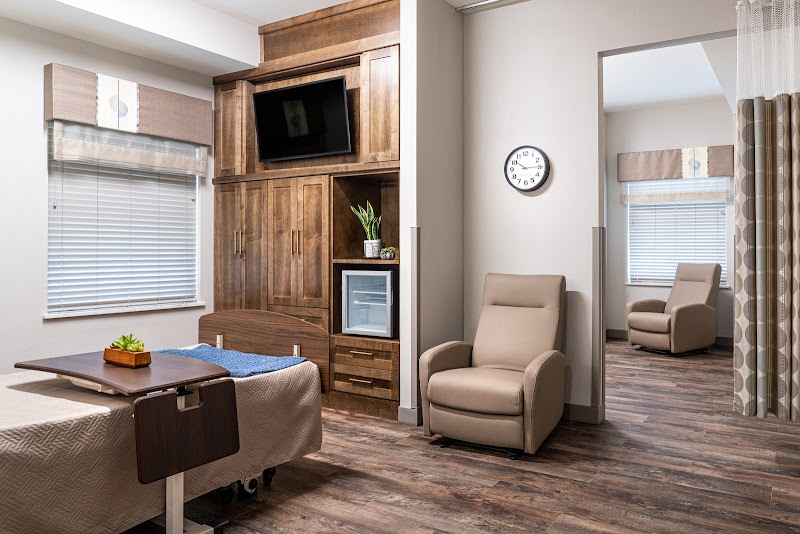
Who Owns and Operates Aspen Health And Rehab?

Aspen Health and Rehab is owned by a for-profit company. For-profit facilities operate as businesses with obligations to shareholders or private owners. The facility is operated by CENTRAL ARKANSAS NURSING CENTERS, a chain that manages multiple nursing homes. With 126 certified beds and approximately 100 residents (about 79% occupancy), it is a mid-sized facility located in Broken Arrow, Oklahoma.

How Does Aspen Health And Rehab Compare to Other Oklahoma Nursing Homes?

Compared to the 100 nursing homes in Oklahoma, Aspen Health and Rehab's overall rating (1 stars) is below the state average of 2.6, staff turnover (72%) is significantly higher than the state average of 46%, and health inspection rating (1 stars) is much below the national benchmark.

What Should Families Ask When Visiting Aspen Health And Rehab?

Based on this facility's data, families visiting should ask: "What changes have been made since the serious inspection findings, and how are you preventing similar issues?" "What safeguards and monitoring systems are in place to protect residents from abuse or neglect?" "How do you ensure continuity of care given staff turnover, and what is your staff retention strategy?" "Can I visit during a mealtime to observe dining assistance and food quality?" These questions are particularly relevant given the facility's Immediate Jeopardy citations, the substantiated abuse finding on record, and the facility's high staff turnover rate.

Is Aspen Health And Rehab Safe?

Based on CMS inspection data, Aspen Health and Rehab has documented safety concerns. The facility has 1 substantiated abuse finding (meaning confirmed case of resident harm by staff or other residents). Inspectors have issued 1 Immediate Jeopardy citation (the most serious violation level indicating risk of serious injury or death). The facility has a 1-star overall rating and ranks #100 of 100 nursing homes in Oklahoma. Families considering this facility should ask detailed questions about what corrective actions have been taken since these incidents.

Do Nurses at Aspen Health And Rehab Stick Around?

Staff turnover at Aspen Health and Rehab is high. At 72%, the facility is 26 percentage points above the Oklahoma average of 46%. Registered Nurse turnover is particularly concerning at 73%. RNs handle complex medical decisions and coordinate care — frequent RN changes can directly impact care quality. High turnover means new staff may not know residents' individual needs, medications, or preferences. It can also be disorienting for residents, especially those with dementia who rely on familiar faces. Families should ask: What is causing the turnover? What retention programs are in place? How do you ensure care continuity during staff transitions?

Was Aspen Health And Rehab Ever Fined?

Aspen Health and Rehab has been fined $54,065 across 1 penalty action. This is above the Oklahoma average of $33,620. Fines in this range indicate compliance issues significant enough for CMS to impose meaningful financial consequences. Common causes include delayed correction of deficiencies, repeat violations, or care failures affecting resident safety. Families should ask facility leadership what changes have been made since these penalties.

Is Aspen Health And Rehab on Any Federal Watch List?

Aspen Health and Rehab is not on any federal watch list. The most significant is the Special Focus Facility (SFF) program, which identifies the bottom 1% of nursing homes nationally based on persistent, serious quality problems. Not being on this list means the facility has avoided the pattern of deficiencies that triggers enhanced federal oversight. This is a positive indicator, though families should still review the facility's inspection history directly.