
FRANCISCAN VILLA

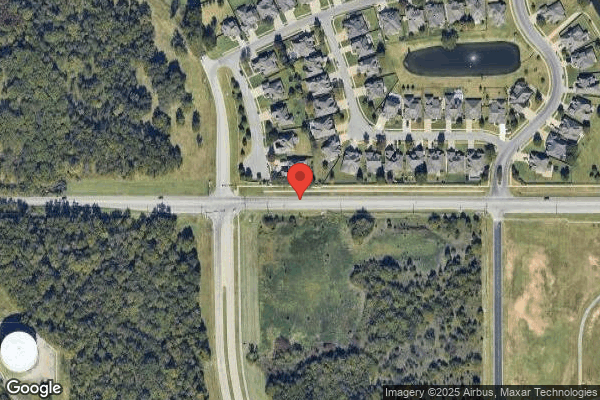
17110 EAST 51ST STREET, BROKEN ARROW, OK 74012 (918) 355-1596
For profit - Individual 110 Beds DIAKONOS GROUP Data: November 2025
Trust Grade
80/100
#9 of 282 in OK
Last Inspection: December 2024

Within standard 12-15 month inspection cycle. Federal law requires annual inspections.

Overview

Franciscan Villa in Broken Arrow, Oklahoma, has a Trust Grade of B+, indicating it is above average and recommended for families considering care options. It ranks #9 out of 282 facilities in Oklahoma, placing it in the top half, and is the best-rated facility in Tulsa County. The facility is improving, having reduced its issues from 6 in 2022 to just 2 in 2024. Staffing is average with a rating of 3 out of 5 stars and a turnover rate of 55%, which aligns with state averages but suggests some stability. Notably, there were no fines reported, which is a positive sign of compliance, but the RN coverage is concerning, as it is less than 88% of other state facilities. However, there are areas of concern reflected in the inspector findings. One serious issue involved failing to address significant weight loss for a resident, which indicated a need for better dietary management. Additionally, there were concerns about medication storage, with staff leaving treatment carts unlocked, and multiple residents reported dissatisfaction with the food quality, stating it was often cold or unpalatable. Overall, while Franciscan Villa has strengths in ranking and compliance history, potential residents should be aware of the identified issues regarding care and meal quality.

Trust Score
B+
80/100
In Oklahoma
#9/282
Top 3%
Safety Record
Moderate
Needs review
Inspections
Getting Better
6 → 2 violations
Staff Stability
⚠ Watch
55% turnover. Above average. Higher turnover means staff may not know residents' routines.
Penalties
✓ Good
No fines on record. Clean compliance history, better than most Oklahoma facilities.
Skilled Nurses
⚠ Watch
Each resident gets only 12 minutes of Registered Nurse (RN) attention daily — below average for Oklahoma. Fewer RN minutes means fewer trained eyes watching for problems.
Violations
○ Average
8 deficiencies on record. Average for a facility this size. Mostly minor or procedural issues.
★★★★★
5.0
Overall Rating
★★★☆☆
3.0
Staff Levels
★★★★☆
4.0
Care Quality
★★★★★
5.0
Inspection Score
Stable
2022: 6 issues
2024: 2 issues

The Good

  • 4-Star Quality Measures · Strong clinical quality outcomes
  • Full Sprinkler Coverage · Fire safety systems throughout facility
  • No fines on record

Facility shows strength in quality measures, fire safety.

The Bad

Staff Turnover: 55%

Near Oklahoma avg (46%)

Frequent staff changes - ask about care continuity

Chain: DIAKONOS GROUP

Part of a multi-facility chain

Ask about local staffing decisions and management

Staff turnover is elevated (55%)

7 points above Oklahoma average of 48%

The Ugly 8 deficiencies on record

1 actual harm
Dec 2024 2 deficiencies
CONCERN (E)

Potential for Harm - no one hurt, but risky conditions existed

Deficiency F0761 (Tag F0761)

Could have caused harm · This affected multiple residents

Based on observation and interview, the facility failed to store medications within locked compartments of a medication cart on one of three halls observed for medication storage. The Director of Nurs...

Read full inspector narrative →
Based on observation and interview, the facility failed to store medications within locked compartments of a medication cart on one of three halls observed for medication storage. The Director of Nursing identified three medication carts and three treatment carts which stored medications. Findings: On 12/19/24 at 10;43 a.m., an unlocked/unattended treatment cart was observed on the resident hall. From 10:43 a.m. to 10:59 a.m., multiple staff walked past the treatment cart without locking it. On 12/19/24 at 11:01 a.m., LPN #1 walked to the unlocked treatment cart and removed a pair of gloves without locking the cart. On 12/19/24 at 11:07 a.m., LPN #1 returned to the treatment cart, removed items from its drawers and walked away from the medication cart without locking it. On 12/19/24 at 11:08 a.m., LPN #1 stated the treatment cart should be locked and they did not know why it was not locked. On 12/23/24 at 1:30 p.m., an unlocked/unattended treatment cart was observed on the hall. On 12/23/24 at 1:33 p.m., LPN #2 stated the treatment cart should not be left unlocked.
CONCERN (E) 📢 Someone Reported This

A family member, employee, or ombudsman was alarmed enough to file a formal complaint

Potential for Harm - no one hurt, but risky conditions existed

Deficiency F0804 (Tag F0804)

Could have caused harm · This affected multiple residents

Based on observation and interview, the facility failed to provide palatable meals for three (#37, #23, and #4) of three residents interviewed regarding food palatability. The dietary manager identifi...

Read full inspector narrative →
Based on observation and interview, the facility failed to provide palatable meals for three (#37, #23, and #4) of three residents interviewed regarding food palatability. The dietary manager identified 88 residents who ate meals prepared in the kitchen. Findings: On 12/19/24 at 10:56 a.m., Resident #37 stated the food did not taste good. The resident stated when they ate in the dining room, the food was warm but not hot; and if they ate in their room, the food was cold. On 12/19/24 at 11:11 a.m., Resident #23 stated the food tasted bad. On 12/20/24 at 8:46 a.m., Resident #4 stated the food was served to their room cold, tasted bad, and at times was inedible. The resident stated they received items on their tray which were clearly marked on their dinner card not to be served to them and when they requested an alternative item, were told the kitchen was closed. On 12/23/24 at 11:45 a.m., a test tray was checked for food palatability. The barbecued pulled pork was barely warm, the coleslaw barely cool, and the baked beans were of a good temperature but left a vinegar like after taste. The bread was warm but chewy and tasted somewhat stale as of day old bread. On 12/23/24 at 1:00 p.m., the dietary manager was informed of the observations. The dietary manager stated the bread was left to proof too long.
Jul 2022 6 deficiencies 1 Harm
SERIOUS (G)

Actual Harm - a resident was hurt due to facility failures

Deficiency F0692 (Tag F0692)

A resident was harmed · This affected 1 resident

Based on record review, observation, and interview, the facility failed to implement dietary recommendations for interventions in weight loss for one (#62) of four residents reviewed for significant w...

Read full inspector narrative →
Based on record review, observation, and interview, the facility failed to implement dietary recommendations for interventions in weight loss for one (#62) of four residents reviewed for significant weight loss. Resident #62 experienced 20% weight loss from 03/31/22 to 07/09/22. The director of nursing identified four residents with significant weight loss. Resident #62 was not listed among those identified with significant weight loss. Findings: Resident #62 had diagnoses which included chronic pulmonary edema, congestive heart failure, and weakness. The physician's progress notes, dated 03/23/22; 03/25/22; 03/29/22; 03/31/22; 04/04/22; 04/14/22; 05/11/22; 05/31/22; 06/08/22; 06/15/22; 06/30/22; and 07/14/22 all documented Resident #62 displayed no signs or symptoms of fluid volume overload. The physician's progress notes documented Resident #62 denied increased edema in their legs and upon examination, did not find evidence of significant edema, and no pedal edema. The progress notes documented the resident's weight was followed closely. The progress notes documented Resident #62 had protein-calorie malnutrition and to encourage protein supplementation and nutrition. The registered dietician's recommendation, dated 03/20/22, documented Resident #62 weighed 104.9 pounds, was 60 inches (five feet) tall, and had a BMI (body mass index) of 20.5 which was within normal limits for the resident's height. The recommendation documented the resident received a regular textured diet and ate 50-75% of most meals. The registered dietician recommended to offer the resident Ensure Plus twice daily at lunch and dinner meals. The physician agreed to the recommendation and the facility noted it on 03/28/22. The admission assessment, dated 03/24/22 documented the resident was 59 inches tall (4 foot 11 inches) and weighed 107 pounds. The assessment documented the resident had no weight loss or gain. The physician's order summary documented on 03/28/22, the physician ordered Ensure three times a day for supplement nutrition. A review of the clinical record revealed no documentation of communication with the physician to change the Ensure Plus with the lunch and dinner meal, recommended by the registered dietician, to Ensure three times daily. A review of the weights for Resident #62 documented the following weights: 03/31/22 - 108.1 pounds; 04/07/22 - 104.3 pounds; and 05/07/22 - 93 pounds. Resident #62 experienced significant weight loss of 10.8% in one month and 14% in five weeks. The registered dietician's recommendation, dated 05/12/22, documented in part, .Significant weight LOSS .05/07/22 93# Sig wt loss 10.8% 1 mos. Reference wt 04/07/22 104.3#. Diet order continues as Regular texture w/Ensure Plus offered TID for additional cal/pro supplementation. Per recent TASK documentation, res feeds self with supervision/set-up assistance. PO intake fluctuating 25-100% most meals. RECOMMENDATION: MedPass 90cc TID = 540 cal, 22 gm Pro . The physician agreed and signed the recommendation on 05/17/22. A review of the resident's clinical record found no documentation the resident received Ensure Plus or the MedPass, as recommended by the registered dietician. A review of the weights for Resident #62 documented the following weights: 05/28/22 - 91.1 pounds; and 06/18/22 - 93.5 pounds. The quarterly assessment, dated 06/22/22 documented the resident was 59 inches tall (4 foot 11 inches) and weighed 94 pounds. The assessment documented the resident had not experienced a weight loss or gain. A review of the resident's clinical record found no documentation the facility attempted further nutritional/dietary interventions for the resident's significant weight loss. On 07/02/22 the resident's weight was documented at 88.0 pounds. Resident #62 experienced a significant weight loss of 18.5% since 03/31/22. The careplan, dated 07/04/22, documented the resident had the potential for alteration in nutrition because of their disease process. The careplan read in parts, .I have a need for monitoring of my nutrition to maintain nutritional well-being .I will continue to have adequate nutrition as shown by not having a significant weight loss or gain over the next 90 days . The careplan interventions included the use of a diuretic medication; use of medications for hypertension; limiting salt and excessive fluids in the diet; the need for set up assistance at mealtime; monitoring for increased edema; offering the resident a supplement or alternative if they ate less than 50% of the meal served or refused to eat; monitoring the resident's weight and report a loss or gain of 5% in one month, 7.5% in three months, or 10% in 180 days to the physician; and to give dietary supplements/medications as per orders. On 07/09/22 the resident's weight was documented at 87.0 pounds. Resident #62 experienced 20% weight loss from 03/31/22 to 07/09/22. On 07/18/22 at 12:41 p.m., the resident was laying in bed, leaning heavily to the left with the head of the bed near fully upright. The resident appeared asleep. The resident appeared underweight, thin, and frail. The resident's lunch was on the overbed table and did not appear to be eaten. There was no Ensure or Ensure Plus present. There was no staff present to provide encouragement and/or assistance. On 07/19/22 at 9:08 a.m., observed resident sitting up in bed with a breakfast plate of scrambled eggs and a small paper bowl of oatmeal present with a wadded up napkin on top of the oatmeal. Neither the eggs nor the oatmeal appeared to be eaten. There was no Ensure or Ensure Plus present. There was no staff present to provide encouragement and/or assistance. The resident was observed eating a butter cookie from a tin of cookies. On 07/20/22 at 12:10 p.m., observed resident sitting up in bed with noon meal present. Resident appeared to eat approximately 50% of meal. There was no Ensure or Ensure Plus present. There was no staff present to provide encouragement and/or assistance. On 07/20/22 at 4:00 p.m., Resident #62 was observed with the wound nurse. Resident #62 appeared thin and frail with the prominent outline of skeletal bones visible on the spine, coccyx, hips, rib cage, shoulders, and arms. On 07/20/22 at 5:30 p.m., the director of nursing was asked if she was aware of the dietary supplements in place for resident #62. The director of nursing reviewed the clinical record and stated they did not see where the MedPass had been started. The director of nursing stated they started employment after the supplements were ordered so could not say how the dietary recommendation was missed. The director of nursing stated there were two people who received the physician's progress notes and facility recommendations from the physician's and reviewed them for orders. On 07/20/22 at 5:50 p.m., the assistant dietary manager stated the kitchen kept Ensure and Ensure Plus stored in a refrigerator accessible to the staff on long term care. The assistant dietary manager stated they had initiated other interventions such as providing a double portion of protein at mealtime. The assistant dietary manager was asked to provide documentation of the interventions ordered and initiated for resident #62. There was no documentation provided by the end of survey.
CONCERN (D)

Potential for Harm - no one hurt, but risky conditions existed

Comprehensive Assessments (Tag F0636)

Could have caused harm · This affected 1 resident

Based on record review and interview, the facility failed to identify significant weight loss for one (#62) of 18 residents whose comprehensive assessments were reviewed. The director of nursing iden...

Read full inspector narrative →
Based on record review and interview, the facility failed to identify significant weight loss for one (#62) of 18 residents whose comprehensive assessments were reviewed. The director of nursing identified four resident with significant weight loss. Findings: The admission assessment, dated 03/24/22 documented Resident #62 was 59 inches tall (4 foot 11 inches) and weighed 107 pounds. The assessment documented the resident had no weight loss or gain. The quarterly assessment, dated 06/22/22 documented the resident weighed 94 pounds. The assessment documented the resident had no weight loss or gain. There was a significant weight loss of 11% from the admission assessment weight of 107 pounds on 03/24/22 to the quarterly assessment weight of 94 pounds on 06/22/22 (approximately three months.) On 07/20/22 at 5:30 p.m., the director of nursing was provided the recorded weights for the admission assessment and quarterly assessment for resident #62 and asked why the resident was not identified as having significant weight loss. The director of nursing stated she did not know the assessment did not identify the resident has having significant weight loss.
CONCERN (D)

Potential for Harm - no one hurt, but risky conditions existed

Incontinence Care (Tag F0690)

Could have caused harm · This affected 1 resident

Based on record review, observation, and interview, the facility failed to ensure catheter care was documented, order was obtained, and a diagnoses was documented for the use of an indwelling urinary ...

Read full inspector narrative →
Based on record review, observation, and interview, the facility failed to ensure catheter care was documented, order was obtained, and a diagnoses was documented for the use of an indwelling urinary catheter for one (#30) of four sampled residents who were reviewed for indwelling urinary catheter use. The Resident Census and Conditions of Residents form documented five residents who had an indwelling urinary catheter. Findings: An undated policy, titled Appropriate Use of Indwelling Catheters, read in part, .The use of an indwelling urinary catheter will be in accordance with physician orders, which will include the diagnoses or clinical condition making the use of the catheter necessary . Resident #30 had diagnoses which included Parkinson's disease. The resident's admission assessment, dated 05/23/22, documented the resident was cognitively intact for daily decision making, was frequently incontinent of urine, and did not have an indwelling urinary catheter. Review of the electronic medical record did not reveal documentation of catheter care. The Order Summary Report, dated 02/01/22 through 07/31/22, did not reveal a physician order for the indwelling urinary catheter. The progress note, dated 07/13/22, documented the resident was readmitted to the facility from the hospital with the indwelling urinary catheter. On 07/18/22 at 12:03 p.m., the resident was observed in bed with an indwelling urinary catheter in place. The resident stated they thought they had the indwelling urinary catheter because they were too weak to utilize the commode. On 07/20/22 at 10:33 a.m., CNA #1 was asked how often catheter care was provided. The CNA stated the nurses or the CNAs provided catheter care every two hours and as needed. They were asked where catheter care was documented. The CNA stated in the electronic medical record. On 07/20/22 at 4:04 p.m., the DON was asked how long the resident had the indwelling urinary catheter. The DON stated since 07/13/22. They were asked how often catheter care was provided. They stated the CNAs and nurses performed catheter care twice per shift. They stated they were to document the catheter care in the electronic medical record. The DON was asked why a physician's order with a clinical indication had not been obtained for the use of the indwelling urinary catheter. They stated they would find out. On 07/20/22 at 5:14 p.m., the DON stated LPN #1 had called the resident's hospice and discussed the use of the indwelling urinary catheter but had not called the physician to obtain an order.
CONCERN (D)

Potential for Harm - no one hurt, but risky conditions existed

Infection Control (Tag F0880)

Could have caused harm · This affected 1 resident

Based on observation and interview, the facility failed to ensure infection control was maintained during wound care for one (#57) of two sampled residents who were observed during wound care. The Res...

Read full inspector narrative →
Based on observation and interview, the facility failed to ensure infection control was maintained during wound care for one (#57) of two sampled residents who were observed during wound care. The Resident Census and Conditions of Residents form identified ten residents who had pressure ulcers. Findings: Resident #57 had diagnoses which included a venous wound to the left and right calf. On 07/18/22 at 10:50 a.m., LPN #2 was observed to provide wound care to resident #57's bilateral lower extremity in the dining room. LPN #2 was observed to sit on the floor and place a piece of wax paper on the floor. The gloves were observed to hang off of the wax paper and touch the floor. The nurse was observed to cut the soiled dressing off of the resident's right leg and place the soiled scissors on top of the pile of unused gloves. The nurse was observed to leave the area and gather supplies. While the nurse was away from the resident, the resident placed their left foot onto the wax paper and dressing supplies stored on the floor atop the wax paper. LPN #2 returned and donned gloves without washing or sanitizing their hands and was observed to touch items in the treatment cart, the floor, and then the resident's leg with the same gloved hands. LPN #2 was observed to clean the resident's right leg and apply a cream/ointment without changing gloves. The LPN placed an absorbent dressing to the right leg, removed it, laid the absorbent dressing atop the soiled dressing still on the resident's left leg, removed a package of kerlex from the lower drawer of the treatment cart, opened the package of kerlex, grabbed the absorbent dressing off of the soiled left leg dressing, placed it in position on the right leg, and secured the absorbent dressing with the kerlex. LPN #2 was observed to provide treatment to the resident's left leg. The LPN was observed to sanitize their hands and change gloves. The LPN removed the resident's sock and soiled dressing from the left leg. The nurse removed their gloves, removed supplies from the treatment cart, and placed the supplies directly on the floor. The LPN sanitized their hands, donned gloves, and laid the bottle of hand sanitizer on its side to roll back and forth across the wax paper and floor. The LPN placed the resident's left leg onto the nurse's right leg, cleansed the resident's left leg, removed their gloves, and applied no sting barrier to the resident's left leg. The LPN sanitized their hands, obtained additional supplies from the treatment cart, and placed them directly on the floor. The LPN donned gloves, obtained the supplies from the floor, and in the process, touched the floor with their gloved hands. The LPN opened the packages and laid them on the wax paper. With the same gloved hands used to open the packages, the LPN applied a cream/ointment to the resident's leg, then applied the bandages. On 07/20/22 at 3:17 p.m., LPN #2 was asked when hand hygiene was to occur when wound care was provided. They stated before and after wound care and when they went from anything that was soiled to a clean item. The LPN was asked why supplies had been placed on the floor and hand hygiene had not been performed when wound care had been observed on 07/19/22. They stated they had known better and should have performed the treatment in the resident's room. LPN #2 was asked how infection control was maintained during wound treatments when wound care supplies were placed on the floor and wound care was performed in a common area like the dining room. They stated they knew they should not have placed the wound care supplies on the floor or performed the wound care in a common area.
CONCERN (E)

Potential for Harm - no one hurt, but risky conditions existed

Drug Regimen Review (Tag F0756)

Could have caused harm · This affected multiple residents

Based on record review and interview, the facility failed to ensure a clinical rationale when a pharmacy recommendation was declined had been provided for two (#8 and #25) of five residents who were r...

Read full inspector narrative →
Based on record review and interview, the facility failed to ensure a clinical rationale when a pharmacy recommendation was declined had been provided for two (#8 and #25) of five residents who were reviewed for unnecessary medications. The DON identified 89 residents who received medications. Findings: 1. Resident #25 had diagnoses which included dementia without behavioral disturbance, anxiety, and recurrent depressive disorder. A Pharmaceutical Consultant Report, dated 05/26/22, documented the pharmacist recommended a gradual dose reduction of Celexa 20 milligrams daily. The physician declined the recommendation. There was no rationale provided on the form, physician's progress notes, or the resident's clinical record. 2. Resident #8 had diagnoses which included congestive heart failure, hypertension, and major depressive disorder. A Pharmaceutical Consultant Report, dated 05/26/22, read in parts, .Please evaluate the routine use of the following psychoactive medications and consider a dose reduction. If a dose reduction is not desired, please indicate below a rationale for the continued use .Ambien 10mg HS .Amitriptyline 10mg HS .Duloxetine DR 30mg BID . There was no rationale provided on the form, physician's progress notes, or the resident's clinical record. On 07/20/22 at 12:33 p.m., the DON was asked what the process was for pharmacy recommendations. They stated the pharmacy recommendations were reviewed, sent to the resident's physician, and any changes indicated by the physician were reflected in the clinical record. The DON was asked who was responsible to ensure the physician had documented a clinical rationale if they declined the pharmacy recommendation. They stated in the future themselves or the ADON would be responsible to review the recommendations. They stated they had noticed some pharmacy recommendations had not had a clinical rationale documented by the physician.
CONCERN (E)

Potential for Harm - no one hurt, but risky conditions existed

Food Safety (Tag F0812)

Could have caused harm · This affected multiple residents

Based on observation and interview, the kitchen failed to maintain sanitary conditions in the main kitchen, including the ice machine, the microwave in the long term care satellite kitchen, and the mi...

Read full inspector narrative →
Based on observation and interview, the kitchen failed to maintain sanitary conditions in the main kitchen, including the ice machine, the microwave in the long term care satellite kitchen, and the microwave in the resident dining room. The director of nursing identified all residents ate meals prepared in the kitchen. Findings: On 07/17/22 at 11:00 a.m., an initial tour of the kitchen was performed. There was four large packages of pork loin thawing in a box on the floor of the walk in refrigerator. There were three bottles of personal drinks in resident refrigerator labeled cooler #3. The ice machine was observed to have black, brown, and pink slimy substance scattered in, under, and around the water collection tray which holds the water to be pumped up and recirculated to freeze into ice. On 07/17/22 at 10:20 a.m., the cook was asked how often the ice machine was cleaned. The cook stated they were to clean the ice machine weekly but did not know when the ice machine had last been cleaned. They stated it had obvious been awhile since the ice machine was cleaned. On 07/17/22 at 10:30 a.m., the assistant dietary manager stated the pork loin needed to be off the floor. The assistant dietary manager stated they thought as long as the personal drinks were labeled, they were allowed to store them in the refrigerator with resident food. The assistant dietary manager stated the ice machine was dirty and they would dump the ice and clean the ice machine immediately. On 07/17/22 at 1:00 p.m., a microwave in the resident dining room was observed to be dirty. The microwave was observed to be used by residents and their family members. Dried food and fluids were observed on the interior walls, door, turntable, ceiling and floor. On 07/20/22 at 12:00 p.m., a microwave in the long term care kitchenette was observed to be dirty. Dried food and fluids were observed on the interior walls, door, turntable, ceiling and floor. On 07/20/22 at 12:05 p.m., the assistant dietary manager was observed to use the microwave in the long term care kitchenette to warm the ham to serving temperatures. On 07/20/22 at 12:10 p.m., the assistant dietary manager was asked what was the condition of the microwave in the long term care kitchenette and in the resident dining room. The assistant dietary manager stated they were both dirty. The assistant dietary manager stated both microwaves were to be cleaned daily with the kitchen staff responsible for the microwave in the kitchenette but nursing staff was responsible for the microwave in the dining room.
Understanding Severity Codes (click to expand)
Life-Threatening (Immediate Jeopardy)
J - Isolated K - Pattern L - Widespread
Actual Harm
G - Isolated H - Pattern I - Widespread
Potential for Harm
D - Isolated E - Pattern F - Widespread
No Harm (Minor)
A - Isolated B - Pattern C - Widespread

Questions to Ask on Your Visit

  • "Can I speak with families of current residents?"
  • "What's your RN coverage like on weekends and overnight?"

Our Honest Assessment

Strengths
  • • Grade B+ (80/100). Above average facility, better than most options in Oklahoma.
  • • No fines on record. Clean compliance history, better than most Oklahoma facilities.
Concerns
  • • 8 deficiencies on record, including 1 serious (caused harm) violation. Ask about corrective actions taken.
  • • 55% turnover. Above average. Higher turnover means staff may not know residents' routines.
Bottom line: Generally positive indicators. Standard due diligence and a personal visit recommended.

About This Facility

What is Franciscan Villa's CMS Rating?

CMS assigns FRANCISCAN VILLA an overall rating of 5 out of 5 stars, which is considered much above average nationally. Within Oklahoma, this rating places the facility higher than 99% of the state's 100 nursing homes. This rating reflects solid performance across the metrics CMS uses to evaluate nursing home quality.

How is Franciscan Villa Staffed?

CMS rates FRANCISCAN VILLA's staffing level at 3 out of 5 stars, which is average compared to other nursing homes. Staff turnover is 55%, which is 9 percentage points above the Oklahoma average of 46%. High turnover can affect care consistency as new staff learn residents' individual needs.

What Have Inspectors Found at Franciscan Villa?

State health inspectors documented 8 deficiencies at FRANCISCAN VILLA during 2022 to 2024. These included: 1 that caused actual resident harm and 7 with potential for harm. Deficiencies causing actual harm indicate documented cases where residents experienced negative health consequences.

Who Owns and Operates Franciscan Villa?

FRANCISCAN VILLA is owned by a for-profit company. For-profit facilities operate as businesses with obligations to shareholders or private owners. The facility is operated by DIAKONOS GROUP, a chain that manages multiple nursing homes. With 110 certified beds and approximately 91 residents (about 83% occupancy), it is a mid-sized facility located in BROKEN ARROW, Oklahoma.

How Does Franciscan Villa Compare to Other Oklahoma Nursing Homes?

Compared to the 100 nursing homes in Oklahoma, FRANCISCAN VILLA's overall rating (5 stars) is above the state average of 2.7, staff turnover (55%) is near the state average of 46%, and health inspection rating (5 stars) is much above the national benchmark.

What Should Families Ask When Visiting Franciscan Villa?

Based on this facility's data, families visiting should ask: "How do you ensure continuity of care given staff turnover, and what is your staff retention strategy?" "Can I visit during a mealtime to observe dining assistance and food quality?" "How do you handle medical emergencies, and what is your hospital transfer rate?" "Can I speak with family members of current residents about their experience?" These questions are particularly relevant given the facility's high staff turnover rate.

Is Franciscan Villa Safe?

Based on CMS inspection data, FRANCISCAN VILLA has a clean safety record: no substantiated abuse findings (meaning no confirmed cases of resident harm), no Immediate Jeopardy citations (the most serious violation level indicating risk of serious injury or death), and is not on the Special Focus Facility watch list (a federal program monitoring the lowest-performing 1% of nursing homes). The facility has a 5-star overall rating and ranks #1 of 100 nursing homes in Oklahoma. While no facility is perfect, families should still ask about staff-to-resident ratios and recent inspection results during their visit.

Do Nurses at Franciscan Villa Stick Around?

Staff turnover at FRANCISCAN VILLA is high. At 55%, the facility is 9 percentage points above the Oklahoma average of 46%. High turnover means new staff may not know residents' individual needs, medications, or preferences. It can also be disorienting for residents, especially those with dementia who rely on familiar faces. Families should ask: What is causing the turnover? What retention programs are in place? How do you ensure care continuity during staff transitions?

Was Franciscan Villa Ever Fined?

FRANCISCAN VILLA has no federal fines on record. CMS issues fines when nursing homes fail to meet care standards or don't correct problems found during inspections. The absence of fines suggests the facility has either maintained compliance or corrected any issues before penalties were assessed. This is a positive indicator, though families should still review recent inspection reports for the full picture.

Is Franciscan Villa on Any Federal Watch List?

FRANCISCAN VILLA is not on any federal watch list. The most significant is the Special Focus Facility (SFF) program, which identifies the bottom 1% of nursing homes nationally based on persistent, serious quality problems. Not being on this list means the facility has avoided the pattern of deficiencies that triggers enhanced federal oversight. This is a positive indicator, though families should still review the facility's inspection history directly.