CEDARCREST CARE CENTER
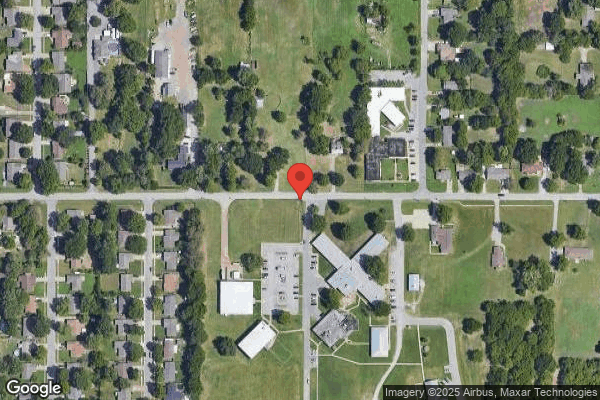
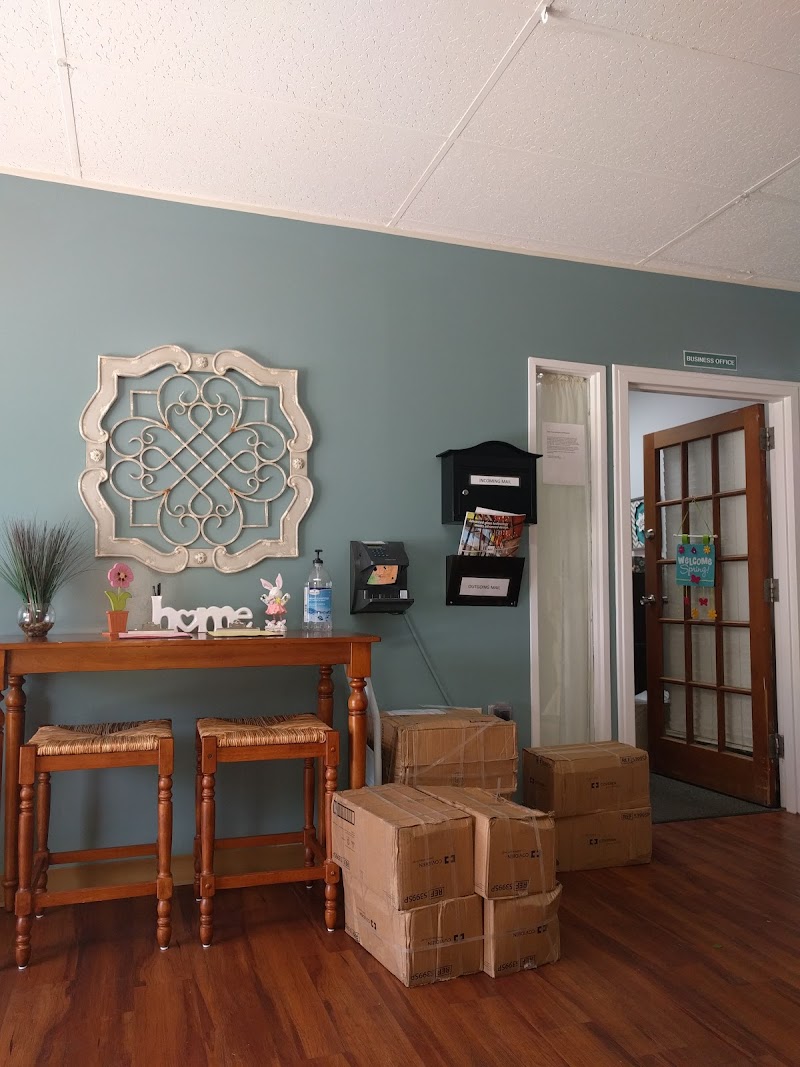
1306 EAST COLLEGE, BROKEN ARROW, OK 74012 (918) 251-3200
For profit - Corporation 89 Beds Independent Data: November 2025
Trust Grade
63/100
#46 of 282 in OK
Last Inspection: February 2024

Within standard 12-15 month inspection cycle. Federal law requires annual inspections.

Overview

Cedarcrest Care Center has a Trust Grade of C+, indicating it is slightly above average but not exceptional, suggesting some areas for improvement. It ranks #46 out of 282 facilities in Oklahoma, placing it in the top half, and #5 of 33 in Tulsa County, meaning only four local options are better. The facility is showing improvement, with issues decreasing from 8 in 2024 to just 2 in 2025. Staffing is rated average with a turnover of 65%, which is slightly above the state average, while RN coverage is also average. However, the facility has faced significant concerns, including incidents of resident-to-resident abuse where one resident with Alzheimer's pushed and choked another, indicating a need for better supervision and care plan updates. Overall, while Cedarcrest has strengths in its ranking and trend, it also has serious weaknesses that families should consider.

Trust Score
C+
63/100
In Oklahoma
#46/282
Top 16%
Safety Record
Low Risk
No red flags
Inspections
Getting Better
8 → 2 violations
Staff Stability
⚠ Watch
65% turnover. Above average. Higher turnover means staff may not know residents' routines.
Penalties
✓ Good
$15,000 in fines. Lower than most Oklahoma facilities. Relatively clean record.
Skilled Nurses
⚠ Watch
Each resident gets only 18 minutes of Registered Nurse (RN) attention daily — below average for Oklahoma. Fewer RN minutes means fewer trained eyes watching for problems.
Violations
⚠ Watch
27 deficiencies on record. Higher than average. Multiple issues found across inspections.
★★★★☆
4.0
Overall Rating
★★★☆☆
3.0
Staff Levels
★★★★★
5.0
Care Quality
★★★☆☆
3.0
Inspection Score
Stable
2024: 8 issues
2025: 2 issues

The Good

  • 5-Star Quality Measures · Strong clinical quality outcomes
  • Full Sprinkler Coverage · Fire safety systems throughout facility
  • No fines on record

Facility shows strength in quality measures, fire safety.

The Bad

Staff Turnover: 65%

19pts above Oklahoma avg (46%)

Frequent staff changes - ask about care continuity

Federal Fines: $15,000

Below median ($33,413)

Minor penalties assessed

Staff turnover is elevated (65%)

17 points above Oklahoma average of 48%

The Ugly 27 deficiencies on record

May 2025 1 deficiency
CONCERN (D) 📢 Someone Reported This

A family member, employee, or ombudsman was alarmed enough to file a formal complaint

Potential for Harm - no one hurt, but risky conditions existed

Report Alleged Abuse (Tag F0609)

Could have caused harm · This affected 1 resident

Based on record review and interview the facility failed to recognize and submit a report of abuse within 2 hours for 2 (#30 and #212) of 2 sampled residents reviewed for abuse. The DON identified 60 ...

Read full inspector narrative →
Based on record review and interview the facility failed to recognize and submit a report of abuse within 2 hours for 2 (#30 and #212) of 2 sampled residents reviewed for abuse. The DON identified 60 residents resided in the facility. Findings: A facility policy titled Abuse Prevention and Procedure, dated 04/07/25, read in part, all violations involving allegations of abuse, neglect, mistreatment, including injuries of unknown source, and misappropriation of resident property are to be reported immediately, but no more than two hours after the allegation was made. An initial incident report made to the OSDH, dated 03/13/25, showed an unwitnessed resident to resident incident that occurred on 03/12/25. The report showed Resident #30 was in Resident #212's room when staff heard a boom and found Resident #30 on the ground. Resident #30 was assessed for injuries and none were found. Resident #212 was sent out of the facility for a psychiatric evaluation. On 05/22/25 at 12:18 p.m. the resident care coordinator stated the facility needed to send a report of abuse within two hours of the incident. On 05/22/25 at 12:28 p.m. the DON stated they filed the incident report as soon as they were made aware of the incident. They stated the report was marked as reporting as certain injuries, but should have been marked as abuse because it involved a resident to resident altercation. The DON stated the incident should have been recognized as abuse and reported as abuse. The DON stated all incidences involving potential abuse should be reported to the OSDH within two hours.
Mar 2025 1 deficiency
CONCERN (D) 📢 Someone Reported This

A family member, employee, or ombudsman was alarmed enough to file a formal complaint

Potential for Harm - no one hurt, but risky conditions existed

Investigate Abuse (Tag F0610)

Could have caused harm · This affected 1 resident

Based on record review and interview, the facility failed to thoroughly investigate an injury of unknown origin for 1 (#4) of 4 sampled residents reviewed for abuse. The assistant director of nursing...

Read full inspector narrative →
Based on record review and interview, the facility failed to thoroughly investigate an injury of unknown origin for 1 (#4) of 4 sampled residents reviewed for abuse. The assistant director of nursing reported 63 residents resided in the facility. Findings: An undated Abuse Prevention Policy and Procedure policy, read in part, an immediate investigation will be initiated into any allegation of abuse, neglect or misappropriation of resident property .1. The Director of Nursing/Wellness Director or designee will complete the investigation process and document the steps taken and the information obtained. Resident #4 had diagnoses which included Alzheimer's disease, dementia, anxiety, and delusional disorders. A quarterly minimum data set assessment, dated 12/22/24, showed the resident's brief interview for mental status score was 99, which indicated the resident could not participate in the interview. On 03/03/25 at 10:43 a.m., LPN #1 stated in October the nurse aides found Resident #4 with their top lip discolored and with bite marks underneath. LPN #1 stated, We don't know how it happened, it was not there the day before. We padded the wall in case they bumped their face on it, but it was not determined how it happened. LPN #1 stated family member #1 was notified and a report to OSDH [Oklahoma State Department of Health] was made. On 03/03/25 at 10:45 a.m., the DON stated the resident was found on the morning of 10/08/25 with a swollen and discolored top lip right at shift change. The DON stated, No body is taking ownership of it. If it was done by a mechanical lift it had to have been night shift because they get the resident up. I spoke with day shift, but did not document it and with the [name withheld], but I did not speak with night shift staff. I do not know what in services were done. There was not a skin assessment done during the investigation. On 03/03/25 at 12:30 p.m., the resident care coordinator stated it was not determined how the resident's lip was injured. They stated the DON was the abuse coordinator and was responsible for the investigations.
Aug 2024 5 deficiencies
CONCERN (D) 📢 Someone Reported This

A family member, employee, or ombudsman was alarmed enough to file a formal complaint

Potential for Harm - no one hurt, but risky conditions existed

Abuse Prevention Policies (Tag F0607)

Could have caused harm · This affected 1 resident

Based on record review and interview, the facility failed to implement their abuse policy related to the reporting of an allegation of abuse within two hours of staff knowledge of the incident to the ...

Read full inspector narrative →
Based on record review and interview, the facility failed to implement their abuse policy related to the reporting of an allegation of abuse within two hours of staff knowledge of the incident to the Oklahoma State Department of Health and failed to report an allegation of verbal and physical abuse, by a certified nurse aide toward a resident, to the Nurse Aide Registry. The facility daily census report identified 24 residents on the secured unit and 62 total residents. Findings: An undated facility policy, titled Allegations of Abuse, documented in part, .All alleged violations involving abuse .are reported immediately, but not later than 2 hours after allegation is made .Report the results of all investigations to: Oklahoma State Health Department, Department of Human Services, Ombudsman, Resident Representative/Family/POA, Physician, Licensing Boards, Police, Other appropriate agencies . Resident #3 had diagnoses which included dementia with other behavioral disturbances. An incident report with an incident dated of 08/15/24, was sent to OSDH and documented the facility received an allegation of staff to resident abuse on 08/16/24 but which occurred on 08/15/24. The incident report documented the physician, family, and APS were notified. An incident audit report, dated 08/19/24, documented an allegation of abuse was reported by staff that another staff member was observed hitting Resident #3 with a wet, soapy towel over and over again. The report documented the incident occurred on 08/15/24 but was not reported to administration until 08/16/24. On 08/20/24 at 1:35 p.m., the ADON stated on 08/16/24, a staff member reported it was a rumored CNA #1 had abused Resident #3 on 08/15/24. The ADON stated CNA #1 worked the day shift on 08/15/24 and 08/16/24. The ADON stated once they were able to confirm there were witnesses to the allegation, they suspended CNA #1 until they completed their investigation. On 08/21/24 at 2:30 p.m., CNA #2 stated they observed CNA #1 to antagonize Resident #3 by repeatedly flicking the resident's nose with their finger and making derogatory comments over and over about the resident's genitalia which agitated Resident #3 to the point the resident spat on CNA #1. CNA #2 stated after Resident #3 spat on CNA #1, CNA #1 grabbed a wet, soapy towel and continually snapped the towel toward the resident's face. CNA #2 stated they could see the resident's eyes were red and irritated from the soap and his nose was bleeding. CNA #1 stated they kept asking for CNA #1 to stop and let them assist the resident but CNA #1 continued until CNA #3 entered the shower room. CNA #2 stated they assisted Resident #3 with assistance from CNA #3 without further incidence. On 08/21/24 at 3:20 p.m., the DON stated they were not notified of the allegation of staff to resident abuse until 08/16/24, the day after the incident occurred. The DON stated they notified OSDH, APS, the police, physician, and family on 08/16/24. The DON was asked if the facility reported the incident to the Nurse Aide Registry. The DON stated they faxed the allegation to the Nurse Aide Registry from home. On 08/22/24 at 10:30 a.m., the DON stated the attempted fax to the Nurse Aide Register never completed and they resent the fax from the facility on 08/21/24.
CONCERN (D) 📢 Someone Reported This

A family member, employee, or ombudsman was alarmed enough to file a formal complaint

Potential for Harm - no one hurt, but risky conditions existed

Report Alleged Abuse (Tag F0609)

Could have caused harm · This affected 1 resident

Based on record review and interview, the facility failed to report an allegation of abuse, within two hours of staff knowledge of the incident,`to the Oklahoma State Department of Health and failed t...

Read full inspector narrative →
Based on record review and interview, the facility failed to report an allegation of abuse, within two hours of staff knowledge of the incident,`to the Oklahoma State Department of Health and failed to report an allegation of verbal and physical abuse, by a certified nurse aide toward a resident, to the Nurse Aide Registry for one (Resident #3), and failed to take appropriate corrective action to extirpate the risk of abuse for three (#2 and #3) of four residents whose clinical records were reviewed for abuse. The facility roster identified 62 residents. Findings: An undated facility policy, titled Allegations of Abuse, documented in part, .All alleged violations involving abuse .are reported immediately, but not later than 2 hours after allegation is made .Report the results of all investigations to: Oklahoma State Health Department, Department of Human Services, Ombudsman, Resident Representative/Family/POA, Physician, Licensing Boards, Police, Other appropriate agencies .If alleged violation is verified appropriate corrective action must be taken . Resident #1 had diagnoses which included Alzheimer's dementia. Resident #2 had diagnoses which included a memory deficit following a cerebral infarction (stroke) and amnesia. Resident #3 had diagnoses which included dementia with other behavioral disturbances. An incident note, dated 08/09/24, documented in part, .This nurse heard screaming from another residents room. Upon arrival [Resident #2] was in another residents bed, laying in a supine position being choked by [Resident #1]. This nurse was able to pull resident to safety. [Resident #2] was purple colored w/ unsteady gait, and scratches on (L) [left] side of face and neck . An initial incident report, with an incident date of 08/09/24, documented it was faxed to the Oklahoma State Department of Health date of 08/10/24 at 12:31 p.m., and documented an incident of resident to resident abuse occurred on 08/09/24 between Resident #1 and Resident #2. An incident report with an incident dated of 08/15/24, was sent to the Oklahoma State Department of Health and documented the facility received an allegation of staff to resident abuse on 08/16/24 but which occurred on 08/15/24. The incident report documented the alleged perpetrator was suspended. The incident report documented the physician, family, and APS were notified. An incident audit report, dated 08/19/24, documented an allegation of abuse was reported by staff that another staff member was observed hitting Resident #3 with a wet, soapy towel over and over again. The report documented the incident occurred on 08/15/24 but was not reported to administration until 08/16/24. On 08/20/24 at 1:35 p.m., the ADON stated on 08/16/24, a staff member reported it was a rumored CNA #1 had abused Resident #3 on 08/15/24. The ADON stated CNA #1 worked the day shift on 08/15/24 and 08/16/24. The ADON stated once they were able to confirm there were witnesses to the allegation, they suspended CNA #1 until they completed their investigation. On 08/21/24 at 2:30 p.m., CNA #2 stated they observed CNA #1 to antagonize Resident #3 by repeatedly flicking the resident's nose with their finger and making derogatory comments over and over about the resident's genitalia which agitated Resident #3 to the point the resident spat on CNA #1. CNA #2 stated after Resident #3 spat on CNA #1, CNA #1 grabbed a wet, soapy towel and continually snapped the towel toward the resident's face. CNA #2 stated they could see the resident's eyes were red and irritated from the soap and his nose was bleeding. CNA #1 stated they kept asking for CNA #1 to stop and let them assist the resident but CNA #1 continued until CNA #3 entered the shower room. CNA #2 stated they assisted Resident #3 with assistance from CNA #3 without further incidence. On 08/21/24 at 3:20 p.m., the DON stated they were not notified of the allegation of staff to resident abuse until 08/16/24, the day after the incident occurred. The DON stated they notified OSDH, APS, the police, physician, and family on 08/16/24. The DON was asked if the facility reported the incident to the Nurse Aide Registry. The DON stated they faxed the allegation to the Nurse Aide Registry from home. On 08/22/24 at 10:30 a.m., the DON stated the attempted fax to the Nurse Aide Registry never completed and they resent the fax from the facility on 08/21/24. On 08/22/24 at 3:55 p.m., LPN #2 stated they were present when the resident to resident altercation occurred. The LPN stated they heard screaming and choking sounds coming from the hall and responded immediately by running down the hall where the sound originated. They stated it was a second choked scream which allowed them to find Resident #2 being choked by Resident #1. LPN #2 stated they immediately asked Resident #1 to stop and the resident complied. LPN #2 stated Resident #1 appeared to have a brief look of statement as though they just realized what they were doing with their hands around the neck of Resident #2. LPN #2 stated they did not see Resident #2 wander into the other residents room or they would have redirected Resident #2 from wandering in there. On 08/23/24 at 1:45 p.m., the DON was asked what was the root cause of the resident to resident abuse which occurred on 08/09/24. The DON stated Resident #2 wandered into the room of Resident #1 and laid down in the unoccupied bed of Resident #1's roommate. Resident #1 did not like Resident #2 being in the roommates bed and attacked. The DON stated the staff try to redirect residents who wander into other residents rooms and to keep the residents busy with activities. The DON said they were unsure if the evening shift had scheduled activities. The DON stated the current interventions had not kept Resident #2 from wandering into the room and being choked by Resident #1. The DON said that other than frequent monitoring, they could not think of another intervention to reduce wandering or to stop the associated incidents of resident to resident abuse. The DON was asked what the root cause for the staff to resident abuse. The DON stated Resident #3 was known to spit on staff at times and the only intervention they could think of was to have two staff members present at all times when showering the resident. The DON was asked if there was two staff members present when the incident of abuse occurred. They stated at least two staff were present and possibly a third. The DON was asked if two staff members were present when the alleged abuse occurred, was the facility intervention to have two staff members present at all times when showering the resident an appropriate intervention. The DON stated no.
CONCERN (E) 📢 Someone Reported This

A family member, employee, or ombudsman was alarmed enough to file a formal complaint

Potential for Harm - no one hurt, but risky conditions existed

Free from Abuse/Neglect (Tag F0600)

Could have caused harm · This affected multiple residents

Based on record review and interview, the facility failed to provide an environment free of abuse. The facility daily census report identified 24 residents on the secured unit and 62 total residents....

Read full inspector narrative →
Based on record review and interview, the facility failed to provide an environment free of abuse. The facility daily census report identified 24 residents on the secured unit and 62 total residents. Findings: 1. Resident #1 had diagnoses which included Alzheimer's dementia. A behavior note, dated 01/20/24, documented Resident #1 was observed to push another resident to the floor. When asked why, Resident #1 replied that they deserved it. A behavior note, dated 01/27/24, documented Resident #1 pushed another resident who had wandered into Resident #1's room. When asked why, Resident #1 replied that it was the only way they would get the other resident out of their room. An incident note, dated 02/07/24, documented in part, .It was reported to this nurse, this res went into another res room last eve and had an altercation with another res .this res has a habit of going into the first room on left as [their] room is in the same place on a different hall .hard to redirect at times . A behavior note, dated 03/01/24, documented Resident #1 threw water on another resident and swung their arms and fists at staff. A progress note, dated 08/09/24 at 8:01 p.m., documented in part, .This nurse heard screaming from residents room. Upon arrival resident was seen choking another resident [Resident #2], laying in a supine position in room-mates bed. This nurse was able to separate aggressive resident and defuse situation. Resident was upset that another resident was in [their] room-mates bed . 2. Resident #2 had diagnoses which included a memory deficit following a cerebral infarction (stroke) and amnesia. An incident note, dated 08/09/24, documented in part, .This nurse heard screaming from another residents room. Upon arrival [Resident #2] was in another residents bed, laying in a supine position being choked by [Resident #1]. This nurse was able to pull resident to safety. [Resident #2] was purple colored w/ unsteady gait, and scratches on (L) [left] side of face and neck . An initial incident report, with an incident date of 08/09/24, documented it was faxed to the Oklahoma State Department of Health date of 08/10/24 at 12:31 p.m., and documented an incident of resident to resident abuse occurred on 08/09/24 between Resident #1 and Resident #2. On 08/22/24 at 12:50 p.m., LPN #1 stated on 02/08/24 they noticed scratches on a resident's arms and when asked, they pointed to Resident #1 and stated Resident #1 had entered the other resident's room and attacked them. LPN #1 stated they thought Resident #1 had wandered down the opposite hall and into a room they thought was theirs and attacked the other resident, thinking the other resident who actually resided in the room had intruded into their room. LPN #1 stated Resident #1 had more than a few instances of aggression which usually happened in the evening hours. LPN #1 stated Resident #1 was real protective of their roommate and had expressed that the roommate was their child. LPN #1 stated when Resident #1 saw Resident #2 was in the roommates bed, Resident #1 attacked Resident #2. LPN #1 stated when Resident #1 was aggressive, they tried to separate them from others and get them to relax in their recliner in their room and when Resident #1 was in the common room, the staff tried to keep the resident separated from others sitting in the chairs or on the couches. LPN #1 stated to help mitigate resident behaviors, they had organized activities scheduled for the day shift to keep residents busy but there were no organized activities scheduled for the evening shift. The LPN stated they did not know what interventions the evening shift used to mitigate resident to resident abuse. On 08/22/24 at 1:40 p.m., CMA #1 stated Resident #1 was aggressive with other residents, pushing them to the floor, tripping them, or otherwise physically attacking them. CMA #1 stated Resident #1 was better in the daytime hours but as the day continued would get more confused and agitated. The CMA stated to help any feelings of anxiety or agitation, they tried to keep all the residents engaged throughout the day with different activities. On 08/22/24 at 3:55 p.m., LPN #2 stated they were present when the resident to resident altercation occurred. The LPN stated they heard screaming and choking sounds coming from the hall and responded immediately by running down the hall where the sound originated. They stated it was a second choked scream which allowed them to find Resident #2 being choked by Resident #1. LPN #2 stated they immediately asked Resident #1 to stop and the resident complied. LPN #2 stated Resident #1 appeared to have a brief look of startlement as though they just realized what they were doing with their hands around the neck of Resident #2. LPN #2 stated they did not see Resident #2 wander into the other residents room or they would have redirected Resident #2 from wandering in there. On 08/22/24 at 4:00 p.m., CMA #2 stated the staff watched Resident #1 because the resident had tripped a number of other wandering residents as they past close to where Resident #1 sat and could get aggressive without warning or provocation. On 08/23/24 at 12:15 p.m., a family member for Resident #2 stated they had concerns about another resident choking their family member for wandering into a room and laying on the roommates bed. The family member stated they often see residents wandering in and out of other residents room and laying in one another's beds. They stated during many of their visits, they entered their family member's room only to find another resident laying in their family member's bed. The family member stated the staff were quick to respond but could not be everywhere. On 08/23/24 at 1:45 p.m., the DON was asked what was the root cause of the resident to resident abuse which occurred on 08/09/24. The DON stated Resident #2 wandered into the room of Resident #1 and layed down in the unoccupied bed of Resident #1's roommate. Resident #1 did not like Resident #2 being in the roommates bed and attacked. The DON stated the staff try to redirect residents who wander into other residents rooms and to keep the residents busy with activities. The DON said they were unsure if the evening shift had scheduled activities. The DON stated the current interventions had not kept Resident #2 from wandering into the room and being choked by Resident #1. 3. Resident #4 had diagnoses which included dementia with anxiety. A behavior note, dated 01/14/24 at 6:30 p.m., documented the resident started yelling, screaming, confronting, and attempting to pick fights with other residents. The note documented the resident required close observation for safety. A behavior note, dated 01/29/24 at 9:22 a.m., documented the resident would walk up to other residents and talk disrespectfully to them. A behavior note, dated 07/01/24 at 12:57 p.m., documented the resident walked up to another resident and struck them in the abdomen. The other resident then slapped Resident #4 twice in the face. A behavior note, dated 07/02/24 at 9:15 p.m., documented resident was yelling at other residents all shift and hitting staff when they attempted to help the resident. On 08/22/24 at 12:50 p.m., LPN #1 stated the staff watched Resident #4 closely because they were known to be verbally and physically aggressive toward other residents and staff, by cussing, screaming, grabbing, and hitting others without provocation. On 08/23/24 at 1:45 p.m., the DON was asked what the facility planned to do to extirpate abuse on the secured unit. The DON stated they had plans to remodel the unit and were looking at ways to make the environment more engaging and other ideas to reduce the wandering in and out of other residents' rooms. 4. Resident #3 had diagnoses which included dementia with other behavioral disturbances. An incident report, dated 08/16/24, documented on 08/15/24, CNA #1 was observed to repeatedly hit Resident #3 with a wet, soapy towel after the resident allegedly spit on CNA #1. A hand written note attached to the incident report, dated 08/19/24, documented CNA #3 entered the shower room and observed Resident #3 bleeding from their nose, cheek, and above an eye. The note documented when CNA #1 was asked what happened, CNA #1 responded in part, .[Resident #3] spit on me, you ain't think I beat [their] ass . On 08/21/24 at 2:30 p.m., CNA #2 stated they observed CNA #1 to antagonize Resident #3 by repeatedly flicking the resident's nose with their finger and making derogatory comments over and over about the resident's genitalia which agitated Resident #3 to the point the resident spat on CNA #1. CNA #2 stated after Resident #3 spat on CNA #1, CNA #1 grabbed a wet, soapy towel and continually snapped the towel toward the resident's face. CNA #2 stated they could see the resident's eyes were red and irritated from the soap and his nose was bleeding. CNA #1 stated they kept asking for CNA #1 to stop and let them assist the resident but CNA #1 continued until CNA #3 entered the shower room. CNA #2 stated they assisted Resident #3 with assistance from CNA #3 without further incidence. On 08/23/24 at 1:45 p.m., the DON stated to keep abuse from reoccurring, the facility would have two staff members assist Resident #3 with their shower.
CONCERN (E) 📢 Someone Reported This

A family member, employee, or ombudsman was alarmed enough to file a formal complaint

Potential for Harm - no one hurt, but risky conditions existed

Investigate Abuse (Tag F0610)

Could have caused harm · This affected multiple residents

Based on record review and interview, the facility failed to: a. provide an environment free from resident to resident abuse; and b. ensure staff accused of abuse did not have access to facility resid...

Read full inspector narrative →
Based on record review and interview, the facility failed to: a. provide an environment free from resident to resident abuse; and b. ensure staff accused of abuse did not have access to facility residents until the allegation was thoroughly investigated for one (Resident #3) of four residents reviewed for abuse investigation. The facility roster identified 62 residents. Findings: 1. Resident #1 had diagnoses which included Alzheimer's dementia. A behavior note, dated 01/20/24, documented Resident #1 was observed to push another resident to the floor. When asked why, Resident #1 replied that they deserved it. A behavior note, dated 01/27/24, documented Resident #1 pushed another resident who had wandered into Resident #1's room. When asked why, Resident #1 replied that it was the only way they would get the other resident out of their room. An incident note, dated 02/07/24, documented in part, .It was reported to this nurse, this res went into another res room last eve and had an altercation with another res .this res has a habit of going into the first room on left as [their] room is in the same place on a different hall .hard to redirect at times . A behavior note, dated 03/01/24, documented Resident #1 threw water on another resident and swung their arms and fists at staff. A progress note, dated 08/09/24 at 8:01 p.m., documented in part, .This nurse heard screaming from residents room. Upon arrival resident was seen choking another resident [Resident #2], laying in a supine position in room-mates bed. This nurse was able to separate aggressive resident and defuse situation. Resident was upset that another resident was in [their] room-mates bed . Resident #2 had diagnoses which included a memory deficit following a cerebral infarction (stroke) and amnesia. An incident note, dated 08/09/24, documented in part, .This nurse heard screaming from another residents room. Upon arrival [Resident #2] was in another residents bed, laying in a supine position being choked by [Resident #1]. This nurse was able to pull resident to safety. [Resident #2] was purple colored w/ unsteady gait, and scratches on (L) [left] side of face and neck . An initial incident report, with an incident date of 08/09/24, documented it was faxed to the Oklahoma State Department of Health date of 08/10/24 at 12:31 p.m., and documented an incident of resident to resident abuse occurred on 08/09/24 between Resident #1 and Resident #2. On 08/22/24 at 12:50 p.m., LPN #1 stated on 02/08/24 they noticed scratches on a resident's arms and when asked, they pointed to Resident #1 and stated Resident #1 had entered the other resident's room and attacked them. LPN #1 stated they thought Resident #1 had wandered down the opposite hall and into a room they thought was theirs and attacked the other resident, thinking the other resident who actually resided in the room had intruded into their room. LPN #1 stated Resident #1 had more than a few instances of aggression which usually happened in the evening hours. LPN #1 stated Resident #1 was real protective of their roommate and had expressed that the roommate was their child. LPN #1 stated when Resident #1 saw Resident #2 was in the roommates bed, Resident #1 attacked Resident #2. LPN #1 stated when Resident #1 was aggressive, they tried to separate them from others and get them to relax in their recliner in their room and when Resident #1 was in the common room, the staff tried to keep the resident separated from others sitting in the chairs or on the couches. LPN #1 stated to help mitigate resident behaviors, they had organized activities scheduled for the day shift to keep residents busy but there were no organized activities scheduled for the evening shift. The LPN stated they did not know what interventions the evening shift used to mitigate resident to resident abuse. On 08/22/24 at 1:40 p.m., CMA #1 stated Resident #1 was aggressive with other residents, pushing them to the floor, tripping them, or otherwise physically attacking them. CMA #1 stated Resident #1 was better in the daytime hours but as the day continued would get more confused and agitated. The CMA stated to help any feelings of anxiety or agitation, they tried to keep all the residents engaged throughout the day with different activities. On 08/22/24 at 3:55 p.m., LPN #2 stated they were present when the resident to resident altercation occurred. The LPN stated they heard screaming and choking sounds coming from the hall and responded immediately by running down the hall where the sound originated. They stated it was a second choked scream which allowed them to find Resident #2 being choked by Resident #1. LPN #2 stated they immediately asked Resident #1 to stop and the resident complied. LPN #2 stated Resident #1 appeared to have a brief look of statement as though they just realized what they were doing with their hands around the neck of Resident #2. LPN #2 stated they did not see Resident #2 wander into the other residents room or they would have redirected Resident #2 from wandering in there. On 08/22/24 at 4:00 p.m., CMA #2 stated the staff watched Resident #1 because the resident had tripped a number of other wandering residents as they past close to where Resident #1 sat and could get aggressive without warning or provocation. On 08/23/24 at 12:15 p.m., a family member for Resident #2 stated they had concerns about another resident choking their family member for wandering into a room and laying on the roommates bed. The family member stated they often see residents wandering in and out of other residents room and laying in one another's beds. They stated during many of their visits, they entered their family member's room only to find another resident laying in their family member's bed. The family member stated the staff were quick to respond but could not be everywhere. On 08/23/24 at 1:45 p.m., the DON was asked what was the root cause of the resident to resident abuse which occurred on 08/09/24. The DON stated Resident #2 wandered into the room of Resident #1 and laid down in the unoccupied bed of Resident #1's roommate. Resident #1 did not like Resident #2 being in the roommates bed and attacked. The DON stated the staff try to redirect residents who wander into other residents rooms and to keep the residents busy with activities. The DON said they were unsure if the evening shift had scheduled activities. The DON stated the current interventions had not kept Resident #2 from wandering into the room and being choked by Resident #1. 2. Resident #3 had diagnoses which included dementia with other behavioral disturbances. An incident report, dated 08/16/24, documented on 08/15/24, CNA #1 was observed to repeatedly hit Resident #3 with a wet, soapy towel after the resident allegedly spit on CNA #1. A hand written note attached to the incident report, dated 08/19/24, documented CNA #3 entered the shower room and observed Resident #3 bleeding from their nose, cheek, and above an eye. The note documented when CNA #1 was asked what happened, CNA #1 responded in part, .[Resident #3] spit on me, you ain't think I beat [their] ass . On 08/21/24 at 2:30 p.m., CNA #2 stated they observed CNA #1 to antagonize Resident #3 by repeatedly flicking the resident's nose with their finger and making derogatory comments over and over about the resident's genitalia which agitated Resident #3 to the point the resident spat on CNA #1. CNA #2 stated after Resident #3 spat on CNA #1, CNA #1 grabbed a wet, soapy towel and continually snapped the towel toward the resident's face. CNA #2 stated they could see the resident's eyes were red and irritated from the soap and his nose was bleeding. CNA #1 stated they kept asking for CNA #1 to stop and let them assist the resident but CNA #1 continued until CNA #3 entered the shower room. CNA #2 stated they assisted Resident #3 with assistance from CNA #3 without further incidence. On 08/23/24 at 1:45 p.m., the DON stated to keep abuse from reoccurring, the facility would have two staff members assist Resident #3 with their shower.
CONCERN (E) 📢 Someone Reported This

A family member, employee, or ombudsman was alarmed enough to file a formal complaint

Potential for Harm - no one hurt, but risky conditions existed

Deficiency F0657 (Tag F0657)

Could have caused harm · This affected multiple residents

Based on interview and record review, the facility failed to update care plans for two (#1 and #3) of four resident whose clinical records were reviewed for abuse. The facility daily census report id...

Read full inspector narrative →
Based on interview and record review, the facility failed to update care plans for two (#1 and #3) of four resident whose clinical records were reviewed for abuse. The facility daily census report identified 24 residents on the secured unit and 62 total residents. Findings: 1. Resident #1 had diagnoses which included Alzheimer's dementia. A progress note, dated 08/09/24 at 8:01 p.m., documented in part, .This nurse heard screaming from residents room. Upon arrival resident was seen choking another resident [Resident #2], laying in a supine position in room-mates bed. This nurse was able to separate aggressive resident and defuse situation. Resident was upset that another resident was in [their] room-mates bed . An incident note, dated 08/09/24, documented in part, .This nurse heard screaming from another residents room. Upon arrival [Resident #2] was in another residents bed, laying in a supine position being choked by [Resident #1]. This nurse was able to pull resident to safety. [Resident #2] was purple colored w/ unsteady gait, and scratches on (L) [left] side of face and neck . An initial incident report, with an incident date of 08/09/24, documented it was faxed to the Oklahoma State Department of Health date of 08/10/24 at 12:31 p.m., and documented an incident of resident to resident abuse occurred on 08/09/24 between Resident #1 and Resident #2. On 08/22/24 at 12:50 p.m., LPN #1 stated Resident #1 had more than a few instances of aggression which usually happened in the evening hours. LPN #1 stated Resident #1 was real protective of their roommate and had expressed that the roommate was their child. LPN #1 stated when Resident #1 saw Resident #2 was in the roommates bed, Resident #1 attacked Resident #2. LPN #1 stated when Resident #1 was aggressive, they tried to separate them from others and get them to relax in their recliner in their room and when Resident #1 was in the common room, the staff tried to keep the resident separated from others sitting in the chairs or on the couches. LPN #1 stated to help mitigate resident behaviors, they had organized activities scheduled for the day shift to keep residents busy but there were no organized activities scheduled for the evening shift. The LPN stated they did not know what interventions the evening shift used to mitigate resident to resident abuse. On 08/22/24 at 1:40 p.m., CMA #1 stated Resident #1 was aggressive with other residents, pushing them to the floor, tripping them, or otherwise physically attacking them. CMA #1 stated Resident #1 was better in the daytime hours but as the day continued would get more confused and agitated. The CMA stated to help any feelings of anxiety or agitation, they tried to keep all the residents engaged throughout the day with different activities. On 08/22/24 at 3:55 p.m., LPN #2 stated they were present when the resident to resident altercation occurred. The LPN stated they heard screaming and choking sounds coming from the hall and responded immediately by running down the hall where the sound originated. They stated it was a second choked scream which allowed them to find Resident #2 being choked by Resident #1. LPN #2 stated they immediately asked Resident #1 to stop and the resident complied. LPN #2 stated Resident #1 appeared to have a brief look of statement as though they just realized what they were doing with their hands around the neck of Resident #2. LPN #2 stated they did not see Resident #2 wander into the other residents room or they would have redirected Resident #2 from wandering in there. On 08/22/24 at 4:00 p.m., CMA #2 stated the staff watched Resident #1 because the resident had tripped a number of other wandering residents as they past close to where Resident #1 sat and could get aggressive without warning or provocation. On 08/23/24 at 12:15 p.m., a family member for Resident #2 stated they had concerns about another resident choking their family member for wandering into a room and laying on the roommates bed. The family member stated they often see residents wandering in and out of other residents room and laying in one another's beds. They stated during many of their visits, they entered their family member's room only to find another resident laying in their family member's bed. The family member stated the staff were quick to respond but could not be everywhere. On 08/23/24 at 1:45 p.m., the DON was asked what was the root cause of the resident to resident abuse which occurred on 08/09/24. The DON stated Resident #2 wandered into the room of Resident #1 and laid down in the unoccupied bed of Resident #1's roommate. Resident #1 did not like Resident #2 being in the roommates bed and attacked. The DON stated the staff try to redirect residents who wander into other residents rooms and to keep the residents busy with activities. The DON said they were unsure if the evening shift had scheduled activities. The DON stated the current interventions had not kept Resident #2 from wandering into the room and being choked by Resident #1. The DON said that other than frequent monitoring, they could not think of another intervention to reduce wandering or to stop the associated incidents of resident to resident abuse. 2. Resident #3 had diagnoses which included dementia with other behavioral disturbances. An incident report, dated 08/16/24, documented on 08/15/24, CNA #1 was observed to repeatedly hit Resident #3 with a wet, soapy towel after the resident allegedly spit on CNA #1. A hand written note attached to the incident report, dated 08/19/24, documented CNA #3 entered the shower room and observed Resident #3 bleeding from their nose, cheek, and above an eye. The note documented when CNA #1 was asked what happened, CNA #1 responded in part, .[Resident #3] spit on me, you ain't think I beat [their] ass . On 08/21/24 at 2:30 p.m., CNA #2 stated they observed CNA #1 to antagonize Resident #3 by repeatedly flicking the resident's nose with their finger and making derogatory comments over and over about the resident's genitalia which agitated Resident #3 to the point the resident spat on CNA #1. CNA #2 stated after Resident #3 spat on CNA #1, CNA #1 grabbed a wet, soapy towel and continually snapped the towel toward the resident's face. CNA #2 stated they could see the resident's eyes were red and irritated from the soap and his nose was bleeding. CNA #1 stated they kept asking for CNA #1 to stop and let them assist the resident but CNA #1 continued until CNA #3 entered the shower room. CNA #2 stated they assisted Resident #3 with assistance from CNA #3 without further incidence. On 08/23/24 at 1:45 p.m., the DON stated to keep abuse from reoccurring, the facility would have two staff members assist Resident #3 with their shower. The DON was asked what the root cause for the staff to resident abuse. The DON stated Resident #3 was known to spit on staff at times and the only intervention they could think of was to have two staff members present at all times when showering the resident. The DON was asked if there was two staff members present when the incident of abuse occurred. They stated at least two staff were present and possibly a third. The DON was asked if two staff members were present when the alleged abuse occurred, was the facility intervention to have two staff members present at all times when showering the resident an appropriate intervention. The DON stated no.
Feb 2024 3 deficiencies
CONCERN (D)

Potential for Harm - no one hurt, but risky conditions existed

Deficiency F0582 (Tag F0582)

Could have caused harm · This affected 1 resident

Based on record review and interview, the facility failed to ensure beneficiary notifications were provided to two (#38 and #54) of three residents reviewed for beneficiary notification. The DON ident...

Read full inspector narrative →
Based on record review and interview, the facility failed to ensure beneficiary notifications were provided to two (#38 and #54) of three residents reviewed for beneficiary notification. The DON identified seven residents who received skilled services in the facility. Findings: Resident #38 admitted to Part A skilled services on 09/16/23 and discharged from Part A services on 10/15/23. They had 70 days remaining. The SNF Beneficiary Protection Notification Review form documented an SNF ABN CMS-10055 was provided to the resident however no copy was provided to surveyors. The Review also documented therapy had given verbal notice of the NOMNC but no documentation was provided as evidence. Resident #54 admitted to Part A skilled services on 08/24/23 and discharged from Part A services on 09/22/23 They had 71 days remaining the SNF Beneficiary Protection Notification Review documented Res #54 received a SNF ABN form CMS-10055 but a copy was not provided. The review also documented verbal notice was given by therapy for the NOMNC CMS 10123 however, no documentation was provided as evidence. On 02/22/24 at 1:55 p.m., the care coordinator was asked why the notifications were not provided to the residents when they were discharged from skilled services. The care coordinator stated they did not know. They stated the notification should have been documented in the clinical record but it was not.
CONCERN (D)

Potential for Harm - no one hurt, but risky conditions existed

Accident Prevention (Tag F0689)

Could have caused harm · This affected 1 resident

**NOTE- TERMS IN BRACKETS HAVE BEEN EDITED TO PROTECT CONFIDENTIALITY** Based on observation, record review, and interview, the facility failed to ensure safe Hoyer lift transfer for one (#14) of one ...

Read full inspector narrative →
**NOTE- TERMS IN BRACKETS HAVE BEEN EDITED TO PROTECT CONFIDENTIALITY** Based on observation, record review, and interview, the facility failed to ensure safe Hoyer lift transfer for one (#14) of one observed during Hoyer transfer. The DON identified eight residents who required Hoyer transfer in the facility. Findings: Resident #14 admitted with diagnoses which included dementia, anxiety, and hypertension. A quarterly assessment dated [DATE], documented Resident #14 required transfer assistance with mechanical lift and two people assist. A care plan, revised 06/12/23, documented Resident #14 was totally dependent for transfer assistance with two people. On 02/20/24 at 1:40 p.m., Resident #14 was observed to be alone in room [ROOM NUMBER], in the Hoyer lift sling, with their bottom touching the bed and their head and shoulders lifted above the bed. On 02/20/24 at 1:44 p.m. CNA #1 walked by room [ROOM NUMBER], stopped, looked back into the room and continued to walk to LPN #1 and asked where the other CNA was. LPN #1 stated they were in the room with Resident #14. CNA #1 stated Resident #14 was alone in the room in the Hoyer lift sling. LPN #1 went to the room with CNA #1 and closed the door. On 02/20/24 at 1:46 p.m., LPN #1 exited room [ROOM NUMBER] with the Hoyer lift and Resident #14 was observed to be in the bed. On 02/20/24 at 2:29 p.m., CNA #2 was asked why Resident #14 was left in the Hoyer lift sling over the bed alone. They stated they had made a bad mistake and should not have left Resident #14 in the lift and they should not have touched the lift without another CNA present to assist. They stated two people were required to use the lift. CNA #2 stated they had gotten busy and was in a hurry so they hooked Resident #14 to the Hoyer and left to get assistance, got distracted and did not come back before Resident #14 was seen by CNA #1 and LPN #1. CNA #2 stated they had been trained to not use the lift alone and to always have two staff. On 02/20/24 at 2:35 p.m., LPN #1 stated CNA #2 had laid Resident #14 down, changed them and hooked Resident #14 up to the lift and left the room. LPN #1 stated the CNA are not to hook residents to the lift and leave them alone. They stated all the staff had been trained recently on the use of the Hoyer lift and had completed competencies for the lifts. On 02/20/24 at 2:38 p.m., the care coordinator stated they had worked with CNA #2, had completed competencies and there was nothing left to do. The care coordinator stated the facility policy documents they staff will be terminated. They stated staff know not to even hook residents up or touch the lift alone.
CONCERN (D)

Potential for Harm - no one hurt, but risky conditions existed

Infection Control (Tag F0880)

Could have caused harm · This affected 1 resident

Based on record review and interview, the facility failed to ensure a water management program was created, utilized, and monitored for Legionella. The care coordinator identified 58 residents who res...

Read full inspector narrative →
Based on record review and interview, the facility failed to ensure a water management program was created, utilized, and monitored for Legionella. The care coordinator identified 58 residents who resided at the facility. Findings: Review of the infection control policy revealed no policy for water management. On 02/23/24 at 09:45 a.m., the care coordinator stated the maintenance personnel ensure unused shower rooms and bathrooms were closed and capped off, but the facility did not have a policy specific to water management. They stated water was not monitored or tested for pathogens, but no residents had been diagnosed with water pathogen illnesses.
Nov 2023 1 deficiency
CONCERN (D) 📢 Someone Reported This

A family member, employee, or ombudsman was alarmed enough to file a formal complaint

Potential for Harm - no one hurt, but risky conditions existed

Accident Prevention (Tag F0689)

Could have caused harm · This affected 1 resident

Based on observation, record review, and interview, the facility failed to ensure the required number of staff were present when the mechanical lifts were operated for two (#5 and #9) of two residents...

Read full inspector narrative →
Based on observation, record review, and interview, the facility failed to ensure the required number of staff were present when the mechanical lifts were operated for two (#5 and #9) of two residents reviewed for mechanical lifts. The DON reported 23 residents required the use of mechanical lifts. Findings: A Lifting Machine, Using a Portable policy, undated, read in part .Two nursing assistant will be required to perform the lift machine . 1. Resident #5 had diagnoses which included vascular dementia. A care plan, dated 06/30/22, documented the resident required extensive assistance with transfers. On 11/20/23 at 3:41 p.m., CNA #2 was observed completing the transfer of Resident #5 from the bed to their chair using the mechanical lift. The lift sling was under the resident. No other staff was present in the room. The surveyor asked CNA #2 how many aides or staff were required to transfer a resident with a mechanical lift. CNA #2 stated they transferred residents alone when they could not find assistance. The CNA stated the facility policy required two staff present to use the mechanical lifts. 2. Resident #9 had diagnoses which included dementia and osteoporosis. A care plan, dated 08/13/23, documented the resident required extensive assistance with transfers. On 11/20/23 at 3:48 p.m., CNA #1 was observed preparing to lift Resident #9 from bed to wheelchair. The CNA had the sling under the resident, was observed hooking the sling to the lift and told the resident they were about to lift them. The CNA placed their hand on the button to lift the resident. This surveyor asked the CNA what the policy was for lift. The CNA stated they often utilized the mechanical lift alone. They stated they were uncertain of the facility lift policy. On 11/21/23 at 11:19 a.m., the DON and administrator stated two people were required to utilize mechanical lifts. They stated they were supposed to obtain assistance from a second staff person before utilizing the lift.
Feb 2023 1 deficiency
CONCERN (D) 📢 Someone Reported This

A family member, employee, or ombudsman was alarmed enough to file a formal complaint

Potential for Harm - no one hurt, but risky conditions existed

Safe Transfer (Tag F0626)

Could have caused harm · This affected 1 resident

**NOTE- TERMS IN BRACKETS HAVE BEEN EDITED TO PROTECT CONFIDENTIALITY** Based on interview and record review the facility failed to readmit one (#1) of three sampled residents reviewed for readmission...

Read full inspector narrative →
**NOTE- TERMS IN BRACKETS HAVE BEEN EDITED TO PROTECT CONFIDENTIALITY** Based on interview and record review the facility failed to readmit one (#1) of three sampled residents reviewed for readmission after a hospital stay. The administrator stated eight residents were discharged /transferred to the hospital in the last 30 days. Findings: Resident #1 was admitted to the facility with diagnoses which included pressure ulcers and cellulitis. A progress note, dated 2/17/22, documented the resident's primary care physician ordered the resident to be sent to the hospital for wound evaluation and treatment. A discharge MDS assessment, dated 2/17/22, documented the resident was discharged from the facility and was anticipated to return. A hospital discharge planning note, dated 2/21/22, documented the resident asked for a referral to a LTAC facility. A LTAC facility Discharge summary, dated [DATE], documented the resident was to discharge to a skilled nursing facility for continued IV antibiotic management, then return to the long-term care facility where they originally resided. On 2/13/23, the resident's POA was interviewed and stated the former DON at Cedarcrest explained the resident could not return due to recurring pressure ulcers and noncompliance with care. The POA then spoke with the former administrator of Cedarcrest and asked why they were not made aware the facility refused the resident's readmission sooner and was told it was the job of the skilled nursing facility providing the IV antibiotic therapy to inform the resident. On 2/13/23, the current administrator was asked if the facility accepted residents receiving IV antibiotic therapy. The administrator stated because the facility does not have RN coverage 24 hours a day, the facility does not provide IV therapy. The administrator stated if a hospital called to transfer a resident on IV antibiotics, the hospital social service department would be contacted to find placement until the resident's IV therapy was complete. The administrator was asked why the resident was not readmitted after hospitalization and completion of IV therapy. The administrator stated they were not employed at the facility at that time and did not know.
Jan 2023 4 deficiencies
CONCERN (D)

Potential for Harm - no one hurt, but risky conditions existed

Infection Control (Tag F0880)

Could have caused harm · This affected 1 resident

Based on record review and interview, the facility failed to implement and maintain an effective infection control program. The facility failed to track and trend infections and the use of antibiotics...

Read full inspector narrative →
Based on record review and interview, the facility failed to implement and maintain an effective infection control program. The facility failed to track and trend infections and the use of antibiotics for October, November, and December of 2022. This had potential to affect all residents in the facility . The Census and Condition identified 60 residents in the facility Findings: An undated facility policy, titled Policies and Practices- Infection Control, read in part .The objectives of our infection control policies and practices are to: . Prevent, detect, investigate, and control infections in the facility .Maintain records of incidents and corrective actions related to infections . On 01/06/22, at 10:05 a.m., the DON provided the documentation of infections and antibiotic use to the survey team. The DON stated it was incomplete but that was all the documentation available. Examination of the antibiotic stewardship record book revealed no tracking and trending of infections and antibiotic use in the facility for October, November, or December of 2022. On 01/06/22, at 3:30 p.m., the administrator stated they failed to delegate the responsibility to track and trend infections for those months.
CONCERN (E)

Potential for Harm - no one hurt, but risky conditions existed

Deficiency F0865 (Tag F0865)

Could have caused harm · This affected multiple residents

Based on record review and interview the facility failed to maintain a quality assurance and performance program. The Census and Conditions identified 60 residents currently reside in the facility. F...

Read full inspector narrative →
Based on record review and interview the facility failed to maintain a quality assurance and performance program. The Census and Conditions identified 60 residents currently reside in the facility. Findings: A facility policy, titled Quality Assurance and Performance Improvement, read in part .It is the policy of this facility to develop, implement, and maintain an effective, comprehensive, data-driven QAPI program that focuses on indicators of the outcome of care and quality of life .The QAA Committee shall be interdisciplinary and shall .Consist at a minimum of .The Director of Nursing Services .The Medical Director or his/her designee .At least three other members of the facility's staff, at least one of which must be the administrator, owner, a board member or other individual in a leadership role, and .The Infection Preventionist . On 01/03/23 during the entrance conference with the administrator a request was made for the facility QAPI plan. No documentation was provided by the administrator to indicate the facilty had a QAPI plan. On 01/09/23, at 3:10 p.m., the administrator was asked for documentation of the QAPI program .The administrator stated the facility did not have a QAA committee, and could not provide documentation of the QAPI program.
CONCERN (E)

Potential for Harm - no one hurt, but risky conditions existed

Deficiency F0868 (Tag F0868)

Could have caused harm · This affected multiple residents

Based on record review and interview the facility failed to maintain a quality assurance and performance program. The Census and Conditions identified 60 residents currently reside in the facility. F...

Read full inspector narrative →
Based on record review and interview the facility failed to maintain a quality assurance and performance program. The Census and Conditions identified 60 residents currently reside in the facility. Findings: A facility policy, titled Quality Assurance and Performance Improvement, read in part .It is the policy of this facility to develop, implement, and maintain an effective, comprehensive, data-driven QAPI program that focuses on indicators of the outcome of care and quality of life .The QAA Committee shall be interdisciplinary and shall .Consist at a minimum of .The Director of Nursing Services .The Medical Director or his/her designee .At least three other members of the facility's staff, at least one of which must be the administrator, owner, a board member or other individual in a leadership role, and .The Infection Preventionist . On 01/09/23, at 3:10 p.m., the administrator was asked for documentation of the QAA program. The administrator stated the facility did not have a QAA committee.
CONCERN (E)

Potential for Harm - no one hurt, but risky conditions existed

Deficiency F0886 (Tag F0886)

Could have caused harm · This affected multiple residents

Based on record review and interview the facility failed to monitor/ensure twice weekly testing of facility staff, who were required to test, for COVID-19. This has the potential to affect all residen...

Read full inspector narrative →
Based on record review and interview the facility failed to monitor/ensure twice weekly testing of facility staff, who were required to test, for COVID-19. This has the potential to affect all residents in the facility. The Census and Conditions documented 60 residents reside in the facility. Findings: an undated policy, titled Coronavirus Disease (COVID-19)- Testing Staff, read in part .Asymptomatic staff who are not up-to-date with all recommended COVID-19 vaccine doses are routinely tested based on the level of community transmission reported in the previous week . On 01/06/23 at 3:05 p.m., the MRP #1 stated they were responsible to track and record all staff COVID-19 testing results. MRP #1 stated the staff tested themselves and either left the test at the nurses station, or send a picture of the test results to them. The MRP #1 stated they had a record of all tests taken, but did not monitor to ensure all staff were tested twice weekly. On 01/06/23 at 3:33 p.m., the administrator was asked if anyone besides MRP #1 kept records of staff COVID-19 testing. The administrator stated no. The administrator was asked how the facility ensured twice weekly testing of staff. The administrator stated they don't know. They were informed that MRP #1 was not tracking the twice weekly testing of staff. The administrator stated well, that's a problem.
Dec 2022 4 deficiencies
CONCERN (D) 📢 Someone Reported This

A family member, employee, or ombudsman was alarmed enough to file a formal complaint

Potential for Harm - no one hurt, but risky conditions existed

Free from Abuse/Neglect (Tag F0600)

Could have caused harm · This affected 1 resident

Based on record review and interview, the facility failed to protect a resident from exploitation for one (#3) of three residents reviewed for neglect. Once made aware of the exploitation, the facilit...

Read full inspector narrative →
Based on record review and interview, the facility failed to protect a resident from exploitation for one (#3) of three residents reviewed for neglect. Once made aware of the exploitation, the facility followed their abuse policy, protected the resident, and provided training to the staff on abuse and HIPAA. The Resident Census and Conditions of Residents form identified 60 residents who resided in the facility. Findings: The undated Preventing Resident Abuse policy, read in part, .Preventing resident abuse is a primary concern for this facility. It is our goal to achieve and maintain an abuse free environment . Resident #3 had diagnoses which included developmental disorder of scholastic skills and lack of normal psychological development in childhood. The quarterly assessment, dated 10/14/22, documented the resident was moderately impaired in cognition and exhibited signs of inattention and disorganized thinking. On 10/29/22, a state reportable incident report documented CNA #1 was observed/overheard in the room with resident #3, telling the resident to repeat what the CNA said, and teaching the resident a slang phrase which contained inappropriate language. CNA #1 video taped Resident #3 repeating the phrase and posted the video on a social media platform in the public domain. The report documented the video was in the public domain for seven hours before the DON was notified of the video and asked CNA #1 to remove it from the social media platform. The incident report documented CNA #1 was terminated. A document titled, Inservice Training sign in sheet, dated 11/08/22, documented the facility staff was inserviced on abuse, neglect, resident incident reporting, and HIPAA requirements. On 12/13/22 at 1:20 p.m., the administrator was asked what happened on 10/28/22 regarding the incident with Resident #3. The administrator stated a CNA posted a video of one of the residents on social media and another CNA reported seeing the video. The administrator stated CNA #1 was terminated and an inservice was conducted on abuse and HIPAA training. The administrator stated the inservice was required for everyone. The administrator was asked who was responsible to ensure residents were free from abuse. They stated it was the responsibility of the DON and the administrator to monitor for abuse and HIPAA violations.
CONCERN (E) 📢 Someone Reported This

A family member, employee, or ombudsman was alarmed enough to file a formal complaint

Potential for Harm - no one hurt, but risky conditions existed

Accident Prevention (Tag F0689)

Could have caused harm · This affected multiple residents

Based on record review, observation, and interview, the facility failed to securely store chemicals for three (C hall, D hall and E hall) of five halls observed. The alphabetical room roster identifie...

Read full inspector narrative →
Based on record review, observation, and interview, the facility failed to securely store chemicals for three (C hall, D hall and E hall) of five halls observed. The alphabetical room roster identified 36 residents who resided on C, D, and E halls. Findings: The MSDS for Virex Tb Disinfectant Cleaner, revised 12/04/20, read in parts, .Eye contact: Causes eye irritation .Ingestion: Symptoms may include stomach pain and nausea .May be irritating to nose, throat, and respiratory tract . The MSDS for Clorox Clean-Up Cleaner + Bleach, revised 12/11/20, read in parts, .Warning: eye and skin irritant. Causes substantial but temporary eye injury. Do not get in eyes .Avoid contact with skin .Harmful if swallowed .Keep out of reach of children . On 12/08/22 at 10:30 a.m., a nearly full spray bottle of Clorox spray cleaner was observed hanging from the sink located in the hopper room on C hall. The door to the hopper room was unsecured/unlocked. On 12/08/22 at 10:35 a.m., a half-full bottle of Virex Tb disinfectant cleaner was observed hanging on a wall holder for gloves on C hall. On 12/08/22 at 10:45 a.m., a bottle of Clorox spray cleaner was observed unsecured behind the nurses' station on C hall. On 12/08/22 at 10:45 a.m., the administrator was informed of the observations. On 12/08/22 at 10:47 a.m., a housekeeping cart was observed on C hall. The cart was observed to be unsecured/unlocked. The top compartment was observed to contain two bottles of Clorox spray cleaner, one nearly empty bottle of Virex Tb disinfectant cleaner, and one unlabeled bottle of blue liquid. The bottom compartment was observed to contain an additional bottle of Clorox spray cleaner. On 12/08/22 at 10:48 a.m., the administrator was informed of the observation of the unsecured/unlocked housekeeping cart on C hall. The administrator locked the top of the cart but was unable to secure the bottom compartment of the housekeeping cart. The administrator moved the housekeeping cart to the housekeeping storage closet. On 12/08/22 at 10:50 a.m., housekeeper #1 was asked what the facility policy was for the storage of chemicals. Housekeeper #1 stated chemicals were to be stored in the top of the cart and locked or secured in the housekeeping closet. Housekeeper #1 was asked why the top compartment of the housekeeping cart was observed to be unsecured/unlocked. The housekeeper stated they were not sure they had a key to the housekeeping cart. On 12/08/22 at 12:45 p.m., a bottle of Virex Tb was observed in an open cabinet in the shower room on D hall. On 12/08/22 at 12:55 p.m., the administrator was informed of the observation of the Virex Tb in shower room on D hall. The administrator stated they were in the process of hiring a housekeeping supervisor. On 12/08/22 at 2:15 p.m., the nurses' station, across from the common area for C, D, and E hall, was observed with the half door to the nurses' station open. Two bottles of Virex Tb and one bottle of clear liquid, labeled alcohol spray, was observed to hang from the chart rack inside the nurses' station. On 12/08/22 at 2:20 p.m., the administrator was notified of the observation of unsecured chemicals behind the nurses' station door. On 12/13/22 at 1:20 p.m., the administrator was asked what the facility policy was for the storage of chemicals. The administrator stated chemicals were to be stored in the housekeeping closet or securely stored on housekeeping carts. The administrator stated the the housekeepers were to ensure chemicals were securely stored. The administrator stated they were responsible for monitoring to ensure chemicals were securely stored.
CONCERN (E) 📢 Someone Reported This

A family member, employee, or ombudsman was alarmed enough to file a formal complaint

Potential for Harm - no one hurt, but risky conditions existed

Deficiency F0727 (Tag F0727)

Could have caused harm · This affected multiple residents

Based on observation and interview, the facility failed to have a full time DON. The Resident Census and Conditions of Residents form identified 60 residents resided in the facility. Findings: On 11...

Read full inspector narrative →
Based on observation and interview, the facility failed to have a full time DON. The Resident Census and Conditions of Residents form identified 60 residents resided in the facility. Findings: On 11/29/22 at 2:37 p.m., the administrator stated the facility was without a DON since the previous week. The administrator stated there was eight hours of RN coverage daily. On 12/08/22 at 10:00 a.m., the administrator stated the facility still did not have a DON but had RN coverage for eight hours daily. The administrator stated they were in the process of requesting a waiver from the State for the required DON coverage. On 12/08/22, 12/09/22, 12/12/22, and 12/13/22, DON coverage was not observed. On 12/13/22 at 1:20 p.m., the administrator was asked about the progress on procuring a DON. The administrator stated they had a few applicants for the DON position and wanted to find someone who would be best for the community. The administrator stated they were in the process of applying for a waiver from the State but had not had DON coverage since 11/21/22.
CONCERN (E)

Potential for Harm - no one hurt, but risky conditions existed

Deficiency F0888 (Tag F0888)

Could have caused harm · This affected multiple residents

Based on record review and interview, the facility failed to ensure staff were fully vaccinated, were granted an exemption, or had a temporary delay for the COVID-19 vaccine for six (CNA #4, 5, 6, 7, ...

Read full inspector narrative →
Based on record review and interview, the facility failed to ensure staff were fully vaccinated, were granted an exemption, or had a temporary delay for the COVID-19 vaccine for six (CNA #4, 5, 6, 7, 8, and LPN #2) of 100 staff members who were reviewed for COVID-19 vaccination status resulting in a staff vaccination rate of 94%. The Resident Census and Condition of Residents form documented 60 residents resided in the facility. The undated COVID-19 Vaccination Policy, read in part, .As a condition of employment, all employees are required to receive the COVID-19 vaccination. Exemptions to this policy will be provided only for employees with an approved medical or religious exemption . Review of the COVID-19 Staff Vaccination Status for Providers form showed CNA #4, 5, 6, 7, 8, and LPN #2 were partially vaccinated. On 12/13/22 at 1:20 p.m., the administrator was asked what the facility policy was regarding COVID-19 staff vaccination. The administrator stated 100% of staff were to be vaccinated or have a granted exemption. The administrator stated the facility staff vaccination rate was not 100%. The administrator stated the BOM monitored the staff for vaccinations and ensured the facility had a copy of the each staff member's vaccination card. The administrator stated they were responsible for monitoring staff vaccination status.
Sept 2019 7 deficiencies
CONCERN (D)

Potential for Harm - no one hurt, but risky conditions existed

Deficiency F0805 (Tag F0805)

Could have caused harm · This affected 1 resident

Based on observation, interview, and record review, it was determined the facility failed to ensure proper consistency of pureed diets for one (the noon meal) of one meal observed for puree preparatio...

Read full inspector narrative →
Based on observation, interview, and record review, it was determined the facility failed to ensure proper consistency of pureed diets for one (the noon meal) of one meal observed for puree preparation. The facility identified eight residents who received a pureed diet. Findings: An undated policy titled, Procedure for Pureeing Foods, documented, .Place food in blender or processor .Begin blending/processing to achieve pudding like consistency . On 09/24/19 at 11:45 a.m., cook #2 was observed to puree the noon meal. The following foods were observed to not be a smooth consistency for pureed texture: noodles and chicken alfredo. The chicken alfredo was processed twice before it was a smooth, pureed consistency. The noodles were processed three times before they were a smooth, pureed consistency. Cook #1 was asked what the consistency was of pureed food. She stated like baby food. She was asked how she determined pureed food was the appropriate consistency. She stated she usually tried it. She stated I knew I should have blended it longer.
CONCERN (E)

Potential for Harm - no one hurt, but risky conditions existed

Resident Rights (Tag F0550)

Could have caused harm · This affected multiple residents

Based on observation and interview, it was determined the facility failed to maintain dignity while assisting residents with their meal for two of two meal services observed in the memory unit. The fa...

Read full inspector narrative →
Based on observation and interview, it was determined the facility failed to maintain dignity while assisting residents with their meal for two of two meal services observed in the memory unit. The facility identified four residents in the memory unit who required assistance with their meals. Findings: On 09/22/19, during the noon meal service, CNA #2 was observed standing while assisting a resident with their meal. On 09/22/19, during the noon meal service, CNA #3 was observed standing while assisting a resident with their meal. On 09/25/19 at 12:30 p.m., CMA #1 was asked how she ensured residents were treated with dignity while assisting them with their meal. She stated she would give them options, ask them questions about the meal and what they wanted, and sit down while assisting them. On 09/25/19 at 12:50 p.m., LPN #2 was asked how she ensured residents were treated with dignity during meal service when she assisted them with their meal. She stated she observed staff who had been trained to not stand over the resident, to sit while assisting the resident with eating, and not rush the resident.
CONCERN (E)

Potential for Harm - no one hurt, but risky conditions existed

Deficiency F0558 (Tag F0558)

Could have caused harm · This affected multiple residents

Based on observation and interview, it was determined the facility failed to ensure call lights were accessible for three (#1, #48, and #51) of three sampled residents who were observed for call light...

Read full inspector narrative →
Based on observation and interview, it was determined the facility failed to ensure call lights were accessible for three (#1, #48, and #51) of three sampled residents who were observed for call light accessibility. The facility identified 46 residents who were dependent and required assistance. Findings: 1. Resident #1 had diagnoses which included Hemiplegia and hemiparesis following a cerebral infarction affecting the left non-dominant side. A quarterly assessment, dated 06/27/19, documented the resident was moderately impaired in cognition, dependent in bed mobility, transfers, dressing, and had range of motion impairment to upper and lower extremities on one side. On 09/24/19 at 4:25 p.m., the resident was observed in bed with the call light on the floor under the floor mat. 2. Resident #48 had diagnoses which included hemiplegia and hemiparesis following a cerebral infarction affecting the left dominant side, diabetes mellitus type II, and essential hypertension. A care plan, dated 03/15/19, documented the resident had an ADL deficit related to activity intolerance and was totally dependent on staff for bed mobility, transfer, and personal care. Interventions included encouraging the resident to utilize the call light for assistance. A quarterly assessment, dated 09/04/19, documented the resident was independent in cognition for daily decision making, dependent in bed mobility, transfers, dressing, and had range of motion impairment to upper and lower extremities on one side. On 09/22/19 at 7:13 p.m., the resident was observed sitting in a wheel chair near the foot of her bed. The call light was observed to lay across a bedside table at the head of the bed. The resident was asked if she required assistance. She stated she did not have a call light. She stated the staff did not give her the call light unless she asked for it. On 09/24/19 at 3:15 p.m., the resident was observed in bed, the call light was laying across a bedside table, and out of reach for the resident. At 3:53 p.m., an unidentified nurse was observed to enter resident #48's room and leave. At 3:59 p.m., the call light was observed in the same position on the bedside table and out of reach for the resident. 3. Resident #51 had diagnoses which included post traumatic stress disorder, chronic systolic heart failure, and unspecified dementia with behavioral disturbance. A care plan, dated 12/24/18, documented the resident had limited physical mobility related to weakness and required assist with mobility, transfers, and personal care. Interventions included reminding the resident to utilize the call light for assistance. A quarterly assessment, dated 09/09/19, documented the resident was independent in cognition for daily decision making, required assistance of one with bed mobility, transfers, dressing and personal care, and had limited range of motion on one side in upper and lower extremities. On 09/23/19 at 10:30 a.m., during group meeting resident #51 stated she could not reach her call light at times. On 09/24/19 at 4:22 p.m., the resident was observed sleeping in bed with the call light over the rail, tucked under the mattress, and out of reach for the resident. On 09/25/19 at 9:51 a.m., CNA #4 was asked what the facility policy was regarding call light accessibility. She stated call lights were to be placed where a resident could reach them. She was asked about residents who were unable to use the call lights. She stated call light accessibility included everyone. She was asked who was responsible to ensure call lights were placed within reach for a resident. She stated the aides. She was asked why a call light would not be accessible to a resident. She stated checking for call lights were part of the routine before leaving a room. On 09/25/19 at 11:15 a.m., the DON was asked what the facility polity was regarding call light accessibility. She stated the call lights were placed within the residents' reach. She was asked who was responsible to ensure call lights were within reach for a resident. She stated the nursing staff, restorative aides, housekeeping and laundry if they were in the room. The DON was asked call lights were not accessible to some of the residents. She stated she could not answer that question because it had been communicated repeatedly to the staff that the residents relied on call lights to communicate their needs.
CONCERN (E)

Potential for Harm - no one hurt, but risky conditions existed

Quality of Care (Tag F0684)

Could have caused harm · This affected multiple residents

Based on observation, interview, and record review, it was determined the facility failed to communicate and clarify orders for Miralax for one (#12) of one sampled residents who were reviewed for Mir...

Read full inspector narrative →
Based on observation, interview, and record review, it was determined the facility failed to communicate and clarify orders for Miralax for one (#12) of one sampled residents who were reviewed for Miralax use. The facility identified nine residents who were administered Miralax. Findings: Resident #12 had diagnoses which included combined systolic and diastolic heart failure, chronic pain, and constipation. A physician order, dated 01/16/19, documented, .Miralax Powder [Polyethylene Glycol Powder] 17 gram by mouth one time a day for constipation dissolve in 8 ounces of fluid before taking . A physician order, dated 05/08/19, documented to discontinue the miralax. A nurse note, dated 05/28/19, documented the resident had requested to resume Miralax due to constipation. A physician order, dated 05/28/19, documented the resident was to receive Miralax 30 mg/ml by mouth one time a day for constipation. On 09/24/19 at 11:27 a.m., CMA #2 was asked how much miralax the resident received. She stated the resident received 30 mg in a cup of water. She was asked how the 30 mg of miralax was measured. She stated the miralax was measured in the lid of the container. The lid was observed to indicate measurements in grams. She was asked how much of the powder equaled 30 mg/ml. She stated one and one half to two of the powder in the lid on the container. She stated, I really don't know, now. She was asked how 17 grams had been converted to 30 mg/ml. She stated she did not know and would ask the charge nurse for clarification. 09/24/19 at 5:04 p.m., the DON was asked how the miralax was measured for administration. She stated 30 ml of powder in eight ounces of water. She stated the back of the container said 17 gm = 30 ml. On 09/25/19 at 8:13 a.m., LPN #3 was asked about the nurse note written on 05/28/19 regarding the resident's request to stay on Miralax. She stated she had spoke with the physician and there had been several order changes related to the resident's constipation. She had informed the physician the resident already received miralax so the physician said to increase it to 30. She was asked if the dose was 30 ml of the powder. She stated when she entered the order into the computer, the computer auto-generated mg/ml. She was asked how the CMAs knew what to administer. She stated she knew it was their mistake. On 09/25/19 at 8:56 a.m., the DON stated other residents were administered 17 grams of miralax measured in the lid of the container and poured into eight ounces of water. She stated resident #12 was the only resident the measuring cup was used for due to the increase in the amount. She stated the order had not been clarified with the physician. At 09/25/19 at 9:49 a.m., the DON stated she had spoke with the pharmacist and he had reported he would not know how to calculate the conversion of grams to milliliters. She stated he suggested the miralax be poured into the lid of the container then poured into the 30 ml medication cup and do the calculations. She calculated the resident received 25.5 grams when administered in a 30 ml medication cup.
CONCERN (E)

Potential for Harm - no one hurt, but risky conditions existed

Drug Regimen Review (Tag F0756)

Could have caused harm · This affected multiple residents

Based on interview and record review, it was determined the facility failed to ensure pharmacist's recommendations which were signed by the physician were implemented for one (#12) of five sampled res...

Read full inspector narrative →
Based on interview and record review, it was determined the facility failed to ensure pharmacist's recommendations which were signed by the physician were implemented for one (#12) of five sampled residents whose records were reviewed for unnecessary medications. This had the potential to affect all 63 residents who resided in the facility. Findings: Resident #12 had diagnoses which included constipation. A pharmacist's recommendation, dated 08/07/19, documented, .Current orders include miralax daily for constipation. Miralax is no longer covered on insurance. Would it be feasible to change to lactulose . The physician documented she agreed with the recommendation. The nurse noted the recommendation on 08/20/19. Review of the clinical record did not reveal the physician order on the pharmacist's recommendation had been implemented. On 09/25/19 at 11:24 a.m., the DON was asked why the physician's order on the pharmacy recommendation for lactulose had not been implemented. She stated the former DON had noted the order but had not ordered the medication from the pharmacy because the resident refused to take lactulose. She was asked where the resident's refusal of lactulose was documented. She stated she could not find any documentation and they had not followed up on the recommendation.
CONCERN (E)

Potential for Harm - no one hurt, but risky conditions existed

Food Safety (Tag F0812)

Could have caused harm · This affected multiple residents

Based on observation, interview, and record review, it was determined the facility failed to ensure: ~The dishwasher temperatures were maintained at the manufacturer's recommended temperature; and ~H...

Read full inspector narrative →
Based on observation, interview, and record review, it was determined the facility failed to ensure: ~The dishwasher temperatures were maintained at the manufacturer's recommended temperature; and ~Hair restraints were properly utilized. The facility identified 62 residents who received nourishment from the kitchen. Findings: A policy titled, Dish Machine Temperature Log, dated 2013, documented, .Dishwashing staff will monitor and record dish machine temperatures to assure proper sanitizing of dishes .Staff will be trained to record dish machine temperatures for the wash and rinse cycles at each meal .The food service manager will spot check this log to assure temperatures are appropriate and staff is actually monitoring dish machine temperatures .Dishwashing staff will be trained to report any problem with the dish machine to the food service manager as soon as they occur . A undated policy titled, Food Safety and Sanitation, documented .Hair restraints are required and should cover all hair on the head .Beard nets are required when facial hair is visible . 1. On 09/22/19 at 10:45 a.m., the dish machine was observed to reach a wash temperature of 113 degrees F and a rinse temperature of 115 degrees F. The manufacturer's label documented minimum temperature for wash and rinse was 125 degrees F. A Dish Machine Sanitizing Check logbook, dated September 2019, documented dish machine temperatures at 110 degrees F for breakfast, lunch, and dinner. On the bottom of the logbook was written, Notify the dietary manager if the dish machine temperatures did not meet standards. It documented the standards were 120 degrees F. At 11:00 a.m., dietary aide #1 was asked what temperature the dish machine temperature should reach. She stated she did not know. She stated, It is always 110. At 11:10 a.m., dietary aide #2 was asked if she had followed the instructions on the bottom of the check sheet and notified her dietary manager of the dish machine temperature. She stated no. She was asked if the dietary manager had been notified of the dish machine temperatures prior to her leaving 09/11/19. She stated no. On 09/24/19 at 10:20 a.m., the administrator was asked who was responsible for monitoring the dish machine temperature logbook. She stated the food service supervisor. She was asked who was responsible to ensure staff was aware of the dish machine temperature requirements. She stated the food service supervisor and herself were responsible. 2. On 09/22/19 at 10:35 a.m., cook #1 was in the kitchen wearing a hair net with hair observed sticking out of the bottom of the hair net. He was asked what the policy was regarding hair restraints in the kitchen. He stated their hair had to be covered. On 09/24/19 at approximately 1:30 p.m. and 2:30 p.m., cook #1 was again observed in the kitchen with his beard guard not covering his facial hair completely and hair hanging out from under his hairnet. On 09/25/19 at 11:56 a.m., the administrator was asked who was responsible to ensure kitchen staff utilized hair restraints. She stated right now she was responsible.
CONCERN (E)

Potential for Harm - no one hurt, but risky conditions existed

Infection Control (Tag F0880)

Could have caused harm · This affected multiple residents

Based on observation, interview, and record review, it was determined the facility failed to ensure infection control was maintained during two (noon meal and evening meal) of two meals observed in th...

Read full inspector narrative →
Based on observation, interview, and record review, it was determined the facility failed to ensure infection control was maintained during two (noon meal and evening meal) of two meals observed in the memory unit. The facility identified 17 residents who dined in the memory unit dining area. Findings: A policy titled, Hand Washing, dated 2013, documented, .Staff will wash their hands as frequently as needed throughout the day .After engaging in other activities that contaminate the hands .Staff is educated on the importance of hand washing and retrained and reminded as necessary . On 09/22/19 at 1:45 p.m., the noon meal was observed in the memory unit dining room. During meal service, staff was observed to touch residents clothing, chairs, and retrieve objects from the floor without sanitizing their hands. On 09/22/19 at 6:00 p.m., the evening meal was observed in the memory unit dining room. During meal service, staff was observed to retrieve objects from the floor and continue the meal service without sanitizing their hands. On 09/25/19 at 12:30 p.m., CMA #1 was asked how she ensured infection control was maintained during meal service. She stated by washing her hands before the meal service and whenever they were soiled, not touching the inside of glasses, sanitizing her hands between residents, touch only the top of silverware, and feed one resident at a time. On 09/25/19 at 12:50 p.m., LPN #2 was asked how she monitored to ensure infection control was maintained during meal service. She stated she observed staff, they were provided training regarding infection control, they knew to wash their hands, and how to handle the trays. Each staff member were informed of the observations during meal service regarding not maintaining infection control.
Understanding Severity Codes (click to expand)
Life-Threatening (Immediate Jeopardy)
J - Isolated K - Pattern L - Widespread
Actual Harm
G - Isolated H - Pattern I - Widespread
Potential for Harm
D - Isolated E - Pattern F - Widespread
No Harm (Minor)
A - Isolated B - Pattern C - Widespread

Questions to Ask on Your Visit

  • "Why is there high staff turnover? How do you retain staff?"
  • "Can I speak with families of current residents?"
  • "What's your RN coverage like on weekends and overnight?"

Our Honest Assessment

Strengths
  • • Licensed and certified facility. Meets minimum state requirements.
Concerns
  • • 27 deficiencies on record. Higher than average. Multiple issues found across inspections.
  • • $15,000 in fines. Above average for Oklahoma. Some compliance problems on record.
  • • 65% turnover. Above average. Higher turnover means staff may not know residents' routines.
Bottom line: Mixed indicators with Trust Score of 63/100. Visit in person and ask pointed questions.

About This Facility

What is Cedarcrest's CMS Rating?

CMS assigns CEDARCREST CARE CENTER an overall rating of 4 out of 5 stars, which is considered above average nationally. Within Oklahoma, this rating places the facility higher than 99% of the state's 100 nursing homes. This rating reflects solid performance across the metrics CMS uses to evaluate nursing home quality.
How is Cedarcrest Staffed?

CMS rates CEDARCREST CARE CENTER's staffing level at 3 out of 5 stars, which is average compared to other nursing homes. Staff turnover is 65%, which is 19 percentage points above the Oklahoma average of 46%. High turnover can affect care consistency as new staff learn residents' individual needs.

What Have Inspectors Found at Cedarcrest?

State health inspectors documented 27 deficiencies at CEDARCREST CARE CENTER during 2019 to 2025. These included: 27 with potential for harm.
Who Owns and Operates Cedarcrest?

CEDARCREST CARE CENTER is owned by a for-profit company. For-profit facilities operate as businesses with obligations to shareholders or private owners. The facility operates independently rather than as part of a larger chain. With 89 certified beds and approximately 59 residents (about 66% occupancy), it is a smaller facility located in BROKEN ARROW, Oklahoma.
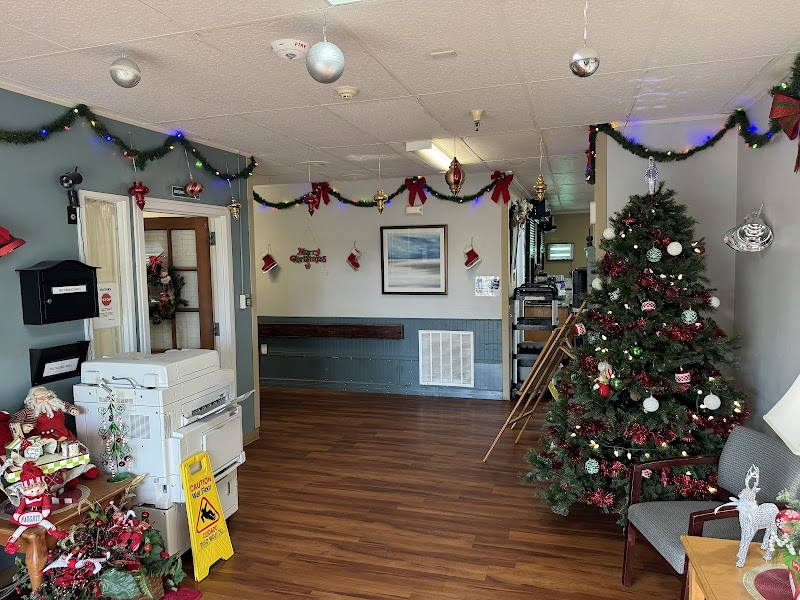
How Does Cedarcrest Compare to Other Oklahoma Nursing Homes?

Compared to the 100 nursing homes in Oklahoma, CEDARCREST CARE CENTER's overall rating (4 stars) is above the state average of 2.6, staff turnover (65%) is significantly higher than the state average of 46%, and health inspection rating (3 stars) is at the national benchmark.

What Should Families Ask When Visiting Cedarcrest?

Based on this facility's data, families visiting should ask: "How do you ensure continuity of care given staff turnover, and what is your staff retention strategy?" "Can I visit during a mealtime to observe dining assistance and food quality?" "How do you handle medical emergencies, and what is your hospital transfer rate?" "Can I speak with family members of current residents about their experience?" These questions are particularly relevant given the facility's high staff turnover rate.

Is Cedarcrest Safe?

Based on CMS inspection data, CEDARCREST CARE CENTER has a clean safety record: no substantiated abuse findings (meaning no confirmed cases of resident harm), no Immediate Jeopardy citations (the most serious violation level indicating risk of serious injury or death), and is not on the Special Focus Facility watch list (a federal program monitoring the lowest-performing 1% of nursing homes). The facility has a 4-star overall rating and ranks #1 of 100 nursing homes in Oklahoma. While no facility is perfect, families should still ask about staff-to-resident ratios and recent inspection results during their visit.

Do Nurses at Cedarcrest Stick Around?

Staff turnover at CEDARCREST CARE CENTER is high. At 65%, the facility is 19 percentage points above the Oklahoma average of 46%. High turnover means new staff may not know residents' individual needs, medications, or preferences. It can also be disorienting for residents, especially those with dementia who rely on familiar faces. Families should ask: What is causing the turnover? What retention programs are in place? How do you ensure care continuity during staff transitions?

Was Cedarcrest Ever Fined?

CEDARCREST CARE CENTER has been fined $15,000 across 1 penalty action. This is below the Oklahoma average of $33,229. While any fine indicates a compliance issue, fines under $50,000 are relatively common and typically reflect isolated problems that were subsequently corrected. Families should ask what specific issues led to these fines and confirm they've been resolved.

Is Cedarcrest on Any Federal Watch List?

CEDARCREST CARE CENTER is not on any federal watch list. The most significant is the Special Focus Facility (SFF) program, which identifies the bottom 1% of nursing homes nationally based on persistent, serious quality problems. Not being on this list means the facility has avoided the pattern of deficiencies that triggers enhanced federal oversight. This is a positive indicator, though families should still review the facility's inspection history directly.