FOREST HILLS CARE AND REHABILITATION CENTER
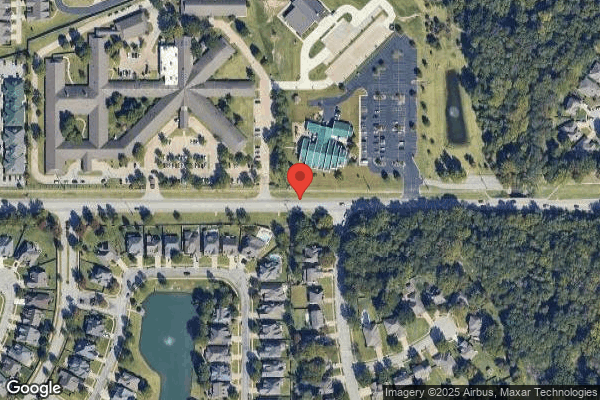
4300 WEST HOUSTON, BROKEN ARROW, OK 74012 (918) 254-5000
For profit - Limited Liability company 159 Beds MGM HEALTHCARE Data: November 2025
Trust Grade
55/100
#105 of 282 in OK
Last Inspection: May 2025

Inspected within the last 6 months. Data reflects current conditions.

Overview

Forest Hills Care and Rehabilitation Center has a Trust Grade of C, which means it is average and sits in the middle of the pack compared to other facilities. It ranks #105 out of 282 nursing homes in Oklahoma, placing it in the top half, and #10 out of 33 in Tulsa County, indicating only nine local options are better. The facility is improving, with issues decreasing from 11 in 2024 to 9 in 2025. Staffing is average with a 3/5 rating and a 56% turnover rate, which is similar to the state average. Although there are no fines on record, which is a positive sign, recent inspections revealed concerns such as failing to create comprehensive care plans for residents and not providing necessary range of motion services, which could affect residents’ health and mobility.

Trust Score
C
55/100
In Oklahoma
#105/282
Top 37%
Safety Record
Low Risk
No red flags
Inspections
Getting Better
11 → 9 violations
Staff Stability
⚠ Watch
56% turnover. Above average. Higher turnover means staff may not know residents' routines.
Penalties
✓ Good
No fines on record. Clean compliance history, better than most Oklahoma facilities.
Skilled Nurses
⚠ Watch
Each resident gets only 19 minutes of Registered Nurse (RN) attention daily — below average for Oklahoma. Fewer RN minutes means fewer trained eyes watching for problems.
Violations
⚠ Watch
35 deficiencies on record. Higher than average. Multiple issues found across inspections.
★★★☆☆
3.0
Overall Rating
★★★☆☆
3.0
Staff Levels
★★★★★
5.0
Care Quality
★★☆☆☆
2.0
Inspection Score
Stable
2024: 11 issues
2025: 9 issues

The Good

  • 5-Star Quality Measures · Strong clinical quality outcomes
  • Full Sprinkler Coverage · Fire safety systems throughout facility
  • No fines on record

Facility shows strength in quality measures, fire safety.

The Bad

3-Star Overall Rating

Near Oklahoma average (2.6)

Meets federal standards, typical of most facilities

Staff Turnover: 56%

10pts above Oklahoma avg (46%)

Frequent staff changes - ask about care continuity

Chain: MGM HEALTHCARE

Part of a multi-facility chain

Ask about local staffing decisions and management

Staff turnover is elevated (56%)

8 points above Oklahoma average of 48%

The Ugly 35 deficiencies on record

May 2025 9 deficiencies
CONCERN (D) 📢 Someone Reported This

A family member, employee, or ombudsman was alarmed enough to file a formal complaint

Potential for Harm - no one hurt, but risky conditions existed

Report Alleged Abuse (Tag F0609)

Could have caused harm · This affected 1 resident

Based on record review and interview, the facility failed to ensure injuries of unknown origin were reported to the Oklahoma State Department of Health as required for 1 (#80) of 3 sampled residents r...

Read full inspector narrative →
Based on record review and interview, the facility failed to ensure injuries of unknown origin were reported to the Oklahoma State Department of Health as required for 1 (#80) of 3 sampled residents reviewed for abuse. The DON reported 140 residents resided in the facility. Findings: A facility policy titled Abuse Prevention, revised 10/21/23, read in part, Alleged violations involving abuse, neglect, exploitation or mistreatment, including injuries of an unknown source and misappropriation of a residents property are reported immediately, but not later than 2 hours after the allegation is made, if the events that cause the allegation involve abuse or result in serious bodily injury. If the events that cause the allegation do not involve abuse or result in serious bodily injury, are reported immediately, but not later than 24 hours after the allegation is made, to the administrator of the facility and to other officials (including State Survey Agency, and local law enforcement as required). An admission record, dated 06/20/24, showed Resident #80 had diagnoses which included kidney failure and dementia. A nurse note, dated 03/02/25 at 2:29 p.m., showed Resident #80's family informed the nurse the resident's shoulder was hurting. The note showed an assessment was completed with swelling and warmth being noted, and an x-ray of the left shoulder was ordered. A nurse note, dated 03/02/25 at 9:12 p.m., read in part, Results from shoulder x-ray received and are positive for left shoulder subluxation [partial dislocation]. A nurse note, dated 03/03/25 at 8:22 p.m., showed the resident was sent to the emergency room for evaluation of the left shoulder. A significant change assessment, dated 04/09/25, showed Resident #80 had a BIMS summary score of 13 which was indicative of intact cognition. The assessment also showed Resident #80 was totally dependent on staff for care. On 04/30/25 at 9:30 a.m., LPN #1 stated they were on duty when the resident's family complained their shoulder was hurting. LPN #1 also stated they were not sure what caused the injury. On 05/06/25 at 10:40 a.m., the DON stated that Resident #80's dislocated shoulder was not reported to the Oklahoma State Department of Health as an injury of unknown origin and that they had performed an internal investigation. The DON also stated the injury was unwitnessed and the resident was unable to explain what had happened.
CONCERN (D) 📢 Someone Reported This

A family member, employee, or ombudsman was alarmed enough to file a formal complaint

Potential for Harm - no one hurt, but risky conditions existed

Investigate Abuse (Tag F0610)

Could have caused harm · This affected 1 resident

Based on record review and interview, the facility failed to ensure injuries of unknown origin were thoroughly investigated for 1 (#80) of 3 sampled residents reviewed for abuse. The DON reported 140 ...

Read full inspector narrative →
Based on record review and interview, the facility failed to ensure injuries of unknown origin were thoroughly investigated for 1 (#80) of 3 sampled residents reviewed for abuse. The DON reported 140 residents resided in the facility. Findings: A facility policy titled Abuse Prevention, revised 10/21/23, read in part, The facility will initiate at the time of any finding of potential abuse or neglect an investigation to determine cause and effect, and to provide protection to any alleged victims to prevent harm during the continuance of an investigation. An admission record, dated 06/20/24, showed Resident #80 had diagnoses which included kidney failure and dementia. A nurse note, dated 03/02/25 at 2:29 p.m., showed Resident #80's family informed the nurse that the resident's shoulder was hurting. The note showed an assessment was completed and that swelling and warmth to the left shoulder were noted, and an x-ray of the left shoulder was ordered. A nurse note, dated 03/02/25 at 9:12 p.m., read in part, Results from shoulder x-ray received and are positive for left shoulder subluxation [partial dislocation]. A nurse note, dated 03/03/25 at 8:22 p.m., showed the resident was sent to the emergency room for evaluation of the left shoulder. A significant change assessment, dated 04/09/25, showed Resident #80 had a BIMS summary score of 13 which was indicative of intact cognition. The assessment also showed Resident #80 was totally dependent on staff for care. On 04/30/25 at 9:30 a.m., LPN #1 stated they were on duty when the resident's family complained that their shoulder was hurting. LPN #1 also stated they were not sure what caused the injury or if an investigation was completed. On 05/06/25 at 10:40 a.m., the DON stated Resident #80's dislocated shoulder was investigated internally, but they did not document interviews with staff members or the physician, nor did they interview any additional residents regarding their treatment in the facility.
CONCERN (D) 📢 Someone Reported This

A family member, employee, or ombudsman was alarmed enough to file a formal complaint

Potential for Harm - no one hurt, but risky conditions existed

ADL Care (Tag F0677)

Could have caused harm · This affected 1 resident

Based on observation, record review, and interview, the facility failed to provide ADL care for 1 (#3) of 3 sampled residents reviewed for ADL care. The DON identified 27 residents were dependent of s...

Read full inspector narrative →
Based on observation, record review, and interview, the facility failed to provide ADL care for 1 (#3) of 3 sampled residents reviewed for ADL care. The DON identified 27 residents were dependent of staff for nail care. Findings: On 04/27/25 at 9:05 a.m., Resident #3 was observed lying in bed. The resident's toenails were observed to be long and unkempt. A facility policy titled Nail Care, reviewed 07/21/22, read in part, The purpose of nail care is to clean the nail bed, trim nails, and prevent infection. A significant change assessment, dated 03/06/25, showed Resident #3 had a BIMS summary score of 14 which was indicative of intact cognition, and they required substantial assistance from staff. A Skin Monitoring CNA Bathing Review form, dated 04/16/25, showed the resident's toenails needed to be trimmed. On 04/27/25 at 9:11 a.m., Resident #3 stated since they went off hospice no one was trimming their toenails. They also stated their toenails were so long they were uncomfortable. On 04/28/25 at 2:15 p.m., CNA #1 stated CNAs were supposed to provide nail care to residents on their hall on the resident's shower day unless the resident was diabetic, then they were supposed to inform the nurse. On 04/28/25 at 2:21 p.m., CNA #2 stated Resident #3's toenails were long and needed to be trimmed, but they were not sure if the resident was diabetic or not. On 04/28/25 at 2:28 p.m., LPN #1 stated charge nurses were responsible for ensuring residents received appropriate nail care.
CONCERN (D)

Potential for Harm - no one hurt, but risky conditions existed

Deficiency F0761 (Tag F0761)

Could have caused harm · This affected 1 resident

Based on observation, record review, and interview, the facility failed to ensure medications were secure for 1 (500 hall medication/treatment cart) of 2 medication/treatment carts observed on the 500...

Read full inspector narrative →
Based on observation, record review, and interview, the facility failed to ensure medications were secure for 1 (500 hall medication/treatment cart) of 2 medication/treatment carts observed on the 500 hall. The DON identified 15 medication/treatment carts in the facility. Findings: On 04/29/25 at 11:50 a.m., the 500 hall medication/treatment cart was observed to be unlocked and unattended on the 500 hall across from the restrooms. On 04/29/25 at 11:54 a.m., the administrator locked the 500 hall medication/treatment cart as they walked by and stated they needed to find out who was assigned to the medication/treatment cart. On 04/29/25 at 11:57 a.m., LPN #5 stated they should have locked the cart, but had forgotten. On 05/07/25 at 10:38 a.m., the DON stated medication/treatment carts were to remain locked when left unattended. They stated they monitored medication/treatment carts to ensure they were locked when unattended. They stated it was a constant battle.
CONCERN (D)

Potential for Harm - no one hurt, but risky conditions existed

Deficiency F0887 (Tag F0887)

Could have caused harm · This affected 1 resident

Based on record review and interview, the facility failed to ensure a resident was offered the COVID-19 vaccination for 1 (#83) of 5 sampled residents reviewed for the COVID-19 vaccination. The DON id...

Read full inspector narrative →
Based on record review and interview, the facility failed to ensure a resident was offered the COVID-19 vaccination for 1 (#83) of 5 sampled residents reviewed for the COVID-19 vaccination. The DON identified 140 residents resided in the facility. Findings: A policy titled Covid Vaccine, dated 09/04/24, read in part, The Facility will offer the COVID Vaccine to Employees/Residents to assist in mitigating the spreads [sic] of COVID-19. A significant change assessment, dated 02/14/25, showed Resident #83 had a diagnosis of a stroke and the COVID-19 vaccination was not up to date. Review of the immunization tab in the electronic clinical record did not show when the resident had been offered or received the COVID-19 vaccination. On 05/07/25 at 1:04 p.m., the DON stated Resident #83 must have been out of the facility when they had offered the COVID-19 vaccination during a COVID clinic. The DON stated, We must have missed it.
CONCERN (E)

Potential for Harm - no one hurt, but risky conditions existed

Comprehensive Care Plan (Tag F0656)

Could have caused harm · This affected multiple residents

Based on observation, record review and interview, the facility failed to ensure comprehensive care plans were developed for 2 (#80 and #108) of 20 sampled residents whose care plans were reviewed. Th...

Read full inspector narrative →
Based on observation, record review and interview, the facility failed to ensure comprehensive care plans were developed for 2 (#80 and #108) of 20 sampled residents whose care plans were reviewed. The DON reported 140 residents resided in the facility. Findings: 1. On 04/29/25 at 2:37 p.m., Resident #80 was observed in bed. Resident #80's right hand was observed to be contracted. A facility policy titled Comprehensive Person-Centered Care Plan, reviewed 10/23/19, read in part, Each resident will have a person-centered plan of care to identify problems, needs, strengths, preferences, and goals that will identify how the facility will provide care. An admission record, dated 06/20/24, showed Resident #80 had diagnoses which included kidney failure and dementia. A care plan, initiated 06/20/24, did not show interventions for the resident's contracted right hand. A significant change assessment, dated 04/09/25, showed Resident #80 had a BIMS summary score of 13 which was indicative of intact cognition. The assessment also showed Resident #80 was totally dependent on staff for care and had a range of motion impairment to one side of their upper body. On 05/06/25 at 9:41 a.m., LPN #4 stated they sometimes put hand rolls in Resident #80's hand, but there were no formal interventions in place. On 05/06/25 at 4:45 p.m., the MDS coordinator stated interventions should be in place for Resident #80's contracted right hand and the care plan should include those interventions. 2. An admission record, dated 10/21/24, showed Resident #108 had diagnoses which included obstructive and reflux uropathy and retention of urine. A significant change assessment, dated 02/11/25, showed Resident #108 had a BIMS summary score of 12 which indicated the resident was moderately impaired in cognition for daily decision making. The assessment also showed Resident #108 had an indwelling urinary catheter. A care plan, revised 04/06/25, did not include the use of an indwelling urinary catheter. On 05/06/25 at 4:45 p.m., the MDS coordinator stated the use of a urinary catheter should be included on the resident's care plan.
CONCERN (E) 📢 Someone Reported This

A family member, employee, or ombudsman was alarmed enough to file a formal complaint

Potential for Harm - no one hurt, but risky conditions existed

Deficiency F0688 (Tag F0688)

Could have caused harm · This affected multiple residents

Based on observation, record review, and interview, the facility failed to ensure: a. range of motion services were provided for 2 (#97 and #75); and b. provide contracture interventions for 1 (#80) ...

Read full inspector narrative →
Based on observation, record review, and interview, the facility failed to ensure: a. range of motion services were provided for 2 (#97 and #75); and b. provide contracture interventions for 1 (#80) of 3 sampled residents who were reviewed for range of motion. The DON identified 12 residents with contractures and 43 residents with limited range of motion. Findings: 1. A policy titled Establishment of an Individual Restorative Program, dated 01/02/24, read in part, To provide treatment and services to maintain and improve functional abilities per physician order. A policy titled Range of Motion, dated 01/24/24, read in part, To exercise the resident's joints and muscles as required and/or clinically indicated. A Restorative Nursing Care Plan, dated 03/28/25, showed Resident #75 was to receive restorative services two to three times a week for eight weeks. A PT [Physical Therapy] Evaluation and Plan of Treatment, dated 04/18/25, read in part, Patient educated on initiation of RNP to maintain currently [sic] functional status. RNP to be established on this date. An OT [Occupational Therapy] Evaluation and Plan of Treatment, dated 04/18/25, read in part, Pt is currently at [their] baseline in physical function. Pt to participate in restorative program. The quarterly assessment, dated 04/23/25, showed Resident #75 had a diagnosis of hemiplegia affecting left nondominant side, had a BIMS score of eight which indicated the resident was moderately impaired in cognition for daily decision making, upper extremity impairment on one side, lower extremity impairment on both sides, and had not received any restorative services during the look back period. A Restorative Delivery Documentation form, dated April 2025, showed Resident #75 had received restorative nursing services on 04/24/25 and 04/30/25. On 04/27/25 at 10:35 a.m., Resident #75 stated they were supposed to receive restorative services. They stated they only received restorative services one day in the past week. On 05/07/25 at 10:32 a.m., the DON stated the resident was evaluated for skilled nursing services, but it had been determined the resident was at their baseline functioning level. They stated the resident was to be on restorative services. The DON stated restorative services had not been being performed as indicated for the residents. 2. A Plan of Care Note, dated 07/15/24 at 11:20 a.m., showed during a care plan meeting a family member had verbalized they would like Resident #97 to be evaluated for restorative services. The quarterly assessment, dated 04/23/25, showed Resident #97 had a BIMS score of 08, which indicated the resident was moderately impaired in cognition for daily decision making, had impairment to one side of their upper body and impairment to both sides of the lower body, and no therapies or restorative nursing services had been received during the look back period. On 05/07/25 at 10:30 a.m. the DON stated they did not have documentation Resident #97 had been assessed for the restorative program. They stated they had instructed staff to perform range of motion exercises during ADL care. They stated they did not have any documentation range of motion had been provided for the resident. 3. On 04/29/25 at 2:37 p.m., Resident #80 was observed in bed. Resident #80's right hand was observed to be contracted. An admission record, dated 06/20/24, showed Resident #80 had diagnoses which included kidney failure and dementia. A significant change assessment, dated 04/09/25, showed Resident #80 had a BIMS summary score of 13 which was indicative of intact cognition. The assessment also showed Resident #80 was totally dependent on staff for care and had a range of motion impairment to one side of their upper body. Review of the electronic health record did not show any interventions for the resident's contracted right hand. On 05/06/25 at 9:41 a.m., LPN #1 stated they sometimes put hand rolls in Resident #80's hand, but there were no formal interventions in place. On 05/06/25 at 4:45 p.m., the MDS coordinator stated interventions should be in place for Resident #80's contracted right hand and the care plan should include those interventions.
CONCERN (E)

Potential for Harm - no one hurt, but risky conditions existed

Infection Control (Tag F0880)

Could have caused harm · This affected multiple residents

2. On 05/06/25 at 4:58 p.m., laundry personnel #1 was observed to deliver clean personal laundry to residents on the 600 hall. The laundry cart/rack was observed to be uncovered when it was delivered ...

Read full inspector narrative →
2. On 05/06/25 at 4:58 p.m., laundry personnel #1 was observed to deliver clean personal laundry to residents on the 600 hall. The laundry cart/rack was observed to be uncovered when it was delivered to six rooms. On 05/06/25 at 5:07 p.m., laundry personnel #1 stated the cover for the laundry cart/rack was in the washing machine. They stated they should have waited to deliver the clean laundry until they had a cover to protect the clothing, but since they were delivering laundry to only five or six residents they delivered it without covering the clean laundry. On 05/07/25 at 11:25 a.m., the laundry supervisor stated laundry should be covered when it was delivered to the residents' rooms. Based on observation, record review and interview, the facility failed to: a. follow EBP during the provision of care for 1 (#108) of 2 sampled residents reviewed for catheter care; and b. ensure clean laundry was transported appropriately. The DON reported 11 residents had urinary catheters and 110 residents' laundry was cleaned by the facility. Findings: 1. On 05/05/25 at 3:45 p.m., LPN #3 was observed providing catheter care to Resident #108. LPN #3 was not observed to wear a gown. A facility policy titled Enhanced Barrier Precautions, reviewed 05/15/24, read in part, The facility may expand the use of PPE [personal protective equipment] & refer to the use of gowns & gloves during high-contact resident care activities that provide opportunities for transfer of MDROs to hands/clothing. The use of gown & gloves for high-contact resident care activities is indicated, when contact precautions do not otherwise apply, for facility residents with wounds and/or indwelling medical devices regardless of MDRO colonization as well as for residents with colonization. An admission record, dated 10/21/24, showed Resident #108 had diagnoses which included obstructive and reflux uropathy and retention of urine. A significant change assessment, dated 02/11/25, showed Resident #108 had a BIMS summary score of 12 which indicated the resident was moderately impaired in cognition for daily decision making. The assessment also showed Resident #108 had an indwelling urinary catheter. On 05/05/25 at 3:55 p.m., LPN #3 stated they should have been wearing a gown while providing care to Resident #108. On 05/06/25 at 10:37 a.m., the DON stated the facility used EBP and a gown should be worn when providing direct care to a resident with an indwelling urinary catheter.
CONCERN (E)

Potential for Harm - no one hurt, but risky conditions existed

Deficiency F0883 (Tag F0883)

Could have caused harm · This affected multiple residents

Based on record review and interview, the facility failed to ensure residents were offered the pneumococcal immunization for 3 (#28, 83, and #330) of 5 sampled residents reviewed for immunizations. Th...

Read full inspector narrative →
Based on record review and interview, the facility failed to ensure residents were offered the pneumococcal immunization for 3 (#28, 83, and #330) of 5 sampled residents reviewed for immunizations. The DON identified 140 residents resided in the facility. Findings: A policy titled Pneumococcal Vaccine, dated 12/05/24, read in part, The opportunity to receive the Pneumococcal Vaccine will be extended to all Residents. The facility will provide pertinent information regarding the Risks/Benefits of receiving the Vaccine. 1. An undated face sheet showed Resident #330 had a diagnosis of diabetes. Review of the immunization tab in the electronic clinical record did not show the resident had been offered the pneumococcal immunization. 2. A significant change assessment, dated 02/14/25, showed Resident #83 had a diagnosis of a stroke and the pneumococcal immunization was up to date. Review of the immunization tab in the electronic clinical record did not show when the resident had received the pneumococcal immunization or that the facility had offered the immunization. 3. A quarterly assessment, dated 04/30/25, showed Resident #28 had a diagnosis of heart failure, had a BIMS score of nine which indicated the resident was moderately impaired in cognition for daily decision making, and the pneumococcal immunization had been offered and declined. Review of the immunization tab in the electronic clinical record did not show when the resident had been provided education/offered the pneumococcal immunization. On 05/07/25 at 1:04 p.m., the DON stated pneumococcal immunization documentation should be under the immunization tab in the electronic clinical record. They stated they did not have information related to the pneumococcal immunization for Resident #330, 83, or Resident #28.
Feb 2024 11 deficiencies
CONCERN (D)

Potential for Harm - no one hurt, but risky conditions existed

Deficiency F0578 (Tag F0578)

Could have caused harm · This affected 1 resident

Based on record review and interview, the facility failed to ensure accurate code status for one (#55) of four sampled residents who were reviewed for advance directives. The administrator identified...

Read full inspector narrative →
Based on record review and interview, the facility failed to ensure accurate code status for one (#55) of four sampled residents who were reviewed for advance directives. The administrator identified 127 residents who resided in the facility. Findings: Resident #55 had diagnoses which included chronic obstructive pulmonary disease. A signed DNR, dated 08/10/17, was in the scanned documents in the electronic clinical record. A signed DNR, dated 11/28/17, was in the scanned documents in the electronic clinical record. An Advance Directive Acknowledgement Form, dated 12/15/23, documented Resident #55 did not have an advanced directive. The Care Plan, dated 12/28/23, documented Resident #55 was a full code. The demographic banner, face sheet, and active physician orders in the electronic clinical record documented Resident #55 was a full code. On 02/07/24 at 1:01 p.m., the DON stated Resident #55 was a full code. They stated the signed DNR was from a previous admission to the facility but was still in the active electronic clinical record for Resident #55.
CONCERN (D)

Potential for Harm - no one hurt, but risky conditions existed

Notification of Changes (Tag F0580)

Could have caused harm · This affected 1 resident

Based on record review and interview, the facility failed to ensure resident representatives were notified of changes in condition for one (#89) of one sampled resident who was reviewed for notificati...

Read full inspector narrative →
Based on record review and interview, the facility failed to ensure resident representatives were notified of changes in condition for one (#89) of one sampled resident who was reviewed for notification of change. The administrator identified 127 residents who resided in the facility. Findings: The Notification of a Change in Condition policy, dated 04/26/23, read in parts, .the Resident Representative will be notified of a Change in a Resident's Condition .Document in the Interdisciplinary Team [IDT] Notes .Resident Change in Condition . Resident #89 had diagnoses which included congestive heart failure. A facility incident report, dated 12/14/23, documented the resident fell. The incident report or nurse progress notes did not document the resident's POA had been notified. A nurse progress note, dated 12/29/23, documented the resident returned from a hospital visit. The note did not document the resident's POA had been notified of the resident's return. A nurse progress note, dated 01/10/24, documented the resident returned from a hospital visit. The note did not document the POA had been notified of the resident's return. A nurse progress note, dated 01/18/24, documented the resident returned from a hospital visit. The note did not document the POA had been notified of the resident's return. A nurse progress note, dated 01/19/24, documented Resident #89 was ordered an antibiotic. The note did not document the POA had been notified. A facility incident report, dated 02/05/24, documented the resident fell. The incident report or nurse progress notes did not document the resident's POA had been notified. On 02/06/24 at 10:13 a.m., the POA stated they had not been notified of changes in the status for Resident #89. They stated they were aware of returns from hospital visits if they called and asked the facility or inquired about their status when they visited. On 02/07/24 at 2:06 p.m., the DON reviewed the incident reports and nurse progress notes and stated there was no documentation the POA had been notified of the changes in condition for Resident #89. They stated they needed to educate the nurses to document resident representative notification of change for the residents.
CONCERN (D)

Potential for Harm - no one hurt, but risky conditions existed

Assessment Accuracy (Tag F0641)

Could have caused harm · This affected 1 resident

Based on record review and interview, the facility failed to ensure medications and weights documented in the MDS were accurate for one (#68) of 25 sampled residents who were reviewed for MDS accuracy...

Read full inspector narrative →
Based on record review and interview, the facility failed to ensure medications and weights documented in the MDS were accurate for one (#68) of 25 sampled residents who were reviewed for MDS accuracy. The administrator identified 127 residents resided in the facility. Findings: A facility MDS 3.0 policy, dated 04/25/19, read in part .the MDS Coordinator, in conjunction with the Interdisciplinary Team (IDT), expected to complete assessments using the MDS 3.0 Resident Assessment Instrument (RAI) specified by the state in compliance with the MDS 3.0 RAI user's manual guidelines . Resident #68 had diagnoses which included psychotic disorder with hallucinations. a. An Order Summary report, dated 08/23/23, documented Resident #68 received Nuplazid (anti-psychotic medication) at bedtime. A MAR, dated November 2023, documented Resident #68 received Nuplazid. A Quarterly Assessment, dated 11/29/23, documented the resident did not receive antipsychotic medications since the prior assessment. On 02/29/24 at 12:24 p.m., the MDS coordinator stated medications were coded by drug classification. They reviewed Resident #68's quarterly assessment from 11/29/23 and stated it documented anti-psychotic medications were not received. The MDS Coordinator stated it was not accurate because Resident #68 received an anti-psychotic. b. A review of weights and vitals in the clinical of Resident #68, revealed the following weights: On 03/08/2023, Resident #68 weighed 204.6 lbs. On 09/06/2023, Resident #68 weighed 183 pounds, which was a 10.56 % Loss. On 06/07/2023, Resident #68 weighed 194 lbs. On 09/06/2023, Resident #68 weighed 183 pounds, which was a 5.67 % Loss. On 08/09/2023, Resident #68 weighed 191 lbs. On 09/06/2023, Resident #68 weighed 183 pounds, which was a 4.19 % Loss. On 10/15/2023, Resident #68 weighed 180 lbs. On 11/14/2023, Resident #68 weighed 174 pounds, which was a 3.33 % Loss. A Quarterly Assessment, dated 09/13/23 documented a weight of 205 lbs. This exact weight was not documented in the electronic medical record. On 02/08/24 at 3:23 p.m., the dietitian stated weight loss was addressed at the beginning of the month when monthly weights were obtained. They stated the weights were analyzed for weight loss or gain for one to six months along with other significant changes. The dietitian stated they look at the residents' orders, diagnoses, intake, skin, and clinical record and make recommendations based on the residents' needs. The dietitian stated Resident #68 had a significant loss of 11% for six months. They stated the weight loss was intentional and desired by Resident #68. On 02/09/24 at 9:30 a.m., the MDS coordinator stated they obtained the weights to code in the MDS from the weights and vitals in the electronic medical record. They stated the weights were automatically pulled into the MDS assessment. The MDS coordinator stated the weight of 205 lbs documented on the assessment was not accurate and was from the March weights in 2023.
CONCERN (D)

Potential for Harm - no one hurt, but risky conditions existed

Deficiency F0655 (Tag F0655)

Could have caused harm · This affected 1 resident

Based on record review and interview, the facility failed to ensure a baseline care plan was completed within 48 hours for one (#120) of one sampled resident reviewed for baseline care plan. The admin...

Read full inspector narrative →
Based on record review and interview, the facility failed to ensure a baseline care plan was completed within 48 hours for one (#120) of one sampled resident reviewed for baseline care plan. The administrator identified 127 residents resided in the facility. Findings: A Comprehensive Person-Centered Care Plan policy, dated 01/23/19, read in part .POLICY: Each resident will have a person centered plan of care to identify problems, needs, strengths, preferences, and goals that will identify how the interdisciplinary team will provide care . A Baseline Care Plan is to be developed within 48 hours. Develop initial goals based upon admission orders/resident's input and is recorded on the Baseline Care Plan . Resident #120 admitted with diagnoses which included muscle weakness, cognitive communication deficit, need for assistance with personal care, decreased white blood cell, soft tissue disorder, cellulitis to right upper limb, and encounter for other orthopedic aftercare. A Care Plan, dated 11/15/23, only documented an activity focus area. There was no other care plan located in the resident's clinical record. On 02/09/24 at 12:14 p.m., the DON stated baseline care plans were completed during the admission process, within the first 24-48 hours. She stated the nurse completing the admission completed the baseline care plan. The DON was asked to locate Resident #120's baseline care plan. She stated a care plan was initiated on 11/15/23 and only documented activities. She stated more interventions should be documented.
CONCERN (D)

Potential for Harm - no one hurt, but risky conditions existed

ADL Care (Tag F0677)

Could have caused harm · This affected 1 resident

Based on record review and interview, the facility failed to ensure showers were provided for one (#172) of seven sampled residents reviewed for bathing. The administrator reported 127 residents resi...

Read full inspector narrative →
Based on record review and interview, the facility failed to ensure showers were provided for one (#172) of seven sampled residents reviewed for bathing. The administrator reported 127 residents resided in the facility. Findings: Resident #172 had diagnoses which included Parkinson's disease. Resident #172's shower documentation did not document the resident had been offered a shower between January 31, 2024 and February 09, 2024. On 02/09/24 at 1:45 p.m., Resident #172 stated they had not received a shower in several days, but would like to at least have a bed bath. On 02/09/24 at 2:00 p.m., CNA #1 stated they did not have time to give Resident #172 a shower on 02/06/24 or 02/09/24. They stated they reported it to the nurse and the oncoming shift to see if they had time to give showers.
CONCERN (D)

Potential for Harm - no one hurt, but risky conditions existed

Accident Prevention (Tag F0689)

Could have caused harm · This affected 1 resident

Based on observation and interview, the facility failed to ensure chemicals were secured for one (300 hall) of five halls observed for storage of chemicals. The Resident Listing Report, dated 02/05/24...

Read full inspector narrative →
Based on observation and interview, the facility failed to ensure chemicals were secured for one (300 hall) of five halls observed for storage of chemicals. The Resident Listing Report, dated 02/05/24, documented 14 residents resided on the 300 hall. Findings: On 02/05/24 at 8:26 a.m., an unlabeled closet was observed to be unlocked. The door was observed to have a key pad lock but the inside latch of the lock was taped so it remained unlocked. The following chemicals were observed unsecured in the unlocked closet: a. Three and one half-one quart bottles of floor cleaner. The label on the bottle documented the product caused serious burns. b. One-one quart bottle of spot shot professional stain remover. The label documented to keep out of reach of children. c. One-one quart bottle of red juice stain remover that was approximately half full. The label documented it may cause irritation to the mouth, throat, and stomach and to use splash goggles and gloves during use. d. One-one quart glass cleaner. The label documented to keep out of reach of children. On 02/05/24 at 8:49 a.m., the DON stated the room was a housekeeping closet that was to be kept locked with the key pad lock. They opened the door, removed the tape off the lock, and stated they did not know why the lock was taped, making it unsecured. They stated they did not have any residents who wandered.
CONCERN (D)

Potential for Harm - no one hurt, but risky conditions existed

Pharmacy Services (Tag F0755)

Could have caused harm · This affected 1 resident

Based on observation, record review, and interview, the facility failed to ensure controlled medications were reconciled for one (500 hall) medication cart of seven medication/treatment carts observed...

Read full inspector narrative →
Based on observation, record review, and interview, the facility failed to ensure controlled medications were reconciled for one (500 hall) medication cart of seven medication/treatment carts observed. The administrator identified 127 residents who resided in the facility. Findings: The Controlled Substances Count Shift Verification form, dated February 2024, documented a shift count verification of controlled substances had been completed 12 times out of 22 opportunities from 02/01/24 through 02/08/24 at 6:00 a.m. The form did not document any on-coming nurse/CMA signatures, no entries for 02/03/24 or 02/09/24 were documented, and no entries were documented for the 10:00 p.m. to 6:00 a.m. shift. On 02/08/24 at 12:02 p.m., the 500 hall medication cart was observed with CMA #1. The locked narcotic box was observed to contain a card of Cephalexin 500 mg for Resident #65. The card of Cephalexin was observed to have nine capsules remaining. The count sheet for the Cephalexin 500 mg documented CMA #1 administered one pill at 7:36 a.m. on 02/08/24 and there were ten capsules remaining. CMA #1 stated they had only administered one dose of Cephalexin to Resident #65 during their shift. They stated they had not counted the medication cart, including controlled medications, with the off-going nurse/CMA when they had arrived at 6:00 a.m. CMA #1 stated the medication cart was unlocked and the keys were in a three-ring binder on top of the cart when they arrived for their shift. On 02/08/24 at 12:15 p.m., CMA #2 asked for their medication cart keys from CMA #1. CMA #1 handed the keys to CMA #2 and stated they had them for the 300 hall medication cart while CMA #2 had been at lunch. CMA #1 stated they had not reconciled the 300 hall medication cart when they assumed possession of the cart's keys, including the keys for the controlled medications. On 02/09/24 at 12:57 p.m., the DON was informed of the observations and reviewed the Cephalexin count sheet for Resident #65. The DON stated due to the discrepancy with the Cephalexin they would question if the medications had been counted at shift change. They stated controlled medications on all medication/treatment carts were to be counted each shift. They stated they needed to provide education to the staff.
CONCERN (D) 📢 Someone Reported This

A family member, employee, or ombudsman was alarmed enough to file a formal complaint

Potential for Harm - no one hurt, but risky conditions existed

Deficiency F0804 (Tag F0804)

Could have caused harm · This affected 1 resident

Based on observation, record review, and interview, the facility failed to ensure food contained nutritive value, was palatable, and served at preferred temperatures. The Resident Matrix provided by t...

Read full inspector narrative →
Based on observation, record review, and interview, the facility failed to ensure food contained nutritive value, was palatable, and served at preferred temperatures. The Resident Matrix provided by the facility on 02/05/24, documented 125 residents received food from the kitchen. Findings: On 02/05/24 at 9:51 a.m., Resident #83 stated the food was very cold. On 02/05/24 at 10:07 a.m., Resident #48 stated the food was not palatable. On 02/05/24 at 10:17 a.m., Resident #185 stated they wanted a decent breakfast. They stated staff bring eggs and oatmeal and they do not eat eggs, and oatmeal makes them gag. They stated this happened all weekend. Resident #185 stated lunch and dinner were usually good and if not, they requested a burger. On 02/05/24 at 10:39 a.m., Resident #55 stated the food temperature was inconsistent. They stated they ate in their room because it took too long to be served in the dining room. On 02/05/24 at 10:51 a.m., [NAME] #1 was observed to prepare pureed food. [NAME] #1 stated the facility had four or five residents who required pureed food. The cook had placed six to seven hamburger patties in the blender, along with water, thickener and a calorie/protein powder supplement. Upon completion of the puree, the puree was tasted. The puree was grainy and without flavor. On 02/05/24 at 11:04 a.m., [NAME] #1 was observed to pour peas and carrots, two scoops of thickener, and one scoop of calorie/protein powder supplement into the bowl of the blender for puree. The skins of the peas were observed to be throughout the mixture and not smooth. A test sample was taken with a plastic spoon and provided to the surveyor. The puree was not smooth. [NAME] #1 was asked if this was anything that could cause a resident to choke. They stated no. On 02/05/24 at 11:10 a.m., the registered dietitian was asked if the vegetables were of a pureed consistency. They stated no and suggested to the cook they use carrots only, due to the skin of the peas. On 02/05/24 at 11:12 a.m., the registered dietitian was asked to taste test the pureed meat. The registered dietitian began looking for a spoon and [NAME] #1 removed the pureed meat from the line and discarded it. [NAME] #1 was asked if they were going to puree more meat. They stated yes. [NAME] #1 then placed five or six chicken fried steaks, hot water, thickener and a calorie protein powder supplement in the blender for puree. After multiple additions of water, the meat was grainy and without flavor. The registered dietitian was asked why the original meat used was hamburger patties. They stated they had signed off on all of food substitutions. The registered dietitian then asked for time with the cook and the puree was discarded. On 02/05/24 at 11:19 a.m., the registered dietitian was asked how they ensured the nutritive value of food was maintained when using water to thin. They stated it was not. On 02/05/24 at 11:28 a.m., [NAME] #1 placed five chicken fried steak patties and gravy in the blender for puree. When the puree was completed a taste sample was provided and observed to be smooth, hot, and full of flavor. On 02/05/24 at 11:58 a.m., [NAME] #1 was observed to puree carrots using the broth from the carrots. When the puree was completed the carrots were tasted and observed to be smooth, hot, and full of flavor. The afternoon meal was scheduled to begin at 11:30 a.m. On 02/05/24 at 12:00 p.m., observations of plating food were conducted. The menu documented to use an ivory scoop to provide a 1/2 cup of vegetables. The scoop was available, but not used to serve the vegetables. The portion sizes were observed to be inconsistent. The menu documented a gray scoop was be used to provide a 1/2 cup portion of meat. A blue scoop was used to plate the ground meat. The food guide documented a blue scoop provided 1/4 cup. The menu documented to provide a 1/2 cup of mashed potatoes. Dietary aide #1 was observed to not fill the scoop entirely before plating the mashed potatoes. The food guide documented a full gray scoop to provide 1/2 cup. The registered dietitian was asked how they ensured staff used the correct size utensil to ensure the proper portion of food was provided for the nutritional requirements of the residents. No answer was provided. The dietitian and the dietary manager then began replacing the utensils and instructed the staff on proper filling of the utensils to serve the remainder of the residents. The bread and desert were not provided in puree to the residents. On 02/06/24 at 9:02 a.m., Resident #185 stated it looked like they ordered two pieces of bacon and four pieces of toast, but had ordered four pieces of bacon and two pieces of toast. They stated the food was not hot. On 02/06/24 at 9:10 a.m., Resident #3 stated the food was not good, it was always so cold, my daughter even asked the facility to serve me warm food, but it is still cold. The food would taste better if it were warmer. On 02/06/24 at 9:22 a.m., Resident #65 stated the food was always cold. On 02/07/24 at 9:38 a.m., Resident #48 stated they did not eat breakfast because the food was cold. On 02/07/24 at 11:30 p.m., the dietary manager was asked to debone one of the pork chops and weigh the meat. The dietary manager stated they did not have scales to weigh the food. On 02/07/24 at 12:00 p.m., test trays were requested from the 500 hall cart. The meal cart left the kitchen at 12:02 p.m., was parked in the hallway at 12:04 p.m. and the surveyor tray was obtained at 12:15 p.m. The following temperatures were taken: Pureed beef temp 113 degrees Fahrenheit (F), Pureed vegetable 106 degrees F, milk 58 degrees F, mixed vegetable 112 degrees F, and mechanical beef 97 degrees F. On 02/07/24 at 12:15 p.m., a surveyor tasted the three test plates. The regular tray pork chop was warm, not hot. The vegetables and milk were warm. The bread was room temperature. The mechanical tray ground beef was warm, not hot. The puree tray beef was very grainy, bland, and warm, not hot. The pureed vegetables tasted ok, but were not hot. On 02/07/24 at 12:46 p.m., the dietary manager looked at the pureed beef and stated the beef was not pureed, it was grainy. The manager was asked at what temperature milk should be served. They stated 40 degrees Fahrenheit. On 02/08/24 at 9:17 a.m., Resident #185 stated the bacon and toast were received as ordered, but the food was cold today. Resident #185 stated they just want hot food. On 02/08/24 at 9:45 a.m., Resident #103 stated they chose the alternative and ate in their room. They stated they had oats, cheerios, bacon, milk, and juice everyday, and the food was mostly cold when brought to their room.
CONCERN (D)

Potential for Harm - no one hurt, but risky conditions existed

Food Safety (Tag F0812)

Could have caused harm · This affected 1 resident

Based on observation and interview, the facility failed to ensure a sanitary environment, provide food and drink at safe temperatures The Resident Matrix provided by the facility on 02/05/24, document...

Read full inspector narrative →
Based on observation and interview, the facility failed to ensure a sanitary environment, provide food and drink at safe temperatures The Resident Matrix provided by the facility on 02/05/24, documented 125 residents received food from the kitchen. Findings: On 02/05/24 at 10:50 a.m., during the kitchen observation, several male staff members were observed to not wear beard nets or hair nets while preparing food. On 02/05/24 at 10:52 a.m, the dietitian was asked what length of hair growth would require a hair net. The dietitian stated they would expect the staff to wear hair nets at any stage of hair growth.
CONCERN (E)

Potential for Harm - no one hurt, but risky conditions existed

Deficiency F0761 (Tag F0761)

Could have caused harm · This affected multiple residents

Based on observation and interview, the facility failed to ensure medications were labeled and not expired for three (200 hall treatment cart, 600 hall treatment cart, and 500 hall medication cart) of...

Read full inspector narrative →
Based on observation and interview, the facility failed to ensure medications were labeled and not expired for three (200 hall treatment cart, 600 hall treatment cart, and 500 hall medication cart) of seven medication/treatment carts observed. The DON identified 13 medication/treatment carts in the facility. Findings: 1. On 02/05/24 at 7:38 a.m., the medication/treatment cart for 400 hall was observed to be unlocked and unattended. On 02/05/24 at 7:40 a.m., LPN #3 was observed to lock the medication/treatment cart. On 02/05/24 at 7:40 a.m., the medication/treatment cart for the 300 hall was observed to be unlocked and unattended. The cart was observed to have a bottle of wound cleanser sitting on the top. On 02/05/24 at 7:51 a.m., LPN #4 stated the medication/treatment cart did not belong to them and left without locking the cart. On 02/05/24 at 7:54 a.m., LPN #4 approached the medication/treatment cart, placed the bottle of wound cleanser inside, and left the cart unlocked and unattended. On 02/05/24 at 7:55 a.m., LPN #4 walked by the medication/treatment cart and locked it. On 02/08/24 at 12:02 p.m., CMA #1 stated when they had arrived on duty for their shift, the keys to the 500 hall medication cart were inside a three-ring binder on top of the unlocked cart. They stated they found the keys in the three-ring binder and the cart unlocked approximately once a week. 2. On 02/08/24 at 11:25 a.m., the 200 hall treatment cart was observed with LPN #1. LPN #1 stated they were not aware of the opened date or the expiration dates on the medications. The following medications were observed: a. One bottle of hydrogen peroxide expired 03/2022. b. One bottle of dakins solution expired 08/2022. c. One bottle of providine iodine expired 04/2023. d. Two, opened bottles of glucometer strips not dated. e. One bottle of sodium chloride one gram expired 01/2024. f. One bottle of vitamin B1 100 mg expired 10/2023. g. One bottle of senna plus expired 08/2022. h. One bottle of vitamin E tablets expired 09/2023. i. One bottle of bisacodyl 5mg tablets expired 12/2022. j. Two bottles of famotidine 10 mg. One expired 09/2022 and one expired 06/2023. k. Two bottles of cranberry 450 mg tablets. One expired 12/2023 and one expired 06/2022. l. One bottle of cetirizine 10 mg tablets expired 07/2021. m. One bottle of geri-cot 8.6 mg tablets expired 04/2023. n. One bottle of lactase supplement tablets expired 05/2023. o. Two bottles of docusate 100 mg. One expired 09/2022 and one expired 02/2023. p. Two bottles of probiotic tablets. One expired 12/2023 and one expired 09/2023. q. One bottle of magnesium oxide 400 mg expired 12/2023. r. One bottle of ibuprofen 200 mg expired 08/2023. s. One bottle of vitamin D 50000 iu expired 11/2022. t. One bottle of calcium carbonate chewable 500 mg expired 04/2023. u. One bottle of control solution for the glucometer expired 12/2023. v. Two derma-phor ointments opened but not dated. w. One tube of renew skin protectant opened but not dated. x. Two tubes of zinc oxide ointment opened but not dated. y. One tube of Voltaren gel opened but not dated. z. One tube of A and D ointment opened but not dated. aa. One tube of antifungal cream opened but not dated. bb. One tube of triad wound cream opened but not dated. cc. One tube of muscle rub cream expired 06/2023, opened but not dated dd. One unlabeled, unopened Novolog insulin pen. ee. One tube of arthritis relief cream opened but not dated. ff. One tube of triamcinolone cream opened but not dated. gg. One tube of lidocaine 2.5% cream opened but not dated. hh. One package of Promethegan 25 mg suppositories. The instructions document to store between 36 and 46 degrees Fahrenheit. ii. One Trelegy inhaler inhaler opened but not dated. On 02/08/24 at 11:39 a.m., the 600 hall treatment cart was observed with LPN #2. LPN #2 stated the DON and ADON monitored for labeling and expired medications. They stated medications should be labeled for the date the medication was opened. The following medications were observed: a. 18-lorazepam 2 mg/ml syringes for Resident #11, dated 03/06/23. The label documented the medication expired 30 days from the date of 03/06/23. b. 20-morphine 20 mg/ml syringes for Resident #4 expired 02/03/24. c. One Breo-Ellipta inhaler opened 01/02/24 for Resident #272. d. One albuterol inhaler for Resident #81 expired 12/2023. e. One albuterol inhaler for Resident #93 expired 06/2023. f. One albuterol inhaler for Resident #71 expired 06/2023. g. One albuterol inhaler for Resident #91 expired 01/2024. h. One tube of Voltaren gel, unlabeled and opened but not dated. LPN #2 stated it was a specific resident's medication but could not remember who it belonged to. i. One tube of arthritis relief opened but not dated. j. One tube of hydrocortisone cream opened but not dated. k. One bottle of control solution for the glucometer expired 12/31/23. l. One bottle of iodine mini caps expired 01/03/22. m. One bottle of iodine solution opened but not dated. n. One bottle of dakins solution expired 12/2023. o. One tube of Biofreeze opened but not dated. p. One bottle of glucometer test strips opened but not dated. On 02/08/24 at 12:02 p.m., the 500 hall medication cart was observed with CMA #1. The following medications were observed: a. One bottle of fluticasone nasal spray for Resident #31 and Resident #46 were opened, but not dated. b. One bottle of calcitonin nasal spray for Resident #75 opened, but not dated. c. One bottle of deep sea nasal spray for Resident #31 opened, but not dated. d. One bottle of artificial tears for Resident #66 dated 01/04/23 e. One bottle of artificial tears for Resident #34 opened, but not dated. f. One bottle of latanoprost eye drops for Resident #66 opened, but not dated. g. One bottle of latanoprost eye drops for Resident #47 opened, but not dated. h. One bottle of latanoprost eye drops for Resident #46 opened, but not dated. On 02/09/24, at 12:57 p.m., the DON stated the medication carts should always be locked when not attended by a nurse or a CMA. The DON stated expired medications should be removed from the cart.
CONCERN (E) 📢 Someone Reported This

A family member, employee, or ombudsman was alarmed enough to file a formal complaint

Potential for Harm - no one hurt, but risky conditions existed

Deficiency F0805 (Tag F0805)

Could have caused harm · This affected multiple residents

Based on observation, interview and record review, the facility failed to ensure food was provided to residents in a manner required for their needs to prevent choking. Cook #1 stated five residents r...

Read full inspector narrative →
Based on observation, interview and record review, the facility failed to ensure food was provided to residents in a manner required for their needs to prevent choking. Cook #1 stated five residents received pureed diets from the kitchen. Findings: On 02/05/24 at 10:51 a.m., cook #1 was observed to prepare pureed food. [NAME] #1 stated the facility had five residents who required pureed food. The cook had placed six to seven hamburger patties in the blender, along with water, thickener and a calorie/protein powder supplement. Upon completion of the puree, the puree was tasted. The food was grainy and without flavor. On 02/05/24 at 11:04 a.m., cook #1 was observed to pour peas and carrots, two scoops of thickener and one scoop of calorie/protein powder supplement into the bowl of the blender for puree. The skins of the peas were observed to be throughout the mixture and not smooth. A test sample was taken with a plastic spoon and provided to the surveyor. The puree was not smooth. [NAME] #1 was asked if there were anything that could cause a resident to choke. They stated no. On 02/05/24 at 11:10 a.m., the registered dietician was asked if the vegetables were of a pureed consistency. They stated no and suggested to the cook they use carrots only, due to the skin of the peas. On 02/05/24 at 11:12 a.m., the registered dietician was asked to taste test the pureed meat. The registered dietician began looking for a spoon and cook #1 removed the pureed meat from the line and discarded it. [NAME] #1 was asked if they were going to puree more meat. They stated yes. [NAME] #1 then placed five or six chicken fried steaks, hot water, thickener and a calorie protein powder supplement in the blender for puree. After multiple adds of water the meat was grainy and was without flavor. The registered dietician was asked why the original meat used was hamburger patties. They stated they had signed off on all of food substitutions. The registered dietician then asked for time with the cook and the puree was discarded. On 02/05/24 at 11:28 a.m., cook #1 placed five chicken fried steak patties and gravy in the blender for puree. When the puree was completed a taste sample was provided and observed to be smooth, hot, and full of flavor. On 02/05/24 at 11:58 a.m., cook #1 was observed to puree carrots using the broth from the carrots. When the puree was completed the carrots were tasted and observed to be smooth, hot, and full of flavor. The afternoon meal was scheduled to begin at 11:30 a.m. On 02/05/24 at 12:00 p.m., observations of plating food were conducted. The menu documented to use an ivory scoop to provide a 1/2 cup of vegetables. The scoop was available but not used to serve the vegetables. The portion sizes were observed to be inconsistent. The menu documented a gray scoop be used to provide a 1/2 cup portion of meat. A blue scoop was used to plate the ground meat. The US foods guide documented a blue scoop provided 1/4 cup. The menu documented to provide a 1/2 cup of mashed potatoes. Dietary aide #1 was observed to not fill the scoop entirely before plating the mashed potatoes. The US Foods guide documented a full gray scoop to provide 1/2 cup. The registered dietician was asked how they ensured staff used the correct size utensil to ensure the proper portion of food was provided for the nutritional requirements of the residents. No answer was provided. The dietician and the dietary manager then began replacing the utensils and instructing the staff on proper filling of the utensils to serve the remainder of the residents. The bread and desert were not provided in puree to the residents. On 02/07/24 at 12:46 p.m., the dietary manager stated the pureed beef was not pureed it was grainy. On 02/08/24 at 3:15 p.m., the registered dietician stated on Monday the puree was grainy and they did not provide an inservice with the cook, and there needed to be an inservice with all the cooks on how to properly puree food.
Oct 2023 1 deficiency
CONCERN (E) 📢 Someone Reported This

A family member, employee, or ombudsman was alarmed enough to file a formal complaint

Potential for Harm - no one hurt, but risky conditions existed

Pharmacy Services (Tag F0755)

Could have caused harm · This affected multiple residents

2. Resident #6 had diagnoses which included chronic pain. The RN/LPN Medication Administration Record, dated 09/01/23 through 09/31/23, documented the resident had Hydrocodone-acetaminophen 5-325 mg e...

Read full inspector narrative →
2. Resident #6 had diagnoses which included chronic pain. The RN/LPN Medication Administration Record, dated 09/01/23 through 09/31/23, documented the resident had Hydrocodone-acetaminophen 5-325 mg every four hours as needed ordered for pain on 09/27/23. The Medication Administration Record, dated 10/01/23 through 10/13/23, documented the Hydrocodone-acetaminophen order had changed on 10/03/23 to three times a day routinely and every 12 hours as needed for break through pain. The admission assessment, dated 10/10/23, documented the resident was moderately impaired in cognition for daily decision making, experienced occasional pain, and the worst pain experienced during the five-day look back period was rated a four on a zero to ten scale. On 10/13/23 at 3:46 p.m., the DON stated they had not found any documentation the Hydrocodone-acetaminophen had been ordered from the pharmacy on 09/27/23. They stated they had not received the medication at the facility until medication order had been changed on 10/03/23. On 10/13/23 at 4:30 p.m., the DON stated the pharmacy had not received a hard script for the Hydrocodone-acetaminophen 5-325 mg that was ordered by the physician on 09/27/23 because the hospital had not sent a hard script for the medication. The DON stated they should have contacted their physician to obtain a hard script to ensure the medication was available as ordered. Based on record review and interview, the facility failed to ensure as needed narcotic pain medication was available for two (#4 and #6) of four sampled residents were reviewed for access to pain medication. The DON identified 83 residents with orders for narcotic pain medication. Findings: 1. Resident #4 had diagnoses which included pain, dorsalgia, and discitis of the thoracolumbar region. The physician's order note, dated 08/03/23 at 11:10 a.m., documented the resident was to receive oxycodone-acetaminophen 10-325 mg, one tablet every four hours as needed for pain. The pain assessment, dated 08/03/23 at 4:06 p.m., documented the resident rated their pain at nine out of ten. The progress note, dated 08/03/23 at 4:20 p.m., documented the resident requested oxycodone for pain. The pharmacy shipping log documented the oxycodone-acetaminophen 10-325 mg was filled and shipped on 08/04/23 at 5:29 p.m. The narcotic record documented the resident received their first dose of oxycodone-acetaminophen 10-325 mg on 08/05/23 at 8:15 a.m. On 10/13/23 at 12:00 p.m., LPN #2 stated when they discovered the resident did not have their narcotic pain medication, they contacted the physician and requested the hard script be sent to the pharmacy. LPN #2 stated they were not informed of problems with ordered medication until the ordered medication was not delivered. The LPN stated the pharmacy did not initiate communication with the facility and instead waited for the facility to initiate communication and learn/resolve the reason the pharmacy delayed the delivery of the medication. The LPN stated the lack of communication delayed the resident receiving their medication. On 10/13/23 at 2:00 p.m., Resident #4 stated they had chronic pain related to breaking their back. The resident stated they requested narcotic pain medication after their admission and was told the medication was not available. The resident stated they received acetaminophen for pain until the narcotic pain medication arrived. On 10/13/23 at 4:30 p.m., the DON stated the pharmacy did not receive a hard script for the oxycodone-acetaminophin 10-325 mg ordered on 08/03/23 which delayed receiving the medication. The DON stated the floor nurse contacted the physician and requested a hard script for the ordered narcotic medication be sent to the pharmacy.
Apr 2023 14 deficiencies
CONCERN (D) 📢 Someone Reported This

A family member, employee, or ombudsman was alarmed enough to file a formal complaint

Potential for Harm - no one hurt, but risky conditions existed

Notification of Changes (Tag F0580)

Could have caused harm · This affected 1 resident

Based on record review and interview, the facility failed to notify the resident's legal representative of a significant weight loss for one (#61) of one sampled resident reviewed for change in condit...

Read full inspector narrative →
Based on record review and interview, the facility failed to notify the resident's legal representative of a significant weight loss for one (#61) of one sampled resident reviewed for change in condition. The Resident Census and Conditions of Residents report, dated 04/24/23, documented 108 residents resided in the facility. Findings: Res #61 had diagnoses which included GERD, muscle wasting and atrophy, dysphasia following cerebral infarction, and hemiplegia and hemiparesis following cerebral infarction affecting right dominant side. A weight report, dated 03/08/2023, documented the resident weighed 153.8 lbs. A weight report, dated 04/12/2023, documented the resident weighed 145.8 pounds which was a 5.20% weight loss in five weeks. There was no documentation the resident's legal representative was notified of the significant weight loss. On 04/25/23 at 12:23 p.m., the DON was asked the the resident's legal representative was notified of their significant weight loss. They stated the resident's representative was always at the facility and notified. They were asked if there was any documentation of the notification. They stated they would have to look. On 04/25/23 at 12:37 p.m., the DON stated there was no documentation the resident's legal representative was notified of the significant weight loss.
CONCERN (D)

Potential for Harm - no one hurt, but risky conditions existed

Comprehensive Assessments (Tag F0636)

Could have caused harm · This affected 1 resident

**NOTE- TERMS IN BRACKETS HAVE BEEN EDITED TO PROTECT CONFIDENTIALITY** Based on record review and interview, the facility failed to ensure MDS assessments were coded accurately for two (#107 and #5) ...

Read full inspector narrative →
**NOTE- TERMS IN BRACKETS HAVE BEEN EDITED TO PROTECT CONFIDENTIALITY** Based on record review and interview, the facility failed to ensure MDS assessments were coded accurately for two (#107 and #5) of 32 sampled residents whose medical records were reviewed. The Resident Census and Conditions of Residents report, dated 04/18/23, documented 108 residents resided in the facility. Findings: 1. Res #107 had diagnoses which included metabolic encephalopathy, asthma, and cerebral infarction. A physician's order, dated 01/30/23, documented to discharge resident home today per family request. A discharge summary note, dated 01/30/23 at 5:00 p.m., documented per physician orders the resident was discharged home will all their medications, belongings and discharge paperwork. The note documented no signs or symptoms of issues or complaints noted at time of discharge. A discharge-return not anticipated assessment, dated 01/30/23 at 5:50 p.m., documented the resident was discharged to an acute care hospital. On 04/25/23 at 10:36 a.m., the MDS Coordinator #2 stated the discharge MDS assessment for Res #107 was coded in error. They stated the discharge status was coded as Acute Hospital but should have been coded as Community. The MDS Coordinator #2 stated the assessment would be amended immediately now that the error had been brought to the facility's attention. 2. Res #5 was admitted to the facility on [DATE] with diagnoses of cerebral palsy, and mild protein-calorie malnutrition. Wound Care Specialist notes, dated 07/04/22 and 07/11/22, documented the resident had an opened wound. An MDS five day Medicare review, dated 07/29/22, documented no open areas to skin. On 04/25/23 at 10:00 a.m., MDS #1 reported the assessment was not documented correctly.
CONCERN (D)

Potential for Harm - no one hurt, but risky conditions existed

Deficiency F0637 (Tag F0637)

Could have caused harm · This affected 1 resident

Based on record review and interview, the facility failed to complete a significant change MDS for a resident started on hospice for one (#77) of two sampled residents reviewed for hospitalization. Th...

Read full inspector narrative →
Based on record review and interview, the facility failed to complete a significant change MDS for a resident started on hospice for one (#77) of two sampled residents reviewed for hospitalization. The Resident Census and Conditions of Residents form, dated 04/24/23, documented 108 residents resided in the facility. Findings: The Long-Term Care Facility Resident Assessment Instrument 3.0 User's Manual Version 1.17.1, dated October 2019, documented in parts .An SCSA is required to be performed when a terminally ill resident enrolls in a hospice program .The ARD must be within 14 days from the effective date of the hospice election . Res #77 had diagnoses which included transient cerebral ischemic attack, Parkinson's disease, and acute kidney failure. A physician order, dated 03/22/23, documented to evaluate Res #77 for admission to hospice services. A hospice contract documented start of services for Res #77 as 03/23/23. On 03/28/23, a discharge return anticipated MDS was completed. On 04/02/23, an entry record MDS was completed. There was no significant change MDS assessment completed for Res #77. On 04/24/23 at 1:44 p.m., MDS coordinator #1 stated a significant change MDS assessment should have been completed for Res #77 upon return from the hospital but was missed.
CONCERN (D)

Potential for Harm - no one hurt, but risky conditions existed

PASARR Coordination (Tag F0644)

Could have caused harm · This affected 1 resident

Based on record review and interview, the facility failed to incorporate the from the PASARR level II determination and the PASARR evaluation report into a resident's care plan for one (#77) of three ...

Read full inspector narrative →
Based on record review and interview, the facility failed to incorporate the from the PASARR level II determination and the PASARR evaluation report into a resident's care plan for one (#77) of three sampled residents reviewed for PASARR's. The Resident Census and Conditions of Residents form, dated 04/24/23, documented 24 residents required behavioral health services. Findings: Res #77 had diagnoses which included paranoid schizophrenia and generalized anxiety disorder. A Nursing Facility Level of Care Assessment (PASARR level I), dated 12/05/22, documented Res #77 did not require a level II assessment because the resident was projected to reside in the facility less than 30 days. A care plan, reviewed 04/03/23, did not document a level II evaluation was completed or specialty care required for mental health diagnoses. On 04/19/23 at 11:51 a.m., MDS Coordinator #1 stated residents who originally had a 30 day waiver for level II PASARR assessment must have a level II completed when the facility determined the resident would stay longer than 30 days. They stated she was unsure if Res #77 had an evaluation after the resident was transferred to long term care. They stated they would contact OHCA to determine if a referral was completed. On 04/19/23 at 2:06 p.m., MDS Coordinator #1 stated a level II referral was completed for the resident on 01/17/23. On 04/19/23 at 4:01 p.m., MDS Coordinator #1 stated the level II recommendations were not in the care plan.
CONCERN (D)

Potential for Harm - no one hurt, but risky conditions existed

Deficiency F0645 (Tag F0645)

Could have caused harm · This affected 1 resident

Based on record review and interview, the facility failed to accurately complete a preadmission screening for individuals with a mental disorder for one (#101) of three sampled residents reviewed for ...

Read full inspector narrative →
Based on record review and interview, the facility failed to accurately complete a preadmission screening for individuals with a mental disorder for one (#101) of three sampled residents reviewed for PASARR's. The Resident Census and Conditions of Residents form, dated 04/24/23, documented 24 residents required behavioral health services. Findings: Res #101 had diagnoses which included bipolar disorder. A Nursing Facility Level of Care Assessment (PASARR Level I), dated 03/03/23, documented the resident did not have a diagnosis of a serious mental illness. On 04/19/23 at 11:45 a.m., MDS Coordinator #1 stated Res #101's diagnosis of bipolar disorder should have been included on the level I assessment but was not.
CONCERN (D)

Potential for Harm - no one hurt, but risky conditions existed

Deficiency F0657 (Tag F0657)

Could have caused harm · This affected 1 resident

**NOTE- TERMS IN BRACKETS HAVE BEEN EDITED TO PROTECT CONFIDENTIALITY** Based on record review and interview, the facility failed to review and revise a care plan after significant change for one (#33...

Read full inspector narrative →
**NOTE- TERMS IN BRACKETS HAVE BEEN EDITED TO PROTECT CONFIDENTIALITY** Based on record review and interview, the facility failed to review and revise a care plan after significant change for one (#33) of 27 sampled residents whose care plans were reviewed. The Resident Census and Conditions of Residents form, dated 04/24/23, documented 108 residents resided in the facility. Findings: The Long-Term Care Facility Resident Assessment Instrument 3.0 User's Manual Version 1.17.1, dated October 2019, documented in parts .The care plan completion date .must be either later than or the same date as the CAA completion date ., but no later than 7 calendar days after the CAA completion date . Res #33 had diagnoses which included chronic respiratory failure, COPD, and dementia. A physician order, dated 02/21/23, documented to start hospice services. A significant change MDS, dated [DATE], documented the resident received hospice services and had a condition or chronic disease that may result in a life expectance of less than six months. The care area assessment of the MDS was signed as completed on 03/07/23. On 04/24/23 at 11:14 a.m., LPN #4 stated Res #33 had not had a complete care plan review yet. They stated they were not aware of the significant change assessment which is why the review was not done. On 04/24/23 at 11:54 a.m., MDS Coordinator #1 stated a care plan review should have been completed when the significant change care area assessment was completed but was missed.
CONCERN (D)

Potential for Harm - no one hurt, but risky conditions existed

Quality of Care (Tag F0684)

Could have caused harm · This affected 1 resident

Based on observation, record review, and interview, the facility failed to ensure a 2 liter fluid restriction per day had been conducted for one (#73) of one sampled resident whose medical record was ...

Read full inspector narrative →
Based on observation, record review, and interview, the facility failed to ensure a 2 liter fluid restriction per day had been conducted for one (#73) of one sampled resident whose medical record was reviewed. The Resident Census and Conditions of Residents report, dated 04/18/23, documented 108 residents resided in the facility. Findings: 1. Res #73 had diagnoses which included dysphagia following cerebrovascular accident, chronic kidney disease, atrial fibrillation, and acute combined systolic and diastolic congestive heart failure. An admission assessment, dated 03/31/23, documented the resident had moderately impaired cognition and required one person supervision with eating and drinking. A physician order, dated 04/07/23, documented a 2 liter fluid restriction per day related to heart failure. A care plan, dated 04/10/23, documented fluid overload or potential fluid volume overload related to kidney failure/chronic kidney disease with an intervention of a 2 liter fluid restriction daily. There was no daily amount of fluid intake documented in the medical record since the physician order date on 04/07/23. On 04/20/23 at 10:57 a.m., Res #73 was observed sitting in a wheelchair in their room. A full 20 ounce bottle of soda and a large cup of water was observed on the bedside table. The resident denied having been on a fluid restriction. On 04/20/23 at 4:03 p.m., the DON stated Res #73 was on a 2 liter fluid restriction. The DON stated the exact amount of fluid intake should have been documented by the CNAs under the Task tab in the EHR and/or by the licensed nurses on the TAR at the end of each eight hour shift. The DON stated there was no way of knowing if the resident had consumed 2 liters or less of fluid per day due to lack of documentation.
CONCERN (E)

Potential for Harm - no one hurt, but risky conditions existed

Deficiency F0578 (Tag F0578)

Could have caused harm · This affected multiple residents

**NOTE- TERMS IN BRACKETS HAVE BEEN EDITED TO PROTECT CONFIDENTIALITY** 6. Res #5 was admitted to the facility on [DATE] wiht diagnoses of major depressive disorder, superventricular tachycardia, anem...

Read full inspector narrative →
**NOTE- TERMS IN BRACKETS HAVE BEEN EDITED TO PROTECT CONFIDENTIALITY** 6. Res #5 was admitted to the facility on [DATE] wiht diagnoses of major depressive disorder, superventricular tachycardia, anemia, and dependence on renal dialysis. There was no Advanaced Directive acknowledgement documented in the resident's electronic medical record. On 04/24/23 at 3:00 p.m., the corporatee nurse reported the resident did not have an advanced directive acknowledgement form so they had the resident sign it on 04/18/23. 7. Res #85 was admitted to the facility on [DATE] with diagnoses of acute kidney failure, hypertension, encephalopathy, and hyponatremia. An Advanced Directive Acknowledgement form, dated 03/20/23, was signed but no option had been chosen by the resident. On 04/24/23 at 3:00 p.m., the corporate nurse reported the form was not completed before being signed. Based on record review and interview, the facility failed to ensure: a. residents were offered the choice to formulate advance directives for six (#4, 5, 15, 22, 61, and #85), and b. a code status form was valid for one (#87) of seven sampled residents reviewed for advance directives. The Resident Census and Conditions of Residents report, dated 04/24/23, documented 108 residents resided in the facility. It documented 42 residents who had advance directives. Findings: 1. Res #4 was admitted to the facility on [DATE]. There was no documentation the resident and/or their representative was offered the choice to formulate an advance directive. On 04/18/23 at 4:04 p.m., the administrator and corporate nurse consultant #1 were asked to provide documentation the resident and/or their representative was offered the choice to formulate an advance directive. On 04/19/23 at 10:01 a.m., the regional director stated they found the problem with the advance directives on 08/25/22. They stated they corrected the problem by putting the advance directives form in the admission packet. They stated there was no documentation the resident and/or their representative was offered the choice to formulate an advance directive. 2. Res #15 was admitted to the facility on [DATE]. There was no documentation the resident and/or their representative was offered the choice to formulate an advance directive. On 04/18/23 at 4:04 p.m., the administrator and corporate nurse consultant #1 were asked to provide documentation the resident and/or their representative was offered the choice to formulate an advance directive. On 04/19/23 at 10:01 a.m., the regional director stated they found the problem with the advance directives on 08/25/22. They stated they corrected the problem by putting the advance directives form in the admission packet. They stated they did not go back and correct the problem for residents prior to being admitted on [DATE]. 3. Res #22 was admitted to the facility on [DATE]. There was no documentation the resident and/or their representative was offered the choice to formulate an advance directive. On 04/18/23 at 4:04 p.m., the administrator and corporate nurse consultant #1 were asked to provide documentation the resident and/or their representative was offered the choice to formulate an advance directive. On 04/19/23 at 10:01 a.m., the regional director stated they found the problem with the advance directives on 08/25/22. They stated they corrected the problem by putting the advance directives form in the admission packet. They stated they did not go back and correct the problem for residents prior to being admitted on [DATE]. 4. Res #61 was admitted to the facility on [DATE]. There was no documentation the resident and/or their representative was offered the choice to formulate an advance directive. On 04/18/23 at 4:04 p.m., the administrator and corporate nurse consultant #1 were asked to provide documentation the resident and/or their representative was offered the choice to formulate an advance directive. On 04/19/23 at 10:01 a.m., the regional director stated they found the problem with the advance directives on 08/25/22. They stated they corrected the problem by putting the advance directives form in the admission packet. They stated they did not go back and correct the problem for residents prior to being admitted on [DATE]. 5. Res #87 was admitted to the facility on [DATE]. A physician order, dated 07/11/22, documented the resident's code status was a DNR. An undated State DNR consent form documented the resident consented to DNR status. The form required the consent to a DNR be to dated. On 04/19/23 at 11:47 a.m., corporate nurse consultant #1 was asked what was required for a DNR to be valid. She stated signatures and a date. She was made aware the DNR form for the resident was not dated. She stated they should have been a full code.
CONCERN (E)

Potential for Harm - no one hurt, but risky conditions existed

Comprehensive Care Plan (Tag F0656)

Could have caused harm · This affected multiple residents

**NOTE- TERMS IN BRACKETS HAVE BEEN EDITED TO PROTECT CONFIDENTIALITY** Based on observation, record review, and interview, the facility failed to develop and implement care plans related to the resid...

Read full inspector narrative →
**NOTE- TERMS IN BRACKETS HAVE BEEN EDITED TO PROTECT CONFIDENTIALITY** Based on observation, record review, and interview, the facility failed to develop and implement care plans related to the residents' pain for two (#31 and #33) of 27 sampled residents whose care plans were reviewed. The Resident Census and Conditions of Residents form, dated 04/24/23, documented 108 residents resided in the facility. Findings: 1. Res #31 had diagnoses which included polyosteoarthritis and Alzheimer's disease. A physician order, dated 10/15/22, documented to administer Tylenol 325 mg every six hours as needed for pain. A quarterly MDS, dated [DATE], documented the resident was moderately cognitively impaired, required limited assistance with ADLs, and received as needed pain medications during the review period. A care plan, reviewed 02/07/23, did not document a care plan related to pain. On 04/18/23 at 12:59 p.m., Res #31 was observed in bed in their room. The resident was overheard asking a CMA for pain medication. The CMA was heard stating Tylenol had already been given but the nurse would be notified. A physician order, dated 04/22/23, documented to apply Biofreeze gel to knees, back, and neck every eight hours as needed for joint pain. On 04/24/23 at 11:11 a.m., LPN #4 stated a care plan for pain should be developed for any resident with a routine or as needed pain medication. They stated Res #31 did not have a care plan for pain, but should because of the orders for the as needed pain medication. 2. Res #33 had diagnoses which included osteoarthritis, pain, and dementia. A physician order, dated 02/23/23, documented to administer morphine sulfate concentrate oral solution 5 MG/0.25 ml one syringe sublingually every hour as needed for pain or shortness of breath. A significant change MDS, dated [DATE], documented the resident was moderately cognitively impaired, required extensive to total assistance with ADLs, and received scheduled pain medication. A care plan, revised 03/28/23, documented no care plan related to pain. On 04/24/23 at 11:14 a.m., LPN #4 stated Res #33 did not have a care plan for pain. They stated there should have been because the resident was on pain medication.
CONCERN (E) 📢 Someone Reported This

A family member, employee, or ombudsman was alarmed enough to file a formal complaint

Potential for Harm - no one hurt, but risky conditions existed

ADL Care (Tag F0677)

Could have caused harm · This affected multiple residents

**NOTE- TERMS IN BRACKETS HAVE BEEN EDITED TO PROTECT CONFIDENTIALITY** 2. Res #62 had diagnoses which included Parkinson's disease and need for assistance with personal care. The EHR documented Res #...

Read full inspector narrative →
**NOTE- TERMS IN BRACKETS HAVE BEEN EDITED TO PROTECT CONFIDENTIALITY** 2. Res #62 had diagnoses which included Parkinson's disease and need for assistance with personal care. The EHR documented Res #62 was to receive a shower on Tuesday, Thursday, and Sunday. The EHR and shower sheets for February 2023 documented the resident was not bathed two of 12 opportunities. A quarterly MDS, dated [DATE], documented Res #62 was cognitively intact and required extensive assistance of one staff for bathing. The EHR and shower sheets for March 2023 documented the resident was not bathed seven of 13 opportunities. The EHR and shower sheets for April 1 through April 19 2023 documented the resident was not bathed three out of eight opportunities. On 04/18/23 at 10:36 a.m., Res #62 was observed in their room seated in a manual wheelchair. The resident was observed with stubble on their face and crumbs on the chest of a slate blue T-shirt. The resident stated they were not receiving showers. They stated they had not had a shower in days. The resident stated they have never refused a shower when offered. On 04/19/23 at 11:14 a.m., CNA #2 stated showers were documented on shower sheets and in the EHR. They stated the shower sheets are given to the charge nurse and then they go to the staffing coordinator. They stated Res #62 had never refused a shower from them. On 4/20/23 at 8:30 a.m., the DON stated the resident had not received their showers as ordered. 3. Res #108 had diagnoses which included cerebral palsy and seizure disorder. A significant change MDS, dated [DATE], documented the resident was moderately cognitively impaired and required extensive assistance of one staff for ADLs. The EHR documented Res #108 was to be bathed on Tuesday and Friday. The EHR for July 2022 was reviewed and documented the resident was not bathed one of nine opportunities. The EHR for August 2022 was reviewed and documented the resident was not bathed six of nine opportunities. On 04/20/23 at 8:24 a.m., corporate RN #1 stated Res #108 had no additional bathing documentation. On 4/20/23 at 8:30 a.m., the DON stated the resident had not received their showers as ordered. Based on observation, record review, and interview, the facility failed to ensure dependent residents received showers for three (#62, 108, and #111) of four sampled residents reviewed for ADLs. The Resident Census and Conditions of Residents form, dated 04/24/23, documented 108 residents required assistance with bathing. Findings: 1. Res #111 admitted to the facility on [DATE] with diagnoses of atrioventricular block, hypertension, and convulsions. The ADL log for June 2022 was reviewed and documented the resident received one shower. On 04/24/23 at 3:30 p.m., the DON and corporate nurse reported the resident's showers were performed by Hospice and they will call and see if they can get the records. On 04/25/23 at 10:51 a.m., the DON reported the resident only had a referral for hospice and was never admitted to hospice. The DON was asked to review the ADL log for the resident for June 2022 and was asked if the resident had more than one bath for the month. The DON stated it wasn't documented.
CONCERN (E)

Potential for Harm - no one hurt, but risky conditions existed

Deficiency F0692 (Tag F0692)

Could have caused harm · This affected multiple residents

Based on record review and interview, the facility failed to ensure: a. weights were obtained as ordered, b. the physician was notified of a significant weight loss, and c. food intake was monitored a...

Read full inspector narrative →
Based on record review and interview, the facility failed to ensure: a. weights were obtained as ordered, b. the physician was notified of a significant weight loss, and c. food intake was monitored and recorded for one (#61) of one sampled resident reviewed for nutrition. The Resident Census and Condition of Residents report, dated 04/24/23, documented 108 resided in the facility. Findings: Res #61 had diagnoses which included GERD, muscle wasting and atrophy, dysphasia following cerebral infarction, hemiplegia and hemiparesis following cerebral infarction affecting right dominant side, and cerebral infarction due to unspecified occlusion or stenosis of right anterior cerebral artery. A care plan problem, initiated on 09/10/19, documented the resident had a PEG tube and received tube feedings. It was documented to monitor, record, and report to the physician a significant weight loss of greater then 5% in one month. A care plan problem, initiated on 10/02/19, documented the resident was able to eat by mouth. It was documented to provide and serve diet as ordered. It was documented to monitor intake and record every meal. A physician order, dated 08/10/22, documented the resident was to receive a regular diet with ground meats and thin liquids. It documented the resident was to be at 90 degrees for all meals by mouth and was high risk for aspiration. A physician order, dated 10/21/22, documented to infuse Jevity 1.5 feeding via pump at 50 ml/hr from 10:00 p.m. - 6:00 a.m. every night shift. A physician order, dated 02/27/23, documented to weigh the resident weekly every Wednesday. The February 2023 meal intake record documented blanks for meal percentages 17 out of 84 opportunities. The March 2023 meal intake record documented blanks for meal percentages eight out of 93 opportunities. A weight report, dated 03/08/2023, documented the resident weighed 153.8 pounds. There was no documentation the resident was weighed during the week of 03/12/23. A weight report, dated 04/12/2023, documented the resident weighed 145.8 pounds. This resulted in a 5.20% loss compared to the 03/08/23 weight of 153.8. There was no documentation the physician was notified of the significant weight loss. On 04/25/23 at 9:14 a.m., corporate nurse consultant #1 was made aware of the resident's weights in March 2023 and April 2023. They were asked to provide documentation the physician was notified of the resident's weight loss. They were asked if a weight was obtained during the week of 03/12/23 and what blanks indicated on the meal intake record. On 04/25/23 at 12:00 p.m., the DON was asked if there had been any documentation located for the resident. They stated there was no weekly weight obtained during the week of 03/12/23. They stated the resident should have been weighed. They stated the blanks on the meal intake record indicated staff did not chart. They were made aware of the blanks on the resident's meal intake records. They stated they were still looking for documentation the physician was notified of the resident's weight loss. On 04/25/23 at 12:37 p.m., the DON stated there was no documentation the physician was notified of the resident's weight loss.
CONCERN (E) 📢 Someone Reported This

A family member, employee, or ombudsman was alarmed enough to file a formal complaint

Potential for Harm - no one hurt, but risky conditions existed

Pharmacy Services (Tag F0755)

Could have caused harm · This affected multiple residents

**NOTE- TERMS IN BRACKETS HAVE BEEN EDITED TO PROTECT CONFIDENTIALITY** 2. Res #24 had diagnoses which included type II diabetes and hypertension. A physician order, dated 04/08/22, documented to adm...

Read full inspector narrative →
**NOTE- TERMS IN BRACKETS HAVE BEEN EDITED TO PROTECT CONFIDENTIALITY** 2. Res #24 had diagnoses which included type II diabetes and hypertension. A physician order, dated 04/08/22, documented to administer metoprolol 25 mg tablet twice daily, hold if systolic blood pressure less than 110 or diastolic blood pressure less than 60 or pulse less than 60. A physician order, dated 08/17/22, documented to administer insulin detemir solution 10 units subcutaneously at bedtime and increase by three units every three days until blood sugar was below 150. A physician order, dated 09/30/22, documented to administer amlodipine 5 mg in the morning, hold if systolic blood pressure below 110 or diastolic blood pressure below 60. The MAR for [DATE] did not document the number of units of insulin administered. A quarterly MDS, dated [DATE], documented the resident was moderately cognitively intact and received insulin seven days. The MAR for March 2023 did not document the number of units of insulin administered. The MAR documented the amlodipine was administered outside ordered parameters two of 31 opportunities. The MAR for April 1 through April 24 2023 did not document the number of units of insulin administered. On 04/24/23 at 3:29 p.m., the DON stated there was no documentation of the number of units of insulin administered. They stated there was no way to determine how many units were administered or if the increase in dose was performed as ordered. She stated the blood pressure parameters were not followed for for the amlodipine and the medication should have been held. On 04/24/23 at 3:43 p.m., corporate nurse #1 stated all nurses on who worked the floor were interviewed and had been administering 10 units of insulin to the resident. 3. Res #22 had diagnoses which included hypertension. A physician order, dated 04/08/22, documented to administer lisinopril 40 mg tablet one time per day, hold if systolic blood pressure less than 120. The MAR for February 2023 documented the lisinopril was administered outside of ordered parameters one out of 28 opportunities. A MAR for March 2023 documented the lisinopril was administered outside ordered parameters two out of 31 opportunities. A MAR for April 1 through April 25 2023 documented the lisinopril was administered outside ordered parameters two out of 25 opportunities. Based on record review and interview, the facility failed to ensure medications were administered as ordered by the physician for two (#22, 24 and #109) of six sampled residents reviewed for medications. The Resident Census and Conditions of Residents report, dated 04/24/23, documented 108 residents resided in the facility. Findings: 1. Res #109 had diagnoses which included bacteremia and ESBL infection. A physician order, dated 10/04/22, documented to administer meropenem sodium chloride solution reconstituted (an antibiotic) 1 gm/50 ml. Use 1 gram intravenously every eight hours for 45 days. The order was discontinued on 11/19/22. A physician order, dated 10/04/22, documented to administer vancomycin HCl solution (an antibiotic). Use 500 mg intravenously every eight hours for 45 days. The order was discontinued on 10/08/22. A physician order, dated 10/08/22, documented to administer vancomycin HCl solution. Use 500 mg intravenously three times a day for 45 days. The order was discontinued on 10/21/22. A nurse's note, dated 10/21/22 at 11:32 p.m., documented the doctor was notified of a vancomycin trough of 35. It was documented the physician ordered to hold the vancomycin for 24 hours, then continue 500 mg IV every 12 hours. There was no physician order to hold the Vancomycin for 24 hours. A physician order, dated 10/22/22, documented to administer vancomycin HCl solution. Use 500 mg intravenously two times a day for 45 days. The order was discontinued on 11/22/22. The October 2022 MAR was reviewed and documented the following: a. on 10/06/22 and 10/07/22 at 4:00 p.m., the administrations of vancomycin were blank, b. on 10/13/22 at 8:00 p.m., the administration was vancomycin was blank, c. on 10/14/22 and 10/15/22 at 12:00 p.m., the administrations of vancomycin were blank, d. on 10/18/22 at 4:00 p.m., the administration was meropenem sodium chloride was blank, e. on 10/22/22 at 8:00 a.m., the administration of Vancomycin was coded as a 4. A 4 indicated other/see nurse notes. At 11:00 a.m. and 10:00 p.m., the administration was coded as a 1. A 1 indicated to hold/see nurse notes, and f. on 10/25/22 at 8:00 a.m., the administration of meropenem sodium chloride was blank and at 11:00 a.m. the administration of vancomycin was blank. On 04/24/23 at 12:13 p.m., the DON was asked what was the protocol for administering medications. They stated staff should initial on the MAR when a medication is administered. They were asked it meant when the administration of a medication was blank. They were shown the resident's MAR. They stated their understanding in the EHR meant the medications were not administered. On 04/24/23 at 1:43 p.m., corporate nurse consultant #1 was asked if there was a physician order to hold the vancomycin for 24 hours. They stated there was not a physician order. They stated there was only a nurse's note. They stated there should have been an order.
CONCERN (E)

Potential for Harm - no one hurt, but risky conditions existed

Drug Regimen Review (Tag F0756)

Could have caused harm · This affected multiple residents

**NOTE- TERMS IN BRACKETS HAVE BEEN EDITED TO PROTECT CONFIDENTIALITY** Based on record review and interview, the facility failed to ensure residents' physician addressed irregularities documented on ...

Read full inspector narrative →
**NOTE- TERMS IN BRACKETS HAVE BEEN EDITED TO PROTECT CONFIDENTIALITY** Based on record review and interview, the facility failed to ensure residents' physician addressed irregularities documented on the MRR per facility policy for four (#5, 10, 22 and #24) of five residents reviewed for unnecessary medications. A facility drug regimen review policy documented the physician was to provide a written response to the report within one month after the report was sent, and the facility must maintain copies of the reports for one year. 1. Res #22 had diagnoses which included recurrent depressive disorders, schizoaffective disorder bipolar type, hypertension, and hypothyroidism. A physician order, dated 06/04/21, documented to administer cetirizine 10 mg at bedtime for seasonal allergies. A physician order, dated 09/22/21, documented to administer chlorpromazine 300 mg at bedtime for schizoaffective disorder bipolar type. A physician order, dated 12/08/21, documented to administer mirtazapine 15 mg at bedtime related to recurrent depressive disorders. A physician order, dated 01/25/22, documented to administer levothyroxine 200 mcg one time per day for hypothyroidism. A physician order, dated 01/25/22, documented to administer cetirizine 10 mg one time a day for allergies. A physician order, dated 02/03/22, documented to administer nicotine patch every 24 hours as needed for smoking cessation. A physician order, dated 02/10/22, documented to administer chlorpromazine 100 mg in the morning for schizoaffective disorder bipolar type. A physician order, dated 04/08/22, documented to administer lisinopril 40 mg in the morning for hypertension, hold if systolic blood pressure less than 120. A physician order, dated 05/05/22, documented to administer amlodipine 10 mg one time a day for hypertension. A MRR, dated 05/16/22, documented a request to attempt a gradual dose reduction on the resident's mirtazapine 15 mg. A physician response to the MRR was not documented. A physician order, dated 05/26/22, documented to administer loperamide 2 mg every four hours as needed for diarrhea, give two tablets with first episode. A MRR, dated 06/21/22, documented a request to add blood pressure parameters to the resident's amlodipine order and to add an administration note to the loperamide to limit the number of administrations to eight tablets per day. A physician response to the MRR was not documented. A MRR, dated 07/18/22, documented a GDR request for chlorpromazine 100 mg in the morning and 300 mg at bedtime. A physician response to the MRR was not documented. A physician order, dated 07/28/22, documented to discontinue loperamide. A physician order, dated 07/29/22, documented to add blood pressure parameters to the amlodipine order: hold if systolic blood pressure below 100 or diastolic blood pressure below 60. A physician order, dated 08/17/22, documented to discontinue the nicotine patch as needed order. A MRR, dated 09/13/22, documented to recheck TSH on 10/03/22. A record review documented this was never ordered or drawn. The MRR documented a request to change hold parameters on blood pressure medications to the same parameters. A physician response to the MRR was not documented. A MRR, dated 01/18/23, documented a GDR request for chlorpromazine 100 mg in the morning and 300 mg at bedtime; a request to change the diagnosis on levothyroxine to hypothyroidism; and a request to reduce levothyroxine and recheck TSH in six weeks. A physician response to the MRR was not documented. A physician order, dated 01/21/23, documented to administer levothyroxine 25 mcg in the morning with the 200 mcg dose for hyperlipidemia. A physician order, dated 01/25/23, documented to decrease night administration of chlorpromazine to 200 mg and discontinue morning dose. A MRR, dated 03/21/23, documented res #22 had two cetirizine 10 mg orders and requested a review. A physician response to the MRR was not documented. On 04/25/23 at 8:51 a.m., physician responses to the above MRRs were requested. On 04/25/23 at 10:49 a.m., the DON was asked if the MRRs listed above had been responded to by the physician, to which they shrugged and stated they were not here at that time so did not know. On 04/25/23 at 11:33 a.m., corporate RN #1 stated if the physician response was not already provided and was not in the EHR, then they could not be located. 2. Res #24 had diagnoses which included convulsions, venous thrombosis and embolism, pain, recurrent depressive disorders, and insomnia. A physician order, dated 09/15/21, documented to administer carbamazepine 200 mg three times daily for convulsions. A physician order, dated 09/15/21, documented to administer melatonin 3 mg at bedtime for insomnia. A physician order, dated 09/16/21, documented to administer rivaroxaban 20 mg in the morning for venous thrombosis and embolism. A physician order, dated 09/24/21, documented to administer Norco 5-325 mg every eight hours as needed for pain. A physician order, dated 11/25/21, documented to administer paroxetine 20 mg in the morning for recurrent depressive episodes. A MRR, dated 04/20/22, documented the pharmacist's request to discontinue the as needed Norco order for non-use. A physician response to the MRR was not documented. A MRR, dated 05/16/22, documented a request to reduce rivaroxaban to 10 mg; a GDR request to reduce paroxetine; and a request to add a standing lab order to monitor carbamazepine levels every 6 months. A physician response to the MRR was not documented. A physician order, dated 08/16/22, documented to administer doxepin 10 mg by mouth at bedtime for insomnia. A MRR, dated 09/14/22, documented a GDR request for doxepin 10 mg. A physician response to the MRR was not documented. A MRR, dated 11/15/22, documented a request to add a standing lab order to monitor carbamazepine level every six months. A record review documented no lab order or results for carbamazepine. A physician response to the MRR was not documented. A physician order, dated 01/25/23, documented to discontinue doxepin 10 mg. A physician order, dated 02/07/23, documented to administer Norco 7.5-325 mg two times a day for pain. A MRR, dated 02/15/22, documented a request to discontinue as needed Norco order from September 2022 related to therapeutic duplication. A physician response to the MRR was not documented. A physician order, dated 02/24/23, documented to discontinue Norco 7.5-325 mg every four hours as needed for pain. A MRR, dated 03/21/23, documented a request to change melatonin diagnosis to supplement. A physician response to the MRR was not documented. A physician order, dated 03/28/23, documented to administer melatonin 3 mg at bedtime for supplement. On 04/25/23 at 8:51 a.m., physician responses to the above MRRs were requested. On 04/25/23 at 10:49 a.m., the DON was asked if the MRRs listed above had been responded to by the physician, to which they shrugged and stated they were not here at that time so did not know. On 04/25/23 at 11:33 a.m., corporate RN #1 stated if the physician response was not already provided and was not in the EHR, then they could not be located. 3. Res #5's MRR, dated 01/18/22, documented the pharmacist requested a reduction for Zyprexa (anti-psychotic medication). The review was not signed by the physician. A MRR, dated 03/15/22, documented the pharmacist made a recommendation to update the hold parameters for Metoprolol (beta blocker). The review was not signed by the physician. A MRR, dated 05/17/22, documented the pharmacist requested a reduction for Sertraline (antidepressant). The review was not signed by the physician. A MRR, dated 06/22/22 requested a reduction of Protonix (acid-suppressing medication). The review was not signed by the physician. A MRR, dated 07/19/22, documented the pharmacist requested a reduction of Zyprexa (anti-psychotic medication). The review was not signed by the physician. A MRR, dated 09/15/22, documented the pharmacist requested to discontinue midodrine (alpha-adrenergic agonists). The review was not signed by the physician. A MRR, dated 01/18/23, documented the pharmacist recommended to monitor for side effects of Remeron (antidepressant). The review was not signed by the physician. On 04/25/23 at 11:34 a.m., the corporate nurse #1 reported that if the physician's response is not in the binders or in the chart that they were not able to locate them. 4. Res #10's MRR, dated 05/16/22, documented the pharmacist requested a reduction of fluoxetine (antidepressant). The review was not signed by the physician. A MRR, dated 06/21/22, documented the pharmacist recommended to discontinue phentermine (anorectic). The review was not signed by the physician. A MRR, dated 07/18/22, documented the pharmacist requested a reduction for risperidone (anti-psychotic medication). The review was not signed by the physician. A MRR, dated 09/14/22, documented the pharmacist requested a reduction for trazodone (antidepressant), lorazepam (benzodiazepine), and buspirone (anti-anxiety). The review was signed by the physician. A MRR, dated 11/15/22, documented the pharmacist recommended to change to diagnosis on melatonin (biogenic [NAME]), and to add a stop date to Mucinex (expectorant) order. The review was not signed by the physician. On 04/25/23 at 11:34 a.m., corporate nurse #1 reported that if the physician's response is not in the binders or in the chart they were not able to locate them.
CONCERN (E)

Potential for Harm - no one hurt, but risky conditions existed

Deficiency F0883 (Tag F0883)

Could have caused harm · This affected multiple residents

**NOTE- TERMS IN BRACKETS HAVE BEEN EDITED TO PROTECT CONFIDENTIALITY** Based on record review and interview, the facility failed to: a. offer the influenza vaccination to each resident annually for t...

Read full inspector narrative →
**NOTE- TERMS IN BRACKETS HAVE BEEN EDITED TO PROTECT CONFIDENTIALITY** Based on record review and interview, the facility failed to: a. offer the influenza vaccination to each resident annually for three (#3, 10, and #77) and b. offer the pneumococcal immunization for four (#3, 5, 62 and #77) of five sampled residents reviewed for influenza and pneumococcal immunizations. The Resident Census and Conditions of Residents form, dated 04/24/23, documented 108 residents resided in the facility. Findings: A facility influenza vaccine policy, dated 04/28/22, documented residents would be offered the influenza vaccine during October 1 through March 31 on an annual basis and administration would be documented in the EHR. A facility pneumococcal vaccine policy, dated 04/28/22, documented residents would be offered the pneumococcal vaccine upon admission in accordance with CDC guidelines and administration would be documented in the EHR. 1. Res #3 admitted to the facility on [DATE]. The EHR did not document the influenza was offered or declined in 2022. The record did not document the resident had a pneumococcal vaccine or was offered one. 2. Res #5 admitted to the facility 11/02/21. The EHR did not document the resident had a pneumococcal vaccine or was offered one. 3. Res #10 admitted to the facility on [DATE]. The EHR did not document the influenza vaccine was offered or declined in 2022. 4. Res #62 admitted to the facility 03/30/22. The EHR did not document the resident had a pneumococcal vaccine or was offered one. 5. Res #77 admitted to the facility 12/05/22. The EHR did not document the influenza was offered or declined in 2022. The record did not document the resident had a pneumococcal vaccine or was offered one. On 04/23/23 at 1:04 p.m., documentation of offers, administration, and/or declination of influenza and pneumococcal vaccinations was requested for the above residents. On 04/24/23, the IP stated the documentation could not be located. When asked if this was in accordance with facility policy the IP could not answer.
Understanding Severity Codes (click to expand)
Life-Threatening (Immediate Jeopardy)
J - Isolated K - Pattern L - Widespread
Actual Harm
G - Isolated H - Pattern I - Widespread
Potential for Harm
D - Isolated E - Pattern F - Widespread
No Harm (Minor)
A - Isolated B - Pattern C - Widespread

Questions to Ask on Your Visit

  • "Why is there high staff turnover? How do you retain staff?"
  • "Can I speak with families of current residents?"
  • "What's your RN coverage like on weekends and overnight?"

Our Honest Assessment

Strengths
  • • No major safety red flags. No abuse findings, life-threatening violations, or SFF status.
  • • No fines on record. Clean compliance history, better than most Oklahoma facilities.
Concerns
  • • 35 deficiencies on record. Higher than average. Multiple issues found across inspections.
  • • Grade C (55/100). Below average facility with significant concerns.
  • • 56% turnover. Above average. Higher turnover means staff may not know residents' routines.
Bottom line: Mixed indicators with Trust Score of 55/100. Visit in person and ask pointed questions.

About This Facility

What is Forest Hills Care And Rehabilitation Center's CMS Rating?

CMS assigns FOREST HILLS CARE AND REHABILITATION CENTER an overall rating of 3 out of 5 stars, which is considered average nationally. Within Oklahoma, this rating places the facility higher than 99% of the state's 100 nursing homes. This mid-range rating indicates the facility meets federal standards but may have areas for improvement.

How is Forest Hills Care And Rehabilitation Center Staffed?

CMS rates FOREST HILLS CARE AND REHABILITATION CENTER's staffing level at 3 out of 5 stars, which is average compared to other nursing homes. Staff turnover is 56%, which is 10 percentage points above the Oklahoma average of 46%. High turnover can affect care consistency as new staff learn residents' individual needs.

What Have Inspectors Found at Forest Hills Care And Rehabilitation Center?

State health inspectors documented 35 deficiencies at FOREST HILLS CARE AND REHABILITATION CENTER during 2023 to 2025. These included: 35 with potential for harm.
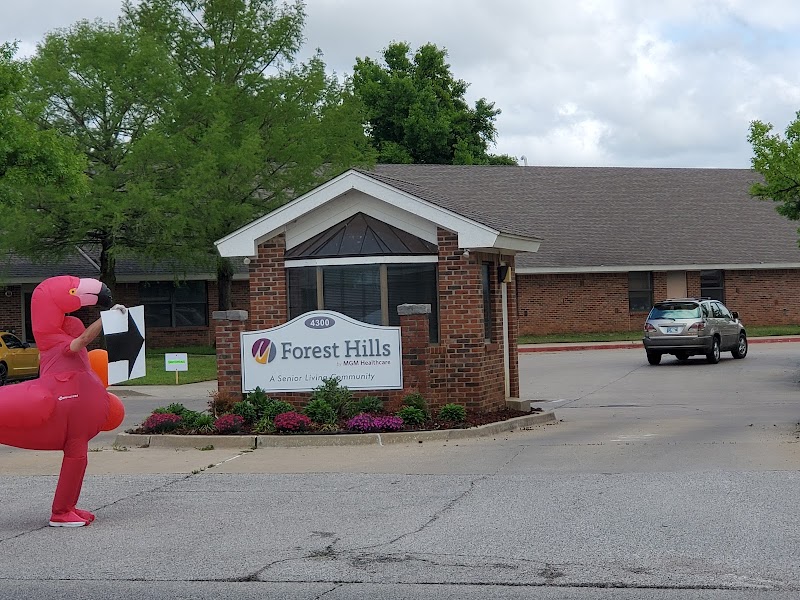
Who Owns and Operates Forest Hills Care And Rehabilitation Center?

FOREST HILLS CARE AND REHABILITATION CENTER is owned by a for-profit company. For-profit facilities operate as businesses with obligations to shareholders or private owners. The facility is operated by MGM HEALTHCARE, a chain that manages multiple nursing homes. With 159 certified beds and approximately 128 residents (about 81% occupancy), it is a mid-sized facility located in BROKEN ARROW, Oklahoma.
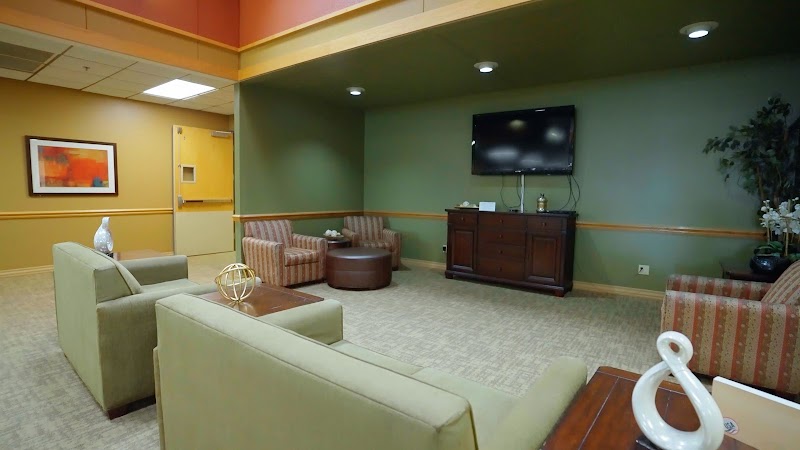
How Does Forest Hills Care And Rehabilitation Center Compare to Other Oklahoma Nursing Homes?

Compared to the 100 nursing homes in Oklahoma, FOREST HILLS CARE AND REHABILITATION CENTER's overall rating (3 stars) is above the state average of 2.6, staff turnover (56%) is significantly higher than the state average of 46%, and health inspection rating (2 stars) is below the national benchmark.

What Should Families Ask When Visiting Forest Hills Care And Rehabilitation Center?

Based on this facility's data, families visiting should ask: "How do you ensure continuity of care given staff turnover, and what is your staff retention strategy?" "Can I visit during a mealtime to observe dining assistance and food quality?" "How do you handle medical emergencies, and what is your hospital transfer rate?" "Can I speak with family members of current residents about their experience?" These questions are particularly relevant given the facility's high staff turnover rate.

Is Forest Hills Care And Rehabilitation Center Safe?

Based on CMS inspection data, FOREST HILLS CARE AND REHABILITATION CENTER has a clean safety record: no substantiated abuse findings (meaning no confirmed cases of resident harm), no Immediate Jeopardy citations (the most serious violation level indicating risk of serious injury or death), and is not on the Special Focus Facility watch list (a federal program monitoring the lowest-performing 1% of nursing homes). The facility has a 3-star overall rating and ranks #1 of 100 nursing homes in Oklahoma. While no facility is perfect, families should still ask about staff-to-resident ratios and recent inspection results during their visit.

Do Nurses at Forest Hills Care And Rehabilitation Center Stick Around?

Staff turnover at FOREST HILLS CARE AND REHABILITATION CENTER is high. At 56%, the facility is 10 percentage points above the Oklahoma average of 46%. High turnover means new staff may not know residents' individual needs, medications, or preferences. It can also be disorienting for residents, especially those with dementia who rely on familiar faces. Families should ask: What is causing the turnover? What retention programs are in place? How do you ensure care continuity during staff transitions?

Was Forest Hills Care And Rehabilitation Center Ever Fined?

FOREST HILLS CARE AND REHABILITATION CENTER has no federal fines on record. CMS issues fines when nursing homes fail to meet care standards or don't correct problems found during inspections. The absence of fines suggests the facility has either maintained compliance or corrected any issues before penalties were assessed. This is a positive indicator, though families should still review recent inspection reports for the full picture.

Is Forest Hills Care And Rehabilitation Center on Any Federal Watch List?

FOREST HILLS CARE AND REHABILITATION CENTER is not on any federal watch list. The most significant is the Special Focus Facility (SFF) program, which identifies the bottom 1% of nursing homes nationally based on persistent, serious quality problems. Not being on this list means the facility has avoided the pattern of deficiencies that triggers enhanced federal oversight. This is a positive indicator, though families should still review the facility's inspection history directly.