THE VILLAGES AT SOUTHERN HILLS
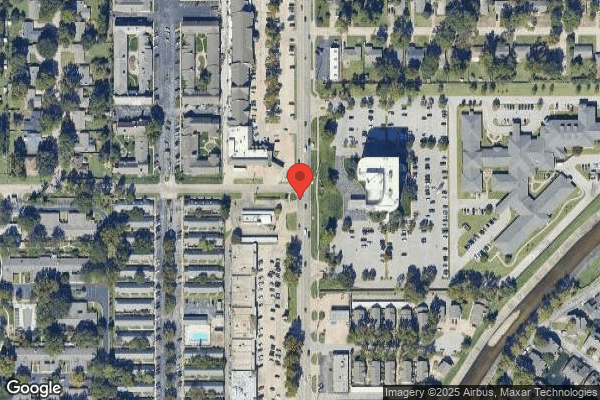
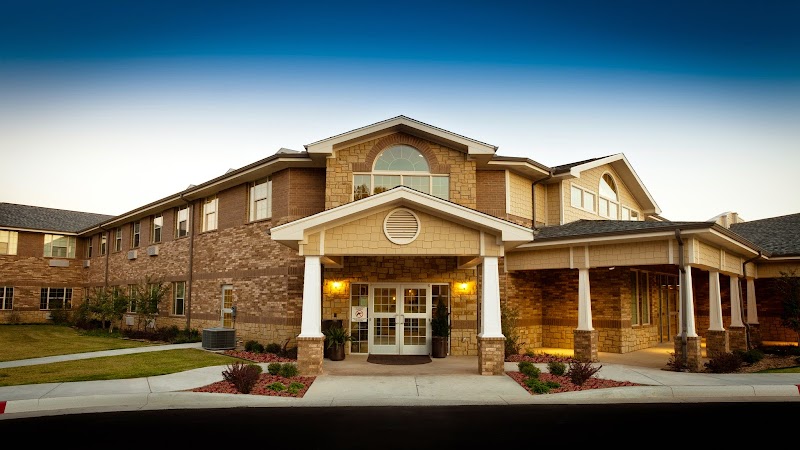
5721 S LEWIS AVE, TULSA, OK 74105 (918) 447-6447
For profit - Limited Liability company 110 Beds STONEGATE SENIOR LIVING Data: November 2025
Trust Grade
90/100
#33 of 282 in OK
Last Inspection: January 2025

Within standard 12-15 month inspection cycle. Federal law requires annual inspections.

Overview

The Villages at Southern Hills has an excellent Trust Grade of A, which indicates it is highly recommended and performs well overall. It ranks #33 out of 282 nursing homes in Oklahoma, placing it in the top half of facilities statewide, and #2 out of 33 in Tulsa County, meaning only one nearby option is rated higher. The facility is showing improvement, having reduced its issues from 1 in 2023 to none in 2025. Staffing is average with a 3/5 star rating and a turnover rate of 45%, which is lower than the state average, suggesting some staff stability. Notably, the facility has reported no fines, which is a positive sign, and while RN coverage is average, it is still crucial for resident care. However, there were recent concerns from inspections, including failure to secure medications properly and ensure a necessary injection was available for a resident, which indicates some areas need attention. Overall, this facility has many strengths but also some weaknesses that families should consider when making their decision.

Trust Score
A
90/100
In Oklahoma
#33/282
Top 11%
Safety Record
Low Risk
No red flags
Inspections
Getting Better
1 → 0 violations
Staff Stability
○ Average
45% turnover. Near Oklahoma's 48% average. Typical for the industry.
Penalties
✓ Good
No fines on record. Clean compliance history, better than most Oklahoma facilities.
Skilled Nurses
⚠ Watch
Each resident gets only 17 minutes of Registered Nurse (RN) attention daily — below average for Oklahoma. Fewer RN minutes means fewer trained eyes watching for problems.
Violations
✓ Good
Only 3 deficiencies on record. Cleaner than most facilities. Minor issues only.
★★★★★
5.0
Overall Rating
★★★☆☆
3.0
Staff Levels
★★★★★
5.0
Care Quality
★★★★★
5.0
Inspection Score
Stable
2023: 1 issues
2025: 0 issues

The Good

  • 5-Star Quality Measures · Strong clinical quality outcomes
  • Full Sprinkler Coverage · Fire safety systems throughout facility
  • No fines on record
  • Staff turnover below average (45%)

    3 points below Oklahoma average of 48%

Facility shows strength in quality measures, fire safety.

The Bad

Staff Turnover: 45%

Near Oklahoma avg (46%)

Typical for the industry

Chain: STONEGATE SENIOR LIVING

Part of a multi-facility chain

Ask about local staffing decisions and management

The Ugly 3 deficiencies on record

Nov 2023 1 deficiency
CONCERN (D)

Potential for Harm - no one hurt, but risky conditions existed

Quality of Care (Tag F0684)

Could have caused harm · This affected 1 resident

**NOTE- TERMS IN BRACKETS HAVE BEEN EDITED TO PROTECT CONFIDENTIALITY** Surveyor: [NAME], [NAME] Based on observation, record review, and interview, the facility failed to ensure a resident with MASD ...

Read full inspector narrative →
**NOTE- TERMS IN BRACKETS HAVE BEEN EDITED TO PROTECT CONFIDENTIALITY** Surveyor: [NAME], [NAME] Based on observation, record review, and interview, the facility failed to ensure a resident with MASD received necessary treatment and services that were consistent with the standards of practice for one (#256) of two residents reviewed for skin conditions. The DON identified 20 residents with MASD resided in the facility. Findings: The Non-Pressure Wounds: Moisture Associated Dermatitis Clinical Operations policy, dated July 2018, read in parts, .Review and investigate the type and frequency in which the areas managed for prevention and treatments .Briefs used and frequency of changing briefs .Review orders and treatments and gather supplies .Report abnormalities to supervisor . Resident #256 had diagnoses which included acute infarction of the spinal cord and neuromuscular dysfunction of the bladder. The care plan, dated 10/31/23, documented to inspect skin daily with care and bathing and report any changes to charge nurse. The late entry nurse note, dated 11/01/23, documented the resident had MASD and scarring to the sacrum and the skin was intact. The late entry nurse note, dated 11/06/23 at 2:15 p.m., documented the resident had a scabbed area to the sacrum that was currently intact. The note further documented the brief was soiled with stool and the nurse changed the residents brief and performed catheter care. On 11/07/23 at 1:40 p.m., LPN #1 was observed removing the resident's brief. The resident's brief was soiled with stool and the wound on the sacrum was observed to be open. The nurse contacted the physician and obtained wound care orders for the resident. On 11/07/23 at 2:15 p.m., CNA #2 stated they had performed incontinent care on the resident on 11/06/23 and they were unsure if the wound was open or not at that time. On 11/07/23 at 3:00 p.m., CNA #3 stated they had provided incontinent care for the resident around 10:30 a.m. on 11/07/23 and they noted the wound on the resident's sacrum was open. They stated they forgot to tell the nurse the wound had opened. On 11/08/23 at 2:00 p.m., Resident #246 stated they were unable to tell if they had been incontinent. They also stated that the aides do not check very often to see if the resident's brief is soiled. They stated this has been an ongoing issue and today they complained to the charge nurse. On 11/08/23 at 3:00 p.m., LPN #3 stated Resident #246 had spoken to him about the aides not providing care and he spoke to the CNA working that hall regarding the importance of providing care in a timely manner. On 11/08/23 at 4:45 p.m., the DON stated CNAs were required to report changes in a residents condition to the charge nurse and appropriate incontinent care is part of the treatment protocol for residents with MASD.
Aug 2022 2 deficiencies
CONCERN (E)

Potential for Harm - no one hurt, but risky conditions existed

Pharmacy Services (Tag F0755)

Could have caused harm · This affected multiple residents

Based on record review, observation, and interview, the facility failed to ensure a Lovenox injection (an anticoagulant medication) was available for one (#158) of 12 residents observed during medicat...

Read full inspector narrative →
Based on record review, observation, and interview, the facility failed to ensure a Lovenox injection (an anticoagulant medication) was available for one (#158) of 12 residents observed during medication pass. The DON identified five residents who were prescribed Lovenox. Findings: A facility policy titled, Disposal of Medications, Syringes and Needles, dated December 2012, read in parts, .Discontinued medications and/or medications left in the nursing care center after a resident's discharge, which do not qualify for return to the pharmacy, are identified and removed from current medication supply in a timely manner for disposition . A facility policy titled, Medication Administration General Guidelines, dated September 2018, read in parts, .Medications supplied for one resident are never administered to another resident . Resident #158 had diagnoses which included fracture of the left femur. A Physician's Order, dated 08/16/22, documented to administer Lovenox 40 mg/0.4 mL subcutaneous one time a day for 24 days. A delivery manifest, dated 08/16/22, documented six Lovenox 40 mg/0.4 mL syringes were delivered to the facility. This provided the medication for six days. Resident #158 would not have a dose for 08/23/22, unless reordered. Resident #158's MAR, dated August 2022, documented the resident had received a Lovenox injection everyday from 08/17/22 to 08/23/22. A delivery manifest, dated 08/24/22, documented six Lovenox 40 mg/0.4 mL syringes were delivered to the facility. On 08/24/22 at 8:50 a.m., LPN #3 was observed to prepare/administer medications to Resident #158. The resident was scheduled to receive a Lovenox 40 mg injection. The nurse obtained a Lovenox 40 mg syringe from the medication cart and prepared supplies to administer the injection. The label of the injection's packaging identified a different resident's name. When this surveyor requested to review the label, the nurse stated, Oh that's not who is getting the medication. The nurse identified the name on the label was a discharged resident. LPN #3 was asked if Resident #158 had their own Lovenox on the cart. The LPN searched the cart and stated no and it appeared as the medication had not been reordered. The nurse was asked if the resident had received the Lovenox as ordered by the physician. The LPN stated Resident #158 had been at the facility since the 08/16/22 and had received Lovenox since 08/17/22. LPN #3 was asked what the protocol was for medications when a resident discharged from the facility. The nurse stated when a resident was discharged , medications should be put in the dispose box in the medication room. LPN #3 was asked why the discharged resident's Lovenox was not removed from the cart. They stated they did not know. The LPN was asked if other medications for the discharged resident were on the cart. They stated the one Lovenox injection was the only medication of the discharged resident on the cart. On 08/26/22 at 2:26 p.m., the DON was asked if it was acceptable to utilize a discharged resident's medication for a current resident. They stated no. They were asked why a discharged resident's medication was still available and on the medication cart. They stated they did not know and it may have been over looked. The DON was asked how Resident #158 had received the medication if it were not available in the facility on 08/23/22. They stated the resident may have received a different resident's medication or did not receive the Lovenox injection on that day.
CONCERN (E)

Potential for Harm - no one hurt, but risky conditions existed

Deficiency F0761 (Tag F0761)

Could have caused harm · This affected multiple residents

Based on record review, observation, and interview, the facility failed to ensure medications and treatments were properly stored/secured for one (100 hall) of six medication carts observed and two of...

Read full inspector narrative →
Based on record review, observation, and interview, the facility failed to ensure medications and treatments were properly stored/secured for one (100 hall) of six medication carts observed and two of two treatment carts observed. The DON identified the facility had seven medication carts and two treatment carts. Findings: A facility policy titled, Medication Administration General Guidelines, dated September 2018, read in parts, .During administration of medications, the medication cart is kept closed and locked when out of sight of the medication nurse .The cart must be clearly visible to the personnel administering medications when unlocked . On 08/23/22 at 10:30 a.m., a medication cart was observed to be unlocked/unsecured on the 100 hall. LPN #2 was sitting at the nurses desk with their back to the cart. On 08/23/22 at 10:32 a.m., LPN #2 approached the medication cart, obtained medication, and locked the cart. On 08/24/22 at 8:43 a.m., a medication cart was observed to be unlocked/unsecured on the 100 hall. On 08/24/22 at 8:46 a.m., LPN #1 was asked who the medication cart belonged to. They stated it was their cart. They were asked why the medication cart was not locked/secured. They stated they had been called into a room but the cart was supposed to be locked. On 08/26/22 at 9:44 a.m., two unlocked/unsecured treatment carts were observed in the wound nurse's office by the door. The door was open and staff were not observed in the office. On 08/26/22 at 9:52 a.m., CNA #1 was observed to enter the office for the wound nurse. CNA #1 was asked who the treatment carts belonged to. They stated the wound nurse. On 08/26/22 at 9:59 a.m., the wound nurse approached the office and was asked who was responsible for the two treatment carts. The wound nurse stated the treatment carts belonged to them. They were asked what the treatment carts contained. They stated treatment supplies which included wound cleanser and medicated ointments. The wound nurse was asked how treatments were secured. They stated the carts were stored in the office when not in use. They were asked why the carts were not secured/locked. They stated because the carts were in the office where CNA #1 was located. The wound nurse was informed of the surveyor's observation of the unattended, unlocked/unsecured treatment carts. The wound nurse stated the treatments carts should have been locked. On 08/26/22 at 11:02 a.m., the 100 hall medication cart was observed to be unlocked/unsecured and unattended. On 08/26/22 at 11:06 a.m., LPN #1 was observed to approach the medication cart. They were asked who was responsible for the medication cart. They stated they were responsible for the medication cart. They were asked how they ensured medications were properly stored/secured. They stated they usually locked the cart. LPN #1 was asked why the medication cart was unlocked/unsecured. They stated they had just placed medications in the cart and went to a resident room. On 08/26/22 at 2:18 p.m., the DON was asked how they ensured medications and treatments were properly stored/secured. They stated medications were stored in medication rooms and treatment/medication carts. They stated they were kept secure by locks. The DON was told of the surveyors' observations and was asked why the treatment and medication carts were observed to be unlocked/unsecured. The DON stated they thought the staff probably had interruptions but the expectation was to keep them locked.
Understanding Severity Codes (click to expand)
Life-Threatening (Immediate Jeopardy)
J - Isolated K - Pattern L - Widespread
Actual Harm
G - Isolated H - Pattern I - Widespread
Potential for Harm
D - Isolated E - Pattern F - Widespread
No Harm (Minor)
A - Isolated B - Pattern C - Widespread

Questions to Ask on Your Visit

  • "Can I speak with families of current residents?"
  • "What's your RN coverage like on weekends and overnight?"

Our Honest Assessment

Strengths
  • • Grade A (90/100). Above average facility, better than most options in Oklahoma.
  • • No major safety red flags. No abuse findings, life-threatening violations, or SFF status.
  • • No fines on record. Clean compliance history, better than most Oklahoma facilities.
  • • Only 3 deficiencies on record. Cleaner than most facilities. Minor issues only.
Concerns
  • • No significant concerns identified. This facility shows no red flags across CMS ratings, staff turnover, or federal penalties.
Bottom line: Generally positive indicators. Standard due diligence and a personal visit recommended.

About This Facility

What is The Villages At Southern Hills's CMS Rating?

CMS assigns THE VILLAGES AT SOUTHERN HILLS an overall rating of 5 out of 5 stars, which is considered much above average nationally. Within Oklahoma, this rating places the facility higher than 99% of the state's 100 nursing homes. This rating reflects solid performance across the metrics CMS uses to evaluate nursing home quality.
How is The Villages At Southern Hills Staffed?

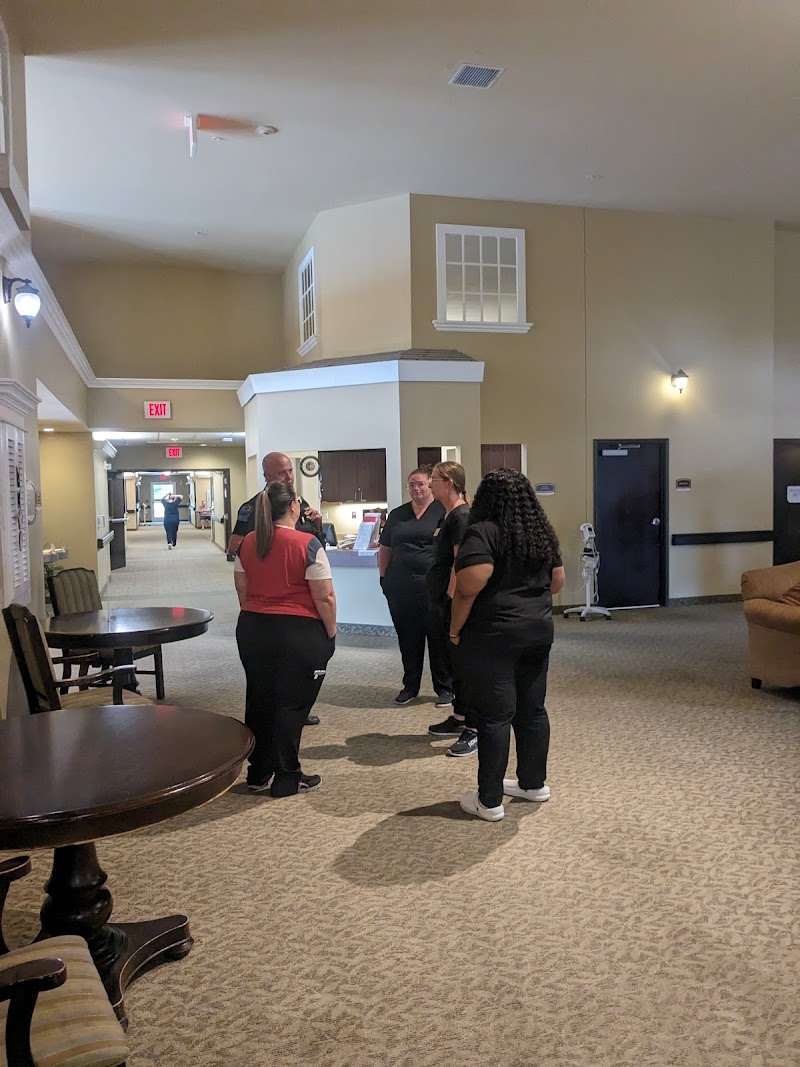
CMS rates THE VILLAGES AT SOUTHERN HILLS's staffing level at 3 out of 5 stars, which is average compared to other nursing homes. Staff turnover is 45%, compared to the Oklahoma average of 46%. This relatively stable workforce can support continuity of care.

What Have Inspectors Found at The Villages At Southern Hills?

State health inspectors documented 3 deficiencies at THE VILLAGES AT SOUTHERN HILLS during 2022 to 2023. These included: 3 with potential for harm.
Who Owns and Operates The Villages At Southern Hills?

THE VILLAGES AT SOUTHERN HILLS is owned by a for-profit company. For-profit facilities operate as businesses with obligations to shareholders or private owners. The facility is operated by STONEGATE SENIOR LIVING, a chain that manages multiple nursing homes. With 110 certified beds and approximately 103 residents (about 94% occupancy), it is a mid-sized facility located in TULSA, Oklahoma.
How Does The Villages At Southern Hills Compare to Other Oklahoma Nursing Homes?

Compared to the 100 nursing homes in Oklahoma, THE VILLAGES AT SOUTHERN HILLS's overall rating (5 stars) is above the state average of 2.7, staff turnover (45%) is near the state average of 46%, and health inspection rating (5 stars) is much above the national benchmark.

What Should Families Ask When Visiting The Villages At Southern Hills?

Based on this facility's data, families visiting should ask: "Can I visit during a mealtime to observe dining assistance and food quality?" "How do you handle medical emergencies, and what is your hospital transfer rate?" "Can I speak with family members of current residents about their experience?"

Is The Villages At Southern Hills Safe?

Based on CMS inspection data, THE VILLAGES AT SOUTHERN HILLS has a clean safety record: no substantiated abuse findings (meaning no confirmed cases of resident harm), no Immediate Jeopardy citations (the most serious violation level indicating risk of serious injury or death), and is not on the Special Focus Facility watch list (a federal program monitoring the lowest-performing 1% of nursing homes). The facility has a 5-star overall rating and ranks #1 of 100 nursing homes in Oklahoma. While no facility is perfect, families should still ask about staff-to-resident ratios and recent inspection results during their visit.

Do Nurses at The Villages At Southern Hills Stick Around?

THE VILLAGES AT SOUTHERN HILLS has a staff turnover rate of 45%, which is about average for Oklahoma nursing homes (state average: 46%). Moderate turnover is common in nursing homes, but families should still ask about staff tenure and how the facility maintains care continuity when employees leave.

Was The Villages At Southern Hills Ever Fined?

THE VILLAGES AT SOUTHERN HILLS has no federal fines on record. CMS issues fines when nursing homes fail to meet care standards or don't correct problems found during inspections. The absence of fines suggests the facility has either maintained compliance or corrected any issues before penalties were assessed. This is a positive indicator, though families should still review recent inspection reports for the full picture.

Is The Villages At Southern Hills on Any Federal Watch List?

THE VILLAGES AT SOUTHERN HILLS is not on any federal watch list. The most significant is the Special Focus Facility (SFF) program, which identifies the bottom 1% of nursing homes nationally based on persistent, serious quality problems. Not being on this list means the facility has avoided the pattern of deficiencies that triggers enhanced federal oversight. This is a positive indicator, though families should still review the facility's inspection history directly.