SENIOR SUITES HEALTHCARE
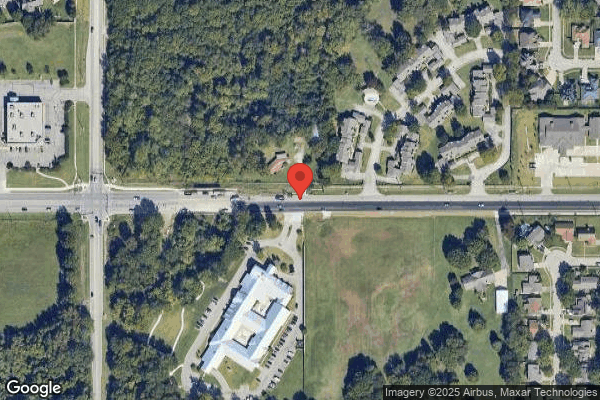
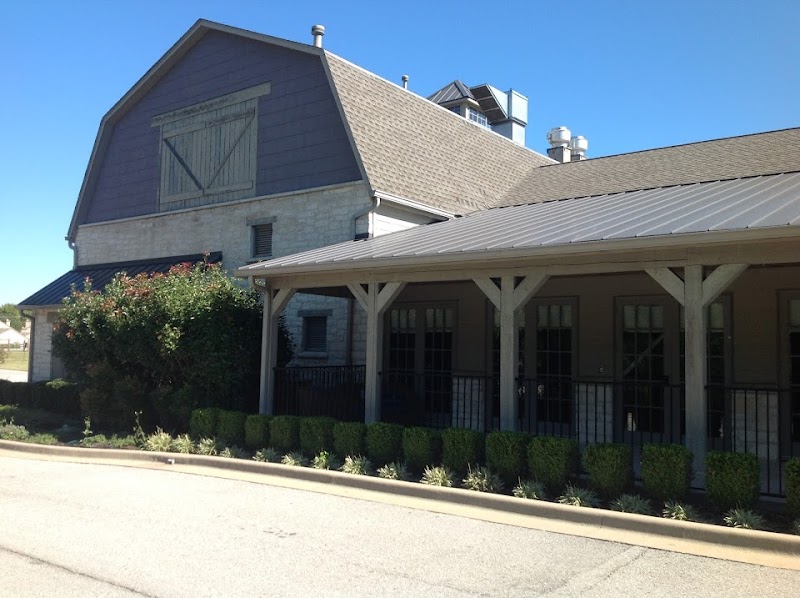
3501 W WASHINGTON STREET, BROKEN ARROW, OK 74012 (918) 250-5405
For profit - Limited Liability company 92 Beds Independent Data: November 2025
Trust Grade
55/100
#130 of 282 in OK
Last Inspection: November 2024

Within standard 12-15 month inspection cycle. Federal law requires annual inspections.

Overview

Senior Suites Healthcare in Broken Arrow, Oklahoma, has a Trust Grade of C, indicating it is average-neither great nor terrible. It ranks #130 out of 282 facilities in the state, placing it in the top half, and #17 out of 33 in Tulsa County, meaning only 16 local options are better. The facility is improving, with reported issues decreasing from 8 in 2024 to just 2 in 2025. Staffing is a concern with a turnover rate of 68%, which is higher than the state average of 55%, but it has no fines on record, which is a positive sign. However, there have been significant incidents, such as a resident missing multiple doses of a critical cardiac medication and failures in kitchen cleanliness and equipment maintenance, highlighting areas that need attention.

Trust Score
C
55/100
In Oklahoma
#130/282
Top 46%
Safety Record
Low Risk
No red flags
Inspections
Getting Better
8 → 2 violations
Staff Stability
⚠ Watch
68% turnover. Above average. Higher turnover means staff may not know residents' routines.
Penalties
✓ Good
No fines on record. Clean compliance history, better than most Oklahoma facilities.
Skilled Nurses
⚠ Watch
Each resident gets only 18 minutes of Registered Nurse (RN) attention daily — below average for Oklahoma. Fewer RN minutes means fewer trained eyes watching for problems.
Violations
⚠ Watch
24 deficiencies on record. Higher than average. Multiple issues found across inspections.
★★★☆☆
3.0
Overall Rating
★★★☆☆
3.0
Staff Levels
★★★★☆
4.0
Care Quality
★★★☆☆
3.0
Inspection Score
Stable
2024: 8 issues
2025: 2 issues

The Good

  • 4-Star Quality Measures · Strong clinical quality outcomes
  • Full Sprinkler Coverage · Fire safety systems throughout facility
  • No fines on record

Facility shows strength in quality measures, fire safety.

The Bad

3-Star Overall Rating

Near Oklahoma average (2.6)

Meets federal standards, typical of most facilities

Staff Turnover: 68%

22pts above Oklahoma avg (46%)

Frequent staff changes - ask about care continuity

Staff turnover is elevated (68%)

20 points above Oklahoma average of 48%

The Ugly 24 deficiencies on record

Jun 2025 2 deficiencies
CONCERN (D) 📢 Someone Reported This

A family member, employee, or ombudsman was alarmed enough to file a formal complaint

Potential for Harm - no one hurt, but risky conditions existed

Deficiency F0583 (Tag F0583)

Could have caused harm · This affected 1 resident

Based on observation and interview, the facility failed to ensure protected health information was secure for 1 (station 3 medication/treatment cart) of 2 medication/treatment carts on station 3. The...

Read full inspector narrative →
Based on observation and interview, the facility failed to ensure protected health information was secure for 1 (station 3 medication/treatment cart) of 2 medication/treatment carts on station 3. The administrator identifed 95 residents resided in the facility. On 05/30/25 at 9:15 a.m., a computer on top of an unattended medication/treatment cart at nurses station 3, was observed to be open and showed protected health information. On 05/30/25 at 9:20 a.m., CMA #1 closed the computer and stated they did not know where the nurse assigned to the cart was. On 05/30/25 at 9:30 a.m., the administrator stated the computer should not have been left open with resident information visible. On 05/30/25 at 9:36 a.m., RN #1, who was assigned to the medication/treatment cart, stated the computer should have been closed and not showing protected health information.
CONCERN (D) 📢 Someone Reported This

A family member, employee, or ombudsman was alarmed enough to file a formal complaint

Potential for Harm - no one hurt, but risky conditions existed

Deficiency F0761 (Tag F0761)

Could have caused harm · This affected 1 resident

Based on observation, record review and interview, the facility failed to ensure medications were secure for 1 (station 3 medication/treatment cart) of 2 medication/treatment carts on station 3. The ...

Read full inspector narrative →
Based on observation, record review and interview, the facility failed to ensure medications were secure for 1 (station 3 medication/treatment cart) of 2 medication/treatment carts on station 3. The administrator identifed 95 residents resided in the facility. Findings: On 05/30/25 at 9:15 a.m., the station 3 nurses medication/treatment cart was observed to be unlocked and unattended at the nurses station. On top of the cart was a bottle Hysept wound cleanser and a medicine cup containing an unidentified gel. An undated policy titled Medication Labeling and Storage, read in part, 4. Compartments (including, but not limited to, drawers, cabinets, rooms, refrigerators, carts and boxes) containing medications and biologicals are locked when not in use, and trays or carts used to transport such items are not left unattended if open or otherwise potentially available to others. On 05/30/25 at 9:20 a.m., CNA #1 locked the cart and stated they did not know where the nurse assigned to the cart was. On 05/30/25 at 9:30 a.m., the administrator stated the medication/treatment cart should have been locked without medications on top. On 05/30/25 at 9:36 a.m., RN #1, who was assigned to the medication/treatment cart, stated they should not have left the cart unlocked with medications on top. RN #1 stated residents or visitors could have obtained the medications.
Nov 2024 4 deficiencies
CONCERN (D)

Potential for Harm - no one hurt, but risky conditions existed

Deficiency F0700 (Tag F0700)

Could have caused harm · This affected 1 resident

Based on observation, interview, and record review, the facility failed to ensure residents were assessed for the use of bed rails prior to installation for one (#11) of one resident who was reviewed ...

Read full inspector narrative →
Based on observation, interview, and record review, the facility failed to ensure residents were assessed for the use of bed rails prior to installation for one (#11) of one resident who was reviewed for bed rails. The administrator identifed 52 residents using bed rails. Findings: Resident #11 had a diagnosis which included dementia. A review of Resident #11's medical record did not reveal the resident was assessed for the use of bed rails. On 11/06/24 at 2:18 p.m., bed rails were observed to be up on both sides of the resident's bed. On 11/07/24 at 4:07 p.m., the administrator stated the bed rail assessment page did not automatically populate, so the nurses had to manually pull that up. They stated it did not get done for Resident #11.
CONCERN (D)

Potential for Harm - no one hurt, but risky conditions existed

Infection Control (Tag F0880)

Could have caused harm · This affected 1 resident

Based on observation, record review, and interview, the facility failed to to adhere to enhanced barrier precautions while providing wound care for one (#187) of one sampled resident reviewed for woun...

Read full inspector narrative →
Based on observation, record review, and interview, the facility failed to to adhere to enhanced barrier precautions while providing wound care for one (#187) of one sampled resident reviewed for wound care. The administrator identified 83 residents resided in the facility and eight residents on enhanced barrier precautions. An undated facility Enhanced Barrier Precautions policy, documented high contact resident care activities such as wound care required the use of gown and gloves. Resident #187 had diagnoses which included a sacral pressure ulcer. On 11/07/24 at 10:19 a.m., RN #1 and LPN #3 prepared to treat Resident #187's pressure ulcer. Both sanitized their hands and donned gloves. Before wound care began, RN #1 was asked if there was any other infection control measures to take before starting wound care. RN #1 stated, No. RN #1 and LPN #3 did not don gowns. They proceeded with wound care. On 11/07/24 at 11:06 a.m., LPN #3 stated for regular wound care, they just wore gloves, if MRSA they wore a gown and mask. On 11/07/24 at 11:11 a.m., the administrator stated gowns were to be worn during wound care per the facilities EBP policy.
CONCERN (E)

Potential for Harm - no one hurt, but risky conditions existed

Deficiency F0760 (Tag F0760)

Could have caused harm · This affected multiple residents

Based on record review and interview, the facility failed to administer a cardiac medication as prescribed for one (#50) of 10 residents observed during a medication administration pass. The facility...

Read full inspector narrative →
Based on record review and interview, the facility failed to administer a cardiac medication as prescribed for one (#50) of 10 residents observed during a medication administration pass. The facility administrator identified 48 residents who were prescribed cardiac medications. Findings: Resident #50 had diagnoses which included atrial fibrillation. A physician's order, dated 09/12/24, documented the resident was to receive 100 milligrams amiodarone (antiarrhythmic medication) daily for atrial fibrillation. The order documented to monitor blood pressure for hypotension and heart rate for increased rate. The September 2024 MAR documented the resident missed six of 18 doses of amiodarone from 09/13/24 through 09/30/24. The October 2024 MAR documented the resident missed 11 of 31 doses of amiodarone. The November 2024 MAR documented the resident missed four of seven doses of amiodarone from 11/01/24 through 11/07/24. On 11/07/24 at 9:55 a.m., CMA #2 did not administer the amiodarone for Resident #50. On 11/07/24 at 1:10 p.m., CMA #2 stated the amiodarone was given to raise the resident's blood pressure and they had been instructed not to give it if the systolic (top or first number in a blood pressure reading) blood pressure was over 100 or the diastolic (lower or second number in a blood pressure reading) blood pressure was over 60. The CMA stated the resident's blood pressure was 115/58. On 11/07/24 at 2:50 p.m., LPN #1 stated they were not familiar with amiodarone, but thought it was a cardiac medication and so they would not administer the medication if the resident's systolic blood pressure was below 120, the diastolic blood pressure was below 60, or the heart rate was below 60 beats per minute. On 11/07/24 at 3:15 p.m., LPN #2 stated amiodarone was an anti-arrhythmia medication and so they would not administer the medication if the resident's systolic blood pressure was below 120, the diastolic blood pressure was below 60, or the heart rate was below 60 beats per minute. On 11/07/24 at 3:30 p.m., the DON stated the order for amiodarone should specify when to hold the medication and did not. The DON stated the physicians usually ordered to hold cardiac medications if the residents systolic blood pressure was below 120, the diastolic blood pressure was below 60, or the heart rate was below 60 beats per minute. The DON stated Resident #50 missing 20 doses of amiodarone from 09/13/24 to 11/07/24 was significant. On 11/07/24 at 5:15 p.m., the DON stated they contacted the physician, informed them of the missed doses of amiodarone, and received clarification on when to hold the medication. The DON stated they were to hold the amiodarone if the resident's heart rate was below 50 beats per minute. The DON stated the physician did not wish to order the amiodarone to be held if the resident's blood pressure was low.
CONCERN (E)

Potential for Harm - no one hurt, but risky conditions existed

Food Safety (Tag F0812)

Could have caused harm · This affected multiple residents

Based on observation and interview, the facility failed to ensure the physical environment of the kitchen and kitchen equipment were kept clean and maintained in good repair. The administrator identif...

Read full inspector narrative →
Based on observation and interview, the facility failed to ensure the physical environment of the kitchen and kitchen equipment were kept clean and maintained in good repair. The administrator identified 83 residents ate meals prepared in the kitchen. Findings: On 11/06/24 at 10:15 a.m., cook #1 was observed to puree pork. [NAME] #1 placed cut pieces of pork into a bladed container, placed the container on the base, and the lid on top of the container. The container was observed to be cracked and missing sections of the bottom edge which secured the container to the base. On 11/06/24 at 10:15 a.m., cook #1 stated the container was broken and they had to hold the container down onto the base to get the unit to puree foods. On 11/06/24 at 10:20 a.m., observations of the kitchen and ice machine were conducted: a. there was standing water on the floor below the dish machine, the drying rack, the walk way in front of the drying rack, and to the dry goods storage room; b. a box fan with a screen was covered in dust. The box fan blew air across the food preparation stations; c. a ceiling return vent was thickly covered in dust; d. the exterior door had visible light penetration along the top and sides of the door, potentially allowing vermin access to the kitchen; e. there was faded yellow to rust colored dried water stains on the ceiling in the main food preparation area and dish machine area; f. there was dried red and brown food stains on the ceiling above the interior kitchen door; g. there was an approximately one inch in diameter hole through the drywall of the ceiling in the dish machine room; h. there was peeling paint from the ceiling in the dish machine room; i. there was missing drywall under the sink immediately to the right of the dish machine; j. there was peeling paint and exposed chips of drywall along the base boards in the main kitchen and dish machine room; k. there was a black substance covering the splash screen beside and behind the dish machine. The substance was easily removed with a finger nail; l. there was a lower cabinet door partially hung from the top hinge and supported on the opposite corner by the floor; m. there was dirt, food particles, and expired insects located along the baseboards in the dry goods room; n. there were streaks of grease and other liquids staining the walls of the dry storage room; o. there was a brown substance smeared on the wall and edge of the electrical outlet cover; p. there was white, black, and brown particles resting on the rails of the bread storage rack; q. there was white, black, brown particles, two large cookie sheets, a dusty white towel, and a caulking gun resting on top of the freezer in the dry goods room; r. there was white, black, brown particles, and dried food staining the wall and baseboards on the exposed areas near trash receptacles in the main kitchen/food preparation area; s. there was black a substance wiped from the interior of the ice storage box; and t. there was a black substance observed around the water reservoir and mechanical structures of the ice maker/ice machine. On 11/06/24 at 11:20 a.m., DA #1 stated a few months ago, the maintenance person used a broom handle to make a hole in the ceiling to locate the source of a water leak. The DA stated the hole was not repaired. On 11/06/24 at 11:25 a.m., the DM stated the kitchen staff were routinely assigned to pull out and clean around storage racks and moveable kitchen appliances and food preparation areas. The DM stated they were able to see light around the edges of the exterior door. The DM stated they were aware of the peeling paint, holes, and missing sheetrock in the dish machine room. The DM stated they were aware of the condition of the container used to puree foods but did not have the budget to replace it. The DM stated the drain in the floor in the dish machine room did not drain well and contributed to the standing water on the floor. The DM stated the black substance observed around the water reservoir and mechanical structures of the ice maker/ice machine was mold.
Jul 2024 2 deficiencies
CONCERN (D) 📢 Someone Reported This

A family member, employee, or ombudsman was alarmed enough to file a formal complaint

Potential for Harm - no one hurt, but risky conditions existed

Deficiency F0567 (Tag F0567)

Could have caused harm · This affected 1 resident

Based on record review and interview, the facility failed to deposit resident personal funds in excess of $50 in an interest bearing account that is separate from the facility's operation accounts for...

Read full inspector narrative →
Based on record review and interview, the facility failed to deposit resident personal funds in excess of $50 in an interest bearing account that is separate from the facility's operation accounts for one (# 1) of three residents reviewed for facility funds. The Business office manger identified 15 residents that have money in the trust account and were current residents. Findings: A review of resident accounts balances documented Resident # 1 had a credit balance of $1,471.00 in the facility's accounts receivable account from 01/19/24 carried through to the current date. Resident # 1 did not have funds in the facility's trust account. On 07/11/24 at 11:22 a.m., the corporate business office manager stated the money was left in the operating system per the family. They then stated the operating system was not an interest bearing account. On 07/11/22 at 3:01 p.m. the corporate regional manager stated resident funds are not to be commingled with operating funds.
CONCERN (E) 📢 Someone Reported This

A family member, employee, or ombudsman was alarmed enough to file a formal complaint

Potential for Harm - no one hurt, but risky conditions existed

Deficiency F0570 (Tag F0570)

Could have caused harm · This affected multiple residents

Based on record review and interview, the facility failed to secure a surety bond with sufficient coverage for the account balance. The Business office manger identified 15 residents that have money ...

Read full inspector narrative →
Based on record review and interview, the facility failed to secure a surety bond with sufficient coverage for the account balance. The Business office manger identified 15 residents that have money in the trust account and were current residents. Findings: A review of the current surety bond for the resident trust account documented the surety bond had coverage of $10,000 The resident trust account monthly bank statement, 07/11/24, documented the account balance was $18,330.30. On 07/11/24 at 3:01 p.m., the corporate regional manager confirmed the surety bond was only for $10,000. They stated the previous month they had noticed the surety bond did not cover the trust account balance and had contacted the insurance company, but it had not been corrected.
Feb 2024 2 deficiencies
CONCERN (D) 📢 Someone Reported This

A family member, employee, or ombudsman was alarmed enough to file a formal complaint

Potential for Harm - no one hurt, but risky conditions existed

Pharmacy Services (Tag F0755)

Could have caused harm · This affected 1 resident

Based on record review and interview, the facility failed to ensure medications were available for one (#5) of three residents reviewed for medication availability. The Administrator identified 76 re...

Read full inspector narrative →
Based on record review and interview, the facility failed to ensure medications were available for one (#5) of three residents reviewed for medication availability. The Administrator identified 76 residents in the facility who required medications. Findings: A Facility policy titled Medication Orders read in parts, .Emergency/STAT Medication Order (Medication NOT Contained in Emergency Medication Supply) .the medication is scheduled to be given as soon as received or within 4 hours, whichever is sooner . Resident #5 had diagnoses which included acute kidney failure. On 01/05/24 Resident #5 returned to the facility from a local hospital. Discharge orders from the hospital documented the resident was discharged back to the facility at 5:30 p.m., with an order for the medication cefepime (an antibiotic) 2,000 mg in sodium chloride 0.9% 50 ml IVPB every 12 hours. The MAR for Resident #5 documented the medication was administered on 01/06/24 at 1900. On 2/28/24 at 1:52 p.m., the ADON stated antibiotics are considered a STAT order to pharmacy and, depending on the time ordered, should be available to be administered within four hours or the next scheduled dose. The ADON stated a wait of over 24 hours to begin an antibiotic was not acceptable. The ADON stated the facility protocol for ordering medications was not followed. On 2/28/24 at 2:33 p.m., the Administrator stated a new order for antibiotics should be available within four hours to the resident.
CONCERN (D) 📢 Someone Reported This

A family member, employee, or ombudsman was alarmed enough to file a formal complaint

Potential for Harm - no one hurt, but risky conditions existed

Deficiency F0837 (Tag F0837)

Could have caused harm · This affected 1 resident

Based on record review and interview, the facility failed to have an administrator of record. The administrator identified 76 residents who resided in the facility. Findings: On 02/26/24 at 2:00 p.m...

Read full inspector narrative →
Based on record review and interview, the facility failed to have an administrator of record. The administrator identified 76 residents who resided in the facility. Findings: On 02/26/24 at 2:00 p.m. the Administrator stated the previous administrator left their position with the facility on 11/23/23. They stated their first day as Administrator at the facility was 01/18/24. The Administrator stated they would check to see who was the acting administrator during the interim between 11/23/23 and 01/18/24. On 02/28/24 at 2:38 p.m. the Administrator stated they were unable to determine if anyone was the interim administrator for the facility. They stated that as far as they could determine, no one occupied that position between 11/23/23 and 01/18/24. By the end of the survey, requested documentation related to administration coverage for the facility was not provided.
Sept 2023 6 deficiencies
CONCERN (D) 📢 Someone Reported This

A family member, employee, or ombudsman was alarmed enough to file a formal complaint

Potential for Harm - no one hurt, but risky conditions existed

Abuse Prevention Policies (Tag F0607)

Could have caused harm · This affected 1 resident

Based on interview and record review, the facility failed to implement their abuse policy and procedures by failing to screen and obtain a background check on one (CMA #1) of five employees reviewed f...

Read full inspector narrative →
Based on interview and record review, the facility failed to implement their abuse policy and procedures by failing to screen and obtain a background check on one (CMA #1) of five employees reviewed for screening upon hire. The Resident Census and Conditions of Residents form, dated 09/21/23, documented 79 residents resided at the facility. Findings: The facility Abuse, Neglect, Exploitation and Misappropriation Prevention policy, read in part, .The resident abuse, neglect and exploitation prevention program consists of a facility-wide commitment and resource allocation to support the following objectives .Conduct employee background checks . On 09/27/23 at 1:10 p.m., the employee file for CMA #1 was reviewed. The file documented the CMA was hired on 08/18/23 and had signed a copy of the facility's abuse policy. The file did not contain a background or offender/registry check. On 09/27/23 at 1:25 p.m., administrator #2 (an administrator from a sister facility), reported the normal procedure for any new applicant was to try and obtain all new-hire paperwork and implement background checks within the first 24 hours of hiring the employee. Administrator #2 stated he wasn't sure what happened with CMA #1 or why the proper protocol wasn't followed.
CONCERN (D) 📢 Someone Reported This

A family member, employee, or ombudsman was alarmed enough to file a formal complaint

Potential for Harm - no one hurt, but risky conditions existed

Deficiency F0655 (Tag F0655)

Could have caused harm · This affected 1 resident

**NOTE- TERMS IN BRACKETS HAVE BEEN EDITED TO PROTECT CONFIDENTIALITY** Based on record review and interview, the facility failed to develop a baseline care plan, within 48 hours of admission, for one...

Read full inspector narrative →
**NOTE- TERMS IN BRACKETS HAVE BEEN EDITED TO PROTECT CONFIDENTIALITY** Based on record review and interview, the facility failed to develop a baseline care plan, within 48 hours of admission, for one (#231) of three residents reviewed for baseline care plans. The Resident Census and Conditions of Residents form, dated 09/21/23, documented 79 residents resided in the facility. Findings: Res #231 was admitted to the facility on [DATE] with diagnoses which included multiple fractures due to trauma, depression, chronic obstructive pulmonary disease, acute pain due to trauma, and a surgical wound. An MDS assessment for Res #231, dated 09/15/23, documented their cognition was intact and limited assistance was required for most ADLs. A temporary care plan for Res #231, dated 09/15/23, read in part .Upon admission staff will perform systematic and continuous collection, organization, validations, and documentation of data to optimize my abilities, maximize by comfort and dignity through personalizing my plan of care through daily choices and preferences .Assess/evaluate resident's needs: evaluate food, thirst, toileting needs, comfort level, body positioning and pain . Res #231's medical record documented the resident received a shower for the first time in the facility on 09/15/23, seven days after admission. The bathing/shower task documented the shower was provided by staff with one person physical assist. On 09/22/23 at 9:04 a.m., Res #231 reported they were not getting showers as scheduled. The resident reported being in the facility for a week before a family member had to assist them with a shower. On 09/27/23 at 3:51 p.m., RN #1 reported a baseline care plan should have been completed within 48 hours of the resident's admission. The RN reported the baseline care plan was not completed until 09/15/23.
CONCERN (D) 📢 Someone Reported This

A family member, employee, or ombudsman was alarmed enough to file a formal complaint

Potential for Harm - no one hurt, but risky conditions existed

Deficiency F0729 (Tag F0729)

Could have caused harm · This affected 1 resident

**NOTE- TERMS IN BRACKETS HAVE BEEN EDITED TO PROTECT CONFIDENTIALITY** Based on interview and record review, the facility failed to obtain registry verification for one (CMA #1) of five employee file...

Read full inspector narrative →
**NOTE- TERMS IN BRACKETS HAVE BEEN EDITED TO PROTECT CONFIDENTIALITY** Based on interview and record review, the facility failed to obtain registry verification for one (CMA #1) of five employee files reviewed for registry verification. On [DATE] at 1:10 p.m., the employee file for CMA #1 was reviewed and documented the CMA's certification had expired on [DATE]. The file documented the employee was hired on [DATE] to work as a CMA. On [DATE] at 1:25 p.m., administrator #2 reported the normal procedure for any new applicant was to try and obtain all new-hire paperwork and implement background checks within the first 24 hours. Administrator #2 stated he wasn't sure what happened with CMA #1 or why the proper protocol wasn't followed. The administrator stated if the proper protocol had been followed, the expired CMA certificate would have shown up. The administrator confirmed the CMA's certificate had expired on [DATE] and the CMA's hire date was [DATE].
CONCERN (E) 📢 Someone Reported This

A family member, employee, or ombudsman was alarmed enough to file a formal complaint

Potential for Harm - no one hurt, but risky conditions existed

ADL Care (Tag F0677)

Could have caused harm · This affected multiple residents

**NOTE- TERMS IN BRACKETS HAVE BEEN EDITED TO PROTECT CONFIDENTIALITY** Based on observation, record review, and interview, the facility failed to ensure dependent residents received showers as schedu...

Read full inspector narrative →
**NOTE- TERMS IN BRACKETS HAVE BEEN EDITED TO PROTECT CONFIDENTIALITY** Based on observation, record review, and interview, the facility failed to ensure dependent residents received showers as scheduled for four (#23, 34, 63, and #231) of five residents reviewed for ADLs. The Resident Census and Conditions of Residents form, dated 09/21/23, documented 79 residents resided in the facility. Findings: 1. Res #23 was admitted to the facility 07/15/23 with diagnoses which included multiple sclerosis. An MDS assessment for Res #23, dated 07/29/23, documented the resident was totally dependent on staff for bathing. The assessment documented the resident's cognition was intact. The care plan for Res #23, dated 05/11/23, read in part, .I have an ADL self care performance deficit, AEB impaired balance with surface transitions, poor decision making and muscle weakness/wasting R/T progression of multiple sclerosis .I require limited assist of one staff for bed mobility, bathing, dressing and hygiene . On 09/21/23 at 4:35 p.m., Res #23 reported getting a shower that day but stated it had been a week since the last shower. The resident reported showers were scheduled on Tuesday and Thursday but they were never given. The resident reported staff would offer a shower, leave the room, and never come back to transfer the resident to the shower. On 09/25/23, Res #23's medical record documented bathing tasks performed for the last 30 days as follows: 08/29/23 one person physical assist, 08/31/23 one person physical assist, and 09/03/23 not applicable. 2. Res #34 was admitted to the facility on [DATE] with diagnoses which included fracture and renal failure. A care plan for Res #34, dated 05/11/23, read in part, .I have ADL self care deficit related to acute illness with recent hospitalization resulting in deconditioning .I require extensive staff assistance in bed mobility, bathing, and transfers . An MDS assessment for Res #34, dated 07/28/23, documented the resident's cognition was moderately impaired and required extensive assistance with ADLs. On 09/21/23 at 1:42 p.m., Res #34 reported not getting showers as ordered. The resident reported they could tell the nurse they needed a shower and they would write the resident's name down, but they still wouldn't get the shower done. On 09/26/23, Res #34's medical record was reviewed and documented the following baths under the bathing task for the previous 30 daytime period: Bathing scheduled on Tuesday, Thursday, and Saturday; 08/29/23 resident not available, 09/07/23 not applicable, 09/12/23 resident not available, 09/14/23 no set up or physical help from staff provided, 09/23/23 not applicable, and 09/26/23 one person physical assist provided. On 09/26/23 at 4:09 p.m., Res #34 reported they did not get their scheduled shower that day and stated they needed their hair washed. The resident reported the facility did not have enough staff and stated they were considered a hard transfer from their wheelchair to the shower chair. On 09/27/23 at 9:59 a.m., CNA #2 reported Res #34 usually complained about taking a shower but did not refuse showers, and stated most of the time they had enough staff to get showers done. The CNA reported showers were documented in the medical record. The CNA reported shower sheets were used to document skin issues found during showers for the charge nurse. 3. Res #63 was admitted to the facility on [DATE] with diagnoses which included hemiplegia, seizure disorder, and cerebral vascular accident. A care plan for Res #63, dated 12/06/22, read in part, .I have an ADL self care deficit related to acute and/or chronic illness resulting in deconditioning .I require staff assistance in bed mobility, personal hygiene, bathing, and transfers .Please refer to my level of transfer assistance posted outside my door beside my name . An MDS assessment for Res #63, dated 08/04/23, documented the resident's cognition was intact and the resident was totally dependent with bathing. On 09/21/23 at 3:40 p.m., Res #63 reported getting showers if a CNA was available to help. On 09/25/23, Res #63's medical record was reviewed and documented under the bathing task, for the past 30 days, the following: bathing scheduled on Tuesday, Thursday, and Saturday; 08/28/23 two + person physical assist provided, 08/30/23 one + person physical assist provided, 09/01/23 one + person physical assist provided, 09/04/23 not applicable, 09/06/23 one person physical assist provided, and 09/15/23 two + person physical assist provided. The medical record documented the resident's last bath was completed on 09/15/23. 4. Res #231 was admitted to the facility on [DATE] with diagnoses which included multiple fractures due to trauma, chronic obstructive pulmonary disease, and acute pain due to trauma. An MDS assessment for Res #231, dated 09/15/23, documented assistance was required with bathing and the resident's cognition was intact. A care plan for Res #231, dated 09/15/23, read in part, .Assist me with ADL functioning as needed, encourage me to perform tasks per my ability level, discuss progress and/or changes with therapy . On 09/22/23 at 9:04 a.m., Res #231 reported they were not getting showers as scheduled. The resident reported being in the facility for a week before a family member came in and gave the resident a shower. On 09/26/23, Res #231's medical record was reviewed and documented the bathing task for the previous 30 days as follows: 09/15/23 one person physical assist provided, 09/16/23 not applicable, 09/20/23 not applicable, 09/21/23 one person physical assist provided, 09/25/23 one person physical assist provided. On 09/27/23 at 9:59 a.m., CNA #2 reported Res #231 preferred a female staff member to assist with bathing. The CNA reported the resident was assisted with showers as part of the resident's restorative program. On 09/27/23 at 10:30 a.m., CNA #1 reported there was not always enough staff to get all the scheduled showers done. The CNA reported having worked one shift in which they were the only CNA in the building due to other staff not coming to work. The CNA reported if a resident's shower was not performed as scheduled, it was documented in the medical record under the bathing task as not applicable. The CNA reported shower sheets were filled out when a resident refused a shower or had a change in skin condition, and then the form was given to the charge nurse. On 09/27/23 at 1:42 p.m., RN #1 reported the showers should be documented in the medical record under the bathing task. The RN reported she checked for shower sheets that were to be completed by the CNAs and none had been completed. The RN reported there was no documentation showers had been completed.
CONCERN (E) 📢 Someone Reported This

A family member, employee, or ombudsman was alarmed enough to file a formal complaint

Potential for Harm - no one hurt, but risky conditions existed

Deficiency F0725 (Tag F0725)

Could have caused harm · This affected multiple residents

Based on observation, record review, and interview, the facility failed to provide showers, incontinent care, and answer call lights in a timely manner for six (#34, 63, 23, 64, 65, and #231) of six r...

Read full inspector narrative →
Based on observation, record review, and interview, the facility failed to provide showers, incontinent care, and answer call lights in a timely manner for six (#34, 63, 23, 64, 65, and #231) of six residents reviewed for sufficient staffing to meet the needs of residents. The ''Resident Census and Conditions of Residents'' form, dated 09/21/23, documented 79 residents resided in the facility. The form documented 15 residents were dependent on staff for bathing, 60 residents required one or two staff assistance with bathing, and 64 residents required assistance of one or two staff with toileting. Findings: On 09/21/23 at 1:42 p.m., Res #34 reported they would ask a nurse for a shower, they would write the resident's name down to get one, but most of the time they still wouldn't get a shower. On 09/21/23 at 3:40 p.m., Res #63 reported they occasionally got a shower if they could get a CNA to help with one. On 09/21/23 at 4:35 p.m., Res #23 reported they had received a shower that day but it had been a week since their previous shower. The resident stated they were scheduled to get a shower on Tuesday and Thursday but reported they never get a shower. The resident reported call lights were not answered in a timely manner and she had been soaking wet from urine up to her hair before getting changed. On 09/21/23 at 4:51 p.m., Res #64 reported their son had called the police over the previous weekend when the resident could not get someone to answer their call light. The resident stated their son had called the facility to tell them the resident was needing help but still no one came. The resident reported when the son called the facility again, a resident answered the phone so the son then called the police. The resident stated the police never talked to them but after their son made the call, a nurse finally brought an aide and changed the resident. The resident reported it was two and a half hours from the time they called for assistance until they were changed. On 09/21/23 at 4:56 p.m., Res #65 reported they did not get their showers as scheduled. The resident stated they would get a shower when staff had time but usually they had to wash off with a paper towel when they felt dirty. On 09/22/23 at 9:04 a.m., Res #231 reported the resident and their spouse/roommate had not been getting showers. The resident reported they had been at the facility for a week before a family member gave them a shower. The resident reported their family had two meetings with the facility and it could still take an hour or more for the call light to be answered. On 09/26/23 at 1:42 p.m., RN #1 reported there were no shower sheets which documented resident showers. On 09/27/23 at 9:30 a.m., CNA #3 reported they had trouble getting showers completed on the weekends because staff would frequently call in or go on break and not return. The CNA reported a process for documenting showers in the electronic medical record. On 09/27/23 at 9:59 a.m., CNA #2 reported they worked as a restorative aide and helped with showers. The CNA reported most of the time they had enough staff to get showers done but sometimes it was necessary to stay over into the next shift in order to finish the showers. On 09/27/23 at 10:30 a.m., CNA #1 reported there had been one day in which she was the only CNA in the building for approximately 80 residents. The CNA reported the facility had decided to do away with agency staff and other staff started quitting. The CNA reported they had started using agency staff again but more recently staff had quit due to the former administrator treating staff so badly. The CNA reported if they were not able to get a shower done due to staffing, they would document not applicable in the EMR and would notify the next shift to see if they could do it. On 09/27/23 at 11:45 a.m., the EMR was reviewed for documentation on all sampled residents related to baths and/or showers. The medical records were very inconsistent with documentation and did not document baths/showers given as scheduled per the resident care plans. On 09/28/23 at 11:00 a.m., OHCA staffing reports were reviewed for the previous 120 days. The reports documented multiple shifts without sufficient staff for the reported resident census. On 09/28/23 at 2:31 p.m., the OHCA staffing reports were reviewed with administrator #1. The administrator reported the staffing reports did not reflect agency staff hours.
CONCERN (E) 📢 Someone Reported This

A family member, employee, or ombudsman was alarmed enough to file a formal complaint

Potential for Harm - no one hurt, but risky conditions existed

Pharmacy Services (Tag F0755)

Could have caused harm · This affected multiple residents

**NOTE- TERMS IN BRACKETS HAVE BEEN EDITED TO PROTECT CONFIDENTIALITY** Based on record review and interview, the facility failed to ensure medications were available, per the pharmacy policy and proc...

Read full inspector narrative →
**NOTE- TERMS IN BRACKETS HAVE BEEN EDITED TO PROTECT CONFIDENTIALITY** Based on record review and interview, the facility failed to ensure medications were available, per the pharmacy policy and procedure, for one (#233) of five residents reviewed for medication administration. The Resident Census and Conditions of Residents form, dated 09/21/23, documented 79 residents resided in the facility. Findings: The facility policies and procedures, Medication Orders and Receipt Record, read in part .medications should be ordered in advance the receiving nurse shall record medication orders received . The facility admission Check List, read in part, .meds must be completed in the first 2 hours . Res #233 was admitted on [DATE] with diagnoses which included diabetes mellitus, hypertension, atrial fibrillation, anxiety disorder, and delusional disorder. A hospital discharge reconciliation report, dated 09/25/23, documented the date and time the resident's medications were last given and a list of medications to continue at home. A facility ''Order Summary Report, for Res #233, documented verbal and active orders from the physician for medications to be administered with a start date of 09/26/23. The medication administration record for Res #233 documented the resident had not received the scheduled doses for 8:00 a.m. medications on the morning of 09/26/23. A pharmacy packing slip, dated 09/26/23 at 3:34 pm, documented the medications for Res #233 were delivered to the facility. On 09/28/23 at 10:23 a.m., RN #1 reported the facility policy and procedures were not followed by the admitting nurse. They reported a step had been missed to send the order to the pharmacy and the nurse was in-serviced on the procedure to complete the orders.
Feb 2023 2 deficiencies
CONCERN (E) 📢 Someone Reported This

A family member, employee, or ombudsman was alarmed enough to file a formal complaint

Potential for Harm - no one hurt, but risky conditions existed

Deficiency F0809 (Tag F0809)

Could have caused harm · This affected multiple residents

Based on observation and interview, the facility failed to provide meal trays to four (#7, #9, #10, and #11) of 11 sampled residents. The Resident Census and Conditions of Residents, form documented ...

Read full inspector narrative →
Based on observation and interview, the facility failed to provide meal trays to four (#7, #9, #10, and #11) of 11 sampled residents. The Resident Census and Conditions of Residents, form documented 67 residents received meals from the kitchen. Findings: On 02/22/23 at 9:20 a.m., Station 3 hall trays were served. Residents #7 and #11 entered the hall and stated they had not received a meal tray. On 02/22/23 at 9:30 a.m., hospitality aide #1 was asked what the facility protocol was if a resident had not received a meal tray. The hospitality aide stated they would obtain one from the kitchen. The hospitality aide was asked how often that occurred. They stated it happened once or twice a week. On 02/22/23 at 11:00 a.m., Resident #7 was asked what did the resident do if they did not receive a meal tray. Resident #7 said they notified the staff and a generic tray was provided. On 02/24/23, at 11:16 a.m., Resident #10 stated on Sunday, February 19th, they did not receive a meal tray for breakfast, lunch, or dinner. The resident stated they asked staff several times that day for a meal tray but the staff did not obtain one. . On 02/24/23, at 1:00 p.m., hospitality aide #2 was asked what the process was to ensure all residents received a meal tray. The hospitality aide stated the team matched a stack of meal tickets to the meal trays received. If they had more tickets than meal trays, they requested more meal trays from the kitchen. On 02/24/23, at 1:30 p.m., LPN #1 was asked what the protocol was if a resident did not receive a meal tray. LPN #1 stated they obtained one from the kitchen. On 02/24/23, at 2:00 p.m., Resident #9 stated they had not received a meal tray for the noon day meal. Resident # 9 stated they frequently did not receive a meal tray. When asked what they did when they did not recieeve a meal tray the resident stated, It is what it is. On 02/24/23, at 2:50 p.m., [NAME] #3 was asked what the protocol was to ensure all residents received a meal tray. [NAME] #3 stated if a resident had not received a meal tray the hospitality aide was to notify the dietary department. [NAME] #3 stated the hospitality aides do not always do that.
CONCERN (E) 📢 Someone Reported This

A family member, employee, or ombudsman was alarmed enough to file a formal complaint

Potential for Harm - no one hurt, but risky conditions existed

Food Safety (Tag F0812)

Could have caused harm · This affected multiple residents

Based on interview and observation, the facility failed to maintain clean kitchen or ice machine and failed to store foods according to professional standards for food service safety. The facility adm...

Read full inspector narrative →
Based on interview and observation, the facility failed to maintain clean kitchen or ice machine and failed to store foods according to professional standards for food service safety. The facility administrator identified 67 residents who ate meals prepared in the kitchen. Findings: On 02/23/23 at 10:30 a.m., the administrator identified cook #1 as the dietary manager. On 02/23/23 at 10:50 a.m., cook #1 identified cook #2 as the dietary manager. On 02/23/23 at 10:55 a.m., cook #2 identified themselves as the dietary manager. On 02/23/23 at 10:55 a.m., a kitchen observation was performed. The kitchen's hand-washing sink was observed have neither soap to wash hands nor paper towels to dry hands within reach of the hand-washing sink. On 02/23/23 at 10:55 a.m., the dietary manager was asked where was the handwashing soap was located. The dietary manager stated the surveyor could find a bottle of dish soap near the dish machine and paper towels near the three compartment sink. The dietary manager was asked how long the hand-washing sink had been without a hand soap and paper towels for hand hygiene. The dietary manager stated neither had been present for the four months they had worked in the kitchen. On 02/23/23 at 11:05 a.m., the ice machine was observed with cook #1. The ice machine was observed to have a slimy, pink and black coating on the metal and plastic components in contact with the recirculated water which was stored in a shallow reservoir to be pumped back up to freeze into ice. Water was observed to drip from the black substance growing on the top surface and land in the pool of water which was recirculated to make ice. Cook #1 touched one portion of the black substance on the top surface. The cook described the substance as wet and slimy to the touch. The cook stated the substance was mold. The hoses which circulated the water were observed to have a black substance swaying within the water inside the hoses and covered the inner walls of the hoses. On 02/23/23 at 11:20 a.m., the three door refrigerator was observed to have a door seal hanging loose from the left side door and the right side door had an eight to twelve inch section of the seal peeled away from the door. In the three door refrigerator there were two sealed bags of salad mix observed to feel limp and contained brown, wet lettuce. The best if used by dates were documented 02/02/23 and 02/17/23 for the bags of salad mix. A sealed bag of schredded cabbage was observed to have a use by date of 02/07/23. One open container of cottage cheese had a best if used by date of 01/29/23 and two open containers of cottage cheese had a best if used by date of 02/19/23. A partially used bottle of barbeque sauce was observed on the bottom shelf of the food preparation table. The bottle documented to refrigerate after opening. An open bowl of puffed rice cereal, a partially consumed bottle of water, and a flour sifter were observed on a dry goods rack. On 02/23/23 at 11:30 a.m., two doors were observed missing from the cabinets housing the three compartment sink and water was observed under the sink and on the floor in front of the three compartment sink. Dried food, food particles, grease, and food crumbs were observed scattered under food preparation tables, ovens, refrigerators, and dish machine. There was grease and food crumbs observed on top of the food warmer, and dish machine. There were two holes observed in a wall. The lower hole appeared to be access for a clean out to a drain located low on the wall. The area around the clean out appeared to be rough patched and white in color. The second hole was approximately three inches in diameter and was located about three feet above the aforementioned clean out. The air return vent in the ceiling were observed to be thickly covered in grease and dust. On 02/23/23 at 12:00 p.m., the dietary manager stated the facility was short several positions for kitchen staff. The dietary manager stated they had just recently been promoted to the job of dietary manager and was still learning all which the job encompassed. The dietary manager stated the kitchen was to be cleaned daily. The dietary manager stated stored foods were to be labeled and dated with their open dates and regularly checked for their freshness. The dietary manager stated the maintenance person was responsible for cleaning the ice machine. On 02/23/23 at 2:30 p.m., cook #1 was asked why the administrator identified them as the dietary manager. The cook stated they were sharing the responsibility with cook #2 until a dietary manager was hired for the facility. [NAME] #1 stated they were unaware the kitchen staff was responsible for cleaning the ice machine. [NAME] #1 stated the administrator had just informed them the kitchen staff was responsible for the routine cleaning of the ice machine. [NAME] #1 stated there was a lot they did not know about managing a kitchen and felt the facility needed to hire an experienced dietary manager to ensure scheduled duties were performed.
Feb 2022 6 deficiencies
CONCERN (D)

Potential for Harm - no one hurt, but risky conditions existed

Deficiency F0578 (Tag F0578)

Could have caused harm · This affected 1 resident

Based on interview and record review, the facility failed to ensure a resident's code status was accurate in the electronic clinical record for one (#62) of two sampled residents who were reviewed for...

Read full inspector narrative →
Based on interview and record review, the facility failed to ensure a resident's code status was accurate in the electronic clinical record for one (#62) of two sampled residents who were reviewed for Advanced Directives. The DON identified 75 residents who resided in the facility. Findings: Res #62 had diagnoses which included dementia with behavior disturbance. Review of the care plan, dated 11/01/22, documented the resident was a full code. Review of the electronic record revealed on the home page of the resident's information the code status was documented as full code. A signed Do-Not-Resuscitate (DNR) Consent Form, dated 01/12/22, was scanned into the electronic clinical record. The resident's paper chart was reviewed but did not reveal a copy of the signed DNR. On 02/10/22 at 11:57 a.m., LPN #1 was asked how she knew residents' code status. She stated they reviewed the physician orders, the electronic clinical record, or the resident's paper chart. She was asked what Res #62's code status was. She reviewed the electronic clinical record and the paper chart and stated on the home page of the electronic record the code status was listed as a full code. She stated there was not a signed DNR in the paper chart so the resident was a full code. She was asked what was the resident's physician order for code status. She reviewed the electronic record and stated she had a full code order dated 10/22/20. She was asked what the resident's code status was under the miscellaneous tab. She stated the resident had a signed DNR effective 01/12/22. On 02/10/22 at 12:04 p.m., the DON was asked how staff were made aware of a resident's code status. She stated they were to check in the electronic record. She stated on the resident's home page, under their picture, the code status was noted. The DON was asked what Res #62's code status was. She reviewed the electronic clinical record and stated she was a full code. The DON was asked what Res #62's physician order regarding code status was. She stated the resident was a full code. The DON was asked if the resident had a signed DNR in the electronic record. She stated the resident had a signed DNR in the electronic record but it was documented as full code under the resident's picture. She was asked how the residents' code status' were monitored. She stated the social services director conducted audits when a resident changed their code status. On 02/10/22 at 12:13 p.m., the social services director was asked how staff knew a resident's code status. She stated it was documented in the electronic clinical record on the resident's home page. She was asked what Res #62's code status was. She stated the resident was a DNR. She was asked why the physician order and the home page in the electronic record documented the resident's code status as full code but a signed DNR was scanned in to the electronic record. She stated she was to notify the nursing department when a resident's code status changed. She stated they had missed resident #62's code status change and should have updated the electronic record and provided a copy of the DNR in the paper chart. She was asked how resident code status was monitored. She stated they did chart audits periodically to ensure everything was accurate. The social services director was asked when the last chart audit had been conducted. She stated she did not know.
CONCERN (D)

Potential for Harm - no one hurt, but risky conditions existed

Deficiency F0697 (Tag F0697)

Could have caused harm · This affected 1 resident

Based on observation, interview and record review, the facility failed to ensure pain medication was administered as ordered for one (#31) of one sampled resident who requested pain medication. The R...

Read full inspector narrative →
Based on observation, interview and record review, the facility failed to ensure pain medication was administered as ordered for one (#31) of one sampled resident who requested pain medication. The Resident Census and Conditions Report documented 72 residents had pain management. Findings: A facility policy, titled Pain Management, dated 11/24/18, read in parts, .All employees are responsible .to alert the resident's charge nurse whenever they suspect or observe a resident in discomfort or distress .every effort will be made to alleviate or reduce the amount of pain a resident may experience . Res #31 had diagnoses which included osteomyelitis, cellulitis of left lower limb, and pressure ulcers to sacrum and ankle. An admission Minimum Data Set (MDS) (a resident assessment tool used to identify resident care needs), dated 11/25/21, documented Res #31 received pain medication on a schedule and as needed, had pain or hurting in the past five days, and rated the pain intensity at a five. A pain care plan, dated 01/24/22, read in parts, .I am at risk for altercation in comfort due to chronic/acute condition .Administer medication as ordered . A physician's order, dated 01/28/22, documented to administer Tramadol 50mg every 4 hours as needed for pain. On 02/09/22 at 2:35 p.m., LPN #2 was observed to provide catheter care. The resident grimaced and moaned. The LPN did not stop and offer Res #31 pain medication. Res #31 was asked about the pain after the catheter care was completed. The resident stated the pain was from his leg. Res #31 stated he had pain anytime the staff performed treatments. He also stated his pain level was rated at a six at the time of the catheter care. At 2:45 p.m., Res #31 asked the CNA #2 for pain medication. The CNA stated ok, turned off the call light, and left the room. At 3:12 p.m., Res #31 stated he had not been administered a pain pill. At 3:20 p.m., LPN #2 stated she did not stop performing catheter care when the resident complained of pain because Res #31 moaned and groaned anytime he was provided care. She stated she did not know when the last time Res #31 was administered pain medication. LPN #2 stated Res #31 always complained of lower back and leg pain. LPN #2 was asked who was responsible for administering pain medication to Res #31. She stated LPN #1 was responsible for administering pain medication. At 3:34 p.m., CNA #2 was asked what he had done after Res #31 had requested pain medication. He stated he reported it to CMA #1. At 3:36 p.m. LPN #1 was observed passing snacks to residents. At 3:41 p.m., Res #31 stated he had not received his pain medication. At 4:02 p.m. CMA #1 stated he told LPN #1, the resident needed pain medication. At 4:10 p.m., Res #31 stated LPN #1 administered his pain medication about 5 minutes ago. The pain medication was administered approximately an hour after it had been requested. At 4:11 p.m., LPN #1 was asked if she had been made aware Res #31 requested pain medication. She stated yes, she was told before she started passing snacks. LPN #1 stated she administered the pain medication at 3:50 p.m. On 02/10/22 at 8:15 a.m., LPN #1 was asked why she did not administer pain medication to the resident immediately upon request. The LPN stated she was on break at the time the resident requested pain medication. At 8:56 a.m., the DON stated residents should not have to wait longer than 5-10 minutes for pain medication. The DON stated if a resident complained of pain during a procedure the nurse should stop the procedure, assess the resident, and administer pain medication. The DON stated Res #31 should have been administered pain medication prior to the nurse passing the snacks and should not have had to wait over an hour for pain medication.
CONCERN (D)

Potential for Harm - no one hurt, but risky conditions existed

Deficiency F0805 (Tag F0805)

Could have caused harm · This affected 1 resident

Based on observation and interview, the facility failed to ensure pureed foods were of the proper consistency for one (noon meal) of one meal observed for pureed foods. The Director of Nursing identi...

Read full inspector narrative →
Based on observation and interview, the facility failed to ensure pureed foods were of the proper consistency for one (noon meal) of one meal observed for pureed foods. The Director of Nursing identified four residents who were ordered a pureed diet. Findings: On 02/01/22 at 11:16 a.m., dietary manager #2 was observed to puree ham. At 11:19 a.m., the dietary manager stated he had competed pureeing the ham and it was at the consistency in which it would be served to the residents. The ham was not observed to be smooth and contained pieces of ham which required chewing. He was asked how he ensured pureed food was the proper consistency. He stated, like this and scooped ham onto a spatula and then tilted the spatula so the scoop of ham fell into the pan. He then placed the pan of ham on the steam table. Dietary manager #2 was observed to puree pumpkin pie. He stated he had completed pureeing the pie and was asked if it was the consistency in which he would serve to the residents. He stated yes. The pie was observed to have visible pieces of crust which required chewing. The pie was covered and placed in the refrigerator for serving. On 02/01/22 at 12:26 p.m., dietary manager #1 was observed to notify dietary manager #2 a pureed diet was needed for the hall cart. Once dietary manager #2 prepared the plate with pureed food he handed it to dietary manager #1 and she wrapped the plate with plastic wrap and placed it on the hall cart. At 12:42 p.m., dietary manager #1 asked dietary aide #1 to take the hall cart to station two for serving. Dietary manager #1 and #2 were asked if the meals were ready to be served to the residents. They both stated yes. The hall cart contained two meals which were pureed diets. They were notified of the pureed ham and pureed pumpkin pie observations and dietary manager #1 was asked what consistency pureed foods were to be. She stated smooth like mashed potatoes. She was asked how pureed foods were monitored to ensure they were a smooth consistency. She stated the cook who pureed the food should have tasted it. She was shown the pureed ham and pie. She stated the pureed ham looked more like a mechanical soft diet and the pureed pumpkin pie had pieces of crust in it. She stated they would substitute the pie for pudding or jello. Dietary manager #1 and #2 stated they would reprocess the ham or substitute a different protein which would have a smooth consistency once it was pureed.
CONCERN (E)

Potential for Harm - no one hurt, but risky conditions existed

Deficiency F0688 (Tag F0688)

Could have caused harm · This affected multiple residents

**NOTE- TERMS IN BRACKETS HAVE BEEN EDITED TO PROTECT CONFIDENTIALITY** Based on observation, interview and record review, the facility failed to ensure interventions were implemented to prevent the d...

Read full inspector narrative →
**NOTE- TERMS IN BRACKETS HAVE BEEN EDITED TO PROTECT CONFIDENTIALITY** Based on observation, interview and record review, the facility failed to ensure interventions were implemented to prevent the development or worsening of limited range of motion for two (#4 and #50) of three sampled residents who had limited range of motion. The DON identified eleven residents who had limited range of motion. Findings: 1. Res #50 had diagnoses which included right wrist contracture. An OT Therapist Progress and Discharge summary, dated [DATE], read in parts, .Skilled services provided since start of care included ADL retraining .promoted ROM in RUE .Precautions .CONTRACTURE RISK .contraindications .CONTRACTURE RISK .Discharge planned for this patient. Recommendations discussed with patient and/or caregivers include HEP . The resident's annual Minimum Data Set (MDS) (a resident assessment tool used to identify resident care needs), dated 10/03/21, documented Res #50 was cognitively intact, had limited range of motion of upper and lower extremities on one side, required supervision and set up help only with meals, and had not received restorative nursing program services. A quarterly MDS assessment, dated 01/03/22, documented Res #50 was cognitively intact, had limited range of motion of upper and lower extremities on one side, required limited physical assistance of one person with meals, and had not received restorative nursing program services. A care plan for contractures, updated 02/06/22, read in parts, .I have limited ROM to RUE due to wrist contracture .I will have comfort, ROM .maintained through next review date .monitor palm of hand daily with personal care for good hygiene, wash and dry hand as needed .Monitor/document/report to MD PRN s/sx of immobility, contractures forming and/or worsening .Provide gentle range of motion as tolerated with daily personal care tasks. Provide supportive care .PT,OT referrals as ordered. PRN . No documentation was found in Res #50's clinical record to indicate she received range of motion services. On 02/10/22 at 5:25 p.m., Res #50 was asked if she could move her left and right hand. She stated she could move her right wrist and slightly move her fingers on her right hand and could move her thumb and first finger and second finger on her left hand. Res #50 stated she could feed herself but it was not easy. She stated she had limited ability to pick things up. She then demonstrated how she picked up her water pitcher. She used her thumb and two fingers on her left hand to grasp the water pitcher handle. Res #50 stated she could not pick the water pitcher up if it was full of water. She stated she had the staff only fill it half full. Res #50 stated she maxed out on therapy and was not getting hand exercises at this time. Res #50 was asked how long her hands had been contracted (abnormal shortening of muscles and or scar tissue resulting in deformity of the joint or body part). She stated the right hand had been contracted since she had a stroke and she was not sure how long her left hand had been contracted. She stated it had happened over time after her stroke. Res #50 stated she was not receiving any therapy and did not have rolls or splints for her hands. At 5:34 p.m. CNA #1 stated Res #50's hands were contracted. He stated Res #50 could use her pointer finger, middle finger, and her thumb on her left hand. CNA #1 stated he did not know why Res #50's hands were contracted. He stated he did not work with Res #50's hands and the facility did not currently have a restorative aide. At 5:41 p.m., the ADON stated Res #50's right hand was contracted. She stated Res #50 had full use of all fingers on her functional hand. The ADON stated Res #50 was not receiving restorative therapy at this time and the facility did not have a restorative aide. The ADON was asked what interventions the facility put in place to prevent Res #50's hands from contracting. She stated she would have to look at the documentation. On 02/11/22 at 8:17 a.m., the OTA stated the resident had been on therapy previously and he could not recall if Res #50's hands were contracted. He stated the facility did not have a restorative aide and the resident would be responsible for doing the home exercise program. The OTA stated contracture risk meant the resident was at high risk to develop contractures and the resident would benefit from restorative therapy. At 11:19 a.m. the DON stated she could not find documentation to indicate when Res #50 developed the contracture to her left hand. She stated the facility did not have a restorative aide. 2. Res #4 had diagnoses which included rheumatoid arthritis. A hospital history and physical, dated 04/16/20, documented the resident had a history of rheumatoid arthritis and neurologic injury to her left arm that had made her mobility challenging. The hospital record, read in part, .Physical Exam .Musculoskeletal .L [left] arm contractured and atrophied . The resident's quarterly MDS, dated [DATE], documented the resident was moderately impaired in daily decision making and had upper and lower impairment on one side of her body. The MDS did not reveal the resident participated in restorative therapy. On 02/07/22 at 11:10 a.m., Res #4's left wrist/hand was observed to be contracted. The resident stated she had limited range of motion in the left hand and could only use the thumb, first, and second fingers. She stated she was not receiving restorative services or therapy for her limited range of motion. She stated she did not use splints or rolls for her left hand. On 02/10/22 at 2:52 p.m., CMA #2 was asked if the resident had any limitation in her range of motion. She stated the resident was limited in her left hand. At 3:33 p.m., the ADON was asked about the resident's range of motion. She stated the resident had not had a change in her range of motion since admission. She stated the upper left side had some limitation but the resident was fairly independent. The ADON was asked what had been implemented to ensure there had not been a worsening of the range of motion on the left upper extremity. She stated the resident had participated in therapy upon admission and had been referred to part B physical therapy as a fall intervention in May 2021. She stated the resident had an upcoming appointment with a hand specialist but did not have other interventions to prevent her limited range of motion from worsening.
CONCERN (E)

Potential for Harm - no one hurt, but risky conditions existed

Deficiency F0804 (Tag F0804)

Could have caused harm · This affected multiple residents

Based on observation, interview, and record review, the facility failed to ensure food was served at a palatable temperature for one (noon meal) of one meal observed for palatable temperature. The DO...

Read full inspector narrative →
Based on observation, interview, and record review, the facility failed to ensure food was served at a palatable temperature for one (noon meal) of one meal observed for palatable temperature. The DON identified 74 residents who received meals from the kitchen. Findings: Resident council meeting minutes, dated 02/26/21, read in part, .Food is always cold . Resident council meeting minutes, dated 09/16/21, documented the dietary department was not plugging in the food service cart to keep the food warm. The response to the comment read in part, Will look into. Resident council meeting minutes, dated 10/22/21, documented the staff were not plugging in the hall meal cart. The response to the comment read in part, Plug doesn't work on cart. Resident council meeting minutes, dated 11/19/21, read in part, .Almost every meal is cold . On 02/01/22 at 12:37 p.m., dietary manager #1 was observed to wrap prepared plates with plastic wrap and place them on an unplugged hot cart for the hall trays. She was asked if the hot cart worked. She stated she did not believe it worked so she made sure to tightly wrap the plates with plastic wrap to retain some heat. At 1:21 p.m., resident #18 was observed to have her meal heated in the microwave. Resident #18 stated the meal was not hot after being transported to her room which was on the opposite end of the facility from the kitchen. Resident #18's roommate, Resident #35, stated her meal was also cold. On 02/07/22 at 1:16 p.m., the survey team was provided a sample tray after the last resident had been served on the hall. The salad was observed to be 77.6 degrees Fahrenheit (F), the garlic bread was 89 degrees F, the pasta was 99.8 degrees F, the chicken parmesan was 116.5 degrees F, and the pudding was 67.5 degrees F. On 02/10/22 at 10:32 a.m., dietary manager #2 was asked how they ensured meals were served to the residents at a palatable temperature. He stated he needed to order compartment containers, lids for the plates, and they needed to get the hot cart repaired. He was asked how long the hot cart had been inoperable. He stated, At least two months.
CONCERN (E)

Potential for Harm - no one hurt, but risky conditions existed

Food Safety (Tag F0812)

Could have caused harm · This affected multiple residents

Based on observation and interview, the facility failed to: a. ensure kitchen sanitation was maintained; b. ensure hand hygiene when handling foods for two (noon meals) of two meals observed during pl...

Read full inspector narrative →
Based on observation and interview, the facility failed to: a. ensure kitchen sanitation was maintained; b. ensure hand hygiene when handling foods for two (noon meals) of two meals observed during plate preparation; and c. ensure desserts, which were served to residents in their rooms, were covered for two (noon meals) of two meals observed during delivery. The DON identified 74 residents who received meals from the kitchen. Findings: 1. On 02/01/22 at 11:10 a.m., a tour of the kitchen revealed the deep fryer had a build up of a sand-type substance around the sides and in a heap on the tray inside the fryer, the edges of the floor had a blackish/brown buildup around them approximately two inches wide, the floor of the dry storage, under the bread racks, under the pan racks, under the dish machine, and between the wall and stove/oven had excessive amounts of debris. A brown-rust colored substance was observed on the floor between the refrigerator and the back door. On 02/01/22 at 1:12 p.m., dietary manager #2 was asked when the last time the deep fryer had been utilized. He stated yesterday. He was asked how often the deep fryer was cleaned. He stated once a week. He was told of the observation of the build up of the sand-type substance in the deep fryer. He stated they had deep fried fish on Friday, 01/28/22, and the fryer was not due to be cleaned until Thursday, 02/03/22. On 02/01/22 at 1:43 p.m., dietary manager #1 and #2 were asked what the kitchen cleaning schedule consisted of. They stated they did not have a cleaning schedule but was going to implement one once they hired more staff for the dietary department. 2. On 02/01/22 at 12:26 p.m., the noon meal was observed. Dietary manager #2 was observed to don gloves and touch tong/ladle handles, the top of the steam table, the doorway, his clothing, and then placed cornbread on the plates using the same gloved hands. On 02/07/22 at 12:24 p.m., dietary manager #1 was observed with gloves hands to touch plates and ladle handles then place a piece of garlic bread on a resident's plate. She was observed to obtain tongs from the kitchen and use them for the garlic bread but continued to touch plates, tong/ladle handles then place the same gloved hand into a bag of shredded cheese and place it on the chicken parmesan. On 02/10/22 at 10:32 a.m., dietary manager #2 was asked how foods such as bread and shredded cheese were to be plated. He stated they were supposed to use tongs. He was asked why tongs had not been utilized during the meal preparation observations. He stated they should have used tongs. 3. On 02/07/22 at 12:33 p.m., the noon meal was observed during delivery to residents in their rooms at station two. The cheesecake was observed uncovered on the bottom shelf of an open cart. At 12:50 p.m., the noon meal was observed during delivery to residents in their rooms at station three. The tray of cheesecake was observed to have a large piece of parchment paper over the top. Staff were observed to pull the parchment paper back, obtain the cheesecake, and deliver it uncovered to the residents in their rooms. On 02/09/22 at 12:21 p.m., the noon meal was observed during delivery to residents in their rooms at station one. The sopapillas were observed to be delivered uncovered to the residents in their rooms. On 02/10/22 at 10:39 a.m., dietary manager #2 was asked what the protocol was for transporting food to residents in their rooms. He stated they prepared the plates, wrapped them in plastic wrap, and the nursing staff delivered the meals. He was asked why desserts were not covered when transported from the kitchen to the residents' rooms. He stated he needed to check on what foods were supposed to be covered. On 02/11/22 at 11:36 a.m., the DON was asked what the facility protocol was for transporting foods to residents' in their rooms. She stated they should be covered.
Understanding Severity Codes (click to expand)
Life-Threatening (Immediate Jeopardy)
J - Isolated K - Pattern L - Widespread
Actual Harm
G - Isolated H - Pattern I - Widespread
Potential for Harm
D - Isolated E - Pattern F - Widespread
No Harm (Minor)
A - Isolated B - Pattern C - Widespread

Questions to Ask on Your Visit

  • "Why is there high staff turnover? How do you retain staff?"
  • "Can I speak with families of current residents?"
  • "What's your RN coverage like on weekends and overnight?"

Our Honest Assessment

Strengths
  • • No major safety red flags. No abuse findings, life-threatening violations, or SFF status.
  • • No fines on record. Clean compliance history, better than most Oklahoma facilities.
Concerns
  • • 24 deficiencies on record. Higher than average. Multiple issues found across inspections.
  • • Grade C (55/100). Below average facility with significant concerns.
  • • 68% turnover. Above average. Higher turnover means staff may not know residents' routines.
Bottom line: Mixed indicators with Trust Score of 55/100. Visit in person and ask pointed questions.

About This Facility

What is Senior Suites Healthcare's CMS Rating?

CMS assigns SENIOR SUITES HEALTHCARE an overall rating of 3 out of 5 stars, which is considered average nationally. Within Oklahoma, this rating places the facility higher than 99% of the state's 100 nursing homes. This mid-range rating indicates the facility meets federal standards but may have areas for improvement.

How is Senior Suites Healthcare Staffed?

CMS rates SENIOR SUITES HEALTHCARE's staffing level at 3 out of 5 stars, which is average compared to other nursing homes. Staff turnover is 68%, which is 22 percentage points above the Oklahoma average of 46%. High turnover can affect care consistency as new staff learn residents' individual needs.

What Have Inspectors Found at Senior Suites Healthcare?

State health inspectors documented 24 deficiencies at SENIOR SUITES HEALTHCARE during 2022 to 2025. These included: 24 with potential for harm.

Who Owns and Operates Senior Suites Healthcare?

SENIOR SUITES HEALTHCARE is owned by a for-profit company. For-profit facilities operate as businesses with obligations to shareholders or private owners. The facility operates independently rather than as part of a larger chain. With 92 certified beds and approximately 83 residents (about 90% occupancy), it is a smaller facility located in BROKEN ARROW, Oklahoma.
How Does Senior Suites Healthcare Compare to Other Oklahoma Nursing Homes?

Compared to the 100 nursing homes in Oklahoma, SENIOR SUITES HEALTHCARE's overall rating (3 stars) is above the state average of 2.6, staff turnover (68%) is significantly higher than the state average of 46%, and health inspection rating (3 stars) is at the national benchmark.

What Should Families Ask When Visiting Senior Suites Healthcare?

Based on this facility's data, families visiting should ask: "How do you ensure continuity of care given staff turnover, and what is your staff retention strategy?" "Can I visit during a mealtime to observe dining assistance and food quality?" "How do you handle medical emergencies, and what is your hospital transfer rate?" "Can I speak with family members of current residents about their experience?" These questions are particularly relevant given the facility's high staff turnover rate.

Is Senior Suites Healthcare Safe?

Based on CMS inspection data, SENIOR SUITES HEALTHCARE has a clean safety record: no substantiated abuse findings (meaning no confirmed cases of resident harm), no Immediate Jeopardy citations (the most serious violation level indicating risk of serious injury or death), and is not on the Special Focus Facility watch list (a federal program monitoring the lowest-performing 1% of nursing homes). The facility has a 3-star overall rating and ranks #1 of 100 nursing homes in Oklahoma. While no facility is perfect, families should still ask about staff-to-resident ratios and recent inspection results during their visit.

Do Nurses at Senior Suites Healthcare Stick Around?

Staff turnover at SENIOR SUITES HEALTHCARE is high. At 68%, the facility is 22 percentage points above the Oklahoma average of 46%. High turnover means new staff may not know residents' individual needs, medications, or preferences. It can also be disorienting for residents, especially those with dementia who rely on familiar faces. Families should ask: What is causing the turnover? What retention programs are in place? How do you ensure care continuity during staff transitions?

Was Senior Suites Healthcare Ever Fined?

SENIOR SUITES HEALTHCARE has no federal fines on record. CMS issues fines when nursing homes fail to meet care standards or don't correct problems found during inspections. The absence of fines suggests the facility has either maintained compliance or corrected any issues before penalties were assessed. This is a positive indicator, though families should still review recent inspection reports for the full picture.

Is Senior Suites Healthcare on Any Federal Watch List?

SENIOR SUITES HEALTHCARE is not on any federal watch list. The most significant is the Special Focus Facility (SFF) program, which identifies the bottom 1% of nursing homes nationally based on persistent, serious quality problems. Not being on this list means the facility has avoided the pattern of deficiencies that triggers enhanced federal oversight. This is a positive indicator, though families should still review the facility's inspection history directly.