VILLAGE HEALTH CARE CENTER
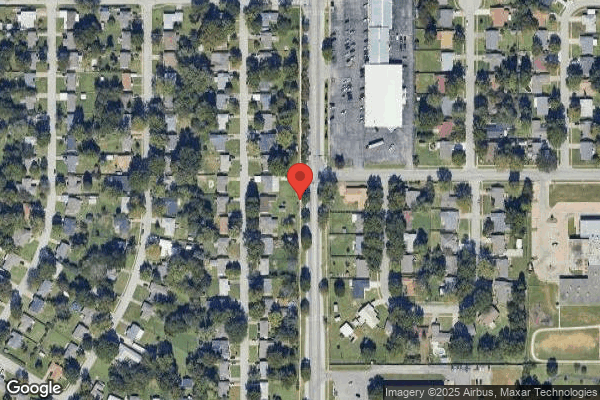

1709 SOUTH MAIN, BROKEN ARROW, OK 74012 (918) 251-2626
For profit - Limited Liability company 90 Beds Independent Data: November 2025
Trust Grade
28/100
#278 of 282 in OK
Last Inspection: April 2024

Within standard 12-15 month inspection cycle. Federal law requires annual inspections.

Overview

Families considering Village Health Care Center in Broken Arrow, Oklahoma should be aware that it has received a Trust Grade of F, indicating significant concerns about the quality of care. It currently ranks #278 out of 282 facilities in Oklahoma, placing it in the bottom half of the state's nursing homes and dead last in Tulsa County. Although the facility is showing improvement in its issues, reducing from 27 in 2023 to just 5 in 2024, the staffing situation is troubling, with a turnover rate of 71%, significantly higher than the state average. Additionally, the facility has faced fines totaling $8,145, which is fairly average, but the lower RN coverage compared to 80% of other Oklahoma facilities raises concerns about the quality of medical oversight. Specific incidents noted by inspectors included failures to offer residents options for advance directives and incomplete care plans for new admissions, which could affect the overall well-being of residents. Overall, while there are some signs of improvement, families should weigh these concerns carefully against the facility's strengths.

Trust Score
F
28/100
In Oklahoma
#278/282
Bottom 2%
Safety Record
Low Risk
No red flags
Inspections
Getting Better
27 → 5 violations
Staff Stability
⚠ Watch
71% turnover. Very high, 23 points above average. Constant new faces learning your loved one's needs.
Penalties
✓ Good
$8,145 in fines. Lower than most Oklahoma facilities. Relatively clean record.
Skilled Nurses
⚠ Watch
Each resident gets only 11 minutes of Registered Nurse (RN) attention daily — below average for Oklahoma. Fewer RN minutes means fewer trained eyes watching for problems.
Violations
⚠ Watch
39 deficiencies on record. Higher than average. Multiple issues found across inspections.
★☆☆☆☆
1.0
Overall Rating
★★☆☆☆
2.0
Staff Levels
★☆☆☆☆
1.0
Care Quality
★★☆☆☆
2.0
Inspection Score
Stable
2023: 27 issues
2024: 5 issues

The Good

  • Full Sprinkler Coverage · Fire safety systems throughout facility
  • No fines on record

Facility shows strength in fire safety.

The Bad

1-Star Overall Rating

Below Oklahoma average (2.6)

Significant quality concerns identified by CMS

Staff Turnover: 71%

25pts above Oklahoma avg (46%)

Frequent staff changes - ask about care continuity

Federal Fines: $8,145

Below median ($33,413)

Minor penalties assessed

Staff turnover is very high (71%)

23 points above Oklahoma average of 48%

The Ugly 39 deficiencies on record

Apr 2024 5 deficiencies
CONCERN (D)

Potential for Harm - no one hurt, but risky conditions existed

Deficiency F0582 (Tag F0582)

Could have caused harm · This affected 1 resident

Based on record review and interview the facility failed to ensure advanced benefit notification forms were provided to three (#9, 11, and #21) of three residents reviewed for Advanced Beneficiary Not...

Read full inspector narrative →
Based on record review and interview the facility failed to ensure advanced benefit notification forms were provided to three (#9, 11, and #21) of three residents reviewed for Advanced Beneficiary Notifications. The MDS coordinator identified four residents who had received skilled services in the past six months. Findings: Resident #9 admitted to Part A Skilled Services on 08/29/23. The facility initiated a discharge from Medicare Part A Services on 10/06/23 with 18 days remaining. Resident #9 remained at the facility. An Advanced Beneficiary Notice was not provided to Resident #9 throughout their stay at the facility. Resident #11 admitted to Part A Skilled Services on 10/09/23. The facility initiated a discharge from Medicare Part A Services on 11/27/23 with 52 days remaining. Resident #11 remained at the facility. An Advanced Beneficiary Notice was not provided to Resident #11 throughout their stay at the facility. Resident #21 admitted to Part A Skilled Services on 09/27/23. The facility initiated a discharge from medicare Part A Services on 10/26/23 with 70 days remaining. Resident #21 remained at the facility. An Advanced Beneficiary Notice was not provided to Resident #21 throughout their stay at the facility. On 04/10/24 at 1:44 p.m., the MDS coordinator stated they were not aware an Advanced Benficiary Notice was to be provided when residents discharged from Medicare Part A Services and remained in the facility.
CONCERN (D) 📢 Someone Reported This

A family member, employee, or ombudsman was alarmed enough to file a formal complaint

Potential for Harm - no one hurt, but risky conditions existed

Deficiency F0604 (Tag F0604)

Could have caused harm · This affected 1 resident

Based on observation, record review and interview, the facility failed to ensure residents were free from physical restraints which were not required to treat a resident's medical symptom for four (#7...

Read full inspector narrative →
Based on observation, record review and interview, the facility failed to ensure residents were free from physical restraints which were not required to treat a resident's medical symptom for four (#7, 13, 14, and #24) of four residents reviewed for restraints. The administrator identified 44 residents who resided at the facility. Findings: A Physical Restraints & Hazards Policy, undated, read in part, .Physical restraints are defined as any manual method or physical device, material, or equipment attached so that the individual cannot remove easily, which restricts freedom of movement to one's body .No resident will be restrained for convenience . 1. Resident #7 had diagnosis which included dementia. A quarterly assessment, dated 02/29/24, documented the resident was moderately impaired in daily decision making and required moderate assistance with ADLs. 2. Resident #13 had a diagnosis which included dementia. A quarterly assessment, dated 02/27/24, documented the resident was severly impaired in daily decision making and required moderate to maximum assistance with ADLs. 3. Resident #14 had diagnosis which included major depressive disorder. A quarterly assessment, dated 03/08/24, documented the resident was severly impaired in daily decision making and required moderate to maximum assistance with ADLs. On 04/08/24 at 8:34 a.m., CNA #1 was observed to reach down and lock Resident #13's wheelchair. Resident #7 and #14's wheelchairs were also observed to be locked. On 04/08/24 at 8:38 a.m., CNA #1 stated the wheelchairs were locked. We have to do for them so they don't push away. They stated the residents were unable to unlock the wheelchairs themselves. On 04/10/24 at 08:51 a.m., the DON stated a restraint was the restriction of bodily movement. On 04/10/24 at 08:52 a.m, the DON stated locking the wheelchairs was a restraint.
CONCERN (D)

Potential for Harm - no one hurt, but risky conditions existed

Assessment Accuracy (Tag F0641)

Could have caused harm · This affected 1 resident

Based on record review and interview the facility failed to ensure the accuracy of assessments for one (#17) of twelve residents reviewed for accuracy of assessments. The administrator identified 44 ...

Read full inspector narrative →
Based on record review and interview the facility failed to ensure the accuracy of assessments for one (#17) of twelve residents reviewed for accuracy of assessments. The administrator identified 44 residents who resided at the facility. Findings: Resident #17 admitted with diagnoses which included cerebral infarction (stroke), reduced mobility, and hypertension. Review of the quarterly assessment, dated 02/25/24 for Resident #17, revealed a diagnosis of pneumonia. Review of physician orders, for Resident #17, revealed no antibiotics ordered currently or in the recent past for pneumonia. Review of diagnoses for Resident #17 revealed a history of pneumonia in 2017. On 04/10/24 at 10:52 a.m., the MDS coordinator stated they reviewed the diagnoses, progress notes and physician orders to complete the MDS assessment. The coordinator stated they would review the clinical record and return with where they found the pneumonia information for the quarterly assessment. On 04/10/24 at 1:48 p.m., the MDS coordinator stated they were not able to locate where they had found the information regarding pneumonia. They stated it was an inaccurate MDS.
CONCERN (D)

Potential for Harm - no one hurt, but risky conditions existed

Deficiency F0657 (Tag F0657)

Could have caused harm · This affected 1 resident

Based on record review and interview the facility failed to ensure care plans were updated for one (#38) of twelve reviewed for updated care plans. The administrator identified 44 residents who reside...

Read full inspector narrative →
Based on record review and interview the facility failed to ensure care plans were updated for one (#38) of twelve reviewed for updated care plans. The administrator identified 44 residents who resided at the facility. Findings: Resident #38 was admitted with diagnoses which included congestive heart failure, hypertension, and atrial fibrillation. The care plan, revised 01/23/24, documented a stage two pressure ulcer to the coccyx. The care plan did not document the stage two pressure ulcer had healed. The care plan did not document the resident was admitted to hospice, and was not updated to included hospice. A Physician's Order, dated 01/26/24, documented to admit Resident #38 to hospice. On 04/11/24 at 8:22 a.m., the MDS coordinator stated they updated the care plan with wounds or infections and during reviews. The MDS coordinator stated Resident #38 did have a stage two wound in January but it had resolved earlier this week. They stated they had forgot to update the care plan for the healed wound and for hospice.
CONCERN (D) 📢 Someone Reported This

A family member, employee, or ombudsman was alarmed enough to file a formal complaint

Potential for Harm - no one hurt, but risky conditions existed

Food Safety (Tag F0812)

Could have caused harm · This affected 1 resident

Based on record review, observation, and interview, the facility failed to ensure the ice machine was clean. The administrator identified 44 residents who resided at the facility. Findings: An untitle...

Read full inspector narrative →
Based on record review, observation, and interview, the facility failed to ensure the ice machine was clean. The administrator identified 44 residents who resided at the facility. Findings: An untitled and undated policy, read in part, .Ice will be produced, stored, and dispensed in a manner to avoid contamination .The ice dispenser will be cleaned and sanitized at least monthly, and/or as needed. Inside and outside of machine and the area around the machine will be cleaned . An invoice dated 03/08/24, documented the bin sensor was cleaned. No other cleaning of the machine was documented. On 04/09/24 at 11:25 a.m., the ice machine was observed to have black and pink substances on the deflector plate in the bin of the ice machine. On 04/09/24 at 11:28 a.m., Dietary Aide #1 stated the ice machine had last be cleaned four weeks ago. They stated the substance was mold and should not be there. They stated the ice company was responsible for cleaning of the ice machine. On 04/09/24 at 11:30 a.m., Dietary Aide #1 stated the ice machine should be shut down and cleaned.
Apr 2023 1 deficiency
CONCERN (D) 📢 Someone Reported This

A family member, employee, or ombudsman was alarmed enough to file a formal complaint

Potential for Harm - no one hurt, but risky conditions existed

Deficiency F0559 (Tag F0559)

Could have caused harm · This affected 1 resident

Based on interview and record review the facility failed to provide written notice of room change for one (#38) of three residents reviewed for room change. Findings: Resident #38 had diagnoses which...

Read full inspector narrative →
Based on interview and record review the facility failed to provide written notice of room change for one (#38) of three residents reviewed for room change. Findings: Resident #38 had diagnoses which included paraplegia. On 04/26/23 at 3:10 p.m. the resident stated they had been moved to another room on 04/18/23. Review of the clinical record confirmed the room change on 04/18/23. The clinical record did not include information that the resident received written notification of room change. On 04/18/23 at 2:36 p.m. the administrator was asked if the resident was given a written notification of room change. The administrator stated I guess we forgot.
Feb 2023 26 deficiencies
CONCERN (D) 📢 Someone Reported This

A family member, employee, or ombudsman was alarmed enough to file a formal complaint

Potential for Harm - no one hurt, but risky conditions existed

Deficiency F0559 (Tag F0559)

Could have caused harm · This affected 1 resident

Based on interview and record review the facility failed to provide written notice of room change for one (#38) of three residents reviewed for room change. Findings: Resident #38 had diagnoses which...

Read full inspector narrative →
Based on interview and record review the facility failed to provide written notice of room change for one (#38) of three residents reviewed for room change. Findings: Resident #38 had diagnoses which included paraplegia. Review of the clinical record did not include information that the resident received written notification of room change. On 04/18/23 at 2:36 p.m. the administrator was asked if the resident was given a written notification of room change. The administrator stated I guess we forgot.
CONCERN (D)

Potential for Harm - no one hurt, but risky conditions existed

Transfer Requirements (Tag F0622)

Could have caused harm · This affected 1 resident

**NOTE- TERMS IN BRACKETS HAVE BEEN EDITED TO PROTECT CONFIDENTIALITY** Based on record review and interview, the facility failed to complete a discharge summary for one (#39) of two residents reviewe...

Read full inspector narrative →
**NOTE- TERMS IN BRACKETS HAVE BEEN EDITED TO PROTECT CONFIDENTIALITY** Based on record review and interview, the facility failed to complete a discharge summary for one (#39) of two residents reviewed for closed records. The Resident Census and Conditions of Residents form documented 43 residents resided in the facility. Findings: Res #39 had diagnoses which included fracture of left shoulder, history of falling, unsteadiness on feet, lack of coordination, and weakness. A five day MDS, dated [DATE], documented the resident was moderately cognitively impaired, required extensive assistance with ADLs and used a wheelchair for mobility. The EHR documented Res #39 discharged from the facility on 11/10/22. On 02/24/23, at 10:21 a.m., the administrator was asked for Res #39's discharge summary. She stated she did not have a discharge summary in her file but would look to see if it was in the DON's office. On 02/24/23 at 11:49 a.m., the administrator stated there was not a discharge summary completed for Res #39.
CONCERN (D)

Potential for Harm - no one hurt, but risky conditions existed

Transfer Notice (Tag F0623)

Could have caused harm · This affected 1 resident

**NOTE- TERMS IN BRACKETS HAVE BEEN EDITED TO PROTECT CONFIDENTIALITY** Based on record review and interview, the facility failed to notify the ombudsman of discharge for one (#39) of two residents re...

Read full inspector narrative →
**NOTE- TERMS IN BRACKETS HAVE BEEN EDITED TO PROTECT CONFIDENTIALITY** Based on record review and interview, the facility failed to notify the ombudsman of discharge for one (#39) of two residents reviewed for closed records. The Resident Census and Conditions of Residents form documented 43 residents resided in the facility. Findings: Res #39 had diagnoses which included fracture of left shoulder, history of falling, unsteadiness on feet, lack of coordination, and weakness. A five day MDS, dated [DATE], documented the resident was moderately cognitively impaired, required extensive assistance with ADLs and used a wheelchair for mobility. The EHR documented Res #39 discharged from the facility on 11/10/22. On 02/24/23 at 11:15 a.m., the administrator stated she had not notified the ombudsman of Res #39's discharge.
CONCERN (D)

Potential for Harm - no one hurt, but risky conditions existed

Comprehensive Assessments (Tag F0636)

Could have caused harm · This affected 1 resident

**NOTE- TERMS IN BRACKETS HAVE BEEN EDITED TO PROTECT CONFIDENTIALITY** Based on record review, observation, and interview, the facility failed to ensure a comprehensive assessment was completed withi...

Read full inspector narrative →
**NOTE- TERMS IN BRACKETS HAVE BEEN EDITED TO PROTECT CONFIDENTIALITY** Based on record review, observation, and interview, the facility failed to ensure a comprehensive assessment was completed within 14 days after admission for one (#190) of one resident reviewed for new admission. The Resident Census and Conditions of Residents form documented 43 residents resided in the facility. Findings: Resident #190 admitted to the facility on [DATE] with diagnoses which include chronic heart failure, major depressive disorder, hemiplegia, bipolar disorder, atrial fibrillation, chronic respiratory failure, anxiety, and hypertension. On 02/22/23 at 12:05 p.m., Res #190 was observed in bed with eyes closed with oxygen supplied by nasal cannula. On 02/23/22 at 8:11 a.m., Res #190's record was reviewed and documented an admission assessment as In Progress. On 02/23/23 at 10:45 a.m., the ADON stated she was aware timely MDS assessments were an issue. She stated Res #190's admission assessment was not completed and should have been. She stated she was unable to complete MDS assessments timely as she was being pulled to the floor for patient care.
CONCERN (D)

Potential for Harm - no one hurt, but risky conditions existed

Deficiency F0655 (Tag F0655)

Could have caused harm · This affected 1 resident

**NOTE- TERMS IN BRACKETS HAVE BEEN EDITED TO PROTECT CONFIDENTIALITY** Based on record review, observation, and interview, the facility failed to ensure a baseline care plan was completed for one (#1...

Read full inspector narrative →
**NOTE- TERMS IN BRACKETS HAVE BEEN EDITED TO PROTECT CONFIDENTIALITY** Based on record review, observation, and interview, the facility failed to ensure a baseline care plan was completed for one (#190) of one residents reviewed for new admission. The Resident Census and Conditions of Residents form documented 43 residents resided in the facility. Findings: Resident #190 admitted to the facility on [DATE] with diagnoses which include chronic heart failure, major depressive disorder, hemiplegia, bipolar disorder, atrial fibrillation, chronic respiratory failure, anxiety, and hypertension. On 02/22/23 at 12:05 p.m., Res #190 was observed in bed with eyes closed with oxygen supplied by nasal cannula. On 02/23/22 at 8:13 a.m., Res #190's record was reviewed and documented a care plan initiated 02/06/23. The care plan did not include a baseline care plan. On 02/23/23 at 11:50 a.m., the ADON/MDS coordinator stated Res #190's care plan was not started. She stated there was no baseline care plan completed.
CONCERN (D) 📢 Someone Reported This

A family member, employee, or ombudsman was alarmed enough to file a formal complaint

Potential for Harm - no one hurt, but risky conditions existed

Deficiency F0657 (Tag F0657)

Could have caused harm · This affected 1 resident

Based on record review and interview, the facility failed to ensure care plans were reviewed/revised for one (#20) of five residents reviewed for care plan revision. The Resident Census and Conditions...

Read full inspector narrative →
Based on record review and interview, the facility failed to ensure care plans were reviewed/revised for one (#20) of five residents reviewed for care plan revision. The Resident Census and Conditions of Residents form identified 49 residents resided in the facility. Findings: Resident #20 had diagnoses which included hypertension (high blood pressure). The Care Plan, revised 01/18/23, did not reveal a review/revision had been conducted since 01/18/23. Review of the assessments, revealed a quarterly assessment had been completed on 04/04/23. Review/revision of the care plan had not been completed after the quarterly assessment. On 04/25/23 at 2:38 p.m., the ADON was asked who was responsible to ensure care plans were reviewed/revised after quarterly assessments. They stated they were responsible. The ADON was asked why the care plan for Resident #20 had not been reviewed/revised after the 04/04/23 quarterly assessment or by the plan of correction date of 04/20/23 set by the facility. They stated they had not had time. The ADON stated they had only been able to review/revise approximately 12 care plans to date. They stated they had intended and was supposed to review/revise all of the resident's care plans but had not had time. On 04/25/23 at 2:42 p.m., the DON was asked what their role had been to ensure care plans had been reviewed/revised. They stated they had tried to help but was newly hired as the DON had been trying to learn their role. The DON was asked who had conducted the audits to ensure care plans had been reviewed/revised. They stated they had conducted the audits but had not fully understood the purpose of the audit on ensuring compliance.
CONCERN (D) 📢 Someone Reported This

A family member, employee, or ombudsman was alarmed enough to file a formal complaint

Potential for Harm - no one hurt, but risky conditions existed

Incontinence Care (Tag F0690)

Could have caused harm · This affected 1 resident

Based on record review, observation, and interview, the facility failed to ensure a resident's catheter site was cleaned daily according to physician orders for one (#34) of two residents whose charts...

Read full inspector narrative →
Based on record review, observation, and interview, the facility failed to ensure a resident's catheter site was cleaned daily according to physician orders for one (#34) of two residents whose charts were reviewed for catheters. The Resident Census and Conditions of Residents form identified six residents who had urinary catheters. Findings: 1. Resident #34's active diagnoses included Parkinson's disease, hemiplegia, and cerebral infarction. A quarterly assessment, dated 11/04/22, documented the resident's cognition was severely impaired and required total dependence with ADL's. A quarterly assessment, dated 11/04/22, documented the resident's cognition was severely impaired, required total dependence with ADLs, and had an indwelling urinary catheter. A physician order, dated 02/01/23, documented to cleanse suprapubic catheter site daily with warm soap and water, pat dry, then apply drainage sponge to site every day shift. On 02/24/23 at 8:15 a.m., an observation was made of the bandage covering the suprapubic catheter site, the bandage was dated 02/22/23. A nurse's note, dated 02/22/23, documented the bandage was changed on 02/22/23. There was no documentation the bandage was changed on 2/23/23. The nurse who was supposed to have changed the bandage on 2/23/23 was unavailable for an interview. On 2/24/23 at 8:45 a.m., the ADON was shown the the bandage, dated 02/22/23, which should have been changed on 02/23/23. She reported, The nurse told me she did it yesterday, I'll have to check on that.
CONCERN (D) 📢 Someone Reported This

A family member, employee, or ombudsman was alarmed enough to file a formal complaint

Potential for Harm - no one hurt, but risky conditions existed

Tube Feeding (Tag F0693)

Could have caused harm · This affected 1 resident

Based on record review, observation and interview the facility failed to ensure a residents PEG tube site was cleaned daily according to physicians orders for one (#34) of one resident whose chart was...

Read full inspector narrative →
Based on record review, observation and interview the facility failed to ensure a residents PEG tube site was cleaned daily according to physicians orders for one (#34) of one resident whose chart was reviewed for a PEG tube. The Resident Census and Condition of Residents form identified two residents who had PEG tubes. Findings: 1. Resident #34's active diagnoses included Parkinson's disease, hemiplegia, and cerebral infarction. A quarterly assessment, dated 11/04/22, documented the residents cognition was severely impaired and required total dependence with ADL's. A physician order, dated 02/01/23, documented to cleanse PEG tube site daily and apply drain sponge every day shift. A nurses note, dated 02/22/23, documented the bandage was changed on 02/22/23. There was no documentation the physician order was followed on 02/23/23. On 02/24/23 at 8:15 a.m., an observation was made of the bandage covering the PEG tube site, it was dated 02/22/23. The nurse who was supposed to have changed the bandage on 2/23/23 was unavailable for an interview. On 2/24/23 at 8:45 a.m., the ADON was shown the bandage, dated 02/22/23, which should have been changed on 02/23/23. She reported, The nurse told me she did it yesterday, I'll have to check on that.
CONCERN (D)

Potential for Harm - no one hurt, but risky conditions existed

Deficiency F0761 (Tag F0761)

Could have caused harm · This affected 1 resident

Based on observation and interview, it was determined the facility failed to ensure the removal of expired mediations from the medication storage room. The Resident Census and Conditions of Residents ...

Read full inspector narrative →
Based on observation and interview, it was determined the facility failed to ensure the removal of expired mediations from the medication storage room. The Resident Census and Conditions of Residents report documented 43 residents resided in the facility. Findings: On 02/24/23 at 10:57 a.m., a tour of the medication room found the following expired medications. a. 1 vial multi- dose Flu vaccine with an open date of 11/01/22. b. 1 Levemir Flextouch pen with no name or label. c. 1 package of 10 count Bisacodyl suppositories with an expiration date of 12/22. On 02/24/23 at 11:20 a.m., the ADON reported the expired and unlabeled medications should have already been removed from the medication room.
CONCERN (D)

Potential for Harm - no one hurt, but risky conditions existed

Deficiency F0909 (Tag F0909)

Could have caused harm · This affected 1 resident

Based on record review, observation, and interview, the facility failed to ensure bed rails were inspected for one (#190) of one resident assessed for accident hazards. The Resident Census and Condit...

Read full inspector narrative →
Based on record review, observation, and interview, the facility failed to ensure bed rails were inspected for one (#190) of one resident assessed for accident hazards. The Resident Census and Conditions of Residents form documented 43 residents resided in the facility. Findings: Res #190 had diagnoses which included chronic heart failure, hemiplegia of right dominant side, and chronic respiratory failure. Res #190's health record was reviewed and documented no physician order, assessment, or consent for use of bed rails. On 02/22/23 at 12:05 p.m., Res #190 was observed in bed. The bed was observed with quarter handrails raised on both sides at the head of the bed. An air mattress was observed on the bed. A motor for an air mattress was observed on the foot of the bed powered on and functioning. On 02/23/23 at 11:28 a.m., Res #190 was observed in bed. The hand rails remained up at the head of the bed. On 02/24/23 at 7:39 a.m., the maintenance supervisor stated he inspected all the equipment that comes into the building. He stated he had not inspected the bed for Res #190 because he was not aware it was different than the facility's other beds. He stated this was the first time he had seen the bed and was unaware there were bed rails on the bed.
CONCERN (E)

Potential for Harm - no one hurt, but risky conditions existed

Deficiency F0578 (Tag F0578)

Could have caused harm · This affected multiple residents

**NOTE- TERMS IN BRACKETS HAVE BEEN EDITED TO PROTECT CONFIDENTIALITY** Based on record review and interview, the facility failed to: a. offer residents the choice to formulate advance directives for ...

Read full inspector narrative →
**NOTE- TERMS IN BRACKETS HAVE BEEN EDITED TO PROTECT CONFIDENTIALITY** Based on record review and interview, the facility failed to: a. offer residents the choice to formulate advance directives for four (#16, 26, 27, and #32) of 16 residents reviewed for advance directives. b. ensure a resident's code status was documented in the medical record for three (#16, 26, and #32) of 16 residents reviewed for advance directives. The Resident Census and Conditions of Residents form documented 43 residents resided in the facility. It documented there were 40 residents who had advance directives. Findings: 1. Res #27 was admitted [DATE] and had diagnoses which included vascular dementia, acute kidney failure, cerebral infarction, and cardiomyopathy. A physician order, dated 04/15/22, documented the resident was a full code. A quarterly assessment, dated 10/26/22, documented the resident had moderate cognitive impairment. There was no documentation the resident and/or their representative was offered a choice to formulate an advance directive. On 02/23/23 at 9:12 a.m., RN #1 stated the advance directive documentation should be located within the advanced directive tab in the front of the chart but Res #27's was not there. She stated she did know where the documentation could be found. On 02/23/23 at 11:22 a.m., the ADON stated there is no documentation that this resident and/or their representative was offered a choice to formulate an advance directive. 2. Res # 32 was admitted [DATE] and had diagnoses which included chronic pain syndrome, inflammatory polyneuropathy, and malignant neoplasm of breast. A quarterly assessment, dated 01/19/23, documented the resident was cognitively intact. The medical record did not document a code status for the resident. There was no documentation the resident and/or their representative was offered a choice to formulate an advance directive. On 02/23/23 at 9:10 a.m., RN #1 stated she was unable to locate this resident's code status or documentation the resident and/or their representative was offered a choice to formulate an advance directive in the medical record. On 02/23/23 at 9:19 a.m., LPN #1 stated the resident did not have a code status documented in the medical record and the physician would be contacted to obtain a code status order. On 02/23/23 at 11:22 a.m., the ADON stated there is no documentation the resident and/or their representative was offered a choice to formulate an advance directive in the medical record. 3. Res #16 admitted to the facility on [DATE] with diagnoses which included paralytic syndrome following cerebral infarction, Parkinson's disease, and seizures. A quarterly MDS, dated [DATE], documented the resident was severely cognitively impaired. On 02/23/23 at 8:38 a.m., Res #16's chart was reviewed. There was no documentation that the resident had an advance directive or was offered one at admission. The chart did not document Res #16's code status. On 02/23/23 at 10:36 a.m., LPN #1 stated Res #16 had no code status order. She stated Res #16 was a full code and the physician had been contacted for an order. She stated the order had not been put in the EHR yet. 4. Res #26 admitted [DATE] with diagnoses which included Parkinson's disease, cognitive communication deficit, aphasia, and seizures. A quarterly MDS, dated [DATE], documented the resident was cognitively intact and required extensive assistance with ADLs. On 02/23/23 at 10:10 a.m., Res #26's chart was reviewed. There was no documentation that the resident had an advance directive or was offered one at admission. The chart did not document Res #26's code status. On 02/23/23 at 10:36 a.m., LPN #1 stated Res #26 had no code status order. She stated Res #26 was a full code. She stated the physician had been contacted for an order but the order had not been put in the EHR yet.
CONCERN (E)

Potential for Harm - no one hurt, but risky conditions existed

Assessment Accuracy (Tag F0641)

Could have caused harm · This affected multiple residents

**NOTE- TERMS IN BRACKETS HAVE BEEN EDITED TO PROTECT CONFIDENTIALITY** Based on record review and interview, the facility failed to: a. ensure accurate coding of MDS assessments for anticoagulant use...

Read full inspector narrative →
**NOTE- TERMS IN BRACKETS HAVE BEEN EDITED TO PROTECT CONFIDENTIALITY** Based on record review and interview, the facility failed to: a. ensure accurate coding of MDS assessments for anticoagulant use for six (#1, 16, 18, 21, 27, and #34) of 14 residents whose MDS assessments were reviewed. b. ensure accurate coding of MDS assessment for diagnoses for one (#20) of 14 residents whose MDS assessments were reviewed. The Resident Census and Conditions of Residents form documented 43 residents resided in the facility. Findings: 1. Res #1 had diagnoses which included dementia, chronic ischemic heart disease, and hypertension. An admission assessment, dated 01/09/23, documented Res #1 received an anticoagulant seven out of seven days during the review period. On 02/23/23 at 10:55 a.m., Res #1's records were reviewed and did not document an order for anticoagulants during the review period. 2. Res #16 had diagnoses which included hypertension, and history of aneurysm. A quarterly MDS, dated [DATE], documented Res #16 received an anticoagulant seven out of seven days during the review period. On 02/23/23 at 8:29 a.m., Res #16's records were reviewed and did not document an order for anticoagulants during the review period. 3. Res #18 had diagnoses which included atherosclerotic heard disease, angina pectoris, and hypertension. A quarterly MDS, dated [DATE], documented the resident received an anticoagulant seven out of seven days during the review period. On 02/23/23 at 11:35 a.m., Res #18's records were reviewed and did not document an order for anticoagulants during the review period. 4. Res #21 had diagnoses which included coronary artery disease and hypertension. A quarterly MDS, dated [DATE], documented Res #21 received an anticoagulant seven out of seven days during the review period. On 02/23/23 at 1:23 p.m., Res #21's records were reviewed and did not document an order for anticoagulants during the review period. 5. Res #27 had diagnoses which included cardiomyopathy, and hypertensive heart disease. A quarterly MDS, dated [DATE], documented the resident received an anticoagulant seven out of seven days during the review period. On 02/22/23 at 3:45 p.m., Res #27's records were reviewed and did not document an order for anticoagulants during the review period. 6. Res #34 had diagnoses which included hypertension and hyperlipidemia. A quarterly MDS, dated [DATE], documented the resident received an anticoagulant seven out of seven days during the review period. Res #27's records were reviewed and did not document an order for anticoagulants during the review period. On 02/23/23 at 11:11 a.m., the ADON/MDS coordinator stated the MDS was coded incorrectly. She stated she coded them based on the indication of an order for aspirin instead of the drug classification. 7. Res #20 had diagnoses which included COPD, CHF, and hypertension. The Long-Term Care Facility Resident Assessment Instrument 3.0 User ' s Manual Version 1.17.1, dated October 2019, read in part .ACTIVE DIAGNOSES Physician-documented diagnoses in the last 60 days that have a direct relationship to the resident's current functional status, cognitive status, mood or behavior, medical treatments, nursing monitoring, or risk of death during the 7-day look-back period . A diagnosis, dated 05/05/21, documented sepsis due to streptococcus pneumoniae. An annual MDS, dated [DATE], documented Res #20 had septicemia during the review period. On 02/23/23 at 11:47 a.m., the ADON/MDS coordinator stated she was instructed not to change the diagnoses that populated on the MDS. She stated she was not aware the diagnoses are only to be coded if they are active at the time of the assessment.
CONCERN (E) 📢 Someone Reported This

A family member, employee, or ombudsman was alarmed enough to file a formal complaint

Potential for Harm - no one hurt, but risky conditions existed

Comprehensive Care Plan (Tag F0656)

Could have caused harm · This affected multiple residents

**NOTE- TERMS IN BRACKETS HAVE BEEN EDITED TO PROTECT CONFIDENTIALITY** Based on record review, observation, and interview, the facility failed to ensure a comprehensive care plan was completed for on...

Read full inspector narrative →
**NOTE- TERMS IN BRACKETS HAVE BEEN EDITED TO PROTECT CONFIDENTIALITY** Based on record review, observation, and interview, the facility failed to ensure a comprehensive care plan was completed for one (#190) of one residents reviewed for new admission. The Resident Census and Conditions of Residents form documented 43 residents resided in the facility. Findings: Resident #190 admitted to the facility on [DATE] with diagnoses which include chronic heart failure, major depressive disorder, hemiplegia, bipolar disorder, atrial fibrillation, chronic respiratory failure, anxiety, and hypertension. On 02/22/23 at 12:05 p.m., Res #190 was observed in bed with eyes closed with oxygen supplied by nasal cannula. On 02/23/22 at 08:13 a.m., Res #190's record was reviewed and documented a care plan initiated 02/06/23. The care plan was blank. On 02/23/23 at 11:50 a.m., the ADON/MDS coordinator stated Res #190's care plan was not started. She stated there was not a comprehensive care plan completed.
CONCERN (E) 📢 Someone Reported This

A family member, employee, or ombudsman was alarmed enough to file a formal complaint

Potential for Harm - no one hurt, but risky conditions existed

ADL Care (Tag F0677)

Could have caused harm · This affected multiple residents

**NOTE- TERMS IN BRACKETS HAVE BEEN EDITED TO PROTECT CONFIDENTIALITY** Based on record review, observations, and interview, the facility failed to ensure two (#1 and #38) of 16 residents sampled for ...

Read full inspector narrative →
**NOTE- TERMS IN BRACKETS HAVE BEEN EDITED TO PROTECT CONFIDENTIALITY** Based on record review, observations, and interview, the facility failed to ensure two (#1 and #38) of 16 residents sampled for ADLs received baths as scheduled. The Resident Census and Conditions of Residents form identified 43 residents who resided in the facility. Findings: 1. Resident #1's active diagnoses included down syndrome and dementia. Resident #1 admitted to the facility on [DATE]. The admission assessment, dated 01/09/23, documented the resident's cognition was severely impaired and required extensive assistance with dressing, personal hygiene, and bathing. According to the residents bath schedule he was to receive a shower on Monday, Wednesday, and Friday on day shift. The facility produced seven bath sheets for this resident which documented he had a shower five times and refused two times during the time frame from 12/28/22 through 02/24/23 with an opportunity to receive 26 showers/baths according to the bath schedule. On 2/22/23 during the survey, the resident was observed in his wheel chair in the foyer and in the dining room. His shirt was dirty with food on it. He was not interviewable. 2. Res #38 admitted to the facility on [DATE]. The admission assessment, dated 12/19/22, documented her cognition was intact; required extensive assistance with ambulation, transfers, and dressing; ROM was impaired on both sides of lower extremities; the resident required a one person physical assist for bathing. On 02/22/23 at 2:11 p.m., The resident was observed in her bed in her room her hair appeared to not be combed. The resident reported that she did not get her showers/baths like she should. She said she has refused a couple of times but she should be getting more showers. She reported, I have only had two showers since admitting to the facility. According to the residents bath schedule she was to receive a shower on Tuesday, Thursday, and Saturday on day shift. The facility produced four bath sheets which documented she had two showers and had refused two times during the time frame between 12/06/22 and 02/24/23 with an opportunity for 34 showers/baths according to the bath schedule. On 02/24/23 at 11:00 a.m., the ADON reported the resident had refused her showers sometimes but the 4 baths sheets they had were all they could find for this resident. On 02/24/23 at 11:15 a.m., the ADON reported, We are working on a new bath schedule to ensure the residents are receiving their baths.
CONCERN (E)

Potential for Harm - no one hurt, but risky conditions existed

Quality of Care (Tag F0684)

Could have caused harm · This affected multiple residents

**NOTE- TERMS IN BRACKETS HAVE BEEN EDITED TO PROTECT CONFIDENTIALITY** Based on record review, observation, and interview, the facility failed to ensure: a. physician orders were followed for treatme...

Read full inspector narrative →
**NOTE- TERMS IN BRACKETS HAVE BEEN EDITED TO PROTECT CONFIDENTIALITY** Based on record review, observation, and interview, the facility failed to ensure: a. physician orders were followed for treatment of an arterial wound for one (#16) of one residents reviewed for non-pressure ulcers. b. daily weights were obtained for one (#5) of one resident sampled for daily weights. The Resident Census and Conditions of Residents documented 43 residents resided in the facility. Findings: 1. Res #16 had diagnoses which included paralytic syndrome following cerebral infarction and Parkinson's disease. A quarterly MDS, dated [DATE], documented Res #16 was severely cognitively impaired, required total assistance with ADLs, and had dressings applied to the feet. A physician order, dated 01/11/23, documented to cleanse wound to the posterior right foot with wound cleanser, apply Iodosorb cream, cover with gauze, wrap with Kerlix, and secure with tape every day shift. A wound physician progress note, dated 02/01/23, documented an arterial wound to the right distal lateral foot. The note documented to discontinue Iodosorb gel, gauze sponge and Kerlix, and start skin prep daily. A wound physician progress note, dated 02/08/23 documented an arterial wound to the right distal lateral foot. The note documented to continue skin prep once daily. On 02/24/23 at 8:30 a.m., LPN #1 was observed performing wound care for Res #16. The wound was located on the right outer foot near the smallest toe. The peri-wound was observed to have a yellow tint and the wound bed was covered by a scab. LPN #1 was observed cleaning the wound with wound cleanser and applying betadine. The LPN left the wound open to air after applying the betadine. On 02/24/23 at 09:13 a.m., LPN #1 stated she received verbal instruction from the nurse training her to apply Betadine to the wound. She stated she should have checked the orders prior to starting the wound care. She stated she did not perform the ordered treatment but should have. 2. Res #5 was admitted to the facility on [DATE] with diagnoses of heart failure, hypertension, and chronic obstructive pulmonary disease. A physician's order, dated 02/05/23, documented to obtain daily weights. A weight log for February 2023 contained no documentation for 2/5, 2/6, 2/12, 2/13, 2/14/, 2/15, 2/19, 2/21, 2/22, and 2/23. On 02/23/23 at 3:20 p.m., the ADON was asked if physician order for daily weights should have been done. The ADON reported the resident should have been weighed daily due to heart failure and respiratory issues.
CONCERN (E) 📢 Someone Reported This

A family member, employee, or ombudsman was alarmed enough to file a formal complaint

Potential for Harm - no one hurt, but risky conditions existed

Deficiency F0692 (Tag F0692)

Could have caused harm · This affected multiple residents

**NOTE- TERMS IN BRACKETS HAVE BEEN EDITED TO PROTECT CONFIDENTIALITY** 2. Res #18 was admitted with diagnoses which included peptic ulcer diseases, nausea and vomiting, constipation, and abnormal wei...

Read full inspector narrative →
**NOTE- TERMS IN BRACKETS HAVE BEEN EDITED TO PROTECT CONFIDENTIALITY** 2. Res #18 was admitted with diagnoses which included peptic ulcer diseases, nausea and vomiting, constipation, and abnormal weight loss. A care plan, dated 07/11/22, documented the resident had significant weight loss related to poor food intake. The care plan documented to monitor and evaluate any weight loss and to weigh the resident at the same time of day and record. A physician order, dated 11/18/22, documented to obtain a weekly weight on Fridays for weight loss. A quarterly assessment, dated 12/24/22, documented the resident had severe cognitive impairment, required assistance with eating, and had a weight gain of five percent or more in the last month or gain of ten percent or more in the last six months. The December 2022 TAR had no documentation of a weight for two of the five opportunities. The January 2023 TAR had no documentation of a weight for two of the four opportunities. The February 2023 TAR had no documentation of a weight for one of the three opportunities. On 02/23/23 at 12:42 p.m., Res #18 was observed sitting in a chair in his room. The resident stated his appetite had fluctuated in the past but it had been better the last few months. On 02/23/23 at 2:00 p.m., the ADON stated the facility scale was broken for several weeks during December 2022 and January 2023. She stated no residents were weighed during this time frame but should have been if there was a physician order to obtain weight. Based on record review, observation, and interview, the facility failed to: a. provide dietary supplements as ordered for one (#20) and b. obtain physician ordered weekly weights for one (#18) of three residents reviewed for weight loss. The Resident Census and Conditions of Residents form documented 15 residents with weight loss and the ADON identified 22 residents with orders for dietary supplements. Findings: 1. Resident #20 had diagnoses which included COPD, heart failure, depression, and age-related physical debility. A dietitian progress note, dated 11/25/22, documented Res #20 had a six percent loss of body weight since the previous month. The note documented Res #20 was receiving Med Pass 2.0 90 ml three times daily. The dietitian recommended to consider giving Med Pass 2.0 between meals in the even of early satiety at meals. A dietitian progress note, dated 12/28/22 at 9:51 a.m., documented Res #20 had an eight percent loss of body weight since 09/2022. The note documented Res #20 was receiving Med Pass 2.0 90 ml three times per day. The dietitian recommended to continue the residents diet as ordered and increase the Med Pass to 120 ml three times per day to assist with weight gain. An annual MDS, dated [DATE], documented Res #20 was cognitively intact, required supervision with ADLs, and used a walker and wheelchair for mobility. A care plan intervention, dated 01/12/23, documented Res #20 required supplemental Med Pass 2.0 to promote nutrition. A vital sign record, dated 02/17/23, documented Res #20's weight as 81.5 lbs. The record documented a 10% change from the comparison weight of 95.0 lbs recorded on 09/20/22. On 02/23/23 at 9:30 a.m., Res #20 stated she was not receiving any supplements with her medications or meals. She stated she had lost weight and would like to gain back to her previous weight. She stated she would like to try the Med Pass. Res #20's MAR and TAR for February 2022 did not document an order for Med Pass or that the supplement was given. On 02/23/23 at 2:12 p.m. the ADON stated the order was put in incorrectly and there was no documentation that the supplement had been given.
CONCERN (E)

Potential for Harm - no one hurt, but risky conditions existed

Respiratory Care (Tag F0695)

Could have caused harm · This affected multiple residents

5. Res #190 had diagnoses which included heart failure and chronic respiratory failure. A physician order, dated 02/15/23 documented the resident was to have oxygen at 1-4 L via nasal cannula as need...

Read full inspector narrative →
5. Res #190 had diagnoses which included heart failure and chronic respiratory failure. A physician order, dated 02/15/23 documented the resident was to have oxygen at 1-4 L via nasal cannula as needed for shortness of breath and CHF. On 02/22/23 at 1:56 p.m., Res #190 was observed in bed with oxygen supplied at 4 liters per nasal cannula. The tubing and humidifier bottle were not dated. On 02/23/23 at 11:28 a.m., Res #190 was observed in bed with oxygen supplied at 4 liters per nasal cannula. The tubing and humidifier bottle was not dated. The humidifier bottle was observed to be empty. On 02/23/23 at 3:20 p.m., the ADON was asked if the oxygen tubing should be labeled with the date when it is change. The ADON stated it should have been. Based on record review, observation, and interview, the facility failed to change oxygen tubing as ordered by the physician for five (#5, 10, 19, 21, and #190) of five residents sampled for respiratory therapy. The Resident Census and Conditions of Residents documented 10 residents required respiratory therapy. Findings: 1. Res #5 had diagnoses of chronic obstructive pulmonary disease and heart failure. A physician's order, dated 1/5/23, documented to change the oxygen tubing every Thursday on night shift. On 02/23/23 at 8:10 a.m., the resident's oxygen tubing was not labeled with the replacement date. 2. Res #10 had diagnoses of chronic diastolic heart failure and essential hypertension. A physician's order, dated 01/05/23, documented to change the resident's oxygen tubing every night shift on Thursday. On 02/23/23 at 8:40 a.m., the resident's oxygen tubing was observed not labled with the date. 3. Res #19 had diagnoses of anxiety, depression, and atrial fibrillation. A physician order, dated 01/5/23, documented to change the oxygen tubing weekly every night shift on Thursday. On 02/22/23 at 11:57 a.m., the resident was observed in her room sitting in a Broda chair. The oxygen tubing was not labeled with the date. 4. Res #21 had diagnoses of shortness of breath, anxiety, and angina pectoris. A physician order, dated 01/05/23, documented to change the oxygen tubing every night shift on Thursday. On 02/22/23 at 12:33 p.m., the resident's oxygen concentrator was observed at 2 l/m, the tubing was not labeled with the date, and the tubing was laying on the floor.
CONCERN (E)

Potential for Harm - no one hurt, but risky conditions existed

Deficiency F0700 (Tag F0700)

Could have caused harm · This affected multiple residents

Based on record review, observation, and interview, the facility failed to ensure bed rails were assessed before use, physician order was obtained, and consent was obtained for one (#190) of one resid...

Read full inspector narrative →
Based on record review, observation, and interview, the facility failed to ensure bed rails were assessed before use, physician order was obtained, and consent was obtained for one (#190) of one resident assessed for accident hazards. The Resident Census and Conditions of Residents form documented 43 residents resided in the facility. Findings: Res #190 had diagnoses which included chronic heart failure, hemiplegia of right dominant side, and chronic respiratory failure. Res #190's health record was reviewed and did not document a physician order, assessment, or consent for use of bed rails. On 02/22/23 at 12:05 p.m., Res #190 was observed in bed. The bed was observed with quarter handrails raised on both sides at the head of the bed. An air mattress was observed on the bed. A motor for an air mattress was observed on the foot of the bed powered on and functioning. On 02/23/23 at 11:28 a.m., Res #190 was observed in bed. The hand rails remained up at the head of the bed. On 02/24/23 at 7:42 a.m., the ADON stated Res #190 had not been assessed for bed rail use. She stated she had put the rails down a couple of times but the night shift and the resident's daughter raised them. She stated she was aware that bed rails on air mattresses were dangerous. She stated there was no assessment completed prior to placement of bed rails, no consent form obtained for bed rail use, and no doctor's order for the bed rails, but should have been.
CONCERN (E) 📢 Someone Reported This

A family member, employee, or ombudsman was alarmed enough to file a formal complaint

Potential for Harm - no one hurt, but risky conditions existed

Deficiency F0727 (Tag F0727)

Could have caused harm · This affected multiple residents

Based on record review and interview, the facility failed to have the services of a DON or an RN for at least eight consecutive hours a day, seven days a week. The Resident Census and Condition of Res...

Read full inspector narrative →
Based on record review and interview, the facility failed to have the services of a DON or an RN for at least eight consecutive hours a day, seven days a week. The Resident Census and Condition of Residents form identified 43 residents who resided in the facility. Findings: Staffing sheets for 02/08/23 through 02/15/23 were not provided. Staffing sheets for 02/16/23 through 02/22/23 were provided. There was only RN coverage on 02/18 and 02/19/23. The staffing report had no RN coverage for 02/16, 02/17, 02/20, and 02/21/23. On 02/22/23 at 11:30 a.m., the administrator was asked if there was a DON/RN on staff. She reported, No the DON quit on 02/08/23. She reported I have had an agency RN working, not as a DON, but to make sure we have an RN in the building. On 02/23/23 at 10:15 a.m., the ADON/MDS/IP/LPN reported I have been wearing a lot of hats. We haven't had a DON/RN for a couple of weeks. On 02/24/23 at 12:25 p.m., the Administrator reported, Staffing is an ongoing issue but I do have enough extra agency nurses hired to make sure they are meeting the needs of the residents. She reported she had a second interview today with an RN that would be their DON if she worked out.
CONCERN (E)

Potential for Harm - no one hurt, but risky conditions existed

Drug Regimen Review (Tag F0756)

Could have caused harm · This affected multiple residents

Based on record review and interview, the facility failed to ensure the resident's physician addressed recommendations on the MRR per the facility policy for one (#1) of five residents reviewed for un...

Read full inspector narrative →
Based on record review and interview, the facility failed to ensure the resident's physician addressed recommendations on the MRR per the facility policy for one (#1) of five residents reviewed for unnecessary medications. The Resident Census and Conditions of Residents form identified 43 residents who resided in the facility. Findings: Resident #1's active diagnoses included down syndrome and dementia. A facility policy, titled Drug Regimen Review Report Irregular Act /On, dated 12/10/14, read in part, .2. Report - The Pharmacist must report any irregularities to the attending physician and the Director of Nurses. 3. Completed - These reports must be acted upon . A MRR, dated 01/01/23, documented the pharmacist made a recommendation for Levothyroxine 88 mcg taken daily at 8:00 a.m. to be given at either 7:00 a.m. or 8:00 p.m. to minimize the the risk of interactions. Also the pharmacist documented the antipsychotic, Olanzapine, had been given without a supporting diagnosis. Please provide the supporting diagnosis/rationale for the use of this medication. The admission assessment, dated 01/09/23, documented the resident's cognition was severely impaired. The February 2023 MAR documented Levothyroxine 88 mcg administer 1 tablet one time a day for hypothyroidism at 8:00 a.m. Also, Olanzapine still had no supporting diagnosis. There was no documentation the physician had been notified of the recommendations and there was no response from the physician related to the recommendations. On 02/23/23 at 2:45 p.m., LPN/ADON reported she did not have anything from the physician on the recommendations for this resident from January. On 0/24/23 at 12:15 p.m., the Administrator reported, the previous DON we had was only here for a couple of months. It looks like she was putting everything in to boxes and not taking care of anything.
CONCERN (E)

Potential for Harm - no one hurt, but risky conditions existed

Deficiency F0757 (Tag F0757)

Could have caused harm · This affected multiple residents

**NOTE- TERMS IN BRACKETS HAVE BEEN EDITED TO PROTECT CONFIDENTIALITY** Based on record review and and interview, the facility failed to perform monitoring for anticoagulant medications for one (#19) ...

Read full inspector narrative →
**NOTE- TERMS IN BRACKETS HAVE BEEN EDITED TO PROTECT CONFIDENTIALITY** Based on record review and and interview, the facility failed to perform monitoring for anticoagulant medications for one (#19) of five residents reviewed for unnecessary medications. The Resident Census and Conditions of Residents form identified 43 residents who resided in the facility. Findings: Res #19 was admitted to the facility on [DATE] with diagnoses of atrial fibrillation. A physician order, dated 02/16/22, documented Res #19 was to be administered Eliquis (a blood thinner) 2.5 mg two times a day. The clinical record did not contain documentation of the side effects or monitoring of the blood thinner. On 02/23/23 at 11:18 a.m., the ADON reported the side effects should have been documented and monitored.
CONCERN (E)

Potential for Harm - no one hurt, but risky conditions existed

Medication Errors (Tag F0758)

Could have caused harm · This affected multiple residents

**NOTE- TERMS IN BRACKETS HAVE BEEN EDITED TO PROTECT CONFIDENTIALITY** Based on record review and interview, the facility failed to monitor for side effects and behaviors of psychotropic medications ...

Read full inspector narrative →
**NOTE- TERMS IN BRACKETS HAVE BEEN EDITED TO PROTECT CONFIDENTIALITY** Based on record review and interview, the facility failed to monitor for side effects and behaviors of psychotropic medications for three (#18, 19, and #20) of five residents reviewed for unnecessary medications. The Resident Census and Conditions of Residents documented 33 residents received psychotropic medications. Findings: 1. Res #18 had diagnoses which included dysthymic disorder, anxiety disorder, and dementia with behavioral disturbance. The care plan, dated 03/28/22, documented the resident had impaired cognitive functions or impaired thought processes related to delusions and flight of ideas with an intervention to monitor/document/report to the physician any changes in cognitive function. The care plan documented the resident used quetiapine related to behavior management with an intervention to administer medications as ordered and to monitor/document side effects and effectiveness. The care plan documented the resident use escitalopram for depression with an intervention to monitor/document/report to the physician any signs and/or symptoms of depression unaltered by antidepressant medications. A physician order, dated 05/30/22, documented to administer escitalopram (an antidepressant medication) 10 mg daily at bedtime for depression related to anxiety disorder due to known physiological condition. A physician order, dated 06/10/22, documented to administer quetiapine (an antipsychotic medication) 150 mg daily at bedtime related to unspecified dementia with behavioral disturbance. A physician order, dated 12/15/22, documented to administer trazadone (an antidepressant medication) 50 mg daily at bedtime for appetite. A quarterly assessment, dated 12/24/22, documented the resident was severely cognitively impaired, required extensive assistance with most ADLs, and received antidepressants and antipsychotics. The Behavior Monitoring and Intervention, dated 01/26/23 through 02/22/23, had no documentation for 16 of 28 opportunities. There was no documentation of antidepressant or antipsychotic medication side effect monitoring found in the medical record. 2. Res #20 had diagnoses which included recurrent depressive disorders. A physician order, dated 12/09/22, documented to administer buspirone 15 mg three times a day for recurrent depressive disorders. A physician order, dated 12/09/22, documented to administer three tablets of fluoxetine 20 mg one time a day for recurrent depressive disorders. An annual MDS, dated [DATE], documented Res #20 was cognitively intact, required supervision with ADLs, and received antidepressant medication. A care plan, dated 01/01/23, documented to monitor and document side effects and effectiveness which included dry mouth, dry eyes, constipation, urinary retention, and suicidal ideations. 3. Res #19 had diagnoses of anxiety and depression. A physician's order, dated 06/28/22, documented to administer Risperdal (an antipsychotic medication) 0.25mg in the a.m. and 0.5 in the p.m. A care plan, dated 12/09/22, documented to give anti-anxiety medications as ordered by the physician and monitor/document side effects and effectiveness. The care plan documented to monitor/record occurrence of target behavior symptoms and monitor/record/report to physician prn side effects and adverse reactions of psychoactive medications. A physician's order, dated 02/03/23, documented to administer quetiapine fumarate (an antipsychotic medication) 12.5mg BID. The Behavior Monitoring and Intervention, for February 2022 had no documentation. There was no documentation of antianxiety or antipsychotic medication side effect monitoring found in the medical record. On 02/23/23 at 1:50 p.m., the ADON stated behavior monitoring for antipsychotics and antidepressants had not been monitored or documented regularly and side effect monitoring and documentation had not been completed for Res #18, Res #19, and Res #20 but should have been.
CONCERN (E)

Potential for Harm - no one hurt, but risky conditions existed

Unnecessary Medications (Tag F0759)

Could have caused harm · This affected multiple residents

**NOTE- TERMS IN BRACKETS HAVE BEEN EDITED TO PROTECT CONFIDENTIALITY** Based on record review, observation, and interview, the facility failed to ensure the medication error rate was less than 5% for...

Read full inspector narrative →
**NOTE- TERMS IN BRACKETS HAVE BEEN EDITED TO PROTECT CONFIDENTIALITY** Based on record review, observation, and interview, the facility failed to ensure the medication error rate was less than 5% for two residents (#2 and #10) of six residents observed during medication pass. A total of 34 opportunities were observed with two errors. Total error rate was 5.88%. The Resident Census and Conditions of Residents report documented 43 residents resided in the facility. Findings: 1. Res #10 was admitted tot he facility on 09/13/20 with diagnoses of chronic diastolic heart failure and essential hypertension. A physician's order, dated 08/31/22, documented metoprolol tartrate 25mg two times a day. A medication administration report, dated 12/08/22, documented metoprolol tartrate 12.5mg two times a day. On 02/24/23 at 8:00 a.m., CMA #1 administered metoprolol tartrate 25mg to the resident. On 02/24/23 at 9:50 a.m., CMA #1 was asked to look at the resident's MAR and physician's order for metoprolol tartrate and then look at the medication card. She stated she thought the order was changed to 12.5mg. After that time, if there was a verification of the order, it was not verbalized to the surveyor. 2. Res #2 was admitted to the facility on [DATE] with diagnoses of irritable bowel syndrome, chronic pain syndrome, and essential hypertension. A physician's order, dated 02/06/22, documented Miralax powder 17 gm/scoop. Give 1 scoop one time a day for 17 gm in liquid of choice related to related to constipation. On 02/24/23 at 7:55 a.m., the CMA was observed not administering the Miralax powder to the resident. On 02/24/23 at 9:55 a.m., CMA #1 was asked why the Miralax powder was not administered. She reported the resident was out and it had been ordered but had not arrived yet.
CONCERN (E)

Potential for Harm - no one hurt, but risky conditions existed

QAPI Program (Tag F0867)

Could have caused harm · This affected multiple residents

Based on record review and interview, the facility failed to ensure an effective QA/QAPI program to correct identified quality deficiencies. The Resident Census and Conditions of Residents form identi...

Read full inspector narrative →
Based on record review and interview, the facility failed to ensure an effective QA/QAPI program to correct identified quality deficiencies. The Resident Census and Conditions of Residents form identified 49 residents resided in the facility. Findings: The undated Quality Assurance and Performance Improvement Program policy, read in parts, .The quality assessment and assurance committee will meets [sic] quarterly to identify issues .develops and implements appropriate plans of action to correct identified quality deficiencies . The facility had deficient practice cited in regards to nutrition status maintenance, quality of care related to wound care, activity of daily living assistance for dependent residents, catheter care, unnecessary medications related to monitoring behavior/side effects, monitoring of anticoagulant medication, and care plan review/revision on the survey dated 02/24/23. The facility was unable to correct these deficient practices by the correction date the facility identified on the plan of correction. On 04/28/23 at 3:54 p.m., the DON was asked how the QA/QAPI program was utilized to ensure a good faith attempt to correct quality deficiencies. They stated they did not know. The DON was asked how many QA/QAPI meetings had been conducted since the recertification survey dated 02/24/23. They stated since they were hired in March 2023 they had not attended any QA/QAPI meetings. The DON was asked how monitoring and audits, as indicated in the Plan of Correction, was utilized to ensure compliance with cited quality deficiencies. The DON stated they were divided between themselves and the ADON. They stated they were not sure how to use the monitoring/audits or the purpose of completing them. On 04/28/23 at 4:30 p.m., the administrator was asked how often QA meetings were conducted. They stated they were supposed to do them at least quarterly. They were asked when the last QA/QAPI meeting had been held. They stated the last one was in February but it only addressed staffing issues. The administrator was asked how the QA/QAPI program was utilized to ensure a good faith attempt to correct quality deficiencies. They stated the monitoring/audits had not been reviewed by the QA committee because they were supposed to meet the week of 04/24/23. The administrator was asked why QA/QAPI had not been utilized prior to the Plan of Correction date of 04/20/23 to ensure compliance. They stated they had set the wrong date for the QA meeting.
CONCERN (E)

Potential for Harm - no one hurt, but risky conditions existed

Infection Control (Tag F0880)

Could have caused harm · This affected multiple residents

Based on record review and interview, the facility failed to implement a water management program to prevent the growth of Legionella and other opportunistic waterborne pathogens in building water sys...

Read full inspector narrative →
Based on record review and interview, the facility failed to implement a water management program to prevent the growth of Legionella and other opportunistic waterborne pathogens in building water systems. The Resident Census and Conditions of Residents documented 43 residents resided in the facility. Findings: CMS memo 17-30, revised date 06/09/17, documented CMS expects long-term care facilities to have water management policies and procedures to reduce the risk of growth and spread of Legionella and other opportunistic pathogens in the facility water systems. No documentation of water management policies and procedures found from record review. On 02/23/23 at 2:00 p.m., the administrator was asked to provide documentation of water management policies and procedures. On 02/24/23 at 9:49 a.m., the administrator stated she could not locate any documentation that the facility had maintained a water management program. On 02/24/23 at 10:04 a.m., the maintenance supervisor stated the facility did not have documentation of a water management program.
CONCERN (E)

Potential for Harm - no one hurt, but risky conditions existed

Deficiency F0888 (Tag F0888)

Could have caused harm · This affected multiple residents

Based on record review and interview, the facility failed to ensure 100 percent of staff who had not been granted a qualifying exemption, received all doses of a multiple COVID-19 vaccine series. The ...

Read full inspector narrative →
Based on record review and interview, the facility failed to ensure 100 percent of staff who had not been granted a qualifying exemption, received all doses of a multiple COVID-19 vaccine series. The Census and Conditions of Residents form documented 43 residents reside in the facility. Findings: The COVID-19 Staff Vaccination Status for Providers form, dated 02/23/23, documented 73 total staff with 64 completely vaccinated, one partially vaccinated, and eight granted exemptions. The partially vaccinated staff member's COVID vaccine card documented the first vaccine of a series was on 10/06/22. On 02/23/23 at 2:40 p.m., the ADON stated one staff member was not completely vaccinated. She stated the staff member never received the second COVID-19 vaccine in the series but should have. She stated the staff member's hire date was 09/13/22.
Aug 2019 7 deficiencies
CONCERN (D)

Potential for Harm - no one hurt, but risky conditions existed

Deficiency F0712 (Tag F0712)

Could have caused harm · This affected 1 resident

Based on interview and record review, it was determined the facility failed to ensure residents were seen by the physician every 60 days for two (#17 and #31) of two sampled residents who were reviewe...

Read full inspector narrative →
Based on interview and record review, it was determined the facility failed to ensure residents were seen by the physician every 60 days for two (#17 and #31) of two sampled residents who were reviewed for physician visits. This had the potential to affect all 54 residents who resided in the facility. Findings: An undated policy titled, Physician Visits, documented the physician was to visit long term care residents every 60 days. 1. Resident #17 had diagnoses which included senile degeneration of the brain and hypertension. A significant change assessment, dated 06/05/19, documented the resident was severely impaired in cognition for daily decision making. Review of the clinical record revealed the physician visited the resident on the following days: ~ 09/06/18; ~ 02/21/19; ~ 06/04/19; and ~ 08/15/19. 2. Resident #31 had diagnoses which included dementia and heart failure. A quarterly assessment, dated 06/28/19, documented the resident was cognitively intact for daily decision making. Review of the clinical record revealed the physician visited the resident on the following days: ~ 02/07/19; ~ 05/02/19; and ~08/10/19. On 08/21/19 at 10:34 a.m., the DON (director of nursing) was asked how often the physician conducted visits with the residents. She stated he had to visit the residents at least once every 90 days. She was asked where physician progress notes of resident visits were documented. She stated his notes were handwritten and then were placed in the clinical record. She was asked if any visits were in the electronic clinical record. She stated no. She was asked why the physician did not visit resident #17 and #31 every 60 days. She stated he visited weekly but did not see all of the residents. On 08/21/19 at 1:04 p.m., the DON stated she contacted the physician's office to ensure the facility had all of the progress notes from his visits for resident #17 and #31. She stated the office staff had assured her that all the residents' visit notes had been returned to the facility. On 08/21/19 at 3:19 p.m., the surveyor attempted to contact the physician. By the end of survey, the physician had not returned the phone call.
CONCERN (E)

Potential for Harm - no one hurt, but risky conditions existed

Quality of Care (Tag F0684)

Could have caused harm · This affected multiple residents

2. Resident #49 had diagnoses which included left femur fracture. A Medicare 30-day assessment, dated 08/12/19, documented the resident was cognitively intact and had received an anticoagulant medicat...

Read full inspector narrative →
2. Resident #49 had diagnoses which included left femur fracture. A Medicare 30-day assessment, dated 08/12/19, documented the resident was cognitively intact and had received an anticoagulant medication four days of the seven day look back period. A physician order, dated July 2019, documented the resident was to receive Enoxaparin Sodium (Lovenox) 0.4 ml (milliliter) subcutaneously for 30 days and while receiving the Lovenox a CBC (complete blood count) laboratory test was to be completed weekly. A review of the clinical record revealed a CBC had been completed on the following days: ~ 07/19/19; ~ 07/26/19; and ~ 08/02/19. A review of the laboratory report revealed the report had been faxed on 08/05/19. There was no documentation to support the report had been faxed or if the physician had been notified of the laboratory results. A physician order, dated 08/09/19, documented the Lovenox and weekly CBC had been discontinued. On 08/21/19 at 12:51 p.m., the DON was asked who was responsible to ensure the physician reviewed lab results, signed, dated, and returned them to the facility to be placed in the resident's clinical record. She stated the charge nurse on duty for that shift was responsible. She was asked who was responsible to ensure the physician was notified of abnormal lab results. She stated the charge nurses. She was asked how the facility was certain the physician had reviewed lab results if the reports were not noted by the physician. She stated, We agree. She was asked why the physician had not been notified of the abnormal lab report for resident #48. She stated, It was faxed. She was asked how nursing staff was certain the physician had reviewed the resident's CBC dated 07/26/19 and 08/02/19. She stated We don't. She was asked for documentation of the physician notification and his response. No documentation had been provided by end of survey. On 08/21/19 at 3:19 p.m., a call was made to the physician but he had not returned the call by end of survey. Based on interview and record review, it was determined the facility failed to ensure the physician was notified of abnormal laboratory results for two (#48 and #49) of two residents whose abnormal labs were reviewed. This had the potential to affect all 54 residents who resided in the facility. Findings: 1. Resident #48 had diagnoses which included diabetes mellitus type two, Alzheimer's disease, and osteoporosis. Documentation in the Nursing Progress Notes were as follows: ~ 07/13/19, documented, CNA [certified nurse aide] reported to Nurse that resident's urine is dark in color with odor resident complains of pain with urination. Encourage fluid intake and continue to monitor. ~ 07/14/19 at 6:31 a.m., documented, Voided yellow urine 1x [one time] this shift. Small spot of blood noted on brief. Fluids taken this am without difficulty. ~ 07/14/19 at 10:56 a.m., documented, .urine cloudy with blood-tinged discharge on brief noted at this time. No c/o pain or burning during urination . ~07/15/19 at 10:42 a.m., documented, .Res [resident] had a spot of blood in her brief .unable to determine if in urine or vaginal d/t [due to] res combative behavior .98.5 [temperature]-80 [pulse]-20 [respirations]-136/90 [blood pressure] .Dr [doctor] and husband notified. ~ 07/15/19 at 11:07 p.m., documented, Attempted straight cath [catheter] to obtain urine specimen but no results at this time. ~At 11:25 p.m., documented, No blood noted in urine this shift, resident incontinent, urine yellow with strong order noted. unable to obtain UA [urinalysis] spec, resident cooperative with attempt, unable to locate urethral [sic] due to swelling. ~07/16/19 at 10:48 p.m., documented, Obtained urine specimen via straight cath sterile technique at 2230 [10:30 p.m.]. Resident tolerated well. urine cloudy, odor noted. no hematuria this shift. no c/o pain or discomfort. ~07/17/19 at 5:17 p.m., documented, No report of any hematuria this shift, fluids encouraged, awaiting UA spec. results BP-122/69 P-78 R-20 T-98.8. A Urinalysis report, dated 07/17/19 at 8:22 p.m., documented the following abnormalities: ~Clarity - cloudy - Reference Range: Clear; ~Protein - 30 MG/DL (milligrams per decaliter) - Reference Range: Negative; ~White Blood Cell - TNTC (To numerous to Count) - Reference Range: 0-4; ~Red Blood Cell - 5-15 - Reference Range 0-4; and ~Bacteria - Rare - Reference Range - None. At the bottom of the report was a stamped Faxed and written below it was, 7-19. Handwritten under that was: Does Not Meet Criteria to Treat. The handwritten note was not initialed or signed to indicate who had written the note. No documentation was found or provided by the facility that the physician had been notified of the lab result. A care plan, dated 07/17/19, documented, .Focus .I have been having gross hematuria and a UA [urinalysis] has been ordered. I am now and antibiotic [sic] and have been having elevated temperatures .Interventions/Tasks .Monitor/document/report to MD [medical doctor] PRN [as needed] for s/sx [signs and symptoms] of UTI: foul smelling urine .fever .Hematuria .cloudy urine . Date initiated: 07/17/19. No documentation was found that the physician had reviewed the lab report or written an order for an antibiotic. The following Nursing Progress Notes continued as follows: ~07/27/19 at 8:27 p.m., documented, Hematuria noted this shift, CNA alerted nurse during resident's shower. moderate [sic] amount of bright red blood noted. T 99.4. ~07/29/19 at 9:00 a.m., documented, Resident [sic] daughter called with concerns about mother[sic] blood in urine, and wants doctor to see her, this nurse stated I will put her name on the list but can not guarantee that she will be seen, understanding verbalized. ~08/9/19 at 4:17 p.m., documented, Resident noted to have a moderate amount of bright red hematuria. no c/o pain or discomfort. encouraged fluids. will continue to monitor. ~08/11/19 at 5:14 p.m., documented, Scant blood noted in brief this am [morning] with incont. [incontinent] care. ~08/11/19 at 8:55 p.m., documented, Urine specimen obtained via strait cath sterile technique, without complications. [NAME] urine with sedimentation collected. On 08/15/19 at 3:42 p.m., the physician came to the facility and wrote an order for Augmentin 875 mg (milligrams) by mouth twice daily for seven days. On 08/20/19 at 4:04 p.m., the DON [director of nursing] was asked for the lab report signed by the physician which indicated he had reviewed the lab results. She stated the lab report had been faxed to the physician. She was asked where that was documented. She referred to the stamp at the bottom of the report that read faxed. She was asked who had written the statement at the bottom of the report that the results of the UA did not meet the criteria to treat. She stated, That's not my writing. I asked but nobody knows. The MDS (minimum data set) Coordinator stated the facility went by the McGreers Criteria for use of an antibiotic. She stated everything would be documented in the nurses' notes including the follow up with the physician. She stated there was no documentation for this particular incident. She stated, It didn't get done.
CONCERN (E)

Potential for Harm - no one hurt, but risky conditions existed

Deficiency F0757 (Tag F0757)

Could have caused harm · This affected multiple residents

Based on interview and record review, it was determined the facility failed to provide laboratory monitoring for the thyroid medication Levothyroxine for one (#45) of five residents who were reviewed ...

Read full inspector narrative →
Based on interview and record review, it was determined the facility failed to provide laboratory monitoring for the thyroid medication Levothyroxine for one (#45) of five residents who were reviewed for unnecessary medications. The facility identified 19 residents who received Levothyroxine. Findings: Resident #45 had diagnoses which included hypothyroidism. A significant change assessment, dated 06/05/19, documented the resident was severely impaired in cognition for daily decision making and had a thyroid disorder. A physician order, dated 06/07/19, documented to increase the Levothyroxine to 100mcg (micrograms) daily and recheck the TSH (thyroid stimulating hormone) level in four weeks. A care plan, dated 06/10/19, documented, .The resident has hypothyroidism .Obtain and monitor lab/diagnostic work as ordered .Report results to MD [medical doctor] and follow up as indicated . Review of the clinical record did not reveal the TSH laboratory order had been completed. On 08/20/19 at 12:23 p.m., the DON (director of nursing) was asked what the facility's procedure was regarding physician orders for laboratory testing. She stated they would schedule it to be completed the next time the laboratory services were in the facility. She was asked how often the laboratory company visited the facility. She stated once a week on Monday. She was asked who was responsible to ensure orders for lab were completed when ordered by the physician. She stated the nurse put the order in the electronic laboratory system. She stated they can print a report on residents who had lab orders. She was asked how she monitored to ensure ordered labs were completed. She stated she checked the physician orders against the laboratory report. She was asked why the order for TSH had not been completed as ordered to monitor the dosage of Levothyroxine. She stated the physician order for the TSH had not been placed into the laboratory service's electronic program.
CONCERN (E)

Potential for Harm - no one hurt, but risky conditions existed

Unnecessary Medications (Tag F0759)

Could have caused harm · This affected multiple residents

Based on observation, interview, and record review, it was determined the facility failed to ensure a medication error rate of less than five percent for two (#19, and #49) of eight sampled residents ...

Read full inspector narrative →
Based on observation, interview, and record review, it was determined the facility failed to ensure a medication error rate of less than five percent for two (#19, and #49) of eight sampled residents who were observed during the medication administration pass. Two errors were observed during 25 opportunities of medication administration. This resulted in a medication error rate of eight percent. The facility identified all 54 residents received medications. Findings: An undated policy titled, Administering Medications, documented, .Medications shall be administered in a safe and timely manner, and as prescribed .Medications must be administered in accordance with the orders, including any required time frame .Medications must be administered within one (1) hour of their prescribed time, unless otherwise specified (for example, before and after meal orders) . 1. Resident #19 had diagnoses which included hypertension. A physician order, dated August 2019, documented, .Metoprolol Succinate ER [extended release] 25mg [milligram] .Give 0.5 tab (12.5mg) po [by mouth] daily . The medication label for Metoprolol Succinate ER documented to hold the medication if blood pressure was less than 110/60. On 08/15/19 at 9:15 a.m., CMA (certified medication aide) #1 was observed to initiate administration of Metoprolol. Prior to administration of the medication the CMA was asked to exit the room. She was asked what the resident's blood pressure reading was. She stated she did not know, she did not take it. She was asked why the resident's blood pressure had not been obtained prior to the initiation of administering a medication with instructions to hold medication if the blood pressure was below 110/60. She stated she followed the instruction on the MAR (medication administration record), not the instruction on the medication label. She was asked who completed the information on the MAR. She stated the charge nurse. On 08/15/19 at 9:50 a.m., the DON (director of nursing) was asked what the procedure was for completion of the MAR. She stated when a physician's order was received, the charge nurse completed the MAR and would forward the physician's order to the pharmacy. She was asked what the procedure was when a medication was received from the pharmacy. She stated the CMA would check the medication against the MAR. She was asked what the procedure was if there was a discrepancy between the MAR and the medication label. She stated the CMA was to report any discrepancies to the charge nurse who would contact the pharmacist or physician for clarification. She was asked if there was a discrepancy between the MAR and the medication label on resident #19's Metoprolol. She stated yes. She was asked if clarification had been obtained regarding the discrepancy. She stated she did not know. 2. Resident #49 had diagnoses which included hypothyroidism and gastrostomy status. Physician order's, dated August 2019, documented: ~ Glucerna 1.5 one car three times a day via PEG [percutaneous endoscopic gastrostomy bolus], ~ Glucerna 1.5 per PEG tube continuously from 8p.m.-8a.m. q [every] day, and ~ Synthroid (levothyroxine) 75microgram per PEG tube, hold tube feeding for one hour before and one hour after levothyroxine administration. A review of the MAR, dated August 2019, revealed the Glucerna continuous feeding had been scheduled to be started at 8:00 p.m. and discontinued at 8:00 a.m., levothyroxine was scheduled to be given at 8:00 a.m., and the Glucerna bolus was scheduled to be given at 10:00 a.m. On 08/21/19 at 8:15 a.m., CMA #2 was observed to administer levothyroxine via the gastrostomy tube. She was then observed to flush the gastrostomy tube with water and administer the Glucerna bolus via the gastrostomy tube. At 2:15 p.m., CMA #2 was asked what time the continuous feeding of Glucerna was discontinued. She stated around 7:00 a.m. so the 8:00 a.m. medications could be administered. She was asked what the physician order for levothyroxine was. She stated she was to hold the gastrostomy tube feeding for one hour before and one hour after levothyroxine. She was asked if the Glucerna bolus should have been administered at the same time as levothyroxine. After reviewing the MAR, she stated no, the Glucerna should have been administered at 10:00 a.m. On 08/21/19 at 5:00 p.m., the DON was asked how she ensured medications were being administered according to physician orders and medication labeling. She stated by observation and reviewing the MAR. She was asked if administering a bolus of Glucerna immediately following administration of levothyroxine was following the physician order. She stated No.
CONCERN (E)

Potential for Harm - no one hurt, but risky conditions existed

Deficiency F0773 (Tag F0773)

Could have caused harm · This affected multiple residents

3. Resident #49 had diagnoses which included left femur fracture. A Medicare 30-day assessment, dated 08/12/19, documented the resident was cognitively intact and had received an anticoagulant medicat...

Read full inspector narrative →
3. Resident #49 had diagnoses which included left femur fracture. A Medicare 30-day assessment, dated 08/12/19, documented the resident was cognitively intact and had received an anticoagulant medication four days of the seven day look back period. A physician order, dated July 2019, documented the resident was to receive Enoxaparin Sodium (Lovenox) 0.4 ml (milliliter) subcutaneously for 30 days and while receiving the Lovenox a CBC (complete blood count) lab test was to be completed weekly. A review of the clinical record revealed a CBC had been completed on the following days: ~ 07/19/19; ~ 07/26/19; and ~ 08/02/19. A review of the laboratory report revealed the report had been faxed on 08/05/19. There was no documentation to support the lab report had been faxed or if the physician had been notified of the laboratory results. A physician order, dated 08/09/19, documented the Lovenox and weekly CBC had been discontinued. On 08/21/19 at 12:51 p.m., the DON was asked who was responsible to ensure the physician reviewed lab results, signed, dated, and returned them to the facility to be placed in the resident's clinical record. She stated the charge nurse on duty for that shift was responsible. She was asked who was responsible to ensure the physician was notified of abnormal lab results. She stated the charge nurses. She was asked how the facility was certain the physician had reviewed lab results if the reports were not noted by the physician. She stated, We agree. She was asked why the physician had not been notified of the abnormal lab report for resident #48. She stated, It was faxed. She was asked how the nursing staff was certain the physician had reviewed the resident's CBC dated 07/26/19 and 08/02/19. She stated We don't. She was asked for documentation of the physician notification and his response. No documentation had been provided by end of survey. On 08/31/19 at 3:19 p.m., a call was made to the physician but he had not returned the call by end of survey. 2. Resident #48 had diagnoses which included diabetes mellitus type two, Alzheimer's disease, and osteoporosis. Nursing progress notes, dated 07/13/19 through 07/15/19, documented the resident's urine was dark and odorous. Blood was often found on the resident's brief from her urine. She had complained of painful urination. On 07/15/19 the physician was notified. At 11:07 p.m. and 11:25 p.m. attempts were made to collect a urine specimen via straight cath (catheter) but was unsuccessful. A nurses' progress note, dated 07/16/19 at 10:48 p.m., documented a urine specimen had been obtained via straight cath. On 07/17/19 at 5:17 p.m., the specimen was sent to the lab. A Urinalysis report, dated 07/17/19 at 8:22 p.m., documented the following abnormalities: ~Clarity - cloudy - Reference Range: Clear; ~Protein - 30 MG/DL (milligrams per decaliter) - Reference Range: Negative; ~White Blood Cell - TNTC (To numerous to Count) - Reference Range: 0-4; ~Red Blood Cell - 5-15 - Reference Range 0-4; and ~Bacteria - Rare - Reference Range - None. At the bottom of the report was a stamped Faxed and written below it was, 7-19. Hand written under that was: Does Not Meet Criteria to Treat. No initials or signature was documented of who had written the note. No documentation was found or provided by the facility that the physician had been made aware of the lab result. A care plan, dated 07/17/19, documented, .Focus .I have been having gross hematuria and a UA [urinalysis] has been ordered. I am now and antibiotic [sic] and have been having elevated temperatures .Interventions/Tasks .Monitor/document/report to MD [medical doctor] PRN [as needed] for s/sx [signs and symptoms] of UTI: foul smelling urine .fever .Hematuria .cloudy urine . Date initiated: 07/17/19. No documentation was found that the physician had reviewed the lab report or written an order for an antibiotic. A nurse progress note, dated 07/27/19 at 8:27 p.m., documented, Hematuria noted this shift, CNA alerted nurse during resident's shower. moderate [sic] amount of bright red blood noted. T 99.4. A nurse progress note, dated 07/29/19 at 9:00 a.m., documented, Resident [sic] daughter called with concerns about mother [sic] blood in urine, and wants doctor to see her, this nurse stated I will put her name on the list but can not guarantee that she will be seen, understanding verbalized. Nursing progress notes, dated 08/09/19 and 08/11/19, documented the resident continued to have scant to bright red blood in her urine. On 08/11/19 at 8:55 p.m., the physician was notified and a urine specimen via straight cathether was ordered and collected. On 08/15/19 at 3:42 p.m., the physician came to the facility and wrote an order for Augmentin 875mg by mouth twice daily for seven days. On 08/20/19 at 4:04 p.m., the DON [director of nursing] was asked for the lab report signed by the physician which indicated he had reviewed the lab results. She stated the lab report had been faxed to the physician. She was asked where that was documented. She referred to the stamp at the bottom of the report that read faxed. She was asked who had written in the statement at the bottom of the report that the results of the UA did not meet the criteria to treat. She stated, That's not my writing. I asked but nobody knows. The MDS (minimum data set) Coordinator stated the facility went by the McGreers Criteria for use of an antibiotic. She stated everything would be documented in the nurses' notes including the follow up with the physician. She stated there was no documentation for this particular incident. She stated, It didn't get done. Based on interview and record review, it was determined the faciltiy failed to implement laboratory orders and notifiy the physician of laboratory results for three (#45, #48, and #49) of three residents whose records were reviewed for laboratory services. This had the potential to affect all 54 residents who resided in the facility. Findings: 1. Resident #45 had diagnoses which included hypothyroidism. A significant change assessment, dated 06/05/19, documented the resident was severely impaired in cognition for daily decision making and had a thyroid disorder. A physician order, dated 06/07/19, documented an increase of Levothyroxine to 100mcg (micrograms) daily and recheck the TSH (thyroid stimulating hormone) level in four weeks. A care plan, updated 06/10/19, documented, .The resident has hypothyroidism .Obtain and monitor lab/diagnostic work as ordered .Report results to MD [medical doctor] and follow up as indicated . Review of the clinical record did not reveal the TSH laboratory order had been completed. On 08/20/19 at 12:23 p.m., the DON (director of nursing) was asked what the facility's procedure was regarding physician orders for laboratory testing. She stated they would schedule it to be completed the next time the laboratory services were in the facility. She was asked how often the laboratory company visited the facility. She stated once a week on Monday. She was asked who was responsible to ensure orders for lab were completed when ordered by the physician. She stated the nurse put the order in the electronic laboratory system. She stated they could print a report on which residents had lab orders She was asked how she monitored to ensure ordered labs were completed. She stated she checked the physician orders against the laboratory report. She was asked why the order for TSH had not been completed as ordered to monitor the dosage of Levothyroxine. She stated the physician order for the TSH had not been placed into the laboratory service's electronic program.
CONCERN (E)

Potential for Harm - no one hurt, but risky conditions existed

Deficiency F0841 (Tag F0841)

Could have caused harm · This affected multiple residents

Based on interview and record review it was determined the facility failed to ensure the medical director performed all duties as outlined by his job description with the facility in regards to attend...

Read full inspector narrative →
Based on interview and record review it was determined the facility failed to ensure the medical director performed all duties as outlined by his job description with the facility in regards to attending the QA (quality assurance) committee meetings. Findings: An undated policy titled, Physician Job Duties/Description, documented, .Responsibility .Attend quality Assurance Meetings-Quarterly . On 08/13/19 at 3:30 p.m., an entrance conference was conducted with the administrator. She was asked who attended the QA meetings. She stated department supervisors, the therapy department, and herself. On 08/21/19 at 1:44 p.m., the administrator was asked if the medical director attended the QA meetings. She stated no. She was asked when was the last time the medical director had attended the QA committee meetings. She stated, I can't remember but it's been a while. On 08/21/19 at 3:19 p.m., the survey team attempted to reach the medical director by leaving a telephone message. By the end of the survey the medical director had not returned the telephone call.
CONCERN (E)

Potential for Harm - no one hurt, but risky conditions existed

Medical Records (Tag F0842)

Could have caused harm · This affected multiple residents

Based on interview and record review, it was determined the facility failed to ensure clinical records were complete, accurate, and readily accessible for two (#44, and #45) of 21 sampled residents wh...

Read full inspector narrative →
Based on interview and record review, it was determined the facility failed to ensure clinical records were complete, accurate, and readily accessible for two (#44, and #45) of 21 sampled residents whose clinical records were reviewed. This had the potential to affect all 54 residents who resided in the facility. Findings: An undated policy titled, Charting and Documentation, documented, .All services provided to the resident, progress toward the care plan goals, or any changes in the resident's medical, physical, functional or psychosocial condition, shall be documented in the resident's medical record .Documentation in the medical record will be objective, complete, and accurate .Documentation of procedures and treatments will include care-specific details, including: Notification of family, physician or other staff, if indicated . 1. Resident #44 had diagnoses which included type two diabetes mellitus and dementia. A physician order, dated August 2019, documented, .DNR (do not resuscitate) . A review of the clinical record revealed a signed DNR consent form and a sticker attached inside the front cover with full code and do not resuscitate both marked with a check. On 08/21/19 at 3:30 p.m., the DON (director of nursing) was asked what the code status was for resident #44. She opened the clinical record and stated, huh. She was asked if resident #44's code status listed on the inside cover of the clinical record was accurate. She stated No. 2. Resident #45 had diagnoses which included Alzheimer's disease. A significant change assessment, dated 06/05/19, documented the resident was severely impaired in cognition for daily decision making, had delusions, and verbal behaviors. The assessment documented the resident's verbal behaviors occurred every four to six days but less than daily. A care plan, updated 06/27/19, documented, .The resident uses anti-anxiety medications .Monitor/record occurrence of for [sic] for target behavior symptoms pacing, wandering and document per facility protocol . Review of the June 2019 behavior sheet did not reveal the resident had exhibited behaviors. The form was completed every shift from 06/01/19 through 06/30/19. The top right corner of the form documented the form was printed on 06/13/19. Review of the June behavior nursing notes documented behaviors on 06/01/19 and 06/05/19. On 08/20/19 at 10:52 a.m., the DON (director of nursing) was asked how behaviors were monitored. She stated when the CMAs (certified medication aides) administered medications they documented on the behavior sheets. She was asked how they documented behaviors in June from 06/01/19 to 06/12/19 when the form was not printed until 06/13/19. She stated the staff may have had two behavior sheets they had consolidated onto one. She was asked why the behavior flowsheet documented the resident had not exhibited any behaviors when the nurse notes on 06/01/19 and 06/05/19 documented behaviors. She stated the CMAs documented there were no behaviors on the behavior flowsheet and the nurse had completed the nurse notes.
Understanding Severity Codes (click to expand)
Life-Threatening (Immediate Jeopardy)
J - Isolated K - Pattern L - Widespread
Actual Harm
G - Isolated H - Pattern I - Widespread
Potential for Harm
D - Isolated E - Pattern F - Widespread
No Harm (Minor)
A - Isolated B - Pattern C - Widespread

Questions to Ask on Your Visit

  • "Why is there high staff turnover? How do you retain staff?"
  • "Can I speak with families of current residents?"
  • "What's your RN coverage like on weekends and overnight?"

Our Honest Assessment

Strengths
  • • No major safety red flags. No abuse findings, life-threatening violations, or SFF status.
Concerns
  • • 39 deficiencies on record. Higher than average. Multiple issues found across inspections.
  • • Grade F (28/100). Below average facility with significant concerns.
  • • 71% turnover. Very high, 23 points above average. Constant new faces learning your loved one's needs.
Bottom line: Trust Score of 28/100 indicates significant concerns. Thoroughly evaluate alternatives.

About This Facility

What is Village Health's CMS Rating?

CMS assigns VILLAGE HEALTH CARE CENTER an overall rating of 1 out of 5 stars, which is considered much below average nationally. Within Oklahoma, this rating places the facility higher than 0% of the state's 100 nursing homes. A rating at this level reflects concerns identified through health inspections, staffing assessments, or quality measures that families should carefully consider.
How is Village Health Staffed?

CMS rates VILLAGE HEALTH CARE CENTER's staffing level at 2 out of 5 stars, which is below average compared to other nursing homes. Staff turnover is 71%, which is 25 percentage points above the Oklahoma average of 46%. High turnover can affect care consistency as new staff learn residents' individual needs.

What Have Inspectors Found at Village Health?

State health inspectors documented 39 deficiencies at VILLAGE HEALTH CARE CENTER during 2019 to 2024. These included: 39 with potential for harm.

Who Owns and Operates Village Health?

VILLAGE HEALTH CARE CENTER is owned by a for-profit company. For-profit facilities operate as businesses with obligations to shareholders or private owners. The facility operates independently rather than as part of a larger chain. With 90 certified beds and approximately 50 residents (about 56% occupancy), it is a smaller facility located in BROKEN ARROW, Oklahoma.
How Does Village Health Compare to Other Oklahoma Nursing Homes?

Compared to the 100 nursing homes in Oklahoma, VILLAGE HEALTH CARE CENTER's overall rating (1 stars) is below the state average of 2.6, staff turnover (71%) is significantly higher than the state average of 46%, and health inspection rating (2 stars) is below the national benchmark.

What Should Families Ask When Visiting Village Health?

Based on this facility's data, families visiting should ask: "How do you ensure continuity of care given staff turnover, and what is your staff retention strategy?" "Can you walk me through typical staffing levels on day, evening, and night shifts?" "Can I visit during a mealtime to observe dining assistance and food quality?" "How do you handle medical emergencies, and what is your hospital transfer rate?" These questions are particularly relevant given the facility's high staff turnover rate and the below-average staffing rating.

Is Village Health Safe?

Based on CMS inspection data, VILLAGE HEALTH CARE CENTER has a clean safety record: no substantiated abuse findings (meaning no confirmed cases of resident harm), no Immediate Jeopardy citations (the most serious violation level indicating risk of serious injury or death), and is not on the Special Focus Facility watch list (a federal program monitoring the lowest-performing 1% of nursing homes). The facility has a 1-star overall rating and ranks #100 of 100 nursing homes in Oklahoma. While no facility is perfect, families should still ask about staff-to-resident ratios and recent inspection results during their visit.

Do Nurses at Village Health Stick Around?

Staff turnover at VILLAGE HEALTH CARE CENTER is high. At 71%, the facility is 25 percentage points above the Oklahoma average of 46%. High turnover means new staff may not know residents' individual needs, medications, or preferences. It can also be disorienting for residents, especially those with dementia who rely on familiar faces. Families should ask: What is causing the turnover? What retention programs are in place? How do you ensure care continuity during staff transitions?

Was Village Health Ever Fined?

VILLAGE HEALTH CARE CENTER has been fined $8,145 across 2 penalty actions. This is below the Oklahoma average of $33,160. While any fine indicates a compliance issue, fines under $50,000 are relatively common and typically reflect isolated problems that were subsequently corrected. Families should ask what specific issues led to these fines and confirm they've been resolved.

Is Village Health on Any Federal Watch List?

VILLAGE HEALTH CARE CENTER is not on any federal watch list. The most significant is the Special Focus Facility (SFF) program, which identifies the bottom 1% of nursing homes nationally based on persistent, serious quality problems. Not being on this list means the facility has avoided the pattern of deficiencies that triggers enhanced federal oversight. This is a positive indicator, though families should still review the facility's inspection history directly.