CARNEGIE NURSING HOME, INC.

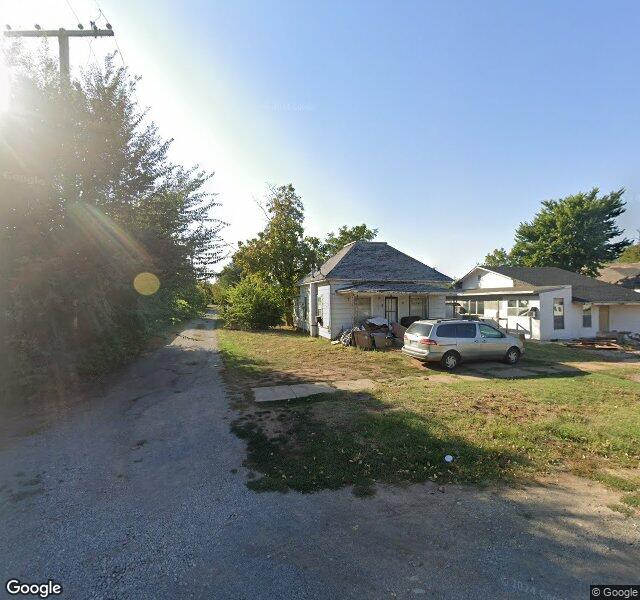
225 NORTH BROADWAY, CARNEGIE, OK 73015 (580) 654-1439
For profit - Corporation 100 Beds Independent Data: November 2025
Trust Grade
65/100
#92 of 282 in OK
Last Inspection: April 2024

Within standard 12-15 month inspection cycle. Federal law requires annual inspections.

Overview

Carnegie Nursing Home has a Trust Grade of C+, indicating that it is slightly above average, but not without concerns. It ranks #92 out of 282 facilities in Oklahoma, placing it in the top half, and #2 out of 3 in Caddo County, meaning only one local option is better. Unfortunately, the facility is worsening, with the number of issues found increasing from four in 2023 to eight in 2024. Staffing is a relative strength, with a turnover rate of 43%, which is below the state average, although the overall staffing rating remains average. While there have been no fines recorded, there are concerning incidents, such as the failure to provide necessary risk assessments for residents using bedrails, which could lead to accidents, and the lack of annual performance reviews for nurse aides, indicating potential oversight in staff management.

Trust Score
C+
65/100
In Oklahoma
#92/282
Top 32%
Safety Record
Low Risk
No red flags
Inspections
Getting Worse
4 → 8 violations
Staff Stability
○ Average
43% turnover. Near Oklahoma's 48% average. Typical for the industry.
Penalties
✓ Good
No fines on record. Clean compliance history, better than most Oklahoma facilities.
Skilled Nurses
⚠ Watch
Each resident gets only 19 minutes of Registered Nurse (RN) attention daily — below average for Oklahoma. Fewer RN minutes means fewer trained eyes watching for problems.
Violations
⚠ Watch
14 deficiencies on record. Higher than average. Multiple issues found across inspections.
★★★☆☆
3.0
Overall Rating
★★★☆☆
3.0
Staff Levels
★★★★☆
4.0
Care Quality
★★★☆☆
3.0
Inspection Score
Stable
2023: 4 issues
2024: 8 issues

The Good

  • 4-Star Quality Measures · Strong clinical quality outcomes
  • Full Sprinkler Coverage · Fire safety systems throughout facility
  • No fines on record
  • Staff turnover below average (43%)

    5 points below Oklahoma average of 48%

Facility shows strength in quality measures, fire safety.

The Bad

3-Star Overall Rating

Near Oklahoma average (2.6)

Meets federal standards, typical of most facilities

Staff Turnover: 43%

Near Oklahoma avg (46%)

Typical for the industry

The Ugly 14 deficiencies on record

Apr 2024 8 deficiencies
CONCERN (D) 📢 Someone Reported This

A family member, employee, or ombudsman was alarmed enough to file a formal complaint

Potential for Harm - no one hurt, but risky conditions existed

Comprehensive Care Plan (Tag F0656)

Could have caused harm · This affected 1 resident

Based on observation, interview, and record review, the facility failed to develpo/implement a care plan for one (27) of 16 residents review for care plans. The ADON reported 31 residents resided inth...

Read full inspector narrative →
Based on observation, interview, and record review, the facility failed to develpo/implement a care plan for one (27) of 16 residents review for care plans. The ADON reported 31 residents resided inthe facility. Findings: A care plan, dated 04/01/24, contained no documentation of bedrails. On 04/15/24 at 10:50 a.m., the resident was observed resting in bed with bedrails observed to be in use for both sides of the resident's bed. On 04/16/24 at 1:39 p.m., the ADON reported the bed rails should have been care planned.
CONCERN (D) 📢 Someone Reported This

A family member, employee, or ombudsman was alarmed enough to file a formal complaint

Potential for Harm - no one hurt, but risky conditions existed

Deficiency F0657 (Tag F0657)

Could have caused harm · This affected 1 resident

**NOTE- TERMS IN BRACKETS HAVE BEEN EDITED TO PROTECT CONFIDENTIALITY** Based on record review and interview the facility failed to conducted interdisciplinary team [IDT] meetings following quarterly ...

Read full inspector narrative →
**NOTE- TERMS IN BRACKETS HAVE BEEN EDITED TO PROTECT CONFIDENTIALITY** Based on record review and interview the facility failed to conducted interdisciplinary team [IDT] meetings following quarterly assessments for the purpose of review and revision of the comprehensive care plan for two (#21 and #22) of 12 sampled residents reviewed for care plans. The administrator reported 31 residents resided at the facility. Findings: 1. Resident #21's admission summary documented the resident was admitted to the facility on [DATE]. A review of the resident's medical record did not locate documentation of care plan meetings having occurred for Resident #21 for the period of 04/15/23 through 04/15/24. 2. Resident #22's admission summary documented the resident was admitted to the facility on [DATE]. A review of the resident's medical record did not located documentation of care plan meetings having occurred for Resident #22 for the period of 04/15/23 through 04/15/24. On 04/15/24 at 10:19 a.m., Resident # 22 stated they were not aware what care plan meetings were or if they had attended. On 04/17/24 at 9:28 a.m., the ADON stated there had been no quarterly meetings of the IDT following MDS assessments in the past year. They stated the person that had taken care of those meeting no longer worked at the facility and the duty needed to be assigned to someone else. On 04/17/24 at 9:46 a.m., Resident #21 stated they were unsure if they had attended care plan meetings. On 04/18/24 at 8:47 a.m., the DON stated they did not know who planned and conducted the care plan meetings. They stated they had not attended any care plan meetings. They stated they did not believe the facility had a policy and procedure for care plan meetings. They stated the facility needs to start having care plan meetings.
CONCERN (D) 📢 Someone Reported This

A family member, employee, or ombudsman was alarmed enough to file a formal complaint

Potential for Harm - no one hurt, but risky conditions existed

Deficiency F0700 (Tag F0700)

Could have caused harm · This affected 1 resident

Based on observation, record review, and interview the facility failed prevent the use of bed rails until: a. alternatives to the use of bed rails had been attempted, and b. informed consent had been...

Read full inspector narrative →
Based on observation, record review, and interview the facility failed prevent the use of bed rails until: a. alternatives to the use of bed rails had been attempted, and b. informed consent had been obtained and documented, and c. an assessment of the resident's ability to safely use a bed rail was conducted for one (#84) of three sampled residents reviewed for accident hazards. The ADON stated seven residents had side rails attached to their beds and in use. Findings: A facility Restraint policy and procedure, dated 06/01/2017, documented resident were to be assessed for their ability to reposition themselves using bed rails and the bed rails were to be checked monthly for safety. The policy and procedure did not document the requirements for using alternative methods to using bed rails prior to their use, assessing the residents for safety prior to the use of bed rails, or obtaining informed consent prior to the use of bed rails. A review of Resident #84's records contained no documentation of the attempted use of alternatives to the use of bed rails, a safety assessment related to bed rails, or informed consent. On 04/15/24 at 10:43 a.m., Resident #84 was observed to have full bed rails attached to each side of their bed. The resident stated they did no like the bed rails and preferred they not be there. They stated they think the staff put them there to keep them from falling out of bed. They stated they were unsure if the staff had tried alternative to the bed rails prior to them being put on the bed. The resident did not know if they had signed a consent form or had been assessed for safety. On 04/17/24 at 9:55 a.m., CMA #2 stated the resident's bed rails were for them to position themselves. They were unaware of the procedures required prior to the use of bed rails. At 2:16 p.m., the ADON stated no alternative to bed rails had been attempted prior to Resident #83 using the bed rails. They stated they did not have any documentation of the resident being assessed for safety related to the use of bed rails prior to their use. They stated they did not have documentation of informed consent for the use of bed rails having been obtained. On 04/18/24 at 8:47 a.m., the DON stated they had not performed a bed rail safety assessment for Resident #84. They stated they knew there was a procedure for using bed rails but did not believe the charge nurses were aware of what was required. They stated the facility needed to put a procedure in place for the use of bed rails and do some education.
CONCERN (D) 📢 Someone Reported This

A family member, employee, or ombudsman was alarmed enough to file a formal complaint

Potential for Harm - no one hurt, but risky conditions existed

Deficiency F0761 (Tag F0761)

Could have caused harm · This affected 1 resident

Based on observation and interview the facility failed to ensure a medication/storage closet was locked when left unsupervised. The ADON reported 31 residents resided in the facility. Findings: On 04/...

Read full inspector narrative →
Based on observation and interview the facility failed to ensure a medication/storage closet was locked when left unsupervised. The ADON reported 31 residents resided in the facility. Findings: On 04/15/24 at 8:45 a.m., a medication/storage closet on the north hall was observed to be unlocked and unsupervised. The closet was observed to contain over-the-counter medications and medical supplies. On 04/15/24 at 8:51 a.m., CMA #1 was asked if the medication/storage closet door is supposed to be locked. CMA #1 reported yes.
CONCERN (D) 📢 Someone Reported This

A family member, employee, or ombudsman was alarmed enough to file a formal complaint

Potential for Harm - no one hurt, but risky conditions existed

Infection Control (Tag F0880)

Could have caused harm · This affected 1 resident

Based on record review and interview, the facility failed to create a water management plan to prevent water borne pathogens. The facility administrator reported 31 residents resided in the facility. ...

Read full inspector narrative →
Based on record review and interview, the facility failed to create a water management plan to prevent water borne pathogens. The facility administrator reported 31 residents resided in the facility. Findings: Facility policy and procedures were reviewed. No water management plan to prevent waterborne pathogens was located. On 04/18/24 at 9:59 a.m., the assistant administrator stated they had not heard of the water management plan to prevent waterborne pathogens. At 10:07 a.m., the assistant administrator stated the facility had not created a water management plan as of that time.
CONCERN (E) 📢 Someone Reported This

A family member, employee, or ombudsman was alarmed enough to file a formal complaint

Potential for Harm - no one hurt, but risky conditions existed

Assessment Accuracy (Tag F0641)

Could have caused harm · This affected multiple residents

Based on record review and interview the facility failed to accurately code minimum data set (MDS)assessments for three (#13, 24, and #84) of 12 sampled resident reviewed for accurate MDS assessments....

Read full inspector narrative →
Based on record review and interview the facility failed to accurately code minimum data set (MDS)assessments for three (#13, 24, and #84) of 12 sampled resident reviewed for accurate MDS assessments. The facility administrator reported 31 residents resided in the facility. Findings: The facility's MDS policy, dated 10/08/20, read in part, To provide key information unique to the resident. 1. Resident #13 had diagnoses which included congestive heart failure. A physician's order, dated 02/15/24, documented the resident had been prescribed Lasix [a diuretic medication] one and one half tablets of Lasix 40 mg tablets was to be taken daily for congestive heart failure. An administration record, dated 03/01/24 through 03/31/24, documented the resident was administered Lasix tablets each day on 03/01/24 through 03/28/24. A quarterly MDS assessment, dated 04/01/24, did not document in section N that the resident had been administered a diuretic medication during the seven day look-back period. 2. Resident #24 had diagnoses which include major depressive disorder. A physician's order, dated 03/26/24, documented the resident had been prescribed Remeron [an antidepressant medication] one tablet of 15 mg was to be taken every 12 hours for a depressive disorder. A medication administration record, dated 03/26/24 through 03/31/24, documented the resident had been administered Remeron 15 mg tablets on each day from 03/36/24 through 03/31/24. A quarterly MDS assessment, dated 04/01/24, did not document in section N that the resident had been administered an antidepressant medication during the seven day look-back period. 3. Resident #84 had diagnoses which included pain. A physician's order, dated 03/25/24, documented the resident had been prescribed Hydrocodone [an opioid pain medication] 10-325 mg 1 tablet to be taken once every 4 hours as needed for pain. A medication administration record, dated 03/25/24 through 03/31/24, documented the resident had been administered Hydrocodone 10-325 mg tablets on 03/28/24, 03/29/24, and 03/31/24. An admission MDS assessment, dated 04/03/24, documented the resident had entered the facility on 03/25/24. Section J did not document the resident had received as needed pain medication during the five day look-back period. Section N of the assessment did not document the resident had been administered an opioid medication since admission. On 04/17/24 at 11:59 a.m. the ADON stated they had not documented section N correctly in the MDS assessments of the three residents [#13, 24, and #84] because they had just missed them. They stated they had a process where LPN #1 and the DON would check their work with the MDS assessments. At 12:06 p.m., LPN #1 stated they did not double check the work of the ADON regarding the MDS assessments and does not believe anyone does. On 04/18/24 at 8:47 a.m., the DON stated it was important the MDS assessments be completed correctly. They stated they do not believe there was a process to current process to check the work of the ADON regarding the completion of MDS assessments but they believed their needed to be one.
CONCERN (E) 📢 Someone Reported This

A family member, employee, or ombudsman was alarmed enough to file a formal complaint

Potential for Harm - no one hurt, but risky conditions existed

Accident Prevention (Tag F0689)

Could have caused harm · This affected multiple residents

Based on observation, record review, and interview the facility failed to ensure residents were free from accident hazards for two (#27 and #7) of four sampled residents. The ADON reported 31 resident...

Read full inspector narrative →
Based on observation, record review, and interview the facility failed to ensure residents were free from accident hazards for two (#27 and #7) of four sampled residents. The ADON reported 31 residents resided in the facility. Findings: 1. Res #27 admitted to the facility with diagnoses of multiple sclerosis, diabetes mellitus, and pressure ulcer of the sacrum. On 04/15/24 at 10:50 a.m., the resident was observed resting in bed with bedrails observed on the resident's bed with a low loss air flow mattress in use. The resident's record did not contain a risk assessment for the use of bedrails with an air flow mattress. 2. Res #7 admitted to the facility with diagnoses of multiple sclerosis, congenital malformation, acquired absence of left leg, and acquired absence of right leg. The resident's record did not contain a risk assessment for the use of bedrails with an air flow mattress. On 04/15/24 at 8:30 a.m., Res #7 was observed in bed. The bed was observed with full bedrails raised on both sides. An air flow mattress was observed on the bed. A motor for an air flow mattress was observed on the foot of the bed powered on and functioning. On 04/15/24 at 11:49 a.m., Res #7 was observed in bed. The bed was observed with full bedrails raised on both sides. An air flow mattress was observed on the bed. A motor for an air flow mattress was observed on the foot of the bed powered on and functioning. On 04/16/24 at 8:12 a.m., Res #7 was observed in bed. The bed was observed with full bedrails raised on both sides. An air flow mattress was observed on the bed. A motor for an air flow mattress was observed on the foot of the bed powered on and functioning. on 04/16/24 at 1:33 p.m., the ADON/LPN reported Resident #7 has had the low loss air flow mattress for 2 years, reports he just got a new one. Reports had had bed rails for positioning since 07/20/23. On 04/16/24 at 1:39 p.m., the ADON she did not have a risk assessment completed regarding the use of bedrails with an air flow mattress. On 04/18/24 at 8:47 a.m., the DON stated they did not assess residents prior to their use of bed rails. They stated the charge nurses were to do that and report any problems to them. They stated informed consent and assessments had to precede the use of bed rails and they did not believe the nurses understood that process.
CONCERN (E) 📢 Someone Reported This

A family member, employee, or ombudsman was alarmed enough to file a formal complaint

Potential for Harm - no one hurt, but risky conditions existed

Deficiency F0730 (Tag F0730)

Could have caused harm · This affected multiple residents

Based on record review and interview, the facility failed to perform annual nurse aid performance reviews. The ADON reported 31 residents resided in the facility. Findings: An employee staff list docu...

Read full inspector narrative →
Based on record review and interview, the facility failed to perform annual nurse aid performance reviews. The ADON reported 31 residents resided in the facility. Findings: An employee staff list documented five CNA's who had hire dates greater than one year. On 04/15/24 at 2:00 p.m. the annual nurse aid perform reviews were requested. On 04/17/24 at 1:55 p.m., the assistant administrator stated she could not find the performance reviews.
Mar 2023 4 deficiencies
CONCERN (D)

Potential for Harm - no one hurt, but risky conditions existed

PASARR Coordination (Tag F0644)

Could have caused harm · This affected 1 resident

**NOTE- TERMS IN BRACKETS HAVE BEEN EDITED TO PROTECT CONFIDENTIALITY** Based on record review and interview, the facility failed to refer a resident to the appropriate state-designated authority for ...

Read full inspector narrative →
**NOTE- TERMS IN BRACKETS HAVE BEEN EDITED TO PROTECT CONFIDENTIALITY** Based on record review and interview, the facility failed to refer a resident to the appropriate state-designated authority for PASARR, who was later identified with a newly related condition, for one (#4) of one resident who was reviewed for PASARR. The Resident Census and Condition of Residents documented the facility had eight residents with behavioral healthcare needs. Findings: Resident #4 was admitted on [DATE]. A level one PASARR, dated 08/26/15, read in parts, .Level one PASRR screen . 2. 0 yes 0 no Diagnosis of a serious mental illness (for example, schizophrenic, paranoid, panic, mood or other severe anxiety or depressive disorder .0. No had been checked. Physician Orders for resident #4, dated March 2023, documented the resident received a diagnosis of major depressive disorder on 12/12/19 and a diagnosis of Schizoaffective disorder on 08/31/20. The clinical record contained no documentation to show resident #4, who was later identified with a possible serious mental disorder or related condition, was referred for a Level II PASARR evaluation and determination. A Quarterly Assessment for resident #4, dated 03/04/23, documented the resident's cognition was severely impaired. The assessment documented active diagnoses of major depressive disorder and Schizophrenia. The assessment documented the resident received an antipsychotic and an antidepressant seven of seven days previous. On 03/08/23 at 2:30 p.m., an interview with the audit nurse and the Administrator was conducted. They were asked if resident #4 had been referred to the appropriate state-designated authority for Level II PASARR evaluation. The audit nurse and Administrator reported they did not know an evaluation was required to be done again after the initial one on admission.
CONCERN (D)

Potential for Harm - no one hurt, but risky conditions existed

Quality of Care (Tag F0684)

Could have caused harm · This affected 1 resident

Based on record review, observation, and interview, the facility failed to ensure a resident received care in accordance with professional standards of practice, by using two-person assist when transf...

Read full inspector narrative →
Based on record review, observation, and interview, the facility failed to ensure a resident received care in accordance with professional standards of practice, by using two-person assist when transferring a resident with a Hoyer lift, for one (#18) of one resident sampled who required a Hoyer lift. The Administrator identified 9 residents who required Hoyer lifts for transfers. Findings: A facility policy titled Policy and Procedure for Hoyer Mechanical Lift, revision date 10/08/20, read in parts, .the purpose for using a mechanical lift is to keep residents free of falls and injuries and to protect skin from bruising and tearing .one-person position resident in center of Hoyer lift and guide resident while second person pushes lift . Resident #18 was admitted with diagnoses which included cerebral infarction, anxiety disorder, and hemiplegia. A Quarterly MDS Assessment, dated 02/13/23, documented the resident was severly cognitively impaired and required total assistance with transfers. A Care Plan, dated 08/01/22, documented resident #18 was a high fall risk and required a Hoyer lift used for transfers by two person assist. On 03/08/23 at 1:18 p.m., CNA #1 was observed to enter resident #18's room by herself with a Hoyer lift. She reported she used the Hoyer lift to transfer resident #18 to the bed, with one person, and she could use the lift with one person per the facility policy. On 03/08/23 at 1:51 p.m., the infection preventionist reported all of the Hoyer lifts used in the facility were a two person assist. She stated anytime a resident was transferred with a Hoyer lift, two people should be in the room for assistance. On 03/08/23 at 2:10 p.m., the interim DON reported she expected two people to use the Hoyer lift to transfer residents. On 03/08/23 at 2:15 p.m., the Administrator stated two staff members should assist when transferring a resident with a Hoyer lift. The Administrator stated, I will educate staff.
CONCERN (E)

Potential for Harm - no one hurt, but risky conditions existed

Assessment Accuracy (Tag F0641)

Could have caused harm · This affected multiple residents

Based on record review and interview, the facility failed to: a. ensure accurate coding of MDS assessments for medication use for two (#5 and #28) of 12 residents whose MDS assessments were reviewed, ...

Read full inspector narrative →
Based on record review and interview, the facility failed to: a. ensure accurate coding of MDS assessments for medication use for two (#5 and #28) of 12 residents whose MDS assessments were reviewed, and; b. ensure accurate coding of MDS assessments for diagnoses for two (#5 and #28) of 12 residents whose MDS assessments were reviewed. The Resident Census and Conditions of Residents documented a facility census of 29 residents. Findings: 1. Resident #5 was admitted with diagnoses which included edema, dementia, and Schizoaffective disorder. Physician Orders for resident #5, dated March 2023, documented the resident was ordered a diuretic and an antianxiety medication for daily use. A Quarterly Assessment for resident #5, dated 03/04/23, had no documentation to show the resident received a diuretic and antianxiety medication for seven out of the seven days look back period. 2. Resident #28 was admitted with diagnoses which included cerebral infarction and chronic obstructive pulmonary disease. A Quarterly Assessment for resident #28, dated 03/04/23, documented the resident received an anticoagulant seven out of seven days during the review period. Physician Orders for resident #28, dated March 2023, were reviewed and did not document an order for an anticoagulant medication. On 03/08/23 at 11:13 a.m., the MDS coordinator reviewed the clinical records and reported the medications were not accurately documented on the resident assessments.
CONCERN (E)

Potential for Harm - no one hurt, but risky conditions existed

Food Safety (Tag F0812)

Could have caused harm · This affected multiple residents

Based on record review, observation, and interview, the facility failed to ensure kitchen sanitation was performed for: ~ sanitary ice machine was maintained ~ clean and free of residue coffee maker ...

Read full inspector narrative →
Based on record review, observation, and interview, the facility failed to ensure kitchen sanitation was performed for: ~ sanitary ice machine was maintained ~ clean and free of residue coffee maker ~ clean and free of dust on portable fans ~ clean and free of grease residue on vent hood was maintained The Resident Census and Condition of Residents form documented 28 residents received nourishment from the kitchen. Findings: The facility policy, Dietary Policy and Procedure for Cleaning and Infection Control, read in parts .monitor the cleaning .signed by employee .if soap or chemical cleaners are used be sure they are completely rinsed away .wipe interior and all surface areas . On 03/07/23 at 9:30 a.m., an initial tour of the kitchen was conducted. The dietary manager provided documentation of the cleaning schedule for the ice machine which documented it had been cleaned March 2023. The ice machine was observed to have brown spots of residue on the inside ice guard. The dietary manager was shown the area of brown residue that was easily removed with a paper towel. The coffee maker was observed to have a thick white substance build-up on the water screen on top of the coffee maker. Three portable fans were in use in the clean dish drying and prep area of the kitchen. The fans were observed to have dust/debris build up on the fan blades and cover screens. Dietary aide #1 reported she had just cleaned them. No documentation of cleaning was provided. The vent hood above the range was observed to have a greasy film coating on the exhaust panels. The dietary manager reported it needed to be cleaned. On 03/07/23 at 11:30 a.m., the dietary cook was observed pouring water into the screen on top of the coffee machine to provide coffee for residents for the noon meal. On 03/10/23 at 11:00 a.m., the dietary manager provided the Dietary Policy and Procedures for Cleaning of the kitchen equipment, and reported the staff had stayed late to clean the kitchen.
Apr 2022 2 deficiencies
CONCERN (E)

Potential for Harm - no one hurt, but risky conditions existed

Drug Regimen Review (Tag F0756)

Could have caused harm · This affected multiple residents

2. A monthly Medication Regimen Review for Resident #2, dated 09/22/21, documented a recommendation by the pharmacist to consider a GDR of Ativan, 1 mg every 12 hours, for anxiety. The physician docum...

Read full inspector narrative →
2. A monthly Medication Regimen Review for Resident #2, dated 09/22/21, documented a recommendation by the pharmacist to consider a GDR of Ativan, 1 mg every 12 hours, for anxiety. The physician documented, disagree, and provided no clinical rationale for not considering a dose reduction. A monthly Medication Regimen Review, dated 11/29/21, documented a recommendation by the pharmacist to consider a GDR of Risperidone, 0.25 mg twice a day, for psychosis. The physician documented, disagree, and provided no clinical rationale for not considering a dose reduction. An MDS assessment, dated 03/16/22, documented the resident had exhibited no behaviors. A Care Plan, dated 04/01/22, documented the resident was prescribed psychotropic medications for anxiety and depression. The care plan documented the facility would consult with the pharmacist and physician to consider dosage reduction when clinically appropriate at least quarterly. A monthly Medication Regimen Review, dated 04/29/21, documented a recommendation by the pharmacist to consider a GDR of Cycobenzaprine 5 mg, every 12 hours, for muscle spasm. The pharmacist suggested a small decrease to 2 mg, once a day, when current supply was complete. The physician documented, disagree, with no clinical rationale given. 3. A monthly Medication Regimen Review for Resident #20, dated 05/19/21, documented a recommendation by the pharmacist to consider a GDR of Risperdal 0.25mg, twice a day, for psychotic disorder with delusions. The physician documented, disagree, with no clinical rationale given. An MDS assessment, dated 02/16/22, documented the resident had exhibited no behaviors. The assessment documented a GDR had not been attempted. A Care Plan, dated 02/16/22, documented the resident received medications for a psychotic disorder with delusions. The care plan documented, pharmacy checks for a reduction every 3 months. On 04/14/22 at 2:00 p.m., the Administrator reported the facility had worked with the medical director regarding the monthly medication reviews and providing a clinical rationale for disagreeing with a recommendation for a GDR. The Administrator reported they would continue to work with the physician to provide a rationale as required. Based on record review and interview, the facility failed to ensure the physician provided a clinical rationale for disagreeing to a gradual dose reduction of psychotropic medications for three (#12, 2, and #20) of five residents reviewed for unnecessary medications. The Resident Census and Condition of Residents form documented 15 residents received psychotropic medications. Findings: The facility policy, Policy and Procedures: Unnecessary Drugs/Prn Use read in parts .residents who have not used psychotropic drugs are not given these drugs unless the medication is necessary to treat a specific condition as diagnosed and documented in the clinical record .residents who use psychotropic drugs receive gradual dose reductions, and behavior interventions, unless clinically contraindicated, in an effort to discontinue these drugs. 1. A physician order for Resident #12, dated 10/15/20, documented to give Carbamazepine (an anticonvulsant) 200 mg, one by mouth twice a day, for psychosis. A monthly Medication Regimen Review, dated 10/20/21, documented a recommendation by the pharmacist to consider a GDR (gradual dose reduction) of Carbamazepine 200 mg, twice a day, for psychosis. The physician documented, disagree, and provided no clinical rationale for not considering a dose reduction. An MDS assessment, dated 02/16/22, documented no GDR had been attempted and the physician had not documented a GDR was clinically contraindicated.
CONCERN (E)

Potential for Harm - no one hurt, but risky conditions existed

Medication Errors (Tag F0758)

Could have caused harm · This affected multiple residents

2. A monthly Medication Regimen Review for Resident #2, dated 09/22/21, documented a recommendation by the pharmacist to consider a GDR of Ativan, 1 mg every 12 hours, for anxiety. The physician docum...

Read full inspector narrative →
2. A monthly Medication Regimen Review for Resident #2, dated 09/22/21, documented a recommendation by the pharmacist to consider a GDR of Ativan, 1 mg every 12 hours, for anxiety. The physician documented, disagree, and provided no clinical rationale for not considering a dose reduction. A monthly Medication Regimen Review, dated 11/29/21, documented a recommendation by the pharmacist to consider a GDR of Risperidone, 0.25 mg twice a day, for psychosis. The physician documented, disagree, and provided no clinical rationale for not considering a dose reduction. An MDS assessment, dated 03/16/22, documented the resident had exhibited no behaviors. A Care Plan, dated 04/01/22, documented the resident was prescribed psychotropic medications for anxiety and depression. The care plan documented the facility would consult with the pharmacist and physician to consider dosage reduction when clinically appropriate at least quarterly. A monthly Medication Regimen Review, dated 04/29/21, documented a recommendation by the pharmacist to consider a GDR of Cycobenzaprine 5 mg, every 12 hours, for muscle spasm. The pharmacist suggested a small decrease to 2 mg, once a day, when current supply was complete. The physician documented, disagree, with no clinical rationale given. 3. A monthly Medication Regimen Review for Resident #20, dated 05/19/21, documented a recommendation by the pharmacist to consider a GDR of Risperdal 0.25 mg, twice a day, for psychotic disorder with delusions. The physician documented, disagree, with no clinical rationale given. An MDS assessment, dated 02/16/22, documented the resident had exhibited no behaviors. The assessment documented a GDR had not been attempted. A Care Plan, dated 02/16/22, documented the resident received medications for a psychotic disorder with delusions. The care plan documented, pharmacy checks for a reduction every 3 months. On 04/14/22 at 2:00 p.m., the Administrator reported the facility had worked with the medical director regarding the monthly medication reviews and GDR's. The Administrator reported they would continue to discuss the need for attempts in gradual dose reductions as indicated for individual residents. Based on record review and interview, the facility failed to ensure gradual dose reductions of psychotropic medications were attempted for three (#12, 2, and #20) of five residents reviewed for unnecessary medications. The Resident Census and Condition of Residents documented 15 residents received psychotropic medications. Findings: The facility policy, Policy and Procedures: Unnecessary Drugs/Prn Use read in parts .residents who have not used psychotropic drugs are not given these drugs unless the medication is necessary to treat a specific condition as diagnosed and documented in the clinical record .residents who use psychotropic drugs receive gradual dose reductions, and behavior interventions, unless clinically contraindicated, in an effort to discontinue these drugs. 1. A Physician Order for Resident #12, dated 10/15/20, documented Carbamazepine (an anticonvulsant) 200 mg, twice a day for psychosis. An MDS assessment, dated 08/02/21, documented the resident received antidepressants, anticoagulants, diuretics, and opioids seven of seven days previous. The assessment documented no GDR had been attempted and the physician had not documented a reduction would be clinically contraindicated. A monthly Medication Regimen Review, dated 10/20/21, documented the pharmacist recommended consideration of a gradual dose reduction (GDR) for Carbamazepine 200 mg, twice a day for psychosis. The physician documented, disagree, with no clinical rationale provided. An MDS assessment, dated 02/16/22, documented the resident received antidepressants, anticoagulants, diuretics, and opioids seven of seven days previous. The assessment documented no GDR had been attempted and the physician had not documented a reduction would be clinically contraindicated.
Understanding Severity Codes (click to expand)
Life-Threatening (Immediate Jeopardy)
J - Isolated K - Pattern L - Widespread
Actual Harm
G - Isolated H - Pattern I - Widespread
Potential for Harm
D - Isolated E - Pattern F - Widespread
No Harm (Minor)
A - Isolated B - Pattern C - Widespread

Questions to Ask on Your Visit

  • "Can I speak with families of current residents?"
  • "What's your RN coverage like on weekends and overnight?"

Our Honest Assessment

Strengths
  • • No major safety red flags. No abuse findings, life-threatening violations, or SFF status.
  • • No fines on record. Clean compliance history, better than most Oklahoma facilities.
  • • 43% turnover. Below Oklahoma's 48% average. Good staff retention means consistent care.
Concerns
  • • 14 deficiencies on record. Higher than average. Multiple issues found across inspections.
Bottom line: Mixed indicators with Trust Score of 65/100. Visit in person and ask pointed questions.

About This Facility

What is Carnegie, Inc.'s CMS Rating?

CMS assigns CARNEGIE NURSING HOME, INC. an overall rating of 3 out of 5 stars, which is considered average nationally. Within Oklahoma, this rating places the facility higher than 99% of the state's 100 nursing homes. This mid-range rating indicates the facility meets federal standards but may have areas for improvement.

How is Carnegie, Inc. Staffed?

CMS rates CARNEGIE NURSING HOME, INC.'s staffing level at 3 out of 5 stars, which is average compared to other nursing homes. Staff turnover is 43%, compared to the Oklahoma average of 46%. This relatively stable workforce can support continuity of care. RN turnover specifically is 60%, which is notably high. RNs provide skilled clinical oversight, so turnover in this role can affect medical care quality.

What Have Inspectors Found at Carnegie, Inc.?

State health inspectors documented 14 deficiencies at CARNEGIE NURSING HOME, INC. during 2022 to 2024. These included: 14 with potential for harm.

Who Owns and Operates Carnegie, Inc.?

CARNEGIE NURSING HOME, INC. is owned by a for-profit company. For-profit facilities operate as businesses with obligations to shareholders or private owners. The facility operates independently rather than as part of a larger chain. With 100 certified beds and approximately 25 residents (about 25% occupancy), it is a mid-sized facility located in CARNEGIE, Oklahoma.

How Does Carnegie, Inc. Compare to Other Oklahoma Nursing Homes?

Compared to the 100 nursing homes in Oklahoma, CARNEGIE NURSING HOME, INC.'s overall rating (3 stars) is above the state average of 2.6, staff turnover (43%) is near the state average of 46%, and health inspection rating (3 stars) is at the national benchmark.

What Should Families Ask When Visiting Carnegie, Inc.?

Based on this facility's data, families visiting should ask: "Can I visit during a mealtime to observe dining assistance and food quality?" "How do you handle medical emergencies, and what is your hospital transfer rate?" "Can I speak with family members of current residents about their experience?"

Is Carnegie, Inc. Safe?

Based on CMS inspection data, CARNEGIE NURSING HOME, INC. has a clean safety record: no substantiated abuse findings (meaning no confirmed cases of resident harm), no Immediate Jeopardy citations (the most serious violation level indicating risk of serious injury or death), and is not on the Special Focus Facility watch list (a federal program monitoring the lowest-performing 1% of nursing homes). The facility has a 3-star overall rating and ranks #1 of 100 nursing homes in Oklahoma. While no facility is perfect, families should still ask about staff-to-resident ratios and recent inspection results during their visit.

Do Nurses at Carnegie, Inc. Stick Around?

CARNEGIE NURSING HOME, INC. has a staff turnover rate of 43%, which is about average for Oklahoma nursing homes (state average: 46%). Moderate turnover is common in nursing homes, but families should still ask about staff tenure and how the facility maintains care continuity when employees leave.

Was Carnegie, Inc. Ever Fined?

CARNEGIE NURSING HOME, INC. has no federal fines on record. CMS issues fines when nursing homes fail to meet care standards or don't correct problems found during inspections. The absence of fines suggests the facility has either maintained compliance or corrected any issues before penalties were assessed. This is a positive indicator, though families should still review recent inspection reports for the full picture.

Is Carnegie, Inc. on Any Federal Watch List?

CARNEGIE NURSING HOME, INC. is not on any federal watch list. The most significant is the Special Focus Facility (SFF) program, which identifies the bottom 1% of nursing homes nationally based on persistent, serious quality problems. Not being on this list means the facility has avoided the pattern of deficiencies that triggers enhanced federal oversight. This is a positive indicator, though families should still review the facility's inspection history directly.