CHANDLER THERAPY & LIVING CENTER LLC
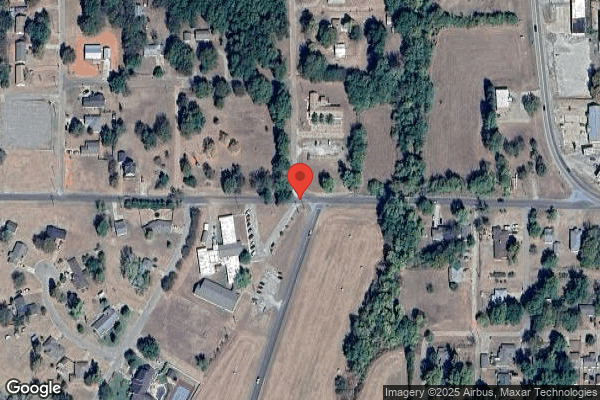
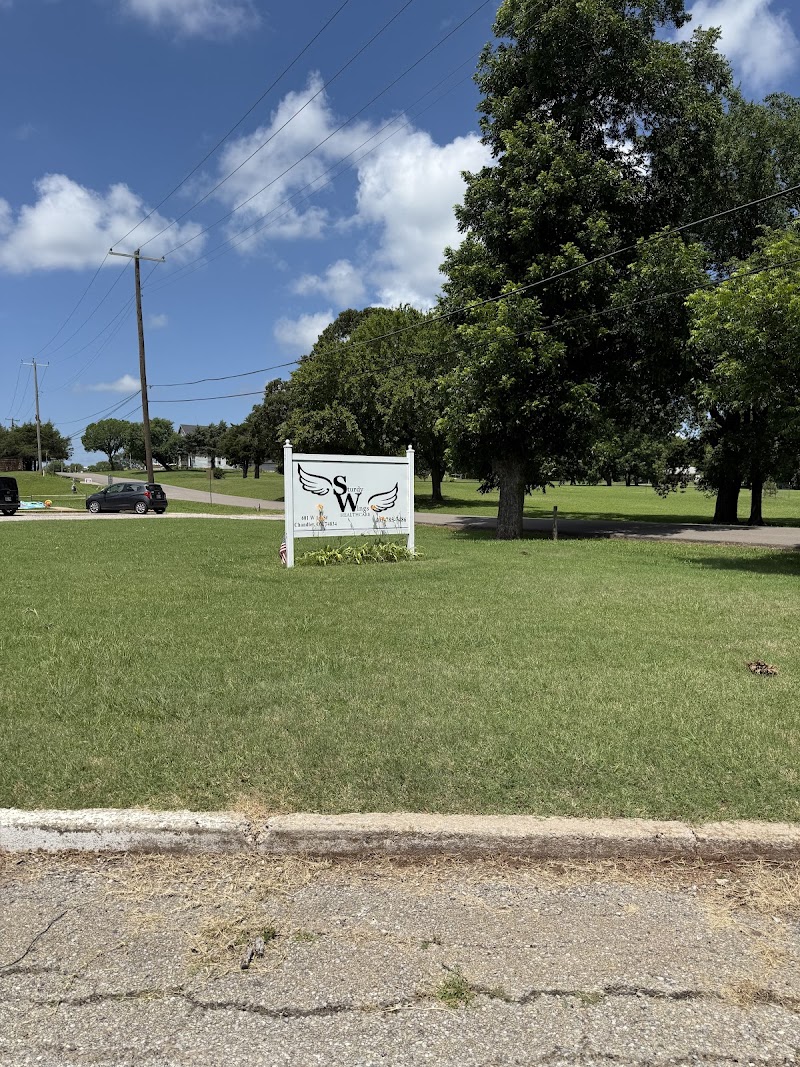
601 WEST 1ST STREET, CHANDLER, OK 74834 (405) 785-7486
For profit - Individual 76 Beds Independent Data: November 2025 3 Immediate Jeopardy citations
Trust Grade
0/100
#207 of 282 in OK
Last Inspection: August 2024

Within standard 12-15 month inspection cycle. Federal law requires annual inspections.

Overview

Chandler Therapy & Living Center LLC has received a Trust Grade of F, indicating significant concerns about the quality of care provided. They rank #207 out of 282 facilities in Oklahoma, placing them in the bottom half, and #3 out of 4 in Lincoln County, showing that only one local option is better. Although the facility is improving, with a decrease in reported issues from 25 in 2024 to 6 in 2025, it still has a troubling history, including $283,921 in fines, which is higher than 99% of Oklahoma facilities. Staffing is rated average with a 3/5 star rating, and a low turnover rate of 0% suggests that staff members remain long-term, which is beneficial for resident care. However, recent inspector findings highlight serious incidents, such as a resident being physically grabbed by another resident, and a lack of supervision during meal times, which poses risks for those with specific dietary needs. Overall, while there are some strengths, families should carefully weigh these serious concerns when considering this facility for their loved ones.

Trust Score
F
0/100
In Oklahoma
#207/282
Bottom 27%
Safety Record
High Risk
Review needed
Inspections
Getting Better
25 → 6 violations
Staff Stability
○ Average
Turnover data not reported for this facility.
Penalties
○ Average
$283,921 in fines. Higher than 68% of Oklahoma facilities. Some compliance issues.
Skilled Nurses
⚠ Watch
Each resident gets only 27 minutes of Registered Nurse (RN) attention daily — below average for Oklahoma. Fewer RN minutes means fewer trained eyes watching for problems.
Violations
⚠ Watch
67 deficiencies on record. Higher than average. Multiple issues found across inspections.
★☆☆☆☆
1.0
Overall Rating
★★★☆☆
3.0
Staff Levels
★☆☆☆☆
1.0
Care Quality
★☆☆☆☆
1.0
Inspection Score
Stable
2024: 25 issues
2025: 6 issues

The Good

  • Full Sprinkler Coverage · Fire safety systems throughout facility
  • No fines on record

Facility shows strength in fire safety.

The Bad

1-Star Overall Rating

Below Oklahoma average (2.6)

Significant quality concerns identified by CMS

Federal Fines: $283,921

Well above median ($33,413)

Significant penalties indicating serious issues

The Ugly 67 deficiencies on record

3 life-threatening 2 actual harm
Mar 2025 6 deficiencies
CONCERN (D) 📢 Someone Reported This

A family member, employee, or ombudsman was alarmed enough to file a formal complaint

Potential for Harm - no one hurt, but risky conditions existed

Safe Transfer (Tag F0626)

Could have caused harm · This affected 1 resident

**NOTE- TERMS IN BRACKETS HAVE BEEN EDITED TO PROTECT CONFIDENTIALITY** Based on record review and interview, the facility failed to ensure a resident was permitted to return to the facility after the...

Read full inspector narrative →
**NOTE- TERMS IN BRACKETS HAVE BEEN EDITED TO PROTECT CONFIDENTIALITY** Based on record review and interview, the facility failed to ensure a resident was permitted to return to the facility after they were hospitalized for 1 (#5) of 1 sampled resident reviewed for hospitalization. The DON identified 32 residents who resided in the facility. Findings: A policy titled Bed-Hold and Returns, revised [DATE], read in part, The requirement that residents be permitted to return to the facility following hospitalization or therapeutic leave applies to all residents regardless of payer source .Residents who seek to return to the facility after the state bed-hold period has expired (or when state law does not provide for bed-holds) are allowed to return to their previous room if available or immediately to the first available bed in a semi-private room provided that the resident: a. still requires the services provided by the facility; and b. is eligible for Medicare skilled nursing facility or Medicaid nursing facility services. Resident #5 had diagnoses which included persistent mood disorder, bipolar disorder, major depressive disorder, morbid obesity, pressure ulcer, and chronic obstructive pulmonary disease. A discharge return not anticipated assessment, dated [DATE], showed no acute mental status change. A health status note, dated [DATE] at 11:15 p.m., showed the resident complained of chest pain and was transported to the hospital by ambulance. A health status note, dated [DATE] at 9:23 a.m., showed the resident returned to the facility by ambulance. A health status note, dated [DATE] at 6:16 a.m., showed the resident was transported to the hospital via emergency management services for abdominal pain. The resident's clinical record did not document a discharge summary or a progress note documenting the reason the resident was discharged from the facility. On [DATE] at 5:08 p.m., the DON stated they could not locate a 30 day discharge notice or a discharge summary for the resident. The DON stated they were not employed by the facility at the time of the resident's discharge and could not provide information or documentation regarding the resident's discharge. On [DATE] at 4:30 p.m., Resident #5 stated they were still in the hospital and had never received a 30 day discharge notice. The resident stated they received a telephone call from the facility who stated they would not be allowed to return to the facility. On [DATE] at 3:45 p.m., the DON stated they could not find documentation regarding if the resident's discharge was self or facility initiated.
CONCERN (D) 📢 Someone Reported This

A family member, employee, or ombudsman was alarmed enough to file a formal complaint

Potential for Harm - no one hurt, but risky conditions existed

Deficiency F0645 (Tag F0645)

Could have caused harm · This affected 1 resident

Based on record review and interview, the facility failed to ensure a PASSAR level I assessment was completed before or on admission for 1 (#7) of 1 sampled resident reviewed for PASSAR. The DON ident...

Read full inspector narrative →
Based on record review and interview, the facility failed to ensure a PASSAR level I assessment was completed before or on admission for 1 (#7) of 1 sampled resident reviewed for PASSAR. The DON identified 32 residents who resided in the facility. Findings: Resident #7 was admitted to the facility 02/03/25 with diagnoses which included chronic obstructive pulmonary disease, depression, and anxiety disorder. A review of the resident's clinical record was completed and no documentation regarding the completion of a PASSAR level I was found. On 03/13/25 at 3:46 p.m., the DON stated they could not locate documentation a PASSAR level I was completed for the resident. The DON stated it must have been missed.
CONCERN (E) 📢 Someone Reported This

A family member, employee, or ombudsman was alarmed enough to file a formal complaint

Potential for Harm - no one hurt, but risky conditions existed

Deficiency F0553 (Tag F0553)

Could have caused harm · This affected multiple residents

**NOTE- TERMS IN BRACKETS HAVE BEEN EDITED TO PROTECT CONFIDENTIALITY** Based on record review and interview, the facility failed to ensure residents rights to participate in the development and imple...

Read full inspector narrative →
**NOTE- TERMS IN BRACKETS HAVE BEEN EDITED TO PROTECT CONFIDENTIALITY** Based on record review and interview, the facility failed to ensure residents rights to participate in the development and implementation of their person-centered plan of care for 3 (#1, 2 and #4) of 3 sampled residents who were reviewed for care plan meetings in the last six months. The DON identified 32 residents resided in the facility. Findings: 1. Resident #1 had diagnoses which included orthopedic aftercare following surgical amputation, chronic pain, dependence on renal dialysis, major depressive disorder, and anxiety disorder. A multidisciplinary care plan conference summary, dated 09/04/24, showed the resident had a meeting with staff members regarding their stay at the facility. A discharge return anticipated, dated 02/08/25, showed the resident was independent for daily decision making and their mental status for short term memory was okay. On 03/10/25 at 5:45 p.m., Resident #1 stated they had not had care plan meeting.2. Resident #2 was admitted to the facility on [DATE] with diagnoses which included epilepsy and anoxic brain damage. A multidisciplinary care plan conference summary, dated 09/24/24, showed a care plan meeting was conducted with the resident. A quarterly assessment, dated 12/11/24, showed Resident #2's cognition was intact with a BIMS score of 15. A care plan conference summary, dated 12/17/24, showed a care plan meeting was conducted with the resident. On 03/10/25 at 5:20 p.m., Resident #2 reported they had not been having regular care plan meetings as required. 3. Resident #4 was admitted to the facility on [DATE] with diagnoses which included heart failure and bi-polar disorder. A care plan conference summary, dated 12/10/24, showed Resident #4 refused to attend the care plan conference and the facility would reschedule for a later date if the resident was willing. A quarterly assessment, dated 12/13/24, showed Resident #4's cognition was intact with a BIMS score of 15. On 03/11/25 at 10:30 a.m., Resident #4 reported they had not attended a care plan meeting since they had been admitted . On 03/13/25 at 11:14 a.m., the SSD stated the residents had one care plan meeting in the last year. The social services director stated care plan meetings should be conducted quarterly and annually. The SSD stated they had no documentation to show the meetings had been completed as required.
CONCERN (E) 📢 Someone Reported This

A family member, employee, or ombudsman was alarmed enough to file a formal complaint

Potential for Harm - no one hurt, but risky conditions existed

Deficiency F0568 (Tag F0568)

Could have caused harm · This affected multiple residents

Based on record review and interview, the facility failed to ensure: a. a system was maintained to assure generally accepted accounting principles for each resident's personal funds account, and b. in...

Read full inspector narrative →
Based on record review and interview, the facility failed to ensure: a. a system was maintained to assure generally accepted accounting principles for each resident's personal funds account, and b. individual financial records were available to the residents through quarterly statements and upon request for 3 (#1, 2, and #4) of 3 sampled residents reviewed for personal funds accounts. The business office manager identified 18 residents with trust fund accounts. Findings: A policy titled Resident Right - Accounting and Records of Personal Funds, last reviewed 06/27/22, read in part,The facility will establish and maintain a system that assures a full and complete and separate accounting, according to generally accepted accounting principles, of each resident's personal funds entrusted to the facility on the resident's behalf .The individual financial record will be available to the resident through quarterly statements and upon request. 1. Resident #1 had diagnoses which included orthopedic aftercare following surgical amputation, chronic pain, dependence on renal dialysis, major depressive disorder, and anxiety disorder. A discharge return anticipated, dated 02/08/25, showed the resident was independent for daily decision making and their mental status for short term memory was ok. A trust account balance record, posting date 03/11/25, showed the balance for the resident's personal funds account. On 03/10/25 at 5:45 p.m., Resident #1 stated they had asked for the balance of their personal funds account and the facility had not provided the information.2. Resident #2 had diagnoses which included epilepsy and anoxic brain damage. A quarterly assessment, dated 12/11/24, showed Resident #2's cognition was intact with a BIMS score of 15. On 03/10/25 at 5:20 p.m., Resident #2 reported they had not received their part of the SSI payment for the last two months. A trust account balance record, posting date 03/11/25, showed the balance for the resident's personal funds account. 3. Resident #4 had diagnoses which included heart failure and bi-polar disorder. A quarterly assessment, dated 12/13/24, showed Resident #4's cognition was intact with a BIMS score of 15. On 03/11/25 at 7:50 a.m., Resident #4 reported they had not been getting their part of the SSI checks. The resident reported staff had stated they were trying to get the account balances corrected. A trust account balance record, posting date 03/11/25, showed the balance for the resident's personal funds account. On 03/11/25 at 1:38 p.m., the vice president of business administration reported trust funds had not been reconciled since June 2024. The vice president of business administration reported quarterly statements were last given out in April 2024.
CONCERN (F) 📢 Someone Reported This

A family member, employee, or ombudsman was alarmed enough to file a formal complaint

Potential for Harm - no one hurt, but risky conditions existed

Menu Adequacy (Tag F0803)

Could have caused harm · This affected most or all residents

Based on record review and interview, the facility failed to ensure: a. menus were prepared in advanced for serving sizes and nutritional adequacy; and b. menus were reviewed by the dietitian for nutr...

Read full inspector narrative →
Based on record review and interview, the facility failed to ensure: a. menus were prepared in advanced for serving sizes and nutritional adequacy; and b. menus were reviewed by the dietitian for nutritional adequacy. The DON identified 32 residents who ate meals prepared by the kitchen. Findings: A handwritten dietary menu for the week of 03/09/25 through 03/15/25 was reviewed. The menu did not document serving sizes or therapeutic diets such as renal diets or diabetic diets for the residents. There was no documentation the menu was approved by the dietitian. On 03/11/25 at 12:00 p.m., dietary cook #2 stated the menus they followed did not document serving sizes, only the name of the item to serve. Dietary [NAME] #2 stated they just guessed how much to serve of each food item. On 03/11/25 at 12:15 p.m., the DM stated they were not certified and had been in the position for about a month and a half. The DM stated they had not had therapeutic menus with serving sizes reviewed by the dietitian since the change in food provider at the first of the year. The DM stated they were told by administration to use what was currently in the freezer and on the shelves. The DM stated they thought the menus had been reviewed by the dietitian, but they had not. On 03/11/25 at 12:45 p.m., the DM stated they would not know what to serve a resident a resident with a special diet such as a renal diet. The DM stated they would ask the nurse or the dietitian.
CONCERN (F) 📢 Someone Reported This

A family member, employee, or ombudsman was alarmed enough to file a formal complaint

Potential for Harm - no one hurt, but risky conditions existed

Deficiency F0837 (Tag F0837)

Could have caused harm · This affected most or all residents

Based on observation and interview, the facility failed to have a licensed administrator for the management of the facility. The DON identified 32 residents resided in the facility. Findings: On 03/10...

Read full inspector narrative →
Based on observation and interview, the facility failed to have a licensed administrator for the management of the facility. The DON identified 32 residents resided in the facility. Findings: On 03/10/25 at 2:00 p.m. an entrance was made at the facility. There was no administrator present and there was no administrator license observed posted. On 03/10/25 at 2:02 p.m. the DON stated the administrator quit last Friday (03/07/25) and had not been replaced.
Oct 2024 2 deficiencies
CONCERN (E) 📢 Someone Reported This

A family member, employee, or ombudsman was alarmed enough to file a formal complaint

Potential for Harm - no one hurt, but risky conditions existed

Quality of Care (Tag F0684)

Could have caused harm · This affected multiple residents

Based on record review and interview, the facility failed to follow physician's orders for one (#2) of three sampled residents reviewed for medications. The administrator identified 40 residents resi...

Read full inspector narrative →
Based on record review and interview, the facility failed to follow physician's orders for one (#2) of three sampled residents reviewed for medications. The administrator identified 40 residents resided in the facility. Findings: Res #2 was admitted to the facility with diagnoses which included of anxiety disorder, hypertensive heart disease, and unspecified dementia. A physician's order, dated 08/07/24, documented to hold Ativan (benzodiazepine medication) for now and call if behaviors resume. A medication regimen review, dated August 2024, documented the resident was administered Lorazepam (Ativan) on 08/15/24 at 8 a.m. and 4 p.m., 08/16/24 at 8 a.m. and 4 p.m., 08/24/24 at 4 p.m., and 08/25/24 at 8 a.m. and 4 p.m. The resident's record did not contain documentation the order was resumed or the resident had any behaviors. On 10/11/24 at 2:02 p.m., the DON was shown the August 2024 medication administration record and asked if the facility had a physician's order to resume the lorazepam. They stated the medication hold probably fell off. The DON was unable to find an order to resume the lorazepam.
CONCERN (E) 📢 Someone Reported This

A family member, employee, or ombudsman was alarmed enough to file a formal complaint

Potential for Harm - no one hurt, but risky conditions existed

Medication Errors (Tag F0758)

Could have caused harm · This affected multiple residents

Based on record review and interview, the facility failed to ensure a PRN order for an antianxiety medication had a 14 day stop date for one (#3) of three sampled residents reviewed for medications. ...

Read full inspector narrative →
Based on record review and interview, the facility failed to ensure a PRN order for an antianxiety medication had a 14 day stop date for one (#3) of three sampled residents reviewed for medications. The administrator identified 40 residents resided in the facility. Findings: Res #3 was admitted to the facility with diagnoses which included anxiety disorder, insomnia, unspecified dementia. A physician's order, dated 09/05/24, documented Xanax (benzodiazepine medication) Oral Tablet. Give 1 tablet by mouth every 8 hours for anxiety. The order did not document a stop date. On 10/11/24 at 2:02 p.m., the DON stated the medication should have had a stop date.
Aug 2024 20 deficiencies
CONCERN (D)

Potential for Harm - no one hurt, but risky conditions existed

Deficiency F0561 (Tag F0561)

Could have caused harm · This affected 1 resident

Based on observation and interview, the facility failed to honor a resident's choice of dining location for one (#1) of one resident sampled for choices. The administrator identified 40 residents res...

Read full inspector narrative →
Based on observation and interview, the facility failed to honor a resident's choice of dining location for one (#1) of one resident sampled for choices. The administrator identified 40 residents resided in the facility. Findings: Resident #1 had diagnoses which included a history of traumatic brain injury. On 08/13/24 at 12:51 p.m., Resident #1 was observed being fed lunch in their room. On 08/13/24 at 2:15 p.m., CNA #3 stated Resident #1 liked to eat meals in the living room but they were told because State was in the facility Resident #1 must be fed in their room. CNA #3 asked Resident #1 if they liked to eat in the living room or in their room. The resident stated living room. On 08/13/24 at 2:16 p.m., the DON stated Resident #1 ate their meals in the living room, it was their preference. The administrator stated the resident could communicate their preference and there was no reason they must eat meals in their room.
CONCERN (D)

Potential for Harm - no one hurt, but risky conditions existed

Deficiency F0638 (Tag F0638)

Could have caused harm · This affected 1 resident

Based on record review and interview, the facility failed to ensure quarterly assessments were completed within 14 days of the ARD for one (#27) of 14 sampled residents whose assessments were reviewed...

Read full inspector narrative →
Based on record review and interview, the facility failed to ensure quarterly assessments were completed within 14 days of the ARD for one (#27) of 14 sampled residents whose assessments were reviewed. The DON identified 40 residents who resided in the facility. Findings: Resident #27 had diagnoses which included end stage renal disease. The quarterly assessment, dated 07/16/24, documented it had been completed on 08/09/24. The MDS 3.0 NH Final Validation Report, dated 08/09/24, documented the quarterly assessment had been completed more than 14 days after the ARD. On 08/14/24 at 10:47 a.m., the administrator stated the previous MDS coordinator has not been completing MDS assessments timely. They stated they had not monitored MDS assessments to ensure they were completed timely but the previous DON had monitored.
CONCERN (D)

Potential for Harm - no one hurt, but risky conditions existed

Deficiency F0645 (Tag F0645)

Could have caused harm · This affected 1 resident

Based on record review and interview, the facility failed to ensure a level two PASARR was requested for one (#27) of one sampled residents who were reviewed for PASARR. The DON identified seven resid...

Read full inspector narrative →
Based on record review and interview, the facility failed to ensure a level two PASARR was requested for one (#27) of one sampled residents who were reviewed for PASARR. The DON identified seven residents who had a diagnoses of a serious mental illness. Findings: Resident #27 had diagnoses which included schizophrenia and unspecified psychosis. The electronic health record documented the diagnoses of schizophrenia and unspecified psychosis were both present upon admission to the facility. The admission assessment, dated 01/19/24, documented the resident had a diagnoses of schizophrenia. The Nursing Facility Level of Care Assessment, dated 02/01/24, documented the primary diagnoses was sepsis and the secondary diagnoses was diabetes. The assessment read in part, .Diagnoses of serious mental illness (for example, schizophrenic, paranoid, panic, mood .or other psychotic disorder?) . The question was documented as no. Review of the electronic health record did not reveal a level two PASARR had been requested. On 08/13/24 at 11:48 a.m., documentation for the request of a level two PASARR was requested from the DON. On 08/13/24 at 12:04 p.m., the DON stated they had not found documentation a level two PASARR had been requested for Resident #27. On 08/14/24 at 5:05 p.m., the administrator stated a former employee who was responsible to request level two PASARR's informed them they were caught up.
CONCERN (D)

Potential for Harm - no one hurt, but risky conditions existed

Deficiency F0657 (Tag F0657)

Could have caused harm · This affected 1 resident

**NOTE- TERMS IN BRACKETS HAVE BEEN EDITED TO PROTECT CONFIDENTIALITY** Based on record review and interview, the facility failed to ensure a care plan was reviewed for one (#141) of one sampled resid...

Read full inspector narrative →
**NOTE- TERMS IN BRACKETS HAVE BEEN EDITED TO PROTECT CONFIDENTIALITY** Based on record review and interview, the facility failed to ensure a care plan was reviewed for one (#141) of one sampled resident reviewed for care plans. The administrator identified 40 residents resided in the facility. Findings: Resident #141 was admitted on [DATE] and had diagnoses which included dementia, hypertension and anxiety. On 08/11/124 at 3:10 p.m., a family member for Resident #141 was interviewed and stated they were not notified of or offered an opportunity to participate in the resident's care plan meeting. On 08/11/24 at 3:30 p.m., the Resident #141's clinical record was reviewed. There was no documentation the resident's representative participated in a care planning process. On 08/13/24 at 10:03 a.m., the social services coordinator stated they have not had a care plan meeting for Resident #141. They stated they usually did a care plan meeting within one week, but they were behind and had not had one yet.
CONCERN (D)

Potential for Harm - no one hurt, but risky conditions existed

Deficiency F0661 (Tag F0661)

Could have caused harm · This affected 1 resident

Based on record review and interview, the facility failed to ensure a discharge summary which included a recapitulation of the residents stay was completed for one (#39) of one sampled resident who wa...

Read full inspector narrative →
Based on record review and interview, the facility failed to ensure a discharge summary which included a recapitulation of the residents stay was completed for one (#39) of one sampled resident who was discharged . The DON identified 13 residents who had been discharged in the past three months. Findings: Resident #39 had diagnoses which included dementia. A physician's order, dated 05/14/24, documented the resident was discharged from skilled services to home with home health. The Discharge Summary progress note, dated 05/14/24 at 12:00 p.m., documented the Resident #39 was transported home by family with all personal belongings, medications, discharge instructions, and information regarding upcoming appointments. The progress note did not document a recapitulation of the resident's stay. On 08/12/24 at 12:14 p.m., the DON stated they assumed the MDS coordinator or the DON would complete discharge summaries. They stated they would need to find out. On 08/13/24 at 12:07 p.m., the DON stated they were not sure what information the facility's discharge summary form contained but the discharge summary should include a recapitulation of the residents' stay.
CONCERN (D)

Potential for Harm - no one hurt, but risky conditions existed

Tube Feeding (Tag F0693)

Could have caused harm · This affected 1 resident

Based on observation and interview, the facility failed to ensure an enteral tube feeding bag was properly labeled for one (#33) of two sampled residents reviewed for tube feeding management. The Fac...

Read full inspector narrative →
Based on observation and interview, the facility failed to ensure an enteral tube feeding bag was properly labeled for one (#33) of two sampled residents reviewed for tube feeding management. The Facility Matrix, identified two residents who received enteral tube feeding via continuous pump. Findings: On 08/12/24 at 10:44 a.m., Resident #33 was observed with tube feeding running at 45ml/hr. No label was observed on the tube feeding bag. On 08/13/24 at 8:42 a.m., Resident #33 was observed with tube feeding running at 45ml/hr. The hand written label, on the tube feeding bag, documented, Jevity 08/13/23 @ 0300. The resident's name or prescribed rate was not documented on the label. On 08/13/24 at 10:11 a.m., RN #1 stated by looking at the tube feeding bag they could not tell what resident it was for or the rate it should be running. RN #1 stated there should be a label on the bag with the resident's name, date, time, formula, and rate. On 08/13/24 at 11:00 a.m., the DON stated the tube feeding bag should contain a label with the resident's name, time the formula was hung, the type of formula, and the rate.
CONCERN (D)

Potential for Harm - no one hurt, but risky conditions existed

Deficiency F0757 (Tag F0757)

Could have caused harm · This affected 1 resident

Based on record review and interview, the facility failed to monitor for side effects of an anticoagulant medication and obtain hemoglobin A1C monitoring as ordered by the physician for one (#27) of f...

Read full inspector narrative →
Based on record review and interview, the facility failed to monitor for side effects of an anticoagulant medication and obtain hemoglobin A1C monitoring as ordered by the physician for one (#27) of five sampled residents who were reviewed for unnecessary medications. The DON identified eight residents who received anticoagulant medications and 13 residents who were diabetic. Findings: Resident #27 had diagnoses which included diabetes mellitus and hypertension. A physician order, dated 01/12/24, documented the resident was ordered Eliquis (an anticoagulant medication) 2.5 mg twice daily. A physician order, dated 03/11/24, documented a hemoglobin A1C was ordered every March, June, September, and December. The Nursing Clarification/Comments form from the consultant pharmacist, dated 05/09/24, documented to monitor for side effects of Eliquis. The quarterly assessment, dated 07/16/24, documented the resident received anticoagulant and hypoglycemic medications. Review of the electronic clinical record did not reveal side effect monitoring for the use of anticoagulants had been documented or that the hemoglobin A1C had been completed in June 2024. On 08/14/24 at 2:23 p.m., LPN #1 stated they monitored for side effects of anticoagulant medications daily and documented on the treatment record. On 08/14/24 at 2:51 p.m., the DON stated they had side effects of anticoagulants listed on the treatment record and the nurses were to document on the treatment record every shift when they monitored for the side effects. The DON asked LPN #1 to review the treatment record for Resident #27. LPN #1 reviewed the treatment record and stated anticoagulant side effect monitoring was not documented. The DON stated the nurses should document on the treatment record. On 08/14/24 at 3:03 p.m., the DON stated the hemoglobin A1C was ordered for Resident #27 but had not been completed in June. They stated they did not know why it had not been completed. The DON stated the nurses were responsible to ensure labs were completed as ordered.
CONCERN (D)

Potential for Harm - no one hurt, but risky conditions existed

Menu Adequacy (Tag F0803)

Could have caused harm · This affected 1 resident

Based on observation, record review, and interview, the facility failed to ensure menus were followed for one (evening meal) of two meal services observed. The DON identified 38 residents who receive...

Read full inspector narrative →
Based on observation, record review, and interview, the facility failed to ensure menus were followed for one (evening meal) of two meal services observed. The DON identified 38 residents who received meals from the kitchen. Findings: An undated policy titled Menus, read in parts, .Deviations from posted menus are recorded, including the reason for the substitution and/or deviation and archived . A menu, dated April 29, June 3, July 8, August 13, and September 23, documented dinner was to be cheese pizza, tossed salad with dressing, vegetable soup, seasonal fruit cup, and milk or beverage of choice. On 08/13/24 at 5:00 p.m., vegetable soup was not observed to be served during the evening meal with pizza and salad. On 08/13/24 at 5:17 p.m., cook #2 stated they could not find vegetable soup so it was not served with the meal. On 08/13/24 at 5:26 p.m., the administrator stated the dietary staff were to notify them if they did not have an item on the menu.
CONCERN (D)

Potential for Harm - no one hurt, but risky conditions existed

Infection Control (Tag F0880)

Could have caused harm · This affected 1 resident

Based on observation, interview, and record review the facility failed to ensure enhanced barrier precautions were utilized for one (#6) of one sampled residents observed for infection control and fai...

Read full inspector narrative →
Based on observation, interview, and record review the facility failed to ensure enhanced barrier precautions were utilized for one (#6) of one sampled residents observed for infection control and failed to ensure the glucometer was disinfected between uses for three (#3, 93, and #25) of three sampled residents who were observed during glucose monitoring. The administrator identified one resident with a tracheostomy, two residents with urinary catheters, and 13 residents who required glucose monitoring. Findings: An Enhanced Barrier Precautions policy, dated 02/28/22, read in part, The facility may expand the use of PPE and refer to the use of gowns and gloves during high-contact resident care activities that provide opportunities for transfer of MDRO's to hands/clothing. 1. Resident #6 had diagnoses which included atrial fibrillation. On 08/14/24 at 7:31 a.m., signage was posted for EBP on Resident #6's door. LPN #1 was observed during tracheostomy care and catheter care for Resident #6. The nurse changed their gloves four times during tracheostomy care without sanitizing their hands between changes. The nurse then washed their hands and donned gloves to perform catheter care. The nurse was not observed to wear a gown for either procedure. The nurse stated the resident was not on EBP and they should have sanitized their hands between glove changes. On 08/14/24 at 9:00 a.m., the DON stated EBP should be observed for tracheostomy, catheter care, wound care, or enteral tube care. 2. On 08/13/24 at 4:08 p.m., RN #3 was observed to obtain the glucometer from the top drawer of the treatment cart, obtain a FSBS on Resident #3, and place the glucometer on top of the treatment cart. On 08/13/24 at 4:20 p.m., RN #3 obtained the glucometer from the top of the treatment cart, a lancet, a glucose check strip, and obtained a FSBS on Resident #93. RN #3 did not disinfect the glucometer. On 08/13/24 at 4:25 p.m., RN #3 sat the glucometer on top of the treatment cart. RN #3 informed Resident #25 they were coming in to perform a FSBS. RN #3 obtained the glucometer, a lancet, and a glucose check strip and entered the room of Resident #25. RN #3 did not disinfect the glucometer. On 08/13/24 at 4:27 p.m., RN #3 stated the glucometer that had been used was for multiple residents. They stated they had forgotten to disinfect the glucometer between residents. RN #3 stated they were to utilize the bleach santi cloths to disinfect the glucometer. RN #3 obtained a bleach wipe, rubbed it over the glucometer, sat the glucometer on top of the treatment cart for approximately ten seconds, and wiped the wet glucometer with gauze. RN #3 was asked how often they disinfected the glucometer. They stated they should have between each resident but they had not disinfected it between Resident #3 and Resident #93. On 08/13/24 at 5:01 p.m., the DON stated they were to disinfect the glucometer with alcohol or santi wipes between each resident. The DON stated they would need to check the contact time for the disinfecting solutions. On 08/14/24 at 8:54 a.m., the DON stated the container of bleach wipes documented the object had to remain wet with the solution for four minutes to effectively kill bloodborne pathogens but the glucometer manufacturers instructions documented to not store the glucometer near bleach or near cleaners with bleach.
CONCERN (E)

Potential for Harm - no one hurt, but risky conditions existed

Comprehensive Assessments (Tag F0636)

Could have caused harm · This affected multiple residents

Based on record review and interview, the facility failed to ensure an annual comprehensive assessment was completed within 14 days of the ARD for one (#11) of 14 sampled residents whose assessments w...

Read full inspector narrative →
Based on record review and interview, the facility failed to ensure an annual comprehensive assessment was completed within 14 days of the ARD for one (#11) of 14 sampled residents whose assessments were reviewed. The DON identified 40 residents who resided at the facility. Findings: Resident #11 had diagnoses which included diabetes. The annual assessment, dated 06/12/24, documented it had been completed on 06/28/24. The MDS 3.0 NH Final Validation Report, dated 08/09/24, documented the annual assessment, dated 06/12/24 was completed more than 14 days after the ARD date and was late. On 08/14/24 at 10:47 a.m., the administrator stated the previous MDS coordinator has not been completing MDS assessments timely. They stated they had not monitored MDS assessments to ensure they were completed timely but the previous DON had monitored.
CONCERN (E)

Potential for Harm - no one hurt, but risky conditions existed

MDS Data Transmission (Tag F0640)

Could have caused harm · This affected multiple residents

Based on record review and interview, the facility failed to ensure assessments were transmitted within seven days of completion for two (#11 and #92) of 14 sampled residents whose assessments were re...

Read full inspector narrative →
Based on record review and interview, the facility failed to ensure assessments were transmitted within seven days of completion for two (#11 and #92) of 14 sampled residents whose assessments were reviewed. The DON identified 40 residents who resided in the facility. Findings: 1. Resident #11 had diagnoses which included diabetes. The MDS 3.0 NH Final Validation Report, dated 08/09/24 documented the following assessments had been submitted late: a. The annual assessment, dated 06/12/24; and b. The discharge return not anticipated, dated 07/03/24. 2. Resident #92 had diagnoses which included acute kidney failure and sacral ulcer. The MDS 3.0 NH Final Validation Report, dated 08/09/24 documented the admission assessment, dated 06/21/24, had been submitted late. On 08/14/24 at 10:47 a.m., the administrator stated the previous MDS coordinator has not transmitted MDS assessments timely. They stated they had not monitored MDS assessments to ensure they were transmitted timely but the previous DON had monitored.
CONCERN (E)

Potential for Harm - no one hurt, but risky conditions existed

Deficiency F0655 (Tag F0655)

Could have caused harm · This affected multiple residents

Based on record review and interview, the facility failed to ensure a baseline care plan was completed for three (#22, 27, and #92) of 12 sampled residents whose care plans were reviewed. The DON iden...

Read full inspector narrative →
Based on record review and interview, the facility failed to ensure a baseline care plan was completed for three (#22, 27, and #92) of 12 sampled residents whose care plans were reviewed. The DON identified 40 residents who resided in the facility. Findings: The Care Plans - Baseline policy, dated December 2016, read in part, .A baseline plan of care to meet the resident's immediate needs shall be developed for each resident within forty-eight (48) hours of admission . 1. Resident #22 had diagnoses which included congestive heart failure and end stage renal disease. The Baseline Care Plan, dated 06/10/24, in the electronic health record, was documented as In Progress and was blank. 2. Resident #27 had diagnoses which included schizophrenia and end stage renal disease. The Baseline Care Plan, dated 01/13/24, in the electronic health record, was documented as In Progress and was blank. 3. Resident #92 had diagnoses which included absence of left leg below the knee, absence of right foot, and schizoaffective disorder bipolar type. The Baseline Care Plan, dated 06/14/24, in the electronic health record, was documented as In Progress and was blank. On 08/14/24 at 12:55 p.m., the DON stated the baseline care plans were supposed to be done within 48 hours of admit by the admitting nurse. The DON stated they did not know why the baseline care plans were blank.
CONCERN (E)

Potential for Harm - no one hurt, but risky conditions existed

Comprehensive Care Plan (Tag F0656)

Could have caused harm · This affected multiple residents

Based on observation, record review, and interview, the facility failed to ensure a comprehensive care plan was developed for four (#3, 27, and #92) of 14 sampled residents whose care plans were revie...

Read full inspector narrative →
Based on observation, record review, and interview, the facility failed to ensure a comprehensive care plan was developed for four (#3, 27, and #92) of 14 sampled residents whose care plans were reviewed. The DON identified 40 residents who resided in the facility. Findings: The Care Plans, Comprehensive Person-Centered, dated December 2016, read in part, .A comprehensive, person-centered care plan that includes measurable objectives and timetables to meet the resident's physical, psychosocial and functional needs is developed and implemented for each resident . 1. Resident #3 had diagnoses which included end stage renal disease. The annual assessment, dated 05/14/24, documented the resident received dialysis. Review of the electronic clinical record did not reveal a care plan had been developed to address end stage renal disease/dialysis with goals or interventions. On 08/13/24 at 8:32 a.m., CNA #1 stated Resident #3 was getting ready for dialysis. On 08/13/24 at 2:27 p.m., the DON reviewed the electronic clinical record and stated the previous care plan coordinator had not developed a care plan related to end stage renal disease/dialysis. The DON stated they had not had time to audit all of the care plans. 2. Resident #27 had a diagnoses of schizophrenia. The admission assessment, dated 01/19/24, documented the resident had a diagnoses of schizophrenia and received an antipsychotic medication routinely. The quarterly assessment, dated 04/19/24, documented the resident had a diagnoses of schizophrenia and received an antipsychotic medication routinely. Review of the electronic clinical record did not reveal a care plan had been developed to address the diagnoses of schizophrenia, treatment/interventions, or goals. On 08/14/24 at 2:54 p.m., the DON stated the care plan for Resident #27 needed updated to include schizophrenia and the use of antipsychotic medications. 3. Resident #92 had diagnoses which included acute kidney failure and sacral ulcer. On 08/12/24 at 11:36 a.m., Resident #92 was observed to have an indwelling urinary catheter. A physician order, dated 07/12/24, documented to change the indwelling urinary catheter every month and as needed. Review of the electronic clinical record did not reveal a care plan had been developed to address the use of an indwelling urinary catheter, goals, or interventions. On 08/12/24 at 12:17 p.m., the DON stated they had been completing and updating care plans for code status, falls, elopement risk, and hospice. The DON stated they had been completing care plans since the previous care plan coordinator had quit at the end of June/beginning of July. The DON stated no one had developed care plans related to the use of catheters.
CONCERN (E)

Potential for Harm - no one hurt, but risky conditions existed

Incontinence Care (Tag F0690)

Could have caused harm · This affected multiple residents

Based on observation, record review, and interview, the facility failed to ensure the urinary drainage bag was positioned in a manner to maintain infection control for two (#92 and # 6) of two sampled...

Read full inspector narrative →
Based on observation, record review, and interview, the facility failed to ensure the urinary drainage bag was positioned in a manner to maintain infection control for two (#92 and # 6) of two sampled residents who were reviewed for urinary catheters. The Resident Matrix documented two residents who had urinary catheters. Findings: An undated policy titled Catheter Care, Urinary, read in parts .Be sure the catheter tubing and drainage bag are kept off the floor . 1. Resident #6 had diagnoses which included pressure induced deep tissue damage of the right buttocks and the sacral region. On 08/13/24 at 2:00 p.m., Resident #6 was observed in bed with the urinary catheter bag on the floor. On 08/14/24 at 10:45 a.m., Resident #6 was observed in bed, lying on their left side. The urinary catheter bag was observed to be attached to the bed frame and resting on the floor. On 08/14/24 at 10:49 a.m., LPN #1 was observed to provide urinary catheter care for Resident #6. On 08/14/24 at 10:53 a.m., LPN #1 stated the catheter bag should not be on the floor and repositioned the bag. On 08/14/24 at 1:00 p.m., the adminsitrator stated they do not have a policy regarding positioning of a urinary catheter. 2. Resident #92 had diagnoses which included acute kidney failure and sacral wound. The Physician Order, dated 07/15/24, documented to clean the indwelling urinary catheter twice daily. Review of the electronic clinical record did not reveal documentation of care twice daily for the indwelling urinary catheter. On 08/11/24 at 11:53 a.m., Resident #92 was observed in their wheel chair in their room. The bottom of the indwelling urinary catheter bag was observed to touch the floor. On 08/12/24 at 10:49 a.m., Resident #92 was observed, in their wheel chair, propelling down the hallway. The bottom of the catheter bag was observed to drag on the floor, under the wheel chair. On 08/12/24 at 11:36 a.m., Resident #92 stated the staff provided catheter care if the catheter was dirty but it did not happen very often. On 08/12/24 at 11:39 a.m., CNA #1 stated the CNAs and nurses performed indwelling urinary catheter care. CNA #1 reviewed the electronic clinical record and stated the CNAs did not document catheter care. They stated the nurses documented catheter care. On 08/12/24 at 11:48 a.m., RN #1 stated the CNAs were responsible to perform indwelling urinary catheter care for Resident #92. On 08/12/24 at 12:15 p.m., the DON stated the nurses and CNAs performed indwelling urinary catheter care. The DON stated the nurse documented on the treatment record and the aides documented under the task tab in the electronic clinical record. Documentation of catheter care for Resident #92 was requested from the DON. On 08/12/24 at 12:35 p.m., RN #1 stated they wanted to clarify that both the nurses and the CNAs performed indwelling urinary catheter care but they had not documented. On 08/14/24 at 10:10 a.m., CNA #2 stated indwelling urinary catheter bags were not to touch the floor. On 08/14/24 at 3:03 p.m., Resident #92 was observed to propel down the hallway in their wheel chair. The bottom of the catheter bag/dignity bag was observed to drag on the floor under the wheel chair.
CONCERN (E)

Potential for Harm - no one hurt, but risky conditions existed

Deficiency F0698 (Tag F0698)

Could have caused harm · This affected multiple residents

Based on record review and interview, the facility failed to ensure orders for dialysis and pre/post dialysis assessments were completed for three (#3, 22, and #27) of three sampled residents who were...

Read full inspector narrative →
Based on record review and interview, the facility failed to ensure orders for dialysis and pre/post dialysis assessments were completed for three (#3, 22, and #27) of three sampled residents who were reviewed for dialysis. The DON identified three residents who received dialysis. Findings: The End-Stage Renal Disease, Care of a Resident with policy, dated September 2010, read in parts, .Residents with end-stage renal disease (ESRD) will be cared for according to currently recognized standards of care . 1. Resident #3 had diagnoses which included end stage renal disease. The annual assessment, dated 05/14/24, documented the resident received dialysis and was cognitively intact for daily decision making. Review of the Dialysis Information forms, dated 07/01/24 through 07/31/24, revealed the following: a. The pre dialysis assessment did not document a weight two times out of 12 opportunities; b. The post dialysis assessment had been completed by dialysis staff, rather than facility staff, seven of 12 opportunities; and c. The clinical record did not contain any documentation, nor was documentation provided for pre/post dialysis assessments by the end of the survey, for five of 12 opportunities. Review of the Dialysis Information forms, dated 08/01/24 through 08/10/24, revealed the following: a. The post dialysis assessment had been completed by dialysis staff, rather than facility staff, for four of five opportunities; and b. The clinical record did not contain any documentation, nor was documentation provided for pre/post dialysis assessments by the end of the survey, for one of five opportunities. Review of the physician's orders in the electronic clinical record did not reveal an order for dialysis. On 08/11/24 at 12:04 p.m., Resident #3 stated the nurses at the facility obtained vital signs and their weight but did not assess the access site. 2. Resident #22 had diagnoses which included end stage renal disease. The admission assessment, dated 06/15/24 documented the resident received dialysis and was cognitively intact for daily decision making. Review of the Dialysis Information forms, dated 07/01/24 through 07/31/24, revealed the following: a. The pre dialysis assessment did not document a weight three times out of 13 opportunities; and b. The post dialysis assessment had been completed by dialysis staff, rather than facility staff, 10 times out of 13 opportunities. Review of the Dialysis Information forms, dated 08/01/24 through 08/10/24, revealed the following: a. The pre dialysis assessment did not contain a weight for four of five opportunities; and b. The post dialysis assessment had been completed by dialysis staff, rather than facility staff, for five of five opportunities. Review of the physician's orders in the electronic clinical record did not reveal an order for dialysis. On 08/11/24 at 12:20 p.m., Resident #22 stated they received dialysis three times a week on Tuesday, Thursday, and Saturday. The resident stated the scales had not been working so the staff had not obtained weights recently. They stated their access site was in their right upper chest and the facility staff did not assess the site, the dialysis nurses maintained it. 3. Resident #27 had diagnoses which included end stage renal disease. The quarterly assessment, dated 04/19/24, documented the resident received dialysis and was severely impaired in cognition for daily decision making. Review of the Dialysis Communication forms, dated 07/01/24 through 07/31/24, revealed the following: a. The pre dialysis assessment did not document a weight one time out of 13 opportunities; b. The post dialysis assessment had been completed by dialysis staff, rather than facility staff, eight times out of 13 opportunities; and c. The clinical record did not contain any documentation, nor was documentation provided for pre/post dialysis assessments by the end of the survey, for four of 13 opportunities. Review of the physician's orders in the electronic clinical record did not reveal an order for dialysis. On 08/13/24 at 10:51 a.m., RN #1 stated Resident #3 and Resident #22 had access to their right upper chest. They stated they obtained weights and vital signs before dialysis and assessed the dialysis access site after dialysis to ensure it was not bleeding. RN #1 stated they utilized the Dialysis Information form to document the pre dialysis assessment and the post dialysis assessment was completed by the nurse at the dialysis center. On 08/14/24 at 9:42 a.m., the DON stated they did not have a policy regarding dialysis assessments. They stated they coordinated with the dialysis center and followed physician's orders. The DON was asked how they followed physician's orders when there were no orders for dialysis documented in the electronic clinical record. They stated they had done what they could but needed to look into why there were no orders. On 08/13/24 at 2:06 p.m., LPN #1 stated they obtained vital signs and weights before and after dialysis for Resident #27. They stated if the access site appeared abnormal after dialysis they would document in the progress notes. On 08/13/24 at 2:27 p.m., the DON stated the charge nurses were to complete the communication/information forms. They stated the dialysis center conducted the post dialysis assessments and the charge nurses were to monitor for bleeding. They stated the nurses followed the standards of practice with dialysis assessments and only documented if something was abnormal. The DON stated there should have been orders for dialysis from the physician in the electronic clinical record.
CONCERN (E)

Potential for Harm - no one hurt, but risky conditions existed

Deficiency F0761 (Tag F0761)

Could have caused harm · This affected multiple residents

**NOTE- TERMS IN BRACKETS HAVE BEEN EDITED TO PROTECT CONFIDENTIALITY** Based on observation and interview, the facility failed to ensure medications were secured one (Southwest treatment cart) and fa...

Read full inspector narrative →
**NOTE- TERMS IN BRACKETS HAVE BEEN EDITED TO PROTECT CONFIDENTIALITY** Based on observation and interview, the facility failed to ensure medications were secured one (Southwest treatment cart) and failed to ensure medications were dated when opened for two (Southwest treatment cart and North medication cart) of two medication/treatment carts and one of one medication rooms observed for medication storage. The DON identified four medication/treatment carts and one medication room in the facility. Findings: 1. On 08/11/24 at 11:00 a.m., the Southwest treatment cart was observed to be unlocked by the nursing station. RN #2 was observed to leave the unlocked cart unattended. They were asked who was responsible for the cart and they stated they had forgotten to lock it. RN #2 locked the cart and walked down the hall. On 08/13/24 at 4:08 p.m., RN #3 was observed to obtain the glucometer, blood pressure cuff, and pulse oximeter and entered room [ROOM NUMBER]. The Southwest treatment cart was unlocked and unattended by the nurse. RN #3 was asked who was responsible for the medication/treatment cart. They stated they were responsible and locked the cart. On 08/13/24 at 4:45 p.m., RN #3 was observed to enter room [ROOM NUMBER]. The Southwest treatment cart was observed to be unlocked and unattended by the nurse. On 08/13/24 at 4:46 p.m., RN #3 exited room [ROOM NUMBER] and locked the treatment/medication cart. On 08/14/24 at 9:35 a.m., the DON stated medications were to be kept secured on the treatment/medication carts by keeping them locked. They stated they monitored medication/treatment carts by checking them when they walked by. 2. On 08/14/24 at 9:08 a.m., the Southwest treatment cart was observed with LPN #1. LPN #1 stated medications were to dated when they were opened. The following medications were observed to be opened but not dated: a. docusate sodium 50mg/5ml for Resident #2; b. hydrogen peroxide 3% for Resident #6; and c. nystop powder for Resident #21 and Resident #16. On 08/14/24 at 9:15 a.m., the North hall medication cart was observed with CMA #4. The following medications were observed to be opened and not dated: a. refresh eye drops for Resident #10; b. miralax powder 17 gm for house stock; and c. diabetic tussin liquid for Resident #2. On 08/14/24 at 9:21 a.m., CMA #4 stated they were supposed to date medications when they were opened. On 08/14/24 at 9:22 a.m., the medication room was observed with CMA #4. The following medication was observed to be opened but not dated: a. lansaprazole 3ml/ml for Resident #33. On 08/14/24 at 9:35 a.m., the DON stated staff were to date medications when they were opened. They stated they monitored the insulins but not other medications.
CONCERN (E)

Potential for Harm - no one hurt, but risky conditions existed

Deficiency F0801 (Tag F0801)

Could have caused harm · This affected multiple residents

Based on observation and interview, the facility failed to ensure there was qualified dietary staff to meet the needs of the residents. The DON identified 38 residents who received meals from the kit...

Read full inspector narrative →
Based on observation and interview, the facility failed to ensure there was qualified dietary staff to meet the needs of the residents. The DON identified 38 residents who received meals from the kitchen. Findings: On 08/12/24 at 11:30 a.m., there were two employees observed in the kitchen, a cook and a dishwasher. On 08/12/24 at 11:45 a.m., cook #1 stated there had not been a DM for more than two weeks. The previous DM had quit without notice. [NAME] #1 stated they are also short staffed on cooks and dietary aides. On 08/12/24 at 12:00 p.m., the administrator provided a list of facility managers. Review of the list identified the dietary manager position was open, no staff name was listed. On 08/13/24 at 1:00 p.m., the administrator stated they had interviews scheduled for the DM position and hoped to have a new DM by next week. They stated it has been difficult keeping dietary staff.
CONCERN (E)

Potential for Harm - no one hurt, but risky conditions existed

Deficiency F0802 (Tag F0802)

Could have caused harm · This affected multiple residents

Based on observation and interview, the facility failed to ensure there were sufficient dietary staff to meet the needs of the residents. The DON identified 38 residents received meals from the kitch...

Read full inspector narrative →
Based on observation and interview, the facility failed to ensure there were sufficient dietary staff to meet the needs of the residents. The DON identified 38 residents received meals from the kitchen. Findings: On 08/14/24 at 3:34 p.m., the maintenance supervisor stated they helped in the kitchen by putting away deliveries, making plates, and cooking sometimes. They stated they have been told about portions, but have not received dietary training. They stated they do not have a food handlers card. On 08/14/24 at 3:34 p.m., the housekeeping supervisor stated they helped cook meals if the dietary staff does not know how to cook an item on the menu and they helped get meals out on time. They stated they had not received dietary training in the facility and do not currently have a food handlers card. On 08/14/24 at 4:22 p.m., the administrator stated they did not cook but helped put things away when they get food deliveries. They stated they have not gotten dietary training for the maintenance supervisor or for the housekeeping supervisor. They do not have training documentation for the current dietary staff.
CONCERN (E)

Potential for Harm - no one hurt, but risky conditions existed

Deficiency F0804 (Tag F0804)

Could have caused harm · This affected multiple residents

Based on observation, record review, and interview, the facility failed to ensure food was palatable and served at appetizing temperatures for one (evening meal) of one meal observed for palatability....

Read full inspector narrative →
Based on observation, record review, and interview, the facility failed to ensure food was palatable and served at appetizing temperatures for one (evening meal) of one meal observed for palatability. The DON identified 38 residents received meals from the kitchen. Findings: The Resident Council Meeting Minutes, dated 07/31/24, documented a complaint that the food was cold. On 08/11/24 at 12:03 p.m., Resident #3 stated food on the hall trays was cold and the food was not good. On 08/11/24 at 12:19 p.m., Resident #22 stated hot foods were not served hot and cold foods were not served cold. On 08/13/24 at 5:16 p.m., a test tray was received. The pizza and the fruit cocktail were observed to be room temperature. The dressed salad was on the plate with the pizza and was observed to be wilted, soggy, and room temperature. The food was not observed to be a palatable temperature. On 08/13/24 at 5:24 p.m., the administrator stated they had gotten a test tray and tasted the food. The administrator stated they were aware there was a problem with food palatability.
CONCERN (E)

Potential for Harm - no one hurt, but risky conditions existed

Food Safety (Tag F0812)

Could have caused harm · This affected multiple residents

Based on observation and interview, the facility failed to ensure meat was thawed in a sanitary manner and that residents plates were delivered in a sanitary manner. The DON identified 38 residents r...

Read full inspector narrative →
Based on observation and interview, the facility failed to ensure meat was thawed in a sanitary manner and that residents plates were delivered in a sanitary manner. The DON identified 38 residents received meals from the kitchen. Findings: On 08/11/24 at 11:20 a.m., a ten pound roll of hamburger meat was observed thawing in a sink filled with water. On 08/11/24 at 11:47 a.m., [NAME] # 3 stated meat should be thawed under cold running water or in a refrigerator. [NAME] #3 stated meat should not sit in a sink filled with water. On 08/11/24 at 1:00 p.m., the administrator stated meat should be thawed under cold running water or in the refrigerator. On 08/13/24 at 12:30 p.m., LPN #1 was observed assisting a resident into the dining room and locking the wheelchair breaks. The nurse continued delivering plates to other residents without sanitizing their hands. On 08/13/24 at 1:00 p.m., LPN #1 stated they should have sanitized their hands after delivering each plate. On 08/13/24 at 1:30 p.m., the administrator stated the staff should be sanitizing their hands after delivering each resident's plate.
Aug 2024 1 deficiency 1 Harm
SERIOUS (G) 📢 Someone Reported This

A family member, employee, or ombudsman was alarmed enough to file a formal complaint

Actual Harm - a resident was hurt due to facility failures

Accident Prevention (Tag F0689)

A resident was harmed · This affected 1 resident

**NOTE- TERMS IN BRACKETS HAVE BEEN EDITED TO PROTECT CONFIDENTIALITY** Based on record review and interview, the facility failed to provide supervision to prevent elopement for one (#2) of three samp...

Read full inspector narrative →
**NOTE- TERMS IN BRACKETS HAVE BEEN EDITED TO PROTECT CONFIDENTIALITY** Based on record review and interview, the facility failed to provide supervision to prevent elopement for one (#2) of three sampled residents reviewed for elopement, which resulted in hospitalization for rhabdomyolysis, acute kidney injury, and UTI. The administrator identified seven residents who were high risk for elopement. Findings: The facility's Elopement policy, revised 12/2007, documented staff should promptly report any resident who was suspected of being missing to the charge nurse or director of nursing, if an employee discovered a resident was missing from the facility premises they should determine if the resident was out on authorized leave or a pass, if not on authorized leave, initiate a search of the building and premises, if the resident was not located notify the administrator and the director of nursing, legal representative, and law enforcement. Resident #2 had diagnoses which included unspecified dementia, psychotic disturbance, mood disturbance, anxiety, and bladder cancer. Resident #1's admission assessment, dated 05/10/24, documented the resident had severe cognitive impairment, was inattentive, had no behaviors of wandering, and was independent with ADLs. A document titled, Wandering Risk Scale, dated 05/20/24, documented Resident #2 had a low risk of elopement and to repeat the assessment in one month and quarterly. A document titled, Incident/Offense Report from the police department, dated 08/02/24, documented a missing person incident occurred on 08/02/24 at 12:00 p.m. The report documented On 08/02/24 at 6:48 p.m., a police officer was dispatched to the nursing center in reference to a missing resident. The report documented each staff member the officer spoke with gave a different time they had last seen Resident #2. The report documented at 8:30 p.m. a Silver Alert and a Be on the lookout was requested from Oklahoma Highway Patrol. The report documented sometime in the afternoon on 08/02/24 Resident #2 had been found by Oklahoma Highway Patrol and was taken to a rescue mission in Oklahoma City. The report also documented Resident #2 was located on 08/03/24 at a family member's house in Oklahoma City and it was not known how the resident had gotten there. A document titled, Incident Report Form, dated 08/02/24, documented Resident #2 could not be located on 08/02/24 when the CMA went to administer the resident their evening medications. The report documented Resident #1 was located at their families house in Oklahoma City. The DON and administrator transported Resident #1 to the local emergency room for evaluation on 08/03/24. Employee statements related to the incident documented the following: Employee #1 documented they changed Resident #2's urostomy appliance on 08/02/24 at 2:30 p.m. There was no documentation in the clinical record the care had been completed on 08/02/24 at 2:30 p.m. Employee #2 documented they had not seen Resident #2 for the entire evening shift on 08/02/24. Employee #3 documented they had taken Resident #2's tray to their room around 5:40 p.m. and the resident was not in their room, they looked in the resident's bathroom and in the hall and then went back to Resident #2's room around 15 minutes later to give the resident medication and still did not find Resident #2 in their room. Employee #4 documented they were on lunch break and saw Resident #2 go out the back door and sit down. The employee reported they continued to look at their phone and then went back inside and did not recall if Resident #2 was still outside when they went back in the building. Employee #5 documented at 5:45 p.m., a CMA asked them if they had seen Resident #2 and they stated they had not seen the resident, and they started searching for Resident #2 and notified the police. An undated document titled, Corrective Action: Plan of Removal, documented elopement risk assessments were conducted on all residents, signs posted on front door to alert visitors not to let anyone out, and all staff inserviced. The corrective action plan did not address how Resident #2 had been able to get out of the building. The corrective action plan did not have signatures from the QA committee. A document titled, ED Provider Notes, dated 08/03/24. documented the patient had dementia and a urostomy, had been missing from the skilled nursing facility for 24 hours. The note documented Resident #2 had walked an estimated 20 miles without food or water and was oriented to self only. A document titled, Physician Discharge Summary, dated 08/05/24 documented the resident was admitted to the hospital on [DATE] with a diagnoses of rhabdomyolysis (A breakdown of skeletal muscle due to direct or indirect muscle injury causes may include extreme muscle strain, heat stroke, and/or bacterial infection.), acute kidney injury, and urinary tract infection. On 08/09/24 at 3:16 p.m., Resident #2 stated they had lived at the facility for about six months. (The resident was admitted in May 2024.) Resident #2 stated they did not know the name of the facility or the name of the town where the facility was located. Resident #2 stated they had not gone to visit their family recently. On 08/09/24 at 5:27 p.m., CNA #1 stated they had been one of the CNAs assigned to Resident #2's hall on 08/02/24 on the evening shift. The CNA #1 stated they thought the resident was out on leave and had not informed anyone. The CNA #1 stated they had not seen Resident #2 at shift change, during supper or the entire shift, and did not recall if they had assisted any residents with smoking that day. CNA #1 stated they started looking for Resident #2 after supper. CNA #1 stated they thought Resident #2 had dementia. On 08/09/24 at 5:39 p.m., CMA #1 stated Resident #2 had dementia and needed cueing for ADLs and was not sure if the resident knew which town the nursing home was located. CMA #1 stated the last time they saw Resident #2 on 08/02/24 was around lunch time sometime between 12:00 p.m. and 12:30 p.m. On 08/09/24 at 5:57 p.m., LPN #1 stated they had discovered Resident #2 had been missing on 08/02/24. They stated it was around 4:30 p.m., on 08/02/24 when they were on that hall and thought the resident may have been out smoking. They stated around 5:00 or 5:30 p.m., they noticed Resident #2's evening meal tray in their room and knew the resident did not eat in their room. The LPN #1 stated they immediately started asking the staff if they had seen him and started looking for the resident. LPN #1 stated they had heard the resident may have been picked up by the highway patrol and taken to their family's house. LPN #1 stated the resident had a history of bladder cancer and after they found the resident they were admitted to the hospital for Rhabdomyolysis and dehydration. On 08/09/24 at 6:43 p.m., the DON stated they discussed QA related to Resident #2's elopement each morning. They stated they were reviewing new residents and any residents with new risks five times a week for five weeks. The DON stated they had started discussing it in the morning meetings but had not done it on 08/09/24 because they were off that morning. The DON was asked for the QAPI meeting and attendees. The QAPI meeting sign in sheet was not provided. On 08/09/24 at 7:00 p.m., the administrator stated they did not know how resident #2 had gotten out of the facility and did not know how the resident had gotten to their family's house. On 08/09/24 at 7:34 p.m., CNA #2 stated they had been told by the administrator and the DON, Resident #2 had left the building around 12:00 p.m. on 08/02/24 through the door to the smoking area by putting in the door code. On 08/09/24 at 8:08 p.m., the DON was asked if they had performed an elopement risk assessment one month after Resident #2 was admitted as stated on the elopement risk assessment. They stated they did not see one dated for one after admission in the computer. On 08/10/24 at 3:37 p.m., CNA #3 stated they had been working on 08/02/24 and had last seen Resident #2 around 12:00 p.m. CNA #3 stated they had heard Resident #3 had gotten out through the back door. CNA #3 was asked how it was determined the resident had left through the back door. They stated they looked at the cameras. On 08/10/24 at 3:53 p.m., RN #1 stated they had not been given specifics about the time Resident #2 had left the building. RN #1 stated if the staff had done on/off going shift rounds they would have discovered the resident was missing sooner. RN #1 stated they thought the resident had gone out to smoke and had left from there on 08/02/24. RN #1 stated some of the residents had the door code prior to this incident. On 08/10/24 at 4:01 p.m., CNA #4 stated the administrator had told them on Saturday 08/03/24, Resident #2 had gotten out through the back door to the smoking area around 12:00-12:30 p.m. On 08/10/24 at 4:27 p.m., residents were observed waiting in the back lobby to go to smoke. Two residents stated they used to have the code to go out to smoke, until a resident left. The residents identified the resident as Resident #2. On 08/10/24 at 5:06 p.m., the administrator was asked if they had determined how the resident had gotten out of the building. They stated they viewed the camera and saw Resident #2 go out the smoking door and they did not know if the resident came back in the building. The administrator stated they did not know how the resident got out of the door to the smoking area.
Jan 2024 2 deficiencies
CONCERN (E) 📢 Someone Reported This

A family member, employee, or ombudsman was alarmed enough to file a formal complaint

Potential for Harm - no one hurt, but risky conditions existed

Menu Adequacy (Tag F0803)

Could have caused harm · This affected multiple residents

Based on observation, record review, and interview, the facility failed to ensure the menu was followed and substitutions to the menu were reviewed and/or approved by the registered dietitian. The ADO...

Read full inspector narrative →
Based on observation, record review, and interview, the facility failed to ensure the menu was followed and substitutions to the menu were reviewed and/or approved by the registered dietitian. The ADON identified 35 of 37 residents received nutrition from the kitchen. Findings: A facility menu for Tuesday 23-24 5 week - week 1 documented the lunch was Swedish meatballs with cream gravy, buttered noodles, lima beans, cornbread, butter, peach dump cake, and beverage of choice. A facility menu for Wednesday 23-24 5 week - week 1 documented the lunch was barbeque pork, baked potato, sliced zucchini, Texas toast, chocolate cake with vanilla icing, and beverage of choice. A menu substitution sheet documented the following: a. undated entry: cheese burgers were served instead of beans and ham b. undated entry: corn bread was served instead of biscuits c. undated entry: cheese sticks were served instead of crackers d. 12/22/23: Salisbury steaks were served instead of fish e. 12/24/23: grilled chicken was served instead of fried chicken f. 01/01/24: shrimp was served instead of beans an ham g. 01/02/24: turkey was served instead of chicken noodles On 01/02/24 at 10:05 a.m., Res #9 stated they were not provided a menu to know what was being served. On 01/02/23 at 10:34 a.m., Res #3 stated they were not provided a menu to know what was being served. On 01/02/24 at 11:46 a.m., lunch preparation and service was observed. Soup, sweet potato fries, Italian blend vegetables, and biscuits were being served. A dessert was not prepared or served. [NAME] #1 stated the menu was for Swedish meatballs, but they were not delivered so a substitution was made for turkey soup. They stated the last delivery received had two busted boxes of product and had to be returned. They stated corporate determined what was on the delivery truck. They stated there was no dessert. On 01/02/23 at 1:56 p.m., the DM stated they did not know who the RD was. They stated they speak with the medical records staff about substitutions because they used to be a DM. They were asked for the substitution menu. On 01/03/24 at 11:36 a.m., the administrator stated there was no substitution menu. They stated the DM records what was substituted and why. They stated they do not speak with the RD about the substitutions On 01/03/24 at 11:56 a.m., lunch preparation and service was observed. Barbeque pork, steamed zucchini, sweet potato fries, and a cake were observed being served. No bread was prepared or served. [NAME] #1 stated the sweet potato fries were being served instead of the baked potato because they did not have enough potatoes. On 01/03/24 at 1:00 p.m., [NAME] #1 stated there was no bread served to the residents at lunch. On 01/03/24 at 1:29 p.m., the RD stated they were unaware substitutions were being made to the menu. They stated the substitutions made were of similar nutritive value but they had not been notified. They stated a dessert and a bread should have been served with each meal.
CONCERN (E) 📢 Someone Reported This

A family member, employee, or ombudsman was alarmed enough to file a formal complaint

Potential for Harm - no one hurt, but risky conditions existed

Deficiency F0804 (Tag F0804)

Could have caused harm · This affected multiple residents

Based on observation and interview, the facility failed to ensure food was served at an appetizing temperature and was palatable. The ADON identified 35 of 37 residents received nutrition from the ki...

Read full inspector narrative →
Based on observation and interview, the facility failed to ensure food was served at an appetizing temperature and was palatable. The ADON identified 35 of 37 residents received nutrition from the kitchen. Findings: A facility menu for Wednesday 23-24 5 week - week 1 documented the lunch was barbeque pork, baked potato, sliced zucchini, Texas toast, chocolate cake with vanilla icing and beverage of choice. On 01/03/23 at 11:56 a.m., lunch preparation and service was observed. On 01/03/23 at 12:17 p.m., [NAME] #1 was observed removing a cake from the oven. The cook stated the cake mix was biscuit mix. They directed cook #3 to put honey on top and serve it. On 01/03/23 at 12:35 p.m., the trays for the hall left the kitchen. On 01/03/23 at 12:50 p.m., the last resident tray was delivered on the hall. A test tray was removed from the cart. On 01/03/23 at 12:52 p.m., the test tray was observed with barbeque pork, steamed zucchini, sweet potato fries, and a cake. The pork was 89.9 F, the zucchini was 92.1 F, the sweet potato fries were 90.9 F. The food on the plate was cold upon tasting. The cake was tasted and was not sweet, and tasted bland and doughy. On 01/03/23 at 1:00 p.m., [NAME] #1 was asked to taste the dessert. The cook was observed taking a bite of the cake and immediately spitting it into a nearby trash can. The cook began throwing away the remaining dessert. The cook stated they had not tasted the dessert prior to serving.
Aug 2023 1 deficiency 1 Harm
SERIOUS (G) 📢 Someone Reported This

A family member, employee, or ombudsman was alarmed enough to file a formal complaint

Actual Harm - a resident was hurt due to facility failures

Accident Prevention (Tag F0689)

A resident was harmed · This affected 1 resident

**NOTE- TERMS IN BRACKETS HAVE BEEN EDITED TO PROTECT CONFIDENTIALITY** Based on observation, record review, and interview, the facility failed to provide supervision to prevent falls and implement in...

Read full inspector narrative →
**NOTE- TERMS IN BRACKETS HAVE BEEN EDITED TO PROTECT CONFIDENTIALITY** Based on observation, record review, and interview, the facility failed to provide supervision to prevent falls and implement interventions to prevent falls for one (#16) of three sampled residents reviewed for falls which resulted in a fall with bruising to the left eye area, and a laceration above the left eye which required stitches. The Resident Census and Condition of Residents report, dated 08/24/23, documented 47 residents resided in the facility. Findings The facility's Fall Reduction Program policy, revised 03/29/23, read in parts, .All residents will receive adequate supervision, assistance, and assistive devices to aid in the prevention of falls. Each resident will be evaluated for safety risks including falls and accident Care plans will be created and implemented based on the individual's risk factors to aid in prevention of falls . Resident #16 was admitted on [DATE] with diagnoses which included Parkinson's, repeated falls, altered mental status, adult failure to thrive, and chronic pain. A fall risk assessment, dated 07/31/23, documented Resident #16 had fallen prior to admission, had an impaired gait, overestimated or forgot limits, scored 75 on the fall risk scale which indicated high fall risk. The fall risk assessment documented 0-24 was an indication of low risk for falls, 25-44 was an indication of moderate risk for falls, and 45 or higher was an indication of high risk for falls. A baseline care plan, dated 07/31/23, documented Resident #16's primary health concerns included falls and had a goal to minimize falls. The care plan documented the resident was at risk for falls due to history of falls, unsteady gait, poor safety awareness, the goal was to have no injuries from falls and the following interventions were in place: provide clutter free environment, encourage resident to request assistance when attempting to transfer, call light within reach, appropriate footwear, and well lit environment. A nurse's note, dated 08/03/23 at 7:13 a.m., read in parts, .resident was crawling on the floor and ran into wheelchair hitting his head. Small raised area on forehead . A nurse's note, dated 08/03/23 at 7:15 a.m., read in part, .[Ambulance service] notified and arrived to take resident to ER . A nurse's note, dated 08/03/23 at 12:05 p.m., read in parts, .Res. returned to facility Discharge paperwork received .seen for fall against object .closed head injury . An incident report, dated 08/03/23 at 6:20 p.m., read in parts, .resident got up from chair and attempted to walk around and fell in front of the front door and hit [their] head . A nurse's note related to the incident, dated 08/03/23 at 6:22 p.m., read in parts, .CNA's reported patient was walking towards exit and fell from standing position, they said [they] hit [their] head really hard.Lump developing to back of head, patient reports head pain and neck pain, EMS activated . A nurse's note, dated 08/03/23 at 7:24 p.m., documented the resident had fallen by the front door and was sent to the ER via ambulance. Resident #16 was sent to the hospital two times on 08/03/23 related to falls. A nurse's note, dated 08/04/23 at 10:11 a.m., documented Resident #16 returned to the facility via ambulance. A nurse's note, dated 08/04/23 at 11:19 a.m., documented Resident #16 changed positions frequently from couch to floor to standing and walking unassisted and was unsafe to ambulate unassisted due to gait imbalance. A nurse's note, dated 08/04/23 at 6:49 p.m., documented Resident #16 had bruising to back of right thigh, bruising to forehead and back of head and had multiple falls. The note documented the resident put himself from the couch to the floor repeatedly. An incident report, dated 08/05/23 at 9:16 p.m., documented Resident #16 had an unwitnessed fall outside of the building. The note documented the nurse was called outside the building and observed Resident #16 lying face down on the ground, the staff would continue to assist and redirect. A nurse's note related to the incident, dated 08/05/23 at 3:11 a.m., documented Resident #16 was observed lying on the ground face down outside in front of the building. The note documented prior to the fall the resident was crawling on the floor across the common area. The note documented Resident #16 had some discoloration to their right thumb, no swelling, no pain, resident had been given all routine and as needed medications for anxiety, resident remains in common area for all staff to assist with care. An admission assessment, dated 08/06/23, documented Resident #16 had severe cognitive impairment, required extensive assistance from staff for bed mobility, transfers, and toilet use. The assessment documented the resident was frequently incontinent of bowel and bladder and had falls prior to admission and had two or more falls without injury since admission. The Fall care plan, dated 08/07/23, documented Resident #16 was at high risk for falls related to cognitive impairment, gait/balance problems, poor communication/comprehension, and unaware of safety needs. The care plan documented Resident #16 had the following falls: Two falls with minor injury on 08/03/23 and a third fall on 08/03/23 without injury, A non injury fall on 08/04/23, A fall with minor injury on 08/08/23, and one non injury fall on 08/08/23, A fall with minor injury on 08/09/23 and 08/10/23, A non-injury fall on 08/10/23 and 08/11/23, Two non-injury falls on 08/14/23, Two non-injury falls on 08/15/23, A non-injury fall on 08/17/23, and A fall with minor injury on 08/22/23. The interventions initiated on 08/07/23 read in parts, .Anticipate and meet the Resident's needs .Educate resident/family/caregivers about safety reminders .Review information on past falls and attempt to determine cause .remove any potential cause if possible .safe environment with even floors free from spills and or clutter .working and reachable call light .activities that minimize the potential for falls .evaluated .and supplied the appropriate adaptive equipment or devices as needed. There were no new interventions documented on the care plan after the falls which occurred on or after 08/08/23 through 08/17/23. An incident report, dated 08/08/23 at 5:18 a.m., documented Resident #16 got up off the couch in the common area tried to run and fell. An incident report, dated 08/08/23 at 7:27 a.m., documented Resident #16 was attempting to ambulate without assistance and fell sideways. A nurse's note, dated 08/08/23 at 4:18 p.m., documented Resident #16 constantly attempted to stand and ambulate unassisted and required assistance due to weakness, shuffling gait, leans forward walking, history of frequent falls, staff attempted to redirect resident with television, food beverages, with no success, resident crawled on floor, grabbed at other residents' wheelchairs and was not cooperative and was difficult to redirect. A nurse's note, dated 08/09/23 at 7:39 p.m., documented Resident #16 had a fall with a laceration noted to the left eyebrow with redness from eyebrow ridge to hair line, resident was sent to the ER and returned at 5:15 p.m. with dermabond to the laceration. The note documented Resident #16 was provided 1:1 staff supervision to prevent further falls. A emergency department note, dated 08/09/23, documented Resident #16 was seen in the ER for a fall with injury. The report documented Resident #16 fell off of the couch and sustained a laceration to the left eyebrow. An OSDH combined initial and final incident report, dated 08/09/23, documented the CNA reported Resident #16 fell on his head hard Charge nurse observed a laceration in left eyebrow with redness from eyebrow ridge up to hair line, resident sent to ER, and returned to the facility, placed on one to one supervision to prevent further injury, and the facility was purchasing a helmet to prevent further injuries related to bumping their head. A nurse's note and incident report, dated 08/10/23 at 8:07 a.m., documented the nurse was informed Resident #16 was laying on couch and staff heard a loud boom and patient was observed crawling on the floor, an abrasion was observed to the left knee, no other skin problems since last fall, resident was confused and uncooperative. A nurse's note and incident report, dated 08/11/23 at 8:05 p.m., documented Resident #16 got up off couch, used the furniture to hold on to walk, the cushion gave way and the resident landed on the floor. The resident was placed in a wheelchair and provided one to one supervision. An incident report, dated 08/14/23 at 2:46 p.m., documented a wound care nurse entered the building and witnessed Resident #16 fall. A nurse's note and incident report, dated 08/14/23 at 5:53 p.m., documented Resident #16 stood up and attempted to walk and fell backwards onto planter and hit their back against the window sill. An incident report, dated 08/15/23 at 4:15 p.m., documented the nurse was informed by a resident, Resident #16 had fallen and hit their head. A nurse's note, dated 08/15/23 at 8:12 p.m., documented the nurse was informed by a CMA, Resident #16 stood up and fell rolling onto their shoulder. A nurse's note, dated 08/15/23 at 8:38 p.m., documented Resident #16 was grabbing at other residents, punched a staff member then fell on the couch. The physician was notified and orders were given to send Resident #16 out to the hospital with an emergency discharge and to not take the resident back because the facility was not able to meet the resident's needs. A nurse's note, dated 08/16/23 at 10:10 p.m., documented the physician was notified Resident #16 returned to the facility. A nurse's note and incident report, dated 08/17/23, documented the nurse was notified by the CNAs, Resident #16 had fallen, the resident was observed on the floor on their right side, resident complained of pain to the right hip. A nurse's note, dated 08/22/23 at 1:50 a.m., documented Resident #16 had fallen and had a cut to their left brow area and was sent to the hospital via ambulance. A nurse's note, dated 08/22/23 at 4:27 a.m., documented Resident #16 returned from the hospital with sutures to left eyebrow area. An OSDH combined initial and final incident report, dated 08/22/23, documented Resident #16 had bumped their head on the floor causing a laceration above the left eye, Resident #16 received stitches above their left eyebrow, the plan of care would be followed with fall mat below resident. On 08/22/23 at 12:17 p.m., Resident #16 was observed on the couch in the common area with bruising to left eye and sutures to the left eyebrow. Resident #16 was observed with the fall mat in their mouth, staff assisting other residents in the common area were observed to redirect the resident asking them if they were hungry. Resident #16 was observed crawling on the floor under the table. Resident #16 was not wearing a helmet. A Care Plan for falls, updated 08/22/23, read in parts, .Resident needs to be constant supervision .Staff to redirect resident as much as possible . On 08/23/23 at 5:34 a.m., LPN #4 stated Resident #16 was provided 1:1 supervision while awake because the resident was constantly into everything. Resident #16 was observed lying on the couch. On 08/23/23 at 5:56 a.m., CNA #2 stated Resident #16 had fallen again around 1:50 a.m., on 08/22/23 and was sent to the hospital. CNA #2 stated they had been outside on break and the LPN had been out in their car at the time Resident #16 fell. On 08/23/23 at 3:22 p.m., Resident #16 was observed lying on the couch. The DON was asked what interventions were in place to prevent Resident #16 from falling. They stated the staff watched the resident, a fall mat was in place, and when Resident #16 was awake they provided 1:1 supervision and were trying to get the resident admitted to a psychiatric hospital. The DON was asked if they had purchased a helmet as documented on the incident report. They stated therapy was supposed to help with the purchase, they had not purchased a helmet at this time. On 08/24/23 at 12:00 p.m., Resident #16 was observed sitting on the couch in the common area with a staff member. Resident #16 was not wearing shoes or a helmet. On 08/24/23 at 5:09 p.m., LPN #3 was asked if the facility had a form they used to document when a resident was provided 1:1 supervision. They looked through the computer charting and stated no. An incident report, dated 08/26/23 at 10:37 a.m., read in parts, .Un-Witnessed .resident was sitting on couch in lobby, resident tried to stand up and was found on floor on [their] face on [their] knees. resident had a one on one at time but had not caught [them] in time to prevent .from falling .transport to hospital for assessment due to hitting .head . emergency room discharge paperwork, dated 08/26/23, documented Resident #16 was seen in the emergency room for fall and nasal fracture. The paperwork documented to follow up with physician. An OSDH combined initial and final incident report, dated 08/26/23, read in parts, .[Resident #16] was sitting in the lobby .had a nurse 1:1.[Resident #16] stood up and she was unable to catch [them] before [they] fell [their] face hit the floor .was transferred to [hospital] .[Resident #16] has a nasal fracture. [They] returned with no new orders. We will continue to follow care plan with mat below him as well as 1:1 and helmet . On 08/27/23 at 7:02 p.m., LPN #2 stated Resident #16 had fallen this weekend. LPN #2 stated the RN had been watching the resident and Resident #16 attempted to get up and fell. LPN #2 stated they sent Resident #16 to the hospital, they stated Resident #16 had a nasal fracture. On 08/27/23 at 7:44 p.m., Resident #16 was observed sitting on the couch with gait belt around their waist, and wearing yellow non-skid socks. There were no staff observed with the resident. Two staff members were observed on the North hall. CNA #5 was observed to return to the common area where Resident #16 was located. On 08/27/23 at 7:49 p.m., Resident #16 was observed on the floor in the common area yelling Help. Staff were observed with resident. They stated the resident was walking with staff and the resident buckled so they lowered him to the floor. Staff were observed assisting the resident up to the wheelchair. On 08/27/23 at 7:58 p.m., Resident #16 stood up, there were no staff within reach of the resident. CMA #1 ran to the resident to assist. On 08/27/23 at 8:50 p.m., Resident #16 was on the couch with fall mat in front of him. On 08/27/23 at 8:52 p.m., Resident #16 was observed in the common area getting up from the couch and ambulating unsteady without staff supervision. A staff member ran from the dining room to reach Resident #16. On 08/27/23 at 8:53 p.m., the DON was observed sitting on the couch in the common area with Resident #16. On 08/29/23 at 2:49 p.m., the DON stated Resident #16 was at risk for falls. The DON was asked about interventions put in place after Resident #16 had fallen. They stated the interventions which were documented on the care plan dated 08/07/23. The DON was asked if Resident #16 was on 1:1 supervision. They stated, Yes. The DON was asked if the staff documented the supervision. They stated in the nurse's notes. The DON was asked if Resident #16 had been provided 1:1 supervision on 08/22/23 when they had fallen. They stated, No. The DON stated they had purchased a bicycle helmet for Resident #16 to prevent head injury but the resident would not wear it.
Jul 2023 16 deficiencies 2 IJ (2 affecting multiple)
CRITICAL (K) 📢 Someone Reported This

A family member, employee, or ombudsman was alarmed enough to file a formal complaint

Immediate Jeopardy (IJ) - the most serious Medicare violation

Free from Abuse/Neglect (Tag F0600)

Someone could have died · This affected multiple residents

3. Resident #8 had diagnoses which included osteoporosis. A facility progress note, dated 05/19/23, documented Resident #131 was pacing the southwest hallway and pushed on the outer door, setting off ...

Read full inspector narrative →
3. Resident #8 had diagnoses which included osteoporosis. A facility progress note, dated 05/19/23, documented Resident #131 was pacing the southwest hallway and pushed on the outer door, setting off the alarm. Resident #8 yelled at Resident #131 to leave the door alone. Resident #131 stepped, inside the room of Resident #8. Resident #8 yelled at Resident #131 to get out. Resident #131 started to leave the room, then stepped back into the room and grabbed the right arm of Resident #8, and mumbled something to Resident #8. The nurse intervened and told Resident #131 to leave the ladies alone and it was not Resident #131's room and to leave. Resident #131 was walked to the north side lobby and offered a drink. A facility progress note, dated 05/20/23, documented Resident #8 had returned from urgent care with their resident representative. The resident representative informed the facility, they had taken Resident #8 to urgent care and both lower arms were x-rayed. The progress note documented nothing was broken. An Orders Administration note, dated 05/20/23 at 7:12 p.m., documented Resident #8 received a tablet of Norco 5-325 mg for pain to both arms. The medication was effective. A Health Status note, dated, 05/20/23 at 7:57 p.m. ,documented Resident #8 was telling the nurse about the x-rays, and showing their forearms. The note documented the nurse noted bruising to the right forearm. A Health Status note, dated, 05/21/23 at 10:07 a.m., documented the resident representative informed the nurse that they were taking Resident #8 back to the urgent care due to the urgent care had informed them, there was a fracture to the right arm of Resident #8. A Health Status note, dated, 05/21/23 at 5:25 p.m., documented Resident #8 had returned to the facility wearing a short splint on their right wrist and forearm. The note documented Resident #8 was moving their fingers and arm easily. The note documented the resident representative of Resident #8 stated they had gone to the emergency room due to the fingers of Resident #8 felt numb. An Orders Administration note, dated 05/21/23 at 7:05 p.m., documented pain to the right arm of Resident #8. The note did not document a number on a pain scale. A Health Status note, dated, 05/23/23 at 8:24 a.m., documented the right arm of Resident #8 was wrapped with splints in place. The note documented Resident #8 complained of pain to the lower right forearm as 10 out 10. An Incident note, dated 05/24/23 at 5:35 p.m., documented an assessment was completed due to the incident with Resident #131. Resident #8 had went to the doctor and had the sling removed. The note documented bruising to the right arm of Resident #8. An Orders Administration note, dated 05/24/23 at 6:26 p.m., documented Resident #8 received a tablet of Norco 5-325 mg for pain to the right arm. The medication was documented as effective. A Health Status note, dated, 05/25/23 at 4:41 p.m., a documented bruising was noticeable to the right arm of Resident #8. An Orders Administration note, dated 05/25/23 at 8:10 p.m., documented Resident #8 received one tablet of Norco 5-325 mg for pain to the right arm. The medication was effective. An Orders Administration note, dated 05/28/23 at 6:13 p.m., documented Resident #8 was monitored for pain. The note documented Resident #8 had pain. The note did not document the level of pain on a pain scale. On 06/13/23 Resident #8 discharged from the facility with their resident representative. Resident #131 had diagnoses which included, dementia with psychotic disturbance, dementia with behavioral disturbance, and assaultive behavior. Review of the clinical record for Resident #131 revealed a comprehensive assessment had not been completed. Review of the clinical record for Resident #131 revealed a baseline care plan was completed on 04/21/23. No comprehensive care plan was completed in the clinical record. Review of progress notes for Resident #131, from 04/21/23 to 5/20/23, revealed Resident #131 hit, scratched, head butted, punched, cursed at, and twisted fingers of staff; picked up chairs and slammed them down on the floor in the lobby. Other documented behaviors of Resident #131 were; pacing, wandering, exiting the facility, urinating and defecating on the floors in public areas and in the presence of other residents, and refusing medications. Progress notes documented Resident #131 had required one on one supervision infrequently, for short periods of time. From 04/21/23 to 05/20/23, Resident #131 was documented to have received one on one supervision two days, on 04/23/23 and 05/03/23. No other documentation of one on one supervision was provided. Progress notes documented Resident #131 refused medications on seven days. Review of the May 2023 MAR, revealed Resident #131 refused medications, chlorpromazine HCL (an antipsychotic medication) 100 mg used for psychotic disturbance, five out of 19 opportunities in May, melatonin ( a sleep aide medication) 3 mg, five out of 19 opportunities, Depakote (an anticonvulsant medication) 125 mg used for dementia with behavioral disturbance, four out of nine opportunities, and Depakote sprinkles 125 mg used for dementia with behavioral disturbance, one time out of 32 opportunities. An Incident note, dated 05/02/23 at 5:45 p.m., documented Resident #131 was in the north lobby with several other residents and was standing behind another resident's wheelchair so they could not move. Resident #131 was asked to move twice and refused. Resident #131 punched Resident #133, who then returned a punch, hitting Resident #131. The note documented the residents were separated and Resident #131 was taken to the southwest lobby and assessed for injuries with no discolorations or marks noted. Resident #133 was counseled on behavior and assessed, no marks or discolorations were noted. No documentation was provided Resident #131 had been placed on one on one supervision. An Orders Administration note, dated 05/19/23 at 6:53 p.m., documented Resident #131 had walked up to a CMA and grabbed them by their stomach and wrist, drew back a fist and started to hit the CMA. When Resident #131 was told No, Resident #131 mumbled something angry and walked away. No documentation was provided that Resident #131 had been placed on one on one supervision. An Orders Administration note, dated 05/19/23 at 7:12 p.m., documented Resident #131 was pacing the hallway and went to the north lobby, walked up to a CMA, hit them in the side, walked to the north door, turned around, came back, and hit the CMA again on the other side. The note documented Resident #131 then went to the southwest lobby, took a resident's wheelchair and ran the wheelchair into the back of a nurse's legs several times. Resident #131 was told to return the wheelchair to where it came from, and Resident #131 cursed at the nurse twice, then put the wheelchair back. No documentation was provided that Resident #131 had been placed on one on one supervision. An Incident note, dated 05/19/23 at 8:10 p.m., documented Resident #131 was pacing in the southwest hallway and pushed on the outside door, setting off the alarm. Resident #8 yelled out to Resident #131 to leave the door alone. Resident #131 then stepped just inside the room of Resident #8. Resident #8 yelled at Resident #131 to get out of their room. Resident #131 started to leave, then stepped back into the room, grabbed Resident #8 by the hand, and mumbled something to Resident #8. The nurse told Resident #131 to leave the ladies alone and is was not Resident #131's room and to leave. Resident #131 left the room and was walked to the north lobby. No documentation was provided Resident #131 had been placed on one on one supervision. A Health Status note, dated 05/20/23 at 11:47 a.m., documented Resident #131 was discharged to another facility via the facility van, and accompanied by the DON and another staff. On 07/13/23 at 4:32 p.m., CNA #1 was asked if they had observed resident to resident abuse. They stated they had not personally seen it occur, but stated Resident #131 had grabbed a female resident by their hand/arm and shook it really hard. CNA #1 was asked how they were made aware of the incident. They stated Resident #8 told them it occurred. CNA #1 was asked if other residents had reported similar incidents with Resident #131. They stated residents had not reported it to them, but did state they did not trust Resident #131 not to hurt them, and if Resident #131 hit them, they would retaliate. CNA #1 stated, several residents reported to them they did not feel safe. CNA #1 was asked how they were made aware of the behaviors of Resident #131. They stated they were not made aware of Resident #131's history and behaviors. They stated they figured it out the hard way. CNA #1 was asked if they had received any special training for residents with assaultive behaviors. CNA #1 stated they received online training. They were asked what they learned from the training. They stated to maintain a calm environment, calm the resident, and to reapproach them later or offer them a snack. On 07/13/23 at 4:57 p.m., LPN #1 was asked what they knew about Resident #131 taking their medications. They stated Resident #131 did not take them very often. LPN #1 was asked what type of behaviors Resident #131 exhibited. They stated Resident #131 would curse, get in others faces, draw back and hit. LPN #1 stated Resident #131 would grab and shake others, and give mean looks. LPN #1 was asked how they managed the behaviors of Resident #131. They stated they could talk to the Resident #131 at times, and the resident could comprehend, and back off, but there were times Resident #131 would do what they wanted. LPN #1 stated Resident #131 scared the other residents. They were asked how they knew other residents were scared of Resident #131. They stated the other residents told them they were scared of Resident #131. LPN #1 was asked how they managed the violent behaviors of Resident #131. They stated they tried to keep a calm voice. LPN #1 stated sometimes they just had to turn around and walk away to give Resident #131 time to settle down. LPN #1 was asked if Resident #131 had hurt other residents. They stated they knew Resident #131 had grabbed a female resident. They stated the female resident had yelled at Resident #131 because they had come into their room, so Resident #131 turned around and went back into their room and grabbed their arm. LPN #1 was asked how they knew of the incident. They stated Resident #8 and their room mate had informed them. LPN #1 was asked how other residents were kept safe from Resident #131. They stated when they worked, Resident #131 was monitored all of the time. LPN #1 stated the nurses assigned a CNA to be one on one with Resident #131 when they could not keep eyes on Resident #131. They stated someone always had eyes on Resident #131. LPN #1 was asked who instructed them to conduct the one on one supervision. They stated no one had told them to provide one on one supervision, they had done that on their own. On 07/13/23 at 5:21 p.m., LPN #1 was asked who had provided one on one supervision at the time Resident #131 grabbed Resident #8. They stated nobody, the one on one supervision started after that event. LPN #1 was asked what the physician said about Resident #131 refusing medications. They stated the CMAs started crushing the medications and putting them in food they knew Resident #131 would eat, but the resident would still refuse. LPN #1 was asked if the physician was informed of those refusals. They stated, Yes. LPN #1 was asked what the physician's response was. They stated they did not know. On 07/13/23 at 5:29 p.m., the DON was asked if Resident #131 had refused their medications. They stated they did not know and would have to look. By the end of the survey, the DON had not provided a response. On 07/14/23 at 12:09 p.m., the DON, with two regional directors present, was asked who was responsible for reviewing admission referrals. They stated themselves, the RDO, and the BOM. The DON was asked who was responsible for the ultimate decision to admit or not. They stated the team as a whole made the decision. The DON was asked what factors were used to determine an admission. The RDO stated financial's, medical needs, personality, and background checks. The RDO was asked what type of training was provided for assaultive behavior. They stated de-escalation, agitation, and they had gone over personal space. The RDO was asked where the training had been documented. They stated the DON should have the in-service in their office. By the end of the survey, in-services had not been provided for assaultive behavior. The RDO was asked what interventions were put in place regarding aggressive behavior. They stated if someone displayed aggressive behavior, the resident was on one on one supervision for eight hours, then they titrated down to 15 minute intervals. They stated a medication review was completed and monitoring continued to ensure behaviors did not continue. The RDO was asked where one on one supervision was documented. They stated it was documented on flow sheets as well as progress notes. On 07/13/23 at 3:09 p.m., the Oklahoma State Department of Health (OSDH) confirmed the existence of an immediate jeopardy situation related to the facility failed to provide goods and services by ensuring adequate portions, options for extra food, and/or an alternative of equal nutritive value was offered to the residents in order to maintain optimal physical and psychosocial well being. On 07/13/23 at 3:09 p.m., the Administrator was notified of the existence of the immediate jeopardy. On 07/14/23 at 4:45 p.m., the facility provided an acceptable plan of removal for the immediacy. The plan documented the following: Plan of Removal 07/14/23 Menus will be reviewed by a dietitian and adjusted to meet dietary standards, as needed. RDO or Dietary Manager will place all food orders to ensure there is an adequate supply. If facility is out of a staple food item, it will purchased from a local supplier. RDO, RNC, RBOM, Dietary Manager, Administrator have the authority to purchase an food item needed from local supplier or food company as needed. RDO or Dietary Manager will order enough menu items for a minimum of five additional residents on top of current census and planned admissions for the week. Dietary Manager was hired on 07/14/2023. She has a start date of 07/18/2023. Dietary manager will receive training for certification. Residents of different faith like Muslim will be offered equal valued food options. They will be offered the meal of the day with a substitution of the meat they are unable to eat. [Resident] will be offered a substitute meat off of their preference list while STILL GETTING THE REGULAR PLATE OF FULL NUTRITIONAL VALUE. Residents have the right to eat another item if they choose. If they choose an alternate option, it will be documented in notes. Staff will have training for residents of different culture food preference, this will be done by the dietitian, and/or dietary manager, or other specified person. Dietary staff will have training on menus, serving sizes, altered diets, how to read the dietary meal cards, offering alternate choices, how to fortify foods, etc. This will ensure the quantity of food available for each meal is adequate and that residents have the opportunity to have additional food. Staff will start this training on the first day of employment, until they are trained and comfortable with doing the position on their own. Staff will have a book with the forms that will need for the kitchen. Policies, Resident dietary orders, material showing how to substitute foods in the same food group and how much is a portion, information on ideas to fortify food groups when needed, pureed, etc. They will be in-service on this book 7/14/2023 and when hired. The dietary book was completed on 07/13/23 using information provided by the dietician. Oversight of the meals will be completed each meal by a department manager who will be in the dining room overseeing food portions, palatability, and that the dietary department follows the proper menu created by the dietician to ensure that all residents are given the appropriate nutritional value. Oversight of basic dietary supplies will be completed by the dietary manager or other specified person twice a week and provided to the RDO who currently does the food order. Any supplies that are low will be reordered or picked up locally whichever is quickest. Snacks of nutritional value will be supplied nightly before bedtime. An option will be available to residents who are pureed, dietetic, etc. Dietary staff along with nursing staff [will be inserviced by 07/14/23] on getting the snack out and offering them. They will be in-serviced 7/14/2023. Resident Preference List will be done upon admission by social services during the admission process, quarterly, and annually by the dietitian, Dietary manager, or other specified person. Preferences will also be updated at QAPI meetings and weight meetings. Staff will complete updated preference lists for each resident on 07/14/2023. Dietary cards will be completed and/or updated with any new information or changes per new orders/ likes or dislikes. I have a form for diet preference for annual update and a form for new admissions. Care plans will be updated quarterly and as needed. Staff will be in-service, and we will start updating 7/14/2023. On 07/17/23 after interviews, review of all in-services, documentation, and all components of the plan of removal had been completed and the immediacy was lifted effective 07/14/23 at 4:45 p.m. The deficient practice remained at a level of actual harm. An undated form titled, Abuse Policy and Procedure, documented in part, .We will endeavor to protect our occupants from maltreatment, which means .neglect, physical abuse .It recognizes resident rights to be free from physical or mental abuse .1. General Policy. All allegations of resident maltreatment, including .neglect, abuse .shall be promptly reported to Administrator and investigated by the Facility management. Administrator will immediately report the allegation to the Oklahoma State Department of Health and the Local Police . Based on observation, record review, and interview, the facility failed to: 1. provide goods and services by ensuring adequate portions, options for extra food, and/or an alternative of equal nutritive value was offered to the residents in order to maintain optimal physical and psychosocial well being for nine (#132, 98, 85, 81, 84, 5, 4,14, and #30) of 11 residents who were sampled for nutrition. 2. ensure residents were free from resident to resident abuse for four (#8, 131, 31, and #32) of seven residents reviewed for abuse. The Resident Census and Conditions of Residents report documented 45 residents resided in the facility. Findings: 1. On 07/02/23 Resident #132 stated, The food situation is, we aren't getting enough food. When asked if they thought they had lost weight, they stated, Yes, I don't get enough food everyday. They stated there had been no snacks offered in the last month. On 07/10/23, DA #1 stated we are told how much to feed the residents. They stated if they served them more, they would get in trouble. The DA stated last Saturday nights dinner was ravioli and the serving size was not enough. On 07/10/23 at 12:07 p.m., residents were observed at the noon meal. The meal was observed to be an unmeasured scoop of turkey pot pie, six thin slices of zucchini, salad with no salad dressing, a cinnamon roll and a beverage. The servings of turkey pot pie were observed to be inconsistent, with servings ranging from approximately one half to one cup each. The Weekly Menu documented the meal was to consist of one cup of turkey pot pie with biscuit topping, one half cup of zucchini, one half cup of salad with dressing, one each cinnamon roll, and beverage of choice Residents stated they did not get enough food. When asked if they could ask for more, one resident stated, No, and they don't serve second servings. Resident #132 was observed to have eaten everything on their plate. Staff were observed to pick up the plate, then the resident left the table. Resident #132 stated they were not full. On 07/10/23 at 4:59 p.m., Resident #98 was asked if they recalled what they had for dinner the previous Saturday. They stated yes, ravioli and tomatoes and zucchini and tea, the serving size was too small. I was still hungry. On 07/11/23 at 10:11 a.m., DA #1 stated my alternative menu is whatever is available in the refrigerator that can be put together. I have not been instructed to make a snack tray ever. We don't get the supplies for that. On 07/12/23, the puree for the noon meal was observed. Service for the meal was also observed. The meal was observed to be an unmeasured portion of barbeque pulled pork, one quarter cup of breaded fried okra, one half cup of baked beans, fruit salad, a biscuit and a beverage. The staff were not observed to puree bread for the residents who received a puree diet. The Weekly Menu for the meal documented four ounces of pulled pork with barbeque sauce, one half cup of baked beans, three quarters cup breaded okra, one biscuit, one butter, one half cup of five cup salad, and beverage of choice. An undated meal card for Resident #30 documented they did not eat pork. A review of the facility menu revealed pork was served as the main entree for lunch or dinner for 14 of 28 meals. On 07/11/23 at 10:15 a.m., DA #2 stated they have been told they cannot make Resident #30 a special meal when pork is served. DA #2 stated they were told by corporate management to feed the resident a grilled cheese sandwich. They stated, I have been here six days and Resident #30 has eaten a grilled cheese sandwich every day. On 07/11/23 at 1:21 p.m., the dietitian stated an alternative menu should have variety. They stated a grilled cheese or peanut butter and jelly sandwich was not an acceptable substitution for an extended period of time. The dietician stated they made note of seven residents with a significant weight change (gain/loss) during their last visit. On 07/12/23 at 9:43 a.m., Resident #85 stated they doesn't like scrambled eggs. The resident stated they have asked several times for hard fried eggs but they keep sending scrambled. They stated this morning they didn't get enough to eat and were still hungry. The resident was asked if they had asked for more food. Resident #85 stated, no because they only bring enough for the people on the hall and they don't have extra. The resident was asked how this makes them feel. They stated it makes them mad, they think staff are lazy. The resident stated, it feels like they don't care that we are hungry. On 07/13/23 at 10:56 a.m., interviews were conducted with residents regarding portion sizes at meals. Resident #81 stated, I hate going to bed hungry It makes me mad and makes me want to leave. It makes me sad, if I'm not full I know others aren't full. That's wrong. They don't give us enough to get full. Resident #98 stated, It makes me feel terrible, but that's the way it is. Resident #84 stated most of the time we don't get enough food. We pay them enough money to buy us enough food. Makes me feel low down, that I'm not a person, That they don't care about me. On 07/12/23 at 12:30 p.m., Resident #5 stated, Lunch was good, but I didn't get enough to eat. I asked for more, but they ran out. Sometimes they have more but sometimes not. When they don't I just stay hungry until the next meal. I understand they don't have enough food. When asked how often do you get snacks, the resident replied, Not often. When asked if they received a snack last night, the resident stated, Yes. I was hungry, it was half of a peanut butter and jelly sandwich. They don't think about snacks for bedtime. I think the kitchen girls get busy and forget. On 07/12/23 at 12:55 p.m., Resident #4 stated the portion sizes are not enough to feed a bird. Everything they cook they burn and expect you to eat it. When asked if they receive second helpings, the resident stated, No, they say they don't have any more. He stated, it makes me mad. They take our money but won't put it back into the home for food or maintenance. On 07/13/23 at 11:06 a.m., Resident #14 stated when they asked for second helping at meals and are told there is not enough food, it makes them feel terrible. Especially when there are not snacks provided at night. 2. Resident #31 had diagnoses which included MERRF, (a multisystem mitochondrial syndrome characterized by progressive myoclonus and seizures). The resident is 5'11 and weighs 124 lbs. The resident is non ambulatory and uses a wheelchair. Resident #32 had diagnoses which included unspecified psychosis not due to a substance or known physiological condition, traumatic brain injury. schizophrenia unspecified, major depressive disorder, and anxiety disorder. The resident is ambulatory, can ambulate independent of assistance and occasionally uses a walker. A progress note, dated 05/19/23, documented Haldol Deconoate was not available and the pharmacy had been notified. A physician order, dated 05/21/23, documented to administer Haldol Decanoate 100 mg and 50 mg IM every 28 days. The MAR, dated May 2023, documented Haldol Decanoate was administered on 05/22/23. The MAR, dated June 2023, documented the medication was due but not administered on 06/19/23. A risk management report, date 6/28/23 documented resident #32 hit resident #31. The anger and hitting were not preceded by any other altercation. Resident #32 was removed from the area and was taken by the administrator to a nearby hospital for evaluation. A progress note for Resident #32, dated 06/28/23 at 2:18 p.m., documented staff reported an episode of physical aggression from the resident towards resident #31 and towards a CNA. The patient left the facility with the Administrator for transfer to psychiatric hospital at 2:15 p.m On 07/03/23 at 2:55 p.m., Resident #31 stated they were outside smoking around noon when Resident #32 jumped up suddenly and hit them on the head. Resident #31 stated they put their arms up to protect their head/face but Resident #32 continued punching them, approximately seven or eight times. They stated the incident happened suddenly. Resident #31 stated they had observed Resident #32 hit staff before. Resident #31 stated the incident made them feel uncomfortable and after the incident they would avoid where Resident #32 was if they were out of their room. On 07/06/23 at 11:47 a.m., CNA #2 recounted the incident of resident to resident abuse. They stated residents were outside smoking and they were there to supervise. CNA #2 stated Resident #32 was pounding on the door to get out to smoking area. They stated Resident #32 jumped up and started punching #31 over and over in the face during the smoke break. CNA #2 stated Resident #31 tried to defend/protect their face by putting their arms up but Resident #32 continued punching Resident #31. They stated they had attempted to verbally redirect Resident #32, placed their hand on the shoulder of Resident #32, but they continued to punch Resident #31. CNA #2 stated Resident #32 began punching them. CNA #2 they were struck in the shoulder, chest, jaw, and under their left eye resulting in bruising and a panic attack. CNA #2 stated Resident #32 had exhibited increased aggression a couple of weeks prior to the incident with Resident #31. They stated Resident #32 would become angry if it was not time for a smoke break and they desired to smoke. They stated the resident would become verbally loud and would curse at the staff. On 07/06/23 at 4:05 pm., RN #1 stated Resident #32 had an incident with staff and Resident #31 outside. More recently Resident #32 punched a staff member in the face. Resident #32 missed his Haldol once because it was not in the building. The nurse who was unable to give the dose, which is given once a month, did not convey it wasn't given. When asked how the staff keep residents safe, CNA# 1 stated, we try to keep staff around him. CNA #1 stated the staff tries to keep the resident's smoke breaks separate from other residents. That the separate breaks have been in place since the second time the resident hit someone. On 07/07/23 at 11:52 a.m., PMHNP #1. was asked what the importance was for a resident to receive the Haldol Deconoate as ordered by the physician. They stated it was very important to receive this medication as ordered by the physician. They were asked what effects were likely if a resident received their scheduled Haldol Deconoate nine to ten days late. They stated it could contribute to an increase in aggression, psychosis, and violence. On 07/07/23 at 2:32 p.m., the Administrator stated Resident #32 had not received their medication [Haldol Deconoate] in June and without that medication the resident became violent and assaulted staff and residents. They stated the day after the incident with Resident #31, Resident #32 was observed hitting and shaking the glass doors in the lobby. They stated staff moved the other residents out of the lobby for their safety.
CRITICAL (K) 📢 Someone Reported This

A family member, employee, or ombudsman was alarmed enough to file a formal complaint

Immediate Jeopardy (IJ) - the most serious Medicare violation

Deficiency F0692 (Tag F0692)

Someone could have died · This affected multiple residents

2. Resident #9 admitted with diagnoses which included anorexia, protein calorie malnutrition, obesity, and dysphagia. A facility Weights and Vitals Summary, dated 07/11/23, documented Resident #9 weig...

Read full inspector narrative →
2. Resident #9 admitted with diagnoses which included anorexia, protein calorie malnutrition, obesity, and dysphagia. A facility Weights and Vitals Summary, dated 07/11/23, documented Resident #9 weighed: a. 06/02/23 - 205.3 lbs b. 07/10/23 - 175.6 lbs. These weights indicated a 29.7 pound/14.5% loss in five weeks. A review of physician orders for Resident #9 revealed no orders for supplements for weight loss. A Nutrition/Dietary note, dated 04/21/23 at 11:09 a.m., documented Resident #9 had a BMI of 36 and was obese and oral intake of food was 76-100%. The note read in part, .Resident lost weight since last month, which is positive, but overall patient gained weight (BMI 36). It is desirable that patient loses some weight. However, meal intake should be at least 50% 3X/day in order to meet nutritional needs. A Nutrition/Dietary note, dated 06/16/23 at 1:30 p.m., documented Resident #9 had a BMI of 35.10% with a recommendation to continue the current nutrition plan of care. A Nutrition/Dietary note had not yet been completed for July 2023. 3. Resident #14 had diagnoses which included diabetes mellitus and muscle wasting and atrophy. A physician order, dated 12/28/17, documented the resident was on a regular diet and to encourage PO intake for nutritional maintenance. The Dietary Profile, dated 12/28/17, did not document likes/dislikes in the designated section of the form for Resident #14. A Nutrition/Dietary Note, dated 04/21/23, documented the resident had a BMI of 39, weighed 246.8 pounds, ate 76-100% of meals with some refusals, would benefit from some weight loss, and to continue the plan of care. A Nutrition/Dietary Note, dated 05/18/23, documented the resident had a BMI of 39, weighed 247.0 pounds, ate 51-75% of meals with a lot of refusals, and to encourage PO intake to meet nutritional needs. A Nutrition/Dietary Note, dated 06/16/23, documented the resident had a BMI of 38, weighed 230 pounds, experienced an 8% weight loss in one month and a 10% weight loss in six months, intake of meals was fair, reweigh the resident and encourage PO intake, and the physician would be notified. Review of the facility's weights documented the resident weighed: a. 01/06/23 - 255.8 lbs b. 04/07/23 - 246.0 lbs c. 07/07/23 - 227.0 lbs. These weights indicated a 7.72% loss in three months from 04/07/23 to 07/07/23 and an 11.26% loss in six months from 01/06/23 to 07/07/23. Review of the clinical record did not reveal the physician had been notified of the weight loss for Resident #14. On 07/03/23 at 3:14 p.m., Resident #14 was asked if they had gained or lost weight recently. Resident #14 stated they used to weight approximately 262 pounds and now weighed approximately 222 pounds. They were asked what time frame they had lost weight. They stated in the past couple of months. Resident #14 stated they had needed to lose some weight in the past but they were not getting enough food to get filled up and was still hungry after meals. They stated they were told food cost had been an issue since March or April 2023. They stated they never knew what they will provide for a meal. They stated sometimes they received half of a piece of meat instead of a whole piece. Resident #14 stated the facility would run out of bread, milk, eggs, and sugar. On 07/11/23 at 11:48 a.m., Resident #14 was asked how they felt about their current weight. Resident #14 stated they had wanted to lose some weight but not like this. The resident stated they refused meals at times if they did not like what was served. They stated there was not always an alternative option so they would eat snacks they had in their room from family. They stated the facility served small portions like they were toddlers. The Care Plan, revised 07/12/23, read in part, .I am over my recommended BMI .06/08/18 .I would like to lose weight .Goal .I want to be adequately nourished .revision date 06/21/23 .I will voice satisfaction of intake through next review date .revision date 06/21/23 . The last revision for the interventions for the care plan were documented on 08/31/22. On 07/12/23 at 5:31 p.m., the DON was asked about the nutritional status for Resident #14. The DON stated the resident had been losing weight, the resident's family brought food at times, they did not usually eat breakfast, and refused meals at times. The DON was asked what interventions had been implemented to prevent significant/severe weight loss. They stated they would need to review the clinical record to determine if health shakes had been ordered for Resident #14. The DON was asked what options were available for the resident if they did not want the meal that was served. The DON stated they could get a sandwich or a salad as an alternative. On 07/12/23 at 6:16 p.m., the DON stated there were no dietary interventions in place for Resident #14 to prevent significant/severe weight loss but they would see if the physician wanted to order health shakes. The DON was asked why interventions had not been implemented and weight loss identified by the facility. They stated, There just wasn't because I didn't review them. On 07/12/23 at 7:12 p.m., the administrator was asked when the last dietary profile, to determine food preferences, had been completed for Resident #14. They stated the only dietary profile was completed upon admission in 2017. The administrator was asked how dietary options for alternative foods were made available to meet residents preferences. They stated the residents would notify the staff of what they wanted for their meal, they notified the residents of what they had available to make as an alternative, and the resident could choose. They were asked why the preference section on the dietary profile had not been completed in 2017. They stated the dietary manager was supposed to complete dietary preferences but the dietitian and charge nurses had been assisting since they did not have a current dietary manager. 4. Resident #98 had diagnoses which included diabetes and obesity. The Dietary Profile, dated 05/15/23, did not document likes/dislikes in the designated section of the form for Resident #98. Review of the facility's weights documented the resident weighed: a. 05/15/23 - 232 lbs (on admission) b. 06/27/23 - 211 lbs. These weights indicated a 9.05% weight loss from 05/15/23 to 06/27/23. The Dietician's Recommendations for Primary Care Provider form, dated 05/16/23, read in part, .CURRENT WEIGHT: 232 BMI: 33 .RECOMMENDATION: 1) Mens MVI 2) Magnesium malate 3) Omega-3 fish oil . The recommendation was not addressed by the physician until 07/12/23. The Nutrition/Dietary Note, dated 06/16/23, documented the June 2023 weight was pending and it was recommended the weight be recorded for Resident #98. The Care Plan, revised 06/26/23, read in parts, .has a nutritional problem or potential nutritional problem r/t obesity-high BMI .Goal .The resident will maintain adequate nutritional status .Interventions .Invite the resident to activities that promote additional intake .report to MD .significant weight loss: 3 lbs in 1 week, [greater than] 5% in one month, [greater than] 7.5% in 3 months, or [greater than] 10% in 6 months . On 07/12/23 at 5:34 p.m., the DON was asked what the nutritional status was for Resident #98. They stated the resident ate in the dining room and ate most of their meals. The DON was asked how they utilized the weights to determine if a resident had experienced a significant or severe weight loss. They stated the report from the electronic clinical record indicated if the residents had lost 5% or 10%. The DON stated, I guess we need to monitor the weights. The DON was asked what interventions had been implemented for weight loss for Resident #98. They stated they would need to review the clinical record to determine if the resident was ordered a house supplement. On 07/12/23 at 6:16 p.m., the DON stated there were no dietary interventions in place for Resident #98 to prevent significant/severe weight loss. On 07/12/23 at 6:54 p.m., the administrator was asked when residents were assessed for food preferences/likes and dislikes. They stated upon admission. They were asked why the food preferences were not documented for Resident #98 on the Dietary Profile. They stated they had attempted to obtain the residents food preferences when they were transporting him to the facility but the resident was not cooperative with the questions. The administrator stated they had not had time to interview the resident after admission to determine their food preferences. On 07/13/23, at 3:09 p.m. the Oklahoma State Department of Health (OSDH) confirmed the existence of an immediate jeopardy situation related to the facility failed to provide goods and services by ensuring adequate portions, options for extra food, and/or an alternative of equal nutritive value was offered to the residents in order to maintain optimal physical and psychosocial well being. On 07/13/23 at 3:15 p.m., the Administrator was notified of the existence of the immediate jeopardy. On 07/14/23 at 4:45 p.m., the facility provided an acceptable plan of removal for the immediacy. The plan documented the following: Plan of Removal 07/14/23 Residents of different faith like Muslim will be offered equal valued food options. Residents can choose to eat another item if they choose. If they choose a sandwich option, it will be documented in notes. Staff will have training for residents of different culture food preference, this will be done by the dietitian and/or dietary manager. Dietician will assist in creating an appropriate nutritional alternate meal for residents with specific religious or other diets. Food will be ordered accordingly in addition to all other food and snacks for the week. All dietary recommendations will be reviewed by doctor and accepted or rejected. Rejected recommendation will have explanation as to why rejected. All recommendations approved by physicians will be updated in their orders. Dietary cards will be updated by the dietary manager. Dietary recommendations are already being worked on by DON with some changes already made. Care plans will be updated when needed by MDS. Staff will be in service by 7/14/2023. If supplements are added to a resident's diet and they continue to refuse, this will be documented, and alternatives will be pursued. Care plans will reflect options tried. Weights will be monitored by Dietitian, DON, MDS and Administrator for all sufficient or sever loss or gain. The team will come up with a plan addressing the weight difference and how to prevent it and update the care plan. A Nutrition Report will be run bi-weekly to monitor weights. We are actively searching for a dietary manager. If one cannot be found within the next 30 days we will try and find someone who we can send to school for dietary manager. However, if this is not an option, oversight will continue to be completed by a department manger each meal. Positions for cook, aide, and dietary manager have been posted on indeed, social media, Oklahoma nursing network with little to no response. People who respond have no experience cooking or do not wish to cook. We will continue to search to fill the positions. A food service satisfaction survey will be completed by all residents monthly Starting 7/25/2023. On 07/17/23, after interviews, review of all in-services, and documentation, all components of the plan of removal had been completed and the immediacy was lifted effective 07/14/23 at 4:45 p.m. The deficient practice remained at a level of actual harm. Based on observation, record review, and interview, the facility failed to monitor nutritional status, identify significant/severe weight loss, and provide interventions for significant/severe weight loss for four (#30, 9, 14, and #98) of 11 sampled residents who were reviewed for nutrition. The Resident Census and Conditions for Residents form, signed by the DON, dated 07/06/23, documented 44 residents were provided meals from the kitchen and two residents had experienced a significant weight loss/gain. Findings: 1. Resident #30 had diagnoses which included Alzheimer's disease and stage three chronic kidney disease. The Dietary Profile, dated 01/26/23, documented the resident was Muslim, ate a regular diet, regular texture, and had an admission weight of 175 lbs. The admission assessment, dated 02/03/23, documented the resident was mildly impaired in cognition, required extensive assistance for all ADLs, and was totally dependent on staff for meals. Review of the weights in the clinical record documented the resident weighed: a. 02/08/23 - 171 lbs b. 02/12/23 - 165 lbs c. 03/04/23 - 122 lbs d. 04/27/23 - 117.6 lbs e. 05/17/23 - 114.4 lbs f. 06/15/23 - 117.4 lbs g. 07/11/23 - 118 lbs The resident's undated meal card documented they did not eat pork. A review of the facility menu revealed pork was served as the main entree for lunch or dinner for 14 of 28 meals. On 07/11/23 at 9:52 a.m., DA#1 stated they had worked in the dietary department for three weeks and had their food handlers license. They stated they had received training the first three days they worked from another employee before they had quit. DA #1 stated they asked what else they could cook if they did not have what was on the menu. They stated the administrator referred them to the corporate level employees. DA #1 stated yesterday (07/10/23) they were supposed to have sweet and sour pork but they did not thaw it out in time so they made country fried steak instead. They stated they had to ask somebody for the menu change to ensure they did not get into trouble. DA #1 stated if a resident did not like what was served they could offer them a peanut butter and jelly or grilled cheese sandwich, soup, chicken, or whatever they had in the freezer, refrigerator, or pantry that could be easily made. They stated one resident did not eat pork and when they had asked to substitute the pork for chicken they were informed by the corporate RDO to not make special meals. DA #1 was asked if they had snacks available for bedtime snacks. They stated they did not know but they usually did not have snack items available. They stated no one had informed them they were to provide bedtime snacks. They stated a staff member had bought snacks for the residents in the past. On 07/11/23 at 10:15 a.m., DA #2 stated they had been told they could not make Resident #30 a special meal when pork was on the menu. DA #2 stated they were told to provide the resident a grilled cheese sandwich. DA #2 stated they had been at the facility the past six days and Resident #30 had eaten a grilled cheese sandwich in place of the scheduled meal all six days. On 07/11/23 at 1:21 p.m., the dietitian stated an alternative menu should have variety. They stated a grilled cheese or peanut butter and jelly sandwich was not an acceptable substitution for an extended period of time. The dietician stated they made note of seven residents with a significant weight change (gain/loss) during their last visit. On 07/11/23 at 1:51 p.m., the DON was asked who was responsible to monitor residents for weight loss. They stated they and the dietitian monitored for weight loss. The DON was asked who was responsible to review the residents weights and meal percentages. They stated they were responsible. On 07/12/23 at 4:24 p.m., Physician #1 was asked about weight loss for Resident #30. They stated to review their progress notes for information regarding the resident's weight loss. The physician stated if the resident had advanced dementia, all they could do was assist the resident to eat and provide nutritional support.
CONCERN (D)

Potential for Harm - no one hurt, but risky conditions existed

Deficiency F0569 (Tag F0569)

Could have caused harm · This affected 1 resident

**NOTE- TERMS IN BRACKETS HAVE BEEN EDITED TO PROTECT CONFIDENTIALITY** Based on record review and interview, the facility failed to ensure conveyance of personal funds within 30 days of discharge/dea...

Read full inspector narrative →
**NOTE- TERMS IN BRACKETS HAVE BEEN EDITED TO PROTECT CONFIDENTIALITY** Based on record review and interview, the facility failed to ensure conveyance of personal funds within 30 days of discharge/death for two (#95 and #99) of three sampled residents who were reviewed for personal funds. The Regional Director of Operations identified eight residents who had been discharged /expired in the past three months who were in the trust account. Findings: 1. Resident #95 was discharged from the facility on [DATE]. The Trust Current Account Balance form, dated [DATE], documented the resident had a balance of $1,598.44. 2. Resident #99 was discharged from the facility on [DATE]. The Trust Current Account Balance form, dated [DATE], documented the resident had a balance of $2926.31. On [DATE] at 12:30 p.m., the business office manager was asked who was responsible to ensure personal funds were conveyed within 30 days of discharge/death. They stated if they were aware a resident had been discharged or expired they would ensure the funds were conveyed. They were asked why the personal funds for Resident #95 and Resident #98 had not been conveyed within 30 days of discharge/death. They stated they were not working at the facility when Resident #95 had discharged /expired. The business office manager stated they usually relied on word of mouth to know if residents had expired or discharged .
CONCERN (D) 📢 Someone Reported This

A family member, employee, or ombudsman was alarmed enough to file a formal complaint

Potential for Harm - no one hurt, but risky conditions existed

Report Alleged Abuse (Tag F0609)

Could have caused harm · This affected 1 resident

Based on record review and interview, the facility failed to ensure that an allegation of abuse was reported to OSDH for one (#31) of three sampled residents reviewed for allegations of abuse. The Res...

Read full inspector narrative →
Based on record review and interview, the facility failed to ensure that an allegation of abuse was reported to OSDH for one (#31) of three sampled residents reviewed for allegations of abuse. The Resident Census and Conditions of Residents form, dated 07/06/23, documented 45 residents resided in the facility. Findings: An undated form titled, Abuse Policy and Procedure, documented in part, .We will endeavor to protect our occupants from maltreatment, which means .physical abuse .It recognizes resident rights to be free from physical or mental abuse .All allegations of resident maltreatment, including .abuse .shall be promptly reported to Administrator and investigated by the Facility management. Administrator will immediately report the allegation to the Oklahoma State Department of Health and the Local Police . Resident #31 has diagnoses which include MERRF, (a multisystem mitochondrial syndrome characterized by progressive myoclonus and seizures). The resident is 5'11 and weighs 124 lbs. The resident is non ambulatory and uses a wheelchair. Resident #32 has diagnoses which include unspecified psychosis not due to a substance or known physiological condition, traumatic brain injury. schizophrenia unspecified, major depressive disorder, and anxiety disorder. The resident is ambulatory, can ambulate independent of assistance, and occasionally uses a walker. On 06/28/23, a facility risk management report documented Resident #32 hit Resident #31. The anger and hitting were not preceded by any other altercation. Resident #32 was removed from the area. Resident #32 was taken by the administrator to a hospital for evaluation. A progress note for Resident #32, dated 06/28/23 at 2:18 p.m., documented staff reported an episode of physical aggression from the resident towards Resident #31 and towards a CNA. The patient left the facility with the Administrator for transfer to psychiatric hospital at 2:15 p.m On 07/03/23 at 2:55 p.m., Resident #31 stated they were outside smoking and Resident #32 hit them on their head. They stated they put their arms up and Resident #32 kept hitting them seven or eight times. Resident #31 stated it was very sudden and they have seen Resident #31 hit staff before. They stated the hitting makes them feel uncomfortable and they don't want Resident #32 in the same area where they want to be. A review of incidents reported to OSDH did not reveal the resident to resident abuse had been reported to OSDH. On 07/07/23 at 2:41 p.m., the administrator was asked who was responsible to report resident to resident abuse to OSDH. They stated they had not reported the incident between Resident #31 and Resident #32 to OSDH. The administrator was asked why the resident to resident abuse had not been reported to OSDH. They stated the RDO had told them to send the information/investigation to them for review before it was reported to OSDH. The administrator stated the RDO had elected not to report the incident.
CONCERN (D) 📢 Someone Reported This

A family member, employee, or ombudsman was alarmed enough to file a formal complaint

Potential for Harm - no one hurt, but risky conditions existed

Deficiency F0698 (Tag F0698)

Could have caused harm · This affected 1 resident

Based on record review and interview, the facility failed to ensure transportation to dialysis for one (#6) of one sampled resident reviewed for dialysis services. The Resident Census and Condition f...

Read full inspector narrative →
Based on record review and interview, the facility failed to ensure transportation to dialysis for one (#6) of one sampled resident reviewed for dialysis services. The Resident Census and Condition form, dated 07/03/23, documented one resident for dialysis treatment. Findings: An undated policy tilted Nursing Home Dialysis Transfer Agreement, read in part, .Facility shall have the responsibility for arranging suitable transportation of the Designated Resident to and from Center, including the selection of the mode of transportation, qualified personnel to accompany the Designated Resident .Facility shall be responsible for, and shall provide the necessary personnel for, assisting the Designated Resident in entering into and exiting from Center Resident #6 had diagnoses which include end stage renal disease. A physician order, dated 03/13/23, read in part, dialysis .every Monday Wednesday and Friday . The TAR documented the resident did not have dialysis on 4/28/23, 05/10/23, 05/17/23, or 07/03/23. On 07/17/23 at 01:29 p.m., the DON stated the resident goes in the transport van, and a CNA or nurse goes with them. They stated the resident has missed dialysis sometimes. The DON stated the days they had missed there was because there was no one to go with him. On 07/17/23 at 03:02 p.m. Resident #6 stated they missed dialysis sometimes when the facility did not have someone to go with them.
CONCERN (E)

Potential for Harm - no one hurt, but risky conditions existed

Comprehensive Assessments (Tag F0636)

Could have caused harm · This affected multiple residents

**NOTE- TERMS IN BRACKETS HAVE BEEN EDITED TO PROTECT CONFIDENTIALITY** Based on record review and interview, the facility failed to ensure comprehensive assessments were conducted for six (#31, 32, 8...

Read full inspector narrative →
**NOTE- TERMS IN BRACKETS HAVE BEEN EDITED TO PROTECT CONFIDENTIALITY** Based on record review and interview, the facility failed to ensure comprehensive assessments were conducted for six (#31, 32, 81, 82, 131, and #182) of 24 sampled residents whose assessments were reviewed. The Resident Census and Conditions of Residents form, dated 07/06/23, identified 45 residents resided in the facility. Findings: 1. Resident #31 was admitted to the facility on [DATE]. The MDS Scheduling Report, dated 07/17/23, read in part, .Comprehensive due .ARD: 4/23/2023 Complete by 4/23/2023 85 days overdue . Review of the electronic clinical record did not reveal an admission assessment had been completed and the entry assessment was export ready. 2. Resident #32 was admitted to the facility on [DATE]. The MDS Scheduling Report, dated 07/17/23, read in part, .Comprehensive due .ARD: 4/20/2023 Complete by 4/20/2023 88 days overdue . Review of the electronic clinical record did not reveal an admission assessment had been completed and the entry assessment was export ready. 3. Resident #81 was admitted on [DATE]. The MDS Scheduling Report, dated 07/17/23, read in part, .Comprehensive due .ARD: 5/16/2023 Complete by 5/30/2023 48 days overdue . Review of the electronic clinical record did not reveal an admission assessment had been completed. 4. Resident #82 was admitted on [DATE]. The MDS Scheduling Report, dated 07/17/23, read in part, .Comprehensive due .ARD: 6/13/2023 Complete by 6/13/2023 34 days overdue . Review of the electronic clinical record did not reveal an admission assessment had been completed. 5. Resident #131 was admitted to the facility on [DATE]. The MDS Scheduling Report, dated 07/17/23, read in part, .Entry - ARD: 4/21/2023 Complete by: 4/27/2023 81 days overdue .Comprehensive due .ARD: 5/4/2023 Complete by 5/4/2023 74 days overdue . Review of the electronic clinical record did not reveal an entry, admission, or discharge assessment had been completed. 6. Resident #182 was admitted on [DATE]. The MDS Scheduling Report, dated 07/17/23, read in part, .Comprehensive due .ARD: 4/20/2023 Complete by 4/20/2023 88 days overdue . Review of the electronic clinical record did not reveal an admission assessment had been completed and the entry assessment was export ready. On 07/07/23 at 4:43 p.m., the administrator was asked why comprehensive assessments had not been completed. They stated two former employees from a sister facility had been doing the assessments, but as of April 2023 they no longer worked for the company. The administrator stated no one was available to conduct/submit the assessments until the facility had hired an MDS coordinator last week.
CONCERN (E)

Potential for Harm - no one hurt, but risky conditions existed

Deficiency F0638 (Tag F0638)

Could have caused harm · This affected multiple residents

Based on record review and interview, the facility failed to ensure quarterly assessments were completed and submitted for five (#6, 9, 14, 29, and #30) of 24 sampled residents whose assessments were ...

Read full inspector narrative →
Based on record review and interview, the facility failed to ensure quarterly assessments were completed and submitted for five (#6, 9, 14, 29, and #30) of 24 sampled residents whose assessments were reviewed. The Resident Census and Conditions of Residents form, dated 07/06/23, documented 45 residents resided in the facility. Findings: 1. Resident #6 had diagnoses which included end stage renal disease. The MDS 3.0 Assessment History Report, dated 07/17/23, read in part, .04/28/23 .In Progress .Quarterly . 2. Resident #9 had diagnoses which included dementia. The MDS 3.0 Assessment History Report, dated 07/17/23, read in part, .04/28/23 .In Progress .Quarterly . 3. Resident #14 had diagnoses which included chronic obstructive pulmonary disease. The MDS 3.0 Assessment History Report, dated 07/17/23, read in part, .04/28/23 .In Progress .Quarterly . 4. Resident #29 had diagnoses which included dementia. The MDS Scheduling Report, dated 07/17/23, read in part, .Quarterly due .ARD .5/26/2023 .Complete by 6/9/2023 .38 days overdue. 5. Resident #30 had diagnoses which included Alzheimer's disease. The MDS Scheduling Report, dated 07/17/23, read in part, .Quarterly due .ARD .5/6/2023 .Complete by 5/20/2023 .58 days overdue. On 07/07/23 at 4:43 p.m., the administrator was asked why quarterly assessments had not been completed/submitted. They stated two former employees from a sister facility had been doing the assessments but as of April 2023 they no longer worked for the company. The administrator stated no one was available to conduct/submit the assessments until the facility had hired an MDS coordinator last week.
CONCERN (E)

Potential for Harm - no one hurt, but risky conditions existed

Deficiency F0655 (Tag F0655)

Could have caused harm · This affected multiple residents

**NOTE- TERMS IN BRACKETS HAVE BEEN EDITED TO PROTECT CONFIDENTIALITY** Based on record review and interview, the facility failed to complete a base line care plan within the required 48 hour time fra...

Read full inspector narrative →
**NOTE- TERMS IN BRACKETS HAVE BEEN EDITED TO PROTECT CONFIDENTIALITY** Based on record review and interview, the facility failed to complete a base line care plan within the required 48 hour time frame for three (#82, 92, and #96) of three sampled residents reviewed for baseline care plans. The Resident Census and Conditions of Residents report, dated 07/06/23, documented 45 residents resided in the facility. Findings: The Baseline Care Plan policy, dated 05/24/22, read in part, .The facility will develop and implement a baseline care plan for each resident .The baseline care plan will .Be developed within 48 hours of a resident's admission . 1. Resident #82 was admitted to the facility on [DATE]. Review of the clinical record did not reveal a baseline care plan had been completed. 2. Resident #92 was admitted to the facility on [DATE]. Review of the clinical record did not reveal a baseline care plan had been completed. 3. Resident #96 was admitted to the facility on [DATE]. Review of the clinical record did not reveal a baseline care plan had been completed. On 07/17/23 at 5:55 p.m., the DON was asked who was responsible to complete baseline care plans. They stated, It should be me. The DON was asked why Resident #82, #92, and Resident #96 did not have baseline care plans. They stated, Because I just didn't do it.
CONCERN (E)

Potential for Harm - no one hurt, but risky conditions existed

Deficiency F0760 (Tag F0760)

Could have caused harm · This affected multiple residents

Based on record review and interview, the facility failed to ensure a resident was free of a significant medication error for one (#32) of five residents reviewed for significant medication errors. T...

Read full inspector narrative →
Based on record review and interview, the facility failed to ensure a resident was free of a significant medication error for one (#32) of five residents reviewed for significant medication errors. The Resident Census and Conditions of Residents form documented 45 residents received medication. Findings: Resident #32 had diagnoses which included unspecified psychosis not due to a substance or known physiological condition, traumatic brain injury, schizophrenia unspecified, major depressive disorder, and anxiety disorder. A physician order, dated 05/21/23, documented to administer Haldol Decanoate 100 mg and 50 mg IM every 28 days. A progress note, dated 05/19/23, documented the medication was not available and the pharmacy had been notified. The MAR, dated May 2023, documented Haldol Decanoate was administered on 05/22/23. The MAR, dated June 2023, documented the medication was due on 06/19/23 but had not been administered. A risk management report, dated 06/28/23, documented resident #32 hit resident #31. The anger and hitting were not preceded by any other altercation. Resident #32 was removed from the area. The resident was taken by the administrator to a hospital for evaluation. A progress note for Resident #32, dated 06/28/23 at 2:18 p.m., documented staff reported an episode of physical aggression from the resident towards Resident #31 and towards a CNA. It also documented the resident left the facility with the Administrator for transfer to psychiatric hospital at 2:15 p.m A risk management note, dated 06/28/23, read in part, .[Resident #32] hit [Resident #31] as well as two staff members. The anger and hitting were not preceded by any other altercation. On 07/07/23, at 11:52 a.m., PMHNP #1. was asked what the importance was for a resident to receive the Haldol Deconoate as ordered by the physician. They stated it was very important to receive this medication as ordered by the physician. They were asked what effects were likely if a resident received their scheduled Haldol Deaconoate nine to ten days late. They stated it could contribute to an increase in aggression, psychosis, and violence. On 07/07/23 at 2:32 p.m., the Administrator stated Resident #32 did not get their medication in June. They stated without that medication the resident became violent and assaulted staff and residents. They stated the day after the incident with Resident #31, Resident #32 was observed hitting and shaking the glass doors in the lobby. They stated staff moved the other residents out of the lobby. The Administrator was asked if the staff were afraid for the safety of the other residents. They stated, Well, I guess we were.
CONCERN (E)

Potential for Harm - no one hurt, but risky conditions existed

Laboratory Services (Tag F0770)

Could have caused harm · This affected multiple residents

2. Resident #21 admitted with diagnoses which included anorexia. A physician's order, dated 03/04/21, documented to obtain free T4 and TSH labs yearly, and CBC and CMP labs every six months. A review ...

Read full inspector narrative →
2. Resident #21 admitted with diagnoses which included anorexia. A physician's order, dated 03/04/21, documented to obtain free T4 and TSH labs yearly, and CBC and CMP labs every six months. A review of lab work for Resident #21 revealed missing labs of free T4 and TSH yearly for 2022 and CBC and CMP every six months for 2022. On 07/12/23 at 1:05 p.m., the missing lab work was requested from the DON. On 07/12/23 at 1:13 p.m., the DON returned with labs that were in the clinical record. The DON stated,This is all I have. On 07/12/23 at 1:25 p.m., the DON was asked what the process/protocol was for labs. The DON stated the doctor has routine labs they orders all the time. They stated the lab orders have to be updated every year and they were not updated when they were not working as the DON, from April 2022 through April 2023. The DON was asked how labs were monitored to ensure they were completed as ordered. They stated they print the labs off the computer, the doctor looked at them, and if they fall off orders, the doctors reorder them again. The DON was asked who was responsible to ensure labs were completed as ordered. They stated they were responsible. The DON was asked where it was documented labs were attempted/completed. They stated the 11-7 nurse will chart refused if the resident refused the lab. The DON was asked if the labs appeared on the MAR or TAR. They shook their head no. Based on record review and interview, the facility failed to ensure lab tests were completed as ordered by the physician for two (#14 and #21) of five sampled residents whose labs were reviewed. The Regional Director of Operations identified 45 residents who had physician orders for lab services. Findings: 1. Resident #14 had diagnoses which included diabetes mellitus. A physician order, dated 06/19/19, read in part, .CHECK CBC .q 6 MONTHS .TSH YEARLY . A physician order, dated 04/02/21, read in part, .A1C Q 6 MONTHS . Review of the clinical record revealed the last CBC and A1C completed was on 06/08/22. On 07/17/23 at 1:28 p.m., the DON was asked how often Resident #14 was to have labs completed. They stated they would check the clinical record. On 07/17/23 at 1:57 p.m., the DON provided lab results from 2022 and 2023 and stated the A1C was ordered every three months, some labs were ordered every six months, and some were yearly. The DON stated labs had not been completed as ordered by the physician. The provided lab results did not reveal a TSH had been completed. The DON was asked why labs had not been completed as ordered by the physician. They stated if the lab results were not in the provided documents for 2022 and 2023 they may have dropped out of the system. They were asked how labs were monitored to ensure they were completed as ordered by the physician. They stated they had been reviewing each residents' lab orders/results individually.
CONCERN (E)

Potential for Harm - no one hurt, but risky conditions existed

Administration (Tag F0835)

Could have caused harm · This affected multiple residents

**NOTE- TERMS IN BRACKETS HAVE BEEN EDITED TO PROTECT CONFIDENTIALITY** Based on observation, record review, and interview, the facility failed to be administered effectively and efficiently to attain...

Read full inspector narrative →
**NOTE- TERMS IN BRACKETS HAVE BEEN EDITED TO PROTECT CONFIDENTIALITY** Based on observation, record review, and interview, the facility failed to be administered effectively and efficiently to attain or maintain the highest practicable physical, mental, and psychosocial well-being of each resident. The administration failed to ensure: a. residents were free from physical abuse and neglect. b. a safe, functional, sanitary, comfortable environment was provided. c. comprehensive assessments were completed within 14 days of admission. d. quarterly assessments were completed every three months. e. base line care plans were completed on admission. f. prepared meals were of adequate portion size, palatable, and met resident preference. g. sufficient nutritional intake to maintain health and weights. h. infection were tracked and analyzed for trend routinely. i. the facility assessment was updated with changes in resident care needs. j. resident funds were conveyed for discharged residents. k. resident to resident abuse incidents were reported to OSDH in the required time frame. l. residents were free from significant medication errors. The Resident Census and Conditions of Residents form documented 45 residents who resided in the facility. Findings: Nutritional Services On 07/06/23 at 3:45 p.m., the administrator stated they needed two cooks, a dietary aide and a dietary manager. They stated the two regional managers had jumped the cooks and they had quit. The administrator was asked who ordered food for the kitchen. They stated the RDO made the order thru the food supplier, and they decide what the facility needed based on the menu and that is what the facility received. They stated they did not see an invoice or what was ordered. The administrator was asked how often the RDO was in the building. They stated once a week for a few hours. The administrator was asked how often food deliveries were received. They stated once a week, unless the RDO forgot something, like last week the RDO forgot eggs so the RDO called the supplier and eggs were received. The administrator was asked what the dietician's role was at the facility. The administrator stated they were to help train kitchen staff, review resident diets and nutritional orders, provide recommendations, review weights, check things like food dates for being expired, cleanliness, and dishwasher temperatures. The administrator was asked if the dietician performed all of the tasks. They stated the dietician made a quick trip through the kitchen and then obtained information out of the electronic record. The administrator was asked who provided the menu. They stated the food supplier. The administrator was asked how many residents had significant weight loss in the past six months. They stated they had completed June weights and had three or four residents. They stated some residents had desired weight loss but it was too much for one month. Abuse/Significant Medication Error On 07/06/23 at 4:03 p.m., LPN #3 was asked why resident to resident abuse had occurred. They stated they though the problem was staff were not trained on how to handle residents with diagnoses of mental illness and traumatic brain injury. LPN #3 was asked what interventions were implemented after resident to resident incidents. They stated one on one supervision but did not know how long the supervision was in place. The LPN #3 was asked what the root cause of Resident #32's resident to resident incident was. They stated Resident #32 did not receive their antipsychotic medication Haldol Deconoate as ordered by the physician. LPN #3 was asked why Resident #32 did not receive the ordered medication. They stated there was confusion on if the medication was in the facility, when it was, so it was not given on the scheduled day. They stated Resident #32 received the medication monthly not daily, so when the medication was not given on the scheduled day, it was missed the following days. On 07/07/23 at 2:07 p.m., the DON was asked who was responsible to ensure medications were entered into the electronic health record. They stated they entered the orders. The DON was asked why the order for Haldol Deconoate for Resident #32 was missed. They stated they did not know how it was missed. The DON was asked what type of behaviors would result if the medication was not given. They stated the could not give specific behaviors because they did not know. They stated whatever behaviors took him to [NAME]. The DON was asked who took the resident to [NAME]. They stated they had taken them when they realized they had missed the June dose of Haldol Deconoate. They stated they were 10 days late on administering the medication. The DON was asked how the incident was corrected to prevent it from reoccurring. They stated they would make sure the medication was in the facility to administer on the day it was due. Facility Assessment On 07/07/23 at 4:43 p.m., the administrator stated, the facility's resident population and their need, related to mental illness, had changed since new ownership in April 2023. The administrator was asked when the facility assessment had last been updated to reflect the necessary resources to care for the residents. They stated May or June 2022. They were asked why the facility assessment had not been updated since May or June 2022, they stated they had not had time. Reporting Incidents On 07/07/23 at 2:31 p.m., the administrator was asked why the facility had not submitted to OSDH the report documenting the incident of resident to resident abuse for Resident #31 and Resident #32. They stated the RDO had told them to send the information/investigation to them for review before it was forwarded to OSDH. The administrator stated the RDO had elected not to report the incident. Environment On 07/07/23 at 9:19 a.m., an observation was made of a towel on the floor of the MDS office and a water spot on the ceiling above. On 07/07/23 at 10:53 a.m., the MDS coordinator was asked why there was a bath blanket on the floor. They stated because when it rained it leaked in there. The MDS coordinator was asked where else leaks were in the facility. They stated no where that they were aware of. They stated they were moving to the back hall today and the current MDS office would be their oxygen room once maintenance fixed it. On 07/07/23 at 3:31 p.m., the administrator was asked how often the building leaked. They stated it was better now, but affects kitchen, laundry room, and the MDS office. They stated no resident rooms that they were aware of. The administrator was asked if there had been any complications related to the leaks. They stated the maintenance supervisor had repaired the ceiling in the MDS office and reported to the administrator they had seen mold in the ceiling. They stated that was why the MDS office was being moved. The administrator stated anyone who officed in there had respiratory complaints. The administrator was asked what kind of mold. They stated black mold in the ceiling. The administrator was asked where else the maintenance supervisor had reported seeing black mold. They stated one housekeeper thought they had seen some on the north hall under a sink. The administrator was asked what the facility had done about the mold. They stated the maintenance supervisor was told to spray it and when done fix the ceiling. They stated they did not know if it was done. Infection Control On 07/07/23 at 3:25 p.m., the administrator was asked who was responsible to complete infection control tracking and trending. They stated they had been notified in April 2023, the corporate nurse would complete that documentation, but was more recently notified the new IP/MDS coordinator had been assigned. The administrator was asked how long it had been since data from infection had been analyzed for trends, they stated approximately a year. QA/QAPI On 07/17/23 at 6:29 p.m., the administrator was asked when the last QA was completed. They stated March 2023. Dialysis On 07/07/23 at 4:29 p.m., the administrator was asked how residents were transported to dialysis. They stated the SSD was instructed to arrange transportation. They stated the transportation service required a staff member to accompany a resident. At times they did not have a staff member to attend. MDS Assessments/Facility Assessment On 07/07/23 at 4:43 p.m., the administrator was asked why MDS assessments were not up to date. The administrator stated they had not had an MDS coordinator on staff at the facility. Dietary/Nutrition On 07/11/23 at 2:17 p.m., the RDO was asked what their job duties were. They stated overseeing daily operations, being available, budget, providing items needed for residents. The RDO was asked what their role was while in the building. They stated the company had taken on two facilities at the same time in receivership, but they provided a lot of teaching and education to staff. The RDO was asked who they were teaching. They stated all departments of the companies expectations, new admissions, how to help with different resident needs, ways to redirect residents, medication ordering, kitchen involved many different things like following the menu, and how to cook according to the census. The RDO was asked where the teaching/education was documented. They stated they have one meeting and in-service sheet with nursing staff and in-serviced on 06/25/23 of food portions. The RDO was asked who was in-service on food portions. They stated all persons who picked up a check. The RDO was asked who from the in-service was still working in the kitchen. They stated most everyone of them. The RDO was asked if cook #1 and cook #2 were in-serviced. They stated they did not know if they were trained. The RDO was asked why type of oversight was provided for the dietary department. They stated the administrator is the one that provides oversight and made sure staff were following regulations and cooking appropriately. The RDO was asked how portions were monitored to ensure they were providing adequate nutrition. They stated usually the administrator helped with portion sizes and would have gone over portion sizes if they were an issue. The RDO was asked who was responsible to order for the kitchen. They stated they ordered for the kitchen. The RDO was asked what they ordered for the kitchen. They stated they ordered everything from the menu. The RDO was asked who was responsible to order snacks. They stated the staff would let them know if they had items for snacks and sandwiches. Personal Funds On 07/14/23 at 12:30 p.m., the business office manager was asked who was responsible to ensure personal funds were conveyed within 30 days of discharge/death. They stated if they were aware a resident had been discharged or expired they would ensure the funds were conveyed. They were asked why the personal funds for Resident #95 and Resident #98 had not been conveyed within 30 days of discharge/death. They stated they were not working at the facility when Resident #95 had discharged /expired. The business office manager stated they usually relied on word of mouth to know if residents had expired or discharged . Baseline care plans On 07/07/23 at 4:43 p.m., the administrator was asked why comprehensive assessments had not been completed. They stated two former employees from a sister facility had been doing the assessments, but as of April 2023 they no longer worked for the company. The administrator stated no one was available to conduct/submit the assessments until the facility had hired an MDS coordinator last week.
CONCERN (E)

Potential for Harm - no one hurt, but risky conditions existed

Deficiency F0838 (Tag F0838)

Could have caused harm · This affected multiple residents

**NOTE- TERMS IN BRACKETS HAVE BEEN EDITED TO PROTECT CONFIDENTIALITY** Based on record review and interview, the facility failed to ensure the facility assessment was updated yearly and reflected the...

Read full inspector narrative →
**NOTE- TERMS IN BRACKETS HAVE BEEN EDITED TO PROTECT CONFIDENTIALITY** Based on record review and interview, the facility failed to ensure the facility assessment was updated yearly and reflected the resources necessary to meet the needs for the residents. The Resident Census and Conditions of Residents report, dated 07/06/23, documented 45 residents resided in the facility, one resident received dialysis, and one resident had a tracheostomy. Findings: The Facility Assessment, dated 05/31/22, documented the facility did not have any residents who received dialysis or had a tracheostomy. Resident #6 was admitted on [DATE], had diagnoses which included end stage renal disease, and required dialysis. Resident #92 was admitted on [DATE], had diagnoses which included acute respiratory failure with hypoxia, and had a tracheostomy. On 07/07/23 at 4:43 p.m., the administrator stated the facility's resident population and their needs, related to mental illness, had changed since new ownership in April 2023. The administrator was asked when the facility assessment had last been updated to reflect what resources were necessary to care for the residents. They stated May or June 2022. They were asked why the facility assessment had not been updated to reflect what resources were necessary to care for the residents. They stated they had not had time.
CONCERN (E)

Potential for Harm - no one hurt, but risky conditions existed

Deficiency F0865 (Tag F0865)

Could have caused harm · This affected multiple residents

Based on record review and interview, the facility failed to develop and implement plans to correct or improve identified concerns with resident care. The Resident Census and Conditions of Residents f...

Read full inspector narrative →
Based on record review and interview, the facility failed to develop and implement plans to correct or improve identified concerns with resident care. The Resident Census and Conditions of Residents form, dated 07/06/23, documented 45 residents resided at the facility. Findings: The Quality Assurance and Performance Improvement policy, dated 08/05/22, read in part, .These policies are intended to ensure the facility develops a plan that that [sic] describes the process for conducting QAPI/QAA activities, such as identifying and correcting quality deficiencies as well as opportunities for improvement . On 07/17/23 at 6:29 p.m., the administrator was asked, if prior to the survey, the facility had identified a concern regarding resident to resident abuse. They stated incidents were discussed each morning during a meeting. They stated they had not implemented anything except they had psychiatric services in place and undocumented one on one. The administrator was asked, if prior to the survey, the facility had identified a concern regarding significant/severe weight loss. They stated they had identified residents who had gained or lost weight and discussed interventions. They were asked when the interventions for weight loss/gain had been implemented. They stated, They haven't been being implemented. The administrator was asked, if prior to the survey, the facility had identified a concern regarding the roof leaking and water standing in the air vents in the floor of resident rooms and the common area. They stated they had a company that had tried to repair the roof and they had made the corporate office aware of the water in the vents. They stated they had discussed closing off the vents. The administrator was asked, if prior to the survey, the facility had identified concerns regarding goods and services provided to the residents, specifically, food portions, food options, and food supply. They stated they were aware in April 2023 of concerns with food portion sizes, the lack of food items for meals, and the lack of food options. They stated corporate management had been made aware since they ordered the food for the kitchen. They stated they were not aware of any other implemented interventions. The administrator was asked, if prior to the survey, the facility had identified concerns regarding lab services. They stated when the new DON had started in April 2023 they had noticed routine orders for labs were not renewed. The administrator stated they were not aware of what plan had been implemented to ensure lab services were provided as ordered. The administrator was asked, if prior to the survey, the facility had identified concerns regarding monitoring infections and determining trends from the data collected. They stated they had not documented tracking but they did utilize information gathered in daily meetings of antibiotic orders to determine any trends. The administrator was asked, if prior to the survey, the facility had identified concerns regarding MDS completion. They stated they knew they had not been completed since the employees from the sister facility's employment had ended in April 2023. They stated the facility had not implemented any interventions, except hiring a new MSD coordinator in the last two weeks and notifying the corporate office.
CONCERN (E)

Potential for Harm - no one hurt, but risky conditions existed

Deficiency F0868 (Tag F0868)

Could have caused harm · This affected multiple residents

Based on record review and interview, the facility failed to ensure the QA committee met at least quarterly. The Resident Census and Conditions of Residents form, dated 07/06/23, identified 45 residen...

Read full inspector narrative →
Based on record review and interview, the facility failed to ensure the QA committee met at least quarterly. The Resident Census and Conditions of Residents form, dated 07/06/23, identified 45 residents who resided in the facility. Findings: The QAA Committee policy, dated 08/05/22, read in part, .The committee must .Meet at least quarterly and as needed to coordinate and evaluate activities under the QAPI program . On 07/17/23 at 6:29 p.m., the administrator was asked when the last QA meeting had been conducted. They stated in March 2023. They stated the Medical Director had just completed reviewing the March 2023 QA information. They stated they typically held QA meeting monthly but the physician or the DON had lost the information they had compiled for the QA meetings.
CONCERN (E)

Potential for Harm - no one hurt, but risky conditions existed

Infection Control (Tag F0880)

Could have caused harm · This affected multiple residents

Based on record review and interview, the facility failed to ensure infections were tracked and data was analyzed to determine trends for ten (August 2022 through June 2023) of 12 months reviewed for ...

Read full inspector narrative →
Based on record review and interview, the facility failed to ensure infections were tracked and data was analyzed to determine trends for ten (August 2022 through June 2023) of 12 months reviewed for infection monitoring. The Resident Census and Conditions of Residents form, dated 07/06/23, identified 45 residents resided in the facility. Findings: The Infection Control, General policy, dated 08/05/22, read in part, .Surveillance reports will include infection .data and process measure data .to the director of nursing and medical director on a monthly basis. Reports will also be reviewed by the Quality Assurance and Advisory Committee . The Antibiotic Usage Reports, dated August 2022 and September 2022, documented the name of the resident and type of infection. The Antibiotic Usage Reports, dated October 2022 and November 2022, documented the name of the resident, type of infection, and what antibiotic was ordered. The Antibiotic Usage Report, dated December 2022, documented the name of the resident and type of infection. The Antibiotic Usage Report, dated January 2023, documented the name of the resident, type of infection, and what antibiotic was ordered. The Antibiotic Usage Report, dated February 2023, documented four entries. Two entries documented the name of the resident, type of infection, and what antibiotic was ordered and two entries documented the name of the resident and type of infection. The Antibiotic Usage Reports, dated March 2023 through June 2023, documented the name of the resident, type of infection, and what antibiotic was ordered. On 07/07/23 at 3:25 p.m., the administrator was asked who was responsible to track infections and monitor for trends. They stated they had been notified in April 2023 the corporate nurse was going to complete the documentation but was more recently notified the new IP/MDS coordinator had been assigned. The administrator stated no one had been tracking infections so they made notes of the infections they were aware of and documented what antibiotic they were prescribed. The administrator was asked how long it had been since data from the lists of monthly infections had been analyzed for trends. They stated approximately a year.
CONCERN (E) 📢 Someone Reported This

A family member, employee, or ombudsman was alarmed enough to file a formal complaint

Potential for Harm - no one hurt, but risky conditions existed

Safe Environment (Tag F0921)

Could have caused harm · This affected multiple residents

**NOTE- TERMS IN BRACKETS HAVE BEEN EDITED TO PROTECT CONFIDENTIALITY** Based on observation, record review, and interview, the facility failed to ensure a safe, functional, sanitary environment for t...

Read full inspector narrative →
**NOTE- TERMS IN BRACKETS HAVE BEEN EDITED TO PROTECT CONFIDENTIALITY** Based on observation, record review, and interview, the facility failed to ensure a safe, functional, sanitary environment for three (room [ROOM NUMBER], room [ROOM NUMBER], and room [ROOM NUMBER]) of three resident rooms observed on the [NAME] hall, one (the [NAME] hall) of four halls observed, one (the MDS office) of one office observed, and one (West hall lobby) of three common areas/lobbies observed. The Resident Census and Conditions of Residents form, dated 07/06/23, documented 45 residents resided in the facility. Findings: The Safe Environment policy, dated 08/10/22, read in part, .It is the policy of the facility to provide safe environment, in accordance with State and Federal Regulations . On 07/07/23 at 9:11 a.m., the [NAME] hall, outside of the MDS office, was observed to have a tan-discolored area approximately 12 inches long and six inches wide. On 07/07/23 at 9:19 a.m., the MDS office was observed with a bath blanket in the floor by the doorway. On 07/07/23 at 10:53 a.m., the MDS coordinator was asked why there was bath blanket on the floor. They stated when it rained it leaked in their office so they were moving to the back hall. On 07/07/23 3:31 p.m., the administrator was asked how often the facility leaked when it rained. The administrator stated the leaks were better but the roof leaked in the MDS office (previously the DON's office). They stated they were not aware of any leaks in resident rooms. The administrator stated the former maintenance supervisor repaired the ceiling in the MDS office and had reported he observed black mold on the ceiling of that office so they quit utilizing that room until they can get a company out to professionally repair the leak. On 07/10/23 3:05 p.m., the maintenance supervisor accompanied the surveyor to observe the heat/air vent in the floor of room [ROOM NUMBER]. The maintenance supervisor removed the vent which was observed to be covered in a rust colored substance, and stated there was water in the duct. The duct was observed to contain standing water. The vent in the ceiling was observed to have a piece approximately two inches by three inches hanging down. A dark brown/black substance in a spotty pattern was observed under the piece of ceiling when the maintenance supervisor removed it. The maintenance supervisor stated the vent looked clean but they thought the dark brown/black substance was mold. The maintenance supervisor stated they had began employment at the facility approximately one week ago and was needing to repair/replace the floor vents and the ceiling. On 07/10/23 at 3:10 p.m., the social services director walked by room [ROOM NUMBER] and stated the rooms on the west hall (which included room [ROOM NUMBER]) had individual heat and air units. They stated the unit for the floor vents was not working because the vents were collapsing under the building. The maintenance supervisor was asked how much water was standing in the duct beneath the floor vent. The maintenance supervisor utilized a ruler and stated there was approximately four inches of water in the duct. On 07/10/23 at 3:23 p.m., room [ROOM NUMBER] was observed with the maintenance supervisor. They removed the floor vent which was covered in a rust colored substance. The duct was observed to be moist but did not contain measurable standing water. On 07/10/23 at 3:25 p.m., the [NAME] hall outside of the MDS office and the MDS office was observed with the maintenance supervisor. The maintenance supervisor was asked why the ceiling was discolored in the [NAME] hall. They stated they had a leak over the weekend and the pinkish/brown color was from the leak. They stated they had contacted the roofing company who had repaired or replaced the roof two years ago and they were to come to the facility to repair the leak. On 07/10/23 at 3:42 p.m., room [ROOM NUMBER] was observed with the maintenance supervisor. Standing water was observed when the rust colored vent had been removed from the floor. Resident #21 stated there may be mold in the vent when the maintenance supervisor had removed it. The maintenance supervisor was asked how much water was standing in the duct. They utilized a ruler and stated approximately 4.5 inches. On 07/10/23 at 3:45 p.m., the [NAME] lobby was observed with the maintenance supervisor. The maintenance supervisor removed the floor vent from the common area by the back door. Standing water was observed in the duct. The maintenance supervisor utilized a ruler and stated there was 3.75 inches of standing water. The maintenance supervisor stated they needed to contact corporate to get a company to repair the leaking ceiling and duct work in the floors.
May 2023 6 deficiencies
CONCERN (D) 📢 Someone Reported This

A family member, employee, or ombudsman was alarmed enough to file a formal complaint

Potential for Harm - no one hurt, but risky conditions existed

Deficiency F0888 (Tag F0888)

Could have caused harm · This affected 1 resident

Based on record review and interview, the facility failed to ensure one (housekeeper #1) of sixty-one staff members were fully vaccinated. The Resident Census and Conditions of Residents report, date...

Read full inspector narrative →
Based on record review and interview, the facility failed to ensure one (housekeeper #1) of sixty-one staff members were fully vaccinated. The Resident Census and Conditions of Residents report, dated 05/17/23, documented 46 residents. Findings: The COVID-19 Vaccine policy, dated 04/25/23, read in part, .COVID-19 Vaccinations and boosters will be offered to all Employee and Residents (or their representative if they cannot make healthcare decisions) per CDC and/or FDA Guidelines. Employees who refused to obtain the Vaccine and do NOT have an Exemption for Medical/Religious purposes will be considered Voluntary Resignation. Employees who refuse to comply with CDC/FDA Up to date vaccinations will be required to test per County Positivity rate and follow recommended quarantine procedures following known exposure to Covid-19 . Housekeeper #1's COVID-19 Vaccination Record, dated 07/14/22, documented the staff member had the first dose of the vaccination. It staff vaccination record was 96.7%. On 05/16/23 at 3:23 p.m., Administrator stated housekeeper #1 forgot to complete Vaccination for COVID-19. She stated the staff needed to get her COVID-19 vaccination completed immediately or staff won't be able to work.
CONCERN (E) 📢 Someone Reported This

A family member, employee, or ombudsman was alarmed enough to file a formal complaint

Potential for Harm - no one hurt, but risky conditions existed

Pharmacy Services (Tag F0755)

Could have caused harm · This affected multiple residents

2. Resident #6 had diagnoses which included seizures, psychosis, Schizophrenia, Major Depression, Anxiety, TBI, Abnormal involuntary movements, Repeated falls. Physician's orders, dated 04/07/23, doc...

Read full inspector narrative →
2. Resident #6 had diagnoses which included seizures, psychosis, Schizophrenia, Major Depression, Anxiety, TBI, Abnormal involuntary movements, Repeated falls. Physician's orders, dated 04/07/23, documented, chlorpromazine hcl oral tablet 200 mg give 1 tablet by mouth three times a day related to schizophrenia, buspirone hcl oral tablet 5 mg give 1 tablet by mouth every 12 hours related to anxiety disorder, benztropine mesylate oral tablet 1 mg give 1 tablet by mouth every 12 hours related to unspecified abnormal involuntary movements, memantine hcl oral tablet 10 mg give 1 tablet by mouth every 12 hours related to unspecified psychosis not due to a substance or known physiological condition.sertraline hcl oral tablet 50 mg give 1 tablet by mouth one time a day related to major depressive disorder, recurrent, propranolol hcl oral tablet 20 mg give 1.5 tablet by mouth every 12 hours related to anxiety disorder, unspecified, and docusate sodium oral tablet 100 mg give 1 tablet by mouth two times a day related to constipation, unspecified. Physician's orders, dated 04/08/23, documented, divalproex sodium oral tablet delayed release 500 mg give 1 tablet by mouth two times a day related to schizophrenia. A Medication Admin Audit Report, dated May 2023, documented the following: a. On 05/07/23 the 8:00 a.m. dose of divalproex sodium was not administered until 1:30 p.m. The medication was administered two hours and thirty minutes past the schedule time. b. On 05/07/23 the 3:00 p.m. dose of divalproex sodium was not administered until 5:11 p.m. The medication was administered one hour and eleven minutes past the schedule time. c. On 05/10/23 the 3:00 p.m. dose of divalproex sodium was not administered until 6:21 p.m. The medication was administered two hours and twenty-one minutes past the schedule time. d. On 05/08/23 the 2:00 p.m. dose of chlorpromazine hcl was not administered until 4:04 p.m. The medication was administered one hour and four minutes past the schedule time. e. On 05/08/23 the 2:00 p.m. dose of chlorpromazine hcl was not administered until 3:44 p.m. The medication was administered forty-four minutes past the schedule time. f. On 05/07/23 the 8:00 a.m. dose of buspirone hcl was not administered until 1:30 p.m. The medication was administered two hours and thirty minutes past the schedule time. g. On 05/07/23 the 8:00 a.m. dose of benztropine mesylate was not administered until 1:31 p.m. The medication was administered two hours and thirty-one minutes past the schedule time. h. On 05/07/23 the 8:00 a.m. dose of memantine hcl was not administered until 1:31 p.m. The medication was administered two hours and thirty-one minutes past the schedule time. i. On 05/07/23 the 8:00 a.m. dose of sertraline hcl was not administered until 1:31 p.m. The medication was administered two hours and thirty-one minutes past the schedule time. j. On 05/07/23 the 8:00 a.m. dose of propranolol hcl was not administered until 1:31 p.m. The medication was administered two hours and thirty-one minutes past the schedule time. k. On 05/07/23 the 8:00 a.m. dose of docusate sodium was not administered until 1:31 p.m. The medication was administered two hours and thirty-one minutes past the schedule time. Based on record review and interview, the facility failed to ensure medications were administered timely for three (#2, 5, and #46) of three sampled residents reviewed for medications. The Resident Census and Conditions of Residents, report, dated 05/17/23, documented 46 residents resided in the facility. Findings: A Medication Administration policy, reviewed on 05/27/22, read in parts, .Verify medication is being provided at the right time per physician orders/medication administration records . A Medication Administration Times sheet, undated, documented Q AM medications were to be administered from 8 a.m. to 10 a.m. BID medications were to be administered from 8 a.m. to 10 a.m. and 4 p.m. to 7 p.m. 1. Resident #5 had diagnoses which included joint disorders - right knee, anemia, muscle wasting, need for assistance with personal care. Physician's orders, dated 11/15/21, documented, allopurinol tablet 100 mg give 2 tablets twice a day and losartan potassium tablet 100 mg give 1 tablet by mouth one time a day. A Medication Admin Audit Report, dated May 2023, documented the following: a. On 05/04/23 the 4:00 p.m. dose of allopurinol was not administered until 9:05 p.m. The medication was administered one hour and five minutes past the scheduled time. b. On 05/05/23 the 4:00 p.m. dose of allopurinol was not administered until 9:53 p.m. The medication was administered one hour and fifty-three minutes past the scheduled time. c. On 05/13/23 the 8:00 a.m. dose of allopurinol was not administered until 11:52 a.m. The medication was administered one hour and fifty-two minutes past the scheduled time. d. On 05/13/23 the 8:00 a.m. dose of losartan was not administered until 11:52 a.m. The medication was administered one hour and fifty-two minutes past the scheduled time. On 05/17/23 at 3:15 p.m., the DON was asked what the policy was for administering medications. She stated the policy for administering medications was to administer one hour before or one hour after the scheduled time frame. The DON stated the above medication had been given out of the scheduled times.
CONCERN (E) 📢 Someone Reported This

A family member, employee, or ombudsman was alarmed enough to file a formal complaint

Potential for Harm - no one hurt, but risky conditions existed

Menu Adequacy (Tag F0803)

Could have caused harm · This affected multiple residents

Based on observation, record review, and interview, the facility failed to follow the menu for 45 of 46 residents who obtained their meals from the kitchen. Findings: A facility policy, titled Food ...

Read full inspector narrative →
Based on observation, record review, and interview, the facility failed to follow the menu for 45 of 46 residents who obtained their meals from the kitchen. Findings: A facility policy, titled Food and Nutrition Services, revised 05/08/23, read in part, .It is the policy of the facility to provide care and services related to Dietary Services in accordance to State and Federal regulations .Menus Meet Resident Needs/Prepared in Advance/Followed . An undated facility menu, titled Weekly Menu For LTC SS 2023 w/BOC 5 wk - Week 5 - Diet: Regular/Regular, documented the residents would be served aloha chicken, confetti rice, sliced zucchini, dinner roll, butter, Hawaiian cake, and beverage of choice for Tuesday's lunch menu on 05/16/23. For Tuesday's dinner, the residents would be served pork riblet, macaroni pea salad, green beans, Texas toast, butterscotch bar, and milk or beverage of choice. On 05/17/23 Wednesday's lunch menu, the residents would be served beef nachos, refried beans, strawberry shortcake, and beverage of choice. The DM verified this was the current menu. On 05/16/23 at 9:25 a.m., the DM stated they had not received the ingredients for the aloha chicken from the food supplier. They indicated they did not have the food items required for the day's meals. They stated they bought beef from the grocery store with their own money to prepare lunch that day. On 05/16/23 at 12:02 p.m., an observation was made during lunch. The residents were served carrots, baked potatoes, beef patties with melted cheese on bread slices, and chocolate pudding. On 05/17/23 at 11:46 a.m., an observation was made during lunch. The residents were served chicken noodle soup, crackers, chocolate pudding, and grilled cheese upon request. On 05/17/23 at 2:27 p.m., the DM stated the menu was altered last night for dinner 05/16/23. They stated the residents were supposed to get pork riblets but they had not received the pork riblets in their order from the supplier. They stated the residents were served smothered chicken with potatoes, gravy, bread, brussels sprouts and apple crisps instead. They stated for Wednesday's lunch 05/17/23, the residents were served chicken and noodles because they did not have the hamburger meat and supplies to serve beef nachos. On 05/17/23 at 3:14 p.m., the RD stated they were not aware of any menu changes this week. They stated the menus should not have daily changes. They said the facility should have all the supplies needed to follow the menu. They also stated they would be checking with the facility about any menu changes being made. On 05/17/23 at 4:09 p.m., the administrator stated the facility's staff should follow the facility's daily dietary menu. They stated the staff could not follow the menu because they did not have the supplies needed.
CONCERN (E) 📢 Someone Reported This

A family member, employee, or ombudsman was alarmed enough to file a formal complaint

Potential for Harm - no one hurt, but risky conditions existed

Deficiency F0804 (Tag F0804)

Could have caused harm · This affected multiple residents

Based on observation, interview, and record review, the facility failed to provide appetizing meals for 45 of 46 residents who obtained meals from the kitchen. The administrator identified 45 resident...

Read full inspector narrative →
Based on observation, interview, and record review, the facility failed to provide appetizing meals for 45 of 46 residents who obtained meals from the kitchen. The administrator identified 45 resident who were served meals from the kitchen. Findings: A facility policy titled Dietary Services - Food and Drink, dated 05/13/22, read in part .It is the policy of the facility to assure that the nutritive value of food is not compromised and destroyed because of prolonged; food storage, light, and air exposure; or cooking of foods in a large volume of water; or holding on steam table . Food and drinks that is palatable, attractive, and at a safe and appetizing temperature . Resident interview: On 05/16/23 at 12:02 p.m., an observation was made during lunch. The residents were served carrots, baked potatoes, beef patties with melted cheese on bread slices, and chocolate pudding. A test tray with carrots, potatoes, a beef patty on a slice of bread was received at 1:24 p.m. The temperatures of the food items were: beef patty 99.5F, potatoes 110.8F, and carrots 98F. The beef patty was cold to touch. The carrots were bland. The potatoes were bland but warm on the inside. There was no chocolate pudding nor condiments on the test tray. On 05/17/23 at 8:24 a.m., Resident #4 stated the food they were served did not always taste good and was usually cold. On 05/17/23 at 4:09 p.m., the administrator stated she expected the food served to be appealing. She stated hot foods should be hot and cold foods should be cold. The administrator was notified the food was cold and bland when the test tray was received.
CONCERN (E) 📢 Someone Reported This

A family member, employee, or ombudsman was alarmed enough to file a formal complaint

Potential for Harm - no one hurt, but risky conditions existed

Deficiency F0919 (Tag F0919)

Could have caused harm · This affected multiple residents

Based on record review, observation, and interview, the facility failed to ensure a working call system for one (#9) of eight sampled residents reviewed for call lights. The Resident Census and Condit...

Read full inspector narrative →
Based on record review, observation, and interview, the facility failed to ensure a working call system for one (#9) of eight sampled residents reviewed for call lights. The Resident Census and Conditions of Residents report, dated 05/17/23, document 46 residents resided in the facility. Findings: On 05/16/23 at 11:31 a.m., Resident #9's room was observed. The call light was pushed and did not active. There was no alternate call system observed. On 05/17/23 at 11:18 a.m., CNA #3 was asked to check the call light in Resident #9's room. They pushed the call light, and it did not activate. They stated the call light system was not working on the front halls. On 05/17/23 at 11:30 a.m., the DON was asked what the expectation was for functioning call lights. They stated if the call light doesn't work, we have bells for the residents. The DON was asked if Resident #9 had a functioning call light or a bell. They stated no.
CONCERN (F) 📢 Someone Reported This

A family member, employee, or ombudsman was alarmed enough to file a formal complaint

Potential for Harm - no one hurt, but risky conditions existed

Food Safety (Tag F0812)

Could have caused harm · This affected most or all residents

Based on observation, record review, and interview, the facility failed to ensure: a. Food items were properly dated, b. Food items were sealed, c. Food was disposed of in a timely manner, and d. Sco...

Read full inspector narrative →
Based on observation, record review, and interview, the facility failed to ensure: a. Food items were properly dated, b. Food items were sealed, c. Food was disposed of in a timely manner, and d. Scoops were not left inside the dry food storage containers. Findings: An undated facility policy, titled Date Marking for Food Safety, read in part, .The food shall be clearly marked to indicate the date or day by which the food shall be consumed or discarded .The marking system shall consist of a color-coded label, the day/date of opening, and the day/date the item must be consumed or discarded . An undated facility policy, titled Food Safety Requirements, read in part, .Storage of food in a manner that helps prevent deterioration or contamination of the food, including from growth of microorganisms .Keeping foods covered or in tight containers . On 05/16/23 at 8:48 a.m., an observation was made of the dry storage pantry, the walk-in refrigerator, and the walk-in freezer. The following items were observed in the dry storage pantry: ~ one large bag of open cake mix, ~ one large bag of biscuit mix, ~ three dry storage containers with scoops left inside. The following items were observed in the walk-in freezer and refrigerator: ~ one container with pancake batter with use by date 04/14, ~ one container with mushrooms not dated, ~ four rotten tomatoes, ~ one small container of spaghetti sauce dated 05/06/23 with no use by date, ~ two jars of pickles with mold on their lids, ~ one loaf of garlic bread with mold on it, ~ three empty, broken eggshells, ~ one small container of red sauce, not dated nor labeled, with mold in it, ~ four packages of brussels sprouts in an open box, on the floor, ~ one container of hamburger dill slices with mold, ~ one container of sweet relish with mold, ~ unknown meat in a bag, ~ undated ham in a bag. On 05/16/23 at 9:25 a.m., the DM stated dietary staff should date food items upon arrival from the food supplier. They stated food items were to be kept for seven days after being opened and discarded if not used within seven days. The DM indicated the food in the freezer and refrigerator should be dated when opened. They said the black substance in some of the food items was mold. They indicated they did not know how long the moldy food had been in the refrigerator. They also stated they instructed staff to discard the rotten tomatoes last week. They stated the scoops should not have been in the dry storage containers and the two bags of biscuit and cake mixes should not have been left open. On 05/17/23 at 4:09 p.m., the administrator stated food received from the supplier should be dated with the receipt date. They also stated the walk-in refrigerator and walk-in freezer should be checked once a month for outdated food and leftovers should be discarded after 24 hours. They indicated food should not be stored on the floor.
Apr 2022 13 deficiencies 1 IJ
CRITICAL (J)

Immediate Jeopardy (IJ) - the most serious Medicare violation

Accident Prevention (Tag F0689)

Someone could have died · This affected 1 resident

On 03/28/22 at 7:07 p.m., the Oklahoma State Department of Health (OSDH) confirmed the existence of an immediate jeopardy related to supervision during meals. The facility had no procedures in place f...

Read full inspector narrative →
On 03/28/22 at 7:07 p.m., the Oklahoma State Department of Health (OSDH) confirmed the existence of an immediate jeopardy related to supervision during meals. The facility had no procedures in place for providing supervision during meals. On 03/28/22 at 5:00 p.m., a resident who had a physician's order for a pureed diet was given a sandwich and chips from another resident which resulted in the resident coughing. No staff were available to supervise or intervene during the meal service. At 7:35 p.m., the DON was informed of the existence of the immediate jeopardy. A request was made for an acceptable plan to remove the immediacy. On 03/30/22 at 1:18 p.m., the plan of removal was accepted by the OSDH. The plan of removal was as follows: IJ Plan of removal 03/28/2022 03/29/2022 Dining room was set up at 7:00am [sic] this morning for breakfast. Residents who require monitoring during mealtime was at dining room and a CNA member was present during mealtime in dining area to watch for any eating concerns, like coughing, chocking [sic], trying to get other food, trying to eat foods not on diet, etc. Effective immediately staff assigned to mealtime in dining area are verbally in-serviced until written in-service is finished, then all facility staff will be in-services [sic]. Charge nurse will on the assignment sheet list the staff that will be assigned to monitor dining room area. Charge nurse will assign who will be passing out meal trays on the assignment sheets and they will monitor residents eating in their room. Charge nurse will assign a CPR certified staff member to monitor the residents during mealtime for concerns such as coughing, chocking [sic], trying to get others food, trying to eat foods not on diet, etc. Residents will be assessed to see if other [sic] are at risk. Speech therapy will be in to assess residents and recommendation on concerns will be expressed to DON. DON will then contact physician to inform them and see if they agree. DON will notify social services so that POA or guardians can be informed and approve or not. If POA or guardians approve then DON or designee will but [sic] orders into PPC [sic] and will give written notice to kitchen personal [sic], so diet can be updated. DON will notify MDS so that care plan can be updated. Staff will encourage resident to follow diet and explain the risk of choosing different diet. Staff will monitor them eating and make sure there are no issues while eating it, should issues arise staff will intervene and get nursing, if necessary, by yelling or asking the kitchen staff to get help. All staff will be in-services [sic] on the sign and symptoms of chocking [sic], and they will be posted in dining areas as reminders. If resident chooses to eat in their room staff will encourage then [sic] to come eat with others and the risk of eating alone, if they choose to eat in their room anyway staff assigned on the assignment sheet to pass out trays will go around to the rooms and check to make sure they not having issues. In-service [sic] All diet [sic] will be reviewed to ensure the correct diet is being served. Diet cards will be reviewed to ensure correct diets at this time. After speech therapy is done with assessments then doctors orders, diet cards and care plans will be updated with those changes. Families will be informed on the risk of the resident eating meals not prepared according to diet order. A note will be placed in the residents' notes. A letter is done and will be sent to all families. Care plans will be reviewed and updated if needed after speech therapy is finished with assessments. Policy on resident dining will be written and in-serviced to all staff. Policy on Food Brought in the Facility by the Family or Visitors has been updated to notify family of risk of not following diet. This will be done by 03/31/2022 by 4:00pm.[sic] On 03/31/22 from 4:00 p.m., to 7:30 p.m., interviews were conducted with staff regarding education and in-service information pertaining to the immediate jeopardy plan of removal. The staff stated they had been in-serviced and were able to verbalize understanding of the information provided in the in-service pertaining to the plan of removal. Staff were observed as they supervised residents during mealtime in the dining room and in the resident rooms. At 7:30 p.m., the DON and the administrator were notified the IJ was lifted effective 03/31/22 at 4:00 p.m. The deficient practice remained at a harm with one or a very limited number of residents affected. Based on record review, observation, and interview the facility failed to ensure: a. a resident with a physician's order for a modified diet was supervised during meals for one (#17) of three sampled residents who were on modified diets. The DON identified 20 residents who had physician orders for modified diets. The Resident Census and Conditions of Residents report, documented 29 residents required assistance with eating. b. a resident was assessed for the safety of bolsters on an air-mattress and the utilization of a Geri-chair for one (#14) of one sampled residents reviewed for the use of an air-bed with bolsters and a Geri-chair. The DON identified 12 residents utilized air-mattresses with bolsters and one resident that utilized a Geri-chair. This resulted in Resident #14 to sustain a hematoma due to a fall when climbing over the air-mattress bolsters. The DON stated 34 residents resided in the facility. An undated, facility policy for Food and Nutrition Services, read in parts, .It is the policy of the facility to ensure that facility staff supports the nutritional well being of the residents .The facility will employee sufficient staff .to carry out the functions of the food and nutrition service .The resident will receive and consume foods in the appropriate form .as prescribed by the physician .recieved a therapuetic diet when there is a nutritional problem . 1. Resident #17 had diagnoses which included dementia, dysphagia, and protein-calorie malnutrition. A physician's order, dated 10/27/21, read in parts, .Regular diet Pureed texture . A speech therapy evaluation, dated 10/28/21, documented a bedside swallowing evaluation was completed using mechanical soft textures and puree consistencies. The evaluation documented mechanical soft solids caused mild clinical s/s of dysphagia with oral phase impairments characterized by excessive mastication time. The evaluation read in parts, .Diet is changed to puree with thin liquid with distant supervision . A physician's progress note, dated 11/24/21, documented resident #17 had dysphagia, was tolerating a pureed diet well and to monitor and make adjustments to diet and eating habits as needed. Resident #17's quarterly Minimum Data Set (MDS) (Assessment tool used to identify resident care needs.), dated 01/18/22, documented the resident had severe cognitive impairment, and required supervision and set up help with meals. On 03/28/22 at 5:05 p.m., resident #17 was in the common area on the southwest side of the facility eating dinner with other residents. Resident #25 gave resident #17 half of a tuna fish sandwich. Resident #17 ate the sandwich. No staff members were in the dining room to intervene. Resident #17 had a pureed diet on the table. At 5:09 p.m., LPN #2 was observed near the nurses' station. The LPN identified the residents who were dining in the southwest dining area and then proceeded to the nurses' station. At 5:11 p.m., in the southwest dining area, three female residents and one male resident were observed eating unsupervised by staff. Resident #17 had a pureed meal in a Styrofoam container on the table. Resident #25 gave Resident #17 some Fritos chips, resident #17 ate the chips and coughed after eating the chips. No staff members were in the dining room supervising the residents. At 5:13 p.m., resident #17 coughed and held hand over mouth. LPN #2 stated staff were not required to stay in the dining room to monitor the residents during meals. LPN #2 stated resident #17 had an order for a pureed diet. LPN #2 was asked if residents on pureed diets needed to be observed during meals. LPN #2 stated , We probably should be sitting there with them. At 5:56 p.m., LPN #2 was sitting at the nurses station. LPN #2 stated the residents had the choice of eating in the main dining room, the southwest dining area or their rooms. LPN #2 was asked if the facility provided supervision in the dining areas during meal time. LPN #2 stated the facility did not assign anyone to supervise the dining room. LPN #2 was asked if a resident who had an order for a pureed diet should eat a sandwich. The LPN stated no, they could choke. On 03/29/22 at 12:26 p.m., the SLP stated resident #17 received speech therapy services upon admission. The SLP stated a swallow evaluation was completed on 10/28/21. The SLP stated resident #17 was not able to tolerate a mechanical soft diet, a recommendation was made for a pureed diet, which was ordered by the physician. The SLP stated resident #17 was very malnourished and had significant weight loss upon admission. The SLP stated resident #17 did not have teeth, was not able to chew food, and was placed on a pureed diet and remained on a pureed diet. The SLP was asked what distant supervision during meals meant. The SLP stated resident #17 needed to eat in the common dining areas due to their cognition, need for assistance in opening packages, and needed cues and encouragement during meal times. The SLP stated resident #17 was at risk for choking. The SLP stated, When you cannot chew your food, you are at risk of choking. The SLP stated resident #17's swallowing problem was the inability to chew food small enough to swallow and this caused a choking hazard. The SLP stated resident #17's diet had not been upgraded to a mechanical soft diet and would not be able to be upgraded until another swallow evaluation was completed. On 03/28/22 at 6:58 p.m., the DON stated the current diet ordered for resident #17 was a pureed diet with regular liquids. The DON stated resident #17 did not have an order for finger foods. 2. Resident #14 had diagnoses to include: cognitive communication deficit; dementia; history of falling; muscle weakness/wasting/atrophy; and history of traumatic brain injury. An incident report dated 10/22/19 at 7:35 a.m., read in parts, .resident in the floor and his chair against the bed .small abrasion noted to left knee .Resident stated that he slid out of the chair . A progress note, dated 11/18/19 at 11:40 a.m., read in part, .Resident scooted down to foot of geri chair 3 x's .Resident continued to try and scoot out of geri chair . A care plan updated 02/19/20, read in part, .have bed bolster .Ensure bed is in low position and that my fall mat is beside my bed . A progress note, dated 02/20/20 at 00:15 a.m., read in parts, .Resident had pulled bolster off and had his feet on floor .Told him to please stay in the bed as he could fall and get hurt .bolster replaced . A progress note, dated 02/20/20 at 00:43 a.m., read in part, . Resident had pulled bolster off and had his feet on floor .bolster replaced . A progress note, dated 02/22/20 at 05:17 a.m., read in parts, .Told CNA that he wanted the bolster off his bed. When asked why, I don't want it. A progress note, dated 07/24/21 at 11:06 p.m., read in part, .Resident trying to crawl over the side of bed. Bolster placed on bed . A care plan updated 08/15/21, read in parts, .use a gerichair when I am out of bed for comfort/positioning .have bolsters on my bed . A progress note, dated 09/10/21 at 4:39 p.m., read in parts, .Trying to come out of bed. Had legs and buttocks laying bolster over and had feet on floor . A progress note, dated 09/16/21 at 9:09 a.m., read in parts, .observed resident sitting on floor with back against bed . A progress note, dated 09/16/21 at 4:29 p.m., read in parts, .Trying to throw his legs over the bolster. Explained to him that he had already fallen today. Repositioned, bolster secure . A progress note, dated 09/18/21 at 12:50 a.m., read in parts, .Has no complaint from fall .continue to try and get out of bed . An incident report, dated 09/18/21 at 7:56 a.m., read in parts, .res (sic) was on the floor .res (sic) back was leaning up against the bed, buttock on the floor mat in a sitting position . A progress note, dated 09/19/21 at 8:00 p.m., read in part, .bolster on and secured . A progress note, dated 10/08/21 at 9:00 a.m., read in parts, .res (sic) fell onto floor with noted right forehead hematoma .new order .may transport to ER . An Emergency Department Summary of Care, dated 10/08/21 at 10:23 a.m., read in parts, .had a contusion on the right side of his forehead, the top of the contusion was scraped and had some blood .fell out of his chair and hit his forehead . A progress note, dated 10/08/21 at 1:48 p.m., read in parts, .res (sic) returned to facility .noted at this time a skin tear to res (sic) right knee . A progress note, dated 10/08/21 at 8:57 p.m., read in parts, .Earlier this evening, found resident trying to get out of bed as he had his legs over the bolster .and was placed in his chair .taken to lobby. Non-skid piece under resident so that he couldn't scoot to edge of chair easily . An incident report, dated 10/08/21 at 9:00 a.m., read in parts, .res was on the floor .laying on his right side .beside his broda chair .noted hematoma to right side of forehead .res stated i thought i could walk . A progress note, dated 10/09/21 at 4:30 p.m., read in part, .Resident was trying to put his legs over the bolster and get out of bed . A progress note, dated 10/10/21 at 5:20 p.m., read in parts, .bolster on and secured for safety . A progress note, dated 11/09/21 at 1:13 p.m., read in parts, .Putting feet and legs over the bolster and on the floor .Explained he could fall. Bolster on and secure . A progress note, dated 11/28/21 at 1:26 a.m., read in parts, .Had legs over the bolster and feet on floor. Replaced back on the bed . An incident report, dated 12/15/21, at 5:00 p.m., read in parts, .found resident lying on the floor beside the bed .Bolster in place . A progress note, dated 12/28/21 at 6:48 a.m., read in parts, .cautioned resident about falling off bed has bolster in place . A quarterly assessment, dated 01/25/22, documented the resident had severe cognitive impairment for daily decision making; required extensive assistance for bed mobility; required total assistance for transfers; had impaired range of motion on one side of the upper body; was always incontinent of bowel and bladder; had experienced one fall since the prior assessment; and restraints/alarms were not in use. An incident report, dated 03/11/22 at 7:40 a.m., read in parts, .res [sic] was sitting upright on buttocks with his back leaning on the side of the bed .lifted res [sic] to bed .res [sic] stated 'I was getting up' . A progress note, dated 03/12/22 at 4:44 p.m., read in parts, .recent fall .bolster on and secure . A care plan, last updated 03/28/22, read in parts, .require assistance with my adl's .My ability to reposition myself in bed varies .roll side to side with no problem but cannot get myself back up if I slide down in bed .use a gerichair when I am out of bed for comfort/positioning .8-15-21 I now use a Broda chair when out of bed and not in a gerichair .have bolsters on my bed . .history of traumatic brain injury .I will remain free from serious injury r/t falls .I depend on staff to anticipate my needs .Ensure my bed is in a low position .my bolsters and fall mat are in place .Staff to ensure foot rest is up on gerichair & chair is locked when I am in it .I have bed bolster(s) .Provide frequent visual checks for my comfort and safety . On 03/29/22 at 11:12 a.m., Resident #14 was observed seated in a reclined position in a Geri-chair in his room. His arms were tucked in with blanket, and his left foot was hanging down over the side of the foot rest, beside chair. On 03/30/22 at 3:15 p.m., Resident #14 was observed to be seated in a Geri-chair in the resident's room. Resident #14 had scooted/squirmed down toward the foot of the geri-chair. Resident #14 was positioned with buttocks on the elevated foot rests of the chair. Resident #14 continued to gradually scoot/squirm toward the foot of the Geri-chair. Surveyors notified staff and staff repositioned Resident #14. A progress note, dated 03/30/22 at 7:47 p.m., read in parts, .Tried to climb out of his chair. Pulled him up and told resident that he could fall if he kept scooting . On 04/04/22 at 11:28 a.m., Resident # 14 was observed in bed, wrapped in bedding, positioned slight side ways in bed. His head was off the pillow to the right/toward wall, both feet/legs dangling over bolster/bed to the left. No floor mat was in place. An unidentified laundry staff entered room, announce self, put away clean laundry, and left the room. At 11:31 a.m., CNA #1 entered room to assist the resident back into bed and provide care. The CNA was asked if the resident frequently climbed over the bolster/side of bed. She stated yes. CNA #1 was asked if the resident ever scooted out of the foot of his Geri-chair. The CNA stated the resident scoots down in the gerichair at times. On 04/05/22 at 9:28 a.m., CNA #2 was asked what was the reason Resident #14 utilized a Geri-chair. CNA #2 stated she did not know but was aware Resident #14 does scoot out of the Geri-chair and has fallen to the floor. CNA #2 was asked why the resident was placed in a Geri-chair. CNA #2 stated the resident was placed in a Geri-chair when the resident wanted to get out of bed. CNA #2 stated they had worked for several years and Resident #14 had always utilized a Geri-chair. CNA #2 was asked why the resident had an air-mattress with side bolsters. CNA #2 stated hospice provided the mattress with bolsters. CNA #2 was asked if the resident has ever attempted to come over the bolsters and possibly get up and/or had fallen. CNA #2 stated the resident frequently puts their feet and legs over the bolsters. The CNA stated she was not aware of any falls. At 9:40 a.m., CNA #3 was asked why Resident #14 was always seated in a Geri-chair. The CNA stated the chair was provided by hospice. CNA #3 was stated Resident #14 has scooted out of the Geri-chair and climbed over the bolsters on the air mattress. CNA #3 was asked why Resident #14 was on an air-mattress with bolsters. The CNA stated, Because the resident tries to get out of bed, he slips his legs out. The CNA denied awareness of the resident having falls from the air-mattress/bed. At 9:45 a.m., CMA #1 was asked why Resident #14 was in a Geri-chair. The CMA stated the Geri-chair was for safety, the resident did not balance well in a wheel-chair. CMA #1 was asked if Resident #14 had ever climbed or scooted out of the Geri-chair. The CMA stated yes but was not aware if the resident had fallen. CMA #1 was asked why Resident #14 had an air-mattress with bolsters. The CMA stated the bolsters were placed because the resident had thrown his legs out of the bed and they are to prevent the resident from falling to the floor. CMA #1 was asked if the resident had ever fallen when he climbed over the top of the bolsters. The CMA stated, Yes, but not sure when and has not been recently. At 9:50 a.m., the DON stated Resident #14 was placed in a Geri-chair for positioning. The DON was asked if the resident had ever scooted out of the chair. The DON stated, The Geri-chair is not a restraint because it does not prevent him from moving, it is more for positioning. The DON stated hospice provided the air-mattress and bolsters for comfort and due to increased risk for pressure ulcers. The DON stated the bolsters were not restraints because the resident had slid out of the bed. The DON was not aware of any injuries. The DON reviewed the progress notes regarding a fall on 10/08/21, and stated the resident had been to the emergency room after a fall from the bed that resulted in a hematoma on his forehead. The DON was asked if the resident had been assessed for the safest interventions regarding the Geri-chair and/or the air-mattress with bolsters. The DON stated there was nothing different put into place.
CONCERN (D)

Potential for Harm - no one hurt, but risky conditions existed

Administration (Tag F0835)

Could have caused harm · This affected 1 resident

Based on record review, observation, and interview, the facility failed to have an affective administration that ensured policy/procedure were implemented for dining supervision for the safety of resi...

Read full inspector narrative →
Based on record review, observation, and interview, the facility failed to have an affective administration that ensured policy/procedure were implemented for dining supervision for the safety of residents at risk for choking. This affected one (#17) of three sampled residents that had physician's ordered modified diets. The DON identified 20 residents with physician ordered modified diets. The Resident Census and Conditions of Residents Report documented 29 residents required assistance with eating. This deficient practice resulted in an IJ situation, in Accident/Hazards, that remained at a potential for harm with one or a very limited number of residents affected. Findings: An undated, facility policy for Food and Nutrition Services, read in parts, .It is the policy of the facility to ensure that facility staff supports the nutritional well being of the residents .The facility will employee sufficient staff with the appropriate competencies and skills sets to carry out the functions of the food and nutrition service, taking into consideration resident assessments, individual plans of care and the number, acuity and diagnoses of the facility's resident population in accordance with the facility assessment .The residents will receive and consume foods in the appropriate form .as prescribed by the physician . Resident #17 had diagnoses which included dementia, dysphagia, and protein-calorie malnutrition. A physician's order, dated 10/27/21, read in parts, .Regular diet Pureed texture . A physician's progress note, dated 11/24/21, documented the resident had dysphagia, was tolerating a pureed diet well and to monitor and make adjustments to diet and eating habits as needed. The resident's quarterly Minimum Data Set (MDS) (Assessment tool used to identify resident care needs.), dated 01/18/22, documented the resident required supervision with meals. On 03/28/22 at 5:05 p.m., resident #17 was in the common area on the southwest side of the facility eating dinner with other residents. Resident #25 gave resident #17 half of a tuna fish sandwich. Resident #17 ate the sandwich. No staff members were in the dining room to intervene. Resident #17 had been served a pureed diet. At 5:09 p.m., LPN #2 was observed near the nurses' station. The LPN identified the residents who were dining in the southwest dining area and then proceeded to the nurses' station. At 5:11 p.m., Resident #17 had been served a pureed meal. Resident #25 gave Resident #17 some Fritos chips, resident #17 ate the chips and coughed after eating the chips. No staff members were in the dining room supervising the residents. At 5:13 p.m., resident #17 coughed and put her hand over her mouth. At 5:38 p.m., LPN #2 stated staff were not required to stay in the dining room to monitor the residents during meals. LPN #2 stated resident #17 was on a pureed diet. LPN #2 was asked if residents on pureed diets needed to be observed during meals. They stated , We probably should be sitting there with them. At 5:56 p.m., LPN #2 was asked if the facility provided supervision in the dining areas during meal time. LPN #2 stated the facility did not assign anyone to supervise the dining room.
CONCERN (E)

Potential for Harm - no one hurt, but risky conditions existed

Deficiency F0582 (Tag F0582)

Could have caused harm · This affected multiple residents

**NOTE- TERMS IN BRACKETS HAVE BEEN EDITED TO PROTECT CONFIDENTIALITY** Based on record review and interview the facility failed to ensure liability notices were provided to residents discharged from ...

Read full inspector narrative →
**NOTE- TERMS IN BRACKETS HAVE BEEN EDITED TO PROTECT CONFIDENTIALITY** Based on record review and interview the facility failed to ensure liability notices were provided to residents discharged from Medicare Part A skilled services with days remaining. This affected three (#15, 17 and #86) of three sampled residents reviewed for discharge from Medicare Part A with remaining days. The DON identified 10 residents had been discharged from Medicare Part A services with remaining days in the past six months. Findings: 1. Resident #15 was admitted to the facility on [DATE]. The MDS, end of stay assessment, dated 11/26/21, documented skilled services were initiated on 10/26/21, and ended on 11/25/21. The CMS form 10055, Skilled Nursing Facility Advanced Beneficiary Notice of Non-Coverage, was signed by the resident's representative on 10/26/21. The clinical record contained no documentation the resident or resident's representative had been notified the skilled services were to end on 11/26/21. 2. Resident #17 was admitted to the facility on [DATE]. The MDS, end of stay assessment, dated 11/29/21, documented skilled services were initiated on 10/27/21, and ended on 11/29/21. The facility did not provide forms regarding notification to the resident and/or representative of skilled services to be terminated and information to submit an appeal. 3. Resident #86 was admitted to the facility on [DATE]. The MDS, end of stay assessment, dated 01/28/22, documented skilled services were initiated on 12/17/21, and ended on 01/28/22. The CMS form 10055, Skilled Nursing Facility Advanced Beneficiary Notice of Non-Coverage, was signed by the resident's representative on 12/17/21. The clinical record contained no documentation the resident or resident's representative had been notified the skilled services were to end on 01/28/22. On 04/06/22 at 4:53 p.m., the SSD stated her job duties included the completion of admission paper work for newly admitted residents. The SSD was asked if the resident representative for Resident #15 was provided notice prior to ending skilled services on 11/25/21. They stated the daughter was given a 72 hour notice and it should have been written on the form. The SSD stated all skilled forms were signed at the time the resident was admitted to the facility for services. The SSD stated they are not supposed to put a date on the notice forms until a later date to reflect the resident's skilled services were being discontinued. The SSD stated they were not always able to notify the representatives by phone at the time of discharge from skilled services to obtain a signature. The SSD was asked how the resident and/or their representative knew the time frame in which they can file an appeal for services to be paid if the notices are not provided at the time skilled services ended. The SSD stated that would be determined by the billing office. The SSD was asked to provide the notification of ending skilled services for resident #17. The SSD stated several had looked for the forms. The facility was unable to locate the end of stay records of notification for resident #17. The SSD stated the CMS form #10055 for resident #86 was signed/dated on the day of admission, not during the change of payment source or discharge. On 04/06/22 at 5:24 p.m., the MDS coordinator and IP were asked to review the information provided by the facility for end of skilled services. The MDS coordinator stated Resident #15 had skilled services that ended on 11/25/21. The MDS coordinator was asked if the electronic date of 10/26/21, on CMS form 10055, was correct. She stated that was the wrong date. The MDS coordinator and IP were asked if the facility had additional information for resident #17 regarding the end of skilled services. They stated the resident had received skilled services that ended on 11/29/21. The IP stated the resident records had been misplaced and have not been located. The MDS coordinator and IP were asked if resident #86 had received notice of skilled services ending on 01/28/22. They stated all of the residents that are being discharged from skilled services should be getting a notice 48 hours in advance of the ending of services.
CONCERN (E)

Potential for Harm - no one hurt, but risky conditions existed

Deficiency F0583 (Tag F0583)

Could have caused harm · This affected multiple residents

Based on observation and interview, it was determined the facility failed to ensure privacy curtains were utilized during the provision of personal care for two (#14 and #31) of three residents observ...

Read full inspector narrative →
Based on observation and interview, it was determined the facility failed to ensure privacy curtains were utilized during the provision of personal care for two (#14 and #31) of three residents observed to have personal care provided. The DON stated the facility census was 34. Findings: 1. A quarterly assessment, dated 01/25/22, documented Resident #14 was always incontinent of bowel and bladder, and required total assistance for toileting. On 03/30/22 at 12:03 p.m., CNA #1 and CNA #2 were observed to enter the room of Resident #14 to provide personal/incontinent care. The privacy curtain was not closed between the Resident #14 and the resident's roommate. The CNAs donned gloves, removed the resident's linens and clothing, and left Resident #14 exposed during the provision of incontinent care. After the provision of care, CNA #2 was asked if the privacy curtain should have been pulled closed to ensure privacy during the provision of incontinent care. CNA #2 stated they should have closed the curtain. 2. An annual assessment, dated 03/06/22, documented Resident #31 was always incontinent of bowel and bladder, and required extensive assistance with toileting. On 03/30/22 at 11:12 a.m., CNA #1 and CNA #2 were observed to enter the room to provide incontinent care for Resident #31. The privacy curtain was not pulled closed between Resident #31 and the resident's roommate prior to the provision of care. CNA #1 and CNA #2 donned gloves and removed the linens and clothing from Resident #31, and left Resident #31 exposed during the provision of incontinent care. After the care was provided, CNA #2 was asked if there was a privacy curtain between resident #31 and the roommate. CNA #2 stated there was a privacy curtain and it should have been pulled closed for privacy.
CONCERN (E)

Potential for Harm - no one hurt, but risky conditions existed

Deficiency F0655 (Tag F0655)

Could have caused harm · This affected multiple residents

**NOTE- TERMS IN BRACKETS HAVE BEEN EDITED TO PROTECT CONFIDENTIALITY** Based on record review and interview, the facility failed to ensure a baseline care plan was developed within 48 hours of admiss...

Read full inspector narrative →
**NOTE- TERMS IN BRACKETS HAVE BEEN EDITED TO PROTECT CONFIDENTIALITY** Based on record review and interview, the facility failed to ensure a baseline care plan was developed within 48 hours of admission for two (#15 and #25) of two sampled residents whose records were reviewed for baseline care plans. The Resident Census and Conditions of Residents report documented 34 residents resided in the facility. The DON identified three residents had been admitted to the facility in the last 30 days. Findings: An undated facility Baseline Care Plan policy, read in part, .The facility will develop and implement a baseline care plan .within 48 hours of a resident's admission . 1. Resident #15 was admitted on [DATE]. The baseline care plan was dated 10/30/21. On 04/05/22 at 2:56 p.m., the DON stated they did not know why Resident #15's baseline care plan had not been completed within 48 hours of admission. 2. Resident #25 was admitted on [DATE] and had a comprehensive care plan dated 03/09/22. The care plan was not initiated within 48 hours of admission. A review of Resident #25's clinical record revealed no baseline care plan. On 04/05/22 at 12:16 p.m., the DON stated they could not find the baseline care plan for Resident #25.
CONCERN (E)

Potential for Harm - no one hurt, but risky conditions existed

Deficiency F0657 (Tag F0657)

Could have caused harm · This affected multiple residents

**NOTE- TERMS IN BRACKETS HAVE BEEN EDITED TO PROTECT CONFIDENTIALITY** Based on record review, observation, and interview, the facility failed to update care plans for: 1. One (#15) of two sampled re...

Read full inspector narrative →
**NOTE- TERMS IN BRACKETS HAVE BEEN EDITED TO PROTECT CONFIDENTIALITY** Based on record review, observation, and interview, the facility failed to update care plans for: 1. One (#15) of two sampled residents who were reviewed for pressure ulcers; and 2. One (#31) of three sampled residents who were reviewed for incontinent care. The Resident Census and Conditions Report identified three residents with pressure ulcers, and 19 residents that were occasionally/frequently incontinent of bladder. Findings: An undated facility Comprehensive Resident Centered Care Plans policy, read in parts, .Care plans are modified between care plan conference when appropriate to meet the resident's current needs, problems and goals .The care plan will be updated and/or revised for the following reasons: a. Significant change in the resident's condition. b. A change in planned interventions. c. Goals are obtained and new goals established to meet current resident needs and/or goals. d. New diagnosis, new medications, or abnormal labs . 1. Resident #15 had diagnoses which included a pressure ulcer of left heel. A review of physician orders revealed the following: An order for skin prep spray to be applied to right and left heel, start date 11/24/21; An order for heel protectors to be worn on right and left heels when in bed every shift, start date 11/24/21; and An order that read wound care clinic may participate in care, revision date 11/30/21. A review of wound care records revealed an initial wound evaluation was conducted on 11/30/21 and documented a stage 2 pressure wound of the left heel and an unstageable DTI of the right heel. The comprehensive care plan, dated 12/18/21, read in parts, .Focus .at risk for skin breakdown related to impaired mobility and incontinence. Date initiated: 12/18/2021 .Goal .no complications r/t skin breakdown through the next review date. Date initiated: 12/18/2021 . On 04/04/22 at 3:15 p.m., LPN #2 was asked who was responsible for updating resident care plans. LPN #2 stated the MDS coordinator was responsible for updating care plans but now they did not have an MDS coordinator. LPN #2 stated they thought the DON was updating the care plans now. On 04/05/22 at 2:56 p.m., the DON stated the IP was responsible for development and revision of the resident's care plan. On 04/06/22, the IP stated they were assisting the facility with MDS submissions and care plans because they had no full time care plan staff. The IP stated the DON was ultimately responsible for the development and revision of resident care plans. The IP stated the care plan should have been updated to include pressure ulcers, prior to 12/18/21. The IP was asked how staff would know the care planned for Resident #15 when the care plan had not been updated. The IP stated they would not know. 2. Resident #31 had diagnoses to include stage 4 pressure ulcer of sacral region. An annual assessment dated [DATE], documented the resident was always incontinent of bowel and bladder, required total care with toileting, and had a stage 4 pressure ulcer that was present on admission to the facility. The resident's care plan, last updated on 03/06/22, did not address the resident's urinary incontinence. On 03/30/22 at 10:29 a.m., Resident #31 was observed resting in bed. The room had a strong urine odor. At 11:12 a.m., CNA #1 and CNA #2 were observed to provide personal care to Resident #31. When they removed the soiled linens from under the resident, the bottom/turn sheet had yellow/brown discoloration. After the care was provided, the CNAs were asked when was the last time the Resident #31 had been changed/checked for incontinence. CNA #2 stated the resident had been incontinent just before 10:00 a.m. and had required a full linen change. On 04/05/22 at 2:34 p.m., the IP nurse was informed of the observations of the required incontinent care due to urine incontinence, and the annual assessment, dated 03/06/22, that documented the resident was always incontinent of bowel and bladder. The IP stated the care plan should have been updated to include urinary incontinence.
CONCERN (E)

Potential for Harm - no one hurt, but risky conditions existed

Quality of Care (Tag F0684)

Could have caused harm · This affected multiple residents

Based on record review and interview, the facility failed to ensure weekly skin assessments were documented on the Skin Observation Tool for one (#15) of four residents whose records were reviewed for...

Read full inspector narrative →
Based on record review and interview, the facility failed to ensure weekly skin assessments were documented on the Skin Observation Tool for one (#15) of four residents whose records were reviewed for skin assessments. The DON identified 34 residents who received weekly skin assessments. Findings: An undated facility Wound Prevention Program policy, read in part, .Weekly skin checks will be conducted by the licensed nurse. This will be documented in the resident's Electronic Medical Record . Resident #15 had diagnoses which included a pressure ulcer of the left heel and non-pressure chronic ulcer of buttock. A review of physician orders revealed the following: An order for a body audit every day shift, every Tuesday, start date 11/02/21, end date 12/29/21; and An order for a body audit every day shift, every Wednesday, start date 01/05/22. Resident #15's quarterly MDS assessment (a resident assessment tool used to identify resident care needs), dated 01/27/22, documented the resident was severely impaired in cognition, had one stage 2 pressure ulcer and was receiving pressure ulcer care. A review of the Skin Observation Tool (licensed nurse) revealed no licensed nurse skin assessment was documented from, 11/29/21 to 12/21/21, 01/05/22 to 01/19/22, 01/27/22 to 2/20/22, or 03/17/22 to 3/30/22. On 04/06/22 at 9:21 a.m. RN #1 stated the charge nurse was responsible for conducting the weekly body audit listed on the MAR which consisted of a fully undressed head to toe assessment of the resident. RN #1 stated the head to toe assessment was documented in the electronic record under skin assessment tool. RN #1 was asked why the weekly skin assessments would not be documented weekly on the skin assessment tool. RN #1 stated they did not know that the assessments were not documented. On 04/06/22 at 12:45 p.m., the DON stated the charge nurse was responsible for ensuring the physician ordered weekly skin assessments were completed and documented.
CONCERN (E)

Potential for Harm - no one hurt, but risky conditions existed

Deficiency F0761 (Tag F0761)

Could have caused harm · This affected multiple residents

Based on record review, observation, and interview, the facility failed to ensure a medication cart was locked and medications were not left on top of the cart when the cart was out of direct view of ...

Read full inspector narrative →
Based on record review, observation, and interview, the facility failed to ensure a medication cart was locked and medications were not left on top of the cart when the cart was out of direct view of the staff administering medications for one of three medication administration pass observations. The DON identified all 34 residents received medications from the facility. Findings: A Consultant Pharmacist Monthly Report, dated 01/07/22, read in parts, .Med carts must be locked when not in sight and no meds can be left on top of cart . On 03/30/22 at 3:50 p.m., LPN #1 was observed during a medication administration pass. The LPN left two inhalers on top of the medication cart and went into a resident's room. The cart was left unattended while a resident was in a wheelchair in the hall. LPN #1 stated the medication was left on the cart so they would not forget to give the medication. At 3:54 p.m., LPN #1 left the medication cart unlocked and went into a resident room to obtain a FSBS. The LPN returned to the medication cart at 3:57 p.m. At 3:59 p.m., LPN #1 stated the medications were far enough to the back of the top of the cart the residents could not reach them. The LPN was asked why the medication cart was left unlocked. They stated, I did not think about it, I just walked off. LPN #1 was asked if it was the facility's policy to leave medications unattended on top of the medication cart or to leave the medication cart unlocked. They stated no. At 5:40 p.m., the DON was asked if medications were supposed to be left unattended on top of the medication cart. They stated, Absolutely not. The DON stated the medication cart should not have been left unlocked when unattended.
CONCERN (E)

Potential for Harm - no one hurt, but risky conditions existed

Deficiency F0804 (Tag F0804)

Could have caused harm · This affected multiple residents

On 03/30 22 at 11:25 a.m., resident #23 stated they ate meals in their room which was located at the end of a hallway and their food was always cold. On 04/06/22 at 10:45 a.m., a sample meal tray was...

Read full inspector narrative →
On 03/30 22 at 11:25 a.m., resident #23 stated they ate meals in their room which was located at the end of a hallway and their food was always cold. On 04/06/22 at 10:45 a.m., a sample meal tray was requested. At 12:40 p.m., the noon meal cart was observed leaving the dining area toward the resident rooms. At 1:10 p.m., the last tray was served to a resident's room. The sample meal tray was obtained from the meal cart. The meal consisted of meat, blackeyed peas, rice, and peaches. The temperature of the food was as follows: Meat - 93.7 degrees F. The meat was cold to taste; Blackeyed peas - 110.8 degrees F; Rice - 108.9 degrees F; and Peaches - 69.0 degrees F. At 2:43 p.m., resident #22 was asked about the noon meal. Resident #22 stated their lunch today was cold when it arrived to their room. Resident #22 stated they ate all meals in their room and the food was usually cold when they received it. At 2:50 p.m., cook #3 stated the cook was responsible for the preparation of meals delivered to resident rooms, and did not know what temperature the hot food should be when delivered to the resident's room. At 2:53 p.m., the DON stated the cook was responsible to ensure meals delivered to a resident's room arrived at appropriate temperatures. Based on observation and interview, the facility failed to ensure food was served at a palatable temperature for one (noon meal) of one meal observed for palatable temperature. The DON identified 34 residents who received their meals from the kitchen. Findings: An undated facility policy for Dietary Services-Food and Drink, read in parts, .The facility will provide to each resident .Food and drink that is palatable, attractive, and at a safe and appetizing temperature . On 03/28/22 at 1:59 p.m., resident #9 was asked about the food temperatures. Resident #9 stated the food was not served warm when it was delivered to the room. On 03/29/22 at 11:36 a.m., resident #137 stated the food was not warm when it was delivered to the room. Resident #137 stated the food had to be sent back at times to be reheated.
CONCERN (E)

Potential for Harm - no one hurt, but risky conditions existed

Infection Control (Tag F0880)

Could have caused harm · This affected multiple residents

Based on record review, observation, and interview the facility failed to: a. ensure infection control was maintained during one of three medication administration passes observed; b. ensure staff w...

Read full inspector narrative →
Based on record review, observation, and interview the facility failed to: a. ensure infection control was maintained during one of three medication administration passes observed; b. ensure staff wore masks appropriately; and c. ensure staff changed gloves during the provision of incontinent care for two (#14 and #31) of three residents observed during the provision of care. The DON identified 34 residents were administered medications by the facility staff. 1. The facility's policy, undated, titled, Infection Control-Hand Hygiene, read in parts, .It is the policy of the facility to perform hand hygiene .Prior to performing a procedure such as blood glucose monitoring .The Centers for Medicare and Medicaid State Operations Manual indicates that hand hygiene should be performed .Before and after performing any invasive procedure (e.g. finger stick blood sampling) .Upon and after coming in contact with a resident's intact skin .after removing gloves . On 03/30/22 at 3:35 p.m., LPN #1 was observed as they obtained a FSBS (Finger stick to obtain blood glucose levels.) and administered insulin to resident #6. LPN #1 did not perform hand hygiene after providing care to resident #6. LPN #1 then gathered supplies from the medication cart to obtain resident #27's FSBS. LPN #1 donned a pair of gloves and attempted to obtain a FSBS from resident #27. LPN #1 was not able to obtain the sample and reached into her pocket with her gloved hand to obtain more lancets. After obtaining the FSBS sample, LPN #1 removed her gloves, she did not perform hand hygiene. She obtained resident #27's inhalers and assisted the resident with the inhaler. She then removed her gloves. The LPN did not perform hand hygiene. LPN #1 gathered supplies to obtain resident #33's FSBS, donned a pair of gloves and obtained resident #33's FSBS. LPN #1 removed her gloves. The LPN touched the medication cart and the insulin for resident #33. LPN #1 donned a pair of gloves and administered insulin to resident #33. LPN #1 did not perform hand hygiene after she obtained the FSBS or before she drew up and administered the insulin to resident #33. LPN #1 did not perform hand hygiene during the observation of the medication administration pass for residents #6, #27, and #33. At 3:59 p.m., LPN #1 stated hand hygiene was not performed during the observation because the hand sanitizer messed with LPN #1's hands. On 04/06/22 at 5:40 p.m., the DON stated hand hygiene should be performed before and after contact with residents, and/or before and after any treatments. The DON stated the staff should have performed hand hygiene before and after obtaining the FSBS, and before and after the staff administered the insulin and inhalers. 2. The CDC guidance, Interim Infection Prevention and Control Recommendations to Prevent SARS-CoV-2 Spread in Nursing Homes, dated 02/02/22, read in parts, .Source control options for HCP include .A well-fitting facemask Source control .recommended for everyone in a healthcare setting . On 04/06/22 at 4:27 p.m., LPN #1 was observed in the dining room with the surgical mask folded below their nose. When asked why the mask was folded and not covering their nose, the LPN stated it was due to a sinus infection and the mask caused their glasses to fog up. At 4:33 p.m., LPN #1 was observed to assist a resident while the facemask remained folded below LPN's nose. At 4:52 p.m., the IP stated the surgical mask should be worn covering the nose and mouth. 3. On 03/30/22 at 12:03 p.m., CNA #1 and CNA #2 were observed to provide incontinent care to Resident #14. CNA #2 donned gloves and removed a wet/soiled diaper from the resident, then placed the wet/soiled diaper in a trash can. CNA #2 then removed her soiled gloves and placed them into her pocket, donned clean gloves and continued care for the resident. After the care was provided, CNA #2 was asked if there was a reason the soiled gloves were placed in their pocket. The CNA stated the soiled gloves were placed in the pocket with plans to empty the pockets between resident care when they went down the hall to wash their hands at the sink. 4. On 03/30/22 at 11:12 a.m., CNA #1 and CNA #2 entered Resident #31's room with a bag of clean linens/supplies. Both CNAs donned clean gloves. CNA #2 elevated the bed, removed the top bed linens and the resident was turned to the left side. CNA #2 used a wet wash cloth to wipe the right buttock. The resident was turned and CNA #1 used a wash cloth to wipe the left buttock. With the same gloved hands, the CNAs repositioned the resident, and clean linens were placed over the resident and around the resident's face. Without changing gloves, the bed was placed in low position, the overbed table was cleared and placed next to the bed, and clean items were placed in a dresser drawer. The CNAs did not change gloves and/or sanitize/wash hands during the provision of personal/incontinent care. After the care was completed, CNA #2 was asked if the CNAs had changed gloves when going from dirty to clean during the provision of incontinent care. The CNA stated, I thought we could only take one pair into the room because we are not supposed to put clean gloves in our pockets. The CNA stated the clean gloves are stored on the linen cart down the hall. CNA #2 was asked if clean gloves should have been available in the room during the provision of care. The CNA stated, Yes.
CONCERN (E)

Potential for Harm - no one hurt, but risky conditions existed

Deficiency F0883 (Tag F0883)

Could have caused harm · This affected multiple residents

Based on record review, and interview, the facility failed to track the vaccination status for three (#15, 25, and #29) of five sampled residents reviewed for influenza and pneumococcal vaccination st...

Read full inspector narrative →
Based on record review, and interview, the facility failed to track the vaccination status for three (#15, 25, and #29) of five sampled residents reviewed for influenza and pneumococcal vaccination status. The Resident Census and Conditions of Residents report documented 34 residents resided in the facility. Findings: An undated facility policy Infection Control- Influenza and Pneumococcal Immunizations for Residents, read in parts, .Each resident is offered an influenza immunization .annually .The residents medical record includes documentation .that the resident either received the influenza immunization or did not receive the influenza immunization .Each resident is offered pneumococcal immunization .The resident's medical record includes .That the resident either received the pneumococcal immunization or did not receive the pneumococcal immunization . 1. A physician's order for resident #15, dated 10/26/21, documented to administer the pneumococcal vaccine every five years. Resident #15 had a signed consent to receive the pneumococcal vaccine, dated 11/19/21. Resident #15's clinical record revealed no documentation the pneumococcal vaccine was administered. On 04/06/22 at 12:32 p.m., the DON stated resident #15 did not get a pneumococcal vaccine. The DON stated they did not know if resident #15 qualified for the pneumococcal vaccine. 2. A physician's order for resident #25, dated 02/16/22, documented to administer the pneumococcal vaccine every five years. On 04/06/22 at 12:36 p.m., the DON stated the resident had active COVID-19 on admission and was not given the pneumococcal vaccine. The DON was asked if resident #25 received education regarding the pneumococcal vaccine. They stated no. The DON stated the doctor would have to be notified to see if resident #25 had received the pneumococcal vaccine. 3. Resident #29 had a consent for influenza vaccine, dated 10/22/20. Resident #29's clinical record revealed no documentation was found resident #29 was offered, declined or received the influenza vaccine for the 2021/2022 influenza season. On 04/06/22 at 12:40 p.m., the DON stated resident #29 had not gotten the influenza vaccine during the 2021/2022 flu season. The DON stated the resident was cognitively impaired, and did not want the shot. The DON stated the facility could not get in touch with the family to have them accept or decline the vaccination. The DON stated the clinical record did not document why resident #29 did not receive the vaccination.
CONCERN (F)

Potential for Harm - no one hurt, but risky conditions existed

Food Safety (Tag F0812)

Could have caused harm · This affected most or all residents

Based on record review, observation, and interview, the facility failed to: Ensure dish machine temperatures were maintained at the manufacturer's recommended temperature; Ensure food was stored in ac...

Read full inspector narrative →
Based on record review, observation, and interview, the facility failed to: Ensure dish machine temperatures were maintained at the manufacturer's recommended temperature; Ensure food was stored in accordance with professional standards for food service safety related to the dating, labeling, and monitoring food so it was used by its use-by/expiration date; Ensure the ice machine was clean and sanitary; and Ensure kitchen staff followed appropriate glove use during meal service. The DON identified 34 residents who received food from the kitchen. Findings: An undated facility Infection Control-Food Handling policy, read in part, .It is the policy of the facility to procure, prepare, distribute, and serve food under sanitary conditions following proper sanitation and food handling practices . An undated facility Food Storage, Preparation and Distribution policy, read in parts, .Leftover foods are placed in covered containers .All leftovers are labeled and dated . .Mechanical dishwashing instructions are: 1. The temperature range for the wash and rinse cycle is 120 degrees F - 150 degrees F. The temperature range must be maintained during the wash and rinse cycle to ensure proper sanitization of all dishes . 1. On 03/28/22 at 1:50 p.m., dietary aide #1 was observed loading a rack of dishes and running the dish machine. The wash cycle was observed to reach 110 degrees F. The dietary aide was observed to remove the rack of dishes from the dish machine and load a second rack of dishes. The wash cycle was observed to reach 115 degrees F. Dietary aide #1 stated they did not know what temperature the dish machine's wash cycles should run to sanitize dishes and did not know what temperature the dish machine reached on the two loads of dishes just washed. Dietary aide #1 stated they did not look at the temperature gauge while the dish machine was running. Dietary aide #1 stated they ran the dish machine once, put the dishes up, and used them. Cook #1 was asked what temperature the dish machine should reach to sanitize dishes. [NAME] #1 stated they were the cook, not the dish washer. The manufacturer specifications were observed to be a minimum requirement of 120 degrees wash. 2. On 03/28/22 at 2:15 p.m., the following was observed in the refrigerator: No light; An undated zip lock bag, in a tub with what appears to be cooked meat inside; Tomatoes in a box with several dark spots and white patches on them; and Several containers with hand written dates, greater than five months, on them. Cook #1 stated the package of cooked meat was not dated because it was just put in the refrigerator today. The cook stated the hand written dates on the containers were probably when they were placed in the refrigerator. 3. On 03/28/22 at 2:30 p.m., [NAME] #1 was observed to open the lid to the ice machine. Across the white panel, where ice drops, a brown and pink substance was noted. [NAME] #1 used a paper towel and was able to remove the substance. Cook #1 stated maintenance was responsible for cleaning the ice machine. They stated the ice machine was cleaned every six months with the last cleaning around November 2021. On 03/28/22 at 2:40 p.m., the maintenance supervisor stated they did not know who was responsible for cleaning out the ice machine. At 2:45 p.m., the DON entered the kitchen. The DON stated she was not aware the light was out in the refrigerator or freezer. The DON stated they did not currently have a dietary manager. Additional observations in the refrigerator included: A container of liquid - appeared to be dressing, with hand written date of 8/19 on top; Raw beef patties dated 3/17/22; Thickened dairy drink with hand written date of 8/4 on top and a manufacturer's expiration date of 10/15/21 on box; Tomatoes with 3/3/22 date on box; Pineapple juice with manufacturer's expiration date of 3/22/22; Lemon juice with manufacturer's date of 10/22/21; A bottle of teriyaki sauce with a best by date of January 2022; and An undated large metal bowl covered with plastic wrap with what appeared to be chopped items for cole slaw. Cook #1 was asked who was responsible for cleaning out the refrigerator. The cook stated we have no help. Cook #1 was asked how long the lights had been out in the refrigerator and freezer. The cook stated they went out today. At 4:40 p.m., the maintenance supervisor stated the lights had been out in the refrigerator and freezer for about a week. They stated the company had been to the facility, a motor needed to be replaced, and was expected to be fixed by 03/29/22. On 03/31/22 at 10:57 a.m., the dietician stated during the dietician's monthly visit, sanitation checks were completed and included the refrigerator inspection. The dietician stated the hand written date on the product would be either the delivery date or the date opened. The dietician stated during the monthly visit, if expired items were observed, the facility would have been instructed to discard them. At 11:25 a.m., the following was observed in the dry food storage room: An almost empty bottle of lemon juice with a hand written date of 8/5 on top. Instructions on the bottle read to refrigerate after opening; and Pineapple juice with a hand written date of 9/15 on the box, with a manufacturer's use by date of 03/22/22. On 04/04/22 at 10:30 a.m., cook #2 stated products were dated when they were delivered. [NAME] #2 stated the pineapple juice was expired and they did not know who was responsible for cleaning out expired products from the dry food storage room. 4. On 03/31/22 at 12:35 p.m., during the noon meal service, cook #2 was observed to don a pair of blue gloves, approach the steam table, and start filling plates. [NAME] #2 touched diet cards, plates, and obtained utensils from a kitchen drawer. With the same gloved hands, cook #2 picked up soft taco shells, placed them on the plate, handled the shell to place filling and smashed them on the plate. During observation of the meal service, [NAME] #2 did not change gloves or wash hands. On 04/04/22 at 10:30 a.m., cook #2 stated they ensured infection control during meal service by washing hands, wearing gloves, and making sure everything was clean. Cook #2 stated she handled the soft shells during meal service because gloves were worn, but they should have used tongs. On 04/05/22 at 12:27 p.m., the SSD informed the surveyor that they were unable to locate an ice machine cleaning log. On 04/06/22 at 12:28 p.m., the administrator stated maintenance and the cooks received and stocked the food deliveries, placing the date received on the packaging. The administrator stated the cook and the dietician were responsible for cleaning out the dry food storage room, refrigerator, and freezer. The administrator stated they did not know how often the areas were cleaned out.
CONCERN (F)

Potential for Harm - no one hurt, but risky conditions existed

Deficiency F0838 (Tag F0838)

Could have caused harm · This affected most or all residents

Based on interview, the facility failed to ensure a facility risk assessment had been completed. The DON identified the census of 34 residents. Findings. On 04/06/22 at 3:30 p.m., the IP/consultant nu...

Read full inspector narrative →
Based on interview, the facility failed to ensure a facility risk assessment had been completed. The DON identified the census of 34 residents. Findings. On 04/06/22 at 3:30 p.m., the IP/consultant nurse was asked to provide the facility risk assessment. At 04:01 p.m., the IP/consultant nurse reported the staff were unable to locate a facility risk assessment.
Understanding Severity Codes (click to expand)
Life-Threatening (Immediate Jeopardy)
J - Isolated K - Pattern L - Widespread
Actual Harm
G - Isolated H - Pattern I - Widespread
Potential for Harm
D - Isolated E - Pattern F - Widespread
No Harm (Minor)
A - Isolated B - Pattern C - Widespread

Questions to Ask on Your Visit

  • "What changes have you made since the serious inspection findings?"
  • "Can I speak with families of current residents?"
  • "What's your RN coverage like on weekends and overnight?"

Our Honest Assessment

Strengths
  • • Licensed and certified facility. Meets minimum state requirements.
Concerns
  • • Multiple safety concerns identified: 3 life-threatening violation(s), Special Focus Facility, 2 harm violation(s), $283,921 in fines, Payment denial on record. Review inspection reports carefully.
  • • 67 deficiencies on record, including 3 critical (life-threatening) violations. These warrant careful review before choosing this facility.
  • • $283,921 in fines. Extremely high, among the most fined facilities in Oklahoma. Major compliance failures.
  • • Grade F (0/100). Below average facility with significant concerns.
Bottom line: This facility is on CMS's Special Focus list for poor performance. Consider alternatives strongly.

About This Facility

What is Chandler Therapy & Living Center Llc's CMS Rating?

CMS assigns CHANDLER THERAPY & LIVING CENTER LLC an overall rating of 1 out of 5 stars, which is considered much below average nationally. Within Oklahoma, this rating places the facility higher than 0% of the state's 100 nursing homes. A rating at this level reflects concerns identified through health inspections, staffing assessments, or quality measures that families should carefully consider.

How is Chandler Therapy & Living Center Llc Staffed?

CMS rates CHANDLER THERAPY & LIVING CENTER LLC's staffing level at 3 out of 5 stars, which is average compared to other nursing homes.

What Have Inspectors Found at Chandler Therapy & Living Center Llc?

State health inspectors documented 67 deficiencies at CHANDLER THERAPY & LIVING CENTER LLC during 2022 to 2025. These included: 3 Immediate Jeopardy (the most serious level, indicating potential for serious harm or death), 2 that caused actual resident harm, and 62 with potential for harm. Immediate Jeopardy findings are rare and represent the most serious regulatory concerns. They require immediate corrective action.

Who Owns and Operates Chandler Therapy & Living Center Llc?

CHANDLER THERAPY & LIVING CENTER LLC is owned by a for-profit company. For-profit facilities operate as businesses with obligations to shareholders or private owners. The facility operates independently rather than as part of a larger chain. With 76 certified beds and approximately 31 residents (about 41% occupancy), it is a smaller facility located in CHANDLER, Oklahoma.

How Does Chandler Therapy & Living Center Llc Compare to Other Oklahoma Nursing Homes?

Compared to the 100 nursing homes in Oklahoma, CHANDLER THERAPY & LIVING CENTER LLC's overall rating (1 stars) is below the state average of 2.6 and health inspection rating (1 stars) is much below the national benchmark.

What Should Families Ask When Visiting Chandler Therapy & Living Center Llc?

Based on this facility's data, families visiting should ask: "What changes have been made since the serious inspection findings, and how are you preventing similar issues?" "Can I visit during a mealtime to observe dining assistance and food quality?" "How do you handle medical emergencies, and what is your hospital transfer rate?" "Can I speak with family members of current residents about their experience?" These questions are particularly relevant given the facility's Immediate Jeopardy citations.

Is Chandler Therapy & Living Center Llc Safe?

Based on CMS inspection data, CHANDLER THERAPY & LIVING CENTER LLC has documented safety concerns. Inspectors have issued 3 Immediate Jeopardy citations (the most serious violation level indicating risk of serious injury or death). The facility is currently on the Special Focus Facility watch list (a federal program monitoring the lowest-performing 1% of nursing homes nationwide). The facility has a 1-star overall rating and ranks #100 of 100 nursing homes in Oklahoma. Families considering this facility should ask detailed questions about what corrective actions have been taken since these incidents.

Do Nurses at Chandler Therapy & Living Center Llc Stick Around?

CHANDLER THERAPY & LIVING CENTER LLC has not reported staff turnover data to CMS. Staff turnover matters because consistent caregivers learn residents' individual needs, medications, and preferences. When staff frequently change, this institutional knowledge is lost. Families should ask the facility directly about their staff retention rates and average employee tenure.

Was Chandler Therapy & Living Center Llc Ever Fined?

CHANDLER THERAPY & LIVING CENTER LLC has been fined $283,921 across 27 penalty actions. This is 7.9x the Oklahoma average of $35,918. Fines at this level are uncommon and typically indicate a pattern of serious deficiencies, repeated violations, or failure to correct problems promptly. CMS reserves penalties of this magnitude for facilities that pose significant, documented risk to resident health or safety. Families should request specific documentation of what issues led to these fines and what systemic changes have been implemented.

Is Chandler Therapy & Living Center Llc on Any Federal Watch List?

CHANDLER THERAPY & LIVING CENTER LLC is currently an SFF Candidate, meaning CMS has identified it as potentially qualifying for the Special Focus Facility watch list. SFF Candidates have a history of serious deficiencies but haven't yet reached the threshold for full SFF designation. The facility is being monitored more closely — if problems continue, it may be added to the official watch list. Families should ask what the facility is doing to address the issues that led to this status.