PARKLAND MANOR LIVING CENTER
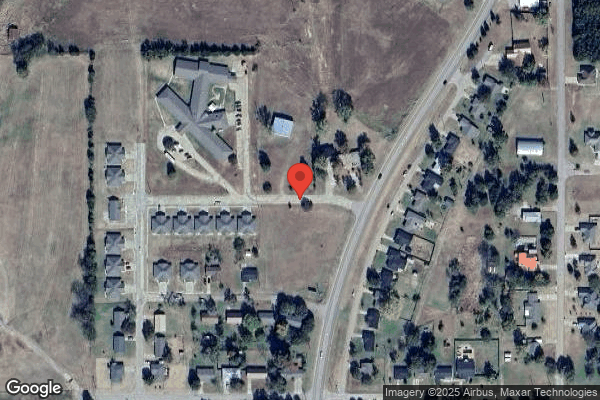

922 WEST PARKLAND AVENUE, PRAGUE, OK 74864 (405) 567-2201
For profit - Limited Liability company 78 Beds ELMBROOK MANAGEMENT COMPANY Data: November 2025
Trust Grade
45/100
#253 of 282 in OK
Last Inspection: May 2024

Within standard 12-15 month inspection cycle. Federal law requires annual inspections.

Overview

Parkland Manor Living Center has a Trust Grade of D, indicating it is below average and has some concerns. It ranks #253 out of 282 facilities in Oklahoma, placing it in the bottom half of care options in the state, and #4 out of 4 in Lincoln County, meaning only one local facility is ranked lower. The facility is showing improvement, with issues decreasing from 12 in 2024 to just 1 in 2025. Staffing is somewhat of a strength, with a turnover rate of 44% that is below the state average, and it has good RN coverage, surpassing 79% of other facilities in Oklahoma. However, there are notable weaknesses, including specific incidents where medications were not administered as ordered and residents were not transferred safely according to care plans, raising concerns about the overall quality of care.

Trust Score
D
45/100
In Oklahoma
#253/282
Bottom 11%
Safety Record
Low Risk
No red flags
Inspections
Getting Better
12 → 1 violations
Staff Stability
○ Average
44% turnover. Near Oklahoma's 48% average. Typical for the industry.
Penalties
✓ Good
No fines on record. Clean compliance history, better than most Oklahoma facilities.
Skilled Nurses
○ Average
Each resident gets 34 minutes of Registered Nurse (RN) attention daily — about average for Oklahoma. RNs are the most trained staff who monitor for health changes.
Violations
⚠ Watch
14 deficiencies on record. Higher than average. Multiple issues found across inspections.
★☆☆☆☆
1.0
Overall Rating
★☆☆☆☆
1.0
Staff Levels
★☆☆☆☆
1.0
Care Quality
★★☆☆☆
2.0
Inspection Score
Stable
2024: 12 issues
2025: 1 issues

The Good

  • Full Sprinkler Coverage · Fire safety systems throughout facility
  • No fines on record
  • Staff turnover below average (44%)

    4 points below Oklahoma average of 48%

Facility shows strength in fire safety.

The Bad

1-Star Overall Rating

Below Oklahoma average (2.6)

Significant quality concerns identified by CMS

Staff Turnover: 44%

Near Oklahoma avg (46%)

Typical for the industry

Chain: ELMBROOK MANAGEMENT COMPANY

Part of a multi-facility chain

Ask about local staffing decisions and management

The Ugly 14 deficiencies on record

Jan 2025 1 deficiency
CONCERN (D) 📢 Someone Reported This

A family member, employee, or ombudsman was alarmed enough to file a formal complaint

Potential for Harm - no one hurt, but risky conditions existed

Notification of Changes (Tag F0580)

Could have caused harm · This affected 1 resident

**NOTE- TERMS IN BRACKETS HAVE BEEN EDITED TO PROTECT CONFIDENTIALITY** Based on record review and interview, the facility failed to ensure a resident representative was notified in a timely manner wh...

Read full inspector narrative →
**NOTE- TERMS IN BRACKETS HAVE BEEN EDITED TO PROTECT CONFIDENTIALITY** Based on record review and interview, the facility failed to ensure a resident representative was notified in a timely manner when a resident experienced a change in condition for one (#1) of three sampled residents reviewed for change in condition. The DON identified 17 residents who resided in the facility. Findings: An undated Change in a Resident's Condition or Status policy, read in parts, Our facility shall promptly notify the resident, [their] attending physician, and representative (sponsor) of changes in the resident's medical/mental condition and/or status .Unless otherwise instructed by the resident, a nurse will notify the resident's representative when: It is necessary to transfer the resident to a hospital/treatment center .Except in medical emergencies, notifications will be made within twenty-four hours of a change occurring in the resident's medical/mental condition or status. Res #1 had diagnoses which included pneumonitis and dysphagia. Res #1's admission record, original admission date 10/10/22, documented resident representative #1 was their legal guardian and first emergency contact. A quarterly assessment, dated 07/25/24, documented Res #1 had moderate cognitive impairment. A nurse note, dated 10/25/24 at 9:58 p.m., documented Res #1 was transferred via emergency services to the hospital. There was no documentation resident representative #1 was contacted regarding Res #1's change in condition and transfer. A nurse note, dated 10/26/24 (no time documented), documented Res #1's representative and legal guardian was contacted via phone call. The note documented a message was left regarding the resident's status and transfer to the hospital. A nurse note, dated 01/16/25 at 1:00 a.m., documented Res #1 was transferred via emergency services to the hospital. There was no documentation resident representative #1 was contacted regarding Res #1's change in condition and transfer. A nurse note, dated 01/16/25 at 10:05 a.m., documented Res #1's representative and legal guardian was contacted via phone call. The note documented resident representative #1 was informed of Res #1's change in condition and transfer to the hospital. On 01/27/25 at 11:25 a.m., the administrator stated the facility contacted Res #1's secondary emergency contact instead of their primary emergency contact and legal guardian upon Res #1's transfer to the hospital on [DATE] and 01/16/25. They stated resident representative #1 should have been notified of the change in condition and transfer to the hospital prior to other family members. On 01/27/25 at 11:45 a.m., the DON stated the facility did not contact Res #1's legal guardian immediately upon transfer to the hospital on [DATE] and 01/16/25, but should have. They stated staff contacted the secondary emergency contact because that family member lived closer and visited Res #1 daily. The DON stated they contacted resident representative #1 as soon as the errors were observed.
Nov 2024 1 deficiency
CONCERN (E) 📢 Someone Reported This

A family member, employee, or ombudsman was alarmed enough to file a formal complaint

Potential for Harm - no one hurt, but risky conditions existed

Pharmacy Services (Tag F0755)

Could have caused harm · This affected multiple residents

Based on observation, record review, and interview, the facility failed to ensure: a. medications were administered as ordered for one (#2); b. an accurate account of controlled medications was mainta...

Read full inspector narrative →
Based on observation, record review, and interview, the facility failed to ensure: a. medications were administered as ordered for one (#2); b. an accurate account of controlled medications was maintained for two (#2 and #4); and c. a physician ordered medication was available to administer for one (#4) of three sampled residents reviewed for pain. The BOM identified 17 residents with orders for pain medication resided in the facility. Findings: An undated Medication Handling Procedure policy, read in part, .The facility staff is responsible for reordering the medication when needed .The Refill Order Form serves as the system's basic form to facilitate the transfer of medication reorders . An undated Storage and Documentation of Controlled Medications policy, read in part, .All controlled medications shall be checked for accountability at each change of shift .In the event that a discrepancy is noted follow the policy with regard to pilferage . An undated Medication Discrepancies policy, read in part, .When a discrepancy is noted in controlled medication during shift count the off going nurse will investigate the possible reason for the discrepancy .If the discrepancy cannot be found the Director of Nurses is to be notified immediately and an incident report will be filled out, stating the facts and signed by both the off going and oncoming nurses. The Director of Nurses will then notify the Administrator and a formal in house investigation initiated. The Director of Nursing is to monitor closely for any forming discrepancy patterns and the consultation pharmacist notified . 1. Resident #2 had diagnoses which included DIC, pneumonia, and sepsis. Physician orders, dated 08/21/24, documented hydromorphone (pain medication) one mg/ml po q four hours prn; and Ativan (lorazepam) (benzodiazepine) 0.5 mg liquid by mouth q four hours prn. A Physician Order, dated 08/22 (the order did not contain the year), documented clarification order hydromorphone one mg/ml give one ml sublingual every four hours routine for pain relief/air hunger. A Physician order, dated 08/22/24, documented change prn lorazepam to routine lorazepam two mg/ml give 0.5 ml sublingual q four hours. It documented may give with the routine hydromorphone. The count sheet for Resident #2's lorazepam two mg/ml documented give 0.5 ml po (the PRN was marked out) q four hours for anxiety and agitation routine every four hours. It documented the last dose was administered on 08/23/24 at 10:00 p.m. with a remaining count of 13.5 ml. Under this it documented, count corrected, dated 08/23/24 at 11:30 p.m. with an 11 written beside it. There was another time entered under that with the time 11:26 p.m. The bottom of the count sheet documented can not count correct without another nurse or DON to witness. The count sheet for Resident #2's hydromorphone one mg/ml give one ml po prn q four hours for pain relief and air hunger. Under this line it documented not a prn order. It documented one dose was administered on 08/23/24 at 8:00 p.m. with a remaining count of 12. Under this it was documented count corrected 08/23/24 at 11:30 p.m. with a count of 15. It documented times of 2:00 a.m. and 6:00 a.m. with no amount administered. It documented the last dose was administered 08/24/24 at 10:00 a.m. with a remaining count of 14 ml. The bottom of the form documented can not count correct without another nurse or DON to witness and cannot scribble on any legal form. The August 2024 medication administration record did not document Resident #2's routine lorazepam or routine hydromorphone was administered on 08/24/24 at 2:00 a.m. or 6:00 a.m. It documented the routine lorazepam was administered on 08/24/24 at 10:00 a.m. and 2:00 p.m. Neither of these administrations were signed out on the count sheet. It documented the routine hydromorphone was administered on 08/24/24 at 2:00 p.m. This administration was not signed out on the count sheet. A Nurse Note, dated 08/24/24 at 3:36 p.m., documented Resident #2 was given the last dose of medications at 2:30 p.m. A Quality Assurance meeting, dated 09/06/24, documented the issues were scribbling on narc count sheet; count correcting; hospice med changes. It documented the following resolutions: a. monitor residents that were pulled by the state during complaint survey over issue; b. switch out bottles to syringes as they needed refilled; and c. DON or assignee to monitor and report findings during monthly QA. An in-service, dated 09/06/24, read in part, .All medications for [unknown resident] and [Resident #4] will be signed out and administered by a nurse & Med Aide and the MAR/TAR & Narcotic Records documented by both . An in-service, dated 09/11/24, documented scribbling-one line errors, no MAR/TAR or narc form would be scribbled on. It documented narcotic forms, a prn order would have its own form separate from a routine form. It documented when nurses began to run low on an item used for treatment or medication administration, they were to inform the CMA or the nurse to notify pharmacy provider. Neither in-service addressed an accurate account of controlled medications or what to do when a count sheet was inaccurate. On 10/30/24 at 11:30 a.m., Family Member #1 stated the facility would not take the pain medications the hospice had for Resident #2. They stated Resident #2 laid in pain for four and a half hours. They stated the facility used a pharmacy out of Ardmore and would not use the pain medicine hospice had. They stated the facility did get the same medication in that hospice had for Resident #2. On 11/01/24 at 10:22 a.m., the DON stated they had in-serviced staff on the need to document everything that happened on a count sheet. They stated staff were in-serviced that they were not permitted to correct a count alone. On 11/01/24 at 10:24 a.m., the DON stated prn medications were to have a separate count sheet than the routine medication. They stated sometimes liquid morphine could leak. They stated staff were to get the DON immediately if this happened. The DON stated the facility had requested for pharmacy to send syringes to better visualize the amount. They stated staff were to verify the label and if there were any discrepancies, they were to go to the DON to review the order and pharmacy label. They stated hospice had also been instructed they were not to make medication changes without speaking to the DON to ensure there was no confusion. On 11/01/24 at 10:25 a.m., the DON stated Resident #2's hydromorphone was not a prn order. They stated the resident had a prn order and then routine. The DON stated on the count sheet where it documented 08/23/24 and 15, LPN #1 was scribbling. The DON stated they had an in-service and went over that it was not legal or appropriate documentation. The DON stated when they went in the count was three ml over. They stated they would say the resident probably did not get their medication as ordered. The DON stated LPN #1 was written up and no longer worked at the facility. They stated the facility implemented two signatures were required when administering these types of medication and LPN #1 still did it alone. On 11/01/24 at 10:30 a.m., the DON stated LPN #1 was the person who documented the count of lorazepam going from 13.5 ml to 11 ml. They stated the count should have been 13. The DON stated the count sheet did not document the medication was administered as ordered. On 11/01/24 at 12:18 p.m., the DON stated Resident #2 was not included on the in-service dated 09/06/24. They stated the count sheets the surveyor had was the end for Resident #2's controlled medications. They stated they would look to see the reason the scheduled lorazepam was not administered. They stated they QA'd after this and they would provide the copies. On 11/01/24 at 1:45 p.m., the DON stated Resident #2's medication was not administered as ordered on 08/24/24 at 2:00 a.m. and 6:00 a.m. 2. Resident #4 had diagnoses which included multiple sclerosis and trigeminal neuralgia. A Physician Order, dated 07/24/24, documented morphine 100 mg/5 ml give 0.5 ml sublingually every two hours prn for pain/shortness of breath. Resident #4's count sheet, date received 08/21/24, documented morphine sulfate 100 mg/5 ml give 0.5 ml by mouth every four hours prn. It documented the count on 10/07/24 at 5:00 a.m. was 4 ml. It documented count correction on the next dose administered on 10/07/24 at 8:00 a.m. with an amount remaining of zero. A Physician Order, dated 08/31/24, documented morphine 100 mg/5 ml place and dissolve 0.5 ml sublingually every four hours for trigeminal neuralgia. Physician Orders, dated 10/08/24, documented clarification on morphine order, continue morphine sulfate 100 mg/5 ml give 0.5 ml sublingual every two hours prn for break through pain individual syringes, and morphine sulfate 100 mg/5 ml give 0.5 ml sublingual every four hours routinely for trigeminal neuralgia individual syringes. Resident #4's count sheet, received 10/21/24, documented morphine 100 mg/5 ml give 0.5 ml every two hours prn. It documented the last dose was administered on 10/25/24 at 6:15 p.m. with zero count remaining. On 11/01/24 at 10:35 a.m., CNA #1 stated if a resident experienced signs and symptoms of pain, they would notify the nurse and medication aide. They stated they would see if there was anything they could do to improve their comfort. On 11/01/24 at 10:40 a.m., LPN #2 stated when a resident experienced pain, they would ask the location and have the resident rate their pain if able. They stated if the pain was high enough, they would ask the resident if they wanted a pain medication and try non pharmacological interventions first to see if it helped. On 11/01/24 at 10:45 a.m., LPN #2 stated staff were to check medications three times before administering and verify all the rights. They stated if a resident refused a medication, they would ask the reason and explain any questions the resident had. On 11/01/24 at 1:30 p.m., LPN #2 was asked to explain Resident #4's morphine count sheet that went from a count of four to zero on 10/07/24. They stated with bottles, when staff tipped it over, it leaked. They stated the facility no longer did bottles only syringes. They stated when it leaked, and the count was off, they had to do a count correction. They stated when staff gave the last dose on 10/07/24 at 8:00 a.m. there was only 0.5 left in the bottle and then the count was zero. On 11/01/24 at 1:33 p.m., LPN #2 was asked to verify Resident #4's morphine count on the medication cart. There was no prn morphine available in the medication cart for Resident #4. The administrator walked by and stated they would look for it. On 11/01/24 at 1:40 p.m., the DON stated Resident #4's morphine that went from a count of four to zero was a bottle with a dropper. They stated it was leaking out because the bottle was sticky. They stated the facility was changing to syringes. The administrator stated, We started in September. The DON stated sometimes they were overfilled. The administrator stated, You can say they are 5 ml, but you look and they are not. On 11/01/24 at 1:50 p.m., the DON stated Resident #4's prn morphine was Not here. On 11/01/24 at 1:51 p.m., CMA #1 stated staff went through medications, if they were not available, staff would go check the medication storage room. They stated if the medication was not available there, they would call pharmacy and make sure they received it in the building the same day. They stated they ordered Mondays, Wednesdays, and Fridays. They stated on Tuesday and Thursday they completed a heavy narcotic order. CMA #1 stated they were not aware of Resident #4's prn morphine being out. They stated they would have called pharmacy and if pharmacy could not get it, they would have notified hospice. On 11/01/24 at 1:55 p.m., LPN #2 stated they believed the policy for ensuring medications were available to administer was to order seven days in advance to ensure there was a week of pills available.
May 2024 11 deficiencies
CONCERN (D)

Potential for Harm - no one hurt, but risky conditions existed

Assessment Accuracy (Tag F0641)

Could have caused harm · This affected 1 resident

Based on record review and interview, the facility failed to ensure accurate coding of a MDS assessment for an indwelling catheter for one (#5) of 12 residents whose MDS assessments were reviewed. Th...

Read full inspector narrative →
Based on record review and interview, the facility failed to ensure accurate coding of a MDS assessment for an indwelling catheter for one (#5) of 12 residents whose MDS assessments were reviewed. The administrator identified 21 residents who resided in the facility. Findings: Res #5 had diagnoses which included cerebral infarction and hypertensive heart disease with heart failure. An annual MDS assessment, dated 01/22/24, documented the resident was cognitively intact, required maximum assistance with toileting, and had an indwelling catheter. A physician order, dated 02/26/24, documented to discontinue the foley catheter. A quarterly MDS assessment, dated 04/18/24, documented the resident was cognitively intact, dependent with toileting, and had an indwelling catheter. Res #5's records were reviewed and did not document an order for an indwelling catheter during the review period of the quarterly assessment. On 05/29/24 at 1:55 p.m., the DON stated Res #5's indwelling catheter was discontinued in February. They stated the MDS assessment was documented in error.
CONCERN (D)

Potential for Harm - no one hurt, but risky conditions existed

Comprehensive Care Plan (Tag F0656)

Could have caused harm · This affected 1 resident

Based on record review and interview, the facility failed to ensure care plans were developed/implemented for four (#9, 19, 11, and #13,) of 14 residents sampled for care plans. The Administrator repo...

Read full inspector narrative →
Based on record review and interview, the facility failed to ensure care plans were developed/implemented for four (#9, 19, 11, and #13,) of 14 residents sampled for care plans. The Administrator reported 21 residents resided in the facility. Findings: 1. Res #9 admitted to the facility with diagnoses of bipolar disorder, major depressive disorder, and anxiety disorder. A care plan revised on 02/09/24, documented AIMS (abnormal involuntary movement scale) completed quarterly and PRN. A review of the resident's record documented the last AIMS was completed on 01/27/24. On 05/30/24 at 11:47 a.m., the DON reported the AIMS assessment should have been completed quarterly. 2. Res #19 was admitted to the facility with diagnoses of displaced intertrochanteric fracture of right femur and displaced fracture of base of neck of left femur. A care plan revised on 04/10/24 documented pressure censor applied to alert staff when movement is detected. A care plan revised on 04/14/24 documented assure security mat in placed at all times. On 05/30/24 at 11:37 a.m., the DON was asked about the security mat and pressure censor that is documented on the resident's care plan. She stated the pressure censor should be on his bed and the security mat was used to keep the cool air off the resident since he is in the low bed. On 05/30/24 at 11:39 a.m., the DON and this surveyor went to the resident's room to check for the pressure censor and security mat. Neither one was observed in place. The DON was asked if the care plan was being followed and she reported no it is not. 3. Res #11 was admitted to the facility with diagnoses of bipolar disorder, major depressive disorder, and anxiety. A care plan, dated 04/24/24, contained no documentation of bipolar disorder. On 05/30/24 at 11:45 a.m., the DON reported the resident's diagnosis of bipolar disorder should have been care planned. 4. Res #13 was admitted to the facility with diagnoses of schizoaffective disorder and major depressive disorder. A care planned revised on 05/22/24 contained no documentation of schizoaffective disorder. On 05/30/24 at 11:46 a.m., the DON reported the resident diagnosis of schizoaffective disorder should have been care planned.
CONCERN (D)

Potential for Harm - no one hurt, but risky conditions existed

Quality of Care (Tag F0684)

Could have caused harm · This affected 1 resident

Based on observation, record review, and interview, the facility failed to ensure physician's orders were followed for leg rest to wheelchair and pressure offload boots when out of bed for one (#19) o...

Read full inspector narrative →
Based on observation, record review, and interview, the facility failed to ensure physician's orders were followed for leg rest to wheelchair and pressure offload boots when out of bed for one (#19) of one resident sampled for physician's orders. The Administrator reported 21 residents resided in the facility. Findings: Res #19 was admitted with diagnoses of displaced intertrochanteric fracture of right femur, displaced fracture of base of neck of left femur, and history of falling. A physician's order, dated 5/23/24, documented add elevating leg rests to w/c d/t edema when out of bed and pressure off load boots when out of bed. On 05/29/24 at 8:38 a.m., Res #19 was observed up in w/c in dining room. The resident's legs were not elevated, and no pressure offload boots were observed. On 05/30/24 at 10:41 a.m., the resident was observed up in w/c in lobby, legs were not elevated, and no offload boots were in place. On 05/30/24 at 11:40 a.m., the resident's leg rest were observed sitting on the resident's bedside table in room and offload boots were observed under the resident's bed. The DON was asked if the staff are following physician's order and she reported no they are not.
CONCERN (D)

Potential for Harm - no one hurt, but risky conditions existed

Drug Regimen Review (Tag F0756)

Could have caused harm · This affected 1 resident

**NOTE- TERMS IN BRACKETS HAVE BEEN EDITED TO PROTECT CONFIDENTIALITY** Based on record review and interview, the facility failed to ensure the consulting pharmacist identified irregularities and/or c...

Read full inspector narrative →
**NOTE- TERMS IN BRACKETS HAVE BEEN EDITED TO PROTECT CONFIDENTIALITY** Based on record review and interview, the facility failed to ensure the consulting pharmacist identified irregularities and/or clinically significant risks which may result or be associated with psychotropic medications for two (#1 and #15) of five residents reviewed for unnecessary medications. The administrator identified 21 residents who resided in the facility. Findings: A Tapering Medications and Gradual Dose Reduction policy, revised July 2022, read in parts, .Residents who use psychotropic medications shall receive gradual dose reductions and behavioral interventions, unless clinically contraindicated, in an effort to discontinue these drugs .Within the first year after a resident is admitted on a psychotropic medication or after the resident has been started on a psychotropic medication, the staff and practitioner shall attempt and GDR in two separate quarters (with at least one month between the attempts) , 1. Res #1 was admitted [DATE] with diagnoses which included schizoaffective disorder, paranoid personality disorder, and anxiety. A physician order, dated 03/11/24, documented lorazepam 0.5 mg one tablet every four hours as needed for anxiety. A MAR, dated May 2024, documented Res #1 had received lorazepam 0.5 mg once daily on 29 occasions. Monthly medication regimen review reports were reviewed for March 2024 and April 2024. No recommendations were documented that lorazepam should be limited to 14 days unless the physician documented in the medical record the rationale for extending beyond 14 days and indicated the duration for the prn order. On 05/30/24 at 12:05 p.m., the DON stated PRN psychotropic medications should have a 14 day stop date. They stated having not realized Res #1 had received lorazepam since admission. The DON stated this medication should have been discontinued after 14 days and reordered only after the physician had assessed the resident. The DON stated the consulting pharmacist had missed this in the monthly medication reviews. 2. Res #15 was admitted [DATE] with diagnoses which included dementia, anxiety, and major depressive disorder. A physician order, dated 08/08/23, documented mirtazapine 15 mg by mouth at bedtime for antidepressant. A physician order, dated 08/08/23, documented olanzapine 10 mg by mouth at bedtime for anxiety. A physician order, dated 08/08/23, documented quetiapine 12.5 mg by mouth at bedtime for depression/anxiety. A physician order, dated 08/08/23, documented buspirone 10 mg by mouth two times daily for anxiety. A physician order, dated 08/09/23, documented paroxetine 40 mg by mouth one time a day for depression/anxiety. Monthly medication regimen review reports were reviewed for August 2023 through April 2024. No recommendations for a GDR of the psychotropic medications were documented by the consulting pharmacist during this time frame. No attempts of a GDR or physician's rationale as to why a GDR was not appropriate were documented in the medical record since Res #15 was admitted to the facility. On 05/30/24 at 12:00 p.m., the DON stated no attempt of a GDR had been completed or attempted for Res #15 since admission. They stated the consulting pharmacist had not documented a recommendation of a GDR during the monthly reviews. The DON stated the physician had not documented rationale for the ongoing need for the psychotropic medications per policy.
CONCERN (E)

Potential for Harm - no one hurt, but risky conditions existed

Deficiency F0645 (Tag F0645)

Could have caused harm · This affected multiple residents

Based on record review and interview, the facility failed to ensure accuracy of a level I PASARR assessment for three (#8, 10, and #13) of three residents reviewed for PASARR assessments. The administ...

Read full inspector narrative →
Based on record review and interview, the facility failed to ensure accuracy of a level I PASARR assessment for three (#8, 10, and #13) of three residents reviewed for PASARR assessments. The administrator identified 21 residents who resided in the facility. Findings: 1. Res #10 had a level I PASARR screen, dated 04/27/23, which documented a primary diagnosis of hypertensive heart disease and chronic kidney disease with heart failure and a secondary diagnosis of hemiparesis and hemiplegia. The level I PASARR screen documented the resident had no diagnoses of a serious mental illness. A medical diagnosis report, dated 05/01/23, documented Res #10 had admission diagnoses which included schizoaffective disorder- bipolar type, delusional disorders, and brief psychotic disorders. On 05/29/24 at 2:00 p.m., the DON was shown the level I PASSAR form and Res #10's admission diagnoses. The DON was asked if these diagnoses had been reported to the OHCA to see if a level II PASSAR was required. On 05/29/24 at 2:15 p.m., the DON stated the level I PASSAR form was not completed correctly. They stated there was no documentation the OHCA had been notified of the serious mental illness diagnoses. 2. Res #8 was admitted to the facility with diagnosis of bipolar disorder. A PASARR Level I, dated 10/28/21, documented the resident did not have a mental health diagnosis. 3. Res #13 was admitted to the facility with diagnoses of schizoaffective disorder and major depressive disorder. A PASARR Level I, dated 10/25/22, documented the resident did not have a mental health diagnosis. On 05/29/22 at 1:55 p.m., the DON reported the PASARs were not filled out correctly and the OHCA was not notified.
CONCERN (E)

Potential for Harm - no one hurt, but risky conditions existed

Accident Prevention (Tag F0689)

Could have caused harm · This affected multiple residents

Based on record review and interview, the facility failed to ensure the residents were free from accident hazards fro one (#8) for two residents sampled for accidents. The administrator reported 21 re...

Read full inspector narrative →
Based on record review and interview, the facility failed to ensure the residents were free from accident hazards fro one (#8) for two residents sampled for accidents. The administrator reported 21 residents resided in the facility. Findings: On 05/29/24 at 9:55 a.m., Res #8 reported one person uses lift to transfers her most times. A monthly summary, dated 4/2/24, documented mechanical lift with 2 person assist. On 05/29/24 at 1:07 p.m., CNA #1 was asked how the resident is transferred. CNA #1 reported with the mechanical lift. CNA #1 was asked how many people transfer resident and he reported usually 2 but I can do it by myself. CNA #1 was asked if he transferred the resident by himself yesterday morning and he reported yes. On 05/29/24 at 2:03 p.m., the DON reported the mechanical lift should be used by 2 staff members with all transfers.
CONCERN (E)

Potential for Harm - no one hurt, but risky conditions existed

Tube Feeding (Tag F0693)

Could have caused harm · This affected multiple residents

Based on observation, record review, and interview, the facility failed to ensure medications were administered separately and PEG tube placement was verified prior to the administration of medication...

Read full inspector narrative →
Based on observation, record review, and interview, the facility failed to ensure medications were administered separately and PEG tube placement was verified prior to the administration of medications for one (#17) of one resident reviewed for tube feedings. The DON identified one resident who received medications via PEG tube. Findings: An Administering Medications through an Enteral Tube policy, revised November 2018, read in parts, .Verify placement of feeding tube: if you suspect improper tube positioning, do not administer feeding or medications. Notify the charge nurse or physician .Administer each medication separately and flush between medications .If administering more than one medication, flush with 15 mL warm water (or prescribed amount) between medications . Res #17 had diagnoses which included dementia, cerebral infarction, and gastrostomy. A quarterly assessment, dated 04/27/24, documented Res #17 was severely cognitively impaired, had no swallowing concerns, and received 25% or less proportion of total calories through parenteral or tube feeding. A care plan, revised 05/06/24, documented medication administration through peg tube until further notice. On 05/30/24 at 7:15 a.m., LPN #1 was observed to access Res #17's PEG tube. LPN #1 did not check residual or verify placement of the PEG tube prior to administering 30 mLs of water. LPN #1 then administered 12 routine medications that had been mixed all together in one 30 mL medication cup. On 05/30/24 at 7:20 a.m., LPN #1 was asked how they ensured the PEG tube was in the correct place prior to medication administration and if all the medications should have been given mixed together. LPN #1 stated they had checked residual earlier in the shift but should have checked again using auscultation prior to instilling any water or medications through the PEG tube. LPN #1 stated sometimes they administered each medication separately but felt administering them all at once was appropriate also. On 05/30/24 at 1:32 p.m., the DON was made aware of the medication administration observations. The DON stated the nurse should have verified correct placement of the PEG tube prior to instilling anything through it. They stated auscultation with air should have been used for placement verification. The DON stated each of the 12 medications should have been administered separately per policy.
CONCERN (E)

Potential for Harm - no one hurt, but risky conditions existed

Pharmacy Services (Tag F0755)

Could have caused harm · This affected multiple residents

Based on observation, record review, and interview, the facility failed to ensure medications were administered according to physician orders for two (#1 and #5) of six residents who were observed for...

Read full inspector narrative →
Based on observation, record review, and interview, the facility failed to ensure medications were administered according to physician orders for two (#1 and #5) of six residents who were observed for medication administration. The administrator identified 21 residents who resided in the facility. Findings: A Medication Administration policy, undated, read in parts, .Ensure that the six rights of medication administration are followed: Right resident, Right drug, Right dosage, Right route, Right time, Right documentation .Compare medication source (bubble pack, vial, etc.) with MAR to verify resident name, medication name, form, dose, route, and time . 1. Resident #5 had diagnoses which included type II diabetes mellitus. A physician order, dated 10/02/23, documented Humalog insulin - inject 6 units subcutaneously before meals for type II diabetes mellitus. On 05/29/24 at 12:05 p.m., LPN #2 was observed to administer Novolog insulin 6 units subcutaneously per injection to Res #5. On 05/30/24 at 1:39 p.m., the DON was made aware of the medication administration observations with LPN #2. The DON stated LPN #2 had administered the wrong type of insulin to Res #5. They stated Humalog insulin should have been administered per physician order instead of Novolog because they are not the same insulin. 2. Resident #1 had diagnoses which included chronic pain. A physician order, dated 03/11/24, documented hydrocodone-acetaminophen oral tablet 7.5/325 mg - give one tablet by mouth every 4 hours as needed for pain. On 05/30/24 at 7:50 a.m., CMA #1 was observed to administer hydrocodone-acetaminophen 5/325 mg one tablet by mouth to Res #1. On 05/30/24 at 8:52 a.m., CMA #1 was asked to compare Res #1's MAR with the medication that had been administered. CMA #1 stated the resident was administered the wrong strength of medication. CMA #1 stated Res #1 had received 5/325 mg of the hydrocodone-acetaminophen, but they should have received 7.5/325 mg per physician order. On 05/30/24 at 1:50 p.m., the DON was made aware of the medication administration observations with CMA #1. The DON stated Res #1 had received the wrong strength of medication. They stated CMA #1 should have verified the physician order with the medication prior to administration.
CONCERN (E)

Potential for Harm - no one hurt, but risky conditions existed

Medication Errors (Tag F0758)

Could have caused harm · This affected multiple residents

**NOTE- TERMS IN BRACKETS HAVE BEEN EDITED TO PROTECT CONFIDENTIALITY** Based on record review and interview, the facility failed to ensure a. a PRN psychotropic medication was limited to 14 days for ...

Read full inspector narrative →
**NOTE- TERMS IN BRACKETS HAVE BEEN EDITED TO PROTECT CONFIDENTIALITY** Based on record review and interview, the facility failed to ensure a. a PRN psychotropic medication was limited to 14 days for two (#1 and #17); b. a GDR (gradual dose reduction) was attempted for one (#15); and c. routine/PRN psychotropic medications were not received unless for a specific diagnosis for two (#15 and #17) of five residents reviewed for unnecessary medications. The administrator identified 21 residents who resided in the facility. Findings: A Tapering Medications and Gradual Dose Reduction policy, revised July 2022, read in parts, .Residents who use psychotropic medications shall receive gradual dose reductions and behavioral interventions, unless clinically contraindicated, in an effort to discontinue these drugs .Within the first year after a resident is admitted on a psychotropic medication or after the resident has been started on a psychotropic medication, the staff and practitioner shall attempt and GDR in two separate quarters (with at least one month between the attempts) , 1. Res #1 was admitted [DATE] with diagnoses which included schizoaffective disorder, paranoid personality disorder, and anxiety. A physician order, dated 03/11/24, documented lorazepam 0.5 mg one tablet every four hours as needed for anxiety. A MAR, dated May 2024, documented Res #1 had received lorazepam 0.5 mg once daily on 29 occasions. On 05/30/24 at 12:05 p.m., the DON stated PRN psychotropic medications should have a 14 day stop date. They stated having not realized Res #1 had received lorazepam since admission. The DON stated this medication should have been discontinued after 14 days and reordered only after the physician had assessed the resident. 2. Res #15 was admitted [DATE] with diagnoses which included dementia, anxiety, and major depressive disorder. A physician order, dated 08/08/23, documented mirtazapine 15 mg by mouth at bedtime for antidepressant. A physician order, dated 08/08/23, documented olanzapine 10 mg by mouth at bedtime for anxiety. A physician order, dated 08/08/23, documented quetiapine 12.5 mg by mouth at bedtime for depression/anxiety. A physician order, dated 08/08/23, documented buspirone 10 mg by mouth two times daily for anxiety. A physician order, dated 08/09/23, documented paroxetine 40 mg by mouth one time a day for depression/anxiety. Monthly medication regimen review reports were reviewed for August 2023 through April 2024. No recommendations for a GDR of the psychotropic medications were documented by the consulting pharmacist during this time frame. No attempts of a GDR or physician's rationale as to why a GDR was not appropriate were documented in the medical record since Res #15 was admitted to the facility. On 05/30/24 at 12:00 p.m., the DON stated no attempt of a GDR had been completed or attempted for Res #15 since admission. They stated the consulting pharmacist had not documented a recommendation of a GDR during the monthly reviews. The DON stated the physician had not documented rationale for the ongoing need for the psychotropic medications per policy. On 05/31/24 at 9:38 a.m., the DON stated anxiety was not an appropriate diagnosis for the use of olanzapine. 3. Res #17 was admitted to the facility with diagnoses of dementia and anxiety. A physician's order, dated 04/08/24, documented Olanzapine 5mg give 1 tablet every 4 hours as needed for agitation. A physician's order, dated 05/06/24, documented Olanzapine 10mg 1 tablet by mouth twice a day for anxiety. On 05/31/24 at 9:35 a.m., the DON reported dementia and anxiety are not an appropriate diagnosis for Seroquel and Olanzapine. The DON reported the PRN Olanzapine should have had a 14 day stop date.
CONCERN (E)

Potential for Harm - no one hurt, but risky conditions existed

Unnecessary Medications (Tag F0759)

Could have caused harm · This affected multiple residents

Based on observation, record review, and interview, the facility failed to ensure the medication error rate was less than 5%. A total of 31 opportunities were observed with two errors. The total medic...

Read full inspector narrative →
Based on observation, record review, and interview, the facility failed to ensure the medication error rate was less than 5%. A total of 31 opportunities were observed with two errors. The total medication error rate was 6.45%. The administrator identified 21 residents who received medications in the facility. Findings: 1. Resident #5 had diagnoses which included type II diabetes mellitus. A physician order, dated 10/02/23, documented Humalog insulin - inject 6 units subcutaneously before meals for type II diabetes mellitus. 2. Resident #1 had diagnoses which included chronic pain. A physician order, dated 03/11/24, documented hydrocodone-acetaminophen oral tablet 7.5/325 mg - give one tablet by mouth every 4 hours as needed for pain. On 05/29/24 at 12:05 p.m., LPN #2 was observed to administer Novolog insulin 6 units subcutaneously per injection to Res #5. LPN #2 stated the resident received this insulin due to the before meals physician order. On 05/30/24 at 7:50 a.m., CMA #1 was observed to administer hydrocodone-acetaminophen 5/325 mg one tablet by mouth to Res #1. On 05/30/24 at 8:52 a.m., CMA #1 was asked to compare Res #1's MAR with the medication that had been administered. CMA #1 stated the resident was administered the wrong strength of medication. CMA #1 stated Res #1 had received 5/325 mg of the hydrocodone-acetaminophen, but they should have received 7.5/325 mg. On 05/30/24 at 1:39 p.m., the DON was made aware of the medication administration observations with LPN #2. The DON stated LPN #2 had administered the wrong type of insulin to Res #5. They stated Humalog insulin should have been administered instead of Novolog because they are not the same insulin. On 05/30/24 at 1:50 p.m., the DON was made aware of the medication administration observations with CMA #1. The DON stated Res #1 had received the wrong strength of medication. They stated CMA #1 should have verified the MAR with the medication prior to administration. The DON was informed of the medication error rate of 6.45%.
CONCERN (E)

Potential for Harm - no one hurt, but risky conditions existed

Deficiency F0761 (Tag F0761)

Could have caused harm · This affected multiple residents

**NOTE- TERMS IN BRACKETS HAVE BEEN EDITED TO PROTECT CONFIDENTIALITY** Resident #5 had diagnoses which included type II diabetes mellitus. A physician order, dated [DATE], documented Humalog insulin ...

Read full inspector narrative →
**NOTE- TERMS IN BRACKETS HAVE BEEN EDITED TO PROTECT CONFIDENTIALITY** Resident #5 had diagnoses which included type II diabetes mellitus. A physician order, dated [DATE], documented Humalog insulin - inject 6 units subcutaneously before meals for type II diabetes mellitus. On [DATE] at 12:05 p.m., LPN #2 was observed administering medication. LPN #2 obtained a box containing a vial of Novolog insulin from the medication cart. The box was dated [DATE]. LPN #2 obtained 6 units of insulin from the vial and administered the insulin subcutaneously to Res #5. On [DATE] at 12:10 p.m., LPN #2 was asked what the date on the insulin box indicated. LPN #2 stated the date indicated when the vial was first opened for use. They stated they did not know how long the insulin could be used after the open date. LPN #2 stated they thought the insulin could be administered up until the expiration date on the insulin vial itself. On [DATE] at 1:39 p.m., the DON was made aware of the medication administration observation. The DON stated the insulin should not have been administered. They stated the vial should have been disposed of after 30 days from the opening date on the box. Based on observation and interview, the facility failed to ensure the removal of expired/use by date medications/supplies from the medication storage room, medication cart, and treatment cart. The administrator reported 21 residents resided in the facility. Findings: On [DATE] 09:30 AM Review of the medication cart 1 bottle of house stock ibuprofen, sue by date [DATE] 1 card of vitamin C 500mg--, 7 pills, use by date [DATE] 1 card Probiotic 3 with 6 capsules, use by date [DATE] 1 card Metoprolol 25mg with 12 pills, use by date [DATE] 1 card Clonidine 0.1mg with 28 tablets, use by date [DATE] 1 card Loratadine 10mg with 20 tablets, use by date [DATE] 1 card Senna 8.6mg with 56 pills, use by date [DATE] 1 card Aspirin 81mg with 11 pills, use by date [DATE] 1 card Ibuprofen 800mg with 12 pills, use by date [DATE] 1 card Vitamin D3 2000IU with 25 tablets, use by date [DATE]. On [DATE] 09:48 AM CMA #1 reported medications should have been removed from the cart. On [DATE] 09:53 AM Review of the medication/storage room with CMA #1. 2 injections of Hepatitis B Vaccine with a use by date of [DATE] 1 vial Tubersol 5TU/0.1ml with a use by date of [DATE] 2 Bottles of Miralax Powder with a use by date of [DATE] 1 card of Clonidine 0.1mg with 31 tablets with a use by date of [DATE] 1 card of Acetaminophen 500mg with 30 tablets with a use by date of [DATE] On [DATE] 10:05 AM CMA #1 reported all medications should have been removed from the med room. [DATE] 10:06 AM Review of the treatment cart with LPN #2 2 pair 7 1/2 sterile latex gloves with an expiration date of 01/2013 2 bottles Novolog 100u/ml with an open date of [DATE] 1 Humalog Kwickpen with an open date of [DATE] [DATE] 10:15 a.m., LPN #2 reported these items should have been removed from the cart already.
Jun 2023 1 deficiency
CONCERN (D)

Potential for Harm - no one hurt, but risky conditions existed

Staffing Data (Tag F0851)

Could have caused harm · This affected 1 resident

Based on record review and interview, the facility failed to electronically submit quarterly direct care staffing information as required by the Centers for Medicare Services (CMS). The Resident Cens...

Read full inspector narrative →
Based on record review and interview, the facility failed to electronically submit quarterly direct care staffing information as required by the Centers for Medicare Services (CMS). The Resident Census and Conditions of Residents form, dated 06/20/23 documented 20 residents resided in the facility. Findings: A facility policy, Reporting Direct-Care Staffing Information (Payroll-Based Journal), not dated, documented in part, .Staffing and census information will be reported electronically to CMS through the Payroll-Based Journal system in compliance with 6106 of the Affordable Care Act .Staffing information will be collected daily and reported for each fiscal quarter no later than 45 days after the end of the reporting quarter .Census data will be reported each fiscal quarter and will include resident census on the last day of each month of the quarter . On 06/19/23 at 11:30 a.m., during the entrance conference, the DON was informed the PBJ Staffing Data Report documented the facility had failed to submit data for the FY Quarter 2 2023, January 1 - March 31, 2023. The DON reported the facility was normally over-staffed for the resident census, and stated she thought the Administrator was responsible for reporting this data. On 06/21/23 at 9:15 a.m., the Administrator was asked about the PBJ staffing data report, which documented the facility had failed to submit data as required. The Administrator stated she was responsible for reporting the direct care staffing data and would try to provide documentation to show it had been reported. The Administrator stated she was very familiar with the reporting requirements and wasn't sure why the data was not submitted. On 06/21/23 at 4:20 p.m., the Administrator reported she was unable to gain access to the requested staffing information and could not provide documentation to show the required direct care staffing data had been submitted.
Understanding Severity Codes (click to expand)
Life-Threatening (Immediate Jeopardy)
J - Isolated K - Pattern L - Widespread
Actual Harm
G - Isolated H - Pattern I - Widespread
Potential for Harm
D - Isolated E - Pattern F - Widespread
No Harm (Minor)
A - Isolated B - Pattern C - Widespread

Questions to Ask on Your Visit

  • "Can I speak with families of current residents?"
  • "What's your RN coverage like on weekends and overnight?"

Our Honest Assessment

Strengths
  • • No major safety red flags. No abuse findings, life-threatening violations, or SFF status.
  • • No fines on record. Clean compliance history, better than most Oklahoma facilities.
  • • 44% turnover. Below Oklahoma's 48% average. Good staff retention means consistent care.
Concerns
  • • 14 deficiencies on record. Higher than average. Multiple issues found across inspections.
  • • Grade D (45/100). Below average facility with significant concerns.
Bottom line: Trust Score of 45/100 indicates significant concerns. Thoroughly evaluate alternatives.

About This Facility

What is Parkland Manor Living Center's CMS Rating?

CMS assigns PARKLAND MANOR LIVING CENTER an overall rating of 1 out of 5 stars, which is considered much below average nationally. Within Oklahoma, this rating places the facility higher than 0% of the state's 100 nursing homes. A rating at this level reflects concerns identified through health inspections, staffing assessments, or quality measures that families should carefully consider.
How is Parkland Manor Living Center Staffed?

CMS rates PARKLAND MANOR LIVING CENTER's staffing level at 1 out of 5 stars, which is much below average compared to other nursing homes. Staff turnover is 44%, compared to the Oklahoma average of 46%. This relatively stable workforce can support continuity of care.

What Have Inspectors Found at Parkland Manor Living Center?

State health inspectors documented 14 deficiencies at PARKLAND MANOR LIVING CENTER during 2023 to 2025. These included: 14 with potential for harm.
Who Owns and Operates Parkland Manor Living Center?

PARKLAND MANOR LIVING CENTER is owned by a for-profit company. For-profit facilities operate as businesses with obligations to shareholders or private owners. The facility is operated by ELMBROOK MANAGEMENT COMPANY, a chain that manages multiple nursing homes. With 78 certified beds and approximately 22 residents (about 28% occupancy), it is a smaller facility located in PRAGUE, Oklahoma.
How Does Parkland Manor Living Center Compare to Other Oklahoma Nursing Homes?

Compared to the 100 nursing homes in Oklahoma, PARKLAND MANOR LIVING CENTER's overall rating (1 stars) is below the state average of 2.6, staff turnover (44%) is near the state average of 46%, and health inspection rating (2 stars) is below the national benchmark.

What Should Families Ask When Visiting Parkland Manor Living Center?

Based on this facility's data, families visiting should ask: "Can you walk me through typical staffing levels on day, evening, and night shifts?" "Can I visit during a mealtime to observe dining assistance and food quality?" "How do you handle medical emergencies, and what is your hospital transfer rate?" "Can I speak with family members of current residents about their experience?" These questions are particularly relevant given the below-average staffing rating.

Is Parkland Manor Living Center Safe?

Based on CMS inspection data, PARKLAND MANOR LIVING CENTER has a clean safety record: no substantiated abuse findings (meaning no confirmed cases of resident harm), no Immediate Jeopardy citations (the most serious violation level indicating risk of serious injury or death), and is not on the Special Focus Facility watch list (a federal program monitoring the lowest-performing 1% of nursing homes). The facility has a 1-star overall rating and ranks #100 of 100 nursing homes in Oklahoma. While no facility is perfect, families should still ask about staff-to-resident ratios and recent inspection results during their visit.

Do Nurses at Parkland Manor Living Center Stick Around?

PARKLAND MANOR LIVING CENTER has a staff turnover rate of 44%, which is about average for Oklahoma nursing homes (state average: 46%). Moderate turnover is common in nursing homes, but families should still ask about staff tenure and how the facility maintains care continuity when employees leave.

Was Parkland Manor Living Center Ever Fined?

PARKLAND MANOR LIVING CENTER has no federal fines on record. CMS issues fines when nursing homes fail to meet care standards or don't correct problems found during inspections. The absence of fines suggests the facility has either maintained compliance or corrected any issues before penalties were assessed. This is a positive indicator, though families should still review recent inspection reports for the full picture.

Is Parkland Manor Living Center on Any Federal Watch List?

PARKLAND MANOR LIVING CENTER is not on any federal watch list. The most significant is the Special Focus Facility (SFF) program, which identifies the bottom 1% of nursing homes nationally based on persistent, serious quality problems. Not being on this list means the facility has avoided the pattern of deficiencies that triggers enhanced federal oversight. This is a positive indicator, though families should still review the facility's inspection history directly.