Claremore Skilled Nursing and Therapy
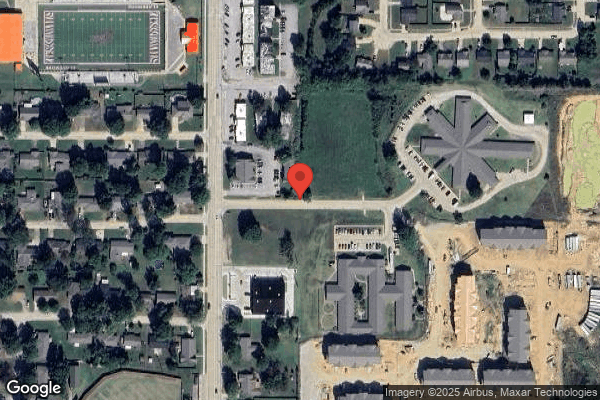
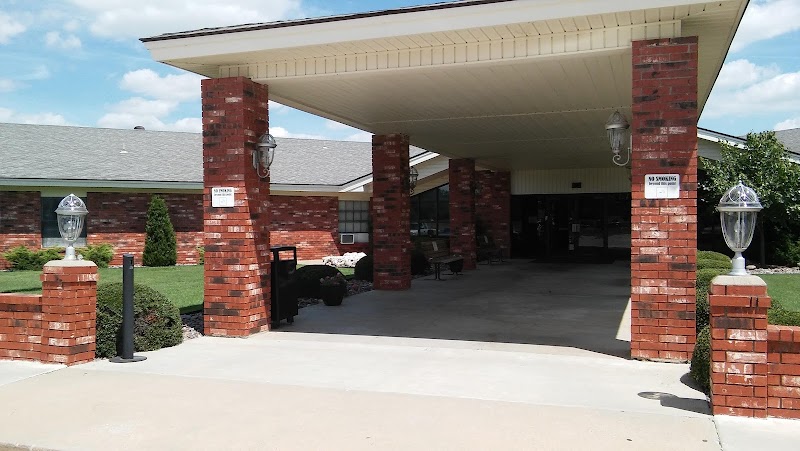
920 East 16Th Street, Claremore, OK 74017 (405) 943-6444
For profit - Partnership 118 Beds BRIDGES HEALTH Data: November 2025
Trust Grade
55/100
#98 of 282 in OK
Last Inspection: June 2024

Within standard 12-15 month inspection cycle. Federal law requires annual inspections.

Overview

Claremore Skilled Nursing and Therapy has a Trust Grade of C, which means it is average compared to other facilities. It ranks #98 out of 282 in Oklahoma, placing it in the top half, and #2 out of 5 in Rogers County, indicating there is only one local option that is better. The facility's trend is improving, with a reduction in reported issues from seven in 2024 to three in 2025. Staffing is rated at 3 out of 5 stars, with a turnover rate of 40%, which is lower than the state average, suggesting staff are relatively stable. On the downside, there have been serious incidents, such as a resident being transferred by one staff member when the care plan required two, resulting in falls and a fracture. Additionally, there were failures in ensuring some residents received regular bathing, which could affect their hygiene and comfort. Overall, while there are areas of concern, the facility is making strides to improve care.
Trust Score
C
55/100
In Oklahoma
#98/282
Top 34%
Safety Record
Moderate
Needs review
Inspections
Getting Better
7 → 3 violations
Staff Stability
○ Average
40% turnover. Near Oklahoma's 48% average. Typical for the industry.
Penalties
✓ Good
No fines on record. Clean compliance history, better than most Oklahoma facilities.
Skilled Nurses
⚠ Watch
Each resident gets only 11 minutes of Registered Nurse (RN) attention daily — below average for Oklahoma. Fewer RN minutes means fewer trained eyes watching for problems.
Violations
⚠ Watch
16 deficiencies on record. Higher than average. Multiple issues found across inspections.
★★★☆☆
3.0
Overall Rating
★★★☆☆
3.0
Staff Levels
★★★★☆
4.0
Care Quality
★★★☆☆
3.0
Inspection Score
Stable
2024: 7 issues
2025: 3 issues

The Good

  • 4-Star Quality Measures · Strong clinical quality outcomes
  • Full Sprinkler Coverage · Fire safety systems throughout facility
  • No fines on record
  • Staff turnover below average (40%)

    8 points below Oklahoma average of 48%

Facility shows strength in quality measures, fire safety.

The Bad

3-Star Overall Rating

Near Oklahoma average (2.6)

Meets federal standards, typical of most facilities

Staff Turnover: 40%

Near Oklahoma avg (46%)

Typical for the industry

Chain: BRIDGES HEALTH

Part of a multi-facility chain

Ask about local staffing decisions and management

The Ugly 16 deficiencies on record

2 actual harm
Jun 2025 3 deficiencies 1 Harm
SERIOUS (G) 📢 Someone Reported This

A family member, employee, or ombudsman was alarmed enough to file a formal complaint

Actual Harm - a resident was hurt due to facility failures

Accident Prevention (Tag F0689)

A resident was harmed · This affected 1 resident

On 06/11/25, a past non-compliance situation was determined to exist related to the facility's failure to ensure staff provided supervision to prevent falls from lifts. A facility reported incident, ...

Read full inspector narrative →
On 06/11/25, a past non-compliance situation was determined to exist related to the facility's failure to ensure staff provided supervision to prevent falls from lifts. A facility reported incident, dated 03/26/25, showed Resident #2 fell while being transferred by CNA #4 using a lift. 1. Immediate Action Taken: a. A quality assurance meeting was held to initiate a plan of action. b. all lifts and slings were inspected for wear and tear. 2. Systemic Changes Implemented: a. a schedule of inspection for slings and lifts to ensure all are in good working order. 3. Education and Training: a. All direct care staff were educated on safe use of lifts and slings. An initial incident report, dated 06/03/25, showed certain injuries for Resident #1 as a result of a sling failing during a transfer. 1. Immediate Action Taken: a. A quality assurance meeting was held to initiate a plan of action. b. Inspect all slings b. Discard all old slings and order new slings. 2. Systemic Changes Implemented: a. Method of laundering slings was changed to prevent excess wear by drying. 3. Education and Training: a. Direct care staff were educated on proper method of inspection for slings before use. Based on record review and interviews, the facility failed to ensure staff provided supervision to prevent falls from lifts which resulted in injury for 2 (#1 and #2) of 3 sampled residents who were reviewed for requiring transfers with lifts. The administrator reported 20 residents required the assistance of a lift. Findings: 1. An initial incident report, dated 03/26/25, documented in part .Witnessed fall by staff .Resident sent to ER for evaluation. BIMS of 12. CNA was suspended pending investigation .Upon investigation, it was determined that the sling detached from the lift during transfer. Resident was assessed by facility nurse and EMS called for transport to ER for assessment. ER X-rays showed rib fracture .All direct care staff inserviced on lift use and safety. Maintenance visually inspected all lifts and slings to ensure they were in good working order. Weekly documented checks will be conducted by maintenance to ensure lifts and slings are in working order. A progress note, dated 03/26/25 at 10:45 a.m., showed Res #2 had fallen to the ground while being assisted to a chair in a lift. A purple shower sling was noted hanging from the lift on 3 of the 4 hooks. A final incident report, dated 03/26/25, showed it was determined the sling detached from the lift during transfer and only one staff was operating the Hoyer lift and Resident #2 suffered a rib fracture as a result of the fall. A QAPI report, dated 03/26/25, showed a meeting was held and an action plan was developed. Inservice's were conducted for all direct care staff on safe transfers and the use of two staff when using all lift devices. The report showed compliance rounds to be initiated on 03/27/25. A significant change assessment, dated 04/03/25, showed Resident #2 had a BIMS of 7, which indicated severe cognitive impairment for decision making. The assessment showed the resident was dependent on staff for transfers and bathing. A care plan, dated 04/24/25, showed Resident #2 was dependent on a lift for transfers. On 06/10/25 at 12:38 p.m., Resident #2 stated the lift didn't get hooked properly. They reported there was only one person helping them transfer that day. 2. A significant change assessment, dated 03/24/25, showed Resident #1 had a BIMS of 3, which indicated severe cognitive impairment for decision making. The assessment showed Resident #1 required the use of a lift for transfers. An initial incident report, dated 06/03/25 showed certain injuries for Resident #1 as a result of a sling failing during a transfer. The report showed a fracture to the left arm and hip resulted from the fall. On 06/09/25 at 12:05 p.m., Resident #1 stated they were in the lift and the strap broke. Resident #1 stated they felt safe in the lift and they felt when the strap broke it was a freak accident. On 06/12/25, a review of documentation provided by the facility was conducted and included: 1. Quality assurance meeting held 06/04/25 2. Inservice's for staff conducted on 06/04/25 regarding the safe use and care of slings. 3. Documentation of new slings ordered on 06/04/25. 4. Weekly lift and sling checks. 5. Lift competency checks for CNA#3 and LPN #4 On 06/12/25, five direct care staff were interviewed regarding their prior education and current knowledge of proper and safe use of transfers and slings.
CONCERN (D) 📢 Someone Reported This

A family member, employee, or ombudsman was alarmed enough to file a formal complaint

Potential for Harm - no one hurt, but risky conditions existed

Investigate Abuse (Tag F0610)

Could have caused harm · This affected 1 resident

Based on record review and interview, the facility failed to thoroughly investigate an allegation of abuse for 1 (#3) of 3 sampled residents reviewed for abuse. The administrator identifed 85 residen...

Read full inspector narrative →
Based on record review and interview, the facility failed to thoroughly investigate an allegation of abuse for 1 (#3) of 3 sampled residents reviewed for abuse. The administrator identifed 85 residents resided in the facility. Findings: A undated facility policy titled Resident Abuse, Neglect and Misappropriation of Property, read in part, The administrator and or facility designee will report all allegations to the QAPI committee. The QA committee will monitor for compliance.A member of the administrative staff will then conduct a thorough investigation of the incident/allegation to obtain information about the incident and complete ODH-283 [Oklahoma Department of Health]. An undated Transfer/Discharge Report documented the resident had diagnoses which included major depressive disorder, chronic pain, anxiety disorder, and persistent mood disorders. A discharge return anticipated assessment, dated 12/01/24, did not show a BIMS for the resident. The assessment showed the resident was independent for daily decision making. An OSDH incident report, dated 12/17/24, showed an allegation of abuse for Resident #3. The report showed an allegation that CNA #1 forcefully pushed the resident in their wheelchair away from the nurse station and hit the wall. The facility could not provide statements regarding the incident occurring 12/17/24 from the identified resident or the identified CNA. A quality assurance committee report, dated 12/31/24, did not show abuse was monitored for compliance. On 06/11/25 at 1:47 p.m., the administrator stated there were no documented resident or staff statements regarding the incident on 12/17/24. The administrator stated without statements they did not know if the incident was witnessed by other staff or residents or what time the incident occurred. On 06/11/25 at 2:45 p.m., the administrator stated they could not provide the documentation/investigation to show a thorough investigation was completed. The administrator reviewed the QAPI committee documentation and stated abuse had not been identified after the incident on 12/17/24.
CONCERN (E) 📢 Someone Reported This

A family member, employee, or ombudsman was alarmed enough to file a formal complaint

Potential for Harm - no one hurt, but risky conditions existed

ADL Care (Tag F0677)

Could have caused harm · This affected multiple residents

Based on record review and interview, the facility failed to ensure bathing was provided for 2 (#2 and #4) of 4 sampled residents who were reviewed for activities of daily living. The administrator id...

Read full inspector narrative →
Based on record review and interview, the facility failed to ensure bathing was provided for 2 (#2 and #4) of 4 sampled residents who were reviewed for activities of daily living. The administrator identified 85 residents resided at the facility. Findings: 1. A significant change assessment for Resident #2, dated 04/03/25, showed Resident #2 had a BIMS of 7, which indicated they were moderately impaired for daily decision making. The assessment showed Resident #2 was dependent for showers. Task flow sheets for showers in April, May, and June of 2025 showed Resident #2 was to receive showers twice a week. The flow sheet for April 2025 showed one shower was given on 04/15/25 out of nine opportunities for showers. The flow sheet for May 2025 showed four showers were given on 05/07/25, 05/23/25, 05/28/25, and 05/30/25 out of nine opportunities in the month for showers. The flow sheet for June showed no showers had been given as of 06/10/25. On 06/10/25 at 12:38 p.m., Resident #2 stated they had only get one shower a week. 2. A quarterly assessment, dated 05/13/25, showed Resident #4 had a BIMS score of 15 (which is indicative of intact cognition). The assessment showed Resident #2 was moderately dependent for showers. Task flow sheets for showers in April, May, and June of 2025 showed Resident #4 was to receive showers twice a week. The flow sheet for April 2025 showed four showers were given out of 9 opportunities. The flow sheet showed showers were given on 04/17/25, 04/19/25, 04/24/25, and 04/29/25. The flow sheet for May showed three showers were given out of nine opportunities. The flow sheet showed showers were given on 05/01/25, 05/03/25, and 05/17/25. The flow sheet for June showed one shower had been given on 06/05/25 as of 06/10/25. On 06/11/25 at 10:46 a.m., the regional nurse consultant stated the residents should get the opportunity for two showers a week. On 06/11/25 at 11:02 a.m., the administrator stated residents should get two showers a week.
Jun 2024 6 deficiencies
CONCERN (D)

Potential for Harm - no one hurt, but risky conditions existed

Comprehensive Assessments (Tag F0636)

Could have caused harm · This affected 1 resident

Based on observation, record review, and interview, the facility failed to ensure the accuracy of an MDS assessment for one (#31) of five residents reviewed for MDS accuracy. The administrator reporte...

Read full inspector narrative →
Based on observation, record review, and interview, the facility failed to ensure the accuracy of an MDS assessment for one (#31) of five residents reviewed for MDS accuracy. The administrator reported the census was 80. Findings: Resident #31 had diagnoses including acute respiratory failure with hypoxia. A Medicare five-day assessment, dated 06/12/24, indicated the resident had required invasive mechanical ventilation while a resident at the facility. A review of Resident 31's orders did not document they had orders for a ventilator at the facility. On 06/27/24 at 2:19 pm, the DON stated they did not accept residents that required ventilators. On 06/27/24 at 2:30 pm, MDS coordinator #2 stated they had coded that Resident #31 required a ventilator because they required one before admission to the facility.
CONCERN (D)

Potential for Harm - no one hurt, but risky conditions existed

Deficiency F0655 (Tag F0655)

Could have caused harm · This affected 1 resident

Based on record review and interview, the facility failed to ensure the resident and the resident's representative were given a summary of the baseline care plan for one (#7) of two residents whose ba...

Read full inspector narrative →
Based on record review and interview, the facility failed to ensure the resident and the resident's representative were given a summary of the baseline care plan for one (#7) of two residents whose baseline care plans were reviewed. The administrator reported the census was 80. Findings: 1. Resident #64 had diagnoses which included kidney failure and sleep apnea. On 06/25/24 at 9:23 a.m., Resident #7 stated they did not receive a summary of their baseline care plan. On 06/27/24 the Resident #7's clinical record was reviewed. There was no documentation of a baseline care plan. On 06/28/24 at 9:13 am MDS coordinator #1 stated that they did not give Resident #7 or their representative a copy of their baseline care plan because they were unaware that it was a requirement. On 06/28/24 at 12:41 pm, The DON stated that a summary of the baseline care plan should be given to all residents and their representatives.
CONCERN (D)

Potential for Harm - no one hurt, but risky conditions existed

Deficiency F0698 (Tag F0698)

Could have caused harm · This affected 1 resident

Based on record review and interview, the facility failed to ensure appropriate communication between the facility and the dialysis provider for one (#16) of one resident reviewed for dialysis. The DO...

Read full inspector narrative →
Based on record review and interview, the facility failed to ensure appropriate communication between the facility and the dialysis provider for one (#16) of one resident reviewed for dialysis. The DON reported two residents received dialysis services. Findings: The Policy and Procedure Guidelines for Dialysis After Care policy, effective 07/11/12, read in part, .Schedule visits to dialysis center and coordinate care accordingly . A care plan intervention, revised on 05/15/24, documented to schedule dialysis every Monday, Wednesday, and Friday and to coordinate care with the dialysis center. A review of Resident #16's medical record did not document a Dialysis Communication Form had been completed for Resident #16 since 05/28/24. On 06/27/24 at 10:13 am, LPN #1 stated that until yesterday they were unaware that they were supposed to be filling out a Dialysis Communication Form and sending the form with the resident to the dialysis center. They also stated they had dropped the ball and from now on they would utilize the form. On 06/27/24 at 10:55 am, the DON stated the nurse on duty was responsible for sending the dialysis form with the resident and putting the information in the computer when the resident returned. On 06/28/24 at 8:33 am, LPN #2 stated that the communication form should be sent to dialysis with the resident and then entered into the computer upon the resident's return from dialysis. LPN #2 also stated the charge nurse was responsible for completing these tasks. On 06/28/24 at 10:40 am, LPN #3 stated nurse assigned to the dialysis residents hall was responsible for sending the dialysis for with the resident and ensuring it was entered into the computer.
CONCERN (E)

Potential for Harm - no one hurt, but risky conditions existed

Deficiency F0657 (Tag F0657)

Could have caused harm · This affected multiple residents

Based on record review and interview, the facility failed to ensure two (#58 and #7) of two residents/representatives reviewed for care plans, were involved in the care planning process. The administr...

Read full inspector narrative →
Based on record review and interview, the facility failed to ensure two (#58 and #7) of two residents/representatives reviewed for care plans, were involved in the care planning process. The administrator identified 80 residents who resided at the facility. Findings: 1. Resident #58 admitted with diagnoses which included anxiety. On 06/25/24 at 8:32 a.m., Resident #58 stated they did not know when the care plan meetings were held. Review of progress notes revealed, no notes concerning care plan meetings. On 06/27/24 at 10:41 a.m., the MDS Coordinator stated they conducted the care plan meetings and invited the resident and resident representatives. They stated the invitations were not documented, however the representative for Resident #58 came. The MDS Coordinator stated they did not believe it was documented. On 06/27/24 at 10:59 a.m., the MDS Coordinator returned and stated they did not have anything the representative for Resident #58 had signed to indicate they had attended the care plan meeting. 2. Resident #7 was admitted with diagnoses which included hypertension, depression, and over-active bladder. The care plan, last updated 06/21/24, did not document the resident/representative participated in the care plan process. On 06/25/24 at 09:23 a.m., Resident #7 stated they had not participated in a care plan meeting. On 06/27/24 the resident's clinical record was reviewed. There was no documentation the resident was notified of or participated in the care plan meeting. On 06/27/24 at 11:00 a.m., the MDS Coordinator stated when a resident's care plan was due, they informed the resident/representative of the meeting. They stated they did not document they informed the resident or their representative of the care plan meeting nor documented who participated in it.
CONCERN (E)

Potential for Harm - no one hurt, but risky conditions existed

ADL Care (Tag F0677)

Could have caused harm · This affected multiple residents

Based on observation, record review, and interview, the facility failed to provide showers for four (Resident #7, 21, 33, and Resident #37) of four sampled residents whose clinical records were review...

Read full inspector narrative →
Based on observation, record review, and interview, the facility failed to provide showers for four (Resident #7, 21, 33, and Resident #37) of four sampled residents whose clinical records were reviewed for ADL care to dependent residents. The facility Administrator identified 80 residents. Findings: A facility policy, effective date 10/01/01, documented showering was important because it rid the body of surface dirt, eliminated body odors, stimulated circulation, and provided an opportunity to inspect the resident's skin for any abnormalities or breakdown. A quality improvement report, dated 04/01/24, documented the facility identified showers as a problem and suggested they dedicate one to two staff to provide showers. 1. Resident #7 was admitted with diagnoses which included hypertension, depression, and over-active bladder. The care plan, revised 03/25/24, documented the resident required partial/moderate assistance with shower/bathing. The quarterly assessment, dated 06/07/24, documented the resident was mildly impaired in cognition and required partial/moderate assistance with shower/bathing. On 06/25/24 at 9:37 a.m., Resident #7 stated they did not received their showers as scheduled nor received showers when they requested. Resident #7 stated they bathed daily at home and would appreciate a shower daily or every other day. Resident #7 stated they would bathe themselves in the sink because they preferred to stay clean and did not care to be woke in the middle of the night or early morning to make up for a missed shower. On 06/27/24, a review of the clinical record documented Resident #7 received assistance with bathing on 06/02/24, 06/05/24, 06/12/24, 06/16/24, 06/19/24, and 06/26/24. On 06/27/24 at 1:10 p.m., CNA #2 stated the shower assignment list was usually 28 to 30 residents per day. The aide stated some residents require two or more person assistance for transfers and bathing and that required the aide to coordinate care with other staff for the additional help. The aide stated if they were unable to coordinate with staff for the additional help, the resident was left for the other shift to complete. The aide stated the residents requiring the additional help were often left for the other shift. The aide stated they left a list at the nurses station of all the residents who received a shower and the residents who did not receive a shower. The aide stated the following shift was to complete the remainder of the assigned showers. On 06/28/24 at 12:15 p.m., LPN #2 stated the shower aide would report to them when a resident refused their shower but had not reported to them that all assigned showers were not completed. The LPN stated all shower refusals were to be signed by the resident, the aide, and the nurse. On 06/28/24 at 1:15 p.m., the DON stated the facility employed one shower aide through the weekday and one shower aide on the weekends. The DON stated the shower aide may have 12 or more residents listed on the shower list for each weekday. The DON stated if the shower aide was unable to complete the assigned showers for the day, the other aides and shifts were expected to complete the assigned showers. 2. Resident #21 had diagnoses which included chronic pain, Hodgkin's lymphoma, and sarcopenia. The care plan, dated 03/22/24, documented Resident #21 would like a shower once a week. The physician's order, dated 05/07/24, documented Resident #21 was admitted to hospice services. The care plan, dated 05/09/24, documented Resident #21 received bath/showers from hospice. On 06/25/24 at 12:33 p.m., Resident #21 was observed in bed. The resident's hair appeared uncombed and there was dirt and debris under the resident's finger nails. Resident #21 stated they had not received a shower in six weeks. Resident #21 stated they agreed to hospice services because they were promised if they did so, they would receive showers. Resident #21 stated they did not feel clean after they received a bed bath. On 06/28/24, the Resident #21's clinical record was reviewed, including the hospice records related to bathing. The hospice records documented Resident #21 received a bed bath on the following dates: 05/13/24, 05/15/24, 05/21/24, 05/23/24, 05/29/24, 06/17/24, and 06/24/24. On 06/28/24 at 1:15 p.m., the DON stated residents receiving hospice services were bathed by hospice staff. The DON stated a residents' bathing preference should be accommodated by hospice when clinically possible. The DON stated the facility was responsible for the coordination of care for all residents, including ensuring residents received their baths and their choice of bathing preference was respected. 3. Resident #33 had diagnoses which included infection and inflammatory reaction due to indwelling urethral catheter and a stage three pressure ulcer. The quarterly assessment, dated 05/14/24, documented the Resident #33 was cognitively intact and was totally dependent on others for repositioning, transfers, and bathing. On 06/25/24 at 9:57 a.m., Resident #33 was observed in bed with their hair uncombed and gown stained with food. Resident #33 stated they had not received a shower in two weeks. Resident #33 stated when they were admitted , the facility had a shower bed but now they only have shower chairs. Resident #33 stated the shower chair was very uncomfortable and they did not feel they were clean when using the shower chair because they could not lean forward for their back to be washed and could not lift either hip up from the surface of the chair for the aide to wash their buttocks. Resident #33 also stated it was difficult for the aide to reach under the chair to wash the residents perineum. On 06/27/24 at 1:10 p.m., CNA #2 stated the shower assignment list was usually 28 to 30 residents per day. The aide stated Resident #33 required three staff members to assistance with their transfer to and from the shower chair. The CNA stated Resident #33 was in a lot of pain when up in the shower chair even when they padded the chair with multiple bath blankets. The aide stated they had not given the Resident #33 a shower in a few weeks. The aide stated they tried to start the bath schedule with those residents who they missed on their previously scheduled shower day to ensure the resident had at least one shower per week. The aide stated since the Resident #33 required the assistance of two other staff members, the resident was often left for the other shift to complete. The aide stated the residents requiring the additional help were often left for the other shift. The aide stated they left a list at the nurses station of all the residents who received a shower and the residents who did not receive a shower. The aide stated the following shift was to complete the remainder of the assigned showers. On 06/28/24 at 12:15 p.m., LPN #2 stated the shower aide would report to them when a resident refused their shower but had not reported to them that all assigned showers were not completed. The LPN stated all shower refusals were to be signed by the resident, the aide, and the nurse. On 06/28/24 at 1:15 p.m., the DON stated the facility employed one shower aide through the weekday and one shower aide on the weekends. The DON stated the shower aide may have 12 or more residents listed on the shower list for each weekday. The DON stated if the shower aide was unable to complete the assigned showers for the day, the other aides and shifts were expected to complete the assigned showers. 4. Resident #37 had diagnoses which included impulse disorder. The quarterly assessment, dated 06/07/24, documented the resident was cognitively intact, exhibited no behaviors, and required partial/moderate assistance with bathing. The care plan, dated 06/19/24, documented the resident required partial/moderate assistance with bathing and to offer bathing at least twice a week. On 06/25/24 at 1:07 p.m., Resident #37 was in bed. The resident's hair appeared oily and their face unshaven. Resident #37 stated they did not receive their showers, even after asking for a shower. The care plan documented if the resident was to refuse, to try again later, document the refusal, and inform the nurse. On 06/26/24 at 9:00 a.m., the Resident #37's clinical record was reviewed. There was no documentation the resident received a bath in the last 30 days. There was no documentation the resident refused a bath in the last 30 days. On 06/27/24 at 1:10 p.m., CNA #2 stated Resident #37 required the assistance of a male staff member which was not always available. On 06/28/24 at 1:15 p.m., the DON stated the facility employed one shower aide through the weekday and one shower aide on the weekends. The DON stated male staff were assigned to provide the Resident #37 with a shower each week or document when the resident refused.
CONCERN (E)

Potential for Harm - no one hurt, but risky conditions existed

Laboratory Services (Tag F0770)

Could have caused harm · This affected multiple residents

The facility failed to ensure lab work was completed as ordered for two (#39 and #33) of five residents reviewed for unnecessary medications. The administrator reported the census in the facility was ...

Read full inspector narrative →
The facility failed to ensure lab work was completed as ordered for two (#39 and #33) of five residents reviewed for unnecessary medications. The administrator reported the census in the facility was 80. Findings: 1. Resident #39 had diagnoses which included diabetes mellitus and hypertension. A physician's order, dated 02/16/24, documented to repeat a lipid level in 3 months, April 2024. A review of Resident #39 records did not document a lipid level had been collected in April of 2024. On 06/27/24 at 2:40 pm, The ADON stated that the lab had not been completed in April of 2024. They also stated the lab had been completed on 06/27/24 and the results had been addressed by the physician. On 06/28/24 at 12:41 pm, The DON stated the ADON was responsible for ensuring lab work was completed as ordered. 2. Resident #33 had diagnoses which included atrial fibrillation and an unspecified coagulation defect. A laboratory report, dated 01.25.24, documented the resident had a critical low potassium level of 2.7 mEq/L (normal range 3.5-5.1 mEq/L). On the laboratory report was a hand written note, dated 01/26/24, which read to administer 40meq of potassium now, to start potassium 20meq daily, and to check the resident's potassium level by redrawing the lab on 01/29/24. There was no documented lab drawn on 01/29/24. A laboratory report, dated 01/30/24, documented the laboratory results of a complete blood count. The laboratory findings for a complete blood count does not measure the resident's potassium level. On 06/28/24 at 9:33 a.m., the resident's laboratory results were reviewed with the DON. The DON stated the redraw was not performed and a laboratory order for a complete blood count was ordered instead by mistake. The DON stated the facility did not have a system in place which would monitor laboratory orders for inaccuracies.
Jun 2024 1 deficiency
CONCERN (D) 📢 Someone Reported This

A family member, employee, or ombudsman was alarmed enough to file a formal complaint

Potential for Harm - no one hurt, but risky conditions existed

Investigate Abuse (Tag F0610)

Could have caused harm · This affected 1 resident

Based on record review and interview, the facility failed to ensure residents and staff were interviewed as part of a investigation into alleged abuse for one (#1) of four sampled resident reviewed fo...

Read full inspector narrative →
Based on record review and interview, the facility failed to ensure residents and staff were interviewed as part of a investigation into alleged abuse for one (#1) of four sampled resident reviewed for abuse. A Resident List Report, dated 06/12/24, documented 73 residents resided at the facility. Findings: A Resident Abuse, Neglect, and Misappropriation of Property policy, revised date 11/01/22, read in part, A member of the administrative staff will then conduct a thorough investigation of the incident/allegation to obtain information about the incident and complete ODH-283. An ODH-283, an incident reporting form, documented an allegation of abuse had been received by the DON on 05/24/24. The form documented an investigation had been conducted which included interviews with residents and staff. On 06/12/24 at 10:35 a.m., DON stated they could not recall if they had interviewed any residents about the alleged incident between CNA #1 and Resident #1. They stated they did not recall speaking to the nurse who worked the night of the alleged abuse about the incident itself. They stated they had worked with CNA #1 many times and felt they knew them well. They stated after speaking with CNA #1 about the incident they had no reservations about allowing the staff member to return to work and unsubstantiated the allegation. They stated they believed they had conducted a thorough investigation. On 06/12/24 at 12:48 p.m., DON stated they think they could have investigated the allegation more than they had. They stated they could have spoken with residents in the hall where the alleged incident had occurred. They stated they had not conducted a thorough investigation.
Apr 2023 1 deficiency
CONCERN (E) 📢 Someone Reported This

A family member, employee, or ombudsman was alarmed enough to file a formal complaint

Potential for Harm - no one hurt, but risky conditions existed

Deficiency F0725 (Tag F0725)

Could have caused harm · This affected multiple residents

Based on observation, record review, and interviews, the facility failed to have sufficient staff to ensure residents received personal care and services in a timely manner for three (#17, 55, and #34...

Read full inspector narrative →
Based on observation, record review, and interviews, the facility failed to have sufficient staff to ensure residents received personal care and services in a timely manner for three (#17, 55, and #34) of three residents sampled for sufficient staffing. The Resident Census and Conditions of Residents report, dated 04/17/23, documented 74 residents resided in the facility. Findings: On 04/17/23 at 12:57 p.m., Resident #17 reported staff did not check on her regularly or at least every two hours. The resident reported she was not able to use her call light and sometimes when her daughter came to visit, the resident's brief would be full. The resident stated she felt the facility didn't have enough staff to check on residents as often as they should. On 04/17/23 at 3:07 p.m., Resident #55 reported the facility did not have enough staff and often worked with only two CNAs in the whole building. The resident stated she had complained and she was starting to see staff members coming out of the offices to assist on the floor. The resident stated she thought they had pulled nurses to the floor instead of filling office jobs. On 04/18/23 at 2:30 p.m., LPN # 1 reported staffing had been a challenge. The LPN reported she worked almost every day. The LPN reported they were currently working with two CNAs for 74 residents and stated this was common. The LPN was asked how many staff in total were currently working and she stated there were two LPNs, three CMAs, and two CNAs working the floor for 74 residents. The LPN stated they had been managing to get resident care completed but the aides were stretched very thin. On 04/20/23 at 8:15 a.m., CNA #3 reported she worked in the business office but was also a CNA. The CNA was observed to answer call lights, assist with resident care, and was asked how often she was pulled to the floor. The CNA stated either the charge nurse or DON would usually ask her to help out and when she did, they would add her to the schedule. The CNA was asked if she was ever scheduled specifically to work the floor, and she stated no, she was only pulled to help out as needed. On 04/20/23 at 10:09 a.m., a family member for resident #34 reported that on more than one occasion, they had found resident #34 drenched with urine. The family member stated sometimes there would be only one or two aides for more than 70 residents. They stated there was one day when the resident's lunch tray was still sitting in the resident's room at 5:00 p.m., and it was their opinion there wasn't enough staff to ensure residents had eaten and trays were picked up in a timely manner. The family member did not express a concern regarding weight loss and the resident's clinical record did not document weight loss. Quality of Care Monthly Reports, dated January, February and March 2023, were reviewed for adequate staffing and documented the following: The January report documented five days with insufficient staffing for the reported resident census. 01/01/23 - 203.07 total direct care staff hours for 76 residents. The facility should have had at least 220.4 hours. 01/21/23 - 229.90 total direct care staff hours for 81 residents and should have had at least 234.9 hours. 01/22/23 - 211.82 total direct care staff hours for 80 residents and should have had at least 232.0 hours. 01/28/23 - 188.33 total direct care staff hours for 79 residents and should have had at least 229.1 hours. 01/29/23 - 184.34 total direct care staff hours for 78 residents and should have had at least 226.2 hours. The February report documented six days with insufficient staffing for the reported resident census. 02/04/23 - 195.44 total direct care staff hours for 80 residents and should have had at least 232.0 hours. 02/05/23 - 180.52 total direct care staff hours for 79 residents and should have had at least 229.1 hours. 02/11/23 - 181.61 total direct care staff hours for 76 residents and should have had at least 220.4 hours. 02/12/23 - 187.75 total direct care staff hours for 75 residents and should have had at least 217.5 hours. 02/25/23 - 177.14 total direct care staff hours for 80 residents and should have had at least 232.0 hours. 02/26/23 - 221.81 total direct care staff hours for 80 residents and should have had at least 232.0 hours. The March report documented four days with insufficient staffing for the reported resident census. 03/05/23 - 217.92 total direct care staff hours for 78 residents and should have had at least 226.2 hours. 03/12/23 - 198.45 total direct care staff hours for 79 residents and should have had at least 229.1 hours. 03/19/23 - 207.31 total direct care staff hours for 73 residents and should have had at least 211.7 hours. 03/26/23 - 219.93 total direct care staff hours for 76 residents and should have had at least 220.4 hours. On 04/20/23 at 11:29 a.m., the DON was interviewed regarding staffing and asked if she thought two CNAs was enough to care for a census of 74 residents. The DON stated the nurses helped out as well and they also used EAs. She stated the EAs could pick up meal tickets, deliver food to residents who did not require assistance, deliver ice, and answer call lights to relay messages to an aide or nurse. The DON stated CMAs were scheduled specifically to pass medications, although they would occasionally help with resident showers when needed. The DON stated they had designated the PRN aides to be shower aides and reported they worked about two days a week, usually 8:00 a.m. to 2:00 p.m. The DON stated she had complaints in the past about call lights but thought it was getting better. She reported she had been able to hire more staff and the facility was much better staffed on the weekend shifts than previous. The DON stated she had worked the floor herself and had worked several overnight shifts. She reported the ADONs had also worked the floor, as well as the business office staff member who was certified and cross-trained. The DON stated she kept a calendar schedule for nurses to help with feeding assistance, as well as assisting to get meal trays passed in a timely manner. On 04/20/23 at 11:30 a.m., hand-written staffing schedules were reviewed at length. It was very difficult to determine exactly how many staff were working on any given shift. The DON was asked to review the schedules and provide specific numbers in regard to how many aides had worked each shift. This information was not provided. On 04/20/23 at 12:03 p.m., the Administrator stated it had been very difficult to get CNAs hired, who would actually show up for work, so he had hired more LPNs and had the weekend shifts covered better than previous. The Administrator mentioned the business office staff member who was cross-trained and certified to help on the floor as needed, as well as the social services and activities staff who were also CNAs.
Mar 2023 1 deficiency
CONCERN (E) 📢 Someone Reported This

A family member, employee, or ombudsman was alarmed enough to file a formal complaint

Potential for Harm - no one hurt, but risky conditions existed

ADL Care (Tag F0677)

Could have caused harm · This affected multiple residents

Based on record review and interview, the facility failed to ensure dependent residents were provided/offered baths for four (#2, #4, #8, and #12) of six sampled residents who were reviewed for ADL as...

Read full inspector narrative →
Based on record review and interview, the facility failed to ensure dependent residents were provided/offered baths for four (#2, #4, #8, and #12) of six sampled residents who were reviewed for ADL assistance. The Resident Census and Conditions of Residents form identified 66 residents who required the assistance of one or two staff members for bathing and 16 residents who were dependent on staff for bathing. Findings: 1. Resident #2 had diagnoses which included hemiplegia of the dominate side and aphasia. The Documentation Survey Report v2 report, dated December 2022, documented the resident was scheduled baths on Mondays and Thursdays. The report documented the resident had been offered/received two baths out of nine opportunities. The Documentation Survey Report v2 report, dated January 2023, documented the resident was scheduled baths on Mondays and Thursdays. The report documented the resident had been offered/received three baths out of nine opportunities. The quarterly assessment, dated 02/02/23, documented the resident required assistance from staff for bathing. The Care Plan, dated 02/08/23, documented the resident resisted care at times and required physical assistance for bathing. The Documentation Survey Report v2 report, dated February 2023, documented the resident was scheduled baths on Mondays and Thursdays. The report documented the resident had been offered/received three baths out of eight opportunities. Review of the EMR did not reveal documentation the resident had refused scheduled baths for December 2022, January 2023, or February 2023. 2. Resident #4 had diagnoses which included malignant neoplasm of the ovary. A 5-day assessment, dated 02/22/23, documented the resident required assistance from staff for bathing. The Care Plan, dated 02/27/23, documented the resident required extensive assistance of one person for bathing. The Documentation Survey Report v2 report, dated February 2023, documented the resident was scheduled baths on Tuesday and Friday. The report documented the resident had not been offered/received baths out of out of four opportunities from 02/17/23 through 02/28/23. Review of the EMR did not reveal documentation the resident had refused scheduled baths for February 2023. 3. Resident #12 had diagnoses which included dementia and rheumatoid arthritis. The Documentation Survey Report v2 report, dated February 2023, documented the resident was scheduled baths on Tuesday and Friday and had been discharged from hospice services on 02/17/23. The report documented the resident had been offered/received one bath in three opportunities from 02/18/23 through 02/28/23. The significant change assessment, dated 02/20/23, documented the resident was cognitively intact for daily decision making. The Care Plan, dated 02/28/23, documented the resident required supervision to set up help to assistance of one and the resident refused bathing at times. Review of the EMR did not reveal the resident had refused baths in February 2023. On 03/02/23 at 1:45 p.m., Resident #12 was asked how often they received baths. They stated they had not received a bath in approximately two weeks. They stated they had spoken to staff about the lack of baths and was notified they were working on a schedule change. 4. Resident #8 had diagnoses which included acute kidney failure. The Documentation Survey Report v2 report, dated February 2023, documented the resident was scheduled baths on Monday and Thursday. The report documented the resident had been offered/received one bath out of three opportunities from 02/20/23 through 02/28/23. The admission assessment, dated 02/26/22, documented the resident required one person physical assistance for bathing and was cognitively intact for daily decision making. On 03/01/23 at 1:15 p.m., Resident #8 was asked how often they received baths. They stated they had received one bath since they had been admitted . On 03/02/23 at 2:35 p.m., the DON was asked how the bath schedule was utilized by staff. The DON stated the schedule has continued to change since the facility had identified a concern with baths in January 2023. The DON stated ensuring baths were provided had been a process and had required several schedule changes. They stated the ADON managed the bath schedule. On 03/02/23 at 2:41 p.m., the ADON was asked how baths were monitored to ensure residents were offered/received showers as scheduled. The ADON stated they reviewed the list of baths that were given and would make sure the residents received at least one per week.
Jun 2019 4 deficiencies 1 Harm
SERIOUS (H)

Actual Harm - a resident was hurt due to facility failures

Accident Prevention (Tag F0689)

A resident was harmed · This affected multiple residents

Based on observation, interview, and record review, it was determined the facility failed to ensure a resident was transferred with two staff members in order to prevent falls for one (#45) of three r...

Read full inspector narrative →
Based on observation, interview, and record review, it was determined the facility failed to ensure a resident was transferred with two staff members in order to prevent falls for one (#45) of three residents reviewed for falls. The resident experienced three falls while being transferred by one staff member with the third fall resulting in a fracture. The director of nursing determined there were five falls with fractures in the past six months. Findings: Resident #45 was admitted with diagnoses which included weakness, muscle wasting, osteoporosis, and a history of falling. A care plan, initiated on 08/17/18, documented: Focus Potential for falls r/t: Deconditioning, Gait/Balance Problems . Goal Staff will evaluate all falls and intervene as needed to reduce the potential of significant injury through the review date . Interventions . Follow Facility Fall Protocol . Anticipate and meet the resident's needs . Keep Pathways clear, clutter free, dry and well lit . Keep personal and frequently used items in reach . Ensure that resident is wearing non-skid footwear before transfers and when up in wheelchair . Ensure that resident is wearing non-skid foot wear before ambulation . Encourage resident to participate in activities that promote physical activity for strenghtening and improved mobility . Call light in reach encourage to use. Date Initiated: 08/17/2018 . Focus [Resident] is at risk for fluctuations in ADL's due to change in independence level Goal Will maintain current level of function through the review date Interventions . Transfer: requires limited x2 (X) staff participation with transfers . An admission assessment, dated 08/23/18, documented the resident was cognitively intact; required extensive assistance with bed mobility, transfers, dressing, toilet use, bathing, and hygiene; had no impairment in range of motion; was frequently incontinent of bowel and bladder; had one fall with injury except major; and received an antidepressant and a diuretic medication seven days out of the seven day look back period. An incident note, dated 10/28/18 at 8:40 a.m., documented, This nurse called to room by CNA stating that res had sat down in the floor in the bathroom. Upon entering res bathroom res in sitting position facing toilet. CNA stated that she was going to toilet the res and states that her legs felt week [sic], CNA then lowered res to the floor. Res stated, 'I was going to the bathroom and my legs felt weak .Res assisted into W/C with the help of this nurse and two CNA's .Intervention: CNA educated on importance of reading falling star before transferring residents, res is a two person assist for all transfers. An update, initiated on 10/29/18, to the care plan for potential for falls, documented, RESOLVED: fall 10/28 no injury staff education to read/check falling star . An update to the care plan for potential for falls, initiated on 11/15/18, documented: Bolster . Positioning Bars x2 . A revision, dated 12/05/18, to the care plan for fluctuations in ADL's, documented, .Walking does not walk .Toilet Use : Extensive Assist 2(X) person physical assist . An incident note, dated 01/08/19 at 1:32 p.m., documented, This nurse was called to resident's room d/t resident in the floor. CNA stated that during transfer resident was being uncooperative and started sliding so CNA assisted resident down CNA's legs to the floor. Resident stated that her feet slid out from under her. Upon entering room nurse observed resident resting in floor by bed .Intervention: Educate CNAs will follow transfer status that is on the Falling Star (posted in resident's room and at the nurse's station) to prevent falls and for resident's and CNA safety. An update, initiated on 01/08/19, to the care plan for potential for falls, documented, RESOLVED: 1/8/2018 [sic] Fall in room non injury Intervention: Learning circle with staff . A quarterly assessment, dated 02/11/19, documented the resident was cognitively intact; required extensive assistance with bed mobility, transfers, dressing, toilet use, bathing, and hygiene; had no impairment in range of motion; was frequently incontinent of bowel and bladder; had one fall with injury except major; and received an antidepressant and a diuretic medication seven days out of the seven day look back period. An incident note, dated 03/20/19 at 10:37 a.m., documented, This nurse called to res room. CNA stated that she was assisting res to toilet and res stated that her legs felt week [sic], CNA then eased res to floor. Res stated, 'my legs felt weak and I couldn't stand.' Res assisted into W/C with help of two nurse and three CNA's. Res assessed for injuries, right knee swollen with light bruise to outer knee observed .Pain 5/10 to right knee .New order to obtain X ray to right leg, knee and hip. Intervention: res to be evaluated for therapy. An incident report form, dated 03/20/19, documented, At 1000, resident was observed sitting on the floor in her bathroom. Resident was with CNA at the time assisting resident to the toilet. Resident stated that her legs felt weak and CNA eased resident to the floor .Resident complained of pain to her right knee. Resident assisted to her wheelchair x2 nurse and 3 CNA assist. Pain 5/10 to right knee .Order received to obtain stat xray of right leg, knee and hip. Xray revealed fracture of right lower extremity. Order received to send resident to ER . An update, initiated on 03/21/19, to the care plan for the potential for falls, documented, 3/21/2019 Fall broke R lower ext Intervention: part b/transferred to hospital clarification fall date 3/20/19 . A quarterly assessment, dated 05/09/19, documented the resident was cognitively intact; required extensive assistance with bed mobility, transfers, dressing, toilet use, and hygiene; had no impairment in range of motion; was frequently incontinent of bowel and bladder; had one fall with injury except major; and received an antidepressant and a diuretic medication seven days out of the seven day look back period. On 06/20/19 at 8:45 a.m., the resident was observed in bed. The resident was asked if she remembered having falls. She stated she knew she had fallen but she could not remember anything about them. On 06/20/19 at 9:45 a.m., an undated copy of the falling star form was observed in the resident's room. The form documented the resident was a two person assist for ADLs. On 06/20/19 at 1:45 p.m., CNA #1 was asked if she was familiar with the residents care. She stated yes. She was asked to describe what assistance was required for the resident. She stated the resident had recently fallen and required a Hoyer lift to transfer. She stated the resident had been a two person assist. On 06/24/19 at 9:08 a.m., LPN #4 was asked if she remembered the falls of this resident. She stated yes, some of them. She was asked how the staff would know what interventions to use for transfers and toileting. She stated it would be on the falling star form on the closet door. She was asked what interventions were in place for transfers for this resident. She stated the resident was a two person assist at all times. At 9:13 am, the DON was asked how the staff would know what interventions should be done regarding resident transfers. She stated the falling star document. She was asked who ensured the falling star was current. She stated the staff did the falling star updates. She stated the falling star would be posted in the residents' room and in a book. The DON was asked how the resident should have been being transferred. She stated she should have been a two person assist and staff should have done that. At 10:16 a.m., the resident was observed in her bed. She was asked if she was going to get out of bed today. She stated she had just gotten back to bed. At 1:43 p.m., CNA #2 was asked if she had been with the resident when a fall occurred. She stated yes. She was asked to describe what occurred. She stated she knew she was supposed to look at the falling star, but she had listened to the other CNAs who were familiar with the resident and she had been told the resident could be transferred by one person. She was asked if she knew what her falling star documented at the time the fall occurred. She stated she was pretty sure the resident was a two person. She was asked where the falling star protocol was located. She stated on the resident's closet door.
CONCERN (D)

Potential for Harm - no one hurt, but risky conditions existed

Respiratory Care (Tag F0695)

Could have caused harm · This affected 1 resident

**NOTE- TERMS IN BRACKETS HAVE BEEN EDITED TO PROTECT CONFIDENTIALITY** Based on observation, interview, and record review it was determined the facility failed to ensure a resident's oxygen tubing wa...

Read full inspector narrative →
**NOTE- TERMS IN BRACKETS HAVE BEEN EDITED TO PROTECT CONFIDENTIALITY** Based on observation, interview, and record review it was determined the facility failed to ensure a resident's oxygen tubing was dated for one (#236) of one sampled resident reviewed for respiratory care. The DON identified 19 residents who received oxygen therapy in the facility. Findings: A respiratory policy and procedure, dated 11/23/99 with a revision date of 08/31/10, documented the facility would stock disposables necessary to provide respiratory therapy treatments and the equipment would be required to be dated when changed out. Resident #236 was admitted to the facility on [DATE] with diagnoses of chronic obstructive pulmonary disease with acute exacerbation. A physician's order, dated 06/12/19, documented the resident's oxygen tubing was to be replaced weekly. A care plan, dated 06/15/19, documented the resident had received oxygen therapy related to ineffective gas exchange and had interventions which included changing the resident's oxygen tubing weekly. On 06/18/19 at 10:47 a.m., the resident was observed in her room conversing with a family member. The oxygen tubing which was connected to an oxygen concentrator and connected to the cannula the resident was wearing was not dated. The oxygen tubing connected to an oxygen tank located on the back of the resident's wheelchair was not dated. On 06/20/19 at 8:41 a.m., the resident was observed in her room. The oxygen tubing which was connected to an oxygen concentrator and connected to the cannula the resident was wearing was not dated. The oxygen tubing connected to an oxygen tank located on the back of the resident's wheelchair was not dated. At 9:00 a.m., LPN #1 was asked how often oxygen tubing was replaced. She stated the tubing was replaced weekly. She was asked how the resident's care providers would know when it was time to replace a tubing set. She stated all the oxygen tubing was marked with the date it was changed. She was asked what was the purpose of changing the tubing weekly and marking it with the date. She stated to prevent infection. She was asked to inspect the two sets of oxygen tubing in the resident's room and tell me how long it had been in use by the resident. She observed the tubing and stated neither were marked with the date and she could not give a time frame of how long the tubing had been in use. She stated the tubing should have had a piece of tape attached with the date it was changed marked on the tape but neither of those had tape attached nor a date. At 9:22 a.m., the DON was ask how staff would know when to change out oxygen tubing. She stated the tubing should be marked with a date. She was asked the purpose of periodically changing out the old tubing for new ones. She stated it was to prevent bacterial growth and illness.
CONCERN (E)

Potential for Harm - no one hurt, but risky conditions existed

Deficiency F0657 (Tag F0657)

Could have caused harm · This affected multiple residents

Based on observation, interview, and record review, it was determined the facility failed to ensure a care plan was updated for one (#45) of 21 sampled residents whose care plans were reviewed. The re...

Read full inspector narrative →
Based on observation, interview, and record review, it was determined the facility failed to ensure a care plan was updated for one (#45) of 21 sampled residents whose care plans were reviewed. The resident census and condition report documented there were 84 residents in the facility. Findings: Resident #45 was admitted with diagnoses which included weakness, muscle wasting, and osteoporosis. A quarterly assessment, dated 05/09/19, documented the resident required extensive assistance with bed mobility and transfers, and had one fall with injury except major. A care plan, dated 05/27/19, documented: Problem: Potential for falls. Goal: Staff will evaluate all falls and intervene as needed to reduce the potential of significant injury through the review date. Interventions included: On 10/28/18 the resident experienced a fall with no injury. On 01/08/19 the resident experienced a fall in her room and had no injury. On 03/21/19 the resident experienced a fall with a fracture of her right lower extremity. On 06/04/19 the resident experienced a fall in the lobby while up in the wheelchair. Follow fall prevention protocol. Staff educated to read/check the falling star. Focus: At risk for fluctuations in ADL's due to change in independence level Goal: Will maintain current level of function through the review date. Interventions included: Non-weight bearing (Revised on 04/25/19) Extensive assist of two for toilet use (Revised on 12/05/18) Limited assist of two for transfers (Revised on 12/05/18) Does not walk (Revised on 12/05/18) Totally dependent on staff for transfers (Revised on 06/19/19) On 06/20/19 at 8:45 a.m., the resident was observed in bed. The resident was asked if she remembered having falls. She stated she knew she had fallen but she could not remember anything about them. At 1:45 p.m., CNA #1 was asked if she was familiar with the residents care. She stated yes. She was asked to describe what assistance was required for the resident. She stated the resident had recently fallen and required a Hoyer lift to transfer. At 1:55 p.m., the MDS nurse, was asked when she would update a care plan. She stated a resident's care plan would be updated when she completed a quarterly, an annual or a significant change assessment. She was asked if she would update the care plan if something happened in between assessments. She stated yes. She was asked how she would ensure the resident's care plan was up to date. She stated they had daily meetings and they obtained information there and they also ensured all of the residents' orders were in so they were pretty up to date. The MDS nurse was asked about the resident's transfer requirements. She stated a two person transfer in the care plan usually meant a Hoyer lift. She was asked how staff would know that meant a Hoyer lift. She stated she thought staff would know. She was asked if the care plan documented the resident required a Hoyer lift. She stated no.
CONCERN (E)

Potential for Harm - no one hurt, but risky conditions existed

Deficiency F0688 (Tag F0688)

Could have caused harm · This affected multiple residents

Based on observation, interview, and record review, it was determined the facility failed to ensure a resident received treatment and services to prevent a decline in range of motion for one (#56) of ...

Read full inspector narrative →
Based on observation, interview, and record review, it was determined the facility failed to ensure a resident received treatment and services to prevent a decline in range of motion for one (#56) of one sampled resident reviewed for limited range of motion. The DON identified ten residents with contractures in the facility. Findings: Resident #56 had diagnoses which included hemiplegia and hemiparesis following unspecified cardiovascular disease. A physician's order, dated 12/15/17, documented the resident was to have a hand roll applied every day shift for a contracture of the left hand. A care plan focus for skin integrity, dated 12/18/17 with a revision date of 12/14/18, documented an intervention for a hand roll to have been applied every day shift for a contracture of the left hand. A care plan focus for alteration in musculoskeletal state related to contractures of the left hand and foot, dated 06/25/18 with a revision date of 02/27/19, documented an intervention for a hand roll to have been applied every day shift for a contracture of the left hand. A quarterly assessment, dated 05/20/19, documented the resident was moderately impaired cognitively, required extensive to total assistance with activities of daily living, and had impairment on one side of the upper and lower extremity. On 06/18/19 at 10:18 a.m., the resident's left hand appeared contracted. The resident was asked if she could open the hand. She attempted to do so and stated she had been unable to do so for many years. She was asked if the staff ever placed any objects in her left hand. She stated the staff did sometimes but not always. On 06/19/18 at 10:38 a.m., the resident was observed in her room. Her left hand did not have a hand roll applied. On 06/20/19 at 1:10 p.m., the resident was observed in her room. Her left hand did not have a hand roll applied. She was asked if staff had been placing a hand roll or other object in her left hand. She stated they had in the past but not any longer. At 1:20 p.m., the resident's family member was asked if she had observed any object placed in the resident's contracted hand. She stated they did so occasionally. At 1:28 p.m., LPN #2 was asked if she was the nurse caring for resident #56. She stated that she was. She was asked what care the resident had received related to her contracture. She stated the resident's left hand was cleaned with normal saline daily. She was asked if anything else was done. She stated she was unsure. She was asked if a hand roll was ever placed in the resident's contracted hand. She stated she was unsure. She was asked to look to see if there was a physician's order for hand rolls to be applied to the residents left hand. She looked in the resident EMR and stated there was an active order for a hand roll to be applied to that hand each day shift. She was asked if she had ever applied a hand roll to the resident's hand. She stated she had not. She was asked if she had checked to see if another staff had applied a hand roll. She stated she had not. At 1:41 p.m., the DON was asked if active physician orders were required to be followed. She stated they were. She was asked who was responsible for ensuring hand rolls were applied to contracted hands. She stated the charge nurses were to ensure such treatments were carried out as ordered.
Understanding Severity Codes (click to expand)
Life-Threatening (Immediate Jeopardy)
J - Isolated K - Pattern L - Widespread
Actual Harm
G - Isolated H - Pattern I - Widespread
Potential for Harm
D - Isolated E - Pattern F - Widespread
No Harm (Minor)
A - Isolated B - Pattern C - Widespread

Questions to Ask on Your Visit

  • "Can I speak with families of current residents?"
  • "What's your RN coverage like on weekends and overnight?"

Our Honest Assessment

Strengths
  • • No fines on record. Clean compliance history, better than most Oklahoma facilities.
  • • 40% turnover. Below Oklahoma's 48% average. Good staff retention means consistent care.
Concerns
  • • 16 deficiencies on record, including 2 serious (caused harm) violations. Ask about corrective actions taken.
  • • Grade C (55/100). Below average facility with significant concerns.
Bottom line: Mixed indicators with Trust Score of 55/100. Visit in person and ask pointed questions.

About This Facility

What is Claremore Skilled Nursing And Therapy's CMS Rating?

CMS assigns Claremore Skilled Nursing and Therapy an overall rating of 3 out of 5 stars, which is considered average nationally. Within Oklahoma, this rating places the facility higher than 99% of the state's 100 nursing homes. This mid-range rating indicates the facility meets federal standards but may have areas for improvement.
How is Claremore Skilled Nursing And Therapy Staffed?

CMS rates Claremore Skilled Nursing and Therapy's staffing level at 3 out of 5 stars, which is average compared to other nursing homes. Staff turnover is 40%, compared to the Oklahoma average of 46%. This relatively stable workforce can support continuity of care.

What Have Inspectors Found at Claremore Skilled Nursing And Therapy?

State health inspectors documented 16 deficiencies at Claremore Skilled Nursing and Therapy during 2019 to 2025. These included: 2 that caused actual resident harm and 14 with potential for harm. Deficiencies causing actual harm indicate documented cases where residents experienced negative health consequences.

Who Owns and Operates Claremore Skilled Nursing And Therapy?

Claremore Skilled Nursing and Therapy is owned by a for-profit company. For-profit facilities operate as businesses with obligations to shareholders or private owners. The facility is operated by BRIDGES HEALTH, a chain that manages multiple nursing homes. With 118 certified beds and approximately 85 residents (about 72% occupancy), it is a mid-sized facility located in Claremore, Oklahoma.

How Does Claremore Skilled Nursing And Therapy Compare to Other Oklahoma Nursing Homes?

Compared to the 100 nursing homes in Oklahoma, Claremore Skilled Nursing and Therapy's overall rating (3 stars) is above the state average of 2.6, staff turnover (40%) is near the state average of 46%, and health inspection rating (3 stars) is at the national benchmark.

What Should Families Ask When Visiting Claremore Skilled Nursing And Therapy?

Based on this facility's data, families visiting should ask: "Can I visit during a mealtime to observe dining assistance and food quality?" "How do you handle medical emergencies, and what is your hospital transfer rate?" "Can I speak with family members of current residents about their experience?"

Is Claremore Skilled Nursing And Therapy Safe?

Based on CMS inspection data, Claremore Skilled Nursing and Therapy has a clean safety record: no substantiated abuse findings (meaning no confirmed cases of resident harm), no Immediate Jeopardy citations (the most serious violation level indicating risk of serious injury or death), and is not on the Special Focus Facility watch list (a federal program monitoring the lowest-performing 1% of nursing homes). The facility has a 3-star overall rating and ranks #1 of 100 nursing homes in Oklahoma. While no facility is perfect, families should still ask about staff-to-resident ratios and recent inspection results during their visit.

Do Nurses at Claremore Skilled Nursing And Therapy Stick Around?

Claremore Skilled Nursing and Therapy has a staff turnover rate of 40%, which is about average for Oklahoma nursing homes (state average: 46%). Moderate turnover is common in nursing homes, but families should still ask about staff tenure and how the facility maintains care continuity when employees leave.

Was Claremore Skilled Nursing And Therapy Ever Fined?

Claremore Skilled Nursing and Therapy has no federal fines on record. CMS issues fines when nursing homes fail to meet care standards or don't correct problems found during inspections. The absence of fines suggests the facility has either maintained compliance or corrected any issues before penalties were assessed. This is a positive indicator, though families should still review recent inspection reports for the full picture.

Is Claremore Skilled Nursing And Therapy on Any Federal Watch List?

Claremore Skilled Nursing and Therapy is not on any federal watch list. The most significant is the Special Focus Facility (SFF) program, which identifies the bottom 1% of nursing homes nationally based on persistent, serious quality problems. Not being on this list means the facility has avoided the pattern of deficiencies that triggers enhanced federal oversight. This is a positive indicator, though families should still review the facility's inspection history directly.