EMERALD CARE CENTER CLAREMORE
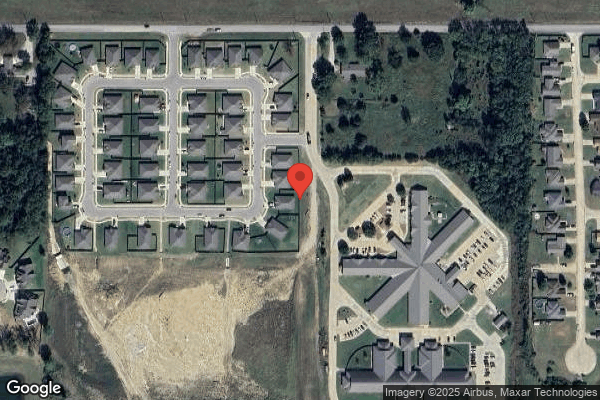
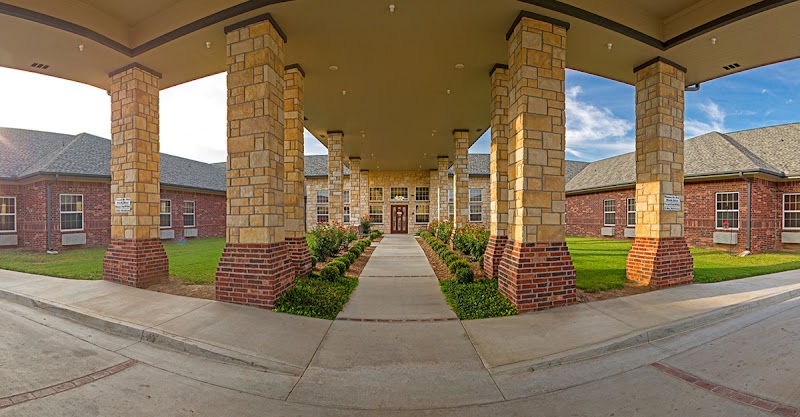
2800 NORTH HICKORY STREET, CLAREMORE, OK 74017 (918) 341-4365
For profit - Individual 129 Beds EMERALD HEALTHCARE Data: November 2025
Trust Grade
33/100
#216 of 282 in OK
Last Inspection: May 2024

Within standard 12-15 month inspection cycle. Federal law requires annual inspections.

Overview

Emerald Care Center Claremore has a Trust Grade of F, indicating significant concerns about the facility's quality and care. It ranks #216 out of 282 in Oklahoma, placing it in the bottom half, and #4 out of 5 in Rogers County, meaning there is only one local option that is better. The facility is worsening, with issues increasing from 10 in 2023 to 30 in 2024. Staffing is below average with a rating of 2 out of 5 stars and a 56% turnover rate, which is on par with the state average. Additionally, there are concerning incidents, such as poor food sanitation practices that risk contamination, and failure to maintain proper dishwasher temperatures, potentially affecting meal safety for residents. While the facility does have some RN coverage, it is less than 79% of other Oklahoma facilities, which may affect overall care quality.

Trust Score
F
33/100
In Oklahoma
#216/282
Bottom 24%
Safety Record
Low Risk
No red flags
Inspections
Getting Worse
10 → 30 violations
Staff Stability
⚠ Watch
56% turnover. Above average. Higher turnover means staff may not know residents' routines.
Penalties
⚠ Watch
$5,244 in fines. Higher than 76% of Oklahoma facilities, suggesting repeated compliance issues.
Skilled Nurses
⚠ Watch
Each resident gets only 12 minutes of Registered Nurse (RN) attention daily — below average for Oklahoma. Fewer RN minutes means fewer trained eyes watching for problems.
Violations
⚠ Watch
47 deficiencies on record. Higher than average. Multiple issues found across inspections.
★☆☆☆☆
1.0
Overall Rating
★★☆☆☆
2.0
Staff Levels
★☆☆☆☆
1.0
Care Quality
★☆☆☆☆
1.0
Inspection Score
Stable
2023: 10 issues
2024: 30 issues

The Good

  • Full Sprinkler Coverage · Fire safety systems throughout facility
  • No fines on record

Facility shows strength in fire safety.

The Bad

1-Star Overall Rating

Below Oklahoma average (2.6)

Significant quality concerns identified by CMS

Staff Turnover: 56%

Near Oklahoma avg (46%)

Frequent staff changes - ask about care continuity

Federal Fines: $5,244

Below median ($33,413)

Minor penalties assessed

Chain: EMERALD HEALTHCARE

Part of a multi-facility chain

Ask about local staffing decisions and management

Staff turnover is elevated (56%)

8 points above Oklahoma average of 48%

The Ugly 47 deficiencies on record

Nov 2024 6 deficiencies
CONCERN (D) 📢 Someone Reported This

A family member, employee, or ombudsman was alarmed enough to file a formal complaint

Potential for Harm - no one hurt, but risky conditions existed

Deficiency F0604 (Tag F0604)

Could have caused harm · This affected 1 resident

Based on record review and interview, the facility failed to ensure a resident was not physically restrained for one (#2) of three sampled residents reviewed for abuse. A daily census record, dated 11...

Read full inspector narrative →
Based on record review and interview, the facility failed to ensure a resident was not physically restrained for one (#2) of three sampled residents reviewed for abuse. A daily census record, dated 11/15/24, documented 103 residents resided in the facility. Findings: The facility's Abuse, Neglect, and Exploitation: policy, dated November 2017, read in part, The facility must ensure the resident is free of from physical or chemical restraints imposed for the purpose of discipline or convenience and that are not required to treat the resident's medical symptoms. Resident #2 Resident #2 had diagnoses which included vascular dementia. An Incident Report Form, dated 11/09/24, documented LPN #1 had allegedly forced Resident #2 to take medication against their will. An undated attachment to the incident report documented the facility staff had determined LPN #1 had physically restrained Resident #2's arms while attempting to administer medications to the resident. The document stated the facility staff determined the incident had occurred and LPN #1's employment had been terminated. On 11/25/24 at 2:45 p.m., CMA #1 stated that on 11/08/24 on the evening shift Resident #2 had repeatedly stood up from their wheelchair. They stated they would ask the resident to sit back down and they would, but would soon repeat the behavior. They stated Resident #2 then stood up and used the frame of the window of the nurses' station to walk to the nurses' station door. They stated at that point LPN #1 held the resident by their shoulders and moved them back into their wheelchair. They stated the LPN then pushed the wheelchair to a table in the common area and stood behind the chair so the resident could not stand. They stated the resident tried to push away from the table, but LPN #1 pushed them back. CMA #1 then stated LPN #1 held the resident's arms so they could not push away the medicine CMA #1 attempted to administer. On 11/27/24 at 10:10 a.m., the ADON stated LPN #1 had violated the rights of Resident #2 by using physical restraints to restrict their movements. They stated facility policy forbid such restraints and LPN #1 had been terminated.
CONCERN (D) 📢 Someone Reported This

A family member, employee, or ombudsman was alarmed enough to file a formal complaint

Potential for Harm - no one hurt, but risky conditions existed

Deficiency F0605 (Tag F0605)

Could have caused harm · This affected 1 resident

Based on record review and interview, the facility failed to ensure a chemical restraint was not used to keep a resident from repeatedly standing from their wheelchair for one (#2) of three sampled re...

Read full inspector narrative →
Based on record review and interview, the facility failed to ensure a chemical restraint was not used to keep a resident from repeatedly standing from their wheelchair for one (#2) of three sampled residents reviewed for abuse. A daily census record, dated 11/15/24, documented 103 residents resided in the facility. Findings: The facility's Abuse, Neglect, and Exploitation: policy, dated November 2017, read in part, The facility must ensure the resident is free of from physical or chemical restraints imposed for the purpose of discipline or convenience and that are not required to treat the resident's medical symptoms. 1. Resident #1 had diagnoses which included Alzheimer's disease. A narcotic count sheet for lorazepam (antianxiety medication) 2 ml syringes for Resident #2, documented CMA #2 signed out one syringe of the medication on 11/08/24 at 6:00 p.m. An Incident Report Form, dated 11/09/24, documented LPN #1 had allegedly forced Resident #2 to take medication against their will. An undated attachment to the incident report documented the facility staff had determined the incident had occurred and LPN #1's employment had been terminated. On 11/25/24 at 2:45 p.m., CMA #1 stated on 11/08/24 on the evening shift Resident #2 repeatedly stood from their wheelchair and had to be reminded to not walk, but sit back down in the wheelchair. They stated the resident would smile and sit back down, but later repeat the behavior. They stated the resident would always sit back down when asked. They stated at one point Resident #2 stood again, but that time used the window frame at the nurse's station to lean on and began walking toward the door of the nurse's station. They stated LPN #1 asked them if the resident had an order for lorazepam which they replied to LPN #1 they did. They stated LPN #1 told them to get the medication and they attempted to administer the medication, but the resident blocked the medication with their arms. They stated LPN #1 then held the resident's arms as they administered the medication. They stated when the resident tried to spit the medication out of their mouth LPN #1 held their hand over the mouth of the resident or one or two minutes. They stated LPN #1 then removed their hand and stated that was probably enough to calm the resident down. On 11/27/24 at 10:10 a.m., the ADON stated LPN #1 and CMA #1 had violated the rights of Resident #2 by using a chemical restraint to restrict their movements instead of less restrictive means. They stated facility policy forbid such restraints and LPN #1 had been terminated. They stated they were unaware CMA #1 had administered the medication and they had now been sent home pending an investigation.
CONCERN (D) 📢 Someone Reported This

A family member, employee, or ombudsman was alarmed enough to file a formal complaint

Potential for Harm - no one hurt, but risky conditions existed

Report Alleged Abuse (Tag F0609)

Could have caused harm · This affected 1 resident

Based on record review and interview, the facility failed to ensure an employee reported an allegation of abuse in the mandated time frame for one (#2) of three sampled residents reviewed for abuse. A...

Read full inspector narrative →
Based on record review and interview, the facility failed to ensure an employee reported an allegation of abuse in the mandated time frame for one (#2) of three sampled residents reviewed for abuse. A daily census record, dated 11/15/24, documented 103 residents resided in the facility. Findings: The facility's Abuse, Neglect, and Exploitation: policy, dated November 2017, read in part, Ensure that all alleged violations involving abuse, neglect, exploitation or mistreatment, including injuries of unknown source and misappropriation of resident property, are reported immediately, but not later than 2 hours after the allegation is made, if the events that cause the allegation involve abuse or result in serious bodily injury, or not late than 24 hours if the events that cause the allegation do not involve abuse and do not result in serious bodily injury, to the administrator of the facility and to other officials (including the State Survey Agency and adult protective services where state law provides for jurisdiction in long-term care facilities) in accordance with State law through established procedures. Resident #2 had diagnoses which included vascular dementia. An Incident Report Form, dated 11/09/24, documented when investigating another incident it was discovered the same alleged perpetrator, LPN #1, had been involved in an incident of forcing Resident #2 to take medications against their will. A handwritten statement, dated 11/11/24, documented CMA #1 had witnessed LPN #1 forcibly administer Resident #2 the antianxiety medication lorazepam on 11/08/24 sometime between 5:30 p.m. and 7:00 p.m. On 11/25/24 at 2:45 p.m., CMA #1 stated on 11/08/24 after 5:00 p.m., they had observed what they believed to have been abusive behavior from LPN #1 toward Resident #2. They stated they did not report the incident until 11/10/24 at 9:40 a.m. when they informed the ADON. On 11/27/24 at 10:10 a.m., the ADON stated CMA #1 had not followed the facility abuse policy by not reporting the allegation of abuse until more than 24 hours after they witnessed the incident.
CONCERN (D) 📢 Someone Reported This

A family member, employee, or ombudsman was alarmed enough to file a formal complaint

Potential for Harm - no one hurt, but risky conditions existed

Comprehensive Care Plan (Tag F0656)

Could have caused harm · This affected 1 resident

Based on observation, record review and interview, the facility failed to ensure a comprehensive care plan was developed for one (#3) of three sampled residents reviewed for pressure ulcers. The admin...

Read full inspector narrative →
Based on observation, record review and interview, the facility failed to ensure a comprehensive care plan was developed for one (#3) of three sampled residents reviewed for pressure ulcers. The administrator identied 103 residents resided in the facility. Findings: A facility policy titled Care Plan Process, revised 9/2019, read in part, The plan of care must describe the services that are to be furnished to attain or maintain the residents' highest practicable physical, mental, and social well-being .Purpose .To ensure a care plan will be developed that is appropriate for each resident's needs and/or wishes based on assessment and reassessment. Resident #3 has diagnoses which included a pressure ulcer to the sacral region and hypertension. A physician order, dated 11/13/24, documented Resident #3 was to receive wound care to the coccyx/sacrum three times a week. A quarterly assessment, dated 11/20/24, documented Resident #3 had an unstageable pressure ulcer. On 11/26/24 at 11:15 a.m., a pressure ulcer was observed on Resident #3's sacrum. A review of Resident #3's care plan did not document interventions related to pressure ulcers. On 11/26/24 at 12:35 p.m., RN #1 stated pressure ulcers should be addressed on the care plan. On 11/26/24 at 12:40 p.m., LPN #2 stated interventions for pressure ulcers should be included on the care plan. On 11/26/24 at 12:45 pm, the ADON stated pressure ulcers should be care planned.
CONCERN (D) 📢 Someone Reported This

A family member, employee, or ombudsman was alarmed enough to file a formal complaint

Potential for Harm - no one hurt, but risky conditions existed

Infection Control (Tag F0880)

Could have caused harm · This affected 1 resident

Based on observation record review, and interview, the facility failed to ensure catheter bags were not on the floor for one (# 2) of four sampled residents reviewed for catheters. The roster matrix,...

Read full inspector narrative →
Based on observation record review, and interview, the facility failed to ensure catheter bags were not on the floor for one (# 2) of four sampled residents reviewed for catheters. The roster matrix, date printed 11/15/24, documented nine residents in the facility had catheters. Findings: Resident #12 had diagnoses which included obstructive and reflux uropathy. A quarterly assessment, dated 09/09/24, documented Resident #12 had an indwelling urinary catheter. On 11/25/24 at 1:50 p.m., Resident #12 was observed seated in a recliner. Their catheter bag was observed on the floor next to the recliner. On 11/26/24 at 10:30 a.m., Resident #12 was observed seated in a recliner. Their catheter bag was observed on the floor next to the recliner. On 11/26/24 at 12:35 p.m., RN #1 stated catheter bags should not be on the ground. On 11/26/24 at 12:45 p.m., the ADON stated catheter bags should not be allowed to touch the floor.
CONCERN (E) 📢 Someone Reported This

A family member, employee, or ombudsman was alarmed enough to file a formal complaint

Potential for Harm - no one hurt, but risky conditions existed

Resident Rights (Tag F0550)

Could have caused harm · This affected multiple residents

Based on record review and interview, the facility failed to ensure residents were provided the right to refuse medication for two (#1 and #2) of three sampled residents reviewed for abuse. A daily ce...

Read full inspector narrative →
Based on record review and interview, the facility failed to ensure residents were provided the right to refuse medication for two (#1 and #2) of three sampled residents reviewed for abuse. A daily census record, dated 11/15/24, documented 103 residents resided in the facility. Findings: The facility's Resident Rights policy, dated November 2017, read in part, The resident has the right to be informed of, participate in, his or her treatment, including .The right to request, refuse, and/or discontinue treatment, to participate in or refuse to participate in experimental research, and to formulate and [sic] advance directive. 1. Resident #1 had diagnoses which included Alzheimer's disease. An Incident Report Form, dated 11/09/24, documented LPN #1 had allegedly forced Resident #1 to take medication against their will. An undated attachment to the incident report documented the facility staff had determined the incident had occurred and LPN #1's employment had been terminated. A printed copy of an email from visitor #1 to the facility ADON, dated 11/11/24, documented visitor #1 had observed LPN #1 forcibly medicate Resident #1 after they had verbally stated they did not want to take the mediation. They stated LPN #1 put the medication combined with pudding into the resident's mouth and when Resident #1 attempted to spit them out LPN #1 held a cup of water to the resident's mouth to which the resident pushed the water away. The email documents visitor #1 had told LPN #1 to allow the resident to drink the water on their own and the LPN put down the water and departed from the resident. On 11/27/24 at 8:45 a.m., visitor #1 stated on 11/09/24 they had observed LPN #1 force Resident #1 to take some unknown medications. They stated they observed Resident #1 verbally tell the LPN they did not want to take the medications. They stated LPN #1 mixed the medicine into pudding and forced the resident to take the mediations. They stated when the resident attempted to spit out the medicine LPN #1 held a cup of water to the resident's mouth even though they continued to object and say no. 2. Resident #2 had diagnoses which included vascular dementia. A narcotic count sheet for lorazepam (antianxiety medication) 2 ml syringes for Resident #2, documented CMA #2 signed out one syringe of the medication on 11/08/24 at 6:00 p.m. An Incident Report Form incident date 11/09/24, documented LPN #1 had allegedly forced Resident #2 to take medication against their will. An undated attachment to the incident report documented the facility staff had determined the incident had occurred and LPN #1's employment had been terminated. A handwritten statement, dated 11/11/24, documented CMA #1 had witnessed LPN #1 forcibly administer Resident #2 the antianxiety medication lorazepam. The documented stated Resident #2 physically resisted taking the medication and LPN #1 held the resident's arms while they were given the medication. On 11/25/24 at 2:45 p.m., CMA #1 stated that on 11/08/24 after 5:00 p.m., they had been instructed by LPN #1 to bring Resident #2 some lorazepam to calm them down. CMA #1 stated when they attempted to administer the medication into their mouth Resident #2 put up their arms to resist taking the medication. CMA #1 then stated they observed LPN #1 hold the resident's arms and the CMA then administered the medication into the mouth of Resident #2. On 11/27/24 at 10:10 a.m., the ADON stated Resident #1 and Resident #2 had the right to refuse taking their medications and LPN #1 and CMA #1 had violated the residents' rights to refuse treatment.
Oct 2024 4 deficiencies
CONCERN (D) 📢 Someone Reported This

A family member, employee, or ombudsman was alarmed enough to file a formal complaint

Potential for Harm - no one hurt, but risky conditions existed

Notification of Changes (Tag F0580)

Could have caused harm · This affected 1 resident

Based on record review and interview, the facility failed to notify a resident's representative when a new antipsychotic medication had been ordered for one (#3) of five sampled residents reviewed for...

Read full inspector narrative →
Based on record review and interview, the facility failed to notify a resident's representative when a new antipsychotic medication had been ordered for one (#3) of five sampled residents reviewed for notifications of change. A resident listing report, dated 10/14/24, documented 109 residents resided at the facility. Findings: A facility policy titled Notification of Change Policy, dated 05/2017, read in part, It is the policy of this facility that changes is resident's condition or treatments are immediately shared with the resident and/or the resident's representative, according to their authority, and reported to the attending physician or delegate (hereafter designated as the physician). Resident #3 had diagnoses which included delusional disorder. A physician's medication order, dated 01/11/24, documented Resident #3 was to be administered risperidone (antipsychotic medication) 0.5 mg tablet by mouth at bedtime for delusional disorder. The order was documented as discontinued on 06/13/24. A physician's medication order, dated 06/14/24, documented Resident #3 was to be administered risperidone 0.5 mg tablet by mouth at bedtime for delusional disorder. The order was documented as discontinued on 06/15/24. A physician's medication order, dated 06/14/24, documented Resident #3 was to be administered Nuplazid (antipsychotic medication) 34 mg tablets by mouth once daily for delusions and psychosis. A review of the progress notes for Resident #3 did not document the resident's representative had been notified of the medication changes. On 10/15/24 at 9:41 a.m. the ADON stated they did not find any documentation Resident #3's family had been notified of the change of antipsychotic medications. They stated their policy stated they should have been made aware.
CONCERN (D) 📢 Someone Reported This

A family member, employee, or ombudsman was alarmed enough to file a formal complaint

Potential for Harm - no one hurt, but risky conditions existed

Investigate Abuse (Tag F0610)

Could have caused harm · This affected 1 resident

Based on record review and interview, the facility failed to conduct a thorough investigation into a missing container of narcotic pain medications. A resident listing report, dated 10/14/24, documen...

Read full inspector narrative →
Based on record review and interview, the facility failed to conduct a thorough investigation into a missing container of narcotic pain medications. A resident listing report, dated 10/14/24, documented 109 residents resided at the facility. Findings: A facility policy titled Controlled Medication - Ordering and Receipt, dated 2001, documented medications were to be checked upon arrival to ensure all medications on the packing slip were received. A pharmacy manifest, dated 08/23/24, documented 168 tablets of Oxycodone/APAP (pain medication) 10-325 mg was delivered to the facility and represented a 28-day supply of the medication. The manifest was signed by facility nurse LPN #1. On 10/14/24 at 11:23 a.m., the ADON stated they had investigated 60 unaccounted for Oxycodone/APAP 10-325 mg tablets. They stated they had attempted to reorder the medication on 09/13/24 and were informed by the pharmacy that it was too soon to reorder. They stated that was when they realized there were missing pills. They stated they attempted to contact LPN #1 since that time, but they had not returned their calls or worked at the facility. They were asked to provide their documentation of the investigation they had conducted into the unaccounted medication. They stated they did not have documentation other than the incident report. They stated they had no documentation of interviews with any staff regarding the missing medication, the police officer declining to investigate the missing medication, or of the attempts to contact LPN #1. They stated they did not know what has happened to the missing pain medication. On 10/14/24 at 1:08 p.m., LPN #1 stated they worked at the facility only occasionally. They stated they were unaware of the missing medications. They stated no one from the facility had attempted to contact them regarding the missing medications. On 10/16/24 at 11:39 a.m., the ADON stated they had completed the investigation with the information they had to work with. They stated they never found out what had happened to the medications.
CONCERN (D) 📢 Someone Reported This

A family member, employee, or ombudsman was alarmed enough to file a formal complaint

Potential for Harm - no one hurt, but risky conditions existed

Quality of Care (Tag F0684)

Could have caused harm · This affected 1 resident

Based on record review and interview, the facility failed to assess and promptly treat a resident following an unobserved fall for one (#6) of two sampled residents reviewed for falls. A resident list...

Read full inspector narrative →
Based on record review and interview, the facility failed to assess and promptly treat a resident following an unobserved fall for one (#6) of two sampled residents reviewed for falls. A resident listing report, dated 10/14/24, documented 109 residents resided at the facility. Findings: Resident #6 had diagnoses which included hemiplegia and hemiparesis. A Falls Management policy and procedure, dated 04/2015, read in part, In the event a resident has fallen and/or is found on the ground, a complete head-to-toe assessment must be performed prior to moving the resident unless life-threatening safety concerns are present. Remain with the resident while calling for assistance, if at all possible. A progress note, dated 04/15/24 at 10:36 a.m., documented Resident #6 complained of pain in their right hip when they moved their right leg. The note documented the nurse observed the resident's right leg externally rotated and the resident was unable to straighten their leg. It further documented a nurse practitioner was in the building and ordered the resident to be sent to an emergency room. The note stated the resident and their family member were aware of the order to go to the emergency room. A hospital history and physical report, dated 04/15/24 at 4:20 p.m., documented Resident #6 reported they had fallen at the nursing facility and had decreased feeling in their lower right leg. A hospital consultation report, dated 04/15/24 at 5:37 p.m., documented an X-ray of Resident #6's pelvis found a fracture right hip fracture. An incident report, dated 04/22/24, documented a former administrator of the facility had substantiated a complaint lodged by family members of Resident #6 on 04/22/24. The former administrator's investigation documented on the report LPN #2 had stated they had conducted a head-to-toe assessment of the resident after a fall and found no issues and no report of pain. The document further stated the ADON and nurse practitioner assessed the resident the next day and found them to be in pain and their right leg was obviously externally rotated. The report documented LPN #2's employment was terminated. On 10/16/24 at 10:40 a.m., the ADON stated the resident had fallen the night of 10/14/24 and was not assessed adequately by LPN #2 which caused the resident to not receive treatment until the next day. They stated they stand by the statements documented on the incident report dated 04/22/24. On 10/16/24 at 12:45 p.m., the ADON presented documentation of the facility's actions to correct the deficiency they had identified regarding fall assessments and interventions. They included documentation nursing staff were in-serviced on the facility's fall protocols which included assessment and interventions post fall, monthly monitoring of falls by the ADON in April, May, and June of 2024, and QAPI meeting in May and June demonstrating the teams monitoring of the situation and a five percent decline in falls at the 06/14/24 meeting. Interviews with nursing staff during the survey confirmed the in-service had occurred and the content of the training.
CONCERN (D) 📢 Someone Reported This

A family member, employee, or ombudsman was alarmed enough to file a formal complaint

Potential for Harm - no one hurt, but risky conditions existed

Pharmacy Services (Tag F0755)

Could have caused harm · This affected 1 resident

Based on record review and interview, the facility failed to prevent a medication administration record from erroneously recording a resident received a medication when the medication was not availabl...

Read full inspector narrative →
Based on record review and interview, the facility failed to prevent a medication administration record from erroneously recording a resident received a medication when the medication was not available for administration for one (#3) of six sampled residents reviewed for medication administration. A resident listing report, dated 10/14/24, documented 109 residents resided at the facility. Findings: A MAR, dated 06/01/24 through 06/30/24, documented Resident #3 had been administered Nuplazid (antipsychotic medication) 11 times between 06/14/24 and 06/30/24. A MAR, dated 07/01/24 through 07/31/24, documented Resident #3 had been administered Nuplazid five times between 07/01/24 and 07/26/24. On 10/15/24 at 9:30 a.m., CMA #1 stated they had reviewed the June and July MARs for Resident #3 and found they had documented they had administered Nuplazid to the resident on multiple dates. They stated those entries were in error as that medication had never arrived in the building because of an insurance issue. On 10/15/24 at 9:53 a.m., the ADON stated documents from their contracted pharmacy showed Resident #3's Nuplazid had never arrived at the facility and the documentation in the June and July 2024 MARs that indicated the medication was administered to the resident were errors.
May 2024 17 deficiencies
CONCERN (D)

Potential for Harm - no one hurt, but risky conditions existed

Resident Rights (Tag F0550)

Could have caused harm · This affected 1 resident

Based on observation, record review, and interview, the facility failed to ensure staff provided dignity with dining for residents who required assistance with meals for two (morning and noon meal) of...

Read full inspector narrative →
Based on observation, record review, and interview, the facility failed to ensure staff provided dignity with dining for residents who required assistance with meals for two (morning and noon meal) of two meals observed for dining. The ADON identified 13 residents who were dependent on staff for eating. Findings: 1. Resident #65 had diagnoses which included Alzheimer's disease. The quarterly assessment, dated 04/09/24, documented the resident was severely impaired in cognition for daily decision making and required supervision/touch assist of staff for eating. On 05/13/24 at 9:33 a.m., CNA #1 was observed to stand and assist Resident #65 with the morning meal. 2. Resident #7 had diagnoses which included aphasia. The quarterly assessment, dated 03/13/24, documented the resident was severely impaired in cognition for daily decision making and was dependent on staff for eating. On 05/13/24 at 12:32 p.m., CNA #2 was observed to stand and assist Resident #7 with the noon meal. On 05/17/24 at 10:01 a.m., CNA #1 stated they had not sat to assist Resident #65 with their meal because there was not a chair available. On 05/17/24 at 1:48 p.m., the DON stated staff were to sit with the residents when they assisted them with meals to maintain their dignity. The DON stated staff were not supposed to stand while assisting residents with meals.
CONCERN (D)

Potential for Harm - no one hurt, but risky conditions existed

Deficiency F0554 (Tag F0554)

Could have caused harm · This affected 1 resident

Based on observation, record review, and interview, the facility failed to ensure residents were safe to self-administer medication for two (#22 and #31) of two sampled residents who were reviewed for...

Read full inspector narrative →
Based on observation, record review, and interview, the facility failed to ensure residents were safe to self-administer medication for two (#22 and #31) of two sampled residents who were reviewed for self-administering medication. The administrator identified 114 residents resided in the facility. Findings: An undated policy titled Bedside Storage of Medications, read in part, .A written order for the bedside storage of medication is placed in the resident's medical record .Lockable drawers or cabinets are required . 1. Resident #22 was admitted to the facility with diagnoses which included dementia. On 05/13/24 at 9:43 a.m., a bottle of medicated powder was observed on the resident's night stand. The label on the medicated powder documented to keep out of reach of children. On 05/13/24 at 11:00 a.m., the DON stated the medicated powder was to be secured and not kept at the resident's bedside for self-administration. On 05/17/24 at 2:49 p.m., LPN #1 stated the resident did not have an order for medicated powder and did not know where the powder came from. LPN #1 stated when they started their shift on Monday mornings they found medications at resident bedsides. 2. Resident #31 was admitted to the facility with diagnoses which included COPD. On 05/13/24 at 11:02 a.m., a Ventolin (a bronchodilator) inhaler, a tube of Diclofenac (nonsteroidal anti-inflammatory drug) cream, an Incruse inhaler (a long-acting bronchodilator), Albuterol (a bronchodilator) ampules for a nebulizer, and Fluticasone (a steroid) drops were observed on the resident's night stand. On 05/16/24 at 11:10 a.m., LPN #1 stated an order from the physician was required to self-administer medication and keep medications at the bedside. LPN #1 reviewed the clinical record for Resident #31 and stated the resident did not have an order to self-administer medication. On 05/16/24 at 12:22 p.m., the DON stated an assessment and physician order was required for residents to self-administer medications. The DON reviewed the medical record for Resident #31 and stated there was no assessment or order for self-administering medication in the resident's record.
CONCERN (D)

Potential for Harm - no one hurt, but risky conditions existed

Deficiency F0578 (Tag F0578)

Could have caused harm · This affected 1 resident

**NOTE- TERMS IN BRACKETS HAVE BEEN EDITED TO PROTECT CONFIDENTIALITY** Based on record review and interview, the facility failed to ensure an accurate code status was documented for one (#67) and res...

Read full inspector narrative →
**NOTE- TERMS IN BRACKETS HAVE BEEN EDITED TO PROTECT CONFIDENTIALITY** Based on record review and interview, the facility failed to ensure an accurate code status was documented for one (#67) and residents were offered the choice to formulate an advanced directive for one (#96) of two sampled residents reviewed for advanced directives. The administrator reported 112 residents resided in the facility. Findings: A policy titled Advance Directive Policy and Procedure, dated [DATE], read in part It is the policy of the facility to establish, implement and maintain written policies and procedures for advance directive .The resident has the right and the facility will assist the resident to formulate an advance directive at their option .The facility will inform and provide resident with a written description of the facility's policy to implement advance directives .Resident has the right to accept, request, refuse and/or discontinue medical and surgical treatment and to participate in or refuse to participate in experimental research .Resident choices will be incorporated into treatment, care and services .Upon admission, identify if the resident has an advance directive and if not, determine if the resident wishes to formulate and advance directive .Facility staff will provide the resident and/or resident representative with written description of the facility's policies to implement an advance directive .All advance directive document copies will be obtained and located in the resident chart .Resident wishes will be communicated to the staff via the care plan and to the resident physician .Nurses and other care staff are educated to initiate CPR, as recommended by the American Heart Association unless: a valid Do Not Resuscitate order in in place . 1. Resident #67 had diagnosis which included hypertension and depression. An Advance Directives form, dated [DATE], documented Resident #67 was a DNR code status. A quarterly assessment, dated [DATE], documented Resident #67's cognition was moderately impaired. A care plan, dated [DATE], documented no code status care area. A physician's order, date [DATE], documented code status was full code. On [DATE] at 2:09 p.m., Resident #67's electronic medical record documented code status was full code. On [DATE] at 11:46 a.m., the DON reported Resident #67's code status was documented full code. The DON reported they were behind on updating residents' code status. On [DATE] at 3:00 p.m., the Administrator reported they would check on Resident #67's advance directive paperwork to clarify the code status. The Administrator reported no response to who followed up on the advance directives signed at admission. On [DATE] at 10:59 a.m., the electronic medical record documented Resident #67's code status was changed to DNR. The electronic medical record contained a signed DNR form, dated [DATE], uploaded on [DATE]. 2. Resident #96 had diagnoses which included fractures and hemiplegia. A physician's order, dated [DATE], documented Resident #96's code status was full code. An admission assessment, dated [DATE], documented Resident #96's cognition was severly impaired. On [DATE] at 12:17 p.m., admissions staff reported advance directives was not discussed with Resident #96 or the resident's representative.
CONCERN (D)

Potential for Harm - no one hurt, but risky conditions existed

ADL Care (Tag F0677)

Could have caused harm · This affected 1 resident

2. Resident #93 had diagnoses which included hemiplegia and stoke. A care plan, dated 08/09/23, read in part, . Resident #93 has functional deficit with current ADLs related cardiovascular accident .D...

Read full inspector narrative →
2. Resident #93 had diagnoses which included hemiplegia and stoke. A care plan, dated 08/09/23, read in part, . Resident #93 has functional deficit with current ADLs related cardiovascular accident .Dependent on staff assist x 2 for bathing . A shower sheet, dated 04/01/24, documented I did not have time, I was the only aide for the reason resident #93's scheduled shower was not completed. A quarterly assessment, dated 05/07/24, documented substantial/maximal assistance required for bathing. The assessment documented severly impaired cognition. A shower schedule, not dated, documented Resident #93 was scheduled for showers on Monday, Wednesday, and Friday. On 05/13/24 at 1:35 p.m., Resident #93 reported only getting 1 shower a week and prefers more often. The resident reported three showers a week were scheduled. On 05/15/24, Resident #93's electronic medical record and shower sheets documented 5 showers were completed in the last 30 days out of 12 opportunities. On 05/17/24 at 1:47 p.m., the DON stated they were aware showers were not completed three times a week. They stated they hired a shower aide over the last few weeks but they also had to work the floor. The DON stated the facility was trying to build up staff to include shower aides. Based on observation, record review, and interview, the facility failed to ensure ADLs were provided according to the care plan for two (#73 and #93) of two sampled residents for ADLs. The ADON identified 22 residents who required assistance with bathing. Findings: 1. Resident #73 had diagnoses which included diabetes type two and depression. An annual assessment, dated 09/24/23, documented Resident #73 required physical help of one person for bathing. A quarterly assessment, dated 03/12/24, documented Resident #73 bathing as not applicable, dressing required maximum assistance and for toileting Resident #73 was dependent for assistance. Review of the electronic clinical record and the shower sheets, dated 04/15/24 through 05/15/24, documented Resident #73 had received/four showers out of 13 opportunities. On 05/13/24 at 1:55 p.m., Resident #73 stated they only received one shower per week, but wanted more. On 05/16/24 at 3:21 p.m., CNA #4 stated showers were offered every other day, but did not know when the last shower was offered. On 05/16/24 at 3:26 p.m., LPN #4 stated the nurses tell the aides to complete the baths but they usually do not get completed and are left up to the next shift. They stated they monitor by rounding and observing the residents. LPN #4 stated when there is not enough staff to complete the bathing or the staff refuses they reported to the ADON and DON. They stated the heavy halls with multiple residents who require lifts need more than two CNAs. On 05/17/24 at 1:47 p.m., the DON stated they were aware showers were not completed three times a week. They stated they hired a shower aide over the last few weeks but they also had to work the floor. The DON stated the facility was trying to build up staff to include shower aides.
CONCERN (D)

Potential for Harm - no one hurt, but risky conditions existed

Deficiency F0685 (Tag F0685)

Could have caused harm · This affected 1 resident

Based on record review and interview, the facility failed to ensure appointments were scheduled for one (#73) of one resident sampled for vision appointments. The ADON identified 114 residents resided...

Read full inspector narrative →
Based on record review and interview, the facility failed to ensure appointments were scheduled for one (#73) of one resident sampled for vision appointments. The ADON identified 114 residents resided at the facility. Findings: Resident #73 had diagnoses which included diabetes type two, nicotine dependence, and hypertension. On 02/28/23 at 4:21 p.m., a social services note, documented Resident #73 had requested an eye and dental appointment through the [name removed] clinic. The note documented social services had provided the request to the receptionist to schedule the appointment and arrange transportation. On 05/13/24 at 1:54 p.m., Resident #73 stated they had not seen an eye doctor since admission. On 05/17/24 at 9:28 a.m., the social services director stated they were responsible for ensuring appointments were arranged. On 05/17/24 at 9:29 a.m., the DON stated the nurse on duty enters the order in the electronic record and provides the request to the receptionist to arrange the appointments. They stated it was ultimately their responsibility to see that it as followed through.
CONCERN (D)

Potential for Harm - no one hurt, but risky conditions existed

Deficiency F0805 (Tag F0805)

Could have caused harm · This affected 1 resident

Based on observation, record review, and interview, the facility failed to ensure pureed food was prepared to meet the needs of the resident for one (the noon meal) of one meal observed during meal pr...

Read full inspector narrative →
Based on observation, record review, and interview, the facility failed to ensure pureed food was prepared to meet the needs of the resident for one (the noon meal) of one meal observed during meal preparation. The ADON identified five residents who received a puree diet. Findings: The Therapeutic Diet Orders policy, dated January 2024, read in part, .To assure that residents receive and consume foods in the appropriate form . On 05/14/24 at 11:52 a.m., dietary aide #3 was observed to puree the noon meal. The taco meat was observed to be grainy and have pieces of meat which remained after it was pureed. The flour tortillas were observed to be lumpy and have chewable pieces of tortilla which remained after it was pureed. The pureed taco meat and the pureed tortillas were not a smooth consistency and were placed on the steam table for serving. On 05/14/24 at 12:19 p.m., dietary aide #1 plated a pureed diet for Resident #22 and placed it on the hall cart. On 05/14/24 at 12:23 p.m., dietary aide #5 began wheeling the meal cart out of the kitchen for service. Dietary aide #1 and the dietary manager stated the pureed meal was ready to be served to the resident. The dietary manager was informed of the observation of the taco meat and the flour tortillas not being smooth and stated they would reprocess the pureed foods. On 05/14/24 at 12:25 p.m., dietary aide #3 stated they processed foods for pureed diets until they appeared smooth. On 05/14/24 at 12:29 p.m., the dietary manager stated they tasted pureed foods to ensure they were a smooth consistency. On 05/17/24 at 12:34 p.m., the administrator stated they had provided the dietary department an educational power point about diet textures and had been monitoring the pureed foods prepared by the dietary staff.
CONCERN (D)

Potential for Harm - no one hurt, but risky conditions existed

Garbage Disposal (Tag F0814)

Could have caused harm · This affected 1 resident

Based on observation, record review, and interview, the facility failed to ensure garbage cans were available at the handwashing sink and garbage cans had lids in the kitchen. The ADON identified 111 ...

Read full inspector narrative →
Based on observation, record review, and interview, the facility failed to ensure garbage cans were available at the handwashing sink and garbage cans had lids in the kitchen. The ADON identified 111 residents who received meals from the kitchen. Findings: The Disposal of Garbage and Refuse policy, dated January 2024, read in part, .Garbage should be disposed of in refuse containers, which have plastic liners and lids . The Nutrition Services Visit, dated 03/02/24, read in parts, .Areas for Corrective Action .No lids on large trash cans .Action Plan .Keep lids on all trash cans . The Nutrition Services Visit, dated 04/02/24, read in parts, .Areas for Corrective Action .No lids on large trash cans .Action Plan .Keep lids on all trash cans . On 05/13/24 at 8:29 a.m., a garbage can was not observed to be at the handwashing sink. Three large barrel-type garbage cans, without lids, were observed across from the handwashing sink near the stove, at the service line, and in the food preparation area. On 05/14/24 at 11:50 a.m., a garbage can was not observed to be at the handwashing sink. Three large barrel-type garbage cans, without lids, were observed across from the handwashing sink near the stove, at the service line, and in the food preparation area. On 05/15/24 at 9:37 a.m., the dietary manager stated they utilized the large barrel-type garbage cans but they did not have lids. The dietary manager stated they needed to order a small garbage can for the handwashing sink and lids for the large garbage cans. On 05/17/24 at 12:34 p.m., the administrator stated the dietary department had lids for the garbage cans and the dietary staff had been told to utilize them.
CONCERN (E)

Potential for Harm - no one hurt, but risky conditions existed

Comprehensive Care Plan (Tag F0656)

Could have caused harm · This affected multiple residents

Based on observation, record review, and interview, the facility failed to ensure a comprehensive care plan was developed for three (#40, 55, and #64) of 22 sampled residents whose care plans were rev...

Read full inspector narrative →
Based on observation, record review, and interview, the facility failed to ensure a comprehensive care plan was developed for three (#40, 55, and #64) of 22 sampled residents whose care plans were reviewed. The DON identified 114 residents who resided in the facility. Findings: 1. Resident #40 had diagnoses which included dementia. The significant change assessment, dated 05/02/24, documented the resident was severely impaired in cognition for daily decision making and wandered one to three days during the look back period. On 05/13/24 at 10:04 a.m., Resident #40 was observed to wander, in their wheel chair, on the memory care unit. Resident #40 was observed to be redirected out of another resident's room by staff. 2. Resident #55 had diagnoses which included dementia. The quarterly assessment, dated 04/29/24, documented the resident was severely impaired in cognition for daily decision making. On 05/13/24 at 10:17 a.m., Resident #40 was observed to wander, in their wheel chair, on the memory care unit. 3. Resident #64 had diagnoses which included dementia. The admission assessment, dated 04/22/24, documented the resident was severely impaired in cognition for daily decision making. On 05/13/24 at 10:17 a.m., Resident #64 was observed to wander, in their wheel chair, on the memory care unit. On 05/14/24 at 1:46 p.m., Resident #64 was observed to be in another resident's bathroom. On 05/17/24 at 10:03 a.m., CNA #2 stated Resident #40, 55, and #64 frequently wandered. On 05/17/24 at 10:26 a.m., the MDS coordinator stated they did not know why, but they had not developed a care plan to address the wandering for Residents #40, 55, or #64. On 05/17/24 at 11:28 a.m., the ADON stated a care plan for wandering had not been developed for Resident #40, 55, or Resident #64 but should have been.
CONCERN (E)

Potential for Harm - no one hurt, but risky conditions existed

Accident Prevention (Tag F0689)

Could have caused harm · This affected multiple residents

**NOTE- TERMS IN BRACKETS HAVE BEEN EDITED TO PROTECT CONFIDENTIALITY** Resident #55 had diagnoses which included dementia and anxiety. A quarterly assessment, dated 04/29/24, documented severly impai...

Read full inspector narrative →
**NOTE- TERMS IN BRACKETS HAVE BEEN EDITED TO PROTECT CONFIDENTIALITY** Resident #55 had diagnoses which included dementia and anxiety. A quarterly assessment, dated 04/29/24, documented severly impaired cognition and use of a manual wheelchair to ambulate with supervision. On 05/16/24 at 9:49 a.m., Resident #55 was observed in a manula wheelchair, self propelling up and down the hall ways of the locked united, which they resided on. On 05/17/24 at 9:39 a.m., CNA #3 reported Resident #55 gets confused at times and tries to get into other residents beds. 2. Resident #96 had diagnoses which included hemiplegia and hemiparesis, history of stroke, and conversion disorder with seizure. A baseline care plan, dated 04/10/24, documented Resident #96 required assistance with ADLs. The baseline care plan did not specify the level of assistance required. The baseline care plan documented Resident #96 was at risk for falls and documented an intervention as: .staff will conduct routine visual rounding per routine care task to determine additional safety queing . A PT evaluation, dated 04/11/24, documented Resident #96 would safely perform functional transfers with supervision. The evaluation read in part, .Patient presents with decreased strength/coordination/proprioception [the body's ability to sense its movement, location and action] due to recent hosp [hospitalization] for subdural hematoma that is decreasing his indep[independence] with transfers and mobility altering his overall balance increasing his fall risk . The care plan, revised 04/26/24, documented a fall risk related to a right hip fracture on 04/15/24. On 05/14/24 at 9:54 a.m., Resident #96 was observed in a wheelchair next to their bed. The bed was made and the call light was on the bed next to the resident. Resident #96 stated they had been in the wheelchair since before breakfast. They stated they had fallen and broken their hip on 04/15/24 while alone in their room, trying to transfer themselves. Resident #96 stated they were supposed to wait for someone but it usually took a long time. On 05/17/24 at 11:27 a.m., the ADON stated they determined fall interventions after talking with the residents' family members. They stated they set the room up with a low bed and placed the call light in reach. The ADON stated the intervention of observation was not effective for Resident #96. The ADON did not provide an answer when asked how they monitored to ensure frequent observations were completed. Based on observation, record review, and interview, the facility failed to ensure chemicals/medications were secure on the memory care unit for four (#40, 55, 64, and #98) of four sampled residents who were reviewed for wandering and failed to implement fall interventions for one (#96) of four sampled residents who were reviewed for falls. The ADON identified nine residents who wandered on the memory care unit and 26 residents who experienced falls in the past 30 days. Findings: The MSDS for Lantiseptic (a skin barrier cream), read in part, .Irritating if placed in eyes or if ingested . The MSDS for peri wash, read in part, .Irritating if placed in eyes or if ingested . A Falls Management policy, revised 01/24, read in part, .A Risk Reduction, Falls and Injuries Program will be used to assess residents/patients to determine fall risk factors. The interdisciplinary team identifies and implements appropriate interventions to reduce the risk of falls or injuries while maximizing dignity and independence . 1. On 05/13/24 at 9:36 a.m., a bottle of purple nail polish remover with approximately 6 ounces of liquid in it, a container of vapor rub, a 7.5 ounce bottle of peri wash, and an unlabeled medication cup filled with a white cream was observed on the dresser in room [ROOM NUMBER] on the memory care unit. The label on the bottle of nail polish remover documented to keep out of reach of children. On 05/13/24 at 9:43 a.m., a bottle of medicated body powder was observed on a night stand in room [ROOM NUMBER] on the memory care unit. The label documented to keep out of reach of children. On 05/13/24 at 9:59 a.m., three bottles of shampoo/body wash and three tubes of Lantiseptic barrier cream were observed on top of the television cabinet in room [ROOM NUMBER] on the memory care unit. On 05/13/24 at 10:03 a.m., CNA #3 stated Resident #40 and Resident #64 utilized wheel chairs and wandered into other residents' rooms. On 05/13/24 at 10:04 a.m., Resident #40 was observed to wander into another resident's room, in their wheel chair, on the memory care unit. On 05/13/24 at 10:07 a.m., Resident #98 was observed to wander, in their wheel chair, down the hallway of the memory care unit. Resident #98 stated they were looking for their room. On 05/13/24 at 10:11 a.m., Resident #64 was observed in their wheel chair wandering up and down the hall of the memory care unit. On 05/13/24 at 10:15 a.m., Resident #64 was observed to wheel down the hall past room [ROOM NUMBER]. On 05/13/24 at 10:17 a.m., Resident #55, 64, and Resident #98 were observed in the hall, by the door of room [ROOM NUMBER]. On 05/13/24 at 10:23 a.m., a bottle of Hibiclens (an antiseptic skin cleanser) was observed on a nightstand in room [ROOM NUMBER]. The label documented for external use only. On 05/13/24 at 10:28 a.m., Resident #98 was observed to enter room [ROOM NUMBER]. On 05/13/24 at 10:29 a.m., a staff member entered room [ROOM NUMBER] and assisted Resident #98 to the common area on the memory care unit. On 05/13/24 at 10:38 a.m., Resident #64 was observed to enter room [ROOM NUMBER]. The resident who resided in room [ROOM NUMBER] stood near the door to prevent Resident #64 from entering further, assisted in moving Resident #64 to the hallway, and closed their door. On 05/13/24 at 10:42 a.m., CNA #3 stated they kept cleaning supplies in a locked area and they kept the residents' personal items out of sight in drawers and cabinets in their rooms. On 05/13/24 at 10:51 a.m., LPN #3 stated they kept chemicals and other potentially hazardous items in a secured area due to residents who wandered. LPN #3 identified residents who wandered as Resident #64, 40, 55, and Resident #98. They stated they tried to hide personal care items that could be potentially harmful if ingested/misused in the residents' rooms. On 05/13/24 at 10:54 a.m., the DON stated all chemicals were to be secured on the memory care unit. They stated there was a designated place behind the locked nurses station for personal hygiene items. The DON stated the staff who worked on the memory care unit were to monitor to ensure chemicals/personal hygiene items were secured. The DON stated the staff assigned to the memory care unit had provided numerous items to them when they had found them to be unsecured in the past. The DON stated they were not sure how many residents wandered on the memory care unit. On 05/13/24 at 10:57 a.m., room [ROOM NUMBER] was observed with the DON. The DON obtained the bottle of Hibiclens from the night stand and stated it should have been stored on the locked nurse's cart. On 05/13/24 at 10:58 a.m., room [ROOM NUMBER] was observed with the DON. The DON obtained three bottles of shampoo/body wash and three tubes of Lantiseptic barrier cream from the television cabinet. The DON stated, None of this should be here, apparently I need to make a sweep. On 05/13/24 at 11:00 a.m., room [ROOM NUMBER] was observed with the DON. The DON stated the resident's family brought items in but the staff should have secured them rather than leaving them in the room. On 05/13/24 at 11:01 a.m., room [ROOM NUMBER] was observed with the DON. The DON obtained the nail polish remover, container of vapo rub, and the bottle of peri wash. The DON identifed the white cream in the medication cup as Lantiseptic. The DON stated the items should have been secured and not left in room [ROOM NUMBER]. On 05/13/24 at 11:02 a.m., the DON was asked how often they monitored to ensure chemicals/potentially hazardous items were not left unsecured on the memory care unit, which housed residents who wandered. The DON stated, Not often enough. That is too many rooms with things that shouldn't be there. On 05/13/24 at 11:07 a.m., the administrator stated staff were to keep chemicals/potentially hazardous items in the top of the residents' closets on the memory care unit. They stated potentially hazardous items should not be accessible to residents. On 05/13/24 at 11:31 a.m., the administrator stated they did not have a policy for the storage of chemicals. They stated they followed manufacturer's guidelines.
CONCERN (E)

Potential for Harm - no one hurt, but risky conditions existed

Deficiency F0692 (Tag F0692)

Could have caused harm · This affected multiple residents

2. Resident #21 had diagnoses which included hypertension, edema, and coronary artery disease. A physician's visit note, dated 04/25/24, documented an order for a healthshake three times a day. An ad...

Read full inspector narrative →
2. Resident #21 had diagnoses which included hypertension, edema, and coronary artery disease. A physician's visit note, dated 04/25/24, documented an order for a healthshake three times a day. An admission assessment, dated 04/27/24, documented Resident #21's cognition was severly impaired. A nutrition/dietary note, dated 4/29/24, read in part, .admission nutrition assessment completed .Diet is regular with fair by mouth intake .Weight 138.6 pounds with a BMI 19.9, consistent with low BMI in elderly .Recommend healthshake daily. On 05/17/24 at 9:02 a.m., Resident #21 was observed eating scrambled eggs, a cinnamon roll, and oatmeal. The resident ate 76% -100% of the meal and had no difficulty feeding self. On 05/17/24 at 11:14 a.m., the DON stated they monitored resident weights once a month. The DON stated they follow up with the registered dietitian when a resident identified with a significant weight loss. On 05/17/24 at 2:32 p.m., RN reported weight loss or weight gain for five pounds or more should be reported to the physician. The RN reported Resident #21's documented weight on 05/12/24 of 127.4 pounds and 05/05/24 of 134.6 pounds was a seven pound weight loss and should have been reported to the resident's physician. The RN reported they had failed to report the weight loss. 3. Resident #65 had diagnoses which included Alzheimer's disease, bipolar, and major depressive disorder. The electronic clinical record documented Resident #65 weighed 109.8 pounds on 01/05/24. A nutrition dietary note, dated 05/01/24, read in part, .resident with significant weight loss over 90 days and also significant weight loss over the last week .resident meets criteria for severe protein calorie malnutrition .significant weight loss >7.5 % x 3 months .recommend increase health shake to TID with meals .recommend start med pass 2.0 - 120 mL BID .recommend appetite stimulant . The electronic clinical record documented a weight of 98.6 pounds on 05/03/24 for Resident #65. On 05/17/24 at 11:14 a.m., the DON stated they monitored resident weights once a month. The DON stated they follow up with the registered dietitian when a resident identified with a significant weight loss. The DON stated it was their responsibility to follow up on recommendations made by the registered dietitian within five days. On 05/17/24 at 11:35 a.m., the DON stated the recommendation for an appetite stimulant for Resident #65 had not been addressed. Based on record review and interview, the facility failed to ensure interventions were in place to prevent the unnecessary weight loss of three (#12, 21, #65) of four sampled residents reviewed for food/nutrition. The ADON identified three residents with significant weight loss. Findings: 1. Resident #12 had diagnoses which included morbid obesity and malignant neoplasm of breast. A care plan, dated 04/03/24, documented Resident #12 had a risk for malnutrition and would maintain adequate nutritional and hydration status including stable weight, no signs or symptoms of malnutrition or dehydration through the review date. The care plan documented to develop an activity program that included exercise and mobility, and to offer activities of choice to help divert attention from food. On 01/13/24 at 8:27 p.m., a Nutrition/Dietary Note, read in part, admission nutrition assessment completed. Diet is Regular with variable po intake that is fair overall. Stage 3 pressure ulcer to left heel and unstageable DTI [deep tissue injury] to right heel. Recommend Pro-Heal 30 mL [milliliters] BID [two times a day] and healthshake TID [three times a day] to assist with wound healing. On 02/07/24 at 12:54 p.m., a Nutrition/Dietary Note, read in part, Weight 187.3# [pounds] and stable. Diet is Regular with fair to good po intake overall. Resident accepts HS [hour of sleep] snack most evenings. Stage 3 pressure ulcer to left heel and stage 4 pressure ulcer to right heel. Nutrition interventions include healthshake TID with meals, Pro-Heal 30 mL BID, and MVI[multivitamin]. Recommend increase Pro-Heal to 60 mL BID. On 03/16/24 at 4:04 p.m., a Nutrition/Dietary Note, read in part, Resident with significant weight loss -5.9% x <30 days. Weight (lbs) [pounds]: 184 (3/8/24) 181 (3/5) 192 (2/24) 187 (2/2) 186 (1/5) admission Diet is Regular with variable po intake that is fair overall. Resident does not usually accept HS snack. Stage 4 pressure ulcer right heel with improvement noted per wound doctor. Nutrition interventions include Pro-Heal 60 mL BID, healthshake with meals, and MVI. BMI [body mass index] 28.8 (overweight). Resident with weight increase in February; weight now appears to be stabilizing back to baseline. No nutrition changes needed at this time. On 04/06/24 at 5:17 p.m., a Nutrition/Dietary Note Dietitian, read in part, Quarterly nutrition assessment completed. Resident with significant weight loss over 30 days. PO [by mouth] intake recently declined and she requires more assistance with eating as well. Stage 4 pressure ulcer to right heel. Nutrition interventions include healthshake with meals and Pro-Heal liquid protein 60 mL BID. Meds include Bumex [a loop diuretic] which may impact fluid/weight changes. Noted renal labs correlation with hypovolemia [a condition in which the liquid portion of the blood (plasma) is too low] and order for NS [normal saline] IVF[intravenous fluids] for replacement. Resident with recent jaw pain with left parotid [a salivary gland, located in front of and below the ears] gland swelling. Diet downgraded to mechanical soft on 4/4/24 per SLP [speech language pathologist]. Expect soft diet texture to aid in mastication [chewing] and overall intake. No additional nutrition recommendations at this time. RD [registered dietician] to continue to follow. On 05/14/24 at 11:04 a.m., the representative for Resident #12 stated the facility was supposed to do a test for chewing and swallowing a couple of weeks ago and the representative had not heard back. The representative stated Resident #12 had lost weight and the facility had not informed them of how much weight was lost. On 05/17/24 at 10:35 a.m., LPN #1 stated the nurses enter the weights in the electronic medical record, if a gain they call the doctor, if a loss they tell the ADON so they can email the dietician. LPN #1 stated they had learned today Resident #12 had not been eating. On 05/17/24 at 10:40 a.m., the ADON stated the DON and the dietician monitored the weights. They stated after the weights were entered into the electronic medical record the DON printed a weight report. On 05/17/24 at 10:44 a.m., the DON stated they monitored the weights monthly for weight loss and gain. They stated they discussed the weights with the dietician and entered in nutritional recommendations. The DON stated the physician was notified of all weight loss, but it was not documented because they had not documented. On 05/17/24 at 11:14 a.m., the DON stated they tried to work the dietician's recommendations within five days. They stated weight meetings had not been taking place, but weights were discussed in the morning clinical meeting. The DON stated they identified significant weight loss when they printed out the weight report. The DON stated no recommendation was made in April even though weight loss was continued because the dietician did not give a recommendation.
CONCERN (E)

Potential for Harm - no one hurt, but risky conditions existed

Deficiency F0710 (Tag F0710)

Could have caused harm · This affected multiple residents

**NOTE- TERMS IN BRACKETS HAVE BEEN EDITED TO PROTECT CONFIDENTIALITY** 2. Resident #21 had diagnoses which included hypertension, edema, and coronary artery disease. A physician's visit note, dated 0...

Read full inspector narrative →
**NOTE- TERMS IN BRACKETS HAVE BEEN EDITED TO PROTECT CONFIDENTIALITY** 2. Resident #21 had diagnoses which included hypertension, edema, and coronary artery disease. A physician's visit note, dated 04/25/24, documented an order for a healthshake three times a day. An admission assessment, dated 04/27/24, documented Resident #21's cognition was severly impaired. A nutrition/dietary note, dated 4/29/24, read in part, .admission nutrition assessment completed .Diet is regular with fair by mouth intake .Weight 138.6 pounds with a BMI 19.9, consistent with low BMI in elderly .Recommend healthshake daily. On 05/17/24 at 9:02 a.m., Resident #21 was observed eating scrambled eggs, a cinnamon roll, and oatmeal. The resident ate 76% -100% of the meal and had no difficulty feeding self. On 05/17/24 at 11:14 a.m., the DON stated they monitored resident weights once a month. The DON stated they follow up with the registered dietitian when a resident identified with a significant weight loss. On 05/17/24 at 2:32 p.m., RN reported weight loss or weight gain for five pounds or more should be reported to the physician. The RN reported Resident #21's documented weight on 05/12/24 of 127.4 pounds and 05/05/24 of 134.6 pounds was a seven pound weight loss and should have been reported to the resident's physician. The RN reported they had failed to report the weight loss. Based on record review and interview, the facility failed to ensure the physician was notified of weight loss for two (#12 and #21) of four sampled residents who were reviewed for weight loss. The ADON identified three residents who had significant weight loss. Findings: Resident #12 had diagnoses which included morbid obesity and malignant neoplasm of breast. A care plan, revised 04/03/24, documented Resident #12 had a risk for malnutrition and would maintain adequate nutritional and hydration status including stable weight, no signs or symptoms of malnutrition or dehydration through the review date. The care plan documented to develop an activity program that included exercise and mobility, and to offer activities of choice to help divert attention from food. On 01/13/24 at 8:27 p.m., a Nutrition/Dietary Note, read in part, admission nutrition assessment completed. Diet is Regular with variable po intake that is fair overall. Stage 3 pressure ulcer to left heel and unstageable DTI [deep tissue injury] to right heel. Recommend Pro-Heal 30 mL [milliliters] BID [two times a day] and healthshake TID [three times a day] to assist with wound healing. On 02/07/24 at 12:54 p.m., a Nutrition/Dietary Note, read in part, Weight 187.3# [pounds] and stable. Diet is Regular with fair to good po intake overall. Resident accepts HS [hour of sleep] snack most evenings. Stage 3 pressure ulcer to left heel and stage 4 pressure ulcer to right heel. Nutrition interventions include healthshake TID with meals, Pro-Heal 30 mL BID, and MVI[multivitamin]. Recommend increase Pro-Heal to 60 mL BID. On 03/16/24 at 4:04 p.m., a Nutrition/Dietary Note, read in part, Resident with significant weight loss -5.9% x <30 days. Weight (lbs)[pounds]: 184 (3/8/24) 181 (3/5) 192 (2/24) 187 (2/2) 186 (1/5) admission Diet is Regular with variable po intake that is fair overall. Resident does not usually accept HS snack. Stage 4 pressure ulcer right heel with improvement noted per wound doctor. Nutrition interventions include Pro-Heal 60 mL BID, healthshake with meals, and MVI. BMI [body mass index] 28.8 (overweight). Resident with weight increase in February; weight now appears to be stabilizing back to baseline. No nutrition changes needed at this time. On 04/06/24 at 5:17 p.m., a Nutrition/Dietary Note Dietitian, read in part, Quarterly nutrition assessment completed. Resident with significant weight loss over 30 days. PO [by mouth] intake recently declined and she requires more assistance with eating as well. Stage 4 pressure ulcer to right heel. Nutrition interventions include healthshake with meals and Pro-Heal liquid protein 60 mL BID. Meds include Bumex [a loop diuretic] which may impact fluid/weight changes. Noted renal labs correlation with hypovolemia[a condition in which the liquid portion of the blood (plasma) is too low] and order for NS [normal saline] IVF [intrvenous fluids] for replacement. Resident with recent jaw pain with left parotid[a salivary gland, located in front of and below the ears] gland swelling. Diet downgraded to mechanical soft on 4/4/24 per SLP[speech language pathologist]. Expect soft diet texture to aid in mastication [chewing] and overall intake. No additional nutrition recommendations at this time. RD [registered dietician] to continue to follow. On 05/14/24 at 11:04 a.m., the representative for Resident #12 stated the facility was supposed to do a test for chewing and swallowing a couple of weeks ago and the representative had not heard back. The representative stated Resident #12 had lost weight and the facility had not informed them of how much weight was lost. On 05/17/24 at 10:35 a.m., [NAME], LPN #1 stated the nurses enter the weights in the electronic medical record, if a gain they call the doctor, if a loss they tell the ADON so they can email the dietician. LPN #1 stated they had learned today Resident #12 had not been eating. On 05/17/24 at 10:40 a.m., the ADON stated the DON and the dietician monitored the weights. They stated after the weights were entered into the electronic medical record the DON printed a weight report. On 05/17/24 at 10:44 a.m., the DON stated they monitored the weights monthly for weight loss and gain. They stated they discussed the weights with the dietician and entered in nutritional recommendations. The DON stated the physician was notified of all weight loss, but it was not documented because they had not documented.
CONCERN (E)

Potential for Harm - no one hurt, but risky conditions existed

Deficiency F0725 (Tag F0725)

Could have caused harm · This affected multiple residents

Based on record review and interview, the facility failed to ensure adequate staffing to ensure bathing was completed according to resident preferences for two (#73 and #93) of five sampled residents ...

Read full inspector narrative →
Based on record review and interview, the facility failed to ensure adequate staffing to ensure bathing was completed according to resident preferences for two (#73 and #93) of five sampled residents who were reviewed for ADL care. The ADON identified 22 residents who required assistance with bathing. Findings: 1. Resident #73 had diagnoses which included diabetes type two and depression. A quarterly assessment, dated 03/12/24, documented Resident #73 required substantial/maximal assistance of staff for most ADLs and bathing was documented as not applicable. Review of the electronic clinical record and the shower sheets, dated 04/15/24 through 05/15/24, documented Resident #73 had received/was offered four showers out of 13 opportunities. On 05/13/24 at 1:55 p.m., Resident #73 stated they only received one shower per week but wanted more. 2. Resident #93 had diagnoses which included hemiplegia and stoke. A shower sheet, dated 04/01/24, documented I did not have time, I was the only aide for the reason Resident #93's scheduled shower was not completed. A quarterly assessment, dated 05/07/24, documented substantial/maximal assistance was required for bathing. On 05/13/24 at 1:35 p.m., Resident #93 reported only getting one shower a week but preferred more. On 05/15/24, Resident #93's electronic medical record and shower sheets documented 5 showers were completed in the last 30 days out of 12 opportunities. On 05/16/24 at 3:26 p.m., LPN #4 stated the nurses tell the aides to complete the baths but they usually did not get completed and were left for the next shift. LPN #4 stated when there was not enough staff to complete the bathing or the staff refused they reported to the ADON and DON. They stated the heavy halls with multiple residents who required lifts needed more than two CNAs. On 05/17/24 at 12:34 p.m., the administrator stated they and the ADON were responsible for staffing. On 05/17/24 at 1:47 p.m., the DON stated they were aware showers were not completed three times a week. They stated they hired a shower aide over the last few weeks but they also had to work the floor. The DON stated the facility was trying to build up staff to include shower aides. On 05/17/24 at 2:20 p.m., the ADON stated they determined the staffing levels needed by utilizing the state minimum requirements. They stated they also staffed according to acuity and adjustments were made everyday depending on the needs of each hall. The ADON stated they utilized the PRN (as needed) pool for unanticipated staffing shortages. They stated they had not had any concerns for staffing brought to their attention.
CONCERN (E)

Potential for Harm - no one hurt, but risky conditions existed

Medication Errors (Tag F0758)

Could have caused harm · This affected multiple residents

2. Resident #4 had diagnoses which included major depressive disorder, delusional disorder, and anxiety disorder. Resident #4's current physician orders documented hydroxyzine 10 mg give 1 tablet by m...

Read full inspector narrative →
2. Resident #4 had diagnoses which included major depressive disorder, delusional disorder, and anxiety disorder. Resident #4's current physician orders documented hydroxyzine 10 mg give 1 tablet by mouth three times a day related to anxiety disorder, start date 02/05/24. A monthly medication review, dated 03/13/24, documented pharmacist recommendation for a gradual dose reduction attempt for hydroxyzine 10 mg three times a day for anxiety. The monthly medication review documented resident #4's physician agreed on 03/28/24 to decrease hydroxyzine to twice a day. A quarterly assessment, dated 05/08/24, documented cognition was intact and routine use of antipsychotic meds. On 05/17/24 at 12:17 p.m., the DON reported being responsible following up on medication changes approved by the physician on medication regimen review. The DON reported this gradual dose reduction approved by the physician for resident #4 had been missed and the order was not changed. Based on record review and interview, the facility failed to ensure adequate monitoring of side effects for residents who received antipsychotic medications for two (#4 and #64) of five sampled residents who were reviewed for unnecessary medications. The ADON identified 20 residents who received an antipsychotic medication. Findings: 1. Resident #64 had diagnoses which included dementia. A physician's order, dated 04/15/24, documented Resident #64 was ordered Olanzapine (an antipsychotic medication) 2.5 mg twice daily. Review of the electronic clinical record not reveal monitoring for side effects related to the use of antipsychotic medication. On 05/17/24 at 11:09 a.m., the DON stated they previously documented side effect monitoring on the MAR/TAR but they removed it because it was the standard of practice to monitor for side effects of medications. They stated they documented in the progress notes if a resident experienced any side effect from any medication. The DON stated they assessed for tardive dyskinesia by conducting an AIMS assessment every 90 days. They stated the charge nurses were responsible to complete the AIMS assessments. AIMS assessments for Resident #64 was requested from the DON. On 05/17/24 at 1:50 p.m., the DON stated the AIMS assessments had not been scheduled or completed for Resident #64. They stated they were supposed to follow regulatory guidelines for monitoring side effects of psychotropic medications but had failed to do so.
CONCERN (E)

Potential for Harm - no one hurt, but risky conditions existed

Deficiency F0790 (Tag F0790)

Could have caused harm · This affected multiple residents

Based on record review and interview, the facility failed to ensure dental needs were provided for two (#6 and #73) of two sampled residents who were reviewed for dental needs. The administrator iden...

Read full inspector narrative →
Based on record review and interview, the facility failed to ensure dental needs were provided for two (#6 and #73) of two sampled residents who were reviewed for dental needs. The administrator identified 114 residents resided in the facility. Findings: 1. Resident #66 had diagnoses which included hemiplegia, seizures, and anxiety. A progress note from the dentist, dated 03/07/23, documented the resident should be seen by an oral surgeon to extract a cracked tooth. On 05/14/24 at 10:56 a.m., Resident #66 stated they had a cracked tooth on their right lower jaw which caused pain while eating. On 05/17/24 at 9:28 a.m., the social services director stated they had not seen a dental referral for Resident #66 to see an oral surgeon. They stated they did not know if the appointment had been made since they were recently employed by the facility. On 05/17/24 at 9:30 a.m., the DON stated the charge nurse should give the information for a referral to the receptionist, who would then make the appointment and transportation arrangements. The DON stated ultimately it was their responsibility to ensure appointments were made. On 05/17/24 at 10:40 a.m., the administrator stated they had hired a new receptionist and gave the nurses an in-service regarding giving all referrals to the receptionist. The administrator stated Resident #66 was missed. 2. Resident #73 had diagnoses which included depression. A note by social services, dated 02/28/23, documented the resident requested an appointment with the dental clinic. On 05/16/24 at 3:01 p.m., Resident #73 stated they needed to see a dentist because they had their natural lower teeth but no top teeth, which caused difficulty when eating. On 05/16/24 at 3:24 p.m., LPN #2 reviewed the medical record for Resident #73 and stated the request for a dental appointment had not been addressed. On 05/16/24 at 3:35 p.m., the receptionist stated they make the appointments and transportation arrangements for the residents. After reviewing the appointment and transportation records, they stated there was no documentation Resident #73 had a dental appointment scheduled.
CONCERN (E)

Potential for Harm - no one hurt, but risky conditions existed

Deficiency F0804 (Tag F0804)

Could have caused harm · This affected multiple residents

On 05/13/24 at 11:17 a.m., resident #34 reported the food is cold. The resident reported the food is horrible, the scrambled eggs are full of water, and there is no sugar for the tea right now. On 05/...

Read full inspector narrative →
On 05/13/24 at 11:17 a.m., resident #34 reported the food is cold. The resident reported the food is horrible, the scrambled eggs are full of water, and there is no sugar for the tea right now. On 05/13/24 at 2:08 p.m., resident #67 reported food is not good. The resident pointed at her plate and reported I did not eat much of my food because it was not good. Based on observation, record review, and interview, the facility failed to ensure food was provided in a palatable and attractive manner. The ADON identified 112 residents who ate food from the kitchen. Findings: On 05/13/24 at 1:42 p.m., Resident #73 stated the food was cold. On 05/14/24 at 2:00 p.m., Resident #96 stated the food was delivered cold to their room. On 05/17/24 at 8:31 a.m., CNA #5 delivered styrofoam drinks to burgandy hall, uncovered, and placed on drink cart. The drinks were milk. On 05/17/24 at 9:09 a.m., a meal cart arrived on burgandy hall. On 05/17/24 at 9:10 a.m., staff began to pass meal trays on burgandy hall. On 05/17/24 at 9:11 a.m., meals were observed to be served on styrofoam plates with plastic covers and no heated bottoms. The milk on drink cart was observed to be uncovered and not on ice. Staff delivered the milk with the food to residents. On 05/17/24 at 9:14 a.m., the meal cart was observed to be left open during meal pass. The staff were not observed to sanitize hands between passing trays. On 05/17/24 at 9:17 a.m., a cleaning cart was observed to pass by the uncovered drinks on the drink cart. On 05/17/24 at 9:30 a.m., a surveyor received the last hall tray on burgandy hall. Breakfast was served on a styrofoam plate with no heated bottom. The milk was out for 1 hour uncovered, temperature was 51.2 degrees Fahrenheit. The scrambled eggs were scorched and cold. The oatmeal was room temperature. The cinnamon roll was room temperature. On 05/17/24 at 9:46 a.m., CNA #6 stated they typically do not receive the milk until they received the meal cart. They stated the drinks were received uncovered and they did not know where the lids were kept.
CONCERN (E)

Potential for Harm - no one hurt, but risky conditions existed

Deficiency F0925 (Tag F0925)

Could have caused harm · This affected multiple residents

**NOTE- TERMS IN BRACKETS HAVE BEEN EDITED TO PROTECT CONFIDENTIALITY** Based on observation, record review, and interview, the facility failed to ensure an effective pest control program in resident ...

Read full inspector narrative →
**NOTE- TERMS IN BRACKETS HAVE BEEN EDITED TO PROTECT CONFIDENTIALITY** Based on observation, record review, and interview, the facility failed to ensure an effective pest control program in resident rooms, the dining room, and the kitchen. The DON identified 114 residents who resided in the facility. Findings: The Pest Control Program policy, dated January 2024, read in part, .Facility will maintain an effective pest control program that eradicates and contains common household pests . The Maintenance Request Log, dated 03/06/24, documented Resident #7 complained there had been a roach in their bed and pest control was contacted. The Maintenance Request Log, dated 03/10/24, documented roaches were observed in room [ROOM NUMBER] and pest control was contacted. The Maintenance Request Log, dated 03/30/24, documented ants in room [ROOM NUMBER]. The response was documented as done. The Maintenance Request Log, dated 03/31/24, documented ants in room [ROOM NUMBER]. The response was documented as done. The Maintenance Request Log, dated 03/31/24, documented ants in room [ROOM NUMBER] and pest control was contacted. The Maintenance Request Log, dated 04/04/24, documented roaches in room [ROOM NUMBER]. The Maintenance Request Log, dated 04/19/24, documented roaches in bathroom of room [ROOM NUMBER]. The Maintenance Request Log, dated 04/24/24, documented roaches were seen in the serving window in the dining room. The response was documented as done. The Maintenance Request Log, dated 05/06/24, documented ants in room [ROOM NUMBER] and pest control was contacted. The Maintenance Request Log, dated 05/08/24, documented ants in room [ROOM NUMBER] and room [ROOM NUMBER] and pest control was contacted. The Maintenance Request Log, dated 05/11/24, documented ants in room [ROOM NUMBER] and pest control was contacted. The Maintenance Request Log, dated 05/13/24, documented ants in room [ROOM NUMBER] and pest control was contacted. On 05/13/24 at 9:54 a.m., Resident #357 stated there were pests in the kitchen and they had seen pests running across the tables in the dining room. On 05/13/24 at 10:23 a.m., ants were observed on the window sill and on the bedside table in room [ROOM NUMBER]. On 05/13/24 at 1:59 p.m., Resident #26 and a family member stated they had observed small roaches in the facility. On 05/14/24 10:06 a.m., Resident #26 stated they had seen pests in the dining room. On 05/14/24 at 12:39 p.m., a roach was observed crawling on the floor and went under the stove in the kitchen. On 05/14/24 at 2:23 p.m., dietary aide #1 stated they had observed roaches in the kitchen. They stated pest control had sprayed but they had still seen them fall from the air vents in the past. On 05/14/24 at 2:33 p.m., the dietary manager stated they had talked with the maintenance supervisor about the roaches in the kitchen. They stated they needed to take everything out of the kitchen and exterminate after they deep cleaned. On 05/17/24 at 12:20 p.m., the maintenance supervisor stated the food vendor was bringing the roaches into the facility in the cardboard boxes. They stated they had a plan in place to treat the kitchen and had seen fewer pests since changing pest control companies. They stated the pest control company had a policy against treating pests in the resident rooms. They stated they have had roaches in the kitchen off and on since November 2023. They thought it had gotten better until they observed a roach last week. The maintenance supervisor stated the dietary staff were not completing their nightly cleaning. On 05/17/24 at 12:34 p.m., the administrator stated they utilize a pest control company monthly and as needed. They stated they needed to keep things cleaner in the kitchen to assist in ridding the facility of pests.
CONCERN (F)

Potential for Harm - no one hurt, but risky conditions existed

Food Safety (Tag F0812)

Could have caused harm · This affected most or all residents

Based on observation, record review, and interview, the facility failed to: a. ensure scoops were not stored inside the bins of flour and corn starch for two of two bins observed; b. ensure foods stor...

Read full inspector narrative →
Based on observation, record review, and interview, the facility failed to: a. ensure scoops were not stored inside the bins of flour and corn starch for two of two bins observed; b. ensure foods stored in the refrigerator were labeled and dated for one of one walk in refrigerators observed; c. ensure the dish machine reached minimum specifications for sanitation for one of one dish machines observed; d. ensure the ice machine was maintained in a sanitary manner for one of two ice machines observed; e. ensure the proper use of hair restraints, including facial hair; f. ensure infection control was maintained when plating meals for one (the noon meal) of one meal service observed; and g. ensure kitchen equipment, surfaces, and floors were maintained in a sanitary manner. The ADON identified 111 residents who received meals from the kitchen. Findings: The Food Preparation Guidelines policy, dated November 2017, read in part, .Food should be protected from contamination while being stored . The Ice Machine and Ice Storage Chests policy, dated January 2024, read in parts, .Ice machines .will be used and maintained to assure a safe and sanitary supply of ice .Our facility has established procedures for cleaning and disinfecting ice machines .which adhere to the manufacturer's instructions . The undated, Food Safety Requirements policy, read in part, .Safe food handling for the prevention of foodborne illnesses begins when food is received from the vendor and continues throughout the facility's food handling processes . 1. The Nutrition Services Visit, dated 03/02/24, read in part, .Areas for Corrective Action .Scoops inside flour bags . The Nutrition Services Visit, dated 04/02/24, read in part, .Areas for Corrective Action .Scoop stored in the flour bin . The Nutrition Services Visit, dated 05/01/24, read in part, .Areas for Corrective Action/Recommendations .Flour and sugar scoops need to be placed in sealed bags when not in use . On 05/13/24 at 8:32 a.m., a large container with a bag of flour and a large container with a bag of corn starch was observed in the dry storage room. Scoops were observed inside the bag of flour and corn starch. On 05/14/24 at 12:30 p.m., scoops were observed inside the bag of flour and bag of corn starch inside the bins in the dry storage room. On 05/14/24 at 2:23 p.m., dietary aide #1 stated scoops were to be stored in zip top bags on top of the bins of flour and corn starch. On 05/14/24 at 2:33 p.m., the dietary manager stated they stored the scoops inside the flour and corn starch bins but should not store them in the bags. 2. On 05/13/24 at 8:29 a.m., the walk in refrigerator was observed to contain an undated sheet pan of corn bread; three undated, uncovered, trays of dessert with whipped topping; two undated, uncovered pans of red gelatin; and an undated, unlabeled, zip top bag with five pieces of fish in a liquid. On 05/13/24 at 8:38 a.m., the dietary manager stated the items in the walk in refrigerator should be covered and dated. The dietary manager stated staff must have made the red gelatin last night, the dessert with whipped topping was from the weekend, and the cornbread was from Saturday. The dietary manager stated they had a problem with staff not covering or dating food items. 3. The Dish Machine Temperature Log, dated March 2024, documented out of 93 opportunities to monitor the wash temperature, there were nine blanks and 76 times the documented temperature was less than 120 degrees F. The log documented out of 93 opportunities to monitor the rinse temperature, there were nine blanks and two times the documented temperature was less than 120 degrees F. The Dish Machine Temperature Log, dated April 2024, documented out of 90 opportunities to monitor the wash temperature, there were 16 blanks and 59 times the documented temperature was less than 120 degrees F. The log documented out of 90 opportunities to monitor the rinse temperature, there were 16 blanks. The Dish Machine Temperature Log, dated 05/01/24 through 05/13/24 at breakfast time, documented out of 37 opportunities to monitor the wash temperature, there were 32 times the documented temperature was less than 120 degrees F. The log documented out of 37 opportunities to monitor the rinse temperature there were three times the rinse temperature was less than 120 degrees F. On 05/13/24 at 8:44 a.m., the dish machine was observed with the dietary manager. The specifications on the label of the dish machine documented the minimum wash and rinse temperature was 120 degrees F. The dietary manager ran the dish machine. The wash temperature was observed to reach 100 degrees F and the rinse temperature was observed to reach 120 degrees F. The dietary manager stated they had recently had the dish machine serviced but was unaware the dish machine had not reached the minimum temperature. On 05/13/24 at 11:15 a.m., the maintenance supervisor stated they monitored the dish machine every Friday but would need to call the company for a service visit. 4. On 05/13/24 at 8:57 a.m., the ice machine was observed with the maintenance supervisor. The deflector panel was observed to contain a red, orange, and brown substance when wiped with a white napkin. The maintenance supervisor stated the maintenance department was responsible to clean the ice machine and it was last cleaned in April 2024. 5. The Nutrition Services Visit, dated 04/02/24, read in parts, .Areas for Corrective Action .All food service employees are wearing hats that do not completely restrain hair . On 05/13/24 at 8:29 a.m., dietary aide #1 and the dietary manager were observed in the kitchen preparing/serving the morning meal without facial hair restraints. On 05/14/24 at 11:55 a.m., the dietary manager and dietary aide #1 were observed to prepare the noon meal without facial hair restraints. Dietary aide #5 was observed with approximately four inches of hair hanging out of the back of their hair restraint. Dietary aide #4 was observed with approximately three inches of hair hanging out of the back of a stocking cap. On 05/14/24 at 12:04 p.m., dietary aide #1, dietary aide #4, and dietary aide #5 were observed to plate the noon meal without facial hair restraints. On 05/14/24 at 2:23 p.m., dietary aide #1 stated they always wore hair restraints. They stated they were not required to wear facial hair restraints if their beard was short. Dietary aide #1 stated their facial hair was long enough they should have worn a facial hair restraint. On 05/14/24 at 2:33 p.m., the dietary manager stated the dietary staff utilize hair restraints but did not know why the dietary staff had not covered their facial hair. On 05/17/24 at 12:34 p.m., the administrator stated the dietary staff were supposed to wear hair nets correctly and cover their facial hair as well. 6. On 05/14/24 at 12:07 p.m., dietary aide #1 was observed to don gloves and touch plates, ladle handles, the counter top, styrofoam containers, tortillas, and chips with the same gloved hands throughout the noon meal service. On 05/14/24 at 12:09 p.m., dietary aide #4 was observed to don gloves and touch plates, the counter, ladle handles, tortillas, chips and shredded cheese with the same gloved hands throughout the noon meal service. On 05/14/24 at 12:14 p.m., the dietary manager was observed to don gloves and touch plates, ladle handles, a cloth towel, a package of tortillas, and chips with the same gloved hands throughout the noon meal service. On 05/14/24 at 12:15 p.m., dietary aide #3 was observed to don gloves and touch the counter top, ladle handles, tortillas, shredded cheese, shredded lettuce, and diced tomatoes with the same gloved hands throughout the noon meal service. On 05/14/24 at 12:35 p.m., dietary aide #6 was observed to don gloves and touch the fryer basket handles, plates, counter top, and oven doors then obtain cooked french fries from the fryer basket and obtained two slices of bread from a loaf with the same gloved hands. On 05/14/24 at 2:23 p.m., dietary aide #1 stated they did not know how they maintained infection control with meal service when they touched multiple items/surfaces then food with the same gloved hands. They stated they were supposed to use tongs. On 05/14/24 at 2:33 p.m., the dietary manager stated they should use utensils to maintain infection control during meal service. 7. The Nutrition Services Visit, dated 03/02/24, read in parts, .The stainless steel counter and ice dispenser need to be cleaned .The drain and wall behind the drain for the dishwasher is starting to grow mold . The Nutrition Services Visit, dated 04/02/24, read in parts, .The stainless steel counter and ice dispenser need to be cleaned .The drain under the dish machine counter is heavily soiled and starting to grow mold .Action Plan .Recommend deep clean of drain under dish machine . On 05/13/24 at 8:32 a.m., the warmer oven, stove, stand mixer, under the dishwasher, under the serving counter, plate warmer, and deep fryer were observed to have a build up of a dark substance on the surfaces of the equipment. The floor in the kitchen was observed to have a sticky build up. On 05/14/24 at 12:43 p.m., the warmer oven, stove, stand mixer, under the dishwasher, the wall behind the dishwasher, under the serving counter, plate warmer, and deep fryer were observed to have a build up of a dark substance on the surfaces of the equipment. The floor in the kitchen was observed to have a sticky build up. On 05/14/24 at 2:23 p.m., dietary aide #1 was asked what the cleaning schedule was for the kitchen. They stated they did not have a schedule. Dietary aide #1 stated they usually just cleaned what they could. On 05/14/24 at 2:33 p.m., the dietary manager stated they had a cleaning list but the weekend shift had not completed the cleaning.
May 2024 3 deficiencies
CONCERN (D) 📢 Someone Reported This

A family member, employee, or ombudsman was alarmed enough to file a formal complaint

Potential for Harm - no one hurt, but risky conditions existed

Deficiency F0657 (Tag F0657)

Could have caused harm · This affected 1 resident

Based on record review and interview, the facility failed to update the care plan with significant changes in condition for one (#2) of five sampled residents whose care plans were reviewed. The Admin...

Read full inspector narrative →
Based on record review and interview, the facility failed to update the care plan with significant changes in condition for one (#2) of five sampled residents whose care plans were reviewed. The Administrator identified 106 residents resided in the facility. Findings: A 'Care Plan Process' policy, revised 09/2019, read in parts, .Responsibilities of the Interdisciplinary Team .complete a care plan review after each PPS Assessment for Managed Care residents to ensure the care plan is updated as the resident's status changes . Resident #2 had diagnoses that included senile degeneration of the brain and dementia. A physician's order, dated 11/06/23, documented Resident #2 was to receive a regular diet, pureed texture and thin consistency. A Significant Change MDS assessment, dated 11/19/23, documented Resident #2 required a mechanically altered diet and Hospice care. A physician's order, dated 12/12/23, documented Resident #2 was to be admitted to hospice as of 11/06/23 with diagnoses of senile degeneration. A review of Resident #2's care plan did not show it had been updated to include their re-admission to Hospice nor their change to a pureed diet. On 05/01/24 at 1:50 p.m., the MDS Coordinator #1 was asked the process for ensuring a resident's care plan was updated as their condition changed or if a significant change MDS was done. They stated when a significant change MDS is completed the changes are incorporated into the resident's care plan by the person completing the MDS or someone else on the IDT. MDS Coordinator was asked to review Resident #2's care plan for the changes listed above. After review, MDS Coordinator #1 acknowledged Resident #2's care plan had not been updated per facility policy.
CONCERN (D) 📢 Someone Reported This

A family member, employee, or ombudsman was alarmed enough to file a formal complaint

Potential for Harm - no one hurt, but risky conditions existed

Infection Control (Tag F0880)

Could have caused harm · This affected 1 resident

Based on observation and interview, the facility failed to follow enhanced barrier precautions during wound care for two (#4 and #8) of five sampled residents whose wound care was observed. The admin...

Read full inspector narrative →
Based on observation and interview, the facility failed to follow enhanced barrier precautions during wound care for two (#4 and #8) of five sampled residents whose wound care was observed. The administrator identified 106 residents resided in the facility. Twenty-three residents received wound treatments. Findings: 1. Resident #8 had diagnoses that included MASD to sacrum. On 04/29/24 at 4:12 p.m., RN #1 was observed during wound care for Resident #8. 2. Resident #4 had diagnoses that included stage 2 pressure ulcer to sacrum On 04/29/24 at 4:15 p.m., RN #1 was observed during wound care for Resident #4. RN #1 did not don a gown before providing wound care to Resident #4 nor Resident #8. On 04/29/24 at 4:45 p.m., RN #1 was asked when enhanced barrier precautions were used according to facility policy. They stated when providing direct care to residents with catheters, drains, PEG tubes, or IV's and when providing wound care. RN #1 was informed of the observations made during dressing changes for Resident #4 and #8. They acknowledged they had not followed facility policy for enhanced barrier precautions.
CONCERN (E) 📢 Someone Reported This

A family member, employee, or ombudsman was alarmed enough to file a formal complaint

Potential for Harm - no one hurt, but risky conditions existed

Pressure Ulcer Prevention (Tag F0686)

Could have caused harm · This affected multiple residents

Based on observation and interview, the facility failed to follow infection control practices during wound care for four (#4, 6, 7, and #8) of five sampled residents whose wound care was observed. Th...

Read full inspector narrative →
Based on observation and interview, the facility failed to follow infection control practices during wound care for four (#4, 6, 7, and #8) of five sampled residents whose wound care was observed. The administrator identified 106 residents resided in the facility. Twenty-three residents received wound treatments. Findings: 1. Resident #8 had diagnoses that included MASD to sacrum. A physicians' order, dated 04/16/24, documented treatment order to cleanse with NS, pat dry, and apply clotrimazole cream then zinc and large foam dressing daily. On 04/29/24 at 4:12 p.m., RN #1 was observed during wound care for Resident #8. Resident #8's wound had no dressing on it when we arrived at their bedside. When cleaning the wound RN #1 wiped back and forth around the area of skin breakdown five times using the same gauze soaked in NS. 2. Resident #4 had diagnoses that included stage 2 pressure ulcer to sacrum A physicians' order, dated 04/11/24, documented treatment order to cleanse with NS, pat dry, and apply calcium alginate and Medi honey with foam bandage daily. On 04/29/24 at 4:15 p.m., RN #1 was observed during wound care for Resident #4. Resident #4's wound had no dressing on it when we arrived at their bedside. When cleaning the wound RN #1 wiped in and around the wound nine times in up, down, and circular motions using the same gauze soaked in NS. 3. Resident #7 had diagnoses that included s/p fracture of right femur and surgical wound to right hip. A physicians' order, dated 04/22/24, documented treatment order to cleanse incision to right hip with betadine and cover with dry dressing daily. On 04/29/24 at 4:20 p.m., RN #1 was observed during wound care for Resident #7. RN #1 donned gloves, removed the old dressing from their wound, and did not change gloves before treating the wound. When cleaning the wound RN #1 wiped up and down the length of the surgical site five times using the same betadine-soaked gauze. 4. Resident #6 had diagnoses that included s/p fracture of right femur and surgical wound to right hip. A physicians' order, dated 04/22/24, documented treatment order to cleanse wound to right hip with betadine and cover with dry dressing daily. On 04/29/24 at 4:24 p.m., RN #1 was observed during wound care for Resident #6. RN #1 donned gloves, removed the old dressing from their wound, and did not change gloves before treating the wound. Resident #6 was noted to have two separate surgical wounds under the gauze covering once removed. RN #1 cleansed both wounds using the same betadine-soaked gauze and patted them both dry with the same dry gauze. On 04/29/24 at 4:45 p.m., RN #1 was asked the process for how wounds were to be cleaned. They stated you wipe-throw away, wipe-throw away. RN #1 was asked if separate wounds on the same resident should be cleaned with the same gauze. They stated I guess not. RN #1 was asked when your gloves should be changed during wound care. They stated after removing the old dressing and if they become soiled. RN #1 was informed of the observations made during dressing changes for Resident #4, 6, 7, and #8. They acknowledged they had not followed proper infection control measures to prevent infection or cross contamination.
Apr 2023 10 deficiencies
CONCERN (D)

Potential for Harm - no one hurt, but risky conditions existed

Deficiency F0637 (Tag F0637)

Could have caused harm · This affected 1 resident

Based on record review and interview the facility failed to ensure a significant change assessment was completed timely for one (#94) of one residents reviewed for hospice and end of life. The Residen...

Read full inspector narrative →
Based on record review and interview the facility failed to ensure a significant change assessment was completed timely for one (#94) of one residents reviewed for hospice and end of life. The Resident Census and Conditions of Residents report identified 16 residents who were on hospice services. Findings: Resident #94 admitted with diagnoses which included Huntington's Disease. A Physician's Order, dated 01/24/23, documented Emerald hospice to eval and treat. The Emerald Hospice plan of care documented Resident #94 was admitted to hospice care and services for a diagnosis of Huntington's Disease. A significant change assessment, dated 03/21/23, documented Resident #94 elected the hospice benefit. A significant change assessment was due 14 days after Resident #94 was admitted to hospice care on 01/24/23. On 04/03/23 at 3:54 p.m., the MDS coordinator was asked if the significant change assessment was completed timely when Resident #94 elected the hospice benefit. They stated no.
CONCERN (D)

Potential for Harm - no one hurt, but risky conditions existed

Deficiency F0698 (Tag F0698)

Could have caused harm · This affected 1 resident

Based on record review and interview, the facility failed to ensure pre and post dialysis assessments were completed and documented for one (#11) of one residents who were reviewed for dialysis. The R...

Read full inspector narrative →
Based on record review and interview, the facility failed to ensure pre and post dialysis assessments were completed and documented for one (#11) of one residents who were reviewed for dialysis. The Resident Census and Conditions of Residents report identified five residents who received dialysis. Findings: The undated Dialysis Care policy, read in parts, .All residents receiving dialysis will be assessed before and after dialysis treatment and for compliance with their individualized plan of care .All residents receiving dialysis treatment will have their access site assessed every shift. Assessment includes the following: Check bruit and thrill [the sound and feel of blood flowing through the dialysis port] . Resident #11 had diagnoses which included end stage renal disease. The annual assessment, dated 03/07/23, documented the resident received dialysis. The Care Plan, revised 03/16/23, documented the resident received dialysis three days a week, to evaluate the resident pre and post dialysis, to fill out pre and post dialysis evaluations, and observe for bruit at dialysis port. The Order Summary Report, dated with active orders as of 04/04/23, read in parts, .DIALYSIS Recipient Monitoring - Monitor for the following: Infection, hernias, nutritional deficiencies, low blood pressure, clotting issues, movement issues, dry or itchy skin, nausea/vomiting, muscle/joint pain, lethargy, bruising, sudden changes in mental status and/or vital signs, and shortness of breath .Monitor resident after return to facility from dialysis treatment .Monitor resident prior to leaving facility for dialysis treatment . Review of the treatment administration records, dated February 2023, March 2023, and 04/01/23 through 04/04/23 documented partial assessments were completed. The section which indicated the resident was monitored prior to dialysis did not reveal thrill or bruit were assessed. On 04/04/23 at 2:04 p.m., LPN #1 was asked what type of assessment was conducted for residents who received dialysis. They stated they obtained vital signs and the residents' weight before and after dialysis, and monitored for infection. They were asked where they documented pre and post dialysis assessments. LPN #1 stated they documented the assessments on the treatment record and if they noted an abnormal finding they documented in the progress notes. They were asked if they assessed for thrill and bruit. They stated they had assessed before but the treatment record did not specifically document that portion of the assessment. On 04/04/23 at 2:09 p.m., the DON was asked what type of assessment was conducted for residents who received dialysis. They stated they were to perform a pre and post dialysis assessment, obtain vital signs, weights, monitor thrill/bruit, and signs of infection. The DON stated they documented the assessment in the electronic record under forms. They stated they had assessments on paper they would provide. On 04/04/23 at 3:07 p.m., the DON stated on 02/27/23 a nurse had modified the order and it no longer included all of the monitoring aspects. The DON was asked how they monitored to ensure pre and post dialysis assessments were completed. The DON stated they had not been monitoring or auditing to ensure assessments for pre and post dialysis were completed.
CONCERN (D)

Potential for Harm - no one hurt, but risky conditions existed

Staffing Information (Tag F0732)

Could have caused harm · This affected 1 resident

Based on observation and interview, the facility failed to ensure nurse staffing was posted for residents and visitors to see. The Resident Census and Conditions of Residents report documented 111 res...

Read full inspector narrative →
Based on observation and interview, the facility failed to ensure nurse staffing was posted for residents and visitors to see. The Resident Census and Conditions of Residents report documented 111 residents resided at the facility. Findings: On 03/28/23 at 1:30 p.m., nurse staffing was observed to not be posted. The LPN at the desk was asked where the schedule for staffing was located. They provided a book that was kept behind the counter of the nursing station. The schedule book did not provide the census every day. Several days had staff names marked through and changes to staffing were unclear. On 04/04/23 at 10:00 a.m., The DON was asked where the nurse staffing was posted for residents and visitors to see. They stated the only thing they had was the staffing book. The DON was asked if it were always available to residents and visitors. They stated no, sometimes it is in the office.
CONCERN (D)

Potential for Harm - no one hurt, but risky conditions existed

Unnecessary Medications (Tag F0759)

Could have caused harm · This affected 1 resident

Based on record review, observations, and interview the facility failed to ensure a medication error rate of less than 5%. Two medication errors were made out of 25 opportunites observed. This created...

Read full inspector narrative →
Based on record review, observations, and interview the facility failed to ensure a medication error rate of less than 5%. Two medication errors were made out of 25 opportunites observed. This created a medication error of 8%. The administrator identified 109 residents received medications. Findings: Resident #94 admitted with diagnoses which included Huntington's Disease. A Physician's Order, dated 06/22/22 to start 06/23/22, documented to administer one tablet of clonazepam (a benzodiazepine for anxiety) 1 mg by mouth three times a day. A Physician's Order, dated 01/27/23 to start 01/28/23, documented to administer one tablet of metoclopramid (an anti-nausea medication) 5 mg by mouth before meals and at the hour of sleep. On 04/03/23 at 4:36 p.m., CMA #2 prepared clonazepam and metoclopramid for Resident #94. CMA #2 popped the medications into a medication cup and proceeded to knock on Resident #94's door. CMA #2 stated the resident must be in the dining room and went to the dining room where they identified Resident #94. CMA #2 attempted to administer the medications. Resident #94 waved his hand indicating they did not want the medications. Resident #94 stated to CMA #2 to crush the medications. CMA #2 returned to the medication cart, placed both tablets in crushing sleeve and crushed both medications together, then poured the crushed mixture into a small cup of applesauce. CMA #2 returned to the dining room and administered the medication to Resident #94. On 04/03/23 at 5:35 p.m., CMA #2 was asked what the protocol was for crushing medications. They stated first they look for a notation to crush. CMA #2 was asked if Resident #94 had an order to crush. They checked the MAR and stated they did not see one. On 04/03/23 at 5:45 p.m., LPN #1 was asked what the protocol was for crushing medications. They stated an order was required and to ensure the medication was crushable and not time released. LPN #1 was asked how Resident #94 took their medications. They stated they thought they were crushed. LPN #1 was asked if Resident #94 had an order to crush. They checked the MAR and physician orders and stated there was no order to crush anything. On 04/04/23 at 2:34 p.m., the DON was asked what the protocol was for crushing medications. They stated they have to not be on a do not crush list and an order was required. They stated they are still using a may crush and cocktail as long as it is appropriate. The DON was asked how Resident #94 received their medications. They stated they did not know but they probably received them crushed. The DON was asked if Resident #94 had an order to crush on 04/03/23. They stated no. The DON was asked how they ensured all staff including agency staff were made aware of how a resident took their medications. They stated the medications should have an order on the MAR every shift. The DON was asked if Resident #94's medications should have been crushed. They stated no, there was no order to crush.
CONCERN (D)

Potential for Harm - no one hurt, but risky conditions existed

Deficiency F0776 (Tag F0776)

Could have caused harm · This affected 1 resident

Based on record review and interview, the facility failed to ensure follow-up procedures/tests were completed as ordered for one (#23) of three residents who were reviewed for falls. The Resident Cens...

Read full inspector narrative →
Based on record review and interview, the facility failed to ensure follow-up procedures/tests were completed as ordered for one (#23) of three residents who were reviewed for falls. The Resident Census and Conditions of Residents reprot identified 111 residents resided in the facility. Findings: Resident #23 had diagnoses which included muscle weakness. A nurse's note, dated 01/27/23, documented the resident had hit their head when they had fallen and was sent to the hospital for evaluation. A nurse's note, dated 01/30/23, documented the resident returned from the hospital. A physician progress note, dated 01/31/23, documented the resident had a small left basal ganglia hemorrhage. A nurse's note, dated 02/01/23, documented the resident had an appointment for a CT which was rescheduled to 02/13/23 at 1:30 p.m. due to road conditions. The Order Summary Report, documented an order, dated 02/08/23, for a repeat CT of the head to be completed on 02/13/23. A physician progress note, dated 03/07/23, read in part, .still needs repeat head CT . Review of the clinical record did not reveal CT results for Resident #23. On 03/31/23 at 2:57 p.m., CT results for Resident #23 were requested from the DON. On 03/31/23 at 3:27 p.m., the DON stated the transportation driver was ill on 02/13/23 and was unable to transport the resident to the appointment for the CT. The DON stated they had tried to reschedule the CT scan but had ran into problems since the appointment had been rescheduled twice. On 04/04/23 at 12:58 p.m., the DON was asked why the CT had not been addressed/rescheduled when it was canceled on 02/13/23. The DON stated they had not realized the CT had not been completed until they reviewed the physician progress note, dated 03/07/23, and had called to reschedule the procedure at that time. The DON was asked where they documented the attempt to reschedule the CT in March. They stated they had not documented. The DON was asked how they monitored to ensure procedures/tests were completed as ordered by the physician. They stated they recently began monitoring new orders to ensure they were completed. On 04/04/23 at 4:35 p.m., the administrator was asked how they ensured transportation was arranged for residents to attend procedures/tests. They stated they utilized the facility van and public transportation if needed. They were asked how they monitored to ensure the facility transported residents to appointments for procedures/tests as ordered by the physician. They stated the receptionist provided them a copy of the transportation schedule for appointments. The administrator was asked how they utilized the schedule to ensure the residents received the ordered services. They stated they reviewed the schedule but did not monitor to ensure residents were taken to appointments for procedures/tests. The administrator was asked why alternative transportation had not been provided for Resident #23 when the scheduled transportation driver was ill on 02/13/23. They stated they thought the CT had been rescheduled.
CONCERN (E)

Potential for Harm - no one hurt, but risky conditions existed

Deficiency F0725 (Tag F0725)

Could have caused harm · This affected multiple residents

Based on record review, observation, and interview, the facility failed to ensure sufficient staff to meet the resident needs for five(#18, 23, 64, 86, and #161) of five residents reviewed for suffici...

Read full inspector narrative →
Based on record review, observation, and interview, the facility failed to ensure sufficient staff to meet the resident needs for five(#18, 23, 64, 86, and #161) of five residents reviewed for sufficient staffing. The Resident Census and Conditions of Residents report documented 111 residents resided at the facility. Findings: Resident #18 admitted with diagnoses which included major depression. Review of the shower task for Resident #18 revealed four showers that were documented as not applicable. Resident #18 was scheduled for showers on Tuesday, Thursday, and Saturday evening. On 03/28/23 at 3:33 p.m., Resident #23 stated they wait long enough for their call light to be answered, they go out to the hall or nurses station to get someone. On 03/28/23 at 4:16 p.m., Resident #86 stated they feel like the facility needed more staff. On 03/29/23 at 10:31 a.m., Resident #64 stated call lights take a bit because the facility is short staffed. Resident #64 stated they take water pills and if they feel it is taking too long they call the nurses desk on the phone and they come. Resident #64 stated they give staff 15 minutes before they call. On 03/29/23 at 11:16 a.m., Resident #18 was observed to have greasy hair and be unshaven. Resident #18 was asked if they received showers as scheduled. They stated they were not getting showers like they should. Resident #18 was asked when their last shower was scheduled. They stated they did not know, it had been a week since he last showered. On 03/29/23 at 3:07 p.m., Resident #161 stated they wait up to an hour on evening and nights for their call light to be answered, due to the facility being short staffed. On 03/30/23 at 2:06 p.m., during the resident council meeting with surveyors, Resident #18 stated they had not had a shower in a week. On 03/31/23 at 10:00 a.m., Resident #18 was observed to be clean shaven and hair washed. On 04/03/23 at 09:55 a.m., Res #18 was asked if they ever refused a shower. They stated no. On 04/04/23 at 11:30 a.m., CNA #1 was asked how many residents were on the 600 hall. They stated 23 or 24 residents. CNA #1 was asked how many staff were scheduled to work 600 hall. They stated there should be two CNAs, one CMA, and one nurse. CNA#1 was asked if they felt that was sufficient to complete their tasks and meet the needs of the residents. They stated it was better than just themselves. CNA#1 was asked how often they are the only CNA. They stated more times than not. CNA #1 was asked if they were able to complete their tasks when they are the only CNA. They stated no, showers and weights do not get completed. CNA #1 was asked how long resident had gone without a shower. They stated a week. CNA #1 was asked if the residents complained about not getting their showers. They stated some do and they tell them as soon as they get a partner they can get their shower completed or ask if they want to wait till the next shift. On 04/04/23 at 11:56 a.m., CMA #1 was asked if residents complained about the food being cold on the hall. They stated yes and they offer to reheat their food or to bring another plate. On 04/04/23 at 12:37 p.m., LPN #1 was asked what hall they were working. They stated the blue hall but usually have two halls. LPN #1 was asked how many residents they were responsible for when they worked two halls. They stated 47 or 48 residents. LPN #1 was asked if they were able to complete their duties during their shift. They stated they try, but very rarely do they get a lunch or sit down. LPN #1 stated each nurse takes two halls, it is a lot. They stated all of the nurses have said it is too much and not safe. LPN #1 stated, Like today, [the ADON] asked why [LPN #2] was only taking green. [The ADON] said two halls or nothing. LPN #1 was asked if they were able to complete all of their work without working past your shift. They stated it varies and depends on if they have two halls. They stated if they have two halls they rarely complete their work without working into the next shift. LPN #1 was asked what does not get completed. They stated everything gets completed because they work past their shift, but mostly charting and some running back and forth. LPN #1 was asked if residents complain about not getting their showers. They stated yes, but they are working on fixing that. LPN #1 was asked if residents complained about cold food. They stated they heard a couple of them say the food was cold, the residents definitely do not like the food. On 04/04/23 at 3:12 p.m., the DON was asked who was responsible to ensure showers were completed. They stated the nurses were to monitor and the DON collected the shower sheets. The DON was asked what it meant when a shower was documented as NA. They stated it should never be documented as NA, it was either completed or refused. The DON was asked how showers were completed when there was one aide on a hall. They stated one aide floats so they can cover or do the showers. On 04/04/23 at 4:42 p.m., the administrator was asked if they feel their are enough staff to meet the needs of the residents. They stated no, but there is this week. The administrator was asked who was responsible to ensure sufficient staff was provided to meet the needs of the residents. They stated they had been doing staffing. The administrator was asked what measures they use to determine sufficient staff. They stated staffing ratios put for the by CMS and OSDH. The administrator was asked if they considered the acuity of the residents. They stated yes, when staff come to them for more staff.
CONCERN (E)

Potential for Harm - no one hurt, but risky conditions existed

Deficiency F0847 (Tag F0847)

Could have caused harm · This affected multiple residents

**NOTE- TERMS IN BRACKETS HAVE BEEN EDITED TO PROTECT CONFIDENTIALITY** Based on record review and interview, the facility failed to ensure: a. arbitration agreements contained clear language to indic...

Read full inspector narrative →
**NOTE- TERMS IN BRACKETS HAVE BEEN EDITED TO PROTECT CONFIDENTIALITY** Based on record review and interview, the facility failed to ensure: a. arbitration agreements contained clear language to indicate the resident or their representative were not required to sign the agreement as a condition of admission; and b. failed to ensure the arbitration agreement granted the resident or their representative the right to revoke the agreement within 30 calendar days of signing for three (#84, #98, and #106) of three residents reviewed for arbitration agreements. The administrator identified 34 residents who resided at the facility had entered into binding arbitration agreements since 09/16/19. Findings: A copy of the facility's, Voluntary Arbitration Agreement, provided by the administrator, read in parts, .Please know you can choose care at another facility if you do not wish to sign .This Voluntary Agreement to Arbitrate may be revoked within 30 days after being signed. Otherwise, this Agreement will be given full force and effect .This Agreement may be revoked by written notice delivered to the Facility within ten (10) days of signature otherwise this Agreement will be given full force and effect . 1. Resident #84 was admitted to the facility on [DATE]. Review of the clinical record revealed a Voluntary Arbitration Agreement had been signed by the resident's representative on 02/17/23. The signature page of the agreement had been scanned into the electronic clinical record with the admission packet. The admission assessment, dated 02/24/23, documented the resident had some difficulty in new situations with cognitive skills for daily decision making and had short and long term memory problems. The resident was not interviewable and the representative did not return a phone call. 2. Resident #98 was admitted to the facility on [DATE]. Review of the clinical record revealed a Voluntary Arbitration Agreement had been signed by the resident's representative on 07/25/22. The signature page of the agreement had been scanned into the electronic clinical record with the admission packet. The quarterly assessment, dated 01/06/23, documented the resident was moderately impaired in cognition for daily decision making. On 04/04/23 at 10:10 a.m., the representative for Resident #98 was asked if the arbitration agreement had been presented in a manner in which they understood. They stated they had not understood the document and the admission process was rushed. The representative was asked if they were aware of the right to revoke the agreement. They stated they did not think they had been made aware. They stated an employee had explained the admit paperwork but it all happened so fast they did not remember. 3. Resident #106 was admitted on [DATE]. Review of the clinical record revealed a Voluntary Arbitration Agreement had been signed by the resident on 03/02/23. The signature page of the agreement had been scanned into the electronic clinical record with the admission packet. The admission assessment, dated 03/09/23, documented the resident was cognitively intact for daily decision making. On 04/04/23 at 9:19 a.m., Resident #106 was asked if they had understood the arbitration agreement. They stated yes. They were asked if they were aware the agreement was voluntary and if signed could revoke within 30 days. The resident stated no. They stated the facility staff member had not said the arbitration agreement was optional. They stated the staff member just explained it and said here. On 04/04/23 at 11:19 a.m., the admissions coordinator was asked how many days the arbitration agreement documented the resident or their representative could revoke the agreement. They stated 30 days. They were asked why the voluntary arbitration agreement documented they had 10 days to revoke on page five of the agreement. The admissions coordinator stated the agreement should have been amended. They were asked how the voluntary arbitration agreement was explained to residents and their representatives. The admission coordinator stated they went over all of the documents and notified them it was optional. The admissions coordinator was asked why the front page documented the resident could choose care at another facility if they did not wish to sign the arbitration agreement. The admissions coordinator reviewed the document and stated the form did state that but they did not turn away admissions if they chose not to sign. On 04/04/23 11:27 a.m., the administrator was asked how long a resident or their representative had to revoke a signed voluntary arbitration agreement. They stated 30 days. They were asked why the facility's voluntary arbitration agreement documented 30 days and then on page five documented ten days. The administrator stated the ten day timeframe was a typo. They were asked why the agreement documented on the first page the resident could chose care at another facility if they did not wish to sign the voluntary arbitration agreement. The administrator stated, I don't know.
CONCERN (E)

Potential for Harm - no one hurt, but risky conditions existed

Deficiency F0848 (Tag F0848)

Could have caused harm · This affected multiple residents

**NOTE- TERMS IN BRACKETS HAVE BEEN EDITED TO PROTECT CONFIDENTIALITY** Based on record review and interview, the facility failed to ensure arbitration agreements provided for the selection of a neutr...

Read full inspector narrative →
**NOTE- TERMS IN BRACKETS HAVE BEEN EDITED TO PROTECT CONFIDENTIALITY** Based on record review and interview, the facility failed to ensure arbitration agreements provided for the selection of a neutral arbitrator agreed upon by both parties and for the selection of a venue that is convenient to both parties for three (#84, #98, and #106) of three residents who were reviewed for arbitration agreements. The administrator identified 34 residents who resided at the facility had entered into binding arbitration agreements since 09/16/19. Findings: A copy of the Voluntary Arbitration Agreement, provided by the administrator, read in parts, .Place of Arbitration: The seat or place of arbitration shall be the State and Country where Facility that provided care to the Resident is located . 1. Resident #84 was admitted to the facility on [DATE]. Review of the clinical record revealed a Voluntary Arbitration Agreement had been signed by the resident's representative on 02/17/23. The signature page of the agreement had been scanned into the electronic clinical record with the admission packet. 2. Resident #98 was admitted to the facility on [DATE]. Review of the clinical record revealed a Voluntary Arbitration Agreement had been signed by the resident's representative on 07/25/22. The signature page of the agreement had been scanned into the electronic clinical record with the admission packet. 3. Resident #106 was admitted on [DATE]. Review of the clinical record revealed a Voluntary Arbitration Agreement had been signed by the resident on 03/02/23. The signature page of the agreement had been scanned into the electronic clinical record with the admission packet. On 04/04/23 at 11:27 a.m., the administrator was asked where in the arbitration agreement it was documented a neutral arbitrator would be agreed upon by both parties. The administrator reviewed the arbitration agreement and stated they did not find that language in the document. The administrator was asked where in the arbitration agreement it was documented a convenient venue for both parties would be selected. The administrator stated they did not know.
CONCERN (E)

Potential for Harm - no one hurt, but risky conditions existed

Deficiency F0883 (Tag F0883)

Could have caused harm · This affected multiple residents

Based on record review and interview, the facility failed to provide education and offer pneumonia vaccinations for four (#23, #33, #50, and #66) of five residents reviewed for pneumonia vaccinations....

Read full inspector narrative →
Based on record review and interview, the facility failed to provide education and offer pneumonia vaccinations for four (#23, #33, #50, and #66) of five residents reviewed for pneumonia vaccinations. The Resident Census and Conditions of Residents report identified 111 residents who resided in the facility. Findings: The undated Pneumococcal Vaccine policy, read in parts, .It is our policy to offer our residents .immunization against pneumococcal disease .The resident's medical record shall include documentation .The resident or resident's representative was provided education regarding the benefits and potential side effects of pneumococcal immunization .The resident received the pneumococcal immunization or did not receive due to medical contraindication or refusal . 1. Resident #23 had diagnoses which included diabetes mellitus. The quarterly assessment, dated 03/20/23, documented the resident's pneumonia vaccination was not up to date. Review of the Immunization Report did not reveal documentation the pneumonia vaccination had been provided. Review of the clinical record did not reveal education had been provided or the pneumonia vaccination had been offered. 2. Resident #33 had diagnoses which included dementia. The quarterly assessment, dated 03/01/23, documented the resident's pneumonia vaccination was not up to date. Review of the Immunization Report did not reveal documentation the pneumonia vaccination had been provided. Review of the clinical record did not reveal education had been provided or the pneumonia vaccination had been offered. 3. Resident #50 had diagnoses which included hypertension. The quarterly assessment, dated 02/09/23, documented the residents pneumonia vaccination was up to date. Review of the Immunization Report revealed documentation the pneumonia vaccine had been provided on 08/19/15. This was more than five years ago. Resident #50 should have been offered another pneumonia vaccine in 2020. Review of the clinical record did not reveal education had been provided or the pneumonia vaccination had been offered. 4. Resident #66 had diagnoses which included hyperlipidemia. The quarterly assessment, dated 03/03/23, documented the resident's pneumonia vaccination was not up to date. Review of the Immunization Report did not reveal documentation the pneumonia vaccination had been provided. Review of the clinical record did not reveal education had been provided or the pneumonia vaccination had been offered. On 04/04/23 at 2:27 p.m., the DON was asked who was responsible to ensure pneumonia vaccinations were offered to the residents. They started the former Infection Preventionist was responsible but they ended employment with the facility in January 2023. The DON was asked how often pneumonia vaccinations were reviewed to ensure they had been offered and education provided. They stated they had offered it to two residents and they refused and it was turned over to the former Infection Preventionist. The DON was asked why Resident #23, #33, #50, and #60 had not been educated and offered the pneumonia vaccination. The DON stated they should have followed up when they had passed the list to the former Infection Preventionist.
CONCERN (E)

Potential for Harm - no one hurt, but risky conditions existed

Deficiency F0887 (Tag F0887)

Could have caused harm · This affected multiple residents

Based on record review and interview, the facility failed to ensure education was provided and declinations were documented for the COVID vaccine for three (#42, #56, and #87) of five residents review...

Read full inspector narrative →
Based on record review and interview, the facility failed to ensure education was provided and declinations were documented for the COVID vaccine for three (#42, #56, and #87) of five residents reviewed for COVID vaccinations. The Resident Census and Conditions of Residents report identified 111 residents resided in the facility. Findings: 1. Resident #42 had diagnoses which included hypertension. Review of the Immunization Report revealed the resident had refused the COVID vaccination. No date of refusal was provided. Review of the clinical record did not reveal education had been provided regarding the vaccine or a signed declination. 2. Resident #56 had diagnoses which included hypertension. Review of the Immunization Report revealed the resident had refused the COVID vaccination. No date of refusal was provided. Review of the clinical record did not reveal education had been provided regarding the vaccine or a signed declination. 3. Resident #87 had diagnoses which included diabetes mellitus. Review of the Immunization Report revealed the resident had refused the COVID vaccination. No date of refusal was provided. Review of the clinical record did not reveal education had been provided regarding the vaccine or a signed declination. On 04/04/23 at 12:42 p.m., education of the COVID vaccination and signed declinations were requested from the DON. On 04/04/23 at 2:33 p.m., the DON stated they were unable to find the information. The DON was asked why the clinical record did not contain documentation of education provided and signed declinations for refusal of the COVID vaccination. The DON stated they had several nurses in the Infection Preventionist position and the current Infection Preventionist was new.
Apr 2019 7 deficiencies
CONCERN (D)

Potential for Harm - no one hurt, but risky conditions existed

Abuse Prevention Policies (Tag F0607)

Could have caused harm · This affected 1 resident

Based on observation, interview, and record review, it was determined the facility failed to implement their abuse policies to ensure a complaint of possible abuse was reported to administration and i...

Read full inspector narrative →
Based on observation, interview, and record review, it was determined the facility failed to implement their abuse policies to ensure a complaint of possible abuse was reported to administration and investigated for one (#28) of one resident reviewed for allegations of abuse. The DON identified seven allegations of abuse that had been reported in the past 12 months. The resident census and condition report documented there were 123 residents who resided in the facility. Findings: An abuse reporting and investigation policy, dated 09/06/14, documented the facility would thoroughly investigate all reports of suspected or alleged abuse, neglect or exploitation. An abuse policy, dated 12/10/18, documented that any incident of abuse, regardless of how minor, must be reported to the administrator, director of nursing, or a designee as soon as the incident was discovered. An admission assessment, dated 12/21/19, and a quarterly assessment, dated 03/21/19, documented the resident was cognitively intact and required extensive assistance with activities of daily living. On 03/26/19 at 10:50 a.m., resident #28 was asked if he had experienced any incidents of abuse or neglect while a resident at the facility. He stated a nurse had taped over his rectum about three months ago which upset him greatly as a similar incident at another facility had resulted in him having been admitted to an acute care hospital. He further stated when he confronted the nurse she angrily said to him that she would do it again. The resident was asked if he had reported the incident to anyone at the facility. He stated that he did but could not recall the names but his daughter had all the information. He was asked if he had any further problems with that staff member at the facility. He stated he had not and he felt perfectly safe at the facility. At 11:35 p.m., a review of facility investigations during the period of time the resident had resided at the facility found no investigations related to him. A review of the resident's medical record found no documentation related to the incident reported by the resident. On 12/27/19 at 12:33 p.m, LPN #3 was asked if she had been aware of an incident where a resident's rectum had been taped over. She stated she was aware of a report of that occurring to resident #28 while he had resided at another facility. She was asked if such an incident had occurred at this facility. She stated she had not seen or heard of it at the facility. At 12:50 p.m., the wound that the resident had reported had been covered over was observed. It was located on the right buttock approximately three inches directly to the right of the rectum. The bandage observed was intact and clean. The edge of the dressing was approximately two inches from the rectum. At 1:35 p.m., a family member of resident #28 was asked if she had been aware of an incident where the resident's rectum had been taped over. She stated such an incident had occurred at another facility and also at the current facility. She stated she had not seen the taped or dressing in question but the resident had reported the incident to her. She stated the resident had told her that LPN #4 had taped over his rectum and when he confronted her she confirmed to him that she did it and would do it again. The family member was asked if she had informed anyone at the facility about resident #28's report. She stated she had but only knew first names, those having been a wound nurse whose first name was [name withheld] and a charge nurse whose first name was [name withheld]. She was asked when she had spoken to them. She stated it had been the first or second week of January 2019. She was asked if they had stated what they would do about the report. She stated they did not say they would do anything but they did acknowledge they understood what I had said. She further stated she had not spoken to anyone else about it at the facility or looked into it any further. On 03/28/19 at 9:17 a.m., RN #1 was asked if she was aware of an incident occurring in January 2019 that had involved a nurse having taped over the rectum of resident #28 and then threatening to do so again. She stated that the resident had told her about it on March 26, 2019 and that it occurred around the time of his admission to this facility. She was asked if a resident's family member had talked to her about the incident. RN #1 stated they had not. She was then asked if any other staff had mentioned the incident to her. She stated they had not. She was asked if after having been made aware by the resident had she informed anyone in the facility. She stated she had informed the ADON and the DON on March 26, 2019. At 9:22 a.m., the ADON was asked if she was aware of an incident where resident #28's rectum had been taped over by a nurse and also a threat by the same nurse to do so again. She stated she had not been aware. She was asked if either the resident or a family member had ever mentioned such an incident to her. She stated they had not. She was asked if RN #1 had informed her of such an incident. She stated she had not. At 9:25 a.m., the DON was asked if she was aware of an incident of a resident's rectum being taped over by a nurse while at this facility. She stated she was not. She was asked if resident #28 or one of his family members had reported any allegation of abuse that occurred at this facility. She stated they had not. She was asked if RN #1 had informed her of resident #28 telling her that a nurse had taped over his rectum and threatened to do it again. She stated she had not. The DON was asked to have RN #1 come to the office. At 9:28 a.m., RN #2 was asked if a family resident of resident #28 had discussed with her an incident where the resident's rectum had been taped over by a nurse. She stated, they had not. At 9:35 a.m., in the presence of the ADON and DON, RN #1 was asked if she had informed the ADON or DON of the report of abuse given to her by resident #28 on March 26, 2019. She stated she thought she had but may have forgot to do so. The ADON, DON, and RN #1 were each asked if any of the three had conducted an investigation into the allegation of abuse reported by resident #28 to RN #1 on March 26, 2019. Each responded they had not. At 9:42 a.m., the DON was asked who was responsible for abuse investigations. She stated it was her and the administrator's duty.
CONCERN (D)

Potential for Harm - no one hurt, but risky conditions existed

Report Alleged Abuse (Tag F0609)

Could have caused harm · This affected 1 resident

Based on observation, interview, and record review, it was determined the facility failed to ensure an allegation of abuse was reported to the facility's administration for one (# 28) of one resident ...

Read full inspector narrative →
Based on observation, interview, and record review, it was determined the facility failed to ensure an allegation of abuse was reported to the facility's administration for one (# 28) of one resident that had been reviewed for abuse. The resident census and condition report documented there were 123 residents who resided in the facility. Findings: An abuse reporting and investigation policy, dated 09/06/14, documented the facility would thoroughly investigate all reports of suspected or alleged abuse, neglect or exploitation. An abuse policy, dated 12/10/18, documented that any incident of abuse, regardless of how minor, must be reported to the administrator, director of nursing, or a designee as soon the incident was discovered. An admission assessment, dated 12/21/19, and a quarterly assessment, dated 03/21/19, documented the resident was cognitively intact and required extensive assistance with activities of daily living. On 03/26/19 at 10:50 a.m., resident #28 was asked if he had experienced any incidents of abuse or neglect while a resident at the facility. He stated a nurse had taped over his rectum about three months ago which upset him greatly as a similar incident at another facility had resulted in him having been admitted to an acute care hospital. He further stated when he confronted the nurse she angrily said to him that she would do it again. The resident was asked if he had reported the incident to anyone at the facility. He stated that he did but could not recall the names but his daughter had all the information. He was asked if he had any further problems with that staff member at the facility. He stated he had not and he felt perfectly safe at the facility. At 11:35 p.m., a review of facility investigations during the period of time the resident had resided at the facility found no investigations related to him. A review of the resident's medical record found no documentation related to the incident reported by the resident. On 12/27/19 at 12:33 p.m, LPN #3 was asked if she had been aware of an incident where a resident's rectum had been taped over. She stated she was aware of a report of that occurring to resident #28 while he had resided at another facility. She was asked if such an incident had occurred at this facility. She stated she had not seen or heard of it at the facility. At 12:50 p.m., the wound that the resident had reported had been covered over was observed. It was located on the right buttock approximately three inches directly to the right of the rectum. The bandage observed was intact and clean. The edge of the dressing was approximately two inches from the rectum. At 1:35 p.m., a family member of resident #28 was asked if she had been aware of an incident where the resident's rectum had been taped over. She stated such an incident had occurred at another facility and also at the current facility. She stated she had not seen the taped or dressing in question but the resident had reported the incident to her. She stated the resident had told her that LPN #4 had taped over his rectum and when he confronted her she confirmed to him that she did it and would do it again. The family member was asked if she had informed anyone at the facility about resident #28's report. She stated she had but only knew first names, those having been a wound nurse whose first name was [name withheld] and a charge nurse whose first name was [name withheld]. She was asked when she had spoken to them. She stated it had been the first or second week of January 2019. She was asked if they had stated what they would do about the report. She stated they did not say they would do anything but they did acknowledge they understood what I had said. She further stated she had not spoken to anyone else about it at the facility or looked into it any further. On 03/28/19 at 9:17 a.m., RN #1 was asked if she was aware of an incident occurring in January 2019 that had involved a nurse having taped over the rectum of resident #28 and then threatening to do so again. She stated that the resident had told her about it on March 26, 2019 and that it occurred around the time of his admission to this facility. She was asked if a resident's family member had talked to her about the incident. RN #1 stated they had not. She was then asked if any other staff had mentioned the incident to her. She stated they had not. She was asked if after having been made aware by the resident had she informed anyone in the facility. She stated she had informed the ADON and the DON on March 26, 2019. At 9:22 a.m., the ADON was asked if she was aware of an incident where resident #28's rectum had been taped over by a nurse and also a threat by the same nurse to do so again. She stated she had not been aware. She was asked if either the resident or a family member had ever mentioned such an incident to her. She stated they had not. She was asked if RN #1 had informed her of such an incident. She stated she had not. At 9:25 a.m., the DON was asked if she was aware of an incident of a resident's rectum being taped over by a nurse while at this facility. She stated she was not. She was asked if resident #28 or one of his family members had reported any allegation of abuse that occurred at this facility. She stated they had not. She was asked if RN #1 had informed her of resident #28 telling her that a nurse had taped over his rectum and threatened to do it again. She stated she had not. The DON was asked to have RN #1 come to the office. At 9:28 a.m., RN #2 was asked if a family resident of resident #28 had discussed with her an incident where the resident's rectum had been taped over by a nurse. She stated, they had not. At 9:35 a.m., in the presence of the ADON and DON, RN #1 was asked if she had informed the ADON or DON of the report of abuse given to her by resident #28 on March 26, 2019. She stated she thought she had but may have forgot to do so.
CONCERN (D)

Potential for Harm - no one hurt, but risky conditions existed

Investigate Abuse (Tag F0610)

Could have caused harm · This affected 1 resident

Based on observation, interview, and record review, it was determined the facility failed to investigate an allegation of abuse for one (# 28) of one sampled resident who had made an allegation of abu...

Read full inspector narrative →
Based on observation, interview, and record review, it was determined the facility failed to investigate an allegation of abuse for one (# 28) of one sampled resident who had made an allegation of abuse. The DON identified seven allegations of abuse that had been reported in the past 12 months. The resident census and condition report documented there were 123 residents who resided in the facility. Findings: An abuse reporting and investigation policy, dated 09/06/14, documented the facility would thoroughly investigate all reports of suspected or alleged abuse, neglect or exploitation. An abuse policy, dated 12/10/18, documented that any incident of abuse, regardless of how minor, must be reported to the administrator, director of nursing, or a designee as soon the incident was discovered. An admission assessment, dated 12/21/19, and a quarterly assessment, dated 03/21/19, documented the resident was cognitively intact and required extensive assistance with activities of daily living. On 03/26/19 at 10:50 a.m., resident #28 was asked if he had experienced any incidents of abuse or neglect while a resident at the facility. He stated a nurse had taped over his rectum about three months ago which upset him greatly as a similar incident at another facility had resulted in him having been admitted to an acute care hospital. He further stated when he confronted the nurse she angrily said to him that she would do it again. The resident was asked if he had reported the incident to anyone at the facility. He stated that he did but could not recall the names but his daughter had all the information. He was asked if he had any further problems with that staff member at the facility. He stated he had not and he felt perfectly safe at the facility. At 11:35 p.m., a review of facility investigations during the period of time the resident had resided at the facility found no investigations related to him. A review of the resident's medical record found no documentation related to the incident reported by the resident. On 12/27/19 at 12:33 p.m, LPN #3 was asked if she had been aware of an incident where a resident's rectum had been taped over. She stated she was aware of a report of that occurring to resident #28 while he had resided at another facility. She was asked if such an incident had occurred at this facility. She stated she had not seen or heard of it at the facility. At 12:50 p.m., the wound that the resident had reported had been covered over was observed. It was located on the right buttock approximately three inches directly to the right of the rectum. The bandage observed was intact and clean. The edge of the dressing was approximately two inches from the rectum. At 1:35 p.m., a family member of resident #28 was asked if she had been aware of an incident where the resident's rectum had been taped over. She stated such an incident had occurred at another facility and also at the current facility. She stated she had not seen the taped or dressing in question but the resident had reported the incident to her. She stated the resident had told her that LPN #4 had taped over his rectum and when he confronted her she confirmed to him that she did it and would do it again. The family member was asked if she had informed anyone at the facility about resident #28's report. She stated she had but only knew first names, those having been a wound nurse whose first name was [name withheld] and a charge nurse whose first name was [name withheld]. She was asked when she had spoken to them. She stated it had been the first or second week of January 2019. She was asked if they had stated what they would do about the report. She stated they did not say they would do anything but they did acknowledge they understood what I had said. She further stated she had not spoken to anyone else about it at the facility or looked into it any further. On 03/28/19 at 9:17 a.m., RN #1 was asked if she was aware of an incident occurring in January 2019 that had involved a nurse having taped over the rectum of resident #28 and then threatening to do so again. She stated that the resident had told her about it on March 26, 2019 and that it occurred around the time of his admission to this facility. She was asked if a resident's family member had talked to her about the incident. RN #1 stated they had not. She was then asked if any other staff had mentioned the incident to her. She stated they had not. She was asked if after having been made aware by the resident had she informed anyone in the facility. She stated she had informed the ADON and the DON on March 26, 2019. At 9:22 a.m., the ADON was asked if she was aware of an incident where resident #28's rectum had been taped over by a nurse and also a threat by the same nurse to do so again. She stated she had not been aware. She was asked if either the resident or a family member had ever mentioned such an incident to her. She stated they had not. She was asked if RN #1 had informed her of such an incident. She stated she had not. At 9:25 a.m., the DON was asked if she was aware of an incident of a resident's rectum being taped over by a nurse while at this facility. She stated she was not. She was asked if resident #28 or one of his family members had reported any allegation of abuse that occurred at this facility. She stated they had not. She was asked if RN #1 had informed her of resident #28 telling her that a nurse had taped over his rectum and threatened to do it again. She stated she had not. The DON was asked to have RN #1 come to the office. At 9:28 a.m., RN #2 was asked if a family resident of resident #28 had discussed with her an incident where the resident's rectum had been taped over by a nurse. She stated, they had not. At 9:35 a.m., in the presence of the ADON and DON, RN #1 was asked if she had informed the ADON or DON of the report of abuse given to her by resident #28 on March 26, 2019. She stated she thought she had but may have forgot to do so. The ADON, DON, and RN #1 were each asked if any of the three had conducted an investigation into the allegation of abuse reported by resident #28 to RN #1 on March 26, 2019. Each responded they had not.
CONCERN (D)

Potential for Harm - no one hurt, but risky conditions existed

Drug Regimen Review (Tag F0756)

Could have caused harm · This affected 1 resident

Based on observation, interview, and record review, it was determined the facility failed to ensure a pharmacist's recommendation to discontinue an antipsychotic medication, agreed to by the physician...

Read full inspector narrative →
Based on observation, interview, and record review, it was determined the facility failed to ensure a pharmacist's recommendation to discontinue an antipsychotic medication, agreed to by the physician, was acted upon for one (#77) of five residents reviewed for unnecessary medications. The resident census and condition report identified 26 residents who received antipsychotic medications. Findings: Resident #77 was admitted to the facility and had a diagnoses of dementia in other diseases classified elsewhere without behavioral disturbance. An admission assessment, dated 12/07/18, documented the resident had been assessed as severely impaired cognitively and had the diagnoses of Alzheimer's Disease and dementia. The assessment documented the resident had no indicators of psychosis, had demonstrated wandering behaviors one to three days during the seven day look back period, and had not received any antipsychotic medication. A pharmacy medication review, dated 12/10/18, documented the resident had been taking Risperdal 0.25 mg three times a day for dementia. The review documented that antipsychotics were not indicated for dementia related to increase in mortality when used for dementia. The pharmacist documented the recommendation of discontinuing the medication or clarifying with a psychiatric diagnoses. The physician response section of the review documented the physician had agreed with the recommendation and had signed the review. A quarterly assessment, dated 03/07/19, documented the resident had been assessed as severely impaired cognitively and had the diagnoses of Alzheimer's Disease and dementia. The assessment documented the resident had no indicators of psychosis, had demonstrated wandering behaviors one to three days during the seven day look back period, had received antipsychotic medication each day of the seven day look back period, and the antipsychotic medication had been given routinely. On 03/27/19 at 9:40 a.m., the resident was observed on the locked unit interacting with the staff. At 1:27 p.m., the active physician orders for March 2019 were reviewed. The orders documented the resident had an active order for Risperdal 0.25 mg, one tablet three times each day for dementia in other diseases classified elsewhere without behavioral disturbance. At 1:38 p.m., the resident's March 2019 medication administration record was reviewed. The records indicated the resident had been routinely receiving Risperdal 0.25 mg three times each day. At 2:18 p.m., the resident was observed on the locked unit interacting with staff. On 03/28/19 at 12:00 p.m., the DON was asked if Risperdal was an appropriate medication to treat an elderly person for dementia. She stated it was not. She was asked if the pharmacist and physician had agreed to make changes to the Risperdal order should those changes have been made. She stated the decision to make changes should have been followed-up. She was asked who was responsible for ensuring such tasks were follow-up on. She stated she was.
CONCERN (E)

Potential for Harm - no one hurt, but risky conditions existed

Medication Errors (Tag F0758)

Could have caused harm · This affected multiple residents

Based on observation, interview, and record review, it was determined the facility failed to ensure residents did not recieve unnecessary antipsychotic medications without an indication for use for on...

Read full inspector narrative →
Based on observation, interview, and record review, it was determined the facility failed to ensure residents did not recieve unnecessary antipsychotic medications without an indication for use for one (#77) of five residents reviewed for unnecessary medications. The resident census and condition report identified 26 residents who received antipsychotic medications. Findings: Resident #77 was admitted to the facility and had a diagnoses of dementia in other diseases classified elsewhere without behavioral disturbance. An admission assessment, dated 12/07/18, documented the resident had been assessed as severely impaired cognitively and had the diagnoses of Alzheimer's Disease and dementia. The assessment documented the resident had no indicators of psychosis, had demonstrated wandering behaviors one to three days during the seven day look back period, and had not received any antipsychotic medication. A pharmacy medication review, dated 12/10/18, documented the resident had been taking Risperdal 0.25 mg three times a day for dementia. The review documented that antipsychotics were not indicated for dementia related to increase in mortality when used for dementia. The pharmacist documented the recommendation of discontinuing the medication or clarifying with a psychiatric diagnoses. The physician response section of the review documented the physician had agreed with the recommendation and had signed the review. A quarterly assessment, dated 03/07/19, documented the resident had been assessed as severely impaired cognitively and had the diagnoses of Alzheimer's Disease and dementia. The assessment documented the resident had no indicators of psychosis, had demonstrated wandering behaviors one to three days during the seven day look back period, had received antipsychotic medication each day of the seven day look back period, and the antipsychotic medication had been given routinely. On 03/27/19 at 9:40 a.m., the resident was observed on the locked unit interacting with the staff. At 1:27 p.m., the active physician orders for March 2019 were reviewed. The orders documented the resident had an active order for Risperdal 0.25 mg, one tablet three times each day for dementia in other diseases classified elsewhere without behavioral disturbance. At 1:38 p.m., the resident's March 2019 medication administration record was reviewed. The records indicated the resident had been routinely receiving Risperdal 0.25 mg three times each day. At 2:18 p.m., the resident was observed on the locked unit interacting with staff. On 03/28/19 at 12:00 p.m., the DON was asked if Risperdal was an appropriate medication to treat an elderly person for dementia. She stated it was not. She was asked if the pharmacist and physician had agreed to make changes to the Risperdal order should those changes have been made. She stated the decision to make changes should have been followed-up. She was asked who was responsible for ensuring such tasks were follow-up on. She stated she was.
CONCERN (F)

Potential for Harm - no one hurt, but risky conditions existed

Food Safety (Tag F0812)

Could have caused harm · This affected most or all residents

Based on observation, interview and record review, it was determined the facility failed to operate an automatic low temperature dishwasher in a manner necessary to effectively sanitize dishes for 120...

Read full inspector narrative →
Based on observation, interview and record review, it was determined the facility failed to operate an automatic low temperature dishwasher in a manner necessary to effectively sanitize dishes for 120 residents who received meals from the facility kitchen. The administrator identified 120 of 123 residents who resided in the facility received meals prepared from the facility kitchen. Findings: On 03/26/19, at 7:40 a.m., a tour of the kitchen was conducted. An observation of the dishwasher temperature gauge read 80 degrees F. The dishwasher instruction plate, located on the machine, documented both the washing and rinsing temperatures should be at 120 degrees F or above. An observation of the dishwasher temperature log sheet documented multiple ranges entered of temperatures below 120 degrees F for the dates of 03/12/19 through 03/18/19. The temperature log documented on 03/24/19 the dishwasher was at 120 degrees F for breakfast and lunch. There was no documentation on the log for the dishwasher temperature during the dinner meal on 03/24/19. No temperatures were documented on the log for 03/25/19. The assistant dietary manager, was asked to run the dishwasher to check the water temperature and parts per million of the sanitizing chemical. He was unable to find the test strips for the machine. The dietary manager located the strips and the machine tested at 100 parts per million. The dietary manager was asked what the temperature of the dishwasher was reading. She stated 80 degrees F. She stated they had been having problems with the hot water heater and both the plumber and the dishwasher representative had been out to fix the problem. She was asked if the temperature was adequate for dishwashing. She stated no. At 8:25 a.m., the maintenance supervisor was asked if the dishwasher heater had been repaired. He stated the water heater had been replaced about a month ago and it took awhile for the water to travel to the dishwasher to heat up. He stated the kitchen staff said it got hotter the more cycles they ran. At 9:20 a.m., dietary aide #1 was asked to run the dishwasher through three cycles. The hottest temperature recorded was 115 degrees F for all three cycles. The dietary manager stated the dishwasher representative had been out on 03/22/19 and stated the dishwasher temperature needed to be 120 degrees F or higher for proper sanitization of dishes. At 9:30 a.m., the dietary manager and the maintenance supervisor were informed the dishwasher could not be used until adequate and consistent water temperatures were reached. The staff were observed to use the three sink method for washing dishes and disposable dishware was used as needed. On 03/28/19 at 8:30 a.m., the dietary manager stated the dishwasher had been repaired. Regular dishes were observed to be used to serve the breakfast meal. At 9:30 a.m., the dishwasher was observed being used by cook #2 and dietary aide #1. The temperature gauge showed 118 degrees F. and quickly dropped to 110 degrees F. [NAME] #1 was asked to run a cycle on the dishwasher. The temperature gauge rose to 118 degrees F only after the rinse cycle was completed. She was asked what temperature the dishwasher should read to ensure sanitization of the utensils. She stated she did not know. Dietary aide #1 was asked what temperature the dishwasher should have be to ensure sanitization. She stated she did not know. No temperatures were noted on the dishwasher chart for breakfast on 03/28/19. At 10:00 a.m., the dietary manager was interviewed concerning the dishwasher temperatures still not being adequate. She stated the dishwasher temperature had been 120 degrees F at 8:00 a.m., when she checked it. She was asked if the dietary staff knew what the temperatures of the dishwasher should be at the time of use. She stated yes. She stated they had all been in-serviced, but she was unable to produce the in-service. She was asked what she should do when the dishwasher temperatures were not at the safe temperatures to ensure sanitization. She stated they should use disposable dishware and employ the three sink method of washing until the dishwasher was working properly.
CONCERN (F)

Potential for Harm - no one hurt, but risky conditions existed

Deficiency F0868 (Tag F0868)

Could have caused harm · This affected most or all residents

Based on interview and record review, it was determined the facility failed to ensure the quality assessment and assurance committee met at least quarterly. The resident census and condition report id...

Read full inspector narrative →
Based on interview and record review, it was determined the facility failed to ensure the quality assessment and assurance committee met at least quarterly. The resident census and condition report identified 123 residents resided in the facility. Findings: On 04/01/19 at 12:53 p.m., the director of nursing was asked how often QA meetings were held. She stated there was no documentation that quarterly meetings had been held.
Understanding Severity Codes (click to expand)
Life-Threatening (Immediate Jeopardy)
J - Isolated K - Pattern L - Widespread
Actual Harm
G - Isolated H - Pattern I - Widespread
Potential for Harm
D - Isolated E - Pattern F - Widespread
No Harm (Minor)
A - Isolated B - Pattern C - Widespread

Questions to Ask on Your Visit

  • "Why is there high staff turnover? How do you retain staff?"
  • "Can I speak with families of current residents?"
  • "What's your RN coverage like on weekends and overnight?"

Our Honest Assessment

Strengths
  • • No major safety red flags. No abuse findings, life-threatening violations, or SFF status.
Concerns
  • • 47 deficiencies on record. Higher than average. Multiple issues found across inspections.
  • • Grade F (33/100). Below average facility with significant concerns.
  • • 56% turnover. Above average. Higher turnover means staff may not know residents' routines.
Bottom line: Trust Score of 33/100 indicates significant concerns. Thoroughly evaluate alternatives.

About This Facility

What is Emerald Claremore's CMS Rating?

CMS assigns EMERALD CARE CENTER CLAREMORE an overall rating of 1 out of 5 stars, which is considered much below average nationally. Within Oklahoma, this rating places the facility higher than 0% of the state's 100 nursing homes. A rating at this level reflects concerns identified through health inspections, staffing assessments, or quality measures that families should carefully consider.
How is Emerald Claremore Staffed?

CMS rates EMERALD CARE CENTER CLAREMORE's staffing level at 2 out of 5 stars, which is below average compared to other nursing homes. Staff turnover is 56%, which is 10 percentage points above the Oklahoma average of 46%. High turnover can affect care consistency as new staff learn residents' individual needs. RN turnover specifically is 100%, which is notably high. RNs provide skilled clinical oversight, so turnover in this role can affect medical care quality.

What Have Inspectors Found at Emerald Claremore?

State health inspectors documented 47 deficiencies at EMERALD CARE CENTER CLAREMORE during 2019 to 2024. These included: 47 with potential for harm.
Who Owns and Operates Emerald Claremore?

EMERALD CARE CENTER CLAREMORE is owned by a for-profit company. For-profit facilities operate as businesses with obligations to shareholders or private owners. The facility is operated by EMERALD HEALTHCARE, a chain that manages multiple nursing homes. With 129 certified beds and approximately 108 residents (about 84% occupancy), it is a mid-sized facility located in CLAREMORE, Oklahoma.
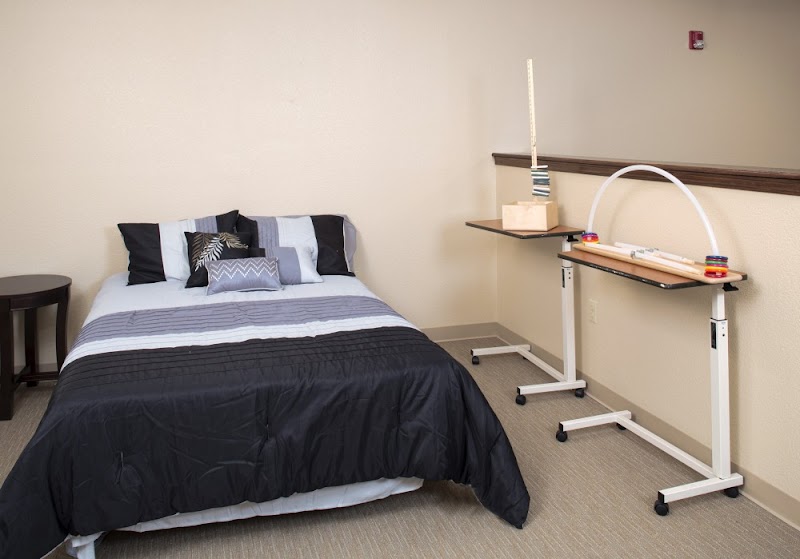
How Does Emerald Claremore Compare to Other Oklahoma Nursing Homes?

Compared to the 100 nursing homes in Oklahoma, EMERALD CARE CENTER CLAREMORE's overall rating (1 stars) is below the state average of 2.6, staff turnover (56%) is near the state average of 46%, and health inspection rating (1 stars) is much below the national benchmark.

What Should Families Ask When Visiting Emerald Claremore?

Based on this facility's data, families visiting should ask: "How do you ensure continuity of care given staff turnover, and what is your staff retention strategy?" "Can you walk me through typical staffing levels on day, evening, and night shifts?" "Can I visit during a mealtime to observe dining assistance and food quality?" "How do you handle medical emergencies, and what is your hospital transfer rate?" These questions are particularly relevant given the facility's high staff turnover rate and the below-average staffing rating.

Is Emerald Claremore Safe?

Based on CMS inspection data, EMERALD CARE CENTER CLAREMORE has a clean safety record: no substantiated abuse findings (meaning no confirmed cases of resident harm), no Immediate Jeopardy citations (the most serious violation level indicating risk of serious injury or death), and is not on the Special Focus Facility watch list (a federal program monitoring the lowest-performing 1% of nursing homes). The facility has a 1-star overall rating and ranks #100 of 100 nursing homes in Oklahoma. While no facility is perfect, families should still ask about staff-to-resident ratios and recent inspection results during their visit.

Do Nurses at Emerald Claremore Stick Around?

Staff turnover at EMERALD CARE CENTER CLAREMORE is high. At 56%, the facility is 10 percentage points above the Oklahoma average of 46%. Registered Nurse turnover is particularly concerning at 100%. RNs handle complex medical decisions and coordinate care — frequent RN changes can directly impact care quality. High turnover means new staff may not know residents' individual needs, medications, or preferences. It can also be disorienting for residents, especially those with dementia who rely on familiar faces. Families should ask: What is causing the turnover? What retention programs are in place? How do you ensure care continuity during staff transitions?

Was Emerald Claremore Ever Fined?

EMERALD CARE CENTER CLAREMORE has been fined $5,244 across 1 penalty action. This is below the Oklahoma average of $33,131. While any fine indicates a compliance issue, fines under $50,000 are relatively common and typically reflect isolated problems that were subsequently corrected. Families should ask what specific issues led to these fines and confirm they've been resolved.

Is Emerald Claremore on Any Federal Watch List?

EMERALD CARE CENTER CLAREMORE is not on any federal watch list. The most significant is the Special Focus Facility (SFF) program, which identifies the bottom 1% of nursing homes nationally based on persistent, serious quality problems. Not being on this list means the facility has avoided the pattern of deficiencies that triggers enhanced federal oversight. This is a positive indicator, though families should still review the facility's inspection history directly.