MEMORY CARE CENTER AT EMERALD
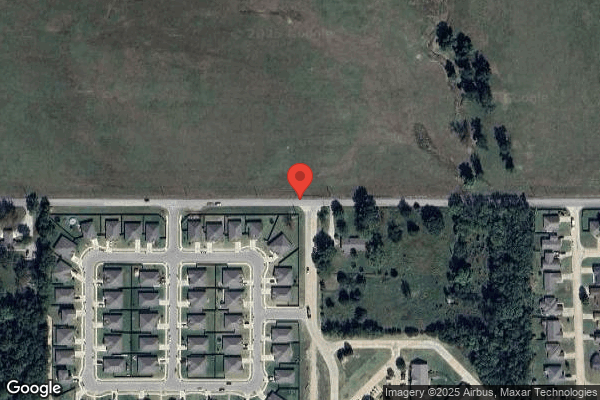
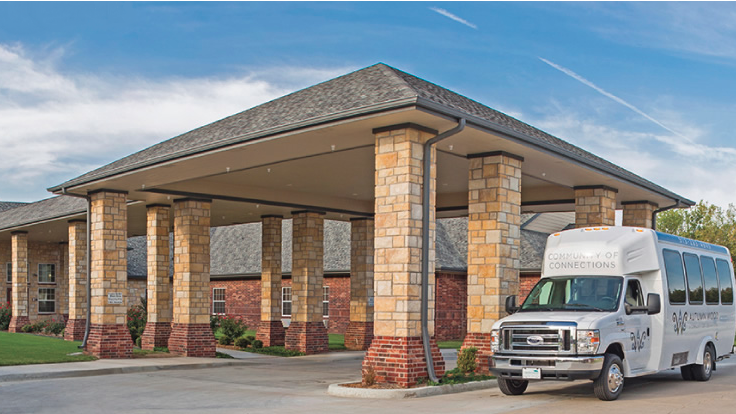
2700 NORTH HICKORY STREET, CLAREMORE, OK 74017 (918) 283-4949
For profit - Limited Liability company 60 Beds EMERALD HEALTHCARE Data: November 2025 1 Immediate Jeopardy citation
Trust Grade
3/100
#244 of 282 in OK
Last Inspection: May 2024

Within standard 12-15 month inspection cycle. Federal law requires annual inspections.

Overview

The Memory Care Center at Emerald has received a Trust Grade of F, indicating significant concerns with the facility's overall quality and care. It ranks #244 out of 282 nursing homes in Oklahoma, placing it in the bottom half of facilities statewide, and #5 out of 5 in Rogers County, meaning there are no better options locally. While the facility's issues have improved recently, decreasing from 20 problems in 2024 to just 2 in 2025, the overall picture remains troubling with a high staffing turnover rate of 69%, which is above the state average. Additionally, the facility has incurred $143,106 in fines, which is more than 98% of other Oklahoma facilities, suggesting ongoing compliance issues. Specific incidents include a resident who fell despite a care plan meant to prevent such occurrences, and the facility failing to ensure that food service sanitation standards were followed, raising concerns about resident safety and health.

Trust Score
F
3/100
In Oklahoma
#244/282
Bottom 14%
Safety Record
High Risk
Review needed
Inspections
Getting Better
20 → 2 violations
Staff Stability
⚠ Watch
69% turnover. Above average. Higher turnover means staff may not know residents' routines.
Penalties
⚠ Watch
$143,106 in fines. Higher than 89% of Oklahoma facilities, suggesting repeated compliance issues.
Skilled Nurses
⚠ Watch
Each resident gets only 9 minutes of Registered Nurse (RN) attention daily — below average for Oklahoma. Fewer RN minutes means fewer trained eyes watching for problems.
Violations
⚠ Watch
51 deficiencies on record. Higher than average. Multiple issues found across inspections.
★☆☆☆☆
1.0
Overall Rating
★★☆☆☆
2.0
Staff Levels
★☆☆☆☆
1.0
Care Quality
★☆☆☆☆
1.0
Inspection Score
Stable
2024: 20 issues
2025: 2 issues

The Good

  • Full Sprinkler Coverage · Fire safety systems throughout facility
  • No fines on record

Facility shows strength in fire safety.

The Bad

1-Star Overall Rating

Below Oklahoma average (2.6)

Significant quality concerns identified by CMS

Staff Turnover: 69%

23pts above Oklahoma avg (46%)

Frequent staff changes - ask about care continuity

Federal Fines: $143,106

Well above median ($33,413)

Significant penalties indicating serious issues

Chain: EMERALD HEALTHCARE

Part of a multi-facility chain

Ask about local staffing decisions and management

Staff turnover is elevated (69%)

21 points above Oklahoma average of 48%

The Ugly 51 deficiencies on record

1 life-threatening 1 actual harm
May 2025 2 deficiencies
CONCERN (D) 📢 Someone Reported This

A family member, employee, or ombudsman was alarmed enough to file a formal complaint

Potential for Harm - no one hurt, but risky conditions existed

Report Alleged Abuse (Tag F0609)

Could have caused harm · This affected 1 resident

Based on record review and interview, the facility failed to report allegations of abuse to the Oklahoma State Department of Health for 1 (#1) of 3 sampled residents reviewed for abuse. The administra...

Read full inspector narrative →
Based on record review and interview, the facility failed to report allegations of abuse to the Oklahoma State Department of Health for 1 (#1) of 3 sampled residents reviewed for abuse. The administrator reported 56 residents resided at the facility. Findings: A facility policy titled Abuse, Neglect, and Exploitation, dated 11/17, read in part, In response to allegations of abuse, neglect, exploitation, or mistreatment, the facility must: (1) Ensure that all alleged violations involving abuse, neglect, exploitation, or mistreatment, including injuries of unknown source and misappropriation of resident property are reported immediately, but not later that 2 hours after the allegation is made .to the administrator of the facility and other officials .in accordance with State law through established procedures. A progress note titled Mood/Behavior, dated 04/28/25 at 8:51 p.m., showed Res #1 had reported to LPN #2 that Res #1 was having a romantic relationship with CNA #1, an unidentified LPN had twice sexually assaulted a resident, and an unidentified CNA was living at Res #1's home and receiving money from Res #1 monthly. LPN #2 further wrote in the note that they had spoken to the ADON and the administrator about the reports. On 05/12/25 at 10:22 a.m. the administrator was asked about LPN #2's progress note, dated 04/28/25 at 8:51 p.m. They stated they were aware of each of the allegations mentioned in the note. They stated they had not reported the incident or participated in the investigation as they had assigned those tasks to the DON. On 05/12/25 at 10:47 a.m., the DON was asked about LPN #2's progress note dated 04/28/25 at 8:51 p.m., that contained Res #1's allegations of sexual abuse and misappropriation. The DON stated she had not seen that progress note by LPN #2 or heard of those allegations before this surveyor showed them, so the allegations had not been reported to state and had not been investigated.
CONCERN (D) 📢 Someone Reported This

A family member, employee, or ombudsman was alarmed enough to file a formal complaint

Potential for Harm - no one hurt, but risky conditions existed

Investigate Abuse (Tag F0610)

Could have caused harm · This affected 1 resident

Based on record review and interview, the facility failed to: a. thoroughly investigate allegations of sexual abuse; b. investigate an allegation of misappropriation; and c. initiate precautions to ...

Read full inspector narrative →
Based on record review and interview, the facility failed to: a. thoroughly investigate allegations of sexual abuse; b. investigate an allegation of misappropriation; and c. initiate precautions to protect residents from the alleged perpetrators for 1 (#1) of 3 sampled residents reviewed for abuse The administrator stated the facility had 56 residents resided at the facility. Findings: A facility policy titled Abuse, Neglect, and Exploitation, dated 11/17, read in part, When suspicion of abuse, neglect or exploitation, or reports of abuse, neglect or exploitation occur, an investigation is immediately warranted. An MDS admission assessment, dated 03/16/25, showed in Section C that Res. #1 had been assessed and found to have a BIMS score of 03 which indicated their cognition was severely impaired. A progress note titled Mood/Behavior, dated 04/28/25 at 8:51 p.m., showed Res #1 had reported to LPN #2 that Res #1 was having a romantic relationship with CNA #1, an unidentified LPN had twice sexually assaulted a resident, and an unidentified CNA was living at Res #1's home and receiving money from Res #1 monthly. The note showed they had spoken to the ADON and the administrator about the reports. A progress note titled Mood/Behavior, dated 05/01/25 at 6:35 p.m., showed LPN #1 had been informed by CNA #2 that Res #1 had alleged CNA #1 had stolen credit cards. The note did not show if this allegations were passed on to the administration. On 05/12/25 at 10:22 a.m. the administrator was asked about LPN #2's progress note, dated 04/28/25 at 8:51 p.m. They stated they were aware of each of the allegations mentioned in the note. They stated they had not reported the incident or participated in the investigation as they had assigned those tasks to the DON. When asked about LPN #1's progress note of 05/01/25 at 6:35 p.m., which contained the allegation from Res #1 about their credit cards having been stolen, the administrator stated they were not aware of that note or allegation. On 05/12/25 at 10:47 a.m., the DON was asked about LPN #2's progress note dated 04/28/25 at 8:51 p.m., that contained Res #1's allegations of sexual abuse and misappropriation. The DON stated they had not seen that progress note by LPN #2 or heard of those allegations before this surveyor showed them. They stated they had not conducted any investigation related to the allegations identified in that note. The DON was asked about LPN #1's progress note, dated 05/01/25 at 6:35 p.m. which contained the allegation of stolen credit cards. The DON stated they had never been told about that report so there was no investigation. On 05/12/25 at 11:20 a.m., ADON was asked about LPN #2's progress note dated 04/28/25 at 8:51 p.m. The ADON stated they had been told about the allegations but believed it was the next morning [04/29/25] about 7:00 a.m., when they were told about them. They stated they then informed the DON about the allegations at about 8:00 a.m. On 05/12/25 at 11:32 a.m., the DON was asked if CNA #1 had been suspended at any time after the allegations against them had been made. The DON stated CNA #1 had not been suspended. The DON stated the reason was because when they did find out about CNA #1 having been named by Res #1 as an alleged perpetrator, the administrator told them they had enough information about the allegations to unsubstantiate the allegations. The DON was asked when they discovered CNA #1 had been named. The DON stated it was on 05/02/25. On 05/12/25 at 12:50 p.m., CNA #1 was asked about the allegations Res #1 had made against them. CNA #1 stated they had not been aware the resident had made those accusations. They stated they found out about the allegations against them after Res #1 had been moved to a different hall and they went over there to visit them. CNA #1 stated when they left the hall after the visit, the administrator told them they should not go over there and then about Res #1's allegations. CNA #1 stated they had not been suspended from work because of any allegation from Res #1. CNA #1 stated they had not, and worked each of their scheduled shifts in April and May 2025. On 05/12/25 at 1:37 p.m., LPN #1 was asked about their progress note, dated 05/01/25 at 6:35 p.m. LPN #1 stated it was their understanding that anytime Res #1 had made an allegation, they were to make a note of it. They stated when they were told by CNA #2 of the allegation of stole credit cards, they wrote the note and informed the ADON the next morning. On 05/12/25 at 4:21 p.m., LPN #2 returned the surveyor's telephone call. LPN #2 was asked about their progress note, dated 04/28/25 at 8:51 p.m. They stated the note contained Res #1's multiple allegations about sexual abuse and a staff member getting money from them. They stated they had reported the information to the ADON but did not know what the ADON had done with the information.
May 2024 1 deficiency 1 Harm
SERIOUS (G) 📢 Someone Reported This

A family member, employee, or ombudsman was alarmed enough to file a formal complaint

Actual Harm - a resident was hurt due to facility failures

Accident Prevention (Tag F0689)

A resident was harmed · This affected 1 resident

Based on record review and interview, the facility failed to protect the resident's right to be free from neglect for one (# 1) of four residents reviewed for neglect. The Administrator reported the f...

Read full inspector narrative →
Based on record review and interview, the facility failed to protect the resident's right to be free from neglect for one (# 1) of four residents reviewed for neglect. The Administrator reported the facility census was 53. Findings: A facility policy titled Abuse, Neglect and Exploitation, revised 01/24, read in part, .Each resident has the right to be free from abuse, neglect, misappropriation of resident property and exploitation .Neglect, as defined at 483.5, means the failure of the facility, its employees or service providers to provide goods and services to a resident that are necessary to avoid physical harm, pain, mental anguish or emotional distress . Resident #1 had diagnoses which included severe unspecified dementia with anxiety and senile degeneration of the brain. An admission assessment, dated 03/15/24, documented Resident #1 was severely impaired for daily decision making and was able to walk without assistance. A nurse note, dated 05/18/24 at 7:44 pm, documented the CMA on duty notified the nurse that Resident #1 was found laying on the concrete patio in the courtyard, the resident was unresponsive to a sternal rub. The note further documented the staff placed cool wet cloths on the resident and called 911. EMS arrived at approximately 6:50 pm and transported Resident #1 to the hospital. Hospital discharge paperwork, dated 05/24/24, documented Resident #1's diagnoses for hospital admission included heat exhaustion and volume depletion. On 05/31/23 at 9:30 a.m., CNA #1 stated that the courtyard doors should always be locked, and residents shouldn't not be outside without staff. On 05/31/23 at 9:40 a.m., LPN #1 stated staff should always supervise residents when they are outside. On 05/31/23 at 10:00 a.m., RN #1 stated activities staff usually took the residents outside, they also stated residents should always be supervised and dressed appropriately when outside. On 05/31/23 at 10:15 a.m., CNA #2 stated the courtyard doors should not be propped open and staff members should be supervising residents when they are outside. On 05/31/23 at 10:20 a.m., CNA #3 stated the doors should be secure and residents should not be unsupervised when they are in the courtyard. On 05/31/23 at 10:53 a.m., the ADON stated that they had educated staff regarding propping the courtyard doors open, supervising residents when they are outside, and ensuring residents are dressed properly for the environment. They stated that after Resident #1 was found unresponsive in the courtyard EMS was contacted immediately and the resident was sent to the hospital for treatment related to heat exhaustion. On 05/31/23 at 12:40 p.m., LPN #2 stated they were called to the 600-hall courtyard around 6:40 pm on 05/18/24, they further stated when they arrived, they observed Resident #1 laying on the concrete in the direct sun wearing only a pair of pants. LPN #2 stated Resident #1 was unresponsive to sternal rubs and that EMS was notified immediately. LPN #2 stated the door between the courtyard and the 600-hall was propped open with a chair. On 05/31/24 at 12:48 p.m., CNA #4 stated they were called to the 600-hall around 6:30 pm 0n 05/18/24, and that when they arrived, they observed Resident #1 laying outside on the concrete patio. They also stated that the door between the courtyard and 600-hall was propped open. CNA #4 stated the resident was red, soaked with sweat, hot to the touch, and unresponsive. On 05/31/23 at 3:00 p.m., the ADON stated they were unsure how long the resident had been in the courtyard, they stated that a CNA reported they offered the resident a snack approximately two hours before he was found unresponsive in the courtyard. The ADON reported Resident #1 was not being adequately supervised. On 05/31/23 at 3:05 p.m., the Administrator stated that Resident #1 was not being supervised appropriately at the time of the incident.
May 2024 19 deficiencies
CONCERN (D)

Potential for Harm - no one hurt, but risky conditions existed

Resident Rights (Tag F0550)

Could have caused harm · This affected 1 resident

Based on observation, record review, and interview, the facility failed to ensure a resident was treated with dignity during dining for one (#20) of four sampled residents observed during two meals. T...

Read full inspector narrative →
Based on observation, record review, and interview, the facility failed to ensure a resident was treated with dignity during dining for one (#20) of four sampled residents observed during two meals. The ADON identified 10 residents who required assistance with meals. Findings: The facility's, Activities of Daily Living (ADLs) policy, revised 01/2024, read in part, A resident who is unable to carry out activities of daily living will receive the necessary services to maintain good nutrition . Resident #20 had diagnoses which included dementia. Resident #20's annual assessment, dated 03/12/24, documented they were dependent on staff for eating. On 05/09/24 at 8:45 a.m., RN #1 was observed feeding Resident #20, they got up from the table, Resident #20 had food remaining on her plate and went across the room to encourage another resident to eat. RN #1 came back to the table and assisted another resident to eat while Resident #20 was sitting at the table with a plate of food in front of them. On 05/09/24 at 8:49 a.m., Resident #6 was heard telling Resident #20 Take a bite, you can do it. No staff were observed at the table to feed Resident #20. On 05/09/24 at 8:50 a.m., Resident #20 was asked if they were hungry. They nodded their head up and down indicating yes. On 05/09/24 at 8:52 a.m., CNA #7 came to the table where Resident #20 was sitting. CNA #7 stated Resident #20 was finished eating. CNA #7 was made aware Resident #20 had nodded yes when asked if they were hungry. CNA #7 starting feeding Resident #20. Resident #20 was observed to eat the eggs being fed to them by the CNA. On 05/09/24 at 2:29 p.m., the ADON stated the staff should not have stopped feeding one resident and gone to assist another resident across the room. They stated during meal times they should have the nurse, CMA, CNA, and the float CNA on the unit to assist residents with eating.
CONCERN (D) 📢 Someone Reported This

A family member, employee, or ombudsman was alarmed enough to file a formal complaint

Potential for Harm - no one hurt, but risky conditions existed

Investigate Abuse (Tag F0610)

Could have caused harm · This affected 1 resident

**NOTE- TERMS IN BRACKETS HAVE BEEN EDITED TO PROTECT CONFIDENTIALITY** Based on record review and interview, the facility failed to ensure an investigation was initiated for one (#13) of six resident...

Read full inspector narrative →
**NOTE- TERMS IN BRACKETS HAVE BEEN EDITED TO PROTECT CONFIDENTIALITY** Based on record review and interview, the facility failed to ensure an investigation was initiated for one (#13) of six resident sampled for abuse. The Administrator identified 56 residents resided in the facility. Findings: A Abuse, Neglect and Exploitation policy, revised 1-2024, read in part, a. Respond to the needs of the resident and protect them from further incident (document), b. Notify the Director of Nursing and Administrator (document), c. initiate an investigation immediately. The policy also read, f. Contact the State Agency and the local Ombudsman office to report the alleged abuse. The policy also read, h. Monitor and document the resident's condition, including the response to medical treatment or nursing interventions, i. Document actions taken in steps above in the medical record. Resident #13 admitted to the facility on [DATE] with diagnoses of unspecified dementia, senile degeneration of the brain, and anxiety disorder, unspecified. A quarterly assessment dated , 03/13/24, documented the resident had moderately impaired cognition. A General Note, dated 05/08/23, documented, Resident was speaking to Physical Therapy and she states she is having her period and was needing some pads. Physical therapy spoke with skill Nurse and states this resident is having her period. Skilled Nurse and Physical therapy had this resident go into [Resident 13] room and look at the place where her bleeding was coming from. Resident has a place below her rectum that has a small amount of blood. Skilled Nurse notified Director of Nursing this resident has some bleed in the rectum vaginal area. A General Note, dated 05/08/23, documented, Kim Nurse practioner here and examined this resident and noted reddened bleeding area by vagina. She immediately contacted Dr. [name withheld' and Dr. [name withheld] states have her go to the Hospital and have her examined. [name withheld] DON notified family resident is going to Hospital for noted bleeding from the vaginal area. Paper work printed out and [name withheld] ambulance called for transport. [name withheld] notified [name withheld] Police department for Back up. Resident transported via ambulance with out complications. Resident being transported to [name withheld] Hospital. A EMS Patient Care Report, dated 05/08/23, read in part, PT is a 81 YOF with CC of vaginal bleeding. Upon arrival [facility] staff [name withheld] met EMS staff outside and stated that the PT quoted the boys touched me. [name withheld] states that PT is typically confused but [name withheld] was concerned about possible sexual assault. An Emergency Medicine Note, dated 05/08/23, read in part, She had originally said that people were touching her. The note also read, She has a very small less than a half a centimeter external labial laceration which currently does not have any active bleeding. A General Note, dated 03/28/24, documented, This nurse Obtained urine specimen via straight Cath d/t resident experiencing dysuria while going to the bathroom in the potty hat. A white thick milky foul odor smelling residue came from vagina and urethra. Resident expressed pain and discomfort in pelvic area during the Catherization. Social services notified and Gyno appt has been made. DON and family notified. A lab report, dated 04/01/24, documented positive result for Chlamydia and this is a reportable disease. A Progress Note, dated 04/08/24, read in part, I informed [name withheld] that [Resident #13] tested positive for Chlamydia. The progress note also read, I emphasized the importance of treatment completion but also to treat whomever her partner would have been during the time she had the infection. [name withheld] had stated that [Resident #13] is not sexually active that they are aware of, but [APRN] am concerned there is another resident that has either given or gotten Chlamydia from [Resident #13]. An Infection Note, dated 04/08/24, documented Received a phone call from [name withheld], nurse practioner with [name withheld]. Requesting to speak with DON/ADON regarding test results. Reports resident was recently seen r/t pelvic pain and vaginal discharge, a vaginal swab was obtained at visit. NP reports the results of the vaginal swab were + for Chlamydia. NP gave orders to start resident on Doxycycline 100 mg BID x 7 days. Reports no follow up appointment/swab is necessary unless increased vaginal discharge or discomfort is noted. NP gave orders to begin isolation precautions until completion of ATB tx. Spoke with PCP Dr. [name withheld] agrees to current tx plan. Spoke with DON, regional RN, [name withheld] & administrator this matter. Spoke to resident's daughter via telephone, informed of lab results, precautions and treatment plan, verbalizes understanding and agreement with tx at this time. Staff educated on proper isolation precautions. Resident currently resting in room, denies pain or discomfort, in no apparent distress at this time. ATB ordered from preferred pharmacy, pending delivery at this time. On 05/08/24 at 9:00 a.m., The APRN stated that the STI could only be sexually transmitted. They stated Resident #13 did not appear abused, but Resident #13 had dementia and was in their own world and could be manipulated by whoever gave it to Resident #13. On 05/08/24 at 10:30 a.m., the ADON stated they did not have the investigation from last year. They stated they did not do the investigation of the recent STI. On 05/08/24 at 11:09 a.m., the Administrator stated they did not find anything about the 05/08/23 investigation. They stated they did not investigate the recent STI. 05/08/24 at 11:10 a.m., the Administrator stated there was not any credible situation where anyone could have assaulted Resident #13 on a hall with all females. They stated it would be really difficult for someone to go into their quarters without being noticed. 05/08/24 at 11:11 a.m., the Administrator stated the facility employed a handful of male employees and a few that work at night and would work alone on the hall they were assigned. They stated to ensure no other residents were infected they could have tested everyone but they did not.
CONCERN (D)

Potential for Harm - no one hurt, but risky conditions existed

Assessment Accuracy (Tag F0641)

Could have caused harm · This affected 1 resident

Based on observation, record review, and interview, the facility failed to ensure MDS assessments were accurate for one (#20) of two sampled residents reviewed for accuracy of documentation for limite...

Read full inspector narrative →
Based on observation, record review, and interview, the facility failed to ensure MDS assessments were accurate for one (#20) of two sampled residents reviewed for accuracy of documentation for limited range of motion on the MDS assessment. The ADON identified 10 residents who had limited range of motion and three residents who had contractures. Findings: Resident #20's annual assessment, dated 03/12/24, documented they had no impairment for limited range of motion to the shoulder, elbow, wrist, or hand. On 05/07/24 at 11:58 a.m., Resident #20's family member stated the resident's hand was contracted. On 05/09/24 at 8:54 a.m., Resident # 20's left hand was observed to be closed. On 05/09/24 at 9:07 a.m., CNA #7 stated Resident #20's hand was contracted. On 05/14/24 at 10:03 a.m., the ADON stated Resident #20's hand was contracted. They reviewed the MDS assessment and stated the assessment was filled out incorrectly. They stated the assessment documented no impairment in range of motion to upper extremities.
CONCERN (D)

Potential for Harm - no one hurt, but risky conditions existed

Deficiency F0657 (Tag F0657)

Could have caused harm · This affected 1 resident

**NOTE- TERMS IN BRACKETS HAVE BEEN EDITED TO PROTECT CONFIDENTIALITY** Based on record review and interview, the facility failed to include a care plan regarding isolation for one (#13) of 19 sampled...

Read full inspector narrative →
**NOTE- TERMS IN BRACKETS HAVE BEEN EDITED TO PROTECT CONFIDENTIALITY** Based on record review and interview, the facility failed to include a care plan regarding isolation for one (#13) of 19 sampled resident reviewed for care planning. The Administrator identified 56 residents resided in the facility. Findings: A Care Plan Process policy, revised 09/2019, read in part, The plan of care must describe the services that are to be furnished to attain or maintain the resident's highest practicable physical, mental, and social well-being. The policy also read, Maintains care plans on a current status. The policy also read, Aid in preventing or reducing declines in the residents's functional status and/or functional levels. Resident #13 admitted to the facility on [DATE] with diagnosis which included unspecified dementia, senile degeneration of brain, anxiety disorder, unspecified. An Infection Note dated 04/08/24, documented, nurse practioner gave orders to begin isolation precautions until completion of antibiotic treatment. There was no documentation on the care plan of isolation/isolation precautions. On 05/10/24 at 11:05 a.m., the MDS coordinator stated no, isolation is not on Resident #13's care plan.
CONCERN (D)

Potential for Harm - no one hurt, but risky conditions existed

Accident Prevention (Tag F0689)

Could have caused harm · This affected 1 resident

**NOTE- TERMS IN BRACKETS HAVE BEEN EDITED TO PROTECT CONFIDENTIALITY** Based on record review and interview, the facility failed to ensure neurological checks were completed after a fall with head in...

Read full inspector narrative →
**NOTE- TERMS IN BRACKETS HAVE BEEN EDITED TO PROTECT CONFIDENTIALITY** Based on record review and interview, the facility failed to ensure neurological checks were completed after a fall with head injury for one (#41) of four sampled residents reviewed for accident hazards. The Administrator identified 56 residents resided in the facility. Findings: An Accidents/Neuro Checks policy, revised 1-24, read in part, The purpose of this procedure is to provide guidelines for a neurological assessment:. The policy also read, Neurological assessments are indicated:. The policy also read, Following an unwitnessed fall;. The policy also read, Following a fall or other accident/injury involving head trauma;. Resident #41 admitted to the facility on [DATE] with diagnoses which included Alzheimer's Disease, unspecified, dementia in other disease class, and bipolar disorder. Resident #41's significant change assessment documented the resident had severe cognitive impairment. An Incident Note, dated 12/24/23, documented, Resident standing at counter. Resident from [room number withheld] approached counter and this resident stepped closer to [Resident #15] while hitting [Resident #41] hand with [Resident #41] fist. [room number withheld] turned to walk away when this resident turned also. [room number withheld] stuck [Resident #15] foot out in front of [Resident #41] and at this same time pushed [Resident #41] from behind. Resident fell forward hitting [Resident #41] nose on the floor. Noted 0.2 x 0.1 cm laceration to [Resident #41] nose. Small amount of bleeding from nose. Cleaned area with normal saline. ROM WNL. Neuro checks initiated and WNL. One on one with this resident for 1 hr then assisted to bed. Called [family member], left message requesting return call. Notified DON and abd [sic] physician. An Incident report, dated 02/25/24, documented, Residents and staff were on back patio for afternoon activities. Staff called this nurse back out to patio at approximately [2:00 p.m.] to observe resident lying on concrete, crying, with plant hanger tangled between feet and blood coming from above right eye. Head to toe assessment revealed laceration just above right eye with copious amounts of bright read drainage. Neuro monitoring initiated, findings consistent with baseline. Hypotension noted with B/P: 85/47, additional V/S WNL including T:98, P:59, 02: 98% on RA and R: 18. Resident exhibits signs of pain including guarding grimacing crying out and agitation. Staff assisted residents back into building. RN supervisor cleansed wound and applied gauze with pressure. This nurse contacted Dr. [name withheld] and received order to send resident out to hospital for further evaluation and treatment. 911 emergency line contacted for transport followed by [family member], DON and Admin. Resident exited building with EMT x 2 enroute to [hospital name withheld] at approximately [2:30 p.m.] No neuro sheets were located it Resident #41's chart. On 05/14/24 at 1:58 p.m., The ADON state if a fall was unwitnessed or if resident had an injury involving the head, the staff should start neuros On 05/14/24 at 12:29 p.m., the ADON stated they were unable to locate neuro sheets for the 12/24/23 and 02/25/25 incidents.
CONCERN (D)

Potential for Harm - no one hurt, but risky conditions existed

Respiratory Care (Tag F0695)

Could have caused harm · This affected 1 resident

Based on observation, record review, and interview, the facility failed to ensure oxygen tubing was labeled, dated, and changed per facility policy for one (#6) of one sampled resident who was observe...

Read full inspector narrative →
Based on observation, record review, and interview, the facility failed to ensure oxygen tubing was labeled, dated, and changed per facility policy for one (#6) of one sampled resident who was observed for oxygen therapy. The ADON identified six residents who received oxygen therapy. Findings: The facility's, Special Needs policy, revised 01/2024, read in part, To address special needs, this facility will provide the necessary care and treatment .consistent with professional standards of practice. Resident #6 had diagnoses which included acute respiratory failure with hypoxia. Resident #6's Monthly Physician's Orders, included oxygen 2 liters via nasal cannula continuously. On 05/06/24 at 12:26 p.m., Resident #6 was observed in their room. The oxygen tubing hooked up to the oxygen concentrator was not dated. On 05/09/24 at 9:15 a.m., Resident #6 was observed in the dining room wearing the oxygen nasal cannula hooked up to the portable oxygen tank. The oxygen tubing was dated 03/29/24. CNA #7 observed the date on the tubing and verified the date. On 05/09/24 at 9:25 a.m., the nasal cannula hooked up the oxygen concentrator was observed hanging from the regulator and was discolored and undated. The humidifier bottle was out of water and had water stains on the bottle. On 05/09/24 at 9:27 a.m., RN #1 stated the oxygen tubing hooked up to the concentrator was not dated. RN #1 stated the tubing was supposed to be changed weekly. They stated they did not know why the oxygen humidifier was out of water. RN #1 stated the oxygen tubing and humidifier were not dated. On 05/09/24 at 9:58 a.m., the ADON was shown pictures of the nasal cannula and the humidifier bottle. They stated the nasal cannula was dirty. They stated the humidifier bottle needed to be changed. The ADON stated the oxygen tubing and humidifier bottle should be changed weekly and the tubing should be dated with the date it was changed. They stated the humidifier bottle should not run out of water. The DON stated it was the nurse's responsibility to change the tubing and humidifier bottle and ensure it had water.
CONCERN (D)

Potential for Harm - no one hurt, but risky conditions existed

Medication Errors (Tag F0758)

Could have caused harm · This affected 1 resident

**NOTE- TERMS IN BRACKETS HAVE BEEN EDITED TO PROTECT CONFIDENTIALITY** Based on record review and interview, the facility failed to ensure antipsychotic medications were ordered with an appropriate d...

Read full inspector narrative →
**NOTE- TERMS IN BRACKETS HAVE BEEN EDITED TO PROTECT CONFIDENTIALITY** Based on record review and interview, the facility failed to ensure antipsychotic medications were ordered with an appropriate diagnoses for one (#5) of five sampled residents reviewed for unnecessary medications. The ADON identified 23 residents were prescribed psychotropic medications. Findings: Resident #5 admitted to the facility on [DATE] with diagnoses that included unspecified dementia and general anxiety disorder. A Physician's Order, dated 09/20/22, documented aripiprazole tablet 5 mg by mouth one time a day for unspecified dementia with behavioral disturbance. On 05/14/24 at 9:52 a.m., the ADON stated schizophrenia, bipolar, and depression where appropriate diagnoses for aripiprazole. On 05/14/24 at 9:53 a.m., the ADON stated that dementia to their knowledge was not an appropriate diagnosis for aripiprazole.
CONCERN (D)

Potential for Harm - no one hurt, but risky conditions existed

Deficiency F0847 (Tag F0847)

Could have caused harm · This affected 1 resident

Based on record review and interview, the facility failed to explain the arbitration agreement in a manner the resident representative could understand for one (#21) of three sampled residents who ent...

Read full inspector narrative →
Based on record review and interview, the facility failed to explain the arbitration agreement in a manner the resident representative could understand for one (#21) of three sampled residents who entered into a binding arbitration agreement. The administrator identified 25 residents who had entered into a binding arbitration agreement. Findings: A document titled, Voluntary Arbitration Agreement, dated 04/08/24, documented Resident #21's family member signed the agreement. On 05/09/24 at 8:08 a.m., Resident #21's representative was asked if they understood the arbitration agreement they signed. The family member stated they did not realize what they were signing. They stated they did not realize they were giving up their right to have litigation in court. They stated they were stressed out and signing a lot of paperwork. The family member stated the facility went over the paper work so fast, they guessed they should have paid more attention. They stated they were not told they could withdraw from the agreement within 30 days of signing the agreement. On 05/10/24 at 9:31 a.m., the SSD stated an arbitration agreement was agreeing to have a mediator first to solve a dispute before they tried anything else. The SSD stated the resident or resident representative could still solve a dispute in court after they signed the arbitration agreement. The SSD was asked how they explained the arbitration agreement to the residents or resident representatives. They stated they let them read the paper work and ask questions. They stated they kept it short and simple. The SSD was asked if they explained to them they had 30 days to rescind the agreement and were giving up their right to go to court. They stated no. They stated they emailed the agreement to the resident representative and told the families to reach out if they had any questions. On 05/10/24 at 10:30 a.m., the administrator stated the facility should be considering the family and the stress they are under when they are signing the paperwork for admission.
CONCERN (E)

Potential for Harm - no one hurt, but risky conditions existed

Deficiency F0578 (Tag F0578)

Could have caused harm · This affected multiple residents

**NOTE- TERMS IN BRACKETS HAVE BEEN EDITED TO PROTECT CONFIDENTIALITY** 2. Resident #48 admitted to the facility on [DATE] with diagnoses which included Huntington's disease and unspecified dementia. ...

Read full inspector narrative →
**NOTE- TERMS IN BRACKETS HAVE BEEN EDITED TO PROTECT CONFIDENTIALITY** 2. Resident #48 admitted to the facility on [DATE] with diagnoses which included Huntington's disease and unspecified dementia. On 05/07/24 at 2:55 p.m., the BOM was asked if Resident #48 had been offered the choice to formulate advanced directives. On 05/07/24 at 3:20 p.m., the BOM states no advanced directive on file for Resident #48. Based on record review and interview, the facility failed to ensure the resident's representative completed the resident's code status correctly and were offered the choice to formulate an advanced directive for two (#6 and #48) of three sampled residents reviewed for advanced directives. The administrator identified 56 residents who resided in the facility. Findings: The facility's Admission policy, revised 01/2024, read in part, The facility will review all advance directive information during the admission process to assure that the resident's wishes will be incorporated in the plan of care. The policy also read, The facility allows advance directive information to be given to the resident's representative at the time of admission if the resident is incapacitated, whether or not the resident has executed an advanced directive 1. Resident #6 A document titled, Advance Directive Code (Resuscitate) Status, dated 02/26/24, documented Resident #6's POA had initialed the resident was a full code and a DNR. Resident #6's Social Services admission Data, dated 02/27/24, documented the resident was able to make their own decisions related to advanced care planning and did not have an advanced directive. On 05/08/24 at 4:10 p.m., the office assistant stated Resident #6 had a POA. They stated the resident's POA had incorrectly initialed both full code and DNR on the code status document. They stated Resident #6 was a full code. They stated they did not have documentation Resident #6 had been offered or declined the opportunity to formulate an advanced directive. On 05/08/24 at 5:15 p.m., the office assistant stated they did not ask any residents if they wanted information to formulate an advanced directive because of their dementia diagnoses.
CONCERN (E)

Potential for Harm - no one hurt, but risky conditions existed

Safe Environment (Tag F0584)

Could have caused harm · This affected multiple residents

Based on observation, record review, and interview, the facility failed to ensure wheelchairs were clean and maintained in good repair for two ( #1 and #25) of three sampled residents who were reviewe...

Read full inspector narrative →
Based on observation, record review, and interview, the facility failed to ensure wheelchairs were clean and maintained in good repair for two ( #1 and #25) of three sampled residents who were reviewed for wheelchair maintenance. The Administrator identified 56 residents who resided in the facility. Findings: The facility's Physical Environment: Space and Equipment policy, revised 01/2024, read in part, Inspection of resident care equipment will be completed routinely and as needed to maintain and ensure safe operating conditions. 1. Resident #1's quarterly assessment, dated 04/10/24, documented they ambulated with a manual wheelchair and walker. On 05/06/24 at 11:24 a.m., Resident #1's wheelchair armrests were observed to be torn and had the yellow padding showing. The wheelchair was observed to be dirty. 2. Resident #25's significant change assessment, dated 08/14/23, documented they ambulated with a manual wheelchair. On 05/06/24 at 12:17 p.m., Resident #25's wheelchair armrests were observed to be torn with the yellow padding showing. The wheelchair was observed to be dirty. On 05/08/24 at 2:35 p.m., the ADON stated the CNAs were responsible for notifying the nurse of the need for wheelchair maintenance and the nurse would notify maintenance. The ADON was shown the pictures and the wheelchairs for Resident #1 and #25. They stated they needed to be cleaned and the armrests needed to be repaired. They stated the wheelchair armrests could not be disinfected or cleaned properly because they were torn.
CONCERN (E) 📢 Someone Reported This

A family member, employee, or ombudsman was alarmed enough to file a formal complaint

Potential for Harm - no one hurt, but risky conditions existed

Abuse Prevention Policies (Tag F0607)

Could have caused harm · This affected multiple residents

**NOTE- TERMS IN BRACKETS HAVE BEEN EDITED TO PROTECT CONFIDENTIALITY** 3. Resident #41 admitted to the facility on [DATE] with diagnoses which included Alzheimer's Disease, unspecified, dementia in o...

Read full inspector narrative →
**NOTE- TERMS IN BRACKETS HAVE BEEN EDITED TO PROTECT CONFIDENTIALITY** 3. Resident #41 admitted to the facility on [DATE] with diagnoses which included Alzheimer's Disease, unspecified, dementia in other disease class, and bipolar disorder. An Incident Note, dated 12/24/23, documented, Resident standing at counter. Resident from [room number withheld] approached counter and this resident stepped closer to [Resident #15] while hitting [Resident #41] hand with [Resident #41] fist. [room number withheld] turned to walk away when this resident turned also. [room number withheld] stuck [Resident #15] foot out in front of [Resident #41] and at this same time pushed [Resident #41] from behind. Resident fell forward hitting [Resident #41] nose on the floor. Noted 0.2 x 0.1 cm laceration to [Resident #41] nose. Small amount of bleeding from nose. Cleaned area with normal saline. ROM WNL. Neuro checks initiated and WNL. One on one with this resident for 1 hr then assisted to bed. Called [family member], left message requesting return call. Notified DON and abd [sic] physician. No state reportables were located for the 12/24/23 incident. On 05/14/24 at 12:29 p.m., the ADON stated they were unable to locate state reportable for the 12/24/23. 4. Employee #1, 2, 3, 4, 5, 6, and #7's personnel files were reviewed. The personnel files did not contain abuse training upon hire. On 05/10/24 at 10:39 a.m., HR stated they did not have information to show abuse training was received by the employee. Based on record review and interview, the facility failed to implement their abuse policy related to: a. reporting allegations of abuse and/or neglect to the OSDH and investigating allegations of abuse and/or neglect for three (#6, #9, and #41) of five sampled residents who were reviewed for abuse allegations; and b. abuse training upon hire for seven (#1, 2, 3, 4, 5, 6, and #7) of 25 sampled employee files reviewed for abuse training. The administrator identified 56 residents who resided in the facility. Findings: The facility's Abuse Neglect and Exploitation policy, revised 01/2024, read in part, Ensure that all alleged violations involving abuse .are reported immediately, but not later than two hours after the allegation is made. The policy also read, Alleged Violation is a situation or occurrence that is observed or reported by staff, resident, relative, visitor or others but has not yet been investigated The policy also read, Neglect means the failure of the facility, its employees or service providers to provide goods and services to a resident that are necessary to avoid physical harm, pain, mental anguish or emotional distress. The policy also read, Employee training .New employees should be educated on abuse, neglect, and exploitation during initial orientation. Annual education and training is provided to all existing employees. The policy also read, Investigation of Alleged Abuse, Neglect, and Exploitation .reports of abuse, neglect or exploitation occur, an investigation is immediately warranted. 1. Resident #6 had diagnoses which included dementia and late on-set Alzheimer's Disease. A document titled, Grievance Log, dated 04/18/24, documented Resident #6 reported the staff on the night shift tried to smother them and pulled their call light out of the wall and placed it where they could not reach it. There was not an incident report submitted to the OSDH or documentation an investigation was conducted. On 05/10/24 at 11:43 a.m., the SSD stated they considered the grievance for Resident #6 on 04/18/24 an allegation of abuse and notified the administrator. On 05/10/24 at 11:45 a.m., the administrator stated they considered the statement made by the resident documented on the grievance log an allegation of abuse. They stated the nurse on the night shift had been on the unit and had written a statement. They stated they had not done an investigation or reported the incident to the OSDH because the nurse had been present during the time Resident #6 alleged the abuse happened. 2. Resident #9 had diagnoses which included frontotemporal neurocognitive disorder. Resident #9's quarterly assessment, dated 11/28/23, documented the resident required substantial maximal assist with toileting, dressing, transferring, and was frequently incontinent of urine and bowel. Resident #9's care plan for ADLs, dated 09/12/23, documented the resident required one person assist for toileting, transferring, and personal hygiene. A document titled, Grievance Log, dated 01/05/24, documented there was not a CNA on the hall to provide care for Resident #9 until 5:00 a.m. and the resident had brown ringed (Dried urine on clothing or sheets.) the grievance log also documented the DON had disciplinary action against the aide who refused to help others. On 05/10/24 at 11:33 a.m., the administrator stated the SSD would notify them if they had received an allegation of neglect. The administrator was asked if they considered the grievance made for Resident #9 on 01/05/24 an allegation of neglect. They stated to some degree. On 05/10/24 at 11:40 a.m., the SSD stated they considered the grievance for Resident #9 on 01/05/24 an allegation of neglect and they notified the administrator and the DON. On 05/10/24 at 11:45 a.m., the administrator stated they did not believe the allegation of neglect on 01/05/24 documented on the grievance form had been submitted to the OSDH. On 05/14/24 at 2:25 p.m., the ADON stated brown ringed meant dried urine. They stated Resident #9 required assistance with incontinent care.
CONCERN (E)

Potential for Harm - no one hurt, but risky conditions existed

Comprehensive Care Plan (Tag F0656)

Could have caused harm · This affected multiple residents

Based on observation, record review, and interview, the facility failed to develop a care plan for oxygen therapy for one (#6) of one sampled resident who received oxygen therapy and limited range of ...

Read full inspector narrative →
Based on observation, record review, and interview, the facility failed to develop a care plan for oxygen therapy for one (#6) of one sampled resident who received oxygen therapy and limited range of motion with contracture for one (#20) of two sampled residents who had limited range of motion. The ADON identified six residents who utilized oxygen, ten residents who had limited range of motion, and three residents who had contractures. Findings. The facility's Special Needs policy, revised 01/2024, read in part, Comprehensive care plans will be developed based on resident assessments, goals and preferences. 1. Resident #6 had diagnoses which included acute respiratory failure with hypoxia. Resident #6's Monthly Physician's Orders, included oxygen 2 liters via nasal cannula continuously. Resident #6's care plan did not document they utilized oxygen therapy, how often to change the nasal cannula, oxygen safety, or interventions. On 05/06/24 at 12:26 p.m., Resident #6 was observed in their room with oxygen at two liters via nasal cannula. An oxygen concentrator machine with a humidifier bottle and portable oxygen tank was observed in Resident #6's room. On 05/09/24 at 2:06 p.m., the MDS coordinator stated Resident #6's care plan should have included oxygen therapy. They stated the care plan did not document Resident #6 utilized oxygen or interventions for oxygen therapy. 2. Resident #20 Resident #20's care plan was reviewed and did not document they had limited range of motion or contracture to left hand and did not document interventions to prevent the contracture from worsening or how to provide care to the left hand with the contracture. On 05/07/24 at 11:58 a.m., Resident #20's family member stated the resident's hand was contracted. and they were not sure if they had a brace or splint for Resident #20's hand to prevent it from getting worse. On 05/09/24 at 8:54 a.m., Resident # 20's left hand was observed to be closed, there was not a splint or brace in Resident #20's hand. On 05/09/24 at 9:07 a.m., CNA #7 stated Resident #20's left hand was contracted. They stated they at times put a rolled wash cloth in Resident #20's hand. On 05/14/24 at 10:03 a.m., the ADON stated Resident #20's left hand was contracted. They stated the care plan did not document Resident #20's hand was contracted or interventions to prevent it from worsening.
CONCERN (E)

Potential for Harm - no one hurt, but risky conditions existed

Deficiency F0725 (Tag F0725)

Could have caused harm · This affected multiple residents

**NOTE- TERMS IN BRACKETS HAVE BEEN EDITED TO PROTECT CONFIDENTIALITY** Based on observation, record review, and interview, the facility failed to ensure sufficient staff a. was available to provide ...

Read full inspector narrative →
**NOTE- TERMS IN BRACKETS HAVE BEEN EDITED TO PROTECT CONFIDENTIALITY** Based on observation, record review, and interview, the facility failed to ensure sufficient staff a. was available to provide incontinent care for one (#9) of one sampled resident who required incontinent care; b. was available to provide supervision during meals for one (#46) of two sampled residents who required supervision with meals; and c. was available to provide a licensed staff member on a 24 hour basis. The ADON identified 40 residents who required assistance with incontinent care, 10 residents who required assistance with meals, and 56 residents who resided in the facility. Findings: 1. Resident #9 had diagnoses which included frontotemporal neurocognitive disorder. Resident #9's care plan for ADLs, dated 09/12/23, documented the resident required one person assist for toileting, transferring, and personal hygiene. Resident #9's quarterly assessment, dated 11/28/23, documented the resident required substantial maximal assist with toileting, dressing, transferring, and was frequently incontinent of urine and bowel. A schedule, dated 01/04/24, documented there were no CNAs assigned to work on the Burgundy hall on night shift. A document titled, Grievance Log, dated 01/05/24, documented there was not a CNA on the hall to provide care for Resident #9 until 5:00 a.m. and the resident had brown ringed (Dried urine stain on linen or clothing.) the grievance log also documented the DON had disciplinary action against the aide who refused to help others. On 05/14/24 at 2:25 p.m., the ADON stated the schedule did not reflect a staff member had been assigned to the burgundy hall. The ADON was asked what brown ringed meant from the grievance log. They stated brown ringed meant dried urine. They stated Resident #9 required assistance with incontinent care every two hours. The ADON stated the CNA from green hall should have assisted the nurse with the residents' care needs on burgundy hall. The ADON stated they were not working at the facility at the time of the grievance and based on the documentation it looked like the aide from green hall refused to assist with resident care on the burgundy hall. 2. Resident #46 had diagnoses which included extrapyramidal and movement disorder, anxiety, and dementia. Resident #46's care plan for ADLs dated 01/11/24 , documented they required set up and supervison with meals. A nurse's note, dated 04/12/24, at 1:32 p.m., documented Resident #46 only ate if they were fed. Resident #46 ate 100% of their breakfast and lunch when they were fed. A nurse's note, dated 04/14/24, at 2:12 p.m., documented Resident #46 required some attention towards feeding and Resident #46 would eat if fed. On 05/09/24 at 8:25 a.m., during breakfast observation, RN #1 and CNA #7 were observed assisting residents with eating. CMA #1 was observed administering medications in the dining room. There were no staff members feeding or sitting with Resident #46 to encourage them to eat and not wander from the dining area. On 05/09/24 at 8:25 a.m., Resident # 46 was observed chewing their food and walking around unit. The residents breakfast was in a bowl, scrambled eggs, a biscuit in one bowl, a bowl of oatmeal, a cup juice and milk. On 05/09/24 at 8:26 a.m., CNA #7 cued Resident #46 to come and eat from across the dining room. On 05/09/24 at 8:29 a.m., Resident # 46 was observed walking to their room. There was no staff with Resident #46. On 05/09/24 at 8:31 a.m., Resident # 46 came out of room and went into another residents room. CNA#7 went to get Resident #46 and encouraged resident to go back to the dining area and eat her breakfast. On 05/09/24 at 8:39 a.m., Resident #46 continued to ambulate around unit and come and get bites of food. The staff did not stay with Resident #46 during the meal to ensure the resident stayed in the dining area and was encouraged to eat. On 05/09/24 at 9:04 a.m., CNA #7 stated Resident #46 ate their bacon, oatmeal, a few bites of their eggs and half of their biscuit. On 05/09/24 at 2:07 p.m., the MDS coordinator stated the care plan documented to provide supervision with meals. They stated a staff member should be next to Resident #46 during meals to provide supervision and prompt the resident to eat. On 05/09/24 at 2:29 p.m., the ADON stated Resident #46 required cuing and supervision with meals. The ADON stated the staff should be seated next to Resident #46 to cue the resident to eat and ensure they do not get up and leave the dining table. The ADON stated the CNA, nurse, float CNA, CMA should assist with meals to ensure each resident is provided supervision and assistance with meals. 3. A document titled, Incident Report Form, dated 05/12/24, documented the facility was without a licensed nurse for 3.5 hours due to the nurse scheduled to work the 7:00 p.m. shift to 7:00 a.m. shift had called in. On 05/13/24 at 1:30 p.m., Resident #1's family member stated they had pushed the call light for assistance at 6:48 p.m. on 05/12/24, and it had not been answered by the time they left at 7:30 p.m. They stated they lowered the resident's bed, and placed the resident's fall mat by their bed before they left. The family member stated they believed the facility did not have enough staff on 05/12/24. On 05/13/24 at 4:17 p.m., the ADON stated the administrator had filled out an incident report and reported the facility had not had a licensed nurse on 05/12/24 for 3.5 hours. They stated they had volunteered to cover the 3.5 hours but were advised they were needed on 05/13/24. The ADON stated the nurses who had been working the day shift left the faciity on [DATE] without a licensed nurse to replace them. They stated the nurse from their sister facilty on campus had been available for emergencies.
CONCERN (E)

Potential for Harm - no one hurt, but risky conditions existed

Deficiency F0726 (Tag F0726)

Could have caused harm · This affected multiple residents

Based on record review and interview, the facility failed to ensure licensed nurse, and certified nurse aides received competency/skills checks for four (LPN #1, CNA # 2, CNA #3, and CNA #4) of five e...

Read full inspector narrative →
Based on record review and interview, the facility failed to ensure licensed nurse, and certified nurse aides received competency/skills checks for four (LPN #1, CNA # 2, CNA #3, and CNA #4) of five employee files reviewed for competency/skills checks. The administrator identified 56 residents resided in the facility. Findings: A Nursing Services and Sufficient Staff policy, dated 02/23, read in part, It is the policy of this facility to provide sufficient staff with appropriate competencies and skill sets to assure resident safety and attain or maintain the highest practicable physical, mental and psychosocial well-being of each resident. The policy also read, The facility must ensure that licensed nurses have the specific competencies and skill sets necessary to care for resident's needs as identified through resident assessments and described in the plan of care. The policy also read, The facility must ensure that nurse aides are able to demonstrate competency in skills and techniques necessary to care for resident's needs, as identified through resident assessments, and described in the plan of care. 1. LPN #1 was hired on 12/13/23. Review of the employee file for LPN #1 did not reveal a competency/skills check had been completed. 2. CNA #2 was hired on 09/02/23. Review of the employee file for CNA #2 did not reveal a competency/skills check had been completed. 3. CNA #3 was hired on 09/05/23. Review of the employee file for CNA #3 did not reveal a competency/skills check had been completed. 4. CNA #4 was hired on 11/29/23. Review of the employee file for CNA #3 did not reveal a competency/skills check had been completed. On 05/10/24 at 11:58 a.m., the ADON stated they did not have the skills check offs for CNA #2, 3, 4, and LPN #1. They were asked if they did annual skills check offs. They stated, We should be.
CONCERN (E)

Potential for Harm - no one hurt, but risky conditions existed

Deficiency F0727 (Tag F0727)

Could have caused harm · This affected multiple residents

**NOTE- TERMS IN BRACKETS HAVE BEEN EDITED TO PROTECT CONFIDENTIALITY** Based on record review and interview the facility failed to ensure: a. the services of an RN was available in the facility eight...

Read full inspector narrative →
**NOTE- TERMS IN BRACKETS HAVE BEEN EDITED TO PROTECT CONFIDENTIALITY** Based on record review and interview the facility failed to ensure: a. the services of an RN was available in the facility eight hours daily seven days a week, and b. there was a RN designated as full time DON. The administrator identified 56 residents resided in the facility. Findings: A Nursing Services and Sufficient Staff policy, read in part, .Except when waived, the facility must use the services of a registered nurse for at least 8 consecutive hours, 7 days a week. A document of in and out time punches for April 1st, 2024 through May 5th, 2024 documented RN #1's shifts worked as follows: 1. 04/05/24 12.37 hours worked. 2. 04/06/24 12.17 hours worked. 3. 04/18/24 17.70 hours worked. 4. 04/19/24 12.65 hours worked. 5. 04/25/24 12.48 hours worked. 6. 04/29/24 12.23 hours worked. 7. 05/03/24 12.42 hours worked. A document of in and out time punches for April 1st, 2024 through May 5th, 2024 documented RN #2's shifts worked as follows: 1. 04/12/24 8.77 hours worked. 2. 04/13/24 8.97 hours worked. 3. 04/14/24 8.85 hours worked. 4. 04/20/24 9.03 hours worked. 5. 04/21/24 13.18 hours worked. 6. 04/28/24 13.07 hours worked. 7. 05/04/24 8.52 hours worked. 8. 05/05/24 7.05 hours worked. These shifts did not overlap. A document of in and out time punches for April 1st, 2024 through April 18th, 2024 documented the previous DON's did not have time punches for the days as follows: 1. April 4th, 2024 = PTO 2. April 5th, 2024 = PTO 3. April 8th, 2024 = PTO 4. April 9th, 2024 = PTO 5. April 10th, 2024 = PTO 6. April 11th, 2024 = PTO 7. April 18th, 2024 = PTO There were 37 total days the facility had been without a designated DON and there were 14 days with no RN coverage; with some coverage being the DON; from April 1st to May 5th 2024 when requested RN punch details from the facility. On 05/06/24 at 9:47 a.m., the Administrator stated that currently the DON position was vacant and had been for two weeks. They stated they did not have anyone and the ADON was at the [NAME]. The Administrator further stated they did not have RN coverage every day since the previous DON left. They stated they only have two RN's, one prn and one part time. On 05/08/23 at 2:23 p.m., the ADON stated they did not have an RN coverage's as the DON coverage. On 05/14/24 at 9:43 a.m., the ADON stated the facility did not have an RN to serve as the DON on a full time basis. On 05/14/24 at 9:50 a.m., the ADON verified after looking at the punch details for both RN's on staff, that they Did not have RN coverage for all the days not listed on the punch details and that the DON may have covered some. Verified no daily RN coverage.
CONCERN (E)

Potential for Harm - no one hurt, but risky conditions existed

Menu Adequacy (Tag F0803)

Could have caused harm · This affected multiple residents

Based on observation, record review, and interview, the facility failed to ensure menus were followed for one of one meal preparation and service observed. The ADON identified all 56 residents receiv...

Read full inspector narrative →
Based on observation, record review, and interview, the facility failed to ensure menus were followed for one of one meal preparation and service observed. The ADON identified all 56 residents received their meals from the kitchen. Findings: A Menus and Adequate nutrition policy, dated 01/2024, read in part, The purpose of this policy is to assure menus are developed and prepared, based on reasonable efforts, to meet resident choices and reflect the resident's nutritional, religious, cultural, and ethnic needs, while using established guidelines and considering resident preferences. The policy also read, The facility will ensure that menus, The policy also read, Be followed; The policy also read, All residents have the right to make their own personal dietary choices. On 05/06/24 at 9:59 a.m., [NAME] #1 stated the lunch menu was chicken paprikash, egg noodles, squash, and mixed fruit. The menu was observed and it documented the noon meal was to have been chicken paprikash, buttered egg noodles, squash medley, melon cubes, and beverage. On 05/06/24 at 1:25 p.m., [NAME] #1 was observed telling another staff member they would bring Resident #5 their food. [NAME] #1 stated they did not have time to make their food. That resident wanted sandwich meat and cheese roll up. On 05/06/24 at 1:43 p.m., there were five residents that did not receive the butter noodles. [NAME] #1 stated what was left was stuck to the pan and stated they were going to bring back bread. There was not enough noodles stuck to the pan to have fed 5 more residents. On 05/06/24 at 1:43 p.m., there was no observation of dessert. Cook#1 stated they did not have time to make it and would make when they got back to the kitchen.
CONCERN (E)

Potential for Harm - no one hurt, but risky conditions existed

Infection Control (Tag F0880)

Could have caused harm · This affected multiple residents

Based on observation, record review, and interview, the facility failed to ensure oxygen tubing was stored in a manner to prevent cross contamination for one (#6) of one sampled resident who was obser...

Read full inspector narrative →
Based on observation, record review, and interview, the facility failed to ensure oxygen tubing was stored in a manner to prevent cross contamination for one (#6) of one sampled resident who was observed for oxygen therapy. The ADON identified six residents who received oxygen therapy. Findings: Resident #6 had diagnoses which included acute respiratory failure with hypoxia. Resident #6's Monthly Physician's Orders, included oxygen 2 liters via nasal cannula continuously. On 05/06/24 at 12:26 p.m., Resident #6 was observed in their room. The nasal cannula oxygen tubing hooked up to the portable oxygen tank was observed lying on the floor. On 05/09/24 at 9:15 a.m., Resident #6 was observed in the dining room wearing the oxygen nasal cannula that was hooked up to the portable oxygen tank. On 05/09/24 at 9:25 a.m., the nasal cannula hooked up the oxygen concentrator was observed hanging from the regulator and was discolored. The humidifier bottle was out of water and had water stains on the bottle. On 05/09/24 at 9:58 a.m., the ADON was shown pictures of the nasal cannula and the humidifier bottle. They stated the nasal cannula was dirty, and should not have been stored on the floor or the regulator. They stated the humidifier bottle needed to be changed.
CONCERN (E)

Potential for Harm - no one hurt, but risky conditions existed

Deficiency F0919 (Tag F0919)

Could have caused harm · This affected multiple residents

Based on observation and interview, the facility failed to ensure emergency call cords were long enough to be reached by the residents if they were lying on the floor in the shower for two (#44 and #5...

Read full inspector narrative →
Based on observation and interview, the facility failed to ensure emergency call cords were long enough to be reached by the residents if they were lying on the floor in the shower for two (#44 and #56) of two residents who were able to independently shower. The ADON identified 12 residents who would have the cognitive ability to utilize the call light. Findings: 1. Resident #44 On 05/06/24 at 10:30 a.m., CNA #8 stated Resident #44 was able to shower themselves independently. They stated they assisted them with gathering the shower supplies. On 05/06/24 at 12:36 p.m., Resident #44's bathroom was observed. The emergency call cord in the bathroom was next to the toilet and not within reach of the shower. On 05/08/24 at 2:39 p.m., the ADON stated Resident #44 should be provided stand by assistance in the shower to stay on task. The ADON stated Resident #44 would not be able to reach the call light if they fell in shower. On 05/09/24 at 11:10 a.m., Resident #44 was shown the call cord in their bathroom and was asked if they knew what the cord was for next to their toilet. Resident #44 stated the cord was for emergencies and they knew how to pull the cord. On 05/09/24 at 11:13 a.m., the ADON stated Resident #44 had the cognitive ability to use the call light. 2. Resident #56 On 05/06/24 at 12:38 p.m., Resident #56's bathroom was observed the emergency call cord was next to the toilet and was not within reach of the shower. On 05/06/24 at 12:40 p.m., CNA #3 stated Resident #56 did not like anyone in the bathroom while they were in the shower. They stated they would get the towels and soap for the resident to shower. CNA #3 stated Resident #56 was not provided supervision while they were taking a shower. On 05/08/24 at 2:40 p.m., the ADON stated Resident #56 was able to shower themselves and they liked their own space. The ADON stated the staff should stay in the resident's room while the resident was in the shower. They stated the staff would be within a few feet of the resident to give them privacy and space during the shower. On 05/09/24 at 11:13 a.m., the ADON stated #56 had the cognitive ability to use the call light.
CONCERN (F)

Potential for Harm - no one hurt, but risky conditions existed

Food Safety (Tag F0812)

Could have caused harm · This affected most or all residents

Based on observation and interview, the facility failed to ensure proper food service sanitation, cleaning and storage requirements were followed. The ADON identified all 56 residents who resided at ...

Read full inspector narrative →
Based on observation and interview, the facility failed to ensure proper food service sanitation, cleaning and storage requirements were followed. The ADON identified all 56 residents who resided at the facility received food from the kitchen. Findings: An undated, Sanitation of Dining and Food Service Areas policy, read in part, The Dining Service staff will uphold sanitation of the dining areas. The policy also read, All staff will be trained on the frequency of cleaning. The policy also read, Staff will be held responsible for all cleaning tasks. An undated Sanitizing and Disinfectant Solutions policy, read in part, Bleach solution should be at a concentration of greater than or equal to 50 to 100 ppm. An undated Food Storage(Dry, Refrigerated, and Frozen) policy, read in part, All food items will be labeled. The label must include the name of the food and the date by which it should be sold, consumed, or discarded. On 05/06/24 at 9:50 a.m., a tour of the kitchen was conducted. The following observations were made. a. [NAME] #1 did not have on a beard guard and had a full beard, b. one opened bag of an orange block of cheese with no date label, c. five packs of boiled eggs in a box. The box did not have a date label of when opened, d. one plastic container almost empty of cheese with no date label, e. one opened bag of mozzarella cheese with no date label, f. one block of butter in a box with no date label on the box when opened, g. one gallon of half empty milk with no date label of when opened, h. one box with three bags of liquid eggs with no date label when opened, i. one opened box of bacon with no date label when opened, j. one jar of almost empty ranch dressing with no date label when opened, k. a red/pink drinking cup with a lid and draw was observed on the bottom shelf next to a box of plastic ware. The metal shelf had black and white substance/debris on it(see photo), l. there were two toasters covered with brown and black crumb substance/debris on both the black trays they were sitting on and on the metal shelves they were stored on(see photo), m. there was black, brown and white debris/substance on the bottom of the metal shelf that stored the pots and pans(see photo). On 05/06/24 at 9:56 a.m., the [NAME] #1 stated they were not sure and had to brush up on the policy and procedure was for hair nets. They stated they did not have on a beard guard because they were waiting for them to be ordered and had not been instructed on what to do until they arrived. On 05/06/24 at 10:16 a.m., [NAME] #1 stated the policy and procedure for food storage/labeling was to pull the oldest to the front and label/date when ordered and when arrived. On 05/06/24 at 10:21 a.m., [NAME] #1 stated that none of the items listed from the refrigerator were dated and did not know why. They acknowledged the crumbs on the toaster and shelf and stated it was not clean. They stated the kitchen was swept and mopped every night and the shelves were cleaned every Wednesday. On 05/06/24 at 10:25 a.m., [NAME] #1 observed the debris wiped from the shelf of the pots and pans and stated it was dirt. On 05/06/24 at 11:24 a.m., follow up observation found the following. n. black substance splattered on the wall and along the trim around the sink area where the dishes were washed(see photo), o. the low temp dishwasher never reached above 100 degrees(see photo), p. the three sink sanitizer compartment never reached above 10 ppm. On 05/06/24 at 11:25 a.m., Dietary Aide #1 stated the black substance on the wall around the sink next to the dishwasher was black mold. They stated they knew it was because they would scrub it and it would come off then came back. They stated they reported to Food Service Director. On 05/06/24 at 11:52 a.m. the dishwasher was run again for the fourth time and the temperature still under 100 degrees. (see photo for temperature gauge requirement). They stated when that happens they let the Food Service Director know and they call to get it fixed. They stated that they still continue to use it because it takes months to get someone out to fix it. They were to set up the three compartment sink for usage after lunch. On 05/06/24 at 12:16 a.m., observed the three compartment sink observed. The hot water coming out of the faucet was 88 degrees. Dietary Aide #1 stated that when the dishwasher is running then the hot water comes out cool then warms up when the dishwasher stopped. On 05/06/24 at 12:29 p.m., the three compartment sink sanitization was too low at 10 ppm. They stated they never had that happen before and were to contact the Administrator. They also stated that they would have scrubbed the dishes well with washing them. On 05/06/24 at 12:38 p.m., the three compartment sink sanitization was again too low at 10 ppm. The blender used to prepare the mechanical soft and puree food was washed in the dishwasher that had not reached temperature. On 05/06/24 at 12:52 p.m., observed Maintenance supervisor in the kitchen dishwasher area.
Oct 2023 2 deficiencies
CONCERN (D) 📢 Someone Reported This

A family member, employee, or ombudsman was alarmed enough to file a formal complaint

Potential for Harm - no one hurt, but risky conditions existed

Notification of Changes (Tag F0580)

Could have caused harm · This affected 1 resident

Based on record review and interview, the facility failed to notify a resident representative of a new skin issue after its discovery for one (#2) of three sampled residents reviewed for notification ...

Read full inspector narrative →
Based on record review and interview, the facility failed to notify a resident representative of a new skin issue after its discovery for one (#2) of three sampled residents reviewed for notification of change. A Detailed Census Report form, dated 10/16/23, documented 57 residents resided in the facility. Findings: Resident #2 had diagnoses which included dementia and abnormalities of gait [inability to walk in a normal manner]. A Notification of Change policy, dated May 2017, read in part .It is the policy of this facility that changes in a resident's condition or treatment is are immediately shared with the resident and/or the resident representative, according to their authority . A Skin/Wound Weekly Observation form, dated 09/05/23, documented a discoloration of bruise that was shaped like the letter C and located on the left buttock. A progress note, dated 09/06/23 at 2:23 p.m., documented a hospice nurse had reported a bruise on the upper left buttock, left hip area that measured approximately two inches in length. The note further documented the primary care physician was aware of the bruise. The note did not document the resident's representative had been made aware of the bruise. A progress note, dated 09/07/23 at 5:09 p.m., documented a family member of Resident # 2 had informed a nurse of an abrasion on the resident's left hip. The note described the area a scabbed over abrasion one half inch long. The note further documented the family member informing the nurse that they had spoken to a hospice nurse who reported the area had been seen two days prior. The note did not document the resident's legal representative was notified by staff of the abrasion. A progress note, dated 09/07/23, documented the DON was made aware of the abrasion on Resident #2's left hip at a morning meeting. The note did not document the resident's legal representative was notified of the affected area. On 10/16/23 at 12:06 p.m. the resident's family member reported staff had not reported the area on the resident left hip to them. At 1:58 p.m. LPN #1 reported they had been informed by a hospice nurse about the affected area on Resident #2's left hip but did not recall informing the resident's representative. On 10/17/23 at 1:37 p.m., the DON reported their policies stated that any changes in condition such as the affected area found on Resident #2's left hip should be reported to the resident's representative.
CONCERN (E) 📢 Someone Reported This

A family member, employee, or ombudsman was alarmed enough to file a formal complaint

Potential for Harm - no one hurt, but risky conditions existed

Deficiency F0569 (Tag F0569)

Could have caused harm · This affected multiple residents

**NOTE- TERMS IN BRACKETS HAVE BEEN EDITED TO PROTECT CONFIDENTIALITY** Based on record review and interview, the facility failed to convey remaining funds to the legal representatives of deceased res...

Read full inspector narrative →
**NOTE- TERMS IN BRACKETS HAVE BEEN EDITED TO PROTECT CONFIDENTIALITY** Based on record review and interview, the facility failed to convey remaining funds to the legal representatives of deceased residents within 30 days for two (#1 and #3) of three sampled residents reviewed for finances. An Action Summary report, dated [DATE], documented 12 residents had died while residing at the facility in the five months prior to the survey. Findings: 1. Resident #1 was admitted to the facility on [DATE] and discharged on [DATE]. A financial statement, dated [DATE], documented that on [DATE] Resident #1 had a credit owed in the amount of $2,688.00. A Refund Request Form dated [DATE], documented $2,688.00 was paid to the Resident #1's spouse. 2. Resident #3 was admitted to the facility on [DATE] and discharged on [DATE]. A financial statement, dated [DATE], documented Resident #3 had a credit of $8,550.00. On [DATE] at 1:15 p.m. the BOM reported they had been unaware of the credits owed to the estates of Residents #1 and #3. They stated the organization used a contracted agency for billing and they had not been made aware of the issue in a timely manner by that agency. The BOM stated Resident #1's funds had been sent out to the appropriate family member on [DATE] and Resident #3's was sent out to the appropriate family member this date [[DATE]]. The BOM reported understanding that an accounting of resident funds should occur within 30 days of discharge, and they were out of compliance with that requirement.
Jul 2023 3 deficiencies
CONCERN (D) 📢 Someone Reported This

A family member, employee, or ombudsman was alarmed enough to file a formal complaint

Potential for Harm - no one hurt, but risky conditions existed

Free from Abuse/Neglect (Tag F0600)

Could have caused harm · This affected 1 resident

Based on record review and interview, the facility failed to ensure residents were not neglected for two (#4 and #7) of nine residents reviewed for neglect. The Resident Census and Conditions of Resi...

Read full inspector narrative →
Based on record review and interview, the facility failed to ensure residents were not neglected for two (#4 and #7) of nine residents reviewed for neglect. The Resident Census and Conditions of Residents report, dated 07/12/23, documented 58 residents resided in the facility. Findings: A Clinical Management policy, revised 04/2020 read in parts, .In the event a resident has fallen and/or is found on the ground, a complete head-to-toe assessment must be performed prior to moving the resident unless life-threatening safety concerns are present . 1. Resident #4's significant change assessment, dated 05/09/23, documented the resident was severely impaired with cognition and required extensive assistance with activities of daily living. A care plan focus, last revised 05/19/23, documented the resident had a functional deficit with activities of daily living related to impaired mobility and cognition that required extensive assistance from staff. A care plan focus, last revised 07/03/23, documented the resident was at risk of new falls and had a history of actual falls related to the progressive neuro-cognitive disorder Alzheimer's Disease. A nurse note, dated 07/01/23 at 8:02 a.m., documented the resident was found on the floor, they reported to staff they had hit their head, and a small amount of drainage from the head was observed. It further documented night shift staff had notified hospice and then sent the resident to a hospital. The note documented that upon return to the facility a nurse assessed the resident and found no injuries. It also documented a CT scan that was taken at the hospital had a negative finding. 2. Resident #7's admission assessment, dated 05/22/23, documented the resident was severely impaired with cognition and had a history of falls. A nurse note, dated 07/01/23 at 7:00 a.m., documented the night shift staff reported the resident was found on the floor. It documented the resident had been questioned to whether they had fallen and if they had hit their head. The resident responded yes to both questions. It further documented the resident's representative had been notified and they wanted them to go to the hospital. It documented the resident was not in the facility at the time of the note. On 07/13/23 at 8:30 a.m., the administrator was asked if there had been any nurses in the facility on the night shift which started at 11:00 p.m. on 06/30/23 and ended at 7:00 a.m. on 07/01/23. They reported there were none. They were asked when they knew they did not have nurses for the night shift. They replied, n 06/30/23 at 7:00 p.m. The administrator was asked what steps were taken to secure a replacement. They stated they contacted their own nurses and reached out to agencies but were unable to find anyone. They stated they contacted an administrator at a sister facility located adjacent to theirs, but they only had enough to cover that facility. They stated they contacted a regional officer of the company, and it was the administrator's understanding from the interaction that nurses from the sister facility, located in an adjacent building, could be called in case of an emergency. The administrator stated they stayed in the building that night. The administrator was asked if any emergencies had occurred that night. They stated there were none. They were asked if either of the nurses of the sister facility had entered the building that night. They stated they had not. The administrator was asked if any falls had occurred that night. They stated there were falls but there were no injuries. They were asked when a resident falls in the building do they get assessed by a nurse. They stated yes. They were asked if the residents who fell that night were assessed by a nurse. They stated they were not because each of them had care planned behaviors were they purposely get down on the floor. They were asked if either of the nurses at the sister facility that night had been asked to assess the two residents who fell. They stated no because they did not believe it to have been emergencies. They were asked if the resident had complained of pain. They said no. They were asked if either were sent to the hospital. The administrator stated they were because they were afraid not to since they were not a nurse and thought it the best thing to do. On 07/13/23 at 10:45 a.m., the staffing coordinator was asked if the nurses scheduled for the night shift on 06/30/23 had worked. They stated they did not, and they were unable to locate replacements. They were asked if any nurses were found to work in the facility that night. They stated none were found. On 07/13/23 at 10:57 a.m., RN #1 was asked if they had worked on the morning of 07/01/23. They stated they had. They were asked to describe any falls that had occurred prior to their arrival that morning. They stated that the night shift reported two residents had been found on the floor during the night and were sent to a hospital. They were asked if the night shift reported any injuries. RN #1 stated they did not report any injuries. They were asked if they had seen the residents that day. They stated they did when each had returned from the hospital, and they had assessed both. The RN was asked if either resident had any injuries from the reported falls. They stated none were observed during the assessment. RN #1 was asked how many staff had worked the night shift. They stated four aides and no nurses.
CONCERN (D) 📢 Someone Reported This

A family member, employee, or ombudsman was alarmed enough to file a formal complaint

Potential for Harm - no one hurt, but risky conditions existed

Deficiency F0725 (Tag F0725)

Could have caused harm · This affected 1 resident

Based on record review and interview, the facility failed to ensure licensed nurses were on duty in the facility for an eight-hour overnight shift. The Resident Census and Conditions of Residents rep...

Read full inspector narrative →
Based on record review and interview, the facility failed to ensure licensed nurses were on duty in the facility for an eight-hour overnight shift. The Resident Census and Conditions of Residents report, dated 07/12/23, documented 58 residents resided in the facility. Findings: A Clinical Management policy, revised 04/2020 read in parts, .In the event a resident has fallen and/or is found on the ground, a complete head-to-toe assessment must be performed prior to moving the resident unless life-threatening safety concerns are present . A Posting of Nursing Staff form, dated 06/30/23, documented no nurses were assigned to work in the facility during the 7:00 p.m. to 7:00 a.m. shift. The form documented the names of two nurses who did not report for that shift. A Quality Assessment & Performance Improvement (QAPI) form, dated 07/03/23, documented a goal to always have nurses in the facility. It included handwritten entries that described root causes, barriers, and tasks related to the goal. On 07/13/23 at 8:30 a.m., the administrator was asked if there had been any nurses in the facility on the night shift which started at 11:00 p.m. on 06/30/23 and ended at 7:00 a.m. on 07/01/23. They reported there were none. The administrator reported two nurses from the earlier shift had worked until 11:00 p.m. On 07/13/23 at 10:57 a.m., RN #1 was asked if they had worked on the morning of 07/01/23. They stated they had. RN #1 was asked how many staff had worked the night shift. They stated four aides and no nurses.
CONCERN (D) 📢 Someone Reported This

A family member, employee, or ombudsman was alarmed enough to file a formal complaint

Potential for Harm - no one hurt, but risky conditions existed

Deficiency F0727 (Tag F0727)

Could have caused harm · This affected 1 resident

Based on record review and interview, the facility failed to assign the duties of the DON to a registered nurse when the position became vacant. The Resident Census and Conditions of Residents report,...

Read full inspector narrative →
Based on record review and interview, the facility failed to assign the duties of the DON to a registered nurse when the position became vacant. The Resident Census and Conditions of Residents report, dated 07/12/23, documented 58 residents resided in the facility. Findings: Posting of Nursing Staff forms, dated 06/18/23 through 07/02/23, documented a DON's name on the first two dates of the series of forms. The area on the form for the DON's name to be printed was blank on the remaining forms in the series. On 07/13/23 at 11:27 a.m., the ADON was asked if the facility had a DON. They stated they had just hired one. They were asked if anyone had been assigned the duties of the DON between the date of the former DON's departure and the hire date of the new DON. She stated no. On 07/13/23 at 1:25 p.m. the administrator was asked when the former DON had departed service at the facility. They reported the former DON departed on 06/14/23. The administrator was asked when the new DON was hired. They reported the new DON's hire date was 07/11/23. The administrator was asked who they assigned the duties of the DON when the position was vacant. They stated the duties were not assigned to anyone.
Apr 2023 22 deficiencies 1 IJ (1 affecting multiple)
CRITICAL (K)

Immediate Jeopardy (IJ) - the most serious Medicare violation

Accident Prevention (Tag F0689)

Someone could have died · This affected multiple residents

**NOTE- TERMS IN BRACKETS HAVE BEEN EDITED TO PROTECT CONFIDENTIALITY** 3. Res #57 was admitted to the facility on [DATE] and had diagnoses which included right femur fracture, Parkinson's disease, de...

Read full inspector narrative →
**NOTE- TERMS IN BRACKETS HAVE BEEN EDITED TO PROTECT CONFIDENTIALITY** 3. Res #57 was admitted to the facility on [DATE] and had diagnoses which included right femur fracture, Parkinson's disease, dementia with mild agitation, and neuropathy. A fall scene investigation report, dated 02/28/23, documented Res #57 was found on the floor by his chair, with no injuries. Interventions documented would be to monitor resident, re-orient, and continue with therapy. A care plan, initiated on 03/01/23, documented the resident was at risk for falls. The care plan documented the following interventions. a. Anticipate and meet the resident's needs. b. Be sure the resident's call light is within reach and encourage the resident to use it for assistance as needed. c. Educate the resident/family/caregivers about safety reminders and what to do if a fall occurs. d. Encourage the resident to participate in activities that promote exercise, physical activity for strengthening and improved mobility. e. Ensure that the resident is wearing appropriate footwear when ambulating or mobilizing in w/c. f. Follow facility fall protocol. g. Occupational therapy - evaluate and treat as ordered or PRN. h. Physical therapy - evaluate and treat as ordered or PRN. An admission assessment, dated 03/05/23, documented the resident was severely impaired and needed extensive assistance with ADLs. The assessment also documented the resident did not have any falls with injuries. The fall log documented a fall on 03/14/23 at 1:45 p.m., for Res #57. There was no nurse note or incident report completed on this day related to a fall. There were no interventions updated on the care plan. A nurse note, dated 03/15/23 at 3:04 a.m., documented neuro checks post fall with no changes with status, ROM within normal limits, no complaints of pain or delayed injury related to fall. An incident nurse note, dated 03/16/23 at 2:25 p.m., documented day three of three post fall follow-up, ROM within normal limits, and denies pain or discomfort. An incident nurse note, dated 03/16/23 at 7:53 p.m., documented the resident was complaining of the left shoulder hurting and stated he believed it was fractured. A nurse note, dated 03/16/23 at 8:23 p.m., documented the resident was transferred to the nearest hospital. A hospital emergency record, dated 03/16/23 at 8:39 p.m., documented the nursing home staff stated the resident had an unwitnessed fall sometime today and then started complaining of left shoulder pain tonight. The hospital record documented swelling was noted on the left shoulder and X-rays were obtained of the shoulder and elbow which demonstrated an acute fracture of the left humeral head. The record documented the resident was placed in a shoulder immobilizer, given a prescription for Norco, and follow-up instructions with a physician. A fall scene investigation report, dated 03/17/23 at 4:10 a.m., documented the resident was found on the floor with no complaints of pain. The intervention was for the resident to be in eye watch at all times and increase activities. The care plan was not updated with the interventions. A nurse note, dated 03/18/23 at 9:19 p.m., documented the resident was sitting in the common area in his w/c and stood up. The note documented the CNA asked the resident to sit back down and when the resident sat back down he slid out of the w/c, with no injury. No interventions were documented for this fall. A nurse note, dated 03/19/23 at 3:08 p.m., documented the resident was found lying on the floor next to his bed with no injuries. No interventions were documented for this fall. On 03/27/23 at 3:00 p.m., an observation was made of the resident sitting in a wheelchair, with a sling on his left arm, in the common area with other residents. On 03/29/23 at 11:30 a.m., the MDS coordinator stated all the falls were documented under the forms tab, with fall screening assessment tool attached. She also stated she had been working the floor and had not updated the resident's care plan. She stated the care plans were addressed in the quality assurance meeting and they would all be brought up to date. On 03/30/23 at 10:25 a.m., LPN #2 stated the resident had fallen in the bathroom on 03/14/23 and she did an assessment on the same day and the resident did not complain of any pain any where on his body but she did start neuro checks on the resident. She also stated an agency nurse was working the next two days and when she came back to work and the resident had a sling on his arm. 4. Res #17 had diagnoses which included Alzheimer's disease, dementia, anxiety, atrial fibrillation, and history of urinary tract infections. A nurse note, dated 12/12/22, documented Res #17 was found on the floor by a CNA with a .golf ball size knot . on the back of their head. The resident was transferred to the local hospital and admitted for closed head injury. No interventions to prevent recurrence was documented and a care plan was not in place at that time. A nurse note, dated 03/10/23, documented Res #17 was found on the floor in their room. She was transferred to the local hospital and admitted with a displaced intertrochanteric fracture of the left femur. On 03/14/23 a care plan was initiated for risk of falls. The care plan documented the following interventions: a. Anticipate and meet the resident's needs. b. Be sure the resident's call light is within reach and encourage the resident to use it for assistance as needed. c. Occupational Therapy evaluate and treat as ordered or PRN. d. Physical Therapy evaluate and treat as ordered or PRN. e. Review information on past falls and attempt to determine cause of falls. Record possible root causes. Alter remove any potential causes if possible. Educate resident/family/caregivers/IDT as to causes. A quarterly assessment, dated 03/19/23, documented the resident severely impaired and needed extensive assistance with ADLs. She was frequently incontinent of bladder and occasionally incontinent of bowel. The assessment also documented the resident did not have any falls with injuries. On 03/30/23 at 12:30 p.m., the MDS coordinator stated she was working on the floor and did not have the time to do update the care plan. She stated the care plans were addressed in the quality assurance meeting and they would all be brought up to date. 2. Res #25 had diagnoses which included TIA, CHF, and Alzheimer's disease. A care plan, last revised on 12/06/22, documented, the resident was at risk for falls related to progressive neuro-cognitive disorder, Alzheimer's,/dementia. The care plan documented the resident's gait/balance instability, impulsiveness, and poor safety awareness will continue to decline as the disease progresses over time contributing to unpreventable falls. The care plan documented the resident had preference of sitting or laying in the floor and will intentionally move from bed to floor. The care plan documented the following interventions: a. Anticipate and meet my needs as I do not make my needs known, b. Assist with application of non-skid footwear, and c. Direct me to a common area for increased supervision. A fall scene investigation report, dated 10/31/22, was in the EHR but the report could not be viewed. The fall log, provided by the facility, documented a fall on 11/17/22. There was not an incident report or a nurse note regarding the fall in the EHR. A nurse note, dated 12/04/22, documented the resident was found in their room on the fall mat with no injuries. The note documented, .Resident is care planned to the floor .'' A fall scene investigation report, dated 12/05/22, documented the resident's wheelchair and floor mat were pushed away from the bed. The interventions documented were frequent checks, bed in lowest position, and fall mat in place. The care plan was not updated with the new interventions. The fall log documented a fall on 12/11/22. There was not an incident report or nurse note regarding the fall. A nurse note, dated 12/12/22, documented the resident was attempting to transfer himself from his bed to the wheel chair and slid to the floor with no injuries. There was no intervention documented to prevent recurrence. A fall scene investigation report, dated 12/15/22, documented resident was lying on his left side next to their bed. The report did not document an intervention to prevent recurrence. A fall scene investigation report, dated 12/16/22 at 11:00 a.m., documented resident's wheelchair was approximately five feet behind the resident and the wheels were unlocked. The conclusion was the resident fell out of bed and crawled to the door due to being over sedated and confused. The interventions documented was to discontinue routine narcotic medication and encouraged to follow cueing from signage in the resident's room. The care plan was not updated with the new interventions. A nurse note, dated 12/16/22 at 2:10 p.m., documented this nurse walked by the resident's room and noted the resident sitting up on his buttocks against his bed with no injuries. The resident stated I was trying to get in my wheelchair. The intervention documented to move the resident out to the common area to supervise for remainder of shift. A fall scene investigation report, dated 12/20/22, documented the resident was found on the floor in the room. The interventions documented were a fall mat in place and frequent checks. No new interventions were documented and the care plan was not updated. A fall scene investigation report, dated 12/25/22, documented the resident was sitting on the fall mat with back against the bed facing the door and wheelchair. The intervention documented was to distract the resident with activities and coffee. The care plan was not updated. A fall scene investigation report, dated 01/03/23, documented the resident was observed laying on the floor in front of his wheel chair in front of bathroom door. The intervention documented was to toilet the resident after meal service. The care was not updated. The fall log documented a fall on 01/05/23. A nurse note, dated 01/05/23, documented the resident continued on fall follow up with neuro checks and no injuries. The was not an incident report or interventions to help prevent further falls were documented. A annual assessment, dated 01/23/23, documented the resident was severely impaired with cognition, required extensive assistance with ADLs, and had no falls. A fall scene investigation report, dated 01/25/23, documented the resident was found on the floor on the fall mat. The intervention was that the resident will have non skid socks on while in bed and remind resident to ask for help. The care plan was not updated. A fall scene investigation report, dated, 02/10/23, documented the resident was found on the fall mat. No interventions documented to help prevent further falls. The fall log documented a fall on 03/26/23. There was not an incident report or nurse note regarding a fall. On 03/30/23 at 9:19 a.m., the MDS coordinator stated the resident's care plan had not been updated with the falls. She stated they had QAPI' d bringing the care plans up to date. On 03/30/23 at 10:25 a.m., CNA #5 stated she transfers the resident on and off the toilet. She stated he was a fall risk and the interventions were to keep his bed in a low position and a fall mat by his bed. On 03/30/23 at 10:29 a.m., Res #25 was observed on the bed sleeping, positioned on his left side with the bed in low position and a fall mat was on the floor. On 03/30/23 at 10:37 a.m., CMA #1 stated the nurse usually told her when a resident was a high fall risk. She stated she would usually try and check on the high fall risk residents more often. On 03/30/23 at 10:40 a.m., LPN #1 stated she would look at the resident's history for falls, assessments and the resident's medications. She stated the process for falls was if the fall was not witnessed 72 hour charting on the resident would start, an incident repot should be completed, a note, and notify families, physician, and the hospice if on hospice. She stated the MDS person should be informed of the falls. LPN #1 stated she would let the DON know verbally if she was in the facility and administration. A risk management form should be completed. LPN #1 stated depending on the situation an unwitnessed fall happened, they would start neuro checks and if an injury occurred they would send them out. She stated management in stand up meetings would do the interventions for the residents' falls. On 03/30/23, an Immediate Jeopardy (IJ) situation was determined to exist related to the facility's failure to ensure residents who had fallen had interventions put in place to prevent the recurrence of falls; conduct a root cause analyses for each fall; monitor and evaluate the effectiveness of the interventions; and modify the care plan with each fall. Res #14 had 23 falls in the last five months. Of the 23 falls, 19 did not have updated interventions to help prevent future falls. Res #14's last fall resulted in a fractured hip. The care plan had not been updated since 11/15/22. Res #57 had sustained six falls in three weeks. The third fall resulted in a fractured arm and the last two did not have updated interventions to help prevent future falls. Res #57's last fall was 03/19/23 and the care plan had not been up updated since 03/01/23. Res #25 had 16 falls in last four months. Ten of the falls did not have updated/new interventions to help prevent further falls. The care plan was last updated 07/14/22. The facility failed to provide adequate supervision and interventions to help prevent falls for these residents. On 03/30/23 at 2:28 p.m., the Oklahoma State Department of Health verified the existence of the IJ situation. On 03/30/23 at 2:50 p.m., the administrator was notified of the IJ situation. On 03/31/23 at 9:35 a.m., an acceptable plan of removal was submitted to the Oklahoma State Department of Health. The plan of removal documented: Meeting Date: 3/30/2023 Meeting Attendees: Medical Director ADMIN DON ADON MDS SSD HR Identified Opportunity for Improvement/Deficient Practice: Free from Accidents Hazards/Supervision/Devices Quality Assurance and Performance Improvement 1. Immediate Corrective Action for those affected by the deficient practice: #57 Root Cause, At Risk meeting, Fall Assessment, Care plan updated the facility IDT completed a AT RISK FALL review for Res #57 to identify current interventions for appropriateness and discussion on effectiveness of fall interventions and additional recommendation are being followed for pommel cushion in wheelchair, signage in room for reminders to ask for assistance, dysum in wheelchair. #25 Root Cause, At Risk meeting, Fall Assessment, Care plan updated the facility IDT completed a AT RISK FALL review for Res #25 to identify current interventions for appropriateness and discussion on effectiveness of fall interventions and additional recommendation are being followed for dysum in wheelchair, fall mat, signage in room, [NAME] [sic] cushion in wheelchair, signage in room for reminders. Care planned resident scoots off bed and sits on fall mat. #14 No longer lives in facility 2. Process/Steps to identify others having the potential to be impacted by the same deficient practice: ***All licensed nursing staff including agency staff are educated on the fall policy protocol with a focus document in fall investigation, fall risk, pain, skin and change of condition. Immediate initiation. Assure that no one works their assigned shift until educated on this policy. Interdisciplinary team (Social Services, ADON, Therapy, and MDS) educated on At Risk. AT RISK FALLS meeting to review residents who have had a fall. This education reviewed focused on completing a thorough root cause evaluation, trending and tracking for residents with frequent falls and evaluation as an interdisciplinary group (IDT) to determine effectiveness of the current interventions implemented and success of interventions implemented. Complete fall assessments on all residents Audit to falls in past 30 days ensure care plan updated with new interventions Educate CNA to find fall interventions [NAME] Orientation for Emerald staff and/or agency to review [NAME] for fall interventions and updates 3. Measures put into place/systematic changes to ensure the deficient practice does not recur The leadership will reinforce the post fall root cause evaluation is completed immediately and intervention implementation care plan revisions as indicated with new appropriate interventions to prevent further fall. The DON or designee will review in daily clinical meeting that the documentation of post fall event and follow up post fall for 72 hours is complete and thorough. Leadership will ensure [NAME] is updated to reflex new fall interventions Clinical stand-up review falls and care plan updates Education will be followed by review in the daily clinical meeting of all fall events to determine compliance and competency for ongoing fall events and any identified issue immediately reeducation will be completed to continue to improve the system changes implemented with the Quarterly Education to License Nurses on fall protocol and documentation 4. Plan to monitor performance to ensure solutions are sustained. Random audit of care plans of falls will occur Weekly audit X 4 weeks for 1 month, then monthly X3 Daily audit in clinical start up to assure fall protocol is accurate in PCC, care plan, and [NAME] On-going quarterly review of falls and care plan The plan of correction reviewed in Ad hoc QAPI The plan of correction will be reviewed monthly by the QAPI committee for the next 3 months and longer if needed. The Ad [NAME] committee reviewed the immediate corrective training with Licensed Nurse and facility leadership team. No policy revisions are needed currently as. The Facility Administrator will continue to complete ongoing information gathering to determine any additional system changes ongoing. Completion will done on 03/31/2023, at 01:00 PM [NAME] C. [NAME], Admin. The IJ was lifted, effective 04/03/23 at 5:30 p.m., when all the components of the plan of removal had been completed. The deficient practice remained at a pattern with potential for harm to the residents. Based on record review, observation, and interview, the facility failed to: a. ensure residents who had fallen had interventions put in place to prevent the recurrence of falls; b. monitor and evaluate the effectiveness of the interventions; c. update the care plan with each fall; and d. conduct a root cause analyses and/or evaluate the cause for each fall for four (#14, 17, 25, and #57) of four sampled residents reviewed for falls. The MDS coordinator provided a fall log which documented 37 residents had fallen in the last four months. Findings: The facility's Fall Protocols Policy, dated 10/21/19, read in parts, .An incident investigation will be completed to determine root cause of fall and/or if the event was isolated in nature. Immediate preventive measures will be implemented prior to end of shift based on the incident investigation findings .The fall shall be reviewed at the next interdisciplinary meeting to assure that the interventions are appropriate and to evaluate the need for any additional preventative measures and to verify appropriate intervention has been implemented .The care plan will be revised for any new fall prevention interventions .Fall intervention book will be updated immediately with fall intervention for staff reference. Tasks for ADL documentation will be added as indicated .Interdisciplinary Team to review all documentation and findings related to previous falls and discuss with resident/family and physician . 1. Record review of Res #14's clinical record revealed 29 falls in an eight month period from 11/26/21 through 07/22/22. Res #14's significant change assessment, dated 10/20/22, documented the resident's cognition was moderately impaired; had no behaviors; required the limited assistance of one person with bed mobility and locomotion on the unit with a w/c; limited assistance of two people with transfers; and no ROM impairments. The assessment documented the resident had diagnoses which included dementia and impulse disorder and had no falls since the last assessment on 10/11/23. The care plan, last updated on 07/14/22, documented the resident was at risk for falls related to dementia and impaired safety awareness. The care plan listed the following interventions: a. a safe environment with even floors free from spills and clutter, b. adequate glare free light, c. a working and reachable call light, d. the bed in low position at night, e. side rails as ordered, f. handrails on walls, g. personal items within reach. h. therapy to work with resident and modify therapy times to resident preference to assist with participation success. i. assist with transfers to/from surfaces as needed to the degree needed. j. keep assistive devices within reach. k. assist resident to and from meals. l. obtain UA r/t frequent falls (5/27/22), unsteady gait, and confusion. m. fall 07/12/22 - when resident is visibly tired escort resident to bed to avoid falling. An incident report, dated 10/30/22, documented Res #14 had a fall in another's resident room ambulating self out of w/c. The report documented Res #14 was laying in the floor near the door. The report documented the resident sustained a small red bump with a cut to the right side of the forehead. There were no interventions documented to help prevent further falls and the care plan was not updated. A nurse note, dated 11/03/22, documented the resident fell this morning in the common area with no injuries. There was no documentation of interventions or care plan revision. An incident report, dated 11/14/22, documented the resident had a fall in the lounge area. The report documented Res #14 was laying on right side 15 feet from the transfer surface with no injuries. The last update documented on the care plan was on 11/15/22 with the intervention to contact hospice to obtain newer model wheelchair. An incident report, dated 11/21/22, documented the resident fell in the hallway after going 15 feet from the w/c transfer surface with no injuries. The intervention was to have direct supervision of the resident while in the hallway. The care plan was not updated with the intervention. A nurse note, dated 11/29/22, documented the resident fell in the living room next to the w/c with no injuries. There were no interventions documented or care plan updated. A nurse note, dated 12/07/22, documented the resident fell in the common area by the doorway of the room. The note documented an incontinent episode on the floor with no injuries. The intervention was to instructed staff to toilet resident swiftly after meals. The care plan was not up-dated with the intervention. A nurse note, dated 12/13/22, documented day one of three for status post fall with no delayed injury. There was no summary of the event, interventions, or update to care plan documented. A nurse note, dated 12/21/22, documented the resident fell in another resident's room with no injuries. There were no interventions of update to the care plan. An incident report, dated 12/26/22, documented the resident had a fall in the dining room. The note documented the resident slipped out of the high back w/c onto buttocks and right side. The report documented a small cut on right hand fourth digit and the intervention was to adjust the anti-slip pad in the resident's w/c. The care plan was not updated. A nurse note, dated 12/28/22, documented the resident fell in another resident room and sustained a small laceration to the back of their head and an intention in the wall where their head hit. The note documented the intervention was hospice gave new medication for aggression and yelling out. The care plan was not updated. An incident report, dated 12/30/22, documented the resident fell in their room in front of w/c next to the floor mat. The report documented the resident sustained a scrape to the knee. No interventions were documented and the care plan was not updated. An incident report, dated 01/06/23, documented the resident fell in his room next to the entry with no injury. The report documented there were no new interventions because safety interventions were already in place. The report documented the bed was in lowest setting, light on in room, and fall mat and call light in place. The care plan was not updated with the fall. A quarterly assessment, dated 01/17/23, documented the resident's cognition was severely impaired; required extensive assistance of two people for bed mobility and transfers; did not walk; and had no ROM impairment. The assessment documented the resident had two or more falls with no injuries. A nurse note, dated 01/20/23 at 9:49 p.m., documented the resident had a witnessed fall on the previous day shift with no injuries. There was no summary of the event, interventions, or update to care plan documented. An incident report, dated 01/23/23, documented the resident fell in the lounge area after walking 10 feet from transfer surface. The report documented a one inch skin tear to the right thumb. There were no interventions or care plan update documented. A nurse note, dated 02/03/23, documented the resident continued on fall follow-up from previous shift with no injuries. There was no summary of the event, interventions, or update to care plan documented. An incident report, dated 02/06/23, documented the resident had a fall in the dining room with no injuries. There were no interventions documented or care plan updated. An incident report, dated 02/09/23, documented the resident fell in the activity attempting to transfer without assistance to the w/c. The report stated staff could not get to the resident in time. The report documented a re-injured laceration to right thumb on palm side and was sent to the ER. There were no interventions documented or update to care plan. A nurse note, dated 02/24/23 at 2:56 p.m., documented it was day two of three status post fall with no delayed injury. There was no summary of the event, interventions, or update to care plan documented. The fall log documented a fall on 03/02/23 at 4:08 p.m. A nurse note, dated 03/04/23, documented day two of three related to previous incident with no injuries. There was no summary of the event, interventions, or update to care plan documented. A nurse note, dated 03/06/23, documented the resident had a fall by their bed onto the mat with no injuries. Interventions documented cares offered every two hours and call light within reach. An incident report, dated 03/06/23, could note be opened to view on the EHR. No new interventions or care plan update was documented. A nurse note, dated 03/11/23, documented the aide reported the resident was on the floor and had an abrasion to the left side of the forehead that was bleeding. No interventions or care plan up-date documented. An incident report, dated 03/18/23, documented the resident had a fall in the hallway and sustained a small cut on right side of the forehead. The report documented the intervention was to encourage the resident to stay in the w/c. The intervention was not appropriate because of the impaired cognition of the resident and the care plan was not updated. A nurse note, dated 03/20/23, documented the resident stood up the dining room area and fell onto floor unobserved. The report documented the resident complained of left hip pain. The note documented the resident was sent to the hospital. No interventions or care plan up-date was documented. A nurse note, dated 03/23/23, documented the resident had returned from the hospital after left hip surgery. On 03/30/23 at 10:25 a.m., CNA #5 stated Res #14 was a fall risk and total care. She stated the resident fell two weeks ago when he stood up from his chair on the night shift and fell and broke a hip. She stated the resident passed last night. She stated he would try to get up by himself so we tried to keep an eye on him the best we could. On 03/29/23 at 10:30 a.m., the resident was observed lying on his bed. CMA #1 at that time stated the resident was on hospice services, had a recent fall with a hip fracture, and she was not aware of the interventions for falls for the resident. On 03/30/23 at 12:30 p.m., the MDS coordinator was asked about the fall care plan not being updated. She stated the facility had recently had a QAPI meeting to bring all care-plans up to accuracy. She stated the DON would relay the fall happening to the IDT and then it went to the care plan from there. On 03/30/23 at 12:58 p.m., the interim DON was questioned about the process which happens after a fall occurred. She stated she had been at the facility for two weeks. She stated when a fall happens the nurse was notified. She stated there was an assessment of the resident completed, family and physician notified, look at what inventions were all ready in place, and come up with new ones. She stated there should have been a new intervention for each new fall. She stated the nurse should do something temporary then come up with long term plan and document the interventions. She stated the care plan should be updated. She stated an incident report should also be filled out and a nurse note documented. On 03/30/23 at 2:30 p.m., the administrator was asked about the process of what happens after a fall. He stated when there was a fall, it is discussed every morning at stand up meeting. He stated interventions were discussed as to what was used in the past and what should be used in the future. He stated the team has round table discussions and we sometimes have to reevaluate. He stated he was not realize the care plan had not been updated. He stated he thought that had been taken care of. He stated there was a root cause analysis conducted as to why there were so many falls. He stated we found the core people were not there and agency did not know the residents well enough and the interventions. The administrator stated there should be an incident report for each fall, along with a nurse note. The administrator was asked if he and the administration went over the incident reports and was there a place to sign that they had reviewed them. He stated he was informed of the falls but did not read over the reports and there was not a place to sign off on the reports after reviewing.
CONCERN (D) 📢 Someone Reported This

A family member, employee, or ombudsman was alarmed enough to file a formal complaint

Potential for Harm - no one hurt, but risky conditions existed

Transfer Notice (Tag F0623)

Could have caused harm · This affected 1 resident

**NOTE- TERMS IN BRACKETS HAVE BEEN EDITED TO PROTECT CONFIDENTIALITY** Based on record review and interview, the facility failed to ensure: a. a copy of the discharge notice was sent to the represent...

Read full inspector narrative →
**NOTE- TERMS IN BRACKETS HAVE BEEN EDITED TO PROTECT CONFIDENTIALITY** Based on record review and interview, the facility failed to ensure: a. a copy of the discharge notice was sent to the representative of the Office of the State Long-Term Care Ombudsman; b. the discharge notice was provided by the facility at least 30 days before the resident was discharged ; c. the mailing and email address and telephone number of the agency responsible for the protection and advocacy of individuals with a mental disorder established under the Protection and Advocacy for Mentally Ill Individuals Act was provided; and d. the discharge notice included the specific location to which the resident is to be transferred or discharged for one (#111) of three residents reviewed for discharges. The MDS coordinator identified 21 residents who had been discharged from the facility in the last six months. Findings: Res #111 was admitted to the facility on [DATE] and had diagnoses which included Alzheimer's disease, delusional disorders, anxiety disorder, major depressive disorder, chronic pain, migraines, and cerebrovascular disease. A quarterly MDS assessment, dated 07/01/22, documented the resident's cognition was severely impaired, required the extensive assistance of one person with bed mobility, transfers, dressing, and toileting. The assessment documented the resident required limited assistance with eating. A nurse note, dated 09/23/22 at 5:17, documented a CNA came to that nurse and reported the resident had bit the aide on the arm. The nurse informed the ADON, administrator, and family member. A social services note, dated 09/23/22 at 5:30, documented SSD, ADON, and administrator notified representative via phone of the resident behavior. The note documented the resident would be sent out to the hospital for evaluation. A nurse note, dated 09/23/22 at 5:43 p.m., documented the resident left facility at 5:40 p.m. via EMS to be admitted to a metal health facility. A social service note, dated 10/14/22 at 11:37 a.m., read in entirety, Resident returned to facility from [psych hospital name deleted] via [name deleted] ambulance service and became combative with paramedics upon them transferring her from the gurney to her bed. This SSD witnessed resident rear arm back and open palmed hit the EMT twice back to back knocking his hat sideways. Resident was unable to be redirected and continued to show agitation and aggression. Orders obtained to send back out to hospital and immediate discharge notice issued.'' A social services note, dated 10/14/22 at 1:42 p.m., documented referrals to two other nursing facilities had been sent and emailed to the representative with contact information. A nurse note, dated 10/14/22 at 1:58 p.m., documented the resident returned from the mental health facility (name deleted) via ambulance services with two EMTs. The note documented upon arrival to the common area resident refused to transfer from stretcher and threw her self back on the stretcher per EMT report. The note documented the second attempt at transfer made in resident room when two EMT and one CNA attempted to lift resident from stretcher to bed transfer and resident struck EMT several times in the face. The note documented the resident became exit seeking and did not want to be in her room and then walked into another resident's room. The note documented the administrator, SSD, and a CNA were present and redirection was unsuccessful. A Discharge Notice, dated 10/14/22, documented an immediate discharge effective 10/14/22. The discharge notice read in part, .At this time, we believe the safety of the residents residing in this facility would be in danger if [Res #111 name deleted] were to continue as a resident here. [Res #111 name deleted] is discharged to the hospital where her medical and psychiatric care needs can be met. [Res #111 name deleted] will not be returning to Memory Care Center at Emerald because she is a danger to herself and to the safety of other residents .'' The notice did not contain documentation the notice was sent to the ombudsman or included the address and phone number for the mental health agency. The notice did not contain the specific location of the hospital the resident was transferred. On 03/30/23 at 11:05 a.m., the administrator stated when the resident arrived at the facility from the psych hospital the EMS staff were told to send her back because she was acting out, hitting the EMS and facility staff. The administrator stated, The resident was not appropriate for the home. The resident was a safety risk to residents and staff. The administrator was asked if the resident received a 30 day notice at the time of transfer to the hospital. The administrator stated the discharge letter should have read to give the resident 30 days before discharge. The administrator was asked where the resident was discharge to. He said the facility wanted to send her back to the psych hospital but he believed the EMS took her to the local hospital. He stated the nurse who was present at that time was no longer working at the facility. On 03/31/23 at 8:34 a.m., the resident's representative stated she did not want the resident to be permanently discharged from the facility. She stated she wanted time for the medication changes to work. She stated she was told the resident was going to one hospital, then the resident actually went to another hospital on [DATE]. The receiving hospital called her and told her where the resident was located. The representative stated the facility told her the resident could not come back to the facility. On 04/03/23 at 2:41 p.m., the SSD stated she was not aware they had to send copies of the facility initiated discharge notices to the ombudsman.
CONCERN (D)

Potential for Harm - no one hurt, but risky conditions existed

Comprehensive Assessments (Tag F0636)

Could have caused harm · This affected 1 resident

Based on record review and interview, it was determined the facility failed to ensure comprehensive assessments were completed at least every 12 months for one (#9) of 24 sampled residents whose asses...

Read full inspector narrative →
Based on record review and interview, it was determined the facility failed to ensure comprehensive assessments were completed at least every 12 months for one (#9) of 24 sampled residents whose assessments were reviewed. The facility census and condition report documented 56 residents lived in the facility. Findings: 1. Res #9's significant change assessment, dated 03/24/22, was completed. A quarterly assessment, dated 06/21/22, was completed. A quarterly assessment, dated 09/21/22, was completed. A quarterly assessment, dated 12/18/22, was completed. A quarterly assessment, dated 03/13/23, was completed. On 03/30/23 at 12:36 p.m., the MDS coordinator was made aware Res #9 did not have a comprehensive assessment at least every 12 months. She stated there should have been an annual instead of a quarterly on 03/13/23.
CONCERN (D)

Potential for Harm - no one hurt, but risky conditions existed

PASARR Coordination (Tag F0644)

Could have caused harm · This affected 1 resident

**NOTE- TERMS IN BRACKETS HAVE BEEN EDITED TO PROTECT CONFIDENTIALITY** Based on record review and interview, the facility failed to notify the OHCA of a resident with a new serious mental illness for...

Read full inspector narrative →
**NOTE- TERMS IN BRACKETS HAVE BEEN EDITED TO PROTECT CONFIDENTIALITY** Based on record review and interview, the facility failed to notify the OHCA of a resident with a new serious mental illness for one (#4) of one sampled residents reviewed for PASRR evaluations. The Resident Census and Conditions of Residents report documented 39 residents who received psychoactive medication. Findings: Res #4 was admitted to the facility on [DATE]. A PASRR level I was completed on 03/06/20 and documented the resident did not have a serious mental illness. The EHR documented Res #4 received a diagnosis of delusional disorders on 07/06/21. A PASRR level I was completed on 05/04/22 and documented the resident did not have a serious mental illness A significant change assessment, dated 01/03/23, documented the resident was moderately impaired with cognition; had physical and verbal behaviors toward others one to three days during the look back period; and did not have a PASRR II evaluation. On 03/29/23 at 4:50 p.m., the admissions director stated he would have to look and find out if the resident had a PASRR I on admission but the one done May 2022 should have been marked yes for the diagnoses of delusional disorder. On 03/30/23 at 9:29 a.m., the admissions director stated there was a PASRR I completed on 03/06/20 and it was not in the resident's EHR. The admissions director stated he was not aware when a resident received a new diagnosis for mental illness the PASRR needed to be updated.
CONCERN (D)

Potential for Harm - no one hurt, but risky conditions existed

Quality of Care (Tag F0684)

Could have caused harm · This affected 1 resident

Based on record review, observation, and interview, the facility failed to obtain diagnosis, assess, and monitor skin lesion for one (#25) of two residents reviewed for skin issues. The Resident Cens...

Read full inspector narrative →
Based on record review, observation, and interview, the facility failed to obtain diagnosis, assess, and monitor skin lesion for one (#25) of two residents reviewed for skin issues. The Resident Census and Conditions of Residents documented 56 residents resided in the facility. Findings: Res #25's quarterly assessment, dated 10/31/22, documented the resident was severely impaired with cognition, required extensive assistance with most ADLs, and had no skin issues. A annual assessment, dated 01/23/23, documented the resident was severely impaired with cognition, required extensive assistance with ADLs, and had no skin issues. A physician order, dated 03/14/23, documented to clean with normal saline, pat dry, and apply dressing PRN for drainage for a forehead wound. The weekly skin observations in the EHR documented no skin issues or the report could not be viewed. A care plan, last revised 12/06/22, documented skin impairment related to fragile skin. The care plan documented to see the MAR/TAR for current regimen and administer treatment as ordered. The care plan documented to monitor, document location, size, treatment of skin injury, and report abnormalities, On 03/27/23 at 2:38 p.m., Res #25 was observed to have a area to his forehead which appeared to be about the size of a half dollar and black in color. On 03/30/23 at 12:56 p.m., the DON stated she talked to a nurse who told her the resident had the wound on his forehead since she started in July. She stated she had not found a diagnosis for the lesion. On 03/30/23 at 5:34 p.m. the MDS coordinator was asked if she had the information that was requested yesterday regarding the resident care plan for the wound to his forehead. She stated she had not had time, she had been busy helping every one else. On 03/31/23 at 10:55 a.m., the DON stated she was not able to find any diagnosis, measurements, or documentation for the resident's wound/lesion.
CONCERN (D)

Potential for Harm - no one hurt, but risky conditions existed

Deficiency F0697 (Tag F0697)

Could have caused harm · This affected 1 resident

Based on record review and interview the facility failed to provide pain management medications for one (#160) of five residents sampled for medication review. The Resident Census and Conditions of R...

Read full inspector narrative →
Based on record review and interview the facility failed to provide pain management medications for one (#160) of five residents sampled for medication review. The Resident Census and Conditions of Residents documented 56 residents resided in the facility. Findings: Res #160 had diagnoses which included CHF, diabetes mellitus with diabetic chronic kidney disease, and dementia. A nurse note, dated 03/23/23, documented the resident had a fall while transferring self from the w/c to the recliner in the living room. The note documented the resident sustained an abrasion to the right side of the the forehead which appeared to be a carpet burn. The March 2023 TAR, documented on 03/25/23, the residents pain level was a seven out of ten. The resident did not have any pain medication documented on the MAR or a physician order for pain medicine. An admission assessment, dated 03/27/23, was in progress. On 03/27/23 at 2:31 p.m., Res #160 stated he needed some relief as he had been hurting all afternoon in his shoulders and back. He stated he had told the nurse. He stated his pain was at least a 10. Res #160 was sitting in a recliner with his eyes shut in the common area. On 03/31/23 at 11:13 a.m., CMA #1 stated the resident had complained of pain multiple times. She stated she would tell the nurse the resident reported having pain. On 03/31/23 at 11:27 a.m., LPN #1 stated the resident never told her he was hurting, but his gait was unsteady. She stated she did not recall anyone reporting to her the resident was hurting. On 03/31/23 at 11:32 a.m., CNA #2 stated the resident verbally yells out a lot but never told her he was hurting. On 03/31/23 at 12:45 p.m., the administrator stated the resident should have been assessed for pain and the physician called and administered at least Tylenol because they have that in stock.
CONCERN (E)

Potential for Harm - no one hurt, but risky conditions existed

Deficiency F0578 (Tag F0578)

Could have caused harm · This affected multiple residents

**NOTE- TERMS IN BRACKETS HAVE BEEN EDITED TO PROTECT CONFIDENTIALITY** Based on record review and interview, the facility failed to ensure a code status was documented and the person with legal autho...

Read full inspector narrative →
**NOTE- TERMS IN BRACKETS HAVE BEEN EDITED TO PROTECT CONFIDENTIALITY** Based on record review and interview, the facility failed to ensure a code status was documented and the person with legal authority signed the DNR form for two (#2 and #26) of 24 residents reviewed for advance directives. The facility failed to ensure: a. a code status was documented for Res #26, and b. the person with legal authority signed the DNR form for Res #2. The facility census and condition report documented 56 residents lived in the facility. Findings: Resident #26 was admitted to the facility on [DATE] with diagnoses which included heart failure, atherosclerotic heart disease, and other specified heart block. The annual assessment, dated [DATE], documented the resident was severely impaired for daily decision making. There was no documentation of code status or physician order for code status on the resident's EHR. The care plan, dated [DATE], documented the resident had a terminal prognosis and was on hospice. On [DATE] at 10:30 a.m., an interview was conducted with LPN #2, and she stated the resident was on hospice but had no code status documentation or an advance directive on file at that time. On [DATE] at 10:55 a.m., the SSD stated there was no advance directive in the resident's EHR at that time. 2. Res #2 had diagnoses which included vascular dementia. A care plan, dated [DATE], documented the resident wanted no CPR measures to be performed. A physician order, dated [DATE], documented the resident had a DNR status. A Medicare five day assessment, dated [DATE], documented Res #2 was severely impaired with cognition. A DNR, signed by unknown person with no date, was observed in the resident EHR. On [DATE] at 9:54 a.m., the SSD stated she did not know who had signed the DNR form for the resident. She stated the resident came from another facility. She stated the residents granddaughter was in the process of getting guardianship. She stated the DNR was signed before she came to the facility. The SSD stated there was no POA paperwork for Res #2. She stated it was not a valid DNR.
CONCERN (E) 📢 Someone Reported This

A family member, employee, or ombudsman was alarmed enough to file a formal complaint

Potential for Harm - no one hurt, but risky conditions existed

Safe Environment (Tag F0584)

Could have caused harm · This affected multiple residents

Based on observation and interview, the facility failed to ensure housekeeping and maintenance services were provided to maintain a sanitary, orderly, and comfortable interior for seven (#9, 15, 20, 3...

Read full inspector narrative →
Based on observation and interview, the facility failed to ensure housekeeping and maintenance services were provided to maintain a sanitary, orderly, and comfortable interior for seven (#9, 15, 20, 34, 35, 39, and #51) of eight residents observed for a clean, comfortable, homelike environment. The Resident Census and Conditions of Residents form documented 56 residents resided in the facility. Findings: On 03/27/23 at 2:37 p.m., Res #35's bathroom was observed with part of the vinyl trim missing and/or pulled away from the wall. Parts of the wall had cracks in the paint and plaster. During the observation the maintenance man came in the room. He was shown the area which needed repair. He stated he was not aware of the room needing repair. He stated he did monthly rounds in the facility to check if repairs were needed. He stated staff were to log maintenance issues on the maintenance log. On 03/27/23 at 3:00 p.m., Res #34 complained of a sticky area on her bathroom floor in front of her toilet. The area was observed to be approximately two feet in length and three to four inches wide. The resident stated there used to be black strips on floor but were taken off. She stated after they were taken off the floor, there was a sticky substance left on the floor. There was brown paper towels stuck to the area. The resident stated she put the paper towels over the sticky area so her feet would not stick to the floor. She stated it had been that way for quite a while. On 03/27/23 at 3:18 p.m., Res #15's shower floor had debris and stains. The resident stated the shower could be kept cleaner. On 03/27/23 at 3:20 p.m., Res #51's south wall in her room had missing paint near the bottom of the wall in an approximate 12 inch diameter area. The resident stated it had been that way was since she started living there. On 03/27/23 at 3:26 p.m., Res #39's carpet in her room was observed with numerous pieces of debris scattered throughout. Her shower chair was observed with a brown substance on the seat. The shower floor was observed with a yellow dried substance in the corners. The wall in bathroom was observed to need plaster repair and paint. One area on the wall was approximately 18 inches in diameter. The resident stated it had been that way for a long time. On 03/27/23 at 5:22 p.m., Res #9's shower floor was observed with debris and stains. On 03/27/23 at 5:26 p.m., Res #20's south wall had an area approximately two to three feet by three inches with no paint. On 03/28/23 at 4:04 p.m., Res #39's carpet in her room was still observed with debris. Her shower chair was observed with a brown substance on the seat. The shower floor was observed with a yellow dried substance in the corners. On 03/28/23 at 4:06 p.m., Res #51's south wall was not repaired. On 03/28/23 at 4:08 p.m., Res #9's shower floor was observed with the same debris and stains. On 03/28/23 at 4:14 p.m., Res #15's shower floor was observed with the same debris and stains. On 03/28/23 at 4:17 p.m., Res #20's wall was not repaired. The resident stated the missing paint on his wall had been that way since he had been there. On 03/28/23 at 5:17 p.m., the administrator was shown the areas in the resident rooms which needed cleaned and had maintenance issues. Res # 35's room had been repaired. Res #34's room was observed with brown paper stuck to the floor. The administrator stated the sticky substance should have been removed when the strips were removed. He stated the floor techs were to clean the floors on Monday, Wednesday, and Friday. He stated if there were body fluids or substances the CNAs were to remove those, and then housekeeping would come to each room everyday and clean and sanitize the rooms. The administrator stated the maintenance person did rounds to ensure the building was maintained. He stated maintenance should be getting to the areas on the walls that week. On 03/28/23 at 5:43 p.m., the housekeeping supervisor stated the resident's rooms should be cleaned every day including the showers and the floors.
CONCERN (E) 📢 Someone Reported This

A family member, employee, or ombudsman was alarmed enough to file a formal complaint

Potential for Harm - no one hurt, but risky conditions existed

Safe Transfer (Tag F0626)

Could have caused harm · This affected multiple residents

**NOTE- TERMS IN BRACKETS HAVE BEEN EDITED TO PROTECT CONFIDENTIALITY** Based on record review and interview, the facility failed to ensure residents were permitted to return to the facility after the...

Read full inspector narrative →
**NOTE- TERMS IN BRACKETS HAVE BEEN EDITED TO PROTECT CONFIDENTIALITY** Based on record review and interview, the facility failed to ensure residents were permitted to return to the facility after they were hospitalized for one (#111) of three residents reviewed for discharges. The MDS coordinator identified 21 residents who had been discharged from the facility in the last six months. Findings: Res #111 was admitted to the facility on [DATE] and had diagnoses which included Alzheimer's disease, delusional disorders, anxiety disorder, major depressive disorder, chronic pain, migraines, and cerebrovascular disease. A quarterly MDS assessment, dated 07/01/22, documented the resident's cognition was severely impaired, required the extensive assistance of one person with bed mobility, transfers, dressing, and toileting. A nurse note, dated 09/23/22 at 5:17, documented a CNA came to that nurse and reported the resident had bit the aide on the arm. The nurse informed the ADON, administrator, and family member. A social services note, dated 09/23/22 at 5:30, documented SSD, ADON, and administrator notified representative via phone of the resident behavior. The note documented the resident would be sent out to the hospital for evaluation. A nurse note, dated 09/23/22 at 5:43 p.m., documented the resident left facility at 5:40 p.m. via EMS to be admitted to a metal health facility. A social service note, dated 10/14/22 at 11:37 a.m., read in entirety, Resident returned to facility from [psych hospital name deleted] via [name deleted] ambulance service and became combative with paramedics upon them transferring her from the gurney to her bed. This SSD witnessed resident rear arm back and open palmed hit the EMT twice back to back knocking his hat sideways. Resident was unable to be redirected and continued to show agitation and aggression. Orders obtained to send back out to hospital and immediate discharge notice issued.'' A social services note, dated 10/14/22 at 1:42 p.m., documented referrals to two other nursing facilities had been sent and emailed to the representative with contact information. A nurse note, dated 10/14/22 at 1:58 p.m., documented the resident returned from the mental health facility (name deleted) via ambulance services with two EMTs. The note documented upon arrival to the common area resident refused to transfer from stretcher and threw her self back on the stretcher per EMT report. The note documented the second attempt at transfer made in resident room when two EMT and one CNA attempted to lift resident from stretcher to bed transfer and resident struck EMT several times in the face. The note documented the resident became exit seeking and did not want to be in her room and then walked in another resident's room. The note documented the administrator, SSD, and a CNA were present and redirection was unsuccessful. A Discharge Notice, dated 10/14/22, documented an immediate discharge effective 10/14/22. The discharge notice read in part, .At this time, we believe the safety of the residents residing in this facility would be in danger if [Res #111 name deleted] were to continue as a resident here. [Res #111 name deleted] is discharged to the hospital where her medical and psychiatric care needs can be met. [Res #111 name deleted] will not be returning to Memory Care Center at Emerald because she is a danger to herself and to the safety of other residents .'' On 03/30/23 at 11:05 a.m., the administrator stated when the resident arrived at the facility from the psych hospital the EMS staff were told to send her back because she was acting out, hitting the EMS and facility staff. The administrator stated, The resident was not appropriate for the home. The resident was a safety risk to residents and staff. The administrator was asked if the resident received a 30 day notice at the time of transfer to the hospital. The administrator stated the discharge letter should have read to give the resident 30 days before discharge. The administrator was asked where the resident was discharge to. He said the facility wanted to send her back to the psych hospital but he believed the EMS took her to the local hospital. He stated the nurse who was present at that time was no longer working at the facility. On 03/31/23 at 8:34 a.m., the resident's representative stated she did not want the resident to be permanently discharged from the facility. She stated she wanted time for the medication changes to work. She stated she was told the resident was going to one hospital, then the resident actually went to another hospital on [DATE]. The receiving hospital called her and told her where the resident was located. The representative stated the facility told her the resident could not come back to the facility.
CONCERN (E)

Potential for Harm - no one hurt, but risky conditions existed

Deficiency F0637 (Tag F0637)

Could have caused harm · This affected multiple residents

**NOTE- TERMS IN BRACKETS HAVE BEEN EDITED TO PROTECT CONFIDENTIALITY** Based on record review and interview, the facility failed to conduct a significant change assessment within 14 days after a chan...

Read full inspector narrative →
**NOTE- TERMS IN BRACKETS HAVE BEEN EDITED TO PROTECT CONFIDENTIALITY** Based on record review and interview, the facility failed to conduct a significant change assessment within 14 days after a change in condition for two (#2 and #31) of 24 sampled residents whose assessments were reviewed. The Resident Census and Conditions of Residents form documented 56 residents who resided in the facility. Findings: 1. Res #31's annual assessment, dated 09/12/22, documented the resident was cognitively intact and needed limited assistance with most ADLs. The assessment documented the resident was frequently incontinent of bladder, occasionally incontinent of bowel, and required supervised bathing. A quarterly assessment dated [DATE], documented the resident was cognitively intact and needed extensive assistance with most ADLs. The assessment documented the resident was frequently incontinent of bowel and bladder, and totally dependent with bathing. A significant change assessment dated [DATE], had been started but was not complete as of 03/29/23. On 03/29/23 at 5:40 p.m., the MDS coordinator stated a significant change was started but she had not had a chance to complete the assessment. 2. Res #2's physician order, dated 03/01/23, documented for hospice to evaluate and treat. The EHR did not document a significant change assessment after the referral to hospice services. On 03/29/23 at 12:26 p.m., the MDS coordinator stated there should have been a significant change completed when Res #2 went on hospice on 03/01/23.
CONCERN (E)

Potential for Harm - no one hurt, but risky conditions existed

Assessment Accuracy (Tag F0641)

Could have caused harm · This affected multiple residents

**NOTE- TERMS IN BRACKETS HAVE BEEN EDITED TO PROTECT CONFIDENTIALITY** Based on record review, observation, and interview, the facility failed to ensure assessments accurately reflected residents' st...

Read full inspector narrative →
**NOTE- TERMS IN BRACKETS HAVE BEEN EDITED TO PROTECT CONFIDENTIALITY** Based on record review, observation, and interview, the facility failed to ensure assessments accurately reflected residents' status for five (#25, 30, 36, 52 and #57) of 24 sampled residents whose assessments were reviewed. The facility failed to accurately assess: a. wandering for Res #30 and #52. b. falls for Res #25 and #57. c. skin conditions for Res #25 and #36. The Resident Census and Conditions of Residents report documented 56 residents who resided in the facility. Findings: 1. Res #30 had diagnoses which included Alzheimer's disease. A significant change assessment, dated 01/20/23, documented the resident's cognition was severly impaired and did not have wandering behaviors. On 03/27/23 at 1:51 p.m., an observation was made of resident #30 wandering out of room [ROOM NUMBER] with a pillow and placed it in the common area. On 03/27/23 at 2:01 p.m., an observation was made of resident #30 wandering in and out of rooms on Hall 500. On 03/27/23 at 2:13 p.m., an observation was made of resident #30 wandering into room [ROOM NUMBER] and exiting the room with a box of Kleenex in her hands. On 03/30/23 at 1:36 p.m., the ADON stated the resident did wander and the facility staff should be monitoring Res #30 so they did not go into other rooms. On 03/31/23 at 4:50 p.m., the MDS coordinator stated she did not mark the significant change assessment correctly for wandering. 2. Resident #52 had diagnoses which included dementia. A quarterly assessment, dated 01/04/23, documented the resident had severely impaired cognition and no wandering behaviors. A five day scheduled assessment, dated 01/16/23, documented the resident had severely impaired cognition and no wandering behaviors. On 03/27/23 at 4:46 p.m., Res #52 was observed going into other resident's room and other residents were shouting for her to not go into their rooms. On 03/31/23 at 4:50 p.m., the MDS Coordinator stated the resident had tried to go into other rooms and she did not mark the resident's assessment for wandering on either assessment. 3. Res #57 was admitted to the facility on [DATE] and had diagnoses which included femur fracture, Parkinson's disease, and dementia with mild agitation. On 02/28/23 a fall scene investigation report, documented Res #57 was found in the floor by his chair with no injuries. An admission assessment, dated 03/05/23, documented the resident was severly impaired in cognition and did not have any falls with no injury. On 03/27/23 at 3:00 p.m., an observation was made of the resident sitting in a wheelchair, with a sling on his left arm, in the common area with other residents. On 03/29/23 at 11:30 a.m., the MDS Coordinator stated all the falls are documented under the forms tab with the fall screening assessment tool attached. She stated the fall on 02/28/23 was not included in the assessment. 4. Res #25 had diagnoses which included Alzheimer's disease. A fall log provided by the facility documented falls for the resident on 11/17/22, 12/04/22, 12/05/22, 12/11/22, 12/12,22, 12/15/22, 12/16/22 x 2, 12/20/22, 12/25/22, 01/03/23, and 01/05/23. These falls were all between the quarterly assessment on 10/31/22 and the annual assessment on 01/23/23. A annual assessment, dated 01/23/23, documented the resident was severely impaired with cognition and had no falls since the last assessment. On 03/30/23 at 9:19 a.m., the MDS coordinator stated the annual assessment did not capture the resident's falls. 5. Res #25's care plan, revised 12/06/22, documented skin impairment related to fragile skin, see MAR/TAR for current regimen, and administer treatment as ordered. The care plan documented to monitor, document location, size, treatment of skin injury, and report abnormalities. The care plan did not include what the skin impairment was. A annual assessment, dated 01/23/23, documented the resident was severely impaired with cognition and had no skin issues. A physician order, dated 03/14/23, documented wound care to forehead. The order documented to clean with normal saline, pat dry, and apply dressing PRN for drainage. On 03/27/23 at 2:38 p.m., Res #25 was observed to have an area to his forehead which appeared to be about the size of a half dollar and black in color. On 03/30/23 at 12:56 p.m., the DON stated she talked to a nurse who told her the resident had the wound on his forehead since she started in July. She stated she had not found a diagnosis for the lesion. On 03/31/23 at 2:49 p.m., the MDS coordinator stated the MDS assessments were not marked with any skin lesions for the resident.
CONCERN (E)

Potential for Harm - no one hurt, but risky conditions existed

Comprehensive Care Plan (Tag F0656)

Could have caused harm · This affected multiple residents

Based on record review, observation, and interview, the facility failed to develop comprehensive person-centered care plans related to nutrition/weight loss for two (#2 an #50) of two residents review...

Read full inspector narrative →
Based on record review, observation, and interview, the facility failed to develop comprehensive person-centered care plans related to nutrition/weight loss for two (#2 an #50) of two residents reviewed for nutrition. The Resident Census and Conditions of Residents report documented 56 residents who resided in the facility. Findings: 1. Res #50 had diagnoses which included adult failure to thrive, hypokalemia, Alzheimer's disease, congestive heart failure, and diabetes mellitus. The EHR documented, on 02/04/23, a weight of 140.6 lbs. The EHR documented, on 03/06/23, a weight of 130.4 lbs. A quarterly assessment, dated 03/19/23, documented the resident had severe impaired cognition and did not have a significant weight loss of over 5% in one month. A dietary note, dated 03/23/23, documented a significant weight loss and recommended Mighty Shakes three times a day to promote stable weight. The care plan did not include nutrition or the resident's weight loss. On 03/28/23 at 5:35 p.m., an observation was made of the resident sitting at the table picking at food on plate. The resident was observed to only eat the cornbread. On 03/31/23 at 9:30 a.m., the DON had the resident weighed and the weight was 119.8 lbs. On 03/31/23 at 9:24 a.m., an interview was conducted with the MDS coordinator about the care plan needed to be brought up to date. 2. Res #2 had diagnoses which included vascular dementia, major depressive disorder, and reduced mobility. A medicare five day assessment, dated 02/10/23, documented the resident was severely impaired with cognition and required extensive assistance with most ADLs including eating. A dietary note, dated 02/28/23, documented Res #2's weight was 159.8 pounds, weight in January 2023 was 168.3 pounds for a 5% significant weight loss in one month. The care plan did not contain any documentation regarding nutrition or weight loss as of 03/28/23. 03/28/23 at 10:38 a.m., the DON had the resident weighed today and stated Res #2 was 128 pounds. She stated the scale was not appropriate for the resident's chair and the weights have not been accurate for the resident. On 03/29/23 at 12:26 p.m., the MDS coordinator looked at the resident's care plan and stated there was not a care plan for nutrition or eating for the resident. She stated the resident required extensive assistance with eating.
CONCERN (E)

Potential for Harm - no one hurt, but risky conditions existed

Deficiency F0657 (Tag F0657)

Could have caused harm · This affected multiple residents

**NOTE- TERMS IN BRACKETS HAVE BEEN EDITED TO PROTECT CONFIDENTIALITY** 4. Res #57 was admitted to the facility on [DATE] and had diagnoses which included femur fracture, Parkinson's disease, dementia...

Read full inspector narrative →
**NOTE- TERMS IN BRACKETS HAVE BEEN EDITED TO PROTECT CONFIDENTIALITY** 4. Res #57 was admitted to the facility on [DATE] and had diagnoses which included femur fracture, Parkinson's disease, dementia with mild agitation, and neuropathy. A fall scene investigation report, dated 02/28/23, documented Res #57 was found in the floor by his chair with no injuries. The interventions documented to monitor resident, re-orient, and continue with therapy. The care plan did not address the fall on 02/28/23. The care plan, last updated on 03/01/23, documented the resident was at risk for falls. An admission assessment dated [DATE] documented the resident had severely impaired cognition, needed extensive assistance with ADLs, had one fall with major injury and zero falls with no injury. A fall scene investigation report, dated 03/17/23, documented the resident had a fall on 03/14/23 in their room. The report documented the resident was found on floor next to the bed attempting to transfer, did not complain of pain at that time but later complaint of pain to left arm, went to ER on [DATE]. The care plan was not updated with interventions for the fall. A nurse note, dated 03/18/23, documented the resident had a fall in the common area from his w/c with no injury. The care plan was not updated. A nurse note, dated 03/19/23, documented the resident had a fall next to the bed. The care plan was not updated. On 03/27/23 at 3:00 p.m., an observation was made of the resident sitting in a wheelchair, with a sling on his left arm, on Hall 300 in the common area with other residents. On 03/30/23 at 12:30 p.m., the MDS Coordinator she was working on the floor and did not have the time to update all of the care plans. She stated the care plans were addressed in the quality assurance meeting and they would all be brought up to date. 5. Res #52 was admitted to the facility on [DATE] and had diagnoses which included dementia, migraines, and dizziness/giddiness. A physician order, dated 12/06/22, documented to administer Trazodone 50 mg at bedtime for insomnia. An quarterly assessment, dated 01/04/23, documented the resident had severely impaired cognition and received an antidepressant medication. A physician order, dated 01/17/23, documented to administer Trazodone 25 mg at bedtime for insomnia. The current care plan did not include the psychoactive medication for insomnia. On 03/31/23 at 9:25 a.m., an interview was conducted with the MDS Coordinator about the care plan and she stated they all needed to be brought up to date. 2. Res #25's care plan related to skin, last revised on 12/06/22, documented the resident had an actual impairment related to fragile skin. The care plan did not document what the impairment was and did not include the resident's wound to his forehead. The care plan for falls was last revised on 12/06/22. A fall log provided by the facility had falls documented for the resident on 12/11/22, 12/12,22, 12/15/22, 12/16/22, 12/20/22, 12/25/22, 01/03/23, and 01/05/23. The care plan was not updated for these falls. The annual assessment, dated 01/23/23, documented the resident was severely impaired with cognition and required extensive assistance with ADLs. The assessment documented no falls and no skin issues. A physician order, dated 03/14/23, documented to clean with normal saline, pat dry, and apply dressing PRN for drainage for a forehead wound. On 03/27/23 at 2:38 p.m., Res #25 was observed to have a area to his forehead which appeared to be about the size of a half dollar and black in color. On 03/30/23 at 9:19 a.m., the MDS coordinator stated the resident's care plan had not been updated with the falls and fall interventions. She stated they had discussed care plans as needing updated in QAPI meeting and still in the process of doing that. On 03/30/23 at 10:29 a.m., Res #25 was observed on the bed sleeping positioned on his left side the bed was in low position with a fall mat on floor. On 03/31/23 at 12:49 p.m., the MDS coordinator stated she did not update the care plan regarding the area on Res #25's forehead. 3. Res #36 had diagnoses which included vascular dementia, hemiplegia and hemiparesis and peripheral vascular disease. A physician order, dated 03/15/23, documented clean right knee wound with normal saline, pat dry, apply TAO cover with simple dressing BID until resolved. A physician order, dated 03/30/23, documented to apply Betadine to right great toe daily for wound care. A care plan, last revised 07/26/22, documented the resident had an actual impairment related to poor circulation, CVA, fragile skin, and immobility. The care plan did not include the wounds to the right knee and right great toe. On 03/29/23 at 9:46 a.m., the resident was sitting up in the bed with a glass of juice in his hand. Wound care was observed at that time. Res #36 had a wound on the end of his right great toe and had two small wounds to his right knee. The LPN #1 stated the red area to the metatarsal head was worse today and she would report the area to the physician. On 03/31/23 at 2:35 p.m., the MDS coordinator stated they were working on updating care plans in the facility. Based on observation, interview, and record review, the facility failed to revise care plans for five (#14, 25, 36, 52, and #57) of 18 sampled residents whose care plans were reviewed. The facility failed to revise or update care plans related to: a. falls for Res #14, 25, and #57, b. wounds for Res #25 and #36, and c. psychoactive medication for Res #52. The Resident Census and Conditions of Residents form documented 56 residents resided at the facility. Findings: The facility's Fall Protocols Policy, dated 10/21/19, read in parts, .An incident investigation will be completed to determine root cause of fall .The care plan will be revised for any new fall prevention interventions .Fall intervention book will be updated immediately with fall intervention for staff reference . 1. Res #14's significant change assessment, dated 10/20/22, documented the resident's cognition was moderately impaired; had no behaviors; required the limited assistance of one person with bed mobility and locomotion on the unit with a w/c; limited assistance of two people with transfers; and no ROM impairments. The assessment documented the resident had diagnoses which included dementia and impulse disorder and had no falls since the last assessment on 10/11/23. The care plan, last updated on 11/15/22, documented the resident was at risk for falls related to dementia and impaired safety awareness. The care plan listed the following interventions: a. a safe environment with even floors free from spills and clutter, b. adequate glare free light, c. a working and reachable call light, d. the bed in low position at night, e. side rails as ordered, f. handrails on walls, g. personal items within reach. h. therapy to work with resident and modify therapy times to resident preference to assist with participation success. i. assist with transfers to/from surfaces as needed to the degree needed. j. keep assistive devices within reach. k. assist resident to and from meals. l. fall 05/27/22 obtain UA r/t frequent falls, unsteady gait, and confusion. m. fall 07/12/22 when resident is visibly tired escort resident to bed to avoid falling. n. fall 11/14/23 contact hospice to obtain newer model wheelchair. An incident report, dated 10/30/22, documented Res #14 had a fall in another's resident room. The report documented the resident sustained a small red bump with a cut to the right side of the forehead. There were no interventions documented to help prevent further falls and the care plan was not updated. A nurse note, dated 11/03/22, documented the resident fell in the common area. There was no documentation of interventions or care plan revision. An incident report, dated 11/21/22, documented the resident fell in the hallway. The intervention was to have direct supervision of the resident while in the hallway. The care plan was not updated with the intervention. A nurse note, dated 11/29/22, documented the resident fell in the living room. There were no interventions documented or care plan updated. A nurse note, dated 12/07/22, documented the resident fell in the common area by the doorway of their room. The note documented an incontinent episode on the floor with no injuries. The intervention was to instructed staff to toilet resident swiftly after meals. The care plan was not up-dated with the intervention. Nurse notes, dated 12/13/22 and 12/21/22, documented falls for the resident. There were no interventions or update to the care plan. An incident report, dated 12/26/22, documented the resident had a fall in the dining room. The report documented a small cut on right hand fourth digit and he intervention was to adjust the anti-slip pad in the resident's w/c. The care plan was not updated. A nurse note, dated 12/28/22, documented the resident fell in another resident room and sustained a small laceration to the back of their head and an intention in the wall where the head hit. The note documented the intervention was hospice gave new med for aggression and yelling out. The care plan was not updated. An incident report, dated 12/30/22, documented the resident fell in their room. The report documented the resident sustained a scrape to the knee. No interventions were documented and the care plan was not updated. An incident report, dated 01/06/23, documented the resident fell in his room. The report documented there were no new interventions because safety interventions were already in place. The report documented the bed in lowest setting, light on in room, and fall mat and call light in place. The care plan was not updated with the fall. A quarterly assessment, dated 01/17/23, docuented the resident's cognition was severely impaired; required extensive assistance of two people for bed mobility and transfers; did not walk; and had no ROM impairment. The assessment documented the resident had two or more falls with no injuries. A nurse note, dated 01/20/23 at 9:49 p.m., documented the resident had a witnessed fall on the previous day shift with no injuries. No interventions or update to the care plan were documented. An incident report, dated 01/23/23, documented the resident fell in the lounge area. The report documented a one inch skin tear to the right thumb. There were no interventions or care plan update documented. A nurse note, dated 02/03/23, documented the resident continued on fall follow-up from previous shift with no injuries. No interventions or up date to care plan. No incident report. Incident reports, dated 02/06/23 and 02/09/23, documented the resident had falls. There were no interventions documented or care plan updated. Nurse notes, dated 02/24/23, 03/04/23, 03/06/23, and 03/11/23, documented falls for the resident. There were no interventions or update to care plan. An incident report, dated 03/18/23, documented the resident had a fall in the hallway and sustained a small cut on right side of the forehead. The report documented the intervention was to encourage the resident to stay in the w/c. The care plan was not updated. A nurse note, dated 03/20/23, documented the resident stood up the dining room area at 6:20 p.m. and fell onto floor unobserved. The report documented the resident complained of left hip pain. The note documented the resident was sent to the hospital. No interventions or care plan up-date was documented. On 03/30/23 at 12:30 p.m., the MDS coordinator was asked about the fall care plan not being updated. She stated the facility had recently had a QAPI meeting to bring all care-plans up to accuracy. She stated the DON relays the fall happening to the IDT and then it goes to the care plan from there. On 03/30/23 at 12:58 p.m., the DON was questioned about the process which happens after a fall happens. She stated she had been at the facility for two weeks. She stated when a fall happens the nurse is notified. There is an assessment of the resident completed, family and physician notified, look at what inventions were all ready in place, and come up with new ones. She stated there should have been a new intervention for each new fall. She stated the nurse should do something temporary then come up with long term plan and document the interventions. She stated the care plan should be updated. She stated an incident report should also be filled out and a nurse note documented. On 03/30/23 at 2:30 p.m., the administrator was asked about the process of what happens after a fall. He stated when there was a fall, it is discussed every morning at stand up meeting. He stated interventions were discussed as to what was used in the past and what should be used in the future. He stated the team has round table discussions and we sometimes have to reevaluate. He stated the interventions should be updated on the care plan. He stated he was not realize the care plan had not been updated. He stated he thought that had been taken care of.
CONCERN (E)

Potential for Harm - no one hurt, but risky conditions existed

Deficiency F0692 (Tag F0692)

Could have caused harm · This affected multiple residents

Based on observation, interview, and record review, the facility failed to ensure a resident received interventions to maintain nutritional status within acceptable parameters for two (#2 and #50) of ...

Read full inspector narrative →
Based on observation, interview, and record review, the facility failed to ensure a resident received interventions to maintain nutritional status within acceptable parameters for two (#2 and #50) of two residents sampled for nutritional status. The Resident Census and Conditions of Residents report documented 56 residents resided in the facility. Findings: 1. Res #50 had diagnoses which included adult failure to thrive, hypokalemia, Alzheimer's disease, congestive heart failure, and diabetes mellitus. The weight record, dated 02/04/23, documented a weight of 140.6 lbs. The weight record, dated 03/06/23, documented a weight of 130.4 lbs. A quarterly assessment, dated 03/19/23, documented the resident had severe impaired cognition and did not have a significant weight loss of over 5% in one month. A dietary note, dated 03/23/23, documented a significant weight loss and recommended Mighty Shakes three times a day to promote stable weight. The care plan did not include nutrition or the resident's weight loss. On 03/28/23 at 5:35 p.m., an observation was made of the resident sitting at the table picking at food on plate. The resident was observed to only eat the cornbread. The resident was not served a Mighty Shake. On 03/31/23 at 09:30 a.m., the interim DON had Res #50 weighed and the weight was 119.8 lbs. On 03/31/23 at 10:09 a.m., CMA #1 was asked if the resident had an order for a Mighty Shake three times a day. She stated the resident did not have an order for a Mighty Shake. On 03/31/23 at 10:15 a.m., the interim DON was asked about the weight loss. She stated the resident had came back from the hospital with a lot of water weight. On 03/31/23 at 1:45 p.m., LPN #2 stated all dietary recommendations were given to the floor nurses but now all recommendations were to be given the DON and nurses on the floor would not get to see the dietary recommendations. The 'said' DON was no longer present at the facility. 2. Res #2 had diagnoses which include major depressive disorder, reduced mobility, and vascular dementia. The weight record, dated 10/04/22, documented the resident's weight was 171.3 lbs. The weight record, dated 02/03/23, documented the resident's weight was 157.1 lbs. A physician order, dated 02/08/23, documented to give a Mighty Shake two times a day for weight loss related to vascular dementia and anxiety; and to administer the shake at lunch and dinner. A medicare five day assessment, dated 02/10/23, documented the resident was severly impaired with cognition, required assistance with eating, weighed 157 lbs, and had not had a significant weight loss. The resident's care plan did not include weight loss or nutrition. A dietary note, dated 02/28/23, documented Res #2's weight was 159.8 lbs, weight in January 2023 was 168.3 lbs, for a 5% significant weight loss in one month. The note documented a regular, ground meats, thin consistency diet. The note documented the meal intake average varied from 0% to 100% with most in range of 0%-50% per meals documented. The note documented there was a new order on 02/08/23 for Mighty Shakes BID. The note documented the resident was on skilled for COVID and intake appears to have decreased from the previous month. The weight record, dated 03/17/23, documented the resident's weight was 139.6 lbs. A dietary note, dated 03/24/23, documented resident's weight was 139 pounds, weight stable, meal intake good, and continue current regimen. The MAR for March 23 documented the resident was receiving her Mighty Shakes at 10:00 a.m. and 6:00 p.m. On 03/27/23 at 5:22 p.m., Res #2 was observed for the evening meal. The resident was trying to feed self with her fork. The resident did not have a Mighty Shake with her evening meal. On 03/28/23 at 10:38 a.m., the DON stated the resident's weight was 128 pounds today. She stated the scale was not appropriate for the resident's chair and they were not getting an accurate weight. She stated the nurses should notice if there was a change in the resident's weight. The CNAs should be documenting the weight and then the nurses should be checking the weight. She stated when a weight varies the weight should be rechecked. When the weights are put in the EHR, they should get checked that day and if there was a problem they should know pretty quickly. She stated staff should have notified the dietitian and the physician of the weight loss. On 03/28/23 at 4:13 p.m., [NAME] #1 stated there was one resident who received supplements and a supplement roster print out from the kitchen was provided. Res #2 was not on the list. On 03/28/23 at 5:17 p.m., Res #2 was sitting at the table in the dining room with her eyes closed. CNA #1 told Res #2 she would help her eat in just a minute. CNA #1 placed a drink in front of the resident. Res #2 was at the dining room table with no assistance to eat until 5:38 p.m. CNA #1 sat down and assisted the resident with one bit of food and held her drink while the resident got a drink. The resident then took a bit of food on her own. On 03/28/23 at 5:43 p.m. CNA #1 stated she was going to let the resident feed herself self and got up from the table. Res #2 did not take another bite of her food. On 03/28/23 at 5:55 p.m., CNA #1 stood by Res #2 rubbed her arm and asked the resident if she was going to eat any more. The resident did not respond to the CNA. At that time CNA #1 removed the resident's meal and took her from the dining area. Res #2 had eaten two bites of beans with ham and a couple sips of a light yellow liquid for dinner. On 03/29/23 at 11:01 a.m., the DON was asked if Res #2 required assistance with eating. She looked at the MDS and stated the resident was an extensive assist with eating with a one person to assist to eat. She stated the staff should help her eat her meals. 03/29/23 12:11 p.m., CMA #1 stated she did give the mighty shake this morning. She stated she had to hold the shake and resident drinks it out of a straw. She stated the resident drank the whole thing this morning.
CONCERN (E)

Potential for Harm - no one hurt, but risky conditions existed

Pharmacy Services (Tag F0755)

Could have caused harm · This affected multiple residents

Based on record review and interview, the facility failed to ensure medications were administered as ordered by the physician for two (#48 and #160) of five sampled residents whose medications were re...

Read full inspector narrative →
Based on record review and interview, the facility failed to ensure medications were administered as ordered by the physician for two (#48 and #160) of five sampled residents whose medications were reviewed. The facility failed to ensure: a. the heart rate was monitored before administering heart medication for Res #48. b. medication was available and administered as ordered for Res #160. The Resident Census and Conditions of Residents documented 56 residents resided in the facility. Findings: 1. Res #48 had diagnoses which included hypertension, arthritis, depression, anxiety, insomnia, and Alzheimer's disease. A physician order, dated 01/18/23, documented diclofenac 75 mg two times a day for arthritis pain A physician order dated 01/19/23, documented trazodone 150 mg at bedtime for insomnia. An admission assessment, dated 01/24/23, documented the resident was severely impaired with cognition and received antipsychotic, antianxiety, and antidepressant medications. A physician order, dated 02/08/23, documented losartan potassium 100 mg one time a day for HTN. Hold if BP <110/50 or HR <55. A physician order, dated 02/08/23, documented amlodipine besylate 5 mg one time a day for HTN. Hold if BP <110/50 or HR <55. A physician order, dated 02/10/23, documented clonazepam 0.5 mg two times a day for aggression. A physician order, dated 03/01/23, documented trazodone 50 mg, administer one half tablet, 25 mg three times a day for aggression. A physician order, dated 03/14/23, documented Seroquel 50 mg three times a day for anxiety. A physician order, dated 03/14/23, documented Tylenol Extra Strength 500 mg three times a day for pain. The March 2023 MAR did not documented the heart rate for the resident. The following medications had missed doses: clonazapam 8 missed doses at 6:00 a.m., diciofenac 1 missed dose at 8:00 p.m., Seroquel 8 missed doses at 6:00 a.m., transodone 8 missed doses at 6:00 a.m., Tylenol 8 missed doses at 6:00 a.m., On 03/29/23 at 2:37 p.m., the DON stated the medication should have been administered according to the medication administration times that were provided unless other wise specified. She stated she did not know why some of the administration times were blank but it looked like the same days so probably the same person. She stated the blood pressure should have been documented under the vital signs. There were two heart rates documented under vitals on 01/19/23 and 03/15/23. She stated the blood pressure and heart rate should have been taken and documented before the medication was administered. 2. Res #160 had diagnoses which included depression, anxiety, and dementia. A physician order, dated 03/24/23, documented lorazepam 0.5 mg three times a day for anxiety for five days. The March 2023 MAR documented the resident received Ativan (lorazepam). There were three doses marked with a ''9'' which was the code for ''other see nurses note.'' On 03/31/23 at 11:13 a.m., CMA #1 stated she charted ''9'' because the resident did not get the medication because the medication was not here to administer. She stated she was trained not to put down a medication was not in the facility. She stated the resident received some more Ativan the day he was sent out. On 03/31/23 at 11:27 a.m. LPN #1 stated she was told by the CMA the resident did not have any Ativan in the building. She stated she contacted the physician and got the medication ordered. On 03/31/23 at 12:42 p.m., the administrator stated he was not aware that any one was telling the staff not to document the medication was not in the building. He stated that if he was aware of the medication not being in the building he would have the physician called and get an emergency order. On 03/31/23 at 1:05 p.m., CMA #1 stated the first card was to administer half of a 0.5 mg so she had to give two to equal 0.5 mg because the pill was cut in half from the pharmacy, so they ran out of medication before the five days. On 03/31/23 at 4:47 p.m., the DON stated Res #160 should have been given the medication as ordered by the physician. She stated they have problems at times getting the medication from the pharmacy.
CONCERN (E)

Potential for Harm - no one hurt, but risky conditions existed

Drug Regimen Review (Tag F0756)

Could have caused harm · This affected multiple residents

**NOTE- TERMS IN BRACKETS HAVE BEEN EDITED TO PROTECT CONFIDENTIALITY** Based on record review and interview, the facility failed to ensure the physician responded to a pharmacist medication regimen r...

Read full inspector narrative →
**NOTE- TERMS IN BRACKETS HAVE BEEN EDITED TO PROTECT CONFIDENTIALITY** Based on record review and interview, the facility failed to ensure the physician responded to a pharmacist medication regimen review for two (#48 and #52) of five residents sampled for medication regimen reviews. The Resident Census and Conditions of Residents report documented 56 residents who resided in the facility. Findings: 1. Resident #52 was admitted to the facility on [DATE]. A quarterly assessment, dated 01/04/23, documented the resident had severely impaired cognition and received psychotropic medication. A physician order, dated 12/06/22, documented to administer Trazodone 50 mg at bedtime for insomnia. A physician order, dated 01/17/23, documented to administer Trazodone 25 mg at bedtime for insomnia. A monthly pharmacist medication review, dated 01/24/23, documented a recommendation for a gradual dose reduction for Trazadone. There was no documentation the physician responded to the medication review. On 03/30/23 at 1:30 p.m., the DON stated she could find the physician response to the pharmacy review. Res #48 had diagnoses which included hypertension, arthritis, depression, anxiety, insomnia,and Alzheimer's disease. A physician order, dated 01/18/23, documented Seroquel 50 mg two times a day for Alzheimer's. A physician order, dated 01/21/23, documented haloperidol oral tablet 0.5 mg three times a day for anxiety. An admission assessment, dated 01/24/23, documented the resident was severely impaired with cognition and received antipsychotic, antianxiety, and antidepressant medications. A Director of Nursing report, dated 01/28/23, documented a MRR completed 01/24/23 asked to please clarify Haldol and Seroquel diagnoses, listed as anxiety and Alzheimer's respectively. Neither is an approved indication for antipsychotic use. There was no documentation found regarding the MRR physician responce to the review. The diagnoses for the medication remained the same for Haldol and Seroquel. An Expanded DRR Report, dated 02/23/23, documented a MRR completed 02/10/23 asked to please clarify Haldol and Seroquel diagnoses, listed as anxiety and Alzheimer's respectively. Neither is an approved indication for antipsychotic use. This report was signed by the DON not the physician and there was no date. A physician order, dated 03/02/23, documented Galloper 0.5 mg three times a day related to other specified depressive episodes. A physician order, dated 03/02/23, documented Seroquel 50 mg three times a day for other specified depressive episodes. A physician order, dated 03/14/23, documented Seroquel 50 mg three times a day for anxiety. On 03/29/23 at 1:16 p.m., the DON stated she did not know where the physician signed MRRs were for the resident. She stated all she knew of were the MRRs in the binders she had given to us.
CONCERN (E)

Potential for Harm - no one hurt, but risky conditions existed

Deficiency F0804 (Tag F0804)

Could have caused harm · This affected multiple residents

Based on record review, observation, and interview, the facility failed to ensure food was palatable and at appetizing temperatures for one of one meal service observed. The Resident Census and Condi...

Read full inspector narrative →
Based on record review, observation, and interview, the facility failed to ensure food was palatable and at appetizing temperatures for one of one meal service observed. The Resident Census and Conditions of Residents documented 56 residents resided in the facility. Findings: On 03/29/23 at 7:55 a.m., during the second kitchen tour breakfast was already on the steam table and no steam noted. DA #1 was ready to go serve the halls breakfast. She was asked to temp the food on the steam table. The eggs (only for one resident) was 155 degrees F, sausages 81.6 degrees F, waffles 150 degrees F, and oatmeal 182 degrees F. On 03/29/23 at 8:24 a.m., five meals were made and placed uncovered in the window pass on the 400 hall, seven more meals were made and placed uncovered in the window pass by 8:28 a.m., for a total of 12 meals in the window pass. On 03/29/23 at 8:29 a.m., a test tray was made and sat on the counter until the the meals were served to the residents on 400 hall. The temperature of the test tray was taken at 8:36 a.m. The waffle was 83.2 F, sausage 74.4 F, and the oatmeal was 158.3 F. On 03/31/23 at 12:13 p.m., the administrator stated the steam table should be plugged in on each hall and the food should be served as it was plated and not sit in the window pass. On 03/31/23 at 9:53 a.m., [NAME] #1 stated they have had issues with the food temperatures dropping because the meals set up in the window pass for a while before the meals were served. She stated the food usually sits waiting to be served. She stated she had not had complaints of cold food. [NAME] #1 stated the steam table temperatures were taken but not logged. The Food Temperature Chart, dated 03/29/23 documented the food when cooked was greater than the appropriate temperature.
CONCERN (E)

Potential for Harm - no one hurt, but risky conditions existed

Food Safety (Tag F0812)

Could have caused harm · This affected multiple residents

**NOTE- TERMS IN BRACKETS HAVE BEEN EDITED TO PROTECT CONFIDENTIALITY** Based on record review, observation, and interview, the facility failed to store, prepare, and serve food in a sanitary manner. ...

Read full inspector narrative →
**NOTE- TERMS IN BRACKETS HAVE BEEN EDITED TO PROTECT CONFIDENTIALITY** Based on record review, observation, and interview, the facility failed to store, prepare, and serve food in a sanitary manner. The Resident Census and Conditions of Residents documented 56 residents resided in the facility. Findings: On 03/27/23 at 12:50 p.m., an initial tour of the kitchen was conducted. The following was observed: a. cooked hamburger patties labeled patty melts were dated 03/24/23, b. a bag of biscuits were not labeled or dated. c. biscuits, cookies, and tater tots in the freezer were open to air, d. two cans of spinach were observed on the shelf not dated, e. a dented can of tomato sauce not dated, f. five cans of sliced apples, four cans of fruit mix, three cans of black-eyed peas were not dated, g. multiple pudding and Jell-O mixes not dated, h. cake mix packages not dated, i. chocolate cake mix open to air, j. fry mix and breadcrumbs open to air, and k. a large bag of Great Northern beans open to air. On 03/27/23 during the tour, the DM stated the biscuits were probably from this morning but food like cookies and tater tots should have been sealed up when stored. The DM stated she was not aware of the dented can and a new staff member had been putting the items away over the week-end. She stated the food items should have been dated when received. On 03/27/23 at 5:10 p.m., during a dining observation on 500 hall, two residents were in the dining room. Ten meals were made and sitting in the window pass not covered waiting to be served. CNA #1 assisted a resident to the dining room by holding her hand, touched the chair to help the resident sit, went to the window pass, and delivered the resident's meal. CNA #1 moved another chair, opened the door to room [ROOM NUMBER], assisted the resident to put on their shoes. CNA#1 then assisted the resident with her walker to get up from the bed and assisted the resident by holding under the resident's arm. CNA #1 pulled the covers up on the resident's bed and returned to the dining room. CNA #1 assisted another resident to sit at a table in the dining room, then moved another resident's geri chair, then went to get another resident. Hand hygiene was not observed by CNA #1 during this observation. CNA #3 touched drinking glass by rim after assisting a resident to the dinning room and delivered a meal to another resident without hand hygiene. CNA #3 scratched their head and then took a ice cream cup from a resident and delivered a meal to another resident. On 03/27/23 at 5:22 p.m., CNA #1 assisted a resident to a table to sit down and then delivered her meal, then delivered the resident's drink held by the rim of the glass. Hand hygiene was not observed. She then touched a resident's spoon in her dessert. CNA #1 went to the kitchen area on the unit to get the resident another spoon, handed the spoon to the resident, and took the dirty fork from the resident. CNA #1 then delivered a dessert to another resident and no hand hygiene was observed. On 03/27/23 at 5:29 p.m., CNA #1 had their hands in their pocket, then touched a resident's dessert bowl. On 03/27/23 5:31 p.m., CNA #1 took a dirty plate and sat it on the pass by another resident's meal who had not been served. CNA #1 then went to the kitchen area on the unit and got a pudding for a resident. Hand hygiene was not observed. On 03/27/23 at 5:35 p.m., CNA #1 stated she had not performed hand hygiene once during meal service, but should have done it probably often. On 03/29/23 at 7:55 a.m., during the second kitchen tour breakfast was already on the steam table with no steam noted. DA #1 was ready to go serve the halls breakfast. She was asked to temp the food on the steam table. DA #1 placed gloves on her hands and then touched her mask before temping the food. The eggs (only for one resident) were 155 degrees F, sausages 81.6 F, waffles 150 F, and oatmeal 182 F. DA #1 pushed the steam table to the Blue hall at 8:05 a.m., The DA placed gloves on her hands, no hand hygiene was performed before service started. With gloved hands she handled all the diet sheets that were laying on the counter already on the hall and touched the serving area of the scoops. On 03/29/23 at 8:07 a.m., service started and the DA made four meals at once. She reached on the bottom of the steam table and got a large bottle of syrup that had been used out of previously, in the same gloves, she removed the lid and poured the syrup on the waffles which were on the plates. The DA continue to serve food no glove change or hand hygiene. On 03/29/23 at 8:13 a.m., the DA touched a crate on the bottom of the steam table which held the bowls for the oatmeal in the same gloves. On 03/29/23 at 8:15 a.m., DA #1 covered the food on the steam table, removed gloves, and moved it to hall 300 and 400's kitchen area. The DA had a brace on her left wrist hand. The DA touched multiple doors between hall 200 and 400. At 8:20 a.m., the DA plugged in the steam table then washed her hands with the brace in place, put on new gloves and started service for 400 hall. No steam was observed from the steam table. On 03/29/23 at 8:24 a.m., five meals were made and sat in the window pass uncovered on the 400 hall, Seven more meals were made and placed in the window pass uncovered by 8:28 a.m., for a total of 12 meals in the window pass. On 03/29/23 at 8:29 a.m., a test tray was made and sat on the counter until the the meals were served to the residents on 400 hall. The temperature of the test tray at 8:36 a.m., was waffles 83.2 F, sausages 74.4 F, and oatmeal 158.3 F. On 03/29/23 at 8:31 a.m., CNA #4 was observed serving drinks on the 300 hall by the rim of the glasses. At 8:33 a.m., she was serving the residents their meals and silverware at the same time. She was observed to touch the eating end of the silverware. On 3/31/23 at 8:43 a.m., no kitchen staff were in the kitchen. There was food left out on the counters open to air. The milk was open and on the counter, a box of sausage was open to air and on the counter, beans soaking in a large pan of water open to air on the counter next to the box of open sausage. Cooked bacon on a tray sitting out on the prep counter. The brown sugar, farina, and gravy mix left on the prep counter open to air. On 03/31/23 at 8:50 a.m., [NAME] #1 was met in the hall while she was taking the steam cart down the hall to another unit (she was serving the breakfast meal). She was asked if there was anyone in the kitchen. She stated she was the only kitchen staff from 6:30 a.m. until 9:30 a.m., when another staff member would come in. On 03/31/23 at 9:53 a.m., [NAME] #1 stated she was normally alone in the mornings. She stated it was rough getting the meal out by yourself. She stated she was running late to serve breakfast. She stated it was 8:15 a.m., was when she started serving. She stated she came in early to try and get it all done on time. She stated Monday and Tuesday, they did well with two people in the morning. [NAME] #1 stated they have had issues with the food temperatures dropping because the meals set up in the window pass for a while before the meals were served. [NAME] #1 stated she perform hand hygiene before serving and changed gloves before she moved to each hall. She stated during lunch there were two people serving and it was easier not to touch items. [NAME] #1 stated the steam table temperatures were taken but not logged. On 03/31/23 at 12:11 p.m., the administrator stated the DM quit today. On 03/31/23 at 12:13 p.m., the administrator stated the items in the refrigerator should be labeled and dated. The kitchen staff should get the temperature of the food before they serve the food from the steam table. He stated the steam table should be plugged in on each hall. The administrator stated the staff need to be gloved when serving. They should change their gloves when touching other items when serving. The food should be served as it was plated and not sit in the window pass. The staff should not grab the glasses by the rim when serving. He stated food should be covered when going down the hall. He stated no items should be place on top of uncovered food on the cart. The administrator stated the DM should be here to help the cook and serve breakfast but was not here today. The administrator stated the items should not be left out open to air on the counters. On 03/31/23 at 3:39 p.m., [NAME] #1 and DA #2 were in the kitchen and DA #2 was prepping pork chops without a hair net. [NAME] #1 took a hair net and placed it on the DA at that time. [NAME] #1 was asked to check the sanitizer in the dish machine. She stated she did not know how to check it. She ran the dish machine twice and then used the strip to check the sanitizer and it did not register any sanitizer on the strip. We looked and the five gallon bucket of sanitizer was out. [NAME] #1 stated she would go look for some more in the store room. She returned and hooked it up a new five gallon of sanitizer to the dish machine. [NAME] #1 ran the machine two times and the sanitizer still did not register on the strip. She called maintenance to come and check the sanitizer. [NAME] #1 stated there were two kitchen staff who normally check the sanitizer but were not currently working. At 3:49 p.m., she was asked to check the sanitizer in sanitizer bucket. She stated she was instructed to use [name removed] a multi purpose cleaner in the sanitizer bucket. When she checked the sanitizer by the three compartment sink it would not register on the strip. A Dishmachine Temperature Log documented the wash, rinse temperatures and sanitizer strip. Sanitizer was logged for March 1st through March 30th at 100 degrees. On 03/31/23 at 4:04 p.m., the administrator stated the (name deleted) company was just out last week. He called maintenance and maintenance said he thought it was about two weeks ago when they were at the facility to check the sanitizer. On 03/31/23 at 4:21 p.m., the maintenance supervisor stated was out on March 13th for the dish machine not registering the sanitizer. He stated when the sanitizer is changed it has to be primed before it will work. He stated he would go back there and show the staff how to do that. He didn't know about the other sanitizer for the buckets. He stated the sanitizer should all work to the dish machine and the on the wall, and also the company was supposed to come monthly for service. He stated he checked the sanitizer monthly and it was either Friday or Monday when it had been checked last. An invoice, dated March 15th, documented supplies had been ordered. The invoice did not document service had been completed.
CONCERN (E)

Potential for Harm - no one hurt, but risky conditions existed

Administration (Tag F0835)

Could have caused harm · This affected multiple residents

Based on record review, observation, and interview, the facility failed to have an effective administration to use its resources effectively and efficiently to attain or maintain the highest practicab...

Read full inspector narrative →
Based on record review, observation, and interview, the facility failed to have an effective administration to use its resources effectively and efficiently to attain or maintain the highest practicable physical, mental, and psychosocial well-being of each resident. The administration failed to ensure: a. residents' code status were documented and the person with legal authority signed the DNR form. b. housekeeping and maintenance services were provided to maintain a sanitary, orderly, and comfortable interior. c. discharge notices contained the required components. d. residents were allowed to return to the facility after hospitalization if bed is available. e. comprehensive assessments were completed at least every 12 months. f. the facility failed to conduct a significant change assessment within 14 days after a change in condition. g. assessments accurately reflected residents' status. h. the OHCA was notified when residents received new serious mental illness diagnoses. i. comprehensive person-centered care plans were developed and revised. j. non-pressure skin lesions were assessed and monitored routinely. k. interventions and supervision in place to prevent falls. l. residents received interventions to maintain nutritional status within acceptable parameters. m. pain medications were provided as needed. n. medications were administered as ordered by the physician. o. the physician responded to pharmacist medication regimen reviews and/or had an organized system to keep up with them. p. food was palatable and at appetizing temperatures. q. food was stored, prepared, and served in a sanitary manner. r. arbitration agreements contained the required components. s. antibiotic surveillance system was in process. The Resident Census and Conditions of Residents form documented 56 residents resided at the facility. Findings: On 03/30/23 at 12:30 p.m., the MDS coordinator was asked about the care plans not being updated. She stated the facility had recently had a QAPI meeting to bring all care-plans up to accuracy. On 03/30/23 at 12:58 p.m., the interim DON was questioned about the process which happens after a fall occurred. She stated she had been at the facility for two weeks. She stated when a fall happens the nurse was notified. She stated there was an assessment of the resident completed, family and physician notified, look at what inventions were all ready in place, and come up with new ones. She stated there should have been a new intervention for each new fall. She stated the nurse should do something temporary then come up with long term plan and document the interventions. She stated the care plan should be updated. She stated an incident report should also be filled out and a nurse note documented. On 03/30/23 at 2:30 p.m., the administrator was asked about the process of what happens after a fall. He stated when there was a fall, it is discussed every morning at stand up meeting. He stated interventions were discussed as to what was used in the past and what should be used in the future. He stated the team has round table discussions and we sometimes have to reevaluate. He stated he was not realize the care plan had not been updated. He stated he thought that had been taken care of. He stated there was a root cause analysis conducted as to why there were so many falls. He stated we found the core people were not there and agency did not know the residents well enough and the interventions. The administrator stated there should be an incident report for each fall, along with a nurse note. The administrator was asked if he and the administration went over the incident reports and was there a place to sign that they had reviewed them. He stated he was informed of the falls but did not read over the reports and there was not a place to sign off on the reports after reviewing. On 04/03/23 at 5:33 p.m., the administrator was asked how the administration is aware of deficiencies in the facilities that need to be addressed. He stated the facility had QAPI meetings every month which included himself, the DON, MDS coordinator, IP, SSD/activities director, BOM, admissions director, DM, housekeeping supervisor, HR director, Maintenance director, staffing coordinator, and the Medical Director. He stated they look at the five star rating, and areas where they score low in, those are addressed. He stated deficiencies or problem areas that the facility staff find are QA'd, resident/family complaints are addressed. The administrator stated the heads of staff meet every morning to go over any changes or issues that may have come up. He stated the turn over rate was being QA'd at this time. He stated that has been one of the biggest problems. Recently the DON had quit without notice. The facility's IP had just been transferred to another facility. He stated his interim DON has only been there a couple of weeks. He said he had had to use agency staff to fill positions and feels that is where some of the problems lie, especially with the falls.
CONCERN (E)

Potential for Harm - no one hurt, but risky conditions existed

Deficiency F0847 (Tag F0847)

Could have caused harm · This affected multiple residents

**NOTE- TERMS IN BRACKETS HAVE BEEN EDITED TO PROTECT CONFIDENTIALITY** Based on interview and record review, the facility failed to ensure: a. the arbitration agreement contained clear language relat...

Read full inspector narrative →
**NOTE- TERMS IN BRACKETS HAVE BEEN EDITED TO PROTECT CONFIDENTIALITY** Based on interview and record review, the facility failed to ensure: a. the arbitration agreement contained clear language related to the residents or their representatives were not required to sign the agreement as a condition of admission; and b. the arbitration agreement granted the resident or his or her representative the right to rescind the agreement within 30 calendar days of signing it for three (#9, 20, and #57) of three residents reviewed for arbitration agreements. c. there was evidence a resident representative had the legal authority to sign the binding arbitration agreement for one (#9) of three residents reviewed for arbitration agreements. The SSD identified 25 residents which resided in the facility and had entered into arbitration agreements on or after 09/16/19. Findings: 1. Res #9 admitted to the facility on [DATE]. The Voluntary Arbitration Agreement, signed by the resident's representative on 12/16/20, read in parts, .Please know you can choose care at another facility if you do not wish to sign .This Voluntary Agreement to Arbitrate may be revoked within 10 days after being signed. Otherwise, this agreement will be given full force and effect . A quarterly assessment, dated 03/13/23, documented the resident had a diagnosis of vascular dementia and their cognition was severely impaired. The facility could not provide any evidence the resident's representative had legal authority to sign the arbitration agreement. The resident was not interviewable and the representative did not respond to a phone call. On 03/30/23 at 1:50 p.m., the SSD stated she explained to the residents and the representatives that they do not have to sign the agreement to be admitted to the facility or receive care. She stated the residents can rescind the agreement at any time. She stated was not aware the resident's representative did not have legal authority to sign the arbitration agreement. On 03/31/23 at 9:33 a.m., the SSD stated the arbitration agreement was updated by the facility's corporation with the required wording but she had not not received the updated version of the agreement. On 03/31/23 at 3:08 p.m., the administrator stated he was not aware the facility did not have the updated version of arbitration agreement. He stated the agreement should not have said the resident had to sign to be admitted to the facility and should have read the resident had 30 days to rescind the agreement. He stated he was not aware the representative needed to have legal authority to sign the agreement. He said the representative did not have any legal authority over the resident. 2. Res #20 was admitted to the facility on [DATE]. The resident's legal guardian signed the Voluntary Arbitration Agreement, on 09/01/22. The agreement read in parts, .Please know you can choose care at another facility if you do not wish to sign .This Voluntary Agreement to Arbitrate may be revoked within 10 days after being signed. Otherwise, this agreement will be given full force and effect . A significant change assessment, dated 12/29/22, documented the resident's cognition was moderately impaired and had a diagnosis of dementia. The resident was unable to answer questions related to the arbitration agreement and the representative did not respond to a phone call. On 03/30/23 at 1:52 p.m., the SSD stated she explained to the residents and the representatives that they do not have to sign the agreement to be admitted to the facility or receive care. She stated the residents could rescind the agreement at any time. On 03/31/23 at 9:34 a.m., the SSD stated the arbitration agreement was updated by the facility's corporation with the required wording but she had not not received the updated version of the agreement. On 03/31/23 at 3:09 p.m., the administrator stated he was not aware the facility did not have the updated version of arbitration agreement. He stated the agreement should not have said the resident had to sign to be admitted to the facility and should have read the resident had 30 days to rescind the agreement. 3. Res #57 was admitted to the facility on [DATE]. The Voluntary Arbitration Agreement, signed by the resident's legal representative on 03/03/23, read in parts, .Please know you can choose care at another facility if you do not wish to sign .This Voluntary Agreement to Arbitrate may be revoked within 10 days after being signed. Otherwise, this agreement will be given full force and effect . An admission assessment, dated 03/25/23, documented the resident's cognition was severely impaired and had a diagnosis of Parkinson's disease and dementia. On 03/30/23 at 4:15 p.m., the resident's POA of financial affairs was interviewed. They stated the agreement was explained and they understood what it meant. They stated they did not feel pressured to sign the agreement for the resident to be admitted . On 03/30/23 at 1:53 p.m., the SSD stated she explained to the residents and the representatives that they do not have to sign the agreement to be admitted to the facility or receive care. She stated the residents could rescind the agreement at any time. On 03/31/23 at 9:35 a.m., the SSD stated the arbitration agreement was updated by the facility's corporation with the required wording but she had not not received the updated version of the agreement. On 03/31/23 at 3:10 p.m., the administrator stated he was not aware the facility did not have the updated version of arbitration agreement. He stated the agreement should not have said the resident had to sign to be admitted to the facility and should have read the resident had 30 days to rescind the agreement.
CONCERN (E)

Potential for Harm - no one hurt, but risky conditions existed

Deficiency F0848 (Tag F0848)

Could have caused harm · This affected multiple residents

**NOTE- TERMS IN BRACKETS HAVE BEEN EDITED TO PROTECT CONFIDENTIALITY** Based on interview and record review, the facility failed to ensure the arbitration agreement provided for the selection of a ne...

Read full inspector narrative →
**NOTE- TERMS IN BRACKETS HAVE BEEN EDITED TO PROTECT CONFIDENTIALITY** Based on interview and record review, the facility failed to ensure the arbitration agreement provided for the selection of a neutral arbitrator agreed upon by both parties for three (#9, #20, and #57) of three residents reviewed for arbitration agreements. The SSD identified 25 residents which resided in the facility and had entered into arbitration agreements on or after 09/16/19. Findings: 1. Res #9 admitted to the facility on [DATE]. The Voluntary Arbitration Agreement, signed by the resident's representative, on 12/16/20, did not have language that specifically provided for the selection of a neutral arbitrator. On 03/31/23 at 9:33 a.m., the SSD stated the arbitration agreement had been updated by the facility's corporation with the required wording related to the neutral third party but she had not received the updated version of the agreement until now. On 03/31/23 at 3:08 p.m., the administrator stated he was not aware the facility did not have the updated version of arbitration agreement which allowed for a neutral third party. 2. Res #20 was admitted to the facility on [DATE]. The resident's legal guardian signed the Voluntary Arbitration Agreement, on 09/01/22. The agreement did not have language that specifically provided for the selection of a neutral arbitrator. 3. Res #57 was admitted to the facility on [DATE]. The Voluntary Arbitration Agreement, signed by the resident's legal representative on 03/03/23, did not document verbiage that specifically provided for the selection of a neutral arbitrator.
CONCERN (E)

Potential for Harm - no one hurt, but risky conditions existed

Antibiotic Stewardship (Tag F0881)

Could have caused harm · This affected multiple residents

Based on record review and interview, the facility failed to consistently monitor antibiotic use for one (#52) of five sampled residents whose medications were reviewed. The facility failed to evaluat...

Read full inspector narrative →
Based on record review and interview, the facility failed to consistently monitor antibiotic use for one (#52) of five sampled residents whose medications were reviewed. The facility failed to evaluate the need for antibiotics prior to ordering and administering antibiotics. The MDS coordinator identified two residents currently on antibiotics. Findings: Res #52's physician order, dated 02/27/23, documented Macrobid 100 mg by mouth two times a day for seven days for urinary tract infection. The EHR was reviewed on 03/30/23 and there was not evidence of a UA being collected or signs or symptoms the resident was experiencing before being put on an antibiotic. On 03/30/23 at 5:33 p.m., the MDS Coordinator/Infection Preventionists stated she had taken over the antibiotic stewardship program since they moved another staff member to a sister facility. She stated she had not had the time to bring the monitoring up to date.
May 2019 2 deficiencies
CONCERN (D)

Potential for Harm - no one hurt, but risky conditions existed

Infection Control (Tag F0880)

Could have caused harm · This affected 1 resident

Based on observation, interview, and record review, it was determined the facility failed to ensure cross contamination did not occur during wound care for one (#55) of two sampled residents with woun...

Read full inspector narrative →
Based on observation, interview, and record review, it was determined the facility failed to ensure cross contamination did not occur during wound care for one (#55) of two sampled residents with wounds. The resident census and condition report documented there were two residents in the facility with a pressure ulcer. Findings: Resident #55 had diagnoses which included diabetes mellitus. An admission assessment, dated 05/10/19, documented the resident was severely impaired cognitively, was independent with most activities of daily living, was always continent of bowel and bladder, and had no pressure ulcer. A general progress note, dated 05/18/19, documented the nurse observed a blister on the resident's right foot second digit, inner right foot near the resident's right great toe, and a large blister was observed between the left great toe and the 2nd digit. The note documented the physician and family were notified and new orders were received to use skin prep to the affected areas and cover with a light dressing two times a day and as needed. On 05/19/19 at 11:15 a.m., LPN #1 knocked on the resident's door and came into the resident's room. The LPN did not wash his hands and had already put gloves on. The LPN placed several pairs of gloves directly on the resident's bed as well as skin prep wipes and dressings. The resident was seated in a chair in her room. The resident had taken her shoes off. She had no socks on. She had a red area on the ball of her right foot and a blister on the top of her second toe. The LPN used normal saline and 4/4s to clean the affected areas. The LPN removed his gloves and did not wash his hands. He put clean gloves on and picked up a skin prep wipe and applied the skin prep to the affected areas. The 4/4s were in a bulk package and the package was open and lying on the bed. The LPN picked up the supplies he did not use, which were lying directly on the bed, put them into the opened 4/4 package, and left the room without washing his hands. On 05/22/19 at 12:10 p.m., LPN #1 was asked about how he ensured cross contamination did not occur when he provided wound care. He stated he just did not think about placing the supplies directly on the bed. He stated he should have used a barrier. The LPN was asked when he should wash his hands during wound care. He stated he should have washed his hands before he started and when he was finished. On 05/30/19 at 11:33 a.m., the DON was asked what staff should do to prevent cross contamination during wound care. She stated staff should wash their hands and apply gloves before starting the wound care. She stated the staff member should remove their gloves and wash their hands after cleaning the wound and then should apply clean gloves to finish the wound care. She stated staff should remove their gloves when finished and wash their hands before leaving the resident's room. She stated staff should use a barrier to put their supplies on in preparation to do wound care.
CONCERN (E)

Potential for Harm - no one hurt, but risky conditions existed

Pharmacy Services (Tag F0755)

Could have caused harm · This affected multiple residents

Based on observation, interview, and record review, it was determined the facility failed to ensure a resident had medication administered as prescribed for one (#6) of six sampled residents whose med...

Read full inspector narrative →
Based on observation, interview, and record review, it was determined the facility failed to ensure a resident had medication administered as prescribed for one (#6) of six sampled residents whose medications were reviewed. The resident census and condition report documented 58 residents resided in the facility. Findings: Resident #6 was admitted with diagnoses of dementia with behavioral disturbance, depression, and anxiety. An EMR, dated 05/19/19, documented the resident was to receive Buspirone 15 mg twice a day. A MAR, dated May 2019, documented the resident's medication was scheduled to be given twice a day. The MAR documented the resident did not receive the medication on 5/19/19. The MAR documented a 9 was in the box of both morning and evening doses. The MAR documented the 9 stood for see other/progress note. An eMAR progress note, dated 5/19/19 at 8:45 a.m., documented Buspirone 15 mg, was to be given one tablet, by mouth, two times a day for anxiety/agitation. The progress note documented the medication was awaiting delivery. On 5/19/19 at 11:40 a.m., resident #6 was observed trying to leave her unit by forcing the door. She pushed her way past the staff trying to redirect her and walked down the hall. The staff followed her out of the hall and she was guided around to the other locked unit where she entered and was given a seat and a cup of coffee. The resident stated she was upset and did not want to stay on her unit. At 1:00 p.m., CMA #1 was asked if the resident had received her scheduled Buspirone this am. He stated no, she had not received her medication as ordered. He stated it had not been reordered and no medication was available. He was asked when it ran out. He stated last night. An eMAR progress note, dated 5/19/19 at 9:52 p.m., documented Buspirone 15 mg, to be given one tablet by mouth two times a day for anxiety/restlessness. Medication awaiting delivery. On 5/29/19 at 10:55 a.m., the ADON was asked how they ensured medications were ordered in a timely manner to prevent missed doses. She stated they were supposed to be ordered seven days before needed. She stated they had been working on putting protocols in place to ensure medications were ordered in a timely manner. She was asked what they had to in place to ensure medications were available if they had not been reordered or received. She stated they had recently implemented an emergency medication box, located in the medication room, but only licensed nurses could utilize it. She stated not all the CMA's may have known about its availability and the need to notify the nurse if a medication was needed. She stated the CMA giving medications on 5/19/19 probably did not know the box was available and that he should have asked the nurse to access it. She stated the medication had been available, but not utilized. She was asked if she thought the lack of Buspirone on 5/19/19 could have contributed to the behaviors the resident exhibited on 5/19/19. She stated it could have. .
Understanding Severity Codes (click to expand)
Life-Threatening (Immediate Jeopardy)
J - Isolated K - Pattern L - Widespread
Actual Harm
G - Isolated H - Pattern I - Widespread
Potential for Harm
D - Isolated E - Pattern F - Widespread
No Harm (Minor)
A - Isolated B - Pattern C - Widespread

Questions to Ask on Your Visit

  • "What changes have you made since the serious inspection findings?"
  • "Why is there high staff turnover? How do you retain staff?"
  • "Can I speak with families of current residents?"
  • "What's your RN coverage like on weekends and overnight?"

Our Honest Assessment

Strengths
  • • Licensed and certified facility. Meets minimum state requirements.
Concerns
  • • Multiple safety concerns identified: 1 life-threatening violation(s), 1 harm violation(s), $143,106 in fines. Review inspection reports carefully.
  • • 51 deficiencies on record, including 1 critical (life-threatening) violation. These warrant careful review before choosing this facility.
  • • $143,106 in fines. Extremely high, among the most fined facilities in Oklahoma. Major compliance failures.
  • • Grade F (3/100). Below average facility with significant concerns.
Bottom line: Trust Score of 3/100 indicates significant concerns. Thoroughly evaluate alternatives.

About This Facility

What is Memory At Emerald's CMS Rating?

CMS assigns MEMORY CARE CENTER AT EMERALD an overall rating of 1 out of 5 stars, which is considered much below average nationally. Within Oklahoma, this rating places the facility higher than 0% of the state's 100 nursing homes. A rating at this level reflects concerns identified through health inspections, staffing assessments, or quality measures that families should carefully consider.
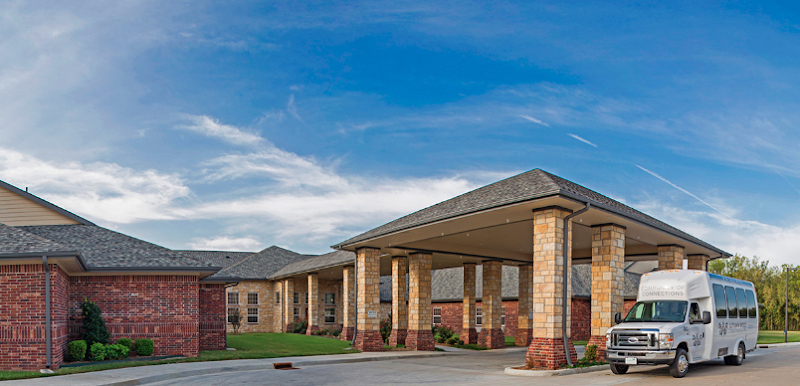
How is Memory At Emerald Staffed?

CMS rates MEMORY CARE CENTER AT EMERALD's staffing level at 2 out of 5 stars, which is below average compared to other nursing homes. Staff turnover is 69%, which is 23 percentage points above the Oklahoma average of 46%. High turnover can affect care consistency as new staff learn residents' individual needs. RN turnover specifically is 83%, which is notably high. RNs provide skilled clinical oversight, so turnover in this role can affect medical care quality.

What Have Inspectors Found at Memory At Emerald?

State health inspectors documented 51 deficiencies at MEMORY CARE CENTER AT EMERALD during 2019 to 2025. These included: 1 Immediate Jeopardy (the most serious level, indicating potential for serious harm or death), 1 that caused actual resident harm, and 49 with potential for harm. Immediate Jeopardy findings are rare and represent the most serious regulatory concerns. They require immediate corrective action.
Who Owns and Operates Memory At Emerald?

MEMORY CARE CENTER AT EMERALD is owned by a for-profit company. For-profit facilities operate as businesses with obligations to shareholders or private owners. The facility is operated by EMERALD HEALTHCARE, a chain that manages multiple nursing homes. With 60 certified beds and approximately 57 residents (about 95% occupancy), it is a smaller facility located in CLAREMORE, Oklahoma.
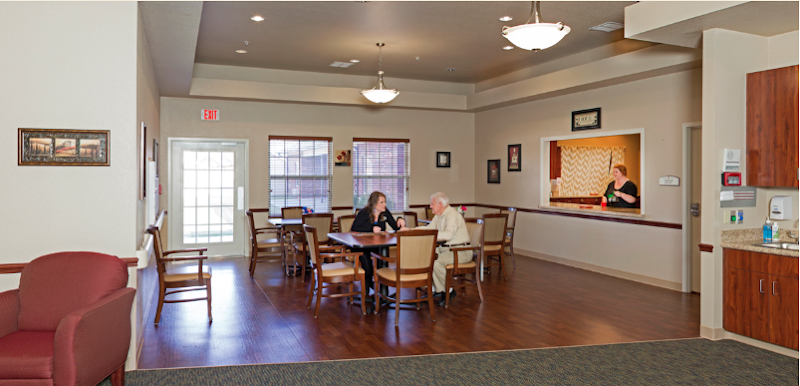
How Does Memory At Emerald Compare to Other Oklahoma Nursing Homes?

Compared to the 100 nursing homes in Oklahoma, MEMORY CARE CENTER AT EMERALD's overall rating (1 stars) is below the state average of 2.6, staff turnover (69%) is significantly higher than the state average of 46%, and health inspection rating (1 stars) is much below the national benchmark.

What Should Families Ask When Visiting Memory At Emerald?

Based on this facility's data, families visiting should ask: "What changes have been made since the serious inspection findings, and how are you preventing similar issues?" "How do you ensure continuity of care given staff turnover, and what is your staff retention strategy?" "Can you walk me through typical staffing levels on day, evening, and night shifts?" "Can I visit during a mealtime to observe dining assistance and food quality?" These questions are particularly relevant given the facility's Immediate Jeopardy citations, the facility's high staff turnover rate, and the below-average staffing rating.

Is Memory At Emerald Safe?

Based on CMS inspection data, MEMORY CARE CENTER AT EMERALD has documented safety concerns. Inspectors have issued 1 Immediate Jeopardy citation (the most serious violation level indicating risk of serious injury or death). The facility has a 1-star overall rating and ranks #100 of 100 nursing homes in Oklahoma. Families considering this facility should ask detailed questions about what corrective actions have been taken since these incidents.

Do Nurses at Memory At Emerald Stick Around?

Staff turnover at MEMORY CARE CENTER AT EMERALD is high. At 69%, the facility is 23 percentage points above the Oklahoma average of 46%. Registered Nurse turnover is particularly concerning at 83%. RNs handle complex medical decisions and coordinate care — frequent RN changes can directly impact care quality. High turnover means new staff may not know residents' individual needs, medications, or preferences. It can also be disorienting for residents, especially those with dementia who rely on familiar faces. Families should ask: What is causing the turnover? What retention programs are in place? How do you ensure care continuity during staff transitions?

Was Memory At Emerald Ever Fined?

MEMORY CARE CENTER AT EMERALD has been fined $143,106 across 8 penalty actions. This is 4.1x the Oklahoma average of $34,510. Fines at this level are uncommon and typically indicate a pattern of serious deficiencies, repeated violations, or failure to correct problems promptly. CMS reserves penalties of this magnitude for facilities that pose significant, documented risk to resident health or safety. Families should request specific documentation of what issues led to these fines and what systemic changes have been implemented.

Is Memory At Emerald on Any Federal Watch List?

MEMORY CARE CENTER AT EMERALD is not on any federal watch list. The most significant is the Special Focus Facility (SFF) program, which identifies the bottom 1% of nursing homes nationally based on persistent, serious quality problems. Not being on this list means the facility has avoided the pattern of deficiencies that triggers enhanced federal oversight. This is a positive indicator, though families should still review the facility's inspection history directly.