Clinton Therapy & Living Center
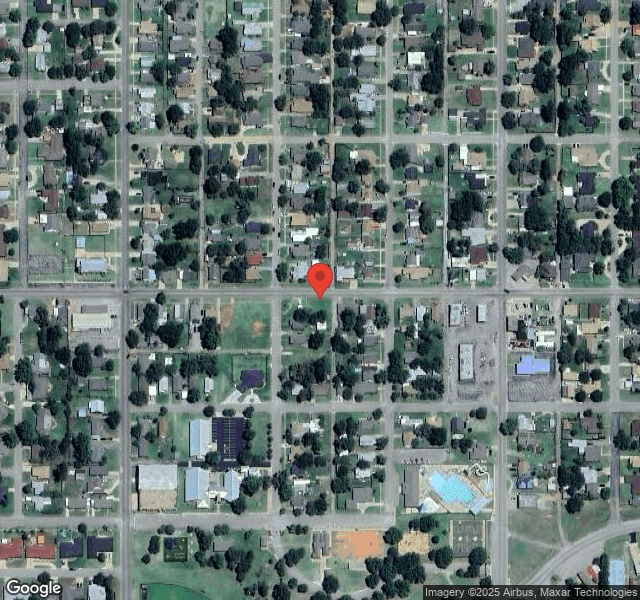
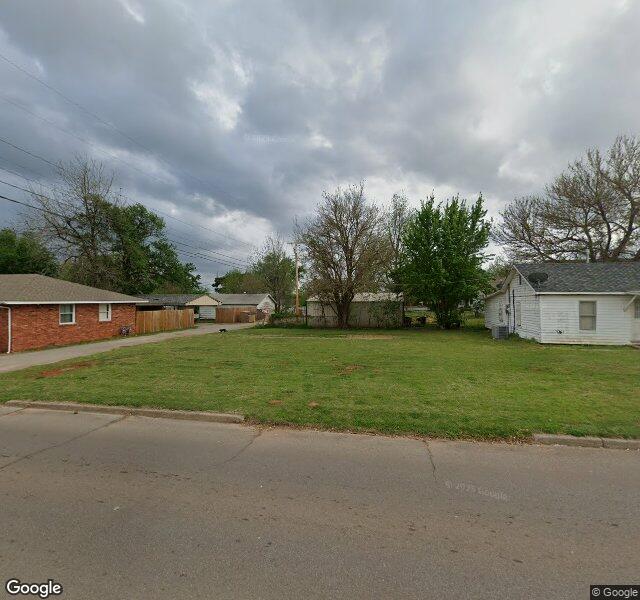
2316 Modelle, Clinton, OK 73601 (580) 205-2460
For profit - Corporation 101 Beds Independent Data: November 2025 4 Immediate Jeopardy citations
Trust Grade
0/100
Last Inspection: June 2025

Inspected within the last 6 months. Data reflects current conditions.

Overview

Clinton Therapy & Living Center has received a Trust Grade of F, indicating significant concerns about care quality. With a ranking of "None of None" in Oklahoma and in Custer County, this suggests that there are no better options locally. The facility is showing an improving trend, decreasing from 21 issues in 2024 to 9 in 2025, yet it still faces serious challenges. Staffing is a strength, with a turnover rate of 0%, much lower than the state average, but the facility has incurred $272,109 in fines, which is concerning and suggests ongoing compliance problems. Recent incidents included residents being harmed, such as one resident being hit by another without proper notification to the physician or authorities, and another resident wandering outside the facility unsupervised, highlighting serious safety and care deficiencies.

Trust Score
F
0/100
In Oklahoma
#112/223
Top 50%
Safety Record
High Risk
Review needed
Inspections
Getting Better
21 → 9 violations
Staff Stability
○ Average
Turnover data not reported for this facility.
Penalties
✓ Good
$272,109 in fines. Lower than most Oklahoma facilities. Relatively clean record.
Skilled Nurses
⚠ Watch
Each resident gets only 29 minutes of Registered Nurse (RN) attention daily — below average for Oklahoma. Fewer RN minutes means fewer trained eyes watching for problems.
Violations
⚠ Watch
60 deficiencies on record. Higher than average. Multiple issues found across inspections.
☆☆☆☆☆
0.0
Overall Rating
☆☆☆☆☆
0.0
Staff Levels
☆☆☆☆☆
0.0
Care Quality
☆☆☆☆☆
0.0
Inspection Score
Stable
2024: 21 issues
2025: 9 issues

The Good

  • Full Sprinkler Coverage · Fire safety systems throughout facility
  • No fines on record

Facility shows strength in fire safety.

The Bad

Federal Fines: $272,109

Well above median ($33,413)

Significant penalties indicating serious issues

The Ugly 60 deficiencies on record

4 life-threatening
Jun 2025 7 deficiencies
CONCERN (D)

Potential for Harm - no one hurt, but risky conditions existed

Assessment Accuracy (Tag F0641)

Could have caused harm · This affected 1 resident

Based on record review and interview, the facility failed to accurately code MDS assessment data for 2 (#10 and #6) of 12 sampled residents reviewed for MDS assessments. The administrator identified 2...

Read full inspector narrative →
Based on record review and interview, the facility failed to accurately code MDS assessment data for 2 (#10 and #6) of 12 sampled residents reviewed for MDS assessments. The administrator identified 28 residents resided at the facility. Findings: 1. Resident #10's annual assessment, dated 03/23/25, had the functional assessment section coded as not assessed. Resident #10's pain section was also coded as not assessed. On 06/04/25 at 3:25 p.m., the DON stated Resident #10's annual assessment, dated 03/23/25, had the pain and functional assessment marked as not assessed. The DON stated Resident #10 was on routine pain management and the assessment was not a complete or accurate assessment. The DON stated the corporate nurse had completed the assessment but could have had a nurse in the facility complete the unassessed areas. 2. Resident #6's quarterly MDS assessment, dated 03/18/25, showed the resident was not on hospice services. A physician order, dated 06/30/24, showed the resident was admitted to hospice. On 06/05/25 at 8:26 a.m., the DON reported the resident had been on hospice services since 06/30/24 and reported the MDS assessment should have documented the resident was on hospice.
CONCERN (D)

Potential for Harm - no one hurt, but risky conditions existed

Quality of Care (Tag F0684)

Could have caused harm · This affected 1 resident

Based on record review and interview, the facility failed to ensure physician orders for oxygen therapy where obtained for 1 (#3) of 12 sampled residents who were reviewed for physician orders. The ad...

Read full inspector narrative →
Based on record review and interview, the facility failed to ensure physician orders for oxygen therapy where obtained for 1 (#3) of 12 sampled residents who were reviewed for physician orders. The administrator identified 28 residents resided in the facility. Findings: On 05/30/25 at 12:42 a.m., a nurses note showed, Resident #3 was resting in bed with oxygen on at 4 liters per minute per nasal cannula. Their oxygen saturation was at 88%. A discontinued physician order, start date of 06/05/24 and an end date of 02/27/25, documented the resident was to receive oxygen continuously via nasal cannula at 2 liters to keep oxygen saturation at 91% or above. There were no current orders for oxygen documented. On 06/04/25 at 10:10 a.m., the DON stated they did not see any current order for oxygen, but there should have been because Resident #3 had end stage chronic obstructive pulmonary disease and always had oxygen on.
CONCERN (D)

Potential for Harm - no one hurt, but risky conditions existed

Incontinence Care (Tag F0690)

Could have caused harm · This affected 1 resident

Based on observation, record review, and interview, the facility failed to obtain a physician's order for a catheter for 1 (#25) of 1 sampled resident reviewed for indwelling catheters. The DON identi...

Read full inspector narrative →
Based on observation, record review, and interview, the facility failed to obtain a physician's order for a catheter for 1 (#25) of 1 sampled resident reviewed for indwelling catheters. The DON identified 28 residents resided in the facility. Findings: On 06/03/25 at 1:11 p.m., Res #25 was observed sitting on the side of the bed. A catheter bag was observed hanging on the walker. An undated medical diagnosis form for Res #25, showed diagnoses of neuromuscular dysfunction of the bladder and alcoholic cirrhosis of the liver with ascites. Physician orders, dated 06/04/25, did not show an order for an indwelling catheter. On 06/04/25 at 4:06 p.m., the DON stated there should have been an order for the indwelling catheter.
CONCERN (D)

Potential for Harm - no one hurt, but risky conditions existed

Deficiency F0761 (Tag F0761)

Could have caused harm · This affected 1 resident

Based on observation and interview, the facility failed to ensure a multidose vial of a PPD solution was dated upon opening 1 of 1 medication storage room observed. The DON identified 28 residents res...

Read full inspector narrative →
Based on observation and interview, the facility failed to ensure a multidose vial of a PPD solution was dated upon opening 1 of 1 medication storage room observed. The DON identified 28 residents resided in the facility. Findings: On 06/04/25 at 1:00 p.m., an observation of the medication storage room was performed with the ADON. One multidose vial of Tuberculin PPD was opened and not dated. On 06/04/25 at 1:10 p.m., the ADON stated the multidose vial should have been dated when it was opened.
CONCERN (E)

Potential for Harm - no one hurt, but risky conditions existed

Deficiency F0582 (Tag F0582)

Could have caused harm · This affected multiple residents

Based on record review and interview, the facility failed to provide a SNF ABN to 2 (#3 and #26) of 3 sampled residents whose beneficiary notices were reviewed. The administrator identified four resid...

Read full inspector narrative →
Based on record review and interview, the facility failed to provide a SNF ABN to 2 (#3 and #26) of 3 sampled residents whose beneficiary notices were reviewed. The administrator identified four residents who were discharged from the facility with Medicare benefit days remaining. Findings: 1. A SNF Beneficiary Protection Notification Review showed Res #3 was admitted to the facility on skilled services on 02/27/25 and discharged from skilled services on 04/11/25 and remained in the facility. A SNF Beneficiary Protection Notification Review showed an ABN was not provided to the resident. 2. A SNF Beneficiary Protection Notification Review showed Res #26 was admitted to the facility on skilled services on 01/13/25 and discharged from skilled services on 02/17/25 and remained in the facility. A SNF Beneficiary Protection Notification Review showed an ABN was not provided to the resident. On 06/05/25 at 8:21 a.m., the administrator stated she was not aware they had to have the ABN form if they stayed in the home.
CONCERN (E)

Potential for Harm - no one hurt, but risky conditions existed

MDS Data Transmission (Tag F0640)

Could have caused harm · This affected multiple residents

Based on record review and interview, the facilty failed to transmit MDS assessment data to CMS in the required timeframe for 4 (#7, 10, 21, and #23) of 12 sampled residents reviewed for MDS assessmen...

Read full inspector narrative →
Based on record review and interview, the facilty failed to transmit MDS assessment data to CMS in the required timeframe for 4 (#7, 10, 21, and #23) of 12 sampled residents reviewed for MDS assessments. The administrator identified 28 residents resided at the facility. Findings: A facility policy titled MDS Completion and Submission Timeframe's, revised July 2017, read in part, Our facility will conduct and submit resident assessments in accordance with current federal and state submission timeframe's. 1. Resident #7's quarterly assessment, completion date 04/21/25, had a submitted date of 05/09/25. The accepted date was documented as 05/09/25. 2. Resident # 10's annual assessment, completion date 03/25/25, had a submitted date of 04/21/25. The accepted date was documented as 04/21/25. 3. Resident #21's quarterly assessment, completion date 03/24/25, had a submitted date of 04/21/25. The accepted date was documented as 04/21/25. 4. Resident #23's quarterly assessment, completion date 04/23/25, had a submitted date of 05/09/25. The accepted date was documented as 05/09/25. On 06/04/25 at 3:48 p.m., the DON stated they had 14 days from date of completion to be submitted. They stated Resident #7, Resident #10, Resident #21, and Resident #23's most recent assessments were all submitted outside the 14 day timeframe according to CMS guidelines.
CONCERN (E)

Potential for Harm - no one hurt, but risky conditions existed

Pharmacy Services (Tag F0755)

Could have caused harm · This affected multiple residents

Based on record review and interview, the facility failed to ensure medications were administered as ordered for one (#21) of 5 sampled residents reviewed for unnecessary medications. The administrato...

Read full inspector narrative →
Based on record review and interview, the facility failed to ensure medications were administered as ordered for one (#21) of 5 sampled residents reviewed for unnecessary medications. The administrator identified 28 residents resided in the facility. Findings: An undated policy Physician Services, read in part, All physician orders will be followed as prescribed and if not followed, the reason shall be recorded on the resident's medical record during that shift. A June 2025 order summary report showed Synthroid (a thyroid hormone) 25 micrograms was to be administered in the morning related to hypothyroidism. A Medical Director-Director of Nursing Report, with a medication record review date of 12/17/24, showed the pharmacy identified multiple blanks on the medication administration record for levothyroxine and asked the physician if they wanted to change the administration time away from 6:00 a.m. The report showed the physician did not want to change the administration time. The March medication administration record showed blanks on 03/09/25, 03/10/25, 03/13/25, 03/14/25, 03/18/25, 03/22/25, and 03/23/25 for levothyroxine. The April medication administration record showed blanks on 04/01/25, 04/02/25, 04/07/25, 04/11/25, 04/15/25, 04/19/25, 04/20/25, 04/21/25, 04/24/25, 04/25/25, and 04/30/25 for levothyroxine. The May medication administration record showed blanks on 05/01/25, 05/03/25, 05/04/25,05/05/25, 05/08/25, 05/09/25, 05/13/25, 05/14/25, 05/17/25, 05/18/25, and 05/28/25 for levothyroxine. On 06/05/25 at 8:43 a.m., CMA #1 stated If there is nothing in the square it probably means not given. On 06/05/25 at 8:46 a.m., the DON stated blanks meant it was not administered, but there should have been something marked to indicate why it was not given.
Apr 2025 2 deficiencies 1 IJ
CRITICAL (J) 📢 Someone Reported This

A family member, employee, or ombudsman was alarmed enough to file a formal complaint

Immediate Jeopardy (IJ) - the most serious Medicare violation

Accident Prevention (Tag F0689)

Someone could have died · This affected 1 resident

**NOTE- TERMS IN BRACKETS HAVE BEEN EDITED TO PROTECT CONFIDENTIALITY** On 04/18/25, a past non-compliance Immediate Jeopardy (IJ) situation was determined to exist related to the facility's failure t...

Read full inspector narrative →
**NOTE- TERMS IN BRACKETS HAVE BEEN EDITED TO PROTECT CONFIDENTIALITY** On 04/18/25, a past non-compliance Immediate Jeopardy (IJ) situation was determined to exist related to the facility's failure to provide supervision to protect residents with exit seeking behaviors. Resident #1 wandered and had exit seeking behaviors, got out of the facility on 02/16/25 and again on 04/09/25. On 04/09/25 Resident #1 eloped and was located a half mile away from the facility on a four-lane busy road. Resident #1's care plan did not address interventions of exit seeking behaviors on 02/16/25 and was not updated until 04/09/25 with interventions. Based on observation, record review, and interview, the facility failed to provide supervision and interventions to prevent elopement for 1 (#1) of 3 sampled residents reviewed for wandering and elopement. The DON identified two residents with a high risk for wandering and elopement. Findings: Upon entrance to the facility on [DATE] at 8:50 a.m., the front main doors were locked and signs were placed on the door informing anyone leaving to check with the nurse before letting anyone out of the facility. An elopement book was observed at the nurse's station with two residents identified as at risk of elopement. On 04/18/25 at 9:15 a.m. through 10:15 a.m., all exit doors were observed to be secured with a 15 second egress release and a secondary alarm. Staff demonstrated opening the exit doors and the primary alarm and a secondary alarm sounded. The sound was loud enough to be heard at the nurse's station. On 04/18/25 at 9:20 a.m., 9:37 a.m., 11:25 a.m., and 2:30 p.m., Resident #1 was observed ambulating through the facility with staff providing one-on-one supervision. A policy titled Safety and Supervision of Residents, revised July 2023, read in part, Our facility strives to make the environment as free from accident hazards as possible. Resident safety and supervision and assistance to prevent accidents are facility wide priorities.Our individualized, resident-centered approach to safety addresses safety and accident hazards for individual residents.The interdisciplinary care team shall analyze information obtained from assessments and observations to identify any specific accident hazards or risks for individual residents.The care team shall target interventions to reduce individual risks related to hazards in the environment, including adequate supervision and assistive devices. An undated admission summary for Resident #1 showed they were admitted to the facility on [DATE] and had diagnoses which included dementia, impulse disorder, schizophrenia, and abnormalities of gait and mobility. Resident #1's wandering risk scale, dated 10/21/24, showed they were at high risk for wandering with a score of 14. A score of 11 and above showed a high risk for wandering. Resident #1's care plan, created on 10/23/24, did not address the high risk for wandering and elopement. Resident #1's admission Minimum Data Set assessment, with an assessment reference date of 10/25/24, showed they had long term and short-term memory problems. The assessment showed Resident #1 wandered and the resident's wandering placed them at risk for getting into potentially dangerous places. The assessment showed Resident #1 had no limitation on their range of motion. Resident #1's care plan was not updated to address their wandering that placed them at risk for danger. An incident progress note, dated 10/31/24 at 9:31 p.m., showed Resident #1 was ambulating up and down the halls attempting to exit seek. Resident #1's wandering risk scale, dated 11/23/24 and 12/12/24, showed they were at a high risk for wandering with a score of 16. A score of 11 and above showed a high risk for wandering. Resident #1's care plan was not updated to address the known exit seeking and high risk for wandering and elopement. Resident #1's care plan, updated 01/10/25, showed they had interventions in place of providing diversionary activities for wandering and elopement. Resident #1's wandering risk scale, dated 01/14/25, showed they were at high risk for wandering with a score of 12. A score of 11 and above showed a high risk for wandering. Resident #1's incident progress note, dated 02/16/25 at 5:45 p.m., read in part, Dietary staff reported to this nurse that resident was seen going outside through front door. This nurse and CNA immediately headed outside. Resident noted walking in facility parking lot. Resident #1's wandering risk scale, dated 02/16/25, showed they were at high risk for wandering with a score of 16. A score of 11 and above showed a high risk for wandering. Resident #1's care plan was not updated after they were found outside by the dietary staff on 02/16/25 and to address the high risk for wandering. Resident #1's quarterly minimum data set, with an assessment reference date of 03/14/25, showed they had no behaviors of wandering, was severely impaired in cognitive skills for daily decision making with a brief interview for mental status score of 00, and ambulated without any assistive devices. Resident #1's incident progress note, dated 04/09/25 at 11:13 a.m., read in part, Resident was found outside in front of the museum in [name withheld] by a staff member. Resident was returned to building without any issue. Resident #1's wandering risk scale, dated 04/09/25, showed they were a high risk for wandering with a score of 20. A score of 11 and above showed a high risk for wandering. A care plan revision, dated 04/09/25, read in part, 4/9 wander risk is a 20.Goal Resident eloped 4/9/2025. Interventions have been actively trying to get resident into a locked unit for [name withheld] safety. Identify pattern of wandering is aimless. Intervene as appropriate. May need to redirect resident as needed.Most recent wander score 20 on 4/9/2025. Resident placed one-on-one d/t elopement. A signed statement from the maintenance director, dated 04/09/25, read in part, After the incident had occurred, I checked that all the doors were in proper working condition and checked the batteries on all door alarms that we not connected to the system. All systems were secured and working properly. A review of Resident #1's one-on-one documentation sheets, dated 04/09/25 through 04/18/25, showed they were one-on-one continuously since the elopement on 04/09/25. A review of the in-service documentation showed the facility started in-services related to elopement and securing exit door on 04/09/25 with the last in-service being provided on 04/16/25. A review of the wandering and elopement assessments for all residents showed the facility completed all assessments on 04/09/25. A review of the quality assurance notes showed the facility addressed elopement and exit doors on 04/09/25 and 04/16/25. On 04/18/25 at 9:49 a.m., LPN #1 stated Resident #1 left the facility a week ago. LPN #1 stated prior to that they did not know Resident #1 was at risk for wandering and elopement. LPN #1 stated this was the only time Resident #1 attempted to get out and left the building. LPN #1 stated they had an in-service on elopement, the elopement book, and to make sure all doors were secured, and alarms working. LPN #1 stated Resident #1 was placed with one-on-one supervision since they got out. On 04/18/25 at 9:55 a.m., dietary aide #1 stated they were not aware of any resident leaving the facility without staff knowing. Dietary Aide #1 stated Resident #1 was observed leaving out the front door a few months ago and the nursing staff was alerted. They stated they were not sure where Resident #1 was located when nursing staff went to get them. Dietary Aide #1 stated they had an in-service about a week ago on elopement and to make sure doors were secured, and Resident #1 was placed with staff supervision all the time. On 04/18/25 at 10:00 a.m., housekeeper #1 stated on 04/10/25 they received training on listening for door alarms and observing residents attempting to leave. Housekeeper #1 stated staff were not allowed to let any residents out. On 04/18/25 at 10:05 a.m., CNA #1 stated Resident #1 had been one-on-one for a week and they were provided an in-service on 04/10/25 to make sure all doors were secured. They stated they documented on the form, 1:1 Monitoring for Resident Safety, the whole time they were directly working one-on-one every 15 minutes. CNA #1 stated they were not aware Resident #1 was an elopement risk until they left and was found about a half mile away. On 04/18/25 at 11:57 a.m. CNA #2 stated they knew Resident #1 was an elopement risk when their employment started over two months ago and everyone knew they were. CNA#2 stated Resident #1 got out of the building recently even when they always kept a close eye on them. CNA #2 stated a close eye meant you could see their location every two hours. CNA#2 stated they were working the day of the elopement and Resident #1 was found on a busy road with a lot of traffic. CNA #2 stated they did not know the resident was missing until they were returned to the facility and Resident #1 was placed on direct supervision all day long. CNA #2 stated they were assisting another resident when Resident #1 left and they were not sure how long they were gone. CNA#2 stated they had an in-service over elopement, making sure doors were secure, and how to ensure the alarms were set right on the exit doors. On 04/18/25 at 12:05 p.m., CNA #3 identified Resident #1 as an elopement risk and they did not know how long they had been at risk. CNA #3 stated they did not know how Resident #1 got out and was not aware until they were returned. CNA#3 stated they did not hear any alarms go off and was not sure how they exited the building. CNA #3 stated they had been in-serviced on elopement, Resident #1 being one-on-one, the elopement book, and how to check and make sure the alarms were working correctly. CNA #3 stated Resident #1 was located at the museum on a very busy road. On 04/18/25 at 12:13 p.m., CMA #1 stated Resident #1 was at risk for elopement and was on one-on-one supervision. CMA #1 stated Resident #1 was not an exit seeker prior to the incident on 04/09/25. Certified Medication Aide #1 stated Resident #1 was placed in the elopement book and they received an in-service on elopement and exit doors. On 04/18/25 at 12:24 p.m., CNA #4 stated they had worked at the facility for six months and Resident #1 was not at risk for wandering and elopement when they started. CNA #4 stated they had been in-serviced on elopement, the elopement book, and Resident #1 being placed on one-on-one supervision. CNA#4 stated they did not know how Resident #1 got out of the facility, but thought it was because the alarms were not working right. On 04/18/25 at 12:35 p.m., LPN #2 stated they were the charge nurse assigned to Resident #1's hall when they eloped. LPN #2 stated they were not aware of Resident #1 missing until they were located outside the museum, about a half mile away, on a route with a lot of traffic. LPN #2 stated the alarms were malfunctioning, and they did not go off, and did not know where Resident #1 exited the facility from. LPN #2 stated they had been trained on elopement and checking and setting the alarms correctly on the doors. LPN #2 then stated Resident #1 was placed on direct one-on-one supervision. On 04/18/25 at 12:45 p.m., maintenance supervisor stated Resident #1 got out of the facility and they thought the lock was not reset on the doors. The maintenance supervisor stated they checked all doors when Resident #1 had returned and found all alarms to be working and the doors secured. The maintenance supervisor stated they checked all exit doors six times a day during rounds to ensure alarms were set and doors were secured. On 04/18/25 at 1:05 p.m., CNA #5 stated Resident #1 wandered a lot and they never received any training on the wandering until the elopement on 04/09/25. CNA #5 stated they received training on checking the doors and making sure they knew who was in the elopement book. On 04/18/25 at 1:08 p.m., LPN #3 stated they had worked at the facility for two months and was responsible for the care plans. LPN #3 stated Resident #1 was a high risk for wandering and elopement and the only interventions on the care plan were for diversionary activities and there were no care plan changes until 04/09/25. On 04/18/25 at 1:21 p.m., the DON stated Resident #1 had been at a high risk for elopement since their admission. The DON stated there had been no intervention changes and care plan updates until 04/09/25 because the facility had no care plan coordinator. The DON stated Resident #1 was found by the dietary manager on 04/09/25 near the museum located about a half mile from the facility. The DON stated no one knew for 20 minutes Resident #1 was gone and the alarms did not sound on the doors. The DON stated every day in standup elopement was discussed because of Resident #1. On 04/18/25 at 2:15 p.m., the administrator stated no one knew how Resident #1 got out of the facility and it was anticipated they were gone 20 to 30 minutes. The administrator stated Resident #1 was located about a half mile away near the museum located on a very busy road. The administrator stated Resident #1 wandered and got out of the building once into the parking lot when dietary staff watched them go out in February. The administrator stated they in-serviced all staff, started monitoring the doors, and Resident #1 was placed one-on-one starting on 04/09/25.
CONCERN (E) 📢 Someone Reported This

A family member, employee, or ombudsman was alarmed enough to file a formal complaint

Potential for Harm - no one hurt, but risky conditions existed

Deficiency F0657 (Tag F0657)

Could have caused harm · This affected multiple residents

**NOTE- TERMS IN BRACKETS HAVE BEEN EDITED TO PROTECT CONFIDENTIALITY** Based on observation, record review, and interview, the facility failed to develop and update a care plan with interventions for...

Read full inspector narrative →
**NOTE- TERMS IN BRACKETS HAVE BEEN EDITED TO PROTECT CONFIDENTIALITY** Based on observation, record review, and interview, the facility failed to develop and update a care plan with interventions for wandering and elopement for 1 (#1) of 3 sampled residents reviewed for wandering and elopement. The DON identified two residents with a high risk for wandering and elopement. Findings: Upon entrance to the facility on [DATE] at 8:50 a.m., an elopement book was observed on the nurses station. Resident #1 was identified in the book as a high risk for wandering and elopement. On 04/18/25 at 9:20 a.m., 9:37 a.m.,11:25 a.m., and 2:30 p.m., Resident #1 was observed ambulating through the facility with staff providing one-on-one supervision. The policy titled Safety and Supervision of Residents, revised July 2023, read in part, Our facility strives to make the environment as free from accident hazards as possible. Resident safety and supervision and asssistance to prevent accidents are facility wide priorities.Our individualized, resident-centered approach to safety addresses safety and accident hazards for individual residents.The interdisciplinary care team shall analyze information obtained from assessments and observations to identify any specific accident hazards or risks for individual residents.The care team shall target interventions to reduce individual risks related to hazards in the environment, including adequate supervision and assistive devices. An undated admission summary for Resident #1 showed they were admitted to the facility on [DATE] and had diagnoses which included dementia, impulse disorder, schizophrenia, and abnormalities of gait and mobility. Resident #1's wandering risk scale, dated 10/21/24, showed they were a high risk for wandering with a score of 14. A score of 11 and above showed a high risk for wandering. Resident #1's care plan, created on 10/23/24, did not address the high risk for wandering and elopement . Resident #1's admission Minimum Data Set assessment with an assessment reference date of 10/25/24, showed they had long term and short-term memory problems. The assessment showed Resident #1 wandered and the wandering placed them at risk for getting into potentially dangerous places. The assessment showed Resident #1 had no limitation on their range of motion. Resident #1's care plan was not updated to address their wandering that placed them at risk for danger. An incident progress note, dated 10/31/24 at 9:31 p.m., showed Resident #1 was ambulating up and down the halls attempting to exit seek. Resident #1's wandering risk scale, dated 11/23/24 and 12/12/24, showed they were a high risk for wandering with a score of 16. A score of 11 and above showed a high risk for wandering. Resident #1's care plan was not updated to address the known exit seeking and high risk for wandering and elopement. Resident #1's care plan, updated 01/10/25, showed they had interventions in place of providing diversionary activities for wandering and elopement. Resident #1's wandering risk scale, dated 01/14/25, showed they were a high risk for wandering with a score of 12. A score of 11 and above showed a high risk for wandering. Resident #1's incident progress note, dated 02/16/25 at 5:45 p.m., read in part, Dietary staff reported to this nurse that resident was seen going outside through front door. This nurse and CNA immediately headed outside. Resident noted walking in facility parking lot. Resident #1's wandering risk scale, dated 02/16/25, showed they were a high risk for wandering with a score of 16. A score of 11 and above showed a high risk for wandering. Resident #1's care plan was not updated after they were found outside by the dietary staff on 02/16/25 and to address the high risk for wandering. A care plan revision, dated 04/09/25, read in part, 4/9 wander risk is a 20.Goal Resident eloped 4/9/2025.Interventions have been actively trying to get resident into a locked unit for [their] safety. Identify pattern of wandering is aimless. Intervene as appropriate. May need to redirect resident as needed.Most recent wander score 20 on 4/9/2025. Resident placed one-on-one d/t elopement. On 04/18/25 at 9:55 a.m., Dietary Aide #1 stated they were not aware of any resident leaving the facility without staff knowing. Dietary Aide #1 stated Resident #1 was observed leaving out the front door a few months ago and the nursing staff was alerted. They stated they were not sure where Resident #1 was located when nursing staff went to get them. On 04/18/25 at 1:08 p.m., LPN #3 stated they had worked at the facility for two months and was responsible for the care plans. LPN #3 stated Resident #1 was a high risk for wandering and elopement and the only interventions on the care plan were for diversionary activities and there were no care plan changes until 04/09/25. On 04/18/25 at 1:21 p.m., the DON stated Resident #1 had been a high risk for elopement since their admission. The DON stated there had been no intervention changes and care plan updates until 04/09/25 because the facility had no care plan coordinator.
Nov 2024 11 deficiencies
CONCERN (D)

Potential for Harm - no one hurt, but risky conditions existed

Deficiency F0552 (Tag F0552)

Could have caused harm · This affected 1 resident

**NOTE- TERMS IN BRACKETS HAVE BEEN EDITED TO PROTECT CONFIDENTIALITY** Based on record review and interview, the facility failed to ensure a resident and/or their legal representative was informed in...

Read full inspector narrative →
**NOTE- TERMS IN BRACKETS HAVE BEEN EDITED TO PROTECT CONFIDENTIALITY** Based on record review and interview, the facility failed to ensure a resident and/or their legal representative was informed in writing of treatments and side effects of the use of psychotropic medications for one (#24) of five sampled residents who were reviewed for education, alternative treatments, and consents for psychotropic medication treatments. The DON identified 11 residents who had diagnosis of dementia and 18 residents who received psychotropic medications. Findings: Resident #24 was admitted to the facility on [DATE] with diagnoses which included dementia, schizoaffective-bipolar type, delusional disorder, depression, and obsessive compulsive behavior. Resident #24's admission assessment, dated 04/25/24, documented they were taking antipsychotic, antianxiety, and antidepressants on a routine basis. The assessment documented the resident's cognition was severly impaired. Resident #24's physician orders, dated 11/05/24, documented the resident was prescribed the following psychotropic medications: a. Vistaril Oral Capsule 25 MG (hydroxyzine pamoate) 1 capsule by mouth one time only related to schizoaffective disorder/bipolar type on 11/05/24 , b. Seroquel oral tablet 50 MG (quetiapine fumarate) 1 tablet by mouth one time a day related to other specified mood disorder on 07/13/24, c. lorazepam oral tablet .5 MG by mouth every 6 hours as needed for increased anxiety related to other specified mood disorder on 11/01/24, and d. Depakote oral tablet delayed Release 500 MG Give 1 tablet by mouth two times a day related to unspecified dementia, unspecified severity, with other behavior disturbance on 08/07/24. Resident #24's EHR was reviewed. The EHR did not contain documentation of consents, education, and alternative treatments for psychotropic medications. On 11/07/24 at 9:20 a.m., the DON stated they did not complete consents, education, and alternative treatments for psychotropic medications, and they knew they should of been completed.
CONCERN (D) 📢 Someone Reported This

A family member, employee, or ombudsman was alarmed enough to file a formal complaint

Potential for Harm - no one hurt, but risky conditions existed

Safe Environment (Tag F0584)

Could have caused harm · This affected 1 resident

**NOTE- TERMS IN BRACKETS HAVE BEEN EDITED TO PROTECT CONFIDENTIALITY** Based on observation, record review, and interview, the facility failed to ensure a clean, safe, and comfortable home like envir...

Read full inspector narrative →
**NOTE- TERMS IN BRACKETS HAVE BEEN EDITED TO PROTECT CONFIDENTIALITY** Based on observation, record review, and interview, the facility failed to ensure a clean, safe, and comfortable home like environment for residents. The administrator identified 31 residents resided in the facility. Findings: An undated facility Safe Environment policy, read in part, The facility will maintain comfortable and safe temperature levels between 71 and 81 degrees F(Fahrenheit). The policy also read, The facility will be designed, constructed, equipped and maintained to protect the health and safety of residents, personnel and the public. On 11/05/24 at 7:30 a.m., residents were observed in the common area and dining room wearing coats and covered in blankets. The temperature in the dining room was 68.3 degrees F. On 11/05/24 at 7:35 a.m., the corner wall leading into the dining room from the common area was observed. The sheetrock was missing and a metal strip was protruding from the wall. The metal strip was sharp to the touch. This was the main thoroughfare where all residents accessed the dining room. On 11/05/24 at 8:48 a.m., the maintenance supervisor went to room [ROOM NUMBER]. The temperature was 68.3 degrees F. They were asked what the temperature in the building should be. They stated between 71-81 degrees F. They stated the heat had to be turned on and they did not have access to the thermostat program. On 11/05/24 at 8:52 a.m., room [ROOM NUMBER]'s temperature was measured and recorded at 69 degrees F. Resident #3 was observed covered with several blankets in their bed. They stated it was very cold. On 11/05/24 at 8:53 a.m., room [ROOM NUMBER]'s temperature was measured and recorded at 68.3 degrees F. Resident #27 was observed wearing a coat. They stated it was very cold and the heat was not working. On 11/05/24 at 8:55 a.m., room [ROOM NUMBER]'s temperature was measured and recorded at 69.3 degrees F. Resident #23 was wearing a coat. They stated it was cold in their room. On 11/05/24 at 9:00 a.m., the maintenance supervisor went down stairs and checked the heater control. They stated the heat was not turned on. They were asked about the damaged wall. They stated the residents hit the wall with their wheelchairs and damaged the wall. They stated they had not had a chance to repair the wall. On 11/05/24 at 9:25 a.m., CNA #2 was shown the damaged wall. They stated they noticed the wall the day prior. They were asked if the damaged wall was a concern. CNA #2 stated if a resident hit it they could cut themselves. They were asked if they thought the wall looked like a safe, comfortable, and homelike environment. They stated, No, and it's a safety risk. On 11/05/24 at 9:43 a.m., the DON stated the damaged wall could cause skin tears and it did not look homelike. The DON stated they were unsure what the policy was for maintaining temperatures in the facility.
CONCERN (D) 📢 Someone Reported This

A family member, employee, or ombudsman was alarmed enough to file a formal complaint

Potential for Harm - no one hurt, but risky conditions existed

Free from Abuse/Neglect (Tag F0600)

Could have caused harm · This affected 1 resident

**NOTE- TERMS IN BRACKETS HAVE BEEN EDITED TO PROTECT CONFIDENTIALITY** Based on observation, record review, and interview, the facility failed to prevent sexual abuse for one (#13) of three sampled r...

Read full inspector narrative →
**NOTE- TERMS IN BRACKETS HAVE BEEN EDITED TO PROTECT CONFIDENTIALITY** Based on observation, record review, and interview, the facility failed to prevent sexual abuse for one (#13) of three sampled residents who were reviewed for abuse. The administrator identified 31 residents resided in the facility. Findings: An undated facility policy titled Abuse Policy and Procedure, read in part, Isolating If the accused person is agitated, [they] will be removed from the area and temporarily separated as a therapeutic intervention until [their] agitation is lowered. {name of facility with held} will implement steps aimed at preventing the accused person from visiting other peoples rooms unattended, until [their] behavior is stabilized. The policy also read, Nursing staff shall document the incident and interventions in the Medical Record. 1. Resident #13 had diagnoses which included cerebral aneurysm and muscle wasting with atrophy. Resident #13's quarterly assessment, dated 07/24/24, documented their cognition was intact. On 11/04/24 at 1:22 p.m., Resident #24 was observed to exit their room and go into Resident #13's room. Resident #24 was naked. Resident #13 was observed to yell in a loud tone help repeatedly. Staff rushed to Residents #13's room and redirected Resident #24 back to their room while attempting to cover Resident #24 with a gown. On 11/04/24 at 2:53 p.m., Resident #13 stated Resident #24 had gone to their room naked. They stated they had to yell for help. They stated Resident #24 tried to take their candy and sodas. Resident #13 stated Resident #24 stood over them naked and they screamed for help until staff arrived. Resident #13 stated this type of action happened 10 times a day daily since Resident #24 was admitted . Resident #13 stated the facility was aware and came and got the resident right away. Resident #13 stated they were annoyed and would like it to stop. 2. Resident #24 was admitted to the facility on [DATE] with diagnoses which included dementia, schizoaffective/bipolar type, and delusional disorder. Resident #24's quarterly assessment, dated 07/24/24, documented their cognition was significantly impaired. Resident #24's progress notes documented they had entered into other residents' rooms on the following dates: a. On 10/25/24 at 7:45 a.m., 8:06 a.m., and 8:40 a.m., pt is not wearing any clothes, entering other pt room, staff was eventually able to redirect back into [their] room, b. on 10/26/24 at 12:56 p.m., pt entering other resident room, taking their belongings, pt refuses to put on a gown or clothing., c. on 10/26/24 at 1:41 p.m., this nurse asked CMA if [they] received [their] PRN for Behaviors, CMA indicated [they] received it. pt continues to come out of [their] room naked. pt continues to refuse to put on gown or clothing. pt was redirected back to [their] room, d. on 10/27/24 at 8:07 a.m., pt is wearing a gown, however pt continues to attempt to go into other residents' rooms and take items/things from their room to [theirs], e. on 10/27/24 at 2:50 p.m., pt continues to go into other pt rooms, pt has removed [their] gown and refuses to put it back on, pt hides from the gown under [their] blanket, f. on 10/30/24 at 6:24 p.m., Resident has come out of [their] room completely naked multiple times this shift. Goes into other residents' rooms and attempt to take their belongings. Resident laughs but does not say anything though [they] is able to speak. Staff redirects resident back to [their] room and ensures bed is clean and dry, provides snacks and fluids in case of hunger or thirst. PRN lorazepam given, g. on 11/01/24 at 8:58 a.m., pt has been out of [their] room [ROOM NUMBER] times this morning, pt has refused to put on a gown the previous 3 times, this last time [they] finally put on a gown. pt has been redirected to [their] room at this time, h. on 11/01/24 at 9:44 p.m., resident continue to go into other rooms in the nude, and out in the hall. resident redirected back into [their] room, i. on 11/02/24 at 7:57 a.m., pt continues to come out of [their] room without a gown, pt continues to refuse to put on a gown, pt continues to enter female rooms naked, pt continues to encroach on other residents' personal space it is getting progressively more difficult to redirect pt out of female residents' rooms. pt is beginning to actively resist leaving female residents' rooms, and j. on 11/04/24 at 3:59 p.m., Resident continues to wander into other residents rooms and requires staff to redirect resident to [their] own room. On 11/07/24 at 8:53 a.m., CNA #1 was asked to discuss Resident #24's behaviors. They stated the resident did not like to wear clothes and went into the female resident room across the hall. They stated Resident #24 was always naked and took their candy and sodas. They were asked how Resident #13 responded when this happened. CNA #1 stated Resident #13 yelled for help and Resident #24 was naked when it happened. They stated Resident #13 was tired of seeing a naked individual and this occurred at least five times a day since Resident #24 was admitted . CNA #1 stated that the administrator and nurses acted like it was normal for a naked individual to stand over a resident and laugh. They stated Resident #13 did not like it and wanted it to stop. On 11/07/24 at 9:22 a.m., LPN #1 was asked about Resident #24's behaviors. They stated Resident #24 went into Resident #13's room naked and they screamed for help. They stated this occurred two to three times daily since Resident #24 was admitted . They stated they reported the behaviors to the administrator. LPN #1 stated there had to be a better system to protect Resident #13 from these types of behaviors. On 11/06/24 at 1:19 p.m., the administrator was asked about the incident involving Resident #24 and Resident #13. The administrator stated Resident #24 had gone into Resident #13's room since admit several times a day, naked, and tried to take candy. The administrator stated if someone was going into another residents room naked it would be considered sexual abuse. The administrator stated they only reported misappropriation on 11/06/24 and did not report sexual abuse until prompted by the SA. An OSDH 283 form, dated 11/06/24, documented misappropriation and abuse were sent to OSDH by fax at on 11/06/24 at 1:22 p.m.
CONCERN (D) 📢 Someone Reported This

A family member, employee, or ombudsman was alarmed enough to file a formal complaint

Potential for Harm - no one hurt, but risky conditions existed

Abuse Prevention Policies (Tag F0607)

Could have caused harm · This affected 1 resident

**NOTE- TERMS IN BRACKETS HAVE BEEN EDITED TO PROTECT CONFIDENTIALITY** Based on observation, record review, and interview, the facility failed to implement their abuse policy by: a. not reporting abu...

Read full inspector narrative →
**NOTE- TERMS IN BRACKETS HAVE BEEN EDITED TO PROTECT CONFIDENTIALITY** Based on observation, record review, and interview, the facility failed to implement their abuse policy by: a. not reporting abuse to the administrator and investigating immediately; and b. not taking steps to prevent further abuse for two (#13 and #82) of three sampled residents who were reviewed for abuse. The administrator identified 31 residents resided in the facility. Findings: An undated facility policy titled Abuse Policy and Procedure, documented residents had the right to be free from physical abuse, all incidents would be reported to the administrator and investigated immediately, and steps should be immediately implemented to prevent future abuse. 1. Resident #13 had diagnoses which include cerebral aneurysm and muscle wasting with atrophy. Resident #13's quarterly assessment, dated 07/24/24, documented their cognition was intact. On 11/04/24 at 1:22 p.m., Resident #24 was observed to exit their room and go into Resident #13's room. Resident #24 was naked. Resident #13 was observed to yell in a loud tone help repeatedly. Staff rushed to Residents #13's room and redirected Resident #24 back to their room while attempting to cover Resident #24 with a gown. On 11/04/24 at 2:53 p.m., Resident #13 stated Resident #24 had gone to their room naked. They stated they had to yell for help. They stated Resident #24 tried to take their candy and sodas. Resident #13 stated Resident #24 stood over them naked and they screamed for help until staff arrived. Resident #13 stated this type of action happened 10 times a day daily since Resident #24 was admitted . Resident #13 stated the facility was aware and came and got the resident right away. Resident #13 stated they were annoyed and would like it to stop. 2. Resident #24 was admitted to the facility on [DATE] with diagnoses which included dementia, schizoaffective/bipolar type, and delusional disorder. Resident #24's quarterly assessment, dated 07/24/24, documented their cognition was significantly impaired. Resident #24's progress notes documented they had entered into other residents' rooms on the following dates: a. On 10/25/24 at 7:45 a.m., 8:06 a.m., and 8:40 a.m., pt is not wearing any clothes, entering other pt room, staff was eventually able to redirect back into {their} room, b. on 10/26/24 at 12:56 p.m., pt entering other resident room, taking their belongings, pt refuses to put on a gown or clothing., c. on 10/26/24 at 1:41 p.m., this nurse asked CMA if [they] received [their] PRN for Behaviors, CMA indicated [they] received it. pt continues to come out of [their] room naked. pt continues to refuse to put on gown or clothing. pt was redirected back to [their] room, d. on 10/27/24 at 8:07 a.m., pt is wearing a gown, however pt continues to attempt to go into other residents' rooms and take items/things from their room to [theirs], e. on 10/27/24 at 2:50 p.m., pt continues to go into other pt rooms, pt has removed [their] gown and refuses to put it back on, pt hides from the gown under [their] blanket, f. on 10/30/24 at 6:24 p.m., Resident has come out of [their] room completely naked multiple times this shift. Goes into other residents' rooms and attempt to take their belongings. Resident laughs but does not say anything though [they] is able to speak. Staff redirects resident back to [their] room and ensures bed is clean and dry, provides snacks and fluids in case of hunger or thirst. PRN lorazepam given, g. on 11/01/24 at 8:58 a.m., pt has been out of [their] room [ROOM NUMBER] times this morning, pt has refused to put on a gown the previous 3 times, this last time [they] finally put on a gown. pt has been redirected to [their] room at this time, h. on 11/01/24 at 9:44 p.m., resident continue to go into other rooms in the nude, and out in the hall. resident redirected back into [their] room, i. on 11/02/24 at 7:57 a.m., pt continues to come out of [their] room without a gown, pt continues to refuse to put on a gown, pt continues to enter female rooms naked, pt continues to encroach on other residents' personal space it is getting progressively more difficult to redirect pt out of female residents' rooms. pt is beginning to actively resist leaving female residents' rooms, and j. on 11/04/24 at 3:59 p.m., Resident continues to wander into other residents rooms and requires staff to redirect resident to [their] own room. On 11/07/24 at 8:53 a.m., CNA #1 was asked to discuss Resident #24's behaviors. They stated the resident did not like to wear clothes and went into the female resident room across the hall. They stated Resident #24 was always naked and took their candy and sodas. They were asked how Resident #13 responded when this happened. CNA #1 stated Resident #13 yelled for help and Resident #24 was naked when it happened. They stated Resident #13 was tired of seeing a naked individual and this occurred at least five times a day since Resident #24 was admitted . CNA #1 stated that the administrator and nurses acted like it was normal for a naked individual to stand over a resident and laugh. They stated Resident #13 did not like it and wanted it to stop. On 11/07/24 at 9:22 a.m., LPN #1 was asked about Resident #24's behaviors. They stated Resident #24 went into Resident #13's room naked and they screamed for help. They stated this occurred two to three times daily since Resident #24 was admitted . They stated they reported the behaviors to the administrator. LPN #1 stated there had to be a better system to protect Resident #13 from these types of behaviors. On 11/06/24 at 1:19 p.m., the administrator was asked about the incident involving Resident #24 and Resident #13. The administrator stated Resident #24 had gone into Resident #13's room since admit several times a day, naked, and tried to take candy. The administrator stated if someone was going into another residents' room naked it would be considered sexual abuse. The administrator stated they only reported misappropriation on 11/06/24 and did not report sexual abuse until prompted by the SA. A OSDH 283 form, dated 11/06/24, documented Resident #24 had gone into Resident #13's room with no clothes and attempted to take personal items from Resident #13. A facsimile confirmation documented misappropriation and abuse were sent to OSDH by fax on 11/06/24 at 1:22 p.m. No other incident reports were documented regarding previous incidents documented in Resident #24's EHR. 3. Resident #82 was admitted to the facility on [DATE] with diagnoses which included Alzheimer disease early onset, schizoaffective bipolar type, and type 2 diabetes. Resident #82's comprehensive assessment, dated 03/18/24, documented their cognition was moderately impaired. The facility's Incident Report Form, dated 11/02/24, documented Resident #82 called the police at 12:48 p.m. alleging they were thrown against the wall by CMA #2 and LPN #3. Facsimile confirmation documented the initial incident report was faxed to OSDH on 11/02/24 at 7:35 p.m. CMA #2's Employee Timecard Report, dated 11/02/24, documented they worked on 11/02/24 from 7:12 a.m. until 7:08 p.m. LPN #3's Employee Timecard Report, dated 11/02/24, documented they worked on 11/02/24 from 6:50 a.m. until 7:09 p.m. On 11/05/24 at 1:34 p.m., the administrator stated they were made aware by LPN #3 on 11/02/24 at 4:49 p.m. Resident #82 was ready to be discharged from the hospital and was refusing to return to the facility. The administrator stated they drove to the hospital on [DATE] at 5:50 p.m. and was made aware of the alleged abuse allegation. The administrator stated the accused employees were suspended on 11/02/24 around 7:00 p.m. pending an investigation. On 11/05/24 at 3:33 p.m., CMA #2 stated Resident #82 came to the nurses station and wanted to call the police to report an issue. They stated they gave them the phone and Resident #82 told the 911 operator they were alleging abused on 11/02/24 around 1:30 pm. CMA #3 stated LPN #3 was present and they reported the resident was calling the police. CMA #2 stated the police came to the facility and made staff aware Resident #82 was alleging abuse. CMA #2 stated RN #1 and LPN # 3 were aware of the abuse allegation when the police arrived at the facility. On 11/05/24 at 3:51 p.m., RN #1 stated they became aware of the abuse allegation on 11/02/24 between 1:30 p.m. and 2:00 p.m. when the police came to the facility. RN #1 stated they notified the DON of the abuse allegation on 11/02/24 at 2:15 p.m. RN #1 stated the abuse policy was not followed because the incident was not reported to the administrator within 2 hours and the accused staff members were not suspended after the police arrived until after their shift due to not having staff to cover the shift. On 11/05/24 at 4:06 p.m., the DON stated they were made aware of the abuse allegation on 11/02/24 at 5:30 p.m. The DON stated LPN #3 sent a text to them about 1:30 p.m. to 2:00 p.m. on 11/02/24 involving an incident. The DON stated the accused staff were suspended on 11/02/24 around 7:00 p.m. and the administrator/abuse coordinator should of been notified when the police arrived at the facility. On 11/06/24 at 8:40 a.m., the administrator stated when they were completing the incident report for the abuse, they realized they needed to suspend the two employees. The administrator stated they were not notified of the abuse allegation until 5:33 p.m. on 11/02/24 when they visited Resident #82 in the hospital. The administrator stated they suspended the two employees around 7:00 p.m. on 11/02/24 after completing the incident report.
CONCERN (D)

Potential for Harm - no one hurt, but risky conditions existed

Comprehensive Care Plan (Tag F0656)

Could have caused harm · This affected 1 resident

Based on record review, and interview, the facility failed to ensure hospice services was care planned for one (#31) of three sampled residents reviewed for closed record review. The administrator ide...

Read full inspector narrative →
Based on record review, and interview, the facility failed to ensure hospice services was care planned for one (#31) of three sampled residents reviewed for closed record review. The administrator identified 31 residents resided at the facilty. Findings: An undated Comprehensive Resident Centered Care Plans policy, read in part , The care plan will identify priority problems and needs to be addressed by the interdisciplinary team, and will reflect the resident's needs and will be complete and current. Resident #31 had diagnoses which included senile degeneration of the brain and dementia. An Order Summary Report, dated 11/05/24, documented Resident #31 had a physician order for hospice. There was no documentation hospice services was care planned. On 11/05/24 at 1:27 p.m., MDS Coordinator #1 was asked the policy and procedure regarding hospice services and where hospice services was documented. They stated the care plan. They were then asked when was hospice services added to a care plan. They stated immediately. They were asked to review Resident #31's careplan and asked if hospice services had been added to the comprehensive care plan. They stated, No.
CONCERN (D)

Potential for Harm - no one hurt, but risky conditions existed

Pharmacy Services (Tag F0755)

Could have caused harm · This affected 1 resident

Based on observation, record review, and interview, the facility failed to ensure medications were supplied as ordered for one (#5) of five sampled residents observed during medication administration ...

Read full inspector narrative →
Based on observation, record review, and interview, the facility failed to ensure medications were supplied as ordered for one (#5) of five sampled residents observed during medication administration pass. The administrator identified 31 residents resided in the facility. Findings: A Medication and Treatment Orders policy, revised July 2023, read in part, Drugs and biologicals that are required to be refilled must be reordered from the issuing pharmacy not less than three days prior to the last dosage being administered to ensure that refills are readily available. An undated Certified Med Aide job description, read in part, monitor medications to ensure adequate accountability measures were taken when medications are ordered. Resident #5 had diagnoses which included congestive heart failure, bipolar, depression, and hypertension. A Physician order, dated 06/17/24, documented Resident #5 received clonidine HCL (blood pressure medication) 0.2 mg by mouth three times a day. On 11/05/24 at 7:54 a.m., during an observation of a medication pass, CMA #1 stated Resident #5's clonidine was not in the medication cart or in the medication room. They were asked who was responsible for re-ordering medications. They stated the CMAs re-ordered medications from the pharmacy and called hospice if they needed to re-order a medication hospice provided. There was no documentation Resident #5's clonidine had been re-ordered from hospice or the pharmacy. On 11/05/24 at 9:12 a.m., CMA #1 was asked if the clonidine for Resident #5 was administered as ordered. They stated the medication was not re-ordered and the charge nurse was notified. On 11/05/24 at 9:51 a.m., the DON was asked the policy for re-ordering of medication. The DON stated the CMAs were responsible for re-ordering medications. They stated if the medication did not come in a timely manner they stepped in and investigated. They were asked if they were notified of Resident #5 being out of their clonidine. They stated, Not until the staff told me.
CONCERN (D)

Potential for Harm - no one hurt, but risky conditions existed

Medication Errors (Tag F0758)

Could have caused harm · This affected 1 resident

Based on record review and interview, the facility failed to ensure a physician order was completed for one (#14) of five sampled residents reviewed for unnecessary medications. The DON identified 18 ...

Read full inspector narrative →
Based on record review and interview, the facility failed to ensure a physician order was completed for one (#14) of five sampled residents reviewed for unnecessary medications. The DON identified 18 residents who received psychotropic medications. Findings: A Medication and Treatment Orders policy, revised July 2016, read in part, orders for medications and treatments will be consistent with principles of safe and effective order writing. A Medication Orders policy, revised January 2018, read in part, new handwritten orders by the prescriber while in the facility. The nurse on duty at the time the order is received enters it on the physician order sheet/telephone order sheet/electronic medical record. A Antipsychotic Medication Use policy, revised November 2023, read in part, The physician shall respond appropriately by changing or stopping problematic doses or medications. Resident #14 had diagnoses which included senile degeneration of brain, dementia with other behavioral disturbance, and bipolar type. A Note to Physician/Clinician pharmacy report, dated 09/27/24, documented a signed physician order to change the order for Risperdal (antipsychotic medication) to 0. 5 mg in the morning and 1 mg at bedtime, and discontinue Zyprexa (antipsychotic medication). The order was noted by the DON on 10/10/24. A Physicians Progress Note, dated 10/10/24, documented a written physician order to change Risperdal to 0.5 mg in the morning and 1 mg at bedtime. It documented to discontinue Zyprexa. An Order Summary Report, dated 11/07/24, documented Resident #14 received Risperdal 0.5 mg twice a day and Zyprexa 2.5 mg at bedtime. An October 2024 MAR documented Resident #14 continued to receive Risperdal 0.5 mg twice a day and Zyprexa 2.5 mg daily at bedtime. A November 2024 MAR documented Resident #14 continued to receive Risperdal 0.5 mg twice a day and Zyprexa 2.5 mg daily at bedtime. On 11/07/24 at 8:05 a.m., the DON was asked what was the facility policy for physician orders being implemented and followed as ordered. They stated the nurse that took the order, noted the order, then inputted the new order in the computer. The DON then stated if the DON noted the order then the DON inputted the order into the computer. They were asked to review a note to physician/clinician document from pharmacy for Resident #14 dated 09/27/24. They were asked if the order for Risperdal had been changed and Zyprexa discontinued per physician order signed on 10/10/24. They stated, No it was not changed.
CONCERN (E) 📢 Someone Reported This

A family member, employee, or ombudsman was alarmed enough to file a formal complaint

Potential for Harm - no one hurt, but risky conditions existed

Report Alleged Abuse (Tag F0609)

Could have caused harm · This affected multiple residents

**NOTE- TERMS IN BRACKETS HAVE BEEN EDITED TO PROTECT CONFIDENTIALITY** Based on observation, record review and interview, the facility failed to ensure allegations of abuse were reported to OSDH with...

Read full inspector narrative →
**NOTE- TERMS IN BRACKETS HAVE BEEN EDITED TO PROTECT CONFIDENTIALITY** Based on observation, record review and interview, the facility failed to ensure allegations of abuse were reported to OSDH within two hours of the allegation for three (#13, 24 and #82) of three sampled residents who were reviewed for reporting timely abuse allegations. The administrator identified 31 residents resided in the facility. Findings: An undated facility policy titled Abuse Policy and Procedure, read in part, All allegations of maltreatment, including neglect, physical abuse,mental abuse,sexual abuse, involuntary seclusion, verbal abuse, injuries of unknown origin, and/or/or misappropriation of resident property, must be reported to the Administrator and Investigated by facility management. The Administrator will immediately report the allegation to the Oklahoma State Department of Health and the local police. 1. Resident #13 had diagnoses which included cerebral aneurysm and muscle wasting with atrophy. Resident #13's quarterly assessment, dated 07/24/24, documented their cognition was intact. On 11/04/24 at 1:22 p.m., Resident #24 was observed to exit their room and go into Resident #13's room. Resident #24 was naked. Resident #13 was observed to yell in a loud tone help repeatedly. Staff rushed to Residents #13's room and redirected Resident #24 back to their room while attempting to cover Resident #24 with a gown. On 11/04/24 at 2:53 p.m., Resident #13 stated Resident #24 had gone to their room naked. They stated they had to yell for help. They stated Resident #24 tried to take their candy and sodas. Resident #13 stated Resident #24 stood over them naked and they screamed for help until staff arrived. Resident #13 stated this type of action happened 10 times a day daily since Resident #24 was admitted . Resident #13 stated the facility was aware and came and got the resident right away. Resident #13 stated they were annoyed and would like it to stop. 2. Resident #24 was admitted to the facility on [DATE] with diagnoses which included dementia, schizoaffective/bipolar type, and delusional disorder. Resident #24's quarterly assessment, dated 07/24/24, documented their cognition was significantly impaired. Resident #24's progress notes documented they had entered into other residents' rooms on the following dates: a. on 10/25/24 at 7:45 a.m., 8:06 a.m., and 8:40 a.m., pt is not wearing any clothes, entering other pt room, staff was eventually able to redirect back into (their] room, b. on 10/26/24 at 12:56 p.m., pt entering other resident room, taking their belongings, pt refuses to put on a gown or clothing., c. on 10/26/24 at 1:41 p.m., this nurse asked CMA if [they] received [their] PRN for Behaviors, CMA indicated [they] received it. pt continues to come out of [their] room naked. pt continues to refuse to put on gown or clothing. pt was redirected back to [their] room, d. on 10/27/24 at 8:07 a.m., pt is wearing a gown, however pt continues to attempt to go into other residents' rooms and take items/things from their room to [theirs], e. on 10/27/24 at 2:50 p.m., pt continues to go into other pt rooms, pt has removed his gown and refuses to put it back on, pt hides from the gown under [their] blanket, f. on 10/30/24 at 6:24 p.m., Resident has come out of [their] room completely naked multiple times this shift. Goes into other residents' rooms and attempt to take their belongings. Resident laughs but does not say anything though [they] is able to speak. Staff redirects resident back to [their] room and ensures bed is clean and dry, provides snacks and fluids in case of hunger or thirst. PRN lorazepam given, g. on 11/01/24 at 8:58 a.m., pt has been out of [their] room [ROOM NUMBER] times this morning, pt has refused to put on a gown the previous 3 times, this last time [they] finally put on a gown. pt has been redirected to [their] room at this time, h. on 11/01/24 at 9:44 p.m., resident continue to go into other rooms in the nude, and out in the hall. resident redirected back into [their] room, i. on 11/02/24 at 7:57 a.m., pt continues to come out of [their] room without a gown, pt continues to refuse to put on a gown, pt continues to enter female rooms naked, pt continues to encroach on other residents' personal space it is getting progressively more difficult to redirect pt out of female residents' rooms. pt is beginning to actively resist leaving female residents' rooms, and j. on 11/04/24 at 3:59 p.m., Resident continues to wander into other residents rooms and requires staff to redirect resident to [their] own room. On 11/07/24 at 8:53 a.m., CNA #1 was asked to discuss Resident #24's behaviors. They stated the resident did not like to wear clothes and went into the female resident room across the hall. They stated Resident #24 was always naked and took their candy and sodas. They were asked how Resident #13 responded when this happened. CNA #1 stated Resident #13 yelled for help and Resident #24 was naked when it happened. They stated Resident #13 was tired of seeing a naked individual and this occurred at least five times a day since Resident #24 was admitted . CNA #1 stated that the administrator and nurses acted like it was normal for a naked individual to stand over a resident and laugh. They stated Resident #13 did not like it and wanted it to stop. On 11/07/24 at 9:22 a.m., LPN #1 was asked about Resident #24's behaviors. They stated Resident #24 went into Resident #13's room naked and they screamed for help. They stated this occurred two to three times daily since Resident #24 was admitted . They stated they report the behaviors to the administrator. LPN #1 stated there had to be a better system to protect Resident #13 from these types of behaviors. On 11/06/24 at 1:19 p.m., the administrator was asked about the incident involving Resident #24 and Resident #13. The administrator stated Resident #24 had gone into Resident #13's room since admit several times a day, naked, and tried to take candy. The administrator stated if someone was going into another residents room naked it would be considered sexual abuse. The administrator stated they only reported misappropriation on 11/06/24 and did not report sexual abuse until prompted by the SA. A OSDH 283 form, dated 11/06/24, documented Resident #24 had gone into Resident #13's room with no clothes and attempted to take personal items from Resident #13. A facsimile confirmation documented misappropriation and abuse were sent to OSDH by fax on 11/06/24 at 1:22 p.m. No other incident reports were documented regarding previous incidents documented in Resident #24's EHR. 3. Resident #82 was admitted to the facility on [DATE] with diagnoses which included Alzheimer disease early onset, schizoaffective bipolar type, and type 2 diabetes. Resident #82's comprehensive assessment, dated 03/18/24, documented their cognition was moderately impaired. The facility's Incident Report Form, dated 11/02/24, documented Resident #82 called the police at 12:48 p.m. alleging they were thrown against the wall by CMA #2 and LPN #3. Facsimile confirmation documented the initial incident report was faxed to OSDH on 11/02/24 at 7:35 p.m. CMA #2's Employee Timecard Report, dated 11/02/24, documented they worked on 11/02/24 from 7:12 a.m. until 7:08 p.m. LPN #3's Employee Timecard Report, dated 11/02/24, documented they worked on 11/02/24 from 6:50 a.m. until 7:09 p.m. On 11/05/24 at 1:34 p.m., the administrator stated they were made aware by LPN #3 on 11/02/24 at 4:49 p.m. Resident #82 was ready to be discharged from the hospital and was refusing to return to the facility. The administrator stated they drove to the hospital on [DATE] at 5:50 p.m. and was made aware of the alleged abuse allegation. The administrator stated the accused employees were suspended on 11/02/24 around 7:00 p.m. pending an investigation. On 11/05/24 at 3:33 p.m., CMA #2 stated Resident #82 came to the nurses station and wanted to call the police to report an issue. They stated they gave them the phone and Resident #82 told the 911 operator they were abused on 11/02/24 around 1:30 pm. CMA #3 stated LPN #3 was present and they reported the resident was calling the police. CMA #2 stated the police came to the facility and made staff aware Resident #82 was alleging abuse. CMA #2 stated RN #1 and LPN # 3 were aware of the abuse allegation when the police arrived at the facility. On 11/05/24 at 3:51 p.m., RN #1 stated they became aware of the abuse allegation on 11/02/24 between 1:30 p.m. and 2:00 p.m. when the police came to the facility. RN #1 stated they notified the DON of the abuse allegation on 11/02/24 at 2:15 p.m. RN #1 stated the abuse policy was not followed because the incident was not reported to OSDH until 6:50 p.m. on 11/02/24, the administrator was not notified within 2 hours, and the accused staff members were not suspended after the police arrived until after their shift due to not having staff to cover the shift. On 11/05/24 at 4:06 p.m., the DON stated they were made aware of the abuse allegation on 11/02/24 at 5:30 p.m. The DON stated LPN #3 sent a text to them about 1:30 p.m. to 2:00 p.m. on 11/02/24 involving an incident. The DON stated the accused staff were suspended on 11/02/24 around 7:00 p.m. and the administrator/abuse coordinator should of been notified when the police arrived at the facility. On 11/06/24 at 8:40 a.m., the administrator stated when they were completing the incident report for the abuse, they realized they needed to suspend the two employees. The administrator stated they were not notified of the abuse allegation until 5:33 p.m. on 11/02/24 when they visited Resident #82 in the hospital. The administrator stated they suspended the two employees around 7:00 p.m. on 11/02/24 after completing the incident report.
CONCERN (E) 📢 Someone Reported This

A family member, employee, or ombudsman was alarmed enough to file a formal complaint

Potential for Harm - no one hurt, but risky conditions existed

Investigate Abuse (Tag F0610)

Could have caused harm · This affected multiple residents

**NOTE- TERMS IN BRACKETS HAVE BEEN EDITED TO PROTECT CONFIDENTIALITY** Based on observation, record review, and interview, the facility failed to ensure an allegations of abuse were investigated for ...

Read full inspector narrative →
**NOTE- TERMS IN BRACKETS HAVE BEEN EDITED TO PROTECT CONFIDENTIALITY** Based on observation, record review, and interview, the facility failed to ensure an allegations of abuse were investigated for two (#13 and #24) of three sampled residents who were reviewed for investigating allegations of abuse. The administrator identified 31 residents resided in the facility. Findings: The facility's Abuse Policy and Procedure policy, undated, documented residents have the right to be free from physical abuse and all incidents will be reported to the administrator and investigated immediately. 1. Resident #13 had diagnoses which included cerebral aneurysm and muscle wasting with atrophy. Resident #13's quarterly assessment, dated 07/24/24, documented their cognition was intact. On 11/04/24 at 1:22 p.m., Resident #24 was observed to exit their room and go into Resident #13's room. Resident #24 was naked. Resident #13 was observed to yell in a loud tone help repeatedly. Staff rushed to Residents #13's room and redirected Resident #24 back to their room while attempting to cover Resident #24 with a gown. On 11/04/24 at 2:53 p.m., Resident #13 stated Resident #24 had gone to their room naked. They stated they had to yell for help. They stated Resident #24 tried to take their candy and sodas. Resident #13 stated Resident #24 stood over them naked and they screamed for help until staff arrived. Resident #13 stated this type of action happened 10 times a day daily since Resident #24 was admitted . Resident #13 stated the facility was aware and came and got resident right away. Resident #13 stated they were annoyed and would like it to stop. 2. Resident #24 was admitted to the facility on [DATE] with diagnoses which included dementia, schizoaffective/bipolar type, and delusional disorder. Resident #24's quarterly assessment, dated 07/24/24, documented their cognition was significantly impaired. Resident #24's progress notes documented they had entered into other residents' rooms on the following dates: a. On 10/25/24 at 7:45 a.m., pt is not wearing any clothes, entering other pt room, staff was eventually able to redirect back into {their} room, b. on 10/26/24 at 12:56 p.m., pt entering other resident room, taking their belongings, pt refuses to put on a gown or clothing., c. on 10/26/24 at 1:41 p.m., this nurse asked CMA if [they] received [their] PRN for Behaviors, CMA indicated [they] received it. pt continues to come out of [their] room naked. pt continues to refuse to put on gown or clothing. pt was redirected back to [their] room, d. On 10/27/24 at 8:07 a.m., pt is wearing a gown, however pt continues to attempt to go into other residents' rooms and take items/things from their room to [theirs], e. on 10/27/24 at 2:50 p.m., pt continues to go into other pt rooms, pt has removed his gown and refuses to put it back on, pt hides from the gown under [their] blanket, f. on 10/30/24 at 6:24 p.m., Resident has come out of [their] room completely naked multiple times this shift. Goes into other residents' rooms and attempt to take their belongings. Resident laughs but does not say anything though [they] is able to speak. Staff redirects resident back to [their] room and ensures bed is clean and dry, provides snacks and fluids in case of hunger or thirst. PRN lorazepam given, g. on 11/01/24 at 8:58 a.m., pt has been out of [their] room [ROOM NUMBER] times this morning, pt has refused to put on a gown the previous 3 times, this last time [they] finally put on a gown. pt has been redirected to [their] room at this time, h. on 11/01/24 at 9:44 p.m., resident continue to go into other rooms in the nude, and out in the hall. resident redirected back into [their] room, i. on 11/02/24 at 7:57 a.m., pt continues to come out of [their] room without a gown, pt continues to refuse to put on a gown, pt continues to enter female rooms naked, pt continues to encroach on other residents' personal space it is getting progressively more difficult to redirect pt out of female residents' rooms. pt is beginning to actively resist leaving female residents' rooms, and j. on 11/04/24 at 3:59 p.m., Resident continues to wander into other residents rooms and requires staff to redirect resident to [their] own room. On 11/07/24 at 8:53 a.m., CNA #1 was asked to discuss Resident #24's behaviors. They stated the resident did not like to wear clothes and went into the female resident room across the hall. They stated Resident #24 was always naked and took their candy and sodas. They were asked how Resident #13 responded when this happened. CNA #1 stated Resident #13 yelled for help and Resident #24 was naked when it happened. They stated Resident #13 was tired of seeing a naked individual and this occurred at least five times a day since Resident #24 was admitted . CNA #1 stated that the administrator and nurses acted like it was normal for a naked individual to stand over a resident and laugh. They stated Resident #13 did not like it and wanted it to stop. On 11/07/24 at 9:22 a.m., LPN #1 was asked about Resident #24's behaviors. They stated Resident #24 went into Resident #13's room naked and they screamed for help. They stated this occurred two to three times daily since Resident #24 was admitted . They stated they report the behaviors to the administrator. LPN #1 stated there had to be a better system to protect Resident #13 from these types of behaviors. On 11/06/24 at 1:19 p.m., the administrator was asked about the incident involving Resident #24 and Resident #13. The administrator stated Resident #24 had gone into Resident #13's room since admit several times a day, naked, and tried to take candy. The administrator stated if someone was going into another residents room naked it would be considered sexual abuse. The administrator stated they only reported misappropriation on 11/06/24 and did not report sexual abuse until prompted by the SA.
CONCERN (E)

Potential for Harm - no one hurt, but risky conditions existed

MDS Data Transmission (Tag F0640)

Could have caused harm · This affected multiple residents

Based on record review and interview, the facilty failed to transmit MDS assessment data to CMS in the required timeframe for two (#7 and #23) of 12 sampled residents reviewed for MDS assessments. The...

Read full inspector narrative →
Based on record review and interview, the facilty failed to transmit MDS assessment data to CMS in the required timeframe for two (#7 and #23) of 12 sampled residents reviewed for MDS assessments. The administrator identified 31 residents resided at the facility. Findings: A facility policy titled MDS Completion and Submission Timeframe's, revised July 2017, read in part, Our facility will conduct and submit resident assessments in accordance with current federal and state submission timeframe's. 1. Resident #7's quarterly assessment, completion date 09/25/24, had a submitted date of 11/05/24. The accepted date was documented as 11/05/24. 2. Resident #23's quarterly assessment, completion date 09/25/24, had a submitted date of 11/05/24. The accepted date was documented as 11/05/24. On 11/07/24 at 10:42 a.m., MDS coordinator #1 was asked what was the policy to ensure MDS assessments were submitted in a timely manner. They stated they had 14 days from date of completion to be submitted. They were then asked to review Resident #7 and Resident #23's quarterly MDS assessments with the date of 09/25/24. After review they were asked if the assessments were submitted within the 14 day timeframe according to CMS guidelines. They stated, No.
CONCERN (E)

Potential for Harm - no one hurt, but risky conditions existed

Food Safety (Tag F0812)

Could have caused harm · This affected multiple residents

Based on observation, record review, and interview, the facility failed to ensure the dish machine temperature and sanitizer concentration and refrigeration temperatures were monitored and logged dail...

Read full inspector narrative →
Based on observation, record review, and interview, the facility failed to ensure the dish machine temperature and sanitizer concentration and refrigeration temperatures were monitored and logged daily to ensure safe operation and safe storage of potentially hazardous foods during two of two of two kitchen observations. The DON identified 29 residents received nutrition and hydration from the kitchen. Findings: The facility's Dishwashing Machine Use policy, revised 03/2010, documented the temperature and sanitizer concentrations should be monitored and recorded in the facility approved log. On 11/05/24 at 11:18 a.m., there were no logs observed where refrigeration equipment temperatures were to be monitored. On 11/05/24 at 11:26 a.m., [NAME] #2 was observed testing the dish machine temperature and PPM of the sanitizer. An October 2024 dish machine temperature document was observed on the wall and did not have any documentation it was being utilized. On 11/05/24 11:27 a.m., the dietary manager stated the dish machine should be tested and logged on the form before breakfast, lunch and dinner. They stated they should be logging temp and ppm daily before each shift and they have not been doing so. On 11/05/24 at 11:30 a.m., the dietary manger stated they have not been logging the temperatures on the refrigeration equipment and they should of been.
Sept 2024 2 deficiencies 1 IJ
CRITICAL (J) 📢 Someone Reported This

A family member, employee, or ombudsman was alarmed enough to file a formal complaint

Immediate Jeopardy (IJ) - the most serious Medicare violation

Accident Prevention (Tag F0689)

Someone could have died · This affected 1 resident

**NOTE- TERMS IN BRACKETS HAVE BEEN EDITED TO PROTECT CONFIDENTIALITY** On 09/16/24 at 2:47 p.m., OSDH identified the presence of an immediate jeopardy related to the facility failed to provide superv...

Read full inspector narrative →
**NOTE- TERMS IN BRACKETS HAVE BEEN EDITED TO PROTECT CONFIDENTIALITY** On 09/16/24 at 2:47 p.m., OSDH identified the presence of an immediate jeopardy related to the facility failed to provide supervision for Res #1 to prevent recurring elopements. Res #1 was admitted to the facility on [DATE]. Res #1 was identified by family to be an elopement risk at the time of admit. Res #1 was assessed to be at risk for elopement. A care plan was not initiated until 06/11/24 with referrals to locked units and a gero-psych unit. Res #1 was placed on one on one supervision with every 15 minute visual checks. On 07/09/24, Res #1 eloped from the building and was found several blocks from the facility. The care plan was not updated until 08/16/24. No new information was added to the care plan. On 09/08/24 at 4:10 p.m., Res #1 remained with 15 minute checks, but was last observed by staff at 4:20 p.m. Staff were unable to locate Res #1 at 4:43 p.m. Res #1 was located approximately 0.4 miles east of facility. Res #1 had to cross one set of rail road tracks and a four lane business freeway. Res #1 was and continues on every 15 minutes checks. The care plan documented on 09/08/24 the resident was to be monitored one on one. Following the incident on 09/08/24, staff were not educated to ensure reocurrence. There were multiple areas on the monitoring tool that did not document Res #1 had been monitored as stated in the interventions of the care plan, including and entire day shift on 09/12/24. On 09/16/24 at 2:50 p.m., the corporate consultant and DON were notified of the presence of an immediate jeopardy related to elopement of Res #1, without the supervision and monitoring per care plan, no interventions placed to prevent further occurrence, and not following the facility policy to include the IDT in decision making of interventions to prevent elopement. On 09/17/24 at 9:09 a.m., the following POR for elopement was submitted to OSDH for review: Corrective Action: Plan of Removal On, 9/16/2024, elopement risk assessments were initiated on all residents with care plans updated to identify any at risk residents. 1. A notification sign has been placed on front door and service door to alert visitors and vendors to not let anyone out without notifying/asking facility staff first. 2. All staff In-Serviced on elopement risk policy, ensuring that identified elopement risk residents are redirected away from doors, properly performing 1:1 monitoring, and location of list of wandering/elopement risk residents and to check list at beginning of shift. 3. MDS Coordinator in-serviced on completion of care plans on all new admissions to include but not limited to potential for risk of elopement and updating care plans if an event occurs. 4. HR/BOM in-serviced on all newly hired personnel will be educated on elopement policy, location of list of at risk for elopement residents with an acknowledgement page. 5. Nursing Administration In-Serviced on reviewing elopement risk resident list/any new admissions and updating list accordingly 5 times weekly during clinical meeting. 6. DON/Designee will report any negative findings quarterly to QAPI. 7. Any employee that can't be reached for In-Service will be inactive and taken off of schedule until education is provided. 8. Resident #1 has been placed on continuous 1:1 monitoring and will remain on 1:1 continuous monitoring until more secure placement is found. Completed by 10 a.m. 9/17/2024 On 09/17/24 at 10:57 a.m., the facility was notified the POR was approved. On 09/17/24 at 3:49 p.m., the corporate consultant and DON were notified all components of the POR had been met. The deficiency remains at an isolated level with a potential for harm. Based on observation, record review, and interview, the facility failed to: a. provide supervision to a resident with a hx of elopement; b. update and implement care plan to protect resident safety; and c. failed to follow policy by not including IDT in decision making of interventions to prevent elopement for one (#1) of three sampled residents reviewed for elopement. The DON identified the census was 32. The DON indentifed four residents were high risk to wander and two residents were at risk to wander. Findings: A Safety and Supervision of Residents policy, last revised on July 2023, read in parts, .The interdisciplinary care team shall analyze information obtained from assessments and observations to identify any specific accident hazards or risks for individual residents .target interventions to reduce individual risks .including adequate supervision .Ensure that interventions are implemented .Documenting interventions .Safety monitoring .1:1 for 8 hours: 15 minute checks for 8 hours, 30 minute checks for 8 hours .If any issue arise in the monitoring window .begin back at the recent level of monitoring again until not new or continuing behaviors are exhibited or physician recommendation is received .Monitoring the effectiveness of interventions shall include .Ensuring that interventions are implemented correctly and consistently .Evaluating the effectiveness of interventions .Modifying or replacing interventions as needed .Resident supervision is a core component of the systems approach to safety .type and frequency of resident supervision is determined by the individual resident's assessed needs and identified hazards .type and frequency of resident supervision may vary .Resident Risks .Unsafe Wandering . Res #1 was admitted to the facility on [DATE] with diagnoses to include dementia, Alzheimer's disease, delusional disorder, anxiety disorder, and bipolar type schizoaffective disorder. A Care Plan, initiated 06/11/24, documented Res #1 was an elopement risk/wanderer and had a history to leave the facility unattended. Interventions included: a. assess for fall risk, b. distract resident from wandering by offering pleasant diversions, structured activities, food, conversation, television, or book, c. identify pattern of wandering. Is wandering purposeful, aimless, or escapist? Is resident looking for something? Does it indicate the need for more exercise? Intervene as appropriate, d. monitor for fatigue and weight loss, e. provide structured activities, toileting, walking inside and outside, reorientation strategies including signs, pictures, and memory boxes, f. resident is one on one with every 15 minute visual/supervision for resident safety, and g. the resident's triggers for wandering/eloping are when they run out of cigarettes and want to go home to get more cigarettes. Ensure that resident has cigarettes in the facility. Wandering Risk Scales, dated 06/14/24, 07/09/24, and 07/26/24., documented the resident was at high risk for wandering and elopement. The care plan was not updated or additional interventions placed to monitor or supervise Res #1 to ensure their safety. A Progress Note, dated 07/09/24 at 3:00 p.m., read in part, .doing our normal look out for resident and could not locate [Res #1] in the building search moved to outside, resident's [family member] was notified as was local police .located [Res #1] .brought back to the facility . The care plan was not updated to include additional interventions to monitor Res #1 or interventions to ensure the safety of the resident. On 08/11/24, the elopement care plan was reviewed. There were no updates to include additional goals, monitoring, or interventions for Res #1's risks of elopement, or the events Res #1 had left the facility unattended. A [One on One] Monitoring for Resident Safety form, dated 09/07/24, documented Res #1 had been monitored with initials of a staff member every 15 minutes. A [One on One] Monitoring or Resident Safety form, dated 09/08/24, documented the resident had been monitored with initials of a staff member every 15 minutes and included: a. at 4:10 p.m., it was documented Res #1 was in the lobby and had requested a cigarette, b. at 4:30 p.m., an initial was documented with a line drawn through the time and initial, and c. at 4:45 p.m., there was no initial and the entry had a line drawn through the full line. There was a hand written note which documented, .pt found @ [4:40 p.m.] on 17th street. A Progress Note, dated 09/08/24 at 5:21 p.m., read in part, .requested a cigarette at [4:10 p.m.] .was told it was too early for the smoke break. @ [4:20 p.m.] all pt were getting together for their smoke break .[Res #1] was not located in room staff sent to locate pt .located at [4:43 p.m.] .5 minutes walk from bldg . Incident Report Form submitted to OSDH for the incident dated 09/08/24, did not contain documentation the local law enforcement was notified to assist in the search of a missing resident. The investigative packet did not contain investigative notes to ensure Res #1's risk factors had been fully assessed. A [One on One] Monitoring for Resident Safety form, dated 09/09/24, did not contain documentation at 7:15 a.m., 7:30 a.m., 8:00 a.m., or 8:15 a.m. A Wandering Risk Scale, dated 09/09/24, documented Res #1 was a high risk for wandering and elopement. A care plan revision, dated 09/09/24, documented Res #1 had eloped on 09/08/24. One on One supervision was put into place at this time. The care plan revision, dated 09/09/24, documented Res #1 was to be monitored one on one by staff. It was clarified Res #1 was one on one or to be monitored every 15 minutes as documented in the original care plan dated on 06/11/24. The clinical records did not contain documentation the IDT had been involved in the risk assessment, analysis of risks and interventions, or consulted for interventions to be put into place. A One on One Monitoring for Resident Safety form, dated 09/10/24, contained staff initials every 15 minutes. A hand written entry near the 12:15 p.m. entry, read in part, .15 min checks 09/10/24 starting 12:30. A One on One Monitoring for Resident Safety form, dated 09/12/24, had times entered every 15 minutes from 7:00 a.m. through 6:45 p.m. The entries did not contain documentation of where the resident was or staff initials the monitoring had been completed. On 09/13/24 at 10:50 a.m., CNA #1 was asked if they were aware of any residents that had eloped. CNA #1 identified Res #1 as having a history of elopement and recently was to be monitored one on one due to elopement risk. They stated there were not enough staff to do one on one staffing. They stated the resident got away when staff were in rooms helping each other with other residents. On 09/13/24 at 10:55 a.m., LPN #1 was asked if the facility had any residents that had eloped. They identified Res #1 and they stated the resident was on every 15 minute visual checks. They stated they were working the day Res #1 eloped on 09/08/24. They stated Res #1 was believed to have exited the building when another resident's family left the building. LPN #1 was asked where staff located Res #1. They stated five minutes away. They were asked if Res #1 had gone past a nearby railroad track and a divided four lane freeway. They stated, Yes. On 09/13/24 at 12:50 p.m., a tour from the facility to 17th Street was conducted. The path was across a single railroad track and beyond a divided four lane freeway. The distance was 0.4 miles away from the nursing facility. On 09/16/24 at 12:19 p.m., the DON was asked when was Res #1 first placed on one on one monitoring and the reason. They stated the resident had been on every 15 minute monitoring until the elopement incident on 09/08/24. They stated it was then changed to one on one monitoring. They were asked when was the resident placed on the one on one monitoring. They stated immediately upon return to the facility after the elopement. The DON was asked if the resident was currently on one on one monitoring or every 15 minutes. They stated Res #1 was monitored one on one until 09/10/24 at 12:30 p.m. due to no further attempts to leave, but left on every 15 minutes monitoring due to high risk of wandering and elopement. The DON stated the facility policy was followed for the instruction to change from one on one to every 15 minute monitoring. They were asked who was involved with the determination Res #1 could be monitored every 15 minutes rather than one on one. They stated they made the decision per the facility policy. The DON was asked if the IDT had been consulted prior to the resident monitoring being changed to a longer period of time. They stated, No. They were asked how was Res #1 monitored for elopement risk and safety in the early morning of 09/09/24 and the day shift on 09/12/24. They stated there was nothing documented. They stated all documentation entries on the monitoring tool should have included where the resident was, what the resident was doing, and a staff initial. The DON was asked how it was determined by documentation a resident was to be one on one or every 15 minutes if the same tool was used and there was little documentation to indicate how often a resident was to be monitored. No information was provided. They were asked what interventions had been placed to prevent elopement from the known elopement on 07/09/24 to prevent the elopement on 09/08/24. They stated they were not an employee at those times and was not aware Res #1 had a history of elopement from the facility. The DON was asked how staff ensured adequate supervision for a resident with a high risk for elopement and a history of elopement. They stated the forms were to be reviewed by the administrator. They were asked if the interventions of monitoring every 15 minutes had been effective if Res #1 was monitored every 15 minutes at the time of the elopement on 09/08/24. No additional information was provided. On 09/16/24 at 12:39 p.m., the DON was asked to review the care plan and explain the intervention for Res #1's risk for elopement to include one on one with every 15 minute visual supervision of the resident for safety. They stated they did not understand the interventions. The DON was asked if they were aware of the multiple times Res #1 had eloped and had been assessed as a high risk for continued elopement. They stated they were not aware the resident had eloped prior to 09/08/24. They stated the care plan should have been more clear and updated.
CONCERN (E) 📢 Someone Reported This

A family member, employee, or ombudsman was alarmed enough to file a formal complaint

Potential for Harm - no one hurt, but risky conditions existed

Deficiency F0657 (Tag F0657)

Could have caused harm · This affected multiple residents

**NOTE- TERMS IN BRACKETS HAVE BEEN EDITED TO PROTECT CONFIDENTIALITY** Based on record review and interview, the facility failed to update a care plan after an assessment for high risk of elopement a...

Read full inspector narrative →
**NOTE- TERMS IN BRACKETS HAVE BEEN EDITED TO PROTECT CONFIDENTIALITY** Based on record review and interview, the facility failed to update a care plan after an assessment for high risk of elopement and a documented event of a missing resident for one (#1) of four sampled residents reviewed for care plans. The DON identified the census was 32. Findings: Res #1 was admitted to the facility on [DATE] with diagnoses which included dementia, Alzheimer's disease, delusional disorder, anxiety disorder, and bipolar type schizoaffective disorder. A Care Plan, initiated 06/11/24, documented the resident was an elopement risk/wanderer and had a history to leave the facility unattended. Interventions included: a. assess for fall risk, b. distract resident from wandering by offering pleasant diversions, structured activities, food, conversation, television, or book, c. identify pattern of wandering. Is wandering purposeful, aimless, or escapist? Is resident looking for something? Does it indicate the need for more exercise? Intervene as appropriate. d. monitor for fatigue and weight loss, e. provide structured activities, toileting, walking inside and outside, reorientation strategies including signs, pictures and memory boxes, f. resident is one on one with every 15 minute visual/supervision for resident safety, and g. the resident's triggers for wandering/eloping are when they run out of cigarettes and want to go home to get more cigarettes. Ensure resident has cigarettes in the facility. Wandering Risk Scales, dated 06/14/24, 07/09/24, and 07/26/24, documented the resident was at high risk for wandering and elopement. A Progress Note, dated 07/29/24 at 3:00 p.m., read in part, .doing our normal look out for resident and could not locate [Res #1] in the building search moved to outside, resident's [family member] was notified as was local police .located [Res #1] .brought back to the facility . The care plan was not been updated to include additional interventions to monitor the resident or interventions to ensure the safety of the resident. A Progress Note, dated 09/08/24 at 5:21 p.m., read in part, .requested a cigarette at [4:10 p.m.] .was told it was too early for the smoke break. @ [4:20 p.m.] all pt were getting together for their smoke break .[Res #1] was not located in room staff sent to locate pt .located at [4:43 p.m.] .5 minutes walk from bldg . A Wandering Risk Scale, dated 09/09/24, documented the resident was at high risk for wandering and elopement. A care plan revision, dated 09/09/24, documented the resident had eloped on 09/08/24. One on one supervision was put into place at this time. It was clarified the resident was to be monitored by staff with one on one, but no additional monitoring or interventions were added from the original elopement care plan initiated on 06/11/24. On 09/16/24 at 12:39 p.m., the DON was asked to review the care plan and explain the interventions for Res #1's risk for elopement to include one on one with every 15 minute visual supervision of the resident for safety. They stated they did not understand the interventions. The DON was asked if they were aware of the multiple times Res #1 had eloped and had been assessed as a high risk for continued elopement. The DON stated they were not aware the resident had eloped prior to 09/08/24. They stated the care plan should have been more clear and updated.
Jun 2024 3 deficiencies
CONCERN (D) 📢 Someone Reported This

A family member, employee, or ombudsman was alarmed enough to file a formal complaint

Potential for Harm - no one hurt, but risky conditions existed

Free from Abuse/Neglect (Tag F0600)

Could have caused harm · This affected 1 resident

Based on record review and interview the facility failed to ensure staff followed their policy to report an allegation of abuse to the Administrator for one (#10) of four sampled residents reviewed fo...

Read full inspector narrative →
Based on record review and interview the facility failed to ensure staff followed their policy to report an allegation of abuse to the Administrator for one (#10) of four sampled residents reviewed for abuse. The Administrator identified 31 residents resided in the facility. Findings: An Abuse Policy and Procedure policy, read in part .Immediate reporting. ALL allegations of maltreatment, including .verbal abuse .must be reported immediately to the Administrator by a Facility employee or immediate supervisor . Resident #10 had diagnoses which included acute respiratory failure and depressive disorder. On 06/12/24 at 8:40 a.m., CNA #2 was asked if they had ever heard staff curse or talk in a demeaning was to residents. They stated Yes. They were asked who and when. CNA #2 stated, This weekend by the nurses station there was a verbal altercation with [LPN #1] and [Resident #10]. I was coming down the hall heard [Resident #10] called [LPN #1] a bitch. then [LPN #1] stated 'Don't ever call me a bitch you look like a pig, you smell like a pig, and you breathe like a pig'. I looked at LPN #2 hoping [they] would say something. [LPN #2] just laughed. CNA #2 was asked if they had reported the altercation. They stated, No. On 06/12/24 at 9:24 a.m., the Administrator was asked if any staff had reported the incident with LPN #1. They stated No.
CONCERN (E) 📢 Someone Reported This

A family member, employee, or ombudsman was alarmed enough to file a formal complaint

Potential for Harm - no one hurt, but risky conditions existed

Accident Prevention (Tag F0689)

Could have caused harm · This affected multiple residents

**NOTE- TERMS IN BRACKETS HAVE BEEN EDITED TO PROTECT CONFIDENTIALITY** Based on observation, record review, and interview, the facility failed to ensure supervision to prevent an elopement for one (#...

Read full inspector narrative →
**NOTE- TERMS IN BRACKETS HAVE BEEN EDITED TO PROTECT CONFIDENTIALITY** Based on observation, record review, and interview, the facility failed to ensure supervision to prevent an elopement for one (#3) of three sampled residents reviewed for elopement. The Administrator identified 31 residents resided in the facility. The MDS coordinator identified three residents who were at risk for elopement. Findings: An Elopement policy, revised 2007, read in part .Staff shall investigate and report all cases of missing residents . Resident #3 had diagnoses which included Alzheimer's, dementia and delusional disorder. A Wandering Risk Scale, dated 04/29/24 documented Resident #3 was a low risk to wander. A Behavior Note, dated 04/30/24 at 3:01 p.m., .Resident went outside to smoke and [the resident] started to walk off stating [they] was going home. Staff informed this nurse and was able to get [the resident] to come back inside . A Health Status Note, dated 04/30/24 at 9:51 p.m., read in part .does exit seek . A Release of Responsibility for Outside Activity, dated 05/01/24 at 2:30 P.M., had Resident #3's signature on it with a return time of 3:30 p.m. The staff schedule for 05/01/24 through 05/31/24, documented the DON worked on 05/01/24 and RN #1 worked on 05/26/24. A police Radio Log Public report, dated 05/01/24 at 3:02 p.m., read in part .Missing patient .[name of facility withheld] .walked past office approx 30 minutes ago [Resident #3] .wearing jeans, white shirt, and a pillow case .@ [3:10 p.m. name of facility withheld] adv subject is at [daughters address withheld] .subject returned to nursing home .manager adv will place subject on 24/7 supervision . The clinical health record did not contain documentation the resident had left the faciity on [DATE]. A 1:1 Monitoring for Resident Safety form documented Resident #3 was started on 1:1 supervision on 05/01/24. On 06/11/24 at 1:50 p.m., Resident #3's 1:1 Monitoring for Resident Safety forms, dated 05/01/24 through 05/28/24 were reviewed with the Administrator, and had missing documentation [times or initials] for the following dates: On 05/08/24 from 7:00 a.m. to 2:30 p.m., On 05/10/24 from 5:30 p.m. to 7:30 p.m., On 05/15/24 from 6:30 p.m. to 05/16/24 at 7:30 a.m., On 05/17/24 from 5:30 a.m. to 7:00 a.m., and 5:30 p.m., to 7:00 p.m., On 05/18/24 from 10:30 a.m. to 3:00 p.m. and 7:00 p.m., to 9:30 p.m., On 05/19/24 from 5:00 a.m., to 7:00 a.m., On 05/20/24 from 4:00 p.m. to 8:00 p.m., On 05/21/24 from 11:30 p.m. to 2:00 a.m., On 05/22/24 from 3:15 p.m. to 3:45 p.m., and On 05/26/24 from 1:30 p.m. to 3:00 p.m. The Administrator verified the resident was in the facility at these times and the 1:1 documentation had not been completed. A Behavior Note, dated 05/03/24 read in part .Resident noted trying to open windows in room. Reports [the resident] was going to try and leave facility to go get a phone .[family member] notified and stated Yall better watch [the resident] [the resident] likes to run away and stays moving Staff 1:1 with resident . A Behavior Note dated 05/09/24 at 5:30 a.m., read in part While this nurse was in another resident's room heard CNA yell for assistance. This resident had gone out the activities door .Resident had gone through gate and around parking lot. Resident did not leave .property .Resident returned to room and 1:1 resumed now that resident is awake . A Health Status Note, dated 05/15/24 at 8:01 p.m., read in part .resident up at will, about center, resident remain 1:1 . The 1:1 supervision did not contain documentation the resident was on 1:1. A Behavior Note, dated 05/20/24 at 5:00 p.m., read in part .Staff remained 1:1 with resident when resident attempted to go through back door heading toward the staff break room . A Behavior Note, dated 05/24/24 at 3:00 p.m., read in part .Resident was ambulating in front of facility and attempted to exit the ambulance entrance and was stopped by the CNA . A Health Status Note, dated 05/25/24 at 7:57 p.m., read in part .resident remain on 1:1 due to flight risk . An Incident Note, dated 05/26/24 at 10:47 a.m., read in part .Late Entry .Staff called this nurse to report resident got out of this facility while being 1:1. [CNA #3] that was 1:1 with resident had to use the bathroom and left resident unattended without communicating to staff so other staff member could remain with resident. Resident found by this nurse blocks away from building. Resident was trying to get a ride from a silver car .Resident got into vehicle and was taken back to facility. Unable to reach on call or POA. Notified RN on duty [RN #1] that remained with residents and building while this nurse looked for the resident, then notified DON .and Administrator . An incident report, dated 05/26/24 at 10:47 a.m., read in part .Staff called this nurse to report resident got out of facility while being one on one .Resident Description: I got out to go to my nephews house .Resident found by this nurse blocks away from the building. Resident was trying to get a ride from a silver car. This nurse asked resident if [they] would get into vehicle. Resident got into vehicle and was taken back to facility. Unable to reach on call, or POA. Notified RN on duty [RN #1] that remained with residents and building while this nurse looked for the resident, then notified DON .and Administrator .oriented to person .had impaired memory .wandered . A faxed communication result report, dated 06/05/24, Incident Report Form, documented the form was a combined initial and final report regarding Resident #3's elopement from the facility on 05/26/24. The incident report read in part, .During an audit of documentation it was discovered that [the resident] had left the building on 05-26-24, around 10:47 a.m. Resident was located around the intersection of [name of street withheld] and [name of street withheld] approx. 3 blocks away. [The resident] has been on 1:1 since 5/1/24 .[LPN #3] reported to the administrator on 05/26/24 that [the resident] had gotten out of the facility but never left the grounds or out of sight of the staff . On 06/11/24 at 9:39 a.m., RN #1 was asked what happened when Resident #3 left the faciity on [DATE] and were they notified. They stated they had been notified, so they went to the front desk and asked what happened. Staff at desk stated the resident left out the back door. They were asked when the resident returned what did they do. They stated they called the Administrator. They were asked if the facility was aware the resident left why wasn't a state report done at the time of the incident. They stated they did not know why it was not done. RN #1 was shown the state incident report, dated 06/05/24, and asked if it was accurate. RN #1 stated, I called the Administrator and told them staff were out looking for the resident. They were asked if the Administrator was aware Resident #3 had left. They stated Yes. On 06/11/24 at 12:39 p.m., the DON was asked what the care plan documented for elopement. They stated it did not have anything on the care plan. The DON was asked where Resident #3 went when they signed themselves out on 05/01/24. They stated, they did not see any documentation in the record where the resident left the facility. They were asked about the police call log that documented the resident was missing. They stated they did not know about that. The DON was asked if they had been notified Resident #3 was missing on 05/26/24. They stated they did not remember. On 06/11/24 at 1:01 p.m., Resident #3's family member was asked what had the facility informed them about Resident #3 eloping. They stated the resident had gotten out two times, the first time the resident came to their house and the second time the resident was near the bowling alley. They stated they live about a mile and a half from the facility. On 06/11/24 at 1:33 p.m., the Administrator was asked about Resident #3 leaving the facility unattended on 05/01/24 and the police report that was filed as a missing resident. They stated staff thought resident was missing before they checked the sign out sheet. They were asked if that should have been charted in the resident's chart. They stated, I would think so. They were asked how did the resident get to the family members house on that day. They stated the resident may have walked there. They were asked why the resident was put on 1:1 they stated because the resident did not tell anyone they were leaving, just signed out and left. They stated the DON reported the information to them. The Administrator stated, I remember getting a phone call stating [the resident] was gone. They stated the DON reported the resident as missing. The Administrator was asked where the documentation was for the incident on 05/01/24. They stated there was none. They were asked what did the policy state. To investigate and report all cases of missing residents. The Administrator was asked if the care plan should be updated for elopement. They stated, I would think so. On 06/11/24 at 1:30 p.m., the Administrator reviewed the late entry progress note dated 05/26/24 and was asked if that had been reported to them. They stated they did not know until 06/05/24. They were asked if staff informed them. They stated, No. On 06/12/24 at 8:15 a.m., CNA #1 was asked if Resident #3 had eloped. They stated when the resident first got here and recently. They were asked about the incident on 05/01/24. They stated the resident was found at a family members house, someone had called the family member.
CONCERN (E) 📢 Someone Reported This

A family member, employee, or ombudsman was alarmed enough to file a formal complaint

Potential for Harm - no one hurt, but risky conditions existed

Deficiency F0925 (Tag F0925)

Could have caused harm · This affected multiple residents

**NOTE- TERMS IN BRACKETS HAVE BEEN EDITED TO PROTECT CONFIDENTIALITY** Based on observation, record review, and interview, the facility failed to maintain an effective pest control for four (#1, #4, ...

Read full inspector narrative →
**NOTE- TERMS IN BRACKETS HAVE BEEN EDITED TO PROTECT CONFIDENTIALITY** Based on observation, record review, and interview, the facility failed to maintain an effective pest control for four (#1, #4, #6 and #7) of four sampled residents reviewed for pest control. The Administrator identified 31 residents resided in the facility. Findings: A Pest Control policy, undated, read in part .Our facility shall maintain an effective pest control program .This facility maintains an on-going pest control program to ensure that the building is kept free of insects and rodents . A Bed Bugs, Preventing and Managing Infestations of policy, revised August 2011, read in part .Staff will employ infection control strategies to prevent and manage infestation of bed bugs .Identification .check resident rooms at night when bed bugs are active .Remove and/or treat all infested materials using non-chemical methods, including: .Washing and drying bedding, linens, and clothing at a high temperature; vacuuming or steam cleaning floors, mattresses, and any porous surfaces that cannot be machine-washed: Steaming or heat-treating infested rooms and areas .The following should be documented at the facility level .Identified instances of infestation .Response to the report .Actions taken, including all interventions .The following should be docuented at the resident-level for those directly affected by the infestation .Resident response to the infestation .Interventions and treatment .Notification of family/responsible party . A pest control invoice, dated 05/14/24, read in part .Bed Bugs-Blood Spots, Body Parts, Shed Skins in room [ROOM NUMBER] . A Maintenance Work Order, dated 06/06/24, documented roaches in Resident #6's room. On 06/10/24 at 1:39 p.m., Resident #6 was asked if there were any concerns with pests. They stated with cockroaches around the sink area. Resident #6 stated there was a couple of roaches on the nightstand within the last 2-3 weeks. A small live roach was observed by this surveyor and Resident #6 on the floor near the sink. On 06/10/24 at 2:25 p.m., LPN #1 was asked why there was a blue gown hanging on Resident #4's and Resident #7's door. They stated the residents were moved to another room last week. They stated they did not know why. On 06/10/24 at 2:27 p.m., RN #1 was asked why Resident #4 and Resident #7 had been moved to another room. They stated there were bed bugs in their room on 06/06/24. On 06/10/24 at 2:46 p.m., Resident #4 was asked why they moved rooms. They stated there was an outbreak of bed bugs. They stated their room was sprayed once and waited until chemicals were gone then they returned to their room. They stated they felt itching on their arm and there was still bed bugs in the room so they were moved to this room. They were asked how the facility responded. Resident #4 stated the facility had them shower and took all their clothes in plastic bags. There was no documentation in the clinical health record of room change, resident response or interventions implemented. On 06/11/24 at 8:32 a.m., the activities director was asked if they had any concerns with bed bugs, mice or roaches. They stated they observed roaches in their room sometime last week. On 06/11/24 at 3:02 a.m., Resident #1 was asked if they had any concerns with roaches, bed bugs or mice. They stated they had seen a roach yesterday (06/10/24) by their television. A bed bug service agreement, dated 06/11/24, documented a bed bug treatment had been completed but did not document what areas had been treated. On 06/12/24 at 11:13 a.m., Resident #7 was asked about bed bugs. They stated they were moved last week from their other room. About three weeks ago bed bugs were identified and the room was treated. The clinical health record did not contain documentation of room change, resident response or interventions implemented. On 06/12/24 at 11:08 a.m., the Administrator was asked what rooms had been treated on 06/11/24 and was there evidence of pests (bed bugs). They stated two rooms (37 and 38) had been treated and there was evidence of pests.
Mar 2024 4 deficiencies
CONCERN (D) 📢 Someone Reported This

A family member, employee, or ombudsman was alarmed enough to file a formal complaint

Potential for Harm - no one hurt, but risky conditions existed

Deficiency F0740 (Tag F0740)

Could have caused harm · This affected 1 resident

Based on record review and interview, the facility failed to coordinate care and services with mental health providers for one (#1) of three residents reviewed for mental health services. The facilit...

Read full inspector narrative →
Based on record review and interview, the facility failed to coordinate care and services with mental health providers for one (#1) of three residents reviewed for mental health services. The facility census was 35. Findings: Resident #1 had diagnoses to include depression. A Physician Order, dated 05/26/23, documented staff were to complete behavior monitoring every shift for scratching, itching, biting, sexual inappropriate behavior, hitting, attention seeking, hand wrenching, cussing, elopement attempts, refusal of care or hallucinations. The behaviors were to be documented in the clinical record. A Care Plan, dated 06/26/23, documented Resident #1 had behavioral problems to make frequent, and false statements and allegations against others and threatens to call the state complaint department. A Physician Order, dated 07/23/23, documented mental health services were to evaluated and treat Resident #1 as indicated. A Progress Note, dated 07/23/23, documented Resident #1 was seen by mental health staff , on 07/21/23, and no changes in order or care plan were made at the time of the visit. A Care Plan, updated on 12/12/23, documented Psychiatric and/or Psychogeriatric consult was to be initiated for mental health specialists to provide an evaluation and treatment. A Care Plan, update on 02/21/24, documented mental health was to complete and evaluation and treat Resident #1 as indicated. An admission Assessment, dated 02/15/24, documented Resident #1: a. was cognitively intact, b. displayed verbal behavioral symptoms directed toward other, such as threatening others, screaming at others, or cursing at others, one to three days of the assessment process, that created a significantly interference with the resident's care, c. rejected care one to three days of the assessment process, and d. the residents behaviors remained the same as the prior assessment. The clinical record contained no documentation Resident #1 had been provided mental health services after 07/23/23. On 03/14/24 at 10:45 a.m., the DON was asked if Resident #1, currently received mental health services. The DON stated the clinical record only contained documentation Resident #1 had been seen on 07/23/23. The DON stated, We don't always know who [mental health] is visiting when they come and we usually do not receive progress notes, only orders if an order has been added or changed. The DON was asked how the facility ensured coordination of care with mental health services. No answer was provided.
CONCERN (E) 📢 Someone Reported This

A family member, employee, or ombudsman was alarmed enough to file a formal complaint

Potential for Harm - no one hurt, but risky conditions existed

Deficiency F0575 (Tag F0575)

Could have caused harm · This affected multiple residents

Based on observation and interview, the facility failed to ensure resident rights were posted. This had the potential to affect 35 residents in the facility. LPN #1 identified the census was 35. Findi...

Read full inspector narrative →
Based on observation and interview, the facility failed to ensure resident rights were posted. This had the potential to affect 35 residents in the facility. LPN #1 identified the census was 35. Findings: On 03/11/24 at 6:05 p.m., and on 03/12/24 at 10:40 a.m., tours of the common areas that were accessible to residents was completed. The resident rights were not located. On 03/14/24 at 11:30 a.m., the Administrator was asked if the resident rights were posted in any of the common areas that were accessible to all residents. A tour of the halls and common areas were conducted with the Administrator. They stated, I guess they aren't posted.
CONCERN (E) 📢 Someone Reported This

A family member, employee, or ombudsman was alarmed enough to file a formal complaint

Potential for Harm - no one hurt, but risky conditions existed

Free from Abuse/Neglect (Tag F0600)

Could have caused harm · This affected multiple residents

Based on observation, record review, and interview, the facility failed to: a. assess a resident's physical limitations to prevent psychological abuse, and b. follow their abuse policy to fully inves...

Read full inspector narrative →
Based on observation, record review, and interview, the facility failed to: a. assess a resident's physical limitations to prevent psychological abuse, and b. follow their abuse policy to fully investigate and report allegations of neglect for one (#5) of three residents reviewed for abuse. LPN #1 identified the facility census was 35. Findings: An undated, Abuse Neglect Exploitation Mistreatment and Misappropriation of Property Prevention policy, read in parts, .Neglect is the failure to provide goods and services necessary to avoid physical harm, mental anguish, or mental illness .occurs when .staff fails .delivery of patient/resident care and service to assure care is provided as required .Mental abuse includes .humiliation, harassment, treats of punishment or deprivation .Residents .shall be protected .staff assigned have knowledge of the individual residents' care needs .identify .patterns, and trends .Investigate different types of incidents .Report all alleged violations .immediately .have evidence that all alleged violations are thoroughly investigated . Resident #5 had diagnoses to include bipolar disorder, chronic pain, congestive heart failure, and morbid obesity. A Care Plan, dated 03/16/23, documented Resident #5 was dependent on staff to meet emotional, intellectual, physical, and social needs. A Care Plan, updated on 08/05/23, documented Resident #5 had limited physical mobility related to obesity and shortness of breath, and chronic pain. An identified goal stated Resident #5 was to be evaluated for the effectiveness of pain interventions, reviewed for compliance, alleviating symptoms, dosing schedules and resident satisfaction with the results, and the impact on the functional ability and impact on cognition. A Care Plan, updated on 11/17/23 documented Resident #5 had terminal prognosis related to congestive heart failure. A documented goal included for Resident #5 to be provided dignity and autonomy at the highest practical level, continue hospice services, and encourage the resident to express feelings, listen with non-judgmental acceptance and compassion. A Quarterly Assessment, dated 01/03/24, documented Resident #5 required supervision and touching to dress, putting on and taking off footwear, and weighed 406 pounds. On 03/12/24 at 9:20 a.m., Resident #5 stated staff refused to assist the resident to put on their shoes yesterday. Resident #5 stated three staff came into their room, one was the Ring Leader that told the resident to put on their own shoes. Resident #5 stated, I have had two separate back surgeries with fusions in to separate areas of the spine, and I'm too large to bend over. I am on hospice, so I don't have staff bath me, I toilet myself, I told [name omitted/ ADON]. Resident repeated, I can't reach my feet, I cant bend over this, pointed to their large abdomen, and began to cry and sob. Resident #5 stated, They do this to me all of the time, staff can assist everyone except for me, and I don't understand why they are so mean. On 03/12/24 at 2:16 p.m., CNA #2 stated a couple of residents get upset when staff try to encourage them to do as much as they can for themselves, the residents ask why they cant get the staff to help them. CNA #2 stated they did not report an event that occurred on 03/11/24 with Resident #5 getting upset when told to put his shoes on and the information should have been reported to the charge nurse. On 03/12/24 at 2:35 p.m., LPN #2 stated Resident #5 does report that if their medications are not administered on time and feels it is abuse. We always let the administrator know. Today, the Administrator was informed at 12:30 p.m., of the complaint made by the resident today. LPN #2 stated they reported that Resident #5 alleged the aides are not wanting to help the resident put on their shoes, but the resident, Likes to be pampered. On 03/12/24 at 2:52 p.m., the Administrator stated they had been informed yesterday by CNA #3, that Resident #5 was upset and alleged staff refused to provide assistance to put on their shoes. The Administrator stated the ADON had been informed by the Resident and a grievance had been initiated. The Administrator was asked if neglect investigation had been considered per the facility abuse policy. They stated, Would have to look. On 03/12/24 at 3:20 p.m., the Administrator was asked how the facility followed their abuse policy to ensure Resident #5's physical limitation have been assessed, and an allegation for neglect and psychological abuse been initiated due to their limitations after repeated requests of staff to assist with putting on shoes. They stated, I didn't think about that, probably should have been.
CONCERN (E) 📢 Someone Reported This

A family member, employee, or ombudsman was alarmed enough to file a formal complaint

Potential for Harm - no one hurt, but risky conditions existed

Pharmacy Services (Tag F0755)

Could have caused harm · This affected multiple residents

The facility failed have a system in place to ensure medications were available for one (#1) of three sampled residents reviewed for medication availability. LPN #1 stated the facility census was 35. ...

Read full inspector narrative →
The facility failed have a system in place to ensure medications were available for one (#1) of three sampled residents reviewed for medication availability. LPN #1 stated the facility census was 35. Findings: Resident #1 had diagnoses to include ankylosing spondylitis, depressive episodes, and anxiety. Physician Orders, dated 05/26/23, documented Resident #1 was to be administered: a. Elderberry Immune Complex, two gummies one time a day, b. Turmeric 500 mg, two capsules one time a day, and c. Vitamin E, 1200 units one time a day. Physician Orders, dated 05/27/23 doucmented Resident #1 was to be administered: a. Vitamin C gummies 500 mg one time a day, and b. Vitamin D-3 extra strength, gummies 150 mcg one time a day; The MAR, dated 12/2023, documented the following medications were held and not administered: a. Elderberry Immune Complex from 12/29/23 to 01/01/24, b. Turmeric from 12/12/23 to 12/19/23, and c. Vitamin E from 12/12/23 to 12/19/23 and, from 12/29/23 to 01/01/24. The clinical record did not contain signed physician orders to hold the medication or an entry the physician had been notified with the rational the medications were not administered. The MAR, dated 01/2024, documented the following medications were held and not administered: a. Elderberry Immune Complex from 01/01/24 to 01/08/24, from 01/12/24 to 01/22/24, and b. Vitamin E from 01/01/24 to 01/08/24, 01/12/24 to 01/22/24, and from 01/27/24 to 02/01/24. The clinical record did not contain signed physician orders to hold the medication or an entry the physician had been notified with the rational the medications were not administered. The MAR, dated 02/2024, documented the following medications were held and not administered: a. Elderberry Immune Complex from 02/12/24 to 03/01/24, b. Turmeric from 02/12/24 to 03/01/24, and c. Vitamin E from 02/01/24 to 02/05/24, and from 02/12/24 to 03/01/24. The clinical record did not contain signed physician orders to hold the medication or an entry the physician had been notified with the rational the medications were not administered. The MAR, dated 03/2024, documented the following medications were held and not administered: a. Elderberry Immune Complex from 03/01/24 to 03/13/24, b. Turmeric from 03/01/24 to 03/13/24, and c. Vitamin E from 03/01/24 to 03/13/24 The clinical record did not contain signed physician orders to hold the medication or an entry the physician had been notified with the rational the medications were not administered. On 03/13/24 at 1:30 p.m., LPN #1 was asked to review the MAR documentation with multiple medications being held and not given without documentation of the rationale. LPN #1 stated, they were unaware of any of the medications being on hold but the resident does like to order their own medications. On 03/14/24 at 12:30 p.m., the DON stated a medication nurse was aware Resident #1 did not have the medications available, they documented the wrong thing in the computer and created a hold order. They stated there was not a physician hold order, the medications had not been available to administer to the resident.
Feb 2024 1 deficiency
CONCERN (D) 📢 Someone Reported This

A family member, employee, or ombudsman was alarmed enough to file a formal complaint

Potential for Harm - no one hurt, but risky conditions existed

Deficiency F0603 (Tag F0603)

Could have caused harm · This affected 1 resident

**NOTE- TERMS IN BRACKETS HAVE BEEN EDITED TO PROTECT CONFIDENTIALITY** Based on observation, record review, and interview, the facility failed to ensure a resident receiving 1:1 supervision was free ...

Read full inspector narrative →
**NOTE- TERMS IN BRACKETS HAVE BEEN EDITED TO PROTECT CONFIDENTIALITY** Based on observation, record review, and interview, the facility failed to ensure a resident receiving 1:1 supervision was free from confinement, restriction, or isolation for one (#1) of one sampled resident who was reviewed for involuntary seclusion. The administrator identified 35 residents resided in the facility. Findings: An Abuse Neglect Exploitation Mistreatment and Misappropriation of Property Prevention policy, undated, read in parts, .Involuntary Seclusion is defined as separation of a resident from other residents .or confinement to her/his room .against the resident's will . A Safety and Supervision of Residents policy, revised December 2023, read in parts, .Recommended timeframe below for safety monitoring .1:1 for 8 hours; 15 minute checks for 8 hours, 30 minute checks for 8 hours, Hourly checks for 8 hours and then return to regular routine monitoring if no further incidents .Monitoring the effectiveness of interventions shall include .Evaluating effectiveness of interventions .Modifying or replacing interventions as needed . 1:1 Monitoring for Resident Safety sheets documented, of the 15 hrs between 7 a.m. to 10 p.m., Resident #1 was maintained in their room for 10 hrs on 12/25/23, 15 hrs on 12/26/23, 11 hrs on 12/28/23, 12.5 hrs on 12/30/23, 14 hrs on 12/31/23, 13 hrs on 01/01/24, 12 hrs on 01/06/24, 12 hrs on 01/17/24, 11.5 hrs on 01/18/24, 11 hrs on 01/20/24, 11.5 hrs on 01/21/24, 11 hrs on 01/28/24, and 13.5 hrs on 02/01/24. Resident #1 had diagnoses that included schizophrenia and intermittent explosive disorder. An admission MDS, dated [DATE], documented Resident #1 had a BIMS of five, was occasionally incontinent of bowel and bladder, independent for transfers, ambulation, dressing, and eating, but required supervision and assistance for all ADL's due to mental state. On 02/01/24 at 9:52 a.m., CNA #3 was observed sitting outside of Resident #1's room door holding the doorknob with two hands while the door was being pulled back and forth. Resident #1 could be seen inside their room with two hands trying to pull the door open and talking incoherently to CNA #3. CNA #3 was asked if Resident #1's bedroom door had to be kept closed. CNA #3 responded, Yes, or [they] will try to get out. On 02/01/24 at 11:39 a.m., entered Resident #1's room and observed CNA #1 removing feces soiled linen from the bed and a soiled brief on the floor. The residents' room contained only a bed and a mattress. Resident #1 was observed pacing in the room and alternating between episodes of calm and agitation while trying to get around CNA #1 to open the door. CNA #1 was asked if the resident was allowed to leave the room. They were about to take the resident for a shower. CNA #1 was asked if Resident #1 was allowed to leave the room any other times. CNA #1 stated, If [Resident #1] goes out [they] will be fighting or causing trouble. It's best for [them] here to keep [them] away from other residents. On 02/01/24 at 12:04 p.m., CMA #1 was observed sitting in a chair at a bedside table outside of Resident #1's room. Resident #1's bedroom door was closed, and they could be heard banging on the other side of the door saying, Open this door. I need to get out of here now. CMA #1 was asked what their duties were as the 1:1 for the resident. CMA #1 stated, I don't know. I'm just supposed to sit here and make sure [Resident #1] doesn't get out until someone tells me. On 02/01/24 at 12:15 p.m., LPN #1 arrived outside of Resident #1's room carrying a lunch tray and told CMA #1 they would take over. LPN #1 opened the resident's door, put the resident in a wheelchair that was already in the hallway, moved the wheelchair just inside of the room facing the hallway, placed the lunch tray on the bedside table, moved the table across the doorway restricting the residents exit from the room, and sat down in a chair in the hallway on the other side of the table. LPN #1 was asked why the resident was not taken to the dining room for their meal. LPN #1 stated, [Resident #1] will probably get agitated and start throwing food or something. [Resident #1] has done it before so we just let [them] eat in here. On 02/01/24 at 1:36 p.m., CNA #1 was observed sitting at the bedside table outside of resident #1's room with the door closed. Resident #1 could be heard banging on the room door and the wall yelling, I need to get out. Open the door. On 02/02/24 at 7:47 a.m., CNA #4 was observed sitting at bedside table outside of Resident #1's room with the door closed. They were asked what their duties were as the 1:1 for the resident. CNA #4 stated, Just to sit here and make sure [Resident #1] doesn't come out. On 02/02/24 at 1:58 p.m., the DON was asked the facility policy on providing 1:1 supervision to residents. They stated residents would be put on 1:1 supervision if they were a threat of harm to themselves or others. They reported Resident #1 had been receiving 1:1 supervision for the past two months. The DON was asked what interventions were put into place for Resident #1 to ensure they are free from confinement, restriction, or isolation while receiving 1:1 supervision. The DON stated, We try to put [Resident #1] in the wheelchair and try to take [them] out sometimes. They acknowledged that the use of 1:1 supervision and no interventions were documented on the resident's Care Plan. On 02/02/24 at 2:10 p.m., the Administrator was asked when a resident would be considered as involuntarily secluded. They stated, Keeping them in an area against their will.
Aug 2023 26 deficiencies 2 IJ (2 affecting multiple)
CRITICAL (K) 📢 Someone Reported This

A family member, employee, or ombudsman was alarmed enough to file a formal complaint

Immediate Jeopardy (IJ) - the most serious Medicare violation

Abuse Prevention Policies (Tag F0607)

Someone could have died · This affected multiple residents

**NOTE- TERMS IN BRACKETS HAVE BEEN EDITED TO PROTECT CONFIDENTIALITY** 5. Resident # 8 had diagnoses which included Alzheimer's, schizoaffective bipolar type, and mood disorder. A Brief Interview for...

Read full inspector narrative →
**NOTE- TERMS IN BRACKETS HAVE BEEN EDITED TO PROTECT CONFIDENTIALITY** 5. Resident # 8 had diagnoses which included Alzheimer's, schizoaffective bipolar type, and mood disorder. A Brief Interview for Mental Status assessment, dated 07/21/23, documented Resident # 8's cognition was moderately impaired. A Progress Note, dated 08/01/23, at 9:00 p.m., documented Resident #14 hit Resident #8 two times on the right side of Resident #8's face. An Incident Report, dated 08/02/23, documented Resident # 8 was hit by Resident #14. The clinical health record did not document the physician or police had been notified. On 08/28/23 at 4:16 p.m., the DON was asked about the incident, on 08/01/23. The DON reviewed the clinical health record and stated Resident #8 notified the police on 08/02/23 at 9:59 p.m. The DON was asked if the physician was notified of the incident. The DON stated they did not see any documentation in the clinical health record the physician was notified. 6. Resident #151 had diagnoses which included schizophrenia, hypertension, manic episode, alcoholism, and drug addiction. A Brief Interview for Mental Status, document dated 07/19/23 documented Resident #151's cognition was severely impaired. A Progress Note, dated 06/29/23 at 6:36 a.m., read in part, .resident throwing things and cussing at staff and other residents . A Progress Note, dated 06/29/23 at 9:17 p.m., read in parts, .resident spit out all their medication's .Attempted to hit staff and threw a coke can at staff .Resident then grabbed stethoscope that was around my neck and pulled both ends, I stepped back and the hold on my stethoscope was broke . A Progress Note, dated 06/30/23 12:27 p.m., read in part, .resident spit all medication onto the floor and through pop can at acma . A Progress Note, dated 08/05/23 at 1:09 p.m., read in part, .resident spit up morning medication. Attempted to give resident medication a second time, resident refused due to believing [they] were currently with child . A Progress Note, dated 08/05/23 at 9:34 p.m., read in part, .resident grabbed CNA ' s crotch and told [them] they had a nice rack . A Progress Note, dated 08/08/23 at 12:00 p.m., read in parts, .resident was yelling and screaming in the dining room. Resident going up to other residents tables and grabbing other residents food. Redirected resident out, resident continue to be restless and screaming . A Progress Note, dated 08/10/23 at 5:22 p.m., read in parts, Resident has been wandering around the facility, trying to eat other residents food, resident tried to swing at another resident and told [them] to shut the .and stop talking. Resident went to another table while another resident had family and tried to take their food and was swinging at the little kid. Resident also has been drinking staff drinks and resident drinks .resident yelled out, [they] had not slept in two days . A Progress Note, dated 08/10/23 at 6:25 p.m., read in part, .resident still wandering in facility, trying to hit residents and yelling throughout facility . A Progress Note, dated 08/10/23 at 6:40 p.m., documented Resident was throwing cups in the dining room and was yelling. A Progress Note, dated 08/10/23 at 7:41 p.m., read in part, .Resident screaming and yelling at staff. Resident spit out all medication . A Progress Note, dated 08/10/23 at 8:58 p.m., read in part, .Resident is being very aggressive to others . A Progress Note, dated 08/11/23, at 12:45 p.m.,, read in parts, .Resident requested something to eat, and was given a piece of cake that [they] took a bite and then threw on the floor .Had to be redirected multiple times from other residents rooms .Made several attempts to undress in common area .Trying to take other peoples belongings . There was no care-plan in the electronic health record for interventions. On 08/30/23 at 10:25 a.m., CNA #5 stated Resident #151 refused medication, took off clothes, took other residents' food, would throw cups, touched other residents, and hit residents. The CNA was asked if they ever witnessed Resident #151 being violent towards other residents. CNA #5 stated Resident #151 would yell and curse in the dining room, throw plates, food, and shatter glasses. CNA #5 was asked how often Resident #151 had behaviors. The CNA stated the resident had behaviors daily. CNA #5 was asked what interventions were used. The CNA stated redirect and tell the nurse. On 08/30/23 at 11:46 a.m., Corporate Nurse #1 was asked to review Resident #151's progress notes and state reportable. They were asked how many incidents were reported for Resident #151 and what dates they were reported. Corporate Nurse #1 stated there were no state reportables. Corporate Nurse #1 reviewed the progress notes and stated incidents on 06/29/23, 08/08/23, 08/10/23, and 08/11/23 involving aggression and behaviors that would affect unidentified residents should have been investigated and reported to OSDH. Corporate nurse # 1 was asked to review Resident #151's care plan to discuss interventions put in place for the residents behaviors. Corporate Nurse #1 stated there was no care plan in the electronic health record. 3. Resident #10 had diagnoses which included, chronic pain, ankylosing spondylitis of multiple sites in spine, and kyphosis thoracic region. An admission Assessment, dated 06/08/23, documented Resident #10 had mild cognitive impairment, and required extensive assistance of one staff for personal hygiene, and dressing and used a wheelchair. An initial OSDH Incident Report Form dated 08/14/23, read in parts, .When [Resident #14] walking down hallway [Resident #10] yelled something at [Resident #14]. [Resident #14] shoved employee out of the way and struck [Resident #10] and pulled [Resident #10's] hair .[Resident #14] is on 1:1 until other placement is found Full body assessment was done on [Resident #10], no concerns noted Resident #14's 1:1 Supervision form, was dated 08/13/23 at 11:30 p.m. through 08/15/23 at 12:30 p.m., documented resident wherabouts, but there was no staff signatures from 08/14/23 at 8:00 a.m., through 08/15/23 at 12:30 p.m. An Incident Note dated 08/14/23 at 10:26 p.m., read in parts, .Staff responded to yelling in room [ROOM NUMBER]. This resident stated, 'I was in room [ROOM NUMBER] visiting when [resident #14] came in the room an I started yelling at [them] and telling [them] to leave. [Resident #14] grabbed by arm and I got away from [them] then [they] tried to grab it again so I threw ice water on [them] which I probably shouldn't have done because [Resident #14] started hitting me. The staff had to get him away from me. 1:1 initiated with other resident . An Incident Note, dated 08/14/23 at 10:26 p.m., read in parts, .Resident voiced c/o pain in back and neck. Also voiced c/o decreased movement in right thumb. Resident requested to file a police report and be sent to ER. Three officers came and took report then resident transported to ER for eval . There was no documentation in the clinical health record an assessment had been completed on Resident #14 after the altercation. On 08/16/23 at 9:59 a.m., Resident #10 stated about two and half weeks ago, Resident #14 had come up behind them and struck them in the back of the head. They stated, they notified the nurse, but they did not do anything about it. They were asked if they had been assessed by the nurse. They stated no, and nursing said they would write it down. Resident #10 stated, I came back to my room and I cried. Resident #10 stated After [they] hit me in the head the first time I had double vision and headaches, I told staff but they didn't do anything. There was no documentation in the clinical health record regarding Resident #10 being hit in the head by Resident #14. Resident #10 stated, I was in another residents room and the other resident came up and was standing at the door. I asked [them] to go away and leave us alone. [Resident #14] then grabbed my arm and tried to pull me out of my wheelchair. I told [them] to let go of me, [they] wouldn't. [They] hit me then hit me again and I threw ice on [them]. [Resident #14] then started wailing on me. The resident stated, I started yelling then next thing I know I woke up half way in the chair and half way on the floor. My shoulder was hurting and my left thumb was sore. I urinated on myself. I asked to call the police and wanted to go to the hospital. No staff ever came in and assessed me. The resident was asked if there was a staff member 1:1 with the other resident. They stated, No. On 08/21/23 at 3:55 p.m., Resident #54 was asked if they were present when the altercation happened with Resident #10 and #14. They stated Yes. They stated, Resident #14 tried to come into their room and Resident #10 told Resident #14 they could not come in the room and Resident #14 just started hitting Resident #10. On 08/24/23 at 10:27 a.m., the Administrator provided documentation that Resident #14 was 1:1 at the time of the incident. The Administrator was asked what was done after the altercation was over. They stated the nurse went to assess the resident and they refused. Resident #14 was placed on 1:1, Resident #10 wanted to file a police report then be sent to the hospital. The Administrator was asked where it was documented Resident #10 had refused to be assessed. The clinical health record did not document the resident refused an assessment. The Administrator was asked what was done to ensure other residents were safe. They stated Resident #14 was placed on 1:1. They were asked who was the employee that was doing 1:1 when the incident occurred. They stated they were unsure. The Administrator was asked if they had filed a final state report on the incident. They stated, they had not filed it yet. The Administrator was asked if Resident #10 had reported personal property was broken by Resident #14. The Administrator stated yes, a phone had been broken but had been replaced. They were asked if they filed a state report on the incident. They stated, no because the phone was replaced a couple of days later. On 08/29/23 at 4:15 p.m., CMA #1 stated, When Resident #14 was hitting Resident #10 I had to get [them] off. CMA #1 stated Those times on the day for 1:1 are not my time documented. The Administrator told me to sign it and I refused. 4. Resident #22 had diagnose which included, convulsions, anxiety, depression, paraplegia, pressure ulcer or left and right buttock, and pressure ulcer of right and left heel. On 08/16/23 at 9:06 a.m., Resident #22's electric wheelchair was observed in the Resident's room. On 08/16/23 at 4:04 p.m., Resident #22 was asked about their wheelchair. Resident #22 stated the nursing home had broke their electric wheelchair and charger. They broke my chair and the charger, the Administrator said [they] would fix the charger but not the chair. They were asked if someone had looked at it. They stated yes. They were asked when they noticed the chair was broken what happened. Resident #22 stated, I was laying in bed it was a staff member, [they] took out a knife and cut the cord that goes to the wheelchair. They were asked if the facility conducted an investigation. They stated the facility did not do anything. On 08/21/23 at 3:36 p.m., the regional director was asked why Resident #22's wheelchair was still in their room. They stated Two different maintenance men have looked at it, there was a fray in it. We are going to change the cord. On 08/30/23 at 12:18 p.m., the regional director was asked for documentation the facility had started to repair the chair. They stated they would get it. They were asked if a grievance had been filed that staff broke her chair. They stated they were unsure. They were asked when the facility was notified of the allegation. The regional director stated the Administrator had notified them someone had broke the resident's chair, but nothing had been emailed to them. They were asked if there was an investigation regarding the allegation. They stated, they would need to call the Administrator. On 08/30/23 at 2:00 p.m., the regional director stated the Administrator had notified the maintance about the wheelchair and they determined it was wear and tear. There was no grievance filed. They were asked if a grievance should have been filed on behalf of the resident. They stated, Yes. They were asked if Resident #22 had reported an allegation that staff had broke their chair. They stated, I think they told [the administrator]. They were asked was it investigated. They stated they were unsure. On 08/30/23 at 2:42 p.m., the regional director stated there was no documentation in the clinical health record. The regional director was asked what should have been done. They stated an investigation should have been started to see if staff had done it or it was normal wear and tear. On 08/30/23 at 2:50 p.m., Maintenance #1 stated they had just looked at the chair. They stated they had looked at it before and had reported it to the Administrator. They had two pictures one was a frayed cord and one was a cut cord. They were asked when had they taken those photos. They stated, just now. They were asked if anything had been done since the initial time it was reported. They stated they were unsure. On 08/25/23, an IJ situation was determined to exist related to the facility's failure to implement their abuse policy to ensure: a. Allegations of abuse were fully investigated, b. Residents were protected during an investigation, c. Interventions were placed to prevent further allegations or abuse, and d. Allegations of abuse were reported in the time frame set by state and federal regulations. This resulted in Resident #21 to report to the surveyor, an event of an unidentified male in their room that had their hand in Resident #21's pants. Resident #21 recognized the male as another resident that currently resides in the facility. The resident record documented staff were aware of the situation on 07/29/23 at 2:31 a.m. Additional documentation of the event documented on 07/29/23 at 6:38 p.m., and 7:45 p.m., staff were aware of the allegation, and the Administrator had been notified on 07/29/23 at 6:38 p.m. There was no documentation of any intervention placed to protect Resident #21 during the investigation. Resident #21 was not interviewed during the investigation. An initial state report was submitted on 07/30/23 at 8:30 p.m., and a follow up/final report was submitted on 08/07/23 at 10:35 a.m. The investigative notes provided by the administrator documented, on 08/01/23, residents were asked Have you seen a strange man walk in the facility. A staff roster documented staff were asked Have you ever seen a man wearing sweatpants and braces in the building in the last week. The investigative notes contained documentation that six core staff were not interviewed and no agency staff were interviewed. No further documentation supported additional investigation was conducted. The administrator was interviewed and stated they did nothing to protect the resident, and did not conduct a thorough investigation. Additional findings include patterns of resident to resident altercations that have not been reported. Residents identified include Residents #14, #10, #1, and many unidentified residents documented in progress notes of sampled residents. On 08/25/23 at 2:29 p.m., the Oklahoma State Department of Health was notified and verified the existence of the IJ situation. At 2:48 p.m., the Administrator and Regional Nurse were notified of the IJ situation. On 08/29/23 at 10:23 a.m., an acceptable plan of removal was provided. The plan of removal documented: .Administrator was in-serviced on timely submission of reportables as well as facility abuse policy on 08/25/23. Administrator was also in-serviced on what incidents are reportable to the state on 08/25/23. The staff that were previously not interviewed were interviewed on 08/25/23. Agency provider does not allow access to provider phone numbers after a shift is assigned. Agency staff phone numbers will be obtained by the end of the shift that they work for record keeping and HR office. Staff was in-serviced on abuse and neglect policy and 1:1 protocol on 08/25/23 . .Trauma assessments were completed for all residents on 08/25/23. MMS has been contacted for counseling services on all affected residents. All residents were interviewed r/t their safety in the facility. 10 residents of 34 stated they had concerns with former resident [#14] and [#23]. RNC and RDO spoke with nephew of the resident. He stated incident occurred around 1700-1800 on 07/29/23. Upon investigation, it was noted that the night of 07/29/23 an african american male cna wearing a head covering was working the hall providing resident care on the 7a-7p shift. RNC interviewed resident #21. [They] states that the man that came in her room had long hair that was in a bun. Continue 1:1 with resident #21. Administrator .continues suspension pending investigation r/t failure to report .08/28/23 [at 6:30 p.m.] 1830. On 08/29/23, interviews were conducted with staff regarding education and in-service information pertaining to the immediate jeopardy plan of removal. Staff stated they had been in-serviced and were able to verbalize understanding of the information provided in the in-service pertaining to the plan of removal. On 08/29/23 at 11:16 a.m., the IJ was lifted when all components of the plan of removal had been completed. This is effective as of 08/28/23 at 6:30 p.m. The deficiency remained at a level of actual harm at a pattern. Based on record review, observation and interview, the facility failed to implement their abuse policy to ensure: a. Allegations of abuse were fully investigated, b. Residents were protected during an investigation, c. Interventions were placed to prevent further allegations or abuse, and d. Allegations of abuse were reported in the time frame set by state and federal regulations for seven (#8. 9, 10, 14, 21, 22 and #151) of 10 sampled residents reviewed for abuse and/or resident to resident altercations. The Resident Census and Condition of Residents, form dated 08/16/23, documented the 37 residents resided in the facility. Findings: An undated, Abuse Neglect Exploitation Mistreatment and Misappropriation of Property Prevention policy, read in parts, .Prevention .Identify, correct and intervene in situations in which abuse .is more likely to occur .supervision of staff to identify inappropriate behaviors .derogatory language, rough handling .assessment, care planning, and monitoring of residents with needs and behaviors which might lead to conflict .history of aggressive behaviors .entering other residents' rooms .initial reporting, investigation of alleged violations and reporting of results to the proper authorities .Protect residents from harm during the investigation .Protect other residents who might be at risk .Report all alleged violations and all substantiated incidents to the state agency and to all other agencies .all alleged violations involving abuse, neglect .are reported immediately, but not later than 2 hours after the allegation is made .Have evidence that all alleged violations are thoroughly investigated .Prevent further potential abuse .or mistreatment while the investigation is in progress .Report the results of all investigations .including to the State Survey Agency, within 5 working days of the incident, and if the alleged violation is verified appropriate corrective action must be taken . An undated, Behaviors Protocol form documented: Initiate 1:1 with resident x 8 hours then Q15m checks x 8 hours then Q30m checks x8 hours then Q1h checks x8 hours. At this time if there are no further behaviors, checks will end. If at any point resident has a behavior, 1:1 will restart. 1. Resident #21 had diagnoses to include bacteremia, diabetes mellitus, respiratory failure, and dysphagia following a cerebrovascular event. A Progress Note, dated 07/29/23 at 2:30 a.m., read in parts, .Two officers from [local police department] here and spoke with this nurse regarding a report from a third party that resident [#21] had stated that there was a man that came into [their] room wearing gray sweatpants and had braces that had pulled [Resident #21's] pants down .resident is very hard of hearing and is sleep most of night. Officer stated that they would pass it on to the day shift . A Progress Note, dated 07/29/23 at 6:38 p.m., documented the allegation of abuse from Resident #21 had been reported the DON and Administrator. The clinical record contained no documentation Resident #21 had been monitored, or interventions had been placed to protect the resident. An investigation had not been initiated at this time. An initial Incident Report Form, documented on 07/30/21 at 8:30 p.m., the incident report had been submitted to OSDH regarding Resident #21's abuse allegation. The State Report form had not been initiated from 07/29/23 at 2:30 a.m., until 07/30/23 at 8:30 p.m., 42 hours after staff documented the facility was aware of an allegation of sexual abuse. The facility's investigative notes, dated 08/01/23, documented 29 residents were asked one, Have you seen a strange man walk in the facility . There were no additional documentation for the resident interviews during the investigation. An employee list documented from 7/30/23 to 08/01/23 An employee list, dated 07/30/23 and 08/01/23, documented 31 staff members were asked one question, .Have you ever seen a man wearing sweatpants and braces in the building in the last week . There were no additional interviews were conducted and agency staff utilized in the facility had not been interviewed. A Final Incident Report form dated 08/07/23 at 10:35 a.m., documented the final Incident Report Form, had been submitted to OSDH, four days after the required time to report. The report documented Resident #21 had been placed on hourly visual checks to ensure the resident's safety. The investigative notes or clinical record did not contain documentation Resident #21 had been on hourly checks. On 08/18/23 at 2:08 p.m., Resident #21 was asked if they were afraid of anyone at the facility. Resident #21 stated, That one [person] that walks around here. [They] came in my room. I heard [my roommate] hollering. [They] had [their] hand in my pants. [They] went walking out real quick. Resident #21 stated the person was still in the facility, continued to be afraid, heard the facility was not going to do anything, and wanted to move out to live with family. An admission Assessment, dated 08/21/23, documented Resident #21 had adequate hearing and did not wear a hearing aide, usually understands, had moderate cognitive impairment, required extensive assistance of two staff for transfers, dressing, and toilet use, required extensive assist of one staff for personal hygiene, required total assistance of one staff for bathing, and was always incontinent of bowel and bladder. On 08/25/23 at 11:25 a.m., the Administrator stated the allegation of sexual abuse should have been investigated further, the resident should have been placed on one on one supervision for safety, and the Incident Reports should have been more timely. 2. Resident #14 was had diagnoses which include dementia with psychotic disturbance, cerebral vascular disease, tobacco use, hypo-osmolality and hyponatremia, alcohol dependence, and bipolar disorder. A Progress Note, dated 05/20/23 at 4:30 p.m., documented Resident #14 was placed on one on one supervision due to an elopement. The clinical record contained no documentation Resident #14 had been supervised with one on one staff as indicated in the progress note. The facility did not provide additional information. During May 2023, Resident #14 had eight events of elopement/missing person, wandering into other resident rooms, resident to resident altercation, and agitation/aggressive behavior toward staff in common areas where other residents were present. The record contained no incident report or a report to OSDH for three events that met criteria to be reported to OSDH. There was no documentation Resident #14 had received one on one supervision per facility protocol. No further information was provided by the facility. A Progress Note, dated 06/03/23 at 2:42 p.m., documented Resident #14 had an altercation with Resident #9. A Initial Report, dated 06/04/23 at 7:34 p.m., documented an initial report for Allegations of Abuse/Mistreatment had not been submitted for more than 24 hours. During June 2023, Resident #14 had fourteen events of elopement/missing person, wandering into other resident rooms, resident to resident altercation, and agitation/aggressive behavior toward staff in common areas where other residents were present. The record contained no incident report or a report to OSDH for nine events that met criteria to be reported to OSDH. No further information was provided by the facility. Five of the residents involved in resident to resident altercations could not be identified. During July 2023, Resident #14 had twelve events of elopement/missing person, wandering into other resident rooms, resident to resident altercation, taking/destroying other resident's property, and agitation/aggressive behavior toward staff in common areas where other residents were present. The record contained no incident report or a report to OSDH for two events that met criteria to be reported to OSDH. No further information was provided by the facility. Two of the residents involved in resident to resident altercations could not be identified. During August 2023, Resident #14 had thirteen events of elopement/missing person, wandering into other resident rooms, resident to resident altercation, taking/destroying other resident's property, and agitation/aggressive behavior toward staff in common areas where other residents were present. Three events that met criteria to be reported to OSDH were not reported within the required time. The record contained no incident report or a report to OSDH for three events that met criteria to be reported to OSDH. Two of the reported events did not include a 5-day follow-up report as required by state and federal guidelines. Two of the residents involved in resident to resident altercations could not be identified. A resident to resident occurrence on 8/14/23 was not doucmented in the clinical record. No further information was provided by the facility. On 08/24/23 at 2:25 p.m., the Administrator was asked to review the identified progress notes documented in May, June, July, and August 2023, and asked if incident reports had been completed on all of the events or behaviors presented by Resident #14. They stated, No. The administrator was asked to identify the residents involved with resident to resident altercations and those affected by Resident #14 to wander into the other resident's rooms. They stated they did not know who the other residents were. The administrator was asked what interventions were placed to prevent repeated behaviors from Resident #14. They stated there were no interventions. On 08/24/23 at 2:40 p.m., the Administrator was asked if the incident report for the resident to resident altercation between Residents #14 and #9 had been submitted within the required time frame. They stated, No. On 08/24/23 at 3:30 p.m., the Administrator was not able to identify all of the residents who had been affected by Resident #14's behaviors. The Administrator could only identify two of four residents involved in resident to resident altercations with Resident #14. The Administrator was asked what interventions were put into place to prevent continued behaviors by Resident #14. No information was provided. The Corporate Nurse stated Resident #14 should have been on the one on one supervision from the time the resident was admitted in May 2023 until they were transferred on 08/15/23. 3. Resident #9 had diagnoses to include muscle wasting and atrophy, acquired absence of right leg above the knee, mild cognitive impairment, and muscle weakness. An Annual Assessment, dated 04/20/23, documented Resident #9 had mild cognitive impairment, required assistance with transfers, and toileting, had not displaced behaviors or rejection of care, was occasionally incontinent of urine and frequently incontinent of bowels, and not on a toileting plan. On 08/16/23 at 5:00 p.m., very loud, forceful, and harsh tones of a female voice were heard in the hallway. Resident #9 was observed to be propelling wheelchair toward their room and CNA #1 walked behind the resident. CNA #1 continued to repeat, with loud and forceful tones, telling Resident #9 You're wet, turn around, and Go change your pants, now! Resident #9 was dressed in lounge pants and a T-shirt, both which were obviously wet, and a trail of moisture was left on the floor behind where Resident #9 had propelled themselves toward their room. Upon entry into the resident room, CNA #1 closed the door, continued to use loud, forceful and harsh tones to instruct the resident to undress from wet clothing and to clean themselves, as CNA #1 provided Resident #9 with premoistened wipes. Resident #9 appeared to be fidgety, unable to follow-commands, would stand up from wheelchair and sit down in the wheelchair. Resident #9 attempted to wash the front areas as instructed and was told, No, wash your backside, followed by harsh tones to go into the bathroom. Resident #9 went into the bathroom, and transferred self onto the toilet. CNA #1 instructed Resident #9 to remove their wet clothing, then began to hand pre-moistened wipes, one at a time, to the resident. Resident #9 attempted to wash broad areas that had been wet with urine on the front of their body. After Resident #9 had dressed themselves into dry clothing, CNA #1 instructed Resident #9 to stand up and provided one swipe to the anal area before instructing the resident to pull up their pants and sit in the wheel chair. No staff followed the loud, forceful, harsh tones to ensure the safety of Resident #9. On 08/16/23 at 5:10 p.m., the Administrator and BOM were asked if they had heard CNA #1 address Resident #9 regarding having wet pants. The BOM stated, I heard it and it was awful. The Administrator denied knowledge of the event. They were asked if the tones were acceptable. The administrator stated, No, it is not. The BOM was asked if they had reported to anyone. They stated, No. The administrator stated, We will initiate our abuse protocol. On 08/22/23 at 2:40 p.m., the Administrator was asked to provide documentation where CNA #1 had been r[TRUNCATED]
CRITICAL (K) 📢 Someone Reported This

A family member, employee, or ombudsman was alarmed enough to file a formal complaint

Immediate Jeopardy (IJ) - the most serious Medicare violation

Accident Prevention (Tag F0689)

Someone could have died · This affected multiple residents

3. Resident # 8 had diagnoses which included Alzheimer, schizoaffective bipolar type, and mood disorder. A Brief Interview for Mental Status, dated 07/21/23, documented Resident #8's cognition was mod...

Read full inspector narrative →
3. Resident # 8 had diagnoses which included Alzheimer, schizoaffective bipolar type, and mood disorder. A Brief Interview for Mental Status, dated 07/21/23, documented Resident #8's cognition was moderately impaired. A Wandering Risk Scale, dated 07/21/23, documented, Resident #8 was a low risk for wandering. On 08/16/23 at 12:36 p.m., Resident #8 was observed with a purse at the front door. Resident #8 went out the door and sat on the bench. The ADON went out and sat with resident one on one until the resident came back in. On 08/16/23 at 12:41 p.m., the ADON was asked what was going on with Resident #8. They stated, Resident #8 refuses to come back inside and wants to leave against medical advice. The ADON stated Resident #8 was very confused. They stated Resident # 8 could be out front but we keep an eye on her to make sure she does not walk away. They stated that the behavior is a daily occurrence. On 08/18/23 at 1:48 p.m., the ADON was shown a wandering assessment, dated 07/21/23, and asked if it was correct due to a score of 2.0 (low risk) for wandering. The ADON reviewed the resident's diagnosis in the clinical health care record and stated the wandering assessment was not correct due to the resident having a diagnosis of Alzheimer's. On 08/18/23 at 3:51 p.m., the ADON was asked if Resident #8 had been reassessed for wandering. The ADON stated Resident #8 was reassessed on 08/18/23, and was a high risk for wandering. On 08/18/23 at 2:41 p.m., the OSDH confirmed the existence of an immediate jeopardy related to the facility failed to ensure supervision to prevent elopement for Resident #24 and Resident #8. Resident #24 was at risk to wander and was observed to leave the facility with no staff supervision. Resident #8 was observed to exit the automatic door at the front exit and sat on a bench. The ADON was asked why Resident #8 was outside. The ADON stated Resident #8 wanted to leave AMA, and the behavior is a daily occurrence for the resident wanting to leave. There was no care plan for Resident #8 to be at risk for elopement. The facility failed to implement interventions, and provide supervision to ensure Residents who were at risk for elopement did not leave the facility without supervision. On 08/18/23 at 4:35 p.m., the The Administrator and Corporate Nurse were notified of the presence of an Immediate Jeopardy. On 08/22/23 at 4:02 p.m., the facility provided an acceptable plan of removal and is as follows: .IJ Plan of Removal 08/18/2023 1621 Front doors will be locked at all times electronically and all other doors will have an alarm in place until our lock down unit is open. At that time all residents who are at risk or high risk will be moved to the lockdown unit. A doorbell/two way radio system will be placed outside the front entrance for visitors to notify staff of their presence on 08/18. DON or designee will complete updated elopement assessments on all residents on 08/18, upon admission, quarterly and as needed. Care Plans will be updated on all residents with a change in elopement assessment status. Care Plans will be update on 08/18, quarterly and as needed with any significant changes. A list of all residents who are elopement risks will be posted at the nurses station and on the PCC dashboard. Residents who are at risk will be supervised by clinical/non-clinical staff while outside. All staff will be in-serviced on 08/18 r/t elopement risks, doors, care plans and the supervision of residents. A binder with in-service information will be left at the nurses station and the charge nurse on duty will in-service the staff that was unavailable and new agency staff. This POR will be complete on 08/18 at 2000. Staff was inserviced again on 08/21/23 regarding the names of the residents who are at risk for elopement. The list of residents who are at risk for elopement are located on the PCC home page on the dashboard as well as behind the nurses desk. All staff with non working phone numbers will be in-serviced by the charge nurse prior to their shift. A binder with the in-service information will be left at the nurses station for those staff members as well as any agency staff. The POR will be complete on 08/21 at 1215 Wooden double doors between the dining room and hallway will be and remain locked. The Fire retardant double doors will be locked. The fire monitoring company has been notified to come and evaluate the door and place a key pad on doors to keep them locked and residents safe. The double doors in the kitchen will also be evaluated by the fire monitoring company for a key pad as well. Business office will be moved to the front desk to monitor the door for resident safety. 8-21-2023 at 16:00 Wooden double doors between the dining room and hallway will be and remain locked. The fire retardant double doors will have an alarm. The fire monitoring company will be on site to install keypads and locks on both doors on Friday 08/25/23. The double doors in the kitchen will also be evaluated by the fire monitoring company for a key pad as well. Resident MR will be supervised outside during daylight hours by clinical/non-clinical staff . 08/22/23 1330 The fire retardant double have an alarm in place. Glass double doors in dining room area also have an alarm in place. Wooden double doors between the dining room and hallway will be and remain locked. [Resident #24] . and all residents at risk for wandering will be supervised outside during daylight hours by clinical/non clinical staff . On 08/22/23 at 4:10 p.m., the immediacy was lifted after all components of the POR had been completed. It remained at a pattern with actual harm. The Administrator and Corporate Nurse were informed. Based on observation, record review, and interview, the facility failed to provide supervision to prevent elopement for three (#24, #3 and #14) of three sampled residents reviewed for elopement behaviors. The Resident Census and Condition of Residents report, dated 08/16/23, documented 37 residents resided in the facility, and one residents at a high risk to wander, and seven residents at risk to wander. Findings: An undated, Elopement policy, read in part, .Elopement includes when a resident leaves the premises or a safe area without authorization and/or necessary supervision placing the resident at risk for harm or injury . 1. Resident #24 had diagnoses which included altered mental status, Alzheimer's disease, and weakness. A Wandering Risk Scale, dated 01/06/23, documented Resident #24 had a history of wandering, a medical diagnosis of dementia or cognitive impairment, and was at risk to wander. Resident #24's care plan, dated 02/06/23, read in parts, .[Resident #24] is a wanderer, [they] propels [themselves] around facility in [their] wheelchair, [they stays inside facility, staff keep in sight as much as possible and round more often .Assess for fall risk .Distract resident from wandering by offering pleasant diversions, structured activities, food, conversation, television, book .Monitor for fatigue and weight loss . The care plan did not document Resident #24 was at risk for elopement. Resident #24's five day admission assessment, dated 03/15/23, documented resident #24 was cognitively impaired, was able to respond adequately to simple direct communication and had not wandered. On 08/18/23 at 12:50 p.m., Resident #24 was observed to go outside the double front entrance doors without any staff supervision. LPN #1 was notified and went outside to get the Resident. Resident #24 was observed to have went through a wooden fence and was in the courtyard. LPN #1 attempted to encourage the resident to return into the facility. CMA #2 was observed running into the entry way of the gate and was able to talk Resident #24 into returning inside the facility. On the way in the door CMA #2 was heard to tell LPN #1 that Resident #24 had an alarm on their chair but the batteries were out. On 08/18/23 at 1:07 p.m., CMA #2 was asked to clarify what alarm should Resident #24 have on their chair. They stated Resident #24 usually had an alarm on their chair, but it had expired in June. They were asked what the alarm was used for. They stated if Resident #24 goes out of the facility it will notify the security system. They stated the alarm was in the drawer at the nurse's desk. CMA #2 retrieved a small white plastic box from a drawer at the nurse's desk. CMA #2 was asked how they knew Resident #24 was outside. They stated another resident told them. On 08/18/23 at 1:27 p.m., CMA #4 was asked if Resident #24 had been outside of the facility recently without anyone knowing. They stated, yes. They were asked if Resident #24 should be outside by themself. They stated No. They were asked if the Resident had an alarm. They stated, Sometimes it works and sometimes it doesn't, [the resident] goes out and [they] sit on the bench and see the cats. On 08/18/23 at 1:28 p.m., Resident #24 was observed in their wheelchair opening the restroom door in the common area looked in then moved away and parked their wheelchair. On 08/18/23 at 1:42 p.m., LPN #1 was asked if they were aware Resident #24 was outside the facility door before they were notified. They stated, No. On 08/21/23 at 9:34 a.m., the corporate nurse was asked if Resident #24 was at risk for elopement. They stated the resident had not wandered. They were asked if Resident #24 should be outside unsupervised. They stated, No. On 08/21/23 at 2:33 p.m., Resident #24 was observed sitting in the foyer area near the open front door. Resident #24 was observed to go out the front door. Resident #24 was observed to go down the sidewalk and then was observed shutting the gate to the courtyard behind them. This surveyor returned to the open facility door and observed staff were at the open doors and were informed the resident was out in the courtyard. On 08/21/23 at 2:40 p.m., Resident #24 was observed to be assisted by staff back into the facility. The DM was asked what happened. They stated they had seen the doors were open and the nurse was there, and that this surveyor notified them that Resident #24 was going into the courtyard. On 08/21/23 at 2:44 p.m., the DM stated the temperature in the courtyard was 104.7 degrees. 2. Resident #14 was admitted with diagnoses to include dementia with psychotic disturbance, cerebral vascular disease, tobacco use, hypo-osmolality and hyponatremia, alcohol dependence, and bipolar disorder. A Progress Note, dated 05/20/23 at 4:30 p.m., read in parts, .Received a call from [local police department] that resident was across the street at [another local nursing home] .Staff member from this facility walked over to return resident .Resident will be 1 on 1 till end of shift and will notify oncoming nurse of cont (sic) intervention . The clinical record contained no documentation Resident #14 had been supervised with one on one staff as indicated in the progress note. The record contained no incident report or a report to OSDH for regarding Resident #14's elopement. No further information was provided by the facility. A Progress Note, dated 06/08/23 at 8:33 p.m., read in parts, .attempting to go through exit doors . A Progress Note, dated 07/13/23 at 8:16 p.m., read in parts, .hitting and chasing staff .exit seeking . A Progress Note, dated 07/31/23 at 11:33 p.m., read in parts, .has made multiple elopement attempts. Has gotten outside multiple times . A Progress Note, dated 08/06/23 at 2:30 p.m., read in parts, .nurse was informed that [Resident #14] was observed waling (sic) outside moment prior .resident was no where to be found .the front of the building and observed police cars patient was indeed with the officers .placed on 1 on 1 care . A Progress Note, dated 08/06/23 at 6:30 p.m., read in parts, .observed waling (sic) outside .no where to be found .patient was with the officers .continues to roam around the building while officers are getting statements .placed on 1 on 1 care . A Progress Note, dated 08/06/23 at 8:46 p.m., read in parts, Elopement cursing at other residents . The clinical record did not clarify how many times Resident #14 had eloped from the facility on 08/06/23. A facsimile verification, dated 08/08/23 at 11:38 a.m., documented an initial report for a Missing Resident was submitted to OSDH in regard to Resident #14's elopement on 08/06/23. The report documented Resident #14 was to be placed with one on one staff supervision and will remain with one on one until a placement can be made for transfer of Resident #14. One on One Supervision documentation for Resident #14, documented the resident was to be one on one supervision from 08/03/23 through 08/15/23. There were many blank areas the documentation had not been completed on the form. Resident #14 had documentation of one on one staff supervision as follows: a. On 08/03/23 from 9:30 a.m., through 3:00 p.m., at 4:30 p.m., 8:30 p.m., and 8:50 p.m., b. On 08/04/23 from 7:00 a.m., through 08/06/23 at 1:00 a.m., Resident 14 was supervised with hourly documentation, c. On 08/07/23 from 5:30 p.m., through 10:30 p.m., hourly, d. On 08/09/23 from 7:30 p.m., through 08/13/23 at 3:30 p.m. hourly, and e. On 08/13/23 from 7:30 p.m., through 08/15/23 at 12:30 p.m., hourly. There was no documentation Resident #14 had received one on one supervision prior to 08/03/23. A Care Plan, dated 08/17/23, did not contain interventions for elopement. The care plan had not been initiated or completed until two days after Resident #14 had been discharged from the facility. On 08/24/23 at 2:25 p.m., the Administrator, DON, ADON, and Corporate Nurse were asked if Resident #14 had eloped from the facility on the day of admission. The Administrator stated, Yes. The Administrator was asked if an incident report had been completed and submitted to OSDH. They stated, No. A request was made for the documentation of one on one supervision as indicated in the progress note. The administrator was asked what interventions were placed to prevent repeated behaviors from Resident #14. They stated there is not a baseline care plan. No information was provided regarding one on one supervision on 05/20/23. On 08/24/23 at 2:55 p.m., the Administrator, DON, ADON, and Corporate Nurse were asked to review the progress notes and incident reports for July 2023. The Administrator was asked if incident reports had been completed for the event on 07/31/23, when Resident #14 had been outside of the facility. They stated, No. The Administrator was asked what interventions were put into place to prevent repeated behaviors from Resident #14. No information was provided. On 08/24/23 at 3:30 p.m., the Administrator, DON, ADON, and Corporate Nurse were asked to review the progress notes and incident reports for August 2023. The Administrator was asked to clarify how many times Resident #14 has eloped on 08/06/23. They stated, I believe it was just once. The Administrator was asked if the incident reports had been completed in the required time frame to report to OSDH and other required agencies regarding the elopement. They stated, No.
CONCERN (D)

Potential for Harm - no one hurt, but risky conditions existed

Deficiency F0561 (Tag F0561)

Could have caused harm · This affected 1 resident

Based on record review and interview, the facility failed to honor the resident's choice of bathing for one (#18) on one sampled resident reviewed for preference of bathing. The Resident Census and Co...

Read full inspector narrative →
Based on record review and interview, the facility failed to honor the resident's choice of bathing for one (#18) on one sampled resident reviewed for preference of bathing. The Resident Census and Condition of Residents report, dated 08/16/23, documented 37 residents resided in the facility. Findings: Resident #18 had diagnoses to include chronic respiratory failure, morbid/severe obesity, diabetes mellitus, need for assistance with personal care, and depression. An Annual Assessment, dated 11/18/22, documented Resident #18 was cognitively intact, participated in the assessment, and preference to choose clothing, care of personal belongings and to choose the type of bathing was very important. An ADL care plan, last revised on 11/30/21, read in parts, .ADL self care performance deficit .bathing/showering .able to bathe self with limited assist .provide sponge bath when a full bath or shower not tolerated .transfers .independently .requires limited assist from 1 staff member at times . Documentation was provided to support Resident #18 had been bathed. The documentation did not include how Resident #18 had been bathed. On 08/16/23 at 10:35 a.m., Resident #18 was observed to be in bed, watching TV. The resident was asked if staff provide assistance in a timely manner when needed or requested. Resident #18 stated they had not been out of room or bed for several weeks, due to leg pain when they stand or transfer. Resident #18 stated they had a different lift but was told that lift was broken so have not been able to be up. Resident #18 was asked if baths had been provided. They stated only a bed bath, not a real shower or bath, which is preferred. On 08/28/23 at 11:59 a.m., the DON and ADON were asked if the facility had any reports of the lifts not working. They stated they were not aware of any issues with the lifts. The DON and ADON were asked if a resident was verbal and able to request a tub bath or shower rather than a bed or sponge bath, should staff provide the preferred method of bathing. The DON stated absolutely. They were asked if they were aware Resident #18 had voiced concerns that staff did not allow the resident to choose the method of bathing for an extended period of time, while being told the lifts were not in working order. They stated they were not aware of the situation, but the resident should have been provided the type of bathing preferred.
CONCERN (D) 📢 Someone Reported This

A family member, employee, or ombudsman was alarmed enough to file a formal complaint

Potential for Harm - no one hurt, but risky conditions existed

Grievances (Tag F0585)

Could have caused harm · This affected 1 resident

Based on observation, record review, and interview, the facility failed to have information posted through out the facility on how to file a grievance, who the contact person was and have grievance fo...

Read full inspector narrative →
Based on observation, record review, and interview, the facility failed to have information posted through out the facility on how to file a grievance, who the contact person was and have grievance forms readily available for residents or representatives to obtain. The Resident Census and Condition of Residents report, dated 08/16/23, documented 37 residents resided in the facility Findings: An undated, Grievance Program policy, read in parts, .Right to file Grievances: residents and visitors have the right to present grievances on behalf of himself or herself or others to the staff or administrator of the facility whether verbally or in writing .Grievance forms will be sporadically placed in easy to find locations in the facility such as nurses' station, Social Service office, to encourage independent usage unless assistance is requested . The Activities Director provided five grievances, dated 04/17/23, out of their grievance book that they had received from Residents. Resident #101 had diagnoses which included diabetes mellitus, COPD, hypertension, GERD, and anxiety. On 08/29/23 at 3:40 p.m., the Corporate Nurse stated grievances would be filed with social services. Social services would be the one the residents report their grievances to. On 08/30/23 at 9:07 a.m., Resident #101's family member stated they had tried to speak with the administrator regarding another Resident throwing coffee cups during meal time. They stated, the Administrator told them they were in a meeting and to talk to the nurse. On 08/30/23 at 11:11 a.m., the BOM was asked if the activities director received grievances. They stated Yes. On 08/30/23 at 11:25 a.m. the SS/AD was asked if they were aware of the policy and procedure on how to file a grievance. They stated, No. They were shown the policy and procedure and asked if there were signs posted to inform the resident or resident representative of ways to file a grievance. They stated No. They were asked if there are grievance forms readily available at the nurses desk or anywhere for residents or representatives to request after hours. They stated, No.
CONCERN (D) 📢 Someone Reported This

A family member, employee, or ombudsman was alarmed enough to file a formal complaint

Potential for Harm - no one hurt, but risky conditions existed

Deficiency F0740 (Tag F0740)

Could have caused harm · This affected 1 resident

Based on record review, and interview, the facility failed to complete an accurate comprehensive assessment, maintain comprehensive care plans to include personal interventions, and follow physician o...

Read full inspector narrative →
Based on record review, and interview, the facility failed to complete an accurate comprehensive assessment, maintain comprehensive care plans to include personal interventions, and follow physician order for a psychology referral for one (#14) of two sampled residents reviewed for behavioral health. The Resident Census and Conditions of Residents report, dated 08/16/23, documented 37 residents resided in the facility, 18 residents had behavioral healthcare needs, and none of the 18 residents had an individualized care plan to support the resident. Findings: Resident #14 was admitted to the facility, on 05/20/23, with diagnoses to include dementia with psychotic disturbance, cerebral vascular disease, tobacco use, hypo-osmolality and hyponatremia, alcohol dependence, and bipolar disorder. Physician Orders, dated 05/20/23, documented Resident #14 was to be administered Chlorpromazine HCl [Thorazine] 50 mg two times a day, and 100 mg at bedtime for dementia with psychotic disturbance. A Progress Note, dated 05/20/23 at 4:30 p.m., read in parts, .Received a call from [local police department] that resident was across the street at [another local nursing home] .Staff member from this facility walked over to return resident .Resident will be 1 on 1 till end of shift and will notify oncoming nurse of cont (sic) intervention . During May 2023, Resident #14 had eight events of elopement/missing person, wandering into other resident rooms, resident to resident altercations, and agitation/aggressive behavior toward staff in common areas where other residents were present. An admission Assessment, dated 05/30/23, documented Resident #14 had severe cognitive impairment, was inattentive and had disorganized thinking, did not display physical behavior toward others, did not display verbal behaviors toward others, did experience behavioral symptoms not directed toward others. The behaviors interfered with Resident #14's care and their ability to participate in activities and social interactions. The behaviors did not affect others and Resident #14 did not reject care. Resident #14 wandered one to three days of the assessment period. Wandering did not place the resident at a significant risk or in danger and did not intrude with the privacy of others. Resident #14 required supervision for walking in the room and hall, and limited assistance for dressing, toileting, and hygiene. Medications included daily dosages of antipsychotic, anti-anxiety and hypnotic drugs. The clinical record did not contain a baseline care plan or a comprehensive care plan completed in conjunction with the admission Assessment. A Physician Order, dated 06/03/23, documented Resident #14 was to have a psychology consult for further evaluations. During June 2023, Resident #14 had fourteen events of elopement/missing person, wandering into other resident rooms, resident to resident altercations, and agitation/aggressive behavior toward staff in common areas where other residents were present. A Physician Order, dated 07/21/23, documented Resident #14 had been referred to MMS to evaluate and treat. A Progress Note, dated 07/23/23 at 1:51 p.m., read in part, .MMS staff personal here 07/21/23 .No new changes at this time . The clinical record contained no documentation the physician order, dated 06/03/23, for a psychology referal had been completed. There was no documentation of mental health services until 07/21/23. A Progress Note, dated 07/28/23 at 8:36 a.m., read in parts, .Dr .here today .informed that resident .increased agitated at times toward other residents .at times shows [their] fist to other residents .New order to increase Depakote During July 2023, Resident #14 had twelve events of elopement/missing person, wandering into other resident rooms, resident to resident altercations, taking/destroying other resident's property, and agitation/aggressive behavior toward staff in common areas where other residents were present. A Progress Note, dated 08/06/23 at 2:30 p.m., read in parts, .nurse was informed that [Resident #14] was observed waling (sic) outside moment prior .resident was no where to be found .the front of the building and observed police cars patient was indeed with the officers .placed on 1 on 1 care . A Progress Note, dated 08/06/23 at 6:30 p.m., read in parts, .observed waling (sic) outside .no where to be found .patient was with the officers .continues to roam around the building while officers are getting statements .placed on 1 on 1 care . A Progress Note, dated 08/06/23 at 8:46 p.m., read in parts, Elopement cursing at other residents . The clinical record did not clarify how many time Resident #14 had eloped from the facility on 08/06/23. A Progress Note, dated 08/15/223 at 1:55 p.m. read in parts, .sent resident out to [psychiatric facility] due to aggressive behavior During August 2023, Resident #14 had thirteen events of elopement/missing person, wandering into other resident rooms, resident to resident altercations, taking/destroying other resident's property, and agitation/aggressive behavior toward staff in common areas where other residents were present. On 08/24/23 at 2:25 p.m., the Administrator, DON, ADON and Corporate Nurse were asked if Resident #14 had eloped from the facility on the day of admission. The Administrator stated, Yes. The Administrator was asked what interventions were placed to prevent repeated behaviors from Resident #14. They stated there was not a baseline care plan. On 08/24/23 at 2:40 p.m., the Administrator, DON, ADON, and Corporate Nurse were asked to review the progress notes and incident reports for June 2023. The Administrator was asked what interventions were placed to prevent repeated behaviors from Resident #14. No answer was provided. The Administrator was asked what was put into place on 06/03/23 with the facility received an order for psychology consultation. The administrator stated Resident #14 was seen by mental health on 07/21/23. The Administrator was asked with consideration to the extensive and aggressive behaviors of Resident #14, was it best practice to wait from 06/03/23 until 07/21/23 for mental health services. They stated, [Resident #14] should have been seen sooner. They were asked if Resident #14 was admitted in May, 2023, why did the resident not have or need a care plan until two days after discharged to a psychiatric facility on 08/15/23. No information was provided.
CONCERN (E) 📢 Someone Reported This

A family member, employee, or ombudsman was alarmed enough to file a formal complaint

Potential for Harm - no one hurt, but risky conditions existed

Resident Rights (Tag F0550)

Could have caused harm · This affected multiple residents

3. Resident #5 had diagnoses which included, muscle wasting and atrophy, paralytic gait, hemiplegia and hemiparesis following a stroke. A Quarterly Assessment, dated 08/15/23, documented the resident...

Read full inspector narrative →
3. Resident #5 had diagnoses which included, muscle wasting and atrophy, paralytic gait, hemiplegia and hemiparesis following a stroke. A Quarterly Assessment, dated 08/15/23, documented the resident had no cognitive impairment and needed extensive assistance with two staff for bed mobility, transfers, dressing, toileting and personal hygiene. Resident #5 required the use of a mechanical lift for transfers. On 08/23/23 at 7:58 a.m., Resident #5 triggered their chair alarm. On 08/23/23 at 8:01 a.m., Resident #5 was overheard telling a staff member, I need to go to the bathroom and my call light doesn't work. On 08/23/23 at 8:07 a.m., Resident #5 was observed sitting in their room in their chair and the alarm was sounding. The resident stated, I need to go to the bathroom or I am gonna poop my dress. On 08/23/23 at 8:09 a.m., this surveyor went to the nurses desk and had difficulty hearing the chair alarm from the residents room. On 08/23/23 at 8:10 a.m., the DON was observed to walk to their office on the same hallway as the residents room two doors down. On 08/23/23 at 8:11 a.m., no staff were observed on the hall. On 08/23/23 at 8:17 a.m., CNA #6 responded and told the resident they would go get a lift. On 08/23/23 at 8:18 a.m., CNA #6 returned to room and told the resident let me get someone to help. On 08/23/23 at 8:22 a.m., the alarm was still sounding in the room. The DON was observed in the room and stopped the alarm. The resident was heard to say I've done waited too long, I done pooped by dress. On 08/23/23 at 8:25 a.m., the DON was still observed in room with the resident. On 08/23/23 at 8:26 a.m., the DON left the resident's room. On 08/23/23 at 8:28 a.m., the DON and CNA #3 entered in the resident's room to provide assistance. On 08/23/23 at 2:42 p.m., Resident #5 was asked how long did they wait until someone came to assist them to the bathroom this morning. They stated About thirty minutes and it was a good thing [CNA #3] was there it usually takes the [staff] longer. Resident #5 was asked what happened this morning. They stated, I came by the desk I told them I have to use the bathroom in a hurry, I got down here and turned on my light (alarm) I waited here until that tall fella came in then [they] started getting me ready to use the bathroom, but I had a [BM] in my chair and peed too. They were asked how did that make them feel. They stated they were embarrassed and was observed to begin to cry. On 08/24/23 at 4:33 p.m., the DON was asked if they had assisted Resident #5 with incontinent care. They stated, Yes. They were asked if the resident had been incontinent of bowel and bladder. They stated, Yes. The DON was asked if Resident #5 had been upset at the time. They stated, Yes. Based on observation, record review, and interview, the facility failed to ensure residents were provided dignity for: a. two (#5 and #21) of three sampled residents that required assistance with toileting needs and; b. one (#3) of three sampled residents reviewed for dignity. The Resident Census and Condition of Residents report, dated 08/16/23, documented 37 residents resided in the facility and documented eight residents were dependent on staff for toileting, 18 residents required assistance for toileting, and 22 residents were in a chair all or most of the time. Findings: 1. Resident #3 had diagnosis to include below the knee amputation. An Admission/readmission Screener assessment, dated 07/26/23, documented Resident #3 utilized a wheelchair for mobility. A BIMS assessment, dated 07/26/23, documented Resident #3 was cognitively intact for daily decision making. The clinical record did not contain a baseline care plan, a completed MDS assessment, or a comprehensive care plan. On 08/16/23 at 4:37 p.m., Resident #3 was observed to rest on top of their bed. A manual wheelchair was positioned next to the bed. Resident #3 stated they had utilized an electric wheelchair for several years for locomotion and was told upon admission to the facility they would not be allowed to have their electric wheelchair. Resident #3 was asked if the facility had stated a reason to not allow for the electric wheelchair. Resident #3 stated a reason had not been provided. On 08/23/23 at 8:55 a.m., the Corporate Nurse and Administrator were asked if Resident #3 had been assessed for the preferred mode of locomotion. They stated, No. The Corporate Nurse and Administrator were asked if Resident #3 had been informed they would not be allowed to utilize an electric wheelchair. They stated, No. The Administrator stated the resident is required to be evaluated by physical therapy for the safety in use of an electric wheelchair. The Administrator was asked had that been completed. They stated, No, the family had not provided the electric wheelchair. They were asked if the resident or the family had been informed of the requirement and where was the documentation. The Administrator stated there was no documentation but happened about two weeks ago. They were asked what was a reasonable time frame to have a resident assessed for the use of an electric wheelchair. They stated the assessment should have occurred within a few days. They were asked if that should have already occurred to ensure Resident #3 was provided dignity and independence. They stated, Yes. 2. Resident #21 was admitted , on 07/18/23, with diagnoses to include bacteremia, diabetes mellitus, and encephalopathy. An admission Assessment, dated 08/21/23, documented Resident #21 had the ability to hear, did not wear hearing aides, usually understands, had moderate cognitive impairment, required extensive assistance for transfers and toileting, a trial toileting program had not been attempted and was always incontinent of bowel and bladder. A Care Plan, dated 08/22/23, read in parts, .has an ADL self-care performance deficit .Toilet use .totally dependent on one staff for toilet use .Encourage .to participate to the fullest extent possible with each interaction .has bladder incontinence .uses disposable briefs. Change every two hours and prn . On 08/16/23 at 8:53 a.m., Resident #21 was observed seated in a wheelchair in their room. Resident #21 was very hard of hearing but could verbally communicate. Resident #21 was asked if staff provide assistance when requested or needed. Resident #21 stated, I can not use my left leg to get to bathroom. They [staff] tell [me] that I am too heavy to take to the bathroom and besides that I wear attends. Resident #21 was asked if the staff assist them to a bedside commode. The resident stated, No, they say I wear an attends. On 08/25/23 at 9:58 a.m., the Corporate Nurse, Administrator, DON, and ADON were asked if Resident #21 had been assessed to indicate the need for a toilet training or scheduled toileting. The ADON stated, No. They were asked if they were aware Resident #21 is cognitively intact to voice a desire for staff to provide toileting rather than to be told by staff the resident is too heavy and wears an attends. The Corporate Nurse stated, That is not acceptable, staff should be toileting the resident.
CONCERN (E)

Potential for Harm - no one hurt, but risky conditions existed

Deficiency F0578 (Tag F0578)

Could have caused harm · This affected multiple residents

**NOTE- TERMS IN BRACKETS HAVE BEEN EDITED TO PROTECT CONFIDENTIALITY** Based on record review and the interview, the facility failed to: a. ensure advanced directives were offered for one ( #13) of ...

Read full inspector narrative →
**NOTE- TERMS IN BRACKETS HAVE BEEN EDITED TO PROTECT CONFIDENTIALITY** Based on record review and the interview, the facility failed to: a. ensure advanced directives were offered for one ( #13) of 16 sampled residents reviewed for advanced directives, and b. ensure code status for DNR or CPR was accurately documented in the clinical health record for two (#4 and #13) of 16 sampled residents reviewed for code status. The Resident Census and Condition of Residents report, dated [DATE], documented 37 residents resided in the facility. Findings: 1. Resident #4 had diagnosis of multiple sclerosis, muscle wasting, and abnormal weight loss. A quarterly assessment, dated [DATE], documented, Resident# 4 was not cognitively impaired. A physicians order, dated [DATE], read in part, .I have a DNR in place . A Care Plan, dated [DATE], read in part, . Anytime I am transferred out of the facility a copy of my DNR and Face sheet will be sent . A progress note, dated [DATE], read in part, .Informed hospice nurse of resident's wish to rescind DNR status . On [DATE] at 2:56 p.m., Resident # 4 stated they were not a DNR code status. On [DATE] at 9:03 a.m., the BOM was asked to identify Resident #4's code status. They stated the resident was a DNR. The BOM stated the DNR status was never changed to full code when the resident rescinded it on [DATE]. On [DATE] at 9:07 a.m., Resident #4 stated they had the told facility several times and they won't to change their code status. 2. Resident #13 had diagnoses which included, high blood pressure, type two diabetes mellitus, anemia, and high cholesterol. Resident #13's care plan, dated [DATE], documented Resident #13 was a full code, and would be identified in their chart. The clinical health record did not document a code status or that the Resident had been offered an advanced directive. On [DATE] at 4:40 p.m., the Corporate Nurse was asked where documentation of code status was located. They stated it should be on the dashboard in the EHR. They were asked if the EHR documented a code status. They stated, No. On [DATE] at 9:26 a.m., the DON was asked where was it documented Resident #13 had been offered advanced directives. They stated there was no documentation if Resident #13 had one or had been offered advanced directives.
CONCERN (E)

Potential for Harm - no one hurt, but risky conditions existed

Deficiency F0582 (Tag F0582)

Could have caused harm · This affected multiple residents

Based on record review and interview, the facility failed to ensure a NOMNC and ABN was provided for a facility initiated discharge from Medicare Part A services with days remaining for three (#15, 24...

Read full inspector narrative →
Based on record review and interview, the facility failed to ensure a NOMNC and ABN was provided for a facility initiated discharge from Medicare Part A services with days remaining for three (#15, 24, and #58) of three sampled residents reviewed for beneficiary notices. The Resident Census and Condition of Residents report, dated 08/16/23, documented 37 residents resided in the facility. The Entrance Conference Worksheet, undated, documented 12 residents were discharged from Medicare Part A services with days remaining in the last six months. Findings: 1. Resident #15 was admitted to Medicare Part A Skilled Services on 06/15/23. The last covered day of services was on 07/15/23. The SNF Beneficiary Protection Notification Review form documented NOMNC and ABN were provided to the resident at the time of discharge from skilled services. 2. Resident #24 was admitted to Medicare Part A Skilled Services on 03/11/23. The last covered day of services was on 04/14/23. The SNF Beneficiary Protection Notification Review form documented NOMNC and ABN were provided to the resident at the time of discharge from skilled services. 3. Resident #58 was admitted to Medicare Part A Skilled Services on 06/01/23. The last covered day of services was on 06/14/23. The SNF Beneficiary Protection Notification Review form documented NOMNC and ABN were provided to the resident at the time of discharge from skilled services. The facility was provided the review forms and documented each of the residents had received NOMNC and ABN notices. On 08/28/23 at 11:25 a.m., the Corporate Nurse was asked to provide beneficiary notifications for Residents #15, 24 and #58. The Corporate Nurse stated the facility has a book with all of the NOMNC and ABN letters but the three residents did not have any letters in the file.
CONCERN (E) 📢 Someone Reported This

A family member, employee, or ombudsman was alarmed enough to file a formal complaint

Potential for Harm - no one hurt, but risky conditions existed

Safe Environment (Tag F0584)

Could have caused harm · This affected multiple residents

**NOTE- TERMS IN BRACKETS HAVE BEEN EDITED TO PROTECT CONFIDENTIALITY** Based on observation and interview, the facility failed to maintain a safe homelike environment to ensure: a. blue painters tape...

Read full inspector narrative →
**NOTE- TERMS IN BRACKETS HAVE BEEN EDITED TO PROTECT CONFIDENTIALITY** Based on observation and interview, the facility failed to maintain a safe homelike environment to ensure: a. blue painters tape was not used to repair a broken toilet in room [ROOM NUMBER]'s bathroom, b. tiles in the common area were not missing, cracked, stained, and buckled from water damage in common areas accessed by residents, and c. electrical outlets were covered in room [ROOM NUMBER]'s bathroom next to the sink The Resident Census and Condition of Residents report, dated 08/16/23, documented 37 residents resided in the facility. Findings: A Safe Environment, policy, undated, read in parts, .The facility will maintain all essential, mechanical, electrical .in safe operating condition .The facility will provide a safe, clean, comfortable, and home like environment .The facility will provide maintenance services necessary to maintain a sanitary, orderly, and comfortable interior . On 08/16/23 at 4:02 p.m., room [ROOM NUMBER]'s bathroom was observed to not have a electrical outlet cover on an outlet next to the bathroom sink. On 08/23/23 at 9:10 a.m., tiles were observed missing in the common area by the dining room. Raised and stained tiles were observed in the dining room by the dish window, and cracked tiles with water damage were observed in the common area out side the medication room and main entrance. On 08/23/23 at 9:21 a.m., blue painters tape was observed wrapped around the toilet seat in room [ROOM NUMBER]. On 08/23/23 at 9:24 a.m., housekeeper #1 was asked how long missing tiles, soiled tiles and cracked tiles in the common area and dining room had been in that condition. They stated the tile has been missing for a couple months. They stated that tiles that have soiled area in the common area has been like that for one month. On 08/23/23 at 9:34 a.m., the DON was shown the bathroom in room [ROOM NUMBER]. They were asked what is the issue here. The DON stated the outlet by the sink was missing an outlet cover and that it was a safety issue. On 08/23/23 at 9:49 a.m., the DON was shown the tile in the common area and dining room. The DON was asked if the condition of the tiles facilitated a home like environment. The DON stated it was not to their standards. The DON was asked about the toilet in room [ROOM NUMBER]. The DON stated, they saw blue painters tape wrapped around the entire toilet. The DON was asked if it looked nice and home like. The DON stated it was not up to their standards.
CONCERN (E) 📢 Someone Reported This

A family member, employee, or ombudsman was alarmed enough to file a formal complaint

Potential for Harm - no one hurt, but risky conditions existed

Comprehensive Assessments (Tag F0636)

Could have caused harm · This affected multiple residents

Based on record review and interview, the facility failed to complete comprehensive resident assessments within 14 days of admission to the facility for three (#14, 21, and #151) of three sampled resi...

Read full inspector narrative →
Based on record review and interview, the facility failed to complete comprehensive resident assessments within 14 days of admission to the facility for three (#14, 21, and #151) of three sampled residents reviewed for comprehensive assessments. The Resident Census and Conditions of Residents report, dated 08/16/23, documented 37 residents resided in the facility. 1. Resident #14 was admitted to the facility, on 05/20/23, with diagnoses to include dementia, emphysema, respiratory failure, alcohol dependence, and bipolar disorder. The resident assessment logs, documented: a. an entry to the facility was initiated on 05/20/23; and b. an admission assessment was initiated on 05/20/23 and remained in progress. 2. Resident #21 was admitted to the facility, on 07/18/23, with diagnoses to include bacteremia, diabetes mellitus, encephalopathy, and respiratory failure. The resident assessment logs, documented: a. an entry to the facility was initiated on 07/18/23 and remained in progress; and b. an admission assessment was initiated on 08/21/23 and remained in progress. 3. Resident #151 was admitted , on 05/25/23, with diagnoses to include schizophrenia, alcoholism and drug addition. The resident assessment logs documented an admission assessment, dated 06/07/23, was initiated and remained in progress. On 08/21/23 at 12:20 p.m., the MDS coordinator was asked if the resident's comprehensive assessments were completed within 14 days of admission as required. They stated the assessments were not being completed in the appropriate time frames.
CONCERN (E) 📢 Someone Reported This

A family member, employee, or ombudsman was alarmed enough to file a formal complaint

Potential for Harm - no one hurt, but risky conditions existed

MDS Data Transmission (Tag F0640)

Could have caused harm · This affected multiple residents

Based on record review and interview, the facility failed to ensure the resident assessments were transmitted within 7 days of completion for three (#17, 13, and #9) of three sampled residents reviewe...

Read full inspector narrative →
Based on record review and interview, the facility failed to ensure the resident assessments were transmitted within 7 days of completion for three (#17, 13, and #9) of three sampled residents reviewed for the transmission of resident assessments. The Resident Census and Condition of Residents report, dated 08/16/23, documented 37 residents resided in the facility. 1. The Resident Assessment and Transmission Logs for Resident #17, documented: a. On 03/28/23, a Medicare 5-day Assessment had been exported but not accepted, and b. On 04/03/23, an End of Medicare Part A Stay Assessment had been exported but had not been accepted. 2. The Resident Assessment and Transmission Logs for Resident #13, documented: a. On 03/24/23, a Medicare 5-day Assessment had been exported but not accepted, and b. On 04/20/23, an End of Medicare Part A Stay Assessment had been exported but not accepted. 3. The Resident Assessment and Transmission Logs for Resident #9, documented: a. On 04/20/23, an Annual Assessment had been exported but not accepted, and b. On 08/15/23, a Quarterly Assessment was in progress. On 08/21/23 at 12:20 p.m., the MDS coordinator was asked if the facility had been transmitting assessments and tracking records as required. The MDS coordinator stated, I don't know how to transmit the information. The MDS coordinator was asked if the facility had changed to the new site to transmit the assessments and tracking logs. The MDS coordinator stated, I think they just now are aware there was a change.
CONCERN (E)

Potential for Harm - no one hurt, but risky conditions existed

Deficiency F0655 (Tag F0655)

Could have caused harm · This affected multiple residents

Based on record review and interview, the facility failed to ensure baseline care plans were completed for two (#14 and #21) of three sampled residents reviewed for baseline care plans. The Resident ...

Read full inspector narrative →
Based on record review and interview, the facility failed to ensure baseline care plans were completed for two (#14 and #21) of three sampled residents reviewed for baseline care plans. The Resident Census and Conditions of Residents report, dated 08/16/23, documented 37 residents resided in the facility. 1. Resident #14 had been admitted to the facility, on 05/20/23, with diagnosis to include dementia, cerebral vascular disease, bipolar disorder, alcohol dependence, emphysema and respiratory failure. The clinical record did not contain a baseline care plan. On 08/24/23 at 2:25 p.m., the Administrator was asked what interventions were placed for Resident #14 on the baseline care plan. They stated there is not a baseline care plan. 2. Resident #21 was admitted to the facility, on 07/16/23, with diagnoses to include bacteremia, diabetes mellitus-type 2, encephalopathy, and respiratory failure. The clinical record did not contain a baseline care plan. On 08/25/23 at 9:58 a.m., the ADON was asked what concerns were identified and interventions placed on the resident's baseline care plan. The ADON stated a baseline care plan had not been completed.
CONCERN (E)

Potential for Harm - no one hurt, but risky conditions existed

Comprehensive Care Plan (Tag F0656)

Could have caused harm · This affected multiple residents

Based on record review and interview, the facility failed to ensure comprehensive care plans were completed for two (#14 and #21) of three sampled residents reviewed for comprehensive care plans. The ...

Read full inspector narrative →
Based on record review and interview, the facility failed to ensure comprehensive care plans were completed for two (#14 and #21) of three sampled residents reviewed for comprehensive care plans. The Resident Census and Condition of Residents, report, dated 08/16/23, documented 37 residents resided in the facility. Findings: 1. Resident #14 had been admitted to the facility, on 05/20/23, with diagnosis to include dementia, cerebral vascular disease, bipolar disorder, alcohol dependence, emphysema and respiratory failure. The clinical record contained a comprehensive care plan, dated 08/17/23, two days after Resident #14 had been discharged from the facility. On 08/24/23 at 3:30 p.m., in the presence of the Administrator, and DON was asked to review Resident #14's nursing care plan and identify the nurse that had completed the care plan. There was no response from the DON. The Administrator stated, That has my name, but I did not do it. They were asked if Resident #14 was admitted , on 05/20/23, why did the resident not have or need a care plan until two days after discharged to a psychiatric facility on 08/15/23. No information was provided. 2. Resident #21 was admitted to the facility, on 07/16/23, with diagnoses to include bacteremia, diabetes mellitus-type 2, encephalopathy, and respiratory failure. An admission Assessment, was dated 08/21/23. A Care Plan, dated 08/22/23, did not address Resident #21 was very hard of hearing, received antipsychotic, antianxiety, antidepressant, and opioid medications, specific behaviors presented by the resident that required the medications, or side effect monitoring of medications. On 08/25/23 at 9:58 a.m., the Corporate Nurse was asked if the comprehensive care plan had been completed within the required time from admission. The Corporate Nurse stated, It should be completed within the first 28 days. They were asked if the care plan included interventions for a hearing deficit, medications, specific behaviors, or side effects of the medications. The Corporate Nurse stated, No.
CONCERN (E) 📢 Someone Reported This

A family member, employee, or ombudsman was alarmed enough to file a formal complaint

Potential for Harm - no one hurt, but risky conditions existed

ADL Care (Tag F0677)

Could have caused harm · This affected multiple residents

**NOTE- TERMS IN BRACKETS HAVE BEEN EDITED TO PROTECT CONFIDENTIALITY** Based on observation, record review, and interview the facility failed to ensure ADL care was provided for dependent residents f...

Read full inspector narrative →
**NOTE- TERMS IN BRACKETS HAVE BEEN EDITED TO PROTECT CONFIDENTIALITY** Based on observation, record review, and interview the facility failed to ensure ADL care was provided for dependent residents for three (#5, 6, and #9) of five sampled residents reviewed for ADL's. The Resident Census and Conditions of Residents report, dated 08/16/23, documented the 37 residents resided in the facility. Six residents were dependent for bathing and 18 required assistance. Eight residents were dependent for assistance with toileting and eleven required assistance. Findings: An undated, Activitied of Daily Living (ADLs)/Maintain Abilities policy, The facility will provide care and [NAME] for the following activities of daily living .bathing, dressing, grooming,,,toileting .A resident who is unable to carry out activities of daily living will receive the necessary services to maintain .grooming, and personal and oral hygiene . 1. Resident #5 had diagnoses which included muscle wasting and atrophy, paralytic gait, hemiplegia, and hemiparesis following a stroke. A Quarterly Assessment, dated 08/15/23, documented the resident had no cognitive impairment and needed extensive assistance with two staff for bed mobility, transfers, dressing, toileting and personal hygiene. On 08/23/23 at 7:58 a.m., Resident #5 triggered their chair alarm. (which was used for a call light) On 08/23/23 at 8:01 a.m., Resident #5 was overheard telling a staff member I need to go to the bathroom and my call light doesn't work. On 08/23/23 at 8:07 a.m., Resident #5 was observed sitting in their room in their chair the alarm was sounding. The resident stated, I need to go to the bathroom or I am gonna poop my dress. On 08/23/23 at 8:09 a.m., this surveyor went to the nurses desk and had difficulty hearing the chair alarm from the residents room. On 08/23/23 at 8:10 a.m., the DON was observed to walk to their office on the same hallway as the residents room two doors down. On 08/23/23 at 8:11 a.m., no staff were observed on the hall. On 08/23/23 at 8:17 a.m., CNA #6 responded and told the resident they would go get a lift. On 08/23/23 at 8:18 a.m., CNA #6 returned to room and told the resident let me get someone to help. On 08/23/23 at 8:22 a.m., the alarm was still sounding in the room. The DON was observed in the room and stopped the alarm. The resident was heard to say I've done waited too long I done pooped by dress. On 08/23/23 at 8:25 a.m., the DON was still observed in room with the resident. On 08/23/23 at 8:26 a.m., the DON left the resident's room. On 08/23/23 at 8:28 a.m, the DON and CNA #3 entered in the resident's room to provide assistance. On 08/23/23 at 2:42 p.m., Resident #5 was asked how long did they wait until someone came to assist them to the bathroom this morning. They stated About thirty minutes and it was a good thing [CNA] was there it usually takes the girls longer. Resident #5 was asked what happened this morning. They stated, I came by the desk I told them I have to use the bathroom in a hurry, I got down here and turned on my light (alarm) I waited here until that tall fella came in then [they] started getting me ready to use the bathroom, but I had a [BM] in my chair and peed too. They were asked how did that make them feel. They stated they were embarassed and was observed to begin to cry. They were asked if they were incontinent of bowel and bladder. They stated they usually were continent, but did have episodes of incontinence. On 08/24/23 at 4:33 p.m., the DON was asked if they had assisted Resident #5 with incontinent care. They stated, Yes. They were asked if the resident had been incontinent of bowel and bladder. They stated, Yes. The DON was asked if Resident #5 had been upset at the time. They stated, Yes. 2. Resident #6 had diagnoses which included multiple sclerosis, high blood pressure and need for assistance with personal care. A Quarterly Assessment, dated 08/15/23, documented Resident #6 had no cognitive impairment, and needed extensive assistance of two staff for bed mobility, transfers, dressing, and toilet use. An ADL Follow up Question Report, dated 07/25/23 through 08/22/23, documented Resident #6's assistance with showers on Tuesday, Thursday, and Saturday as follows: a. On 07/25/23 resident refused, b. On 07/27/29 Not applicable, c. On 07/29/23 Two person physicial assist, d. On 08/03/23 One person physical assist, e. On 08/08/23 One person physical assist, f. On 08/12/23 One person physical assist, g. On 08/17/23 Not applicable, and h. On 08/19/22 One person physical assist. The ADL documented resident #6 was assisted five times in physical help with bathing, two dated were marked NA and one refusal. There was an opportunity for 12 baths for the time frame. There was no documentation Resident #6 received their baths on 08/01/23, 08/05/23, 08/10/23 and 08/15/23. On 08/16/23 at 10:55 a.m., Resident #6 was asked if they had any concerns. They stated they had gotten two showers in 20 days and sometimes the call lights take 30 minutes to an hour to answer. On 08/22/23 at 11:42 a.m., the Corporate Nurse was shown the bathing sheets for Resident #6 and was asked how many baths the resident receive from 07/25/23 through 08/19/23. They stated six. They were asked how many baths should the resident have received from 07/25/23 through today. They stated, twelve. 3. Resident #9 had diagnoses to include muscle wasting and atrophy, acquired absence of right leg above the knee, mild cognitive impairment, and muscle weakness. An Annual Assessment, dated 04/20/23, documented Resident #9 had mild cognitive impairment, required assistance with transfers, and toileting, had not displayed behaviors or rejection of care, was occasionally incontinent of urine and frequently incontinent of bowels, and not on a toileting plan. On 08/16/23 at 5:00 p.m., Resident #9 was dressed in lounge pants and a T-shirt, both which were obviously wet, and a trail of moisture was left on the floor behind where Resident #9 had propelled themselves toward their room. Upon entry into the resident room, CNA #1 closed the door, and instruct the resident to undress from their wet clothing and to clean themselves, as CNA #1 provided Resident #9 with pre-moistened wipes. Resident #9 appeared to be fidgety, unable to follow through the commands, would stand up from wheelchair and sit down in the wheelchair. Resident #9 attempted to wash the front areas as instructed and was told, No, wash your backside, and instructed to go into the bathroom. Resident #9 went into the bathroom, and transferred themselves onto the toilet. CNA #1 instructed Resident #9 to remove their wet clothing, then began to hand pre-moistened wipes, one at a time to the resident. Resident #9 attempted to wash broad areas that had been wet with urine on the front of their body. After Resident #9 had dressed themselves into dry clothing, CNA #1 instructed Resident #9 to stand up and CNA #1 provided one swipe to the anal area before instructing the resident to pull up their pants and sit in the wheel chair. No attempt was made to provide thorough incontinent care for Resident #9. On 08/16/23 at 5:08 p.m., Resident #9 had repositioned into their wheelchair, and CNA #1 had taken out the soiled trash from the resident room. CNA #1 was asked if there was a reason they did not provide a more thorough incontinent care for Resident #9. CNA #1 stated, He doesn't like for me to touch him.
CONCERN (E)

Potential for Harm - no one hurt, but risky conditions existed

Deficiency F0757 (Tag F0757)

Could have caused harm · This affected multiple residents

Based on record review and interview the facility failed to monitor for side effects related to the use of psychotropic and opioid medications for three (#53 7, and #21) of five sampled residents revi...

Read full inspector narrative →
Based on record review and interview the facility failed to monitor for side effects related to the use of psychotropic and opioid medications for three (#53 7, and #21) of five sampled residents reviewed for unnecessary medications. The Resident Census and Condition of Residents report, dated on 08/16/23, documented 37 residents resided in the facility, and 18 residents received psychoactive medications. Findings: 1. Resident #53 had diagnoses which included pain, quadriplegia, schizoaffective disorder, anxiety, schizophrenia, major depressive disorder and muscle spasms. A Physician Order, dated 02/02/22, documented to administer trazadone 50 mg one tablet by mouth at bedtime. A Physician Order, dated 02/04/22, documented to administer Sertraline 50 mg one tablet by mouth one time a day. A Physician Order, dated 02/24/22, documented to administer Depakote tablets 250 mg one tablet by mouth two times a day. A Physician Order, dated 05/09/22, documented to administer Lorazepam 0.5 mg one half tablet by mouth two times a day. A Physician Order, dated 09/13/22, documented to administer Norco 5-325 mg one tablet by mouth three times a day. A Physician Order, dated 03/31/23, documented to administer Olanzapine 5 mg one tablet by mouth one time a day. Resident #53's June, July and August 2023 TAR did not contain documentation the resident had been monitored for side effects. On 08/23/23 at 11:35 a.m., the Corporate Nurse was asked if the residents were monitored for side effects related to the use of psychotropic medications to include antidepressants, psychotics and opioids. They stated, No. 2. Resident #7 had diagnoses to include schizophrenia, anxiety, and major depressive disorder. Physician Orders, dated 07/27/23, documented Resident #7 was to be administered the following medications: a. Olanzapine [Zyprexa] 20 mg, one half a tablet daily for a psychotic disorder, b. Hydrocodone 7.5 mg every 8 hours as needed for pain, c. Haloperidol 5 mg at bedtime for schizophrenia, d. Sertraline [Zoloft] 50 mg daily for mood and depression, e. Trazadone 100 mg at bedtime for insomnia, f. Divalproex 500 mg three times a day for mood, g. Clonazepam 1 mg three times a day for anxiety, and h. Mirtazapine [Remeron] 15 mg at bedtime for insomnia. An admission Assessment, dated 08/09/23, was in progress. The assessment documented Resident #7 had moderate cognitive impairment, had received an anti-anxiety, antidepressant, and an antipsychotic medications daily during the assessment. A Care Plan, dated 07/30/23, documented Resident #7 was to be monitored for side effects related to the use of psychotropic medications. The clinical record contained no documentation Resident #7 had been monitored for side effects of psychotropic medications. On 08/23/23 at 11:35 a.m., the Corporate Nurse was asked if Resident #7 had been monitored for the use of opioids, psychotropic or antidepressant medications. They stated, No, we need to write a policy. 3. Resident #21 had diagnoses to include anxiety, pain, and depression. Physician Orders, dated 07/18/23 documented Resident #21 was to be administered the following: a. Clonazepam 0.5 mg every 12 hours as needed for anxiety, b. Fentanyl Patch 12 mcg/hour - change every 72 hours, c. Lidocaine External Patch 4 % Apply to affected area topically one time a day for pain, d. Citalopram Hydrobromide 20 mg at bedtime for depression, and e. Quetiapine Fumarate [Seroquel] 25 mg times a day for Depression. A Physician Order, dated 08/01/23 documented Resident #21 was to be administered lorazepam 0.5 mg every 8 hours as needed for anxiety. An admission Assessment, dated 08/21/23, was documented as in progress. The clinical record contained no documentation Resident #21 had been monitored for the side effects of opioids, psychotropic or antidepressant medications. On 08/25/23 at 9:58 a.m., the Corporate Nurse, DON, ADON, and Administrator were asked if Resident #21 had been monitored for side affects related to the use of opioids, psychotropic, or antidepressant medications. The ADON stated, No.
CONCERN (E)

Potential for Harm - no one hurt, but risky conditions existed

Medication Errors (Tag F0758)

Could have caused harm · This affected multiple residents

Based on record review and interview, the facility failed to ensure a psychotropic medication was not prescribed on an as needed bases for greater than 14 days without a physician documented rationale...

Read full inspector narrative →
Based on record review and interview, the facility failed to ensure a psychotropic medication was not prescribed on an as needed bases for greater than 14 days without a physician documented rationale for two (#3 and #21) of five sampled residents reviewed for unnecessary medications. The Resident Census and Condition of Residents report, dated 08/16/23, documented 37 residents resided in the facility, and 18 residents received psychoactive medications. Findings: 1. Resident #3 had diagnosis to include bipolar depression with psychotic features, major depressive disorder and anxiety. Physician Orders, dated 07/26/23, documented Resident #3 was to be administered: a. Lorazepam every 8 hours as needed for anxiety and restlessness, and b. Zyprexa [Olanzapine] 5 mg every 12 hours as needed for a psychotic disorder. The clinical record contained no documentation Resident #3 had been re-evaluated every 14 days, a physician had documented a rationale for the continued use of prn psychoactive medications, or a stop date to no longer administer the as needed psychotropic medications. The clinical record did not contain a completed resident assessment or comprehensive care plan. On 08/23/23 at 8:59 a.m., the Corporate Nurse was asked about the as needed psychotropic medications ordered for Resident #3. The Corporate Nurse stated, We do not do prn on Zyprexa. We can on lorazepam but has to be re-evaluated every 14 days. The Corporate Nurse was asked if Resident #3 had been evaluated every 14 days. After review of the clinical record, they stated, the orders do not have end dates. The Corporate Nurse was asked if the medication should have been re-evaluated or discontinued. The Corporate nurse stated, I need to call pharmacy. 2. Resident #21 had diagnoses to include anxiety, pain, and depression. A Physician Orders, dated 07/18/23 documented Resident #21 was to be administered Clonazepam 0.5 mg every 12 hours as needed for anxiety. A Physician Order, dated 08/01/23 documented Resident #21 was to be administered lorazepam 0.5 mg every 8 hours as needed for anxiety. An admission Assessment, dated 08/21/23, was documented as in progress. The clinical record contained no documentation Resident #21 had been re-evaluated every 14 days, a physician had documented a rationale for the continued use of prn psychoactive medications, or a stop date to no longer administer the as needed psychotropic medications. On 08/25/23 at 9:58 a.m., the Corporate Nurse, DON, ADON, and Administrator were asked if Resident #21 had been re-assessed every 14 days for the as needed lorazepam or clonazepam. The ADON stated, No.
CONCERN (E)

Potential for Harm - no one hurt, but risky conditions existed

Deficiency F0761 (Tag F0761)

Could have caused harm · This affected multiple residents

Based on observation, record review, and interview the facility failed to ensure: a. vaccinations were not beyond the expiration date, and b. controlled medications that were to be destroyed were stor...

Read full inspector narrative →
Based on observation, record review, and interview the facility failed to ensure: a. vaccinations were not beyond the expiration date, and b. controlled medications that were to be destroyed were stored in a double lock. The Resident Census and Condition of Residents report, dated 08/16/23, documented 37 residents resided in the facility. Findings: A Receiving Controlled Substances, dated January 2018, read in part, .Medications listed in Schedules II, III IV, and V are stored under double lock. On 08/23/23 at 2:10 p.m., medications were observed in the refrigerator in the mediation room. Twenty-nine fluzone influenza vaccines were dated with an expiration date of 06/30/23, and two pneumonia vaccinations were observed with an expiration date of 09/11/22. On 08/23/23 at 2:20 p.m., the DON was asked to observe the vaccination syringes and review the expiration dates. They were asked if the vaccinations should have been disposed of. They stated, Yes. They were asked if any resident had received a pneumonia vaccination since 09/11/22. They stated they would look. On 08/23/23 3:05 p.m., the DON stated there had been no residents who had received a pneumonia shot since 09/2022. On 08/28/23 at 9:36 a.m., the Corporate Nurse was asked how were discontinued medications destroyed. They stated the pharmacist and the RN destroy the medications. LPN #1 stated that there was some medications that were recently discontinued and were still secure on the cart. The corporate nurse stated the discontinued medications should be in the medication room locked up. On 08/29/23 at 9:50 a.m., CMA #1 was asked where discontinued medications were kept. They stated in a drawer in the medication room. A drawer of discontinued medications was observed in the medication room, no narcotic medications were observed in the drawer. CMA #1 was asked where the discontinued narcotics were kept. They stated, The Administrator told me to bring them back here and lock them up in the medication room. CMA #1 went into a key coded door then down a hallway into a key code medication room. They were asked who had access to the hallway. They stated management, housekeeping, and medication aides. Medication cards were observed in brown paper sacks stored in cabinets with no lock on the doors. Tramadol, Hydrocodone, Oxycodone, and Lorazepam were observed in a brown sack. On 08/29/23 at 12:30 p.m., the DON was asked if they were aware narcotic medications were stored on the hallway. They stated they went through the room and got all the controlled medications and destroyed them with the pharmacist.
CONCERN (E)

Potential for Harm - no one hurt, but risky conditions existed

Food Safety (Tag F0812)

Could have caused harm · This affected multiple residents

Based on observation, record review, and interview, the facility failed to ensure food items in the refrigerator were labeled with the date for one of three refrigerators observed. The Resident Census...

Read full inspector narrative →
Based on observation, record review, and interview, the facility failed to ensure food items in the refrigerator were labeled with the date for one of three refrigerators observed. The Resident Census and Condition of Residents report, dated 08/16/23, documented 37 residents resided in the facility. The Corporate Nurse #1 identified 37 residents received nutrition from the kitchen. Findings: A Infection Control-Food Handling policy, undated, read in part, .Food should be properly labeled . On 08/15/23 at 2:30 p.m., during a tour of the kitchen, the following items were observed in a refrigerator: a. a plastic bag containing cooked bacon with no date label, b. a plastic bag containing cooked scrambled eggs with no date label, c. a pan containing tuna salad covered in a plastic wrap with no date label, d. two plastic bags of shredded white cheese with no date label, and e. a pan of cream of wheat covered in plastic had no date label. On 08/15/23 at 2:38 p.m., [NAME] #1 was asked what the policy was on labeling left overs in the refrigerator. [NAME] #1 stated, We label them with the date. [NAME] #1 was shown the above items. [NAME] #1 was asked if the items in the refrigerator followed the policy. They stated, They forgot to label them.
CONCERN (E)

Potential for Harm - no one hurt, but risky conditions existed

Deficiency F0865 (Tag F0865)

Could have caused harm · This affected multiple residents

Based on record review, and interview, the facility failed to ensure a QAPI program was in place to identify areas of concerns or deficient practice, implement plans of correction, or improve the iden...

Read full inspector narrative →
Based on record review, and interview, the facility failed to ensure a QAPI program was in place to identify areas of concerns or deficient practice, implement plans of correction, or improve the identified concerns with resident care. The Resident Census and Conditions of Residents report, dated 08/16/23, documented 37 residents resided in the facility. On 08/15/23 at 2:30 p.m., the Administrator and Corporate Nurse were provided an Entrance Conference Worksheet, and given verbal instruction to provide information regarding the QAA committee and the facility's QAPI plan. On 08/28/23 at 4:08 p.m., the Corporate Nurse, DON, and ADON were asked what members are included on the QAPI committee. The Corporate Nurse stated, the medical director, social services, Administrator, DON, DM, maintenance, and MDS coordinator. The Corporate Nurse was asked how often the QAPI committee meet. They stated the committee meets quarterly, but also have a monthly QAPI to review triggers for residents, and have a stand up meeting every morning with nursing, the administration and all department head. The Corporate Nurse was asked when was the last time a meeting been being completed. They stated, I do not know because it would have been the BOM and Administrator since we did not have core staff. The Corporate Nurse was asked if the QAPI committee had identified any of concerns such as elopement, resident to resident behaviors, allegations of abuse, lack of resident assessments for residents, or assessments not submitted. They stated, I do not have any documentation. The Corporate Nurse was asked if the QAPI process had been affective. They stated, No that is why I gave the DON and ADON new forms that address the trigger areas that need to be monitored. On 08/28/23 at 4:14 p.m., the Corporate Nurse was asked when was the last time any of the meetings had taken place. The Corporate Nurse, summoned the BOM into the interview and asked the BOM when was the last time any of the meetings had taken place. The BOM stated we did meetings with the former Administrator and management, but have only met a couple of morning meetings with the current Administrator due to not having a DON. The Corporate Nurse was asked, if the current Administration was acting in the interest of the residents of the facility. They stated, No, and I was not aware of all of these issues due to what I had been told was deceiving.
CONCERN (E)

Potential for Harm - no one hurt, but risky conditions existed

Infection Control (Tag F0880)

Could have caused harm · This affected multiple residents

Based on record review and interview, the facility failed to ensure Tuberculin tests were administered according to policy for four (#55, 21, 3, and #7) of five sampled residents reviewed for immuniza...

Read full inspector narrative →
Based on record review and interview, the facility failed to ensure Tuberculin tests were administered according to policy for four (#55, 21, 3, and #7) of five sampled residents reviewed for immunizations. The Resident Census and Condition of Residents report, dated 08/16/23 documented 37 residents resided in the facility. Findings: A Policy for TB Infection Control Program policy, dated 12/30/05, read in parts, .It shall be the policy and procedure of [Name of Facility] that all new residents .will receive a two-step tuberculin skin test (TST). This testing will be completed within 30 days of admission to .this facility .The TST will be separated by at least 1-3 weeks. Results of the TST will be read within 48-72 hours from the time of administration . 1. Resident #55 had diagnoses which included high blood pressure, congestive heart failure, type two diabetes mellitus and atrial fibrillation. A Clinical Immunizations documented Resident #55 was administered a TB test on 07/26/23, and documented results were pending. On 08/24/23 at 10:00 a.m., the Corporate Nurse was asked what was the policy to administer TB tests on admission. They stated, one should be administered on admission and one two weeks later. On 08/24/23 at 10:03 a.m., the DON was shown Resident #55's TB test, dated 07/26/23, and asked what the results were. They stated it documented the results were pending. On 08/24/23 at 11:37 a.m., the Corporate Nurse was asked how many TB tests had Resident #55 received. They stated, one. They were asked if their policy for TB tests had been followed. They stated, No. 2. Resident #21 had diagnoses which included type two diabetes mellitus and cerebrovascular disease. A Clinical Immunizations documented Resident #21 was administered a second TB test on 07/30/23 and documented results were pending. On 08/24/23 at 11: 37 a.m., the DON was asked if the second TB test results were documented. They stated the results were pending. They were asked if the TB tests had been administered according to the policy. They stated No. 3. Resident #3 had diagnoses which included type two diabetes with diabetic chronic kidney disease, asthma, and high blood pressure. A Clinical Immunizations documented Resident #3 was administered a TB test on 07/26/23 and documented results were pending. On 08/24/23 at 11:49 a.m., the DON was asked to review the immunizations tab and asked if the resident had received their TB tests. They stated the second step was not done and the first TB test had not been read. They were asked if the TB tests were administered according to policy. They stated, No. 4. Resident #7 had diagnoses which included high blood pressure and anxiety. A Clinical Immunizations documented Resident #7 was administered a TB test on 07/30/23 and documented results were pending. On 08/24/23 at 11:50 a.m., the DON was asked to review TB tests for Resident #7. They stated the results were pending on the first TB and the second one had not been administered. They were asked if the TB tests were administered according to policy. They stated, No.
CONCERN (E)

Potential for Harm - no one hurt, but risky conditions existed

Deficiency F0883 (Tag F0883)

Could have caused harm · This affected multiple residents

Based on record review and interview, the facility failed to ensure Residents were offered the pneumococcal vaccination for four (#55, 21, 3, and #7) of five sampled residents reviewed for pneumococca...

Read full inspector narrative →
Based on record review and interview, the facility failed to ensure Residents were offered the pneumococcal vaccination for four (#55, 21, 3, and #7) of five sampled residents reviewed for pneumococcal vaccinations. The Resident Census and Conditions of Residents report, dated 08/16/23, documented 37 residents resided in the facility, and 10 residents had received the pneumococcal vaccination. Findings: A Influenza and Pneumococcal Disease Prevention policy, revised January 2018, read in part, .Residents should be offered a pneumococcal vaccine in accordance with the CDC recommended immunizations schedule . 1. Resident #55 had diagnoses which included high blood pressure, congestive heart failure, type two diabetes mellitus and atrial fibrillation. The clinical health record did not document Resident #55 had been assessed and offered the pneumococcal immunization. 2. Resident #21 had diagnoses which included type two diabetes mellitus and cerebrovascular disease. The clinical health record did not document Resident #21 had been assessed and offered the pneumococcal immunization. 3. Resident #3 had diagnoses which included type two diabetes mellitus with diabetic chronic kidney disease, asthma, and high blood pressure. The clinical health record did not document Resident #3 had been assessed and offered the pneumococcal immunization. 4. Resident #7 had diagnoses which included high blood pressure and anxiety. The clinical health record did not document Resident #7 had been assessed and offered the pneumococcal immunization. On 08/24/23 at 9:49 a.m., the Corporate Nurse was asked what the policy was to offer the pneumococcal vaccination. They stated they were not sure, but would offer it every five years and depending on what pneumococcal vaccination they had already received. On 08/24/23 at 11:37 a.m., the Corporate Nurse was asked if the pneumococcal vaccination had been offered to Resident #55. They stated it did not show they were offered. They were asked what the policy was. They stated the resident should have been offered the pneumonia vaccine. On 08/24/23 at 11:45 a.m., the DON was asked if Resident #21 had been offered the pneumococcal vaccination. They stated Not according to the documentation. On 08/24/23 at 11:49 a.m., the DON was asked if the Resident #3 had been offered the pneumococcal vaccination. They stated No. On 08/24/23 at 11:50 a.m., the DON was asked it Resident #7 had been offered the pneumococcal vaccination. They state there was no documentation the resident had given consent or declined.
CONCERN (E)

Potential for Harm - no one hurt, but risky conditions existed

Deficiency F0887 (Tag F0887)

Could have caused harm · This affected multiple residents

Based on record review and interview, the facility failed to ensure residents were offered the COVID-19 vaccination for five (#55, 56, 21, 3, and #7) of five sampled residents reviewed for COVID-19 va...

Read full inspector narrative →
Based on record review and interview, the facility failed to ensure residents were offered the COVID-19 vaccination for five (#55, 56, 21, 3, and #7) of five sampled residents reviewed for COVID-19 vaccinations. The Resident Census and Conditions of Residents report, dated 08/16/23, documented 37 residents resided in the facility. Findings: A COVID-19 Vaccine policy, dated 04/08/22, read in parts .COVID-19 Vaccinations and boosters will be offered to .all Residents .The Information to be Documented .Resident or Representative was provided education .Resident/Representative Consented to the Vaccine Which Vaccine was Administered .Which Dose was Administered .Date of Vaccination .If no, reason for Refusal .Contraindication .refusal . 1. Resident #55 had diagnoses which included high blood pressure, congestive heart failure, type two diabetes mellitus, and atrial fibrillation. The clinical health record did not document Resident #55 had been offered the COVID-19 vaccination. 2. Resident #56 had diagnoses which included type one diabetes mellitus, systolic congestive heart failure and high blood pressure. The clinical health record did not document Resident #56 had been offered the COVID-19 vaccination. 3. Resident #21 had diagnoses which included type two diabetes mellitus and cerebrovascular disease. The clinical health record did not document Resident #21 had been offered the COVID-19 vaccination. 4. Resident #3 had diagnoses which included type two diabetes mellitus with diabetic chronic kidney disease, asthma, and high blood pressure. The clinical health record did not document Resident #3 had been offered the COVID-19 vaccination. 5. Resident #7 had diagnoses which included high blood pressure and anxiety. The clinical health record did not document Resident #7 had been offered the COVID-19 vaccination. On 08/28/23 at 9:20 a.m., the Corporate Nurse was asked if Resident #55, 56, 21, 3, and #7 had been assessed and offered the COVID-19 vaccination on admission. They stated No. They were asked who offered the vaccination. They stated the BOM.
CONCERN (E)

Potential for Harm - no one hurt, but risky conditions existed

Deficiency F0919 (Tag F0919)

Could have caused harm · This affected multiple residents

**NOTE- TERMS IN BRACKETS HAVE BEEN EDITED TO PROTECT CONFIDENTIALITY** 2. Resident #4 had diagnoses of multiple sclerosis, muscle wasting, and abnormal weight loss. A Quarterly Assessment, dated 08/1...

Read full inspector narrative →
**NOTE- TERMS IN BRACKETS HAVE BEEN EDITED TO PROTECT CONFIDENTIALITY** 2. Resident #4 had diagnoses of multiple sclerosis, muscle wasting, and abnormal weight loss. A Quarterly Assessment, dated 08/15/23, documented, Resident# 4 had no cognitive impairment and documented the Resident required one person physical assist for transfers and one person physical assist for toileting. On 08/16/23 at 2:56 p.m., the call light in Resident #4's bathroom in room [ROOM NUMBER] was observed to not be functioning. The light cord was pulled and did not alert at the nurses station. Completed and pending work orders were reviewed. There were no work orders for call lights to be repaired in room [ROOM NUMBER] or room [ROOM NUMBER]. On 08/23/23 at 10:37 a.m., Resident #4 stated the call light does not work in the bathroom. On 08/23/23 at 2:30 p.m., the Administrator was asked if there was maintence employed. The Administrator stated they only worked sporadically. The Administrator was shown the bathroom in room [ROOM NUMBER] and asked if the call light worked. The Administrator tried to activate the call light in the bathroom. They stated the call light was not working. The Administrator was shown the call light in room [ROOM NUMBER]. The call light cord was observed to be tied to a trapeze bar. The Administrator stated, I don't think it works. The Administrator was asked what was Resident #5 was using as a call light. They stated Resident #5 was using a bed alarm. The Administrator was asked had all staff been educated to listen for that bed alarm. They replied, Not really sure. The Administrator was asked how many call lights were not currently working. The Administrator stated two call lights are not currently working and referenced room [ROOM NUMBER] in Resident #4's bathroom and room [ROOM NUMBER] in Resident #5's room. The Administrator was asked if there were work orders or plans to repair the broken call lights. They replied,No, I'll start working on it today. Based on observation, record review, and interview, the facility failed to maintain a functioning call light system for two (#5 and #4) of sixteen sampled residents reviewed for a functioning call light system. The Resident Census and Condittion of Residents report, dated 08/16/23, documented 37 residents resided in the facility. Findings: An undated Safe Environment policy, read in part .The facility will be adequately equipped to allow resident to call for staff assistance through a communication system which relays the call directly to a staff member or to a centralized staff work area from toilet and bathing facilities . 1. Resident #5 had diagnoses which included, muscle wasting and atrophy, paralytic gait, hemiplegia and hemiparesis following a stroke. A Quarterly Assessment, dated 08/15/23, documented the resident had no cognitive impairment and needed extensive assistance with two staff for bed mobility, transfers, dressing, toileting and personal hygiene. On 08/23/23 at 07:58 a.m., Resident #5 triggered their chair alarm. On 08/23/23 at 8:01 a.m., Resident #5 was overheard telling a staff member I need to go to the bathroom and my call light doesn't work. On 08/23/23 at 2:42 p.m., Resident #5 was asked how long has your call light not been working. They stated, About two to three years. They were asked if the facility was aware. They stated they had informed the facility. They were asked what the facility had give them to alert the staff that they needed assistance. Resident #5 stated, Whatever this thing is (holding up a chair alarm) and I use my cow bell. They were asked if staff were able to hear that from the nurse's desk. They stated, Some staff say they can't and one says they can.
CONCERN (E)

Potential for Harm - no one hurt, but risky conditions existed

Deficiency F0940 (Tag F0940)

Could have caused harm · This affected multiple residents

Based on record review and interview, the facility failed to develop, implement, and maintain a staff education plan for six (CNA #1, CNA #4, CNA #5 ,CNA #7, the CDM, and the Administrator) of six sam...

Read full inspector narrative →
Based on record review and interview, the facility failed to develop, implement, and maintain a staff education plan for six (CNA #1, CNA #4, CNA #5 ,CNA #7, the CDM, and the Administrator) of six sampled employees for staff education. The Resident Census and Conditions of Residents report, dated 08/16/23, documented 37 residents resided in the facility. Findings: A Staff Education Plan policy, undated, read in parts, .it is the policy of the facility to provide a staff education plan in accordance with state and federal regulations .The facility will develop, implement, and maintain a written staff education plan .The facility will ensure the staff education plan includes both pre-service and annual requirements .The staff education plan shall ensure that education is conducted annually for all facility employees, at a minimum, in the following areas; a. Prevention and control of infection, b. Fire prevention, emergency procedures - life, safety, and disaster preparedness, c. Abuse, neglect, and exploitation d. Accident prevention and safety awareness programs e. Resident rights to include advance directives . g. Federal law requirements for long-term care facilities, which is incorporated by reference and state rules, and regulations .The administrator or designee will be responsible for the oversight of the program . Employee files were reviewed for: a. the CDM, b. CNA #1, c. CNA #4 d. CNA #5, e. CNA #7, and f. the Administrator. The employee files did not contain pain training and required training's. On 8/28/23 at 9:10 a.m., the BOM was asked if pain training had been provided on hire for the above employees.The BOM stated they did not have nursing staff at the time of hire and the training had not been completed. On 08/28/23 at 11:00 a.m., the Administrator was asked to provide documentation of annual and semi-annual training for all staff. The Administrator stated that they had no records of any training.
CONCERN (F)

Potential for Harm - no one hurt, but risky conditions existed

Administration (Tag F0835)

Could have caused harm · This affected most or all residents

Based on observation, record review, and interview, the facility failed to be administered effectively and efficiently to attain or maintain the highest practicable physical, mental and psychosocial b...

Read full inspector narrative →
Based on observation, record review, and interview, the facility failed to be administered effectively and efficiently to attain or maintain the highest practicable physical, mental and psychosocial being of each resident. The Administrator failed to ensure: a. resident assessments were completed and submitted in the required time frame, b. each resident had a completed comprehensive care plan to accurately reflect the needs and services of each resident, c. a safe and secure environment was provided to prevent cognitively impaired residents to wander or elope from the building, d. residents were free from abuse and neglect, allegations and known events were identified, victims were protected during investigation, thorough investigations were completed and reported the to required agencies within the required time frame, e. a system was in place for residents and representatives to report grievances, issues corrected, and a response to the parties involved, f. a facility risk assessment was completed and updated to determine the resources necessary to care for the residents on a day to day operation and emergency situations, and g. a QAPI program was in place to identify risks and concerns of resident care and safety, implement corrective measures, and monitor the effectiveness of the corrective measures. The Resident Census and Condition of Residents report, dated 08/16/23, documented 37 residents resided in the facility. Findings: 1. Resident Assessments were not complete and submitted in the required time frame. On 08/15/23, at 2:30 p.m., during the entrance conference, the Administrator was asked to provide a complete matrix that included all current residents. The facility provided a resident matrix that did not include 12 current residents and had 11 residents listed that no longer resided in the facility. On 08/18/23 at 2:40 p.m., the MDS coordinator was asked to provide information the Resident Assessments had been completed and submitted in the required time frames. The MDS coordinator stated, I just started. After review of the MDS pages of 22 sampled residents from April 2023 through August 2023, the MDS coordinator stated Resident Assessments were not completed and submitted in the required time frame, some Resident Assessments remained in progress or omitted, many Resident Assessments had been exported but had not been accepted to the new web site provided by CMS. The MDS coordinator stated they had spoken with the Corporate Nurse and they were not aware of the new web site to submit assessments, and the facility did not currently have access to the new web site. 2. Comprehensive Care Plans: On 08/18/23 at 2:20 p.m., the MDS coordinator was asked who was responsible for the completion and update the Comprehensive Care Plans. They stated, I am, but the facility was so far behind in the assessments, I have not started on the care plans, they have not been done in a long time. 3. Accident Hazard/Elopement: On 08/18/23 at 4:21 p.m., an IJ situation was identified and verified with central office due to the facility failed to provide supervision for cognitive impaired residents to prevent elopement for two (#8, and #24) residents that had been observed to leave the building without staff's knowledge or supervision. Resident #14 was identified as a cognitively impaired resident that eloped multiple times. Incident reports and events that met criteria to be reported to OSDH and state agencies had not been reported or had been reported later than the required time frame. On 08/21/23 at 9:34 a.m., the Corporate Nurse was asked if Resident #24 was at risk for elopement. They stated the resident had not wandered. They were asked if Resident #24 should be outside unsupervised. They stated, No. 4. Abuse/Neglect: On 08/25/23 at 2:17 p.m., an IJ situation was identified and verified with central office due to the facility failed to fully investigate an allegation of sexual abuse on Resident #21. The allegation was not fully investigated. Protective measures were not placed to ensure the safety of Resident #21. Incident reports were not completed in the required time frame. The POR documented the Administrator had been suspended due to not investigating, and reporting abuse allegations. Resident #14 displayed aggressive behaviors, resident to resident altercations, wandering into other resident rooms, taking or breaking items that belonged to other residents, elopements, aggression to employees in common areas where other residents were present, undressing, urinating and defecating on the floor in common areas where other residents were present. A physician order for a psychology referral dated 06/03/23 was not completed by the facility until 07/21/23. Incident reports for events that involved elopement and resident to resident altercations were not completed with each event. Events that met criteria to be reported to the state agencies had not been submitted or were submitted after the required time frame. 5. Grievances: On 08/29/23 at 3:40 p.m., the Corporate Nurse stated grievances would be filed with social services. Social services would be the one the residents report their grievances to. On 08/30/23 at 11:25 a.m. SS/AD was asked if they were aware of the policy and procedure on how to file a grievance. They stated, No. They were shown the policy and procedure and asked if there were signs posted to inform the resident or resident representative of ways to file a grievance. They stated No. They were asked if there are grievance forms readily available at the nurses desk or anywhere for residents or representatives to request after hours. They stated, No. 6. Facility Risk Assessment: On 08/28/23 at 1:50 p.m., the Corporate Nurse was asked to provide the Facility Risk Assessment. The Corporate Nurse stated, I have been looking for it because I knew you would ask. I cannot find one. 7. QAPI Program: On 08/28/23 at 4:08 p.m., the Corporate Nurse, DON, and ADON were asked when the last time the facility had a QA or QAPI meeting They stated, I do not know because it would have been the BOM and Administrator since we did not have core staff. The Corporate Nurse was asked if the QAPI committee had identified any of concerns such as elopement, resident to resident behaviors, allegations of abuse, lack of resident assessments for residents, and assessments not submitted. They stated, I do not have any documentation. The Corporate Nurse was asked if the QAPI process had been affective. They stated, No.
CONCERN (F)

Potential for Harm - no one hurt, but risky conditions existed

Deficiency F0838 (Tag F0838)

Could have caused harm · This affected most or all residents

Based on record review and interview, the facility failed to conduct and document a facility-wide assessment to determine what resources were necessary to care for the residents completely both day-to...

Read full inspector narrative →
Based on record review and interview, the facility failed to conduct and document a facility-wide assessment to determine what resources were necessary to care for the residents completely both day-to-day operations and emergencies. The Resident Census and Condition of Residents report, dated 08/16/23, documented 37 residents resided in the facility. Findings. On 08/15/23 at 2:30 p.m., the Administrator and Corporate Nurse were provided an Entrance Conference Worksheet, and provided verbal instructions to provide a Facility Risk Assessment. On 08/28/23 at 1:50 p.m., the Corporate Nurse was asked to provide the Facility Risk Assessment. The Corporate Nurse stated, I have been looking for it because I knew you would ask. I cannot find one.
May 2023 4 deficiencies
CONCERN (D) 📢 Someone Reported This

A family member, employee, or ombudsman was alarmed enough to file a formal complaint

Potential for Harm - no one hurt, but risky conditions existed

Safe Environment (Tag F0584)

Could have caused harm · This affected 1 resident

Based on observation, record review, and interview the facility failed to ensure a bathroom door handle was not missing, and the light was working in the resident's bathroom for one (#1) of six sample...

Read full inspector narrative →
Based on observation, record review, and interview the facility failed to ensure a bathroom door handle was not missing, and the light was working in the resident's bathroom for one (#1) of six sampled residents reviewed for a home like environment. The Resident Census and Conditions of Residents report, dated 05/01/2023, documented 31 residents resided in the facility. Findings: An undated, Safe Environment policy, read in parts, .The facility will be designed, constructed equipped and maintained to protect the health and safety of residents . The facility will provide a safe, functional, sanitary, and comfortable environment for residents . Resident #1 had diagnoses which included, type two diabetes mellitus, COPD, and high blood pressure. A Quarterly Assessment, dated 01/13/23, documented Resident #1 had moderate cognitive impairment. The maintenance log book did not contain any documentation regarding the light not working and the broken handle. On 05/01/23 at 10:21 a.m., Resident #1's family member was asked if there were any concerns with the heat and air in the facility. They stated, no, then opened the bathroom door and showed this surveyor there was no door handle on the inside of the door. The family member then stated, that the light in the bathroom did not work either. They were asked how long had this been going on. They stated A couple of weeks. They were asked if they had informed anyone of the issues. They stated, The lady in the front. They were asked if it was the BOM. They stated, yes. On 05/01/23 at 4:57 p.m., the interim Administrator was asked to observe the broken door handle and light that was not working in Resident #1's bathroom and asked if they were aware of the issue. They stated they were not aware of the issue. They were asked if there was a maintenance request for the repair. The maintenance log was reviewed and the Interim Administrator stated there was no request for repair. The BOM was asked if the family member had reported the broken handle and light to them. They stated they could not recall. On 05/02/23 at 4:09 p.m., the Administrator was asked if the facility had a maintenance man. They stated, no. They were asked if the door handle and light had been fixed in the resident's bathroom. They were unsure. Resident #1's bathroom was observed with the Administrator and had not been repaired.
CONCERN (D) 📢 Someone Reported This

A family member, employee, or ombudsman was alarmed enough to file a formal complaint

Potential for Harm - no one hurt, but risky conditions existed

Deficiency F0727 (Tag F0727)

Could have caused harm · This affected 1 resident

Based on record review and interview, the facility failed to ensure RN coverage for eight consecutive hours in a day. The Resident Census and Conditions of Residents report, dated 05/01/2023, document...

Read full inspector narrative →
Based on record review and interview, the facility failed to ensure RN coverage for eight consecutive hours in a day. The Resident Census and Conditions of Residents report, dated 05/01/2023, documented 31 residents resided in the facility. Findings: The April 2023 staff schedule did not document any RN coverage. The facility was asked to provide a copy of the May 2023 staff schedule. No copy was provided. On 05/02/23 at 1:30 p.m., the DON was asked who worked (05/01/23) yesterday for RN coverage. They stated, RN #1. On 05/02/23 at 2:39 p.m., the regional BOM was asked for a time sheet for RN #1. They stated, they were unable to provide documentation due to changing payroll systems. On 05/02/23 at 3:50 p.m., RN #1 was asked if they had worked 05/01/23. They stated, Yes, from 6 p.m. to 11:45 p.m. On 05/02/23 at 4:00 p.m., the Administrator was asked who replaced RN #1 yesterday when they left at 11:45 p.m. They stated, no one relieved RN #1.
CONCERN (E) 📢 Someone Reported This

A family member, employee, or ombudsman was alarmed enough to file a formal complaint

Potential for Harm - no one hurt, but risky conditions existed

Pharmacy Services (Tag F0755)

Could have caused harm · This affected multiple residents

**NOTE- TERMS IN BRACKETS HAVE BEEN EDITED TO PROTECT CONFIDENTIALITY** 3. Resident # 4 was admitted on [DATE] and had diagnoses including, pseudomonas and paraplegia. A CMA Medication Administration...

Read full inspector narrative →
**NOTE- TERMS IN BRACKETS HAVE BEEN EDITED TO PROTECT CONFIDENTIALITY** 3. Resident # 4 was admitted on [DATE] and had diagnoses including, pseudomonas and paraplegia. A CMA Medication Administration Record, document, dated 04/01/23 through 04/30/23, from [discharging facility], read in part, .baclofen 5 mg (muscle relaxer) one tablet every six hours .saccharomyces boulardi (dietary supplement) 250 mg one capsule two times a day .Hydrocodone 5-325 mg (pain medication) tablets by mouth every 6 hours .and cipro oral 250 mg two capsules by mouth two times a day . The MAR did not document Resident # 4 received the following medications: a. baclofen 5 mg on 04/08/23 at 8:00 a.m. and 6:00 p.m., b. saccharomyces boulardi 250 mg on 04/08/23 at 6:00 p.m., c. Hydrocodone 5-325 mg on 04/08/23 at 8:00 a.m. and 04/09/23 at 8:00 a.m.,and d. Cipro oral 250 mg for 5 days from 04/07/23 through 04/11/23. On 05/02/23 at 8:04 a.m., Resident #4 was asked if they received their medications when they admitted . Resident #4 stated that they did not receive all their medications until 04/10/23 and was having some pain. On 05/02/23 at 8:50 a.m., LPN # 1 was asked to tell me the process for admitting a resident. LPN #1 stated that they were unsure how to admit the resident in PCC so they used the MAR and orders received from the [discharging facility] to administer the medications until 04/10/23 when orders were verified with the physician. On 05/02/23 at 9:21 a.m., LPN # 2 was asked if Resident # 4 received their medication as ordered on 04/07/23 through 04/09/23. LPN #2 stated Resident #4 was admitted with medications from [discharging facility] and did not receive baclofen on 04/08/23. On 05/02/23 at 10:37 a.m., Corporate Nurse Consult #1 was shown Resident #4's paper MAR dated 04/01/23 through 04/30/23 [from discharging facility]. Corporate Nurse Consult #1 was asked if Resident #4 had received the following medications: a. baclofen on 04/08/23 at 8:00 a.m. and 6:00 p.m., b.saccharomyces boulardi 250 mg on 04/08/23 at 6:00 p.m., c. hydrocodone 5-325 mg on 04/08/23 at 8:00 a.m. and 04/09/23 at 8:00 a.m. and, d. cipro oral 250 mg for 5 days from 04/07/23 through 04/11/23. They stated stated that there was no documentation of refusals and there was no documentation the resident had received the medications as ordered. Based on record review, and interview, the facility failed to ensure medications were administered as ordered by the physician for three ( #2,3, and #4) of six sampled residents reviewed for medication administration. The Resident Census and Conditions of Residents report, dated, 05/01/23, documented 31 residents resided in the facility. Findings: A Medication Destruction policy, dated 06/21/17, read in part, .The nursing staff is responsible for reviewing these records against the current orders in the residents' chart to ensure the accuracy prior to placing these forms into the residents' charts . 1. Resident #2 had diagnoses which included type two diabetes mellitus, COPD, and muscle weakness. An Annual Assessment, dated 02/07/23, documented Resident #2 had no cognitive impairment. A Physician Order, dated 05/12/21, read in parts, .Glucose Gel 40% Give one application by mouth every 15 minutes as needed for Blood sugar less than 60 and able to swallow**Recheck q 15 min and readmintser [sic] until fsbs is 90 or greater . A Physician Order, dated 04/19/23, documented Lantus Solution 100 units/ml. Inject 70 units subcutaneously in the morning. A nurse Health Status Note, dated 04/29/23 at 7:29 a.m., read in parts, .residents BS is 76 advised oncoming nurse that 70 units of Lantus held . A nurse Health Status Note, dated 04/30/23 at 6:52 a.m., read in part, .residents BS was 53 at 6: [6:00 a.m.] OJ given BS rechecked at 645 [6:45 a.m.] 62 insulin held until after breakfast on coming [sic] nurse notified . Resident # 2's April 2023 MAR, had no documentation the Glucose gel had been administered on 04/30/23. On 05/02/23 at 10:21 a.m., the Corporate Consulting Nurse #1 was asked if there was a physician order to hold the residents Lantus on 04/29/23. They stated, No, it's long acting, it should have been given. The Corporate Consulting Nurse #1 was asked if the glucose had been administered when the residents fsbs was 53. They stated, It is not charted, and the glucose should have been given. They were asked if the physician order had been followed. They stated, No. On 05/02/23 at 2:23 p.m., the DON was shown the progress note documenting Resident #2's low FSBS result on 04/30/23. The DON was asked if the glucose gel should have been administered. They stated, Yes. 2. Resident #3 had diagnoses which included, congestive heart failure, diabetes mellitus, and chronic pain. A Quarterly Assessment, dated 03/06/23, documented Resident #3 had no cognitive impairment. A Physician Order, dated 12/03/22, read in parts, .Ozempic .Solution Pen-Injector 2MG/1.5ml .Inject 0.25 mg subcutaneously in the morning every Sat for DM . Resident #3's April 2023 MAR, did not contain documentation Resident #3 had been administered Ozempic on 04/08/23 and 04/22/23. On 05/02/23 at 2:17 p.m., the DON was asked why the Ozempic had not been documented as administered on 04/08/23 and 04/22/23. They stated, they did not know.
CONCERN (E) 📢 Someone Reported This

A family member, employee, or ombudsman was alarmed enough to file a formal complaint

Potential for Harm - no one hurt, but risky conditions existed

Deficiency F0924 (Tag F0924)

Could have caused harm · This affected multiple residents

Based on observation, record review, and interview, the facility failed to ensure corridors accessible to residents were equipped with hand rails for one of two halls observed for hand rails. The Resi...

Read full inspector narrative →
Based on observation, record review, and interview, the facility failed to ensure corridors accessible to residents were equipped with hand rails for one of two halls observed for hand rails. The Resident Census and Conditions of Residents report, dated 05/01/2023, documented 31 residents resided in the facility. Findings: A Safe Environment, policy undated, read in part, .The facility will equip corridors with firmly secured hand rails on each side. On 05/02/23 at 4:15 p.m., the hand rails on the Red [NAME] hall were observed to be missing on both sides of the hall. CMA #1 was asked to tell me about the hand rails on Red [NAME] hall. CMA #1 stated, The old maintenance guy took them down six months ago and never replaced them. On 05/02/23 at 4:16 p.m., Corporate Nurse Consultant #1 was asked to tell me about the hand rails on Red [NAME] hall. They stated , It looks like they have been taken down. They were asked what is the policy for hand rails. They stated the hand rails should be there. On 05/02/23 at 04:17 p.m., LPN #2 stated, The hand rails were taken down a month or so ago on Red [NAME] hall but never got replaced. On 05/02/23 at 4:19 p.m., the Administrator was asked to tell me about the hand rails on Red [NAME] hall. They stated, I do not see hand rails.They were asked should there be hand rails. They stated, Yes. They were asked if a work order was in place for repair or replacement. The Administrator stated the handrails were removed under the direction of previous owners and never replaced.
Understanding Severity Codes (click to expand)
Life-Threatening (Immediate Jeopardy)
J - Isolated K - Pattern L - Widespread
Actual Harm
G - Isolated H - Pattern I - Widespread
Potential for Harm
D - Isolated E - Pattern F - Widespread
No Harm (Minor)
A - Isolated B - Pattern C - Widespread

Questions to Ask on Your Visit

  • "What changes have you made since the serious inspection findings?"
  • "Can I speak with families of current residents?"
  • "What's your RN coverage like on weekends and overnight?"

Our Honest Assessment

Strengths
  • • Licensed and certified facility. Meets minimum state requirements.
Concerns
  • • Multiple safety concerns identified: 4 life-threatening violation(s), Special Focus Facility, $272,109 in fines, Payment denial on record. Review inspection reports carefully.
  • • 60 deficiencies on record, including 4 critical (life-threatening) violations. These warrant careful review before choosing this facility.
  • • $272,109 in fines. Extremely high, among the most fined facilities in Oklahoma. Major compliance failures.
  • • Grade F (0/100). Below average facility with significant concerns.
Bottom line: This facility is on CMS's Special Focus list for poor performance. Consider alternatives strongly.

About This Facility

What is Clinton Therapy & Living Center's CMS Rating?

Clinton Therapy & Living Center does not currently have a CMS star rating on record.

How is Clinton Therapy & Living Center Staffed?

Detailed staffing data for Clinton Therapy & Living Center is not available in the current CMS dataset.

What Have Inspectors Found at Clinton Therapy & Living Center?

State health inspectors documented 60 deficiencies at Clinton Therapy & Living Center during 2023 to 2025. These included: 4 Immediate Jeopardy (the most serious level, indicating potential for serious harm or death) and 56 with potential for harm. Immediate Jeopardy findings are rare and represent the most serious regulatory concerns. They require immediate corrective action.

Who Owns and Operates Clinton Therapy & Living Center?

Clinton Therapy & Living Center is owned by a for-profit company. For-profit facilities operate as businesses with obligations to shareholders or private owners. The facility operates independently rather than as part of a larger chain. With 101 certified beds and approximately 28 residents (about 28% occupancy), it is a mid-sized facility located in Clinton, Oklahoma.

How Does Clinton Therapy & Living Center Compare to Other Oklahoma Nursing Homes?

Comparison data for Clinton Therapy & Living Center relative to other Oklahoma facilities is limited in the current dataset.

What Should Families Ask When Visiting Clinton Therapy & Living Center?

Based on this facility's data, families visiting should ask: "What changes have been made since the serious inspection findings, and how are you preventing similar issues?" "Can I visit during a mealtime to observe dining assistance and food quality?" "How do you handle medical emergencies, and what is your hospital transfer rate?" "Can I speak with family members of current residents about their experience?" These questions are particularly relevant given the facility's Immediate Jeopardy citations.

Is Clinton Therapy & Living Center Safe?

Based on CMS inspection data, Clinton Therapy & Living Center has documented safety concerns. Inspectors have issued 4 Immediate Jeopardy citations (the most serious violation level indicating risk of serious injury or death). The facility is currently on the Special Focus Facility watch list (a federal program monitoring the lowest-performing 1% of nursing homes nationwide). The facility has a 0-star overall rating and ranks #100 of 100 nursing homes in Oklahoma. Families considering this facility should ask detailed questions about what corrective actions have been taken since these incidents.

Do Nurses at Clinton Therapy & Living Center Stick Around?

Clinton Therapy & Living Center has not reported staff turnover data to CMS. Staff turnover matters because consistent caregivers learn residents' individual needs, medications, and preferences. When staff frequently change, this institutional knowledge is lost. Families should ask the facility directly about their staff retention rates and average employee tenure.

Was Clinton Therapy & Living Center Ever Fined?

Clinton Therapy & Living Center has been fined $272,109 across 21 penalty actions. This is 7.6x the Oklahoma average of $35,800. Fines at this level are uncommon and typically indicate a pattern of serious deficiencies, repeated violations, or failure to correct problems promptly. CMS reserves penalties of this magnitude for facilities that pose significant, documented risk to resident health or safety. Families should request specific documentation of what issues led to these fines and what systemic changes have been implemented.

Is Clinton Therapy & Living Center on Any Federal Watch List?

Clinton Therapy & Living Center is currently on the Special Focus Facility (SFF) watch list. This federal program identifies the roughly 1% of nursing homes nationally with the most serious and persistent quality problems. SFF facilities receive inspections roughly twice as often as typical nursing homes. Factors in this facility's record include 4 Immediate Jeopardy findings and $272,109 in federal fines. Facilities that fail to improve face escalating consequences, potentially including termination from Medicare and Medicaid. Families considering this facility should ask for documentation of recent improvements and what specific changes have been made since the designation.