NORTH COUNTY CENTER FOR NURSING AND REHABILITATION
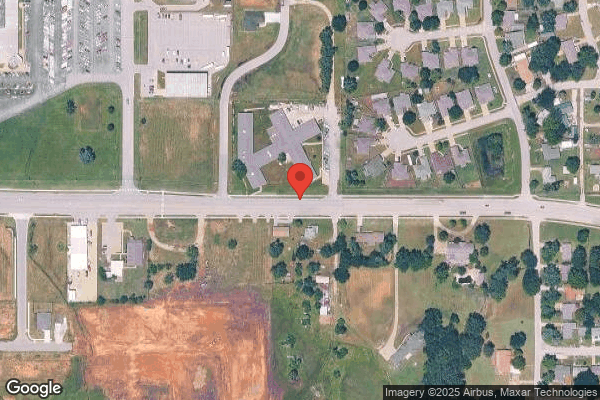
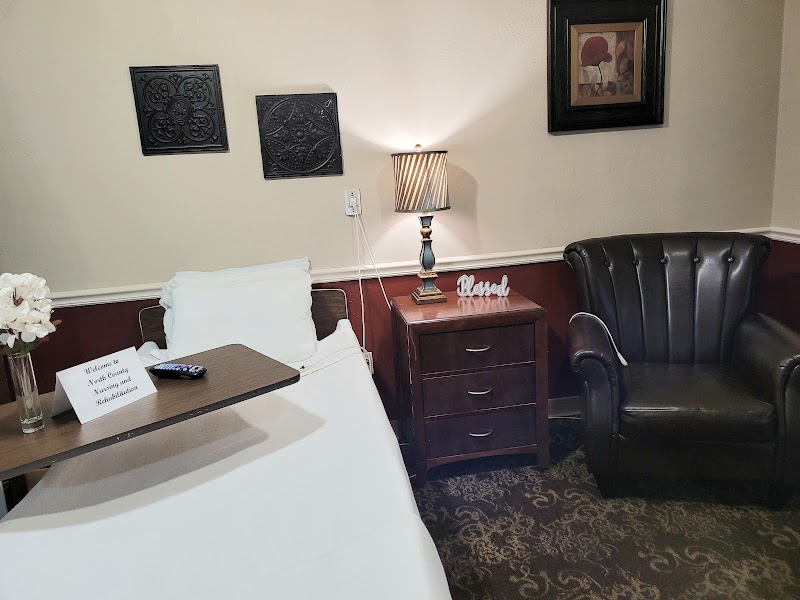
2300 WEST BROADWAY, COLLINSVILLE, OK 74021 (918) 371-2545
For profit - Limited Liability company 119 Beds RIVERS EDGE OPERATIONS Data: November 2025 1 Immediate Jeopardy citation
Trust Grade
13/100
#249 of 282 in OK
Last Inspection: April 2024

Within standard 12-15 month inspection cycle. Federal law requires annual inspections.

Overview

North County Center for Nursing and Rehabilitation has received a Trust Grade of F, indicating significant concerns about the facility's quality of care. Ranking #249 out of 282 facilities in Oklahoma places it in the bottom half, and at #31 out of 33 in Tulsa County, it is clear that there are very few local options that perform worse. Although the facility is showing improvement, having reduced issues from 19 in 2024 to just 1 in 2025, it still faces many challenges. Staffing is a major concern, with a low rating of 1 out of 5 stars and a high turnover rate of 67%, significantly above the state average of 55%. Additionally, the facility has accumulated fines totaling $34,128, which is higher than 78% of nursing homes in Oklahoma, indicating repeated compliance problems. Specific incidents highlight serious issues, including a critical failure where a resident was not allowed to return after a family visit without proper notice, and a serious concern where fall prevention measures were not initiated for a resident, increasing their risk of injury. Furthermore, cleanliness standards were not met in the facility's ice machines, raising potential health concerns. Overall, while there are some improvements in recent years, the facility's weaknesses, particularly in staffing and compliance, are notable and should be carefully considered by families researching care options.

Trust Score
F
13/100
In Oklahoma
#249/282
Bottom 12%
Safety Record
High Risk
Review needed
Inspections
Getting Better
19 → 1 violations
Staff Stability
⚠ Watch
67% turnover. Above average. Higher turnover means staff may not know residents' routines.
Penalties
⚠ Watch
$34,128 in fines. Higher than 77% of Oklahoma facilities, suggesting repeated compliance issues.
Skilled Nurses
○ Average
RN staffing data not reported for this facility.
Violations
⚠ Watch
24 deficiencies on record. Higher than average. Multiple issues found across inspections.
★☆☆☆☆
1.0
Overall Rating
★☆☆☆☆
1.0
Staff Levels
★★★☆☆
3.0
Care Quality
★☆☆☆☆
1.0
Inspection Score
Stable
2024: 19 issues
2025: 1 issues

The Good

  • Full Sprinkler Coverage · Fire safety systems throughout facility
  • No fines on record

Facility shows strength in fire safety.

The Bad

1-Star Overall Rating

Below Oklahoma average (2.6)

Significant quality concerns identified by CMS

Staff Turnover: 67%

20pts above Oklahoma avg (46%)

Frequent staff changes - ask about care continuity

Federal Fines: $34,128

Above median ($33,413)

Moderate penalties - review what triggered them

Chain: RIVERS EDGE OPERATIONS

Part of a multi-facility chain

Ask about local staffing decisions and management

Staff turnover is elevated (67%)

19 points above Oklahoma average of 48%

The Ugly 24 deficiencies on record

1 life-threatening 1 actual harm
Mar 2025 1 deficiency 1 IJ
CRITICAL (J) 📢 Someone Reported This

A family member, employee, or ombudsman was alarmed enough to file a formal complaint

Immediate Jeopardy (IJ) - the most serious Medicare violation

Transfer Requirements (Tag F0622)

Someone could have died · This affected 1 resident

**NOTE- TERMS IN BRACKETS HAVE BEEN EDITED TO PROTECT CONFIDENTIALITY** On 03/12/25, an Immediate Jeopardy (IJ) situation was determined to exist related to the facility's failure to ensure residents ...

Read full inspector narrative →
**NOTE- TERMS IN BRACKETS HAVE BEEN EDITED TO PROTECT CONFIDENTIALITY** On 03/12/25, an Immediate Jeopardy (IJ) situation was determined to exist related to the facility's failure to ensure residents were discharged with proper notice. On 03/06/25 Resident #1 returned to the facility after an overnight stay with family. Resident #1 was informed they were no longer a resident of the facility and were not allowed to return to the facility. On 03/12/25 at 5:57 p.m., the Oklahoma State Department of Health was notified and verified the existence of the IJ situation related to a resident who was not allowed to return to the facility after an overnight stay with family. On 3/12/25 at 6:05 p.m., the DON and the corporate regional administrator were notified of the IJ situation and were asked to provide a plan of removal. On 03/13/25 at 2:35 p.m., an acceptable plan of removal was approved by the Oklahoma State Department of Health. The plan of removal, read in part, North County Immediate Jeopardy Plan of Removal for Failure to Ensure Residents Are Not discharged Without Proper Notice An Immediate Jeopardy has been identified at North County Nursing and Rehabilitation for failure to ensure residents are not discharged without proper notice. According to federal and state regulations, long-term care facilities are required to provide adequate notice to residents or their responsible parties before discharge. Failure to adhere to these guidelines has resulted in non-compliance and potential harm to 1 identified resident resulting in immediate jeopardy. Immediate Steps to Remove Immediate Jeopardy Immediate Review of Current Discharges .Conduct a comprehensive review of all discharges in the past 30 days to identify any residents who may not have received proper notice. Completed by 8:30 p.m. 03/12/2025 . Contact the residents or their responsible parties involved in improper discharges to confirm the lack of notice and address the issue immediately. Completed by 8:30 p.m. 03/12/2025 .Ensure that any affected residents are re-admitted to the facility, if appropriate, or assist them with alternative placement and proper notice. Completed by 8:30 p.m. 03/12/2025 .Review the facility's discharge policy and procedures to verify compliance with all applicable state and federal regulations. Completed by 8:30 p.m. 03/12/2025 Staff Education . Immediately in-serviced all administrative staff, social services, and floor nurse staff regarding the discharge process, emphasizing the legal requirements for proper notice. Completed by 2 p.m. 03/13/2025 .All involved staff will be required to complete the training within 24 hours of the identified Immediate Jeopardy. Completed by 2 p.m. 03/13/2025 Immediate Policy Revision .The facility's discharge policy will be reviewed, updated, and communicated to all administrative staff, social services, and floor nursing staff immediately. The revised policy will outline the following (Completed by 8:30 p.m. 03/12/2025): . The required notice period before discharge. .The process for ensuring residents or responsible parties receive the proper written notice. .A clear record-keeping system for discharge notices. .Steps to take when a discharge does not meet the notice requirements. .Social Services or designee will perform a 30- day follow up with discharge resident(s) or designee and provide referrals to additional resources if needed. Ongoing Monitoring and Audit Procedures .DON or designee will conduct an audit of all discharges 2 times per week for the next 4 weeks to ensure proper notice was given in accordance with regulatory requirements. Documentation will be checked for compliance with facility policies, and any discrepancies will be reported and investigated immediately. Completed by 4/12/2025 at 11:59. p.m. .Administrator or designee will audit once per week for the next 4 weeks to ensure compliance with state and federal regulations are met. Completed by 4/12/2025 at 11:59. p.m. .Designee will spot audit charts quarterly for all discharge documents completed and uploaded to the resident(s) electronic medical record. Ongoing Plan for Ongoing Compliance Continuous Staff Training .Ongoing training sessions will be scheduled annually to reinforce the importance of discharge procedures and to review any updates to policies or regulations. .The facility will ensure all new employees are trained on discharge procedures during their orientation. Ongoing Policy Review and Updates .The discharge policy will be reviewed annually, with input from relevant staff and regulatory updates, to ensure it remains compliant with all state and federal regulatory guidelines. Ongoing .Any necessary revisions will be implemented promptly, and all staff will be educated on the changes. Ongoing Leadership Accountability .Administrator and Director of Nursing will actively monitor and support the implementation of this plan, ensuring that discharge protocols are followed consistently. Ongoing On 03/13/25 at 2:00 p.m., the IJ was lifted when all components of the plan of removal had been verified as completed. Nine staff members from different departments from all shifts were interviewed regarding in-service provided for discharge protocol Documentation of the updated discharge policy and review of recently discharged residents were reviewed. The deficient practice remained at an isolated level with the potential for more than minimal harm. Based on record review and interview, the facility failed to ensure residents were discharged with proper notice for 1 (#1) of 3 sampled residents reviewed for discharge. The BOM identified 45 residents resided in the facility. Findings: Resident #1 had diagnoses which included anoxic brain damage, post traumatic stress syndrome, and bipolar disorder. A quarterly assessment, dated 01/28/25, showed Resident #1 had a brief interview for mental status score (a test for cognitive function) of 6, which was indicative of severe impairment for daily decision making, and that the resident was dependent on a wheelchair for ambulation. An undated Transfer and Discharge policy, read in part, Once admitted , the resident has the right to remain at the facility .The facility's transfer/discharge notice will be provided to the resident and resident's representative in a language and manner in which they can understand. The notice will include all of the following at the time it is provided: a. The specific reason and basis for transfer or discharge. b. The effective date of transfer or discharge. c. The specific location to which the resident is to be transferred or discharged . The facility sign out sheet showed Resident #1 signed out of the facility on 03/05/25 at 1:50 p.m. The sign in sheet showed the resident signed into the facility on [DATE] at 1:45 p.m. On 03/12/25 at 11:52 a.m., BOM #1 stated that on 03/05/25 Resident #1 had asked if they were allowed to leave the facility and stay with family overnight. They stated Resident #1 planned to take a ride sharing company from the facility and a family member would bring them back the next day. The BOM stated they told Resident #1 to go talk to their nurse, get their medications, and be sure and sign themselves out. On 03/12/25 at 12:23 p.m., the DON stated they were notified in their morning staff meeting on 03/06/25 Resident #1 had signed themselves out of the facility permanently the previous day. The DON stated they were present when the resident returned to the facility later on 03/06/25 and signed themselves into the facility. The DON stated when they told Resident #1 they had been informed by the administrator that they had left the facility permanently, the resident stated they had not. The DON stated they then called the administrator. On 03/12/25 at 2:05 p.m., police officer #1 stated they received a call from Resident #1's family member who requested a welfare check on the resident because the facility was not letting the resident return to the facility. Police Officer #1 stated the administrator told them Resident #1 had discharged themselves from the facility the day before. Police Officer #1 stated Resident #1 told them they had only left the facility for an overnight stay and were given 24 hours worth of medication for the overnight stay. Police Officer #1 stated they asked the administrator if the resident could check back into the facility. They stated the administrator refused to allow the resident to return to the facility. Police Officer #1 stated the resident said they had nowhere to go, that they had called and asked family and friends to let them stay with them for even a short while, but no one was willing to allow this. Police office #1 stated the administrator was aware that Resident #1 had nowhere to go, and paid for a one night stay at a hotel for Resident #1. Police Officer #1 stated they drove Resident #1 to the hotel. On 03/12/25 at 4:26 p.m., the regional corporate administrator stated if Resident #1 had not been discharged on 03/05/25, they should have been allowed to return to the facility. On 03/12/25 at 4:41 p.m. the DON stated they were unable to locate any discharge documents for Resident #1. On 03/17/25 at 9:38 a.m., certified medication aide #1 stated on 03/05/25, licensed practical nurse #1 instructed them to prepare 24 hours of medication for Resident #1 because Resident #1 was going on an overnight stay out of the facility. They stated Resident #1 seemed very excited to be going overnight with family, took possession of their 24 hour supply of medications, and told them they would be back the next day.
Jul 2024 1 deficiency
CONCERN (E) 📢 Someone Reported This

A family member, employee, or ombudsman was alarmed enough to file a formal complaint

Potential for Harm - no one hurt, but risky conditions existed

Deficiency F0602 (Tag F0602)

Could have caused harm · This affected multiple residents

Based on record review and interview, the facility failed to ensure controlled medications were not misappropriated for three (#4, 7, and #8) of three sampled residents who were reviewed for misapprop...

Read full inspector narrative →
Based on record review and interview, the facility failed to ensure controlled medications were not misappropriated for three (#4, 7, and #8) of three sampled residents who were reviewed for misappropriation. The DON identified 42 residents who resided in the facility. Findings: The Controlled Substances policy, dated April 2019, read in part, .Controlled substances are reconciled upon receipt, administration, disposition, and at the end of each shift . The Abuse, Neglect, Exploitation and Misappropriation Prevention Program policy, dated April 2021, read in part, .Residents have the right to be free from .misappropriation of resident property . 1. Resident #4 had diagnoses which included abnormal posture and weakness. Form 283, incident date 06/10/24, read in parts, .DON was notified that LTC resident has a missing narcotic of Hydrocodone 5-325 mg tab qty of 60 are unaccounted for. Medication was delivered on 6/5/24 by pharmacy; the total quantity delivered was 112 tabs. #1 card of 52 tabs is in facility in the med cart. On 6/9/24 the nurse on duty contacted the MD for an order for the medication to be administered. An investigation has been initiated at facility level. APS and Local PD have been contacted .Part C .Investigation is on going at this time .Administration have implemented the charge nurse to oversee med cart counts and sign-off sheets during change of shifts. Administration pull pharmacy delivery manifestations to ensure narcotic medications delivered are accounted for on the cart. DON & CMA pulled extra controlled cards off the cart and logged in for double lock up. DON notified Attorney General on 06/12/24 .Facility investigation completed. Night shift CMAs, [CMA #1 and CMA #2] temporarily put on suspension pending further investigation but her unsubstantiated on both employees. No further evidence had been found. No further medication diversions have occurred [sic] since implementing charge nurse to oversee cart card counts. Clinical Admin staff are auditing the pharmacy delivery manifestations to ensure delivery and accounted mediations are in facility. Extra controlled cards are pulled and placed into double lock up until needed. DCS contacted AG agent on 6/21/24 for any new updates. Attorney General is pending a case # to begin investigation . 2. Resident #8 had diagnoses which included chronic pain. Form 283, incident date 06/12/24, read in parts, .DON was notified that resident medication of Hydrocodone 5-325 mg qty of 30 tabs is unaccounted for. Medication was delivered on 5/30/24 in the amount of 90. Card of 60 tabs are located on the med cart and currently being administered. DON has initiated investigation. Police Depart notified .APS notified .Part C .Investigation is ongoing at this time please see attachments. Administration have implemented the charge nurse to oversee med cart counts and sign-off sheets during change of shifts. Administration pull pharmacy delivery manifestations to ensure narcotic medications delivered are accounted for on the cart. DON & CMA pulled extra controlled cards off the cart and logged in for double lock up. DON notified Attorney General on 06/12/24 on incident .Facility investigation completed. Night shift CMAs, [CMA #1 and CMA #2] temporarily put on suspension pending further investigation but were unsubstantiated on both employees. No further evidence has been found. No further medication diversions have occurred [sic] since implementing charge nurse to oversee cart card counts. Clinical Admin staff are auditing the pharmacy delivery manifestations to ensure delivery and accounted medications are in facility. Extra controlled cards are pulled and placed in double lock up until needed .DCS contacted AG agent on 6/21/24 for any new updates. Attorney General is pending a case # to begin investigation . 3. Resident #7 had diagnoses which included cervical disc degeneration. Form 283, incident date 06/14/24, read in parts, .DON was notified that this resident did not have PRN Hydrocodone card on the cart. Staff notified pharmacy when they discovered a card of #60 tabs had been delivered in March 2024. Resident does not ask for PRN pain medication often. The last documented administration was 4/18/24. Resident has had four administrations per MAR so approximately #56 tabs are un-accounted for. Physician and pain management were notified for new prescription order .Part C .Facility investigation completed. Night shift CMAs, [CMA #1 and CMA #2] temporarily put on suspension pending further investigation but were unsubstantiated on both employees. No further evidence has been found. No further medication diversions have occurred [sic] since implementing charge nurse to oversee cart card counts. Clinical Admin staff are auditing the pharmacy delivery manifestations to ensure delivery and accounted medications are in facility. Extra controlled cards are pulled . Review of the Controlled Substance Card Count Sheet, dated 07/09/24 through 07/14/24, for D hall, revealed the following: a. the controlled medications had not been counted on 07/10/24 for the 3:00 p.m. to 11:00 p.m. or the 11:00 p.m. to 7:00 a.m. shift; b. the on-coming staff signature was blank three times out of 12 opportunities; c. the off-going staff signature was blank five times out of 12 opportunities; and d. the same employee signed as both the on-coming and off-going staff member, on 07/09/24 for the 11:00 p.m. to 7:00 a.m. shift, 07/10/24 for the 6:00 a.m. to 2:00 p.m. shift, 07/11/24 for the 6:00 a.m. to 2:00 p.m. shift, 07/12/24 for the 6:00 a.m. to 2:00 p.m. shift, 07/13/24 for the 7:00 a.m. to 2:30 p.m. shift, and 07/14/24 for the 7:00 a.m. to 11:00 p.m. shift. Review of the Controlled Substance Card Count Sheet, dated 07/15/24 through 07/18/24, for D hall, revealed the following: a. the controlled medications had not been counted on 07/15/24 for the 11:00 p.m. to 7:00 a.m. shift or on 07/18/24 for the 3:00 p.m. to 11:00 p.m. shift; b. the on-coming staff signature was blank one time out of eleven opportunities; c. the off-going staff signature was blank three times out of eleven opportunities; and d. the same employee signed as both the on-coming and off-going staff member, on 07/15/24 for the 7:00 a.m. to 3:00 p.m. shift and the 3:00 p.m. to 11:00 p.m. shift, 07/18/24 for the 6:00 a.m. to 2:00 p.m. shift and the 11:00 p.m. to 7:00 a.m. shift. Review of the Controlled Substance Card Count Sheet, dated 07/19/24 through 07/23/24, for D hall, revealed the following: a. the on-coming staff signature was blank two times out of thirteen opportunities; b. the off-going staff signature was blank two times out of thirteen opportunities; and c. the same employee signed as both the on-coming and off-going staff member, on 07/19/24 for the 7:00 a.m. to 3:00 p.m. shift and the 11:00 p.m. to 7:00 a.m. shift. Review of the Controlled Substance Card Count Sheet, dated 07/23/24 through 07/26/24, for D hall, revealed the following: a. the off-going staff signature was blank two times out of twelve opportunities; and b. the same employee signed as both the on-coming and off-going staff member, on 07/24/24 for the 7:00 a.m. to 3:00 p.m. shift and on 07/25/24 for the 11:00 p.m. to 7:00 a.m. shift. Review of the Controlled Substance Card Count Sheet, dated 07/10/24 through 07/15/24, for F hall, revealed the following: a. the controlled medications had not been counted on 07/10/24 for the 11:00 p.m. to 7:00 a.m. shift, on 07/11/24 on the 7:00 a.m. to 3:00 p.m. shift, or on 07/15/24 for the 7:00 a.m. to 3:00 p.m.; b. the on-coming staff signature was blank three times out of ten opportunities; and c. the off-going staff signature was blank five times out of ten opportunities. Review of the Controlled Substance Card Count Sheet, dated 07/16/24 through 07/19/24, for F hall, revealed the following: a. the controlled medications had not been counted on 07/18/24 for the 3:00 p.m. to 11:00 p.m. or the 11:00 p.m. to 7:00 a.m. shift; b. the on-coming staff signature was blank four times out of 11 opportunities; c. the off-going staff signature was blank four times out of 11 opportunities; and d. the same employee signed as both the on-coming and off-going staff member on 07/16/24 for the 7:00 a.m. to 3:00 p.m. shift and on 07/19/24 for the 5:00 p.m. to 11:00 p.m. Review of the Controlled Substance Card Count Sheet, dated 07/19/24 through 07/24/24, for F hall, revealed the following: a. the controlled medications had not been counted on 07/20/24 for the 3:00 p.m. to 11:00 p.m. shift; b. the on-coming staff signature was blank one time out of 13 opportunities; c. the off-going staff signature was blank two times out of 13 opportunities; and d. the same employee signed as both the on-coming and off-going staff member on 07/19/24 for the 11:00 p.m. to 7:00 a.m. shift and on 07/22/24 for the 3:00 p.m. to 11:00 p.m. shift. On 07/26/24 at 12:53 p.m., the DON stated they had first been made aware of misappropriation of medications when staff reported on 06/09/24 that Resident #10 had a missing card of medications. They stated they counted the medication carts and found no further discrepancies on 06/09/24. The DON stated the consultant pharmacist had reconciled all controlled medications in the facility on 06/10/24 and had not identified any discrepancies. They stated after the pharmacist had reconciled they had been informed by staff Resident #4 was missing controlled medication. The DON stated they reviewed pharmacy delivery manifestations, narcotic records, and medication administration records. They stated during the investigation they had discovered on 06/12/24 Resident #8 was missing controlled medication and on 06/14/24 Resident #7 was missing controlled medication. Upon discovery of the medication misappropriation, the DON stated they inserviced staff about pharmacy and controlled drug procedures, all drug delivery receipts were given to the MDS coordinator to verify the medication on the medication carts, two CMAs were suspended pending investigation, they changed from a three ringed binder for the narcotic record to a bound hard back narcotic book, the charge nurses verified the end of shift controlled medication counting with the CMAs, the facility replaced the missing medications, and any extra cards of controlled medications were locked in the DONs office under double locks. The DON stated when staff needed the card of medication that was locked in their office the CMA and DON signed it out and reconciled the medication together. They stated they reported the misappropriation of medication to the police department, the state agency, and the Attorney General. On 07/26/24 at 2:20 p.m., the DON stated they had the misappropriation on the agenda for the next QA meeting in the coming week. They stated no further medication misappropriation had been identified since 06/14/24. On 07/26/24 at 4:03 p.m., the Controlled Substance Card Count Sheets were reviewed with the DON. They stated they had not been monitoring to ensure staff were reconciling controlled medications at the end of each shift. The DON stated they had the nurses verifying the counts during the investigations and needed to implement that intervention again to ensure compliance. On 07/26/24 at 4:33 p.m., the Controlled Substance Card Count Sheets were reviewed with the administrator. They stated the DON was responsible to monitor to ensure residents were free from medication misappropriation by reviewing the count sheets. The administrator stated the charge nurses needed to verify the reconciliation of controlled medications at the end of each shift again.
Apr 2024 14 deficiencies
CONCERN (D)

Potential for Harm - no one hurt, but risky conditions existed

Deficiency F0578 (Tag F0578)

Could have caused harm · This affected 1 resident

Based on record review and interview, the facility failed to ensure residents were offered the choice to formulate advanced directives for two (#4 and #7) of two sampled residents reviewed for advance...

Read full inspector narrative →
Based on record review and interview, the facility failed to ensure residents were offered the choice to formulate advanced directives for two (#4 and #7) of two sampled residents reviewed for advanced directives. The DON identified 41 residents resided in the facility. Findings: 1. Res #4 had diagnoses which included chronic kidney disease - stage 3, type 2 diabetes mellitus with diabetic neuropathy, and chronic respiratory failure with hypoxia. The resident's clinical records did not document the resident and/or their representative was offered the choice to formulate an advanced directive. 2. Res #7 had diagnoses which included embolism and thrombosis of unspecified vein, edema, hypokalemia, and cerebral fluid drainage. The resident's clinical records did not document resident and/or their representative were offered the choice to formulate an advanced directive. On 04/01/24 at 10:46 a.m., the social service director stated the facility would starting scanning all advanced directives offered to the resident and/or representative whether they were accepted or refused to show they were offered to them upon admission.
CONCERN (D)

Potential for Harm - no one hurt, but risky conditions existed

Comprehensive Assessments (Tag F0636)

Could have caused harm · This affected 1 resident

**NOTE- TERMS IN BRACKETS HAVE BEEN EDITED TO PROTECT CONFIDENTIALITY** Based on record review and interview, the facility failed to ensure an admission assessment for residents were completed within ...

Read full inspector narrative →
**NOTE- TERMS IN BRACKETS HAVE BEEN EDITED TO PROTECT CONFIDENTIALITY** Based on record review and interview, the facility failed to ensure an admission assessment for residents were completed within the required timeframe for one (#246) of 13 residents whose assessments were reviewed. The DON identified 41 residents who resided in the facility. Findings: Res #246 had diagnoses which included congestive heart failure, dementia, psychotic disturbance, mood disturbance, anxiety, hypertension, and pain syndrome. Res #246 was admitted to the facility on [DATE]. The EHR did not document an admission assessment had been completed. On 04/03/24 at 1:40 p.m., MDS coordinator #1 stated the staff nurse assigned to complete the MDS assessments had been out for a family emergency. MDS coordinator #1 stated they have been doing all the assessment and had fallen behind.
CONCERN (D)

Potential for Harm - no one hurt, but risky conditions existed

Deficiency F0638 (Tag F0638)

Could have caused harm · This affected 1 resident

**NOTE- TERMS IN BRACKETS HAVE BEEN EDITED TO PROTECT CONFIDENTIALITY** 2. Res #14 had diagnoses which included dementia, schizoaffective disorder, and auditory hallucinations. A quarterly MDS assess...

Read full inspector narrative →
**NOTE- TERMS IN BRACKETS HAVE BEEN EDITED TO PROTECT CONFIDENTIALITY** 2. Res #14 had diagnoses which included dementia, schizoaffective disorder, and auditory hallucinations. A quarterly MDS assessment, with an ARD date of 03/12/24, documented in progress on the MDS page of the EHR. On 04/02/24 at 3:13 p.m., MDS coordinator #1 stated the quarterly assessment, dated 03/12/24, had not been completed and submitted on time. Based on record review and interview the facility failed to complete a quarterly assessment within the required time frame two (#14 and #32) of 13 residents whose assessments were reviewed. The administrator identified 41 residents who currently resided in the facility. Findings: 1. Res #32 had diagnoses which included respiratory failure, congestive heart failure, and cerebrovascular disease. The EHR documented a quarterly assessment, dated 12/15/23, had been completed for the resident. The EHR documented a quarterly assessment, dated 03/15/24, was still in progress. On 04/03/24 at 11:54 a.m., the MDS coordinator reviewed the resident's EHR and stated the quarterly assessment dated [DATE] was not completed and should have been. The staff stated the facility was behind on completion of required MDS assessments.
CONCERN (D)

Potential for Harm - no one hurt, but risky conditions existed

MDS Data Transmission (Tag F0640)

Could have caused harm · This affected 1 resident

Based on observation, record review, and interview, the facility failed to ensure assessments were encoded and submitted to CMS within seven days of completion of the assessment for one (#16) of 13 re...

Read full inspector narrative →
Based on observation, record review, and interview, the facility failed to ensure assessments were encoded and submitted to CMS within seven days of completion of the assessment for one (#16) of 13 residents whose assessments were reviewed. The administrator stated 41 residents were residing in the facility. Findings: Res #16 had diagnoses which included urinary tract infection and cellulitis. The resident's EHR documented a quarterly assessment had been completed on 02/27/24. The EHR documented the facility submitted the assessment on 04/03/24 during the survey. On 04/02/24 at 9:50 a.m., Res #16 was observed in a manual wheelchair moving toward their room. The resident stated they had been receiving an antibiotic for cellulitis in their right leg but did not think they were taking it anymore. On 04/03/24 at 11:59 a.m., MDS coordinator #1 stated someone at the corporate offices had submitted the assessment that morning. They stated the person who submitted the MDS assessment was offsite and not available for interview. The MDS coordinator stated they did not know why this assessment had not been submitted within seven days from completion of the assessment.
CONCERN (D)

Potential for Harm - no one hurt, but risky conditions existed

Deficiency F0661 (Tag F0661)

Could have caused harm · This affected 1 resident

Based on record review and interview, the facility failed to develop a discharge summary including a recapitulation of the resident's stay, a reconciliation of the resident's medications, and a post d...

Read full inspector narrative →
Based on record review and interview, the facility failed to develop a discharge summary including a recapitulation of the resident's stay, a reconciliation of the resident's medications, and a post discharge plan of care, for one (#44) of two residents reviewed for discharge from the facility. The DON identified 41 residents who resided in the facility. Findings: Res #44 had diagnoses which included fracture of the shaft of the right fibula, orthopedic after care, osteoarthritis, chronic stage four kidney disease, and diabetes. An admission assessment, dated 12/28/23, documented the resident was intact in cognition. A discharge, return not anticipated, assessment, dated 01/10/24, was documented in the resident's EHR. A social service note, dated 01/10/24, documented Res #14 was discharged from the facility to be admitted to another facility in a different state and would have been transported by a family member. The note documented the new facility had been contacted and were ready to admit the resident. On 04/02/24 at 11:00 a.m., MDS coordinator #1 stated the discharge summary would have been documented in the nursing notes. The MDS coordinator was asked to review the resident's notes. The MDS coordinator stated the notes did not document a discharge summary and did not have a summary of the resident's stay, what interventions the resident had while in the facility and a reconciliation of the resident's medications.
CONCERN (D)

Potential for Harm - no one hurt, but risky conditions existed

Deficiency F0692 (Tag F0692)

Could have caused harm · This affected 1 resident

Based on observation, record review, and interview, the facility failed to ensure the physician was notified of significant weight loss and failed to implement interventions to maintain and/or prevent...

Read full inspector narrative →
Based on observation, record review, and interview, the facility failed to ensure the physician was notified of significant weight loss and failed to implement interventions to maintain and/or prevent further weight loss for one (#34) of two sampled resident reviewed for weight loss. The DON identified 41 residents who resided in the facility. Findings: Res #34 was admitted to the facility with diagnoses of tremors, anxiety disorder, weakness, abnormality of gait and mobility, and multiple sclerosis. On 04/19/23 the care plan documents offer supplements or alternates if resident east less than 50% of meals served, or refuses meals. An EHR entry, dated 01/02/24, documented Res #34 had a weight of 145.2 lbs. On 01/26/24 at 07:00 a.m., a dietary order documents, house supplement every day shift for weight loss. An EHR entry, dated 02/04/24, documented Res #34 had a weight of 137.4 lb., a weight loss of 7.8 lbs. A significant change assessment, dated 03/08/24, documented the resident was moderately impaired with cognition and was dependent with all ADLs. The assessment documented the resident had experienced a significant weight loss. On 04/01/24 at 08: 40 a.m., the resident was observed in the dining room eating chocolate ice cream with not supplement offered to resident. On 04/01/24 at 11:23 a.m., the resident was observed in the dining room eating cheesecake with no supplement offered to resident. On 04/04/24 at 12:16 p.m., the MDS Coordinator stated the physician was not notified of any significant weight loss on the resident.
CONCERN (D)

Potential for Harm - no one hurt, but risky conditions existed

Deficiency F0710 (Tag F0710)

Could have caused harm · This affected 1 resident

Based on observation, record review, and interview the facility failed to ensure residents' nutritional issues were supervised by a physician for one (#34) of two residents sampled for weight loss. T...

Read full inspector narrative →
Based on observation, record review, and interview the facility failed to ensure residents' nutritional issues were supervised by a physician for one (#34) of two residents sampled for weight loss. The DON identified 41 residents who resided in the facility. Findings: Res #34 was admitted to the facility with diagnoses of tremors, anxiety disorder, weakness, abnormality of gait and mobility, and multiple sclerosis. On 04/19/23 the care plan documents offer supplements or alternates if resident east less than 50% of meals served, or refuses meals. An EHR entry, dated 01/02/24, documented Res #34 had a weight of 145.2 lbs. On 01/26/24 at 07:00 a.m., a dietary order documents, house supplement every day shift for weight loss. An EHR entry, dated 02/04/24, documented Res #34 had a weight of 137.4 lb., a weight loss of 7.8 lbs. A significant change assessment, dated 03/08/24, documented the resident was moderately impaired with cognition and was dependent with all ADLs. The assessment documented the resident had experienced a significant weight loss. On 04/01/24 at 08: 40 a.m., the resident was observed in the dining room eating chocolate ice cream with not supplement offered to resident. On 04/01/24 at 11:23 a.m., the resident was observed in the dining room eating cheescake with no supplement offered to resident. On 04/04/24 at 12:16 p.m., the MDS Coordinator stated the physician was not notified of any significant weight loss on the resident.
CONCERN (D)

Potential for Harm - no one hurt, but risky conditions existed

Food Safety (Tag F0812)

Could have caused harm · This affected 1 resident

Based on observation, record review, and interview, the facility failed to maintain an ice machine in a sanitary condition. The DON stated all 44 residents received ice from the ice machines. Findings...

Read full inspector narrative →
Based on observation, record review, and interview, the facility failed to maintain an ice machine in a sanitary condition. The DON stated all 44 residents received ice from the ice machines. Findings: The facility's Sanitation policy, dated 11/2022, read in part, The food service area is maintained in a clean and sanitary manner. On 04/03/24 at 11:13 a.m., the DM wiped the inside of a ice machine located in a employee only hallway next to the kitchen. The cloth came back with a black substance covering it. The DM stated the ice machine provided ice to the residents. The DM stated the ice machine was cleaned once every six month. At 11:42 a.m., the administrator stated the ice machines were cleaned every six months and they would provide documentation of those cleanings. The administrator offered two invoice for inspection and cleaning of two ice machines, dated 12/29/23 and 01/31/24. They did not have any other documentation. On 04/04/24 at 8:05 a.m., the DM stated they had turned off the ice machine that was found to be dirty and the second had not been working for several weeks and was due for repair. They stated the contractor that would clean the dirty machine was due to come to the facility that day or the next. They stated they would purchase ice from a local vendor until theirs is clean. The stated they do not monitor the ice machines for cleanliness on a schedule and do not document inspection of the ice machines. They stated the machines were scheduled to be cleaned every six months.
CONCERN (D)

Potential for Harm - no one hurt, but risky conditions existed

Deficiency F0909 (Tag F0909)

Could have caused harm · This affected 1 resident

**NOTE- TERMS IN BRACKETS HAVE BEEN EDITED TO PROTECT CONFIDENTIALITY** Based on observation, record review, and interview, the facility failed to conduct regular inspections of resident beds and fail...

Read full inspector narrative →
**NOTE- TERMS IN BRACKETS HAVE BEEN EDITED TO PROTECT CONFIDENTIALITY** Based on observation, record review, and interview, the facility failed to conduct regular inspections of resident beds and failed to inspect resident beds for safety prior to the attachment and use of bedrails for three (#16, 23, and #146) of three sampled residents reviewed for accident hazards. The DON stated 17 residents at the facility used bed rails. A Resident Listing Report, dated 04/01/24 documented 44 resident resided at the facility. Findings: A policy titled, Bed Safety and Bed Rails, dated 08/2022, read in part, Bed frames, mattresses and bed rails are checked for compatibility and size prior to use. The policy also read Maintenance staff routinely inspect all beds and related equipment to identify risks and problems including potential entrapment risks. 1. Resident #16 had diagnoses which included chronic pain and primary osteoarthritis. An undated admission record documented the resident was admitted to the facility on [DATE]. A physician's order, dated 11/21/23, documented the resident was allowed to use therapeutic devices as needed to assist with positioning changes. An MDS quarterly assessment, dated 02/27/24, documented the resident's cognition was severely impaired. On 04/03/24 at 12:40 p.m., Resident #16 was observed to have an assist bar attached to the left side of their bed. 2. Resident #23 had diagnoses which included multiple sclerosis and generalized muscle weakness. An undated admission record documented the resident was admitted to the facility on [DATE]. A physician's order, dated 07/25/23, documented the resident was allowed to use therapeutic devices as needed to assist with positioning changes. An MDS quarterly assessment, dated 01/30/24, documented the resident's cognition was intact. On 04/01/24 at 8:36 a.m., Resident #23 was observed to have half size bed rails on each side of their bed. On 04/03/24 at 8:45 a.m., Resident #23 stated they were unaware of any safety assessment or inspections regarding their bed of the use of bed rails prior to the use of their bed. 3. Resident #146 had diagnoses which included broken internal joint prosthesis and infection following surgery. An undated admission record documented the resident was admitted to the facility on [DATE]. A physician's order, dated 01/30/24, documented the resident was allowed to use therapeutic devices as needed to assist with positioning changes. A MDS five day scheduled assessment, dated 02/24/24, documented the resident's cognition was intact. On 04/03/24 at 12:39 p.m., Resident #146 was observed to have side rails attached to the bed they were using. They stated they did not recall and assessments or inspections regarding their bed and bed rails prior to their use of the bed. On 04/04/24 at 8:21 a.m., the Maintenance Supervisor stated they had not been informed the beds required routine inspections or that bed rails required an inspection prior to use. They stated they had not done either. They stated they were unaware of any documentation of routine inspections having been done in the past. At 12:51 p.m., the DON stated they had not been following policy regarding inspections of the beds and bed rails but would do so in the future.
CONCERN (E)

Potential for Harm - no one hurt, but risky conditions existed

Deficiency F0655 (Tag F0655)

Could have caused harm · This affected multiple residents

**NOTE- TERMS IN BRACKETS HAVE BEEN EDITED TO PROTECT CONFIDENTIALITY** 3. Res #246 had diagnoses which included congestive heart failure, dementia, psychotic disturbance, mood disturbance, anxiety, h...

Read full inspector narrative →
**NOTE- TERMS IN BRACKETS HAVE BEEN EDITED TO PROTECT CONFIDENTIALITY** 3. Res #246 had diagnoses which included congestive heart failure, dementia, psychotic disturbance, mood disturbance, anxiety, hypertension, and pain syndrome. Res #246 was admitted to the facility on [DATE]. There was not documentation of a baseline care plan in the EHR. On 04/03/24 at 1:40 p.m., the MDS stated the other person helping with the baseline care plans so they have been helping but have fallen behind and did not complete a baseline care plan. 2. Res #45 was admitted on [DATE] with diagnoses which included non-traumatic intracranial hemorrhage, hypertension, and dementia. The resident's EHR documented a baseline care plan which had been initiated on 02/13/24 which was four days after admission to the facility. On 04/02/24 at 9:25 a.m., MDS coordinator #1 stated the baseline care plan should have been completed within 48 hours of admission. The MDS coordinator stated the admission may have taken place over a weekend and the baseline care plan was not initiated until the care plan staff member returned to work the following week. They stated any nurse could initiate a baseline care plan but it was always completed by the MDS/Care plan staff nurse. Based on record review and interview, the facility failed to complete a baseline care plan for three (#31, 45, and #246) of 12 residents whose care plans were reviewed. The DON identified 41 residents who resided in the facility. Findings: 1. Res #31 had diagnoses which included osteomyelitis, stage four pressure ulcer to the left heel, a stage three pressure ulcer to the right heel, diabetes, hypertension, and anxiety. Res #31 was admitted to the facility on [DATE]. The care plan, dated 01/04/24, documented a baseline care plan had been completed six days after admission. On 04/03/24 at 9:19 a.m., the care plan coordinator reviewed the resident's care plan and stated the baseline care plan was completed late. The coordinator stated they completed the baseline care plan upon returning to work.
CONCERN (E)

Potential for Harm - no one hurt, but risky conditions existed

Comprehensive Care Plan (Tag F0656)

Could have caused harm · This affected multiple residents

**NOTE- TERMS IN BRACKETS HAVE BEEN EDITED TO PROTECT CONFIDENTIALITY** Based on observation, record review, and interview, the facility failed to develop a comprehensive care plan to include the use ...

Read full inspector narrative →
**NOTE- TERMS IN BRACKETS HAVE BEEN EDITED TO PROTECT CONFIDENTIALITY** Based on observation, record review, and interview, the facility failed to develop a comprehensive care plan to include the use of bed rails for four (#16, 23, 146, and #246) of four sampled residents reviewed for accident hazards. The DON stated 17 residents at the facility used bed rails. Findings: A policy, titled Care Plans, Comprehensive Person-Centered, dated 03/2022, read in part The comprehensive, person-centered care plan .described the services to be furnished to attain or maintain the resident's highest practicable physical, mental, and psychosocial well-being .and reflects currently recognized standards of practice for problem areas and conditions. 1. Resident #16 had diagnoses which included primary osteoarthritis. A physician's order, dated 11/21/23, documented the resident was allowed to use therapeutic devices as needed to assist with positioning changes. On 04/03/24 at 12:40 p.m., Resident #16 was observed to have an assist bar attached to the left side of their bed. A review of the Resident #16's care plan found the assist bar attached to the resident's bed had not been care planned until 04/02/24. 2. Resident #23 had diagnoses which included multiple sclerosis and generalized muscle weakness. A physician's order, dated 07/25/23, documented the resident was allowed to use therapeutic devices as needed to assist with positioning changes. On 04/01/24 at 8:36 a.m., Resident #23 was observed to have half size bed rails on each side of their bed. The resident stated they had the side rails on their bed since they were admitted on [DATE]. A review of Resident #23's care plan found the two bed side rails had not been care planned until 04/02/24. 3. Resident #146 had diagnoses which included broken internal joint prosthesis. An undated admission record documented the resident was admitted to the facility on [DATE]. A physician's order, dated 01/30/24, documented the resident was allowed to use therapeutic devices as needed to assist with positioning changes. On 04/03/24 at 12:39 p.m., Resident #146 was observed to have side rails attached to the bed they were using. They stated the side rails had been there since they were admitted . A review of Resident #146's care plan found the two bed side rails had not been care planned until 04/03/24. 04/04/24 12:51 p.m., the DON stated the bed side rails had not been care planned for residents #16, 23, and #146 in a timely manner or in accordance with facility policy. 4. Res #246 had diagnoses which included congestive heart failure, dementia, psychotic disturbance, mood disturbance, anxiety, hypertension, and pain syndrome. Res #246 was admitted to the facility on [DATE]. There was not documentation of a comprehensive care plan was available. On 04/03/24 at 1:40 p.m., the MDS stated the other person helping with the assessments and care plans has been out so they helping and have fallen behind with those care plans. They also stated that the comprehensive care plan is complete now.
CONCERN (E)

Potential for Harm - no one hurt, but risky conditions existed

Deficiency F0700 (Tag F0700)

Could have caused harm · This affected multiple residents

Based on observation, record review, and interview, the facility failed to attempt alternative interventions prior to the use of bed side rails for three (#16, 23, and #146) of three sampled residents...

Read full inspector narrative →
Based on observation, record review, and interview, the facility failed to attempt alternative interventions prior to the use of bed side rails for three (#16, 23, and #146) of three sampled residents reviewed for accident hazards and failed to assess resident's risk of entrapment prior to use of bed side rails for two (#16 and #146) of three sampled resident reviewed for accident hazards. The DON stated 17 residents at the facility used bed rails. Findings: A policy titled, Bed Safety and Bed Rails, dated 08/2022, read in part, Prior to the installation or use of a side or bed rail, alternatives to the use of side of bed rails are attempted. The policy also documented that after alternatives were concluded to be ineffective the resident would be assessed for their risk associated with the use of bed side rails. 1. Resident #16 had diagnoses which included chronic pain and primary osteoarthritis. An MDS quarterly assessment, dated 02/27/24, documented the resident's cognition was severly impaired. A review of the resident's chart did not find documentation of the attempt to use alternative interventions to the use of bed rails or documentation of a risk assessment performed prior to use of a bed rail. On 04/03/24 at 12:40 p.m., Resident #16 was observed to have an assist bar attached to the left side of their bed. 2. Resident #23 had diagnoses which included multiple sclerosis and generalized muscle weakness. An MDS quarterly assessment, dated 01/30/24, documented the resident's cognition was intact. A review of the resident's chart did not find documentation of the attempt to use alternative interventions to the use of bed rails. On 04/01/24 at 8:36 a.m., Resident #23 was observed to have half size bed rails on each side of their bed. On 04/03/24 at 8:45 a.m., Resident #23 stated they stated no alternative interventions were attempted prior to the use of the side rails. 3. Resident #146 had diagnoses which included a broken internal joint prosthesis. A MDS five day scheduled assessment, dated 02/24/24, documented the resident's cognition was intact. A review of the resident's chart did not find documentation of attempts to use alternative interventions to bed rails or documentation of a risk assessment performed prior to use of bed rails. On 04/03/24 at 10:31 a.m. the DON stated alternative interventions to the bed rails had not been attempted for residents #16, 23, or #146 prior to their use. At 12:39 PM - Resident #146 was observed to have bed side rails attached on each side of their bed. The resident stated they did not use alternatives to the bed rails prior to their use and did not recall a risk assessment being done before using the bed rails. At 12:51 p.m., the DON stated risk assessments had not been performed on residents #16 and #146 prior to use of bed side rails. They stated the facility staff had not been following policy at it related to the use of bed side rails.
CONCERN (E)

Potential for Harm - no one hurt, but risky conditions existed

Deficiency F0730 (Tag F0730)

Could have caused harm · This affected multiple residents

Based on record review and interview the facility failed to complete required nurse aide yearly performance reviews for two (CNA #2 and CNA #4 ) whose employee files were reviewed for competencies. T...

Read full inspector narrative →
Based on record review and interview the facility failed to complete required nurse aide yearly performance reviews for two (CNA #2 and CNA #4 ) whose employee files were reviewed for competencies. The DON identified 13 nurse aides currently employed by the facility. Findings: The employee file for CNA #2 documented the last skills performance was completed on 09/22/22. The employee file for CNA #4 documented the last skills performance was completed on 09/22/22. On 04/04/24 at 11:34 a.m., the DON reviewed the skills performance checklists provided for two CNAs currently working for the facility. The DON stated to their knowledge no skills performance checks had been completed for the year 2023 for current CNAs. The DON stated they were not aware of the requirement.
CONCERN (E) 📢 Someone Reported This

A family member, employee, or ombudsman was alarmed enough to file a formal complaint

Potential for Harm - no one hurt, but risky conditions existed

Infection Control (Tag F0880)

Could have caused harm · This affected multiple residents

3. On 04/03/24 at 9:40 a.m., the Administrator stated they had received the new water management program from the corporation when they bought this facility during the previous year. The administrator...

Read full inspector narrative →
3. On 04/03/24 at 9:40 a.m., the Administrator stated they had received the new water management program from the corporation when they bought this facility during the previous year. The administrator stated the program had not been instituted as yet. The administrator stated they were going to ask the city who tested the water. When asked the facility did anything to prevent standing water and they stated the management team flushed the toilets in unoccupied rooms when during daily rounds. The administrator was asked for documentation of this and stated there was not documentation of the rounds. The administrator was asked if they had followed the new policy and conducted a risk assessment of the facility. The administrator stated not yet. The administrator was asked if a water management team had been assembled to meet and identify issues and possible responses for identified issues, they stated they had not formed a team. The administrator stated the only thing that he had done was to contact the city to determine who can test the water. The administrator was asked to review the water management program and they stated they had not started the program. At that time, the maintenance supervisor stated they ran water in all the unoccupied rooms and the air conditioners had pipes to drain the condensation from under the units. The maintenance supervision stated they did not have a schematic for the piping in the facility and had not conducted an assessment of the facility to identify areas of potential areas where standing water could have been a problem. Based on observation, record review, and interview, the facility failed to maintain an infection prevention and control program to prevent the transmission of infections: a) for resident #10 during catheter care, b) for resident #21 during incontinent care, and c) implement a water treatment program for the prevention of Legionella. The administrator identifed five residents with a catheter/receive incontinent care. Findings: A handwashing/hand hygiene policy documented .2. All personnel shall follow the handwashing/hand hygiene procedures to help prevent the spread of infections to other personnel, residents, and visitors. 3. Hand hygiene products and supplies (sinks, soap, towels, alcohol-based had rub, etc.) shall be readily accessible and convenient for staff use to encourage compliance with hand hygiene policies . A policy titled Catheter Care, Urinary documented .Steps in the Procedure .2. Wash and dry your hands thoroughly .5. Put on gloves .11. With non-dominant hand .retract the foreskin of the uncircumcised male resident. Maintain the position of this hand throughout the procedure .18. Discard disposable items into designated containers. Remove gloves and discard into designated container. Wash and dry hands thoroughly . 1. Res #10 had diagnoses which included a stage four pressure ulcer to the sacral region and the lower back, a stage three pressure ulcer to the right heel, and diabetes. A care plan, dated 12/21/23, documented the staff was to wear a gown and gloves while providing care to enhance barrier protection due to a multi-drug resistant organism in the resident's wound to reduce the potential to spread bacteria to other sites of my body or to other people. A physician order, dated 02/20/24, documented the staff was to change the resident's catheter every 30 days for infection control. A quarterly assessment, dated 02/23/24, documented the resident was moderately impaired for daily decision making and had a catheter. A physician order, dated 03/07/24, documented the staff was to provide catheter care every morning and at bedtime. On 04/03/24 at 1:50 p.m., a sign was observed posted by the resident's door. The sign documented .ENHANCED BARRIER PRECAUTIONS EVERYONE MUST: Clean their hands, including before entering and when leaving the room. PROVIDERS AND STAFF MUST ALSO: Wear gloves and a gown for the following High-Contact Resident Care Activities .Changing briefs or assisting with toileting, Device care or use: central line, urinary catheter, feeding tube, . CNA #1 entered the resident's room, donned a pair of gloves, and began repositioning the resident from side to side and reaching across the resident to remove a soiled incontinent brief. The CNA was not wearing a gown. Wearing the same gloved hands the CNA obtained some adult wipes from a packet and continued to clean the resident. The staff changed their gloves three more times during the cleaning process the process. The staff did not wash their hands with glove changes. The staff stated they would wash their hands after care was completed. On 04/03/24 at 3:15 p.m., the DON was interviewed regarding catheter care for the resident. The DON stated the CNA should have used PPE identified on the sign posted at the door. The DON stated the CNA should have changed their gloves and washed their hands when moving from a dirty area to a clean area and between task. 2. Res #21 had diagnoses which included hemiplegia and hemiparesis following a cerebral infarction and mixes incontinence. The care plan, dated 03/31/23, documented the resident was incontinent of bowel and bladder. A quarterly assessment, dated 01/04/24, documented the resident was incontinent of bowel and bladder. The assessment documented the resident required partial/moderate assist with toileting. On 04/04/24 at 10:15 a.m., the resident was lying in bed with their call light activated. The resident stated they had been incontinent of bowel and had activated their call light to be cleaned up. CNA #2 entered the resident's room and donned a pair of gloves. The CNA positioned the resident in bed, removed the soiled undergarment, and cleaned the resident's buttock with adult wipes. Using the same gloved hands the CNA placed a clean undergarment on the resident, assisted the resident with dressing, and assisted the resident to their wheelchair. The CNA removed their gloves and washed their hands. On 04/04/24 at 10:37 a.m., CNA #2 stated they should have changed their gloves and washed their hands when they finished incontinent care and before placing a new adult brief on the resident. The CNA stated they did not change their gloves and wash their hands during care.
Mar 2024 1 deficiency
CONCERN (D) 📢 Someone Reported This

A family member, employee, or ombudsman was alarmed enough to file a formal complaint

Potential for Harm - no one hurt, but risky conditions existed

Pressure Ulcer Prevention (Tag F0686)

Could have caused harm · This affected 1 resident

Based on observation, record review, and interview, the facility failed to ensure physician orders were followed in relation to wound care for one (# 7) of three residents reviewed for wound care. The...

Read full inspector narrative →
Based on observation, record review, and interview, the facility failed to ensure physician orders were followed in relation to wound care for one (# 7) of three residents reviewed for wound care. The administrator reported the census was 41. Findings: An undated facility policy titled Wound Care read in part, .The purpose of this procedure is to provide guidelines for the care of wounds to promote healing .Verify that there is a physician's order for this procedure .Report other information in accordance with facility policy and professional standards of practice . Resident #7 had diagnoses which included a pressure ulcer of the sacral region and diabetes mellitus. An admission assessment, dated 11/24/23, documented Resident #7 was cognitively intact and was dependent on staff for transfer. A physician order, dated 02/20/24, documented the sacral wound was to be cleaned with normal saline and a wound vac was to be applied. A Wound Evaluation and Management Summary, dated 03/14/24, documented the wound vac on the sacral wound was to be discontinued and the wound was to be covered with an abdominal pad and gauze. On 03/26/24 at 10:11 a.m., Resident #7 was observed in their room, the wound vac was at the bedside but did not appear to be on. On 03/26/24 at 10:11 a.m., Resident #7 stated that the wound vac had been off since Saturday. The resident stated the nurse working Saturday was unfamiliar with wound vacs and the nurse reported to Resident #7 they would get the other nurse to assist, but never returned. On 03/26/24 at 12:45 p.m., LPN #1 stated that sometimes the wound vac comes off or gets soiled and has to be removed and the nurse on duty is not able to put it back on. LPN #1 also stated they were not sure if the wound vac was supposed to have been discontinued on 03/14/24. They further stated they would contact the wound physician for clarification. On 03/26/24 at 1:30 p.m., the DON stated the nurse that accompanied the wound physician was responsible for putting orders into the resident's medical record. On 03/27/24 at 10:51 a.m., CNA #1 stated that they had provided care for Resident #7 on 03/26/24 and the wound vac had not been in place all day. They also stated that the wound vac came off all the time. On 03/27/24 at 11:35 a.m., the DON stated the charge nurses were responsible for ensuring the wound vac was in place and functioning properly. They also stated that the wound vac had not been discontinued until 03/26/24.
Jan 2024 3 deficiencies
CONCERN (E) 📢 Someone Reported This

A family member, employee, or ombudsman was alarmed enough to file a formal complaint

Potential for Harm - no one hurt, but risky conditions existed

Abuse Prevention Policies (Tag F0607)

Could have caused harm · This affected multiple residents

Based on record review and interview, the facility failed to ensure the abuse policy was implemented for verbal abuse for one (#6) of five sampled residents who were reviewed for abuse. The administra...

Read full inspector narrative →
Based on record review and interview, the facility failed to ensure the abuse policy was implemented for verbal abuse for one (#6) of five sampled residents who were reviewed for abuse. The administrator identified 46 residents who resided at the facility. Findings: The Abuse policy, dated 02/17/22, read in parts, .Verbal abuse: The use of oral, written, or gestured language that includes disparaging derogatory terms to a resident or within the resident's hearing distance, regardless of the resident's age, ability to comprehend, or disability .Identification .Administrative and licensed staff will be aware of potential situations of abuse during rounds and contact with staff, residents . Resident #6 had diagnoses which included impulse disorder and dementia. The Care Plan, dated 08/16/23, documented the resident could be moody if they did not get something they wanted. The Care Plan documented the resident liked to smoke, talk about things that made them happy, watch television, and staff should attempt those thing to change the resident's mood/behavior. A behavior note, dated 08/22/23 at 10:23 a.m., documented Resident #6 began cursing at and calling another resident names. The admission assessment, dated 08/24/23, documented Resident #6 was moderately impaired in cognition for daily decision making, expressed verbal behaviors towards others for one to three days of the seven day look back period, and the impact of the behaviors on others had significantly disrupted care or the living environment. The Care Plan, updated 08/29/23, documented at times Resident #6 had verbally abusive behaviors towards others and interventions included staff would document behaviors and response to interventions, guide Resident #6 away from source of distress, and engage them in conversation to help them calm down. A behavior note, dated 10/05/23 at 4:00 p.m., documented the resident had threatened to hit another resident and the DON and administrator were notified of the incident. A social services note, dated 10/31/23 at 11:32 a.m., documented Resident #6 was yelling and cursing in the dining room asking resident and staff who wanted to fight. The note documented the administrator had contacted the POA for Resident #6. A behavior note, dated 11/11/23 at 8:32 a.m., documented Resident #6 called another resident derogatory names in the dining room. The note documented Resident #6 then went behind the other resident as they were walking down hall and shoved them. The staff intervened and the other resident was placed with the nurse. A behavior note, dated 11/11/23 at 9:30 a.m., documented Resident #6 was yelling at and threatened to hit another resident. The note documented the physician and DON were notified of the incident. A behavior note, dated 11/12/23 at 6:45 p.m., documented Resident #6 yelled and cursed at another resident in the front lobby. A behavior note, dated 11/14/23 at 3:00 a.m., as a late entry by the administrator, documented Resident #6 was cursing and yelling at the charge nurse who had redirected Resident #6 from yelling at other residents. The note documented Resident #6 called the other resident a liar. A behavior note, dated 11/14/23 at 11:23 a.m., documented Resident #6 yelled at other residents in the dining room, woke up another resident, held their middle finger up in the other resident's face and made derogatory comments to them. A behavior note, dated 11/14/23 at 1:43 p.m., by the DON documented they had been notified that Resident #6 was yelling and cursing at another resident in the dining room and they had notified the administrator of the incident. A nurse note, dated 01/01/24, at 6:47 p.m., documented Resident #6 grabbed another resident's shirt, yelled, threatened the other resident, and called them derogatory names. The note documented the physician and DON were notified. A nurse note, dated 01/14/24 at 5:25 p.m., documented Resident #6 was yelling derogatory names at another resident, grabbed the other resident's walker, and pushed it across the dining area. A social services note, dated 01/15/24 at 1:37 p.m., documented Resident #6 made derogatory statements toward and called another resident derogatory names in the dining room. On 01/25/24 at 1:57 p.m., the DON reviewed the documentation in the electronic clinical record for Resident #6 and stated they had not identified Resident #6 had been verbally abusive to other residents. They stated they reviewed a report of progress notes each day during the morning meetings. The DON stated they did not have experience with verbal abuse and did not implement the abuse policy for Resident #6 because they classified the incidents as behaviors, not as verbal abuse. They stated they should have implemented the facility's abuse policy with each incident. On 01/29/24 at 2:03 p.m., the administrator stated they should have implemented the abuse policy with the incidents involving Resident #6. They stated they reviewed the notes only as documentation of behaviors. The administrator stated, I should have done better.
CONCERN (E) 📢 Someone Reported This

A family member, employee, or ombudsman was alarmed enough to file a formal complaint

Potential for Harm - no one hurt, but risky conditions existed

Report Alleged Abuse (Tag F0609)

Could have caused harm · This affected multiple residents

Based on record review and interview, the facility failed to ensure allegations of verbal abuse were reported to the administrator and OSDH for one (#6) of five sampled residents who were reviewed for...

Read full inspector narrative →
Based on record review and interview, the facility failed to ensure allegations of verbal abuse were reported to the administrator and OSDH for one (#6) of five sampled residents who were reviewed for abuse. The administrator identified 46 residents who resided at the facility. Findings: The Abuse policy, dated 02/17/22, read in parts, .Employees are required to report all incidents of possible abuse .immediately to their supervisor .The supervisor .shall immediately report to the Administrator or person on call .Nursing facility must report .immediately but not later than 2 hours after the allegation is made .The charge nurse will .Notify the Administrator or person on call, if after hours . Resident #6 had diagnoses which included impulse disorder and dementia. A behavior note, dated 08/22/23 at 10:23 a.m., documented Resident #6 began cursing at and calling another resident names. The note did not document the administrator or DON had been notified of the incident. The admission assessment, dated 08/24/23, documented Resident #6 was moderately impaired in cognition for daily decision making, expressed verbal behaviors towards others for one to three days of the seven day look back period, and the impact of the behaviors on others had significantly disrupted care or the living environment. A behavior note, dated 10/05/23 at 4:00 p.m., documented the resident had threatened to hit another resident and the DON and administrator were notified of the incident. A social services note, dated 10/31/23 at 11:32 a.m., documented Resident #6 was yelling and cursing in the dining room asking resident and staff who wanted to fight. The note documented the administrator had contacted the POA for Resident #6. A behavior note, dated 11/11/23 at 8:32 a.m., documented Resident #6 called another resident derogatory names in the dining room. The note documented Resident #6 then went behind the other resident as they were walking down hall and shoved them. The staff intervened and the other resident was placed with the nurse. A behavior note, dated 11/11/23 at 9:30 a.m., documented Resident #6 was yelling at and threatened to hit another resident. The note documented the physician and DON were notified of the incident. A behavior note, dated 11/12/23 at 6:45 p.m., documented Resident #6 yelled and cursed at another resident in the front lobby. A behavior note, dated 11/14/23 at 3:00 a.m., as a late entry by the administrator, documented Resident #6 was cursing and yelling at the charge nurse who had redirected Resident #6 from yelling at other residents. The note documented Resident #6 called the other resident a liar. A behavior note, dated 11/14/23 at 11:23 a.m., documented Resident #6 yelled at other residents in the dining room, woke up another resident, held their middle finger up in the other resident's face and made derogatory comments to them. A behavior note, dated 11/14/23 at 1:43 p.m., by the DON documented they had been notified that Resident #6 was yelling and cursing at another resident in the dining room and they had notified the administrator of the incident. A nurse note, dated 01/01/24, at 6:47 p.m., documented Resident #6 grabbed another resident's shirt, yelled, threatened the other resident, and called them derogatory names. The note documented the physician and DON were notified. A nurse note, dated 01/14/24 at 5:25 p.m., documented Resident #6 was yelling derogatory names at another resident, grabbed the other resident's walker, and pushed it across the dining area. A social services note, dated 01/15/24 at 1:37 p.m., documented Resident #6 made derogatory statements toward and called another resident derogatory names in the dining room. On 01/25/24 at 12:35 p.m., LPN #1 stated any abuse allegations should be reported to the administrator or the DON. They stated they reported incidents involving Resident #6 to the administrator but forgot to document the notification. They stated they were not responsible to submit reports to OSDH. On 01/25/24 at 1:57 p.m., the DON stated the administrator, RN #1, or themselves were responsible to submit allegations of abuse to OSDH within two hours of receiving the allegation. They stated any staff were to report allegations of abuse to them or the administrator. The DON reviewed the progress notes in the electronic clinical record and stated they had not reported the incidents to OSDH but they should have because Resident #6 was verbally abusive to other residents. On 01/29/24 at 12:51 p.m., LPN #2 stated they reported allegations of abuse to the administrator and DON for Resident #6 and had been instructed to document a behavior note of the incident. They stated they had not documented the notification to the administrator and the DON. On 01/29/24 at 2:03 p.m., the administrator stated allegations of abuse should be directly reported to them so they could investigate and submit a report to OSDH within two hours. The administrator stated they had not done a thorough job and had not submitted reports to OSDH for the verbal abuse for Resident #6.
CONCERN (E) 📢 Someone Reported This

A family member, employee, or ombudsman was alarmed enough to file a formal complaint

Potential for Harm - no one hurt, but risky conditions existed

Deficiency F0943 (Tag F0943)

Could have caused harm · This affected multiple residents

Based on record review and interview, the facility failed to ensure staff had received abuse training upon hire for four (CNA #1, CNA #2, CNA #3, and housekeeper #1) of five employee files reviewed fo...

Read full inspector narrative →
Based on record review and interview, the facility failed to ensure staff had received abuse training upon hire for four (CNA #1, CNA #2, CNA #3, and housekeeper #1) of five employee files reviewed for abuse training. The administrator identified seven employees hired in the past four months. Findings: The Abuse policy, dated 02/17/22, read in parts, .Training .All new employees will receive in-service training pertaining to all aspects of abuse prohibition before working a shift . 1. CNA #1 was hired on 01/04/24. 2. CNA #2 was hired on 11/11/23. 3. CNA #3 was hired on 11/21/23. 4. Housekeeper #1 was hired on 12/28/23. Review of the employee files did not reveal they had received abuse training upon hire. On 01/29/24 at 2:03 p.m., the DON stated the facility had not provided abuse training upon hire since they switched owners several months ago. On 01/29/24 at 2:28 p.m., the administrator stated they had not provided employee abuse training upon hire since the new company had taken over the facility in September 2023.
Feb 2023 3 deficiencies 1 Harm
SERIOUS (G)

Actual Harm - a resident was hurt due to facility failures

Accident Prevention (Tag F0689)

A resident was harmed · This affected 1 resident

Based on record review, observation, and interview, the facility failed to initiate fall interventions, to reduce the risk of a fall with major injury, for one (#23) of five residents sampled for fall...

Read full inspector narrative →
Based on record review, observation, and interview, the facility failed to initiate fall interventions, to reduce the risk of a fall with major injury, for one (#23) of five residents sampled for falls. The Resident Census and Condition of Residents, form documented 39 residents resided in the facility. Findings: A Fall Prevention Program policy, dated 2022, documented in parts, .Each resident will be assessed for fall risk and will receive care and services in accordance with their individualized level of risk to minimize the likelihood of falls .The nurse will indicate on the (specify location) the resident's fall risk and initiate interventions on the resident's baseline care plan, in accordance with the resident's level of risk .Each resident's risk factors and environmental hazards will be evaluated when developing the resident's comprehensive plan of care .interventions will be monitored for effectiveness . The plan of care will be revised as needed .When any resident experiences a fall, the facility will .document all assessments and actions . Resident #23 had diagnoses which included traumatic subdural hemorrhage without loss of consciousness and a history of cerebral infarction An Significant Change MDS Assessment, dated 10/26/22, documented the resident did not require a mobility device and was independent with transfers and locomotion. A Care Plan for resident #23, dated 12/30/22, documented the resident had a fall and hit their head. The care plan documented a history of falls, with the most recent fall being August 2022, prior to the current fall on 12/30/22. The care plan documented neuro checks were initiated with 72 hour routine monitoring, to include complaints of pain, new bruises, change in mental status, and vital signs. There was no documentation of new fall interventions initiated for this fall. A Nurse Note, dated 12/30/22 at 1:40 p.m., documented the resident had a fall and hit his head on the wall. The note documented the resident stated, I went to grab the rail in the hallway with my hand and wasn't close enough so I couldn't reach it and fell and hit my head on the wall. The note documented vital signs were obtained and the resident was assisted from the floor. The note documented the resident complained of being dizzy while being assisted from the floor. An Incident Report, dated 12/30/22 at 1:40 p.m., documented resident #23 had a fall and hit their head. The report indicated the resident went to grab the rail in the hallway and was not close enough to reach the rail. The resident fell and hit their head. The report documented neuro checks were started, vital signs were obtained, and the resident was assessed and assisted from the floor. The physician was notified and neuro checks started. There were no new fall interventions documented on the incident report. The Incident Report, dated 12/30/22, had not incuded a root cause to determine the cause of dizziness and the report had not included interventions. A facility Post Fall 72 Hour Monitoring Report, dated 12/30/22 through 01/02/23, documented neuro checks were completed. The report contained no documentation related to monitoring for dizziness. A Fall Risk Assessment for resident #23, dated 12/30/22, documented the resident had a fall score of 7, indicating the resident was a moderate fall risk. An Incident Report, dated 01/02/23 at 10:35 a.m., documented the resident had a witnessed fall in the dining room. The report documeted the resident stated their knee gave out. The resident was assessed for injury, vital signs taken, and assisted from the floor. The report documented there were no new interventions initiated. There was no documentation to indicate a follow up root cause analysis was completed by staff to determine the cause of the fall. A Nurse Note, dated 01/02/23 at 11:03 a.m., documented a CMA witnessed resident #23 walking into the dining room. The CMA reported the resident began to lean forward and was unable to regain their balance and fell landing on their hands and knees. The note documented the resident denied hitting their head and witnesses also reported the resident did not hit their head. There was no injury documented related to this fall. There were no documented interventions after this fall. An Incident Report, dated 01/02/23 at 5:06 p.m., documented resident #23 had a witnessed fall in the dining room. The report documented the resident stated they were dizzy and fell. The resident was assessed, vital signs obtained, and a laceration was noted above the left eye with hematoma noted under the left eye. The resident was sent to the emergency room for evaluation and treatment. The Incident Report, dated 01/02/23, did not incuded a root cause to determine the cause of the fall and the report did not included interventions. A Nurse Note, dated 01/02/23 at 5:20 p.m., documented resident #23 was witnessed falling in the dining room where the resident hit their head. The resident reported feeling dizzy and losing their balance. The resident was assessed, vital signs were obtained, and a laceration was noted above the left eye with hematoma noted under the left eye. The resident was sent to the emergency room. A hospital record History of Present Illness, admission date 01/02/23, documented the resident had a syncopal episode, falling and hitting their head. The record documented the resident sustained a left superorbital laceration and skin tear to left elbow from falling. The record documented a CT scan of the resident's head was obtained and documented a left frontotemporoparietal subdural hemorrhage with 5 mm of left-to-right midline shift. The physician was consulted and recommended ICU admission for close monitoring and frequent neuro checks. and repeat CT scan in 6 hours. A follow up to the investigation of the incident, dated 01/04/23, documented the IDT met and discussed the resident's recent multiple falls. The resident was still in the hospital at that time. The IDT team addressed the resident's dizziness and impaired balance with falls. The IDT team planned to request hospital records and evaluate for appropriate interventions upon the resident's return from the hospital. A Significant Change MDS Assessment, dated 01/12/23, documented the resident was cognitively intact. The assessment documented the resident required mobility devices of a walker or wheelchair. On 02/21/23 at 1:33 p.m., resident #23 was interviewed and reported having a fall a couple of weeks ago. The resident stated they were walking, turned the corner, their leg did not come down, and they fell. The resident stated the facility responded by sending them to the emergency room. On 02/22/23 at 2:13 p.m., the DON stated she understood there were no new interventions initiated following resident #23's falls on 12/30/22 and 01/02/23. The DON reported monitoring of the resident and neuro checks had been initiated. The DON reported the resident had not been the same since their last fall. The Corporate RN reported there was an IDT meeting while the resident was still hospitalized , with plans to implement interventions upon the resident's return to the facility. She stated the facility started therapy when the resident returned from the hospital. The RN stated with the first two falls, the facility followed physician orders to monitor the resident and complete neuro checks. On 02/22/23 at 3:42 p.m., CMA #1 stated she witnessed the fall the afternoon of 01/02/23. The CMA reported the resident got up to get a glass of tea on their own. The CMA reported she believed the resident walked too fast, lost their balance and fell, hitting their head on the ground. The CMA stated staff called a nurse, the nurse assessed the resident, and the resident was sent to the ER. The CMA reported she was not aware the resident had experienced two or more falls prior to the fall with injury the afternoon of 01/02/23. On 02/22/23 at 4:00 p.m., CNA #1 reported she was not aware resident #23 was a fall risk and had not witnessed previous falls. She stated if she sees the resident go to their room, she follows the resident because they use a wheelchair and has been known to self-transfer from the wheelchair to the bed. The CNA stated it would be helpful to know when a resident was a fall risk. The CNA reported she charts in the EMR and the resident did not have any fall charting interventions. On 02/22/23 at 4:43 p.m., LPN #1 reported being aware resident #23 was a fall risk. The LPN stated the resident had changed cognitively since their fall with injury. The LPN reported the resident would get up and forget they could not walk independently. The LPN stated on the day of the fall with injury, the resident was leaning forward more than usual and walking faster, causing them to be unsteady on their feet. The LPN stated after the fall on the morning of 01/02/23, she walked the resident back to their room and encouraged them to use the call light for assistance. She stated the resident was not using a wheelchair or walker at that time. The LPN stated she spoke with the CNAs about providing the resident extra help with transfers and ambulation, but reported these interventions were not documented. On 02/23/23 at 9:33 a.m., resident #23 was observed using a wheelchair to ambulate in the hall to their room. During the survey process, the resident was not observed to ambulate or get out of their wheelchair on their own. On 02/23/23 at 11:20 a.m., LPN #2 stated the first fall on 01/02/23 was right after breakfast. The LPN reported she was entering the dining room and witnessed the resident on their hands and knees. She stated she assisted with getting the resident up and the resident voiced no complaints of pain. The LPN stated when the resident tried to stand, they were wobbly and unsure on their feet. She stated a wheelchair was offered to take the resident back to their room but the resident refused the wheelchair and insisted they could ambulate. The LPN reported the resident was assessed and one of the aides walked the resident back to their room. The LPN reported she did not document the wheelchair being offered and had not documented the resident's refusal. The LPN reported when the resident fell the second time, the resident was observed getting a drink. She stated when the resident turned around, the resident was observed to walk on their toes, leaning forward, and fell. The LPN stated she moved toward the resident, but the resident fell over before she could get to them. She stated the nurse immediately contacted the physician and sent the resident to the ER. On 02/23/23 at 11:39 a.m., the DON discussed the facility's policy and procedure for addressing falls. She stated it would be the nurse's responsibility to determine the cause of the fall and implement interventions to try and prevent additional falls. The DON stated the nurse should provide communication through the incident report with the IDT team, as to interventions initiated, and provide documentation regarding the incident. She stated the intervention should be appropriate for the individual resident related to the cognition of the resident. The DON reported there were no new interventions initiated for resident #23 for the falls which occurred on 12/30/22 and 01/02/23. The DON stated she had re-educated nursing staff reguarding incident reports and the importance of including immediate action taken, as well as providing the immediate interventions initiated. On 02/23/23 at 12:01 p.m., the Administrator reported he was aware of the incidents with resident #23 and the fall with major injury. The Administrator stated the staff would be working to improve the process for identifying and initiating interventions to prevent falls. On 02/24/23 at 12:59 p.m., the ADON reported the nurse should put an intervention in place when a fall occurs. The ADON stated when the IDT team follows up on the incident, they will look at the incident report and ensure the nurse followed the process and the interventions were appropriate for the individual resident. The ADON reported the investigation would be documented in the IDT note on the IR report. The ADON stated the root cause from resident #23's first fall was found to be the resident reaching for the hand rail and missing the rail. She stated she did not recall if the IDT team discussed the resident's complaints of dizziness. The ADON stated when resident #23 fell the second time, the morning of 01/02/23, she talked through the events with the nurses. She stated she asked if the resident was offered a walker or wheelchair, and stated she instructed staff to continue offering the resident assistance with ambulation. The ADON reported staff stated the resident continued to refuse help at that time. The ADON stated her investigation was not documented and the resident's refusal of a walker or wheelchair was not documented.
CONCERN (D)

Potential for Harm - no one hurt, but risky conditions existed

Deficiency F0657 (Tag F0657)

Could have caused harm · This affected 1 resident

Based on record review, observation, and interview, the facility failed to update the plan of care with fall interventions for one (#23) of five residents sampled for falls with injuries. The Directo...

Read full inspector narrative →
Based on record review, observation, and interview, the facility failed to update the plan of care with fall interventions for one (#23) of five residents sampled for falls with injuries. The Director of Nursing reported one resident with a fall with major injury. Findings: A Fall Prevention Program policy, dated 2022, documented in parts, .The nurse will indicate on the (specify location) the resident's fall risk and initiate interventions on the resident's baseline care plan, in accordance with the resident's level of risk .Each resident's risk factors and environmental hazards will be evaluated when developing the resident's comprehensive plan of care .interventions will be monitored for effectiveness . The plan of care will be revised as needed . Resident # 23 had diagnoses which included traumatic subdural hemorrhage without loss of consciousness, insomnia, persistent mood disorder, depression, anxiety, a history of cerebral infarction, and chronic pain. A Nurse Note, dated 12/30/22 at 1:40 p.m., documented resident #23 had a fall in the hallway. The note documented the resident stated, I went to grab the rail in the hallway with my hand and wasn't close enough so I couldn't reach it and fell and hit my head on the wall. The note documented the nurse started neuro checks, assessed the resident, and redness was noted to the left side of the resident's forehead. An Incident Report, dated 12/30/22, documented after resident #23 fell, neuro checks were initiated and the physician was notified. The incident report did not document any interventions implemented to prevent further falls. A Care Plan, dated 12/30/22, documented resident #23 would be monitored for 72 hours with vital signs and neuro checks following a fall when the resident hit their head. The care plan did not document interventions to prevent further falls. The care plan was not updated when the resident experienced an additional fall the morning of 01/02/23, and a third fall the evening of 01/02/23 when the resident experienced a fall with major injury. An Incident Report, dated 01/02/23 at 10:35 a.m., documented resident #23 had a witnessed fall in the dining room. The report documented the resident stated his knees gave out. The resident was assessed for injury, vital signs were taken, and the resident was assisted from the floor. There was no documentation related to interventions initiated to prevent further falls. A Nurse Note, dated 01/02/23 at 11:03 a.m., documented resident #23 experienced a witnessed fall at 10:35 a.m. The note documented a CMA witnessed the resident walking into the dining room where the resident began leaning forward. The CMA reported the resident was unable to regain their balance and fell forward. The note documented the resident caught themselves with their hands and right knee. The resident was assessed and found to have redness to his knee, denied hitting their head, and no other injury or pain was noted. The note documented the resident's physician was notified and did not document any interventions initiated to prevent further falls. An Incident Report, dated 01/02/23 at 5:20 p.m., documented resident #23 had a witnessed fall in the dining room in which the resident hit their head. The report documented the resident reported feeling dizzy and losing his balance. A laceration was noted above the left eye with a hematoma noted under the left eye. The resident was assessed and vital signs were taken. The resident was sent to the hospital for evaluation and treatment. A Progress Note, dated 01/04/23, documented the interdisciplinary team met and discussed resident #23 having multiple falls. The note documented the resident remained in the hospital. The note documented the resident had been having dizziness and impaired balance with falls. The note documented hospital records would be requested and the team would evaluate for appropriate interventions upon the resident's return from the hospital. On 02/21/23 at 1:33 p.m., resident #23 was interviewed in their room. The resident reported they had fallen a couple of weeks previous. The resident stated they were just now recovering from the fall and stated they believed staff responded appropriately and sent them straight to the hospital. Throughout the survey process, the resident was observed to ambulate per wheelchair. On 02/22/23 at 2:13 p.m., the DON was interviewed regarding fall prevention and interventions for resident #23. The DON reported the only interventions implemented after the 12/30/22 fall was monitoring and neuro checks. The DON stated the resident had not been the same since the fall on 01/02/23. On 02/22/23 at 2:15 p.m., the corporate RN reported the facility had an IDT meeting after the resident fell and was admitted to the hospital. The RN stated the IDT discussed interventions to put in place upon the resident's return from the hospital, which would include physical therapy. The RN stated the facility followed the physician orders to monitor the resident and perform neuro checks following the fall on 12/30/22 and the first fall on 01/02/23. On 02/22/23 at 3:05 p.m., the DON reported interventions to prevent further falls should have been documented in the immediate action taken section of the incident report and included in the resident's care plan. On 02/23/23 at 11:20 a.m., LPN #2 reported she was working the morning of 01/02/23 when resident #23 experienced his first fall that day. The LPN stated staff walked the resident back to his room and encouraged him to call for help. The LPN stated the resident was offered a wheelchair but the resident declined and told staff they would not use it. There was no documentation in the resident's clinical record or care plan for this intervention.
CONCERN (E)

Potential for Harm - no one hurt, but risky conditions existed

Food Safety (Tag F0812)

Could have caused harm · This affected multiple residents

Based on observation and interview, the facility failed to properly store and date food items to ensure food service safety. The facility reported 39 residents received meals from the facility kitche...

Read full inspector narrative →
Based on observation and interview, the facility failed to properly store and date food items to ensure food service safety. The facility reported 39 residents received meals from the facility kitchen. Findings: A facility policy titled Refrigerators and Freezers, revision date 2008, documented .This facilty will ensure safe refrigerator and freezer maintenance, temperatures and sanitation, and will observe food expiration guidelines .All food shall be appropriately dated to ensure proper rotation by expiration dates. Received dates (dates of delivery) will be marked on the cases and on the individual items removed from the cases for storage. Use by dates will be completed with expiration dates on all prepared food in refrigerators. expiration dates on unopened food will be observed and use by dates indicated once food is opened. Supervisors will be responsible for ensuring food items in pantry, refrigerators, and freezers are not expired or past perish dates. On 02/21/23 at 11:46 a.m., a tour of the facility kitchen was conducted. The following food items were observed to either be expired, or contained no open or use-by date: Salsa expired on 02/07/23 Pickles expired on 02/10/23 Onion observed with a date of 02/05/23 American cheese slices, no date Swiss cheese expired on 02/02/23 Honey mustard with no open date or use-by date Worcestershire sauce expired 07/13/21 Soy Sauce dated 05/20 without full date Soup dated 01/24/23 Icing opened 09/08/21 with a use-by date of 03/28/22 On 02/21/23 at 12:05 p.m., the DM reported food items should be labeled with the date it is received and the date it is opened. The DM stated the expired food should have been discarded and reported staff needed to do better at dating foods. On 02/24/23 at 11:58 a.m., the Administrator reported food items should be dated when received and dated when opened. The Administrator stated he had talked with the DM about a systematic approach to having multiple people monitoring the dates and discarding the food as it expires.
Feb 2020 1 deficiency
CONCERN (F)

Potential for Harm - no one hurt, but risky conditions existed

Food Safety (Tag F0812)

Could have caused harm · This affected most or all residents

Based on observation and interview, it was determined the facility failed to ensure two (ice machines #1 and #2) of two ice machines observed were clean and sanitary. The facility identified 56 reside...

Read full inspector narrative →
Based on observation and interview, it was determined the facility failed to ensure two (ice machines #1 and #2) of two ice machines observed were clean and sanitary. The facility identified 56 residents in the facility. Findings: On 02/18/20 at 1:10 p.m., the dietary manager and maintenance man opened ice machine #1 in the service hall. Using a clean white cloth the lip of the dispensing mechanism was wiped. A black colored substance was observed. The dietary manager was shown the substance and was asked if the ice machine was clean. She stated no. At 1:15 p.m., the dietary manager and maintenance man opened the ice machine #2 in the dining room. Using a clean white cloth, the lip of the bin, were ice accumulated, was wiped. A black colored substance was observed. The dietary manager and maintenance man were shown the substance and were asked if the ice machine was clean. They both stated no.
Understanding Severity Codes (click to expand)
Life-Threatening (Immediate Jeopardy)
J - Isolated K - Pattern L - Widespread
Actual Harm
G - Isolated H - Pattern I - Widespread
Potential for Harm
D - Isolated E - Pattern F - Widespread
No Harm (Minor)
A - Isolated B - Pattern C - Widespread

Questions to Ask on Your Visit

  • "What changes have you made since the serious inspection findings?"
  • "Why is there high staff turnover? How do you retain staff?"
  • "Can I speak with families of current residents?"
  • "What's your RN coverage like on weekends and overnight?"

Our Honest Assessment

Strengths
  • • Licensed and certified facility. Meets minimum state requirements.
Concerns
  • • Multiple safety concerns identified: 1 life-threatening violation(s), 1 harm violation(s), $34,128 in fines, Payment denial on record. Review inspection reports carefully.
  • • 24 deficiencies on record, including 1 critical (life-threatening) violation. These warrant careful review before choosing this facility.
  • • $34,128 in fines. Higher than 94% of Oklahoma facilities, suggesting repeated compliance issues.
  • • Grade F (13/100). Below average facility with significant concerns.
Bottom line: Trust Score of 13/100 indicates significant concerns. Thoroughly evaluate alternatives.

About This Facility

What is North County Center For Nursing And Rehabilitation's CMS Rating?

CMS assigns NORTH COUNTY CENTER FOR NURSING AND REHABILITATION an overall rating of 1 out of 5 stars, which is considered much below average nationally. Within Oklahoma, this rating places the facility higher than 0% of the state's 100 nursing homes. A rating at this level reflects concerns identified through health inspections, staffing assessments, or quality measures that families should carefully consider.
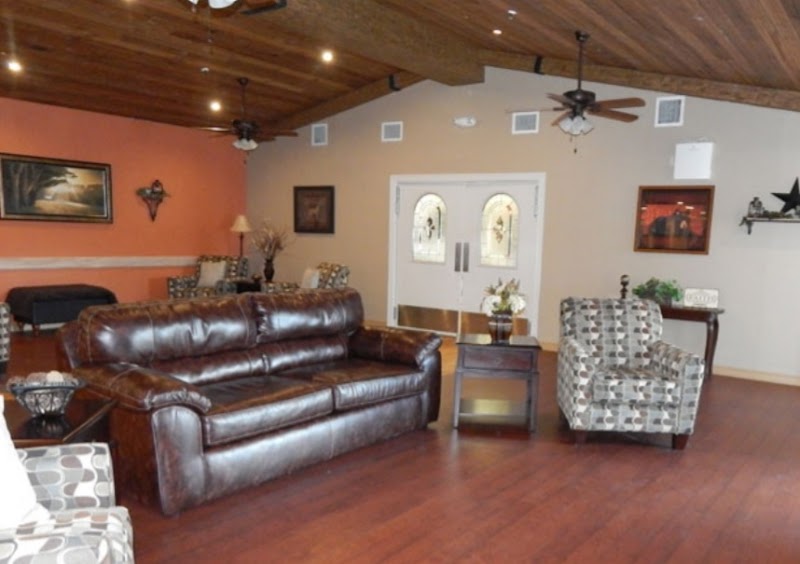
How is North County Center For Nursing And Rehabilitation Staffed?

CMS rates NORTH COUNTY CENTER FOR NURSING AND REHABILITATION's staffing level at 1 out of 5 stars, which is much below average compared to other nursing homes. Staff turnover is 67%, which is 20 percentage points above the Oklahoma average of 46%. High turnover can affect care consistency as new staff learn residents' individual needs.

What Have Inspectors Found at North County Center For Nursing And Rehabilitation?

State health inspectors documented 24 deficiencies at NORTH COUNTY CENTER FOR NURSING AND REHABILITATION during 2020 to 2025. These included: 1 Immediate Jeopardy (the most serious level, indicating potential for serious harm or death), 1 that caused actual resident harm, and 22 with potential for harm. Immediate Jeopardy findings are rare and represent the most serious regulatory concerns. They require immediate corrective action.
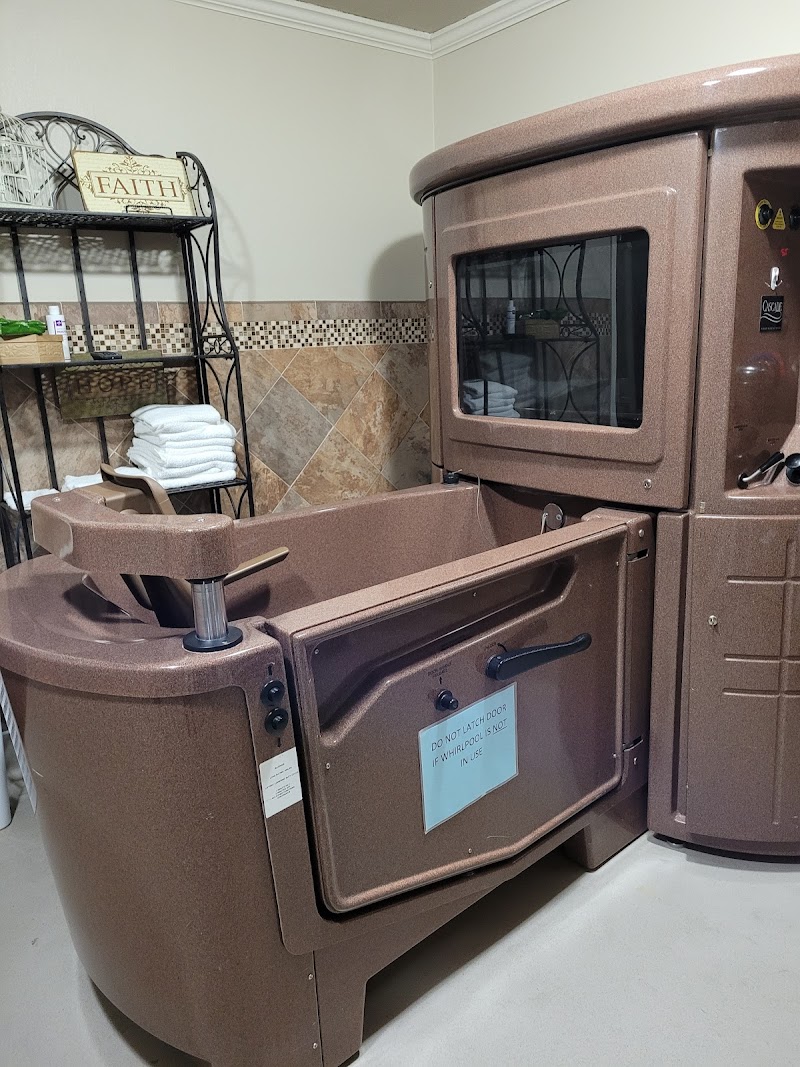
Who Owns and Operates North County Center For Nursing And Rehabilitation?

NORTH COUNTY CENTER FOR NURSING AND REHABILITATION is owned by a for-profit company. For-profit facilities operate as businesses with obligations to shareholders or private owners. The facility is operated by RIVERS EDGE OPERATIONS, a chain that manages multiple nursing homes. With 119 certified beds and approximately 42 residents (about 35% occupancy), it is a mid-sized facility located in COLLINSVILLE, Oklahoma.
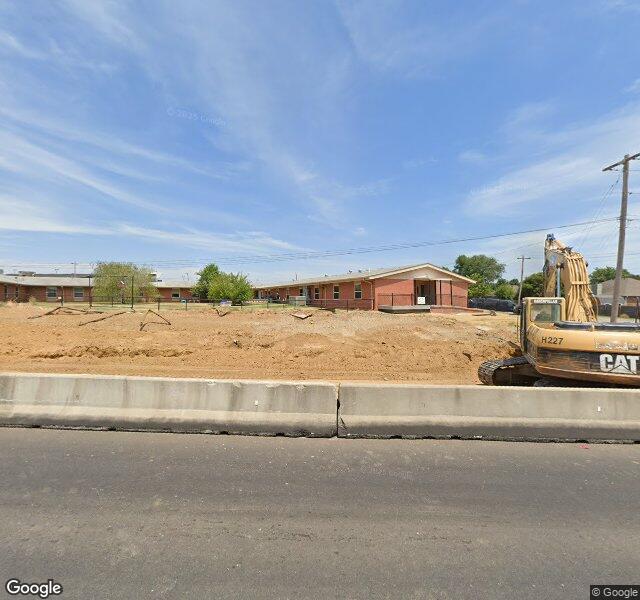
How Does North County Center For Nursing And Rehabilitation Compare to Other Oklahoma Nursing Homes?

Compared to the 100 nursing homes in Oklahoma, NORTH COUNTY CENTER FOR NURSING AND REHABILITATION's overall rating (1 stars) is below the state average of 2.6, staff turnover (67%) is significantly higher than the state average of 46%, and health inspection rating (1 stars) is much below the national benchmark.

What Should Families Ask When Visiting North County Center For Nursing And Rehabilitation?

Based on this facility's data, families visiting should ask: "What changes have been made since the serious inspection findings, and how are you preventing similar issues?" "How do you ensure continuity of care given staff turnover, and what is your staff retention strategy?" "Can you walk me through typical staffing levels on day, evening, and night shifts?" "Can I visit during a mealtime to observe dining assistance and food quality?" These questions are particularly relevant given the facility's Immediate Jeopardy citations, the facility's high staff turnover rate, and the below-average staffing rating.

Is North County Center For Nursing And Rehabilitation Safe?

Based on CMS inspection data, NORTH COUNTY CENTER FOR NURSING AND REHABILITATION has documented safety concerns. Inspectors have issued 1 Immediate Jeopardy citation (the most serious violation level indicating risk of serious injury or death). The facility has a 1-star overall rating and ranks #100 of 100 nursing homes in Oklahoma. Families considering this facility should ask detailed questions about what corrective actions have been taken since these incidents.

Do Nurses at North County Center For Nursing And Rehabilitation Stick Around?

Staff turnover at NORTH COUNTY CENTER FOR NURSING AND REHABILITATION is high. At 67%, the facility is 20 percentage points above the Oklahoma average of 46%. High turnover means new staff may not know residents' individual needs, medications, or preferences. It can also be disorienting for residents, especially those with dementia who rely on familiar faces. Families should ask: What is causing the turnover? What retention programs are in place? How do you ensure care continuity during staff transitions?

Was North County Center For Nursing And Rehabilitation Ever Fined?

NORTH COUNTY CENTER FOR NURSING AND REHABILITATION has been fined $34,128 across 2 penalty actions. The Oklahoma average is $33,420. While any fine indicates a compliance issue, fines under $50,000 are relatively common and typically reflect isolated problems that were subsequently corrected. Families should ask what specific issues led to these fines and confirm they've been resolved.

Is North County Center For Nursing And Rehabilitation on Any Federal Watch List?

NORTH COUNTY CENTER FOR NURSING AND REHABILITATION is not on any federal watch list. The most significant is the Special Focus Facility (SFF) program, which identifies the bottom 1% of nursing homes nationally based on persistent, serious quality problems. Not being on this list means the facility has avoided the pattern of deficiencies that triggers enhanced federal oversight. This is a positive indicator, though families should still review the facility's inspection history directly.