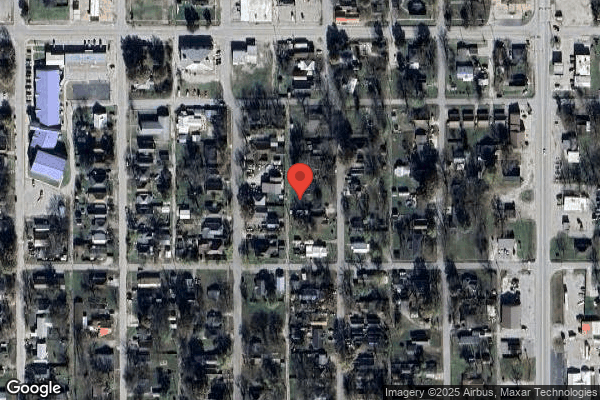
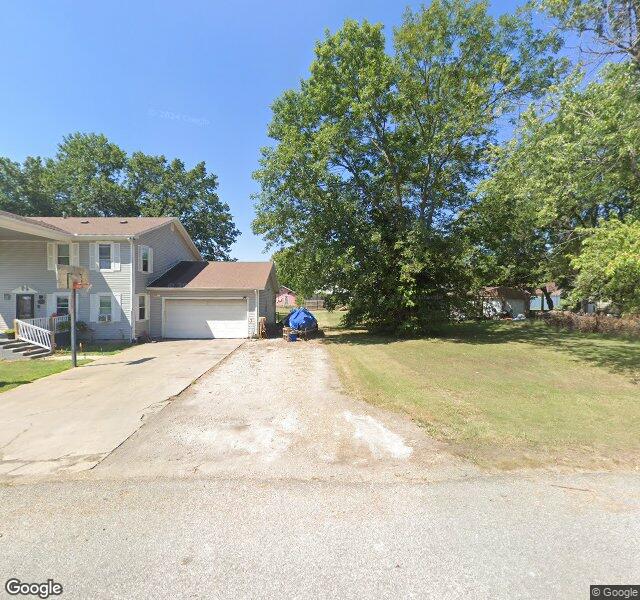
EASTWOOD MANOR

6TH AND HIGHWAY 69, COMMERCE, OK 74339 (918) 675-4455
For profit - Individual 80 Beds OKLAHOMA NURSING HOMES, LTD. Data: November 2025
Trust Grade
40/100
#155 of 282 in OK
Last Inspection: February 2025

Within standard 12-15 month inspection cycle. Federal law requires annual inspections.

Overview

Eastwood Manor has a Trust Grade of D, indicating it is below average with some significant concerns. It ranks #155 out of 282 facilities in Oklahoma, placing it in the bottom half overall, but it is #3 out of 5 in Ottawa County, meaning only two local options are worse. The facility is improving, with issues decreasing from 16 in 2023 to 7 in 2025. Staffing is a strong point, rated 4 out of 5 stars, with a turnover rate of 42%, which is better than the state average. However, the facility has incurred fines totaling $99,908, which is concerning and suggests ongoing compliance issues. In terms of RN coverage, Eastwood Manor provides more coverage than 78% of state facilities, which is beneficial for catching potential problems early. However, there are some serious deficiencies, including failing to ensure a resident received the correct amount of oxygen, which can pose a serious health risk, and not properly managing psychotropic medications for residents. These incidents highlight that while there are strengths, families should be aware of these critical issues when considering care for their loved ones.

Trust Score
D
40/100
In Oklahoma
#155/282
Bottom 46%
Safety Record
Moderate
Needs review
Inspections
Getting Better
16 → 7 violations
Staff Stability
○ Average
42% turnover. Near Oklahoma's 48% average. Typical for the industry.
Penalties
⚠ Watch
$99,908 in fines. Higher than 83% of Oklahoma facilities, suggesting repeated compliance issues.
Skilled Nurses
⚠ Watch
Each resident gets only 25 minutes of Registered Nurse (RN) attention daily — below average for Oklahoma. Fewer RN minutes means fewer trained eyes watching for problems.
Violations
⚠ Watch
23 deficiencies on record. Higher than average. Multiple issues found across inspections.
★★☆☆☆
2.0
Overall Rating
★★★★☆
4.0
Staff Levels
★☆☆☆☆
1.0
Care Quality
★★★☆☆
3.0
Inspection Score
Stable
2023: 16 issues
2025: 7 issues

The Good

  • 4-Star Staffing Rating · Above-average nurse staffing levels
  • Full Sprinkler Coverage · Fire safety systems throughout facility
  • No fines on record
  • Staff turnover below average (42%)

    6 points below Oklahoma average of 48%

Facility shows strength in staffing levels, fire safety.

The Bad

2-Star Overall Rating

Below Oklahoma average (2.6)

Below average - review inspection findings carefully

Staff Turnover: 42%

Near Oklahoma avg (46%)

Typical for the industry

Federal Fines: $99,908

Well above median ($33,413)

Moderate penalties - review what triggered them

Chain: OKLAHOMA NURSING HOMES, LTD.

Part of a multi-facility chain

Ask about local staffing decisions and management

The Ugly 23 deficiencies on record

Feb 2025 7 deficiencies
CONCERN (D)

Potential for Harm - no one hurt, but risky conditions existed

Comprehensive Assessments (Tag F0636)

Could have caused harm · This affected 1 resident

**NOTE- TERMS IN BRACKETS HAVE BEEN EDITED TO PROTECT CONFIDENTIALITY** Based on record review and interview, the facility failed to ensure an admission MDS assessment was completed within 14 days of ...

Read full inspector narrative →
**NOTE- TERMS IN BRACKETS HAVE BEEN EDITED TO PROTECT CONFIDENTIALITY** Based on record review and interview, the facility failed to ensure an admission MDS assessment was completed within 14 days of admission for 1 (#141) of 5 sampled residents reviewed for MDS assessments. The ADON reported the facility census was 36. Findings: An undated facility document titled Policy and Procedure for Frequency of Completion of MDS, read in part, This facility will fulfill its obligation of assessing new residents no later than fourteen (14) days after the date of admission, and may be amended through the twenty-first (21st) day. Resident #141 had diagnoses which included pulmonary fibrosis and diabetes mellitus. Resident #141 was admitted to the facility on [DATE]. An MDS 3.0 assessment summary did not show an admission MDS assessment had been completed for Resident #141. On 02/26/25 at 8:36 a.m., the ADON stated they were in the process of completing a significant change assessment for Resident #141 and it was not completed in 14 days as required. They also stated they should have completed an admission MDS assessment instead of a significant change MDS because the resident was a new admission.
CONCERN (D)

Potential for Harm - no one hurt, but risky conditions existed

Deficiency F0655 (Tag F0655)

Could have caused harm · This affected 1 resident

Based on record review and interview, the facility failed to ensure a baseline care plan was completed within 48 hours of admission for 1 (#141) of 5 sampled residents reviewed for unnecessary medicat...

Read full inspector narrative →
Based on record review and interview, the facility failed to ensure a baseline care plan was completed within 48 hours of admission for 1 (#141) of 5 sampled residents reviewed for unnecessary medications. The ADON reported that the facility census was 36. Findings: An undated facility document titled Policy and Procedure Regarding Resident Care Plan, read in part, Effective November 28,2017, the facility will establish and implement a baseline care plan that will be developed within 48 hours of admission. Resident #141 had diagnoses which included pulmonary fibrosis and diabetes mellitus. A review of Resident #141's medical record did show a baseline care plan had been completed. On 02/26/25 at 11:11 a.m., the ADON stated a baseline care plan could not be located for resident #141. They also stated baseline care plans should be completed within 48 hours of admission.
CONCERN (E)

Potential for Harm - no one hurt, but risky conditions existed

Comprehensive Care Plan (Tag F0656)

Could have caused harm · This affected multiple residents

Based on observation, record review, and interview, the facility failed to ensure a resident's use of continuous oxygen was included in their care plan for 1 (#7) of 2 sampled residents reviewed for r...

Read full inspector narrative →
Based on observation, record review, and interview, the facility failed to ensure a resident's use of continuous oxygen was included in their care plan for 1 (#7) of 2 sampled residents reviewed for respiratory care. The ADON identified eight residents at the facility who had orders for the use of oxygen. Findings: On 02/25/25 at 12:19 p.m., Resident #7's family member was observed informing staff that the resident's oxygen concentrator was turned off and the resident was required to have continuos oxygen. The concentrator was observed by this surveyor and found the power switch to be in the off position. On 02/26/25 at 9:36 a.m., an observation of Resident #7's oxygen concentrator found it was set to 3 liters per minute. A facility policy, titled Resident Care Plan, dated 03/27/17, read in part, The care plan will be developed with measurable goals to meet the Resident's identified medical, nursing, mental and psychosocial needs. Resident #7 had diagnoses which included chronic obstructive pulmonary disease and chronic respiratory failure with hypoxia. A Patient Care Order (Verbal Order), dated 08/29/24 at 4:32 p.m., showed Resident #7 was to be administered a continuos flow of oxygen at a rate of 2 liters every minute. A care plan focus, dated 09/11/24, showed Resident #7 had a diagnosis of chronic obstruction pulmonary disease. There were no interventions that showed the use of oxygen. On 02/26/25 at 9:20 a.m., LPN #1 stated there was no entry in the resident's care plan regarding the use of oxygen. On 02/26/25 at 9:27 a.m., ADON stated they had reviewed Resident #7's care plan and did not find any documentation regarding the use of oxygen. On 02/26/25 at 11:10 a.m., ADON stated they use temporary nursing staff and the care plan was one place they would look to find a resident's oxygen level. On 02/27/25 at 10:48 a.m., DON stated there had been a breakdown in communication in regard to the resident's oxygen order getting into the care plan and order section of the EHR.
CONCERN (E)

Potential for Harm - no one hurt, but risky conditions existed

Quality of Care (Tag F0684)

Could have caused harm · This affected multiple residents

Based on observation, record review, and interview, the facility failed to ensure a resident received the correct amount of oxygen as ordered by a physician for 1 (#7) of 2 sampled residents reviewed ...

Read full inspector narrative →
Based on observation, record review, and interview, the facility failed to ensure a resident received the correct amount of oxygen as ordered by a physician for 1 (#7) of 2 sampled residents reviewed for respiratory care. The ADON identified eight residents at the facility who had orders for the use of oxygen. Findings: On 02/25/25 at 12:19 p.m., Resident #7's family member was observed stating the resident's oxygen concentrator was turned off. The oxygen was observed to be turned off and the cannula was observed to be in place on the resident's face. On 02/26/25 at 8:25 a.m., Resident #7's oxygen concentrator was observed to be providing the resident 3.5 liters of oxygen per minute. The resident's order was for 2 liters of oxygen per minute. On 02/26/25 at 9:36 a.m., Resident #7's oxygen concentrator was observed to be providing the resident 3 liters of oxygen per minute. On 02/26/25 at 11:14 a.m., Resident #7's oxygen concentrator was observed by the ADON and this surveyor. The concentrator was working and set to 3 liters per minute. The resident's order was for 2 liters of oxygen per minute. An undated Policy and Procedure of Respiratory Care, read in part, Record oxygen therapy on treatment record: time tanks are changed, rate of flow of concentration, tolerance, chart pertinent observations. Resident #7 had diagnoses which included chronic obstructive pulmonary disease and chronic respiratory failure with hypoxia. A document titled Patient Care Order (Verbal Order), dated 08/29/24 at 4:32 p.m., showed Resident #7 was to be administered a continuos flow of oxygen at a rate of 2 liters every minute. On 02/25/25 at 12:20 p.m., a family member of Resident #7 stated the resident required oxygen at all times. On 02/26/25 at 9:20 a.m., LPN #1, stated Resident #7 was suppose to get 2 liters per minute of oxygen at all times. They were asked to look at the orders in the resident's medical record and confirm that oxygen level. After looking, LPN #1 stated they did not see an order for oxygen in the EHR. They were asked where else the level could be found and they stated the care plan. LPN #1 looked at the care plan and stated the oxygen level was not in the resident's care plan. LPN #1 stated there should be an order, then stated they recalled there was a standing order for newly admitted residents to get 2 liters of oxygen for every resident who required oxygen. They stated Resident #7 was not a new resident. They stated they did not know where the resident's order was. On 02/26/25 at 9:27 a.m., the ADON stated the order for oxygen should be in a resident's EHR in every case. They stated that is where staff look to find such orders. They were asked to find where the resident's oxygen use was care planned. They stated they had looked at the resident's care plan and there was not an entry for oxygen use. On 02/26/25 at 11:10 a.m., ADON stated they had located an order for oxygen use in Resident #7's EHR in the miscellaneous section. The order, dated 08/29/24, documented the resident was to have continuously received 2 liters of oxygen per minute. They were asked if temporary agency nurses work at the facility. The ADON stated they did. The ADON was asked where those nurses look to find the orders to follow when they care for a resident. They stated they look in the orders section of the EHR and the care plan. They stated they would not look in the miscellaneous section of the chart. On 02/27/25 at 10:48 a.m., DON stated they thought there had been a breakdown in communication in that case between the facility staff and hospice staff. They stated both had failed to take the hospice order and move it into the resident's EHR.
CONCERN (E)

Potential for Harm - no one hurt, but risky conditions existed

Medication Errors (Tag F0758)

Could have caused harm · This affected multiple residents

Based on record review and interview, the facility failed to ensure psychotropic medications ordered on an as needed basis were limited to a 14 day course for 2 (#7 and #31) of 5 sampled residents rev...

Read full inspector narrative →
Based on record review and interview, the facility failed to ensure psychotropic medications ordered on an as needed basis were limited to a 14 day course for 2 (#7 and #31) of 5 sampled residents reviewed for unnecessary medications. The ADON stated the facility had 11 residents who had PRN psychotropic medications. Findings: A Policy and Procedure for Drug Regiment Review, dated 04/10/17, read in part, The physician will document in the resident's medical record that the identified irregularity has been reviewed and what, if any action has been taken to address it. If there is no change in the medication, the physician will document his/her rationale for the decision in the resident's medical record. 1. Resident #7 had diagnoses which included anxiety disorder. A physician's order, dated 12/18/24 at 11:15 a.m., showed Resident #7 was to be administered lorazepam (antianxiety medication) 0.5mg every 4 hours as needed. The order end date was documented as, Indefinite. A pharmacy consult report, dated 12/18/24, read in part, Please evaluate and verify the desire to use 14-day rule - Lorazepam 0.5 Q4H PRN (increased risk of sedation and falls). In addition, new PRN orders are limited to 14 days and require a prescriber to evaluate the resident prior to extending the order. The report also contained the physician response to change the order to Ativan (lorazepam] 0.5mg three times daily. Resident #7's MAR for December 2024, January 2025, and February 2025 found the order for lorazepam 0.5mg every 4 hours as needed remained on the documents. The February 2025 MAR documented the resident received two doses of the medication on 02/19/25 and 02/20/25. 2. Resident #31 had diagnoses which included insomnia. A physician's order, dated 05/24/24 at 3:00 p.m., showed Resident #31 was to be administered temazepam (hypnotic medication) 15mg every 24 hours as needed. The order end date was documented as, Indefinite. A pharmacy consult report, dated 05/27/24, read in part, Please evaluate and verify the desire to use 14-day rule - Temazepam 15 Q 24H PRN (increased risk of sedation and falls). In addition, new PRN orders are limited to 14 days and require a prescriber to evaluate the resident prior to extending the order. The report also contained the physician response that read, [They] does not sleep well. The physician did not document a rationale why the medication should have remained a PRN order or an end date. A pharmacy consult report, dated 06/27/24, read in part, Temazepam 15mg Q 24H PRN - Please note orders for PRN psychotropics are limited to 14 days then reassess . The area of the form for a physician to respond to the pharmacists report was blank. The MAR entries for the dates on and between 08/01/24 and 02/27/25 were reviewed. The MAR showed Resident #31 had received 81 doses of the medication during the reviewed time period. On 02/27/25 at 9:13 a.m., the ADON stated they had reviewed the pharmacy consult reports for the Resident #7 and #31 and did not find any where the physician had addressed the rationale for extending PRN medications beyond 14 days or where they may have given an end date. The ADON stated it was the facility's expectation physicians would address pharmacy consult reports and provide the required rationales or other response required. On 02/27/25 at 9:15 a.m., the DON stated they understood that in regards to Resident #7 and #31 the responses to the pharmacist consultation reports did not meet regulatory requirements and a rationale and end date for the PRN psychotropics should have been provided.
CONCERN (E)

Potential for Harm - no one hurt, but risky conditions existed

Food Safety (Tag F0812)

Could have caused harm · This affected multiple residents

Based on observation, record review, and interview, the facility failed to: a. ensure the dish machine temperature and sanitizer concentration were monitored and logged daily; b. open containers of fo...

Read full inspector narrative →
Based on observation, record review, and interview, the facility failed to: a. ensure the dish machine temperature and sanitizer concentration were monitored and logged daily; b. open containers of food were labeled with an opened on date; c. food was not stored on the floor; and d. food storage temperatures were documented. The ADON reported 36 residents received meals from the kitchen. Findings: On 02/25/25 at 8:20 a.m., an initial tour of the kitchen was conducted. The following observations were made: a. the Dish Machine Monthly Check Sheet, dated 02/25, had no documented temperatures or chemical concentrations since 02/19/25; b. open containers of 2% milk, cranberry juice, mayonnaise, and ketchup were observed in a refrigerator without documentation of the date they were opened; d. a large bag of blueberry muffin mix was observed on the floor in the storage room; and c. the Regular/Pureed Meal Temperature Log, dated 02/25 did not document the holding temperatures of meals served on 02/20/25, 02/21/25, 02/22/25, 02/23/25, or 02/24/25. On 02/26/25 at 11:52 a.m., the DM stated the dish machine temperature and chemical concentration should be completed three times a day. They also stated food items should be labeled with a date the items were opened. The DM stated food holding temperatures should be monitored and recorded for each meal and food should not be stored on the floor.
CONCERN (E)

Potential for Harm - no one hurt, but risky conditions existed

Infection Control (Tag F0880)

Could have caused harm · This affected multiple residents

Based on observation, record review, and interview, the facility failed to ensure catheter bags were not on the floor for 1 (#141) of 1 sampled resident reviewed for urinary catheters. The ADON report...

Read full inspector narrative →
Based on observation, record review, and interview, the facility failed to ensure catheter bags were not on the floor for 1 (#141) of 1 sampled resident reviewed for urinary catheters. The ADON reported one resident used a urinary catheter. Findings: On 02/26/25 at 3:44 p.m., CNA #1 and LPN #1 were observed providing catheter care for Resident #141. Upon entering the room, Resident 141's catheter bag was observed on the floor. During catheter care CNA #1 picked the catheter bag up off the floor, moved it over and set it back on the floor. After catheter care was completed LPN #1 was observed to hang the catheter bag off the floor. On 02/27/25 at 10:20 a.m., Resident #141's catheter bag was observed laying on the floor under the resident's bed. An undated facility document titled Catheter Care Policy, read in part, Avoid letting the drainage bag touch the floor. Resident #141 had diagnoses which included diabetes mellitus and urinary tract infection. A care plan, initiated on 02/24/25, showed Resident #141 had an indwelling urinary catheter. On 02/26/25 at 4:00 p.m., CNA #1 stated the catheter bag should not be on the floor, and they should have hung it back up when they noticed it was on the floor. On 02/26/25 at 4:01 p.m., LPN #1 stated catheter bags should not be on the floor. On 02/27/25 at 9:45 a.m., the ADON stated catheter bags should not be on the floor.
Dec 2023 9 deficiencies
CONCERN (D)

Potential for Harm - no one hurt, but risky conditions existed

Resident Rights (Tag F0550)

Could have caused harm · This affected 1 resident

Based on observation and interview, the facility failed to ensure that catheter bags were covered for one (#1) of one resident reviewed for urinary catheters. The DON reported three residents in the f...

Read full inspector narrative →
Based on observation and interview, the facility failed to ensure that catheter bags were covered for one (#1) of one resident reviewed for urinary catheters. The DON reported three residents in the facility had urinary catheters. Findings: Resident #1 had diagnoses including neuromuscular dysfunction of bladder and hypertension. An annual assessment, dated 11/14/23, documented the resident had severe cognitive impairment and was always incontinent. On 12/14/23 at 12:20 p.m., Resident #1 was observed attending a Christmas activity in the common area of the facility. A catheter bag was observed to be hanging under the resident's chair; the bag was not covered. On 12/14/23 at 12:37 p.m., Resident #1 was observed in the dining room. A catheter bag was observed to be hanging under the resident's chair; the bag was not covered. On 12/18/23 at 10:04 a.m., the ADON stated catheter bags should be covered. On 12/19/23 at 9:04 a.m., the DON stated catheter bags should be covered with a dignity bag.
CONCERN (D)

Potential for Harm - no one hurt, but risky conditions existed

Deficiency F0657 (Tag F0657)

Could have caused harm · This affected 1 resident

Based on record review and interview the facility failed to revise a care plan for one (#31) of 14 sampled residents reviewed for care plans. A CMS-671, dated 12/15/23, documented 35 residents resided...

Read full inspector narrative →
Based on record review and interview the facility failed to revise a care plan for one (#31) of 14 sampled residents reviewed for care plans. A CMS-671, dated 12/15/23, documented 35 residents resided in the facility. Findings: The facility's Resident Care Plan policy, revised date 03/27/17, read in part, .The comprehensive care plan will be reviewed and updated by the IDT after each quarterly and annual assessment thereafter . Resident #31 had diagnoses which included age-related physical debility and depression. A physician order, dated 07/10/23, documented the resident was to be weighed monthly. An admission assessment, dated 07/17/23, documented in the behavioral section the resident rejected care one to three days during the assessment period. A review of the resident's medical record found two weights had been recorded since admission. On 07/10/23 the residents weight was recorded as 175.0 pounds and on 09/27/23 the weight was recorded as 140.0 pounds. A review of the resident's current comprehensive care plan, revised date 10/20/23, did not find a focus or goal dedicated to rejection of care. The care plan had a focus and goals regarding nutrition with the related interventions to offer health shakes if the resident eats less that 50% of meals and to weight the resident monthly and record the weights in the medical record. A nutrition/dietary note, dated 11/07/23, documented the resident refused to have their weight measured. A physician order, dated 11/30/23, documented the resident was to received a house supplement [health shake] with each meal. A nutrition/dietary note, dated 12/05/23, documented the resident refused to have their weight measured. On 12/14/23 at 11:01 a.m., a resident representative stated the resident was only drinking health shakes and refusing to eat offered meals and they believed that was causing weight loss. On 12/18/23 at 10:52 a.m., the ADON stated when rejection of care had triggered on the admission assessment, dated 07/17/23, a focus, goal, and interventions should have been created in the resident's comprehensive care plan. They stated the rejection of meals, measurement of weights, and the correct order for health shakes should have been added to the care plan.
CONCERN (D)

Potential for Harm - no one hurt, but risky conditions existed

Incontinence Care (Tag F0690)

Could have caused harm · This affected 1 resident

Based on record review, and interview, the facility failed to ensure that a physician order was obtained for a urinary catheter for one (#1) of one resident reviewed for urinary catheters. The DON rep...

Read full inspector narrative →
Based on record review, and interview, the facility failed to ensure that a physician order was obtained for a urinary catheter for one (#1) of one resident reviewed for urinary catheters. The DON reported three residents in the facility had urinary catheters. Findings: Resident #1 had diagnoses including neuromuscular disfunction of bladder and hypertension. An annual assessment, dated 11/14/23, documented the resident had severe cognitive impairment and was always incontinent. On 12/18/23 at 10:04 a.m., the ADON stated they were unable to locate a physician order for Resident #1's catheter and that they would contact the physician and obtain an order immediately.
CONCERN (D)

Potential for Harm - no one hurt, but risky conditions existed

Infection Control (Tag F0880)

Could have caused harm · This affected 1 resident

Based on observation and interview, the facility failed to ensure that catheter bags were not touching the floor for one (#1) of one resident reviewed for urinary catheters. The DON reported three res...

Read full inspector narrative →
Based on observation and interview, the facility failed to ensure that catheter bags were not touching the floor for one (#1) of one resident reviewed for urinary catheters. The DON reported three residents in the facility had urinary catheters. Findings: An undated facility policy titled Catheter Care Policy, read in part, .Avoid letting drainage bag touch the floor . Resident #1 had diagnoses including neuromuscular disfunction of bladder and hypertension. An annual assessment, dated 11/14/23, documented the resident had severe cognitive impairment and was always incontinent. On 12/14/23 at 12:20 p.m., Resident #1 was observed attending a Christmas activity in the common area of the facility. A catheter bag was observed to be hanging under the resident's chair; the bag was dragging the ground. On 12/14/23 at 12:37 p.m., Resident #1 was observed in the dining room. A catheter bag was observed to be hanging under the resident's chair; the bag was dragging the ground. On 12/14/23 at 1:52 p.m., the resident was observed in their room sitting in their recliner, the catheter bag was attached to the chair and partially resting on the floor. On 12/19/23 at 10:04 a.m., the ADON stated catheters bags should be covered and off the ground. On 12/19/23 at 9:04 a.m. the DON stated catheter bags should be off the ground at all times.
CONCERN (D)

Potential for Harm - no one hurt, but risky conditions existed

Deficiency F0909 (Tag F0909)

Could have caused harm · This affected 1 resident

Based on observation and interview the facility failed to conduct regular inspections of resident beds for one (#25) of sixteen sampled residents reviewed for safety hazards. A CMS-671, dated 12/15/2...

Read full inspector narrative →
Based on observation and interview the facility failed to conduct regular inspections of resident beds for one (#25) of sixteen sampled residents reviewed for safety hazards. A CMS-671, dated 12/15/23, documented 35 residents resided in the facility. Findings: On 12/14/23 at 2:22 p.m., an electrical chord running from a wall outlet to the resident's bed was observed to be cracked and taped. The resident pointed out the chord and stated that could be a problem. On 12/19/23 at 9:33 a.m., the maintenance supervisor stated they had been working at the facility for one and a half years and had not done any routine bed inspections. They stated they would check beds if someone told them there was a problem.
CONCERN (E)

Potential for Harm - no one hurt, but risky conditions existed

Deficiency F0655 (Tag F0655)

Could have caused harm · This affected multiple residents

**NOTE- TERMS IN BRACKETS HAVE BEEN EDITED TO PROTECT CONFIDENTIALITY** Based on record review and interview, the facility failed to ensure base line care plans were completed for two (#88, and #89) o...

Read full inspector narrative →
**NOTE- TERMS IN BRACKETS HAVE BEEN EDITED TO PROTECT CONFIDENTIALITY** Based on record review and interview, the facility failed to ensure base line care plans were completed for two (#88, and #89) of twelve sampled residents reviewed for base line care plans. A CMS-671, dated 12/15/23, documented 35 residents resided in the facility. Findings: A policy and procedure titled Resident Care Plan, revised date 03/27/17, read in part, .The facility will insure that upon admission, each resident will receive an initial care plan that identified the basic care needs such as toileting, bathing, nourishment, personal hygiene, fall prevention, wound prevention, and medical care . 1. Resident #88 had diagnoses which included acute respiratory failure, atherosclerotic heart disease, and chronic combined systolic and diastolic heart failure. The resident was admitted to the facility on [DATE]. A review of Resident #88's medical record did not find a base line care plan. The resident was admitted to the facility on [DATE]. 2. Resident #89 had diagnoses which included atrioventricular block, cardiac arrhythmia, and developmental disorder of speech and language. A review of Resident #88's medical record did not find a base line care plan. On 12/15/23 at 11:58 a.m., the ADON stated the base line care plans for Residents #88 and #89 had not been done. They stated it had been their job to create the base line care plans when each had been admitted but their creation had been overlooked.
CONCERN (E)

Potential for Harm - no one hurt, but risky conditions existed

Comprehensive Care Plan (Tag F0656)

Could have caused harm · This affected multiple residents

Based on record review and interview, the facility failed to fully develop comprehensive care plans for two (#28 and #31) of fourteen residents reviewed for care plans. The DON reported the facility c...

Read full inspector narrative →
Based on record review and interview, the facility failed to fully develop comprehensive care plans for two (#28 and #31) of fourteen residents reviewed for care plans. The DON reported the facility census was 35. Findings: The facility's Resident Care Plan policy, revised date 03/27/17, read in part, .The care plan will be developed with measurable goals to meet the Resident's identified medical, nursing, mental and psycho-social needs. It will include any services that are identified as needed to be provided and any services the Resident refuses or chooses not to receive . 1. Resident #28 had diagnoses which included dementia and hypertension. A significant change assessment, dated 8/7/23, documented Resident #28 had moderately impaired cognition and required extensive assistance from staff. A physician order, dated 08/07/23, documented the resident was admitted to hospice care. A review of the resident's comprehensive care plan did not document hospice care had been incorporated into the resident's comprehensive plan of care. On 12/18/23 at 10:00 a.m., the ADON stated that hospice care should be included in a resident's plan of care. On 12/19/23 at 9:00 a.m., the DON stated hospice care should be included on the resident's comprehensive care plan. 2. Resident #31 had diagnoses which included age-related physical debility and depression. An admission assessment, dated 07/17/23, documented in the behavioral section the resident rejected care one to three days during the assessment period. A review of the resident's current comprehensive care plan, revised date 10/20/23, did not find a focus or goal dedicated to rejection of care. On 12/18/23 at 10:52 a.m., the ADON stated when rejection of care had triggered on the admission assessment, dated 07/17/23, a focus, goal, and interventions should have been created in the resident's comprehensive care plan.
CONCERN (E)

Potential for Harm - no one hurt, but risky conditions existed

Deficiency F0726 (Tag F0726)

Could have caused harm · This affected multiple residents

**NOTE- TERMS IN BRACKETS HAVE BEEN EDITED TO PROTECT CONFIDENTIALITY** Based on record review and interview the facility failed to ensure that a physician order was clarified and administered for one...

Read full inspector narrative →
**NOTE- TERMS IN BRACKETS HAVE BEEN EDITED TO PROTECT CONFIDENTIALITY** Based on record review and interview the facility failed to ensure that a physician order was clarified and administered for one (#1) of one resident reviewed for following physician orders. The DON reported the census was 35. Findings: Resident #1 had diagnoses including neuromuscular disfunction of bladder and hypertension. An annual assessment, dated 11/14/23, documented the resident had severe cognitive impairment and was always incontinent. A physician order, dated 12/10/23, documented Meropenem Intravenous Solution Reconstituted 1 GM (Meropenem) Use 1000 mg intravenously every 12 hours every 5 days . A treatment administration record for December 2023 documented Meropenem was administered at 9:00 p.m. on 12/10/23, this was the only dose documented to be administered or held on the MAR or TAR. On 12/18/23 at 12:06 p.m., the ADON displayed 3 doses of meropenem and stated they had ordered ten doses from the pharmacy so 7 doses had been administered to the resident. On 12/18/23 at 12:53 p.m., RN #1 stated they were on duty when Resident #1 returned from the hospital on [DATE] and that they put in the order for meropenem as every 12 hours every 5 days when it should have been every 12 hours for 5 days. They also stated that they informed the oncoming nurse of this but did not change the order. On 12/18/23 at 1:00 p.m., LPN #1 stated they noticed the order on 12/13/23 and spoke with the ADON about it but did not contact the physician to clarify. They also stated they were unable to administer the medicine because Resident #1 had pulled out their IV. They did document the medicine was held on the MAR or TAR. On 12/19/23 at 08:38 a.m. RN #2 stated they had administered a dose of meropenem. They also stated they did not contact the physician for clarification, and they did not document the medicine was given on the MAR or TAR. On 12/19/23 at 9:00 a.m., the DON stated if a nurse had a question about an order the physician should be contacted and that all medications that were given or held should be documented on the MAR or TAR.
CONCERN (E)

Potential for Harm - no one hurt, but risky conditions existed

Deficiency F0760 (Tag F0760)

Could have caused harm · This affected multiple residents

**NOTE- TERMS IN BRACKETS HAVE BEEN EDITED TO PROTECT CONFIDENTIALITY** Based on observation, record review, and interview the facility failed to ensure a resident's digoxin and diltiazem were not wit...

Read full inspector narrative →
**NOTE- TERMS IN BRACKETS HAVE BEEN EDITED TO PROTECT CONFIDENTIALITY** Based on observation, record review, and interview the facility failed to ensure a resident's digoxin and diltiazem were not withheld without a physician's orders for one (#5) of nine sampled residents reviewed for medications administration. A CMS-671, dated 12/15/23, documented 35 residents resided in the facility. Findings: Resident #5 had diagnoses which included acute on chronic combined systolic and diastolic congestive heart failure and chronic atrial fibrillation. A physician's order, dated 11/07/23, documented the resident was to be administered diltiazem HCl ER coated beads oral capsule extended release 24 hour 240 mg one time in the morning related to essential hypertension. The order did not document any blood pressure parameters which would indicate wether to administer or hold the medication. A physician's order, dated 11/07/23, documented the resident was to be administer digoxin oral tablet 125 mcg by mouth once in the morning related to essential hypertension. The order did not document heart rate parameters which would indicate wether to administer or hold the medication. A medication administration record, dated 11/01/23 through 11/30/23, documented digoxin 125 mcg was not administered to Resident #5 on 11/21/23 and 11/29/23 because the vitals signs were outside of parameters to administer. The record also documented diltiazem HCl ER 240 mg was not administered to Resident #5 on 11/21/23, 11/24/23, and 11/29/23 because the vitals signs were outside of parameters to administer. The record did not document vital sign parameters for either medication. A medication administration record, dated 12/01/23 through 12/31/23, documented digoxin 125 mcg was not administered to Resident #5 on 12/01/23, 12/04/23, 12/06/23, 12/07/23, 12/10/23, 12/11/23, 12/12/23, 12/13/23, 12/14/23, 12/15/23, 12/16/23, 12/17/23, and 12/18/23 because the vital signs were outside of parameters to administer. The record also documented diltiazem HCl ER 240 mg was not administered to Resident #5 on 12/01/23, 12/04/23, 12/06/23, 12/07/23, 12/10/23, 12/11/23, 12/12/23, 12/14/23, 12/15/23, 12/16/23, 12/17/23, and 12/18/23 because the vital signs were outside of parameters to administer. The record did not document vital sign parameters for either medication. On 12/18/23 at 9:00 a.m., CMA #1 was observed administering medications to Resident #5. CMA #1 measured the resident blood pressure and pulse. They then stated the resident's vital signs were too low to administer the resident's prescribed digoxin and diltiazam. They then administered the resident's other medications and moved on to the next resident. On 12/19/23 at 8:08 a.m., the ADON stated they did not see any vital sign parameters in the orders for Resident #5's digoxin or diltiazem orders. They stated they believed the CMA's may have recalled parameters for those medications for previous residents and were going by memory. At 8:51 a.m., CMA #2 stated they had not administered Resident #5's medication yet that day. They reviewed the digoxin and diltiazem orders and stated they did not see vital sign parameters for the medications. They stated they knew from CMA training and experience that if a pulse was below 60 beats per minute they would hold those medications. At 9:04 a.m. the DON stated the two medication should each have vital sign parameters for holding. They stated they were unaware they did not. They stated their expectation is that a CMA would inform a nurse anytime they were [NAME] to hold a medication especially without parameters. At 11:56 a.m., the ADON stated there was no order for digoxin levels for Resident #5 and there was no documentation in their medical record that digoxin levels had been obtained from Resident #5 since admission. At 12:03 p.m., the DON stated digoxin needed to be in a certain level in the blood stream to be effective. They stated they currently did not have a process to ensure someone on digoxin also had an order for the appropriate lab work. They stated there were no other current residents prescribed digoxin at that time.
Mar 2023 7 deficiencies
CONCERN (D) 📢 Someone Reported This

A family member, employee, or ombudsman was alarmed enough to file a formal complaint

Potential for Harm - no one hurt, but risky conditions existed

Deficiency F0582 (Tag F0582)

Could have caused harm · This affected 1 resident

Based on record review and interview, the facility failed to ensure beneficiary notices were provided to three (#6, 8, and #88) of three sampled residents who were reviewed for beneficiary notices. Th...

Read full inspector narrative →
Based on record review and interview, the facility failed to ensure beneficiary notices were provided to three (#6, 8, and #88) of three sampled residents who were reviewed for beneficiary notices. The Entrance Conference Worksheet identified 30 residents who had been discharged from a Medicare covered part A stay, with benefit days remaining, in the past six months. Findings: 1. The SNF Beneficiary Protection Notification Review form documented Resident #6 participated in a Medicare part A stay from 09/08/22 through 09/30/22 and remained in the facility. The form documented an ABN Form CMS-10055 had not been provided because they remained in the facility as a long term care resident. The form documented the resident had not received a NOMNC Form CMS-10123 because CMS had not issued the form to the resident. 2. The SNF Beneficiary Protection Notification Review form documented Resident #8 participated in a Medicare part A stay from 09/14/22 through 10/18/22 and remained in the facility. The form documented an ABN Form CMS-10055 had not been provided because they remained in the facility as a long term care resident. The form documented the resident had not received a NOMNC Form CMS-10123 because CMS had not issued the form to the resident. 3. The SNF Beneficiary Protection Notification Review form documented Resident #88 participated in a Medicare part A stay from 01/09/23 through 02/16/23 and the facility had initiated a discharge home with home health. The form documented the resident had not received a NOMNC Form CMS-10123 because CMS had not issued the form to the resident. On 03/08/23 at 10:31 a.m., the social services director was asked who was responsible to ensure beneficiary notices were provided to residents as indicated. They stated they were responsible and prior to them the former ADON had been responsible. They stated NOMNC forms were faxed to the facility. They were asked who faxed the NOMNC forms to the facility. The social services director stated they assumed CMS sent the forms. The social services director was asked why Resident #6 and Resident #8 had not been provided ABN forms CMS-10055. They stated they did not know. They stated the former ADON should have provided the forms. The social services director was asked who initiated the discharges for Resident #6, Resident #8, and Resident #88. They stated the facility had initiated the discharge when the residents had completed their skilled stays. The social services director was asked why NOMNC forms CMS-10123 had not been provided for Resident #6, Resident #8, and Resident #88. They stated CMS had not sent the NOMNC forms for the residents. On 03/08/23 at 10:37 a.m., the administrator was asked why ABN forms CMS-10055 had not been provided to Resident #6 and Resident #8. They stated the residents should have been provided the forms. The administrator was asked why NOMNC forms had not been provided to Resident #6, Resident #8, or Resident #88. The administrator stated they did not know. The administrator was asked why the SNF Beneficiary Protection Notification Review forms documented CMS had not provided the forms to the residents. The administrator stated they did not think the social services had understood who was to provide the forms to the residents. They stated they should have provided ABN and NOMNC forms as indicated.
CONCERN (D)

Potential for Harm - no one hurt, but risky conditions existed

Deficiency F0657 (Tag F0657)

Could have caused harm · This affected 1 resident

2. Resident #21 was admitted with diagnoses which included fracture of left humerus and cerebral infarction. A Care Plan for Resident #21, dated 03/04/23, revealed the bed rails were not addressed. On...

Read full inspector narrative →
2. Resident #21 was admitted with diagnoses which included fracture of left humerus and cerebral infarction. A Care Plan for Resident #21, dated 03/04/23, revealed the bed rails were not addressed. On 03/06/23 at 3:30 p.m., Resident #21 was observed sitting on the side of their bed. The bed was observed to have a half rail. The bed rail was observed to be raised up approximately six inches on the front end but not the back end. Resident #21 was asked if they used the rail. The resident stated yes because they had wild dreams and it kept them in the bed. Resident #21 was asked if they had fallen out of bed. They stated yes. On 03/08/23 at 10:43 a.m., the administrator was asked what the protocol was for residents with bed rails. They stated they thought they had removed the bed rails. The administrator stated they had ordered u-rails for positioning on 03/01/23 and did not allow bed rails. The administrator stated therapy had been using them for residents who needed help positioning. The administrator was asked how long the rails had been on the beds. They stated about a month. On 03/09/23 at 1:57 p.m., the care plan nurse was asked who was responsible to ensure comprehensive care plans were updated. They stated they were. The care plan nurse was asked why bed rails were not care planned and the care plans not revised. They stated they did not know they were to do care plan revisions until they had been trained in December 2022. They stated they did not know the residents had bed rails. Based on record review and interview, the facility failed to ensure care plans were revised to reflect the residents' current status regarding bed rails for two (#21 and #26) of two sampled residents whose care plans were reviewed regarding bed rails. The administrator identified five residents who utilized bed rails. Findings: The Resident Care Plan policy, dated 03/27/17, read in part, .The comprehensive plan of care will be reviewed and updated by the IDT after each quarterly and annual assessment thereafter . 1. Resident #26 had diagnoses which included cerebral infarction and muscle weakness. The quarterly assessment, dated 12/16/22, documented the resident was moderately impaired in cognition for daily decision making. Review of the Care Plan for Resident #26, revised 01/03/23, did not reveal the care plan had been updated to reflect the use of bed rails. On 03/06/23 at 12:30 p.m., Resident #26 was observed laying in bed. The left side of the bed was observed to be next to the wall and the right side of the bed was observed to have a half side rail in use. Resident #26 was asked why they had a half bed rail on their bed. They stated their family wanted a bed rail so they would not fall out of bed. Resident #26 stated they had never fallen out of bed they just did not want to get too close to the edge.
CONCERN (D)

Potential for Harm - no one hurt, but risky conditions existed

Deficiency F0700 (Tag F0700)

Could have caused harm · This affected 1 resident

Based on record review, observation, and interview, the facility failed to ensure residents were assessed and monitored for the use of bed rails for two (#21 and #26) of two sampled residents who were...

Read full inspector narrative →
Based on record review, observation, and interview, the facility failed to ensure residents were assessed and monitored for the use of bed rails for two (#21 and #26) of two sampled residents who were reviewed for bed rails. The administrator identified five residents utilized bed rails. Findings: An undated facility policy titled, Policy and Procedure on Chemical and Physical Restraints read in parts, .When restraints are used .for the purpose of positioning the resident, the resident and/or the resident's representative will be informed of the risks and benefits of the use of the restraint. A signed written informed consent will be obtained .The charge nurse will obtain a written physician's order .The facility will complete a pre-restraint assessment .as well as other assessments data supporting the need for the restraint .Circumstances requiring the restraint .will be re-evaluated and documented on the Restraint/Positioning Device Assessment at least monthly . 1. Resident #21 was admitted with diagnoses which included fracture of left humerus and cerebral infarction. A review of nursing assessments for Resident #21 did not reveal a Restraint/Positioning Device Assessment had been completed. A review of the clinical record for Resident #21 did not reveal a signed, written, informed consent had been completed for restraints. A Care Plan for Resident #21, dated 03/04/23, revealed the bed rails were not addressed. On 03/06/23 at 3:30 p.m., Resident #21 was observed sitting on the side of their bed. The bed was observed to have a half rail. The bed rail was observed to be raised up approximately six inches on the front end but not the back end. Resident #21 was asked if they used the rail. The resident stated yes because they had wild dreams and it kept them in the bed. Resident #21 was asked if they had fallen out of bed. They stated yes. 2. Resident #26 had diagnoses which included cerebral infarction and muscle weakness. The quarterly assessment, dated 12/16/22, documented the resident was moderately impaired in cognition for daily decision making. On 03/06/23 at 12:30 p.m., Resident #26 was observed laying in bed. The left side of the bed was observed to be next to the wall and the right side of the bed was observed to have a half side rail in use. Resident #26 was asked why they had a half bed rail on their bed. They stated their family wanted a bed rail so they would not fall out of bed. Resident #26 stated they had never fallen out of bed they just did not want to get too close to the edge. Review of the EMR, including assessments, physician orders, care plan, and progress notes, did not reveal the resident utilized bed rails. On 03/08/23 at 10:43 a.m., the administrator was asked what the protocol was for residents with bed rails. They stated they thought they had removed the bed rails. The administrator stated they had ordered u-rails for positioning on 03/01/23 and did not allow bed rails. The administrator stated therapy had been using them for residents who needed help positioning. The administrator was asked how long the rails had been on the beds. They stated about a month.
CONCERN (D)

Potential for Harm - no one hurt, but risky conditions existed

Deficiency F0727 (Tag F0727)

Could have caused harm · This affected 1 resident

Based on record review and interview, the facility failed to ensure RN coverage was provided eight hours per day seven days a week for eight days (09/03/22, 09/17/22, 10/15/22, 10/29/22, 11/26/22, 12/...

Read full inspector narrative →
Based on record review and interview, the facility failed to ensure RN coverage was provided eight hours per day seven days a week for eight days (09/03/22, 09/17/22, 10/15/22, 10/29/22, 11/26/22, 12/10/22, 12/24/22, and 12/25/22) of 14 days reviewed. The Resident Census and Conditions of Residents form, dated 03/06/23, documented 36 residents resided in the facility. Findings: The CMS PBJ reports, for Quarter one and Quarter four, documented the facility failed to provide RN coverage as listed below: Q1 missing RN hours for the dates; 10/15/22, 10/29/22, 11/26/22, 12/10/22, 12/24/22, 12/25/22; and Q4 missing RN hours for the dates; 07/09/22, 08/20/22, 09/03/22, and 09/17/22. A review of the facility weekly nursing schedules revealed no RN coverage for the following dates/quarters: Q4-09/03/22 no RN coverage; Q4-09/17/22 no RN coverage; Q1-10/15/22 no RN coverage; Q1-10/29/22 no RN coverage; Q1-11/26/22 no RN coverage; Q1-12/10/22 no RN coverage; Q1-12/24/22 no RN coverage; and Q1-12/25/22 no RN coverage. On 03/09/23 at 1:30 p.m., the administrator was asked if the facility had RN coverage for the above listed dates. They stated they would need to check. On 03/09/23 at 1:51 p.m., the administrator stated they did not have anything to show they had RN coverage for the dates provided.
CONCERN (D)

Potential for Harm - no one hurt, but risky conditions existed

Deficiency F0909 (Tag F0909)

Could have caused harm · This affected 1 resident

Based on record review, observation, and interview, the facility failed to ensure bed rails were monitored and assessed for safety for two (#21 and #26) of two sampled residents who were reviewed for ...

Read full inspector narrative →
Based on record review, observation, and interview, the facility failed to ensure bed rails were monitored and assessed for safety for two (#21 and #26) of two sampled residents who were reviewed for the use of bed rails. The administrator identified five residents who had bed rails. Findings: An undated facility policy titled, Policy and Procedure on Chemical and Physical Restraints read in parts, .When restraints are used .for the purpose of positioning the resident, the resident and/or the resident's representative will be informed of the risks and benefits of the use of the restraint. A signed written informed consent will be obtained .The charge nurse will obtain a written physician's order .The facility will complete a pre-restraint assessment .as well as other assessments data supporting the need for the restraint .Circumstances requiring the restraint .will be re-evaluated and documented on the Restraint/Positioning Device Assessment at least monthly . 1. Resident #21 had diagnoses which included fracture of left humerus and cerebral infarction. On 03/06/23 at 3:30 p.m., Resident #21 was observed sitting on the side of their bed. The bed was observed to have a half rail. The bed rail was observed to be raised up approximately six inches on the front end but not the back end. Resident #21 was asked if they used the rail. The resident stated yes because they had wild dreams and it kept them in the bed. Resident #21 was asked if they had fallen out of bed. They stated yes. 2. Resident #26 had diagnoses which included cerebral infarction and muscle weakness. The quarterly assessment, dated 12/16/22, documented the resident was moderately impaired in cognition for daily decision making. On 03/06/23 at 12:30 p.m., Resident #26 was observed laying in bed. The left side of the bed was observed to be next to the wall and the right side of the bed was observed to have a half side rail in use. Resident #26 was asked why they had a half bed rail on their bed. They stated their family wanted a bed rail so they would not fall out of bed. Resident #26 stated they had never fallen out of bed they just did not want to get too close to the edge. On 03/08/23 at 11:00 a.m., the maintenance supervisor was asked how they ensured bed rails were applied safely and properly. They stated they ensured the bed rails are put on correctly and tight. They were asked how often they assessed the bed rails. They stated if one of the aides told them to look at the bed rail or that the bed rails were loose, they would look at them. The maintenance supervisor was asked where they documented the bed rails were assessed. They stated the staff usually wrote on the board what was needed and the maintenance staff would date it when it was completed. The maintenance supervisor was asked what they did with the paper when it was completed. They stated they threw it away. On 03/08/23 at 10:43 a.m., the administrator was asked what the protocol was for residents with bed rails. They stated they thought they had removed the bed rails. The administrator stated they had ordered u-rails for positioning on 03/01/23 and did not allow bed rails. The administrator stated therapy had been using them for residents who needed help positioning. The administrator was asked how long the rails had been on the beds. They stated about a month.
CONCERN (D)

Potential for Harm - no one hurt, but risky conditions existed

Safe Environment (Tag F0921)

Could have caused harm · This affected 1 resident

Based on observation and interview, the facility failed to ensure proper storage of equipment/furniture to maintain a safe and comfortable environment for one (the new wing) common area of three commo...

Read full inspector narrative →
Based on observation and interview, the facility failed to ensure proper storage of equipment/furniture to maintain a safe and comfortable environment for one (the new wing) common area of three common areas observed. The facility map identified three common areas in the facility. Findings: On 03/06/23 at 1:02 p.m., the new wing common area was observed to be separated into two sections on each side of the entrance/exit to the common area. The middle of the common area was observed to be free of equipment/furniture from the double doors leading into the common area to the back patio door. The double doors were observed to be open and a piece of yellow caution tape was observed to hang downward from the left side of the entrance. The following items were observed on the right side of the common area: a. One wheelchair; b. One recliner; c. One gerichair with wheel chair foot pedals in the seat; d. One dining style chair; e. Two beds; f. One piano; g. One TV cabinet; h. One bookcase; i. One bedside table; j. Nine dressers; k. Six nightstands; l. One table with a built in lamp; m. One pallet with pieces of lumber on it; n. One trash can; o. One lamp shade; and p. One cardboard ice cream truck approximately four feet long by three feet wide. The following items were observed on the left side of the common area: a. Nine dining style chairs; b. One couch with an end table at each side and three lamps; c. One mechanical lift; d. One gerichair; e. One fan approximately three feet tall; f. One love seat with an end table at each side and one lamp; g. One curio cabinet; h. One fake tree approximately four feet tall; i. One lounge chair with an end table and a lamp; j. Four beds; k. Two bedside tables; l. One bookcase; m. One TV cabinet with a TV; and n. Four decorative wall hanging pictures on one of the dining style chairs. The above observations of the common area were also observed on 03/07/23 at 5:50 p.m. The double doors remained open and the yellow caution tape remained hanging from the left side of the entrance. On 03/08/23 at 5:02 p.m., the maintenance supervisor and business office manager accompanied the surveyor to the new wing common area. They were asked why items were stored in the new wing common area. The maintenance supervisor stated they had placed the items in the new wing common area while they were making improvements to the front hall. The maintenance supervisor was asked how the facility ensured equipment/furniture was stored to maintain a safe and comfortable environment. The maintenance supervisor stated they usually kept the double doors closed and utilized yellow caution tape but it had been ripped down. The business office manager stated the equipment/furniture could have been stored in empty resident rooms where it could be secured. On 03/08/23 at 5:12 p.m., the administrator was asked why equipment/furniture was stored in the new wing common area. They stated they had been remodeling the east wing. The administrator was asked how the facility ensured equipment/furniture was stored to maintain a safe and comfortable environment. The administrator stated they usually kept the double doors closed. The administrator was asked why the doors were not observed to be shut during the survey. The administrator stated they did not know. They stated they would store the equipment/furniture in a secure place temporarily until the remodeling was completed.
CONCERN (E)

Potential for Harm - no one hurt, but risky conditions existed

Deficiency F0838 (Tag F0838)

Could have caused harm · This affected multiple residents

Based on record review and interview, the facility failed to ensure the facility assessment had been updated annually. The Resident Census and Conditions of Residents form identified 36 residents resi...

Read full inspector narrative →
Based on record review and interview, the facility failed to ensure the facility assessment had been updated annually. The Resident Census and Conditions of Residents form identified 36 residents resided in the facility. Findings: Review of the Eastwood Manor Facility Wide Assessment revealed the assessment was dated 11/25/19. On 03/09/23 at 2:03 p.m., the administrator was asked why the facility assessment had not been updated since 11/25/19. They stated they did not know, it was missed, and they would update the facility assessment
Understanding Severity Codes (click to expand)
Life-Threatening (Immediate Jeopardy)
J - Isolated K - Pattern L - Widespread
Actual Harm
G - Isolated H - Pattern I - Widespread
Potential for Harm
D - Isolated E - Pattern F - Widespread
No Harm (Minor)
A - Isolated B - Pattern C - Widespread

Questions to Ask on Your Visit

  • "Can I speak with families of current residents?"
  • "What's your RN coverage like on weekends and overnight?"

Our Honest Assessment

Strengths
  • • 42% turnover. Below Oklahoma's 48% average. Good staff retention means consistent care.
Concerns
  • • 23 deficiencies on record. Higher than average. Multiple issues found across inspections.
  • • $99,908 in fines. Extremely high, among the most fined facilities in Oklahoma. Major compliance failures.
  • • Grade D (40/100). Below average facility with significant concerns.
Bottom line: Trust Score of 40/100 indicates significant concerns. Thoroughly evaluate alternatives.

About This Facility

What is Eastwood Manor's CMS Rating?

CMS assigns EASTWOOD MANOR an overall rating of 2 out of 5 stars, which is considered below average nationally. Within Oklahoma, this rating places the facility higher than 0% of the state's 100 nursing homes. A rating at this level reflects concerns identified through health inspections, staffing assessments, or quality measures that families should carefully consider.

How is Eastwood Manor Staffed?

CMS rates EASTWOOD MANOR's staffing level at 4 out of 5 stars, which is above average compared to other nursing homes. Staff turnover is 42%, compared to the Oklahoma average of 46%. This relatively stable workforce can support continuity of care.

What Have Inspectors Found at Eastwood Manor?

State health inspectors documented 23 deficiencies at EASTWOOD MANOR during 2023 to 2025. These included: 23 with potential for harm.

Who Owns and Operates Eastwood Manor?

EASTWOOD MANOR is owned by a for-profit company. For-profit facilities operate as businesses with obligations to shareholders or private owners. The facility is operated by OKLAHOMA NURSING HOMES, LTD., a chain that manages multiple nursing homes. With 80 certified beds and approximately 38 residents (about 48% occupancy), it is a smaller facility located in COMMERCE, Oklahoma.

How Does Eastwood Manor Compare to Other Oklahoma Nursing Homes?

Compared to the 100 nursing homes in Oklahoma, EASTWOOD MANOR's overall rating (2 stars) is below the state average of 2.6, staff turnover (42%) is near the state average of 46%, and health inspection rating (3 stars) is at the national benchmark.

What Should Families Ask When Visiting Eastwood Manor?

Based on this facility's data, families visiting should ask: "Can I visit during a mealtime to observe dining assistance and food quality?" "How do you handle medical emergencies, and what is your hospital transfer rate?" "Can I speak with family members of current residents about their experience?"

Is Eastwood Manor Safe?

Based on CMS inspection data, EASTWOOD MANOR has a clean safety record: no substantiated abuse findings (meaning no confirmed cases of resident harm), no Immediate Jeopardy citations (the most serious violation level indicating risk of serious injury or death), and is not on the Special Focus Facility watch list (a federal program monitoring the lowest-performing 1% of nursing homes). The facility has a 2-star overall rating and ranks #100 of 100 nursing homes in Oklahoma. While no facility is perfect, families should still ask about staff-to-resident ratios and recent inspection results during their visit.

Do Nurses at Eastwood Manor Stick Around?

EASTWOOD MANOR has a staff turnover rate of 42%, which is about average for Oklahoma nursing homes (state average: 46%). Moderate turnover is common in nursing homes, but families should still ask about staff tenure and how the facility maintains care continuity when employees leave.

Was Eastwood Manor Ever Fined?

EASTWOOD MANOR has been fined $99,908 across 16 penalty actions. This is above the Oklahoma average of $34,078. Fines in this range indicate compliance issues significant enough for CMS to impose meaningful financial consequences. Common causes include delayed correction of deficiencies, repeat violations, or care failures affecting resident safety. Families should ask facility leadership what changes have been made since these penalties.

Is Eastwood Manor on Any Federal Watch List?

EASTWOOD MANOR is not on any federal watch list. The most significant is the Special Focus Facility (SFF) program, which identifies the bottom 1% of nursing homes nationally based on persistent, serious quality problems. Not being on this list means the facility has avoided the pattern of deficiencies that triggers enhanced federal oversight. This is a positive indicator, though families should still review the facility's inspection history directly.