Miami Nursing Center, LLC
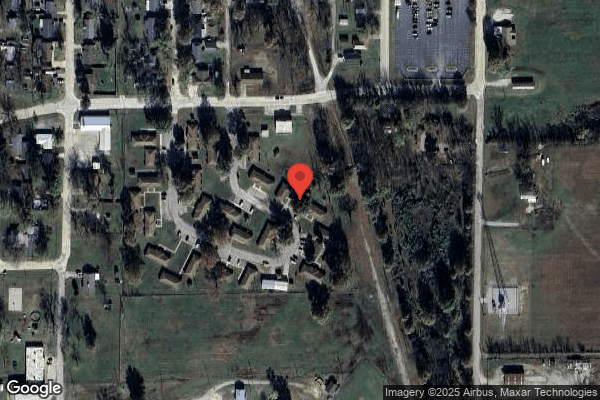
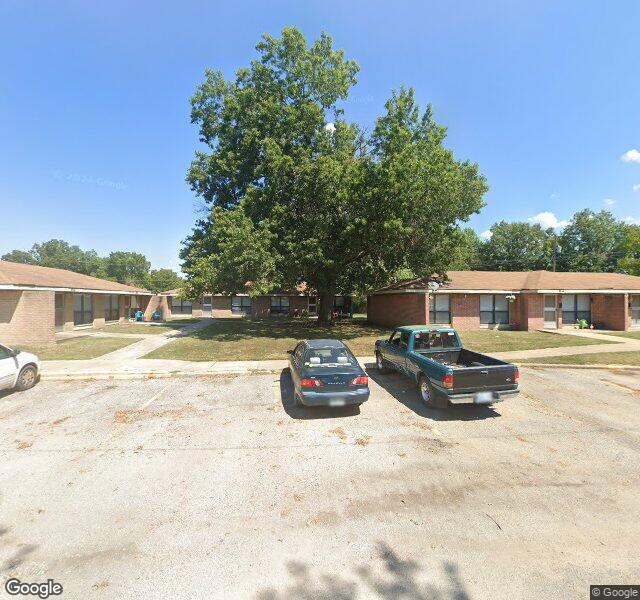
1100 East Street Northeast, Miami, OK 74354 (918) 542-3335
For profit - Limited Liability company 82 Beds OKLAHOMA NURSING HOMES, LTD. Data: November 2025 1 Immediate Jeopardy citation
Trust Grade
8/100
#248 of 282 in OK
Last Inspection: July 2024

Within standard 12-15 month inspection cycle. Federal law requires annual inspections.

Overview

Miami Nursing Center, LLC has a Trust Grade of F, indicating significant concerns about the quality of care provided. Ranking #248 out of 282 facilities in Oklahoma places them in the bottom half, and they are last in Ottawa County, ranking #5 out of 5. The facility is improving, with the number of issues decreasing from 20 in 2024 to 5 in 2025, but they still reported a concerning $28,901 in fines, which is higher than 80% of other facilities in the state. Staffing is average with a turnover rate of 0%, suggesting that staff stay long enough to build relationships with residents, and they have more RN coverage than many facilities, which helps ensure better oversight of care. However, specific incidents of concern include a critical finding of involuntary seclusion where a resident was isolated due to behavior and failures in providing necessary catheter care, indicating that while there are strengths, serious shortcomings in care practices remain.

Trust Score
F
8/100
In Oklahoma
#248/282
Bottom 13%
Safety Record
High Risk
Review needed
Inspections
Getting Better
20 → 5 violations
Staff Stability
○ Average
Turnover data not reported for this facility.
Penalties
✓ Good
$28,901 in fines. Lower than most Oklahoma facilities. Relatively clean record.
Skilled Nurses
⚠ Watch
Each resident gets only 20 minutes of Registered Nurse (RN) attention daily — below average for Oklahoma. Fewer RN minutes means fewer trained eyes watching for problems.
Violations
⚠ Watch
35 deficiencies on record. Higher than average. Multiple issues found across inspections.
★☆☆☆☆
1.0
Overall Rating
★★★☆☆
3.0
Staff Levels
★★☆☆☆
2.0
Care Quality
★☆☆☆☆
1.0
Inspection Score
Stable
2024: 20 issues
2025: 5 issues

The Good

  • Full Sprinkler Coverage · Fire safety systems throughout facility
  • No fines on record

Facility shows strength in fire safety.

The Bad

1-Star Overall Rating

Below Oklahoma average (2.6)

Significant quality concerns identified by CMS

Federal Fines: $28,901

Below median ($33,413)

Moderate penalties - review what triggered them

Chain: OKLAHOMA NURSING HOMES, LTD.

Part of a multi-facility chain

Ask about local staffing decisions and management

The Ugly 35 deficiencies on record

1 life-threatening
Sept 2025 1 deficiency 1 IJ
CRITICAL (J) 📢 Someone Reported This

A family member, employee, or ombudsman was alarmed enough to file a formal complaint

Immediate Jeopardy (IJ) - the most serious Medicare violation

Deficiency F0603 (Tag F0603)

Someone could have died · This affected 1 resident

On 09/08/25 an IJ situation was determined to exist related to involuntary seclusion for 1 (#1) of 3 sampled residents reviewed for involuntary seclusion. Resident #1 was told they had to eat at a tab...

Read full inspector narrative →
On 09/08/25 an IJ situation was determined to exist related to involuntary seclusion for 1 (#1) of 3 sampled residents reviewed for involuntary seclusion. Resident #1 was told they had to eat at a table in another room alone due to their behavior. On 09/09/25 at 2:15 p.m., the Oklahoma State Department of Health was notified and verified the existence of the IJ situation. On 09/09/25 at 2:25 p.m., the facility administrator and the DON were notified of the IJ situation and provided a copy of the IJ template. On 09/09/25 at 5:30 p.m., an acceptable plan of removal was submitted to the Oklahoma State Department of Health. The plan of removal read in part, At 2:57pm on 9/9/2025 the DON and Care plan coordinator met with resident #1. Advised resident #1 that beginning with evening meal on 9/9/2025 she would be offered 3 locations for her meals to be taken. She could choose between main dining room, smaller dining room, or her room to have meals. Resident # 1 was agreeable to this plan. It was never the facility's intention to make resident #1 feel isolated, the facility never informed resident #1 that she had to eat alone. Facility was trying to provide alternate location for meals in a quieter setting as she self-reports that large groups or loud environments cause her to be upset. An alert has been added to EMR for resident #1 that she will be able to choose where she would like to take meals. Staff will ask resident #1 prior to each meal where she would like meal served. Care plan will be updated to reflect that resident is able to choose her dining locations. Resident #1s dietary card has been updated to reflect that meals may be taken at location of resident's choice. Facility will not ask any other resident to receive meals in small dining room unless resident requests to do so. The facility has reviewed all current residents and no other residents were identified as being secluded in any manner. In the future the facility will not seclude a resident exhibiting behavior problems that may be detrimental to other residents. If resident #1 or any other resident exhibits disruptive behaviors staff will attempt to de-escalate situation. If resident is removed from area a staff member will remain with them until behaviors have resolved. All nursing staff will receive in-service training on the above by midnight 9/9/2025. If any nursing staff is unable to be present in person they will receive in-service via phone.On 09/10/25 at 9:30 a.m., after review of the in-service records and staff interviews, the administrator and DON were informed the IJ had been removed as of 09/09/25 at 12:00 a.m.The deficient practice remained at an isolated level with the potential for minimal harm. Findings: Based on observation, record review and interview the facility failed to prevent involuntary seclusion for 1 (#1) of 3 sampled residents reviewed for involuntary seclusion.The DON identified 69 residents resided in the facility. On 09/08/25 at 12:02 p.m., Resident #1 was observed sitting alone at a table facing the wall in the day room eating lunch away from other residents. Resident #1 had a BIMS of 15 and is cognitively intact as shown in the resident's quarterly MDSResident #1 electronic medical records shows they had diagnosis which includes lymphedema, dementia with agitation, depression, epilepsy, type 2 diabetes and asthma.On 09/08/25 at 12:02 p.m., Resident #1 stated they were told by the administrator they had to eat in the day room alone so they do not disturb anyone else. Resident #1 stated they would rather be in the dining room. It makes them feel like a child being chastised. On 09/08/25 at 3:00 p.m., CMA #1 stated Resident #1 causes chaos in the dining room. They don't like to eat with certain people. On 09/08/25 at 3:15 p.m., LPN #1 stated that for several weeks in a row Resident #1 had outbursts in the dining room. They were moved from the dining room scenario to see if things were calmer.On 09/08/25 at 3:28 p.m., the director of nurses stated Resident #1 was causing disturbances in the dining room. The director of nurses stated they were trying to find a compromise for everyone involved by moving Resident #1 to the other room. 09/08/25 at 4:00 p.m., the administrator stated Resident #1 disrupts activities and meals. The administrator told the resident they cannot be disruptive during meal times. The administrator stated they have to look out for the other residents too. The administrator stated Resident #1 could go to the dining room as long as they were not disruptive.
May 2025 4 deficiencies
CONCERN (D) 📢 Someone Reported This

A family member, employee, or ombudsman was alarmed enough to file a formal complaint

Potential for Harm - no one hurt, but risky conditions existed

Deficiency F0559 (Tag F0559)

Could have caused harm · This affected 1 resident

**NOTE- TERMS IN BRACKETS HAVE BEEN EDITED TO PROTECT CONFIDENTIALITY** Based on record review and interview, the facility failed to provide written notice of a room change for 1 (#4) of 3 sampled res...

Read full inspector narrative →
**NOTE- TERMS IN BRACKETS HAVE BEEN EDITED TO PROTECT CONFIDENTIALITY** Based on record review and interview, the facility failed to provide written notice of a room change for 1 (#4) of 3 sampled residents reviewed for room changes. The DON reported the census was 67. Findings: An undated facility policy titled Policy and Procedure for Notification of Changes, read in part, The facility will also notify the resident, and if known, the resident's legal representative or interested family member within 48 hours when there is a change in room or roommate assignment. A resident list report, dated 10/16/24, showed Res #4 resided in room [ROOM NUMBER] bed A. A quarterly assessment, dated 03/15/25, showed Res #4 had a BIMS score (a test for cognitive function) of 0, which was indicative of severe impairment for daily decision making. A resident list report, dated 05/15/25, showed Res #4 resided in room [ROOM NUMBER] bed A. A review of Res #4's medical record did not show Res #4 or their representative had been notified in writing of the room change. On 05/20/25 at 2:25 p.m., the DON stated they did not have documentation showing Res #4 or their representative was given any notice of the room change.
CONCERN (D) 📢 Someone Reported This

A family member, employee, or ombudsman was alarmed enough to file a formal complaint

Potential for Harm - no one hurt, but risky conditions existed

Deficiency F0776 (Tag F0776)

Could have caused harm · This affected 1 resident

Based on record review and interview, the facility failed to provide imaging services as ordered for 1 (#5) of 3 sampled residents reviewed for imaging services. The DON reported the census was 67. Fi...

Read full inspector narrative →
Based on record review and interview, the facility failed to provide imaging services as ordered for 1 (#5) of 3 sampled residents reviewed for imaging services. The DON reported the census was 67. Findings: A physician's order, dated 12/29/24, showed Res #5 had a chest x-ray on 12/29/24. A nurse note, dated 12/29/24 at 7:33 p.m., showed Res #5 informed the nurse they were supposed to have a chest x-ray on 12/27/24 and they never got it. The note also showed the administrator was contacted and they confirmed Res #5 was supposed to have an x-ray on 12/27/24. An annual assessment, dated 02/19/25, showed Res #5 had a BIMS score (a test for cognition) of 15, which was indicative of being cognitively intact for daily decision making. The assessment also showed Res #5 had an indwelling urinary catheter. On 05/20/25 at 10:45 a.m., Res #5 stated they were supposed to have a chest x-ray on 12/27/24 and they did not get it until 12/29/24. On 05/20/25 at 1:50 p.m., the DON stated Res #5 should have had an x-ray on 12/27/24, but the nurse did not put in the order. The DON also stated Res #5 did not get the x-ray until 12/29/24.
CONCERN (E) 📢 Someone Reported This

A family member, employee, or ombudsman was alarmed enough to file a formal complaint

Potential for Harm - no one hurt, but risky conditions existed

Incontinence Care (Tag F0690)

Could have caused harm · This affected multiple residents

Based on record review and interview, the facility failed to provide catheter care as ordered for 1 (#5) of 3 sampled residents reviewed for catheter care. The DON reported the census was 67. Findings...

Read full inspector narrative →
Based on record review and interview, the facility failed to provide catheter care as ordered for 1 (#5) of 3 sampled residents reviewed for catheter care. The DON reported the census was 67. Findings: A physician's order, dated 01/30/25, showed staff were to cleanse the area around the suprapubic catheter and the catheter tubing with soap and warm water or normal saline every shift. An annual assessment, dated 02/19/25, showed Res #5 had a BIMS score (a test for cognition) of 15, which was indicative of being cognitively intact for daily decision making. The assessment also showed Res #5 had an indwelling urinary catheter. A treatment administration record, dated 05/2025, showed for the first 17 days of May out of 51 opportunities to provide catheter care it was completed 31 times. The record showed the resident refused 16 times and there was no documentation of catheter care on the evening shift on 05/06/25, the night shift on 05/07/25, or the day shift on 05/10/25. On 05/20/25 at 10:45 a.m., Res #5 stated CNAs never performed catheter care on them. They also stated only one nurse routinely performed catheter care on them and the other nurses did not even ask if they wanted it done. On 05/21/25 at 10:35 a.m., LPN #1 stated Res #5 did not want them to provide care. LPN #1 stated if there was no one else available to provide care they charted Res #5 refused, but they did not go into Res #5's room and ask them. On 05/20/25 at 2:25 p.m., the DON stated nurses should not document the resident refused care if they did not offer the care.
CONCERN (E) 📢 Someone Reported This

A family member, employee, or ombudsman was alarmed enough to file a formal complaint

Potential for Harm - no one hurt, but risky conditions existed

Medical Records (Tag F0842)

Could have caused harm · This affected multiple residents

Based on record review and interview, the facility failed to ensure the accuracy of medical records for 1 (#5) of 3 sampled residents reviewed for catheter care. The DON reported the census was 67. Fi...

Read full inspector narrative →
Based on record review and interview, the facility failed to ensure the accuracy of medical records for 1 (#5) of 3 sampled residents reviewed for catheter care. The DON reported the census was 67. Findings: A physician's order, dated 01/30/25, showed staff were to cleanse the area around the suprapubic catheter and the catheter tubing with soap and warm water or normal saline every shift. An annual assessment, dated 02/19/25, showed Res #5 had a BIMS score (a test for cognition) of 15, which was indicative of being cognitively intact for daily decision making. The assessment also showed Res #5 had an indwelling urinary catheter. A Documentation Survey Report V2, dated 05/2025, showed CNA #1 documented they had performed catheter care on Res #5 on 05/05/25, 05/09/25, and 05/16/25. The report also showed CNA #6 had documented they had performed catheter care on Res #5 on 05/07/25, 05/08/25, 05/14/25, and 05/21/25. On 05/21/25 at 9:30 a.m., CNA #6 stated they did not go into Res #5's room. They also stated they did not perform catheter care on Res #5. CNA #6 stated they documented the catheter care was complete because they assumed the nurse had done it. On 05/21/25 at 10:40 a.m., CNA #1 stated they did not perform catheter care on Res #5 on 05/05/25, 05/09/25 or 05/16/25. On 05/21/25 at 1:50 p.m., the DON stated if the CNAs did not perform catheter care they should not have documented they did.
Oct 2024 1 deficiency
CONCERN (D) 📢 Someone Reported This

A family member, employee, or ombudsman was alarmed enough to file a formal complaint

Potential for Harm - no one hurt, but risky conditions existed

Infection Control (Tag F0880)

Could have caused harm · This affected 1 resident

Based on record review and interview, the facility failed to ensure appropriate hand hygiene was performed during catheter care for one (#1) of three residents reviewed for catheter care. The DON iden...

Read full inspector narrative →
Based on record review and interview, the facility failed to ensure appropriate hand hygiene was performed during catheter care for one (#1) of three residents reviewed for catheter care. The DON identified five residents with catheters in the facility. Findings: An undated facility policy titled Procedure for Indwelling Urinary Catheters, read in part, .Catheter care will be provided periodically throughout the day .Staff will assist the resident to [their] room, provide privacy and provide care consistent with techniques that prevent cross contamination . Resident #1 had diagnoses which included quadriplegia and neuromuscular dysfunction of the bladder. On 10/17/24 at 10:32 a.m., catheter care was observed for Resident #1. CNA #1 was seen to don gloves, cleanse around the area of the catheter and without changing gloves or performing hand hygiene, then touched the resident's table and computer keyboard. LPN #1 was observed to don gloves, cleanse the area around the catheter with a 4x4, place the soiled 4x4 in the trash can, touch the side of the trash can with their gloved hand, and then place a clean dressing on the catheter site without changing gloves or performing hand hygiene. On 10/17/24 at 10:45 a.m., CNA #1 stated they should have performed hand hygiene and changed gloves before moving from dirty to clean areas. On 10/17/24 at 10:55 a.m., LPN #1 stated they should have changed gloves before placing the clean dressing on Resident #1. On 10/17/24 at 2:15 p.m., the DON stated gloves should be changed during catheter care when moving from soiled to clean areas.
Jul 2024 16 deficiencies
CONCERN (D) 📢 Someone Reported This

A family member, employee, or ombudsman was alarmed enough to file a formal complaint

Potential for Harm - no one hurt, but risky conditions existed

Deficiency F0570 (Tag F0570)

Could have caused harm · This affected 1 resident

Based on record review and interview, the facility failed to maintain a surety bond in an amount to cover the facility trust. The business office manager identified 38 residents in the facility trust...

Read full inspector narrative →
Based on record review and interview, the facility failed to maintain a surety bond in an amount to cover the facility trust. The business office manager identified 38 residents in the facility trust. The surety bond, dated 10/07/22, documented the bond to cover the balance of the trust was in the amount of $90,000.00. The April 2024 bank statement documented the daily balance on 04/03/24 was $91,136.92 and on 04/09/24 the daily balance was $91,773.92. The May 2024 bank statement documented the daily balance on 05/03/24 was $92,755.93 and on 05/10/24 the daily balance was $92,739.71. The June 2024 bank statement documented the daily balance on 06/03/24 was $97,106.92 and on 06/10/24 the daily balance was $95,842.14. On 07/19/24 at 9:38 a.m., the administrator stated they thought the trust was around $70,000.00 and did not realize the trust had such a high balance. The administrator stated they would have the bond raised to cover the higher balance.
CONCERN (D)

Potential for Harm - no one hurt, but risky conditions existed

Deficiency F0583 (Tag F0583)

Could have caused harm · This affected 1 resident

Based on observation and interview, the facility failed to provide a privacy curtain to allow for full visual privacy for two (#4 and #55) of two residents whose rooms were observed for a privacy curt...

Read full inspector narrative →
Based on observation and interview, the facility failed to provide a privacy curtain to allow for full visual privacy for two (#4 and #55) of two residents whose rooms were observed for a privacy curtains. The DON identified 73 residents resided in the facility. On 07/19/24 at 2:26 p.m., there was privacy curtain present for resident #4. On 07/19/24 at 2:30 p.m., the resident stated there had never been a curtain, and they would like to have one for visual privacy from their two roommates. On 07/19/24 at 2:44 p.m., CNA # 2 stated if resident #4 received incontinent care they pulled both curtains around the two roommates and shut the door. The CNA stated there was not a curtain to pull to provide full visual privacy for Resident #4. 2. Resident #55 had diagnoses which included dysphagia. On 07/15/24 at 10:30 a.m., Resident #55 stated they had episodes of incontinence. The resident stated the staff closed the door but there was no curtain to pull for the resident to have full visual privacy from the two roommates. On 07/17/24 at 3:30 p.m., CNA #6 stated to provide the resident with privacy, the staff pulled the door closed and pulled the curtains around bed A and bed C but did not have a curtain to pull for B bed to provide visual privacy from others in the resident's room. On 07/22/24 at 2:30 p.m., Maintenance #2 stated the privacy curtain's ceiling track was not long enough to provide the resident with full visual privacy and they were adding more track to fix the problem. On 07/22/24 at 6:15 p.m. the DON stated they had not noticed the lack of privacy curtains for the middle beds in the rooms in the rooms with three residents. The DON stated the staff would not be able to provide full visual privacy for those without a curtain. The DON stated they would have expected the nursing staff to have notified the housekeeping supervisor and the DON of the missing privacy curtains.
CONCERN (D) 📢 Someone Reported This

A family member, employee, or ombudsman was alarmed enough to file a formal complaint

Potential for Harm - no one hurt, but risky conditions existed

Deficiency F0657 (Tag F0657)

Could have caused harm · This affected 1 resident

Based on observation, record review, and interview, the facility failed to ensure the care plan was revised for one (#8) of 16 sampled residents whose care plans were reviewed. The DON identified 73 r...

Read full inspector narrative →
Based on observation, record review, and interview, the facility failed to ensure the care plan was revised for one (#8) of 16 sampled residents whose care plans were reviewed. The DON identified 73 residents who resided in the facility. Findings: Resident #8 had diagnoses which included atrial fibrillation. The Admit/Readmit Screener, dated 07/09/24, documented the resident had returned from a hospital stay and had a midline placed in the left arm. The Care Plan updated 07/11/24, documented the resident had returned from the hospital with an order for an intravenous antibiotic. The care plan did not document the resident had intravenous access. On 07/16/24 at 1:20 p.m., Resident #8 was observed to have a PICC line to their left upper arm. On 07/22/24 at 2:15 p.m., the MDS coordinator stated care plans were updated quarterly, with a significant change, when new orders were received, and upon readmission from the hospital. They stated the care plan for Resident #8 had not been updated to reflect the PICC line. On 07/22/24 at 3:13 p.m., the DON stated they did not have a system in place to monitor care plans to ensure they had been updated upon readmission to the facility or with a change in a resident's status.
CONCERN (D) 📢 Someone Reported This

A family member, employee, or ombudsman was alarmed enough to file a formal complaint

Potential for Harm - no one hurt, but risky conditions existed

Deficiency F0692 (Tag F0692)

Could have caused harm · This affected 1 resident

Based on observation, record review, and interview, the facility failed to ensure interventions were in place to prevent unnecessary weight loss for one (#33) of one resident reviewed for weight loss....

Read full inspector narrative →
Based on observation, record review, and interview, the facility failed to ensure interventions were in place to prevent unnecessary weight loss for one (#33) of one resident reviewed for weight loss. The DON identified 73 residents resided in the facility. Findings: Resident #33 had diagnoses which included dementia. An undated policy titled, Nutrition Policy read in part, .The resident will be assessed for weight gain or loss. Significant gain or loss will be reported to the resident's physician for possible diet adjustment. If the resident eats 50% or less of two consecutive meals, a nutritional supplement will be provided . A care plan dated 05/02/24 documented Resident #33 had a nutritional problem or the potential to have a nutritional problem, would maintain adequate nutritional status as evidenced by maintaining weight within 5% of current weight with no signs or symptoms of malnutrition, and would consume at least 50% of the three daily meals through the review date. On 05/02/24, the resident's electronic medical record documented the resident's weight was 132.2 lbs. On 07/03/24, the electronic medical record documented the resident's weight was 116.8 lbs, a significant weight loss of 11.65% weight loss in two months. On 07/16/24 at 5:06 p.m., Resident #33 was ambulating in the hall. The resident appeared emanciated. CNA #6 was observed to redirect the resident to the dining area but the resident was seen to quickly return to the center hall and wander the hall with their roommate. On 07/18/24 at 2:32 p.m., LPN #4 stated if a resident ate less than 50% of a meal, the CNA was to give the resident a house shake and document it in the ADLs. On 07/19/24 at 10:39 a.m., CNA's #3, #4, and #5 stated if a resident ate less than 50% of a meal the staff went to the kitchen to obtain a house shake for the resident. The CNAs stated they reported the supplement to the charge nurse and documented it under nutrition in the task section of the electronic medical record. The Resident's electronic medical record documented on 07/11/24, 07/12/24, 07/14/24, 07/16/24, 07/17/24, and 07/18/24 the resident consumed less than 50% of their meals. There was no documentation of a house shake was offered to the resident in the last 30 days. On 07/19/24 at 12:49 p.m., the DON stated if a resident ate 50% or less of a meal, the staff were to provide a health shake to the resident. The DON stated the restorative aide obtained the residents' weight, documented their weights, and notified the DON of any significant weight loss. On 07/19/24 at 1:03 p.m., the DON stated they do not know how they missed the significant weight loss for Resident #33 and had not notified the physician or dietician of the weight loss. On 07/22/24 at 3:04 p.m., the DON stated they notified the physician of the significant weight loss for Resident #33. They stated the physician ordered a medication generally used to stimulate a resident's appetite. On 07/22/24 at 3:38 p.m., the physician stated they visit the facility at least monthly. They stated while there, they reviewed the resident's entire chart and examined the resident. The physician stated the facility staff notified them of any significant weight loss. The physician stated they were notified of significant weight loss for resident #33 on 07/19/24.
CONCERN (D)

Potential for Harm - no one hurt, but risky conditions existed

Deficiency F0698 (Tag F0698)

Could have caused harm · This affected 1 resident

Based on record review and interview, the facility failed to ensure a resident was assessed after dialysis treatments for one (#64) of one resident reviewed for pre/post dialysis assessments. The DON...

Read full inspector narrative →
Based on record review and interview, the facility failed to ensure a resident was assessed after dialysis treatments for one (#64) of one resident reviewed for pre/post dialysis assessments. The DON reported four residents in the facility received dialysis treatments. Findings: Resident #64 had diagnoses which included end stage renal failure. A comprehensive assessment, dated 06/17/24, documented Resident 64 was cognitively intact. On 07/16/24 at 11:19 a.m., Resident #64 stated the nurse usually checked their blood pressure and temperature before they went to dialysis but when they returned from dialysis, they did not see the nurse unless the resident asked for something from them. The resident stated recently their port was infected and they had to take antibiotics. Resident #64 stated the laboratory test finding documented they had a blood infection. The resident's electronic medical record was reviewed for Resident #64. The electronic medical record did not document a post dialysis assessment to include vital signs, weight, or fistula/port assessment for the following dates: 07/12/24, 07/15/24, 07/17/24, 07/19/24, or 07/22/24. On 07/22/24 at 11:45 a.m., RN #1 stated they do not have a specific dialysis protocol, but they were to take pre and post vital signs and assess the fistula or access site. On 07/22/24 at 12:03 p.m., LPN #5 stated they were to take the resident's vital signs, weight and assess the shunt/port before dialysis and when the resident returned from dialysis.
CONCERN (D)

Potential for Harm - no one hurt, but risky conditions existed

Deficiency F0710 (Tag F0710)

Could have caused harm · This affected 1 resident

Based on record review and interview, it was determined the facility failed to ensure the physician was notified of significant weight loss for one (#33) of one sampled resident who was reviewed for n...

Read full inspector narrative →
Based on record review and interview, it was determined the facility failed to ensure the physician was notified of significant weight loss for one (#33) of one sampled resident who was reviewed for nutrition. Findings: On 05/02/24, the resident's electronic medical record documented the resident's weight was 132.2 lbs. On 07/03/24, the electronic medical record documented the resident's weight was 116.8 lbs, a significant weight loss of 11.65% weight loss in two months. 07/18/24 at 1:00 p.m., the Resident's electronic medical resident documented the resident ate less than 50% of one of more of their daily meals on 07/11/24, 07/12/24, 07/14/24, 07/16/24, 07/17/24, 07/18/24 On 07/18/24 at 2:32 p.m., LPN #5 stated if a resident eats less than 50% of a meal the CNA was to go to the kitchen and get a house shake to offer the resident. The LPN stated they were to document the supplement in with the activities of daily living. On 07/18/24 at 2:52 p.m. the Resident's electronic medical record did not document a house shake being offered in the last 30 days. On 07/19/24 at 10:39 a.m., CMA #3 stated if a resident ate less than 50% of a meal they offered the resident a health shake and reported it to the charge nurse. On 07/19/24 at 12:49 p.m., the DON stated if a resident ate less than 50% or less of a meal they should be offered a health shake. The DON stated the restorative nurse aide kept a list of all the residents' weights and gave it to the DON for review. On 07/19/24 at 1:03 p.m., the DON stated they do not know how they missed the significant weight loss for Resident #33 and had not notified the physician or dietician of the weight loss. On 07/22/24 at 3:38 p.m., the physician stated they visit the facility at least monthly. The physician stated they were notified of significant weight loss for resident #33 on 07/19/24 and ordered a appetite stimulant for the resident. On 07/19/24 at 1:03 p.m., the DON stated they do not know how they missed the significant weight loss for Resident #33 and had not notified the physician or dietician of the weight loss. On 07/22/24 at 3:04 p.m., the DON stated they notified the physician of the significant weight loss for Resident #33. They stated the physician ordered a medication generally used to stimulate a resident's appetite. On 07/22/24 at 3:38 p.m., the physician stated they visit the facility at least monthly. They stated while there, They reviewed the resident's entire chart and examined the resident. The physician stated the facility staff notified them of any significant weight loss. The physician stated they were notified of significant weight loss for resident #33 on 07/19/24.
CONCERN (D) 📢 Someone Reported This

A family member, employee, or ombudsman was alarmed enough to file a formal complaint

Potential for Harm - no one hurt, but risky conditions existed

Staffing Information (Tag F0732)

Could have caused harm · This affected 1 resident

Based on observation, record review, and interview, the facility failed to post the required staffing information. The DON identified 73 residents resided in the facility. Findings: On 07/17/24, 07/18...

Read full inspector narrative →
Based on observation, record review, and interview, the facility failed to post the required staffing information. The DON identified 73 residents resided in the facility. Findings: On 07/17/24, 07/18/24, 07/19/24, and 07/22/24 a staffing schedule was observed on the nurses station. The schedule did not document the census or the nursing hours. On 07/22/24 at 5:50 p.m., the administrator stated they posted a copy of the schedule but it did not have the nursing hours or the resident census on it.
CONCERN (D)

Potential for Harm - no one hurt, but risky conditions existed

Pharmacy Services (Tag F0755)

Could have caused harm · This affected 1 resident

Based on record review and interview, the facility failed to ensure medications were administered per physician orders for one (#42) of seven sampled residents who were reviewed for unnecessary medica...

Read full inspector narrative →
Based on record review and interview, the facility failed to ensure medications were administered per physician orders for one (#42) of seven sampled residents who were reviewed for unnecessary medications. The DON identified 73 residents who resided in the facility. Findings: Resident #42 had diagnoses which included transient ischemic attack (mini stroke). The Discharge Summary from the hospital, dated 07/01/24, read in parts, .CONTINUE taking these medications .clopridogrel 75 MG tablet TAKE 1 TABLET BY MOUTH EVERY DAY . The Order Recap Report, dated 07/03/24 through 07/31/24, did not document Resident #42 had been started on clopridogrel upon admission to the facility. The admission assessment, dated 07/10/24, documented the resident was cognitively intact for daily decision making. On 07/15/24 at 9:51 a.m., Resident #42 stated they were supposed to take clopridogrel for a history of strokes but they had not received it while a resident at the facility. On 07/17/24 at 6:26 p.m., the DON stated admission orders for the facility were obtained from the hospital discharge orders. The DON stated they were not aware clopridogrel had not been ordered upon admission to the facility. On 07/18/24 at 8:16 a.m., the DON stated they had reviewed the clinical record, including the hospital discharge orders for Resident #42. The DON stated they had put the orders in for Resident #42 but had failed to continue to clopridogrel.
CONCERN (D)

Potential for Harm - no one hurt, but risky conditions existed

Food Safety (Tag F0812)

Could have caused harm · This affected 1 resident

Based on observation, record review, and interview, the facility failed to maintain a sanitary kitchen environment, maintain a sanitary dish machine, and store foods according to professional standard...

Read full inspector narrative →
Based on observation, record review, and interview, the facility failed to maintain a sanitary kitchen environment, maintain a sanitary dish machine, and store foods according to professional standards of practice. The DON identified 71 residents who ate meals prepared in the kitchen. An invoice, dated 06/12/24, documented the ice machine was cleaned and the water filter replaced by a contracted company. On 07/15/24 at 7:50 a.m., the following observations were made in the kitchen: - four flies buzzing about and landing on food preparation tables, cookware, and dishware. - two ceiling vents positioned over food preparation tables were covered with a layer grease, dust, and debris. - an open one gallon bottle of apple juice in the refrigerator with no open date; - an open 20 ounce bottle of Pepsi and a 20 ounce bottle of Coke in the refrigerator with no open dates or names; - an open storage bag with sliced luncheon meat in the refrigerator with no open date; - an open storage bag with four left over meat and cheese omelettes in the refrigerator with no prepared date; - an open storage bag with 13 left over waffles in the refrigerator with no prepared date; - a one gallon storage bag of shredded lettuce in the refrigerator with no open date; - a one gallon storage bag of white cheese slices in the refrigerator with no open date; - a four quart storage container of chicken noodle soup in the refrigerator, dated 07/07/24; - an open 48 ounce bottle of cranberry juice in the refrigerator with no open date; - approximately 69 individual two ounce disposable cups of canned pineapple with lids with no preparation dates on the lids or the metal basin which housed the disposable cups in the refrigerator; and, - six unlabelled and undated cups of liquid the DM identified as juice were each covered with plastic wrap and stored in a plastic bin in the refrigerator. On 07/15/24 at 8:10 a.m., the DM stated the kitchen knew to label and date foods stored in the refrigerator. They stated left overs were to be discarded within 48 hours. The DM stated the staff knew to not have personal drinks in the refrigerator. The DM stated the ceiling vents were dirty but were too high for the kitchen staff to clean. On 07/15/24 at 9:25 a.m., the ice machine was observed with the maintenance supervisor. The maintenance supervisor stated the ice machine was cleaned by an independent company but they did not know how often the company cleaned the ice machine. The maintenance supervisor opened the ice machine housing the mechanics of the machine. There was a slimy black substance observed in and around the water reservoir. The maintenance supervisor stated they were not qualified to know if an ice machine was dirty. The maintenance supervisor was asked to wipe a portion of the water reservoir with a clean cloth. Then maintenance supervisor was then asked if there was anything on the clean cloth that was not on the cloth prior to wiping the water reservoir of the ice machine. They stated there was a bit of stuff on the cloth but the ice was clean because they did not see anything in the ice they served. On 07/15/24 at 12:35 p.m. a technician from the company contracted to clean the dish machine stated the slimy black substance in and around the ice machine's water reservoir was algae. The technician stated they had a tough time trying to keep this ice machine clean. They stated it was just over a month since they had last cleaned the ice machine and the algae was already back. On 07/15/24 at 3:36 p.m., the kitchen was observed with the back hall door open. Kitchen staff stated they kept the back door open to provide some airflow because the kitchen was hot. Flies were observed to enter the kitchen through the open door. On 07/15/24 at 3:37 p.m., [NAME] #1 stated the flies had been a nuisance for the last few months. The kitchen staff stated they kept the food covered as best they could when they prepared and served meals. On 07/15/24 at 3:38 p.m., the DM stated they agreed the flies had been a nuisance for the last few months. They stated they had complained of the flies and maintenance had caulked around the kitchen window but it had not alleviated the flies. On 07/15/24 at 4:00 p.m., maintenance #2 was observed to remove the ceiling vents in the kitchen. They wiped the interior of the air vent and stated it was dirty. Maintenance #2 stated they were to clean the vents and paint the covers.
CONCERN (D)

Potential for Harm - no one hurt, but risky conditions existed

Infection Control (Tag F0880)

Could have caused harm · This affected 1 resident

Based on observation, record review, and interview, the facility failed to: a. Maintain an infection control program for enhanced barrier precautions by donning gowns prior to catheter care or wound c...

Read full inspector narrative →
Based on observation, record review, and interview, the facility failed to: a. Maintain an infection control program for enhanced barrier precautions by donning gowns prior to catheter care or wound care for two (#8 and #2) of two resident who received catheter care and/or wound care; and b. ensure catheter tubing and dignity bags were maintained in a manner to prevent cross contamination for one (#8) of two sampled residents reviewed for urinary catheters. The DON identified three residents with indwelling urinary catheters. The undated Policy and Procedure for Transmission-Based Precautions, read in parts, .The expanded use of PPE and refer to the use of gown and gloves during the high-contact care activities that provide opportunities for transfer of Multi-Drug Resistant Organisms (MDRO) to or from staff hands or clothing or indirectly transferred from resident/client during high contact activities. Use Enhanced Barrier Precautions when providing care to any resident/client with an indwelling medical device such as an indwelling urinary catheter, central line, feeding tube, tracheostomy, or active or colonized infection with an MDRO . 1. Resident #8 had diagnoses which included neuromuscular dysfunction of the bladder. On 07/18/24 at 9:12 a.m., CNA #3 and CNA #5 were observed providing catheter care for Resident #8. CNA #3 and CNA #5 were not observed to don a gown during catheter care. On 07/18/24 at 9:59 a.m., CNA #3 stated Resident #8 was not on any precautions related to their catheter care. On 07/18/24 at 10:48 a.m., the DON stated the facility had not initiated the use of enhanced barrier precautions. They stated after they read the new guidelines they realized staff were to use enhanced barrier precautions during dressing changes and catheter care. 3. Resident #8 had diagnoses which included neuromuscular dysfunction of the bladder. The quarterly assessment, dated 05/27/24, documented Resident #8 had an indwelling urinary catheter. On 07/16/24 at 12:32 p.m., Resident #8 was assisted back to their room in their wheel chair by staff. The bottom of the urinary catheter dignity bag and tubing of the urinary catheter were observed to drag on the floor under the wheel chair. On 07/19/24 at 11:34 a.m., Resident #8 was observed in their wheel chair in the dining room. The bottom of the urinary catheter dignity bag and tubing were observed to touch the floor. On 07/22/24 at 2:12 p.m., CNA #6 stated the urinary catheter bags, tubing, and dignity bags were not to be in contact with the floor. On 07/22/24 at 3:13 p.m., the DON stated staff were to position the catheter bags and tubing in a manner which prevented them from touching the floor. 2. Resident #2 had diagnoses which included quadriplegia and had open wounds, a urinary catheter, and a colostomy. On 07/16/24 at 3:00 p.m., there was neither signage for the use of enhanced barrier precautions nor supplies for enhanced barrier precaution around the resident's door nor in the resident's room. On 07/16/24 at 3:10 p.m., Resident #2 stated only LPN #3 provided wound care or catheter care and they wore gloves but no mask or gown. The resident stated they had a urinary tract infection but it did not require them to be in isolation. On 07/17/24 at 5:45 p.m., LPN #3 was observed to measure and perform wound care to the resident's right lower leg, left arm, and right hand. The LPN did not utilize enhanced barrier precautions during the measuring and treatment of wounds.
CONCERN (E)

Potential for Harm - no one hurt, but risky conditions existed

Resident Rights (Tag F0550)

Could have caused harm · This affected multiple residents

Based on observation and interview, the facility failed to: a. provide for the residents' dignity for three (#55, #4, and #50) of three residents observed for full visual privacy and for two (#50 and ...

Read full inspector narrative →
Based on observation and interview, the facility failed to: a. provide for the residents' dignity for three (#55, #4, and #50) of three residents observed for full visual privacy and for two (#50 and #26) of two residents observed with signage to always keep the residents' door open; and, b. provide enough dishware to allow for meals to be served without use of disposable containers and/or cutlery. The DON identified 73 residents in the facility. Findings: 1. Resident #55 had diagnoses which included dysphagia. On 07/15/24 at 10:28 a.m., there was no privacy curtain observed to provide privacy for the middle bed of a three-bed bedroom. On 07/15/24 at 10:30 a.m., stated they had episodes of incontinence. The resident stated the staff closed the door but there was no curtain to provide full visual privacy from the two roommates. On 07/17/24 at 3:30 p.m., CNA #6 stated the staff pulled the door closed and pulled the curtains around bed A and bed C but did not have a curtain to pull for B bed to provide full visual privacy for the resident. - Resident #4 had diagnoses which included PTSD and depression. On 07/16/24 at 3:18 p.m., there was no privacy curtain observed to provide privacy for the middle bed of a three-bed bedroom. On 07/16/24 at 3:20 p.m., Resident #4 stated they did not have privacy in their own room. They stated they did not have a curtain to pull for visual privacy and their roommates frequently yelled out day and night which made her feel as though they had no privacy at all. On 07/17/24 at 3:30 p.m., CNA #6 stated the staff pulled the door closed and pulled the curtains around bed A and bed C but did not have a curtain to pull for B bed to provide full visual privacy for the resident. On 07/22/24 at 6:15 p.m. the DON stated they had not noticed the lack of privacy curtains for the middle bed in the rooms in the rooms with three residents. The DON stated the staff would not be able to provide full visual privacy for those without a curtain. The DON stated they would have expected the nursing staff to have notified the housekeeping supervisor and the DON of the missing privacy curtains. - Resident #50 had a diagnosis which included anoxic brain damage. An Annual Assessment, dated 04/15/24, documented Resident #50 had severe cognitive impairment. On 07/16/24 at 12:32 p.m., there was a sign on the door stating to keep the door open at all times. The resident's bed was closest to the door and the privacy curtain was observed pulled around the bed and pinned low and to the wall beside the door with a tack, leaving a gaping open area above the tack to observe the resident. Facility residents were observed to stand at the door and to look in at the resident from over the privacy curtain. Resident #50 was observed laying in bed, flat on their back, with their hospital gown up around their chest and their abdomen, pelvic/pubic area, and legs exposed for viewing. On 07/22/24 at 2:45 p.m., LPN #5 stated they were to keep the door open at all times to allow staff to check on the resident frequently. The LPN stated they pinned the privacy curtain to the wall because the curtain track did not reach all the way to the wall, which left the resident visible to others. On 07/22/24 at 3:00 p.m., the DON stated they provided privacy by keeping the curtain pinned to the wall but since that did not work they would try other options to limit the resident's exposure. The DON stated they would need to get a longer curtain track. - Resident #26 had diagnoses which included dementia. On 07/15/24 at 10:00 a.m., a sign on the door to Resident #26 read to keep door always open to allow for Resident #26 to be observed in bed. On 07/22/24 at 6:15 p.m. the DON stated Resident #26 had frequent falls and one intervention was to keep the door open at all times to allow for frequent observations. The DON stated the resident did not seem to mind having their door open but the DON could see how the signage on the door might be construed as a dignity issue. 2. On 07/15/24 at 07:40 a.m., cook #1 was observed to plate food in styrofoam containers. [NAME] #1 stated there were some residents who would write or otherwise mark up the dishware and there were other residents who would poke one another with their cutlery. The cook stated to help mitigate the behaviors, some residents received their meals in styrofoam containers and some residents who received plasticware to eat with instead of the standard cutlery. On 07/15/24 thru 07/19/24 and on 07/22/24, meals were observed to be served with side dishes/deserts in styrofoam containers. On 07/22/24 at 2:10 p.m., the dietary manager stated the facility did not have enough bowls to serve all side items to the residents and the lids for the bowls were expensive. The dietary manager stated the kitchen staff used small styrofoam container to serve the side items.
CONCERN (E) 📢 Someone Reported This

A family member, employee, or ombudsman was alarmed enough to file a formal complaint

Potential for Harm - no one hurt, but risky conditions existed

Deficiency F0571 (Tag F0571)

Could have caused harm · This affected multiple residents

Based on record review and interview, the facility failed to ensure residents were not charged separately for services paid for by Medicare/Medicaid for one (Resident #174) of four residents who were ...

Read full inspector narrative →
Based on record review and interview, the facility failed to ensure residents were not charged separately for services paid for by Medicare/Medicaid for one (Resident #174) of four residents who were charged room and board during covered periods of stay and for four (#8, #44, #55, and #174) of four residents charged for administrative supplies and whose monies were managed in the Resident Trust. The BOM identified 38 residents with funds in the Resident Trust. Findings: Resident #174 had diagnoses which included depression. On 07/19/24 at 10:30 a.m., the Trust Transaction History for Resident #174 was reviewed and compared to the facility's monthly billing statements from admission to 07/19/24 with BOM and Administrator #2. The transaction history and facility statements documented the following: February 2024 facility statement documented a charge of $2015.00 for Medicaid pending stay from 01/19/24 to 01/31/24 which left a balance due of $2015.00; Resident #174 trust transactions with posting dates of January thru February 2024: - 01/22/24 balance of $95.47 in trust account; - 01/29/24 $24.00 purchase for a trust balance of $71.47; - 02/05/24 $44.00 purchase for a trust balance of $27.47; - 02/16/24 $10.00 cash deposit for trust balance of $37.47; - 02/16/24 $10.00 withdrawal for a trust balance of $27.47; The March 2024 facility statement documented a forwarded balance due of $2015.00 and the following transactions: - 01/19/24 $2015.00 payment for facility stay 01/19/24 through 01/31/24. - 02/16/24 $490.00 cash payment by Resident #174; - 03/13/24 $3800.00 charge for room and board charges for 03/13/24 through 03/31/24 which left a monthly balance due of $3310.00. The Resident #174 trust transactions with posting dates of March 2024: - 03/01/24 deposit of $552.00 for a trust balance of $579.47; - 03/04/24 payment to facility of $447.00 for a trust balance of $102.47; - 03/22/24 February interest accrued of $0.00 for a trust balance of $102.47; - 03/26/24 $37.91 store purchase for a trust balance of $64.56; The April 2024 facility statement documented a forward balance due of $3310.00 and the following transactions: - 03/07/24 $477.00 facility payment; - 03/13/24 $1400.00 payment for room and board charges for 03/13/24 thru 03/19/24 which left a monthly balance due of $1433.00. The Resident #174 trust transactions with posting dates of April 2024: - 04/03/24 $477.00 facility payment for a trust balance of $(-412.44); - 04/03/24 deposit of $552.00 for a trust balance of $139.56; - 04/19/24 $104.42 store purchase for a trust balance of $35.14; - 04/24/24 $3.25 purchase to order new checks to draw on Resident Trust funds for a trust balance of $31.89. The May 2024 facility statement documented a forward balance due of $1433.00 and the following transactions: - 04/10/24 $1431.00 payment (no description of payment documented) - 04/10/24 $954.00 charge (listed as payment); - 01/19/24 $477.00 liability charge due for 01/19/24 through 01/22/24; - 02/01/24 $477.00 liability charge due for 02/01/24 through 02/05/24; - 03/20/24 $2400.00 payment for room and board charges for 03/20/24 through 03/31/24; - 04/04/24 $477.00 liability charge due for 04/01/24 through 04/08/24; and - 05/01/24 $236.00 liability charge due for 05/01/24 through 05/06/24 (liability charge change due to an adjustment in liability to cover other insurance premiums) which left a balance due of $223.00. The Resident #174 trust transactions with posting dates of May 2024: - 05/03/24 $44.00 purchase for a trust balance of $(-12.11); - 05/03/24 $72.00 insurance premium for a trust balance of $(-84.11); - 05/03/24 $236.00 facility payment for a trust balance of $(-320.11); - 05/03/24 $110.00 insurance premium for a trust balance of $(-430.11); - 05/03/24 deposit of $552.00 for a trust balance of $121.89; - 05/03/24 $59.00 insurance premium for a trust balance of $62.89; The June 2024 facility statement documented a forward balance due of $223.00 and the following transactions: - 05/13/24 $236.00 payment - 06/01/24 $236.00 liability charge for 06/01/24 through 06/03/24 which left a balance due of $223.00. The Resident #174 trust transactions with posting dates of June 2024: -06/03/24 $552.00 deposit for a trust balance of $614.89; - 06/04/24 $44.00 store purchase for a trust balance of $570.89; - 06/04/24 $59.00 insurance premium for a trust balance of $511.89; - 06/04/24 $223.00 facility payment for a trust balance of $288.89; - 06/04/24 $110.00 insurance premium for a trust balance of $178.89; - 06/04/24 $72.00 insurance premium for a trust balance of $106.89; - 06/20/24 $67.51 store purchase for a trust balance of $39.38; and, - 06/27/24 $5.00 cash withdrawal for a trust balance of $34.38. The July 2024 facility statement documented a forward balance due of $223.00 and the following transactions: - 06/13/24 $223.00 payment - 07/01/24 $236.00 liability charge for 07/01/24 through 07/08/24 which left a balance due of $236.00. The Resident #174 trust transactions with posting dates of July 2024: - 07/03/24 $236.00 facility payment for a trust balance of $(-201.62); - 07/03/24 $552.00 deposit for a trust balance of $350.38; - 07/03/24 $110.00 insurance premium for a trust balance of $240.38; - 07/03/24 $72.00 insurance premium for a trust balance of 168.38; and - 07/03/24 $59.00 insurance premium for a trust balance of $109.39. On 07/19/24 at 11:15 a.m., the BOM stated the resident had discharged from the facility and would receive the remaining funds of $109.38 still in the Resident Trust, plus any accrued interest, within 30 days of their discharge. On 07/19/24 at 11:30 a.m., the BOM stated they enter charges on a resident's account based on their instructions from corporate. The BOM stated the resident would have paid the $490.00 for their estimated portion of the cost of the facility charges and once the actual amount was determined, their account should have been credited the difference. The BOM stated the resident did not have a payment due for January 2024. They stated the resident was charged $477.00 for their stay for February 2024. The BOM stated the resident started a skilled nursing stay toward the end of February and would not have incurred a room and board charge for their stay in March 2024. The BOM stated the facility resumed charging Resident #174 at a rate of $477.00 per month in April 2024, when the resident discharged from skilled services. The BOM stated there were adjustments which lowered the facility charges in May, June, and July to allow for insurance premiums for vision, hearing, and dental insurance coverage. The BOM stated Medicaid covered all of the charges for January and the resident should not have been charged for January 2024 room and board. The BOM stated Medicare covered the skilled days starting 02/02/24 and ending 04/03/24 and the resident should not have been charged for room and board in March 2024. The BOM stated the the billing errors were entered at the corporate level and the facility accounting of the resident's Trust was correct based on the information they received. On 07/19/24 at 11:35 a.m., Administrator #2 stated the facility charges billed to the resident's account during the resident's skilled stay from 02/19/24 to 04/03/24 were incorrect and the corporate person responsible for entering the transactions no longer worked for the corporation. The business office manager identified 38 residents in the facility trust. 1. Resident #8, #44, #55, #174 had monies deposited in the facility's Resident Trust account. On 04/24/24, a charge of $3.25 was applied to each of their accounts for the purchase of checks. On 07/19/24 at 11:25 a.m., the BOM stated $3.25 was charged to each persons' account in the Trust to purchase new checks drawn on the Residents' Trust account. The BOM stated when the Trust needed more checks, they divided up the cost of ordering the checks by the number of residents with monies in the Trust so the cost was shared among all. The BOM stated the checks were used to pay the facility's fees for room and board, insurance costs (such as vision, hearing, and dental), and resident purchases (such as Walmart).
CONCERN (E) 📢 Someone Reported This

A family member, employee, or ombudsman was alarmed enough to file a formal complaint

Potential for Harm - no one hurt, but risky conditions existed

Quality of Care (Tag F0684)

Could have caused harm · This affected multiple residents

**NOTE- TERMS IN BRACKETS HAVE BEEN EDITED TO PROTECT CONFIDENTIALITY** Based on observation, record review, and interview, the facility failed to ensure skin assessments were conducted for two (#42 a...

Read full inspector narrative →
**NOTE- TERMS IN BRACKETS HAVE BEEN EDITED TO PROTECT CONFIDENTIALITY** Based on observation, record review, and interview, the facility failed to ensure skin assessments were conducted for two (#42 and #3) and failed to ensure orders for intravenous care were obtained upon return from the hospital for one (#8) of three sampled residents who were reviewed for quality of care. The DON identified 73 residents who resided in the facility and one resident with intravenous access. Findings: The undated Procedure for Care of the Central Venous Catheter policy, read in parts, .Specific flush orders are obtained from the physician .DRESSING CHANGE Frequency .24 post insertion or on admission, at least weekly . 1. Resident #42 had diagnoses which included hypertension. The Order Recap Report, dated 07/03/24 through 07/31/24, read in part, .Skin assessment to be completed within 24 hours of admission and then at least every 7 days thereafter .Order Date 07/03/24 . The Admit/Readmit Screener, dated 07/03/24, documented the resident had right antecubital bruising. The Care Plan, dated 07/03/24, documented Resident #42 required weekly skin inspections. The admission assessment, dated 07/10/24, documented the resident was cognitively intact for daily decision making. On 07/15/24 at 9:53 a.m., Resident #42 stated the facility was supposed to obtain a cream for under their breast but they had not been applying any treatment. On 07/18/24 at 10:58 a.m., skin assessments for Resident #42 were requested from the DON. The Skin Observation Tool, dated 07/18/24 at 1:22 p.m., documented the resident had redness with a foul odor noted under their left breast and new orders were received. A Physician's Order, dated 07/18/24, documented Resident #42 was ordered Nystatin powder under the left breast twice daily for ten days. On 07/19/24 at 12:44 p.m., the DON stated the charge nurses were to complete skin assessments weekly and document them in the electronic health record. They stated they did not know why Resident #42 had not had skin assessments conducted between 07/03/24 and 07/18/24. 2. Resident #3 had diagnoses which included a history of erysipelas (an infection of the outer layers of skin) and cellulitis. The Care Plan, revised 04/29/24, documented the resident required weekly skin inspections and to report to the charge nurse if the resident has any open areas, redness, bruises, scratches, or cuts. The Skin Observation Tool, dated 07/03/24, documented Resident #3 had scabbed areas to the bilateral lower legs, to encourage the resident to not pick at the scabbed areas, and the resident's nails were trimmed. On 07/15/24 at 11:02 a.m., Resident #3 was observed to have superficial open areas to the bilateral lower legs. No dressings or bandages were observed. Resident #3 stated the staff used to place dressing on their legs but have not done so recently. On 07/16/24 at 11:45 a.m., Resident #3 was observed in their room with superficial open areas to both lower legs. No bandages or dressings were observed. The Skin Observation Tool, dated 07/20/24, documented Resident #3 had nervously scratched sores to the bilateral lower legs, they were cleaned, and a treatment had been ordered. A physician order, dated 07/21/24, documented to apply genetian violet 1% to the bilateral lower leg scabbed areas daily. On 07/22/24 at 12:33 p.m., the DON stated they did not know why Resident #3 had not had a skin assessment between 07/03/24 and 07/20/24. They stated skin assessments were to be completed weekly by the charge nurses. They stated the areas the resident had scratched/picked at on the bilateral lower legs should have been addressed before 07/20/24. 3. Resident #8 had diagnoses which included atrial fibrillation. The Admit/Readmit Screener, dated 07/09/24, documented the resident had returned from a hospital stay and had a midline placed in the left arm. The Care Plan updated 07/11/24, documented the resident had returned from the hospital with an order for an intravenous antibiotic. On 07/16/24 at 1:20 p.m., Resident #8 was observed to have a PICC line to their left upper arm. Review of the July medication and treatment administration records did not reveal orders for PICC line care. On 07/19/24 at 11:35 a.m., LPN #2 stated the facility had one resident with intravenous access. They stated the protocol was for the nurse assigned to treatments to flush the access every shift, change the dressing every three days, and to document on the treatment administration record. They stated LPN #1 was assigned to treatments. On 07/19/24 at 11:37 a.m., LPN #1 stated Resident #8 was not ordered any treatments related to the PICC line. They stated the charge nurse was going to speak to the physician about discontinuing the PICC line. On 07/19/24 at 11:39 a.m., LPN #1 observed the PICC line in Resident #8's left upper arm. They stated the dressing was dated 07/08 and had not been changed since the resident was readmitted from the hospital on [DATE]. On 07/19/24 at 11:41 a.m., the DON stated the treatment nurse was to complete the dressing changes and flushes for the PICC line for Resident #8. The DON reviewed the electronic health record and stated they did not know why but they had not obtained orders from the physician for flushes or dressing changes for the PICC line for Resident #8 when they were readmitted from the hospital.
CONCERN (E) 📢 Someone Reported This

A family member, employee, or ombudsman was alarmed enough to file a formal complaint

Potential for Harm - no one hurt, but risky conditions existed

Incontinence Care (Tag F0690)

Could have caused harm · This affected multiple residents

Based on record review and interview, the facility failed to provide routine catheter care for one (Resident #2) of one resident whose records were reviewed for catheter care. The DON identified three...

Read full inspector narrative →
Based on record review and interview, the facility failed to provide routine catheter care for one (Resident #2) of one resident whose records were reviewed for catheter care. The DON identified three residents with catheters in the facility. Findings: Resident #2 had diagnoses which included quadriplegia and neurogenic bladder. On 07/16/24 at 3:07 p.m., Resident #2 stated only one nurse consistently provided catheter care and when that nurse was off, they did not receive catheter care. On 07/19/24 at 3:08 p.m., CNA #7 stated they did not provide catheter care for Resident #2. They stated it was the nurse who provided catheter care. On 07/19/24 at 3:22 p.m., CNA #6 stated they did not provide catheter care for Resident #2. They stated it was the nurse who provided catheter care. On 07/19/24 at 3:30 p.m., LPN #1 stated catheter care was assigned to the certified nurse aides. On 07/22/24 at 11:28 a.m., LPN #5 stated catheter care was assigned to the nurse aides. On 07/22/24 at 3:35 p.m., LPN #3 stated they provided catheter care each shift they worked but had no place to document it. On 07/22/24 at 6:17 p.m., the DON stated catheter care was the responsibility of the licensed nurses and certified nurse aides and documented every shift. The clinical records for Resident #2 was reviewed with the DON. On 07/22/24 at 3:40 p.m., the DON stated there was no record the facility provided catheter care. The DON stated even if the nursing staff had perform catheter care, there was no documentation to support it was done. They stated if it was not charted, it was not done.
CONCERN (E)

Potential for Harm - no one hurt, but risky conditions existed

Medication Errors (Tag F0758)

Could have caused harm · This affected multiple residents

Based on record review and interview, the facility failed to ensure residents who received psychotropic medications were monitored for behaviors and side effects for three (#3, 44, and #28) of five re...

Read full inspector narrative →
Based on record review and interview, the facility failed to ensure residents who received psychotropic medications were monitored for behaviors and side effects for three (#3, 44, and #28) of five residents who were reviewed for unnecessary medications. The DON identified 22 residents who received antipsychotic medications and 53 residents who received psychotropic medications. Findings: The undated, Monitoring of Extra Pyramidal Side Effects policy, read in parts, .Monitoring of EPS symptoms will be conducted through a universal procedure known as Abnormal Involuntary Movement Scale (AIMS) testing .a minimum of quarterly . 1. Resident #3 had diagnoses which included schizophrenia. The Care Plan, dated 04/29/24, documented to monitor for anxiety, tearfulness, and agitation every shift. The Behavior Monthly Flow Sheet dated May 2024, documented behaviors were monitored 50 out of 93 opportunities. The specific behaviors to monitor for were not indicated on the flow sheet. The Behavior Monthly Flow Sheet dated June 2024, documented behaviors were monitored 32 out of 90 opportunities. The specific behaviors to monitor for were not indicated on the flow sheet. The Behavior Monthly Flow Sheet dated 07/01/24 through 07/18/24, documented behaviors were monitored 15 out of 51 opportunities. The specific behaviors to monitor for were not indicated on the flow sheet. 2. Resident #44 had diagnoses which included Bipolar disorder. The Care Plan, dated 05/04/24, documented AIMS were to be completed upon admission and quarterly. The Behavior Monthly Flow Sheet dated May 2024, documented behaviors were monitored 50 out of 93 opportunities. The specific behaviors to monitor for were not indicated on the flow sheet. The Behavior Monthly Flow Sheet dated June 2024, documented behaviors were monitored 23 out of 90 opportunities. The specific behaviors to monitor for were not indicated on the flow sheet. The Behavior Monthly Flow Sheet dated 07/01/24 through 07/18/24, documented behaviors were monitored 29 out of 51 opportunities. The specific behaviors to monitor for were not indicated on the flow sheet. The Order Summary Report, dated 07/22/24, documented Resident #44 was ordered Risperdal (an antipsychotic medication) 1 mg at bedtime on 05/31/23. Review of the clinical record did not reveal an AIMS assessment had been completed for Resident #44. On 07/22/24 at 10:16 a.m., the DON stated behavior monitoring was documented on the behavior flow sheets each day. They stated there was not a way for the staff to know what specific behaviors to monitor because the flow sheets did not indicate the behavior. The DON stated the psychiatric nurse visited the facility twice a month, reviewed medications, and monitored for side effects. The DON stated they did not know why AIMS assessments had not been completed as indicated in the care plan for Resident #44. They stated they had not been monitoring very well to ensure staff were monitoring for behaviors and side effects, including AIMS assessments. On 07/22/24 at 12:26 p.m., the DON stated the CMAs were responsible to complete the behavior flow sheets and they were to communicate any behaviors to the nurse so they could document a progress note. The DON stated the charge nurses should be doing rounds to monitor for behaviors and side effects but they did not know how often the rounds were being conducted. Resident #28 had diagnoses which included schizophrenia. The Behavior Monthly Flow Sheet dated May 2024, documented behaviors were monitored 52 out of 93 opportunities. The specific behaviors to monitor for were not indicated on the flow sheet. The Behavior Monthly Flow Sheet dated June 2024, documented behaviors were monitored 21 out of 67 opportunities. The specific behaviors to monitor for were not indicated on the flow sheet. The Behavior Monthly Flow Sheet dated July 2024, documented behaviors were monitored 15 out of 25 opportunities. The specific behaviors to monitor for were not indicated on the flow sheet. On 07/22/24 at 10:24 a.m., the DON stated the behavior sheets utilized a code system to identify what the behavior was to monitor. The DON stated the codes were located on a sheet and the zeroes documented for each shift meant the resident exhibited no behaviors. The DON was unable to identify what behavior the facility monitored for resident #28. The DON reviewed the three months of Behavior Monitoring Flow Sheets which documented the resident exhibited no behaviors. The DON stated the resident regularly exhibited behaviors and based on their knowledge of the resident, the Behavior Monitoring Sheets were not accurate.
CONCERN (E)

Potential for Harm - no one hurt, but risky conditions existed

Deficiency F0761 (Tag F0761)

Could have caused harm · This affected multiple residents

**NOTE- TERMS IN BRACKETS HAVE BEEN EDITED TO PROTECT CONFIDENTIALITY** Based on observation, record review, and interview, the facility failed to ensure: a. medications were secured for one (North ha...

Read full inspector narrative →
**NOTE- TERMS IN BRACKETS HAVE BEEN EDITED TO PROTECT CONFIDENTIALITY** Based on observation, record review, and interview, the facility failed to ensure: a. medications were secured for one (North hall) of three medication/treatment carts observed; b. medications were dated when opened for three (North hall, North hall main, and the treatment cart); and c. medications were not expired for one of one medication rooms observed. The DON identified five medication/treatment carts in the facility. Findings: The Quality Control of the Glucometer policy, dated 03/22/12, read in part, .containers of test strips will be dated with the month, day and year when opened . The undated, Cleaning and Maintenance of Nebulizers, Oxygen Supplies and Metered Dose Inhalers policy, read in parts, .Staff will date the box of metered dose inhalers or the inhaler itself .when they are opened . The undated, Insulin Administration policy, read in part, .All insulin should be dated when opened . 1. On 07/16/24 at 4:09 p.m., a bottle of Miralax powder was observed on top of the North hall medication cart by the door to the patio. The cart was left unattended. On 07/16/24 at 4:14 p.m., CMA #1 stated medications were to be kept locked inside the medication carts or in the medication room. They stated they had not seen the Miralax on top of the medication cart when they obtained it for the evening shift. On 07/16/24 at 4:26 p.m., CMA #1 was observed to enter room [ROOM NUMBER] to administer medications. The medication cart was left unlocked and unattended. On 07/17/24 at 5:41 p.m., the DON stated medications were to be kept secured on the locked medication carts or in the medication room. The DON stated they did not monitor to ensure medications were properly stored and secured. On 07/17/24 at 6:01 p.m., CMA #1 was observed to enter room [ROOM NUMBER] to administer medications. The medication cart was left unlocked and unattended. On 07/17/24 at 6:04 p.m., CMA #1 stated they should have locked the medication cart but they had forgotten. 2. On 07/17/24 at 3:57 p.m., the North hall medication cart was observed with CMA #1. CMA #1 stated they were supposed to document an open date on one specific type of eye drop but was not sure about dating anything else when it was opened. The following medications were observed to be opened but not dated: a. fluticasone 50 mg nasal sprays for Resident #21, 41, 37, 42, and Resident #17; b. Astepro allergy nasal spray for Resident #3; c. Refresh eye drops for Residents #44 and Resident #17; d. prednisone 1% eye drops, Moxifloxacin 0.5% eye drops, and artificial tears for Resident #43; e. artificial tears eye drops for Resident #3; f. Naphcon A 0.025% eye drop for Resident #37; g. Systane eye ointment for Resident #17; and h. ondansetron 4 mg for Resident #51, 3, and Resident #38. On 07/17/24 at 4:18 p.m., the North Main medication cart was observed with CMA #1. The following medications were observed to be opened but not dated: a. fluticasone 50 mcg for Resident #71, 36, and Resident #15; b. night time eye ointment for Resident #6; c. Systane eye drop for Resident #15; and d. Combigan 0.2% eye drop, latanoprost 0.005% eye drop, and refresh eye drop for Resident #13. On 07/17/24 at 4:27 p.m., the treatment cart was observed with LPN #3. A note was observed on top of the treatment cart that insulin and inhalers were to be dated when opened. LPN #3 stated everything was to be dated when it was opened. The following medications were observed to be opened but not dated: a. insulin aspart pen for Resident #14; b. two bottles of glucometer test strips; c. diclofenac 1% gel for Resident #22; d. Premarin 0.625% cream for Resident #65; e. preparation H ointment for Resident #31; f. triamcinolone cream 0.1% for Resident #17; g. diclofenac 1% cream for Resident #13; h. gentian violet 1% solution for Resident #31, 16, 9, and Resident #19; i. Breyna 160/4.5 mg inhaler for Resident #1; j. Trelegy inhaler for Resident #44; k. albuterol inhaler 90 mcg for Resident #31, 41, 11, 15, 38, 1, 71, and Resident #43; l. Advair inhaler for Resident #8; m. Symbicort inhaler for Resident #43; and n. Dulera inhaler for Resident #30. On 07/17/24 at 4:49 p.m., the DON stated medications should be dated when they are opened. They stated the pharmacist reviewed the medication/treatment carts monthly. The DON stated they generally did not do much with the medication/treatment carts. 3. On 07/17/24 at 4:52 p.m., the medication room was observed with LPN #4. The following medications were found to be expired: a. influenza vaccine expired 06/30/24; and b. hydrocort for Resident #60. On 07/17/24 at 5:02 p.m., the DON stated they did not monitor for expired medications but the pharmacist did during monthly visits.
Apr 2024 3 deficiencies
CONCERN (D) 📢 Someone Reported This

A family member, employee, or ombudsman was alarmed enough to file a formal complaint

Potential for Harm - no one hurt, but risky conditions existed

Safe Environment (Tag F0584)

Could have caused harm · This affected 1 resident

Based on observation, record review, and interview, the facility failed to ensure the physical environment was maintained in good repair. The Nursing Manager identified 73 residents resided in the fac...

Read full inspector narrative →
Based on observation, record review, and interview, the facility failed to ensure the physical environment was maintained in good repair. The Nursing Manager identified 73 residents resided in the facility. Findings: APolicy Regarding Triage of Maintance and Repairs undated, read in part, .It is the policy of this facility to maintain the physical plant in a safe and homelike environment .staff to maintain the facility in good repair, and clean and orderly environment . On 04/02/24 at 8:45 a.m., a yellow wet floor sign and a blue bucket were observed to be on the floor in the middle of the dining area near the serving window. The bucket contained approximately one half cup of water. On 04/02/24 at 9:03 a.m., Maintenance #1 stated he guessed the bucket was there so people won't slip and fall. They stated it looked like the water was coming from the ceiling. On 04/02/24 at 9:07 a.m., the CDM stated the roof leaks when it rains. On 04/02/24 at 10:21 a.m., the Maintenance Supervisor stated the roof had last been repaired in September 2023.
CONCERN (D) 📢 Someone Reported This

A family member, employee, or ombudsman was alarmed enough to file a formal complaint

Potential for Harm - no one hurt, but risky conditions existed

Comprehensive Care Plan (Tag F0656)

Could have caused harm · This affected 1 resident

Based on record review and interview, the facility failed to implement a comprehensive care plan for one (#1) of five residents reviewed for care plans. The DON identified 73 residents resided in the ...

Read full inspector narrative →
Based on record review and interview, the facility failed to implement a comprehensive care plan for one (#1) of five residents reviewed for care plans. The DON identified 73 residents resided in the facility. Findings: A Policy and Procedure regarding Resident Care Plan, revised 03/27/17, read in part, .the facility will establish and implement .care plan that will .provide effective and person-centered care of the resident and meets current standards of practice for quality care . A Care Plan, dated 02/16/24, documented, Weekly treatment documentation to include measurement of each area of skin breakdown's width, length, depth, type of tissue and exudate and any other notable changes or observations. Resident #1 had diagnosis which included stage three pressure wounds. No documentation of wound care being provided was documented prior to to 03/17/24. On 04/03/24 at 8:53 a.m., LPN #2 stated the effectiveness of wound care was documented in the wound assessment. On 04/04/24 at 9:50 a.m., the DON stated they could not find any documented wound observations prior to 03/17/24. On 04/04/24 at 12:06 p.m., the DON read the care plan and stated yes the weekly wound documentation should have been done.
CONCERN (D) 📢 Someone Reported This

A family member, employee, or ombudsman was alarmed enough to file a formal complaint

Potential for Harm - no one hurt, but risky conditions existed

Pressure Ulcer Prevention (Tag F0686)

Could have caused harm · This affected 1 resident

**NOTE- TERMS IN BRACKETS HAVE BEEN EDITED TO PROTECT CONFIDENTIALITY** Based on observation, record review, and interview, the facility failed to: a. provide pressure ulcer care as ordered by the phy...

Read full inspector narrative →
**NOTE- TERMS IN BRACKETS HAVE BEEN EDITED TO PROTECT CONFIDENTIALITY** Based on observation, record review, and interview, the facility failed to: a. provide pressure ulcer care as ordered by the physician, b. complete weekly wound observations and measurements and, c. document refusals in the nursing notes. The Nursing Manager identified 73 residents resided in the facility. Findings: A Policy and Procedure for the Prevention and Treatment of Pressure Ulcers, revised on 08/28/08, read in part, .For individuals who enter the facility with a pressure ulcer, or whose clinical condition demonstrates the development of a pressure ulcer was unavoidable post admission, the facility will strive to provide care and services necessary to promote healing, prevent infection and the development of new ulcers from developing .For individuals identified with risk factors, the facility will develop interventions necessary in an effort to prevent the development of pressure ulcers .The resident has a right to refuse treatment. This shall be documented in the resident's clinical record .The facility will evaluate the ulcer at least weekly, utilizing a flow sheet that notes the location of the ulcer, the stage, presence of eschar, size, color, odor, drainage . Resident #1 had diagnoses which included quadriplegia and chronic pain syndrome. A Physician's Order, dated 02/17/24, documented, SSD (silver sulfadizine) external cream 1%, apply to affected areas topically every day shift for skin irritation. A February TAR, documented the number two on 02/17, 02/18, 02/19, 02/21, 02/25, and 02/26/24. On 02/23, 02/24, 02/27, 02/28, and 02/29/24 the TAR did not have documentation of the treatment being provided. A Physician's Order, dated 02/29/24, documented, cleanse buttocks with NS, pat dry apply bag balm. A February 2024 TAR, documented the number nine on 02/29/24. A March 2024 TAR, doucmented the number two on 03/03 and 03/04/24 and the number nine on 03/05 and 03/06/24. A Physician's Order, dated 02/29/24, documented, cleanse area to left upper left arm, above elbow, with NS, pat dry, apply medihoney to area, cover with folded ABD pad, secure with tape every evening shift for skin care. A March 2024 TAR, documented the number two on 03/03, 03/04, 03/07, 03/12, and 03/13/24 and on 03/06, 03/08, 03/22, and 03/29/24 documented the number nine. On 03/14 and 03/15/24 the TAR did not have documentation of the treatment being provided. An April 2024 TAR, did not have documentation of the treatment being provided on 04/02/24. A Physician's Order, dated 02/29/24, documented, cleanse area to right ischium with NS, pat dry, apply moistened prisma to open areas, cover with ABD pad, secure with tape every evening shift for skin care. A March 2024 TAR, documented the number two on 03/03 and 03/04/24 and a number 9 on 03/06/24. A Physician's Order, dated 02/29/24, documented, apply skin prep to right thumb every day and evening shift for intact blister. A [DATE] TAR, did not have documentation of the treatment being provided for 23 out of 62 opportunities and documented the number two on 03/04 and 03/07/24. On 04/03/24 at 8:50 a.m., LPN #2 stated if a resident refused treatment it was to be charted in the clinical record. On 04/03/24 at 8:53 a.m., LPN #2 stated the effectiveness of wound care was documented in the wound assessment. On 04/04/24 at 9:50 a.m., the DON stated they could not find any documented wound observations prior to 03/17/24. On 04/04/24 at 9:51 a.m., the DON stated the admit screener documented some wounds but gave no detail. On 04/04/24 at 9:54 a.m, the DON stated the nurse was providing the care but did not do the wound documentation. On 04/04/24 at 11:29 a.m., LPN #1 stated a blank on the TAR meant the treatment was not provided. They stated the number two meant the drug was refused and the number 9 meant other, they stated there should be a progress not for those to explain. On 04/04/24 at 11:42 a.m., LPN #1 stated they found no documentation for the dates listed above. On 04/04/24 at 12:06 p.m., the DON read the care plan and stated yes the weekly wound documentation should have been done.
Nov 2023 1 deficiency
CONCERN (D) 📢 Someone Reported This

A family member, employee, or ombudsman was alarmed enough to file a formal complaint

Potential for Harm - no one hurt, but risky conditions existed

Deficiency F0919 (Tag F0919)

Could have caused harm · This affected 1 resident

**NOTE- TERMS IN BRACKETS HAVE BEEN EDITED TO PROTECT CONFIDENTIALITY** Based on observation and interview, the facility failed to ensure the call light system was functioning in one of six occupied r...

Read full inspector narrative →
**NOTE- TERMS IN BRACKETS HAVE BEEN EDITED TO PROTECT CONFIDENTIALITY** Based on observation and interview, the facility failed to ensure the call light system was functioning in one of six occupied resident rooms reviewed for call light functionality. The administrator reported the census was 65. Findings: An undated facility policy, titled Policy and Procedure on Resident Call System, read in part, Resident calls from every bed, toilet and bathing facility, must register at the nurses station . On 11/20/23 at 8:40 a.m., Maintenance #1 pushed the call button in room [ROOM NUMBER] and the light did not activate. On 11/20/23 at 9:01 a.m., the maintenance supervisor stated they did not routinely test the call light system to ensure they were functioning properly. They also stated they were unsure a resident with diminished cognition would alert the staff if a call light was not functioning properly.
Jun 2023 5 deficiencies
CONCERN (D)

Potential for Harm - no one hurt, but risky conditions existed

Deficiency F0578 (Tag F0578)

Could have caused harm · This affected 1 resident

**NOTE- TERMS IN BRACKETS HAVE BEEN EDITED TO PROTECT CONFIDENTIALITY** Based on record review and interview, the facility failed to ensure advance directives were periodically reviewed for changes fo...

Read full inspector narrative →
**NOTE- TERMS IN BRACKETS HAVE BEEN EDITED TO PROTECT CONFIDENTIALITY** Based on record review and interview, the facility failed to ensure advance directives were periodically reviewed for changes for one (#1) of three sampled residents reviewed for advance directives. The Resident Census and Conditions of Residents form identified 63 residents who resided in the facility. Findings: Resident #1 had diagnoses which included schizoaffective disorder bipolar type. The resident's face sheet in the electronic clinical record documented the resident was admitted on [DATE] and was a full code. An Advance Directives/Medical Treatment Decisions Acknowledgement of Receipt form, dated 10/26/20, documented the resident/resident's guardian acknowledged they had been informed of the right to formulate an advanced directive. Review of the clinical record did not reveal any other acknowledgements of the right to formulate or change the resident's advanced directive. On 06/22/23 at 12:37 p.m., the MDS coordinator and DON was asked what was discussed during care plan meetings. The MDS coordinator stated they discussed any issues identified by the resident and/or responsible party and care areas such as nursing and dietary. They were asked how how often advanced directives were discussed with the residents and/or responsible parties. The MDS coordinator stated they were discussed on admission or if the resident/responsible party informed them they wanted to change the advanced directive. The DON stated the only other time the residents' wishes for advanced directives were reviewed/discussed was if the resident had experienced a decline. They were asked why advanced directives were not reviewed periodically as part of the comprehensive care planning process. The DON stated they did not know.
CONCERN (D)

Potential for Harm - no one hurt, but risky conditions existed

Transfer Notice (Tag F0623)

Could have caused harm · This affected 1 resident

Based on record review and interview, the facility failed to provide a notice of transfer to one (#25) of three resident reviewed for discharges. The Resident Census and Conditions of Residents form i...

Read full inspector narrative →
Based on record review and interview, the facility failed to provide a notice of transfer to one (#25) of three resident reviewed for discharges. The Resident Census and Conditions of Residents form identified 63 residents who resided in the facility. An incident note, dated 04/14/23 at 9:07 p.m., documented the resident #25 had been transferred to a hospital following a fall. On 06/21/23 at 1:58 p.m., the administrator was asked if resident #25 or their family had been given a written notice of transfer for the resident's hospitalization which began on 04/14/23. The administrator replied no written notice was given but the family had been contacted over the telephone.
CONCERN (D)

Potential for Harm - no one hurt, but risky conditions existed

Deficiency F0625 (Tag F0625)

Could have caused harm · This affected 1 resident

Based on record review and interview, the facility had not provided a bed hold policy to one (#25) of three residents reviewed for discharges. The Resident Census and Conditions of Residents form ide...

Read full inspector narrative →
Based on record review and interview, the facility had not provided a bed hold policy to one (#25) of three residents reviewed for discharges. The Resident Census and Conditions of Residents form identified 63 residents who resided in the facility. An incident note, dated 04/14/23 at 9:07 p.m., documented resident #25 had been transferred to a hospital following a fall. On 06/21/23 at 1:58 p.m., the administrator was asked if resident #25 or the family had been provided a copy of the bed hold policy on or after 04/14/23 when they were transferred to a hospital. The administrator replied the resident nor the family had be given the policy for that hospitalization.
CONCERN (E)

Potential for Harm - no one hurt, but risky conditions existed

Accident Prevention (Tag F0689)

Could have caused harm · This affected multiple residents

**NOTE- TERMS IN BRACKETS HAVE BEEN EDITED TO PROTECT CONFIDENTIALITY** Based on observation, record review, and interview, the facility failed to maintain safe water temperatures on the main hall for...

Read full inspector narrative →
**NOTE- TERMS IN BRACKETS HAVE BEEN EDITED TO PROTECT CONFIDENTIALITY** Based on observation, record review, and interview, the facility failed to maintain safe water temperatures on the main hall for two (room [ROOM NUMBER] and room [ROOM NUMBER]) of nine rooms reviewed for safe water temperatures. The maintenance supervisor identified 27 residents who resided on the main hall. Findings: 1. Resident #18 had diagnoses which included schizoaffective disorder, bipolar type. Review of the water temperature logs, dated [DATE] through [DATE], did not reveal the water temperature had been monitored for room [ROOM NUMBER]. The Care Plan, updated [DATE], documented the resident was able to toilet themselves independently and required set up and staff assistance as needed for personal hygiene/oral care. The quarterly assessment, dated [DATE], documented the resident was cognitively intact for daily decision making and was independent with personal hygiene and toileting. On [DATE] at 4:24 p.m., Resident #18 exited the bathroom in room [ROOM NUMBER] and LPN #3 washed their hands. LPN #3 stated the water was too hot. They stated Resident #18 warned them the water was hot. On [DATE] at 4:29 p.m., the surveyor placed their hand under the running hot water in the bathroom sink for Resident #18. The water was observed to be hot to the touch. The water temperature was obtained and observed to be 135.8 degrees F with a probe thermometer. 2. Resident #14 had diagnoses which included dementia. An annual assessment, dated [DATE], documented the resident was moderately impaired in cognition for daily decision making, was independent with toilet use, and required supervision/set up for personal hygiene. The Care Plan, updated [DATE], documented the resident was independent with toileting and required the assistance of one staff person for personal hygiene. Review of the water temperature logs, dated [DATE] through [DATE], revealed the water temperature ranged from 109 to 112 degrees F for room [ROOM NUMBER]. On [DATE] at 4:39 p.m., the water temperature in the bathroom sink for Resident #14 in room [ROOM NUMBER] was obtained and observed to be 136.3 degrees F. On [DATE] at 4:46 p.m., the DON was notified of the hot water temperatures in room [ROOM NUMBER] and room [ROOM NUMBER]. They stated they would have the maintenance supervisor monitor and adjust the water temperature. On [DATE] at 8:23 a.m., the maintenance supervisor was asked who was responsible to monitor water temperatures. They stated they monitored daily and they documented on a water temperature log. The maintenance supervisor was asked what range of temperatures the water had been running. They stated between 80 and 120 degrees F. The maintenance supervisor was asked why room [ROOM NUMBER] was observed to be 135.8 degrees F and room [ROOM NUMBER] was 136.3 degrees F on [DATE]. They stated they did not know. They stated they had adjusted the temperatures. On [DATE] at 9:31 a.m., the maintenance supervisor stated they thought the water temperature was hot because the water ran from the water tank, to the administrative offices, to room [ROOM NUMBER], room [ROOM NUMBER], then room [ROOM NUMBER]. They were asked how they regulated water temperatures to ensure they were at a safe level. They stated they monitored the gauge on the hot water tank and made sure it was between 110 and 115 degrees F. The maintenance supervisor was asked how often they calibrated their thermometer. They stated there was not a way to calibrate the thermometer but changed the batteries when they died.
CONCERN (E)

Potential for Harm - no one hurt, but risky conditions existed

Food Safety (Tag F0812)

Could have caused harm · This affected multiple residents

Based on observation and interview, the facility failed to ensure the ice machine was clean and sanitary. The DON identified 60 residents who received ice from the kitchen. Findings: An invoice, dated...

Read full inspector narrative →
Based on observation and interview, the facility failed to ensure the ice machine was clean and sanitary. The DON identified 60 residents who received ice from the kitchen. Findings: An invoice, dated 03/14/23, documented the ice machine was last provided planned maintenance on 03/09/23. The invoice read in part, .The technician arrived and performed planned maintenance. He disassembled ice machine, cleaned the ice machine with descaler, sanitized and replaced the water filter. The unit is functioning properly . On 06/20/23 at 10:15 a.m., the ice machine was observed to have pink, yellow, and brown gel-like substances in the top of the ice machine, where the ice was made. The maintenance supervisor was asked what the substance was. They wiped the area with their finger, collecting the substance onto their finger, and stated they did not know. They stated it looked like the service company needed to come out again and clean the machine. The maintenance supervisor was asked how often the ice machine was cleaned. They stated every two or three months. On 06/21/23 at 12:44 p.m., the administrator stated the build-up in the ice machine was calcium. They stated the service company was coming out to take the ice machine apart and clean it. The administrator stated they were going to talk to the service company about cleaning the ice machine monthly.
Feb 2020 4 deficiencies
CONCERN (D)

Potential for Harm - no one hurt, but risky conditions existed

Quality of Care (Tag F0684)

Could have caused harm · This affected 1 resident

Based on observation, interview, and record review, it was determined the facility failed to monitor and intervene in a timely manner for a resident in respiratory distress for one (#42) of one reside...

Read full inspector narrative →
Based on observation, interview, and record review, it was determined the facility failed to monitor and intervene in a timely manner for a resident in respiratory distress for one (#42) of one resident reviewed for respiratory distress. The DON identified 62 residents with changes of conditions in the past four months. Findings: Resident #42 had a diagnosis of COPD. A comprehensive assessment, dated 12/30/19, documented the resident as cognitively intact. The resident was observed and interviewed multiple times throughout the survey. The resident stated she had not had any respiratory distress since her last admission to the facility. A care plan, dated 12/17/19, documented: The resident has altered cardiovascular status related to: Hypertension, Coronary Artery Disease, Peripheral Vascular Disease ~Assess for shortness of breath and cyanosis every shift and PRN. ~ Monitor VITAL SIGNS every shift. Notify MD of significant abnormalities. ~Monitor/document/report PRN any changes in lung sounds on auscultation (i.e. crackles), edema and changes in weight. ~OXYGEN SETTINGS: O2 via nasal prongs @ 2L PRN to maintain O2 SATs above 88%. An EMR health status note, dated 11/4/19 at 2:15 a.m., documented, Patient is very anxious and complained of pain in lower extremities and back. Respirations short and shallow. O2 SAT's at 68% currently on 3 liters O2. CPAP place with supplemental O2. Pt received PRN medications for pain and anxiety. Patient continues to pull CPAP and nasal off placement stating I don't like it. counseled resident on need for CPAP due to low O2 SAT's and sleep apnea and COPD. Frequent reorientation to need of CPAP and putting mask back in place after pt has removed it. Frequent checks required to verify placement of CPAP and or O2. No documentation was found of subsequent O2 SATs or the MD being notified during the hour between this assessment and the following documentation. An EMR transfer to hospital summary note, dated 11/4/19 at 3:13 a.m., documented: While assessing resident it was noted that she was having short shallow respiration. CPAP in place with 4 liters O2 with SAT's in the 60's. Attempted to teach resident deep breathing techniques. Pt was very anxious and stated she was hurting. PRN's previously administered per orders with no effectiveness. Pt continued to have anxious behaviors with low O2 SAT's. Dr. (name omitted) notified with new orders received to send to ER for evaluation and treatment if indicated. An EMR progress noted, dated 11/04/19 at 3:30 a.m., documented, Notified EMS of need for transfer. An EMR progress noted, dated 11/04/19, at 3:45 a.m., documented, EMS in building transferring resident to gurney to go to ER. An EMR administration note, dated 11/4/19 at 7:25 a.m., documented, admitted to (name omitted) Hospital, diagnosis respiratory distress and pneumonia. The DON was interviewed and asked if she thought the nurse should have assessed the resident's O2 SATs more frequently after the initial low reading; called the physician before increasing the O2 levels; and notified the physician of the resident's respiratory distress at 2:15 a.m., instead of waiting another hour. She stated yes.
CONCERN (D)

Potential for Harm - no one hurt, but risky conditions existed

Respiratory Care (Tag F0695)

Could have caused harm · This affected 1 resident

**NOTE- TERMS IN BRACKETS HAVE BEEN EDITED TO PROTECT CONFIDENTIALITY** Based on observation, interview, and record review, it was determined the facility failed to ensure a resident who had an order ...

Read full inspector narrative →
**NOTE- TERMS IN BRACKETS HAVE BEEN EDITED TO PROTECT CONFIDENTIALITY** Based on observation, interview, and record review, it was determined the facility failed to ensure a resident who had an order for BiPap received a BiPap for one (#42) of one resident reviewed for BiPap orders. The DON identified seven residents that had orders for either BiPap or CPAP. Findings: Resident #42 had diagnoses of chronic obstructive pulmonary disease and sleep apnea. Discharge orders from the long term acute care hospital, dated 12/17/19, documented BiPap 16/10 30% to be used at night. A comprehensive assessment, dated 12/30/19, documented the resident was cognitively intact, had a health condition of shortness of breath/trouble breathing when lying flat, required oxygen therapy and used BiPap/CPAP during the seven day look back period. The resident was asked if she had any breathing problems since she returned from her last hospitalization. She stated she had not. There was an O2 condenser in her room but no Bi-pap or CPAP machine. She stated she had not seen her CPAP machine since her room change on 1/01/20 and had not used it since her last admission to the facility. A review of the resident's orders and TAR on 2/3/20 at 9:00 a.m., showed no documentation for BiPap 16/10 30% to be used at night. On 2/03/20 at 2:30 p.m., RN #1 was interviewed and asked about the BiPap not being on the resident's current orders. She stated she believed those orders were overlooked. She stated the resident had not received Bipap treatment since her admission on [DATE].
CONCERN (E)

Potential for Harm - no one hurt, but risky conditions existed

Accident Prevention (Tag F0689)

Could have caused harm · This affected multiple residents

Based on observation, interview, and record review, it was determined the facility failed to ensure insulin and insulin supplies were stored in a manner to prevent accident hazards for one of one trea...

Read full inspector narrative →
Based on observation, interview, and record review, it was determined the facility failed to ensure insulin and insulin supplies were stored in a manner to prevent accident hazards for one of one treatment carts observed. The facility identified one resident who wandered in the facility. Findings: Resident #41 had diagnoses which included dementia. A quarterly assessment, dated 12/27/19, documented the resident was severely impaired in cognition for daily decision making and utilized a wheelchair for mobility. On 02/03/20 at 10:51 a.m., RN#1 was observed in resident #65's room. The treatment cart was observed in the hallway with 14 insulin pens, a bin of individually packaged needles for the insulin pens, and a basket which contained 26 insulin pens and seven bottles of insulin. The cart was unattended and was not in the nurse's line of sight. At 10:52 a.m., RN #1 returned to the treatment cart. At 10:54 a.m., RN #1 entered resident #24's room to perform a FSBS. At 10:55 a.m., she returned to the treatment cart, prepared an insulin pen, and returned to the resident's room. At 10:56 a.m., the nurse had returned to the unattended treatment cart. A resident had walked by the treatment cart while the nurse was in the room. The cart was not in the nurse's line of sight. At 10:58 a.m., RN #1 entered resident #7's room and closed the door. A resident walked by the unattended treatment cart. At 10:59 a.m., the nurse returned to the treatment cart and prepared an insulin pen for administration. At 11:01 a.m., she re-entered the resident's room and closed the door. A few seconds later she returned to the treatment cart. At 11:07 a.m., RN #1 entered resident #1's room to perform a FSBS. The treatment cart was left unattended. She returned to the cart at 11:08 a.m. and prepared an insulin pen for administration. At 11:09 a.m., she re-entered the resident's room and returned to the treatment cart a few seconds later. A resident had walked by the unattended treatment cart. The cart was left unattended and was not in the nurse's line of sight. At 11:11 a.m., RN #1 entered resident #14's room. She returned to the treatment cart and prepared an insulin pen. At 11:12 a.m., she re-entered the resident's room and returned to the treatment cart within a few seconds. The cart was left unattended and was not in the nurse's line of sight. Resident #41 was not observed near the unattended treatment cart. At 11:13 a.m., RN #1 was asked if any residents wandered in the facility. She stated resident #41 self propelled in his wheelchair and wandered in the facility. She was asked what the facility protocol was for the storage of insulin and insulin pen needles when the treatment cart was in use. She stated, I haven't paid that much attention. She was asked why insulin pens, bottles of insulin, and needles for the insulin pens were left unattended and out of her line of sight on top of the treatment cart. I never really thought about that honestly. On 02/03/20 at 4:00 p.m., the DON was asked what the facility protocol was for storage of insulin and insulin supplies while the treatment cart was in use. She stated they were to be stored in a locked drawer of the treatment cart. The DON was made aware of the surveyor's observations of the insulin pens, bottles of insulin, and insulin supplies being left unattended and out of line of sight of staff. She stated, It should not ever be on top. It needs to be locked up.
CONCERN (E)

Potential for Harm - no one hurt, but risky conditions existed

Deficiency F0757 (Tag F0757)

Could have caused harm · This affected multiple residents

Based on interview and record review, it was determined the facility failed to: ~ Ensure laboratory monitoring for Tegretol was obtained for one (#43) of five sampled residents who were reviewed for u...

Read full inspector narrative →
Based on interview and record review, it was determined the facility failed to: ~ Ensure laboratory monitoring for Tegretol was obtained for one (#43) of five sampled residents who were reviewed for unnecessary medications. The facility identified three residents who received Tegretol; and ~ Ensure laboratory monitoring for Lithium was obtained for one (#25) of five sampled residents who were reviewed for unnecessary medications. The facility identified three residents who received Lithium. Findings: 1. Resident #43 had diagnoses which included paranoid schizophrenia, generalized anxiety disorder, and major depressive disorder. Review of the clinical record revealed the resident received routine Tegretol for mood stabilization and was ordered to have a Tegretol level obtained every three months. The original order for laboratory monitoring was dated 03/10/17. Review of the clinical record revealed the last Tegretol level was obtained 09/13/19. A quarterly assessment, dated 01/06/20, documented the resident was severely impaired in cognition for daily decision making. On 02/03/20 at 12:53 p.m., LPN #1 was asked why a Tegretol level for resident #43 had not been obtained since 09/13/19. She stated she did not know. On 02/03/20 at 2:43 p.m., the DON was asked why a Tegretol level for resident #43 had not been obtained since 09/13/19. She stated they needed to put laboratory orders in the electronic medical record so they would populate onto the TAR. 2. Resident #25 was admitted to the facility and had diagnoses which included schizoaffective disorder, bipolar type, anxiety disorder, obsessive compulsive disorder, and recurrent depressive disorder. A quarterly assessment, dated 12/03/19, documented the resident was cognitively intact, displayed disorganized thinking which fluctuated, felt tired or had little energy two to six days of the 14 day look back period, moved or spoke so slowly that other people could have noticed or the opposite being so fidgety or restless that he had been moving around a lot more than usual seven to 11 days of the 14 day look back period, and displayed no behaviors. The assessment documented the resident received an antipsychotic medication, an antianxiety medication, and an antidepressant seven days of the seven day look back period. The assessment documented a gradual dose reduction had not been attempted and the physician had documented on 04/05/19 a GDR was contraindicated. A care plan, dated 12/03/19, documented, Focus: Resident is currently receiving psychotropic medication an a daily basis (Ativan, Lithium CR, Neurontin, Prozac, Abilify) Goals: Resident will appear relaxed and comfortable over the next 90 days ·Resident will have a dosage reduction of at least one medication over the next 90 days ·Resident will take the lowest therapeutic dose for control of symptoms over the next 90 days Interventions: Document behaviors Q shift. Resident behaviors are occasional anxiety, agitation, restlessness, rejection of care and medications ·AIMS to be completed quarterly. ·If resident resists care, stop the procedure and notify the charge nurse. Attempt task again at a later time or Alternate [sic] staff may attempt care. ·Monitor resident for non-movement side effects associated with his medication. Document and notify physician if present. ·Nurse will document and report to the MD any significant side effects related to medication, ie.: sedation, drowsiness, n/v, constipation, blurred vision, tachycardia, tremors, headache, rash. ·Staff will complete lab work as ordered and report findings to the MD ·Staff will explain procedures to resident prior to providing care. Use simple language and keep explanations brief. Ensure he hears and understands what is being said. Allow ample time for the task and do not rush. ·The pharmacist will review Resident's medications and make recommendations per facility protocol. The MD will address recommendations. Focus: The resident has impaired cognitive function or impaired thought processes r/t Impaired decision making, Short term memory loss, schizoaffective disorder Goals: The resident will be able to communicate basic needs on a daily basis through the review date. ·The resident will maintain current level of cognitive function through the review date. Interventions: Administer medications as ordered. Monitor/document for side effects and effectiveness. ·Ask yes/no questions in order to determine the resident's needs. ·COMMUNICATION: Use the resident preferred name. Identify yourself at each interaction. Face the resident when speaking and make eye contact. Reduce any distractions- turn off TV, close door etc. The resident understands consistent, simple, directive sentences. Provide the resident with necessary cues- stop and return if agitated. ·Cue, reorient and supervise as needed. ·Keep the resident's routine consistent and try to provide consistent care givers as much as possible in order to decrease confusion. ·Monitor/document/report PRN any changes in cognitive function, specifically changes in: decision making ability, memory, recall and general awareness, difficulty expressing self, difficulty understanding others, level of consciousness, mental status. ·Resident transferred and admitted to hospital for elevated ammonia level and decreased LOC ·The resident needs assistance with all decision making. ·The resident requires approaches that maximize involvement in daily decision making and activity (limit choices, use cueing, task segmentation). A pharmacy review, dated 09/02/19, documented the drug regimen was free of irregularities. A pharmacy consult, dated 10/01/19, recommended a reduction of Ativan 1 mg BID. The consult documented the last GDR was 10/24/18. The consult documented to consider a GDR on Abilify 10 mg daily to ensure the resident is on the lowest dose. The consult documented the last dose reduction was 07/05/18. The consult contained no documentation related to the recommendations but was signed by the physician. A pharmacy review, dated 12/01/19, documented the resident's drug regimen was free of irregularities. On 01/30/20, the clinical record was reviewed. Abnormal Involuntary Movement Scale Assessments were documented on 07/30/19, 10/15/19, and 01/27/19. The assessments contained no abnormalities An electronic physician's order set, dated January 2020, documented: Ativan Tablet 1 MG (LORazepam) Give 1 tablet by mouth two times a day related to GENERALIZED ANXIETY DISORDER PROzac Capsule 20 MG (FLUoxetine HCl) Give 1 capsule by mouth one time a day related to OTHER RECURRENT DEPRESSIVE DISORDERS Abilify Tablet 10 MG (ARIPiprazole) Give 1 tablet by mouth one time a day related to SCHIZOAFFECTIVE DISORDER, BIPOLAR Lithium Carbonate ER Tablet Extended Release 300 MG Give 1 tablet by mouth two times a day related to SCHIZOAFFECTIVE DISORDER, BIPOLAR Lithium level monthly order dated 10/17/2019 On 01/30/20 at 1:28 p.m., the DON was asked for the monthly Lithium lab level results. She stated she was unable to locate the lab results. She stated a stat Lithium level had been ordered for today. A physician's order, dated January 2020, documented monthly Lithium levels. The order was dated 10/17/19. The clinical record was reviewed and contained no monthly lithium level from October 2019 through January 2020. On 01/30/20 at 1:00 p.m., the Director of nursing was asked for the monthly lithium levels. She stated she was unable to locate the lithium levels and stated a stat order had been obtained for today. On 02/03/20 at 10:00 am, the clinical record was reviewed. The Lithium level obtained 01/30/20 was WNL.
Understanding Severity Codes (click to expand)
Life-Threatening (Immediate Jeopardy)
J - Isolated K - Pattern L - Widespread
Actual Harm
G - Isolated H - Pattern I - Widespread
Potential for Harm
D - Isolated E - Pattern F - Widespread
No Harm (Minor)
A - Isolated B - Pattern C - Widespread

Questions to Ask on Your Visit

  • "What changes have you made since the serious inspection findings?"
  • "What safeguards are in place to prevent abuse and neglect?"
  • "Can I speak with families of current residents?"
  • "What's your RN coverage like on weekends and overnight?"

Our Honest Assessment

Strengths
  • • Licensed and certified facility. Meets minimum state requirements.
Concerns
  • • Multiple safety concerns identified: Federal abuse finding, 1 life-threatening violation(s), $28,901 in fines. Review inspection reports carefully.
  • • 35 deficiencies on record, including 1 critical (life-threatening) violation. These warrant careful review before choosing this facility.
  • • $28,901 in fines. Higher than 94% of Oklahoma facilities, suggesting repeated compliance issues.
  • • Grade F (8/100). Below average facility with significant concerns.
Bottom line: This facility has a substantiated abuse finding. Extreme caution advised. Explore alternatives.

About This Facility

What is Miami Nursing Center, Llc's CMS Rating?

CMS assigns Miami Nursing Center, LLC an overall rating of 1 out of 5 stars, which is considered much below average nationally. Within Oklahoma, this rating places the facility higher than 0% of the state's 100 nursing homes. A rating at this level reflects concerns identified through health inspections, staffing assessments, or quality measures that families should carefully consider.

How is Miami Nursing Center, Llc Staffed?

CMS rates Miami Nursing Center, LLC's staffing level at 3 out of 5 stars, which is average compared to other nursing homes.

What Have Inspectors Found at Miami Nursing Center, Llc?

State health inspectors documented 35 deficiencies at Miami Nursing Center, LLC during 2020 to 2025. These included: 1 Immediate Jeopardy (the most serious level, indicating potential for serious harm or death) and 34 with potential for harm. Immediate Jeopardy findings are rare and represent the most serious regulatory concerns. They require immediate corrective action.

Who Owns and Operates Miami Nursing Center, Llc?

Miami Nursing Center, LLC is owned by a for-profit company. For-profit facilities operate as businesses with obligations to shareholders or private owners. The facility is operated by OKLAHOMA NURSING HOMES, LTD., a chain that manages multiple nursing homes. With 82 certified beds and approximately 66 residents (about 80% occupancy), it is a smaller facility located in Miami, Oklahoma.

How Does Miami Nursing Center, Llc Compare to Other Oklahoma Nursing Homes?

Compared to the 100 nursing homes in Oklahoma, Miami Nursing Center, LLC's overall rating (1 stars) is below the state average of 2.6 and health inspection rating (1 stars) is much below the national benchmark.

What Should Families Ask When Visiting Miami Nursing Center, Llc?

Based on this facility's data, families visiting should ask: "What changes have been made since the serious inspection findings, and how are you preventing similar issues?" "What safeguards and monitoring systems are in place to protect residents from abuse or neglect?" "Can I visit during a mealtime to observe dining assistance and food quality?" "How do you handle medical emergencies, and what is your hospital transfer rate?" These questions are particularly relevant given the facility's Immediate Jeopardy citations and the substantiated abuse finding on record.

Is Miami Nursing Center, Llc Safe?

Based on CMS inspection data, Miami Nursing Center, LLC has documented safety concerns. The facility has 1 substantiated abuse finding (meaning confirmed case of resident harm by staff or other residents). Inspectors have issued 1 Immediate Jeopardy citation (the most serious violation level indicating risk of serious injury or death). The facility has a 1-star overall rating and ranks #100 of 100 nursing homes in Oklahoma. Families considering this facility should ask detailed questions about what corrective actions have been taken since these incidents.

Do Nurses at Miami Nursing Center, Llc Stick Around?

Miami Nursing Center, LLC has not reported staff turnover data to CMS. Staff turnover matters because consistent caregivers learn residents' individual needs, medications, and preferences. When staff frequently change, this institutional knowledge is lost. Families should ask the facility directly about their staff retention rates and average employee tenure.

Was Miami Nursing Center, Llc Ever Fined?

Miami Nursing Center, LLC has been fined $28,901 across 3 penalty actions. This is below the Oklahoma average of $33,368. While any fine indicates a compliance issue, fines under $50,000 are relatively common and typically reflect isolated problems that were subsequently corrected. Families should ask what specific issues led to these fines and confirm they've been resolved.

Is Miami Nursing Center, Llc on Any Federal Watch List?

Miami Nursing Center, LLC is not on any federal watch list. The most significant is the Special Focus Facility (SFF) program, which identifies the bottom 1% of nursing homes nationally based on persistent, serious quality problems. Not being on this list means the facility has avoided the pattern of deficiencies that triggers enhanced federal oversight. This is a positive indicator, though families should still review the facility's inspection history directly.