FORREST MANOR NURSING CENTER
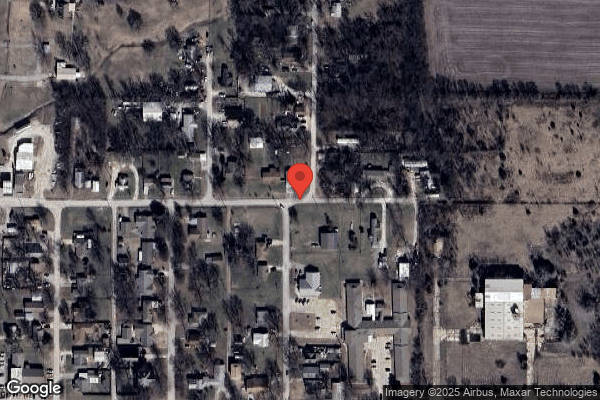
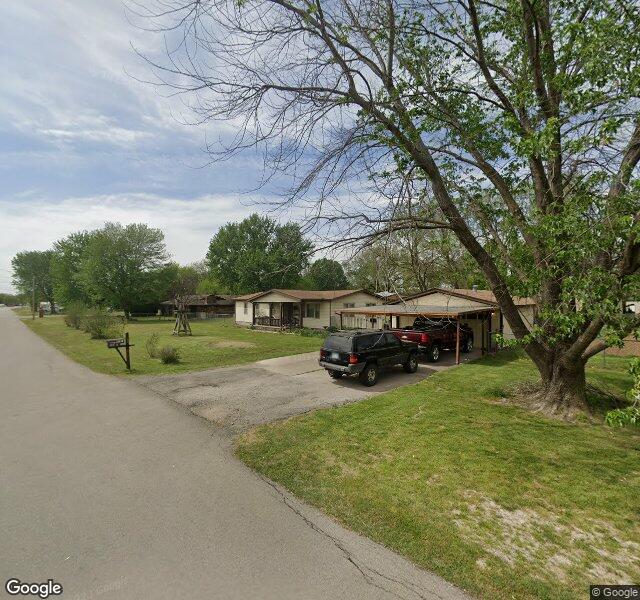
1410 NORTH CHOCTAW, DEWEY, OK 74029 (918) 534-3355
For profit - Individual 116 Beds Independent Data: November 2025
Trust Grade
40/100
#223 of 282 in OK
Last Inspection: September 2024

Within standard 12-15 month inspection cycle. Federal law requires annual inspections.

Overview

Forrest Manor Nursing Center has received a Trust Grade of D, indicating below-average quality with some significant concerns. They rank #223 out of 282 facilities in Oklahoma, placing them in the bottom half, and #5 out of 5 in Washington County, meaning there are no better local options available. The facility's trend is worsening, with issues increasing from 7 in 2023 to 23 in 2024. Staffing is a positive aspect, as they have a 0% turnover rate, which is well below the state average, but they have concerning RN coverage, being lower than 82% of other facilities in Oklahoma. Recent inspections revealed a lack of timely assessments for several residents, no full-time Director of Nursing, and failure to provide required staffing data to CMS, pointing to serious operational lapses despite having no fines on record.

Trust Score
D
40/100
In Oklahoma
#223/282
Bottom 21%
Safety Record
Low Risk
No red flags
Inspections
Getting Worse
7 → 23 violations
Staff Stability
○ Average
Turnover data not reported for this facility.
Penalties
✓ Good
No fines on record. Clean compliance history, better than most Oklahoma facilities.
Skilled Nurses
⚠ Watch
Each resident gets only 10 minutes of Registered Nurse (RN) attention daily — below average for Oklahoma. Fewer RN minutes means fewer trained eyes watching for problems.
Violations
⚠ Watch
33 deficiencies on record. Higher than average. Multiple issues found across inspections.
★☆☆☆☆
1.0
Overall Rating
★☆☆☆☆
1.0
Staff Levels
★☆☆☆☆
1.0
Care Quality
★☆☆☆☆
1.0
Inspection Score
Stable
2023: 7 issues
2024: 23 issues

The Good

  • Full Sprinkler Coverage · Fire safety systems throughout facility
  • No fines on record

Facility shows strength in fire safety.

The Bad

1-Star Overall Rating

Below Oklahoma average (2.6)

Significant quality concerns identified by CMS

The Ugly 33 deficiencies on record

Sept 2024 23 deficiencies
CONCERN (D)

Potential for Harm - no one hurt, but risky conditions existed

Deficiency F0554 (Tag F0554)

Could have caused harm · This affected 1 resident

Based on record review and interview, the facility failed to ensure a resident was safe to self-administer medication for one (#204) of one sampled resident reviewed for self-administering medications...

Read full inspector narrative →
Based on record review and interview, the facility failed to ensure a resident was safe to self-administer medication for one (#204) of one sampled resident reviewed for self-administering medications. The ADON identified one resident that self-administered medications. Findings: An undated policy titled Right to Self-Administer Medications read in part, .Each resident has the right to self-administration of drugs unless the interdisciplinary team has determined that the practice would be a danger to the resident or others .The attached form will be completed and kept in the resident's medical record .the interdisciplinary team must assess the resident's cognitive, physical, and visual ability to carry out the responsibility . Physician orders, dated 08/09/24, documented Resident #204 was to receive albuterol 3 mg/ipratropium 0.5 mg (bronchodilator medication) via nebulizer four times a day and it could be kept at bedside; and tiotropium bromide (anticholinergic medication) 2.5 mcg two inhalations once a day and it could be kept at bedside. On 09/11/24 at 12:34 p.m., the ADON stated an self-administration of medication assessment should have been completed for Resident #204.
CONCERN (D)

Potential for Harm - no one hurt, but risky conditions existed

Deficiency F0582 (Tag F0582)

Could have caused harm · This affected 1 resident

Based on record review and interview, the facility failed to provide a CMS-10123 form to a resident who discharged from part Medicare Part A services for one (#50) of three sampled residents reviewed ...

Read full inspector narrative →
Based on record review and interview, the facility failed to provide a CMS-10123 form to a resident who discharged from part Medicare Part A services for one (#50) of three sampled residents reviewed for required paperwork related to discharging from Medicare Part A services. The BOM stated six resident had discharged from Medicare Part A services in the previous six months to the survey. Findings: An undated CMS-10123 form, documented Resident #50's coverage for Medicare Part A services would end on 06/14/24. The form was not signed. On 09/09/24 at 1:31 p.m., the BOM stated they had forgot to provide Resident #50 a CMS-10123 form for Medicare Part A services which Resident #50 discharged from on 06/14/24.
CONCERN (D)

Potential for Harm - no one hurt, but risky conditions existed

Deficiency F0655 (Tag F0655)

Could have caused harm · This affected 1 resident

Based on record review and interview, the facility failed to ensure a baseline care plan was completed for one (#203) of five sampled residents reviewed for care plans. The ADON identifed 61 residents...

Read full inspector narrative →
Based on record review and interview, the facility failed to ensure a baseline care plan was completed for one (#203) of five sampled residents reviewed for care plans. The ADON identifed 61 residents resided in the facility. Findings: Resident #203 had diagnoses which included diabetes mellitus and hypertension. There was no documentation a baseline care plan had been completed. On 09/12/24 at 10:21 a.m., RN #1 stated they did not complete Resident #203's admission. They stated they did not know if a baseline care plan was completed. On 09/11/24 at 12:34 pm, the ADON stated a baseline care plan for resident #203 was not located.
CONCERN (D)

Potential for Harm - no one hurt, but risky conditions existed

Comprehensive Care Plan (Tag F0656)

Could have caused harm · This affected 1 resident

Based on record review and interview, the facility failed to develop a comprehensive care plan for one (#203) of five sampled residents reviewed for care plans. The ADON identified 61 residents reside...

Read full inspector narrative →
Based on record review and interview, the facility failed to develop a comprehensive care plan for one (#203) of five sampled residents reviewed for care plans. The ADON identified 61 residents resided in the facility. Findings: Resident #203 had diagnoses which included diabetes mellitus and hypertension. There was no documentation a comprehensive care plan was completed for the resident. On 09/11/24 at 12:34 p.m., the ADON stated a care plan for resident #203 was not completed.
CONCERN (D)

Potential for Harm - no one hurt, but risky conditions existed

Deficiency F0657 (Tag F0657)

Could have caused harm · This affected 1 resident

Based on observation, record review, and interview, the facility failed to care plan the use of bedrails for one (#42) of three sampled resident reviewed for accidents. The ADON identified 10 residen...

Read full inspector narrative →
Based on observation, record review, and interview, the facility failed to care plan the use of bedrails for one (#42) of three sampled resident reviewed for accidents. The ADON identified 10 residents had some form of bed rail attached to their beds. Findings: A care plan, dated 05/23/24, did not include a problem, goal, or intervention regarding the safe use of bedrails. On 09/11/24 at 12:38 p.m., Resident #42's assigned bed was observed to have a full side rail attached to each side. On 09/11/24 at 12:46 p.m., CNA #2 stated Resident #42 had used a bed with bedrails for about six months. On 09/11/24 at 1:39 p.m., the ADON stated they had reviewed Resident #42's current care plan. They stated the resident's use of bedrails was not care planned. They stated the bedrails should have been care planned.
CONCERN (D)

Potential for Harm - no one hurt, but risky conditions existed

ADL Care (Tag F0677)

Could have caused harm · This affected 1 resident

Based on observation, interview, and record review, the facility failed to provide showers as scheduled for one (#50) of two sampled residents whose clinical records were reviewed for ADL care for dep...

Read full inspector narrative →
Based on observation, interview, and record review, the facility failed to provide showers as scheduled for one (#50) of two sampled residents whose clinical records were reviewed for ADL care for dependent residents. A facility census list, dated 09/08/24, documented 61 residents resided in the facility. Findings: On 09/08/24 at 11:45 a.m., Resident #50 was observed in bed. The resident's hair was long and appeared tangled and greasy. On 09/08/24 at 11:45 a.m., Resident #50 stated they were scheduled for two showers per week, but only received one a week. The resident stated they usually did not receive their shower scheduled for the weekend. The resident's clinical record was reviewed and documented they were scheduled to receive showers on Wednesdays and Saturdays. There was no documentation the resident was offered/received showers on 08/10/24, 08/17/24, 08/24/24, or 08/31/24 (all Saturdays). On 09/11/24 at 9:00 a.m., the ADON stated there should be a shower sheet filled out even if the resident refused. The ADON stated they needed to educate the weekend staff on ADL care and charting.
CONCERN (D)

Potential for Harm - no one hurt, but risky conditions existed

Quality of Care (Tag F0684)

Could have caused harm · This affected 1 resident

Based on observation, record review, and interview, the facility failed to provide a care plan intervention for contracted hands of one (#6) of 24 sampled residents reviewed for the presence of contra...

Read full inspector narrative →
Based on observation, record review, and interview, the facility failed to provide a care plan intervention for contracted hands of one (#6) of 24 sampled residents reviewed for the presence of contractures. The ADON identified five residents had contractures. Findings: A care plan problem for bilateral contracted hands, updated 06/04/24, documented the resident was to have contracture cushions or rolled rags in their hand if possible. On 09/08/24 at 12:32 p.m., Resident #6 was observed sitting in the dining room. Both of their hands appeared to be contracted. Neither hand had a device or material to protect and support their contracted hands. On 09/10/24 at 7:33 a.m., Resident #6 was observed in their room watching television. Both hands of the resident appeared contracted. There was nothing in either hand to protect or support the hands. On 09/10/24 at 1:56 p.m., RN #1 stated Resident #6 did have two contracted hands. On 09/11/24 at 11:12 a.m., CNA #1 stated the staff sometimes put rags in Resident #6's hands. They stated the resident did not have anything in their hand at that time. They stated they did not know if the rags were care planned. On 09/11/24 at 11:16 a.m. RN #1 stated the resident did not currently have rags in their hand. They stated there was no order for the rags and they were unaware if the rags were care planned. On 09/11/24 at 12:14 p.m., RN #1 stated they had got an order for the rolled rags to be place in the resident's hands. On 09/11/24 at 2:12 p.m., the ADON stated the rolled rags should have been placed in the resident's hands as they were care planned. They stated the staff had not been following the resident's care plan.
CONCERN (D)

Potential for Harm - no one hurt, but risky conditions existed

Deficiency F0700 (Tag F0700)

Could have caused harm · This affected 1 resident

Based on observation, record review, and interview, the facility failed to attempt alternatives to the use of bed rails and obtain informed consent for the use of bed rails prior to their use for one ...

Read full inspector narrative →
Based on observation, record review, and interview, the facility failed to attempt alternatives to the use of bed rails and obtain informed consent for the use of bed rails prior to their use for one (#42) of three sampled residents reviewed for accident hazards. The ADON identified 10 residents at the facility had some form of bed rail attached to their beds. Findings: A facility Bed Safety policy, dated 12/2007, read in part, If side rails are used, there shall be an interdisciplinary assessment of the resident, consultation of the Attending Physician, and input from the resident and/or legal representative. The policy further reads, The staff shall obtain consent for the use of side rails from the resident or the resident's legal representative prior to their use. Resident #42 had diagnoses which included Alzheimer's disease and atherosclerosis. A quarterly assessment, dated 05/16/24, documented Resident #42's cognition was severely impaired. On 09/11/24 at 12:38 p.m., Resident #42 was observed to have bedrails attached to both sides of their bed. At 12:46 p.m., CNA #2 stated the resident had the bedrails on their bed for about six months. They stated they had not observed or heard of the resident attempting to get out of their bed unassisted for the past two months. On 09/11/24 at 1:20 p.m., the ADON confirmed Resident #42 had bedrails attached to their bed. They stated they were unable to locate documentation the resident's representative had been educated on the use of bedrails and given the opportunity to give written consent. They stated there was no documentation of less restrictive interventions having been attempted in the resident's medical records. They stated they understood the dangers associated with the use of bedrails.
CONCERN (D)

Potential for Harm - no one hurt, but risky conditions existed

Deficiency F0757 (Tag F0757)

Could have caused harm · This affected 1 resident

Based on record review and interview, the facility failed to culture a urine sample prior to prescribing and administering an antibiotic for one (#9) of 24 sampled residents reviewed for the use of an...

Read full inspector narrative →
Based on record review and interview, the facility failed to culture a urine sample prior to prescribing and administering an antibiotic for one (#9) of 24 sampled residents reviewed for the use of antibiotics. The ADON identified 17 residents who had been prescribed antibiotics in the past 90 days. Findings: A laboratory report documentated a sample of Resident #9's urine was collected on 07/10/24. The report documented an abnormal finding including high nitrate and white blood cell levels. The report also documented a note that stated a culture of the urine was indicated, but had not been ordered. On the bottom of the first page of the laboratory report was a hand written note which documented, Macrobid [antibiotic medication] 100 mg BID X 7 days. The hand written entry was noted by RN #1 on 07/16/24. A July 2024 MAR documented the resident had been administered Macrobid 100 mg orally for seven days starting on 07/16/24. On 09/09/24 at 7:36 a.m., Resident #9 stated they were taking an antibiotic medication. On 09/10/24 at 8:27 a.m., the ADON stated the resident was no longer being administered an antibiotic. On 09/10/24 at 1:15 p.m., the ADON confirmed a culture had not been performed to determine the organism causing the infection of what antibiotics would be effective against that organism. They stated it was best practice to make those determinations prior to administering antibiotics, but it looked like it was not done in that case.
CONCERN (D)

Potential for Harm - no one hurt, but risky conditions existed

Deficiency F0909 (Tag F0909)

Could have caused harm · This affected 1 resident

Based on observation, record review, and interview, the facility failed to inspect the bed and bedrails of a resident prior to the use of bedrails for one (#42) of three sampled resident reviewed for ...

Read full inspector narrative →
Based on observation, record review, and interview, the facility failed to inspect the bed and bedrails of a resident prior to the use of bedrails for one (#42) of three sampled resident reviewed for accident hazards. The ADON identified 10 residents at the facility had some form of bed rail attached to their beds. Findings: A facility Bed Safety policy, dated 12/2007, read in part, To try to prevent deaths/injuries from the beds and related equipment (including the frame, mattress, side rails, headboard, footboard, and bed accessories) the facility shall promote the following : a. Inspection by maintenance staff of all beds and related equipment as part of our regular bed safety program to identify risks and problems including potential entrapment risks. On 09/11/24 at 12:38 p.m., Resident #42's assigned bed was observed to have a full side rail attached to each side. On 09/11/24 at 12:41 p.m., CNA #2 stated Resident #42 did have full bedrails on their bed. They stated the resident was moved to their currently assigned room about six months prior to the survey. They stated the bed had rails attached. They stated the resident did not have bedrails attached to the bed they had been using before the move. On 09/11/24 at 1:40 p.m., the maintenance supervisor stated they had not been performing bed or bedrail safety inspections prior to the use of bedrails by the residents. They stated Resident #42's bed had not been inspected for safety. On 09/11/24 at 1:20 p.m., the ADON stated they were aware of the dangers of using bedrails and they would make improvements.
CONCERN (E)

Potential for Harm - no one hurt, but risky conditions existed

Deficiency F0578 (Tag F0578)

Could have caused harm · This affected multiple residents

**NOTE- TERMS IN BRACKETS HAVE BEEN EDITED TO PROTECT CONFIDENTIALITY** Based on record review and interview, the facility failed to provide an opportunity for a resident to create an advance directiv...

Read full inspector narrative →
**NOTE- TERMS IN BRACKETS HAVE BEEN EDITED TO PROTECT CONFIDENTIALITY** Based on record review and interview, the facility failed to provide an opportunity for a resident to create an advance directive for two (#9 and #50) of three sampled residents reviewed for advance directives. A facility census list, dated 09/08/24, documented 61 residents resided in the facility. Findings: A facility face sheet, dated 06/13/19, documented Resident #9 had been admitted to the facility on [DATE]. There was no documentation the resident was given an opportunity to create an advance directive. On 09/10/24 at 1:51 p.m., the ADON stated they had reviewed Resident #9's records and had not found documentation they had been provided the opportunity to create an advance directive. On 09/10/14 at 1:55 p.m. Resident #9 stated they did not recall talking to anyone about an advance directive. On 09/10/24 at 2:17 p.m., the BOM stated they had searched the resident's records that had been thinned from the chart and did not find documentation regarding an advance directive. On 09/11/24 at 10:15 a.m. the ADON stated a resident has a right to create an advance directive. 2. Resident #50 had diagnoses which included chronic pain and pressure ulcers. A review of the clinical record revealed there was no documentation the resident had an opportunity to create an advance directive. There was no documentation of the resident's code status in the physician's orders or chart cover. On 09/11/24 at 2:02 p.m., the resident's clinical record was reviewed with the ADON and BOM. The ADON stated the resident's code status should have been documented on the physician's order and a sticker placed on the front of the chart. The BOM located a blank copy of the facility form to address advance directives in the resident's clinical record. The BOM stated the form was blank and the facility had not addressed advance directives with Resident #50.
CONCERN (E)

Potential for Harm - no one hurt, but risky conditions existed

Deficiency F0692 (Tag F0692)

Could have caused harm · This affected multiple residents

Based observation, interview, and record review, the facility failed to provide dietary interventions as ordered by the physician and/or documented in the plan of care for two (#19 and #50) of two sam...

Read full inspector narrative →
Based observation, interview, and record review, the facility failed to provide dietary interventions as ordered by the physician and/or documented in the plan of care for two (#19 and #50) of two sampled residents whose clinical records were reviewed for nutrition. A facility census list, dated 09/08/24, documented 61 residents resided in the facility. Findings: 1. Resident #19 had diagnoses which included end stage renal disease. The care plan, updated 05/09/24, documented the resident had the potential for alteration in nutrition status related to end stage renal disease. The facility interventions were to encourage the resident to follow the diet as planned and ordered by the physician, monitor weight, educate on diet, monitor appetite, diet consultant to monitor diet monthly, monitor labs and report results to physician, administer medications as ordered, and provide low sodium diet. It was documented the resident was on a regular renal diet with low sodium. The facility interventions were to serve the diet as ordered and offer substitutions if less than 75% was eaten, monitor/discuss food preferences, offer snacks within the resident's dietary limitations, obtain weights as ordered, remind and encourage the resident to follow the prescribed diet, and provide supplement of Nova Source renal [meal supplement] as ordered. A dialysis communication form, dated 06/28/24, documented the resident was to receive a diet with less phosphorus and no calcium. A dietary communication form, dated 06/28/24, documented the resident was to receive less phosphorus foods and no calcium. The monthly physician's orders, dated 08/01/24, documented no diet ordered for Resident #19. On 09/10/24 at 1:25 p.m., the DM stated all residents received the same meal or an alternate of their choosing from a list of soup, salad, grilled cheese, or a peanut butter and jelly sandwich. The DM stated it was the residents responsibility to make appropriate meal choices for their diet. The DM observed the dietary communication form dated 06/28/24. They stated the facility was not meeting the resident's nutritional needs. On 09/11/24 at 12:35 p.m., the ADON stated there were orders to limit the resident's phosphorus and calcium intake back in June and there was a communication form sent to dietary. The ADON stated they were not sure how dietary orders were followed. The ADON stated with the liberal diet and the alternate choices available, Resident #19 did not have the options for meal choices to limit the calcium and phosphorus intake. The ADON stated they were not accommodating the resident's dietary needs. 2. Resident #50 had diagnoses which included spina bifida and pressure ulcers. The August 2024 monthly physician's orders documented the resident was to receive double portions of protein. On 09/08/24 at 11:45 a.m., Resident #50 stated they did not receive double portions of protein on their meal trays or the protein drink with each meal. They stated they now purchase their own protein drinks to supplement their intake. They stated they did not think it was right to have to buy supplements when they were to receive supplements with each meal. On 09/08/24 at 1:20 p.m., the midday meal was observed on the resident's overbed table. There were four small beef tips in brown gravy on the resident's plate. Each were roughly the size of a half dollar. The resident's diet card located on their meal tray documented the resident was to receive double portions of protein. On 09/10/24 at 12:55 p.m., the noon meal was observed on the resident's overbed table. There was one bratwurst link on their plate. The resident's diet card located on their meal tray documented the resident was to receive double portions of protein. On 09/11/24 at 8:50 a.m., the DM stated the serving size for the prior days lunch was one link. The DM was asked about the above observations. The DM stated the resident did not receive double portions of protein as ordered and they thought staff overlooked the order on the diet card. On 09/11/24 at 12:35 p.m., the ADON was asked about the above observations. The ADON stated they did not follow the physician's order for double portions of protein for wound healing.
CONCERN (E)

Potential for Harm - no one hurt, but risky conditions existed

Deficiency F0698 (Tag F0698)

Could have caused harm · This affected multiple residents

Based on interview and record review, the facility failed to perform a post dialysis assessment for one (#19) of one sampled resident who was reviewed for dialysis. The ADON identified one resident w...

Read full inspector narrative →
Based on interview and record review, the facility failed to perform a post dialysis assessment for one (#19) of one sampled resident who was reviewed for dialysis. The ADON identified one resident who required dialysis. Findings: Resident #19 had diagnoses which included end stage renal disease. The August 2024 monthly physician's orders documented the resident was to attend dialysis three times a week. The pre/post dialysis communication reports, dated 08/02/24, 08/05/24, 08/07/24, 08/09/24, 08/19/24, 08/21/24, 08/23/24, 08/26/24, 08/28/24, 08/30/24, 09/02/24, 09/04/24, 09/06/24, and 09/09/24, documented the pre-dialysis assessment and the section for communication from the dialysis unit were completed, but there was no documentation of a post dialysis assessment on the form. On 09/11/24 at 11:19 a.m., RN #1 stated the post dialysis assessment included checking the resident's weight, vital signs, dialysis site, and bruit. They stated the dialysis pre/post assessments were kept in a dialysis log book which traveled with the resident to dialysis and back to aide with communication between the dialysis center and the facility. RN #1 reviewed the documentation in the resident's dialysis log book and stated the nurses' had not performed the post dialysis assessment.
CONCERN (E)

Potential for Harm - no one hurt, but risky conditions existed

Drug Regimen Review (Tag F0756)

Could have caused harm · This affected multiple residents

Based on record review and interview, the facility failed to ensure GDR requests were attemped and/or addressed by the physician for two (#37, and #49) of five sampled residents reviewed for unnecessa...

Read full inspector narrative →
Based on record review and interview, the facility failed to ensure GDR requests were attemped and/or addressed by the physician for two (#37, and #49) of five sampled residents reviewed for unnecessary medications. A Consultant Pharmacist Activity Report dated 09/11/24 documented 48 residents were receiving psychotropic medications. Findings: 1. Resident #37 had diagnoses which included PTSD and major depressive disorder. A physician's order, dated 03/16/23, documented Resident #37 was to receive 150 mg of venlafaxine xr (antidepressant medication) by mouth every day. A physician's order, dated 03/16/23, documented Resident #37 was to receive 30 mg of mirtazapine (antidepressant medication) by mouth at bedtime. A physician's order, dated 04/05/23, documented the resident was to receive 10 mg of buspirone (antianxiety medication) by mouth three times a day. A quarterly assessment, dated 6/14/24, documented Resident #37 had routinely received antidepressant medications and an antianxiety medication. A review of Resident #37's medical records did not document any GRD's had been attempted for resident #37. On 09/11/24 at 12:34 pm, the ADON stated no GDR's had been located for Resident #37. 2. Resident #49 had diagnoses which included unspecified dementia and anxiety disorder. A physician's order, dated 01/12/24, documented Resident #49 was to receive 0.75 mg of risperidone (antipsychotic medication) by mouth twice a day. A physician's order, dated 01/12/24, documented the resident was to receive 75 mg of sertraline (antidepressant medication) by mouth every day. A quarterly assessment, dated 05/03/24, documented Resident #49 routinely received an antipsychotic medication and an antidepressant medication. A GDR, dated 08/30/24, recommended a dose reduction be attempted for risperidone 0.75mg twice a day. There was no documentation that the physician had addressed the GDR. A review of Resident #49's medical records did not document any other GDR's for the resident. On 09/11/24 at 12:34 pm, the ADON stated no other GDR's had been located for Resident #49.
CONCERN (E)

Potential for Harm - no one hurt, but risky conditions existed

Medication Errors (Tag F0758)

Could have caused harm · This affected multiple residents

Based on record review and interview, the facility failed to ensure a resident who received an antipsychotic medication had an appropriate diagnosis/indication for the use of the medication for one (#...

Read full inspector narrative →
Based on record review and interview, the facility failed to ensure a resident who received an antipsychotic medication had an appropriate diagnosis/indication for the use of the medication for one (#49) and failed to ensure a PRN psychotropic medication was limited to 14 days for one (#42) of five sampled residents reviewed for unnecessary medications. A Consultant Pharmacist Activity Report dated 09/11/24 documented 48 residents received psychotropic medications. Findings: 1. Resident #42 had diagnoses which included anxiety. A Consultant Pharmacist Communication to Physician, dated 08/29/24, read in part, PRN Psychotropics: 14 day limitation on all PRN orders. The orders may be extended beyond 14 days if the attending physician or prescribing practitioner: 1.) Believes it is appropriate to extend the order 2.) Documents clinical rationale for the extension 3.) Provides a specific duration. The document provided a section for a practitioner to provide a rationale and signature. The form did not have a rationale or physician's signature. A September 2024 MAR documented an order for Ativan (antianxiety medication) 2 mg tablets to have been administered to Resident #42 every 4 hours as needed. The order had a start date of 02/19/24. The order did not have an end date. The record documented the resident had received three doses of the medication in during the month. 2. Resident #49 had diagnoses which included unspecified dementia and anxiety disorder. A quarterly assessment, dated 05/03/24, documented Resident #49 routinely received an antipsychotic medication. A physician's order, dated 01/12/24, documented Resident #49 was to receive risperidone (antipsychotic medication) 0.75 mg by mouth twice a day for unspecified dementia. On 09/11/24 at 12:34 p.m., the ADON stated dementia was not an appropriate diagnosis for an antipsychotic medication. On 09/11/24 at 1:17 p.m., the ADON stated they understood the regulation regarding the use of PRN Ativan and the requirement for a rationale for extended use beyond 14 days.
CONCERN (E)

Potential for Harm - no one hurt, but risky conditions existed

Deficiency F0800 (Tag F0800)

Could have caused harm · This affected multiple residents

Based observation, record review, and interview, the facility failed to provide a therapeutic diet as ordered by the physician and/or documented in the plan of care for two (#19 and #50) of two sample...

Read full inspector narrative →
Based observation, record review, and interview, the facility failed to provide a therapeutic diet as ordered by the physician and/or documented in the plan of care for two (#19 and #50) of two sampled residents whose diets were reviewed. A facility census list, dated 09/08/24, documented 61 residents resided in the facility. Findings: 1. Resident #19 had diagnoses which included end stage renal disease. The care plan, updated 05/09/24, documented the resident had the potential for alteration in nutrition status related to end stage renal disease. The facility interventions were to encourage the resident to follow the diet as planned and ordered by the physician, monitor weight, educate on diet, monitor appetite, diet consultant to monitor diet monthly, monitor labs and report results to physician, administer medications as ordered, and provide low sodium diet. It was documented the resident was on a regular renal diet with low sodium. The facility interventions were to serve the diet as ordered and offer substitutions if less than 75% was eaten, monitor/discuss food preferences, offer snacks within the resident's dietary limitations, obtain weights as ordered, remind and encourage the resident to follow the prescribed diet, and provide supplement of Nova Source renal [meal supplement] as ordered. A dialysis communication form, dated 06/28/24, documented the resident was to receive a diet with less phosphorus and no calcium. A dietary communication form, dated 06/28/24, documented the resident was to receive less phosphorus foods and no calcium. The monthly physician's orders, dated 08/01/24, documented no diet ordered for Resident #19. On 09/10/24 at 1:25 p.m., the DM stated all residents received the same meal or an alternate of their choosing from a list of soup, salad, grilled cheese, or a peanut butter and jelly sandwich. The DM stated it was the residents responsibility to make appropriate meal choices for their diet. The DM observed the dietary communication form, dated 06/28/24, and stated the facility was not meeting the resident's nutritional needs. On 09/11/24 at 12:35 p.m., the ADON stated there were orders to limit the resident's phosphorus and calcium intake back in June. They stated there was a communication form sent to dietary. They stated they were not sure how dietary orders were followed. They stated with the liberal diet and the alternate choices available, Resident #19 did not have the options for meal choices to limit the calcium and phosphorus intake. The ADON stated they were not accommodating the resident's dietary needs. 2. Resident #50 had diagnoses which included spina bifida and pressure ulcers. The August 2024 monthly physician's orders documented the resident was to receive double portions of protein. On 09/08/24 at 11:45 a.m., Resident #50 stated they did not receive double portions of protein on their meal trays nor the protein drink with each meal. They stated they now purchase their own protein drinks to supplement their intake. They stated they did not think it was right to have to buy supplements when they were to receive supplements with each meal. On 09/08/24 at 1:20 p.m., the midday meal was observed on the resident's overbed table. There were four small beef tips in brown gravy on the resident's plate. Each roughly the size of a half dollar. The resident's diet card documented the resident was to receive double portions of protein. On 09/10/24 at 12:55 p.m., the noon meal was observed on the resident's overbed table. There was one bratwurst link on the resident's plate. The resident's diet card located on their meal tray documented the resident was to receive double portions of protein. On 09/11/24 at 8:50 a.m., the DM stated the serving size for the prior days lunch was one link. The DM was asked about the above observations. The DM stated the resident did not receive double portions of protein as ordered. They stated they thought staff overlooked the order on the diet card. On 09/11/24 at 12:35 p.m., the ADON was asked about the above observations. The ADON stated they did not follow the physician's order for double portions of protein for wound healing.
CONCERN (E)

Potential for Harm - no one hurt, but risky conditions existed

Menu Adequacy (Tag F0803)

Could have caused harm · This affected multiple residents

Based on record review and interview, the facility failed to: a. update the dietary menu, b. offer nutritionally equivalent alternatives to planned meals, and c. have a RD review the menus for nutriti...

Read full inspector narrative →
Based on record review and interview, the facility failed to: a. update the dietary menu, b. offer nutritionally equivalent alternatives to planned meals, and c. have a RD review the menus for nutritional adequacy. The DM identified 61 residents who ate meals from the kitchen. Findings: On 09/10/24 at 11:05 a.m., the extended menus were requested from the DM. The DM stated they were new to the position and did not know where to find the extended menu. They stated they received the week's menu from the BOM. On 09/10/24 at 12:35 p.m., the BOM and DM located the extended menu on a small flat bar above the steam table. The extended menu cover was dated November 2022. On 09/10/24 at 12:35 p.m., the BOM stated the residents complained they were continually receiving the same meals. The BOM stated they requested current menus from the company representatives, but never received the new menus. The BOM stated they started creating the weekly menus and/or substitutions the facility used based on the November 2022 menu and meals the residents requested. The BOM stated the old menus were reviewed and approved by the RD, but the facility created menus/substitutions were not reviewed or approved by the RD. On 09/11/24 at 8:50 a.m., the DM stated if a resident did not want what was served for the meal, they could request soup, salad, grilled cheese, or a peanut butter sandwich from the alternate menu. The DM stated the alternate menu was not nutritionally equivalent to the served meals.
CONCERN (E)

Potential for Harm - no one hurt, but risky conditions existed

Food Safety (Tag F0812)

Could have caused harm · This affected multiple residents

Based on observation and interview, the facility failed to: a. follow standards of practice in meal service; b. serve meals in a sanitary manner; and c. utilize professional grade equipment in the ki...

Read full inspector narrative →
Based on observation and interview, the facility failed to: a. follow standards of practice in meal service; b. serve meals in a sanitary manner; and c. utilize professional grade equipment in the kitchen. The BOM identified 61 residents who ate meals prepared and served in the kitchen. Findings: 1. On 09/08/24 at 8:20 a.m., observations were made in the kitchen. The hand washing sink was located in the corner of the kitchen and was blocked by a mop, bucket, and a covered trash can. Above the hand washing sink was a rack with cooking utensils hanging downward from the edge of a rack, blocking access to the hand washing sink. On 09/08/24 at 8:25 a.m., [NAME] #1 was observed to plate food for multiple residents with their gloved hands including grabbing and splitting biscuits before placing the biscuit on the plate, reaching into the steam table pans and grabbing bacon, fried eggs, toast, and pancakes with their gloved hands. The cook did not change gloves between food items or residents. The cook was observed to touch the pre-printed resident diet cards, the plates, trays, counter tops, steam table, and their clothing while plating meals. The cook was not observed to change gloves or sanitize their hands until after the morning meal was served. The cook did not wear a beard guard. On 09/08/24 at 9:10 a.m., the dish machine was observed. [NAME] #1 repeatedly ran the dish machine without reaching the minimum required wash/rinse water temperature of 120 degrees Fahrenheit. [NAME] #1 checked the disinfectant level multiple times without the litmus paper changing color, signifying no disinfectant was applied to the dishes. [NAME] #1 stated they were unsure of the required water temperatures and concentration of sanitizing agent in a three compartment sink. On 09/08/24 at 9:50 a.m., DA #1 was observed washing dishes through the dish machine. They stated the maintenance supervisor told them they could add sanitizing agent to the dish machine manually by pouring sanitizing agent into the bottom of the dish machine. The DA was observed to take an open cup they identified as the sanitizing agent and poured it into the bottom of the dish machine as the machine continued to run. Once the dish machine completed the cycle, litmus paper was used to check the level of disinfectant. There was no change in color to the litmus paper. On 09/08/24 at 10:00 a.m., the maintenance supervisor stated kitchen staff would need to use the three compartment sink to clean the dishes until the dish machine could be serviced. On 09/10/24 at 11:30 a.m., the DM stated the dish machine was serviced and the pump for the sanitizing agent was replaced. On 09/10/24 at 11:50 a.m., DA #3 was observed with gloves on to cut a sheet pan of brownies with a knife. They plated each serving of brownies using the side of the knife as a spatula and holding the brownie with their gloved hand as they plated it. The DA was observed to touch the other items with their gloved hand, including the countertop, baking sheet, knife/utensils, small plates, and kitchen towel while plating food. On 09/10/24 at 12:15 p.m., DA #2 was observed to plate food. The DA used their gloved hands to open the lid and grab packaged items from cool storage, and held/touched the individual resident meal tickets, utensils, plates, trays, and steam table. With the same gloved hands the DA was observed to grab bread from the package to serve. On 09/10/24 at 12:45 p.m., DA #2 stated they had helped to serve food from a steam table a few times, but had not been trained how to do so. They stated they felt nervous being watched as they served. On 09/10/24 at 12:50 p.m., the DM stated DA #2 had served from the steam table only a few times and should not have touched the bread with their gloved hands. The DM stated despite baking all morning the brownies were still gooey and difficult to cut and serve. The DM stated DA #3 should have used utensils to serve the brownies. 2. On 09/10/24 at 12:00 p.m., the following kitchen appliances were observed to be labeled for household/residential use only: a. a small waffle maker, b. a 6-8 quart slow cooker, c. a four slice toaster, and d. a food processor. On 09/10/24 at 12:35 p.m., the BOM stated they would contact administration regarding replacing the appliances.
CONCERN (E)

Potential for Harm - no one hurt, but risky conditions existed

Medical Records (Tag F0842)

Could have caused harm · This affected multiple residents

**NOTE- TERMS IN BRACKETS HAVE BEEN EDITED TO PROTECT CONFIDENTIALITY** 2. Resident #18 had diagnoses which included muscular dystrophy and vascular dementia. A face sheet, with an admit date of [DATE...

Read full inspector narrative →
**NOTE- TERMS IN BRACKETS HAVE BEEN EDITED TO PROTECT CONFIDENTIALITY** 2. Resident #18 had diagnoses which included muscular dystrophy and vascular dementia. A face sheet, with an admit date of [DATE], documented the resident was a full code. Physician orders, dated 09/2024, documented Resident #18's code status was full code. Stickers on the front cover and the spine of Resident #18's medical record indicated the resident was a full code. A Certification of Physician section of Resident #18's DNR form indicated the physician certified Resident #18 would not have consented to the administration of CPR. This form was signed by the physician on [DATE]. On [DATE] at 8:18 a.m., the ADON stated Resident #18's chart and paperwork should document the resident had a DNR in place. Based record review and interview, the facility failed to ensure code status was clearly identified in residents' medical records for two (#9 and #18) of twenty four sampled residents whose medical records were reviewed. A facility census list, dated [DATE], documented 61 residents resided in the facility. Findings: 1. Resident #9 had diagnoses which included chronic kidney disease and chest pain. Resident #9's medical record was reviewed. A sticker attached to the outside of the hard chart read, DNR [do not resuscitate]. A second sticker attached to the outside of the hard chart read, Full Code [which means to provide life saving measures]. An Oklahoma Do-Not -Rescucitate (DNR) Consent Form, dated [DATE], was found inside the resident's medical record and documented they wanted to a DNR code status. On [DATE] at 8:10 a.m., the ADON stated the sticker which identified the resident as a full code should have been removed once the DNR form had been signed. They stated they did have a policy and procedure that stated in such cases the staff was to look in the chart for the paperwork that stated the code status. They stated the presence of both stickers on the outside of the chart was a problem that should have been caught by staff. The code status policy was not provided. On [DATE] at 8:17 a.m., RN #1 stated the most convenient way they determined code status was to look at the stickers on the outside of each chart. They stated if the sticker was not there they were to look in the chart or in a binder at the nurses station that had each resident's code status.
CONCERN (E)

Potential for Harm - no one hurt, but risky conditions existed

Infection Control (Tag F0880)

Could have caused harm · This affected multiple residents

Based on record review and interview, the facility failed to consistently monitor for trends related to infectious disease. The ADON identified the census was 61. Findings: A policy titled Forrest Man...

Read full inspector narrative →
Based on record review and interview, the facility failed to consistently monitor for trends related to infectious disease. The ADON identified the census was 61. Findings: A policy titled Forrest Manor Nursing Facility Infection Control Policy and Procedure, updated 05/23/22, read in part, .Facility has established an infection control program under which it .Investigates, controls and prevents infections in the facility . A review of the facilities infection surveillance documentation for 2024 did not document the facility had been tracking infectious disease or looking for trends related to infectious diseases for 01/24, 02/24 or 03/24. On 09/11/24 at 12:34 p.m., the ADON stated there were was no documentation infection surveillance could be located for 01/24, 02/24, or 03/24.
CONCERN (F)

Potential for Harm - no one hurt, but risky conditions existed

MDS Data Transmission (Tag F0640)

Could have caused harm · This affected most or all residents

Based on record review and interview, the facilty failed to transmit MDS assessment data to CMS in the required timeframe for six (#13, 17, 26, 29, 37, and #51) of 20 sampled residents reviewed for MD...

Read full inspector narrative →
Based on record review and interview, the facilty failed to transmit MDS assessment data to CMS in the required timeframe for six (#13, 17, 26, 29, 37, and #51) of 20 sampled residents reviewed for MDS assessments. The administrator identified 61 residents resided at the facility. Findings: A facility policy titled MDS Completion and Submission Timeframes, dated 2001, read in part, Our facility will conduct and submit resident assessments in accordance with current federal and state submission timeframes. A facility MDS 3.0 Assessment Summary Report, was provided to the survey team on 09/10/24. The report documented quarterly assessments for six residents had been submitted to CMS beyond the required timeframe. The late assessments were: 1. Resident #13's quarterly assessment, completion date 07/17/24, had a transmit by date of 07/31/24. The transmitted date was documented as 08/29/24; 2. Resident #17's quarterly assessment, completion date 07/15/24, had a transmit by date of 07/29/29. The transmitted date was documented as 08/22/24; 3. Resident #26's quarterly assessment, completion date 08/04/24, had a transmit by date of 08/18/24. The transmitted date was documented as 09/10/24; 4. Resident #29's quarterly assessment, completion date 08/01/24, had a transmit by date of 08/15/24. The transmitted date was documented as 08/22/24; 5. Resident #37's quarterly assessment, completion date 06/20/24, had a transmit by date of 07/04/24. The transmitted date was documented as 07/23/24; and 6. Resident #51's quarterly assessment, completion date 07/30/24, had a transmit by date of 08/13/24. The transmitted date was documented as 09/10/24. On 09/10/24 at 10:49 a.m., the ADON stated they had just taken over the MDS coordinator duties. They stated they were aware of multiple overdue assessments. They stated they were aware the assessments were not transmitted. At 12:34 p.m., the administrator stated they had been unaware the MDS assessments had not been completed and transmitted. They stated it was their expectation all MDS assessment would be opened, completed, and submitted in a timely manner.
CONCERN (F)

Potential for Harm - no one hurt, but risky conditions existed

Deficiency F0727 (Tag F0727)

Could have caused harm · This affected most or all residents

Based on record review and interview, the facility failed to employee a full time DON. The administrator identified 61 residents resided in the facility. Findings: An undated facility policy, titled N...

Read full inspector narrative →
Based on record review and interview, the facility failed to employee a full time DON. The administrator identified 61 residents resided in the facility. Findings: An undated facility policy, titled Nursing Services - Staffing , documented the facility would maintain a full time licensed RN or LPN as the director of nursing. On 09/08/24 at 8:51 a.m., the BOM stated the facility did not have a full time DON. They stated the DON had quit their position about three weeks prior to the survey. They stated the organization was actively advertising for a new DON. On 09/08/24 at 9:40 a.m., the administrator provide a letter that stated the former DON had resigned suddenly via text message on 08/26/24. They stated they were advertising for a new DON. They stated they had not assigned the DON's duties to another RN since the former DON had resigned.
CONCERN (F)

Potential for Harm - no one hurt, but risky conditions existed

Staffing Data (Tag F0851)

Could have caused harm · This affected most or all residents

Based on record review and interview, the facility failed to provide direct care staff information to CMS in the required time frame. The administrator identified 61 residents resided at the facility....

Read full inspector narrative →
Based on record review and interview, the facility failed to provide direct care staff information to CMS in the required time frame. The administrator identified 61 residents resided at the facility. Findings: A PBJ report for the third quarter of 2024 documented direct care staffing data had not been received by CMS. On 09/10/24 at 7:40 a.m., the BOM stated the facility administrator was responsible for sending the staffing data to employee #1 who worked at corporate headquarters. They stated employee #1 was the person who sent the data to CMS. On 09/10/24 at 10:55 a.m., the administrator stated employee #1 was responsible for sending the staffing data to CMS. On 09/10/24 at 11:05 a.m., Employee #1 stated they had sent the data to CMS, but did not have the documentation to prove it. On 09/10/24 at 11:17 a.m., the administrator stated they were aware of the time frame for turning in the staffing data to CMS and they believed they had done so timely. They stated the problem may be that their company used standard calendar based quarters while the government did not.
Jun 2023 7 deficiencies
CONCERN (D)

Potential for Harm - no one hurt, but risky conditions existed

Deficiency F0578 (Tag F0578)

Could have caused harm · This affected 1 resident

Based on record review and interview, the facility failed to ensure advance directives were offered, with education provided, to three (#22, 24, and #38) of four residents sampled for advance directiv...

Read full inspector narrative →
Based on record review and interview, the facility failed to ensure advance directives were offered, with education provided, to three (#22, 24, and #38) of four residents sampled for advance directives. The Resident Census and Conditions of Residents report, dated 06/28/23, identified 66 residents resided at the facility. Findings: 1. Resident #22 was admitted with diagnoses which included diabetes type two. Review of the clinical record for Resident #22, revealed an advance directive acknowledgement form was not in the clinical record. On 06/29/23 at 10:03 a.m., the DON and the BOM were asked where the advance directive acknowledgement was for Resident #22. They stated Resident #22 did not have one if it was not in the clinical record. The BOM stated the acknowledgement was in the admission packet and was offered and explained to the resident and resident representative on admission, however, the representative did not sign the acknowledgement. 2. Resident #24 was admitted with diagnoses which included dementia. Review of the clinical record for Resident #24, revealed an advance directive acknowledgement form was not in the clinical record. On 06/29/23 at 10:03 a.m., the DON and the BOM were asked where the advance directive acknowledgement was for Resident #24. They stated Resident #24 did not have one if it was not in the clinical record.
CONCERN (D)

Potential for Harm - no one hurt, but risky conditions existed

Deficiency F0582 (Tag F0582)

Could have caused harm · This affected 1 resident

Based on record review and interview, the facility failed to provide advance notice of discharge from Medicare skilled services for three (#23, 27, and #38) of three residents who were reviewed for be...

Read full inspector narrative →
Based on record review and interview, the facility failed to provide advance notice of discharge from Medicare skilled services for three (#23, 27, and #38) of three residents who were reviewed for beneficiary notification. The BOM identified five residents who receive Medicare Part A services. Findings: 1. Resident #23 was admitted to Medicare Part A skilled services on 01/08/23. Resident #23 was discharged from skilled services on 05/24/23. Review of the SNF Beneficiary Protection Notification Review form, revealed the facility/provider had initiated the discharge from Medicare Part A services when benefit days were not exhausted. The form documented a SNF ABN was not completed and provided to Resident #23. The form documented the facility was not using the SNF ABN form. The form documented Resident #23 received a NOMNC. Resident #23 remained at the facility and received long term care. 2. Resident #27 was admitted to Medicare Part A skilled services on 12/8/22. Resident #27 was discharged from skilled services on 01/11/23. Review of the SNF Beneficiary Protection Notification Review from, revealed the resident self terminated Medicare Part A skilled services voluntarily. The form documented a SNF ABN was not completed and provided to Resident #27. The form documented the facility was not using the SNF ABN form. The form documented Resident #27 received a NOMNC. Resident #27 remained at the facility and received long term care. 3. Resident #38 was admitted to Medicare Part A skilled services on 01/31/23. Resident #38 was discharged from skilled services on 04/26/23. Review of the SNF Beneficiary Protection Notification Review from, revealed the facility/provider initiated the discharge from Medicare Part A services when benefit days were not exhausted. The form documented a SNF ABN was not completed and provided to Resident #38. The form documented the facility was not using the SNF ABN form. The form documented Resident #38 received a NOMNC. Resident #38 remained at the facility and received long term care. On 06/30/23 at 11:00 a.m., the BOM stated the facility had not been utilizing the SNF ABN form and had only completed and provided the NOMNC form when residents had discharged from Medicare Part A skilled services. They stated they had not seen the SNF ABN form and did not know the purpose of the form. They stated they went to the CMS website and found the SNF ABN form and asked the MDS coordinator about the form and was told the MDS coordinator would complete them from this point forward.
CONCERN (D)

Potential for Harm - no one hurt, but risky conditions existed

Respiratory Care (Tag F0695)

Could have caused harm · This affected 1 resident

Based on observation, record review, and interview, the facility failed to ensure oxygen tubing and humidification bottles were changed for one (#30) of one resident sampled for oxygen services. The D...

Read full inspector narrative →
Based on observation, record review, and interview, the facility failed to ensure oxygen tubing and humidification bottles were changed for one (#30) of one resident sampled for oxygen services. The DON identified 14 residents who received oxygen services resided at the facility. Findings: Resident #30 was admitted with diagnoses which included emphysema. On 06/27/23 at 4:00 p.m., Resident #30 was observed in the east dining room. Resident #30 was observed to be using oxygen at one liter per minute via a nasal cannula. The tubing and humidification bottle were observed to be undated. On 06/29/23 at 08:45 a.m., Resident #30 was observed to have an oxygen concentrator in their room. The humidification bottle was observed to have one third of a cup of water and was undated. The oxygen tubing was observed to be undated. On 06/29/23 at 1:51 p.m., LPN #1 was asked what the policy and procedure was for oxygen and humidification bottles. They stated it was the responsibility of the night nurse to change and date them every other week. LPN #1 was asked where the task of changing the tubing and humidification bottles was documented. They stated the task was documented on the treatment record. The LPN was unable to provide documentation the task had been completed. LPN #1 stated they knew the night nurse had been changing the tubing and humidification bottles. LPN #1 was asked to observe the oxygen tubing and humidification bottle for Resident #30. They stated it was not dated for the last change and should have been. On 06/29/23 at 2:52 p.m., the DON was asked what the policy and procedure was for the oxygen tubing and humidification bottles. They stated the oxygen tubing and humidification bottles were to be changed monthly and should be documented on the treatment record. The DON stated they did not know why it was no longer on the treatment record but it should have been. The DON was asked who was responsible to ensure the task was completed per policy and procedure. They stated the DON and ADON monitored the task by reviewing the treatment record.
CONCERN (D)

Potential for Harm - no one hurt, but risky conditions existed

Medication Errors (Tag F0758)

Could have caused harm · This affected 1 resident

Based on observation, record review, and interview, the facility failed to ensure a psychotropic medication was not prescribed on an as needed basis for greater than 14 days without a physician's docu...

Read full inspector narrative →
Based on observation, record review, and interview, the facility failed to ensure a psychotropic medication was not prescribed on an as needed basis for greater than 14 days without a physician's documented rationale, for one (#38) of five sampled residents reviewed for unnecessary medications. The, Resident Census and Conditions of Residents report, dated 07/05/23, documented 70 residents received psychotropic medications. Findings: Resident #38 had a diagnosis of anxiety disorder, unspecified. A Consultant Pharmacist Communication to Physician form, dated 04/18/23, documented the physician should document a rationale for the PRN use of Valium 5 mg if it was to be used beyond 14 days. The form documented the physician's response as, 90 days. A Consultant Pharmacist Communication to Physician form, dated 05/17/23, documented the resident's current PRN Valium order must have a rationale and duration for continued use beyond 14 days. The physician's documented response on the form was, 90 days. There was no documentation of a rationale for the extended PRN use of the Valium. A Physicians Orders form, dated June 2023, documented Valium 5 mg every 4 hours PRN had been ordered on 03/24/23 and was to end on 06/24/23. A Medication Administration Record dated, June 2023, documented an order for Valium 5mg every four hours PRN. It further documented the resident had received four doses of the medication between 06/01/23 and 06/24/23. On 06/30/23 at 10:15 a.m. the Director of Nursing was shown the pharmacy consults and physician orders in regards to the Valium PRN order. They were asked if the physician was required to give a written rationale for the use of PRN psychotropic medications beyond 14 days. The Director of Nursing reported that was required. They were asked if the rationale had been given on the consults dated, 04/18/23 and 05/17/23. They agreed the required rationale had not been given.
CONCERN (D)

Potential for Harm - no one hurt, but risky conditions existed

Food Safety (Tag F0812)

Could have caused harm · This affected 1 resident

Based on observation, record review, and interview, the facility failed to ensure unpasturized eggs were not served in a manner to prevent foodborne illness and to maintain a clean and sanitary ice ma...

Read full inspector narrative →
Based on observation, record review, and interview, the facility failed to ensure unpasturized eggs were not served in a manner to prevent foodborne illness and to maintain a clean and sanitary ice machine. The DON identified 65 residents who received medications and meals from the kitchen. Findings: On 06/27/23 at 11:45a.m., observation of refrigerator #3 revealed a box of unpasturized eggs. The dietary manager was asked if they prepare eggs with runny yolks for residents. They stated, yes when a resident request it. The manager was asked if the eggs used for the residents were pasturized. They looked at the box of eggs and stated No. On 06/29/23 at 3:30p.m., the ice machine was observed with the maintenance supervisor. When the plastic deflector sheild was wiped with a white paper towel it revealed a a black and brown substance. The maintenance superviors was asked what the substance was. They stated it was dirt and mold. When asked how often the ice machine was cleaned they stated, it was cleaned by maintenance staff monthly and a service company quarterly. Review of the cleaning log documented the ice machine was last cleaned on 05/11/23.
CONCERN (D)

Potential for Harm - no one hurt, but risky conditions existed

Staffing Data (Tag F0851)

Could have caused harm · This affected 1 resident

Based on record review and interview, the facility failed to submit data to the PBJ staffing information for the third quarter of 2022. The Resident Census and Conditions of Residents report, dated 06...

Read full inspector narrative →
Based on record review and interview, the facility failed to submit data to the PBJ staffing information for the third quarter of 2022. The Resident Census and Conditions of Residents report, dated 06/28/23, identified 66 residents resided at the facility. Findings: The PBJ Staffing Data Report [NAME] Report 1705D FY Quarter 3 2022 (April 1 - June 30) document, run dated 06/26/23, documented the facility had not submitted PBJ staffing data for that quarter. On 06/30/23 at 9:22 a.m., the CBOM #1 was asked if it was their responsibility to submit PBJ data. They stated it was. CBOM #1 was asked if the data had been submitted for the second quarter of 2022. CP #1 stated they were unsure but would go into the system and check. CBOM #1 then stated they were unable to access the system with their current password and they were working with someone to gain access.
CONCERN (D)

Potential for Harm - no one hurt, but risky conditions existed

Infection Control (Tag F0880)

Could have caused harm · This affected 1 resident

**NOTE- TERMS IN BRACKETS HAVE BEEN EDITED TO PROTECT CONFIDENTIALITY** Based on observation and interview, the facility failed to ensure hand hygiene was conducted: a. when passing meal trays during ...

Read full inspector narrative →
**NOTE- TERMS IN BRACKETS HAVE BEEN EDITED TO PROTECT CONFIDENTIALITY** Based on observation and interview, the facility failed to ensure hand hygiene was conducted: a. when passing meal trays during the noon meal, and b. when administering medications to two (#25 and #51) of three residents observed during medication administration. The DON identified 65 residents who received medications and meals from the kitchen. Findings: 1. On 06/28/23 at 12:25 p.m., the meal cart was taken to hall 100. CNA #1 was not observed to wash/sanitize their hands. CNA #1 was observed to obtain a meal tray from the cart and enter room [ROOM NUMBER]. CNA #1 was observed to assist the resident to a sitting position on the side of the bed, unwrap the silverware from the napkin, and cut food on the plate. On 06/28/23 at 12:27 p.m., CNA #1 was observed to obtain another meal tray and enter room [ROOM NUMBER]. CNA #1 was not observed to wash/sanitize their hands. On 06/28/23 at 12:28 p.m., CNA #1 was observed to obtain another meal tray and enter room [ROOM NUMBER]. CNA #1 was not observed to wash/sanitize their hands. On 06/28/23 at 12:28 p.m., CNA #1 was observed to obtain another meal tray and enter room [ROOM NUMBER]. CNA #1 was not observed to wash/sanitize their hands. 2. On 06/29/23 at 7:58 a.m., CMA #1 was observed to prepare and administer medications to Resident #25. CMA #1 was not observed to wash/sanitize their hands prior to preparing or administering medications to Resident #25. On 06/29/23 at 8:08 a.m., CMA #1 was observed to prepare and administer medications to Resident #51. CMA #1 was not observed to wash/sanitize their hands prior to preparing or administering medications to Resident #51. On 06/29/23 at 3:00 p.m., the DON was asked what the expectation was for infection control when passing medications and meal trays. They stated they expected staff to wash/sanitize their hands between residents when administering medications and passing meal trays.
Dec 2019 3 deficiencies
CONCERN (D)

Potential for Harm - no one hurt, but risky conditions existed

Infection Control (Tag F0880)

Could have caused harm · This affected 1 resident

Based on observation, interview, and record review, it was determined the facility failed to ensure cross contamination did not occur during incontinent care for one (#109) of one sampled resident rev...

Read full inspector narrative →
Based on observation, interview, and record review, it was determined the facility failed to ensure cross contamination did not occur during incontinent care for one (#109) of one sampled resident reviewed for incontinent care. The director of nursing identified four residents in the facility who were incontinent of both bowel and bladder. Findings: Resident #109 had diagnoses which included dementia. A quarterly assessment, dated 10/23/19, documented the resident was severely impaired cognitively, required total assistance with activities of daily living, and was always incontinent of bowel and bladder. On 12/09/19 at 2:19 p.m., the resident was observed in bed with her eyes closed. On 12/12/19 at 9:55 a.m., certified nurse assistant #3 was observed providing peri-care for the resident. The certified nurse assistant washed her hands and put gloves on and then cleaned the resident's buttocks, which contained feces. The certified nurse assistant cleaned the area and did not remove her gloves or wash her hands. She used her soiled gloves to open a small individual container of Calmaseptine. She used the same soiled gloves to apply the Calmaseptine to the resident's buttocks. The certified nurse assistant removed her gloves and washed her hands. On 12/12/19 at 11:40 a.m., certified nurse assistant #3 was asked about cross contamination during the incontinent care she had provided to the resident. She stated she should have washed her hands and changed her gloves after cleaning the resident up prior to her applying the Calmaseptine to the resident's buttocks. She stated she knew her hands were dirty. She stated she just forgot. At 1:16 p.m., licensed practical nurse #1 was asked cross contamination during peri-care. She stated staff should remove their gloves and wash their hands after providing peri-care. She stated staff should then put on gloves and apply the ointment to the area.
CONCERN (E)

Potential for Harm - no one hurt, but risky conditions existed

Deficiency F0604 (Tag F0604)

Could have caused harm · This affected multiple residents

2. Resident #52 was admitted the facility with diagnoses which included non-Alzheimer's dementia and a history of falling. An admission assessment, dated 8/02/19, documented the resident was moderate...

Read full inspector narrative →
2. Resident #52 was admitted the facility with diagnoses which included non-Alzheimer's dementia and a history of falling. An admission assessment, dated 8/02/19, documented the resident was moderately impaired cognitively, required limited assistance of one staff for most activities of daily living, used a walker and wheelchair for mobility, and had no falls since admission or re-entry. An annual assessment, dated 10/31/19, documented the resident was severely cognitively impaired, required extensive assistance of one staff for most activities of daily living, used a wheelchair for mobility, had one fall with major injury and two falls with no injury since admission, and had a bed and chair alarm. A care plan, dated 11/27/19, was reviewed and there was no care plan in place for the resident's bed and chair alarms. On 12/09/19 at 8:20 a.m., the resident was observed in her wheelchair being wheeled by a staff member to the dining room. She was observed to have a chair alarm clipped to her clothing. A review of the resident's chart on 12/12/19 at 8:00 a.m., documented there were no restraint assessments completed for the resident's bed and chair alarms. On 12/12/19 at 10:10 a.m., the resident was observed sitting in her recliner with a pressure alarm in place. The resident was asked how she felt about the alarm when it went off. She stated she did not like it. She stated she wanted to be able to take care of herself. At 10:00 a.m., certified nurse assistant #2 was asked if the resident if the resident used her call light when she needed assistance. She stated the resident did use the call light most of the time. She stated the resident would occasionally forget and would get up without assistance. At 1:11 p.m., certified nurse assistant #1 was asked how resident #52 reacted when her pressure alarm went off. She stated the resident did not really care for it and would state, take that thing off. At 1:28 p.m., the director of nursing was asked if there was an order for the resident's bed and chair alarms. She stated no. The director of nursing was ask if she thought the pressure alarm prevented falls. She stated the alarms let the staff know when the resident had fallen and the staff could assist the resident faster. The director of nursing was asked why the alarms were put in place for resident #52. She stated the family insisted the resident have them to keep her from falling. The director of nursing was asked if a restraint assessment had been done before the alarms were put in place. She stated no. The director of nursing was asked if the pressure alarms had been care planned. She stated she did not know. Based on observation, interview, and record review, it was determined, the facility failed to ensure an assessment was completed to ensure the resident's bed/chair alarms were not a restraint and/or did not cause agitation for two (#9 and #52 ) of two residents reviewed for bed/chair alarms. The director of nursing documented there were four residents in the facility with bed/chair alarms. Findings: 1. Resident #9 had diagnoses which included Alzheimer's disease. A telephone order, dated 08/15/19, documented an order for a clip alarm due to the increased risk for falls. An admission assessment, dated 08/23/19, documented the resident was moderately impaired in cognitive skills for daily decision making, required extensive assistance with most activities of daily living, had no falls, and used a bed/chair alarm daily. A care plan, dated 09/02/19, documented: Problem The resident was at risk for falls/injury related to weakness, cognitive impairment, behaviors, and anxiety. Goal The resident's dignity would be maintained and no un-addressed falls/injury would occur over the next 90 days. Had interventions, which included: Ensure the resident's bed and chair alarms were in place at all times and were in good working order. A quarterly assessment, dated 11/20/19, documented the resident was severely impaired in cognitive skills for daily decision making, required extensive to total assistance with activities of daily living, had two or more falls without injury, and used a bed/chair alarm daily. A monthly physician's order, dated December 2019, documented an order for a clip alarm to be attached to the resident at all times for resident safety. On 12/09/19 at 11:10 a.m., the resident was observed in a wheelchair self-ambulating with her husband. The surveyor tried to ask the resident a question and the resident did not respond. The resident had a chair alarm attached to her clothing. On 12/10/19 at 9:54 a.m., the resident was observed self-ambulating in the hall near the therapy room. The resident's chair alarm was in place. On 12/12/19 9:14 a.m., the director of nursing was asked for the resident's restraint assessment for the bed and chair alarm. She stated they did not have assessments for the residents with chair alarms. She stated if a resident was at risk for falls they used the alarms to alert the staff the resident had fallen or was moving. She stated she felt the alarms had prevented falls. She stated the resident's family had insisted they use the chair alarms. She stated she had not thought of chair and bed alarms as potential restraints. She stated she felt they were a restraint free facility. At 11:41 a.m., certified nurse assistant #3 was asked why the resident had a bed and chair alarm. She stated the resident had alarms to keep her from falling. The certificated nurse assistant was asked if the resident ever acted upset when the alarm went off. She stated yes, sometimes she acted irritated by the alarm. She stated she would hold her head and shake her head when the alarm went off. The certified nurse assistant was asked if the resident was receiving therapy. She stated yes. The certified nurse assistant was asked if the resident could walk. She stated yes and she thought the therapy had made her braver about trying to get up. At 1:12 p.m., licensed practical nurse #1 was asked why the resident had a chair/bed alarm. She stated to alert the staff when the resident fell. She stated she often tried to get up at night and she hated the thought of the resident lying on the floor for a while before they knew she had fallen.
CONCERN (E)

Potential for Harm - no one hurt, but risky conditions existed

Comprehensive Care Plan (Tag F0656)

Could have caused harm · This affected multiple residents

Based on observation, interview, and record review, it was determined the facility failed to ensure a resident's care plan was fully developed for one (#52) of 16 sampled residents whose care plans we...

Read full inspector narrative →
Based on observation, interview, and record review, it was determined the facility failed to ensure a resident's care plan was fully developed for one (#52) of 16 sampled residents whose care plans were reviewed. The administrator identified there were 58 residents in the facility. Findings: Resident #52 was admitted with diagnoses which included non-Alzheimer's dementia and history of falling. An annual assessment, dated 10/31/19, documented the resident was severely cognitively impaired, required the extensive assistance of one staff for most activities of daily living, used a wheelchair for mobility, had one fall with a major injury, had two falls with no injury, and had a bed and chair alarm. A care plan, dated 11/27/19, was reviewed and there was no care plan in place for bed and chair alarms. On 12/09/19 at 8:20 a.m., the resident was observed in her wheelchair being wheeled by a staff member to the dining room. On 12/12/19 at 1:28 p.m., the director of nursing was asked if the pressure alarms had been care planned. She stated she did not know.
Understanding Severity Codes (click to expand)
Life-Threatening (Immediate Jeopardy)
J - Isolated K - Pattern L - Widespread
Actual Harm
G - Isolated H - Pattern I - Widespread
Potential for Harm
D - Isolated E - Pattern F - Widespread
No Harm (Minor)
A - Isolated B - Pattern C - Widespread

Questions to Ask on Your Visit

  • "Can I speak with families of current residents?"
  • "What's your RN coverage like on weekends and overnight?"

Our Honest Assessment

Strengths
  • • No major safety red flags. No abuse findings, life-threatening violations, or SFF status.
  • • No fines on record. Clean compliance history, better than most Oklahoma facilities.
Concerns
  • • 33 deficiencies on record. Higher than average. Multiple issues found across inspections.
  • • Grade D (40/100). Below average facility with significant concerns.
Bottom line: Trust Score of 40/100 indicates significant concerns. Thoroughly evaluate alternatives.

About This Facility

What is Forrest Manor Nursing Center's CMS Rating?

CMS assigns FORREST MANOR NURSING CENTER an overall rating of 1 out of 5 stars, which is considered much below average nationally. Within Oklahoma, this rating places the facility higher than 0% of the state's 100 nursing homes. A rating at this level reflects concerns identified through health inspections, staffing assessments, or quality measures that families should carefully consider.

How is Forrest Manor Nursing Center Staffed?

CMS rates FORREST MANOR NURSING CENTER's staffing level at 1 out of 5 stars, which is much below average compared to other nursing homes.

What Have Inspectors Found at Forrest Manor Nursing Center?

State health inspectors documented 33 deficiencies at FORREST MANOR NURSING CENTER during 2019 to 2024. These included: 33 with potential for harm.

Who Owns and Operates Forrest Manor Nursing Center?

FORREST MANOR NURSING CENTER is owned by a for-profit company. For-profit facilities operate as businesses with obligations to shareholders or private owners. The facility operates independently rather than as part of a larger chain. With 116 certified beds and approximately 58 residents (about 50% occupancy), it is a mid-sized facility located in DEWEY, Oklahoma.

How Does Forrest Manor Nursing Center Compare to Other Oklahoma Nursing Homes?

Compared to the 100 nursing homes in Oklahoma, FORREST MANOR NURSING CENTER's overall rating (1 stars) is below the state average of 2.6 and health inspection rating (1 stars) is much below the national benchmark.

What Should Families Ask When Visiting Forrest Manor Nursing Center?

Based on this facility's data, families visiting should ask: "Can you walk me through typical staffing levels on day, evening, and night shifts?" "Can I visit during a mealtime to observe dining assistance and food quality?" "How do you handle medical emergencies, and what is your hospital transfer rate?" "Can I speak with family members of current residents about their experience?" These questions are particularly relevant given the below-average staffing rating.

Is Forrest Manor Nursing Center Safe?

Based on CMS inspection data, FORREST MANOR NURSING CENTER has a clean safety record: no substantiated abuse findings (meaning no confirmed cases of resident harm), no Immediate Jeopardy citations (the most serious violation level indicating risk of serious injury or death), and is not on the Special Focus Facility watch list (a federal program monitoring the lowest-performing 1% of nursing homes). The facility has a 1-star overall rating and ranks #100 of 100 nursing homes in Oklahoma. While no facility is perfect, families should still ask about staff-to-resident ratios and recent inspection results during their visit.

Do Nurses at Forrest Manor Nursing Center Stick Around?

FORREST MANOR NURSING CENTER has not reported staff turnover data to CMS. Staff turnover matters because consistent caregivers learn residents' individual needs, medications, and preferences. When staff frequently change, this institutional knowledge is lost. Families should ask the facility directly about their staff retention rates and average employee tenure.

Was Forrest Manor Nursing Center Ever Fined?

FORREST MANOR NURSING CENTER has no federal fines on record. CMS issues fines when nursing homes fail to meet care standards or don't correct problems found during inspections. The absence of fines suggests the facility has either maintained compliance or corrected any issues before penalties were assessed. This is a positive indicator, though families should still review recent inspection reports for the full picture.

Is Forrest Manor Nursing Center on Any Federal Watch List?

FORREST MANOR NURSING CENTER is not on any federal watch list. The most significant is the Special Focus Facility (SFF) program, which identifies the bottom 1% of nursing homes nationally based on persistent, serious quality problems. Not being on this list means the facility has avoided the pattern of deficiencies that triggers enhanced federal oversight. This is a positive indicator, though families should still review the facility's inspection history directly.