EL RENO POST-ACUTE REHABILITATION CENTER
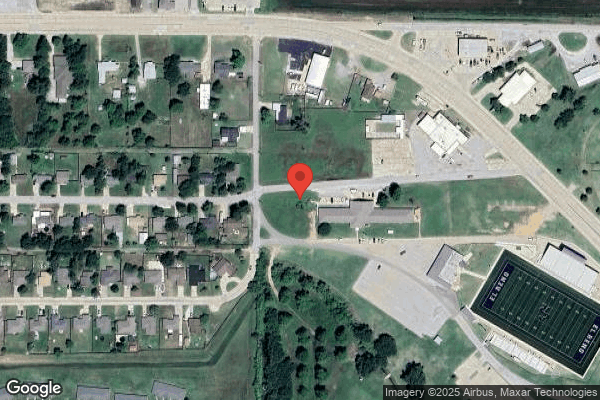
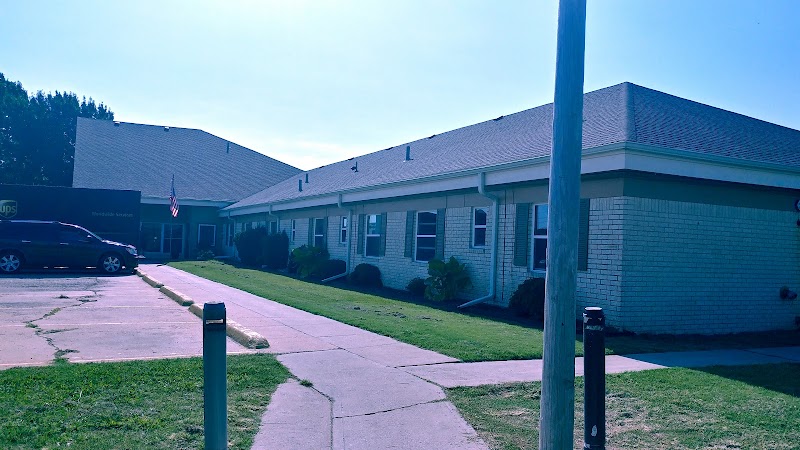
2100 TOWNSEND DRIVE, EL RENO, OK 73036 (405) 262-3323
For profit - Limited Liability company 66 Beds Independent Data: November 2025
Trust Grade
53/100
#100 of 282 in OK
Last Inspection: May 2024

Within standard 12-15 month inspection cycle. Federal law requires annual inspections.

Overview

El Reno Post-Acute Rehabilitation Center has a Trust Grade of C, which means it is average, sitting in the middle of the pack for nursing homes. It ranks #100 out of 282 facilities in Oklahoma, indicating it is in the top half, but it is #4 out of 5 in Canadian County, so there is one local option that is better. The facility shows an improving trend, with the number of issues decreasing from 8 in 2023 to 5 in 2024. However, staffing is a concern, rated only 1 out of 5 stars with a high turnover rate of 67%, significantly above the state average. Additionally, the center has received $9,750 in fines, which is average compared to its peers, but it's important to note that it has less RN coverage than 76% of Oklahoma facilities, potentially impacting care quality. Specific incidents noted by inspectors include a failure to ensure dietary staff were competent to serve specialized diets for residents, which raises concerns about meal safety and nutrition. The facility also did not complete a required assessment for its operations, indicating a lack of adherence to necessary protocols. While there are strengths in the quality measures and health inspections, families should consider both the improving trend and the concerning staffing issues when evaluating this facility for their loved ones.

Trust Score
C
53/100
In Oklahoma
#100/282
Top 35%
Safety Record
Low Risk
No red flags
Inspections
Getting Better
8 → 5 violations
Staff Stability
⚠ Watch
67% turnover. Above average. Higher turnover means staff may not know residents' routines.
Penalties
○ Average
$9,750 in fines. Higher than 62% of Oklahoma facilities. Some compliance issues.
Skilled Nurses
⚠ Watch
Each resident gets only 12 minutes of Registered Nurse (RN) attention daily — below average for Oklahoma. Fewer RN minutes means fewer trained eyes watching for problems.
Violations
⚠ Watch
25 deficiencies on record. Higher than average. Multiple issues found across inspections.
★★★☆☆
3.0
Overall Rating
★☆☆☆☆
1.0
Staff Levels
★★★★☆
4.0
Care Quality
★★★★☆
4.0
Inspection Score
Stable
2023: 8 issues
2024: 5 issues

The Good

  • 4-Star Quality Measures · Strong clinical quality outcomes
  • Full Sprinkler Coverage · Fire safety systems throughout facility
  • No fines on record

Facility shows strength in quality measures, fire safety.

The Bad

3-Star Overall Rating

Near Oklahoma average (2.6)

Meets federal standards, typical of most facilities

Staff Turnover: 67%

21pts above Oklahoma avg (46%)

Frequent staff changes - ask about care continuity

Federal Fines: $9,750

Below median ($33,413)

Minor penalties assessed

Staff turnover is elevated (67%)

19 points above Oklahoma average of 48%

The Ugly 25 deficiencies on record

May 2024 5 deficiencies
CONCERN (D)

Potential for Harm - no one hurt, but risky conditions existed

Resident Rights (Tag F0550)

Could have caused harm · This affected 1 resident

Based on observation, record review, and interview, the facility failed to provide privacy covers for indwelling catheters for two (#8 and #15) of two sampled residents reviewed for dignity. The DON i...

Read full inspector narrative →
Based on observation, record review, and interview, the facility failed to provide privacy covers for indwelling catheters for two (#8 and #15) of two sampled residents reviewed for dignity. The DON identified three residents with indwelling catheters resided in the facility. Findings: The Catheter Care policy, revised 09/21/23, read in part, Residents with indwelling catheters receive appropriate catheter care and maintain their dignity and privacy when indwelling catheters are in use. The policy also read, .Catheter drainage bags will be covered at all times while in use. 1. Resident #8 had a diagnosis of retention of urine. A physician's order, dated 02/16/24, documented to change catheter once monthly. On 05/19/24 at 8:35 a.m., Resident #15 was observed on the hallway in a wheelchair. There was no privacy cover on the catheter drainage bag. On 05/19/24 at 11:56 a.m., Resident #15 was sitting in the dining room waiting for lunch. There was no privacy cover on the catheter drainage bag. On 05/20/24 at 11:26 a.m., Resident #15 was sitting by the nurse's station. There was no privacy cover on the catheter drainage bag. 2. Resident #8 had diagnoses which included urinary incontinence and frequency of micturition. A physician's order, dated 05/17/24, documented to change suprapubic catheter every day shift starting on the 1st and ending on the 5th of every month for infection prevention. On 05/20/24 at 9:29 a.m., Resident #8 was observed going out to smoke. The Resident was holding the catheter in their hand. There was no privacy cover on the drainage bag. On 05/20/24 at 1:31 p.m., Resident #8 was observed at the nurse's station holding the catheter in their hand. There was no privacy cover on the drainage bag. On 05/20/24 at 1:55 p.m., LPN #1 stated Resident #8 and Resident #15 did not have a privacy cover for their catheter drainage bag. They stated not having a privacy cover could affect a resident's dignity.
CONCERN (D)

Potential for Harm - no one hurt, but risky conditions existed

Notification of Changes (Tag F0580)

Could have caused harm · This affected 1 resident

Based on record review and interview, the facility failed to notify the physician of an abnormal blood sugar level as ordered for one (#36) of five sampled residents reviewed for unnecessary medicatio...

Read full inspector narrative →
Based on record review and interview, the facility failed to notify the physician of an abnormal blood sugar level as ordered for one (#36) of five sampled residents reviewed for unnecessary medications. The Administrator identified 40 residents resided in the facility. Findings: The Physician, Physician Assistant, Nurse Practitioner or Clinical Nurse Specialist Lab Notification policy, revised 11/24/21, read in part, The facility must promptly notify the attending physician .of lab results that fall outside of clinical reference ranges in accordance with facility policies and procedures .or per ordering physician's orders. Resident #36 had a diagnosis of type two diabetes mellitus. A physician's order, dated 09/01/23, documented novolog injection solution 100 units per milliliter subcutaneously four times a day related to type two diabetes mellitus. Inject as per sliding scale, if FSBS is greater than 451 notify physician. Resident #36's May 2024 TAR documented FSBS of 476 and the number four on 05/18/24. On 05/23/24 at 9:03 a.m., the DON stated Resident #36's blood sugar was 476 on 05/18/24. They stated the order was to notify the physician if blood sugar was above 451. On 05/23/24 at 9:08 a.m., the DON stated the number four on the TAR meant outside of parameters. On 05/23/24 at 9:42 a.m., the DON stated they could not locate any documentation the physician was notified of Resident #36's abnormal blood sugar level.
CONCERN (D)

Potential for Harm - no one hurt, but risky conditions existed

Assessment Accuracy (Tag F0641)

Could have caused harm · This affected 1 resident

**NOTE- TERMS IN BRACKETS HAVE BEEN EDITED TO PROTECT CONFIDENTIALITY** Based on record review and interview, the facility failed to ensure MDS assessments were accurate for two (#42 and #43) of 12 sa...

Read full inspector narrative →
**NOTE- TERMS IN BRACKETS HAVE BEEN EDITED TO PROTECT CONFIDENTIALITY** Based on record review and interview, the facility failed to ensure MDS assessments were accurate for two (#42 and #43) of 12 sampled residents MDS were reviewed. The Administrator identified 40 residents who resided in the facility. Findings: 1. Resident #43 discharged to an assisted living facility. The discharge assessment, dated [DATE], documented discharge return anticipated, planned discharge, and that there was no discharge planning occurring. On [DATE] at 9:33 a.m., the Administrator stated planning for the discharge started months ago and they had been working with a third party agency. On [DATE] at 2:26 p.m., the Administrator stated they had worked on the discharge and did not anticipate Resident #43 to return to the facility. On [DATE] at 2:45 p.m., MDS Coordinator #1 stated they anticipated the resident to return to the facility and stated they did not document information that stated the resident was anticipated to return. MDS Coordinator #1 further stated there was active discharge planning occurring for the resident and that it was not accurately coded on the discharge MDS and they were to do a correction. 2. Resident #42 was transferred to the hospital on [DATE]. The discharge assessment, dated [DATE], documented discharge return anticipated. A nurse's note, dated [DATE] at 4:17 p.m., documented the hospital called the facility to let them know the resident expired. A death in the facility resident assessment, dated [DATE], documented Resident #42 was deceased on [DATE]. Resident #42 did not expire in the facility. On [DATE] at 2:41 p.m., MDS Coordinator #1 stated a death in the facility was to be completed if the resident was admitted to the hospital and expired within 3 days.
CONCERN (D)

Potential for Harm - no one hurt, but risky conditions existed

Deficiency F0657 (Tag F0657)

Could have caused harm · This affected 1 resident

Based on observation, record review, and interview, the facility failed to ensure a care plan was revised: a. quarterly and as needed to include wound care for one (#9); and b. to include the use of ...

Read full inspector narrative →
Based on observation, record review, and interview, the facility failed to ensure a care plan was revised: a. quarterly and as needed to include wound care for one (#9); and b. to include the use of side rails for one (#12) of 12 sampled residents whose care plans were reviewed. The Administrator identified 40 residents resided in the facility. Findings: A Care Plan Revisions Upon Status Change policy, dated 05/23, documented the comprehensive care plan will be revised as necessary, when a resident experiences a status change. 1. Resident #12 had diagnoses which included unsteadiness on feet and mild cognitive impairment. A bed rail assessment, dated 08/14/23, documented left and right side bed rail use. A bed rail informed consent, dated 08/14/23, documented the resident was bed bound. Resident #12's care plan, revised 05/19/24 did not document the use of side rails. On 05/19/24 at 11:36 a.m., Resident #12 was observed in bed with two round shaped rails on each side of the upper part of the bed. The Resident stated staff put them up so they can use them to assist with positioning. On 05/22/24 at 1:37 p.m., CNA #1 stated Resident #12 used the rails [name withheld] for turning left and right during care. On 05/22/24 at 1:56 p.m., the DON stated the side rails [name withheld] were not documented on the Resident's care plan. 2. Resident #9 had diagnosis which included pneumonia, COPD, dm type 2. There was no diagnosis of a wound on the diagnosis section of the EMR. A care plan, dated 06/13/23, had a revision date of 11/03/23. There was no care plan for a wound found. A skin assessment, dated 12/8/23, documented a popped blister to left heel. There were no measurements. An MDS assessment, dated 03/18/24, documented diabetic foot ulcer. A physicians' order, dated 05/13/24, documented wound care to left heel Monday, Wednesday, Friday, and prn. On 05/21/24 at 11:29 a.m., MDS Coordinator #1 stated all the care plans had been updated. On 05/21/24 at 1:26 p.m., MDS Coordinator #1 stated they did not know the policy and procedure for updating care plans. They stated their process for updating care plans was quarterly and as needed. On 05/21/24 at 1:35 p.m., MDS Coordinator #1 stated the care plan for Resident #9 was not done quarterly. MDS Coordinator #1 stated there was not a care plan for the wound and the care plan was not accurate to Resident #9 level of care.
CONCERN (D)

Potential for Harm - no one hurt, but risky conditions existed

Food Safety (Tag F0812)

Could have caused harm · This affected 1 resident

Based on observation, record review, and interview, the facility failed to ensure food items in the refrigerator were properly labeled and had identified use by dates during the initial kitchen tour. ...

Read full inspector narrative →
Based on observation, record review, and interview, the facility failed to ensure food items in the refrigerator were properly labeled and had identified use by dates during the initial kitchen tour. The Administrator identified 40 residents resided in the facility and the DON verified all 40 residents received food from the kitchen. A Date Marking for Food Safety policy, revised 04/24, read in part, The facility adheres to a date marking system to ensure the safety of ready-to-eat, tie/temperature control for safety food. The policy also read, The food shall be clearly marked to indicate the date or day by which the food shall be consumed or discarded. The individual opening or preparing a food shall be responsible for date marking the food at the time of the food is opened or prepared. The marking system shall consist of a color-coded label, the day/date of opening, and the day/date the item must be consumed or discarded. On 05/19/24 at 8:13 a.m., during the initial tour of the kitchen, the refrigerator was observed to have a white plastic bin which contained 10 cups with clear liquid inside and six cups with a red liquid inside and two empty cups, at the back of the bin, with residue at the bottom. None of the cups had a cover, date, or identification on them. On 05/19/24 at 8:22 a.m., the Dietary Manager stated the drinks were prepared that morning and the cups should have a date and there was no date. They stated the policy was they should have been dated. They took the cups while stating they were going to dump them and was observed to empty them into the sink.
Nov 2023 3 deficiencies
CONCERN (E) 📢 Someone Reported This

A family member, employee, or ombudsman was alarmed enough to file a formal complaint

Potential for Harm - no one hurt, but risky conditions existed

Deficiency F0802 (Tag F0802)

Could have caused harm · This affected multiple residents

Based on observation, record review and interview, the facility failed to ensure the dietary staff had the competencies to carry out the food services for four (#3, 8, 9, and #10) of four residents re...

Read full inspector narrative →
Based on observation, record review and interview, the facility failed to ensure the dietary staff had the competencies to carry out the food services for four (#3, 8, 9, and #10) of four residents reviewed for dietary services. The Midnight Census Report form, dated 11/02/23, documented the census was 42. A Diet Type Report, dated 11/02/23 documented Residents #3, 9, and #10 were to be served pureed diets, and Resident #8 was to be provided a renal diet. A menu, approved by the RD/LD, documented on 11/02/23, the menu to be served was as follows: a. the puree/level 4 diets were to be served a #8 scoop of pureed oven fried chicken, #8 scoop of pureed Au Gratin potatoes, #8 scoop of pureed spinach/sauteed onions, #12 scoop of pureed cornbread with margarine, and a #12 scoop of pureed yellow cake with caramel icing. A note at the bottom of the menu, documented pureed and mechanical soft diets were to be served gravy or sauce if needed. b. Regular diets were to be served: 3 ounces of oven fried chicken, a #8 scoop of Au Gratin potation, #8 scoop of spinach with sauteed onions, one each of cornbread with margarine, and one square of yellow cake with caramel icing. The menu did not contain instructions for a renal diet. On 11/02/23, at 11:25 a.m., the steam table set up and serving of the noon meal was observed. The DM was observed to obtain the proper sized serving utensils and stated, the facility did not have the correct sizes and was trying to decide which size would be the most appropriate. The DM referred to the extended menu for reference to the portion sizes to be served. On 11/02/23 at 11:45 a.m., the DM identified the pureed items on the steam table to be chicken, potatoes, and spinach. DA #1 assisted the DM to prepare chocolate cake for the pureed diets. The DM stated three residents are to receive pureed diets. The steam table contained oven fried chicken, Au Gratin potatoes, and spinach. A large tray of corn bread remained on top of the oven and single servings of cake were on the prep table On 11/02/23 at 11:54 a.m., [NAME] #1 entered the kitchen, sanatized their hands, and began to fill plates to be served. At 12:45 p.m., [NAME] #1 prepared a plate to be served which contained a piece of oven fried chicken and a square of cornbread. The cook stated Resident #8, could not have potatoes, and does not like spinach, or chocolate. No attempt was made by the staff to provide alternate items for the renal diet. On 11/02/23 at 1:05 p.m., the DM was asked how were staff provided orientation and training to ensure residents were served the menus to meet the required nutritional values for each resident. The DM stated, the facility planned on sending the DM to a class but has not been hired long enough. They stated they filled out an application to work in the kitchen, the former manager quit, and they were moved to cook and manager position without training.
CONCERN (E) 📢 Someone Reported This

A family member, employee, or ombudsman was alarmed enough to file a formal complaint

Potential for Harm - no one hurt, but risky conditions existed

Menu Adequacy (Tag F0803)

Could have caused harm · This affected multiple residents

Based on observation, record review, and interview, the facility failed to ensure pureed menus were followed and an extended menu was available and prepared for a renal diet for four (#3, 8, 9, and #1...

Read full inspector narrative →
Based on observation, record review, and interview, the facility failed to ensure pureed menus were followed and an extended menu was available and prepared for a renal diet for four (#3, 8, 9, and #10) of four residents reviewed for dietary services. The Midnight Census Report form, dated 11/02/23, documented the census was 42. A Diet Type Report, dated 11/02/23 documented Residents #3, 9, and #10 were to be served pureed diets, and Resident #8 was to be provided a renal diet. A menu, approved by the RD/LD, documented on 11/02/23, the menu to be served was as follows: a. the puree/level 4 diets were to be served a #8 scoop of pureed oven fried chicken, #8 scoop of pureed Au Gratin potatoes, #8 scoop of pureed spinach/sauteed onions, #12 scoop of pureed cornbread with margarine, and a #12 scoop of pureed yellow cake with caramel icing. A note at the bottom of the menu, documented pureed and mechanical soft diets were to be served gravy or sauce if needed. b. Regular diets were to be served: 3 ounces of oven fried chicken, a #8 scoop of Au Gratin potation, #8 scoop of spinach with sauteed onions, one each of cornbread with margarine, and one square of yellow cake with caramel icing. The menu did not contain instructions for a renal diet. On 11/02/23, at 11:25 a.m., the steam table set up and serving of the noon meal was observed. The DM referred to the extended menu for reference to the portion sizes to be served. On 11/02/23 at 11:45 a.m., the DM identified the pureed items on the steam table to be chicken, potatoes, and spinach. DA #1 assisted the DM to prepare chocolate cake for the pureed diets. The DM stated three residents are to receive pureed diets. The steam table contained oven fried chicken, Au Gratin potatoes, and spinach. A large tray of corn bread remained on top of the oven and single servings of cake were on the prep table On 11/02/23 at 11:54 a.m., [NAME] #1 was observed to enter the kitchen to assist with the meal service. [NAME] #1 began to fill plates to be served. At 12:45 p.m., [NAME] #1 prepared a plate to be served which contained a piece of oven fried chicken and a square of cornbread. The cook stated Resident #8, could not have potatoes, and does not like spinach, or chocolate. No additional food items were placed on the tray sent to be served to Resident #8. No attempt was made by the staff to provide alternate items for the renal diet. On 11/02/23 at 1:05 p.m., the DM was asked if the how did the pureed diets receive the corn bread that was on the menu. They stated, they should have pureed cornbread, but the pureed diets today did not receive cornbread. The DM was asked if gravy was prepared and available for the pureed diets per the approved menu. They stated, gravy had not been prepared. The DM was asked if a resident has a renal diet ordered, how is it determined the nutritional needs are being provided by the facility. The DM stated, I'm not sure. The DM was asked if the facility had provided a menu for the renal diet. They stated, I'm not sure.
CONCERN (E) 📢 Someone Reported This

A family member, employee, or ombudsman was alarmed enough to file a formal complaint

Potential for Harm - no one hurt, but risky conditions existed

Deficiency F0808 (Tag F0808)

Could have caused harm · This affected multiple residents

Based on observation, record review and interview, the facility failed to ensure an extended menu was available to ensure dietary needs were met for an ordered renal diet for one (#8,) of one sampled ...

Read full inspector narrative →
Based on observation, record review and interview, the facility failed to ensure an extended menu was available to ensure dietary needs were met for an ordered renal diet for one (#8,) of one sampled resident reviewed for a renal diet. The Midnight Census Report form, dated 11/02/23, documented the census was 42. A Diet Type Report, dated 11/02/23 documented Resident #8 was to be provided a renal diet. A menu, approved by the RD/LD, documented on 11/02/23, the menu to be served for regular diet orders was as follows: a. three ounces of oven fried chicken, b. a #8 scoop of Au Gratin potatoes, c. a #8 scoop of spinach with sauteed onions, d. one each of cornbread with margarine, and e. one square of yellow cake with caramel icing. The menu did not contain instructions for a renal diet. On 11/02/23, at 11:25 a.m., the DM referred to the extended menu for reference to the portion sizes to be served. On 11/02/23 at 11:45 a.m., the steam table contained oven fried chicken, Au Gratin potatoes, and spinach. A large tray of corn bread remained on top of the oven and single servings of cake were on the prep table On 11/02/23 at 11:54 a.m., [NAME] #1 entered the kitchen, sanitized their hands and began to fill plates to be served. At 12:45 p.m., [NAME] #1 prepared a plate to be served which contained a piece of oven fried chicken and a square of cornbread. The cook stated Resident #8, could not have potatoes, and does not like spinach, or chocolate. No attempt was made by the staff to provide alternate items for the renal diet. On 11/02/23 at 1:05 p.m., the DM was asked if a resident has a renal diet ordered, how is it determined the nutritional needs are being provided by the facility. The DM stated, I'm not sure. The DM was asked if the facility had an extended menu to follow for renal diets. They stated, they were not sure.
Apr 2023 4 deficiencies
CONCERN (D)

Potential for Harm - no one hurt, but risky conditions existed

Deficiency F0637 (Tag F0637)

Could have caused harm · This affected 1 resident

Based on record review and interview, the facility failed to ensure a significant change resident assessment was completed when a resident admitted to hospice services and discharged from hospice serv...

Read full inspector narrative →
Based on record review and interview, the facility failed to ensure a significant change resident assessment was completed when a resident admitted to hospice services and discharged from hospice services for one (#2) of 11 sampled residents reviewed for resident assessments. The Resident Census and Conditions of Residents report, dated 03/29/23, documented no residents received hospice services and 42 residents resided in the facility. Findings: Resident #2 had diagnoses which included COPD. A Physician Order, dated 12/28/22, documented evaluation and treatment for hospice services for COPD. A Revocation of Hospice Benefit form, dated 03/02/23, documented Resident #2's hospice election date was 12/28/22, and revocation date was 03/02/23. There were no significant change resident assessments located in the clinical record when Resident #2 admitted to hospice or when the resident discharged from hospice services. On 03/30/23 at 8:51 a.m., MDS Coordinator #1 was asked to explain when they would complete a significant change resident assessment. They stated they had a 14 day look-back period to determine if a resident had experienced an significant change. They stated two changes in two areas of the MDS would warrant a significant change assessment. MDS Coordinator #1 stated a sudden decline in health, failure to thrive, weight loss, and changes in activities of daily living were all areas that were considered when determining if a significant change assessment should be completed. MDS Coordinator #1 was asked if a significant change assessment was completed when a resident elected hospice or discharged from hospice services. They stated they were not aware a significant change assessment had to be completed when a resident elected hospice or discharged from hospice. They stated they thought if the resident's baseline hadn't changed, a significant change assessment did not have to be completed. They reviewed Resident #2's record and stated a significant change assessment was not completed when they elected hospice benefits in December 2022 or when they discharged from hospice in March 2023.
CONCERN (D)

Potential for Harm - no one hurt, but risky conditions existed

Assessment Accuracy (Tag F0641)

Could have caused harm · This affected 1 resident

**NOTE- TERMS IN BRACKETS HAVE BEEN EDITED TO PROTECT CONFIDENTIALITY** Based on record review, and interview, the facility failed to ensure resident assessments were accurate for one (#10) of 11 samp...

Read full inspector narrative →
**NOTE- TERMS IN BRACKETS HAVE BEEN EDITED TO PROTECT CONFIDENTIALITY** Based on record review, and interview, the facility failed to ensure resident assessments were accurate for one (#10) of 11 sampled residents reviewed for accuracy of assessments. The Resident Census and Condition of Residents form, dated 03/29/23, documented 42 residents resided in the facility. Findings: Resident #10 had diagnoses of muscle weakness, morbid obesity, and acute respiratory failure. A Physicians' Order, dated 04/25/21, documented to give 10 units Novolog insulin. The order was discontinued on 04/26/21. A Physicians' Order, dated 04/26/21, documented to use a sliding scale. The order was discontinued on 04/26/21. A Physicians' Order, dated 04/26/21, documented to use Novolog solution per sliding scale. The order was discontinued on 06/24/21. Resident #10's quarterly assessment dated [DATE] documented the resident received insulin injections seven days of the seven day look- back period. On 03/29/23 at 12:23 p.m., MDS Coordinator #1 was asked how they determined what to code for insulin injections on the MDS. They stated they would pull residents' records and document insulin if they received it during the seven day look-back period. They were asked what information was used to code the insulin injections for Resident #10 for the resident assessment dated [DATE]. They stated, [Resident #10] doesn't get insulin. The MDS coordinator then proceeded to look at the MDS and the orders. On 03/29/23 at 12:26 p.m., the MDS Coordinator was asked if the assessment dated [DATE] accurately reflected the residents' status. They stated, No, because [Resident #10] does not receive insulin. They stated, The MDS was incorrect and will be corrected immediately.
CONCERN (E)

Potential for Harm - no one hurt, but risky conditions existed

Pharmacy Services (Tag F0755)

Could have caused harm · This affected multiple residents

Based on record review and interview, the facility failed to ensure heart rate monitoring was completed as ordered prior to the administration of Carvedilol for one (#2) of five sampled residents revi...

Read full inspector narrative →
Based on record review and interview, the facility failed to ensure heart rate monitoring was completed as ordered prior to the administration of Carvedilol for one (#2) of five sampled residents reviewed for unnecessary medications. The Resident Census and Conditions of Residents report, dated 03/29/23, documented 42 resident resided in the facility. Findings: A Medication Administration policy, dated 02/21/23, read in parts, .Medications are administered .as ordered by the physician and in accordance with professional standards .Obtain and record vital signs, when applicable or per physician orders. When applicable, hold medication for those vital signs outside the physician's prescribed parameters . Resident #2 had diagnoses which included essential hypertension. A Physician Order, start date 04/11/22, documented Carvedilol tablet 12.5 mg give 12.5 mg by mouth twice a day, hold medication if systolic blood pressure was less than 110 or heart rate was below 60. The February 2023 MAR did not document Resident #2's heart rate was checked prior to the administration of the Carvedilol. The March 2023 MAR documented one instance where Resident #2's heart rate was checked prior to the administration of the Carvedilol. There was no other documentation of Resident #2's heart rate being checked prior to the administration of the Carvedilol for the month of March 2023. On 03/29/23 at 3:20 p.m., LPN #1 was asked the policy for medication administration. They stated staff were to ensure it was the right resident, right medication, right dose, and were to administer medication as ordered by the physician. LPN #1 was asked when a medication had orders for heart rate monitoring, where was the information documented. They stated on the MAR. On 03/29/23 at 3:20 p.m., LPN #1 was asked to review Resident #2's February and March 2023 MAR and determine if the resident's heart rate was documented with the Carvedilol medication administration. LPN #1 stated they did not see any. LPN #1 stated they knew to hold the medication if it was below the ordered parameters, but had not identified a concern with the heart rate not being documented.
CONCERN (E)

Potential for Harm - no one hurt, but risky conditions existed

Laboratory Services (Tag F0770)

Could have caused harm · This affected multiple residents

Based on record review and interview, the facility failed to ensure physician ordered labs were obtained for two (#2 and #4) of five sampled residents reviewed for laboratory services. The Resident Ce...

Read full inspector narrative →
Based on record review and interview, the facility failed to ensure physician ordered labs were obtained for two (#2 and #4) of five sampled residents reviewed for laboratory services. The Resident Census and Condition of Residents report, dated 03/29/23, documented 42 residents resided in the facility. Findings: A Laboratory Services and Reporting policy, dated 11/24/21, read in parts, .The facility must provide or obtain laboratory services when ordered by a physician .in accordance with state law .The facility must provide or obtain laboratory services to meet the needs of its residents .The facility is responsible for the timeliness of the services .All laboratory reports will be dated .and will be filed in the resident's clinical record . 1. Resident #4 had diagnoses of mixed hyperlipidemia, major depressive disorder, and malignant neoplasm of the large intestine. A Physicians' Order, dated 04/21/21, documented to obtain serum LFT's, valproic acid, and CBC with differential every six months. On 03/29/23, at 4:42 p.m., the DON was asked for the results for the labs ordered every six months. They stated there was no LFT or valproic acid for the month of December 2022. They were asked what the process was for obtaining labs as ordered. They stated it was put on the TAR and the nurse was to verify the lab came out to draw. The DON further stated they would make sure all the lab was done on the same day. 2. Resident #2 had diagnoses which included essential hypertension, COPD, hypothyroidism, and type two diabetes mellitus. A Physician Order, dated 12/22/20, documented obtain serum hemoglobin A1C due to long term use of diabetic therapy one time a day every three months starting on the 22nd. A Physician Order, dated 12/22/20, documented obtain serum thyroid profile and TSH to monitor current thyroid therapy every 12 months starting on the 22nd. On 03/29/23 at 2:46 p.m., the DON was asked to provide Resident #2's lab results for hemoglobin A1C every 3 months, serum thyroid profile and TSH every 12 months. On 03/29/23 at 3:44 p.m., the DON stated she was unable to locate the thyroid or hemoglobin A1C labs.
Feb 2023 1 deficiency
CONCERN (E) 📢 Someone Reported This

A family member, employee, or ombudsman was alarmed enough to file a formal complaint

Potential for Harm - no one hurt, but risky conditions existed

Infection Control (Tag F0880)

Could have caused harm · This affected multiple residents

Based on record review, observation, and interview, the facility failed to ensure staff utilized eye protection while in COVID-19 positive rooms for two (#4 and #6) of three sampled residents reviewed...

Read full inspector narrative →
Based on record review, observation, and interview, the facility failed to ensure staff utilized eye protection while in COVID-19 positive rooms for two (#4 and #6) of three sampled residents reviewed for infection control. The Administrator identified 36 residents resided in the facility and three residents were positive for COVID-19. Findings: An Infection Control policy, revised 09/30/22, read in part, .HCP who enter the room of a resident with suspected or confirmed [COVID-19] infection should adhere to standard precautions and use a NIOSH-approved particulate respirator with N95 filters or higher, gown, gloves, and eye protection . 1. Resident #4 had diagnoses which included COVID-19. 2. Resident #6 had diagnoses which included COVID-19. On 02/07/23 at 12:46 p.m., RN #1 was observed wearing an N95 mask, put on shoe covers, a gown, and gloves, then entered Resident #4's room. RN #1 did not utilize eye protection. On 02/07/23 at 12:50 p.m., LPN #1 was observed wearing an N95 mask, put on gloves and a gown, then entered Resident #4's room. LPN #1 did not utilize eye protection. On 02/07/23 at 12:51 p.m., CNA #1 was observed wearing an N95 mask, put on a gown and gloves,then entered Resident #6's room. CNA #1 did not utilize eye protection. On 02/07/23 at 12:55 p.m., LPN #1 was observed to exit Resident #4's room. On 02/07/23 at 12:58 p.m., LPN #1 was observed to put on a gown and gloves, then entered Resident #4's room. LPN #1 did not utilize eye protection. On 02/07/23 at 2:16 p.m., CNA #1 was asked what PPE was required when in a COVID-19 positive room. They stated gowns, a mask, gloves, shoe covers, and a face shield. On 02/07/23 at 2:43 p.m., the DON was asked what PPE was required when providing care to a COVID-19 positive resident. She stated staff should use gloves, gowns, face shields, booties, and N95 masks. The DON was made aware of the above observations of staff not utilizing eye protection.
Sept 2019 12 deficiencies
CONCERN (D)

Potential for Harm - no one hurt, but risky conditions existed

Safe Environment (Tag F0584)

Could have caused harm · This affected 1 resident

Based on observation and resident and staff interviews, it was determined the facility failed to ensure comfortable air temperatures were maintained for two (#15 and #39) of 24 sampled residents revie...

Read full inspector narrative →
Based on observation and resident and staff interviews, it was determined the facility failed to ensure comfortable air temperatures were maintained for two (#15 and #39) of 24 sampled residents reviewed for comfortable temperatures. The Resident Census and Conditions of Residents report, dated 09/03/19, documented 52 residents resided in the facility. Findings: 1. Resident #39's comprehensive admission assessment, dated 08/13/19, documented the resident's cognition was moderately impaired. On 09/03/19 at 7:50 a.m., the resident was asked how the temperature was in his room. He stated, It's cold. He was asked if he had notified staff. He stated, Yes. He was asked what staff had done about it. He shrugged his shoulders. He was observed laying in bed covered up with multiple blankets. At 9:25 a.m., the ambient air temperature in his room was 66.9 degrees Fahrenheit (F). 2. Resident #15's quarterly resident assessment, dated 06/19/19, documented the resident's cognition was intact. On 09/03/19 at 8:40 a.m., the resident was asked how the temperature was in his room. He stated, It's cold. He was asked if he had told staff. He stated, Yes, but they don't do anything. At 9:02 a.m., the ambient air temperature in his room resident's was 65.6 degrees F. On 09/04/19 at 7:36 a.m., the maintenance supervisor was asked how the facility ensured comfortable air temperatures for the residents. He stated, Test once a month, between the first and the tenth. He was asked what staff were instructed to do if residents complained it was cold. He stated, We do a temperature test, adjust the temperature, then recheck. He was asked what the temperature was kept at. He stated, Between 71 and 75. He was made aware of the above findings. He acknowledged the findings.
CONCERN (D)

Potential for Harm - no one hurt, but risky conditions existed

Assessment Accuracy (Tag F0641)

Could have caused harm · This affected 1 resident

Based on record review and staff interview, it was determined the facility failed to complete an accurate resident assessment for one (#37) of sixteen sampled residents reviewed for accurate assessmen...

Read full inspector narrative →
Based on record review and staff interview, it was determined the facility failed to complete an accurate resident assessment for one (#37) of sixteen sampled residents reviewed for accurate assessments. The Resident Census and Conditions of Residents report, dated 09/03/19, documented 52 residents resided in the facility. Findings: Resident #37's weekly skin observation sheet, dated 08/02/19, documented two stage one pressure ulcers. One to the right heel, which measured 1x (by) 1 centimeters (cm), stage I, and one to the left heel, measuring, 1x1 cm, stage I. An admission nursing assessment, dated 08/02/19, documented stage I pressure ulcers to right and left heels. A significant change assessment, dated 08/09/19, documented the resident had no pressure ulcers. On 09/05/19 at 9:52 a.m., the minimum data set (MDS) nurse was asked where they obtained the information about the resident's skin for the resident assessments. She stated she obtained the information from weekly assessments, talking with the nurse, looking at nurses' notes and documentation from the hospital. The MDS nurse was shown the significant change assessment and asked if it was accurate for pressure ulcers. She stated, No, not accurate. I will need to correct it.
CONCERN (D)

Potential for Harm - no one hurt, but risky conditions existed

Deficiency F0661 (Tag F0661)

Could have caused harm · This affected 1 resident

**NOTE- TERMS IN BRACKETS HAVE BEEN EDITED TO PROTECT CONFIDENTIALITY** Based on record review and staff interview, it was determined the facility failed to ensure a discharge summary was completed fo...

Read full inspector narrative →
**NOTE- TERMS IN BRACKETS HAVE BEEN EDITED TO PROTECT CONFIDENTIALITY** Based on record review and staff interview, it was determined the facility failed to ensure a discharge summary was completed for one (#51) of one sampled resident reviewed for discharge summaries. The Resident Census and Conditions of Residents report, dated 09/03/19, documented 52 residents resided in the facility. Findings: Resident #51 was admitted on [DATE] and discharged on 06/08/19. There was no discharge summary in the resident's clinical record. On 09/05/19 at 12:36 p.m., the director of nursing was asked if a discharge summary had been completed. She stated, No.
CONCERN (D)

Potential for Harm - no one hurt, but risky conditions existed

Pressure Ulcer Prevention (Tag F0686)

Could have caused harm · This affected 1 resident

**NOTE- TERMS IN BRACKETS HAVE BEEN EDITED TO PROTECT CONFIDENTIALITY** Based on record review and staff interview, it was determined the facility failed to complete weekly skin assessments for one (#...

Read full inspector narrative →
**NOTE- TERMS IN BRACKETS HAVE BEEN EDITED TO PROTECT CONFIDENTIALITY** Based on record review and staff interview, it was determined the facility failed to complete weekly skin assessments for one (#37) of one sampled resident reviewed for pressure ulcers. The Resident Census and Conditions of Residents report, dated 09/03/19, documented two residents with pressure ulcers. Findings: Resident #37 was readmitted on [DATE] with two stage one pressure ulcers. A weekly skin assessment, dated 08/02/19, documented the right heel stage one pressure ulcer measured 1 by 1 centimeter (cm) and the left heel stage one pressure ulcer measured 1 by 1 cm. There was no documentation weekly skin assessments had been completed on 08/09/19 or 08/16/19. On 08/18/2019 at 2:58 p.m., a wound note documented, resident presents with dry calloused skin to bilateral feet and heels. MD [medical doctor] notified, per MD to soak feet with warm water and apply house stock lotion. while this nurse was apply lotion to the right foot callous came off presenting an open area to the heel measuring 3 cm x [by] 2.5 cm x 0.1 cm, MD notified, per MD to start order for cleanse with normal saline, pat dry, apply house stock hydrogel, cover with no-adherent dressing, loosely wrap with kerlix secure with tape. resident notified of new order. no other issues noted at this time. A weekly skin assessment, dated 08/25/19, documented the right heel stage one pressure ulcer measured 4 x 4 x 0.5 cm and the left heel stage one measured 4 x 4 cm with eschar. The notes section of the assessment documented right heel center presents with eschar measuring 2.5 cm/2.5 cm. order in place. On 09/04/19 at 1:44 p.m., registered nurse (RN) #2 was asked for all wound measurements from 08/02/19 through 09/04/19. On 09/05/19 at 9:49 a.m., RN #2 was asked how often wounds were measured. She stated they were supposed to do wound measurements weekly when the skin was opened. She was asked if there was documentation the resident's skin had been observed weekly by a licensed nurse. She stated, No, it was not done weekly.
CONCERN (D)

Potential for Harm - no one hurt, but risky conditions existed

Drug Regimen Review (Tag F0756)

Could have caused harm · This affected 1 resident

Based on record review and staff interview, it was determined the facility failed to act on a drug regimen review recommendation for one (#35) of five sampled residents reviewed for unnecessary medica...

Read full inspector narrative →
Based on record review and staff interview, it was determined the facility failed to act on a drug regimen review recommendation for one (#35) of five sampled residents reviewed for unnecessary medications. The Resident Census and Conditions of Residents report, dated 09/03/19, documented 52 residents resided in the facility. Findings: Resident #35 had diagnoses which included mood disorder. A February 2019 note to the attending physician/prescriber documented, This resident is receiving Depakote and does not have a current level noted in their chart. Please consider a routine level to be drawn upon the next available lab [laboratory] draw and every 6 months thereafter. The physician/prescriber agreed. There was no documentation the note was acted upon by the facility. On 09/09/19 at 8:00 a.m., the director of nursing (DON) was shown the note to the attending physician/prescriber. She was asked to locate documentation the note had been acted upon by the facility. At 8:18 a.m., the DON stated the note wasn't acted upon by the facility.
CONCERN (D)

Potential for Harm - no one hurt, but risky conditions existed

Laboratory Services (Tag F0770)

Could have caused harm · This affected 1 resident

Based on record review and staff interview, it was determined the facility failed to ensure physician ordered laboratory (lab) tests were obtained for one (#35) of five sampled residents reviewed for ...

Read full inspector narrative →
Based on record review and staff interview, it was determined the facility failed to ensure physician ordered laboratory (lab) tests were obtained for one (#35) of five sampled residents reviewed for lab services. The Resident Census and Conditions of Residents report, dated 09/03/19, documented 52 residents resided in the facility. Findings: Resident #35 had diagnoses which included hypertension. A physician's order, dated 03/14/19, documented to recheck complete blood count in seven days. There was no documentation the lab was collected. On 09/09/19 at 8:00 a.m., the director of nursing (DON) was shown the physician's order and asked to locate documentation the lab had been collected. At 8:18 a.m., the DON stated the lab was not collected.
CONCERN (E)

Potential for Harm - no one hurt, but risky conditions existed

Deficiency F0578 (Tag F0578)

Could have caused harm · This affected multiple residents

**NOTE- TERMS IN BRACKETS HAVE BEEN EDITED TO PROTECT CONFIDENTIALITY** Based on record review and staff interview, it was determined the facility failed to ensure residents were provided the option t...

Read full inspector narrative →
**NOTE- TERMS IN BRACKETS HAVE BEEN EDITED TO PROTECT CONFIDENTIALITY** Based on record review and staff interview, it was determined the facility failed to ensure residents were provided the option to formulate an advanced directive for five (#7, 16, 23, 34 and #37) of twenty four sampled residents reviewed for advance directives. The Resident Census and Conditions of Residents report, dated 09/03/19, documented 52 residents resided in the facility. Findings: 1. Resident #7 was admitted on [DATE]. There was no documentation the resident was given the option to formulate an advanced directive. 2. Resident #23 was admitted on [DATE]. There was no documentation the resident was given the option to formulate an advanced directive. 3. Resident #34 was admitted on [DATE]. There was no documentation the resident was given the option to formulate an advanced directive. 4. Resident #37 was admitted on [DATE]. There was no documentation the resident was given the option to formulate an advanced directive. On 09/03/19 at 12:14 p.m., the director of nursing (DON) was asked to provide advanced directives for the residents. At 12:37 p.m., registered nurse #2 stated there were no advanced directives for residents #7, #34, #37 and #23. 5. Resident #16 was admitted on [DATE]. There was no documentation the resident was given the option to formulate an advanced directive. On 09/04/19 at 10:27 a.m., the DON was asked to provide an advanced directive for the resident. She stated she could not find one.
CONCERN (E)

Potential for Harm - no one hurt, but risky conditions existed

Deficiency F0582 (Tag F0582)

Could have caused harm · This affected multiple residents

Based on record review and staff interview, it was determined the facility failed to provide liability and appeal notices for three (#100, 101 and #102) of three sampled residents who were reviewed fo...

Read full inspector narrative →
Based on record review and staff interview, it was determined the facility failed to provide liability and appeal notices for three (#100, 101 and #102) of three sampled residents who were reviewed for liability and appeal notices. The facility identified five residents who received skilled services in the past six months. Findings: 1. Resident #100 was admitted to the facility for skilled medicare services on 06/19/19 and discharged from skilled medicare services on 07/31/19. 2. Resident #101 was admitted to the facility for skilled medicare services on 02/05/19 and discharged from skilled medicare services on 04/26/19. 3. Resident #102 was admitted to the facility for skilled medicare services on 01/25/19 and discharged from skilled medicare services on 05/02/19. There was no documentation the residents had been provided an advance beneficiary notice. On 09/05/19 at 9:54 a.m., licensed practical nurse #1 was asked if the three residents were provided an advanced beneficiary notice form. She stated, No, they were not.
CONCERN (E)

Potential for Harm - no one hurt, but risky conditions existed

Abuse Prevention Policies (Tag F0607)

Could have caused harm · This affected multiple residents

Based on record review and staff interview, it was determined the facility failed to implement their abuse policy by not conducting employee reference checks and background screening for five (houseke...

Read full inspector narrative →
Based on record review and staff interview, it was determined the facility failed to implement their abuse policy by not conducting employee reference checks and background screening for five (housekeeper #2, certified nurse aides (CNA) #1 and #2, registered nurse #1 and the maintenance supervisor) of five employee files reviewed. The Resident Census and Conditions of Residents report, dated 09/03/19, documented 52 residents resided in the facility. Findings: A facility abuse prevention policy, revised December 2016, documented, .As part of the resident abuse prevention, the administrator will .Conduct employee background checks . 1. CNA #1's date of hire was 06/10/19. 2. RN #1's date of hire was 06/17/19. 3. CNA #2's date of hire was 07/03/19. 4. Maintenance supervisor's date of hire was 07/22/19. 5. Housekeeper #2's date of hire was 07/30/19. There was no documentation employee reference checks or background checks had been conducted. On 09/05/19 at 1:17 p.m., the business office manager was asked if the files contained all the new employees' paperwork. He stated that is what he was told. He was made aware of no employee reference checks or background screens conducted. He acknowledged the findings.
CONCERN (E)

Potential for Harm - no one hurt, but risky conditions existed

Pharmacy Services (Tag F0755)

Could have caused harm · This affected multiple residents

Based on record review and staff interview, it was determined the facility failed to ensure physician ordered medications were administered as ordered for one (#35) of five sampled residents reviewed ...

Read full inspector narrative →
Based on record review and staff interview, it was determined the facility failed to ensure physician ordered medications were administered as ordered for one (#35) of five sampled residents reviewed for medication administration. The director of nursing (DON) identified 18 residents with physicians' orders for Depakote. Findings: Resident #35 had diagnoses which included mood disorder. A physician's order, dated 01/10/19, documented, .Depakote Tablet Delayed Release 500 MG [milligrams] (Divalproex Sodium) Give 2 tablet by mouth two times a day . The order was discontinued on 06/03/19. The June 2019 medication administration record (MAR) documented Depakote had been administered on the evening shift 06/03/19 through 06/06/19 and on the day shift 06/04/19 through 06/07/19. On 09/09/19 at 10:30 a.m., the DON was shown the June 2019 MAR. She was asked when the Depakote was discontinued. She stated on 06/03/19. She was shown where the medication had been administered after the medication was to have been discontinued. She acknowledged the findings.
CONCERN (E)

Potential for Harm - no one hurt, but risky conditions existed

Infection Control (Tag F0880)

Could have caused harm · This affected multiple residents

Based on record review and staff interview, it was determined the facility failed to ensure: ~ infection control practices to track and trend infections were implemented for two months (January and Fe...

Read full inspector narrative →
Based on record review and staff interview, it was determined the facility failed to ensure: ~ infection control practices to track and trend infections were implemented for two months (January and February 2019) and ~ trends of infections were identified for five months (March through August 2019) of the seven months reviewed for infection control. The Resident Census and Conditions of Residents report, dated 09/03/19, documented 52 residents resided in the facility. Findings: Infection control logs were reviewed for January 2019 through August of 2019. There was no documentation infection control logs had been completed for January and February 2019. March 2019 through August 2019 infection control log documented infections had been identified. There was no documentation the facility further analyzed the data to see if trends had been identified. On 09/09/19 at 12:56 p.m., the director of nursing was asked to provide documentation infection control tracking and trending had been completed of tracking and trending from January to August 2019. She stated if it was not in the infection control book, it was not done.
CONCERN (F)

Potential for Harm - no one hurt, but risky conditions existed

Deficiency F0838 (Tag F0838)

Could have caused harm · This affected most or all residents

Based on record review and staff interview, it was determined the facility failed to ensure a facility assessment had been completed. The Resident Census and Conditions of Residents report, dated 09/0...

Read full inspector narrative →
Based on record review and staff interview, it was determined the facility failed to ensure a facility assessment had been completed. The Resident Census and Conditions of Residents report, dated 09/03/19, documented 52 residents resided in the facility. Findings: On 09/03/19 at 7:45 a.m., an entrance conference was conducted with the administrator (ADM) and the entrance conference worksheet was reviewed. He was made aware of the information required to be submitted from the facility within designated timeframes of entrance. At 1:23 p.m., the ADM was asked if he had located the facility assessment. He stated, I can't find one.
Understanding Severity Codes (click to expand)
Life-Threatening (Immediate Jeopardy)
J - Isolated K - Pattern L - Widespread
Actual Harm
G - Isolated H - Pattern I - Widespread
Potential for Harm
D - Isolated E - Pattern F - Widespread
No Harm (Minor)
A - Isolated B - Pattern C - Widespread

Questions to Ask on Your Visit

  • "Why is there high staff turnover? How do you retain staff?"
  • "Can I speak with families of current residents?"
  • "What's your RN coverage like on weekends and overnight?"

Our Honest Assessment

Strengths
  • • No major safety red flags. No abuse findings, life-threatening violations, or SFF status.
Concerns
  • • 25 deficiencies on record. Higher than average. Multiple issues found across inspections.
  • • Grade C (53/100). Below average facility with significant concerns.
  • • 67% turnover. Above average. Higher turnover means staff may not know residents' routines.
Bottom line: Mixed indicators with Trust Score of 53/100. Visit in person and ask pointed questions.

About This Facility

What is El Reno Post-Acute Rehabilitation Center's CMS Rating?

CMS assigns EL RENO POST-ACUTE REHABILITATION CENTER an overall rating of 3 out of 5 stars, which is considered average nationally. Within Oklahoma, this rating places the facility higher than 99% of the state's 100 nursing homes. This mid-range rating indicates the facility meets federal standards but may have areas for improvement.
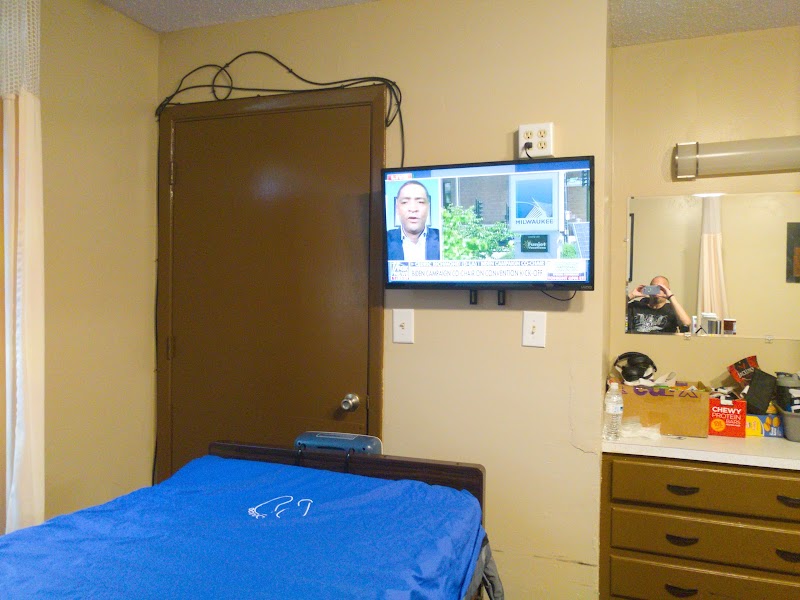
How is El Reno Post-Acute Rehabilitation Center Staffed?

CMS rates EL RENO POST-ACUTE REHABILITATION CENTER's staffing level at 1 out of 5 stars, which is much below average compared to other nursing homes. Staff turnover is 67%, which is 21 percentage points above the Oklahoma average of 46%. High turnover can affect care consistency as new staff learn residents' individual needs. RN turnover specifically is 67%, which is notably high. RNs provide skilled clinical oversight, so turnover in this role can affect medical care quality.

What Have Inspectors Found at El Reno Post-Acute Rehabilitation Center?

State health inspectors documented 25 deficiencies at EL RENO POST-ACUTE REHABILITATION CENTER during 2019 to 2024. These included: 25 with potential for harm.

Who Owns and Operates El Reno Post-Acute Rehabilitation Center?

EL RENO POST-ACUTE REHABILITATION CENTER is owned by a for-profit company. For-profit facilities operate as businesses with obligations to shareholders or private owners. The facility operates independently rather than as part of a larger chain. With 66 certified beds and approximately 46 residents (about 70% occupancy), it is a smaller facility located in EL RENO, Oklahoma.
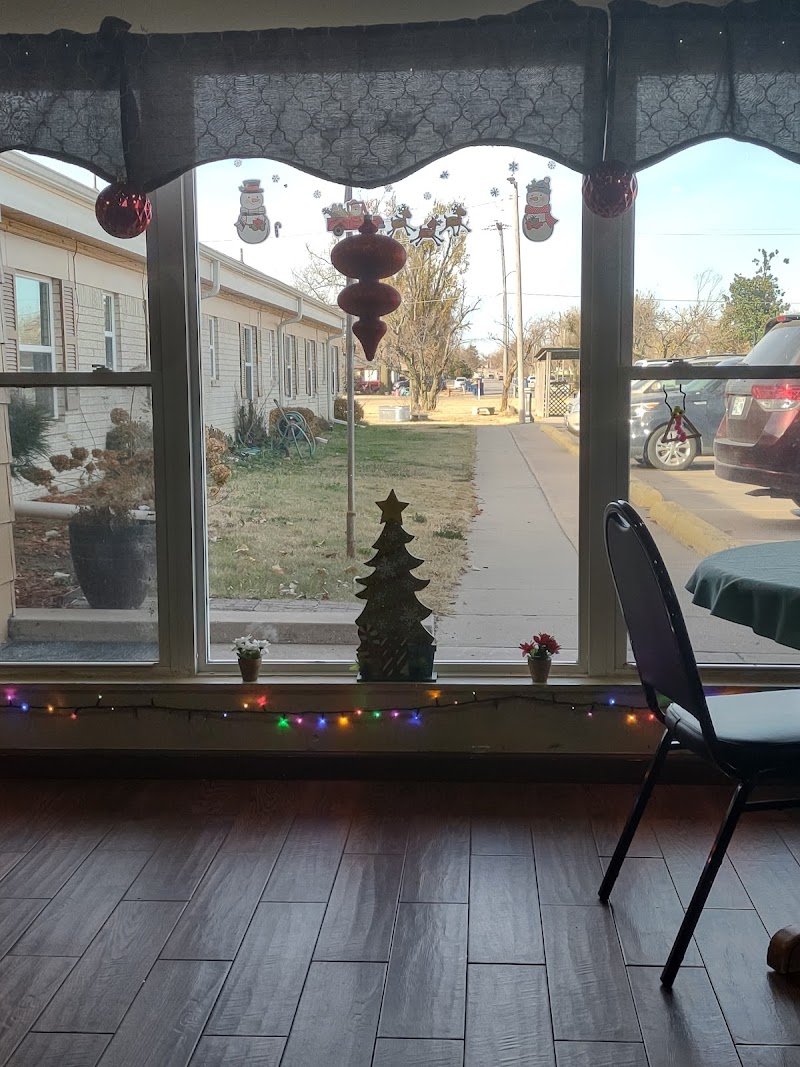
How Does El Reno Post-Acute Rehabilitation Center Compare to Other Oklahoma Nursing Homes?

Compared to the 100 nursing homes in Oklahoma, EL RENO POST-ACUTE REHABILITATION CENTER's overall rating (3 stars) is above the state average of 2.6, staff turnover (67%) is significantly higher than the state average of 46%, and health inspection rating (4 stars) is above the national benchmark.

What Should Families Ask When Visiting El Reno Post-Acute Rehabilitation Center?

Based on this facility's data, families visiting should ask: "How do you ensure continuity of care given staff turnover, and what is your staff retention strategy?" "Can you walk me through typical staffing levels on day, evening, and night shifts?" "Can I visit during a mealtime to observe dining assistance and food quality?" "How do you handle medical emergencies, and what is your hospital transfer rate?" These questions are particularly relevant given the facility's high staff turnover rate and the below-average staffing rating.

Is El Reno Post-Acute Rehabilitation Center Safe?

Based on CMS inspection data, EL RENO POST-ACUTE REHABILITATION CENTER has a clean safety record: no substantiated abuse findings (meaning no confirmed cases of resident harm), no Immediate Jeopardy citations (the most serious violation level indicating risk of serious injury or death), and is not on the Special Focus Facility watch list (a federal program monitoring the lowest-performing 1% of nursing homes). The facility has a 3-star overall rating and ranks #1 of 100 nursing homes in Oklahoma. While no facility is perfect, families should still ask about staff-to-resident ratios and recent inspection results during their visit.

Do Nurses at El Reno Post-Acute Rehabilitation Center Stick Around?

Staff turnover at EL RENO POST-ACUTE REHABILITATION CENTER is high. At 67%, the facility is 21 percentage points above the Oklahoma average of 46%. Registered Nurse turnover is particularly concerning at 67%. RNs handle complex medical decisions and coordinate care — frequent RN changes can directly impact care quality. High turnover means new staff may not know residents' individual needs, medications, or preferences. It can also be disorienting for residents, especially those with dementia who rely on familiar faces. Families should ask: What is causing the turnover? What retention programs are in place? How do you ensure care continuity during staff transitions?

Was El Reno Post-Acute Rehabilitation Center Ever Fined?

EL RENO POST-ACUTE REHABILITATION CENTER has been fined $9,750 across 1 penalty action. This is below the Oklahoma average of $33,176. While any fine indicates a compliance issue, fines under $50,000 are relatively common and typically reflect isolated problems that were subsequently corrected. Families should ask what specific issues led to these fines and confirm they've been resolved.

Is El Reno Post-Acute Rehabilitation Center on Any Federal Watch List?

EL RENO POST-ACUTE REHABILITATION CENTER is not on any federal watch list. The most significant is the Special Focus Facility (SFF) program, which identifies the bottom 1% of nursing homes nationally based on persistent, serious quality problems. Not being on this list means the facility has avoided the pattern of deficiencies that triggers enhanced federal oversight. This is a positive indicator, though families should still review the facility's inspection history directly.