ELK CITY NURSING AND REHABILITATION CENTER
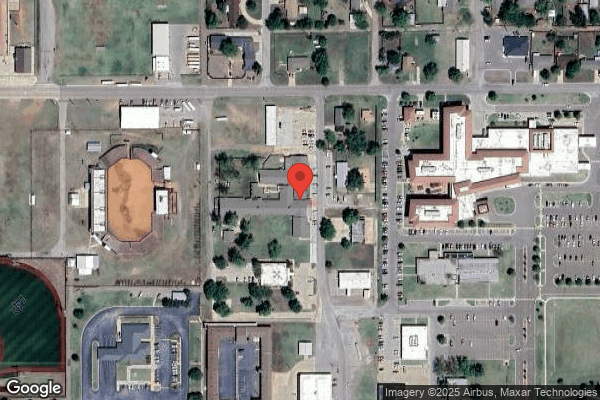
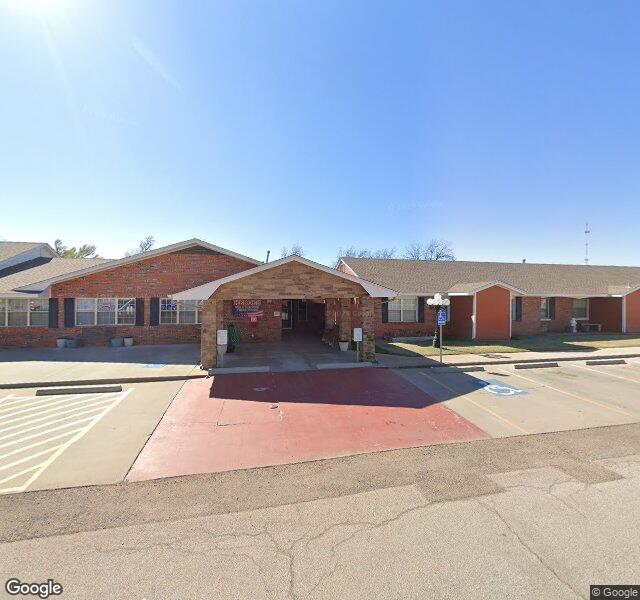
301 NORTH GARRETT, ELK CITY, OK 73644 (580) 225-2811
For profit - Partnership 118 Beds Independent Data: November 2025
Trust Grade
70/100
#101 of 282 in OK
Last Inspection: March 2024

Within standard 12-15 month inspection cycle. Federal law requires annual inspections.

Overview

Elk City Nursing and Rehabilitation Center has a Trust Grade of B, indicating it is a good, solid choice for care. It ranks #101 out of 282 facilities in Oklahoma, placing it in the top half of nursing homes in the state, but it is last in its county at #3 of 3, suggesting there are limited local options. The facility is newly inspected, so there is no trend data available yet. Staffing is a strength, with a 4 out of 5 stars rating and a turnover rate of 40%, which is lower than the state average. There have been no fines reported, which is a positive sign. However, there have been some concerning issues identified during inspections. For example, the facility failed to ensure that a registered nurse signed off on important resident assessments, which is a regulatory requirement. Additionally, there were instances where residents did not receive necessary Medicare notifications properly, and comprehensive care plans were not developed for residents on critical medications. Overall, while the facility has some strengths, these compliance issues highlight areas that need attention.

Trust Score
B
70/100
In Oklahoma
#101/282
Top 35%
Safety Record
Low Risk
No red flags
Inspections
Too New
0 → 9 violations
Staff Stability
○ Average
40% turnover. Near Oklahoma's 48% average. Typical for the industry.
Penalties
✓ Good
No fines on record. Clean compliance history, better than most Oklahoma facilities.
Skilled Nurses
⚠ Watch
Each resident gets only 16 minutes of Registered Nurse (RN) attention daily — below average for Oklahoma. Fewer RN minutes means fewer trained eyes watching for problems.
Violations
○ Average
9 deficiencies on record. Average for a facility this size. Mostly minor or procedural issues.
★★★☆☆
3.0
Overall Rating
★★★★☆
4.0
Staff Levels
★★☆☆☆
2.0
Care Quality
★★★☆☆
3.0
Inspection Score
Stable
: 0 issues
2024: 9 issues

The Good

  • 4-Star Staffing Rating · Above-average nurse staffing levels
  • Full Sprinkler Coverage · Fire safety systems throughout facility
  • No fines on record
  • Staff turnover below average (40%)

    8 points below Oklahoma average of 48%

Facility shows strength in staffing levels, fire safety.

The Bad

3-Star Overall Rating

Near Oklahoma average (2.6)

Meets federal standards, typical of most facilities

Staff Turnover: 40%

Near Oklahoma avg (46%)

Typical for the industry

The Ugly 9 deficiencies on record

Mar 2024 9 deficiencies
CONCERN (D)

Potential for Harm - no one hurt, but risky conditions existed

Deficiency F0637 (Tag F0637)

Could have caused harm · This affected 1 resident

Based on record review and interview the faciity failed to complete a significant change assessment for one (#57) of two sampled residents reviewed for a significant change. Findings: Resident #57 h...

Read full inspector narrative →
Based on record review and interview the faciity failed to complete a significant change assessment for one (#57) of two sampled residents reviewed for a significant change. Findings: Resident #57 had diagnoses which included Parkinson's, repeated falls and pain. A Physician Order, dated 01/12/24 documented to admit the resident to hospice services. The clinical health record did not document a significant change assessment had been completed. The last assessment completed was a quarterly assessment on 02/08/24. On 03/18/24 at 4:11 p.m., the DON was asked if a significant change should have been completed when the resident was admitted to hospice. They stated Yes.
CONCERN (D)

Potential for Harm - no one hurt, but risky conditions existed

MDS Data Transmission (Tag F0640)

Could have caused harm · This affected 1 resident

**NOTE- TERMS IN BRACKETS HAVE BEEN EDITED TO PROTECT CONFIDENTIALITY** Based on record review and interview the facility failed to ensure resident assessments was transmitted within seven days of com...

Read full inspector narrative →
**NOTE- TERMS IN BRACKETS HAVE BEEN EDITED TO PROTECT CONFIDENTIALITY** Based on record review and interview the facility failed to ensure resident assessments was transmitted within seven days of completion for one (#44) of two sampled residents reviewed for resident assessments. The Administrator identified 51 residents resided in the facility. Resident #44's quarterly assessment, dated 01/21/24, had been completed but still showed In Progress in the clinical health record. On 03/20/24 at 9:02 a.m., the MDS coordinator was asked why does the quarterly MDS, dated [DATE], still say In progress. They stated, I don't know might have missed it.
CONCERN (D)

Potential for Harm - no one hurt, but risky conditions existed

Quality of Care (Tag F0684)

Could have caused harm · This affected 1 resident

Based on record review and interview, the facility failed to ensure neurological checks were accurately completed for one (#22) of two sampled residents reviewed for neurological checks. The Administ...

Read full inspector narrative →
Based on record review and interview, the facility failed to ensure neurological checks were accurately completed for one (#22) of two sampled residents reviewed for neurological checks. The Administrator identified 51 residents resided in the facility. Findings: A Resident Falls policy, dated 03/19/22, read in part .Assessments of falls with head injury or unwitnessed falls shall include neurological checks as follows: a. Q 15 min x 4, Q 30 min x 2, Q 1 Hr x 2, Q 2 Hrs x 1, Q 8 Hrs x 72 HRS . Resident #22 had diagnoses which included, debility, dementia and arthritis. A nurse progress note, dated 10/29/23 at 7:10 a.m., read in part, .Res observed in floor in sitting position .neuro [checks] initiated . A Neurological Record, dated 10/29/23 at 7:15 a.m., documented neuro checks were started every fifteen minutes for an hour, every 30 minutes times one check, every hour for two checks, every two hours for one check, then every shift for seven shifts. The record did not document neuro check was completed at 30 minutes for a second time, and did not document times eight hour checks had been completed, just shift times. A nurse progress note, dated 11/13/23, read in part, .Staff alerted this nurse to come to residents room STAT. Upon entry res noted on floor laying on [right] side beside bed. Moderate amount of blood noted under head .EMS arrives [and] transports res to .ER . A Neurological Record, dated 11/13/23 documented neuro checks were started when the resident returned from the emergency room at 12:03 a.m., then 3:03 a.m., then documented neuro checks were completed every shift for six shifts. The record did not document times eight hours checks had been completed, just shift times. On 03/19/24 at 3:17 p.m. the MDS coordinator was shown the neurological records for Resident #22 and asked if every 8 hours checks for 72 hours had been completed correctly for the two neurological checks dated 11/13/23 and 10/29/23. They stated No. On 03/20/24 at 08:15 a.m., the DON was asked to review the neurological records dated 11/13/23 and 10/29/23. They stated they do the whole neuro checks for a total of 72, not every 8 hours for 72 hours. They stated the neurological checks had not been completed correctly.
CONCERN (D)

Potential for Harm - no one hurt, but risky conditions existed

Deficiency F0761 (Tag F0761)

Could have caused harm · This affected 1 resident

Based on observation and interview the facility failed to ensure staff secured medication carts when unattended. The Administrator identified 51 residents resided in the facility. Findings: On 03/1...

Read full inspector narrative →
Based on observation and interview the facility failed to ensure staff secured medication carts when unattended. The Administrator identified 51 residents resided in the facility. Findings: On 03/19/24 at 07:32 a.m., CMA #2 was observed to be preparing medications at their cart. They left the cart unlocked and stepped a few feet away with their back to the cart to administer medications. On 03/19/24 at 07:38 a.m., CMA #2 was observed to leave their med cart unlocked to answer the phone. On 03/19/24 at 9:42 a.m., CMA #2 was asked when should the cart be secured. They stated everytime their away from it. CMA #2 was asked if they recalled leaving their cart unlocked. They stated they did not remember. On 03/19/24 10:49 a.m., the DON was asked is there any time when a cart should be left unlocked if the med aide is not present. They stated No.
CONCERN (E)

Potential for Harm - no one hurt, but risky conditions existed

Deficiency F0582 (Tag F0582)

Could have caused harm · This affected multiple residents

Based on record review and interview the facility failed to provide timely and complete beneficiary notices to three (#51, #16, #109) of three sampled residents reviewed for beneficiary notices. The ...

Read full inspector narrative →
Based on record review and interview the facility failed to provide timely and complete beneficiary notices to three (#51, #16, #109) of three sampled residents reviewed for beneficiary notices. The Administrator identified 51 residents resided in the facility. Findings: An undated Form Instructions for the Notice of Medicare Non-Coverage (NOMNC) CMS-10123 policy, read in part, .The provider must ensure that the beneficiary or representative signs and dated the NOMNC to demonstrate that the beneficiary or representative received the notice and understands that the termination decision can be disputed . A Notice of Medicare Non-Coverage (NOMNC) policy, dated 03/18/24, read in part, .It is the policy of this facility that [name of facility] must deliver required notice to residents/resident representatives at least 2 calendar days prior to termination of skilled nursing care . 1. Resident #51's Notice of Medicare Non-Coverage documented skilled services would end on 11/11/23. There was no resident or resident representative signature or date on the document. A Skilled Nursing Facility Advance Beneficiary Notice of non-coverage (SNFABN), was signed and dated by the resident's representative on 02/01/24. On 03/18/24 at 1:18 p.m., the MDS coordinator was asked if the NOMNC had been signed by the resident. They stated, No. They were asked why the ABN had been signed and dated after the resident was discharged from skilled services. They stated, that was as soon as they got it signed. 2. Resident #16's Notice of Medicare Non-Coverage documented skilled services would end on 12/07/23. The document had been signed by the residents representative but had no date when the notification had been signed. There was no documentation an ABN had been provided to Resident #16. On 03/18/24 at 1:21 p.m., the MDS coordinator was asked if Resident #16 had been provided a copy of an ABN. They stated the NOMNC form was all they had. They were asked when the residents skilled services ended. They stated on 12/07/23. They were asked when the residents representative signed the NOMNC. They stated it was not dated. 3. Resident #109's Notice of Medicare Non-Coverage documented skilled services would end on 01/26/24. The NOMNC documented the form was signed by the resident representative on 02/02/24. A Skilled Nursing Facility Advance Beneficiary Notice of non-coverage (SNFABN), was signed and dated by the resident's representative on 02/02/24. The ABN did not document what option the resident or representative chose. On 03/18/24 at 1:13 p.m., the MDS coordinator was shown Resident #109's forms and asked why was the form signed on 02/02/24. They stated that was the day the residents representative signed the form and discharged on 02/03/24. They were asked to review the ABN and why the options were left blank and if that was a completed form. They stated No.
CONCERN (E)

Potential for Harm - no one hurt, but risky conditions existed

Comprehensive Care Plan (Tag F0656)

Could have caused harm · This affected multiple residents

Based on record review, interview the facility failed to develop a comprehensive care plan related to hospice, antipsychotic, anticoagulant, and opioid medications for two residents (#14 and #46) of 1...

Read full inspector narrative →
Based on record review, interview the facility failed to develop a comprehensive care plan related to hospice, antipsychotic, anticoagulant, and opioid medications for two residents (#14 and #46) of 13 sampled residents reviewed for care plans. The Administrator identified 51 residents resided in the facility. Findings: 1. Resident #14 had diagnosis which included Dementia, depression, and pain. Facility had no Care Plan policy until 03/19/24. A care plan, dated 11/30/22, documented no focused area's for antipsychotic, anticoagulant, and opiod medications on the comprehensive care plan. On 03/19/24 at 11:34 a.m., the MDS Coordinator #1 was asked What the policy was for developing a comprehensive care plan. They stated they go by the resident's diagnosis and the cause section from admit MDS. They were then asked to review the comprehensive careplan for resident #14 and determine if the care plan had focus area's addressing the antipsychotic, anticoagulant, and Opioid mediation for Resident #14. They stated No, they are not on the care plan. They were then asked what the process if for updating and revising a care plan. They state, They go by the orders when they get them. 2. Resident #46 had diagnoses which included non-Alzheimer's dementia and non-traumatic brain dysfunction. A physician order, dated 07/03/23, documented Comforting Hands Hospice. A quarterly assessment, dated 12/06/23, documented severly impaired cognition and hospice services. A care plan, revised on 03/18/24, contained no documentation for hospice services. On 03/20/24 at 10:05 a.m., the DON reported hospice should have been on resident #46's care plan.
CONCERN (E)

Potential for Harm - no one hurt, but risky conditions existed

Deficiency F0657 (Tag F0657)

Could have caused harm · This affected multiple residents

Based on record review and interview, the facility failed to ensure care plans were reviewed and revised after each assessment for two (#31 and #36) of 13 residents whose care plans were reviewed. Th...

Read full inspector narrative →
Based on record review and interview, the facility failed to ensure care plans were reviewed and revised after each assessment for two (#31 and #36) of 13 residents whose care plans were reviewed. The administrator identified 51 residents resided in the facility. Findings: 1. Resident #31 was admitted with diagnoses which included non-Alzheimer's dementia, dementia with other behavioral disturbance, and depression A care plan, revised 09/13/23, documented [name removed] has a mood problem r/t depression. The care plan contained no documentation of being reviewed or revised with quarterly assessments since 09/13/23. A physician order, dated 12/29/23, documented Quetiapine 25 mg 1 tablet by mouth one time a day for behavioral and psychological symptoms of dementia. A quarterly assessment, dated 02/21/24, documented cognition was moderately impaired and routine use of antipsychotic medication. 2. Resident #36 had diagnoses which included non-Alzheimer's dementia, depression, and dementia with other behavioral disturbance. A care plan, revised on 05/31/23, documented [name removed] uses psychotropic medications (Seroquel) r/t sleep/bpsd .[name removed] has dx of depression. The care plan contained no documentation of being reviewed or revised with quarterly assessments since 05/31/23. On 03/19/24 at 11:34 a.m., the MDS coordinator reported the facility had no policy related to care plan review or revision. On 03/19/24 at 2:30 p.m., the MDS coordinator reported the care plan meeting notes documented when the care plans were reviewed and what revisions were made. The MDS coordinator reported no care plan meeting notes were available for resident #31 and resident #36.
CONCERN (E)

Potential for Harm - no one hurt, but risky conditions existed

Infection Control (Tag F0880)

Could have caused harm · This affected multiple residents

Based on observation, record review, and interview, the facility failed to ensure staff maintained infection control measures when passing medications. The Administrator identifed 51 residents reside...

Read full inspector narrative →
Based on observation, record review, and interview, the facility failed to ensure staff maintained infection control measures when passing medications. The Administrator identifed 51 residents resided in the facility. Findings: A Policy and Procedure, dated 03/04/21, read in part, .Precautions are utilized to prevent and control transmission of infectious organisms through direct and indirect contact .Hand hygiene means cleaning your hands by using either handwashing .antiseptic hand wash .antiseptic hand rub .medication preparation areas .Proper cleaning/disinfection of resident care care equipment including equipment shared among residents . On 03/19/24 at 7:32 a.m., CMA #2 obtained a blood pressure with a manual cuff and stethoscope on Resident #15. CMA #2 was observed to place their stethoscope around their neck and put the manual BP cuff back on the cart. CMA #2 did not sanitize the cuff or stethoscope or their hands. On 03/19/24 at 7:44 a.m., CMA #2 was observed to obtain a blood pressure on Resident #39 with a manual cuff and stethoscope. CMA #2 placed the stethoscope around their neck and put the cuff back on the top of the cart without sanitizing the cuff or stethoscope and did not sanitize their hands. On 03/19/24 at 7:53 a.m., CMA #1 was observed to administer medications to Resident #26. CMA #1 did not sanitize their hands then began to prepare Resident #41's medications. On 7:57 a.m., CMA #1 administered medications to Resident #41, returned to the cart and was not observed to sanitize their hands. On 03/19/24 at 8:07 a.m., CMA #1 was observed to prepare resident #49's medications and take to their room. CMA #2 obtained a blood pressure and pulse oximetry on Resident #49 using a manual BP cuff, stethoscope, and finger pulse ox. CMA #1 put the stethoscope around their neck rolled up the blood pressure cuff and returned to the cart. They were not observed to sanitize the blood pressure cuff, stethoscope or pulse ox. On 03/19/24 at 9:11 a.m., CMA #1 was asked how they maintain infection control when using their blood pressure cuff, stethoscope and pulse ox. They stated they wipe them off. They were asked if they had cleaned their equipment. They stated I should have cleaned my equipment but I did not. CMA #1 was asked if they had sanitized their hands prior to and after each medication pass. They stated, No. On 03/19/24 at 9:42 a.m., CMA #2 was asked when they should sanitize their hands when passing medications. They stated after every pass. CMA #2 was asked when should they sanitize their blood pressure cuff and stethoscope. They stated after a blood pressure is obtained. CMA #2 was asked if they had sanitized their equipment during medication pass. They stated No. They were asked what do they use to sanitize their equipment. They stated sanitizing wipes but did not have any on their cart. On 03/19/24 at 10:49 a.m., the DON was asked when should equipment be sanitized to include BP cuff, stethoscope and pulse ox. They stated before and after each use. The DON was asked when should staff sanitize their hands when passing medications. They stated before and after medications are passed.
CONCERN (F)

Potential for Harm - no one hurt, but risky conditions existed

Deficiency F0642 (Tag F0642)

Could have caused harm · This affected most or all residents

Based on record review and interview, the facility failed to ensure a registered nurse coordinated and signed resident assessments prior to submission to CMS. The DON reported 51 residents resided in...

Read full inspector narrative →
Based on record review and interview, the facility failed to ensure a registered nurse coordinated and signed resident assessments prior to submission to CMS. The DON reported 51 residents resided in the facility. Findings: A Clinical - MDS list, dated 12/02/23 through 03/18/24, documented 112 assessments had been submitted to CMS and accepted. On 03/20/24 at 2:38 p.m., the MDS coordinator reported being a licensed practical nurse not a registered nurse. The MDS coordinator reported she had signed all the assessments that were submitted to CMS between 12/02/23 through 03/18/24. On 03/20/24 2:40 p.m., the DON reported the facility did not have a policy related to completing and submitting MDS assessments. The DON reported being aware that MDS assessments required an RN signature and had failed to sign any of the MDS assessments dated 12/02/23 through 03/18/24.
Understanding Severity Codes (click to expand)
Life-Threatening (Immediate Jeopardy)
J - Isolated K - Pattern L - Widespread
Actual Harm
G - Isolated H - Pattern I - Widespread
Potential for Harm
D - Isolated E - Pattern F - Widespread
No Harm (Minor)
A - Isolated B - Pattern C - Widespread

Questions to Ask on Your Visit

  • "Can I speak with families of current residents?"
  • "What's your RN coverage like on weekends and overnight?"

Our Honest Assessment

Strengths
  • • No major safety red flags. No abuse findings, life-threatening violations, or SFF status.
  • • No fines on record. Clean compliance history, better than most Oklahoma facilities.
  • • 40% turnover. Below Oklahoma's 48% average. Good staff retention means consistent care.
Concerns
  • • No major red flags. Standard due diligence and a personal visit recommended.
Bottom line: Mixed indicators with Trust Score of 70/100. Visit in person and ask pointed questions.

About This Facility

What is Elk City's CMS Rating?

CMS assigns ELK CITY NURSING AND REHABILITATION CENTER an overall rating of 3 out of 5 stars, which is considered average nationally. Within Oklahoma, this rating places the facility higher than 99% of the state's 100 nursing homes. This mid-range rating indicates the facility meets federal standards but may have areas for improvement.

How is Elk City Staffed?

CMS rates ELK CITY NURSING AND REHABILITATION CENTER's staffing level at 4 out of 5 stars, which is above average compared to other nursing homes. Staff turnover is 40%, compared to the Oklahoma average of 46%. This relatively stable workforce can support continuity of care.

What Have Inspectors Found at Elk City?

State health inspectors documented 9 deficiencies at ELK CITY NURSING AND REHABILITATION CENTER during 2024. These included: 9 with potential for harm.

Who Owns and Operates Elk City?

ELK CITY NURSING AND REHABILITATION CENTER is owned by a for-profit company. For-profit facilities operate as businesses with obligations to shareholders or private owners. The facility operates independently rather than as part of a larger chain. With 118 certified beds and approximately 46 residents (about 39% occupancy), it is a mid-sized facility located in ELK CITY, Oklahoma.

How Does Elk City Compare to Other Oklahoma Nursing Homes?

Compared to the 100 nursing homes in Oklahoma, ELK CITY NURSING AND REHABILITATION CENTER's overall rating (3 stars) is above the state average of 2.6, staff turnover (40%) is near the state average of 46%, and health inspection rating (3 stars) is at the national benchmark.

What Should Families Ask When Visiting Elk City?

Based on this facility's data, families visiting should ask: "Can I visit during a mealtime to observe dining assistance and food quality?" "How do you handle medical emergencies, and what is your hospital transfer rate?" "Can I speak with family members of current residents about their experience?"

Is Elk City Safe?

Based on CMS inspection data, ELK CITY NURSING AND REHABILITATION CENTER has a clean safety record: no substantiated abuse findings (meaning no confirmed cases of resident harm), no Immediate Jeopardy citations (the most serious violation level indicating risk of serious injury or death), and is not on the Special Focus Facility watch list (a federal program monitoring the lowest-performing 1% of nursing homes). The facility has a 3-star overall rating and ranks #1 of 100 nursing homes in Oklahoma. While no facility is perfect, families should still ask about staff-to-resident ratios and recent inspection results during their visit.

Do Nurses at Elk City Stick Around?

ELK CITY NURSING AND REHABILITATION CENTER has a staff turnover rate of 40%, which is about average for Oklahoma nursing homes (state average: 46%). Moderate turnover is common in nursing homes, but families should still ask about staff tenure and how the facility maintains care continuity when employees leave.

Was Elk City Ever Fined?

ELK CITY NURSING AND REHABILITATION CENTER has no federal fines on record. CMS issues fines when nursing homes fail to meet care standards or don't correct problems found during inspections. The absence of fines suggests the facility has either maintained compliance or corrected any issues before penalties were assessed. This is a positive indicator, though families should still review recent inspection reports for the full picture.

Is Elk City on Any Federal Watch List?

ELK CITY NURSING AND REHABILITATION CENTER is not on any federal watch list. The most significant is the Special Focus Facility (SFF) program, which identifies the bottom 1% of nursing homes nationally based on persistent, serious quality problems. Not being on this list means the facility has avoided the pattern of deficiencies that triggers enhanced federal oversight. This is a positive indicator, though families should still review the facility's inspection history directly.