BAPTIST VILLAGE OF ENID

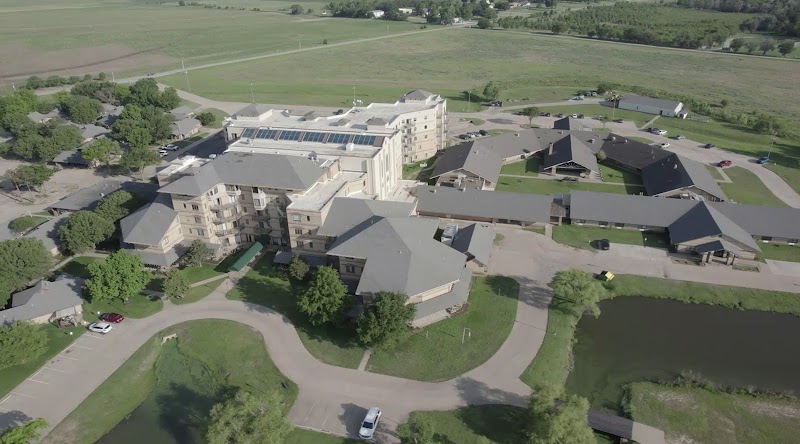
5801 NORTH OAKWOOD ROAD, ENID, OK 73703 (580) 249-2600
Non profit - Corporation 90 Beds Independent Data: November 2025
Trust Grade
70/100
#42 of 282 in OK
Last Inspection: December 2024

Within standard 12-15 month inspection cycle. Federal law requires annual inspections.

Overview

Baptist Village of Enid has a Trust Grade of B, which indicates it is a good facility, offering solid care but with some areas for improvement. It ranks #42 out of 282 nursing homes in Oklahoma, placing it in the top half of all facilities statewide, and #2 out of 6 in Garfield County, meaning only one other local option is rated higher. The facility has a stable trend, with 19 concerns noted in both 2023 and 2024, and while it does not have any fines on record, staffing is rated average with a 59% turnover rate, slightly above the state average. Specific incidents include a failure to provide prescribed medications for a resident with hypertension and not notifying a physician about a resident's concerning change in condition, which could lead to potential harm. Overall, while the nursing home has strengths like no fines and good health inspection ratings, families should be aware of these concerns.

Trust Score
B
70/100
In Oklahoma
#42/282
Top 14%
Safety Record
Low Risk
No red flags
Inspections
Holding Steady
7 → 7 violations
Staff Stability
⚠ Watch
59% turnover. Above average. Higher turnover means staff may not know residents' routines.
Penalties
✓ Good
No fines on record. Clean compliance history, better than most Oklahoma facilities.
Skilled Nurses
⚠ Watch
Each resident gets only 20 minutes of Registered Nurse (RN) attention daily — below average for Oklahoma. Fewer RN minutes means fewer trained eyes watching for problems.
Violations
⚠ Watch
19 deficiencies on record. Higher than average. Multiple issues found across inspections.
★★★★☆
4.0
Overall Rating
★★★☆☆
3.0
Staff Levels
★★★☆☆
3.0
Care Quality
★★★★☆
4.0
Inspection Score
Stable
2023: 7 issues
2024: 7 issues

The Good

  • Full Sprinkler Coverage · Fire safety systems throughout facility
  • No fines on record

Facility shows strength in fire safety.

The Bad

Staff Turnover: 59%

13pts above Oklahoma avg (46%)

Frequent staff changes - ask about care continuity

Staff turnover is elevated (59%)

11 points above Oklahoma average of 48%

The Ugly 19 deficiencies on record

Dec 2024 3 deficiencies
CONCERN (D)

Potential for Harm - no one hurt, but risky conditions existed

Deficiency F0761 (Tag F0761)

Could have caused harm · This affected 1 resident

Based on observation, record review and interview, the facility failed to ensure a medication was labeled for one of two medication carts observed. The DON identified 63 residents resided in the faci...

Read full inspector narrative →
Based on observation, record review and interview, the facility failed to ensure a medication was labeled for one of two medication carts observed. The DON identified 63 residents resided in the facility. Findings: A Medication Ordering and Receiving from Provider Pharmacy policy, dated 06/2021, read in part, Medication containers having soiled, damaged, incomplete, illegible or makeshift labels are returned to the issuing pharmacy for relabeling or destroyed in accordance with the medication destruction policy. On 12/02/24 at 1:10 p.m., a box of ipratropium bromide (broncodilator) 0.5 mg and albuterol sulfate 3 mg Inhalation solution was observed to be in a medication cart. There was a common nickname handwritten on the top of the medication box. The medication did not have a label with a resident name, medication name, strength, directions for use, fill date, quantity dispensed, prescriber name or expiration. LPN #1 stated, That's for [resident name deleted]. LPN #1 was asked how staff knew who the medication was for since it did not have a label. They stated, It says [name deleted] on it. LPN #1 stated the medication had been there since they returned to work in August 2024. On 12/02/24 at 1:35 p.m., CMA #1 was asked how they knew they were giving a resident the correct medications. They stated, It has a label on it. CMA #1 was asked what they would do if the medication did not have a label on it. They stated, Then you don't give it.
CONCERN (D)

Potential for Harm - no one hurt, but risky conditions existed

Infection Control (Tag F0880)

Could have caused harm · This affected 1 resident

Based on record review and interview, the facility failed to maintain a water management program to prevent the growth of Legionella and other opportunistic waterborne pathogens in the building water ...

Read full inspector narrative →
Based on record review and interview, the facility failed to maintain a water management program to prevent the growth of Legionella and other opportunistic waterborne pathogens in the building water system. The administrator identified 63 residents resided in facility. Findings: A Legionella policy, dated August 20 2024, read in part, is committed to the prevention, detection, and control of water-borne contaminants, including Legionella. The policy did not identify a system to prevent or detect water borne contaminants. On 12/04/24 at 10:30 a.m., the administrator was asked what system does the facility have in place to prevent and detect the water borne pathogens such as Legionella in the facility water system. They stated there was a policy, but not a system for testing.
CONCERN (E)

Potential for Harm - no one hurt, but risky conditions existed

Pharmacy Services (Tag F0755)

Could have caused harm · This affected multiple residents

Based on record review and interview, the facility failed to ensure medications were administered as ordered for one (#53) of five sampled residents who was reviewed for unnecessary medications. Corpo...

Read full inspector narrative →
Based on record review and interview, the facility failed to ensure medications were administered as ordered for one (#53) of five sampled residents who was reviewed for unnecessary medications. Corporate Nurse #1 stated 53 residents received blood pressure medications. Findings: A Preparation for Medication Administration policy, dated 06/2021, documented medications were administered as prescribed. Resident #53 had diagnoses which included hypertension. A medication order form, dated 06/14/24, documented Resident #53 was to receive metoprolol succinate ER (beta blocker) 50 mg every day and 100 mg every night. It documented to hold the medication if systolic blood pressure was less than 100 and diastolic blood pressure was less than 50. A medication order form, dated 08/12/24, documented Resident #53 was to receive lisinopril (blood pressure medication)10 mg every day. A September 2024 Medications form, documented on 09/27/24 Resident #53's morning diastolic blood pressure was 49. It documented the resident received metoprolol succinate ER 50 mg and Lisinopril 10 mg. A November 2024 Medications form, documented on 11/10/24 Resident #53's evening systolic blood pressure was 81. It documented the resident received Metoprolol Succinate ER 100 mg. On 12/04/24 at 9:52 a.m., CMA #2 stated blood pressure medications usually had parameters instructing when not to administer the medication. They stated if the systolic was below 100 and if the diastolic was below 50, staff were not to administer the medication and they were to notify the nurse. CMA #2 was shown Resident #53's medications forms from September and November 2024. They stated they would not have administered the medications. On 12/04/24 at 9:57 a.m., LPN #3 was shown Resident #53's medication forms from September and November 2024. They stated the medications should not have been given.
Jul 2024 4 deficiencies
CONCERN (D) 📢 Someone Reported This

A family member, employee, or ombudsman was alarmed enough to file a formal complaint

Potential for Harm - no one hurt, but risky conditions existed

Report Alleged Abuse (Tag F0609)

Could have caused harm · This affected 1 resident

**NOTE- TERMS IN BRACKETS HAVE BEEN EDITED TO PROTECT CONFIDENTIALITY** Based on record review and interview the faciity failed to report an allegation of misappropriation of property to the OSDH for ...

Read full inspector narrative →
**NOTE- TERMS IN BRACKETS HAVE BEEN EDITED TO PROTECT CONFIDENTIALITY** Based on record review and interview the faciity failed to report an allegation of misappropriation of property to the OSDH for one (#5) of three sampled residents reviewed for misappropriation of property. The Administrator identified 65 residents who resided in the facility. Findings: A Grievance Procedure, revised 03/2018, read in part .If there is an allegation of .or misappropriation of Guest property, an incident report outlining corrective and preventative measures will be sent to the Oklahoma State Department of Health and the Department of Human Services .The investigation will consist at least the following .Interviews with any witnesses to the incident or concern .a search of the resident room .An interview with team members having contact with the resident during the relevant periods or shifts of the alleged incident .interviews with the resident's roommate, family members, and visitors .A root cause analysis of all circumstanced surrounding the incident . A Abuse, Neglect, mistreatment and misappropriation of resident property, policy, revised 06/2023 read in part . It is the policy of this health center that reports of abuse .(misappropriation of property) are promptly and thoroughly investigated .the policy also read, The health center will ensure that all alleged violations involving .misappropriation of resident property, are reported immediately .but not later that 2 hours after the allegation is made . An email, dated 02/26/24, read in part I spoke with [resident] .west this morning [they] said that [they] is missing clothing from the time [they] was in isolation 3 gowns and a couple other items . The email was sent to the social services director on 03/04/24. A Concern/Suggestion form, dated 03/04/24, read in part [Resident #5] stopped me this morning to talk about missing clothing .[They] was missing 2 pair of black slacks, 1 denim capris 1 long sleeve stripped [sic] turtel [sic] neck, 1 aqua green sweat shirt 2 night gowns. pantsize lz pette [sic]. I asked [laundry] about these items [they] said they were never brought to laundry . A Grievance/Concern Form, dated 03/04/24, (author was Administrator and Social services)read in part Resident stopped me this morning to [NAME] about missing clothing. [They] said [they] was missing two pairs of black slacks, a pair of denim capris, one long sleeve striped turtleneck, a aqua green sweatshirt (name on shirt) [and] two nightgowns . signed by the Administrator. There was no documentation a report had been filed with the OSDH for misappropriation of property. There was no documentation, a search of the room was completed, or staff and other residents were interviewed regarding missing property. On 07/16/24 at 2:40 p.m., the Administrator was asked if they had concluded what happened to the resident's personal items that were missing. They stated they thought the items were put into a biohazard bag, the resident room was searched and laundry was searched the items were not found. They were asked if they had documented the investigation into the allegation and filed a state report. They stated they did not.
CONCERN (D) 📢 Someone Reported This

A family member, employee, or ombudsman was alarmed enough to file a formal complaint

Potential for Harm - no one hurt, but risky conditions existed

Deficiency F0675 (Tag F0675)

Could have caused harm · This affected 1 resident

Based on record review and interview the facility failed to assess, and monitor for one (#5) of seven sampled residents reviewed for change in condition. The administrator identified 65 residents resi...

Read full inspector narrative →
Based on record review and interview the facility failed to assess, and monitor for one (#5) of seven sampled residents reviewed for change in condition. The administrator identified 65 residents resided in the facility. Findings: Resident #5 had diagnoses which included renal insufficiency, and diabetes mellitus. A nurse's Change in Condition note, dated 04/21/24 at 5:19 a.m., read in part Res was noted with milky thick urine with foul oder [sic]. Encouraged res to drink more water . There was no documentation the resident had been monitored for worsening of symptoms. On 07/17/24 at 8:31 a.m., the DON was asked if the Resident should have been monitored for worsening of symptoms. They stated, Yes.
CONCERN (E) 📢 Someone Reported This

A family member, employee, or ombudsman was alarmed enough to file a formal complaint

Potential for Harm - no one hurt, but risky conditions existed

Notification of Changes (Tag F0580)

Could have caused harm · This affected multiple residents

Based on record review and interview the facility failed: a. to notify the physician for one (#5) of three sampled residents reviewed for physician notification, and b. notify the resident representa...

Read full inspector narrative →
Based on record review and interview the facility failed: a. to notify the physician for one (#5) of three sampled residents reviewed for physician notification, and b. notify the resident representative for one (#2) of three residents reviewed for a change in condition. The administrator identified 65 residents resided in the facility. Findings: 1. Resident #5 had diagnoses which included renal insufficiency, and diabetes mellitus. Resident #5 had a physician order for Eliquis 5 mg tablet two times per day. A nurse's Change in Condition note, dated 04/21/24 at 5:19 a.m., read in part Res was noted with milky thick urine with foul oder [sic]. Encouraged res to drink more water . There was no documentation the physician had been notified. A nursing progress note, dated 05/05/24 at 11:13 p.m., read in part staff reported to this nurse res had bright red blood in brief and toilet x2 this shift res explained past experience r/t bladder and blood transfusion res has no s/s of weakness noted states also f/u in am r/t condition call light et fluids within reach A Change in Condition nurse note, dated 05/06/24 at 6:47 a.m., read in part Res is noted with blood in her brief and in toilet when [they] urinates. Denies pain or discomfort [at] this time. A nursing Daily Note, dated 5/6/24 at 12:48 p.m., read in part blood in urine no blood noted in urine today, res states this happens sometimes, eliquis initially held this AM, until nurse able to assess urine. no blood noted. A nurse's Daily Note, dated 05/07/24 at 12:49 p.m., read in part staff reported res urine is dark, cloudy and foul odor. UA collected and sent to lab with pending results. There was not documentation the physician had been notified of the blood in the brief on 05/05/24, 05/06/24 and 05/07/24. On 07/17/24 at 8:31 a.m., the DON was asked if the cloudy thick urine and blood in the urine should have been reported to the physician. They stated, Yes. 2. Resident #2 had diagnoses which included Alzheimer's, and dysphagia. A Physician order, dated 07/29/23, documented mechanical soft with ground meat and nectar thick liquids. A quarterly assessment, dated 06/09/24, documented the resident had a memory problem and was moderately impaired regarding decisions for tasks of daily life. A Radiology Interpretation, dated 06/24/24, documented a chest xray was completed and the impression was congestive heart failure. A East Hall 24 hour communication log, dated 06/26/24, read in part, 11-7 shift . [Residents name] educate staff check lungs Hospice will call .7-3 shift .wont Keep [oxygen] NC on RA sat 90%-92% .3-11 shift .[oxygen] cannula refusal nasty cough nose bleed . A nursing hospice communication note, dated 07/01/24, read in part Received call back from hospice director of nursing on concern about resident being given thin liquids There was no documentation Resident #2's family had been notified of the change in condition. On 07/15/24 at 1:58 p.m., Resident #2's family member was asked if they were notified when there was a change in the residents health. They stated, No, they usually find out some other way. On 07/16/24 at 9:58 a.m., the DON was asked to review a progress note dated 06/24/24 that documented the resident was coughing and their pulse ox had dropped. The resident had been started on Mucinex and a chest xray had been ordered. They were asked if the family had been notified. They stated No. On 07/16/24 at 10:51 a.m., the DON was asked if the family was notified when the resident may have been given thin liquids. They stated, they did not find out about the incident until 07/01/24 then spoke with Hospice. There was no documentation the family had been notified.
CONCERN (E) 📢 Someone Reported This

A family member, employee, or ombudsman was alarmed enough to file a formal complaint

Potential for Harm - no one hurt, but risky conditions existed

Grievances (Tag F0585)

Could have caused harm · This affected multiple residents

Based on observation, record review, and interview the facility failed to ensure residents and resident representatives were able to file a grievance form anonymously, and post information regarding t...

Read full inspector narrative →
Based on observation, record review, and interview the facility failed to ensure residents and resident representatives were able to file a grievance form anonymously, and post information regarding the name of the grievance official. The Administrator identified 65 residents resided in the facility. Findings: A Grievance Procedure, revised 03/2018, read in part Whenever the Guest has a need or request that is not being met, the Guest or his/her Representative should .Report it to the person in charge .Additional notices of health care center grievance process will be displayed in prominent locations throughout the health center .Grievance may be given to any friends' team member who will forward the grievance to the Grievance Office or they may file the grievances anonymously in the designated box located . Ombudsman contact name, resident rights, and OSDH complaint poster was observed in a box with a glass cover on the wall near the front entrance. There was no signage to indicate the person to contact to file a grievance or a box to place grievance forms. On 07/15/24 at 2:28 p.m., Resident #3's family member was asked if they knew how to file a grievance. They stated they did not know. On 07/15/24 at 2:49 p.m., the DON was asked was there a sign posted on how a grievance could be filed. They reviewed the signage posted near the front entrance and stated there was not one on how to file a grievance. They stated the information is in the admission packet. They were asked how would the resident know who to ask if time has passed. They stated they were usure. On 07/15/24 at 3:22 p.m., Resident #4's family member was asked if they knew how to file a grievance. They stated, they were unsure but thought it would be with the social services director. On 07/16/24 at 11:13 a.m., CNA #1 was asked if a resident wanted to file a grievance how did that process work. They stated they would tell the resident to go to the nurse. They were asked if they knew how the process worked. They stated no, they would just send them to the nurse. On 07/17/24 at 6:30 a.m., RN #2 was asked if a resident wanted to file a grievance how did that process work. They stated they were unsure and would take it to the DON or ADON. They were asked who was the grievance official. They were not sure. On 07/17/24 at 6:53 a.m., CNA #2 was asked if a resident wanted to file a grievance how did that process work. They stated they would tell their direct supervisor. They were asked who was the grievance official. They were not sure. On 07/17/24 at 3:04 p.m., the grievance procedure was reviewed with the Administrator. They were asked if there was a letter to identify who the grievance officer was. They stated the social services director is in every care plan meeting. They were asked if there was a box available for residents or representatives to file a grievance anonymously. They stated, No.
Oct 2023 7 deficiencies
CONCERN (D)

Potential for Harm - no one hurt, but risky conditions existed

Deficiency F0657 (Tag F0657)

Could have caused harm · This affected 1 resident

Based on record review and interview, the facility failed to update/revise a care plan for the use of Wellbutrin and Librium for one (#58) of five sampled residents reviewed for unnecessary medication...

Read full inspector narrative →
Based on record review and interview, the facility failed to update/revise a care plan for the use of Wellbutrin and Librium for one (#58) of five sampled residents reviewed for unnecessary medications. The Administrator identified the census was 64. Findings: Resident #58 had diagnoses which included alcohol abuse, anxiety, and tobacco abuse. A Physician Order, dated 01/23/23, documented Resident #58 was to be administered Wellbutrin 75 mg one tablet twice a day. There was no diagnosis for Wellbutrin. A Physician Order, dated 10/02/23, documented Resident #58 was to be administered Librium 5mg one tablet twice a day. Resident #58's care plan, documented the Resident had a diagnosis of alcohol abuse and nursing staff was to notify the doctor as needed with any side effects. On 10/24/23 at 8:57 a.m., the ADON was asked if the care plan had been updated to address the use of Wellbutrin and Librium. The ADON stated the care plan did not address the medications.
CONCERN (D) 📢 Someone Reported This

A family member, employee, or ombudsman was alarmed enough to file a formal complaint

Potential for Harm - no one hurt, but risky conditions existed

Infection Control (Tag F0880)

Could have caused harm · This affected 1 resident

Based on observation, record review, and interview the facility failed to ensure staff maintained infection control during the provision of perineal and catheter care for one (#21) of 19 sampled resid...

Read full inspector narrative →
Based on observation, record review, and interview the facility failed to ensure staff maintained infection control during the provision of perineal and catheter care for one (#21) of 19 sampled residents reviewed for infection control. The Administrator identifed the census was 64. Findings: Resident #21 had diagnoses of urinary retention, type two diabetes mellitus and urinary tract infection. An undated, Perineal Care policy and Procedure policy, read in parts, .to ensure residents are provided cleanliness and comfort, to prevent infections and skin irritations, and to observe the residents skin . A Physician Order, dated 04/19/22, documented to perform catheter care every shift. On 10/20/23 at 8:33 a.m., CNA #1 and CNA #2 was observed to provide pericare and catheter care for Resident #21. CNA #1 cleaned feces from the resident's buttocks and lower back. Then placed a clean brief and bed pad, using the same gloves. CNA #2 was observed to provide catheter care, then used the same gloves to secure the residents brief, and place the catheter in a dignity bag. CNA #1 and CNA #2 were observed to touch clean items with soiled gloves during care. On 10/20/23 at 10:54 am CNA #2 was asked when should they change gloves. They stated you should wash your hands when you change gloves. They were asked if they had changed gloves after pericare and putting the residents brief on. They stated, they had not changed their gloves before putting the residents brief on. On 10/20/23 at 11:02 a.m., CNA #1 was asked if they had changed their gloves after cleaning the resident and placing the incontinent pad and clean brief. They stated, No. On 10/24/23 9:09 a.m., the ADON was asked when should staff change their gloves. They stated, Anytime from dirty to clean, especially after cleaning the resident and moving on to a new brief or new bed pad.
CONCERN (E)

Potential for Harm - no one hurt, but risky conditions existed

Deficiency F0582 (Tag F0582)

Could have caused harm · This affected multiple residents

Based on record review and interview, the facility failed to ensure ABN and NOMNC letters were provided to two of three sampled residents reviewed for Beneficiary Protection Notification. The Entranc...

Read full inspector narrative →
Based on record review and interview, the facility failed to ensure ABN and NOMNC letters were provided to two of three sampled residents reviewed for Beneficiary Protection Notification. The Entrance Conference Worksheet, Beneficiary Notice documented 16 residents had received skilled nursing services and discharged with benefit days remaining at the time of discharge. On 10/17/23 at 12:30 p.m., the Administrator stated the facility census was 64. Findings: 1. Resident #147 was admitted to Skilled Nursing Part A services on 07/13/23, and the last day of service was 08/11/23. The facility completed the Beneficiary Protection Notification Review form which documented the facility initiated the discharge from Part A services with benefit days remaining. The form documented the resident or representative did not receive ABN or NOMNC letters as required. 2. Resident #136 was admitted to Skilled Nursing Part A services on 08/01/23 and last day of service was 09/25/23. The facility completed the Beneficiary Protection Notification Review form which documented the facility initiated the discharge from Part A services with benefit days remaining. The form documented the resident or representative did not receive ABN or NOMNC letters as required. On 10/20/23 at 10:58 a.m., MDS coordinator #2 stated multiple staff had looked for the ABN and NOMNC letters for Residents #147 and #136, and the forms had not been completed or provided to the residents or representatives.
CONCERN (E)

Potential for Harm - no one hurt, but risky conditions existed

Safe Environment (Tag F0584)

Could have caused harm · This affected multiple residents

**NOTE- TERMS IN BRACKETS HAVE BEEN EDITED TO PROTECT CONFIDENTIALITY** Based on observation, record review, and interview, the facility failed to ensure the facility was well maintained to facilitate...

Read full inspector narrative →
**NOTE- TERMS IN BRACKETS HAVE BEEN EDITED TO PROTECT CONFIDENTIALITY** Based on observation, record review, and interview, the facility failed to ensure the facility was well maintained to facilitate a homelike environment. On 10/17/23 at 12:30 p.m., the Administrator identified 64 Residents resided in the facility. Findings: A Homelike Environment policy, revised 02/21, read in parts, .Residents are provided with a safe, clean, comfortable, and home like environment .emphasizes the residents' comfort, independence and personal needs and preferences . On 10/20/23 at 8:12 a.m., the following observations were made; a. the carpet on the south hall skilled unit had tape used to repair the frayed carpet, b. the tile in the main dining room had white paint stains, c. room [ROOM NUMBER] floor tiles were raised and splintering and the bathroom in room [ROOM NUMBER] was molded at the shower threshold and the baseboard was separated from the wall due to water damage, d. room [ROOM NUMBER] on the east hall had a large hole in the carpet approximately 8 inches x 16 inches with black tape in the center of the room and the bathroom was missing the front Formica trim and had exposed glue and bare wood, e. the carpet on the east hall outside room [ROOM NUMBER] was frayed, f. the carpet was frayed in the doorway of room [ROOM NUMBER] on west hall, g. the carpet was frayed in the hall outside room [ROOM NUMBER] on east hall, h. the carpet outside room [ROOM NUMBER] in the hall was frayed with tape as a repair,and i. the hall carpets were stained and soiled throughout the whole facility in common areas. On 10/20/23 at 8:26 a.m., Resident #12 stated that the tile felt rough on their feet and was raised causing them splinters in their feet. They stated there was mold in the shower, water damage to tile in the bathroom and the base board in bathroom was peeling from the wall. They stated, It's now how I live. On 10/20/23 at 8:37 a.m., Resident #17 was asked about how they felt about the condition of the facility. They stated the hole in carpet has been there for three months. They stated the front of the bathroom vanity has been tore up for three months. They stated it looks tacky and they did not like it. They stated, It is nasty and the carpets are stained and tore up and it made our home look bad. On 10/20/23 at 10:14 a.m., the Administrator was shown the items in disrepair and was asked what the policy was for maintaining a home like environment. They stated the facility should have been clean and well maintained. They stated the facility was not well maintained. On 10/20/23 at 10:41 a.m., the Maintenance Supervisor was shown the above observation and asked what they thought of them. The Maintenance. Supervisor stated they should of been repaired years ago and four maintenance staff can not handle the amount of repairs.
CONCERN (E) 📢 Someone Reported This

A family member, employee, or ombudsman was alarmed enough to file a formal complaint

Potential for Harm - no one hurt, but risky conditions existed

Quality of Care (Tag F0684)

Could have caused harm · This affected multiple residents

Based on observation, interview, and record review, the facility failed to ensure wound care was completed as ordered for one (#32) of two sampled residents reviewed for wound care. The Administrator...

Read full inspector narrative →
Based on observation, interview, and record review, the facility failed to ensure wound care was completed as ordered for one (#32) of two sampled residents reviewed for wound care. The Administrator identified the resident census was 24. The Matrix documented residents with wounds. Findings: A Wound Care policy, revised October 2010, read in parts .The purpose of this procdure is to provide guidelines for the care of wound to promote healing .Verify that there is a physician's order for this procedure . Resident #32 had diagnoses which included, non pressure chronic ulcer of the left foot, type two diabetes mellitus with foot ulcer, and atrial fibrillation. Resident #32's TAR, dated 09/21/23, read in part, .Every day Remove old dressing on left metatarsal head with NS, Clean wound with Vashe soak . A Physician Orders Details, dated 09/25/23, read in parts, .Dressing change frequency .3 x per week - [wound care company] will complete on M . A nurse progress note, dated 09/25/23, documented there was no changes to wound care orders. Resident #32's September TAR, dated 09/25/23 through 09/29/23 did not contain documentation wound care had been completed two of three times by the facility staff. The TAR did not contain an order for the facility staff to complete the dressing changes on Wednesday and Friday. Resident #32's TAR, dated 10/01/23 through 10/20/23, did not contain documentation wound care had been completed for five of five dressing changes by facility staff. The TAR did not contain an order for facility staff to complete the dressing changes on Wednesday and Friday. On 10/20/23 at 9:03 a.m., wound care was observed with the NP from an outside wound care company. The wound was cleansed with wound cleanser, vashe solution, debrided, and a dressing applied. On 10/20/23 at 10:03 a.m., the ADON stated the unit nurse had not entered the orders to change the frequency of the dressing changes. On 10/20/23 at 10:24 a.m., the DON was asked where was the documentation wound care had been completed in September and October by the facility staff. They acknowledged the dressing changes had not been completed by the facility staff.
CONCERN (E)

Potential for Harm - no one hurt, but risky conditions existed

Deficiency F0757 (Tag F0757)

Could have caused harm · This affected multiple residents

Based on record review and interview, the facility failed to monitor for side effects related to the use of Wellbutrin, Trazadone, tramadol and Librium for one ( #58) of five sampled residents reviewe...

Read full inspector narrative →
Based on record review and interview, the facility failed to monitor for side effects related to the use of Wellbutrin, Trazadone, tramadol and Librium for one ( #58) of five sampled residents reviewed for unnecessary medications. The Administrator identified the census was 24. Findings: Resident #58 had diagnoses which included alcohol abuse, anxiety, and tobacco abuse. A Physician Order, dated 01/23/23, documented Resident #58 was to be administered Wellbutrin 75 mg one tablet twice a day. A MAR, dated 10/01/23 through 10/19/23, documented Resident #58 had been administered 37 doses of Wellbutrin. A Physician Order, dated 02/17/23, documented Resident #58 was to be administered Tramadol 50 mg one tablet every six hours for pain. A MAR, dated 10/01/23 through 10/19/23, documented Resident #58 had been administered 74 doses of Tramadol. A Physician Order, dated 07/28/23, documented Resident #58 was to be administered Trazadone 50 mg two tablets at hour of sleep. A MAR, dated 10/01/23 through 10/18/23, documented Resident #58 had been administered 18 doses of Trazadone. A Physician Order, dated 10/02/23, documented Resident #58 was to be administered Librium 5mg one tablet twice a day. A MAR, dated 10/02/23 through 10/19/23, documented Resident #58 had been administered 25 doses of Librium, and had refused nine doses. Resident #58's MAR, dated October 2023, did not contain documentation Resident #58 had been monitored for side effects related to the use of Trazadone, Wellbutrin, Tramadol and Librium. On 10/24/23 at 08:57 a.m., the ADON was asked if Resident #58 had been monitored for side effects related to the use of Trazadone, Wellbutrin, Tramadol and Librium. The ADON stated there was no monitoring for the medications. The ADON was asked if there was a physician order to monitor for the use of Librium. They stated, No.
CONCERN (E) 📢 Someone Reported This

A family member, employee, or ombudsman was alarmed enough to file a formal complaint

Potential for Harm - no one hurt, but risky conditions existed

Deficiency F0925 (Tag F0925)

Could have caused harm · This affected multiple residents

**NOTE- TERMS IN BRACKETS HAVE BEEN EDITED TO PROTECT CONFIDENTIALITY** Based on observation, record review, and interview, the facility failed to ensure an effective pest management program was in pl...

Read full inspector narrative →
**NOTE- TERMS IN BRACKETS HAVE BEEN EDITED TO PROTECT CONFIDENTIALITY** Based on observation, record review, and interview, the facility failed to ensure an effective pest management program was in place to prevent rodents. On 10/17/23 at 12:30 p.m., the Administrator identified 64 Residents resided in the facility. Findings: A Pest Control policy, undated, read in part, . the facility maintains on-going pest control program to ensure the building is kept free of insects and rodents . A Maintenance Log, dated 4/25/23 through 10/13/23, documented the following: a. on 04/25/23, a resident saw a mouse, b. on 09/28/23, mouse debris was found in a Residents' drawers and staff said there was a bad smell, and c. on 10/10/23, rat droppings were seen in a staffs' desk. On 10/17/23 at 3:30 p.m., a family representative stated that there was rodent droppings in room [ROOM NUMBER] in the drawers of the dresser. On 10/18/23 at 9:05 a.m., an observation was made with CNA #1 in room [ROOM NUMBER]. Rodent droppings were observed with CNA #1 in the bottom drawer and two other drawers of a dresser. The bottom drawer was heavily soiled with droppings. The middle drawer and the third drawer from the bottom had mouse droppings intermingled with the residents underwear. CNA #1 was asked what they saw when observing the dresser in room [ROOM NUMBER]. They said they saw rodent droppings in the drawers. On 10/18/23, RN #1 was asked to observe the dresser drawer in room [ROOM NUMBER]. They stated there were mice droppings in four drawers. On 10/18/23 at 9:19 a.m., the Administrator stated they were unaware there was a issue with rodents. On 10/18/23 at 9:31 a.m., the Maintenance Supervisor was shown the dresser in room [ROOM NUMBER] on East hall. They checked the drawers and said they saw mouse droppings. They stated they were unaware there was problems on the east hall. On 10/20/23 at 10:41 a.m., the Maintenance Supervisor stated they have a rodent problem yearly at the facility. They said they have reduced the amount of rodents in the facility but had not prevented them. The Maintenance Supervisor was asked if the rodent management strategies were effective. They stated, No.
Apr 2022 5 deficiencies
CONCERN (E)

Potential for Harm - no one hurt, but risky conditions existed

Notification of Changes (Tag F0580)

Could have caused harm · This affected multiple residents

Based on record review, interview, the facility failed to ensure a physician was notified of frequent medication refusals for one (#50) of five sampled residents reviewed for physician notification. ...

Read full inspector narrative →
Based on record review, interview, the facility failed to ensure a physician was notified of frequent medication refusals for one (#50) of five sampled residents reviewed for physician notification. The DON identified 64 residents resided in the facility. Findings: A Change in a Resident's Condition or Status policy, dated February 2021, read in part, .The nurse will notify the resident's attending physician or physician on call when there has been .refusal of treatment or medications two (2) or more consecutive times . Resident #50 was admitted with diagnoses of Alzheimer's disease, depression, hypertension, COPD, pneumonia, anxiety, edema, vitamin deficiency and hypothyroidism. Physician ordered medications included Eliquis (anticoagulant), Fluoxetine (antidepressant), levothyroxine (synthetic thyroid hormone), Preservision (vitamin), Buspar (antidepressant), enalapril (blocks a substance in the body that causes the blood vessels to tighten), glipizide (lowers blood sugar), furosemide (diuretic), acetaminophen (pain relief), Quetiapine (antipsychotic), nitrofuantoin (antibiotic), potassium chloride (electrolytes), olanzapine (antipsychotic), and amoxicillin (antibiotic). A review of February, March and April 2022 MARs, documented the resident refused the above medications several days each month. Nursing Notes for February, March, and April were reviewed. There was no documentation the physician had been notified of the frequent refusals. On 04/21/22 at 9:35 a.m., CMA #1 was asked what she was instructed to do when a resident refused medications. She stated she would try several times to get the resident to take the medications and tell the nurse. At 9:38 a.m., LPN #2 was asked what she was instructed to do when a resident refused medications. She stated they would try to administer the medications for three attempts and then notify the physician. She was asked where the physician notification would be documented. She stated it would be in the nurses' notes. LPN #2 was asked to locate documentation of physician notification for resident #50's refusals for February, March, and April 2022. She looked in the clinical records and stated she could not find any notification. LPN #2 was shown the February, March, and April 2022 refusals and was asked if the physician should have been notified. She stated, Yes.
CONCERN (E)

Potential for Harm - no one hurt, but risky conditions existed

Deficiency F0657 (Tag F0657)

Could have caused harm · This affected multiple residents

Based on record review, observation, and interview the facility failed to review and revise the person-centered care plan for one (#9) of 13 residents whose care plans were reviewed. The DON identifie...

Read full inspector narrative →
Based on record review, observation, and interview the facility failed to review and revise the person-centered care plan for one (#9) of 13 residents whose care plans were reviewed. The DON identified 64 residents resided in the facility. Findings: Resident #9 had diagnoses that included Parkinson's disease and anxiety disorder. A physician's order, dated 07/03/17, documented oxygen as needed. The resident's Care Plan, dated 10/18/21, had not been updated to reflect the oxygen use. A physician's order, dated 04/01/22, documented oxygen as needed. On 04/19/22 at 3:03 p.m., resident #9 was observed in her room in recliner. An oxygen concentrator was observed in her room with O2 tubing connected and running at 2 LPM. Resident #9 did not have the nasal cannula on. On 04/21/22 at 11:06 a.m., the DON was asked if resident #9's O2 should have been care planned. She responded, Yes. The DON was asked to review resident #9's care plan and acknowledged that the O2 use was not documented.
CONCERN (E)

Potential for Harm - no one hurt, but risky conditions existed

Respiratory Care (Tag F0695)

Could have caused harm · This affected multiple residents

Based on record review, observation, and interview, the facility failed to assess a resident's need for oxygen according to professional standards of practice for one (#9) of one sampled residents rec...

Read full inspector narrative →
Based on record review, observation, and interview, the facility failed to assess a resident's need for oxygen according to professional standards of practice for one (#9) of one sampled residents receiving as needed oxygen therapy. The DON identified five residents with as needed oxygen orders. Findings: Resident #9 had diagnoses that included Parkinson's disease and anxiety disorder. A physician's order, dated 07/03/17, documented O2 prn. There was no order for frequency of obtaining O2 sats, parameters for administering as needed O2, nor rate for O2 administration. Res #9's Care Plan, dated 10/18/21, had no documentation related to oxygen use. Res #9's Vital Signs record for 04/01/22 to 04/20/22 documented O2 sats on RA were not monitored every shift in order to assess the need for oxygen. A physician's order, dated 04/01/22, documented oxygen as needed. There was no order for frequency of obtaining O2 sats, parameters for administering as needed O2, nor rate for O2 administration. On 04/19/22 at 3:03 p.m., resident #9 was observed in her room in her recliner. An oxygen concentrator was present with O2 tubing connected and running at 2 LPM. Resident #9 did not have the nasal cannula on. On 04/20/22 at 4:30 p.m., LPN #4 was asked if resident #9's oxygen was to be on all day. She replied, No, she comes to meals without it. LPN #4 was asked how often do you check her O2 sats. She stated, Before meals and about every fifteen minutes. On 04/21/22 at 10:30 a.m., LPN #3 was asked how resident #9's O2 was ordered. She replied, It says as needed. When she asks for it. When asked if resident #9's O2 sats were checked before putting O2 on, she replied, Her sats are usually 89 and up. If they are below 90 we put it on. If they are above 90 and she requests it, we put it on. LPN #3 was asked what rate the oxygen was to be administered. She stated, one to two liters per minute. When asked how frequently O2 sats were being checked, LPN #3 stated, each shift. When asked if they were documented in the clinical record, she responded, Yes, in vital signs.
CONCERN (E)

Potential for Harm - no one hurt, but risky conditions existed

Drug Regimen Review (Tag F0756)

Could have caused harm · This affected multiple residents

Based on observation, interview and record review , the facility failed to ensure the physician acted upon the pharmacy recommendations for two (#62 and #50) of five sampled residents whose medication...

Read full inspector narrative →
Based on observation, interview and record review , the facility failed to ensure the physician acted upon the pharmacy recommendations for two (#62 and #50) of five sampled residents whose medications where reviewed. The Census and Conditions of Residents form, dated 04/19/22, documented 64 residents resided in the facility. Findings: Resident #50 had diagnoses which included psychosis. A physician's order, dated 09/24/21, documented to start Seroquel 25mg at HS for psychosis. A Medication Regimen Review, dated 01/14/22, read in part, .DO YOU FEEL THE SEROQUEL 25MG PO QHS COULD BE REDUCED AT THIS TIME? On 04/20/22 at 4:15 p.m., the DON was asked for the last 12 months of pharmacy review records and recommendations. She stated she had done March 2022 records, but prior to that she had not done them. She stated she had been the DON for four months and just realized she was responsible for them. The DON was asked if the 01/14/22 medication regimen review had been acted on. She stated, No.
CONCERN (E)

Potential for Harm - no one hurt, but risky conditions existed

Infection Control (Tag F0880)

Could have caused harm · This affected multiple residents

B. Resident #9 had diagnoses that included Parkinson's disease and anxiety disorder. A document titled 11-7 Nurse Duties, read in parts, .First Thurs of month- change humidifier bottles .Every Fri- c...

Read full inspector narrative →
B. Resident #9 had diagnoses that included Parkinson's disease and anxiety disorder. A document titled 11-7 Nurse Duties, read in parts, .First Thurs of month- change humidifier bottles .Every Fri- change neb/masks/O2 tubing- dated . On 04/19/22 at 3:03 p.m., resident #9 was observed in her room in her recliner. An oxygen concentrator was present with O2 tubing connected and running at 2 LPM. Resident #9's nasal cannula and call light were observed to be on the floor beside her bed. CNA #1 was observed to enter resident #9's room, she picked up the NC from the floor and placed it on the resident. On 04/20/22 at 4:30 p.m., LPN #4 was asked how often O2 tubing and humidifier bottles were to be changes. She stated weekly. At 4:38 p.m., resident #9's oxygen tubing was dated 04/08/22. There was no label on the humidifier bottle. The date on the tubing and the absence of a date on the humidifier bottle was verified by LPN #4. On 04/22/22 at 10:06 a.m., the DON was asked if it was appropriate to pick NC up from the floor and put it on the resident. She replied, No, that's not appropriate. Based on record review, observation, and interview, the facility failed to ensure: a. documentation of tracking antibiotic use and trending for infections in the facility for the past 11 out of 12 months, and b. proper handling and changing of disposable oxygen equipment for one (#9) of one resident reviewed for oxygen. The DON identified 64 residents resided in the facility and 11 had orders for oxygen. Findings: A Surveillance for Infections policy, revised September 2017, read in part, The purpose of the surveillance of infections is to identify both individual cases and trends of epidemiologically significant organism and healthcare-associated infections, to guide appropriate interventions and to prevent future infections . A. On 04/21/22 at 2:30 p.m., the ADON was asked to provide tracking/trending for the past year. She stated the IP was in charge of that and she would get it. At 2:40 p.m., the DON provided January 2022 tracking and trending and stated it hadn't been completed since then. She was asked who was responsible for tracking/trending. She stated the IP. She stated that with the changes in DON and other responsibility changes, it did not get done. The DON was asked to provide tracking and trending for 2021. On 04/22/22 at 7:59 a.m., the DON stated they could not locate any tracking and trending for 2021.
Understanding Severity Codes (click to expand)
Life-Threatening (Immediate Jeopardy)
J - Isolated K - Pattern L - Widespread
Actual Harm
G - Isolated H - Pattern I - Widespread
Potential for Harm
D - Isolated E - Pattern F - Widespread
No Harm (Minor)
A - Isolated B - Pattern C - Widespread

Questions to Ask on Your Visit

  • "Why is there high staff turnover? How do you retain staff?"
  • "Can I speak with families of current residents?"
  • "What's your RN coverage like on weekends and overnight?"

Our Honest Assessment

Strengths
  • • No major safety red flags. No abuse findings, life-threatening violations, or SFF status.
  • • No fines on record. Clean compliance history, better than most Oklahoma facilities.
Concerns
  • • 19 deficiencies on record. Higher than average. Multiple issues found across inspections.
  • • 59% turnover. Above average. Higher turnover means staff may not know residents' routines.
Bottom line: Mixed indicators with Trust Score of 70/100. Visit in person and ask pointed questions.

About This Facility

What is Baptist Village Of Enid's CMS Rating?

CMS assigns BAPTIST VILLAGE OF ENID an overall rating of 4 out of 5 stars, which is considered above average nationally. Within Oklahoma, this rating places the facility higher than 99% of the state's 100 nursing homes. This rating reflects solid performance across the metrics CMS uses to evaluate nursing home quality.
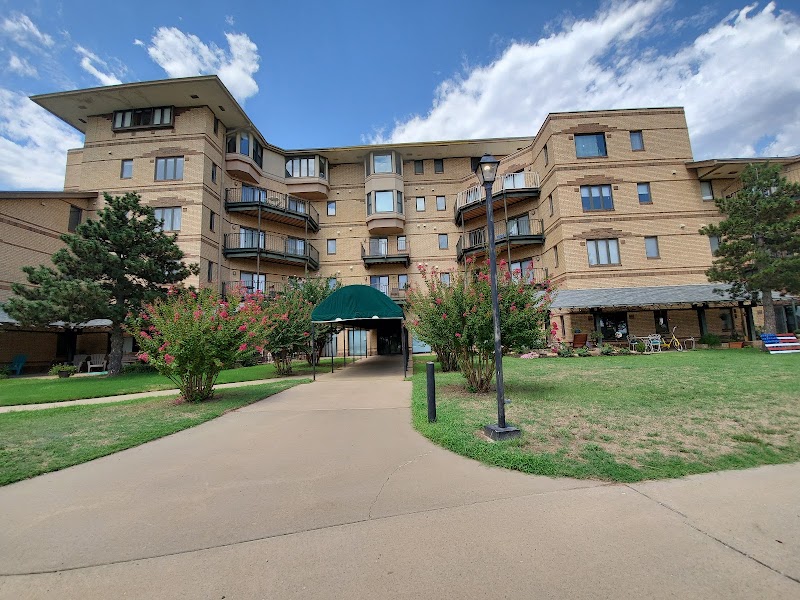
How is Baptist Village Of Enid Staffed?

CMS rates BAPTIST VILLAGE OF ENID's staffing level at 3 out of 5 stars, which is average compared to other nursing homes. Staff turnover is 59%, which is 13 percentage points above the Oklahoma average of 46%. High turnover can affect care consistency as new staff learn residents' individual needs. RN turnover specifically is 75%, which is notably high. RNs provide skilled clinical oversight, so turnover in this role can affect medical care quality.

What Have Inspectors Found at Baptist Village Of Enid?

State health inspectors documented 19 deficiencies at BAPTIST VILLAGE OF ENID during 2022 to 2024. These included: 19 with potential for harm.
Who Owns and Operates Baptist Village Of Enid?

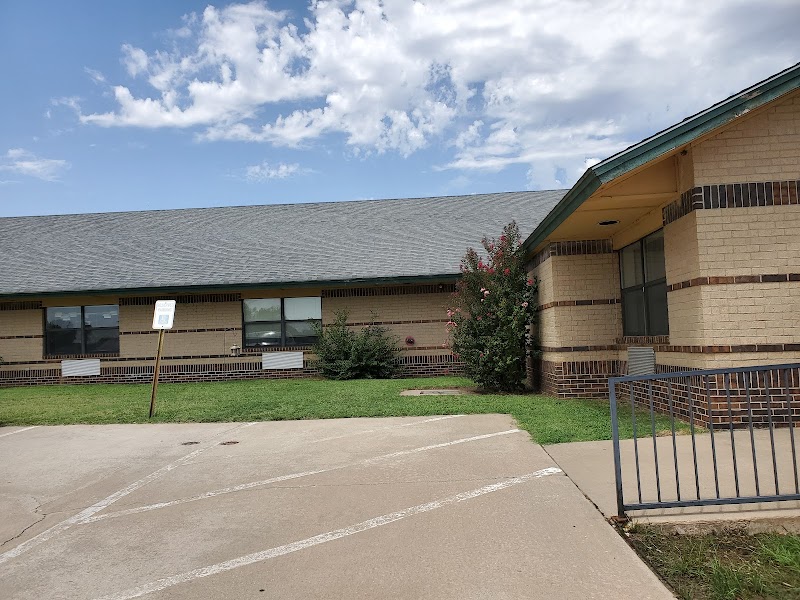
BAPTIST VILLAGE OF ENID is owned by a non-profit organization. Non-profit facilities reinvest revenue into operations rather than distributing to shareholders. The facility operates independently rather than as part of a larger chain. With 90 certified beds and approximately 61 residents (about 68% occupancy), it is a smaller facility located in ENID, Oklahoma.
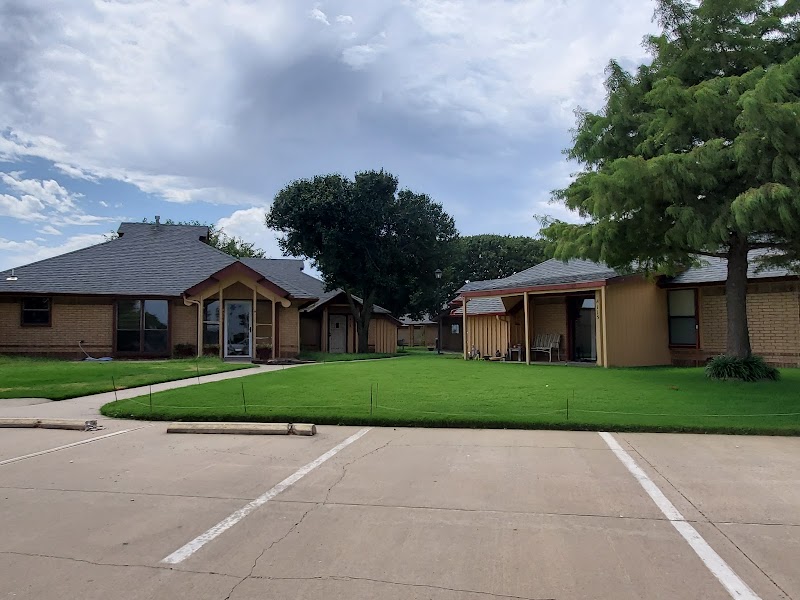
How Does Baptist Village Of Enid Compare to Other Oklahoma Nursing Homes?

Compared to the 100 nursing homes in Oklahoma, BAPTIST VILLAGE OF ENID's overall rating (4 stars) is above the state average of 2.6, staff turnover (59%) is significantly higher than the state average of 46%, and health inspection rating (4 stars) is above the national benchmark.

What Should Families Ask When Visiting Baptist Village Of Enid?

Based on this facility's data, families visiting should ask: "How do you ensure continuity of care given staff turnover, and what is your staff retention strategy?" "Can I visit during a mealtime to observe dining assistance and food quality?" "How do you handle medical emergencies, and what is your hospital transfer rate?" "Can I speak with family members of current residents about their experience?" These questions are particularly relevant given the facility's high staff turnover rate.

Is Baptist Village Of Enid Safe?

Based on CMS inspection data, BAPTIST VILLAGE OF ENID has a clean safety record: no substantiated abuse findings (meaning no confirmed cases of resident harm), no Immediate Jeopardy citations (the most serious violation level indicating risk of serious injury or death), and is not on the Special Focus Facility watch list (a federal program monitoring the lowest-performing 1% of nursing homes). The facility has a 4-star overall rating and ranks #1 of 100 nursing homes in Oklahoma. While no facility is perfect, families should still ask about staff-to-resident ratios and recent inspection results during their visit.

Do Nurses at Baptist Village Of Enid Stick Around?

Staff turnover at BAPTIST VILLAGE OF ENID is high. At 59%, the facility is 13 percentage points above the Oklahoma average of 46%. Registered Nurse turnover is particularly concerning at 75%. RNs handle complex medical decisions and coordinate care — frequent RN changes can directly impact care quality. High turnover means new staff may not know residents' individual needs, medications, or preferences. It can also be disorienting for residents, especially those with dementia who rely on familiar faces. Families should ask: What is causing the turnover? What retention programs are in place? How do you ensure care continuity during staff transitions?

Was Baptist Village Of Enid Ever Fined?

BAPTIST VILLAGE OF ENID has no federal fines on record. CMS issues fines when nursing homes fail to meet care standards or don't correct problems found during inspections. The absence of fines suggests the facility has either maintained compliance or corrected any issues before penalties were assessed. This is a positive indicator, though families should still review recent inspection reports for the full picture.

Is Baptist Village Of Enid on Any Federal Watch List?

BAPTIST VILLAGE OF ENID is not on any federal watch list. The most significant is the Special Focus Facility (SFF) program, which identifies the bottom 1% of nursing homes nationally based on persistent, serious quality problems. Not being on this list means the facility has avoided the pattern of deficiencies that triggers enhanced federal oversight. This is a positive indicator, though families should still review the facility's inspection history directly.