GREENBRIER NURSING HOME
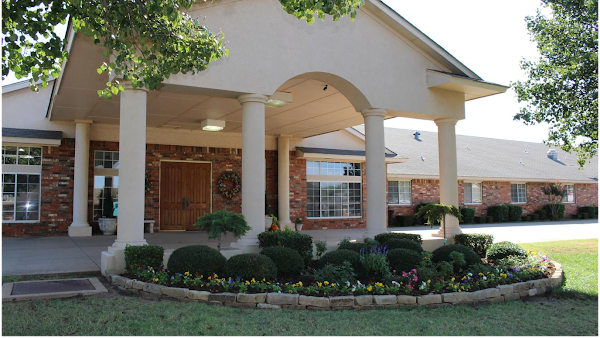
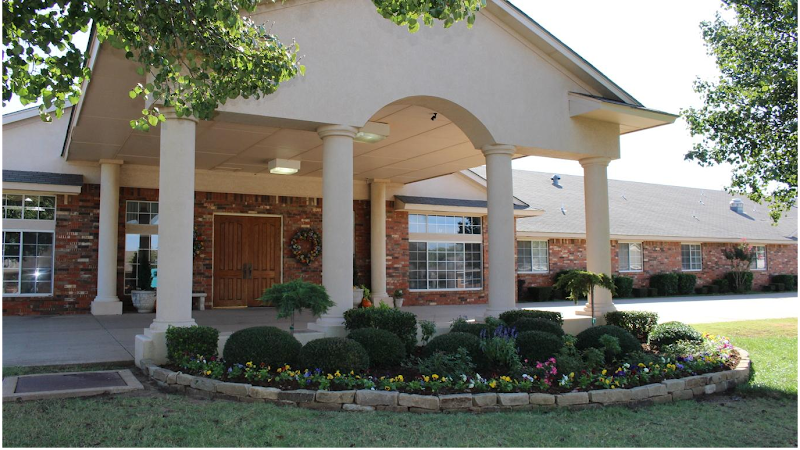
1119 EAST OWEN K GARRIOTT ROAD, ENID, OK 73701 (580) 233-0121
For profit - Corporation 150 Beds Independent Data: November 2025 1 Immediate Jeopardy citation
Trust Grade
51/100
#110 of 282 in OK
Last Inspection: July 2025

Inspected within the last 6 months. Data reflects current conditions.

Overview

Greenbrier Nursing Home has a Trust Grade of C, indicating an average level of care that is neither excellent nor poor. It ranks #110 out of 282 facilities in Oklahoma, placing it in the top half, but only #4 out of 6 in Garfield County, meaning there are limited options for better care nearby. Unfortunately, the facility's trend is worsening, with issues increasing from 5 in 2024 to 6 in 2025. Staffing is a relative strength, rated 4 out of 5 stars, with a turnover rate of 27%, significantly lower than the state average, suggesting that staff members are familiar with the residents' needs. However, the facility has incurred $39,447 in fines, which is concerning and higher than 75% of similar facilities, indicating potential compliance issues. Specific incidents raise further concerns, including a critical situation where a resident required CPR but did not receive it, highlighting serious lapses in emergency response. Additionally, there was a lack of registered nurse coverage for eight consecutive hours on multiple occasions, which could impact patient safety and care. The facility also failed to adequately monitor residents receiving psychotropic medications, which could lead to unnecessary risks. While there are strengths in staffing, these significant weaknesses warrant careful consideration for families looking for a safe and attentive environment for their loved ones.

Trust Score
C
51/100
In Oklahoma
#110/282
Top 39%
Safety Record
High Risk
Review needed
Inspections
Getting Worse
5 → 6 violations
Staff Stability
✓ Good
27% annual turnover. Excellent stability, 21 points below Oklahoma's 48% average. Staff who stay learn residents' needs.
Penalties
✓ Good
$39,447 in fines. Lower than most Oklahoma facilities. Relatively clean record.
Skilled Nurses
⚠ Watch
Each resident gets only 18 minutes of Registered Nurse (RN) attention daily — below average for Oklahoma. Fewer RN minutes means fewer trained eyes watching for problems.
Violations
⚠ Watch
15 deficiencies on record. Higher than average. Multiple issues found across inspections.
★★★☆☆
3.0
Overall Rating
★★★★☆
4.0
Staff Levels
★★★☆☆
3.0
Care Quality
★★★☆☆
3.0
Inspection Score
Stable
2024: 5 issues
2025: 6 issues

The Good

  • 4-Star Staffing Rating · Above-average nurse staffing levels
  • Low Staff Turnover (27%) · Staff stability means consistent care
  • Full Sprinkler Coverage · Fire safety systems throughout facility
  • No fines on record
  • Staff turnover is low (27%)

    21 points below Oklahoma average of 48%

Facility shows strength in staffing levels, staff retention, fire safety.

The Bad

3-Star Overall Rating

Near Oklahoma average (2.6)

Meets federal standards, typical of most facilities

Federal Fines: $39,447

Above median ($33,413)

Moderate penalties - review what triggered them

The Ugly 15 deficiencies on record

1 life-threatening
Jul 2025 6 deficiencies
CONCERN (D)

Potential for Harm - no one hurt, but risky conditions existed

PASARR Coordination (Tag F0644)

Could have caused harm · This affected 1 resident

**NOTE- TERMS IN BRACKETS HAVE BEEN EDITED TO PROTECT CONFIDENTIALITY** Based on record review and interview, the facility failed to ensure a PASARR level 1 was completed after a new mental health dia...

Read full inspector narrative →
**NOTE- TERMS IN BRACKETS HAVE BEEN EDITED TO PROTECT CONFIDENTIALITY** Based on record review and interview, the facility failed to ensure a PASARR level 1 was completed after a new mental health diagnosis for 1 (#9) of 5 sampled residents reviewed for PASARRs.The administrator identified 81 residents resided in the facility.Findings:A PASSAR Level 1, dated 06/15/21, showed Resident #9 had a primary diagnosis of cerebrovascular accident due to thrombosis and a secondary diagnosis of dementia without behaviors. A Behavior Note, dated 08/31/21, read in part, CNA told this nurse that resident was not acting [their] usual self et attempting to get out of bed by [themselves]. This nurse went to resident to assess et speak with [them] on how [they] was feeling. Resident responding with verbal aggression, body language very tensed as if [they] was going to hit this nurse. Resident demanded to get up, explained the use of hoyer lift to [them] et asked if we could assist [them] with the hoyer lift. Resident agreed. Hoyer brought into room et when res saw sling [they] became very aggressive, refused to use hoyer with sling. Sit to stand used in place of hoyer. Resident then assisted to recliner where [they] threw call light et continued with verbal aggression towards this nurse. This nurse attempted to reorient resident, listen to res about what [they] had to say, et tried to understand what was upsetting [them]. Resident c/o being tied down to bed, sheets et comforter noted to be only thing in bed at this time, et that [they] would 'NOT STAND FOR THIS!!'. This nurse offered to call res's [family] in hopes it may calm [them] down, this mad resident even more upset, PRN xanax [benzodiazepine] also offered et resident refused immediately. This nurse excused [themself] from room as resident continued to get more et more verbally abusive towards this nurse. CNA asked to sit with resident 1:1 for safety at this time. Nurse leader notified via text at this time. Will continue to monitor for increased aggression.A Nurse Progress Note, dated 09/23/21, read in part, N.O. [new order] discontinue Celexa [an antidepressant] and start Seroquel [an antipsychotic] 25mg qhs [every bed time] Dx. [diagnosis] Delusions.A Quarterly Minimum Data Set, dated [DATE], showed Resident #9 admitted to the facility on [DATE] with diagnoses to include psychotic disorder, anxiety, depression, pseudobulbar effect, and non-Alzheimer's dementia.A review of Resident #9's June 2025 MAR showed Resident #9 was prescribed Seroquel for delusional disorders.On 07/01/25 at 11:25 a.m., the DON was asked what diagnoses were on Resident #9's PASARR. They stated, Dementia and stroke diagnoses. They were asked if the delusional disorder diagnosis was included on the PASARR level 1. They stated, Delusion is a new symptom of dementia, so no it's not on there. The DON was asked if question #2 on the PASARR level 1 was answered correctly. They stated, I feel the delusional disorder was related to dementia, so I did not complete a new PASARR. The DON was asked if a resident was identified as having a newly evident or possible mental diagnosis, such as delusional disorder, after they have been admitted , what was the facility's process for referring the resident to the appropriate state-designated authority. They stated, If doctors put a new diagnosis in, I don't complete a new PASARR.
CONCERN (D)

Potential for Harm - no one hurt, but risky conditions existed

Deficiency F0645 (Tag F0645)

Could have caused harm · This affected 1 resident

Based on record review and interview, the facility failed to ensure accurate documentation of a diagnosis on a PASARR form for a mental health illness for 1 (#73) of 2 sampled residents reviewed for t...

Read full inspector narrative →
Based on record review and interview, the facility failed to ensure accurate documentation of a diagnosis on a PASARR form for a mental health illness for 1 (#73) of 2 sampled residents reviewed for the need of a level II screening. The administrator identified 81 residents resided at the facility. Findings: An undated policy titled Policy for completion of PASRR's, read in part, Evaluate residents/patient prior to admission to facility. Attempt to get good history and physical, including mental health history as well as any intellectual disabilities.Contact OHCA (LOCEU) if person coming to your facility with known intellectual disabilities or evidence or diagnosis of severe mental illness. A review of Resident #73's PASARR, dated 06/06/25, showed question #2 marked No for diagnosis of a serious mental illness for schizophrenic, paranoid, panic, mood or other severe anxiety or depressive disorder, somatoform disorder, personality disorder, or other psychotic disorder, or other mental disorder that may lead to a chronic disability. A review of the diagnosis list per electronic medical record showed delusional disorder as an admitting diagnosis on 06/03/25. A care plan, dated 06/17/25, showed Resident #73 had diagnosis of delusional disorder. Resident #73's level one PASARR was not completed to include the delusional disorder diagnosis and the State office was not notified of the PASARR. On 07/01/25 at 10:33 a.m., the administrator provided the PASARR level 1. They stated delusional was the only mental health diagnosis they could see for a PASARR. They stated delusional disorder was a mental health disorder. On 07/01/25 at 11:15 a.m., the DON stated Resident #73's mental health diagnosis was metabolic, but felt like it was not. They stated the resident was never diagnosed with any schizophrenia or anything like that. The DON stated the diagnosis on the level 1 was marked correctly because it was caused by a known medical condition. The DON stated delusional disorder was a diagnosis for Resident #73 and it was a psychotic disorder. They stated they thought it was accurately coded at the time and stated the State office was not called about the PASARR.
CONCERN (E)

Potential for Harm - no one hurt, but risky conditions existed

Deficiency F0605 (Tag F0605)

Could have caused harm · This affected multiple residents

**NOTE- TERMS IN BRACKETS HAVE BEEN EDITED TO PROTECT CONFIDENTIALITY** Based on record review and interview, the facility failed to ensure:a. ongoing side effects and behavior monitoring were complet...

Read full inspector narrative →
**NOTE- TERMS IN BRACKETS HAVE BEEN EDITED TO PROTECT CONFIDENTIALITY** Based on record review and interview, the facility failed to ensure:a. ongoing side effects and behavior monitoring were completed for residents on psychotropic medications for 4 (#2, 9, 26, and #28); andb. a PRN order for psychotropic medication was limited to 14 days for 2 (#9 and #28) of 4 sampled residents reviewed for unnecessary medication review.The administrator identified 62 residents received psychotropic medications resided in the facility.Findings:An undated facility policy Behavior and Psychotropic Drug Use, read in part, Anytime PRN antianxiety medication is given, Nurses Note must be placed in [system name withheld] under behavior Note. Medication follow up. All behaviors will be documented in a behavior note .Behaviors will be monitored by charge nurse and documented in [system name withheld] by exception under behavior notes .Physician evaluation to be completed every 14 days for any PRN psychotropic medications .Ongoing monitoring is essential to evaluate the effectiveness of the medication, identify potential adverse reactions, and ensure patient safety.1. A care plan, dated 04/29/25, showed Resident #2 had diagnoses which included generalized anxiety disorder and unspecified depression. The care plan showed to monitor for non-verbal signs and symptoms of depression: sadness, anxiety, and distress. Administer medication as ordered, monitor for effectiveness/side effects.A physician's order, dated 06/02/25, showed buspirone HCl (antianxiety medication) 5 mg, give one tablet by mouth two times a day related to generalized anxiety disorder.A physician's order, dated 06/02/25, showed Duloxetine HCl (antidepressant medication) capsule delayed release particles 60 mg give one capsule by mouth at bedtime related to generalized anxiety disorder.Review of the June 2025 medication administration record showed Resident #2 received the above medications as ordered.There was no order for side effects monitoring for the use of psychotropics.There was no documentation behavior and side effects monitoring for the use of psychotropics was completed from 06/02/25 to 07/03/25.2. Resident #26's physician's order, dated 02/26/25, showed clonazepam (anticonvulsant medication) 0.5 mg, give 0.5 tablet by mouth at bedtime related to unspecified anxiety disorder.A physician's order, dated 02/26/25, showed Mirtazapine (antidepressant medication) 30 mg, give one tablet by mouth at bedtime related to unspecified insomnia.A physician's order, dated 03/20/25, showed Wellbutrin SR (sustained release) (antidepressant medication) extended release 12 hours 150 mg, give one tablet by mouth one time a day related to unspecified recurrent major depressive disorder.A physician's order, dated 06/07/25, showed Effexor (antidepressant medication) extended release 24 hours 150 mg, give one capsule by mouth one time a day related to unspecified recurrent major depressive disorder.A care plan, revised 06/10/25, showed Resident #26 had diagnoses which included personal history of other mental and behavioral disorders, unspecified recurrent major depressive disorder, unspecified anxiety disorder, and unspecified insomnia. The care plan showed Resident #26 was at risk for side effects related to daily use of psychotropic medications and to monitor and document side effects.A physician's order, dated 06/12/25, showed risperidone (antipsychotic) 0.5 mg, give one tablet by mouth two times a day related to personal history of other mental and behavioral disorders. A review of Resident #26's medication administration record for April, May, and June 2025 showed the resident received the above medications as ordered.There was no order for side effects monitoring for the use of psychotropics.There was no documentation ongoing side effects monitoring for the use of psychotropics was completed from 04/01/25 through 06/30/25.The behavior notes documented from 04/01/25 through 07/03/25 were on the following days:a. 04/28/25 at 21:13 [9:13 p.m.],b. 06/13/25 at 16:35 [4:35 p.m.], andc. 06/13/25 at 16:39 [4:39 p.m.].On 07/03/25 at 9:46 a.m., the DON stated they charted behaviors and side effects by exception and intervene as needed.3. A physician's order for Resident #28, dated 08/01/23, showed Eliquis (blood thinning medication) tablet 2.5 mg, give one tablet by mouth two times a day related to atherosclerotic heart disease. A physician's order, dated 02/26/25, showed Duloxetine HCL (antidepressant medication) capsule delayed release particles 30 mg, give one capsule by mouth two times a day related to depression.A physician's order, dated 02/26/25, showed Namenda (memory loss medication) tablet 10 mg, give one tablet by mouth two times a day related to unspecified dementia.A physician's order, dated 02/27/25, showed Risperdal (antipsychotic medication) tablet 1 mg, give one tablet by mouth two times a day related to delusional disorders. A physician's order, dated 03/14/25, showed Lorazepam Intensol (antianxiety medication) oral concentrate 2 mg/ml, give 0.25 ml by mouth every four hours as needed for anxiousness. A care plan dated, dated 06/03/25, showed Resident #28 had diagnosis which included Alzheimer's, delusional disorders, dementia, depression, atherosclerotic heart disease, and atrial fibrillation. It showed to monitor for impaired balance and cognitive function for Alzheimer's. It showed to monitor for effectiveness. It showed to monitor therapeutic effectiveness and side effects for atrial fibrillation. It showed to observe for signs and symptoms of delirium and to observe for side effects of medications.Review of the March through July 2025 medication administration and treatment administration records showed Resident #28 received the medications as ordered mentioned above.There was no order for side effect monitoring or documentation for behavior and side effect monitoring for the use of psychotropics, anticoagulant, and Alzheimer's medication was completed from 03/01/25 through 07/03/25.There was no stop date or re-evaluation following 14 days for the administration of Lorazepam ordered as needed.On 07/03/25 at 9:15 a.m., LPN #3 stated Resident # 28 received the order for the Lorazepam on 03/14/25, and stated is was for 2 mg every four hours as needed. They stated the order had not been discontinued or re-written. LPN #3 stated Resident #28 received the Lorazepam as needed on 03/27/25, 04/17/25, 05/07/25, 05/12/25, and on 06/09/25. LPN #3 stated there was not a stop date.On 07/03/25 at 9:20 a.m., LPN #3 stated they did not have documentation that was a yes or no for behaviors. They just document when behaviors occur, notify, and follow orders if received and make a note.4. A Physician's Order, dated 11/26/24, for Resident #9 read, Lorazepam Intensol Oral Concentration 2 MG/ML Give 0.25 ml by mouth every 4 hours as needed for anxiousness related to generalized anxiety disorder. The end date for the Lorazepam order, read in part, Indefinite.A review of Resident #9's MAR from November 2024 through June 2025 showed Resident #9 was administered PRN Lorazepam Intensol Oral Concentration 2 MG/ML on 2/25/25, 3/13/25, 3/25/25, 3/27/25, and 5/8/25. There was no documentation of side effect monitoring.A review of Resident #9's physician progress notes on 01/16/25, 01/30/25, 05/28/25, 06/19/25, and 06/26/25 did not show an evaluation related to PRN lorazepam need or use.A Nurse' Note, dated 5/28/25, for Resident #9, read in part, This nurse contacted [physician] office to see when [they] would be out to see res RT [related to] PRN antianxiety medication order and the need to be seen Q 14 days to continue order. [Physician] staff reported due to [their] family emergency [they] would be out to see res as soon as possible but did not want to DC [discontinue] PRN lorazepam order with the knowledge of the Q 14 day rule. A Quarterly Minimum Data Set, dated [DATE], showed Resident #9 admitted to the facility on [DATE] with diagnoses to include delusional disorders, psychotic disorder, anxiety, depression, pseudobulbar effect, and non-Alzheimer's dementia.On 07/01/25 at 10:09 a.m., LPN #3 was asked what behaviors Resident #9 exhibited. They stated, If there's new staff [Resident #9] doesn't like it, but [they're] mostly calm. LPN #3 was asked if Resident #9 had ever been administered Lorazepam and they stated, Yes, usually an hour before [their] shower. LPN #3 was asked if they have ever had to give PRN Lorazepam for any behaviors besides anxiousness for baths and they stated, No.On 07/02/25 at 12:41 p.m., LPN #2 was asked what Resident #9's mood and behavior was like. They stated, Mostly in a good mood, but sometimes gets upset with care. [They're] very cooperative and friendly. LPN #2 was asked how often Resident #9 was utilizing their PRN Lorazepam. They stated, Not very often. I don't think hardly ever.On 07/02/25 at 12:51 p.m., LPN #1 was asked who prescribed the PRN lorazepam for Resident #9. LPN #1 stated the name of the physician and said, To maintain it [the lorazepam] [the physician] sees [Resident #9] every 14 days.On 07/02/25 at 12:53 p.m., LPN #1was asked if there was an end date for Resident #9's PRN lorazepam. They stated, No.On 07/02/25 at 1:54 p.m., the DON was asked how the facility monitored residents for side effects of psychotropics. They stated, Quarterly on their MDS and the charge nurses and aides on the floor know who's on what. They were asked where side effect monitoring was documented and they stated, We document by exception on behavior and side effects. The DON was asked how the charge nurses and aides on the floor knew what side effects for which residents to look for. They stated, The aides don't have access to the med list, but the med aides give meds. The DON was again asked how the charge nurses and CMAs know what side effects in which residents to look for. They stated, They know what medications they're on.On 07/02/25 at 1:59 p.m., CMA #1 was asked what drugs were psychotropics. They stated, Lorazepam and I can't think of any more. CMA #1 was asked what are side effects of psychotropic drugs. They stated, They can make them [residents] sleepy. That's the one I know. CMA #1 was asked how they knew which residents took psychotropic drugs and they stated, It pops up on my computer. CMA #1 was asked where they document the monitoring for side effects of psychotropic drugs and they stated, If anything were to happen then we tell the nurse.On 07/02/25 at 2:02 p.m., LPN #2 was asked how they monitored residents for side effects of psychotropic drugs. They stated, We check and assess residents every day. They were asked where they document residents on psychotropic drugs were monitored. LPN #2 stated, In the progress note. They were asked how often they document on the monitoring of psychotropic side effects. LPN #2 stated, If it's a PRN then we document after we give it. They were asked what the facility's process was on routine psychotropic drug monitoring. They stated, If there's any side effects we see, we chart on it.
CONCERN (E)

Potential for Harm - no one hurt, but risky conditions existed

Staffing Information (Tag F0732)

Could have caused harm · This affected multiple residents

**NOTE- TERMS IN BRACKETS HAVE BEEN EDITED TO PROTECT CONFIDENTIALITY** Based on observation and interview, the facility failed to ensure all components of the daily staffing information was posted an...

Read full inspector narrative →
**NOTE- TERMS IN BRACKETS HAVE BEEN EDITED TO PROTECT CONFIDENTIALITY** Based on observation and interview, the facility failed to ensure all components of the daily staffing information was posted and was readily accessible to residents and visitors for 1 of 1 observation. The administrator identified 81 residents resided in the facility. Findings: On 07/02/25 at 10:30 a.m., a staff roster with unit name, staff names, a date of 07/02/25, and shift schedule was on a clip board at the nurse's station on the skilled unit. There was no posted staffing with all required components on the skilled unit. On 07/02/25 at 10:49 a.m., there was a white board with the name [NAME] and [NAME] (halls) and it showed names of staff, and a date of 07/02/25. The whiteboard did not have all the required components of the posted staffing. On 07/02/25 at 10:54 a.m., the [NAME] hall had a whiteboard with staff names and titles. The whiteboard did not have all the required components of the posted staffing. On 07/02/25 at 11:16 a.m., the administrator and assistant administrator observed [NAME] hall, [NAME] and [NAME], and the skilled unit for posted staffing. On 07/02/25 at 10:29 a.m., LPN #4 stated they did not have any posted staffing on the skilled unit. They stated the staff roster was on a clip board at the nurse's station. On 07/02/25 at 10:46 a.m., CMA #2 stated what was posted on the whiteboard on [NAME] and [NAME] was to show who was working on those halls on that shift. On 07/02/25 at 11:34 a.m., the administrator stated the posted staffing did not meet the regulatory requirements.
CONCERN (E)

Potential for Harm - no one hurt, but risky conditions existed

Infection Control (Tag F0880)

Could have caused harm · This affected multiple residents

**NOTE- TERMS IN BRACKETS HAVE BEEN EDITED TO PROTECT CONFIDENTIALITY** Based on observation, record review, and interview, the facility failed to ensure:a. EBP was followed during wound care observat...

Read full inspector narrative →
**NOTE- TERMS IN BRACKETS HAVE BEEN EDITED TO PROTECT CONFIDENTIALITY** Based on observation, record review, and interview, the facility failed to ensure:a. EBP was followed during wound care observation for 1 (#13) of 2 sampled residents reviewed for pressure ulcers; b. dryer lint compartments were clean and free of excess lint for potential prevention of thorough drying and fire hazard observed during infection control observation of laundry room; andc. contact isolation procedure was followed during the provision of incontinent care for 1 (#32) of 3 sampled residents reviewed for incontinent care.The administrator identified 81 residents resided in the facility.Findings:1. On 07/01/25 at 10:44 a.m., the wound care nurse entered Resident #13's room to perform sacrum wound care treatment. They donned gloves. CNA #1 was in the resident's room. They had on gloves. On 07/01/25 at 10:55 a.m., the wound care nurse completed Resident #13's sacrum wound care and skin treatment with the assistance of CNA #1. The wound care nurse and CNA #1 did not have on gowns during the wound care and skin treatment.An undated facility policy titled ENHANCED BARRIER PRECAUTIONS (EBP), read in part, EBP are indicated for residents with any of the following: wounds .For residents whom EBP are indicated, EBP is employed when performing the following high-contact resident care activities: Wound care.A physician's order, dated 06/18/25, showed clean sacrum wound with normal saline and pat dry to mechanically debride wound to remove nonviable tissue. Apply Hydrafera Blue (foam dressing) over lightly packed iodoform (disinfectant) and collagen Ag (dressing), cover with 4x4 gauze, secure with border dressing. change daily and PRN. Apply nystatin crusting (skin-prep and nystatin powder) to wound edges with each dressing change. Apply triple paste (treats infections) and Calmoseptine (topical ointment) over nystatin crusting to periwound every day shift related to pressure ulcer of sacral region, stage 4.On 07/01/25 at 11:02 a.m., the wound care nurse stated they did not know what EBP was. They stated the precautions they took during routine wound care was the use of gloves, handwashing, and alcohol based hand rub. They stated they donned gowns if the resident was on contact precautions. On 07/01/25 at 11:38 a.m., the DON stated they were not sure what EBP was and the facility policy for EBP. 2. On 07/02/25 at 11:02 a.m., the laundry supervisor stated the lint traps for the three dryers were cleaned twice a day or as needed. There were two shifts. Observations made of the three dryers lint compartments with the laundry supervisor. They stated cleaning As needed was what was seen at the observation. All three compartment trays were full of lint and the first dryer had two balls of lint on the floor of the compartment where some had fallen off of the tray. On 07/02/25 at 11:05 a.m., laundry aide #1 observed the compartments and stated there was more than average on them and needed to be cleaned. 3. On 06/30/25 at 11:17 a.m., Resident #32 had PPE carts outside of their room and a sign posted next to their door which read, Contact Isolation.On 06/20/25 at 11:25 a.m., CNA #2 was observed inside of Resident #32's room wearing only gloves. On 07/02/25 at 1:34 p.m., CNAs #2 and #3 donned gowns and gloves and entered Resident #32's room for incontinent care. CNA #3 lowered Resident #32's head of bed and then unfastened Resident #32's brief. CNA #3 wiped the resident's peri area front to back three times with three different wipes. Both CNAs assisted to roll Resident #32 to their left side. CNA #3 wiped Resident #32's buttocks from front to back three times with three different wipes. CNA #3 removed the resident's urine soiled brief and threw it in the trash can. CNA #3 placed a new, clean brief under Resident #32 and both CNAs assisted to roll the resident to their back, then to their right side. CNA #3 pulled the remainder of the clean brief under the resident and then assisted the resident to roll onto their back. CNA #2 pulled the clean brief up between Resident #32's legs, fastened the brief and began removing trash. CNA #3 did not change gloves throughout the procedure. On 07/02/25 at 1:42 p.m., CNA #3 was observed to have the same pair of gloves on that they used for Resident #32's incontinent care. CNA #3 lifted Resident #32's head and adjusted their pillow then covered the resident with a blanket. CNA #3 moved the resident's bedside table closer to Resident #32 and touched the top of the resident's diet coke bottle to move it closer to the resident.On 06/20/25 at 11:28 a.m., CNA #2 was asked what PPE was supposed to be worn inside a contact isolation room. They stated, Gown and gloves. CNA #2 was asked if they had on a gown inside of Resident #32's room. They stated, No.On 06/30/25 at 12:05 p.m., LPN #1 was asked what PPE was required to be worn inside of a contact isolation room. They stated, Gloves and gown. On 07/02/25 at 1:45 p.m., CNA #3 doffed their PPE and was asked if they missed any opportunities for glove changes. They stated, When I put the new brief on. CNA #3 was asked if they had the same gloves on throughout entire procedure and they stated, Yes. CNA #3 was asked what all did they touch with their gloves on after providing incontinent care. They stated, Blankets, the resident's head, pillow, and bedside table. CNA #3 was asked if they touched the top of Resident #32's bottle of diet coke. They stated, Yes, and the bed control crank.An MDS, dated [DATE], showed Resident #32 was admitted on [DATE] with diagnoses to include non-traumatic brain dysfunction and Alzheimer's disease.
CONCERN (F)

Potential for Harm - no one hurt, but risky conditions existed

Deficiency F0727 (Tag F0727)

Could have caused harm · This affected most or all residents

Based on record review and interview, the facility failed to ensure RN coverage for eight consecutive hours seven days per week.The administrator identified 81 residents resided in the facility.Findin...

Read full inspector narrative →
Based on record review and interview, the facility failed to ensure RN coverage for eight consecutive hours seven days per week.The administrator identified 81 residents resided in the facility.Findings:A PBJ [Payroll Based Journal] Staffing Data Report, dated 01/01/25 through 03/31/25, showed no RN hours on 03/30/25. A Timecard Report, dated 03/30/25, did not show RN coverage for eight consecutive hours.A Timecard Report, dated 06/01/25 through 06/30/25, did not show RN coverage for eight consecutive hours on 06/07/25.On 07/03/25 at 9:49 a.m., the administrator stated they had an RN scheduled for the dates above, but they called in. The administrator stated they replaced the RN with a license practical nurse.
Oct 2024 1 deficiency
CONCERN (D) 📢 Someone Reported This

A family member, employee, or ombudsman was alarmed enough to file a formal complaint

Potential for Harm - no one hurt, but risky conditions existed

Notification of Changes (Tag F0580)

Could have caused harm · This affected 1 resident

Based on record review and interview, the facility failed to notify a resident's responsible party when the resident had a fall for one (#1) of three sampled resident reviewed for falls. The Administr...

Read full inspector narrative →
Based on record review and interview, the facility failed to notify a resident's responsible party when the resident had a fall for one (#1) of three sampled resident reviewed for falls. The Administrator identified 80 residents resided in the facility. Findings: A Doctor Calls form, undated, read in part, Assess residents for change in condition, disease processes, notify physicians and family. Resident #1 had diagnosis which included arterial fibrillation, acute respiratory infection, congestive heart failure. A progress note, dated 06/02/24 at 1:30 p.m., documented Resident #1 was on the floor in room, on their side with a skin tear to right elbow. The note did not document if the resident's representative was notified of the fall. On 10/08/24 at 10:33 a.m. The DON stated They stated they had reviewed Resident #1's progress note from 06/02/24 and did not find documentation anyone at the facility had notified the emergency contacts listed in Resdient #1's chart. On 10/08/24 at 11:21 a.m., LPN #1 was asked the policy for contacting family and/or resident representative for change of condition and/or fall. They stated that family is to be notified of all incidents. They were then asked to review a progress note for a fall on 06/-2/24 for Resident #1, after review they were asked if family and/or resident representative was notified of the fall on 06/02/24, they stated the progress note does not state if family was notified of fall.
Mar 2024 4 deficiencies
CONCERN (D)

Potential for Harm - no one hurt, but risky conditions existed

Notification of Changes (Tag F0580)

Could have caused harm · This affected 1 resident

Based on record review and interview, the facility failed to ensure that the family was notified for one (#68) of one sampled residents who was sent out of the facility for a procedure. The DON stated...

Read full inspector narrative →
Based on record review and interview, the facility failed to ensure that the family was notified for one (#68) of one sampled residents who was sent out of the facility for a procedure. The DON stated 81 residents resided in the facility. Findings: An undated Physicians Appointments policy read in part .2. When a resident has a follow up or routine physician appointment always notify the family and arrange for transportation with the family, ie, personal car, Transfer, Senior Citizens . On 03/27/24 at 1:21 p.m., a nursing note, dated 01/26/24, read in part .resident #65 was sent out for a procedure. On 03/28/24 at 9:57 a.m., the DON reported that there is no documentation of family being notified when resident #65 was sent out for procedure. On 03/27/24 at 10:49 a.m., the LPN #1, stated the nursing notes do not show the family for resident #65 was notified.
CONCERN (D)

Potential for Harm - no one hurt, but risky conditions existed

ADL Care (Tag F0677)

Could have caused harm · This affected 1 resident

Based on observation and interview, the facility failed to carry out activities of daily living for personal care and linen change for one (#68) of two sampled resident who was reviewed for adl care. ...

Read full inspector narrative →
Based on observation and interview, the facility failed to carry out activities of daily living for personal care and linen change for one (#68) of two sampled resident who was reviewed for adl care. The DON stated that 81 residents resided in the facilty. Findings: The Resident Care Services policy, read in part .II. Personal care included but not limited to: a. Keeping residents clean and free of odor. b. keeping residents bed linens clean and dry. Resident had a diagnosis of Parkinson's. On 03/27/24 at 8:56 a.m., Resident #68 was observed sitting in bed with pungent urine smell and yellow urine stains in bed linen. On 03/27/24 at 8:57 a.m., Resident #68 stated they want the bed linens changed and they wanted to take an shower. On 03/27/24 at 8:58 a.m. stated CNA #1 stated it appears that resident #68 linens need changed.
CONCERN (D)

Potential for Harm - no one hurt, but risky conditions existed

Pharmacy Services (Tag F0755)

Could have caused harm · This affected 1 resident

Based on record review and interview, the facility failed to obtain a physicians order for medication administered for one (#68) of #5 residents reviewed for medication administration. The [NAME] stat...

Read full inspector narrative →
Based on record review and interview, the facility failed to obtain a physicians order for medication administered for one (#68) of #5 residents reviewed for medication administration. The [NAME] stated 81 residents resided in the facility. Findings: An Evaluations & Orders, undated, read in part, .Contact physician for order. If physician=s [sic] is indicated notify Dr. and follow through as with all Drs. Orders . Resident #68 had diagnoses which included atrial fibrillation and anemia. A Nurse Note, dated 03/26/24 at 4:36 p.m., read in part, .72 hour documentation continues for fall with neuro checks and fall with skin tear .large skin tears to underside of left forearm .TAO applie with telfa and roll gauze . On 03/27/24 at 10:15 a.m., Resident #68's physician orders were reviewed, there was no documentation of an order for the TAO. On 03/27/24 at 12:56 p.m., the DON stated there was not an order for TAO. On 03/27/24 at 1:00 p.m., the DON stated the facility had to have an order for any medication used.
CONCERN (D)

Potential for Harm - no one hurt, but risky conditions existed

Deficiency F0948 (Tag F0948)

Could have caused harm · This affected 1 resident

Based on observation, interview, and record review, the facility failed to ensure one (#8) of one employee reviewed for feeding assistant training had been trained. The [NAME] identified 11 residents ...

Read full inspector narrative →
Based on observation, interview, and record review, the facility failed to ensure one (#8) of one employee reviewed for feeding assistant training had been trained. The [NAME] identified 11 residents required verbal cues, limited assistance, or total assistance with eating in the facility. Findings: A Rose Garden Cafe Policy and Procedure, undated, read in part, .Make sure residents are fed properly by either nursing staff, those trained to feed, or family members . Resident #8 had diagnosis which included Gerd. A Physician's Diet Order, dated 09/29/23, documented regular as tolerated texture, regular consistency for prophylaxis. A tray card, undated, utilized by the staff, documented diet as tolerated (puree). On 03/27/24 at 8:13 a.m., the Business Office Manager was observed to be feeding resident #8. On 03/27/24 at 9:49 a.m., CNA #4 stated Resident #8 had a puree diet with regular liquids. An Oklahoma State Department of Health feeding assistant certification documented the Business Office Managers certification had expired on 03/31/15. On 03/27/24 at 12:41 a.m., the DON stated the Business Office Manager was not supposed to actually feed residents. They could cut up food or verbally cue only.
Feb 2023 4 deficiencies 1 IJ (1 affecting multiple)
CRITICAL (K)

Immediate Jeopardy (IJ) - the most serious Medicare violation

Deficiency F0678 (Tag F0678)

Someone could have died · This affected multiple residents

**NOTE- TERMS IN BRACKETS HAVE BEEN EDITED TO PROTECT CONFIDENTIALITY** On [DATE], an Immediate Jeopardy (IJ) situation was determined to exist related to the facilities failure to ensure Resident #1...

Read full inspector narrative →
**NOTE- TERMS IN BRACKETS HAVE BEEN EDITED TO PROTECT CONFIDENTIALITY** On [DATE], an Immediate Jeopardy (IJ) situation was determined to exist related to the facilities failure to ensure Resident #100 received CPR; the facility failed to ensure a systemic approach was used to determine what a resident's code status was for four (#60, 75, 89 and #95) of four sampled residents. Resident #100 had a physician's order for CPR/full code on [DATE], no DNR was in place. On [DATE] at 9:48 p.m. Resident #100 presented with a cough. 22 minutes later at 10:10 p.m. per a late entry nurses note at 11:45p.m. Resident #100 was found with pupils fixed and dilated. The physician was notified at 10:15 p.m. and there was no documentation that CPR had been initiated. A physician's death note, dated [DATE] documented LPN #3 had seen Resident #100 approximately 30 minutes prior to 10:10 p.m. On [DATE] at 6:40 a.m., LPN #3 who found the resident at 10:10 p.m., stated CPR had not been provided. LPN #3 stated if CPR had been started it would have been documented. She stated there have been times when they had started CPR, called the doctor, and he told us to quit because we knew they were dead. On [DATE] at 9:25 a.m., the Medical Director was asked what their expectations were for a resident who was found unresponsive with a full code status. The Medical Director stated if they had rigor mortis, do not start CPR. The Medical Director continued that if nurse is in-experienced they can perform CPR, but I really don't like it, can be problematic. I don't want them coded. It may be against the law, but that's my policy. He stated he didn't need nurses to call prior to CPR. They know if these residents are dead. The facility's nursing staff did not know the policy and protocol when a resident is found unresponsive and there were residents charts found to not have the identifier to indicate code status. On [DATE] at 3:05 p.m., The Oklahoma State Department of Health was notified and verified the existence of the IJ situation. On [DATE] at 3:15 p.m., the administrator and the DON were notified of the IJ situation. On [DATE] at 5:39 p.m., a plan of removal was submitted to The Oklahoma State Department of Health. The plan of removal was reviewed and given the acceptance to move forward with the plan of removal dated of [DATE] at 3:00 p.m. The plan of removal sent via email documented: 1. Policies and Procedures Updated: A. CPR Policy (updated [DATE]) B. CPR Procedure (updated [DATE]) C. CPR Determination of Code Status ([DATE]) CPR Policy - Updated [DATE] 1. If a resident is found non-responsive, not breathing, or has no heartbeat: - A nursing staff member or non-nursing CPR certified staff member will initiate CPR. - A staff member will announce on the PA system if necessary Code Blue and Location - A staff member will run the code. - A staff member will be sent for the resident chart immediately. - A staff member will check the DNR/Code status. - A staff member will get the crash cart. - A staff member will call 911. 2. If a resident has a DNR, DO NOT INITIATE CPR. If CPR was already initiated, nurse will stop the code. Contact the physician and family/emergency contact. 3. If no DNR is present, begin CPR and call EMS, if not already initiated. Continue until relief by paramedics or until further orders are received. 4. On the spine of the resident chart there will either be a Red DNR sticker or [NAME] FULL CODE sticker to indicate the residents code status. THE DNR IS LOCATED IN THE CHART. Always confirm visually code status/living will instructions. CPR Procedure - [DATE] If a resident is found unresponsive, not breathing, or has no heartbeat, the following process will be immediately initiated: 1. Notification: When necessary, the PA system sill (sic) bee (sic) used to call Code Blue and location 2. All Greenbrier phones have PA capability. a. Locations of phones Dining - receptionist or new phone to be located in dining room, whichever is closest. Neighborhoods = all nurses stations and most offices have phones, will use whichever is closest. 3. Anyone certified in CPR may start immediately. 4. Once a resident is identified as DNR or Full code status, the following will take place: a. If DNR - do not initiate CPR. b. If the resident has DNR and CPR was started, the nurse will initiate the stop of CPR. c. If Full Code - the nurse will take over the CPR, if didn't initiate. d. Will continue with full code procedure. 2. New Policy and Procedure was reviewed with all staff. 3. CPR Determination of Code Status was reviewed by admissions directors and admissions nurses. 4. New CPR Policy and Procedure was added to orientation packets for new hire employees. 5. Charts updated with [NAME] FULL CODE sticker or Red DNR stickers at 9:15 p.m. on [DATE] 6. Prevention of recurrence: a. Any employees on medical leave must sign and review the CPR policy prior to return to work. This will be done through the HR department. b. All new staff review and sign CPR Policy during the orientation prior to start date. In the orientation packet and HR education. c. admission QA updated with Change to admission Director QA checklist and Admissions Nurse Checklist QA. Reviewed [DATE] at 7:45 p.m. with Admission/Move in Director, the Skilled admission and the Skilled Nurse leader at 7:59 p.m. d. Nurse Leader QA has been updated for the oversight of policy during afternoon stand up meeting. Each Nurse leader has the updated QA: 10:00 a.m. [DATE]. For Skilled Nurse leader, [NAME] Nurse leader and [NAME] Nurse leader. e. Stand up meeting Agenda has been updated with a place to monitor and discuss admits: their code status and to monitor the charts. SNF: In place as of 6:00 a.m. [DATE]. f. Stand up meeting Agenda has been updated with a place to monitor and discuss admits: their code status and to monitor the charts. Homes in place as of 11:00 [DATE]. On [DATE], staff were interviewed regarding recent training/updates in regards to the CPR policy and protocol. Staff stated they had received text messages and/or phone calls from various members of administrative nursing employees and verbalized understanding of the information provided in the in-service pertaining to the plan of removal. On [DATE] at 4:40 p.m., the IJ was removed when all components of the plan of removal had been completed. This was effective as of [DATE] at 3:00 p.m. The deficiency remained at a level of actual harm at a pattern. Based on record review and interview, the facility failed to ensure: A. They followed their policy to ensure a resident who was a full code status was provided CPR for one (#100) of one resident who had a full code status and; B. A systematic approach was used to determine what a resident code status was for four (#60, 75, 89, and #95) of four sampled residents. The Resident Census and Conditions of Residents report, dated [DATE], documented 96 residents resided in the facility. Findings: A CPR policy, updated [DATE], read in parts, .If resident is non-responsive, has no heart beat and is not breathing .check DNR/Code status .If not(sic) DNR present or colored name tag on chart, begin CPR and call EMS. Continue until relief by paramedics . A cardiopulmonary Resuscitation (CPR) Policy and Procedure, undated, read in parts, .CPR will be performed on the resident UNLESS a DNR/Physician Order is filed in the clinical record .Staff will initiate CPR .absence of respiration .absence of blood pressure .absence of pulse .obtain crash cart as needed and call 911 .CPR will continue until EMS arrives and assumes care . Resident #100 had diagnoses which included unspecified combined systolic and diastolic heart failure, presence of cardiac pacemaker, and atherosclerotic heart disease of native coronary artery without angina pectoris. A Physician's order dated [DATE], documented, CPR (Full Code). No DNR was documented on file. A Nurses Note dated [DATE] at 9:48 p.m., read in part, .patient c/o cough PRN Tessalon [NAME](sic) 100mg given oral . A Nurses Note dated [DATE] at 11:45 p.m., read in part, .10:10 p.m. pupils fixed and dilated, no vital signs. Notified [named physician] 10:15 p.m./[named], Director. 10:30 p.m. call to the medical director returned call 10:40 p.m., [named physician], gave information, and may release body to funeral home of family choice .notified funeral home at 11:10 p.m. [named]Administrator was notified . A Physician's Death, note dated [DATE], documented LPN #3 had seen Resident #100, 30 minutes prior to 10:10 p.m. On [DATE] at 6:40 a.m., LPN #3 stated CPR had not been provided to Resident #100. LPN #3 stated that if a resident is unresponsive CPR was to be started right then if not a DNR. LPN #3 stated she went to check on resident, the resident was short of breath, LPN #3 stated they had gone to get oxygen. LPN #3 stated when they returned to the room the resident had died. 2. Resident #60 had diagnoses which included dementia and atrial fibrillation. A physician's order, dated [DATE], documented the resident's code status as a DNR. On [DATE], Resident #60's chart was observed with a signed DNR. There was no blue sticker on the chart to identify resident as a DNR. 3. Resident #75 had diagnoses which included parkinson's disease, bradycardia and coronary artery disease. A physician's order, dated [DATE], documented the resident's code status as a DNR. On [DATE], Resident #75's chart was observed with a signed DNR. There was no blue sticker on the chart to identify resident as a DNR. 4. Resident #89 had a diagnosis which included Alzheimer's disease. A physician's order, dated [DATE], documented the resident's code status as a DNR. On [DATE], Resident #60's chart was observed with a signed DNR. There was no blue sticker on the chart to identify resident as a DNR. 5. Resident #95 had diagnoses which included dementia and type two diabetes mellitus. A physician's order, dated [DATE], documented the resident's code status as a DNR. On [DATE], Resident #95 chart was observed with a signed DNR. There was no blue sticker on the chart to identify resident as a DNR. On [DATE] at 3:11p.m., the administrator and DON were asked if the facility had a policy that staff could follow. The DON stated that the policies were out dated. The DON stated the nursing staff had a nurse resource book that they used. On [DATE] at 3:47 p.m., the DON was asked what the blue circular sticker on the exterior of the resident's chart indicated. The DON stated resident's chart with blue sticker is a DNR. On [DATE] at 4:06 p.m., CNA #2 was asked what was the protocol when a resident is found unresponsive. They stated they would go and get the nurse. They were asked how they know if a resident was a full code or DNR. They stated there was a form in the chart. On [DATE] at 4:08 p.m., CNA #4 was asked what was the protocol when a resident is found unresponsive. They stated they would get the nurse, check pulse and would call 911. They were asked how did they know if a resident was a full code or DNR. They stated, I think there is stickers on the chart, but I don't know which color is for what code. On [DATE] at 4:10 p.m., LPN #11 was asked what was the facility's policy on code status. They stated, I don't know what the policy is. On [DATE] at 4:14 p.m., RN #2 was asked what would you do if a resident was found unresponsive. They stated they would get vitals, notify the doctor, call 911 and start CPR if necessary. They were asked what the facility's policy was for code status. They stated, common knowledge, I'm not sure how to answer let me get back to you. On [DATE] at 4:23 p.m., LPN #4 was asked what was the policy on code status. They stated, honestly I don't know I would have to go check. On [DATE] at 4:32 p.m., CNA #1 was asked what would you do if a resident was found unresponsive. They stated they would stay with the resident and call out for help. They were asked what was the facility's policy for code status. They stated, I am not sure what the policy is here they have not told me yet. They were asked how did they know if a resident was a full code or DNR. They stated, Honestly I am not sure what they do here I would need to ask the nurse. On [DATE] at 4:46 p.m., RN #1 was asked how did they know if a resident was a full code or DNR. They stated that a copy of a signed DNR would be in the chart. They stated, Supposedly a blue dot that states DNR but I still look in the chart. On [DATE] at 9:25 a.m., the Medical Director was asked what their expectations were for a resident who was found unresponsive with a full code status. The Medical Director stated if they had rigor mortis, do not start CPR. The Medical Director continued that if nurse is inexperienced, they can perform CPR, but they really do not like it, can be problematic. They stated they did not want them coded. It may be against the law, but that is my policy. They stated they did not need nurses to call prior to CPR. The nurses know if these residents are dead.
CONCERN (D)

Potential for Harm - no one hurt, but risky conditions existed

Investigate Abuse (Tag F0610)

Could have caused harm · This affected 1 resident

Based on record review and interview, the facility failed to ensure an allegation of abuse had been thoroughly investigated and residents had been protected from further abuse for one (#47) of one sam...

Read full inspector narrative →
Based on record review and interview, the facility failed to ensure an allegation of abuse had been thoroughly investigated and residents had been protected from further abuse for one (#47) of one sampled resident reviewed for an allegation of abuse. The Resident Census and Conditions of Residents report, dated 02/01/23, documented 96 residents resided in the facility. Findings: A Resident Abuse/Neglect/Misappropriation of Property and Involuntary Seclusion policy, undated, read in parts, ' .This policy concerns every employee working for Greenbrier Village. All employees, volunteers, residents, resident family members and visitors by law are to report abuse, neglect .Each resident has the right to be free from abuse .Residents must not be subjected to abuse by anyone .The investigation of abuse/neglect .will have a resident center focus. All suspected abuse, neglect .will be reported to your immediate supervisor and the administrator immediately upon knowledge of such occurrence .When abuse, neglect .of a resident is .suspected, the key is immediate intervention and reporting .A Seven Key Component Method to detect and prevent abuse and/or neglect of our residents .prevent .screen .identify .training .protect .report and investigate .respond .The investigation will be thorough, well documented with findings reported to state and county authorities in compliance with regulations. This investigation is to be completed to determine .if abuse or neglect occurred and its extent .causative factors .interventions to prevent further .occurrences. Documentation is extremely important when investigation and should include .actual words of interviewees .when possible in the interviewees own handwriting .it is so important to respond to any and all abuse and neglect .immediate response so to protect the individual and a response based on the evaluation of the findings to analyze, evaluate and implement changes based on feedback from the investigation . Resident #47 had diagnoses which included abnormal uterine and vaginal bleeding, unspecified dementia without behavioral disturbance, psychotic disturbance, mood disturbance, and anxiety. A Care Plan, revised on 09/22/22, read in part, .Resident is at risk for altered cognition related to trouble recalling short term/long term memory cues . A Resident Assessment, dated 12/21/22, documented resident had severely impaired cognition. A Nurses Note, dated 01/18/23 at 8:20 p.m., documented, reported by a CNA that resident was bleeding from her vagina. Looked in brief and several red spots noted in brief. Resident anxious and would not allow me to assess her vaginal area for tears or trauma. Will monitor for continued bleeding. An OSDH state reporting form Incident Report Form, dated 1/27/23, read in parts, Incident type allegation of abuse/mistreatment .Notifications made DHS, APS, and Local Law Enforcement .[Family member] went to police station to make a report that a [named] man .was raping [Resident #47] at night her sleep .Facility was unaware of this allegation until [named Law Enforcement] came to facility at 2:45 p.m. on Friday 1/27/23 .police report from [named Law Enforcement] who states the case is closed and there were no findings or evidence of the claims made by residents [family member] . On 02/08/23 at 4:07 p.m., the DON when asked about the policy for an allegation or accusation that involved a named person, stated that person would be clocked out, the area would be made safe, and a fully thorough investigation was to be done. On 02/09/23 at 4:18 p.m., the Administrator was asked what the facility's policy was for investigating abuse. They stated thorough investigation with statements, interviews conducted and report. The Administrator and the DON were unable to provide documentation of the facility's investigation after Local Law Enforcement notified the facility of allegation of sexual abuse
CONCERN (E)

Potential for Harm - no one hurt, but risky conditions existed

Deficiency F0604 (Tag F0604)

Could have caused harm · This affected multiple residents

Based on observation, record review and interview, the facility failed to: A. Ensure residents were free from the use of restraints without medical symptoms and free from restraint use for staff conve...

Read full inspector narrative →
Based on observation, record review and interview, the facility failed to: A. Ensure residents were free from the use of restraints without medical symptoms and free from restraint use for staff convenience; B. Implement a gradual process to reduce restraints; C. Conduct re-evaluation of restraints in use; D. Ensure a physician order was in place; and restraint was care planned for three (#29, 80, and #154) of six sampled residents reviewed for restraints. The DON identified 21 residents with personal alarms and two residents with restraints. Findings: The Policy for Side Rails, undated, read in parts, .Full Side Rails when used for the purpose of keeping resident from getting out of bed and the resident wants to get out of the bed the side rails meet the definition of physical restraints . 1. Facility staff must assess the resident . 2. Inform resident/representative of risk involved. 3. Discuss alternative individual care practices that may be safer and appropriate for that resident. 4. If the resident/representative wants side rails to keep resident from getting out of bed the facility may comply with the request only if there is a medical symptom that would justify the use of side rails. 5. Completion of a Pre-restraint assessment which must be evaluated by the fall committee. 6. Physicians order. 7. Signed consent form, 8. Monthly documentation or restraint elimination. The Physical Restraints, policy, undated, read in parts, Physical restraints are any manual method or physical or mechanical device, material or equipment attached or adjacent to the resident's body that the individual cannot remove easily which restricts freedom of movement or normal access to one's body . If the resident is undoing the alarm or getting up from self-release seat belt than (sic) at the Physical Therapist evaluation will initiate a lap belt If personal alarm prevents patient from moving or standing refer to physical restraint policy .monitor at weekly fall meeting .Every month and RN Nurse will complete restraint assessment, update the Monthly assessment/care plan. PT will do quarterly restraint reduction assessment .Physician order shall identify the type and reason for the restraint .All direct care personnel must know if a resident in restraints. 1. Resident #29 had diagnoses which included metabolic encephalopathy, cerebral infarction, and dementia. An Incident Report, dated 05/02/22, documented Resident #29 was found sitting on floor in front of recliner and had removed the personal alarm. The resident was transferred back into the recliner, call light returned and personal alarm was reattached. Resident #29's quarterly assessment, dated 12/06/22, documented the resident required extensive assistance of two staff for transfer and bed mobility. The assessment did not document use of bed rails or personal alarm. There was no physician's order for use of full bed rails or personal alarm. On 02/07/23 at 8:22 a.m., LPN #2 was asked what determined the use of a personal alarm or bed rail. LPN #2 stated they were used for fall risk and staff could get to the residents quicker. LPN #2 stated, I like them. They stated a physician's order and family consent was required. On 02/07/23 at 8:25 a.m., Resident #29 was observed at the dining table with personal alarm attached to back of sweater and to the wheelchair. 2. Resident #80 had diagnosis which included unspecified dementia, hypertension, anxiety, and pain. Resident #80's significant change assessment, dated 08/18/22, documented the resident's cognition was severely impaired. The resident had no behaviors and required extensive to total assistance of one to two staff for ADL's. The assessment documented use of bed and chair alarm daily. Resident #80's care plan, revised 11/10/22, documented the resident was at risk for falls related to physical condition, history of falls and assistance with mobility. The interventions included maintaining bed in low position, call light in reach, to initiate personal alarm, and side rails as needed. The care plan did not include the use of seatbelt. A Physical Restraint Informed Consent, form dated 12/25/22, documented restraint type as safety seat belt in wheel chair, the specific target behaviors as falls from leaning forward in wheel chair and medical symptoms as dementia. There was no monthly documentation or quarterly reassessment for the use of seatbelt or personal alarm. There was no physician order for the use seat belt or the personal alarm. On 02/02/23 at 5:20 p.m., Resident #80 was observed sitting in a wheel chair with a seat belt buckled around waist. A personal alarm was observed attached to the wheel chair and secured to the resident's clothing on the right upper side of back. The resident was unable to follow commands when asked if they could unbuckle the seat belt. On 02/09/23 at 9:47 a.m., CNA #5 was asked the reason Resident #80 had a seat belt while in wheelchair. They stated they were unsure. They stated, probably falling. 3. Resident #154 had diagnoses which included syncope and collapse, type two diabetes with neuropathy, over active bladder, rheumatoid arthritis, unspecified dementia, repeated falls, pain, and chronic obstructive pulmonary disease. Resident #154's Interim Care Plan, dated 01/30/23, documented the resident was at risk for falls. No use of restraints and personal alarm. The document recorded the resident was independent with transfer, bed mobility, dressing, personal hygiene, and utilized a rolling walker or wheelchair. On 02/01/23 at 2:48 p.m., Resident #154 was observed sitting in recliner with a personal alarm safety pinned to the recliner and safety pinned to the resident's clothing on the right upper side of back . A rolling walker observed next to the recliner. The resident was asked the reason for the device. Resident #154 stated they were at the facility for therapy and had the device for them to not get up and walk. They stated, I don't want it on but I guess it's a rule. Resident #154 was observed to pick up their call light and stated they could push the call light when they needed to go to the bathroom. They stated they did not like the device and did not have a choice. They stated, Sometimes I move forward in the chair and it goes off so I have to sit still like this so it don't go off. Resident #154 demonstrated sitting still for about five seconds. The resident stated they could not reach the personal alarm to remove it. On 02/06/23 at 10:02 a.m., Resident #154 was observed in the recliner with recliner legs elevated. The personal alarm was attached to the wheel chair next to the resident. On 02/06/23 at 5:24 p.m., Resident #154 was observed in the dining room siting in wheel chair with personal alarm attached to the wheel chair and the back of the resident's clothing. An admission five-day assessment, dated 02/06/23, documented the resident required limited assistance of one staff with all ADL's and utilized walker or wheel chair. The assessment documented the resident utilized a bed alarm and a chair alarm daily. Resident #154's care plan, revised 02/08/23, documented the resident was at risk for falls related to history of falls, new environment, unsteady gait, and utilized personal alarm. The interventions included to encourage the resident to alert staff of needs, call light within reach, initiate use of personal alarms, low beds, mats, and side rails as needed. There was no physician's order for personal alarm. The clinical records documented no falls since admission. On 02/10/23 at 6:05 p.m., the DON was asked to define a restraint. She stated a restraint was anything that prevented a person from moving freely. She was asked what was the facility's definition of a restraint. She stated she would need to look at the policy. The DON was given the copies of the facility's policies. The DON read the policies. On 02/10/23 at 6:06 p.m., The DON was asked to explain the reason Resident #154 had a personal alarm that was observed secured to chair and to the resident with safety pins. She stated the clamps were broken and they were awaiting replacement alarms. She stated the personal alarm did not restrict the resident's movement. On 02/10/23 at 6:07 p.m., the DON was asked the rationale for use of personal alarm. She stated they were used if resident had falls, to alert staff and to prevent fall. On 02/10/23 at 6:12 p.m., the DON was asked what was the facility's protocol when a resident stated they did not want the personal alarm. She stated if the resident stated they did not want it they would have staff remove it. She stated the families demand the use of personal alarms. On 02/10/23 at 6:14 p.m., the DON was asked what was the facility's protocol when a resident who utilized a personal alarm had two falls. She shook her head side to side. On 02/10/23 at 6:16 p.m., the DON was asked to explain the reason Resident #80 was not reassessed for the use of personal alarm after two falls. She stated the use of the personal alarms were showing they were a fall risk. On 02/10/23 at 6:17 p.m., the DON was asked if Dementia was a medical symptom for the use of seat belt restraint. She stated it was not a symptom it was a diagnosis. On 02/10/23 at 6:18 p.m., the DON was asked to show where Resident #80 had an order for a seat belt or the personal alarm. She stated there was no written order. On 02/10/23 at 6:23 p.m., the DON stated there was no physician's order for the personal alarm for Resident #29. She stated there was no physician order for personal alarm for Resident #154.
CONCERN (E)

Potential for Harm - no one hurt, but risky conditions existed

QAPI Program (Tag F0867)

Could have caused harm · This affected multiple residents

**NOTE- TERMS IN BRACKETS HAVE BEEN EDITED TO PROTECT CONFIDENTIALITY** Based on observation, record review, and interview, the facility failed to have an effective quality assessment an assurance pro...

Read full inspector narrative →
**NOTE- TERMS IN BRACKETS HAVE BEEN EDITED TO PROTECT CONFIDENTIALITY** Based on observation, record review, and interview, the facility failed to have an effective quality assessment an assurance program (QAA) in place to identify problems and develop and implement plans of action to correct quality deficiencies. The Resident Census and Conditions of Residents report, dated [DATE], documented 96 residents resided in the facility. Findings: 1. The facility failed to ensure residents were free from the use of restraints. 2. The facility failed to ensure an allegation of abuse had been thoroughly investigated and resident had been protected from further abuse. 3. The facility failed to ensure a resident's code status was followed and was provided CPR. The facility failed to have protocol and policies in place for identifying code status. This resulted in an immediate jeopardy situation. On [DATE] at 6:25 p.m., the facility had not QAA/QAPI documentation for review. On [DATE] at 6:26 p.m., the administrator and the DON were asked if the QAA committee was aware of the concerns of code status and the in-effectiveness of the policy currently in place. The DON stated they were not actively working on the policy and if they knew there was an issue, they would have worked on it. On [DATE] at 6:27 p.m., the administrator and the DON were asked if the QAA committee was aware of the concerns related to lack of protocol and outdated policies for CPR, thorough investigation for allegations of abuse and use of restraints without physician's orders/monitoring and documentation. The administrator stated, No. The DON stated, If we don't know then the QAA does not know.
Understanding Severity Codes (click to expand)
Life-Threatening (Immediate Jeopardy)
J - Isolated K - Pattern L - Widespread
Actual Harm
G - Isolated H - Pattern I - Widespread
Potential for Harm
D - Isolated E - Pattern F - Widespread
No Harm (Minor)
A - Isolated B - Pattern C - Widespread

Questions to Ask on Your Visit

  • "What changes have you made since the serious inspection findings?"
  • "Can I speak with families of current residents?"
  • "What's your RN coverage like on weekends and overnight?"

Our Honest Assessment

Strengths
  • • 27% annual turnover. Excellent stability, 21 points below Oklahoma's 48% average. Staff who stay learn residents' needs.
Concerns
  • • Multiple safety concerns identified: 1 life-threatening violation(s), $39,447 in fines. Review inspection reports carefully.
  • • 15 deficiencies on record, including 1 critical (life-threatening) violation. These warrant careful review before choosing this facility.
  • • $39,447 in fines. Higher than 94% of Oklahoma facilities, suggesting repeated compliance issues.
  • • Grade C (51/100). Below average facility with significant concerns.
Bottom line: Mixed indicators with Trust Score of 51/100. Visit in person and ask pointed questions.

About This Facility

What is Greenbrier's CMS Rating?

CMS assigns GREENBRIER NURSING HOME an overall rating of 3 out of 5 stars, which is considered average nationally. Within Oklahoma, this rating places the facility higher than 99% of the state's 100 nursing homes. This mid-range rating indicates the facility meets federal standards but may have areas for improvement.
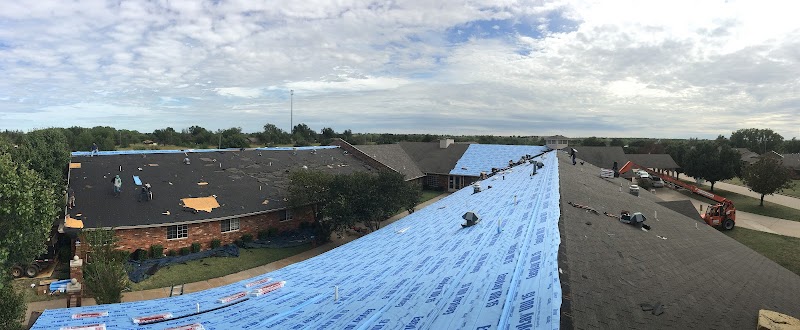
How is Greenbrier Staffed?

CMS rates GREENBRIER NURSING HOME's staffing level at 4 out of 5 stars, which is above average compared to other nursing homes. Staff turnover is 27%, compared to the Oklahoma average of 46%. This relatively stable workforce can support continuity of care.

What Have Inspectors Found at Greenbrier?

State health inspectors documented 15 deficiencies at GREENBRIER NURSING HOME during 2023 to 2025. These included: 1 Immediate Jeopardy (the most serious level, indicating potential for serious harm or death) and 14 with potential for harm. Immediate Jeopardy findings are rare and represent the most serious regulatory concerns. They require immediate corrective action.
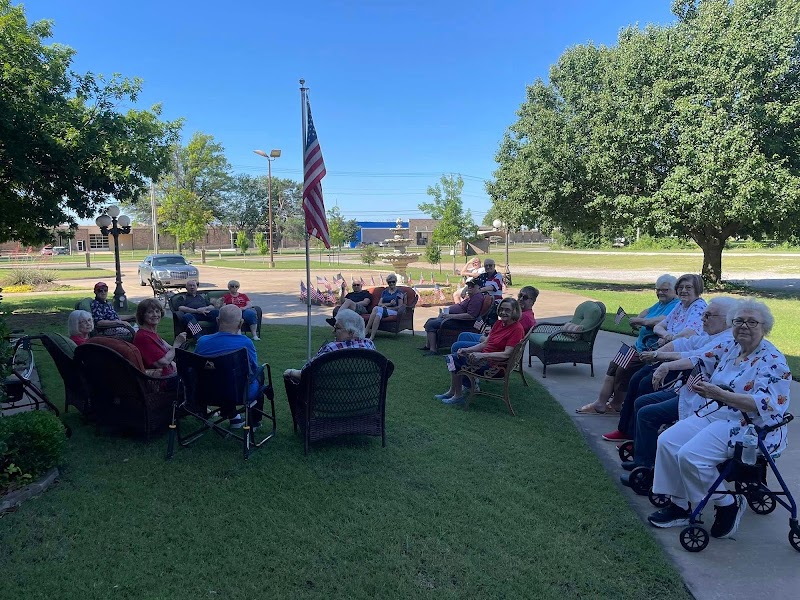
Who Owns and Operates Greenbrier?

GREENBRIER NURSING HOME is owned by a for-profit company. For-profit facilities operate as businesses with obligations to shareholders or private owners. The facility operates independently rather than as part of a larger chain. With 150 certified beds and approximately 83 residents (about 55% occupancy), it is a mid-sized facility located in ENID, Oklahoma.
How Does Greenbrier Compare to Other Oklahoma Nursing Homes?

Compared to the 100 nursing homes in Oklahoma, GREENBRIER NURSING HOME's overall rating (3 stars) is above the state average of 2.6, staff turnover (27%) is significantly lower than the state average of 46%, and health inspection rating (3 stars) is at the national benchmark.

What Should Families Ask When Visiting Greenbrier?

Based on this facility's data, families visiting should ask: "What changes have been made since the serious inspection findings, and how are you preventing similar issues?" "Can I visit during a mealtime to observe dining assistance and food quality?" "How do you handle medical emergencies, and what is your hospital transfer rate?" "Can I speak with family members of current residents about their experience?" These questions are particularly relevant given the facility's Immediate Jeopardy citations.

Is Greenbrier Safe?

Based on CMS inspection data, GREENBRIER NURSING HOME has documented safety concerns. Inspectors have issued 1 Immediate Jeopardy citation (the most serious violation level indicating risk of serious injury or death). The facility has a 3-star overall rating and ranks #1 of 100 nursing homes in Oklahoma. Families considering this facility should ask detailed questions about what corrective actions have been taken since these incidents.

Do Nurses at Greenbrier Stick Around?

Staff at GREENBRIER NURSING HOME tend to stick around. With a turnover rate of 27%, the facility is 19 percentage points below the Oklahoma average of 46%. Low turnover is a positive sign. It means caregivers have time to learn each resident's needs, medications, and personal preferences. Consistent staff also notice subtle changes in a resident's condition more quickly.

Was Greenbrier Ever Fined?

GREENBRIER NURSING HOME has been fined $39,447 across 6 penalty actions. The Oklahoma average is $33,473. While any fine indicates a compliance issue, fines under $50,000 are relatively common and typically reflect isolated problems that were subsequently corrected. Families should ask what specific issues led to these fines and confirm they've been resolved.

Is Greenbrier on Any Federal Watch List?

GREENBRIER NURSING HOME is not on any federal watch list. The most significant is the Special Focus Facility (SFF) program, which identifies the bottom 1% of nursing homes nationally based on persistent, serious quality problems. Not being on this list means the facility has avoided the pattern of deficiencies that triggers enhanced federal oversight. This is a positive indicator, though families should still review the facility's inspection history directly.