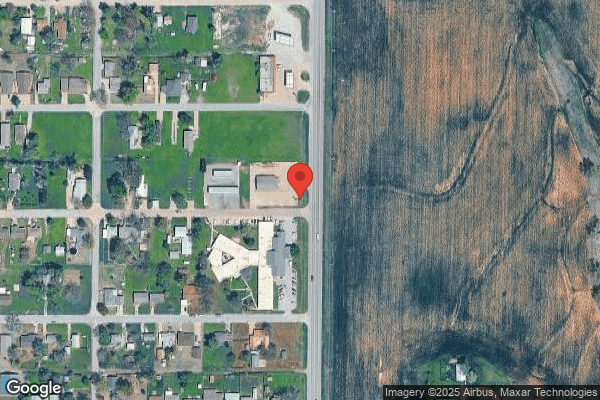
ENID SENIOR CARE

410 NORTH 30TH STREET, ENID, OK 73701 (580) 237-1973
For profit - Limited Liability company 102 Beds MARSH POINTE MANAGEMENT Data: November 2025 2 Immediate Jeopardy citations
Trust Grade
11/100
#219 of 282 in OK
Last Inspection: November 2024

Within standard 12-15 month inspection cycle. Federal law requires annual inspections.

Overview

Enid Senior Care has received a Trust Grade of F, indicating significant concerns about its operations and care quality. It ranks #219 out of 282 facilities in Oklahoma, placing it in the bottom half, and #6 out of 6 in Garfield County, meaning there are no better local options. Although the facility is improving, with issues decreasing from 6 in 2024 to 2 in 2025, it still has a troubling history, including critical incidents where residents were not provided appropriate care and safety measures. Staffing is a relative strength, with a turnover rate of 34%, which is better than the state average, though the facility has less RN coverage than 77% of Oklahoma facilities, potentially impacting the quality of care. The fines of $52,775 are concerning, indicating compliance problems, and specific incidents such as a fire caused by a resident smoking with oxygen on and another resident being fed incorrectly highlight serious safety and health risks that families should consider.

Trust Score
F
11/100
In Oklahoma
#219/282
Bottom 23%
Safety Record
High Risk
Review needed
Inspections
Getting Better
6 → 2 violations
Staff Stability
○ Average
34% turnover. Near Oklahoma's 48% average. Typical for the industry.
Penalties
✓ Good
$52,775 in fines. Lower than most Oklahoma facilities. Relatively clean record.
Skilled Nurses
⚠ Watch
Each resident gets only 15 minutes of Registered Nurse (RN) attention daily — below average for Oklahoma. Fewer RN minutes means fewer trained eyes watching for problems.
Violations
⚠ Watch
16 deficiencies on record. Higher than average. Multiple issues found across inspections.
★☆☆☆☆
1.0
Overall Rating
★☆☆☆☆
1.0
Staff Levels
★★★☆☆
3.0
Care Quality
★★☆☆☆
2.0
Inspection Score
Stable
2024: 6 issues
2025: 2 issues

The Good

  • Full Sprinkler Coverage · Fire safety systems throughout facility
  • No fines on record
  • Staff turnover below average (34%)

    14 points below Oklahoma average of 48%

Facility shows strength in fire safety.

The Bad

1-Star Overall Rating

Below Oklahoma average (2.6)

Significant quality concerns identified by CMS

Staff Turnover: 34%

12pts below Oklahoma avg (46%)

Typical for the industry

Federal Fines: $52,775

Above median ($33,413)

Moderate penalties - review what triggered them

Chain: MARSH POINTE MANAGEMENT

Part of a multi-facility chain

Ask about local staffing decisions and management

The Ugly 16 deficiencies on record

2 life-threatening
Feb 2025 2 deficiencies 1 IJ
CRITICAL (J) 📢 Someone Reported This

A family member, employee, or ombudsman was alarmed enough to file a formal complaint

Immediate Jeopardy (IJ) - the most serious Medicare violation

Accident Prevention (Tag F0689)

Someone could have died · This affected 1 resident

**NOTE- TERMS IN BRACKETS HAVE BEEN EDITED TO PROTECT CONFIDENTIALITY** On 02/21/25, an Immediate Jeopardy (IJ) was determined to exist related to the facility's failure to ensure the safety of Reside...

Read full inspector narrative →
**NOTE- TERMS IN BRACKETS HAVE BEEN EDITED TO PROTECT CONFIDENTIALITY** On 02/21/25, an Immediate Jeopardy (IJ) was determined to exist related to the facility's failure to ensure the safety of Resident #1. The facility did not have a care plan which reflected smoking on admit. The facility failed to ensure interventions were in place when Resident #1 continued to smoke in their room. On 02/05/25 at 3:29 p.m., facility staff noted a fire had started in the trash can in Resident #1's room. Resident #1 had lit a cigarette and had disposed of the cigarette in the trash can in their room. Staff extinguished the fire. At the time of the fire Resident #1 was wearing oxygen. Staff extinguished the fire and evacuated other residents safely. The fire department was called and came to the facility. Resident #1 was sent to the ER for possible smoke inhalation. On 02/21/25 at 5:06 p.m., the Oklahoma State Department of Health was notified and verified the existence of an IJ situation. On 02/21/25 at 5:12 p.m., the administrator and ADON were notified of the IJ situation and the IJ template was provided. On 02/24/25 at 4:36 p.m., an acceptable plan of removal was approved by the Oklahoma State Department of Health. The plan of removal showed the total number of residents at risk for the same deficient practice was 59. It showed the actions to remove the immediacy of the alleged deficient practice were the following: a. on 02/05/25, Resident #1's care plan was updated to show the one-on-one intervention implemented, b. on 02/21/25 and 02/22/25, all staff were educated in person and by phone on the updates to the smoking policy put into place, the changes made to what staff could supervise smokers outside, and steps staff were to take if lighters and cigarettes were found in residents' room, and c. all smoking residents were counseled on the smoking policy and the changes made. It showed all smokers care plan interventions were updated for smoking supervision. The plan of removal showed the action taken to prevent recurrence of the alleged deficient practice were the following: a. on 02/24/25, the facility smoking policy would be located at the staff time clock and in the staff break room for review at any time. It showed the master list for smokers would be in a binder kept at the nurses desk, b. the ADON and MDS nurses were re-educated in the process of smoking assessments and smoker safety care plans, c. the director of nursing/ADON/administrator/designee would make routine rounds of smokers' rooms to ensure there were no smoking materials in rooms. The plan of removal showed they would also check with smokers when returning from outings to have them surrender any smoking materials/lighters, d. new residents admitted to the facility would be assessed upon admission and their smoking status determined. It showed a smoking evaluation would be completed and the care plan would be updated quarterly or with significant change in condition, e. the administrator/designee would review the smoking policy with residents who wished to smoke and ensure understanding of all aspects of the policy, f. smoking policy updated showing smoking was not allowed inside the facility and/or any resident room or bathroom under any circumstances, and h. the interdisciplinary team would meet monthly, and review the list of smokers, and address any concerns noted. The IJ was lifted, effective 02/24/25 at 5:27 p.m., when all components of the plan of removal had been verified as completed. The deficient practice remained isolated with the potential for more than minimal harm. Based on record review, and interview, the facility failed to ensure the safety of a resident who smoked for 1 (#1) of 3 sampled residents reviewed for smoking. The administrator identified 59 residents resided in the facility and 21 residents whom were current smokers in the facility. Findings: An undated facility Smoking policy, read in part, this facility will establish and maintain safe resident smoking practices .smoking is only permitted in designated resident smoking areas, which are located outside the building, smoking is not allowed inside the facility and (or in any resident room or bathroom) under any circumstances. Resident #1 had diagnoses which included anxiety, nicotine dependence, and chronic obstructive pulmonary disease. A care plan, date initiated 10/25/23, showed no focus regarding Resident #1 being a smoker. A behavior note, dated 12/26/23, read in part, resident continues to smoke in [their] room and bathroom. Resident continues to not abide by the smoking rules. A Quarterly Smoking Evaluation, dated 01/12/24, showed the resident was safe to smoke with supervision. A quarterly MDS assessment, dated 01/24/25, showed the resident's cognition was intact. An incident note, dated 02/05/25 at 3:29 p.m., read in part, staff called to room by staff member yelling fire down the hallway. Upon entering room, fire alarm was sounding, flames observed coming from area surrounding O2 [oxygen] concentrator, flames also noted coming from trash can in sink. Resident noted sitting in power chair in between two flames but was not attempting to remove [themselves]. An incident note, dated 02/05/25 at 3:55 p.m., read in part, resident was in room when staff observed a fire flamed coming from residents trash can. Staff explaining to resident they needed to get out of the room so we can put the fire out, resident would not leave at first and then staff manually pulled resident out of room from back of electric wheel chair. Resident sent to ER for evaluation. An initial state reportable incident report, dated 02/05/25, showed a fire was found in Resident #1's room. The incident showed the fire was caused by a cigarette that was improperly extinguished in Resident #1's trash can in their room. The report showed Resident #1 was sent to the ER on [DATE] at 3:55 p.m. for evaluation of possible smoke inhalation. A care plan, date initiated 02/10/25 and revised 02/10/25, showed the resident was one-on-one with staff monitoring related to the incident with the fire in their room on 02/05/25. A Quarterly Smoking Evaluation, dated 02/20/25, showed the resident was safe to smoke with supervision. On 02/20/25 at 10:31 a.m., Resident #1 was asked what was the facility smoking policy. The resident stated they could not have lighters in their room and could not smoke in their room. The resident stated last summer they smoked in their room and staff caught them. On 02/21/25 at 10:37 a.m., MDS coordinator #1 was asked what the policy was for residents smoking. They stated to keep all cigarettes and lighters in a locked box until smoking times which were every two hours. MDS Coordinator #1 was then asked how staff was keeping Resident #1 safe from having cigarettes or lighters in their room. They stated if it was known the resident had such items they were to be surrendered to the administrator or nurse. MDS Coordinator #1 was then asked to review Resident #1's admit care plan. After review, MDS coordinator #1 was asked if the care plan reflected Resident #1 being a smoker and Resident #1 would hide cigarettes and lighters in there room. They stated, No. MDS Coordinator #1 was then asked to review the care plan and asked if the care plan was updated after the behavior note on 12/26/23 regarding Resident #1 was continuing to smoke in their room and/or bathroom. They stated no it was not. On 02/21/25 at 1:48 p.m., the administrator was asked what was the policy for residents smoking. They stated residents could only smoke outside in the designated area with staff during the designated smoke times. The administrator was then asked what the facility had put in place for Resident #1 to ensure another incident would not occur regarding lighting a cigarette in the resident's room. They stated Resident #1 was placed on one-on-one monitoring with staff 24 hours a day until the facility could find proper placement for them at another facility. On 02/24/25 at 4:38 p.m., CMA #3 was asked the facility policy for smoking. The CMA stated all residents that smoked had to be supervised at the designated smoking times. The CMA was asked where the residents kept their cigarettes and lighters. The CMA stated those items were locked up in a smoke box that was locked up in the medication room. The CMA stated CMAs and nurses had access to unlock the medication room to remove the box. The CMA stated staff would light cigarettes for the residents.
CONCERN (E) 📢 Someone Reported This

A family member, employee, or ombudsman was alarmed enough to file a formal complaint

Potential for Harm - no one hurt, but risky conditions existed

Deficiency F0657 (Tag F0657)

Could have caused harm · This affected multiple residents

**NOTE- TERMS IN BRACKETS HAVE BEEN EDITED TO PROTECT CONFIDENTIALITY** Based on record review and interview, the facility failed to update/revise a care plan for a resident who smoked for 1 (#1) of 6...

Read full inspector narrative →
**NOTE- TERMS IN BRACKETS HAVE BEEN EDITED TO PROTECT CONFIDENTIALITY** Based on record review and interview, the facility failed to update/revise a care plan for a resident who smoked for 1 (#1) of 6 sampled residents reviewed for care plans. The administrator identified 59 residents resided in the facility. Findings: An undated Smoking policy, read in part, this facility will establish and maintain safe resident smoking practices .smoking is only permitted in designated resident smoking areas, which are located outside the building, smoking is not allowed inside the facility and (or in any resident room or bathroom) under any circumstances. A Care Plans Person-Centered policy, revised December 2016, read in part, the interdisciplinary team must review and update the care plan when there has been a significant change, when the desired outcome is not met, and at least quarterly .incorporate identified problem areas .identifying problem areas and their causes. Resident #1 was admitted on [DATE] with diagnoses which included chronic obstructive pulmonary disease, nicotine dependence, and anxiety. A care plan, date initiated 10/25/23, showed no focus added to the care plan for an issue of smoking. Resident #1 had a ongoing issue with smoking at the time of admit, going out to the store for cigarettes and lighters, and hiding those items from staff. A behavior note, dated 12/26/23, read in part, resident continues to smoke in room and/or bathroom. A Smoking Evaluation, dated 01/12/24, showed Resident #1 was safe to smoke with supervision. A quarterly MDS assessment, dated 01/26/25, showed Resident #1's cognition was intact. On 02/20/25 at 10:31 a.m., Resident #1 was asked what was the facility's smoking policy. The resident stated they could not have lighters in their room and could not smoke in their room. The resident stated last summer they smoked in their room and staff caught them. On 02/21/25 at 10:37 a.m., MDS coordinator #1 was asked the facility policy for updating and revision of a care plan. They stated they added a focus if needed to the care plan when a resident was admitted or after a resident had a incident. MDS Coordinator #1 was asked if the care plan was updated to reflect the behavior note on 12/26/23 regarding Resident #1 continuing to smoke in their room and bathroom. They stated, No.
Nov 2024 6 deficiencies
CONCERN (D)

Potential for Harm - no one hurt, but risky conditions existed

Deficiency F0637 (Tag F0637)

Could have caused harm · This affected 1 resident

Based on record review and interview, the facility failed to ensure a significant change MDS assessment was completed for one (#12) of one sampled resident started on hemodialysis. The DON identified ...

Read full inspector narrative →
Based on record review and interview, the facility failed to ensure a significant change MDS assessment was completed for one (#12) of one sampled resident started on hemodialysis. The DON identified one resident residing in the facility who received hemodialysis. Findings: Resident #12 had diagnoses which included chronic kidney disease. A physician's order, dated 11/03/24, documented Resident #12 was to start hemodialysis three times weekly. A care plan, dated 11/04/24, documented Resident #12's risk of complications from kidney failure, new status of attending hemodialysis, and the care of their shunt/fistula. No significant change assessment was present in the clinical record documenting Resident #12's decline in kidney function and starting dialysis treatments. On 11/15/24 at 1:07 p.m., the DON was asked if a significant change assessment should have been completed for Resident #12. They stated, Yes. On 11/15/24 at 1:18 p.m., MDS Coordinator #1 was asked when significant change assessments were done. They stated if a resident had experienced a change in condition that was not expected to resolve within the next 120 days. They were asked if Resident #12 had experienced a significant change. They stated, Yes. They acknowledged a significant change MDS should have been completed.
CONCERN (D)

Potential for Harm - no one hurt, but risky conditions existed

Deficiency F0655 (Tag F0655)

Could have caused harm · This affected 1 resident

**NOTE- TERMS IN BRACKETS HAVE BEEN EDITED TO PROTECT CONFIDENTIALITY** Based on record review and interview, the facility failed to ensure a baseline care plan was completed for one (#117) of sixteen...

Read full inspector narrative →
**NOTE- TERMS IN BRACKETS HAVE BEEN EDITED TO PROTECT CONFIDENTIALITY** Based on record review and interview, the facility failed to ensure a baseline care plan was completed for one (#117) of sixteen sampled residents reviewed for care plans. The administrator identified 65 residents resided in the facility. Findings: Resident #117 was admitted to the facility on [DATE] and had diagnoses which included encounter for orthopedic aftercare (right artificial hip joint) and type 2 diabetes. A review of the clinical record for Resident #117 revealed a baseline care plan had not been completed. On 11/14/24 at 1:00 p.m., the DON was asked what was the policy on completion of a baseline care plan for newly admitted residents. They stated the baseline care plan should be completed within the first 24 hours of admission by the admitting nurse or the nurse taking responsibility for the resident immediately after. The DON was asked if a baseline care plan had been completed for Resident #117. They stated, No. They stated the ADON was the admitting nurse. On 11/14/24 at 1:05 p.m., the ADON stated they were the admitting nurse for Resident #117 and should have completed a baseline care plan. They acknowledged a baseline care plan had not been completed and facility policy had not been followed.
CONCERN (D)

Potential for Harm - no one hurt, but risky conditions existed

Deficiency F0698 (Tag F0698)

Could have caused harm · This affected 1 resident

Based on record review and interview, the facility failed to ensure post-dialysis assessments were completed for one (#12) of one sampled resident receiving hemodialysis. The DON identified one reside...

Read full inspector narrative →
Based on record review and interview, the facility failed to ensure post-dialysis assessments were completed for one (#12) of one sampled resident receiving hemodialysis. The DON identified one resident residing in the facility who received hemodialysis. Findings: Resident #12 had diagnoses that included chronic kidney disease. A physician's order, dated 11/03/24, documented Resident #12 received hemodialysis three times weekly. On 11/15/24 at 11:20 a.m., the DON was asked how information was communicated between the facility and the dialysis center. They stated the resident took a dialysis communication form with them on each visit and returned the form to the facility after visits. When asked if assessments were done before and after dialysis visits, the DON stated, Yes. They stated they documented on the dialysis communication form and the forms were scanned into the EHR. A review of Resident #12's clinical record revealed the 'Resident Specific Post-Dialysis Assessment' section of the dialysis communication forms for Resident #12 were not completed upon their return from dialysis on 10/31/24, 11/05/24,11/07/24, and 11/09/24. On 11/15/24 at 1:07 p.m., the DON was asked to review the dialysis communication forms for Resident #12 dated 10/31/24, 11/05/24, 11/07/24, and 11/09/24. After reviewing the forms, the DON acknowledged post-dialysis assessments had not been completed on the dates in question and staff had not followed facility policy.
CONCERN (D)

Potential for Harm - no one hurt, but risky conditions existed

Deficiency F0730 (Tag F0730)

Could have caused harm · This affected 1 resident

Based on record review and interview, the facility failed to ensure annual competency reviews were completed for one (CNA#1) of two sampled CNAs who were reviewed for annual competency review. The HR...

Read full inspector narrative →
Based on record review and interview, the facility failed to ensure annual competency reviews were completed for one (CNA#1) of two sampled CNAs who were reviewed for annual competency review. The HR director identified 38 CNAs were employed at the facility. Findings: The Competency of Nursing Staff policy, revised 10/2017, read in part, Facility and resident-specific competency evaluations will be conducted upon hire, annually and as deemed necessary based upon the facility assessment. On 11/14/24 at 8:54 a.m., CNA #1's employee file was reviewed. The last competency review was completed in 07/2023. There was no documentation an annual competency review was completed annually after 07/2023. On 11/14/24 at 9:00 a.m., the HR director stated that they visited with the administrator and they realized the annual competency review was not completed for CNA#1 after the last review in 07/2023. On 11/14/24 at 10:00 a.m., the administrator stated CNA #1's annual competency review was not completed.
CONCERN (D)

Potential for Harm - no one hurt, but risky conditions existed

Infection Control (Tag F0880)

Could have caused harm · This affected 1 resident

Based on observation, record review, and interview, the facility failed to adhere to EBP while providing care for one (#33) of one sampled resident reviewed for enhanced barrier precautions. The admi...

Read full inspector narrative →
Based on observation, record review, and interview, the facility failed to adhere to EBP while providing care for one (#33) of one sampled resident reviewed for enhanced barrier precautions. The administrator identified 65 residents resided in the facility. The DON identified five residents on enhanced barrier precautions. Findings: An Enhanced Barrier Precautions policy, revised 07/01/24, read in part, staff will perform hand hygiene and don PPE before entering resident's room .staff will remove PPE and perform hand hygiene before exiting resident's room .examples of high contact resident care are changing linens, device care, and wound care. Resident #33 had diagnoses which included stage 4 pressure ulcer to sacrum, chronic pain, diabetes mellitus type two, and obesity. Resident #33's care plan for EBP, revised 11/05/24, documented the resident was at risk for skin breakdown and pressure ulcers related to decreased mobility, fragile skin, incontinence, and current stage 4 pressure ulcer to sacrum. On 11/14/24 at 10:45 a.m., RN #1 and CNA #2 entered Resident #33's room to perform a dressing change to the resident's pressure ulcer to their sacrum. Upon entering the room both RN #1 and CNA #2 washed their hands and donned gloves. RN #1 and CNA #2 did not don gowns prior to providing incontinent care or the dressing change to the resident's pressure ulcer to their sacrum. RN #1 was asked what was the policy for EBP while providing hands on direct care and if a gown was required while providing hands on direct care. RN#1 stated they were not aware of needing to wear a gown when providing residents' treatment. On 11/14/24 at 11:34 a.m., LPN #1 was asked what was the policy and procedure for EBP, and when did staff use PPE. They stated PPE was used anytime a resident had a wound, Foley, peg tube, or if staff were providing direct care for the resident. They stated staff were to wear gowns and gloves. On 11/14/24 at 11:46 a.m., CNA #3 was asked what did the EBP sign mean when posted outside a resident's room door. They stated they were to wear gowns and gloves if providing direct resident care. On 11/14/24 at 11:50 am., the DON was asked what was the policy for ensuring EBP was followed by staff. They stated the staff should wear gowns and gloves for all direct care. The DON was then asked what did the EBP sign mean outside a resident's door. They stated the staff were to wear gowns and gloves.
CONCERN (E)

Potential for Harm - no one hurt, but risky conditions existed

Deficiency F0657 (Tag F0657)

Could have caused harm · This affected multiple residents

Based on record review and interview, the facility failed to ensure a care plan was revised and/or updated for three (#5, #11 and #63) of sixteen sampled residents reviewed for care plans. The adminis...

Read full inspector narrative →
Based on record review and interview, the facility failed to ensure a care plan was revised and/or updated for three (#5, #11 and #63) of sixteen sampled residents reviewed for care plans. The administrator identified 65 residents resided in the facility. Findings: A Care Plans, Comprehensive Person-Centered policy, revised December 2020, read in part, Care Plan interventions are derived from a thorough analysis of the information gathered as part of the comprehensive assessment .Care plan interventions are chosen only after careful data gathering, proper sequencing of events, careful consideration. 1. Resident #5 had diagnoses which included bipolar, heart failure, and osteomyelitis. A Comprehensive Care Plan, dated 11/12/24, documented there were no updates or revisions completed on the care plan for any focus areas following the resident's annual assessment on 10/28/24. Review of care plan documented the last revision on the resident's care plan was 11/08/22 and 02/23/23. 2. Resident #11 had diagnoses which included chronic obstructive pulmonary disease, epilepsy, and history of falls. A Comprehensive Care Plan dated 08/22/24, documented there were no updates or revisions completed for interventions for falls. A review of Resident #11's record documented they had a fall on 11/08/24 with minor injury. There was no documentation interventions were updated on the care plan. A Fall Risk assessment, dated 11/12/24, documented the resident was a high fall risk with a score of 65. 3. Resident #63 had diagnoses which included chronic obstructive pulmonary disease, vascular dementia, and cerebral infarction. A Smoking Evaluation, dated 06/07/24, documented Resident #63 was safe to smoke with supervision. A Comprehensive Care Plan, dated 09/25/24, documented no focus for smoking on the care plan. On 11/14/24 at 9:44 a.m., the DON was asked what was the policy for updating and revision of care plan interventions. They stated they tried to update the interventions with every incident. The DON was asked to review Resident #11 care plan and asked if the interventions for falls had been updated. They stated, No. On 11/15/24 at 8:28 a.m., the DON was asked to review the care plan for Resident #63 and asked if the care plan documented a focus for smoking. They stated No On 11/15/24 at 10:29 a.m., MDS Coordinator #1 was asked what was the facility policy for updating and/or revising a care plan after an annual assessment was completed. They stated the care plan was reviewed after each annual, significant change, or quarterly assessment was completed and then they personalized the care plan for each resident need. They were then asked to review the care plan for Resident #5. They were then asked if the care plan was updated after annual assessment was completed on 10/28/24. They stated, No, it was not.
Jul 2022 8 deficiencies 1 IJ
CRITICAL (J)

Immediate Jeopardy (IJ) - the most serious Medicare violation

Deficiency F0692 (Tag F0692)

Someone could have died · This affected 1 resident

On 06/29/22 at 12:18 p.m., the OSDH confirmed the existence of an immediate jeopardy related to the facility failed to ensure a resident was provided a physician ordered puree diet with restriction fo...

Read full inspector narrative →
On 06/29/22 at 12:18 p.m., the OSDH confirmed the existence of an immediate jeopardy related to the facility failed to ensure a resident was provided a physician ordered puree diet with restriction for use of straws for Resident #57 who had a diagnosis of Dysphagia and Oropharyngeal phase. Resident #57 was observed being assisted to eat food that was not pureed and assisted to drink with a straw, when the Resident #57 began to cough and clear their throat. Staff were interviewed and were unable to verbalize why straws should not be used when assisting Resident #57 with fluid intake. Resident #57's dietary card did not document a diet change to puree. On 06/29/22 at 12:30 p.m., the Administrator was informed of the existence of the immediate jeopardy. A request was made for an acceptable plan to remove the immediacy. On 06/29/22 at 3:28 p.m., the Administrator provided a plan of removal. On 06/29/22 at 4:09 p.m., the plan of removal was accepted by the OSDH. The plan of removal was as follows: .Step #1 DON/ADON/Designee made rounds upon notification of incorrect diet served on Resident #57 to ensure no other resident were served incorrect diet, with no further negative findings. Step #2 Resident #57 tray card was update upon notification of incorrect diet to reflect correct prescribed diet with proper utensils . Step #3 All Nurses, CNA/CMA and Dietary staff educated on Interdepartmental Notification of Diet (including changes and reports) along with utilization of communication forms from nursing department and dietary department. Dietary manager/Designee and Dietary staff educated that when changes come from nursing department regarding changed in diet, utensils, and preferences, reporting nurse will be updating tray cards and educating all dietary staff of these changes, as well as removing old tray card from the kitchen. Nurses, CNA/CMAs educated to match tray card diet to actual meal sent to resident upon serving. If any aspects of the meal provided are not correct, they are to return to kitchen to correct immediately to match prescribed diet. Step #4 Complete audit of all resident diet orders completed and compared to tray cards to ensure no further inappropriate diets or utensils in use with no further negative findings. Interdepartmental Notification of Diet (including changes and records) policy was printed and given to survey team with plan of removal. Step #5 Upon receiving new orders for dietary changes, nursing staff will fill out dietary communication form and take to dietary manager or place in designated area in dietary managers office. At this time old tray card is removed and given to nursing, nursing will fill out new tray care with updated diet information. DON/Designee will report all diet changes and special utensil use to Administrator after ensuring MD order is correct and care plan is updated. Administrator will take changes to dietary manager to ensure changes were made timely to tray cards and dietary staff is educated. Upon approval of plan of removal, a current staff in the facility will be in-serviced immediately to ensure safety of all resident on 06/29/22 by 7 pm. All other staff will be in-serviced prior to reporting for next shift . On 07/05/22 at 4:35 p.m., after all the components of the plan of removal had been completed, the Administrator was notified the immediacy had been lifted as of 06/30/22 at 3:46 p.m. The deficiency remained isolated with more than minimal potential for harm. Based on observation, record review and interview the facility failed to ensure A. A puree diet was served as ordered by the physician, B. Ensure dietary cards were updated to reflect the current diet, and C. Ensure staff did not use a straw for a resident who had a dietary restriction for the use of straws for one (#57) of six sampled residents reviewed for nutrition. The Resident Census and Condition of Residents identified 59 residents lived in the facility. The clinical director identified two residents received nutrition via enteral feedings and did not receive dietary services from the kitchen. Findings: A policy and procedure, titled, Interdepartmental Notification of Diet (Including Changes and Reports), read in part, .Nursing services shall notify the food and nutrition services department of a resident's diet order, including any changes in the resident's diet, meal service, and food preferences .or a diet has been changed, the nurse supervisor shall ensure that the food and nutrition services department receives a written notice of the diet order .The food and nutrition services department will be notified verbally if the diet change or report occurs one hour or less before a scheduled meal, or if circumstances indicate that the written procedures will not be adequate to ensure service at the next meal . Resident #57 had diagnoses which included dysphagia, oropharyngeal phase, dementia, other symptoms and signs concerning food and fluid intake. A care plan, last updated 05/17/21, read in parts, .Mechanical Soft diet as ordered with thin liquids and no straws. Med pass/Healthshakes with all meals as ordered. (History of eating with her hands, no sandwiches, eats in dining room - will get up from table and then later return during mealtimes.) . A document titled, ST-Therapist Progress and Discharge Summary, dated 12/23/19, read in parts, a.Safely Consume Liquids .GOAL MET - 12/20/2019 .The patient safely consumes thin liquid consistency utilizing cup while facilitating chin tuck exhibiting modified independence(1-10%impairment; diet may be modified due to medical and/or dental status) . b.Safely Consume Solids .Goal met-on 12/20/2019 .The patient safely consumes mechanical soft consistency utilizing spoon while facilitating chin tuck exhibiting minimal impairment (10-25% impairment; risk of trace aspiration, diet may need modified due to medical/dental status) .Area of treatment provided per treatment Plan: Treatment of swallowing dysfunction and/or function for feeding . An ST Clarification Order dated 01/06/20 read in part, . ST recommends change in diet consistency to mechanical soft foods with ground meats, continue finger foods when available. Continue thin liquids, no straws . A Physicians Order, dated 01/08/20, read in part, .Regular diet, Mechanical Soft texture, Regular consistency No Straws/ Ground meat /Finger Foods .related to DYSPHAGIA, OROPHARYNGEAL PHASE . A Physician's Order Summary Report, dated 05/31/22, read in part .Regular diet mechanical soft texture, Regular consistency, No Straws/Ground meat/Finger Foods Dinner related to dysphagia, Oropharyngeal Phase . A Nutrition/Dietary Note, dated 06/15/22, read in part, .Good PO intake on regular mech (sic) soft diet with ground meat .monitor and continue POC . An Annual assessment, dated 06/19/22, documented Resident #57 had severe cognitive impairment, required extensive assistance of one person for eating, and had no signs and symptoms of possible swallowing disorder. A physician's progress note, dated 06/25/22, read in part, .[Resident] diet was changed to pureed .[Resident]seems better with a pureed diet so I am ordering a diet change to pureed .Assessment and Plan .Dysphagia change diet to pureed . A Physician's Order Summary Report, dated 06/25/22, read in part, .Regular diet, pureed texture, Regular consistency. No Straws related to DYSPHAGIA, OROPHARYNGEAL PHASE . A Health Status Note, dated 06/25/22 at 6:02 p.m., read in part, .[doctor name] here to see resident. N.O. to change diet to pureed . Documented by the DON. On 06/28/22 at 12:01 p.m., staff was observed feeding resident chopped mandarin oranges, chopped ham, smashed sweet potatoes, and pieces of fried green beans. The diet card documented, ground meat, finger foods, no straws or plastic ware. Staff was observed assisting resident to drink fluid with a straw. On 06/29/22 at 8:10 a.m., CMA #1 was observed feeding Resident #57 chopped sausage, scrambled eggs, blueberry muffin/cake, and orange juice with a straw. The continued observations included: a. Staff was observed giving resident a drink of orange juice with a straw. CMA #1 left room to obtain a small glass of apple juice, and put a straw in glass. CMA #1 fed Resident #57 bites of chopped sausage, scrambled, egg, and blueberry muffin, then provided a drink of Apple juice with the straw. b. Resident #57 had a small cough/cleared throat. c. CMA #1 gave Resident #57 a bite of egg, sausage, drink of apple juice with a straw, and a bite of sausage. d. Resident #57 had audible sounds to clear throat. e. CMA #1 provided a bite of egg, f. Resident #57 began to cough. g. CMA #1 gave drink apple juice with a straw. CMA #1 gave a bite of muffin. h. Resident #57 coughed. On 06/29/22 at 8:40 a.m., Resident #57 was observed seated in a recliner, coughing. CMA #1 was asked to show #57's diet card. The card documented .regular diet, ground consistency, thin liquids, regular portions. ground meat, finger foods if possible, no straw or plastic ware On 06/29/22 at 10:17 a.m., CMA #1 was asked, did you assist Resident #57 with fluids using a straw. CMA #1 replied, yes. On 06/29/22 at 10:17 a.m., CMA #1 was asked what diet is Resident #57 supposed to be on. CMA #1 replied, ground. On 06/29/22 at 10:17 a.m., CMA #1 was asked what did her diet card say regarding straws. CMA #1 stated, I don't know why they put straws on there, the straw is the only way [resident] drinks good. CMA #1 was asked why is the resident not allowed to have straws. CMA #1 stated, My guess, because of the plastic, when I saw that on the card. I been meaning to ask the nurse. On 06/29/22 at 10:17 a.m., CMA #1 was asked if the resident had a diet change recently. CMA #1 stated, Not that I am aware of. CMA #1 was asked when the resident was eating/drinking, did Resident #57 cough or clear throat. CMA #1 stated, Yes, I gave her a drink. On 06/29/22 at 10:20 a.m., CNA #2 was asked how do you know what diet to serve to residents. CNA #2 stated each resident has a meal card on the tray at every meal, and knows the residents. CNA #2 was asked who is responsible to ensure the cards are up to date. CNA #2 stated the nurse and therapy decide and if aides see the resident is having a cough or trouble to eat/drink they tell the nurse and the nurse gets the information to therapy. On 06/29/22 at 10:22 a.m., CNA #1 was asked how the nurse aides help to ensure residents receive the diet ordered by the physician. CNA #1 stated the nurses make cards for dietary and each resident has a card on the meal tray. CNA #1 was asked who is responsible to ensure the cards are current. CNA #1 stated the charge nurse. On 06/29/22 at 10:25 a.m., LPN # 1 was asked why Resident #57 is not allowed to have straws. LPN #1 stated, [resident] clamps down on them with .teeth, it's not necessarily the straw's, [resident] bites plastic silverware. LPN #1 was asked what was the residents' current diet. They stated [resident] was on regular with ground, but is now on puree. LPN #1 was asked who ensured the resident gets the correct meal as ordered. LPN #1 stated, we give dietary the order and the aide on the hall getting the tray should check the card. LPN #1 was asked if scrambled eggs, ground sausage and a blueberry muffin is a pureed diet. LPN #1 stated, No. On 06/29/22 at 10:30 a.m., the ADON was asked who is responsible to ensure residents receive the correct physician ordered diet. The ADON stated the charge nurse do the final check of the orders and the orders and the card should match. The ADON was asked if the meal card and/or order stated no straws, should the staff use straws to offer liquids. The ADON stated, No. The ADON stated, when there is an order (verbal/written) they completed/update the dietary card. The ADON was asked if anyone ever completed an audit to ensure the order/diet served was correct. The ADON stated they did approximately 1 ½ months ago and dietary has completed one since and made new cards. The ADON was asked why Resident #57 had an order for no straws. The ADON stated, Resident #57 could not have straws because they needed to slow [resident] down from drinking too fast. The ADON stated if Resident #57 was provided fluid through a straw, [resident] would drink all of the liquid without getting a breath, so no straws. The ADON was asked what is Resident #57's diet order. After review of the computer orders, stated regular/pureed texture, thin liquid, which was a new order on 6/25/22. ADON was asked if Resident #57 could be served fried green beans. The ADON stated, not if they are not pureed. The ADON was asked if the Resident #57 could be served sausage, they stated no. On 06/29/22 at 10:37 a.m., DA #1 was asked how it is determined what food was served to a resident. The DA #1 stated, I just know the residents, it is in my memory. DA #1 was asked if they utilized the dietary card system. They stated, we should. DA #1 was asked how new (diet) orders were communicated. They stated, nurses will bring the information and the diet is changed. They were asked if anyone does an audit of the orders/cards to ensure they are correct. DA #1 did not know. They were asked who would be responsible, they stated the dietary manager. On 06/29/22 at 10:40 a.m., the DM was asked how dietary ensured residents receive the correct diet. The DM stated, We use cards with the diet orders, supposed to look at with each meal but I have them memorized. The DM was asked what if the resident has a diet change. The DM stated, nursing will bring another card and get the tray card changed. The DM was asked who was responsible to audit orders/diet cards to ensure accuracy. The DM stated I did one a couple of weeks ago. The DM was asked if dietary puts straws on the trays served. The DM stated, no, nursing has access to straws. The DM was asked if any of the residents have an order for no straws. The DM stated, No. On 06/29/22 at 11:50 a.m., the DON was asked for a policy/procedure on diet changes. The DON stated the nurse should give a copy to dietary. The DON was asked who makes the cards. They stated, dietary should but since they haven't been, the ADON has been doing them. The DON was unsure if there was a policy, but would look for one. On 06/30/22 at 8:07 a.m., the DON was asked why the doctor had made the diet change for Resident #57. The DON stated, staff said [resident] was coughing. The DON was asked if there was a copy of the dietary communication change. The DON stated, on Saturday I took it to the kitchen staff.
CONCERN (D)

Potential for Harm - no one hurt, but risky conditions existed

Deficiency F0887 (Tag F0887)

Could have caused harm · This affected 1 resident

**NOTE- TERMS IN BRACKETS HAVE BEEN EDITED TO PROTECT CONFIDENTIALITY** Based on record review and interview, the facility failed to have a procedure in place to obtain a consent /declination of the C...

Read full inspector narrative →
**NOTE- TERMS IN BRACKETS HAVE BEEN EDITED TO PROTECT CONFIDENTIALITY** Based on record review and interview, the facility failed to have a procedure in place to obtain a consent /declination of the COVID-19 vaccination for a resident who is cognitively impaired and has no power of attorney or other representative for one (#3) of three sampled residents reviewed for immunizations. Resident #3 was cognitively impaired and had no legal representative to make decisions for them. The Resident Census and Condition of Residents documented 59 residents resided in the facility. Findings: A policy and procedure, updated 03/10/22, read in part, .Vaccines will be offered upon admit for residents and upon hire for staff. Upon refusal of vaccination .will be offered and educated on risks vs. benefits monthly during in-service for staff and when the pharmacy comes for COVID clinic for residents Resident #3 was admitted to the facility on [DATE] with diagnoses which included major depressive disorder, heart failure and Alzheimer's disease. Resident #3 was documented as own responsible party. An admission assessment, dated 07/30/21, documented Resident #3 had severe cognitive impairment for daily decision making. Resident #3 face sheet documented she was her own representative and had no other parties making decisions. A health status note, dated 12/27/21 at 1:36 p.m., read in part, .message left for [family member] .emergency contact, regarding COVID vaccine for resident. awaiting return call . Resident #3's care plan, dated 04/08/22, read in part, .Resident has impaired cognitive skills r/t Alzheimer's, BIMS score 3[severe cognitive impairment for daily decision making] .Encourage routine daily decision making and provide coaching through process as needed . On 07/07/22 at 12:02 p.m., the clinical director was asked if there was documentation of communication with Resident #3's family member. The clinical director stated, the [family member] is no longer returning calls. The clinical director stated staff members reported the resident's cognition was not intact to determine the risk vs benefits of the COVID vaccination. On 07/07/22 at 12:05 p.m., the clinical director was asked, being her advocate, why has it been a year to pursue someone who is in charge or an advocate for medical care. The clinical director stated, it should not have went that long, and had instructed staff to call APS. On 07/07/22 at 2:25 p.m., the clinical director stated, there was no documentation available for consent or decline for COVID vaccinations that were performed by the outside provider who offered the vaccinations. On 07/07/22 at 3:07 p.m., SS was asked if there was any documentation the facility had attempted to contact a family member regarding the COVID vaccination. SS stated, When the vaccine was available I tried to get hold of the family, I keep notes. The SS provided handwritten documentation, undated, read in part, .resident own RP unable to make descicns [sic] for .self .unable to contact [family member] after several attempts .7/6/22 left message with [family member] to return call if unable to reach by business day tomorrow APS will be contacted . SS was asked who made the decision for [resident] to receive or decline the COVID vaccine. SS stated, I don't know that would be nursing. No COVID-19 immunization consent/decline for Resident #3 was provided by the facility.
CONCERN (E)

Potential for Harm - no one hurt, but risky conditions existed

Quality of Care (Tag F0684)

Could have caused harm · This affected multiple residents

Based on observation, record review and interview the facility failed to follow a physician order (physical therapy evaluation for a headrest) for one (#42) of one sampled residents reviewed for physi...

Read full inspector narrative →
Based on observation, record review and interview the facility failed to follow a physician order (physical therapy evaluation for a headrest) for one (#42) of one sampled residents reviewed for physician orders for positioning. The Resident Census and Conditions of Residents identified 33 residents were in a chair all/most of the time. Findings: Resident #42 had diagnoses which included, profound intellectual disability, cerebral palsy, and dysphagia. A physician's progress note, dated 04/28/22, read in part, .Assessment/Plan .[resident] needs a new custom-fit headrest, or a new chair-due to severe Left neck side-bending .New, ongoing and previous .Leaning severely to the Left . The progress note was noted by a licensed nurse on 05/02/22. A physician's progress note, dated 05/31/22, read in part, .Assessment/Plan .PT Eval to attempt to place the headrest on the Left of the w/c, where [resident] naturally lays [resident] head . New, ongoing and previous, reviewed every visit .Leaning severely to the Left . The progress note was noted by a licensed nurse on 06/23/22. A physician's progress note, dated 06/21/22, read in part, .Assessment/Plan .[resident] needs a new custom-fit headrest, or a new chair-due to severe Left neck side-bending .New, ongoing and previous, reviewed every visit .Still leaning severely to the Left . The progress note was noted by a licensed nurse on 06/24/22. A health status note, dated 06/30/22 at 3:50 p.m., read in part, .[Physician] replied with clarification [resident] leans [residents] head so far to the side and it is not resting on anything. [Resident] headrest needs to move from the top of the chair over to support her head. PT to evaluate for headrest of wheelchair . A health status note, dated 07/05/22 at 12:03 p.m., read in part, .wheelchair headrest evaluation done by therapy. Recommended referral out to w/c seating specialist. Temporary corrective measure is to use cervical support pillow until evaluation can be obtained . On 06/28/22 at 3:22 p.m., Resident #42 was observed sitting in a highback w/c. On 07/05/22 at 11:29 a.m., the clinical director, provided a copy of a PT evaluation for w/c headrest for positioning. The clinical director, stated the order was put in on 06/30/22. PT was unavailable on 06/30/22 and the evaluation was just done today. Residents w/c is more than five years old and they will have to order one. The PT visit today was for evaluation of the head rest only. The clinical director was asked if prior to 06/30/22 was the evaluation completed, as ordered. They stated, No.
CONCERN (E)

Potential for Harm - no one hurt, but risky conditions existed

Deficiency F0757 (Tag F0757)

Could have caused harm · This affected multiple residents

Based on record review and interview the facility failed to monitor for antipsychotic medication side effects for one ( #43) of six sampled residents reviewed for unnecessary medications. The Residen...

Read full inspector narrative →
Based on record review and interview the facility failed to monitor for antipsychotic medication side effects for one ( #43) of six sampled residents reviewed for unnecessary medications. The Resident Census and Condition of Residents documented 40 residents were administered anti-psychotic medications. Findings: A policy and procedure, titled, Antipsychotic Medication Use, revised December 2016, read in part, .Nursing staff shall monitor for and report any of the following side effects and adverse consequences of antipsychotic medications to the Attending Physician .constipation, blurred vision, dry mouth, urinary retention, sedation .orthostatic hypotension, arrythmias, Akathisia, dystonia, extrapyramidal effects, akinesia; or tardive dyskinesia, stroke or TIA . Resident #43 had diagnoses which included other recurrent depressive disorder, and dementia with behavioral issues/anger issues. A physicians order, dated 05/23/22, read in part, .RisperDAL Tablet 1 MG (risperiDONE) Give 1 tablet by mouth one time a day for Dementia with behavioral issues/anger issues AND Give 2 tablet by mouth in the evening for Dementia with behavioral issues/anger issues . On 07/06/22 at 10:00 a.m., the clinical director was asked if side effects should have been monitored for Resident #43's Risperdal. The clinical director stated, yes. Resident #43's June 2022 TAR was reviewed for monitoring of side effects. The clinical director stated, They missed it, I will have them add it now. On 07/06/22 at 11:00 a.m., the clinical director was asked was the resident monitored in May, June and July 2022 for side effects of Risperdal. The clinical director stated, there was no monitoring for the antipsychotic medication (Risperdal) with the new order in May. On 07/06/22 at 2:21 p.m., Resident #43 was observed sitting in a recliner in their room watching television.
CONCERN (E)

Potential for Harm - no one hurt, but risky conditions existed

Food Safety (Tag F0812)

Could have caused harm · This affected multiple residents

Based on observation and interview, the facility failed to 1. date/label unused foods; 2. discard unused foods within 5 days; and 3. maintain a clean/sanitary kitchen. The Resident Census and Conditio...

Read full inspector narrative →
Based on observation and interview, the facility failed to 1. date/label unused foods; 2. discard unused foods within 5 days; and 3. maintain a clean/sanitary kitchen. The Resident Census and Condition of Residents documented the facility census of 59. The Clinical Director identified two residents that received nutrition via enteral feeding and did not receive food service from the kitchen. Findings: On 06/28/22 at 9:48 a.m., during the brief initial kitchen observation, the refrigerator contained undated contents to include pepperoni, cheese slices, and salami. The DM was asked and confirmed there were no dates on these items. The DM was asked what the date was on the sausage in the refrigerator. The DM stated, the 14th. DM was asked what the policy was for keeping food. The DM stated, Some things you can keep for seven days and some are 72 hours. The DM pointed to the sausage and stated, these should have been gone after 72 hours. The DM was asked how long the hamburger patties (dated 06/17/22) can be kept. The DM stated, I believe 24 hours if they are cooked. On 07/07/22 at 9:43 a.m., a follow-up visit to the kitchen was conducted. The two-door refrigerator contained a full cream pie dessert and half of a cream pie dessert dated 07/01/22. The three-door refrigerator contained an undated plastic coned shaped dispenser with a white substance, labeled, On Top. The dispenser tip was opened to air. A window air conditioning unit was located above the toaster. The air conditioning unit had gray dust/debris on the outside of the grates and along the ledge under the unit. A yellow electrical cord, approximately five inches in length, was covered with gray debris and the end/tip was not grounded/covered. A window air conditioning unit was located near the drink station. There was a red grainy build-up on the outside of the grates and along the ledge under the unit. The utensil rack, over the stainless steel work station, contained a black substance and gray build-up along the upper edges. On 07/07/22 at 10:05 a.m., the food service director, and RD/LD were shown the above findings. They were asked if there was a policy for how long unused foods could remain in the refrigerators. The RD/LD stated unused foods should be dated when opened/prepared and discarded if unused within five days. When looking for the On Top container, DA #2 stated the container had been opened before today, was not dated and did not have the required covering over the open tip. When DA #2 had identified surveyor activities, the item was discarded. The Food Service Manager was asked if the facility had a cleaning schedule. The Food Service Manager stated the air conditioning units should be cleaned monthly. The Food service Manager stated the units need to be cleaned. A cleaning schedule was not provided. The Food Service Manager and RD/LD stated there were issues in the kitchen/dietary areas that needed to be addressed by management.
CONCERN (E)

Potential for Harm - no one hurt, but risky conditions existed

Infection Control (Tag F0880)

Could have caused harm · This affected multiple residents

Based on record review, observation and interview, the facility failed to ensure all staff wore the proper PPE during a COVID positive outbreak within the facility. This had the potential to affect al...

Read full inspector narrative →
Based on record review, observation and interview, the facility failed to ensure all staff wore the proper PPE during a COVID positive outbreak within the facility. This had the potential to affect all residents. The Resident Census and Condition of Residents documented 59 residents lived in the facility. Findings: A document titled, What to do in an outbreak, dated 03/10/22, .All staff, no matter their vaccination status, will wear a mask (Kn95 or greater) and eye wear throughout the facility during the outbreak time . On 07/05/22 at 9:30 a.m., upon arrival to the facility, the DON stated the facility had 2 staff test positive for COVID. The DON stated the facility was in outbreak status and all persons entering the building are required to wear an N-95 mask and a face shield. On 07/07/22 at 9:43 a.m., a follow-up visit was conducted in the kitchen. Upon entering the kitchen, the following were observed: 1. The DM wore a black mask with a small colored design, positioned under her nose. A face shield had been placed over the top of the DM's head, and exposed her nose/face as she chopped/diced onions to prepare for the noon meal. 2. DA #1 wore an N-95 mask. A face shield had been placed over the top of the DA's head, while putting clean items on the shelves. 3. The Food Service Director wore an N-95 mask but no face shield while assisting/monitoring dietary staff in the kitchen to prepare for the noon meal. The Food Service Director was asked when were staff to wear N-95 masks and face shields. The Food Service Director stated staff are to wear an N-95 and a face shield when they are out of the kitchen/dietary department or in resident areas. The Food Service Director stated all staff are to keep the PPE on as much as they can. The Food Service Director was asked if the DM had an N-95 mask on. The Food Service Manager stated, do not know and instructed the DM to obtain a new N-95 like other staff were wearing. On 07/07/22 at 12:33 p.m., the Clinical Director and Administrator were asked if all staff were to wear an N-95 and a face shield at all times during a COVID outbreak within the facility. They stated, Yes. The Clinical Director and Administrator were asked if this included dietary staff. They stated, Yes. The Clinical Director and Administrator were informed of the surveyor observations in the kitchen. They were asked what PPE should the dietary staff have been wearing. They stated the dietary staff should wear the same as other staff, an N-95 mask and face shield.
CONCERN (E)

Potential for Harm - no one hurt, but risky conditions existed

Deficiency F0886 (Tag F0886)

Could have caused harm · This affected multiple residents

**NOTE- TERMS IN BRACKETS HAVE BEEN EDITED TO PROTECT CONFIDENTIALITY** Based on record review and interview the facility failed to routinely test staff, who were not up to date on COVID-19 vaccinatio...

Read full inspector narrative →
**NOTE- TERMS IN BRACKETS HAVE BEEN EDITED TO PROTECT CONFIDENTIALITY** Based on record review and interview the facility failed to routinely test staff, who were not up to date on COVID-19 vaccinations, to prevent the spread of COVID-19 according to CDC/CMS guidelines. The Resident's Census and Condition of Residents documented 59 residents resided in the facility. Findings: An undated policy and procedure, titled, COVID 19 Corporate Policy/Procedure, read in part, .Routine testing for staff: Staff will be tested at minimum per CDC/CMS guidance using the county positivity rates .Vaccination status does not affect this currently due to increased frequency of positive cases in fully vaccinated individuals . A policy update, dated 03/10/22, read in part, .Definition: Fully vaccinated refers to a person who is: [greater than/equal to] 2 weeks following receipt of the second dose in a 2-dose series, or [greater than/equal to] 2 weeks following receipt of one dose of a single-dose vaccine .Up to date: Residents or staff that have completed the initial series, and have had all the recommended boosters as well . [NAME] County community transmission level was high/red on 06/28/22. CDC website, https://covid.cdc.gov/covid-data-tracker/#county-view? CDC QSO-20-38 NH, revised 3/10/22, red in part, .Routine Testing Intervals by County COVID-19 Level of Commujnity Transmission .High(red) .Twice a week . Staff testing record, dated June 2022, documented one exempt employee and one new hire who were not fully vaccinated (temporary delay) was tested routinely one time a week. An undated document titled, Staff Covid Vaccinations documented 12 staff had initial vaccination series and one booster, 60 staff had received the initial vaccination series, and one exempt staff and one temporary delay staff. On 07/07/22 at 9:45 a.m., the IP was asked prior to outbreak testing was staff who were not fully vaccinated tested according to positivity rate. The IP stated, one staff was exempt and a new hire and was tested weekly. The IP stated, Prior to you coming into the facility there was no weekly testing for staff. On 07/07/22 at 11:57 a.m., the administrator was asked if staff does not have all of the vaccinations that they are eligible for, should they be tested. The administrator stated, We started doing that because we realized it. On 07/07/22 at 3:53 p.m., the IP was asked when was the last time vaccinated (not up to date) were tested prior to 07/01/22. The IP stated, At last big outbreak in February or March. The IP reviewed testing records and confirmed February 2022.
CONCERN (E)

Potential for Harm - no one hurt, but risky conditions existed

Deficiency F0925 (Tag F0925)

Could have caused harm · This affected multiple residents

6. Resident #3 had diagnoses which included major depressive disorder, heart failure and Alzheimer's disease. Resident #3's care plan, dated 04/08/22, read in part, .assist resident with turning and r...

Read full inspector narrative →
6. Resident #3 had diagnoses which included major depressive disorder, heart failure and Alzheimer's disease. Resident #3's care plan, dated 04/08/22, read in part, .assist resident with turning and repositioning every two hours .Resident has impaired cognitive skills r/t Alzheimer's, BIMS score 3 .Encourage routine daily decision making and provide coaching through process as needed . On 06/30/22 at 10:23 a.m., Resident #3 was observed lying in the bed. A fly was observed crawling on the residents cheek. Resident #3 attempted to swish the fly away, it crawled towards the resident's eye. Resident #3 was able to swish the fly away. 7. Resident #28 had diagnoses which included traumatic brain injury, front temporal dementia, and dementia with behavioral disturbance. Resident #28's care plan, dated 05/09/22, read in part, .Assist resdient[sic] as needed when eating .Assist as needed with ADL's . On 06/28/22 at 11:59 a.m., CMA #2 was observed swishing flies from Resident #28's food. 8. Resident #42 had diagnoses which included profound intellectual disability, cerebral palsy, and dysphagia. A physician's progress note, dated 06/21/22, read in part, .New, ongoing and previous, reviewed every visit .Flies are landing on [resident] face . 9. Resident #51 had diagnoses which included unspecified psychosis, depressive disorder, and schizophrenia. Resident #51's care plan, dated 06/16/22, read in part, .Requires supervision/assistance with ADL's r/t poor safety awareness, weakness .Resident requires staff assistance with bathing, dressing and toileting . On 06/28/22 at 11:52 a.m., Resident #51 was observed swiping a fly away from [resident] food. On 07/06/22 at 3:06 p.m., the clinical director approached this surveyor and stated, they flipped on the two fly lights in the dining room, one was flickering and one was out, but would be replaced. The clinical director was asked if pest control treats for flies. The clinical director was unsure. Pest control invoices were reviewed with the clinical director. The invoices did not document any treatment for flies. The clinical director was asked if it is acceptable for a resident to have flies crawling on their face if the resident is not physically able to remove them. The clinical director stated, No. The clinical director was asked if it is acceptable for staff or residents to have to swish flies from food. The clinical director stated, No. Based on record review, observations and interviews, the facility failed to maintain an effective pest program to prevent flies. This affected nine (#3, 9, 13, 28, 30, 42, 47, 51 and #210) of nine residents observed during the screening process of the survey for fly infestation. The Resident's Census and Condition of Residents documented a census of 59 residents. Findings: A policy and procedure, Revised May 2008, read in part, .Our facility shall maintain an effective pest control program .This facility maintains an on-going pest control program to ensure that the building is kept free of insects and rodents . Monthly Pest Control invoices, dated 01/03/22, 02/01/22, 03/08/22, 04/05/22 05/11/22, and 06/01/22, did not document any services were provided for flies. 1. Resident #9 had diagnoses which included congestive heart failure and muscle weakness. Resident #9's care plan, dated 04/18/22, read in part, .is at risk for skin breakdown and pressure ulcers r/t decreased mobility .Assist resident with turning and positioning PRN and as requested by resident . On 06/29/22 at 8:35 a.m., during an interview with Resident #9, multiple flies were observed in the room. Resident #9 stated there have been a lot of flies 2. Resident #47 had diagnoses which included hypertension, and anxiety. Resident #47's care plan, dated 06/14/22, read in part, .requires assistance with ADL's r/t weakness .requires limited to extensive assistance with bathing, toileting, and transfers . On 06/29/22 at 2:53 p.m., during an interview with Resident #47, several flies were observed in the resident room. Resident #47 stated, I don't like these flies. 3. Resident #13 had diagnoses which included fluid overload, respiratory failure with hypoxia, and heart failure. Resident #13's care plan, dated 04/14/22, read in part, .the resident occasionally needs assistance with ADL's . On 06/29/22 at 2:49 p.m., Resident #13 was observed to be on the bed asleep. Several flies were observed in the room, and on the linens that covered Resident #13. On 06/30/22 at 12:52 p.m., Resident #13 was observed with a fly swatter and was asked if there are a lot of flies. Resident #13 replied, sometimes. 4. Resident #210 had diagnoses which included dementia with behavioral disturbance, physical debility, and altered mental status. Resident #210's undated care plan, read in part, .provide assistance that is needed with mobility .resident does not have the cognitive ability to use the call light .is totally dependent on staff for all ADL's . On 06/28/22 at 11:43 a.m., Resident #210 was seated in a geri-chair in the common area. Four flies were observed on Resident #210's pant legs. On 06/28/22 at 2:28 p.m., Resident #210 was observed to be resting in bed. Multiple flies were observed in the resident's room, and on the linens that covered the resident. 5. Resident #30 had diagnoses which included malignant melanoma of skin, pain and polyosteoarthritis. Resident #30's undated care plan, read in part, .[Resident] is at risk for falls/injuries r/t needed assistance with mobility .Frequent monitoring and anticipation of needs if resident is unable to or forgets to use call light .Provide assistance that is needed with mobility . On 06/28/22 at 10:51 a.m., during an interview with Resident #30, several flies were observed in the room. Resident #30 had a crumpled napkin, smoothed the napkin and placed inside an insulated drinking mug. The mug contained crushed ice with a small amount of dark liquid. After the napkin was placed over the ice, Resident #30 stated, Now, that will help keep flies out of it while we talk.
Understanding Severity Codes (click to expand)
Life-Threatening (Immediate Jeopardy)
J - Isolated K - Pattern L - Widespread
Actual Harm
G - Isolated H - Pattern I - Widespread
Potential for Harm
D - Isolated E - Pattern F - Widespread
No Harm (Minor)
A - Isolated B - Pattern C - Widespread

Questions to Ask on Your Visit

  • "What changes have you made since the serious inspection findings?"
  • "Can I speak with families of current residents?"
  • "What's your RN coverage like on weekends and overnight?"

Our Honest Assessment

Strengths
  • • 34% turnover. Below Oklahoma's 48% average. Good staff retention means consistent care.
Concerns
  • • Multiple safety concerns identified: 2 life-threatening violation(s), $52,775 in fines. Review inspection reports carefully.
  • • 16 deficiencies on record, including 2 critical (life-threatening) violations. These warrant careful review before choosing this facility.
  • • $52,775 in fines. Extremely high, among the most fined facilities in Oklahoma. Major compliance failures.
  • • Grade F (11/100). Below average facility with significant concerns.
Bottom line: Trust Score of 11/100 indicates significant concerns. Thoroughly evaluate alternatives.

About This Facility

What is Enid Senior Care's CMS Rating?

CMS assigns ENID SENIOR CARE an overall rating of 1 out of 5 stars, which is considered much below average nationally. Within Oklahoma, this rating places the facility higher than 0% of the state's 100 nursing homes. A rating at this level reflects concerns identified through health inspections, staffing assessments, or quality measures that families should carefully consider.

How is Enid Senior Care Staffed?

CMS rates ENID SENIOR CARE's staffing level at 1 out of 5 stars, which is much below average compared to other nursing homes. Staff turnover is 34%, compared to the Oklahoma average of 46%. This relatively stable workforce can support continuity of care.

What Have Inspectors Found at Enid Senior Care?

State health inspectors documented 16 deficiencies at ENID SENIOR CARE during 2022 to 2025. These included: 2 Immediate Jeopardy (the most serious level, indicating potential for serious harm or death) and 14 with potential for harm. Immediate Jeopardy findings are rare and represent the most serious regulatory concerns. They require immediate corrective action.

Who Owns and Operates Enid Senior Care?

ENID SENIOR CARE is owned by a for-profit company. For-profit facilities operate as businesses with obligations to shareholders or private owners. The facility is operated by MARSH POINTE MANAGEMENT, a chain that manages multiple nursing homes. With 102 certified beds and approximately 58 residents (about 57% occupancy), it is a mid-sized facility located in ENID, Oklahoma.

How Does Enid Senior Care Compare to Other Oklahoma Nursing Homes?

Compared to the 100 nursing homes in Oklahoma, ENID SENIOR CARE's overall rating (1 stars) is below the state average of 2.6, staff turnover (34%) is significantly lower than the state average of 46%, and health inspection rating (2 stars) is below the national benchmark.

What Should Families Ask When Visiting Enid Senior Care?

Based on this facility's data, families visiting should ask: "What changes have been made since the serious inspection findings, and how are you preventing similar issues?" "Can you walk me through typical staffing levels on day, evening, and night shifts?" "Can I visit during a mealtime to observe dining assistance and food quality?" "How do you handle medical emergencies, and what is your hospital transfer rate?" These questions are particularly relevant given the facility's Immediate Jeopardy citations and the below-average staffing rating.

Is Enid Senior Care Safe?

Based on CMS inspection data, ENID SENIOR CARE has documented safety concerns. Inspectors have issued 2 Immediate Jeopardy citations (the most serious violation level indicating risk of serious injury or death). The facility has a 1-star overall rating and ranks #100 of 100 nursing homes in Oklahoma. Families considering this facility should ask detailed questions about what corrective actions have been taken since these incidents.

Do Nurses at Enid Senior Care Stick Around?

ENID SENIOR CARE has a staff turnover rate of 34%, which is about average for Oklahoma nursing homes (state average: 46%). Moderate turnover is common in nursing homes, but families should still ask about staff tenure and how the facility maintains care continuity when employees leave.

Was Enid Senior Care Ever Fined?

ENID SENIOR CARE has been fined $52,775 across 1 penalty action. This is above the Oklahoma average of $33,607. Fines in this range indicate compliance issues significant enough for CMS to impose meaningful financial consequences. Common causes include delayed correction of deficiencies, repeat violations, or care failures affecting resident safety. Families should ask facility leadership what changes have been made since these penalties.

Is Enid Senior Care on Any Federal Watch List?

ENID SENIOR CARE is not on any federal watch list. The most significant is the Special Focus Facility (SFF) program, which identifies the bottom 1% of nursing homes nationally based on persistent, serious quality problems. Not being on this list means the facility has avoided the pattern of deficiencies that triggers enhanced federal oversight. This is a positive indicator, though families should still review the facility's inspection history directly.