GARLAND ROAD NURSING & REHAB CENTER
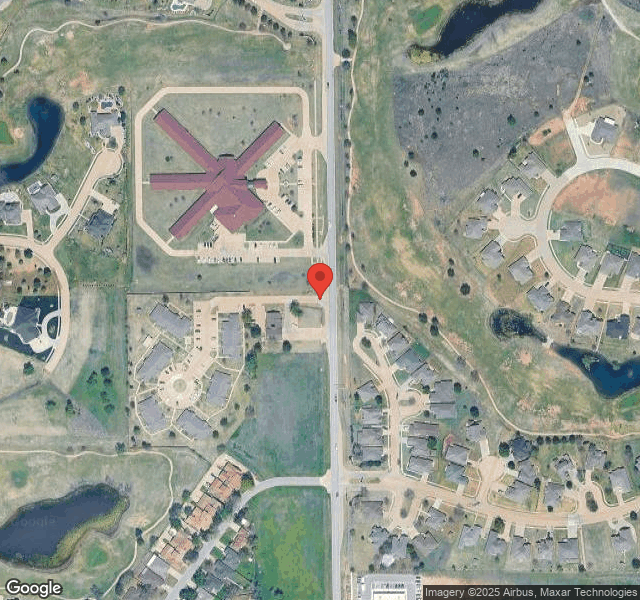
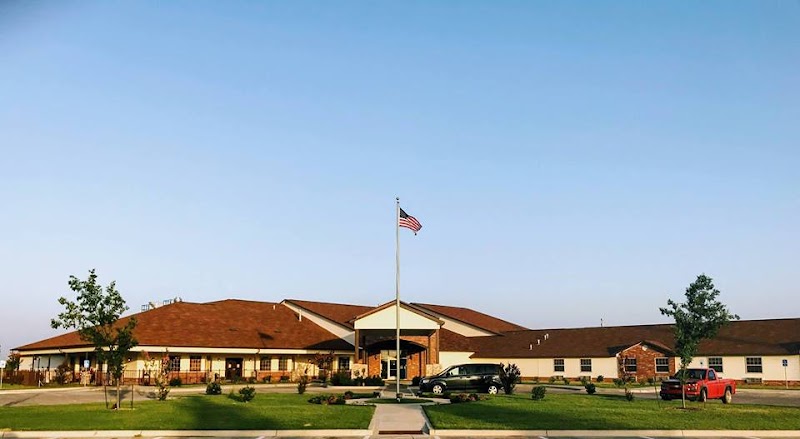
1404 NORTH GARLAND ROAD, ENID, OK 73703 (580) 234-2526
For profit - Corporation 118 Beds STONEGATE SENIOR LIVING Data: November 2025
Trust Grade
43/100
#161 of 282 in OK
Last Inspection: May 2025

Inspected within the last 6 months. Data reflects current conditions.

Overview

Garland Road Nursing & Rehab Center has received a Trust Grade of D, indicating below-average performance with some concerns. They rank #161 out of 282 facilities in Oklahoma, placing them in the bottom half of all nursing homes, and #5 out of 6 in Garfield County, meaning only one local option is rated better. The facility is showing an improving trend, with issues decreasing from 19 in 2023 to 13 in 2025, although they still have a significant number of concerns. Staffing is rated at 2 out of 5 stars, with a turnover rate of 58%, which is average for the state, suggesting that while staff may stay, there is still a considerable turnover. There have been fines totaling $9,750, which is average, but families should note that residents have experienced missed meal times, and some food safety practices were not followed, such as improper food storage and failure to notify physicians about missed medications, which could pose risks to resident health.

Trust Score
D
43/100
In Oklahoma
#161/282
Bottom 43%
Safety Record
Low Risk
No red flags
Inspections
Getting Better
19 → 13 violations
Staff Stability
⚠ Watch
58% turnover. Above average. Higher turnover means staff may not know residents' routines.
Penalties
⚠ Watch
$9,750 in fines. Higher than 82% of Oklahoma facilities, suggesting repeated compliance issues.
Skilled Nurses
⚠ Watch
Each resident gets only 14 minutes of Registered Nurse (RN) attention daily — below average for Oklahoma. Fewer RN minutes means fewer trained eyes watching for problems.
Violations
⚠ Watch
32 deficiencies on record. Higher than average. Multiple issues found across inspections.
★★☆☆☆
2.0
Overall Rating
★★☆☆☆
2.0
Staff Levels
★★★★☆
4.0
Care Quality
★★☆☆☆
2.0
Inspection Score
Stable
2023: 19 issues
2025: 13 issues

The Good

  • 4-Star Quality Measures · Strong clinical quality outcomes
  • Full Sprinkler Coverage · Fire safety systems throughout facility
  • No fines on record

Facility shows strength in quality measures, fire safety.

The Bad

2-Star Overall Rating

Below Oklahoma average (2.6)

Below average - review inspection findings carefully

Staff Turnover: 58%

12pts above Oklahoma avg (46%)

Frequent staff changes - ask about care continuity

Federal Fines: $9,750

Below median ($33,413)

Minor penalties assessed

Chain: STONEGATE SENIOR LIVING

Part of a multi-facility chain

Ask about local staffing decisions and management

Staff turnover is elevated (58%)

10 points above Oklahoma average of 48%

The Ugly 32 deficiencies on record

Aug 2025 6 deficiencies
CONCERN (D) 📢 Someone Reported This

A family member, employee, or ombudsman was alarmed enough to file a formal complaint

Potential for Harm - no one hurt, but risky conditions existed

Deficiency F0554 (Tag F0554)

Could have caused harm · This affected 1 resident

Based on observation, record review, and interview, the facility failed to ensure a resident had a physician's order and a self-administration of medication assessment for 1 (#6) of 3 sampled resident...

Read full inspector narrative →
Based on observation, record review, and interview, the facility failed to ensure a resident had a physician's order and a self-administration of medication assessment for 1 (#6) of 3 sampled residents reviewed for medication administration.The administrator identified 97 residents resided in the facility. Findings: On 08/20/25 at 12:49 p.m., fluticasone propionate (a corticosteroid) nasal spray was observed on Resident #6's bedside table.A MEDICATION PROGRAM policy, revised 12/01/23, read in part, Residents who self-administration their medication and keep them locked in their room must be counseled at least monthly by community staff to ascertain if the residents continue to be capable of self-administering their medications/treatments and if security of the medications can continue to be maintained. The community must keep a written record of such counseling.A physician's order, dated 03/11/25, showed fluticasone propionate nasal spray 50 micrograms, give one spray twice a day for unspecified cough.Resident #6's quarterly resident assessment, dated 08/09/25, showed the resident had diagnoses which included congestive heart failure and chronic obstructive pulmonary disease. The assessment showed the resident's cognition was intact with a BIMS score of 14.On 08/20/25 at 12:50 p.m., Resident #6 stated they took the nasal spray once a day.On 08/20/25 at 1:48 p.m., LPN #3 stated the resident had to have a physician's order to self-administer medications.On 08/20/25 at 1:54 p.m., LPN #3 stated the resident had fluticasone propionate nasal spray on bedside table. They stated the nasal spray should be administered twice a day. LPN #3 stated they could not locate a resident self-administration assessment for the nasal spray.On 08/20/25 at 1:57 p.m., LPN #3 stated they could not locate an order for self-administration of the nasal spray.On 08/20/25 at 1:58 p.m., LPN #3 stated they initially educated Resident #6 on the administration of the nasal spray, but no other education was provided since then.On 08/20/25 at 2:00 p.m., the DON stated residents would need an order and a self-administration assessment to self-administer medications.On 08/20/25 at 2:04 p.m., the DON stated they could not locate an order and an assessment for self-administration of the nasal spray.
CONCERN (D) 📢 Someone Reported This

A family member, employee, or ombudsman was alarmed enough to file a formal complaint

Potential for Harm - no one hurt, but risky conditions existed

Quality of Care (Tag F0684)

Could have caused harm · This affected 1 resident

Based on record review and interview, the facility failed to ensure a resident with low blood sugar received appropriate care for 1 (#5) of 3 sampled residents reviewed for medication administration.T...

Read full inspector narrative →
Based on record review and interview, the facility failed to ensure a resident with low blood sugar received appropriate care for 1 (#5) of 3 sampled residents reviewed for medication administration.The DON identified 28 residents received insulin resided in the facility. Findings:A HYPOGLYCEMIA TREATMENT policy, revised 02/12/20, read in part, Guidelines for Mild Hypoglycemia: Treat, even if biochemical hypoglycemia is not present with a. glucose-15 40% oral gel (Dextrose) gm gel, b. Glucose 15 gm tablets.Repeat blood glucose level in fifteen (15) minutes.A physician's order, dated 06/21/25, showed Humalog kwikpen 200 units/1mL solution. Give one dose subcutaneous for blood sugar 70-100= 0 units, 100-150= 4 units, 151-200= 6 units, 201-250= 8 units, 251-300= 10 units, 301-350= 12 units, 351-400= 14 units, 401-500= 16units, over 500, give 5 additional fast acting units before meals and bedtime for type 2 diabetes mellitus with ketoacidosis without coma.A Medication Record for Humalog sliding scale on 07/06/25 for 7:00 a.m. dose, showed insulin was held due to vital signs parameters. The record showed the resident's blood sugar was 39.There was no documentation Resident #5's blood sugar was rechecked in 15 minutes according to the facility's hypoglycemia policy.There was no documentation interventions were implemented for the resident's low blood sugar according to the facility's hypoglycemia policy.Resident #5's discharge assessment return not anticipated, dated 07/12/25, showed the resident had diagnoses which included type 2 diabetes mellitus without complications.On 08/21/25 at 3:59 p.m., the ADON stated they could not see what interventions were done for Resident #5's low blood sugar on 07/06/25.On 08/21/25 at 4:05 p.m., the ADON stated they could not locate documentation to show a recheck was performed.
CONCERN (E) 📢 Someone Reported This

A family member, employee, or ombudsman was alarmed enough to file a formal complaint

Potential for Harm - no one hurt, but risky conditions existed

Notification of Changes (Tag F0580)

Could have caused harm · This affected multiple residents

Based on record review and interview, the facility failed to notify the physician when a resident:a. missed their prescribed antibiotic dose; and b. had an abnormal heart rate for 1 (#6) of 3 sampled ...

Read full inspector narrative →
Based on record review and interview, the facility failed to notify the physician when a resident:a. missed their prescribed antibiotic dose; and b. had an abnormal heart rate for 1 (#6) of 3 sampled residents reviewed for medication administration.The administrator identified 97 residents resided in the facility.Findings:A MEDICATION-GUIDELINES ON CLINICAL PRACTICE policy, revised 01/12/20, read in part, Staff will provide medications in accordance with standard practice guidelines.Resident #6's quarterly resident assessment, dated 08/09/25, showed the resident had diagnoses which included congestive heart failure and unspecified atrial fibrillation.A physician's order, dated 07/24/25, showed metoprolol succinate (an antihypertensive) 50 mg tablet, extended release for essential primary hypertension. Give one tablet by mouth three times a day. Take one 50mg tablet if systolic blood pressure is less than 110.A physician's order, dated 08/03/25, read in part, ciprofloxacin hydrochloride (an antibiotic) 500 mg tablet for urinary tract infection. Start 08/04/25 at 08:00 [8:00 a.m.]. Give 500 mg by mouth twice a day at 8:00 a.m. and 8:00 p.m. Stop on 08/11/25 at 8:00. Finish all of this medication unless otherwise directed.An August 2025 Medication Record for;a. ciprofloxacin hydrochloride showed Resident #6 had a missed dose on 08/04/25 for 8:00 a.m. and 8:00 p.m. dose, and on 08/11/25 for 8:00 a.m. dose; andb. metoprolol showed the resident had missed their metoprolol dose on 08/15/25 for the 12:00 p.m. and 8:00 p.m. doses. The record showed the resident received metoprolol on 08/16/25 at 8:00 a.m. with a heart rate of 120 bpm.On 08/22/25 at 11:39 a.m., LPN #2 stated they could not locate documentation the physician was notified of the missed antibiotic doses.On 08/22/25 at 11:53 a.m., LPN #2 stated they would notify the physician of the elevated heart rate and rechecked until the resident returned to their baseline heart rate.On 08/22/25 at 11:56 a.m., LPN #2 stated they could not locate documentation the physician was notified of the elevated heart rate.On 08/22/25 at 1:10 p.m., the DON stated the metoprolol parameters meant to take one 50 mg tablet if systolic blood pressure is less than 110.On 08/22/25 at 1:29 p.m., the DON stated notification to the physician on elevated heart rate depended on the physician's preference. They stated the facility's physician informed facility staff verbally of their notification preference. The DON stated the facility's physician wanted to be notified of residents' heart rate above 150 bpm for non-frequent episodes or 130 bpm if regularly elevated.On 08/22/25 at 1:39 p.m., the DON stated the physician should be notified of the missed antibiotic doses.
CONCERN (E) 📢 Someone Reported This

A family member, employee, or ombudsman was alarmed enough to file a formal complaint

Potential for Harm - no one hurt, but risky conditions existed

ADL Care (Tag F0677)

Could have caused harm · This affected multiple residents

Based on record review and interview, the facility failed to provide showers as scheduled for 3 (#2, 5, and #6) of 3 sampled residents reviewed for showers.The DON identified 97 residents required ass...

Read full inspector narrative →
Based on record review and interview, the facility failed to provide showers as scheduled for 3 (#2, 5, and #6) of 3 sampled residents reviewed for showers.The DON identified 97 residents required assistance with bathing. Findings:A BATHING (NOT PARTIAL OR COMPLETE BED BATH) policy, revised 02/12/20, read in part, Staff will provide bathing services for residents within standard practice guidelines.1. Resident #2's quarterly resident assessment, dated 07/31/25, showed the resident had diagnoses which included unspecified hemiplegia affecting left nondominant side. The assessment showed the resident's cognition was intact with a BIMS of 15. The assessment showed the resident required setup or clean-up assistance with showers.There was no documentation the resident had a shower on 06/03/25, 06/05/25, 06/07/25, 06/24/25, and 06/26/25.The June 2025 shower sheets showed the resident refused a shower on 06/12/25, 06/14/25, 06/19/25, and 06/25/25.Resident #2 had three out of 12 showers for the month of June 2025.There was no documentation the resident had a shower on 07/01/25, 07/03/25, 07/08/25, 07/15/25, 07/19/25, 07/22/25, 07/24/25, 07/26/25, 07/29/25, and 07/31/25.The July 2025 shower sheets showed the resident refused a shower on 07/10/25 and 07/17/25.Resident #2 had two out of 14 showers for the month of July 2025.There was no documentation the resident had a shower on 08/02/25, 08/05/25, 08/14/25, and 08/16/25.Resident #2 had four out of eight showers from 08/01/25 through 08/19/25.On 08/20/25 at 11:22 a.m., Resident #2 stated their shower schedule was on Tuesday, Thursday, and Saturday. They stated they went five days without a shower about three weeks ago. They stated they took showers at night, and staff would say they refused showers because they did not want to give them showers at night.On 08/21/25 at 3:02 p.m., CNA #1 stated they provided residents showers as scheduled. They stated showers were scheduled per beds in resident rooms.On 08/21/25 at 3:02 p.m., CNA #1 stated if a resident refused a shower, they would make multiple attempts and notify the nurse. They stated they would document refusal on the shower sheets. They stated they had residents signed off on the refusal documentation a couple of times, but did not see any sign off on the shower sheets provided to the surveyor.On 08/21/25 at 3:07 p.m., CNA #1 stated Resident #2's shower schedule was on Tuesday, Thursday, and Saturday. They stated they did not see any showers for the dates above. 2. Resident #5's discharge assessment return not anticipated, dated 07/12/25, showed the resident had diagnoses which included personal history of transient ischemic attack and cerebral infarction without residual deficits. The assessment showed the resident required supervision or touching assistance with showers.There was no documentation the resident had a shower on 06/25/25 and 06/30/25.The June 2025 shower sheets showed the resident refused a shower on 06/20/25.Resident #5 had three out of five showers from 06/18/25 through 06/30/25.There was no documentation the resident had a shower on 07/04/25, 07/07/25, 07/09/25, 07/11/25.Resident #5 had one out of five showers from 07/01/25 through 07/11/25.On 08/21/25 at 3:32 p.m., CNA #1 stated they did not see any showers for the dates above. 3. Resident #6's quarterly resident assessment, dated 08/09/25, showed the resident had diagnoses which included chronic obstructive pulmonary disease and unspecified osteoarthritis. The assessment showed the resident's cognition was intact with a BIMS of 14. The assessment showed the resident required partial to moderate assistance with showers.There was no documentation the resident had a shower on 06/03/25, 06/05/25, 06/07/25, 06/10/25, 06/14/25, 06/19/25, 06/24/25, and 06/28/25.Resident #6 had four out of 12 showers for the month of June 2025.There was no documentation the resident had a shower on 07/01/25, 07/03/25, 07/05/25, 07/08/25, 07/12/25, 07/17/25, 07/22/25, 07/24/25, 07/26/25, and 07/31/25.The July 2025 shower sheets showed the resident refused a shower on 07/29/25.Resident #6 had three out of 14 showers for the month of July 2025.There was no documentation the resident had a shower on 08/05/25, 08/09/25, 08/12/25, and 08/14/25.Resident #6 had four out of eight showers from 08/01/25 through 08/19/25.On 08/20/25 at 12:41 p.m., Resident #6 stated they went 10 days without a shower. They stated they never refused a shower.On 08/20/25 at 12:42 p.m., Resident #6's representative stated staff would write refuse on the paper but that was false.On 08/21/25 at 3:27 p.m., CNA #1 stated Resident #6's shower schedule was on Tuesday, Thursday, and Saturday. They stated they did not see any showers for the dates above.On 08/21/25 at 3:34 p.m., LPN #1 stated the CNAs would inform the nurse of resident refusal of showers and the nurse would encourage the resident to have a shower. They stated the CNA would document refusal on the shower sheet. LPN #1 stated the facility was going to implement resident sign off on refusals, but they had not implemented the process at this time.On 08/21/25 at 3:41 p.m., the DON stated they expected staff to follow resident shower schedules to provide showers.
CONCERN (E) 📢 Someone Reported This

A family member, employee, or ombudsman was alarmed enough to file a formal complaint

Potential for Harm - no one hurt, but risky conditions existed

Pharmacy Services (Tag F0755)

Could have caused harm · This affected multiple residents

Based on record review and interview, the facility failed to administer medication as ordered for 2 (#5 and #6) of 3 sampled residents reviewed for medication administration.The administrator identifi...

Read full inspector narrative →
Based on record review and interview, the facility failed to administer medication as ordered for 2 (#5 and #6) of 3 sampled residents reviewed for medication administration.The administrator identified 97 residents resided in the facility. Findings:A MEDICATION-GUIDELINES ON CLINICAL PRACTICE policy, revised 01/12/20, read in part, Staff will provide medications in accordance with standard practice guidelines.1. A physician's order for Resident #5, dated 06/18/25, showed insulin glargine 100units/1mL, give 30 units subcutaneous at bedtime for type 2 diabetes mellitus without complications.A June 2025 Medication Record showed M on 06/20/25 for 9:00 p.m. dose. Resident #5's discharge assessment return not anticipated, dated 07/12/25, showed the resident had diagnoses which included type 2 diabetes mellitus without complications.On 08/22/25 at 11:32 a.m., LPN #2 stated they were not sure what the M meant on the medication record. They stated the medication record did not show the insulin was administered on 06/20/25.On 08/22/25 at 11:33 a.m., LPN #2 stated if a resident refused their blood sugar checks or medications, they would mark it as refused, notify the physician, and document in the nurses' notes. 2. A physician's order for Resident #6, dated 03/18/25, showed magnesium oxide (an electrolyte supplement) 400 mg. Give one tablet by mouth one time daily for constipation.A physician's order for Resident #6, dated 07/24/25, showed metoprolol succinate (an antihypertensive) 50 mg tablet, extended release for essential primary hypertension. Give one tablet by mouth three times a day. Take one 50mg tablet if systolic blood pressure is less than 110.A physician's order, dated 08/03/25, read in part, ciprofloxacin hydrochloride (an antibiotic) 500 mg tablet for urinary tract infection. Start 08/04/25 at 08:00. Give 500 mg by mouth twice a day at 8:00 a.m. and 8:00 p.m. Stop on 08/11/25 at 8:00. Finish all of this medication unless otherwise directed.Resident #6's quarterly resident assessment, dated 08/09/25, showed the resident had diagnoses which included congestive heart failure and unspecified atrial fibrillation. The assessment showed the resident's cognition was intact with a BIMS of 14.There was no documentation magnesium was administered twice a day from 08/01/25 through 08/21/25.An August 2025 Medication Record for ciprofloxacin hydrochloride showed;a. H on 08/04/25 for 8:00 a.m. dose,b. M on 08/04/25 for 8:00 p.m. dose, andc. M on 08/11/25 for 8:00 a.m. dose.An August 2025 Medication Record for metoprolol showed;a. M on 08/15/25 for 12:00 p.m. dose,b. H on 08/15/25 for 8:00 p.m. dose with BP of 106/67 mmHg and HR of 116 bmp, and c. H on 08/18/25 for 8:00 p.m. dose with BP of 102/60 mmHg and HR of 109 bmp.On 08/20/25 at 12:50 p.m., Resident #6 stated they sometimes had a problem getting their medications from the nurses even if they asked. They stated they missed some of their medications.On 08/22/25 at 10:38 a.m., CMA #1 stated they were to administer antibiotics as ordered. They stated the H on the resident's August 2025 medication record could mean held. They stated the antibiotic could have been held because the medication was not in the facility.On 08/22/25 at 10:46 a.m., CMA #1 stated the reason documented for holding the antibiotic was due to vital signs parameters.On 08/22/25 at 10:56 a.m., CMA #1 stated they notified the nurse because that was their process, but could not remember who the nurse on duty was on 08/04/25.On 08/22/25 at 10:57 a.m., CMA #1 stated they were not sure what M meant on the resident's August 2025 medication record for the medications above.On 08/22/25 at 11:02 a.m., CMA #1 stated the parameter on the metoprolol could mean only give if the systolic blood pressure was less than 110.On 08/22/25 at 11:04 a.m., CMA #1 stated they were not sure the reason for holding the metoprolol on 08/15/25 and 08/18/25.On 08/22/25 at 11:05 a.m., CMA #1 stated the medication record did not show the medications above were administered.On 08/22/25 at 11:38 a.m., LPN #2 stated the process for holding medications was per physician orders and if the resident refused.On 08/22/25 at 11:45 a.m., LPN #2 stated the resident did not receive the antibiotic as ordered.On 08/22/25 at 11:50 a.m., LPN #2 stated they would had clarified the metoprolol parameters order prior to administering or holding it due to the exclamation mark in the order. They stated they did not know what M meant on the resident's medication record.On 08/22/25 at 11:52 a.m., LPN #2 stated the metoprolol was not administered as ordered for the dates above.On 08/22/25 at 12:56 p.m., CMA #1 stated they did not remember administering any magnesium for Resident #6. They stated the medication did not show up for staff to administer it.On 08/22/25 at 1:08 p.m., the DON stated the medication record did not show Resident #6 received their magnesium oxide from 08/01/25 through 08/21/25.On 08/22/25 at 1:10 p.m., the DON stated the metoprolol parameters meant to take one 50 mg tablet if systolic blood pressure is less than 110.On 08/22/25 at 1:18 p.m., the DON stated according to the metoprolol order, it should not have been held on 08/15/25 at 8:00 p.m. dose. They stated the medication record showed the medication was held on 08/18/25 and they could not determine the medication was administered on 08/15/25 at 12:00 p.m.
CONCERN (E) 📢 Someone Reported This

A family member, employee, or ombudsman was alarmed enough to file a formal complaint

Potential for Harm - no one hurt, but risky conditions existed

Medical Records (Tag F0842)

Could have caused harm · This affected multiple residents

Based on record review and interview, the facility failed to ensure the amount of insulin administered was documented on a resident who received sliding scale insulin for 1 (#5) of 3 sampled residents...

Read full inspector narrative →
Based on record review and interview, the facility failed to ensure the amount of insulin administered was documented on a resident who received sliding scale insulin for 1 (#5) of 3 sampled residents reviewed for medication administration.The DON identified 28 residents received insulin resided in the facility. Findings:A MEDICATION-GUIDELINES ON CLINICAL PRACTICE policy, revised 01/12/20, read in part, Staff will provide medications in accordance with standard practice guidelines.A physician's order for Resident #5, dated 06/21/25, showed Humalog kwikpen 200 units/1mL solution. Give one dose subcutaneous for blood sugar 70-100= 0 units, 100-150= 4 units, 151-200= 6 units, 201-250= 8 units, 251-300= 10 units, 301-350= 12 units, 351-400= 14 units, 401-500= 16units, over 500, give 5 additional fast acting units before meals and bedtime for type 2 diabetes mellitus with ketoacidosis without coma.A Medication Record reviewed from 06/21/25 through 06/30/25 did not show how many units of the sliding scale insulin was administered for all blood sugars above 100.A physician's order for Resident #5, dated 07/06/25, showed Humalog kwikpen 200 units/1mL solution. Give one dose subcutaneous for blood sugar 70-100= 0 units, 100-150= 2 units, 151-200= 4 units, 201-250= 6 units, 251-300= 8 units, 301-350= 10 units, 351-400= 12 units, 401-500= 14units, over 500, give 5 additional fast acting units before meals and bedtime for type 2 diabetes mellitus with ketoacidosis without coma.A Medication Record reviewed from 07/01/25 through 07/12/25 did not show how many units of the sliding scale insulin was administered for all blood sugars above 100. Resident #5's discharge assessment return not anticipated, dated 07/12/25, showed the resident had diagnoses which included type 2 diabetes mellitus without complications.On 08/21/25 at 2:44 p.m., the DON stated staff followed the sliding scale order. They stated what they should give was in the order.The DON could not provide documentation on how much of the Humalog was administered for blood sugars above 100 on the dates reviewed.On 08/21/25 at 4:14 p.m., LPN #4 stated the electronic health system the facility used for medication administration may or may not given them an option to document the amount of insulin administered. They stated they personally put that information in a note. LPN #4 stated the facility should provide the option to input what was administered.On 08/21/25 at 4:25 p.m., LPN #4 stated it was important to know what was previously administered for insulin treatment, interventions, and emergencies.
May 2025 7 deficiencies
CONCERN (D)

Potential for Harm - no one hurt, but risky conditions existed

Deficiency F0554 (Tag F0554)

Could have caused harm · This affected 1 resident

Based on observation, record review, and interview, the facility failed to assess a resident for self administration of medication and obtain a physician order for a resident to self administer medica...

Read full inspector narrative →
Based on observation, record review, and interview, the facility failed to assess a resident for self administration of medication and obtain a physician order for a resident to self administer medication for 1 (#55) of 1 sampled resident reviewed for self administration of medication. The administrator identified 91 residents resided in the facility. Findings: On 04/28/25 at 2:10 p.m., LPN #1 was observed to go into Resident #55's room, pick up a tube of mupirocin (topical antibiotic) ointment from the resident's bedside table, and apply it to Resident #55's head. On 05/06/25 at 12:55 p.m., Resident #55 was observed sitting in their recliner in their room. A medication box of triple antibiotic ointment was observed on the dresser next to the resident. May keep at bedside was hand written on the box. A policy titled Bedside Medication Storage, dated 01/2024, read in part, Bedside medication storage is permitted for residents who are able to self-administer medications, upon the written order of the prescriber and when it is deemed appropriate in the judgment of the nursing care center's interdisciplinary resident assessment team. A Quarterly Assessment, dated 03/13/25, showed Resident #55's BIMS score was 15, which indicated the resident's cognition was intact. There was no assessment or physician's orders located in Resident #55's clinical record. On 05/06/25 at 12:56 p.m., Resident #55 stated the nurse applied the ointment to the back of their head because it was difficult for them to apply it. On 05/06/25 at 1:07 p.m., LPN #1 stated they had hand written may keep at bedside on the triple antibiotic ointment box. LPN #1 stated a physician's order was required for residents to keep medication at bedside. On 05/06/25 at 1:11 p.m., LPN #1 stated they could not locate an order for medication to be kept at bedside for Resident #55. On 05/06/25 at 2:26 p.m., the DON was asked what was the policy for residents to keep medication at their bedside. They stated the resident had to have an assessment and a physician's order. On 05/06/25 at 2:27 p.m., the DON was asked if Resident #55 had an assessment or a physician's order to be able to keep medication at their bedside. They stated, No.
CONCERN (D) 📢 Someone Reported This

A family member, employee, or ombudsman was alarmed enough to file a formal complaint

Potential for Harm - no one hurt, but risky conditions existed

Safe Environment (Tag F0584)

Could have caused harm · This affected 1 resident

**NOTE- TERMS IN BRACKETS HAVE BEEN EDITED TO PROTECT CONFIDENTIALITY** Based on obsevation, record review, and interview, the facility failed to ensure a resident's room was free from odors for 1 (ro...

Read full inspector narrative →
**NOTE- TERMS IN BRACKETS HAVE BEEN EDITED TO PROTECT CONFIDENTIALITY** Based on obsevation, record review, and interview, the facility failed to ensure a resident's room was free from odors for 1 (room [ROOM NUMBER]) of 24 rooms observed for odors. The administrator identified 91 residents resided in the facility. Findings: On 04/30/25 at 9:59 a.m., room # 217 was observed to have a strong odor of urine. A policy titled Resident Room Cleaning, dated 11/2021, read in part, To provide a clean, attractive, and safe environment for residents, visitors, and staff. On 04/30/25 at 10:04 a.m., CNA #5 was asked what they smelled in room [ROOM NUMBER]. They stated they smelled urine. CNA #5 stated the urine smell came from the floor and the bathroom because the resident was incontinent. They were asked if the smell facilitated a homelike environment. CNA #5 stated, No, it's not a homelike environment. On 04/30/25 at 10:20 a.m., LPN #2 was asked what the facility's policy and rule was about having a homelike environment. They stated the facility should be kept clean with no odors and made to feel as homelike as possible. LPN #2 was asked what they smelled in room [ROOM NUMBER]. They stated, I smelled urine in the room. They were asked what they thought about the smell. LPN #2 stated, We need to get that smell out of there. I don't think it's home like. I think it's the floor. On 04/30/25 at 10:46 a.m., the DON was asked what they observed in room [ROOM NUMBER]. They stated the room smelled like urine. They were asked if the urine smell facilitated a home like environment. The DON stated it was not their standard and the room should not smell.
CONCERN (D) 📢 Someone Reported This

A family member, employee, or ombudsman was alarmed enough to file a formal complaint

Potential for Harm - no one hurt, but risky conditions existed

Accident Prevention (Tag F0689)

Could have caused harm · This affected 1 resident

Based on observation, record review, and interview, the facility failed to ensure oxygen tanks were stored in a safe place for 1 (#68) of 2 residents sampled for safe oxygen tank storage. The ADON ide...

Read full inspector narrative →
Based on observation, record review, and interview, the facility failed to ensure oxygen tanks were stored in a safe place for 1 (#68) of 2 residents sampled for safe oxygen tank storage. The ADON identified 17 residents received oxygen therapy. Findings: On 04/30/25 at 10:06 a.m., an oxygen concentrator and two oxygen tanks were observed in Resident #68's room. One oxygen tank was secured to a cart with a strap. One tank was observed in the corner of the room loose and leaned up against the wall. On 04/30/25 at 10:20 a.m., oxygen tanks were observed in Resident #68's room. One oxygen tank was secured to a cart with a strap. One tank was observed in the corner of the room loose and leaned up against the wall. An undated policy titled Oxygen Storage Handling, read in part, All oxygen cylinders are to be stored in a fire safety closet and locked .Cylinders shall be stored away from doors and secured to its location by a non combustible strap or chain to avoid tipping. Resident #68's admission record, dated 10/30/24, showed they were admitted with diagnoses which included cirrhosis of the liver and nonalcoholic steatohepatitis. Resident #68's hospice medication report, dated 12/02/24, read in part, Oxygen Gas for Inhalation .Reason: Dyspnea/O2 .Administer 2 L oxygen as needed for respiratory comfort. Resident #68's quarterly assessment, dated 03/11/25, showed their cognition was intact with a BIMS score of 15. On 04/30/25 at 10:20 a.m., LPN #2 stated two oxygen tanks were stored in Resident #68's room. LPN #2 was asked what the policy was for storing oxygen. They stated oxygen tanks should be stored in the designated oxygen room. On 04/30/25 at 10:39 a.m., the DON asked what their policy was for storing oxygen tanks. The DON stated it had to be secured and stored in the oxygen room.
CONCERN (D)

Potential for Harm - no one hurt, but risky conditions existed

Dental Services (Tag F0791)

Could have caused harm · This affected 1 resident

Based on observation, record review, and interview, the facility failed to ensure dental services were provided for 1 (#81) of 24 residents sampled for dental services. The ADON identified 73 resident...

Read full inspector narrative →
Based on observation, record review, and interview, the facility failed to ensure dental services were provided for 1 (#81) of 24 residents sampled for dental services. The ADON identified 73 resident had a payer source of Medicaid and eight residents received dental services. Findings: An undated policy titled 'Availability of Services, read in part, Oral healthcare and dental services will be provided to each resident.Social Services will be responsible for making necessary dental appointments. An undated policy titled Routine Dental Care, read in part, Our facility's routine dental care includes, but is not limited to: .Consultation with the resident, staff, and the dental consultant. Resident #81's admission record, dated 01/28/25, showed the resident was admitted with diagnoses which included alcoholic cirrhosis of the liver, chronic hepatic failure, and liver cell carcinoma. The record showed they had a payer source of Medicaid. Resident #81's admission assessment, dated 01/31/25, showed moderate cognitive impairment with a BIMS score of 12, required set up or clean up assist for oral hygiene, and section L showed the resident was not edentulous (no natural teeth or tooth fragments). On 04/28/25 at 2:27 p.m., Resident #81 was asked about any concerns. The resident stated they needed dentures and had no natural teeth. They stated they were never offered dental services, they ate a regular diet, and they had trouble eating some things that were hard. Resident #81 stated they had pain and discomfort in their mouth and would like to get dentures. On 05/05/25 at 2:04 p.m., LPN #3 was asked about Resident #81's oral care needs. They stated the resident was admitted with no teeth. On 05/05/25 at 2:10 p.m., the DON was asked about Resident #81's teeth. They stated the resident was edentulous since admission. On 05/05/25 at 2:37 p.m., the social services director was asked to discuss Resident #81's dental needs. They stated the resident had not received dental services since admission and transitioned from skilled care to long term care on 02/09/25. They stated the resident had a payer source of Medicaid and they missed offering to set the resident up for dental care and services.
CONCERN (E)

Potential for Harm - no one hurt, but risky conditions existed

Assessment Accuracy (Tag F0641)

Could have caused harm · This affected multiple residents

**NOTE- TERMS IN BRACKETS HAVE BEEN EDITED TO PROTECT CONFIDENTIALITY** Based on observation, record review and interview, the facility failed to ensure MDS assessments were accurate for 2 (#28 and #8...

Read full inspector narrative →
**NOTE- TERMS IN BRACKETS HAVE BEEN EDITED TO PROTECT CONFIDENTIALITY** Based on observation, record review and interview, the facility failed to ensure MDS assessments were accurate for 2 (#28 and #81) of 24 residents sampled for MDS assessments. The administrator identified 91 residents resided in the facility. Findings: A policy titled Resident Assessment, dated 09/13/17, read in part, It is the standard of Care to conduct, initially and periodically, a comprehensive, accurate assessment of each resident's functional capacity utilizing the Minimum Data set (MDS) according to the guidelines set forth in the Resident Assessment Instrument (RAI) manual.The assessment process included direct observation, the medical record, as well as communication with the resident and direct care staff across all shifts. 1. Resident #28's admission record, dated 09/14/24, showed they were admitted with diagnoses which included end stage renal disease and displaced fracture of the lower right leg. Resident #28's physician orders, dated 09/14/24, read in part, Dialysis Monday, Wednesday and Friday on 1 time per day Monitor shunt/graft/fistula. Resident #28's admission assessment, dated 9/17/24, did not show in section O the resident received dialysis services. Resident #28's quarterly assessment, dated 12/18/24, did not show in section O the resident received dialysis services. Resident #28's quarterly assessment, dated 3/20/25, showed their cognition was intact with a BIMS score of 15. The assessment did not show the resident received dialysis in section O. On 04/29/25 at 9:22 a.m., Resident #28 was asked about their dialysis services. They stated they went to dialysis on Monday, Wednesday, and Friday since admission. On 05/01/25 at 10:41 a.m., the DON was asked about Resident #28's dialysis services. They stated the resident went to dialysis and had orders since 09/14/24 when they were admitted . On 05/01/25 at 10:45 a.m., MDS coordinator #1 was asked how they ensured MDS assessments were accurate and reflected the current status of the resident. They stated they interviewed residents, staff, and reviewed documentation in look back period. They were asked what did section O show in Resident #28's 09/17/24, 12/18/24, and 03/20/25 assessments. MDS Coordinator #1 stated it showed none of the above for special treatments in section O. They were asked if the resident received dialysis during the look back period for each of the assessments. MDS Coordinator #1 stated, Yes, that's an error on my part. They stated they missed the dialysis on the admission assessment and did not go through and check on the next assessments to ensure dialysis was selected in special treatments section O of the assessments. 2. On 05/05/25 at 2:02 p.m., Resident #81 was observed with no natural teeth and was edentulous (no natural teeth or tooth fragments). Resident #81's admission record, dated 01/28/25, showed the resident was admitted with diagnoses which included alcoholic cirrhosis of the liver, chronic hepatic failure, and liver cell carcinoma. Resident #81's admission assessment, dated 01/31/25, showed moderate cognitive impairment with a BIMS score of 12, required set up or clean up assist for oral hygiene, and section L showed the resident was not edentulous. On 04/28/25 at 2:27 p.m., Resident #81 stated they needed dentures and had no natural teeth. They stated they were never offered dental services, they ate a regular diet, and they had trouble eating some things that were hard. Resident #81 stated they had pain and discomfort in their mouth and would like to get dentures. On 05/05/25 at 2:04 p.m., LPN #3 was asked about Resident #81's oral care needs. They stated the resident was admitted with no teeth. On 05/05/25 at 2:10 p.m., the DON was asked about Resident #81's teeth. They stated the resident was edentulous. The DON was asked to review Resident #81's admission assessment, dated 01/28/25, section L. They stated the assessment showed the resident had all their natural teeth and was not edentulous. They stated the assessment was not correct. On 05/05/25 at 2:19 p.m., MDS coordinator #1 was asked what the RAI manual said on how section L should be assessed. They stated, I can not tell you what I did at that time. They were asked what did section L show on Resident #81's admission assessment dated [DATE]. MDS Coordinator #1 stated the assessment did not show the resident was edentulous. They stated they relied upon chart reviews before interviews for a lot of information and did not do a visual assessment of Resident #81's teeth.
CONCERN (E)

Potential for Harm - no one hurt, but risky conditions existed

Quality of Care (Tag F0684)

Could have caused harm · This affected multiple residents

Based on observation, record review, and interview, the facility failed to ensure: a. a physician's order was obtained for a medication kept at beside to treat an abrasion for 1 (#55); b. a physician'...

Read full inspector narrative →
Based on observation, record review, and interview, the facility failed to ensure: a. a physician's order was obtained for a medication kept at beside to treat an abrasion for 1 (#55); b. a physician's order was in place for a treatment that was provided for 1 (#55); c. an abrasion was assessed routinely for 1 (#55) of 2 sampled residents reviewed for skin conditions; and d. communication was maintained with hospice for 1 (#68) of 1 sampled resident reviewed for hospice services. The administrator identified 91 residents resided in the facility. The ADON identified 10 residents received hospice services. Findings: 1. On 04/28/25 at 2:10 p.m., LPN #1 was observed to go into Resident #55's room, pick up a tube of mupirocin (topical antibiotic) ointment from the resident's bedside table, and apply it to Resident #55's head. On 05/06/25 at 12:55 p.m., the back of Resident #55's head was observed. A ribbon of cotton was observed on the left side of Resident #55's head. A medication box of triple antibiotic ointment was observed on the dresser next to the resident. The directions on the box showed to Apply to forehead twice a day. The box was dated 12/19/24. A policy titled Skin Data Collection, dated July 2018, read in part, A licensed nurse will collect data during weekly skin evaluations. A policy titled Non-Pressure Wounds: Abrasions, dated July 2018, read in part, To provide care for abrasions consistent with professional practice standards. A Quarterly Assessment, dated 03/13/25, showed Resident #55's BIMS score was 15, which indicated the resident's cognition was intact. An Incident Care Report, dated 04/12/25, showed Resident #55 sustained an abrasion to their head. There were no assessments or physician's orders located in Resident #55's clinical record regarding the abrasion on the back of Resident #55's head. On 05/06/25 at 12:56 p.m., Resident #55 stated the beauty operator washed their hair today, cleaned the abrasion on their head, and placed cotton on it. They stated staff applied ointment to the abrasion because it was difficult for them to do. On 05/06/25 at 12:58 p.m., the beauty operator stated they had washed Resident #55's hair. They stated they put a ribbon of cotton on the area on the back of Resident #55's head because it was bleeding. They stated the abrasion opened every time they washed Resident #55's hair. On 05/06/25 at 1:01 p.m., LPN #1 stated Resident #55 had fallen and obtained a wound on the back of their head. On 05/06/25 at 1:07 p.m., LPN #1 stated the directions on the medication box showed to Apply to forehead twice a day. LPN #1 stated the box was dated 12/19/24. LPN #1 was asked when Resident #55 had fallen. They stated, About a month ago. LPN #1 was asked if the ointment was used to treat the abrasion on the back of Resident #55's head. They stated, Yes. On 05/06/25 at 1:11 p.m., LPN #1 stated they could not locate a physician's order for the medication for Resident #55. On 05/06/25 at 1:17 p.m., the DON stated if the resident had an abrasion, there would be an active order and weekly assessments. The DON stated they were not able to locate an active order or assessments for Resident #55. The DON stated they were not able to locate an order for mupirocin. 2. On 04/30/25 at 10:06 a.m., an oxygen concentrator and two oxygen tanks were observed in Resident #68's room. On 04/30/25 at 10:20 a.m., an oxygen concentrator and two oxygen tanks were observed in Resident #68's room. Resident #68's admission record, dated 10/30/24, showed they were admitted with diagnoses which included cirrhosis of the liver and nonalcoholic steatohepatitis. Resident #68's hospice medication report, dated 12/02/24, read in part, Oxygen Gas for Inhalation .Reason: Dyspnea/O2 .Administer 2 L oxygen as needed for respiratory comfort. Resident #68's quarterly assessment, dated 03/11/25, showed their cognition was intact with a BIMS score of 15. Resident #68's physician orders, dated 04/30/25, showed the resident had an order for hospice services with a start date on 12/02/24. The physician orders did not document Resident #68 had an order for oxygen. On 04/29/25 at 9:01 a.m., Resident #68 was asked about their hospice services. They stated they were on hospice and was not sure who to contact to discuss their care. On 04/30/25 at 10:20 a.m., LPN #2 was asked if Resident #68 had orders for oxygen. They stated the resident did not have orders for oxygen in the resident's physician orders. They checked the hospice orders in a book and stated they had some problems with hospice communicating physician orders. They stated the resident had hospice orders for oxygen dated 12/02/24. They stated somebody just missed adding the hospice orders to the physician orders. On 04/30/25 at 10:46 a.m., the DON was asked if Resident #68 had orders for oxygen. They stated there were no physician orders for oxygen. The DON reviewed the hospice orders, dated 12/02/24, and stated the resident had an order for oxygen since 12/02/24. The DON was asked why there was no oxygen orders in the resident's physician orders. The DON stated it was a lack of communication problem with hospice.
CONCERN (E)

Potential for Harm - no one hurt, but risky conditions existed

Infection Control (Tag F0880)

Could have caused harm · This affected multiple residents

Based on observation, record review, and interview, the facility failed to ensure: a. staff donned gloves when applying an ointment to a resident for 1 (#55) of 2 sampled residents reviewed for wound ...

Read full inspector narrative →
Based on observation, record review, and interview, the facility failed to ensure: a. staff donned gloves when applying an ointment to a resident for 1 (#55) of 2 sampled residents reviewed for wound care; b. staff changed gloves while performing peri-care to a resident for 1 (#23) of 1 sampled resident observed for peri-care; c. trends in infections were identified through monthly review of tracking for 3 of 3 sampled months reviewed; and d. respiratory equipment was bagged and labeled for 1 (#24) of 2 sampled residents reviewed for respiratory care. The administrator identified 91 residents resided in the facility. The ADON identified 17 residents received oxygen services and 28 residents had nebulizers. Findings: 1. On 04/28/25 at 2:06 p.m., LPN #1 was observed to apply mupirocin (topical antibiotic) ointment to the back of Resident #55's head with out wearing gloves. A policy titled Non-Pressure Wound, dated July 2018, showed to follow standard precautions and infection control methods. A Quarterly Assessment, dated 03/13/25, showed Resident #55's BIMS score was 15, which indicated the resident's cognition was intact. On 04/28/25 at 3:15 p.m., LPN #1 stated the floor nurses provided wound care when the wound care nurse was not available. LPN #1 stated they would perform handwashing and gather their supplies prior to completing wound care. LPN #1 was asked about wearing gloves when applying an ointment. They stated they did not because they used a lot of soap and water. They stated they did not like using alcohol gel on their hands. On 04/29/25 at 10:18 a.m., the IP stated staff were to wash their hands and wear gloves when they were performing wound care on a resident. 2. On 04/28/25 at 2:25 p.m., Resident #23 was observed laying in bed. CNA #1 and CNA #2 were observed to provide incontinent care to Resident #23. Resident #23 was observed to have had a bowel movement. CNA #2 was observed to wipe Resident #23 and then place clean linen under the resident. CNA #2 was not observed to have changed their gloves after wiping the resident and prior to touching clean linen. CNA #1 was observed to take the soiled linen off Resident #23's bed and place them on the floor. CNA #1 was observed to wipe Resident #23 multiple times and bowel was observed on the wipes. CNA #1 and CNA #2 was observed to assist the resident up in bed. CNA #1 was observed to adjust the resident's gown. CNA #1 was not observed to change their gloves. CNA #1 picked up the soiled linen and placed it back on the floor closer to the resident's door. On 04/28/25 at 2:38 p.m., CNA #1 removed the gloves, but was not observed to provide hand hygiene. CNA #1 was observed to enter another resident's room and adjust the air temperature. CNA #1 was observed to push their hair behind their ears. On 04/28/25 at 2:50 p.m., CNA #1 was observed standing in hall way with their hand on the hand rail. CNA #1 was observed to go to shower room door, push in the code to unlock the door, and go inside. CNA #1 was observed to begin washing another resident's hair. CNA #1 had not been observed to have performed hand hygiene after assisting with peri-care, removing gloves, going into another resident's room, or prior to assisting a resident with their shower. A policy titled Perineal Care, dated 04/28/24, showed to apply clean gloves, provide assistance to a resident, dispose of gloves and perform hand hygiene. The policy showed to apply new gloves before placing a new brief or changing the linen. A policy titled Hand Hygiene, dated February 2025, showed hand hygiene was to be completed before resident contact, after contact with soiled/contaminated items, toileting or assisting other with toileting, or removing gloves. A Quarterly Assessment, dated 03/06/25, showed Resident #23's BIMS score was 5, which indicated the resident's cognition was severely impaired. The assessment showed Resident #23 was dependent on staff for toilet hygiene and was always incontinent of bowel and bladder. On 04/28/25 at 2:59 p.m., CNA #2 stated staff were to use hand sanitizer between glove changes. CNA #2 stated they had been instructed to put soiled linens on the floor. CNA #2 stated staff should change soiled gloves before touching clean linen. CNA #2 did not recall changing their gloves after cleaning bowel off of the resident. On 04/29/25 at 10:18 a.m. the IP stated they tried to have five CNAs complete hand washing check offs each week. They stated staff were to change gloves after removing soiled linen, after cleaning the resident, and when they were finished assisting the resident with peri-care. The IP stated staff were to place soiled linen in a dirty linen cart and not on the floor. On 05/06/25 at 1:23 p.m., the peri-care observation was reviewed with the IP. They stated, This is probably where some of our UTIs are coming from. 3. A January 2025 infection control color coded facility map showed 12 residents had skin infections and nine residents had UTIs. A February 2025 infection control color coded facility map showed 13 residents had skin infections and nine residents had UTIs. A policy titled Infection Prevention, Control & Surveillance, revised February 2025, showed to look at the current month and preceding two months to determine similarities in infections. The policy showed to look for trends in common areas, residents with similar infections, and rooms close together. A March 2025 infection control color coded facility map showed 11 residents had skin infections and nine residents had UTIs. On 05/06/25 at 12:33 p.m., the IP stated they had not identified any trends in infections. On 05/06/25 at 1:23 p.m., January, February, and March 2025 infection control logs were reviewed with the IP. They stated they were counting the same bug. 4. 04/29/25 at 12:11 p.m., a nebulizer machine with a tubing and mouth piece attached, and an oxygen concentrator with humidifier, dated 02/25/25, were observed bedside in the resident's room. The nebulizer mouth piece was laying on a bedside table not bagged and had moisture dripping onto papers on the table. There was no date on the oxygen tubing attached to the oxygen concentrator. A policy titled Respiratory Equipment Change Schedule, dated 01/12/18, read in part, The community will provide a schedule for changing disposable equipment at regular intervals as determined by manufacture recommendations and local community standards.For small volume medication nebulizer's, place in a clean bag, labeled with resident's name and if possible, leave at bedside. Resident #24's admission record, dated 01/11/24, showed they were admitted with diagnoses which included atherosclerotic heart disease of native coronary artery without angina pectoris, chronic kidney disease, COPD (chronic obstructive pulmonary disease), and obstructive sleep apnea. Resident #24's annual assessment, dated 08/20/24, showed their cognition was moderately impaired for decision making with a BIMS score of 10. Resident #24's physician orders, dated 09/30/24, read in part, ipratropium 0.5 mg-albuterol 3 mg (2.5 mg base)/3 mL [milliliters] nebulization soln [solution] (IPRATROPIUM BROMIDE/ALBUTEROL SULFATE) 1 VIAL Inhalation 3 times per day Duo nebs [nebulizer] INH [inhale] [at] 0800-1400 [2:00 p.m.]-2000 [8:00 p.m.] for SOB [shortness of breath]. Resident #24's physician orders, dated 03/11/25, read in part, O2 at 2 LPM [liters per minute] by NC [nasal cannula] AS NEEDED. Resident #24's physician orders, dated 04/04/25, read in part, Change Oxygen Cannula and tubing On Night Shift [Frequency: Weekly on Sunday Time: Shift 2]. On 05/05/25 at 10:50 a.m., LPN #3 was asked to discuss Resident #24's respiratory needs. They stated the resident took breathing treatments with a nebulizer machine and had oxygen that was used as needed for shortness of breath. LPN #3 was asked what kind of infection control practices policies they had in place when using oxygen equipment and nebulizers. They stated the hand held nebulizer mouth piece should be bagged, dated, and changed weekly on Sundays. They stated the oxygen tubing got changed weekly, should be bagged when not in use, and the tubing should be dated. On 05/05/25 at 10:57 a.m., LPN #3 stated they observed Resident #24's side table was cluttered with a nebulizer mouth piece not in a bag laying on top of papers and the oxygen tubing attached to the concentrator did not have a date it was administered. On 05/05/25 at 11:06 a.m., the IP stated the infection control policies were not followed due to the nebulizer mouth piece on the side table not being bagged and the oxygen tubing was not labeled with a date it was replaced.
Dec 2023 6 deficiencies
CONCERN (D) 📢 Someone Reported This

A family member, employee, or ombudsman was alarmed enough to file a formal complaint

Potential for Harm - no one hurt, but risky conditions existed

Deficiency F0680 (Tag F0680)

Could have caused harm · This affected 1 resident

Based on record review, and interview, the facility failed to have a qualified activities director. This had the potential to affect 83 residents that resided in the facility. The Administrator ident...

Read full inspector narrative →
Based on record review, and interview, the facility failed to have a qualified activities director. This had the potential to affect 83 residents that resided in the facility. The Administrator identified 83 residents resided in the facility. Findings: A Job Description activities director, undated, read in part .2 years of experience in a social or recreational program .completed a state-approved training course . On 12/21/23 at 11:33 a.m., the Activities Director was asked if they had taken or enrolled in a activity director certification course. They stated, No. On 12/21/23 at 11:37 a.m., the Administrator was asked if the activity director has finished or enrolled in a activity director certification course. They stated No, they are not enrolled yet. They were asked if any of the activity staff were certified in activities. They stated, No.
CONCERN (E)

Potential for Harm - no one hurt, but risky conditions existed

Deficiency F0565 (Tag F0565)

Could have caused harm · This affected multiple residents

Based on record review, observation, and interview, the facility failed to: 1. allow the resident council group to meet without staff present, and 2. act promptly upon grievance about unsanitary pract...

Read full inspector narrative →
Based on record review, observation, and interview, the facility failed to: 1. allow the resident council group to meet without staff present, and 2. act promptly upon grievance about unsanitary practices regarding the ice chests presented to staff for three of three resident council meetings for which minutes were reviewed. The Administrator identified 83 residents resided in the facility. Findings: 1. Regulation 310:675-7-7 Resident's advisory council, read in parts, .(c) No employee or affiliate of the facility shall be a member of the council . On 12/19/23 at 2:11 p.m., this surveyor attended a scheduled resident council meeting at the invite of the council president. There were ten residents and one staff member in attendance. Resident #58 reported the staff member, Activity Asst., was the secretary of the resident council and had been appointed by the Administrator. Resident #58 stated they had been told by the Administrator the secretary of the resident council had to be a staff member. On 12/21/23 at 9:00 a.m., the Administrator was asked if the residents were told they had to have a staff member as the secretary of the resident council. They stated, Yes, it is regulated in the 675 that says the administrator appoints a staff to go in and take notes and monitor. The Administrator then offered to print me a copy of the regulation. Returned and pointed out a passage that read The Administrator shall designate a member of the facility staff to coordinate the council . When informed that this did not say the staff had to be present at the meeting, the Administrator stated, That's how I interpreted it. I guess we have two different interpretations of the same regulation. On 12/21/23 at 9:09 a.m., Resident #58 stated the resident council meeting would be so much better if no staff were there because then the residents would feel free to open up. On 12/21/23 at 9:18 a.m., Resident #65 acknowledged they would prefer not to have staff present in the resident council meeting. 2. Resident Council Meeting Minutes, dated 09/19/23, read in part, .Concern .concerned about residents getting into the ice chest with potentially dirty hands .Response .Dietary .will move ice chest to kitchen for kitchen staff to dispense for residents . Resident Council Meeting Minutes, dated 10/17/23, read in part, .4. The ice chest with ice in the dining room is easily accessed .it is not sanitary due to some residents with dirty hands reaching into the chest to get ice .Resident Council Response Sheet .Dietary .2. The ice chest in dining room will be removed residents will need to ask for ice at the kitchen window in between meals . Resident Council Meeting Minutes, dated 11/22/23, read in part, .2. Concerns that the ice chest are not sanatory [sic] .Resident Council Response Sheet .Residents should not be getting their own ice out of chests . On 12/19/23 at 2:11 p.m., a confidential group meeting was conducted with six cognitive residents. They were asked if the facility acted upon their grievances and/or recommendations presented during their resident council meetings. They stated their concerns during their meetings were not being acted upon. On 12/19/23 at 2:39 p.m., Resident #58 stated, The administration responds very nicely to any grievance or recommendation, but nothing is done. They still haven't done anything about everyone going in and out of those ice chests. On 12/19/23 at 2:42 p.m., Resident #74 was asked how the grievance concerning the ice chest from the last 3 resident council meeting minutes had been handled. They stated, They still have the chest unlocked and on the floor. The one resident just digs his cup in there. That's spreading germs. On 12/19/23 at 3:00 p.m., Activity Asst was asked how grievances and recommendations from the resident council meetings were handled. They stated they were given to the administrator and then forwarded to the different departments for their responses to any concerns. On 12/20/23 at 5:05 a.m., observed an ice chest on hall 200 full of ice and not locked. On 12/20/23 at 5:23 a.m., observed an ice chest in dining room full of ice and not locked. No staff was present. On 12/20/23 at 7:00 a.m., observed Resident #51 go to the ice machine located behind kitchen area, use the scoop and fill a medium sized bucket with ice. They were asked if residents were allowed to get ice from the ice machine themselves. Resident #51 stated I get my own ice every morning. On 12/20/23 at 8:00 a.m., Cert. Dietary Manager was made aware of the above observations and acknowledged the residents' concerns about unsanitary practices regarding the ice chests had not been acted upon, as stated in the resident council meeting minute responses for the past three months.
CONCERN (E)

Potential for Harm - no one hurt, but risky conditions existed

Deficiency F0727 (Tag F0727)

Could have caused harm · This affected multiple residents

Based on observation, record review, and interview, the facility failed to ensure the DON did not serve as a charge nurse when the average daily occupancy was more than 60 residents. The Administrator...

Read full inspector narrative →
Based on observation, record review, and interview, the facility failed to ensure the DON did not serve as a charge nurse when the average daily occupancy was more than 60 residents. The Administrator identified 83 residents resided in the facility. Findings: A Census Daily Detail report, dated 12/01/23 to 12/21/23, documented the daily census ranged from 85 to 91 residents. A Schedule Sheet, dated December 2023, documented the DON was assigned as a charge nurse for the following days: 12/02/23, 12/03/23, 12/04/23, 12/09/23, and 12/18/23. On 12/18/23 at 2:26 p.m., the DON was observed sitting at the nurses' station on the phone. The receptionist stated the DON was working the floor today. On 12/20/23 at 11:10 a.m., the Administrator stated the DON had been working the floor. The Administrator stated, I have no nurses. On 12/21/23 at 2:09 p.m., the DON was asked how often she worked the floor. She stated whenever she needed to fill in. She was asked if the days her name was on the schedule, were the days she worked the floor. She stated, Yes.
CONCERN (E)

Potential for Harm - no one hurt, but risky conditions existed

Pharmacy Services (Tag F0755)

Could have caused harm · This affected multiple residents

Based on observation, record review, and interview, the facility failed to ensure medications were administered per physician's orders for two (#83 and #89) of seven sampled residents reviewed for med...

Read full inspector narrative →
Based on observation, record review, and interview, the facility failed to ensure medications were administered per physician's orders for two (#83 and #89) of seven sampled residents reviewed for medications. The Administrator identified 83 residents resided in the facility. Findings: A Medication Administration policy, dated 09/2018, read in part, .Medications are administered as prescribed .within 60 minutes of scheduled time, except before .meal orders, which are administered based on mealtimes . 1. Resident #83 had diagnoses which included hypomagnesium. Resident #83's Consolidated Order summary, dated 07/28/23, documented the resident was to receive two tablets of magnesium twice a day. On 12/20/23 at 7:11 a.m., CMA #2 was observed to prepare Resident #83's medications. They were observed to place one table of magnesium in the medication cup and administered it to the resident. On 12/20/23 at 8:29 a.m., CMA #2 was asked how they ensured medications were administered as ordered. They stated they checked the medication card and compared it to the physician's order. CMA #2 was asked if they recalled administering two pills this morning. They stated, Not to my knowledge. They were asked to look at Resident #83's physician order. CMA #2 stated, It says two. They were asked if they administered two tablets. They stated, No. 2. Resident #89 had diagnoses which included hypothyroidism. Resident #89's Consolidated Order summary, dated 11/24/23, documented the resident was to receive levothyroxine one time daily before meals. On 12/18/23 at 10:44 a.m., Resident #89 stated they received their morning medication late. They stated they were suppose to receive one medication before they ate breakfast, but sometimes they didn't receive it until 10:30 a.m. or later. A MedAid MAR, dated 12/01/23 to 12/19/23, documented levothyroxine was to be administered at 6:00 a.m. It documented the resident received levothyroxine late for 13 out of 19 administrations. On 12/20/23 at 8:26 a.m., Resident #89 was observed to receive their breakfast tray. They stated they hadn't received their medication today. A MedAid MAR, dated 12/20/23, documented Resident #89 received the levothyroxine at 8:34 a.m. On 12/20/23 at 10:35 a.m., the DON stated staff followed the eMAR and were to administer medication scheduled at 6:00 a.m. between 5:00 a.m. and 7:00 a.m.
CONCERN (E)

Potential for Harm - no one hurt, but risky conditions existed

Drug Regimen Review (Tag F0756)

Could have caused harm · This affected multiple residents

Based on record review and interview, the facility failed to ensure medication regimen reviews were responded to by the physician in a timely manner for two (#30 and #72) of five sample residents revi...

Read full inspector narrative →
Based on record review and interview, the facility failed to ensure medication regimen reviews were responded to by the physician in a timely manner for two (#30 and #72) of five sample residents reviewed for unnecessary medications. The Administrator identified 83 residents resided in the facility. Findings: A Medication Monitoring policy, dated 11/2017, read in part, .The consultant pharmacist and the nursing care center follows up on the recommendations .within 30 calendar days . 1. Resident #30's medication regimen review, dated 11/17/23, read in part, .This resident has been taking omeprazole 40 mg [every day] since 7/25/21 without a dose reduction. Please consider a trial dose reduction to 20 mg daily . There was no response from the physician. 2. Resident #72's medication regimen review, dated 09/06/23, read in part, .This resident has been taking the anxiolytic Risperdal Consta .every 14 days since March 2023. Please evaluate the current dose and consider a dose reduction . There was no response from the physician. On 12/21/23 at 2:09 p.m., the DON was asked what was the policy for obtaining a response from the physician for medication regimen reviews. She stated 30 days.
CONCERN (E) 📢 Someone Reported This

A family member, employee, or ombudsman was alarmed enough to file a formal complaint

Potential for Harm - no one hurt, but risky conditions existed

Infection Control (Tag F0880)

Could have caused harm · This affected multiple residents

Based on observation, record review, and interview, the facility failed to implement their infection control program to prevent potential spreading of COVID-19 infection for all staff and residents. T...

Read full inspector narrative →
Based on observation, record review, and interview, the facility failed to implement their infection control program to prevent potential spreading of COVID-19 infection for all staff and residents. The facility failed to: a. isolate COVID-19 positive residents for 10 days, and b. conduct contract tracing on staff who provided care to COVID-19 positive residents for two (#30 and #65) of three sample residents reviewed for COVID-19 precautions. The Administrator identified 83 residents who resided at the facility. Findings: A COVID-19 Outbreak Management Plan-Oklahoma SNF policy, dated 05/12/23, read in part, .for residents who are positive they are to .isolate for 10 full days (they do not have the option to test out at 7 days), and contacts will be tested on days 1, 3, and 7 . A Physician's Order, dated 12/11/23, documented Resident #30 was on isolation for 11 days for a diagnosis of COVID-19. On 12/18/23 at 12:03 p.m., Resident #30 was observed in the main dining room without a mask. On 12/18/23 at 12:37 p.m., Resident #30 was observed to be taken back to their room from the dining room. There was no signage on the door to indicate the resident was on isolation. On 12/18/23 at 12:53 p.m., the Infection Preventionist was asked what the policy was for testing for COVID-19. They stated if someone was showing s/s they tested or if the resident requested a test. On 12/20/23 at 9:14 a.m., the Infection Preventionist was asked if contact tracing was completed on all staff that had cared for COVID-19 positive residents. They stated they had not completed contact tracing. On 12/20/23 at 10:36 a.m., the Infection Preventionist stated Resident #65 tested positive on 12/10/23 and was off isolation 12/18/23. They stated Resident #30 tested positive 12/11/23 and tested negative on 12/13/23. The Infection Preventionist was asked to review the COVID-19 policy for isolation. They were asked if the policy had been followed. They stated No. On 12/21/23 at 9:23 a.m., the Infection Preventionist was asked since COVID-19 positive residents were not isolated per their policy, was COVID-19 spreading to the other residents and staff in the facility. They stated, I suppose that could of happened.
Jun 2023 2 deficiencies
CONCERN (E) 📢 Someone Reported This

A family member, employee, or ombudsman was alarmed enough to file a formal complaint

Potential for Harm - no one hurt, but risky conditions existed

Deficiency F0804 (Tag F0804)

Could have caused harm · This affected multiple residents

3. Resident #3 had diagnoses which included high blood pressure and edema. A Physician Order, dated 02/23/21, documented regular diet with thin liquids. A quarterly assessment, dated 06/02/23, docume...

Read full inspector narrative →
3. Resident #3 had diagnoses which included high blood pressure and edema. A Physician Order, dated 02/23/21, documented regular diet with thin liquids. A quarterly assessment, dated 06/02/23, documented Resident #3 had no cognitive impairment. On 06/15/23 at 9:50 a.m., Resident #3 was asked how they liked the food. They stated the food was not good. On 06/15/23 at 5:44 p.m., a sample tray with turkey pot pie and green beans was tasted and temperatures were obtained. The green beans had a temperature of 91 degrees Fahrenheit, and the turkey pot pie was 112.8 degrees Fahrenheit. The green beans were bland and unseasoned, and the pot pie crust was tough and bland. Based on observation, record review, and interview, the facility failed to ensure food was served palatable for three (#6, 1 and #3) of three sampled residents reviewed for dietary services. The Resident Census of Conditions of Residents report, dated 06/15/23, documented 87 residents resided in the facility and one received tube feedings for nutrition. Findings: 1. Resident #6 had diagnoses to include protein-calorie malnutrition and anxiety. An Altered Nutritional Status care plan, dated 09/21/22, documented interventions to include staff were to provide favorite foods and beverages. A Quarterly Assessment, dated 04/01/23, documented Resident #6 communicated clearly, was understood and understood others. On 06/15/23, at 8:27 a.m., Resident #6 had been served food in the main dining area. The served plate contained outer edges of sliced bread, four strips of bacon, corn flakes cereal, and a glass of milk. A meal card next to the plate contained the name of Resident #6, the meal card had no documentation to indicate personal preferences for the meal. On 06/15/23 at 8:27 a.m., Resident #6 was asked how they liked the breakfast that had been served. Resident #6 stated they had not ordered the items that had been served. Resident #6 stated they didn't like this kind of cereal. On 06/15/23 at 12:05, the Corporate RD stated the selective menu/meal cards were sent to the resident the day before the meal to be served for residents. 2. Resident #1 had diagnoses to include chronic pain, and anxiety. A Quarterly Assessment, dated 01/18/23, documented Resident #1 was cognitively intact and communicated clearly. On 06/16/23 at 9:25 a.m., Resident #1 stated, they did not like the evening meal on 06/15/23. They stated they did not recall what they ordered but they were served a pot pie, green beans and tomatoes. Resident #1 stated the pot pie tasted terrible, they could not eat green beans, and did not like tomatoes.
CONCERN (E) 📢 Someone Reported This

A family member, employee, or ombudsman was alarmed enough to file a formal complaint

Potential for Harm - no one hurt, but risky conditions existed

Deficiency F0806 (Tag F0806)

Could have caused harm · This affected multiple residents

Based on observation, record review, and interview, the facility failed to ensure food choices were provided for three (#2, 3, and #6) of six sampled residents reviewed for food choices. The Resident...

Read full inspector narrative →
Based on observation, record review, and interview, the facility failed to ensure food choices were provided for three (#2, 3, and #6) of six sampled residents reviewed for food choices. The Resident Census of Conditions of Residents report, dated 06/15/23, documented 87 residents resided in the facility and one received tube feedings for nutrition. Findings: A Selective Menus policy, dated 08/01/18, read in parts, .Selective menus are provided to all residents who choose to make their own menu selections . 1. Resident #2 had diagnoses which included high blood pressure and high cholesterol. A Physician Order, dated 01/03/23, documented a regular diet with thin liquids. A quarterly assessment, dated 04/10/23, documented Resident #2 had no cognitive impairment. On 06/15/23 at 12:23 p.m., Resident #2's lunch tray was observed to have corn, a meat patty, mashed potatoes, coleslaw, cake, and tea. Resident #2 was asked if they had received their lunch as ordered. They stated, No, I ordered French fries and got mashed potatoes. 2. Resident #3 had diagnoses which included high blood pressure and edema. A Physician Order, dated 02/23/21, documented regular diet with thin liquids. A quarterly assessment, dated 06/02/23, documented Resident #3 had no cognitive impairment. On 06/15/23 at 9:50 a.m., Resident #3 was asked how the food was. They stated, Sucks. They were asked if they do not like what is being served, were they able to get something else. They stated, No, cause you can't get it. Resident #3 stated they wanted milk three times a day and sometimes they get it and sometimes they don't. A Selective Menu slip, dated 06/15/23, documented Resident #3 had ordered two hot dogs with mayonnaise, two chocolate cake/frosting, milk, and tea. On 06/15/23 at 12:20 p.m., Resident #3's lunch tray was observed. Resident #3 stated, I ordered two cakes and got one, I ordered mayonnaise and got none, I ordered milk and only got tea. Their tray was observed to have tea, one piece of cake, and no mayonnaise. On 06/16/23 at 10:37 a.m., CNA #1 was asked to explain how residents ordered their food. They stated the resident orders on the menu slips then it is taken to the kitchen. They were asked what if the kitchen runs out of something. They stated, they have to go to the kitchen when items are not served correctly to the resident. If there is something the resident orders and it it not available they don't send it, or they substitute it. CNA #1 was asked if the residents were able to choose what they wanted to order. They stated, No the food served is a lot of the same over and over. 3. Resident #6 had diagnoses to include protein-calorie malnutrition and anxiety. An Altered Nutritional Status care plan, dated 09/21/22, documented interventions to include staff were to provide favorite foods and beverages. A Quarterly Assessment, dated 04/01/23, documented Resident #6 communicated clearly, was understood, and understood others. On 06/15/23, at 8:27 a.m., Resident #6 had been served food in the main dining area. The served plate contained sliced bread, four strips of bacon, dry corn flakes cereal, and a glass of milk. A meal card next to the plate contained the name of Resident #6, with instructions to circle preferences for the breakfast meal. There were no marks to indicate Resident #6 had been provided assistance to mark the meal card for preferences. On 06/15/23 at 8:27 a.m., Resident #6 was asked how they liked the breakfast that had been served. Resident #6 stated, I don't even like this kind of cereal. 4. On 06/15/23 at 8:30 a.m., the Post Meal sign near the main dining room, documented on 06/15/23 at the noon meal, residents were to be served smothered steak with gravy, pork roast with gravy, duchess potatoes, mushroom rice, cobbler corn, buttered spinach, and chocolate cake with or without frosting. On 06/15/23 at 8:37 a.m., [NAME] #1 provided a copy of the menu that was to be utilized for the noon meal. The main meal was to include hamburger, potato salad, baked beans, and chocolate cake/frosting. The alternate menu to be prepared included hot dog, potato salad, and baked beans. On 06/15/23 at 11:30 a.m., the dietary staff were observed to begin serving the noon meal. The steam table had prepared foods to include, creamed corn, duchess potatoes, gravy, ground meats, smothered steak, hot dogs, hot dog buns, baked beans, and chocolate cake. On 06/15/23 at 12:01 p.m., DA #1 obtained a plate with a meal card and placed a portion of smothered steak on the plate. DA #1 repeatedly returned to be beginning of the serve line, in search of items. DA #2 stopped DA #1, took the plate and began to fill the plate. DA #2 was asked if there was a problem with the plate DA #1 had been preparing to serve. DA #2 stated they were looking for items that are not prepared. DA #2 showed the selected items to include rice and spinach. DA #2 stated we did not prepare these items. On 06/15/23 at 12:05, the Corporate RD provided a menu and reported the day cook had used the wrong menu to prepare the noon meal. The menu documented the noon meal was to include smothered steak/gravy, duchess potatoes, cobbler corn, chocolate cake with frosting. The alternate menu included hot dog, french fries, and coleslaw. The Corporate RD was asked to provide the selective menu that had been provided to the residents to select their choices for the noon meal. The Corporate RD stated the selective menu was sent to the resident on the day before the meal to be served. The RD stated, the selective menu sent out on 06/14/23 was not correct. The Corporate Rd was asked if the meal cards and menus do not match, how did the facility ensure residents are provided accurate choices to their preferences in selection of the meal items. The RD stated, That is easier to correct in the dining room, but we have most of our residents that eat in their rooms. On 06/15/23 at 12:35 p.m., a television in the hall into the main dining room, posted information for the meals to be served on 06/15/23. The noon meal was to include chicken supreme, scalloped potatoes, carrots, green beans, baked beans, confetti slaw, and pineapple cream pie. On 06/15/23 at 1:00 p.m., the administrator was asked if the menu posted on the television was correct. The administrator stated the menu for 06/15/23 was not correct.
Jan 2023 11 deficiencies
CONCERN (D)

Potential for Harm - no one hurt, but risky conditions existed

Deficiency F0554 (Tag F0554)

Could have caused harm · This affected 1 resident

Based on record review, observation, and interview, the facility failed to ensure a resident did not self administer medications without a physician's order for one (#43) of one sampled resident obser...

Read full inspector narrative →
Based on record review, observation, and interview, the facility failed to ensure a resident did not self administer medications without a physician's order for one (#43) of one sampled resident observed to self administer medications. The DON identified no residents had orders to self administer medications. Findings: Resident #43 had diagnoses which included pain. A Physician's Order, dated 06/16/21, documented to administer ibuprofen 800 mg three times daily as needed for pain. On 01/04/23 at 4:20 p.m., Resident #43 was heard hollering out, I'm waiting for ice water to take my aspirin. On 01/04/22 at 4:21 p.m., Resident #43 was observed in their bed with a medication cup sitting on their bedside table. There was one tablet observed in the medication cup. On 01/04/23 at 4:21 p.m., CNA #1 entered the room and Resident #43 told the CNA they needed ice water. On 01/04/23 at 4:22 p.m., CNA #1 was observed to return to the room with ice water, sat it on the resident's bedside table, and left the room. Resident #43 was observed to self administer the medication. On 01/04/23 at 4:25 p.m., LPN #1 was asked what the policy was for observing residents taking medications. LPN #1 stated they would stay and make sure residents took them. LPN #1 was asked if they had stayed and watched Resident #43 take their medication. LPN #1 stated they were going to watch them take the medication, but Resident #43 wanted them to get out of the room. LPN #1 was asked if Resident #43 had a physician's order to self administer medications. LPN #1 stated, I don't think [Resident #43] does. LPN #1 was asked what the medication was that Resident #43 had taken. LPN #1 stated it was ibuprofen. On 01/05/23 at 10:07 a.m., the DON was asked what the policy was for self administration of medications. She stated residents had to have an order for it. She was asked if Resident #43 had an order to self administer. The DON stated no.
CONCERN (D) 📢 Someone Reported This

A family member, employee, or ombudsman was alarmed enough to file a formal complaint

Potential for Harm - no one hurt, but risky conditions existed

Report Alleged Abuse (Tag F0609)

Could have caused harm · This affected 1 resident

Based on record review and interview, the facility failed to investigate a report of misappropriation of resident's property for one (#344) of one sampled resident reviewed for misappropriation. The ...

Read full inspector narrative →
Based on record review and interview, the facility failed to investigate a report of misappropriation of resident's property for one (#344) of one sampled resident reviewed for misappropriation. The Resident Census and Conditions of Residents report, dated 01/04/23, documented 98 residents resided in the facility. Findings: A Resident Abuse, Neglect and Exploitation and Misappropriation of Resident Property policy, dated 06/23/17, read in part, .The facility must prohibit .misappropriation of resident property .misappropriation of resident property, are reported to the Administrator of the facility, who serves as the Abuse Coordinator .Upon learning of a suspected incident of resident .misappropriation of resident property, the Charge nurse or other Department Manager or Supervisor must immediately notify the Abuse Coordinator or the DON . Resident #344 had diagnoses which included depression. A Resident Assessment, dated 10/18/22, documented Resident #344's cognition was intact. On 01/04/23 at 1:42 p.m., Resident #344 stated when they were away from the facility on approximately 10/24/22, someone got in their top dresser drawer and took their key to a locked tote. Resident #344 stated they had kept their laptop in the locked tote and now it's missing. Resident #344 stated they had the maintenance man cut the lock off of the plastic tote and the laptop was not in it. Resident #344 stated they did a police report and the police department spoke to the Administrator about it. There was no documentation an investigation had been conducted for the missing laptop or the allegation had been reported to the OSDH. On 01/05/23 at 2:04 p.m., the Administrator was asked what the policy was when a resident reported missing personal property. She stated she would do a grievance and look to see if the item was on the residents inventory sheet. The Administrator was asked if they had been made aware of Resident #344 reporting a missing laptop. She stated the ombudsman told her yesterday, on 01/04/23, that Resident #344 had reported the missing laptop to staff in July of 2022. The Administrator was asked if they had done a state reportable or internal investigation. She stated, No.
CONCERN (D)

Potential for Harm - no one hurt, but risky conditions existed

Deficiency F0655 (Tag F0655)

Could have caused harm · This affected 1 resident

Based on record review and interview, the facility failed to ensure a baseline care plan accurately reflected a foley catheter for one (#16) of one sampled resident reviewed for catheters. The DON id...

Read full inspector narrative →
Based on record review and interview, the facility failed to ensure a baseline care plan accurately reflected a foley catheter for one (#16) of one sampled resident reviewed for catheters. The DON identified five residents with foley catheters. Findings: Resident #16 had diagnoses which included bacterial pneumonia, seizures, and unspecified skin changes. A Baseline Care Plan, dated 01/02/23, did not document Resident #16 had a foley catheter. On 01/04/23 at 10:45 a.m., Resident #16 was observed in bed. A catheter drainage bag was observed to be hanging on the right side of Resident #16's bed frame. On 01/06/23 at 3:28 p.m., the DON was asked if the foley catheter was on Resident #16's baseline care plan. She stated no.
CONCERN (D)

Potential for Harm - no one hurt, but risky conditions existed

Incontinence Care (Tag F0690)

Could have caused harm · This affected 1 resident

Based on record review, observation, and interview, the facility failed to ensure physician's orders were obtained for a foley catheter and catheter care for one (#16) of one sampled resident reviewed...

Read full inspector narrative →
Based on record review, observation, and interview, the facility failed to ensure physician's orders were obtained for a foley catheter and catheter care for one (#16) of one sampled resident reviewed for catheters. The DON identified five residents with foley catheters. Findings: Resident #16 had diagnoses which included bacterial pneumonia, seizures, and unspecified skin changes. A Care and Removal of an Indwelling Catheter policy, dated 01/12/20, read in part, .Staff will provide care .in accordance with standard practice guidelines .Perform catheter care . On 01/04/23 at 10:45 a.m., Resident #16 was observed in bed. A catheter drainage bag was observed to be secured to the right side of the bed frame. On 01/05/23 at 3:40 p.m., Resident #16 was observed in bed. A catheter drainage bag was observed to be secured to the right side of the bed frame. On 01/06/23 at 3:28 p.m., the DON was asked what the policy was when a resident had a foley catheter. She stated staff would obtain daily outputs, check the catheter daily, and change it monthly. The DON was asked where that information would be documented. She stated under physician's orders or ADLs. The DON was asked if Resident #16 had physician orders for a foley catheter and catheter care. She stated she would go look at Resident #16's medical records. On 01/06/23 at 3:44 p.m., the DON stated there were no physician's orders for Resident #16's foley catheter or catheter care.
CONCERN (D) 📢 Someone Reported This

A family member, employee, or ombudsman was alarmed enough to file a formal complaint

Potential for Harm - no one hurt, but risky conditions existed

Pharmacy Services (Tag F0755)

Could have caused harm · This affected 1 resident

Based on record review and interview, the facility failed to ensure a medication had been administered as ordered for one (#66) of five sampled residents reviewed for medications. The Resident Census ...

Read full inspector narrative →
Based on record review and interview, the facility failed to ensure a medication had been administered as ordered for one (#66) of five sampled residents reviewed for medications. The Resident Census and Conditions of Residents report, dated 01/04/23, documented 98 residents resided in the facility. Findings: A Medication Administration policy, dated 05/2016, read in part, .Medications are administered as prescribed . Resident #66 had diagnoses which included pseudobulbar affect. A Physician's Order, dated 12/16/22, documented to administer Nuedexta 20mg - 10mg capsule daily for pseudobulbar affect. The December 2022 MAR for Resident #66 documented the following for Nuedexta: a. 12/16, 12/23, 12/28, 12/29, and 12/30/22 due to special requirement parameters, b. 12/19 and 12/22/22 Refused, c. 12/17, 12/18, 12/20, 12/21, 12/24, 12/25, 12/26, and 12/27/22 were initialed as administered, and d. 12/31/22 On hold. The January 2022 MAR for Resident #66 documented Nuedexta had been held on 01/01 and 01/06/23 and that it was On hold 01/02/23 through 01/05/23. Pharmacy Manifests, dated 12/01/22 through 01/04/23, contained no documentation Resident #66's Nuedexta had been delivered to the facility. On 01/06/23 at 8:43 a.m., CMA #1 was shown Resident #66's December and January MARs and was asked if Resident #66 had received the Nuedexta. CMA #1 stated it may be due to the pharmacy. CMA #1 stated they had never administered that medication and had thought it had never been in the facility. On 01/06/23 at 9:08 a.m., LPN #1 was asked what the status was on Resident #66's Nuedexta. LPN #1 stated they had just called the pharmacy and the medication would be sent out tonight.
CONCERN (E)

Potential for Harm - no one hurt, but risky conditions existed

Deficiency F0761 (Tag F0761)

Could have caused harm · This affected multiple residents

Based on record review, observation, and interview, the facility failed to ensure two medication/treatment carts were secured for two of two medication/treatment carts observed unlocked and unattended...

Read full inspector narrative →
Based on record review, observation, and interview, the facility failed to ensure two medication/treatment carts were secured for two of two medication/treatment carts observed unlocked and unattended. The DON identified the facility had three treatment carts and five medication carts. Findings: A Medication Storage policy, dated 11/2017, read in part, .Medication rooms, cabinets and medication supplies should remain locked at all times when not in use or attended . On 01/04/23 at 4:08 p.m., two treatment carts located on hall 500 were observed to be unlocked and unattended. On 01/04/23 at 4:09 p.m., LPN #2 was observed to come out of a resident's room and locked one of the treatment carts. On 01/04/23 at 4:10 p.m., LPN #1 was observed to lock the other treatment cart. LPN #1 was asked what the policy was for securing treatment carts. They stated to keep them locked. LPN #1 was asked what was kept on the treatment carts. They stated insulins, narcotics, and treatments.
CONCERN (E) 📢 Someone Reported This

A family member, employee, or ombudsman was alarmed enough to file a formal complaint

Potential for Harm - no one hurt, but risky conditions existed

Deficiency F0804 (Tag F0804)

Could have caused harm · This affected multiple residents

Based on record review, observation and interview, the facility failed to ensure meals were palatable and at an appetizing temperature for 11 of 14 (#15, 18, 31, #35, 51, 52, 65, 70, 78, 82, and #344)...

Read full inspector narrative →
Based on record review, observation and interview, the facility failed to ensure meals were palatable and at an appetizing temperature for 11 of 14 (#15, 18, 31, #35, 51, 52, 65, 70, 78, 82, and #344) sampled residents for dietary services. The DON identified 98 residents received services from the kitchen. The Resident Census and Conditions of Residents report, dated 01/04/23, documented 98 residents resided in the facility. Findings: A General Food Preparation and Handling policy, dated 01/08/18, read in parts, .Food items are prepared to conserve maximum nutritive value, develop and enhance flavor and to be free of harmful organism and substances . Resident Council meeting minutes, dated 10/18/22, read in part, .The cooking is lousy. Some foods are coming to residents raw and cold. The food can also be tough, and the hot rolls are hard . Resident Council meeting minutes, dated 11/15/22, read in part, .the Brussels sprouts were burnt, and the brownies were like chocolate rocks. Resident states that they cannot cook . On 01/04/23 at 9:56 a.m., Resident #70 was asked how the food was. They stated it wasn't good. On 01/05/23 at 10:05 a.m., Resident #35 stated they don't like the food and spend over $100.00 per month for snacks because food was so terrible. On 01/04/23 at 10:31 a.m., Resident #31 stated that food was often cold when they received it because they were the last on the hall to be served. On 01/04/23 at 10:35 a.m., Resident #51 stated the food was cold and tasted terrible. They stated that they complained and nothing had been done. On 01/04/23 at 10:36 a.m., Resident #52 stated, The food is yucky and cold. On 01/04/23 at 10:46 a.m., Resident #18 was asked how the food was. They stated the food was for the dogs. On 01/04/23 at 10:58 a.m., Resident #65 was asked about the food. They stated,The food is cold often and tasted bad. On 01/04/23 at 11:43 a.m., [NAME] #1 was asked what temperatures should hot food be served. They stated hot food should be between 170-180 degrees F and meats should be 400 degrees F when served. On 01/04/23 at 11:44 a.m., Resident #15 was asked about the food. They stated that it always cold and late. On 01/04/23 at 12:07 p.m., Resident #82 stated the food is terrible and staff in the kitchen just don't seem like they care. They stated food was sometimes cold and late. On 01/04/23 at 12:25 p.m., a pan of lasagna with beef was observed to be placed on the steam table for serving. [NAME] #1 was asked if it was ready to be served. They stated it was ready. [NAME] #1 was observed to take the temperature of the pan of lasagna. It was measured and recorded at 125 degrees F. The RD was observed to instruct [NAME] #1 to return the pan of lasagna to the oven. On 01/04/23 at 12:56 p.m., Resident #78 stated the food was not the best. They were asked if their food was served hot. They stated,No. On 01/04/23 at 2:11 p.m., Resident #70 stated they were served cold lasagna and they never got served hot food. On 01/05/23 at 2:11 p.m., Resident #65 was asked about the food. They stated the temperature of the food was not warm or hot about 80 percent of the time. They stated the roast beef they had for lunch today was tough. Resident #65 stated kitchen staff get defensive when they complain. They stated they told the CDM the food was too spicy. The CDM told them that the cooks seasoned food as they wanted. Resident #65 was asked how they felt as a result of the food. They stated that It makes them feel worthless and angry. They stated that they feel invisible. Resident #65 stated they invited the CDM into resident council three months ago and the CDM became defensive when they discussed the food. On 01/05/23 at 2:47 p.m., the CDM was asked if they have ever attended a resident council meeting. They stated about three months ago. The CDM stated the residents were unhappy with the food. The CDM stated the residents complained of foods being cold, burnt, and they didn't like the way the foods tasted. The CDM stated they were trying to do better by providing training and education. They were asked what the policy was on serving hot and colds foods. They stated, I don't know off the top of my head. On 01/05/23 at 3:32 p.m., Dietary Aide #2 was asked how the residents felt about the taste and quality of the meals served. They stated the residents hate the meat and think it's tough. They stated residents tell them they weren't able to eat the meat. Dietary Aide #2 stated they don't always have time to marinate the meat and prepare foods to make it good and tender.
CONCERN (E) 📢 Someone Reported This

A family member, employee, or ombudsman was alarmed enough to file a formal complaint

Potential for Harm - no one hurt, but risky conditions existed

Deficiency F0808 (Tag F0808)

Could have caused harm · This affected multiple residents

Based on record review, observation, and interview, the facility failed to ensure residents received thickened liquids per physician's orders for two (#16 and #68) of two sampled residents reviewed fo...

Read full inspector narrative →
Based on record review, observation, and interview, the facility failed to ensure residents received thickened liquids per physician's orders for two (#16 and #68) of two sampled residents reviewed for therapeutic diets. The RD identified nine residents had physician's orders for nectar thick liquids. Findings: A Thickened Liquids policy, dated 08/01/18, read in part, .All residents requiring thickened liquids will be served in a consistency to minimize the risk of choking and aspiration .Pre-thickened liquids will be served at meals . 1. Resident #16 had diagnoses which included pneumonia. A Physician's Order, dated 12/27/22, documented Resident #16 was to receive nectar thick liquids. On 01/06/23 at 9:02 a.m., Resident #16's breakfast meal tray was observed on the hall tray cart with a glass of milk and orange juice. Resident #16's meal ticket on the tray documented nectar thick liquids. On 01/06/23 at 9:04 a.m., the ADON was asked if Resident #16's milk and orange juice were thickened. The ADON stated no. The ADON was asked who was responsible to thicken the liquids. The ADON stated the kitchen was responsible. 2. Resident #68 had diagnoses which included cerebrovascular disease. A Physician's Order, dated 11/30/22, documented Resident #68 was to receive nectar thick liquids. On 01/06/23 at 8:12 a.m., Resident #68's breakfast meal tray was observed on the hall tray cart and had a glass of milk and orange juice on it. Resident #69's meal ticket documented nectar thick liquids. On 01/06/23 at 8:13 a.m., CNA #1 was asked if the liquids were thickened. They stated no. CNA #1 was asked who was responsible to thicken the liquids. CNA #1 stated they had been told it was the kitchen and nursing staff responsibility. CNA #1 stated they had thickener and they were going to thicken the liquids. On 01/06/23 at 9:12 a.m., the RD was asked how the dietary staff knows what diets to serve the residents. He stated they had meal tickets. The RD was asked who was responsible for thickening liquids. The RD stated it should be the kitchen. The RD was shown the meal tickets for Resident #16 and Resident #68 that documented nectar thick liquids. The RD was informed the fluids had not been thickened prior to being sent out of the kitchen.
CONCERN (E)

Potential for Harm - no one hurt, but risky conditions existed

Infection Control (Tag F0880)

Could have caused harm · This affected multiple residents

Based on record review, observation, and interview, the facility failed to ensure staff utilized appropriate PPE and washed their hands between gloves changes while providing wound care to a COVID-19 ...

Read full inspector narrative →
Based on record review, observation, and interview, the facility failed to ensure staff utilized appropriate PPE and washed their hands between gloves changes while providing wound care to a COVID-19 positive resident for one (#16) of one sampled resident reviewed for wound care. The Resident Census and Conditions of Residents report, dated 01/04/23, documented 98 residents resided in the facility. The Administrator identified 11 COVID-19 positive residents in the facility. Findings: An Infection Control policy, revised 11/2022, read in part, .If caring for a person with COVID-19 .Upon entering room staff will wear a .N95 .face shield or goggles, gown and gloves . Resident #16 had diagnoses which included COVID-19 and wounds to their sacrum and left heel. A Physician's Order's, dated 12/24/22, documented the following: a. cleanse sacral wound with wound cleanser, place wet gauze soaked in dakins solution to wound, and cover with an island dressing twice daily, and b. cleanse the left heel wound with wound cleanser, pat dry, place medi honey to the area, cover with calcium alginate, and secure with an island dressing. On 01/04/23 at 10:45 a.m., the WC nurse and CNA #1 were observed in Resident #16's room providing wound care. Both staff members were wearing gloves, masks, and goggles. Neither staff members were observed to be wearing a gown. The WC nurse and CNA #1 were observed to reposition Resident #16, cover him with a blanket, and were handling trash. On 01/04/23 at 10:55 a.m., the WC nurse was asked what the policy was for staff using PPE while caring for a COVID-19 positive resident. The WC nurse stated they would use goggles, gowns, masks, and gloves. The WC nurse was asked if they and CNA #1 had worn gowns while providing wound care to Resident #16. The WC nurse stated no. On 01/05/23 at 3:40 p.m., the WC nurse and LPN #1 were observed providing wound care to Resident #16. The WC nurse was observed to don gloves and removed a dressing from Resident #16's sacrum. The WC nurse then removed their gloves and put on a new pair of gloves. The WC nurse was then observed to use dakins soaked gauze to clean the sacral wound. The WC nurse was then observed to remove their gloves used alcohol gel to clean their hands. 01/05/23 at 3:50 p.m., the WC nurse was asked what the policy was for hand washing between glove changes. The WC nurse stated they used hand sanitizer before entering and when leaving a resident's room. The WC nurse stated they changed gloves after removing the soiled dressing, and they changed their gloves after care. On 01/06/23 at 2:06 p.m., the DON was made aware of the WC nurse and CNA #1 not wearing gowns during care and the WC nurse not washing their hands between glove changes.
CONCERN (F) 📢 Someone Reported This

A family member, employee, or ombudsman was alarmed enough to file a formal complaint

Potential for Harm - no one hurt, but risky conditions existed

Deficiency F0809 (Tag F0809)

Could have caused harm · This affected most or all residents

Based on record review, observation and interview, the facility failed to: a. offer snacks to all residents and b. provide meals within the scheduled meal times for eight (#1, 18, 19, 31, 65, 70, 78, ...

Read full inspector narrative →
Based on record review, observation and interview, the facility failed to: a. offer snacks to all residents and b. provide meals within the scheduled meal times for eight (#1, 18, 19, 31, 65, 70, 78, and #82) of 14 sampled residents reviewed for dietary services. The DON identified 98 residents received meals from the dining room. Findings: A Snacks and Supplements policy, dated 08/01/18, read in parts, .The Nutrition Services employee will prepare snacks and supplements in accordance with physician's order or recommended snack menu .Physician-ordered supplements (or snacks) and all-purpose snacks are prepared and available to residents three times daily .All physician-ordered supplements (or snacks) will be labeled with residents name, room number, diet, date, and time (am, pm, hs) for delivery .HS snacks will include a variety of foods to ensure each resident has an opportunity for snacks . A Join us in the Dining in Room! document, undated, read in part, .Breakfast 7:30 a.m. - 8:30 a.m .Lunch 11:45 a.m. - 1:00 p.m .Dinner 5:00 p.m. - 6:30 p.m .Room Service Dining is also available . On 01/04/23 at 9:56 a.m., Resident #70 was asked if they received snacks between meals and at hs. They replied, No. On 01/04/23 at 9:57 a.m., Resident #1 was asked about the food services . They stated that meals were at least 30 minutes late daily and nighttime snacks were not given sometimes. On 01/04/23 at 10:14 a.m., Resident #19 was asked about if the meals were served timely. They stated meals were late every time. They stated they received their breakfast at 9:00 a.m. today. They were asked if they were provided with snacks between meals and at bedtime. They stated, No. On 01/04/23 at 10:31 a.m., Resident #31 was asked about snacks. They stated that the facility never offered snacks On 01/04/23 at 10:46 a.m., Resident #18 was asked if they received snacks between meals or at bedtime. They stated, No. On 01/04/23 at 10:58 a.m., Resident #65 stated no snacks were offered unless a certain med aide was working. On 01/04/23 at 11:00 a.m., was asked about snacks being served. They stated that they haven't seen snacks being served. On 01/04/23 at 12:07 PM Resident #82 was asked about snacks. They replied that they don't see them offer snacks. On 01/04/23 at 12:45 p.m., the first lunch meal tray was observed to be served from the kitchen to a resident waiting in dining room. On 01/04/23 at 12:56 p.m., Resident #78 was asked if they received snacks between meals or at bedtime. They stated, No, that would be nice. They were asked if meals were ever served late. They stated, Yes. On 01/04/23 at 2:02 p.m., Resident #70 was observed to be served their lunch tray. This was an hour after the scheduled/posted lunch time. On 01/05/23 at 2:11 p.m., Resident #65 stated they needed to eat due to receiving insulin before meals. They stated they had to wait in the dining room during scheduled dining times for over an hour as meals were served late. They stated they have had to asked for something to eat because they feared their blood would drop low. On 01/05/23 at 2:47 p.m., the CDM was asked if there was a designated snack time. They stated, at 8:00 p.m. They were asked what was the procedure for passing snacks. They stated, We just serve the ones who request it. They were asked how long do residents sit in dining room waiting to served. They stated, Sometimes it's quite awhile.
CONCERN (F)

Potential for Harm - no one hurt, but risky conditions existed

Food Safety (Tag F0812)

Could have caused harm · This affected most or all residents

Based on record review, observation, and interview the facility failed to ensure: a. potentially hazardous food products were stored at proper temperatures, b. bags and boxes of food were not stored o...

Read full inspector narrative →
Based on record review, observation, and interview the facility failed to ensure: a. potentially hazardous food products were stored at proper temperatures, b. bags and boxes of food were not stored on the floor, c. food service equipment was kept clean and d. monitoring was completed for the dishwasher machine temperature and sanitizer. The Resident Census and Conditions of Residents report, dated 01/04/23, documented 98 residents resided in the facility. The DON identified 98 residents received nutrition from the kitchen. Findings: A Food Storage policy, effective 08/01/18 read in parts, .Refrigerators: Temperatures for refrigerators are at or below 40 degrees Fahrenheit .Air tight container or bags are used for all opened packages of food. All containers are accurately labeled with the item and date opened .Temperatures are checked at least twice daily. (See Refrigerator/Freezer Temperature logs) .Ready to eat foods are stored above raw meats, poultry, seafood, and eggs .All foods are stored off the floor . A Dish Machine Temperature Log Low Temp Machine policy, effective 08/01/18, read in parts, .Dish machine temperatures are monitored and recorded to ensure proper sanitizing of dishes .Employees are trained to monitor dish machine temperatures and test sanitizer .Temperatures and sanitizer are monitored and recorded at each meal . A Temperature/Sanitizer Log, dated January 2023, documented the same results for each meal from 01/01/23 through 01/05/23. A Refrigerator/Freezer Temperature Log, dated January 2023, documented the refrigerator and freezer's temperature were logged one time. A Daily and Weekly Cleaning Schedule for Cooks, undated, read in part, .PM COOK .Freezer sweep and reorganize .AM COOK .Walk in Fridge (clean and organize) . On 01/04/23 at 9:20 a.m., a tour of the kitchen was conducted. The following observations were made: a. In the dry storage area, there was a 50 lb. bag of flour was observed to be stored on the floor, b. in the walk-in cooler, uncooked bacon was stored on top shelf in an opened box above ready to eat foods, c. unlabeled leftover cooked sausage patties were stored in a clear pan with saran wrap stacked on top of unlabeled cooked scrambled eggs in walk-in refrigerator, d. four pitchers without dates or labels containing unidentified liquids were on walk-in shelves, e. two bags of cheeses cubes were opened, unlabeled without dates, and not sealed in the walk-in refrigerator, f. the walk-in freezer had food contaminates of frozen peas and carrots on the floor, g. frozen foods were spilled from bulk packaging and stored directly on the floor of walk-in freezer, h. the walk-in refrigerator temperature read 48 degrees F when measured. Walk-in refrigerator exterior thermometer read 47 degrees F, i. the uncooked eggs in walk-in refrigerator temperature were 46.5 degrees F when measured, an opened can of pineapple cubes temperature was 46.5 degrees F, prepackaged turkey temperature was 47.9 degrees F, sliced yellow cheese sealed in plastic temperature was 46.7 degrees F, opened gallon of milk temperature was 46.9 degrees F, margarine temperature was 46.7 degrees F, and uncooked bacon temperature was 46.9 degrees F, j. single serving syrup containers were on the floor under cereal station, and k. the dish machine sanitizing test strips were faded and unreadable. On 01/04/23 at 11:55 a.m., the RD was asked what the proper storage temperature of potentially hazardous foods should be in the walk-in. They stated potentially hazardous foods should at 41 degrees F or below in the walk-in. They stated, I cleaned up. I will be doing an in service today. I talked with the Administrator. On 01/05/23 at 2:47 p.m., the CDM was asked what is your policy for dry food storage. They stated, Labeled, dated, and not on the floor. They were asked what temperature should potentially hazardous foods be held in the refrigerator. They stated, below 35 degrees F. They were asked how do you test the dish machine sanitizer with strips that are faded and unreadable. They replied, I don't know. On 01/05/23 at 3:25 p.m., the dietary aide #1 was asked to describe how to test the sanitizer on the dish machine. They stated, When I come in, I fill it out like the others. Sometimes you forget the test strips.
Understanding Severity Codes (click to expand)
Life-Threatening (Immediate Jeopardy)
J - Isolated K - Pattern L - Widespread
Actual Harm
G - Isolated H - Pattern I - Widespread
Potential for Harm
D - Isolated E - Pattern F - Widespread
No Harm (Minor)
A - Isolated B - Pattern C - Widespread

Questions to Ask on Your Visit

  • "Why is there high staff turnover? How do you retain staff?"
  • "Can I speak with families of current residents?"
  • "What's your RN coverage like on weekends and overnight?"

Our Honest Assessment

Strengths
  • • No major safety red flags. No abuse findings, life-threatening violations, or SFF status.
Concerns
  • • 32 deficiencies on record. Higher than average. Multiple issues found across inspections.
  • • Grade D (43/100). Below average facility with significant concerns.
  • • 58% turnover. Above average. Higher turnover means staff may not know residents' routines.
Bottom line: Trust Score of 43/100 indicates significant concerns. Thoroughly evaluate alternatives.

About This Facility

What is Garland Road Nursing & Rehab Center's CMS Rating?

CMS assigns GARLAND ROAD NURSING & REHAB CENTER an overall rating of 2 out of 5 stars, which is considered below average nationally. Within Oklahoma, this rating places the facility higher than 0% of the state's 100 nursing homes. A rating at this level reflects concerns identified through health inspections, staffing assessments, or quality measures that families should carefully consider.

How is Garland Road Nursing & Rehab Center Staffed?

CMS rates GARLAND ROAD NURSING & REHAB CENTER's staffing level at 2 out of 5 stars, which is below average compared to other nursing homes. Staff turnover is 58%, which is 12 percentage points above the Oklahoma average of 46%. High turnover can affect care consistency as new staff learn residents' individual needs.

What Have Inspectors Found at Garland Road Nursing & Rehab Center?

State health inspectors documented 32 deficiencies at GARLAND ROAD NURSING & REHAB CENTER during 2023 to 2025. These included: 32 with potential for harm.

Who Owns and Operates Garland Road Nursing & Rehab Center?

GARLAND ROAD NURSING & REHAB CENTER is owned by a for-profit company. For-profit facilities operate as businesses with obligations to shareholders or private owners. The facility is operated by STONEGATE SENIOR LIVING, a chain that manages multiple nursing homes. With 118 certified beds and approximately 90 residents (about 76% occupancy), it is a mid-sized facility located in ENID, Oklahoma.

How Does Garland Road Nursing & Rehab Center Compare to Other Oklahoma Nursing Homes?

Compared to the 100 nursing homes in Oklahoma, GARLAND ROAD NURSING & REHAB CENTER's overall rating (2 stars) is below the state average of 2.6, staff turnover (58%) is significantly higher than the state average of 46%, and health inspection rating (2 stars) is below the national benchmark.

What Should Families Ask When Visiting Garland Road Nursing & Rehab Center?

Based on this facility's data, families visiting should ask: "How do you ensure continuity of care given staff turnover, and what is your staff retention strategy?" "Can you walk me through typical staffing levels on day, evening, and night shifts?" "Can I visit during a mealtime to observe dining assistance and food quality?" "How do you handle medical emergencies, and what is your hospital transfer rate?" These questions are particularly relevant given the facility's high staff turnover rate and the below-average staffing rating.

Is Garland Road Nursing & Rehab Center Safe?

Based on CMS inspection data, GARLAND ROAD NURSING & REHAB CENTER has a clean safety record: no substantiated abuse findings (meaning no confirmed cases of resident harm), no Immediate Jeopardy citations (the most serious violation level indicating risk of serious injury or death), and is not on the Special Focus Facility watch list (a federal program monitoring the lowest-performing 1% of nursing homes). The facility has a 2-star overall rating and ranks #100 of 100 nursing homes in Oklahoma. While no facility is perfect, families should still ask about staff-to-resident ratios and recent inspection results during their visit.

Do Nurses at Garland Road Nursing & Rehab Center Stick Around?

Staff turnover at GARLAND ROAD NURSING & REHAB CENTER is high. At 58%, the facility is 12 percentage points above the Oklahoma average of 46%. High turnover means new staff may not know residents' individual needs, medications, or preferences. It can also be disorienting for residents, especially those with dementia who rely on familiar faces. Families should ask: What is causing the turnover? What retention programs are in place? How do you ensure care continuity during staff transitions?

Was Garland Road Nursing & Rehab Center Ever Fined?

GARLAND ROAD NURSING & REHAB CENTER has been fined $9,750 across 1 penalty action. This is below the Oklahoma average of $33,176. While any fine indicates a compliance issue, fines under $50,000 are relatively common and typically reflect isolated problems that were subsequently corrected. Families should ask what specific issues led to these fines and confirm they've been resolved.

Is Garland Road Nursing & Rehab Center on Any Federal Watch List?

GARLAND ROAD NURSING & REHAB CENTER is not on any federal watch list. The most significant is the Special Focus Facility (SFF) program, which identifies the bottom 1% of nursing homes nationally based on persistent, serious quality problems. Not being on this list means the facility has avoided the pattern of deficiencies that triggers enhanced federal oversight. This is a positive indicator, though families should still review the facility's inspection history directly.