FORT GIBSON CARE & REHAB CENTER
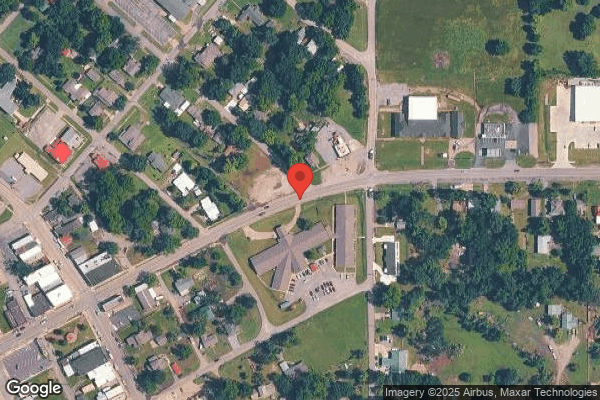
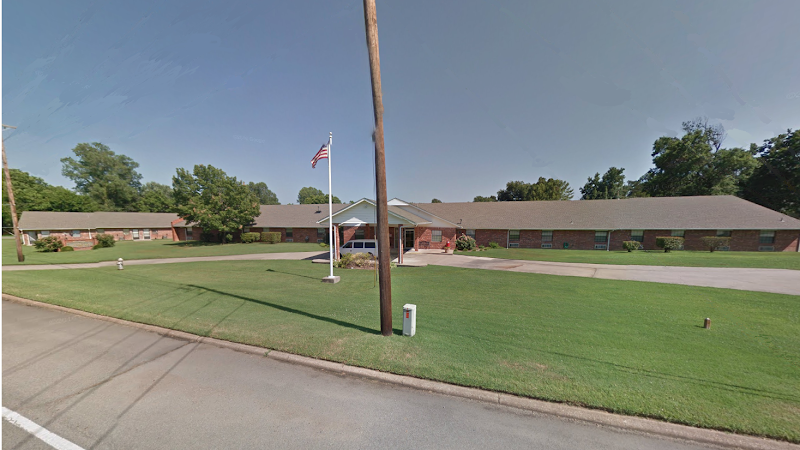
205 EAST POPLAR STREET, FORT GIBSON, OK 74434 (918) 478-2456
For profit - Limited Liability company 66 Beds MGM HEALTHCARE Data: November 2025
Trust Grade
35/100
#160 of 282 in OK
Last Inspection: January 2025

Within standard 12-15 month inspection cycle. Federal law requires annual inspections.

Overview

Fort Gibson Care & Rehab Center has received a Trust Grade of F, indicating significant concerns about the quality of care provided. Ranking #160 out of 282 facilities in Oklahoma places it in the bottom half statewide, and #5 out of 10 in Muskogee County suggests only a few local options are available. The facility is reportedly improving, with the number of issues decreasing from 11 in 2023 to 8 in 2025. While staffing turnover is impressively low at 0%, indicating staff stability, the facility has incurred $52,377 in fines, which is concerning and higher than 91% of Oklahoma facilities. Specific incidents include failure to update fall prevention plans for a resident who experienced a fall and did not ensure proper restorative services for another resident, indicating potential gaps in care. Overall, while there are some strengths, significant weaknesses and compliance issues raise red flags for families considering this facility.

Trust Score
F
35/100
In Oklahoma
#160/282
Bottom 44%
Safety Record
Moderate
Needs review
Inspections
Getting Better
11 → 8 violations
Staff Stability
○ Average
Turnover data not reported for this facility.
Penalties
✓ Good
$52,377 in fines. Lower than most Oklahoma facilities. Relatively clean record.
Skilled Nurses
⚠ Watch
Each resident gets only 17 minutes of Registered Nurse (RN) attention daily — below average for Oklahoma. Fewer RN minutes means fewer trained eyes watching for problems.
Violations
⚠ Watch
35 deficiencies on record. Higher than average. Multiple issues found across inspections.
★★☆☆☆
2.0
Overall Rating
★☆☆☆☆
1.0
Staff Levels
★★☆☆☆
2.0
Care Quality
★★★☆☆
3.0
Inspection Score
Stable
2023: 11 issues
2025: 8 issues

The Good

  • Full Sprinkler Coverage · Fire safety systems throughout facility
  • No fines on record

Facility shows strength in fire safety.

The Bad

2-Star Overall Rating

Below Oklahoma average (2.6)

Below average - review inspection findings carefully

Federal Fines: $52,377

Above median ($33,413)

Moderate penalties - review what triggered them

Chain: MGM HEALTHCARE

Part of a multi-facility chain

Ask about local staffing decisions and management

The Ugly 35 deficiencies on record

1 actual harm
Jan 2025 8 deficiencies 1 Harm
SERIOUS (G)

Actual Harm - a resident was hurt due to facility failures

Accident Prevention (Tag F0689)

A resident was harmed · This affected 1 resident

Based on observation, record review, and interview, the facility failed to update and implement individualized fall interventions in the care plan for a resident who fell and sustained a head injury f...

Read full inspector narrative →
Based on observation, record review, and interview, the facility failed to update and implement individualized fall interventions in the care plan for a resident who fell and sustained a head injury for one (#47) of one sampled resident reviewed for falls. The DON identified 17 residents who had fallen in the past three months. Findings: A policy titled FALL MANAGEMENT, read in parts, To provide an environment that remains as free of accident hazards as possible. The Facility will complete a Morse Fall Scale Evaluation on Residents to determine who are at risk for falling and to develop appropriate interventions to provide supervision and assistive devices to prevent to minimize further Falls and/or reduce injuries .Identified risk factors should be addressed in the Resident's Care-Plan to ensure individualized interventions to reduce the risk are implemented .The Care Plan should be reviewed after every fall and updated with a new intervention .Revise/Modify Care Plan/Kardex; Implement Interventions according to Treatment approach to minimize further Falls & reduce injury. Resident #47 had diagnoses which included psychosis, hallucinations, and dementia. A fall risk evaluation, dated 01/14/24, documented the resident was at risk for falls. A fall log for the resident documented the resident had three falls in February 2024, one fall in April 2024, one fall in May 2024, two falls in June 2024, one fall in July of 2024, two falls in August 2024, two falls in September 2024, and six falls in October of 2024. An incident report, dated 11/08/24, documented the resident was found sitting on the floor in their room by the bathroom. The report documented a moderate amount of blood was noted to the floor and on the resident's clothes. The report documented the resident had a vertical laceration to the forehead about 3.5 cm long. The report documented the resident was sent to the emergency room for treatment. The care plan intervention for fall risk, dated 11/08/24, documented to place the resident on every hour toileting program while awake. The care plan documented the resident had an injury fall on 11/08/24 sustaining a laceration with sutures to the forehead. An incident report, dated 11/14/24, documented the resident was on the floor in the lobby. The report documented the resident stated they were going to the bathroom. The care plan intervention for fall risk, dated 11/14/24, documented the pharmacist was to review the resident's medications. An incident report, dated 11/18/24, documented the resident was found in their room sitting on the floor in front of the toilet. The care plan intervention for fall risk, dated 11/18/24, documented the staff was to continue with the resident's plan of care. An incident report, dated 12/05/24, documented the resident was found in their room sitting on the floor by the bathroom door. The resident stated they had a nosebleed. The care plan intervention for fall risk, dated 12/05/24, documented the staff was to keep Kleenex within reach. The quarterly assessment, dated 12/12/24, documented the resident was severely impaired cognitively and had two or more non-injury/injury (not major) falls since admission. An incident report, dated 12/14/24, documented the resident was found in their room laying on the floor. The care plan intervention for fall risk, dated 12/14/24, documented neuro checks were initiated. An incident report, dated 12/16/24, documented the resident was found sitting on the floor in front of their recliner. The report documented the resident stated they were going to smoke a cigarette. The care plan did not document a new intervention for the incident which occurred on 12/16/24. An incident report, dated 12/17/24, documented the resident was found lying on the floor near the mens bathroom door with their wheelchair not locked. The care plan intervention for fall risk, dated 12/17/24, documented staff were to initiate neuro checks per protocol. A fall log for the resident documented the resident had falls on 12/19/24 and 12/20/24. There were no incident reports provided. The care plan intervention for fall risk did not document a new intervention for the fall which occurred on 12/19/24. The care plan intervention for fall risk, dated 12/20/24, documented visitors were to be educated on notification of staff if the alarm was sounding while the door was closed and visitor was caring for the roommate. An incident report, dated 12/22/24, documented the resident was found lying on the floor in their room with their brief saturated and complaining of being cold. The care plan intervention for fall risk, dated 12/22/24, documented staff were to do frequent checks at night due to the alarm not working correctly. An incident report, dated 12/24/24, documented the resident was assisted by staff to the bathroom per resident request. The report documented staff left the resident sitting on the toilet to obtain a new brief and clothing. The report documented the resident slid off the toilet to the floor. The care plan intervention for fall risk, dated 12/24/24, documented staff were not to leave the resident's side when they were not able to sit up straight on the toilet and to obtain assistance with dressing the resident. A fall log for the resident documented the resident had a fall on 12/26/24 and 12/30/24. There were no incident reports provided. The care plan did not document new interventions for the falls which occurred on 12/26/24 and 12/30/24. An incident report, dated 01/01/25 at 12:00 a.m., documented the resident was found lying on the floor in their room by the bed. The report documented incontinent care was provided and the resident was assisted back to bed. The care plan did not document an intervention for the fall which occurred on 01/01/25 at 12:00 a.m. An incident report, dated 01/01/25 at 1:55 a.m., documented the resident was found lying on the floor in their room. The report documented the resident had been incontinent of bowel and bladder and incontinent care was provided. The report documented the resident sustained a small abrasion to their left knee. The care plan intervention for fall risk, dated 01/01/25, documented the resident was to have wound care to the left knee abrasion until resolved. The care plan intervention for fall risk, dated 01/02/25, documented to change the resident's mattress to a wide mattress. On 01/12/25 at 4:16 p.m., the resident was in the dining room sitting in a wheelchair for the evening meal. The resident's wheelchair had a anti-tip back bar. No alarm was noted. The resident's room had floor mats covering the entire floor area of the resident's side of the room. On 01/14/25 at 4:06 p.m., the ADON reviewed the resident's plan of care and stated new interventions were no implemented with each fall occurrence. The ADON stated some interventions were repeat interventions or not appropriate fall interventions for the resident. On 01/15/25 at 8:14 a.m., the resident was sitting in the dining room in a wheelchair with their head down and their eyes closed. The wheelchair had a anti-tip back bar. The wheelchair did not have a chair alarm. The resident was wearing tennis shoes. On 01/15/25 at 8:28 a.m., CNA #4 stated the resident had a low bed, was observed every two hours, had a anti roll back attachment on their wheelchair, and was toileted every two hours. The CNA stated the resident was usually in common areas or near the nurse station during the day for visual site. The CNA stated the resident usually slept through the night, but was still checked on every two hours. On 01/15/25 at 10:54 a.m, the DON stated the staff were aware of resident's toileting program and documented in the task records. The DON reviewed the resident's plan of care and stated there were repeat interventions and not appropriate interventions for the resident. The DON stated the staff needed education regarding falls and fall interventions.
CONCERN (D)

Potential for Harm - no one hurt, but risky conditions existed

Deficiency F0637 (Tag F0637)

Could have caused harm · This affected 1 resident

**NOTE- TERMS IN BRACKETS HAVE BEEN EDITED TO PROTECT CONFIDENTIALITY** Based on record review and interview, the facility failed to complete a significant change assessment for a resident with a decl...

Read full inspector narrative →
**NOTE- TERMS IN BRACKETS HAVE BEEN EDITED TO PROTECT CONFIDENTIALITY** Based on record review and interview, the facility failed to complete a significant change assessment for a resident with a decline in ADLs due to an above knee amputation for one (#7) of 13 sampled residents reviewed for assessments. The administrator identified 51 residents resided in the facility. Findings: An annual MDS assessment, dated 04/21/24, documented Res #7 had no functional impairments in range of motion. The MDS documented Res #48 required setup/cleanup assistance with upper body dressing. The MDS documented Res #7 used both a walker and a wheelchair for mobility, and required supervision with walking 10 feet. A quarterly MDS assessment, dated 09/18/24, documented Res #7 had declined in range of motion and had impairments of upper and lower extremities on both sides. The MDS documented Res #7 required supervision with walking 10 feet. A progress note, dated 11/25/24, documented Res #7 was being sent to the hospital due to possible gangrene to their left heel. The facility census report documented Res #7 went to the hospital on [DATE] and returned on 12/02/24. A progress note, dated 12/02/24, documented the nurse observed eight sutures and 20 staples to the left side above the knee amputation. A review of the record identified a significant change assessment had not been completed. On 01/15/25 at 10:51 a.m., the MDS coordinator stated a significant change should have been completed within 14 days of recognizing a significant change had taken place. On 01/15/25 at 11:00 a.m., the DON stated a significant change should have been completed.
CONCERN (D)

Potential for Harm - no one hurt, but risky conditions existed

PASARR Coordination (Tag F0644)

Could have caused harm · This affected 1 resident

Based on record review and interview, the facility failed to ensure a referral was made to the LOCEU for one (#3) of three sampled residents reviewed for PASSARs. The DON identified eight residents wi...

Read full inspector narrative →
Based on record review and interview, the facility failed to ensure a referral was made to the LOCEU for one (#3) of three sampled residents reviewed for PASSARs. The DON identified eight residents with a level II PASSAR. Findings: Resident #3 had diagnoses which included hypertension, dementia, and hallucination. A level I PASSAR, dated 08/30/18, documented the resident did not have a diagnosis of a serious mental illness. A level I PASARR, dated 06/10/19, documented the resident did not have a diagnosis of a serious mental illness. On 01/11/24 the resident received a diagnosis of psychosis not due to a substance or known physiological condition. The annual assessment, dated 08/28/24, documented the resident was not currently considered by the state level II PASSAR process to have serious mental illness and/or intellectual disability or a related condition. On 01/14/25 at 12:35 p.m., the ADON reviewed the resident's diagnoses and stated they were not aware of the diagnosis of psychosis for the resident. The ADON stated when the resident received the psychosis diagnosis a referral should have been made to the LOCEU for consultation.
CONCERN (D)

Potential for Harm - no one hurt, but risky conditions existed

Deficiency F0657 (Tag F0657)

Could have caused harm · This affected 1 resident

Based on observation, record review and interview, the facility failed to ensure a care plan was updated for one (#7) of thirteen resident care plans reviewed for accuracy. The administrator identifie...

Read full inspector narrative →
Based on observation, record review and interview, the facility failed to ensure a care plan was updated for one (#7) of thirteen resident care plans reviewed for accuracy. The administrator identified 51 residents resided in the facility. Findings: 1. Resident #7 had diagnoses which included surgical amputation of left lower leg. The resident's care plan was reviewed and did not document the amputation of the left lower leg. On 01/15/25 at 10:51 a.m., the MDS coordinator stated the care plan should have been updated to include the amputation and any other changes to their abilities that resulted from the amputation. On 01/15/25 at 11:00 a.m., the DON stated the care plan should have been updated.
CONCERN (D)

Potential for Harm - no one hurt, but risky conditions existed

Pharmacy Services (Tag F0755)

Could have caused harm · This affected 1 resident

Based on record review and interview, the facility failed to ensure medications were administered as ordered for one (#21) of five sampled residents reviewed for unnecessary medications. The administ...

Read full inspector narrative →
Based on record review and interview, the facility failed to ensure medications were administered as ordered for one (#21) of five sampled residents reviewed for unnecessary medications. The administrator identified 51 residents resided in the facility. Findings: The Medication Administration policy, dated 01/2024, read in part, Medications are administered as prescribed in accordance with manufacturers' specifications, good nursing principles and practices and only by persons legally authorized to do so. Resident #21 had diagnoses which include hypertension, hypothyroidism, and bipolar disorder. A November 2024 Medication Administration Record was blank on November 28th, 29th, and 30th for Resident #21's order for levothyroxine (thyroid hormone medication) 50 mcg to be given twice daily for hypothyroidism. A December 2024 Medication Administration Record was blank on December 7th, 8th, 11th, and 16th for Resident #21's order for levothyroxine 50 mcg to be given twice daily for hypothyroidism. A January 2025 Medication Administration Record was blank for the 2:00 p.m. dosage of metoprolol (beta blocker) 50 mg to be given three times daily for hypertension on January 4th and 9th. The MAR was also blank for the 2:00 p.m. dosage of protriptyline (antidepressant medication) 20 mg to be given three times a day for bipolar on January 4th and 9th. On 01/14/25 at 2:12 p.m., CMA #1 stated they were unable to verify if the medications were given if the medication administration was blank. On 01/14/25 at 2:25 p.m., the ADON stated the blanks meant the medication administration was not documented, so there would be no way to know it the medication was administered or not.
CONCERN (E)

Potential for Harm - no one hurt, but risky conditions existed

Deficiency F0688 (Tag F0688)

Could have caused harm · This affected multiple residents

**NOTE- TERMS IN BRACKETS HAVE BEEN EDITED TO PROTECT CONFIDENTIALITY** Based on observation, record review, and interview, the facility failed to ensure a resident received restorative services to ma...

Read full inspector narrative →
**NOTE- TERMS IN BRACKETS HAVE BEEN EDITED TO PROTECT CONFIDENTIALITY** Based on observation, record review, and interview, the facility failed to ensure a resident received restorative services to maintain or improve their ability to carry out activities of daily living for one (#26) of one sampled resident reviewed for activities of daily living. The DON identified nine residents who were currently receiving restorative services. Findings: A document titled Policy and Procedure Range of Motion, read in parts, To exercise the resident's joints and muscles as required and/or clinically indicated .Verify exercise to be completed with physician's orders or treatment plan. Unless otherwise specified, repeat each exercise (3) times. There was no policy regarding restorative services provided. Resident #26 had diagnoses which included muscle weakness, lack of coordination, muscle wasting and atrophy, abnormalities of gait and mobility, and Parkinson's. The care plan, revised 08/07/23, documented the resident had muscle strength/muscle atrophy, weakness, and deconditioning. The care plan documented the staff were to encourage the resident to participate in activities that promoted exercise, physical activity for strengthening and improved mobility. The care plan documented the staff were to refer the resident to PT/OT/restorative PRN indication/ordered. A physician order, dated 02/08/24, documented to discontinue part B physical therapy services and resident may have restorative nursing services. A physician order, dated 06/05/24, documented PT/OT/ST to evaluate and treat as indicated. A physical therapy Discharge summary, dated [DATE] through 08/09/24, documented discharge recommendations for the restorative program. The summary documented range of motion program established with resident. The summary documented the resident was able to move their feet up and down, raise their arms above their head, chin to chest, and tier was functional and with restorative nursing program. The summary documented a transfer program was established with resident and they were currently able to perform stand pivot transfers, perform wheelchair transfers, and tier was functional with restorative nursing program. The annual assessment, dated 01/01/25, documented the resident was cognitively independent and was dependent assist with transfers and most ADLs. The assessment documented the resident had limited ROM with one side of the upper body. The assessment documented the resident was not receiving physical therapy, occupational therapy, or restorative services. On 01/12/25 at 2:36 p.m., the resident was observed lying in bed and was wearing an incontinent brief. The resident stated they just laid in bed because it took more than one staff member for transfers. The resident stated they had not received restorative services since their physical therapy had ended in August of last year. The resident stated they were walking in the hall with assistance when receiving physical therapy. On 01/14/25 at 2:47 p.m., the DON could not provide documentation the resident ever received restorative services. The DON stated they were responsible for ensuring restorative services were provided when therapy made a recommendation. The DON stated they were not aware of the recommendation for restorative services for the resident. On 01/14/25 at 3:10 p.m., the resident was observed for ROM and a transfer. The resident stated they were still able to complete ROM and transfers as when receiving physical therapy, but they were just weaker now.
CONCERN (E)

Potential for Harm - no one hurt, but risky conditions existed

Food Safety (Tag F0812)

Could have caused harm · This affected multiple residents

Based on observation, record review, and interview, the facility failed to ensure: a. the ovens were clean; b. foods were labeled and dated in the refrigerator; and c. the ice scoop was maintained in ...

Read full inspector narrative →
Based on observation, record review, and interview, the facility failed to ensure: a. the ovens were clean; b. foods were labeled and dated in the refrigerator; and c. the ice scoop was maintained in a sanitary manner. The administrator identified 51 residents resided in the facility. Findings: A policy titled Ice Machine, read in parts, The ice machine, scoop, and storage container will be maintained in a clean and sanitary condition .The scoop and storage container will be cleaned once per day. A policy titled Refrigeration, read in part, Foods shall be stored in an organized manner and shall be maintained in their original containers unless they are considered a leftover. All leftovers shall be labeled and dated with an expiration date of no more than three (3) days. On 01/12/25 at 11:55 a.m., a tour of the kitchen was conducted. The ice scoop was observed lying on top of the ice machine uncovered and not in a bag. Three ham sandwiches were in the refrigerator in sandwich bags unlabeled and undated. On 01/12/25 at 12:05 p.m., the ovens were observed to have a thick black substance on the bottom and sides of the oven. On 01/12/25 at 12:07 p.m., cook #1 stated the ovens needed to be cleaned. The cleaning schedule posted on the wall documented the oven had been cleaned a week ago. The cook stated the ovens did not look like they had been cleaned a week ago. The cook stated the ice scoop should be kept in a plastic bag and the bag changed daily. On 01/13/25 at 3:45 p.m., the DM stated the ovens had not been cleaned per the cleaning schedule and staff education had been provided.
CONCERN (E)

Potential for Harm - no one hurt, but risky conditions existed

Infection Control (Tag F0880)

Could have caused harm · This affected multiple residents

Based on observation, record review, and interview, the facility failed to ensure enhanced barrier precautions were utilized during resident care for one (#32) of one sampled resident observed during ...

Read full inspector narrative →
Based on observation, record review, and interview, the facility failed to ensure enhanced barrier precautions were utilized during resident care for one (#32) of one sampled resident observed during care. The administrator identified 11 residents that required enhanced barrier precautions. Findings: An Enhanced Barrier Precautions (EBP) policy, last reviewed on 05/15/24, read in part, enhanced barrier precautions refer to the use of gowns and gloves during high-contact resident care provides opportunities for transfer of multidrug resistant organisms to hands or clothing. EBP should be used during these high contact areas: dressing, bathing, transferring, providing hygiene, changing linens, changing briefs or toileting for people with central lines, urinary catheters, enteral tubes, tracheostomy/ventilator, and wound care for skin openings that require a dressing. On 01/13/25 at 8:02 a.m., Resident #32 had EBP signage on the door. CNA #1 was observed in Resident #32's room assisting with toileting and dressing. CNA #1 was observed wearing gloves and a mask, but no gown. Resident #32 had a dressing over their right foot. CNA #1 was observed placing a sock over the dressing and assisting resident to place a boot on the right foot. CNA #1 then assisted Resident #32 with applying deodorant. CNA #1 then proceeded to change the bed linen that had a yellow stain that was darker around the edges on the bottom sheet. On 01/13/25 at 4:07 p.m., CNA#3 was asked what EBP or enhanced barrier precautions meant. CNA #3 stated EBP was lantiseptic and you were supposed to use gloves at all times with all residents. On 01/13/25 at 4:13 p.m., CNA#2 stated they were not told about enhanced barrier precautions or what it meant. On 01/14/25 at 11:29 a.m., LPN #1 was observed providing wound care to Resident #32. LPN#1 cleaned the bed side table appropriately, applied clean gloves, removed Resident #32's boot, sock, and dressing from their left foot. On 01/14/25 at 11:34 a.m., LPN #1 donned clean gloves and washed wound, the wound was patted dry and measured. Santyl was applied followed by calcium alginate, 4x4 abdominal pad, stretch gauze, Kerlix, and secured with Coban. On 01/14/25 at 11:48 a.m., LPN #1 stated they provided wound care five days a week. LPN #1 stated EBP were to be used for wounds, urinary catheter care, peg tube care, and breathing treatments to prevent cross contamination. LPN #1 stated they were trained and magnets were placed on the side of the door to indicate EBP were to be used and the supplies were supposed to be on the back of the door inside the rooms. LPN #1 stated they used an app that reported what residents required EBP when providing high contact direct care. LPN#1 stated they were not wearing a gown and should have been. On 01/14/25 at 2:25 p.m., the ADON stated they had started re-educating staff when it was brought to their attention that some of the staff's understanding was incomplete or inaccurate.
Sept 2023 11 deficiencies
CONCERN (D)

Potential for Harm - no one hurt, but risky conditions existed

MDS Data Transmission (Tag F0640)

Could have caused harm · This affected 1 resident

**NOTE- TERMS IN BRACKETS HAVE BEEN EDITED TO PROTECT CONFIDENTIALITY** Based on interview and record review, the facility failed to ensure assessments were encoded and transmitted to CMS in the requi...

Read full inspector narrative →
**NOTE- TERMS IN BRACKETS HAVE BEEN EDITED TO PROTECT CONFIDENTIALITY** Based on interview and record review, the facility failed to ensure assessments were encoded and transmitted to CMS in the required time frame for two (#41 and #44) of twenty residents whose assessments were reviewed. The Resident Census and Conditions of Resident form documented 45 residents resided in the facility. Findings: 1. Res #44's five day Medicare assessment, dated 04/28/23 documented completed. A CMS Submission Report was not located by the facility. An admission assessment, dated 05/04/23, had been completed by the facility according to the EHR. The CMS Submission Report documented multiple warnings including information mismatch and the assessment had been submitted late. The resident's clinical records documented a discharge assessment, dated 06/08/23, documented completed. A CMS Submission Report was not located by the facility. 2. Res #41 had an entry dated 04/06/23, a discharge return not anticipated and a Medicare five day assessment dated [DATE]. CMS Submission Report for the assessments were not located by the facility. On 09/20/23 at 1:10 p.m., the ADON stated Res #41 was discharged on 04/07/23 and there was no record of the assessments being sent. The ADON stated Res #44 had two assessments a five day and a discharge which had not been transmitted.
CONCERN (D)

Potential for Harm - no one hurt, but risky conditions existed

Comprehensive Care Plan (Tag F0656)

Could have caused harm · This affected 1 resident

**NOTE- TERMS IN BRACKETS HAVE BEEN EDITED TO PROTECT CONFIDENTIALITY** Based on record review and interview, it was determined the facility failed to ensure a comprehensive care plan was developed fo...

Read full inspector narrative →
**NOTE- TERMS IN BRACKETS HAVE BEEN EDITED TO PROTECT CONFIDENTIALITY** Based on record review and interview, it was determined the facility failed to ensure a comprehensive care plan was developed for resident to resident interaction related to wandering for one (#11) of 12 sampled resident whose care plans were reviewed. The Resident Census and Conditions of Residents form documented 45 residents resided in the facility. Findings: Res #11 was admitted to the facility on [DATE] with diagnoses of dementia and unspecified hallucinations. A care plan, dated 01/01/23, documented the resident was not a risk for wandering. An admission assessment, dated 01/12/23, documented the resident was severely impaired with cognition. An assessment for wandering, dated 04/09/23, documented the resident was moderate risk for wandering. An assessment for wandering, dated 07/10/23, documented the resident was moderate risk for wandering. A quarterly assessment, dated 07/15/23, documented the resident wanders daily. An incident report, dated 09/11/23, documented resident to resident altercation after Res #11 wandered into another resident's room. On 09/19/23 at 4:57 p.m., the MDS Coordinator stated there was no care plan for resident to resident altercation related to Res #11 wandering in the facility.
CONCERN (D)

Potential for Harm - no one hurt, but risky conditions existed

Accident Prevention (Tag F0689)

Could have caused harm · This affected 1 resident

**NOTE- TERMS IN BRACKETS HAVE BEEN EDITED TO PROTECT CONFIDENTIALITY** Based on observation, record review, and interview, the facility failed to ensure residents received the supervision and assista...

Read full inspector narrative →
**NOTE- TERMS IN BRACKETS HAVE BEEN EDITED TO PROTECT CONFIDENTIALITY** Based on observation, record review, and interview, the facility failed to ensure residents received the supervision and assistance to prevent falls for one (#18) of three sampled residents reviewed for accidents hazards. The Resident Census and Conditions of Residents form, documented 45 residents resided at the facility. Findings: Res #18 had diagnoses which included COPD, dementia, and anxiety disorder. A care plan, dated 11/18/20, documented the resident was a high risk for falls. The care plan document the resident had altered sensory preception secondary to dementia. An incident report, dated 09/18/22, documented an unwitnessed fall for Res # 18. The resident was found on floor in their room on their knees with their hands and head resting in the seat of their wheelchair. The report documented the resident said they were trying to get out of bed and transfer to the wheelchair. The incident report documented there were no injuries. The incident report documented a fall alarm was placed on the bed. An incident report, dated 09/28/22, documented an unwitnessed fall. The incident report documented the nurse was called to resident's room because Res #18 was crawling to doorway. The report documented the resident said they were headed to get the baby. The report documented the resident had asmall amount of blood to the left eyebrow, blood to left forearm, left elbow, and left index finger at the knuckle. The incident report documented the trash can can had blood on it and the alarm did not sound due to a faulty alarm pad. The incident report documented the fall alarm was replaced on the bed, a fall mat added to bed side, and the trash can removed from area. A quarterly assessment, dated 12/12/22, documented the resident was severely impaired with cognition and required extensive assistance with most ADLs. The assessment documented the resident had two non-injury falls since prior assessment. An incident report, dated 12/23/22, documented an unwitnessed fall. The incident report documented Res #18 was found on fall mat beside the bed on their bottom with their legs in front of them. The report documented the bed was in the lowest position and the alarm on the resident's wheelchair was going off which lead the nurse to believe that Res #18 was attempting to self transfer. The incident report documented there were no visible injuries. The incident report documented there was not an alarm present on the bed. The incident report documented a bed alarm was placed on the resident bed. This intervention was already on the care plan. An incident report, dated 12/26/22, documented an unwitnessed fall. The incident report documented a noise was heard of a wheelchair hitting the wall and Res #18 was seen sitting on the floor in front of the wheelchair. The incident report documented there were no injuries observed and the resident denied pain. The incident report documented Res #18 was assisted back into the wheel chair and the safety alarm was in place and functioning. The incident report documented the resident had a pillow, blanket, stuffed animal, box of candy, two books, Christmas cards, and their water cup in their lap. The incident report documented Res #18 reported they just slipped out. The incident report documented the resident was assisted back into the wheel chair and the alarm was put in place. A non skid liner was placed in the resident's wheelchair. An incident report, dated 01/01/23, documented an unwitnessed fall. The incident report documented Res #18 was found by a CNA sitting on the floor on the fall mat in front of the bed. The incident report documented the resident reported they wanted to sit in their wheel chair. The incident report documented no injuries observed. The resident was assisted back to bed and the fall alarm was in the bed and the fall mat was in front of the resident's bed. There were no new interventions added to prevent reoccurrence. A quarterly assessment, dated 03/14/23, documentated the resident was severely impaired with cognition and required extensive assistance with most ADLs. The assessment documented the resident had two non-injury falls since prior assessment. An incident report, dated 03/31/23, documented an unwitnessed fall. The incident report documented the nurse was called to Res #18's room by a CNA. The resident was observed sitting on the floor beside their bed and the resident's wheelchair was behind the resident. The incident report documented the fall alarm was ringing at that time. The incident report documented there were no injuries observed and the resident denied pain. The report documented the Res #18 reported I thought I had enough get up and go to get in bed but I fell. A care plan intervention, dated 03/31/23, documented the resident was not to be left alone in their wheelchair in their room. An incident report, dated 04/12/23, documented an unwitnessed fall. The incident report documented Res #18 was found on the floor in front of their bed on their knees with alarm sounding and there were no injuries noted. The incident report documented it appeared as though Res #18 was trying to transfer to their bed. The report documented the resident reported when asked what they were doing when they fell the resident stated I'm tired, can I go to bed. The intervention after the previous fall of the resident not being alone in their room in their wheel chair was not carried out. A care plan intervention, dated 04/12/23, documented the staff were to perform hourly visual checks with CNA documentation. An annual assessment, dated 06/12/23, documentated the resident was severely impaired with cognition and required extensive assistance with most ADLs. The assessment documented the resident had two non-injury falls since prior assessment. An incident report, dated 08/15/23, documented an unwitnessed fall. The incident report documented the nurse was called to Res #18's room by the CNAs. The report documented the resident was observed on their buttocks on the fall mat beside their bed with their back against the bed. The incident report documented Res #18 stated, I don't know how I got here. The incident report documented there were no injuries observed. A care plan intervention, dated 08/15/23, documented the resident climbs out of bed and sits on the fall mat at will. A quarterly assessment, dated 09/12/23, documented the resident was severely impaired with cognition and required limited assistance with most ADLs. The assessment documented the resident had one non-injury fall since prior assessment. On 09/14/23 at 2:50 p.m., the resident's bed was observed in low position and a fall mat in place by the bed in the resident's room. The resident was not observed in the room at that time. On 09/20/23 at 12:27 p.m., the ADON stated the facility added a fall alarm to the bed after the 09/18/22 fall, and on 09/28/23 a fall mat was added. The ADON stated on 12/23/23 they repeated the intervention of the bed alarm. A non-skid liner to the wheel chair was added on 12/26/23. The ADON stated there was not a new intervention in January. The intervention in March was to not leave the resident alone in their room in the wheelchair and the 04/12/23 intervention was for hourly checks. The ADON stated there was not a new intervention for the fall on 08/15/23. ADON stated it was just a statement not an intervention. The ADON stated the CNAs find the fall interventions for the resident on the [NAME].
CONCERN (D)

Potential for Harm - no one hurt, but risky conditions existed

Deficiency F0692 (Tag F0692)

Could have caused harm · This affected 1 resident

Based on record review and interview, the facility failed to ensure the physician was notified of a significant weight loss and residents received interventions to maintain nutritional status within a...

Read full inspector narrative →
Based on record review and interview, the facility failed to ensure the physician was notified of a significant weight loss and residents received interventions to maintain nutritional status within acceptable parameters for one (#32) of two residents sampled for nutritional status. The Resident Census and Conditions of Residents form documented 45 residents who resided in the facility. Findings: 1. Res #32 had diagnoses which included Alzheimer's disease, encephalopathy, dementia, anxiety, and major depression. The weight record, dated 02/13/23, documented a weight of 155 lbs. The weight record, dated 03/6/23, documented a weight of 155 lbs. The weight record, dated 04/04/23, documented a weight of 144 lbs. A dietary note, dated 04/20/23, documented Res #32 had a significant weight loss of 7.1% in the last 30 days. The weight record, dated 05/05/23, documented a weight of 136 lbs. A dietary note, dated 05/31/23, documented Res #32 had a significant weight loss of 5.6% in the last 30 days and the dietician recommendation was to offer ice cream twice a day to the resident. There was no documentation ice cream was offered. The weight record, dated 06/06/23, documented a weight of 130 lbs. A quarterly assessment, dated 06/20/23, documented the resident had short and long term memory problems. The assessment also documented the resident had a weight loss of 5% or more in the last month or 10% in the last 6 months and the weight loss was not prescribed by a physician. A dietary note, dated 06/30/23, documented Res #32 had a significant weight loss of 15.6% in the last 90 days. The care plan, dated 08/08/23, documented to consult the physician about alternative methods of providing nutrition as indicated/prescribed. On 09/20/23 10:25 a.m., an interview was conducted with the ADON and they stated the physician was never notified of the weight loss and interventions had not been put in place.
CONCERN (D)

Potential for Harm - no one hurt, but risky conditions existed

Medication Errors (Tag F0758)

Could have caused harm · This affected 1 resident

Based on record review and interview, the facility failed to ensure behaviors and/or side effects were monitored for the use of psychotropic medications for two of (#20 and #25) of five sampled reside...

Read full inspector narrative →
Based on record review and interview, the facility failed to ensure behaviors and/or side effects were monitored for the use of psychotropic medications for two of (#20 and #25) of five sampled residents reviewed for unnecessary medications. The Resident Census and Conditions of Residents form documented 45 residents who resided in the facility. Findings: 1. Res #20 had diagnoses which included insomnia and major depressive disorder recurrent. A physician order, dated 05/08/23, documented Wellbutrin SR (an antidepressant) 450 mg one time a day related to major depressive disorder. A physician order, dated 05/22/23, documented trazodone (an antidepressant) 150 mg at bedtime related to insomnia. A quarterly assessment, dated 08/18/23, documented the resident was intact with cognition and required limited assistance with most ADLs. The assessment documented the resident received antidepressant medication during the look back period. A care plan last revised 08/19/23, documented the resident received antidepressants. The care plan documented the resident had feelings of prolonged sadness, hopelessness, fatigue, low self-esteem associated with depression. The care plan documented to administer medications as prescribed and monitor for effectiveness, side effects and adverse drug reactions. The EHR did not contain documentation for side effect monitoring or behaviors notes or an AIMS for the resident. On 09/18/23 at 1:33 p.m., the DON stated they documented the behaviors under behavior notes and the AIMS but were not provided. 2. Res #25 had diagnoses which included insomnia, generalized anxiety disorder, and depression. A physician order, dated 06/06/23, documented to obtain an AIMS on admit and quarterly related to Abilify use. A care plan last reviewed 07/07/23, documented the resident received Abilify. The care plan documented the resident experienced self isolation associated with major depressive disorder and to administer medication as prescribed. The care plan documented to perform an AIMS quarterly. The care plan documented to report impaired vision, tremors, muscle twitching urinary retention to the physician promptly. The care plan documented to monitor for side effects of drowsiness, insomnia, agitation, anxiety, headache, seizures, neuroleptic malignant syndrome, light-headedness, akathisia, tremor, stroke, suicidal ideation, dystonia, cogwheel rigidity. The care plan documented the resident took a sedative medication and had sleep disturbance associated with insomnia. The care plan documented to administer medications as prescribed and monitor for side effects and toxicity. A physician order, dated 08/28/23, documented temazepam (a sedative medication) administer one every 24 hours as needed for insomnia. A physician order, dated 08/28/23, documented Lexapro (an antidepressant) administer 20 mg at bedtime related to major depressive disorder. A physician order, dated 08/29/23, documented Abilify (an antipsychotic) administer 10 mg one time a day related to major depressive disorder. A physician order, dated 08/29/23, documented Wellbutrin XL (an antidepressant) administer 450 mg one time a day related to major depressive disorder. A Medicare five day assessment, dated 09/04/23, documented the resident was intact with cognition and required limited assistance with ADLs. The assessment documented the resident had received an antipsychotic, antidepressant, and hypnotic medication during the seven day look back period. Behavior and side effects monitoring were not found in the EHR. On 09/18/23 at 1:38 p.m., the ADON stated they have behavior evaluations. The ADON stated they knew there was not a place to document daily monitoring of medications. The ADON stated they only documented when a resident had a problem. On 09/18/23 at 1: 50 p.m., Corporate RN #1 stated they did not have any batch orders for monitoring and normally it was on EMAR.
CONCERN (D)

Potential for Harm - no one hurt, but risky conditions existed

Deficiency F0760 (Tag F0760)

Could have caused harm · This affected 1 resident

Based on record review and interview, the facility failed to ensure residents were free from significant medication errors for one (#20) of five residents reviewed for unnecessary medications. The Res...

Read full inspector narrative →
Based on record review and interview, the facility failed to ensure residents were free from significant medication errors for one (#20) of five residents reviewed for unnecessary medications. The Resident Census and Conditions of Residents report, documented 45 residents resided in the facility. Findings: Res #20 admitted to the facility and had diagnoses which included heart failure, hypothyroidism, and diabetes mellitus. A physician order, dated 05/07/23, documented Novolog injection solution (insulin Aspart) inject as per sliding scale. A physician order, dated 05/11/23, documented Lantus subcutaneous solution (insulin Glargine) inject 50 units one time a day related to diabetes mellitus. A quarterly assessment, dated 08/18/23, documented the resident was intact with cognition and required limited assistance with most ADLs. The assessment documented the resident had received insulin the seven days prior to the assessment. A care plan, last reviewed 08/19/23, documented the resident had unstable blood glucose levels related to hyperglycemia. The care plan documented to administer insulin medications as prescribed. The August and September 2023 TARs were reviewed. The August TAR had one day which was blank for the Novolog insulin. The August TAR documented Lantus insulin had been held four days, the 6th, 12th, 26th, and 27th. The residents FSBS had not been documented two days, the 19th and 21st, when the insulin had been held. The TAR for September had three blanks for the Lantus Insulin. The dates were the 9th, 11th, and the 17th. On 09/18/23 at 2:23 p.m., the ADON stated if the TAR for insulin was not marked as given, they could not tell if the medication had been administered. The ADON stated the reason the insulin medication was held should have been documented on the treatment record. The ADON stated the nurse should have called the physician before holding the medication when the order did not have parameters. On 09/18/23 at 2:34 p.m., the ADON reviewed the resident's medical record and stated they were not able to find where the physician had been contacted regarding the holding of the resident's insulin.
CONCERN (D)

Potential for Harm - no one hurt, but risky conditions existed

Laboratory Services (Tag F0770)

Could have caused harm · This affected 1 resident

Based on record review and interview, the facility failed to ensure labs were obtained per physician order for one (#20) of five sampled residents reviewed for unnecessary medications. The Resident Ce...

Read full inspector narrative →
Based on record review and interview, the facility failed to ensure labs were obtained per physician order for one (#20) of five sampled residents reviewed for unnecessary medications. The Resident Census and Conditions of Residents report, documented 45 residents resided in the facility. Findings: Res #20 admitted to the facility and had diagnoses which included heart failure, hypothyroidism, and diabetes mellitus. A physician order, dated 08/13/23, documented to perform a HgbA1c every three months in February, May, August, and November. A quarterly assessment, dated 08/18/23, documented the resident was intact with cognition and required limited assistance with most ADLs. The assessment documented the resident received insulin seven days during the assessment period. A care plan, last revised 08/19/23, documented the resident has unstable blood glucose levels related to hyperglycemia. The care plan documented to obtain an HgbA1c on admit and every three months. On 09/18/23 at 1:09 p.m., The DON could not provide the August HgbA1c. The DON stated the HgbA1c had been missed in August. The DON stated they had called the physician and were to obtain the lab now and then carry on with the way the order was written.
CONCERN (D)

Potential for Harm - no one hurt, but risky conditions existed

Menu Adequacy (Tag F0803)

Could have caused harm · This affected 1 resident

Based on observation, record review,and interview, the facility failed to follow the menu and provide pureed foods listed on the menu for the puree diets from the kitchen. The Resident Census and Con...

Read full inspector narrative →
Based on observation, record review,and interview, the facility failed to follow the menu and provide pureed foods listed on the menu for the puree diets from the kitchen. The Resident Census and Conditions of Residents form documented 11 residents resided at the facility who had mechanically altered diets including pureed and all chopped food. Findings: The menu for week three, regular puree meal, documented puree pot roast, puree new potatoes, puree green peas, puree dinner roll, puree bread pudding, margarine, salt/pepper, milk, and water. On 09/19/23 at 11:36 a.m., the bread was not observed to be pureed for the noon meal. On 09/19/23 at 11:54 a.m., a puree meal was observed to be served roast with gravy, potatoes, green peas, and bread pudding were observed to be served. Pureed bread was not served with the puree meal. On 09/19/23 at 3:06 p.m., the DM stated the puree meals should have received what ever was on the menu.
CONCERN (D)

Potential for Harm - no one hurt, but risky conditions existed

Deficiency F0804 (Tag F0804)

Could have caused harm · This affected 1 resident

Based on observation, record review, and interview the facility failed to provide food that was palatable and at an appetizing temperature for the residents. The Resident Census and Conditions of Resi...

Read full inspector narrative →
Based on observation, record review, and interview the facility failed to provide food that was palatable and at an appetizing temperature for the residents. The Resident Census and Conditions of Residents report, documented 45 residents resided in the facility. Findings: 1. Res #20 had a diagnosis of diabetes mellitus. A quarterly assessment, dated 08/18/23, documented the resident was intact with cognition and was independent with eating. On 09/14/23 at 1:47 p.m., Res #20 stated the food had gone down hill lately, it was either bland or to salty. Res #20 stated the milk was warm this morning and tasted spoiled they could not drink it. Res #20 stated the drinks were brought out in the warmer with the food. The resident stated they preferred to eat in their room. On 09/19/23 at 10:22 p.m., Res #20 stated they keep sending orange juice with breakfast and they did not like orange juice. The resident stated the drinks are not cold when they get them but the food is cold. Res #20 stated the oatmeal was hard on top by the time it got to them. 2. Res #25's Medicare five day assessment, dated 09/04/23, documented the resident was intact with cognition and was independent with eating. On 09/14/23 at 2:07 p.m., Res #25 stated the food was bland / or to salty. The resident stated it was much better when they first came to the facility. The food had gotten worse in the last two or three weeks. The resident stated they did not know what had changed in the kitchen. On 09/19/23 at 2:35 p.m., Res #25 stated they liked coffee with breakfast and they hardly ever get coffee with their breakfast. Res #25 stated they received coffee one time last week with her breakfast. 3. On 09/19/23 at 11:09 a.m., the food temperature was obtained when it was cooking and getting ready to be placed on the steam table. On 09/19/23 at 11: 14 a.m., A food temperature log was observed for both the regular and puree food. The log was kept on the side of the refrigerator. On 09/19/23 at 11:54 a.m., the plate warmer was observed to get plugged into an outlet. On 09/19/23 at 11:54 a.m., the food was not observed to be tempted on the steam table before service started. On 09/19/23 at 12:31 p.m., the hall trays went out of the kitchen. The test tray arrived at the room at 12:54 p.m., and the temperature of the food was taken. The roast was 127.7 degrees F, potatoes were 114.3 degrees F, green peas were 120.2 degrees F, Roll was 117.6 degrees F, bread pudding was 76.8 degrees F, and the yellow drink was 70.8 degrees F. The food was palatable with the gravy being a little salty. The bread pudding was difficult to cut. The drink was to warm, not palatable, and did not contain any ice. On 09/19/23 at 3:06 p.m., The DM stated she had received some complaints of cold food but never of the drinks being to warm. The DM stated they had just received the steam table over the week end and the staff should have got the holding temperatures of the food on the steam table before serving the meal. The DM stated they knew the food was hot because we temp it when cooking. The DM stated the residents should get coffee when they want it and if they don't like orange juice they should get something they like to drink.
CONCERN (E)

Potential for Harm - no one hurt, but risky conditions existed

Food Safety (Tag F0812)

Could have caused harm · This affected multiple residents

Based on observation and interview, the facility failed to ensure food was stored, prepared, and served in a sanitary manner. The Resident Census and Conditions of Residents form documented 45 reside...

Read full inspector narrative →
Based on observation and interview, the facility failed to ensure food was stored, prepared, and served in a sanitary manner. The Resident Census and Conditions of Residents form documented 45 residents resided at the facility. Findings: On 09/14/23 at 12:21 p.m., an initial tour of the kitchen and food storage areas was conducted. On 09/14/23 at 12:30 p.m., the ice machine in the kitchen was wiped from the ice drop with a clean white paper towel. The paper towel was observed with a black substance on it. At that time the DM observed the black substance. The DM stated the ice machine had been cleaned on 07/18/23. The DM stated the maintenance man and the DM cleaned the ice machine. On 09/14/23 at 12:37 a.m., a hand sanitizer dispenser was observed on the wall inside the kitchen door. The dietitian was observed to use the hand sanitizer when entering the kitchen. On 09/14/23 at 4:45 p.m., CNA #1 was observed to move a stool on wheels, touched their own glasses, then opened and removed the silverware out of the paper holder and handed it to a resident. The CNA was not observed to perform hand hygiene at that time. On 09/14/23 at 4:49 p.m. NA #1 had been assisting a resident in the dining room rubbing the residents back to help the resident stay calm and try to eat. NA #1 touched multiple items during the observation and then touched the resident's bread with bare hand. On 09/14/23 at 4:59 p.m., the staff serving the meals would step into the kitchen and use the hand sanitizer between resident meals. On 09/19/23 at 3:03 p.m., the DM stated hand hygiene should be used in between every resident when serving in the dining room. The DM stated the staff should use hand hygiene when they touched anything dirty and should never touch the resident's food with bare hand. On 09/19/23 at 10:31 a.m., during the second tour of the kitchen, the DM was observed to use a bottle of hand sanitizer in the kitchen. The DM was asked about using hand sanitizer in the kitchen. The DM stated the staff will use it between glove changes in the kitchen. On 09/19/23 at 10:35 a.m., observed DA #1 enter the kitchen and use the water dispenser they did not wash their hands first. On 09/19/23 at 10:40 a.m., DA #1 was observed to enter the kitchen and go to the office and then to the dish room before washing their hands. On 09/19/23 from 11:29 a.m. to 11:46 a.m., multiple staff members were in and out of the kitchen to the dining room with out washing their hands. On 09/19/23 at 12:13 p.m., the DM was observed to come into the kitchen, move a cart over and went to the office. There was no hand washing observed. On 09/19/23 at 12:15 p.m. DA #2 was observed to enter the kitchen and get the milk from the refrigerator and retrieve a throw away glass and pour a glass of milk. The DA then took the glass of milk to the dining room for a resident. DA #2 did not wash their hands when they entered the kitchen. At 12:19 p.m., DA #2 was observed to enter the kitchen with the hot box for the hall trays. They did not wash their hands when they entered the kitchen. The DA went to he dish room brought out more plates and placed them on the plate warmer for service, placed small containers of butter in a container, and returned to the dining room. At 12:23 DA #2 re-entered the kitchen did not wash their hands. On 09/19/23 at 3:06 p.m., the DM stated they were not aware hand sanitizer could not be used in the kitchen. The DM stated when entering the kitchen the staff were supposed to wash their hands.
CONCERN (E)

Potential for Harm - no one hurt, but risky conditions existed

Antibiotic Stewardship (Tag F0881)

Could have caused harm · This affected multiple residents

Based on observation, record review, and interview, the facility failed to utilize their antibiotic stewardship policy to monitor antibiotic use for four (#11, 25, 32, and #36) of five residents revie...

Read full inspector narrative →
Based on observation, record review, and interview, the facility failed to utilize their antibiotic stewardship policy to monitor antibiotic use for four (#11, 25, 32, and #36) of five residents reviewed for antibiotic use. 1. Res #11's physician order dated 08/18/23, documented the resident was to receive Zithromax 250 mg daily for four days for COVID-19. 2. Res #32's physician order, dated 08/22/23, documented the resident was to receive Zithromax 250 mg daily for four days for COVID-19. 3. Res #36's physician order, dated 04/17/23, documented the resident was to receive Cefdinir 300 mg twice a day for four days. 4. Res #25 had diagnoses which included UTI and ESBL. A physician order, dated 06/15/23, amoxicillin/clavulanate, administer one tablet by mouth two times a day related to urinary tract infections for seven days. A physician order, dated 07/04/23, documented levofloxacin 750 mg, one time a day related to ESBL for 10 days. On 09/18/23 at 4:28 p.m., the IP was interviewed and reported the facility had implemented an antibiotic stewardship program utilizing the McGreer's criteria. The IP stated they would answer the questions to the McGreer's criteria in their head and then started antibiotics if the criteria was met, but we do not keep documentation of the McGreer's criteria. On 09/18/23 at 4:30 p.m., the corporate nurse presented a document of the McGreer's criteria for antibiotic stewardship program. They stated the IP nurse did answer the questions to the McGreer's criteria but did not keep documentation of the form utilized.
Aug 2022 16 deficiencies
CONCERN (D)

Potential for Harm - no one hurt, but risky conditions existed

Deficiency F0637 (Tag F0637)

Could have caused harm · This affected 1 resident

Based on record review, observation, and interview, the facility failed to conduct a significant change assessment when the resident had an improvement in condition for one (#44) of 20 residents whose...

Read full inspector narrative →
Based on record review, observation, and interview, the facility failed to conduct a significant change assessment when the resident had an improvement in condition for one (#44) of 20 residents whose assessments were reviewed. The Resident Census and Conditions of Residents form documented 48 residents resided in the facility. Findings: Res #44 had diagnoses which included heart failure, psychosis, and dementia. A quarterly assessment, dated 04/22/22, documented Res #44 required extensive assistance with bed mobility, transfers, and hygiene. The assessment documented the resident required limited assistance with walking, locomotion, and eating. A quarterly assessment, dated 07/23/22, documented Res #44 was independent with bed mobility, transfer, walking and eating. The assessment documented the resident required supervision with toileting. On 08/02/22 at 3:22 p.m., Res #44 was observed in her room and appeared calm and talkative and her speech was nonsensical. On 08/04/22 at 11:14 a.m., the DON confirmed Res #44's last quarterly assessment, dated 07/23/22, should have been a significant change assessment.
CONCERN (D)

Potential for Harm - no one hurt, but risky conditions existed

MDS Data Transmission (Tag F0640)

Could have caused harm · This affected 1 resident

Based on record review and interview, the facility failed to ensure completed resident assessments were transmitted to CMS within the required time frame for one (#1) of one resident reviewed for MDS ...

Read full inspector narrative →
Based on record review and interview, the facility failed to ensure completed resident assessments were transmitted to CMS within the required time frame for one (#1) of one resident reviewed for MDS assessments greater than 120 days old. The Resident Census and Conditions of Residents form documented 48 residents resided in the facility. Findings: Res #1 had diagnoses which included coronary artery disease, congestive heart failure, and Alzheimer's disease. An annual assessment, dated 02/18/22, documented Res #1 was severely impaired in daily decision making and required extensive assistance for most ADLs. On 08/04/22 at 11:14 a.m., the DON stated Res #1 no longer resided in the facility. On 08/04/22 at 11:29 a.m., the DON reported CMS had rejected the batch which contained Res #1's subsequent MDS assessments and they had not been uploaded. He stated the rejection of the MDS assessments must have been missed.
CONCERN (D)

Potential for Harm - no one hurt, but risky conditions existed

Pressure Ulcer Prevention (Tag F0686)

Could have caused harm · This affected 1 resident

Based on record review, observation, and interview, the facility failed to conduct routine assessments of pressure ulcers for one (#39) of one resident reviewed for pressure ulcers. The Resident Censu...

Read full inspector narrative →
Based on record review, observation, and interview, the facility failed to conduct routine assessments of pressure ulcers for one (#39) of one resident reviewed for pressure ulcers. The Resident Census and Conditions of Residents form documented two residents had pressure ulcers. Findings: Res #39 had diagnoses which included pressure ulcer of sacral region, altered mental status, and hemiplegia and hemiparesis following cerebrovascular disease affecting right dominant side. A physician order, dated 07/13/22, documented to apply barrier cream every shift to sacral/coccyx area three times a day for skin/wound. A weekly skin/wound assessment, dated 07/13/22, documented the resident had a stage II pressure ulcer to the coccyx measuring 0.5 cm x 0.3 cm. A five day assessment, dated 07/20/22, documented the resident was moderately impaired in cognition, required extensive assistance of one staff with bed mobility and personal hygiene, total assistance of two staff with transfers, and total assistance of one staff with toileting. The assessment documented the resident had one stage two pressure ulcer present at admission. A skin and wound total body skin assessment, dated 07/21/22, documented one new wound. The assessment did not document measurements or description of the wound. A care plan, reviewed 07/27/22, documented to refer the resident to wound specialist [company name removed] to evaluate and treat. A physician order, dated 08/04/22, documented to consult with [physician name removed] for wound management and to cleanse area to coccyx with normal saline, pat dry, apply Xeroform, and cover with bordered dressing daily until healed one time a day for pressure ulcer of sacral region. On 08/04/22 at 12:34 p.m., the DON stated wounds should be assessed weekly and charted in the electronic health record on a weekly skin/wound assessment. He stated as soon as the wound was identified as being a pressure ulcer there should have been a referral made to the wound care doctor. On 08/04/22 at 12:43 p.m., wound care was observed being performed on Res #39 by LPN #1 and LPN #2. LPN #1 stated the orders were to clean the wound with normal saline, pat dry, apply xeroform, and a border dressing. Two separate wounds were observed receiving treatment. Wound #1 was observed on the resident's sacrum, wound #2 was above and to the left of wound #1 by approximately three cm. Wound #1 was observed to be approximately nickel sized in diameter with slough partially covering the wound bed. Wound #2 observed to be approximately 0.5 cm diameter and the wound had a red wound bed. On 08/04/22 at 1:11 p.m., the DON stated the electronic medical record did not add the task for nursing staff to perform weekly skin assessments for Res #39.
CONCERN (D)

Potential for Harm - no one hurt, but risky conditions existed

Medication Errors (Tag F0758)

Could have caused harm · This affected 1 resident

Based on record review and interview, the facility failed to ensure a PRN psychotropic medication duration order did not extend beyond 14 days and GDR of psychotropic medications were attempted for on...

Read full inspector narrative →
Based on record review and interview, the facility failed to ensure a PRN psychotropic medication duration order did not extend beyond 14 days and GDR of psychotropic medications were attempted for one (#20) of five residents reviewed for unnecessary medications. The Resident Census and Conditions of Residents form documented 48 residents resided in the facility. Findings: Resident #20 had diagnoses which included generalized anxiety disorder, major depressive disorder, insomnia, and dementia with behaviors. A physician order, dated 03/14/22, documented trazodone tablet 150 mg, give one tablet by mouth at bedtime related to insomnia. A physician order, dated 03/14/22, documented Geodon capsule 60 mg, give one capsule by mouth two times a day related to major depressive disorder. A physician order, dated 03/23/22, documented lorazepam tablet one mg, give one tablet by mouth every four hours as needed for agitation. A physician order, dated 03/23/22, documented Ambien tablet 5 mg, give one tablet by mouth at bedtime related to insomnia. A pharmacy drug regimen review, dated 04/08/22, documented a request to re-evaluate Res #20's PRN lorazepam order. The pharmacist documented CMS guidelines advised against the use of as needed or PRN psychotropic agents for longer than 14 consecutive days, unless the prescriber believed it was appropriate to extend the order beyond 14 day and documented the information in the clinical record. A pharmacy drug regimen review, dated 05/10/22, documented a gradual dose reduction request for Res #20's antipsychotic medication (Geodon). A pharmacy drug regimen review, dated 06/13/22, documented a gradual dose reduction request for Res #20's trazodone and Ambien, and to re-evaluate the PRN lorazepam order per CMS regulations. A quarterly resident assessment, dated 06/21/22, documented Res #20 received antipsychotics on a routine basis, a GDR had not been attempted, and a GDR had not been documented by a physician as clinically contraindicated. On 08/04/22 at 10:46 a.m., the DON stated he did not have physician responses to the drug regimen reviews for this resident because her care was managed by [provider name deleted]. The DON stated he did not notify the medical director when the primary care providers had not responded.
CONCERN (D)

Potential for Harm - no one hurt, but risky conditions existed

Deficiency F0760 (Tag F0760)

Could have caused harm · This affected 1 resident

Based on record review, observation, and interview, the facility failed to ensure the residents were free of significant medication errors. The Resident Census and Conditions of Residents form documen...

Read full inspector narrative →
Based on record review, observation, and interview, the facility failed to ensure the residents were free of significant medication errors. The Resident Census and Conditions of Residents form documented 48 residents resided in the facility. Findings: On 08/03/22 at 11:30 a.m., LPN #3 was observed during insulin pass. She was observed with a piece of lined paper with resident names on one side and sliding scale parameters on the other. She stated all residents were on the same sliding scale per the facility physician. She was observed to administer four units of Novolog insulin to Res #15 according to the sliding scale. Res #15 physician orders documented the resident was to receive a scheduled four units of insulin in addition to the sliding scale that was administered. On 08/03/22, at 11:57 a.m., LPN #3 stated the resident was supposed to get an additional four units. She stated the error occurred partially because she did not have the computer to verify the order and partially because of human error. On 08/03/22 at 12:00 p.m., the DON stated staff were supposed to verify the orders prior to administering insulin and using a paper to record and track insulin pass was not facility protocol.
CONCERN (E)

Potential for Harm - no one hurt, but risky conditions existed

Deficiency F0578 (Tag F0578)

Could have caused harm · This affected multiple residents

**NOTE- TERMS IN BRACKETS HAVE BEEN EDITED TO PROTECT CONFIDENTIALITY** Based on record review and interview, the facility failed to ensure a DNR was signed by the appropriate person for two (#7 and #...

Read full inspector narrative →
**NOTE- TERMS IN BRACKETS HAVE BEEN EDITED TO PROTECT CONFIDENTIALITY** Based on record review and interview, the facility failed to ensure a DNR was signed by the appropriate person for two (#7 and #3) of five residents reviewed for advance directives. The administrator identified 23 residents in the facility had a DNR. Findings: 1. Res #7 had diagnoses which included heart failure, renal failure, diabetes mellitus, and dementia. A DURABLE POWER OF ATTORNEY FOR FINANCIAL MANAGEMENT form, dated [DATE], documented in parts .This document does not authorize anyone to make medical or other health care decisions. You may execute a health care proxy (also known as a health care or medical power of attorney) to do this . A DNR form, dated [DATE], was signed by the individual designated as the POA on the Durable Power of Attorney for Financial Management form. A quarterly resident assessment, dated [DATE], documented the resident was cognitively intact. On [DATE] at 10:29 a.m., Res #7 stated he did not want to be a DNR. He stated he did want CPR in the event he stopped breathing or his heart stopped. He stated that he did not have a medical POA or healthcare proxy. On [DATE] at 10:31 a.m., the DON was provided with the POA document and the DNR on file for Res #7. He stated the POA for financial management who signed the DNR did not have authority to sign for the resident in health care matters. 2. Res # 3 had diagnoses which included respiratory failure, encephalopathy, and Alzheimer's disease. A comprehensive assessment, dated [DATE], documented Res #3 was severely impaired in cognition. On [DATE] at 5:24 p.m., an Oklahoma Do-Not-Resuscitate (DNR) Consent Form for Res #3 was reviewed. The form documented a signature of a family member who was not designated in the resident's Durable Power of Attorney form as the resident's health care proxy. On [DATE] at 12:25 p.m., the DON provided a DNR form signed on [DATE] by Res #3's health care proxy. The DON stated the previous signer of Res #3's DNR form had no authority to sign for Res #3.
CONCERN (E)

Potential for Harm - no one hurt, but risky conditions existed

Notification of Changes (Tag F0580)

Could have caused harm · This affected multiple residents

Based on record review and interview, the facility failed to notify the physician of blood pressure readings below normal limits for one (#5) of five residents reviewed for unnecessary medications. Th...

Read full inspector narrative →
Based on record review and interview, the facility failed to notify the physician of blood pressure readings below normal limits for one (#5) of five residents reviewed for unnecessary medications. The Resident Census and Conditions of Residents documented 48 residents resided in the facility. Findings: Resident #5 had diagnoses which included heart failure, COPD, hypotension, and end stage renal disease. A significant change assessment, dated 04/28/22, documented the resident was cognitively intact, and received dialysis. A care plan, reviewed 07/14/22, documented staff were to asses/monitor/document vital signs per protocol and report significant changes in pulse, respirations and blood pressure immediately, and post-dialysis care: monitor B/P, report hypotension or hypertension. A vital sign record on 07/18/22 at 1:46 p.m. documented the resident's B/P was 76/40. A vital sign record on 07/20/22 at 6:14 a.m. documented the resident's B/P was 97/46. A vital sign record on 07/22/22 at 2:48 p.m. documented the resident's B/P was 86/38. On 08/03/22 at 3:08 p.m., LPN #1 stated regarding blood pressure readings she would initiate interventions for any blood pressure readings below 90/50. On 08/03/22 at 3:22 p.m., the DON stated staff should have retaken the blood pressure and notified the on call physician if the reading was accurate. The DON was unable to provide documentation the physician had been contacted when the abnormal blood pressures were obtained. On 08/03/22 at 3:25 p.m., the MDS coordinator stated there was no facility protocol or parameters for blood pressure unless the physician ordered them.
CONCERN (E)

Potential for Harm - no one hurt, but risky conditions existed

Deficiency F0582 (Tag F0582)

Could have caused harm · This affected multiple residents

**NOTE- TERMS IN BRACKETS HAVE BEEN EDITED TO PROTECT CONFIDENTIALITY** Based on record review and interview, the facility failed to provide letters of NOMNC to residents discharged from Medicare cove...

Read full inspector narrative →
**NOTE- TERMS IN BRACKETS HAVE BEEN EDITED TO PROTECT CONFIDENTIALITY** Based on record review and interview, the facility failed to provide letters of NOMNC to residents discharged from Medicare covered part A stay with benefit days remaining in the last 6 months. Page three of the entrance conference worksheet documented six residents were discharged from Medicare covered Part A stay with benefit days remaining in the last six months. Findings: Res #35 was admitted to the facility on Part A Medicare stay on 07/01/22 and discharged from the facility to home on [DATE]. The facility provided an ABN notice to the resident but did not provide a NOMNC form. Res #40 was admitted to the facility on Part A Medicare stay on 07/14/22 and discharged from the facility to home on [DATE] with benefit days remaining. The facility provided an ABN notice to the resident but did not provide a NOMNC form. Res #103 was admitted to the facility on Part A Medicare stay on 01/04/22 and discharged from the facility to home on [DATE] with benefit days remaining. The facility provided an ABN notice to the resident but did not provide a NOMNC form. On 08/04/22 at 8:31 a.m., the administrator stated the facility had not completed NOMNC forms for any of the residents discharged from Medicare part A stay with benefit days remaining in the last 6 months.
CONCERN (E)

Potential for Harm - no one hurt, but risky conditions existed

Assessment Accuracy (Tag F0641)

Could have caused harm · This affected multiple residents

**NOTE- TERMS IN BRACKETS HAVE BEEN EDITED TO PROTECT CONFIDENTIALITY** 2. Resident #5 had diagnoses which included insomnia and anxiety disorder. The resident's April 2022 MAR documented temazepam (...

Read full inspector narrative →
**NOTE- TERMS IN BRACKETS HAVE BEEN EDITED TO PROTECT CONFIDENTIALITY** 2. Resident #5 had diagnoses which included insomnia and anxiety disorder. The resident's April 2022 MAR documented temazepam (a hypnotic medication), was administered to the resident on 4/22, 4/23, 4/24, and 4/25. The resident's April 2022 MAR documented Xanax (an antianxiety medication) was administered to the resident on 4/22, 4/23, 4/24, 4/25, and 4/26. The resident's April 2022 MAR documented vistaril (an antianxiety medication) was administered to the resident on 4/26, 4/27, and 4/28. A significant change assessment dated [DATE] documented the resident received hypnotic medications seven out of seven days during the review period, and received antianxiety medications zero out of seven days during the review period. On 08/03/22 at 4:50 p.m., the MDS coordinator stated the medications were coded incorrectly on the MDS. She stated the hypnotic should have been coded as four days and the antianxiety medications should have been seven days. 3. Resident #20 had diagnoses which included diabetes and dementia with behaviors. A quarterly assessment, dated 06/21/22, documented the resident received no injections/insulin, and no antibiotics during the review period. The MAR for June 2022 documented the resident received insulin glargine every day for the month of June, and Keflex (an antibiotic) from 6/18 to 6/27. On 08/04/22 at 10:46 a.m., the DON was asked to review the resident's June MAR and indicate how many days should have been coded for injections/insulin and antibiotics. He stated there should have been seven days coded for injections/insulin and four days for antibiotics, so the MDS was not coded correctly. Based on record review, observation, and interview, the facility failed to ensure assessments accurately reflected the residents' status for four (#5, 20, 44, and #45) of 20 residents whose assessments were reviewed. The Resident Census and Conditions of Residents form documented 48 residents resided in the facility. Findings: The Resident Assessment Instrument manual, dated October 2019, read in parts, .Coding Instructions for N0350A Enter in Item N0350A, the number of days during the 7-day look-back period (or since admission/entry or reentry if less than 7 days) that insulin injections were received .N0410B, Antianxiety: Record the number of days an anxiolytic medication was received by the resident at any time during the 7-day look-back period (or since admission/entry or reentry if less than 7 days) .N0410D, Hypnotic: Record the number of days a hypnotic medication was received by the resident at any time during the 7-day look-back period (or since admission/entry or reentry if less than 7 days) .N0410E, Anticoagulant (e.g., warfarin, heparin, or low- molecular weight heparin): Record the number of days an anticoagulant medication was received by the resident at any time during the 7-day look-back period (or since admission/entry or reentry if less than 7 days). Do not code antiplatelet medications such as aspirin/extended release, dipyridamole, or clopidogrel here .N0410F, Antibiotic: Record the number of days an antibiotic medication was received by the resident at any time during the 7-day look-back period (or since admission/entry or reentry if less than 7 days) . 1. Res #45 had diagnoses which included atherosclerotic heart disease, liver disease, and hypertension. A physician order, dated 04/09/21, documented the facility was to administer clopidogrel (a platelet aggregation inhibitor) one time a day for a diagnosis of atherosclerotic heart disease without angina pectoris. A quarterly assessment for Res #45, dated 07/24/22, documented the resident received an anticoagulant medication every day of the assessment period. On 08/04/22 at 11:14 a.m., the DON stated Res #45 should not have been coded as on an anticoagulant as he was on clopidogrel. 2. Res #44 had diagnoses which included heart failure, hypertension, atherosclerotic heart disease, and presence of coronary angioplasty implant and graft. A physician order, dated 11/11/20, documented the facility was to administer clopidogrel daily for a diagnosis of atherosclerotic heart disease. A significant change assessment, dated 01/20/22, documented Res #44 received an anticoagulant daily during the assessment period. A quarterly assessment, dated 04/22/22, documented Res #44 received an anticoagulant daily during the assessment period. A quarterly assessment, dated 07/23/22, documented Res #44 received an anticoagulant daily during the assessment period. On 08/02/22 at 3:22 p.m., Res #44 was observed in her room. She appeared calm and talkative, however her speech was nonsensical. On 08/04/22 Res #44's medical records were reviewed and did not contain an anticoagulant medication. On 08/04/22 at 11:18 a.m., the DON stated according to the RAI manual, clopidogrel should not have been coded as an anticoagulant.
CONCERN (E)

Potential for Harm - no one hurt, but risky conditions existed

PASARR Coordination (Tag F0644)

Could have caused harm · This affected multiple residents

**NOTE- TERMS IN BRACKETS HAVE BEEN EDITED TO PROTECT CONFIDENTIALITY** 3. Res #27 was admitted into the facility on [DATE] with diagnoses anxiety disorder, depression (other than bipolar), psychotic ...

Read full inspector narrative →
**NOTE- TERMS IN BRACKETS HAVE BEEN EDITED TO PROTECT CONFIDENTIALITY** 3. Res #27 was admitted into the facility on [DATE] with diagnoses anxiety disorder, depression (other than bipolar), psychotic disorder (other than schizophrenia), unspecified schizophrenia, unspecified psychosis not due to a substance or known physiological condition (atypical psychosis), major depressive disorder without psychotic features, suicidal ideation, COPD, and unspecified intellectual disabilities. A PASRR-MI summary of findings (PASRR level II), dated 07/01/21, documented under the section titled Physician Reviewer Recommendations to ensure the facility would follow up with pulmonology care for Res #27. A modification of an annual assessment for Res # 27, dated 08/26/21, documented the resident was considered by the state level II PASRR process to have serious mental illnesses. On 08/03/22 at 10:03 a.m., Res # 27 stated she has not seen any physician for problems with her lungs. On 08/03/22 at 1:54 p.m., the MDS Coordinator stated she had never seen the PASRR II for Res #27 or any recommendations for a follow-up with a pulmonologist and no referral was ever made. 2. Resident #8 had diagnoses which included bipolar disorder, anxiety, and depression. A PASRR level I dated 07/29/19, documented a level II evaluation was required. The form documented OHCA staff was contacted on 07/25/19, and the resident was cleared to admit from another facility and had a current PASRR level II in effect. On 08/03/22 at 10:17 a.m., the DON stated a level II evaluation was completed in 1999, but when the resident admitted to the facility they did not request the level II PASRR or follow up to get a copy of the Level II evaluation and recommendations to the facility. Based on record review, observation, and interview, the facility failed to update the PASRR program level I screening as required, obtain existing Level II evaluation reports, and incorporate the evaluation reports into the residents' care plan for three, (#8, 27, and #44) of three residents reviewed for PASRR. The facility failed to: a. incorporate the evaluation report into the resident's care plan for Res #27. b. obtain an existing PASRR level II evaluation report for Res #8 on admission. c. contact OHCA when Res #44 obtained new psychiatric diagnoses. The administrator reported five residents who resided in the facility have PASRR Level II evaluations. Findings: 1. Res #44 was admitted to the facility on [DATE]. A PASRR level I screening, dated 11/12/20, documented Res #44 did not have evidence or a diagnosis of serious mental illness or a recent history of mental illness. On 10/21/21, Res #44 was diagnosed with recurrent major depressive disorder and unspecified psychosis not due to a substance or known physiological condition. A physician order, dated 10/21/21, documented the facility was to administer Celexa (an antidepressant medication) daily at bedtime to the resident for a diagnosis of depression. A significant change assessment, dated 01/20/22, documented Res #44 was not considered by the state level II PASRR process to have a serious mental illness and/or intellectual disability or a related condition. A physician order, dated 02/18/22, documented the facility was to administer Risperdal (an antipsychotic medication) daily at bedtime to the resident for a diagnosis of psychosis. On 08/02/22 at 3:22 p.m., Res #44 was observed in her room. She appeared calm and talkative, however her speech was nonsensical. On 08/03/22 at 10:02 a.m., the DON was asked if OHCA had been notified when Res #44 received diagnoses of psychosis and major depression. He stated he would have to check. On 08/03/22 at 10:18 a.m., the DON stated OHCA was not notified as the MDS coordinator did not think it was necessary as Res #44 had a diagnosis of dementia.
CONCERN (E)

Potential for Harm - no one hurt, but risky conditions existed

Deficiency F0657 (Tag F0657)

Could have caused harm · This affected multiple residents

Based on record review, observation, and interview, the facility failed to develop and revise care plans for two, (#3 and #44) of 13 residents whose care plans were reviewed. The facility failed to: a...

Read full inspector narrative →
Based on record review, observation, and interview, the facility failed to develop and revise care plans for two, (#3 and #44) of 13 residents whose care plans were reviewed. The facility failed to: a. update fall care plans for Res #3 and #44. b. develop a care plan regarding psychosis and depression and/or the medication for these diagnoses for Res #44. The Resident Census and Conditions of Residents form documented 48 residents resided in the facility. Findings: 1. Res #3 had diagnoses which included osteoporosis, idiopathic epilepsy, and Alzheimer's disease. A fall care plan, with an update, dated 01/24/18, documented Res #3 was to have a bed alarm in bed. The care plan documented staff were to check placement and functioning every shift. An initial incident note, dated 12/14/22, documented Res #3 was standing up from the wheelchair and became unsteady and fell to the floor. The STPR was documented as continue all fall interventions in place. A fall care plan update, dated 12/31/21, documented facility staff were in-serviced on fall alarms. A facility incident report, dated 03/26/22, documented Res #3 attempted to transfer herself from her wheelchair to the couch. The incident report documented the alarm sounded but staff could not get to her in time before she sat down on the floor. No STPR were documented on the incident report. A fall care plan update, dated 03/26/22, documented to continue personal alarm checks every shift and as needed. A quarterly assessment, dated 04/26/22, documented Res #3 was severely impaired in cognition and required extensive assistance with most ADLs. The assessment documented Res #3 had fallen since the last assessment. A facility incident report, dated 05/19/22, documented Res #3 was bending over in her wheelchair reaching for another resident's sweater on the floor and rolled onto the floor. No STPR were documented. A facility incident report, dated 06/23/22, documented Res #3 was being transported by wheelchair by a hospice aide when she slumped forward and fell onto the floor. The incident report documented she struck her head on the floor and began to experience a seizure. The incident report documented Res #3 was found to have a hemotoma above the right eyebrow. No STPR were documented. A Medicare 5 day PPS assessment, dated 08/01/22, documented Res #3 was severely impaired in cognition and required total assistance with most ADLs. The assessment documented Res #3 had fallen in the month prior to the reentry. On 08/02/22 at 9:09 a.m., Res #3 was observed sitting in the lobby in her wheelchair. She was not able to be interviewed. On 08/02/22 at 10:56 a.m., a family member of Res #3 stated the resident fell frequently and had recently fallen out of her wheelchair and got a bump on her head. On 08/03/22 at 11:30 a.m., the MDS coordinator was interviewed regarding interventions to prevent the recurrence of falls. The MDS coordinator stated the facility should have put new interventions in place and updated the care plan with each fall. 2. Res #44 had diagnoses including fracture of the clavicle, dementia, and heart failure. A significant change assessment, dated 01/20/22, documented Res #44 was severely impaired in cognition and required supervision only with most ADLs. The assessment documented Res #44 had not fallen since admission, reentry, or the prior assessment. A post fall evaluation note, dated 03/13/22, documented Res #44 had an unwitnessed fall in her room. The note documented Res #44 was dressed but had a second pair of pants on at her knees. The note documented the resident did not have shoes on and was not incontinent. The note documented there was no clutter in the room and the call light was not on. The note documented clinical suggestions were to evaluate for factors that aggravate the pain. PRN medication administered and effectiveness evaluated. Resident assisted to change position as needed, and the provider was notified. An update to Res #44's fall care plan, dated 03/13/22, documented the facility was to assess for circumstances associated with increased fall risk at admission and regularly thereafter to include a change in the resident's physical and/or cognitive status. An update to Res #44's fall care plan, dated 04/19/22, documented to minimize environmental fall hazards. Keep floor free from clutter. Wipe up spills promptly. Maintain a well-lit environment. Encourage use of handrails. Provide non-slip surfaces and handrails in shower/toilet. Provide verbal cueing for safety awareness as needed. Provide appropriate supervision and assistance for mobility/transfers/toileting. Utilize personal alarms/bed alarms and/or other types of motion alarms as indicated and as prescribed by physician. A post fall evaluation note, dated 04/24/22, documented Res #44 had an unwitnessed fall in her room. The note documented the residents medical conditions may have contributed to the fall. The note documented this fall was similar to other falls the resident experienced. No STPR were documented. A post fall evaluation note, dated 05/06/22, documented Res #44 had an unwitnessed fall in her room. The note documented Res #44 had a history of falls and no STPR were documented. A post fall evaluation note, dated 05/15/22, documented Res #44 experienced an unwitnessed fall in the hallway. The note documented Res #44 had a history of falls and no STPR were documented. An update to Res #44's fall care plan, dated 05/15/22, documented the staff were to provide supervision and frequent visual checks. A post fall evaluation note, dated 06/04/22, documented Res #44 fell while walking in the hall way. The note documented the resident attempted to turn and tripped on her shoes. The note documented Res #44 had a history of falls and no STPR were documented. A post fall evaluation note, dated 06/23/22, documented Res #44 experienced an unwitnessed fall in her room. The note documented Res #44 had no history of prior falls and no STPR of falls were documented. A post fall evaluation note, dated 07/22/22, documented Res #44 experienced an unwitnessed fall in the hallway. The post fall note documented Res #44 did not have a history of prior falls. The note did not document STPR of falls. A quarterly assessment, dated 07/23/22, documented Res #44 was severely impaired with cognition, and independent with bed mobility, transfer, walking, and eating; required limited assistance with dressing; supervision with toilet use; and extensive assistance with hygiene. The assessment documented Res #44 was not steady but was able to stabilize with staff assistance. On 08/02/22 at 3:20 p.m., Res #44 was observed ambulating in the hall. At that time, Res #44's room was observed. A fall alarm was observed on the resident's positioning grab bar. On 08/03/22 at 1:35 p.m., the MDS coordinator reviewed Res #44's falls. She stated she did not put in new interventions with each fall. The MDS coordinator stated the electronic medical record was supposed to generate new interventions and enter them in the residents' care plan based on what was entered in risk management. She stated the program was not generating new interventions or updating the care plan like it was supposed to. 3. Res #44 had diagnoses which included major depressive disorder and psychosis. The care plan for Res #44 was reviewed and found not to document a plan to address depression, psychosis, or the medications prescribed to the resident related to the diagnoses of depression or psychosis. On 08/03/22 at 10:58 a.m., the MDS coordinator stated she did not develop a care plan related to psychosis or depression as well as the medications Res #44 had been prescribed for those diagnoses.
CONCERN (E)

Potential for Harm - no one hurt, but risky conditions existed

Accident Prevention (Tag F0689)

Could have caused harm · This affected multiple residents

Based on record review, observation, and interview, the facility failed to ensure residents received monitoring, interventions, and supervision to prevent falls for two, (#3 and #44) of two residents ...

Read full inspector narrative →
Based on record review, observation, and interview, the facility failed to ensure residents received monitoring, interventions, and supervision to prevent falls for two, (#3 and #44) of two residents sampled for falls. The administrator reported 15 residents had fallen in the previous six months. Findings. 1. Res #3 had diagnoses which included osteoporosis, idiopathic epilepsy, and Alzheimer's disease. A fall care plan, with an update, dated 01/24/18, documented Res #3 was to have a bed alarm in bed. The care plan documented staff were to check placement and functioning every shift. An initial incident note, dated 12/14/22, documented Res #3 was standing up from the wheelchair and became unsteady and fell to the floor. The STPR was documented as continue all fall interventions in place. A fall care plan update, dated 12/31/21, documented facility staff were in-serviced on fall alarms. A facility incident report, dated 03/26/22, documented Res #3 attempted to transfer herself from her wheelchair to the couch. The incident report documented the alarm sounded but staff could not get to her in time before she sat down on the floor. No STPR were documented on the incident report. A fall care plan update, dated 03/26/22, documented to continue personal alarm checks every shift and as needed. A quarterly assessment, dated 04/26/22, documented Res #3 was severely impaired in cognition and required extensive assistance with most ADLs. The assessment documented Res #3 had fallen since the last assessment. A facility incident report, dated 05/19/22, documented Res #3 was bending over in her wheelchair reaching for another resident's sweater on the floor and rolled onto the floor. No STPR were documented. A facility incident report, dated 06/23/22, documented Res #3 was being transported by wheelchair by a hospice aide when she slumped forward and fell onto the floor. The incident report documented she struck her head on the floor and began to experience a seizure. The incident report documented Res #3 was found to have a hemotoma above the right eyebrow. No STPR were documented. A Medicare 5 day PPS assessment, dated 08/01/22, documented Res #3 was severely impaired in cognition and required total assistance with most ADLs. The assessment documented Res #3 had fallen in the month prior to the reentry. On 08/02/22 at 9:09 a.m., Res #3 was observed sitting in the lobby in her wheelchair. She was not able to be interviewed. On 08/02/22 at 10:56 a.m., a family member of Res #3 stated the resident fell frequently and had recently fallen out of her wheelchair and got a bump on her head. On 08/03/22 at 11:30 a.m., the MDS coordinator was interviewed regarding interventions to prevent the recurrence of falls. The MDS coordinator stated the facility should have put new interventions in place and updated the care plan with each fall. 2. Res #44 had diagnoses including fracture of the clavicle, dementia, and heart failure. A significant change assessment, dated 01/20/22, documented Res #44 was severely impaired in cognition and required supervision only with most ADLs. The assessment documented Res #44 had not fallen since admission, reentry, or the prior assessment. A post fall evaluation note, dated 03/13/22, documented Res #44 had an unwitnessed fall in her room. The note documented Res #44 was dressed but had a second pair of pants on at her knees. The note documented the resident did not have shoes on and was not incontinent. The note documented there was no clutter in the room and the call light was not on. The note documented clinical suggestions were to evaluate for factors that aggravate the pain. PRN medication administered and effectiveness evaluated. Resident assisted to change position as needed, and the provider was notified. An update to Res #44's fall care plan, dated 03/13/22, documented the facility was to assess for circumstances associated with increased fall risk at admission and regularly thereafter to include a change in the resident's physical and/or cognitive status. An update to Res #44's fall care plan, dated 04/19/22, documented to minimize environmental fall hazards. Keep floor free from clutter. Wipe up spills promptly. Maintain a well-lit environment. Encourage use of handrails. Provide non-slip surfaces and handrails in shower/toilet. Provide verbal cueing for safety awareness as needed. Provide appropriate supervision and assistance for mobility/transfers/toileting. Utilize personal alarms/bed alarms and/or other types of motion alarms as indicated and as prescribed by physician. A post fall evaluation note, dated 04/24/22, documented Res #44 had an unwitnessed fall in her room. The note documented the residents medical conditions may have contributed to the fall. The note documented this fall was similar to other falls the resident experienced. No STPR were documented. A post fall evaluation note, dated 05/06/22, documented Res #44 had an unwitnessed fall in her room. The note documented Res #44 had a history of falls and no STPR were documented. A post fall evaluation note, dated 05/15/22, documented Res #44 experienced an unwitnessed fall in the hallway. The note documented Res #44 had a history of falls and no STPR were documented. An update to Res #44's fall care plan, dated 05/15/22, documented the staff were to provide supervision and frequent visual checks. A post fall evaluation note, dated 06/04/22, documented Res #44 fell while walking in the hall way. The note documented the resident attempted to turn and tripped on her shoes. The note documented Res #44 had a history of falls and no STPR were documented. A post fall evaluation note, dated 06/23/22, documented Res #44 experienced an unwitnessed fall in her room. The note documented Res #44 had no history of prior falls and no STPR of falls were documented. A post fall evaluation note, dated 07/22/22, documented Res #44 experienced an unwitnessed fall in the hallway. The post fall note documented Res #44 did not have a history of prior falls. The note did not document STPR of falls. A quarterly assessment, dated 07/23/22, documented Res #44 was severely impaired with cognition, and independent with bed mobility, transfer, walking, and eating; required limited assistance with dressing; supervision with toilet use; and extensive assistance with hygiene. The assessment documented Res #44 was not steady but was able to stabilize with staff assistance. On 08/02/22 at 3:20 p.m., Res #44 was observed ambulating in the hall. At that time, Res #44's room was observed. A fall alarm was observed on the resident's positioning grab bar. On 08/03/22 at 1:35 p.m., the MDS coordinator reviewed Res #44's falls. She stated she did not put in new interventions with each fall. The MDS coordinator stated the electronic medical record was supposed to generate new interventions and enter them in the residents' care plan based on what was entered in risk management. She stated the program was not generating new interventions or updating the care plan like it was supposed to.
CONCERN (E)

Potential for Harm - no one hurt, but risky conditions existed

Deficiency F0727 (Tag F0727)

Could have caused harm · This affected multiple residents

**NOTE- TERMS IN BRACKETS HAVE BEEN EDITED TO PROTECT CONFIDENTIALITY** Based on record review and interview, the facility failed to designate an RN to serve as DON for the previous eight months. The...

Read full inspector narrative →
**NOTE- TERMS IN BRACKETS HAVE BEEN EDITED TO PROTECT CONFIDENTIALITY** Based on record review and interview, the facility failed to designate an RN to serve as DON for the previous eight months. The Resident Census and Conditions of Residents form documented 48 residents resided in the facility. Findings: On [DATE] at 3:00 p.m., the facility staffing schedule was reviewed. The DON licensure was documented as LPN. On [DATE] at 3:45 p.m., the administrator confirmed the DON was an LPN. On [DATE] at 4:07 p.m., the administrator stated the facility was granted a 30 day waiver in [DATE] when the former DON stepped down. She stated the waiver had expired.
CONCERN (E)

Potential for Harm - no one hurt, but risky conditions existed

Pharmacy Services (Tag F0755)

Could have caused harm · This affected multiple residents

The facility failed to ensure medications were administered as ordered by the physician for one (#5) of five residents sampled for medication review. The Resident Census and Condition of Resident's d...

Read full inspector narrative →
The facility failed to ensure medications were administered as ordered by the physician for one (#5) of five residents sampled for medication review. The Resident Census and Condition of Resident's documented 48 residents resided in the facility. Findings: Resident #5 had diagnoses which included heart failure, dependence on renal dialysis, end stage renal disease, and orthostatic hypotension. A physician order, dated 12/19/2020, documented to administer Midodrine tablet 10 mg one time a day every Monday, Wednesday, and Friday related to orthostatic hypotension. Administer prior to dialysis, send another tab with her to dialysis. A significant change assessment, dated 04/28/22, documented the resident was cognitively intact and required dialysis. The MAR for June 2022 documented the resident did not receive Midodrine as ordered on 6/6, 6/10, and 6/30. A physician order, dated 06/30/22, documented to give one tablet of Midodrine 5 mg every day related to dependence on renal dialysis. A care plan, reviewed 07/14/22, documented to administer medications as prescribed and to monitor for effectiveness and adverse drug reactions. A physician order, dated 07/27/22, documented to send Midodrine 10 mg with resident to dialysis one time a day every Monday, Wednesday, and Friday, related to orthostatic hypotension. The MAR for July 2022 documented the resident did not receive Midodrine as ordered on 7/4, 7/5, 7/6, 7/7, 7/9, 7/10, 7/11, 7/12, 7/14, 7/15, 7/16, 7/17, 7/19, 7/21, 7/22, 7/23, 7/26, 7/28, 7/29, and 7/30. On 08/02/22 at 9:29 a.m., Res #5 stated she was not getting her Midodrine. She stated the dialysis center had called the facility and had sent the facility the prescriptions. On 08/03/22 at 3:53 p.m., CMA #1 reviewed the MAR for resident #5 and stated that the midodrine was not charted as given. She stated she was unable to determine if the resident received the medication since it was not charted. On 08/03/22 at 3:22 p.m., during a discussion of the administration of Midodrine and the resident's blood pressures, the DON stated the low blood pressure readings might have had a coorelation with the missed Mitodrine.
CONCERN (E)

Potential for Harm - no one hurt, but risky conditions existed

Drug Regimen Review (Tag F0756)

Could have caused harm · This affected multiple residents

**NOTE- TERMS IN BRACKETS HAVE BEEN EDITED TO PROTECT CONFIDENTIALITY** Based on record review and interview, the facility failed to ensure drug regimen reviews were acted upon for two (#5 and #20) of...

Read full inspector narrative →
**NOTE- TERMS IN BRACKETS HAVE BEEN EDITED TO PROTECT CONFIDENTIALITY** Based on record review and interview, the facility failed to ensure drug regimen reviews were acted upon for two (#5 and #20) of five residents reviewed for medications. The Resident Census and Conditions of Residents form documented 48 residents resided in the facility. Findings: 1. A policy effective 2018, titled Drug Regimen Review, documented in part, .9. The resident's physician will be notified of the Pharmacy Recommendations. The facility will allow 10 days for the physician response to the recommendations. Any recommendations not completed within 10 days will be referred to the Medical Director. Resident #5 had diagnoses which included heart failure, dependence on renal dialysis, end stage renal disease, COPD, and orthostatic hypotension. A physician order, dated 03/02/21, documented Lexapro tablet 10 mg give one tablet at bedtime related to anxiety disorder. A pharmacy drug regimen review, dated 11/08/21, documented a request to decrease the resident's Lexapro at bedtime from 10 mg to 5 mg. A physician order, dated 04/25/22, documented to administer torsemide 20 mg tablet twice daily related to edema. The administration times for the order were 8:00 a.m. and 8:00 p.m. A pharmacy drug regimen review, dated 05/10/22, documented a request to change the time of administration for the resident's torsemide. A pharmacy drug regimen review, dated 05/10/22, documented a request to discontinue the resident's colestipol, vitamin D, renal vitamin, vitamin B-12, and atorvastatin. A response to the pharmacy drug regimen review, dated 05/17/22, documented the physician agreed to discontinue the requested medications. A physician order, dated 06/29/22, documented to administer torsemide 40 mg tablet twice daily related to heart failure. The administration times for the order were 8:00 a.m. and 8:00 p.m. A physician order, dated 06/29/22, documented to discontinue vitamin D3 tablet 25 MCG. A pharmacy drug regimen review, dated 07/14/22, documented a second request to discontinue the resident's atorvastatin, Rena Vite, colestipol, and vitamin B-12. A physician order, dated 08/03/22, documented to discontinue [NAME]-Vite Tablet, vitamin B12, astorvastatin, and colestipol. On 08/04/22 at 10:46 a.m., the DON stated the facility was unable to locate physician responses for November 2021 or the response for the request dated 05/10/22. 2. Resident #20 had diagnoses which included generalized anxiety disorder, major depressive disorder, insomnia, and dementia with behaviors. A physician order, dated 03/14/22, documented trazodone tablet 150 mg, give 1 tablet by mouth at bedtime related to insomnia. A physician order, dated 03/14/22, documented Geodon capsule 60 mg, give 1 capsule by mouth two times a day related to major depressive disorder. A physician order, dated 03/23/22, documented lorazepam tablet 1 mg, give 1 tablet by mouth every 4 hours as needed for agitation. A physician order, dated 03/23/22, documented Ambien tablet 5 mg, give 1 tablet by mouth at bedtime related to insomnia. A pharmacy drug regimen review, dated 04/08/22, documented a request to re-evaluate the as needed lorazepam order. The pharmacist documented CMS guidelines advised against the use of an as needed or PRN psychotropic agents for longer than 14 consecutive days, unless the prescriber believed it was appropriate to extend the order beyond 14 day and documented the rational in the residents' clinical record. A pharmacy drug regimen review, dated 05/10/22, documented a gradual dose reduction request for the resident's antipsychotic medication (Geodon). A pharmacy drug regimen review, dated 06/13/22, documented a gradual dose reduction request for the resident's trazodone and Ambien, and to re-evaluate the as needed lorazepam per CMS regulations. On 08/04/22 at 10:46 a.m., the DON stated he did not have physician responses to the drug regimen reviews for this resident because her care was managed by [provider name deleted]. The DON stated he did not notify the medical director when the primary care providers had not responded.
CONCERN (E)

Potential for Harm - no one hurt, but risky conditions existed

Unnecessary Medications (Tag F0759)

Could have caused harm · This affected multiple residents

Based on record review, observation, and interview, the facility failed to ensure the medication error rate was not five percent or greater. The Resident Census and Conditions of Residents documented...

Read full inspector narrative →
Based on record review, observation, and interview, the facility failed to ensure the medication error rate was not five percent or greater. The Resident Census and Conditions of Residents documented 48 residents resided in the facility. Findings: On 08/03/22 at 7:30 a.m., CMA #2 was observed administering 20 ml of Lactulose 10 mg/5 ml to Res #25. Order reconciliation documented the resident's dose of Lactulose was to have been 30 ml. On 08/03/22 at 11:30 a.m., LPN #3 was observed during insulin pass. She was observed with a piece of lined paper with resident names on one side and sliding scale parameters on the other. She stated that all residents were on the same sliding scale per the facility physician. She was observed to administer four units of Novolog insulin to Res #15 according to the sliding scale written on the paper. Res #15's orders documented the resident was to receive a scheduled four units of insulin in addition to the sliding scale that was administered. On 08/03/22 at 11:57 a.m., LPN #3 stated Res #15 was supposed to get an additional four units, but he didn't. She stated the error occurred partially because she did not have the computer to verify the order, and partially because of human error. On 08/03/22 at 12:00 p.m., the DON stated staff were supposed to verify the orders prior to administering insulin and using a paper to record and track insulin pass was not the facility protocol.
Understanding Severity Codes (click to expand)
Life-Threatening (Immediate Jeopardy)
J - Isolated K - Pattern L - Widespread
Actual Harm
G - Isolated H - Pattern I - Widespread
Potential for Harm
D - Isolated E - Pattern F - Widespread
No Harm (Minor)
A - Isolated B - Pattern C - Widespread

Questions to Ask on Your Visit

  • "Can I speak with families of current residents?"
  • "What's your RN coverage like on weekends and overnight?"

Our Honest Assessment

Strengths
  • • Licensed and certified facility. Meets minimum state requirements.
Concerns
  • • Multiple safety concerns identified: 1 harm violation(s), $52,377 in fines, Payment denial on record. Review inspection reports carefully.
  • • 35 deficiencies on record, including 1 serious (caused harm) violation. Ask about corrective actions taken.
  • • $52,377 in fines. Extremely high, among the most fined facilities in Oklahoma. Major compliance failures.
  • • Grade F (35/100). Below average facility with significant concerns.
Bottom line: Trust Score of 35/100 indicates significant concerns. Thoroughly evaluate alternatives.

About This Facility

What is Fort Gibson Care & Rehab Center's CMS Rating?

CMS assigns FORT GIBSON CARE & REHAB CENTER an overall rating of 2 out of 5 stars, which is considered below average nationally. Within Oklahoma, this rating places the facility higher than 0% of the state's 100 nursing homes. A rating at this level reflects concerns identified through health inspections, staffing assessments, or quality measures that families should carefully consider.

How is Fort Gibson Care & Rehab Center Staffed?

CMS rates FORT GIBSON CARE & REHAB CENTER's staffing level at 1 out of 5 stars, which is much below average compared to other nursing homes.

What Have Inspectors Found at Fort Gibson Care & Rehab Center?

State health inspectors documented 35 deficiencies at FORT GIBSON CARE & REHAB CENTER during 2022 to 2025. These included: 1 that caused actual resident harm and 34 with potential for harm. Deficiencies causing actual harm indicate documented cases where residents experienced negative health consequences.

Who Owns and Operates Fort Gibson Care & Rehab Center?

FORT GIBSON CARE & REHAB CENTER is owned by a for-profit company. For-profit facilities operate as businesses with obligations to shareholders or private owners. The facility is operated by MGM HEALTHCARE, a chain that manages multiple nursing homes. With 66 certified beds and approximately 52 residents (about 79% occupancy), it is a smaller facility located in FORT GIBSON, Oklahoma.
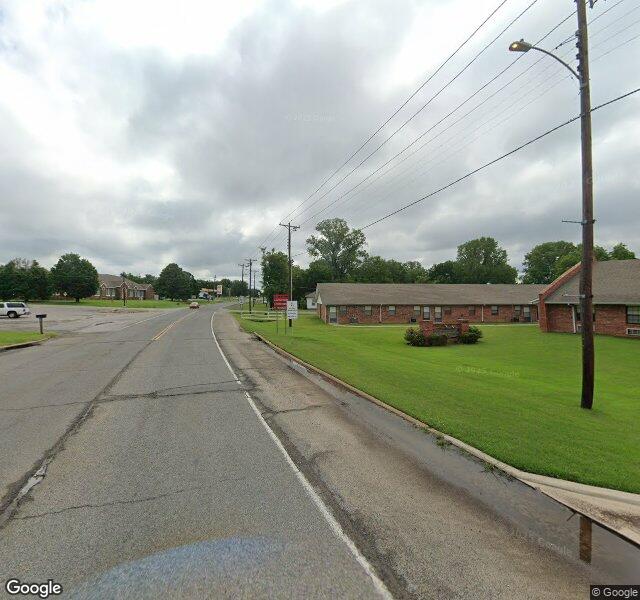
How Does Fort Gibson Care & Rehab Center Compare to Other Oklahoma Nursing Homes?

Compared to the 100 nursing homes in Oklahoma, FORT GIBSON CARE & REHAB CENTER's overall rating (2 stars) is below the state average of 2.6 and health inspection rating (3 stars) is at the national benchmark.

What Should Families Ask When Visiting Fort Gibson Care & Rehab Center?

Based on this facility's data, families visiting should ask: "Can you walk me through typical staffing levels on day, evening, and night shifts?" "Can I visit during a mealtime to observe dining assistance and food quality?" "How do you handle medical emergencies, and what is your hospital transfer rate?" "Can I speak with family members of current residents about their experience?" These questions are particularly relevant given the below-average staffing rating.

Is Fort Gibson Care & Rehab Center Safe?

Based on CMS inspection data, FORT GIBSON CARE & REHAB CENTER has a clean safety record: no substantiated abuse findings (meaning no confirmed cases of resident harm), no Immediate Jeopardy citations (the most serious violation level indicating risk of serious injury or death), and is not on the Special Focus Facility watch list (a federal program monitoring the lowest-performing 1% of nursing homes). The facility has a 2-star overall rating and ranks #100 of 100 nursing homes in Oklahoma. While no facility is perfect, families should still ask about staff-to-resident ratios and recent inspection results during their visit.

Do Nurses at Fort Gibson Care & Rehab Center Stick Around?

FORT GIBSON CARE & REHAB CENTER has not reported staff turnover data to CMS. Staff turnover matters because consistent caregivers learn residents' individual needs, medications, and preferences. When staff frequently change, this institutional knowledge is lost. Families should ask the facility directly about their staff retention rates and average employee tenure.

Was Fort Gibson Care & Rehab Center Ever Fined?

FORT GIBSON CARE & REHAB CENTER has been fined $52,377 across 1 penalty action. This is above the Oklahoma average of $33,603. Fines in this range indicate compliance issues significant enough for CMS to impose meaningful financial consequences. Common causes include delayed correction of deficiencies, repeat violations, or care failures affecting resident safety. Families should ask facility leadership what changes have been made since these penalties.

Is Fort Gibson Care & Rehab Center on Any Federal Watch List?

FORT GIBSON CARE & REHAB CENTER is not on any federal watch list. The most significant is the Special Focus Facility (SFF) program, which identifies the bottom 1% of nursing homes nationally based on persistent, serious quality problems. Not being on this list means the facility has avoided the pattern of deficiencies that triggers enhanced federal oversight. This is a positive indicator, though families should still review the facility's inspection history directly.