MUSKOGEE NURSING CENTER
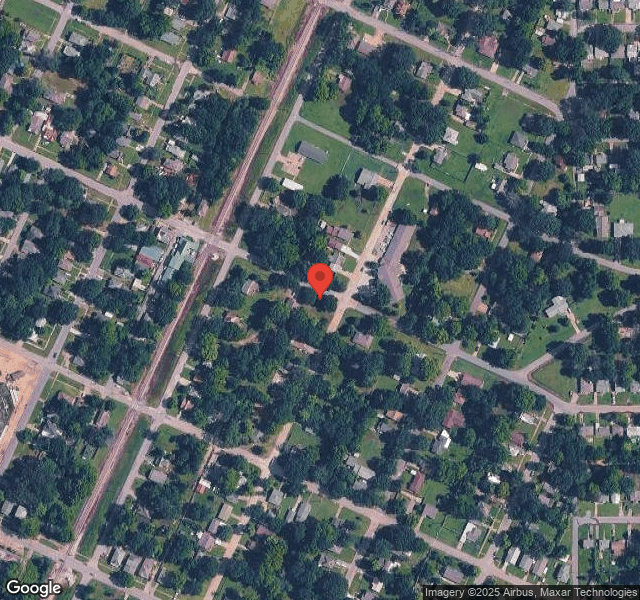

602 NORTH M STREET, MUSKOGEE, OK 74403 (918) 682-9232
For profit - Individual 58 Beds Independent Data: November 2025
Trust Grade
65/100
#121 of 282 in OK
Last Inspection: January 2025

Within standard 12-15 month inspection cycle. Federal law requires annual inspections.

Overview

Muskogee Nursing Center has a Trust Grade of C+, which means it is slightly above average but not particularly outstanding. It ranks #121 out of 282 facilities in Oklahoma, placing it in the top half, and #4 out of 10 in Muskogee County, indicating only three local options are better. However, the facility is worsening in terms of issues reported, increasing from 2 in 2023 to 7 in 2025. Staffing is a concern, rated at 2 out of 5 stars, but with a very low turnover rate of 0%, which is much better than the state average. The center has faced $38,066 in fines, which is higher than 89% of Oklahoma facilities, suggesting ongoing compliance issues. There are specific incidents of concern, including failure to accurately report staffing data to CMS and not ensuring that skilled nursing forms included required information for residents. Additionally, the facility did not adequately verify that licensed nurses were competent in their roles, which raises questions about the care provided. Overall, while there are strengths in staff retention, the facility has notable weaknesses that families should carefully consider.

Trust Score
C+
65/100
In Oklahoma
#121/282
Top 42%
Safety Record
Low Risk
No red flags
Inspections
Getting Worse
2 → 7 violations
Staff Stability
○ Average
Turnover data not reported for this facility.
Penalties
✓ Good
$38,066 in fines. Lower than most Oklahoma facilities. Relatively clean record.
Skilled Nurses
⚠ Watch
Each resident gets only 19 minutes of Registered Nurse (RN) attention daily — below average for Oklahoma. Fewer RN minutes means fewer trained eyes watching for problems.
Violations
⚠ Watch
11 deficiencies on record. Higher than average. Multiple issues found across inspections.
★★★☆☆
3.0
Overall Rating
★★☆☆☆
2.0
Staff Levels
★★★☆☆
3.0
Care Quality
★★★☆☆
3.0
Inspection Score
Stable
2023: 2 issues
2025: 7 issues

The Good

  • Full Sprinkler Coverage · Fire safety systems throughout facility
  • No fines on record

Facility shows strength in fire safety.

The Bad

3-Star Overall Rating

Near Oklahoma average (2.6)

Meets federal standards, typical of most facilities

Federal Fines: $38,066

Above median ($33,413)

Moderate penalties - review what triggered them

The Ugly 11 deficiencies on record

Jan 2025 7 deficiencies
CONCERN (D) 📢 Someone Reported This

A family member, employee, or ombudsman was alarmed enough to file a formal complaint

Potential for Harm - no one hurt, but risky conditions existed

Deficiency F0698 (Tag F0698)

Could have caused harm · This affected 1 resident

Based on record review and interview, the facility failed to ensure dialysis communication forms were consistently filled out for one (#21) of one sampled resident reviewed for dialysis. The administr...

Read full inspector narrative →
Based on record review and interview, the facility failed to ensure dialysis communication forms were consistently filled out for one (#21) of one sampled resident reviewed for dialysis. The administrator reported three residents in the facility received dialysis services. Findings: A Nursing Home Dialysis Transfer Agreement, signed 01/21/14, read in part, Facility shall ensure that all appropriate medical, social, administrative, and other information accompany all designated residents at the time of transfer to center. Resident #21 had diagnoses which included end stage renal disease. A physician's order, dated 11/03/21, documented Resident #21 was to receive dialysis every Tuesday, Thursday, and Saturday. Resident #21's 2024 TARs documented they had been transported to dialysis 13 times in November and 13 times in December. Out of 26 opportunities, the resident's health record contained five dialysis communication forms. On 01/08/25 at 9:41 a.m., LPN#1 stated the nurse on duty should ensure a dialysis communication form was sent with the resident to dialysis. They stated once the resident returned from dialysis the form should be given to the business office manage to place in the resident's chart. On 01/08/25 at 10:01 a.m., the business office manager stated the forms do not always make it back from dialysis with the resident. On 01/08/25 at 11:30 a.m., the administrator stated the facility needed to ensure the communication forms made it back to the facility.
CONCERN (D) 📢 Someone Reported This

A family member, employee, or ombudsman was alarmed enough to file a formal complaint

Potential for Harm - no one hurt, but risky conditions existed

Laboratory Services (Tag F0770)

Could have caused harm · This affected 1 resident

Based on record review and interview, the facility failed to ensure a resident with a diagnosis of diabetes and received routine insulin had an HgbA1C lab collected as ordered by a physician for one (...

Read full inspector narrative →
Based on record review and interview, the facility failed to ensure a resident with a diagnosis of diabetes and received routine insulin had an HgbA1C lab collected as ordered by a physician for one (#22) of five sampled residents reviewed for unnecessary medications. The DON stated 23 residents at the facility have physician routine orders for HgbA1C tests. Findings: Resident #22 had diagnoses which included type two diabetes. A physician's order, dated 08/12/19, documented Resident #22 was to have HgbA1C labs drawn each January, April, July, and October. A review of the resident's EHR revealed no documentation the resident's HgbA1C had been collected since July 2024. On 01/07/25 at 9:45 a.m., the infection preventionist stated in October 2024 the facility's QA committee had identified through their quality assurance program the HgbA1C labs for Resident #22 had not been done. They were asked since the discovery, how many times had the resident's lab been checked. The infection preventionist stated they had not been checked since identified by the QA committee. They stated the HgbA1C was important to get an accurate measurement of the resident's blood sugar levels and would they would contact the physician for an order to obtain the lab now. On 01/08/25 at 8:49 a.m., the DON stated all lab work needed to be completed as ordered so the providers could make informed decisions about care.
CONCERN (D)

Potential for Harm - no one hurt, but risky conditions existed

Deficiency F0865 (Tag F0865)

Could have caused harm · This affected 1 resident

Based on record review and interview, the facility failed to ensure lab work identified by the QA committee as not having been done was collected once the omission was identified for one (#22) of five...

Read full inspector narrative →
Based on record review and interview, the facility failed to ensure lab work identified by the QA committee as not having been done was collected once the omission was identified for one (#22) of five sampled residents reviewed for unnecessary medications. A facility document titled All Residents, dated 01/06/25, documented 38 residents resided at the facility. Findings: An active physician's order, dated 08/12/19, documented Resident #22 was to have HgbA1C labs drawn each January, April, July, and October. A review of the resident's EHR revealed no documentation the resident's HgbA1C had been collected since July 2024. On 01/07/25 at 9:45 a.m., the infection preventionist stated in October 2024 the QA committee, through their quality assurance program, had identified the previous DON had not been monitoring labs and Resident #22 HgbA1c had not been collected since July 2024. The infection preventionist was asked how many times the resident's labs had been collected since October 2024. They stated the labs had not been collected. They were asked how effective the facility quality assurance had been in that case. They stated it had not been effective for Resident #22. They stated they would contact the physician and get an order for the lab work to be collected.
CONCERN (E) 📢 Someone Reported This

A family member, employee, or ombudsman was alarmed enough to file a formal complaint

Potential for Harm - no one hurt, but risky conditions existed

Deficiency F0582 (Tag F0582)

Could have caused harm · This affected multiple residents

Based on record review and interview, the facility failed to ensure SNF ABN forms included the required information for two (#43 and #48) of three sampled resident reviewed for skilled services benefi...

Read full inspector narrative →
Based on record review and interview, the facility failed to ensure SNF ABN forms included the required information for two (#43 and #48) of three sampled resident reviewed for skilled services beneficiary review. The DON identified 10 residents that had discharged from part A skilled services in the previous six months to the survey. Findings: 1. A SNF ABN form for Resident #43, dated 09/20/24, was reviewed and found not to have the reasons for non-coverage and estimated cost of those services documented on the form. 2. A SNF ABN form for Resident #48, dated 12/23/24, was reviewed and found not to have the reasons for non-coverage and estimated cost of those services documented on the form. On 01/08/25 at 9:59 a.m., the infection preventionist stated they had been tasked with creating the SNF ABN forms and presenting them to the residents. They stated they were unaware the section about the reason for potential non-payment and estimated cost were required to be included on the form. They stated they understood now the information was needed for the resident and their representatives to make informed decisions about future care. On 01/08/25 at 10:32 a.m., the administrator stated they did not have a policy or procedure for the completion of the SNF ABN forms. They stated the forms were important for the residents to make decisions and should have been completed fully.
CONCERN (E) 📢 Someone Reported This

A family member, employee, or ombudsman was alarmed enough to file a formal complaint

Potential for Harm - no one hurt, but risky conditions existed

Deficiency F0726 (Tag F0726)

Could have caused harm · This affected multiple residents

Based on record review and interview, the facility failed to ensure licensed nurses were competent to perform tasks of their position by conducting a skills check and documenting the results for each ...

Read full inspector narrative →
Based on record review and interview, the facility failed to ensure licensed nurses were competent to perform tasks of their position by conducting a skills check and documenting the results for each licensed nurse. A facility employee list provided by the DON documented eight licensed nurses worked at the facility. Findings: A review of LPN #1's employee file did not reveal a skills review. On 01/08/25 at 8:56 a.m. the DON stated they had looked at LPN #1's records and did not find a skills check. They stated the former DON had stopped performing skill checks at some point and they would be restarting that process. They stated it was their expectation each licensed nurse would possess the skills to perform their duties. They stated their was no facility policy or procedures regarding skills checks. On 01/08/25 at 9:01 a.m., the administrator stated none of their current licensed nurses had a skills check in their file because the previous DON had not done them. On 01/08/25 at 9:06 a.m., the assistant administrator stated the nurses last skills check had occurred in 2021.
CONCERN (E) 📢 Someone Reported This

A family member, employee, or ombudsman was alarmed enough to file a formal complaint

Potential for Harm - no one hurt, but risky conditions existed

Infection Control (Tag F0880)

Could have caused harm · This affected multiple residents

Based on observation and interview, the facility failed to: a. implement an enhanced barrier precaution policy to prevent the spread of multidrug-resistant organisms; and b. ensure a licensed practica...

Read full inspector narrative →
Based on observation and interview, the facility failed to: a. implement an enhanced barrier precaution policy to prevent the spread of multidrug-resistant organisms; and b. ensure a licensed practical nurse performed hand hygiene during tracheostomy care for one (#36) of one sampled resident reviewed for tracheostomy care. The administrator reported the census in the facility was 38 and one resident had a tracheostomy. Findings: 1. On 01/06/25 at 8:45 a.m., a tour of the facility was conducted. No signage was noted indicating enhanced barrier precautions were in place to protect at risk residents. On 01/07/25 at 12:42 p.m., CNA #1 stated the facility did not use EBP. On 01/07/25 at 12:45 p.m., CNA #2 stated they were not familiar with EBP. On 01/08/25 at 09:41 a.m., LPN #1 stated the facility was in the process of implementing enhanced barrier precautions. On 01/08/25 at 10:35 a.m., the infection preventionist stated they are currently not using EBP. b. A facility Trach policy, dated 11/05/24, read in part, Cleaning A Non Disposable Inner Cannula 1. Prepare supplies before cleaning inner cannula. a. Open tracheostomy care kit with supplies. b. Cleanse trach site with 15 ml of normal saline with 5 ml of hydrogen peroxide. c. May open extra splint gauze sponges. 2. DON disposable gloves 3. Remove oxygen source if one is present. 4. Gently remove inner cannula, remove gloves and discard 5. Disposable replacement inner cannula, release lock gently remove inner cannula, Replace with appropriate sized new cannula. Engage lock on inner cannula. 6. Suction outer cannula using sterile and or clean technique. 7. Replace inner cannula into outer cannula reapply oxygen source if needed. A facility Addendum to Trach Cleaning policy, read in part, Procedure: Wash your hands, Set up equipment/trach care kit onto pre cleaned area, [NAME] gloves, Place hydrogen peroxide/sterile water solution into bowl/compartment; Place sterile water into second bowl or compartment, Remove inner cannula while holding the neck plate of trach still, Place inner cannula in peroxide/sterile water solution and soak until crust or mucus plugs are softened or removed, Use the brush or pipe cleaners to clean inside, outside, and the creases of the tube, Look inside the inner cannula to make sure it is clean and clear of mucus, Rinse tube in saline or sterile water, Reinsert into trach while holding neck plate still, Turn the inner cannula until it locks into position, and Double check the locking by pulling the inner cannula forward gently. On 01/08/25 at 8:31 a.m., LPN #1 was observed performing tracheostomy care to Resident #36. LPN #1 was observed to have prepared the material necessary for the care then don gloves. They were not observed cleaning their hands prior to donning the gloves. LPN #1 was observed removing the tracheostomy tubing from the resident and placing it on a clean surface. They then prepared a cleaning solution, applied the solution to gauze, then cleaned around the ostomy site. They discarded the gauze then repeated with new gauze. They then discarded that gauze and began cleaning the tracheostomy tubing. They then placed the tubing into the resident's tracheostomy site and secured it. They then placed a bandage around the tubing on the resident's neck. LPN #1 then removed their gloves they had put on at the beginning of the care. On 01/08/25 at 8:40 a.m., LPN #1 was asked how they thought the care had gone. They stated they believed it had gone well. They were asked how many times during the care did they change their gloves. They stated they had not and should have done so between the dirty and clean steps. They stated they had been nervous. On 01/08/25 at 8:49 a.m., the DON stated they were surprised by LPN #1's performance during the tracheostomy care. They stated it was their expectation the nurses understand the importance of not passing infections and using personal protective equipment. They stated they would be having training with LPN #1 on these issues.
CONCERN (F)

Potential for Harm - no one hurt, but risky conditions existed

Staffing Data (Tag F0851)

Could have caused harm · This affected most or all residents

Based on record review and interview, the facility failed to ensure accurate staffing information for the PBJ reports was provided to CMS for the fourth quarter of 2024. A facility document titled All...

Read full inspector narrative →
Based on record review and interview, the facility failed to ensure accurate staffing information for the PBJ reports was provided to CMS for the fourth quarter of 2024. A facility document titled All Residents, dated 01/06/25, documented 38 residents resided at the facility. Findings: A CMS PBJ Staffing Data Report dated 07/01/24 through 09/30/24, documented the facility had not provided the required RN coverage or licensed nurse coverage for the quarter of 2024. A review of the facility daily staffing reports for the fourth quarter of 2024 revealed the facility had been adequately staffed for RN coverage, licensed nurse coverage, and weekend staffing. On 01/08/25 at 10:14 a.m., the administrator stated the information submitted was not accurate and the person who had entered the data had erroneously submitted incorrect information at another one of their facilities on another occasion. On 01/08/25 at 10:32 a.m., the administrator stated they had not been aware the wrong information had been submitted. They stated the employee who had entered the data had recently been let go because they had done the same thing at another facility. They stated the facility did not have a policy or procedure for the entry of PBJ report data.
Nov 2023 2 deficiencies
CONCERN (D)

Potential for Harm - no one hurt, but risky conditions existed

Food Safety (Tag F0812)

Could have caused harm · This affected 1 resident

Based on observation, record review, and interview, the facility failed to ensure staff wore hair nets and beard guards while in the kitchen. The CDM identified 33 residents received services from the...

Read full inspector narrative →
Based on observation, record review, and interview, the facility failed to ensure staff wore hair nets and beard guards while in the kitchen. The CDM identified 33 residents received services from the kitchen. She identified one resident who solely received nutrition and hydration through a peg tube. Findings: A Personnel Standards policy, undated, read in part, .The following standards have been adopted by the dietary department .Hair nets, covering all of the hair, must be worn at all times while on duty .Facial hair must be covered with a beard guard . On 11/14/23 at 11:22 a.m., [NAME] #1 was observed with very short hair on their head and the bottom half of their face. They were not observed to have a hair net or beard guard on. On 11/14/23 at 11:48 a.m., DA #1 was observed in the kitchen with longer facial hair observed from side burn to side burn, covering chin, and above top lip. They were not observed to wear a beard guard. On 11/14/23 at 12:00 p.m., [NAME] #1 and DA #1 were observed assisting with plating lunch and covering trays for delivery. Neither staff were observed wearing a beard guard, and cook was not observed to wear a hair net. On 11/15/23 at 3:18 p.m., DA #1 was observed in the kitchen without a hair net or beard guard. They were observed filling a resident's pitcher. DA #1 alerted CDM the surveyor was at the door. DA #1 was observed to obtain and don a hairnet. On 11/15/23 at 3:19 p.m., the CDM was asked what the policy was regarding staff and hair nets. She stated, We all wear our hair nets. She stated, We have to wear them to come in the kitchen. She was asked what the policy was for wearing beard guards. She stated, Yeah, if they have a beard they are suppose to wear one. She was asked if any of the kitchen staff had a beard. The CDM stated, No. She was asked if DA #1 had a beard. The CDM was observed to look at DA #1 and stated the DA #1 had one. DA #1 was observed to grab another hair net. The CDM stated DA #1 was putting one on.
CONCERN (D)

Potential for Harm - no one hurt, but risky conditions existed

Infection Control (Tag F0880)

Could have caused harm · This affected 1 resident

Based on record review and interview, the facility failed to update COVID-19 Policy and Procedures at least annually. The Administrator reported there were 34 residents residing in the facility. Findi...

Read full inspector narrative →
Based on record review and interview, the facility failed to update COVID-19 Policy and Procedures at least annually. The Administrator reported there were 34 residents residing in the facility. Findings: A COVID-19 Policy and Procedure, revised 12/23/20, stated in parts, .Staff will have their temperature checked 3 times per shift .Dietary staff to wear mask while in kitchen .Nurse's to wear N95 mask while completing breathing treatments .Facility will obtain and record temperatures on all residents qshift .Residents are to be encouraged to stay in their rooms .Residents are to wear face mask anytime they come out of their room . On 11/16/23 at 9:00 a.m., the Administrator stated the above practices documented in their current COVID-19 policy and procedures were no longer in effect and acknowledged the policy had not been updated at least annually.
Oct 2022 2 deficiencies
CONCERN (D)

Potential for Harm - no one hurt, but risky conditions existed

Pressure Ulcer Prevention (Tag F0686)

Could have caused harm · This affected 1 resident

Based on record review, observation, and interview, the facility failed to conduct routine pressure ulcer assessments, follow physician orders for pressure ulcer treatment, and update the care plan fo...

Read full inspector narrative →
Based on record review, observation, and interview, the facility failed to conduct routine pressure ulcer assessments, follow physician orders for pressure ulcer treatment, and update the care plan for one (#15) of two residents sampled for pressure ulcers. The Resident Census and Conditions of Residents form documented one resident with pressure ulcers. Findings: Res #15's significant change assessment, dated 08/13/22, documented the resident's cognition was moderately impaired, required extensive assistance with ADLs, and had no pressure ulcers. A nurse note, dated 09/06/22, documented the resident had a fluid filled blister to the left heel measuring 2.0 x 4.5 cm. The note documented an order to cleanse the area with wound wash, pat dry, and spray area with skin prep BID until resolved. A physician order, dated 10/05/22, documented to discontinue skin prep and apply Allevyn dressing to left heel and leave in place for seven days. The TAR documented the skin prep treatment was continued after the physician order documented to discontinue the treatment. The TAR did not document the order for the Allevyn dressing. The resident's EHR was reviewed and there were no pressure ulcer assessments for over five weeks from the dates of 09/06/22 until 10/13/22. The wound assessment, dated 10/13/22, documented a pressure ulcer on the left heel measured 2.0 x 0.9 cm and had a Allevyn dressing in place. The wound assessment, dated 10/20/22, documented a pressure ulcer on the left heel measured 1.0 x 0.7 cm and had a Allevyn dressing in place. On 10/26/22 at 4:20 p.m., the resident was lying on an air mattress and the resident's left heel was observed to have an Allevyn dressing. The care plan had not been updated with the new pressure ulcer and interventions to included the physician orders, air bed, and heel protectors. On 10/28/22 at 9:55 a.m., LPN #1 was observed providing wound care to the resident's left heel. There was no dressing in place. The pressure ulcer was open, approximately nickel size, and had serosanguinous drainage on the gauge when the wound was cleaned. The LPN applied skin prep to the pressure ulcer and surrounding area. The LPN stated she had no knowledge of the order for the Allevyn dressing. On 10/28/22 at 3:33 p.m., the DON stated the order for the Allevyn dressing did not make it into the resident's EHR. She stated the skin assessments should have been completed weekly and the care plan should have been updated.
MINOR (C)

Minor Issue - procedural, no safety impact

Staffing Data (Tag F0851)

Minor procedural issue · This affected most or all residents

Based on record review and interview, the facility failed to submit direct care staffing data to CMS at any time in the past. The Resident Census and Conditions of Residents form documented 33 reside...

Read full inspector narrative →
Based on record review and interview, the facility failed to submit direct care staffing data to CMS at any time in the past. The Resident Census and Conditions of Residents form documented 33 residents resided in the facility. Findings: The CMS PBJ Staffing Data Report, for quarter three of 2022, documented no data was submitted for the quarter. On 10/27/22 at 9:03 a.m., the vice president of operations stated the facility had never submitted PBJ data. She stated they had contacted their payroll company recently to start submitting the required data.
Understanding Severity Codes (click to expand)
Life-Threatening (Immediate Jeopardy)
J - Isolated K - Pattern L - Widespread
Actual Harm
G - Isolated H - Pattern I - Widespread
Potential for Harm
D - Isolated E - Pattern F - Widespread
No Harm (Minor)
A - Isolated B - Pattern C - Widespread

Questions to Ask on Your Visit

  • "Can I speak with families of current residents?"
  • "What's your RN coverage like on weekends and overnight?"

Our Honest Assessment

Strengths
  • • No major safety red flags. No abuse findings, life-threatening violations, or SFF status.
Concerns
  • • 11 deficiencies on record. Higher than average. Multiple issues found across inspections.
  • • $38,066 in fines. Higher than 94% of Oklahoma facilities, suggesting repeated compliance issues.
Bottom line: Mixed indicators with Trust Score of 65/100. Visit in person and ask pointed questions.

About This Facility

What is Muskogee Nursing Center's CMS Rating?

CMS assigns MUSKOGEE NURSING CENTER an overall rating of 3 out of 5 stars, which is considered average nationally. Within Oklahoma, this rating places the facility higher than 99% of the state's 100 nursing homes. This mid-range rating indicates the facility meets federal standards but may have areas for improvement.

How is Muskogee Nursing Center Staffed?

CMS rates MUSKOGEE NURSING CENTER's staffing level at 2 out of 5 stars, which is below average compared to other nursing homes.

What Have Inspectors Found at Muskogee Nursing Center?

State health inspectors documented 11 deficiencies at MUSKOGEE NURSING CENTER during 2022 to 2025. These included: 10 with potential for harm and 1 minor or isolated issues.

Who Owns and Operates Muskogee Nursing Center?

MUSKOGEE NURSING CENTER is owned by a for-profit company. For-profit facilities operate as businesses with obligations to shareholders or private owners. The facility operates independently rather than as part of a larger chain. With 58 certified beds and approximately 41 residents (about 71% occupancy), it is a smaller facility located in MUSKOGEE, Oklahoma.

How Does Muskogee Nursing Center Compare to Other Oklahoma Nursing Homes?

Compared to the 100 nursing homes in Oklahoma, MUSKOGEE NURSING CENTER's overall rating (3 stars) is above the state average of 2.6 and health inspection rating (3 stars) is at the national benchmark.

What Should Families Ask When Visiting Muskogee Nursing Center?

Based on this facility's data, families visiting should ask: "Can you walk me through typical staffing levels on day, evening, and night shifts?" "Can I visit during a mealtime to observe dining assistance and food quality?" "How do you handle medical emergencies, and what is your hospital transfer rate?" "Can I speak with family members of current residents about their experience?" These questions are particularly relevant given the below-average staffing rating.

Is Muskogee Nursing Center Safe?

Based on CMS inspection data, MUSKOGEE NURSING CENTER has a clean safety record: no substantiated abuse findings (meaning no confirmed cases of resident harm), no Immediate Jeopardy citations (the most serious violation level indicating risk of serious injury or death), and is not on the Special Focus Facility watch list (a federal program monitoring the lowest-performing 1% of nursing homes). The facility has a 3-star overall rating and ranks #1 of 100 nursing homes in Oklahoma. While no facility is perfect, families should still ask about staff-to-resident ratios and recent inspection results during their visit.

Do Nurses at Muskogee Nursing Center Stick Around?

MUSKOGEE NURSING CENTER has not reported staff turnover data to CMS. Staff turnover matters because consistent caregivers learn residents' individual needs, medications, and preferences. When staff frequently change, this institutional knowledge is lost. Families should ask the facility directly about their staff retention rates and average employee tenure.

Was Muskogee Nursing Center Ever Fined?

MUSKOGEE NURSING CENTER has been fined $38,066 across 5 penalty actions. The Oklahoma average is $33,460. While any fine indicates a compliance issue, fines under $50,000 are relatively common and typically reflect isolated problems that were subsequently corrected. Families should ask what specific issues led to these fines and confirm they've been resolved.

Is Muskogee Nursing Center on Any Federal Watch List?

MUSKOGEE NURSING CENTER is not on any federal watch list. The most significant is the Special Focus Facility (SFF) program, which identifies the bottom 1% of nursing homes nationally based on persistent, serious quality problems. Not being on this list means the facility has avoided the pattern of deficiencies that triggers enhanced federal oversight. This is a positive indicator, though families should still review the facility's inspection history directly.