GLENWOOD SKILLED NURSING AND THERAPY
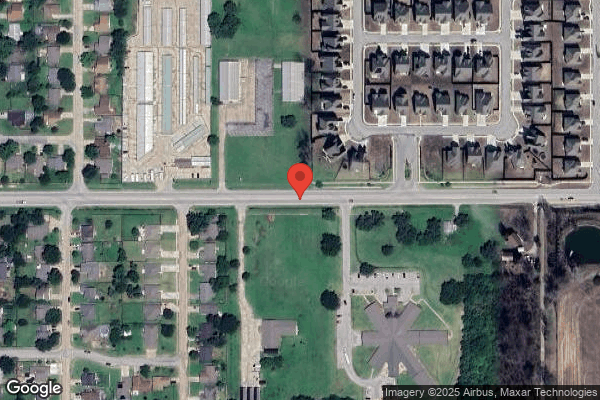
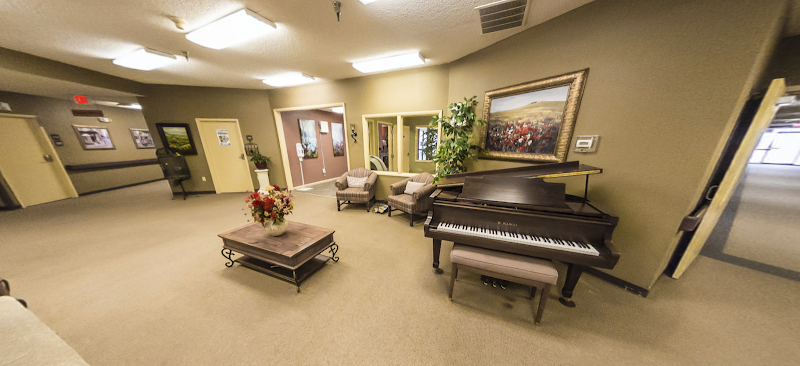
1700 EAST 141ST STREET, GLENPOOL, OK 74033 (918) 291-4230
For profit - Partnership 119 Beds BRIDGES HEALTH Data: November 2025
Trust Grade
53/100
#107 of 282 in OK
Last Inspection: March 2024

Within standard 12-15 month inspection cycle. Federal law requires annual inspections.

Overview

Glenwood Skilled Nursing and Therapy has received a Trust Grade of C, which means it is average and sits in the middle of the pack compared to other facilities. It ranks #107 out of 282 facilities in Oklahoma, placing it in the top half, and #11 out of 33 in Tulsa County, indicating that there are only a few local options that are better. However, the facility's trend is worsening, with the number of issues increasing from 6 in 2023 to 9 in 2024. Staffing is a relative strength with a rating of 4 out of 5 stars, but the turnover rate of 69% is concerning as it is above the state average of 55%. While the RN coverage is good, exceeding 90% of state facilities, the facility has faced $7,713 in fines, which is average. Specific incidents include a serious case where a resident with cognitive impairments was left outside for an extended period and suffered from heat stroke, indicating a failure in supervision. Additionally, there are concerns about cleanliness, with stained carpets throughout the facility that detract from a homelike environment. Lastly, there have been issues with residents not receiving their promised bathing assistance, raising concerns about personal care. Overall, while there are strengths in staffing and RN coverage, the facility has significant areas needing improvement.

Trust Score
C
53/100
In Oklahoma
#107/282
Top 37%
Safety Record
Moderate
Needs review
Inspections
Getting Worse
6 → 9 violations
Staff Stability
⚠ Watch
69% turnover. Above average. Higher turnover means staff may not know residents' routines.
Penalties
✓ Good
$7,713 in fines. Lower than most Oklahoma facilities. Relatively clean record.
Skilled Nurses
○ Average
Each resident gets 30 minutes of Registered Nurse (RN) attention daily — about average for Oklahoma. RNs are the most trained staff who monitor for health changes.
Violations
⚠ Watch
17 deficiencies on record. Higher than average. Multiple issues found across inspections.
★★★☆☆
3.0
Overall Rating
★★★★☆
4.0
Staff Levels
★★☆☆☆
2.0
Care Quality
★★★☆☆
3.0
Inspection Score
Stable
2023: 6 issues
2024: 9 issues

The Good

  • 4-Star Staffing Rating · Above-average nurse staffing levels
  • Full Sprinkler Coverage · Fire safety systems throughout facility
  • No fines on record

Facility shows strength in staffing levels, fire safety.

The Bad

3-Star Overall Rating

Near Oklahoma average (2.6)

Meets federal standards, typical of most facilities

Staff Turnover: 69%

23pts above Oklahoma avg (46%)

Frequent staff changes - ask about care continuity

Federal Fines: $7,713

Below median ($33,413)

Minor penalties assessed

Chain: BRIDGES HEALTH

Part of a multi-facility chain

Ask about local staffing decisions and management

Staff turnover is elevated (69%)

21 points above Oklahoma average of 48%

The Ugly 17 deficiencies on record

1 actual harm
Mar 2024 7 deficiencies
CONCERN (D)

Potential for Harm - no one hurt, but risky conditions existed

Resident Rights (Tag F0550)

Could have caused harm · This affected 1 resident

**NOTE- TERMS IN BRACKETS HAVE BEEN EDITED TO PROTECT CONFIDENTIALITY** 2. Resident #33 had diagnoses which included diabetes mellitus and hypertension. A quarterly assessment, dated 12/21/23, documen...

Read full inspector narrative →
**NOTE- TERMS IN BRACKETS HAVE BEEN EDITED TO PROTECT CONFIDENTIALITY** 2. Resident #33 had diagnoses which included diabetes mellitus and hypertension. A quarterly assessment, dated 12/21/23, documented the resident was cognitively intact and required moderate assistance with personal hygiene. On 03/11/24 at 12:10 p.m., Resident #33 was observed in bed, the resident had several ½ inch diameter pieces of what appeared to be biscuits stuck in their beard. They also had small white flakes in their hair which appeared greasy. Resident #33 had food debris on their shirt and reported they seldom got to take a shower and often had to wait long periods of time for assistance. The resident also reported they had not been provided incontinent care since 7:00 p.m. last night. On 03/13/24 at 09:24 a.m., Resident #33 was observed in the hallway, they had small crumbs in their beard and food debris in their lap. The resident's shirt was soiled. On 03/13/24 at 9:45 a.m., CNA #1 reported there were not always enough staff to give showers as ordered. On 03/13/24 at 10:00 a.m., CNA #2 reported sometimes they were unable to finish all the showers they were supposed to. On 03/13/24 at 10:15 a.m., CNA #3 stated that sometimes they stayed late to complete showers, but sometimes they cannot stay late, and showers were not completed. On 03/14/24 at 09:20 a.m., Resident #33 was observed in bed. The resident appeared to be wearing the same soiled shirt from yesterday, the resident also had food debris in their beard on their bed. The resident's wheelchair cushion was covered with food debris. On 03/14/24 at 1:24 p.m., the resident stated they did not feel like they were treated with dignity by the facility staff. On 03/14/24 at 1:54 p.m., LPN #1 stated they are having staffing issues and they do not always have time to provide personal care as timely as they would like. On 03/14/24 at 2:37 p.m., the DON stated the ADON was responsible for ensuring that showers were being completed and that the nursing staff should ensure the residents personal needs were being met. Based on observation and interview, the facility failed to ensure dignity for two (#33 and # 187) of three residents sampled for dignity. The DON identified 72 residents resided at the facility. Findings: 1. Resident #178 was admitted with diagnoses which included diarrhea. On 03/11/24 at 11:31 a.m., the call light for room [ROOM NUMBER] was sounding. On 03/11/24 at 11:36 a.m., the call light for room [ROOM NUMBER] was still sounding. On 03/11/24 at 11:38 a.m., a CNA from 400 hall went down 200 hall to the linen cart. The CNA was observed to not check on the call light. On 03/11/24 at 11:42 a.m., the call light for room [ROOM NUMBER] began sounding and room [ROOM NUMBER] call light continued to sound. Two nurses were observed to be at the nurse's station. One nurse left the station and walked down 400 hall, then walked down 600 hall. On 03/11/24 at 11:46 a.m., the wound nurse was observed on 200 hall at their cart. The call light for room [ROOM NUMBER] was observed to be sounding. On 03/11/24 at 11:48 a.m., the staffing board was observed to document CNA #4 was assigned to 200 hall. CNA #4 was observed to be serving in the dining room. The call lights on 200 hall were observed to be unanswered. On 03/11/24 at 1:39 p.m., Resident #178 stated their call had not been answered. The call light was observed to be lit up outside of their room. Resident #178 was observed to be wearing a hospital gown and bags of clothes were observed in the room. Resident #178 stated the bags had pajamas in them, and they did not want to wear pajamas all day, only at night. On 03/11/24 at 2:40 p.m., Resident #178 was observed to walk to the lobby with disheveled hair and wearing a hospital gown. The gown was observed to not be completely closed in the back. Multiple staff and residents were in the lobby. Resident #178 spoke with the nurse and requested pain medication. On 03/11/24 at 2:44 p.m., the nurse offered to tie their gown in the back. On 03/11/24 at 2:48 p.m., CNA #3 walked the resident to their room. On 03/14/24 at 2:46 p.m., the DON stated the personal needs of Resident #178 should be met by answering call lights and providing care needs.
CONCERN (D)

Potential for Harm - no one hurt, but risky conditions existed

Deficiency F0657 (Tag F0657)

Could have caused harm · This affected 1 resident

Based on observation, record review, and interview, the facility failed to ensure the Resident was included in the development of the care plan for one (#37) of one reviewed for care planning. The DON...

Read full inspector narrative →
Based on observation, record review, and interview, the facility failed to ensure the Resident was included in the development of the care plan for one (#37) of one reviewed for care planning. The DON identified 72 residents who resided at the facility. Findings: Resident #37 admitted with diagnoses which included cerebral vascular accident. Review of Progress Notes, revealed documentation that the resident agreed with the plan of care but no documentation Resident #37 was involved in a meeting regarding the total overall plan of care during the resident's stay with expectation of outcomes or discharge expectations. On 03/11/24 at 10:55 a.m., Resident #37 stated the facility did not have a care plan meeting with the resident, but they may have with their representative. On 03/13/24 at 9:07 a.m., the representative of Resident #37 was contact. The representative stated they had received a booklet and a tour before Resident #37 was admitted but no meeting had taken place after Resident #37 was admitted to the facility. On 03/13/24 at 11:15 a.m., the MDS coordinator #1 stated they had completed the care plan for Resident #37. They stated they talked to the family/resident representative within a week after the admission. The MDS coordinator #1 stated they did not document the conversation or the day and time of the conversation. They left to find documentation of the conversation. On 03/13/24 at 12:09 p.m., the MDS coordinator #1 returned with a copy of their checklist, written on the checklist were the words representative/res. They stated they spoke with Resident #37 when they had completed the admission assessment. The MDS coordinator #1 stated a meeting had not been conducted to discuss the expectations of the resident and staff, or the expected outcome of the care provided by the end of Resident #37's skilled stay. They stated there was not signature page for everyone involved in the care plan.
CONCERN (E)

Potential for Harm - no one hurt, but risky conditions existed

Safe Environment (Tag F0584)

Could have caused harm · This affected multiple residents

Based on observation, record review, and interview, the facility failed to ensure a homelike environment by providing clean, unstained carpeting throughout the facility. The DON identified 72 resident...

Read full inspector narrative →
Based on observation, record review, and interview, the facility failed to ensure a homelike environment by providing clean, unstained carpeting throughout the facility. The DON identified 72 residents who resided at the facility. Findings: A Service Summary & Invoice, dated 09/07/23, documented commercial carpert cleaning was completed. This was the only invoice provided by the facility. On 03/13/24 at 7:04 a.m., a female housekeeper was observed to clean/vaccuum the carpet, the carpet remained stained. On 03/14/24 at 11:20 a.m., the carpet in the entry way and halls was observed to with multiple stained areas. The stains were observed in all the hallways. The carpet was observed to be worn down in areas of high traffic. On 03/14/24 at 11:20 a.m., the administrator stated they wished the carpet could be replaced. They stated the carpet was professionally cleaned every 6 months, and the carpet is swept daily, but the stains just come right back. They stated the carpet does not look good, it looks dirty.
CONCERN (E) 📢 Someone Reported This

A family member, employee, or ombudsman was alarmed enough to file a formal complaint

Potential for Harm - no one hurt, but risky conditions existed

ADL Care (Tag F0677)

Could have caused harm · This affected multiple residents

4. Resident #27 had diagnoses which included hypertension and osteoarthritis. A care plan, dated 05/05/22, documented the resident preferred showering daily in the morning or afternoon. A quarterly as...

Read full inspector narrative →
4. Resident #27 had diagnoses which included hypertension and osteoarthritis. A care plan, dated 05/05/22, documented the resident preferred showering daily in the morning or afternoon. A quarterly assessment, dated 1/10/24, indicated the resident was cognitively intact and required moderate assistance with bathing. The task section of the health record documented the resident is to receive a shower daily. A review of bathing documentation, dated 01/28/24 through 02/27/24, documented the resident received or refused 8 showers out of 32 opportunities. 5. Resident #33 had diagnoses which included diabetes mellitus and hypertension. A care plan, dated 12/21/20, documented the resident was dependent on staff for bathing. A quarterly assessment, dated 12/21/23, documented the resident was cognitively intact and required moderate assistance from staff for personal hygiene. The task section of the health record documented the resident is to receive a shower twice a week and as needed. A review of bathing documentation, dated 01/31/24 through 02/26/24, documented the resident received two showers out of six opportunities. On 03/13/24 at 9:45 a.m., CNA #1 reported there is not always enough staff to give showers as ordered. On 03/13/24 at 10:00 a.m., CNA #2 reported sometimes they are unable to finish all the showers they are supposed to. On 03/13/24 at 10:15 a.m., CNA #3 stated that sometimes they stay late to complete showers, but sometimes they cannot stay late, and showers were not done. On 03/14/24 at 1:54 p.m., LPN #1 stated they are having staffing issues and they do not always provide personal care as timely as they would like. On 03/14/24 at 2:37 p.m., the DON stated the ADON was responsible for ensuring that showers were being completed and that the nursing staff should ensure the residents personal needs were being met. 6. Resident #42 admitted with diagnoses which included diabetes. Review of tasks for showers revealed Resident #42 was to receive two showers a week and as needed. The task documentation for showers documented Resident #42 had received no showers since admission. To date Resident #42 should have received four showers in February and four showers in March. On 03/14/24, the DON stated the showers were a daily task for the ADON to monitor by pulling the POC charting reports under tasks. The DON stated Resident #42 had one bath sheet for one bath completed. The DON stated they would have to investigate as to why Resident #42 had only received one shower. They stated the facility had recently lost their shower aide to another sister facility and the staff had put the showers on the back burner. Based on observation, interview, and record review, the facility failed to ensure baths were provided as scheduled for six (#6, 14, 65, 27, 33, and #42) of seven residents reviewed for activities of daily living. The DON identified 72 residents who resided at the facility. Findings: 1. Resident #6 admitted with diagnoses which included vascular dementia, cervical disc disorder, and barretts esophagus. Review of the task documentation for the previous 30 days revealed one documented shower on 03/01/24, and an order for a shower three times a week and as needed. Review of bath documentation, provided by the DON, revealed for the month of January three baths were provided out of 14 opportunities. The bath documentation for February revealed no baths were given with two refusals documented out of 12 opportunities. The bath documentation for March to the date of survey revealed one bath out of six opportunities. On 03/12/24 at 11:24 a.m., Resident #6 stated it had been two weeks since they had a bath, and it was a bed bath with cold water, not warm. They stated it takes staff 30 minutes to answer the call light and then the staff act like the resident was bothering them by putting on their light. Resident #6 stated staff do not assist them with putting in their hearing aide every day and since they are bed bound, they are unable to reach the bed side table were the hearing aid is kept. Resident #6 was observed to have oily hair that was uncombed. The Care Plan for Resident #6 documented a risk for changes in their ADL status. The care plan documented Resident #6 required total assist for locomotion and did not walk. The care plan documented Resident #6 required one staff participation to reposition and turn in bed and with bathing. 2. Resident #14 admitted with diagnoses which included parkinsonism, dementia, and morbid obesity. The Care Plan, dated 01/17/24, documented Resident #14 required assistance with bathing and to provide a sponge bath when a full bath or shower cannot be tolerated. The task section of the health record documented Resident #14 was to receive a shower every other day. Baths for February were documented as one bath completed out of nine opportunities with one refusal. The March baths were documented as three baths completed out of seven opportunities. 3. Resident #65 admitted with diagnoses which included heart failure, anxiety disorder, and schizophrenia. The Care Plan, dated 03/07/24, documented Resident #65 was dependent for bathing. The task section of the health record documented Resident #65 was to receive a bath three times a week and as needed. A 30 day look back in tasks revealed one bath given on 03/01/24. The bathing documentation provided by the DON documented in February two refusals and zero baths completed out of 12 opportunities. The documentation revealed one bath in March out of six opportunities. On 03/14/24 at 2:38 p.m., the DON stated residents did not receive showers due to staff were stretched thin, and since the facility no longer had a shower aide, staff did not make bathing a priority. The DON stated the expectation was that everyone received a shower three times a week.
CONCERN (E) 📢 Someone Reported This

A family member, employee, or ombudsman was alarmed enough to file a formal complaint

Potential for Harm - no one hurt, but risky conditions existed

Deficiency F0725 (Tag F0725)

Could have caused harm · This affected multiple residents

Based on observation, record review, and interview, the facility failed to ensure sufficient staffing to meet the needs of the residents for six (#6, 14, 65, 27, 33, and #42) of seven residents review...

Read full inspector narrative →
Based on observation, record review, and interview, the facility failed to ensure sufficient staffing to meet the needs of the residents for six (#6, 14, 65, 27, 33, and #42) of seven residents reviewed for sufficient staffing. The DON identified 72 residents resided at the facility. Findings: 1. Resident #6 admitted with diagnoses which included vascular dementia, cervical disc disorder, and barretts esophagus. Review of the task documentation for the previous 30 days revealed one documented shower on 03/01/24, and an order for a shower three times a week and as needed. Review of bath documentation, provided by the DON, revealed for the month of January three baths were provided out of 14 opportunities. The bath documentation for February revealed no baths were given with two refusals documented out of 12 opportunities. The bath documentation for March to the date of survey revealed one bath out of six opportunities. On 03/12/24 at 11:24 a.m., Resident #6 stated it had been two weeks since they had a bath, and it was a bed bath with cold water, not warm. They stated it takes staff 30 minutes to answer the call light and then the staff act like the resident was bothering them by putting on their light. Resident #6 stated staff do not assist them with putting in their hearing aide every day and since they are bed bound, they are unable to reach the bed side table were the hearing aid is kept. Resident #6 was observed to have oily hair that was uncombed. The Care Plan for Resident #6 documented a risk for changes in their ADL status. The care plan documented Resident #6 required total assist for locomotion and did not walk. The care plan documented Resident #6 required one staff participation to reposition and turn in bed and with bathing. 2. Resident #14 admitted with diagnoses which included parkinsonism, dementia, and morbid obesity. The Care Plan, dated 01/17/24, documented Resident #14 required assistance with bathing and to provide a sponge bath when a full bath or shower cannot be tolerated. The task section of the health record documented Resident #14 was to receive a shower every other day. Baths for February were documented as one bath completed out of nine opportunities with one refusal. The March baths were documented as three baths completed out of seven opportunities. 3. Resident #65 admitted with diagnoses which included heart failure, anxiety disorder, and schizophrenia. The Care Plan, dated 03/07/24, documented Resident #65 was dependent for bathing. The task section of the health record documented Resident #65 was to receive a bath three times a week and as needed. A 30 day look back in tasks revealed one bath given on 03/01/24. The bathing documentation provided by the DON documented in February two refusals and zero baths completed out of 12 opportunities. The documentation revealed one bath in March out of six opportunities. On 03/14/24 at 2:38 p.m., the DON stated residents did not receive showers due to staff were stretched thin, and since the facility no longer had a shower aide, staff did not make bathing a priority. The DON stated the expectation was that everyone received a shower three times a week. 4. Resident #27 had diagnoses which included hypertension and osteoarthritis. A care plan, dated 05/05/22, documented the resident preferred showering daily in the morning or afternoon. A quarterly assessment, dated 1/10/24, indicated the resident was cognitively intact and required moderate assistance with bathing. The task section of the health record documented the resident is to receive a shower daily. A review of bathing documentation, dated 01/28/24 through 02/27/24, documented the resident received or refused 8 showers out of 32 opportunities. 5. Resident #33 had diagnoses which included diabetes mellitus and hypertension. A care plan, dated 12/21/20, documented the resident was dependent on staff for bathing. A quarterly assessment, dated 12/21/23, documented the resident was cognitively intact and required moderate assistance from staff for personal hygiene. The task section of the health record documented the resident is to receive a shower twice a week and as needed. A review of bathing documentation, dated 01/31/24 through 02/26/24, documented the resident received two showers out of six opportunities. On 03/13/24 at 9:45 a.m., CNA #1 reported there is not always enough staff to give showers as ordered. On 03/13/24 at 10:00 a.m., CNA #2 reported sometimes they are unable to finish all the showers they are supposed to. On 03/13/24 at 10:15 a.m., CNA #3 stated that sometimes they stay late to complete showers, but sometimes they cannot stay late, and showers are not done. On 03/14/24 at 1:54 p.m., LPN #1 stated they are having staffing issues and they do not always provide personal care as timely as they would like. 6. Resident #42 admitted with diagnoses which included diabetes. Review of tasks for showers revealed Resident #42 was to receive two showers a week and as needed. The task documentation for showers documented Resident #42 had received no showers since admission. To date Resident #42 should have received four showers in February and four showers in March. On 03/14/24, the DON stated the showers were a daily task for the ADON to monitor by pulling the POC charting reports under tasks. The DON stated Resident #42 had one bath sheet for one bath completed. The DON stated they would have to investigate as to why Resident #42 had only received one shower. They stated the facility had recently lost their shower aide to another sister facility and the staff had put the showers on the back burner.
CONCERN (E)

Potential for Harm - no one hurt, but risky conditions existed

Food Safety (Tag F0812)

Could have caused harm · This affected multiple residents

Based on record review, observation, and interview, the facility failed to store, prepare, and serve food in accordance with professional standards for food service safety. The MDS coordinator identif...

Read full inspector narrative →
Based on record review, observation, and interview, the facility failed to store, prepare, and serve food in accordance with professional standards for food service safety. The MDS coordinator identified 71 residents who received food from the kitchen. Findings: On 03/11/24 at 9:29 a.m., the handwashing sink was observed to be out of soap. On 03/11/24 at 9:32 a.m., the dietary manager was observed entering the kitchen without washing their hands. On 03/11/24 at 9:38 a.m., the walk-in cooler and freezer temperature logs were observed, both logs did not document temperatures had been recorded on 03/07/24, 03/08/24, 03/10/24, and 03/11/24. On 03/13/24 at 11:19 a.m., the dietary manager was observed preparing the pureed diet. The dietary manager pulled down their mask with a bare hand and then pulled the mask back up. The dietary manager pureed spaghetti for the noon meal without performing hand hygiene. They donned gloves without performing hand hygiene and measured the temperature of the pureed spaghetti. The dietary manager then wiped off the thermometer with an alcohol pad and rinsed it off in the handwashing sink. They then removed their gloves and put on another pair without performing hand hygiene. On 03/13/24 at 11:38 a.m., DA #1 was observed preparing to serve the noon meal from a steamtable in the dining room. They were observed moving trays, organizing meal tickets, touching the counter and various other surfaces with their bare hands. At 11:50 a.m. they started serving the noon meal without performing hand hygiene. On 03/14/24 at 12:45 p.m., the walk-in cooler and temperature logs were observed, the entries for 03/07/24, 03/08/24, 03/10/24 and 03/11/24 were observed to be completed. On 03/14/24 at 12:48 p.m., the dietary manager stated they had filled in the missing entries based on what the temperature usually was. They stated that the hand washing sink should always have adequate supplies and should only be used for hand washing. The dietary manager stated anyone entering the kitchen should wash their hands.
CONCERN (E)

Potential for Harm - no one hurt, but risky conditions existed

Infection Control (Tag F0880)

Could have caused harm · This affected multiple residents

Based on observation, record review, and interview, the facility failed to ensure infection control measures were followed during meal pass and medication administration regarding hand sanitation. The...

Read full inspector narrative →
Based on observation, record review, and interview, the facility failed to ensure infection control measures were followed during meal pass and medication administration regarding hand sanitation. The MDS coordinator #2 identified # residents who received meals in the dining room and # residents who received medications. Findings: On 03/11/24 at 11:49 a.m., during the noon meal, CNA #3 was observed to deliver meals to tables. CNA #3 returned for another tray and was not observed to sanitize their hands. CNA #3 was observed to obtain another tray and delivered it to another resident. CNA #3 was observed to reuse the tray for each resident they delivered meals to. The tray was not observed to be cleaned or sanitized between residents. On 03/13/24 at 6:52 a.m., during the medication administration, CMA #1, was observed to check the blood pressure of a resident in the lobby while wearing gloves. CMA #1 then poured twocal (2.0) HN into a cup, and punched out medications into their gloved hand, then placed the medications into a medication cup for Resident #53. On 03/13/24 at 7:01 a.m., CMA #1 was observed to touch the table, blood pressure cuff machine, and a resident while wearing gloves, then punched out medications into their hand and place the medications into a medication cup before administering the medications to Resident #72. On 03/13/24 at 7:17 a.m., CMA #1 was observed to wear gloves while taking the blood pressure of Resident #22, then punched out medications into their hand then into the medication cup for Resident #22. On 03/14/24 at 2:43 p.m., the DON stated they expected staff to maintain infection control during medication administration and meal pass by hand washing or using hand sanitizer between each resident during medication administration or meal pass.
Jan 2024 2 deficiencies
CONCERN (D) 📢 Someone Reported This

A family member, employee, or ombudsman was alarmed enough to file a formal complaint

Potential for Harm - no one hurt, but risky conditions existed

Notification of Changes (Tag F0580)

Could have caused harm · This affected 1 resident

Based on record review and interview, the facility failed to ensure a resident's family was notified of a change in condition/transfer to the hospital for one (#9) of three sampled residents who were ...

Read full inspector narrative →
Based on record review and interview, the facility failed to ensure a resident's family was notified of a change in condition/transfer to the hospital for one (#9) of three sampled residents who were reviewed for notification of change. The administrator identified 71 residents who resided in the facility. Findings: The Resident's Family or Physician Notification of Change Guideline policy, dated 12/01/09, read in parts, .The facility will .notify the resident's legal representative or interested family member of the following events .An accident involving the resident, that results in injury and has the potential for requiring physician intervention .A decision to transfer or discharge the resident from the facility . Resident #9 had diagnoses which included hypertension. The face sheet in the electronic health record identified three emergency contacts and phone numbers. A nurse progress note, dated 01/14/24 at 2:30 p.m., documented the resident had fallen and orders were received to transfer the resident to the emergency room. The note documented the nurse had notified the resident they were going to call their family but the resident asked them not to because they were going to notify their family themselves. The Form ODH 283, dated 01/14/24, documented the resident spoke for themself and did not want staff to contact family members. The state report documented the physician, ADON, DON, and administrator were notified of the incident. On 01/18/24 at 11:11 a.m., family member #1, for Resident #9, stated the facility had not notified the family of the fall or transfer to the hospital. On 01/18/24 at 11:21 a.m., the administrator stated they would have notified the family of the transfer to the hospital related to the fall but understood why the nurse had not made the notification since the resident was cognitively intact for daily decision making. On 01/18/24 at 3:22 p.m., the ADON stated staff were to notify the family/emergency contacts of hospitalizations even if the resident stated they would notify family members themselves.
CONCERN (D) 📢 Someone Reported This

A family member, employee, or ombudsman was alarmed enough to file a formal complaint

Potential for Harm - no one hurt, but risky conditions existed

Report Alleged Abuse (Tag F0609)

Could have caused harm · This affected 1 resident

Based on record review and interview, the facility failed to ensure allegations of resident to resident abuse were reported to the state agency within two hours for one (#4) of three sampled residents...

Read full inspector narrative →
Based on record review and interview, the facility failed to ensure allegations of resident to resident abuse were reported to the state agency within two hours for one (#4) of three sampled residents who were reviewed for abuse. The administrator identified 71 residents who resided in the facility. Findings: The Resident Abuse, Neglect and Misappropriation of Property policy, dated 11/01/22, read in parts, .Director of Nursing/Administrator do initial state report .Immediately but not later than 2 hours if the alleged violation involves abuse . Resident #4 had diagnoses which included vascular dementia. A facility incident report, dated 11/27/23 at 10:08 p.m., documented Resident #4 stated Resident #10 had struck them in the chest. The facility incident report documented the ADON had been notified of the incident on 11/27/23 at 10:49 p.m. The ODH Form 283, read in parts, .Incident date 11/27/23 .Allegations of Abuse/Mistreatment . The ODH Form 283 documented Resident #10 had struck Resident #4 in the chest with no injuries noted and was signed by the ADON. The attached fax transmission confirmation was dated 11/28/23 at 11:51 a.m. On 01/18/24 at 3:53 p.m., the ADON stated they were made aware of the resident to resident abuse allegation via text message on 11/27/23 at 11:15 p.m. but they had not seen the text until the morning of 11/28/23 and submitted the initial report to OSDH on 11/28/23 at 11:51 a.m. They stated the incident should have been reported to OSDH within 2 hours of the incident. On 01/18/24 at 4:00 p.m., the administrator stated they were to report allegations of resident to resident abuse within two hours of the incident.
Oct 2023 2 deficiencies
CONCERN (E) 📢 Someone Reported This

A family member, employee, or ombudsman was alarmed enough to file a formal complaint

Potential for Harm - no one hurt, but risky conditions existed

Incontinence Care (Tag F0690)

Could have caused harm · This affected multiple residents

Based on observation, record review, and interview, the facility failed to provide incontinent care in a manner to prevent urinary tract infections and cross contamination for two (#11 and #12) of thr...

Read full inspector narrative →
Based on observation, record review, and interview, the facility failed to provide incontinent care in a manner to prevent urinary tract infections and cross contamination for two (#11 and #12) of three sampled residents observed during incontinent care. The DON identified 16 residents who were incontinent of urine and four residents with urinary tract infections. Findings: 1. Resident #12 had diagnoses which included stroke, dementia, and diabetes. The care plan, revised 07/21/23, documented the resident was incontinent of bowel and bladder. The antibiotic/infection progress note, dated 10/08/23, documented the resident complained of burning with urination and was to receive Levaquin 500 mg daily for a urinary tract infection. On 10/10/23 at 9:16 a.m., CNA #1 was observed to provide incontinent care to Resident #12. Without performing hand hygiene, CNA #1 donned gloves and cleansed BM from the vaginal opening/groin with multiple disposable wipes fanned out across their hand. CNA #1 turned the resident and cleansed the resident's buttocks. CNA #1 was observed to lay the soiled disposable wipe on top of the packaging for wipes, fold the soiled wipe in half, pick up the soiled wipe, and cleanse the resident's buttocks. Without changing gloves, CNA #1 applied the resident's brief and bed pad, touched/handled the resident's call light, bed controller, pillows, beside table, and personal belongings. Then, without changing gloves, CNA #1 gathered the soiled linen and trash, exited the room, and entered a locked hopper room. 2. Resident #11 had diagnoses which included retention of urine, neuromuscular dysfunction of bladder, and obstructive and reflux uropathy. The care plan, revised 02/15/23, documented the resident had an indwelling catheter, was to remain free from catheter related trauma, and to monitor for signs of a urinary tract infection. On 10/10/23 at 9:27 a.m., CNA #1 was observed to provided incontinent care to Resident #11. Without performing hand hygiene, CNA #1 donned gloves and cleaned BM from the inner thighs with disposable wipes, turned the resident, and cleansed their buttocks. Holding the resident on their side with one hand and the soiled wipe in the other, CNA #1 flipped their wrist to fold the far edge of the disposable wipe to expose half of the underside and then cleansed the resident's buttocks with the folded wipe. Without changing gloves, CNA #1 positioned a brief and bed pad, positioned the resident, touched/handled the resident's pillows, linens/blankets, overbed table, and personal belongings. Then, without changing gloves, CNA #1 retrieved a graduated cylinder from the bathroom and drained the resident's urinary catheter bag. No catheter care was observed. On 10/10/23 at 3:20 p.m., CNA #1 stated they did not change gloves after providing incontinent care to resident #12 until after disposing of the soiled linen in the hopper. CNA #1 stated they were to change gloves after handling the soiled linen and trash and before placing the clean brief and linen. CNA #1 stated the CNAs were to perform catheter care for incontinent residents with catheters. The CNA stated they were to use clean gloves when handling any part of the urinary catheter and bag. On 10/10/23 at 3:25 p.m., CNA #2 stated to decrease the risk of infection, they changed gloves after incontinent care and before taking the soiled linen to the hopper room. CNA #2 stated CNAs were to perform catheter care for incontinent resident's with catheters. CNA #2 stated they performed catheter care by donning clean gloves and wiping the catheter tubing between the catheter anchor and the urine storage bag. On 10/11/23 at 2:35 p.m., the DON was informed of the observations above. The DON stated the staff were to perform hand hygiene and change gloves when moving from the dirty portion of a task to the clean portions.
CONCERN (E) 📢 Someone Reported This

A family member, employee, or ombudsman was alarmed enough to file a formal complaint

Potential for Harm - no one hurt, but risky conditions existed

Deficiency F0761 (Tag F0761)

Could have caused harm · This affected multiple residents

**NOTE- TERMS IN BRACKETS HAVE BEEN EDITED TO PROTECT CONFIDENTIALITY** Based on observation and interview, the facility failed to ensure treatment carts were secure for four of four treatment carts o...

Read full inspector narrative →
**NOTE- TERMS IN BRACKETS HAVE BEEN EDITED TO PROTECT CONFIDENTIALITY** Based on observation and interview, the facility failed to ensure treatment carts were secure for four of four treatment carts observed. The DON identified there were four treatment carts in the facility. Findings: On 10/09/23 at 12:32 p.m., treatment carts at the end of 500 hall and at the end of 600 hall were observed unlocked. On 10/09/23 at 12:50 p.m., the treatment cart on 200 hall was observed unlocked. On 10/09/23 at 3:05 p.m., the treatment cart on Main Street hall was observed unlocked. Residents were observed to wander up and down Main Street hall. On 10/10/23 at 8:13 a.m., treatment carts at the end of 500 hall and at the end of 600 hall were observed unlocked. On 10/10/23 at 4:00 p.m., the treatment cart located by room [ROOM NUMBER] was observed unlocked. The second drawer was opened and bottles of hydrogen peroxide and iodine were observed. Other drawers were observed to contain dressing materials and medicated creams. On 10/10/23 at 4:10 p.m., LPN #1 stated they were to keep treatment carts locked. The LPN stated they did not know why the cart was unlocked unless it was when they were handling an emergency. On 10/10/3 at 4:15 p.m., LPN #2 stated they were to keep treatment carts locked. The LPN stated they did not know why the cart was unlocked. On 10/10/23 at 4:20 p.m., LPN #3 stated they had to keep the carts locked because there were residents who would rummage through stuff. The LPN stated the cart was left unlocked while they were moving back and forth between bedside care and obtaining supplies from the wound cart. LPN #3 stated they should have locked the cart when it was left unattended. On 10/10/23 at 4:25 p.m., the DON stated the carts were to remain locked when unattended. The DON stated they needed to educate the staff.
Jul 2023 1 deficiency 1 Harm
SERIOUS (G) 📢 Someone Reported This

A family member, employee, or ombudsman was alarmed enough to file a formal complaint

Actual Harm - a resident was hurt due to facility failures

Accident Prevention (Tag F0689)

A resident was harmed · This affected 1 resident

Based on record review and interview, the facility failed to provide supervision to prevent accident hazards related to the weather for one (#1) of three sampled residents. Resident #1 refused to retu...

Read full inspector narrative →
Based on record review and interview, the facility failed to provide supervision to prevent accident hazards related to the weather for one (#1) of three sampled residents. Resident #1 refused to return indoors from 11:00 p.m. until 3:30 p.m. and remained in the sun outside. This resulted in actual harm when Resident #1 was transferred to the emergency room and was diagnosed with heat stroke/heat exhaustion and sunburns. The Residents Census and Condition of Residents report documented 75 residents resided in the facility. Findings: Resident #1 had diagnoses which included vascular dementia. An admit MDS assessment, dated 04/20/23, documented the resident utilized a wheelchair, was incontinent, and was severely impaired in cognition. A care plan, dated 04/20/23, documented the resident used a wheelchair, required assistance with ADLs, and was assessed for smoking. A skin assessment, dated 05/30/23 documented the resident had intact skin. A progress note, dated 06/01/23, at 3:45 p.m. documented Resident #1 was found unresponsive in the smoking area. The resident had rapid respirations, skin warm to the touch, and staff were unable to obtain vital signs. The resident was sent to the hospital for evaluation and treatment. The hospital record for Resident #1, dated 06/01/23, documented diagnoses which included sunburn and respiratory distress. An emergency department note, dated 06/01/23, read in part .[patient] remains unresponsive to painful stimuli with an upward left gaze and grunting.,,. An Incident Report Form read in part .on 06/01/23, [Resident #1] was observed to be unresponsive in the smoking area. [The] resident was assisted inside and assessed, [Resident #1] had rapid respirations, skin warm to touch and periods of syncope. Unable to obtain vitals. 911 activated and EMSA arrived transporting resident to [area hospital] for evaluation and treatment. Son (POA) and [physician of record] notified. On 06/02/23 [the hospital] reported an allegation of neglect regarding blisters noted to BLE and possible heat exhaustion. Investigation initiated and ongoing . A facility Quality Tip report, dated 06/02/23, documented a heat related event had been identified. The suggested solutions were: 1. In-service staff on signs and symptoms of heat exhaustion and smoking policy. 2. Review/assess all residents who smoke to ensure appropriate supervision is in place. 3. Update smoking contracts as appropriate. 4. Continue staff checks on resident who are outside. 5. Continue supervised smoking schedule every other hour. 6. Continue preventive measure, hydration, sunscreen, supervised as indicated and scheduled assessments. 7. Update care plans as appropriate. 8. Complete compliance rounds daily x 5 days, then weekly x 2 months. 9. Monitor in QA to ensure effectiveness of the plan. In-services dated 06/02/23 and 06/08/23 documented education was provided to all staff regarding supervision of residents while outside, smoking safety, Weekly compliance rounds started on 06/02/23 (daily for one week) then and continued through 07/26/23 at a weekly basis for monitoring of residents who are outside. The hospital Discharge Summary, dated 06/20/23, read in part, .Discharge diagnoses: *--Focal right hemispheric seizures likely due to heat stroke . *--Acute metabolic encephalopathy secondary to seizures, poetical state and heatstroke. *--Heatstroke/heat exhaustion. *--Skin damage, superficial burns . Physician orders, dated 06/22/23 documented burn wound treatments to upper right arm, and right and left thighs. A progress note, dated 06/29/23, read in part Focused assessment related to readmission resident has .wounds to . R upper arm, R and L thighs above the knees . A care plan revision, dated 06/29/23, documented wound care to right and left thighs. On 07/31/23 CNAs, CMAs, and charge nurses were interviewed about resident safety while outside. They were all knowledgeable of the protocol and the in-services which had been provided in June 2023. On 07/31/23, at 4:00 p.m., the DON was asked what the protocol was if residents were outside and refused to return inside related to the weather. The DON stated several staff had attempted different ways to get Resident #1 to return inside, the nurses had known the resident was outside, and had checked on the resident. The DON stated when the resident refused to come inside, staff should have told them so they could have made a judgement call on if they should have the resident come inside. On 07/31/23, at 4:25 p.m., the administrator was asked how they ensured residents who were cognitively impaired had adequate supervision to prevent injury. The administrator stated the nursing department assessed the resident as to the level of supervision needed. The administrator was asked who monitored to ensure supervision was provided to prevent accident hazards and/or injuries. They stated the DON and ADON. They were asked what had been implemented to prevent weather related injury if a resident refused to return indoors. The administrator stated they added a hydration station, increased the availability of shade, and increased supervision of residents by staff when residents were outdoors.
Feb 2023 3 deficiencies
CONCERN (D) 📢 Someone Reported This

A family member, employee, or ombudsman was alarmed enough to file a formal complaint

Potential for Harm - no one hurt, but risky conditions existed

Pharmacy Services (Tag F0755)

Could have caused harm · This affected 1 resident

Based on record review, observation, and interview, the facility failed to ensure staff administered medications through the peg tube for one (#2) of six sampled residents observed during medication p...

Read full inspector narrative →
Based on record review, observation, and interview, the facility failed to ensure staff administered medications through the peg tube for one (#2) of six sampled residents observed during medication pass. The DON identified one resident received medications via peg tube. Findings: Resident #2 had diagnoses which included age-related osteoporosis and iron deficiency anemia. An Order Summary Report documented Resident #2 was to receive the following medication via peg tube: a. Multivitamin tablet daily, b. Probiotic capsule daily, and c. Vitamin D tablet daily. On 02/22/23 at 9:14 a.m., CMA #2 was observed to punch out, crush, and place multivitamin tablet and vitamin D tablet into individual medication cups. CMA #2 was observed to open the probiotic capsule and place the contents into a medication cup. On 02/22/23 at 9:18 a.m., CMA #2 took the medication cups into Resident #2's room and placed them on a bedside table. CMA #2 mixed water with the medications. One cup was observed to turn a white color and another cup was observed to turn an orange color. CMA #2 placed a towel under the resident's peg tube. CMA #2 was observed to connect a syringe to Resident #2's peg tube and poured the white colored medication water into the syringe. Liquid was observed running down CMA #2's hand and arm that was holding the syringe and peg tube together. CMA #2 poured the orange color cup into the syringe. Orange color liquid was observed to run down CMA #2's hand, arm and drip on the towel under the resident's peg tube. CMA #2 disconnected, reconnected, and adjusted the peg tube to the syringe and poured the last of the medication into the peg tube. There was no observation of the medication liquid leaking after CMA #2 reconnected the peg tube. On 02/22/23 at 9:24 a.m., CMA #2 was asked how staff ensured medications went into the peg tube. They stated they poured the medication down the syringe that was connected to the peg tube. CMA #2 was asked if Resident #2 received all the medication. They stated they had felt wetness on the side of the tube while they were pouring the medication in. They stated the small opening on the side of the peg tube connector had opened. They stated they saw the colored liquid running out. On 02/22/23 at 9:28 a.m., the DON and ADON were asked how staff ensured medications were administered through the peg tube. The ADON stated the staff connected a syringe to the peg tube and let the medication flow to gravity. They were asked what staff were to do if they felt wetness on the outside of the peg tube while administering medications. The DON stated the medication wasn't going in the peg tube and the staff should stop, clamp the peg tube and go tell the nurse.
CONCERN (D) 📢 Someone Reported This

A family member, employee, or ombudsman was alarmed enough to file a formal complaint

Potential for Harm - no one hurt, but risky conditions existed

Infection Control (Tag F0880)

Could have caused harm · This affected 1 resident

Based on record review, observation, and interview, the facility failed to ensure staff wore gloves while administering medications through the peg tube and did not touch medications with bare hands f...

Read full inspector narrative →
Based on record review, observation, and interview, the facility failed to ensure staff wore gloves while administering medications through the peg tube and did not touch medications with bare hands for one (#2) of six sampled residents observed during medication pass. The Resident Census and Conditions report, dated 02/23/23 documented 72 residents resided in the facility. The DON identified one resident received medications via peg tube. Findings: A Preparation and General Guidelines policy, dated January 2022, read in part, .Hands are washed before putting on examination gloves and upon removal for administration of .enteral .medications. Resident #2 had diagnoses which included age-related osteoporosis and iron deficiency anemia. An Order Summary Report documented Resident #2 was to receive the following medication via peg tube: a. Cyanocobalamin tablet daily, b. Multivitamin tablet daily, c. Probiotic capsule daily, and d. Vitamin D tablet daily. On 02/22/23 at 9:14 a.m., CMA #2 was observed to punch out and place cyanocobalamin tablet, multivitamin tablet, probiotic capsule, and vitamin D tablet into individual medication cups. CMA #2 was observed punch out each medication into their bare hand then placed into the medication cups. On 02/22/23 at 9:18 a.m., CMA #2 was observed to connect a syringe to Resident #2's peg tube and poured the medication liquids into the peg tube. Some of the medication liquid was observed to run out the side of the peg tube and the CMA had to adjust the connection of the syringe and peg tube. CMA #2 was not observed to wear gloves during the administration. On 02/22/23 at 9:24 a.m., CMA #2 was asked when staff wore gloves during medication administration. They stated they normally did. They were asked if gloves were worn during the peg tube administration. They stated they didn't think they had to wear gloves. On 02/22/23 at 10:55 a.m., the DON was asked when staff were to wear gloves when administering medications. She stated she would need to look at the policy. The DON was asked if staff were to handle medications with their bare hands. She stated, No.
CONCERN (E) 📢 Someone Reported This

A family member, employee, or ombudsman was alarmed enough to file a formal complaint

Potential for Harm - no one hurt, but risky conditions existed

Deficiency F0804 (Tag F0804)

Could have caused harm · This affected multiple residents

Based on observation and interview, the facility failed to ensure palatable meals were provided to residents for one of one meal services observed. The DON identified 71 residents received food from t...

Read full inspector narrative →
Based on observation and interview, the facility failed to ensure palatable meals were provided to residents for one of one meal services observed. The DON identified 71 residents received food from the kitchen. Findings: On 02/16/23 at 9:53 a.m., Resident #47 stated the food was cold. On 02/16/23 at 11:24 a.m., Resident #49 stated the food was cold. On 02/16/23 at 11:42 a.m., Resident #46 stated the food was bad. They stated it was never really hot. On 02/16/23 at 1:46 p.m., Resident #24 stated the food was cold. On 02/16/23 at 2:28 p.m., Resident #44 stated the food was not good. On 02/16/23 at 2:47 p.m., Resident #125 stated the food was not usually hot at all. On 02/17/23 at 10:09 a.m., Resident #20 stated the food was cold. On 02/22/23 at 12:50 p.m., Resident #46 stated the food was warm but should be hot. On 02/22/23 at 1:11 p.m., the last hall cart was zipped up in a clear plastic cover and pushed out of the dining room. On 02/22/23 at 1:25 p.m., the last hall tray was served to a resident and the test tray was removed from the cart. The temperature of the meatloaf was 117 degrees F and tasted cool. The temperature of the macaroni and cheese was 99 degrees F. It was observed to look dry, tasted cold and had no flavor. The temperature of the green beans were 96 degrees F. They tasted cold and had no seasoning. On 02/22/23 at 2:35 p.m., the DM was asked how they ensured foods were served at an appetizing temperature. They stated they checked the temperature of the food prior to serving. The DM was asked if the plates were heated. They stated no. The DM was asked if they used insulated bottoms for under the plates. They stated no. The DM was asked how they ensured food was hot when delivered to the residents on the hall. The DM stated, That is a good question. The DM was asked how they ensured food was palatable. They stated they taste it. The DM stated the macaroni and cheese was awful today. The DM was asked how the green beans tasted. They stated the first batch was seasoned but could not say the second batch was seasoned.
Jan 2020 2 deficiencies
CONCERN (E)

Potential for Harm - no one hurt, but risky conditions existed

Comprehensive Care Plan (Tag F0656)

Could have caused harm · This affected multiple residents

**NOTE- TERMS IN BRACKETS HAVE BEEN EDITED TO PROTECT CONFIDENTIALITY** Based on observation, interview, and record review, it was determined the facility failed to develop a comprehensive care plan f...

Read full inspector narrative →
**NOTE- TERMS IN BRACKETS HAVE BEEN EDITED TO PROTECT CONFIDENTIALITY** Based on observation, interview, and record review, it was determined the facility failed to develop a comprehensive care plan for two (#49 and # 52) of 30 residents whose care plans were reviewed. The census and condition report documented 69 residents lived in the facility. Findings: 1. Resident #49 was admitted to the facility on [DATE] with diagnoses which included hypertension, urinary tract infection, and chronic pain. The admission assessment, dated 12/19/19, documented the resident was cognitively independent and required supervision to limited assistance with most activities of daily living (ADLs). The assessment documented the resident did not currently use tobacco. The care plan, dated 12/19/19, did not document a care plan for smoking for the resident. On 01/29/20 at 8:10 AM, the director of nurses (DON) stated the resident was new to the facility and had not been identified as a smoker. On 01/29/20 at 9:44 AM, the resident was observed in the smoking area smoking. The resident stated the staff were aware he smoked because he needed assistance to enter and exit the smoking area. On 01/29/20 at 10:21 AM, the care plan staff stated the resident did not have a care plan for smoking. The care plan staff stated she was not aware the resident was a smoker. 2. Resident #52 was admitted to the facility on [DATE] with diagnoses which included mood disorder, anxiety, and dysphagia. The admission assessment, dated 10/04/19, documented the resident was cognitively independent and required supervision with activities of daily living. The assessment documented the resident did not use tobacco. The care plan, dated 12/16/19, did not have a care plan for smoking. On 01/29/20 at 3:05 PM, the resident was observed in the designated smoking area smoking. The resident stated the staff was aware he smoked because they assisted him to the smoking area. On 01/29/20 at 10:21 AM, the care plan staff stated the resident did not have a care plan for smoking. The care plan staff stated the resident's smoking should have been care planned.
CONCERN (E)

Potential for Harm - no one hurt, but risky conditions existed

Accident Prevention (Tag F0689)

Could have caused harm · This affected multiple residents

**NOTE- TERMS IN BRACKETS HAVE BEEN EDITED TO PROTECT CONFIDENTIALITY** Based on observation, interview, and record review, it was determined the facility failed to provide supervision to prevent acci...

Read full inspector narrative →
**NOTE- TERMS IN BRACKETS HAVE BEEN EDITED TO PROTECT CONFIDENTIALITY** Based on observation, interview, and record review, it was determined the facility failed to provide supervision to prevent accidents for two (#49 and # 52) of four residents who were reviewed for smoking. The facility failed to assess and monitor the residents related to smoking. The facility identified six residents who smoked and resided in the facility. Findings: 1. Resident #49 was admitted to the facility on [DATE] with diagnoses which included hypertension, urinary tract infection, and chronic pain. The admission assessment, dated 12/19/19, documented the resident was cognitively independent and required supervision to limited assistance with most activities of daily living (ADLs). The assessment documented the resident did not use tobacco. The care plan, dated 12/19/19, did not document a smoking care plan for the resident. The facility identified two designated smoking areas with no designated smoking times. A list provided by the facility identified six residents who were smokers. The residents name was not documented on the list. The resident's clinical record did not document a smoking assessment. On 01/29/20 at 8:10 AM, the director of nurses (DON) stated the resident was new to the facility and had not been identified as a smoker. The DON stated a smoking assessment had not been completed. The DON stated residents who were assessed as safe smokers were allowed to keep their cigarettes and lighters at the bedside. The DON stated the facility did not have smokers who required supervision or wanderers in the facility. On 01/29/20 at 9:05 AM, the licensed practical nurse (LPN)/charge nurse did not identify the resident as a smoker. The charge nurse stated smoking assessments were only completed when a resident was identified as a smoker. On 01/29/20 at 9:44 AM, the resident was observed asking for assistance from staff to open the door to the smoking area. The staff opened the door, assisted the resident outside, and returned into the building. The resident was observed smoking safely. The resident stated he was a smoker when admitted to the facility. On 01/29/20 at 9:48 AM, the certified nurse aide (CNA) #1 stated the residents who smoked did so independently and without supervision. The staff was unsure if the residents kept their cigarettes and lighters at the bedside. 2. Resident #52 was admitted to the facility on [DATE] with diagnoses which included mood disorder, anxiety, and dysphagia. A baseline assessment and care plan, dated 09/28/19, documented the resident was a smoker. The admission assessment, dated 10/04/19, documented the resident was cognitively independent and required supervision with activities of daily living. The assessment documented the resident did not use tobacco. The care plan, dated 12/16/19, did not have a care plan for smoking. The resident's clinical record did not document a smoking assessment. On 01/29/20 at 3:05 PM, the resident was observed in the smoking area. The resident obtained a pack of cigarettes and a lighter from his pocket. The resident was able to light and smoke the cigarette safely. The resident stated the staff assisted him to the smoking area, but did not stay while he smoked.
Understanding Severity Codes (click to expand)
Life-Threatening (Immediate Jeopardy)
J - Isolated K - Pattern L - Widespread
Actual Harm
G - Isolated H - Pattern I - Widespread
Potential for Harm
D - Isolated E - Pattern F - Widespread
No Harm (Minor)
A - Isolated B - Pattern C - Widespread

Questions to Ask on Your Visit

  • "Why is there high staff turnover? How do you retain staff?"
  • "Can I speak with families of current residents?"
  • "What's your RN coverage like on weekends and overnight?"

Our Honest Assessment

Strengths
  • • Licensed and certified facility. Meets minimum state requirements.
Concerns
  • • 17 deficiencies on record, including 1 serious (caused harm) violation. Ask about corrective actions taken.
  • • Grade C (53/100). Below average facility with significant concerns.
  • • 69% turnover. Above average. Higher turnover means staff may not know residents' routines.
Bottom line: Mixed indicators with Trust Score of 53/100. Visit in person and ask pointed questions.

About This Facility

What is Glenwood Skilled Nursing And Therapy's CMS Rating?

CMS assigns GLENWOOD SKILLED NURSING AND THERAPY an overall rating of 3 out of 5 stars, which is considered average nationally. Within Oklahoma, this rating places the facility higher than 99% of the state's 100 nursing homes. This mid-range rating indicates the facility meets federal standards but may have areas for improvement.
How is Glenwood Skilled Nursing And Therapy Staffed?

CMS rates GLENWOOD SKILLED NURSING AND THERAPY's staffing level at 4 out of 5 stars, which is above average compared to other nursing homes. Staff turnover is 69%, which is 23 percentage points above the Oklahoma average of 46%. High turnover can affect care consistency as new staff learn residents' individual needs.

What Have Inspectors Found at Glenwood Skilled Nursing And Therapy?

State health inspectors documented 17 deficiencies at GLENWOOD SKILLED NURSING AND THERAPY during 2020 to 2024. These included: 1 that caused actual resident harm and 16 with potential for harm. Deficiencies causing actual harm indicate documented cases where residents experienced negative health consequences.

Who Owns and Operates Glenwood Skilled Nursing And Therapy?

GLENWOOD SKILLED NURSING AND THERAPY is owned by a for-profit company. For-profit facilities operate as businesses with obligations to shareholders or private owners. The facility is operated by BRIDGES HEALTH, a chain that manages multiple nursing homes. With 119 certified beds and approximately 54 residents (about 45% occupancy), it is a mid-sized facility located in GLENPOOL, Oklahoma.
How Does Glenwood Skilled Nursing And Therapy Compare to Other Oklahoma Nursing Homes?

Compared to the 100 nursing homes in Oklahoma, GLENWOOD SKILLED NURSING AND THERAPY's overall rating (3 stars) is above the state average of 2.6, staff turnover (69%) is significantly higher than the state average of 46%, and health inspection rating (3 stars) is at the national benchmark.

What Should Families Ask When Visiting Glenwood Skilled Nursing And Therapy?

Based on this facility's data, families visiting should ask: "How do you ensure continuity of care given staff turnover, and what is your staff retention strategy?" "Can I visit during a mealtime to observe dining assistance and food quality?" "How do you handle medical emergencies, and what is your hospital transfer rate?" "Can I speak with family members of current residents about their experience?" These questions are particularly relevant given the facility's high staff turnover rate.

Is Glenwood Skilled Nursing And Therapy Safe?

Based on CMS inspection data, GLENWOOD SKILLED NURSING AND THERAPY has a clean safety record: no substantiated abuse findings (meaning no confirmed cases of resident harm), no Immediate Jeopardy citations (the most serious violation level indicating risk of serious injury or death), and is not on the Special Focus Facility watch list (a federal program monitoring the lowest-performing 1% of nursing homes). The facility has a 3-star overall rating and ranks #1 of 100 nursing homes in Oklahoma. While no facility is perfect, families should still ask about staff-to-resident ratios and recent inspection results during their visit.

Do Nurses at Glenwood Skilled Nursing And Therapy Stick Around?

Staff turnover at GLENWOOD SKILLED NURSING AND THERAPY is high. At 69%, the facility is 23 percentage points above the Oklahoma average of 46%. High turnover means new staff may not know residents' individual needs, medications, or preferences. It can also be disorienting for residents, especially those with dementia who rely on familiar faces. Families should ask: What is causing the turnover? What retention programs are in place? How do you ensure care continuity during staff transitions?

Was Glenwood Skilled Nursing And Therapy Ever Fined?

GLENWOOD SKILLED NURSING AND THERAPY has been fined $7,713 across 1 penalty action. This is below the Oklahoma average of $33,156. While any fine indicates a compliance issue, fines under $50,000 are relatively common and typically reflect isolated problems that were subsequently corrected. Families should ask what specific issues led to these fines and confirm they've been resolved.

Is Glenwood Skilled Nursing And Therapy on Any Federal Watch List?

GLENWOOD SKILLED NURSING AND THERAPY is not on any federal watch list. The most significant is the Special Focus Facility (SFF) program, which identifies the bottom 1% of nursing homes nationally based on persistent, serious quality problems. Not being on this list means the facility has avoided the pattern of deficiencies that triggers enhanced federal oversight. This is a positive indicator, though families should still review the facility's inspection history directly.