COMMUNITY HEALTH CARE OF GORE
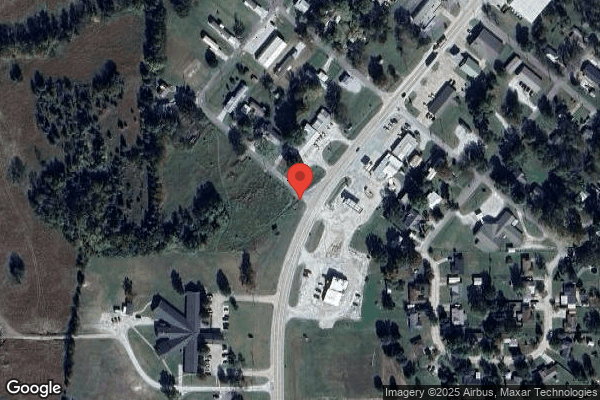
503 SOUTH MAIN STREET, GORE, OK 74435 (918) 489-2299
For profit - Corporation 70 Beds Independent Data: November 2025 2 Immediate Jeopardy citations
Trust Grade
0/100
#212 of 282 in OK
Last Inspection: March 2025

Within standard 12-15 month inspection cycle. Federal law requires annual inspections.

Overview

Community Health Care of Gore has received a Trust Grade of F, indicating significant concerns and poor overall quality of care. Ranking #212 out of 282 facilities in Oklahoma places it in the bottom half of nursing homes in the state, and #2 out of 4 in Sequoyah County means only one local option is rated better. The facility’s performance is worsening, with the number of issues rising from 5 in 2024 to 16 in 2025. Staffing is rated average at 3 out of 5 stars, but the turnover rate is concerning at 62%, higher than the state average. The facility has incurred $36,120 in fines, which is higher than 84% of Oklahoma facilities, indicating ongoing compliance issues. Specific incidents of concern include a critical failure to implement the abuse policy, leading to potential harm for a resident who experienced psychosocial trauma from abuse. Additionally, there were lapses in the smoking policy that did not ensure proper safety evaluations for residents who smoke. While the facility has some average staffing levels, the concerning trend and serious incidents make it essential for families to carefully consider these factors when researching care options.

Trust Score
F
0/100
In Oklahoma
#212/282
Bottom 25%
Safety Record
High Risk
Review needed
Inspections
Getting Worse
5 → 16 violations
Staff Stability
⚠ Watch
62% turnover. Above average. Higher turnover means staff may not know residents' routines.
Penalties
✓ Good
$36,120 in fines. Lower than most Oklahoma facilities. Relatively clean record.
Skilled Nurses
⚠ Watch
Each resident gets only 13 minutes of Registered Nurse (RN) attention daily — below average for Oklahoma. Fewer RN minutes means fewer trained eyes watching for problems.
Violations
⚠ Watch
50 deficiencies on record. Higher than average. Multiple issues found across inspections.
★☆☆☆☆
1.0
Overall Rating
★★★☆☆
3.0
Staff Levels
★☆☆☆☆
1.0
Care Quality
★☆☆☆☆
1.0
Inspection Score
Stable
2024: 5 issues
2025: 16 issues

The Good

  • Full Sprinkler Coverage · Fire safety systems throughout facility
  • No fines on record

Facility shows strength in fire safety.

The Bad

1-Star Overall Rating

Below Oklahoma average (2.6)

Significant quality concerns identified by CMS

Staff Turnover: 62%

16pts above Oklahoma avg (46%)

Frequent staff changes - ask about care continuity

Federal Fines: $36,120

Above median ($33,413)

Moderate penalties - review what triggered them

Staff turnover is elevated (62%)

14 points above Oklahoma average of 48%

The Ugly 50 deficiencies on record

2 life-threatening 3 actual harm
Mar 2025 16 deficiencies 2 IJ
CRITICAL (J) 📢 Someone Reported This

A family member, employee, or ombudsman was alarmed enough to file a formal complaint

Immediate Jeopardy (IJ) - the most serious Medicare violation

Abuse Prevention Policies (Tag F0607)

Someone could have died · This affected 1 resident

**NOTE- TERMS IN BRACKETS HAVE BEEN EDITED TO PROTECT CONFIDENTIALITY** On 03/06/25 at 5:40 p.m., an Immediate Jeopardy (IJ) situation was determined to exist related to the facility's failure to impl...

Read full inspector narrative →
**NOTE- TERMS IN BRACKETS HAVE BEEN EDITED TO PROTECT CONFIDENTIALITY** On 03/06/25 at 5:40 p.m., an Immediate Jeopardy (IJ) situation was determined to exist related to the facility's failure to implement their abuse policy and procedure by not: a. consulting with the attending physician to identify treatable conditions such as acute psychosis; b. making any changes to care plan approaches to any and all involved individuals; c. documenting in the residents clinical record all attempted interventions and their effectiveness; and d. consulting psychiatric services for asssistance in assessing the resident, identifying causes, and developing a care plan for interventions and management necessary or as may be recommended by the attending physician or interdisciplinary team after a allegation of sexual abuse. A facility policy titled Resident - Resident Altercations, revised September 2022, read in part, If two residents are involved in an altercation, staff: . c. notify each resident's representative and attending physician of the incident; d. review the events with the nursing supervisor and director of nursing services, and evaluate the effectiveness of the interventions meant to address distressed behaviors for one or both residents; e. consult with attending physical to identify treatable conditions such as acute psychosis that may have caused or contributed to the problem; f. make any necessary changes in the care plan approaches to any and all involved individuals; g. document in the residents' clinical record all interventions and their effectiveness; icons psychiatric services as needed for assistance in assessing the resident, identifying causes, and developing a care plan for interventions and management as necessary, as may be recommended by the attending physician or interdisciplinary care planning team. 1. Resident #20 was admitted to the facility on [DATE] with diagnoses which included acute and hypoxic respiratory failure and major depressive disorder. Resident #20's admission assessment, dated 01/28/25, showed Resident #20's BIMS score was 15 and their cognition was fully intact. Resident #20's progress note, dated 02/23/25 at 1:35 p.m., read in part, A [gender withheld] resident [Resident # 44] went into [Resident #20's] room on Sunday 02/23/25. [They] stood in front of [their] wheel chair and pulled their pants down and was humping in front of [Resident #20]. [Resident #20] yelled for [Resident #44] to get out of their room, [Resident #44] did not leave so [Resident #20] turned on their call light and started screaming and [Resident #44] left. An OSDH form 283, dated 02/23/25, showed Resident #44 went into Resident #20's room naked and straddled Resident #20 while holding their private parts in their hand. The form showed Resident #20 screamed for help. A review of Resident #20's electronic health record did not document the following after the incident of sexual abuse on 02/23/25: a. Resident #20's physician was notified after the incident; b. interventions were addressed by the nursing supervisor after the incident; c. the attending physician was consulted to identify treatable conditions such as psychosis; d. any changes made to the care plan after the incident; e. documentation of interventions and their effectiveness; and f. psychiatric services was consulted as needed for assistance in assessing the resident. On 03/03/25 at 12:16 p.m., Resident #20 stated Resident #44 came into their room naked and straddled their legs while they were sitting in their wheel chair in the afternoon. Resident #20 stated they shut their eyes and yelled for help until staff came. Resident #20 stated Resident #44 ran from their room when they yelled for help. Resident #20 stated they were fearful during and after the incident and had difficulty falling asleep since the incident. Resident #20 stated their physician was not notified of the incident. On 03/06/25 9:27 a.m., Resident #20 stated their counselor, which was previously established by their family representative, was not made aware of the incident and they had not received any psychological assessment since the incident on 02/23/25. Resident #20 stated they were having trouble sleeping since the incident due to recalling the traumatic incident when they closed their eyes. Resident #20 stated they reported to nursing staff and nurse aides they were fearful of the opposite sex and was having trouble sleeping since the incident on 02/23/25. On 03/06/25 at 10:17 a.m., Resident #20's family representative was asked how Resident #20 was doing since the incident on 02/23/25. They stated Resident #20 had difficulty sleeping since the incident, was afraid to have the door closed, was fearful of the opposite sex, and was afraid to be alone since the incident. They stated the facility did not set up any psychological counseling for the resident. On 03/06/25 at 11:15 a.m., the DON stated they would have to contact the family representative to determine if the Resident #20 had a psychological services referral made. 2. Resident #44 admitted on [DATE] with diagnoses which included acute kidney failure, morbid obesity, and cellulitis. Resident #44's admission assessment, dated 02/11/25, showed the resident's BIMS score was 13, their cognition was mildly impaired, they had physical behaviors directed toward others one to three days, and wandered one to three days during a seven day look back period. Resident #44's progress note, dated 02/23/25 at 12:15 p.m., read in part, I let [them] know that [they] went into a [gender withheld] resident's room and pulled [their] pants down, [they] were standing in front of the resident and was humping. On 03/06/25 at 6:41 a.m., the dietary manager stated Resident #20 told them another resident went into their room and exposed themselves and asked if they wanted some of this. The dietary manager stated Resident #20 reported to them they were having trouble sleeping since the incident. On 03/06/25 at 9:00 a.m., the DON stated they were informed of the incident on 02/23/25 involving Resident #44 going into Resident #20's room naked and straddling Resident #20 while naked and masturbated. The DON stated Resident #20 knew they were okay because they were aware Resident #44 had impaired cognition. The DON stated Resident #20 was not assessed for psychosocial injury, was not referred to psych services after the incident, and was not assessed by nursing or a physician after the incident. The DON was asked to review the facilty's Resident - Resident Altercations policy. The DON stated the policy was not followed. On 03/11/25 at 8:49 a.m., CNA #9 was asked about the incident on 02/23/25. They stated a resident notified them there was another resident that went into another residents room naked with their pants down. CNA #9 identified Resident #20 as the victim and Resident #44 as the aggressor. CNA #9 stated the agency nurse named never assessed the resident or got up out of their chair. CNA #9 was asked if Resident #20 had any changes since the incident. CNA #9 stated sometime mid week after the incident Resident #20 asked for help to be put to bed. CNA #9 stated an hour later Resident #20 was screaming and stated they saw Resident #44 when they closed their eyes. On 03/06/25 at 5:35 p.m., the OSDH office was notified and verified the existence of the IJ situation. On 03/06/25 at 5:40 p.m., the administrator was notified of the presence of an immediate jeopardy situation related to not implementing the abuse policy and procedure. The IJ template was provided to the administrator. On 03/07/25 at 10:56 a.m., an acceptable plan of removal was approved by OSDH. The plan of removal, read in part, [name of facility withheld] [address withheld] Plan of Removal for IJ at '[name of facility withheld].' .The likelihood of any other serious harm or event of abuse, neglect or misappropriation no longer exist after this plan has been completed as of 03/06/25. The plan of removal included the following components; a .Resident #20 was assessed on 03/06/25 by APRN [advanced practical registered nurse] for any signs of sexual abuse and orders to be followed for further treatment or evaluation, b. Resident #44 is no longer in the facility, c. the [name of police agency with held] police department was notified of an allegation of sexual abuse on 02/23/25 at 11:55 a.m., d. all nursing staff were in-serviced on the abuse, neglect, and misappropriation policies and procedures and ensure residents are free from abuse, neglect, and misappropriation by midnight on 3/6/25. Any nursing staff not currently in the facility will be in-serviced before returning to work, e. staff members were interviewed regarding any allegations of sexual abuse on 02/24/25 and there were no allegations reported, f. interviews were conducted with 5 residents with BIMS of 9 or higher on 02/24/25 and no allegations were reported, g. interviews conducted with all residents with BIMS of 9 or higher on 03/06/25 and no allegations were reported, H. all licensed staff were in-serviced on consulting with physician on behaviors such as acute psychosis and psychosocial needs, I. residents who were not able to be interviewed were assessed for any signs of abuse, J. follow up assessments were initiated every shift for resident #20 daily until no signs of negative outcomes and no negative psychosocial needs, K. resident #20 was referred to psych services for ongoing evaluation related to any negative outcomes from event on 02/23/25 and any other psychosocial needs, L. the facility in-service all staff on documentation of events related to abuse including any interventions in the clinical record and the effectiveness of interventions will be monitored by staff daily until compliance is achieved and appropriate practitioners including psych daily and after each visit until compliance is achieved, and M. the likelihood of any other serious harm or event of abuse, neglect or misappropriation no longer exists after this plan has been completed as of 03/06/25. On 03/07/25 at 5:30 p.m., the IJ was lifted when all components of the plan of removal were completed. The following documentation was reviewed: a. Resident #20's psychological assessment dated [DATE]; b. Residents #44's discharge summary; c. nursing in- service documentation on abuse; d. Resident #20's follow up assessments; e. Resident #20's psych referral; and f. safe survey interviews with residents. The deficient practice remained at an isolated level with the potential for more than minimal harm. Based on observation, record review, and interview, the facility failed to ensure their abuse policy and procedure was implemented for 1 (#20) of 3 sampled residents reviewed for abuse. The administrator identified 44 residents resided in the facility. Findings: 1. On 03/03/25 at 12:16 p.m., Resident #20 was observed crying and visibly traumatized while conveying the incident which occurred on 02/23/25. A facility policy titled Identifying Types of Abuse, revised 09/2022, read in part, the following situations are recognized as those that are likely to cause psychosocial harm, which may take months or years to manifest and have long-term effects on the resident and his or her relationship with others: a. Sexual assault. A facility policy titled Resident - Resident Altercations, revised September 2022, read in part, If two residents are involved in an altercation, staff: . c. notify each resident's representative and attending physician of the incident; d. review the events with the nursing supervisor and director of nursing services,and evaluate the effectiveness of the interventions meant to address distressed behaviors for one or both residents; e. consult with attending physical to identify treatable conditions such as acute psychosis that may have caused or contributed to the problem; f. make any necessary changes in the care plan approaches to any and all involved individuals; g. document in the residents' clinical record all interventions and theory effectiveness; icons psychiatric services as needed for assistance in assessing the resident, identifying causes, and developing a care plan for interventions and management as necessary, as may be recommended by the attending physician or interdisciplinary care planning team. Resident #20 was admitted to the facility on [DATE] with diagnoses which included acute and hypoxic respiratory failure and major depressive disorder. Resident #20's admission assessment, dated 01/28/25, showed Resident #20's BIMS score was 15 and their cognition was fully intact. An OSDH form 283, dated 02/23/25, showed Resident #44 went into Resident #20's room naked and straddled Resident #20 while holding their private parts in their hand. The form showed Resident #20 screamed for help. A review of Resident #20's electronic health record did not document the following after the incident of sexual abuse on 02/23/25: a. Resident #20's physician was notified after the incident; b. interventions were addressed by the nursing supervisor after the incident; c. the attending physician was consulted to identify treatable conditions such as psychosis; d. any changes made to the care plan after the incident; e. documentation of interventions and their effectiveness; and f. psychiatric services was consulted as needed for assistance in assessing the resident. Resident #20's progress note, dated 02/23/25 at 1:35 p.m., read in part, A [gender withheld] resident [Resident # 44] went into [Resident #20's] room on Sunday 02/23/25. [They] stood in front of [their] wheel chair and pulled their pants down and was humping in front of [Resident #20]. [Resident #20] yelled for [Resident #44] to get out of their room, [Resident #44] did not leave so [Resident #20] turned on their call light and started screaming and [Resident #44] left. On 03/03/25 at 12:16 p.m., Resident #20 stated Resident #44 came into their room naked and straddled their legs while they were sitting in their wheel chair in the afternoon. Resident #20 stated they shut their eyes and yelled for help until staff came. Resident #20 stated Resident #44 ran from their room when they yelled for help. Resident #20 stated they were fearful during and after the incident and had difficulty falling asleep since the incident. Resident #20 stated their physician was not notified of the incident. On 03/06/25 9:27 a.m., Resident #20 stated their counselor, which was previously established by their family representative, was not made aware of the incident and they had not received any psychological assessment since the incident on 02/23/25. Resident #20 stated they were having trouble sleeping since the incident due to recalling the traumatic incident when they closed their eyes. Resident #20 stated they reported to nursing staff and nurse aides they were fearful of the opposite sex and was having trouble sleeping since the incident on 02/23/25. On 03/06/25 at 10:17 a.m., Resident #20's family representative was asked how Resident #20 was doing since the incident on 02/23/25. They stated Resident #20 had difficulty sleeping since the incident, was afraid to have the door closed, was fearful of the opposite sex, and was afraid to be alone since the incident. They stated the facility did not set up any psychological counseling for the resident. On 03/06/25 at 11:15 a.m., the DON stated they would have to contact the family representative to determine if the Resident #20 had a psychological services referral made. 2. Resident #44 admitted on [DATE] with diagnoses which included acute kidney failure, morbid obesity, and cellulitis. Resident #44's admission assessment, dated 02/11/25, showed the resident's BIMS score was 13, their cognition was mildly impaired, they had physical behaviors directed toward others one to three days, and wandered one to three days during a seven day look back period. Resident #44's progress note, dated 02/12/25 at 12:37 a.m., showed Resident #44 was making statements about a nurse making them feel some type of way when they came around. Resident #44 was redirected and the CNA reported to nursing staff the resident's behaviors. Resident #44's progress note, dated 02/13/25 at 5:19 a.m., showed Resident #44 was seated in the dining room and was talking to themselves loudly. The note showed Resident #44 was redirected for cussing and yelling by staff. The note showed all redirections and reorientations were unsuccessful. Resident #44's progress note, dated 02/13/25 at 12:29 p.m., showed Resident #44 was expressing concerns that someone was poisoning them. The note showed Resident #44 expressed they were being poisoned by their guardian. Resident #44's progress note, dated 02/14/25, showed Resident #44 was in dining room early and was continuing to yell out and have conversations with self. Resident #44's progress note, dated 02/17/25 at 11:12 p.m., showed Resident #44 refused medication and accused a day time nurse of poisoning them. The note showed the DON was notified of the behavior. Resident #44's progress note, dated 02/19/25 at 5:40 a.m, showed Resident #44 was pacing the halls, repeatedly pulling call lights in in bathrooms, attempting to wander down other halls, accusing staffing of poisoning them, got agitated with redirections, and refused to go to bed. Resident #44's progress note, dated 02/20/25 at 9:55 p.m., showed Resident #44 was in the day room slapping themselves in the head and the furniture hard repeatedly while having a conversation with themselves. The note showed Resident #44 was redirected due to scaring other residents. The note showed during the same shift Resident #44 had to be redirected because they were wandering through the corridors and looking into other residents' rooms. The note showed redirection was met with agitation. Resident #44's progress note, dated 02/21/25 at 4:19 a.m., showed Resident #44 was in common area slapping themselves on the thighs, head, and the arms of the chair. The note showed the Resident #44 continued to wander the dining area talking to themselves, then went to their room, and was pacing in circles. Resident #44's progress note, dated 02/21/25 at 8:40 p.m., showed Resident #44 attempted to follow a visitor out the door with a bag of clothes. The note showed Resident #44 was redirected back to their room. Resident #44's care plan, dated 02/21/25, read in part, Disturbed thought processes related to altered perceptual state as evidenced by delusions, hallucinations, and disorganize thinking . a. establish reality based communication; b. Monitor and document thought content; and c. refer to mental health services prn. Resident #44's clinical record did not show their physician was notified prior to 02/23/25 when behaviors were documented starting on 02/11/25 and it did not show Resident #44 was referred to mental health services. Resident #44's progress note, dated 02/23/25 at 1:01 p.m., read in part, resident reported this resident was in a [gender withheld] residents room with [their] pants down trying to 'hump' resident. Family, DON, and ADON notified. Resident #44's progress note, dated 02/23/25 at 12:15 p.m., read in part, I let [them] know that [they] went into a [gender withheld] resident's room and pulled [their] pants down, [they] were standing in front of the resident and was humping. The note showed Resident #44 was transported by EMS to the hospital, family was notified, and an emergency discharge was issued. On 03/06/25 at 9:00 a.m., the DON stated they were informed of the incident on 02/23/25 involving Resident #44 going into Resident #20's room naked and straddling Resident #20 while naked and masturbated. The DON stated Resident #20 knew they were okay because they were aware Resident #44 had impaired cognition. The DON stated Resident #20 was not assessed for psychosocial injury, was not referred to psych services after the incident, and was not assessed by nursing or a physician after the incident. The DON was asked to review the facilty's Resident - Resident Altercations policy. The DON stated the policy was not followed. On 03/11/25 at 8:49 a.m., CNA #9 was asked about the incident on 02/23/25. They stated a resident notified them there was another resident that went into another residents room naked with their pants down. CNA #9 identified Resident #20 as the victim and Resident #44 as the aggressor. CNA #9 stated the agency nurse named never assessed the resident or got up out of their chair. CNA #9 was asked if Resident #20 had any changes since the incident. CNA #9 stated sometime mid week after the incident Resident #20 asked for help to be put to bed. CNA #9 stated an hour later Resident #20 was screaming and stated they saw Resident #44 when they closed their eyes.
CRITICAL (J)

Immediate Jeopardy (IJ) - the most serious Medicare violation

Accident Prevention (Tag F0689)

Someone could have died · This affected 1 resident

**NOTE- TERMS IN BRACKETS HAVE BEEN EDITED TO PROTECT CONFIDENTIALITY** 2. An undated facility policy titled Smoking Policy - Residents, read in part, Resident smoking status is evaluated upon admissi...

Read full inspector narrative →
**NOTE- TERMS IN BRACKETS HAVE BEEN EDITED TO PROTECT CONFIDENTIALITY** 2. An undated facility policy titled Smoking Policy - Residents, read in part, Resident smoking status is evaluated upon admission. If a smoker, the evaluation includes: current level of tobacco consumption; method of tobacco consumption (traditional cigarettes, electronic cigarettes, pipe, etc.) desire to quit smoking; and ability to smoke safely with or without supervision (per a completed Safe Smoking Evaluation). The staff consults with the attending physician and the director of nursing services (DNS) to determine if safety restrictions need to be placed on a resident's smoking privileges based on the Safe Smoking Evaluation. A resident's ability to smoke safely is re-evaluated quarterly, upon a significant change (physical or cognitive) and as determined by the staff. Any smoking-related privileges, restrictions, and concerns (for example, need for close monitoring) are noted on the care plan, and all personnel caring for the resident shall be alerted to these issues. Resident #30 had diagnoses which included dementia, shortness of breath, and chronic obstructive pulmonary disease. A care plan, revised 07/26/23, showed the resident was a smoker. The documented smoking interventions included: a. can smoke unsupervised; b. instructed about smoking risks, hazards, and about available smoking cessation aids, c. instructed about the facility policy on smoking, including: locations, times, and safety concerns; d. notify charge nurse immediately if resident was suspected of violating facility smoking policy; and, e. to observe clothing and skin for signs of cigarette burns. A quarterly assessment, dated 02/06/25, showed Resident #30's cognition was intact with a BIMS score of 13. On 03/04/25 at 11:30 a.m., Resident #30 stated they carried their own cigarettes and lighter and smoked whenever they wished and without supervision. Resident #30 denied having a smoking assessment performed or having been instructed by the facility on the risks, hazards, available smoking cessation aides, or smoking policy. Resident #30 stated they pretty well figured out all the information as to where to smoke and knew when to smoke depended on who was working and when. On 03/12/25 at 9:20 a.m., the administrator stated there were two residents who were independent with smoking and carried their own cigarettes and lighter. The administrator stated the assessments were in the computer under the assessment tab. The administrator stated the assessments should have been there under safety, but they would consult with the MDS coordinator to find out where the assessments were located. On 03/12/25 at 9:52 a.m., the administrator and MDS coordinator stated the smoking assessment was in with the care plan. The MDS coordinator stated they re-assessed the resident once a year and with any changes. The MDS coordinator stated they would re-assess the resident earlier if the resident incurred something like a stroke. On 03/17/25 at 1:35 p.m., the MDS coordinator stated the resident's smoking care plan did not have the necessary components of the smoking evaluation. The MDS coordinator stated there was no other documentation related to the resident's smoking evaluation/assessment. On 03/05/25, an immediate Jeopardy was determined to exist related to the facility's failure to implement fall interventions for Resident #3 who had severe cognitive impairment and was a high fall risk. A quarterly MDS assessment, dated 10/11/24, showed Resident #3 had one non injury fall and two or more falls with injury. Resident #3's Morse Fall Scale assessment, dated 09/24/24, showed Resident #3 was a high fall risk. On 11/03/24, Resident #3 fell from the bed with no injury. Resident #3's Morse Fall Scale assessment, dated 12/03/24, showed Resident #3 was a high fall risk. On 12/29/24, Resident #3 had an un-witnessed fall from their bed and had a small bruising noted to the right eyebrow and a small skin tear noted to their right hand. Resident #3's Morse Fall Scale assessment, dated 12/31/24, showed Resident #3 was a high fall risk. On 02/08/25, Resident #3 had a fall from the bed with no injury. On 02/22/25, Resident #3 had an unwitnessed fall from their wheel chair resulting in Resident #3 being transported to the ER and diagnosed with blunt head trauma, nasal bone fracture, and contusion. There were no additional interventions added to Resident #3's care plan after the falls on 11/03/24, 12/29/24, 02/08/25, and 02/22/25. On 03/05/25 at 10:50 a.m., the Oklahoma State Department of Health was notified and verified the existence of a IJ situation. On 03/05/25 at 12:28 p.m., the administrator was notified of the IJ situation and provided the IJ template. On 03/06/25 at 12:28 p.m., an acceptable plan of removal was approved by the Oklahoma State Department of Health. The actions to remove the immediacy of the alleged deficient practice, read in part, a. facility will ensure that all residents are free from certain injuries and that proper interventions are in place and documented; b. Resident # 3 was assessed on 03/05/25 by physician for any signs of injury related to certain injury; c. Resident #3 will be placed into increased observation to monitor for ongoing risk for certain injury; d. all nursing staff will be in-serviced on assessment of certain injury and implementation of interventions and policy and procedure related to falls and fall intervention; e. all residents with a fall within the last 30 days will be assessed for proper interventions; f. facility implemented a procedure on 03/05/25 and notified all staff of interventions of the Falling Star Program. The Director of Nursing has and will oversee the program and update accordingly and will hang at head of bed and write interventions on the back and document on careplan; g. all interventions have been documented on all resident's careplan and will be monitored by director of nursing daily until compliance is achieved;and h. plan is complete, likelihood of serious injury or harm will no longer exist as of 03/06/25. The IJ was lifted, effective 03/07/25 at 5:30 p.m., when all components of the plan of removal had been verified as completed. The following documents were reviewed for removal of the IJ situation: a. Resident #3's assessment on 03/05/25; b. in- service documentation for an assessment of certain injury and implementation of interventions and policy and procedure related to falls and fall intervention; c. all high fall risk residents' care plans for updated fall interventions; and d. falling stars above high fall residents' beds for interventions. The deficient practice remained isolated with the potential for more than minimal harm. Based on observation, record review and interview, the facility failed to implement interventions after falls to prevent accidents for 1 (#3) and failed to assess a resident who smoked for safety to prevent accidents for 1 (#30) of 3 residents sampled reviewed for accident hazards. The ADON identified 10 residents were high fall risk and seven residents who smoked. Findings: 1. On 03/03/25 at 12:05 p.m., Resident #3 was observed in dining room being assisted with eating in a geriatric chair with bruising on their face under both eyes and cheeks. The resident was unresponsive to questions. A facility policy titled Falls and Fall Risk, Managing, revised 03/2018, read in part, Based on previous evaluations and current data, the staff will identify interventions related to the residence, specific risk and causes to try and prevent the resident from falling and try to minimize complications from falling .the staff, with input of the attending physician, will implement a resident - centered fall prevention plan to reduce the specific risk factors of falls for each resident at risk or with a history of fall .if falling recurs, despite initial interventions, staff will implement additional or different interventions, or indicate why the current approach remains relevant. A facility policy titled Care Plans, Comprehensive Person- Centered, revised 03/2022, read in part, The comprehensive care, person centered care plan: .describes the services that are to be furnished to attain or maintain the resident's highest practicable physical, mental, and psychosocial well being .Care plan interventions are chosen only after data gathering, proper sequencing of events, careful consideration of the relationship between the residence, problem areas, and their causes, and relevant clinical decision making .when possible, interventions addressed the underlying sources of the problem areas, not just the symptoms or triggers. Resident #3 was admitted on [DATE] with diagnoses which included type 2 diabetes mellitus, syncope and collapse, and chronic kidney disease. Resident #3's Morse Fall Scale assessment, dated 06/03/24, showed Resident #3 was a high fall risk. A witnessed fall report, dated 08/18/24, read in part, Focus charting related to this nurse was walking past residents room and observed resident attempting to self transfer. Landing on their right side onto the floor, skin tear noted to right shin measuring 1 cm x 3 cm, and skin tear below left knee measuring 1.5 cm x 1.5 cm, move limbs appropriately. Resident denies pain discomfort, did not hit their head,assisted resident into wheelchair, denies pain or discomfort at this time Physician notified with orders to dress skin tears, resident unable to give description. The report showed predisposing physiological factors related to the falls included, confused, drowsy, gait imbalance, impaired memory, and weakness/fainted. There was no documentation the care plan was updated with new specific interventions after the fall until 11/08/24 when a fall mat was added to the care plan. Resident #3's Morse Fall Scale assessment, dated 09/24/24, showed Resident #3 was a high fall risk. An un-witnessed fall report, dated 11/03/24 read in part, Resident was found laying on the floor mat next to bed dirty from bowel movement. Residence range of motion is WNL for resident right side. Weakness is norm. Small bruise noted to left upper thigh and left lower leg. No other visible injuries noted at this time. The report showed incontinence was the only predisposing physiological factors contributing to the fall. There was no documentation the care plan was updated with new specific interventions after the fall. Resident #3's Morse Fall Scale assessment, dated 12/03/24, showed Resident #3 was a high fall risk. Resident #3's Morse Fall Scale assessment, dated 12/31/24, showed Resident #3 was a high fall risk. An un-witnessed fall report, dated 12/29/24, read in part, Call to residents room by CMA. Resident noted to be laying on right side with head on the floor. Small bruising noted to the right eyebrow. Clean and implied stair strips, small skin tear noted to right hand, clean and applied stair strips. Resident assisted up off the floor by this nurse and CMA. No other injuries noted. The report showed predisposing physiological factors were resident was confused, incontinent, and had impaired memory. The report showed predisposing situation factors as ambulating with without assist. There was no documentation the care plan was updated with new specific interventions after the fall. Resident #3's comprehensive assessment dated [DATE], showed Resident 3's BIMS score was 00 indicating their cognition was severly impaired and they did not have any falls since admission/entry or reentry or prior Assessment. An un-witnessed fall report, dated 02/08/25, read in part, Nurse was notified by CNA staff that resident was on floor in resident room. Upon entering the room resident was lying on the right side with pillow under head for support placed by CNA staff. Resident vital signs taken and BP 150/180 obtained per manual cuff. Resident denies pain at this time, but is unable to state what happened. Resident assisted from floor to sitting position by nursing staff and then assisted from sitting position to wheelchair. Resident assessed for injury and noticed a small knot on the back of residents head. Resident also had some bruising to right lower leg and some redness to right hip. Resident denies pain at this time. Resident placed in bed by nursing staff after evaluation and clothes changed. The report showed predisposing environmental factors of furniture and predisposing physiological factor such as incontinent, gait imbalance, and impaired memory. There was no documentation the care plan was updated with new specific interventions after the fall. Resident #3's care plan, revised on 02/12/25, read in part, a.be sure [Resident #3] call light and frequently use items are within reach and encourage [them] to use call for assistance as needed. [Resident #3] needs prompt response to all request for assistance. Date initiated 07/11/23; b. follow facility fall protocol Date initiated 07/11/23; c. for fall noted 10/20/24, staff to monitor positioning when bed to ensure that [they] are in the center of the bed. Date initiated 10/21/24; e. for fall noted 10/21/24, Q 2 hour safety checks when in bed Date initiated 10/22/24; f. for fall noted 10/23/23 , ensure [Resident #3] is wearing non-slip footwear Date initiated 01/30/24; g. for fall noted 11/13/23, Encouraged [Resident] to stay in common areas when out of bed Date initiated 01/30/24; h. for fall noted 11/22/23, Encourage assist [Resident #3] to lie down following lunch date initiated 01/30/24; i. for fall noted 11/07/23, monitor [Resident #3] for needs and respond promptly to any needs noted date initiated 01/30/24; j. for fall noted 04/04/24, monitor resident for fatigue and encourage [them] to take rest date initiated 4/5/24; k. for fall noted 08/18/24, fall mat in place when in bed date initiated 11/8/24; l. for fall noted 09/10/24, ensure that bed is in lowest position when resident is in bed date initiated 11/8/24; and m. for fall noted 09/03/24, Q 1 hour safety checks times 30 days date initiated 9/3/24. An un-witnessed fall report, dated 02/22/25, read in part, Called by CMA to common area to see resident laying in the floor on their right side. The resident was bleeding from their nose and forehead. Staff quickly started putting cool compresses on them to stop the bleeding. Called place to 911 for transfer to [name of hospital withheld]. Resident had a knot on their forehead, and their nose was swollen. EMS and nursing home staff transferred patient to stretcher after C collar was applied. The physician, DON, and family notified. The report showed predisposing physiological factors as confused, incontinent, gait imbalance, and impaired memory. An OSDH 283 report, dated 02/22/25, read in part, Resident [Resident #3] had an unwitnessed fall in the dayroom. [They] were sent to [name of hospital withheld] for an evaluation. Resident returned the following day with a dx of nasal bone fracture. Resident #3's admission hospital records, dated 02/22/25, showed Resident #3 was sent to the ER with a head injury caused by a fall and diagnoses was a frontal scalp edema/hematoma and nasal bone fracture. Resident #3's physician order, dated 02/28/25, read in part, May use Geri chair for poor balance and trunk control. The ordered did not have a start date and the intervention was not in the care plan. On 03/05/25 8:50 a.m., the MDS coordinator stated they were responsible for updating the care plans. The MDS coordinator was asked what should happen after a resident had a fall. The MDS coordinator stated after the resident was assessed, there would be an intervention right away in the incident report, and an intervention would be added after each fall in the care plan. The MDS coordinator was asked what dates did Resident #3 have falls. The MDS coordinator stated 01/10/23, 11/07/23, 11/22/23, 11/23/23, 04/04/24, 08/18/24, 09/03/24, 09/10/24, 10/21/24, 11/03/24, 12/29/24, 02/08/25, and 02/22/25. The MDS coordinator was asked what interventions were added to the care plan for the falls on 11/03/24,12/29/24, 020/8/25, and 02/22/25. The MDS coordinator stated no interventions were added to the care plan after the falls. The MDS coordinator was asked if the policy and fall protocol was followed. The MDS coordinator stated, No, I get busy and sometimes I'm not always communicated a fall. The MDS coordinator was asked if Resident #3 was significantly harmed in any of the falls. The MDS coordinator stated, The last one [they] fell and broke [their] nose causing bruises to the face. On 03/05/25 at 9:23 a.m., CNA #9 was asked how they knew what interventions were in place to prevent falls for Resident #3. CNA #9 stated they are told verbally mostly for new residents and they used the care plan. CNA #9 stated there should be a chair alarm in Resident #3's wheel chair, they laid the resident down when they were sleepy, and used a fall mat. CNA #9 was asked if there were any other interventions for Resident #3 to prevent falls. They stated, Not that I know of. On 03/06/25 at 12:40 p.m., the MDS coordinator was asked if Resident #3's annual assessment, dated 01/13/25 was accurate based upon stating there were no previous falls. The MDS coordinator stated the assessment was not accurate. On 03/06/25 at 8:24 a.m., the DON was asked how they knew if CNAs and agency staff were aware of what interventions were in place for residents to prevent falls. The DON stated, The care plan mostly and verbal communications in the morning meeting. The DON was asked what interventions were added to the care plan after the falls on 11/03/24,12/29/24, 02/08/25, and 2/22/25. The DON stated, None , they did not follow our policies.
SERIOUS (G) 📢 Someone Reported This

A family member, employee, or ombudsman was alarmed enough to file a formal complaint

Actual Harm - a resident was hurt due to facility failures

Free from Abuse/Neglect (Tag F0600)

A resident was harmed · This affected 1 resident

**NOTE- TERMS IN BRACKETS HAVE BEEN EDITED TO PROTECT CONFIDENTIALITY** Based on observation, record review, and interview, the facility failed to prevent abuse for 1 (#20) of 3 sampled residents revi...

Read full inspector narrative →
**NOTE- TERMS IN BRACKETS HAVE BEEN EDITED TO PROTECT CONFIDENTIALITY** Based on observation, record review, and interview, the facility failed to prevent abuse for 1 (#20) of 3 sampled residents reviewed for abuse. This deficient practice resulted in harm to Resident #20 who experienced psychosocial harm as a result of the abuse. The administrator identified 44 residents resided in the facility. Findings: 1. On 03/03/25 at 12:16 p.m., Resident #20 was observed crying and visibly traumatized while conveying the incident which occurred on 02/23/25. A facility policy titled Identifying Types of Abuse, revised 09/2022, read in part, the following situations are recognized as those that are likely to cause psychosocial Harm, which may take months or years to manifest and have long-term effects on the resident and [their]relationship with others: a. Sexual assault. A facility policy titled Resident - Resident Altercations, revised 09/2022, read in part, If two residents are involved in an altercation, staff: . c. notify each resident's representative and attending physician of the incident; d. review the events with the nursing supervisor and director of nursing services,and evaluate the effectiveness of the interventions meant to address distressed behaviors for one or both residents; e. consult with attending physical to identify treatable conditions such as acute psychosis that may have caused or contributed to the problem; f. make any necessary changes in the care plan approaches to any and all involved individuals; and g. document in the residents' clinical record all interventions and theory effectiveness; icons psychiatric services as needed for assistance in assessing the resident, identifying causes, and developing a care plan for interventions and management as necessary, as may be recommended by the attending physician or interdisciplinary care planning team. Resident #20 was admitted to the facility on [DATE] with diagnoses which included acute and hypoxic respiratory failure and major depressive disorder. Resident #20's admission assessment, dated 01/28/25, showed their BIMS score was 15 and their cognition was fully intact. Resident #20's progress note, dated 02/23/25 at 1:35 p.m., read in part, A [gender withheld] resident [Resident # 44] went into [Resident #20's] room on Sunday 02/23/25. [They] stood in front of [their] wheel chair and pulled their pants down and was humping in front of [Resident #20]. [Resident #20] yelled for [Resident #44] to get out of their room, [Resident #44] did not leave so [Resident #20] turned on their call light and started screaming and [Resident #44] left. A review of Resident #20's electronic health record did not document the following after the incident of sexual abuse on 02/23/25: a. Resident #20's physician was notified after the incident; b. interventions were addressed by the nursing supervisor after the incident; c. the attending physician was consulted to identify treatable conditions such as psychosis; d. any changes made to the care plan after the incident; e. documentation of interventions and their effectiveness; and f. psychiatric services was consulted as needed for assistance in assessing the resident. On 03/03/25 at 12:16 p.m., Resident #20 stated Resident #44 came into their room naked and straddled their legs while they were sitting in their wheel chair in the afternoon. Resident #20 stated they shut their eyes and yelled for help until staff came. Resident #20 stated Resident #44 ran from their room when they yelled for help. Resident #20 stated they were fearful during and after the incident and had difficulty falling asleep since the incident. Resident #20 stated their physician was not notified of the incident. On 03/06/25 9:27 a.m., Resident #20 stated their counselor, which was previously established by their family representative, was not made aware of the incident and they had not received any psychological assessment since the incident on 02/23/25. Resident #20 stated they were having trouble sleeping since the incident due to recalling the traumatic incident when they closed their eyes. Resident #20 stated they reported to nursing staff and nurse aides they were fearful of the opposite sex and was having trouble sleeping since the incident on 02/23/25. On 03/06/25 at 10:17 a.m., Resident #20's family representative was asked how Resident #20 was doing since the incident on 02/23/25. They stated Resident #20 had difficulty sleeping since the incident, was afraid to have the door closed, was fearful of the opposite sex, and was afraid to be alone since the incident. They stated the facility did not set up any psychological counseling for the resident. On 03/06/25 at 11:15 a.m., the DON stated they would have to contact the family representative to determine if the Resident #20 had a psychological services referral made. 2. Resident #44 admitted on [DATE] with diagnoses which included acute kidney failure, morbid obesity, and cellulitis. Resident #44's progress note, dated 02/10/25 at 7:34 p.m., showed Resident #44 alerted staff another resident who was screaming out was bothering them. The note showed Resident #44 stated they would take care of it themselves. The note showed Resident #44 was redirected and added to the seventy two hour focused charting due to threatening harm to others. Resident #44's admission assessment, dated 02/11/25, showed the resident's BIMS score was 13, their cognition was mildly impaired, they had physical behaviors directed toward others one to three days, and wandered one to three days during a seven day look back period. Resident #44's progress note, dated 02/12/25 at 12:37 a.m., showed Resident #44 was making statements about a nurse making them feel some type of way when they came around. Resident #44 was redirected and the CNA reported to nursing staff the resident's behaviors. Resident #44's progress note, dated 02/13/25 at 5:19 a.m., showed Resident #44 was seated in the dining room and was talking to themselves loudly. The note showed Resident #44 was redirected for cussing and yelling by staff. The note showed all redirections and reorientations were unsuccessful. Resident #44's progress note, dated 02/13/25 at 12:29 p.m., showed Resident #44 was expressing concerns that someone was poisoning them. The note showed Resident #44 expressed they were being poisoned by their guardian. Resident #44's progress note, dated 02/14/25, showed Resident #44 was in dining room early and was continuing to yell out and have conversations with self. Resident #44's progress note, dated 02/17/25 at 11:12 p.m., showed Resident #44 refused medication and accused a day time nurse of poisoning them. The note showed the DON was notified of the behavior. Resident #44's progress note, dated 02/19/25 at 5:40 a.m, showed Resident #44 was pacing the halls, repeatedly pulling call lights in in bathrooms, attempting to wander down other halls, accusing staffing of poisoning them, got agitated with redirections, and refused to go to bed. Resident #44's progress note, dated 02/20/25 at 9:55 p.m., showed Resident #44 was in the day room slapping themselves in the head and the furniture hard repeatedly while having a conversation with themselves. The note showed Resident #44 was redirected due to scaring other residents. The note showed during the same shift Resident #44 had to be redirected because they were wandering through the corridors and looking into other residents' rooms. The note showed redirection was met with agitation. Resident #44's progress note, dated 02/21/25 at 4:19 a.m., showed Resident #44 was in common area slapping themselves on the thighs, head, and the arms of the chair. The note showed the Resident #44 continued to wander the dining area talking to themselves, then went to their room, and was pacing in circles. Resident #44's progress note, dated 02/21/25 at 8:40 p.m., showed Resident #44 attempted to follow a visitor out the door with a bag of clothes. The note showed Resident #44 was redirected back to their room. Resident #44's care plan, dated 02/21/25, read in part, Disturbed thought processes related to altered perceptual state as evidenced by delusions, hallucinations, and disorganize thinking . a. establish reality based communication; b. Monitor and document thought content; and c. refer to mental health services prn. Resident #44's clinical record did not show their physician was notified prior to 02/23/25 when behaviors were documented starting on 02/11/25 and it did not show Resident #44 was referred to mental health services. Resident #44's progress note, dated 02/23/25 at 1:01 p.m., read in part, resident reported this resident was in a [gender withheld] residents room with [their] pants down trying to 'hump' resident. Family, DON, and ADON notified. An OSDH form 283, dated 02/23/25, showed Resident #44 went into Resident #20's room naked and straddled Resident #20 while holding their private parts in their hand. The form showed Resident #20 screamed for help. Resident #44's progress note, dated 02/23/25 at 12:15 p.m., read in part, I let [them] know that [they] went into a [gender withheld] resident's room and pulled [their] pants down, [they] were standing in front of the resident and was humping. The note showed Resident #44 was transported by EMS to the hospital, family was notified, and an emergency discharge was issued. On 03/06/25 at 9:00 a.m., the DON stated they were informed of the incident on 02/23/25 involving Resident #44 going into Resident #20's room naked and straddling Resident #20 while naked and masturbated. The DON stated Resident #20 knew they were okay because they were aware Resident #44 had impaired cognition. The DON stated Resident #20 was not assessed for psychosocial injury, was not referred to psych services after the incident, and was not assessed by nursing or a physician after the incident. The DON was asked to review the facilty's Resident - Resident Altercations policy. The DON stated the policy was not followed. On 03/11/25 at 8:49 a.m., CNA #9 was asked about the incident on 02/23/25. They stated a resident notified them there was another resident that went into another residents room naked with their pants down. CNA #9 identified Resident #20 as the victim and Resident #44 as the aggressor. CNA #9 stated the agency nurse named never assessed the resident or got up out of their chair. CNA #9 was asked if Resident #20 had any changes since the incident. CNA #9 stated sometime mid week after the incident Resident #20 asked for help to be put to bed. CNA #9 stated an hour later Resident #20 was screaming and stated they saw Resident #44 when they closed their eyes.
SERIOUS (G)

Actual Harm - a resident was hurt due to facility failures

Deficiency F0657 (Tag F0657)

A resident was harmed · This affected 1 resident

**NOTE- TERMS IN BRACKETS HAVE BEEN EDITED TO PROTECT CONFIDENTIALITY** 2. Resident #12 had diagnoses which included a history of stroke without residual deficits. Resident #12's quarterly assessment,...

Read full inspector narrative →
**NOTE- TERMS IN BRACKETS HAVE BEEN EDITED TO PROTECT CONFIDENTIALITY** 2. Resident #12 had diagnoses which included a history of stroke without residual deficits. Resident #12's quarterly assessment, dated 01/04/25, showed the resident's cognition was intact with a BIMS score of 14. The care plan, revised 01/10/25, did not identify what interdisciplinary team members participated in the revision of the care plan. A late entry note, with an effective date of 01/10/25, showed a CNA reported the resident's activities of daily living remained stable with the resident requiring various levels of assistance. The progress note showed laboratory results were forwarded to the resident's physician, but there were no new orders related to the laboratory results. The progress note showed the resident was cognitively intact, vocalized understanding of the care plan, and denied any questions or concerns. The progress note did not identify which CNA participated in the care plan process, nor address other members of the interdisciplinary team such as: the attending physician, the registered nurse with responsibility for the resident; a member of food and nutrition services staff, and the participation of the resident's representative. On 03/03/25 at 4:21 p.m., Resident #12 stated they had not participated in a care plan meeting. On 03/17/25 at 5:19 p.m., the MDS coordinator stated they documented the care plan meeting in the progress notes, including who participated in the interdisciplinary team. The MDS coordinator stated they did not document the name of the CNA who participated. The MDS coordinator stated they went to activities, social services, and dietary, and asked if there were any updates to the resident's care plan. The MDS coordinator stated they then went to the resident and reviewed the care plan. The MDS coordinator stated the resident did not voice any concerns. The MDS coordinator stated if there were concerns, they would have returned to the department heads, and asked for a response. The MDS coordinator stated only the MDS coordinator and the resident were present during their interview. The MDS coordinator stated they were unable to identify which CNA participated in the care plan meeting because they did not document who participated. The MDS coordinator stated there was no documentation social services, activities, or dietary participated in the care plan meeting. Based on observation, record review, and interview, the facility failed to ensure: a. care plans were updated/revised for 1 (#3) of 16 sampled residents reviewed for updated/revised care plans; and b. the participation of the resident/resident's representative and the interdisciplinary team in the revision of the care plan for 1 (#12) of 16 sampled residents whose care plan were reviewed for participation of a resident/resident's representative and the interdisciplinary team in the revision of the care plan . This deficient practice resulted in a harm to Resident #3 after the resident experienced a fall with injury. The administrator identified 44 residents resided in the facility. Findings: A facility policy titled Falls and Fall Risk, Managing, revised 03/2018, read in part, Based on previous evaluations and current data, the staff will identify interventions related to the residents, specific risk and causes to try and prevent the resident from falling and try to minimize complications from falling .the staff, with input of the attending physician, will implement a resident - centered fall prevention plan to reduce the specific risk factors of falls for each resident at risk or with a history of falls .if falling recurs, despite initial interventions, staff will implement additional or different interventions, or indicate why the current approach remains relevant. A facility policy titled Care Plans, Comprehensive Person- Centered, revised 03/2022, read in part, The comprehensive care, person centered care plan .describes the services that are to be furnished to attain or maintain the resident's highest practicable physical, mental, and psychosocial well being.Care plan interventions are chosen only after data gathering, proper sequencing of events, careful consideration of the relationship between the residence, problem areas, and their causes, and relevant clinical decision making.when possible, interventions addressed the underlying sources of the problem areas, not just the symptoms or triggers. A facility policy, titled Care Planning - Interdisciplinary Team and revised March 2022, showed the interdisciplinary team was responsible for the development of resident care plans and consisted of the resident's attending physician, a registered nurse with responsibility for the resident, a nursing assistant with responsibility for the resident, a member of the food and nutrition services staff, to the extent practicable, the resident and/or the resident's representative, and other staff as appropriate or necessary to meet the needs of the resident, or as requested by the resident. The policy showed the resident, the resident's family and/or the resident's legal representative/guardian or surrogate were encouraged to participate in the development of and revisions to the resident's care plan and care plan meetings were scheduled at the best time of the day for the resident and family when possible. Resident #3 was admitted on [DATE] with diagnoses which included type 2 diabetes mellitus, syncope and collapse, and chronic kidney disease. A witnessed fall report, dated 08/18/24, read in part, Focus charting related to this nurse was walking past residents room and observed resident attempting to self transfer. Landing on their right side onto the floor, skin tear noted to right shin measuring 1 cm x 3 cm, and skin tear below left knee measuring 1.5 cm x 1.5 cm, move limbs appropriately. Resident denies pain discomfort, did not hit their head,assisted resident into wheelchair, denies pain or discomfort at this time Physician notified with orders to dress skin tears, resident unable to give description. The report showed predisposing physiological factors related to the falls included, confused, drowsy, gait imbalance, impaired memory, and weakness/fainted. There was no documentation the care plan was updated with new specific interventions after the fall until 11/08/24 when a fall mat was added to the care plan. An un-witnessed fall report, dated 11/03/24, read in part, Resident was found laying on the floor mat next to bed dirty from bowel movement. Residence [sic] range of motion is WNL for resident right side. Weakness is norm. Small bruise noted to left upper thigh and left lower leg. No other visible injuries noted at this time. The report showed incontinence was the only predisposing physiological factors contributing to the fall. There was no documentation the care plan was updated with new specific interventions after the fall. An un-witnessed fall report, dated 12/29/24, read in part, Call to residents room by CMA. Resident noted to be laying on right side with head on the floor. Small bruising noted to the right eyebrow. Clean and implied stair strips, small skin tear noted to right hand, clean and applied stair strips. Resident assisted up off the floor by this nurse and CMA. No other injuries noted. The report showed predisposing physiological factors were resident was confused, incontinent, and had impaired memory. The report showed predisposing situation factors as ambulating with without assist. There was no documentation the care plan was updated with new specific interventions after the fall. Resident #3's comprehensive assessment, dated 01/13/25, showed Resident #3 did not have any falls since admission/entry or reentry or prior assessment and their BIMS score was 00 indicating their cognition was severly impaired. An un-witnessed fall report, dated 02/08/25, read in part, Nurse was notified by CNA staff that resident was on floor in resident room. Upon entering the room resident was lying on the right side with pillow under head for support placed by CNA staff. Resident vital signs taken and BP 150/180 obtained per manual cuff. Resident denies pain at this time, but is unable to state what happened. Resident assisted from floor to sitting position by nursing staff and then assisted from sitting position to wheelchair. Resident assessed for injury and noticed a small knot on the back of residents head. Resident also had some bruising to right lower leg and some redness to right hip. Resident denies pain at this time. Resident placed in bed by nursing staff after evaluation and clothes changed. The report showed predisposing environmental factors of furniture. The report showed predisposing physiological factor such as incontinent, gait imbalance, and impaired memory. There was no documentation the care plan was updated with new specific interventions after the fall. Resident #3's care plan, revised on 02/12/25, read in part, a. be sure [Resident #3] call light and frequently use items are within reach and encourage [them] to use call for assistance as needed. [Resident #3] needs prompt response to all request for assistance. Date initiated 07/11/23; b. follow facility fall protocol Date initiated 07/11/23; c. for fall noted 10/20/24, staff to monitor positioning when bed to ensure that she is in the center of the bed. Date initiated 10/21/24; e. for fall noted 10/21/24, Q 2 hour safety checks when in bed Date initiated 10/22/24; f. for fall noted 10/23/23 , ensure [name of Resident withheld] is wearing non-slip footwear Date initiated 01/30/24; g. for fall noted 11/13/23, Encouraged [name of resident withheld] to stay in common areas when out of bed Date initiated 01/30/24; h. for fall noted 11/22/23, Encourage assist [Resident #3] to lie down following lunch date initiated 01/30/24; i. for fall noted 11/7/23, monitor [Resident #3] for needs and respond promptly to any needs noted date initiated 01/30/24; j. for fall noted 04/04/24, monitor resident for fatigue and encourage her to take rest date initiated 04/05/24; k. for fall noted 08/18/24, fall mat in place when in bed date initiated 11/8/24; l. for fall noted 09/10/24, ensure that bed is in lowest position when resident is in bed date initiated 11/08/24; and m. for fall noted 09/03/24, Q 1 hour safety checks times 30 days date initiated 09/3/24. An un-witnessed fall report, dated 02/22/25, read in part, Called by CMA to common area to see resident laying in the floor on their right side. The resident was bleeding from their nose and forehead. Staff quickly started putting cool compresses on them to stop the bleeding. Called place to 911 for transfer to [name of hospital withheld]. Resident had a knot on their forehead, and their nose was swollen. EMS and nursing home staff transferred patient to stretcher after C collar was applied. The physician, DON, and family notified. The report showed predisposing physiological factors as confused, incontinent, gait imbalance, and impaired memory. There was no intervention added to the care plan. An OSDH 283 report, dated 02/22/25, read in part, Resdient [Resident #3] had an unwitnessed fall in the dayroom. [They] were sent to [name of hospital withheld] for an evaluation. Resident returned the following day with a dx of nasal bone fracture. Resident #3's admission hospital records, dated 02/22/25, showed Resident #3 was sent to the emergency room with a head injury caused by a fall and diagnoses was a frontal scalp edema/hematoma and nasal bone fracture. Resident #3's physician order, dated 02/28/25, read in part, May use Geri chair for poor balance and trunk control. The ordered did not have a start date and the intervention was not in the care plan. On 03/05/25 8:50 a.m., the MDS coordinator stated they were responsible for updating the care plans. The MDS coordinator was asked what should happen after a resident had a fall. The MDS coordinator stated after the resident was assessed, there would be an intervention right away in the incident report, and an intervention would be added after each fall in the care plan. The MDS coordinator was asked what dates did Resident #3 have falls. The MDS coordinator stated 01/10/23, 11/07/23, 11/22/23, 11/23/23, 04/04/24, 08/18/24, 09/03/24, 09/10/24, 10/21/24, 11/03/24, 12/29/24, 02/08/25, and 02/22/25. The MDS coordinator was asked what interventions were added to the care plan for the falls on 11/03/24,12/29/24, 020/8/25, and 02/22/25. The MDS coordinator stated no interventions were added to the care plan after the falls. The MDS coordinator was asked if the policy and fall protocol was followed. The MDS coordinator stated, No, I get busy and sometimes I'm not always communicated a fall. The MDS coordinator was asked if Resident #3 was significantly harmed in any of the falls. The MDS coordinator stated, The last one [they] fell and broke [their] nose causing bruises to the face. On 03/05/25 at 9:23 a.m., CNA #9 was asked how they knew what interventions were in place to prevent falls for Resident #3. CNA #9 stated they are told verbally mostly for new residents and they used the care plan. CNA #9 stated there should be a chair alarm in Resident #3's wheel chair, they laid the resident down when they were sleepy, and used a fall mat. CNA #9 was asked if there were any other interventions for Resident #3 to prevent falls. They stated, Not that I know of. On 03/06/25 at 12:40 p.m., the MDS coordinator was asked if Resident #3's annual assessment, dated 01/13/25 was accurate based upon stating there were no previous falls. The MDS coordinator stated the assessment was not accurate. On 03/06/25 at 8:24 a.m., the DON was asked how they knew if CNAs and agency staff were aware of what interventions were in place for residents to prevent falls. The DON stated, The care plan mostly and verbal communications in the morning meeting. The DON was asked what interventions were added to the care plan after the falls on 11/03/24,12/29/24, 02/08/25, and 2/22/25. The DON stated, None , they did not follow our policies.
SERIOUS (G)

Actual Harm - a resident was hurt due to facility failures

Deficiency F0699 (Tag F0699)

A resident was harmed · This affected 1 resident

**NOTE- TERMS IN BRACKETS HAVE BEEN EDITED TO PROTECT CONFIDENTIALITY** Based on observation, record review, and interview, the facility failed to provide trauma informed care after an incident of sex...

Read full inspector narrative →
**NOTE- TERMS IN BRACKETS HAVE BEEN EDITED TO PROTECT CONFIDENTIALITY** Based on observation, record review, and interview, the facility failed to provide trauma informed care after an incident of sexual abuse for 1 (#20) of 5 sampled residents reviewed for trauma informed care which resulted in a harm to Resident #20. The ADON identified 44 residents resided in the facility and 22 residents received mental health medications in the facility. Findings: On 03/03/25 at 12:16 p.m., Resident #20 was observed crying and visibly traumatized while conveying the incident which occurred on 02/23/25. A facility policy titled Identifying Types of Abuse, revised 09/2022, read in part, the following situations are recognized as those that are likely to cause psychosocial harm, which may take months or years to manifest and have long-term effects on the resident and [their] relationship with others: a. Sexual assault. A facility policy titled Resident - Resident Altercations policy, revised September 2022, read in part, If two residents are involved in an altercation, staff: . c. notify each resident's representative and attending physician of the incident; d. review the events with the nursing supervisor and director of nursing services,and evaluate the effectiveness of the interventions meant to address distressed behaviors for one or both residents; e. consult with attending physical to identify treatable conditions such as acute psychosis that may have caused or contributed to the problem; f. make any necessary changes in the care plan approaches to any and all involved individuals; g. document in the residents' clinical record all interventions and theory effectiveness; icons psychiatric services as needed for assistance in assessing the resident, identifying causes, and developing a care plan for interventions and management as necessary, as may be recommended by the attending physician or interdisciplinary care planning team. Resident #20 was admitted to the facility on [DATE] with diagnoses which included acute and hypoxic respiratory failure and major depressive disorder. Resident #20's admission assessment, dated 01/28/25, showed Resident #20's BIMS score was 15 and their cognition was fully intact. A review of Resident #20's electronic health record did not document the following after the incident of sexual abuse on 02/23/25: a. Resident #20's physician was notified after the incident; b. interventions were addressed by the nursing supervisor after the incident; c. the attending physician was consulted to identify treatable conditions such as psychosis; d. any changes made to the care plan after the incident; e. documentation of interventions and their effectiveness; and f. psychiatric services was consulted as needed for assistance in assessing the resident. An OSDH form 283, dated 02/23/25, showed Resident #44 went into Resident #20's room naked and straddled Resident #20 while holding their private parts in their hand. The form showed Resident #20 screamed for help. Resident #44's progress note, dated 02/23/25 at 12:15 p.m., read in part, I let [them] know that [they] went into a [gender withheld] resident's room and pulled [their] pants down, [they] were standing in front of the resident and was humping. Resident #20's progress note, dated 02/23/25 at 1:35 p.m., read in part, A [gender withheld] resident [Resident # 44] went into [Resident #20's] room on Sunday 02/23/25. [They] stood in front of [their] wheel chair and pulled their pants down and was humping in front of [Resident #20]. [Resident #20] yelled for [Resident #44] to get out of their room, [Resident #44] did not leave so [Resident #20] turned on their call light and started screaming and [Resident #44] left. On 03/03/25 at 12:16 p.m., Resident #20 stated Resident #44 came into their room naked and straddled their legs while they were sitting in their wheel chair in the afternoon. Resident #20 stated they shut their eyes and yelled for help until staff came. Resident #20 stated Resident #44 ran from their room when they yelled for help. Resident #20 stated they were fearful during and after the incident and had difficulty falling asleep since the incident. Resident #20 stated their physician was not notified of the incident. On 03/06/25 at 9:00 a.m., the DON stated they were informed of the incident on 02/23/25 involving Resident #44 going into Resident #20's room naked and straddling Resident #20 while naked and masturbated. The DON stated Resident #20 knew they were okay because they were aware Resident #44 had impaired cognition. The DON stated Resident #20 was not assessed for psychosocial injury, was not referred to psych services after the incident, and was not assessed by nursing or a physician after the incident. The DON was asked to review the facilty's Resident - Resident Altercations policy. The DON stated the policy was not followed. On 03/06/25 9:27 a.m., Resident #20 stated their counselor, which was previously established by their family representative, was not made aware of the incident and they had not received any psychological assessment since the incident on 02/23/25. Resident #20 stated they were having trouble sleeping since the incident due to recalling the traumatic incident when they closed their eyes. Resident #20 stated they reported to nursing staff and nurse aides they were fearful of the opposite sex and was having trouble sleeping since the incident on 02/23/25. On 03/06/25 at 10:17 a.m., Resident #20's family representative was asked how Resident #20 was doing since the incident on 02/23/25. They stated Resident #20 had difficulty sleeping since the incident, was afraid to have the door closed, was fearful of the opposite sex, and was afraid to be alone since the incident. They stated the facility did not set up any psychological counseling for the resident. On 03/06/25 at 11:15 a.m., the DON stated they would have to contact the family representative to determine if the Resident #20 had a psychological services referral made. On 03/11/25 at 8:49 a.m., CNA #9 was asked about the incident on 02/23/25. They stated a resident notified them there was another resident that went into another residents room naked with their pants down. CNA #9 identified Resident #20 as the victim and Resident #44 as the aggressor. CNA #9 stated the agency nurse named never assessed the resident or got up out of their chair. CNA #9 was asked if Resident #20 had any changes since the incident. CNA #9 stated sometime mid week after the incident Resident #20 asked for help to be put to bed. CNA #9 stated an hour later Resident #20 was screaming and stated they saw Resident #44 when they closed their eyes.
CONCERN (D)

Potential for Harm - no one hurt, but risky conditions existed

Deficiency F0552 (Tag F0552)

Could have caused harm · This affected 1 resident

Based on record review and interview, the facility failed to provide informed consent for medications for 1 (#27) of 5 sampled residents whose clinical records were reviewed for unnecessary medication...

Read full inspector narrative →
Based on record review and interview, the facility failed to provide informed consent for medications for 1 (#27) of 5 sampled residents whose clinical records were reviewed for unnecessary medications. The administrator identified 44 residents resided in the facility. Findings: Resident #27 had diagnoses which included aphasia following a cerebral infarction and vascular dementia. The physician's monthly summary, dated 03/05/25, showed the resident received the following medications: a. Depakote (an anti-seizure medication) 125mg twice daily for anxiety; b. Sertraline (an antidepressant) 25mg daily; and c. Zyprexa (an antipsychotic) 5mg at bedtime. The resident's clinical record was reviewed. There was no documentation of informed consent for medications or provided care. The quarterly MDS assessment, dated 03/09/25, showed the resident's cognition was severely impaired with a BIMS score of 03. On 03/17/25 at 12:25 p.m., the POA stated there was no communication about care plan meetings, medications, medication risk verses benefits, or possible alternatives to the medication treatment. The POA stated the facility staff would sometimes contact them regarding the resident falling. The POA stated when they went to visit the resident and asked for an update, the staff would tell them the resident was fine, but provided no details. On 03/17/25 at 1:33 p.m., the MDS coordinator stated they documented any communication with family in the electronic medical record, in the progress notes, under the sub-category of Communication with Family. The MDS coordinator reviewed the resident's clinical record and stated there was no documentation they reviewed the risk and benefits with the resident/resident's representative, but would continue to look. The MDS coordinator stated if there was no note in the resident's electronic medical record, then they did not do it. No further documentation was provided by end of survey.
CONCERN (D)

Potential for Harm - no one hurt, but risky conditions existed

Deficiency F0604 (Tag F0604)

Could have caused harm · This affected 1 resident

**NOTE- TERMS IN BRACKETS HAVE BEEN EDITED TO PROTECT CONFIDENTIALITY** Based on observation, record review, and interview, the facility failed to assess the use of a geriatric chair to ensure the dev...

Read full inspector narrative →
**NOTE- TERMS IN BRACKETS HAVE BEEN EDITED TO PROTECT CONFIDENTIALITY** Based on observation, record review, and interview, the facility failed to assess the use of a geriatric chair to ensure the device was not a restraint for 1 (#3) of 2 sampled residents reviewed for restraints. The ADON identified four residents utilized geriatric chairs in the facility. Findings: On 03/03/25 at 12:05 p.m., Resident #3 was observed in the dining room in a geriatric chair with bruising on their face under both eyes and cheeks. A facility policy titled Use of Restraints, revised 04/2017, read in part, Prior to placing a resident in restraints, there shall be a pre-restraining assessment and review to determine the need for restraints. The assessment shall be used to determine possible underlying causes of the problematic medical symptom to determine if there are less restrictive interventions parentheses (programs, devices, referrals, etc. [et cetra]) that may improve the symptoms. Resident #3 was admitted on [DATE] with diagnoses which included cerebral infarction, type 2 diabetes mellitus, and chronic kidney disease. Resident #3's annual assessment, dated 01/13/25, showed the resident's BIMS score was 00 indicating their cognition was significantly impaired, they had upper and lower functional limitation of range of motion impairments, was dependent for chair to bed transfers, ambulated with a wheel chair, and required partial to moderate assistance with a wheel chair mobility. Resident #3's physician orders, dated 02/28/25, showed Resident #3 could use a geriatric chair for poor balance/trunk control. Resident #3's electronic health record did not document Resident #3 was assessed for the use of a geriatric chair prior to implementing the use of the chair. Resident #3's Pt [Physical Therapy] Evaluation form, dated 03/06/25, showed the resident was evaluated on 03/06/25 by a physical therapist for the use of a geriatric chair. On 03/11/25 at 2:15 p.m., LPN #2 was asked if Resident #3 was assessed for the use of a geriatric chair as a restraint. LPN #2 stated the resident was not assessed properly for the use of a geriatric chair, so they had to be taken out of the geriatric chair on 03/05/25 until they were assessed on 03/06/25. On 03/11/25 at 2:20 p.m., the administrator was asked what the policy was for assessing a resident for the use of the geriatric chair. The administrator stated there had to be a pre-restraining assessment done prior to using a geriatric chair. The administrator was asked if Resident #3 was assessed before placement in a geriatric chair. They stated there was no assessment completed prior to the use of a geriatric chair for Resident #3 to ensure it was safe and not a restraint.
CONCERN (D)

Potential for Harm - no one hurt, but risky conditions existed

Deficiency F0637 (Tag F0637)

Could have caused harm · This affected 1 resident

**NOTE- TERMS IN BRACKETS HAVE BEEN EDITED TO PROTECT CONFIDENTIALITY** Based on record review and interview, the facility failed to ensure a significant change assessment was conducted after a reside...

Read full inspector narrative →
**NOTE- TERMS IN BRACKETS HAVE BEEN EDITED TO PROTECT CONFIDENTIALITY** Based on record review and interview, the facility failed to ensure a significant change assessment was conducted after a resident was discharged from hospice services for 1 (#2) of 16 sampled residents reviewed for significant change assessments. The administrator identified 44 residents resided in the facility and three residents received hospice services. Findings: A facility policy titled facility's Comprehensive Assessment, revised 10/2023, read in part, Significant Change in Status Assessments (SCSA) - the SCSA is a comprehensive assessment for a resident that must be completed when the IDT has determined that a resident meets the significant change guidelines for either major improvement or decline. It can be performed at any time after the completion of an admission assessment, and it's completion date depend on the date that the IDT determination was made that the resident had a significant change .a significant change is a major decline or improvement in a residence status. Resident #2 was admitted on [DATE] with diagnoses which included chronic kidney disease, anxiety disorder, and acute kidney failure. Resident #2's physician order, dated 04/23/24, read in part, Admit to [name of hospice withheld] Hospice:Dx ESRD [end stage renal disease] Verbal Active 04/23/2024. Resident #2's quarterly assessment, dated 02/02/25, showed Resident #2's cognition was intact with a BIMS score was 14 and was receiving hospice services. Resident #2's physician order, dated 02/27/25, showed Resident #2 was discharged from hospice services on 02/27/25 and listed the reason as no longer appropriate. On 03/03/25 at 1:25 p.m., Resident #2 stated they were no longer receiving hospice services. On 03/17/25 11:46 a.m., the MDS coordinator was asked what the policy was for conducting a significant change assessment when a resident discharged from hospice services. The MDS coordinator stated they had two weeks by policy to do a significant change assessment for residents discharged from hospice. On 03/17/25 at 1:08 p.m., the ADON stated Resident #2 was admitted to hospice on discharged from hospice services 02/27/25. On 03/17/25 at 1:20 p.m., the MDS coordinator was asked what date did Resident #2 discontinued hospice services. They stated Resident #2 was on hospice services, but they could not find any orders for hospice or discharge from hospice orders. The MDS coordinator was asked when was Resident #2's hospice orders discontinued. The MDS coordinator stated if Resident #2 was off hospice on 02/27/25, the significant change assessment was past due, and there was no order for hospice or it being discharged . On 03/17/25 at 2:00 p.m., the MDS coordinator was provided the physician order, dated 02/27/25, which showed Resident #2 discharged from hospice services on 02/27/25. The MDS coordinator stated they were not aware Resident #2 was discharged from hospice services.
CONCERN (D)

Potential for Harm - no one hurt, but risky conditions existed

PASARR Coordination (Tag F0644)

Could have caused harm · This affected 1 resident

**NOTE- TERMS IN BRACKETS HAVE BEEN EDITED TO PROTECT CONFIDENTIALITY** Based on record review and interview, the facility failed to ensure a level I PASARR was completed after a new mental health dia...

Read full inspector narrative →
**NOTE- TERMS IN BRACKETS HAVE BEEN EDITED TO PROTECT CONFIDENTIALITY** Based on record review and interview, the facility failed to ensure a level I PASARR was completed after a new mental health diagnosis for 1 (#3) of 5 sampled residents reviewed for PASARRs. The ADON identified 22 residents had a mental health diagnosis. Findings: Resident #3 was admitted on [DATE] with diagnoses which included cerebral infarction and dementia. Resident #3's electronic health record showed Resident #3 was diagnosed with bipolar disorder on 12/03/24. On 03/04/25 at 10:41 a.m., the MDS coordinator was asked about the level I PASARR completed for Resident #3 after a new diagnosis of bipolar on 12/03/24. The MDS coordinator stated there was not a PASARR completed after the new bipolar diagnosis and one should of been completed after the new diagnosis.
CONCERN (D)

Potential for Harm - no one hurt, but risky conditions existed

Medication Errors (Tag F0758)

Could have caused harm · This affected 1 resident

Based on record review and interview, the facility failed to perform a gradual dose reduction or document the rationale for not performing a gradual dose reduction of an antipsychotic medication for 1...

Read full inspector narrative →
Based on record review and interview, the facility failed to perform a gradual dose reduction or document the rationale for not performing a gradual dose reduction of an antipsychotic medication for 1 (#27) of 5 sampled residents reviewed for unnecessary medications. The administrator identified 22 residents with a mental health diagnoses. Findings: Resident #27 had diagnoses which included vascular dementia with other behavioral disturbance, aphasia following a stroke, major depressive disorder, and anxiety. A physician's order, dated 05/18/23, showed the resident was to receive Zyprexa (an antipsychotic medication) 5mg at bedtime for vascular dementia. A pharmacy recommendation, dated 05/07/24, showed the resident was on Zyprexa 5mg at bedtime and asked to consider a gradual dose reduction to Zyprexa 2.5mg at bedtime. The physician's response showed the resident had failed a prior gradual dose reduction. An annual assessment, dated 06/06/24, showed the resident was cognitively severely impaired (BIMS score 3), displayed no behaviors, and received and antipsychotic medication. The assessment showed no gradual dose reduction was attempted and there was no documented rationale as to why a gradual dose reduction was contraindicated. A quarterly assessment, dated 12/07/24, showed the resident was cognitively severely impaired (BIMS score 2), displayed no behaviors, and received and antipsychotic medication. The assessment showed no gradual dose reduction was attempted and there was no documented rationale as to why a gradual dose reduction was contraindicated. A pharmacy recommendation, dated 02/12/25, showed the resident was on Zyprexa 5mg at bedtime and asked to consider a gradual dose reduction to Zyprexa 2.5mg at bedtime. The physician's response showed the resident had failed a prior gradual dose reduction. On 03/05/25 through 03/07/25, 03/10/25 through 03/13/25, and 03/17/25, the administrator and MDS coordinator were asked for documentation of a prior gradual dose reduction of Zyprexa or a clinical rationale for the contraindication of a gradual dose reduction of Zyprexa for Resident #27. The quarterly assessment, dated 03/09/25, showed the resident was cognitively severely impaired (BIMS score 3), displayed no behaviors, and received and antipsychotic medication. The assessment showed no gradual dose reduction was attempted and there was no documented rationale as to why a gradual dose reduction was contraindicated. On 03/17/25 at 9:00 a.m., the administrator was informed of a possible deficiency related to unnecessary medications. On 03/17/25 at 10:30 a.m., the administrator stated they did not see a clinical rationale for not performing a gradual dose reduction but would continue to look for additional documentation. On 03/17/25 at 11:29 a.m., the administrator stated they contacted the resident's physician and they would provide the documented rationale for why the gradual dose reduction for Zyprexa was contraindicated. No further documentation was provided by the end of survey.
CONCERN (D)

Potential for Harm - no one hurt, but risky conditions existed

Dental Services (Tag F0791)

Could have caused harm · This affected 1 resident

**NOTE- TERMS IN BRACKETS HAVE BEEN EDITED TO PROTECT CONFIDENTIALITY** Based on observation, record review, and interview, the facility failed to offer dental services for 1 (#13) of 16 sampled resid...

Read full inspector narrative →
**NOTE- TERMS IN BRACKETS HAVE BEEN EDITED TO PROTECT CONFIDENTIALITY** Based on observation, record review, and interview, the facility failed to offer dental services for 1 (#13) of 16 sampled residents reviewed for dental services offered. The administrator identified 44 residents resided in the center. Findings: On 03/03/25 at 3:30 p.m., Resident #13 was observed with broken and missing teeth. The facility's Dental Services policy and procedure, dated 12/06/23, read in part, [name of dental provider withheld] call our residents responsible party to agree they want services. This is part of a program with Medicaid. Resident #13 was admitted on [DATE], with diagnoses which included dysphagia following cerebral infarction and nocturnal enuresis. Resident #13's care plan, dated 01/25/24, showed Resident #13 required partial to moderate assistance X 1 staff with personal hygiene and oral care. Resident #13's care plan did not document they had broken or missing teeth or the need for dental services. Resident #13's annual assessment, dated 01/17/25, showed Resident #13's BIMS score was 15 indicating their cognition was fully intact. The assessment showed Resident #13 did not have tooth fragments and had all their natural teeth. On 03/03/25 at 3:30 p.m., Resident #13 stated they had broken teeth and tooth pain. Resident #13 stated they had not been to a dentist since admission and stated they would of liked to see a dentist, but one was not offered. On 03/12/25 at 5:20 p.m., the SSD was asked how they determined if a resident needed dental services. The SSD stated all residents should get some kind of dental services if they wanted it. The SSD stated the dental service had a social security income program. The SSD stated the dental service had access to their census and they contacted the responsible party or the resident to schedule services. The SSD was asked what the policy was for offering and setting up dental services for residents. The SSD stated the facility did not offer dental services to the residents. The SSD stated they left it up to dental services. On 03/13/25 at 12:15 p.m., the MDS coordinator was shown Resident #13's annual assessment, dated 01/17/25, section L. The MDS coordinator stated they did not assess the resident and did not look in their mouth. The MDS coordinator was asked what did the Resident Assessment Tool manual say to do. The MDS coordinator stated there needed to be a visual assessment. The MDS coordinator was asked if Resident #13 was missing teeth. The MDS coordinator stated, I don't know, I did not look. The MDS coordinator was asked what happened when the MDS was not correct and how did that effect resident care. The MDS coordinator stated the resident care areas were missed on the care plan.
CONCERN (D) 📢 Someone Reported This

A family member, employee, or ombudsman was alarmed enough to file a formal complaint

Potential for Harm - no one hurt, but risky conditions existed

Food Safety (Tag F0812)

Could have caused harm · This affected 1 resident

Based on observation and interview, the facility failed to maintain the ice machine in a sanitary manner. The dietary manager identified 44 residents who utilized ice from the kitchen. Findings: On ...

Read full inspector narrative →
Based on observation and interview, the facility failed to maintain the ice machine in a sanitary manner. The dietary manager identified 44 residents who utilized ice from the kitchen. Findings: On 03/03/25 at 1:30 p.m., an observation of the ice machine was conducted with the dietary manager. There was a slimy black and brown substance in the crevices, along the edges, and around the pump of the water reservoir. On 03/03/25 at 1:30 p.m., the dietary manager stated there was something brownish black and slimy looking along the edges of the water reservoir. The dietary manager stated they cleaned the ice bin weekly, but did not know who cleaned the mechanical area of the ice machine. On 03/10/25 at 3:15 p.m., the administrator stated the ice machine should be on a regular cleaning schedule for the maintenance department to perform.
CONCERN (E) 📢 Someone Reported This

A family member, employee, or ombudsman was alarmed enough to file a formal complaint

Potential for Harm - no one hurt, but risky conditions existed

Report Alleged Abuse (Tag F0609)

Could have caused harm · This affected multiple residents

Based on record review and interview, the facility failed to report an allegation of neglect to the OSDH within two hours of the knowledge of the allegation for three (#9, 36 and #147) of three reside...

Read full inspector narrative →
Based on record review and interview, the facility failed to report an allegation of neglect to the OSDH within two hours of the knowledge of the allegation for three (#9, 36 and #147) of three residents sampled for grievances. The administrator identified 44 residents who resided in the facility. Findings: A facility policy titled Abuse, Neglect, Exploitation or Misappropriation - Reporting and Investigating, revised September 2022, showed all reports of abuse and neglect were reported to local, state, and federal agencies as required by current regulations and thoroughly investigated by facility management. The policy showed findings of all investigations were documented and reported. The policy showed the administrator or individual making the allegation immediately reported their suspicion to the state licensing/surveying agency (OSDH or State agency). The policy showed immediately was defined as within two hours of an allegation involving abuse or within 24 hours of an allegation if it did not involve abuse. A State reportable incident report, dated 03/13/25, showed an allegation of neglect involving CMA #2 and unidentified residents. The incident report showed the DON had informed the administrator CMA #2 was not punching out the medications, but was checking the medications off as given on the medication administration record and the medications were still in the medication card in the cart. The incident report showed CMA #2 was called into the office on 02/10/25 and told of the investigation. The incident report showed CMA #2 denied the accusation and stated they did pass the medications. The incident report showed the DON stated CMA #2 had not administered the medications and they were offering the CMA a CNA position which was declined. The incident report showed the administrator instructed the DON (on 02/10/25) to complete a State reportable incident report to report the allegation and subsequent investigative findings. The facility's State reportable incident reports for year 2025 were reviewed. There was no State reportable incident report located for CMA #2 failing to administer doses of medications to Resident #9, Resident#36, and Resident #147 until 03/13/25. On 03/07/25 at 6:33 a.m., employee #1 stated the facility hired CMA #2 to work weekend doubles. Employee #1 stated Resident #9, Resident #36, and Resident #147 reported they were not receiving their medications or were not receiving their medications as ordered. Employee #1 stated to resolve the issue, the DON moved the medications on 400 hall from CMA #2's cart to the other medication cart for that CMA to administer. Employee #1 stated CMA #2 was later terminated. On 03/12/25 at 1:51 p.m., the ADON stated after every weekend CMA #2 worked, the residents on 400 hall would complain they were not getting their medications. The ADON stated CMA #1 had noticed certain narcotics were not signed out on the narcotic count sheet, but were charted as given in the resident's medical record. The ADON stated there were other discrepancies besides the the narcotic medications. The ADON stated CMA #2 was charting the medications as given, but the resident never received them. The ADON stated the CMA would chart on the medication administration record that the narcotic was given, but not sign out the medication in the narcotic record book. The ADON stated the narcotic record book and the physical count of the narcotic medication matched, but the count did not correlate with the number of times the medication was documented as administered on the resident's medication administration record. The ADON stated the medications for Resident #9, Resident #36, and Resident #147 were moved to a different cart so a different CMA could give the medications on the weekend and the grievances were resolved for the three residents. The ADON stated all this was reported to the DON and the DON terminated CMA #2 immediately. The ADON stated the multiple medication errors should have been reported to the State agency and the residents physician. On 03/13/25 at 8:25 a.m., Employee #1 stated what drew their attention to CMA #2 was when they returned to work, the residents had increased behaviors and Resident #36 complained of increased pain. Employee #1 stated this occurred over at least three weeks and was reported to the charge nurse and DON. Employee #1 stated every week Resident #9, Resident #36, and Resident #147 would complain they did not receive their medications. Employee #1 stated it was then the DON moved the three residents' medications for the other CMA to administer. On 03/13/25 at 10:54 a.m., employee #3 stated there were complaints back in December 2024 residents were not receiving their medications over the weekend. Employee #3 stated this was reported to the DON. Employee #3 stated in February 2025 residents again complained they were not receiving their medications. Employee #3 stated Resident #9, Resident #36, and Resident #147 were all cognitively intact and knew their medications and when they were to receive them. Employee #3 stated that was when the medications for Resident #9, Resident #36, and Resident #147 were moved so another CMA would administer their medications. Employee #3 stated they saw behavioral changes/increased behaviors in the confused residents. Employee #3 stated CMA #2 would stand at the medication cart all day (implying they did not enter resident rooms to administer medications), was not charting the administered medications, and spent time in empty resident rooms. Employee #3 stated CMA #2 was given a certified nurse aide position. On 03/13/25 at 12:22 p.m., the MDS coordinator stated CMA #2 was terminated due to grievances that residents were not receiving their medications on time. The MDS coordinator stated they knew the DON had investigated the allegation because the DON removed all the cognitively intact residents from CMA #2's cart and placed them on the other medication cart for the other CMA to administer. The MDS coordinator stated the DON reviewed the medication cards and found that medications were not administered. The MDS coordinator stated the DON felt CMA #2 was not up to par. The MDS coordinator stated if residents did not receive their medications, they could have increased pain, or behaviors, increased anxiety, or fall. The MDS coordinator stated the physician should be informed of the medication errors in case there was a negative outcome to the residents. The MDS coordinator stated the administrator instructed the DON to report the matter to the State agency, but was unaware if the DON did so. On 03/13/25 at 1:05 p.m., the DON stated they worked a weekend and people complained CMA #2 was slow. The DON stated the CMA needed to administer medications in the allotted time frames. The DON stated there was an ordered antibiotic which CMA #2 stated they gave, but another CMA stated CMA #2 did not administer the medication. The DON stated a long employed CMA stated CMA #2 was not giving all the medications. The DON stated the CMA stated they were looking at the medication card and felt like CMA #2 was not administering the medications. The DON stated they did not investigate the allegation because they did not feel the CMA reporting the allegation was credible and none of the residents voiced concerns. The DON stated the CMA had no proof CMA #2 did not administer the medications. The DON stated when they received the allegation, they removed CMA #2 from the cart, but could not corroborate the information that was given. The DON stated Resident #36 complained they did not receive their Remeron (an antidepressant). The DON stated they reviewed the resident's medications with the resident and educated them on their medications. The DON stated CMA #2 was pulled from the medication cart because they were slow, behind, and would not allow help. The DON stated they were made aware there was an allegation against CMA #2 was not giving the resident their medications as ordered. The DON stated they went over it and did not think it was a concern because the resident was happy. The DON stated there was another resident who complained of pain and stated CMA #2 pulled Tylenol (pain reliever) from their pocket. The DON stated the investigation was documented somewhere in their former office. The DON stated Resident #36 did report they were not getting their medications. The DON stated the allegation could be considered neglect or abuse. The DON stated they reported it to the administrator who asked if the CMA was in-serviced on the matter. The DON stated allegations of neglect/abuse should be reported to the State agency within two hours. The DON stated they did not report the allegation to the State agency because they gathered the details first and determined it was not neglect, but a patient education issue. The DON stated they in-serviced CMA #2 to explain what they were administering, but that did not suffice for Resident #36 and they requested CMA #2 no longer administer their medications. The DON was asked what should happen if a medication administration error or diversion was reported. The DON stated the allegation needed to be investigated, and the family, doctor, administrator, pharmacist, and State agency needed to be notified. On 03/13/25 at 2:37 p.m., administrator #1 stated they had a meeting with the DON about CMA #2 not passing medications on time. Administrator #1 stated some time later, it was reported by Resident #9 and Resident #36 that CMA #2 pulled medications from their pocket to administer to the residents. Administrator #1 stated the DON noticed when they would return from their weekend off, the residents were more hyped up and more crazy than usual. Administrator #1 stated the DON marked some of the medication cards on the medication cart that CMA #2 was assigned on for the weekend of 02/08/25 and 02/09/25. Administrator #1 stated the DON was able to determine from the marking that CMA #2 was charting they administered medications, but had not removed the medications from the cart. Administrator #1 stated the DON indicated it was routine medications and that most residents only missed a few of their medications and there was no pattern to what was missed. Administrator #1 stated on 02/10/25 they and the DON contacted CMA #2 who denied not administering medications. Administrator #1 stated the DON informed CMA #2 they had marked some of the residents' medication cards to determine if medications were administered. Administrator #1 stated the CMA continued to deny not administering medications and was demoted and offered a CNA position which the CMA declined. Administrator #1 stated they informed the DON this situation was a State reportable incident, but did not know if the DON filed the State reportable incident. Administrator #1 stated the incident was neglect and the CMA should have been reported to the Nurse Aide Registry and the incident reported to Adult Protective Services, the police, and the State agency within two hours.
CONCERN (E) 📢 Someone Reported This

A family member, employee, or ombudsman was alarmed enough to file a formal complaint

Potential for Harm - no one hurt, but risky conditions existed

Deficiency F0625 (Tag F0625)

Could have caused harm · This affected multiple residents

Based on record review and interview, the facility failed to provide a copy of the facility's bedhold policy to 2 (#9 and #147) of 2 sampled residents who were transferred out of the facility with the...

Read full inspector narrative →
Based on record review and interview, the facility failed to provide a copy of the facility's bedhold policy to 2 (#9 and #147) of 2 sampled residents who were transferred out of the facility with the intention of returning to the facility. The administrator identified 44 residents residing in the facility. Findings: A facility policy titled Bed-Holds and Returns, revised October 2022, read in part, All residents/representative are provided written information regarding the facility and state bed-hold policies, which address holding or reserving a resident's bed during periods of absence (hospitalization or therapeutic leave). 1. Resident #9 had diagnoses which included urinary tract infection. A review of the resident's electronic medical record showed the resident had a hospitalization in February 2025, but no documentation the resident received a copy of the facility bedhold policy. 2. Resident #147 had diagnoses which included urinary tract infection. A review of the resident's electronic medical record indicated the resident had a hospitalization in March of 2025, but no documentation the resident received a copy of the facility bedhold policy. On 03/03/25 at 3:45 p.m., the administrator stated they were unaware they were to provide the bed hold policy to residents when they left the facility. On 03/12/25 at 2:50 p.m., the ADON stated when a resident was sent to the hospital, the staff sent two copies of the face sheet, two copies of the resident's medication list, a copy of the power of attorney, and a copy of the resident's do-not-resuscitate. The ADON denied staff sent a copy of the facility's bedhold policy.
CONCERN (E)

Potential for Harm - no one hurt, but risky conditions existed

Assessment Accuracy (Tag F0641)

Could have caused harm · This affected multiple residents

**NOTE- TERMS IN BRACKETS HAVE BEEN EDITED TO PROTECT CONFIDENTIALITY** Based on record review and interview, the facility failed to ensure MDS assessments were accurate for 2 (#3 and #13) of 16 sampl...

Read full inspector narrative →
**NOTE- TERMS IN BRACKETS HAVE BEEN EDITED TO PROTECT CONFIDENTIALITY** Based on record review and interview, the facility failed to ensure MDS assessments were accurate for 2 (#3 and #13) of 16 sampled residents reviewed for accurate MDS assessments. The administrator identified 44 residents resided in the facility. Findings: A facility policy titled Comprehensive Assessments, revised 10/2023 read in part, The facility conducts comprehensive, accurate, standardized, reproducible assessments of each resident's functional capacity using the resident Assessment Instrument specified by CMS [Centers for Medicare and Medicaid Services]. 1. Resident #3 was admitted on [DATE] with diagnoses which included type 2 diabetes mellitus, syncope and collapse, and chronic kidney disease. Resident #3's quarterly assessment, dated 10/11/24, showed Resident #3 had one fall with no injury, two or more falls with minor injury, and falls since admission or prior assessment. Resident #3's annual assessment, dated 01/13/25, showed Resident #3 did not have any falls since admission/entry or reentry or prior assessment and their BIMS score was 00 indicating their cognition was impaired. Resident #3's care plan, revised on 02/12/25, read in part, a.be sure [Resident #3] call light and frequently use items are within reach and encourage [them] to use call for assistance as needed. [Resident #3] needs prompt response to all request for assistance. Date initiated 07/11/23; b. follow facility fall protocol Date initiated 07/11/23; c. for fall noted 10/20/24, staff to monitor positioning when bed to ensure that [they] are in the center of the bed. Date initiated 10/21/24; e. for fall noted 10/21/24, Q 2 hour safety checks when in bed Date initiated 10/22/24; f. for fall noted 10/23/23 , ensure [Resident #3] is wearing non-slip footwear Date initiated 01/30/24; g. for fall noted 11/13/23, Encouraged [Resident] to stay in common areas when out of bed Date initiated 01/30/24; h. for fall noted 11/22/23, Encourage assist [Resident #3] to lie down following lunch date initiated 01/30/24; i. for fall noted 11/07/23, monitor [Resident #3] for needs and respond promptly to any needs noted date initiated 01/30/24; j. for fall noted 04/04/24, monitor resident for fatigue and encourage [them] to take rest date initiated 4/5/24; k. for fall noted 08/18/24, fall mat in place when in bed date initiated 11/8/24; l. for fall noted 09/10/24, ensure that bed is in lowest position when resident is in bed date initiated 11/8/24; and m. for fall noted 09/03/24, Q 1 hour safety checks times 30 days date initiated 9/3/24. On 03/05/25 8:50 a.m., the MDS coordinator was asked what dates did Resident #3 fall since their quarterly assessment dated [DATE]. They stated on 10/21/24, 11/03/24, 12/29/24, 02/08/25, and 02/22/25. On 03/06/25 at 12:40 p.m., the MDS coordinator was asked if Resident #3's annual assessment completed on 01/13/25 was accurate based upon section L stating there were no previous falls. The MDS coordinator stated the assessment was not accurate. 2. On 03/03/25 at 3:00 p.m., Resident #13 was observed with broken and missing teeth. Resident #13 was admitted on [DATE] with diagnoses which included dysphagia following cerebral infarction and nocturnal enuresis. Resident #13's annual assessment, dated 01/17/25, showed Resident #13's BIMS score was 15 indicating their cognition was fully intact. The assessment showed Resident #13 did not have tooth fragments and had all their natural teeth. On 03/03/25 at 3:00 p.m., Resident #13 stated they had broken teeth and tooth pain. Resident #13 stated they had not been to a dentist since admission and stated they would of liked to see a dentist, but one was not offered. On 03/13/25 at 12:15 p.m., the MDS coordinator was shown Resident #13's annual assessment, dated 01/17/25, section L. The MDS coordinator stated they did not assess the resident and did not look in their mouth. The MDS coordinator was asked what did the Resident Assessment Tool manual say to do. The MDS coordinator stated there needed to be a visual assessment. The MDS coordinator was asked if Resident #13 was missing teeth. The MDS coordinator stated, I don't know, I did not look. The MDS coordinator was asked what happened when the MDS was not correct and how did that effect resident care. The MDS coordinator stated the resident care areas were missed on the care plan.
CONCERN (E)

Potential for Harm - no one hurt, but risky conditions existed

Comprehensive Care Plan (Tag F0656)

Could have caused harm · This affected multiple residents

Based on record review and interview, the facility failed to develop a comprehensive care plan for 2 (#9 and #27) of 5 sampled residents whose clinical records were reviewed for unnecessary medication...

Read full inspector narrative →
Based on record review and interview, the facility failed to develop a comprehensive care plan for 2 (#9 and #27) of 5 sampled residents whose clinical records were reviewed for unnecessary medications. The administrator identified 44 residents residing in the facility. Findings: 1. Resident #9 had diagnoses which included anxiety. The quarterly assessment, dated 12/11/24, showed the resident had an anxiety disorder and received an anti-anxiety medication. The resident's care plan, dated 12/18/24, did not address the resident's anxiety disorder or the use of the anti-anxiety medication. The physician's monthly summary, dated 03/17/25, showed the resident received Buspar (an anti-anxiety medication) twice daily to treat their anxiety disorder. On 03/17/25 at 1:35 p.m., the MDS coordinator stated the resident's care plan should have addressed the resident's diagnosis of anxiety and addressed the use of an anti-anxiety medication. 2. Resident #27 had diagnoses which included psychotic disturbance. A physician's order, dated 05/18/23, showed the resident was to receive Zyprexa (an antipsychotic) 5mg at night for vascular dementia with other behavioral disturbances. The quarterly assessment, dated 12/07/24, showed the resident received an antipsychotic medication. The resident's care plan, updated 02/13/25, did not address the resident's diagnosis of psychotic disturbance nor address the use of an antipsychotic medication. The quarter assessment, dated 03/09/25, showed the resident received an antipsychotic medication. On 03/17/25 at 1:35 p.m., the MDS coordinator stated the resident's care plan should have addressed the resident's diagnosis of psychotic disturbance and addressed the use of an antipsychotic medication.
Nov 2024 3 deficiencies
CONCERN (D) 📢 Someone Reported This

A family member, employee, or ombudsman was alarmed enough to file a formal complaint

Potential for Harm - no one hurt, but risky conditions existed

Notification of Changes (Tag F0580)

Could have caused harm · This affected 1 resident

**NOTE- TERMS IN BRACKETS HAVE BEEN EDITED TO PROTECT CONFIDENTIALITY** Based on record review and interview, the facility failed to ensure a resident's representative and the physician were notified ...

Read full inspector narrative →
**NOTE- TERMS IN BRACKETS HAVE BEEN EDITED TO PROTECT CONFIDENTIALITY** Based on record review and interview, the facility failed to ensure a resident's representative and the physician were notified of a fall for one (#1) of three sampled residents reviewed for falls. The administrator identified 47 residents resided in the facility. Findings: A facility policy titled Community Healthcare of [NAME] Policy and Procedure, revised 12/16/22, read in part, Assess resident, contact medical director, DON, ADON, Admin and emergency family contact. Resident #1 had diagnoses which included a history of falling and dementia. A nurse note, dated 08/16/24 at 10:42 p.m., documented Resident #1 was on alert charting related to a non-injury fall. An Investigation Report Statement, dated 08/21/24, documented Resident #1 fell on [DATE] at around 6:33 p.m. The report further documented LPN #1 did not contact the physician or the family at the time of the incident. On 11/13/24 at 10:25 a.m., the DON stated when Resident #1 fell on [DATE] LPN #1 did not notify the family or the physician. On 11/14/24 at 9:09 a.m, the administrator stated the nurse on duty when Resident #1 fell on [DATE] did not notify anyone.
CONCERN (D) 📢 Someone Reported This

A family member, employee, or ombudsman was alarmed enough to file a formal complaint

Potential for Harm - no one hurt, but risky conditions existed

Quality of Care (Tag F0684)

Could have caused harm · This affected 1 resident

**NOTE- TERMS IN BRACKETS HAVE BEEN EDITED TO PROTECT CONFIDENTIALITY** Based on record review and interview, the facility failed to assess a resident after a fall for one (#1) of three sampled reside...

Read full inspector narrative →
**NOTE- TERMS IN BRACKETS HAVE BEEN EDITED TO PROTECT CONFIDENTIALITY** Based on record review and interview, the facility failed to assess a resident after a fall for one (#1) of three sampled residents reviewed for falls. The administrator identifed 47 residents resided in the facility. Findings: A facility policy titled Community Healthcare of [NAME] Policy and Procedure, revised 12/16/22, read in part, Neuro checks for falls with head injury and unwitnessed falls with possible head injury .Assess resident, contact medical director, DON, ADON, Admin and emergency family contact .Obtain vital signs, assess residents' orientation, level of consciousness, pupil size and reaction to light. Resident #1 had diagnoses which included a history of falling and dementia. A nurse note, dated 08/16/24 at 10:42 p.m., documented Resident #1 was on alert charting related to a non-injury fall. An Investigation Report Statement, dated 08/21/24, documented Resident #1 fell on [DATE] at around 6:33 p.m. The report further documented LPN #1 did not complete an assessment on Resident #1 after the fall. On 11/13/24 at 10:25 a.m., the DON stated when Resident #1 fell on [DATE] LPN #1 did not complete an assessment. On 11/14/24 at 9:09 a.m., the administrator stated LPN #1 failed to assess Resident #1 after their fall on 08/16/24.
CONCERN (E) 📢 Someone Reported This

A family member, employee, or ombudsman was alarmed enough to file a formal complaint

Potential for Harm - no one hurt, but risky conditions existed

Infection Control (Tag F0880)

Could have caused harm · This affected multiple residents

Based on record review and interview, the facility failed to ensure staff who conducted Covid-19 testing received the appropriate training. The administrator identified 47 residents resided in the fac...

Read full inspector narrative →
Based on record review and interview, the facility failed to ensure staff who conducted Covid-19 testing received the appropriate training. The administrator identified 47 residents resided in the facility. Findings: On 11/13/24 at 8:45 a.m., the social services director stated they and the activities assistant sometimes performed Covid-19 testing on the residents at the facility. They stated they did not remember being given training on proper infection control techniques or specimen collection. On 11/13/24 at 8:53 a.m., LPN #2 stated various employees conducted outbreak testing, including unlicensed activities staff. On 11/13/24 at 10:25 a.m., the DON stated social services/activities staff were sometimes used for outbreak testing. They stated that was how it was when they took over the DON position. On 11/13/24 at 12:36 p.m., the activities assistant stated they routinely helped test the residents for Covid-19. They stated they were unsure if they had ever received training on infection control or specimen collection. On 11/14/24 at 10:00 a.m., the DON stated they were unable to locate any documentation the activities/social service staff had received training related to infection control or test specimen collection.
Jun 2024 2 deficiencies
CONCERN (E) 📢 Someone Reported This

A family member, employee, or ombudsman was alarmed enough to file a formal complaint

Potential for Harm - no one hurt, but risky conditions existed

Investigate Abuse (Tag F0610)

Could have caused harm · This affected multiple residents

Based on record review and interview, the facility failed to investigate an allegation of abuse for two (#1 and #3) of three residents reviewed for allegations of abuse. The DON identified nine reside...

Read full inspector narrative →
Based on record review and interview, the facility failed to investigate an allegation of abuse for two (#1 and #3) of three residents reviewed for allegations of abuse. The DON identified nine residents with allegations of abuse in the past six months. Findings: A policy titled Abuse, Neglect, Exploitation and Misappropriation Prevention Program read in parts .All allegations are thoroughly investigated .The individual conducting the investigation as a minimum: .f. interviews the resident (as medically appropriate) or the resident's representative; .i. interviews the resident's roommate, family members, and visitors; j. interviews other residents to whom the accused employee provides care or services; .l. documents the investigation completely and thoroughly . 1. Resident #1 had diagnoses which included dementia, anxiety, depression, and acute respiratory failure. A quarterly assessment, dated 04/23/24, documented the resident was severely impaired cognitively and was dependent for most ADLs. An incident report/state reportable, dated 06/10/24, documented an allegation of abuse for the resident. The report documented the family notified the DON and administrator the roommate told them an agency staff person was rough with their family member. The report documented the date, time, or name of the staff member was unknown. On 06/27/24 at 2:57 p.m., the DON was interviewed regarding the allegation of abuse for the resident. The DON reviewed the documentation for the investigation completed and stated only one resident statement/interview was completed for the investigation. The DON provided an unsigned and undated document. The DON reported the document was the only resident statement/interview for the investigation. The DON provided a document dated four days after the reported allegation with a first name only documented. The DON stated the document was a staff member's statement identifying a different agency staff member as the accused. On 06/27/24 at 3:22 p.m., the DON and the administrator stated a through investigation had not been completed. 2. Resident #3 had diagnoses which included cerebral infarction, major depressive disorder, and pain. A quarterly assessment, dated 04/16/24, documented the resident was cognitively intact and required partial/moderate assistance with most ADLs. An incident report/state reportable, dated 03/21/24, documented an allegation of abuse for the resident. The report documented the resident stated a staff member slapped the in the face a month ago. On 06/27/24 at 3:43 p.m., the DON reviewed the documentation provided for the investigation completed for the allegation of abuse. The DON stated there were no interviews completed from residents who had received care from the identified staff member. On 06/27/24 at 3:47 p.m., the DON and the administrator stated a through investigation had not been completed.
CONCERN (E) 📢 Someone Reported This

A family member, employee, or ombudsman was alarmed enough to file a formal complaint

Potential for Harm - no one hurt, but risky conditions existed

Menu Adequacy (Tag F0803)

Could have caused harm · This affected multiple residents

Based on observation, record review, and interview, the facility failed to follow the menus for the residents. The administrator identified 50 residents who resided in the facility and ate meals prepa...

Read full inspector narrative →
Based on observation, record review, and interview, the facility failed to follow the menus for the residents. The administrator identified 50 residents who resided in the facility and ate meals prepared by the kitchen. Findings: A dietary menu documented for the residents' meal they were to have a philly steak sandwich, potato wedges, coleslaw, and cheesecake for desert. On 06/26/24 a meal service was observed. At 1:00 p.m. the surveyor asked for a test tray. The DM stated they did not have any more coleslaw or coconut cake. The staff stated four residents had received a salad and ice cream in place of the coleslaw and coconut cake. On 06/26/24 at 1:35 p.m., the DM stated to their knowledge they had never served cheesecake. The DM stated the evening menu had been changed because the staff forgot the thaw the meat. The DM stated they had substituted menu items a lot recently.
Nov 2023 16 deficiencies
CONCERN (D)

Potential for Harm - no one hurt, but risky conditions existed

Deficiency F0582 (Tag F0582)

Could have caused harm · This affected 1 resident

Based on interview and record review, the facility failed to provide ABN notification for two (#9 and #41) of three residents who were reviewed for Medicare Part A services. The administrator identifi...

Read full inspector narrative →
Based on interview and record review, the facility failed to provide ABN notification for two (#9 and #41) of three residents who were reviewed for Medicare Part A services. The administrator identified 11 residents who were discharged from Medicare Part A with benefit days remaining in the past six months. Findings: Res #9 discharged from skilled services on 06/30/23 and stayed in the facility. The resident did not receive an ABN notice. Res #41 discharged from skilled services on 10/04/23 and stayed in the facility. The resident did not receive an ABN notice. On 11/09/23 at 11:44 a.m., the MDS coordinator stated an ABN notice form was not completed for the residents. They stated the form should have been completed for the residents.
CONCERN (D)

Potential for Harm - no one hurt, but risky conditions existed

MDS Data Transmission (Tag F0640)

Could have caused harm · This affected 1 resident

Based on record review and interview, the facility failed to ensure assessments were submitted to CMS within 14 days of completion for three (#14, 29, #38 ) of 18 residents whose assessments were revi...

Read full inspector narrative →
Based on record review and interview, the facility failed to ensure assessments were submitted to CMS within 14 days of completion for three (#14, 29, #38 ) of 18 residents whose assessments were reviewed. The administrator identified 47 residents resided in the facility. Findings: 1. A quarterly assessment for Res #14, dated 10/04/23, was completed in the EHR program and documented the assessment was accepted. An MDS 3.0 NH Final Validation Report for the resident documented the quarterly assessment, dated 10/04/23, was rejected. 2. A quarterly assessment for Res #29, dated 10/03/23, was completed in the EHR program and documented the assessment was accepted. An MDS 3.0 NH Final Validation Report'' for the resident documented the quarterly assessment, dated 10/03/23, was rejected. 3. A discharge return not anticipated assessment for resident #38, dated 07/22/23, was completed in the EHR program and documented Export Ready. On 11/14/23 at 10:36 a.m., the MDS coordinator stated they did not know why the assessment for Res #38 had not been exported. The coordinator stated the assessments for #14 and #29 had been rejected.
CONCERN (D)

Potential for Harm - no one hurt, but risky conditions existed

Deficiency F0655 (Tag F0655)

Could have caused harm · This affected 1 resident

**NOTE- TERMS IN BRACKETS HAVE BEEN EDITED TO PROTECT CONFIDENTIALITY** Based on record review and interview, the facility failed to ensure baseline care plans were developed within 48 hours of admiss...

Read full inspector narrative →
**NOTE- TERMS IN BRACKETS HAVE BEEN EDITED TO PROTECT CONFIDENTIALITY** Based on record review and interview, the facility failed to ensure baseline care plans were developed within 48 hours of admission for one (#20) of 18 sampled residents reviewed for care plans. The administrator identified 47 residents resided in the facility. Findings: Res #20 was admitted to the facility on [DATE] with diagnoses which included atherosclerotic heart disease, CHF, and pneumonia. There was no documentation a baseline care plan was developed. On 11/14/23 at 12:20 p.m., the MDS coordinator stated stated the nurses were supposed to do the 48 hour care plan on admission and they did not do one for Res #20.
CONCERN (D)

Potential for Harm - no one hurt, but risky conditions existed

Quality of Care (Tag F0684)

Could have caused harm · This affected 1 resident

**NOTE- TERMS IN BRACKETS HAVE BEEN EDITED TO PROTECT CONFIDENTIALITY** Based on record review and interview, the facility failed to notify the physician, assess, and intervene timely for one (#20) of...

Read full inspector narrative →
**NOTE- TERMS IN BRACKETS HAVE BEEN EDITED TO PROTECT CONFIDENTIALITY** Based on record review and interview, the facility failed to notify the physician, assess, and intervene timely for one (#20) of one sampled resident reviewed for hospitalization. The DON identified 19 residents were sent to the hospital in the past three months. Findings: Res #20 was admitted to the facility on [DATE] with diagnoses which included atherosclerotic heart disease, CHF, and pneumonia. An admission assessment, dated 10/24/23, documented the resident was severely impaired with cognition and was dependent on staff for ADLs. A nurse note, dated 11/06/23 at 4:00 a.m., documented at approximately 4:00 a.m., the nurse was notified the resident had no urine output in the urinary catheter bag. The note documented the resident was moaning and had facial grimacing with every movement, and after attempt to flush the urinary catheter and being unsuccessful, the nurse and co-nurse replaced the catheter. The resident appeared to have some relief. The resident had approximately 400 cc of output. The note documented the resident's abdomen continued to be distended and the urine began to appear red in color. The resident had a temperature of 100.6 and Tylenol was given. The note documented would continue to monitor. A care plan, revised on 11/13/23, documented Res #20 had CHF and staff would monitor, document, and report signs and symptoms of CHF. There was no documentation the physician was notified when the resident's abdomen was distended and had red urine. There were no other nurses notes for the resident until 11/06/23 at 8:10 a.m. A nurse note, dated 11/06/23 at 8:10 a.m., documented the resident was gurgling, and a breathing treatment was administered. The note documented the nurse attempted to suction the resident without success. The note documented the residents vital signs were blood pressure 97/70, heart rate 109, respirations 22, and 02 sat 82. The note documented EMS was contacted to transport resident to the hospital. A nurse note, dated 11/06/23 at 8:25 a.m., documented Res #20 was sent to hospital related to respiratory distress. The note documented the resident's spouse was called and notified of resident being sent to the hospital. The physician was notified and gave orders to send resident to the hospital. On 11/14/23 at 11:17 a.m., LPN #1 stated they came in on 11/06/23 and received report a new catheter was placed. The LPN stated when they went down to check on Res #20 they were gurgling and we administered a breathing treatment and tried to suction the resident. They stated the DON came in and stated to send the resident to the hospital. LPN #1 stated Res #20 had CHF and should have been sent out to the hospital earlier. LPN #1 stated they contacted the physician and he said send the resident to the hospital. On 11/14/23 at 12:04 p.m., the DON stated the nurse that worked that night was agency and did not work at he facility all the time. The DON stated the resident had a diagnoses of CHF. The DON stated the physician was not notified according to the note at 4:00 a.m., but the physician should have been notified earlier. The DON stated the resident's lungs were full that morning and was sent out.
CONCERN (D)

Potential for Harm - no one hurt, but risky conditions existed

Deficiency F0692 (Tag F0692)

Could have caused harm · This affected 1 resident

**NOTE- TERMS IN BRACKETS HAVE BEEN EDITED TO PROTECT CONFIDENTIALITY** Based on observation, record review, and interview, the facility failed to (ensure the physician was notified and interventions ...

Read full inspector narrative →
**NOTE- TERMS IN BRACKETS HAVE BEEN EDITED TO PROTECT CONFIDENTIALITY** Based on observation, record review, and interview, the facility failed to (ensure the physician was notified and interventions in place for weight loss) (act and maintain acceptable parameters of nutritional status) for one (#28) of one sampled residents reviewed for nutrition. The Resident Census and Conditions of Residents form documented 47 residents resided in the facility. Findings: Res #28 was admitted on [DATE] and had diagnoses which included cerebral infarction, chronic obstructive pulmonary disease, right bundle branch block, cardiac pacemaker, and atherosclerotic heart disease. A annual assessment, dated 09/29/23, documented the resident was cognitively intact and required minimal assistance with ADLs. A physician order, dated 09/12/22, documented Res #28 was to have a house supplements TID. A vital sign record, dated 05/03/23, documented the resident weighed 123.0 lbs. A vital sign record, dated 09/05/23, documented the resident weighed 110.2 lbs. (10% weight loss in four months) A vital sign record, dated 11/06/23, documented the resident weighed 105.0 lbs. (14% weight loss in six month) On 11/08/23 at 12:56 p.m., an observation was made of a lunch tray for Res #28 with no house supplement. The dietician notes did not address the resident's weight or include interventions for weight loss. On 11/14/23 at 2:23 p.m., Dietary Aide #1 stated Res #28 did not get house supplements any more. On 11/14/23 at 2:25 p.m., the dietary manager stated they told the nurse to discontinue the house shakes because the resident was not going to drink them. On 11/14/23 at 2:26 p.m., an interview was conducted with the DON and they stated Res #28 should have never been taken off of house supplements. On 11/14/23 at 2:26 p.m., an interview was conducted with the DON and they stated the physician was not notified of the 10% weight loss or the 14% weight loss and no interventions were initated.
CONCERN (D)

Potential for Harm - no one hurt, but risky conditions existed

Deficiency F0700 (Tag F0700)

Could have caused harm · This affected 1 resident

Based on observation, record review, and interview, the facility failed to assess for the need and risk of using bed rails for one (#13) of one sampled resident reviewed for bed rail usage. The CMS 67...

Read full inspector narrative →
Based on observation, record review, and interview, the facility failed to assess for the need and risk of using bed rails for one (#13) of one sampled resident reviewed for bed rail usage. The CMS 671 form documented 47 residents resided at the facility. Res #13 was diagnoses which included anxiety, atrial fibrillation, rheumatoid arthritis, and chronic obstructive pulmonary disease. On 05/26/23 a bed rail consent was signed. A quarterly assessment, dated 09/09/23, documented the resident's cognition was intact and independent to minimal assistance with all ADLs. On 11/08/23 at 3:49 p.m., an observation was made of the resident's bed. Bed rails were observed secured to each side of the resident's bed. The EHR was reviewed and revealed no documentation related to a bed rail assessment. On 11/13/23 at 12:35 p.m., MDS Coordinator #1 stated they could not find a bed rail assessment.
CONCERN (D)

Potential for Harm - no one hurt, but risky conditions existed

Medication Errors (Tag F0758)

Could have caused harm · This affected 1 resident

Based on record review and interview, the facility failed to ensure a diagnosis for the use of a psychotropic medication for one #(39) of five sampled residents reviewed for unnecessary medications. ...

Read full inspector narrative →
Based on record review and interview, the facility failed to ensure a diagnosis for the use of a psychotropic medication for one #(39) of five sampled residents reviewed for unnecessary medications. The DON reported 34 resident in the facility who received psychotropic medications. Findings: Res #39 had diagnoses which included depression and anxiety. A physician order, dated 06/07/23, documented duloxetine (an antidepressant medication) 60 mg two times a day. No diagnosis was documented. A quarterly assessment, dated 09/16/23, documented the resident was intact with cognition and required limited assistance with most ADLs. The assessment documented the resident scored a 17 in the mood section and had no behaviors. The assessment documented the resident received antidepressant medication. On 11/13/23 at 11:37 a.m., the MDS coordinator stated the DON would put in orders on admission and then if there were new orders the charge nurse would put in the orders. The MDS coordinator stated the duloxetine did not have a diagnoses for the medication. The DON or the ADON will review the orders and the pharmacist will also review the orders for appropriate diagnoses. On 11/14/23 at 9:22 a.m., the pharmacist stated the facility did not have the diagnoses tied to the order for Cymbalta. The pharmacist stated it was best practice so the CMAs would know what the medication was for.
CONCERN (D)

Potential for Harm - no one hurt, but risky conditions existed

Deficiency F0805 (Tag F0805)

Could have caused harm · This affected 1 resident

Based on observation, record review, and interview, the facility failed to follow a therapeutic diet and menu for the residents who received a pureed diet. The DM identified two residents resided in ...

Read full inspector narrative →
Based on observation, record review, and interview, the facility failed to follow a therapeutic diet and menu for the residents who received a pureed diet. The DM identified two residents resided in the facility who had a pureed diet. Findings: The menu, dated Monday week three, documented the puree diet for breakfast was oatmeal, sausage, scrambled egg, and white or wheat toast. On 11/13/23 at 6:36 a.m., [NAME] #1 was observed to puree biscuit with gravy and eggs for the two residents who receive puree meals. On 11/13/23 at 7:49 a.m., the residents were served puree meals which included biscuits and gravy, eggs, and a yogurt for breakfast. At that time the DM stated the residents were not served oatmeal but when they have cream of wheat they were served the hot cereal. On 11/13/23 at 9:39 a.m., the DM stated they don't serve the oatmeal to the puree meals because the oats don't puree well. They do get cream of wheat when they have it and they normally puree a meat like the sausage. The DM stated they did not know why the cook did not do that today. The DM stated the resident should receive what was on the menu.
CONCERN (D)

Potential for Harm - no one hurt, but risky conditions existed

Deficiency F0909 (Tag F0909)

Could have caused harm · This affected 1 resident

Based on observation, record review, and interview, the facility failed to inspect and maintain records for residents utilizing bed rails. The Resident Census and Conditions of Residents form, docume...

Read full inspector narrative →
Based on observation, record review, and interview, the facility failed to inspect and maintain records for residents utilizing bed rails. The Resident Census and Conditions of Residents form, documented 47 residents resided at the facility. Findings: Res #13 had diagnoses which included anxiety, atrial fibrillation, rheumatoid arthritis, and chronic obstructive pulmonary disease. The resident record contained a bed rail consent, signed on 05/26/23. A quarterly MDS assessment, dated 09/09/23 documented the resident's cognition was intact and independent to minimal assistance with all ADLs. On 11/08/23 at 3:49 p.m., an observation was made of the resident's bed. Bed rails were observed secured to each side of the resident's bed. On 11/13/23 12:15 p.m., the maintenance man stated they would check the bed rails every so often but did not conduct regular checks on them and did not keep any documentation related to checking the rails.
CONCERN (E) 📢 Someone Reported This

A family member, employee, or ombudsman was alarmed enough to file a formal complaint

Potential for Harm - no one hurt, but risky conditions existed

Free from Abuse/Neglect (Tag F0600)

Could have caused harm · This affected multiple residents

**NOTE- TERMS IN BRACKETS HAVE BEEN EDITED TO PROTECT CONFIDENTIALITY** Based on observation, record review, and interview, the facility failed to ensure residents did not experience resident to resid...

Read full inspector narrative →
**NOTE- TERMS IN BRACKETS HAVE BEEN EDITED TO PROTECT CONFIDENTIALITY** Based on observation, record review, and interview, the facility failed to ensure residents did not experience resident to resident abuse for two (#9 and #147) of two residents sampled for abuse. The facility failed to ensure Res #30 did not touch or kiss Res #9 and #147. The DON reported the facility had two allegations of abuse in the last three months. The administrator identified 47 residents who resided in the facility. Findings: A facility policy titled Abuse and Neglect- Clinical Protocol, revised March 2018, read in part, .3. Sexual abuse is defined .as non-consensual sexual contact of any type with a resident . A facility policy titled Abuse, Neglect, Exploitation and Misappropriation Prevention Program, dated April 2021, read in part, .Residents have the right to be free from abuse, neglect, misappropriation of resident property and exploitation. This includes but not limited to freedom from corporal punishment, involuntary seclusion, verbal, mental, sexual or physical abuse, and physical or chemical restraints not required to treat the resident's symptoms . 1. Res #147 had diagnoses which included bipolar disorder, depression, and dementia moderate with psychotic disturbances. An admission assessment, dated 11/03/23, documented the resident was severly impaired with cognition. The assessment documented the resident had behaviors not directed toward others one to three days in the look back period. The assessment documented the resident required assistance with ADLs. A care plan, dated 11/08/23, documented the resident had impaired thought process related to dementia. The care plan documented the resident was not able to communicate effectively related to the diagnosis of dementia. On 11/08/23 at 2:23 p.m., the resident was observed lying on their left side in the bed. The resident stated no one who worked or lived here had kissed them. The resident then stated one unidentified man kissed them on on the cheek but they did not mean anything by it. Res #147 stated it did not make them upset or bother them. Res #147 stated the DON had not talked to them about Res #30 kissing them. On 11/13/23 at 11:51 a.m., CNA #1 stated they were standing at the end of hall 300, by the shower room, with another CNA. CNA #1 stated they heard Res #30 say they wanted to kiss Res #147 and then saw him kiss Res #147. CNA #1 stated they reported it to the charge nurse when the kiss happened and wrote a statement. CNA #1 stated they had heard Res #30 had been handsy toward the shower aide. CNA #1 stated they did not feel like Res #147 was able to speak up for their self and tell Res #30 No so they reported the incident. On 11/13/23 at 11:56 a.m., LPN #1 stated the allegation was reported to them and they reported it to the DON. LPN #1 stated the CNAs both wrote statements. The LPN stated they did not do an incident report because the administrator stated Res #30 just gave them a peck and the resident did not resist. LPN #1 stated they felt like it was more serious. LPN #1 stated they saw Res #30 later that evening trying to push Res #147 to their room and the look on Res #147's face was panic. LPN #1 stated two other CNAs on the evening shift also wrote statements. LPN #1 stated they should have completed an incident report. On 11/15/23 at 11:48 a.m., the administrator stated they did not feel the incident regarding the kiss for Res #147 warranted a state reportable because after their investigation they did not feel it was abuse. The administrator stated they talked to Res #30. On 11/15/23 at 11:54 a.m., the administrator and two surveyors viewed the video of Res #30 lean into Res #147. Res #30 could be seen leaning in but Res #147 remained in the same position in the wheel chair. In the video only the back of Res #147 could be seen. The video recorded the CNAs who were present during the incident were seen to go to the desk and speak to the nurse. On 11/15/23 at 12:05 p.m., Res #147 was observed in the dining room with their spouse for lunch. On 11/15/23 bat 12:14 p.m., the administrator stated they were the abuse coordinator and all allegations should have come to them. On 11/15/23 at 1:06 p.m., Res #147's spouse stated they had not been contacted regarding another resident touching or kissing their spouse. Res #147's spouse stated they had been pleased with the care their spouse had received so far at the facility. On 11/15/23 at 3:10 p.m., in another interview with Res #147, they stated Res #30 just came up and kissed them. The resident stated they did not ask for a kiss and did not want a kiss from Res #30. Res #147 stated it did not bother them that much. 2. Res #30 had diagnoses which included PVD, amputation of right lower leg, and diabetes mellitus. A care plan, dated 05/26/23, did not document the resident had behaviors. A quarterly assessment, dated 11/03/23, documented the resident was intact with cognition, had no behaviors, and was independent with ADLs. A behavior note, dated 11/06/23 at 1:36 p.m., documented Res #30 wheeled over to a female resident and kissed the resident on the lips. The note documented this was witnessed by two CNAs who informed the charge nurse and they both wrote statements. The note documented the incident was reported and the statements were given to the DON and the administrator. A behavior note, dated 11/06/23 at 5:11 p.m., documented Res #30 was trying to push a female resident down to her room. The note documented the nurse asked Res #30 to leave the female resident alone. A behavior note, dated 11/07/23 at 10:21 a.m., documented Res #30 wheeled up to a female resident setting in a geri-chair in the common room. Res #30 took the female's hand in his and with one hand started rubbing up her arm and started down her chest when Res #30 was stopped by staff. The note documented the DON spoke with Res #30 in the DON's office with ADON and MDS coordinator also in the room. On 11/08/23 at 3:55 p.m., Res #30 stated they had put their hand one time on a lady's booby. Res #30 stated they told the resident not to touch the ladies. Res #30 stated they found out the resident was married and they could not touch them because they were married. Res #30 stated the bosses were in a room by the nurses station and talked to them about the them touching female residents. The state reportable book was reviewed and did not contain a state reportable incident for 11/06/23 or 11/07/23. On 11/13/23 at 11:00 a.m., the DON stated all the state reportable incidents should have been in the book which was provided for review. On 11/13/23 at 11:04 a.m., the DON stated they investigated the incidents and talked to Res #30, the nurse, and CNAs who observed the incidents. The DON stated the time frame to report an allegation of abuse to OSDH was two hours. On 11/13/23 at 11:06 a.m., the DON stated several months ago Res #30 had touched the shower aids breast. The DON stated last week Res #30 was rubbing Res #147's arm because she was crying and Res #30 tried to kiss Res #147 and Res #147 leaned in for a kiss. The DON stated they talked to Res #30 and told Res #30 that Res #147 was married. On 11/13/23 at 11:42 a.m., the MDS coordinator stated they had not seen or heard of any allegations of abuse in the last month. The MDS coordinator stated if they saw abuse they would protect the resident, fill out a state incident report, and report it to the DON who reviewed all allegations of abuse. On 11/13/23 at 12:05 p.m., the ADON stated Res #30 was very friendly mainly to the women. The ADON stated they did not witness either incident but was reported that Res #30 did kiss Res #147 and was rubbing Res #9's arm all the way up to her shoulder. On 11/13/23 at 12:38 p.m., the DON stated they did not know who the abuse coordinator was then stated they assumed it was them and the administrator. The DON stated a state report and investigation should have been completed. The DON stated the kiss with Res #147 looked consensual on the camera. The DON stated the camera showed Res #9 reaching up for Res #30 and then Res #30 was rubbing on Res #9's arm and shoulder. The DON stated they had psych services come to see Res #30. The DON stated they and the administrator talked to Res #147 and the resident stated no one had touched them inappropriately. The DON stated they did not ask Res #147 if they wanted Res #30 to kiss them. The DON stated Res #147's spouse was in the room when they were asked about the incident. The DON stated they did not chart the interview or report the incident to the resident's family. The DON stated they did not do an incident report because the charge nurse normally completed the incident reports. The DON stated a state reportable should have been done when an allegation of abuse was reported. On 11/14/23 at 2:30 p.m., CNA #4 stated they had not witnessed any allegations of abuse. They stated all allegations of abuse were to be reported to the charge nurse, ADON, and DON. CNA #4 stated they were in the facility but did not see what happened. CNA #4 stated they had heard the way Res #30 talked about the females to other male residents when they were out smoking. CNA #4 stated Res #30 told them the female resident wanted a kiss and they did as the resident wanted. CNA #4 stated Res #9 and Res #147 did not have the mental capacity to consent. 3. Resident #9 was admitted to the facility on [DATE] with diagnoses which included mild cognitive impairment, hemiplegia and hemiparesis and aphasia following a cerebral infarction. The quarterly assessment, dated 10/19/23, doucmented the resident was severely impaired cognitively and required extensive to total assistance with activities of daily living. On 11/09/23 1:45 p.m., the resident was sitting in a geri chair in the lobby area. The resident tried to speak, but unable to form words. The resident shook their head yes to all questions asked, correct or not. Staff stated the resident does not speak, but shakes head yes or no and makes a thumbs up gesture when asked questions. On 11/13/23 at 11:56 a.m., LPN #1 stated the next day Res #30 wheeled over to Res #9 and started rubbing up and down the resident's arm and was going toward the chest area. LPN #1 stated the DON then called Res #30 into the office. LPN #1 stated Res #9 was child like in some ways. LPN #1 stated they did not do an incident report. LPN #1 stated two other CNAs on the evening shift wrote statements. LPN #1 stated they should have completed an incident report. On 11/13/23 at 12:38 p.m., the DON stated they did not know who the abuse coordinator was then stated they assumed it was them and the administrator. The DON stated a state report and investigation should have been completed. The DON stated the camera showed Res #9 reaching up for Res #30 and then Res #30 was rubbing on Res #9's arm and shoulder. The DON stated they did not do an incident report because the charge nurse normally completed the incident reports. The DON stated a state reportable should have been done when an allegation of abuse was reported. On 11/15/23 at 12:14 p.m., the administrator stated they did not know anything regarding the incident between Res #30 and Res #9 until yesterday. The video was then observed by the administrator and two surveyors. The video showed Res #9 in a geri chair, in the lobby area, by the nurses station. The video showed Res #30 wheel up to Res #9 and proceed to rub the right arm of Res #9 up and down from her shoulder to her hand. The video showed Res #30 holding Res #9's hand and patting it. The video showed Res #9 pulled away from Res #30 twice during the recording. The video showed Res #30 wheeled away from Res #9. The video system did not record audio.
CONCERN (E) 📢 Someone Reported This

A family member, employee, or ombudsman was alarmed enough to file a formal complaint

Potential for Harm - no one hurt, but risky conditions existed

Report Alleged Abuse (Tag F0609)

Could have caused harm · This affected multiple residents

**NOTE- TERMS IN BRACKETS HAVE BEEN EDITED TO PROTECT CONFIDENTIALITY** Based on record review and interview the facility failed to ensure allegations of abuse were reported to OSDH, the administrator...

Read full inspector narrative →
**NOTE- TERMS IN BRACKETS HAVE BEEN EDITED TO PROTECT CONFIDENTIALITY** Based on record review and interview the facility failed to ensure allegations of abuse were reported to OSDH, the administrator, and the residents' representatives for two (#9 and #147) for alligations of abuse. The DON reported the facility had two allegations of abuse in the last three months. The administrator identified 47 residents who resided in the facility. Findings: A facility policy titledAbuse, Neglect, Exploitation and Misappropriation Prevetion Program, dated April 2021, read in part.8. Identify and investigate all possible incidents of abuse, neglect, mistreatment, or misappropriation of resident property. 9. Investigate and report any alligation within the timeframes required by federal requirements. 10. Protect residents from any further harm during investigations . A facility policy titled Abuse, Neglect, Exploitation or Misappropriation - Reporting and Investigating, revised September 2022, read in part, .3. Immediately is defined as: a. within two hours ofan alligation involving abuse or result in serious bodily injury . 1. On 11/13/23 at 11:51 a.m., CNA #1 stated they were standing at the end of hall 300, by the shower room, with another CNA. CNA #1 stated they heard Res #30 say they wanted to kiss Res #147 and then saw him kiss Res #147. CNA #1 stated they reported it to the charge nurse when the kiss happened and wrote a statement. CNA #1 stated they had heard Res #30 had been handsy toward the shower aide. CNA #1 stated they did not feel like Res #147 was able to speak up for their self and tell Res #30 No so they reported the incident. On 11/13/23 at 11:56 a.m., LPN #1 stated the allegation was reported to them and they reported it to the DON. LPN #1 stated the CNAs both wrote statements. The LPN stated they did not do an incident report because the administrator stated Res #30 just gave them a peck and the resident did not resist. LPN #1 stated they felt like it was more serious. LPN #1 stated they saw Res #30 later that evening trying to push Res #147 to their room and the look on Res #147's face was panic. LPN #1 stated two other CNAs on the evening shift also wrote statements. LPN #1 stated they should have completed an incident report. On 11/15/23 at 11:48 a.m., the administrator stated they did not feel the incident regarding the kiss for Res #147 warranted a state reportable because after their investigation they did not feel it was abuse. The administrator stated they talked to Res #30. On 11/15/23 at 11:54 a.m., the administrator and two surveyors viewed the video of Res #30 lean into Res #147. Res #30 could be seen leaning in but Res #147 remained in the same position in the wheel chair. In the video only the back of Res #147 could be seen. The video recorded the CNAs who were present during the incident were seen to go to the desk and speak to the nurse. On 11/15/23 bat 12:14 p.m., the administrator stated they were the abuse coordinator and all allegations should have come to them. On 11/15/23 at 1:06 p.m., Res #147's spouse stated they had not been contacted regarding another resident touching or kissing their spouse. Res #147's spouse stated they had been pleased with the care their spouse had received so far at the facility. On 11/15/23 at 3:10 p.m., in another interview with Res #147, they stated Res #30 just came up and kissed them. The resident stated they did not ask for a kiss and did not want a kiss from Res #30. Res #147 stated it did not bother them that much. The state reportable book was reviewed and did not contain a state reportable incident for 11/06/23 or 11/07/23. On 11/13/23 at 11:00 a.m., the DON stated all the state reportable incidents should have been in the book which was provided for review. On 11/13/23 at 11:04 a.m., the DON stated they investigated the incidents and talked to Res #30, the nurse and CNAs who observed the incidents. The DON stated staff members who witnessed the incidnts would write statements. The DON stated the time frame to report abuse was two hours. 2. Resident #9 was admitted to the facility on [DATE] with diagnoses which included mild cognitive impairment, hemiplegia and hemiparesis and aphasia following a cerebral infarction. The quarterly assessment, dated 10/19/23, doucmented the resident was severely impaired cognitively and required extensive to total assistance with activities of daily living. On 11/09/23 1:45 p.m., the resident was sitting in a geri chair in the lobby area. The resident tried to speak, but unable to form words. The resident shook their head yes to all questions asked, correct or not. Staff stated the resident does not speak, but shakes head yes or no and makes a thumbs up gesture when asked questions. On 11/13/23 at 11:56 a.m., LPN #1 stated Res #30 wheeled over to Res #9 and started rubbing up and down the resident's arm and was going toward the chest area. LPN #1 stated the DON then called Res #30 into the office. LPN #1 stated Res #9 was child like in some ways. LPN #1 stated they did not do an incident report. LPN #1 stated two other CNAs on the evening shift wrote statements. LPN #1 stated they should have completed an incident report. On 11/13/23 at 12:38 p.m., the DON stated they did not know who the abuse coordinator was, then stated they assumed it was them and the administrator. The DON stated a state report and investigation should have been completed. The DON stated the camera showed Res #9 reaching up for Res #30 and then Res #30 was rubbing on Res #9's arm and shoulder. The DON stated they did not do an incident report because the charge nurse normally completed the incident reports. The DON stated a state reportable should have been done when an allegation of abuse was reported. On 11/15/23 at 12:14 p.m., the administrator stated they did not know anything regarding the incident between Res #30 and Res #9 until yesterday. The video was then observed by the administrator and two surveyors. The video showed Res #9 in a geri chair, in the lobby area, by the nurses station. The video showed Res #30 wheel up to Res #9 and proceed to rub the right arm of Res #9 up and down from her shoulder to her hand. The video showed Res #30 holding Res #9's hand and patting it. The video showed Res #9 pulled away from Res #30 twice during the recording. The video showed Res #30 wheeled away from Res #9. The video system did not record audio.
CONCERN (E) 📢 Someone Reported This

A family member, employee, or ombudsman was alarmed enough to file a formal complaint

Potential for Harm - no one hurt, but risky conditions existed

Investigate Abuse (Tag F0610)

Could have caused harm · This affected multiple residents

**NOTE- TERMS IN BRACKETS HAVE BEEN EDITED TO PROTECT CONFIDENTIALITY** Based on record review and interview the facility failed to conduct a thorough investigation into an allegation of abuse for two...

Read full inspector narrative →
**NOTE- TERMS IN BRACKETS HAVE BEEN EDITED TO PROTECT CONFIDENTIALITY** Based on record review and interview the facility failed to conduct a thorough investigation into an allegation of abuse for two (#9 and #147) of two residents reviewed for abuse. The DON reported the facility had two allegations of abuse in the last three months. The administrator identified 47 residents who resided in the facility. Findings: A facility policy titled Abuse and Neglect- Clinical Protocol, revised March 2018, read in part, .3. Sexual abuse is defined .as non-consensual sexual contact of any type with a resident . A facility policy titled Abuse, Neglect, Exploitation and Misappropriation Prevetion Program, revised April 2021, read in part.8. Identify and investigate all possible incidents of abuse, neglect, mistreatment, or misappropriation of resident property. 9. Investigate and report any allegation within the timeframes required by federal requirements. 10. Protect residents from any further harm during investigations . A facility Abuse, Neglect, Exploitation or Misappropriation - Reporting and Investigating, revised September 2022, read in part .1. All allegations are thoroughly investigated. The administrator initiates investigations. 2. Investigations may be assigned to an individual trained in reviewing, investigating and reporting such alligations .4. The administrator is responsible for keeping the resident and his/her representative (sponsor) informed of the progress of the investigation. 5. The administratior ensures that he resident and the person(s) reporting the suspected violation are protected from retaliation or reprisal by the alleged perpetrator, or by anyone associated with the facility . A facility incident report, dated 11/06/23 at 11:45 a.m., documented Res #30 asked Res #147 if they could kiss Res #147 and Res #147 leaned forward to kiss them. There were two statements attached made by CNAs that witnessed the kiss. The statements both documented Res #30 stated they wanted to kiss Res #147 and Res #30 leaned in and kissed Res #147. On 11/13/23 at 11:51 a.m., CNA #1 stated they were standing at the end of hall 300, by the shower room, with another CNA. CNA #1 stated they heard Res #30 say they wanted to kiss Res #147 and then saw him kiss Res #147. CNA #1 stated they reported it to the charge nurse when the kiss happened and wrote a statement. CNA #1 stated they had heard Res #30 had been handsy toward the shower aide. CNA #1 stated they did not feel like Res #147 was able to speak up for their self and tell Res #30 No so they reported the incident. On 11/13/23 at 11:56 a.m., LPN #1 stated the allegation was reported to them and they reported it to the DON. LPN #1 stated the CNAs both wrote statements. The LPN stated they did not do an incident report because the administrator stated Res #30 just gave them a peck and the resident did not resist. LPN #1 stated they felt like it was more serious. LPN #1 stated they saw Res #30 later that evening trying to push Res #147 to their room and the look on Res #147's face was panic. LPN #1 stated two other CNAs on the evening shift also wrote statements. LPN #1 stated they should have completed an incident report. On 11/13/23 at 12:38 p.m., the DON stated they did not know who the abuse coordinator was then stated they assumed it was them and the administrator. The DON stated a state report and investigation should have been completed. 2. Resident #9 was admitted to the facility on [DATE] with diagnoses which included mild cognitive impairment, hemiplegia and hemiparesis and aphasia following a cerebral infarction. The quarterly assessment, dated 10/19/23, doucmented the resident was severely impaired cognitively and required extensive to total assistance with activities of daily living. On 11/09/23 1:45 p.m., the resident was sitting in a geri chair in the lobby area. The resident tried to speak, but unable to form words. The resident shook their head yes to all questions asked, correct or not. Staff stated the resident does not speak, but shakes head yes or no and makes a thumbs up gesture when asked questions. On 11/13/23 at 11:56 a.m., LPN #1 stated the next day Res #30 wheeled over to Res #9 and started rubbing up and down the resident's arm and was going toward the chest area. LPN #1 stated the DON then called Res #30 into the office. LPN #1 stated Res #9 was child like in some ways. LPN #1 stated they did not do an incident report. LPN #1 stated two other CNAs on the evening shift wrote statements. LPN #1 stated they should have completed an incident report. On 11/13/23 at 12:38 p.m., the DON stated they did not know who the abuse coordinator was then stated they assumed it was them and the administrator. The DON stated a state report and investigation should have been completed. The DON stated the camera showed Res #9 reaching up for Res #30 and then Res #30 was rubbing on Res #9's arm and shoulder. The DON stated they did not do an incident report because the charge nurse normally completed the incident reports. On 11/15/23 at 12:14 p.m., the administrator stated they did not know anything regarding the incident between Res #30 and Res #9 until yesterday. A thorough investigtion was not provided.
CONCERN (E) 📢 Someone Reported This

A family member, employee, or ombudsman was alarmed enough to file a formal complaint

Potential for Harm - no one hurt, but risky conditions existed

Deficiency F0729 (Tag F0729)

Could have caused harm · This affected multiple residents

**NOTE- TERMS IN BRACKETS HAVE BEEN EDITED TO PROTECT CONFIDENTIALITY** Based on record review and interview, the facility failed to obtain registry verification for one (CMA #1) of eight employee fil...

Read full inspector narrative →
**NOTE- TERMS IN BRACKETS HAVE BEEN EDITED TO PROTECT CONFIDENTIALITY** Based on record review and interview, the facility failed to obtain registry verification for one (CMA #1) of eight employee files reviewed for registry verification. The DON reported the facility had four CMAs. Findings: On [DATE] at 3:00 p.m., the employee file for CMA #1 was reviewed and documented the CMA's certification had expired [DATE]. On [DATE] at 3:23 p.m., the BOM stated CMA #1's certification expired on [DATE]. The BOM stated CMA #1 had up dated the class and sent off for the certification. The BOM was asked for proof the paper work for the certification was sent off. The BOM stated the CMA sent it in themselves and the facility did not have anything showing it had been done. The BOM stated since COVID they have had a grace period when a certification expired. On [DATE] at 3:54 p.m., the BOM stated the facility did not have any wavers for CNA or CMA to work with an expired certification. The [DATE] schedule documented the CMA worked 8 days without a current certification. On [DATE] at 8:58 a.m., the CMA was not at work today but was on the schedule to work. On [DATE] at 9:06 a.m., CMA #1 stated their CMA license had expired the end of October. The CMA stated they had been working as a CMA passing medications until today. The CMA stated they did not realize it was expired and they had sent off for it last Wednesday [DATE]. CMA #1 stated they had taken the class and forgot to send it in because they thought it expired the end of November.
CONCERN (E) 📢 Someone Reported This

A family member, employee, or ombudsman was alarmed enough to file a formal complaint

Potential for Harm - no one hurt, but risky conditions existed

Deficiency F0804 (Tag F0804)

Could have caused harm · This affected multiple residents

Based on observation, record review, and interview, the facility failed to provide food that was palatable and at an appetizing temperature for the residents. The DON identified 46 resident residing i...

Read full inspector narrative →
Based on observation, record review, and interview, the facility failed to provide food that was palatable and at an appetizing temperature for the residents. The DON identified 46 resident residing in the facility who receive meals from the kitchen. Findings: 1. Res #2 had diagnoses which included diabetes mellitus, chronic kidney disease, and HTN. An annual assessment,dated 10/10/23, documented the resident was intact with cognition and required set up assistance with eating. On 11/09/23 at 1:42 p.m., Res #2 stated the food at the facility was not good. Res #2 stated it had gone down since the last DM retired. Res #2 stated they were served BBQ chicken and it could have been cooked more, potato salad, a green salad, and Texas toast. Res #2 stated she could get something different to eat but it still was not cooked well. Res #2 stated they were a diabetic and the kitchen served a lot of rice and noodles and they do not like and will not eat either of those. Res #2 stated yesterday she would call it juice from the vegetables was all over her plate under the other food. She stated she had to use her napkin and soak it up off her plate. On 11/15/23 at 10:27 a.m. Res #2 stated Sunday night the beans were not cooked all the way, some were done and some were not. Res #2 stated the staff said pinto beans but they were navy beans (white beans). Res #2 stated the food was just not very good. 2. Res #13 had diagnoses which included COPD, HTN, and CHF. A quarterly assessment, dated 09/09/23, documented the resident was intact with cognition and was independent with eating. On 11/08/23 at 1:38 p.m. Res #13 stated the food was always cold and if you ate in your room the food was cold because it sits up front before it ever comes to the hall. Res #13 stated they did not have enough servers. 3. Res #23 had diagnoses which included respiratory failure, diabetes mellitus, and HTN. A quarterly assessment, dated 10/06/23, documented the resident was intact with cognition and was independent with eating. On 11/08/23 at 2:58 p.m., Res #23 stated the food was ok today but most of the time the food was burned especially for breakfast. The resident stated they had found hair in the rice a couple of weeks ago. Res #23 stated they were tired of telling the DM about the problems with the food. The resident stated it all depended on who was cooking so some days the food was better than other days. 4. On 11/13/23 at 7:02 a.m., [NAME] #1 was observed to temp the food on the steam table. The oatmeal was 175 degrees which was told to the DM. The other items were temped but the temperatures were not reveled. Pancakes, gravy, biscuits, hash browns, eggs, sausage, bacon. On 11/13/23 at 7:53 a.m., a test meal was made and placed in the window pass. The test tray was delivered to the room at 7:55 a.m. Oats were 160 degrees F, butter and sugar were added and the oats were thick and sticky, the eggs were 116.9 degrees F, they were cool and bland, biscuit was 128 degrees F, and gravy was 131.3 degrees F, and warm, the sausage was 92.8 degrees F and cold. The bacon was cold to taste. On 11/13/23 at 9:39 a.m., the DM stated they were not personally aware of complaints of cold and unpleasant food but the food should be served at a warm temperature.
CONCERN (E)

Potential for Harm - no one hurt, but risky conditions existed

Infection Control (Tag F0880)

Could have caused harm · This affected multiple residents

Based on observation and interview, the facility failed to ensure infection control practices were followed during wound care for two (#23 and #9) of three sampled resident for pressure ulcers. The D...

Read full inspector narrative →
Based on observation and interview, the facility failed to ensure infection control practices were followed during wound care for two (#23 and #9) of three sampled resident for pressure ulcers. The DON identified the facility had five residents with pressure ulcers who resided in the facility. Findings: A facility policy titled Wound Care, revised October 2010, read in part, .Use a disposable cloth (paper towel is adequate) to establish clean field on residents overbed table. Place all items to be used during procedure on the clean field. Arrange the supplies so they can be easily reached .Place disposable cloth next to resident (under the wound) to serve as a barrier to protect the bed linen and other body sites .Pull gloves over dressing and discard into appropriate receptacle. Wash and dry your hands thoroughly .Discard disposable items into the designated container . 1. On 11/09/23 at 2:19 p.m., LPN #2 was observed to perform wound care for Res #23. The LPN had the supplies on a tray and entered the resident's room, placed the tray by the sink while they washed their hands. The LPN then placed gloves on their hands, moved the overbed table with the gloves on and then moved the tray, and sat it on the resident's bed. The LPN removed the old dressing and laid it on the resident's bed, cleaned the wound with the 4 x 4, and placed the 4 x 4 on the resident's bed. The LPN changed gloves but did not perform hand hygiene before placing another pair of gloves on their hands and completed treatment. The LPN placed the soiled supplies in the resident's trash can by the bed, washed their hands, and exited the room. 2. On 11/09/23 at 3:00 p.m. wound care was observed for Res #9. LPN #2 gathered the supplies on a tray and entered the resident's room, sat the tray on the resident's bed, washed their hands, and put on gloves that were in the LPN's pocket. The LPN removed the dressing from the resident buttock and placed the soiled dressing in the glove and removed the gloves from he hands. The LPN placed a clean pair of gloves from their pocket on their hands and cleaned the resident's wound. The LPN laid the 4 x 4 used to clean the wound on the resident's bed. The LPN then applied the treatment and dressing in the same gloves they wore to clean the wound. The LPN washed their hands after the treatment was completed. On 11/09/23 at 3:14 p.m., LPN #2 stated they should have placed all dirty items in a bag and should have performed hand hygiene between dirty and clean tasks.
CONCERN (F) 📢 Someone Reported This

A family member, employee, or ombudsman was alarmed enough to file a formal complaint

Potential for Harm - no one hurt, but risky conditions existed

Food Safety (Tag F0812)

Could have caused harm · This affected most or all residents

Based on observation and interview the facility failed to store, prepare, distribute, and serve food in accordance with professional standards for food service safety. The DON identified 46 resident ...

Read full inspector narrative →
Based on observation and interview the facility failed to store, prepare, distribute, and serve food in accordance with professional standards for food service safety. The DON identified 46 resident residing in the facility who receive meals from the kitchen. Findings: On 11/08/23 at 9:22 a.m., an initial tour of the kitchen was conducted. [NAME] #1 was observed wearing a ball cap. The cooks hair was not contained under the cap. On 11/08/23 at 9:27 a.m., the following items in the refrigerator were observed: a. shredded cheese in a sealed bag not in the original container was not labeled or dated, b. a container with what appeared to be gravy had no label or date, c. a container of fruit cocktail with the lid not properly sealed, dated 11/01, d. a container of Tapioca pudding, dated 10/28, e. a container of chili, dated 11/4, f. several cartons of thickened liquids in the refrigerator not dated when opened, g. catsup not in the original container labeled and dated 11/2, and h. ranch dressing not in the original container labeled and dated 11/4 were observed in pitchers in the refrigerator open to air. On 11/08/23 at 9:30 a.m., the DM stated they have tried to get the staff to date the items when they open them. The DM stated the gravy was not labeled or dated, the pudding should not still have been in the refrigerator, they normally only kept leftovers two days, and all the containers should have been sealed. On 11/08/23 at 9:34 a.m., the store room was observed to have items on the shelf which had not been dated. A large bag of brown sugar, three boxes of rice, seven packages of Oreo cookie pieces, 13 cans of green bell peppers, and two cans of chilies were observed not dated. At that time the DM stated the items should have been dated when put away. On 11/08/23 at 9:40 a.m., a cup being used as a scoop was observed left in the self rising flour. The DM stated there should be no scoops in the containers. On 11/08/23 at 9:44 a.m., multiple boxes of ice cream boxes which had not been dated observed in the freezer. The DM stated they normally date them when they received them. On 11/08/23 at 9:47 p.m., the ice machine in the kitchen was wiped with a clean white cloth from the ice drop. The cloth had pink and black slime and debris from the ice drop. The DM stated the cloth was dirty and maintenance cleaned the ice machine. On 11/08/23 at 9:48 a.m., the following was observed in the walk in refrigerator: a. two bags with what looked like scrambled eggs, not labeled or dated, b. unidentified ground meat was not labeled or dated, c. turkey in a resealable bag, dated 10/28, d. a large bowl of what appeared to be chocolate pudding not covered, labeled, or dated, and e. a package of cubed white meat in a bowl not labeled or dated. The DM stated the meat was chicken and they put it in the refrigerator on Sunday to thaw. The turkey was dated when they opened it and put in the resalable bag. On 11/09/23 at 9:38 a.m., the DM stated the kitchen staff should wear hair nets and if the men have facial hair they wear beard guards. She stated when she started she was told the staff with short hair and pointed mid neck they could wear a cap. The DM's hair at this time was not all contained under their hair net. On 11/13/23 at 6:15 a.m., DA #2 had on a cap over a hairnet, a beard guard, and nothing over the DA's mustache. On 11/13/23 at 6:17 a.m., a basin was observed under the three compartment sink drain with water in the basin. On 11/13/23 at 6:27 a.m., debris was observed under the prep table and the steam table where clean pans, plate covers, and baking sheets were stored. On 11/13/23 at 6:28 a.m., the DM stated the sink leaks a little and the maintenance man was trying to fix it and trying to find a fitting for it. The DM took the pan out from under the sink and disposed of it. On 11/13/23 at 6:33 a.m., the DM stated she had a cleaning list each week and it had different items for the staff to clean. The DM stated the clean pots should not be on the dirty surfaces. On 11/13/23 at 6:49 a.m., the DM entered the kitchen with a sheet of paper in her hand an put it on the board in the kitchen. The DM did not wash their hands when entering the kitchen. The DM retrieved pans from under the steam table for rolls the pas were stacked and were still wet when the DM went to use them at that time the DM was asked about the wet pans. The DM stated the pans should have been air dried before they were stacked. The DM put on gloves without washing their hands and started spraying the pan and placing the frozen rolls in the pan. On 11/13/23 at 7:13 a.m., DA #2 started service for the morning meal. The DA was placing the paper tickets, which were brought to the kitchen, which contained the resident meal choice on top of the plate under the biscuits of several meals. On 11/13/23 at 7:15 a.m., DA #2 was observed to use the serving bowl and scoop the cereal out of the container and serve the cereal. This practice was observed twice. On 11/13/23 at 7:18 a.m., DA #2 was observed to take a cup from a staff member at the window pass put hot water in the cup and give it back through the widow pass and returned to plating food in the same gloves. DA #2 then was observed to make a hot chocolate in the same gloves. The DA then changed the gloves but did not wash their hands before going back to serving food from the steam table. On 11/13/23 at 7:51 a.m., the DM was observed to enter the kitchen and make a hot chocolate and did not wash their hands when they entered the kitchen. On 11/13/23 at 9:39 a.m., the DM stated when someone enters the kitchen they should wash their hands. The DM stated the cereal should be served with a scoop the bowl should not be used. The DM stated gloves should be removed when touching something dirty wash your hands and then put on clean gloves. The The DM stated the tickets should not be placed under the food when serving. On 11/13/23 at 10:09 a.m., the administrator stated the staff should be performing hand hygiene and changing cloves when they contaminate their hands and/or the gloves. On 11/13/23 at 10:26 a.m., the maintenance supervisor stated every once in a while the drain will come unscrewed to the three compartment sink. The maintenance supervisor stated they when the sink was full of water it put to much pressure on the pipe and would leak. The maintenance supervisor stated they had fixed it several times and it still leaked once in a while.
Mar 2023 4 deficiencies
CONCERN (D) 📢 Someone Reported This

A family member, employee, or ombudsman was alarmed enough to file a formal complaint

Potential for Harm - no one hurt, but risky conditions existed

Safe Environment (Tag F0584)

Could have caused harm · This affected 1 resident

**NOTE- TERMS IN BRACKETS HAVE BEEN EDITED TO PROTECT CONFIDENTIALITY** Based on observation and interview the facility failed to provide a safe, clean, comfortable environment, free from offensive od...

Read full inspector narrative →
**NOTE- TERMS IN BRACKETS HAVE BEEN EDITED TO PROTECT CONFIDENTIALITY** Based on observation and interview the facility failed to provide a safe, clean, comfortable environment, free from offensive odors for one (#6) of seven residents reviewed for odors. The Resident Census and Conditions of Residents form documented 43 residents resided in the facility. Findings: On 03/07/23 at 5:00 a.m., a tour of the facility was conducted. The smell of urine was very strong on the 300 hall of the facility. On 03/07/23 at 5:15 a.m., upon entering room [ROOM NUMBER], Res #6 was observed lying in and bed there was a strong urine odor. On 03/07/23 at 6:15 a.m., CNA #4 stated a lot of the time the residents on 300 hall were soaked and needed to be changed when the morning shift arrived for work. On 03/08/23 at 2:15 p.m., an interview was conducted with the DON on odors in the facility. She stated there had been some staff complaints of the smell on 300 hall and on the 400 hall. The DON stated she was not here early so when she arrived at work the smell was gone and the residents were clean with no odor.
CONCERN (D) 📢 Someone Reported This

A family member, employee, or ombudsman was alarmed enough to file a formal complaint

Potential for Harm - no one hurt, but risky conditions existed

Investigate Abuse (Tag F0610)

Could have caused harm · This affected 1 resident

Based on record review, observation, and interview, the facility failed to ensure an abuse allegation was thoroughly investigated for two (#1 and #2) of two resident reviewed for allegations of abuse....

Read full inspector narrative →
Based on record review, observation, and interview, the facility failed to ensure an abuse allegation was thoroughly investigated for two (#1 and #2) of two resident reviewed for allegations of abuse. The Resident Census and Conditions of Residents form documented 43 residents resided in the facility. Findings: 1. Res #1's annual assessment, dated 01/01/23, documented the resident was severely impaired with cognition, had hallucinations, delusions, and rejection of care during the look back period. Res #2's significant change assessment, dated 02/02/23, documented the resident was severely impaired with cognition and had no behaviors. An incident report form 283, dated 02/12/23, documented Res #1 pointed a butter knife at Res #2 and stated he was going to cut Res #2's head off if he did not shut up. The report documented there was no physical contact and the residents were separated. Res #1 was placed on one on one supervision and stray silverware was confiscated from the resident's room. The investigation had no interviews with staff or other residents. A nurse note, dated 02/12/23 at 1:15 p.m., documented at 1:00 p.m., a staff reported Res #1 was next to another resident in the dining room and held out his butter knife with the serrated end toward the other resident and stated I'm going to cut your God damn head off if you don't shut up. The staff immediately diffused the situation and separated the residents and reported incident to the nurse. A nurse note, dated 02/12/23 at 4:51 p.m., documented Res #1 continued with one on one and had no further out bursts. On 03/07/23 at 2:03 p.m., CNA #1 stated he was in the dining room and had separated the two residents and then notified the charge nurse. He stated it was a verbal altercation only. He stated he was not sure who the abuse coordinator was and was not asked to write a statement of what happened. On 03/07/23 at 3:25 p.m., the administrator stated the nurse working that day sent in the report to the state and marked it as initial and final. The DON then sent in another report on 02/17/23 with section C filled in. The administrator stated the full investigation was what was in the book which held the reportable incidents. On 03/08/23 at 10:30 a.m., LPN #1 stated she was at the desk and a CNA reported a verbal threat was made to cut another resident's head off. The CNA had separated the residents. She stated she called the administrator, reported the incident, made the report, and faxed it to the state. She stated Res #1 was put on one on one and was not any trouble after that. On 03/08/23 at 12:30 p.m., Res #2 was observed in the dining room in a geri chair. He stated he did not remember being in an altercation with another resident at the facility. On 03/08/23 at 12:37 p.m., Res #1 stated he did not remember an incident of him threatening anyone with a butter knife. On 03/08/23 at 3:06 p.m., the administrator stated they did interviews but had not documented them.
CONCERN (E) 📢 Someone Reported This

A family member, employee, or ombudsman was alarmed enough to file a formal complaint

Potential for Harm - no one hurt, but risky conditions existed

ADL Care (Tag F0677)

Could have caused harm · This affected multiple residents

Based on record review, observation, and interview, the facility failed to provide ADL care to dependent residents for two (#4 and #6) of five residents sampled for ADLs. The facility failed to ensure...

Read full inspector narrative →
Based on record review, observation, and interview, the facility failed to provide ADL care to dependent residents for two (#4 and #6) of five residents sampled for ADLs. The facility failed to ensure: a. incontinent care was consistently provided for Res #6. b. bathing was performed as scheduled for Res #4. The Resident Census and Conditions of Residents form documented 43 residents resided in the facility. Findings: 1. Res #6 had diagnoses which included Alzheimer's disease, anxiety, dementia with disturbance behaviors, and overactive bladder. A quarterly assessment, dated 10/12/22, documented the resident was severely impaired with cognition and was frequently incontinent of urine and always incontinent with bowel. A care plan, updated on 01/23/23, documented the resident was dependent on staff for extensive assistance with toileting. On 03/07/23 at 5:15 a.m., upon entering the resident's room the resident was observed lying in his bed and a strong urine odor was present. On 03/07/23 at 5:49 a.m., CNA #2 and CNA #3 entered the room to check on the resident and provide care for him. CNA #2 was observed to remove the resident's adult brief. The brief was observed to be urine soaked and fell apart with the lining falling directly on the floor. CNA #1 and CNA #2 were observed to put a dry adult brief on the resident and then put a clean pair of jogging pants on him without performing peri-care. On 03/07/23 at 5:53 a.m., CNA #2 stated they should have provided peri-care on the resident instead of just changing his adult brief and his jogging pants. On 03/07/23 at 5:55 a.m., CNA #5, who worked the night shift, stated Res #6 was soaked with urine because it took so long to get to him because there were just two aides working the night shift. On 03/07/23 at 6:07 a.m., CNA # 6, who worked day shift, stated everyone were usually soaked when the morning shift came on. On 03/07/23 at 6:15 a.m., CNA #4 stated the hall 300 smelled of urine because a lot of the time the residents were soaked and need to be changed on the morning shift. 03/08/23 at 2:40 p.m., DON stated for a while we did not have enough staff to meet the needs of the residents on night shift. She stated the day shift would complain to me about the residents not being changed on nights. 2. Res #4 had diagnoses which included heart failure, kidney failure, ulcer of skin, and major depression. A five day assessment, dated 03/05/23, documented the resident was cognitively intact and required extensive assistance of one staff member with bathing. Res #4's bathing schedule documented the resident's bath days were Monday, Wednesday, and Friday. The paper and electronic bathing records from 02/20/23 through 02/28/23 documented the resident received one bath out of three opportunities. The paper and electronic bath records from 03/01/23 through 03/08/23 documented the resident received one bath out of four opportunities. On 03/08/23 at 2:45 p.m., the DON confirmed the resident only had two baths since she came back from the hospital on February 20, 2023.
CONCERN (E) 📢 Someone Reported This

A family member, employee, or ombudsman was alarmed enough to file a formal complaint

Potential for Harm - no one hurt, but risky conditions existed

Deficiency F0725 (Tag F0725)

Could have caused harm · This affected multiple residents

Based on record review, observation, interview, the facility failed to have sufficient nursing staff with the appropriate competencies and skills sets to ensure residents received proper ADL care. The...

Read full inspector narrative →
Based on record review, observation, interview, the facility failed to have sufficient nursing staff with the appropriate competencies and skills sets to ensure residents received proper ADL care. The Resident Census and Conditions of Residents form documented 43 residents resided in the facility. Findings: 1. Res #6 had diagnoses which included Alzheimer's disease, anxiety, dementia with disturbance behaviors, and overactive bladder. A quarterly assessment, dated 10/12/22, documented the resident was severely impaired with cognition and was frequently incontinent of urine and always incontinent with bowel. A care plan, updated on 01/23/23, documented the resident was dependent on staff for extensive assistance with toileting. On 03/07/23 at 5:15 a.m., upon entering the resident's room the resident was observed lying in his bed and a strong urine odor was present. On 03/07/23 at 5:49 a.m., CNA #2 and CNA #3 entered the room to check on the resident and provide care for him. CNA #2 was observed to remove the resident's adult brief. The brief was observed to be urine soaked and fell apart with the lining falling directly on the floor. CNA #1 and CNA #2 were observed to put a dry adult brief on the resident and then put a clean pair of jogging pants on him without performing peri-care. On 03/07/23 at 5:53 a.m., CNA #2 stated they should have provided peri-care on the resident instead of just changing his adult brief and his jogging pants. On 03/07/23 at 5:55 a.m., CNA #5, who worked the night shift, stated Res #6 was soaked with urine because it took so long to get to him because there were just two aides working the night shift. On 03/07/23 at 6:07 a.m., CNA # 6, who worked day shift, stated everyone were usually soaked when the morning shift came on. On 03/07/23 at 6:15 a.m., CNA #4 stated the hall 300 smelled of urine because a lot of the time the residents were soaked and need to be changed on the morning shift. 03/08/23 at 2:40 p.m., DON stated for a while we did not have enough staff to meet the needs of the residents on night shift. She stated the day shift would complain to me about the residents not being changed on nights. 2. Res #4 had diagnoses which included heart failure, kidney failure, ulcer of skin, and major depression. A five day assessment, dated 03/05/23, documented the resident was cognitively intact and required extensive assistance of one staff member with bathing. Res #4's bathing schedule documented the resident's bath days were Monday, Wednesday, and Friday. The paper and electronic bathing records from 02/20/23 through 02/28/23 documented the resident received one bath out of three opportunities. The paper and electronic bath records from 03/01/23 through 03/08/23 documented the resident received one bath out of four opportunities. On 03/08/23 at 2:45 p.m., the DON confirmed the resident only had two baths since she came back from the hospital on February 20, 2023.
Aug 2022 9 deficiencies
CONCERN (D)

Potential for Harm - no one hurt, but risky conditions existed

Deficiency F0583 (Tag F0583)

Could have caused harm · This affected 1 resident

Based on record review, observation, and interview, the facility failed to ensure residents were provided privacy during administration of FSBS and insulin for one (#13) of three sampled residents rev...

Read full inspector narrative →
Based on record review, observation, and interview, the facility failed to ensure residents were provided privacy during administration of FSBS and insulin for one (#13) of three sampled residents reviewed for privacy. The Resident Census and Conditions of Residents report, dated 08/01/22, documented 45 residents resided in the facility and 10 residents received insulin injections. Findings: Resident #13 was admitted with diagnosis of type two diabetes mellitus. Resident #13's Physician order, dated 04/11/22, documented CBGs were to be performed before meals and at bedtime. Resident #13's admission assessment, dated 04/24/22, documented the resident had moderately impaired cognition for daily decision making. Resident #13's Physician order, dated 07/19/22, documented the resident was to receive 25 units of Lantus (insulin) every morning. Resident #13's quarterly assessment, dated 07/25/22, documented the resident had moderately impaired cognition. On 08/03/22 at 6:40 a.m., LPN #3 was observed to bring Resident #13 out of the dining room and obtained FSBS in the hallway. On 08/03/22 at 6:45 a.m., LPN #3 was observed to administer insulin in the Resident #13's upper arm in the hallway. Privacy was not provided during FSBS and insulin administration. On 08/03/22 at 6:50 a.m., LPN #3 was asked how staff ensured privacy. They stated they usually take the residents to their rooms or the residents were already in their rooms. LPN #3 was asked if privacy was given when obtaining a FSBS and administering insulin in the hallway. They stated no.
CONCERN (D)

Potential for Harm - no one hurt, but risky conditions existed

Deficiency F0655 (Tag F0655)

Could have caused harm · This affected 1 resident

**NOTE- TERMS IN BRACKETS HAVE BEEN EDITED TO PROTECT CONFIDENTIALITY** Based on record review and interview, the facility failed to ensure baseline care plans were completed for one (#93) of one samp...

Read full inspector narrative →
**NOTE- TERMS IN BRACKETS HAVE BEEN EDITED TO PROTECT CONFIDENTIALITY** Based on record review and interview, the facility failed to ensure baseline care plans were completed for one (#93) of one sampled resident reviewed for baseline care plans. The Resident Census and Conditions of Residents report, dated 08/01/22, documented 45 residents resided in the facility. Findings: Resident #93 was admitted [DATE]. There was no baseline care plan documented for the resident. On 08/03/22 at 10:10 a.m., the MDS coordinator was asked when were care plans completed after admission. They stated 14 days after admission. They were asked when care plan were completed prior to 14 days. They stated they sometimes started the care plan early. MDS coordinator was asked if they completed the baseline care plan. They stated the nurses complete the interim care plan. They were asked to locate this care plan for Resident #93. They stated they didn't see one and the resident should have had one.
CONCERN (D)

Potential for Harm - no one hurt, but risky conditions existed

Deficiency F0657 (Tag F0657)

Could have caused harm · This affected 1 resident

Based on record review, observation, and interview, the facility failed to revise a care plan for one (#15) of 14 sampled residents reviewed for care plans. The Resident Census and Condition of Reside...

Read full inspector narrative →
Based on record review, observation, and interview, the facility failed to revise a care plan for one (#15) of 14 sampled residents reviewed for care plans. The Resident Census and Condition of Residents report, dated 08/01/22, documented a census of 45. Findings: Res #15 was admitted to the facility with diagnoses which included dementia and schizophrenia. A wandering risk assessment, dated 04/21/22, documented Res #15 was high risk for wandering. An admission assessment, dated 05/04/22, documented Res #15 was moderately impaired with cognition and wandered four to six days of the seven day look back period. A care plan, dated 05/19/22, documented in part, .is an elopement risk/wanderer r/t Dementia and anxiety A progress note, dated 06/29/22 at 8:44 p.m., documented, Res #15 was exit seeking this shift but was easily redirected to their room. A progress note, dated 07/01/22 at 5:16 p.m., read in part, .Resident pushed past a woman that was leaving the front entrance of the facility. Resident ran to the left of the facility towards 400 hall into the field. Another nurse saw [Res #15] and shouted that [Res #15] got out. That nurse, CNA, and myself started chasing after resident Res #15's care plan had not been revised with the new intervention that had been put into place after the elopement. On 08/01/22 at 11:30 a.m., Res #15 was observed in his room watching television. On 08/02/22 at 2:43 p.m., the office manager reported a few weeks ago Res #15 had eloped. On 08/03/22 at 10:40 a.m., the MDS coordinator reported the care plan had not been revised after the resident eloped and should have been.
CONCERN (D)

Potential for Harm - no one hurt, but risky conditions existed

Respiratory Care (Tag F0695)

Could have caused harm · This affected 1 resident

Based on record review, observation, and interview the facility failed to provide a suction machine at bedside for one (#39) of one sampled resident reviewed for tracheostomy. The Resident Census and ...

Read full inspector narrative →
Based on record review, observation, and interview the facility failed to provide a suction machine at bedside for one (#39) of one sampled resident reviewed for tracheostomy. The Resident Census and Condition of Residents report, dated 08/01/22, documented one resident with a tracheostomy. Findings: A facility policy and procedure titled Tracheostomy Care, revised August 2013, read in part, .A suction machine, supply of suction catheters, exam and sterile gloves, and flush solution, must be available at bedside at all times Res #39 was admitted to the facility with diagnoses which included morbid obesity, acute respiratory failure, tracheostomy status, and dysphagia. A quarterly assessment, dated 07/07/22, documented Res #39 was cognitively intact and required extensive assistance with activities of daily living. A care plan, dated 07/07/22, read in part, .Suction as necessary . On 08/02/22 at 3:00 p.m., Res #39 was observed in their bed watching television. Res #39 stated they did not have a suction machine in their room. There was no observation of a suction machine in Res #39's room. On 08/02/22 at 3:10 p.m., LPN #4 reported Res #39 did not have a suction machine in their room. On 08/02/22 at 4:02 p.m., the DON reported the suction machine was on the crash cart down the hall.
CONCERN (D)

Potential for Harm - no one hurt, but risky conditions existed

Medical Records (Tag F0842)

Could have caused harm · This affected 1 resident

**NOTE- TERMS IN BRACKETS HAVE BEEN EDITED TO PROTECT CONFIDENTIALITY** Based on record review and interview, it was determined the facility failed to ensure the resident's progress note was completed...

Read full inspector narrative →
**NOTE- TERMS IN BRACKETS HAVE BEEN EDITED TO PROTECT CONFIDENTIALITY** Based on record review and interview, it was determined the facility failed to ensure the resident's progress note was completed with correct time and details of an incident for one (#93) of two sampled residents reviewed for falls. The Resident Census and Conditions of Residents report, dated 08/01/22, documented 45 residents resided in the facility. Findings: Resident #93 was admitted with dementia. Resident #93's discharge assessment, dated 05/08/22, documented the resident had severely impaired daily decision making. An Incident Note, dated 05/31/22 at 3:30 a.m., read in parts, .Resident up and ambulating about unit staff monitoring and resident attempted to sit in hall and fell in the floor . This note was completed by the DON. On 08/02/22 at 4:07 p.m., the DON and the activity assistant and stated they remembered this incident. They stated Resident #93 went to sit on the floor and the activity assistant and restorative aide lowered the resident to the floor. The DON stated it is documented the resident fell but they didn't document everything that occurred. The DON stated the resident readmitted on [DATE] at 2:30 p.m. The DON stated they documented the wrong time on the incident note.
CONCERN (E)

Potential for Harm - no one hurt, but risky conditions existed

Quality of Care (Tag F0684)

Could have caused harm · This affected multiple residents

Res #15 was admitted to the facility with diagnoses which included dementia and diabetes mellitus. A physicians order, dated 04/21/22, documented Lantus Solution 100 UNIT/ML (Insulin Glargine) Injec...

Read full inspector narrative →
Res #15 was admitted to the facility with diagnoses which included dementia and diabetes mellitus. A physicians order, dated 04/21/22, documented Lantus Solution 100 UNIT/ML (Insulin Glargine) Inject 13 unit subcutaneously every morning and at bedtime related to TYPE 2 DIABETES MELLITUS WITHOUT COMPLICATIONS inject 13 units sub Q twice a day NOTIFY PHYSICIAN IF FSBS <70 OR >399. NOTE ANY S/Sx OF HYPOGLYCEMIA/HYPERGLYCEMIA An admission assessment, dated 05/04/22, documented Res #15 was moderately cognitively impaired. A medication administration record documented on: 05/17/22 FSBS 400mg/dl 05/23/22 FSBS 400 mg/dl 05/29/22 FSBS 400 mg/dl 07/31/22 FSBS 406 mg/dl Upon record review, the facility had no documentation of the FSBS greater than 399 being reported to the physician as ordered. On 08/01/22 at 1:32 p.m., Res #15 was observed in their room. On 08/03/22 at 01:38 p.m., the ADON reported according to documentation the FSBS were not reported to the physician as ordered. On 08/03/22 at 01:39 p.m., the DON reported the nurses should have reported and FSBS >399 to physician as ordered. The DON reported it was not reported according to documentation. Based on record review and interview, the facility failed to: a. complete neurological checks for two (#9 and #93) of two sampled residents reviewed for falls and b. notify a physician of abnormal blood sugars as ordered for one (#15) of five sampled residents reviewed for medications. Resident Census and Conditions of Residents report, dated 08/01/22, documented 45 residents resided in the facility. Findings: The facility's Fall policy, revised 09/2012, read in part, .Falls should also be identified as witnessed or unwitnessed events .Monitoring and Follow-Up .The staff .will follow up on .delayed complications such as .subdural hematoma have been ruled out or resolved .Frail elderly individuals are often at greater risk for serious adverse consequences of falls . 1. Resident #93 was admitted with diagnoses of dementia, muscle weakness, other abnormal gait and mobility, and history of falling. An Incident Note, dated 05/05/22 at 9:28 p.m., read in parts, .charge nurse was summoned to residents' room by family and resident was noted sitting on the floor on [their] buttocks by [their] bedside with [their] back to the wall and feet on the bed . The following neuro checks were completed: 05/05/22 at 9:20 p.m., 05/05/22 at 10:55 p.m., 05/05/22 at 11:25 p.m., 05/05/22 at 11:58 p.m., 05/06/22 at 12:03 a.m., 05/06/22 at 12:45 a.m., 05/06/22 at 3:33 a.m., 05/06/22 at 4:34 a.m., and 05/06/22 at 10:39 p.m. Neuro checks were not completed per standards of practice to monitor for head injury after an unwitnessed fall. Resident #93 discharge assessment, dated 05/08/22, documented the resident had severely impaired daily decision making. On 08/02/22 at 3:31 p.m., the ADON was asked what the policy was for completing neuro checks. They stated they were completed immediately, every 15 minutes for an hour, every 30 minutes for two hours, every hour for two hours, every two hours two times, and then every shift for 72 hours. The ADON was asked if neuro checks were completed for an unwitnessed fall. They stated they normally didn't if there weren't signs of a head injury, such as a bump or laceration. 2. Resident #9 was admitted with diagnosis of weakness. Resident #9's care plan, dated 05/26/21, documented the resident was at moderate risk for falls. Resident #9's annual assessment, dated 05/09/22, documented the resident was moderately impaired with daily decision making. It documented the resident was total dependent on staff for ADLs. It documented the resident had impairment on one side of their upper body, and had impairments on both sides of their lower body. An Incident Note, dated 07/17/22 at 1:25 a.m., read in parts, .Resident has been found on floor near [their] bed lying facing towards floor in fetal position . Neuro checks initiated . The following neuro checks were completed: 07/17/22 at 1:20 a.m., 07/17/22 at 1:35 a.m., 07/17/22 at 1:50 a.m., 07/17/22 at 2:05 a.m., 07/17/22 at 2:35 a.m., 07/17/22 at 3:05 a.m., 07/17/22 at 3:31 a.m., 07/17/22 at 4:02 a.m., 07/17/22 at 5:02 a.m., 07/17/22 at 7:05 a.m., 07/17/22 at 9:05 a.m., 07/17/22 at 11:05 a.m., and 07/17/22 at 12:58 p.m. Neuro checks were not completed per standards of practice to monitor for head injury after an unwitnessed fall. On 08/02/22 at 4:39 p.m., the DON and administrator were asked when were neuro checks to be completed. They stated if they suspected the resident hit their head. They were asked if a resident had dementia and had an unwitnessed fall, were neuro checks to be completed. The administrator stated, I would think so. The facility's Neuro Checks policy, dated 08/03/22, read in parts, .Neuro Checks for Falls with head injury and unwitnessed falls with possible head injury on residents unable to confirm hitting their head .This is to be completed every fifteen minutes for 1 hour, and then every 30 minutes for 2 hours, every hour for 2 hours, every 2 hours for 4 hours .Every shift for remaining 72 hours . On 08/03/22 at 1:25 p.m., neuro checks from Resident #9's fall on 07/17/22 were reviewed with the DON. They were asked if there were any other neuro checks completed. They stated they would look for them. No other neuro checks were provided.
CONCERN (E)

Potential for Harm - no one hurt, but risky conditions existed

Accident Prevention (Tag F0689)

Could have caused harm · This affected multiple residents

Based on record review, observation, and interview, the facility failed to ensure lancets were disposed of properly for two (#31 and #34) of three sampled residents observed during medication administ...

Read full inspector narrative →
Based on record review, observation, and interview, the facility failed to ensure lancets were disposed of properly for two (#31 and #34) of three sampled residents observed during medication administration. The Resident Census and Conditions of Residents report, dated 08/01/22, documented 45 residents resided in the facility and 10 residents received insulin injections. Findings: The facility's Medical Waste policy, reviewed 05/2012, read in parts, .Medical waste may not be discarded with general trash .Everyone who generates or handles medical waste will be responsible for discarding it into appropriate receptacles . The facility's Blood Sampling-Capillary (Finger Sticks) policy, reviewed 09/2014, read in parts, .The purpose of this procedure is to guide the safe handling of capillary-blood sampling devices to prevent transmission of blooborne diseases to residents and employee .Handle the lancet as a used needle .Discard lancet and platform into the sharps container . 1. Resident #31 had diagnosis of type two diabetes mellitus. A Physician order, dated 07/21/22, documented to obtain CBGs before meals and at bedtime. On 08/03/22 at 6:30 a.m., LPN #3 was observed to obtain a CBG for Resident #31. LPN #3 was observed to discard used lancet into the resident's trash can. 2. Resident #34 had diagnosis of type two diabetes mellitus. A Physician order, dated 05/19/22, documented to obtain CBGs twice a day. On 08/03/22 at 6:35 a.m., LPN #3 was observed to obtain a CBG for Resident #34. LPN #3 was observed to wrap used lancet into their gloves and discard them into the resident's trash can. On 08/03/22 at 6:50 a.m., LPN #3 was asked how used lancets were discarded. They stated they go in the sharps container. LPN #3 stated, I think I threw them away.
CONCERN (E)

Potential for Harm - no one hurt, but risky conditions existed

Deficiency F0726 (Tag F0726)

Could have caused harm · This affected multiple residents

Based on record review and interview, the facility failed to ensure CNA competency evaluations were completed annually for three (CNA #4, 5 and #6) of three sampled staff records reviewed. Findings: ...

Read full inspector narrative →
Based on record review and interview, the facility failed to ensure CNA competency evaluations were completed annually for three (CNA #4, 5 and #6) of three sampled staff records reviewed. Findings: A facility policy and procedure titled Policy On Nurse Aide Competency Evaluations, dated 05/01/04, read in part, .All certified nurse aides will receive an annual evaluation . On 08/04/22 at 10:48 a.m., The Administrator was asked to provide three CNA staff competencies. The Administrator reported CNA staff competencies had not been completed since 2020. The Administrator reported competencies should have been done annually.
CONCERN (E)

Potential for Harm - no one hurt, but risky conditions existed

Infection Control (Tag F0880)

Could have caused harm · This affected multiple residents

Based on record review, observations, and interview, the facility failed to: a. wear appropriate PPE when providing care to two Covid-19 positive residents (#6 and #9) of five sampled residents and b...

Read full inspector narrative →
Based on record review, observations, and interview, the facility failed to: a. wear appropriate PPE when providing care to two Covid-19 positive residents (#6 and #9) of five sampled residents and b. ensure a glucometer was cleaned between three (#13, 31, and #34) of three sampled residents reviewed for infection control. Findings: The facility's Blood Sampling-Capillary (Finger Sticks) policy, revised 09/2014, read in parts, .The purpose of this procedure is to guide the safe handling of capillary-blood sampling devices to prevent transmission of bloodborne diseases to residents and employees .Always ensure that blood glucose meters intended for reuse are cleaned and disinfected between resident uses . 1. On 08/02/22 at 9:29 a.m., upon entrance into the Covid-19 positive unit, CNA #1 was observed in a Covid-19 positive room with resident #6 and #9, without a gown, face shield or gloves on. On 08/02/22 at 9:30 a.m., CNA #1 reported they should have had gloves, gown and face shield on while in the residents' room. On 08/03/22 at 1:41 p.m., the DON reported full PPE should had been worn while in Res #6 and #9's room due to them being Covid-19 positive. 2. Resident #13 had diagnosis of type two diabetes mellitus. A Physician order, dated 04/11/22, documented to obtain CBGs before meals and at bed time. 3. Resident #34 was admitted with diagnosis of type two diabetes mellitus. A Physician order, dated 05/19/22 documented to obtain CBGs twice a day. 4. Resident #31 was admitted with diagnosis of type two diabetes mellitus. A Physician order, dated 07/21/22 documented to obtain CBGs before meals and at bed time. On 08/03/22 at 6:30 a.m., LPN #3 was observed to obtain a CBG on Resident #31. On 08/03/22 at 6:35 a.m., LPN #3 was observed to obtain a CBG on Resident #34. On 08/30/22 at 6:40 a.m., LPN #3 was observed to obtain a CBG on Resident #13. LPN #3 was observed to use the same glucometer on Resident #31, #34, and #13. LPN #3 was not observed to have cleaned the glucometer between residents. On 08/03/22 at 6:50 a.m., LPN #3 was asked when the glucometer was to be cleaned. They stated they cleaned it after obtaining all the CBGs on that hall before moving to another hall. LPN #3 was asked if they ever cleaned the glucometer between the residents. They stated, Sometimes. They were asked if they cleaned it between Resident #31, #34, and #13. They stated they didn't.
Understanding Severity Codes (click to expand)
Life-Threatening (Immediate Jeopardy)
J - Isolated K - Pattern L - Widespread
Actual Harm
G - Isolated H - Pattern I - Widespread
Potential for Harm
D - Isolated E - Pattern F - Widespread
No Harm (Minor)
A - Isolated B - Pattern C - Widespread

Questions to Ask on Your Visit

  • "What changes have you made since the serious inspection findings?"
  • "What safeguards are in place to prevent abuse and neglect?"
  • "Why is there high staff turnover? How do you retain staff?"
  • "Can I speak with families of current residents?"
  • "What's your RN coverage like on weekends and overnight?"

Our Honest Assessment

Strengths
  • • Licensed and certified facility. Meets minimum state requirements.
Concerns
  • • Multiple safety concerns identified: Federal abuse finding, 2 life-threatening violation(s), Special Focus Facility, 3 harm violation(s), $36,120 in fines. Review inspection reports carefully.
  • • 50 deficiencies on record, including 2 critical (life-threatening) violations. These warrant careful review before choosing this facility.
  • • $36,120 in fines. Higher than 94% of Oklahoma facilities, suggesting repeated compliance issues.
  • • Grade F (0/100). Below average facility with significant concerns.
Bottom line: This facility has a substantiated abuse finding. Extreme caution advised. Explore alternatives.

About This Facility

What is Community Health Care Of Gore's CMS Rating?

CMS assigns COMMUNITY HEALTH CARE OF GORE an overall rating of 1 out of 5 stars, which is considered much below average nationally. Within Oklahoma, this rating places the facility higher than 0% of the state's 100 nursing homes. A rating at this level reflects concerns identified through health inspections, staffing assessments, or quality measures that families should carefully consider.

How is Community Health Care Of Gore Staffed?

CMS rates COMMUNITY HEALTH CARE OF GORE's staffing level at 3 out of 5 stars, which is average compared to other nursing homes. Staff turnover is 62%, which is 16 percentage points above the Oklahoma average of 46%. High turnover can affect care consistency as new staff learn residents' individual needs.

What Have Inspectors Found at Community Health Care Of Gore?

State health inspectors documented 50 deficiencies at COMMUNITY HEALTH CARE OF GORE during 2022 to 2025. These included: 2 Immediate Jeopardy (the most serious level, indicating potential for serious harm or death), 3 that caused actual resident harm, and 45 with potential for harm. Immediate Jeopardy findings are rare and represent the most serious regulatory concerns. They require immediate corrective action.

Who Owns and Operates Community Health Care Of Gore?

COMMUNITY HEALTH CARE OF GORE is owned by a for-profit company. For-profit facilities operate as businesses with obligations to shareholders or private owners. The facility operates independently rather than as part of a larger chain. With 70 certified beds and approximately 43 residents (about 61% occupancy), it is a smaller facility located in GORE, Oklahoma.

How Does Community Health Care Of Gore Compare to Other Oklahoma Nursing Homes?

Compared to the 100 nursing homes in Oklahoma, COMMUNITY HEALTH CARE OF GORE's overall rating (1 stars) is below the state average of 2.6, staff turnover (62%) is significantly higher than the state average of 46%, and health inspection rating (1 stars) is much below the national benchmark.

What Should Families Ask When Visiting Community Health Care Of Gore?

Based on this facility's data, families visiting should ask: "What changes have been made since the serious inspection findings, and how are you preventing similar issues?" "What safeguards and monitoring systems are in place to protect residents from abuse or neglect?" "How do you ensure continuity of care given staff turnover, and what is your staff retention strategy?" "Can I visit during a mealtime to observe dining assistance and food quality?" These questions are particularly relevant given the facility's Immediate Jeopardy citations, the substantiated abuse finding on record, and the facility's high staff turnover rate.

Is Community Health Care Of Gore Safe?

Based on CMS inspection data, COMMUNITY HEALTH CARE OF GORE has documented safety concerns. The facility has 1 substantiated abuse finding (meaning confirmed case of resident harm by staff or other residents). Inspectors have issued 2 Immediate Jeopardy citations (the most serious violation level indicating risk of serious injury or death). The facility is currently on the Special Focus Facility watch list (a federal program monitoring the lowest-performing 1% of nursing homes nationwide). The facility has a 1-star overall rating and ranks #100 of 100 nursing homes in Oklahoma. Families considering this facility should ask detailed questions about what corrective actions have been taken since these incidents.

Do Nurses at Community Health Care Of Gore Stick Around?

Staff turnover at COMMUNITY HEALTH CARE OF GORE is high. At 62%, the facility is 16 percentage points above the Oklahoma average of 46%. High turnover means new staff may not know residents' individual needs, medications, or preferences. It can also be disorienting for residents, especially those with dementia who rely on familiar faces. Families should ask: What is causing the turnover? What retention programs are in place? How do you ensure care continuity during staff transitions?

Was Community Health Care Of Gore Ever Fined?

COMMUNITY HEALTH CARE OF GORE has been fined $36,120 across 1 penalty action. The Oklahoma average is $33,440. While any fine indicates a compliance issue, fines under $50,000 are relatively common and typically reflect isolated problems that were subsequently corrected. Families should ask what specific issues led to these fines and confirm they've been resolved.

Is Community Health Care Of Gore on Any Federal Watch List?

COMMUNITY HEALTH CARE OF GORE is currently an SFF Candidate, meaning CMS has identified it as potentially qualifying for the Special Focus Facility watch list. SFF Candidates have a history of serious deficiencies but haven't yet reached the threshold for full SFF designation. The facility is being monitored more closely — if problems continue, it may be added to the official watch list. Families should ask what the facility is doing to address the issues that led to this status.