Vian Nursing & Rehab, LLC
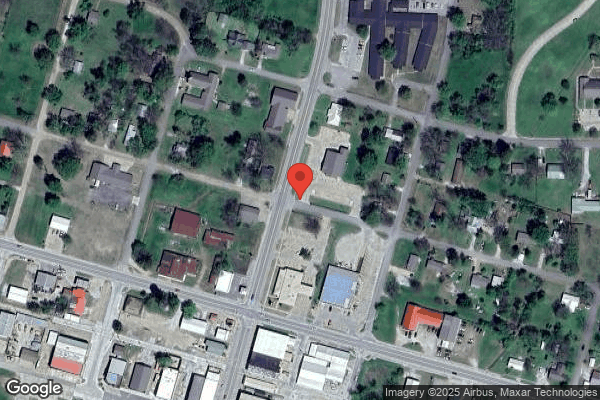
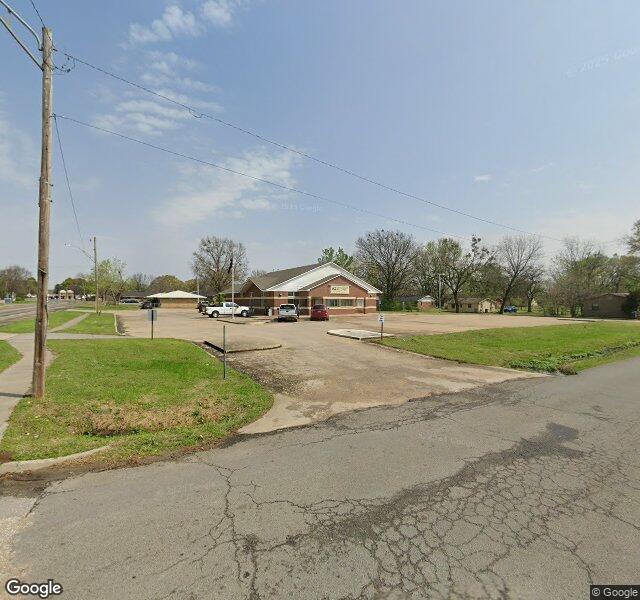
305 North Thornton, Vian, OK 74962 (918) 773-5258
For profit - Limited Liability company 133 Beds Independent Data: November 2025
Trust Grade
55/100
#140 of 282 in OK
Last Inspection: April 2025

Within standard 12-15 month inspection cycle. Federal law requires annual inspections.

Overview

Vian Nursing & Rehab, LLC in Vian, Oklahoma has a Trust Grade of C, which means it is average and sits in the middle of the pack for nursing homes in the area. It ranks #140 out of 282 facilities in Oklahoma, placing it in the top half, and is the best option out of four facilities in Sequoyah County. Unfortunately, the facility is getting worse, with issues increasing from 2 in 2024 to 7 in 2025. Staffing is a moderate point of strength with a 3/5 rating and a turnover rate of 48%, which is below the state average, indicating staff stability. However, there are concerning incidents, such as a resident being burned by a hot drink and failures in food safety, indicating that while there are strengths, there are also significant areas needing improvement.

Trust Score
C
55/100
In Oklahoma
#140/282
Top 49%
Safety Record
Moderate
Needs review
Inspections
Getting Worse
2 → 7 violations
Staff Stability
⚠ Watch
48% turnover. Above average. Higher turnover means staff may not know residents' routines.
Penalties
✓ Good
No fines on record. Clean compliance history, better than most Oklahoma facilities.
Skilled Nurses
⚠ Watch
Each resident gets only 15 minutes of Registered Nurse (RN) attention daily — below average for Oklahoma. Fewer RN minutes means fewer trained eyes watching for problems.
Violations
⚠ Watch
22 deficiencies on record. Higher than average. Multiple issues found across inspections.
★★★☆☆
3.0
Overall Rating
★★★☆☆
3.0
Staff Levels
★★☆☆☆
2.0
Care Quality
★★★☆☆
3.0
Inspection Score
Stable
2024: 2 issues
2025: 7 issues

The Good

  • Full Sprinkler Coverage · Fire safety systems throughout facility
  • No fines on record

Facility shows strength in fire safety.

The Bad

3-Star Overall Rating

Near Oklahoma average (2.6)

Meets federal standards, typical of most facilities

Staff Turnover: 48%

Near Oklahoma avg (46%)

Higher turnover may affect care consistency

The Ugly 22 deficiencies on record

1 actual harm
Jul 2025 1 deficiency 1 Harm
SERIOUS (G) 📢 Someone Reported This

A family member, employee, or ombudsman was alarmed enough to file a formal complaint

Actual Harm - a resident was hurt due to facility failures

Accident Prevention (Tag F0689)

A resident was harmed · This affected 1 resident

Based on record review and interview, the facility failed to ensure a resident was not burned by a hot drink for 1 (#1) of 4 sampled residents reviewed for accident hazards related to hot drinks.The a...

Read full inspector narrative →
Based on record review and interview, the facility failed to ensure a resident was not burned by a hot drink for 1 (#1) of 4 sampled residents reviewed for accident hazards related to hot drinks.The administrator identified 53 residents resided at the facility.Findings:A facility policy titled Safety of Hot Liquids, dated October 2014, read in part, Residents will be evaluated for safety concerns and potential for injury from hot liquids upon admission, readmission and on change of condition. Appropriate precautions will be implemented to maximize choices of beverages while minimizing the potential for injury.The potential for burns from hot liquids is considered an ongoing concern among residents with weakened motor skills, balance issues, impaired cognition, and nerve or musculoskeletal conditions.A significant change assessment, dated 05/20/25, showed in Section C Res #1 had a BIMS (brief interview for mental status) score of 06 (a score of 06 indicated the resident's cognition was severely impaired). Section I of the assessment showed Res #1 had the diagnosis of acute and chronic respiratory failure with hypoxia.A progress note, dated 07/15/25 at 4:22 p.m., showed LPN #1 had observed Res #1 laying in bed and a coffee mug had been provided to the resident by a staff member. The note showed the nurse had assessed the resident and found coffee had been spilled on the resident's legs, buttock, and thighs. The note showed LPN #1 observed a 2 inch by 2.5 inch open area located on the resident's left lower hip, a 2 inch by 0.5 inch blister on the resident's left buttock, and a 1.5 inch by 1 inch blister located on the resident's right buttock. The note showed the resident had a blood oxygen saturation rate (a measurement of oxygen circulating in the blood steam) of 88% and LPN #1 observed the resident quickly fell asleep during the assessment. The note showed LPN #1 further documented in the note the resident had been transferred to a community acute care hospital at approximately 2:00 p.m.A hospital assessment document, dated 07/15/25, showed Res #1 had burns to their groin and buttock and respiratory failure. The document showed the resident had second degree burns that were described as partial thickness loss and blisters on the resident's sacrum, left buttock, left posterior thigh, suprapubic, and groin areas. On 07/18/25 at 12:00 p.m. the administrator and this surveyor reviewed video footage from the camera that had a view of Res #1's hallway. According to the time stamp on the video, PT #1 entered Res #1's room with a coffee mug on 07/15/25 at 11:34 a.m. CNA #1 entered Res #1's room at 12:27 p.m. with a food tray. At 12:28 p.m., CNA #1 was observed leaving Res #1's room without the food tray. At 12:29 p.m., CNA #1 was observed entering Res #1's room with a towel in their hand. At 12:32 p.m., CNA #1 was observed leaving Res #1's room with the towel. At 12:43 p.m. LPN #1 entered Res #1's room. The video did not show anyone remove a food tray or cups between the time CNA #1 entered with a food tray and the time LPN #1 entered the room at 12:43 p.m. On 07/17/25 at 3:20 p.m., LPN #1 was asked to describe the incident where Res #1 had been sent to a hospital for a burn. LPN #1 stated they had been Res #1's nurse on that day. They stated the resident's level of consciousness was down that day and they were lethargic (a state of physical and/or mental fatigue/tiredness) because Res #1 would not keep their CPAP (continuous positive airway pressure machine that supplies supplemental oxygen) mask on.On 07/18/25 at 9:24 a.m., CMA #1 was asked about Res #1's general condition on the day they had received the burn on 07/15/25. CMA #1 stated Res #1 was a little lethargic, had refused their medications that morning, and reported some shortness of breath. They stated the resident had a history of their oxygen levels getting low and at those times the resident would need assistance with eating. On 07/18/25 at 10:00 a.m. PT #1 was asked to describe the incident where Res #1 had been burned on 07/15/25. They stated on the day of the incident a staff member had told them the resident had not taken their medications that morning. They stated they went to see the resident to see if they could talk the resident into taking their medications. They stated when they arrived at the resident's room, they called the resident's name and the second time they called the resident's name the resident slightly opened their eyes. PT #1 stated Res #1 then asked them to get them some coffee. PT #1 stated they then went to the dining room and after finding the thermoses of coffee in the dining room were empty, they asked a kitchen staff member to fill a coffee mug for them. They stated the kitchen staff member did fill the mug from the coffee maker in the kitchen and they returned to Res #1's room with the filled coffee mug. They stated they put a straw into the top of the coffee mug and assisted Res #1 to drink the coffee. They stated they physically held the resident's head up from under their chin so the resident could take some sips of coffee through the straw. They stated the resident did take about three or four sips from the mug of coffee before they fell back asleep. PT #1 stated they then placed the coffee mug on the resident's bedside table that was positioned laterally next to the resident's bed and in the area of the resident's lower legs. They stated the resident could not have reached the coffee mug at that location and was unaware how the coffee could have gotten spilled onto the resident's hip area. PT #1 was asked about the temperature of the coffee they had given to Res #1. They stated they did not know what the temperature of the coffee was and could not feel any heat through the mug.On 07/18/25 at 10:55 a.m., CNA #1 was asked to describe what they knew about the incident where Res #1 had been burned on 07/15/25. They stated on the morning of 07/15/25 at about 7:30 a.m., they had checked on Res #1 and found them in bed turned toward the wall. They stated they had observed the resident's bedside table was pushed in about half-way over the resident's waist. They stated the resident's bedding and clothing were dry, but there was a liquid spilled on the bedside table which they cleaned up. They stated the liquid appeared to be coffee, but they stated they had not seen a cup on the table or on the bed. When asked about the resident's level of consciousness CNA #1 stated they had tried to speak with the resident, but they never woke up. CNA #1 stated later that same day they had brought Res #1 their lunch tray and did find a coffee mug on the table at that time, but it was not spilled. They stated the table was near the foot of the resident's bed and they placed the food tray on it and moved it into position over the resident's waist. They stated they then tried to wake the resident, but they never woke up, so they left the tray of food where it was and left the room.On 07/18/25 at 11:19 a.m., LPN #1 was asked when they became aware of the burns to Res #1. LPN #1 stated on the day of the incident they had attempted to get a urine sample from the resident and when they removed the resident's bedding, they observed the bed pad was stained. They stated they then inspected the resident's body and found the burned area and that was about 1:00 p.m. They were asked if they had observed where the spilled liquid had come from. LPN # 1 stated they did not recall noticing if a food tray or cups were in the room when they found the burns. They were asked who removed the trays from resident rooms. They stated housekeeping picked up trays after meals, but they did not recall seeing anyone pick up the lunch trays that day. On 07/18/25 at 12:04 p.m., the DM was asked about the brewing temperature of the coffee maker located inside the kitchen. The DM stated the coffee would measure about 160 degrees Fahrenheit when it came directly out of the machine. They stated that was why coffee was first cooled and then placed in thermoses in the dining room for the residents.On 07/18/25 at 12:09 p.m., dietary aide #2 was asked if they had provided the coffee to PT #1 for Res #1 on 07/15/25. Dietary Aide #2 stated PT #1 had asked for some coffee and provided a non-facility mug to them which they filled from the coffee maker in the kitchen. Dietary Aide #2 stated they were unaware at the time the coffee was for Res #1 and not PT #1.
Apr 2025 6 deficiencies
CONCERN (D) 📢 Someone Reported This

A family member, employee, or ombudsman was alarmed enough to file a formal complaint

Potential for Harm - no one hurt, but risky conditions existed

Investigate Abuse (Tag F0610)

Could have caused harm · This affected 1 resident

Based on record review and interview, the facility failed to thoroughly investigate an allegation of neglect for 1 (#50) of 2 sampled residents reviewed for neglect. The administrator reported the fac...

Read full inspector narrative →
Based on record review and interview, the facility failed to thoroughly investigate an allegation of neglect for 1 (#50) of 2 sampled residents reviewed for neglect. The administrator reported the facility census was 56. Findings: A facility policy titled Abuse, Neglect, Exploitation of Misappropriation - Reporting and Investigating, revised 09/2022, read in part, All reports of resident abuse (including injuries of unknown origin), neglect, exploitation, or theft/misappropriation of resident property are reported to local, state and federal agencies (as required by current regulations) and thoroughly investigated by facility management.The individual conducting the investigation as a minimum: .interviews staff members (on all shifts) who have had contact with the resident during the period of the alleged incident: .interviews other residents to whom the accused employee provides care or services. An admission record, dated 08/28/23, showed Res #50 had diagnoses which included dementia and dysphagia (difficulty swallowing). A physician order, dated 07/08/24, read in part, If resident eats 50%or less of meal, administer Jevity 1.5 [a nutritional supplement] via bolus [a single large dose] feeding method. An incident report form, dated 01/20/25, showed an allegation of CMA #1 not administering Res #50's breakfast and lunch tube feedings and they documented the feedings had been given. The report also showed CMA #1 had been suspended pending an investigation. The facility's investigation of the incident was reviewed. The investigation did not show any interviews with other residents or staff had been conducted. On 04/24/25 at 8:40 a.m., the administrator stated they had not interviewed any other residents or staff related to the incident. They also stated they substantiated the allegation based on video evidence and record review, and terminated CMA #1's employment.
CONCERN (D)

Potential for Harm - no one hurt, but risky conditions existed

Comprehensive Assessments (Tag F0636)

Could have caused harm · This affected 1 resident

**NOTE- TERMS IN BRACKETS HAVE BEEN EDITED TO PROTECT CONFIDENTIALITY** Based on record review and interview, the facility failed to ensure an admission MDS assessment was completed within 14 days of ...

Read full inspector narrative →
**NOTE- TERMS IN BRACKETS HAVE BEEN EDITED TO PROTECT CONFIDENTIALITY** Based on record review and interview, the facility failed to ensure an admission MDS assessment was completed within 14 days of admission for 1 (#110) of 5 sampled residents reviewed for MDS assessments. The administrator reported the facility census was 56. Findings: An admission record, dated 04/02/25, showed Res #110 was admitted to the facility on [DATE]. Res 110's electronic health record was reviewed. The health record showed the status of the admission MDS was in progress. On 04/23//25 at 9:14 a.m., MDS Coordinator #1 stated an admission MDS should be competed within 14 days of admission. They also stated Res #110's admission MDS had not been completed in the required timeframe.
CONCERN (D)

Potential for Harm - no one hurt, but risky conditions existed

Medication Errors (Tag F0758)

Could have caused harm · This affected 1 resident

Based on record review and interview, the facility failed to ensure a resident was not prescribed and administered an antipsychotic medication for the diagnosis of dementia for 1 (#44) of 5 sampled re...

Read full inspector narrative →
Based on record review and interview, the facility failed to ensure a resident was not prescribed and administered an antipsychotic medication for the diagnosis of dementia for 1 (#44) of 5 sampled residents reviewed for unnecessary medications. The ADON stated 11 residents at the facility were prescribed antipsychotic medications. Findings: A facility policy titled Antipsychotic Medication Use, dated July 2022, read in part, Residents will only receive antipsychotic medications when necessary to treat specific conditions for which they are indicated and effective. Medication orders, dated 01/03/25, showed Res #44 was prescribed Seroquel (an antipsychotic medication) 25 mg one tab by mouth twice daily for the diagnosis of unspecified dementia, unspecified severity, with other behavioral disturbances and was prescribed quetiapine fumarate (the generic name for Seroquel) 50 mg one tab at bedtime for the diagnosis of unspecified dementia, unspecified severity, with other behavioral disturbances. A medication administration record for January 2025 showed Res #44 was administered 62 doses of Seroquel 25 mg tablets and 31 doses of Seroquel 50 mg tablets during the month. A medication administration record for February 2025 showed Res #44 was administered 56 doses of Seroquel 25 mg tablets and 28 doses of Seroquel 50 mg tablets during the month. A medication administration record for March 2025 showed Res #44 was administered 62 doses of Seroquel 25 mg tablets and 31 doses of Seroquel 50 mg tablets during the month. A medication administration record for April 2025 showed Res #44 was administered 45 doses of Seroquel 25 mg tablets and 22 doses of Seroquel 50 mg tablets as of 04/22/25 of the month. On 04/23/25 at 8:56 a.m., CMA #2 stated they had administered Res #44 Seroquel that morning and the resident had been getting the medication routinely every morning and evening since January 2025. On 04/23/25 at 9:12 a.m., the infection preventionist stated they had reviewed Res #44's medical record and found the resident had been prescribed an antipsychotic medication for dementia. They stated the resident's April 2025 medication administration record showed the resident had been administered an antipsychotic medication routinely. They stated they were unsure if dementia was an appropriate diagnosis for the use of antipsychotic medications. On 04/23/25 at 9:20 a.m., the ADON stated at the facility they had residents who were prescribed antipsychotic medication for dementia with behaviors. They stated they had reviewed Res #44's medical record and found the resident was prescribed an antipsychotic medication for the diagnosis of dementia.
CONCERN (E)

Potential for Harm - no one hurt, but risky conditions existed

Deficiency F0582 (Tag F0582)

Could have caused harm · This affected multiple residents

Based on record review and interview, the facility failed to ensure form CMS-10055 included an estimated cost of skilled services the resident would need to pay in the absence of Medicare coverage for...

Read full inspector narrative →
Based on record review and interview, the facility failed to ensure form CMS-10055 included an estimated cost of skilled services the resident would need to pay in the absence of Medicare coverage for 3 (#31, 37, and #60) of 3 sampled residents reviewed for beneficiary notices. MDS Coordinator #1 stated nine residents had been discharged from skilled nursing services between 10/21/24 and 04/21/25. Findings: 1. A review of a CMS-10055 form, dated 12/03/24, for Res #37 showed an estimated cost for ending skilled nursing services was not provided to the resident. In the section of the form where the estimated cost of services was to be provided the word Pending was written. 2. A review of a CMS-10055 form, dated 01/21/25, for Res #31 showed an estimated cost for ending skilled nursing services was not provided to the resident. In the section of the form where the estimated cost of services was to be provided the word Pending was written. 3. A review of a CMS-10055 form, dated 03/12/25, for Res #60 showed an estimated cost for ending skilled nursing services was not provided to the resident. In the section of the form where the estimated cost of services was to be provided the word Pending was written. On 04/24/25 at 9:03 a.m., MDS Coordinator #1 was shown the CMS-10055 forms for Residents #31, 37, and #60. They stated the form appeared complete to them. They were asked how the residents and their representatives would determine the estimated costs of the services that were ending. MDS Coordinator #1 stated they wrote pending in the space on the forms for the estimated cost because they had no way to determine those costs. They stated the corporation that operated the facility contracted with an organization to do the billing for them. MDS Coordinator #1 stated they turned in information to the contracted service provider but never saw prices for each service billed. They were asked who may have that information. They stated the contracted service provider and corporate headquarters would know. They were asked if they had attempted to contact those individuals to determine an estimate of the costs of services. They stated they had not. On 04/24/25 at 9:26 a.m., the DON was shown the CMS-10055 forms for Residents #31, 37, and #60. The DON stated the estimated costs of the skills services were not provided on the forms. They stated the importance of the estimated costs was for residents or their representatives to make an informed decision about continuing to receive skilled services that Medicare may not cover. The DON stated in these instances the residents and their representatives would have been unable to figure in the cost of the services when making the decision to keep the services or not.
CONCERN (E) 📢 Someone Reported This

A family member, employee, or ombudsman was alarmed enough to file a formal complaint

Potential for Harm - no one hurt, but risky conditions existed

Free from Abuse/Neglect (Tag F0600)

Could have caused harm · This affected multiple residents

Based on record review and interview, the facility failed to ensure a resident received prescribed supplemental feedings for 1 (#50) of 1 sampled resident reviewed for neglect. The administrator repo...

Read full inspector narrative →
Based on record review and interview, the facility failed to ensure a resident received prescribed supplemental feedings for 1 (#50) of 1 sampled resident reviewed for neglect. The administrator reported the facility census was 56. Findings: A facility policy titled Abuse, Neglect, Exploitation and Misappropriation Prevention Program, revised 04/2021, read in part, Residents have the right to be free from abuse, neglect, misappropriation of resident property and exploitation. An admission record, dated 08/28/23, showed Res #50 had diagnoses which included dementia and dysphagia (difficulty swallowing). A physician order, dated 07/08/24, read in part, If resident eats 50%or less of meal, administer Jevity 1.5 [a nutritional supplement] via bolus [a single large dose] feeding method. An initial incident report, dated 01/20/25, showed an allegation of CMA #1 not administering Res #50's breakfast and lunch tube feedings and they documented the feedings had been given. The report also showed CMA #1 had been suspended pending an investigation. A final incident report, dated 01/20/25, showed after reviewing records and camera footage for 01/20/25 they determined CMA #1 documented they administered the breakfast and lunch supplemental feeding, but did not enter the resident's room after breakfast or after lunch to administer the feedings. The report also showed the facility substantiated the neglect allegation and terminated CMA #1. On 04/24/25 at 8:40 a.m., the administrator reported the allegation of CMA #1 neglecting Res #50 was substantiated, and the facility terminated CMA #1. They also reported they had educated staff regarding percutaneous endoscopic gastrostomy (PEG) tube feedings and were monitoring for compliance.
CONCERN (E)

Potential for Harm - no one hurt, but risky conditions existed

Transfer Notice (Tag F0623)

Could have caused harm · This affected multiple residents

**NOTE- TERMS IN BRACKETS HAVE BEEN EDITED TO PROTECT CONFIDENTIALITY** Based on record review and interview, the facility failed to ensure residents were provided with a written notice of transfer pr...

Read full inspector narrative →
**NOTE- TERMS IN BRACKETS HAVE BEEN EDITED TO PROTECT CONFIDENTIALITY** Based on record review and interview, the facility failed to ensure residents were provided with a written notice of transfer prior to being transferred to a hospital for 2 (#1 and #21) of 2 sampled residents reviewed for hospitalizations. The DON stated 52 residents were transferred to a hospital between 10/23/24 and 04/23/25. Findings: A facility policy titled Transfer or Discharge, Facility Initiated, dated 2001, read in part, Notice of transfer is provided to resident and representative as soon as practicable before the transfer and to the long-term care (LTC) ombudsman when practicable (e.g., in a monthly list of residents that includes all notice content requirements). 1. A progress note for Res #1, dated 01/22/25 at 12:13 p.m., showed the resident was transferred to a hospital for shortness of breath and diminished lungs sounds. Res #1's medical records were reviewed for the presence of written notices of transfer. None were found. 2. A progress note for Res #21, dated 04/17/25 at 6:49 p.m., showed the resident was transferred to a hospital for shortness of breath. Res #21's medical records were reviewed for the presence of written notices of transfer. None were found. On 04/23/25 at 11:53 a.m., LPN #1 stated they had been the nurse that transferred Res #1 to a hospital on [DATE] and transferred Res #21 to a hospital on [DATE]. They stated when they transferred the residents to the hospital they send the bed hold policy, admission records, medication list, active orders, and their code status. They stated they had not given a written notice of transfer because they were unaware of it. They stated they had never given such notice to any resident they had transferred to a hospital. On 04/23/25 at 12:04 p.m., LPN #2 stated they had heard of the written notice of transfer, but had not used it at that facility. They stated they had worked at the facility for about one year. On 04/23/25 at 12:08 p.m., the DON stated they had heard of written notices of transfer and had used it at other facilities they had worked. They stated they had worked at the facility for about one month and did not realize they were not using the notice. They stated they would speak with the administrator and staff to start the use of the form at the facility.
Mar 2024 2 deficiencies
CONCERN (D) 📢 Someone Reported This

A family member, employee, or ombudsman was alarmed enough to file a formal complaint

Potential for Harm - no one hurt, but risky conditions existed

Abuse Prevention Policies (Tag F0607)

Could have caused harm · This affected 1 resident

Based on record review and interview, the facility failed to follow their abuse prevention policy by not obtaining criminal background checks and reporting an allegation of abuse with the two hours ti...

Read full inspector narrative →
Based on record review and interview, the facility failed to follow their abuse prevention policy by not obtaining criminal background checks and reporting an allegation of abuse with the two hours time frame. The DON identified 50 residents resided in the facility. Findings: 1. A facility policy, Background Screening Investigations, dated March 2019, read in part, .For purposes of this policydirect access employee means any individual who has access to a resident or patient of a long term care (LTC) facility or provider through employment or through a contract and has duties that involve (or may involve) one-on-one contact with a patient or resident of the facility or provider, as determined by the state for purposes of the national background check program .Background and criminal checks are initiated within two days of an offer of employment or contract agreement, and completed prior to employment . The surveyor reviewed five employee files with CNA #1 being one of them. CNA #1 did not have a clearance letter from the state of Oklahoma in her file. On 03/21/24 at 2:41 p.m. the BOM stated she was not aware they were to screen the agency staff. She accepted the screening from the agency which was not from the stated of Oklahoma. On 03/21/24 at 3:07 p.m., the OK screen office was contacted and the OK screen staff member stated CNA #1 was not current in the system and had never been finger printed. They stated the facility had to have a clearance letter on any one working in the facility. On 03/21/24 at 3:36 p.m., the administrator stated the BOM had performed background checks on agency staff in the past but the BOM failed to do one on CNA #1. 2. A facility policy, dated September 2022, titled Abuse, Neglect, Exploitation or Misappropriation-Reporting and Investigating, read in part, .Immediately is defined as : a. within two hours of an allegation involving abuse or result in in serious bodily injury; or b. within 24 hours of an allegation that does not involve abuse or result in serious bodily injury . A review of the OSDH 283 form dated 02/29/24 contained a fax cover page with the time of 1:27 p.m., when the 283 was sent to OSDH. On 03/21/24 at 12:25 p.m., the administrator stated the allegation was not reported within the 2 hour time frame. On 03/21/24 at 12:42 p.m., the DON stated the allegation was reported to them during breakfast and they reported it to the administrator around 8:30 a.m.
CONCERN (D) 📢 Someone Reported This

A family member, employee, or ombudsman was alarmed enough to file a formal complaint

Potential for Harm - no one hurt, but risky conditions existed

Report Alleged Abuse (Tag F0609)

Could have caused harm · This affected 1 resident

Based on record review and interview, the facility failed to ensure all allegations of abuse were reported within two hours of the reported incident for one (Res #1) of four residents sampled for abus...

Read full inspector narrative →
Based on record review and interview, the facility failed to ensure all allegations of abuse were reported within two hours of the reported incident for one (Res #1) of four residents sampled for abuse. The DON identified 50 residents residing in the facility. Findings: A facility policy, dated September 2022, titled Abuse, Neglect, Exploitation or Misappropriation-Reporting and Investigating, read in part, .Immediately is defined as : a. within two hours of an allegation involving abuse or result in in serious bodily injury; or b. within 24 hours of an allegation that does not involve abuse or result in serious bodily injury . Res #1 had diagnoses of malnutrition, rheumatoid arthritis, anxiety disorder, and depression. A significant change assessment, dated 02/01/24, documented the resident was intact with cognition and required substantial to maximal assistance with most ADLs. A review of the OSDH 283 form dated 02/29/24 contained a fax cover page with the time of 1:27 p.m., when the 283 was sent to OSDH. On 03/21/24 at 12:25 p.m., the administrator stated the allegation was not reported within the 2 hour time frame. On 03/21/24 at 12:42 p.m., the DON stated the allegation was reported to them during breakfast and they reported it to the administrator around 8:30 a.m.
Dec 2023 11 deficiencies
CONCERN (D)

Potential for Harm - no one hurt, but risky conditions existed

Deficiency F0604 (Tag F0604)

Could have caused harm · This affected 1 resident

Based on observation, record review, and interview, the facility failed to ensure to remove a lab buddy restraint every two hours for one (#6) of one resident reviewed for restraints. The ADON identif...

Read full inspector narrative →
Based on observation, record review, and interview, the facility failed to ensure to remove a lab buddy restraint every two hours for one (#6) of one resident reviewed for restraints. The ADON identified 44 residents resided in the facility. Findings: The Vian Nursing and Rehab Fall Risk and Physical Restraint Policy, read in part, . Physical restraints devices will be used only as a last resort to protect a resident from injury to themselves or others. All other means of dealing with the residents condition must be exhausted before the use of restraints can be considered . Res #6 had diagnoses which included cerebral palsy and generalized muscle weakness. A physician order, dated 05/28/18, documented an activity buddy while up in wheelchair related to cerebral palsy and history of falls. Remove every two hours and as needed for 10 minutes for exercise and range of motion, toileting, and repositioning. A care plan, dated 12/17/19, documented the resident used physical restraints related to leaning forward/sideways when in wheelchair. A quarterly assessment, dated 12/11/23, documented the resident was moderately impaired with cognition in daily decision making and required moderate assistance with all ADLs. The assessment did document the resident did have a restraint in place. On 12/18/23 at 3:16 p.m., Res #16 was observed at the nursing station in a wheelchair with a lap buddy on and when asked if they could remove the lap buddy they could not remove the lab buddy without assistance. On 12/20/23 at 09:01 p.m., the resident was observed in the hallway in a wheelchair with a lap buddy on and when asked if they could remove the lap buddy they shook their head no and pointed to the nurse at the desk to remove it. On 12/20/23 at 10:15 a.m., Res #6 was asked by CNA #1 to remove the lap buddy independently and Res #6 could not remove the lap buddy independently. On 12:20:23 at 11:17 a.m., CNA #2 stated the lap buddy had not been removed from resident this morning. On 12/20/23 at 13:26 a.m., an interview was conducted with CNA #2 related to the lap buddy being removed every two hours for 10 minutes and they stated they did not removed the lap buddy every two hours but only when the staff was taking the resident to the bathroom or doing some personal care. On 12/21/23 at 9:17 a.m., an interview was conducted the ADON and they stated they did not consider the lap buddy a restraint related to the resident can remove it when they wanted to. On 12/21/23 at 9:40 a.m., an interview was conducted with the ADON and they stated the lap buddy was probably not removed every two hours as documented on the physician order.
CONCERN (D) 📢 Someone Reported This

A family member, employee, or ombudsman was alarmed enough to file a formal complaint

Potential for Harm - no one hurt, but risky conditions existed

Report Alleged Abuse (Tag F0609)

Could have caused harm · This affected 1 resident

**NOTE- TERMS IN BRACKETS HAVE BEEN EDITED TO PROTECT CONFIDENTIALITY** Based on record review and interview, the facility failed to ensure misappropriation of resident's property was reported to the ...

Read full inspector narrative →
**NOTE- TERMS IN BRACKETS HAVE BEEN EDITED TO PROTECT CONFIDENTIALITY** Based on record review and interview, the facility failed to ensure misappropriation of resident's property was reported to the required agencies within the required timeframe for one (#3) of one sampled resident whose financial records were reviewed. The administrator identified 44 residents who resided in the facility Findings: An Abuse Program policy, undated, read in part, .Misappropriation of Resident Property: The deliberate misplacement, exploitation, or wrongful temporary or permanent use of a resident's belongings or money without the resident's consent .The facility will identify and investigate all suspicions or allegations of abuse (such as .misappropriation of resident property), reviewing the occurrence, patterns and trends that may constitute abuse. This information will be used to determine the direction of the investigation . An Abuse, Neglect, Exploitation or Misappropriation - Reporting and Investigating policy, last revised on September 2022, read in part, .If resident abuse, neglect, exploitation, misappropriation of resident property .is suspected, the suspicion must be reported immediately to the administrator and to other officials according to state law. The Administrator .reports .suspicion to the following persons or agencies: a. The state licensing/certification agency responsible for surveying/licensing the facility .d. Adult protective services, e. Law enforcement officials .'Immediately' is defined as: within 24 hours of an allegation . Res #3 had diagnoses which included dementia, depression, macular degeneration, and a history of CVA. A Durable Power of Attorney document, dated 11/08/22, appointed the resident's family member to be the attorney-in-fact. A quarterly assessment, dated 11/18/23, documented Res #3 had short and long term memory problems and had severely impaired daily decision making. A review of Res #3's financial statement for 2023 documented the following: January co-pay of $1,334 was paid, February co-pay of $1,334 was not paid, leaving a balance of $1,334, March co-pay of $1,334 was partially paid with an $800 payment, leaving a balance of $1,868, April co-pay of $1,334 was not paid, leaving a balance of $3,202, May co-Pay of $1,121 was not paid, leaving a balance of $4,323, An undated payment was received in the amount of $1,500, leaving a new balance of $2,823, June 2023 co-pay of $1,121 was not paid, leaving a balance of $3,944, July 2023 co-pay of $1,121 was not paid, leaving a balance of $5,065, August 2023 co-pay of $1,121 was paid with a $3,600 payment, leaving a balance of $2,586, September 2023 co-pay of $1,121 was paid with a $1,200 payment, leaving a balance of $2,507, October 2023 co-pay of $1,121 was not paid, leaving a balance of $3,628, November 2023 co-pay of $1,121 was not paid, leaving a balance of $4,749, and December 2023 co-pay of $1,121 was not paid, leaving a balance of $5,870. A written statement by the BOM, dated 12/08/23, read in part, .I called (the family member name withheld) about this. State [sic] he will be sending some money by Wednesday . On 12/18/23 at 12:15 p.m., the administrator reported the family member was behind on paying Res #3's monthly co-pay. The administrator reported Res #3's social security check goes to the family member and they didn't suspect misappropriation, and therefore did not investigate or report to OSDH. The administrator reported sometimes people get busy and forget to send payments. The administrator reported they didn't call the family member to discuss nonpayment until December. A combined initial and final Incident Report Form, dated 12/19/23, was sent to OSDH and DHS for misappropriation of property for Res #3, and read in part, Resident's (family relation withheld), has not made payments to the facility for October and November. We spoke to him on the 8th of December and he reported that he had borrowed money from his (family relation withheld) with her permission, but that he had put the money back in her account and was sending out payment on that day (the 8th). Facility waited on payment but it was not received last week XXX[AGE] year old female with dementia .is forgetful at times . On 12/19/23 at 9:00 a.m., the administrator reported they reported the misappropriation of property to APS, OSDH and the [NAME] Police Department. The administrator reported the family member lived out of state and had not been the facility in a while, but they did speak with Res #3 over the phone. On 12/20/23 at 3:45 p.m., Res #3 reported they allowed their family member to borrow money so they could buy themselves things. Res #3 reported the family member brought them the things that they buy. Res #3 reported the family member decorated their room for Christmas and reported the family member came in person to check on them often. On 12/20/23 at 4:00 p.m., the administrator denied that Res #3's family member was at the facility to decorate the resident's room for Christmas nor did they bring the resident any items.
CONCERN (D) 📢 Someone Reported This

A family member, employee, or ombudsman was alarmed enough to file a formal complaint

Potential for Harm - no one hurt, but risky conditions existed

Investigate Abuse (Tag F0610)

Could have caused harm · This affected 1 resident

**NOTE- TERMS IN BRACKETS HAVE BEEN EDITED TO PROTECT CONFIDENTIALITY** Based on record review and interview, the facility failed to ensure a thorough investigation was completed regarding misappropri...

Read full inspector narrative →
**NOTE- TERMS IN BRACKETS HAVE BEEN EDITED TO PROTECT CONFIDENTIALITY** Based on record review and interview, the facility failed to ensure a thorough investigation was completed regarding misappropriation of resident's property for one (#3) of one sampled resident whose financial records were reviewed. The administrator identified 44 residents who resided in the facility Findings: An Abuse Program policy, undated, read in part, .Misappropriation of Resident Property: The deliberate misplacement, exploitation, or wrongful temporary or permanent use of a resident's belongings or money without the resident's consent .The facility will identify and investigate all suspicions or allegations of abuse (such as .misappropriation of resident property), reviewing the occurrence, patterns and trends that may constitute abuse. This information will be used to determine the direction of the investigation. The investigation will include a statement from .residents .who may have information regarding the suspected infraction. Res #3 had diagnoses which included dementia, depression, macular degeneration, and a history of CVA. A Durable Power of Attorney document, dated 11/08/22, appointed the resident's family member to be the attorney-in-fact. A quarterly assessment, dated 11/18/23, documented Res #3 had short and long term memory problems and had severely impaired daily decision making. A review of Res #3's financial statement for 2023 documented the following: January co-pay of $1,334 was paid, February co-pay of $1,334 was not paid, leaving a balance of $1,334, March co-pay of $1,334 was partially paid with an $800 payment, leaving a balance of $1,868, April co-pay of $1,334 was not paid, leaving a balance of $3,202, May co-Pay of $1,121 was not paid, leaving a balance of $4,323, An undated payment was received in the amount of $1,500, leaving a new balance of $2,823, June 2023 co-pay of $1,121 was not paid, leaving a balance of $3,944, July 2023 co-pay of $1,121 was not paid, leaving a balance of $5,065, August 2023 co-pay of $1,121 was paid with a $3,600 payment, leaving a balance of $2,586, September 2023 co-pay of $1,121 was paid with a $1,200 payment, leaving a balance of $2,507, October 2023 co-pay of $1,121 was not paid, leaving a balance of $3,628, November 2023 co-pay of $1,121 was not paid, leaving a balance of $4,749, and December 2023 co-pay of $1,121 was not paid, leaving a balance of $5,870. On 12/18/23 at 12:15 p.m., the administrator reported the family member was behind on paying Res #3's monthly co-pay. The administrator reported Res #3's social security check goes to the family member and they didn't suspect misappropriation, and therefore did not investigate or report to OSDH. The administrator reported sometimes people get busy and forget to send payments. The administrator reported they didn't call the family member to discuss nonpayment until December. A combined initial and final Incident Report Form, dated 12/19/23, was sent to OSDH and DHS for misappropriation of property for Res #3, and read in part, Resident's (family relation withheld), has not made payments to the facility for October and November. We spoke to him on the 8th of December and he reported that he had borrowed money from his (family relation withheld) with her permission, but that he had put the money back in her account and was sending out payment on that day (the 8th). Facility waited on payment but it was not received last week XXX[AGE] year old female with dementia .is forgetful at times . On 12/19/23 at 9:00 a.m., the administrator reported they reported the misappropriation of property to APS, OSDH and the [NAME] Police Department. The administrator reported the family member lived out of state and had not been the facility in a while, but they had spook with Res #3 over the phone. On 12/20/23 at 3:45 p.m., Res #3 reported they allowed their family member to borrow money so they could buy themselves things. Res #3 reported the family member brought them the things that they buy. Res #3 reported the family member decorated their room for Christmas and reported the family member came in person to check on them often. On 12/21/23 at 11:00 a.m., the administrator interviewed Res #3 and provided a written statement of the interview. The administrator reported the interview was conducted after a final investigative report was sent to OSDH. The administrator reported the interview should have been conducted prior to completing a final report to OSDH.
CONCERN (D)

Potential for Harm - no one hurt, but risky conditions existed

Assessment Accuracy (Tag F0641)

Could have caused harm · This affected 1 resident

**NOTE- TERMS IN BRACKETS HAVE BEEN EDITED TO PROTECT CONFIDENTIALITY** Based on record review and interview, the facility failed to ensure MDS assessments accurately reflected the residents' status f...

Read full inspector narrative →
**NOTE- TERMS IN BRACKETS HAVE BEEN EDITED TO PROTECT CONFIDENTIALITY** Based on record review and interview, the facility failed to ensure MDS assessments accurately reflected the residents' status for one (#13) related to physician contraindication of a GDR and for one (#18) related to a physician prescribed weight loss regimen of 12 residents whose assessments were reviewed. The administrator identified 44 residents resided in the facility. Findings: 1. Res #13 d diagnoses which included anxiety disorder and major depressive disorder recurrent severe with psychotic symptoms. A pharmacy review, dated 04/11/23, documented the resident had the following orders for depression/mood which included Cymbalta 30 mg once a day, Trazodone 50 mg at bedtime, and Seroquel 25 mg at bed time. The review documented a request to consider a GDR if appropriate. The APRN documented on 04/28/23 the patient was stable as is/no changes. There were no other GDR request for on this resident. An annual assessment, dated 09/05/23, documented a physician documented GDR was clinically contraindicated on 08/01/23. A quarterly assessment dated [DATE], documented a physician documented GDR was clinically contraindicated on 11/06/23. On 12/20/23 at 9:53 a.m., the MDS coordinator stated they were looking at the psychatric notes from the APRN where they documented no changes in medication at this time. The MDS coordinator stated they were not getting the information from the GDR request/pharmacy recommendation. 2. Res #18 had diagnoses which included diabetes mellitus, end stage renal disease, and hypertensive heart disease with heart failure. A physician order, dated 10/12/19, documented to obtain daily weights, document results, and notify the physician of two pound gain or loss in 24 hours or five pounds in one week related to hypertensive heart disease with heart failure. On 10/21/23 the resident's weight was 157.0 pounds. An annual assessment, dated 10/21/23, documented the resident was intact with cognition and was independent with most ADLs. The assessment documented the resident weighed 157 pounds and was on a prescribed weight loss regimen. The assessment documented the resident was receiving dialysis. On 12/20/23 the resident's weight was 157.2 pounds. On 12/20/23 at 3:42 p.m., the MDS coordinator stated the resident goes to dialysis three times a week. The MDS coordinator stated the resident's weight fluctuates because of dialysis. The MDS coordinator stated the resident was not on a prescribed weight loss program.
CONCERN (D)

Potential for Harm - no one hurt, but risky conditions existed

Pressure Ulcer Prevention (Tag F0686)

Could have caused harm · This affected 1 resident

**NOTE- TERMS IN BRACKETS HAVE BEEN EDITED TO PROTECT CONFIDENTIALITY** Based on observation, record review, and interview, the facility failed to ensure wound assessments were completed to include th...

Read full inspector narrative →
**NOTE- TERMS IN BRACKETS HAVE BEEN EDITED TO PROTECT CONFIDENTIALITY** Based on observation, record review, and interview, the facility failed to ensure wound assessments were completed to include the location of the wound for one (#45) of two resident whose pressure ulcers were reviewed and failed to follow infection control practices during wound care treatment for two (#13 and #45) of two residents reviewed for pressure ulcers. The administrator identified 44 residents resided in the facility. Findings: A facility policy, titled Dressings, soiled/Contaminated, revised August 2009, read in part, .Disposable items such as bandages, applicators, gauze pads, etc., that are soiled or contaminated with infective material, blood, or body fluids must be placed in a plastic bag and removed from the resident's room upon completion of any procedure . 1. Res #45 had diagnoses which included CHF, atrial fibrillation, and hemiplegia and hemiparesis following cerebral infarction affecting right dominant side. An admission assessment, dated 11/06/23, documented the resident was severely impaired with cognition and was dependent on staff for ADLs. The assessment documented the resident was as risk for pressure ulcers. A nurse note, dated 12/06/23, documented during routine care on the resident's right foot, there was a small open area to right lateral ankle. 0.5 cm x 0.8 cm. The note documented a new order received for medihoney and perform wound care daily. Other sites to bony prominence's remain closed and improved in color. A weekly wound assessment, dated 12/11/23 documented the resident has a pressure sore 1.5 cm x 1 cm which was darkened in color with a .25 cm reddened area of surrounding tissue. The assessment documented no odor or drainage. The assessment documented the bony parts of left lateral side of foot were pink and the skin intact. The assessment did not document were the resident's pressure ulcer was located. A care plan, revised 12/12/23, documented effective 11/10/23 the resident's right foot had three red pressure areas. The care plan documented a treatment was in place for the open areas, with new wound orders effective 12/07/23. A weekly wound assessment, dated 12/16/23, documented the resident had a pressure ulcer 2.0 cm x 1.0 cm with dark scab. The assessment did not document where the pressure ulcer was located. On 12/18/23 at 10:34 a.m., Res #45 was observed in their recliner. The resident had heal protectors on both feet and the resident's right food had a bandage in place. On 12/19/23 at 1:54 p.m., wound care by LPN #1 was observed. The resident had a pressure ulcer on the outer right ankle approximately the size of a quarter with eschar observed to the wound bed. LPN #1 washed her hands and removed the bandage from the resident's right foot. The LPN changed gloves, cleaned the wound, changed gloves, dried the wound, and then applied treatment and dressing to the wound. The trash from the dressing change was not removed from the resident's trash can at this time. The LPN did not cleanse her hands between cleaning the wound and applying the treatment. On 12/20/23 at 3:55 p.m., the ADON was asked to review the weekly wound assessments. The ADON stated the assessments were not completed appropriately. The ADON stated the site of the resident pressure ulcer should have been documented on the assessments. The ADON stated the nurse should change gloves and use hand hygiene between dirty and clean and they should take out the trash after the wound care. 2. Res #13 had diagnoses which included atherosclerotic heart disease, hyperlipidemia, and hypertension. A quarterly assessment dated [DATE], documented the resident was moderately impaired with cognition and had one stage II pressure ulcer. A physician order, dated 12/2/023, documented Medihoney Wound &Burn Dressing External Paste, apply to coccyx topically every day shift for wound care cleanse with normal saline, pat dry, apply collagen sprinkles, Medi Honey, cover and secure in place. On 12/18/23 at 12:32 p.m., Res #13 was observed in their wheelchair. The resident was asked if they had a pressure ulcer. The resident made it known they did have a pressure ulcer and the the staff were treating it. On 12/20/23 at 10:33 a.m., wound care was observed. The nurse washed her hands after setting up the supplies on the over bed table. The LPN cleaned the wound, changed gloves, then dried the wound and applied the treatment. The LPN did not perform hand hygiene between glove changes. The LPN washed their hands after care but did not remove the trash from the resident's room. On 12/20/23 at 10:40 a.m., LPN #1 stated they tried to change gloves after taking off the dirty bandage, and between cleaning and treating the wound. The LPN stated they did not sanitize their hands between cleaning the wound and applying the treatment. The LPN stated normally the CNA will take out the trash.
CONCERN (D)

Potential for Harm - no one hurt, but risky conditions existed

Incontinence Care (Tag F0690)

Could have caused harm · This affected 1 resident

Based on observation and interview, the facility failed to ensure infection control practices were followed to help prevent urinary tract infections for one (#45) of one resident reviewed for catheter...

Read full inspector narrative →
Based on observation and interview, the facility failed to ensure infection control practices were followed to help prevent urinary tract infections for one (#45) of one resident reviewed for catheters. The administrator identified 44 residents resided in the facility. Findings: A facility policy, titled Urinary tract infections (Catheter-Associated), Guidelines for Preventing, revised September 2017, read in part, .Keep drainage bag below the level of the bladder at all times. Do not place the drainage bag on the floor . Res #45 had diagnoses which included retention of urine, hemiplegia and hemiparesis following cerebral infarction affecting right dominate side. A care plan, revised 11/01/23, documented the resident had an indwelling foley catheter to position the catheter bag and tubing below the level of the bladder and away from entrance room door. The care plan documented to do not allow the catheter bag to touch the floor. An admission assessment, dated 11/06/23, documented the resident was severely impaired with cognition and was dependent with most ADLS. The assessment documented the resident had an indwelling catheter and was at risk for pressure ulcers. On 12/18/23 at 10:31 a.m., Res #45 was observed sitting in their recliner the catheter bag was observed on the floor by the resident's recliner had a dignity cover on but was open at the bottom where there was no barrier between the bag and the floor. On 12/20/23 at 2:57 p.m., the resident was observed in bed with the catheter bag hanging from the bed frame out of the cover on the bottom and touching the floor. On 12/20/23 at 2:58 p.m., LPN #1 stated the catheter bag should not be touching the floor. The LPN observed the catheter bag out of the cover at the bottom and touching the floor. The LPN moved the catheter bag where it was not touching the floor.
CONCERN (D)

Potential for Harm - no one hurt, but risky conditions existed

Staffing Information (Tag F0732)

Could have caused harm · This affected 1 resident

Based on observation and interview, the facility failed to document and make accessible to all residents and daily staffing information. The administrator identified 44 residents resided in the facili...

Read full inspector narrative →
Based on observation and interview, the facility failed to document and make accessible to all residents and daily staffing information. The administrator identified 44 residents resided in the facility. Findings: On 12/18/23 at 10:32 a.m. and throughout the investigation, a white board on the west end nursing station was observed to include the date and names and titles of the staff on duty. Facility name, census and staffing hours were not documented. There was no staffing information for the residents on the east end of the facility. On 12/20/23 at 3:50 p.m. the ADON reported they were unaware of the regulation regarding posted daily staffing information. The ADON reported there should be a staffing board for the residents who reside on the east end of the facility.
CONCERN (D)

Potential for Harm - no one hurt, but risky conditions existed

Deficiency F0760 (Tag F0760)

Could have caused harm · This affected 1 resident

**NOTE- TERMS IN BRACKETS HAVE BEEN EDITED TO PROTECT CONFIDENTIALITY** Based on observation, record review and interview, the facility failed to ensure significant medication errors did not occur for...

Read full inspector narrative →
**NOTE- TERMS IN BRACKETS HAVE BEEN EDITED TO PROTECT CONFIDENTIALITY** Based on observation, record review and interview, the facility failed to ensure significant medication errors did not occur for one (#13) of five residents whose medications were reviewed. The administrator identified 44 residents resided in the facility. Findings: Res #13 had diagnoses which included atherosclerotic heart disease and hypertension. A physician order, dated 03/13/19, documented clonidine a (antihypertensive medication) administer 0.1 mg three times a day related to hypertension. Hold if the [NAME] is <60 beats per minute. A care plan, dated 12/04/19, documented the resident had diagnoses of CAD, HTN, and hyperlipidemia. The care plan documented to give medication for hypertension and document the response to medication and any side effects. The care plan documented to hold the medication if pulse was <50. A physician order, dated 05/14/20, documented Metoprolol Tartrate a (beta blocker medication) administer 25 mg two times a day for high blood pressure related to hypertension. Hold if the heart rate is less than 50 beats per minute. The December 2023 MAR for Res #13 documented six days the metoprolol had been held and did not have documentation of why or if the physician had been contacted. The clonidine had been held ten times with no documentation of as why the medication was held or if the physician was contacted. On 12/19/23 at 12:24 p.m., CMA #1 stated they put an NA on the MAR because she had already documented the blood pressure in another area for the resident. CMA #1 stated on the medication cart computer they have a drop down that said More and it had the blood pressure parameters for the resident. CMA #1 stated the number five documented on the MAR meant the medication had been held and the CMA told the charge nurse. The charge nurse would have been the one to document and/or contact the physician. The CMA stated they thought the BP parameters were 100/60 to hold the medications. On 12/19/23 at 12:38 p.m., CMA #1 looked at the order for metoprolol and clonidine on the medication cart computer and under the ''More dropdown, it did not have the blood pressure parameters to hold the resident's medication only the heart rate. On 12/19/23 at 12:40 p.m., the ADON stated the medications should have blood pressure parameters also to hold the medication and the medications were being held with the heart rate in range. The ADON stated the CMAs should report to the nurse when a blood pressure medication was held. The ADON stated if the nurse contacted the physician there was no supporting documentation of that in the nurse notes.
CONCERN (D)

Potential for Harm - no one hurt, but risky conditions existed

Laboratory Services (Tag F0770)

Could have caused harm · This affected 1 resident

Based on record review and interview, the facility failed to ensure lab tests were collected as ordered for one (#13) of five sampled residents reviewed for lab services. The administrator identified ...

Read full inspector narrative →
Based on record review and interview, the facility failed to ensure lab tests were collected as ordered for one (#13) of five sampled residents reviewed for lab services. The administrator identified 44 residents resided in the facility. Findings: Res #13 had diagnoses which included atherosclerotic heart disease, hyperlipidemia, and HTN. A physician order, dated 08/30/23, to obtain a TSH, vitamin D, and lipid panel every 12 months. The lab results were not found in the resident EHR. On 12/20/23 at 9:36 a.m., the administrator stated the ADON could not find the lab results which were ordered in August.
CONCERN (E) 📢 Someone Reported This

A family member, employee, or ombudsman was alarmed enough to file a formal complaint

Potential for Harm - no one hurt, but risky conditions existed

Antibiotic Stewardship (Tag F0881)

Could have caused harm · This affected multiple residents

Based on record review and interview, the facility failed to consistently monitor antibiotic use for two (#10 and #22) of three sampled residents whose medications were reviewed. The facility failed t...

Read full inspector narrative →
Based on record review and interview, the facility failed to consistently monitor antibiotic use for two (#10 and #22) of three sampled residents whose medications were reviewed. The facility failed to evaluate the need for antibiotics prior to ordering and administering antibiotics. The ADON identified 44 residents resided in the facility. Findings: A facility Antimicrobial Stewardship policy, dated December 2012, documented in part .antimicrobial stewardship is the act of using antibiotics appropriately that is, using them only when truly needed and using the right antibiotic for each infection. It is called stewardship because it protects the effectiveness of the most important tool we have to fight life-threatening bacterial infections. Res #10's physician order date 12/14/23, documented Cefdinir 300 mg by mouth twice a day until 12/20/23 related to urinary tract infection. Res #22's physician order, dated 12/18/23, documented ceftriaxone sodium 1 gram to be injected daily for 3 days related to urinary tract infection. The EHR was reviewed on 12/20/23 and there was not evidence of a UA being collected or signs or symptoms for Res #10 and Res #22 before being put on an antibiotic. There was no care plan for urinary tract infection for either Res #10 or Res #22. On 12/21/23 at 9:29 a.m., an interview was conducted with the ADON and they stated the previous DON was suppose to be taking care of the antimicrobial stewardship but they did not do any of the tracking and trending for any of the infections. They also stated the current DON will be initiating the antimicrobial stewardship program as soon as possible.
CONCERN (F)

Potential for Harm - no one hurt, but risky conditions existed

Food Safety (Tag F0812)

Could have caused harm · This affected most or all residents

Based on observation and interview the facility failed to store, prepare, and serve food in accordance with professional standards for food service safety. The administrator identified 44 residents re...

Read full inspector narrative →
Based on observation and interview the facility failed to store, prepare, and serve food in accordance with professional standards for food service safety. The administrator identified 44 residents resided in the facility. Findings: On 12/18/23 at 8:43 a.m., an initial tour of the kitchen was conducted. The following observations were made. On 12/18/23 at 8:46 a.m., scoops were observed in the sugar bin and in the salt bin. A 50 oz can of cream of chicken soup and a 50 oz can of cream of celery soup were on the shelf and not dated. On 12/18/23 at 8:48 a.m., a pan in the refrigerator with foil over the top was labeled birthday cake and dated 12/15 and the foil was torn open to air. A cut onion was observed in a sealed bag not labeled or dated. There were two open and used out of bags of lettuce which did were not labeled or dated. A sealed bag of cut celery dated 12/5 was in the refrigerator. On 12/18/23 at 8:59 a.m., the DM stated the scoops should not be in the bins and they were removed. The DM stated the food should be dated when it came in and put up. The DM stated the food in the refrigerator should have been labeled and dated and they kept food for seven days in the refrigerator. On 12/20/23 at 10:50 a.m., a second tour of the kitchen was conducted. [NAME] #3 walked into and through the kitchen to the back room where [NAME] #3 put on a hair net which did not contain all of the cooks hair under the hair net. [NAME] #1 was observed with a beard and mustache but did not have on a beard and mustache guard. On 12/20/23 at 11:01 a.m., DA #1 was observed to enter the kitchen and the hair net they had on did not contain all of their hair. On 12/20/23 at 11:24 a.m., [NAME] #3 entered the kitchen and did not wash their hands on entrance into the kitchen. On 12/20/23 at 11:33 p.m., the DM entered the kitchen walked through the kitchen to the back room put on a hair net which did not contain all hair strands hair hanging out under the hair net by ears. On 12/20/23 at 11:36 a.m., the DM placed gloves on their hands and made a resident a cup of coffee in the resident's thermal cup. The cup sat on the counter in the back room by the coffee pot. The DM then delivered the cup to the resident in the dining room. The DM then used hand gel and returned to the kitchen. The DM did not wash their hands when entering the kitchen. The DM then scooped ice from an ice chest into a cup, poured tea, and took it to the dining room. The counter by the coffee pot was not sanitized after having a cup from outside the kitchen had been sitting on it. [NAME] #3 made another resident a cup of coffee in the resident's own thermal cup and did not sanitize the counter after. On 12/20/23 at 11:46 a.m., [NAME] #2 was observed in and out of the of the kitchen x2 with gloves on their hands. The cook did not wash her hands when entering into the kitchen. On 12/20/23 at 12:06 p.m., observed a resident's family member getting ice from the ice chest in the dining room. On 12/21/23 at 11:30 a.m., the administrator stated the staff should wear hair coverings properly and also when they have facial hair. The staff should wash their hands when touching something dirty and entering the kitchen. The administrator stated the staff should sanitize the surfaces after the resident item came into the kitchen. The administrator stated residents or their family members should not be getting into the ice containers the staff should assist them.
Aug 2022 2 deficiencies
CONCERN (D)

Potential for Harm - no one hurt, but risky conditions existed

Deficiency F0688 (Tag F0688)

Could have caused harm · This affected 1 resident

Based on record review, observation, and interview, the facility failed to ensure residents with limited range of motion received services to prevent further limitation for one (#23) of two sampled re...

Read full inspector narrative →
Based on record review, observation, and interview, the facility failed to ensure residents with limited range of motion received services to prevent further limitation for one (#23) of two sampled residents who were reviewed for range of motion. The DON identified 12 residents who had limited range of motion. Findings: A facility policy titled, Restorative Nursing Services, dated July 2017, read in part, .Residents will receive restorative nursing care as needed to help promote optimal safety and independence . Resident #23 had diagnoses which included cerebral palsy. The Functional Maintenance Plan, dated 03/11/19, documented the resident was to receive range of motion/stretching to bilateral wrist, hands, upper and lower extremities three to five times a week. The quarterly assessment, dated 06/06/22, documented the resident received restorative services for active and passive range of motion and splint/brace assistance for three days during the seven day look back period. The Documentation Survey Report v2, dated July 2022, documented the resident received range of motion/stretching and assistance with standing/transfer eight out of 13 opportunities. The report documented the resident had a brace applied to the left hand for contracture prevention 16 out of 26 opportunities. The Documentation Survey Report v2, dated August 2022, documented the resident had not received range of motion/stretching, assistance with standing/transfer, or the brace to the left hand. The report documented a code of -97 which indicated not applicable. On 08/08/22 at 3:00 p.m., LPN #1 was asked about the resident's range of motion. They stated the resident had limitation on their left side and they participated in the restorative nursing program. The LPN was asked if the resident utilized a hand brace. They stated the resident was occasionally compliant but usually did not want to have the brace applied. LPN #1 was asked who was responsible to apply the hand brace and provide range of motion services. They stated the restorative nurse aide. On 08/02/22 at 3:47 p.m., the resident's left hand was observed to be contracted with no splints or braces in place. The Task List Report, dated 08/08/22, documented the restorative aide was to assist with standing/transfer exercises and range of motion three days a week and apply brace to left hand/wrist for contracture prevention Monday through Saturday. Review of the restorative nurse aide progress notes document the resident was to wear a hand brace to the left hand for two hours twice a week. On 08/08/22 at 3:49 p.m., the DON was asked why not applicable was documented on the restorative flowsheet for August. They stated the restorative nurse had been temporarily reassigned to the covid hall. The DON was asked who was designated to provide restorative nursing services while the restorative aide was temporarily reassigned. They stated there had not been a particular employee assigned to the restorative program in their absence. On 08/08/22 at 4:09 p.m., the DON stated they had asked the restorative aide who covered for them if they were unable to provide restorative services. They stated the transportation aide was able to provide restorative services. The DON was asked if the transportation aide or anyone else had been assigned to provide restorative nursing services while the restorative aide was temporarily relocated or the restorative aide was not on duty. They stated no.
CONCERN (E)

Potential for Harm - no one hurt, but risky conditions existed

Deficiency F0698 (Tag F0698)

Could have caused harm · This affected multiple residents

Based on record review and interview, the facility failed to perform complete post dialysis assessments for one (#49) of one sampled residents who was reviewed for dialysis. The Resident Census and Co...

Read full inspector narrative →
Based on record review and interview, the facility failed to perform complete post dialysis assessments for one (#49) of one sampled residents who was reviewed for dialysis. The Resident Census and Conditions of Residents form documented two residents received dialysis. Findings: An undated policy titled, Vian Nursing and Rehab Hemodialysis, read in part, .It is also vital for the facility to properly monitor a resident after receiving treatment and that documentation should reflect proper monitoring . Resident #49 had diagnoses which included end stage renal disease. The quarterly assessment, dated 07/22/22, documented the resident was cognitively intact for daily decision making and received dialysis while a resident in the facility. On 08/02/22 at 3:44 p.m., the resident was asked what type of assessment the facility provided before and after dialysis. The resident stated the facility had not provided any assessment but the dialysis center obtained their weight and vital signs. An Order Summary Report, dated 08/08/22, documented the resident received dialysis three times a week, was to be monitored for low blood pressure, nausea/vomiting, muscle cramps, chest pain, and itching. The order documented any significant findings were to be documented in the progress notes. On 08/08/22 at 3:19 p.m., LPN #2 was asked who performed assessments on residents who received dialysis. They stated when the resident returned from dialysis the communication form listed a pre and post dialysis blood pressure, the amount of fluid removed, any treatments received, and they obtained another set of vital signs upon return to the facility. They stated they monitored the fistula and documented on the treatment record. LPN #2 was asked where post dialysis vital signs were documented. They stated they only documented vital signs if the resident was symptomatic or they were not within normal limits. On 08/08/22 at 3:44 p.m., the DON was asked what type of assessment was performed when a resident returned from dialysis. They stated they were to monitor the fistula site, monitor their vital signs, and monitor for any complications. The DON was asked where post dialysis vital signs were documented. They stated they did not know if the nurses specifically documented the post dialysis vital signs but the dialysis center documented them on the communication form. They stated resident #49 received their morning medications after they returned from dialysis and vital signs were taken at that time by the CMA. The DON was asked how the nurse was involved when the CMA obtained the vital signs. They stated if the blood pressure or pulse was out of normal parameters the nurse was to be notified. On 08/08/22 at 4:13 p.m., LPN #2 was asked when the CMA reported resident #49's vital signs to them. They stated only if resident #49's blood pressure was less than 100/60.
Understanding Severity Codes (click to expand)
Life-Threatening (Immediate Jeopardy)
J - Isolated K - Pattern L - Widespread
Actual Harm
G - Isolated H - Pattern I - Widespread
Potential for Harm
D - Isolated E - Pattern F - Widespread
No Harm (Minor)
A - Isolated B - Pattern C - Widespread

Questions to Ask on Your Visit

  • "Can I speak with families of current residents?"
  • "What's your RN coverage like on weekends and overnight?"

Our Honest Assessment

Strengths
  • • No fines on record. Clean compliance history, better than most Oklahoma facilities.
Concerns
  • • 22 deficiencies on record, including 1 serious (caused harm) violation. Ask about corrective actions taken.
  • • Grade C (55/100). Below average facility with significant concerns.
Bottom line: Mixed indicators with Trust Score of 55/100. Visit in person and ask pointed questions.

About This Facility

What is Vian Nursing & Rehab, Llc's CMS Rating?

CMS assigns Vian Nursing & Rehab, LLC an overall rating of 3 out of 5 stars, which is considered average nationally. Within Oklahoma, this rating places the facility higher than 99% of the state's 100 nursing homes. This mid-range rating indicates the facility meets federal standards but may have areas for improvement.

How is Vian Nursing & Rehab, Llc Staffed?

CMS rates Vian Nursing & Rehab, LLC's staffing level at 3 out of 5 stars, which is average compared to other nursing homes. Staff turnover is 48%, compared to the Oklahoma average of 46%.

What Have Inspectors Found at Vian Nursing & Rehab, Llc?

State health inspectors documented 22 deficiencies at Vian Nursing & Rehab, LLC during 2022 to 2025. These included: 1 that caused actual resident harm and 21 with potential for harm. Deficiencies causing actual harm indicate documented cases where residents experienced negative health consequences.

Who Owns and Operates Vian Nursing & Rehab, Llc?

Vian Nursing & Rehab, LLC is owned by a for-profit company. For-profit facilities operate as businesses with obligations to shareholders or private owners. The facility operates independently rather than as part of a larger chain. With 133 certified beds and approximately 57 residents (about 43% occupancy), it is a mid-sized facility located in Vian, Oklahoma.

How Does Vian Nursing & Rehab, Llc Compare to Other Oklahoma Nursing Homes?

Compared to the 100 nursing homes in Oklahoma, Vian Nursing & Rehab, LLC's overall rating (3 stars) is above the state average of 2.6, staff turnover (48%) is near the state average of 46%, and health inspection rating (3 stars) is at the national benchmark.

What Should Families Ask When Visiting Vian Nursing & Rehab, Llc?

Based on this facility's data, families visiting should ask: "Can I visit during a mealtime to observe dining assistance and food quality?" "How do you handle medical emergencies, and what is your hospital transfer rate?" "Can I speak with family members of current residents about their experience?"

Is Vian Nursing & Rehab, Llc Safe?

Based on CMS inspection data, Vian Nursing & Rehab, LLC has a clean safety record: no substantiated abuse findings (meaning no confirmed cases of resident harm), no Immediate Jeopardy citations (the most serious violation level indicating risk of serious injury or death), and is not on the Special Focus Facility watch list (a federal program monitoring the lowest-performing 1% of nursing homes). The facility has a 3-star overall rating and ranks #1 of 100 nursing homes in Oklahoma. While no facility is perfect, families should still ask about staff-to-resident ratios and recent inspection results during their visit.

Do Nurses at Vian Nursing & Rehab, Llc Stick Around?

Vian Nursing & Rehab, LLC has a staff turnover rate of 48%, which is about average for Oklahoma nursing homes (state average: 46%). Moderate turnover is common in nursing homes, but families should still ask about staff tenure and how the facility maintains care continuity when employees leave.

Was Vian Nursing & Rehab, Llc Ever Fined?

Vian Nursing & Rehab, LLC has no federal fines on record. CMS issues fines when nursing homes fail to meet care standards or don't correct problems found during inspections. The absence of fines suggests the facility has either maintained compliance or corrected any issues before penalties were assessed. This is a positive indicator, though families should still review recent inspection reports for the full picture.

Is Vian Nursing & Rehab, Llc on Any Federal Watch List?

Vian Nursing & Rehab, LLC is not on any federal watch list. The most significant is the Special Focus Facility (SFF) program, which identifies the bottom 1% of nursing homes nationally based on persistent, serious quality problems. Not being on this list means the facility has avoided the pattern of deficiencies that triggers enhanced federal oversight. This is a positive indicator, though families should still review the facility's inspection history directly.