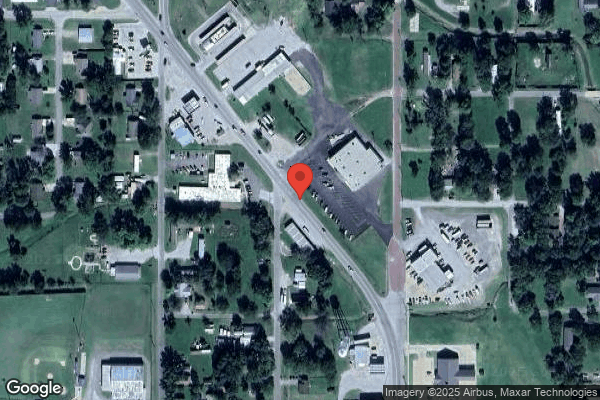

HASKELL CARE CENTER

405 NORTH CHOCTAW, HASKELL, OK 74436 (918) 482-3310
For profit - Limited Liability company 58 Beds Independent Data: November 2025
Trust Grade
53/100
#111 of 282 in OK
Last Inspection: September 2024

Within standard 12-15 month inspection cycle. Federal law requires annual inspections.

Overview

Haskell Care Center has received a Trust Grade of C, which indicates that it is performing at an average level-neither exceptional nor particularly poor. The facility ranks #111 out of 282 nursing homes in Oklahoma, placing it in the top half of state facilities, and is #3 out of 10 in Muskogee County, meaning only two local options are rated higher. Unfortunately, the center is trending in a worsening direction, with issues increasing from 5 in 2023 to 9 in 2024, indicating a growing concern. Staffing is a relative strength with a rating of 4 out of 5 stars and a turnover rate of 32%, which is significantly below the state average, suggesting that many staff members remain long-term and are familiar with the residents' needs. However, there have been serious incidents reported, including a resident suffering multiple falls due to insufficient supervision, which led to significant injuries, and a failure to properly implement the facility's abuse policy for a resident, raising concerns about safety and care standards.

Trust Score
C
53/100
In Oklahoma
#111/282
Top 39%
Safety Record
Moderate
Needs review
Inspections
Getting Worse
5 → 9 violations
Staff Stability
○ Average
32% turnover. Near Oklahoma's 48% average. Typical for the industry.
Penalties
○ Average
$3,422 in fines. Higher than 53% of Oklahoma facilities. Some compliance issues.
Skilled Nurses
⚠ Watch
Each resident gets only 19 minutes of Registered Nurse (RN) attention daily — below average for Oklahoma. Fewer RN minutes means fewer trained eyes watching for problems.
Violations
⚠ Watch
26 deficiencies on record. Higher than average. Multiple issues found across inspections.
★★★☆☆
3.0
Overall Rating
★★★★☆
4.0
Staff Levels
★★★★☆
4.0
Care Quality
★★★☆☆
3.0
Inspection Score
Stable
2023: 5 issues
2024: 9 issues

The Good

  • 4-Star Staffing Rating · Above-average nurse staffing levels
  • 4-Star Quality Measures · Strong clinical quality outcomes
  • Full Sprinkler Coverage · Fire safety systems throughout facility
  • No fines on record
  • Staff turnover below average (32%)

    16 points below Oklahoma average of 48%

Facility shows strength in staffing levels, quality measures, fire safety.

The Bad

3-Star Overall Rating

Near Oklahoma average (2.6)

Meets federal standards, typical of most facilities

Staff Turnover: 32%

13pts below Oklahoma avg (46%)

Typical for the industry

Federal Fines: $3,422

Below median ($33,413)

Minor penalties assessed

The Ugly 26 deficiencies on record

1 actual harm
Sept 2024 9 deficiencies
CONCERN (D)

Potential for Harm - no one hurt, but risky conditions existed

MDS Data Transmission (Tag F0640)

Could have caused harm · This affected 1 resident

Based on record review and interview, the facility failed to ensure discharge and entry resident assessments were completed for one (#7) of six sampled residents whose resident assessments were review...

Read full inspector narrative →
Based on record review and interview, the facility failed to ensure discharge and entry resident assessments were completed for one (#7) of six sampled residents whose resident assessments were reviewed. The administrator identified 35 residents who resided in the facility. Findings: Res #7 had diagnoses which included cerebral infarction. A progress note, dated 06/24/24 at 2:56 p.m., documented Res #7 left the facility via the facility van to visit their family member at the hospital and stay with another family member. A progress note, dated 06/25/24 at 4:02 p.m., documented Res #7 returned to the facility via the facility van. A progress note, dated 07/09/24 at 9:59 a.m., documented Res #7 left the facility to stay with a family member who was hospitalized . A progress note, dated 07/12/24 at 1:56 p.m., documented Res #7 returned to the facility. There was no discharge return anticipated or re-entry resident assessments completed. On 09/27/24 at 3:27 p.m., the MDS coordinator stated they were not aware discharge and entry tracking resident assessments had to be done when someone was on therapeutic leave. They stated they thought it was only for hospitalizations.
CONCERN (D) 📢 Someone Reported This

A family member, employee, or ombudsman was alarmed enough to file a formal complaint

Potential for Harm - no one hurt, but risky conditions existed

Assessment Accuracy (Tag F0641)

Could have caused harm · This affected 1 resident

Based on record review and interview, the facility failed to ensure a resident assessment was accurate for one (#7) of six sampled residents whose resident assessments were reviewed. The administrator...

Read full inspector narrative →
Based on record review and interview, the facility failed to ensure a resident assessment was accurate for one (#7) of six sampled residents whose resident assessments were reviewed. The administrator identified 35 residents who resided in the facility. Findings: Res #7 had diagnoses which included major depressive disorder, anxiety, bipolar disorder, and suicidal ideations. Res #7 had a level II PASARR which was completed on 09/22/21. An annual resident assessment, dated 08/29/24, documented Res #7 did not have a level II PASARR. On 09/27/24 at 3:22 p.m., the MDS coordinator stated they miscoded the resident assessment for Res #7. They stated knew the resident had a level II PASARR, but just failed to code it on the resident assessment.
CONCERN (D)

Potential for Harm - no one hurt, but risky conditions existed

PASARR Coordination (Tag F0644)

Could have caused harm · This affected 1 resident

**NOTE- TERMS IN BRACKETS HAVE BEEN EDITED TO PROTECT CONFIDENTIALITY** Based on observation, record review, and interview, the facility failed to: a. ensure a level II PASARR was care planned for one...

Read full inspector narrative →
**NOTE- TERMS IN BRACKETS HAVE BEEN EDITED TO PROTECT CONFIDENTIALITY** Based on observation, record review, and interview, the facility failed to: a. ensure a level II PASARR was care planned for one (#7); and b. make a referral to the OHCA after a new serious mental illness diagnosis for one (#9) of two sampled residents whose PASARRs were reviewed. The administrator identified 35 residents who resided in the facility. Findings: 1. Res #7 had diagnoses which included major depressive disorder, anxiety, bipolar disorder, and suicidal ideations. Res #7 had a level II PASARR completed on 09/22/21 and it documented the resident needed a psychiatric consult and counseling services. The care plan for Res #7 did not contain documentation regarding a psychiatric consult or counseling services. On 09/27/24 at 3:22 p.m., the MDS coordinator stated they failed to add interventions as recommended on the PASARR for psych visits/counseling. They stated they usually care planned things like that ,but just failed to do it. 2. Res #9 was admitted to the facility on [DATE]. On 06/29/20 the resident received a diagnosis of schizoaffective disorder. A PASARR level I, dated 04/07/20, documented a level II referral to the OHCA was not required. A form titled PASRR COMMUNICATION FORM, dated 05/24/22, documented notification regarding a diagnosis of schizoaffective disorder was given to the resident. The form did not document who was contacted or if the referral was completed for a level II PASARR. On 09/26/24 at 10:40 a.m., the administrator reviewed the resident's clinical record and stated there was no documentation the OHCA had been contacted regarding the new diagnosis of schizoaffective disorder.
CONCERN (D) 📢 Someone Reported This

A family member, employee, or ombudsman was alarmed enough to file a formal complaint

Potential for Harm - no one hurt, but risky conditions existed

Quality of Care (Tag F0684)

Could have caused harm · This affected 1 resident

Based on record review and interview, the facility failed to ensure a resident was competent to self administer medication and report medication errors to the physician for one (#7) of six sampled res...

Read full inspector narrative →
Based on record review and interview, the facility failed to ensure a resident was competent to self administer medication and report medication errors to the physician for one (#7) of six sampled residents whose medications were reviewed. The administrator identified 35 residents who resided in the facility. Findings: Res #7 had diagnoses which included major depressive disorder, anxiety, bipolar disorder, and suicidal ideations. Res #7's Level II PASARR, dated 09/22/21, documented Res #7 required professional nursing supervision with medication and required medication management. A physician's order, dated 07/05/23, documented an order for folic acid (a supplement) 1 mg daily. A physician's order, dated 07/05/23, documented an order for tamsulosin (a medication for enlarged prostate) 0.4 mg at bedtime. A physician's order, dated 07/05/23, documented an order for Sodium Bicarbonate (a medication for heartburn) 650 mg three times a day. A physician's order, dated 07/05/23, documented an order for calcitriol (a medication for low calcium) 0.25 mcg every other day. A physician's order, dated 07/14/23, documented an order for magnesium (a supplement) 400 mg twice a day. A physician's order, dated 08/31/23, documented an order for atorvastatin (a medication to decrease cholesterol) 40 mg at bedtime. A physician's order, dated 09/01/23, documented an order for fish oil (a supplement) 1000 mg daily. A physician's order, dated 04/19/24, documented an order for buspirone (a medication for anxiety) 5 mg twice a day. A progress note, dated 07/09/24 at 9:59 a.m., documented Res #7 left the facility with their medication to stay with a family member in the hospital. A Release of Responsibility & Medication for Leave of Absence or Discharge and Return form, dated 07/09/24, documented Res #7 left the facility with the following amount of medication: a. folic acid 1 mg - 8 pills, b. Tamsulosin 0.4 mg - 27 pills, c. Sodium Bicarbonate 650 mg - 53 pills, d. calcitriol 0.25 mcg - 12 pills, e. magnesium 400 mg - 43 pills, f. atorvastatin 40 mg - 34 pills, g. fish oil 1000 mg - 27 pills, and h. buspirone 5 mg - 20 pills. A progress note, dated 07/12/24 at 1:56 p.m., documented Res #7 returned to the facility with their medication. A Release of Responsibility & Medication for Leave of Absence or Discharge and Return form, with a return date of 07/12/24, documented Res #7 returned to the facility with the following amount of medication: a. folic acid 1 mg - 6 pills, b. Tamsulosin 0.4 mg - 25 pills, c. Sodium Bicarbonate 650 mg - 47 pills, d. calcitriol 0.25 mcg - 10 pills, e. magnesium 400 mg - 38 pills, f. atorvastatin 40 mg - 28 pills, and g. fish oil 1000 mg - 25 pills h. Buspirone 5mg - 12 pills. The amount of medication returned was reconciled against Res #7's July 2024 MAR with the following discrepancies/errors noted: a. folic acid 1 mg - two doses were missing when there should have been three doses missing, b. Tamsulonsin 0.4 mg - two doses were missing when there should have been three doses missing, c. Sodium Bicarbonate 650 mg - six doses were missing when there should have been nine doses missing, d. calcitriol 0.25 mcg - two doses were missing when there should have only been one dose missing, e. magnesium 400 mg - five doses were missing when there should have been six doses missing, f. atorvastatin 40 mg - six doses were missing when there should have only been three doses, g. fish oil 1000 mg - two doses were missing when there should have been three doses missing, and h. buspirone 5 mg - eight doses were missing when there should have only been six doses missing. There was no self administration of medication assessment for Res #7. There was no documentation the medication discrepancies/errors were reported to Res #7's physician. On 09/26/24 at 4:15 p.m., the resident stated when they were at hospital with their family member, they took their medication without assistance and stated, I think I did it correctly. I hope I took them right. On 09/26/24 at 4:30 p.m., an interview was conducted with the DON, the corporate nurse and the administrator. The DON stated there was no self administration of medication assessment for Res #7. The corporate nurse stated they thought completing a self administration of medication assessment was only for residents who kept medication at bedside. The corporate nurse stated Res #7 was cognitively intact so they assumed the resident could give themselves their own medication. The DON stated they did not reconcile the returned medication count sheet against the MAR to ensure the resident took their medication properly. The DON stated the medication discrepancy/errors should have been reported to the physician and were not. On 09/27/24 at 9:30 a.m., CNA #4 stated Res #7 took their medication while at the hospital, but they were not sure if the resident took the medication as ordered.
CONCERN (D)

Potential for Harm - no one hurt, but risky conditions existed

Respiratory Care (Tag F0695)

Could have caused harm · This affected 1 resident

Based on observation, record review, and interview, the facility failed to ensure oxygen tubing and humidifier bottles were changed and labeled monthly for one (#5) of two sampled residents whose oxyg...

Read full inspector narrative →
Based on observation, record review, and interview, the facility failed to ensure oxygen tubing and humidifier bottles were changed and labeled monthly for one (#5) of two sampled residents whose oxygen tubing/humidifier bottles were observed. The administrator identified 35 residents who resided in the facility Findings: Res #5 had diagnoses which included COPD, chronic respiratory failure, dyspnea, abnormalities of breathing, and congestive heart failure. A physician's order, dated 07/20/23, documented Res #5's oxygen tubing and humidifier bottle were to be changed and labeled monthly on the 20th of each month. A care plan focus, dated 08/30/23, documented the resident's oxygen tubing and humidifier bottle were to be changed and labeled monthly. A TAR for September 2024, documented Res #5's oxygen tubing and humidifier bottle was changed on 09/20/24. On 09/22/24 at 11:10 a.m., the oxygen tubing and humidifier bottle labels were dated 08/21/24. On 09/23/24 at 2:38 p.m., the oxygen tubing and humidifier bottle labels were dated 08/21/24. On 09/25/24 at 9:41 a.m., the oxygen tubing and humidifier bottle labels were dated 08/21/24. On 09/27/25 at 3:30 p.m., the corporate nurse stated the oxygen tubing and humidifier bottle should have been labeled with a date of 09/20/24.
CONCERN (E) 📢 Someone Reported This

A family member, employee, or ombudsman was alarmed enough to file a formal complaint

Potential for Harm - no one hurt, but risky conditions existed

Abuse Prevention Policies (Tag F0607)

Could have caused harm · This affected multiple residents

Based on record review and interview, the facility failed to implement their abuse policy for one (#10) of twelve sampled residents reviewed for abuse and one (CNA#1) of five sampled employees whose b...

Read full inspector narrative →
Based on record review and interview, the facility failed to implement their abuse policy for one (#10) of twelve sampled residents reviewed for abuse and one (CNA#1) of five sampled employees whose background checks were reviewed. The administrator identified 35 residents who resided in the facility. Findings: A policy titled ABUSE POLICY read in part, .THIS FACILITY HAS PROCEDURES TO IDENTIFY EVENTS, SUCH AS SUSPICIOUS BRUISING OF RESIDENT, OCCURRENCES, PATTERNS AND TRENDS THAT MAY CONSTITUTE ABUSE .THIS FACILITY HAS PROCEDURES TO INVESTIGATE DIFFERENT TYPES OF INCIDENTS AND IDENTIFY THE STAFF MEMBER/MEMBERS RESPONSIBLE FOR THE INITIAL REPORTING .PROTECT RESIDENTS FROM HARM DURING AN INVESTIGATION .REPORT ALL ALLEGED VIOLATIONS AND ALL SUBSTANTIATED INCIDENTS TO THE STATE AGENCY AND TO ALL OTHER AGENCIES AS REQUIRED . An undated Abuse Policy, read in part, This facility has procedures to screen potential employees for a history of abuse, neglect or mistreating residents. The screening will include .checking with the the appropriate licensing boards and registries. A Background Screening Investigations policy, dated, November 2015, read in part, Our facility conducts employment background screening checks, reference checks and criminal conviction investigation checks on direct access employees .The personnel/human resources director .will conduct background checks .and criminal conviction checks on all potential employee .within two days of an offer of employment or contract agreement . 1. Res #10 had diagnoses which included quadriplegia, depressive episodes, mood disorder due to known physiological condition, anxiety disorder, and pain. A care plan, dated 05/24/24, documented the resident had an ADL self care deficit related to a diagnosis of quadriplegia. The care plan documented the resident was at risk of altered psychosocial well being related to no family support and history of ineffective coping mechanisms. The quarterly assessment, dated 08/18/24, documented the resident was not impaired cognitively and was dependent with activities of daily living. On 09/23/24 at 1:22 p.m., CNA #3 stated nursing staff was told by the DON about a week ago Res #10 and CNA #2 were a couple. On 09/23/24 at 1:34 p.m., LPN #2 stated last week a staff member stated Res #10 and CNA #2 Were trying to get together. The LPN stated they were told by staff the DON was aware of the situation, so they did not take any further action. On 09/25/24 at 8:57 a.m., Res #10 was interviewed regarding their relationship with CNA #2. The resident stated they were good friends and nothing more. The resident stated CNA #2 would sometimes come in early or stay later after their shift to visit them. On 09/25/24 at 9:34 a.m., the administrator stated they were unaware of the relationship between Res #10 and CNA #2 until yesterday when the DON reported it to them. The administrator stated they thought it was a concern if the resident was cognitive and consenting. The administrator stated the previous administrator, when made aware of the relationship, did not investigate or report the incident. The administrator stated an incident report would be completed and the staff member suspended pending the investigation. On 09/25/24 at 10:03 a.m., CNA #2 was interviewed by telephone regarding their relationship with Res #10. The CNA stated two or three weeks ago a meeting was requested with administration regarding their relationship. The CNA stated a meeting was held with the previous administrator, the DON, and the assistant administrator/office manager regarding their relationship. The CNA stated the previous administrator, the DON, and the assistant administrator gave them their blessing regarding their relationship if it had developed into something more than just friends. The CNA stated physical contact with Res #10 were hugs at the time. 2. CNA #1 was hired on 10/09/15. There was no background check/clearance letter on file for their most recent date of hire. On 09/26/24 at 9:54 a.m., a representative from OK Screen stated the employee had been separated in the system by another employer on 10/12/15. The representative reported the facility did not put in a new application for CNA #1 upon hire. The representative stated CNA #1 had not been monitored since 2015. On 09/26/24 at 1032 a.m., the administrator stated there should have been a background check completed for CNA #1. The administrator stated they completed annual checks for all employees to ensure they have background checks/clearance letters, and the background check for CNA #1 must have been overlooked.
CONCERN (E) 📢 Someone Reported This

A family member, employee, or ombudsman was alarmed enough to file a formal complaint

Potential for Harm - no one hurt, but risky conditions existed

Report Alleged Abuse (Tag F0609)

Could have caused harm · This affected multiple residents

Based on record review and interview, the facility failed to report an allegation of abuse for one (#10) of two sampled residents reviewed for abuse. The administrator identified seven allegations of...

Read full inspector narrative →
Based on record review and interview, the facility failed to report an allegation of abuse for one (#10) of two sampled residents reviewed for abuse. The administrator identified seven allegations of abuse within the last six months. Findings: A policy titled ABUSE POLICY read in part, .REPORT ALL ALLEGED VIOLATIONS AND ALL SUBSTANTIATED INCIDENTS TO THE STATE AGENCY AND TO ALL OTHER AGENCIES AS REQUIRED AND TAKE ALL NECESSARY CORRECTIVE ACTIONS DEPENDING ON THE RESULTS OF THE INVESTIGATION . Res #10 had diagnoses which included quadriplegia, depressive episodes, mood disorder due to known physiological condition, anxiety disorder, and pain. A care plan, dated 05/24/24, documented the resident had an ADL self care deficit related to a diagnosis of quadriplegia. The care plan documented the resident was at risk of altered psychosocial well being related to no family support and history of ineffective coping mechanisms. The quarterly assessment, dated 08/18/24, documented the resident was not impaired cognitively and was dependent with activities of daily living. On 09/23/24 at 1:22 p.m., CNA #3 stated nursing staff was told by the DON about a week ago Res #10 and CNA #2 were a couple. On 09/23/24 at 1:34 p.m., LPN #2 stated last week a staff member stated Res #10 and CNA #2 Were trying to get together. The LPN stated they were told by staff the DON was aware of the situation, so they did not take any further action. On 09/25/24 at 8:57 a.m., Res #10 was interviewed regarding their relationship with CNA #2. The resident stated they were good friends and nothing more. The resident stated CNA #2 would sometimes come in early or stay later after their shift to visit them. On 09/25/24 at 9:34 a.m., the administrator stated they were unaware of the relationship between Res #10 and CNA #2 until yesterday when the DON reported it to them. The administrator stated they thought it was a concern if the resident was cognitive and consenting. The administrator stated the previous administrator, when made aware of the relationship, did not investigate or report the incident. The administrator stated an incident report would be completed and the staff member suspended pending the investigation. On 09/25/24 at 10:03 a.m., CNA #2 was interviewed by telephone regarding their relationship with Res #10. The CNA stated two or three weeks ago a meeting was requested with administration regarding their relationship. The CNA stated a meeting was held with the previous administrator, the DON, and the assistant administrator/office manager regarding their relationship. The CNA stated the previous administrator, the DON, and the assistant administrator gave them their blessing regarding their relationship if it had developed into something more than just friends. The CNA stated physical contact with Res #10 were hugs at the time.
CONCERN (E) 📢 Someone Reported This

A family member, employee, or ombudsman was alarmed enough to file a formal complaint

Potential for Harm - no one hurt, but risky conditions existed

Investigate Abuse (Tag F0610)

Could have caused harm · This affected multiple residents

Based on record review and interview, the facility failed to thoroughly investigate an allegation of abuse for one (#10) of two sampled residents reviewed for abuse. The administrator identified seven...

Read full inspector narrative →
Based on record review and interview, the facility failed to thoroughly investigate an allegation of abuse for one (#10) of two sampled residents reviewed for abuse. The administrator identified seven allegations of abuse within the last six months. Findings: A policy titled ABUSE POLICY read in part, .THIS FACILITY HAS PROCEDURES TO INVESTIGATE DIFFERENT TYPES OF INCIDENTS AND IDENTIFY THE STAFF MEMBER/MEMBERS RESPONSIBLE FOR THE INITIAL REPORTING, LEADING TO THE INVESTIGATION OF ALLEGED VIOLATIONS AND REPORTING OF RESULTS TO THE PROPER AUTHORITIES . Res #10 had diagnoses which included quadriplegia, depressive episodes, mood disorder due to known physiological condition, anxiety disorder, and pain. A care plan, dated 05/24/24, documented the resident had an ADL self care deficit related to a diagnosis of quadriplegia. The care plan documented the resident was at risk of altered psychosocial well being related to no family support and history of ineffective coping mechanisms. A quarterly assessment, dated 08/18/24, documented the resident was not impaired cognitively and was dependent with activities of daily living. On 09/23/24 at 1:22 p.m., CNA #3 stated nursing staff was told by the DON about a week ago Res #10 and CNA #2 were a couple. On 09/23/24 at 1:34 p.m., LPN #2 stated last week a staff member stated Res #10 and CNA #2 Were trying to get together. The LPN stated they were told by staff the DON was aware of the situation, so they did not take any further action. On 09/25/24 at 8:57 a.m., Res #10 was interviewed regarding their relationship with CNA #2. The resident stated they were good friends and nothing more. The resident stated CNA #2 would sometimes come in early or stay later after their shift to visit them. On 09/25/24 at 9:34 a.m., the administrator stated they were unaware of the relationship between Res #10 and CNA #2 until yesterday when the DON reported it to them. The administrator stated they thought it was a concern if the resident was cognitive and consenting. The administrator stated the previous administrator, when made aware of the relationship, did not investigate or report the incident. The administrator stated an incident report would be completed and the staff member suspended pending the investigation. On 09/25/24 at 10:03 a.m., CNA #2 was interviewed by telephone regarding their relationship with Res #10. The CNA stated two or three weeks ago a meeting was requested with administration regarding their relationship. The CNA stated a meeting was held with the previous administrator, the DON, and the assistant administrator/office manager regarding their relationship. The CNA stated the previous administrator, the DON, and the assistant administrator gave them their blessing regarding their relationship if it had developed into something more than just friends. The CNA stated physical contact with Res #10 were hugs at the time.
CONCERN (F)

Potential for Harm - no one hurt, but risky conditions existed

Staffing Information (Tag F0732)

Could have caused harm · This affected most or all residents

Based on observation and interview, the facility failed to ensure posted staffing information contained projected and actual staffing hours worked. The administrator identified 35 residents who resid...

Read full inspector narrative →
Based on observation and interview, the facility failed to ensure posted staffing information contained projected and actual staffing hours worked. The administrator identified 35 residents who resided in the facility. Findings: On 09/22/24 at 11:05 a.m., a white board at the nursing station was observed to contain the facility name, date, census, staff and their position, but did not contain projected and actual staffing hours worked. On 09/25/24 at 3:54 p.m., a white board at the nursing station was observed to contain the facility name, date, census, staff and their position, but did not contain projected and actual staffing hours worked. On 09/27/24 at 3:52 p.m., the corporate nurse stated they were not aware of the requirements to post projected and actual hours worked.
Nov 2023 1 deficiency 1 Harm
SERIOUS (G) 📢 Someone Reported This

A family member, employee, or ombudsman was alarmed enough to file a formal complaint

Actual Harm - a resident was hurt due to facility failures

Accident Prevention (Tag F0689)

A resident was harmed · This affected 1 resident

**NOTE- TERMS IN BRACKETS HAVE BEEN EDITED TO PROTECT CONFIDENTIALITY** Based on record review, observation, and interview, the facility failed to provide adequate supervision and assistance to help p...

Read full inspector narrative →
**NOTE- TERMS IN BRACKETS HAVE BEEN EDITED TO PROTECT CONFIDENTIALITY** Based on record review, observation, and interview, the facility failed to provide adequate supervision and assistance to help prevent falls for two (#1 and #5) of three residents reviewed for falls. Res #1 had four falls in two months, they suffered a hematoma to back of head and abrasion to elbow with one fall and had a fracture to their orbital facial bones on the last fall. The facility failed to: a) Implement interventions and/or appropriate interventions to prevent falls for the residents after each fall occurrence. b) Monitor and/or update the residents' plan of care for appropriate fall interventions. c) Ensure staff were aware of additional care needs for the residents. The administrator identified 16 residents had fallen in the last six months. Findings: A Falls and Fall Risk, Managing policy documented .staff, with the input of the Attending Physician, will identify appropriate interventions to reduce the risk of falls .If falling recurs despite initial interventions staff will implement additional or different interventions, or indicate why the current approach remains relevant .If underlying causes cannot be readily identified or corrected, staff will try various interventions, based on assessment of the nature or category of falling, until falling is reduced or stopped .The staff will monitor and document each resident's response to interventions intended to reduce falling or the risks of falling .If the resident continues to fall, staff will re-evaluate the situation and whether it is appropriate to continue or change current interventions . 1. Res #1 was admitted to the facility on [DATE] with diagnoses which included Alzheimer's disease, dementia, depressive disorder, chronic pain, and diabetes. The resident was not in the facility at the time of the survey. The care plan, dated 08/14/23, documented the resident was at risk for falls related to altered mobility status and used a walker for ambulation. The care plan goal was to maintain resident safety and prevent further falls and was ongoing. Interventions to prevent falls were for staff to ensure: a) The resident's walker was within reach and in good condition. b) A fall risk assessment was completed on admit, quarterly, and with a significant change. c) The resident's pathway was free of clutter and well lit. d) Monitoring was completed for changes in gait and mobility status. e) Monitoring of medication changes and their affects on resident risk for falls. f) Falls were reported to the physician, family/POA, and administration. The care plan documented the resident had a self care deficit. Interventions documented the resident was mostly incontinent of bladder, able to toilet self and change brief when incontinent episodes occurred. The care plan documented the resident had limited physical mobility related to decreased activity tolerance and used a wheelchair for ambulation. The care plan documented the resident required supervision for safety and monitoring for possible changes in gait. The admission assessment, dated 08/27/23, documented the resident was severely impaired cognitively and required supervision to limited assistance with ADLs. The assessment documented the resident required supervision and physical assistance of one person for transfers, toileting, and walking in resident room. An incident report, dated 09/14/23, documented the resident was found laying on the floor near the bathroom door in their room. The report documented the resident had a hematoma to the back of their head and an abrasion to the left elbow. The report documented the immediate action was the resident was set to the ER. The care plan, updated 09/14/23, documented a repeated intervention that the staff were to report all falls to the physician, family/POA, and administration. There was no added intervention to the care plan to help prevent falls. A progress note, dated 09/15/23, documented the resident had returned from the hospital. The note documented the resident was extremely sore and was provided a wheelchair to aid with mobility. The note documented the resident was alert and oriented to self only and was continent of bowel and bladder. The wheelchair was not added to the care plan. An incident report, dated 09/16/23, documented the resident was noticed on her knees in front of the bathroom door leaning down on both hands, with their walker in front of them. The report documented predisposing factors were gait imbalance and ambulating without assist. The report documented the immediate action was to take the resident every two hours to the bathroom. The care plan, updated on 09/16/23, documented the resident had a non-injury fall on 09/16/23. The interventions added were a repeat intervention for staff to report all falls to the physician, family/POA, and administrations; and for staff to assist the resident to the bathroom every two hours for 48 hours following the fall for safety. A progress note, dated 09/17/23, documented the resident was assisted to the restroom every two hours and the call light was within reach. A progress note, dated 09/18/23, documented the resident was resting with a C-Pap in place and every two hour checks for toileting was completed. An incident report, dated 10/08/23, documented the resident was in the lobby on the floor in front of their wheelchair. The report documented the resident did not know what happened or how they had fallen. The report documented the immediate action taken was to re-educate the resident to ask for assistance when transferring from the wheelchair. The care plan did not document new interventions to prevent falls after the fall occurring 10/08/23. A state reportable, dated 10/24/23, documented the resident had fallen when getting out of bed. The report documented the maintenance staff heard a crash and the resident cry out. The resident was found lying face down next to the restroom door, call light was in place, and was bleeding at their nose onto the floor. The report documented the resident did not use their call light prior to the fall. The report documented an investigation was completed and a root cause was conducted with no clear cause determined. The report documented the resident could not provide any information due to their injury and being sent out by ambulance. The report documented it was discovered later at the hospital the resident had fractured their orbital bones. The care plan, updated 10/24/23, documented the resident had a fall on 10/24/23. The interventions added was for: a) Staff to evaluate resident for injuries, stabilize position, and alert emergency response. b) Staff to move the resident to a room closer to the nurses station when they return from the hospital, for better visual of resident. c) Staff to notify the physician, family/POA, and administration. d) Staff to sent the resident to the emergency room for evaluation and treatment. A hospital form titled, Emergency Documentation, documented on 10/24/23 an emergency room triage was performed. The form read in part, .Chief Complaint Description: trauma transfer orbital fx after fall and hit head today . A hospital form titled, Discharge Summaries, documented the resident was admitted on [DATE]. The form documented the resident said they had needed to use the restroom, but a nurse was not around to help them. The form documented the resident was moaning in pain, was confused, and unable to tell their name. The form documented the resident appeared cyanotic in the face and supplemental oxygen was started. The form documented the resident received two units of packed red blood cells overnight. On 11/21/23 at 11:10 a.m., CNA #1 was interviewed regarding fall prevention for the resident. The CNA stated interventions were to keep the resident in areas of visual sight and ensure the resident had their walker. No other interventions were identified. On 11/21/23 at 11:24 a.m., CNA #2 was interviewed regarding fall prevention for the resident. The CNA stated the resident usually ate meals in the dining room and was observed. The CNA stated they tired to check on resident between meals when in their room. The CNA stated the resident was educated to use the call light for assistance, but due to the resident's disease process the resident did not remember to use the call light. On 11/21/23 at 11:36 a.m., the DON was interviewed regarding falls for the resident. The DON reviewed the resident's clinical records and incident reports. The DON stated new interventions to prevent falls were not updated after each fall occurrence and some interventions were not appropriate for the resident. 2. Res #5 was admitted to the facility on [DATE] with diagnoses which included dyspnea, pain, and anemia. A significant change assessment, dated 06/22/23, documented the resident was severely impaired cognitively and required supervision to limited assistance with activities of daily. The assessment documented the resident had fallen once with no injury. An incident report,dated 07/16/23, documented the resident had a witnessed non-injury fall. The report did not document action taken to prevent falls. An incident report, dated 07/25/23, doucmented the resident had a witnessed non-injury fall. The report documented the resident fell to their knees next to the front patio door. The report documented an intervention to place the resident on outdoor supervision. An incident report, dated 07/28/23, documented the resident had an un-witnessed fall in the dining room. The report documented the resident had a skin tear to the right elbow. The report did not document an intervention to help prevent further falls. An incident report, dated 08/29/23, documented had a witnessed non-injury fall in the dining room. The report documented an intervention to ensure the resident wore shoes when ambulating. The care plan, dated 09/28/23, documented the resident was at risk for falls related to decline (unexpected weight loss) and related to disease progression of chronic obstructive pulmonary disease. The goal was to maintain safety and prevent falls. Documented interventions were for staff: a) to complete fall risk asessments quarterly and with a significant change, b) to encourage frequent rest periods and monitor for weakness or decreased activity tolerance, c) to ensure adequate lighting in resident's room, d) to monitor for safety daily with resident ambulation in hallways, e) to monitor for abnormalities in resident's gait, f) to monitor daily for signs and symptoms of pain, and g) to report all falls to the physician, family/POA, and administration. On 11/21/23 at 11:10 a.m., CNA #1 stated the resident was not a fall risk and was not aware of falls for the resident. On 11/21/23 at 11:20 a.m., the resident was observed lying in bed, oxygen in place, and the resident's wheelchair was beside the bed. The resident stated they had not fallen recently and was able to toilet themselves. On 11/21/23 at 11:24 a.m., CNA #2 stated the resident was a fall risk, tried to check on the resident every two hours, and the resident sometimes used the call light for assistance. On 11/21/23 at 11:36 a.m., the DON reviewed the resident's clinical records and stated interventions were not put in place after each resident fall to prevent reoccurrence.
Aug 2023 4 deficiencies
CONCERN (D)

Potential for Harm - no one hurt, but risky conditions existed

Staffing Information (Tag F0732)

Could have caused harm · This affected 1 resident

Based on observation and interview, the facility failed to ensure daily staffing information containing all of the required components was posted and retained for the required amount of time. Findings...

Read full inspector narrative →
Based on observation and interview, the facility failed to ensure daily staffing information containing all of the required components was posted and retained for the required amount of time. Findings: The Resident Census and Conditions of Residents, dated 08/07/23, documented a census of 36 residents. On 08/07/23 at 10:00 a.m., a dry erase board on the west wall adjacent to the nurse's station documented the staff currently on duty and the census. The board did not contain documentation of the actual hours worked for the staff. On 08/08/23 at 10:20 a.m., a dry erase board on the west wall adjacent to the nurse's station documented the staff currently on duty and the census. The board did not contain documentation of the actual hours worked by the staff. On 08/08/23 at 10:23 a.m. the GM and corporate nurse #1 reported the white board did not contain the actual hours worked by the staff. The GM and corporate nurse #1 also reported they did not have documentation of the daily staffing information for the past 18 months. The GM also reported they did not currently have a system to keep the daily staffing information for 18 months.
CONCERN (D)

Potential for Harm - no one hurt, but risky conditions existed

Food Safety (Tag F0812)

Could have caused harm · This affected 1 resident

Based on observation and interview, the facility failed to provide a hand washing sink in the kitchen with soap and water separate from the sink used for food preparation. The Resident Census and Con...

Read full inspector narrative →
Based on observation and interview, the facility failed to provide a hand washing sink in the kitchen with soap and water separate from the sink used for food preparation. The Resident Census and Conditions of Residents, dated 08/07/23, documented 34 residents resided in the facility. On 08/07/23 at 9:28 a.m., an initial tour of the kitchen was conducted. The following observations were made: a. a sink utilized for hand hygiene was in a separate room with pots and pans laying in and around the sink, b. an OUT OF ORDER sign was hanging above the sink, c. no soap was available to wash hands before food preparations, and d. no paper towels were available to dry hands before food preparations. On 08/07/23 at 9:28 a.m., [NAME] #1 stated they used the same sink to wash their hands as they used to prepare food for the residents. They also stated there was a separate sink in the other room but it did not work. [NAME] #2 stated the hand washing sink had not worked since they had started working at the facility. On 08/07/23 at 9:43 a.m., Maintenance #1 stated the hand washing sink was not out of order and they didn't know why the sign was there. They also reported the water worked and if they needed to make it work better they would. On 08/07/23 at 1:27 p.m., the general manager stated they did have a separate sink in the kitchen for hand washing, but the staff did not know the sink was working because the hot water did not come out quickly. They also stated the pots and pans had been removed and they were getting it ready to use for hand washing.
CONCERN (E)

Potential for Harm - no one hurt, but risky conditions existed

Comprehensive Care Plan (Tag F0656)

Could have caused harm · This affected multiple residents

Based on observation, record review, and interview, the facility failed to develop a wound care plan for one (#24) resident of three residents reviewed for pressure ulcers. Findings: The Resident Cen...

Read full inspector narrative →
Based on observation, record review, and interview, the facility failed to develop a wound care plan for one (#24) resident of three residents reviewed for pressure ulcers. Findings: The Resident Census and Conditions of Residents, dated 08/07/23, documented three residents had pressure ulcers. Res #24 was admitted with diagnoses which included diabetes and hemiplegia (paralysis of one side of the body) affecting the left side. Skin assessments dated 07/07/23, 07/14/23, and 07/21/23 documented Res #24 had a pressure ulcer on the right heel. On 08/07/23 at 9:50 a.m., Res #24 was observed lying on their left side. On 08/09/23 at 10:46 a.m., LPN #1 was observed applying Betadine (a topical antiseptic) to a pressure ulcer on Res #24's right heel. On 08/09/23 at 10:47 a.m.,LPN #1 reported Res #24 was noncompliant with wearing a heel protector on their right foot and keeping their right foot off of the surface of the bed. On 08/09/23 at 11:06 a.m., the MDS coordinator reported the wound care for Res #24 should have been on the care plan. On 08/09/23 11:07 at 11:07 a.m., LPN #1 reported the wound care for Res #24 was not on the care plan and they would have expected to find the wound care for Res #24 on the care plan. On 08/09/23 at 11:08 a.m.,the DON reported the current wound and wound care for Res #24 should have been on the care plan. A significant change resident assessment, dated 05/26/23, documented Res #24 had impaired range of motion of both extremities on the left side. The assessment documented the resident was nonambulatory and required extensive assistance with turning and repositioning. A Care Plans, Comprehensive Person-Centered policy, revised 12/16, read in part, .care plans are revised as information about the residents and and residents' conditions change . A physician's order, dated 06/28/23 read in part, wound care: right medial heel- apply Betadine every day and evening shift
CONCERN (E)

Potential for Harm - no one hurt, but risky conditions existed

Deficiency F0657 (Tag F0657)

Could have caused harm · This affected multiple residents

**NOTE- TERMS IN BRACKETS HAVE BEEN EDITED TO PROTECT CONFIDENTIALITY** Based on observation, record review, and interview, the facility failed to ensure residents' care plans were reviewed and revise...

Read full inspector narrative →
**NOTE- TERMS IN BRACKETS HAVE BEEN EDITED TO PROTECT CONFIDENTIALITY** Based on observation, record review, and interview, the facility failed to ensure residents' care plans were reviewed and revised for two (#18 and #25) of 12 residents whose care plans were reviewed. The facility failed to update the residents' care plans: a. with new interventions in response to psychotropic drugs for resident #18, and b. with new interventions in response to weight loss for resident #25. The Resident Census and Conditions of Residents documented 34 residents resided in the facility. Findings: a. Resident #18 was admitted with diagnoses of disorder with delusions, psychosis, Alzheimer's, and alcohol-induced persisting dementia. A quarterly resident assessment dated [DATE] documented the resident's cognition was severely impaired. The assessment also documented the resident required supervision with all ADLs. A care plan dated 07/22/22 for mood and behavioral status documented to administer antidepressants and antipsychotic medications as prescribed by physician with a target date of 07/21/23. There was no documented revision to the care plan for Res #18 as of 08/09/23. On 08/09/23 at 2:06 p.m., the MDS coordinator stated the facility changed computer systems on 07/05/23 and they did not get a chance to update the old care plans, but the care plans would be updated since they had a new computer system. b. Resident #25 was admitted with diagnoses of cerebral infarction, anemia due to antineoplastic chemotherapy, history of transient ischemic attacks, depression, pain, and nausea. A significant change resident assessment dated [DATE], documented the resident's memory was ok and they had mild depression. The assessment also documented the resident required limited assistance with all ADLs. A care plan dated 06/09/22, for altered nutritional status, documented to notify the physician if weight loss or gain was five % in one month or 10% in six months. On 04/12/23 at 3:30 p.m., a weight was documented at 212.0 pounds for Res #25. On 05/03/23 at 2:11 p.m., a weight was documented at 195.5 pounds, a 7.78% weight loss for Res #25. On 08/09/23 at 12:49 p.m., the MDS coordinator stated the facility changed computer systems on 07/05/23 and they did not get a chance to update the old care plans, but the care plans would be updated since they had a new computer system.
Apr 2022 12 deficiencies
CONCERN (D)

Potential for Harm - no one hurt, but risky conditions existed

Report Alleged Abuse (Tag F0609)

Could have caused harm · This affected 1 resident

Based on record review and interview, the facility failed to ensure an allegation of abuse was reported to OSDH within two hours after the allegation was made for one (#89) of two residents sampled fo...

Read full inspector narrative →
Based on record review and interview, the facility failed to ensure an allegation of abuse was reported to OSDH within two hours after the allegation was made for one (#89) of two residents sampled for abuse. The ''Resident Census and Conditions of Residents report documented 40 residents resided at the facility. Findings: The facility's Abuse Policy and Procedures read, .The initial allegation reporting to the Oklahoma State Department of Health will be completed within 2 hours of knowledge of allegation on the OSDH form 283 and faxed . A grievance report, dated 04/08/22, documented a family member of Res #89 reported to the administrator that a staff member had yelled at Res #89 during night shift. An admission assessment, dated 04/10/22, documented the resident was cognitively intact. On 04/11/22 at 12:24 PM, Res #89 stated he was treated well, he liked it here, and had no problems with the facility. On 04/13/22 at 4:44 p.m., the administrator and the corporate administrator stated they looked at the allegation as a grievance and did not report the initial allegation. They stated they had investigated the allegation and would submit the final report to OSDH today (04/13/22). They stated the alleged perpetrator had not been back in the building since the allegation was reported.
CONCERN (D)

Potential for Harm - no one hurt, but risky conditions existed

Pressure Ulcer Prevention (Tag F0686)

Could have caused harm · This affected 1 resident

**NOTE- TERMS IN BRACKETS HAVE BEEN EDITED TO PROTECT CONFIDENTIALITY** Based on record review, observation, and interviews, the facility failed to conduct pressure ulcer assessments at least weekly f...

Read full inspector narrative →
**NOTE- TERMS IN BRACKETS HAVE BEEN EDITED TO PROTECT CONFIDENTIALITY** Based on record review, observation, and interviews, the facility failed to conduct pressure ulcer assessments at least weekly for one (#89) of three sampled residents reviewed for pressure ulcers. The ''Resident Census and Conditions of Residents'' report documented two residents had pressure ulcers. Findings: Res #89 was admitted to the facility on [DATE] with diagnoses which included unstageable pressure ulcer of unspecified heel. An admission nurse note, dated 03/28/22, documented the resident had completed an antibiotic for MRSA and had a wound on the heel. A physician order, dated 03/29/22, documented to cleanse right heel with wound cleanser, pat dry, apply Medihoney with non-adherent pad, and wrap with Kerlix. An admission assessment, dated 04/10/22, documented the resident was cognitively intact and had a stage III pressure ulcer which was present on admission. The care plan, dated 04/11/22, documented the resident had a stage III pressure ulcer on one heel. The care plan documented the nurse would conduct weekly skin assessments. On 04/13/22 at 10:51 a.m., the DON was asked to provide any wound assessments for the right heel. She stated there were no assessments for the wound in the record. She stated the wound physician was scheduled to see the resident today. On 04/13/22 at 3:32 p.m., the wound physician was observed to measure the pressure ulcer. The physician stated the stage III pressure ulcer measured 1.5 x 1.0 cm. On 04/13/22 at 3:35 p.m., LPN #2 stated she had not completed a pressure ulcer assessment. She stated she was waiting on the wound doctor to measure and assess the wound. She stated today was the first day the wound doctor had seen the wound.
CONCERN (D)

Potential for Harm - no one hurt, but risky conditions existed

Drug Regimen Review (Tag F0756)

Could have caused harm · This affected 1 resident

Based on record review and interview, the facility failed to ensure the physician responded to a pharmacy recommendation for one (#32) of five sampled residents whose medications where reviewed. The ...

Read full inspector narrative →
Based on record review and interview, the facility failed to ensure the physician responded to a pharmacy recommendation for one (#32) of five sampled residents whose medications where reviewed. The Census and Conditions of Residents form documented 40 residents lived in the facility. Findings: Res #32 was admitted to the facility with diagnoses which included Alzheimer's disease, delusional disorders, depressive disorder, and psychosis. A Medication Regimen Review, dated 05/18/21, documented the pharmacist requested a reduction in Abilify (an antipsychotic medication) from 20 mg every day to 15 mg every day for delusional disorder. The review was signed by the physician and dated 05/25/21 but the physician did not mark agree or disagree and provide a rational. The form was noted and documented no changes on 05/25/21 but was not signed or initialed by the nurse who noted the document. Res #32 was currently taking Abilify 20 mg one tablet daily for delusional disorders. The care plan did not document the resident was taking an antipsychotic medication. On 04/13/22 at 11:14 a.m., the DON stated the physician should have marked agree or disagree and a rational on the form. She stated she was not here at the time this was done and she was not aware of who noted the form with no changes. On 04/13/22 at 1:48 p.m., the MDS coordinator stated she must have missed the Abilify on the care plan.
CONCERN (D)

Potential for Harm - no one hurt, but risky conditions existed

Medication Errors (Tag F0758)

Could have caused harm · This affected 1 resident

Based on record review and interview, the facility failed to ensure residents were free from unnecessary psychotropic medications for one (#7) of five residents reviewed for unnecessary medications. T...

Read full inspector narrative →
Based on record review and interview, the facility failed to ensure residents were free from unnecessary psychotropic medications for one (#7) of five residents reviewed for unnecessary medications. The Census and Conditions of Residents form documented 31 residents received psychotropic medications. Findings: Res #7 was admitted to the facility with diagnoses which included psychotic disorder with delusions and Alzheimer's disease. A quarterly assessment, dated 01/18/22, documented the resident was severely impaired with cognition and required supervision without physical help from staff. The assessment documented the resident was on an antipsychotic and antidepressant medication. A Medication Regimen Review, dated 01/28/21, documented the pharmacist requested a reduction for Pristiq 50 mg to 25 mg daily for depression. The review documented the physician agreed on 01/29/21 and the order was noted on 01/29/21. A physician order, dated 02/22/21, documented Pristiq 25 mg daily for psychotic disorder with delusions. The resident received Pristiq at 50 mg for 24 days after it was ordered to reduce to 25 mg. On 04/14/22 at 10:18 a.m., the corporate nurse stated she would expect an order to be completed within 24 hours after the physician signed a MRR.
CONCERN (D)

Potential for Harm - no one hurt, but risky conditions existed

Deficiency F0919 (Tag F0919)

Could have caused harm · This affected 1 resident

**NOTE- TERMS IN BRACKETS HAVE BEEN EDITED TO PROTECT CONFIDENTIALITY** Based on record review, observation, and interview the facility failed to have an adequate call system in place for one (#32) of...

Read full inspector narrative →
**NOTE- TERMS IN BRACKETS HAVE BEEN EDITED TO PROTECT CONFIDENTIALITY** Based on record review, observation, and interview the facility failed to have an adequate call system in place for one (#32) of 16 residents who were reviewed for adequate call system. The Census and Conditions of Residents form documented 40 residents lived in the facility. Findings: The monthly equipment check list documented the call lights were last checked on 03/07/22. Res #32 had diagnoses which included Alzheimer's disease. The resident's quarterly assessment, dated 03/09/22, documented the resident was moderately impaired with cognition and required supervision with no staff assistance with toilet use. Res #34's significant change MDS assessment, dated 03/10/22, documented the resident was cognitively intact and required extensive assistance with ADLs. On 04/11/22 at 10:41 a.m., Res #32 was observed sitting on the side of their bed. Res #32 stated they needed help to the bathroom and needed to pee really bad. Both call cords were observed on Res #34's bed. One of the call cords did not have a button attached to the cord to push for assistance. The roommate, Res #34, stated the call light had been broken for about a week and stated staff were aware. Res #34 pulled the cord out of the wall to demonstrate how they had been activating the call light. On 04/11/22 at 10:45 a.m., Res #32 called out again for assistance to the bathroom. On 04/11/22 at 10:47 a.m., the call light was answered by LPN #1. She stated she was not aware the call light had an issue. On 04/11/22, at 10:50 a.m., CNA #1 stated she was not aware the call light didn't work in room [ROOM NUMBER]. She said most of the time Res #32 did not use the light. She stated occasionally Res #34 would call for assistance for Res #32. On 04/12/22 at 3:04 p.m., maintenance man stated he was not aware the call light for resident #32 was not working. He stated he was told it was broken yesterday and he fixed the call light. He stated a work order should have been filled out by staff for any issues that needed repaired.
CONCERN (E)

Potential for Harm - no one hurt, but risky conditions existed

PASARR Coordination (Tag F0644)

Could have caused harm · This affected multiple residents

**NOTE- TERMS IN BRACKETS HAVE BEEN EDITED TO PROTECT CONFIDENTIALITY** Based on record review and interview, the facility failed to reevaluate for preadmission screening and resident review (PASRR) l...

Read full inspector narrative →
**NOTE- TERMS IN BRACKETS HAVE BEEN EDITED TO PROTECT CONFIDENTIALITY** Based on record review and interview, the facility failed to reevaluate for preadmission screening and resident review (PASRR) level 1 after a change in diagnosis for two (#10 and #32) of four residents reviewed for PASRR services. The Census and Conditions of Residents form documented 40 residents lived in the facility. Findings: 1. Res #32 was admitted to the facility on [DATE] and had diagnoses which included Alzheimer's disease A PASRR I assessment, dated 10/03/18, documented no to all questions regarding the resident having a serious mental illness. On 10/09/18, it was documented Res #32 received a new diagnosis of delusional disorder. Review of the medical record revealed no documentation the OHCA was notified of the new diagnosis. On 10/11/18, Res #32 received a new diagnosis of unspecified psychosis. Review of the medical record revealed no documentation the OHCA was notified of the new diagnosis. The resident currently takes Abilify (an antipsychotic medication) daily. On 04/13/22 at 11:24 a.m., the DON stated when a resident gets a new diagnosis the facility should call and let the health care authority know of the new diagnoses and document the outcome. 2. Res #10 was admitted to the facility 04/11/13. An annual assessment, dated 01/26/22, documented the resident was cognitively intact and received antipsychotic and antidepressant medications. The resident's list of diagnoses in the EHR, documented a diagnosis of bipolar disorder starting on 03/05/20. The facility could not provide any documentation the OHCA was notified of the resident's new mental illness diagnosis. On 04/14/22 at 10:29 a.m., the corporate nurse stated the facility should have called the state concerning the addition of the bipolar diagnosis.
CONCERN (E)

Potential for Harm - no one hurt, but risky conditions existed

Quality of Care (Tag F0684)

Could have caused harm · This affected multiple residents

**NOTE- TERMS IN BRACKETS HAVE BEEN EDITED TO PROTECT CONFIDENTIALITY** Based on record review, observation, and interviews, the facility failed to ensure an open wound and edema were assessed for one...

Read full inspector narrative →
**NOTE- TERMS IN BRACKETS HAVE BEEN EDITED TO PROTECT CONFIDENTIALITY** Based on record review, observation, and interviews, the facility failed to ensure an open wound and edema were assessed for one (#89) of three sampled residents reviewed for skin issues. The ''Resident Census and Conditions of Residents'' report documented 40 residents resided at he facility. Findings: Res #89 was admitted to the facility on [DATE] with diagnoses which included burn of unspecified body region of unspecified degree, unspecified open wound of right knee, and edema. An admission nurse note, dated 03/28/22, documented the resident had completed an antibiotic for MRSA and had a wound on the back of knee and on the heel. A physician order, dated 03/29/22, documented to cleanse posterior right knee with wound cleanser, pat dry, and cover with non-adherent dressing and wrap with Kerlix. A physician order, dated 04/09/22, documented to administer furosemide (a diuretic medication) 20 mg daily for edema. An admission assessment, dated 04/10/22, documented the resident was cognitively intact, had a stage III pressure ulcer, and received a diuretic. The care plan, dated 04/11/22, documented the resident had an open wound on the posterior right knee and edema. The care plan documented the nurse would conduct weekly skin assessments. On 04/11/22 at 12:52 p.m., during an interview with Res #89, an observation was made of the resident's right lower leg which was dark and had scarring from a history of burns. The right heel was wrapped and both feet had edema. On 04/13/22 at 10:51 a.m., the DON was asked to provide any wound assessments for the leg wound. She stated there were no assessments for the leg wound in the record. She stated the wound physician was scheduled to see the resident today. On 04/13/22 at 11:27 a.m., the DON was asked to provide any documentation of the resident's edema being monitored. She stated if there was any it would be in the nurse notes. No documentation was provided. On 04/13/22 at 3:32 p.m., the wound physician was observed to measure the resident's wound to the back of the knee. The wound contained pink tissue with moderate drainage. The wound measured 3.0 x 6.0 cm. The physician stated she would change the order for the knee wound. Edema was observed to both feet. On 04/13/22 at 3:35 p.m., LPN #2 stated she had not completed an assessment on the resident's skin. She stated she was waiting on the wound doctor to measure and assess the wounds. She stated today was the first day the wound doctor had seen the wound. On 04/14/22 at 9:43 a.m., LPN #1 stated she had not checked or documented about the resident's edema. She stated it would be in the nurse notes if anyone had monitored it. On 04/14/22 at 12:36 p.m., LPN #1 stated she checked the resident's edema on his feet and it was 2+. LPN #1 stated she called the physician and the physician increased the dosage of Lasix and said to monitor the edema every shift.
CONCERN (E)

Potential for Harm - no one hurt, but risky conditions existed

Deficiency F0688 (Tag F0688)

Could have caused harm · This affected multiple residents

**NOTE- TERMS IN BRACKETS HAVE BEEN EDITED TO PROTECT CONFIDENTIALITY** Based on record review, observation, and interview, the facility failed to provide restorative services to help prevent further ...

Read full inspector narrative →
**NOTE- TERMS IN BRACKETS HAVE BEEN EDITED TO PROTECT CONFIDENTIALITY** Based on record review, observation, and interview, the facility failed to provide restorative services to help prevent further decline in range of motion for two (#22 and #25) of two residents sampled for limited range of motion. The ''Resident Census and Conditions of Residents'' report documented three residents with contractures. Findings: 1. Res #22 had diagnoses which included cerebral infarction and contracture of muscle of unspecified site. A physician order, dated 11/13/19, documented to provide passive range of motion (PROM) of right hand three to five times a week. A significant change MDS assessment, dated 11/16/21, documented the resident had severely impaired cognition, required limited to extensive assistance with ADLs, had range of motion impairment to one upper extremity, and did not receive restorative services. A quarterly MDS assessment, dated 02/14/22, documented the resident was moderately cognitively impaired, required limited to extensive assistance with ADLs, had range of motion impairment to one upper extremity, and did not receive restorative services. The care plan, dated 02/20/22, documented the resident had a history of CVA with hemaplegia, muscle atrophy, and debility. The care plan documented the resident had a contractured right hand. The goal was to have no decline, a reduction of pain in the hand, loosen the constriction of muscles, and learn PROM exercises he can utilize himself. The interventions included to provide PROM to fixated area, gradually building up in time two to five times per week, attempt to gently release muscles associated with contractures, and educate resident on self exercises with a focus on PROM. On 04/11/22 at 10:52 a.m., Res #22 was observed resting in bed, his right hand contracted and resting against his chest, and no brace was observed on his hand or in view. Res #22 stated he did not receive any therapy or stretching to his hand. Res #22 stated he did not wear a brace or other device on his hand. On 04/12/22 at 1:39 p.m., CNA #2 stated the facility did not have someone assigned to restorative full time, and was unaware of where the facility documented restorative services. On 04/12/22 at 1:50 p.m., MDS Coordinator stated all therapy was provided by a contracted company, and there was no in-house therapy. On 04/12/22 at 2:55 p.m., during an interview with Res #22, he stated his hand had been contracted since before he came to the facility. On 04/12/22 at 3:48 p.m., the DON stated the facility did not have a restorative aid, and the CNAs were to do PROM when they turned and/or changed the residents. The DON stated that there was no documentation to show that the physician orders for PROM were being followed. 2. Res #25 had diagnoses which included quadriplegia, and contracture of muscle of unspecified site A physician order, dated 08/23/17, documented to provide PROM to all planes three to five times a week. An annual MDS assessment, dated 08/24/21, documented the resident was cognitively intact, required total assistance with ADL's, had limited range of motion in all four limbs, and did not receive restorative care. The care plan, dated 02/24/22, documented a restorative focus of resident at risk of developing further contractures due to quadraplegia, and had slight contractures of hands and feet. The goal for the resident was to not develop further contractures of joint areas. The care plan intervention documented PROM to all planes three times per week, restorative aide to notify nurse of any decline in resident's flexibility while performing the PROM. A quarterly MDS, dated [DATE], documented the resident was cognitively intact, required total assistance with ADL's, had limited range of motion in all four limbs, and did not receive restorative care. On 04/11/22 at 9:58 a.m., Res #25 was observed in his bed, lying on left side facing door with a modified call light, which was modified for him to be able to blow in it, within reach above his head. He stated that he needed, and would like to receive range of motion exercises, but was not getting them at the time. On 04/12/22 at 1:39 p.m., CNA #2 stated the facility did not have someone assigned to restorative full time, and she was unaware of where the facility documented restorative services. On 04/12/22 at 1:50 p.m., MDS Coordinator stated all therapy was provided by a contracted company and there was no in-house therapy. On 04/12/22 at 2:55 p.m., Res #22 stated he had been contracted since before he came to the facility. On 04/12/22 at 3:48 p.m., the DON stated the facility did not have a restorative aid, and the CNAs were to do PROM when they turned and/or changed the residents. The DON stated that there was no documentation to show that the physician orders for PROM were being followed.
CONCERN (E)

Potential for Harm - no one hurt, but risky conditions existed

Accident Prevention (Tag F0689)

Could have caused harm · This affected multiple residents

**NOTE- TERMS IN BRACKETS HAVE BEEN EDITED TO PROTECT CONFIDENTIALITY** Based on record review, observation, and interview, the facility failed to: a. Evaluate the resident for the risk of falls. b. ...

Read full inspector narrative →
**NOTE- TERMS IN BRACKETS HAVE BEEN EDITED TO PROTECT CONFIDENTIALITY** Based on record review, observation, and interview, the facility failed to: a. Evaluate the resident for the risk of falls. b. Determine the root causes of falls. c. Ensure interventions were relevant and implemented consistently. d. Implement new interventions to reduce risks, and e. Evaluate the effectiveness of interventions for one (#28) of three sampled residents reviewed for accident hazards The ''Resident Census and Conditions of Residents report documented 40 residents resided in the facility. Findings: Res #28 was admitted to the facility on [DATE] and had diagnoses which included Lewy body dementia and closed displaced fracture of right radial styloid process. A nurse note, dated 02/02/22, at 10:24 p.m., documented the resident was walking in the front lobby with her walker when she lost her balance and fell. The note documented the resident hit her head on the floor and an a area on the back of her head started swelling and turning purple. The note documented the resident's slippers were coming off her feet and another resident said he thought she may have turned her walker around backwards. The note documented the resident was sent to the hospital. The note documented to prevent further falls the slippers would not be used for the resident anymore and different foot wear would be provided. A hospital record, dated 02/02/22, documented the resident sustained a closed head injury. An admission MDS assessment, dated 02/13/22, documented the resident was severely cognitively impaired, required only supervision with most ADLs, and had one fall with injury. The CAA (a tool included in the MDS to evaluate the care area risks) was not used to evaluate the risk of falls and was not checked to care plan. The care plan, dated 02/15/22, documented to help the resident find and put on a different pair of shoes that fit better. A nurse note, dated 02/17/22 at 3:27 a.m., documented the resident was walking in the hallway in her socked feet, without her walker, and slid, falling to the floor. The note documented no apparent injuries. Non-slip footwear was provided and resident was reoriented to her walker. A nurse note, dated 02/17/22 at 2:58 p.m., documented the resident was observed with swelling and bruising of the left wrist. The note documented a hospice nurse would be out to evaluate in an hour. The note documented the resident stated, It hurt a little bit. A nurse note, dated 02/17/22 at 4:37 p.m., documented an x-ray was ordered. A nurse note, dated 02/17/22 at 6:49 p.m., documented the resident had a mildly displaced fracture of the distal radius. The care plan, dated 02/18/22, documented non-slip foot wear provided. A significant change MDS assessment, dated 03/02/22, documented the resident was severely cognitively impaired, required supervision with most ADLs, had impairment of one upper extremity, and had one fall with major injury. A nurse note, dated 03/03/22 at 8:45 a.m., the resident was lying on the floor. The note documented another resident stated Res #28 got up from the couch and when she turned to go in the opposite direction, she lost her balance and fell. The note documented that witnesses reported the resident hit her head on the floor. The note documented the nurse palpated a large contusion to the right posterior head. The note documented the resident was sent to the hospital at 9:03 a.m. A nurse note, dated 03/03/22 at 11:20 a.m., documented an intervention to remove all regular socks from the resident's room and replace with non-slip socks as resident dresses herself at times. A nurse note, dated 03/03/22 at 4:23 p.m., documented the resident returned from the hospital with diagnosis of hematoma of scalp. The ''Falls Plan of Care'' document, initiated on 02/02/22, documented the following interventions: a. 02/02/22 - Give resident different footwear. b. 02/17/22 - Provide non-slip footwear. c. 03/03/22 - Remove all regular socks from room and replace with non-slip ones. The care plan, dated 03/10/22, was updated with the following interventions: a. Always put bed in the lowest position. b. Complete fall risk assessment. c. Ensure adequate lighting in resident's room. d. Ensure call light is accessible. e. May ambulate ad-lib in hallways daily with staff to monitor for safety. f. Monitor for abnormalities in gait. g. Monitor every two hours and PRN. On 04/11/22 at 10:43 a.m., Res #28 was observed ambulating in hall to nurse station without assistance or assistive device. The resident was observed not wearing shoes or socks. On 04/14/22 at 8:44 a.m., Res #28 was observed lying in bed with eyes closed. A fall mat was observed under the bed. The call light was observed hanging off the foot of the bed. Slide-on slippers were observed at the bedside and the resident was not wearing socks of any kind. On 04/14/22 at 8:46 a.m., LPN #1 stated interventions were added to the plan of care and all staff were responsible for checking the care alert book for changes in residents' needs. On 04/14/22 at 9:12 a.m., the DON stated care alert documentation was completed including interventions after each fall. She stated charting was completed to reflect interventions and incident reports were filled out after falls. She stated nurses were responsible for the fall interventions. She stated the interventions were reviewed to see what the prior ones were being used.
CONCERN (E)

Potential for Harm - no one hurt, but risky conditions existed

Deficiency F0700 (Tag F0700)

Could have caused harm · This affected multiple residents

Based on record review, observation, and interview, the facility failed to assess the need and risk of using bed rails for two (#17 and #90) of two sampled residents reviewed for bed rail usage. The C...

Read full inspector narrative →
Based on record review, observation, and interview, the facility failed to assess the need and risk of using bed rails for two (#17 and #90) of two sampled residents reviewed for bed rail usage. The Census and Conditions of Residents form documented 40 residents lived in the facility. Findings: 1. Res #17 was admitted to the facility with diagnoses which included Alzheimer's disease, low back pain, osteoarthritis, and osteoporosis. A significant change assessment, dated 02/03/22, documented the resident was severely impaired with cognition and required extensive assistance with two person assist with bed mobility and total assistance with two person assist with transfers. A care plan, last review date of 03/14/21, did not address side rail usage for the resident. The clinical record revealed no assessments related to the use of bed rails. On 04/11/22 at 10:04 a.m., Res #17 was observed in bed with a quarter bed rail up and on an air mattress. On 04/12/22 at 1:21 p.m., Res # 17 was observed in bed with a quarter bed rail up on the bed. On 04/12/22 at 1:27 p.m., the DON was asked where the bed rail assessments could be found. She stated, if a resident had bed rails, it would be on the MDS and care plan. She directed me to the MDS coordinator. She said the facility did not have a separate assessment for bed rails. On 04/12/22 at 1:30 p.m., the MDS coordinator stated they did have a bed rail assessment. She stated she did the assessments. On 04/12/22 at 1:49 p.m., the MDS coordinator stated she did not have the bed rail assessment for the resident. 2. Res #90 was admitted to the facility and had diagnoses which included dizziness and giddiness, age related physical debility, and pain. A nurses note, dated 04/04/22, documented resident was observed trying to climb out of bed. A physicians order, dated 04/07/22, documented one right quarter side rail. A care plan, updated 04/11/22, documented half side rails to resident's bed for repositioning to keep the resident comfortable and decrease the possibility of a fall. On 04/12/22 at 1:19 p.m., Res #90 was observed in bed with a quarter rail up on the bed. The resident was sleeping at this time. On 04/12/22 at 1:49 p.m., the MDS coordinator stated she did not have the bed rail assessment for the resident.
CONCERN (E)

Potential for Harm - no one hurt, but risky conditions existed

Deficiency F0757 (Tag F0757)

Could have caused harm · This affected multiple residents

4. Resident #26 had a physician order, dated 12/04/20, which documented to check and record BPs two times a day at 8:00 a.m. and 4:00 p.m. A physician order, dated 10/06/21, documented to administer ...

Read full inspector narrative →
4. Resident #26 had a physician order, dated 12/04/20, which documented to check and record BPs two times a day at 8:00 a.m. and 4:00 p.m. A physician order, dated 10/06/21, documented to administer hydralazine 50 mg three times a day for hypertension. A physician order, dated 11/12/21, documented to administer carvedilol 12.5 mg two times a day for hypertension. A physician order, dated 04/04/22, documented to administer Amlodipine besylate 10 mg every day for hypertension. The clinical record was reviewed for April 2022 and there were only two BPs recorded out of 20 opportunities. On 04/13/22 at 2:31 p.m., the corporate nurse stated she had reviewed the blanks in the BP monitoring, and that's how she knew that there were some residents that had documentation of this, but she didn't know why they were not consistently documenting. Based on record review and interview, the facility failed to ensure residents' drug regimen was free from unnecessary medication for four (#2, 7, 26, and #32) of five sampled residents who were reviewed for unnecessary medication. The facility failed to monitor blood pressures as ordered for residents #2, 7, 26, and #32 and failed to administer the correct dose of insulin for resident #7. The Census and Conditions of Residents form documented 40 residents lived in the facility. Findings: 1. Res #7 was admitted to the facility with diagnoses which included hypertension and hyperglycemia. A physician order, dated 05/22/20, documented to administer clonidine (an antihypertensive drug) 0.1mg twice a day for psychosis. A physician order, dated 12/08/20, documented to monitor and document blood pressure twice daily, therapeutic range <160/90 and >90/60, and notify physician if out of range. A physician order, dated 04/30/21, documented to administer furosemide (a diuretic medication) 40mg twice a day for hypertension. A physician order, dated 10/31/21, documented Humalog (an insulin medication) was to be administered twice daily at 6:00 a.m. and 8:00 p.m., per sliding scale, for type two diabetes mellitus. The clinical record had FSBS documented and the sliding scale insulin administered to the resident. On 04/01/22 at 8:00 p.m., resident #7's FSBS was 128. Res #7 should have received two units of insulin per sliding scale and he received zero units. On 04/03/22 at 8:00 p.m., the resident's FSBS was 162 and should have received three units per sliding scale and received one unit. On 04/09/22 at 8:00 p.m., Res #7's FSBS was 194 and should have received three units of insulin and received one unit. On 04/12/22 at 6:00 a.m., Res #7's FSBS was 83 per sliding scale the resident should have not received any insulin, the resident received one unit of insulin. The clinical record was reviewed for April 2022. Blood pressure monitoring was missing for 04/01/22 through 04/13/22. On 04/13/22 at 2:18 p.m., the corporate nurse stated the computer was not prompting the staff to enter the BP in the system. She stated the staff said they were obtaining the BP and then throwing the paper away they wrote it down on. She stated there was not any documentation of the BP's being done. On 04/14/22 at 10:18 a.m., the corporate nurse stated according to the documentation the resident did not get the correct amount of insulin on the four days in April. 2. Res #32 was admitted to the facility and had diagnoses which included hypertension. A physician order, dated 12/08/20, documented to monitor and document blood pressures twice daily, therapeutic range <160/90 and >90/60, and notify the physician if out of range. A physician order, dated 02/01/22, documented to administer amlodipine besylate (a calcium channel blocker) 10 mg one daily for hypertension. A physician order, dated 02/01/22, documented to administer metoprolol succinate extended release (a beta blocker) 25 mg daily for hypertension. The clinical record did not document BPs were obtained as ordered for April 2022. 3. Res #2 had a physician order, dated 04/01/20, which documented to administer carvedilol 12.5 mg twice a day for chronic systolic heart failure. A physician order, dated 12/08/20, documented to monitor and document blood pressure twice daily. The order documented the therapeutic range was more than 90/60 and less than 160/90. The order documented to notify the physician if out of range. As of 04/13/22, the April 2022 MAR, documented two blood pressures for the month. No other blood pressure documentation was provided.
CONCERN (E)

Potential for Harm - no one hurt, but risky conditions existed

Laboratory Services (Tag F0770)

Could have caused harm · This affected multiple residents

4. Resident #26 had diagnoses which included anemia, hypertension, and diabetes mellitus, hypothyroidism, and lipidemia. A physician order, dated 11/17/20, documented to obtain a CBC, HgA1c, lipid pa...

Read full inspector narrative →
4. Resident #26 had diagnoses which included anemia, hypertension, and diabetes mellitus, hypothyroidism, and lipidemia. A physician order, dated 11/17/20, documented to obtain a CBC, HgA1c, lipid panel, and TSH every three months in November, February, May, and August. A physician order, dated 03/30/21, documented to obtain a CMP lab every month. The facility could not provide results for the monthly CMP labs for January, February, and March. The facility could not provide any results for CBC, HgA1c, lipid panel, and TSH for February 2022. Based on record review, observation, and interview, the facility failed to ensure physician ordered lab services were obtained for four (#2, 7, 26, and #32) of five residents sampled reviewed for unnecessary medications. The Census and Conditions of Residents form documented 40 residents lived in the facility. Findings: 1. Res #7 was admitted to the facility with diagnoses which included hypertension, hyperlipidemia, vit D deficiency, hyperglycemia, and edema. A physician order, dated 06/13/18, documented the facility was to obtain a CBC yearly in October, a CMP monthly, a TSH lab yearly in May, and a HgA1c every three months in March, June, September, and December. A physician order, dated 08/06/20, documented to obtain a lipid level every three months in March, June, September, and December. Res #7's clinical record did not document a CBC was obtained in October of 2021 and there were no lab results for the CMPs for the last two months. There was no HgA1c for March of 2022, and no TSH for May of 2021. The resident record did not document a lipid panel was obtained in March of 2022. On 04/14/22 at 12:15 p.m., the corporate nurse stated the labs listed were not found for Res #7. She stated the lab should have been obtained per the physician orders. 2. Res #32 was admitted to the facility and had diagnoses which included hypertension, diabetes mellitus, hyperlipidemia, hypokalemia, and vitamin deficiency. A physicians order, dated 10/02/18, documented to obtain a CBC, CMP, HgA1c, lipid profile, and liver panel every three months in October, January, April, and July. Res #32's clinical record did not document a CBC CMP, HgA1c, lipid profile, or a liver panel was completed in April of 2022. On 04/13/22 at 1:18 p.m., the DON stated she could not find the ordered labs for January and April. The DON provided a BMP which was completed in January. On 04/13/22 at 1:38 p.m., the DON stated she checked the lab orders and the order was put in as BMP not CMP. She stated a complete blood count had not been obtained for the resident. 3. Resident #2 had diagnoses which included diabetes mellitus, hyperlipidemia, congestive heart failure, and cerebral infarction. A physician order, dated 08/05/20, documented to obtain a CBC and CMP lab test every six months in August and February. A physician order, dated 08/05/20, documented to obtain a HgA1c lab test every three months in August, November, February, and May. On 04/14/22 at 12:11 p.m., the corporate nurse stated she could not find where the facility obtained the CBC, CMP, and HgA1c in February as ordered.
Understanding Severity Codes (click to expand)
Life-Threatening (Immediate Jeopardy)
J - Isolated K - Pattern L - Widespread
Actual Harm
G - Isolated H - Pattern I - Widespread
Potential for Harm
D - Isolated E - Pattern F - Widespread
No Harm (Minor)
A - Isolated B - Pattern C - Widespread

Questions to Ask on Your Visit

  • "Can I speak with families of current residents?"
  • "What's your RN coverage like on weekends and overnight?"

Our Honest Assessment

Strengths
  • • $3,422 in fines. Lower than most Oklahoma facilities. Relatively clean record.
  • • 32% turnover. Below Oklahoma's 48% average. Good staff retention means consistent care.
Concerns
  • • 26 deficiencies on record, including 1 serious (caused harm) violation. Ask about corrective actions taken.
  • • Grade C (53/100). Below average facility with significant concerns.
Bottom line: Mixed indicators with Trust Score of 53/100. Visit in person and ask pointed questions.

About This Facility

What is Haskell's CMS Rating?

CMS assigns HASKELL CARE CENTER an overall rating of 3 out of 5 stars, which is considered average nationally. Within Oklahoma, this rating places the facility higher than 99% of the state's 100 nursing homes. This mid-range rating indicates the facility meets federal standards but may have areas for improvement.

How is Haskell Staffed?

CMS rates HASKELL CARE CENTER's staffing level at 4 out of 5 stars, which is above average compared to other nursing homes. Staff turnover is 32%, compared to the Oklahoma average of 46%. This relatively stable workforce can support continuity of care.

What Have Inspectors Found at Haskell?

State health inspectors documented 26 deficiencies at HASKELL CARE CENTER during 2022 to 2024. These included: 1 that caused actual resident harm and 25 with potential for harm. Deficiencies causing actual harm indicate documented cases where residents experienced negative health consequences.

Who Owns and Operates Haskell?

HASKELL CARE CENTER is owned by a for-profit company. For-profit facilities operate as businesses with obligations to shareholders or private owners. The facility operates independently rather than as part of a larger chain. With 58 certified beds and approximately 34 residents (about 59% occupancy), it is a smaller facility located in HASKELL, Oklahoma.

How Does Haskell Compare to Other Oklahoma Nursing Homes?

Compared to the 100 nursing homes in Oklahoma, HASKELL CARE CENTER's overall rating (3 stars) is above the state average of 2.6, staff turnover (32%) is significantly lower than the state average of 46%, and health inspection rating (3 stars) is at the national benchmark.

What Should Families Ask When Visiting Haskell?

Based on this facility's data, families visiting should ask: "Can I visit during a mealtime to observe dining assistance and food quality?" "How do you handle medical emergencies, and what is your hospital transfer rate?" "Can I speak with family members of current residents about their experience?"

Is Haskell Safe?

Based on CMS inspection data, HASKELL CARE CENTER has a clean safety record: no substantiated abuse findings (meaning no confirmed cases of resident harm), no Immediate Jeopardy citations (the most serious violation level indicating risk of serious injury or death), and is not on the Special Focus Facility watch list (a federal program monitoring the lowest-performing 1% of nursing homes). The facility has a 3-star overall rating and ranks #1 of 100 nursing homes in Oklahoma. While no facility is perfect, families should still ask about staff-to-resident ratios and recent inspection results during their visit.

Do Nurses at Haskell Stick Around?

HASKELL CARE CENTER has a staff turnover rate of 32%, which is about average for Oklahoma nursing homes (state average: 46%). Moderate turnover is common in nursing homes, but families should still ask about staff tenure and how the facility maintains care continuity when employees leave.

Was Haskell Ever Fined?

HASKELL CARE CENTER has been fined $3,422 across 1 penalty action. This is below the Oklahoma average of $33,113. While any fine indicates a compliance issue, fines under $50,000 are relatively common and typically reflect isolated problems that were subsequently corrected. Families should ask what specific issues led to these fines and confirm they've been resolved.

Is Haskell on Any Federal Watch List?

HASKELL CARE CENTER is not on any federal watch list. The most significant is the Special Focus Facility (SFF) program, which identifies the bottom 1% of nursing homes nationally based on persistent, serious quality problems. Not being on this list means the facility has avoided the pattern of deficiencies that triggers enhanced federal oversight. This is a positive indicator, though families should still review the facility's inspection history directly.