HEAVENER NURSING & REHAB
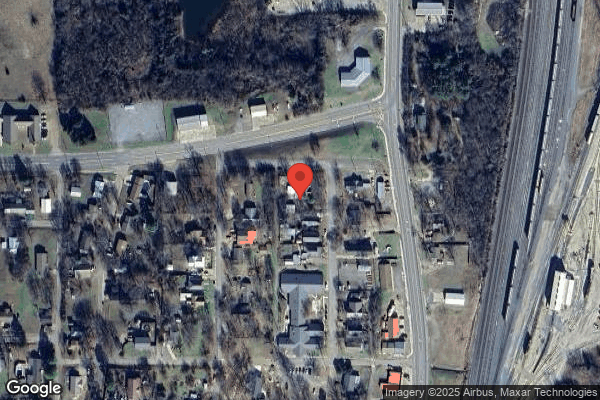
114 WEST 2ND STREET, HEAVENER, OK 74937 (918) 653-2464
For profit - Limited Liability company 84 Beds BRADFORD MONTGOMERY Data: November 2025 2 Immediate Jeopardy citations
Trust Grade
16/100
#227 of 282 in OK
Last Inspection: April 2025

Within standard 12-15 month inspection cycle. Federal law requires annual inspections.

Overview

Heavener Nursing & Rehab has a Trust Grade of F, indicating significant concerns about the quality of care provided at this facility. With a state rank of #227 out of 282, they are in the bottom half of nursing homes in Oklahoma, and they rank #3 out of 6 in Le Flore County, meaning only two local options are better. The facility is showing some improvement, reducing issues from 12 in 2023 to 9 in 2025, but they still have a poor overall star rating of 1 out of 5. Staffing is a strength, with a turnover rate of 0%, but there are critical issues, such as failing to ensure proper lab monitoring for residents on blood thinners, which poses serious health risks. Additionally, the ice machine was found unlocked on multiple occasions, potentially compromising resident safety.

Trust Score
F
16/100
In Oklahoma
#227/282
Bottom 20%
Safety Record
High Risk
Review needed
Inspections
Getting Better
12 → 9 violations
Staff Stability
○ Average
Turnover data not reported for this facility.
Penalties
✓ Good
No fines on record. Clean compliance history, better than most Oklahoma facilities.
Skilled Nurses
○ Average
RN staffing data not reported for this facility.
Violations
⚠ Watch
33 deficiencies on record. Higher than average. Multiple issues found across inspections.
★☆☆☆☆
1.0
Overall Rating
★☆☆☆☆
1.0
Staff Levels
★☆☆☆☆
1.0
Care Quality
★★☆☆☆
2.0
Inspection Score
Stable
2023: 12 issues
2025: 9 issues

The Good

  • Full Sprinkler Coverage · Fire safety systems throughout facility
  • No fines on record

Facility shows strength in fire safety.

The Bad

1-Star Overall Rating

Below Oklahoma average (2.6)

Significant quality concerns identified by CMS

Chain: BRADFORD MONTGOMERY

Part of a multi-facility chain

Ask about local staffing decisions and management

The Ugly 33 deficiencies on record

2 life-threatening
May 2025 1 deficiency
CONCERN (D) 📢 Someone Reported This

A family member, employee, or ombudsman was alarmed enough to file a formal complaint

Potential for Harm - no one hurt, but risky conditions existed

Deficiency F0564 (Tag F0564)

Could have caused harm · This affected 1 resident

**NOTE- TERMS IN BRACKETS HAVE BEEN EDITED TO PROTECT CONFIDENTIALITY** Based on record review and interview, the facility failed to ensure residents were allowed to have visitors of their choice for ...

Read full inspector narrative →
**NOTE- TERMS IN BRACKETS HAVE BEEN EDITED TO PROTECT CONFIDENTIALITY** Based on record review and interview, the facility failed to ensure residents were allowed to have visitors of their choice for 1 (#1) of 3 sampled who were reviewed for visitation. The administrator identified 71 residents resided in the facility. Resident #1's face sheet, dated 01/22/25, showed the resident had diagnoses which included depression and hypertension. A quarterly MDS, dated [DATE], showed the residents cognition was moderately impaired with a BIMS score of 11. An undated policy titled, Visitation, read in part, 2. The facility provides 24-hour access to all individuals visiting with the consent of the resident. On 05/21/25 at 8:20 a.m., Resident #1 stated their grandson would not allow the resident's daughter to visit them in their room. Resident #1 stated they had discussed this with the social services director but nothing was done about it. Resident #1 stated they would like to have their daughter visit in their room for privacy, but their grandson had told the staff they wanted a witness to their visits. The resident stated there was constant arguing between the daughter and the resident's grandson. On 05/21/25 at 8:39 a.m., the housekeeping supervisor looked into the resident's file and stated the Resident #1's grandson does not have power of attorney and the resident was their own person. On 05/21/25 at 8:45 a.m., the housekeeping supervisor called the social services director who stated the resident's grandson does not have power of attorney. On 05/21/25 at 10:02 a.m., LPN #1 stated the grandson did not want the Resident #1's daughter to visit because the resident was always upset after the visits and the grandson wanted witnesses to the visits. They were following the grandson's instructions to only allow visits in the lobby or outside. LPN #1 looked in the resident's record and stated the resident did not have a power of attorney listed. On 05/22/25 at 10:25 a.m., the administrator stated they were not aware the resident's grandson was restricting visitation.
Apr 2025 8 deficiencies
CONCERN (D)

Potential for Harm - no one hurt, but risky conditions existed

Deficiency F0637 (Tag F0637)

Could have caused harm · This affected 1 resident

Based on record review and interview, the facility failed to ensure a significant change resident assessment was completed when a resident was placed on hospice services for 1 (#46) of 2 sampled resid...

Read full inspector narrative →
Based on record review and interview, the facility failed to ensure a significant change resident assessment was completed when a resident was placed on hospice services for 1 (#46) of 2 sampled residents reviewed for hospice services. The MDS coordinator identified 16 hospice residents resided in the facility. Findings: Res #46 admitted to the facility with diagnoses of unspecified dementia, anxiety, and depressive disorders. A physician's order, dated 02/06/25, showed admit to hospice. There was no documentation a significant change resident assessment was completed when Resident #46 began hospice services. On 04/03/25 at 11:49 a.m., the MDS coordinator reported a significant change should have been completed.
CONCERN (E)

Potential for Harm - no one hurt, but risky conditions existed

Comprehensive Assessments (Tag F0636)

Could have caused harm · This affected multiple residents

**NOTE- TERMS IN BRACKETS HAVE BEEN EDITED TO PROTECT CONFIDENTIALITY** Based on record review and interview, the facility failed to ensure a comprehensive assessment was completed within fourteen day...

Read full inspector narrative →
**NOTE- TERMS IN BRACKETS HAVE BEEN EDITED TO PROTECT CONFIDENTIALITY** Based on record review and interview, the facility failed to ensure a comprehensive assessment was completed within fourteen days after admission for 2 (#58 and #70) of 2 sampled residents reviewed for assessments. The regional director of operations identified four residents who had been admitted to the facility in the last 30 days. Findings: 1. Res #58 was admitted on [DATE] with diagnoses which included type II diabetes mellitus and bipolar disorder. The clinical record contained no comprehensive admission assessment. 2. Res #70 was admitted on [DATE] with diagnoses which included Parkinson's disease and protein-calorie malnutrition. The clinical record contained no comprehensive admission assessment. On 04/03/25 at 1:20 p.m. the MDS coordinator stated they were behind in completing comprehensive admission assessments. They stated a comprehensive admission assessment for Res #58 and Res #70 had not been completed since admission. The MDS coordinator stated the comprehensive admission assessment for Res #58 and Res #70 should have been completed within 14 days of admission.
CONCERN (E)

Potential for Harm - no one hurt, but risky conditions existed

Deficiency F0638 (Tag F0638)

Could have caused harm · This affected multiple residents

**NOTE- TERMS IN BRACKETS HAVE BEEN EDITED TO PROTECT CONFIDENTIALITY** Based on record review and interview, the facilty failed to ensure a quarterly assessment was completed for 5 (#23, 27, 40, 41, ...

Read full inspector narrative →
**NOTE- TERMS IN BRACKETS HAVE BEEN EDITED TO PROTECT CONFIDENTIALITY** Based on record review and interview, the facilty failed to ensure a quarterly assessment was completed for 5 (#23, 27, 40, 41, and #46) of 13 residents sampled for MDS assessments. The regional director of operations identified 65 residents resided in the facility. Findings: 1. Res #23 had an annual assessment dated [DATE]. A quarterly assessment with a reference date of 01/19/25 was not completed. 2. Res #27 had an annual assessment dated [DATE]. A quarterly assessment with an assessment reference date of 01/06/25 was not completed. 3. Res #40 had a discharge-return anticipated assessment dated [DATE] and an entry assessment dated [DATE]. A quarterly assessment with an assessment reference date of 12/11/24 was not completed. 4. Res #41 had a significant change assessment dated [DATE]. A quarterly assessment with a reference date of 02/26/25 was not completed. 5. Res #46 had a quarterly assessment dated [DATE]. A quarterly assessment with a reference date of 01/08/25 was not completed. On 04/03/25 at 1:05 p.m., the MDS coordinator stated they were behind on completing many of the residents' assessments. They stated the quarterly assessments should have been completed within three months of the last assessment.
CONCERN (E)

Potential for Harm - no one hurt, but risky conditions existed

Comprehensive Care Plan (Tag F0656)

Could have caused harm · This affected multiple residents

**NOTE- TERMS IN BRACKETS HAVE BEEN EDITED TO PROTECT CONFIDENTIALITY** 3. On 04/01/25 at 9:18 a.m., Res #13 was observed resting in bed with their eyes closed. Half rails were observed in use on both...

Read full inspector narrative →
**NOTE- TERMS IN BRACKETS HAVE BEEN EDITED TO PROTECT CONFIDENTIALITY** 3. On 04/01/25 at 9:18 a.m., Res #13 was observed resting in bed with their eyes closed. Half rails were observed in use on both sides of the bed. Res #13 admitted to the facility with diagnoses which included cerebral infarction, diabetes mellitus, and unspecified dementia. A care plan, dated 01/2025, showed no documentation of bed rails. On 04/03/25 at 11:50 a.m., the MDS coordinator stated the bed rails should have been care planned. 4. On 04/01/25 09:27 a.m., Res #41 was observed resting in bed with their eyes closed. Half rails were observed on both sides of the bed. Res #41 admitted to the facilty with diagnoses which included metabolic encephalopathy and chronic kidney disease. A care plan, dated 02/2025, showed no documentation of bed rails. On 04/03/25 at 11:50 a.m., the MDS coordinator stated the bed rails should have been care planned. 5. Res #46 admitted to the facility with diagnoses which included dementia, anxiety, and depressive disorders. A physician's order, dated 02/06/25, showed to admit to hospice. A care plan, dated 01/2025, did not that show hospice was implemented on the care plan. On 04/03/25 at 11:49 a.m., the MDS coordinator stated the care plan should have been developed to implement hospice. Based on observation, record review, and interview, the facility failed to ensure a comprehensive care plan was developed: a. upon admission to the facility for 2 (#58 and #70) of 2 residents sampled for new admissions; b. for bed rail use for 2 (#13 and #41) of 2 residents sampled for accidents; and c. for hospice services for 1 (#46) of 1 resident sampled for hospice services. The regional director of operations identified 65 residents resided in the facility. They identified four residents who were admitted in the last thirty days. Findings: 1. Res #58 was admitted on [DATE] with diagnoses which included type II diabetes mellitus and bipolar disorder. The clinical record contained no comprehensive care plan. 2. Res #70 was admitted on [DATE] with diagnoses which included Parkinson's disease and protein-calorie malnutrition. The clinical record contained no comprehensive care plan. On 04/03/25 at 1:29 p.m. the MDS coordinator stated they were behind in developing care plans. They stated a comprehensive care plan for Res #58 and Res #70 had not been completed since admission. The MDS coordinator stated the comprehensive care plans should have been completed within 21 days of admission. They stated Res #58's care plan should have been completed by 03/24/25 and Res #70's care plan should have been completed by 03/25/25.
CONCERN (E)

Potential for Harm - no one hurt, but risky conditions existed

Incontinence Care (Tag F0690)

Could have caused harm · This affected multiple residents

**NOTE- TERMS IN BRACKETS HAVE BEEN EDITED TO PROTECT CONFIDENTIALITY** Based on observation, record review, and interview, the facility failed to ensure a resident who entered the facility with an in...

Read full inspector narrative →
**NOTE- TERMS IN BRACKETS HAVE BEEN EDITED TO PROTECT CONFIDENTIALITY** Based on observation, record review, and interview, the facility failed to ensure a resident who entered the facility with an indwelling urinary catheter had a physician order and was assessed for the use for 1 (#7) of 1 sampled resident reviewed for the use of an indwelling urinary catheter. The DON identified 11 residents with indwelling urinary catheters. Findings: On 03/31/25 at 1:10 p.m., the resident was lying in a low bed and had a indwelling urinary catheter hanging from their bedside. Resident #7 had diagnoses which included urinary tract infection and diabetes mellitus. A 5 day assessment, dated 02/13/25, showed the resident was cognitively intact and had a BIMS score 12. The assessment showed the resident was always continent of bladder. A treatment administration record/medication administration record for April 2025 did not show catheter care for the resident. There was no current physician order for an indwelling catheter when Resident #7 returned from the hospital on [DATE]. On 03/31/25 at 1:14 p.m., the resident stated they had the indwelling urinary catheter when they returned from the hospital. The resident stated they were not sure why they had the indwelling urinary catheter. On 04/02/25 at 8:54 a.m., LPN/charge nurse #1 stated the resident returned from the hospital on [DATE] with the indwelling urinary catheter. The LPN reviewed the resident's clinical record and stated they could not find a physician order, physician care orders, or a diagnosis for the need of the indwelling urinary catheter. On 04/02/25 at 9:09 a.m., the DON reviewed the resident's clinical record and stated they could not find physician care orders or a diagnosis of the need of an indwelling urinary catheter. The DON stated they were not aware the resident had an indwelling urinary catheter. The DON stated per the facility policy if a resident returned to the facility with a catheter and did not have an order for the catheter, the catheter would be removed within 24 hours.
CONCERN (E)

Potential for Harm - no one hurt, but risky conditions existed

Drug Regimen Review (Tag F0756)

Could have caused harm · This affected multiple residents

2. Res #20 admitted to the facility with diagnoses which included anxiety disorder and major depressive disorder. A care plan, dated 01/2025, showed the resident used antidepressant, antianxiety, and ...

Read full inspector narrative →
2. Res #20 admitted to the facility with diagnoses which included anxiety disorder and major depressive disorder. A care plan, dated 01/2025, showed the resident used antidepressant, antianxiety, and antipsychotic medications, and was at risk for side effects. On 04/02/25 at 2:00 p.m., the corporate regional director of operations provided monthly medication regimen reviews for the months of April 2024, September 2024, October 2024, and November 2024. 3. Res #23 admitted to the facility with diagnoses which included anxiety, depressive disorders, diabetes mellitus. A care plan, dated 01/2025, showed the resident used anxiety, antidepressant, and antipsychotic medication, and was at risk for side effects. On 04/02/25 at 2:00 p.m., the corporate regional director of operations provided monthly medication regimen reviews for the months of November 2024 and February 2025. They provided three medication regimen reviews with no date of when the pharmacy made the recommendations. 4. Res # 37 admitted to the facility with diagnoses which included anxiety and depression. A care plan, dated 02/2025, showed the resident was at risk for side effects due to antipsychotic and antianxiety drug use. On 04/02/25 at 2:00 p.m., the corporate regional director of operations provided monthly medication regimen reviews for the months of April 2024, June 2024, and September 2024. They provided five medication reviews with no date of when the pharmacy made the recommendations. 5. Res #41 admitted to the facility with diagnoses which included bipolar disorder and depression. A care plan, dated 02/2025, showed the resident was at risk for side effects related to antipsychotic, antianxiety, and antidepressant drug use. The corporate regional director of operations provided monthly medication regimen reviews for the months of April 2024, June 2024, July 2024, September 2024, and October 2024. They provided one medication review with no date of when the pharmacy made the recommendation. On 04/03/25 at 10:00 a.m., the corporate regional director of operations stated they were unable to locate all of the monthly medication regimen reviews for Residents #20, 23, 37, and #41. They stated the reviews should have been completed monthly per policy and kept in the medical record. Based on record review and interview, the facility failed to provide all monthly medication regimen reviews from January 2024 through February 2025 for 5 (#20, 23, 37, 41, and #49) of 5 sampled residents reviewed for unnecessary medications. The DON identified 65 residents resided in the facility. Findings: A policy titled Monthly Medication Regimen Reviews, revised May 2024, read in part, The Consultant Pharmacist performs a medication regimen review (MRR) for every resident in the facility receiving medications. Medication regimen reviews are done upon admission (or as close to admission as possible) and at least monthly thereafter, or more frequently if indicated .Copies of medication regimen review reports, including physician responses, are maintained as part of the permanent medical record. 1. Res #49 was admitted with diagnoses which included dementia and bipolar disorder. A quarterly assessment, dated 11/30/24, showed Res #49 was cognitively intact with a BIMS score of 14 and had no depression or behaviors. The assessment showed Res #49 received antipsychotic, antidepressant, anticoagulant, hypoglycemic, and opioid medications. On 04/01/25 at 1:00 p.m., Res #49's monthly medication regimen reports for January 2024 through February 2025 were requested for review. On 04/02/25 at 2:00 p.m., the corporate regional director of operations provided Res #49's medication regimen review reports for the months of September 2024, October 2024, November 2024, December 2024, and January 2025. On 04/03/25 at 11:04 a.m., the corporate regional director of operations stated they were unable to locate Res #49's medication regimen review reports for the months of January 2024 through August 2024, and February 2025. They stated the reviews should have been completed monthly per policy and kept in the medical record.
CONCERN (E)

Potential for Harm - no one hurt, but risky conditions existed

Food Safety (Tag F0812)

Could have caused harm · This affected multiple residents

Based on observation, record review, and interview, the facility failed to label and date food items in the walk in refrigerator. The dietary manager identified 65 residents who ate meals prepared by ...

Read full inspector narrative →
Based on observation, record review, and interview, the facility failed to label and date food items in the walk in refrigerator. The dietary manager identified 65 residents who ate meals prepared by the kitchen. Findings: On 03/31/25 at 10:44 a.m., a kitchen observation was made. The walk in refrigerator had a container with scrambled eggs and two sausage links that were not labeled or dated. There was a container of meat in six plastic bags, with one open to air, that were not labeled or dated. There was a large container not labeled or dated the DM identified as vanilla pudding. A policy titled Food Receiving and Storage, revised October 2024, read in part All foods stored in the refrigerator or freezer will be covered, labeled and dated ('use by' date). On 03/31/25 at 10:50 a.m., the DM stated items in the refrigerator should be labeled and dated.
CONCERN (E) 📢 Someone Reported This

A family member, employee, or ombudsman was alarmed enough to file a formal complaint

Potential for Harm - no one hurt, but risky conditions existed

Infection Control (Tag F0880)

Could have caused harm · This affected multiple residents

Based on observation, record review, and interview, the facility failed to maintain an infection control program for EBPs for 3 (#7, 12, and #70) of 3 sampled residents reviewed for infection control ...

Read full inspector narrative →
Based on observation, record review, and interview, the facility failed to maintain an infection control program for EBPs for 3 (#7, 12, and #70) of 3 sampled residents reviewed for infection control practices. The DON identified 11 residents with indwelling urinary catheters, six residents with wounds, and one resident with a PEG tube. Findings: A policy titled Enhanced Barrier Precautions, dated August 2022, read in part, Enhanced barrier precautions (EBPs) are used as an infection prevention and control intervention to reduce the spread of multi-drug resistant organisms (MDROs) to residents. EBPs employ targeted gown and glove use during high contact resident care activities when contact precautions do not otherwise apply.Examples of high-contact resident care activities requiring the use of gown and gloves for EBPs include: .g. device care or use (central line, urinary catheter, feeding tube, tracheostomy/ventilator .and h. wound care (any skin opening requiring a dressing). 1. On 04/01/25 at 2:20 p.m., LPN #1 was observed gathering supplies to complete wound care for Resident #7. Upon approaching the resident's room there was no signage posted or PPE available at the door. LPN #1 used gloves for the procedure. LPN #1 did not use EBPs and wear a gown during the wound care. Resident #7 had diagnoses which included cirrhosis of liver, diabetes mellitus, and depressive disorders. An admission assessment, dated 01/06/25, showed the resident was cognitively intact and had a BIMS score of 15. The assessment showed the resident did not have pressure ulcers. A physician order, dated 03/29/25, showed an order for wound care to the coccyx. The order was to clean the wound with normal saline, pat dry, apply collagen, and cover with a dressing every day and as needed. On 04/01/25 at 2:21 p.m., LPN #1 stated they were not aware of additional precautions or PPE required for the resident's wound care. On 04/02/25 at 3:10 p.m., the IP stated EBPs were not being utilized in the facility. The IP stated they were unsure if staff had been educated regarding the use of EBPs. The IP stated signage and PPE should be posted at the door and available to staff and visitors. 2. On 04/02/25 at 2:10 p.m., LPN #2 was observed gathering supplies to complete wound care for Resident #12. The resident's door did not have signage posted for the use of PPE. LPN #2 donned a pair of gloves for the procedure. LPN #2 did not use EBPs and wear a gown for the wound care. Resident #12 had diagnoses which included metabolic encephalopathy, urinary tract infection, and hypertension. A physician order, dated 03/28/25, showed staff were to secure the biliary drainage tube to the resident's abdomen with a large tegaderm to prevent accidental tugging with each split gauze change every day. On 04/02/25 at 2:12 p.m., LPN #2 stated they had heard of EBPs, but was not sure of the requirements.3. On 04/02/25 at 7:38 a.m., ACMA #1 was observed administering medications to Resident #70 through their PEG tube. ACMA #1 was observed to have worn gloves during the administration of the medications. ACMA #1 was not observed to have worn a personal protective gown during the administration. No PPE was observed outside or near Resident #70's room. Resident #70 was admitted with diagnoses which included protein-calorie malnutrition and gastroesophageal reflux disease. A physician order, dated 03/04/25, showed to administer medications through the PEG tube. 04/02/25 07:45 a.m., ACMA #1 was asked if any additional PPE should have been worn during the administration of medication through Resident #70's PEG tube. ACMA #1 stated they only needed to wear gloves because the resident was not in any kind of isolation. On 04/02/25 at 3:10 p.m., the IP stated EBPs were not being utilized in the facility per policy. They stated all residents with wounds, catheters, PEG tubes, and other indwelling devices should have EBPs in place. The IP stated ACMA #1 should have worn a gown and gloves during the administration of medications through Resident #70's PEG tube. On 04/03/25 at 8:00 a.m., ACMA #1 stated they had never heard of EBPs. They stated the facilty had not educated them on the need to wear a personal protective gown during the care of residents with a PEG tube.
Dec 2023 11 deficiencies
CONCERN (D)

Potential for Harm - no one hurt, but risky conditions existed

Assessment Accuracy (Tag F0641)

Could have caused harm · This affected 1 resident

Based on record review and interview, the facility failed to ensure a resident assessment was accurate for one (#3) of 24 sampled residents whose assessments were reviewed for accuracy. The DON report...

Read full inspector narrative →
Based on record review and interview, the facility failed to ensure a resident assessment was accurate for one (#3) of 24 sampled residents whose assessments were reviewed for accuracy. The DON reported 61 residents resided in the facility. Findings: Res #3 was admitted to the facility with diagnoses of hypoxia, congestive heart failure, bipolar disorder, and Alzheimer's disease. A physician order, dated 07/15/22, documented oxygen at 4 liters per minute via nasal canula. A quarterly assessment, dated 08/24/23, contained no documentation the resident required oxygen therapy. On 12/13/23 at 1:12 p.m., the MDS coordinator reported the assessment should have documented oxygen therapy.
CONCERN (D)

Potential for Harm - no one hurt, but risky conditions existed

PASARR Coordination (Tag F0644)

Could have caused harm · This affected 1 resident

**NOTE- TERMS IN BRACKETS HAVE BEEN EDITED TO PROTECT CONFIDENTIALITY** Based on record review and interview, the facility failed to refer a resident with a new mental health diagnosis to OHCA for a P...

Read full inspector narrative →
**NOTE- TERMS IN BRACKETS HAVE BEEN EDITED TO PROTECT CONFIDENTIALITY** Based on record review and interview, the facility failed to refer a resident with a new mental health diagnosis to OHCA for a PASRR level II evaluation for one (#39) of one sampled residents reviewed for PASRR. The DON reported 61 residents resided in the facility. Findings: The resident's record documented the resident was re-admitted to the facility on [DATE] with diagnoses of paranoid personality disorder and delusional disorders. On 12/13/23 at 1:12 p.m., the regional director and the MDS coordinator reported the OHCA should have been notified of the new mental health diagnoses.
CONCERN (D)

Potential for Harm - no one hurt, but risky conditions existed

Drug Regimen Review (Tag F0756)

Could have caused harm · This affected 1 resident

Based on record review and interview, the facility failed to ensure the physician responded to the pharmacist gradual dose reductions for one (#33) of five sampled residents reviewed for unnecessary m...

Read full inspector narrative →
Based on record review and interview, the facility failed to ensure the physician responded to the pharmacist gradual dose reductions for one (#33) of five sampled residents reviewed for unnecessary medications. The BOM identified 61 residents resided in the facility. Findings: 1. Resident #33 had diagnoses which included delusional disorder. A Physician's Orders, dated 05/19/23, documented Resident #33 received Remeron 45 mg once a day, and Seroquel 50 mg twice a day. A medication regimen review, dated 09/29/23, documented a request to the physician to attempt a decrease in the dose of the Remeron. A medication regimen review, dated 10/31/23, documented a request to the physician to consider a dose reduction of the Seroquel. There was no response from the physician for either medication regimen review. On 12/13/23 at 10:01 a.m., the ADON was asked what the process was for obtaining the response from the physician regarding medication regimen reviews. They stated they would send them to the physician for review. They stated they usually got the response back in a week. The ADON was asked if there were any responses from the physician for Resident #33's medication regimen reviews. They stated they had not seen a response regarding the September one, and they were waiting on the response from the physician regarding the October one.
CONCERN (D)

Potential for Harm - no one hurt, but risky conditions existed

Infection Control (Tag F0880)

Could have caused harm · This affected 1 resident

Based on observation and interview, the facility failed to ensure staff did not touch medications, to be administered to residents, with un-gloved hands. The BOM identified 61 residents resided in the...

Read full inspector narrative →
Based on observation and interview, the facility failed to ensure staff did not touch medications, to be administered to residents, with un-gloved hands. The BOM identified 61 residents resided in the facility. Findings: On 12/13/23 at 7:55 a.m., CMA #2 was observed to pick up a pill from a medication cup with there un-gloved hand and placed in a different medication cup. CMA #2 was observed to administer medications to the resident. On 12/13/23 at 8:40 a.m., CMA #2 was observed to hold medication in a medication cup with their un-gloved hand and let other medication fall into a pill crusher pouch. CMA #2 was observed to administer medication to the resident. On 12/13/23 at 8:47 a.m., CMA #2 was asked what the policy was for touching medication with their hands. They stated they were suppose to wear gloves. CMA #2 was asked if they wore gloves. They stated, Not each time. On 12/13/23 at 12:35 p.m., the ADON was asked what the policy was for touching medication. They stated the staff should wear gloves.
CONCERN (E)

Potential for Harm - no one hurt, but risky conditions existed

MDS Data Transmission (Tag F0640)

Could have caused harm · This affected multiple residents

Based on interview and record review, the facility failed to ensure assessments were encoded and transmitted to CMS in the required time frame for three (#7, 47 and, #50) of 18 residents whose assessm...

Read full inspector narrative →
Based on interview and record review, the facility failed to ensure assessments were encoded and transmitted to CMS in the required time frame for three (#7, 47 and, #50) of 18 residents whose assessments were reviewed. The Long-Term Care Facility Application for Medicare and Medicaid form documented 61 residents resided in the facility. Findings: 1. Res #7's quarterly assessment, dated 11/09/23, documented transmitted. The final validation report documented the assessment was transmitted 12/11/23. 2. Res #47's quarterly assessment, dated 11/06/23, documented transmitted. The final validation report documented the assessment was transmitted 12/11/23. 3. Res #50's annual assessment, dated 11/09/23, documented transmitted. The final validation report documented the assessment was transmitted 12/11/23. On 12/13/23 at 9:20 a.m., the MDS coordinator stated the assessments were transmitted late for the named residents. The MDS coordinator stated they input the information into the system but then it sometimes takes a while to get them transmitted. The MDS coordinator stated she had been working the floor some also.
CONCERN (E)

Potential for Harm - no one hurt, but risky conditions existed

Respiratory Care (Tag F0695)

Could have caused harm · This affected multiple residents

Based on record review, observation, and interview, the facility failed to obtain a physician order for oxygen needs for one (#50) and failed to provide oxygen as ordered by the physician order for on...

Read full inspector narrative →
Based on record review, observation, and interview, the facility failed to obtain a physician order for oxygen needs for one (#50) and failed to provide oxygen as ordered by the physician order for one (#3) of three sampled residents for respiratory therapy. Findings: Res #50 was admitted to the facility with diagnoses of COPD, bipolar disorder, and anxiety disorder. On 12/12/23 at 10:17 a.m., the resident was observed resting in bed with eyes closed. The resident was observed wearing oxygen on at 2 liters per minute via nasal canula. On 12/13/23 at 8:50 a.m., the resident's record was reviewed and did not document a physician's order for oxygen. LPN #1 was asked to review the resident's physician orders and she reported the resident did not have and order for oxygen therapy. On 12/13/23 at 10:13 a.m., the corporate nurse reported the resident should have had an order for oxygen. Res #3 was admitted to the facility with diagnoses of hypoxia, congestive heart failure, bipolar disorder, and Alzheimer's disease. A physician's order, dated 07/15/22, documented oxygen @ 4LPM via nasal canula. On 12/11/23 at 11:47 a.m., resident #3 was observed sitting up in geri chair in the dining room. The resident was observed with oxygen on at 1 1/2 liters per minute via nasal canula. On 12/12/23 at 11:40 a.m., the resident was observed sitting u in a geri chair without oxygen. On 12/13/23 at 7:29 a.m., the resident was observed up in a geri chair at the table in the dining room. The resident was observed without oxygen at this time. On 12/14/23 at 8:00 a.m., LPN #1 reported the resident should have had his oxygen.
CONCERN (E)

Potential for Harm - no one hurt, but risky conditions existed

Pharmacy Services (Tag F0755)

Could have caused harm · This affected multiple residents

Based on observation, record review, and interview, the facility failed to ensure medications were administered according to physician's order for two (#3 and #12) of eight sampled residents reviewed ...

Read full inspector narrative →
Based on observation, record review, and interview, the facility failed to ensure medications were administered according to physician's order for two (#3 and #12) of eight sampled residents reviewed for medication administration. The BOM identified 61 residents resided in the facility. Findings: An Administering Medications policy, dated December 2022, read in part, .Medication must be administered in accordance with the orders, including any required time frame . 1. Resident #12 had diagnoses which included colostomy status. A Physician's Orders, dated 03/23/23, documented Colace 100 mg was to be administered at bedtime. 2. Resident #3 had diagnoses which included gastro-esophageal reflux disease. A Physician's Orders, dated 07/22/22, documented Protonix every day at 11:00 a.m. On 12/13/23 at 7:40 a.m., CMA #3 was observed to administer Colace to Resident #12. On 12/13/23 at 8:00 a.m., CMA #2 was observed to administer Protonix to Resident #3. On 12/13/23 at 8:15 a.m., CMA #3 was asked what the process was for ensuring medications were administered as ordered. They stated they followed the MAR. CMA #3 was asked to when was the Colace administered. They were observed to look at the MAR and stated, My bad. I made a mistake. On 12/13/23 at 8:47 a.m., CMA #2 was asked what the process was for ensuring medications were administered as ordered. They stated they double checked the MAR and the medication card. CMA #2 was asked what time was the Protonix administered. They stated, Yeah, I gave it too early.
CONCERN (E)

Potential for Harm - no one hurt, but risky conditions existed

Medication Errors (Tag F0758)

Could have caused harm · This affected multiple residents

3. Resident #50 had diagnosis of anxiety disorder. A physician's order, dated 10/31/23, documented Ativan 0.5mg tablet 1 po Q6 hours PRN anxiety. The order did not document a stop date 4. Resident #39...

Read full inspector narrative →
3. Resident #50 had diagnosis of anxiety disorder. A physician's order, dated 10/31/23, documented Ativan 0.5mg tablet 1 po Q6 hours PRN anxiety. The order did not document a stop date 4. Resident #39 had a diagnosis which included anxiety disorder. A physician's order, dated 02/28/23, documented Ativan 1mg/0.5ml topical gel apply 1 syringe topically every 2 hours PRN anxiety/agitation. The order did not document a stop date. A physician's order, dated 09/05/22 documented Lorazepam 2mg/ml oral concent give 0.25 ML SL PRN Q2H. DX: Anxiety/Air Hunger. The order did not document a stop date. On 12/14/23 09:07 AM DON reported the PRN psychotropics should have had a stop date. Based on record review and interview, the facility failed to ensure PRN psychotropic medications were limited for four (#34, 45, 50, and #39) of five sampled residents reviewed for unnecessary medications. The Regional Director identified 36 residents received psychotropic medications. Findings: An Antipsychotic Medication Use policy, dated December 2022, read in part, .The need to continue PRN orders for psychotic medications beyond 14 days requires that the practitioner document the rationale for the extended order . 1. Resident #45 had diagnoses which included anxiety. A Physician's Orders, dated 10/16/23, documented Ativan was to be administered every six hours as needed for anxiety. There was no documentation limiting the use of the medication. Resident #45's MAR, from November and December 2023, documented the resident received five doses beyond the 14 days limitation as documented in the facility's policy. There was no documentation the physician provided a rationale for extending the order. On 12/13/23 at 10:52 a.m., the ADON was asked if Resident #45 received PRN psychotropic medication. They were observed looking at the physician's orders and stated, I think [Resident #45] is. The ADON was asked to describe the policy regarding PRN psychotropic medications. They stated, I would have to pull it. The ADON was asked what the requires were regarding PRN psychotropic medications. They stated, I don't know it by heart. They stated the pharmacist had recommended putting a system into place limiting medications to 30 days but they haven't implemented anything. The ADON was asked if Resident #45's Ativan order had a limitation. They stated, No. 2. Resident #34 had diagnoses which included anxiety. A Physician's Orders, dated 11/12/23, documented Ativan was to be administered every eight hours as needed for anxiety. There was no documentation limiting the use of the medication. Resident #34's MAR, from November and December 2023, documented the resident received six doses beyond the 14 days limitation as documented in the facility policy. There was no documentation the physician provided a rationale for extending the order. On 12/14/23 at 9:07 a.m., the ADON was asked if Resident #34 had an order for a PRN psychotropic medication. They stated, Yes. The ADON was asked if there was a limitation to the order. They stated, Not on this order.
CONCERN (E)

Potential for Harm - no one hurt, but risky conditions existed

Unnecessary Medications (Tag F0759)

Could have caused harm · This affected multiple residents

Based on observation, record review and interview, the facility failed to ensure the medication error rate was less than 5%. A total of 28 opportunities were observed with two errors. The total medica...

Read full inspector narrative →
Based on observation, record review and interview, the facility failed to ensure the medication error rate was less than 5%. A total of 28 opportunities were observed with two errors. The total medication error rate was 7.14%. The BOM identified 61 residents resided in the facility. Findings: 1. Resident #12 had diagnoses which included colostomy status. A Physician's Orders, dated 03/23/23, documented Colace 100 mg was to be administered at bedtime. 2. Resident #3 had diagnoses which included gastro-esophageal reflux disease. A Physician's Orders, dated 07/22/22, documented Protonix every day at 11:00 a.m. On 12/13/23 at 7:40 a.m., CMA #3 was observed to administer Colace to Resident #12. On 12/13/23 at 8:00 a.m., CMA #2 was observed to administer Protonix to Resident #3. On 12/13/23 at 8:15 a.m., CMA #3 was asked what the process was for ensuring medications were administered as ordered. They stated they followed the MAR. CMA #3 was asked to when was the Colace administered. They were observed to look at the MAR and stated, My bad. I made a mistake. On 12/13/23 at 8:47 a.m., CMA #2 was asked what the process was for ensuring medications were administered as ordered. They stated they double checked the MAR and the medication card. CMA #2 was asked what time was the Protonix administered. They stated, Yeah, I gave it too early. On 12/13/23 at 12:35 p.m., the ADON was asked how they ensured the medication error rate was less than 5%. They stated they complete inservices, the pharmacist monitors once a month, and have CMAs complete skills check offs. The ADON was notified of the observations and medication error rate of 7.14%.
CONCERN (E)

Potential for Harm - no one hurt, but risky conditions existed

Deficiency F0761 (Tag F0761)

Could have caused harm · This affected multiple residents

Based on observation, and interview, the facility failed to ensure refrigerated medications were stored in a manner to maintain the integrity of the medications and failed to dispose of expired medica...

Read full inspector narrative →
Based on observation, and interview, the facility failed to ensure refrigerated medications were stored in a manner to maintain the integrity of the medications and failed to dispose of expired medications and supplies by the expiration dates. The Long-Term Care Facility Application for Medicare and Medicaid form documented 61 residents resided in the facility. Findings: A facility policy, dated April 2023, read in part, Storage of Medications .Discontinued, outdate, or deteriorated drugs or biologicals are returned to the dispensing pharmacy or destroyed .Medications requiring refrigeration are stored in a refrigerator located in the drug room at the nurses' station or other secured location. Medications are stored separately food and are labeled accordingly . On 12/13/23 at 10:23 a.m., the medication room was observed. A total of 47 prefilled heparin syringes were expired and 11 IV tubing's in packages were expired in the medication room. On 12/13/23 at 10:25 a.m., CMA #3 stated they look for expired medication once a month. CMA #3 stated the TB testing solution was kept in the ADON's office. On 12/13/23 at 10:30 a.m., CMA #3 stated the CMAs make sure there are not any expired medication and the nurses should make sure the heparin and IV tubing supplies were not expired. On 12/13/23 at 10:43 a.m., CMA #2 stated CMA #3 usually was the CMA to go through the medications to make sure they are not expired every month. On 12/13/23 at 10:57 a.m., There were two boxes of TB and 15 syringes of the flu vaccine contained in two boxes observed in the refrigerator with staff food. The ADON stated the food should not be in the refrigerator with the medications. On 12/13/23 at 11:24 a.m., the regional director stated the facility should not have anything expired in the medication store room and there should not be medication stored in the refrigerator with food items.
CONCERN (F)

Potential for Harm - no one hurt, but risky conditions existed

Food Safety (Tag F0812)

Could have caused harm · This affected most or all residents

Based on observation and interview, the facility failed to ensure the ice machine in the lobby remained locked. The DON reported 61 residents resided in the facility. Findings: On 12/11/23 09:20 a.m.,...

Read full inspector narrative →
Based on observation and interview, the facility failed to ensure the ice machine in the lobby remained locked. The DON reported 61 residents resided in the facility. Findings: On 12/11/23 09:20 a.m., the ice Machine is located in the lobby and observed to be unlocked. On 12/13/23 9:21 a.m., the ice machine which is in the dining room was observed to be unlocked. On 9:23 a.m., the regional director stated the ice machine should be locked and they get a tag for that every year.
Oct 2023 1 deficiency
CONCERN (E) 📢 Someone Reported This

A family member, employee, or ombudsman was alarmed enough to file a formal complaint

Potential for Harm - no one hurt, but risky conditions existed

Staffing Information (Tag F0732)

Could have caused harm · This affected multiple residents

Based on observation and interview, the facility failed to document and retain daily staffing information for the past 18 months. The Resident Census and Conditions of Resident form, dated 10/12/23 do...

Read full inspector narrative →
Based on observation and interview, the facility failed to document and retain daily staffing information for the past 18 months. The Resident Census and Conditions of Resident form, dated 10/12/23 documented a census of 55 residents. Findings: On 10/12/23 at 6:00 a.m., a white board behind the nurse's station was observed to include documentation of the census number, name and titles of staff on duty. Staffing hours were not documented. On 10/12/23 at 1:00 p.m., the regional consultant was unable to provide staff assignments for the last six months and reported they were unaware of the requirements to post staffing hours and retain the documentation for 18 months.
Nov 2022 12 deficiencies 2 IJ
CRITICAL (J)

Immediate Jeopardy (IJ) - the most serious Medicare violation

Quality of Care (Tag F0684)

Someone could have died · This affected 1 resident

On 11/07/22, an Immediate Jeopardy (IJ) situation was determined to exist related to the facility's failure to ensure the physician provided laboratory orders for routine monitoring for Res #63 who re...

Read full inspector narrative →
On 11/07/22, an Immediate Jeopardy (IJ) situation was determined to exist related to the facility's failure to ensure the physician provided laboratory orders for routine monitoring for Res #63 who received Warfarin/Coumadin (an anticoagulant medication used as a blood thinner). On 11/07/22 at 4:30 p.m., the Oklahoma State Department of Health was notified and verified the existence of the IJ situation. On 11/07/22 at 4:45 p.m., the Regional Manager was notified of the IJ situation. On 11/08/22 at 11:30 a.m., an acceptable plan of removal was submitted to the Oklahoma State Department of Health. The facility's plan of removal, dated 11/07/22, read in part: Plan of Removal Anticoagulant Therapy: Immediate Actions: 1. Review of facility records identified 3 residents on Coumadin therapy with identified resident #63 out to hospital. 2. Inservice started for Nursing staff regarding the following: a. Coumadin (Anticoagulant therapy Clinical Protocol P&P) b. Lab requirements for anticoagulant therapy to include routine draws of PT/INR c. Ensuring Physician [sic] orders are obtained for routine labs and monitor. d. Monitoring and follow up on labs. e. readmission orders reconciled to catch new orders and orders to hold medication when critical labs are obtained. f. Ensuring MRR are completed with pharmacy monthly to be specific to Warfarin/Coumadin. e. Anticoagulant - PT/INR Flow sheets for monitoring. In-service completed on: 11/7/22 @ 6:55 p.m. 3. Baseline lab draws completed on all resident[sic] in facility receiving Coumadin/Warfarin therapy per PCP order. On 11/07/22 with results to be sent to PCP for further recommendation. Identified resident will have lab draw completed for baseline upon return to facility. 4. Careplans updated to reflect Coumadin (Anticoagulant therapy including labs, flow sheet and monitoring). Corrective Actions: 1. Anticoagulant therapy added to monthly at risk meeting for monitoring of labs and compliance with P&P of Anticoagulant therapy monthly. 2. ADON/DON to monitor Flow sheet weekly. 3. Staff will be in-serviced at hire and re-educated annually. The IJ was lifted, effective 11/08/22 at 2:30 p.m., when all components of the plan of removal had been completed. The deficiency remained at an isolated level with a potential for harm to the resident. Based on record review and interview, the facility failed to ensure monitoring was provided for a resident (#63) on anticoagulant therapy. The RM identified three residents on anticoagulant therapy. Findings: Res #63 was admitted with diagnoses which included acute embolism and thrombosis to deep vein unspecified lower extremity. The Anticoagulant - Clinical Protocol revised, 11/18, read in parts, 1. The physician will order appropriate lab testing to monitor anticoagulant therapy and potential complications; .periodically checking PT/INR .2. If Warfarin is used, staff should use a warfarin flow sheet .to follow trends in anticoagulant dosage and response in individuals on warfarin . A physician's order dated 03/03/22, read in part, Coumadin 5mg 1 PO QD . There were no physician's orders for lab to monitor Res #63's PT/INR (a blood test measuring the time it takes for blood to clot). This resulted in Res #63 going 236 days without monitoring of lab results. A nursing note dated, 10/16/22, read in parts, 12:00 p.m., .Resident sitting in floor .laceration to R top of scalp with blood .Dr. (name withheld) notified, new order to send to ER to eval and treat .7:45 p.m., Resident admitted to hospital with laceration to scalp with 37 staples. Dx of syncope and increased INR. A Hospital Medicine H&P dated, 10/16/22, read in parts, .Patient was found down on the floor with large posterior scalp laceration associated hematoma and bleeding .brought to the emergency room and has a scalp laceration repair [sic]. Patient is on Coumadin .INR was 2.8 (reference range: 0.9 - 1.2) .received 1 dose of Vitamin K in the emergency room the patient was referred to the hospitalist for observation . Hospital discharge instructions dated, 10/17/22, read in parts, HOLD Warfarin for 3 more days, then ok to restart. A Medication Administration Record (MAR) dated, October 2022, documented Warfarin was not held and was administered on 10/18/22, 10/19/22 and 10/20/22. On 11/07/22 at 11:00 a.m., the DON stated there should have been orders to monitor Res #63's PT/INR. On 11/07/22 at 11:02 a.m., LPN #2 was unable to locate orders to monitor Res #63's PT/INR. When asked if there should have been orders, LPN #2 stated I think so. On 11/07/22 at 12:15 p.m., Res, #63's physician stated lab tests should have been ordered at the time Warfarin was ordered. The physician's expectation would have been for nursing to call and request an order for lab monitoring. On 11/07/22 at 1:00 p.m., the Regional Manager reported they did not have flow sheets for residents taking Warfarin.
CRITICAL (J)

Immediate Jeopardy (IJ) - the most serious Medicare violation

Drug Regimen Review (Tag F0756)

Someone could have died · This affected 1 resident

On 11/07/22, an Immediate Jeopardy (IJ) situation was determined to exist related to the facility's failure to ensure the pharmacist conducted a MRR (Medication Regime Review) specific to Warfarin/Cou...

Read full inspector narrative →
On 11/07/22, an Immediate Jeopardy (IJ) situation was determined to exist related to the facility's failure to ensure the pharmacist conducted a MRR (Medication Regime Review) specific to Warfarin/Coumadin (a blood thinner) and lab monitoring from 03/03/22 to 10/26/22 for Res #63 who received Warfarin. On 11/07/22 at 4:30 p.m., the Oklahoma State Department of Health was notified and verified the existence of the IJ situation. On 11/07/22 at 4:45 p.m., the Regional Manager was notified of the IJ situation. On 11/08/22 at 11:30 a.m., an acceptable plan of removal was submitted to the Oklahoma State Department of Health. The facility's plan of removal, dated 11/07/22, read in part: Plan of Removal Anticoagulant Therapy: Immediate Actions: 1. Review of facility records identified 3 residents on Coumadin therapy with identified resident #63 out to hospital. 2. Inservice started for Nursing staff regarding the following: a. Coumadin (Anticoagulant therapy Clinical Protocol P&P) b. Lab requirements for anticoagulant therapy to include routine draws of PT/INR c. Ensuring Physician orders are obtained for routine labs and monitor. d. Monitoring and follow up on labs. e. readmission orders reconciled to catch new orders and orders to hold medication when critical lab are obtained. f. Ensuring MRR are completed with pharmacy monthly to be specific to Warfarin/Coumadin. e. Anticoagulant - PT/INR Flow sheets for monitoring. In-service completed on: 11/7/22 @ 6:55 p.m. 3. Baseline lab draws completed on all resident in facility receiving Coumadin/Warfarin therapy per PCP order. On 11/07/22 with results to be sent to PCP for further recommendation. Identified resident will have lab draw completed for baseline upon return to facility. 4. Careplans updated to reflect Coumadin (Anticoagulant therapy including labs, flow sheet and monitoring). Corrective Actions: 1. Anticoagulant therapy added to monthly at risk meeting for monitoring of labs and compliance with P&P of Anticoagulant therapy monthly. 2. ADON/DON to monitor Flow sheet weekly. 3. Staff will be in-serviced at hire and re-educated annually. The IJ was lifted, effective 11/08/22 at 2:30 p.m., when all components of the plan of removal had been completed. The deficiency remained at an isolated level with a potential for harm to the resident. Based on record review and interview, the facility failed to ensure the pharmacist conducted a MRR specific to Warfarin/Coumadin and lab monitoring from 03/03/22 to 10/26/22 for Res #63 who received Warfarin. The Regional Manager identified three residents on anticoagulant therapy. Findings: The Anticoagulant - Clinical Protocol revised, 11/18, read in parts, 1. The physician will order appropriate lab testing to monitor anticoagulant therapy and potential complications; .periodically checking PT/INR .2. If Warfarin is used, staff should use a warfarin flow sheet .to follow trends in anticoagulant dosage and response in individuals on warfarin . Res #63 was admitted with diagnoses which included acute embolism and thrombosis to deep vein unspecified lower extremity. A physician's order dated 03/03/22, read in part, Coumadin 5mg 1 PO QD . There were no physician's orders for lab to monitor Res #63's PT/INR (a blood test measuring the time it takes for blood to clot). There were no physician's orders for lab to monitor Res #63's PT/INR (a blood test measuring the time it takes for blood to clot). This resulted in Res #63 going 236 days without lab work. There were no pharmacist recommendations to the physician between 03/03/22 through 10/26/22 requesting an order for laboratory monitoring for Res #63. A nursing note dated, 10/16/22, read in parts, 12:00 p.m., .Resident sitting in floor .laceration to R top of scalp with blood .Dr. (name withheld) notified, new order to send to ER to eval and treat .7:45 p.m., Resident admitted to hospital with laceration to scalp with 37 staples. Dx of syncope and increased INR. A Hospital Medicine H&P dated, 10/16/22, read in parts, .Patient was found down on the floor with large posterior scalp laceration associated hematoma and bleeding .brought to the emergency room and has a scalp laceration repair [sic]. Patient is on Coumadin .INR was 2.8 (reference range: 0.9 - 1.2) .received 1 dose of Vitamin K in the emergency room the patient was referred to the hospitalist for observation . On 11/07/22 at 11:00 a.m., the DON stated there were no pharmacy recommendations for Res #63 addressing laboratory monitoring. During a phone interview, on 11/07/22 at 12:15 p.m., Res, #63's physician stated they had not received a pharmacy recommendation requesting an order for laboratory monitoring. On 11/07/22 at 1:00 p.m., the Regional Manager reported there were no pharmacist recommendations to the physician between 03/03/22 through 10/26/22 requesting an order for laboratory monitoring for Res #63. On 11/07/22 at 1:52 p.m., the pharmacist reported they did not make a recommendation for lab monitoring of Res #63 until 10/27/22.
CONCERN (D)

Potential for Harm - no one hurt, but risky conditions existed

Comprehensive Assessments (Tag F0636)

Could have caused harm · This affected 1 resident

**NOTE- TERMS IN BRACKETS HAVE BEEN EDITED TO PROTECT CONFIDENTIALITY** Based on record review and interview, the facility failed to ensure comprehensive assessments were completed within 14 days of a...

Read full inspector narrative →
**NOTE- TERMS IN BRACKETS HAVE BEEN EDITED TO PROTECT CONFIDENTIALITY** Based on record review and interview, the facility failed to ensure comprehensive assessments were completed within 14 days of admission for two (#14 and #64) of two residents reviewed for comprehensive assessments. The Resident Census and Conditions of Residents, dated 11/01/22, documented a census of 65 residents. Findings: The Comprehensive Assessments and the Care Delivery Process policy, revised 12/16, documented in part .complete the Minimum Data Set within 14 days after admission . Res #14 was admitted on [DATE]. A comprehensive assessment, dated 07/05/22, was completed on 09/02/22. Res #64 was admitted on [DATE]. A comprehensive assessment, dated 04/18/22, was completed on 05/06/22. On 11/03/22 at 9:40 a.m., the MDS coordinator reported the comprehensive assessments for Res #14 and Res #64 were not completed within 14 days of admission. On 11/03/22 at 9:45 a.m., the regional manager reported the comprehensive assessments should have been completed within 14 days of admission.
CONCERN (D)

Potential for Harm - no one hurt, but risky conditions existed

Deficiency F0638 (Tag F0638)

Could have caused harm · This affected 1 resident

**NOTE- TERMS IN BRACKETS HAVE BEEN EDITED TO PROTECT CONFIDENTIALITY** Based on record review and interview, the facility failed to ensure quarterly assessments were completed every three months for ...

Read full inspector narrative →
**NOTE- TERMS IN BRACKETS HAVE BEEN EDITED TO PROTECT CONFIDENTIALITY** Based on record review and interview, the facility failed to ensure quarterly assessments were completed every three months for four (#6, 14, 61 and #64) of four residents reviewed for quarterly assessments. The Resident Census and Conditions of Residents, dated 11/01/22, documented a census of 65 residents. Findings: Res #6 was admitted on [DATE]. A quarterly assessment, dated 08/29/22, was completed on 09/23/22. Res #14 was admitted on [DATE]. A quarterly assessment, dated 10/05/22, was not completed. Res #61 was admitted on [DATE]. A quarterly assessment, dated 10/02/22, was not completed. Res #64 was admitted on [DATE]. A quarterly assessment, dated 07/19/22, was completed on 09/02/22. On 11/03/22 at 9:40 a.m., the MDS coordinator reported the assessments were not completed or were completed late. On 11/03/22 at 9:45 a.m., the regional manager reported the expectations were that assessments were to be completed within the RAI time frame.
CONCERN (D)

Potential for Harm - no one hurt, but risky conditions existed

MDS Data Transmission (Tag F0640)

Could have caused harm · This affected 1 resident

**NOTE- TERMS IN BRACKETS HAVE BEEN EDITED TO PROTECT CONFIDENTIALITY** Based on record review and interview, the facility failed to transmit resident assessments to CMS within 14 days of the completi...

Read full inspector narrative →
**NOTE- TERMS IN BRACKETS HAVE BEEN EDITED TO PROTECT CONFIDENTIALITY** Based on record review and interview, the facility failed to transmit resident assessments to CMS within 14 days of the completion date for three (#6, 14, and #126) of three residents reviewed for resident assessments. The Resident Census And Conditions of Residents, dated 11/01/22, documented 65 residents resided in the facility. Findings: The CMS Submission Report, dated 09/02/22, 09/23/22, and 10/07/22 documented: Res #6 was admitted on [DATE]. A resident assessment, dated 08/29/22, was submitted to CMS on 09/23/22. Res #14 was admitted on [DATE]. A resident assessment, dated 07/05/22, was submitted to CMS on 09/02/22. Res #126 was admitted on [DATE]. Resident assessments dated 09/07/22, 09/08/22, 09/14/22, and 09/17/22 were submitted to CMS on 10/07/22. On 11/03/22, at 9:40 a.m., the MDS coordinator stated the resident assessments were submitted late. On 11/04/22, at 9:45 a.m., the regional manager stated the resident assessments should have been submitted within 14 days of the completion date.
CONCERN (D)

Potential for Harm - no one hurt, but risky conditions existed

Deficiency F0642 (Tag F0642)

Could have caused harm · This affected 1 resident

Based on record review and interview, the facility failed to ensure a registered nurse coordinated and signed the resident assessments prior to submission to CMS for one (#126) of one resident reviewe...

Read full inspector narrative →
Based on record review and interview, the facility failed to ensure a registered nurse coordinated and signed the resident assessments prior to submission to CMS for one (#126) of one resident reviewed for resident assessments. The Resident Census and Conditions of Residents, dated 11/01/22, documented a census of 65 residents. Findings: The following re-entry resident assessments for Res #126 were transmitted to CMS without RN coordination and signature on 09/07/22, 09/14/22, and 10/03/22. On 11/03/22, at 9:40 a.m., the MDS coordinator reported the assessments were not signed by the RN coordinator. On 11/03/22, at 9:45 a.m., the regional manager stated the assessments were to be signed by the RN coordinator within the RAI time frame.
CONCERN (D)

Potential for Harm - no one hurt, but risky conditions existed

Deficiency F0655 (Tag F0655)

Could have caused harm · This affected 1 resident

**NOTE- TERMS IN BRACKETS HAVE BEEN EDITED TO PROTECT CONFIDENTIALITY** Based on record review, observation, and interview, the facility failed to develop/implement baseline care plans for three (Res ...

Read full inspector narrative →
**NOTE- TERMS IN BRACKETS HAVE BEEN EDITED TO PROTECT CONFIDENTIALITY** Based on record review, observation, and interview, the facility failed to develop/implement baseline care plans for three (Res #19, 20, and Res #126) of 10 residents sampled for baseline care plans. The Resident Census and Conditions of Residents, dated 11/01/22, documented a census of 65 residents. Findings: The Care Plans, Comprehensive Person-Centered policy, revised 12/16, documented in parts, A comprehensive person-centered care plan .is developed and implemented for each resident .within seven (7) days of the completion of the required comprehensive assessment . 1. Res #19 was admitted with diagnoses which included heart disease and dementia. A quarterly assessment, dated 07/14/22, documented Res #19 was cognitively intact, used a walker and wheelchair to ambulate, and was occasionally incontinent of bladder. An undated, Resident Baseline Care Plan, with no signature, documented Res #19 was legally blind, required assistance with toileting, and utilized a rolling walker when ambulating. The care plan did not contain documentation for initial goals, discharge goals, social services or therapy. On 11/01/22 at 9:30 a.m., Res #19 was observed in bed and reported they were having pain in their hands. 2. Res #20 was admitted with diagnoses which included congestive heart failure, hypertension, syncope, and neuropathy. A quarterly assessment, dated 09/07/22, documented Res #20 was cognitively intact, occasionally incontinent of bowel and bladder, and was non-ambulatory. An undated, Resident Baseline Care Plan with no signature, documented Res #20 required the assistance of two staff members with transfers, used a wheelchair and was at high risk for skin issues. The care plan did not contain documentation for initial goals, discharge goals, social services or therapy. A nurse note, date 09/01/22, documented in part . res noted to be having more difficulty with transfers making it harder for staff to assist res to be referred to pt (physical therapy) to eval (evaluate) for sit-to-stand to assist with transfers to prevent injuries to res and staff. On 11/02/22 at 8:27 a.m., Res #20 was observed sitting in a recliner, the resident reported they were having shoulder pain and awaiting shoulder x-ray results. 3. Res #126 was admitted on [DATE] with diagnoses which included hypertension and dementia. A baseline care plan was not done until 10/21/22. On 11/03/22 at 10:45 a.m., the DON reported baseline care plans were not completed on Res #19 and Res #20. The DON reported the baseline care plans should have been developed within 48 hours of the residents' admission dates.
CONCERN (D) 📢 Someone Reported This

A family member, employee, or ombudsman was alarmed enough to file a formal complaint

Potential for Harm - no one hurt, but risky conditions existed

Comprehensive Care Plan (Tag F0656)

Could have caused harm · This affected 1 resident

Based on record review and interview, the facility failed to ensure an anticoagulant (a blood thinner) therapy care plan was established for one (#63) of one resident reviewed for anticoagulant therap...

Read full inspector narrative →
Based on record review and interview, the facility failed to ensure an anticoagulant (a blood thinner) therapy care plan was established for one (#63) of one resident reviewed for anticoagulant therapy. The Regional Manager identified three residents on anticoagulant therapy. Findings: A physician's order dated 03/03/22, read in part, Coumadin 5mg 1 PO QD . There was no anticoagulant therapy care plan for Res #63. On 11/07/22 at 1:00 p.m., the Regional Manager reported there should have been a care plan regarding anticoagulant therapy for Res #63.
CONCERN (D)

Potential for Harm - no one hurt, but risky conditions existed

Medication Errors (Tag F0758)

Could have caused harm · This affected 1 resident

Based on record review and interview, the facility failed to attempt a gradual dose reduction (GDR) for two (#40 and #47) of four residents reviewed for unnecessary medication. The Resident Census an...

Read full inspector narrative →
Based on record review and interview, the facility failed to attempt a gradual dose reduction (GDR) for two (#40 and #47) of four residents reviewed for unnecessary medication. The Resident Census and Conditions of Residents, dated 11/01/22, documented 15 residents were taking antipsychotics. Findings: Res #40 was admitted with diagnoses which included dementia with behavorial disturbance. A physician's order, dated 08/10/22, read in part, Risperdal (an antipsychotic medication) 1 mg I PO BID On 11/07/22 at 1:00 p.m., the Regional Manager reported no GDR had been attempted. On 11/07/22 at 2:15 p.m., the DON reported no GDR had been attempted. Res #47 was admitted with diagnoses which included dementia. A physician's order, dated 08/23/22, read in part, Seroquel (an antipsychotic medication) 50mg 1 PO HS. On 11/07/22 at 1:00 p.m., the Regional Manager reported no GDR had been attempted. On 11/07/22 at 2:15 p.m., the DON reported no GDR had been attempted.
CONCERN (D)

Potential for Harm - no one hurt, but risky conditions existed

Infection Control (Tag F0880)

Could have caused harm · This affected 1 resident

Based on record review, observation, and interview, the facility failed to ensure facemasks were properly worn by staff. The Resident Census And Conditions of Residents, dated 11/01/22, documented a ...

Read full inspector narrative →
Based on record review, observation, and interview, the facility failed to ensure facemasks were properly worn by staff. The Resident Census And Conditions of Residents, dated 11/01/22, documented a census of 65 residents. Findings: A Staff Request for Religious Exemption to the COVID-19 Vaccination Requirement, dated 02/25/22, was signed by CMA #1 requesting exemption from the COVID-19 vaccination. The COVID-19 Plan for Non-Masking policy, dated 10/22, read in part, All unvaccinated HCP [health care providers] must wear a minimum of a well-fitting facemask regardless of Community Transmission Level or area worked. On 11/04/22 at 8:00 a.m., CMA #1 was observed at the front nurse's station with a facemask below their nose while residents were present. On 11/04/22 at 8:06 a.m., CMA #1 was observed on the 300 hall with the facemask below their nose. On 11/04/22 at 8:15 a.m., the IP reported facemasks were to be worn with the nose covered. The IP reported CMA #1 had been granted an exemption and was not vaccinated. On 11/04/22 at 8:21 a.m., the regional manager reported the CMA's facemask should have covered their nose. The regional manager reported all unvaccinated staff were to wear a facemask.
CONCERN (E)

Potential for Harm - no one hurt, but risky conditions existed

Deficiency F0727 (Tag F0727)

Could have caused harm · This affected multiple residents

Based on record review and interview, the facility failed to ensure the Director of Nursing did not work as the charge nurse when the census was greater than 60. The Resident Census And Conditions of ...

Read full inspector narrative →
Based on record review and interview, the facility failed to ensure the Director of Nursing did not work as the charge nurse when the census was greater than 60. The Resident Census And Conditions of Residents, dated 11/01/22, documented a census of 65 residents. Findings: On 11/07/22 at 8:45 a.m., the DON reported they had worked as the charge nurse on 10/24/22, 10/25/22, 10/31/22, 11/01/22, and 11/04/22. On 11/07/22 at 9:10 a.m., the office manager reported the census on 10/24/22 and 10/25/22 was 63, on 10/31/22 the census was 62, on 11/01/22 the census was 68, and on 11/04/22 the census was 66. On 11/07/22 at 9:15 a.m., the regional manager reported the DON should not have worked as the charge nurse when the census was above 60.
CONCERN (E)

Potential for Harm - no one hurt, but risky conditions existed

Deficiency F0761 (Tag F0761)

Could have caused harm · This affected multiple residents

Based on record review, observation, and interview, the facility failed to ensure narcotics were stored in a permanently affixed locked compartment and medication carts were locked when unattended. Th...

Read full inspector narrative →
Based on record review, observation, and interview, the facility failed to ensure narcotics were stored in a permanently affixed locked compartment and medication carts were locked when unattended. The Resident Census And Conditions of Residents, dated 11/01/22, documented a census of 65 residents. Findings: 1. A Controlled Substances policy, updated 07/21, read in parts, Controlled substances must be stored in the medication room in a locked container .Locked containers for storage must be secured and non removable. On 11/03/22 at 9:36 a.m., in the medication storage room, two liquid Ativan's (a controlled substance for anti-anxiety) were observed on a shelf in the refrigerator. The Ativan was not in a permanently affixed locked compartment. On 11/03/22 at 9:37 a.m., LPN #1 stated the Ativan should have been stored in a permanently affixed locked compartment. On 11/03/22 at 9:45 a.m., the DON reported the Ativan should have been in a permanently affixed locked compartment. On 11/03/22 at 10:00 a.m., the regional manager reported the Ativan should have been in permanently affixed locked compartment. 2. A Security of Medication Cart policy, revised 04/07, read in parts, The cart must be locked before the nurse enters the resident's room .Medication carts must be securely locked at all times when out of the nurse's view. On 11/03/22 from 2:40 p.m. to 2:55 p.m., the medication cart at the back nurses' station was observed unlocked with no staff present. On 11/03/22 at 2:55 p.m., the regional manager observed the unattended, unlocked medication cart and stated the medication cart should not have been unattended while unlocked. On 11/03/22 at 2:56 p.m., LPN #1 approached the medication cart and stated I got busy and forgot to lock the cart. LPN #1 stated the medication cart should have been locked if unattended. On 11/04/22 at 9:10 a.m., a medication cart was observed unlocked in front of a resident room on the 300 hall. On 11/04/22 at 9:12 a.m., the regional manager observed the medication cart and stated the cart was not locked and should have been. On 11/04/22 at 9:20 a.m., CMA #1 stated the medication cart should have been locked before they entered the resident's room.
Understanding Severity Codes (click to expand)
Life-Threatening (Immediate Jeopardy)
J - Isolated K - Pattern L - Widespread
Actual Harm
G - Isolated H - Pattern I - Widespread
Potential for Harm
D - Isolated E - Pattern F - Widespread
No Harm (Minor)
A - Isolated B - Pattern C - Widespread

Questions to Ask on Your Visit

  • "What changes have you made since the serious inspection findings?"
  • "Can I speak with families of current residents?"
  • "What's your RN coverage like on weekends and overnight?"

Our Honest Assessment

Strengths
  • • No fines on record. Clean compliance history, better than most Oklahoma facilities.
Concerns
  • • Multiple safety concerns identified: 2 life-threatening violation(s). Review inspection reports carefully.
  • • 33 deficiencies on record, including 2 critical (life-threatening) violations. These warrant careful review before choosing this facility.
  • • Grade F (16/100). Below average facility with significant concerns.
Bottom line: Trust Score of 16/100 indicates significant concerns. Thoroughly evaluate alternatives.

About This Facility

What is Heavener Nursing & Rehab's CMS Rating?

CMS assigns HEAVENER NURSING & REHAB an overall rating of 1 out of 5 stars, which is considered much below average nationally. Within Oklahoma, this rating places the facility higher than 0% of the state's 100 nursing homes. A rating at this level reflects concerns identified through health inspections, staffing assessments, or quality measures that families should carefully consider.
How is Heavener Nursing & Rehab Staffed?

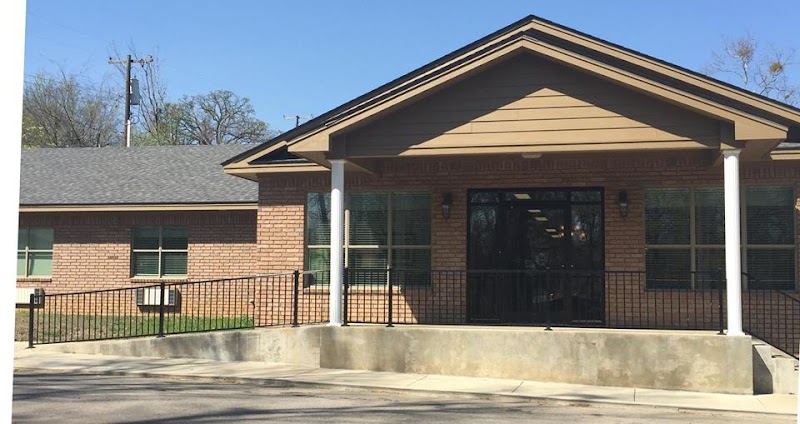
CMS rates HEAVENER NURSING & REHAB's staffing level at 1 out of 5 stars, which is much below average compared to other nursing homes.

What Have Inspectors Found at Heavener Nursing & Rehab?

State health inspectors documented 33 deficiencies at HEAVENER NURSING & REHAB during 2022 to 2025. These included: 2 Immediate Jeopardy (the most serious level, indicating potential for serious harm or death) and 31 with potential for harm. Immediate Jeopardy findings are rare and represent the most serious regulatory concerns. They require immediate corrective action.
Who Owns and Operates Heavener Nursing & Rehab?

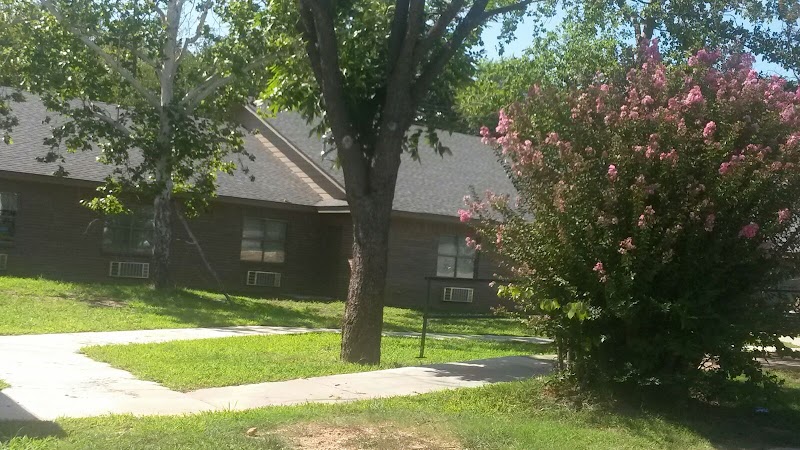
HEAVENER NURSING & REHAB is owned by a for-profit company. For-profit facilities operate as businesses with obligations to shareholders or private owners. The facility is operated by BRADFORD MONTGOMERY, a chain that manages multiple nursing homes. With 84 certified beds and approximately 43 residents (about 51% occupancy), it is a smaller facility located in HEAVENER, Oklahoma.

How Does Heavener Nursing & Rehab Compare to Other Oklahoma Nursing Homes?

Compared to the 100 nursing homes in Oklahoma, HEAVENER NURSING & REHAB's overall rating (1 stars) is below the state average of 2.6 and health inspection rating (2 stars) is below the national benchmark.

What Should Families Ask When Visiting Heavener Nursing & Rehab?

Based on this facility's data, families visiting should ask: "What changes have been made since the serious inspection findings, and how are you preventing similar issues?" "Can you walk me through typical staffing levels on day, evening, and night shifts?" "Can I visit during a mealtime to observe dining assistance and food quality?" "How do you handle medical emergencies, and what is your hospital transfer rate?" These questions are particularly relevant given the facility's Immediate Jeopardy citations and the below-average staffing rating.

Is Heavener Nursing & Rehab Safe?

Based on CMS inspection data, HEAVENER NURSING & REHAB has documented safety concerns. Inspectors have issued 2 Immediate Jeopardy citations (the most serious violation level indicating risk of serious injury or death). The facility has a 1-star overall rating and ranks #100 of 100 nursing homes in Oklahoma. Families considering this facility should ask detailed questions about what corrective actions have been taken since these incidents.

Do Nurses at Heavener Nursing & Rehab Stick Around?

HEAVENER NURSING & REHAB has not reported staff turnover data to CMS. Staff turnover matters because consistent caregivers learn residents' individual needs, medications, and preferences. When staff frequently change, this institutional knowledge is lost. Families should ask the facility directly about their staff retention rates and average employee tenure.

Was Heavener Nursing & Rehab Ever Fined?

HEAVENER NURSING & REHAB has no federal fines on record. CMS issues fines when nursing homes fail to meet care standards or don't correct problems found during inspections. The absence of fines suggests the facility has either maintained compliance or corrected any issues before penalties were assessed. This is a positive indicator, though families should still review recent inspection reports for the full picture.

Is Heavener Nursing & Rehab on Any Federal Watch List?

HEAVENER NURSING & REHAB is not on any federal watch list. The most significant is the Special Focus Facility (SFF) program, which identifies the bottom 1% of nursing homes nationally based on persistent, serious quality problems. Not being on this list means the facility has avoided the pattern of deficiencies that triggers enhanced federal oversight. This is a positive indicator, though families should still review the facility's inspection history directly.