BOYCE MANOR NURSING HOME
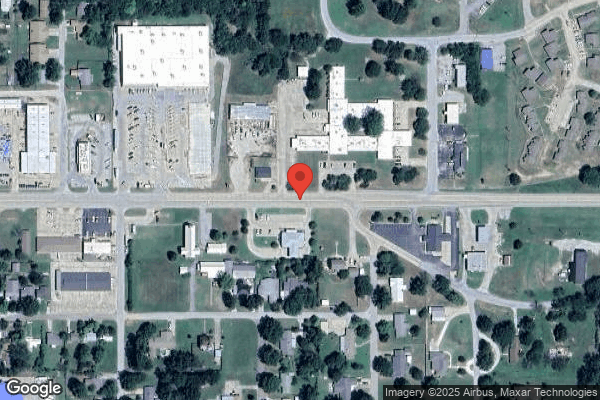
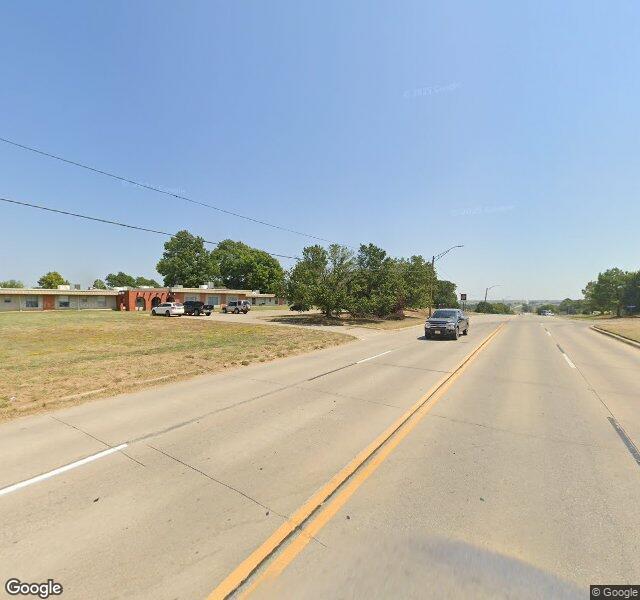
1600 EAST HIGHWAY, HOLDENVILLE, OK 74848 (405) 379-5443
For profit - Limited Liability company 155 Beds BGM ESTATE Data: November 2025 3 Immediate Jeopardy citations
Trust Grade
0/100
#198 of 282 in OK
Last Inspection: February 2025

Within standard 12-15 month inspection cycle. Federal law requires annual inspections.

Overview

Boyce Manor Nursing Home in Holdenville, Oklahoma, has received a Trust Grade of F, indicating significant concerns about the quality of care provided. Ranked #198 out of 282 facilities in Oklahoma, they fall into the bottom half of nursing homes in the state, but they are #1 of 2 in Hughes County, meaning they are the best local option available. Unfortunately, the facility's performance is worsening, with issues increasing from 2 in 2024 to 7 in 2025. Staffing is rated poorly, with a turnover rate of 64%, which is above the state average, suggesting that staff may not stay long enough to build relationships with residents. The facility has also incurred concerning fines totaling $165,556, indicating ongoing compliance problems. Additionally, RN coverage is average, but there have been critical incidents, including residents experiencing multiple falls due to inadequate intervention and one resident being assaulted by another, resulting in stab wounds. While the facility has some good quality measures, these serious issues raise significant concerns for families considering care for their loved ones.

Trust Score
F
0/100
In Oklahoma
#198/282
Bottom 30%
Safety Record
High Risk
Review needed
Inspections
Getting Worse
2 → 7 violations
Staff Stability
⚠ Watch
64% turnover. Above average. Higher turnover means staff may not know residents' routines.
Penalties
⚠ Watch
$165,556 in fines. Higher than 90% of Oklahoma facilities. Major compliance failures.
Skilled Nurses
⚠ Watch
Each resident gets only 11 minutes of Registered Nurse (RN) attention daily — below average for Oklahoma. Fewer RN minutes means fewer trained eyes watching for problems.
Violations
⚠ Watch
32 deficiencies on record. Higher than average. Multiple issues found across inspections.
★☆☆☆☆
1.0
Overall Rating
★☆☆☆☆
1.0
Staff Levels
★★★★☆
4.0
Care Quality
★☆☆☆☆
1.0
Inspection Score
Stable
2024: 2 issues
2025: 7 issues

The Good

  • 4-Star Quality Measures · Strong clinical quality outcomes
  • Full Sprinkler Coverage · Fire safety systems throughout facility
  • No fines on record

Facility shows strength in quality measures, fire safety.

The Bad

1-Star Overall Rating

Below Oklahoma average (2.6)

Significant quality concerns identified by CMS

Staff Turnover: 64%

18pts above Oklahoma avg (46%)

Frequent staff changes - ask about care continuity

Federal Fines: $165,556

Well above median ($33,413)

Significant penalties indicating serious issues

Chain: BGM ESTATE

Part of a multi-facility chain

Ask about local staffing decisions and management

Staff turnover is elevated (64%)

16 points above Oklahoma average of 48%

The Ugly 32 deficiencies on record

3 life-threatening
May 2025 2 deficiencies 1 IJ
CRITICAL (J) 📢 Someone Reported This

A family member, employee, or ombudsman was alarmed enough to file a formal complaint

Immediate Jeopardy (IJ) - the most serious Medicare violation

Free from Abuse/Neglect (Tag F0600)

Someone could have died · This affected 1 resident

On 04/29/25, an Immediate Jeopardy (IJ) situation was determined to exist related to the facility's failure to ensure residents were free from abuse. On 04/29/25 at 4:35 p.m., the Oklahoma State Depa...

Read full inspector narrative →
On 04/29/25, an Immediate Jeopardy (IJ) situation was determined to exist related to the facility's failure to ensure residents were free from abuse. On 04/29/25 at 4:35 p.m., the Oklahoma State Department of Health verified the existence of an IJ situation. On 04/29/25 at 4:37 p.m., the administrator was notified of the immediate jeopardy situation. An immediate jeopardy template was provided to the administrator. On 05/02/25 at 9:40 a.m., an acceptable plan of removal was submitted to the Oklahoma State Department of Health. The facility plan of removal showed: All staff will immediately be educated by facility Administrator on the facility updated policy regarding resident to resident altercations. They will be educated on ensuring the safety and well-being of all residents by preventing, identifying, and managing resident-to-resident altercations. When a resident poses a risk to others, immediate action will be taken, including 1:1 supervision and, if necessary, removal or transfer to a more appropriate setting. Education will be verified using a sign in sheet. Employee names and time of call will be documented. All residents will be reassessed for active behavior issues to determine the risks for future altercations. Physician will be notified if any resident is displaying current behaviors. Interventions will be implemented and care plans updated as needed. A resident safe survey will be conducted on all verbal residents to determine if residents feel safe within the facility. Counseling services will be offered and provided as needed. Non-verbal communication tools such as an emotions picture card will be used to determine if non-verbal residents feel safe. Staff will be trained to recognize signs of discomfort, fear, or distress, and respond in calm, and respectful ways. A QAPI meeting led by the Administrator will be completed immediately to address safety concerns in the facility, abuse prevention, and prevention of resident-to-resident altercations. The IJ was lifted, effective 05/02/25 at 1:00 p.m., when all components of the plan of removal had been completed. Resident interviews and staff interviews were completed regarding abuse. A review of the 'Abuse-Reportable Events' updated policy, resident assessments, and staff education regarding abuse was completed. The deficient practice remained at an isolated level with the potential for more than minimal harm. Based on observation, record review, and interview, the facility failed to ensure residents were free from abuse for 1 (#2) of 5 sampled residents reviewed for abuse. The administrator identified 44 residents resided in the facility. Findings: An undated facility policy titled RESIDENT CODE OF CONDUCT, read in part, The following code of conduct is effective in order to protect the rights and safety of all residents that reside here at [name withheld]. VIOLATION OF ANY OF THE FOLLOWING ACTS COULD/WILL CONSTITUTE CAUSE FOR DISCHARGE FROM THE FACILITY: .Disorderly, immoral, or indecent conduct, inappropriate language.Any form of physical violence including throwing objects toward other residents or staff.Willful or careless disregard of name calling/racial slurs toward a resident with the intent to cause emotional distress.Any violation of resident/staff rights, including threats of any nature A facility policy titled Abuse-Reportable Events, revised January 2018, read in part, Mental and Verbal Abuse: (as stated in guidance to Surveyor in CMS SOM Section PP F600) Mental abuse is the use of verbal or nonverbal conduct which causes or has the potential to cause the resident to experience humiliation, intimidation, fear, shame, agitation, or degradation. Verbal abuse is a type of mental abuse and includes the use of oral, written, or gestured communication, or sounds, to residents within hearing distance, regardless of age, ability to comprehend or disability.Physical abuse: (as stated in guidance to Surveyor in CMS SOM Section PP F600) Physical action within the definition of abuse, including, but not limited to, hitting, slapping, punching, and kicking. It also includes controlling behavior through corporal punishment. 1. An undated face sheet showed Res #1 had diagnoses which included paranoid schizophrenia, mood disorder, post-traumatic stress disorder, brief psychotic disorder, and depression. An incident report, dated 09/26/24, showed an allegation of abuse. The report showed Res #1 kicked another resident in the face because they were cussing at them. The report showed local law enforcement escorted Res #1 to the hospital for a psychological evaluation. A progress note, dated 09/26/24, showed the resident returned to the facility from the hospital. The note showed the resident was evaluated by mental health, medications were adjusted, and was not a harm to themselves or anyone else. A quarterly assessment, dated 10/24/24, showed Res #1 had a BIMS of 11 and was moderately impaired cognitively. The assessment showed Res #1 had verbal behaviors toward others. An incident report, dated 10/26/24, showed an allegation of abuse for Res #1. The report showed Res #1 was yelling at another resident, hit them in the head twice, and started kicking them. The report showed Res #1 was placed on observation and was pending admission into an inpatient facility. A progress note, dated 11/15/24 at 2:37 p.m., showed Res #1 was walking to their room saying, Go ahead and call the police and I'll kill you, you B***h. The note showed the resident was then on the couch mumbling about killing people. A progress note, dated 11/15/24 at 3:30 p.m., showed Res #1 entered a facility office and reported, Im ready to go to the hospital or jail, I keep f****** having these sexual hallucinations and Im sick of it, I'll kill everyone in here!! A progress note, dated 11/15/24 at 8:45 p.m., showed the resident returned to the facility from the emergency room with no new orders. The note showed the resident continued to mumble about killing people and calling staff b*****s and prostitutes. An incident report, dated 01/10/25, showed an allegation of abuse for Res #1. The report showed Res #1 was cussing at another resident. The report showed Res #1 was transferred to inpatient for psychological treatment. A quarterly assessment, dated 01/13/25, showed Res #1 had a BIMS of 13 and was cognitively intact. The assessment showed Res #1 had no physical behaviors and had verbal behaviors that occurred one to three days. An incident report, dated 04/16/25, showed an allegation of abuse for Res #1. The report showed Res #1 punched Res #2 in the face several times. The report showed Res #1 was verbally abusive to Res #2 and proceeded to hit Res #2 after yelling at them unprovoked. The report showed the resident was sent to behavioral health inpatient for a psychological evaluation. A care plan, with updated intervention through 04/17/25, showed interventions put in place after the 01/10/25 incident were relisted interventions from the 10/26/24 incident. The care plan showed interventions listed after the 04/16/25 incident was every 15 minute checks after episodes of physical violence until evaluated by physician and send for mental health evaluation as ordered. On 04/28/25 at 12:20 p.m., the administrator stated when the incident occurred the residents were separated. The administrator stated Res #1 was placed on every 15 minute observations until leaving the facility. On 04/28/25 at 4:05 p.m., the care plan coordinator reviewed Res #1's care plan. The care plan coordinator stated the care plan relisted interventions that had already been implemented regarding the problem identified of agitation and aggressive behavior. The coordinator stated there was no new interventions for the incident occurring on 01/10/25. The coordinator stated new interventions should be put in place if agitation and aggressive behaviors continue. On 04/29/25 at 9:20 a.m., CNA #1 stated Res #1 had behaviors since admission. The CNA stated Res #1 cussed at staff and stated they were going to kill staff. The CNA stated they were aware of Res #1 pushing Res #2 on three different occasions, the last time resulting in Res #1 hitting Res #2 on the head. CNA #1 stated there was no way to know when the resident would have aggressive behaviors, it would just happen. CNA #1 stated they would separate Res #1 from other residents and ask for staff assistance. On 04/29/25 at 3:23 p.m., the DON stated Res #1 was last seen by the psychiatrist was June 2024. The DON stated the physician's office reported Res #1 did not have any scheduled appointments. 2. An undated face sheet showed Res #2 had diagnoses which included paranoid schizophrenia, pseudobulbar affect, and major depressive disorder. The annual assessment, dated 04/03/25, showed Res #2 had a BIMS of 8 and was moderately impaired cognitively. The assessment showed Res #2 did not have verbal or physical behaviors toward others. A progress note, dated 04/16/25, showed Res #2 reported to staff Res #1 was verbally abusing them unprovoked. The note showed Res #2 reported Res #1 hit them in the face and right ear multiple times. The note showed the local police department was called and staff assisted with Res #1 being taken out of the facility for evaluation of aggressive behaviors. The care plan, updated 04/16/25, showed Res #2 was hit by another resident and she may be at risk for fear. The interventions showed to allow the resident to verbalize her feelings and to reassure the resident they were safe. On 04/29/25 at 9:00 a.m., Res #2 was sitting on the side of their bed wearing a jacket and watching television. On 04/29/25 at 9:02 a.m., Res #2 stated they were currently not afraid. The resident stated they were afraid of Res #1 and hoped they did not return to the facility. The resident stated in a tearful voice Res #1 might kill them.
CONCERN (D) 📢 Someone Reported This

A family member, employee, or ombudsman was alarmed enough to file a formal complaint

Potential for Harm - no one hurt, but risky conditions existed

Deficiency F0657 (Tag F0657)

Could have caused harm · This affected 1 resident

Based on record review and interview, the facilty failed to review and revise the care plan for 1 (#1) of 5 sampled residents whose care plans were reviewed. The administrator identified 44 residents...

Read full inspector narrative →
Based on record review and interview, the facilty failed to review and revise the care plan for 1 (#1) of 5 sampled residents whose care plans were reviewed. The administrator identified 44 residents resided in the facility. Findings: An undated face sheet showed Res #1 had diagnoses which included paranoid schizophrenia, mood disorder, post-traumatic stress disorder, brief psychotic disorder, and depression. An incident report, dated 09/26/24, showed an allegation of abuse. The report showed Res #1 kicked another resident in the face because they were cussing at them. The report showed local law enforcement escorted Res#1 to the hospital for a psychological evaluation. An incident report, dated 10/26/24, showed an allegation of abuse for Res #1. The report showed Res #1 was yelling at another resident, hit them in the head twice, and started kicking them. The report showed Res #1 was placed on observation and was pending admission into an inpatient facility. An incident report, dated 01/10/25, showed an allegation of abuse for Res #1. The report showed Res #1 was cussing at another resident. The report showed Res #1 was transferred for inpatient treatment. A care plan, with updated intervention through 04/17/25, showed interventions put in place after the 01/10/25 incident were relisted interventions from the 10/26/24 incident. The care plan showed interventions listed after the 04/16/25 incident was every 15 minute checks after episodes of physical violence until evaluated by physician and send for mental health evaluation as ordered. On 04/28/25 at 4:05 p.m., the care plan coordinator reviewed Res #1's care plan. The coordinator stated the care plan relisted interventions that had already been implemented regarding the problem identified of agitation and aggressive behavior. The coordinator stated there was no new interventions for the incident occurring on 01/10/25. The coordinator stated new intervention should be put in place if agitation and aggressive behavior continue.
Feb 2025 5 deficiencies
CONCERN (D)

Potential for Harm - no one hurt, but risky conditions existed

Deficiency F0638 (Tag F0638)

Could have caused harm · This affected 1 resident

**NOTE- TERMS IN BRACKETS HAVE BEEN EDITED TO PROTECT CONFIDENTIALITY** Based on record review and interview, the facility failed to complete quarterly MDS assessments timely for one (#26) of sixteen ...

Read full inspector narrative →
**NOTE- TERMS IN BRACKETS HAVE BEEN EDITED TO PROTECT CONFIDENTIALITY** Based on record review and interview, the facility failed to complete quarterly MDS assessments timely for one (#26) of sixteen sampled residents reviewed for MDS assessments. The MDS coordinator reported 48 residents resided in the facility. Findings: Res #26's record documented an annual assessment dated [DATE]. The resident's record did not contain an assessment since the annual in November 2024. On 02/10/25 at 2:07 p.m., the MDS coordinator reported the MDS assessments should have been completed.
CONCERN (D)

Potential for Harm - no one hurt, but risky conditions existed

Assessment Accuracy (Tag F0641)

Could have caused harm · This affected 1 resident

**NOTE- TERMS IN BRACKETS HAVE BEEN EDITED TO PROTECT CONFIDENTIALITY** Based on record review and interview, the facility failed to ensure MDS assessments were coded accurately for two (#26 and #29) ...

Read full inspector narrative →
**NOTE- TERMS IN BRACKETS HAVE BEEN EDITED TO PROTECT CONFIDENTIALITY** Based on record review and interview, the facility failed to ensure MDS assessments were coded accurately for two (#26 and #29) of sixteen sampled residents whose MDS assessments were reviewed. The MDS coordinator reported 48 residents resided in the facility. Findings: 1. Res #26 admitted to the facility with diagnoses which included schizoaffective disorder, post traumatic stress disorder, and persistent mood disorder. An annual assessment, dated 11/07/24, documented the resident had weight loss. A review of the resident's record documented the resident had a weight gain of 1.69% in six months and 0.42% in one month. On 02/10/25 at 2:15 p.m., the MDS coordinator reported weight loss should not have been documented on the annual assessment. 2. Res #29 admitted to the facility on [DATE] with diagnoses which included end stage renal disease and dependence on renal dialysis. An admission assessment, dated 12/20/24, did not code Resident #29 had received dialysis on admission or while a resident of the facility. On 02/10/25 at 1:12 p.m., the MDS coordinator stated Resident #29 received dialysis on Monday, Wednesday, and Fridays. On 02/10/25 at 1:13 p.m., the MDS coordinator stated Resident #29 had received dialysis prior to admission and during their stay. On 02/10/25 at 1:14 p.m., the MDS coordinator stated Resident #29's admission assessment had not been properly coded.
CONCERN (D)

Potential for Harm - no one hurt, but risky conditions existed

Medication Errors (Tag F0758)

Could have caused harm · This affected 1 resident

Based on record review and interview, the facility failed to ensure a PRN order for an antianxiety medication had a 14 day stop date for one (#26) of five sampled residents reviewed for unnecessary ps...

Read full inspector narrative →
Based on record review and interview, the facility failed to ensure a PRN order for an antianxiety medication had a 14 day stop date for one (#26) of five sampled residents reviewed for unnecessary psychotropic medications. The MDS coordinator reported 48 residents resided in the facility. Findings: Res #26 admitted with a diagnosis of anxiety. A physician's order, dated 06/27/24, documented lorazepam (a benzodiazepine) 1 mg. Special Instructions: Give one tablet (1 mg) by mouth every 12 hours as needed for anxiety. The order did not document a stop date. On 02/10/25 at 2:15 p.m., the corporate nurse consultant reported the PRN order should have had a 14 day stop date.
CONCERN (E)

Potential for Harm - no one hurt, but risky conditions existed

ADL Care (Tag F0677)

Could have caused harm · This affected multiple residents

**NOTE- TERMS IN BRACKETS HAVE BEEN EDITED TO PROTECT CONFIDENTIALITY** Based on record review and interview, the facility failed to ensure residents were bathed according to physician orders for two ...

Read full inspector narrative →
**NOTE- TERMS IN BRACKETS HAVE BEEN EDITED TO PROTECT CONFIDENTIALITY** Based on record review and interview, the facility failed to ensure residents were bathed according to physician orders for two (#3 and #29) of three sampled residents reviewed for bathing. The MDS coordinator reported 48 residents resided in the facility. Findings: A Shower/Tub Bath policy, revised 10/2020, documented the purpose of the procedure was to promote cleanliness, provide comfort to the resident, and to observe the condition of the resident's skin. 1. Res #3 admitted to the facility with diagnoses which included schizophrenia, hypotension, and pain in thoracic spine. A physician's order, dated 04/19/24, documented bathing two times weekly and PRN. The resident's record documented the resident missed three of four opportunities for a shower from 01/10/25 to 01/25/25. On 02/09/25 at 2:42 p.m., the resident reported they did not get showers like they were supposed to. On 02/10/25 at 3:07 p.m., the ADON reported the showers or refusals were not being documented, so they could not say if the resident had a shower during that time. 2. Res #29 admitted to the facility on [DATE] with diagnoses which included need for assistance with personal care and muscle wasting and atrophy. A physician's order, dated 12/14/24, documented bathing two times weekly and PRN. On 02/09/25 at 3:02 p.m., Resident #29 reported they had not received a bath in two weeks. Resident #29's record review for 12/14/24 through 02/10/24 documented no baths/showers were given 12 out of 17 opportunities. On 02/10/24 at 1:54 p.m., the MDS coordinator stated they had no other documentation of showers/baths.
CONCERN (E)

Potential for Harm - no one hurt, but risky conditions existed

Deficiency F0727 (Tag F0727)

Could have caused harm · This affected multiple residents

Based on observation, record review, and interview, the facility failed to ensure RN coverage for eight consecutive hours seven days per week. The MDS coordinator identified 48 residents resided in th...

Read full inspector narrative →
Based on observation, record review, and interview, the facility failed to ensure RN coverage for eight consecutive hours seven days per week. The MDS coordinator identified 48 residents resided in the facility. Findings: A PBJ Staffing Report, dated 07/01/24 through 09/30/24, documented no RN hours on 08/17/24, 08/18/24, 09/01/24, 09/09/24, 09/14/24, 09/15/24, 09/28/24, and 09/29/24. A facility Time Detail Report, did not document RN coverage for eight consecutive hours on 08/31/24, 09/01/24, 09/14/24, 09/15/24, 09/28/24, 09/29/24, 10/15/24, 10/16/24, 10/19/24, 10/25/24, 10/26/24, 11/01/24, 11/10/24, 11/15/24, 11/16/24, 11/23/24, 11/24/24, 11/28/24, 11/29/24, 11/30/24, 12/13/24, 12/28/24, 12/29/24, 12/30/24, 12/31/24, 01/01/25 - 01/12/25, 01/16/25, and 01/17/25. On 02/11/25 at 9:05 a.m., the administrator stated they had no further documentation for RN coverage on the dates above.
Dec 2024 2 deficiencies 1 IJ
CRITICAL (J) 📢 Someone Reported This

A family member, employee, or ombudsman was alarmed enough to file a formal complaint

Immediate Jeopardy (IJ) - the most serious Medicare violation

Free from Abuse/Neglect (Tag F0600)

Someone could have died · This affected 1 resident

On 12/16/24 an Immediate Jeopardy (IJ) situation was determined to exist related to the facility's failure to protect Res #1's right to be free from abuse. Res #1 was assaulted by Res #2 resulting in ...

Read full inspector narrative →
On 12/16/24 an Immediate Jeopardy (IJ) situation was determined to exist related to the facility's failure to protect Res #1's right to be free from abuse. Res #1 was assaulted by Res #2 resulting in stab wounds which required sutures. On 12/16/24 at 11:24 a.m., the Oklahoma State Department of Health verified the existence of an IJ situation. On 12/16/24 at 12:48 p.m., the administrator was notified of the immediate jeopardy situation. On 12/16/24 at 4:00 p.m., an acceptable plan of removal was submitted to the Oklahoma State Department of Health. The facility plan of removal documented: a. all staff education - abuse and neglect policy and procedures and resident to resident conflicts. All staff will be educated with a sign in sheet that are currently working in the facility. Any remaining staff will be called and educated over the telephone. Employee names and time of call will be documented; b. behavior monitoring - currently in progress. All residents' charts will be reviewed for active behavior issues. Physician will be notified if any resident is displaying current behaviors. Interventions will be implemented and care plans updated as needed. Any resident assessed to be under the influence of alcohol will be monitored one on one until the physician is notified for further instructions. All residents with a diagnosis of alcoholism will be assessed and their care plan will be updated; and c. upon completion of the immediate corrections, audit and observations will continue by the administrator and director of nursing for 90 days. The IJ was lifted, effective 12/17/24 at 12:50 p.m., when all components of the plan of removal had been completed. The deficient practice remained as isolated with potential for harm to the residents. Based on observation, record review, and interview, the facility failed to ensure residents were free from abuse for two (#1 and #2) of six sampled residents reviewed for abuse. Res #1 was assaulted by Res #2 resulting in stab wounds which required sutures. The DON identified 48 residents who resided in the facility. Findings: An undated Resident Code of Conduct policy, read in part, The following code of conduct is effective in order to protect the rights and safety of all residents that reside here at [name withheld]. Violation of any of following acts could/will constitute cause for discharge from the facility: Under the influence/possession of alcohol, drugs, non-prescribed narcotics, or in any physical condition making it unsafe for residents or staff within the facility; any form of physical violence including throwing objects toward other residents or staff; unauthorized possession of firearms or other weapons on nursing home property; and any violation of residents/staff rights, including threats of any nature. An Abuse - Reportable Events policy, revised January 2018, read in part, It is the responsibility of all facility staff to prohibit resident abuse or neglect in any form, and to report in accordance with the law any incident/event in which there is cause to believe a resident's physical or mental health or welfare has been or may be adversely affected by abuse or neglect caused by another person .When an employee becomes aware of an allegation or suspicion of abuse .the charge nurse will: asses the resident or resident(s) .notify the administrator .begin taking written statements from the person reporting the allegation or suspicion and any witnesses including staff, family, and/or residents .After investigation, administration will analyze the occurrence to determine what changes, if any, are needed to the policies and procedures to prevent further occurrences. 1. Res #1 was admitted with diagnoses which included anxiety and paranoid schizophrenia. An annual assessment, dated 05/10/24, documented Res #1 was cognitively intact, had minimal depression, and had not exhibited behaviors. 2. Res #2 was admitted with diagnoses which included alcohol abuse and major depressive disorder. A care plan, dated 12/06/21, documented Res #2 often had verbal outbursts towards staff. The care plan documented a goal was the resident would not exhibit behaviors harmful to self or others. An annual assessment, dated 01/15/24, documented the Res #2 was cognitively intact, had mild depression, and had not exhibited behaviors. A nurse note, dated 03/24/24, documented Res #2 was witnessed as intoxicated by staff. The note documented empty alcohol bottles were observed in the resident's room. A nurse note, dated 06/07/24, documented Res #2 verbally threatening physical harm to another resident. A nurse note, dated 10/27/24, documented Res #2 was in another unnamed resident's room yelling and cussing. The note documented Res #2 was removed from the other resident's room, but continued to yell/cuss and attempted to fight the other resident. The note documented Res #2 smelled of alcohol and an empty alcohol bottle was found outside in the courtyard trash can after the incident. There was no documentation of an incident report or investigation regarding the above incidents. There was no documentation of Res #2's behaviors documented in the care plan. An OSDH initial incident report form, dated 11/09/24, documented Res #1 stated Res #2 had entered their room while they were asleep and attacked them with a weapon. The report documented Res #1 appeared beaten with a bruised and bleeding face, blood running out of their right arm, and a puncture wound with moderate bleeding on their right foot. A staff witness statement, dated 11/09/24, documented Res #2's room was searched after the incident. The statement documented two small trash cans full of vodka and mouthwash bottles were observed. A hospital emergency room report, dated 11/09/24, documented Res #1 presented to the hospital with stab wounds to the right heel and right forearm, bruising to the left eye, and other various scratches/lacerations. The report documented Res #1 required sutures to close the wounds to the right heel and right forearm. An OSDH final incident report, dated 11/11/24, documented Res #2 was presently in jail and had been charged with first degree assault and battery. On 11/25/24 at 10:50 a.m., the DON stated Res #2 had a history of occasional alcohol abuse while residing in the facility. The DON stated they thought family members or other residents had provided Res #2 with the alcohol. They stated the resident had been counseled regarding the prohibition of alcohol within the facility in the past. The DON stated Res #2 was intoxicated on the day the assault on Res #1 occurred. They stated a pocket knife had been found that was used in the attack. The DON stated the facility was unable to determine which resident had the pocket knife prior to the assault. On 11/25/24 at 12:00 p.m., Res #1 was observed in their room. Res #1 stated they were assaulted with a pocket knife by Res #2 a few weeks ago. Res #1 stated they had a history of not getting along with Res #2. They stated they had never been physically attacked prior to the incident. Res #1 stated they received two wounds that required sutures and feared for their life on the day of the assault. On 11/27/24 at 9:00 a.m., the DON stated no interventions had been initiated or documented in Res #2's care plan to prohibit abusive behavior related to alcohol use. They stated Res #2's past incidents of abusive behavior should have been reported and investigated by the facility. It was documented Res #2 no longer resided in the facility.
CONCERN (E) 📢 Someone Reported This

A family member, employee, or ombudsman was alarmed enough to file a formal complaint

Potential for Harm - no one hurt, but risky conditions existed

Report Alleged Abuse (Tag F0609)

Could have caused harm · This affected multiple residents

Based on record review and interview, the facility failed to report an allegation of abuse to OSDH within two hours and failed to report an allegation of resident-to-resident abuse for two (#1 and #2)...

Read full inspector narrative →
Based on record review and interview, the facility failed to report an allegation of abuse to OSDH within two hours and failed to report an allegation of resident-to-resident abuse for two (#1 and #2) of six sampled residents reviewed for abuse. The DON identified 48 residents who resided in the facility. Findings: An Abuse - Reportable Events policy, revised January 2018, read in part, It is the responsibility of all facility staff to prohibit resident abuse or neglect in any form, and to report in accordance with the law any incident/event in which there is cause to believe a resident's physical or mental health or welfare has been or may be adversely affected by abuse or neglect caused by another person .Abuse-2 hour limit .If the events that cause reasonable suspicion result in serious bodily injury, the report must be made immediately after forming the suspicion (but no later than two (2) hours after forming the suspicion) .All alleged allegations of abuse will be reported to the appropriate state agency and to all other agencies as required by regulation. 1. Res #1 was admitted with diagnoses which included anxiety and paranoid schizophrenia. An annual assessment, dated 05/10/24, documented the resident was cognitively intact, had minimal depression, and had not exhibited behaviors. An OSDH initial incident report form, dated 11/09/24, documented Res #1 stated Res #2 had entered their room while they were asleep and attacked them with a weapon. The report documented Res #1 appeared beaten with a bruised and bleeding face, blood running out of their right arm, and a puncture wound with moderate bleeding on their right foot. A fax transmission report documented the incident report was submitted to OSDH on 11/10/24. On 11/27/24 at 8:45 a.m., the DON stated the altercation between Res #1 and Res #2 occurred around lunch time on 11/09/24. They stated the initial OSDH report was not submitted within the required two hour timeframe. 2. Res #2 was admitted with diagnoses which included alcohol abuse and major depressive disorder. An annual assessment, dated 01/15/24, documented the resident was cognitively intact, had mild depression, and had not exhibited behaviors. A nurse note, dated 10/27/24, documented Res #2 was in another unnamed resident's room yelling and cussing. The note documented Res #2 was removed from the other resident's room, but continued to yell/cuss and attempted to fight the other resident. The note documented Res #2 smelled of alcohol and an empty alcohol bottle was found outside in the courtyard trash can after the incident. There was no report to OSDH regarding the incident located. On 11/27/24 at 8:30 a.m., the DON stated an allegation of abuse regarding Res #2 on 10/27/24 was not reported to OSDH. The DON stated allegations involving physical abuse were supposed to be reported, but they were not aware verbal allegations should be reported also.
Dec 2023 11 deficiencies
CONCERN (D)

Potential for Harm - no one hurt, but risky conditions existed

Deficiency F0582 (Tag F0582)

Could have caused harm · This affected 1 resident

Based on record review and interview, the facility failed to ensure ABN and NOMNC notices were signed and/or acknowledged by the resident and/or representative for two (#11 and #36) of two residents w...

Read full inspector narrative →
Based on record review and interview, the facility failed to ensure ABN and NOMNC notices were signed and/or acknowledged by the resident and/or representative for two (#11 and #36) of two residents who were discharged from Part A skilled services with benefit days remaining and remained in the facility. The Beneficiary Notice worksheet identified five residents who were discharged from Part A skilled services with benefit days remaining in the previous six months. Findings: 1. Res #11 was admitted to part A skilled services on 09/01/23, discharged from skilled services on 10/26/23, and remained in the facility. Res #11's ABN and NOMNC beneficiary notices, dated 10/24/23, had no signature or documentation of acknowledgement by the resident or resident representative. 2. Res #36 was admitted to part A skilled services on 05/02/23, discharged from skilled services on 07/18/23, and remained in the facility. Res #36's ABN and NOMNC beneficiary notices, dated 07/17/23, read in part, .Pt unable to sign r/t physical/cognitive state . There was no documentation of acknowledgment of the notices from the resident's representative. On 12/06/23 at 8:30 a.m., the administrator stated the ABN and NOMNC notices for Res #11 and Res #36 should have been signed by the resident or their representative. They stated if the resident was unable to sign due to physical/cognitive decline, the resident's representative should have been notified for acknowledgement. The administrator stated there was no additional documentation of representative acknowledgement of the ABN or NOMNC notices for Res #11 or Res #36.
CONCERN (D)

Potential for Harm - no one hurt, but risky conditions existed

Comprehensive Care Plan (Tag F0656)

Could have caused harm · This affected 1 resident

**NOTE- TERMS IN BRACKETS HAVE BEEN EDITED TO PROTECT CONFIDENTIALITY** Based on record review and interview, the facility failed to ensure a comprehensive care plan was developed for one (#58) of 15 ...

Read full inspector narrative →
**NOTE- TERMS IN BRACKETS HAVE BEEN EDITED TO PROTECT CONFIDENTIALITY** Based on record review and interview, the facility failed to ensure a comprehensive care plan was developed for one (#58) of 15 sampled residents whose care plans were reviewed. The Long-Term Care Facility Application for Medicare and Medicaid form documented 56 residents resided in the facility. Findings: Res #58 was admitted on [DATE] with diagnoses which included schizoaffective disorder, acute embolism and thrombosis of the deep veins in lower extremities, and hypertension. There was no comprehensive care plan for Res #58 in the clinical record. On 12/07/23 at 9:00 a.m., the DON stated a comprehensive care plan had not been completed but should have been.
CONCERN (D)

Potential for Harm - no one hurt, but risky conditions existed

Deficiency F0692 (Tag F0692)

Could have caused harm · This affected 1 resident

Based on observation, record review, and interview, the facility failed to maintain acceptable weight parameters and provide nutritional supplements as ordered by the physician for one (#11) of three ...

Read full inspector narrative →
Based on observation, record review, and interview, the facility failed to maintain acceptable weight parameters and provide nutritional supplements as ordered by the physician for one (#11) of three residents who were reviewed for weight loss. The DON identified three residents with significant weight loss in the past six months. Findings: Res #11 was admitted to the facility with schizoaffective disorder, bulimia nervosa, muscle wasting and atrophy, weakness, and iron deficiency anemia. The resident's EHR documented on 06/01/23 the resident weighed 100 pounds. There was not a weight documented for July 2023. The EHR on 08/07/23 documented the resident weighed 96.8 pounds. A physician order, dated 08/07/23, documented the resident was to receive a cup of sherbet twice a day between meals. There was no documentation in the resident's record of the resident receiving the sherbet. An MDS 5 day assessment, dated 09/04/23, documented the resident was moderately impaired for daily decision making and received a therapeutic diet. The assessment documented the resident weighed 97 pounds. The assessment documented the resident had not had a weight loss of 5% or more in the last month or a loss of 10% or more in the last six months. The EHR on 09/15/23 documented the resident weighed 90 pounds. A physician order, dated 10/17/23, documented the resident was to receive a house supplement three times a day with meals. There was no documentation the resident was receiving the supplement. There was not a weight for October 2023. The EHR documented on 11/03/23 the resident weighed 83.4 pounds. A dietary note from the dietician, dated 11/17/23, documented the resident weighed 83 pounds. The note documented the resident had a significant weight loss of 13% in three months. The note documented to notify the physician and recommended house supplements twice a day. There was no documentation the physician was notified of the significant weight loss or the dietician's recommendation. The EHR documented on 11/17/23 the resident weighed 80 pounds. The EHR documented on 12/01/23 the resident weighed 78 pounds. The care plan, dated 12/01/23, documented the resident had an excessive weight loss as evidenced by the resident refusing to eat, refusing most medications, and c-diff infection continued since last admission. The goal was for the resident not to have further weight loss and will maintain weight at present level or show stable increase to ideal body weight range. Interventions were for staff to obtain weekly weights, record percentage of snacks and/or supplements as ordered, and notify the physician of weight loss. On 12/04/23 at 10:55 a.m., the resident was lying in bed watching television. The resident stated the staff told them they had lost weight. The resident stated she ate when she was hungry. On 12/06/23 at 11:34 a.m., the DON stated they were responsible for informing the physician of the dietician's recommendations. They stated most of the time a verbal communication was given, but sometimes a fax was sent. The DON stated for the resident a verbal communication was made regarding the resident's weight loss to the physician. The DON stated no new orders were received regarding the residents weight loss. The DON stated there was no documentation regarding the resident receiving a house supplement or the sherbet between meals. On 12/06/23 at 11:50 a.m., a meal service was observed. The resident did not receive a house supplement with their meal. On 12/06/23 at 12:10 p.m., CNA #1 stated the resident had not been receiving a sherbet supplement between meals. On 12/06/23 at 2:23 p.m., the DM stated there was no sherbet currently in house. The DM stated they had placed on order for the sherbet and was to be on the delivery truck next week. Stated there was no documentation regarding providing the sherbet between meals as ordered by the physician. The DM stated they had been providing the sherbet with the lunch and supper meals.
CONCERN (D)

Potential for Harm - no one hurt, but risky conditions existed

Drug Regimen Review (Tag F0756)

Could have caused harm · This affected 1 resident

Based on record review and interview, the facility failed to ensure the physician responded to a pharmacist MRR in a timely manner and according to the facility policy for two (#31 and #6) of five sam...

Read full inspector narrative →
Based on record review and interview, the facility failed to ensure the physician responded to a pharmacist MRR in a timely manner and according to the facility policy for two (#31 and #6) of five sampled residents reviewed for unnecessary medications. The Long-Term Care Facility Application for Medicare and Medicaid form documented 56 residents resided in the facility. Findings: A Pharmacy Consulting Recommendation Policy & Procedure policy, undated, read in part, .The appropriate time frames for the different steps in the MRR process: within 5 business days from the pharmacist visit, the facility will send the MRR reports to the residents' physicians for review, with-in another 5 business days the physician will act on the MRR and return to the facility and with-in another 5 business days the facility will act on the recommendations if applicable and the total process will be with-in a month timeframe . 1. Res #31 had diagnoses which included alcohol dependence with withdrawal delirium, post-traumatic stress disorder, and major depressive disorder. A physician order, dated 12/08/21, documented to administer Klonopin 1 mg twice daily for alcohol dependence with withdrawal delirium. A quarterly assessment, dated 10/23/23, documented the resident was cognitively intact, required set-up assistance with most ADLs, and received antianxiety medication. A MRR, dated 07/18/23, documented a request for a GDR on Res #31's Klonopin. The MRR documented the physician agreed to the reduction request on 08/28/23. 2. Res #6 had diagnoses which included bipolar disorder, major depressive disorder, and vascular dementia. A physician order, dated 06/04/20, documented to administer fluoxetine (Prozac) 20 mg daily for major depressive disorder. A quarterly assessment, dated 06/11/23, documented the resident had severe cognitive impairment, required limited assistance with most ADLs, and received antidepressant medication. A MRR, dated 07/20/23, documented a request for a GDR on Res #6's Prozac. The MRR documented the physician declined the reduction request with rationale on 08/28/23. On 12/06/23 at 2:41 p.m., the DON stated the physician did not respond to the July MRR request for Res #31 and Res #6 within the required timeframe. They stated the physician must have addressed both the July and August MRRs on 08/28/23.
CONCERN (D)

Potential for Harm - no one hurt, but risky conditions existed

Deficiency F0761 (Tag F0761)

Could have caused harm · This affected 1 resident

**NOTE- TERMS IN BRACKETS HAVE BEEN EDITED TO PROTECT CONFIDENTIALITY** Based on observation and interview, the facility failed to ensure the removal of expired medications and supplies from the medic...

Read full inspector narrative →
**NOTE- TERMS IN BRACKETS HAVE BEEN EDITED TO PROTECT CONFIDENTIALITY** Based on observation and interview, the facility failed to ensure the removal of expired medications and supplies from the medication storage room. The DON reported 56 residents resided in the facility. Findings: On 12/06/23 at 2:09 p.m., a tour of medication storage room [ROOM NUMBER] was conducted with LPN #2. The following items were found to be expired or not dated: 1 bottle of Tuberculin Purified Protein with no open date, 3 bisacodyl suppositories with an expiration date of 01/2023, 3 bottles of Humulin R insulin opened with no open date, 1 box single slide Seracult cards with an expiration date of 05/28/23, 1 albuterol inhaler with an expiration date of 10/22/23, and 1 Ventolin inhaler with an expiration date of 09/29/23. At that time, LPN #2 reported these medications and supplies should have already been removed. On 12/06/23 at 3:15 p.m., the administrator and DON were made aware of the findings in the medication storage room. They reported these items should have already been removed.
CONCERN (E)

Potential for Harm - no one hurt, but risky conditions existed

Comprehensive Assessments (Tag F0636)

Could have caused harm · This affected multiple residents

**NOTE- TERMS IN BRACKETS HAVE BEEN EDITED TO PROTECT CONFIDENTIALITY** Based on record review and interview, the facility failed to ensure comprehensive assessments were completed within 14 days afte...

Read full inspector narrative →
**NOTE- TERMS IN BRACKETS HAVE BEEN EDITED TO PROTECT CONFIDENTIALITY** Based on record review and interview, the facility failed to ensure comprehensive assessments were completed within 14 days after admission for three (#55, 58, and #59) of 24 residents whose MDS assessments were reviewed. The Long-Term Care Facility Application for Medicare and Medicaid form documented 56 residents resided in the facility. Findings: 1. Res #58 was admitted on [DATE] with diagnoses which included schizoaffective disorder, acute embolism and thrombosis of the deep veins in lower extremities, and hypertension. On 12/04/23 at 2:00 p.m., Res #58's record was reviewed and documented an admission assessment as In Process. 2. Res #55 was admitted to the facility on [DATE] with diagnoses of schizophrenia, anxiety disorder, and depression. A review of Res #55's assessments documented the admission assessment, dated 11/14/23, was still in progress and not completed. 3. Resident #59 was admitted to the facility on [DATE] with diagnoses which included history of benign neoplasm of the brain, alcohol abuse, cerebral edema, epilepsy, pain, and mild cognitive impairment. The resident's EHR documented the MDS admission assessment dated [DATE] was still in process and had not been accepted. On 12/05/23 at 2:40 p.m., the DON stated the MDS staff had been off work for the past four weeks. The DON stated the admission assessment for resident #59 had not been completed within the 14 day required time period. On 12/05/23 at 2:58 p.m., Corporate Nurse #1 reported they knew the assessments were behind and were trying to catch them up.
CONCERN (E)

Potential for Harm - no one hurt, but risky conditions existed

Deficiency F0638 (Tag F0638)

Could have caused harm · This affected multiple residents

**NOTE- TERMS IN BRACKETS HAVE BEEN EDITED TO PROTECT CONFIDENTIALITY** 3. Res #1 had diagnoses which included schizophrenia and hypertension. A quarterly assessment, dated 08/18/23, was documented i...

Read full inspector narrative →
**NOTE- TERMS IN BRACKETS HAVE BEEN EDITED TO PROTECT CONFIDENTIALITY** 3. Res #1 had diagnoses which included schizophrenia and hypertension. A quarterly assessment, dated 08/18/23, was documented in the EHR. A quarterly assessment, dated 11/18/23, was documented as In Process in the medical record. On 12/05/23 at 2:40 p.m., the DON stated the MDS coordinator had been off work for the past four weeks and all of the MDS assessments were behind. 2. Res #4 had diagnoses which included anxiety, diabetes, and hypertension. An annual assessment, dated 08/13/23, was documented in the EHR. A quarterly assessment, dated 11/13/23, was documented as In Progress in the medical record. Based on record review and interview, the facility failed to complete quarterly assessments every three months for three (#1, 4, and #11) of 24 sampled residents MDS records were reviewed. The administrator identified 56 residents who resided in the facility. Findings: 1. Resident #11 had diagnoses which included pneumonia, enterocolitis due to clostridium difficile, hypertension, chronic pain, psychosis, and schizoaffective disorder. The resident's EHR documented an admission assessment dated [DATE]. A quarterly assessment dated [DATE] was documented as still in process and had not been accepted. On 12/05/23 at 2:58 p.m., Corporate Nurse #1 stated they were aware the MDS assessments were behind and not completed in the required time frames.
CONCERN (E)

Potential for Harm - no one hurt, but risky conditions existed

MDS Data Transmission (Tag F0640)

Could have caused harm · This affected multiple residents

Based on record review and interview, the facility failed to ensure MDS assessments were submitted and accepted by CMS no later than 14 days calendar days after completion. The DON identified 56 resid...

Read full inspector narrative →
Based on record review and interview, the facility failed to ensure MDS assessments were submitted and accepted by CMS no later than 14 days calendar days after completion. The DON identified 56 residents resided in the facility. Findings: A batch transmittal report, dated 12/05/23, documented nine MDS assessments submitted later than 14 days after completion. On 12/05/23 at 2:59 p.m., Corporate Nurse #1 reported they knew the assessments were late and were trying to catch them up.
CONCERN (E)

Potential for Harm - no one hurt, but risky conditions existed

Infection Control (Tag F0880)

Could have caused harm · This affected multiple residents

Based on observation, record review, and interview, the facility failed to maintain an infection control program for transmission based precautions for one (#11) of one residents reviewed for transmis...

Read full inspector narrative →
Based on observation, record review, and interview, the facility failed to maintain an infection control program for transmission based precautions for one (#11) of one residents reviewed for transmission based precautions. The DON identified one resident currently on transmission based precautions. Findings: A form, titled Infection Control Isolation Policy, documented when isolation precautions are implemented the charge nurse was to determine the type of isolation per CDC guidance to be used, review isolation procedures with the nursing assistants providing care, and post appropriate isolation sign on the room entrance so all would be aware of isolation procedures in effect. A policy, with the subject of Infection Control-Clostridium Difficile, documented the staff were to wash their hands after assisting the resident with ADL care and after removal of personal protective clothing. Res #11 was re-admitted to the facility with a diagnosis of enterocolitis due to C-Diff. The care plan, dated 08/22/23, documented the resident was receiving antibiotics for pneumonia and C-diff. The care plan documented staff were to follow universal/standard precaution to prevent cross contamination and spread of infection. The care plan documented the staff was to follow isolation precautions according to facility policy if necessary. The five day assessment, dated 09/04/23, documented the resident had a diagnosis of enterocolitis due to C-diff. On 12/04/23 at 10:54 a.m., the resident's door was open and the resident was lying in bed. There was no signage on or near the door alerting staff or visitors the resident was on transmission based precautions or what PPE was required. On 12/06/23 at 8:01 a.m., CNA #1 stated a gown and gloves were required when entering the resident's room. The CNA stated before leaving the resident's room they removed their gown and gloves, then used the alcohol based hand sanitizer in the hallway. The CNA stated they would locate a sink in a empty resident room, the utility room, or the staff break room the wash their hands. On 12/06/23 at 9:06 a.m., the DON stated there was no signage on the resident's door and should be regarding transmission based precautions for the resident. The DON was made aware of a CNA process for hand hygiene for the resident on contact precautions for C-diff. The DON stated the staff needed education regarding the requirement to wash their hands with soap and water and not use alcohol based hand gel for a resident on contact precautions for C-diff.
CONCERN (F)

Potential for Harm - no one hurt, but risky conditions existed

Food Safety (Tag F0812)

Could have caused harm · This affected most or all residents

Based on observation, record review, and interview, the facility failed to ensure food was stored and prepared under sanitary conditions. The dietary manager identified 55 residents who received meals...

Read full inspector narrative →
Based on observation, record review, and interview, the facility failed to ensure food was stored and prepared under sanitary conditions. The dietary manager identified 55 residents who received meals from the kitchen and one resident who received nutrition via tube feeding. Findings: On 12/04/23 at 8:30 a.m., an environmental tour of the kitchen was completed. The floors had dirt and food debris. There were five bowls of cereal, uncovered on tray, with cereal lying around the bowls on a shelf in the storage room. The grill had grease, food particles, and had a brown and black substance on the edges. The staff stated the grill had not been used today. The oven had a brown and black substance on the walls and doors. On 12/04/23 at 8:44 a.m., the DM stated the oven and grill was cleaned weekly. The DM stated the cleaning schedule documented the oven and grill was cleaned over the weekend two days ago. The DM stated it did not look like the oven and grill had been cleaned. The DM stated the kitchen floor was to be swept and mopped at 11:00 a.m. and at the end of the day daily. The DM stated it did not look like the floor had been swept and mopped last night. On 12/04/23 at 8:50 a.m., the ice machine in the resident dining room was checked for cleanliness using a white clean napkin. The ice drop had a pink slime when wiped with the napkin. On 12/04/23 at 8:52 a.m., the DM stated they did not know what the pink substance was and the ice machine was cleaned once a week by maintenance. A form, titled Ice Machine Cleaning Schedule, documented the ice machine was last cleaned on 11/28/23. On 12/04/23 at 10:40 a.m., the maintenance staff stated they did not know what the pink substance was on the ice machine, but was going to clean it.
CONCERN (F) 📢 Someone Reported This

A family member, employee, or ombudsman was alarmed enough to file a formal complaint

Potential for Harm - no one hurt, but risky conditions existed

Staffing Data (Tag F0851)

Could have caused harm · This affected most or all residents

Based on record review and interview, the facility failed to submit PBJ data to CMS for the third quarter of the fiscal year for 2023. The DON identified 56 residents resided in the facility. Findings...

Read full inspector narrative →
Based on record review and interview, the facility failed to submit PBJ data to CMS for the third quarter of the fiscal year for 2023. The DON identified 56 residents resided in the facility. Findings: The PBJ Staffing Date Report documented the facility failed to submit data for the third quarter of 2023 (April 1 - June 30). On 12/07/23 at 11:29 p.m., the administrator reported she was not aware that the PBJ had not been submitted.
Dec 2022 12 deficiencies 1 IJ (1 affecting multiple)
CRITICAL (K) 📢 Someone Reported This

A family member, employee, or ombudsman was alarmed enough to file a formal complaint

Immediate Jeopardy (IJ) - the most serious Medicare violation

Accident Prevention (Tag F0689)

Someone could have died · This affected multiple residents

**NOTE- TERMS IN BRACKETS HAVE BEEN EDITED TO PROTECT CONFIDENTIALITY** On [DATE], an Immediate Jeopardy (IJ) situation was determined to exist related to the facility's failure to ensure residents wh...

Read full inspector narrative →
**NOTE- TERMS IN BRACKETS HAVE BEEN EDITED TO PROTECT CONFIDENTIALITY** On [DATE], an Immediate Jeopardy (IJ) situation was determined to exist related to the facility's failure to ensure residents who had fallen had interventions put in place to prevent the recurrence of falls. Res #25 had experienced five falls in eight months with one fall resulting in a hematoma with a laceration requiring sutures to close. Res #40 experienced nine falls over the previous 12 months with several falls resulting in bruising, scrapes, and lacerations. Res #28 experienced 17 falls over the previous 12 months with one fall resulting in a fractured nose. On [DATE] at 2:14 p.m., the Oklahoma State Department of Health was notified and verified the existence of the IJ situation related to falls. On [DATE] at 2:17 p.m., the administrator was notified of the IJ situation. On [DATE] at 5:51 p.m., an acceptable plan of removal was submitted to the Oklahoma State Department of Health. The plan of removal documented: [DATE] Boyce Manor IJ Plan of Removal for Fall Prevention Completion Date 11-30-22 11:00 PM All Staff Education Fall Prevention Policy Clinical Staff Education 1. Fall Prevention Policy 2. Incident/Accident Policy 3. Fall Interventions 4. Root Cause Analysis 5. Fall Risk Assessments 6. Fall Care Plans Update Fall Risk Assessments on all residents Update Fall Care Plans for residents if applicable Implement Fall Intervention Book for all staff Fall Care Plans and Interventions Updated for the 3 affected residents The Administrator and Clinical Managers will review all incidents/accidents daily at the morning meeting to ensure completion with root cause established. They will monitor for appropriate fall intervention, updated fall risk assessment, and updated fall care plan. Monitoring will be continuous. The IJ was lifted, effective [DATE] at 9:53 p.m., when all components of the plan of removal had been completed. The deficient practice remained at a pattern with potential for harm to the residents. Based on record review, observation, and interview, the facility failed to place interventions to prevent the recurrence of falls for three (#25, 28, and #40) of three residents reviewed for falls. The facility administrator reported 18 residents had fallen in the previous six months. Findings: 1. Res #28 had diagnoses which included epilepsy, conversion disorder, diabetes mellitus, lack of coordination, muscle weakness, unsteadiness on feet, psychotic disorder, moderate intellectual disabilities, and cirrhosis of the liver. A care plan, titled Falls, dated [DATE], documented a goal of no falls with injury for 90 days. The care plan was last reviewed on [DATE]. A second care plan for falls, titled [name deleted] has experienced an actual falls r/t impaired cognition, impaired decision making, disease process, and medication, dated [DATE], documented dates of falls the resident experienced with interventions put in place to prevent recurrence. This care plan was last reviewed on [DATE]. A nurse note, dated [DATE], documented a CNA/CMA overheard a male resident yelling at someone and when she responded to the room found this resident lying on the floor. The STPR was to attempt to keep this resident out of other resident rooms. The resident's care plan was not updated with this fall intervention. A nurse note, dated [DATE], documented the resident was found on the floor by a hospitality aide. The resident had experienced a laceration over the right eye. The accompanying incident report documented the resident received six sutures to the forehead. The care plan documented an intervention of reorient confused resident as necessary. An additional care plan update, dated [DATE], documented to monitor for signs and symptoms of any pending seizure activity and safety of the resident. A nurse note, dated [DATE], documented the resident was found on the floor by a hospitality aide. The note documented the resident was convulsing and had a distant stare, tongue protruding, and the resident would not allow a blood pressure reading. The note documented the resident had a red area to the right forehead and on the left arm. No STPR were documented. A nurse note, dated [DATE], documented the resident was sitting on her wheelchair when the staff heard her hit the floor. The note documented there were no visible injuries, however the resident would not respond and she was sent to the emergency room. The accompanying incident report, dated [DATE] documented the fall and an intervention to place a fall mat beside the resident's bed. The care plan was updated with the new intervention of placing fall mats beside bed on floor while the resident was in bed. The note documented the resident had been in her wheelchair and not in bed when this fall occurred. A nurse note, dated [DATE], documented the resident was found on the floor in her room. The note documented the resident had discoloration to the left hip and elbow. The resident's care plan was updated with Increased staff supervision with intensity based on resident need. A nurse note, dated [DATE], documented the nurse was called to the room by a CNA. The resident complained of pain to the left leg and had two small open reddened spots to the left knee, a small open sore to top lip. The note documented the resident stated she had fallen out of bed. The corresponding incident report documented a STPR of check resident every hour and to ensure she has her helmet on. The care plan was not updated with the intervention of every hour visual checks. The facility was unable to produce documentation the hourly visual checks had been implemented. A nurse note, dated [DATE], documented the resident was found in the floor by a CNA with a laceration above the right eye, swelling of the face, abrasions to both arms, bleeding from the mouth and nose. The note documented the resident was sent to the emergency room. No STPR were documented. A nurse note, dated [DATE], documented the resident was found on the floor in another resident's room. The note documented the left facial area was swollen and the resident complained of pain to the left hand. The note documented the resident's gums were bleeding and the resident was sent to the emergency room. No STPR was documented. A follow up note on the fall, dated [DATE], documented the resident's left eye was swollen and matted shut and her left cheek was swollen and discolored. A quarterly assessment, dated [DATE], documented Res #28 was moderately impaired in cognitive skills for daily decision making, and required limited to total assistance with most ADLs. The assessment documented the resident did not walk and had experienced falls in the 2-6 months prior to admission, entry, or reentry. The assessment documented two or more falls resulted in no injury and two or more falls resulted in minor injury. A nurse note, dated [DATE], documented a CNA found the resident on the floor in her room and the resident was bleeding from her head. The note documented the resident's Hospice was contacted and did not want the resident sent out. No STPR was documented. An unsubmitted annual assessment, dated [DATE], documented Res #28 was moderately impaired in cognitive skills for daily decision making, and required limited to total assistance with most ADL. The assessment documented the resident did not walk and had experienced falls in the 2-6 months prior to admission, entry, or reentry. The assessment documented two or more falls resulted in no injury and two or more falls resulted in minor injury. A nurse note, dated [DATE], documented the resident was sitting in her wheelchair in the dining room when she leaned forward to pick something off the floor and fell onto her forehead and nose. The note documented the resident sustained a laceration to the middle of the forehead with a large amount of bleeding and swelling of her nose. The note documented the resident was sent to the emergency room. No STPR of falls was documented with this fall. A nurse note, dated [DATE], documented the resident had fallen in another resident's room. The note documented the previous laceration to the resident's forehead which had been dermabonded was bleeding and the resident was bleeding from the nose. The note documented the bridge of the resident's nose was very swollen and blood was coming out of her mouth. The note documented the resident was sent to the emergency room. The resident's care plan for falls was updated with Keep personal items and frequently used items within reach on [DATE]. The resident fell in another resident's room. A third care plan for falls titled [name deleted] IS AT Risk for falls R/T IMPAIRED COGNITION, MEDICATION, documented a goal of no falls with injury for 90 days. The care plan was last reviewed on [DATE]. A nurse note, dated [DATE], documented the resident had fallen in another resident's room without injury. No STPR was documented. A nurse note, dated [DATE], documented the resident was found lying on the floor in her room with blood on the floor. The note documented the resident had sustained a laceration above the left eyebrow. The note documented the facility tried to steri-strip the laceration closed but where unable to keep the closures in place. The note documented the resident was then sent to the emergency room. No STPR was documented. A nurse note, dated [DATE], documented the resident was waiting outside of the dining room for a meal when she leaned forward and fell out of the wheelchair. The note did not document any injury. No STPR was documented. A nurse note, dated [DATE], documented the resident was found on her bedroom floor, face down, and had a large amount of blood coming from her nose and mouth along with swelling. The note documented the resident was sent to the emergency room. The accompanying incident report, dated the same day, documented the resident had sustained a fractured nose. No STPR was documented. A nurse note, dated [DATE], documented the resident had an unwitnessed fall in her room. The note documented the resident appeared uninjured but was very lethargic, and would only respond to touch. The note documented it was hard to determine if the resident had sustained any new injuries as she was swollen and very bruised from the previous fall. No STPR was documented. A nurse note, dated [DATE], documented the resident had experienced a witnessed fall in the common area. The note documented the resident was medicated for pain and since the fall had been very lethargic and responsive only to touch. No STPR was documented. On [DATE] at 12:40 p.m., the resident was observed lying in bed while a CMA attempted to administer medications. The resident did not arouse when spoken to or touched by the CMA. After some time, the resident opened her eyes and was administered the medication by the CMA. At that time the CMA reported this was very unusual behavior for her. The resident's face appeared very swollen and bruised. On [DATE] at 12:43 p.m., the CNA/RA reported the resident had fallen while trying to transfer. On [DATE] at 3:47 p.m., a family member reported the facility notified her when the resident fell. The family member stated the resident fell frequently and recently broke her nose. On [DATE] at 1:32 p.m., the DON and MDS coordinator #2 were interviewed regarding the falls and STPR. The MDS coordinator stated she was aware new interventions should have been tried with each fall and the interventions should have been documented in the care plan. The DON stated the facility did not have a fall program and if there were any other interventions she would not know where they were documented. The MDS coordinator stated the resident only had quarterly fall assessments. A nurse note, dated [DATE], documented the resident expired at the facility. 2. Res #25 had diagnoses which included chronic obstructive pulmonary disease, muscle weakness, unsteadiness on feet, conversion disorder with seizures or convulsions, vascular dementia, and cerebellar stroke syndrome. A care plan, titled ''[name deleted] has experienced actual fall,'' dated [DATE], documented the resident had experienced several falls. The care plan was last reviewed on [DATE] and last revised on [DATE]. A second fall care plan, dated [DATE], documented the resident was at risk for falls due to medication and impaired cognition. A nurse note, dated [DATE], documented the resident was found on the floor in the back lobby and had apparently fallen out of the wheelchair. The note documented the resident had a large contusion to her forehead and bruising to the left cheek. The note documented the resident was sent to the emergency room. The care plan was updated to include physical therapy and occupational therapy. An annual assessment, dated [DATE], documented Res #25 was severely impaired with cognitive skills for daily decision making, required limited to extensive assistance with ADLs, and had not experienced any falls. The care area assessment triggered falls for care planning. A nurse note, dated [DATE], documented the resident was found lying face down in the Hall 200 lobby. The note documented the resident had a bump on the left forehead. No STPR were documented. A nurse note, dated [DATE], documented the resident was found on the floor during physician rounds with a large amount of blood coming from her forehead. The note documented the resident was sent to the emergency room and was treated for a contusion, hematoma, and laceration. The note documented Res #25 received sutures to her forehead. The accompanying incident report documented the fall but did not document STPR. A quarterly assessment, dated [DATE], documented Res #25 was severely impaired with cognitive skills for daily decision making, required total assistance with ADLs, and had one fall with no injury. A nurse note, dated [DATE], documented the nurse was called to the resident's room by another resident who observed the resident on the floor. The note documented the resident sustained a small knot to the forehead, and some redness to both knees. The accompanying event report documented the fall but no STPR were documented. A nurse note, dated [DATE], documented the resident was attending a church service in the lobby when she leaned over and fell on to her left side. Neither the nurse note or the accompanying event report documented STPR of falls. On [DATE] at 1:13 p.m., the DON and MDS coordinator #2 were interviewed and reported they were notified of falls by reviewing the nurses notes unless it was a reportable fall which would be reported by a phone call by the facility staff. The MDS coordinator stated they were notified of falls in the daily meeting as well. The MDS coordinator stated she did an intervention for the [DATE] fall of obtaining a new wheelchair for the resident, but had not put it in place as yet. She stated she instructed staff to put her in her recliner or in bed rather than leaving her up on her wheelchair. The MDS coordinator stated she did not update the care plan with the new interventions and had not documented them anywhere else. 3. Res #40 had diagnoses which included acute and chronic respiratory failure with hypoxia, weakness, lack of coordination, age-related debility, and bradycardia. An admission assessment, dated [DATE], documented the resident was severely impaired in cognitive skills for daily decision making and required extensive assistance with ADLs. The Care Area Assessment documented falls were triggered for care planning. A nurse note, dated [DATE], documented the resident was lying on the other bed in her room when she fell between the bed and the wall. The note documented the fall was unwitnessed and the resident stated she hit her head but no injury was found. A care plan, dated [DATE], was initiated to prevent falls. The care plan was last revised on [DATE] and reviewed on [DATE]. A nurse note, dated [DATE] documented the resident had experienced an unwitnessed fall and related she bumped her head. The note documented the resident had mild chronic pain unrelated to the fall. The accompanying incident report documented the fall and to increase staff supervision with intensity based on resident needs. The plan of care was not updated. A nurse note, dated [DATE], documented the resident was found on the floor by a CNA. The note documented the resident was not injured but was more confused and weaker than normal. The note documented the resident was sent to the emergency room. No STPR were documented. A nurse note, dated [DATE], documented the resident had an unwitnessed fall when the resident's wheelchair tilted back. The note documented the resident had a bump on the back of her head. The accompanying incident report documented the fall. There were no STPR documented. A nurse note, dated [DATE], documented the resident was seen by a CNA crawling on the floor outside of her room. The note stated the mattress was off the bed, the chair was tipped over as wall the bedside table. The note documented the resident was not injured. The accompanying event incident report documented the fall. No STPR were documented. A nurse note, dated [DATE], documented the resident experienced an unwitnessed fall on the couch in the back lobby. The note documented the resident could not remember how she fell and had not sustained any injuries. No fall investigation was provided. No STPR were documented. A nurse note, dated [DATE], documented the resident tried to get into bed when she fell on to the floor and sustained scratched to her lower right leg. The note documented first aide was applied. The care plan was updated to give the resident verbal reminders to not transfer or ambulate without assistance. A nurse note, dated [DATE], documented the resident reported falling out of bed to a CMA. The note documented the resident had a small knot to the posterior scalp and a large bruise to the right shoulder blade, and abrasion scrape to the left upper thigh, dark bruising to the right hand and forearm, and dark bruises to the posterior upper arm/axilla area. The note documented two skin tears to the right shin area. No STPR was documented. A quarterly assessment, dated [DATE], documented the resident was severely impaired in cognitive skills for daily decision making and required extensive assistance with ADLs. The assessment documented the resident had one fall with no injury and one fall with minor injury. A nurse note, dated [DATE], documented the resident was found on the floor in her room by staff. The note documented the resident was not injured and staff were instructed to check on the resident more frequently which was an intervention utilized previously. The plan of care was not updated. On [DATE] at 1:02 p.m., the DON and MDS coordinator #2 were interviewed and reported the above falls did not all have interventions to prevent recurrence of falls. The MDS coordinator stated all the falls should have had new interventions care planned.
CONCERN (D)

Potential for Harm - no one hurt, but risky conditions existed

Deficiency F0578 (Tag F0578)

Could have caused harm · This affected 1 resident

Based on record review, observation, and interview, the facility failed to ensure a DNR form was signed by an individual who had the authority to sign for one (#28) of 16 residents whose advanced dire...

Read full inspector narrative →
Based on record review, observation, and interview, the facility failed to ensure a DNR form was signed by an individual who had the authority to sign for one (#28) of 16 residents whose advanced directives were reviewed. The Resident Census and Conditions of Residents form documented 10 residents had an advanced directive. Findings: Res #28 had diagnoses which included epilepsy, diabetes, and schizophrenia. A physician order, dated 05/03/21, documented the resident's code status was DNR. A annual assessment, dated 10/14/22, documented Res #28 was moderately impaired in cognitive skills for daily decision making. On 11/28/22 at 12:43 p.m., Res #28 was observed lying on her bed. The resident was observed to have extensive facial bruising. Two fall mats were observed on floor. The EHR documented two separate DNR forms signed by two separate family members. The EHR did not document the resident had a POA for healthcare or a health care proxy. On 12/01/22 at 4:59 p.m., the BOM provided the resident's DNRs and POA paperwork. The POA paperwork documented they were authorized for the resident's financial affairs only. At that time, the BOM was asked if there was a POA for healthcare or a health care proxy. She stated she would have to check. On 12/01/22 at 5:10 p.m., the administrator stated the POA paperwork had passed through several family members and the family member who currently had POA did not have a POA for health care or health care proxy for the resident. 12/02/22 a 8:45 a.m., the administrator stated the facility made the resident a full code until the resident's two physicians could sign for the DNR.
CONCERN (D)

Potential for Harm - no one hurt, but risky conditions existed

Deficiency F0637 (Tag F0637)

Could have caused harm · This affected 1 resident

Based on record review, observation, and interview, the facility failed to conduct a significant change assessment when a resident had been discharged from hospice and subsequently re-admitted to Hosp...

Read full inspector narrative →
Based on record review, observation, and interview, the facility failed to conduct a significant change assessment when a resident had been discharged from hospice and subsequently re-admitted to Hospice care for one, (#28) of one resident reviewed for hospice care. The Resident Census and Conditions of Residents form documented three residents who resided in the facility received hospice care. Findings: Res #28 had diagnoses which included epilepsy, diabetes, schizophrenia, and dementia. The resident's clinical records did not document an order for hospice care. The hospice care clinical records documented an RN initial assessment for admission was completed on 03/23/22. A review of Res #28's clinical records did not reveal a significant change MDS assessment had been completed in March or April of 2022. A care plan, dated 03/23/22, documented the resident was receiving end of life care. A ''Hospice Certification of Terminal Illness,'' dated 08/08/22, was located in the hospice records An annual assessment, dated 10/14/22, documented Res #28 was moderately impaired in cognitive skills for daily decision making. The assessment documented the resident did not have a life expectancy of less than six months and was receiving hospice care. On 11/28/22 at 12:43 p.m., Res #28 was observed lying on her bed. The resident was observed to have extensive facial bruising. Two fall mats were observed on floor. She appeared to be sleeping comfortably. On 12/05/22 at 10:03 a.m., MDS coordinator #1 confirmed she did not do a significant change when the resident was discharged from hospice in 2021 or when she was readmitted in March of 2022. She stated significant change assessments should have been done when the resident discharged from hospice and when she had been readmitted to hospice.
CONCERN (D)

Potential for Harm - no one hurt, but risky conditions existed

Laboratory Services (Tag F0770)

Could have caused harm · This affected 1 resident

Based on record review and interview, the facility failed to obtain ordered laboratory services for one (#6) of five residents reviewed for unnecessary medications. The Resident Census and Conditions...

Read full inspector narrative →
Based on record review and interview, the facility failed to obtain ordered laboratory services for one (#6) of five residents reviewed for unnecessary medications. The Resident Census and Conditions of Residents form documented 43 residents resided in the facility. Findings: Res #6 had diagnoses which included vascular dementia with behavioral disturbance, elevated cancer antigen, and hyperlipidemia. A physician order, dated 02/23/21, documented the facility was to obtain a lipids profile along with additional routine laboratory tests. A physician order, dated 03/01/22, documented the facility was to obtain an CA-125 (a cancer marker test) laboratory test in March, June, September, and December of each year. A quarterly assessment, dated 09/09/22, documented the resident was severely impaired in cognitive skills for daily decision making and required supervision to limited assistance with ADLs. Res #6's clinical record was reviewed and did not reveal a a Lipid profile in February of 2022 nor a CA-125 test had been obtained in June of 2022. On 11/30/22 at 8:31 a.m., the DON stated the requisition for the lipids was filled out but the laboratory had no records it was obtained. She stated the facility can not find any record the June C-125 was drawn. She stated the facility keeps a lab log and she checked for the C-125 and it was not documented it was to be obtained.
CONCERN (D)

Potential for Harm - no one hurt, but risky conditions existed

Staffing Data (Tag F0851)

Could have caused harm · This affected 1 resident

Based on record review and interview the facility failed to submit accurate data regarding direct care staffing information to CMS. The Resident Census and Conditions of Residents form documented 43 ...

Read full inspector narrative →
Based on record review and interview the facility failed to submit accurate data regarding direct care staffing information to CMS. The Resident Census and Conditions of Residents form documented 43 residents resided in the facility. Findings: A PBJ report for the third quarter of 2022 documented the facility failed to have adequate licensed nursing staff 24 hours a day for the following days: 04/02, 04/33, 04/09, 04/10, 04/23, 04/24, 05/22, 05/28, 05/29, 06/04, 06/05, 06/11, 06/12, 06/19, 06/25, and 06/26. A review of time card documentation revealed coverage by licensed nurses on the dates in question. On 12/05/22 at 1:17 p.m., the administrator stated the PBJ report pulled directly from the payroll and she neither adds or takes away anything from the program. She stated [name deleted] company was contracted to submit the information. Stated she cannot read the printout to see if it was correct or anything and was unaware of a problem with the PBJ report until this interview.
CONCERN (D)

Potential for Harm - no one hurt, but risky conditions existed

Deficiency F0941 (Tag F0941)

Could have caused harm · This affected 1 resident

Based on interview the facility failed to include effective communications as mandatory training for direct care staff. The Resident Census and Conditions of Residents form documented 43 residents res...

Read full inspector narrative →
Based on interview the facility failed to include effective communications as mandatory training for direct care staff. The Resident Census and Conditions of Residents form documented 43 residents resided in the facility. Findings: On 12/05/22 at 2:08 p.m., during an interview with the administrator and the corporate director, they reported the facility did not train the staff on effective communications. The administrator reported she was unaware that it was a requirement.
CONCERN (E) 📢 Someone Reported This

A family member, employee, or ombudsman was alarmed enough to file a formal complaint

Potential for Harm - no one hurt, but risky conditions existed

Comprehensive Assessments (Tag F0636)

Could have caused harm · This affected multiple residents

Based on record review and interview, the facility failed to conduct a comprehensive assessment not less than once every 12 months for two (#28 and #31) of five residents reviewed for resident assessm...

Read full inspector narrative →
Based on record review and interview, the facility failed to conduct a comprehensive assessment not less than once every 12 months for two (#28 and #31) of five residents reviewed for resident assessments. The Resident Census and Conditions of Residents form documented 43 residents resided in the facility. Findings: 1. Res #28 had an admission assessment completed on 05/10/21 and a significant change assessment completed on 10/15/21. The facility had completed five quarterly assessments since the significant change assessment. An annual assessment, dated 10/14/22, was in the EHR which documented the assessment was in process. On 12/05/22 at 10:01 a.m., corporate nurse #1 stated the annual assessment was still in process. She stated it should have been completed, validated, and transmitted to CMS . 2. Res #31 had an annual assessment completed on 01/24/21. The EHR documented six quarterly assessments had been completed since that date but an annual had not been documented. On 12/05/22 at 9:52 a.m., MDS coordinator #1 stated the last annual was 01/24/21. She stated it should have been done annually.
CONCERN (E)

Potential for Harm - no one hurt, but risky conditions existed

MDS Data Transmission (Tag F0640)

Could have caused harm · This affected multiple residents

Based on record review and interview, the facility failed to encode assessments and transmit them to CMS within seven days of completion for three (#28, 31, and #38) of five residents sampled for resi...

Read full inspector narrative →
Based on record review and interview, the facility failed to encode assessments and transmit them to CMS within seven days of completion for three (#28, 31, and #38) of five residents sampled for resident assessments. The Resident Census and Conditions of Residents form documented 43 residents resided in the facility. Findings: 1. An annual assessment for Res #38, dated 09/09/22, was documented as validated but not accepted. On 12/05/22 at 9:58 a.m., corporate nurse #1 confirmed the assessment had not been encoded and transmitted to CMS. 2. A quarterly assessment for Res #31, dated 10/21/22, was documented as in a production batch. On 12/05/22 at 9:59 a.m., corporate nurse #1 stated the assessment had been placed in a transmission file but not submitted to CMS until 11/29/22. She confirmed the assessment had been submitted late. 3. An annual assessment for Res #28, dated 10/14/22, was documented by the EHR as in process. On 12/05/22 at 10:01 a.m., corporate nurse #1 confirmed the assessment was documented as in process. She stated it should have been completed, validated, and transmitted to CMS.
CONCERN (E)

Potential for Harm - no one hurt, but risky conditions existed

Assessment Accuracy (Tag F0641)

Could have caused harm · This affected multiple residents

Based on record review and interview the facility failed to ensure assessments accurately reflected the residents' status for two (#40 and #41) of five residents who was reviewed for resident assessme...

Read full inspector narrative →
Based on record review and interview the facility failed to ensure assessments accurately reflected the residents' status for two (#40 and #41) of five residents who was reviewed for resident assessments. The Resident Census and Conditions of Residents form documented 43 residents resided in the facility. Findings: 1. Res #41 had diagnoses which included cerebral infarction, diabetes, and autoimmune thyroiditis. A physician order, dated 02/15/22, documented the facility was to administer clopidogrel (a platelet aggregation inhibitor) 75 mg once daily. A quarterly assessment, dated 08/26/22, documented the resident was intact in cognition and required limited assistance with ADLs. The assessment documented the resident received dialysis services. The assessment documented the resident received an anticoagulant medication. On 12/05/22 at 10:11 a.m., MDS coordinator #1 reported she coded the resident was on an anticoagulant medication as she was on clopidogrel. She stated she did not know this was not an anticoagulant. The MDS coordinator stated the resident did not received dialysis services and the assessment was coded in error. 2. Res #40 had diagnoses which included acute and chronic resistor failure with hypoxia, dementia, and neurocognitive disorder with Lewy bodies. An quarterly assessment, dated 10/20/22, documented Res #40 was severely impaired in cognitive skills for daily decision making and required extensive assistance with ADLs. The assessment documented the resident had an active diagnosis of pneumonia. On 12/05/22 at 10:13 a.m., MDS coordinator #1 reported Res #40 did not have an active diagnosis of pneumonia during the look-back period of the quarterly assessment. She stated the MDS had been coded in error.
CONCERN (E) 📢 Someone Reported This

A family member, employee, or ombudsman was alarmed enough to file a formal complaint

Potential for Harm - no one hurt, but risky conditions existed

Deficiency F0657 (Tag F0657)

Could have caused harm · This affected multiple residents

**NOTE- TERMS IN BRACKETS HAVE BEEN EDITED TO PROTECT CONFIDENTIALITY** 4. Res #21 was admitted to the facility on [DATE] and had diagnoses which included cognitive communication deficit, primary inso...

Read full inspector narrative →
**NOTE- TERMS IN BRACKETS HAVE BEEN EDITED TO PROTECT CONFIDENTIALITY** 4. Res #21 was admitted to the facility on [DATE] and had diagnoses which included cognitive communication deficit, primary insomnia, generalized anxiety, bilateral lower below the knee amputee, and major depressive disorder. The resident's care plan, with a start date of [DATE], documented the resident was at risk for behaviors. The care plan documented to monitor behaviors every shift and as needed, psych evaluations as needed for behaviors in case changes in behavior, investigate the need for appropriate consult, keep physician informed of resident's behavior, and provide alternatives for behaviors. An annual assessment, dated [DATE], documented the resident's cognition was intact. The assessment documented the resident required supervision with bed mobility, transfers, dressing, and hygiene; and required one person assistance with toilet use and eating; and required supervision with locomotion on the unit while using a wheelchair. A nurse note, dated [DATE], documented the Res #21 tied another resident's wheelchair with the resident sitting in it to the railing in the hallway with a self made rope. The note documented when staff asked Res #21 why he tied the resident to the railing in the hallway, Res #21 stated that the other resident was going into his room. An incident report, dated [DATE], documented the incident was reported to OSDH as a resident to resident abuse and an intervention was listed on the incident report to keep peers away from Res #21 as much as possible. On [DATE] at 9:04 a.m., the DON was asked about the incident and if the care plan had been updated. The DON stated that the care plan was not updated until [DATE]. Based on record review, observation, and interview, the facility failed to update resident care plans to meet the current needs of the residents for four (#21, 25, 28, and #40) of 15 residents whose care plans were reviewed. The Resident Census and Conditions of Residents documented 43 residents resided in the facility. Findings: 1. Res #28 had diagnoses which included epilepsy, conversion disorder, diabetes mellitus, lack of coordination, muscle weakness, unsteadiness on feet, psychotic disorder, moderate intellectual disabilities, and cirrhosis of the liver. A second care plan titled Falls, dated [DATE], documented a goal of no falls with injury for 90 days. The care plan was last reviewed on [DATE]. A third care plan titled [name deleted] has experienced an actual falls r/t impaired cognition, impaired decision making, disease process, and medication, dated [DATE], documented dates of falls the resident experienced with interventions put in place to prevent recurrence. This care plan was last reviewed on [DATE]. A nurse note, dated [DATE], documented a CNA/CMA overheard a male resident yelling at someone and when she responded to the room found this resident lying on the floor. The STPR was to attempt to keep this resident out of other resident rooms. The resident's care plan was not updated with this fall intervention. A nurse note, dated [DATE], documented the resident was found on the floor by a hospitality aide. The resident had experienced a laceration over the right eye. The accompanying incident report documented the resident received six sutures to the forehead. The care plan documented an intervention of reorient confused resident as necessary. An additional care plan update, dated [DATE], documented to monitor for signs and symptoms of any pending seizure activity and safety of the resident. A nurse note, dated [DATE], documented the resident was found on the floor by a hospitality aide. The note documented the resident was convulsing and had a distant stare, tongue protruding, and the resident would not allow a blood pressure reading. The note documented the resident had a red area to the right forehead and on the left arm. No STPR were documented. A nurse note, dated [DATE], documented the resident was sitting on her wheelchair when the staff heard her hit the floor. The note documented there were no visible injuries, however the resident would not respond and she was sent to the emergency room. The accompanying incident report, dated [DATE] documented the fall and an intervention to place a fall mat beside the resident's bed. The care plan was updated with the new intervention of placing fall mats beside bed on floor while the resident was in bed. The note documented the resident had been in her wheelchair and not in bed when this fall occurred. A nurse note, dated [DATE], documented the resident was found on the floor in her room. The note documented the resident had noted discoloration to the left hip and elbow. The residents care plan was updated with Increased staff supervision with intensity based on resident need. A nurse note, dated [DATE], documented the nurse was called to the room by a CNA. The resident complained of pain to the left leg and had two small open reddened spots to the left knee, a small open sore to top lip. The note documented the resident stated she had fallen out of bed. The corresponding incident report documented a STPR of check resident every hour and to ensure she has her helmet on. The care plan was not updated with the intervention of every hour visual checks. The facility was unable to produce documentation the hourly visual checks had been implemented. A nurse note, dated [DATE], documented the resident was found in the floor by a CNA with a laceration above the right eye, swelling of the face, abrasions to both arms, bleeding from the mouth and note. The note documented the resident was sent to the emergency room. No STPR were documented. A nurse note, dated [DATE], documented the resident was found on the floor in another resident's room. The note documented the left facial area was swollen and the resident complained of pain to the left hand. The note documented the resident's gums were bleeding and the resident was sent to the emergency room. No STPR was documented. A follow up note on the fall, dated [DATE], documented the resident's left eye was swollen and matted shut and her left cheek was swollen and discolored. A quarterly assessment, dated [DATE], documented Res #28 was moderately impaired in cognitive skills for daily decision making, and required limited to total assistance with most ADL. The assessment documented the resident did not walk and had experienced falls in the 2-6 months prior to admission, entry, or reentry. The assessment documented two or more falls resulted in no injury and two or more falls resulted in minor injury. A nurse note, dated [DATE], documented a CNA found the resident on the floor in her room and was bleeding from her head. The note documented the resident's Hospice was contacted and did not want the resident sent out. No STPR was documented. An unsubmitted annual assessment, dated [DATE], documented Res #28 was moderately impaired in cognitive skills for daily decision making, and required limited to total assistance with most ADL. The assessment documented the resident did not walk and had experienced falls in the 2-6 months prior to admission, entry, or reentry. The assessment documented two or more falls resulted in no injury and two or more falls resulted in minor injury. A nurse note, dated [DATE], documented the resident was sitting in her wheelchair in the dining room when she leaned forward to pick something off the floor and fell onto her forehead and nose. The note documented the resident sustained a laceration to the middle of the forehead with a large amount of bleed and swelling of her nose. The note documented the resident was sent to the emergency room. No STPR of falls was documented with this fall. A nurse note, dated [DATE], documented the resident had fallen in another residents room. The note documented the previous laceration to the residents forehead which had been dermabonded was bleeding and the resident was bleeding from the nose. The note documented the bridge of the resident's nose was very swollen and blood was coming out of her mouth. The note documented the resident was sent to the emergency room. The resident's care plan for falls was updated with Keep personal items and frequently used items within reach on [DATE]. A care plan for falls titled [name deleted] IS AT Risk for falls R/T IMPAIRED COGNITION,MEDICATION, documented a goal of no falls with injury for 90 days. The care plan was last reviewed on [DATE]. A nurse note, dated [DATE] documented the resident had fallen in another resident's room without injury. No STPR was documented. A nurse note, dated [DATE] documented the resident was found lying on the floor in her room with blood on the floor. The note documented the resident had sustained a laceration above the left eyebrow. The note documented the facility tried to steri-strip the laceration closed but where unable to keep the closures in place. The note documented the resident was then sent to the emergency room. No STPR was documented. A nurse note, dated [DATE], documented the resident was waiting outside of the dining room for a meal when she leaned forward and fell out of the wheelchair. The note did not document and injury. No STPR was documented. A nurse note, dated [DATE], documented the resident was found on her bedroom floor, face down, and had a large amount of blood coming from her nose and mouth along with swelling. The note documented the resident was sent to the emergency room. The accompanying incident report, dated the same day, documented the resident had sustained a fractured nose. No STPR was documented. A nurse note, dated [DATE], documented the resident had an unwitnessed fall in her room. The note documented the resident appeared uninjured but was very lethargic, and would only respond to touch. The note documented it was hard to determine if the resident had sustained any new injuries as she was swollen and very bruised from the previous fall. No STPR was documented. A nurse note, dated [DATE], documented the resident had experienced a witnessed fall in the common area. The note documented the resident was medicated for pain and since the fall had been very lethargic and responsive only to touch. No STPR was documented. On [DATE] at 12:40 p.m., the resident was observed lying in bed while a CMA attempted to administer medications. The resident did not arouse when spoken to or touched by the CMA. After some time, the resident opened her eyes and was administered the medication by the CMA. At that time the CMA reported this was very unusual behavior for her. The resident's face appeared very swollen and bruised. On [DATE] at 12:43 p.m., the CNA/RA reported the resident had fallen while trying to transfer. On [DATE] at 3:47 p.m., a family member reported the facility notified her when the resident fell. The family member stated the resident fell frequently and recently broke her nose. On [DATE] at 1:32 p.m., the DON and MDS coordinator #2 were interviewed regarding the falls and STPR. The MDS coordinator stated she was aware new interventions should have been tried with each fall and the interventions should have been documented in the care plan. The DON stated the facility did not have a fall program and if there were any other interventions she would not know where they were documented. A nurse note, dated [DATE], documented the resident expired at the facility. 2. Res #25 had diagnoses which included chronic obstructive pulmonary disease, muscle weakness, unsteadiness on feet, conversion disorder with seizures or convulsions, vascular dementia, and cerebellar stroke syndrome. A care plan, titled [name deleted] has experienced actual fall, dated [DATE], documented the resident had experienced several falls. The care plan was last reviewed on [DATE] and last revised on [DATE]. A second fall care plan, dated [DATE], documented the resident was at risk for falls due to medication and impaired cognition. A nurse note, dated [DATE], documented the resident was found on the floor in the back lobby and had apparently fallen out of the wheelchair. The note documented the resident had a large contusion to her forehead and bruising to the left cheek. The note documented the resident was sent to the emergency room. The care plan was updated to include physical therapy and occupational therapy. An annual assessment, dated [DATE], documented Res #25 was severely impaired with cognitive skills for daily decision making, required limited to extensive assistance with ADLs, and had not experienced any falls. The care area assessment triggered falls for care planning. A nurse note, dated [DATE], documented the resident was found lying face down in the hall 200 lobby. The note documented the resident had a bump on the left forehead. No STPR were documented. A nurse note, dated [DATE], documented the resident was found on the floor during physician rounds with a large amount of blood coming from her forehead. The note documented the resident was sent to the emergency room and was treated for a contusion, hematoma, and laceration. The note documented Res #25 received sutures to her forehead. The accompanying incident report documented the fall but did not document STPR. A quarterly assessment, dated [DATE], documented Res #25 was severely impaired with cognitive skills for daily decision making, required total assistance with ADLs, and had one fall with no injury. A nurse note, dated [DATE], documented the nurse was call to the resident's room by another resident who observed the resident on the floor. The note documented the resident sustained a small knot to the forehead, and some redness to both knees. The accompanying event report documented the fall but no STPR were documented. A nurse note, dated [DATE], documented the resident was attending a church service in the lobby when she leaned over and fell on to her left side. Neither the nurse note or the accompanying event report documented STPR of falls. On [DATE] at 1:13 p.m., the DON and MDS coordinator #2 were interviewed and reported they were notified of falls by reviewing the nurse notes unless it was a reportable fall which would be reported by a phone call by the facility staff. The MDS coordinator stated they were notified of falls in the daily meeting as well. The MDS coordinator stated she did an intervention for the [DATE] fall of obtaining a new wheelchair for the resident, but had not put it in place yet. She stated she instructed staff to put her in her recliner or in bed rather than leaving her up in her wheelchair. The MDS coordinator stated she did not update the care plan with the new interventions and had not documented them anywhere else. 3. Res #40 had diagnoses which included acute and chronic respiratory failure with hypoxia, weakness, lack of coordination, age-related debility, and bradycardia. An admission assessment, dated [DATE], documented the resident was severely impaired in cognitive skills for daily decision making and required extensive assistance with ADLs. The Care Area Assessment documented falls were triggered for care planning. A nurse note, dated [DATE], documented the resident was lying on the other bed in her room when she fell between the bed and the wall. The note documented the fall was unwitnessed and the resident stated she hit her head but no injury was found. A care plan, dated [DATE], was initiated to prevent falls. The care plan was last revises on [DATE] and reviewed on [DATE]. A nurse note, dated [DATE], documented the resident had experienced an unwitnessed fall and related she bumped her head. The note documented the resident had mild chronic pain unrelated to the fall. The accompanying incident report documented the fall and to increase staff supervision with intensity based on resident needs. The plan of care was not updated. A nurse note, dated [DATE], documented the resident was found on the floor by a CNA. The note documented the resident was not injured but was more confused and weaker than normal. The note documented the resident was sent to the emergency room. No STPR were documented. A nurse note, dated [DATE], documented the resident had an unwitnessed fall when the resident's wheelchair tilted back. The note documented the resident had a bump on the back of her head. The accompanying incident report documented the fall. There were no STPR documented. A nurse note, dated [DATE], documented the resident was seen by a CNA crawling on the floor outside of her room. The note stated the mattress was off the bed, the chair was tipped over as wall the bedside table. The note documented the resident was not injured. The accompanying event incident report documented the fall. No STPR were documented. A nurse note, dated [DATE], documented the resident experiences an unwitnessed fall on the couch in the back lobby. The note documented the resident could not remember how she fall and had not sustained any injuries. No fall investigation was provided. No STPR were documented. A nurse note, dated [DATE] documented the resident tried to get into bed when she fell on to the floor and sustained scratched to her lower right leg. The note documented first aide was applied. The care plan was updated to give the resident verbal reminders to not transfer or ambulate without assistance. A nurse note, dated [DATE], documented the resident reported falling out of bed to a CMA. The note documented the resident had a small knot to the posterior scalp and a large bruise to the right shoulder blade, and abrasion scrape to the left upper thigh, dark bruising to the right hand and forearm, and dark bruises to the posterior upper arm/axilla area. The note documented two skin tears to the right shin area. A quarterly assessment, dated [DATE], documented the resident was severely impaired in cognitive skills for daily decision making and required extensive assistance with ADLs. The assessment documented the resident had one fall with no injury and one fall with minor injury. A nurse note, dated [DATE], documented the resident was found on the floor in her room by staff. The note documented the resident was not injured and staff were instructed to check on the resident more frequently which was an intervention utilized previously. The plan of care was not updated. On [DATE] at 1:02 p.m., the DON and MDS coordinator #2 were interviewed and reported the above falls did not all have interventions to prevent recurrence of falls. The MDS coordinator stated all the falls should have had new interventions care planned.
CONCERN (E) 📢 Someone Reported This

A family member, employee, or ombudsman was alarmed enough to file a formal complaint

Potential for Harm - no one hurt, but risky conditions existed

Infection Control (Tag F0880)

Could have caused harm · This affected multiple residents

Based on record review, observation, and interview, the facility failed to display signs on the entry door instructing visitors on when and how infection control measures related to COVID-19 were to b...

Read full inspector narrative →
Based on record review, observation, and interview, the facility failed to display signs on the entry door instructing visitors on when and how infection control measures related to COVID-19 were to be utilized while in the facility. The Resident Census and Conditions of Residents documented 47 residents resided in the facility. Findings: A CMS memo titled QSO-20-39, revised 09/23/22, read in part, .Facilities should provide guidance (e.g., posted signs at entrances) about recommended actions for visitors who have a positive viral test for COVID-19, symptoms of COVID-19, or have had close contact with someone with COVID-19. Visitors with confirmed COVID-19 infection or compatible symptoms should defer non-urgent in-person visitation until they meet CDC criteria for healthcare settings to end isolation . On 11/28/22 at 10:25 a.m., surveyors entered the facility. A screening station was observed inside of the main door at the front entrance. There was no signage related to infection control or the type of mitigation recommended on COVID-19 preventative measures for visitors observed on or around the entry. On 11/29/22 at 7:50 a.m., surveyors entered the facility. There was no signage related to infection control or the type of mitigation recommended on COVID-19 preventative measures for visitors observed on or around the entry. On 11/30/22 at 8:00 a.m., surveyors entered the facility. There was no signage related to infection control or the type of mitigation recommended on COVID-19 preventative measures for visitors observed on or around the entry. On 12/01/22 at 7:58 a.m., surveyors entered the facility. There was no signage related to infection control or the type of mitigation recommended on COVID-19 preventative measures for visitors observed on or around the entry. On 12/02/22 at 8:41 a.m., the administrator stated there was no signage at the entry doors for visitors but there should have been.
CONCERN (F) 📢 Someone Reported This

A family member, employee, or ombudsman was alarmed enough to file a formal complaint

Potential for Harm - no one hurt, but risky conditions existed

Deficiency F0727 (Tag F0727)

Could have caused harm · This affected most or all residents

Based on record review and interview, the facility failed to designate an RN to serve as DON on a full-time basis and ensure a RN served in the facility for at least eight consecutive hours a day, sev...

Read full inspector narrative →
Based on record review and interview, the facility failed to designate an RN to serve as DON on a full-time basis and ensure a RN served in the facility for at least eight consecutive hours a day, seven days a week to assess residents and provide oversight for facility staff. The Residents Census and Conditions of Residents form documented 43 residents resided in the facility. Findings: The RN/DON hours for the months of April, May, and June were reviewed to validate the PBJ report and were as follows: No RN/DON hours were documented per time card review for 13 days in April. The time card, dated 04/07/22, also documented the RN/DON worked 4.8 hours. No RN/DON hours were documented per time card review for 17 days in May. The time cards also documented on 05/25/22 the RN/DON worked 5.75 hours and on 05/26/22 4.8 hours. No RN/DON hours were documented per time card review for 21 days in May. The staffing report documented the RN/DON no longer worked at the facility starting 06/16/22. On 12/05/22 at 1:17 p.m., the administrator confirmed there was not an RN/DON in the building on the dates specified on the PBJ report. She stated there was no RN or DON in the building from 06/16/22 through mid 08/18/22.
Understanding Severity Codes (click to expand)
Life-Threatening (Immediate Jeopardy)
J - Isolated K - Pattern L - Widespread
Actual Harm
G - Isolated H - Pattern I - Widespread
Potential for Harm
D - Isolated E - Pattern F - Widespread
No Harm (Minor)
A - Isolated B - Pattern C - Widespread

Questions to Ask on Your Visit

  • "What changes have you made since the serious inspection findings?"
  • "What safeguards are in place to prevent abuse and neglect?"
  • "Why is there high staff turnover? How do you retain staff?"
  • "Can I speak with families of current residents?"
  • "What's your RN coverage like on weekends and overnight?"

Our Honest Assessment

Strengths
  • • Licensed and certified facility. Meets minimum state requirements.
Concerns
  • • Multiple safety concerns identified: Federal abuse finding, 3 life-threatening violation(s), $165,556 in fines, Payment denial on record. Review inspection reports carefully.
  • • 32 deficiencies on record, including 3 critical (life-threatening) violations. These warrant careful review before choosing this facility.
  • • $165,556 in fines. Extremely high, among the most fined facilities in Oklahoma. Major compliance failures.
  • • Grade F (0/100). Below average facility with significant concerns.
Bottom line: This facility has a substantiated abuse finding. Extreme caution advised. Explore alternatives.

About This Facility

What is Boyce Manor's CMS Rating?

CMS assigns BOYCE MANOR NURSING HOME an overall rating of 1 out of 5 stars, which is considered much below average nationally. Within Oklahoma, this rating places the facility higher than 0% of the state's 100 nursing homes. A rating at this level reflects concerns identified through health inspections, staffing assessments, or quality measures that families should carefully consider.

How is Boyce Manor Staffed?

CMS rates BOYCE MANOR NURSING HOME's staffing level at 1 out of 5 stars, which is much below average compared to other nursing homes. Staff turnover is 64%, which is 18 percentage points above the Oklahoma average of 46%. High turnover can affect care consistency as new staff learn residents' individual needs.

What Have Inspectors Found at Boyce Manor?

State health inspectors documented 32 deficiencies at BOYCE MANOR NURSING HOME during 2022 to 2025. These included: 3 Immediate Jeopardy (the most serious level, indicating potential for serious harm or death) and 29 with potential for harm. Immediate Jeopardy findings are rare and represent the most serious regulatory concerns. They require immediate corrective action.

Who Owns and Operates Boyce Manor?

BOYCE MANOR NURSING HOME is owned by a for-profit company. For-profit facilities operate as businesses with obligations to shareholders or private owners. The facility is operated by BGM ESTATE, a chain that manages multiple nursing homes. With 155 certified beds and approximately 45 residents (about 29% occupancy), it is a mid-sized facility located in HOLDENVILLE, Oklahoma.

How Does Boyce Manor Compare to Other Oklahoma Nursing Homes?

Compared to the 100 nursing homes in Oklahoma, BOYCE MANOR NURSING HOME's overall rating (1 stars) is below the state average of 2.6, staff turnover (64%) is significantly higher than the state average of 46%, and health inspection rating (1 stars) is much below the national benchmark.

What Should Families Ask When Visiting Boyce Manor?

Based on this facility's data, families visiting should ask: "What changes have been made since the serious inspection findings, and how are you preventing similar issues?" "What safeguards and monitoring systems are in place to protect residents from abuse or neglect?" "How do you ensure continuity of care given staff turnover, and what is your staff retention strategy?" "Can you walk me through typical staffing levels on day, evening, and night shifts?" These questions are particularly relevant given the facility's Immediate Jeopardy citations, the substantiated abuse finding on record, the facility's high staff turnover rate, and the below-average staffing rating.

Is Boyce Manor Safe?

Based on CMS inspection data, BOYCE MANOR NURSING HOME has documented safety concerns. The facility has 1 substantiated abuse finding (meaning confirmed case of resident harm by staff or other residents). Inspectors have issued 3 Immediate Jeopardy citations (the most serious violation level indicating risk of serious injury or death). The facility has a 1-star overall rating and ranks #100 of 100 nursing homes in Oklahoma. Families considering this facility should ask detailed questions about what corrective actions have been taken since these incidents.

Do Nurses at Boyce Manor Stick Around?

Staff turnover at BOYCE MANOR NURSING HOME is high. At 64%, the facility is 18 percentage points above the Oklahoma average of 46%. High turnover means new staff may not know residents' individual needs, medications, or preferences. It can also be disorienting for residents, especially those with dementia who rely on familiar faces. Families should ask: What is causing the turnover? What retention programs are in place? How do you ensure care continuity during staff transitions?

Was Boyce Manor Ever Fined?

BOYCE MANOR NURSING HOME has been fined $165,556 across 3 penalty actions. This is 4.8x the Oklahoma average of $34,734. Fines at this level are uncommon and typically indicate a pattern of serious deficiencies, repeated violations, or failure to correct problems promptly. CMS reserves penalties of this magnitude for facilities that pose significant, documented risk to resident health or safety. Families should request specific documentation of what issues led to these fines and what systemic changes have been implemented.

Is Boyce Manor on Any Federal Watch List?

BOYCE MANOR NURSING HOME is not on any federal watch list. The most significant is the Special Focus Facility (SFF) program, which identifies the bottom 1% of nursing homes nationally based on persistent, serious quality problems. Not being on this list means the facility has avoided the pattern of deficiencies that triggers enhanced federal oversight. This is a positive indicator, though families should still review the facility's inspection history directly.