MEMORIAL HEIGHTS NURSING CENTER
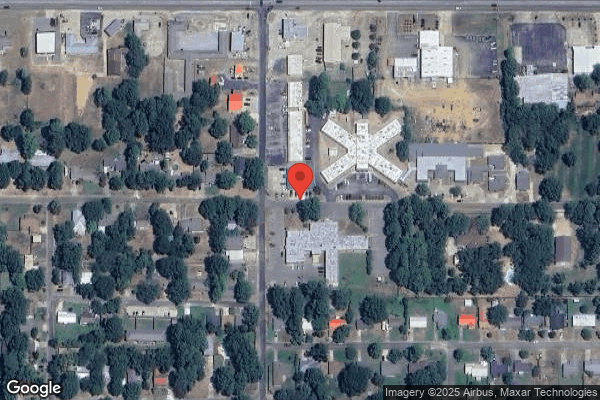
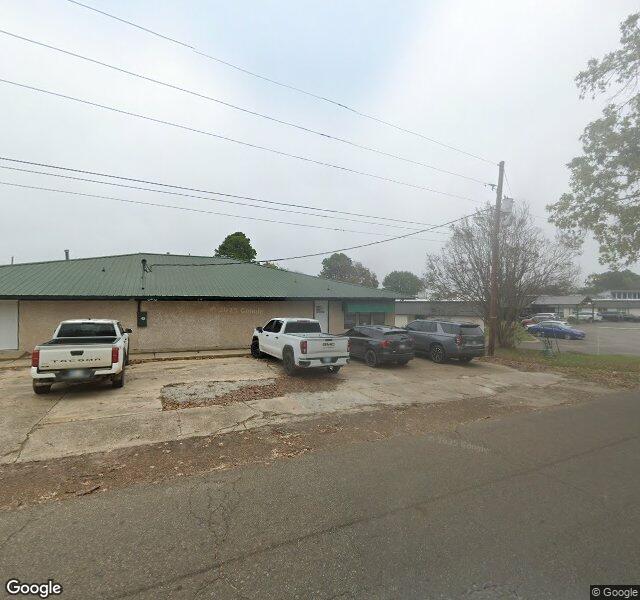
1305 SOUTHEAST ADAMS, IDABEL, OK 74745 (580) 286-1065
Non profit - Other 118 Beds Independent Data: November 2025
Trust Grade
28/100
#243 of 282 in OK
Last Inspection: February 2024

Within standard 12-15 month inspection cycle. Federal law requires annual inspections.

Overview

Memorial Heights Nursing Center in Idabel, Oklahoma, has received a Trust Grade of F, indicating significant concerns about the quality of care provided. It ranks #243 out of 282 facilities in Oklahoma, placing it in the bottom half, and #3 out of 3 in McCurtain County, meaning only one local facility is rated better. While the facility is showing some improvement, with issues decreasing from 10 in 2024 to 5 in 2025, it still faces serious challenges, particularly regarding resident safety and compliance with assessments. Staffing is rated poorly with a 1/5 star rating and a turnover rate of 56%, which is about average for Oklahoma, but the facility has less RN coverage than 99% of state facilities, raising concerns about the level of care. Notably, there have been serious incidents, including a resident being struck by a CNA, as well as failures to complete required assessments for multiple residents, highlighting areas where the facility needs significant improvement.

Trust Score
F
28/100
In Oklahoma
#243/282
Bottom 14%
Safety Record
Moderate
Needs review
Inspections
Getting Better
10 → 5 violations
Staff Stability
⚠ Watch
56% turnover. Above average. Higher turnover means staff may not know residents' routines.
Penalties
✓ Good
$7,443 in fines. Lower than most Oklahoma facilities. Relatively clean record.
Skilled Nurses
⚠ Watch
Each resident gets only 4 minutes of Registered Nurse (RN) attention daily — below average for Oklahoma. Fewer RN minutes means fewer trained eyes watching for problems.
Violations
⚠ Watch
26 deficiencies on record. Higher than average. Multiple issues found across inspections.
★☆☆☆☆
1.0
Overall Rating
★☆☆☆☆
1.0
Staff Levels
★☆☆☆☆
1.0
Care Quality
★★☆☆☆
2.0
Inspection Score
Stable
2024: 10 issues
2025: 5 issues

The Good

  • Full Sprinkler Coverage · Fire safety systems throughout facility
  • No fines on record

Facility shows strength in fire safety.

The Bad

1-Star Overall Rating

Below Oklahoma average (2.6)

Significant quality concerns identified by CMS

Staff Turnover: 56%

Near Oklahoma avg (46%)

Frequent staff changes - ask about care continuity

Federal Fines: $7,443

Below median ($33,413)

Minor penalties assessed

Staff turnover is elevated (56%)

8 points above Oklahoma average of 48%

The Ugly 26 deficiencies on record

1 actual harm
Feb 2025 2 deficiencies
CONCERN (D) 📢 Someone Reported This

A family member, employee, or ombudsman was alarmed enough to file a formal complaint

Potential for Harm - no one hurt, but risky conditions existed

Notification of Changes (Tag F0580)

Could have caused harm · This affected 1 resident

Based on record review and interview, the facility failed to ensure the physician was notified of a change in the condition of a wound for 1 (#1) of 4 sampled residents reviewed for wounds. The admini...

Read full inspector narrative →
Based on record review and interview, the facility failed to ensure the physician was notified of a change in the condition of a wound for 1 (#1) of 4 sampled residents reviewed for wounds. The administrator reported the facility census was 86. Findings: An undated Notification of Changes policy, read in part, The facility must immediately inform the resident, consult with the resident's physician and notify, consistent with his/her authority, the resident representative(s) when there is .A significant change in the resident's physical, mental or psychosocial status (that is, a deterioration in health, mental or psychosocial status in either life-threatening conditions or clinical complications). Resident #1 had diagnoses which included a displaced fracture of the left tibia and heart failure. A physician's order, dated 01/18/25, showed Resident #1 was to receive wound care to the sacral area three times a week on Tuesday, Thursday, and Saturday. A nurse's note, dated 01/18/25 at 9:33 p.m., showed Resident #1 had a small open sore to the right buttock. A nurse's note, dated 01/19/25 at 8:58 p.m., showed the sacrum dressing was clean, dry, and intact. A nurse's note, dated 01/20/25 at 9:18 p.m., showed Resident #1 had a small open sore to the right buttock that was blackish in color and had a foul odor. The note did not show the physician had been notified of the change in status of the wound. On 02/12/25 at 10:45 a.m., LPN #1 stated any significant change in a wound should be reported to the physician immediately. 02/12/25 at 10:50 a.m., LPN #2 stated the physician should be notified of changes in a resident's condition. 02/12/25 at 10:55 a.m., the administrator stated the physician should have been notified immediately of the change in the status of the wound.
CONCERN (D) 📢 Someone Reported This

A family member, employee, or ombudsman was alarmed enough to file a formal complaint

Potential for Harm - no one hurt, but risky conditions existed

Infection Control (Tag F0880)

Could have caused harm · This affected 1 resident

Based on observation, record review, and interview, the facility failed to ensure enhanced barrier precautions were implemented for 1 (#3) of 3 sampled residents reviewed for pressure ulcers. The admi...

Read full inspector narrative →
Based on observation, record review, and interview, the facility failed to ensure enhanced barrier precautions were implemented for 1 (#3) of 3 sampled residents reviewed for pressure ulcers. The administrator identified four residents with pressure ulcers. Findings: An undated Enhanced Barrier Precautions policy, read in part, Enhanced Barrier Precautions expand the use of PPE [personal protective equipment] beyond situations in which exposure to blood and body fluids is anticipated. These precautions refer to the use of gown and gloves during high-contact resident care activities that provide opportunities for transfer of MDROs [multidrug-resistan organism] to staff hands. High-contact resident care activities include .Wound care: any skin opening requiring a dressing. Resident #3 had diagnoses which included pressure ulcer of sacral region stage four. A physician's order, dated 01/31/25, showed Resident #3 was to receive a dressing change twice a day and as needed for the wound on their sacrum. On 02/12/25 at 9:30 a.m., LPN #1 was observed providing wound care to Resident #3 with the assistance of CNA #1. LPN #1 was observed to begin cleansing Resident #3's wound, then abruptly stopped and put on a gown before continuing to provide wound care. CNA #1 did not don a gown at any time during the wound care. On 02/12/25 at 9:45 a.m., LPN #1 stated they forgot to don a gown before performing wound care. They also stated anyone assisting with wound care should wear a gown also. On 02/12/25 at 10:38 a.m., CNA #1 stated they were not familiar with enhanced barrier precautions. On 2/12/25 at 10:49 a.m., LPN #2 stated gowns should be worn when providing direct care to residents on enhanced barrier precautions.
Jan 2025 3 deficiencies
CONCERN (E) 📢 Someone Reported This

A family member, employee, or ombudsman was alarmed enough to file a formal complaint

Potential for Harm - no one hurt, but risky conditions existed

Abuse Prevention Policies (Tag F0607)

Could have caused harm · This affected multiple residents

Based on record review and interview, the facility failed to implement their abuse policy for three (#1, 2, and #4) of four sampled residents reviewed for abuse. The administrator identified 83 resid...

Read full inspector narrative →
Based on record review and interview, the facility failed to implement their abuse policy for three (#1, 2, and #4) of four sampled residents reviewed for abuse. The administrator identified 83 residents who resided in the facility. Findings: A policy titled Allegations of Abuse, Neglect, Exploitation or Mistreatment, read in parts All alleged violations involving abuse, neglect, exploitation or mistreatment, .are reported immediately, but not later than 2 hours after the allegation is made .to the Administrator of this facility and to other officials (including to the State Survey Agency and adult protective services where state law provides for jurisdiction in long-term care facilities) in accordance with State law through established procedures .All alleged violations, whether oral or in writing, must be immediately reported to the Administrator of this facility .The results of all investigations are reported to the Administrator or his/her designated representative and to other officials in accordance with State law, including to the State Survey Agency, within 5 working days of the incident .Documentation that an alleged violation was thoroughly investigated will be recorded and maintained .Definitions: Abuse is the willful infliction of injury, unreasonable confinement, intimidation, or punishment with resulting physical harm, pain, or mental anguish. 1. Resident #1 had diagnoses which included anxiety and major depressive disorder. A facility incident report, dated 12/14/24, documented a housekeeping staff member alerted the nurse another resident had slapped the right side of Resident #1's face. The report documented the physician and the local police were notified. The report did not document the administrator of the facility was notified. No state agency incident report/investigative findings to the state agency were provided. 2. Resident #2 had diagnoses which included major depressive disorder, absence of left foot, and nicotine dependence. A facility incident report, dated 12/14/24, documented a housekeeping staff member reported the resident slapped another resident on the face while in the smoking area. The report documented the resident stated the other resident slapped them first. The report documented the physician, DON, CCO, and administrator were made aware of the incident. No state agency incident report/investigative findings provided to the state agency were provided. A police incident report, dated 12/14/24, documented the police were called to the facility for an assault complaint regarding Resident #1 and Resident #2. Investigative documentation provided by the facility, dated 12/14/24, documented two nursing staff statements regarding notification of the incident. There were no resident statements or resident/staff witnessed statements provided. 3. Resident #4 had diagnoses which included chronic kidney disease, carcinoma of the skin to the scalp and neck area, and encephalopathy. A facility incident report, dated 11/26/24, documented the staff was alerted to the dining area for an altercation between residents. The report documented during a verbal altercation another resident pushed Resident #3 causing them to fall and sustain an abrasion to the left side of their head. The report documented the family, administrator, and physician were notified of the incident. No state agency incident report/ investigative findings reported to the state agency were provided. On 01/22/25 at 12:16 p.m., the administrator stated they were responsible for allegations of abuse. The administrator reviewed the facility incident reports for Resident #1 and Resident #2 and stated they did not feel it was abuse. The administrator reviewed the facility policy definition for abuse and stated per the policy definition the incident should have been reported within two hours and a thorough investigation completed. On 01/22/25 at 3:44 p.m., the administrator reviewed the facility incident report for Resident #4. The administrator stated per the facility abuse policy and the incident report documentation, an abuse incident report should have been submitted to the state agency within two hours and an investigation completed.
CONCERN (E) 📢 Someone Reported This

A family member, employee, or ombudsman was alarmed enough to file a formal complaint

Potential for Harm - no one hurt, but risky conditions existed

Report Alleged Abuse (Tag F0609)

Could have caused harm · This affected multiple residents

Based on record review and interview, the facility failed to ensure all allegations of abuse were reported immediately to the state agency, but no later than two hours after the allegation was made fo...

Read full inspector narrative →
Based on record review and interview, the facility failed to ensure all allegations of abuse were reported immediately to the state agency, but no later than two hours after the allegation was made for three (#1, 2, and #4) of four sampled residents reviewed for abuse. The administrator identified 83 residents who resided in the facility. Findings: A policy titled Allegations of Abuse, Neglect, Exploitation or Mistreatment, read in parts All alleged violations involving abuse, neglect, exploitation or mistreatment, .are reported immediately, but not later than 2 hours after the allegation is made .to the Administrator of this facility and to other officials (including to the State Survey Agency and adult protective services where state law provides for jurisdiction in long-term care facilities) in accordance with State law through established procedures .All alleged violations, whether oral or in writing, must be immediately reported to the Administrator of this facility .Definitions: Abuse is the willful infliction of injury, unreasonable confinement, intimidation, or punishment with resulting physical harm, pain, or mental anguish. 1. Resident #1 had diagnoses which included anxiety and major depressive disorder. A facility incident report, dated 12/14/24, documented a housekeeping staff member alerted the nurse another resident had slapped the right side of Resident #1's face. The report documented the physician and the local police were notified. The report did not document the administrator of the facility was notified. No state agency incident report/investigative findings to the state agency were provided. 2. Resident #2 had diagnoses which included major depressive disorder, absence of left foot, and nicotine dependence. A facility incident report, dated 12/14/24, documented a housekeeping staff member reported the resident slapped another resident on the face while in the smoking area. The report documented the resident stated the other resident slapped them first. The report documented the physician, DON, CCO, and administrator was made aware of the incident. No state agency incident report/investigative findings provided to the state agency were provided. A police incident report, dated 12/14/24, documented the police were called to the facility for an assault complaint regarding Resident #1 and Resident #2. Investigative documentation provided by the facility, dated 12/14/24, documented two nursing staff statements regarding notification of the incident. There were no resident statements or resident/staff witnessed statements provided. 3. Resident #4 had diagnoses which included chronic kidney disease, carcinoma of the skin to the scalp and neck area, and encephalopathy. A facility incident report, dated 11/26/24, documented the staff was alerted to the dining area for an altercation between residents. The report documented during a verbal altercation another resident pushed Resident #3 causing them to fall and sustain an abrasion to the left side of their head. The report documented the family, administrator, and physician were notified of the incident. No state agency incident report/ investigative findings reported to the state agency were provided. On 01/22/25 at 12:16 p.m., the administrator stated they were responsible for allegations of abuse. The administrator reviewed the facility incident reports for Resident #1 and Resident #2 and stated they did not feel it was abuse. The administrator reviewed the facility policy definition for abuse and stated per the policy definition the incident should have been reported within two hours and a thorough investigation completed. On 01/22/25 at 3:44 p.m., the administrator reviewed the facility incident report for Resident #4. The administrator stated per the facility abuse policy and the incident report documentation, an abuse incident report should have been submitted to the state agency within two hours and an investigation completed.
CONCERN (E) 📢 Someone Reported This

A family member, employee, or ombudsman was alarmed enough to file a formal complaint

Potential for Harm - no one hurt, but risky conditions existed

Investigate Abuse (Tag F0610)

Could have caused harm · This affected multiple residents

Based on record review and interview, the facility failed to thoroughly investigate allegations of abuse for three (#1, 2, and #4) of four sampled residents reviewed for abuse. The administrator iden...

Read full inspector narrative →
Based on record review and interview, the facility failed to thoroughly investigate allegations of abuse for three (#1, 2, and #4) of four sampled residents reviewed for abuse. The administrator identified 83 residents who resided in the facility. Findings: A policy titled Allegations of Abuse, Neglect, Exploitation or Mistreatment, read in parts All alleged violations involving abuse, neglect, exploitation or mistreatment, .All alleged violations, whether oral or in writing, must be immediately reported to the Administrator of this facility .The results of all investigations are reported to the Administrator or his/her designated representative and to other officials in accordance with State law, including to the State Survey Agency, within 5 working days of the incident .Documentation that an alleged violation was thoroughly investigated will be recorded and maintained .Definitions: Abuse is the willful infliction of injury, unreasonable confinement, intimidation, or punishment with resulting physical harm, pain, or mental anguish. 1. Resident #1 had diagnoses which included anxiety and major depressive disorder. A facility incident report, dated 12/14/24, documented a housekeeping staff member alerted the nurse another resident had slapped the right side of Resident #1's face. The report documented the physician and the local police were notified. The report did not document the administrator of the facility was notified. No state agency incident report/investigative findings to the state agency were provided. 2. Resident #2 had diagnoses which included major depressive disorder, absence of left foot, and nicotine dependence. A facility incident report, dated 12/14/24, documented a housekeeping staff member reported the resident slapped another resident on the face while in the smoking area. The report documented the resident stated the other resident slapped them first. The report documented the physician, DON, CCO, and administrator was made aware of the incident. No state agency incident report/investigative findings provided to the state agency were provided. A police incident report, dated 12/14/24, documented the police were called to the facility for a assault complaint regarding Resident #1 and Resident #2. Investigative documentation provided by the facility, dated 12/14/24, documented two nursing staff statements regarding notification of the incident. There were no resident statements or resident/staff witnessed statements provided. 3. Resident #4 had diagnoses which included chronic kidney disease, carcinoma of the skin to the scalp and neck area, and encephalopathy. A facility incident report, dated 11/26/24, documented the staff was alerted to the dining area for an altercation between residents. The report documented during a verbal altercation another resident pushed Resident #3 causing them to fall and sustain an abrasion to the left side of their head. The report documented the family, administrator, and physician were notified of the incident. No state agency incident report/ investigative findings reported to the state agency were provided. On 01/22/25 at 12:16 p.m., the administrator stated they were responsible for allegations of abuse. The administrator reviewed the facility incident reports for Resident #1 and Resident #2 and stated they did not feel it was abuse. The administrator reviewed the facility policy definition for abuse and stated per policy definition the incident should have been reported within two hours and a thorough investigation completed. On 01/22/25 at 3:44 p.m., the administrator reviewed the facility incident report for Resident #4. The administrator stated per the facility abuse policy and the incident report documentation, an abuse incident report should have been submitted to the state agency within two hours and an investigation completed.
Feb 2024 8 deficiencies
CONCERN (D)

Potential for Harm - no one hurt, but risky conditions existed

Comprehensive Care Plan (Tag F0656)

Could have caused harm · This affected 1 resident

Based on record review and interview, the facility failed to fully develop a comprehensive care plan for one (#24) of 19 sampled residents reviewed for care plans. The administrator identified 58 resi...

Read full inspector narrative →
Based on record review and interview, the facility failed to fully develop a comprehensive care plan for one (#24) of 19 sampled residents reviewed for care plans. The administrator identified 58 residents resided in the facility. Findings: Res #24 had diagnoses which included anxiety and insomnia. A comprehensive resident assessment, dated 12/28/23, documented on the CAA summary cognitive loss/dementia and behavioral symptoms were care plan decisions. There was no documentation cognitive loss/dementia and behavioral symptoms were developed on the care plan. On 01/31/24 at 12:18 p.m., the administrator was made aware the CAA's on the resident's comprehensive assessment documented cognitive loss/dementia and behavioral symptoms were care plan decisions. They were asked if the care plan was developed to include those care areas. On 01/31/24 at 1:03 p.m., the administrator stated the care plan was not developed for cognitive loss/dementia and behavioral symptoms.
CONCERN (D)

Potential for Harm - no one hurt, but risky conditions existed

Infection Control (Tag F0880)

Could have caused harm · This affected 1 resident

**NOTE- TERMS IN BRACKETS HAVE BEEN EDITED TO PROTECT CONFIDENTIALITY** Based on observation and interview the facility failed to follow an infection control program during wound care for one (#35) of...

Read full inspector narrative →
**NOTE- TERMS IN BRACKETS HAVE BEEN EDITED TO PROTECT CONFIDENTIALITY** Based on observation and interview the facility failed to follow an infection control program during wound care for one (#35) of two sampled residents observed for wound care. The administrator identified eight residents who had wounds in the facility. Findings: 1. On 01/29/24 at 2:41 p.m. and 01/30/24 at 9:25 a.m., a suction machine canister was observed in room [ROOM NUMBER] on a bedside table with 400 ml of fluid and suctioned secretions in the canister. On 01/30/24 at 2:14 p.m., CNA #2 stated the resident who resided in room [ROOM NUMBER] had passed away on 01/27/24. On 01/30/24 at 4:20 p.m. and 01/31/24 at 8:40 a.m., a suction machine canister was observed in room [ROOM NUMBER] on a bedside table with 400 ml of fluid with suctioned secretions in the canister. On 01/31/24 at 10:40 a.m., The DON was asked who would be responsible for removing and cleaning a suction machine after a resident had passed away. They stated the nurse on duty would be responsible for cleaning and removing a suction machine after a resident passed away. The DON was made aware of the suction machine in room [ROOM NUMBER]. They stated they would get the room cleaned. 2. Res #23 had diagnoses which included end stage renal disease, diabeted, Charcot's joint, left ankle and foot, surgical removal of fourth and fifth toes. A physician order, dated 01/26/24 documented, cleanse wound to right foot, pat dry, apply aquacel dressing, cover with gauze dressing daily. On 01/31/24 at 10:11 a.m., observed LPN #2 perform wound care on Res #23's right lateral foot. The resident was sitting in their wheelchair. The LPN laid a towel underneath the resident's feet and placed their gloves onto the towel. The fingers of the gloves were observed hanging off the towel and touching the floor. The LPN removed the old wound dressing and the dressing was not dated. On 01/31/24 at 10:27 a.m., LPN #2 was asked about the gloves touching the floor. They stated they had not realized the gloves were touching the floor. They stated they should have ensured the gloves were not touching the floor. On 01/31/24 at 10:40 a.m., the DON was made aware of the wound care observation findings. They stated the LPN should have ensured the gloves were not touching the floor and the old dressing should have been dated and initialed by the nurse who performed the wound care.
CONCERN (E)

Potential for Harm - no one hurt, but risky conditions existed

Deficiency F0578 (Tag F0578)

Could have caused harm · This affected multiple residents

**NOTE- TERMS IN BRACKETS HAVE BEEN EDITED TO PROTECT CONFIDENTIALITY** Based on record review and interview, the facility failed to ensure physician orders were obtained for code status for four (#2,...

Read full inspector narrative →
**NOTE- TERMS IN BRACKETS HAVE BEEN EDITED TO PROTECT CONFIDENTIALITY** Based on record review and interview, the facility failed to ensure physician orders were obtained for code status for four (#2, 23, 27, and #35) of six sampled residents reviewed for code status. The administrator identified 58 residents resided in the facility. Findings: 1. Res #2 had diagnoses which included CKD, HTN, presence if cardiac pace maker, diabetes mellitus, hypothyroidism, and atrial fibrillation. An Advance Directive/DNR Information Acknowledgement form, dated [DATE], documented the resident wished to have CPR. There was no physician order for the resident's code status. 2. Res #23 had diagnoses which included HTN, heart disease ESRD, GERD, depression, vitamin D deficiency, and diabetes mellitus. An Advance Directive/DNR Information Acknowledgement form, dated [DATE], documented the resident wished to have CPR. There was no physician order for the resident's code status. 3. Res #27 had diagnoses which included pain, heart disease, major depressive disorder, anxiety disorder, COPD, RA, systemic lupus erythematosus, GERD, CKD, pressure ulcer, and diabetes mellitus. An Advance Directive/DNR Information Acknowledgement form, dated [DATE], documented the resident wished to have CPR. There was no physician order for the resident's code status. 4. Res #35 had diagnoses which included phantom limb syndrome with pain, CKD, major depressive disorder, and acquired absence of left and right knee above knee. An Advance Directive/DNR Information Acknowledgement form, dated [DATE], documented the resident wished to have CPR. There was no physician order for the resident's code status. On [DATE] at 3:03 p.m., LPN #1 was asked how staff determined code status for a resident. They stated they looked in the DNR book, hard chart, and EHR. They were asked what was the code status for Res #2, 23, 27, and #35. They stated there was no code status specified for the residents. They stated if the residents did not have a DNR they would perform CPR.
CONCERN (E)

Potential for Harm - no one hurt, but risky conditions existed

Deficiency F0655 (Tag F0655)

Could have caused harm · This affected multiple residents

**NOTE- TERMS IN BRACKETS HAVE BEEN EDITED TO PROTECT CONFIDENTIALITY** 2. Resident #23 was admitted on [DATE] with diagnoses which included end stage renal disease, disorders of the brain, cerebral i...

Read full inspector narrative →
**NOTE- TERMS IN BRACKETS HAVE BEEN EDITED TO PROTECT CONFIDENTIALITY** 2. Resident #23 was admitted on [DATE] with diagnoses which included end stage renal disease, disorders of the brain, cerebral infarction, diabetes, HTN, Charcot's joint, left ankle and foot, and CAD. On 01/31/24 at 11:51 a.m., the administrator was asked for Res #35's base line care plan. They stated the baseline care plan would be in the EHR or the paper chart. There was no documentation in the clinical record that a baseline care plan had been completed. The administrator stated they would have their MDS coordinator fax it to them. On 01/31/24 at 12:05 p.m., the administrator presented Res #35's baseline care plan. On 01/31/24 at 12:12 p.m., the administrator was made aware the baseline care plan was not dated. They stated they understood that the 48 hours could not be proven. Based on record review and interview, the facility failed to ensure baseline care plans were developed within 48 hours of admission for two (#4 and #23) of 15 sampled residents reviewed for care plans. The administrator identified 58 residents who resided in the facility. Findings: 1. Resident #4 was admitted on [DATE] with diagnoses which included arthrosclerosis, secondary hypertension, chronic obstructive pulmonary disease, diabetes type II, gastroesophageal reflux disease, and Parkinson's disease. There was no documentation in the clinical record a baseline care plan had been completed. On 01/31/24 at 12:12 p.m., the administrator stated the base line care plan had not been completed.
CONCERN (E)

Potential for Harm - no one hurt, but risky conditions existed

Deficiency F0700 (Tag F0700)

Could have caused harm · This affected multiple residents

**NOTE- TERMS IN BRACKETS HAVE BEEN EDITED TO PROTECT CONFIDENTIALITY** Based on observation, record review, and interview, the facility failed to ensure bed rails were assessed for risk of entrapment...

Read full inspector narrative →
**NOTE- TERMS IN BRACKETS HAVE BEEN EDITED TO PROTECT CONFIDENTIALITY** Based on observation, record review, and interview, the facility failed to ensure bed rails were assessed for risk of entrapment, reviewed the risks and benefits of the bed rails with the resident or resident representative, or obtained informed consent prior to installation of the bedrail for four (#8, 27, 35, and #44) of four residents assessed for accident hazards. The administrator identified 29 residents had bed rails. Findings: An undated Bed Rail policy, read in parts, .If a bed or side rail is used, the facility must .Assess the resident for risk of entrapment from bed rails prior to installation .Review the risks and benefits of bed rail with the resident or resident representative and obtain informed consent prior to installation .After the installation of bed rails, it is expected .Ongoing assessment to ensure that the bed rail is used to meet the resident's needs .Definitions .Bed rails .are not limited to .side rails, bed side rails and safety rails and .Grab bars and assist bars . 1. Res #35 had diagnoses which included end stage renal disease, bilateral above knee amputee and phantom limb syndrome with pain. An admission assessment dated [DATE], document Res #35 was cognitively intact was dependent with most all ADLs, and was occasionally incontinent of urine and frequently incontinent of bowel. On 1/29/24 at 12:15 p.m., observed Res # 35 had 1/4 size bedrails on both sides of their bed. They were asked about their bedrails. They stated the bedrails were to prevent them from falling out of bed and for repositioning. On 01/30/24 at 2:03 p.m., LPN #1 was asked about the use of bed rails. They stated Res #35 uses the bedrails for positioning. On 01/30/24 at 3:08 p.m., the DON was asked if bed rails were assessed for the residents' risk of entrapment from the bed rails prior to the installation, if they reviewed the risks and benefits of the bed rails with the resident or resident representative, and obtained an informed consent from the resident or resident representative prior to the installation of the bedrails. They stated we do not obtain a consent because the bedrails are for positioning. On 01/31/24 at 9:21 a.m., CNA #1 was asked about Res #35's use of their bed rails. They stated the resident is not able to transfer on their own and that a Hoyer lift is used with all transfers. Upon record review no informed consent, assessment, or physician order for the bedrails was found in the EHR. 2. Res #8 had diagnoses which included seizures. On 01/29/24 at 1:06 p.m., a bed rail was observed on the upright position on the upper half of Res #8's bed. There was no documentation a consent had been obtained prior to the use of the bed rails. On 01/30/24 at 3:19 p.m., LPN #1 stated Res #8 used the bed rail for positioning and to help with transferring. On 01/30/24 at 3:27 p.m., LPN #1 stated there was not a consent in the chart for the bed rails. 3. Res #27 had diagnoses which included chronic pain, pressure ulcer of sacral region. CKD, heart disease, GERD, depression, RA, COPD, retention of urine, and systemic lupus erythematosus. An admission assessment, dated 12/16/23, documented the resident's cognition was intact and there were no restraints being used. On 01/29/24 at 12:06 p.m., the resident was observed with quarter rails in the upward position on both sides of their bed. The resident stated they used the rails to position themselves in their bed. They stated the rails did not keep them from getting out of bed. There was no documentation the resident was assessed or consent was obtained for the use of bed rails prior to installation. On 01/30/24 at 2:48 p.m., LPN #1 was asked about the resident's bed rails on their bed. They stated they helped the resident to reposition. They stated the resident was not able to get out of bed on their own. They stated residents were supposed to give consent prior to installation, assessed prior to installation, and then assessed quarterly. They were was asked if the resident was assessed or consent was obtained for the use of bed rails prior to installation. They stated they did not see consent or assessments in the resident's chart. 4. Res #44 had diagnoses which included muscle wasting and atrophy, weakness, HTN, bed confinement, and depression. A side rail assessment, dated 09/21/22, documented the resident expressed a desire to have side rails raised while in bed for their own safety and/or comfort. It was documented there was no risk to the resident if side rails were used. A physician order, dated 09/23/22, documented quarter rails at resident request for concerns of safety and feelings of comfort. A quarterly assessment, dated 01/15/24, documented the resident's cognition was intact and there were no restraints used. On 01/29/24 at 12:42 p.m., the resident was observed with quarter rails in the upward position on both sides of their bed. The resident stated they used the rails to reposition themselves. They stated the rails did not keep them from getting out of bed. On 01/30/24 at 3:03 p.m., LPN #1 was asked about the resident's bed rails on their bed. They stated they helped the resident to reposition. They stated the resident was not able to get out of bed on their own. They stated residents were supposed to give consent prior to installation, assessed prior to installation, and then assessed quarterly. They were was asked if the resident was assessed on a quarterly basis after installation of the rails. They stated they only saw the side rail assessment completed on 09/21/22. On 01/30/24 at 3:55 p.m., the DON stated they did not get a consent because the side rails were assist rails used for positioning.
CONCERN (E)

Potential for Harm - no one hurt, but risky conditions existed

Medication Errors (Tag F0758)

Could have caused harm · This affected multiple residents

Based on record review and interview, the facility failed to ensure side effect monitoring was conducted for the use of psychotropic medications for two (#24 and #31) of five sampled residents reviewe...

Read full inspector narrative →
Based on record review and interview, the facility failed to ensure side effect monitoring was conducted for the use of psychotropic medications for two (#24 and #31) of five sampled residents reviewed for unnecessary medications. The corporate compliance officer identified 49 residents who had orders for psychotropic medications. Findings: 1. Res #24 had diagnoses which included anxiety and insomnia. A physician order, dated 09/23/22, documented bupropion HCL (an antidepressant) tablet 100 mg. Give 100 mg by mouth two times a day. A physician order, dated 10/21/22, documented trazadone HCL (an antidepressant) tablet 100 mg. Give one tablet by mouth every night shift. A physician order, dated 10/03/23, documented Zoloft (an antidepressant) oral tablet. Give 75 mg by mouth at bedtime. There was no documentation side effects were being monitored for the use of antidepressant medications. On 01/31/24 at 12:18 p.m., the administrator was asked if there was documentation the resident was being monitored for side effects for the use of antidepressant medications. On 01/31/24 at 1:03 p.m., the administrator stated there should have been an order to monitor for side effects that would generate on the TAR. They stated there was no side effect monitoring for the resident. 2. Res #31 had diagnoses which included major depressive disorder and bipolar disorder. Physician orders, dated 11/09/23, documented bupropion HCL ER oral tablet 150 mg. Give one tablet by mouth in the morning; olanzapine (an antipsychotic) oral tablet 10 mg. Give one tablet by mouth at bedtime; trazadone HCL oral tablet 100 mg. Give one tablet by mouth at bedtime; Vraylar (an antipsychotic) oral capsule 1.5 mg. Give one capsule by mouth in the morning; and Zoloft oral tablet 100 mg. Give two tablets by mouth in the morning. A physician order, dated 11/25/23, documented clonazepam (a benzodiazepine) oral tablet one mg. Give one mg by mouth three times a day. There was no documentation side effects were being monitored for the use of psychotropic medications. 01/31/24 at 3:54 p.m., the corporate compliance officer was asked to locate side effect monitoring for the use of psychotropic medications for the resident. On 01/31/24 at 7:53 a.m., the corporate compliance officer stated there was no side effect monitoring for the use of psychotropic medications for the resident.
CONCERN (E)

Potential for Harm - no one hurt, but risky conditions existed

Food Safety (Tag F0812)

Could have caused harm · This affected multiple residents

Based on observation and interview, the facility failed to ensure the kitchen was maintained to promote food safety and sanitation. The corporate compliance officer identified 58 residents received s...

Read full inspector narrative →
Based on observation and interview, the facility failed to ensure the kitchen was maintained to promote food safety and sanitation. The corporate compliance officer identified 58 residents received services from the kitchen. Findings: On 01/29/24 at 11:02 a.m., a tour of the kitchen was conducted. The following observations were made. a. the metal on the spray nozzle hose located on the garbage disposal sink was torn and the metal was exposed, b. water was leaking from the piping below the dish machine into containers stored on the floor. Standing water was in the containers, c. there was an accumulation of brown and black residue on the floor and the walls in the dish wash area. There was a cockroach crawling on the wall below the dish machine, d. there was black tape on the bottom of the garbage disposal sink in the dish wash area. The sink was not easy to clean, e. the gaskets were torn/split on the doors to the True three door reach in deli cooler, f. there was a plate of raw beef stored on the shelf above carrots, tomatoes, and cabbage in the True three door reach in deli cooler, g. a container with a blue lid of a white dry product was not labeled in food preparation area, h. there was an accumulation of lint on the floor fan near the serve out window, i. a container of a white dry product was not labeled under the table below the serve out window, j. there was an accumulation of food and black residue on the outside area of food storage containers, k. the metal on the spray nozzle hose located on the three compartment sink was torn and the rubber was exposed, l. multiple soiled cloths were stored on the food preparation table across from the cook line, m. there was an accumulation of black, brown, and pink residue inside of the ice machine near the back door, n. there was duct tape wrapped around the leg of the food preparation table across from the cook line. The area was not easy to clean, o. there was an accumulation of black residue and food on food storage racks, dish storage racks, dish machine, sinks, stove, oven hood filters, reach in coolers, food preparation tables, and the can opener, p. there was an accumulation of ice in the chest freezers, and q. there was black and pink residue inside of the large ice machine in the freezer storage room. On 01/30/24 at 8:59 a.m., the DM was asked how the staff ensured the kitchen was kept clean and maintained in good repair. They stated they cleaned daily and reported to maintenance. They were asked how staff prevented cross contamination with raw and ready to eat foods. They stated foods were to be properly stored. They were asked how staff prevented bacteria growth on cloths stored on the food preparation tables. They stated if the cloths were in use they were to be stored in a sanitizer solution. They were asked how staff identified dry food products. They stated they were to be labeled. The DM was made aware of the above observations.
CONCERN (E)

Potential for Harm - no one hurt, but risky conditions existed

Antibiotic Stewardship (Tag F0881)

Could have caused harm · This affected multiple residents

Based on record review and interview, the facility failed to assess a resident for an infection using standardized tools and criteria for the initiation of an antibiotic for one (#31) of five sampled ...

Read full inspector narrative →
Based on record review and interview, the facility failed to assess a resident for an infection using standardized tools and criteria for the initiation of an antibiotic for one (#31) of five sampled residents reviewed for unnecessary medications. The administrator identified 58 residents resided in the facility. Findings: An undated Antimicrobial Stewardship policy and procedure manual, read in parts, .Communication of Resident Condition and Treatment with Antimicrobial Orders .When the facility staff suspects a resident has an infection, the nurse should perform and appropriately document a comprehensive assessment if the resident using established and accepted assessment protocols. This assessment will determine if the resident's status meets minimum criteria for initiating antibiotics . Res #31 had diagnoses which included URI and ear infection. A physician order, dated 12/01/23, documented amoxicillin-potassium clavulante (an antibiotic) oral tablet 875-125 mg. Give one tablet by mouth two times a day for 10 days. There was no documentation the resident was assessed related to their infection and the initiation of an antibiotic. A physician order, dated 01/04/24, documented amoxicillin oral capsule 500 mg. Give 500 mg by mouth three times a day for 10 days. There was no documentation the resident was assessed related to their infection and the initiation of an antibiotic. On 02/01/24 at 8:28 a.m., the corporate compliance officer was asked to provide documentation the resident was assessed related to their infections and the initiation of antibiotics. On 02/01/24 at 8:41 a.m., the corporate compliance officer stated they used the Loeb tool and there were no assessments completed for the initiation of the antibiotics for the resident.
Jan 2024 2 deficiencies 1 Harm
SERIOUS (G) 📢 Someone Reported This

A family member, employee, or ombudsman was alarmed enough to file a formal complaint

Actual Harm - a resident was hurt due to facility failures

Free from Abuse/Neglect (Tag F0600)

A resident was harmed · This affected 1 resident

Based on observation, record review, and interview, the facility failed to ensure a resident was free from abuse for one (#3) of five residents sampled for abuse. On 08/31/23 Res #3 informed the charg...

Read full inspector narrative →
Based on observation, record review, and interview, the facility failed to ensure a resident was free from abuse for one (#3) of five residents sampled for abuse. On 08/31/23 Res #3 informed the charge nurse that they were struck by CNA #3. CNA acknowledged they had slapped Res #3. The facility was in past noncompliance after having put the final measures in place to correct the deficiency on 09/05/24. The administrator identified 58 residents who resided in the facility. Findings: Res #3 had diagnoses which included major depression disorder, anxiety disorder, and cerebrovascular disease. A state reportable incident form, dated 08/31/23, documented that at 7:03 a.m. the resident informed the charge nurse they had been struck by a staff member. The form documented the charge nurse contacted the administrator and informed them Res #3 had been struck by a staff member. The form documented Res #3 had identified CNA #3 as the staff member who struck them. The form documented the charge nurse immediately assessed the resident and found no injuries. The form documented CNA #3 was questioned about the incident and acknowledged they had slapped the resident. The form documented the CNA was removed from patient care immediately and suspended. The form documented the administrator contacted the physician, family, ombudsman, resident's legal representative, attorney general, adult protective services, local police department, and appropriate licensing board. The form documented all residents residing in the facility were questioned on abuse and neglect by the administrator. Record review revealed, on 08/31/23 at 7:25 a.m., the former DON conducted an assessment on the resident and no injuries found. Record review revealed CNA #3 was immediately removed from patient care and on 08/31/23 at 7:30 was interviewed by the DON. The interview documented the CNA stated that while providing care the resident became combative and out of reflex they slapped the resident. The record review documented the CNA was terminated and reported to the nurse aide registry. The in-service book documented an in-service on abuse and neglect was conducted on 09/05/23 at 1:00 p.m. by the ombudsman for all staff members. Staff members were interviewed and could voice information related to the inservice they attended. A quarterly MDS assessment, dated 11/29/23, documented the resident was severely cognitively impaired and required extensive assistance with transfer, dressing, bathing, and hygiene. Record review, including incident reports, did not reveal any incidents of abuse. Residents were interviewed and denied any abuse by staff. On 01/17/24 at 9:30 a.m., Res #3 was observed in the dining room. The resident did not appear to have any visible bruising and was observed to be clean and without odor. The resident was unable to recall the event and had no complaints related to abuse. On 01/17/24 at 1:30 p.m., the administrator stated they reported the allegation of abuse to OSDH immediately. They stated they conducted a thorough investigation by talking with all residents and staff members in the facility. The administrator stated to prevent recurrence they invited the ombudsman to educate all staff on abuse and neglect during an in-service. The administrator stated CNA #3 was terminated and reported to the nurse aide registry. They stated the QA committee had reviewed the incident and interventions.
CONCERN (D) 📢 Someone Reported This

A family member, employee, or ombudsman was alarmed enough to file a formal complaint

Potential for Harm - no one hurt, but risky conditions existed

Deficiency F0583 (Tag F0583)

Could have caused harm · This affected 1 resident

Based on record review and interview the facility failed to protect the resident's right to personal privacy for one (#1) of five residents sampled for for privacy. NA trainee #1 posted a video of a r...

Read full inspector narrative →
Based on record review and interview the facility failed to protect the resident's right to personal privacy for one (#1) of five residents sampled for for privacy. NA trainee #1 posted a video of a resident with an animated dog filter on a social media platform. The facility had put measures in place to correct the deficiency immediately on 09/24/23 and 09/25/23. The administrator identified 58 residents resided in the facility. Findings: A facility policy, titled, Web Blogging Policy, read in part, Employees are prohibited from engaging in web logging or blogging during working time .This includes browsing pages, liking posts, making posts, commenting, posting pictures etc . Res #1 had diagnoses which included dementia with behavior disturbance, cognitive communication deficit, transient cerebral ischemic attack, and frontotemporal neurocognitive disorder. An initial incident report, dated 09/24/23, documented NA trainee #1 posted a video of Res #1 with an animated dog filter on a social media platform. The report documented CNA #1 was also present during filming the of the video. The report documented the administrator contacted the physician, family, adult protective services, local law enforcement, and appropriate licensing board. An investigation was completed. The report documented NA trainee #1 and CNA #1 were both terminated. Inservice documents and sign in sheets for 09/24/23 and 09/25/23 were provided related to the in-service regarding resident privacy and social media. All staff members were inserviced. A quarterly assessment, dated 10/27/23, documented the resident had severely impaired cognition and required limited assistance with ADLs. Record review, including incident reports, did not reveal any incidents of resident privacy rights being violated. On 01/16/24 at 1:30 p.m., CNA #2 stated every employee was in-serviced on web blogging after one employee posted pictures of Res #1 on a social media platform. On 01/16/24 at 1:40 p.m., the resident was observed in the common area seated in a wheelchair. The resident was not able to be interviewed due to her impaired cognition. On 01/16/24 at 3:30 p.m., the administrator stated the investigation was started immediately on the 24th of September and was completed on the 25th of September. The administrator stated the facility placed a cellular phone lockup cabinet in the employee break room and all floor staff were required to place their personal phones in the lockup cabinet prior to starting their shift. The administrator stated all pertinent individuals were notified, the two staff members were terminated, an in-service was conducted with every staff member, and the incident was addressed at the QA meeting and monitoring of phone use continues.
Dec 2022 7 deficiencies
CONCERN (D)

Potential for Harm - no one hurt, but risky conditions existed

Assessment Accuracy (Tag F0641)

Could have caused harm · This affected 1 resident

**NOTE- TERMS IN BRACKETS HAVE BEEN EDITED TO PROTECT CONFIDENTIALITY** Based on record review and interview, the facility failed to ensure a UTI was documented on a significant change resident assess...

Read full inspector narrative →
**NOTE- TERMS IN BRACKETS HAVE BEEN EDITED TO PROTECT CONFIDENTIALITY** Based on record review and interview, the facility failed to ensure a UTI was documented on a significant change resident assessment for one (#18) of one resident whose assessment was reviewed for accuracy. The Corporate Compliance Officer identified one resident with a UTI. Findings: On 10/07/22 at 6:08 p.m., a nursing note read in part, AU [sic] final results received and sent to PCP with n/o received for Macrobid (an antibiotic) 100mg BID x7 days for UTI and to re-check UA in 5 days. A physician's order dated 10/07/22, read in part, Macrobid Capsule 100mg .1 capsule by mouth two times a day for UTI for 7 days . A significant change resident assessment dated [DATE] did not document Res #18's UTI in the infection section. On 12/01/22 at 2:30 p.m., the MDS Coordinator reported the UTI should have been documented on the significant change resident assessment.
CONCERN (D)

Potential for Harm - no one hurt, but risky conditions existed

Comprehensive Care Plan (Tag F0656)

Could have caused harm · This affected 1 resident

Based on record review, observation, and interview the facility failed to develop a pressure ulcer and UTI care plan for one (#18) of one resident reviewed for UTI's and pressure ulcers. The Corporate...

Read full inspector narrative →
Based on record review, observation, and interview the facility failed to develop a pressure ulcer and UTI care plan for one (#18) of one resident reviewed for UTI's and pressure ulcers. The Corporate Compliance Officer identified one resident with a UTI and two residents with pressure ulcers. Findings: On 10/07/22 at 6:08 p.m., a nursing note read in part, AU [sic] final results received and sent to PCP with n/o received for Macrobid (an antibiotic) 100mg BID x7 days for UTI and to re-check UA in 5 days. A physician's order dated 10/07/22, read in part, Macrobid Capsule 100mg .1 capsule by mouth two times a day for UTI for 7 days . There was no care plan developed for Res #18's UTI. On 11/30/22 at 8:07 p.m., a nursing note read in parts, .continues with opening x3 to bilateral buttock [sic] . An impaired skin integrity care plan dated, 10/25/22, did not care plan each stage II pressure ulcers for Res #18. On 11/29/22 at 4:15 p.m., surveyor observed Res #18 had two, stage II pressure ulcers to their right buttock and one stage II pressure ulcer to their left buttock. On 12/01/22 at 11:00 a.m., the DON reported that a care plan should have been developed for each pressure ulcer. On 12/01/22 at 11:10 a.m., the MDS Coordinator reported a care plan should have been developed for Res #18's UTI and each of the three pressure ulcers.
CONCERN (D)

Potential for Harm - no one hurt, but risky conditions existed

Quality of Care (Tag F0684)

Could have caused harm · This affected 1 resident

Based on record review, observation, and interview, the facility failed to ensure skin assessments were accurate and a physician's order was transcribed and followed regarding blood sugar monitoring f...

Read full inspector narrative →
Based on record review, observation, and interview, the facility failed to ensure skin assessments were accurate and a physician's order was transcribed and followed regarding blood sugar monitoring for one (#18) of one resident reviewed for pressure ulcers and insulin. The Corporate Compliance Officer identified two residents with pressure ulcers and eight insulin dependent diabetics. Findings: On 05/03/22 at 4:10 a.m., a nursing note read in parts, Assessed resident blood sugar DT resident sweating in bed, result 30 (normal range 70 - 99) .administered Glucagon (a medication to raise blood sugar) injection as ordered and orange juice, rechecked blood sugar after 15 min with result of 78 . On 05/03/22 at 8:22 a.m., a nursing note read in parts PCP contacted regarding hypoglycemic (low blood sugar) pattern with new orders received, 1) HOLD Levemir (insulin) x 7 days 2) SEND FSBS log prior to restarting. 3) CBC (test to monitor the blood), CMP (test to monitor electrolytes, kidney and liver function) and BNaP (test to monitor for heart failure) to be drawn now . A physician's order was not written to send a blood sugar log to the physician prior to restarting the insulin. The Treatment Administration Record (TAR) for May 2022, documented Levemir was held from 05/03/22 until 05/10/22. There were no blood sugars documented on the TAR between 05/03/22 and 05/10/22. On 12/01/22 at 11:00 a.m., the DON reported a physician's order should have been written for Res #18's blood sugar log to be sent to the physician. The DON stated she would have expected the nurses to monitor Res #18's blood sugar while the insulin was being held. On 12/02/22 at 11:10 a.m., the Administrator reported a physician's order should have been written for Res #18's blood sugar log to be sent to the physician. The Administrator was unable to locate any blood sugar monitoring during the time the Levemir was on hold. The Administrator reported Res #18's blood sugar should have been monitored and reported to the physician prior to restarting insulin. A Weekly Skin Audit Report dated, 11/29/22, read in parts, .left buttock .shearing 3.2 cm x 3.0cm .right buttock .shearing 2.0 cm x 1.0 cm .right buttock .shearing 2.5 cm x 1.0 cm . On 11/29/22 at 11:53 p.m., a nursing note read in parts, .continues with openings x3 to bilat. buttocks . On 11/29/22 at 4:15 p.m., surveyor observed Res #18 had two stage II pressure ulcers to their right buttock and one stage II pressure ulcer to their left buttock. No shearing injury was observed. On 12/01/22 at 11:10 a.m., the Administrator stated Res #18 has pressure ulcers to their bilat buttocks. This has never been shearing. We will need to educate the nurses regarding skin assessments and how to identify pressure ulcers vs shearing.
CONCERN (E)

Potential for Harm - no one hurt, but risky conditions existed

Deficiency F0772 (Tag F0772)

Could have caused harm · This affected multiple residents

Based on record review and interview, the facility failed to ensure laboratory results were obtained in a timely manner for one, (#14 & 108) of two residents reviewed for laboratory results. The Resid...

Read full inspector narrative →
Based on record review and interview, the facility failed to ensure laboratory results were obtained in a timely manner for one, (#14 & 108) of two residents reviewed for laboratory results. The Resident Census and Conditions of Residents, dated 11/28/22, documented a census of 58 residents. Findings: The Laboratory Services Agreement dated 02/06/14, documented in parts .Laboratory agrees to perform .laboratory testing .as may be ordered .Laboratory agrees to provide .couriers that are solely to collect, transport, process, or store specimens to be submitted to Laboratory for testing . The facility was unable to provide a policy for receiving laboratory results in a timely manner. Res #14 was admitted with diagnoses which included anxiety and schizophrenia. A quarterly assessment, dated 09/23/22, documented the resident was frequently incontinent of bladder. A physician's order, dated 11/01/22, documented to obtain a UA with C&S. A progress note, dated 11/01/22, documented a follow-up UA had been sent to the laboratory. Progress notes, dated 11/02/22, 11/04/22, 11/05/22, 11/06/22, 11/09/22, and 11/10/22 documented the follow-up UA was in progress. A progress note, dated 11/12/22, documented in part, received UA with C&S . Res #108 was admitted with diagnoses which included hypo-osmolality (a condition where the levels of electrolytes, proteins, and nutrients in the blood are lower then normal) and hypertension. A progress note, dated 11/28/22 at 12:38 p.m., documented in part, Notified [physician] regarding resi cont to c/o systematic pain all over continuously . A progress note, dated 11/28/22 at 3:04 p.m., documented in parts . 1) Obtain CBC (a comprehensive blood test), CMP (a blood test used to check liver and kidney function), and UA (a urine test) with C&S ( a test of urine for bacterial growth) per Dr. [name omitted]r/t weakness and c/o systematic pain . Specimen x 2 to [name omitted] lab. Awaiting results. A progress note, dated 11/28/22 at 8:59 p.m., documented in part, continues with labs in progress . A progress note, dated 11/29/22 at 8:45 a.m., documented, Called [facility name omitted] lab regarding resi [sic] lab, per tech, the CMP and UA is [sic] not done d/t running out of (supplies), placed on hold and then tech replied, It was done .need [sic]to be put into computer. Phone call ended. A progress note, dated 11/29/22 at 8:52 a.m., documented, . lab called back at this time reporting Critical Lab Value BUN 67 (a blood test to monitor kidney function, a normal level is six to 24 mg/dl) & Creatinine 4.97 (a blood test to monitor kidney function, a normal level is 0.7 to 1.3 mg/dl). Asked for labs to be faxed to MHNC. Asked why this didn't get reported last night. Per (name omitted), New tech working and it wasn't registered as MHNC. Explained to (name omitted) I logged specimens in myself and logged under MHNC. Notified Dr. (name omitted) at this time. Awaiting response. A progress note, dated 11/29/22 at 12:42 p.m., documented PCP [name omitted] in facility doing rounds with order to send resident to ER for evaluation d/t complaints of increased pain, elevated potassium levels and BUN at 67 . EMS notified. On 12/01/22 at 8:00 a.m., the DON reported they had promptly delivered Res #108's lab specimens to the laboratory. The DON reported the critical lab results for Res #108 were delayed by the laboratory, and after receiving the results the resident was admitted to the hospital and was receiving IV fluids. The DON reported there were frequent issues receiving residents' laboratory results in a timely manner from the contracted laboratory. The DON reported the laboratory routinely failed to notify the facility of residents' lab results and staff frequently called the laboratory several times before lab results were obtained. On 12/01/22 at 9:45 a.m., the CCO reported residents' laboratory results from the contracted laboratory were frequently received later than was expected. On 12/01/22 at 2:30 p.m., the DON reported Res #108 remained in the hospital. On 12/01/22 at 8:30 a.m., the administrator stated there were issues with lab turn around times. On 12/01/22 at 8:45 a.m., the DON reported the lab turn around times were an issue. She reported the lab did not routinely notify the facility with results She reported the facility staff frequently called the lab for results several times and wait times for results were later than expected most of the time. She reported the staff delivered lab specimens to the lab, logged them into a book and made frequent calls for results. She reported on Res #108 the critical lab value results were delayed and she had taken the lab specimen to the lab and logged them in. On 12/01/22 at 9:30 am, the CCO reported the facility had issues with the lab turn around times.
CONCERN (F)

Potential for Harm - no one hurt, but risky conditions existed

Comprehensive Assessments (Tag F0636)

Could have caused harm · This affected most or all residents

**NOTE- TERMS IN BRACKETS HAVE BEEN EDITED TO PROTECT CONFIDENTIALITY** Based on record review and interview, the facility failed to ensure comprehensive assessments were completed within 14 days of a...

Read full inspector narrative →
**NOTE- TERMS IN BRACKETS HAVE BEEN EDITED TO PROTECT CONFIDENTIALITY** Based on record review and interview, the facility failed to ensure comprehensive assessments were completed within 14 days of admission on five (#19, 28, 36, 101, and #108) of 15 residents reviewed for comprehensive assessments. The Resident Census and Conditions of Residents, dated 11/29/22, documented a census of 56 residents. Findings: An undated policy, Resident Assessment Instrument Process (RAI/MDS), did not contain documentation regarding the timeline for completion of comprehensive resident assessments. Res #19 was admitted on [DATE]. A comprehensive assessment due on 10/01/22 was not completed. Res #28 was admitted on [DATE]. A comprehensive assessment due on 09/08/22 was completed late on 09/29/22. Res #36 was admitted on [DATE]. A comprehensive assessment due on 08/31/22 was not completed. Res #101 was admitted on [DATE]. A comprehensive assessment due on 11/22/22 was not completed. Res #108 was admitted on [DATE]. A comprehensive assessment due on 10/14/22 was not completed. On 12/01/22 at 9:10 a.m., the MDS coordinator reported the assessments were not completed or completed late.
CONCERN (F)

Potential for Harm - no one hurt, but risky conditions existed

Deficiency F0638 (Tag F0638)

Could have caused harm · This affected most or all residents

**NOTE- TERMS IN BRACKETS HAVE BEEN EDITED TO PROTECT CONFIDENTIALITY** Based on record review and interview, the facility failed to ensure quarterly assessments were completed every three months for ...

Read full inspector narrative →
**NOTE- TERMS IN BRACKETS HAVE BEEN EDITED TO PROTECT CONFIDENTIALITY** Based on record review and interview, the facility failed to ensure quarterly assessments were completed every three months for six (#7, 32, 36, 38, 39 and #96) of 15 residents reviewed for quarterly assessments. The Resident Census and Conditions of Residents, dated 11/29/22, documented a census of 56 residents. Findings: An undated policy, Resident Assessment Instrument Process (RAI/MDS), did not contain documentation regarding the timeline for completion of quarterly resident assessments. Res #7 was admitted on [DATE]. A quarterly assessment dated [DATE] was not completed. Res #32 was admitted on [DATE]. A quarterly assessment dated [DATE] was not completed. Res #36 was admitted on [DATE]. A quarterly assessment dated [DATE] was not completed. Res #38 was admitted on [DATE]. A quarterly assessment dated [DATE] was not completed. Res #39 was admitted on [DATE]. A quarterly assessment dated [DATE] was not completed. Res #96 was admitted on [DATE]. A quarterly assessment dated [DATE] was not completed. On 12/01/22 at 9:10 a.m., the MDS coordinator reported the assessments were not completed or completed late.
CONCERN (F)

Potential for Harm - no one hurt, but risky conditions existed

MDS Data Transmission (Tag F0640)

Could have caused harm · This affected most or all residents

**NOTE- TERMS IN BRACKETS HAVE BEEN EDITED TO PROTECT CONFIDENTIALITY** Based on record review and interview, the facility failed to transmit resident assessments to CMS within 14 days of the completi...

Read full inspector narrative →
**NOTE- TERMS IN BRACKETS HAVE BEEN EDITED TO PROTECT CONFIDENTIALITY** Based on record review and interview, the facility failed to transmit resident assessments to CMS within 14 days of the completion date for ten (#9, 25, 28, 29, 33, 38, 40, 96, 101, and #108) of 15 residents reviewed for resident assessments. The Resident Census and Conditions of Residents, dated 11/29/22, documented a census of 56 residents. Findings: An undated policy, Resident Assessment Instrument Process (RAI/MDS), did not contain documentation regarding the timeline for submission of resident assessments. The CMS Submission Report dated 09/02/22, 09/23/22, and 10/07/22 documented: Res #9 was admitted on [DATE]. A resident assessment dated [DATE] was submitted late to CMS on 05/06/22. A resident assessment dated [DATE] was submitted late to CMS on 08/17/22. Res #25 was admitted on [DATE]. A resident assessment dated [DATE] was submitted late to CMS on 08/09/22. Res #28 was admitted on [DATE]. A resident assessment dated [DATE] was submitted late to CMS on 11/29/22. A resident assessment dated [DATE] was submitted late to CMS on 11/28/22. Res #29 was admitted on [DATE]. A resident assessment dated [DATE] was submitted late to CMS on 11/28/22. Res #33 was admitted on [DATE]. A resident assessment dated [DATE] was submitted late to CMS on 11/28/22. Res #38 was admitted on [DATE]. A resident assessment dated [DATE] was submitted late to CMS on 08/29/22 Res #40 was admitted on [DATE]. A resident assessment dated [DATE] was submitted late to CMS on 11/28/22. Res #96 was admitted on [DATE]. A resident assessment dated [DATE] was submitted late to CMS on 11/28/22. Res #101 was admitted on [DATE]. A resident assessment dated [DATE] was submitted late to CMS on 11/29/22. Res #108 was admitted on [DATE]. A resident assessment dated [DATE] was submitted late to CMS on 05/16/22. A resident assessment dated [DATE] was submitted late to CMS on 11/29/22. On 12/01/22 at 9:10 a.m., the MDS coordinator stated the assessments were submitted late.
Aug 2021 4 deficiencies
CONCERN (E)

Potential for Harm - no one hurt, but risky conditions existed

Comprehensive Care Plan (Tag F0656)

Could have caused harm · This affected multiple residents

**NOTE- TERMS IN BRACKETS HAVE BEEN EDITED TO PROTECT CONFIDENTIALITY** Based on observation, interview, and record review, the facility failed to develop a comprehensive care plan to include smoking ...

Read full inspector narrative →
**NOTE- TERMS IN BRACKETS HAVE BEEN EDITED TO PROTECT CONFIDENTIALITY** Based on observation, interview, and record review, the facility failed to develop a comprehensive care plan to include smoking safety for one (#11) of 12 sampled residents. The facility identified a census of 48 residents. Findings: A policy and procedure titled, Comprehensive Care Plan policy, documented: The facility would implement a person-centered care plan for each resident. The care plan would be reviewed and revised based on goals, preferences, and needs of residents. Resident#11 was admitted to the facility on [DATE] with diagnoses which included diabetes mellitus, atrial fibrillation, and a right femur fracture. The comprehensive care plan, updated 03/21/21, did not address smoking safety. A quarterly assessment, dated 06/08/21, documented the resident was severely impaired with cognition and decision making. A smoking assessment, dated 08/03/21, documented a plan of care was used to assure the resident was safe while smoking. On 08/16/21 at 11:44 AM, the resident was observed smoking outside without staff present. On 08/17/21 at 12:05 PM, the resident reported he would get his cigarettes and lighter from staff and would go outside to smoke unsupervised. At 1:14 PM, certified nurse aide (CNA)#2 reported the resident would go outside multiple times a day to smoke unsupervised. At 1:58 PM, the director of nursing (DON) reported the resident cognitive assessment was not documented accurately. The DON reported to have been perfectly satisfied with the resident smoking unsupervised. The DON reported the comprehensive care plan for the resident should have included smoking safety.
CONCERN (E)

Potential for Harm - no one hurt, but risky conditions existed

Accident Prevention (Tag F0689)

Could have caused harm · This affected multiple residents

**NOTE- TERMS IN BRACKETS HAVE BEEN EDITED TO PROTECT CONFIDENTIALITY** Based on observation, interview, and record review, it was determined the facility failed to ensure high risk residents who smok...

Read full inspector narrative →
**NOTE- TERMS IN BRACKETS HAVE BEEN EDITED TO PROTECT CONFIDENTIALITY** Based on observation, interview, and record review, it was determined the facility failed to ensure high risk residents who smoked were supervised during smoking for two (#11 and #41) of two residents reviewed for accident hazards. The facility identified eight residents who smoked cigarettes. Findings: A smoking policy and procedure documented, A facility employee will supervise residents' when smoking as determined by the facility administrator at the facility level. Combustible items were prohibited in the resident's possession and matches and lighters were available from the staff. 1. Resident#11 was admitted to the facility on [DATE] with diagnoses which included diabetes mellitus, atrial fibrillation, and a right femur fracture. The comprehensive care plan, updated on 03/21/21, did not address smoking. A quarterly assessment, dated 06/08/21, documented the resident was severely impaired with cognition and decision making. The assessment documented the resident smoked. On 08/16/21 at 11:44 AM, the resident was observed getting a cigarette and lighter from staff and went outside to the designated smoking area. The resident was observed smoking without staff present. At 12:00 PM, the resident reported he went outside and smoked when he so desired. The resident reported staff was rarely present when he would go outside to smoke. On 08/17/21 at 1:14 PM, certified nurse aide (CNA) #2 reported the resident went outside on his own to smoke without supervision. At 1:58 PM, the director of nursing (DON) reported she did not think the resident had severe cognitive impairment. The DON reported to have been perfectly satisfied with the resident smoking unsupervised. 2. Resident #41 was admitted to the facility on [DATE] with diagnoses which included severe vision impairments. A quarterly assessment, dated 07/18/21, documented the resident was cognitively intact and was severely impaired with vision. The resident comprehensive care plan, updated on 04/14/21, documented the resident was able to light his own cigarette. The comprehensive care plan documented the resident was to be assisted by staff to open the door when the resident went outside to smoke. A smoking assessment, dated 07/16/21, documented the resident had a visual deficit and the facility was to store cigarettes and lighters for the resident. On 08/16/21, at 11:30 AM, the resident was observed going out to smoke and was observed having difficulty opening the door. A unknown resident was observed assisting the resident outside. A unknown resident was observed lighting a cigarette for the resident. At 3:26 PM, the resident reported he had retinitis pigmentosa and was totally blind in the left eye and could only see shadows in the right eye. At 3:30 PM, the resident was observed to have a pack of cigarettes in his shirt pocket. On 08/17/21 at 7:16 AM, the resident was observed smoking outside with other residents. Staff members were not observed in the smoking area. At 12:17 PM, the resident was observed sitting in his wheelchair in his room. Cigarettes and a cigarette lighter was observed on the resident's bedside table. At 1:11 PM, certified nurse aide (CNA)#2 reported the resident was blind. CNA #2 reported the resident kept his cigarettes and lighter in his room. CNA #2 reported the resident did not required staff supervision during smoking. At 1:47 PM, the director of nursing (DON) reported she was comfortable with the resident smoking independently. The DON reported the facility should have stored the cigarettes and the lighter for the resident.
CONCERN (E)

Potential for Harm - no one hurt, but risky conditions existed

Medication Errors (Tag F0758)

Could have caused harm · This affected multiple residents

**NOTE- TERMS IN BRACKETS HAVE BEEN EDITED TO PROTECT CONFIDENTIALITY** Based on observation, interview, and record review, it was determined the facility failed to ensure residents were not prescribe...

Read full inspector narrative →
**NOTE- TERMS IN BRACKETS HAVE BEEN EDITED TO PROTECT CONFIDENTIALITY** Based on observation, interview, and record review, it was determined the facility failed to ensure residents were not prescribed a psychotropic medication unless to treat a diagnosis for one (#42) of five residents whose medications were reviewed. The facility identified 31 residents who received psychotropic medications. Findings: A facility policy and procedure titled, Unnecessary Drugs, documented: Each resident's drug regimen must be free from unnecessary drugs. An unnecessary drug is any drug when used without behaviors, adequate indications, or a reason for its use. Based on comprehensive assessment of a resident, the facility must ensure residents are not given psychotropic drugs unless the medication is necessary to treat a specific condition as diagnosed and documented in the clinical record. Resident # 42 was admitted to the facility on [DATE] with diagnoses which included seizures, anxiety disorder, and drug induced subacute dyskinesia. A care plan, dated 12/20/20, documented the resident received psychotropic medications. A behavior note, dated 06/26/21, documented the resident was hearing voices and had displayed paranoid behaviors. A physician order, dated 07/16/21, documented the resident was to receive haloperidol (an antipsychotic medication) 10 milligrams by mouth in the morning for hallucinations and delusional ideations. A quarterly assessment, dated 07/20/21, documented the resident was cognitively intact. The assessment documented the resident had not had any behaviors or hallucinations. On 08/16/21, at 11:00 AM, the resident was observed in bed sleeping. On 08/17/21, at 9:00 AM, the resident was observed in bed sleeping. At 10:30 AM, the resident medical record was reviewed and did not have a diagnosis for the use of haldol. The resident's progress notes and behavior notes were reviewed and there was no documented behaviors prior to or after the date of the 06/26/21 behavior note. At 1:09 PM, certified nurse aide (CNA)#2 reported she had never seen the resident display any behaviors. CNA#2 reported she was not aware the resident had hallucinations or delusions. At 1:18 PM, licensed practical nurse (LPN)#2 reported she was aware the resident had a history of behaviors. LPN #2 reported she had not witnessed any recent behaviors by the resident. At 1:38 PM, the director of nursing (DON) reported to have reviewed the resident's medical record and there was no documented diagnosis to justify haloperidol use.
CONCERN (E)

Potential for Harm - no one hurt, but risky conditions existed

Infection Control (Tag F0880)

Could have caused harm · This affected multiple residents

Based on observation and interview, it was determined the facility failed to ensure infection control was maintained during two of two meal service observations. The facility failed to perform hand hy...

Read full inspector narrative →
Based on observation and interview, it was determined the facility failed to ensure infection control was maintained during two of two meal service observations. The facility failed to perform hand hygiene after touching potentially contaminated items. The facility identified 47 residents who received meals from the kitchen. Findings: A policy and procedure titled Hand Hygiene, documented: staff would perform hand hygiene before and after direct contact with residents, after handling contaminated equipment, or whenever in doubt. On 08/16/21 at 11:07 AM, a staff member was observed preparing drinks without performing hand hygiene prior to starting the drink preparation. At 11:12 AM, a staff member was observed to have adjusted a residents face mask, obtained a meal tray from the kitchen, and served another resident. The staff member was not observed to have performed hand hygiene after touching potentially contaminated items. At 11:19 AM, a staff member was observed touching her hair and right ear, obtained a meal tray from the kitchen, and served a resident. The staff member was not observed to have performed hand hygiene after touching potentially contaminated items. At 11:23 AM, a staff member was observed to have touched a resident's wheelchair handles, scratched her right ear, assisted a resident to reposition in a wheelchair, and began assisting a different resident with feeding. The staff member was not observed to have performed hand hygiene after touching potentially contaminated items. On 08/17/21 at 7:03 AM, a staff member was observed to have touched her face mask, scooped ice from the ice chest, and touched a resident's arm and hair. The staff member obtained a meal tray from the kitchen and delivered the meal to another resident. The staff member was not observed to have performed hand hygiene after touching potentially contaminated items. At 7:10 AM, a staff member was observed to adjust two residents face masks. The staff member then touched a resident's wheelchair handles, prepared coffee for another resident, and then opened the ice chest, obtained milk from inside the ice chest, and served a resident. The staff member left the dining room and entered a resident's room on hall two. The staff member was not observed to have performed hand hygiene after touching potentially contaminated items. At 7:15 AM, CNA #1 reported she should have performed hand hygiene after touching each resident, resident items, her face, and prior to and after meal service. At 7:38 AM, the dietary manager (DM) reported the facility expected staff to perform hand hygiene before and after each resident was touched or served a meal.
Understanding Severity Codes (click to expand)
Life-Threatening (Immediate Jeopardy)
J - Isolated K - Pattern L - Widespread
Actual Harm
G - Isolated H - Pattern I - Widespread
Potential for Harm
D - Isolated E - Pattern F - Widespread
No Harm (Minor)
A - Isolated B - Pattern C - Widespread

Questions to Ask on Your Visit

  • "Why is there high staff turnover? How do you retain staff?"
  • "Can I speak with families of current residents?"
  • "What's your RN coverage like on weekends and overnight?"

Our Honest Assessment

Strengths
  • • Licensed and certified facility. Meets minimum state requirements.
Concerns
  • • 26 deficiencies on record, including 1 serious (caused harm) violation. Ask about corrective actions taken.
  • • Grade F (28/100). Below average facility with significant concerns.
  • • 56% turnover. Above average. Higher turnover means staff may not know residents' routines.
Bottom line: Trust Score of 28/100 indicates significant concerns. Thoroughly evaluate alternatives.

About This Facility

What is Memorial Heights Nursing Center's CMS Rating?

CMS assigns MEMORIAL HEIGHTS NURSING CENTER an overall rating of 1 out of 5 stars, which is considered much below average nationally. Within Oklahoma, this rating places the facility higher than 0% of the state's 100 nursing homes. A rating at this level reflects concerns identified through health inspections, staffing assessments, or quality measures that families should carefully consider.

How is Memorial Heights Nursing Center Staffed?

CMS rates MEMORIAL HEIGHTS NURSING CENTER's staffing level at 1 out of 5 stars, which is much below average compared to other nursing homes. Staff turnover is 56%, which is 10 percentage points above the Oklahoma average of 46%. High turnover can affect care consistency as new staff learn residents' individual needs. RN turnover specifically is 83%, which is notably high. RNs provide skilled clinical oversight, so turnover in this role can affect medical care quality.

What Have Inspectors Found at Memorial Heights Nursing Center?

State health inspectors documented 26 deficiencies at MEMORIAL HEIGHTS NURSING CENTER during 2021 to 2025. These included: 1 that caused actual resident harm and 25 with potential for harm. Deficiencies causing actual harm indicate documented cases where residents experienced negative health consequences.

Who Owns and Operates Memorial Heights Nursing Center?

MEMORIAL HEIGHTS NURSING CENTER is owned by a non-profit organization. Non-profit facilities reinvest revenue into operations rather than distributing to shareholders. The facility operates independently rather than as part of a larger chain. With 118 certified beds and approximately 78 residents (about 66% occupancy), it is a mid-sized facility located in IDABEL, Oklahoma.

How Does Memorial Heights Nursing Center Compare to Other Oklahoma Nursing Homes?

Compared to the 100 nursing homes in Oklahoma, MEMORIAL HEIGHTS NURSING CENTER's overall rating (1 stars) is below the state average of 2.6, staff turnover (56%) is near the state average of 46%, and health inspection rating (2 stars) is below the national benchmark.

What Should Families Ask When Visiting Memorial Heights Nursing Center?

Based on this facility's data, families visiting should ask: "How do you ensure continuity of care given staff turnover, and what is your staff retention strategy?" "Can you walk me through typical staffing levels on day, evening, and night shifts?" "Can I visit during a mealtime to observe dining assistance and food quality?" "How do you handle medical emergencies, and what is your hospital transfer rate?" These questions are particularly relevant given the facility's high staff turnover rate and the below-average staffing rating.

Is Memorial Heights Nursing Center Safe?

Based on CMS inspection data, MEMORIAL HEIGHTS NURSING CENTER has a clean safety record: no substantiated abuse findings (meaning no confirmed cases of resident harm), no Immediate Jeopardy citations (the most serious violation level indicating risk of serious injury or death), and is not on the Special Focus Facility watch list (a federal program monitoring the lowest-performing 1% of nursing homes). The facility has a 1-star overall rating and ranks #100 of 100 nursing homes in Oklahoma. While no facility is perfect, families should still ask about staff-to-resident ratios and recent inspection results during their visit.

Do Nurses at Memorial Heights Nursing Center Stick Around?

Staff turnover at MEMORIAL HEIGHTS NURSING CENTER is high. At 56%, the facility is 10 percentage points above the Oklahoma average of 46%. Registered Nurse turnover is particularly concerning at 83%. RNs handle complex medical decisions and coordinate care — frequent RN changes can directly impact care quality. High turnover means new staff may not know residents' individual needs, medications, or preferences. It can also be disorienting for residents, especially those with dementia who rely on familiar faces. Families should ask: What is causing the turnover? What retention programs are in place? How do you ensure care continuity during staff transitions?

Was Memorial Heights Nursing Center Ever Fined?

MEMORIAL HEIGHTS NURSING CENTER has been fined $7,443 across 1 penalty action. This is below the Oklahoma average of $33,153. While any fine indicates a compliance issue, fines under $50,000 are relatively common and typically reflect isolated problems that were subsequently corrected. Families should ask what specific issues led to these fines and confirm they've been resolved.

Is Memorial Heights Nursing Center on Any Federal Watch List?

MEMORIAL HEIGHTS NURSING CENTER is not on any federal watch list. The most significant is the Special Focus Facility (SFF) program, which identifies the bottom 1% of nursing homes nationally based on persistent, serious quality problems. Not being on this list means the facility has avoided the pattern of deficiencies that triggers enhanced federal oversight. This is a positive indicator, though families should still review the facility's inspection history directly.